In Berlin, Rosa Maria Piccione and her team are researching the books of the French cardinal Guillaume Pellicier (1490–1568), who, whilst serving as French ambassador in Venice between 1539 and 1542, had a unique collection of manuscripts compiled
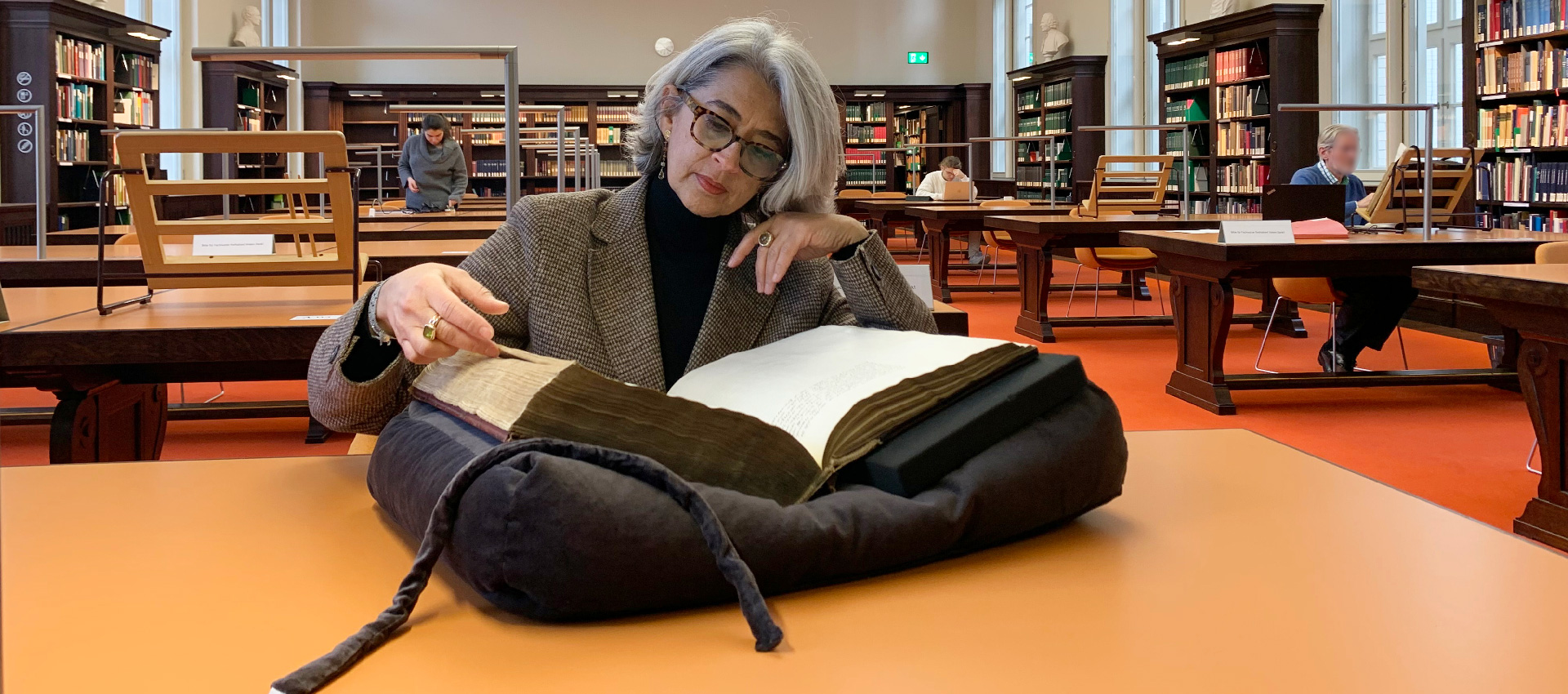
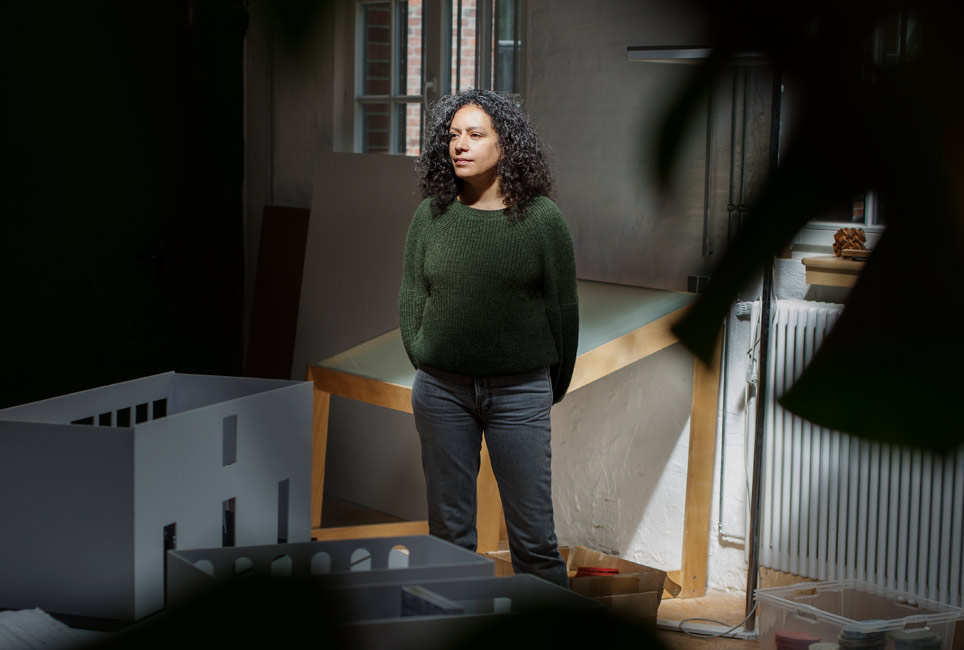
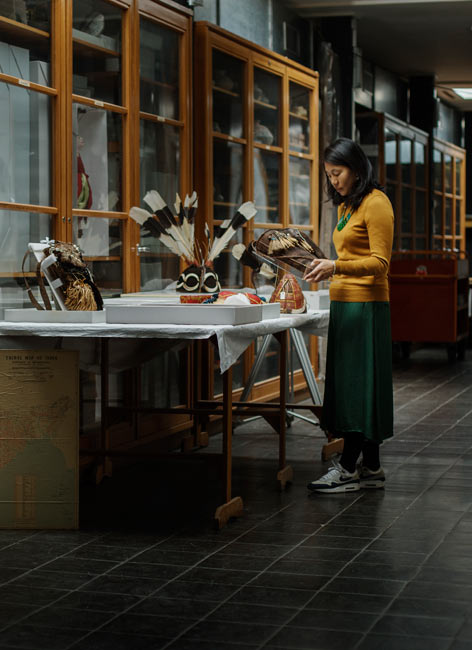
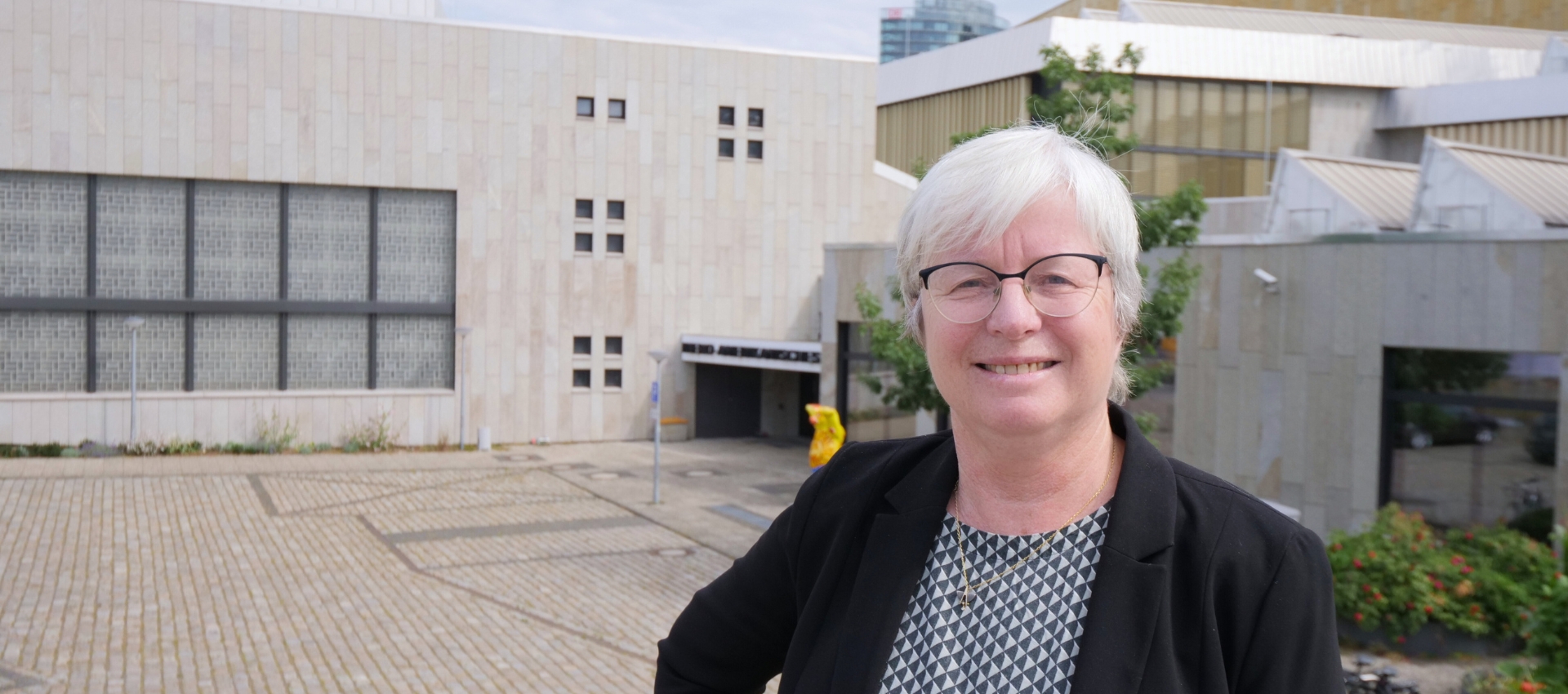
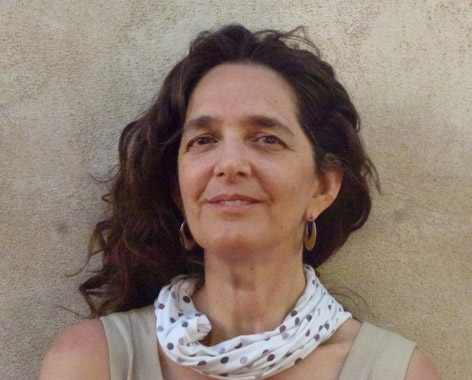
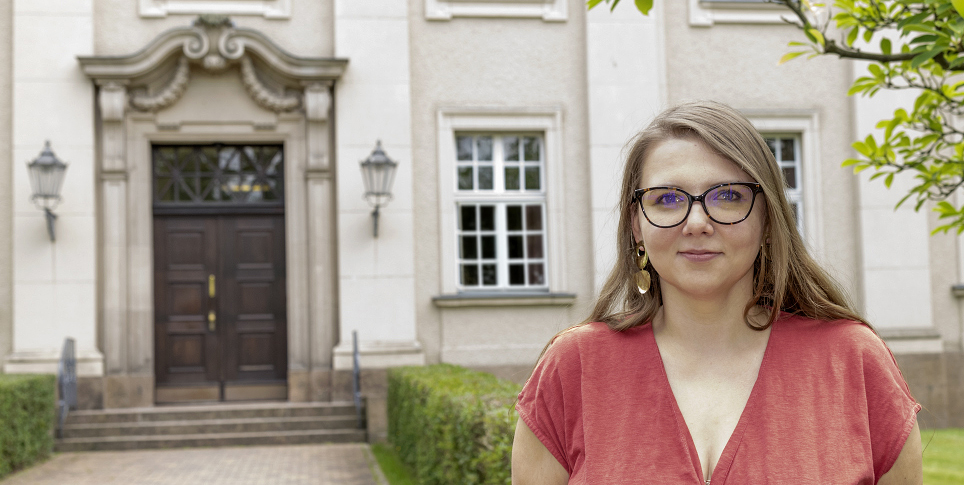
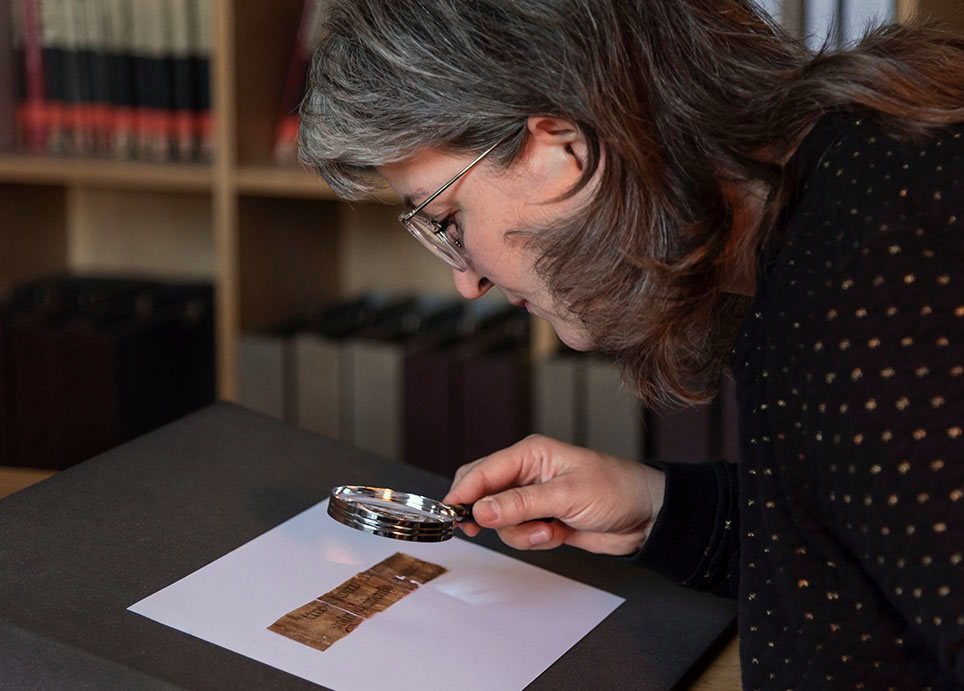
Rosa Maria Piccione really does know her way around old books – paper and parchment, inks, colours and watermarks. She teaches Byzantine philology and Greek palaeography at the University of Turin, and is passionate about typefaces and letterforms, whether in fine volumes or notebooks. No wonder, then, that she is so enthusiastic about Guillaume Pellicier, a French cardinal and scholar who served as ambassador in Venice from 1539 to 1542, and who used this brief period to have some 141 books copied – Greek and Byzantine texts on philosophy, history and poetry, as well as on medicine, botany and mathematics – an impressive collection. Rosa Maria Piccione says with a twinkle in her eye: “Pellicier was a bibliophile; one might even say a bibliomaniac. Just like me.”
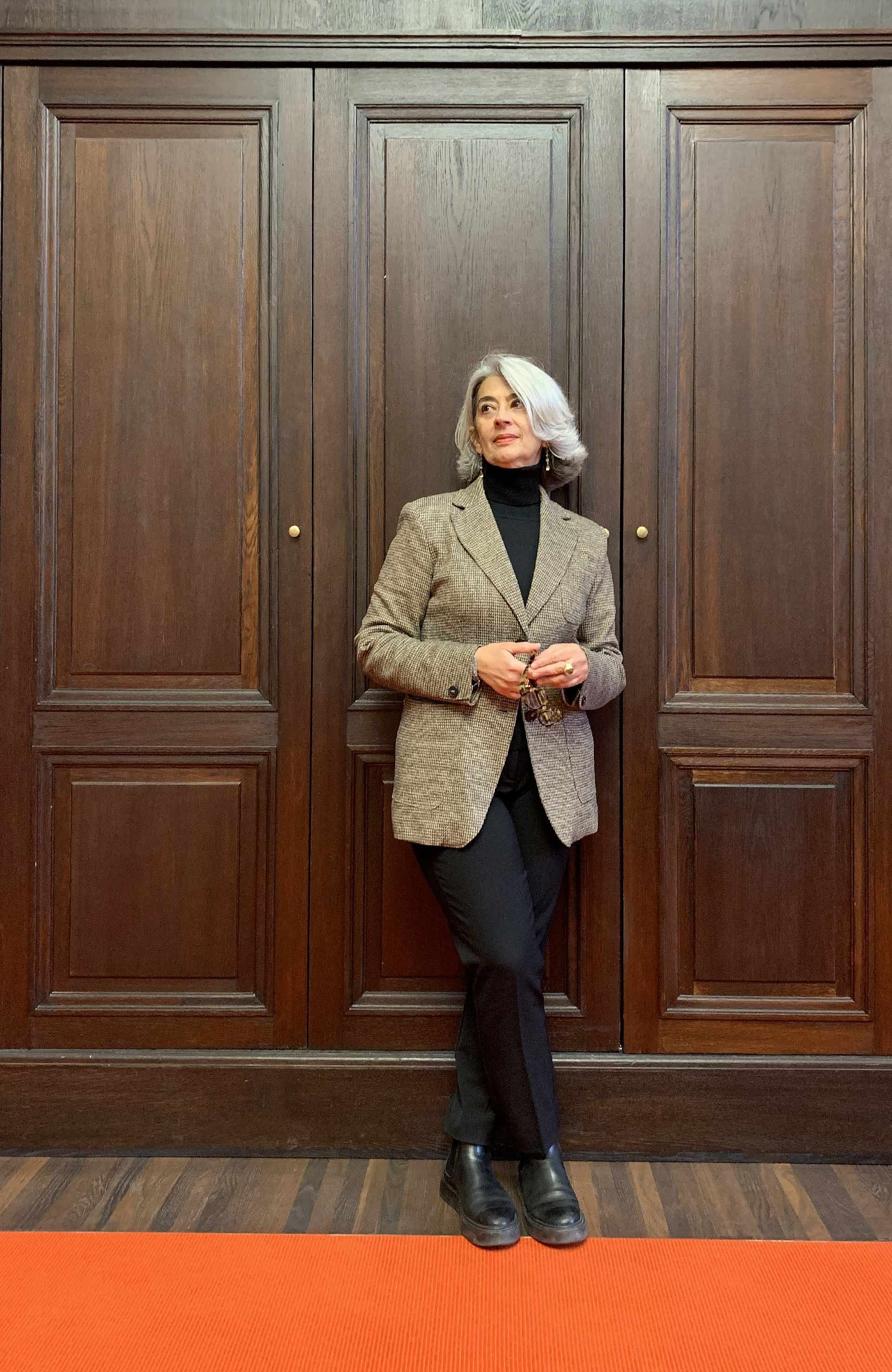
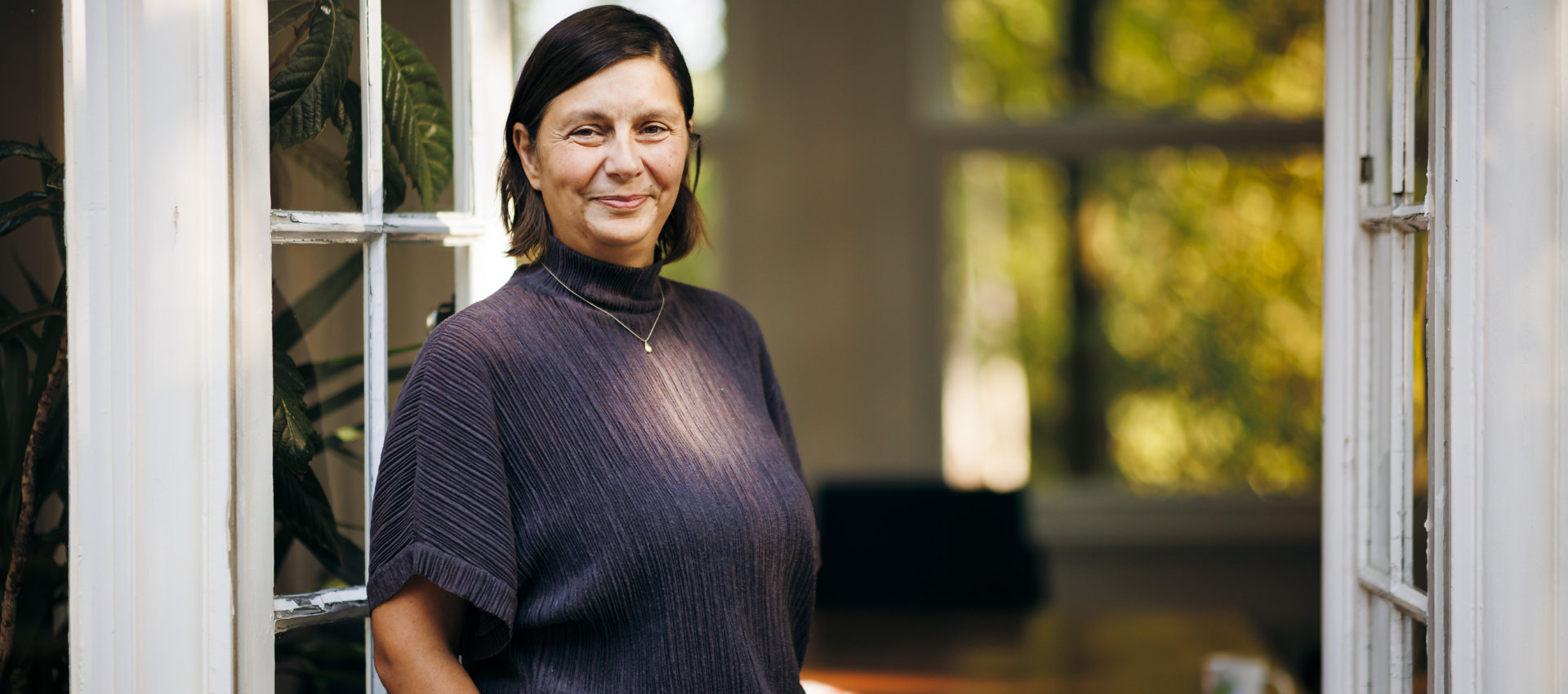
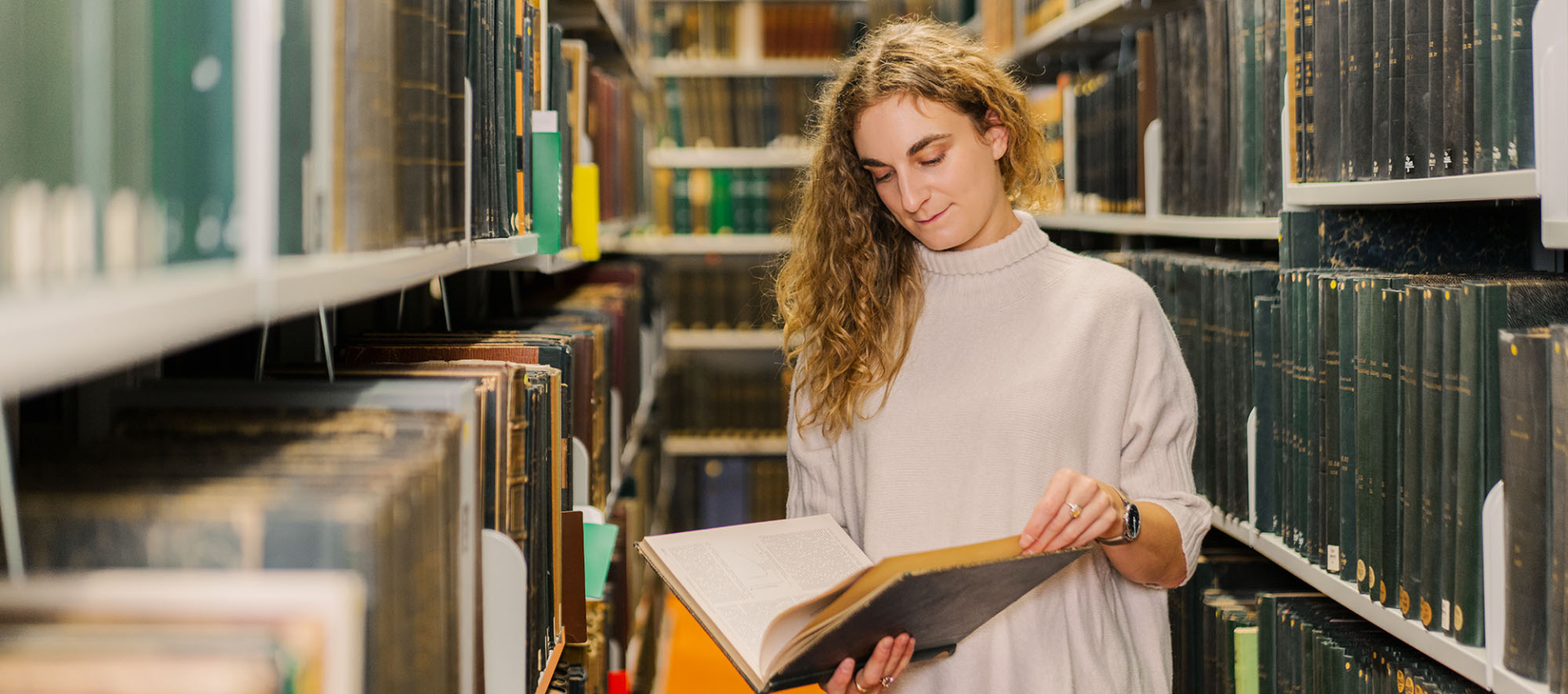
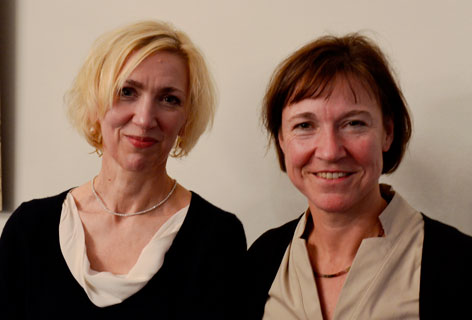
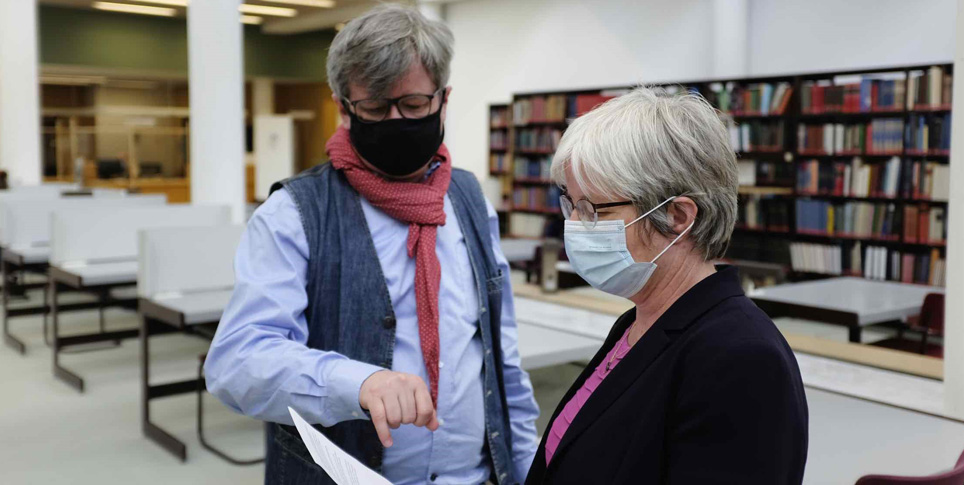
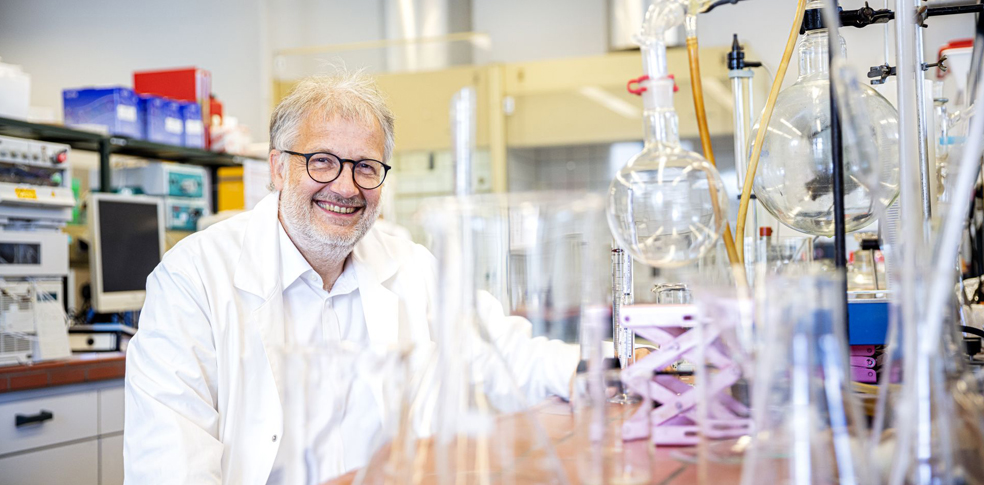
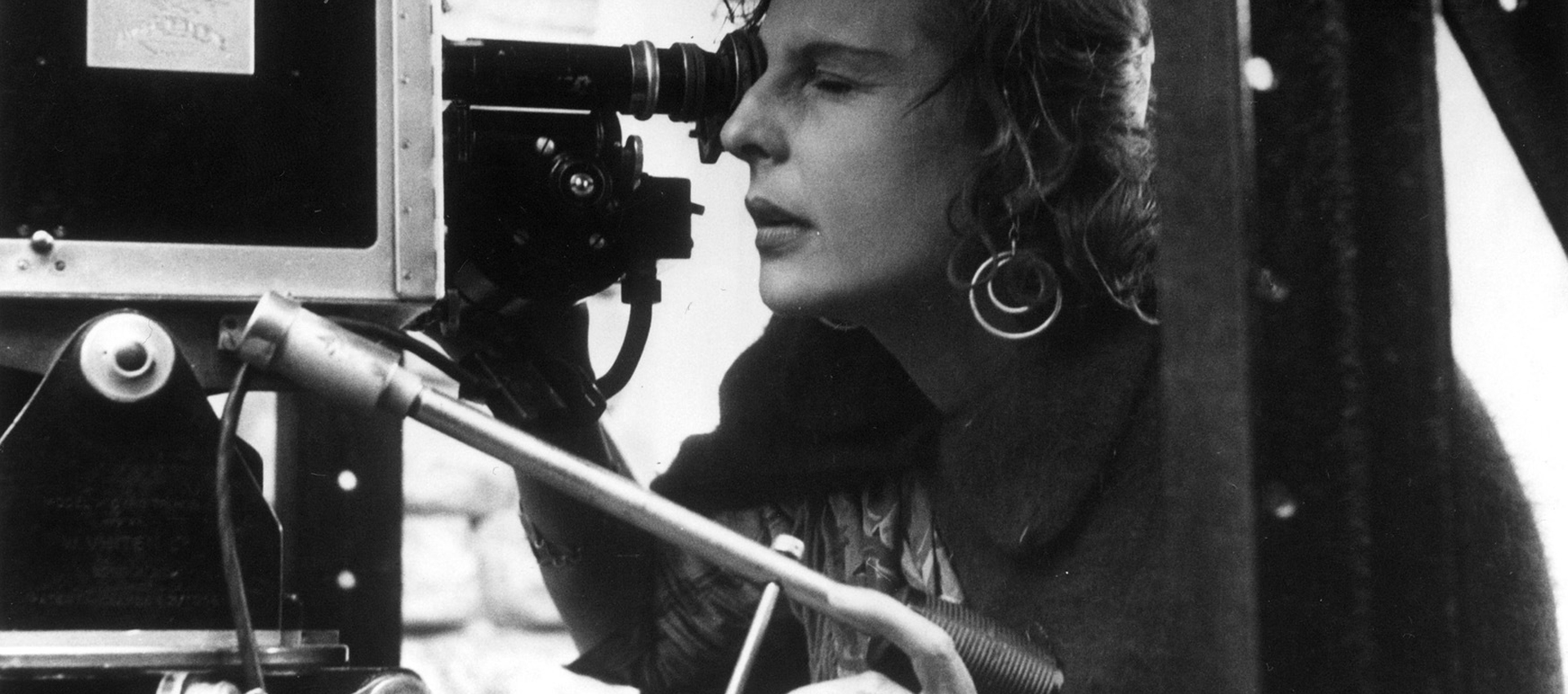
Rosa Maria Piccione teaches Byzantine philology and Greek palaeography at the University of Turin; she is passionate about typefaces and letterforms, whether in fine-bound volumes or notebooks.
Photo: SPK / Killisch
Pellicier’s library is an excellent resource for learning more about the production of Greek manuscripts during the age of printing and for understanding who was involved in this process.
Venice was, at that time, the cultural capital of the Greek diaspora following the fall of Constantinople to the Turks. Many Greek scholars settled here, bringing their culture and their books with them – and also worked as copyists. They were very welcome: it was the Renaissance, a time when Italy and the whole of Europe were reflecting on antiquity, searching for their cultural roots, rediscovering Greek literature and philosophy, and leaving the Middle Ages behind. “With the Greek scholars in Venice, antiquity came back to life. You could literally touch it,” says Piccione.
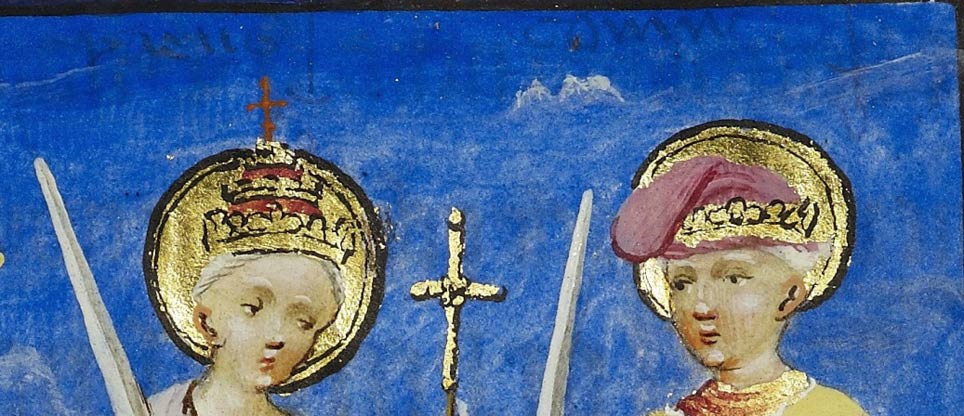
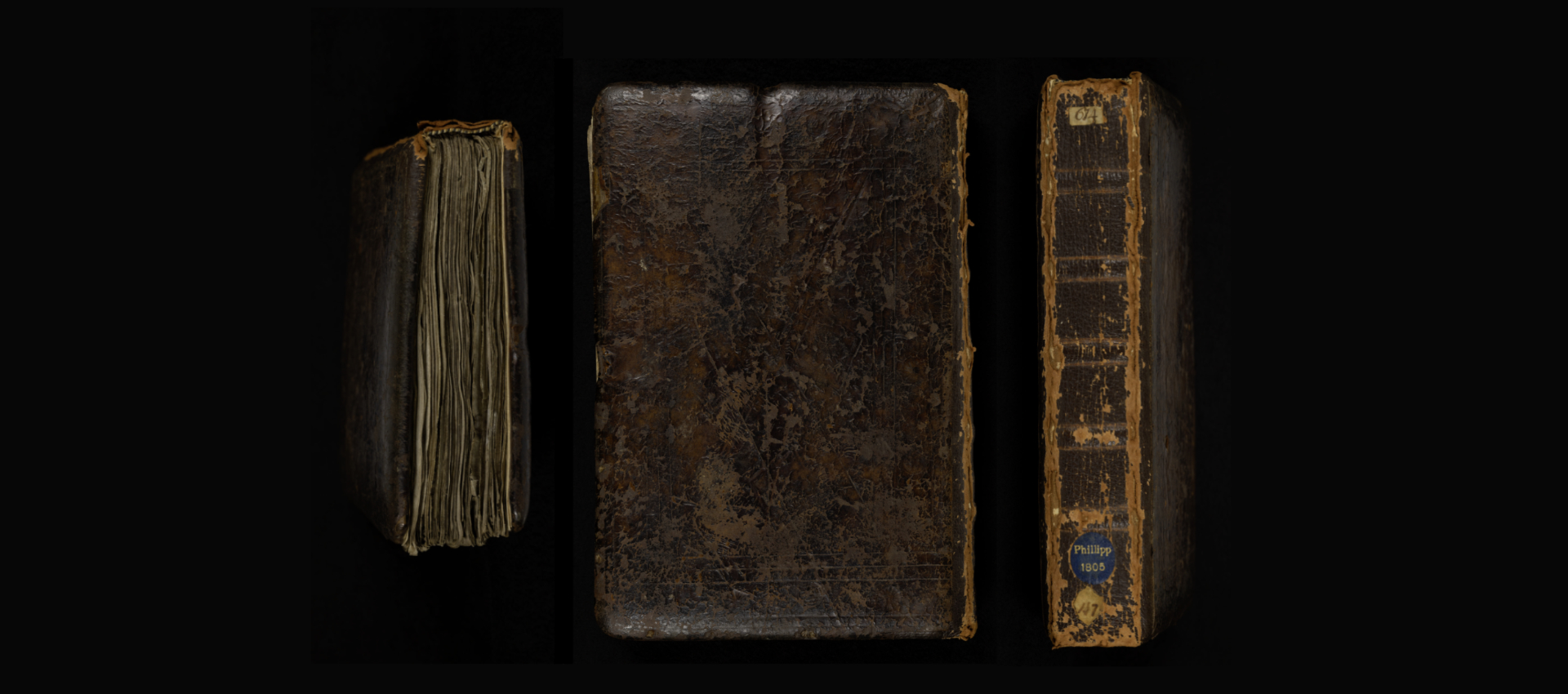
Pellicier made the most of this. He was a humanist with an interest not only in theology but also in law, medicine and the natural sciences, and who belonged to a circle of renowned intellectuals in his hometown of Montpellier. In Venice, he acquired books for the French king’s library at Fontainebleau, but above all for himself. “Pellicier’s library is ideally suited to learning more about the production of Greek manuscripts during the age of printing, and to understanding which figures were involved,” says Rosa Maria Piccione. “For it is unique in its kind: it was assembled in a specific place, at a specific time, commissioned by a specific, highly knowledgeable individual.” Above all, however, it has not been scattered to the four winds, but has been preserved almost in its entirety. In 1887, after passing through various locations in France and Holland, it was finally sold as part of the collection of the English bookseller Sir Thomas Phillipps to Berlin, where the Berlin State Library has carefully preserved and expertly looked after it to this day – exactly 107 works.
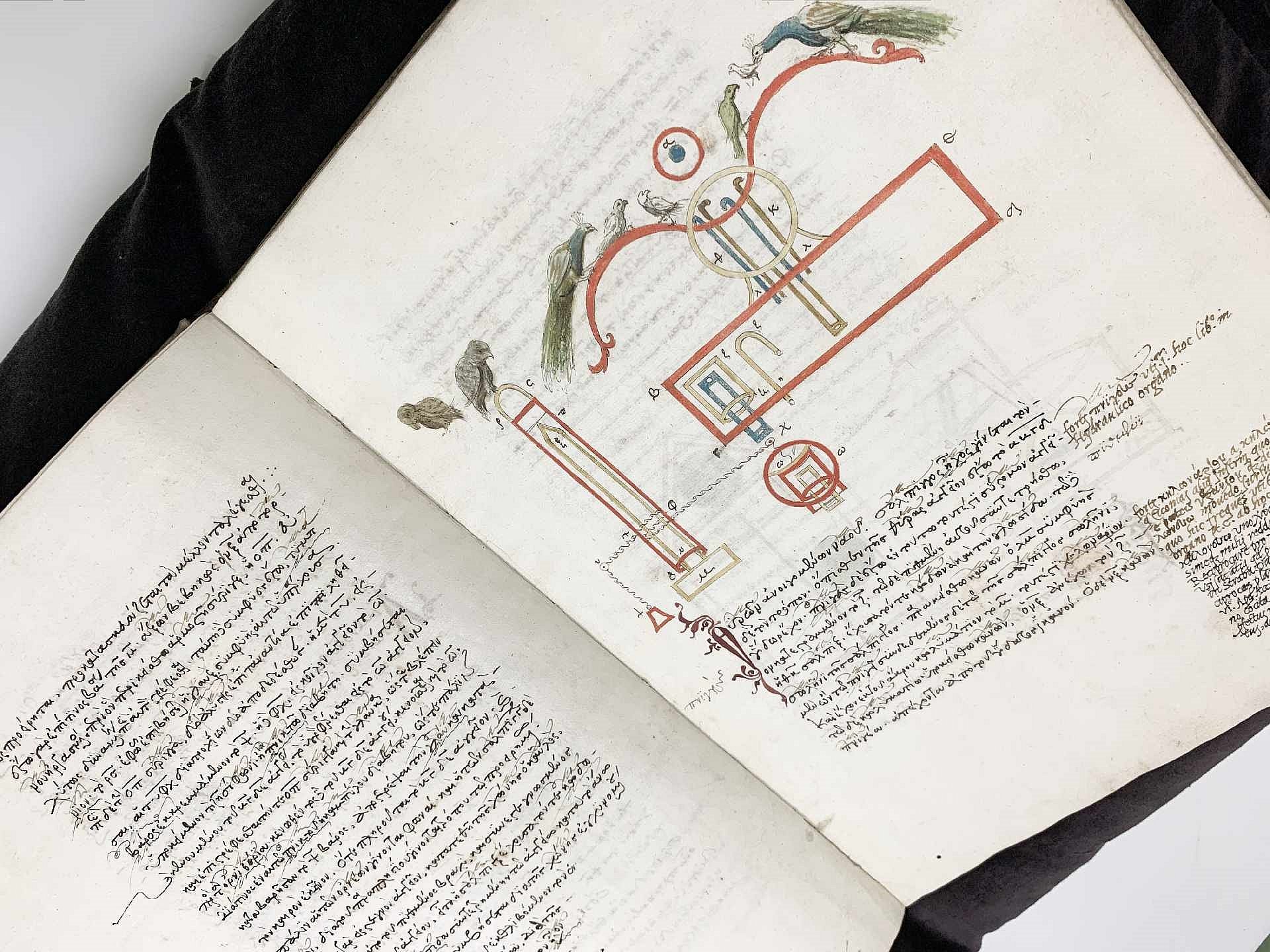
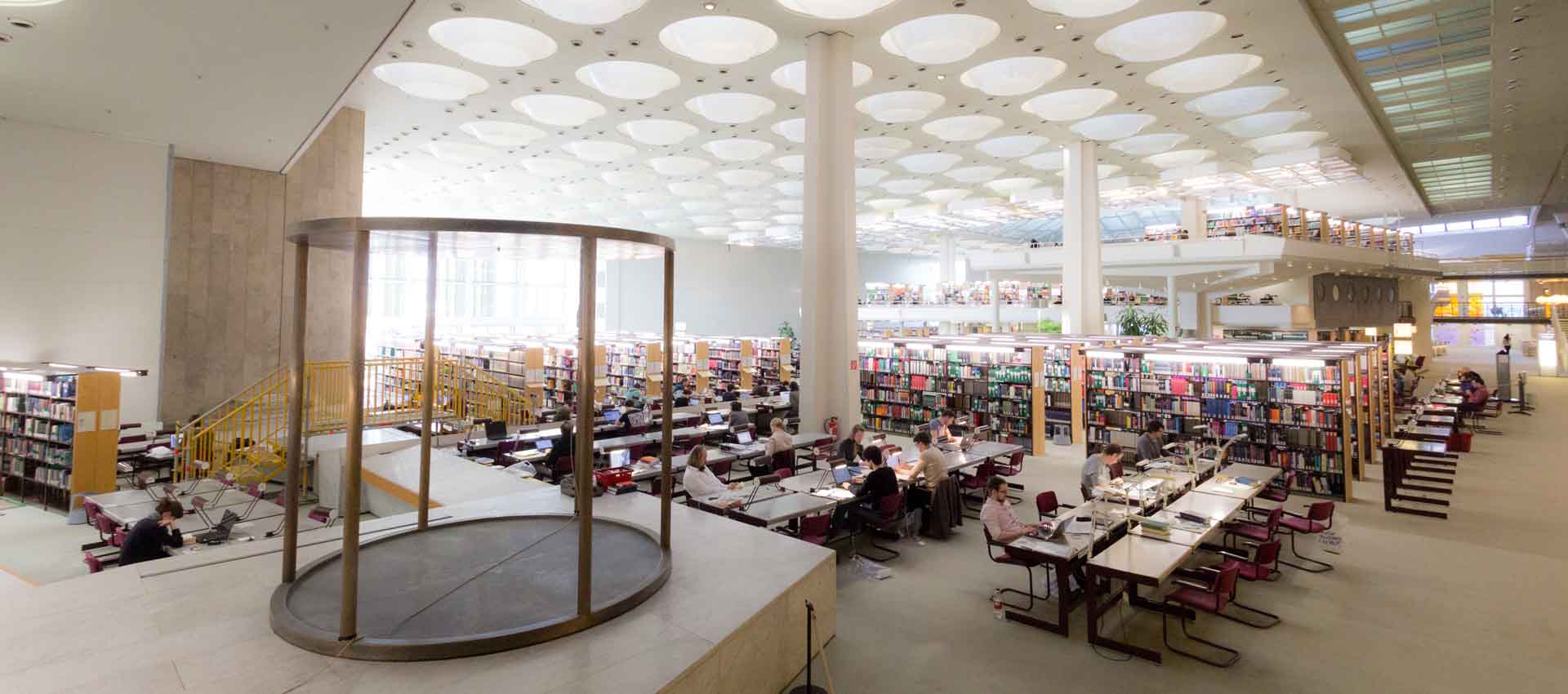
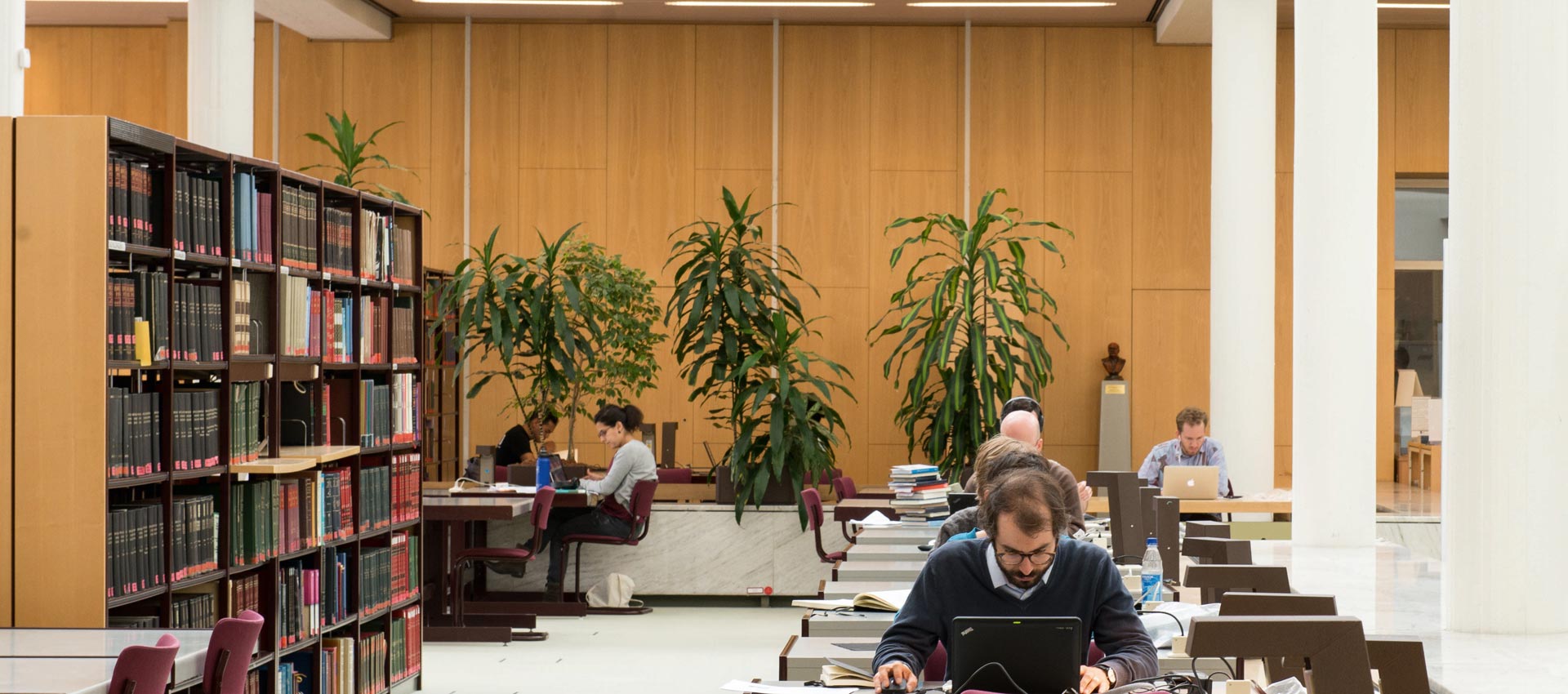
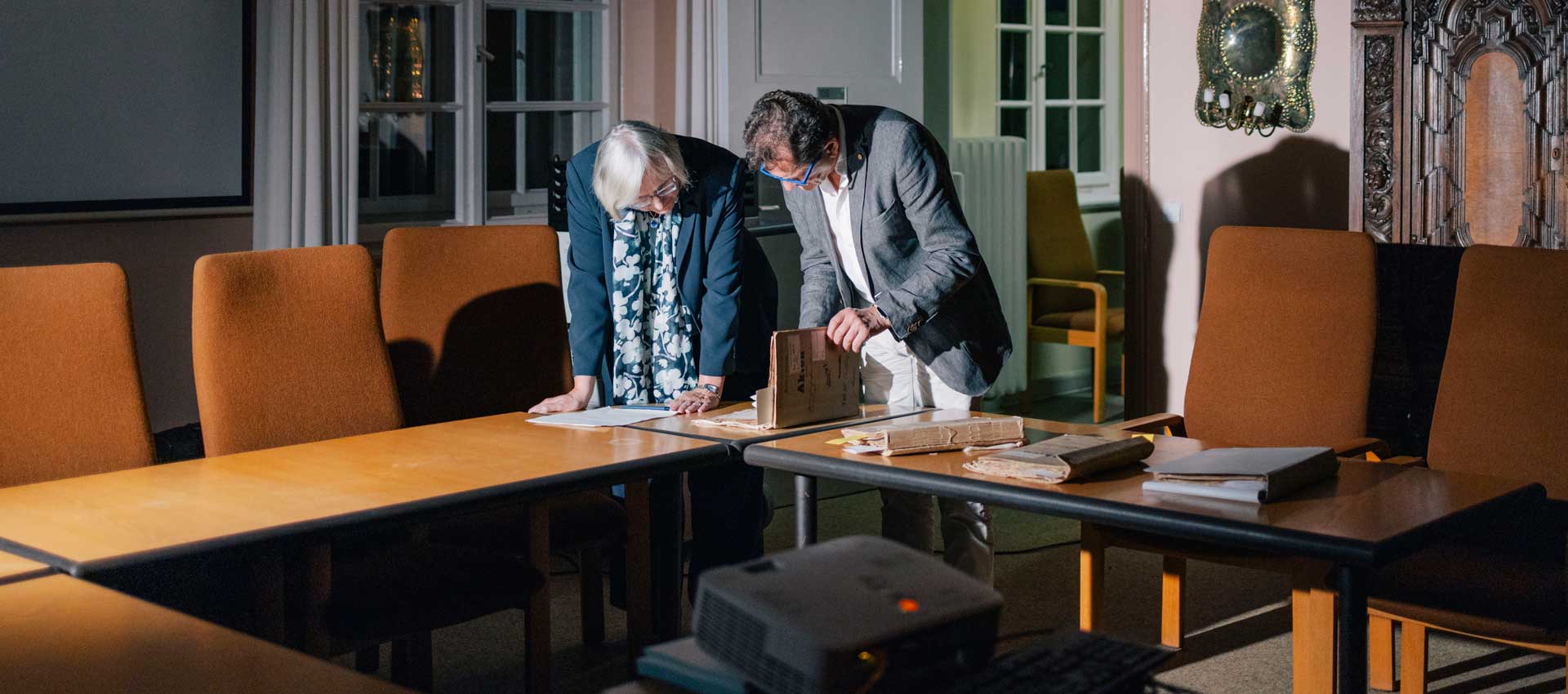
Rosa Maria Piccione has been coming here time and again for years. In the new manuscript reading room at the Stabi on Unter den Linden, she studies book by book, page by page, letter by letter. She now knows that at least twelve copyists created Pelliciers’ library, including well-known figures from the world of Greek books. Pelliciers’ letters reveal that they came to his home for this purpose, setting up a home workshop, an atelier domestico. “It’s often frustrating: for months on end I don’t understand what the Greek copyist actually intended, but then the solution comes,” she says. For that is what the team of researchers, which includes several European scholars, is all about: finding out exactly how the copyists worked, who played which role, why certain texts were selected – and who decided to have them copied by whom. One thing is clear: Pellicier worked with the texts himself and made annotations. His own handwriting appears on some pages. “Pellicier didn’t just keep and display his books; he really worked with his library,” says Rosa Maria Piccione.
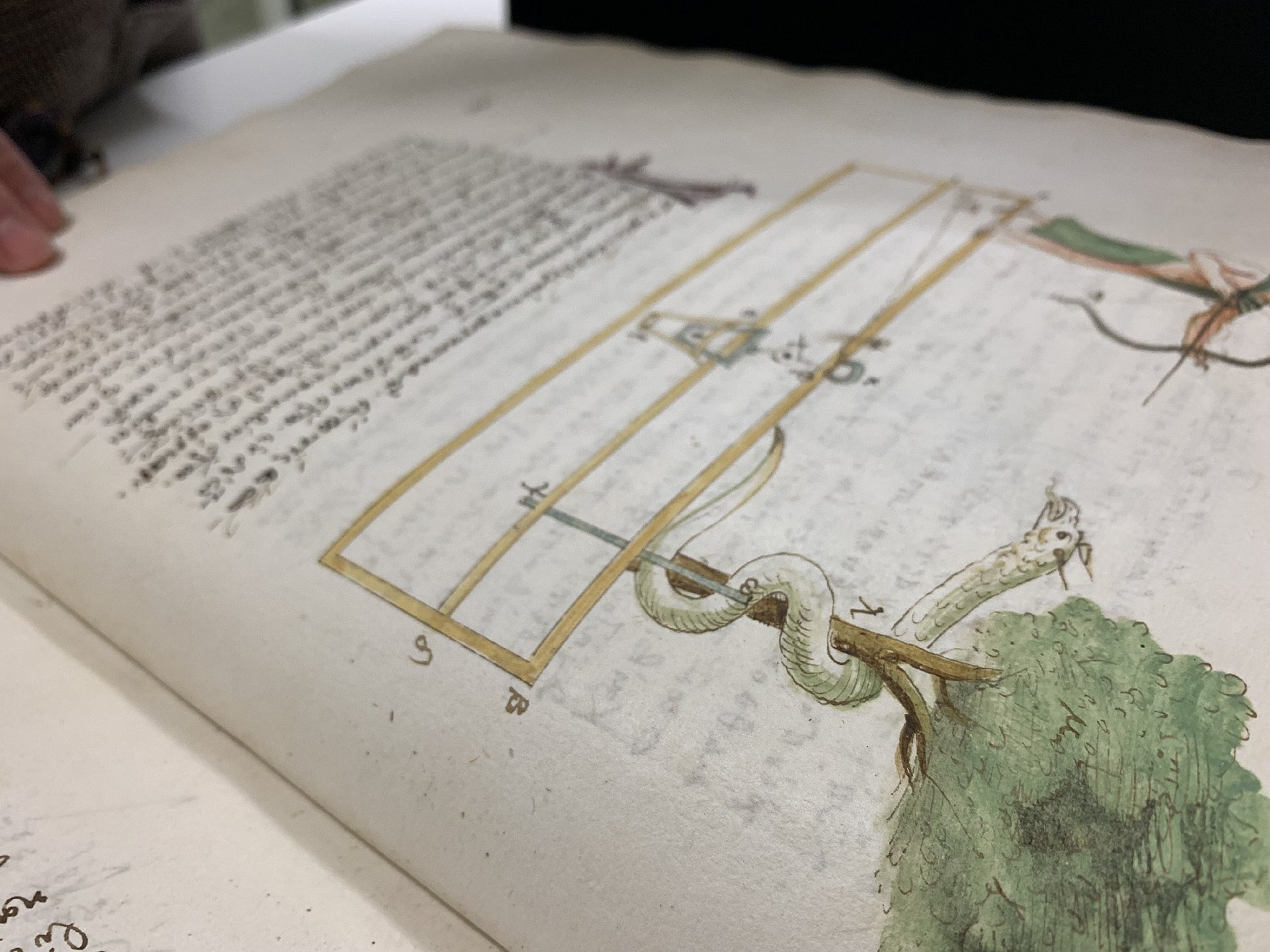
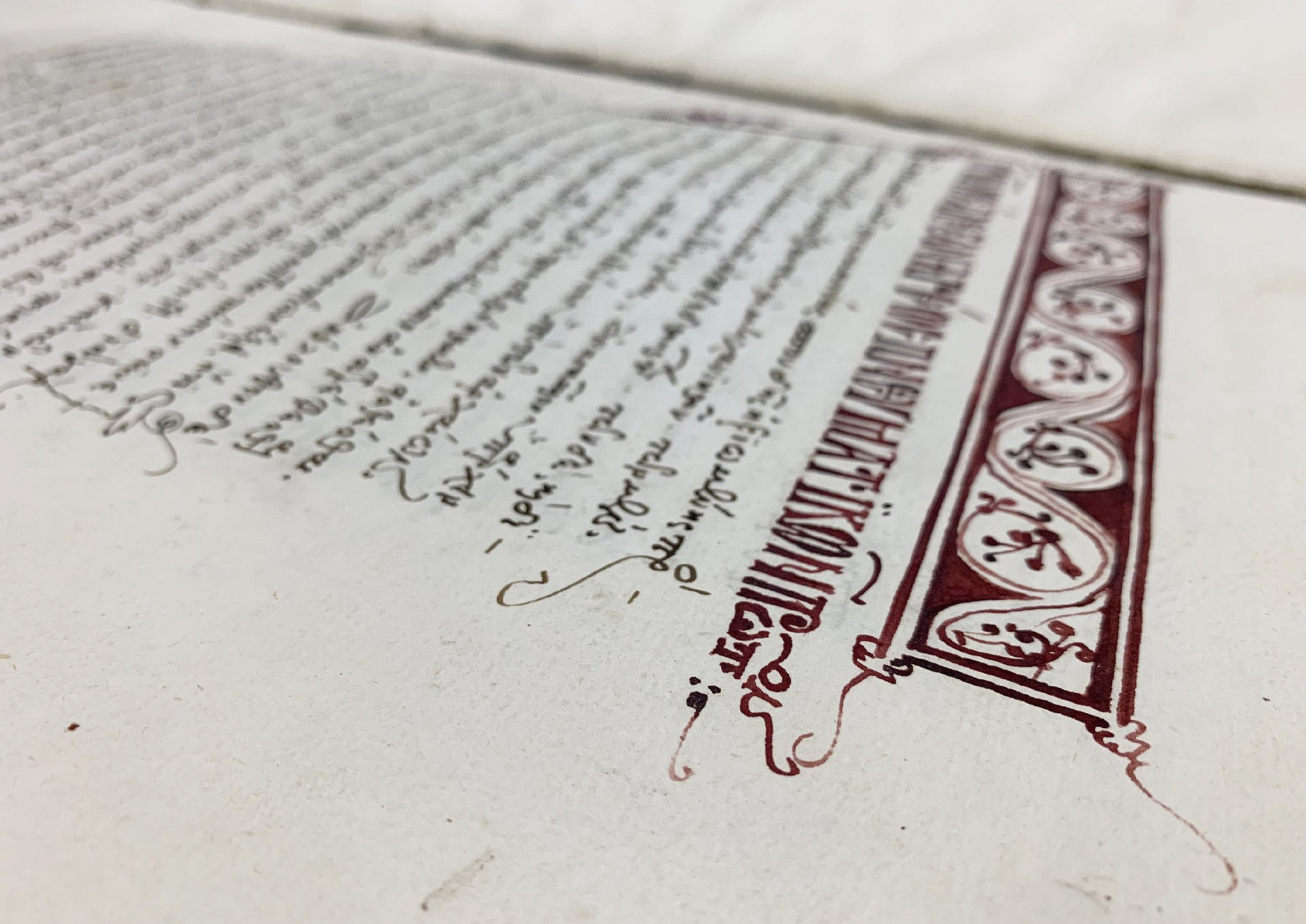
Pellicier’s library holds incredible treasures. New wonders are constantly being discovered.
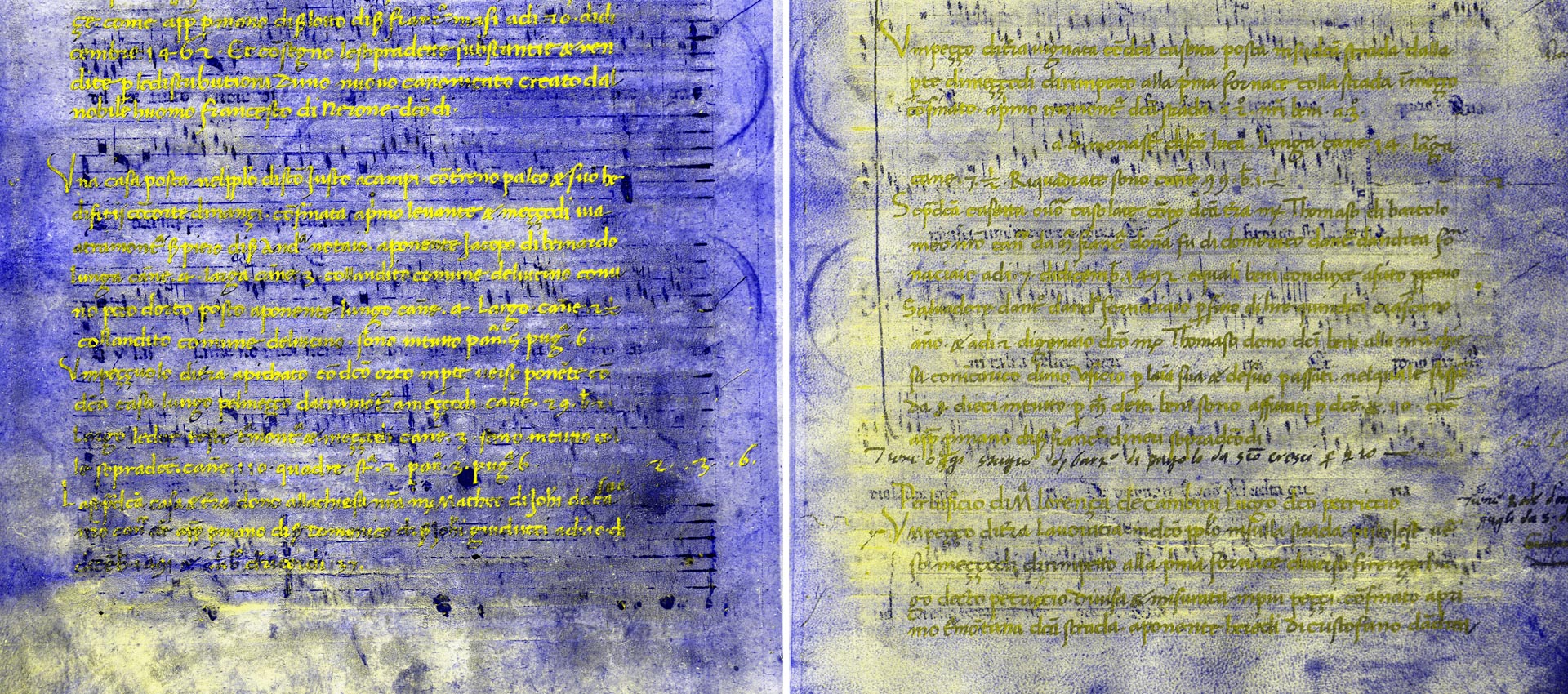
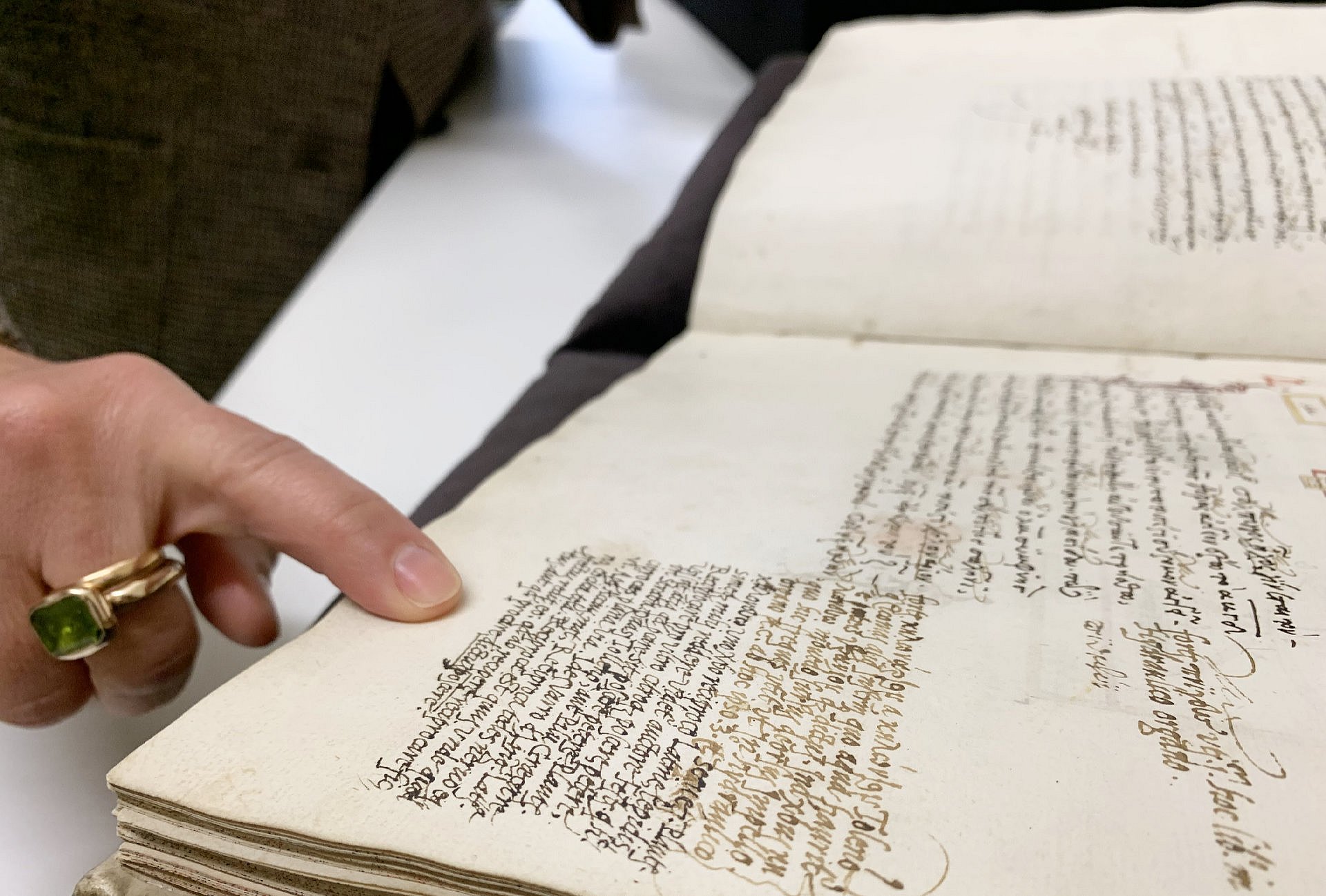
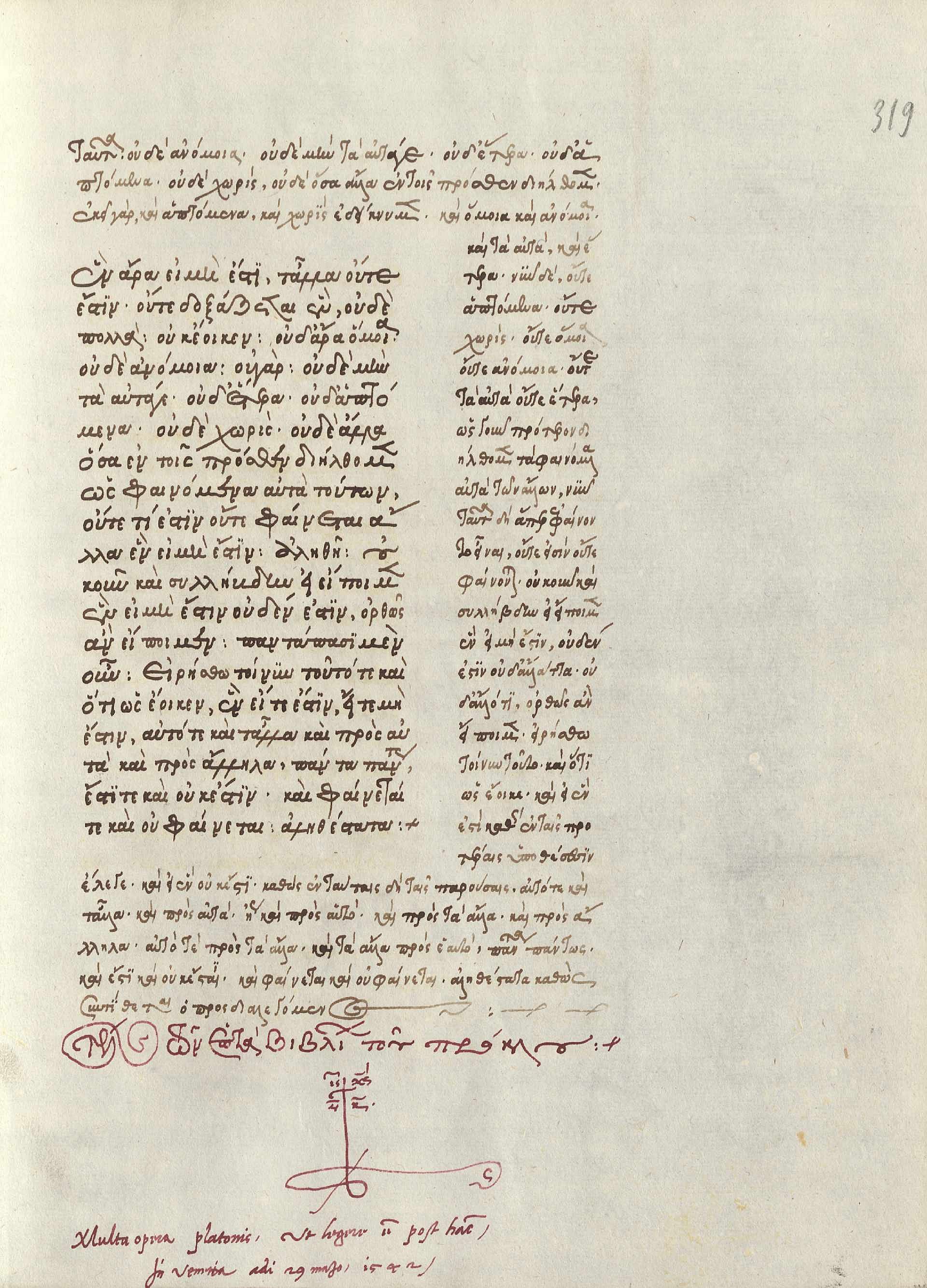
She demonstrates exactly how, using a text containing paraphrases of Aristotle lying on the table in front of her: the book looks almost like a thick working copy, with minor corrections, redrawn accents, ligatures, initials – and, in this case, above all, two colours of ink. It seems that an experienced copyist corrected a less experienced one here, pointing out improvements and showing him how to write more clearly and elegantly. And it appears that in this case it was a certain Johannes Katelos, who was very active in Venice at the time as a master copyist. Today one might perhaps say: Katelos was a modern editor, a mediator of Greek culture, who once even wrote a note in the margin for Pellicier, his client, recommending that he read Plato directly, and not just the ‘Commentary on the Parmenides’ by the philosopher Proclus. At the end of this commentary, he wrote: Multa opera Platonis, ut legere i(n) i(ntegrum) post ha(n)c / In Venetia adi 29 mazo 1542. (There are many works by Plato which you could read in full after this one. Venice, 29 May 1542.)
Rosa Maria Piccione is delighted with such discoveries. They are the first significant results of her research. “Pellicier’s library holds incredible treasures. Time and again, new wonders are discovered,” she says. For, compared to printing, copying offered many advantages: it was possible to reproduce less popular texts as well, not just those of the great classics that had already appeared in print, such as Homer, Euripides or Sophocles. Moreover, it was sometimes quicker. This made it possible to create different copies of a work and compare them with one another. Pellicier’s library inventories clearly reveal this way of working: different copies of the same work in both printed and manuscript form, in order to facilitate philological work.
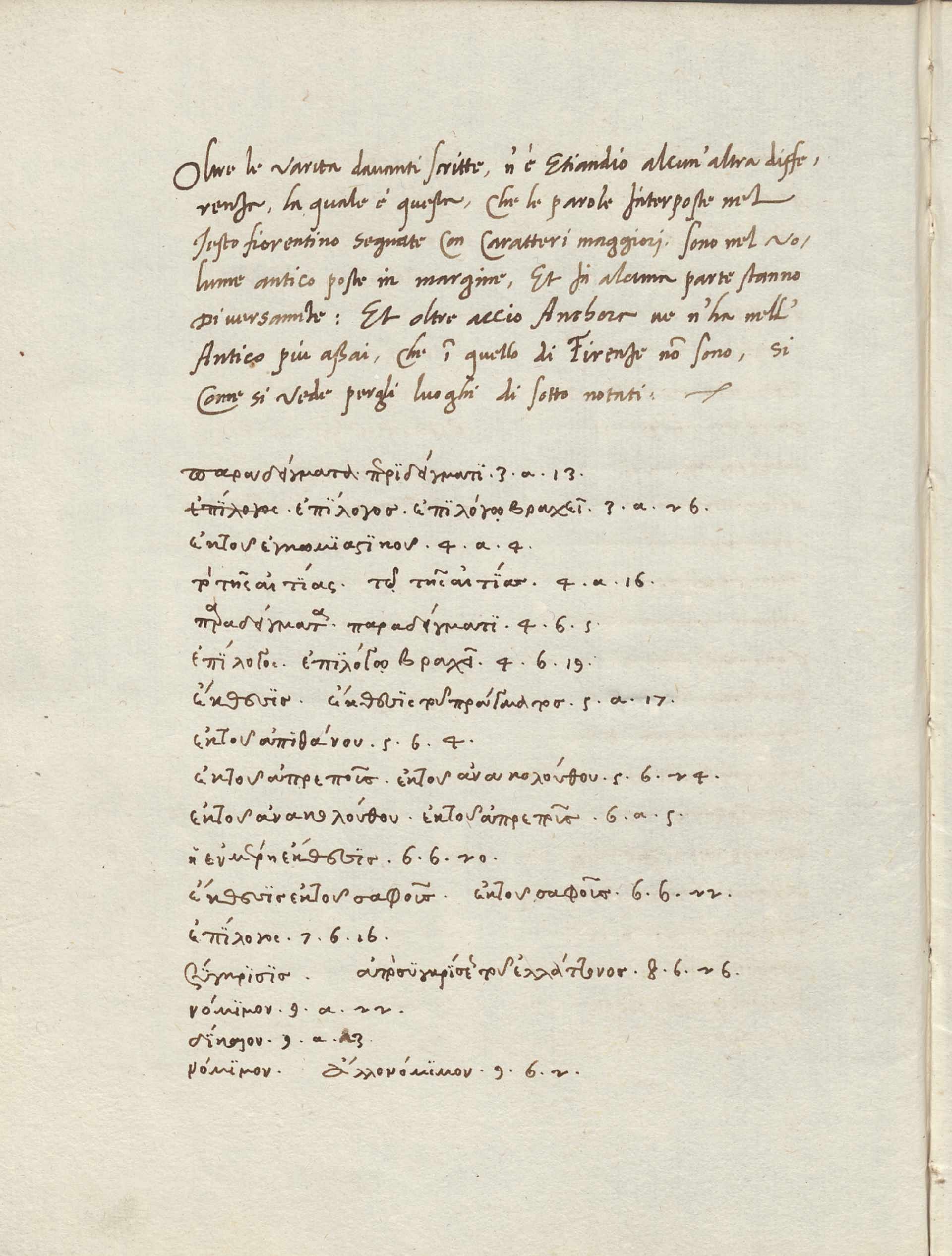
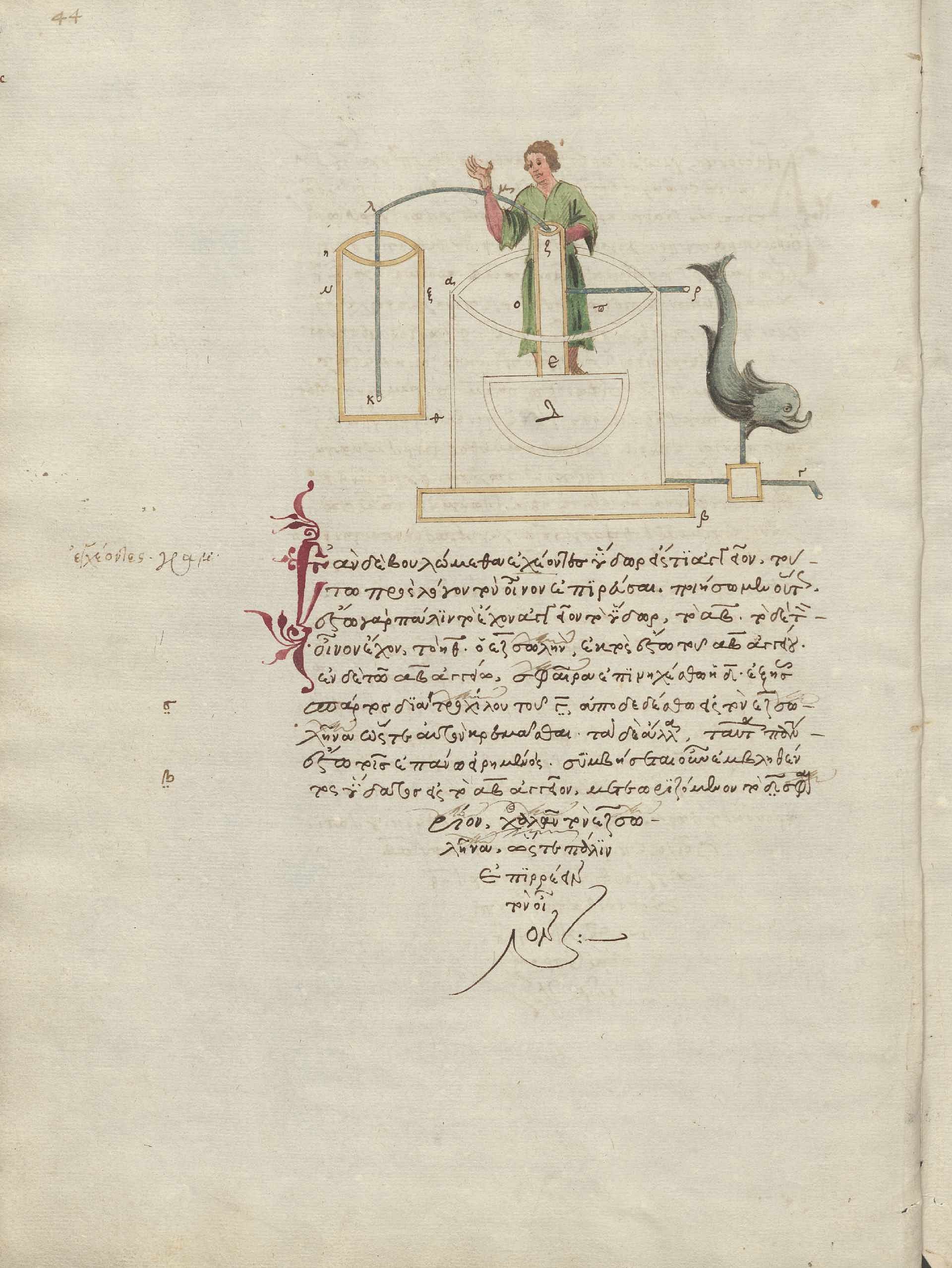
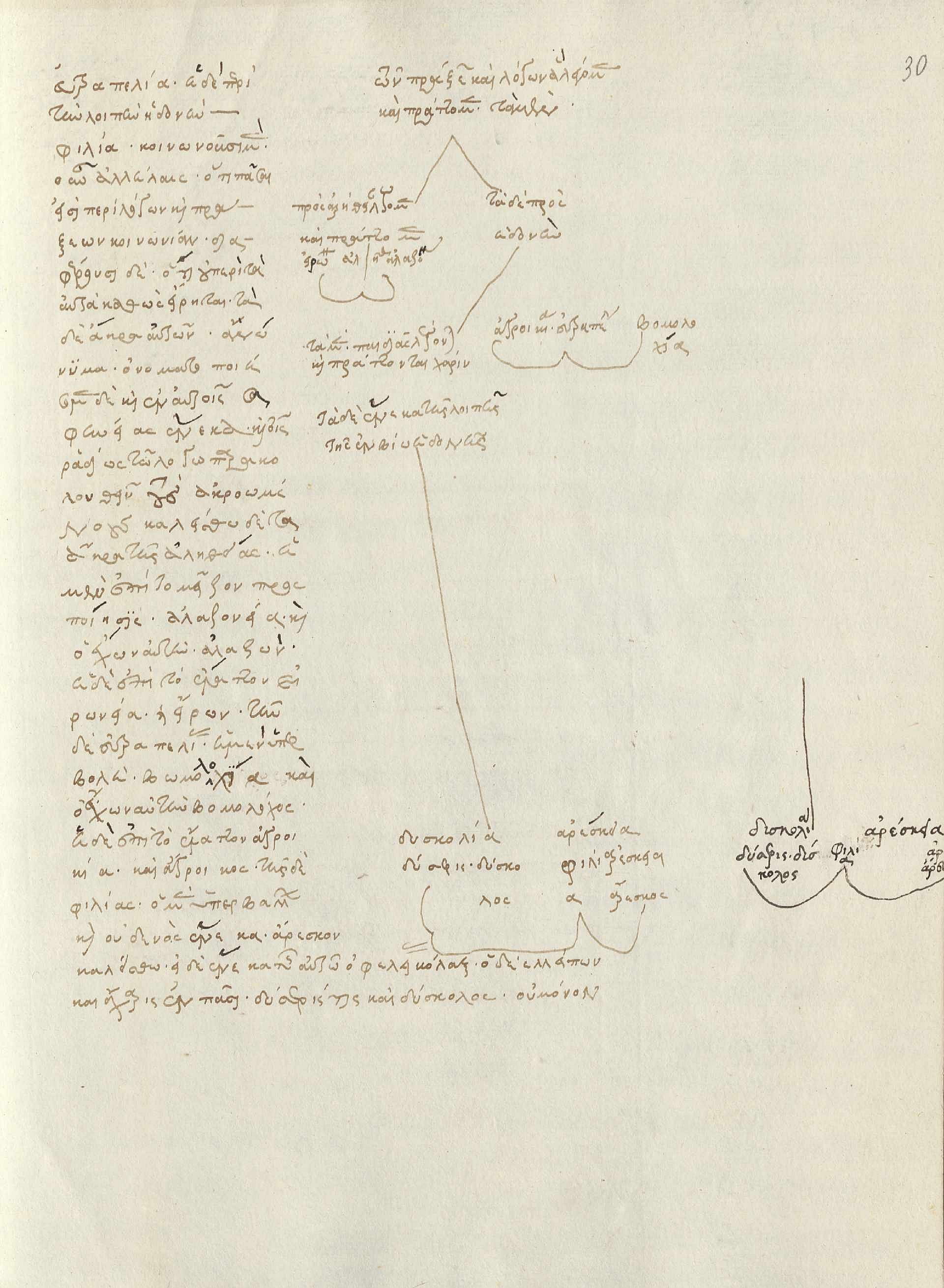
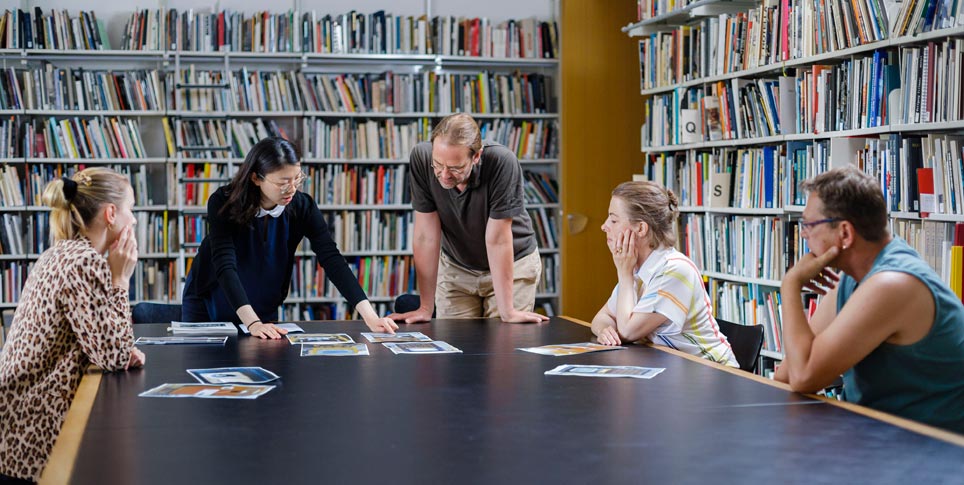
Rosa Maria Piccione is leading the project alongside the historian Raphaele Mouren. The team also includes Richard Gartner, a librarian specialising in digitisation, and two other members, Dimitrios Skrekas and Elisa Bianchi. It is a project run by the Warburg Institute (University of London) and the University of Turin, funded by the UK’s Arts and Humanities Research Council (AHRC) for a period of four years. The research team aims to analyse, catalogue and digitise Pellicier’s collection – thereby facilitating further research. There will be workshops, initially in Berlin and later in Lyon, as well as conferences. Their focus is not merely on the individual texts; they seek to reconstruct a piece of history. They want to understand how knowledge was organised and transmitted – specifically at a time when printing was becoming increasingly important, a time of great technological and cultural change. Which books were still being copied by hand, which were already being printed – and how did these processes influence one another? And what impact did the Reformation actually have on the world of books? And the fact that East and West met in Venice?
Pellicier’s library is part of our shared cultural identity.
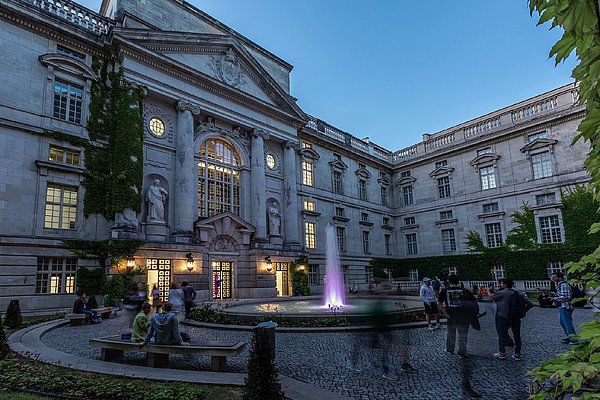
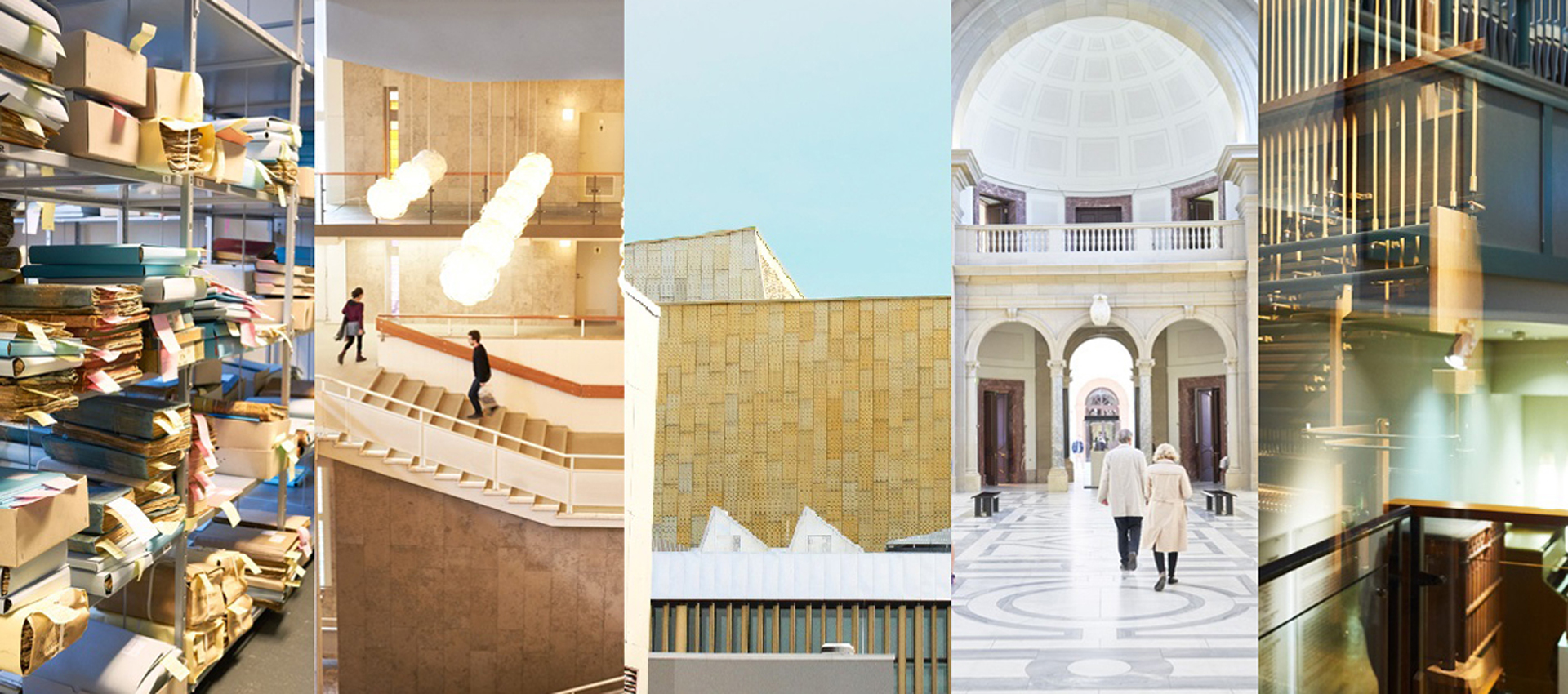
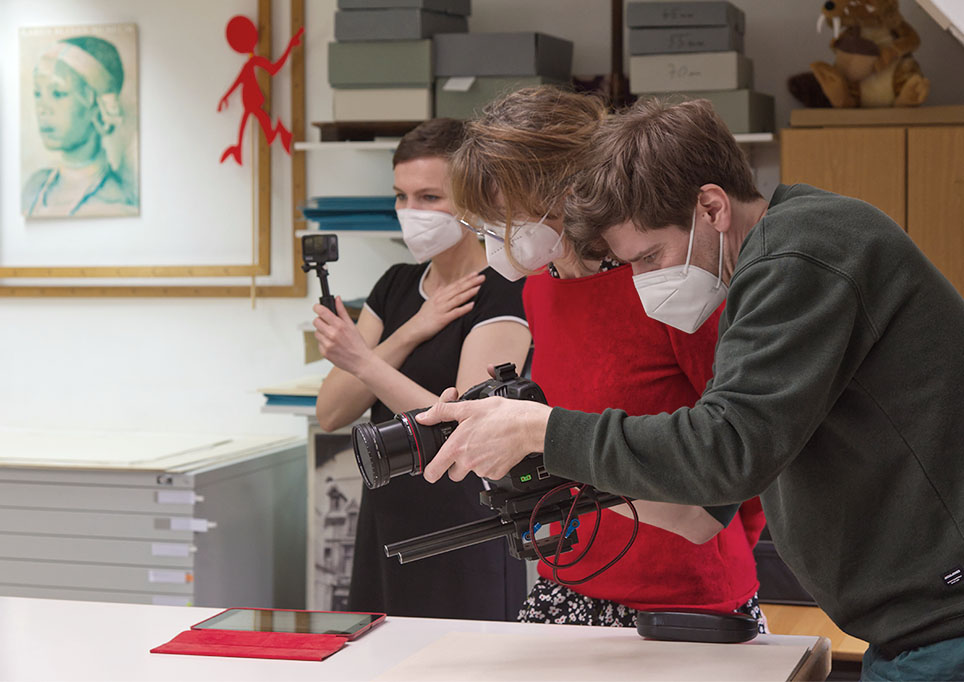
The Berlin State Library is a key partner in this endeavour. Not least, it has digitised all 107 of Pellicier’s manuscripts, providing crucial support to the partners and enabling publications within the Berlin State Library’s digitised collections. Rosa Maria Piccione is delighted with the collaboration with her Berlin colleagues and the working conditions. “It’s wonderful to see how Pellicier’s library is being honoured here,” she says. And she is convinced: “Pellicier’s library is part of our shared cultural identity. It tells the story of how Byzantium, the Greek world of the East, and Western Europe came together.” That is why it is so important to make it accessible to a wide audience.