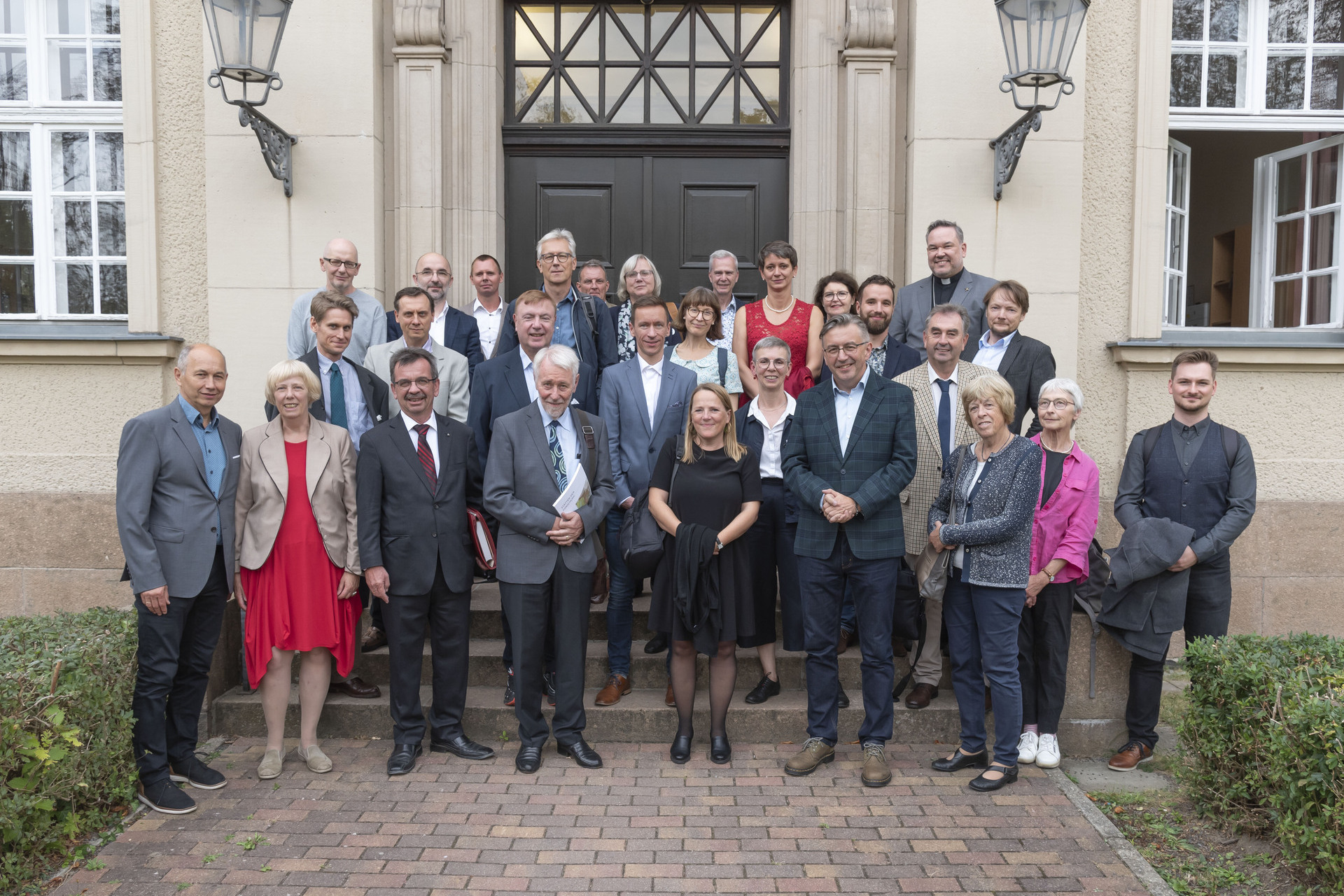
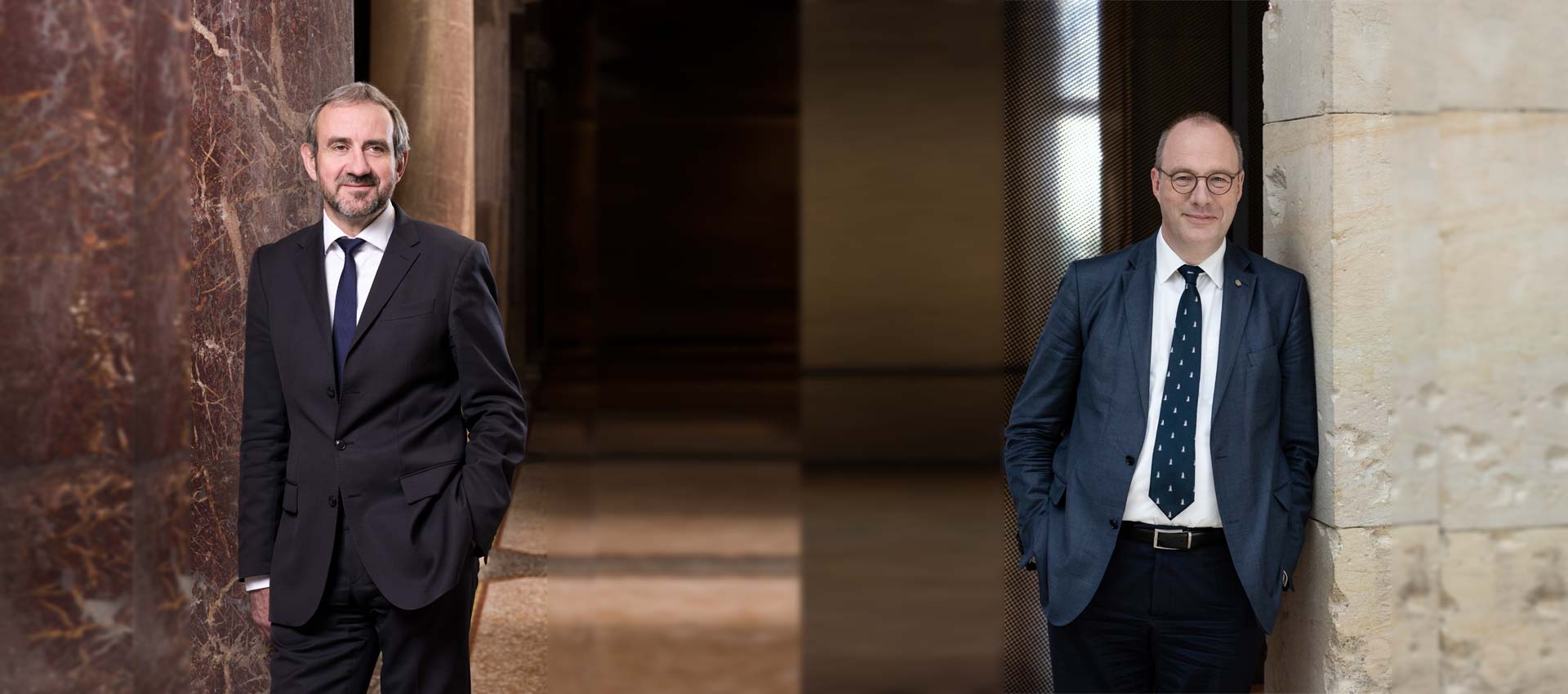
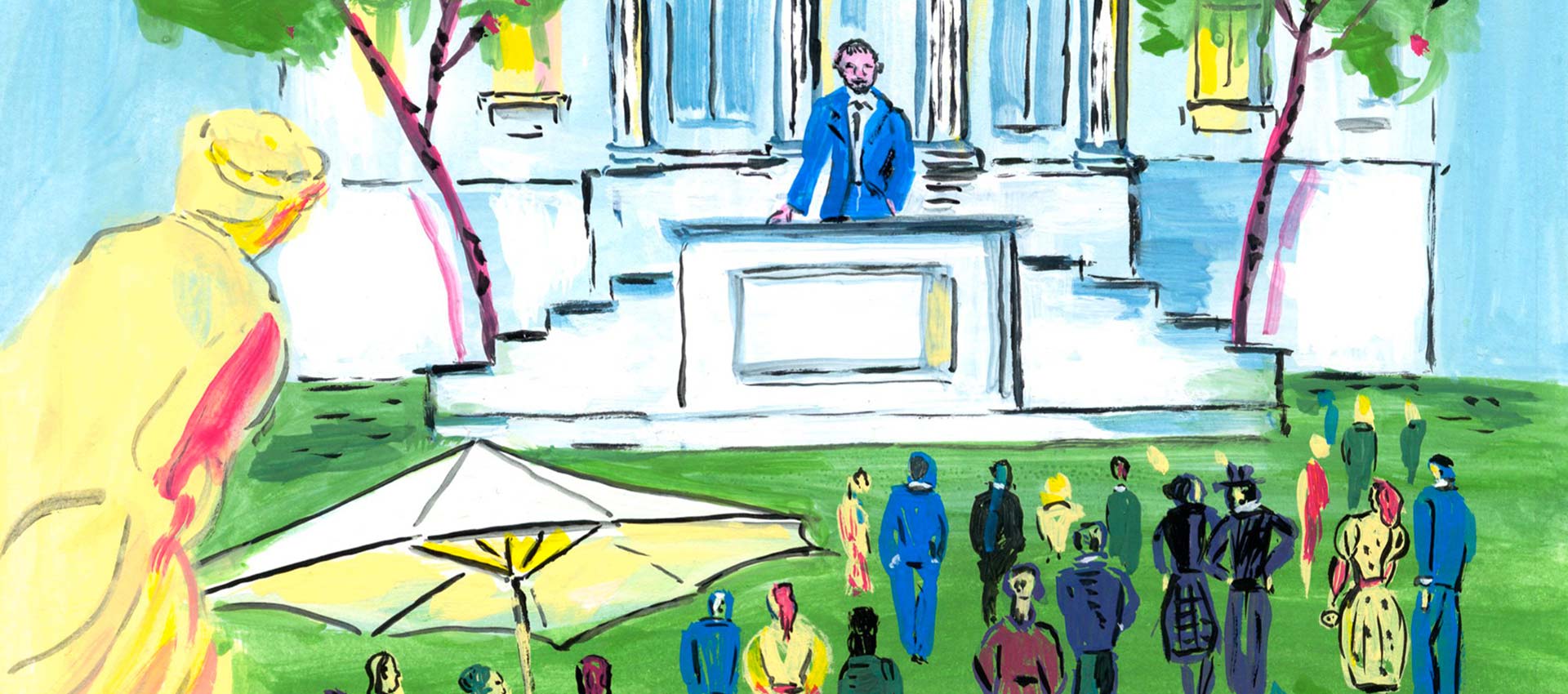
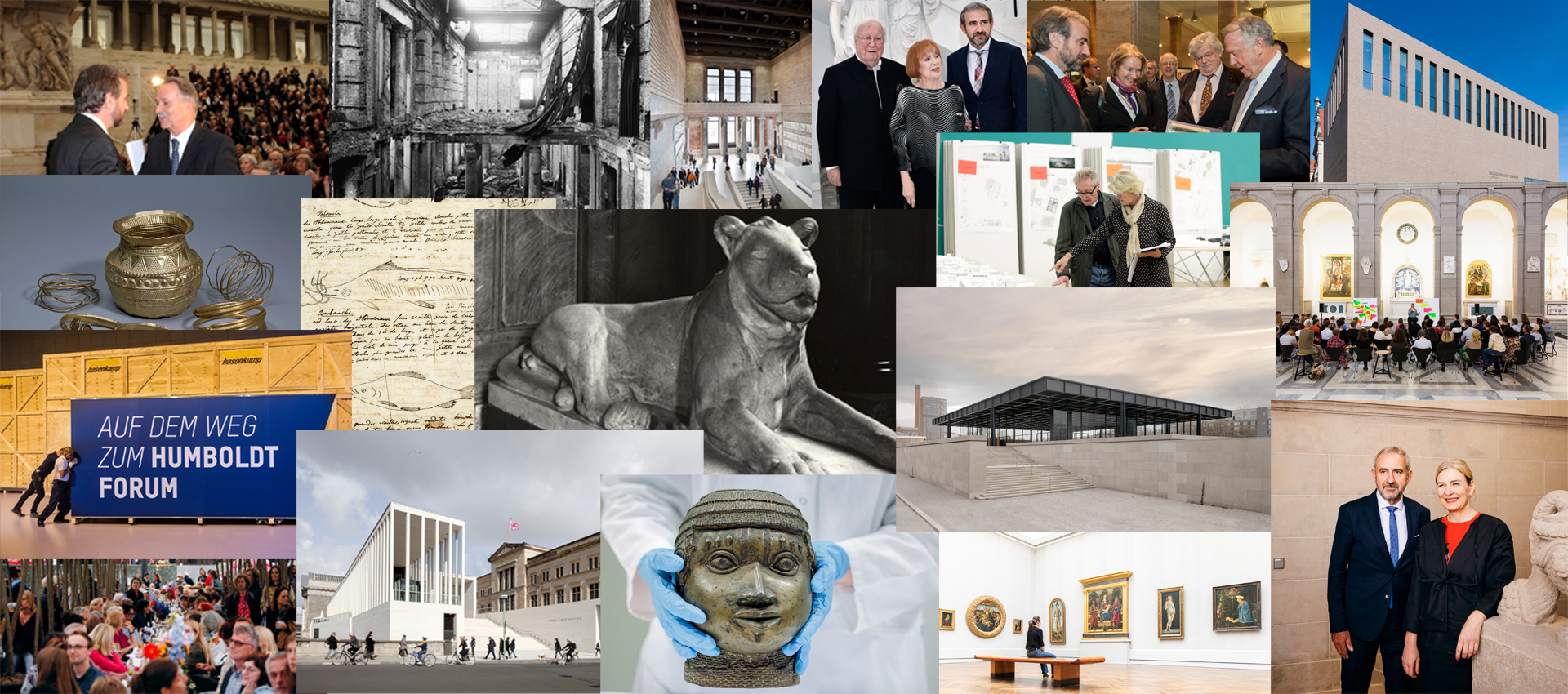
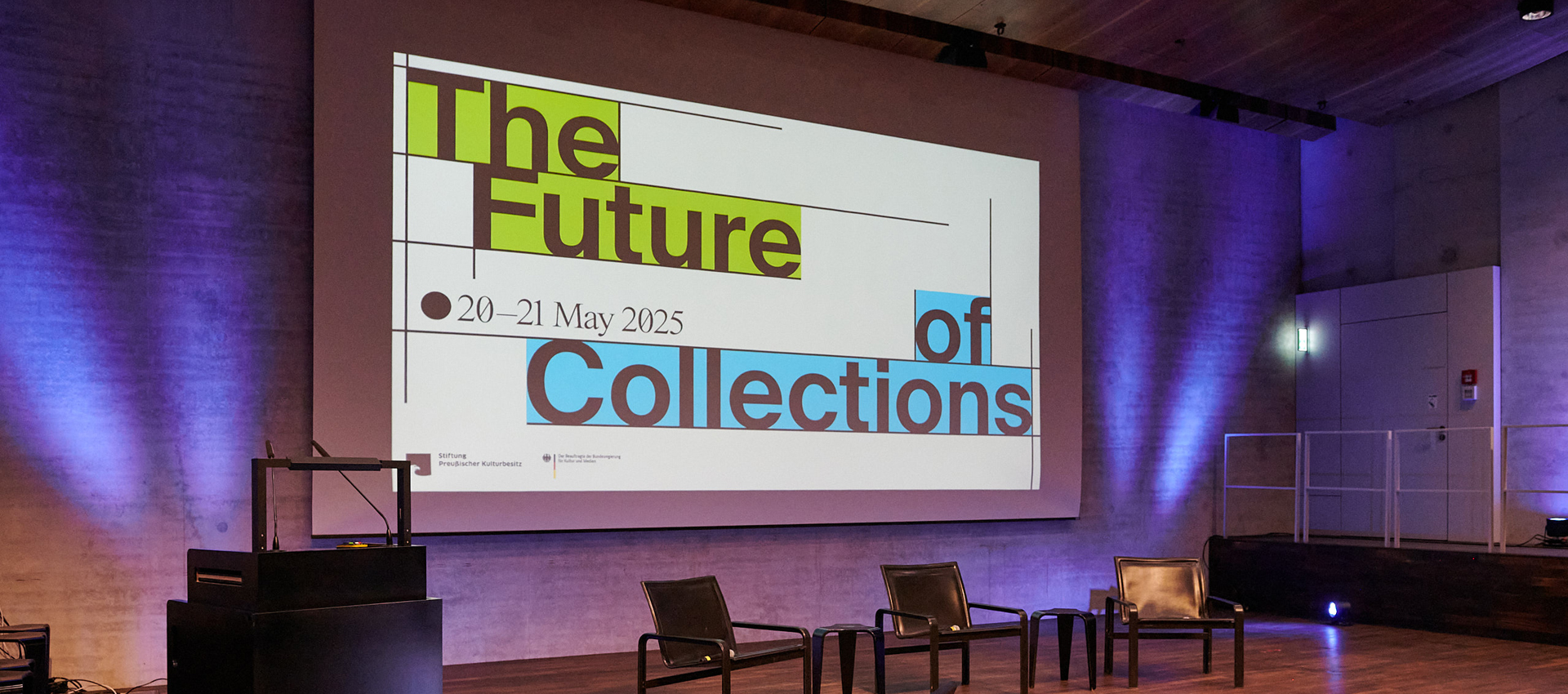
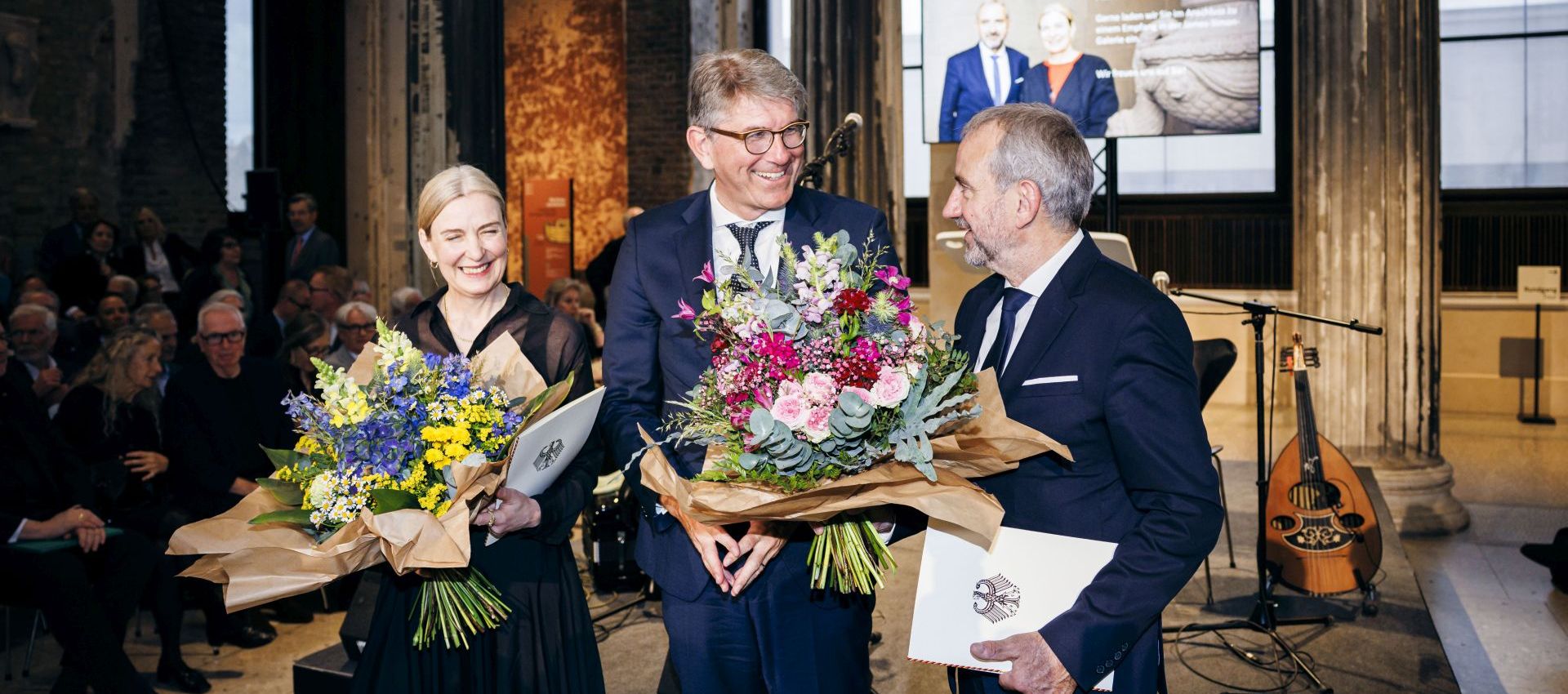
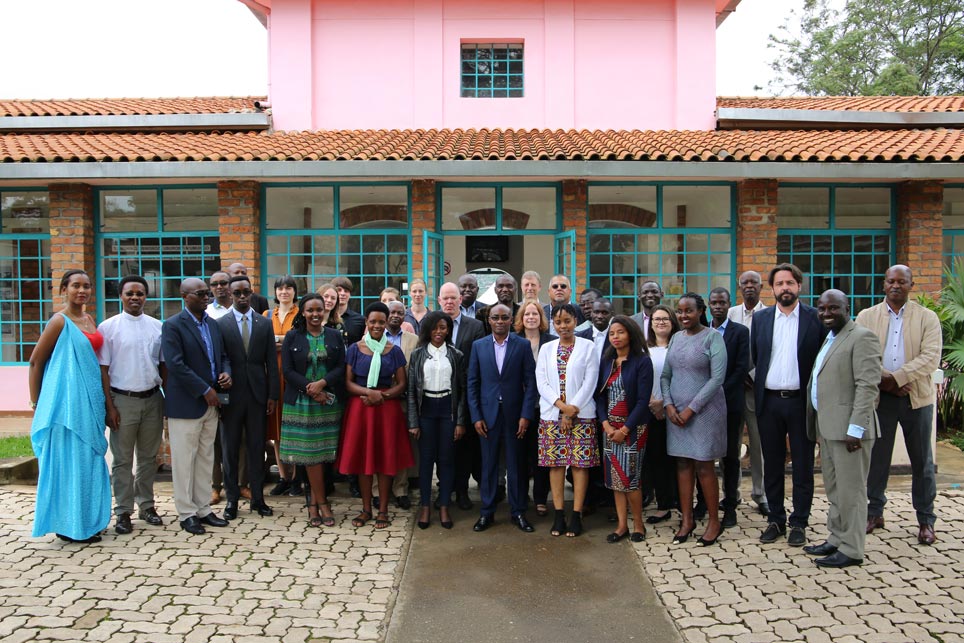
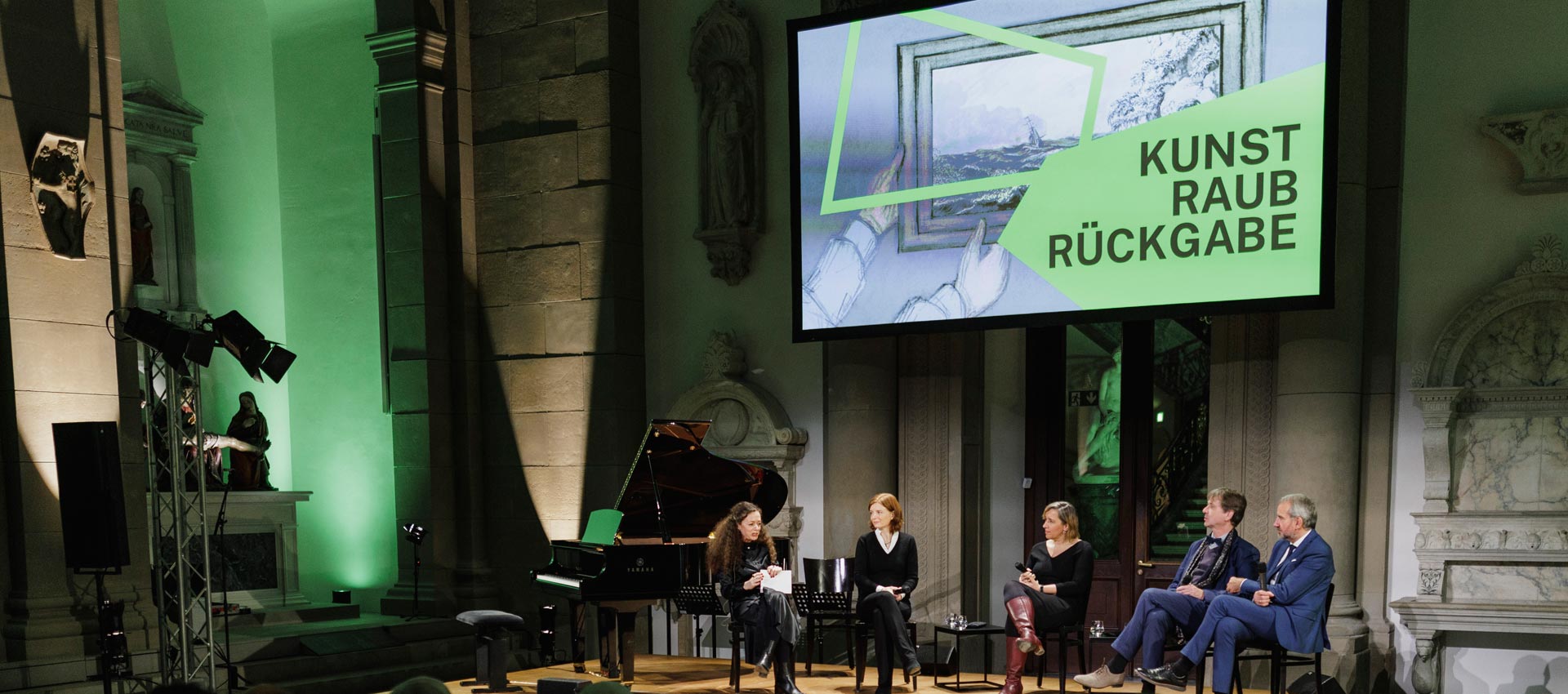
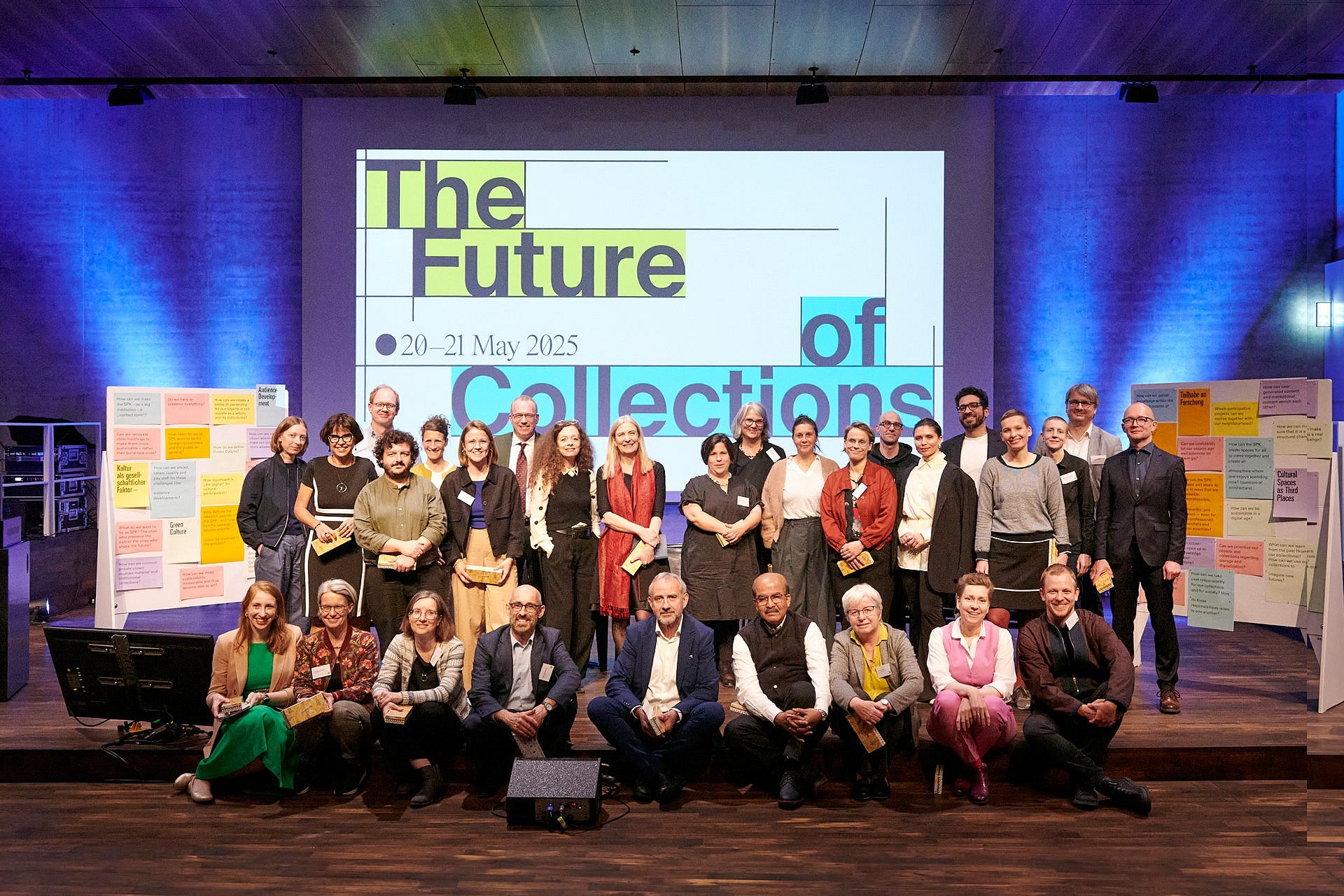
To mark Hermann Parzinger’s departure as President of the Prussian Cultural Heritage Foundation (SPK) and the appointment of his successor, Marion Ackermann, a symposium bringing together the SPK’s key research partnerships was held at the James Simon Gallery on 20 and 21 May 2025. The focus was primarily on the foundation’s future priorities. The event was organised by Dorothee Wagner and Constanze Wicke. During the hectic days between the outgoing and incoming presidents, we met both of them for a coffee and asked them about the origins of this major academic event.
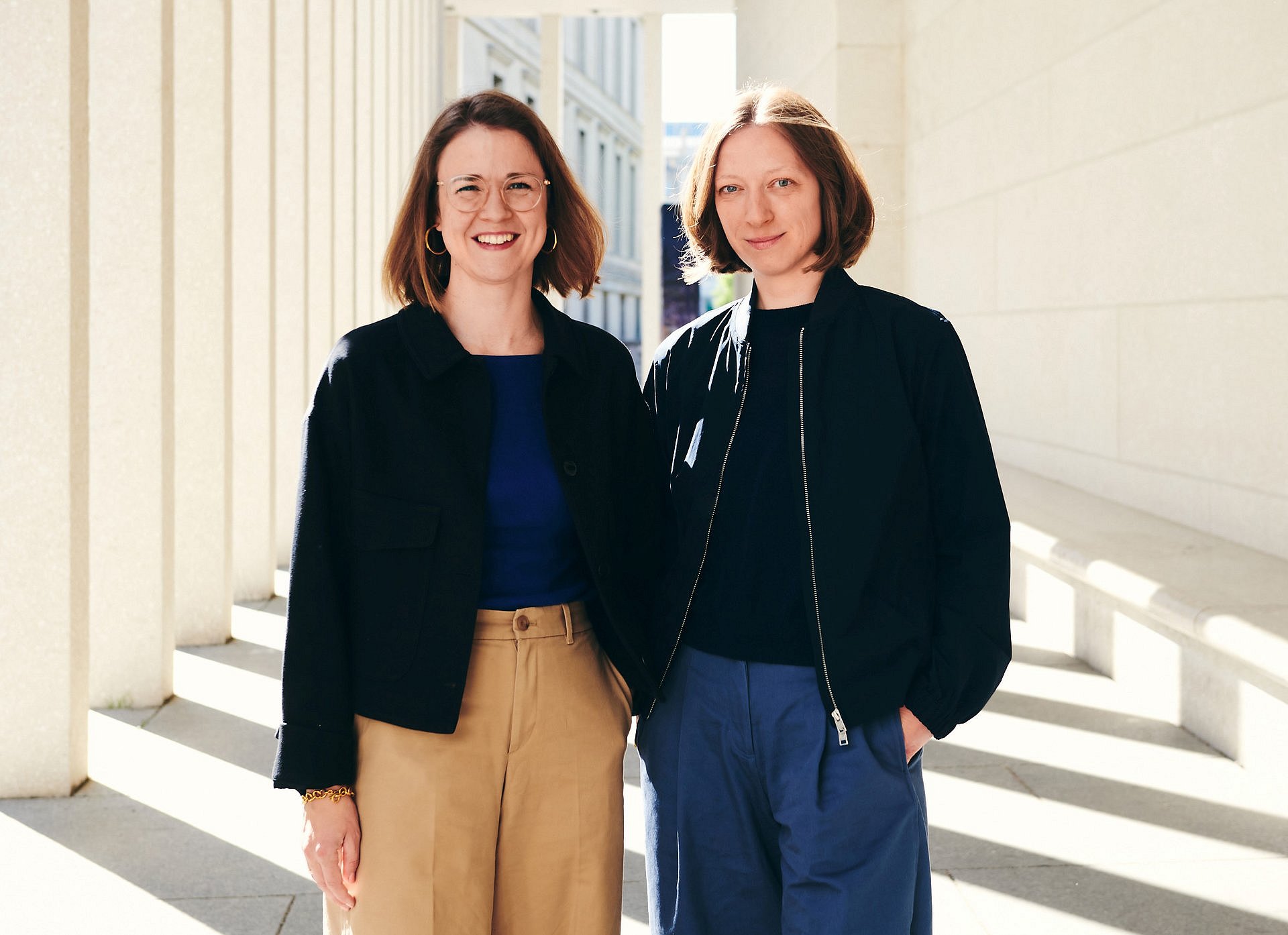
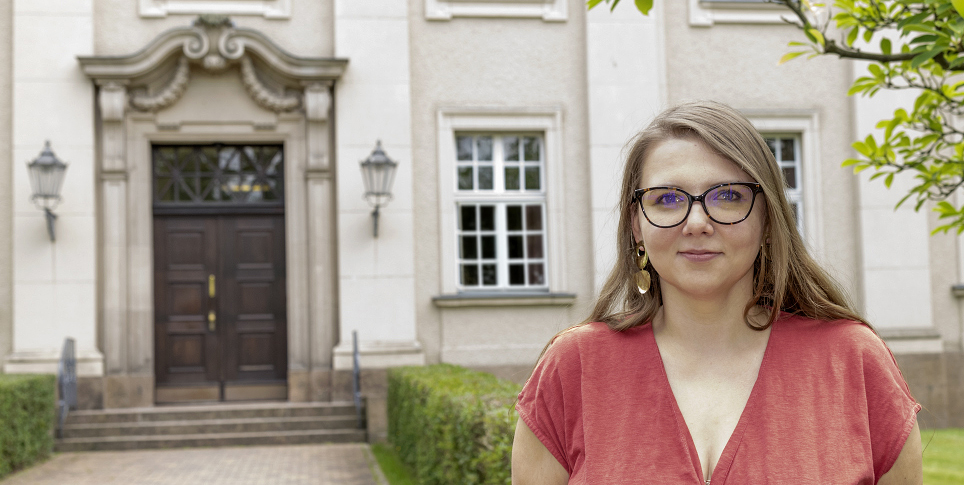
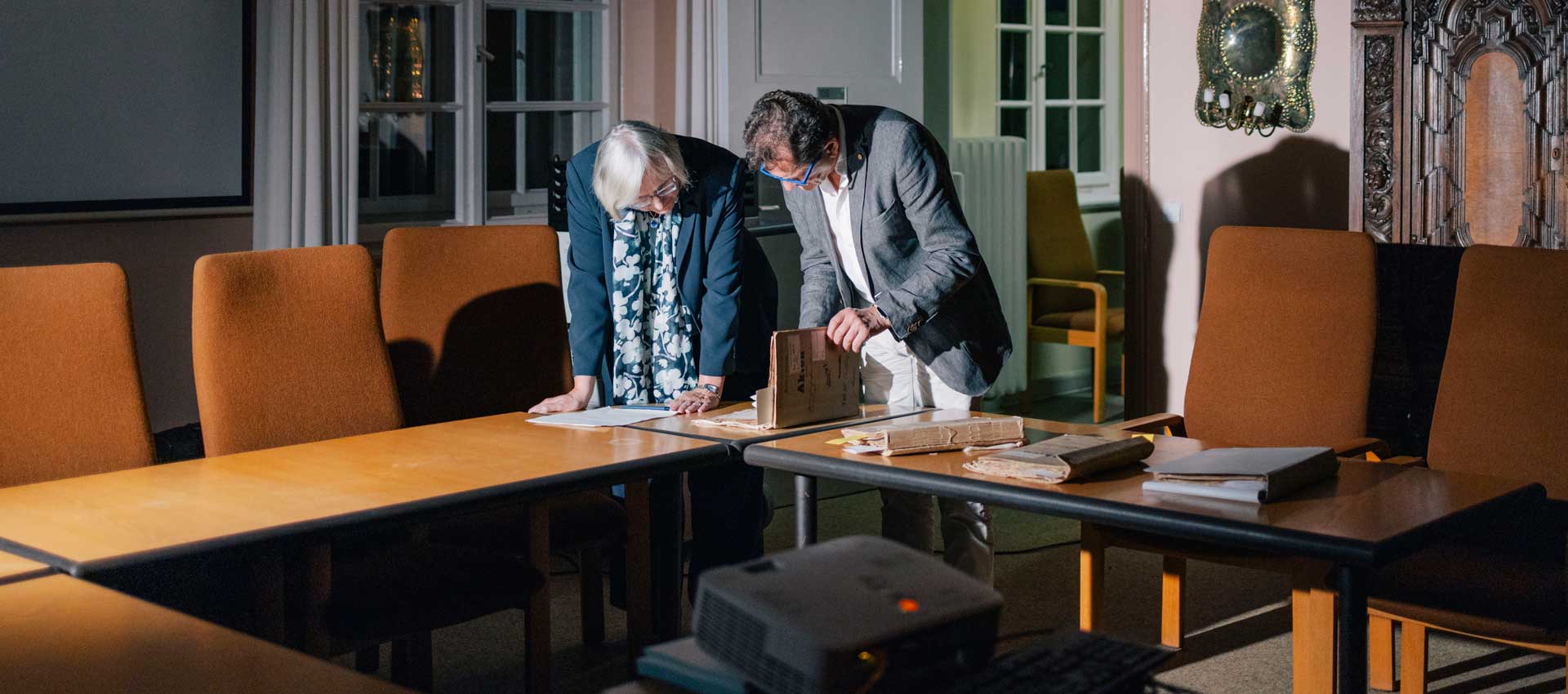
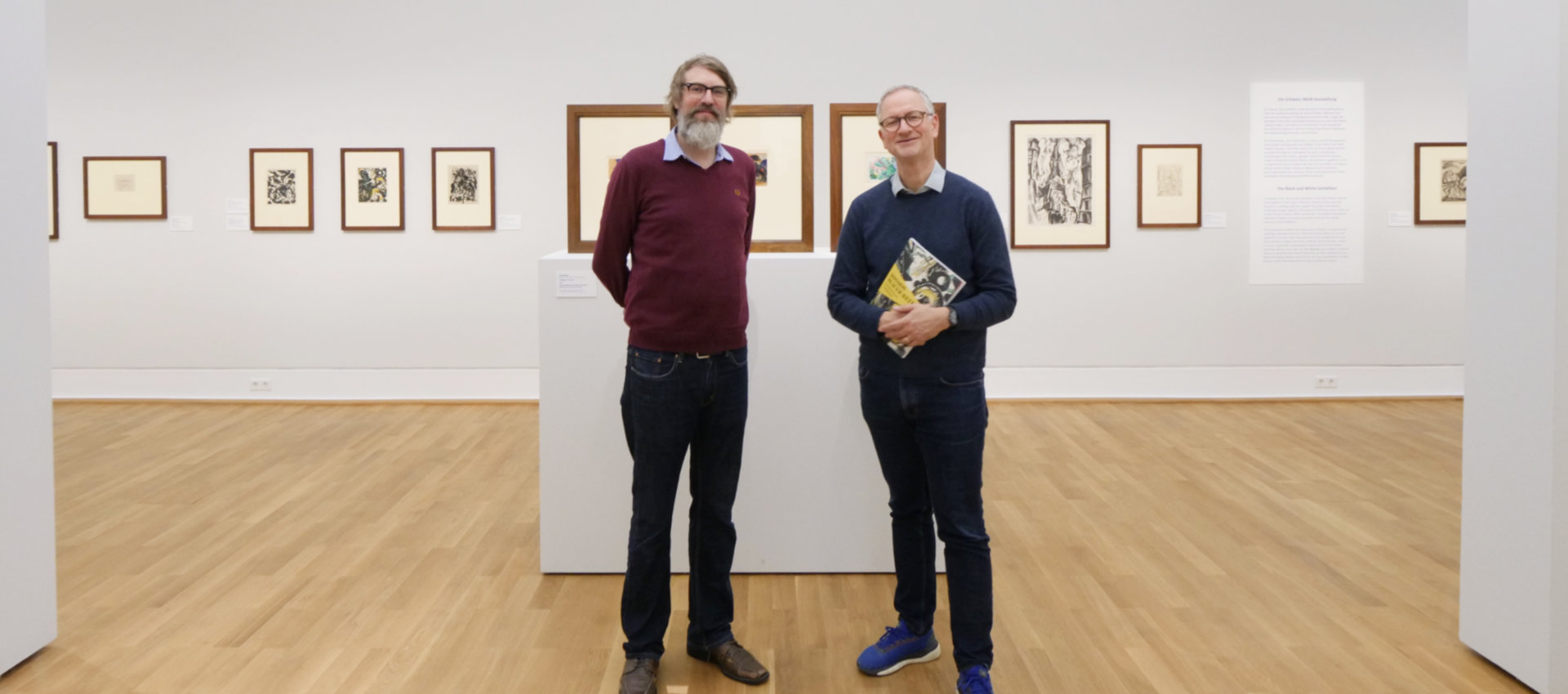
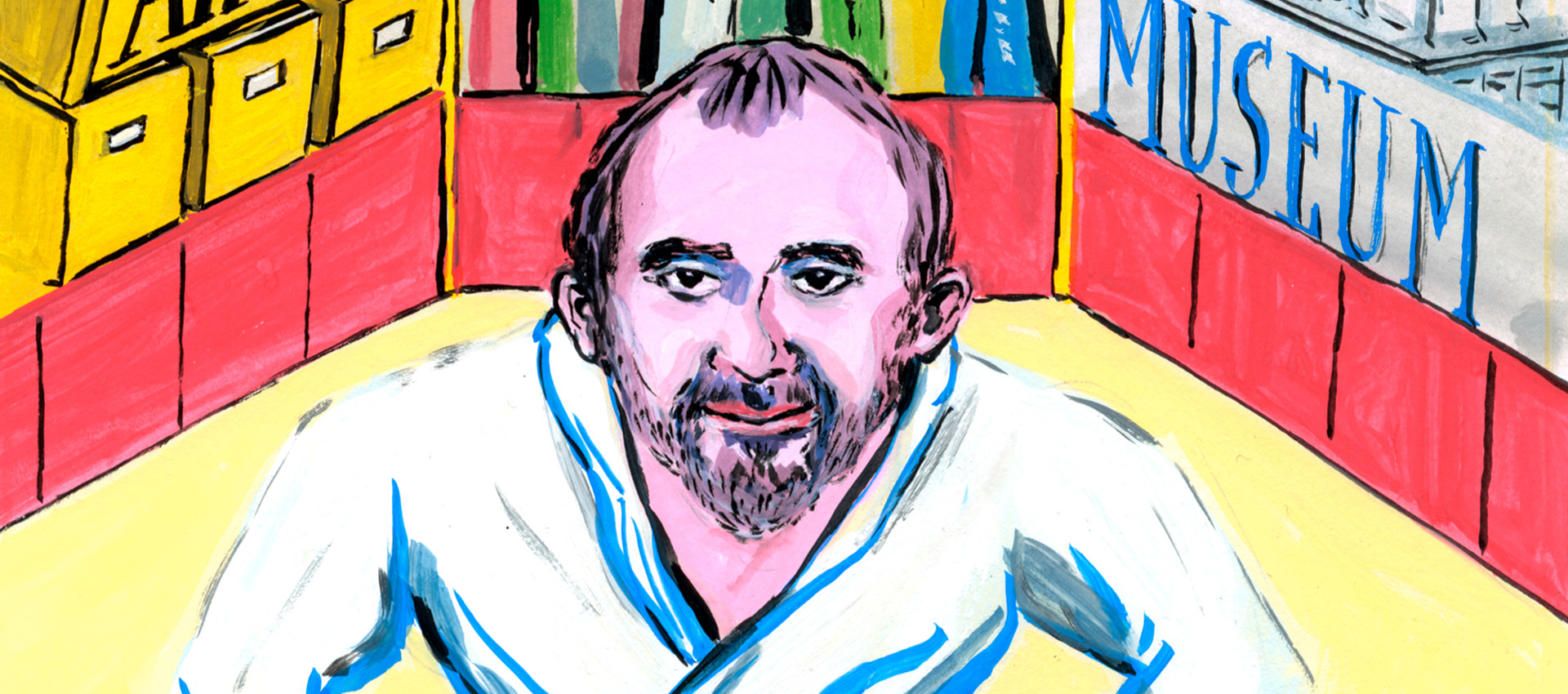
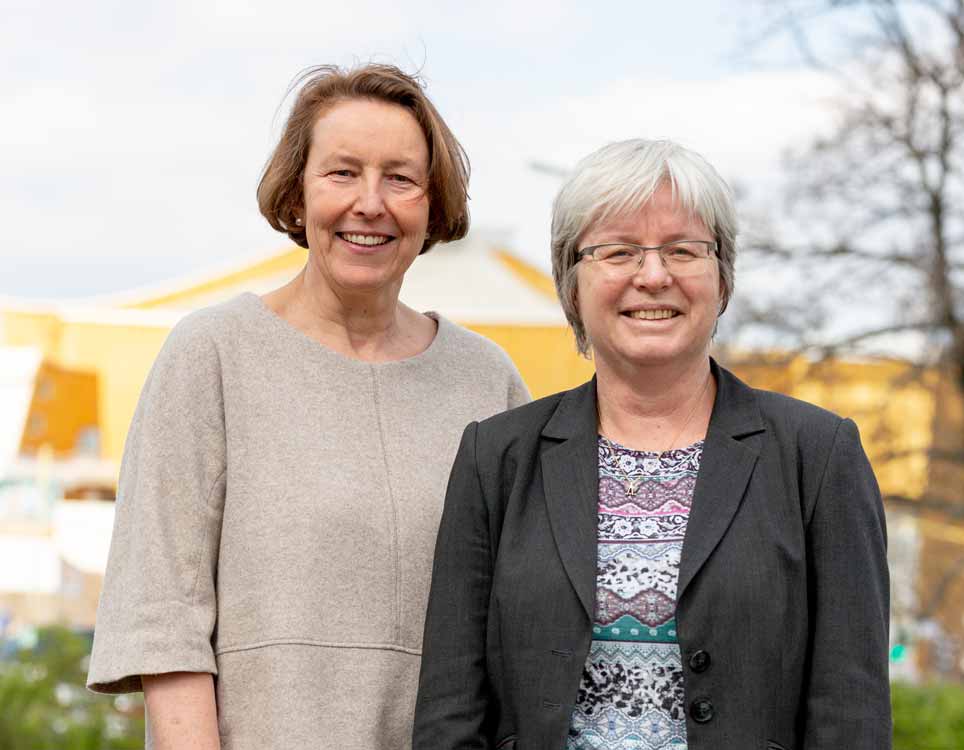
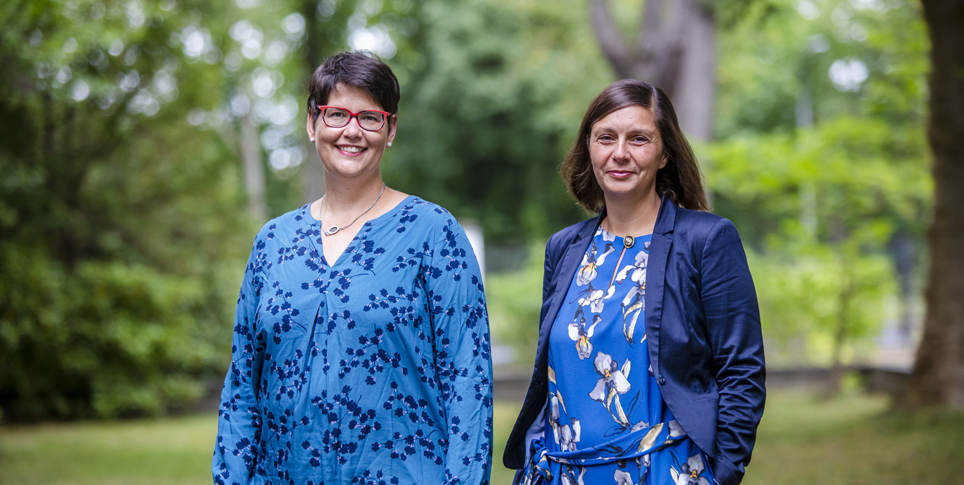
The organisers
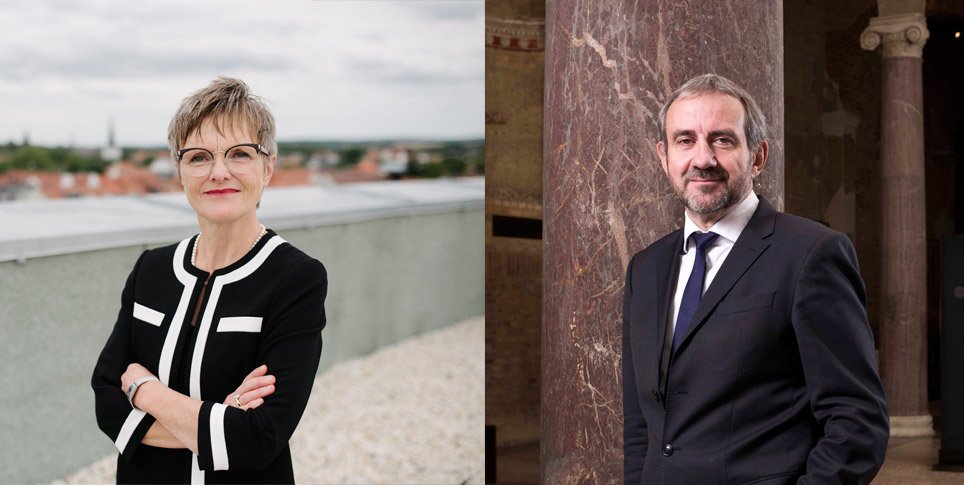
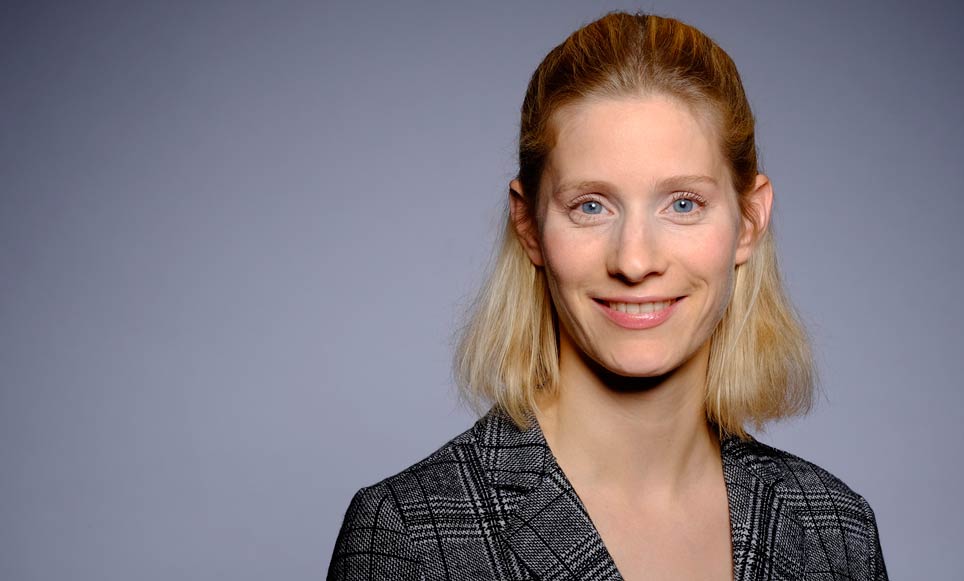
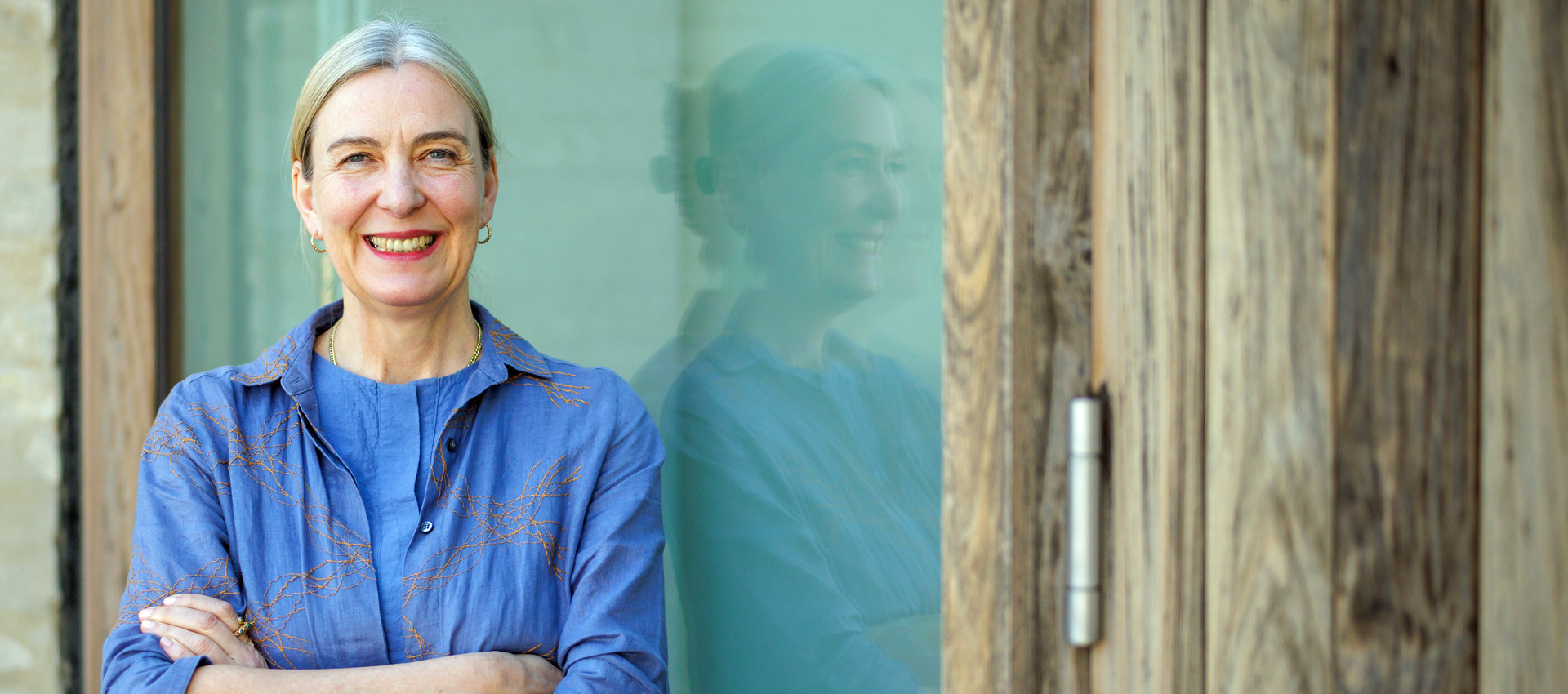
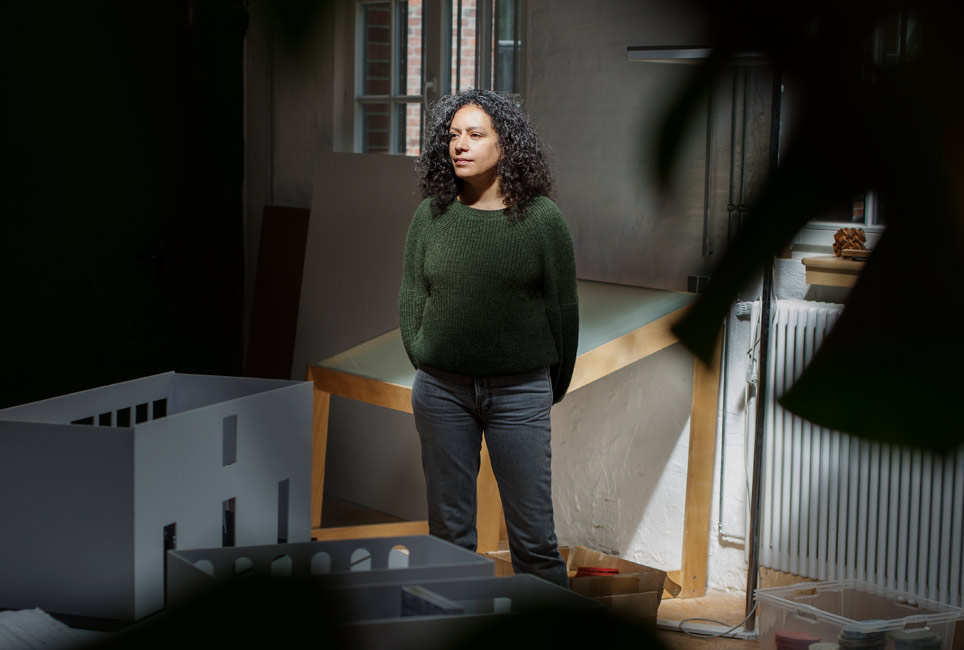
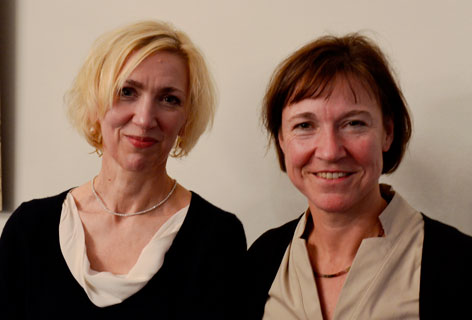
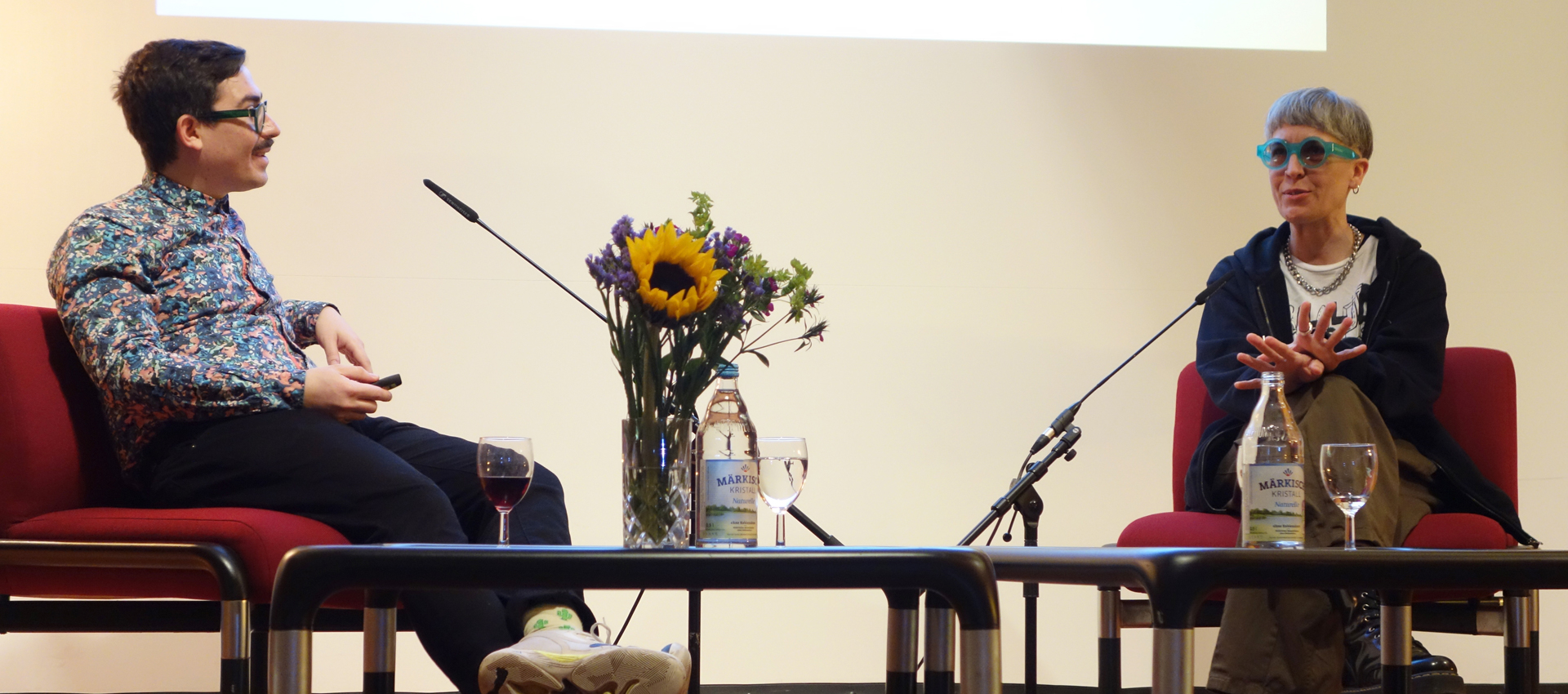
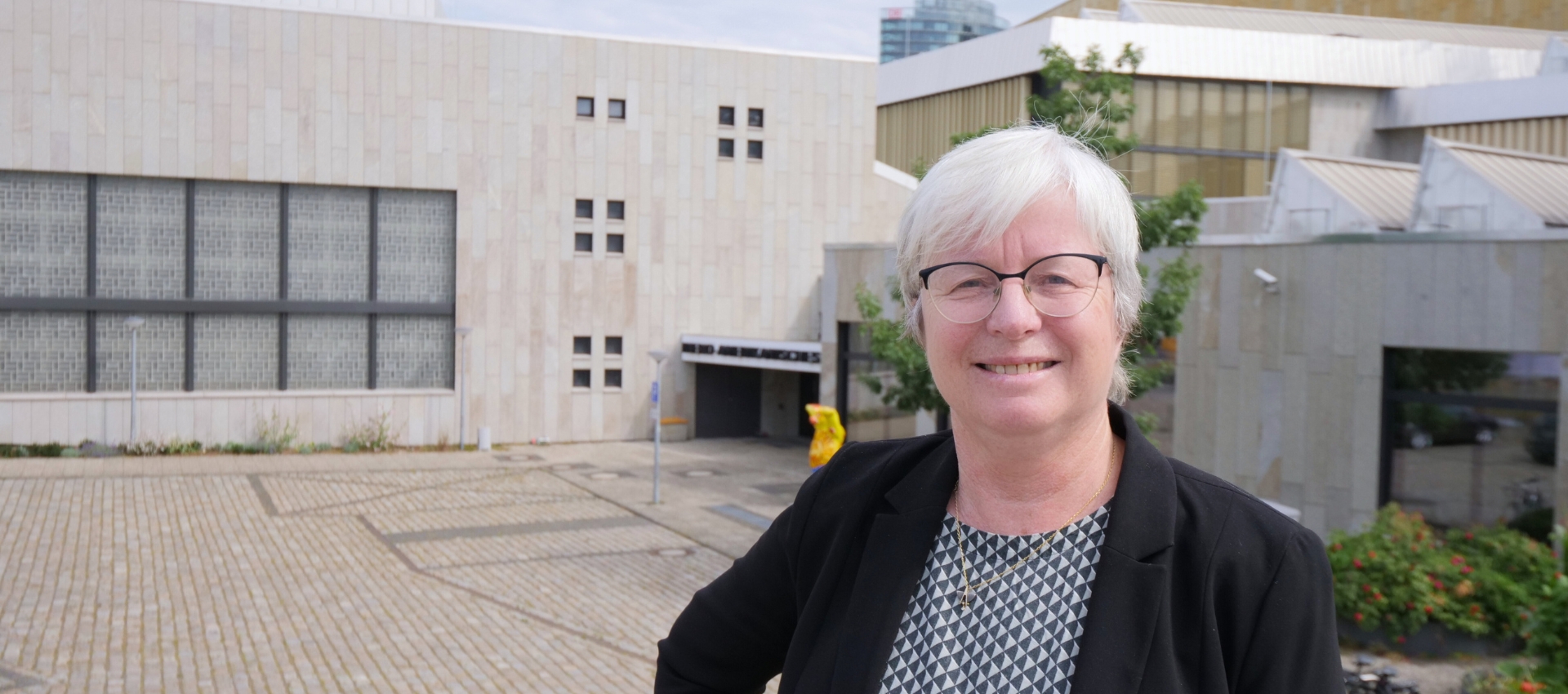
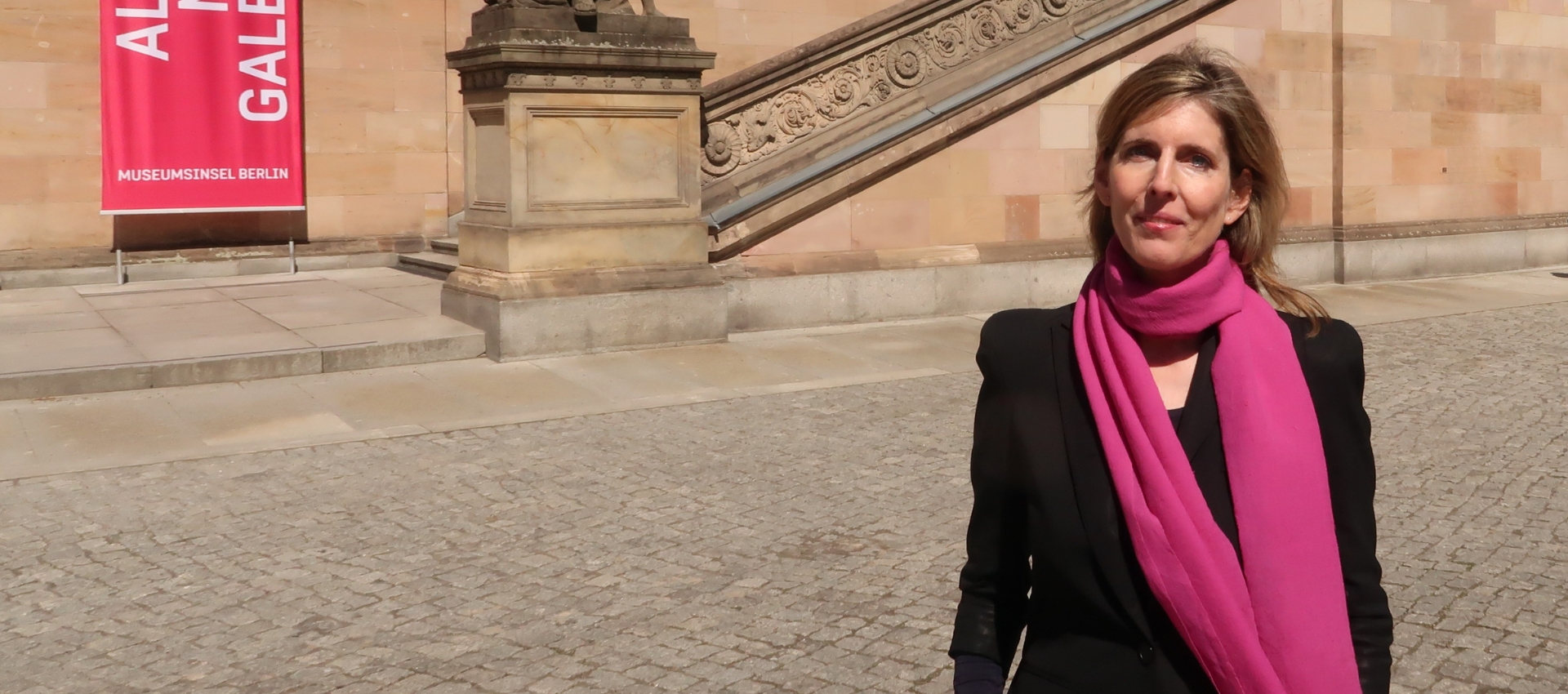
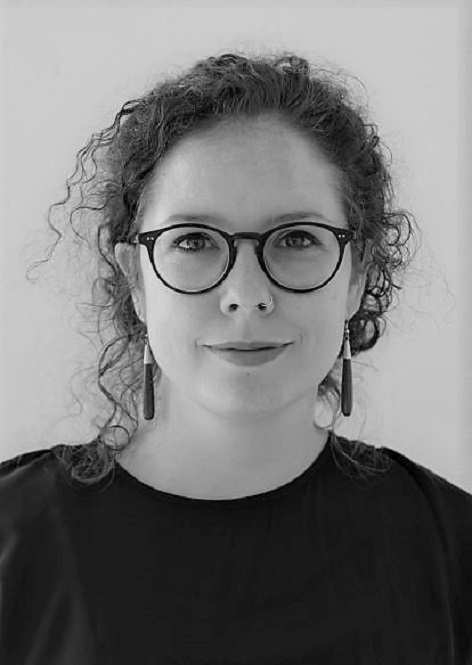
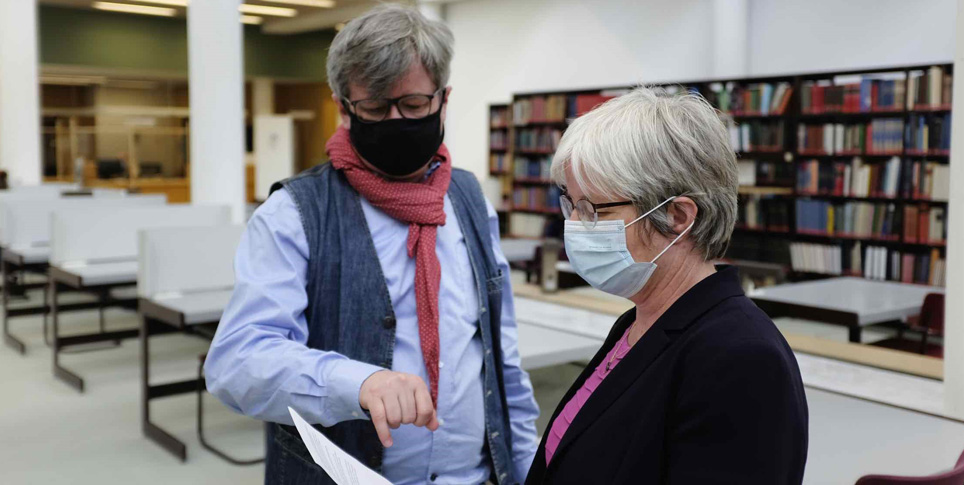
Dorothee Wagner (left) is the President’s research advisor and has been responsible for research coordination at the SPK since April. Constanze Wicke is a curator and project manager in the museum and culture department. Photo: SPK / Stefan Fischer
How did the idea for this symposium come about?
Dorothee Wagner: It all came about very quickly. There was a meeting with BKM in December, at which it was decided to organise a closing symposium to mark Hermann Parzinger’s departure as President of the SPK and Marion Ackermann’s new start as President.
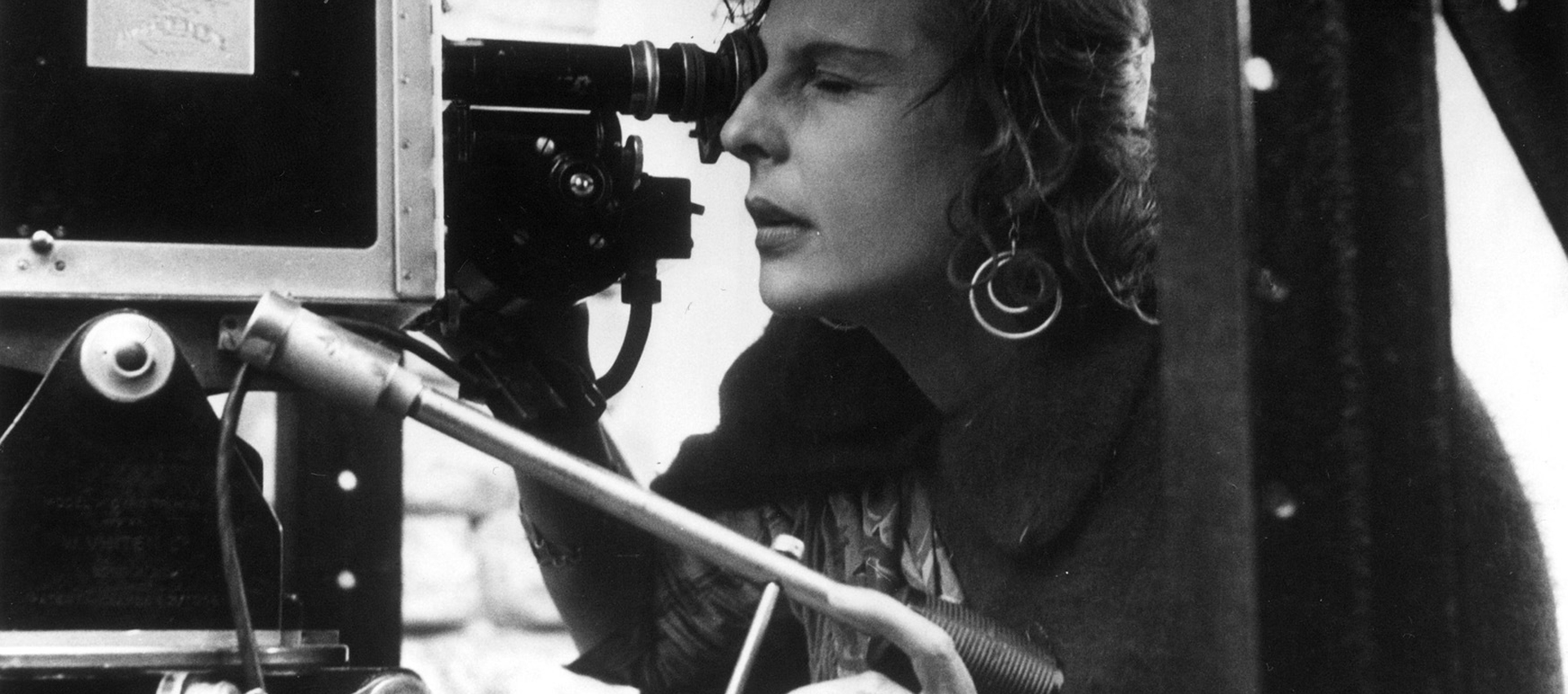
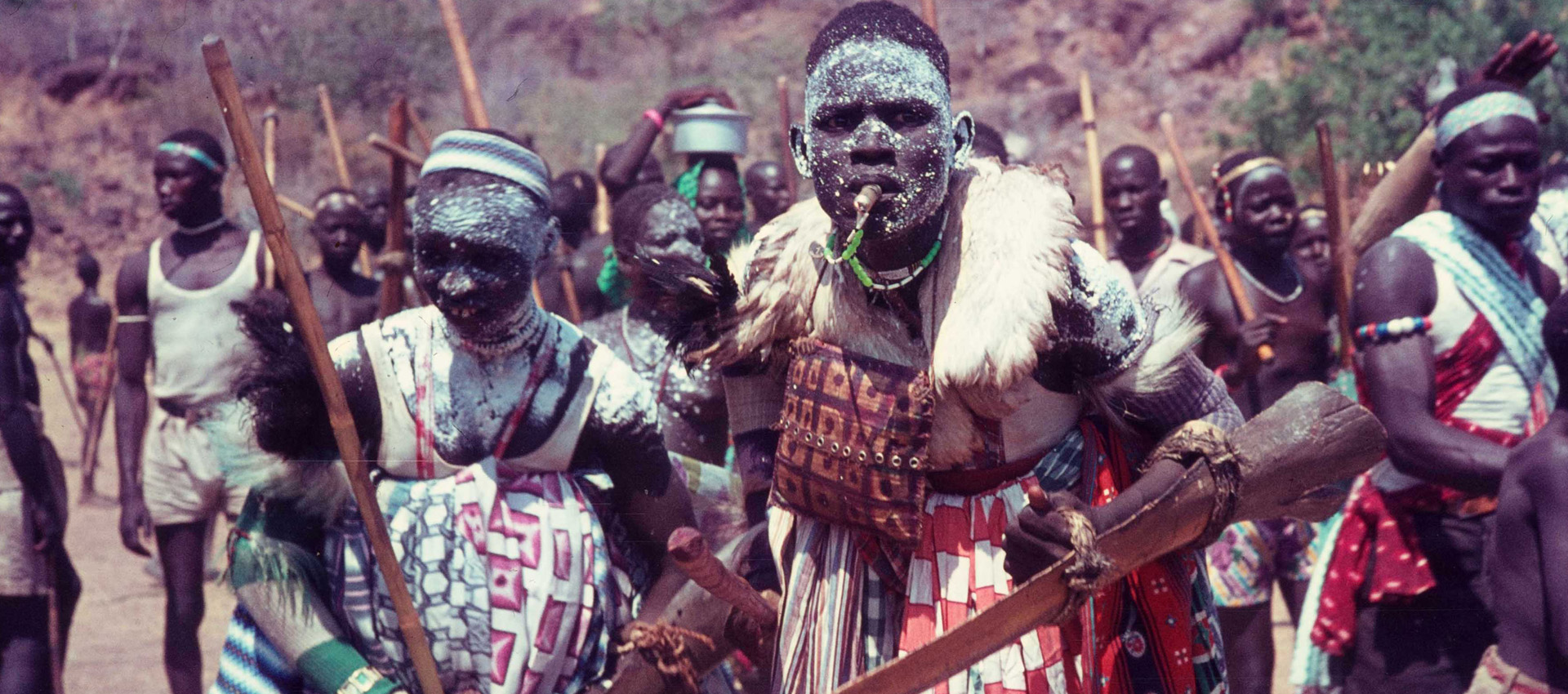
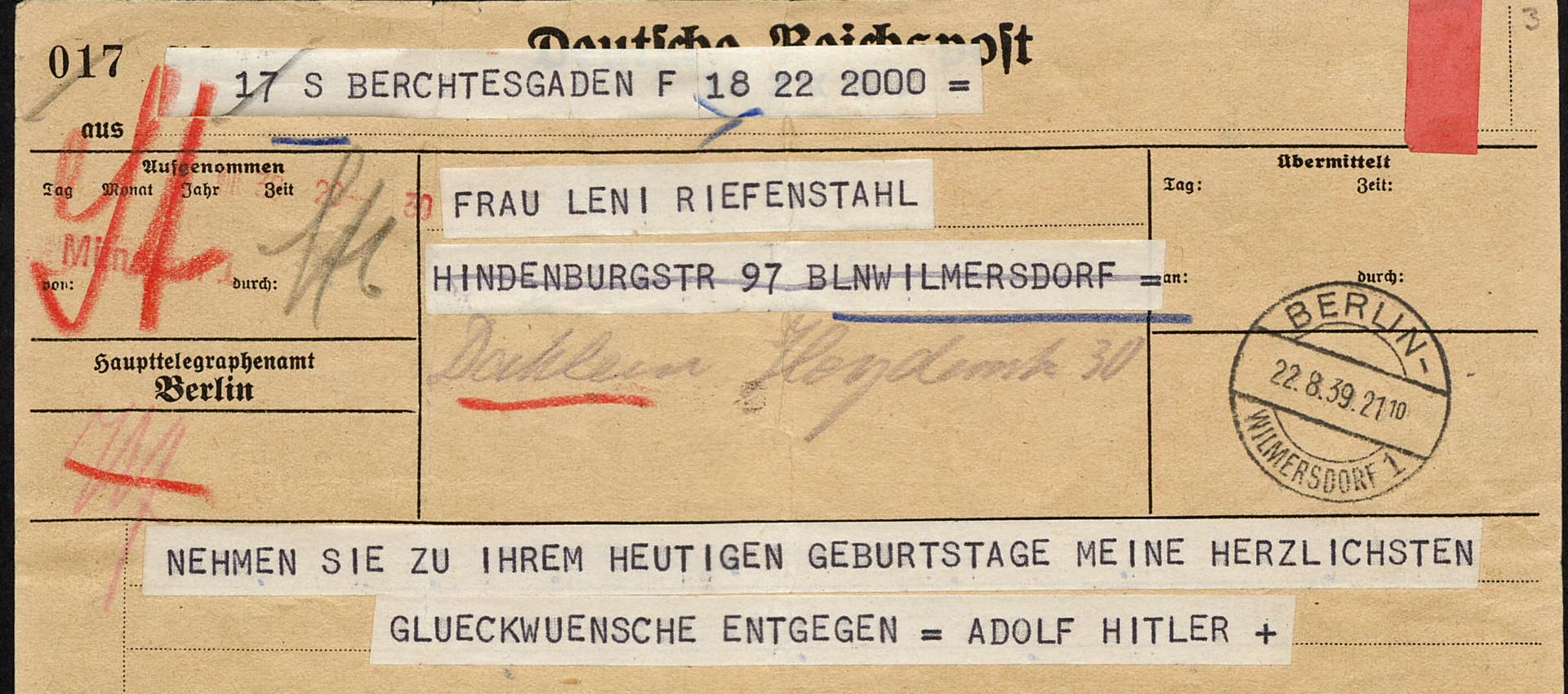
That was, so to speak, the starting signal for us. From January onwards, we got down to the nitty-gritty of planning and setting dates. Then Constanze joined the team; she had recently organised the symposium ‘Collaboration and Digital Handover: Discussing the Project Nuba Images by Leni Riefenstahl’.
That sounds like a very tight schedule. How did you manage to get everything off the ground in such a short time?
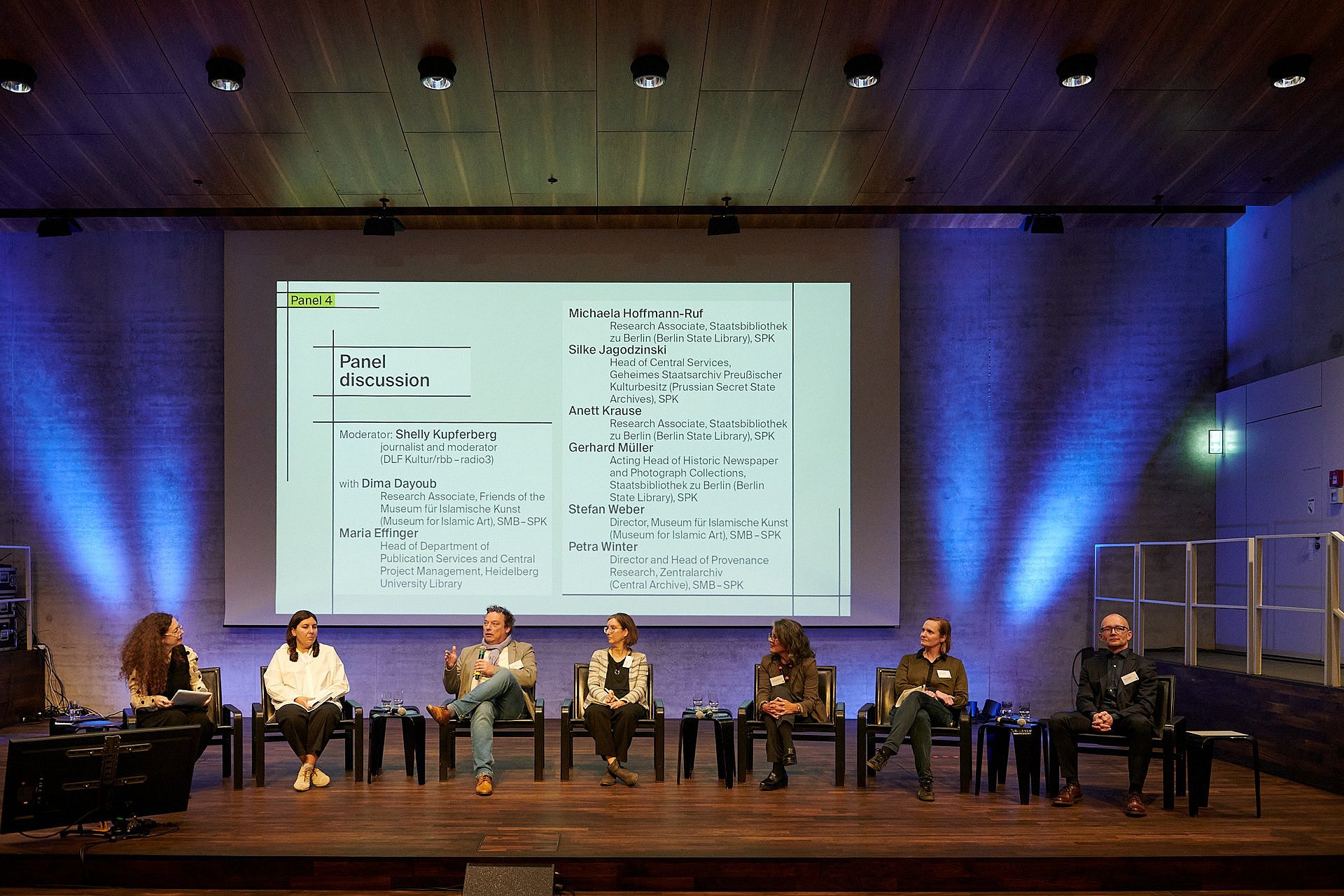
Constanze Wicke: Given the tight timeframe, we had to be as pragmatic as possible. The basic idea was to stay close to practical applications and, above all, to focus on international collaborations. What themes have shaped the SPK in recent years? What perspectives and expertise came together in the projects? What is the added value, but also the challenges, of international cooperation? To address this, we first looked at which major projects were currently underway. We then quickly asked our colleagues if they would be interested in getting involved. And so, we gradually pieced together an initial programme framework from the confirmations we received.
Was it difficult to organise speakers at such short notice?
Wagner: The great thing about organising this conference was that most of the people we approached agreed straight away and were delighted about the event, the opportunity to come together and the chance to exchange ideas. Unfortunately, we couldn’t cover all of the SPK’s projects, but we did our best to put together as diverse a programme as possible. It was also due to the tight schedule that we had to take a rather pragmatic approach. The aim was to take into account the major themes and collection areas and, above all, of course, to develop a common thread for the programme from them.
That was certainly challenging.
Wicke: We would, of course, have liked to cover many more topics and invite many more colleagues. But the biggest challenge was ultimately organising the symposium in such a short time. We managed to pull it off nonetheless, which was a challenge with such a small team.
In his opening speech, Hermann Parzinger also mentioned that he would have liked to have been more involved in the content had he had the time. Were he and Marion Ackermann nevertheless able to set the tone for the programme?
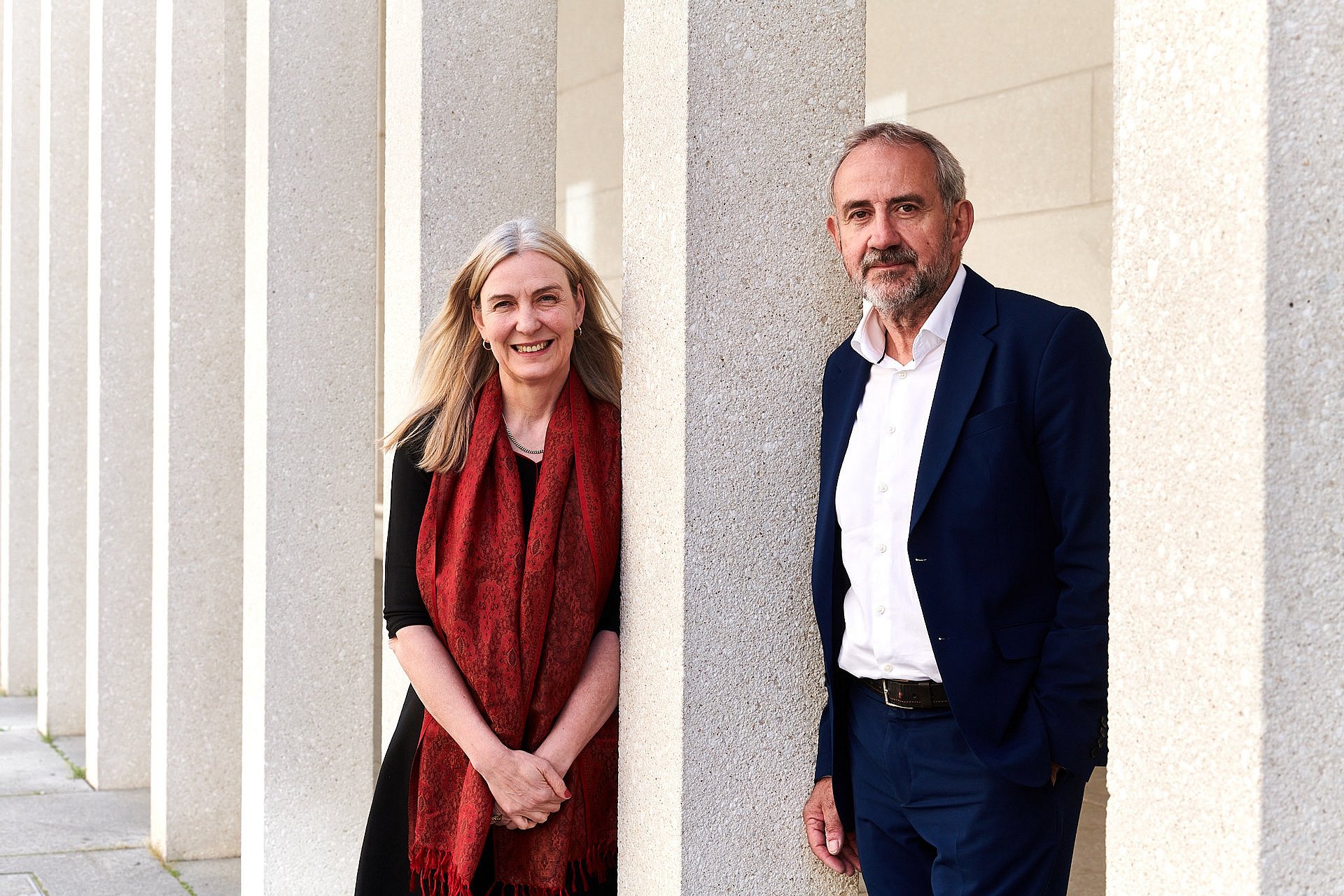
Wicke: The exchange between the two of them was truly fruitful and very important for the success of the project. It was only through close collaboration and incorporating a great many ideas from both of them that we were able to bring the whole thing to a successful conclusion. It was very clear to see where both of them come from. Hermann Parzinger is, of course, a trained scientist through and through with decades of experience in science-related event formats. For him, the focus was quite clearly on the scientific format of the panels, presentations and discussions. Marion Ackermann comes from the world of art and focused on the overarching, unifying and future-oriented aspects: How do we position ourselves in terms of sustainability? Which topics are important to the audience? How can we reach new audiences? Both contributed such complementary key aspects, which we then sought to implement in our programme.
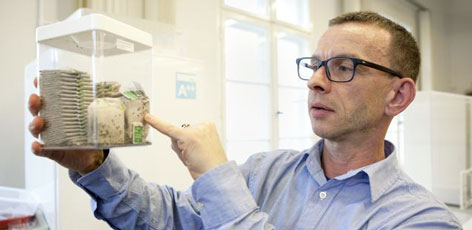
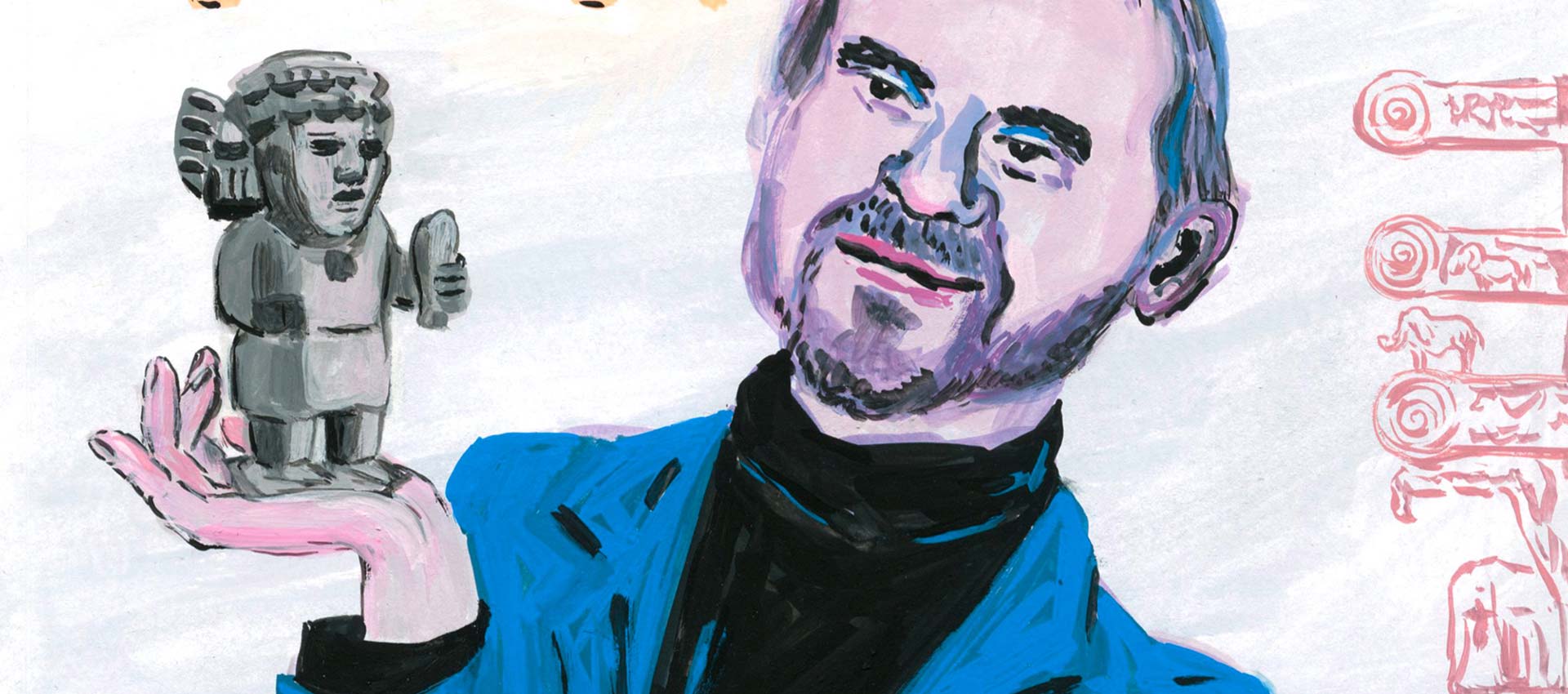
The driving forces
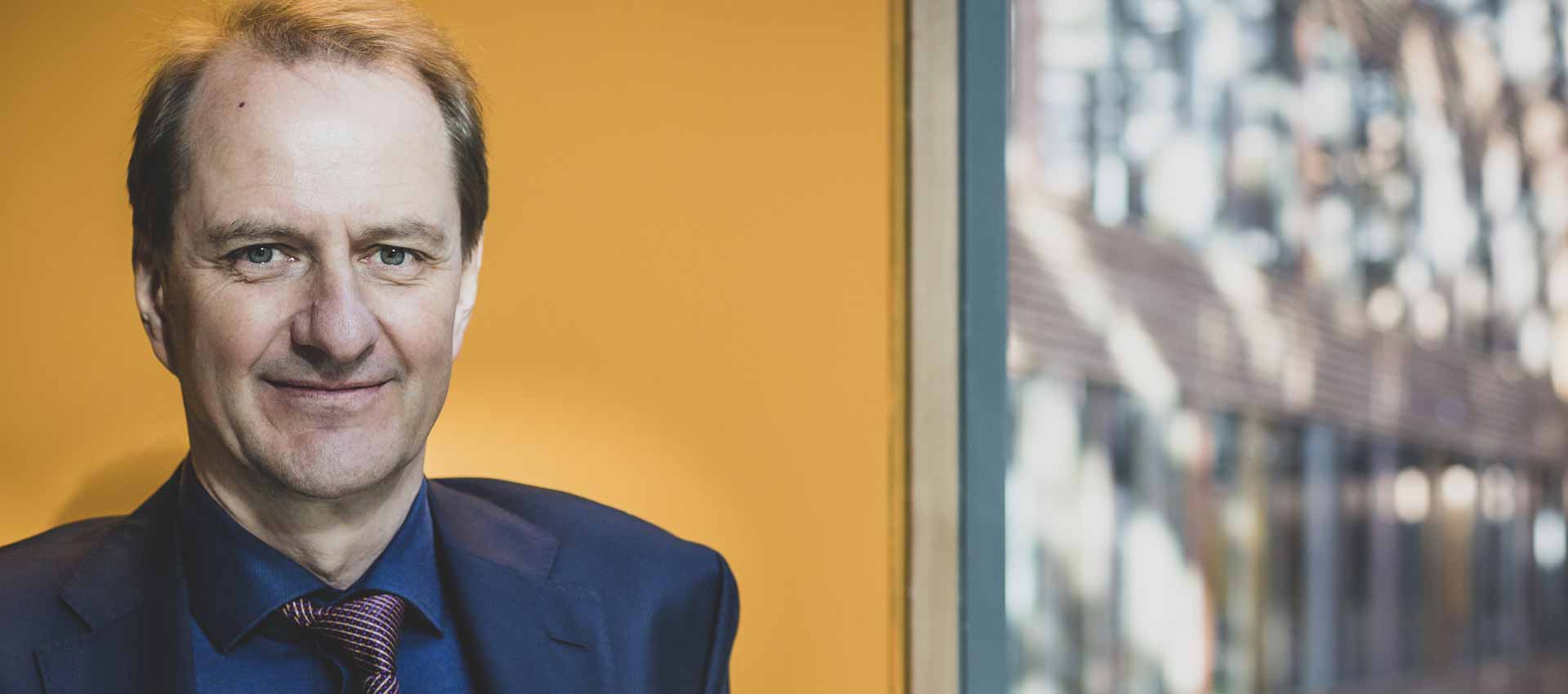
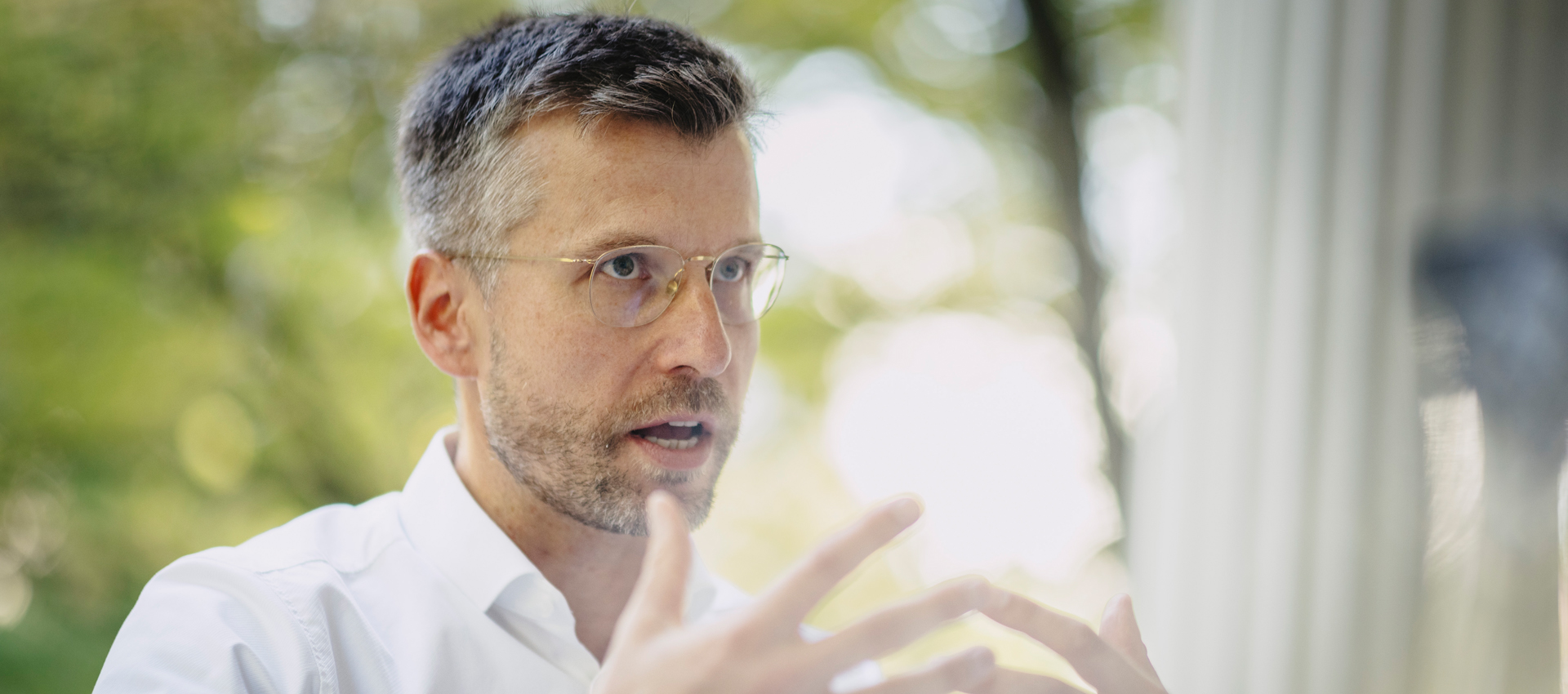
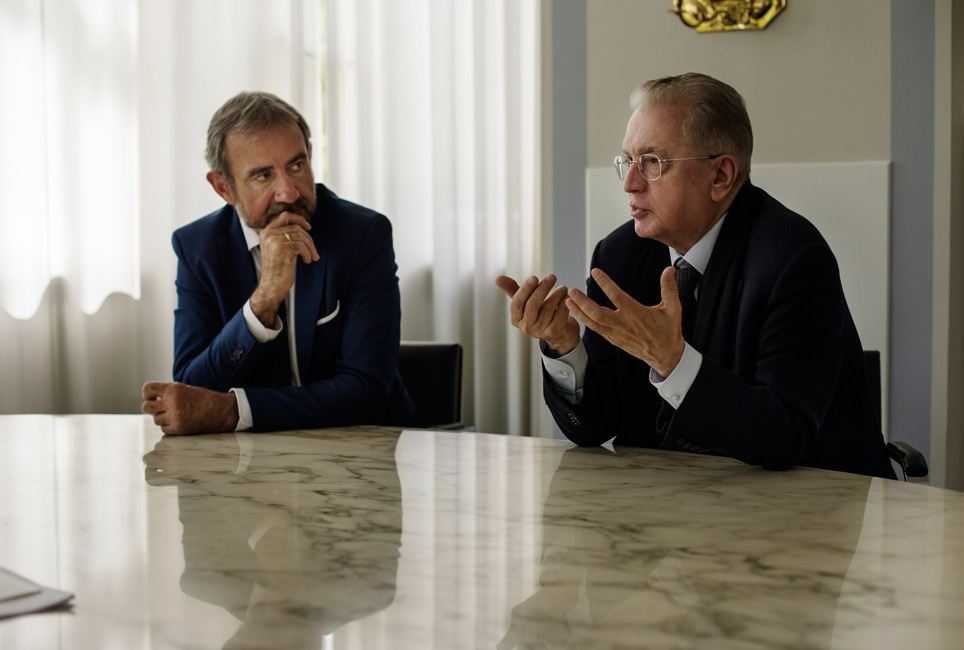
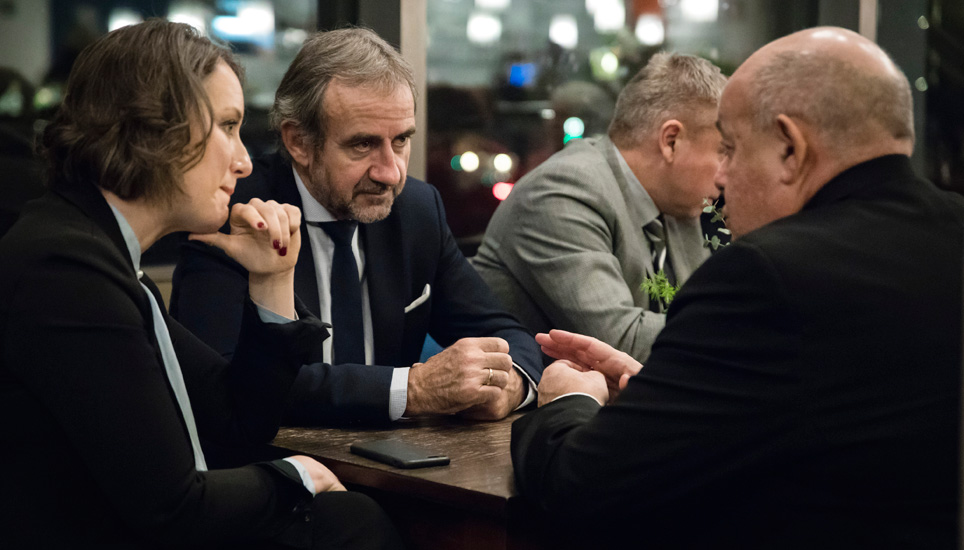
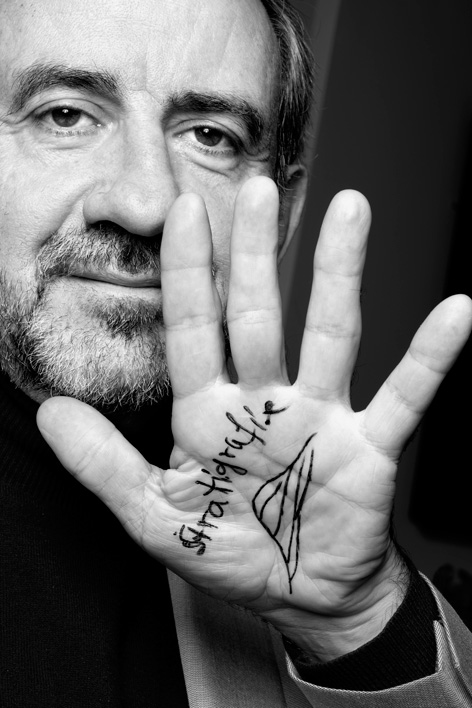
The symposium was held to mark the handover from the outgoing SPK President, Hermann Parzinger, to his successor, Marion Ackermann. Both played a key role in organising the symposium. Photo: SPK / Stefan Fischer
Wagner: We had some fascinating meetings with both of them, where it was clear that they know the projects well, but at the same time bring different perspectives to the table. In Mr Parzinger’s case, it was above all his direct connection to the research projects from recent years. For Ms Ackermann, on the other hand, it was very important to engage in self-reflection and to deliberately include open formats in the planning, such as the workshop we offered on day two.
At Haus Bastian.
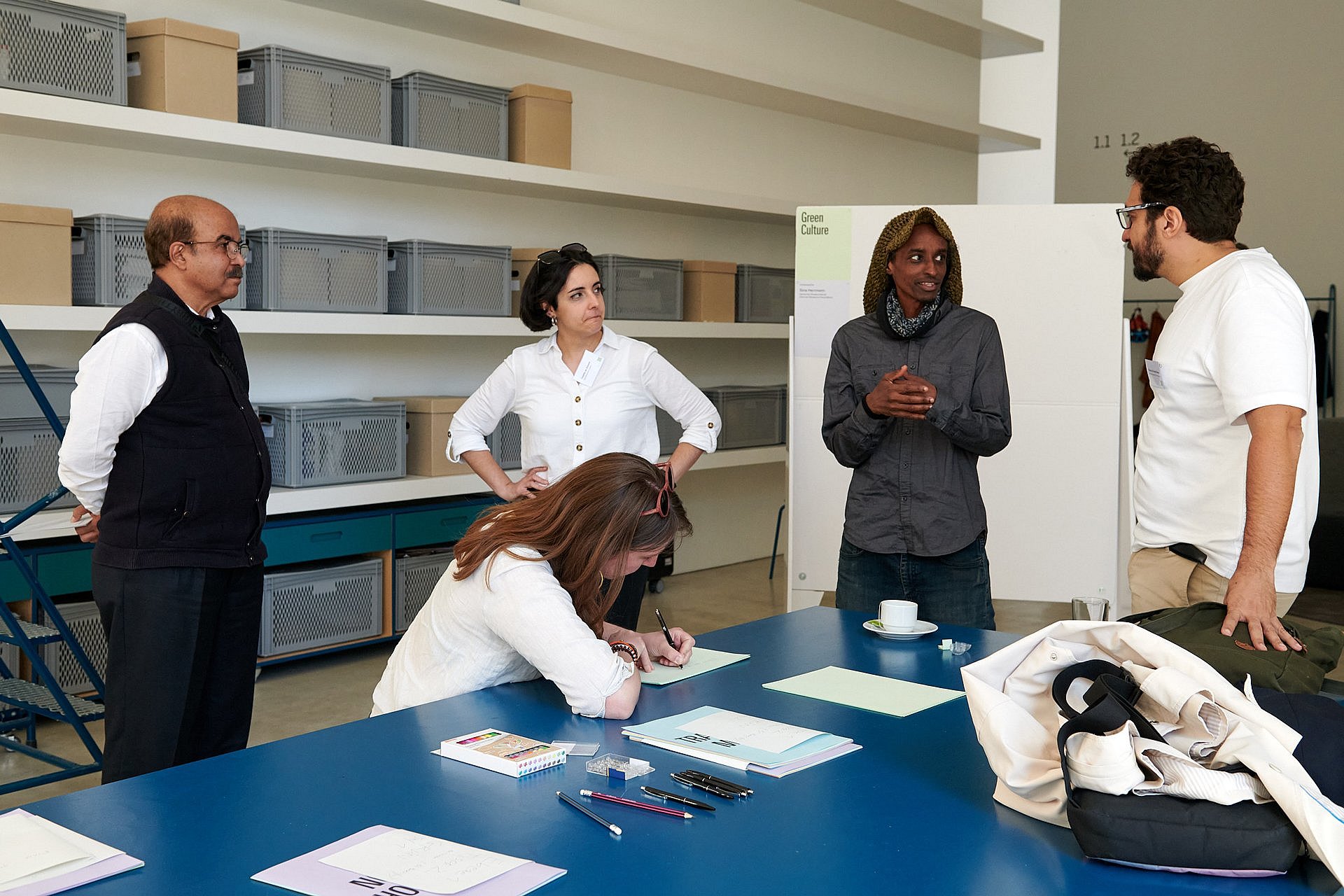
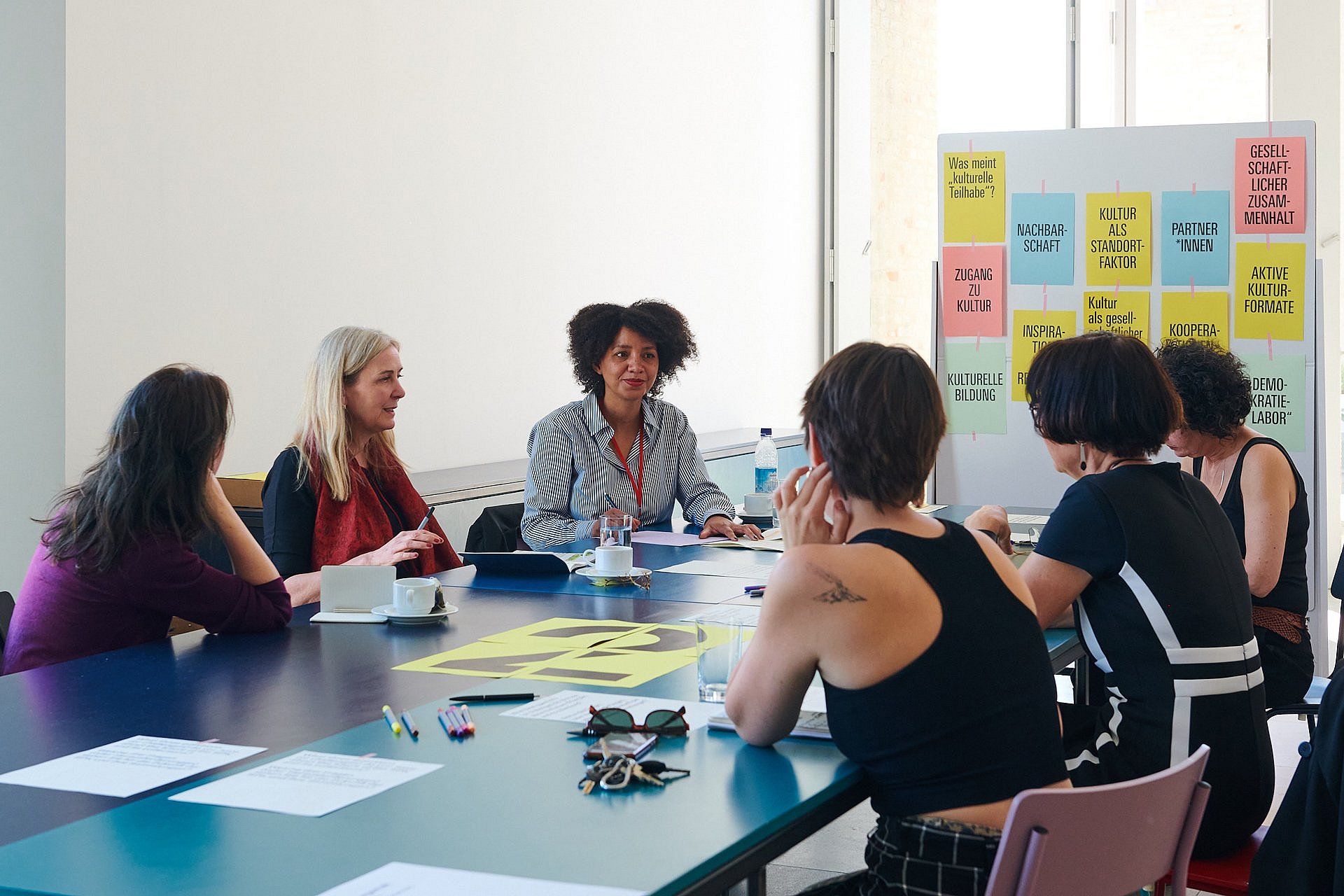
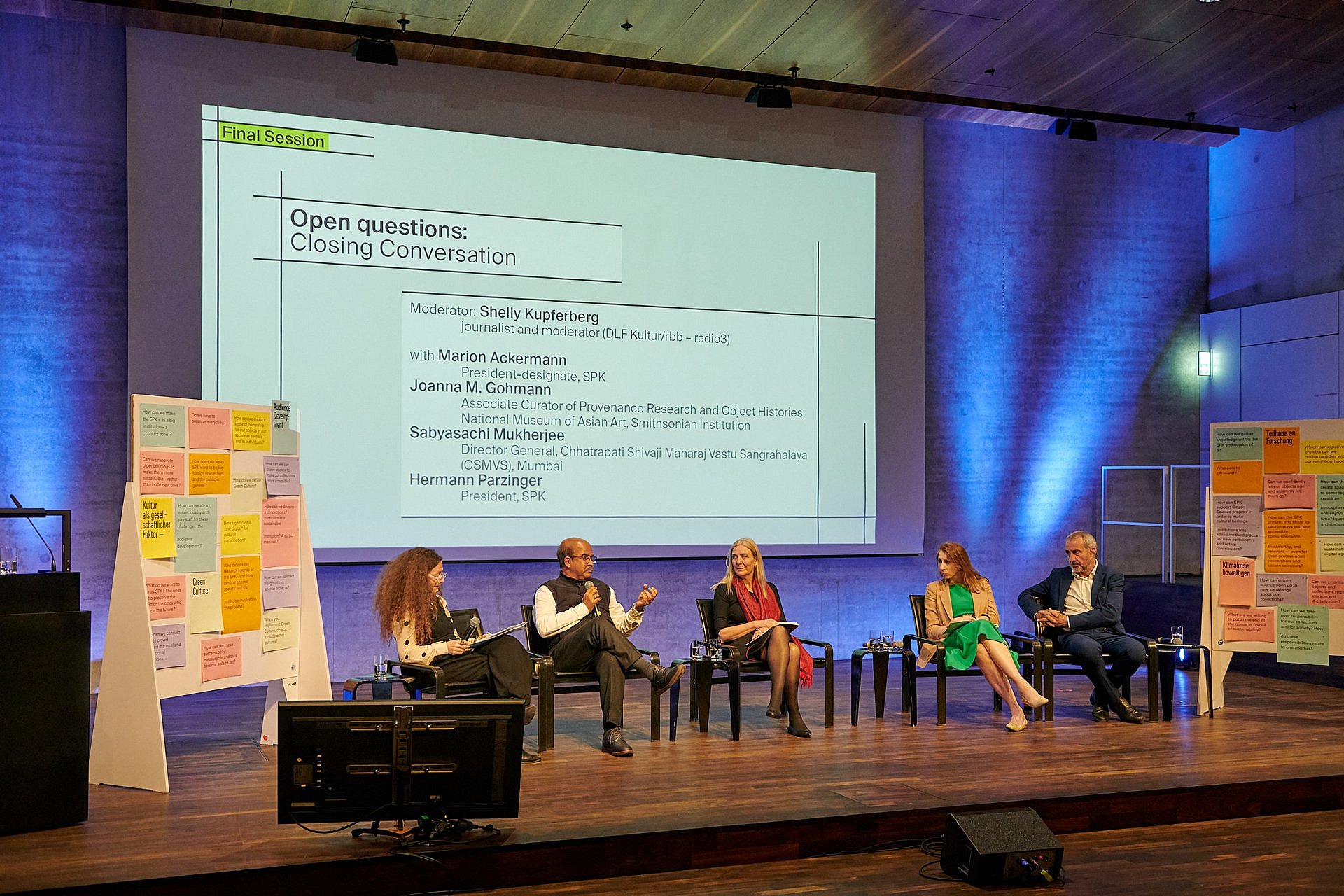
Wagner: Exactly, this took place in a World Café format. The aim was to bring open questions forward, including to the future SPK – keyword: Future. The symposium was not meant to be a self-congratulatory affair, but rather a critical reorientation of the foundation. Where do we stand and what are the key questions for the future?
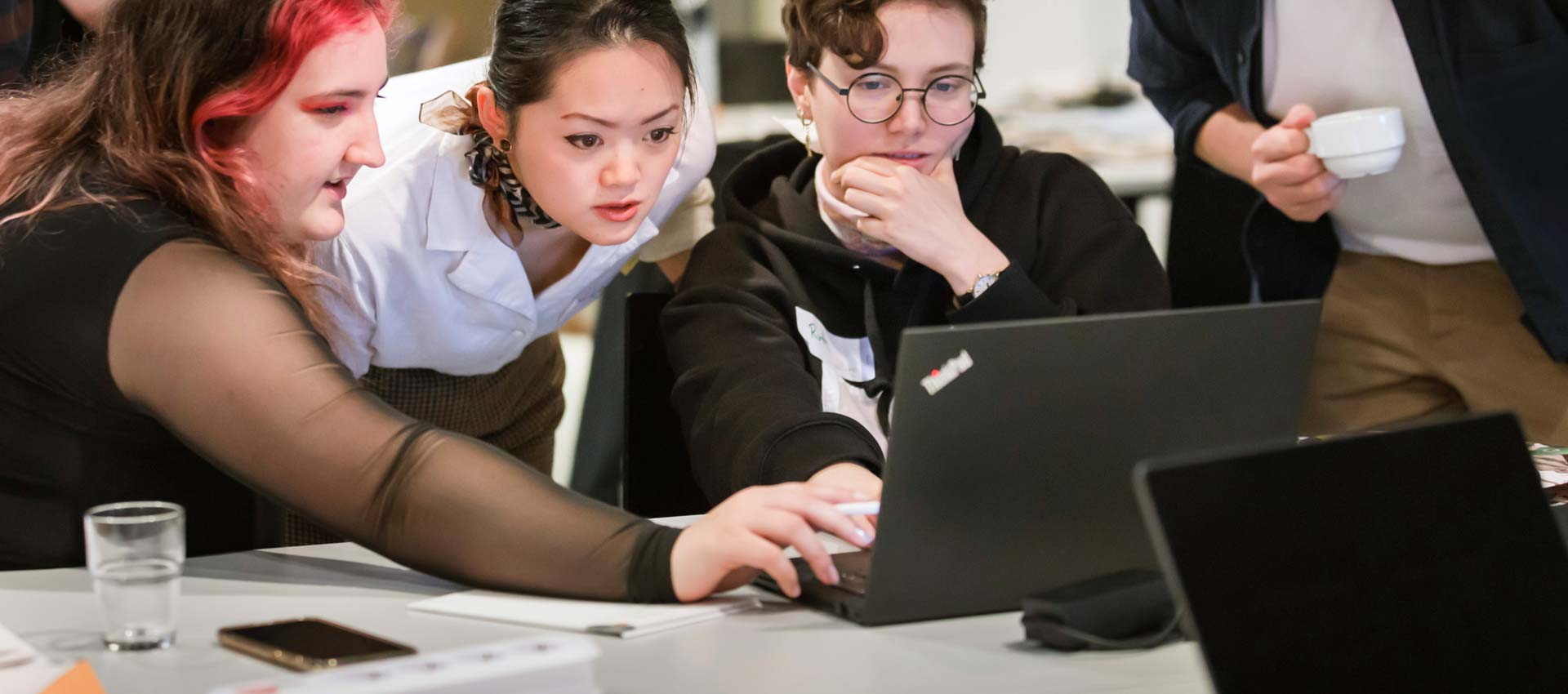
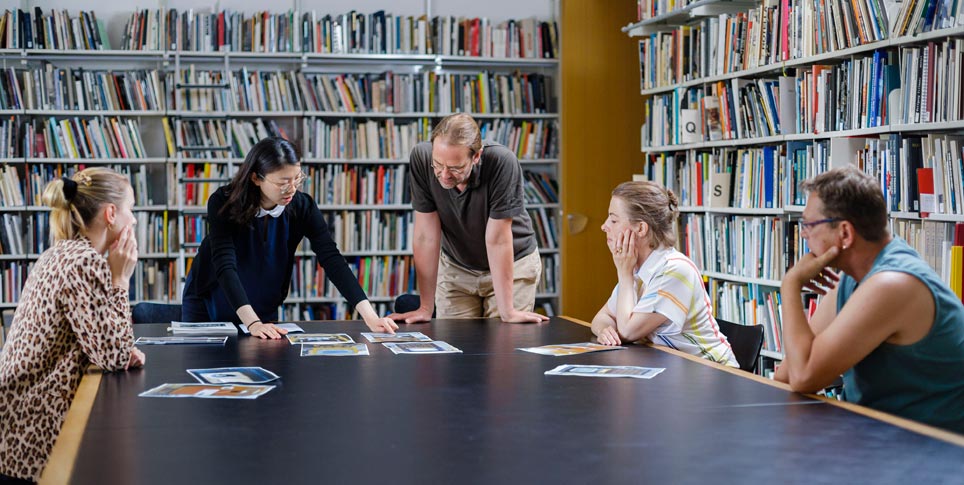
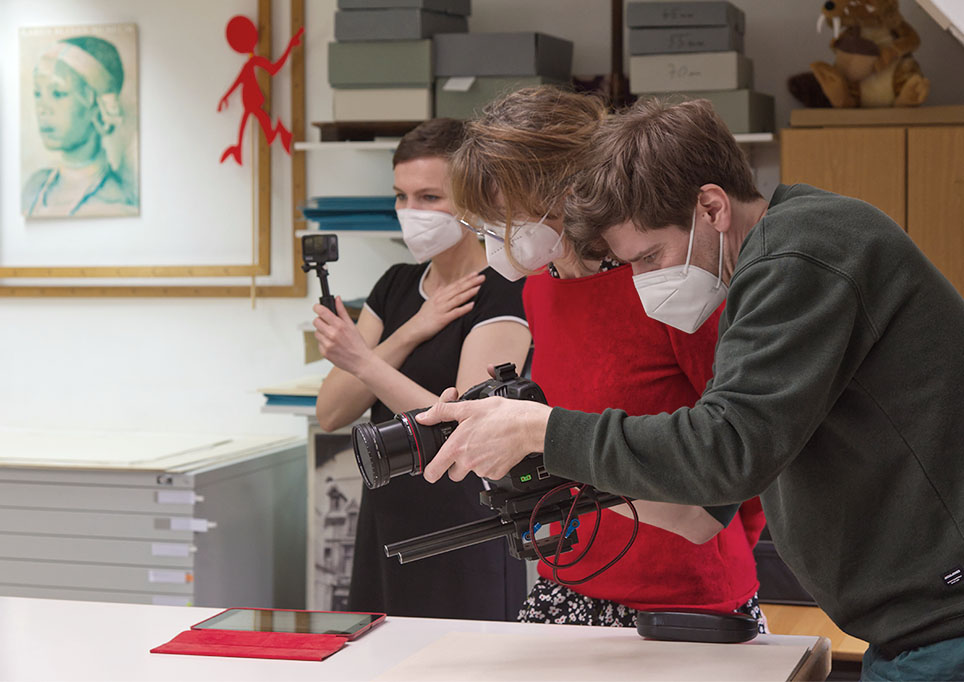
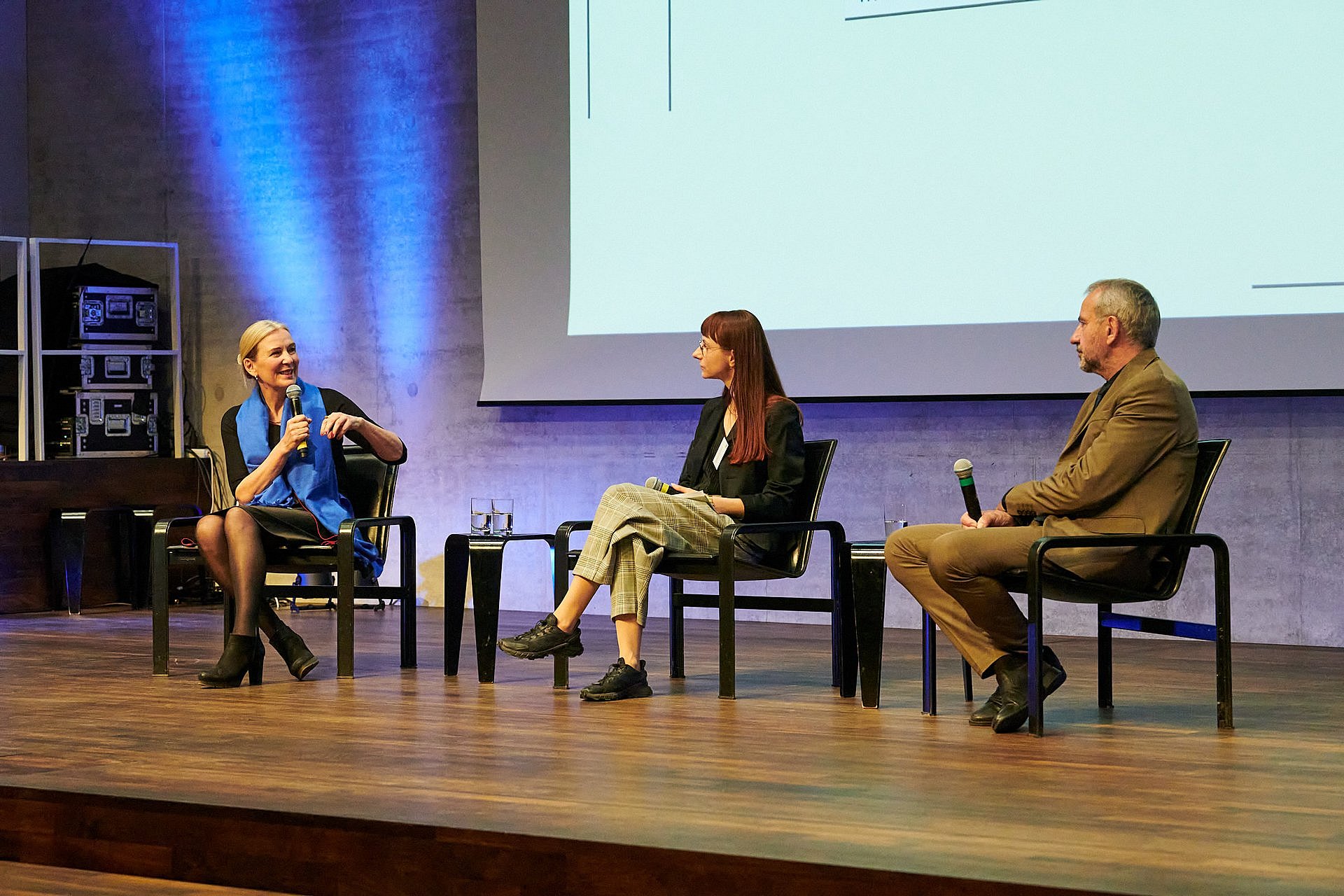
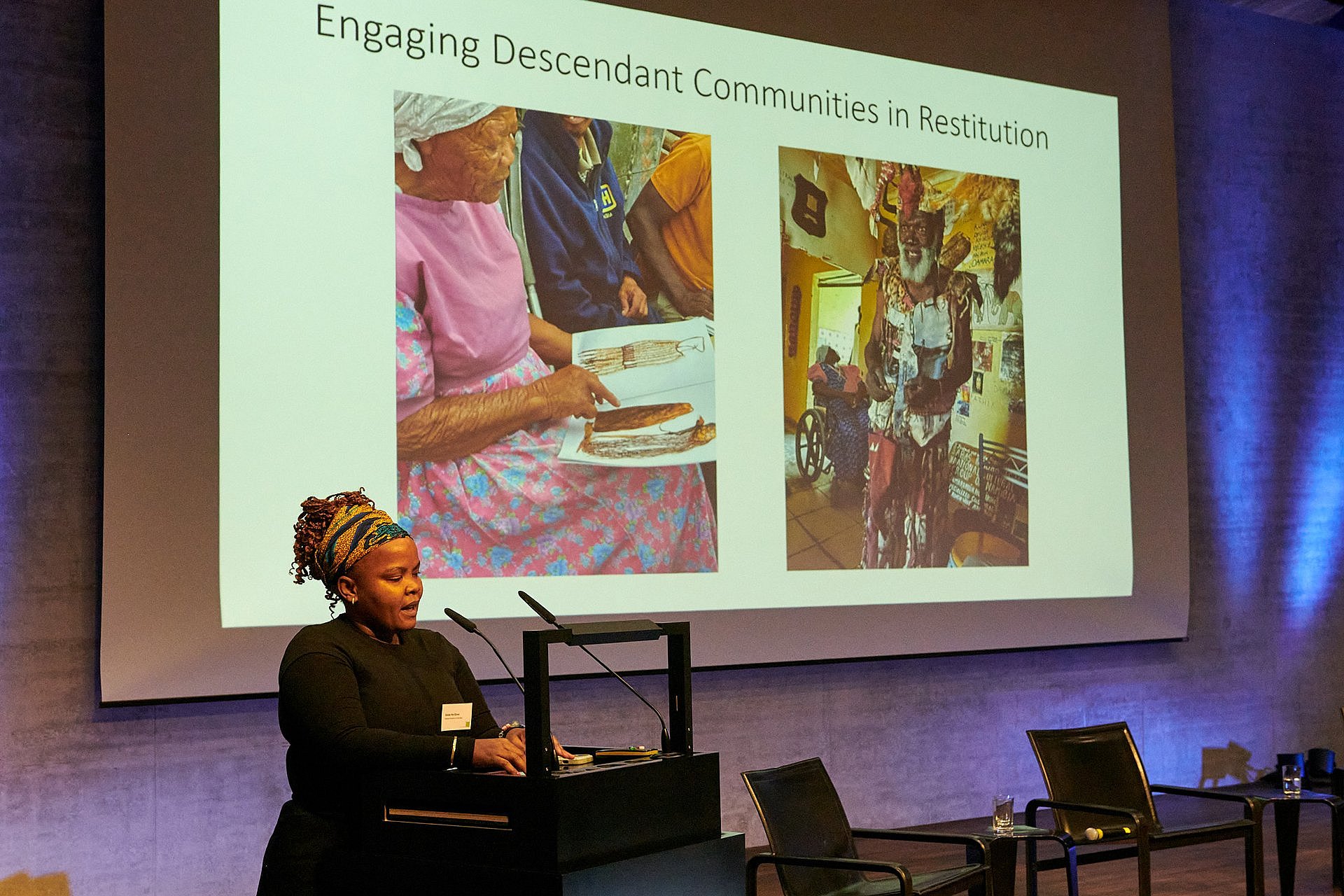
Wicke: We tried to incorporate different formats into the conference. Films were shown, lectures were given, and the whole event was open to discussion sessions. The mix made it all very fruitful.
Have any potential connections emerged beyond the symposium?
Wicke: It’s still a bit too early to say. But the feedback so far shows that it’s a good starting point. Such exchange formats should continue to take place at the foundation in future. Above all, the joint exchange during the discussion sessions was hugely important. We could already see that the different projects were engaging in dialogue with one another and also consulting each other on critical issues and pitfalls.
Wagner: In some panels, it was also clear that cross-project collaboration already exists, for example when the discussion turned to archives and databases. Other panellists actually networked directly on the spot, even though they might come from completely different disciplines.
Looking back a few days later: are there any initial takeaways?
Wagner: For me, the biggest takeaway – or rather a positive surprise – is how great it is to invite external partners to join the discussion, especially those from abroad. That really enriched the conference as a whole. That’s why we decided to hold the symposium entirely in English. It certainly facilitated the exchange.
Wicke: But it worked brilliantly and highlighted just how many international partners the SPK’s collections collaborate with. You often don’t realise just how many projects there are within the Foundation. And we’ve only presented a fraction of them here.
Time for the next symposium?
Wagner: (laughs) There’s certainly a great desire to exchange ideas on the substance of the issues, and we definitely need to engage in more dialogue again. In the wake of the structural reform, the substance of the issues has perhaps taken a slight back seat. It’s time we talked more about the substance again and created opportunities for discussion.