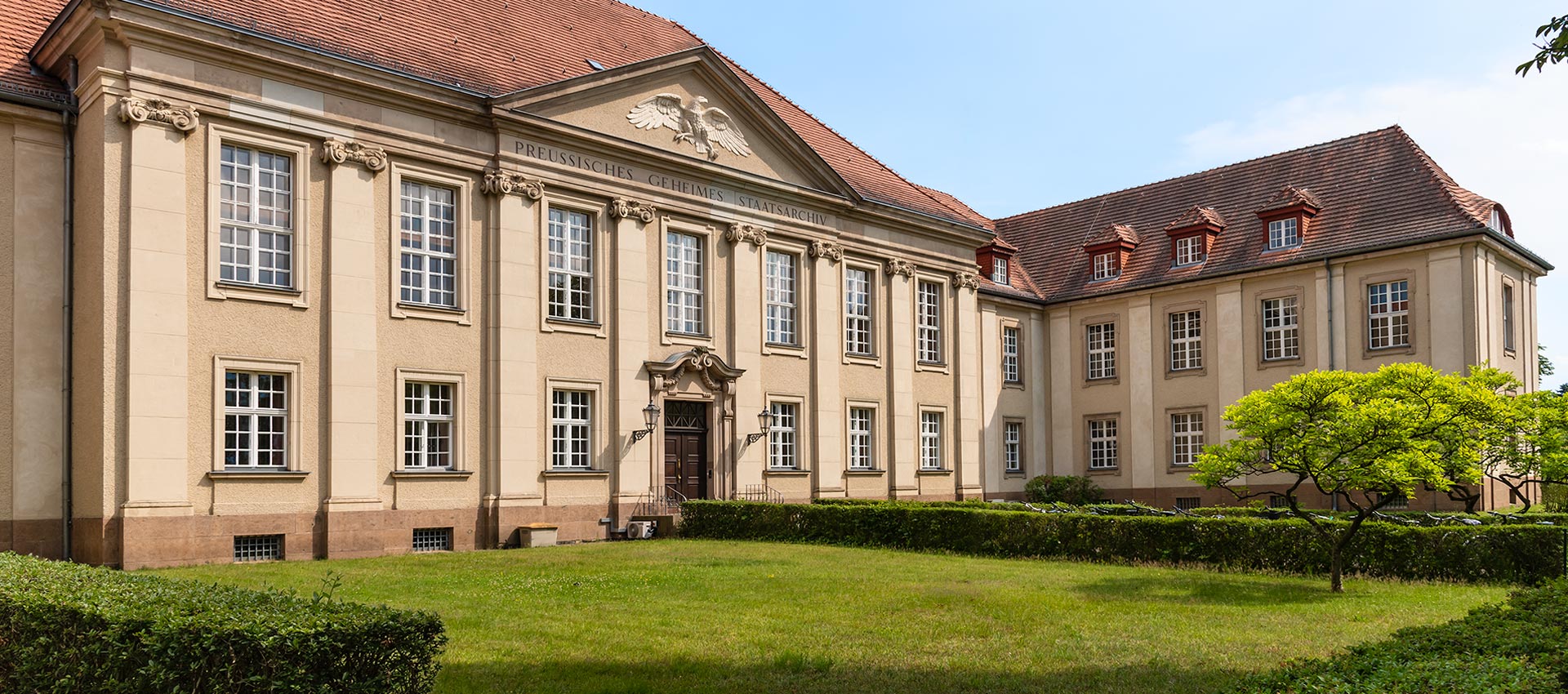
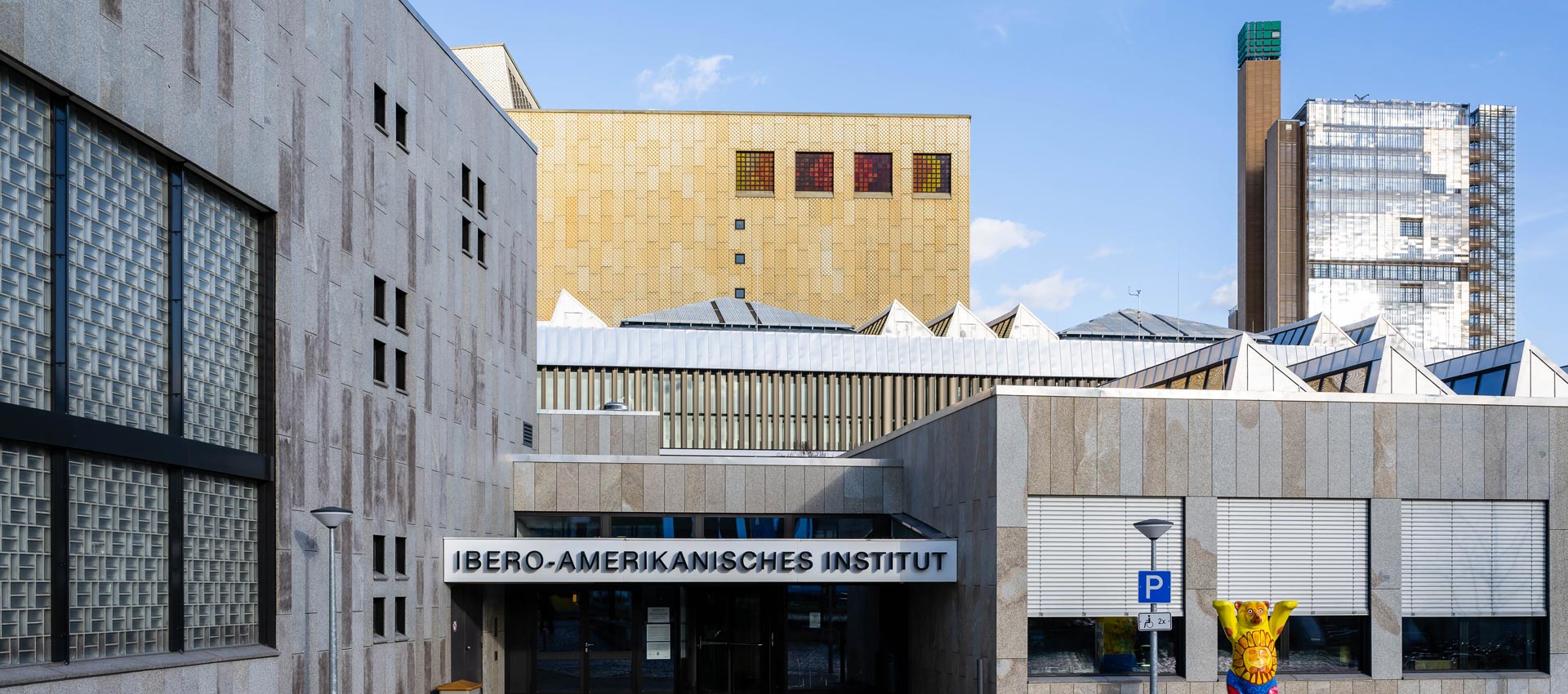
More than 100 years ago, the German-Austrian architect and photographer Teobert Maler (1842–1917) travelled to the ruins of the classical Maya in Mexico. An exhibition at the IAI places archaeological research in Yucatán and Maler’s work within a broader historical context. The director of the Mexican partner institution, INAH, attended the opening.
More than 100 years after the German-Austrian architect and photographer Teobert Maler (1842–1917) travelled to the ruins of the Classic Maya in the Mexican state of Campeche, researchers from the IAI and the Instituto Nacional de Antropología e Historia (INAH) are now working at two sites there. The IAI exhibition presents the results of the archaeological research being carried out on the Yucatán Peninsula since 2012 in cooperation with the INAH, placing them within a broader historical research context.
The exhibition
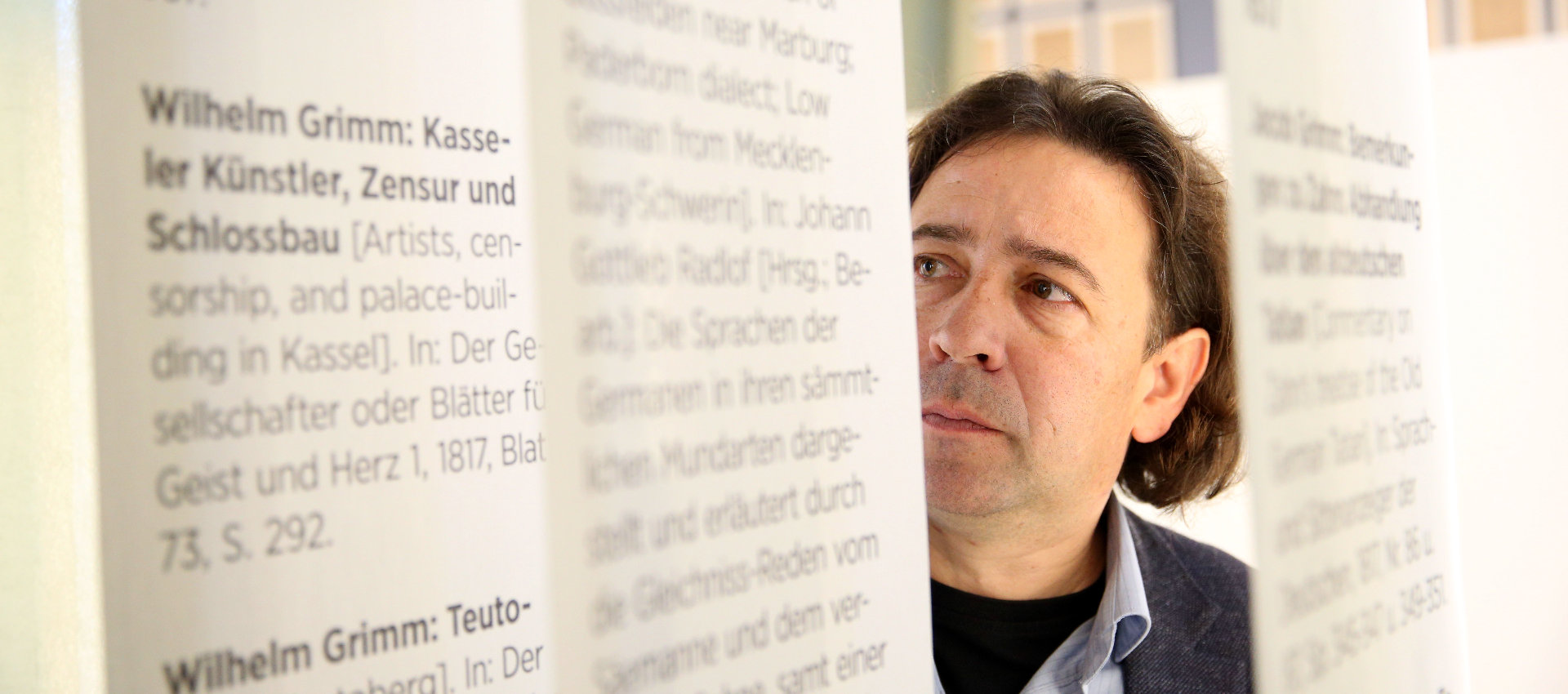
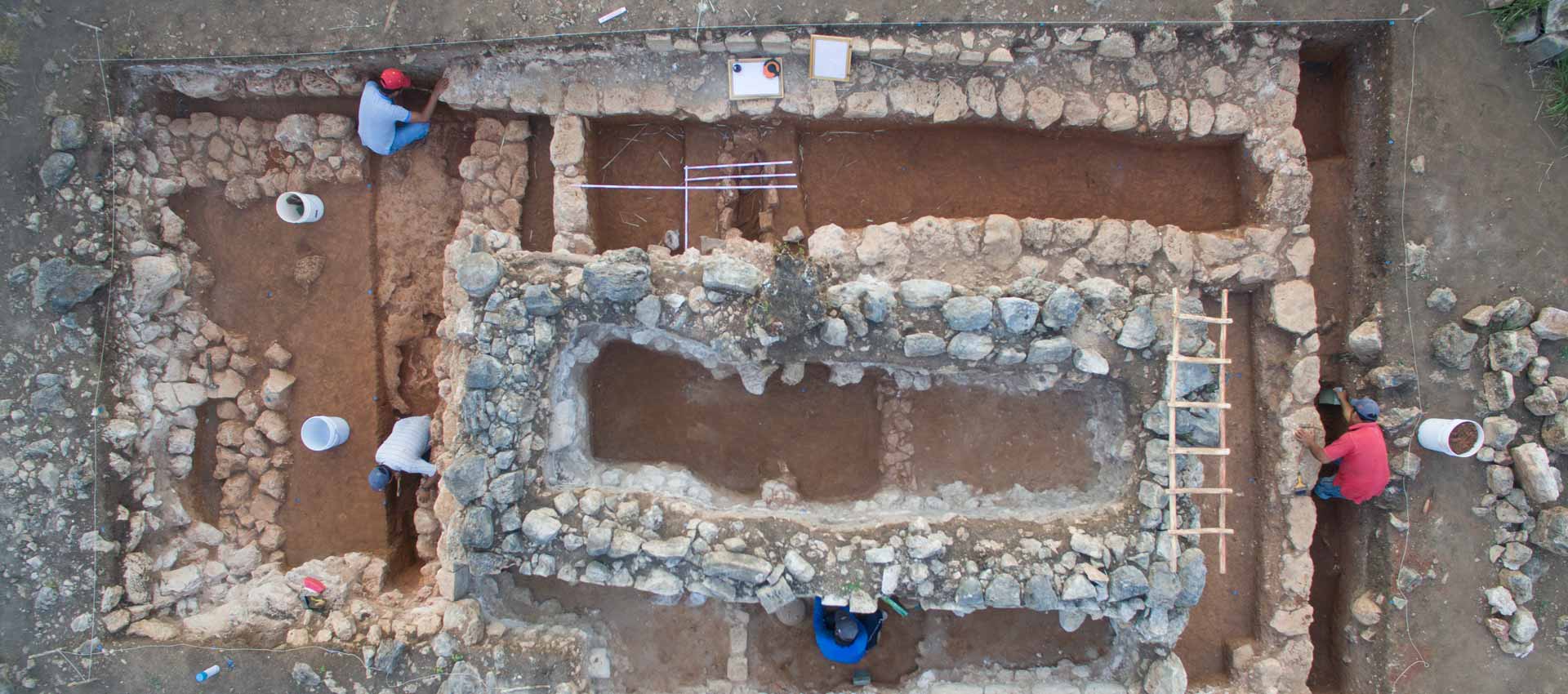
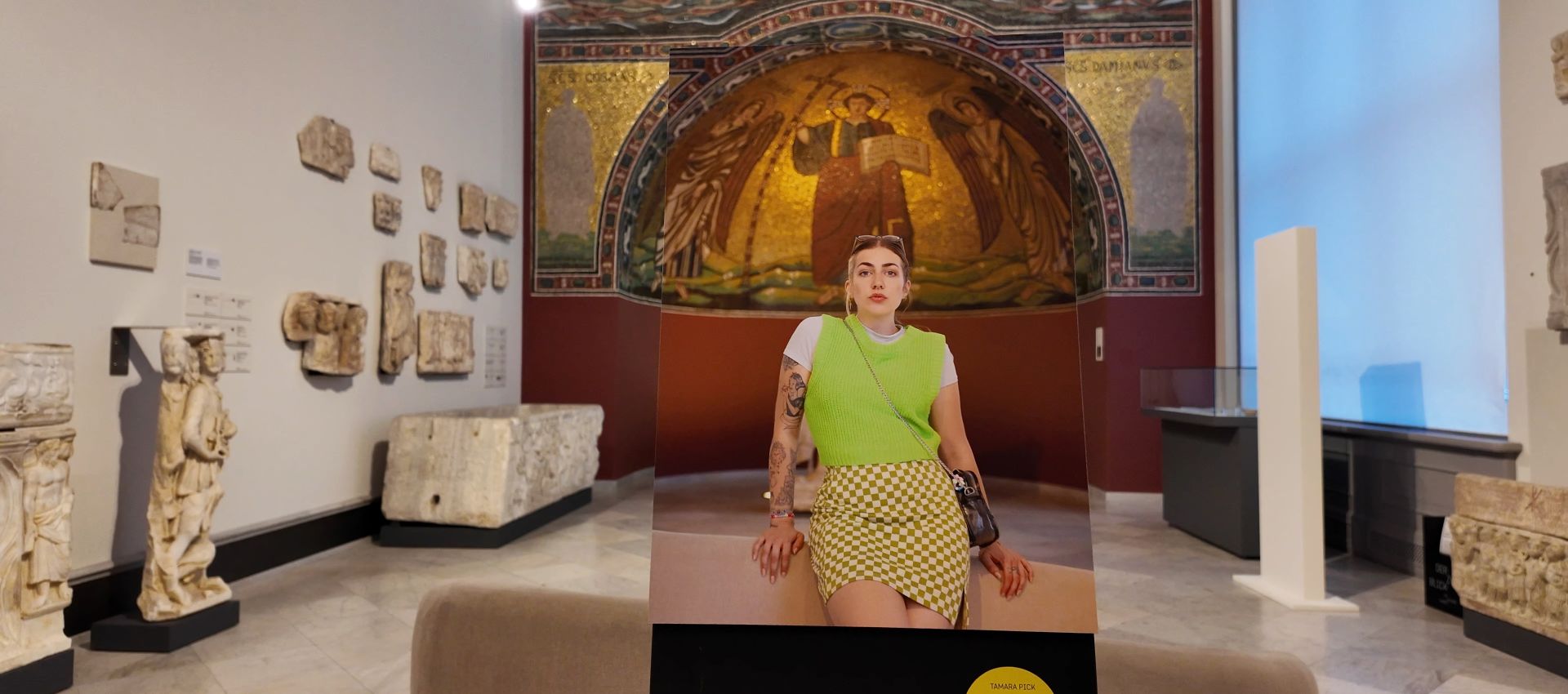
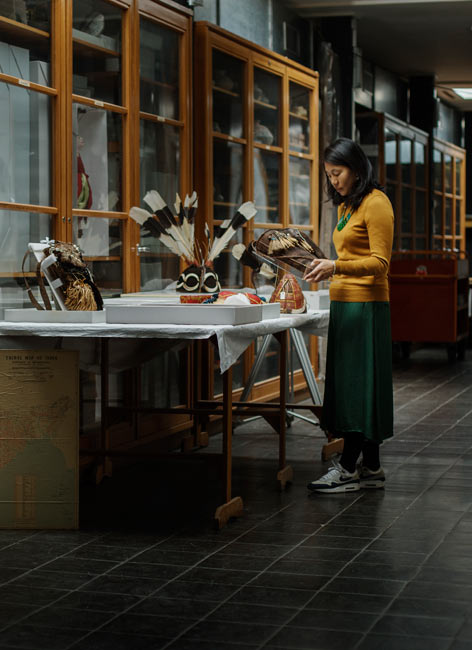
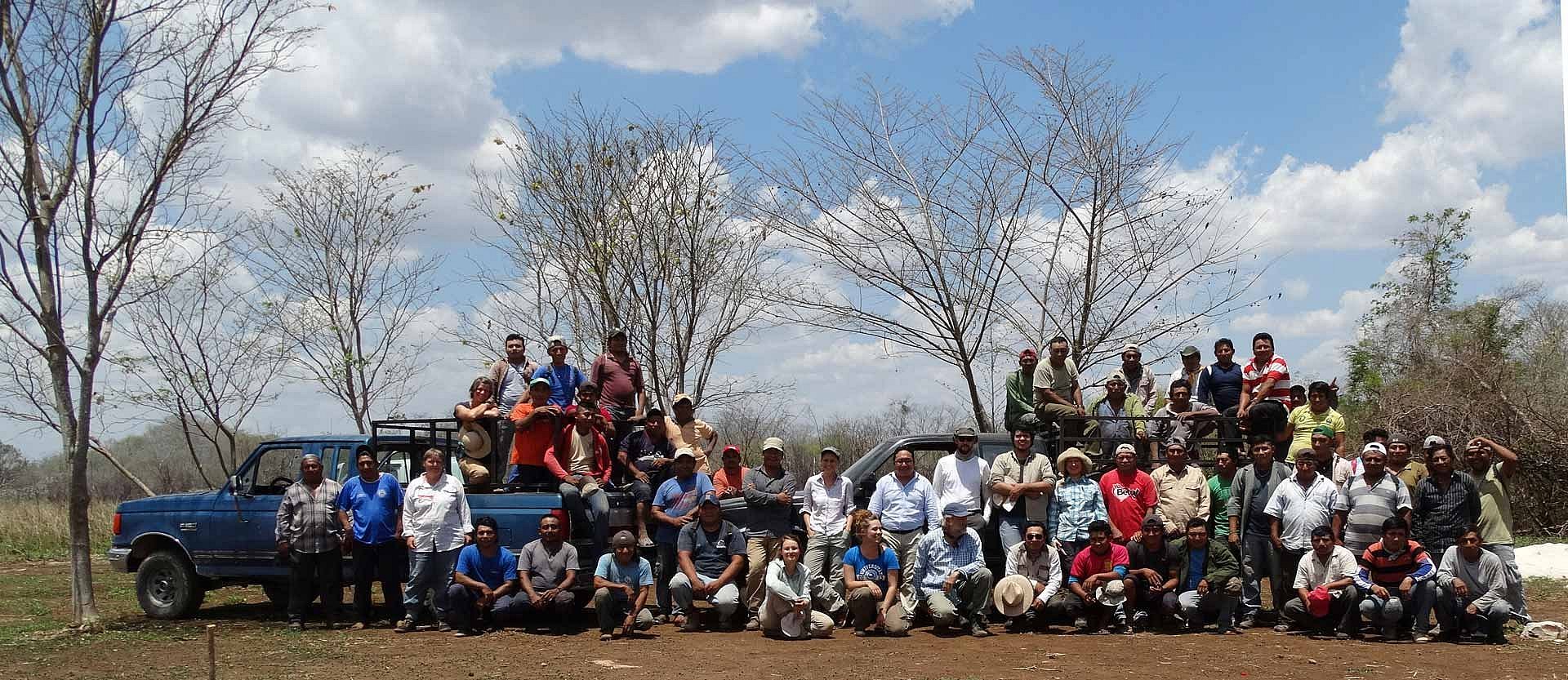
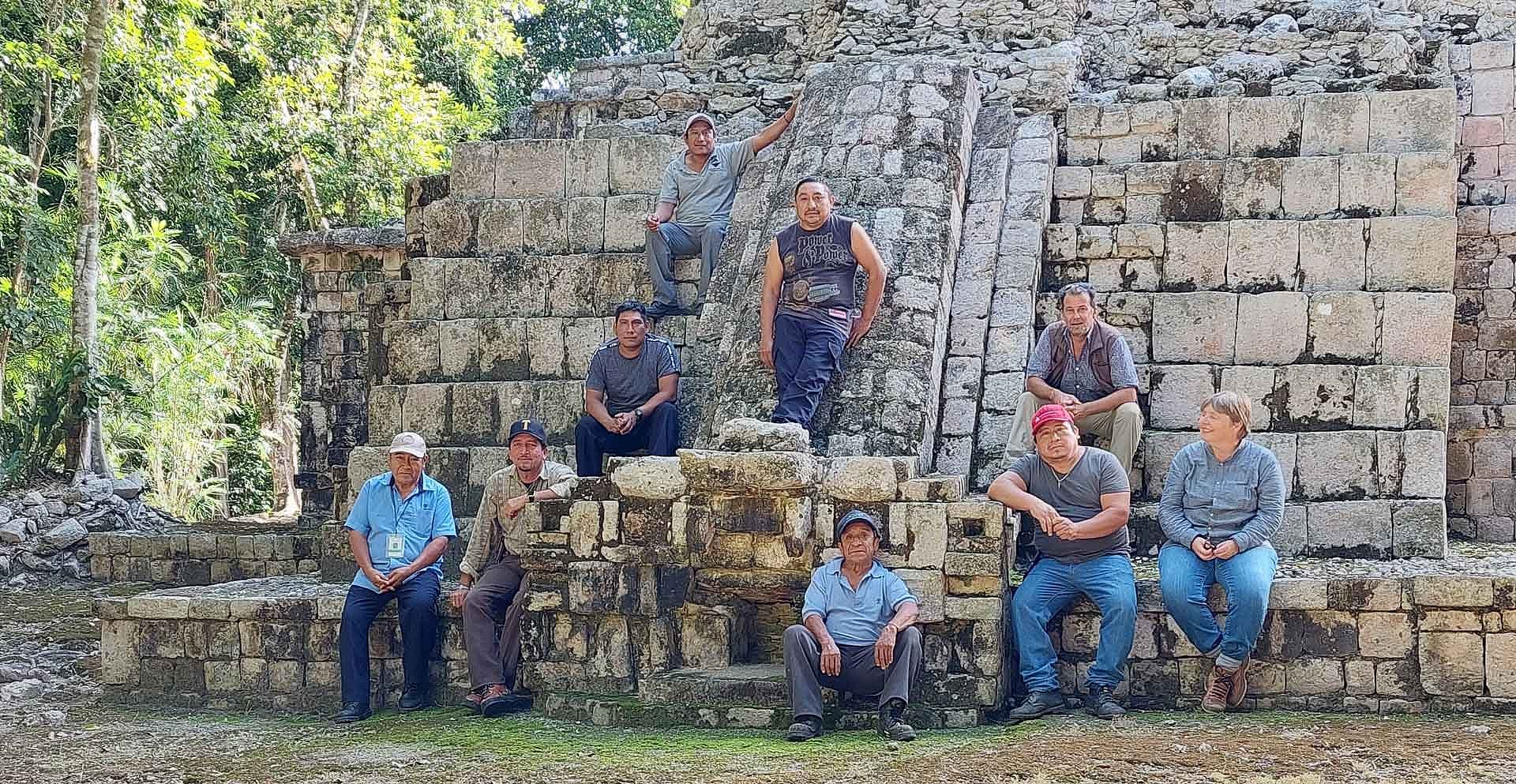
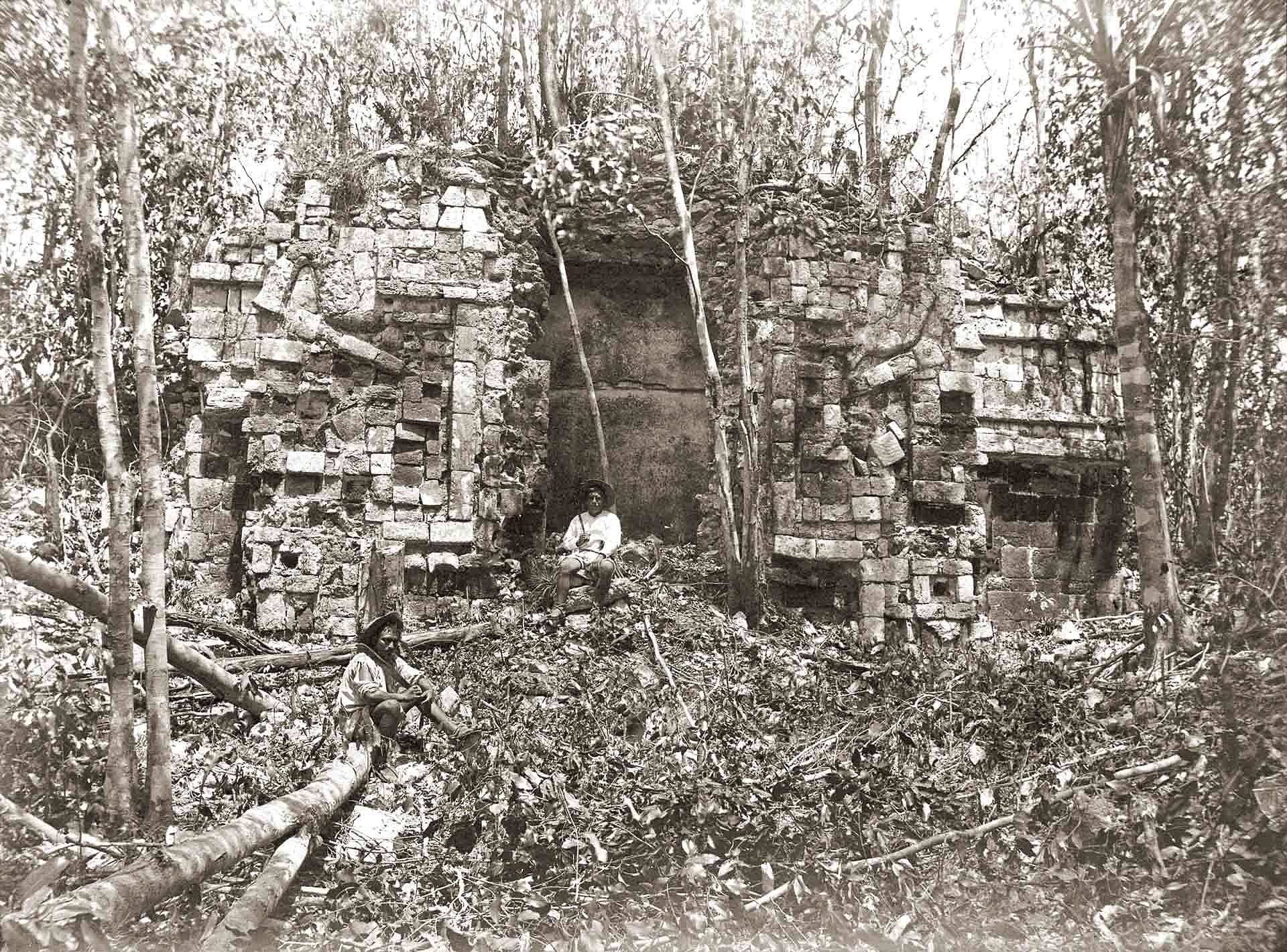
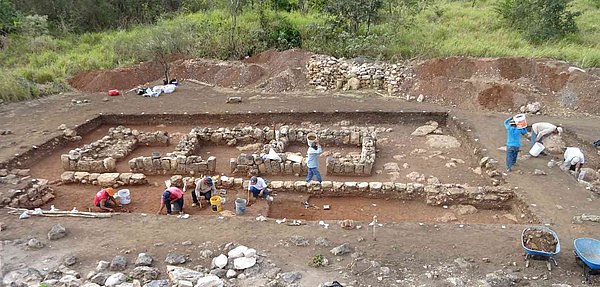
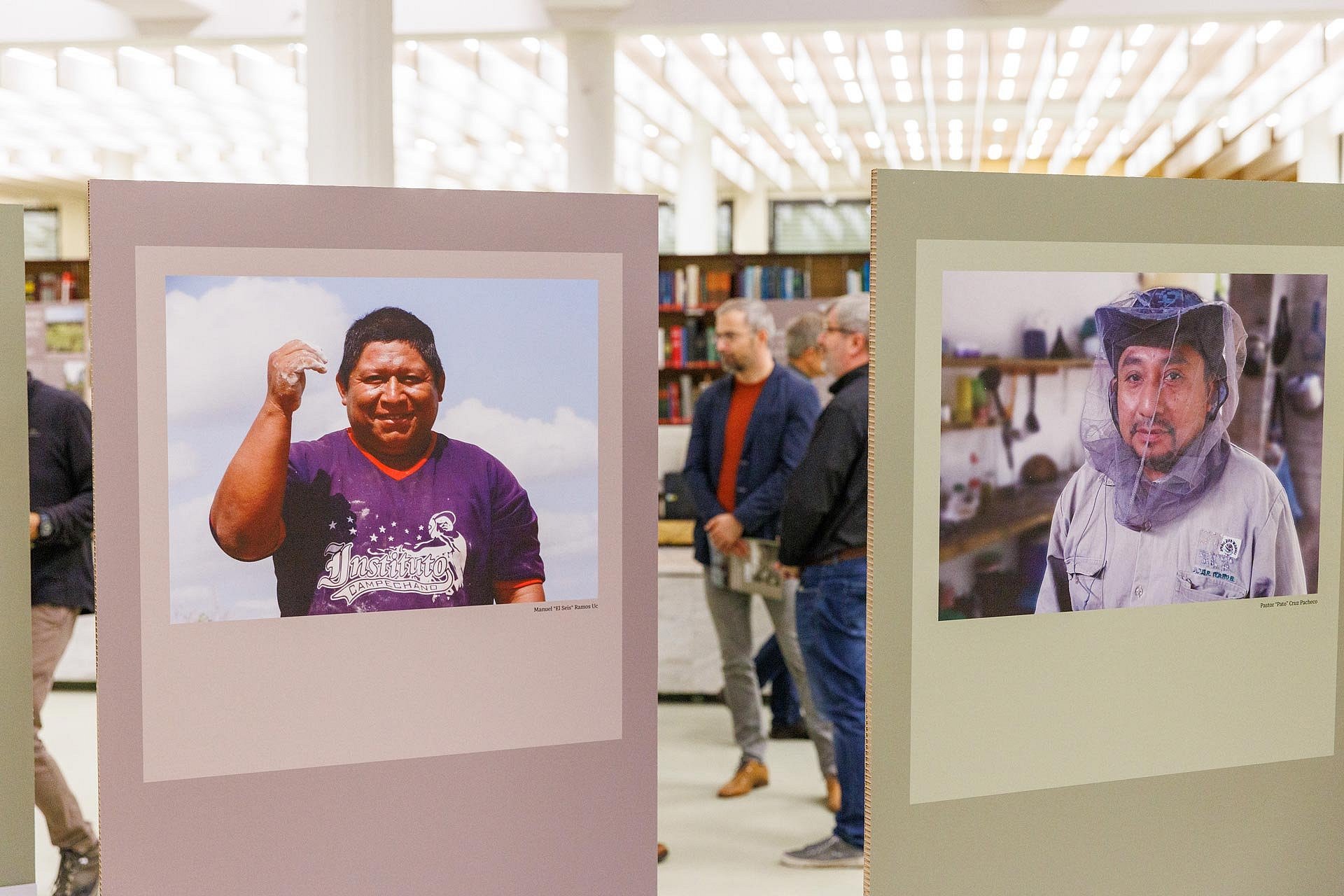
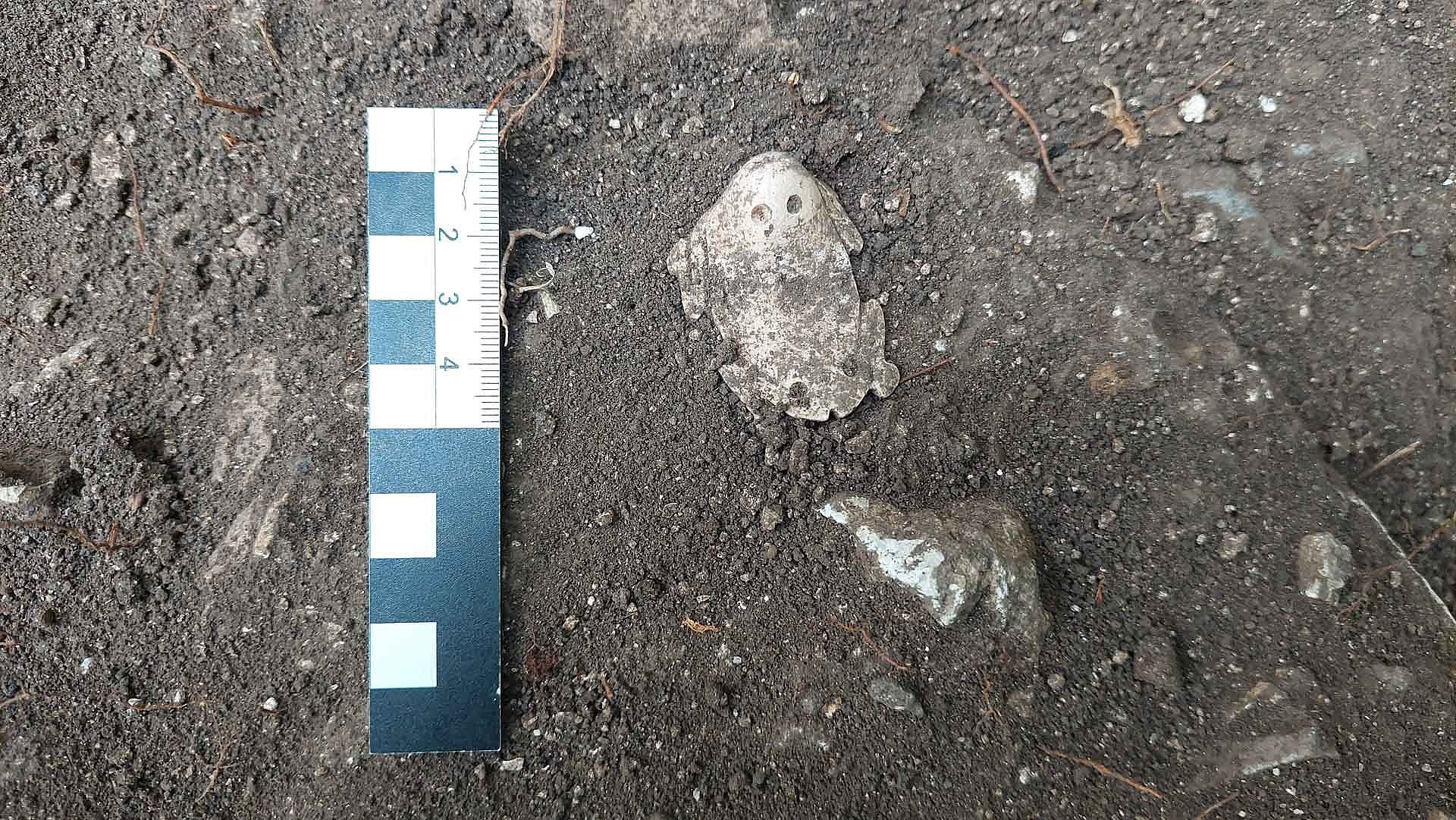
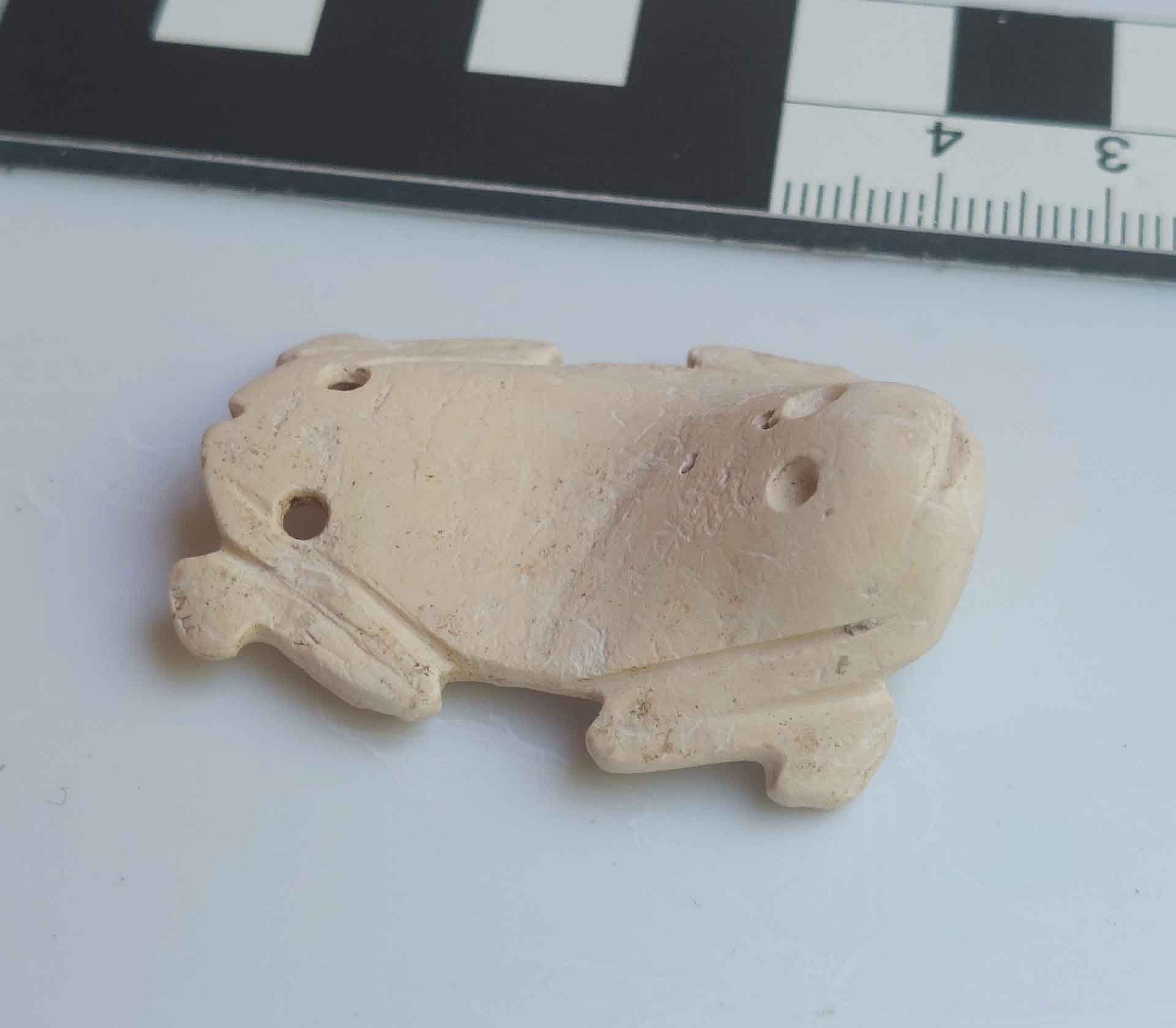
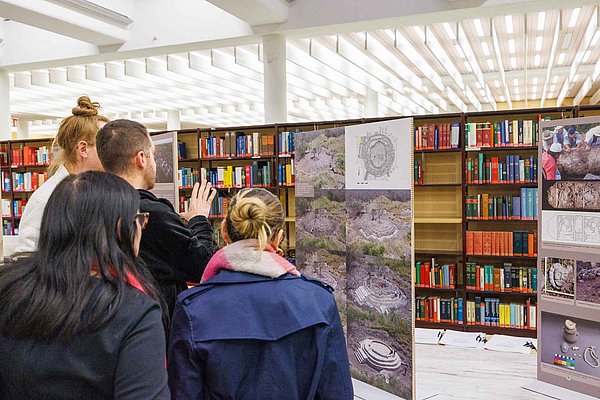
Large-format panels display historical images, maps and overviews of the history of research, set against colour photographs of excavation work amidst the surrounding landscape, portraits of the people involved and details of unearthed finds. This also highlights the diversity and challenges of archaeological work, which has been carried out in collaborative projects between the IAI and INAH under the direction of Iken Paap (IAI) and Antonio Benavides Castillo (INAH) in Dzehkabtún and Santa Rosa Xtampak. On the reverse sides of the panels are portraits of local staff members, representing the many people who make the IAI’s work on site possible and who often remain unseen in the scientific publications of the results. The concept, coordination and texts are by Iken Paap (IAI), whilst Dirk Böing (böing gestaltung, Berlin) was responsible for the design.
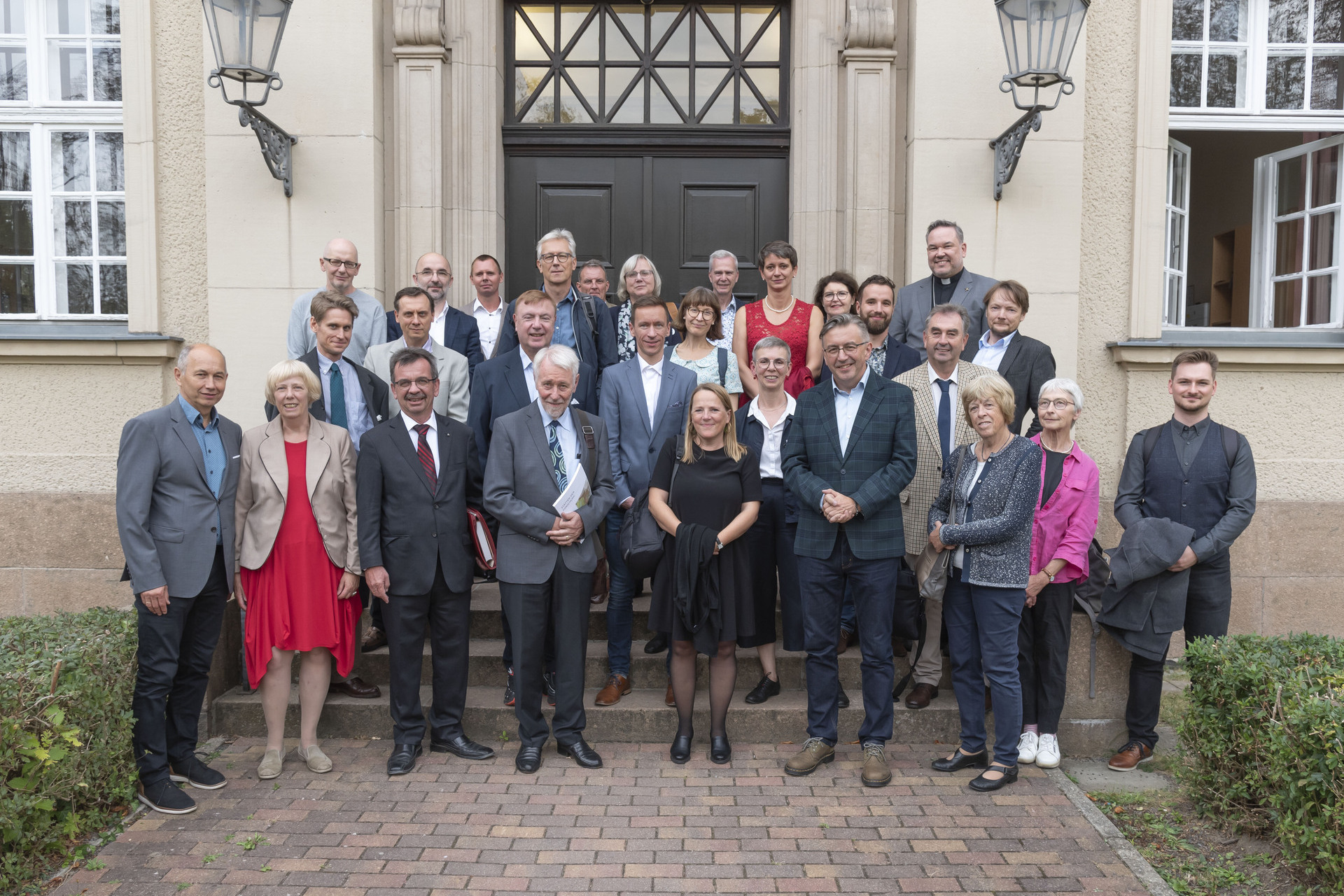
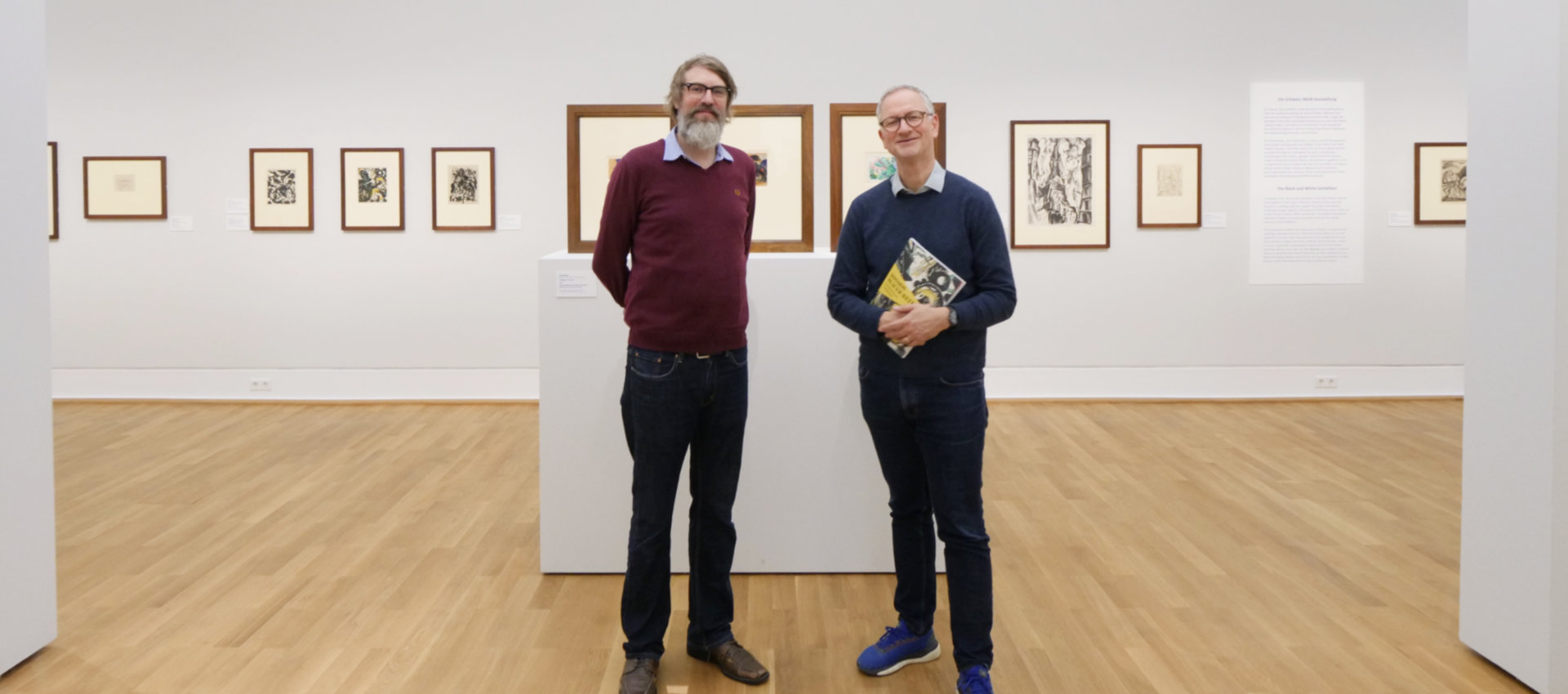
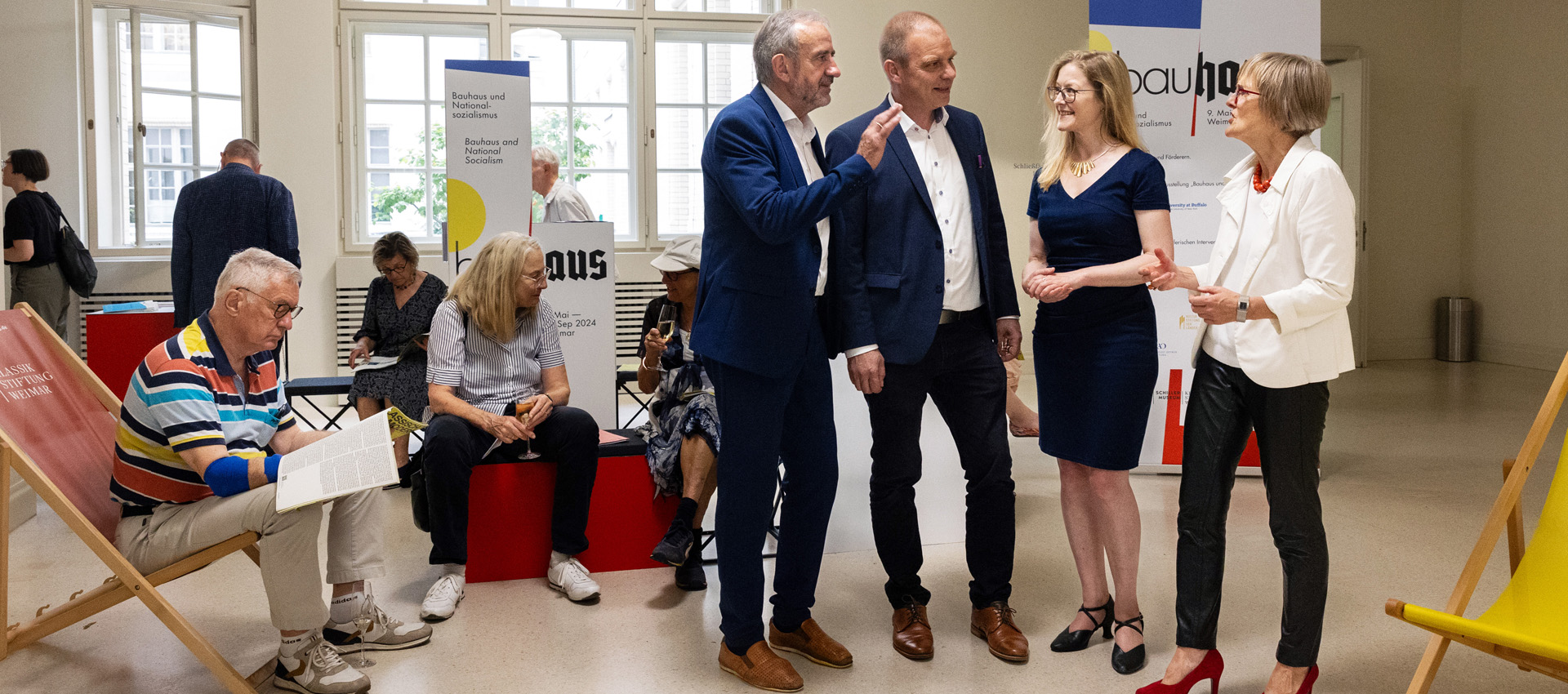
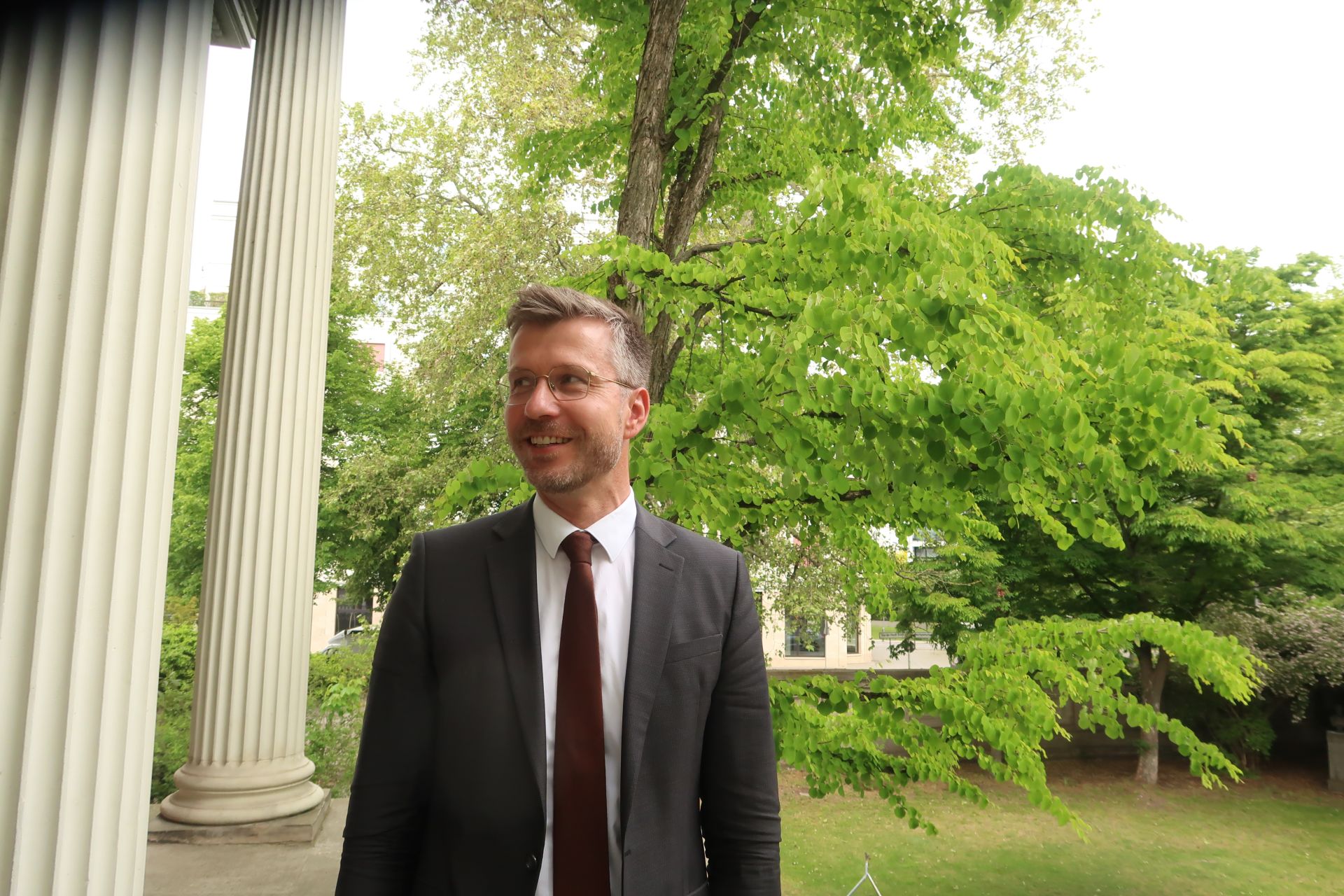
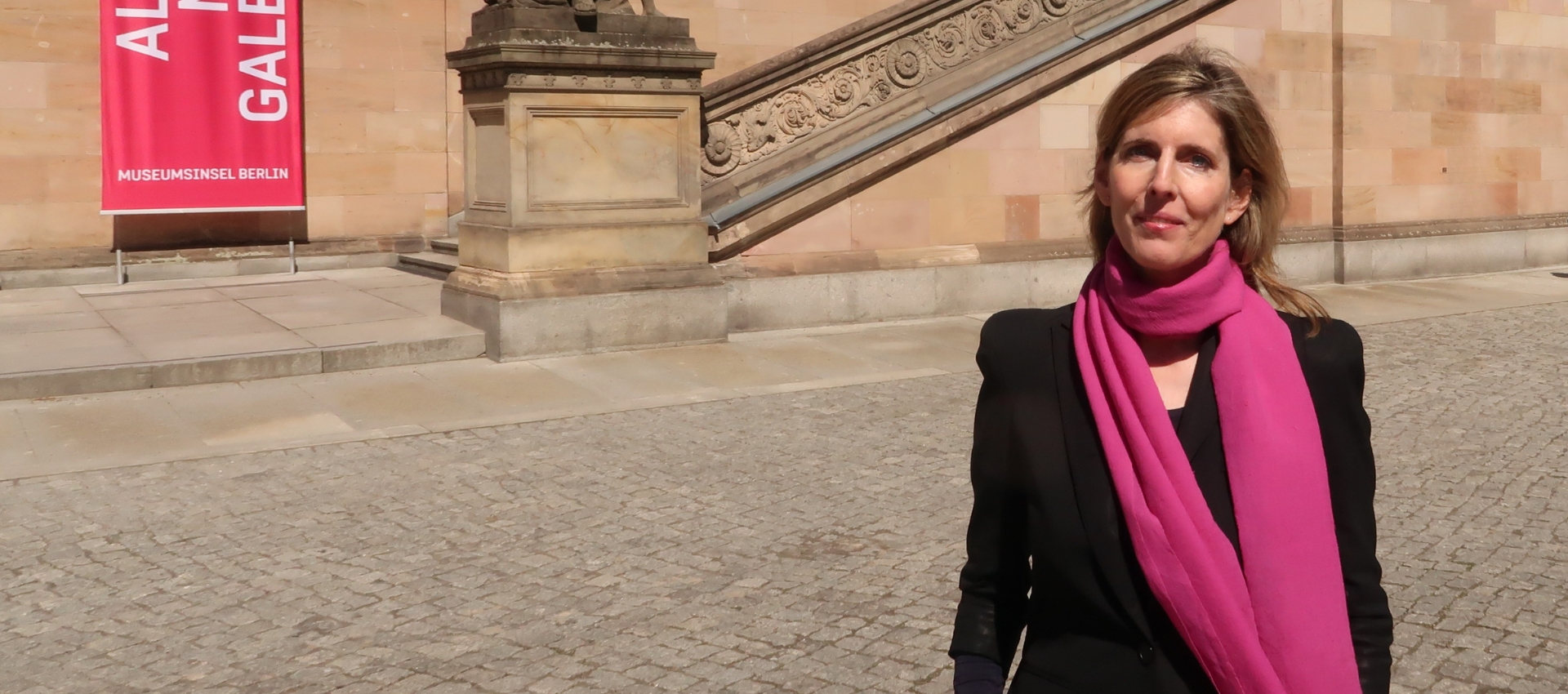
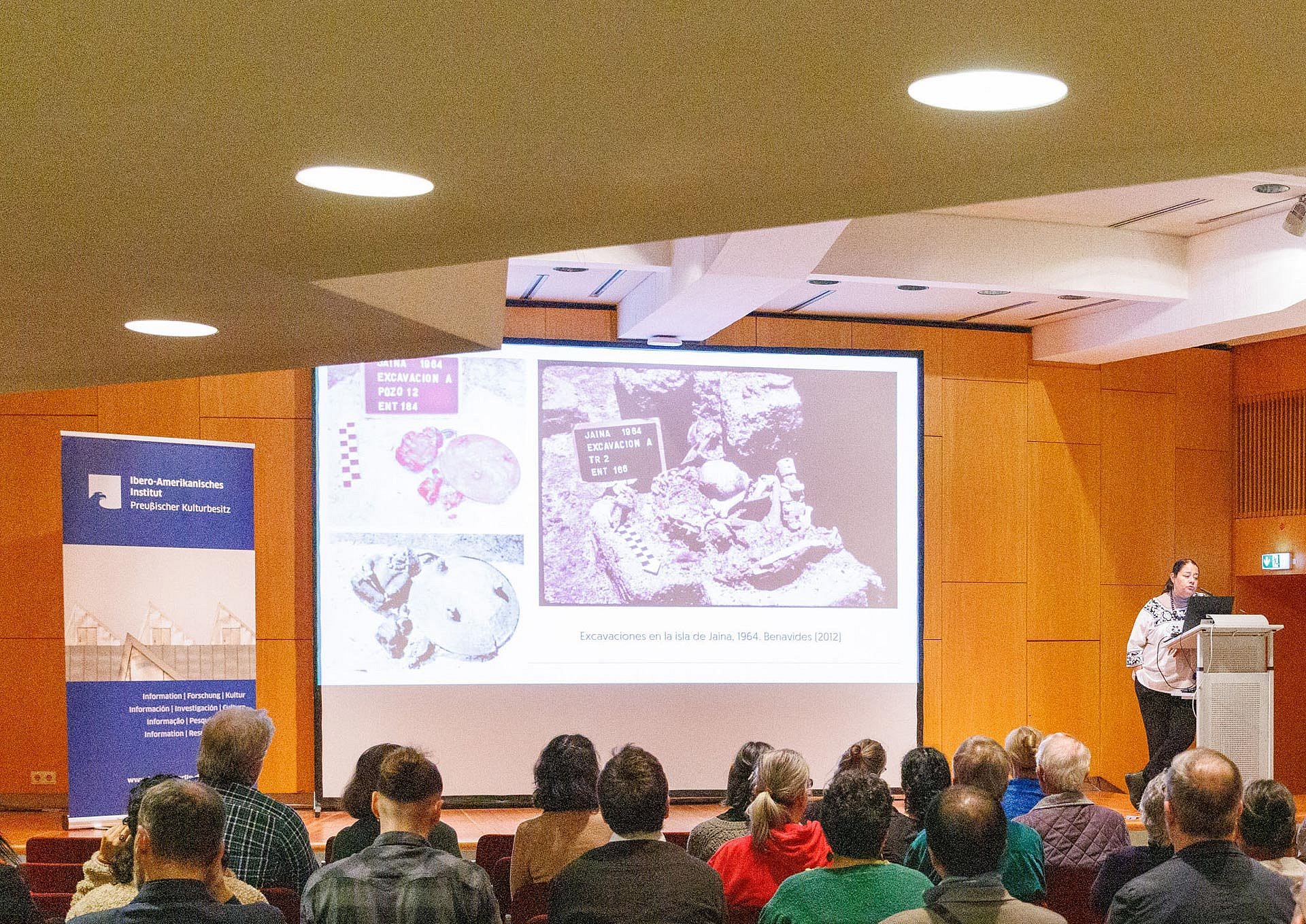
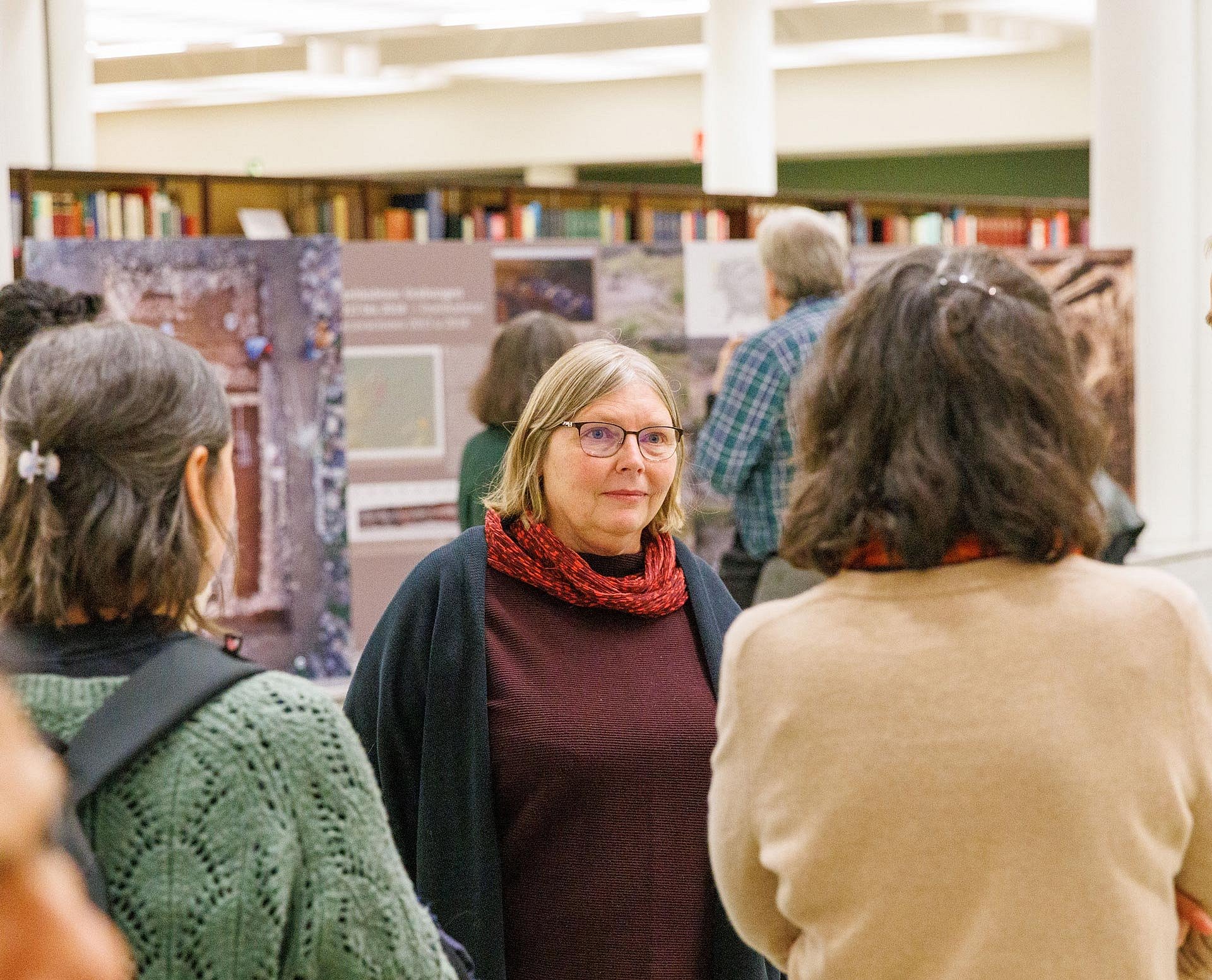
At the opening of the exhibition, following a welcome address by the Mexican Ambassador to Germany, H.E. Francisco Quiroga, Adriana Velázquez Morlet, Director of the Campeche Centre of the National Institute of Anthropology and History (INAH), traced the development from the first archaeological research in the 19th century to current projects and academic questions.
Unravelling the past and documenting it for the future
Since 2012, the IAI has been working together with the INAH at the two sites of Dzehkabtún and Santa Rosa Xtampak in the Mexican state of Campeche.
For Dzehkabtún, a key question was what happened in the decades leading up to the city’s decline and what ultimately led to its abandonment around 950 AD. At Santa Rosa Xtampak, the larger site and, alongside Edzná, the most significant centre of the Classic Maya on the central Yucatán Peninsula, the focus was on establishing a stratigraphically verified chronology as well as on the regional and supra-regional networks of the settlement.
Dzehkabtún
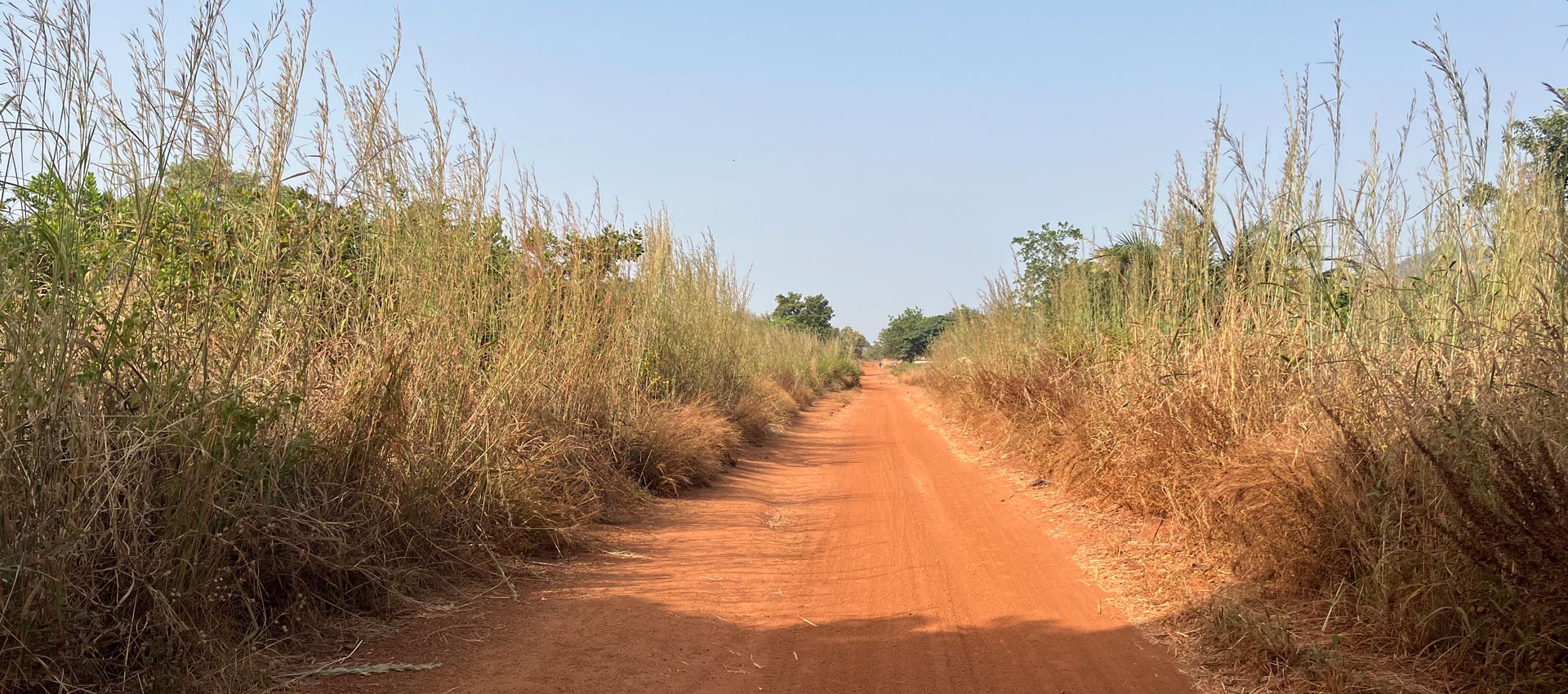
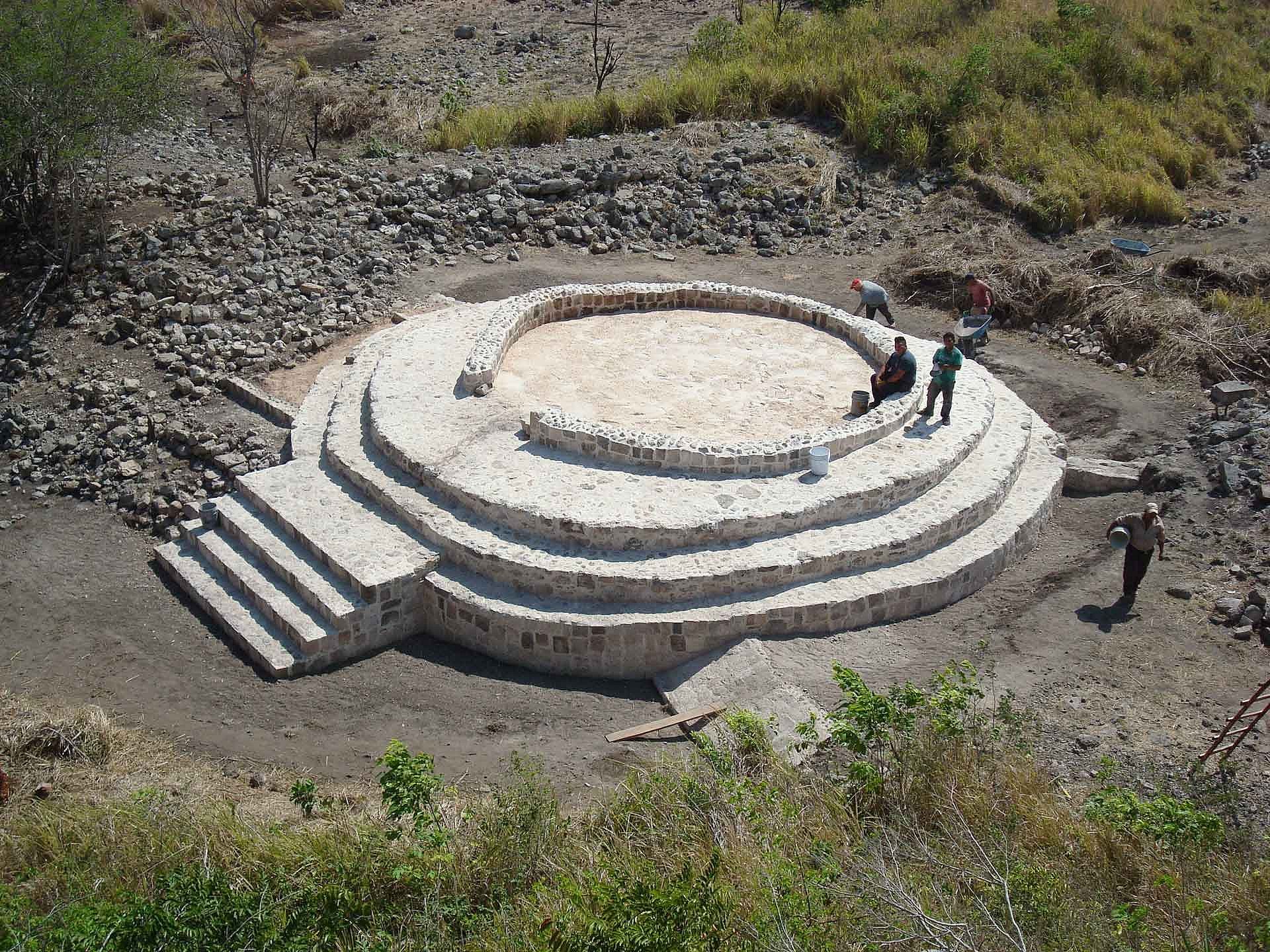
The area containing the Dzehkabtún site had long been used by a hacienda as a sugarcane plantation and cattle pasture and has been severely affected by destruction caused by stone theft and looting. Today – 40 years after the hacienda was abandoned – the ruins are overgrown with dense, tall grass and scrub.
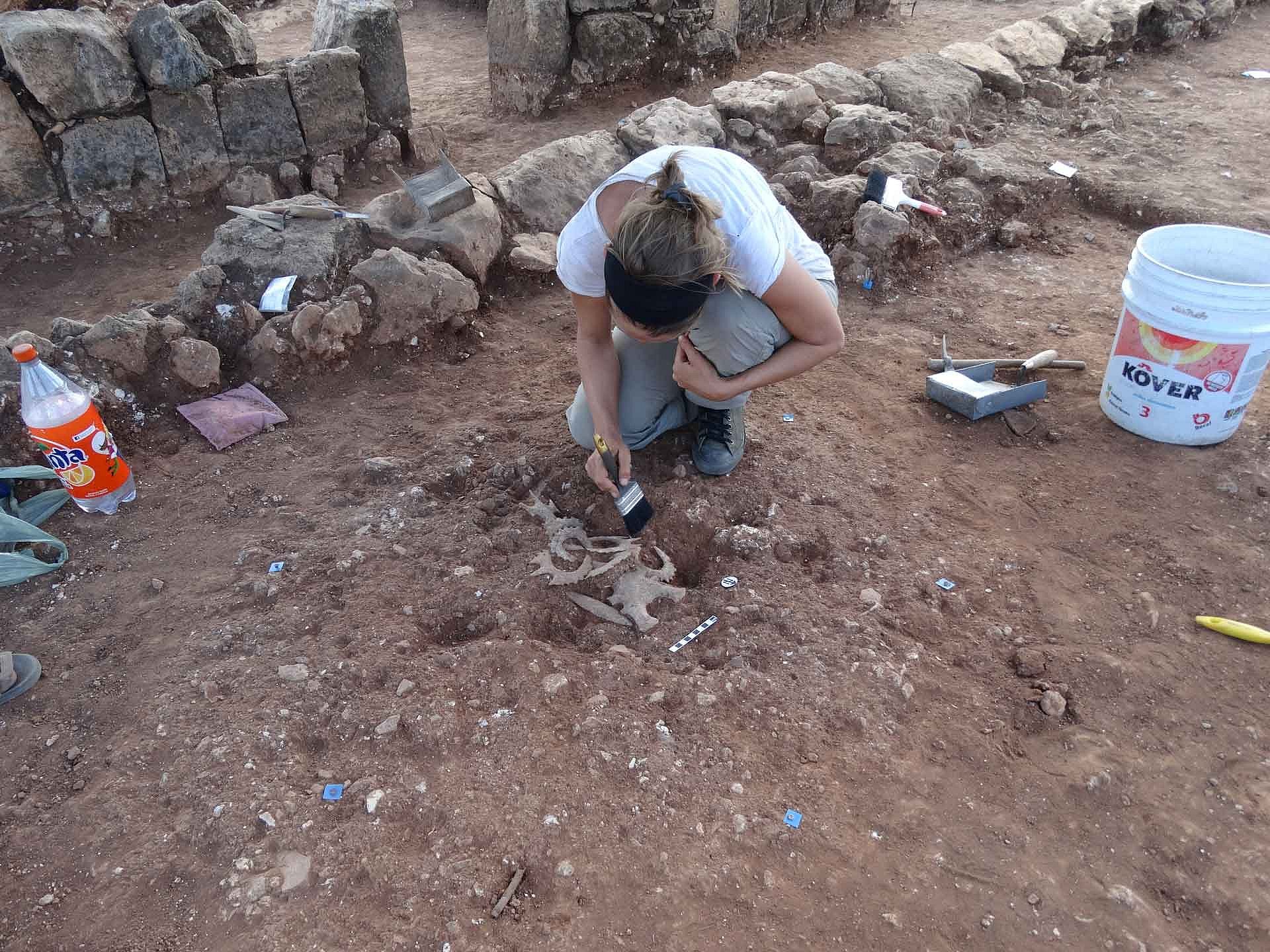
From 2012 to 2018, with funding from the German Research Foundation (DFG), a collaborative project between the IAI and INAH investigated several buildings in the monumental centre and on the periphery of the site, and a large number of stratigraphic test pits were excavated. Sources for the project included photographs and sketches by Teobert Maler, as well as descriptions of individual buildings and monuments by archaeologists such as George Andrews and Nicholas Dunning. Prior to 2012, Dzehkabtún had never been the subject of archaeological excavations.
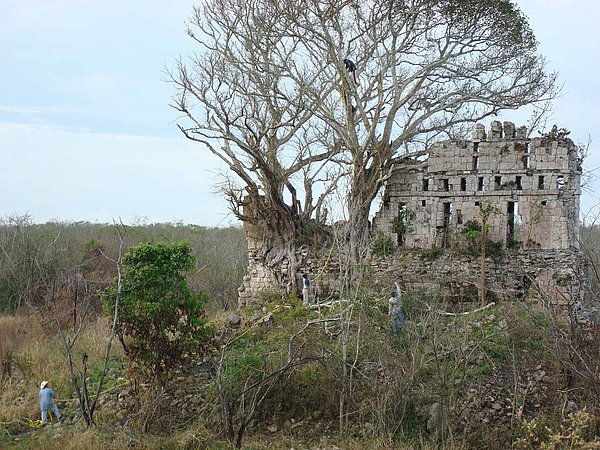
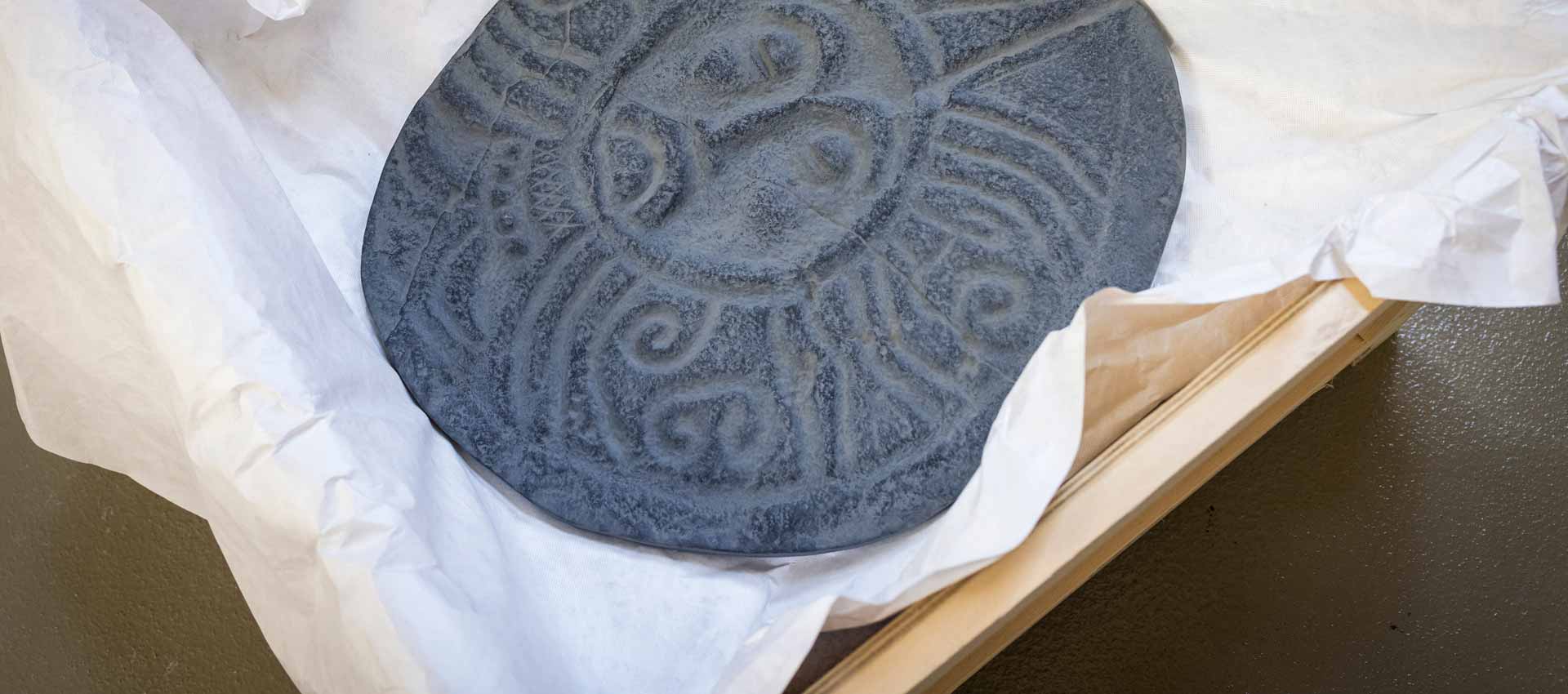
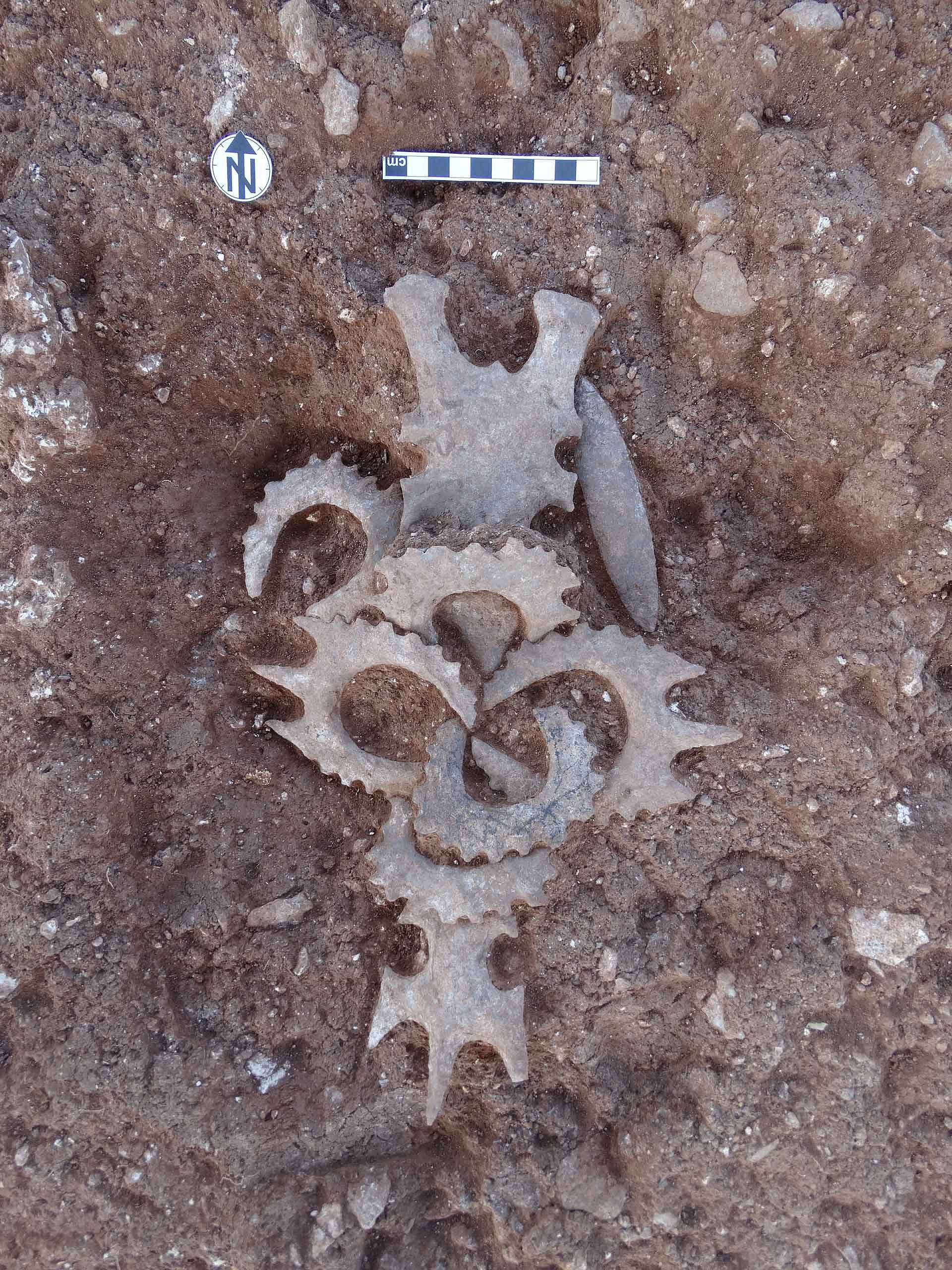
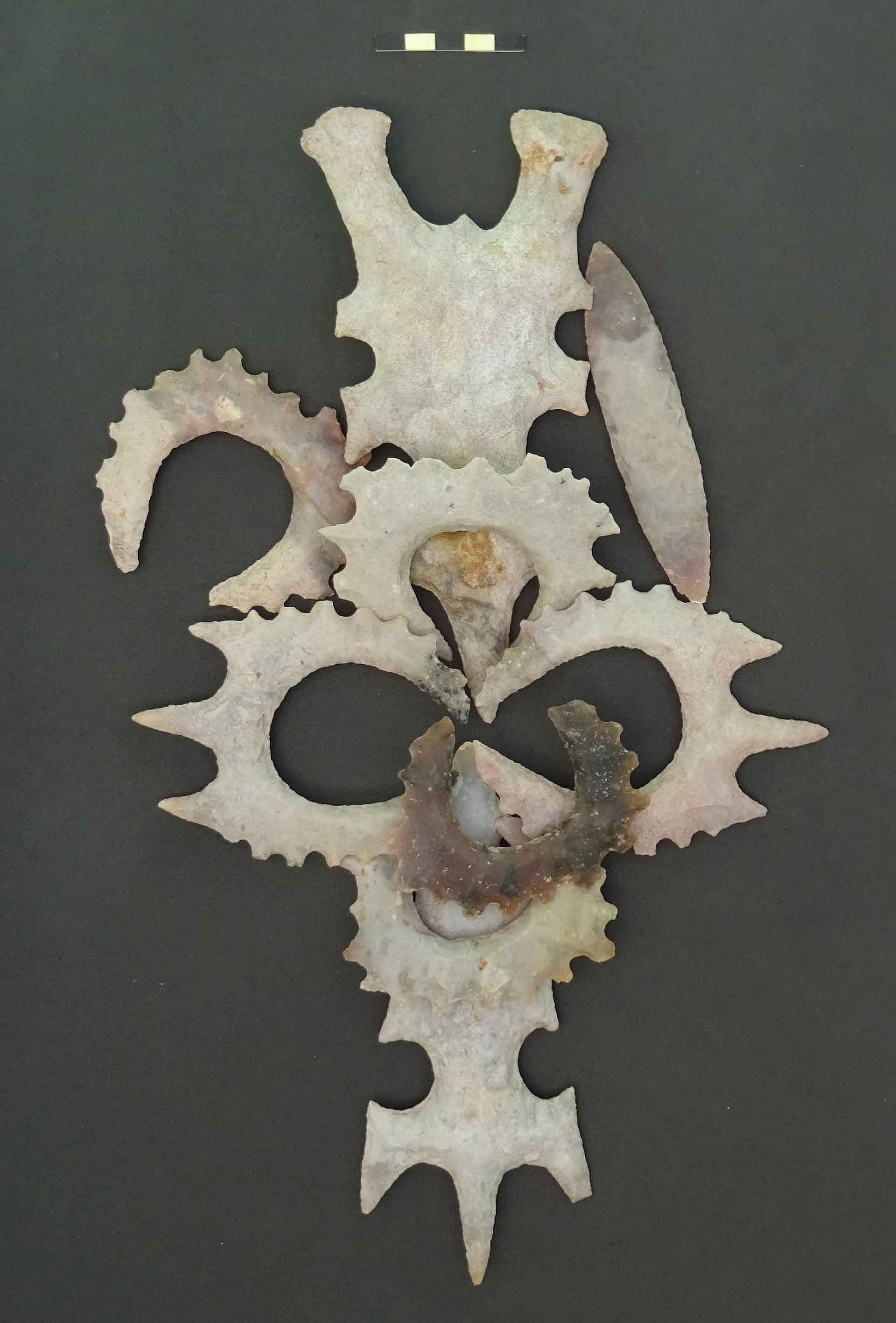
The finds – primarily pottery – as well as the preserved architecture and the uncovered monuments and sculptures demonstrate that the site was inhabited from at least the beginning of the Middle Pre-Classic period (from 1000 BC) until the Late Classic period (c. 950 AD). The findings also reveal a marked regionalisation of economic relations during the transition from the Late to the Late Classical period, accompanied by evidence of crises, including violent conflicts, alongside a simultaneous deterioration in water and food supplies.
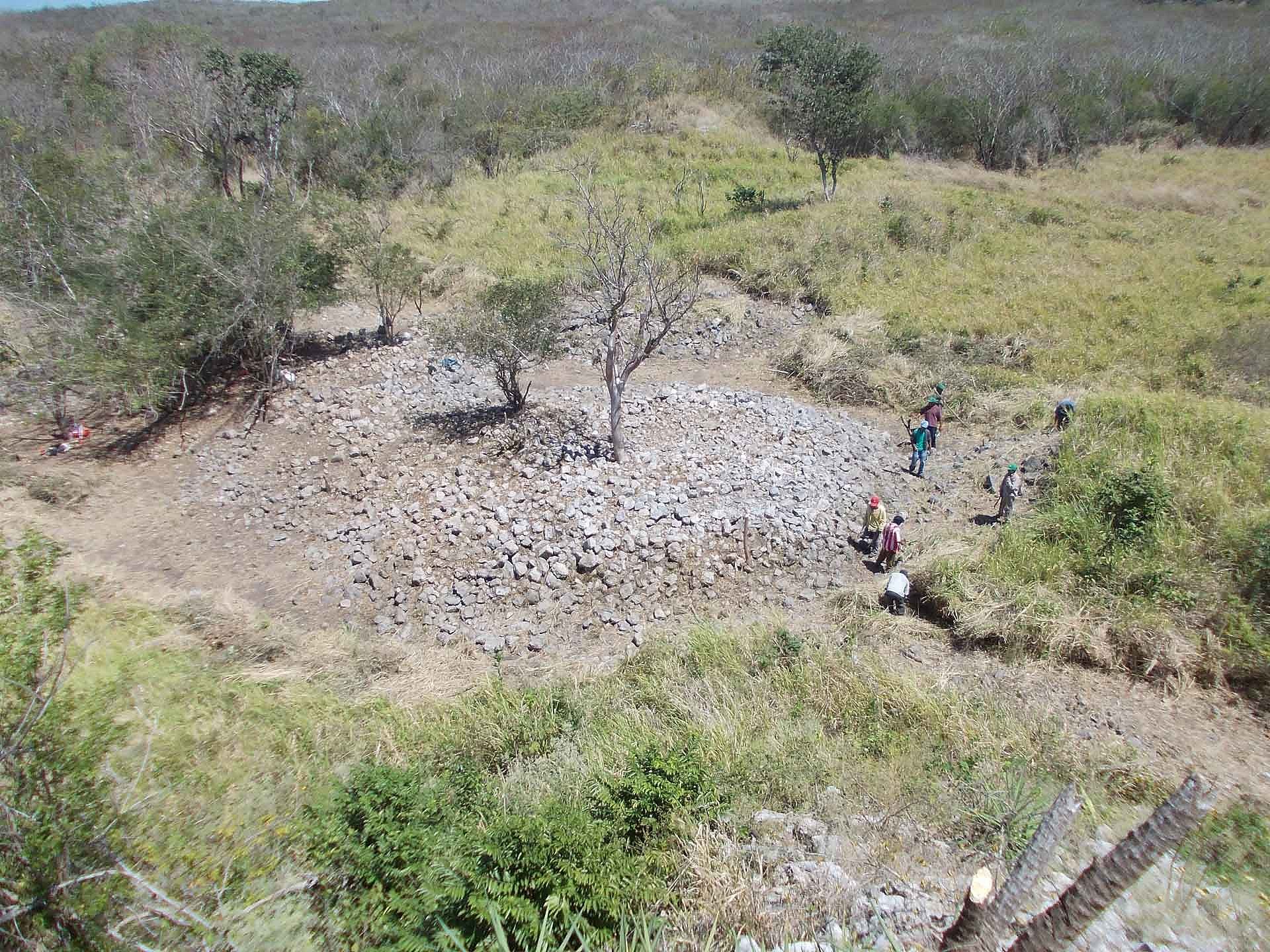
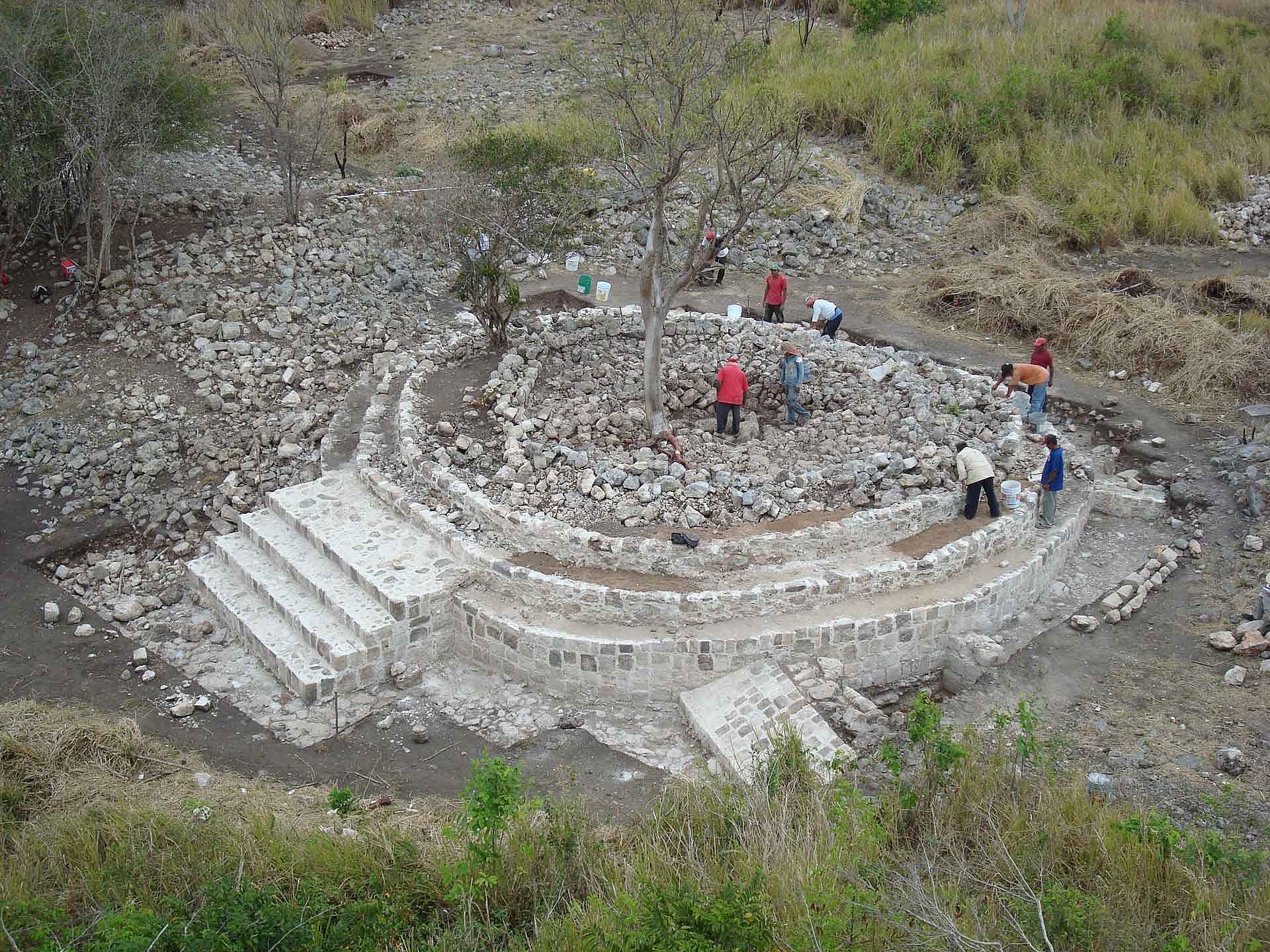
Findings such as deposits of large marine snails, which are interpreted as being linked to water or rain rituals, support the hypothesis that the ecological and economic crisis came to a head in the 10th century AD.
The results of the research at Dzehkabtún contribute significantly to a better understanding of the dynamics of the collapse of Classic Maya culture outside the major power centres of the lowlands.
The most significant finds from seven years of excavation work are on display at the Museo de Arqueología Maya – Fuerte de San Miguel in Campeche and at a small local museum in Santa Rita Becanchén.
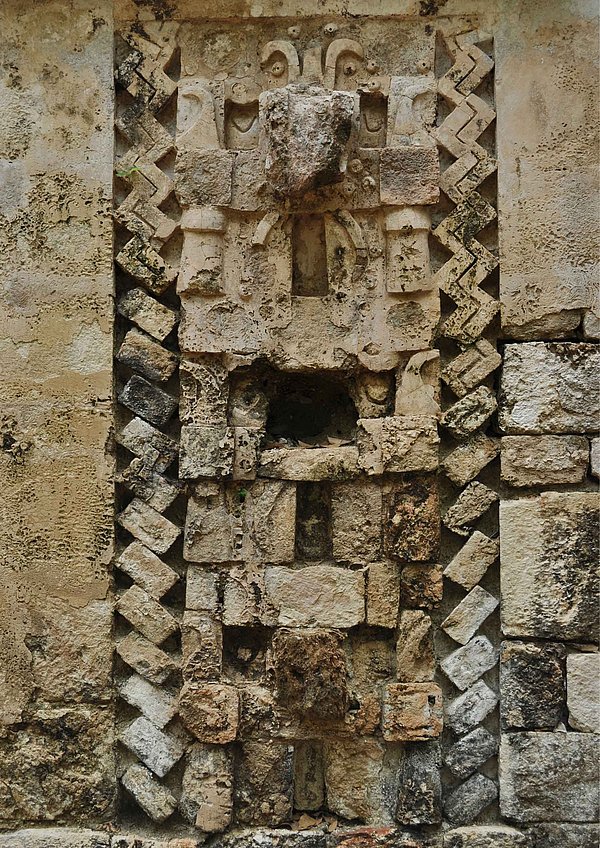
Santa Rosa Xtampak was one of the most significant Classic-period Maya cities in the centre of the Yucatán Peninsula. Many of the buildings are well preserved. Although intensive archaeological research – in the sense of systematic excavations – is still in its infancy at Santa Rosa Xtampak, the cooperation project between IAI and INAH, funded by the Federal Commissioner for Culture and the Media from 2020 to 2022, was able to build on more than 180 years of research history at this site, which has focused primarily on the surviving architecture.
LIDAR (Light Detection and Ranging – three-dimensional aerial laser scanning using small aircraft, drones or helicopters) surveys carried out by the University of Houston in 2022 make it possible to virtually clear the scanned surface of the vegetation covering it and thus create a detailed surface model of the site. This provides the IAI and INAH team with the opportunity to locate specific sites and document them in detail.
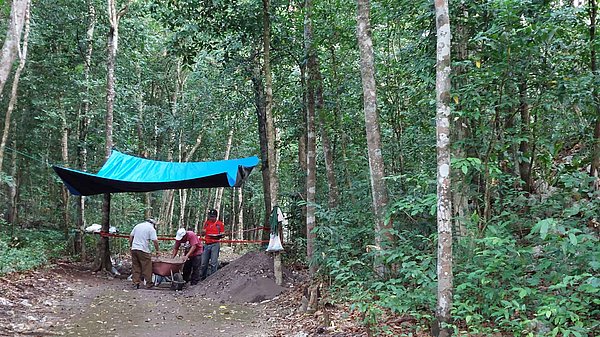
Given that documentation of earlier archaeological work at Santa Rosa Xtampak has so far been fragmentary, a well-documented and stratigraphically substantiated chronology – based on 19 excavation trenches – is a key outcome of the project.
The analysis of 29,995 ceramic shards and other finds, such as grave goods, provides insights into Santa Rosa Xtampak’s position within the power structure and trade networks of the Maya during the Classic Period. The surviving architecture of the monumental centre dates predominantly from the city’s heyday in the Late Classic period (c. 650–900 AD).
The project’s findings also reflect the site’s significance as a (supra)regional centre from the beginning of the Middle Late Classic period. Architectural and ceramic influences point to close connections with the southern regions of Río Bec and Petén. The marked under-representation of Early and Late Classic ceramics in all excavated areas, however, remains unresolved and raises questions for further research.
Dzehkabtún and Santa Rosa Xtampak in the IAI’s collections
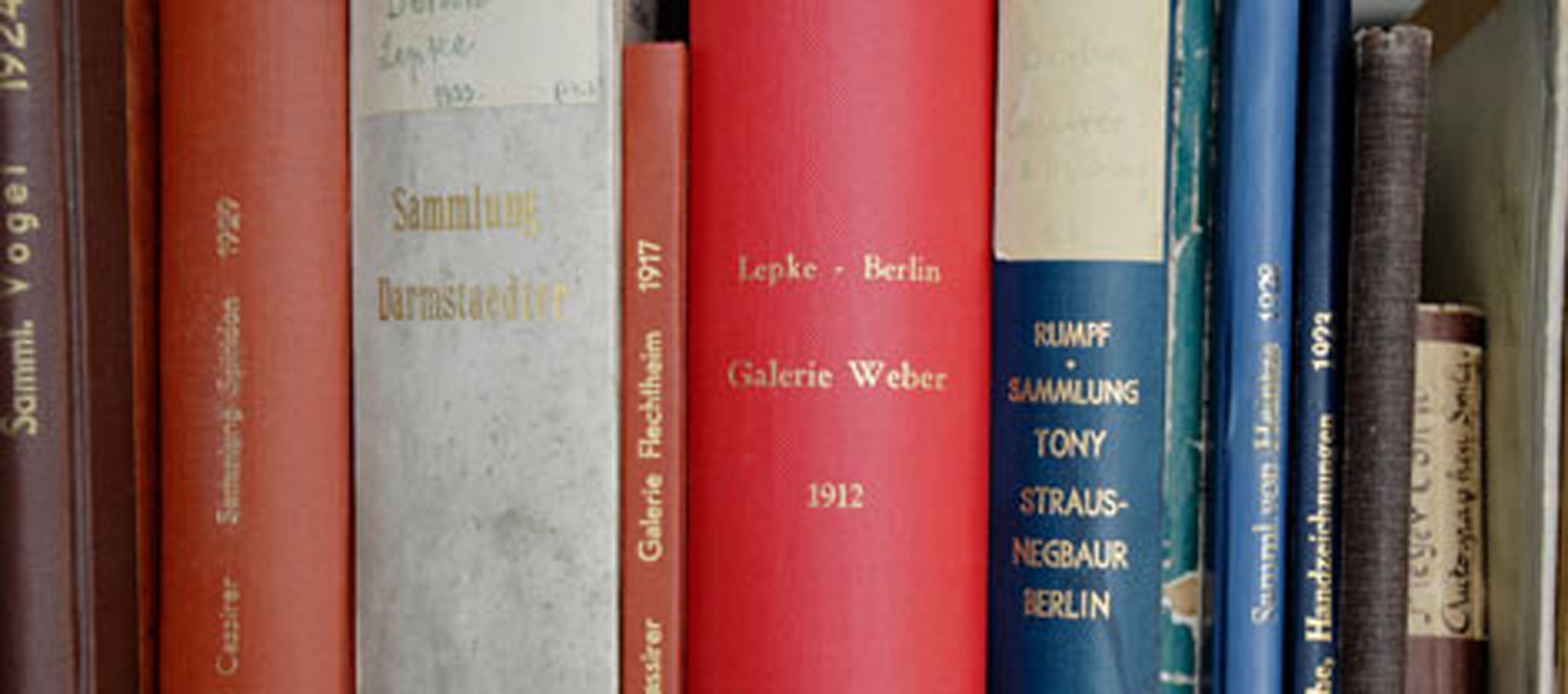
The exhibition highlights the close links between the institute’s own and external research work and the IAI’s special collections and library, whose archive of knowledge on Latin America, the Caribbean, Spain and Portugal houses references and sources for academic research and makes them accessible.
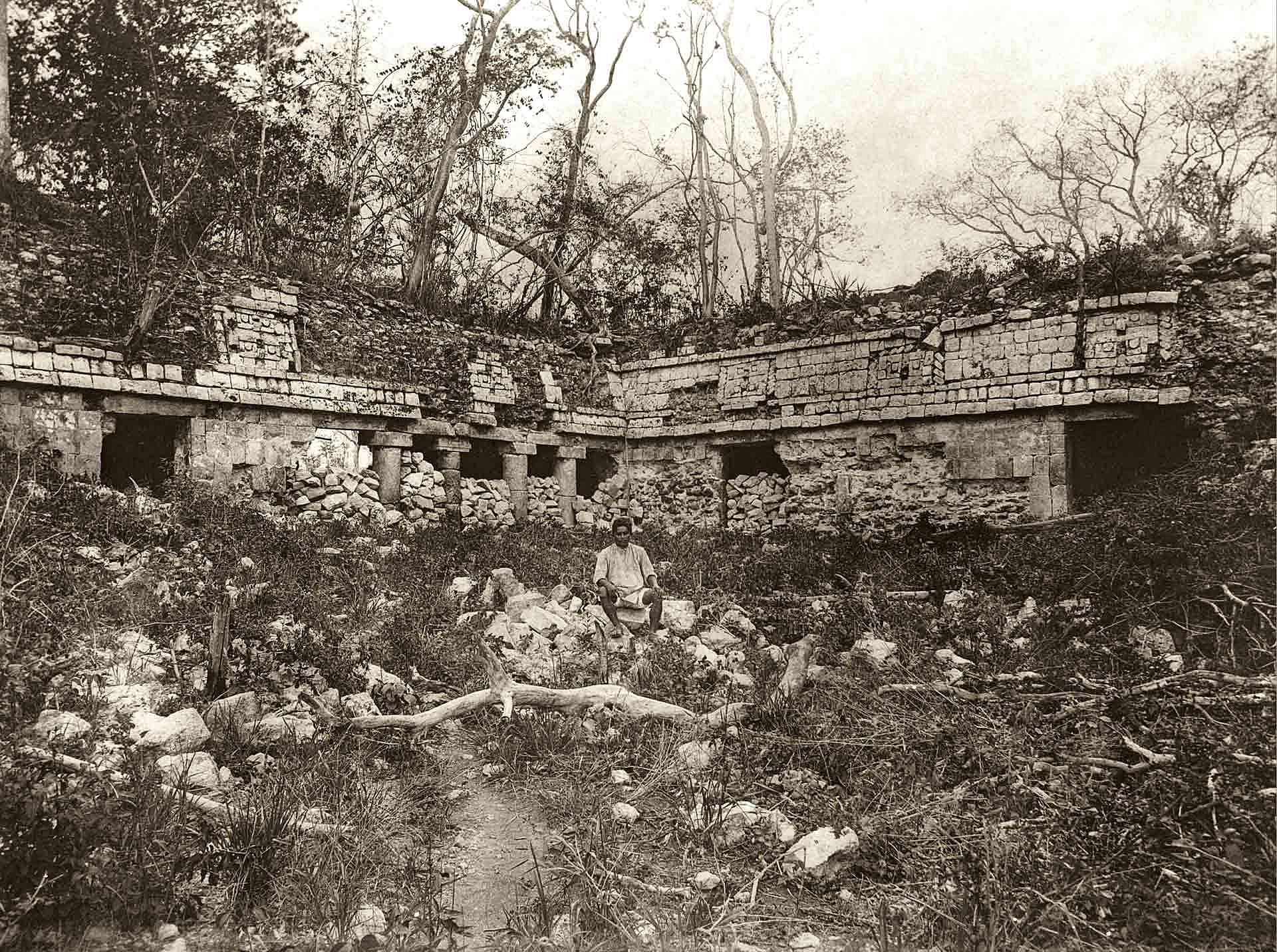
Teobert Maler (1842–1917) is regarded as one of the most significant research photographers of the 19th century in the Maya region. He visited Dzehkabtún in 1887 and Santa Rosa Xtampak in 1891. In 1902, he published photographs and descriptions of both sites in the Göttingen-based journal Globus.
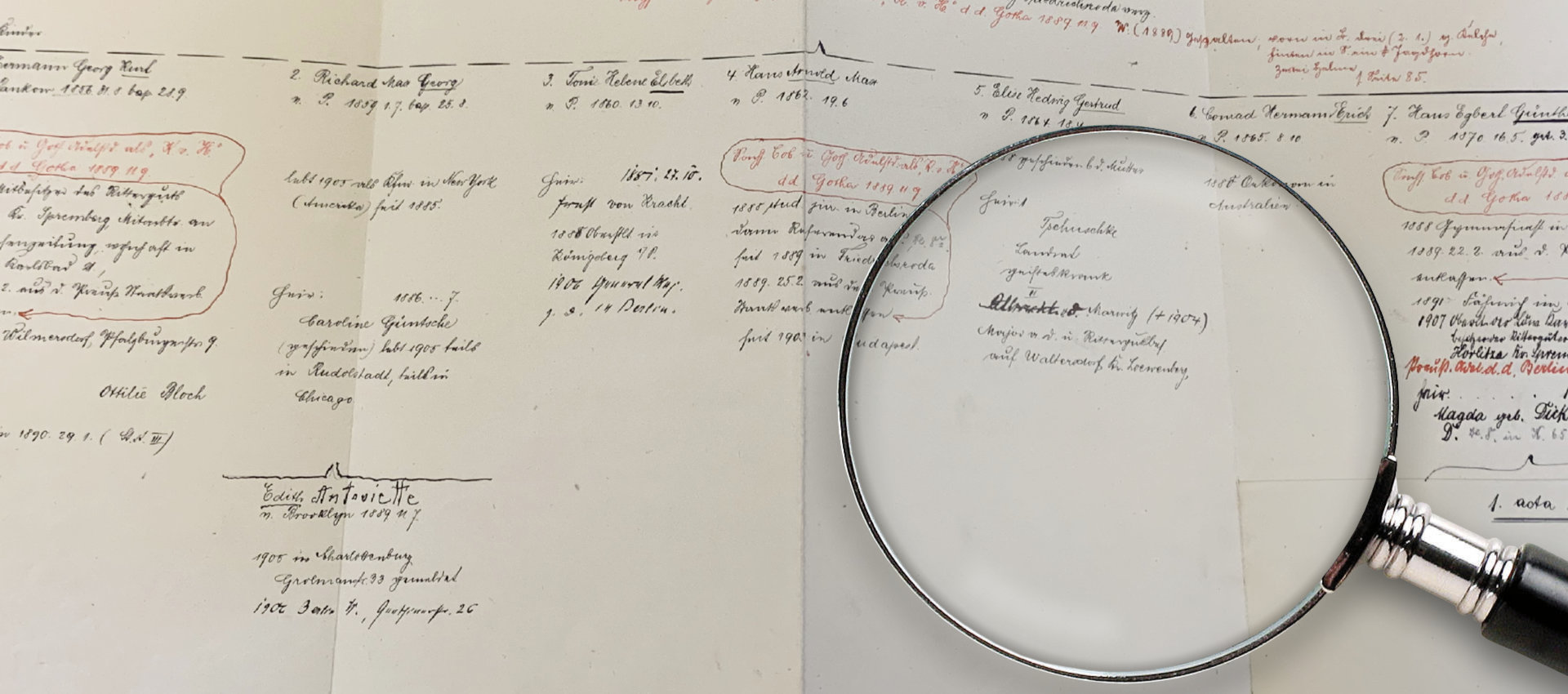
His estate contains over 2,700 photographs, manuscripts, notebooks and diaries, sketches and detailed architectural drawings of Mayan ruins. Between 2017 and 2019, his estate was scientifically and formally catalogued at the IAI as part of a project funded by the BKM, including fragile and previously unpublished original glass plate negatives, and made accessible via the IAI’s Digital Collections.
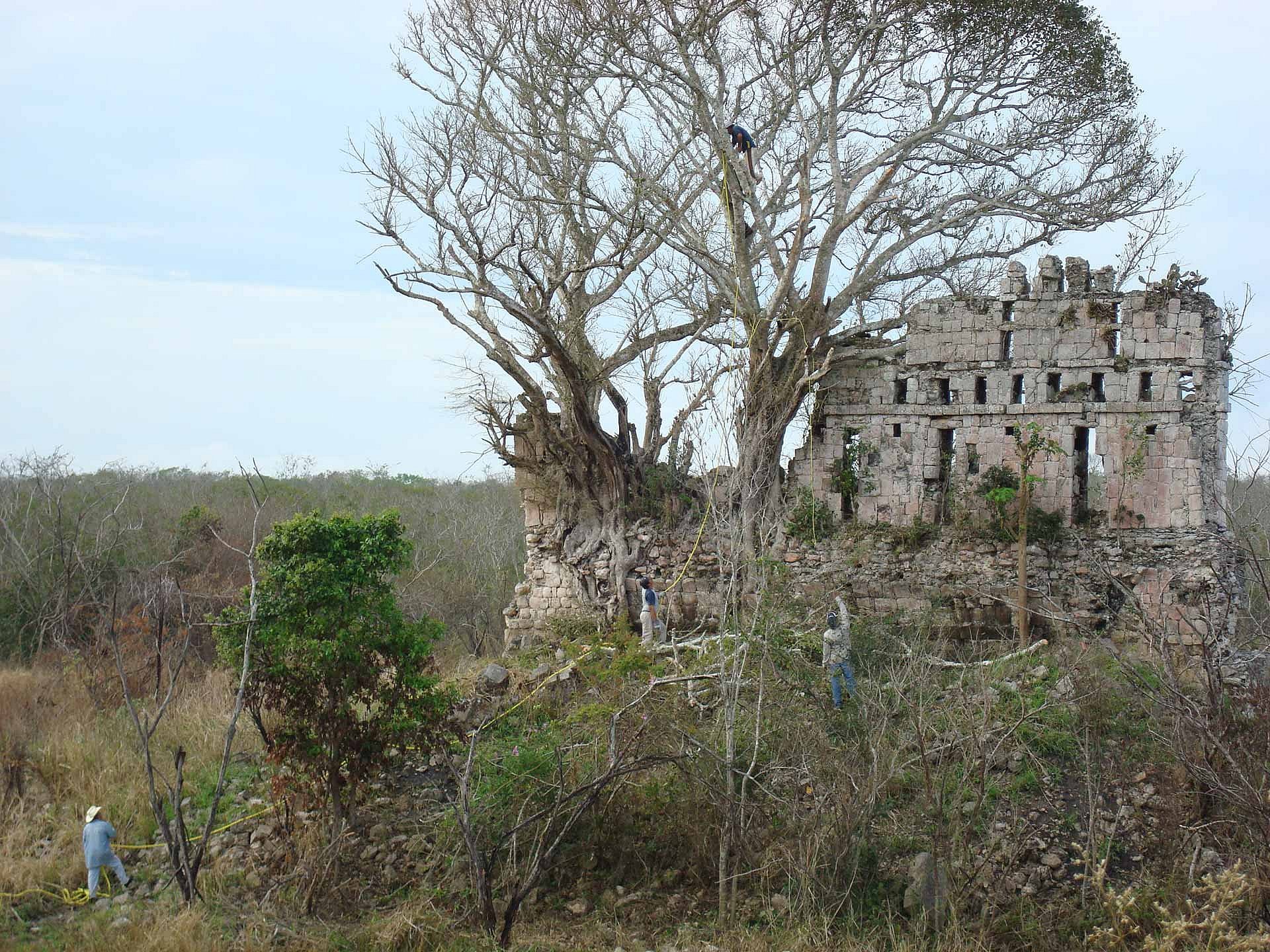
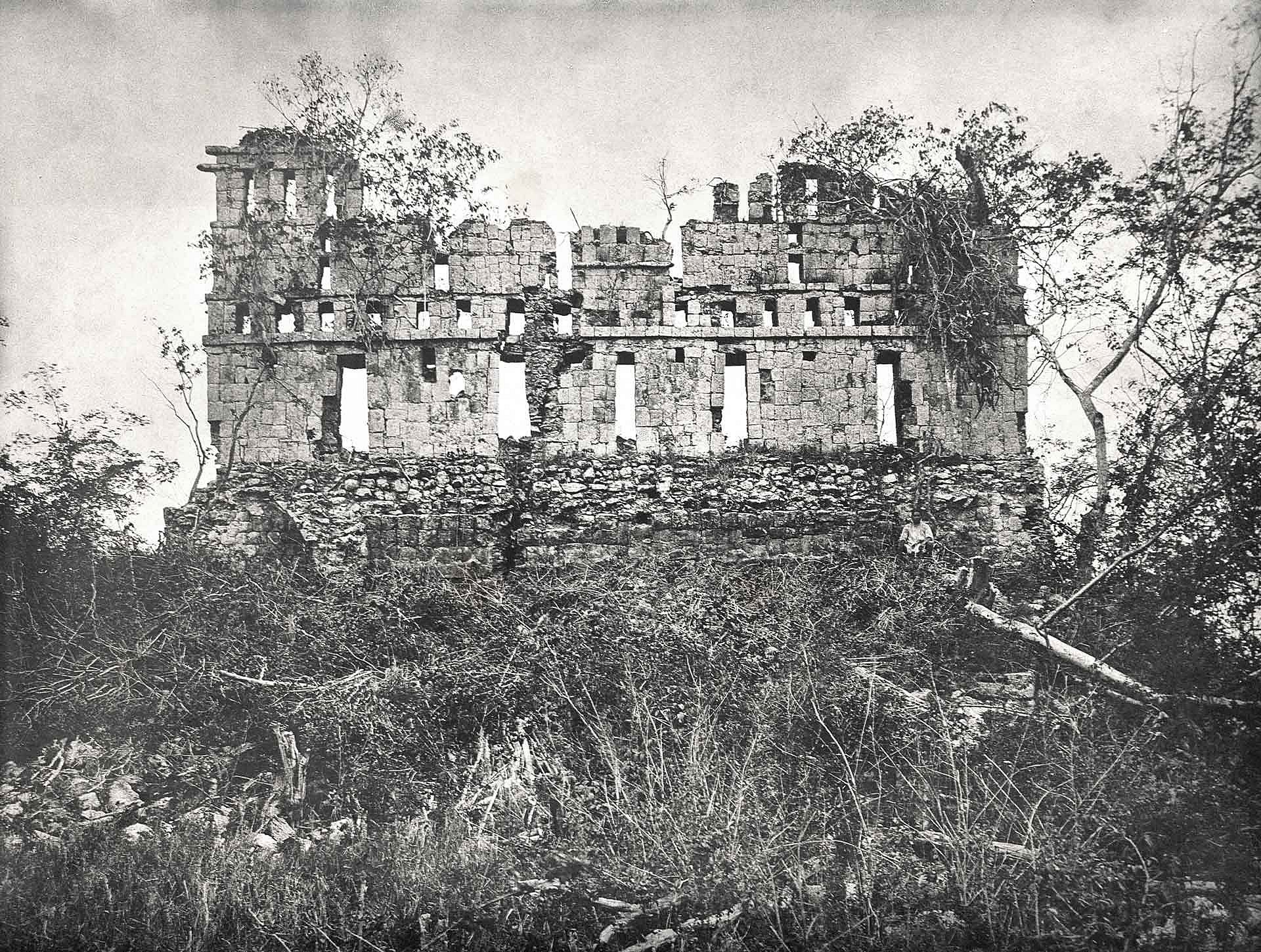
Another key source for archaeological research in the Maya region is the estate of the ancient Americanist Eduard Seler (1849–1922), who, following a doctorate on the Maya languages and a postdoctoral qualification on the illustrated manuscripts of Mexico, began working at the Royal Museum of Ethnology in Berlin (now the Ethnological Museum – State Museums of Berlin), where he headed the Americas Department from 1903 onwards. During his travels and extended stays in Mexico, he paid a brief visit to Dzehkabtún in 1912.
His estate at the IAI comprises, in particular, his notes on ancient Mexican codices and indigenous languages, as well as numerous photographs and drawings serving as references to discovery sites.
The Ibero-American Institute (IAI) of the Prussian Cultural Heritage Foundation is an internationally established bridge institution for academic exchange between Germany, Europe and Latin America. The co-production of knowledge, the implementation of joint research projects and the expansion of cross-border networks for multidisciplinary cooperation play a central role in the Institute’s work.
Further links
The exhibition
- Exhibition in the IAI’s programme of events
- Exhibition catalogue (German version)
- Exhibition reader (Spanish version)
Dzehkabtún
Santa Rosa Xtampak
- 1) Santa Rosa Xtampak project page (BKM)
- 2) Santa Rosa Xtampak project page (BKM)
- Bibliography: Santa Rosa Xtampak
- SPKmagazin: Research Questions with Project Leader Iken Paap (IAI)
Teobert Maler
- 1) Teobert Maler estate at the IAI
- 2) Teobert Maler’s papers at the IAI
- “The Work of Teobert Maler and its Significance for Maya Archaeology” (2018)
- “Dsehkabtun.” Globus 82 (Teobert Maler, 1902)