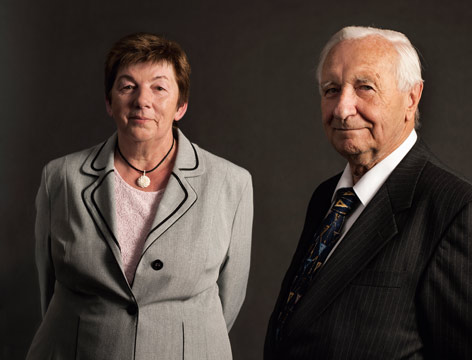
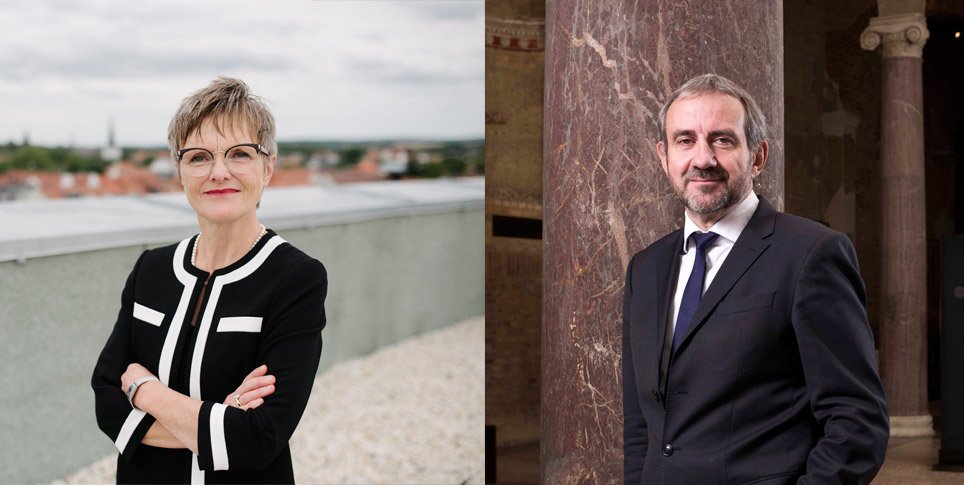
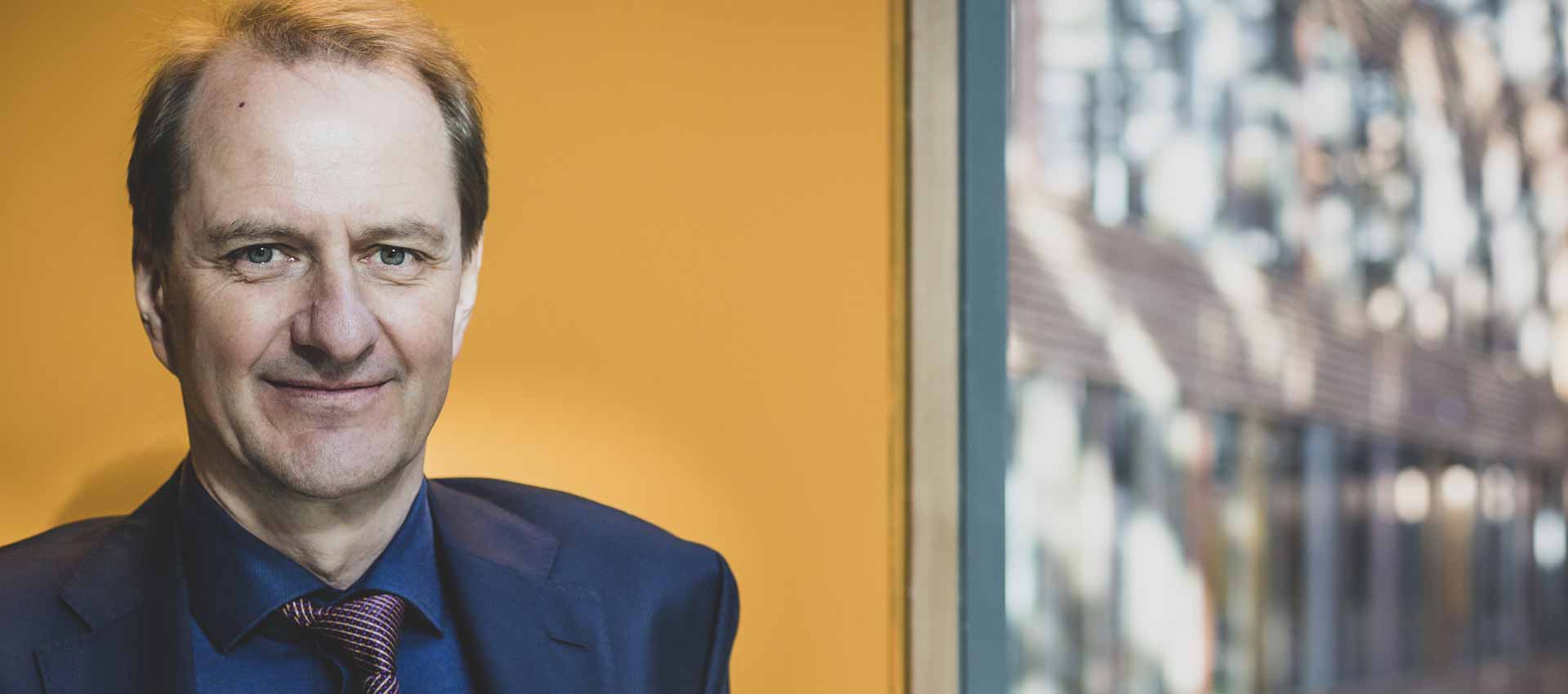
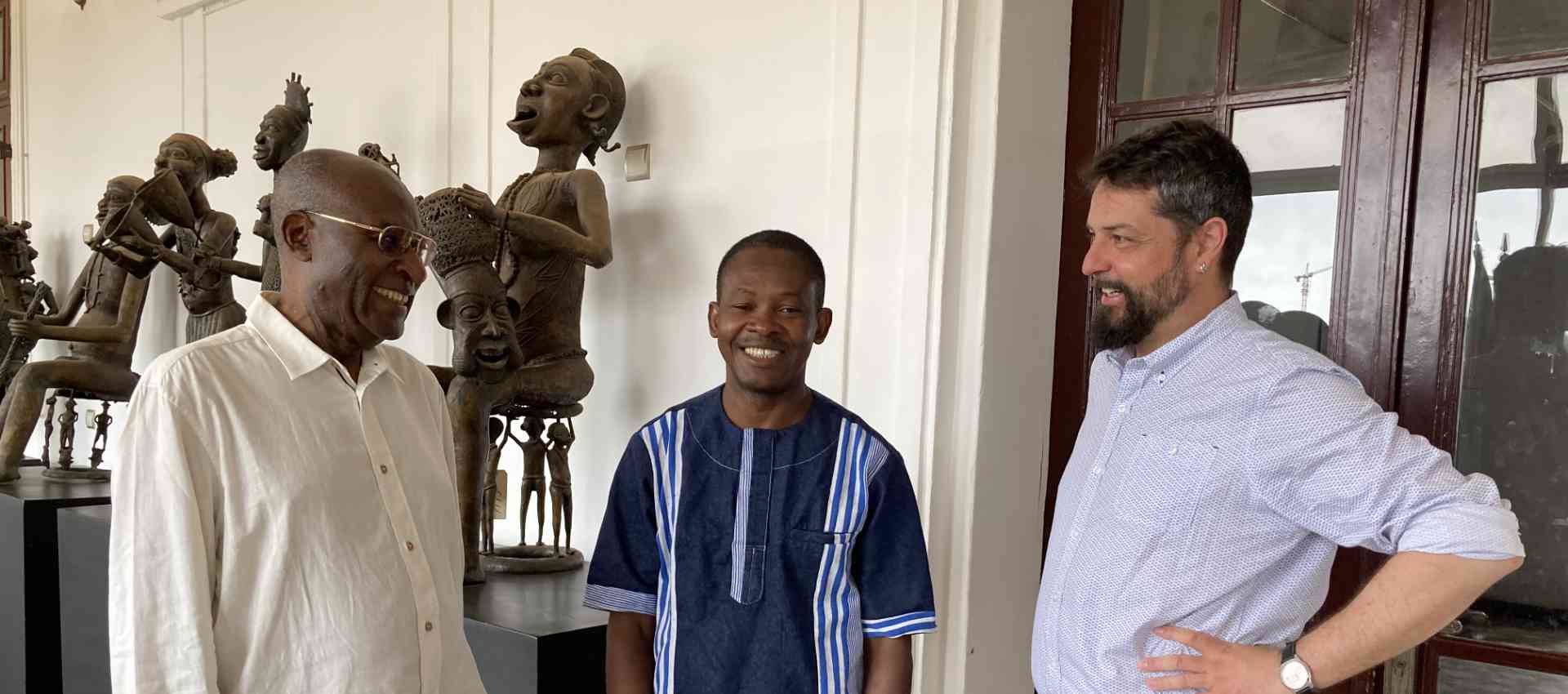
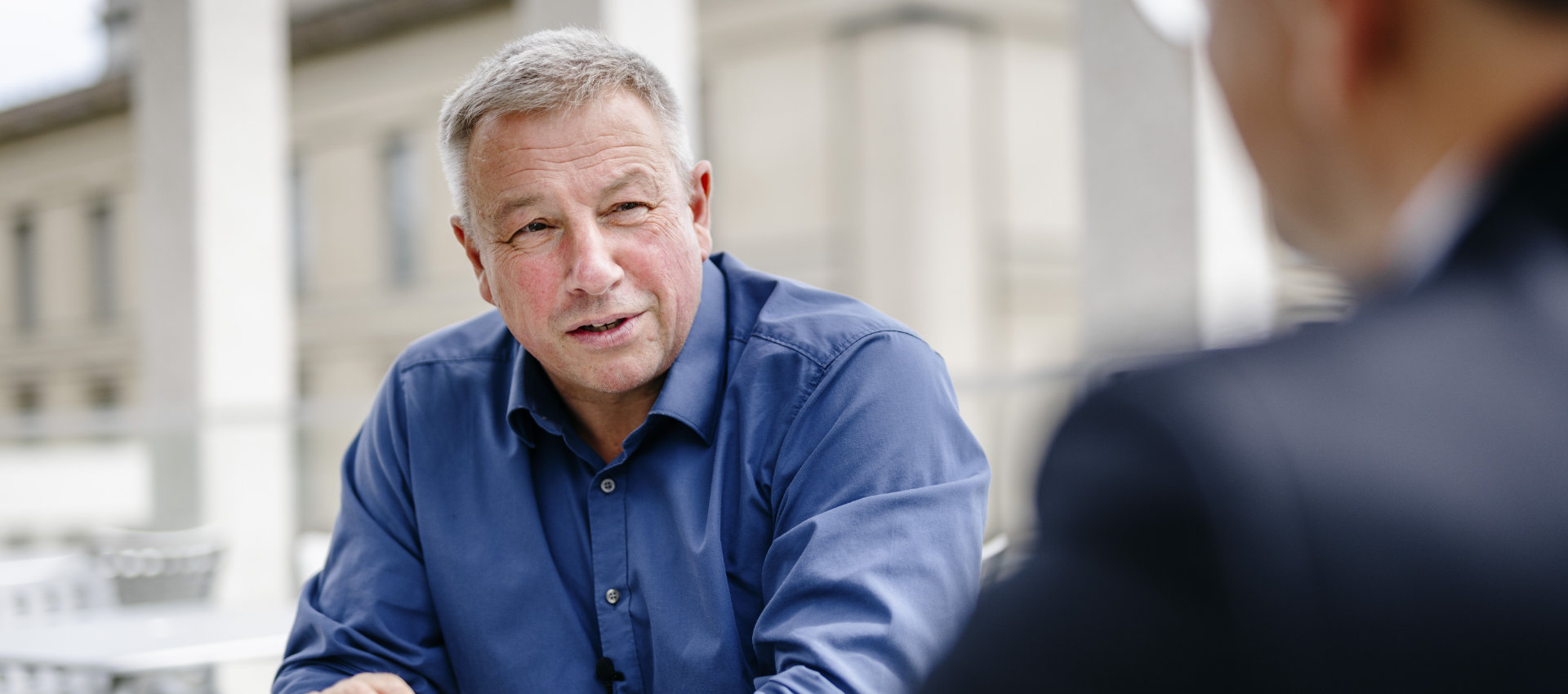
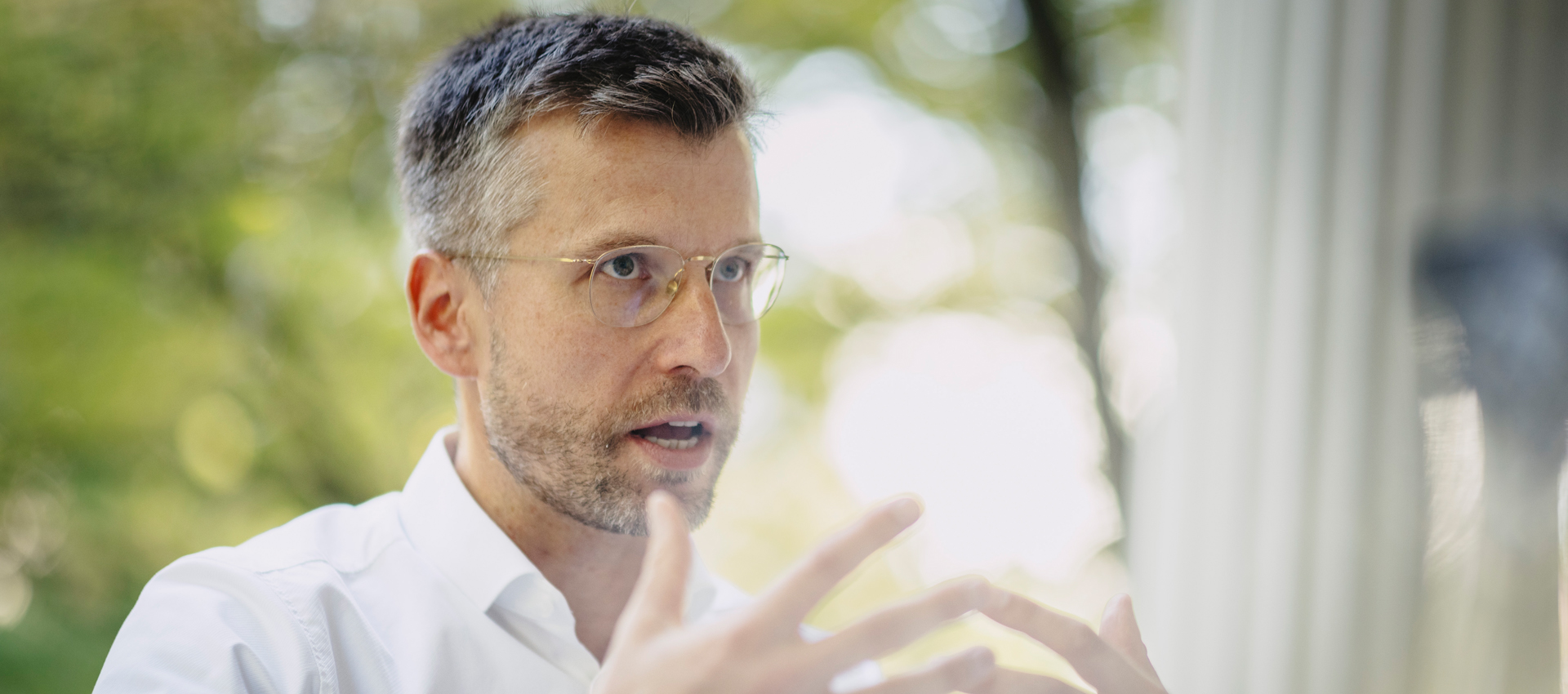
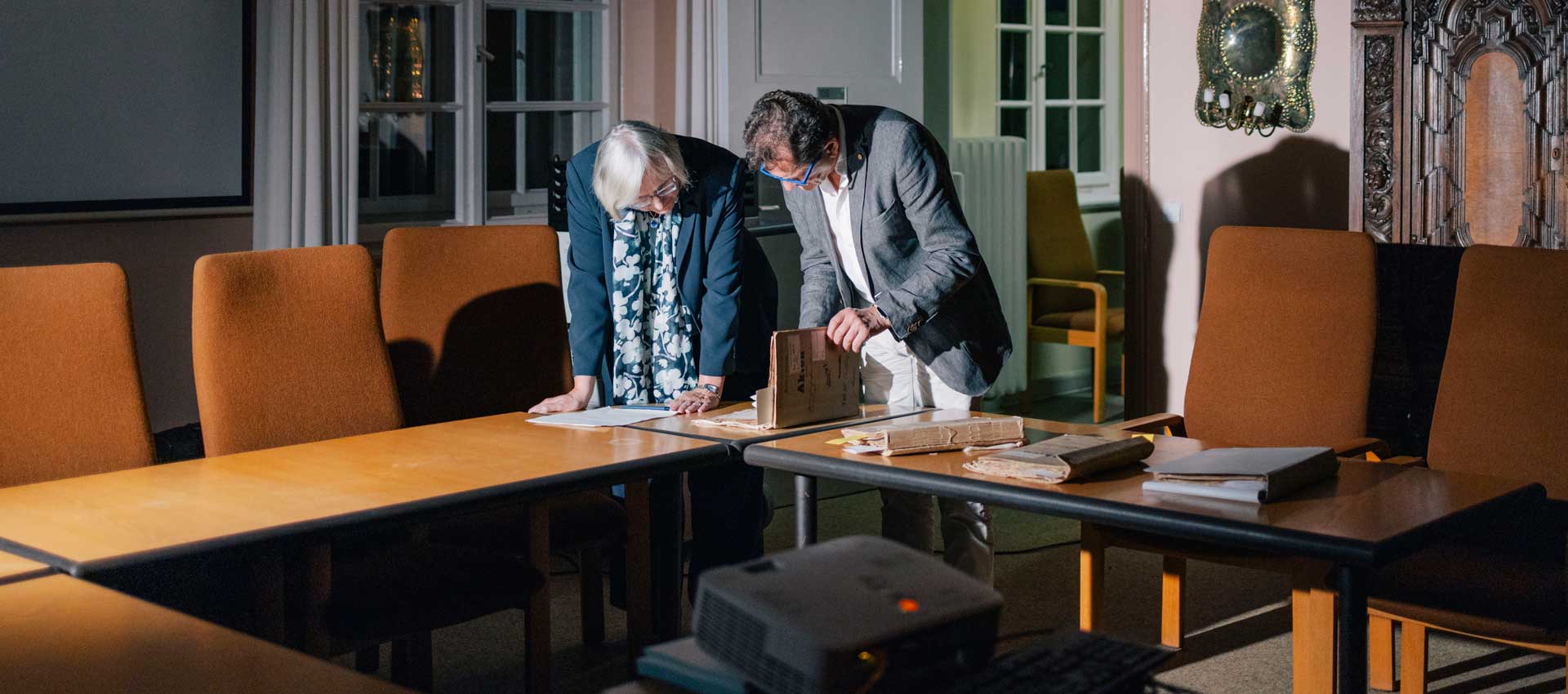
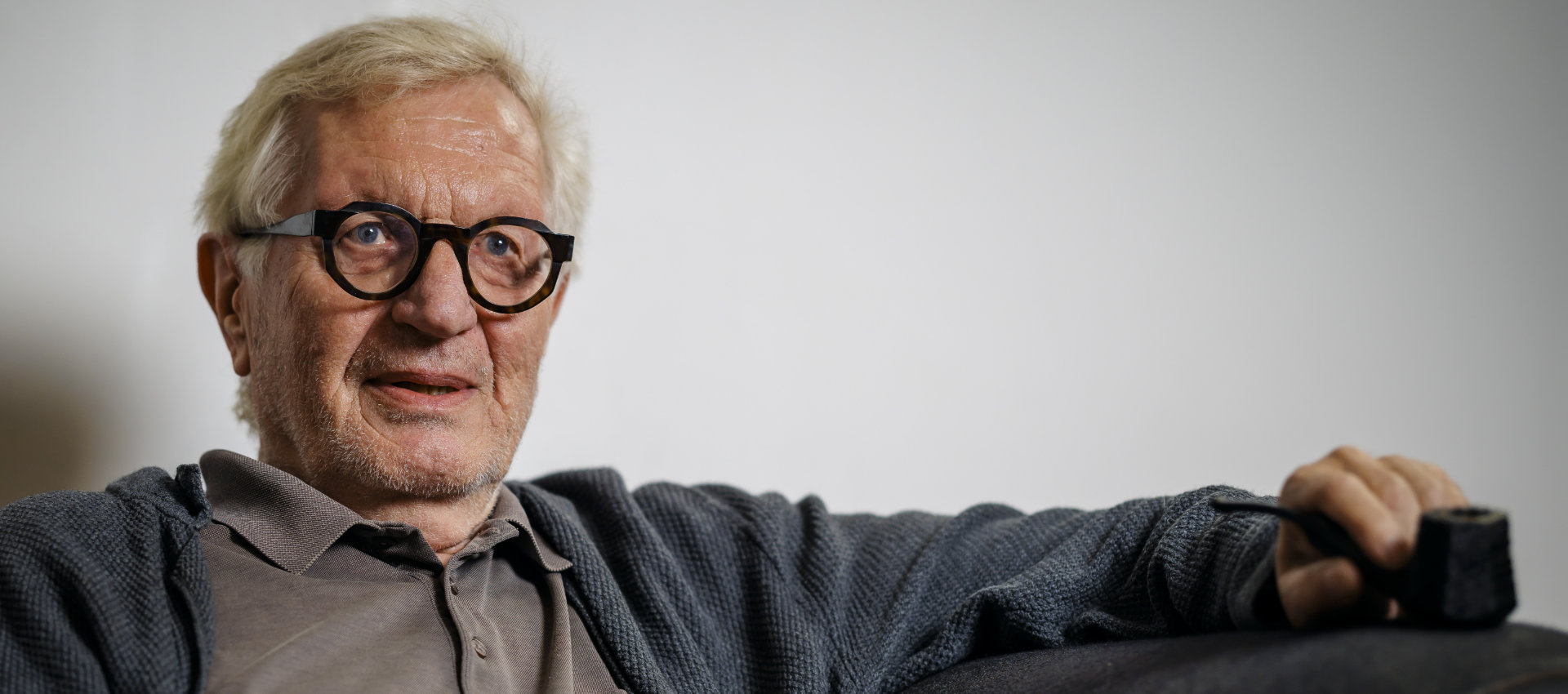
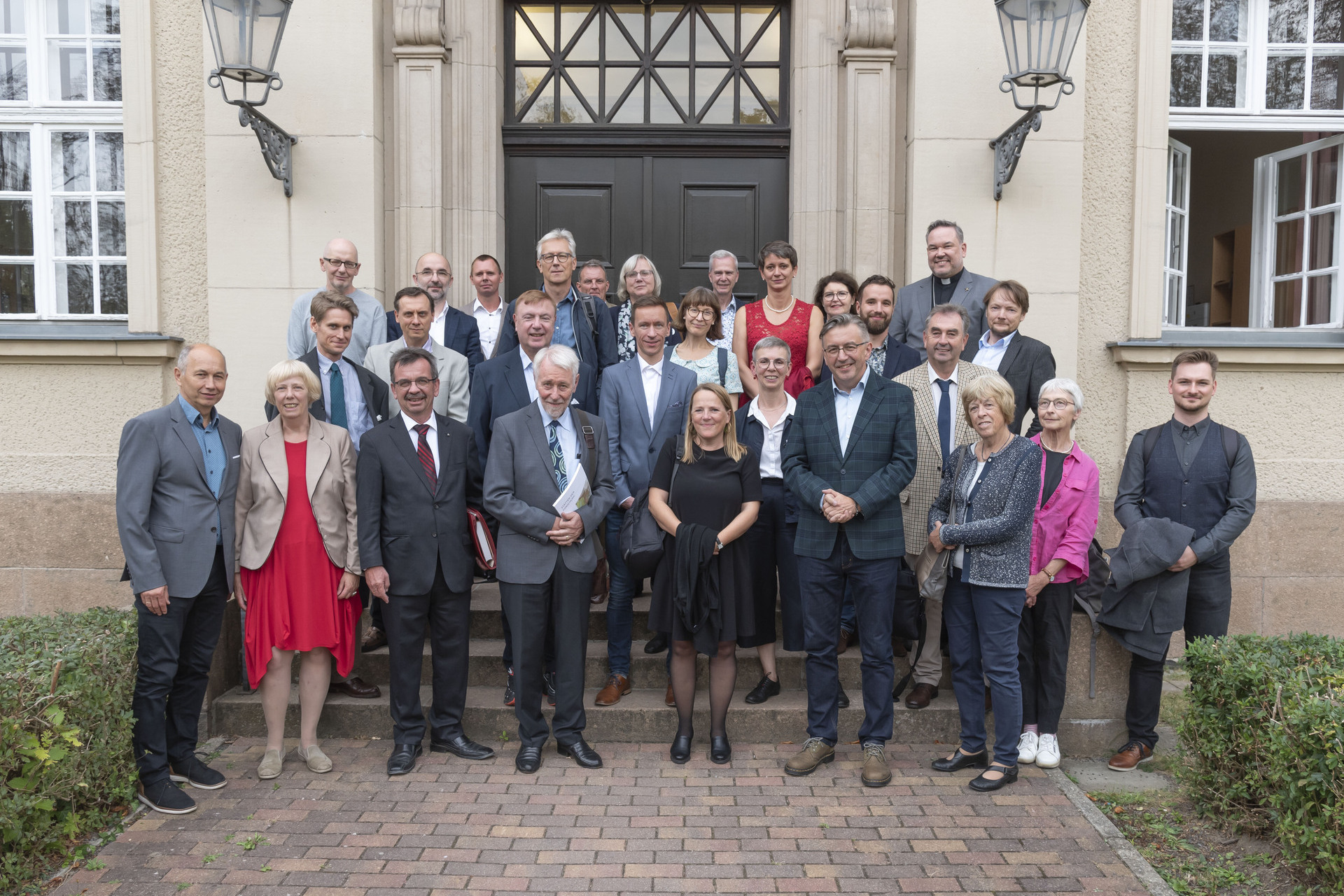
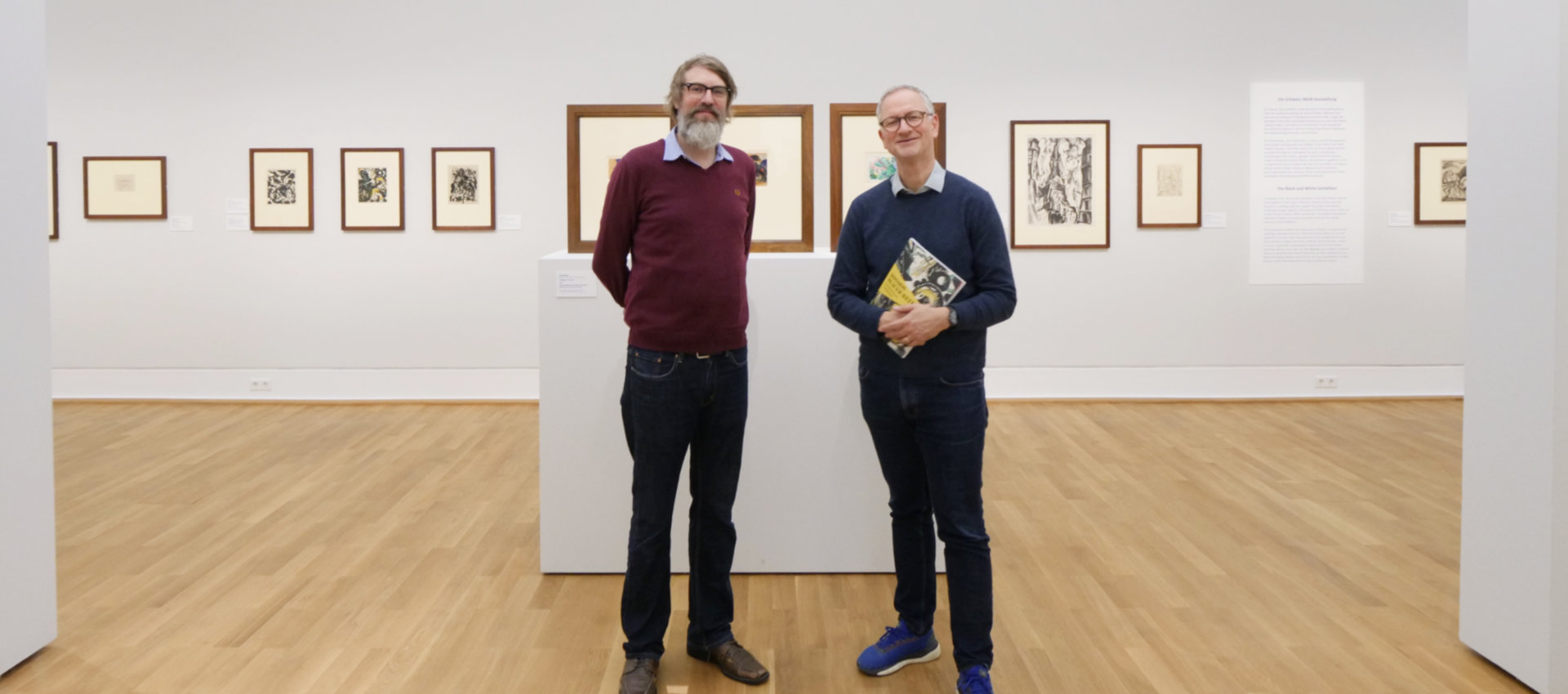
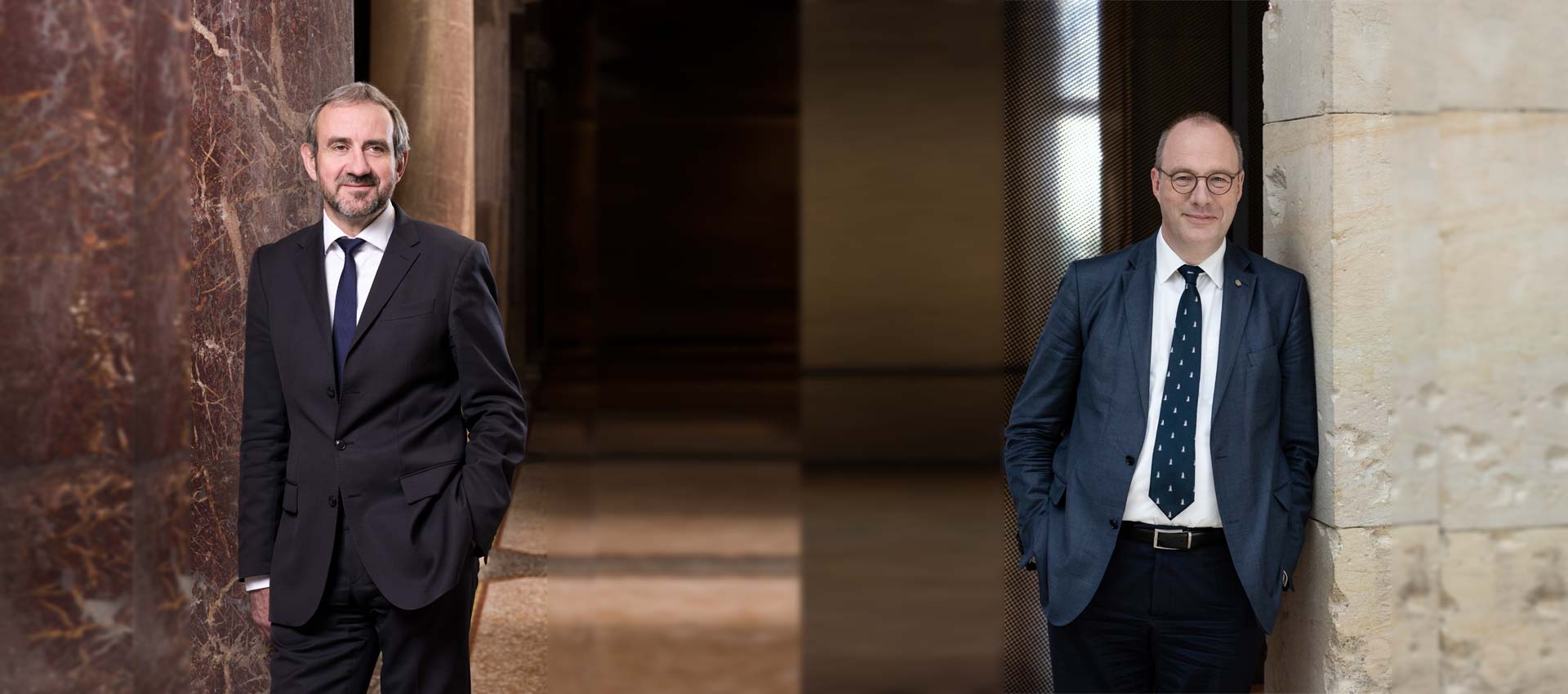
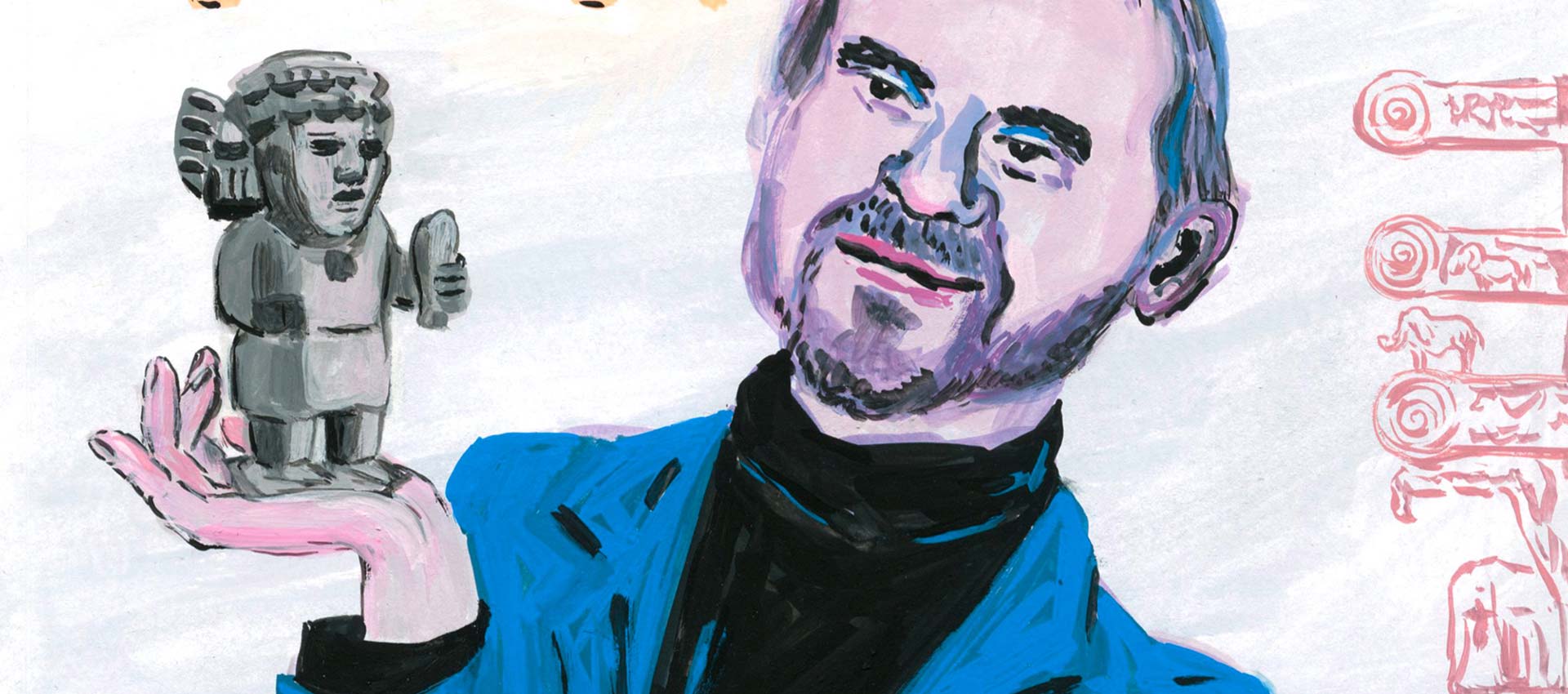
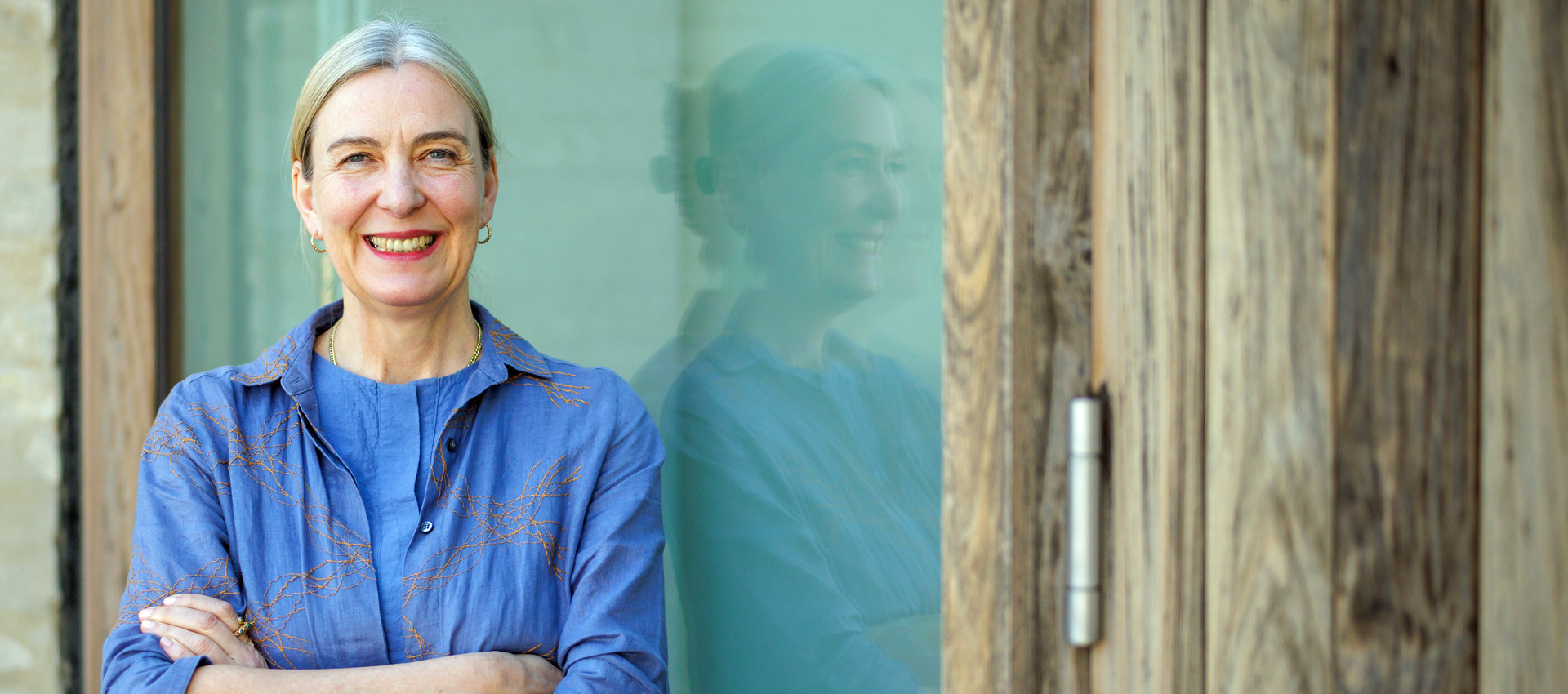
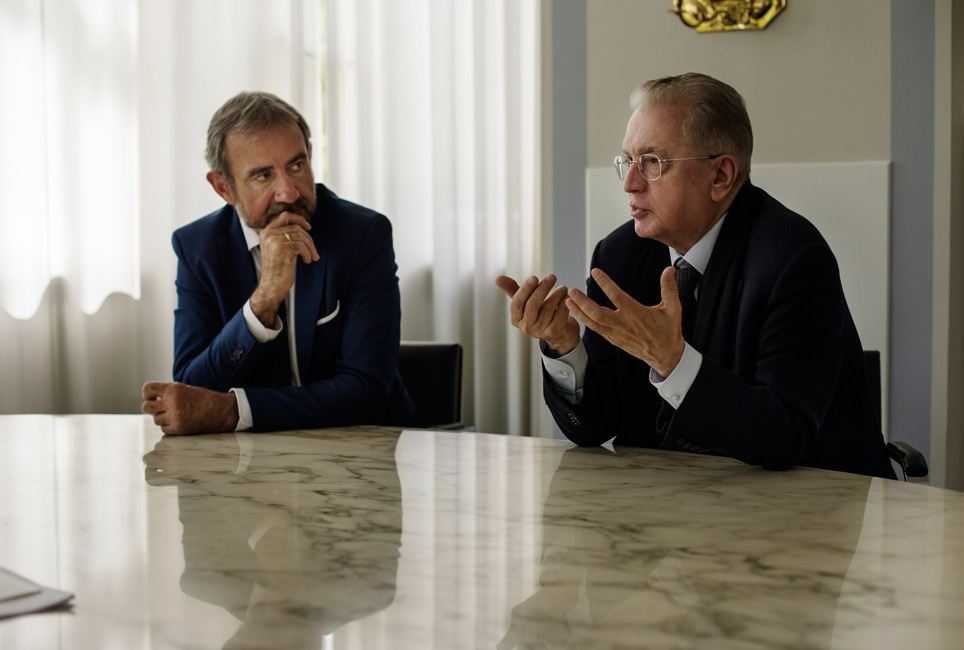
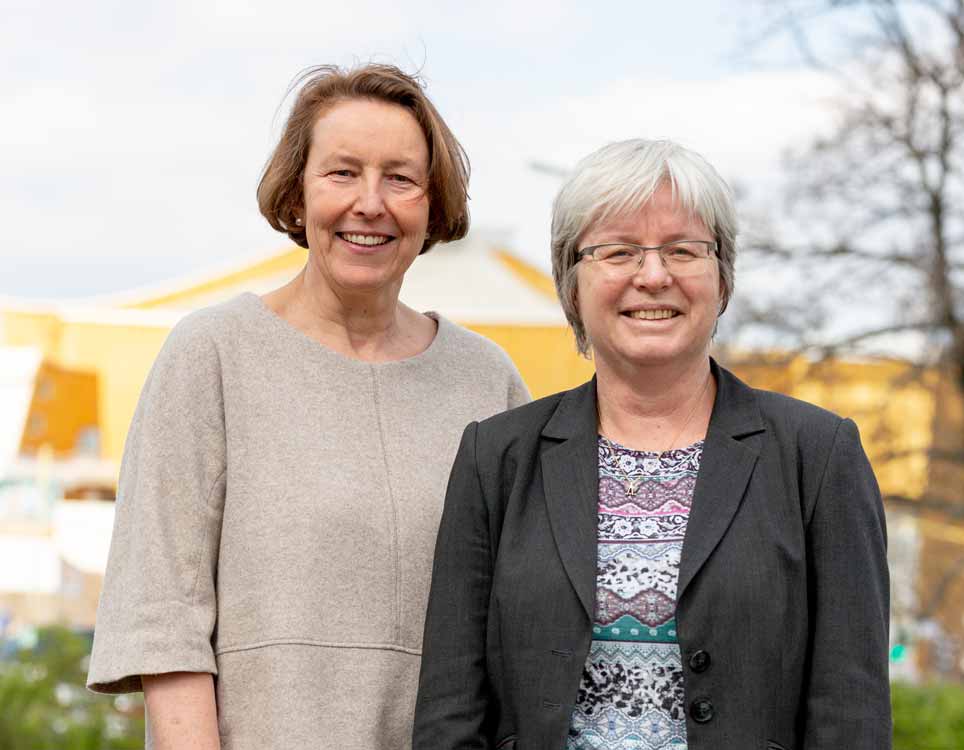
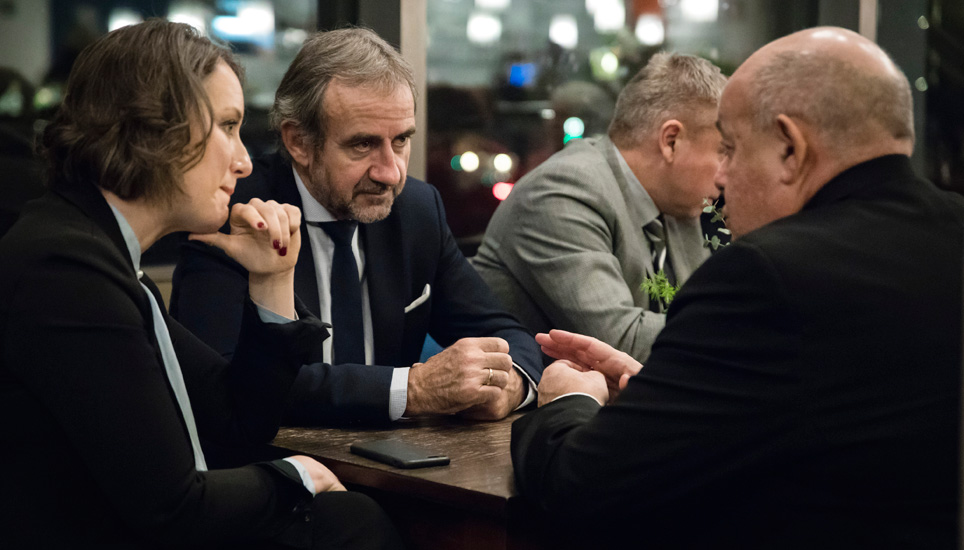
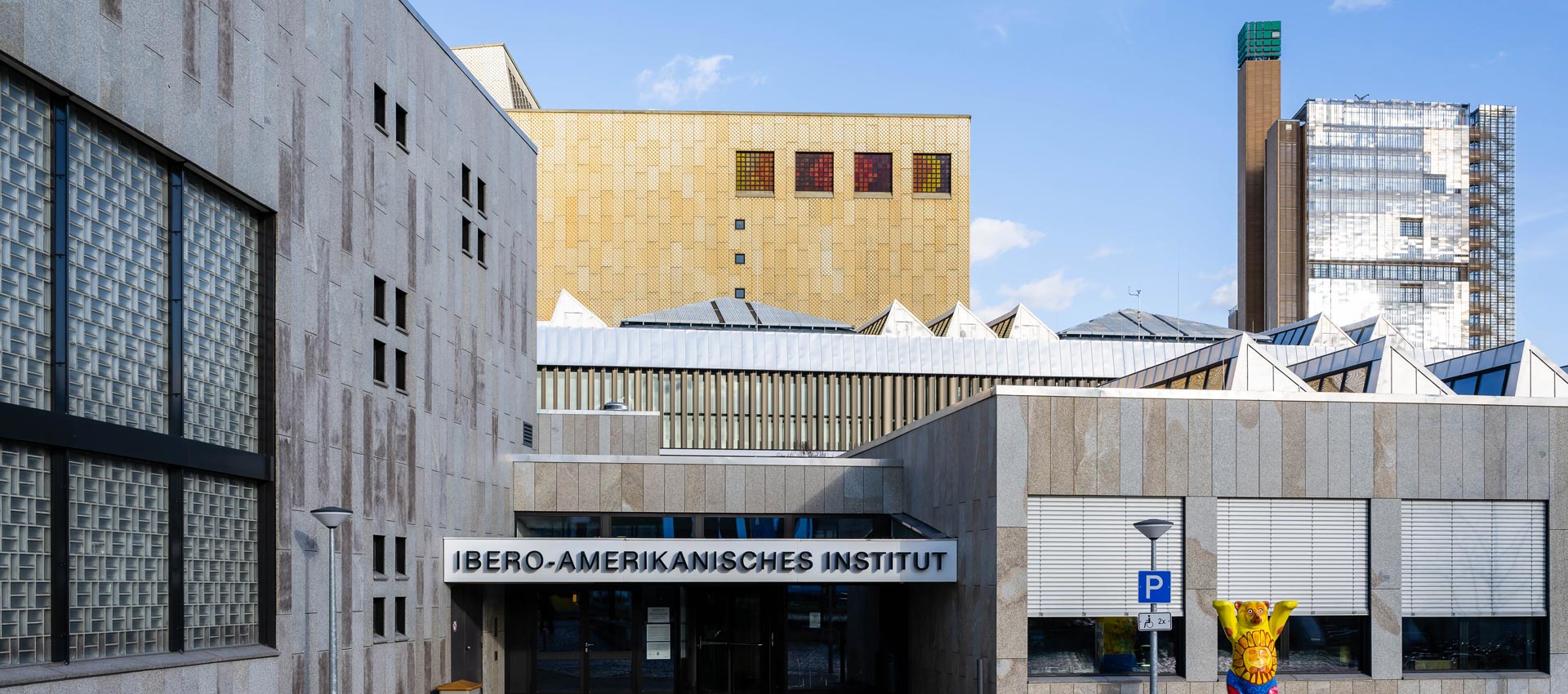
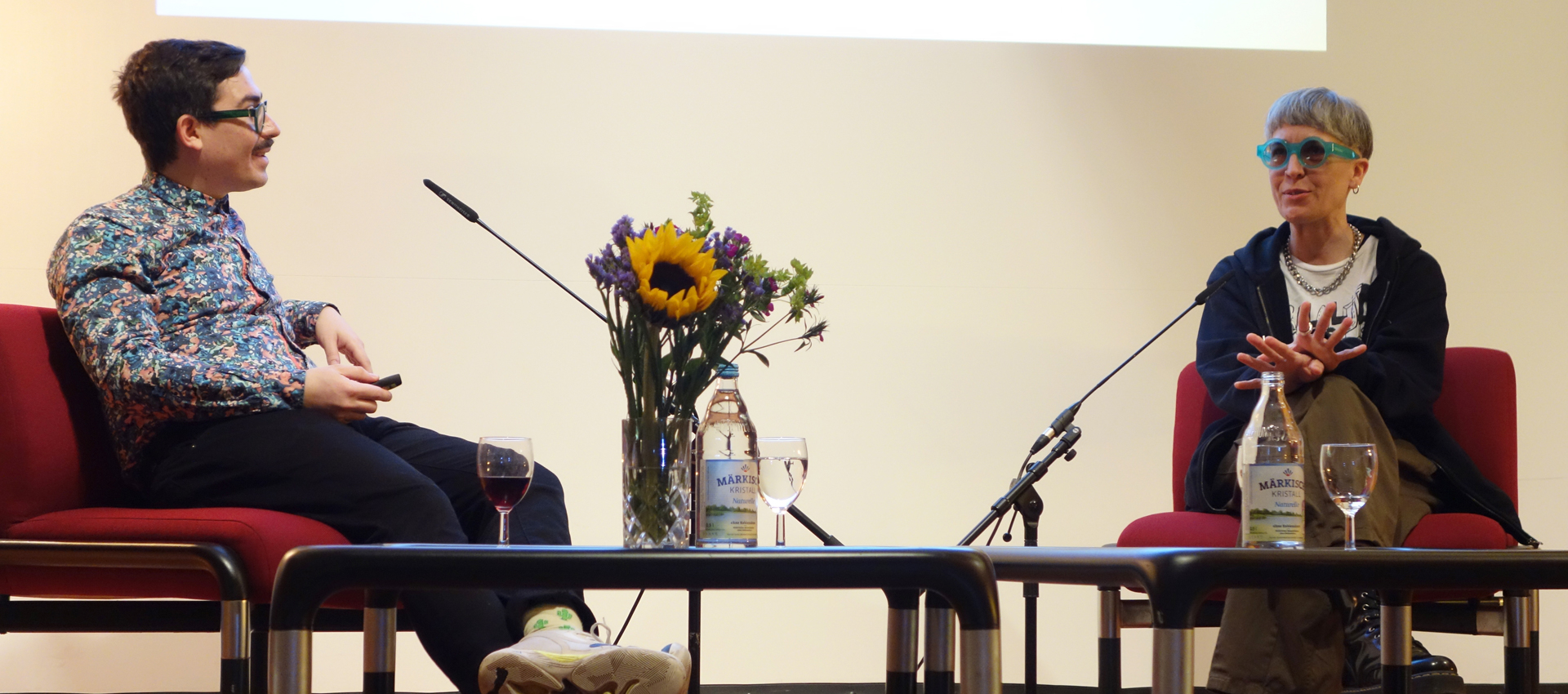
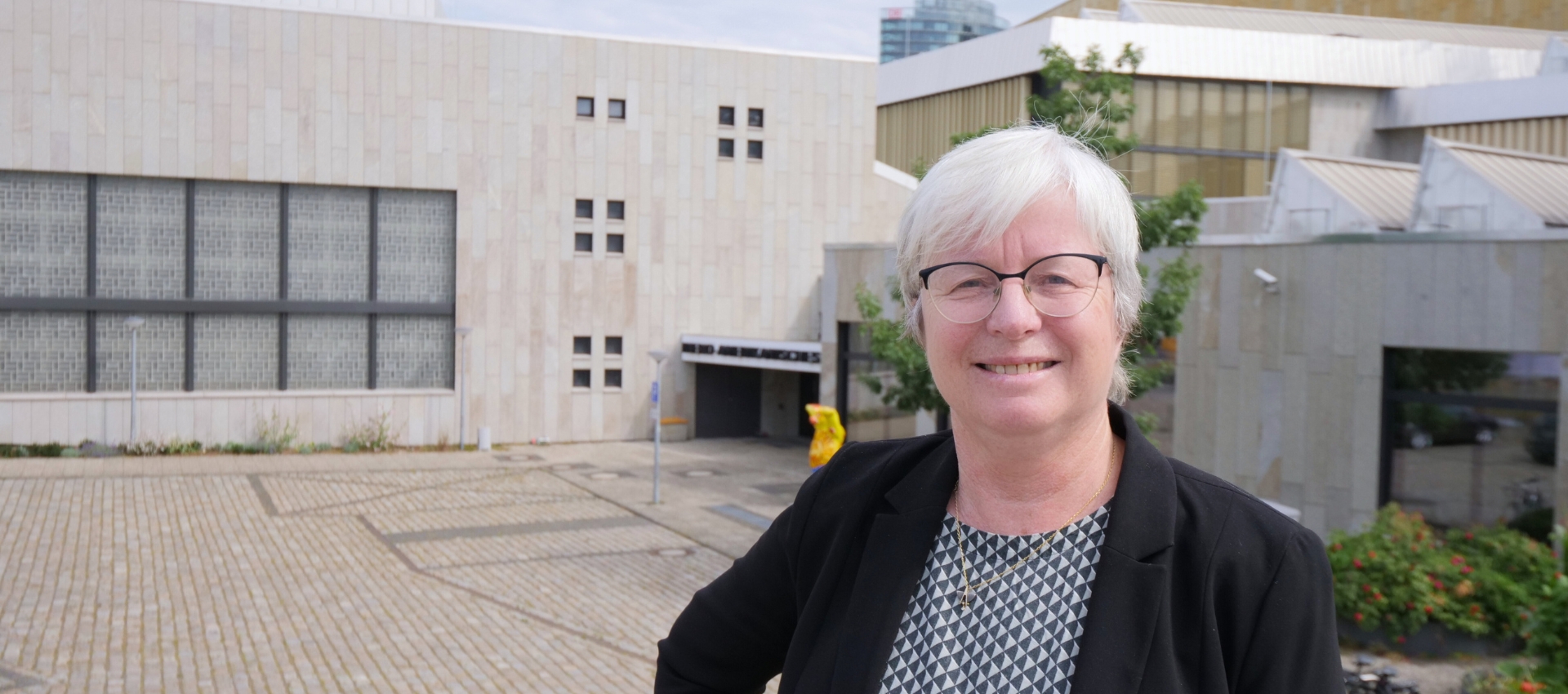
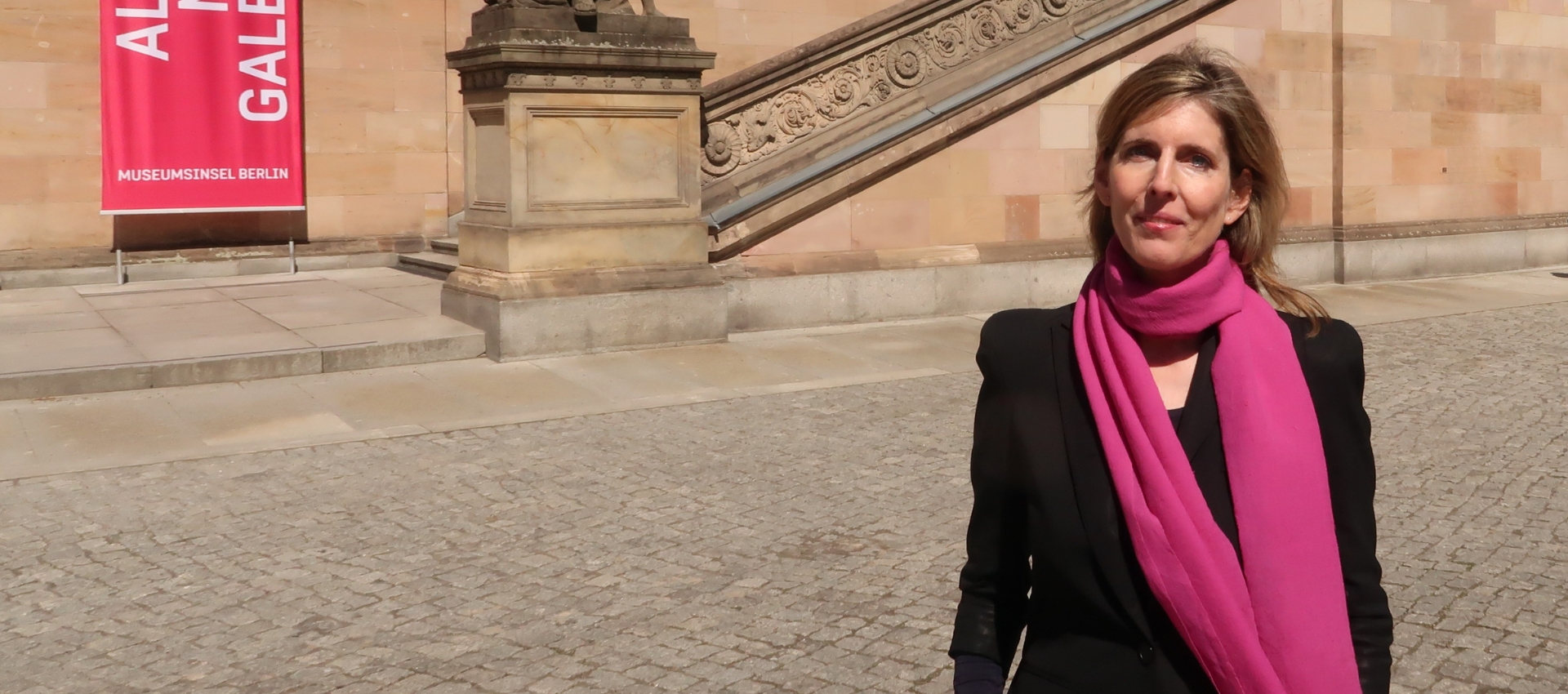
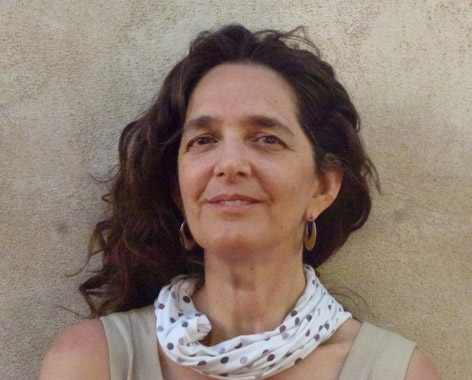
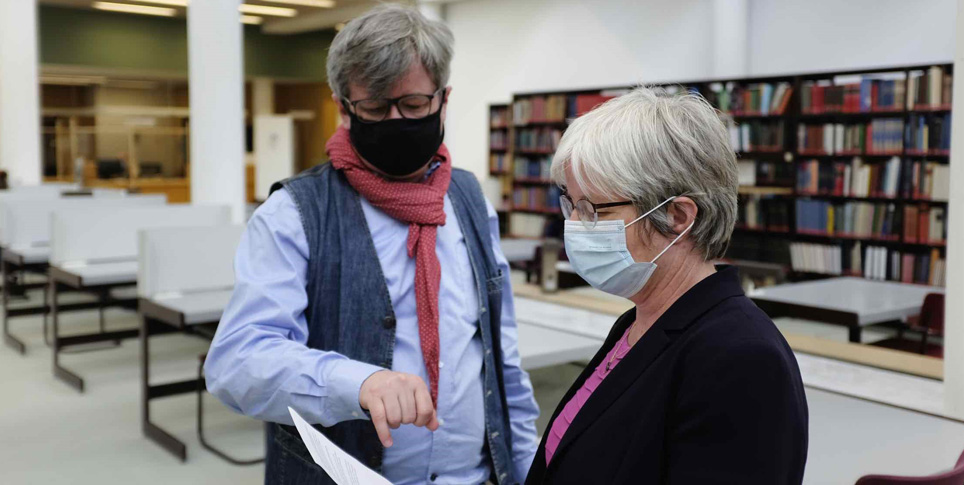
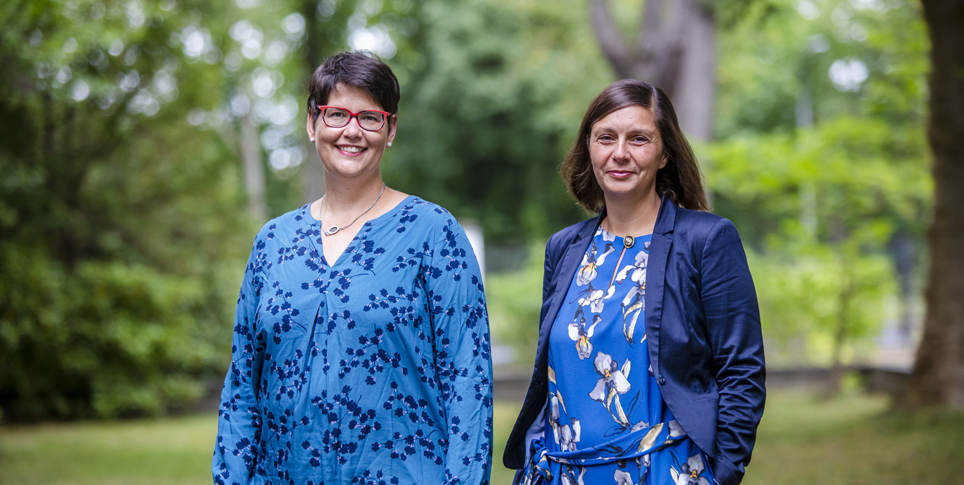
Gero Dimter, Vice-President of the SPK, in conversation with Peter Birle, Scientific Director of the IAI, on the occasion of the German Directorship at the Ibero-American Institute in São Paulo, Brazil
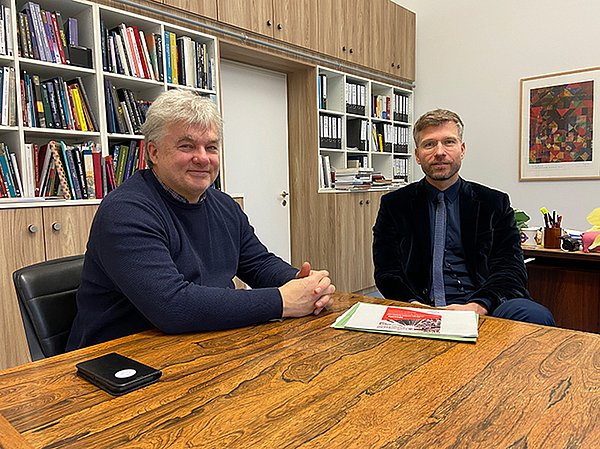
In April 2023, the Ibero-American Institute took over the one-year German Directorship in Presence for the joint project Mecila: Maria Sibylla Merian Centre Conviviality-Inequality in Latin America in São Paulo. Peter Birle represented the IAI during the first half of the year and has recently returned from Brazil. The Director of the IAI, Barbara Göbel, has taken over from him and will remain German Director in Presence until the end of March 2024.
Gero Dimter: It is now four years since we were together in São Paulo and successfully defended the funding application for the main phase of Mecila with the Federal Ministry of Education and Research (BMBF). How do you think the project has developed since then, and what have been the highlights?
Peter Birle: After we had defended the project in 2019 and the opening conference had taken place in São Paulo in March 2020, we first began to feel the impact of the pandemic. The Covid-19 pandemic naturally had serious consequences for Mecila too, because in 2020 everything that was actually supposed to take place in person was simply not possible. There were no fellows – who, in principle, form the core of the collaborative project – and much else was put on hold as well. Like everyone else, we then started holding virtual events and meetings, but that is, of course, not the same. It was not until 2022 that relative normality returned; and when I was in São Paulo in person from April to September of this year as German Director, I had the privilege of witnessing the full normality of this collaborative project. During the time I was there, we had five Senior Fellows, four Junior Fellows, three Thematic Research Fellows, two Urban Narrative Fellows and six Doctoral Researchers – in total, around 20 young researchers from numerous countries who spent between 6 and 9 months in São Paulo. Working with this group was a central part of my stay in Brazil. As a Mecila Principal Investigator – that is, in the role I usually fulfil within the project – one does get a good insight, as one travels to Brazil once a year for a week for the Annual Meeting and perhaps to one or two workshops in Latin America. But being able to spend a longer period on the ground in São Paulo and get to know the research work of the fellows and doctoral researchers more closely is, of course, a different experience altogether.
In recent years, collaboration within the joint project has developed enormously. The five partner institutions had already been cooperating previously, but this collaboration has been consolidated and deepened through Mecila, particularly through the work in the various research groups and the regular events. Within the project, there are three Thematic Research Groups: Medialities of Conviviality, (Hi)Stories of Conviviality and Politics of Conviviality. In recent years, we have organised a series of workshops. For instance, in June 2023, a workshop on the topic “Knowledge, Medialities and Information Infrastructures: New Convivialities? Old Inequalities?” took place in La Plata, Argentina. In September 2022, the IAI organised a workshop in Berlin on the topic “Latin American Knowledges in Circulation. Mediating Differences in Convivial Contexts”. The presentations and discussions during these workshops provided important substantive impetus for the project. For us at the IAI, they also constituted important contributions to our research strand “Knowledge Production and Cultural Transfer: Latin America in a Transregional Context”. At the Mecila Annual Meetings, the entire “Mecila family” comes together and the fellows present their projects. This exchange, too, is an important space for experience that this project offers.
Do you perceive different perspectives among the various partners from Latin America?
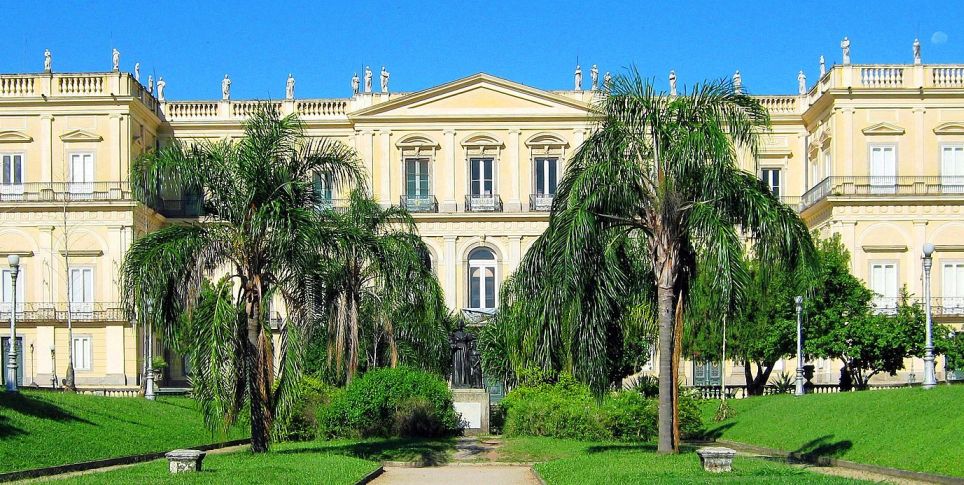
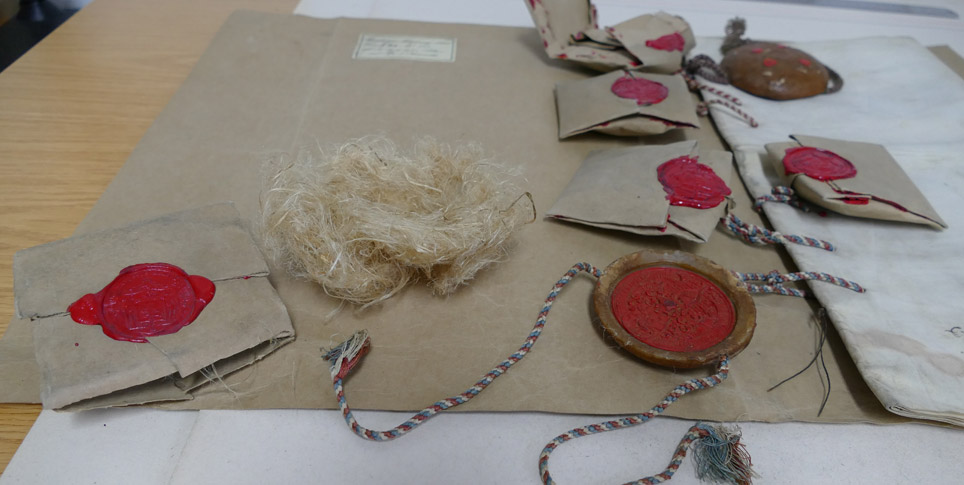
Of course there are different perspectives, but overall my impression is that on many of the topics we address within the framework of Mecila, we are often closer in our views than I experience in other contexts, for example, when I act in an advisory capacity as a political scientist. It seems to me that the German public has not yet fully grasped that what we are experiencing here as a turning point is not perceived in a similar way in Latin America. Among my colleagues at Mecila, however, I find that we share a similar awareness of the issues in many respects, for example regarding the challenges facing archives in the modern era. During my stay, I had the opportunity to visit the National Archives in Rio de Janeiro, which has expressed an interest in collaborating with the IAI. My colleagues there took a great deal of time to show me all the different areas of work at the National Archives. This was particularly fascinating for me, as we also have special collections at the IAI, for which I am jointly responsible as head of the research department.
The conference at the beginning of October was, in effect, the culmination of your six-month stay in Brazil. What was the atmosphere like, and how many participants were there?
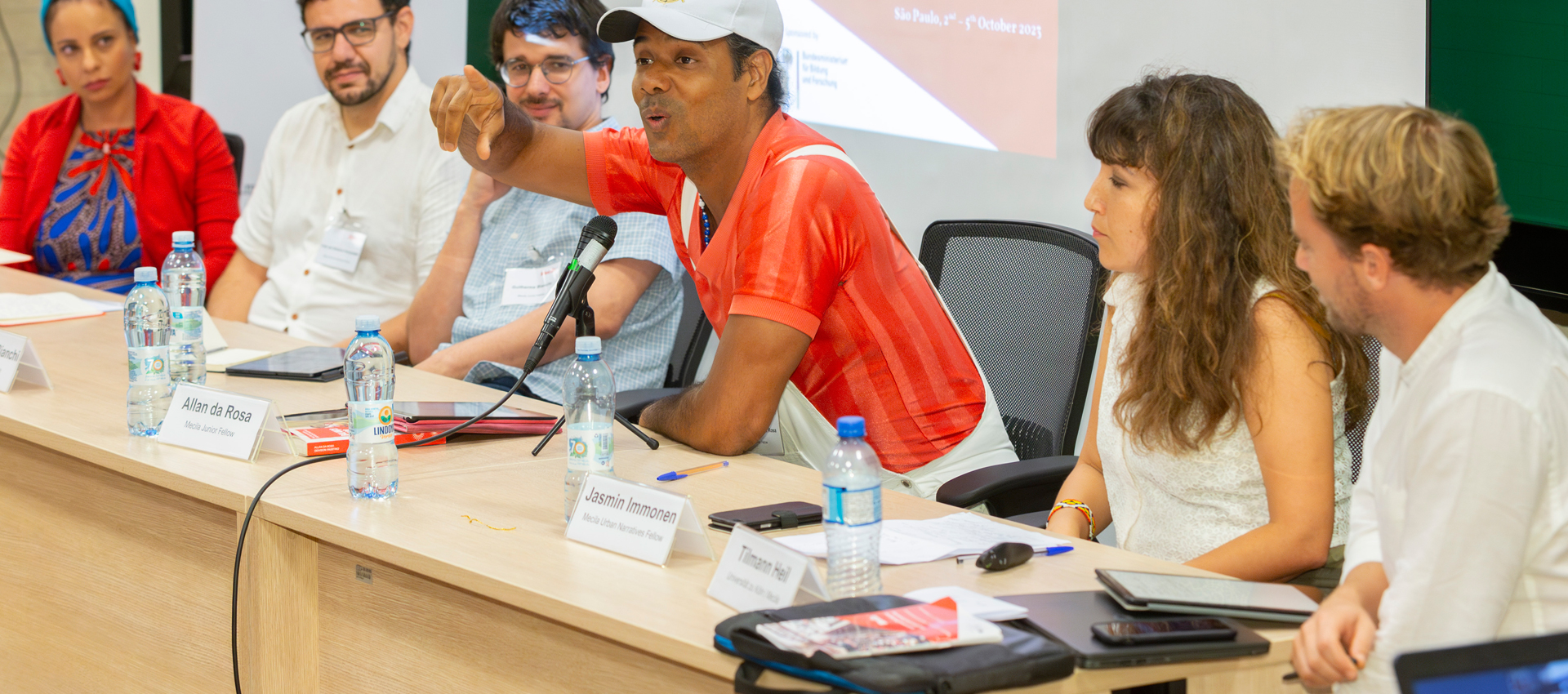
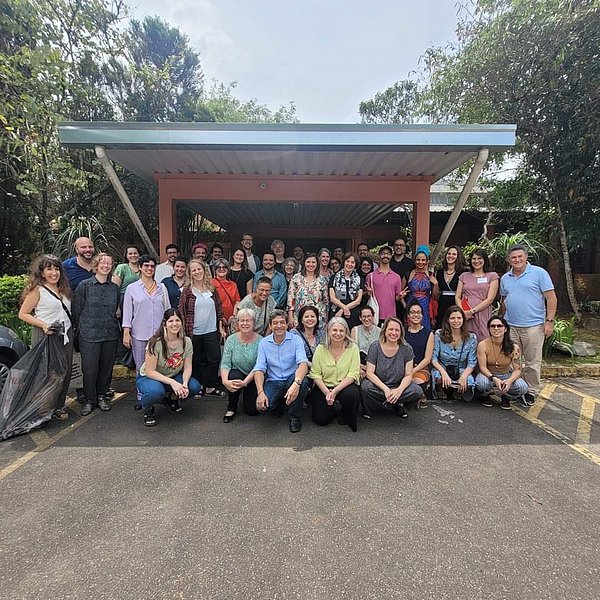
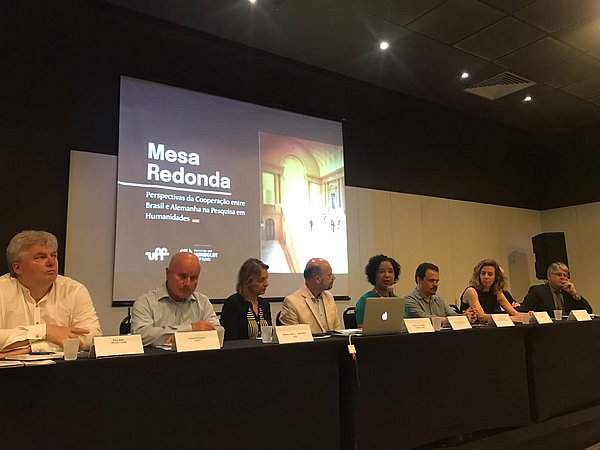
The “Annual Meeting and Young Researchers Forum” (AMYRF) was particularly exciting for me this year, as the IAI was responsible for the content preparation and organisation. As German Director in Presence and Chair of the Scientific Committee, I developed the programme together with our Director Barbara Göbel and three other colleagues. In total, around 70–80 people took part in the AMYRF. In addition to the Principal Investigators and Associated Investigators from the partner institutions who had travelled to the event, we had also invited several renowned external researchers. Alongside the internal project discussions, two public events took place, one of which was held at the Goethe-Institut in São Paulo. The atmosphere during the multi-day exchange was fantastic.
This time, representatives from another Merian Centre, the Merian Centre for Advanced Studies in the Maghreb (MECAM) in Tunis, also took part in our annual meeting. We exchanged experiences with them as well. Furthermore, in a joint workshop on the topic of “Asymmetries of International Knowledge Production and Circulation: Experiences, Best Practices and Challenges”, we discussed how the Merian Centres can help to reduce knowledge asymmetries between North and South.
The rhythm of the collaborative project is shaped by the kick-off meetings for the new fellows and then the closing workshops – the annual meetings?
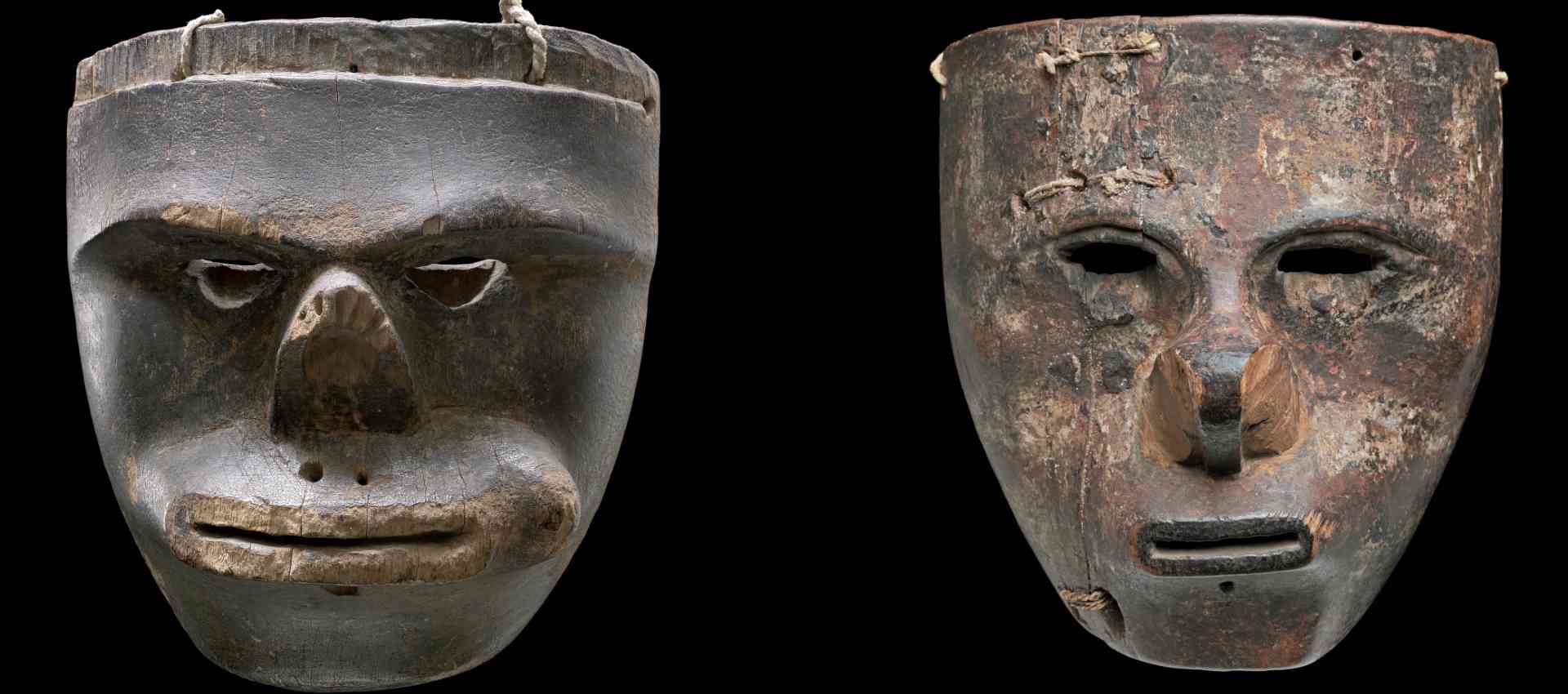
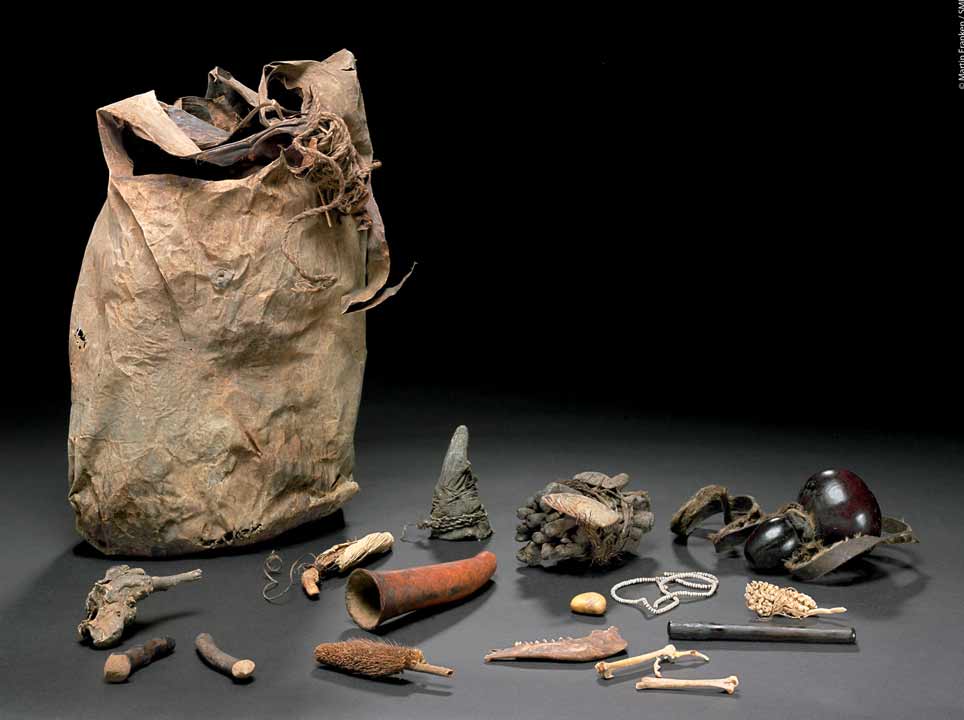
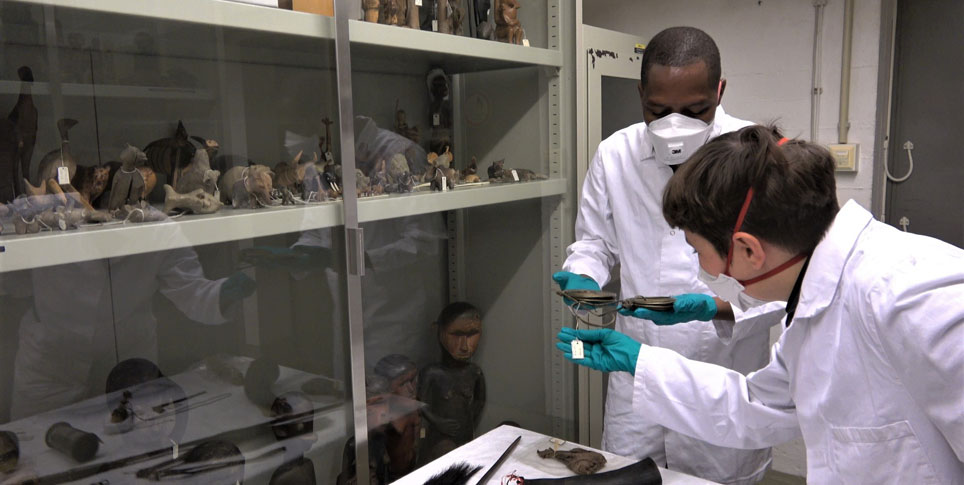
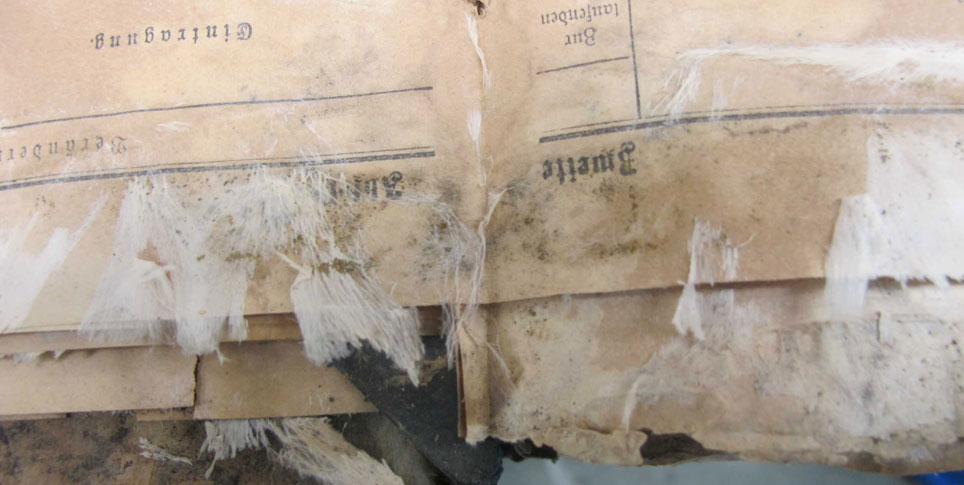
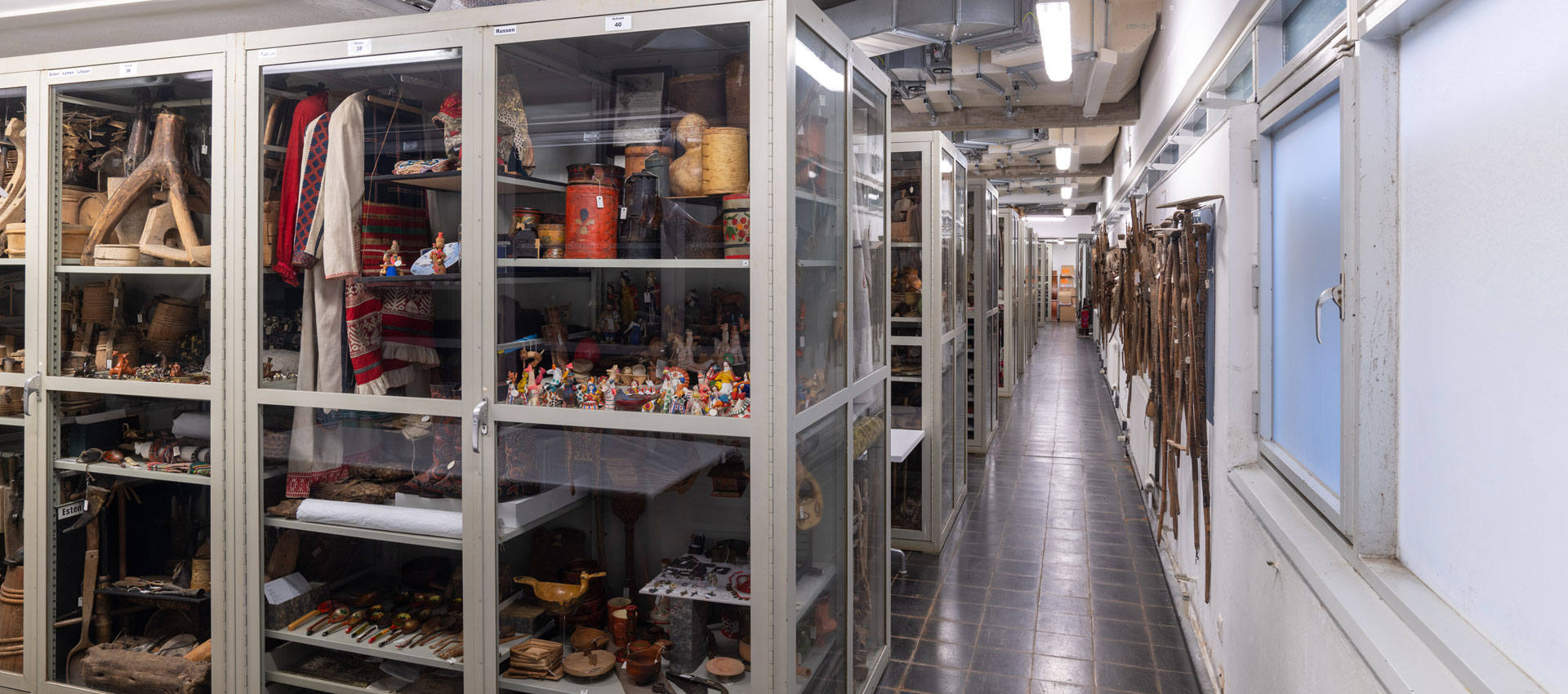
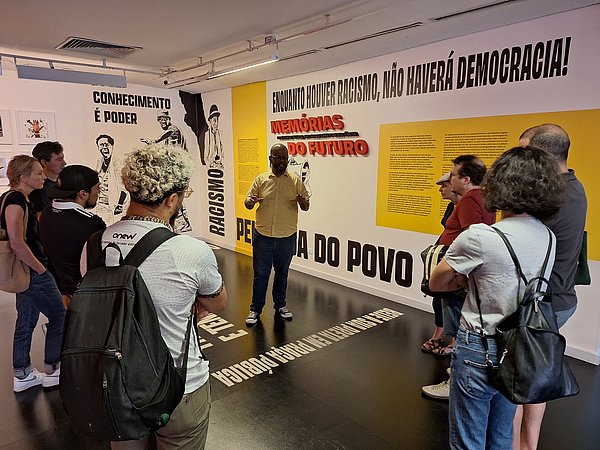
The academic project activities for the year begin with the kick-off workshop in March, at which the new fellows are welcomed. In the following months, weekly research colloquia take place, at each of which a fellow presents their project, which is then discussed collectively. In addition, other Mecila visiting scholars travel to São Paulo for shorter stays of up to two weeks. In 2023, for example, these included cultural studies scholar Sophie Esch from the USA, indigenous intellectual Ángel Ramírez from Ecuador and political scientist Thomas Legler from Mexico. The project organises a workshop and a Distinguished Lecture with each of these guests. The workshops serve to foster collaboration with the Fellows, whilst for the Distinguished Lectures we cooperate as much as possible with local universities. This is also about giving the project a lasting impact within the academic community of the host country, Brazil. The project activities also include joint excursions. In 2023, for example, a visit was made to the Museu das Culturas Indígenas (Museum of Indigenous Cultures). This is a museum of indigenous art curated by indigenous staff. Very exciting! As part of this year’s AMYRF, we visited the Museu de Arqueologia e Etnologia (Museum of Archaeology and Ethnology) at the Universidade de São Paulo (USP). This is a small museum with impressive collections in storage, facing similar challenges to many museums in Germany, Europe and worldwide, ranging from the handling of toxic preservatives to restitution claims by indigenous peoples.
I find this aspect particularly fascinating – that museums and institutions in the so-called Global South face similar challenges to ours. Establishing an exchange here to learn how they deal with these issues is certainly very worthwhile.
Yes, I agree. Here at the IAI, we can also make a substantial contribution to networking and the transfer of experience within the SPK.
There is, of course, a strong connection between Latin American countries and Germany, whether through German communities that formed there as a result of emigration, or through relationships that have developed over many years. Does this influence the Mecila project? To what extent can you build on the relationships that the IAI has traditionally maintained in the region?
It is above all the strong networks that the IAI has that we can build upon. For example, we have been working for many years with the Universidad Nacional de La Plata in Argentina, which is now one of our partners. With regard to the Universidade de São Paulo (USP), it is primarily the Free University of Berlin, with its Latin American Institute, that has maintained close contacts for many years. The same applies to the social science institute Centro Brasileiro de Análise e Planejamento (CEBRAP). As the IAI, we benefit from the fact that, through Mecila, we have the opportunity to deepen our contacts and networks with USP, CEBRAP and many other institutions in Brazil. In Mexico, we already had some links with the Colegio de México (COLMEX), which have now become even closer. We have also established regular contacts with the second Maria Sibylla Merian Centre funded by the BMBF in Latin America, the Maria Sibylla Merian Centre for Advanced Latin American Studies in the Social Sciences and Humanities (CALAS) in Mexico. Naturally, the German communities also play an important role in our networks. We are in contact with numerous German institutions in Brazil, for example the German House of Science and Innovation (DWIH), the Goethe-Institut, and political foundations such as the Heinrich Böll Foundation or the Friedrich Ebert Foundation. These are very numerous and diverse contacts.
Incidentally, next year Brazil will be celebrating 200 years of German-speaking immigration. We will be collaborating on several projects to mark the occasion.
When I was in Brazil with you in 2019, I was struck by the reputation the IAI enjoys in Latin America. This became clear time and again in our conversations. How would you describe the significance of the project for the IAI?
The Ibero-American Institute has always been a very internationally oriented institution; it is, so to speak, part of our DNA. When we speak of internationalisation, we do not mean that we wish to start doing this now, but rather that we aim to further expand existing international contacts and strengthen our alignment with internationally recognised standards. A project such as Mecila offers us enormous scope for experience and learning in this context. I consider it a great privilege to be part of such exchange processes and to keep learning new things in this way. And of course, Mecila also gives the IAI the opportunity to present itself internationally – including as part of a large and exciting network, which is the SPK. Thanks to Mecila, interest in the IAI as a research centre has increased even further. We are also noticing this in the growing number of scholarship applications from Brazil.
I would like to emphasise that this is also an important project for the SPK as a whole. It represents one of our flagship projects, in terms of its scale, its network and its partners, but also in terms of the experience it brings. Within the SPK, we also have other projects in Latin America at other institutions, such as the Amazonia Future Lab at the Ethnological Museum, where Ms Göbel, as Director of the IAI, also serves on the Board of Directors. We benefit from the experience gained in the various projects and learn from the collaboration, even if the projects have different objectives. I consider this transfer of experience through links, including at a personnel level – for example via the Board of Directors or the steering groups – to be very important.
I also think that all these projects are very beneficial in many ways, both for the IAI and for the SPK.
I was flicking through the programme for the annual conference you held in October and noticed there were some fascinating topics that would have interested me too. For instance, you gave a talk on mass media and its influence on social cohesion and inequality. Argentina’s newly elected president, Javier Milei, conducted most of his election campaign via social media, if I’ve followed it correctly.
That is correct. Milei did not win the election solely because of his successful use of TikTok, but this platform certainly helped him. And thanks to Milei, TikTok has also gained a new member – namely me! An Argentine colleague, Juan Piovani from the Universidad Nacional de la Plata, who was the Mecila Chair in São Paulo from July to October and with whom I worked closely there, had already expressed fears back in September that the ultra-liberal candidate Milei might win. So I became curious and wanted to find out more about this politician, and I signed up to TikTok.
What differences did you observe in the use of social media between Germany and Latin American countries? Do social media play an even bigger role there than they do here?
Yes, definitely. In a country like Brazil, the use of the internet and social media cuts across the entire population. Especially when it comes to election campaigns, their importance has grown enormously in recent years. In the 2018 Brazilian presidential elections, from which the far-right candidate Jair Bolsonaro emerged victorious, Facebook and WhatsApp played a significant role. This was also the case in the 2022 elections, which the current President Lula narrowly won against Bolsonaro. In the recent elections in Argentina, TikTok has now played a comparable role. What is also interesting is that much of this operates in a rather decentralised manner. Javier Milei has effectively staged himself in the media as an ‘anarcho-capitalist’ and ‘León the Lion’, whilst his often young and media-savvy supporters have produced and disseminated the short videos, meaning he himself did not necessarily have to take active part. Social media enjoys great popularity in Latin America partly because the traditional media systems are even more concentrated than is the case in Germany, and because the quality of news programmes on television often leaves much to be desired. For some sections of the population who have little access to traditional media, such as indigenous peoples, social media also offers the opportunity to draw attention to their concerns, which is certainly a positive aspect.
Based on your experience at Mecila, what can we as Germans and Europeans learn from Latin America?
Latin America could, for example, serve as a role model for us when it comes to open access and open science. Particularly regarding open access to scientific research findings, Latin America is far ahead of us. In Europe, it is still the major publishers who dominate the market for scientific publications. They have succeeded in turning open access into a business, namely through author fees. In Latin America, far more journals are open access, which is primarily due to the fact that research funding there is largely state-funded. This enables governments to stipulate as a condition that the results of state-funded research projects must be made available via open access. As a result, much more is published via open access. At the IAI, we essentially follow a similar approach with our publication programme.
And what does the future hold for Mecila? The current funding period does, after all, run until the end of 2026.
An application for an extension must be submitted in 2025. In the extension application, we need to demonstrate what we have already achieved in our collaboration with the USP, CEBRAP and the other institutions on the path to sustainability. The idea of the Federal Ministry of Education and Research (BMBF) is that, following the initial boost provided by funding for a maximum of twelve years, the Merian Centres should operate independently. If the extension application is successful, we will receive a further three years’ funding, which would then run from 2026 to 2029. After that, Mecila will have to be self-sustaining in some form, unless other funding formats become available by then. Mecila is currently funded entirely by Germany. Whilst this has the advantage of making the joint project largely independent of developments in science policy in the respective Latin American countries, if these countries wish to exert greater influence over the formats of scientific cooperation in future, they will also need to make a stronger financial commitment. Experience shows that even a relatively modest financial commitment can have a significant impact in this regard.
We have already held several meetings with the Vice-Chancellor and various departments and units at the Universidade de São Paulo, during which we explored forms of cooperation that could form the basis for a long-term partnership. For example, there is the idea of offering a regular Mecila seminar at USP. There are also plans to set up a ‘German Corner’ there, where key German academic institutions can present themselves. We are also considering an exchange programme for visiting scholars.
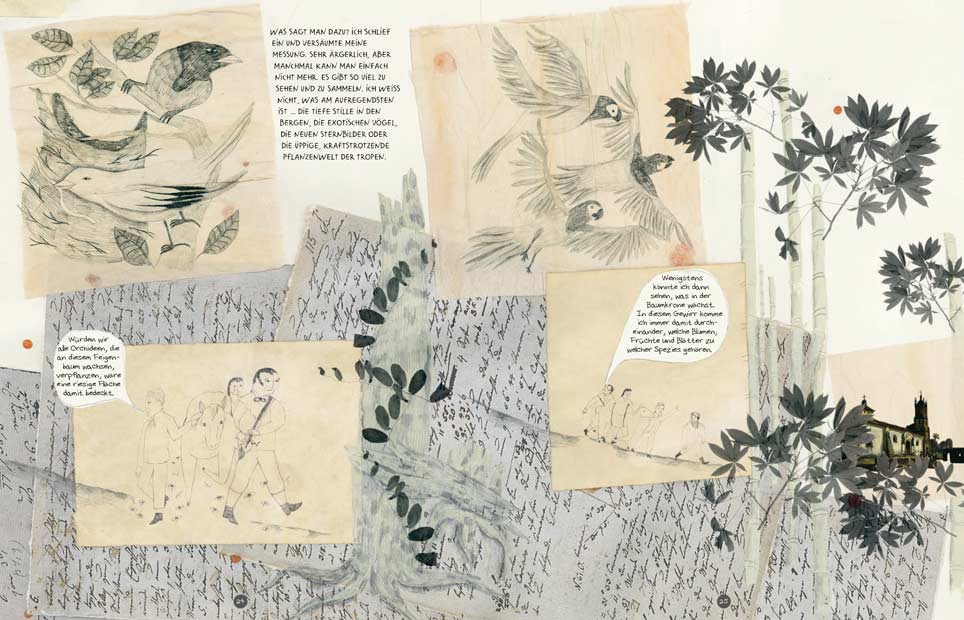
If one were to compare Mecila to a plant, the first thing that comes to mind is a tree that puts down ever deeper roots. Or rather, a mushroom that forms a vast underground network with others and lives off it. What makes it strong are the finely branched networks extending in all directions, which, like Mecila, help it to endure as stably as possible into the future.
And thanks to the widely ramified network in the soil, the fungi are able to sprout from the earth in ever new places, just as ideas continually emerge from new contexts. A beautiful image!
The joint project Mecila (Maria Sibylla Merian International Centre for Advanced Studies in the Humanities and Social Sciences: Conviviality and Inequality in Latin America)
The collaborative project Mecila (Maria Sibylla Merian International Centre for Advanced Studies in the Humanities and Social Sciences: Conviviality-Inequality in Latin America) was established in 2017 and is headquartered in São Paulo (Brazil), with additional hubs in La Plata (Argentina), Mexico City (Mexico), Cologne and Berlin.
The centre researches past and present forms of social, political and cultural coexistence in Latin America and the Caribbean and aims to contribute to a better understanding of conviviality in diverse and unequal societies.
As part of a consortium of German and Latin American institutions, the IAI collaborates with Freie Universität Berlin, the University of Cologne, the University of São Paulo (USP), the Brazilian Centre for Analysis and Planning (Cebrap), the Institute for Research in the Humanities and Social Sciences (IdIHCS/Conicet) at the National University of La Plata, and El Colegio de México. Mecila is funded by the Federal Ministry of Education and Research (BMBF). The aim of the BMBF’s funding programme for the Maria Sybilla Merian International Centre for Advanced Studies in the Humanities and Social Sciences is to integrate knowledge production from the so-called Global South more sustainably with that of the so-called Global North.
Following a three-year preparatory phase and a successful international evaluation of the collaborative project, Mecila’s six-year main phase began in April 2020, funded by the Federal Ministry of Education and Research (BMBF) with a total of around €12 million. The IAI coordinates the sub-project: “Medialities of Conviviality and Information Infrastructure”. From April 2023 to April 2024, the IAI will hold the German directorship of the project.
Further links
Consortium institutions
- Freie Universität Berlin (Germany)
- University of Cologne (Germany)
- University of São Paulo (Brazil)
- Brazilian Centre for Analysis and Planning (Brazil)
- Institute for Research in the Humanities and Social Sciences (Argentina)
- El Colegio de México (Mexico)
Further links
Further news articles on the topic
- MP Michelle Müntefering visits Mecila at the São Paulo Hub (29 November 2023)
- Mecila community meets at the São Paulo Hub (25 October 2023)
- South-North Dialogue on the Democratisation of Knowledge: Strategies and Challenges for Latin America and Europe (20 July 2023)
- Research and practice in knowledge production and archiving. Dialogue with Latin America (19 October 2022)
- How can knowledge infrastructures be decolonised? Epistemic dialogues at the IAI (26 September 2022)
- Global challenges of conviviality from a Latin American perspective (30 November 2021)
- Modern information infrastructure for international research projects (9 August 2021)
- Successful launch of the main phase (2020–2026) for the international collaborative project Mecila (3 July 2020)