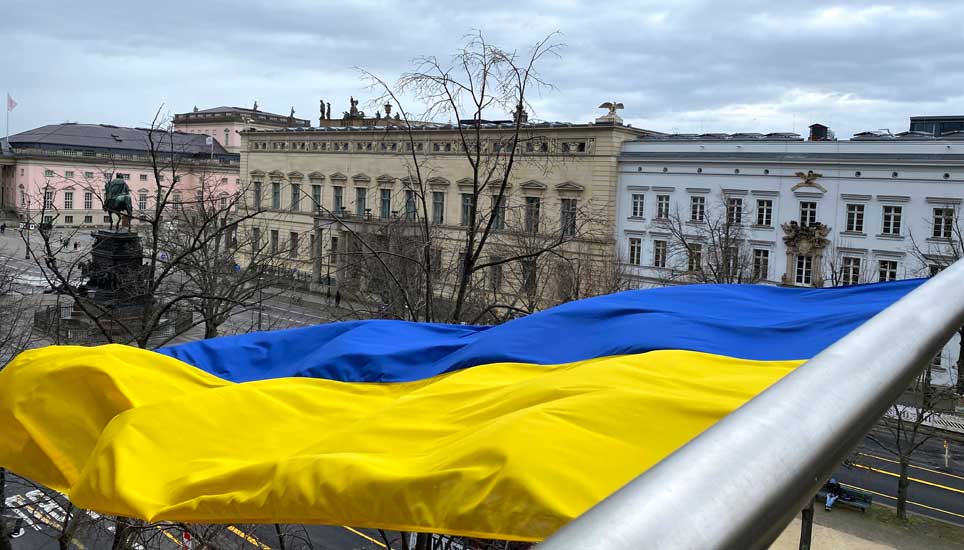
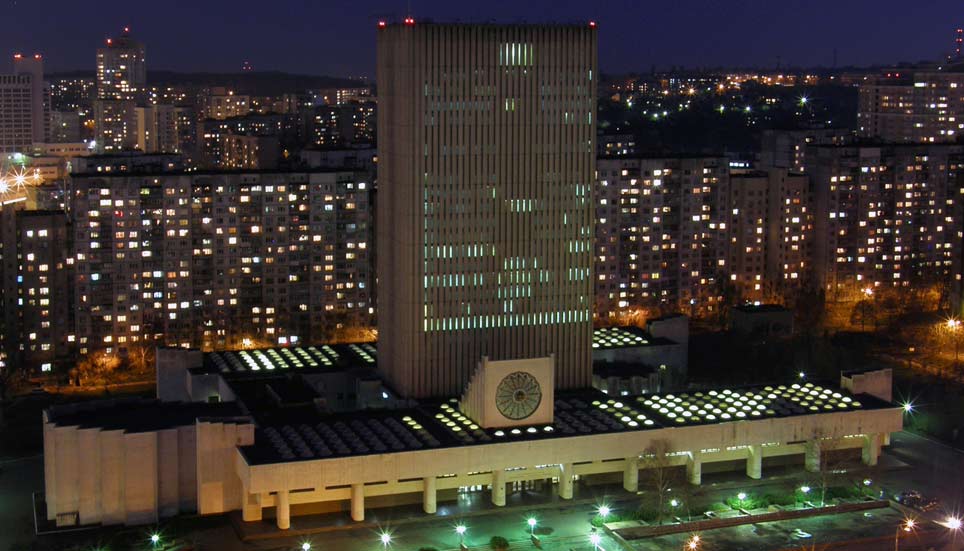
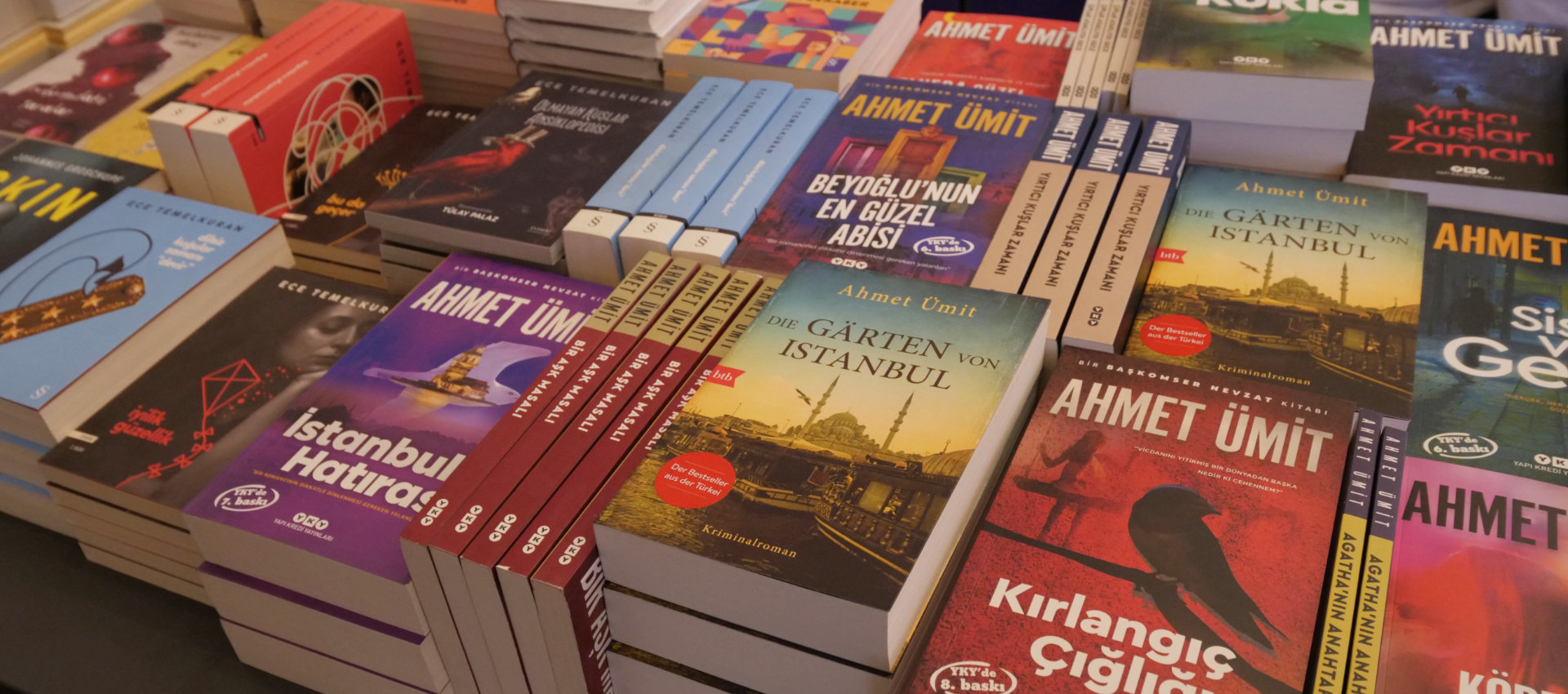
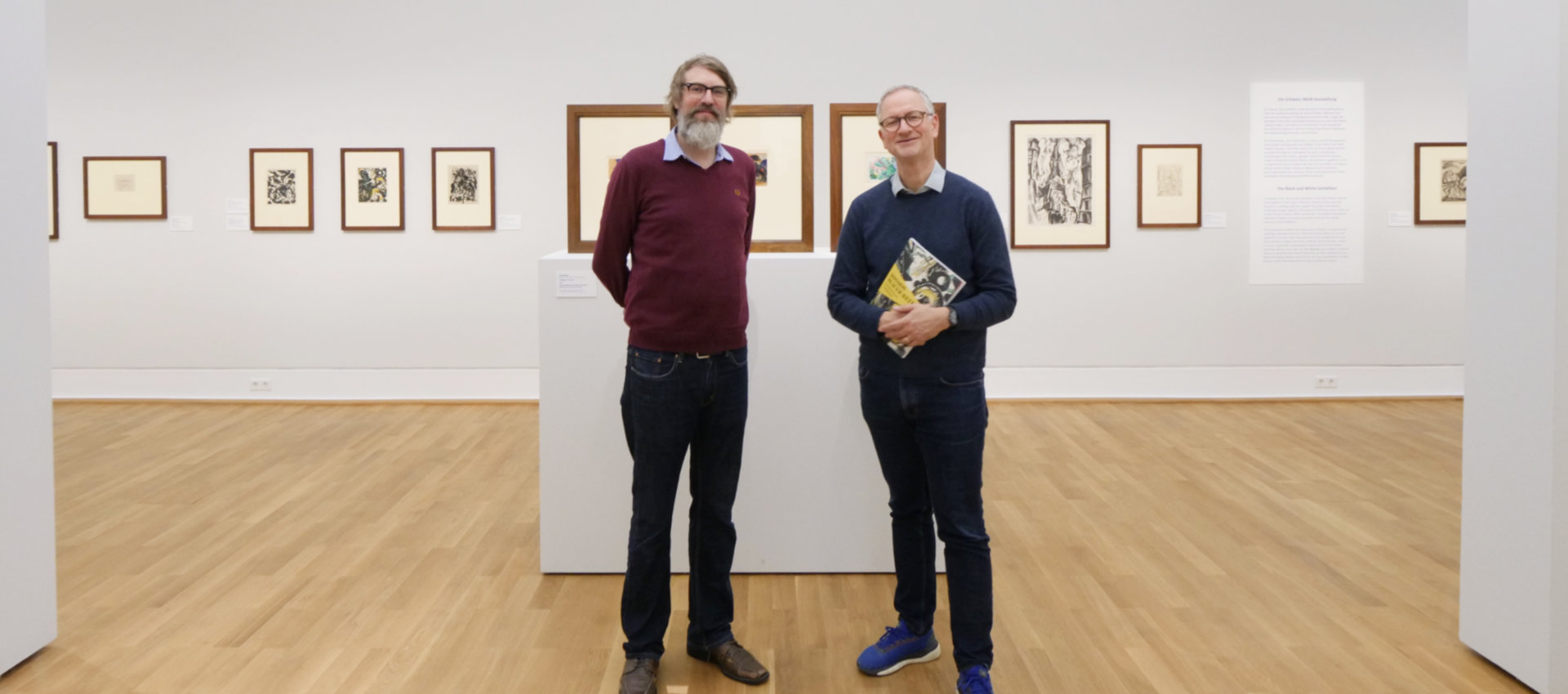
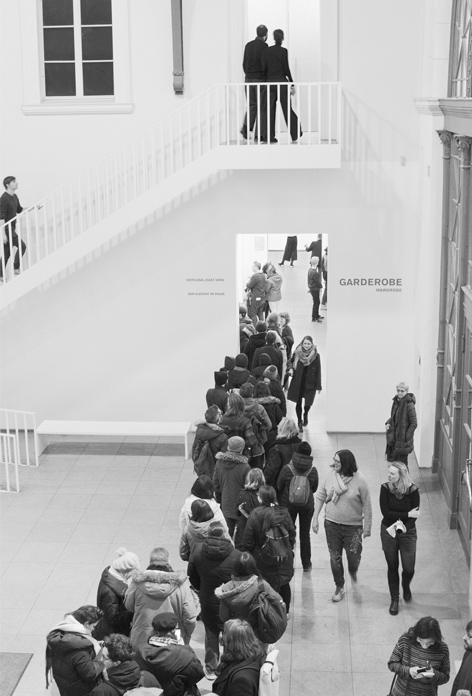
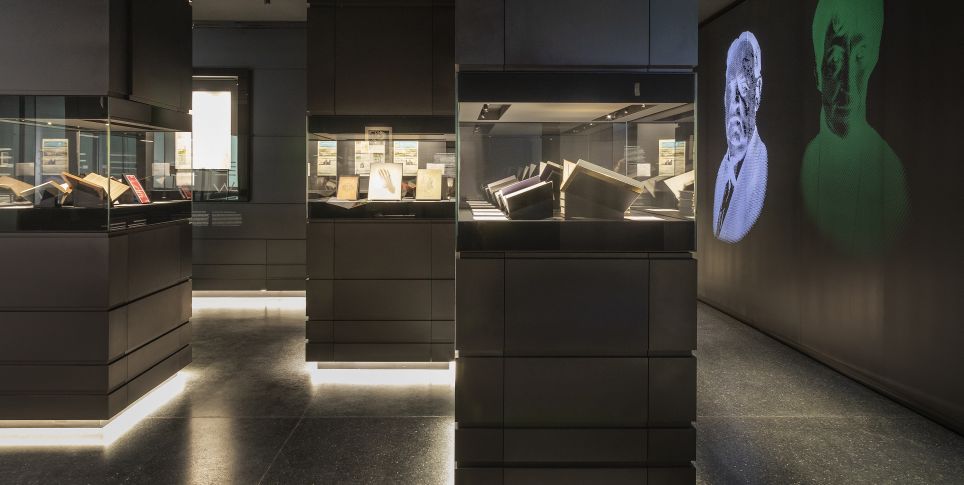
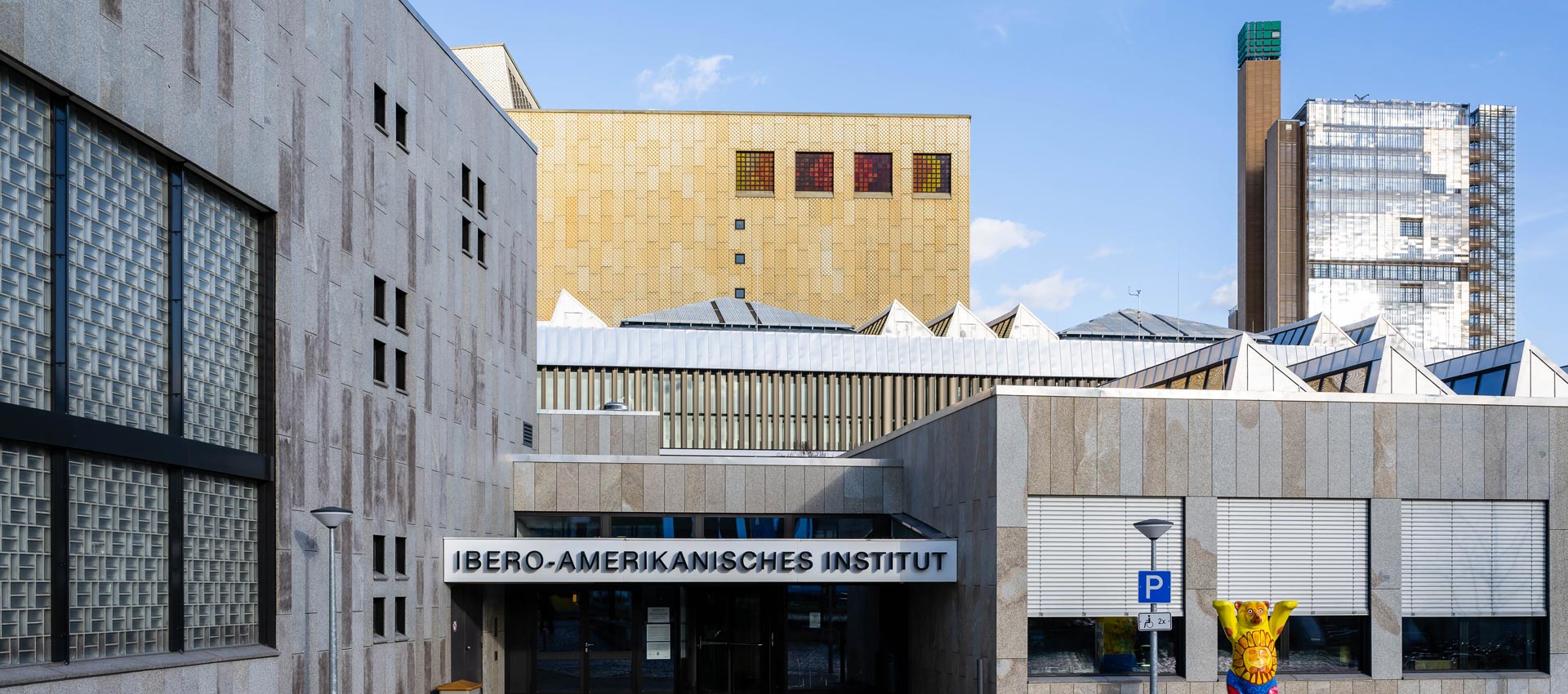
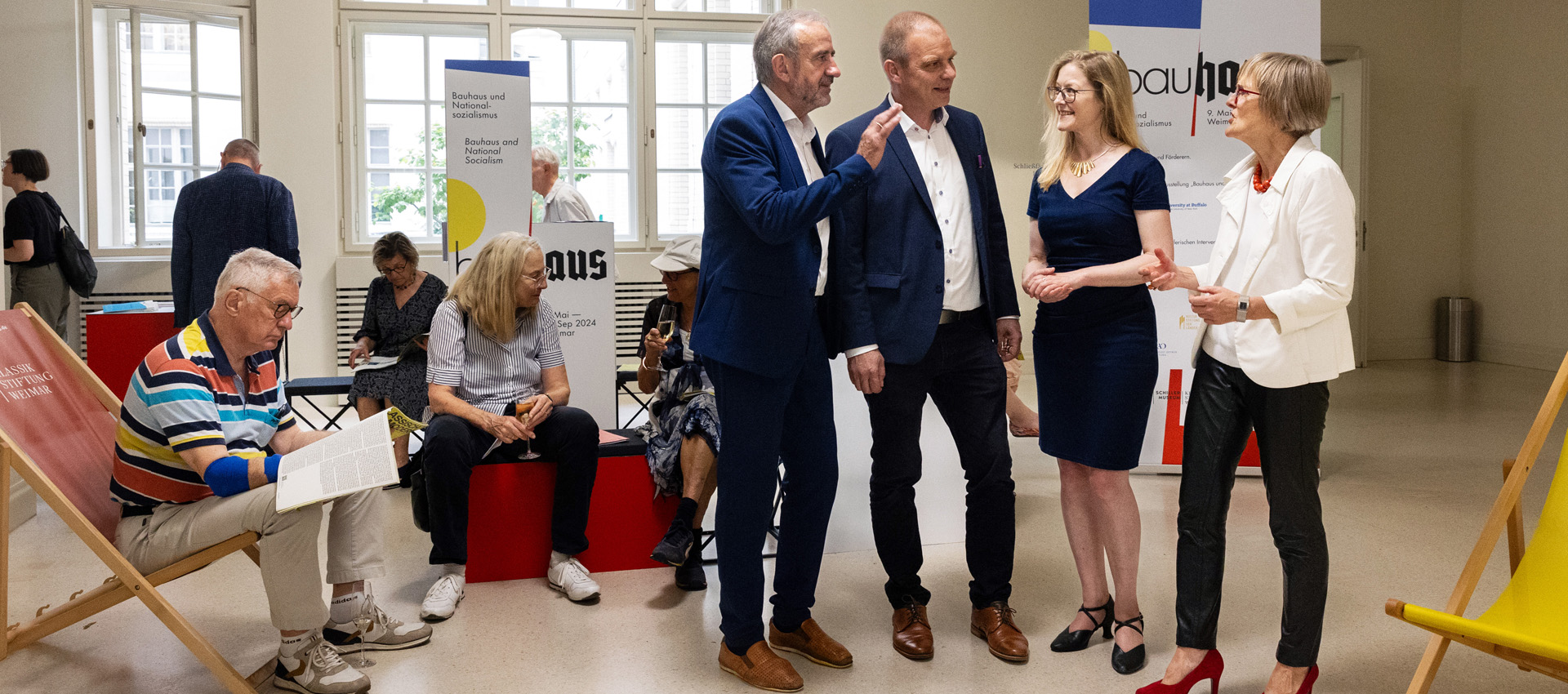
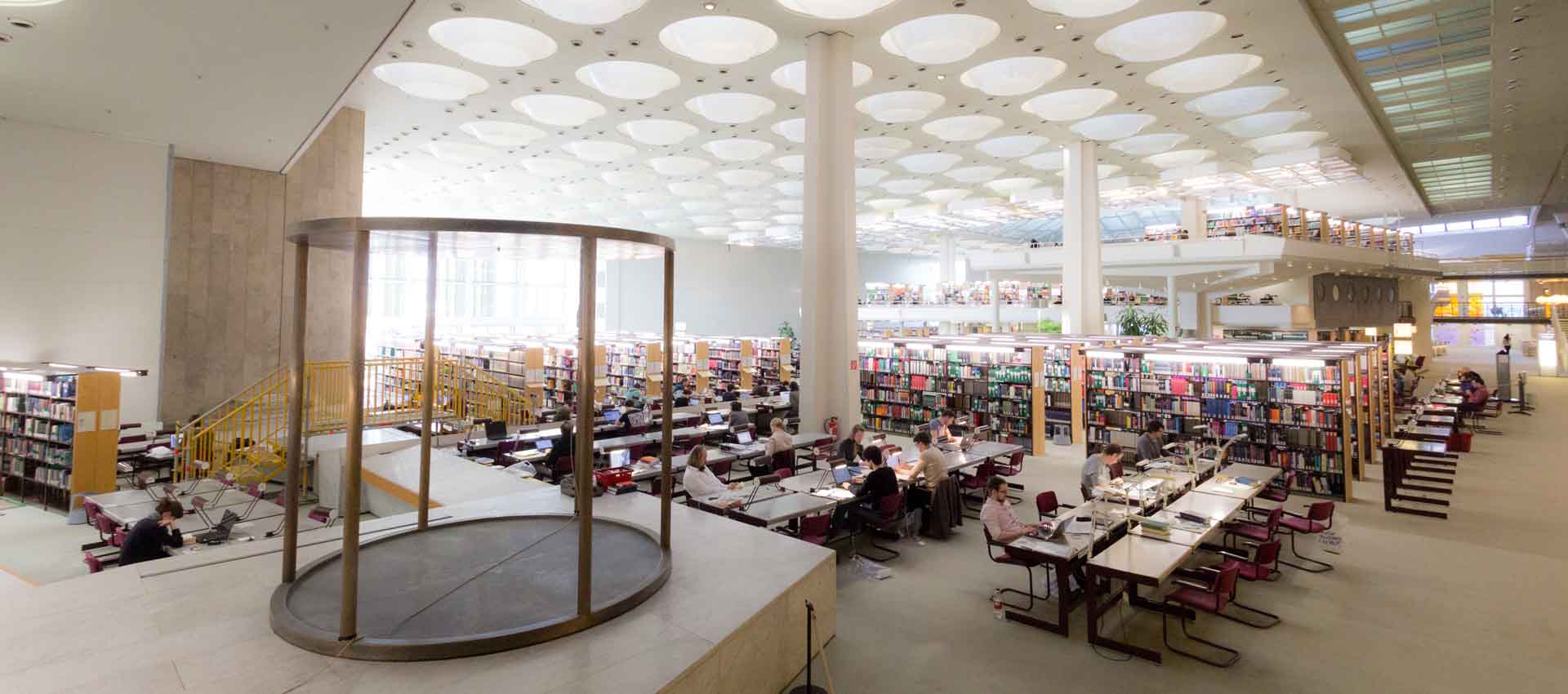
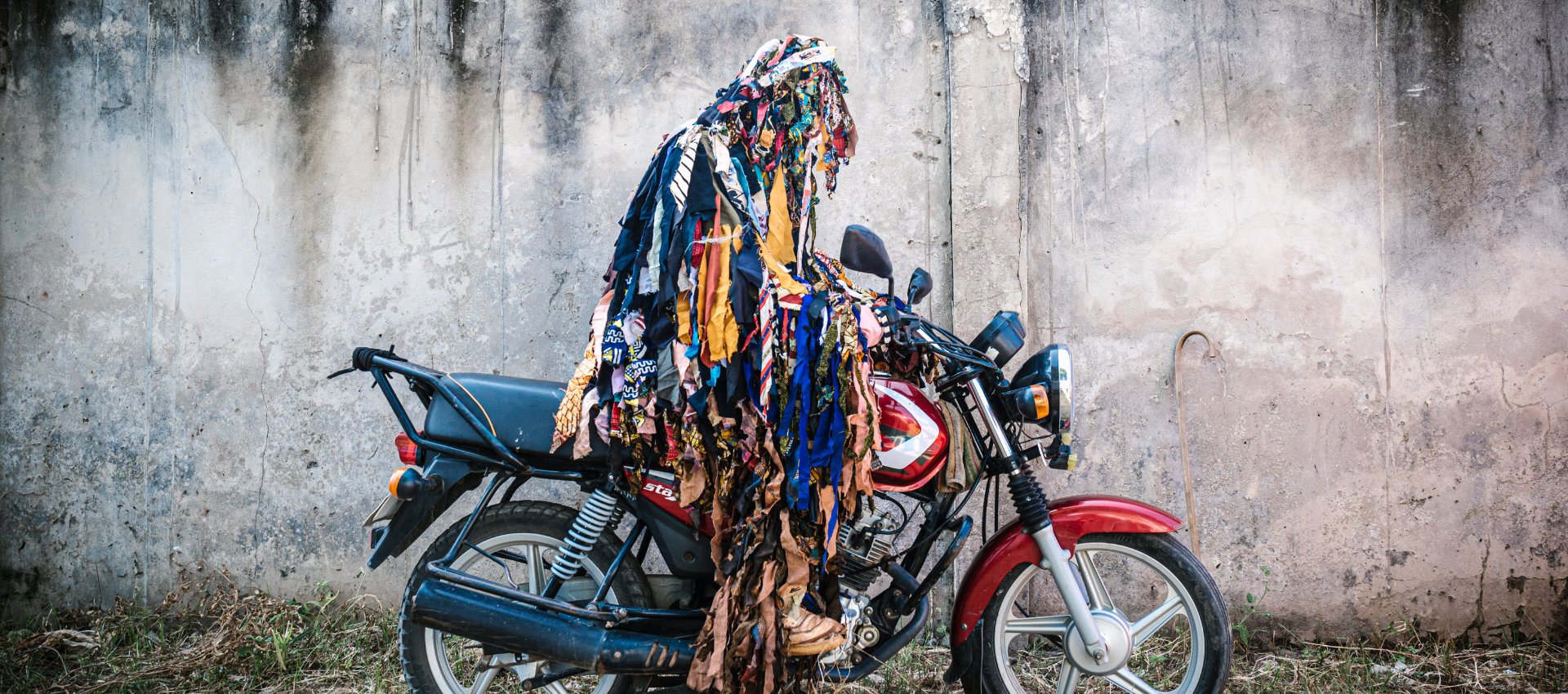
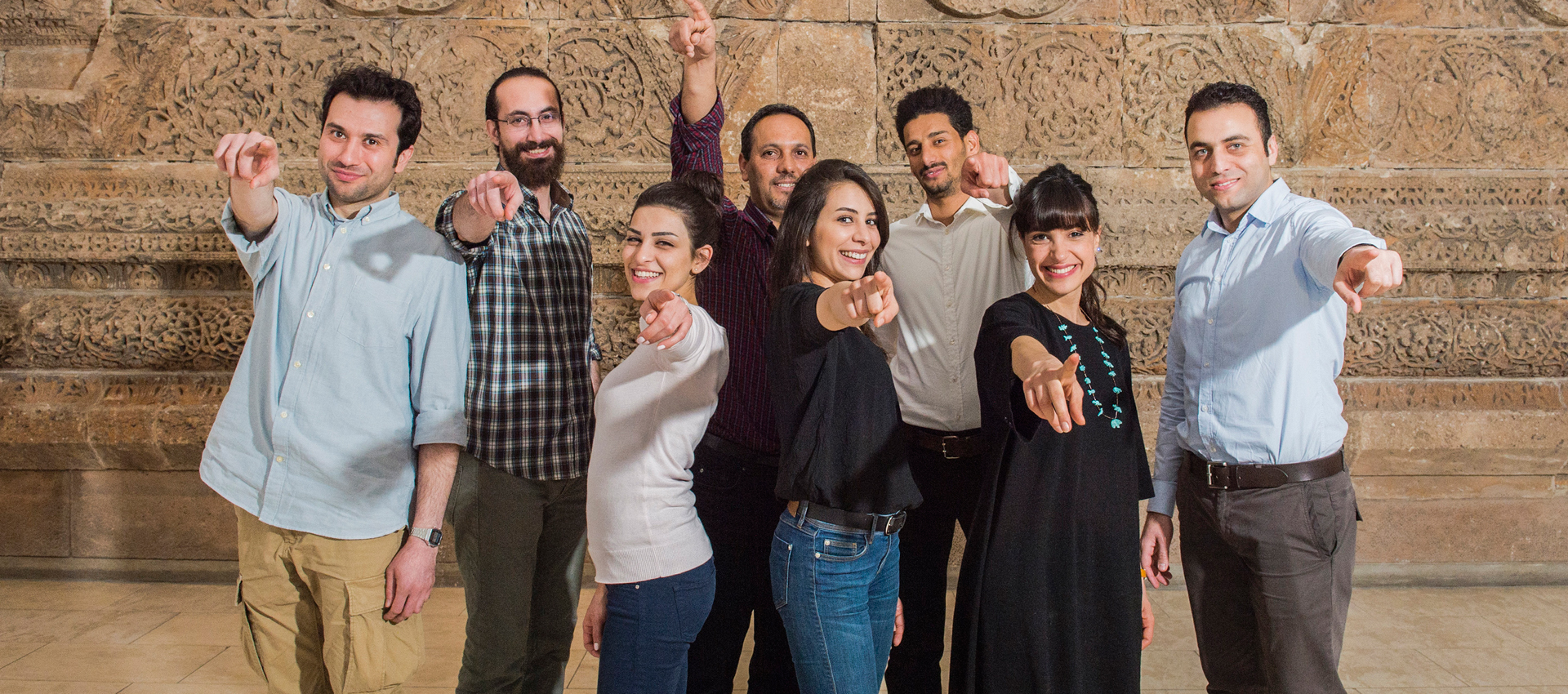
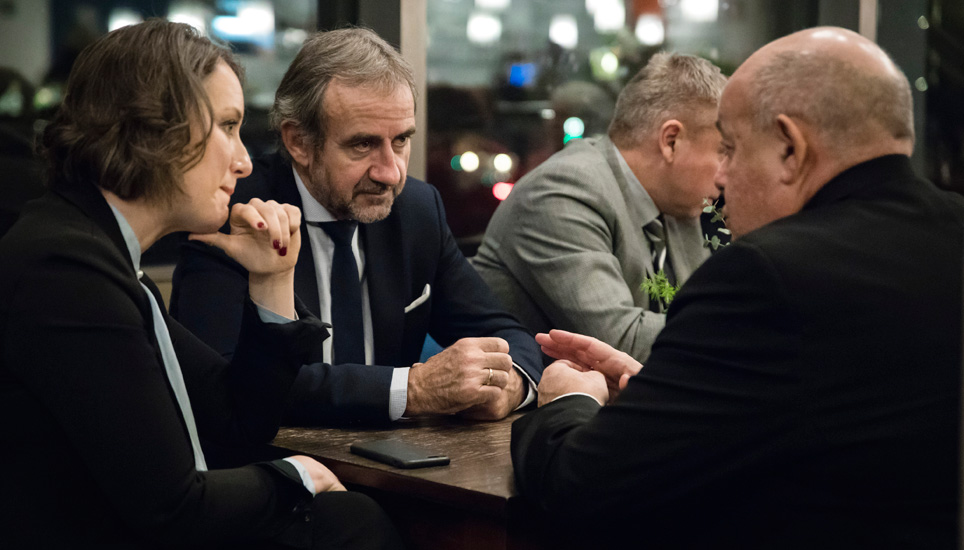
Images of dervishes in full regalia standing before police cordons are currently doing the rounds around the world – and the tense situation in Turkey was also the focus of attention at the State Library, which hosted the Berlin-Istanbul Literature Days on 21 and 22 March. Under the theme “Crime Scene Berlin”, the event offered the audience a fascinating insight into the world of German-Turkish crime fiction. Renowned writers and publishers from both cities were in attendance.
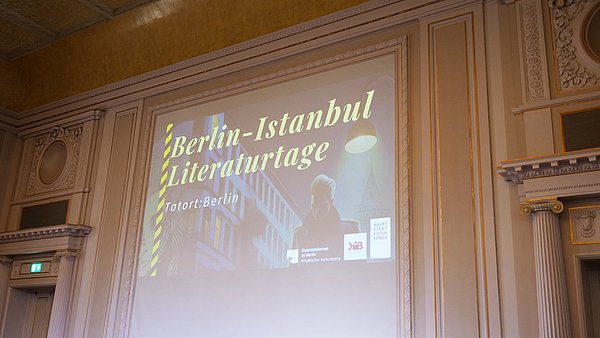
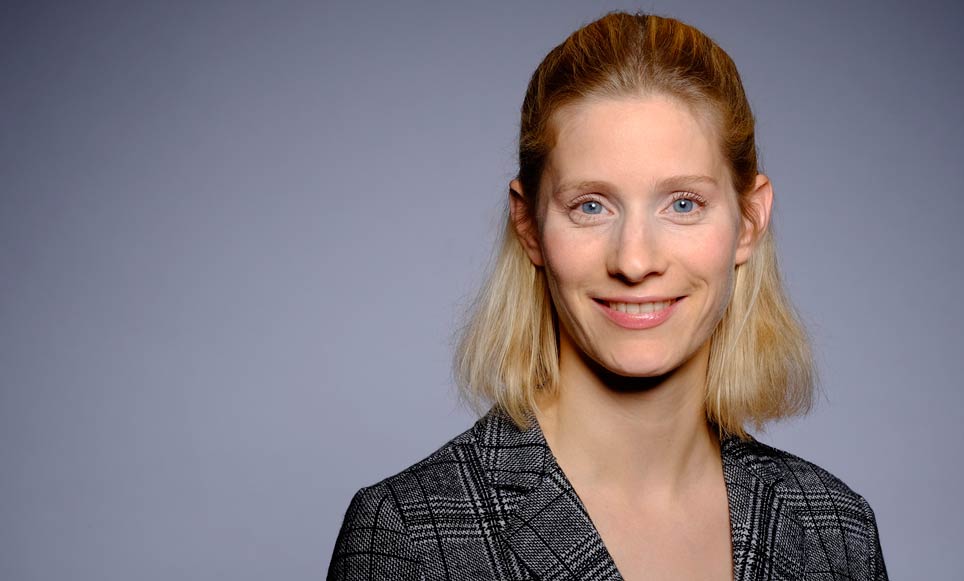
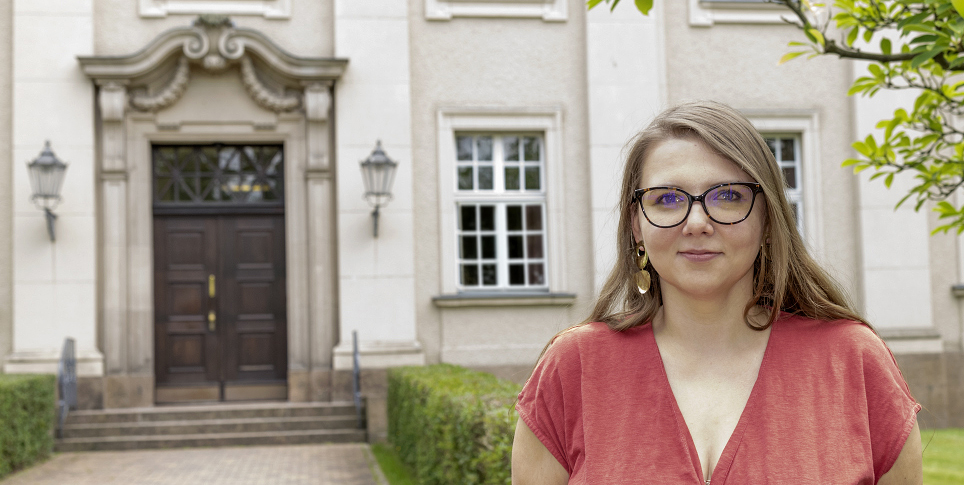
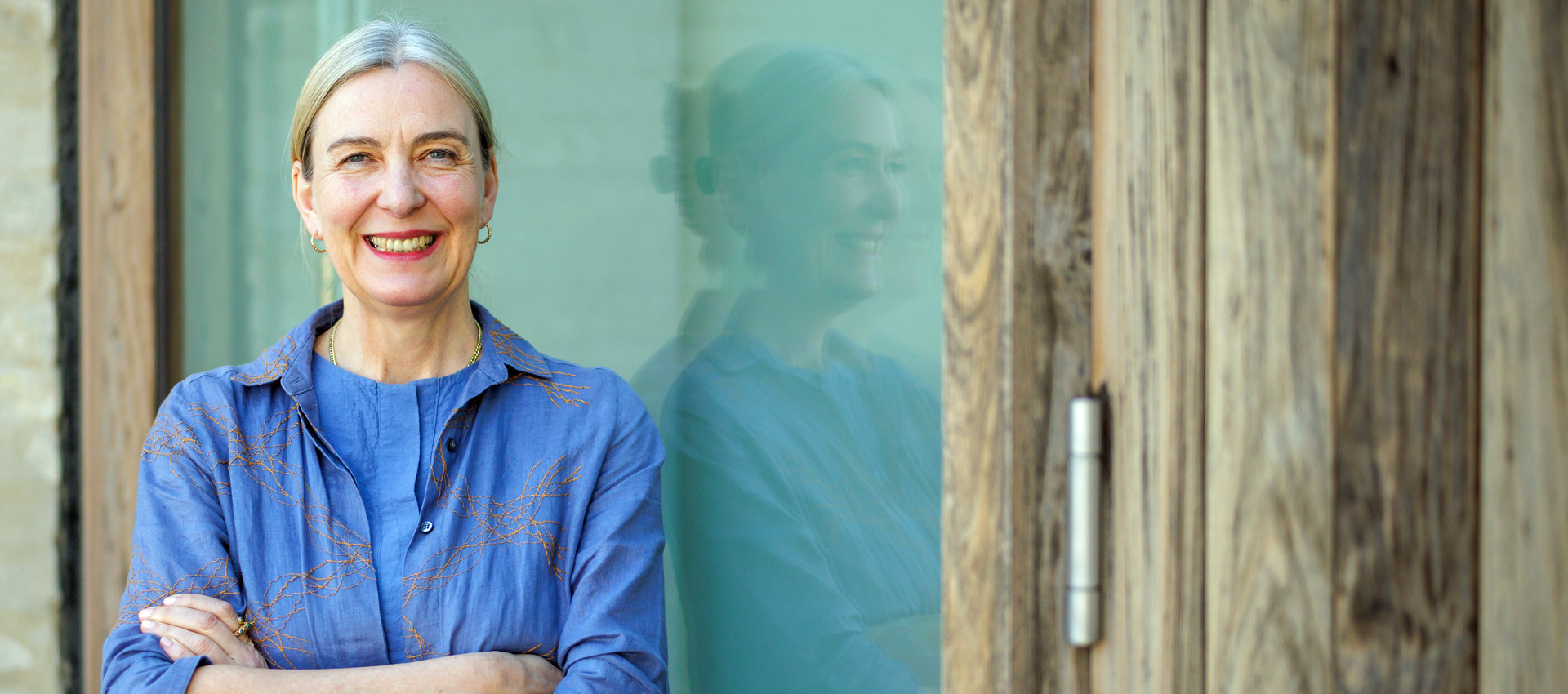
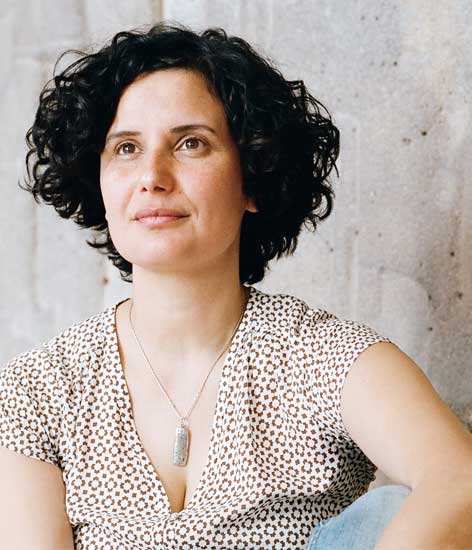
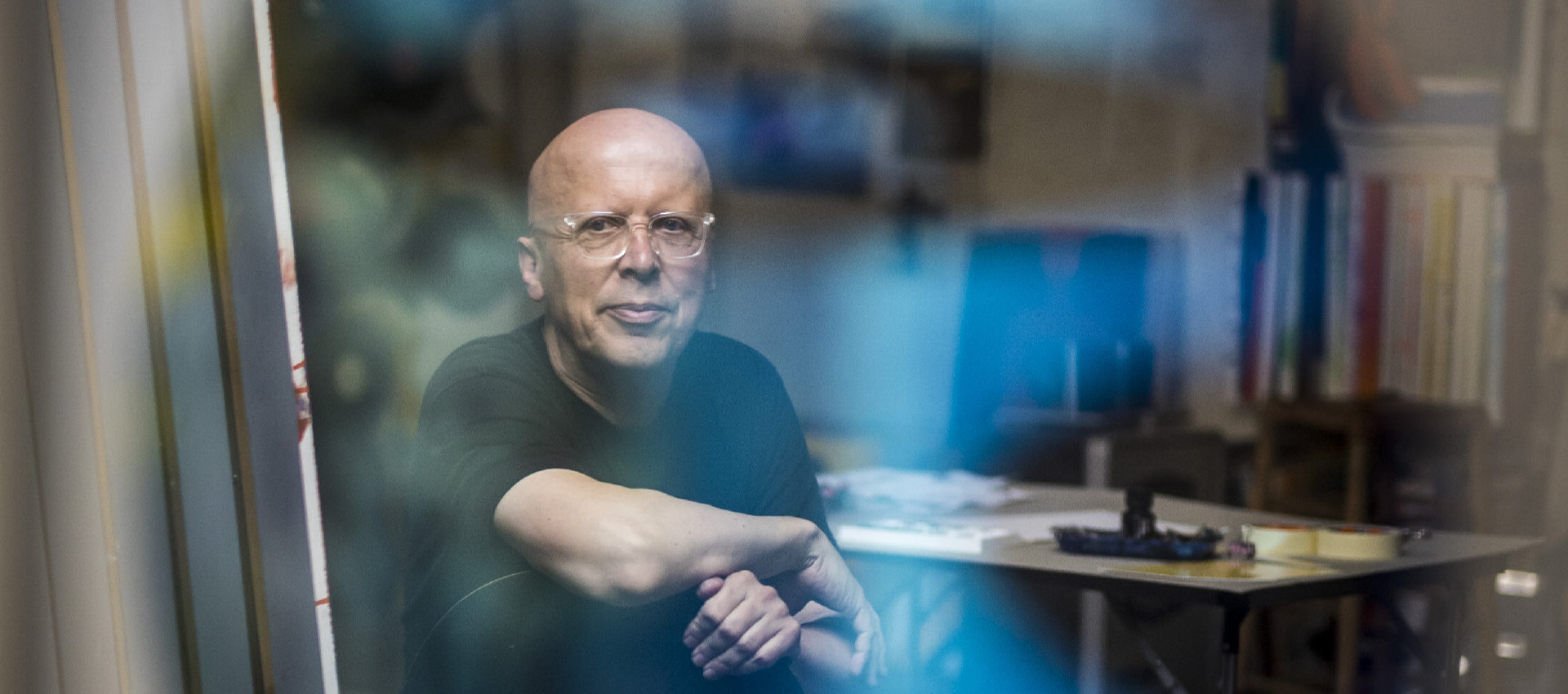
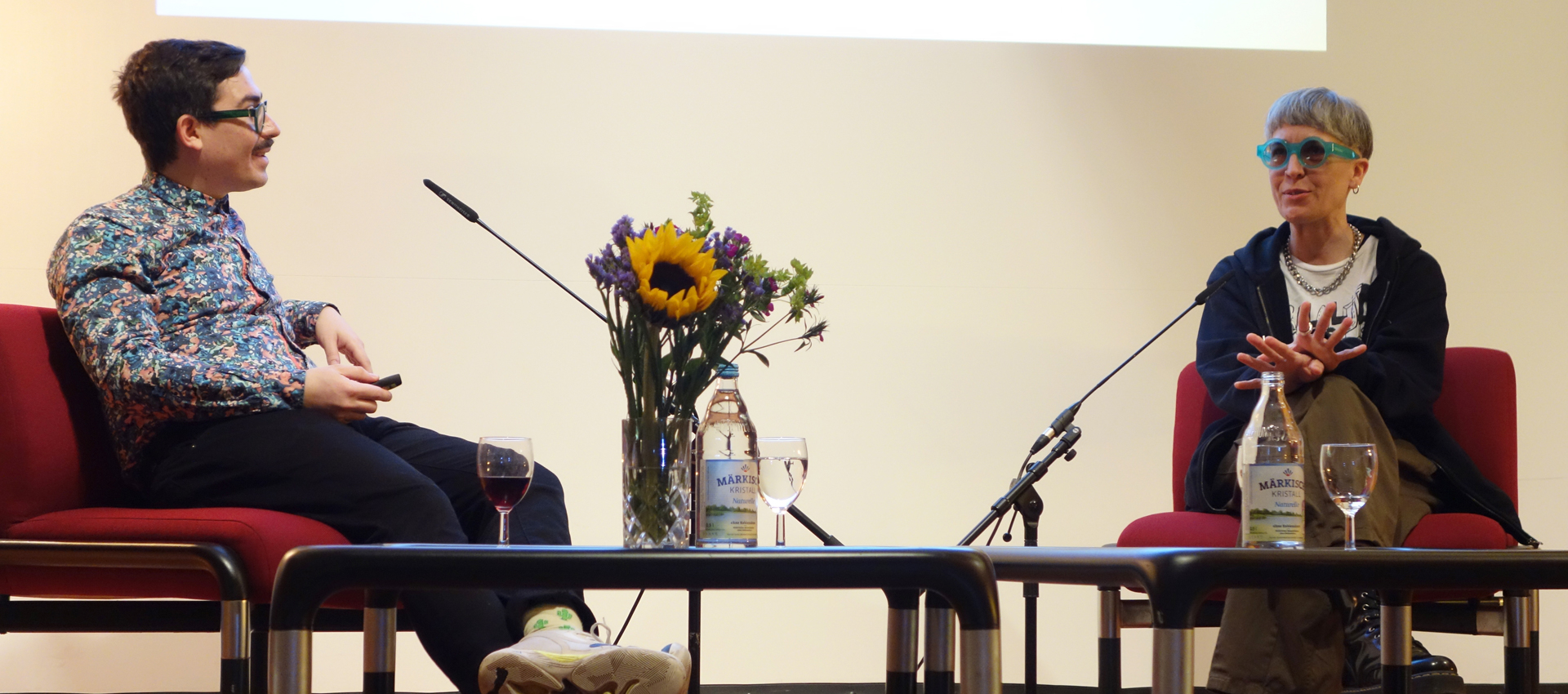
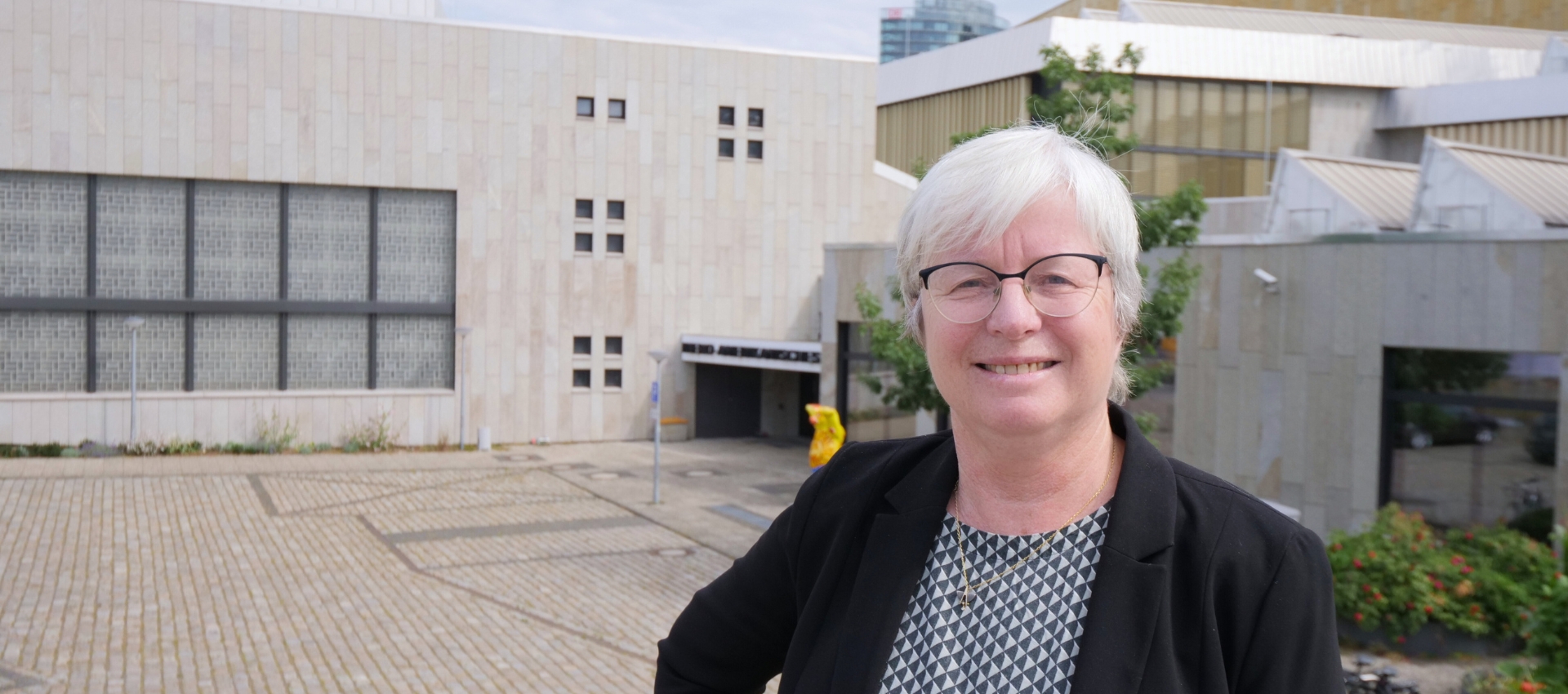
Right at the start of the opening talk in the Wilhelm-von-Humboldt Hall at the State Library, festival director and author Burcu Argat naturally also addressed the political situation in Turkey and the associated fears and concerns she has experienced and which have been brought to her attention. “Just cancel the event!” she was often told in the run-up to the event. But she remained undeterred and, despite the volatile situation in Turkey following the arrest of Istanbul’s mayor and presidential candidate Ekrem İmamoğlu, stuck to the format, which is, after all, primarily aimed at fostering cultural understanding. This is more important than ever in these times, and with regard to the situation in Turkey, Argat adds: “It’s full of tension – just like in crime thrillers!” And that is precisely what this is all about.
Crime as a metaphor
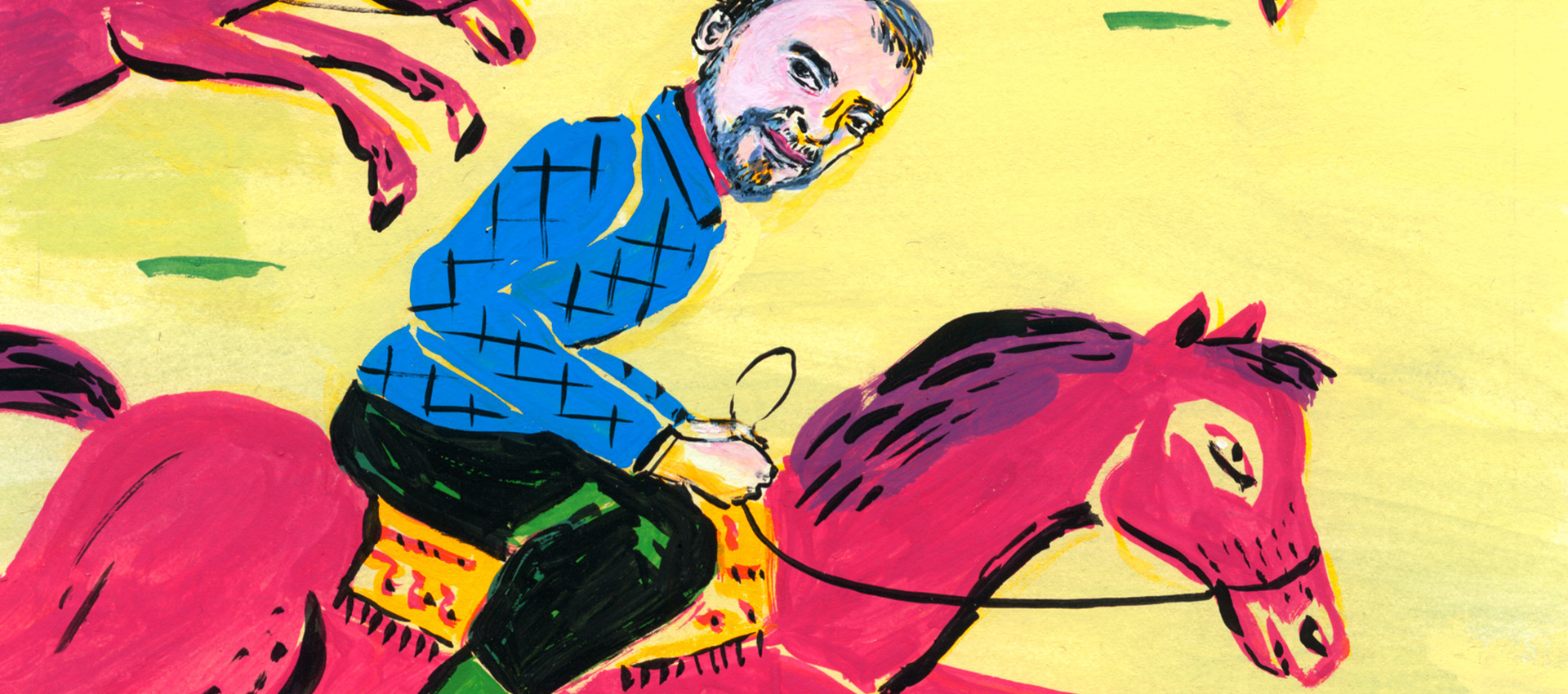
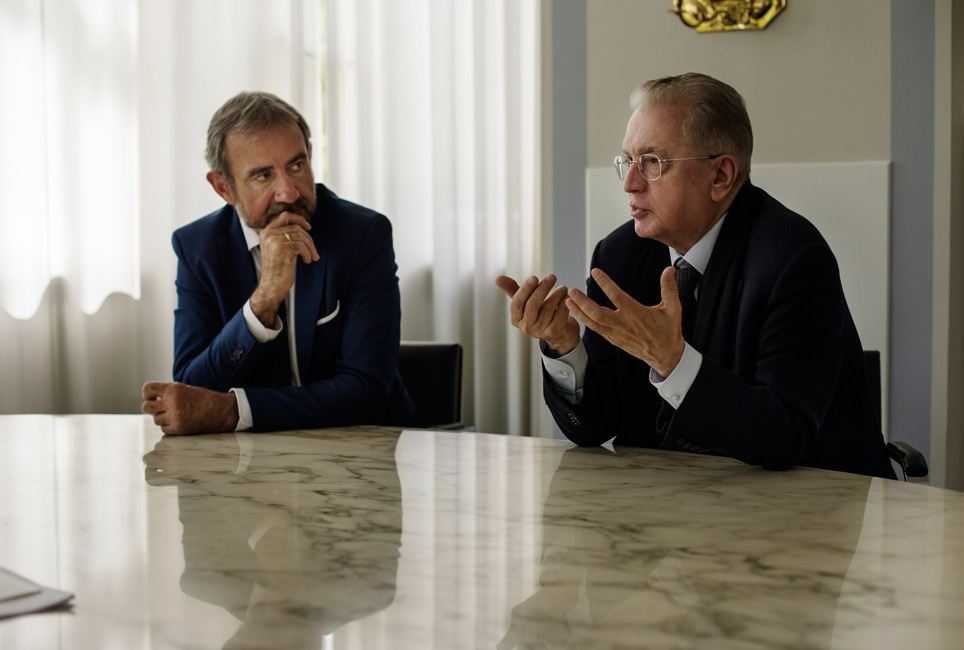
Among the guests at the event are writers from both cities, whose works consistently keep an eye on social issues alongside crime. With Istanbul-born author Barbaros Altuğ, for example, a relaxed conversation quickly unfolds, interspersed with readings from as yet unpublished works, which leaves the translator sweating but keeps things entertaining. The opening exchange between Burcu Argat and Barbaros Altuğ sets the tone: “Shall we talk about your books? – No, let’s just have a chat!”
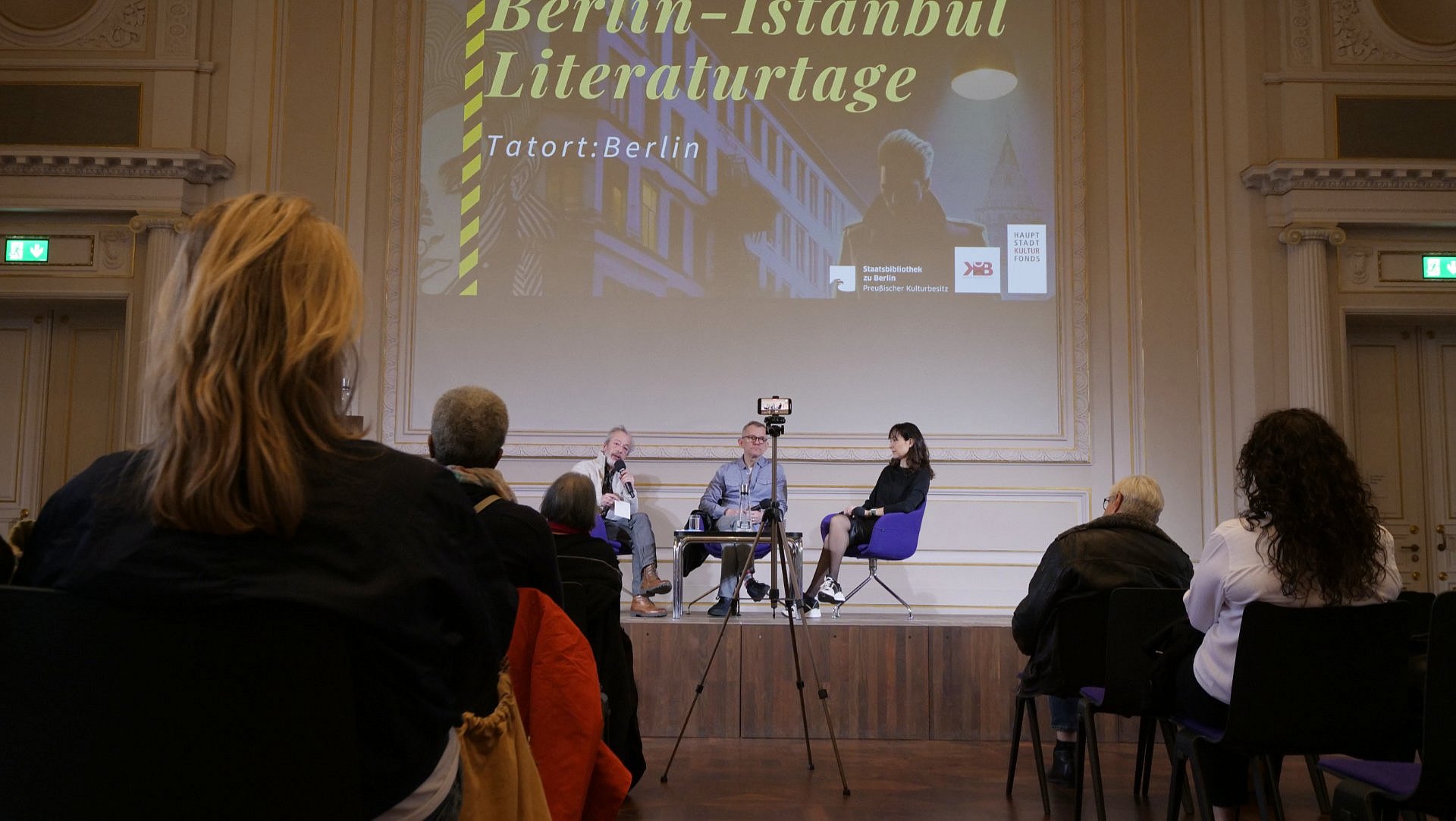
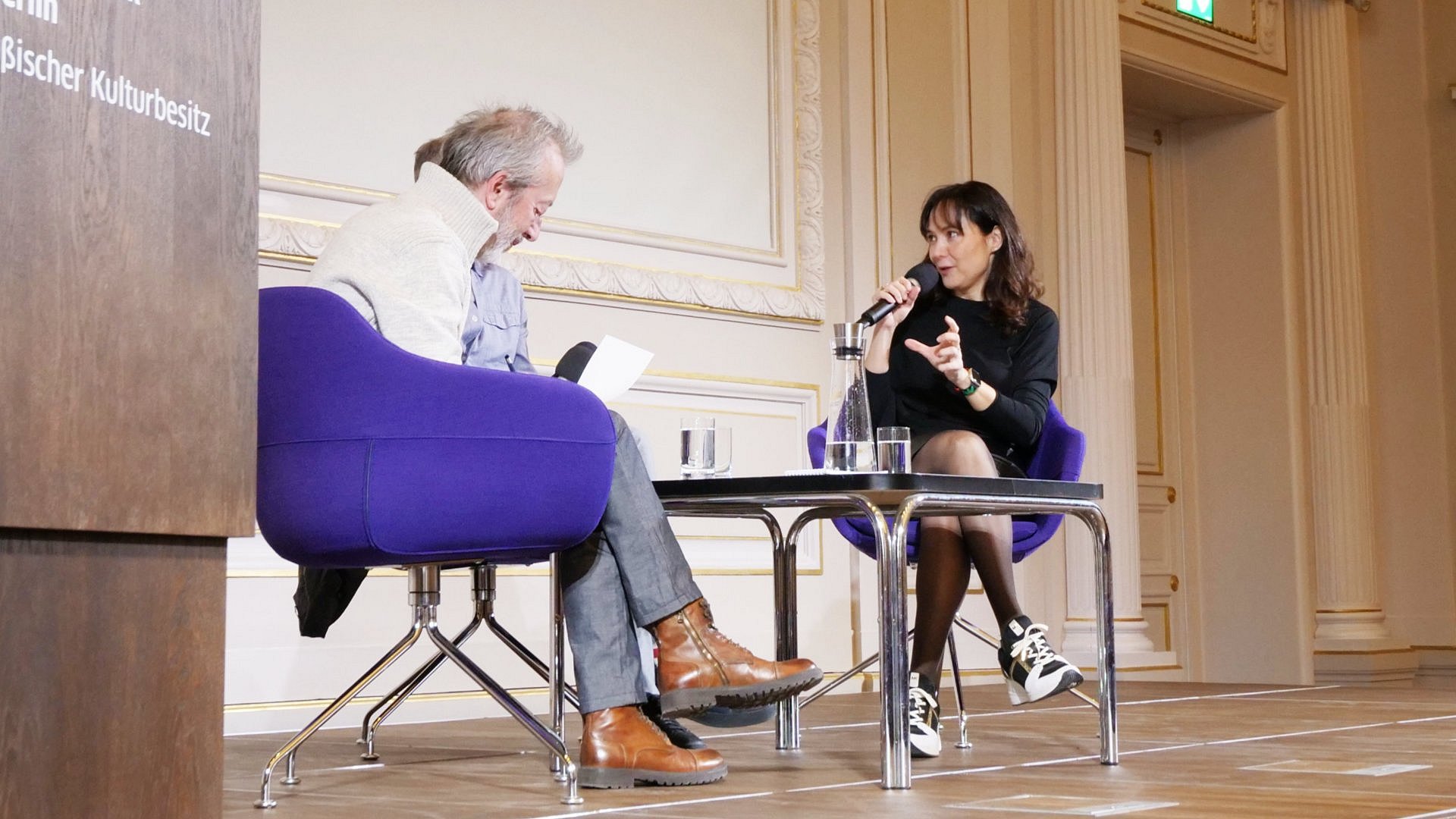
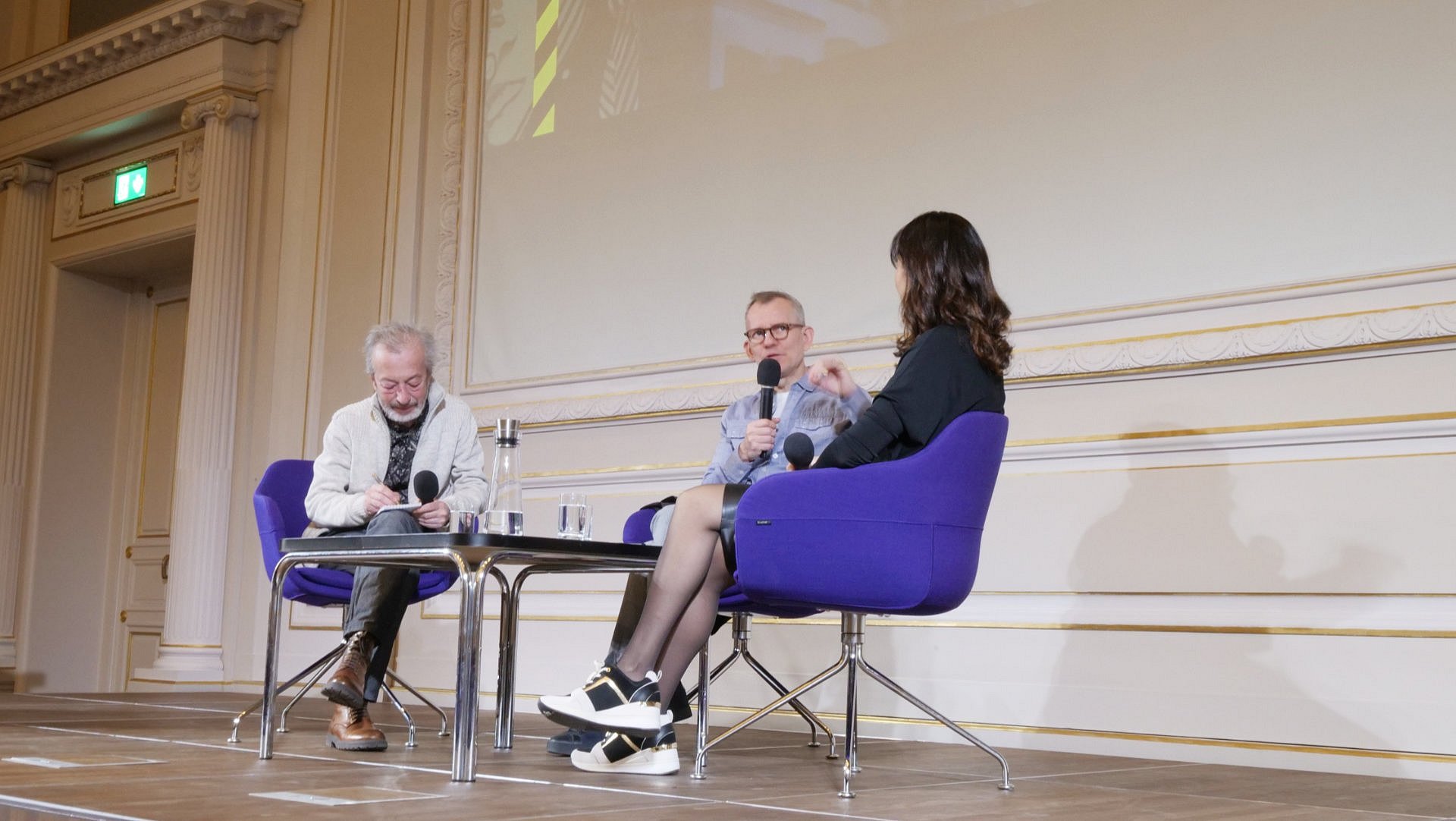
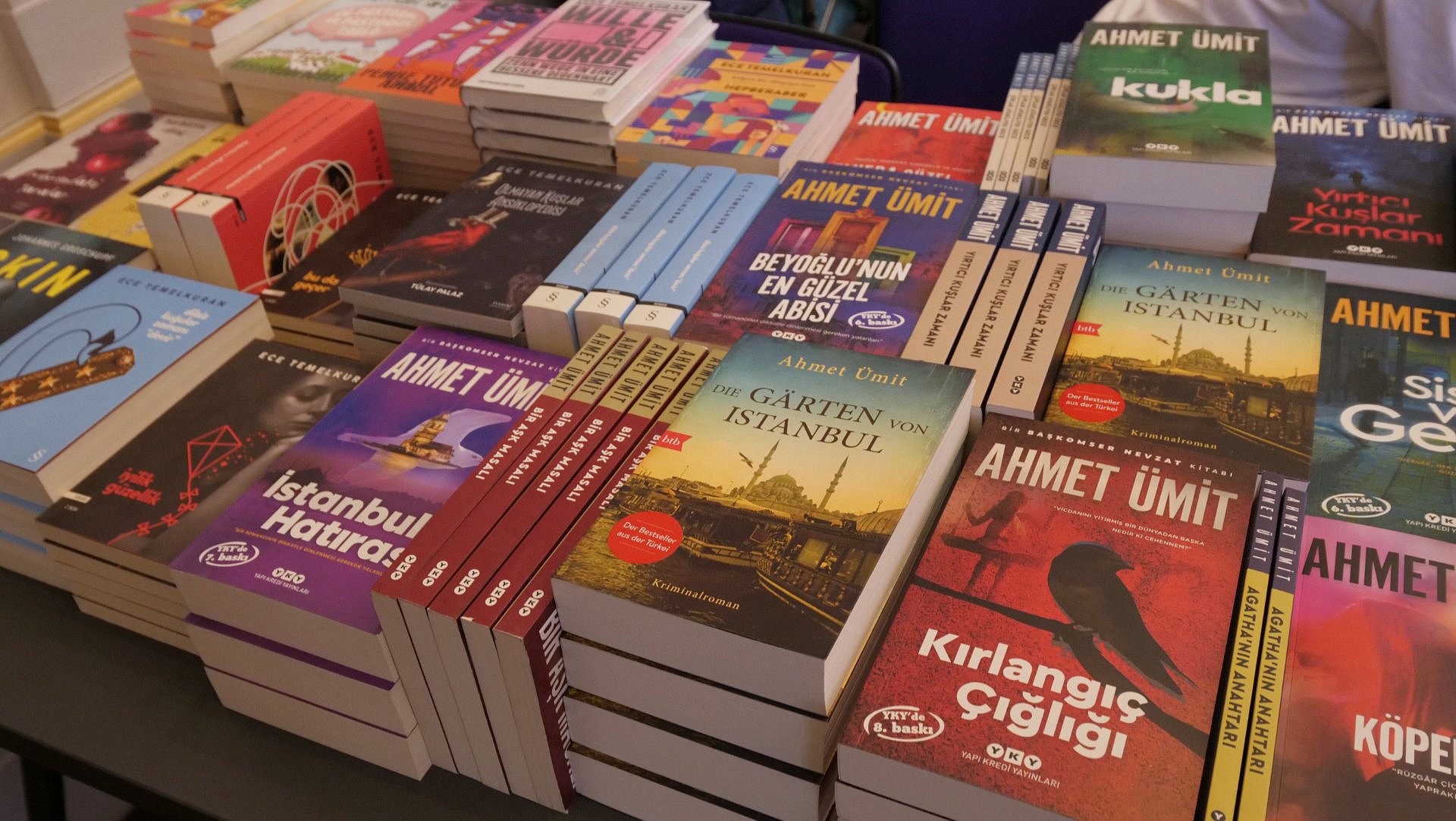
We learn a great deal about contemporary Turkish literature this afternoon. For his latest work, Altuğ has explored real-life murders of gay men in Turkey. Although he presents the story as a noir crime thriller set against the urban backdrop of Istanbul, he also addresses the oppressive social silence and the collective reluctance to solve these crimes. In the course of his research, Altuğ has also explored open and hidden homosexuality at length – from Thomas Mann’s *Death in Venice* and Virginia Woolf to *The Madonna in the Fur Coat* by the Turkish writer Sabahattin Ali.
Literary identities between Berlin and Istanbul
Burcu Argat’s own as yet unpublished novel also ventures into the realm of crime fiction. The writer and festival director is working on a German-Turkish spy story set in Berlin on the eve of the Second World War. In the talk, however, she also speaks openly about her own role. For her, writing is, by necessity, just one of many sources of income. She says it is difficult to make ends meet as a woman and mother through writing alone. Argat thus addresses a topic that is often neglected in literary discussions: the personal circumstances of authors.
The Berlin-Istanbul Literature Days 2025 offered Berlin audiences fascinating insights into a literary world that focuses on interconnectedness, where boundaries are crossed and the commonalities between two urban spaces are emphasised – a world that is closer than many realise, and not merely due to historical and demographic developments. Ultimately, it is people who build bridges with their stories and bring cultures closer together.