The Gardens, Libraries and Museums of the University of Oxford (GLAM) and the Prussian Cultural Heritage Foundation (SPK) wish to further strengthen their collaboration. In January 2025, the two institutions jointly published their first ‘Funding Call for Collaboration’ to facilitate new research partnerships or strengthen existing ones. The selection process has been completed, and the project teams have commenced their work. SPK coordinator Dorothee Wagner reports on the current status:

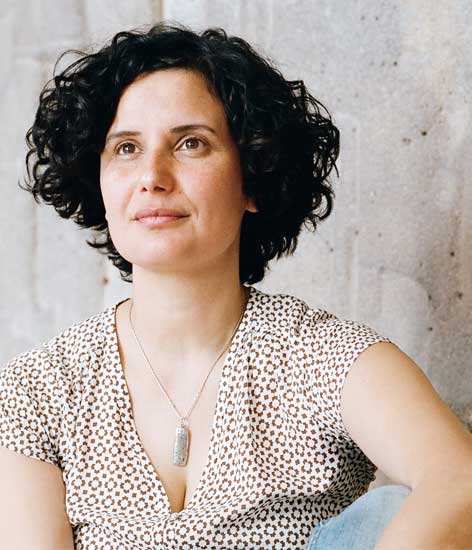
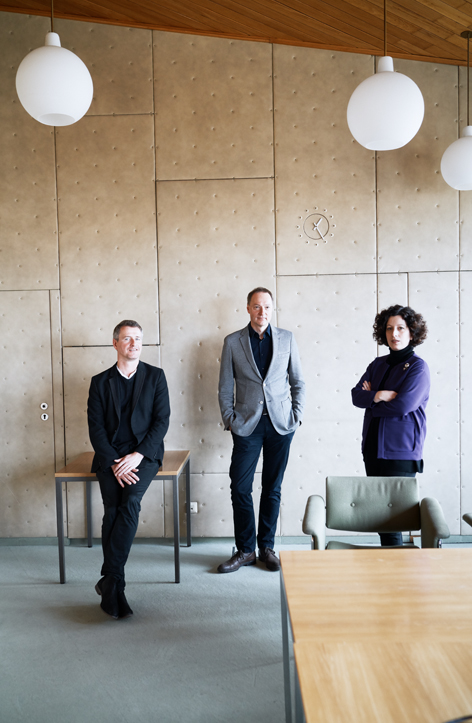
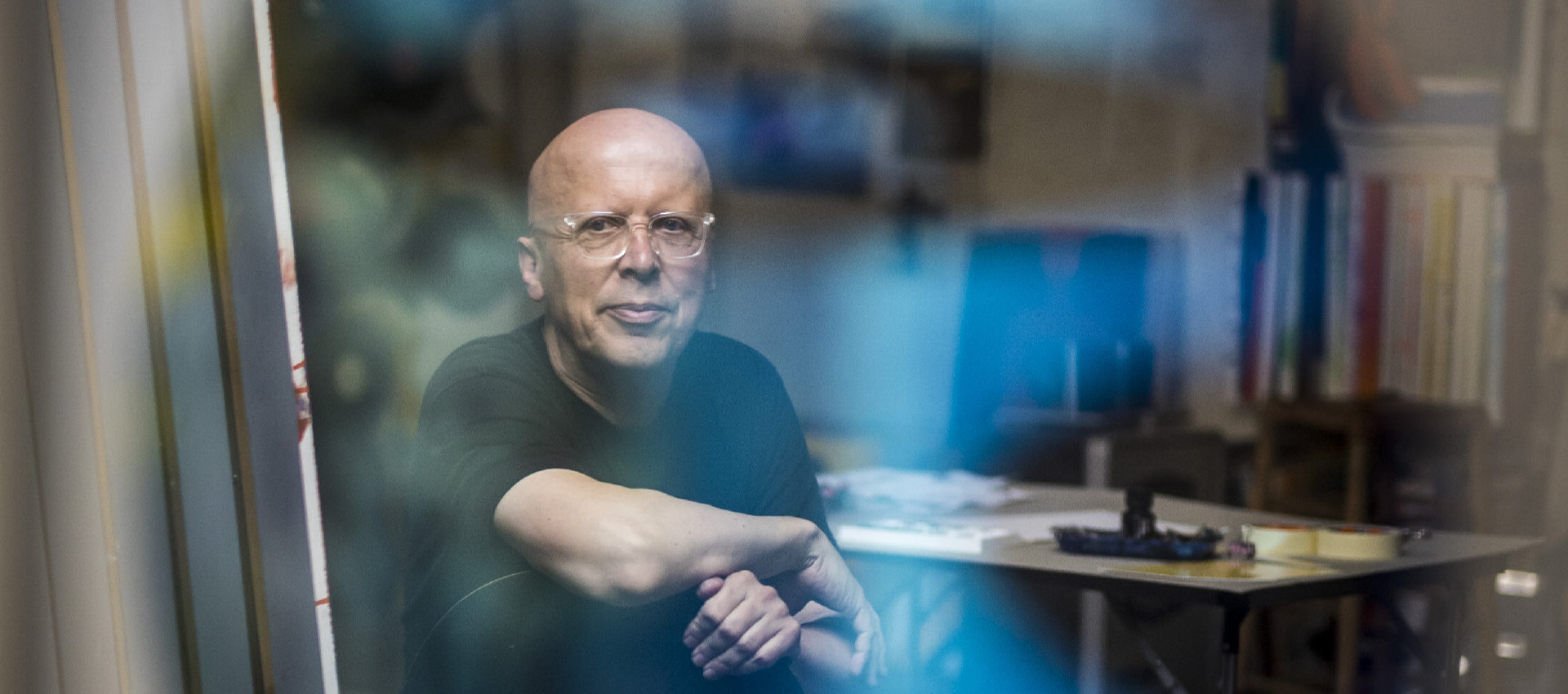
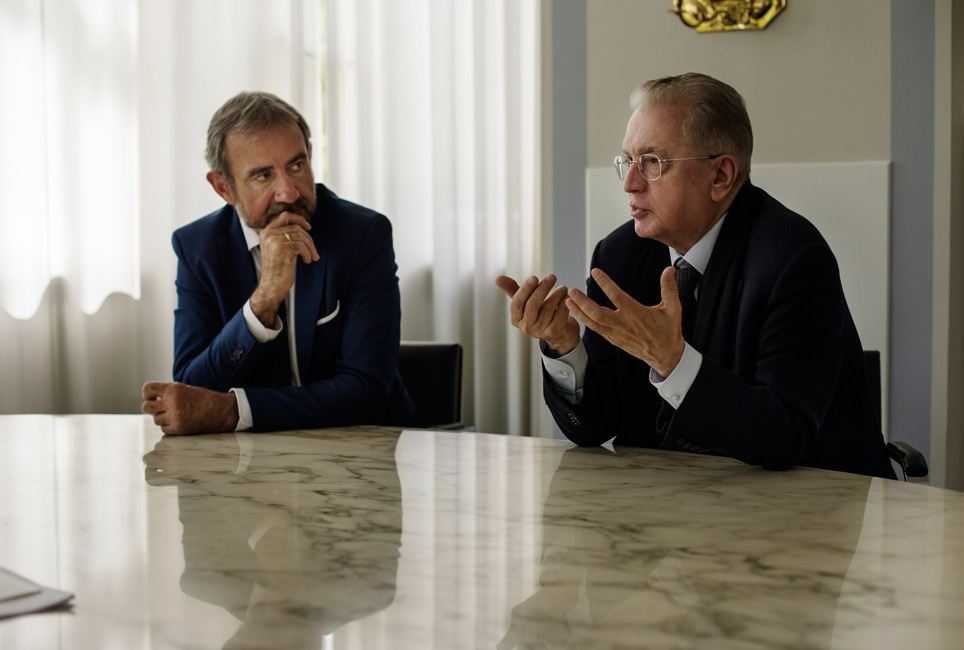
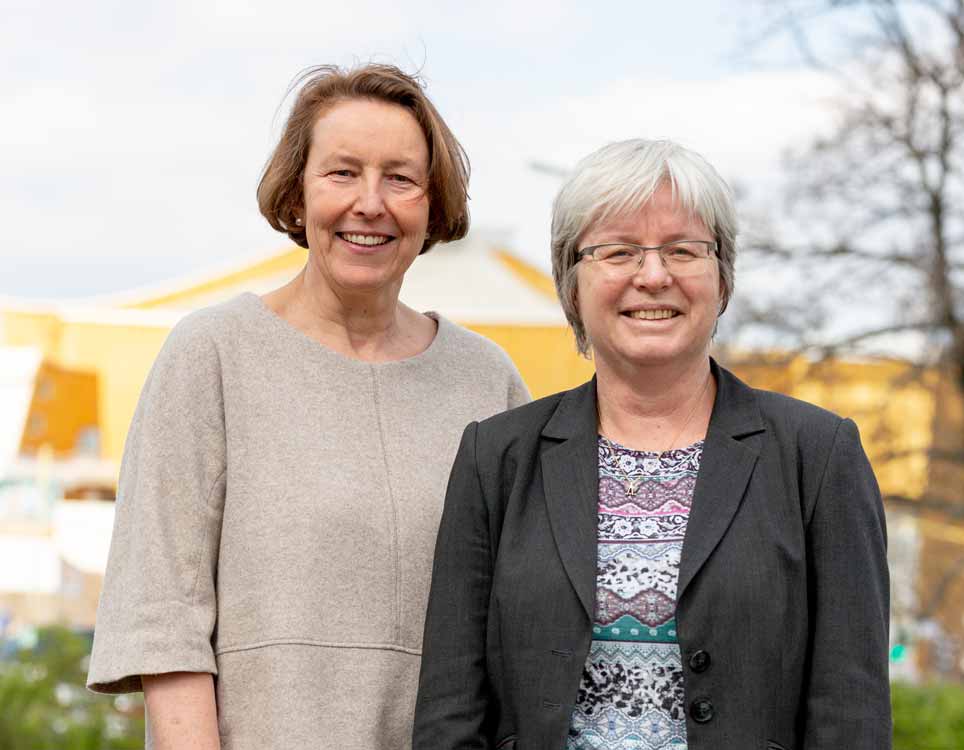
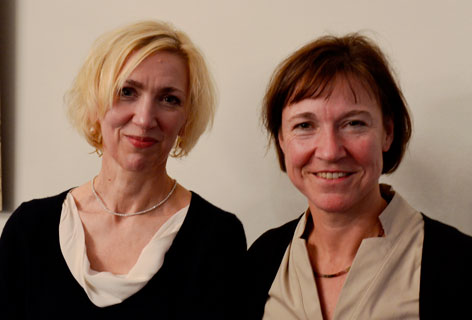
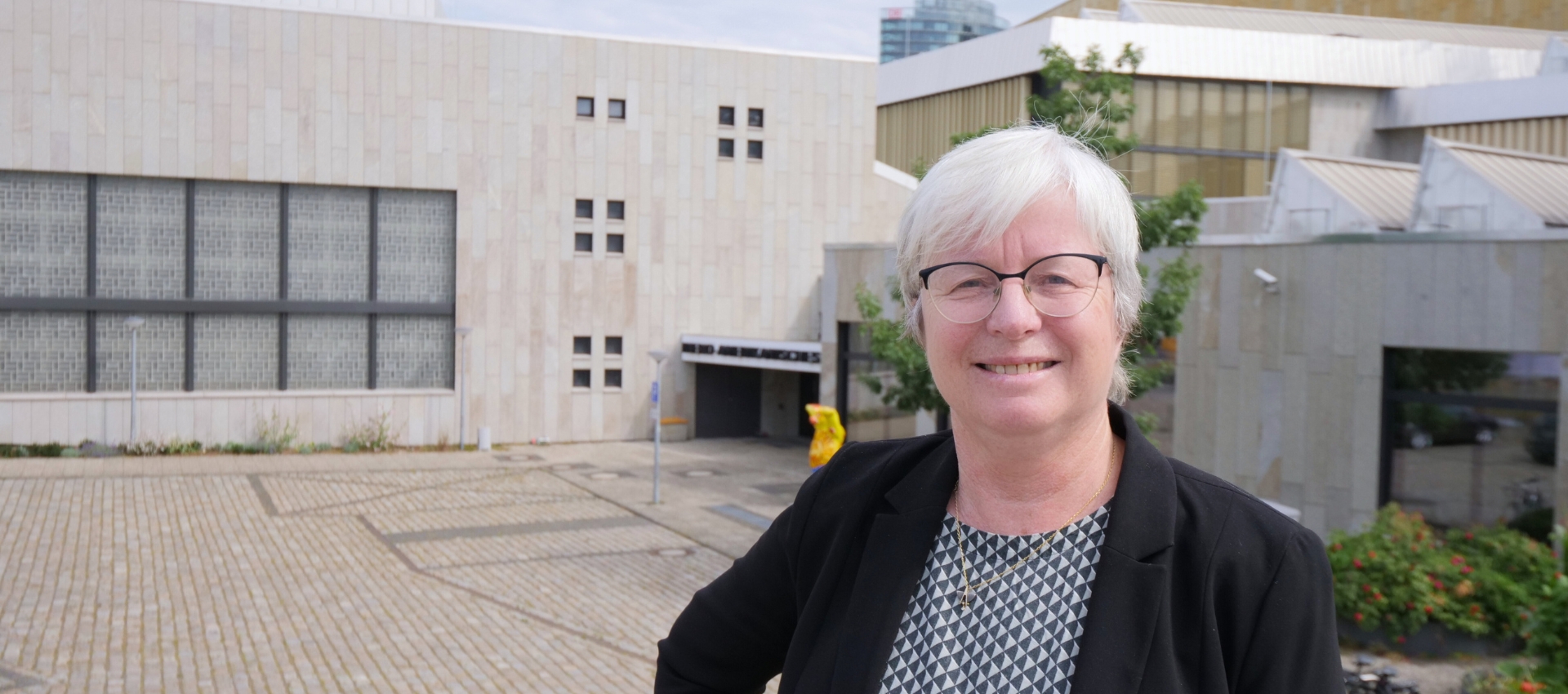
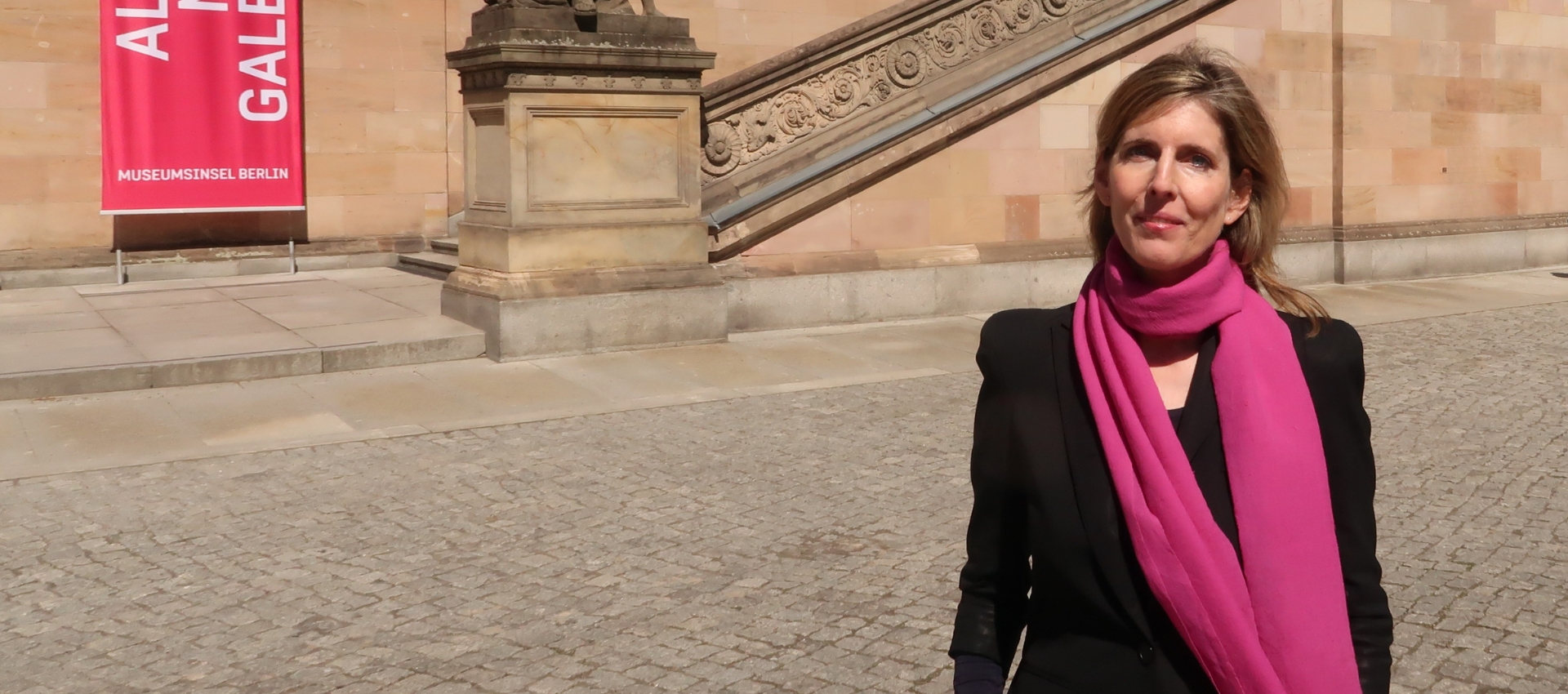
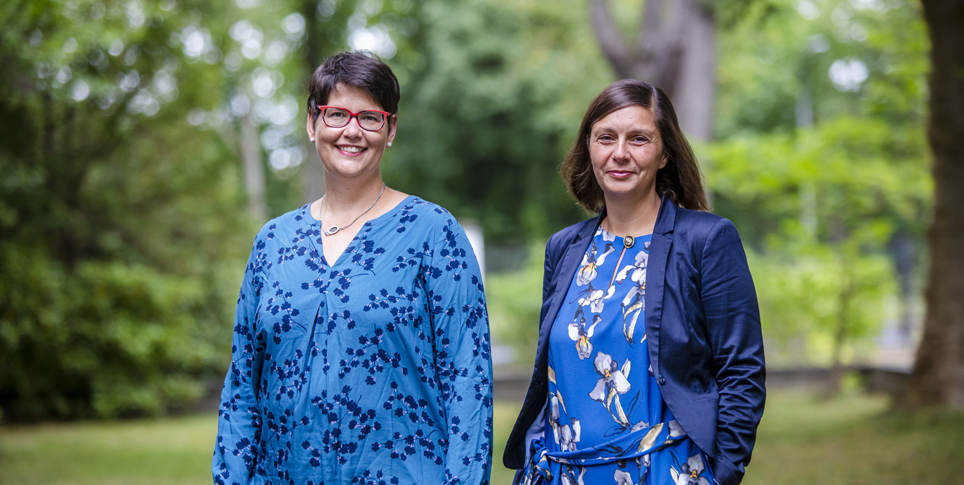
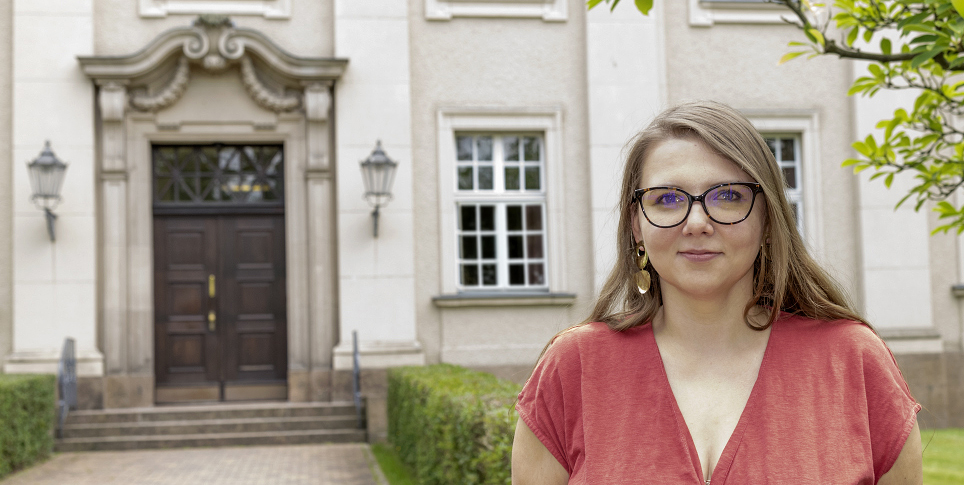
Dorothee Wagner is a research officer to the President of the SPK. In this role, she designs and coordinates various projects, such as a symposium on the SPK’s key research partnerships or the joint call for proposals with GLAM.
Photo: SPK / L. Killisch
How did this collaboration come about?
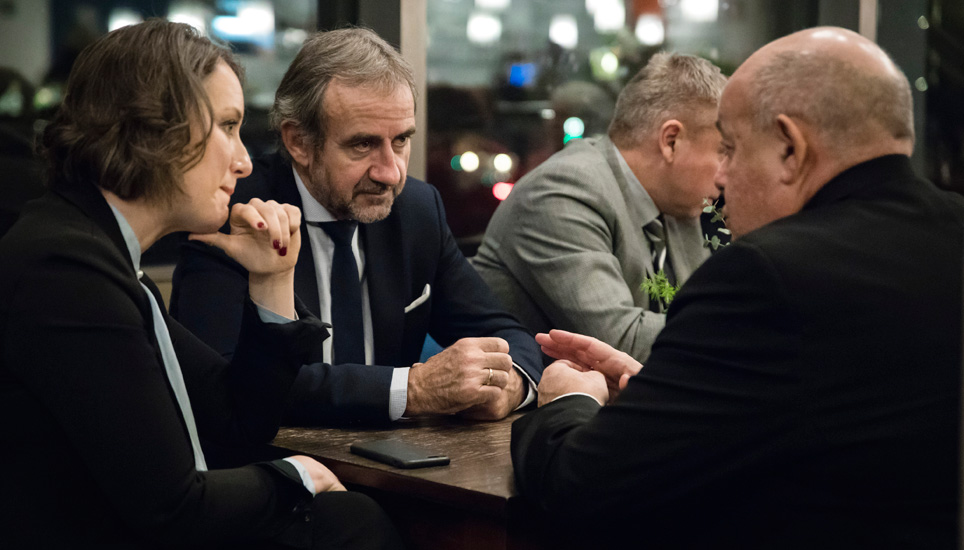
Wagner: We had been in contact with the University of Oxford for some time, particularly with GLAM – that is, the gardens, libraries and museums there. This is because there are parallels with the SPK’s collections, particularly with regard to the research relevance of the holdings. Over the past few years, many joint meetings have taken place, and in 2024 a Memorandum of Understanding (MOU) was signed to put the partnership between GLAM and the SPK on a solid footing. The basic idea was to focus on collaboration between the collections, i.e. to promote and consolidate the partnership through exchange programmes and joint research projects. The then SPK President Hermann Parzinger and Richard Ovenden, the Head of GLAM, were very committed to initiating so-called seed funding, and things moved quite quickly: the MOU was signed in mid-2024, and we launched the programme immediately afterwards.
What is the aim of the collaboration?
Essentially, the aim is to strengthen the partnership between the institutions – across all collection areas. Through joint research projects, we want to identify where there are parallels or links between the collections and research practices. We also want to learn from one another, for example through examples of best practice.
What types of projects are currently being funded, and how were they selected?
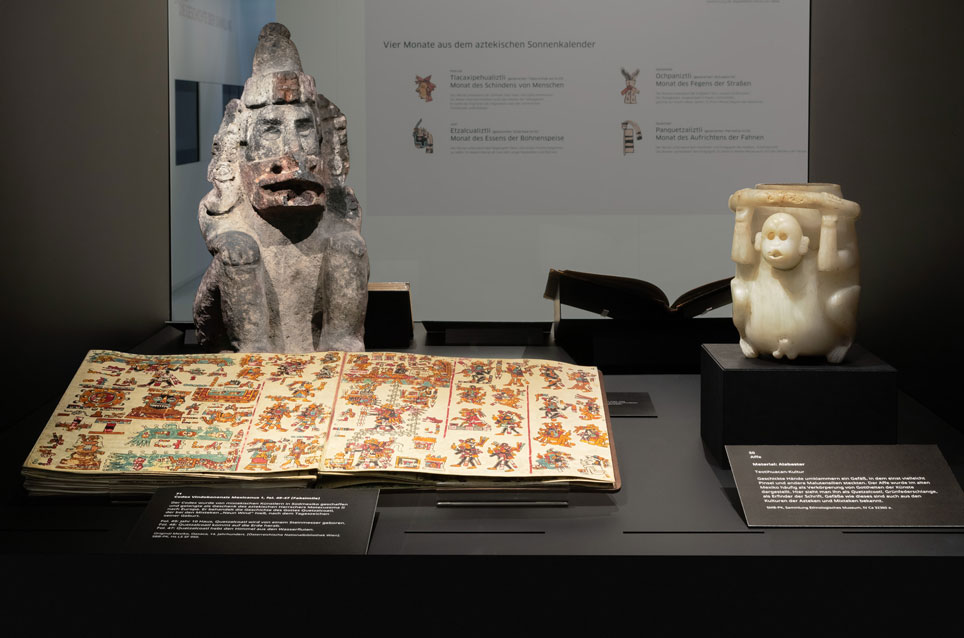
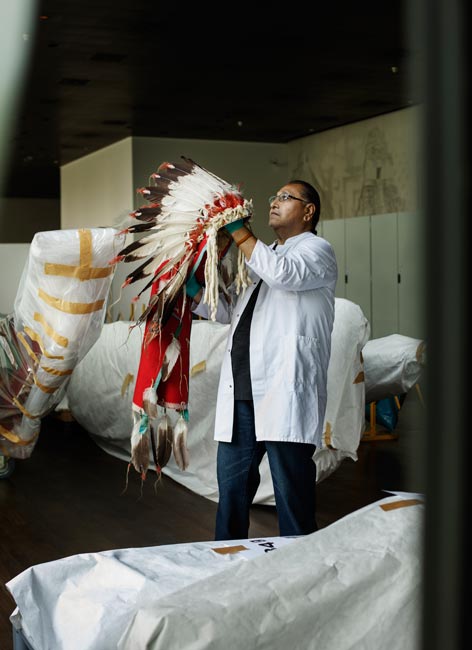
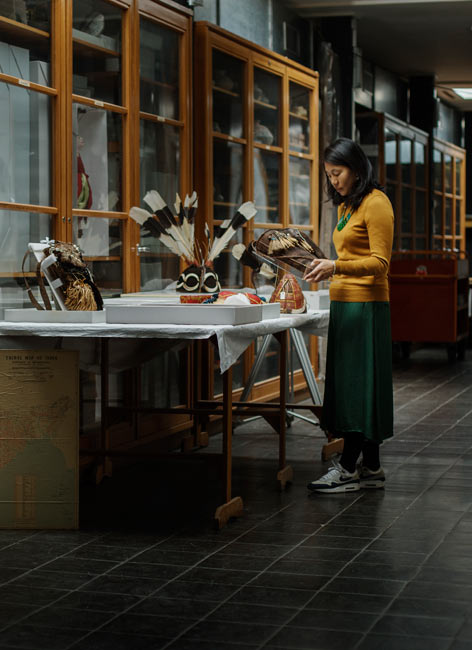
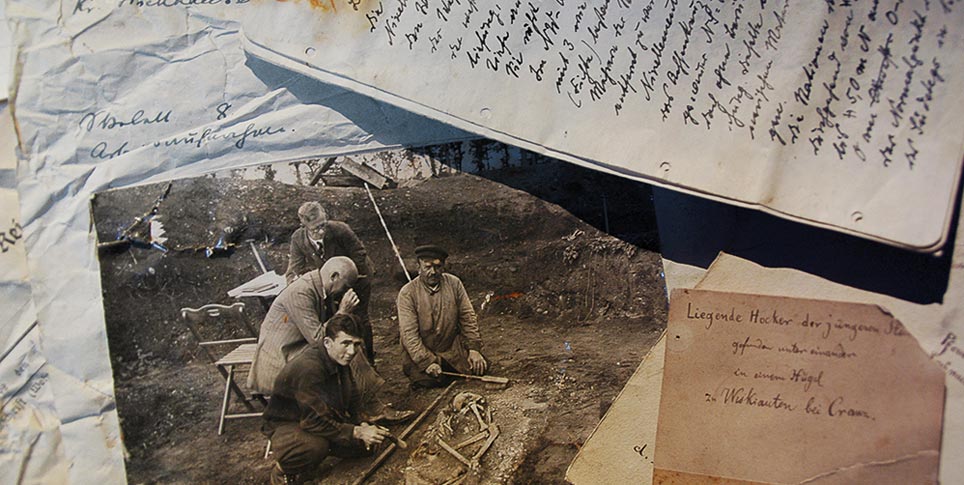
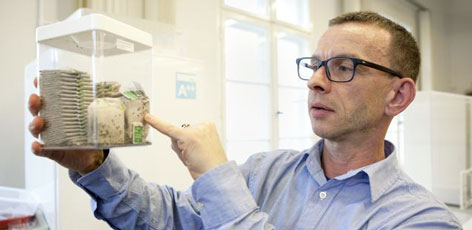
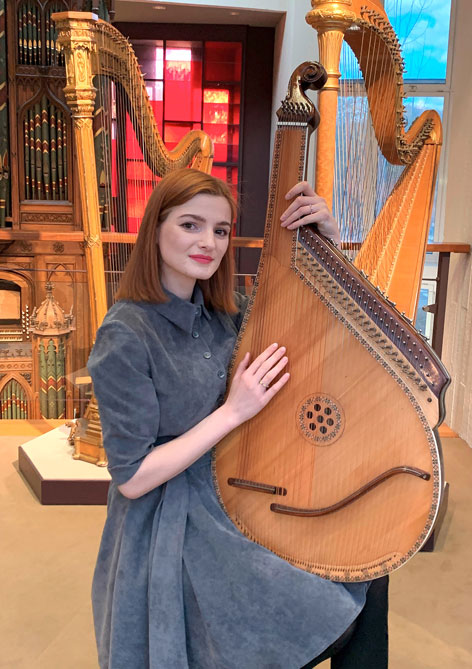
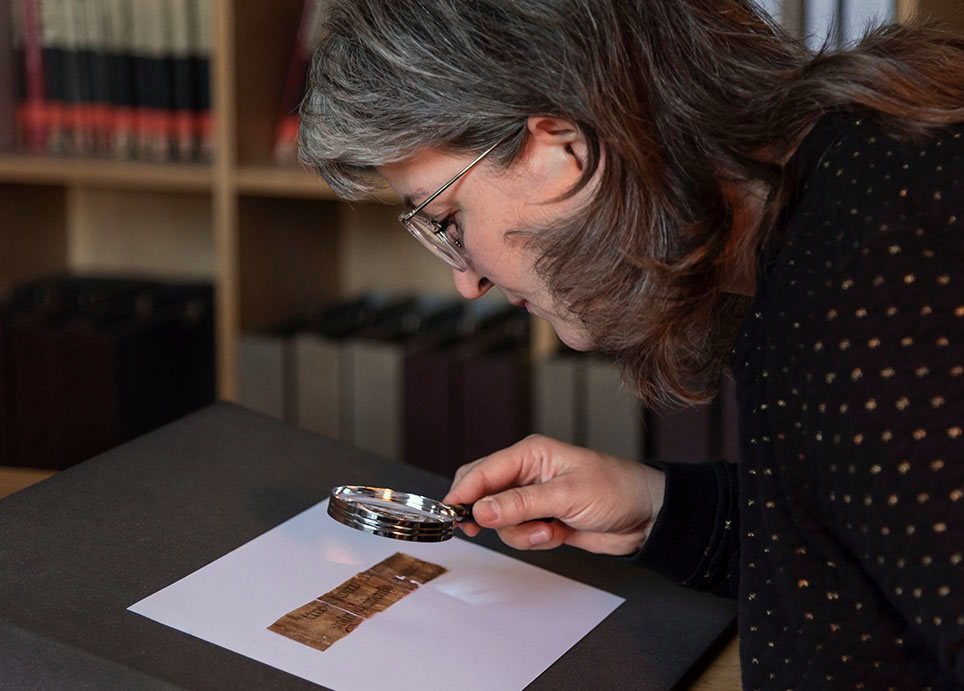
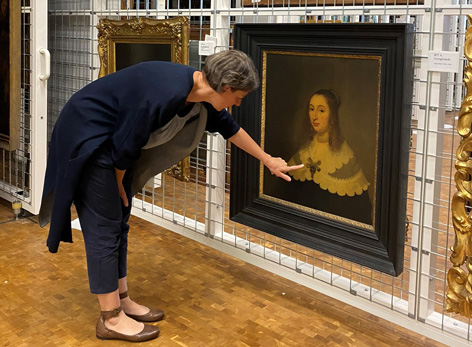
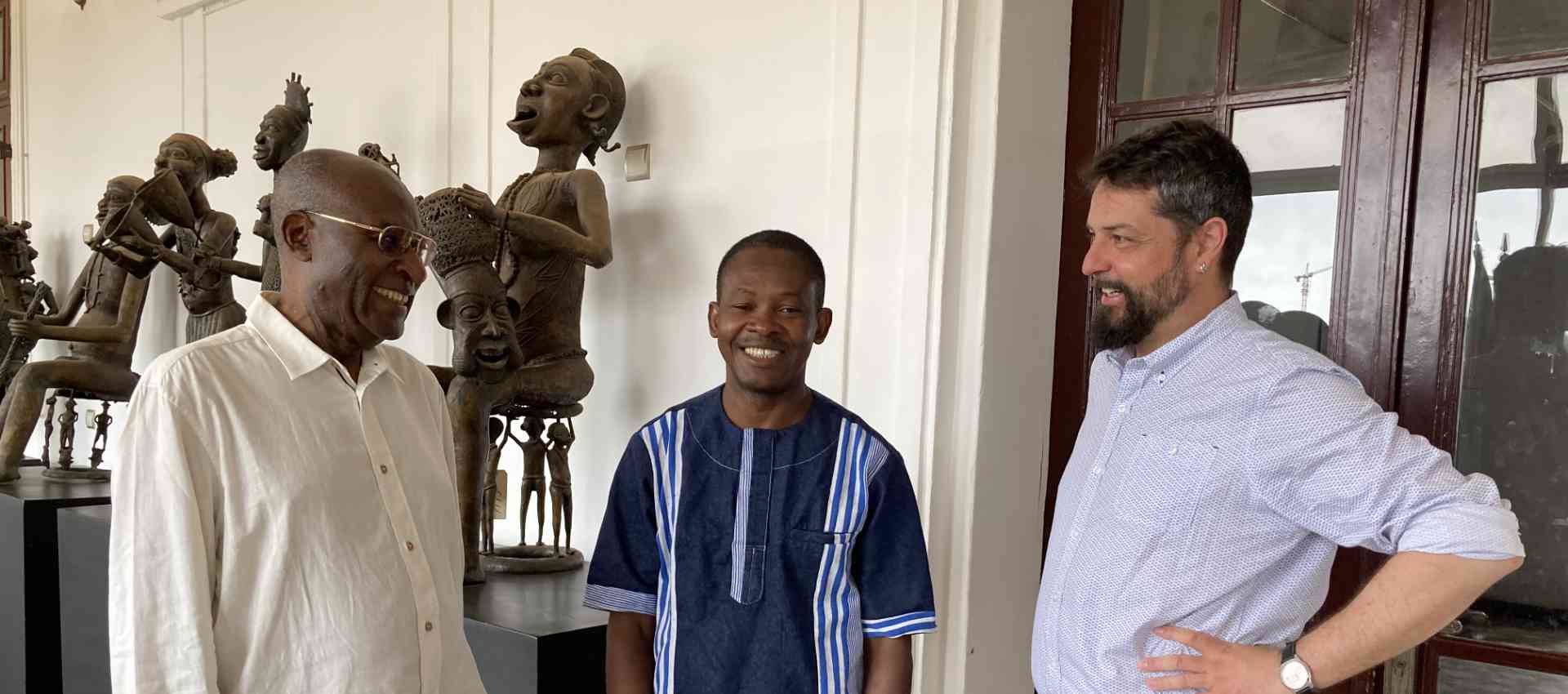
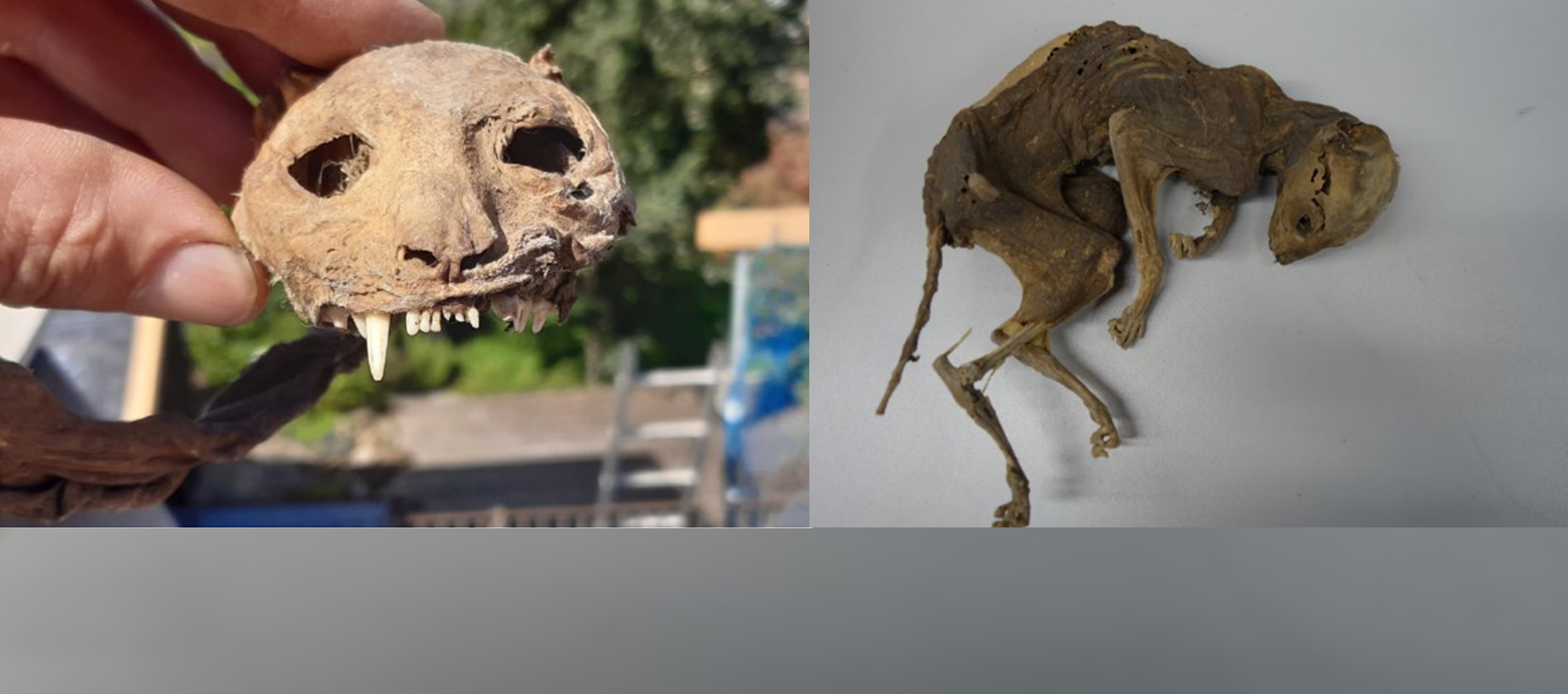
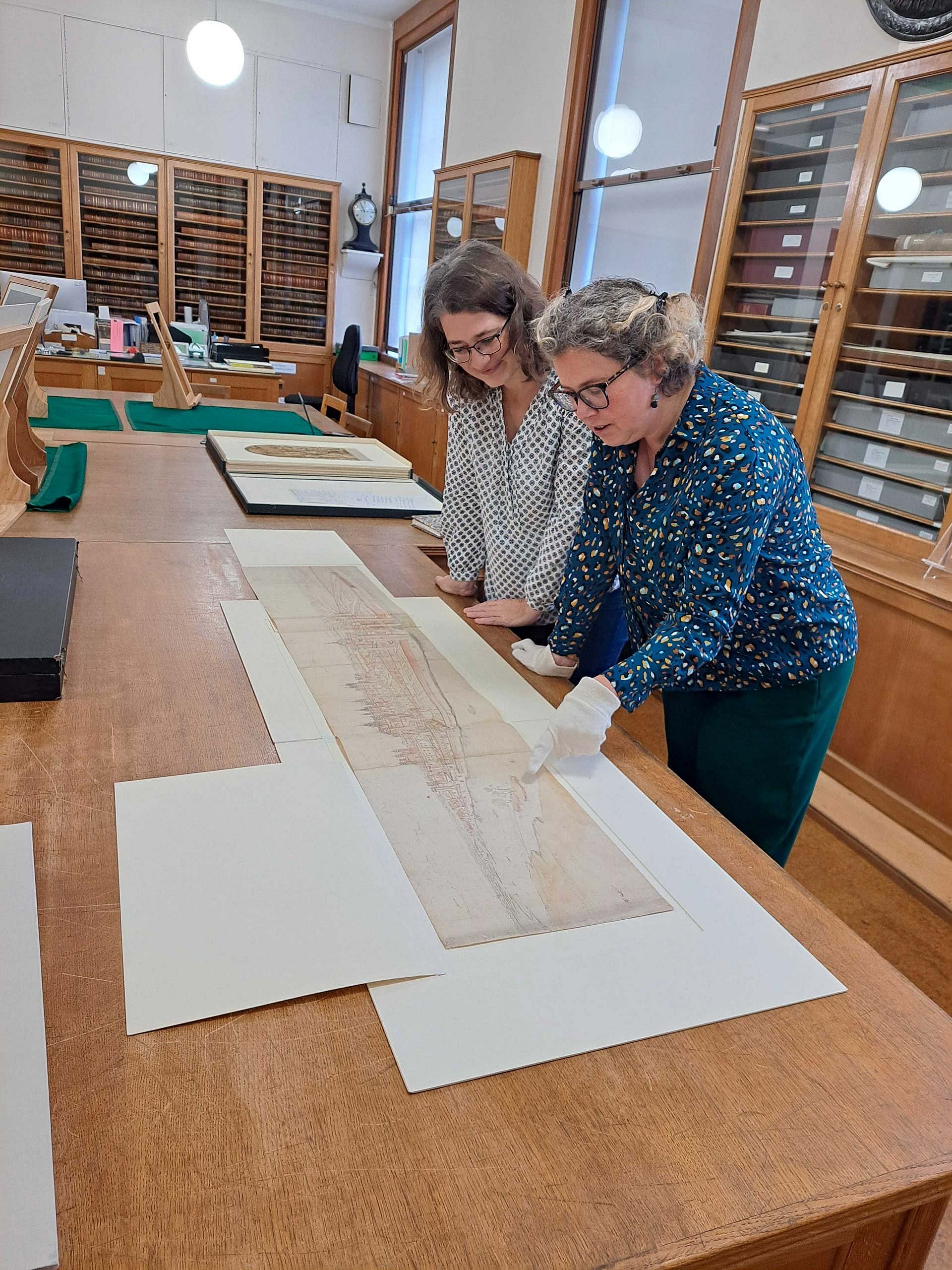
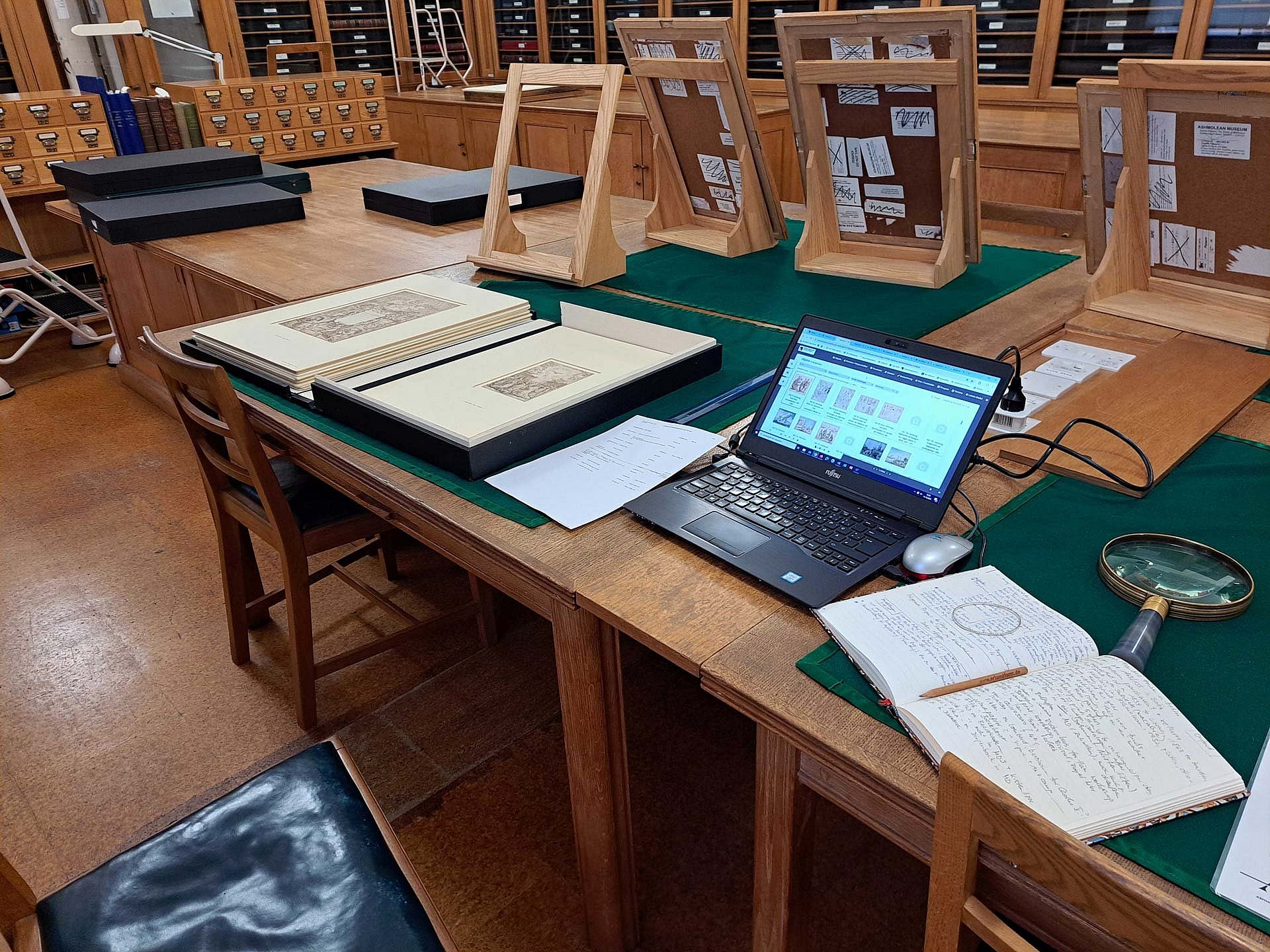
We launched the call for proposals with a clear indication that existing collaborations should be expanded or entirely new partnerships initiated. Seven tandems from both institutions applied in response to the call and proposed a wide variety of projects. The beauty of the programme lies in its diversity: it ranges from getting to know one another, through collection explorations and work programmes, to academic workshops. In terms of content, the projects cover various collections and areas of work, ranging from graphic collections, through archaeology and ethnology, to the fields of restoration and outreach: some projects are more about getting to know one another, whilst others are already pursuing very specific research questions, which are intended, for example, to result in a joint publication.
Funded projects (May 2025 to April 2026)
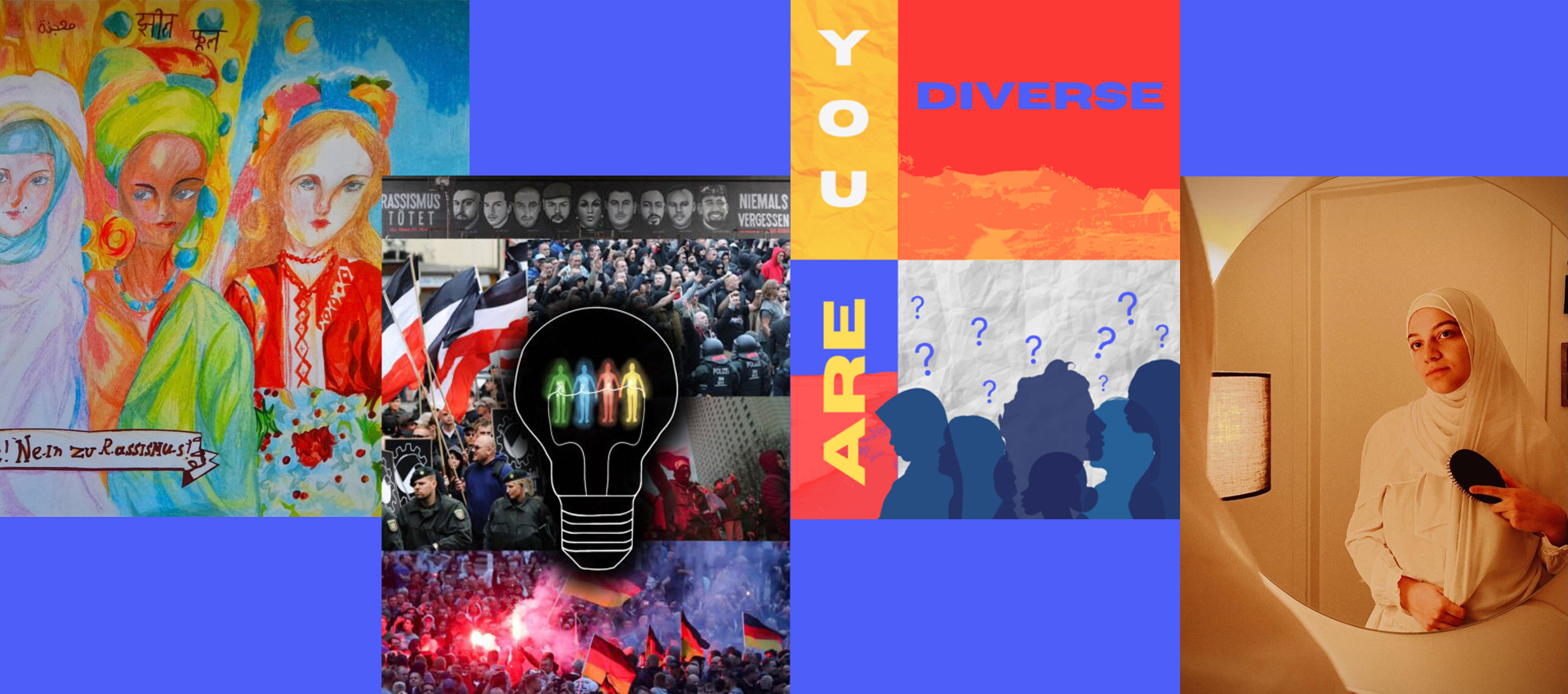
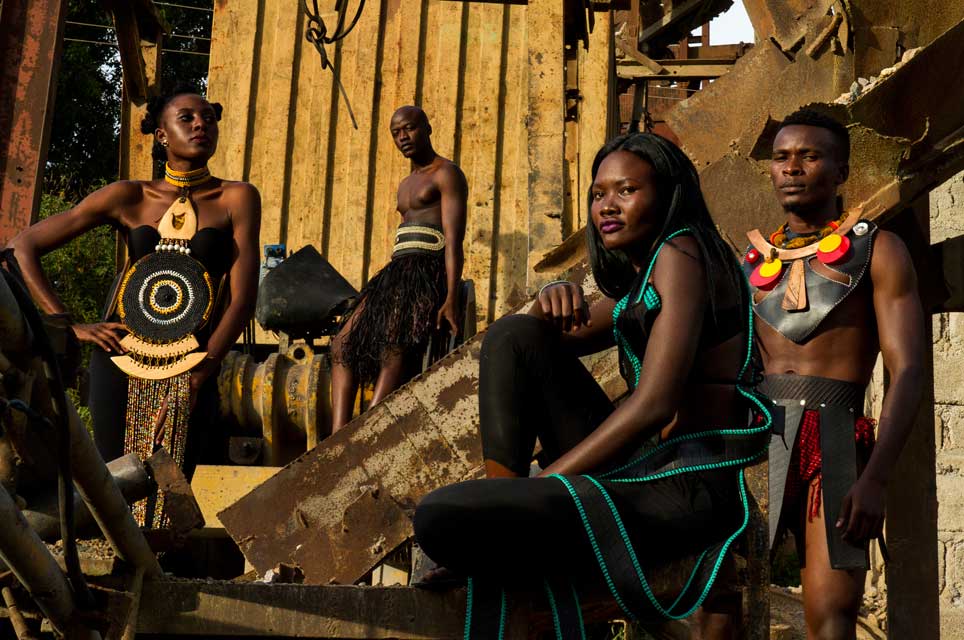
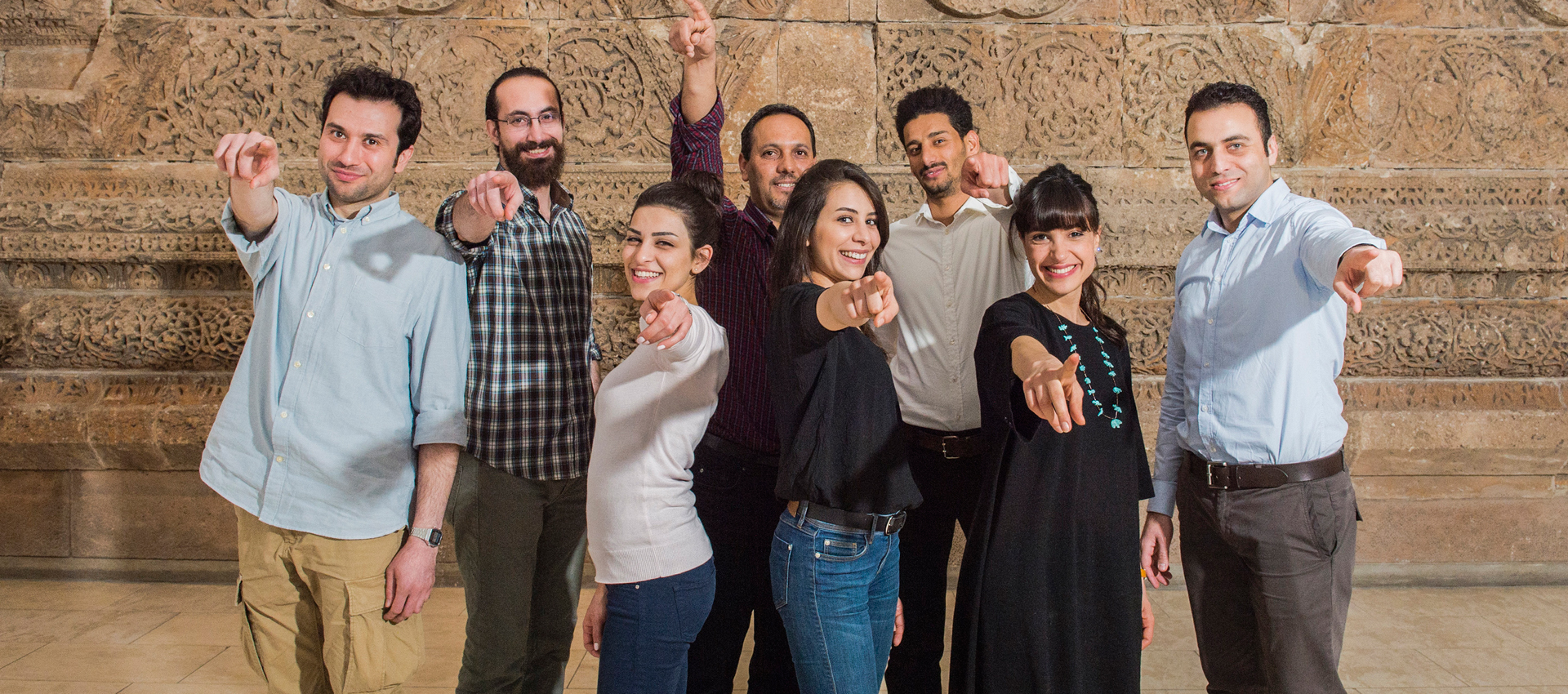
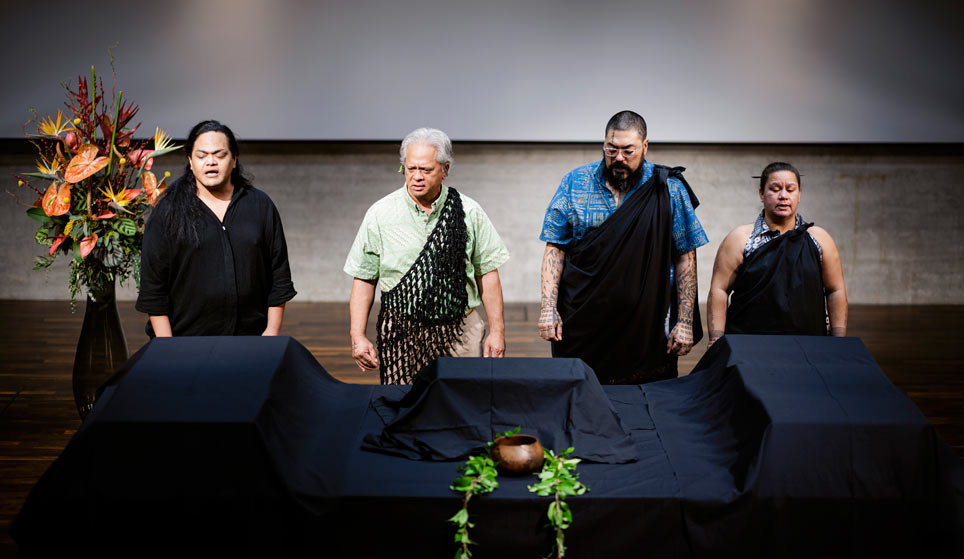
- Multaka – Creating ‘Meeting Points’ for Intercultural Dialogue, Belonging and Inclusion
- Sustainable Spaces: Collaborative Strategies for Cultural Heritage Preservation
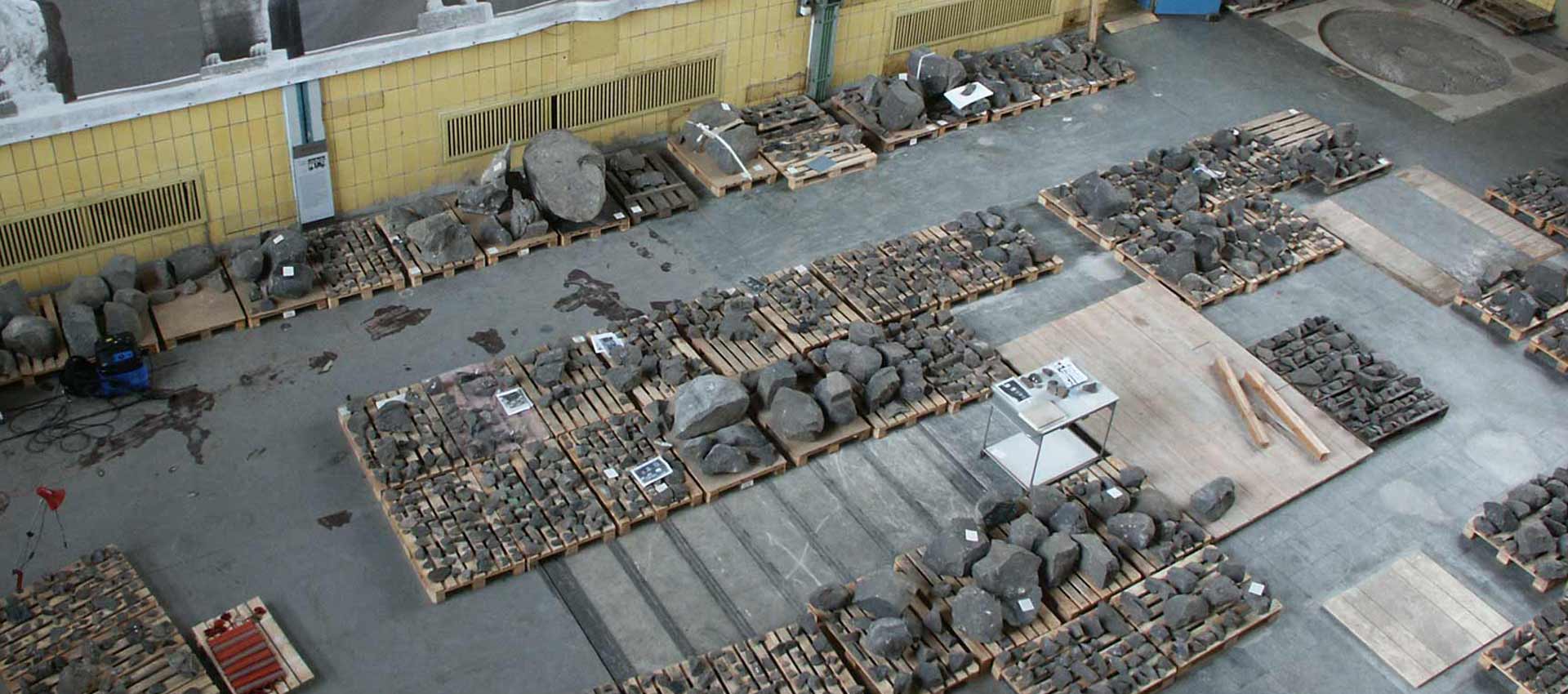
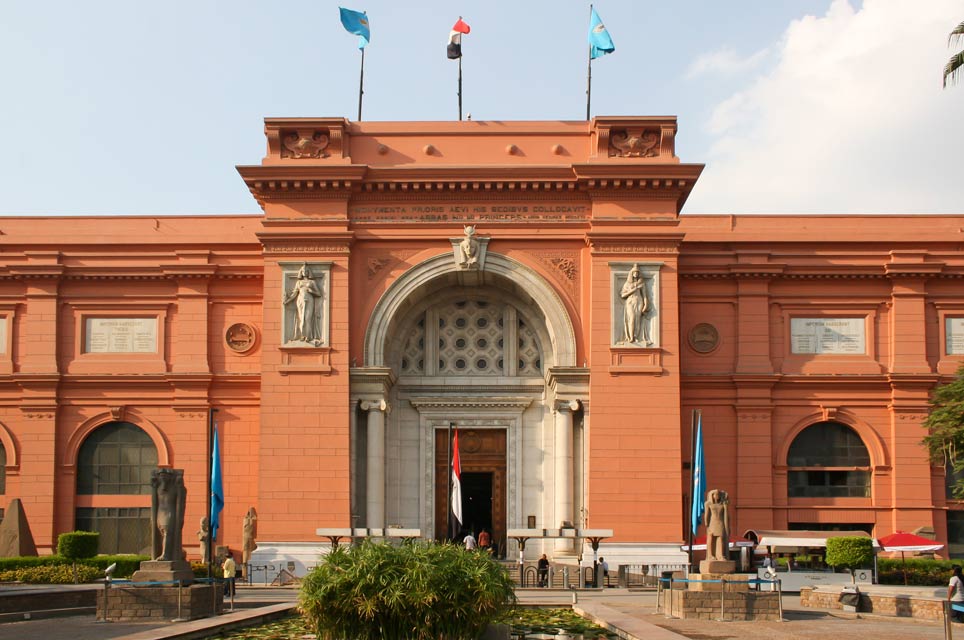
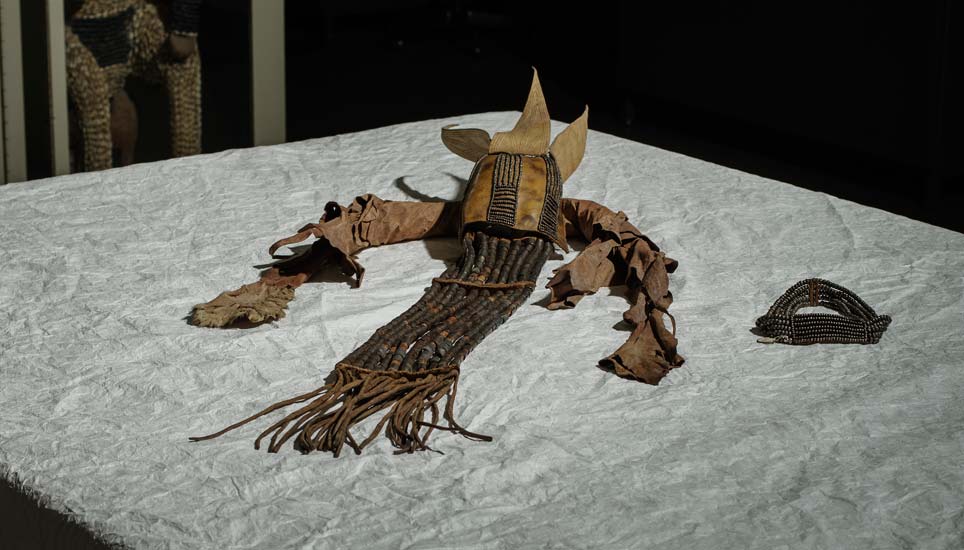
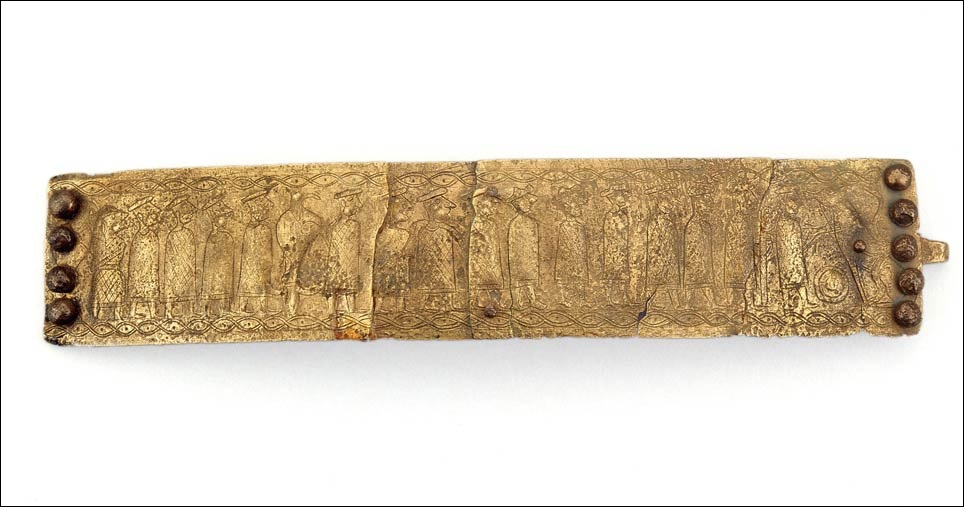
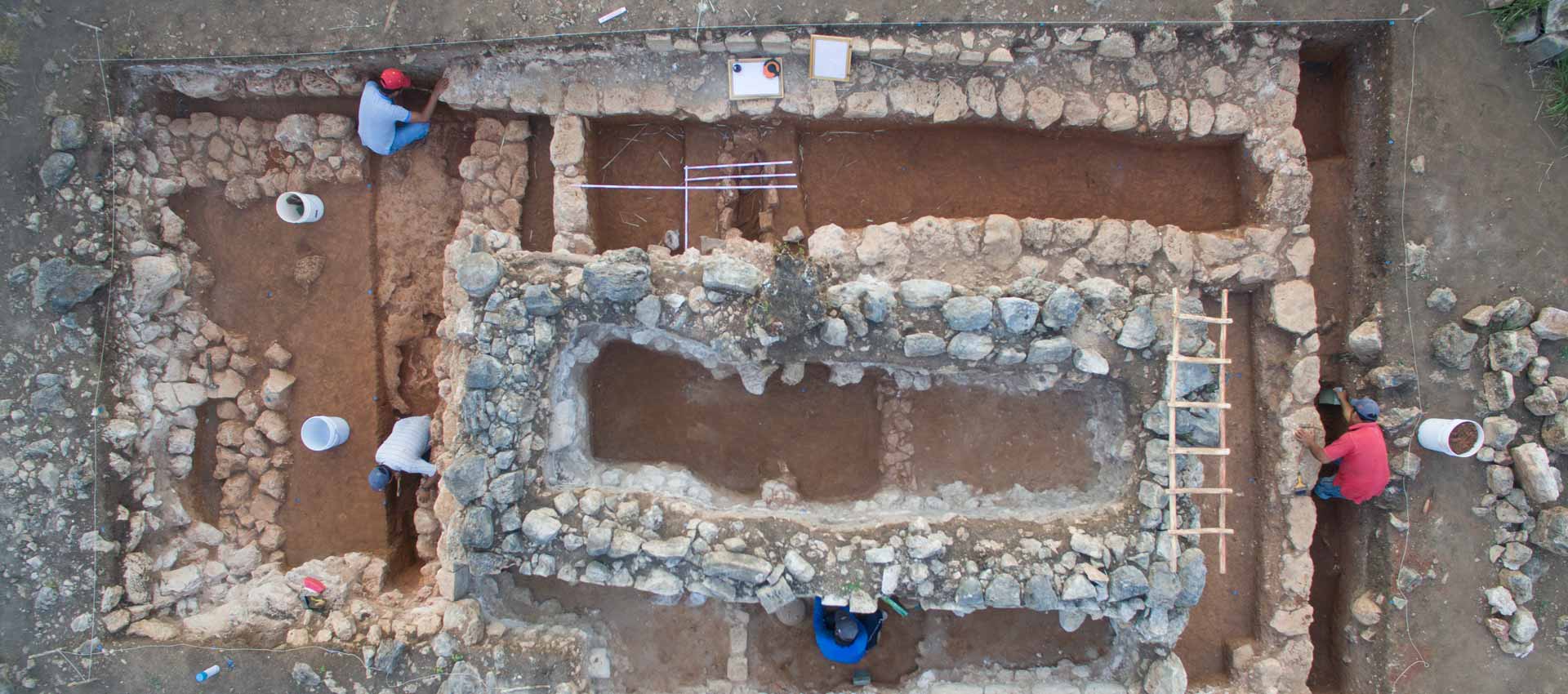
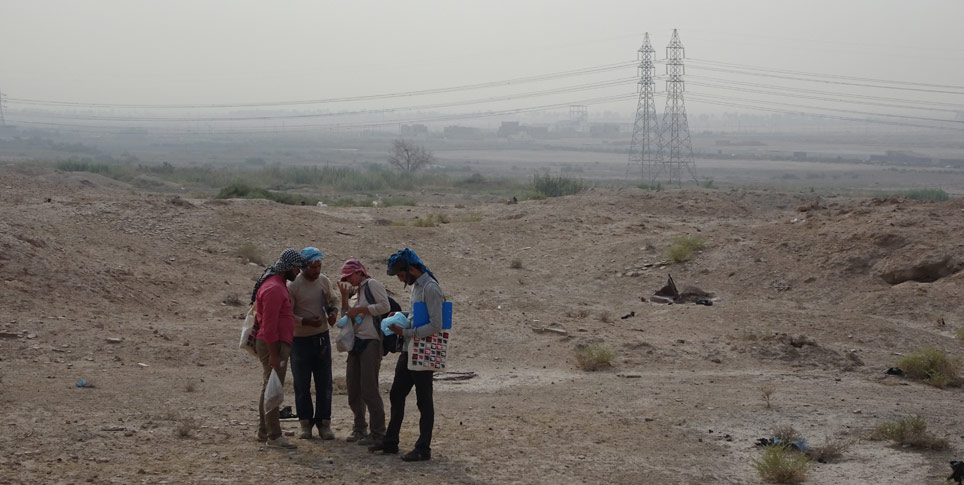
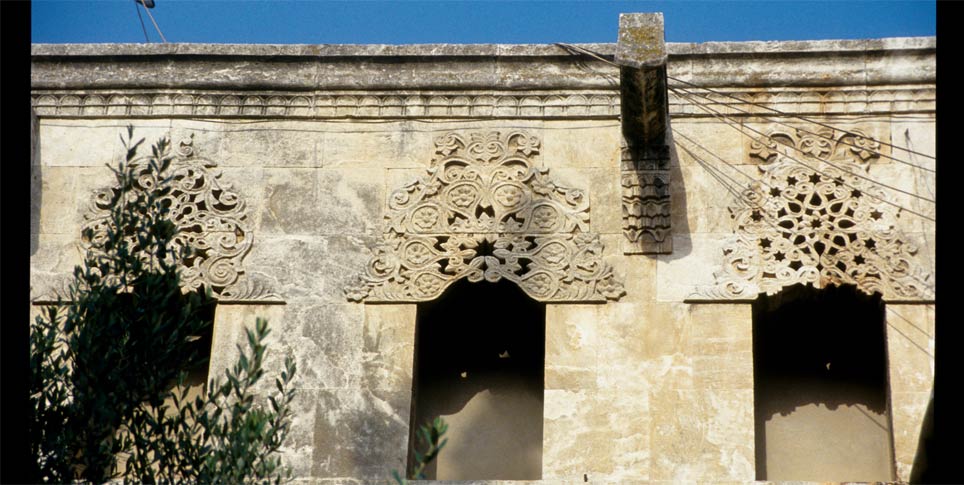
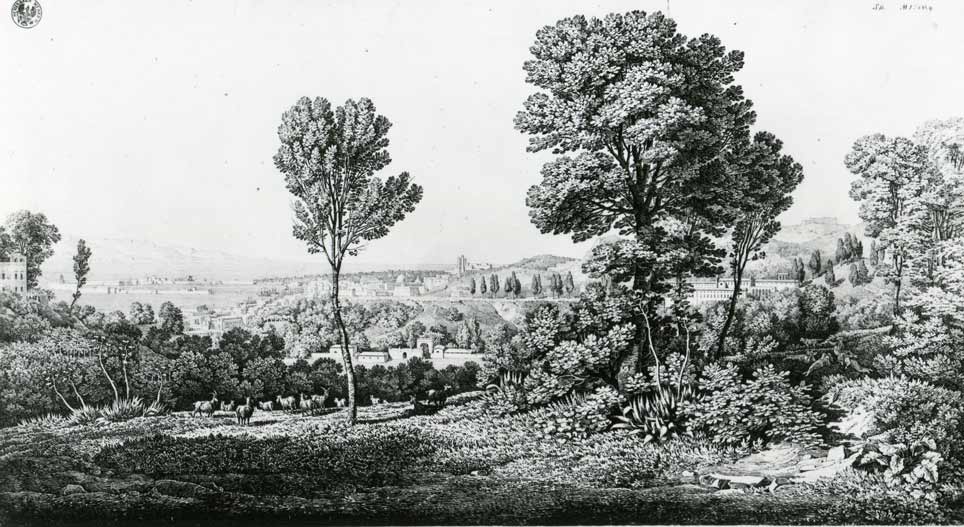
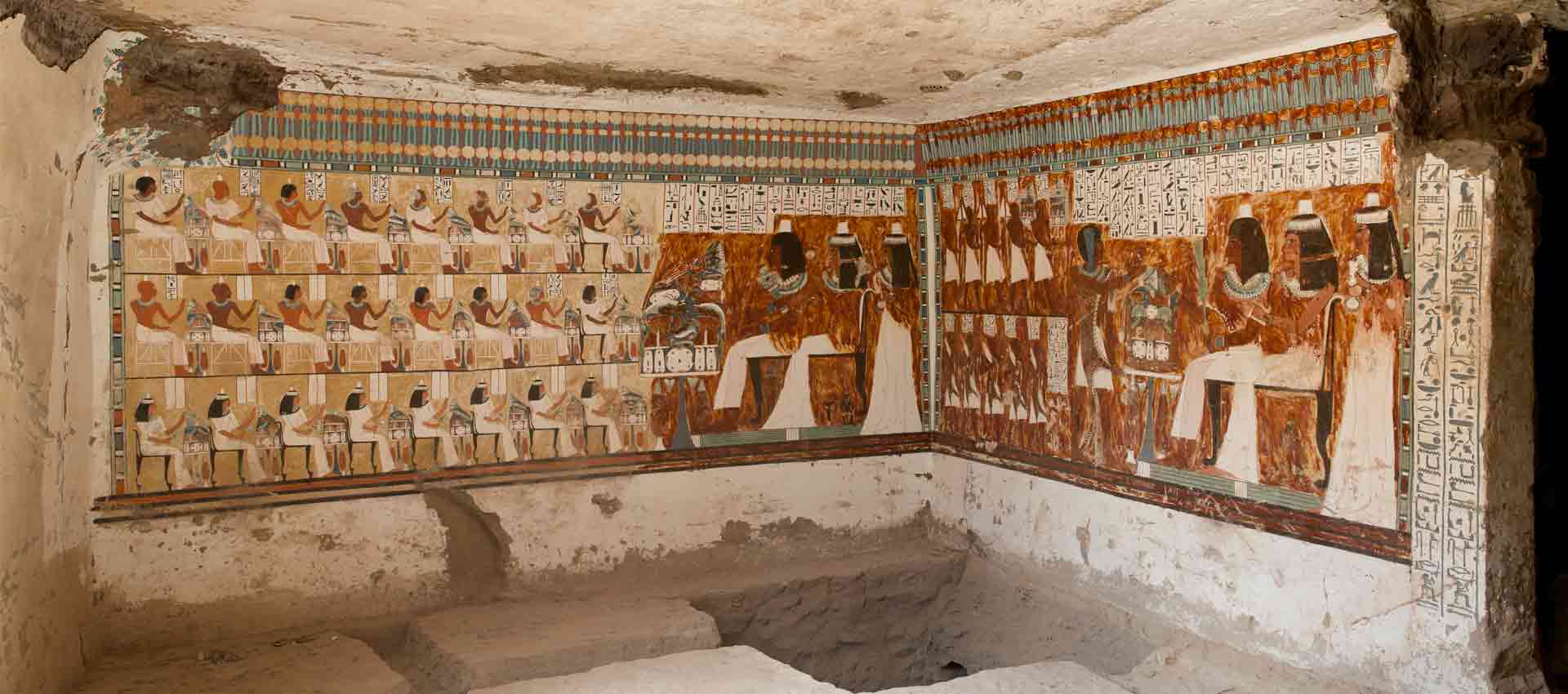
- The Archaeological Site of Deve Hüyük
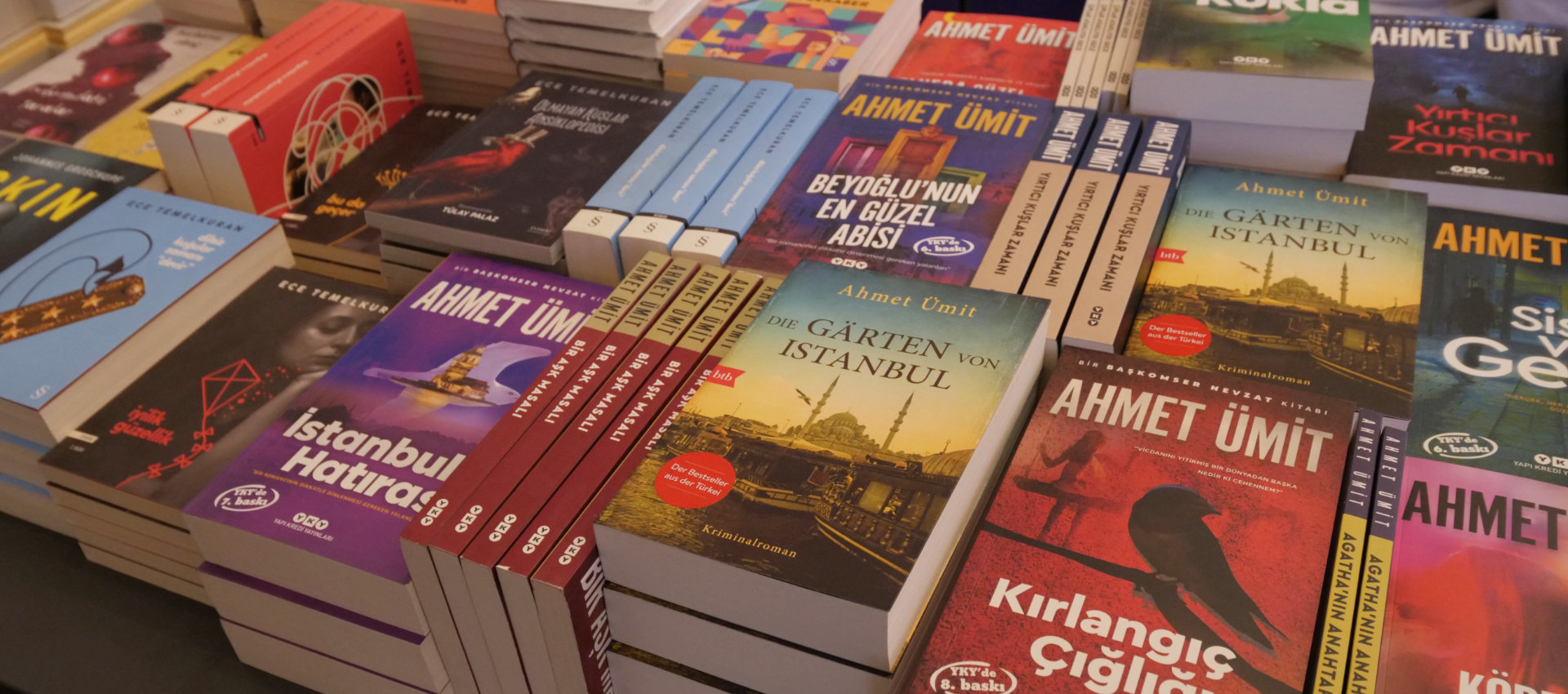
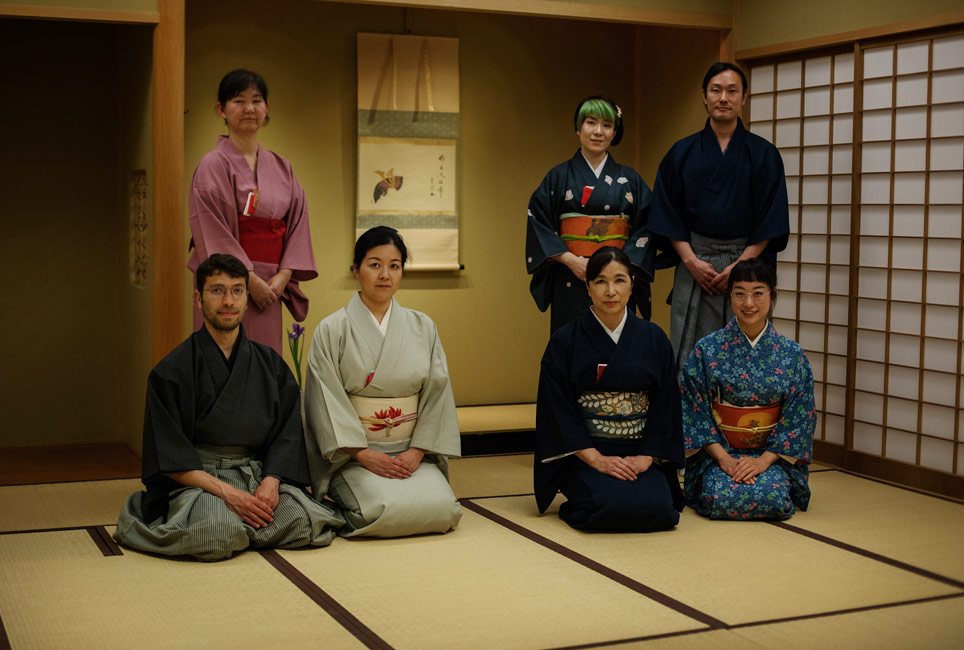
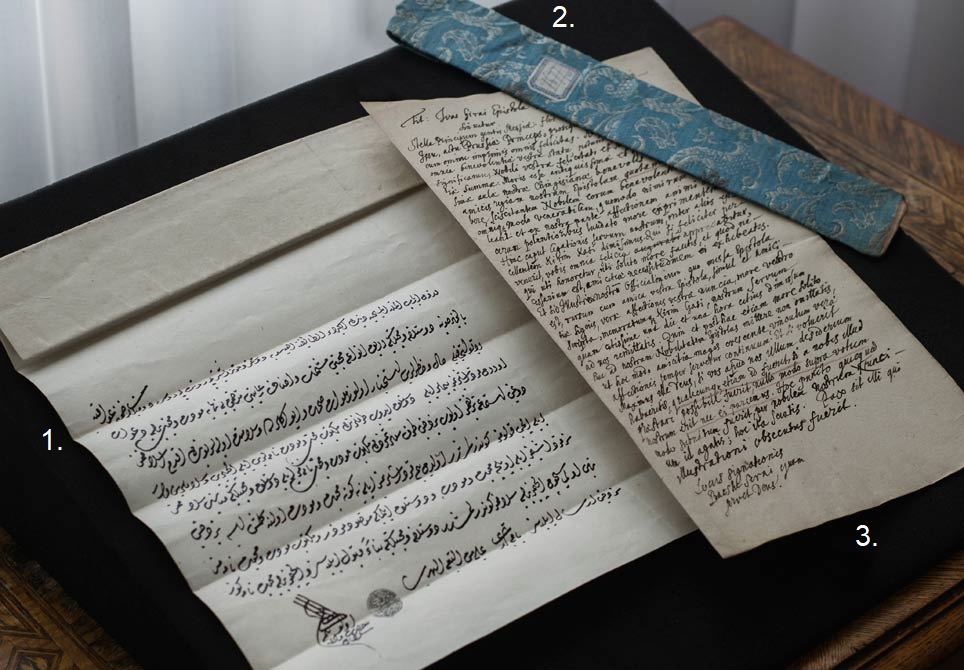
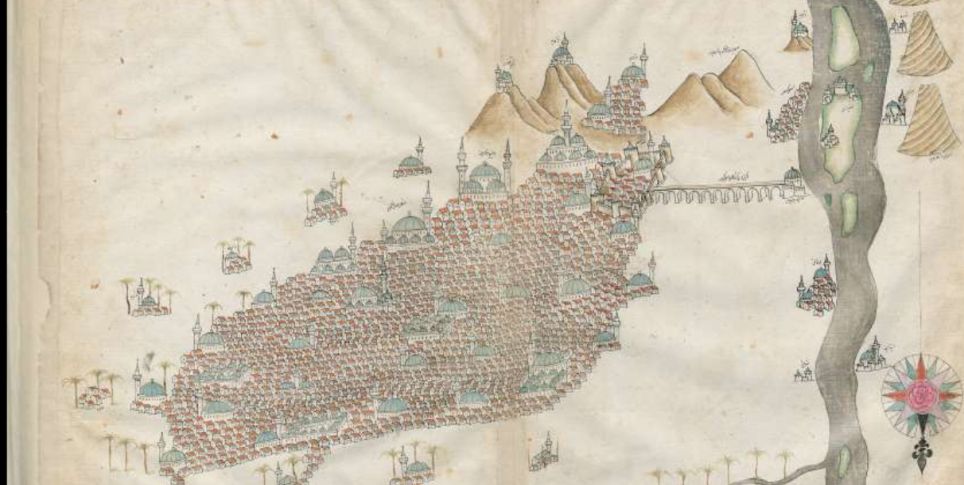
- Peregrinations of Plenipotentiaries, Pilgrims, Peddlers, Pedagogues, Poets, and Painters: Literary Exchanges between Ottoman Anatolia and Inner Asia
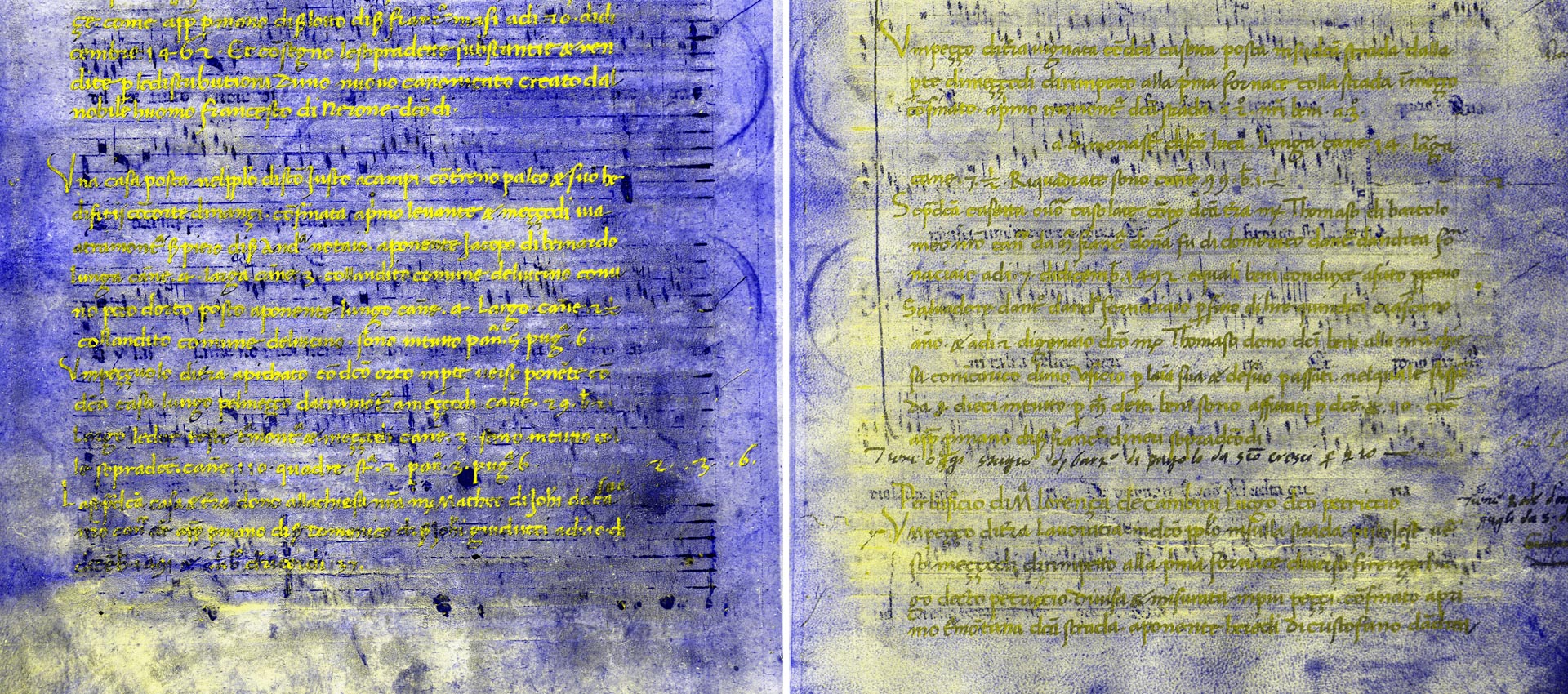
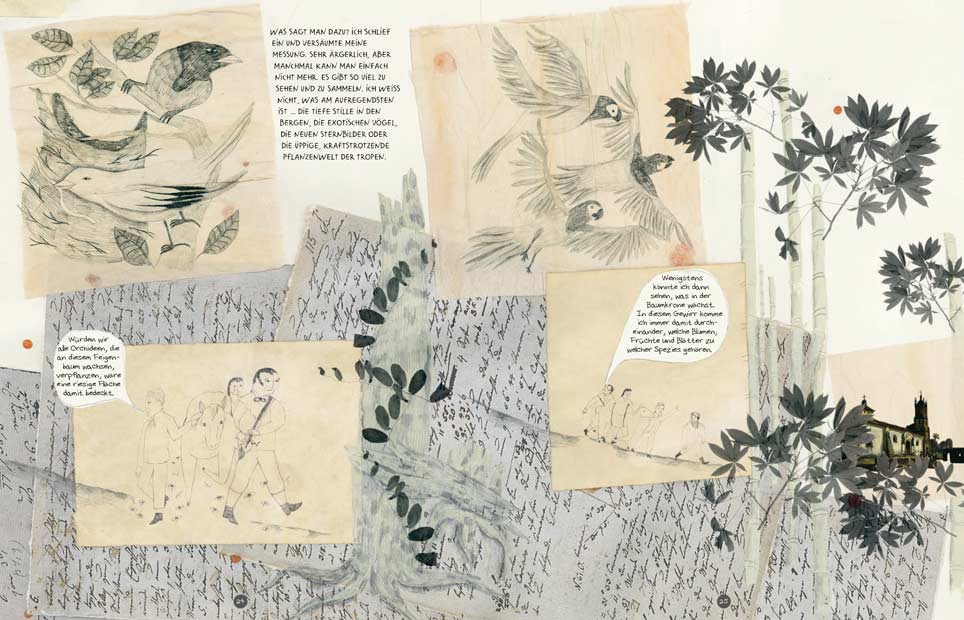
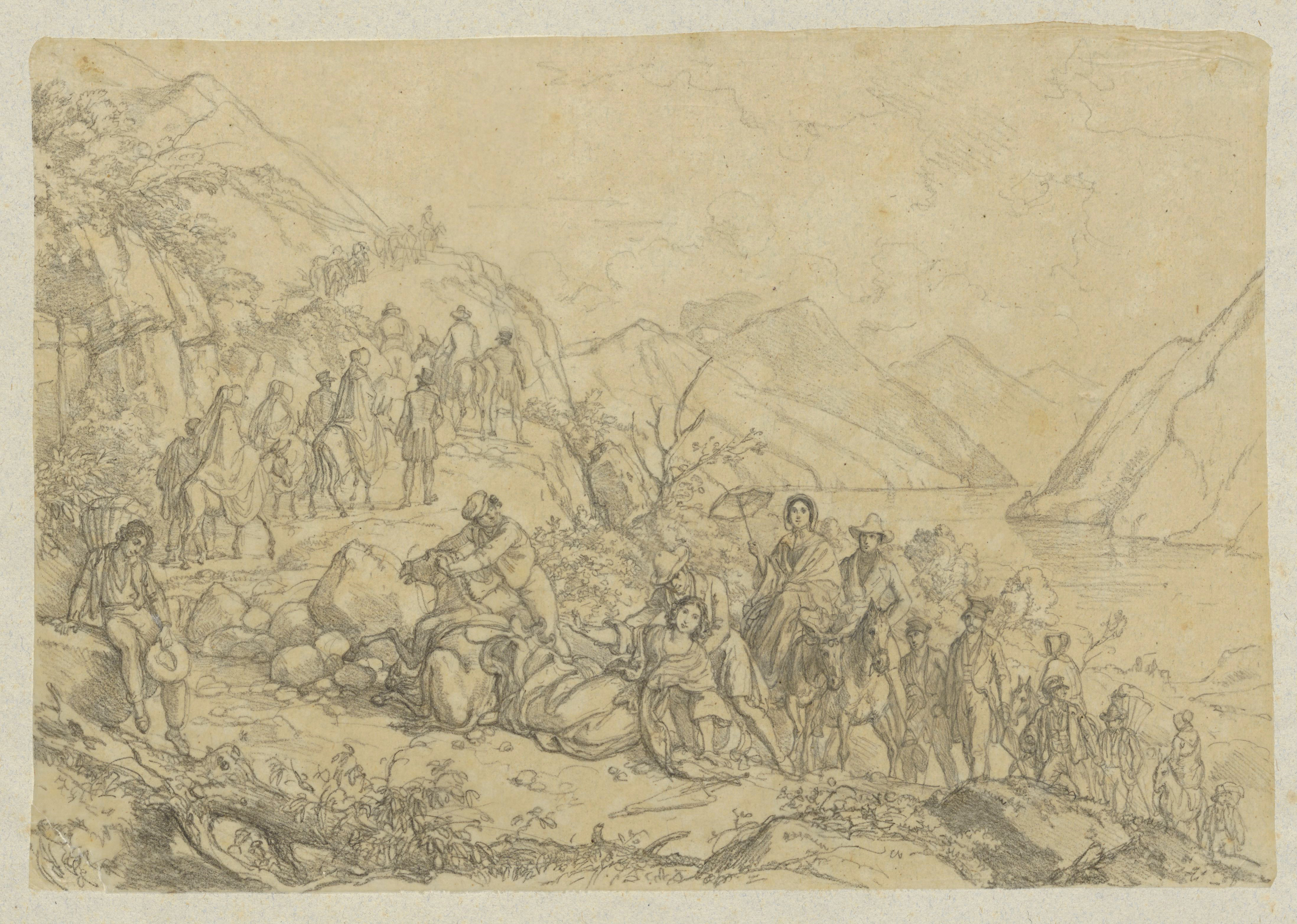
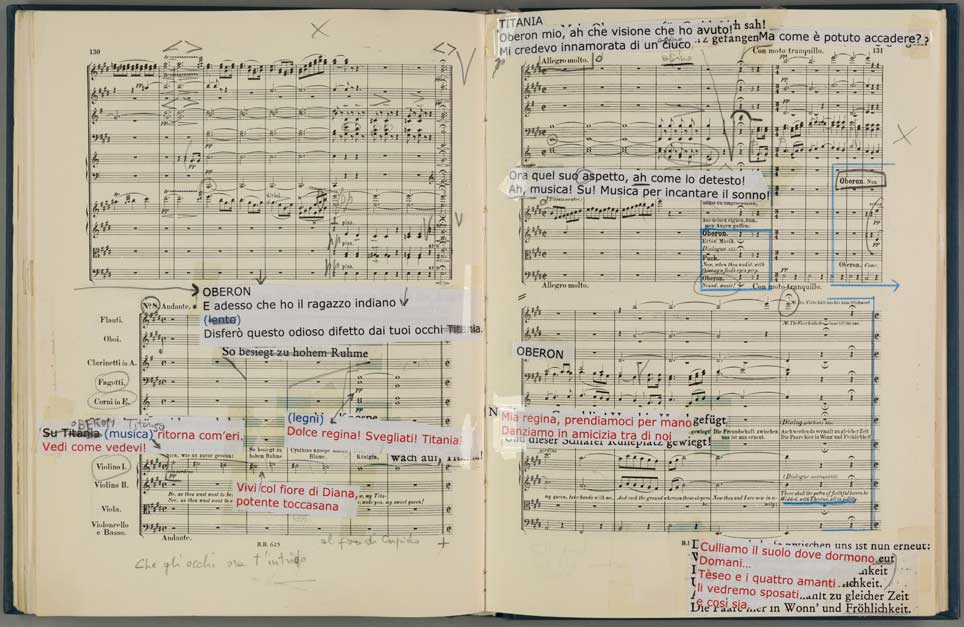
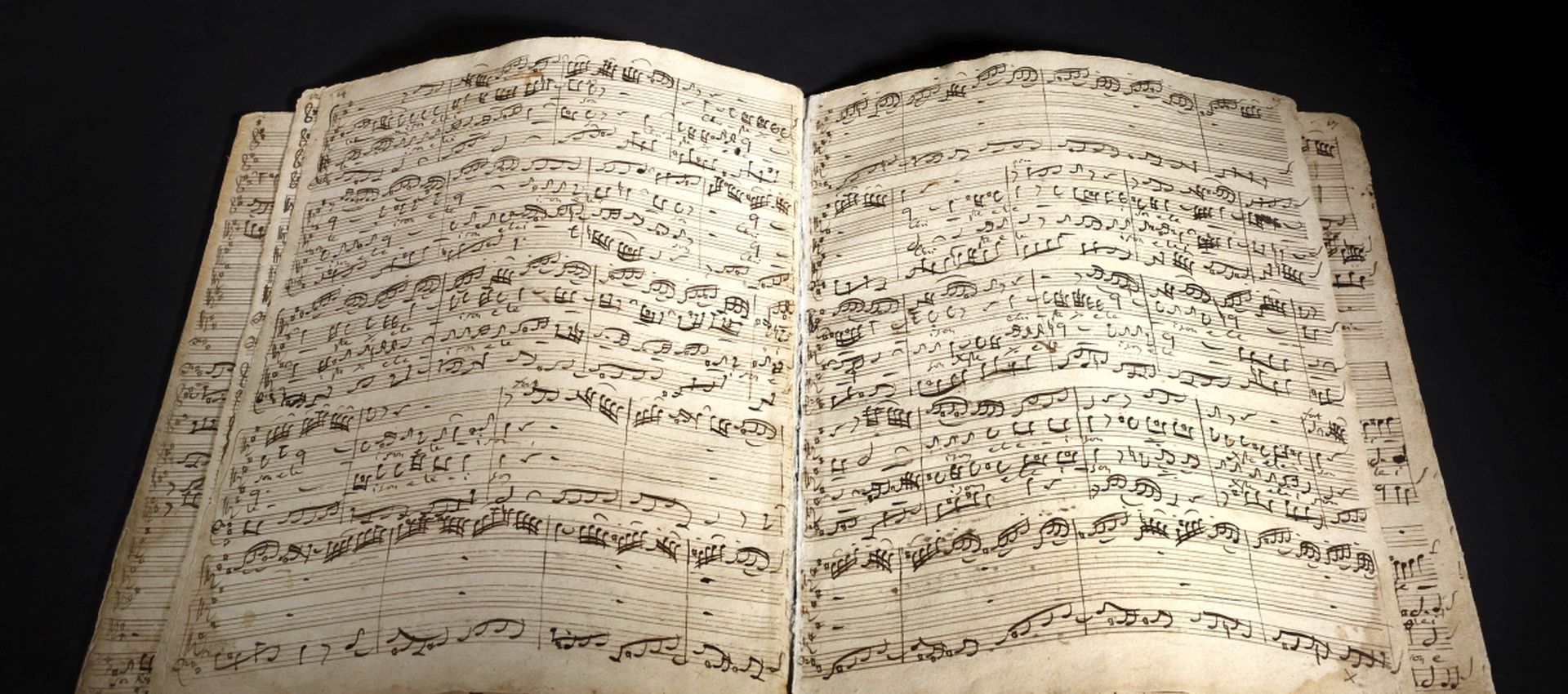
- South Netherlandish Drawings in the Kupferstichkabinett Berlin and the Ashmolean Museum, Oxford. Functions, Attributions, Contexts
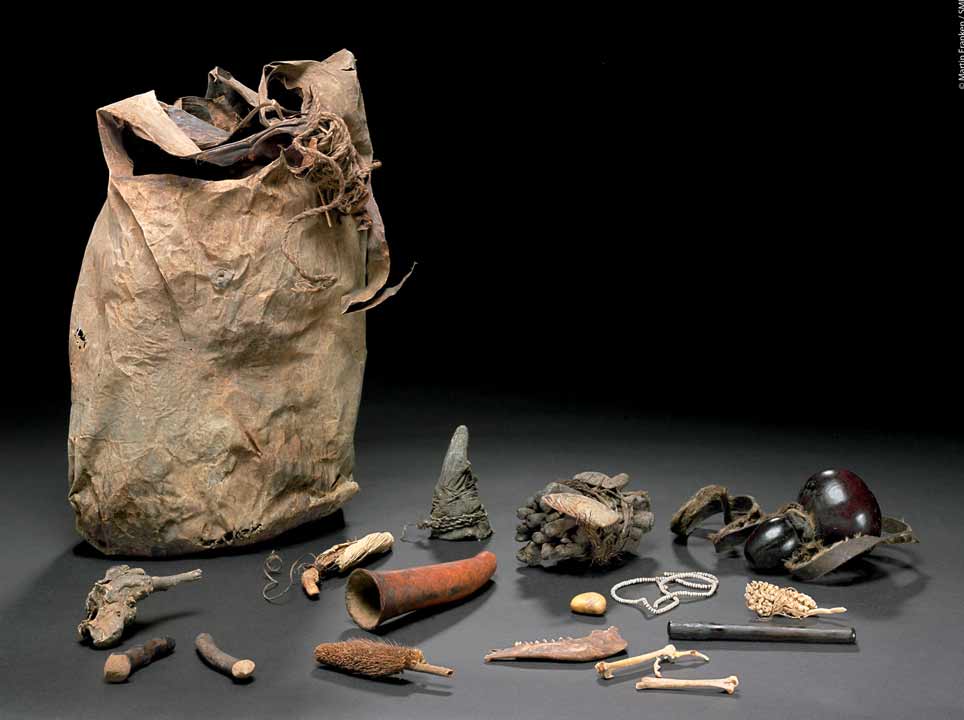
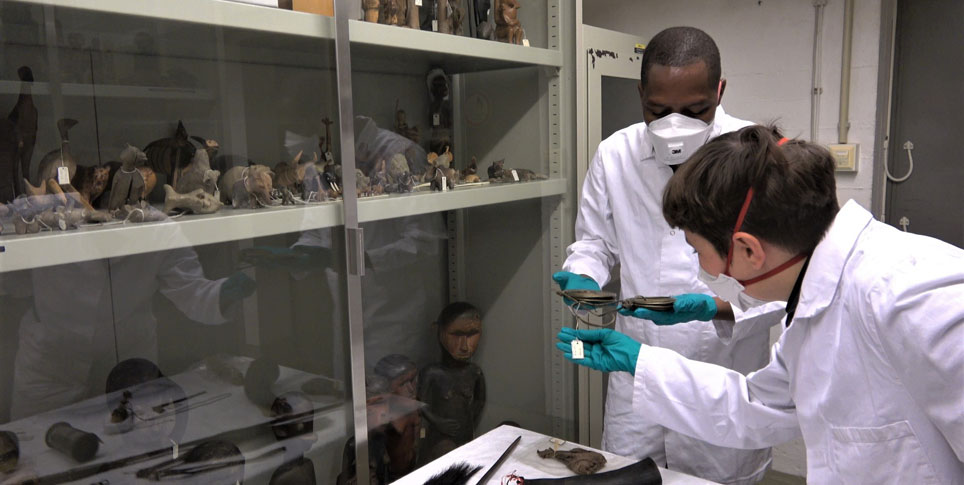
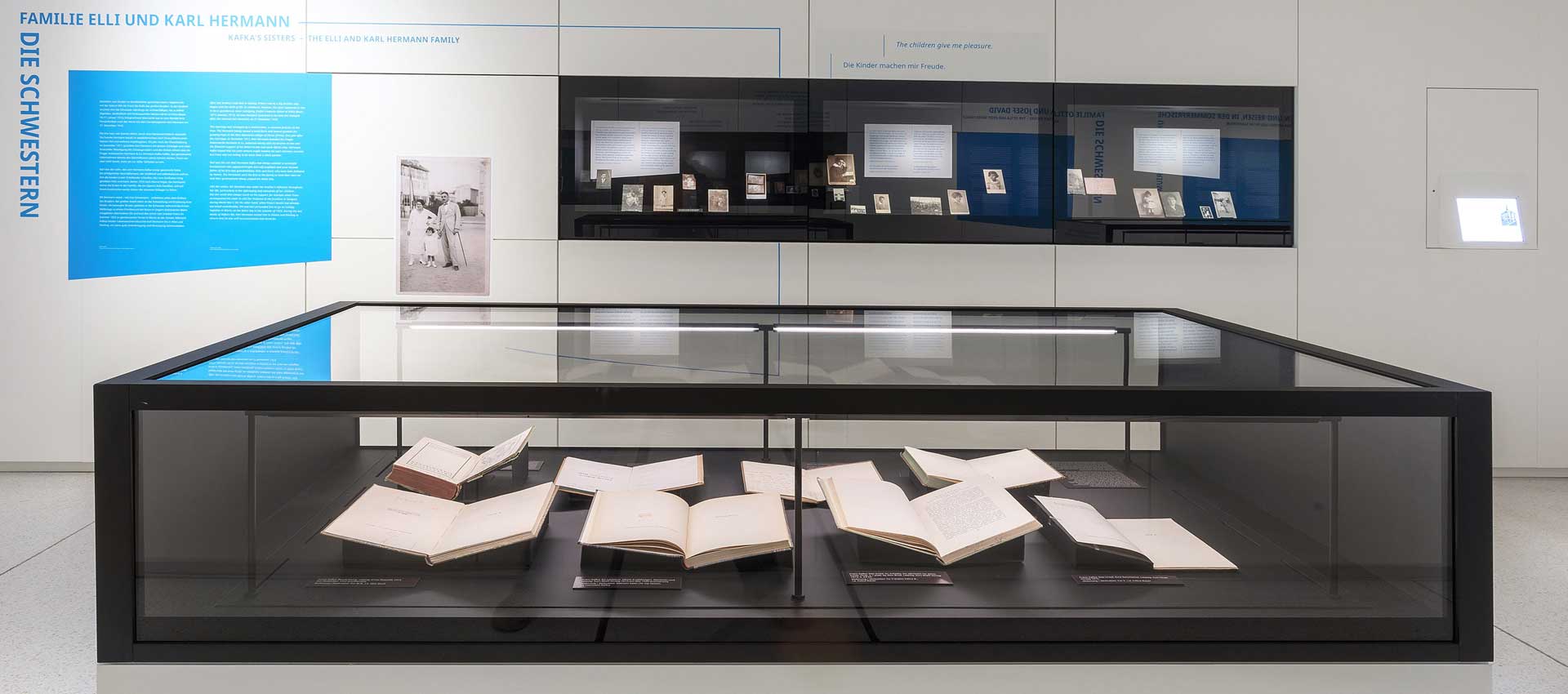
- Pluriversal Futures of Ethnographic and World Cultures’ Collections – New Modes of Collaboration, Re-Circulation, and Re-Socialisation
- Exploring Collections as Data: A Cross-Cultural GLAM-Labs Approach
Does that mean the pairs had already formed beforehand and then applied together?
Exactly. As part of the call for applications, there was an information session where interested parties could get to know one another and form tandems. That way, the Oxford students knew who their contacts were here, and vice versa. That was very helpful for some. Many already had contacts, but some also actively approached colleagues from the other side for the first time. This has led to new connections, and we’re keen to see what comes of them.
What is the current status of the projects?
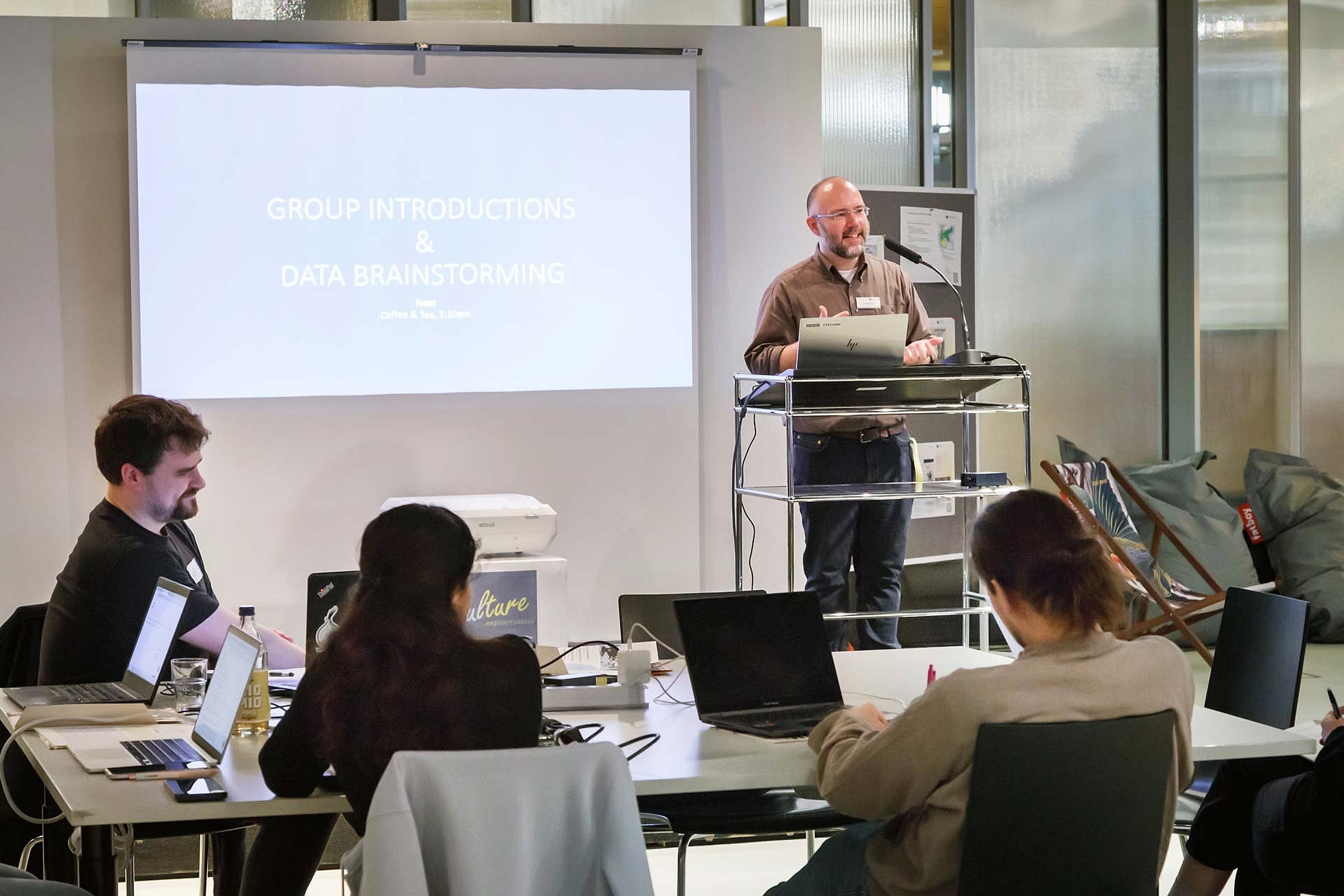
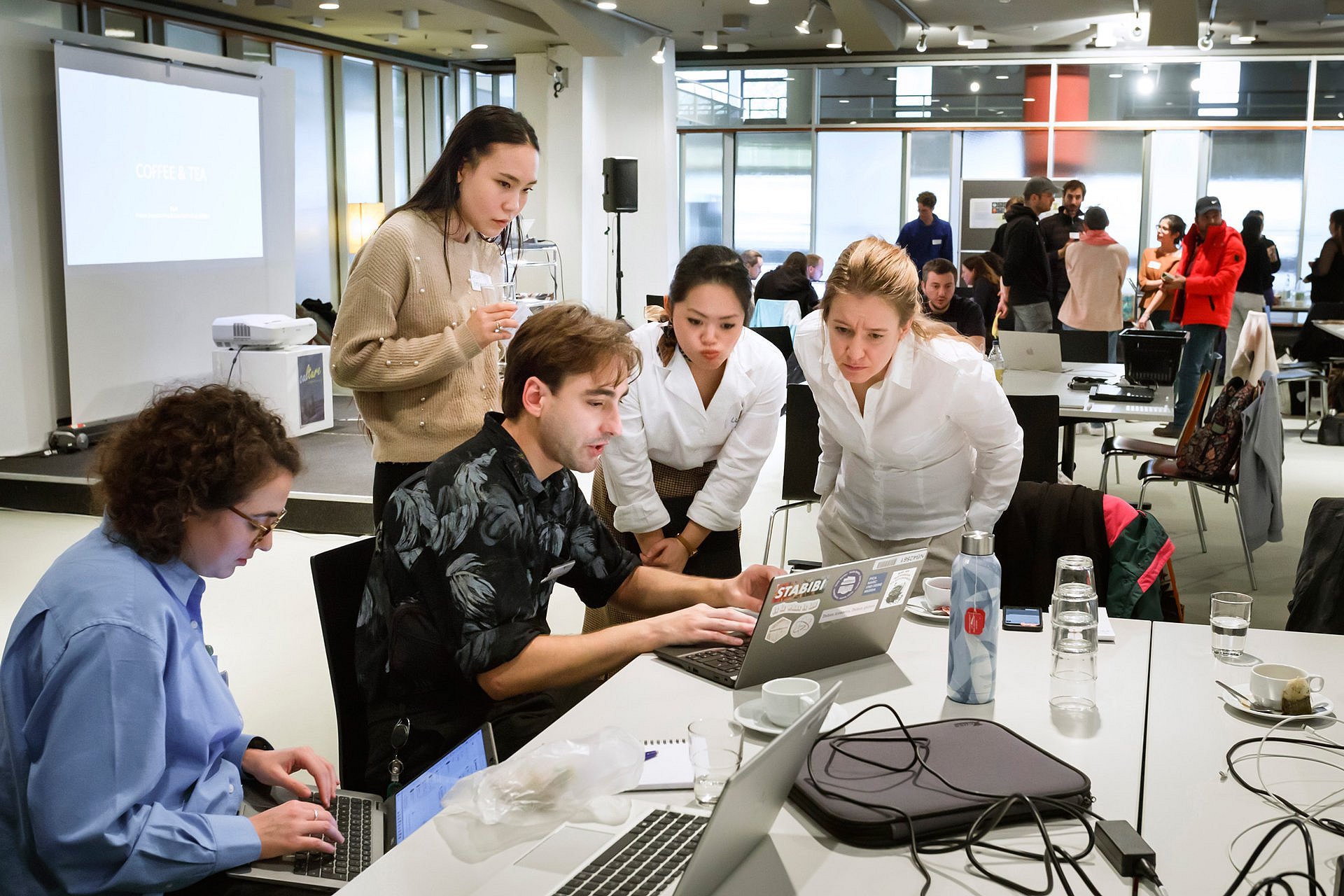
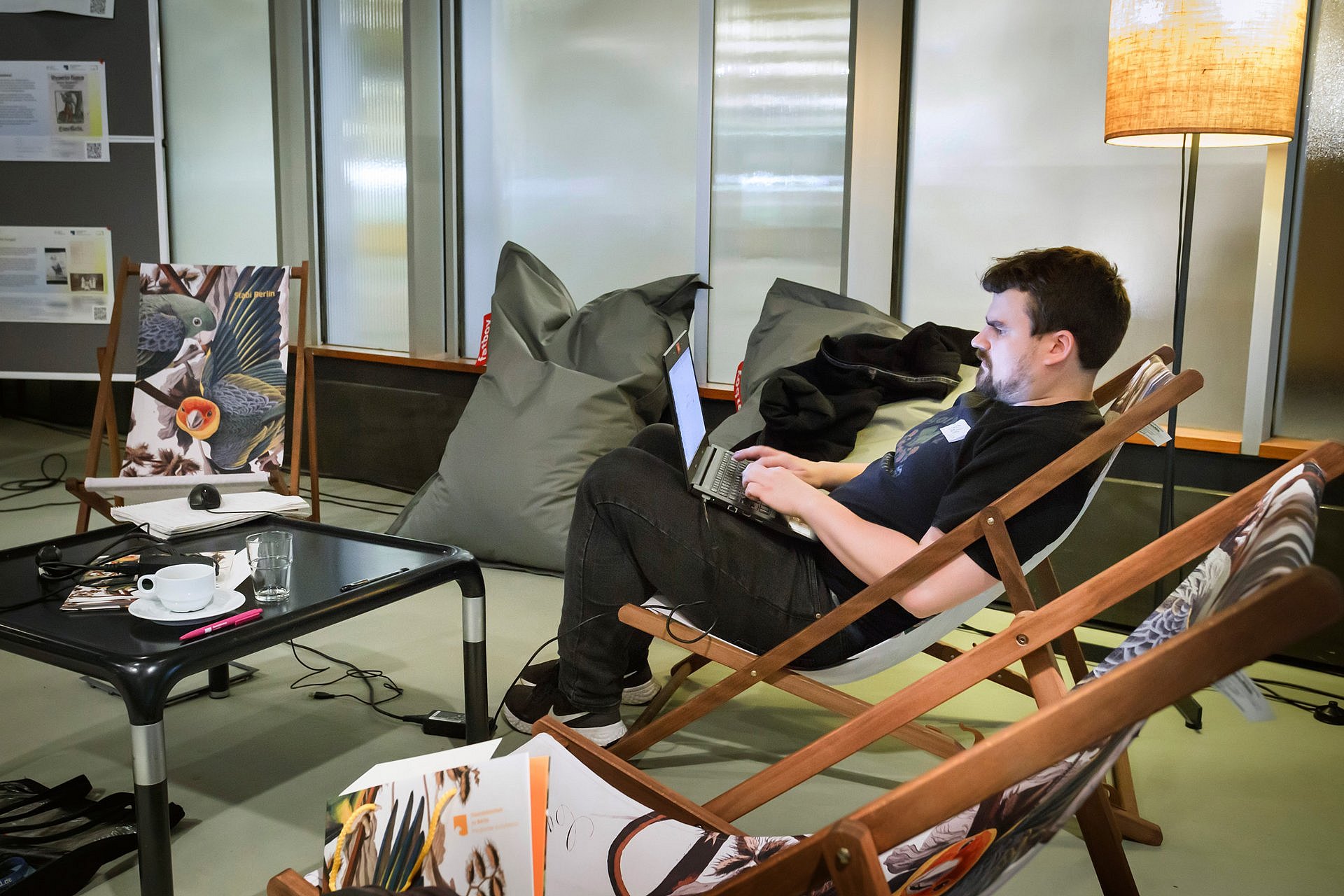
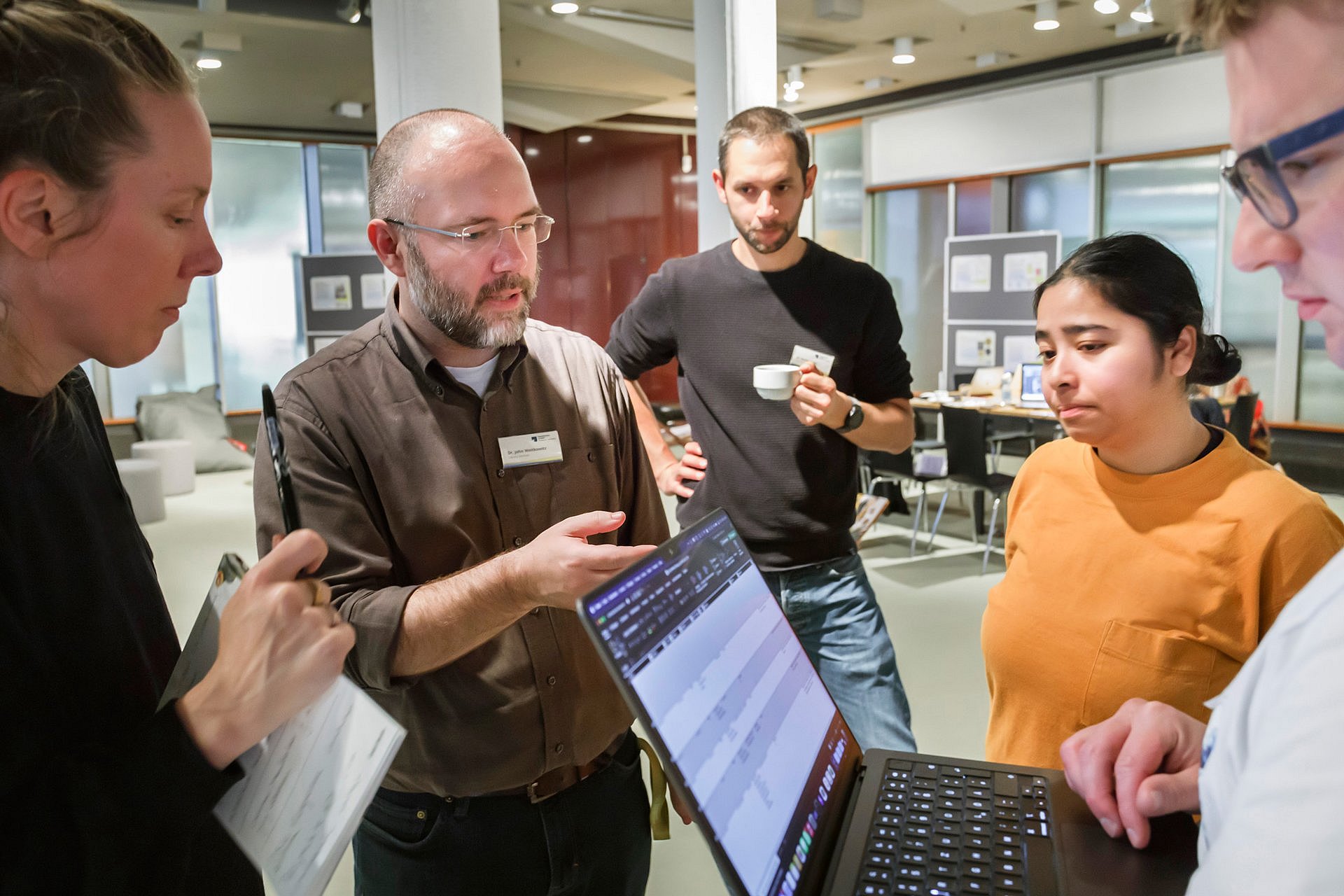
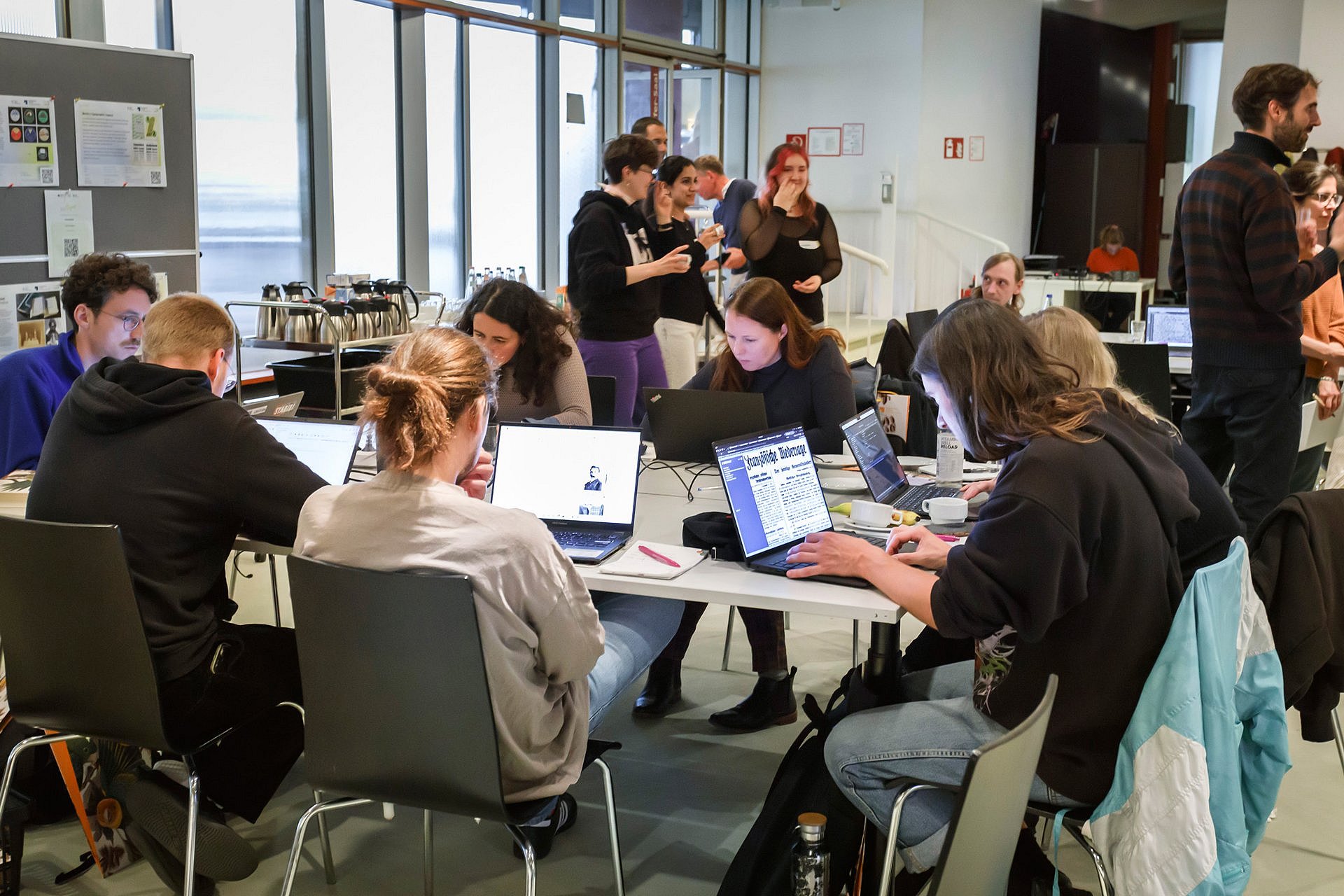
The projects have been running for several months. The first ‘calls for papers’ have been published, and planning for workshops is underway. At the beginning of October, the State Library held its first workshop, entitled ‘Exploring Collections as Data: A Cross-Cultural GLAM-Labs Approach’. On 16 October, a workshop on the Multaka project took place at Haus Bastian. Two workshops are planned for early 2026: one on the history of connections between the Ottoman Empire and Central Asia, and another on the history of acquisitions relating to the Deve Hüyük excavation site in present-day Turkey. In addition, reciprocal visits will begin in autumn 2025 and continue until the end of April 2026, the end of the first funding phase. There will therefore be many exchange formats, workshops and events, both public and internal.
What support do GLAM and SPK offer funded projects, apart from financial assistance?
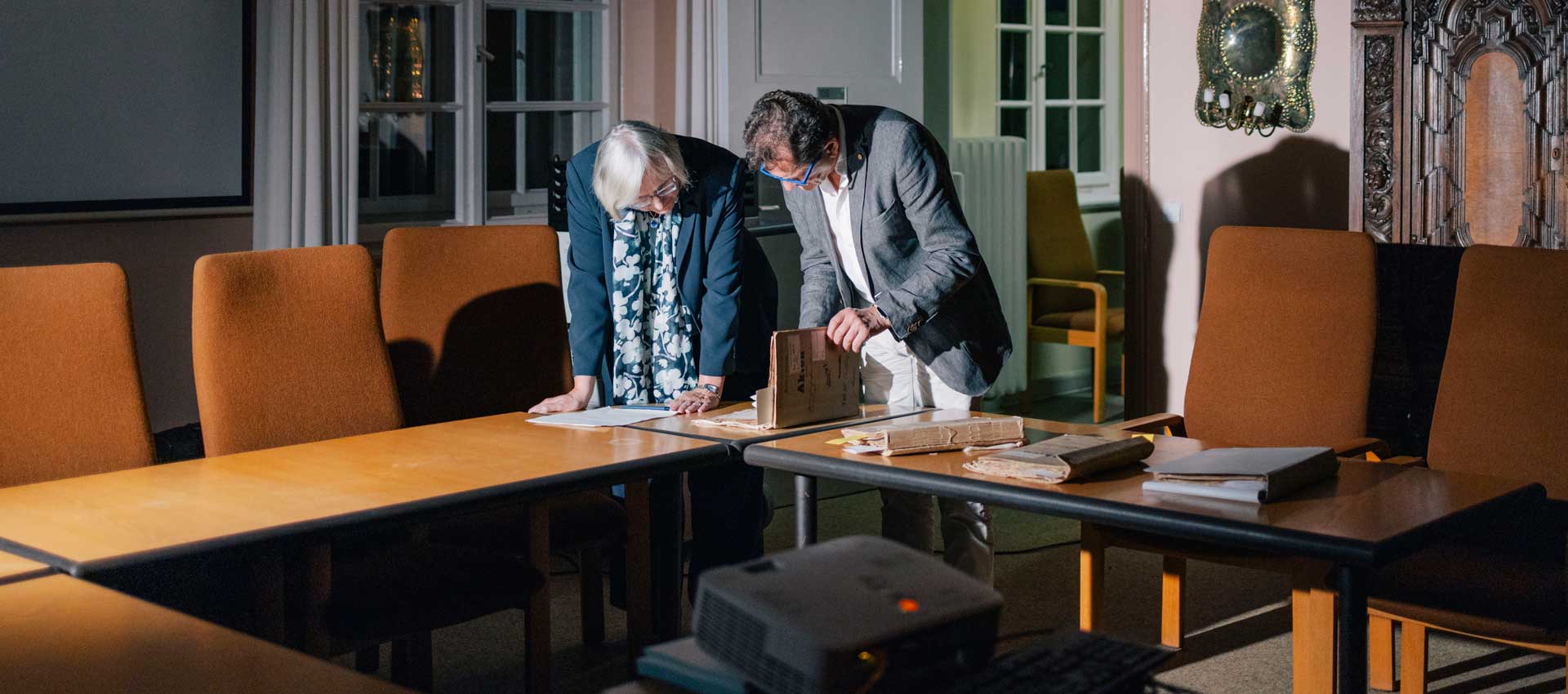
The main aim is to facilitate mutual exchange – for example, by ensuring that travel costs do not have to be covered by the institutions’ own funds, but are additionally funded. This is very valuable for the colleagues involved. We also try to act as central points of contact – through contacts such as Harriet Warburton on the Oxford side and myself on the SPK side – to help with administrative matters and make it easier to get started at the respective institution. It was also important to us not to require large project proposals, but rather to encourage people to get in touch with one another, visit each other and get to know their collections.
What is the added value for the two funding bodies?
In English, this is known as ‘seed grant funding’ – in other words, a seed from which, hopefully, a large plant will grow. The added value lies in providing this initial boost, as collaborations do not arise on their own. What ultimately comes of it will certainly be a surprise and will develop from the relationships and research questions involved. For us, it is important to get to know the other institution, its research findings and working methods across a broad range of topics. This also brings a new perspective to one’s own work – one does not remain within one’s own confines, but instead networks internationally. For me, that is the great added value of such collaborations.
What challenges are involved in the implementation?
Of course, every institution has its own internal and external regulations. The University of Oxford is subject to UK business travel regulations, whilst we have our own. That is why we decided not to allocate a joint overall budget, but instead for each side to fund its own staff – this makes administration easier. We also had little lead time to prepare the call, so there is certainly room for improvement in terms of the structure and the forms. Nevertheless, we took the plunge pragmatically and launched the programme. Working with our colleagues at Oxford has been great fun, as we’ve collaborated in a very action-oriented way to facilitate transparent and accessible funding.
Had there been similar collaborations before, and if so, were you able to draw on those experiences?
We have benefited greatly from the ‘Oxford in Berlin’ network. The University of Oxford is already connected to Berlin-based institutions through the Berlin University Alliance and has established similar funding schemes there. Thanks to Aoife Ní Chroidheáin Lau, a colleague from Oxford who manages the ‘Oxford in Berlin’ network, we had valuable prior experience on how to organise a joint call for proposals between the institutions.
Are there any long-term plans for further collaboration after the first funding phase?
The plan provides for a second round. There are already some colleagues who have ideas for new projects and would like to apply. We very much hope to secure funding for this. Although the budget of 20,000 euros per institution is modest, it offers great potential – it primarily covers additional travel costs and structural support. Furthermore, there are plans to organise a cross-project workshop during the transition phase leading up to the second call, where all participants will come together to discuss successes, challenges and new perspectives, and possibly incorporate further collection areas.