The Berlin State Library has had a children’s and young adult literature department for almost 75 years. Sebastian Schmideler, who took over as head of the department last year, explains why this is not only fascinating and important for children but also for researchers, how progressive education is linked to the concept of ‘trash literature’, and why there would have been no Harry Potter without E.T.A. Hoffmann.

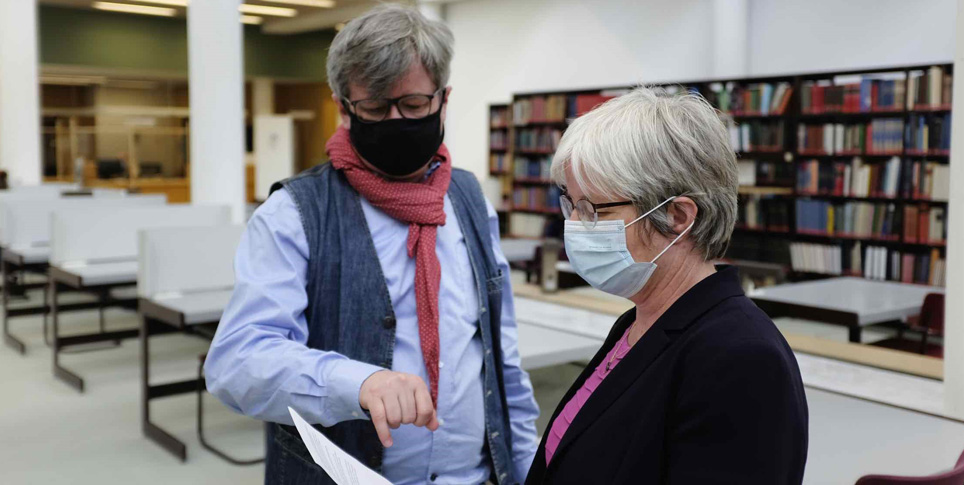
Sebastian Schmideler was awarded a PhD for his thesis on the portrayal of the Middle Ages in children’s and young adult literature between 1700 and 1945. Since 2024, he has been head of the Children’s and Young Adult Literature Department at the Berlin State Library.
Photo: Marcus Herwig
Mr Schmideler, the Children’s and Young Adult Literature Department at the Berlin State Library is not only one of the oldest in Germany, but also one of the most diverse. What is there to discover?
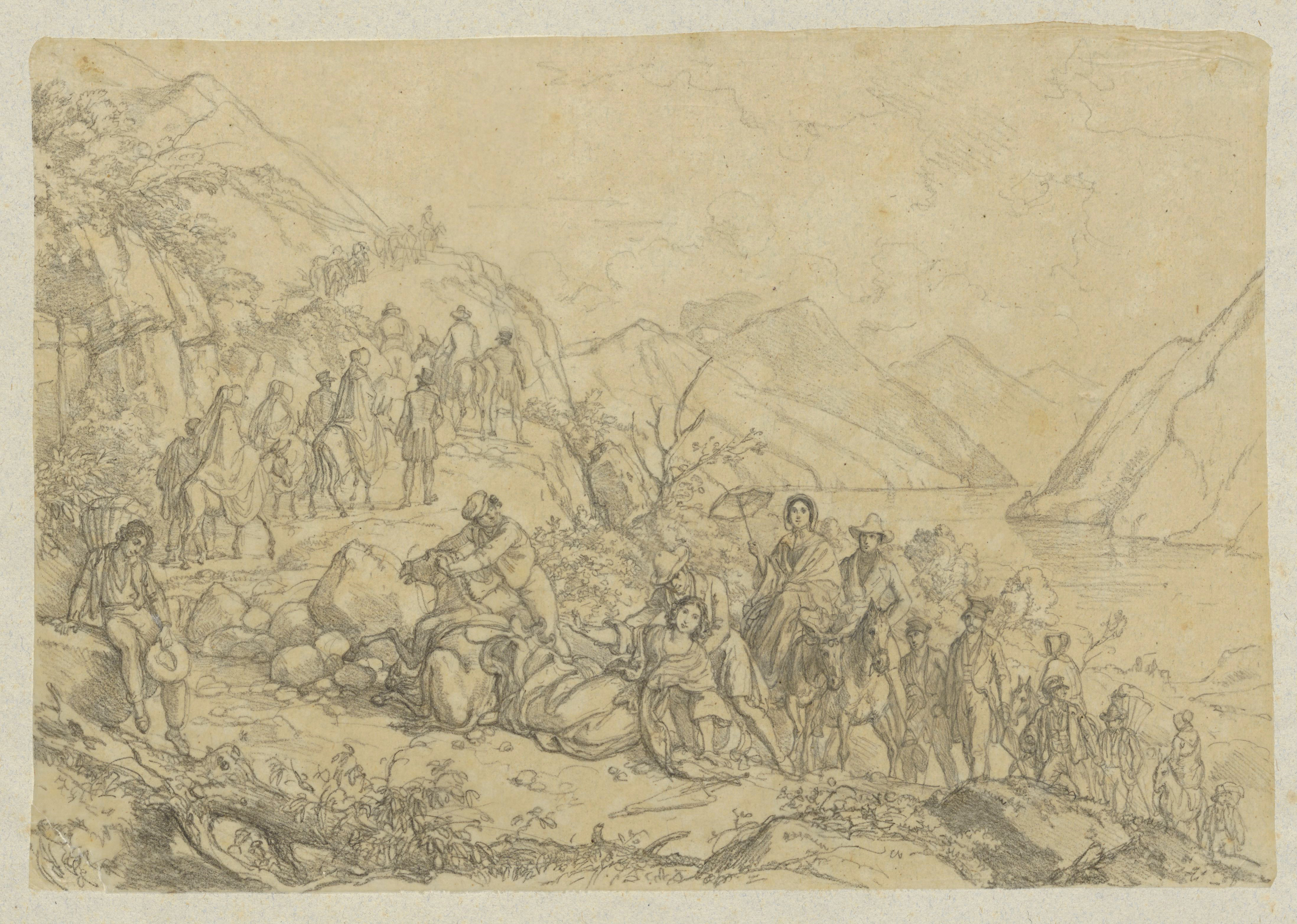
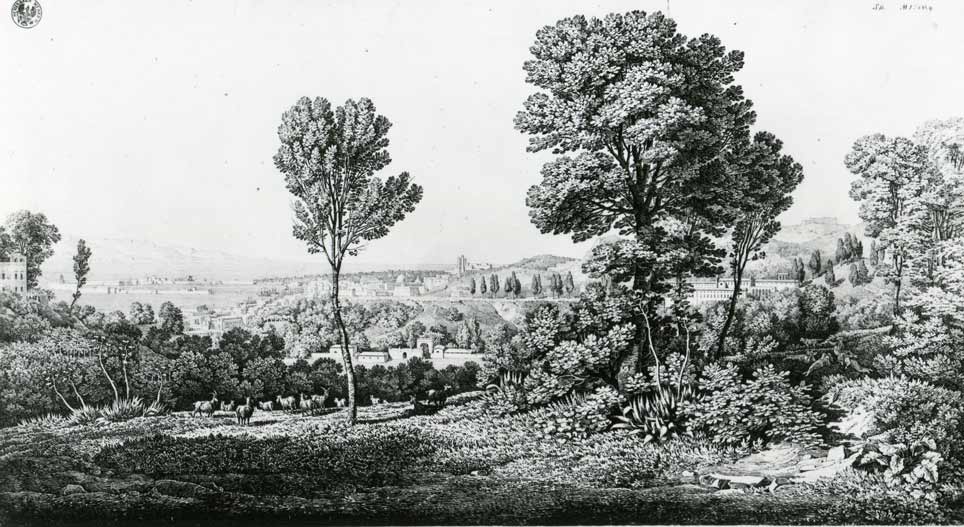
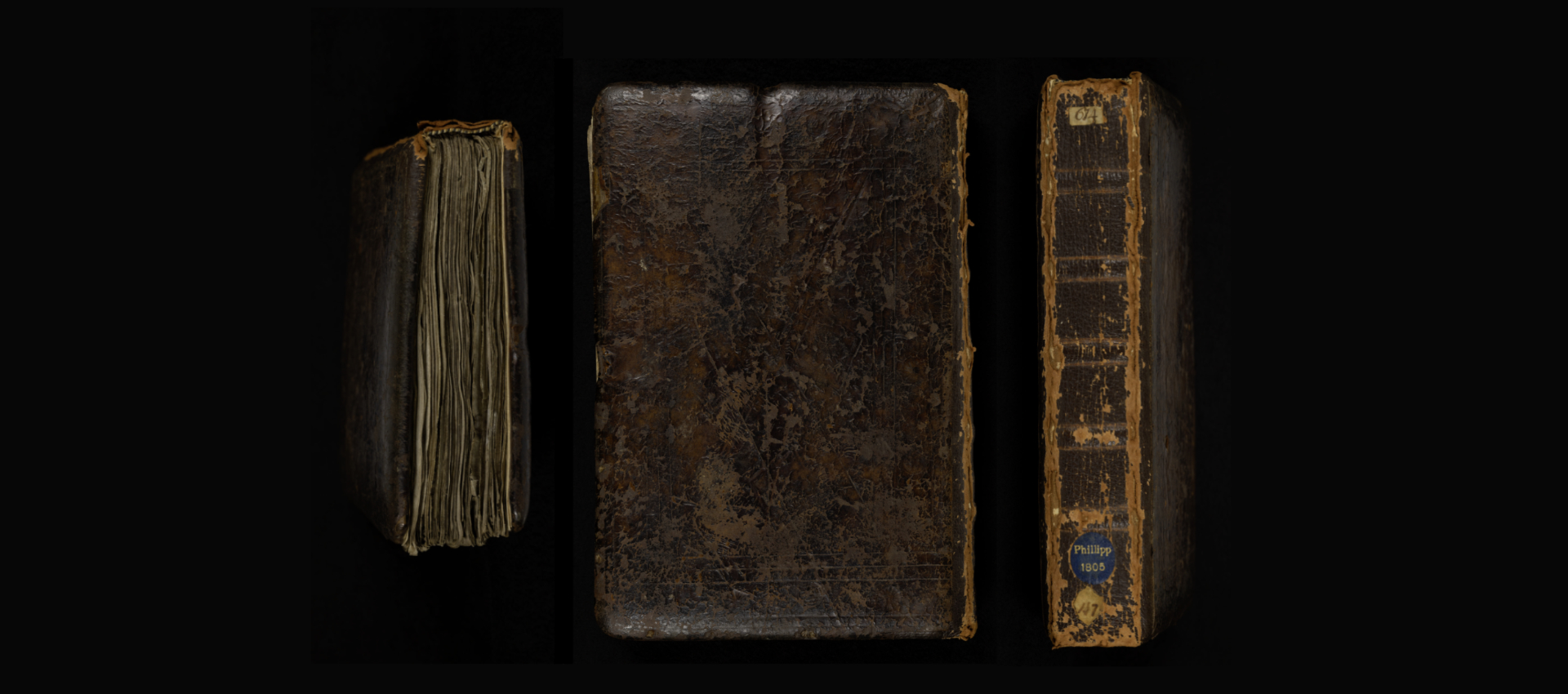
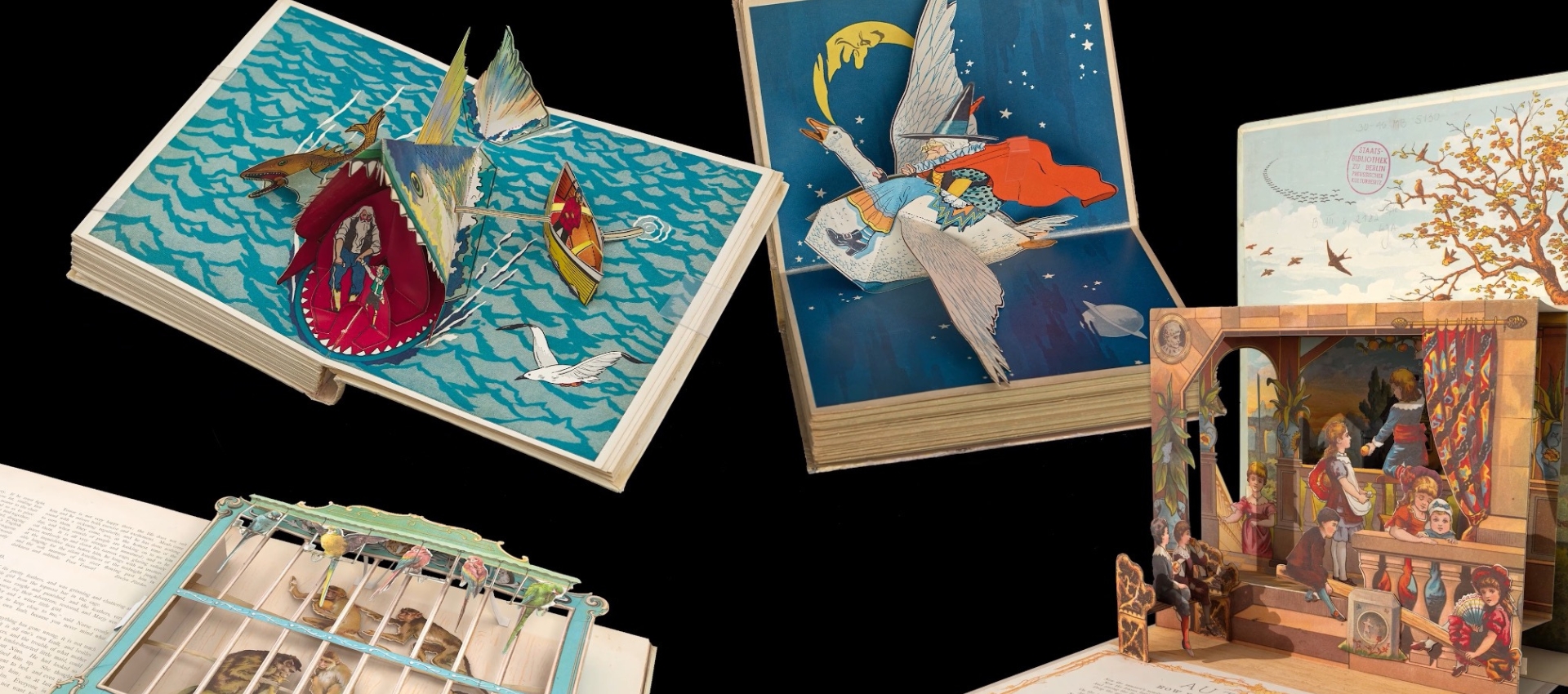
Schmideler: For example, a huge collection of original illustrations – 30,000 sheets of fascinating material. Then we have a very fine collection of historical children’s books. For the German-speaking world, we have the finest collection in the world covering the period from 1700 to 1870.
Added to this is a large collection of GDR material, where we are exceptionally well-positioned, including a collection of book covers. Then, of course, there is the comic book collection, which has been growing and thriving for several years. And we deal with the estates of publishers and artists in the field of children’s and young adult literature, pursuing the noble goal of becoming a sort of ‘Marbach of children’s literature’, complete with an illustration archive. Incidentally, this idea goes back to my esteemed predecessor, Carola Pohlmann, who, after all, brought Otfried Preußler’s estate into the library. I think there’s real potential there.
Since when has children’s literature actually existed?
Schmideler: Children’s literature has always existed, because there has always been a need to introduce children to literature, to educate and entertain them with stories – even in antiquity or the Middle Ages. That is why, since the dawn of the Gutenberg era, there have been printed children’s books; although some of these were more like school textbooks, they soon developed into distinct categories. As early as the 16th century, there was a wide range of children’s books, though initially in Latin and later in the national languages.
In the 18th century – the Age of Enlightenment – the paths diverged once more, and from around 1770 onwards, one can speak of children’s and young adult literature in the true sense of the term, which took greater account of its intended audience. The whole field has always operated within the tension between the desire to educate and the intention to entertain, and it is particularly fascinating to discover these books aesthetically as part of literature.
Incidentally, this first, ‘child-friendly’ children’s and young adult literature was very successful and quickly became an independent segment of the book market with rapid growth potential – even taking the lead in the German Empire from 1871 onwards.
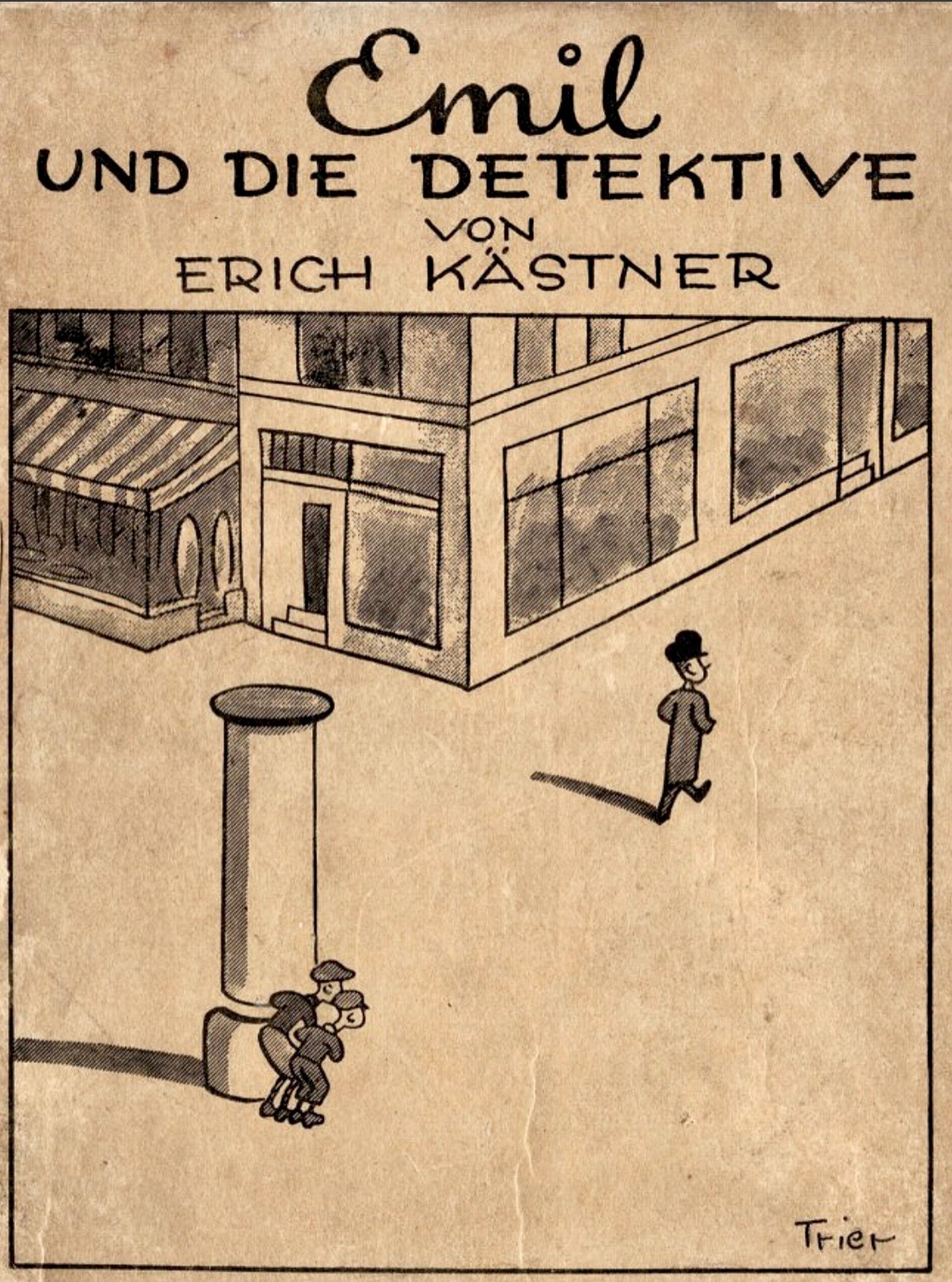
Unfortunately, this success is not yet reflected in the current academic landscape. Not least because of the ‘reading crisis’ among children, it is therefore the library’s task to draw attention to this under-representation in the academic sphere. This would also be a wonderful opportunity to break away from the traditional perspective so often cultivated by national philologists and to say: literature is Goethe, Shakespeare, Hölderlin – but also ‘Emil and the Detectives’ or ‘Pippi Longstocking’. And, of course, it includes comics and graphic novels too.
We can rewrite the entire history of literature from scratch during those crucial periods.
In this respect, we can rewrite the entire history of literature anew, particularly when it comes to pivotal periods such as the 19th century. The established view of this history has overlooked children’s and young adult books – even though they were, in fact, frequently and widely sold and read. The most widely read authors of that period were children’s and young adult authors such as Christoph von Schmid, Gustav Nieritz and Franz Hoffmann, who are known today only to specialists, but who were as famous as the proverbial ‘colourful dog’ back then! This must be brought back into the consciousness of cultural and literary historiography and deserves closer research!
Fortunately, the younger generation no longer harbours these reservations, but regards popular culture and children’s literature quite naturally as literature. In this respect, we now have the opportunity, together with the State Library and other key research institutions such as Humboldt University, to make a significant impact with verve and innovative methods. And that is where I see my central task.
Are there any such projects already?
Schmideler: As part of a DFG-funded project, we have digitised 15,000 children’s and young adult books from the years 1801 to 1914, thereby making the collection accessible for research using digital humanities methods, which hold enormous potential for the development of corpus-based literary studies with large volumes of digitised books that a single person can no longer oversee.
The Stabi is one of the major players in this field, as it recognised very early on that children’s literature is an important area of collection. In this case, ‘early’ means 1951, meaning that the Children’s Books Department will be able to celebrate its 75th anniversary next year. Department heads such as Heinz Wegehaupt and Carola Pohlmann were always researchers as well as librarians, so it was certainly wise to appoint a specialist scholar to this task, which has now been entrusted to me. It is simply important to strengthen the ‘minor disciplines’ and to academically preserve, promote, optimise and innovatively advance the endangered knowledge of old children’s and young adult books; that is what this collection is there for. I see myself in the ideal position for this!
The fact that we were ahead of the game very early on when it came to collecting historical children’s books is also down to the GDR’s view of literature: there, children’s literature was quite clearly considered part of national literature.
And so it is that we possess such collections at all, which can make a meaningful contribution to the retro-digitisation process. Thanks to digitisation, we can now offer the research community the opportunity to undertake a re-evaluation of literary history using modern methods: what images of childhood were conveyed in these books? What kind of knowledge of the world was offered to children in the 19th century? What moral and educational ideas were conveyed there? How do these books distinguish themselves as physical objects that rely so heavily on their illustrations? What aesthetic literary aspirations do they pursue, and what is their intended audience in terms of gender, race, class, religion, etc.?
What kind of images of childhood were conveyed in these books? What kind of knowledge about the world was offered to children in the 19th century?
The task now is to encourage external funding bodies to invest more heavily in this innovative field of research, which is attracting growing public attention. We have every opportunity in the world to create a genuine unique selling point and a beacon of excellence with these subjects, which are hugely accessible to the public! Berlin is now expected to have two professorships in children’s and young adult literature very soon, so the chances are good of making Berlin a leading centre for research into children’s and young adult literature.
Did the classics, such as Goethe, actually take an interest in children’s literature?
Schmideler: There is no record of Goethe having written a children’s book. Our great classics were generally very reticent in this regard. Incidentally, this is quite unlike other national literatures – Charles Dickens, of course, was always a children’s author as well. The first to do this really well was Erich Kästner. He wrote for adults and children alike, and did so so successfully that he remains one of the most widely read authors of children’s and young adult books in the world to this day.
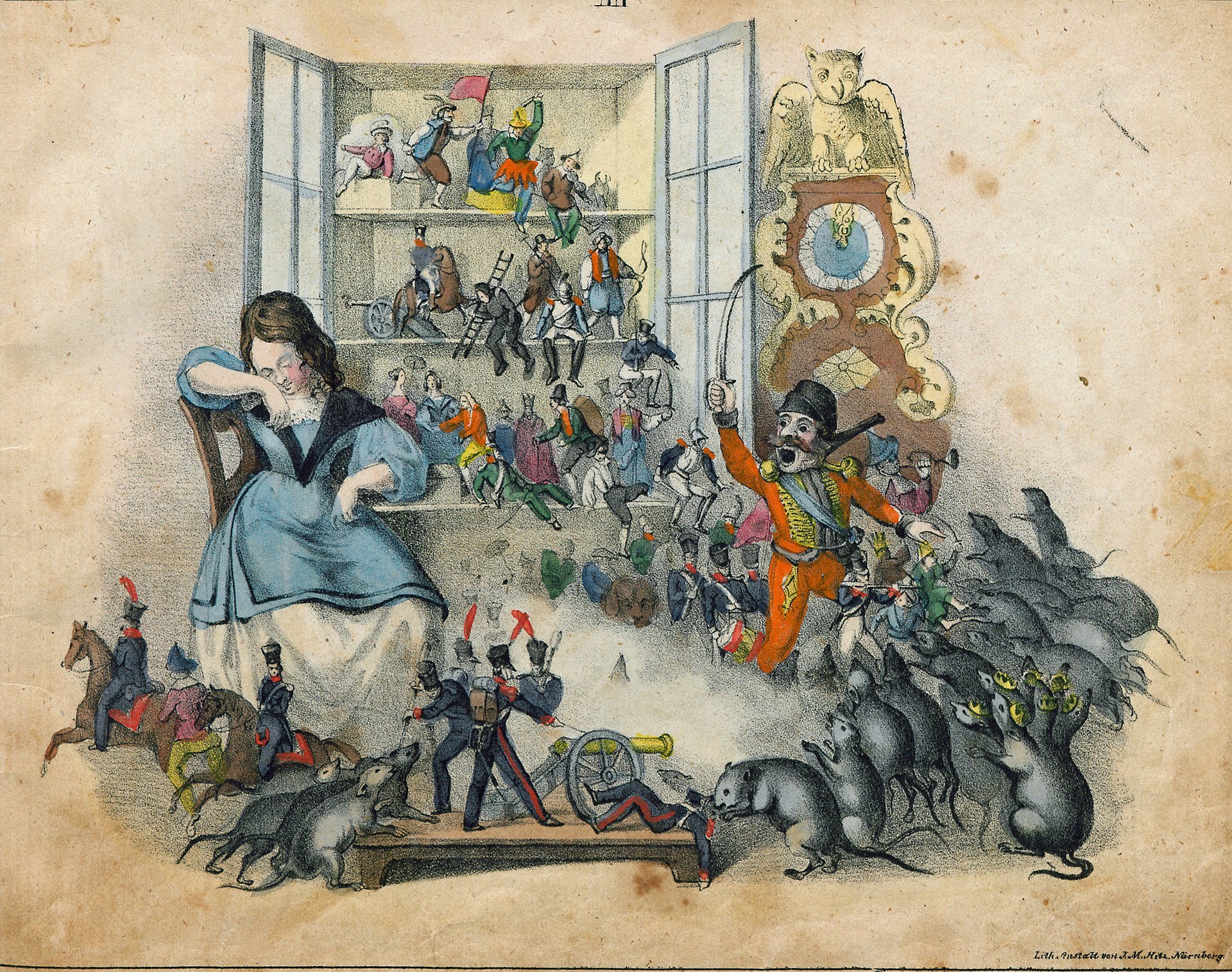
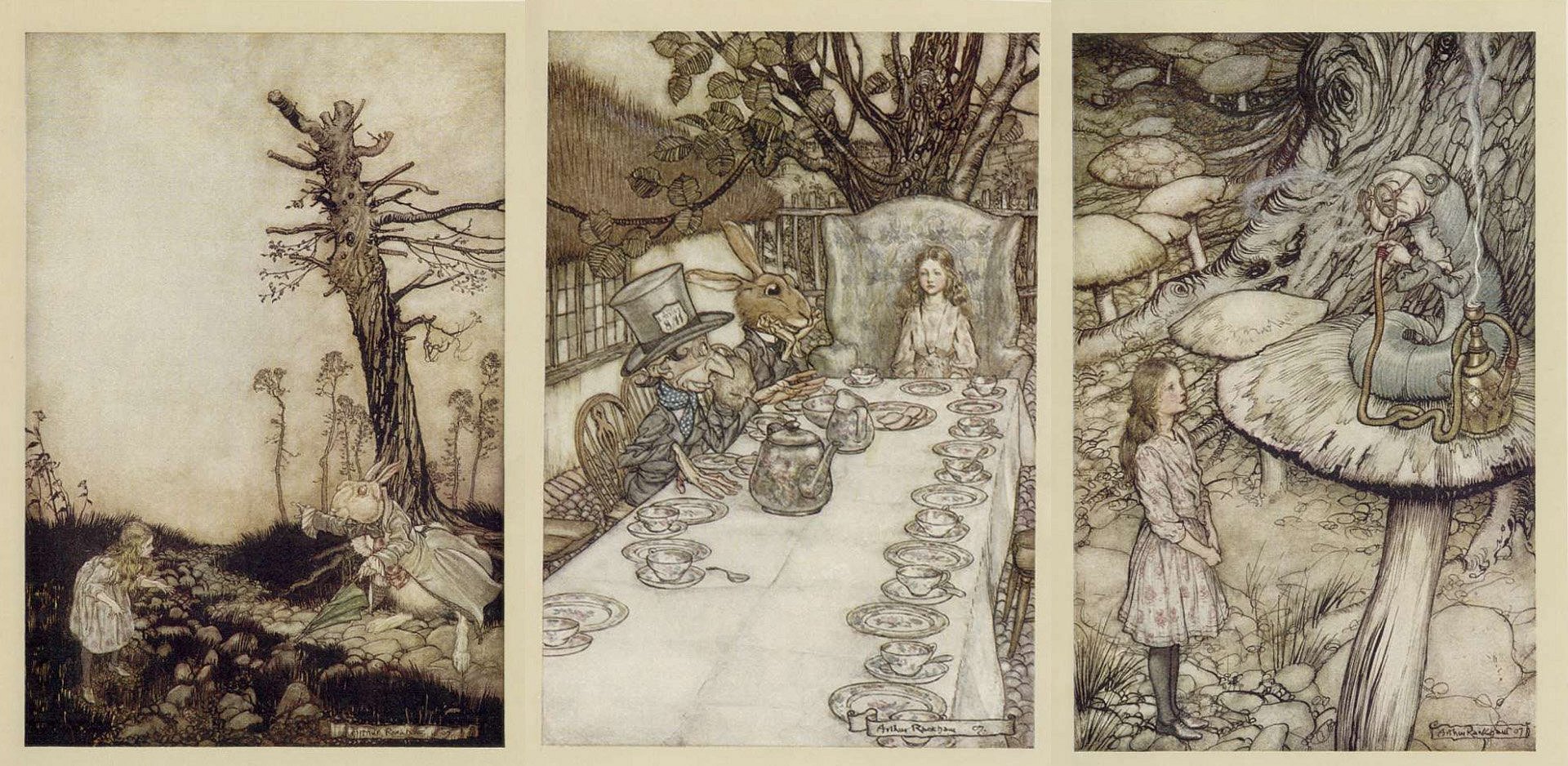
The Romantics were a major exception; from the very beginning, they maintained that children’s literature was also part of the whole. E.T.A. Hoffmann’s *The Nutcracker and the Mouse King*, published in 1816, is, so to speak, the seminal text of fantastical children’s literature. To put it succinctly: without this text, there would be no ‘Alice in Wonderland’ and no ‘Harry Potter’.
The others were the Brothers Grimm with their *Children’s and Household Tales*, which, incidentally, started out as a publishing flop. It was only when they decided, ‘We’ll aim this at children now,’ that the tales became a real hit. This shows that this categorisation into adult and children’s authors is completely wrong.
It’s much the same with comics: the great comic artists like Carl Barks naturally always had the adult audience in mind as well; they wanted their work to be accessible to everyone. Children enjoy the jokes, whilst adults find intertextual references to great works of literature or culture. And that is precisely what leads many to say: there is really only one form of literature.
Just as with children’s and young adult literature, there has also been a shift in perspective regarding comics. At first they were considered ‘trash’, but now the Stabi has been given a great gift in the form of the Neuhaus collection.
How did this shift in significance come about?
Schmideler: It’s fair to say that educators and many researchers in children’s and young adult literature, who were strongly opposed to comics, were part of the problem. Particularly in conservative circles, it became established up until the 1950s and 1960s that comics were to be replaced by ‘good’ young adult books, because people did not want the younger generation to engage with such ‘trash’.
These are patterns of argumentation from the late 19th century, which were, of course, strongly fuelled during the Nazi era by a major ‘filth and trash’ debate. This caused considerable collateral damage, and the lines of continuity unfortunately stretched right into the 1960s. The idea of subjecting this disparaged medium to a re-evaluation therefore also has something to do with making amends.
When Klaus Doderer founded the Institute for Children’s Book Research at Goethe University in Frankfurt am Main in 1963, he stated that this also entailed a mandate to collect and study comics. And that was relatively late, considering that the great comic traditions had already taken shape in the 19th century, for example with Rodolphe Töpffer.
A little later, picture-story artists such as the enigmatic and thoroughly unpedagogical Wilhelm Busch established the genre, and in the 1920s and 1930s, first comic strips in American newspapers and then superhero comics in the USA experienced a major boom. Our European neighbours, incidentally, were far more open-minded towards the comic genre. Here in Germany, it took a paradigm shift in the concept of literature before a new generation of philologists, alongside the discovery of children’s literature as a subject, began to devote themselves to comics as well.
Comics then increasingly became a field of adult art, which opened up a new area of tension – and which, incidentally, the Neuhaus Collection explicitly stands for, emphasising precisely that: emancipation from the image of the children’s book. The great comic artists, of course, did not see themselves as suppliers of children’s books, but worked with the ambition to create a work of art that is just as interesting for adults as it is for children and young people.
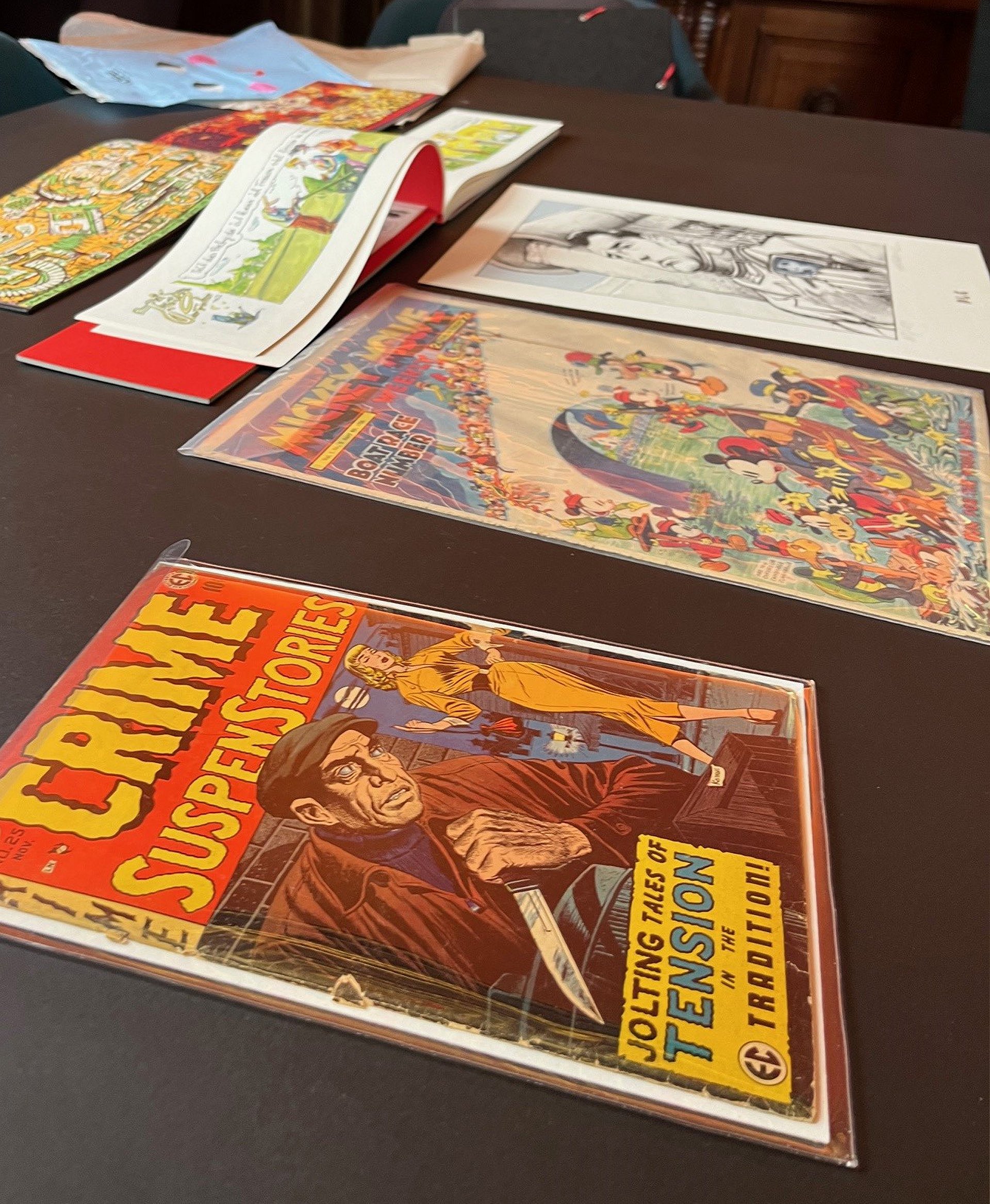
Stephan Neuhaus’s comic collection, which the Stabi received as a gift last year, also includes ‘comics for adults’. What is so special about this donation?
Schmideler: On 9 December, there will be an entire evening dedicated to the content and significance of the Neuhaus collection at an event featuring comic enthusiasts such as Andreas Platthaus, Axel Halling and Christian Bachmann. And then, of course, an exhibition will follow in due course.
The Neuhaus Collection offers an interesting overview of the development of comics, particularly after 1968. It consists mainly of modern comics and graphic novels, primarily from German-speaking countries, but not exclusively. Although there are, of course, a few Mickey Mouse comics included, it is not a collection of children’s comics. I think Mr Neuhaus was interested in the intersection between comics, graphic novels and illustrated books by artists – in other words, comics as works of art for adults. And that, of course, goes far beyond what Disney intended.
What about the other comic collections at the Stabi?
Schmideler: Thanks to the Neuhaus collection and, above all, thanks to the up to 70,000 superhero comics from the 1970s and 1980s that we received from Ruscheinsky a few years ago, the State Library has finally joined the ranks of the major institutions that collect comics. We believe that an institution such as the State Library has a duty to preserve this part of our cultural heritage. Doing one thing does not mean neglecting the other.
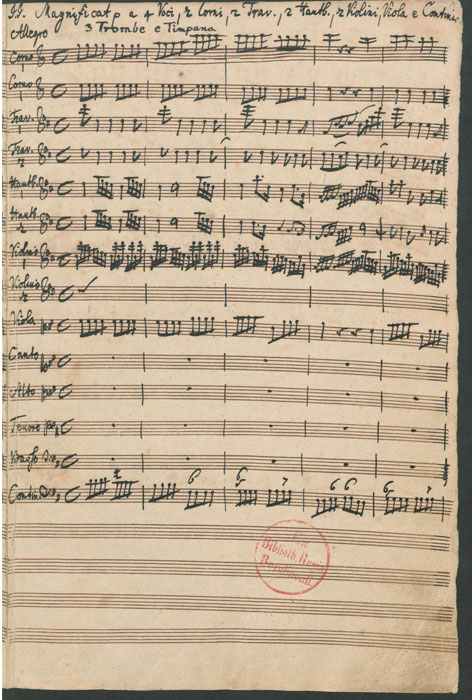
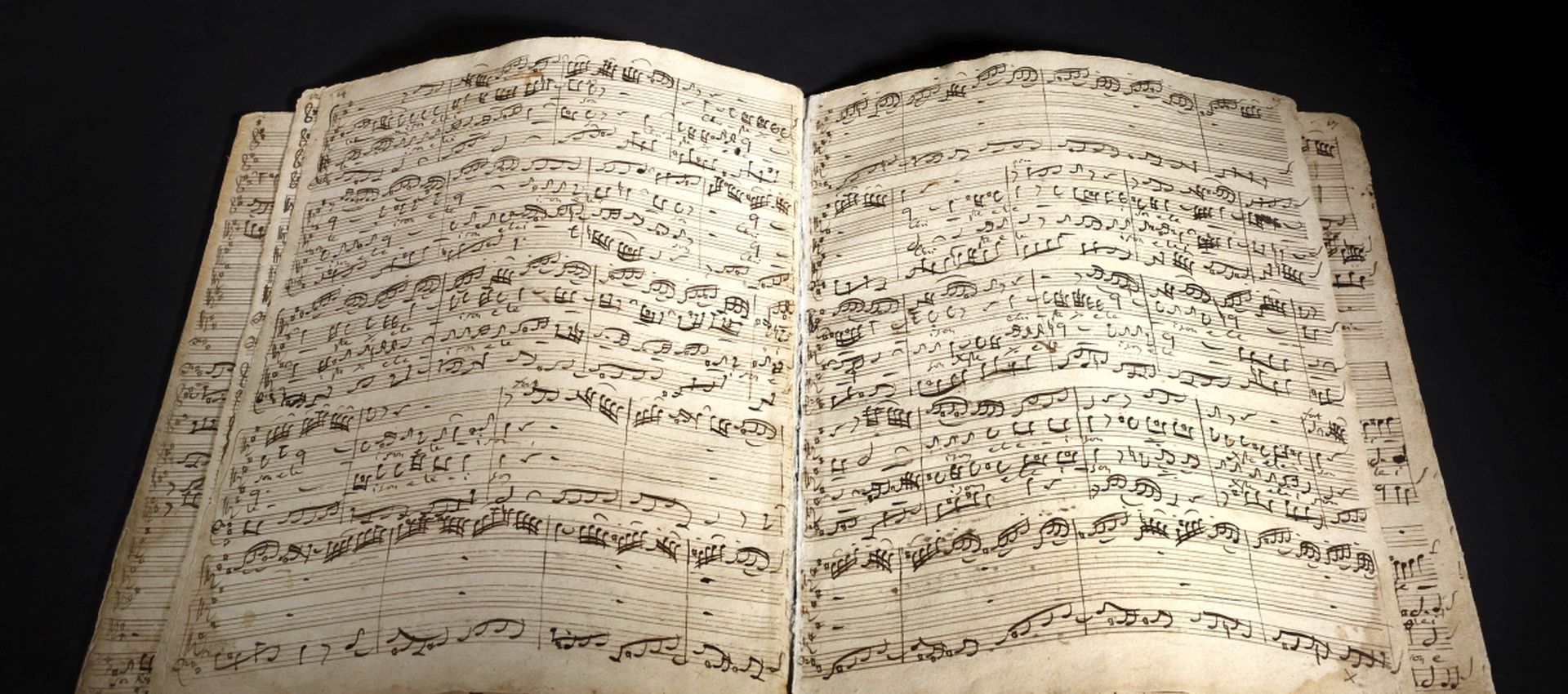
We possess the major estates of Humboldt, Jean Paul and the Grimms, as well as valuable autographs such as Beethoven’s Ninth or Bach’s Mass in B minor, for which we are renowned throughout the world. At the same time, it is wonderful that the State Library recognises that comics constitute an equally important part of the 20th-century legacy, one that must be preserved for the future and for coming generations. As Brecht says: “The great does not remain great, nor the small remain small”! With this in mind, we should think ahead together – and strengthen, network and pool research and cataloguing not only on this subject, but innovatively and on our own initiative!