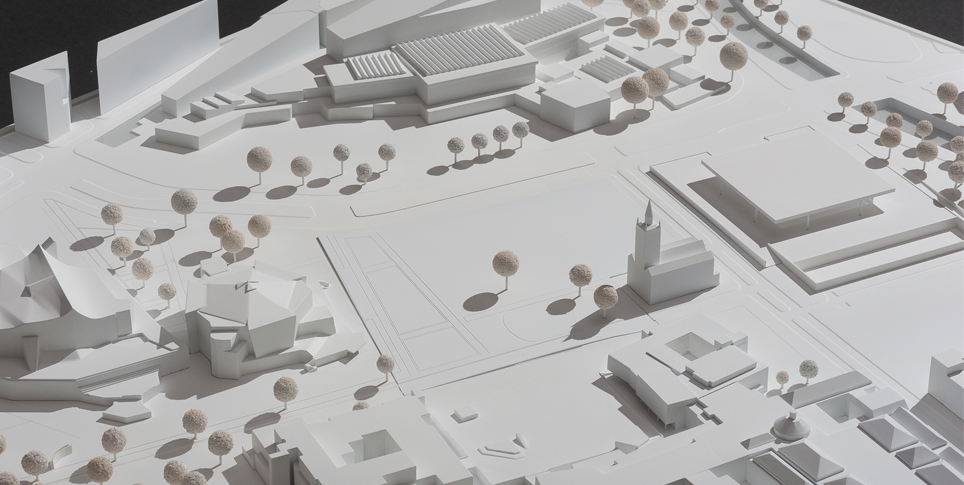
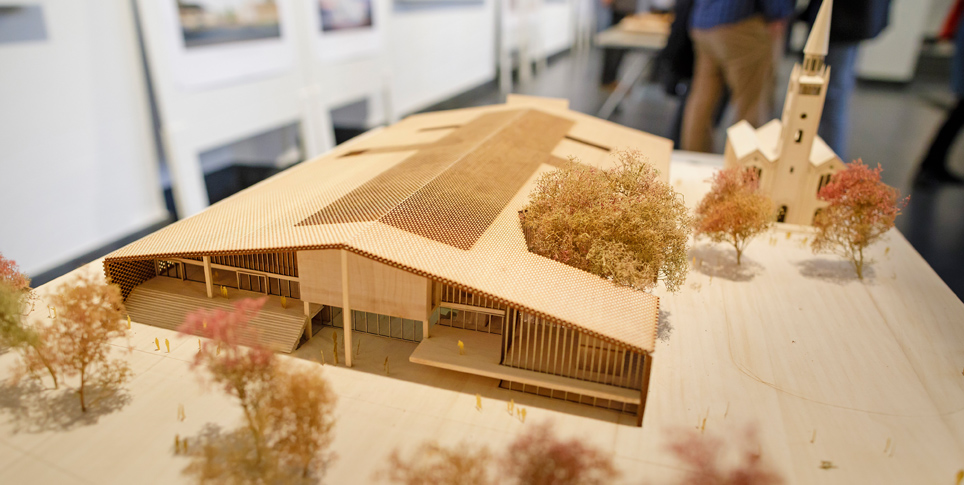
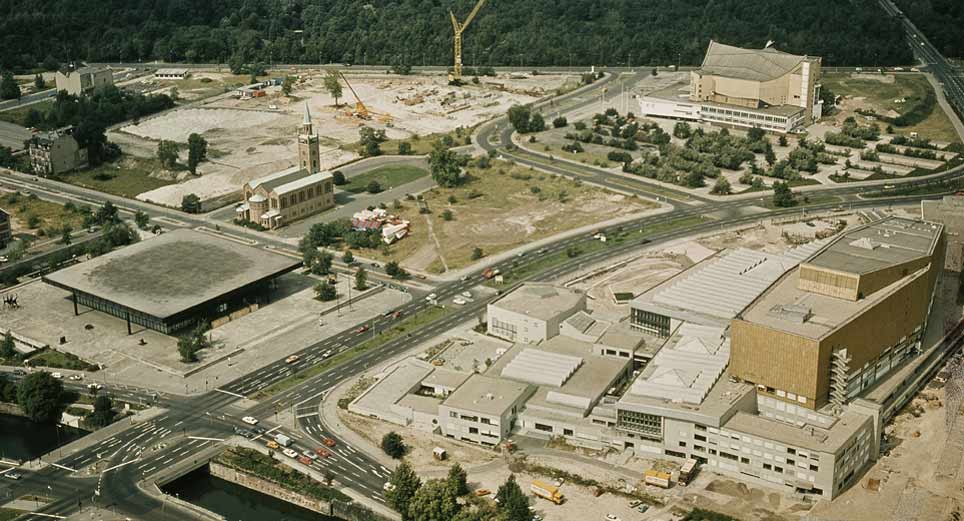
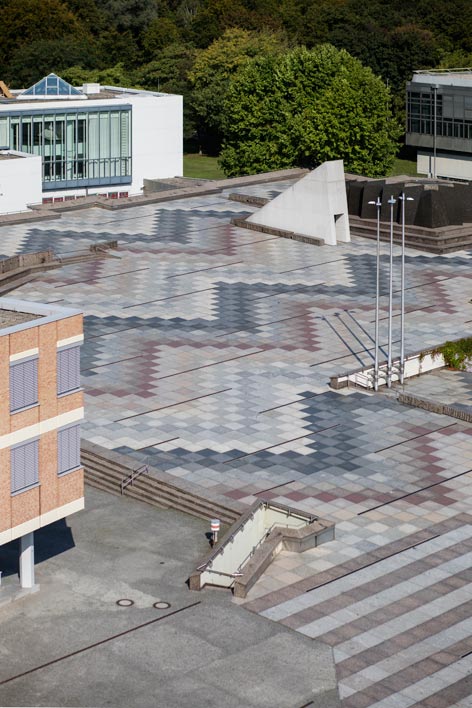
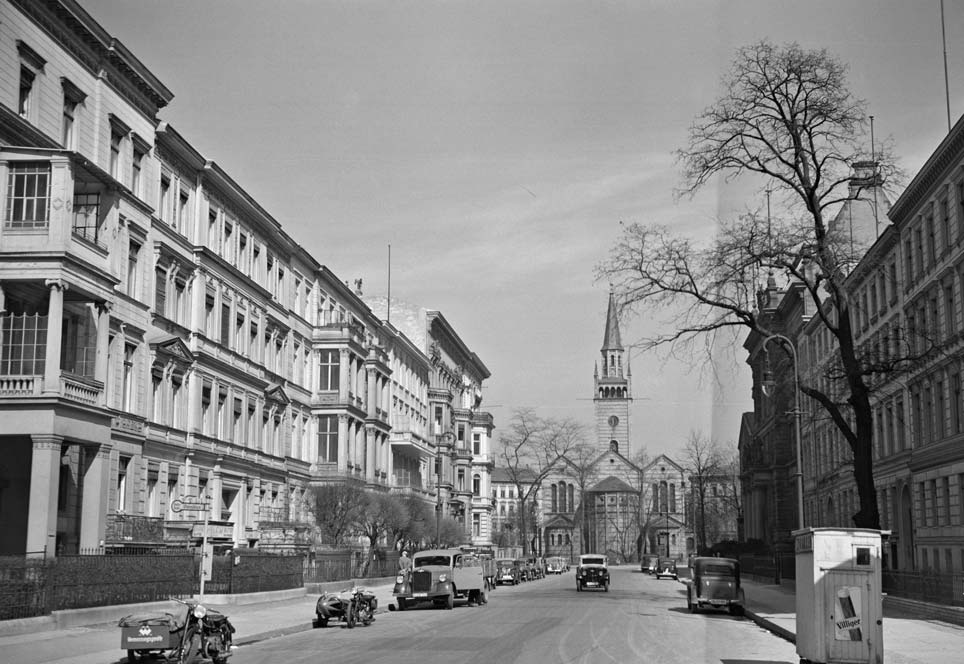
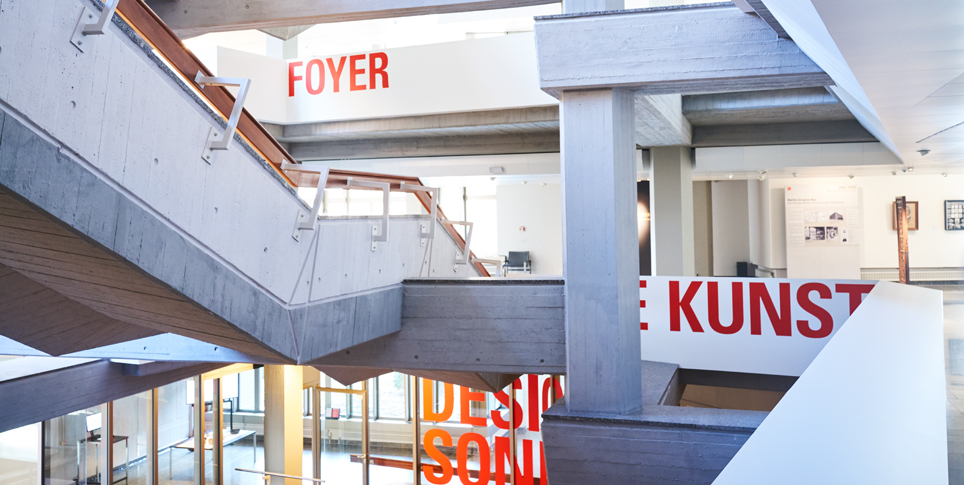
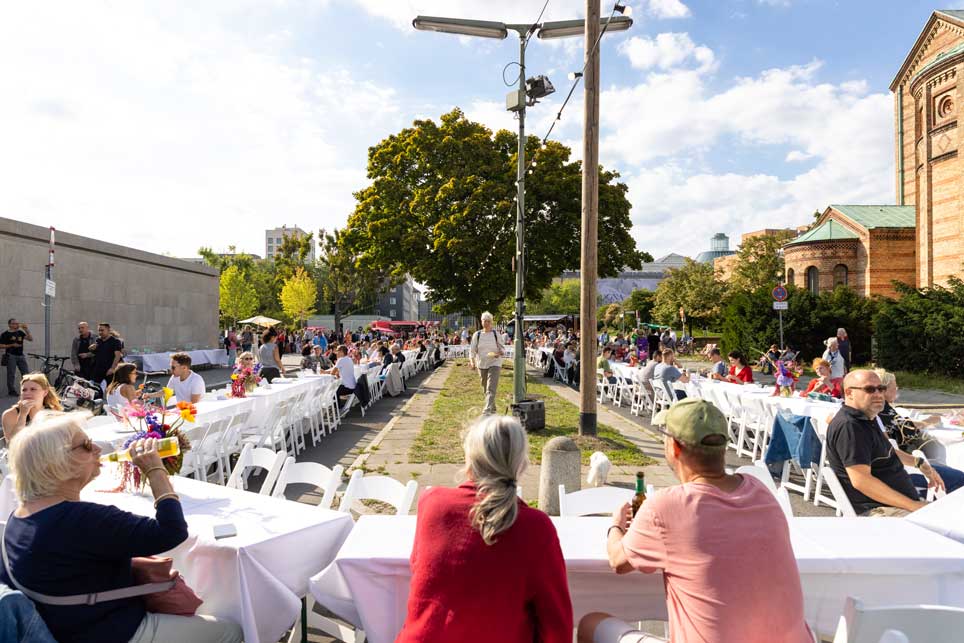
Urban planning wasteland or not – the cultural richness of the buildings at the Kulturforum is unrivalled: modern art and literature, fashion and music, the history of design and film, maps and world cultural history are all concentrated here across some 5,000 square metres. An introduction.
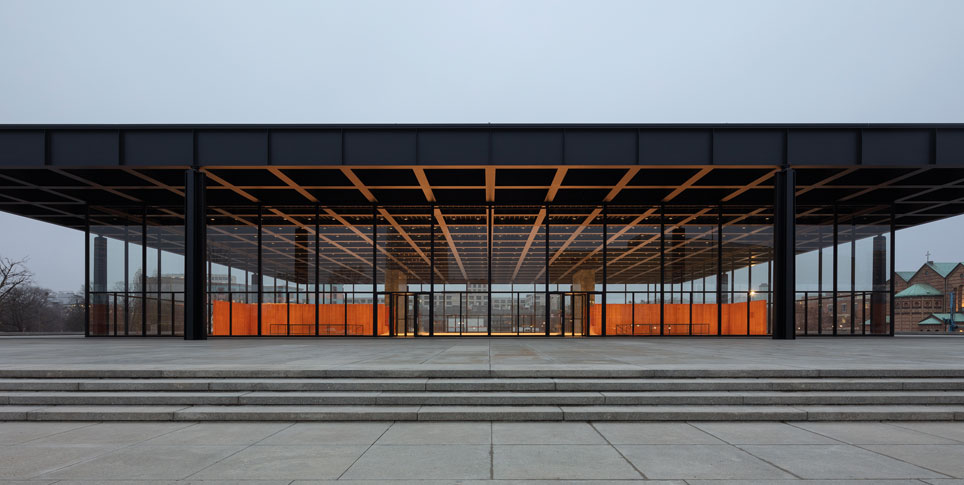
Neue Nationalgalerie: Narratives of Modernism
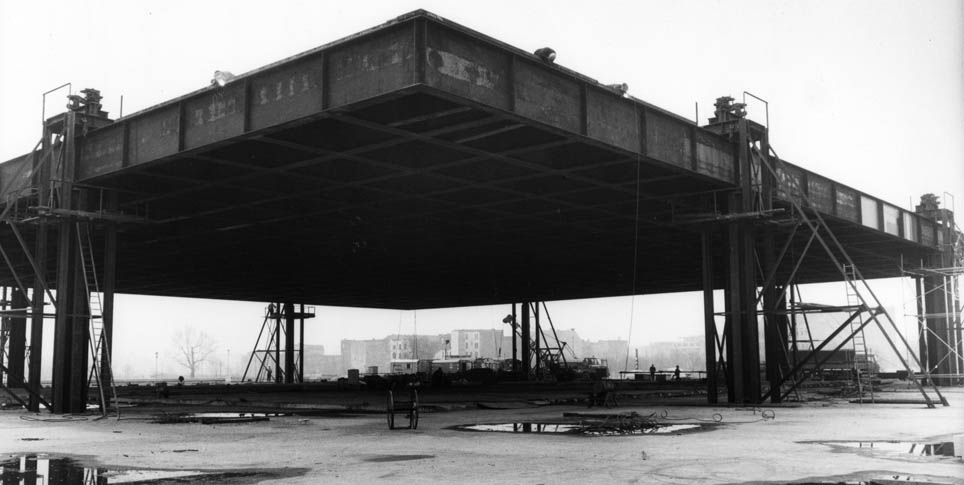
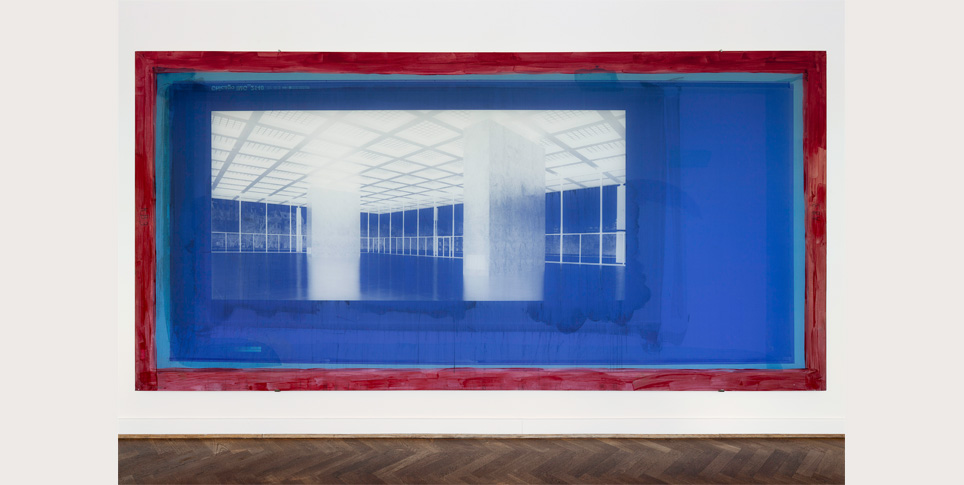
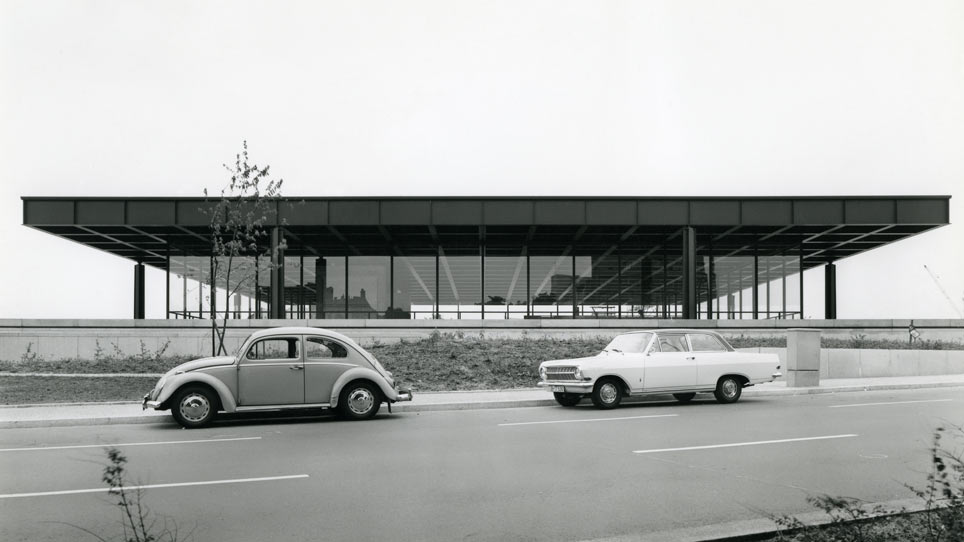
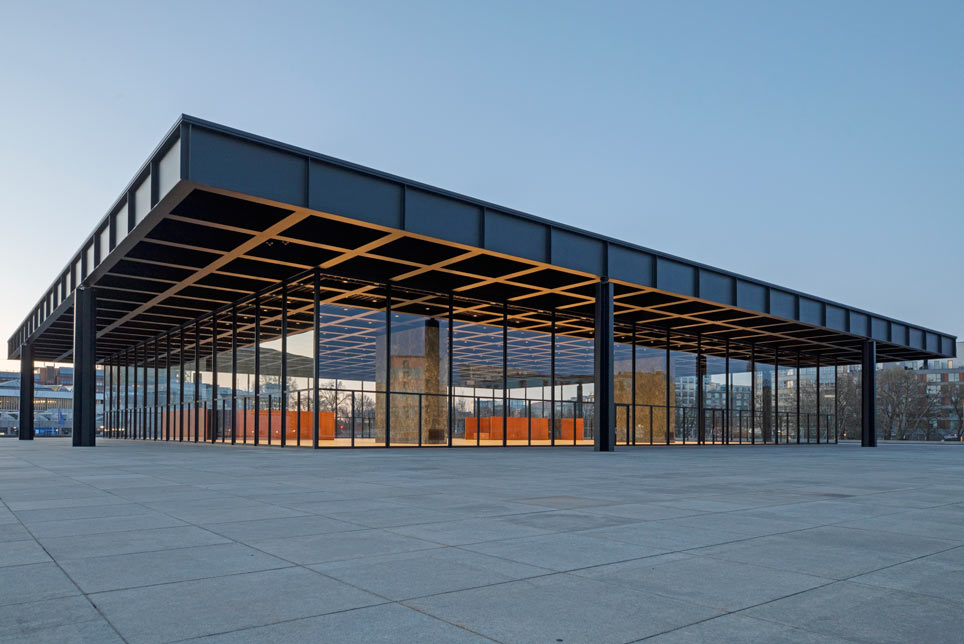
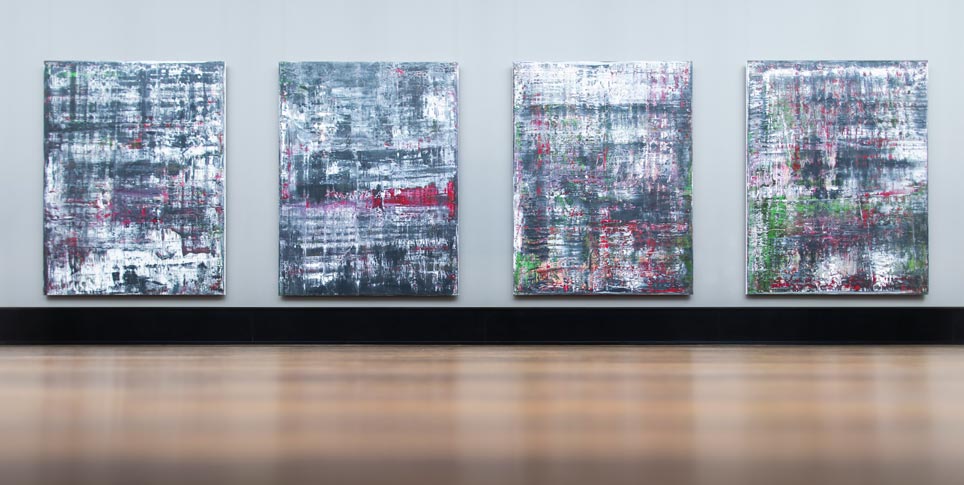
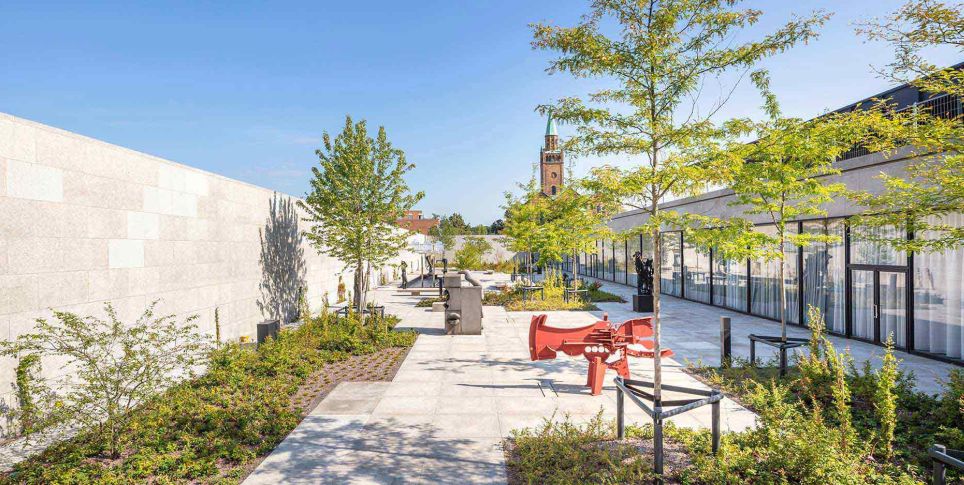
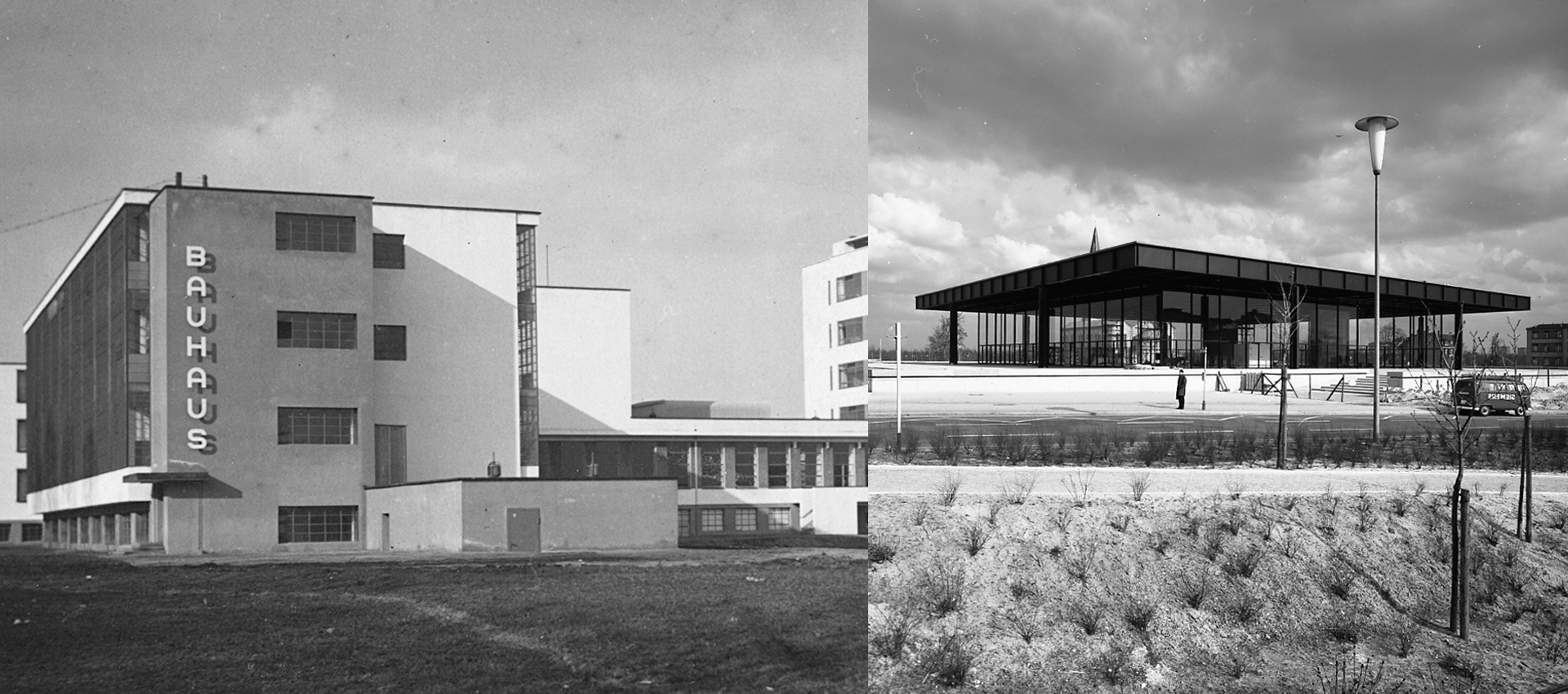
From Max Beckmann and Ernst Ludwig Kirchner to Anselm Kiefer and Barnett Newman: anyone in Berlin wishing to see 20th-century art should visit the Neue Nationalgalerie. Around 4,000 works in the collection of the Nationalgalerie, part of the Staatliche Museen zu Berlin, were created in the last century. Added to these are the Marx Collection, the Pietzsch Collection and parts of the Marzona Collection, which is housed within the Staatliche Museen. German Expressionism, French Cubism, Surrealism, Colour Field painting, art from the GDR, art after 1960 and video art form the main focus of the collection.
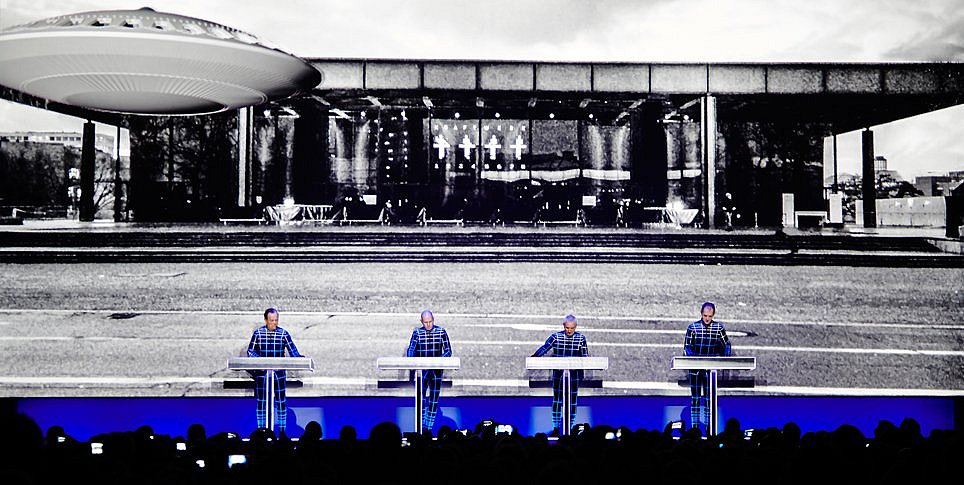
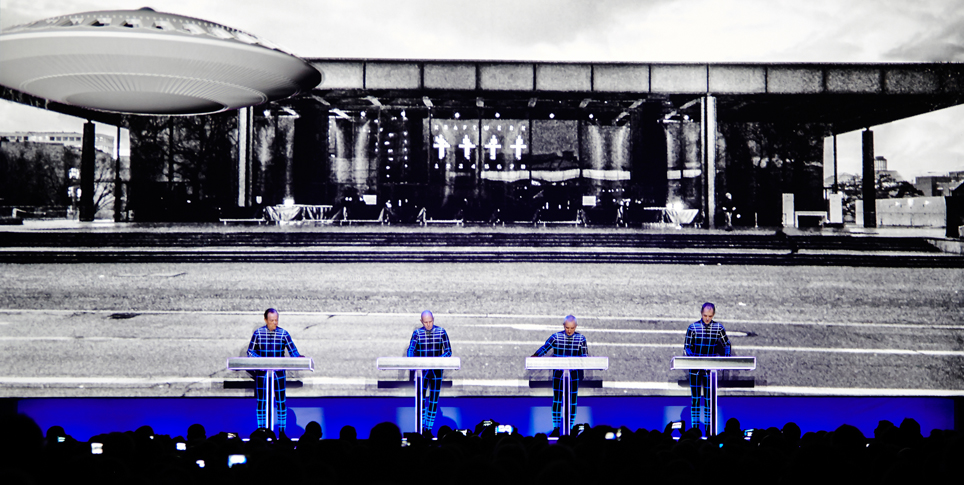
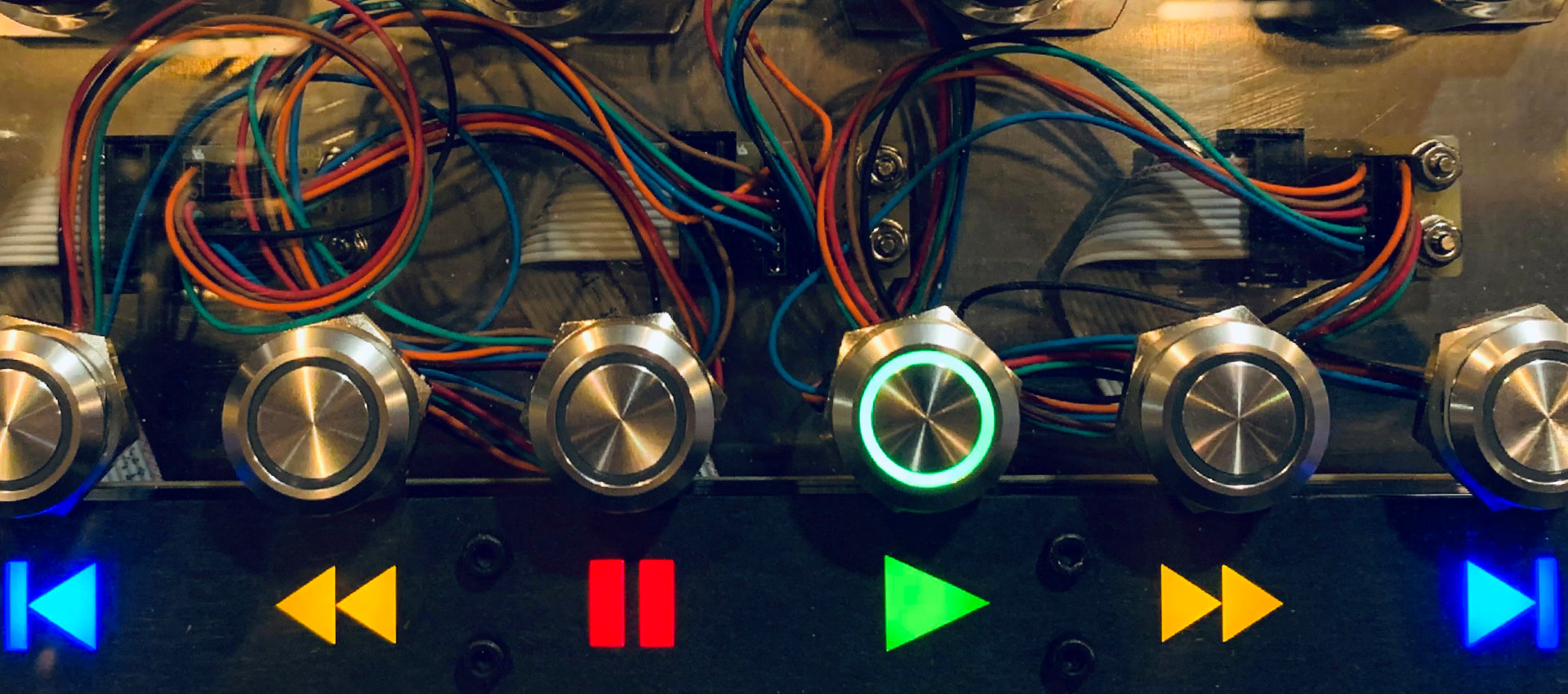
Kraftwerk in the spotlight: in 2015, the electronic music pioneers performed their 3D concert series "Der Katalog – 1 2 3 4 5 6 7 8" at the Neue Nationalgalerie in the Kulturforum © Peter Boettcher/Kraftwerk/Sprüth Magers
The history of the Neue Nationalgalerie’s collection is inextricably linked to Germany’s political history. Hardly any other museum lost as many works to the Nazis as the Nationalgalerie: over 500 works from the collection were confiscated, sold or lost during the Second World War between 1937 and 1945. The rebuilding of the collection after 1945 took different paths in the two German states. In the West, the Berlin City Council acquired numerous works for the ‘Galerie des 20. Jahrhunderts’ (Gallery of the 20th Century), primarily from the classical modernist period – that is, the very art that had been particularly targeted for confiscation by the Nazis.
Gemäldegalerie: Masterpieces of European painting across two kilometres
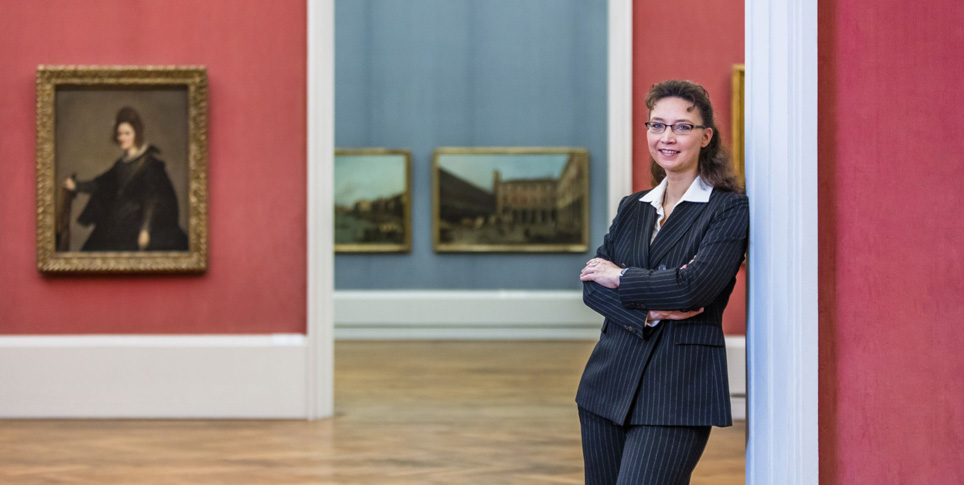
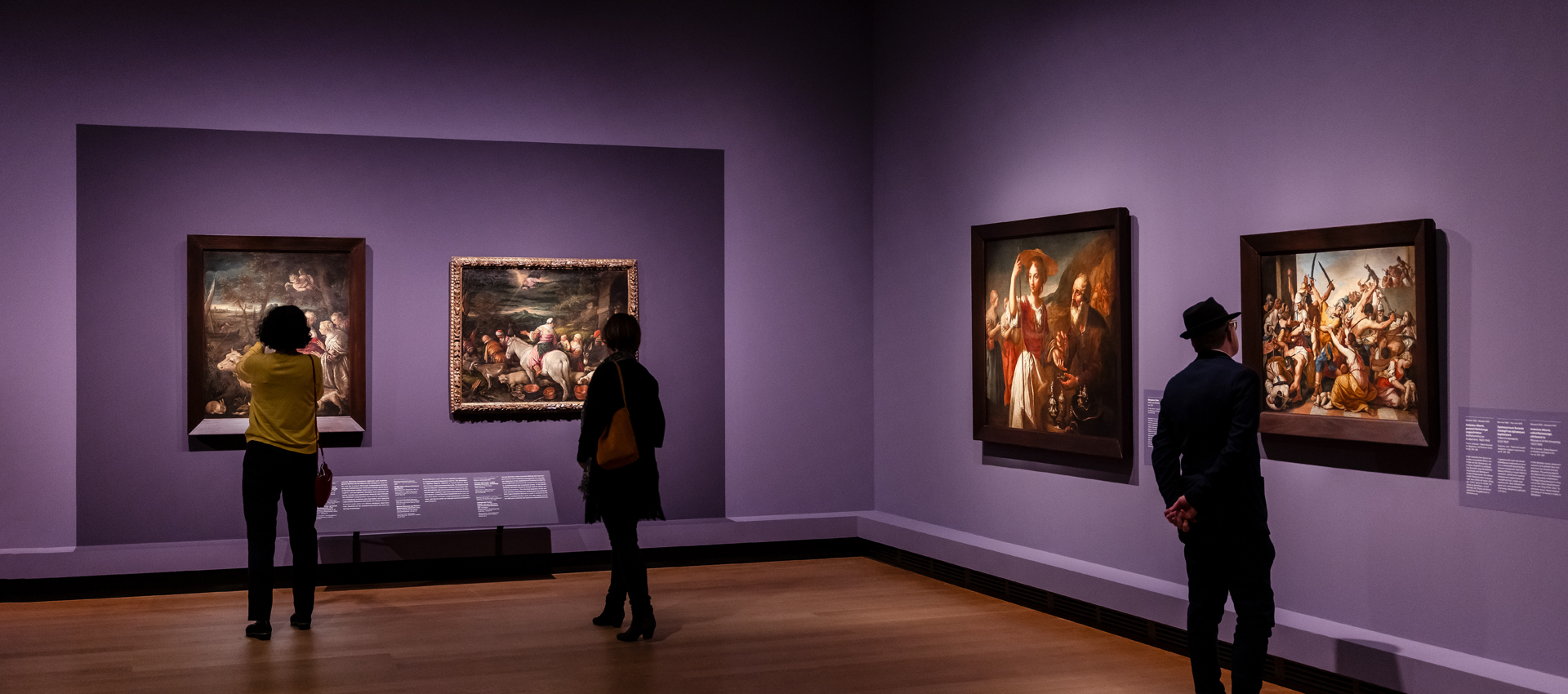
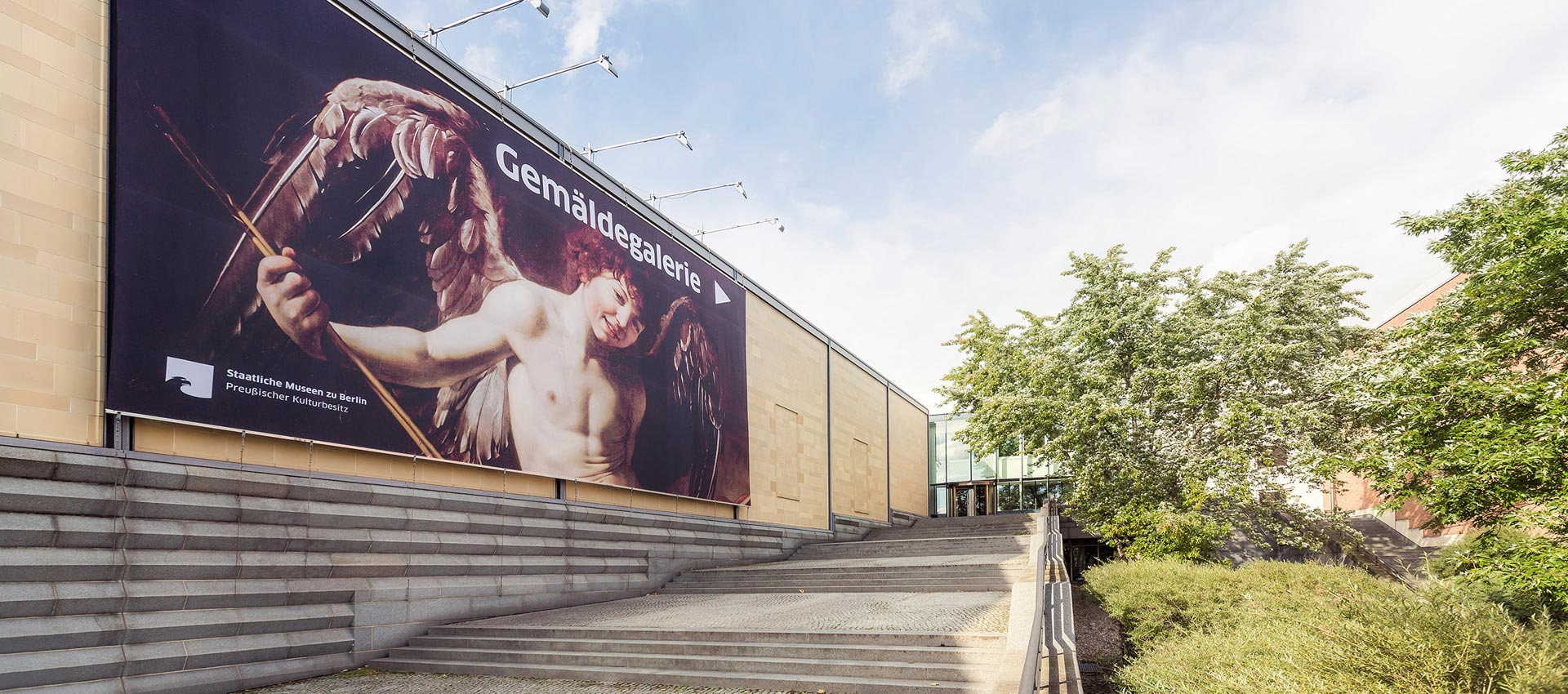
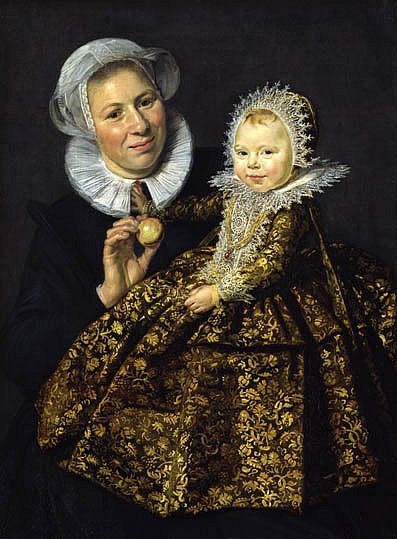
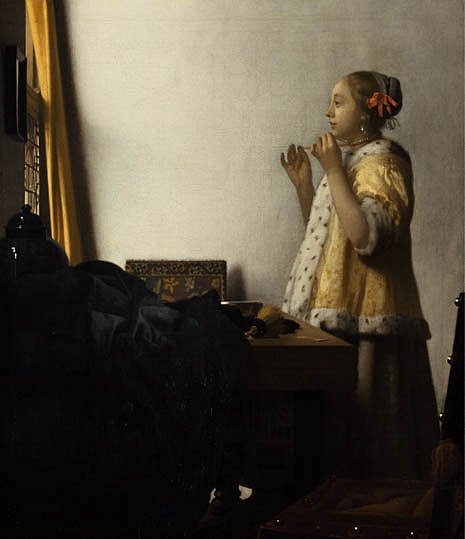
The Gemäldegalerie of the Staatliche Museen zu Berlin houses one of the world’s most significant collections of European painting from the 13th to the 18th century. Masterpieces from all eras, including paintings by Jan van Eyck, Pieter Bruegel, Albrecht Dürer, Raphael, Titian, Caravaggio, Peter Paul Rubens, Rembrandt and Jan Vermeer van Delft, are on display here. A tour stretching almost two kilometres through 72 rooms and cabinets at the building on the Kulturforum takes visitors through individual artistic landscapes and eras. The collection focuses on German and Italian painting from the 13th to the 16th centuries, as well as Dutch painting from the 15th and 16th centuries.
Since its foundation in 1830, the Picture Gallery has been built up and expanded according to art-historical criteria. The collection owes its world-class status to this continuous overview of European painting from the 13th to the 18th century, as well as to the numerous incomparable masterpieces from all art-historical periods that it houses. After the Second World War, the western part of the collection was housed in Berlin-Dahlem, whilst the eastern part remained in the Bode Museum. Following this division, which lasted over fifty years, the collection has been on display in all its splendour since 1998 at the Kulturforum in the new building designed by Hilmer&Sattler.
Museum of Decorative Arts: Inspiration in art, fashion and design
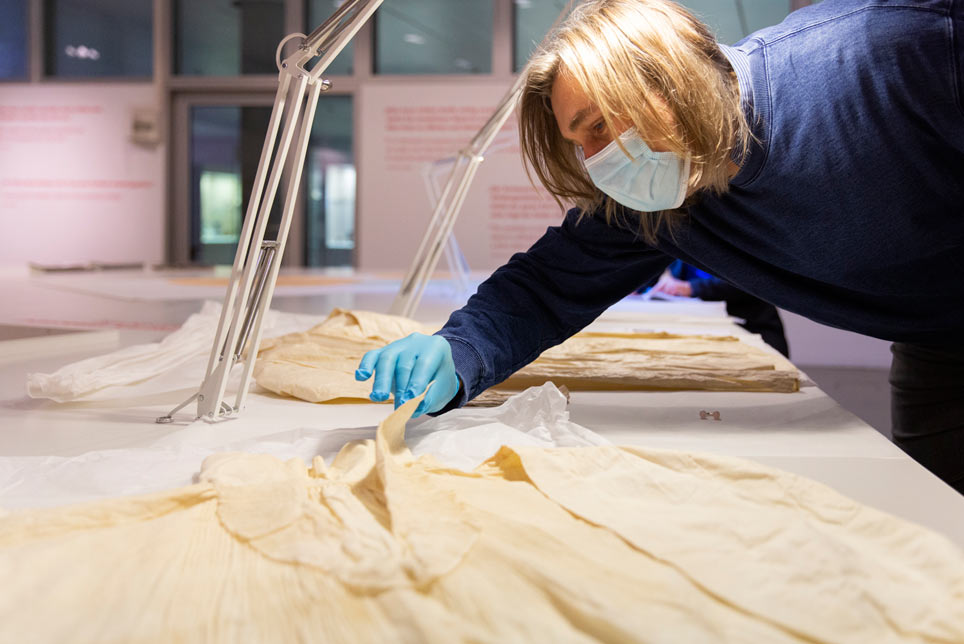
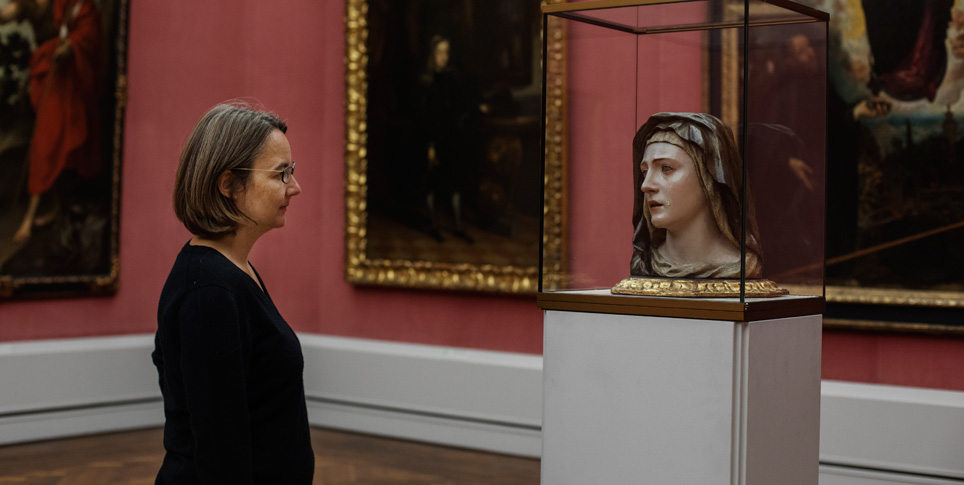
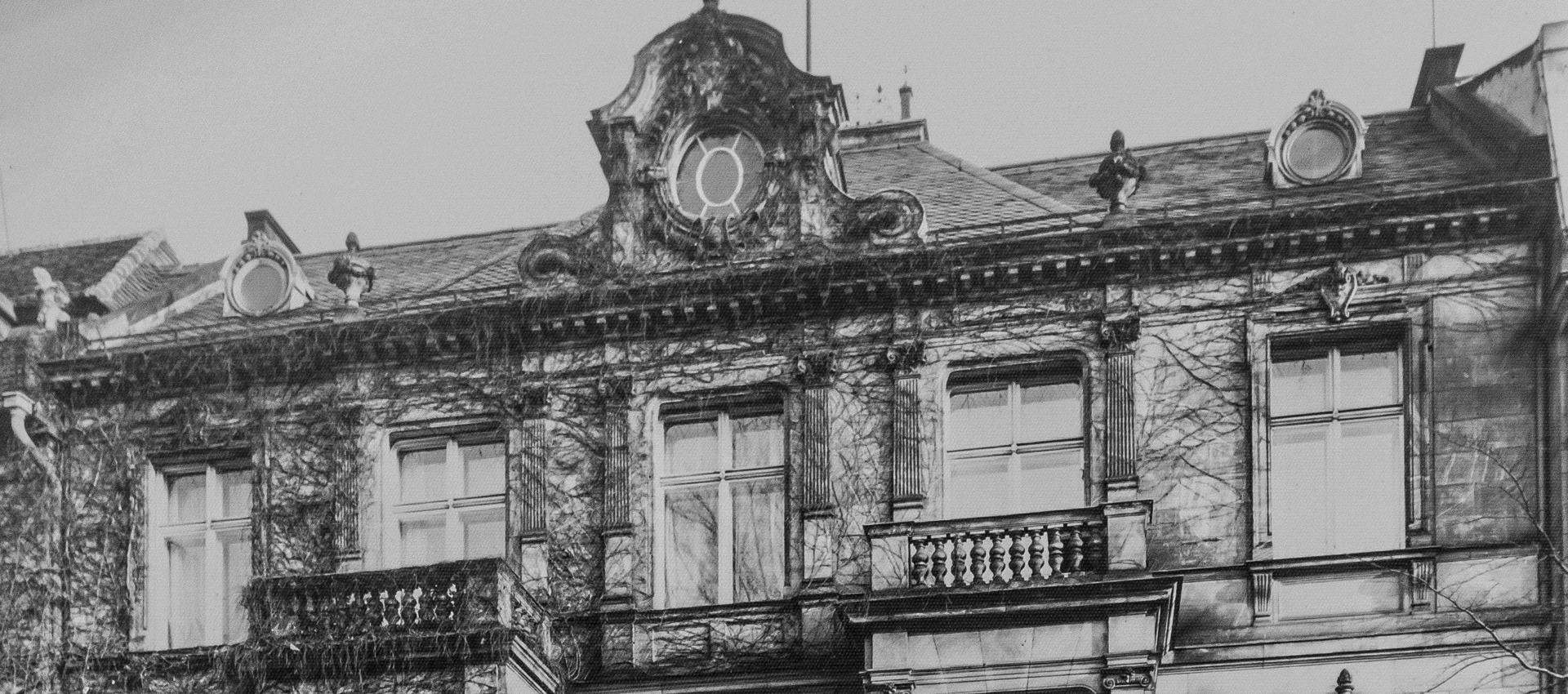
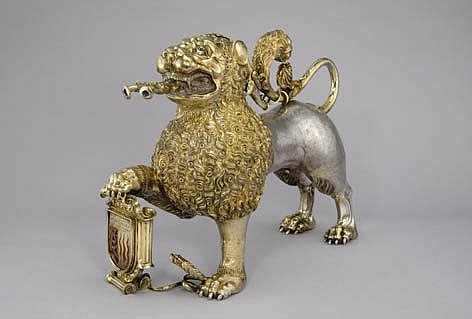
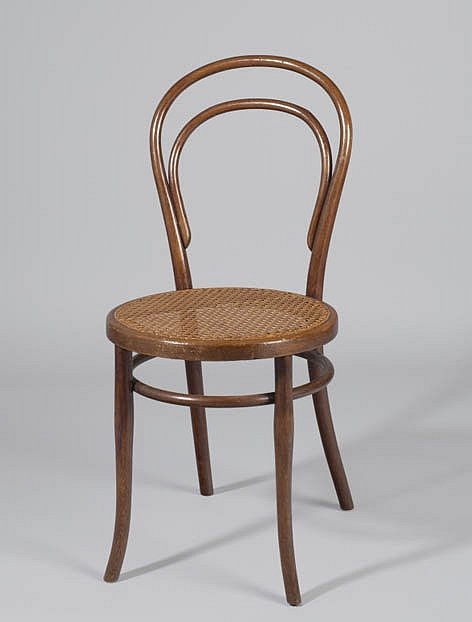
The Museum of Decorative Arts of the Berlin State Museums is the oldest of its kind in Germany. It houses world-famous examples of European arts and crafts and design from the early Middle Ages to the present day, including magnificent reliquaries made of gold and precious stones, exquisite vases of glass or porcelain, finely embroidered garments, intricately inlaid furniture, and classics of modern industrial design.
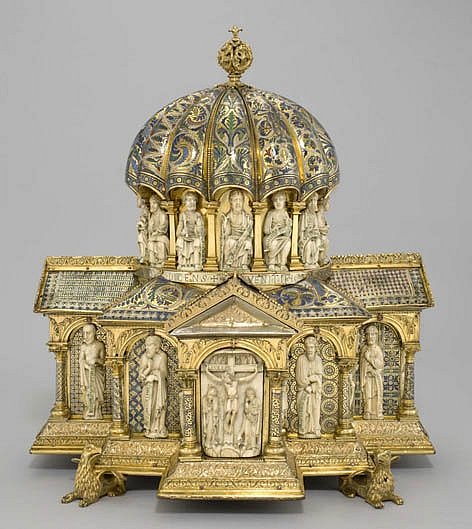
The museum is particularly renowned for its exquisite collection of medieval sacred art: masterful goldsmith’s works such as the Bursen reliquary from the Dionysius Abbey in Enger/Herford, as well as the dome reliquary and the portable altar of Eilbertus from the Guelph Treasure, have gained international renown.
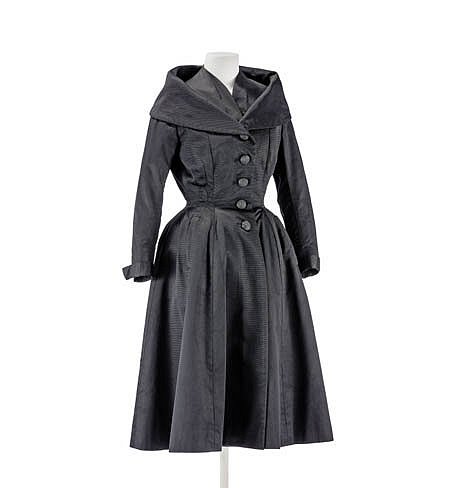
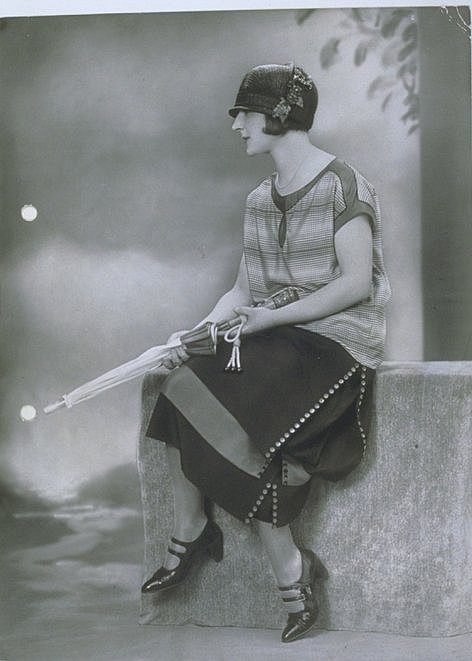
With the museum’s redesign under the motto ‘maximum clarity’ by the architectural firm Kühn Malvezzi, these treasures have been given a fitting showcase since November 2014. Above all, the Museum of Decorative Arts now presents another significant collection: fashion. 130 costumes with accompanying accessories are staged in a minimalist style in the depths of the Museum of Decorative Arts.
The reorientation of the Museum of Decorative Arts is an important step towards establishing the Kulturforum as a centre of modernity. It is also explicitly about addressing Berlin’s ever-flourishing fashion and design scene – and, of course, all those interested in fashion and design. As a museum of art, fashion and design, the institution sees itself as an interface with the creative industries, for which Berlin is the most important German hub. The programme is being consciously expanded in this direction. In this way, the Museum of Decorative Arts once again fulfils its mission to offer inspiration in art, fashion and design through its historical and contemporary collections.
Berlin State Library: Research Library of Modernity on Potsdamer Straße
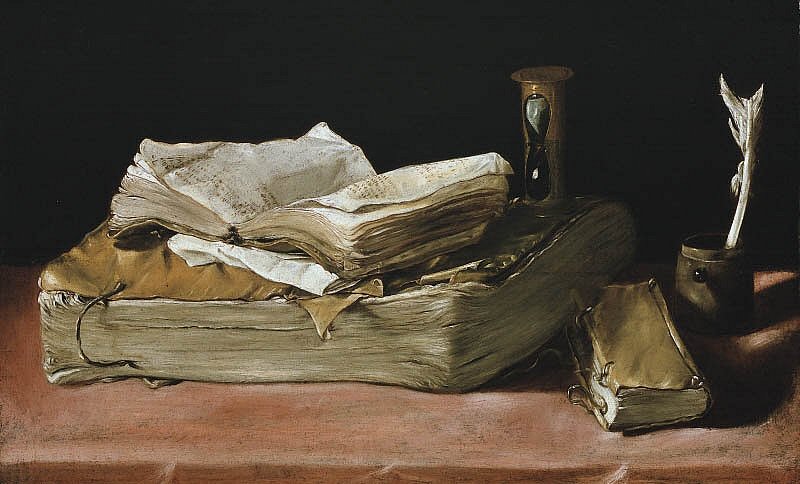
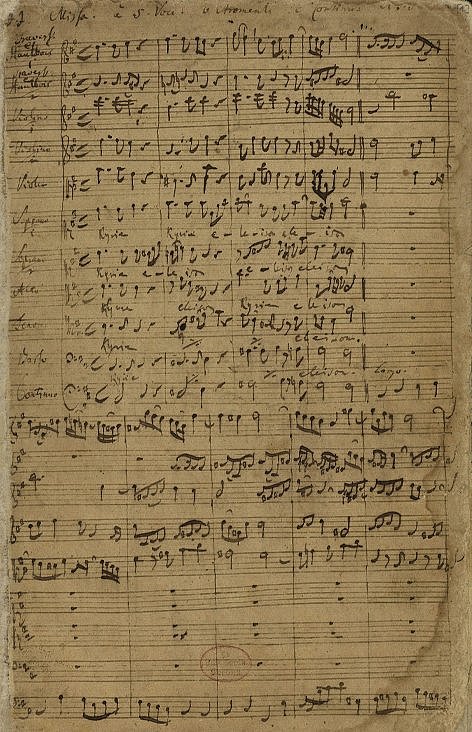
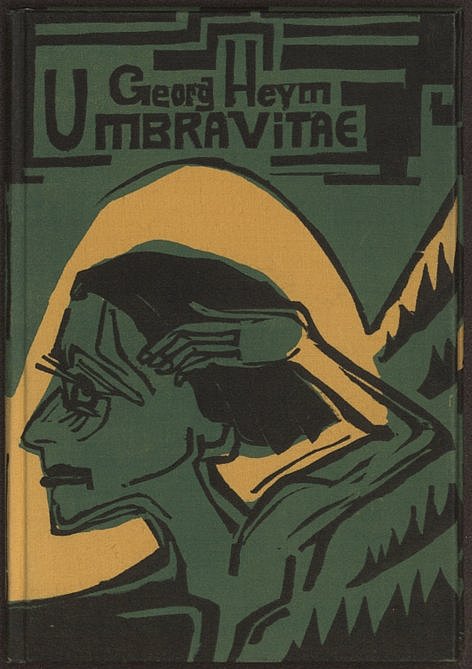
As Germany’s largest general academic library, the Berlin State Library, with its two major sites on Unter den Linden and at the Kulturforum, is a hub for national and international literature. The collection of printed works comprises over 11 million volumes, supplemented by old and rare prints, Western and Oriental manuscripts, musical autographs, autographs and estates, maps, historical newspapers, and children’s and young adult books. The collections are complemented by databases, electronic full-text resources and digitised materials.
The building at Potsdamer Straße 33 is developing into a research library of modern literature. Whilst the modern collection in the stacks, covering publications from 1946 onwards, continues to be expanded, the General Reading Room will in future pick up thematically exactly where the remit of the General Reading Room on Unter den Linden ends: Here you will find literature relating to the modern era up to the present day; a universal reference collection covering all periods complements this open-access literature. The region-specific special sections for literature and other materials from Eastern Europe, East Asia and the Middle East will remain at this location.
The Kupferstichkabinett: A Universe of Art on Paper
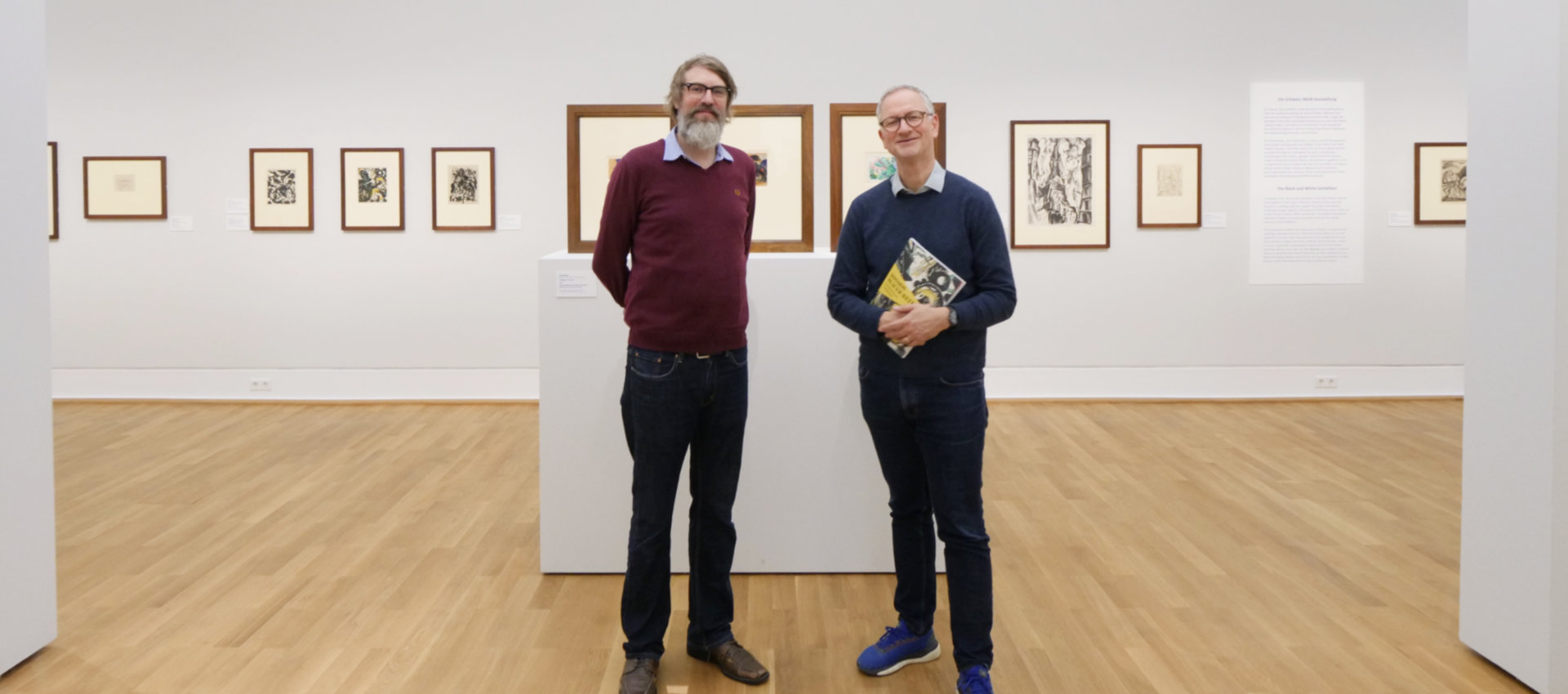
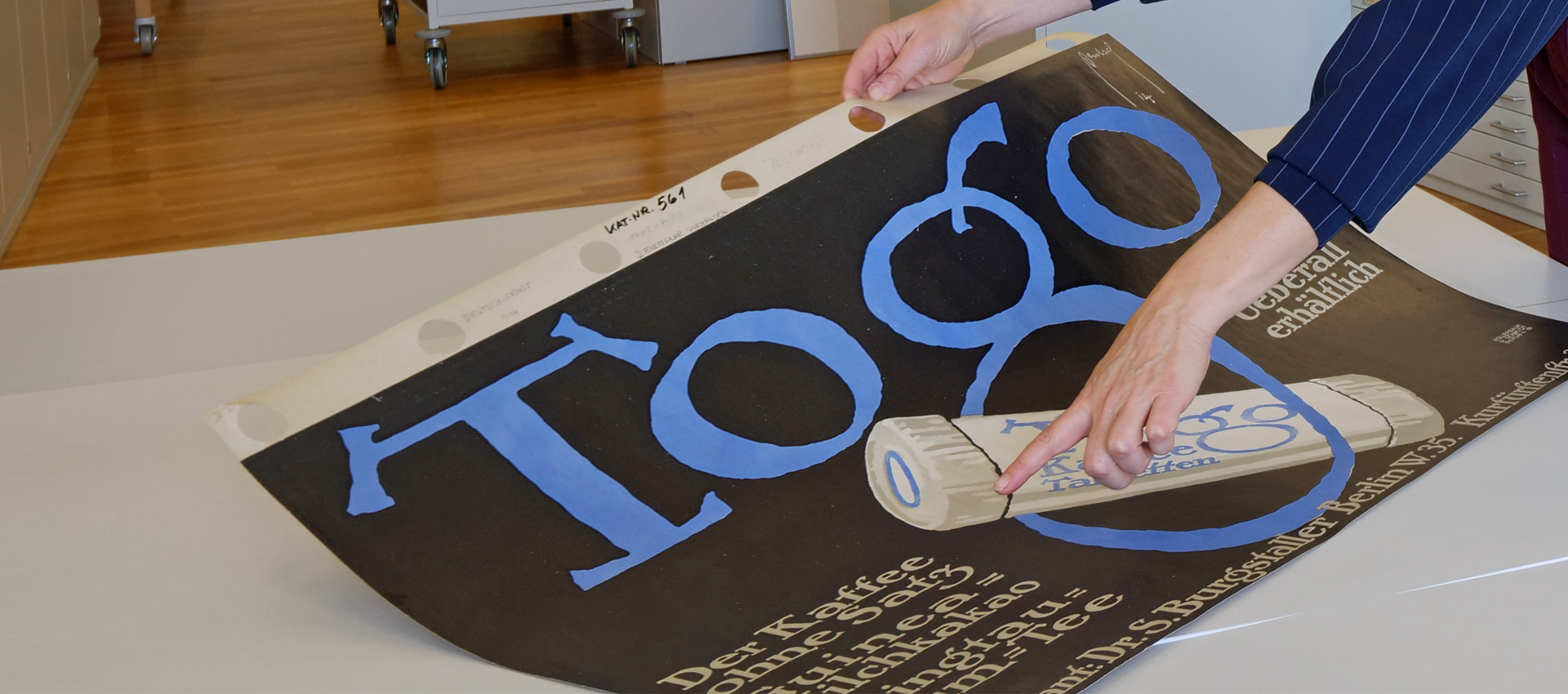
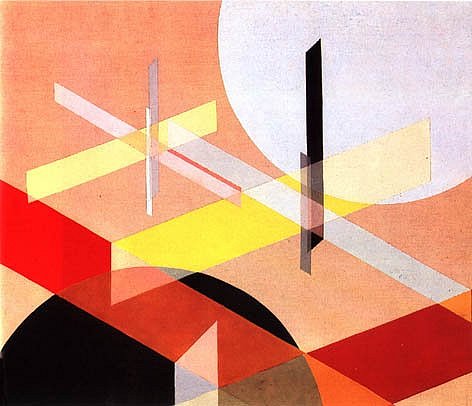
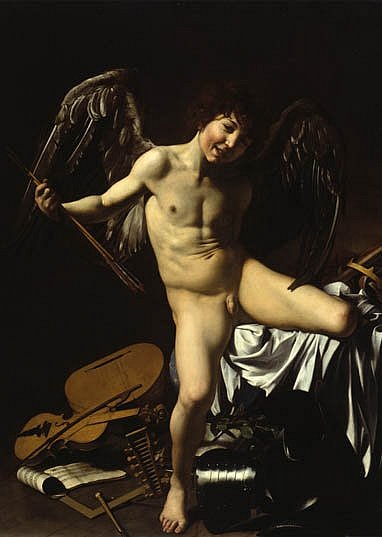
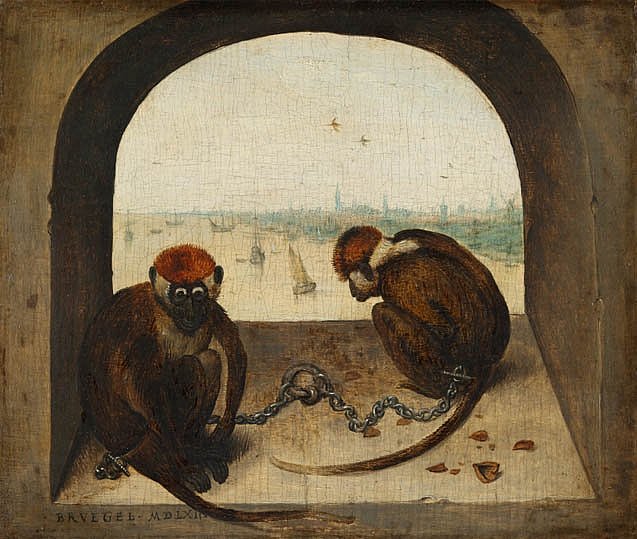
As a museum of graphic arts, the Kupferstichkabinett of the Staatliche Museen zu Berlin ranks among the four most important institutions of its kind worldwide and possesses the most extensive art collections in Germany. These comprise some 550,000 works of printmaking and 110,000 drawings, watercolours, oil sketches and illustrated books.
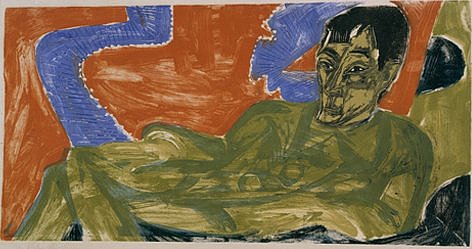
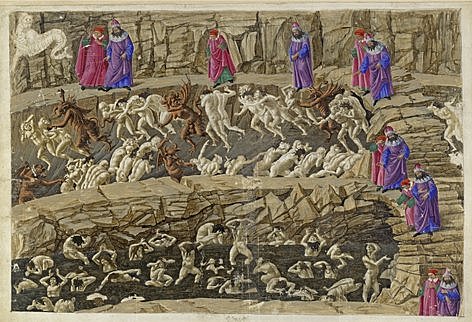
The collections represent 1,000 years of art, cultural and media history, featuring masterpieces ranging from Sandro Botticelli, Albrecht Dürer, Rembrandt, Adolph Menzel and Vincent van Gogh, through Ernst Ludwig Kirchner and Pablo Picasso, to Andy Warhol and contemporary artists. With its treasures, the museum is a central hub for artistic ideas, images and forms of expression from Europe and the world cultures connected to Europe.
Key areas include classical modernism, featuring artists such as Edvard Munch, Ernst Ludwig Kirchner and Pablo Picasso; international post-war art, including Alberto Giacometti; Pop Art, with Richard Hamilton, Andy Warhol, Jasper Johns and Frank Stella; Conceptual Art; and Minimal Art. Internationally significant artists working in Berlin form a major focus of the collection’s contemporary art.
Ibero-American Institute: information, research, culture
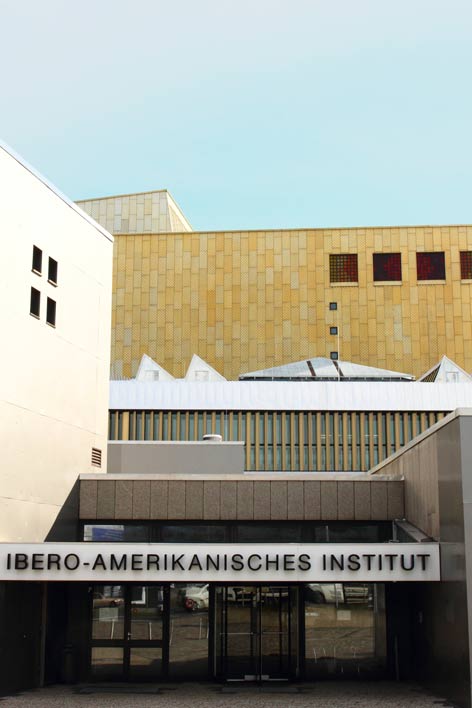
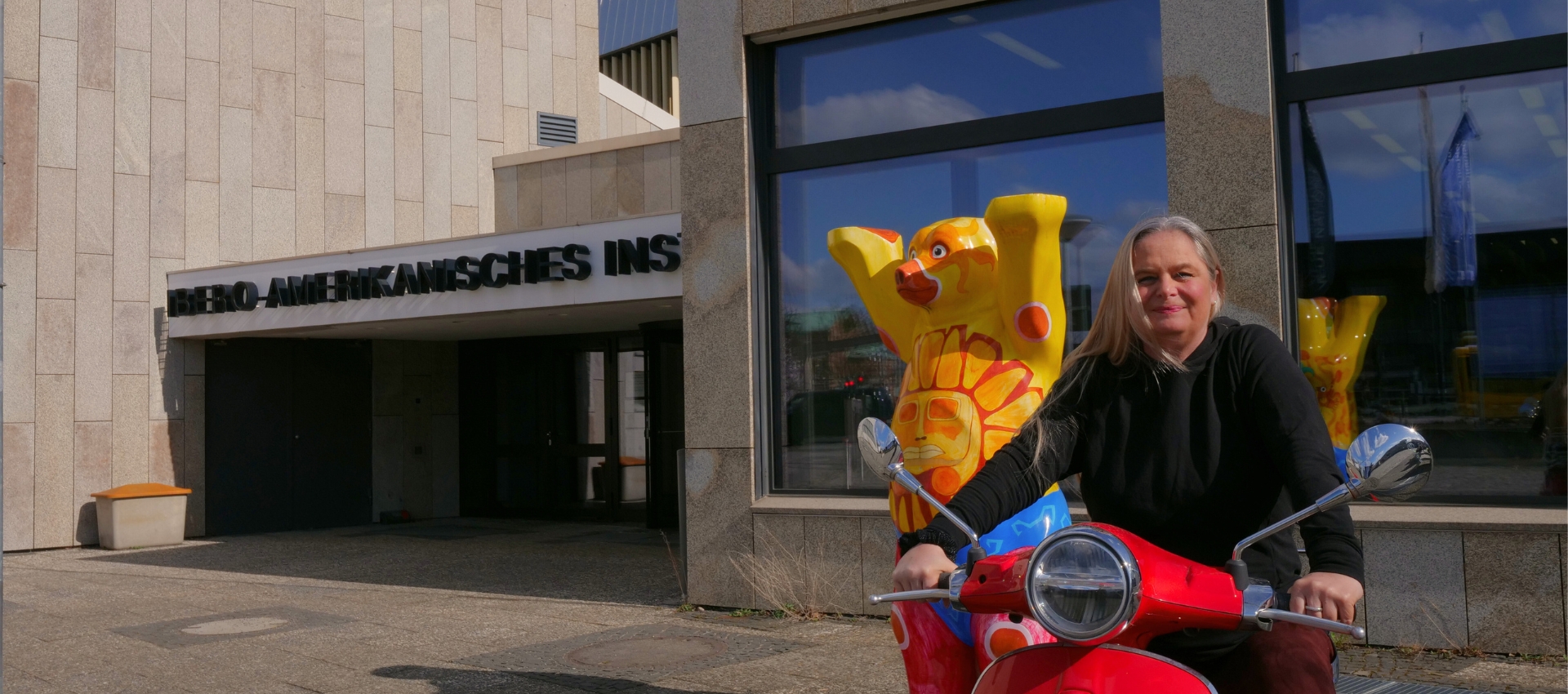
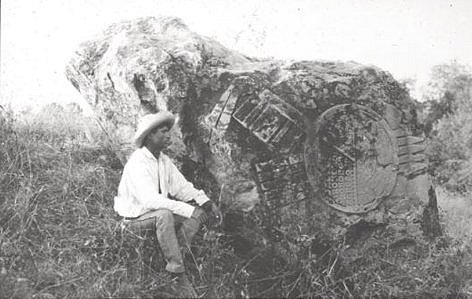
The Ibero-American Institute (IAI) is an interdisciplinary institution dedicated to academic and cultural exchange with Latin America, the Caribbean, Spain and Portugal. The IAI is a centre for information, research and culture. It houses a knowledge archive featuring the world’s second-largest specialist library on the Ibero-American cultural sphere. The IAI’s special collections include, amongst other things, estates, maps, sound recordings, photographs, films, posters and prints. The digital collections provide location-independent access to the IAI’s unique holdings.
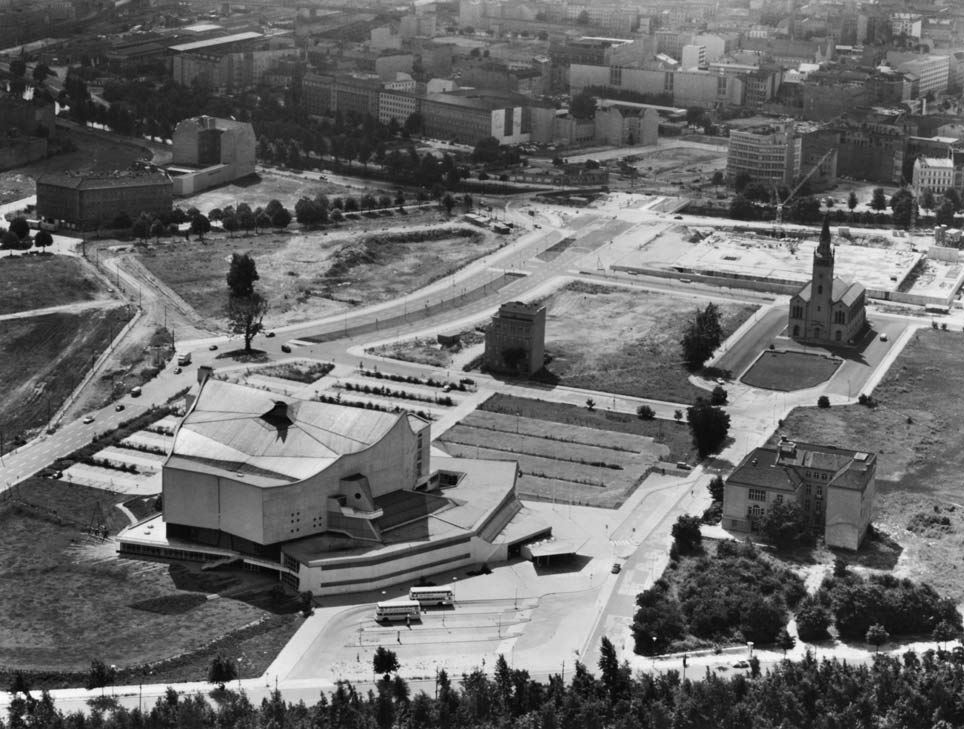
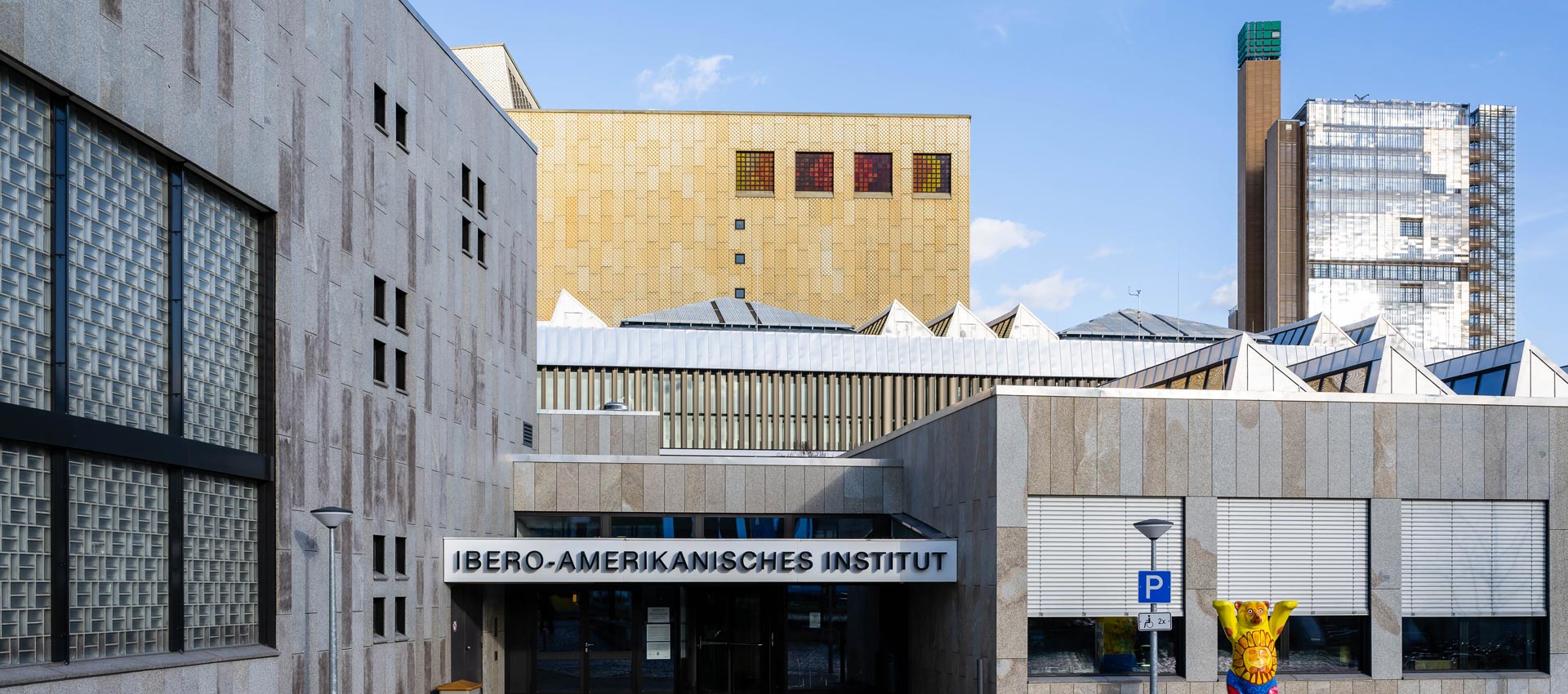
The IAI was founded in 1930. Since 1962, it has been an institution of the Prussian Cultural Heritage Foundation. It is based in the building designed by Hans Scharoun on Potsdamer Straße, which also houses the Berlin State Library.
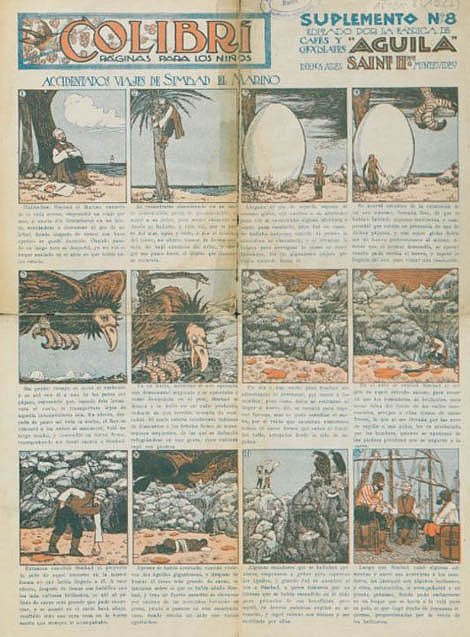
Art Library: An inexhaustible source for art history
The Art Library of the Berlin State Museums is an interdisciplinary research institution housing one of the world’s largest museum libraries. It also holds significant collections on the history of architecture, photography, graphic design and fashion. Together, the library and the museum collections represent the entire spectrum of sources for research in art and cultural studies.
The core tasks of the Art Library are interdisciplinary networking and the provision of literature for the specialist disciplines within the Berlin State Museums. Through its research and exhibitions, it opens up new perspectives on the history of visual media, architecture and fashion, as well as on the shared history of Western and non-European art.
State Institute for Music Research with Museum of Musical Instruments: sound laboratory, exhibition venue, hidden gem
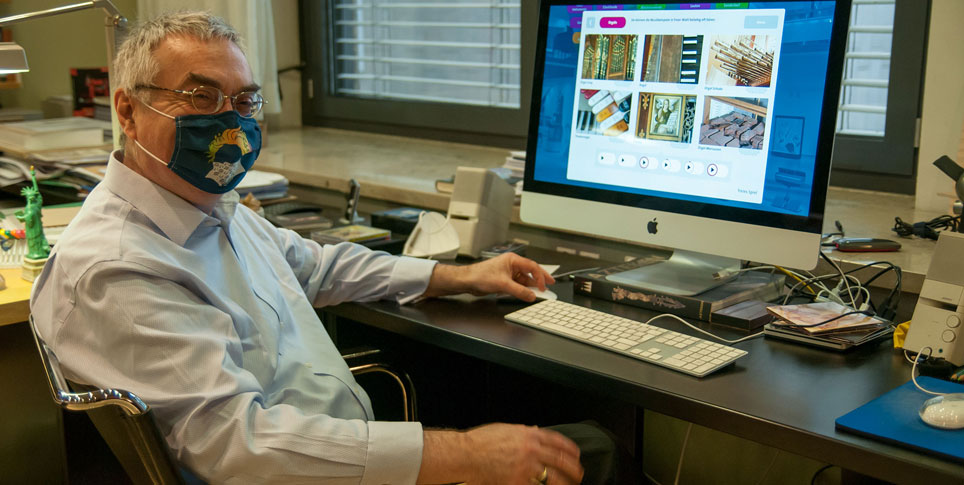
The State Institute for Music Research is a musicological research institution. Its main areas of research are performance studies, historical music theory, instrumentology and sound research. It is as much a place for historical and theoretical reflection as it is for the lively communication of these ideas to a broad audience with an interest in music. To this end, the Institute’s Museum of Musical Instruments provides an ideal forum, which is used for a wide range of events, from academic symposia and concert talks to interactive sound installations.
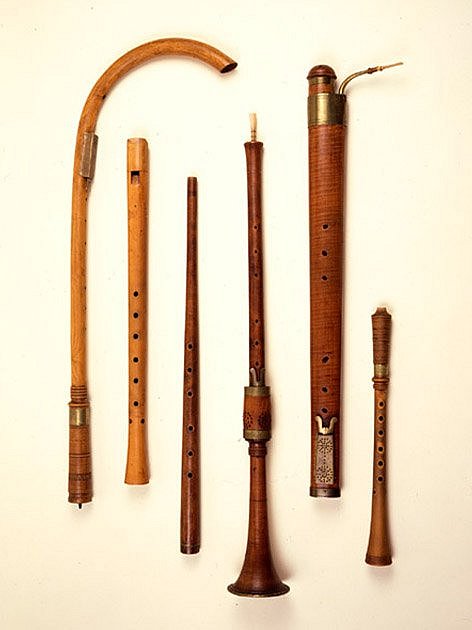
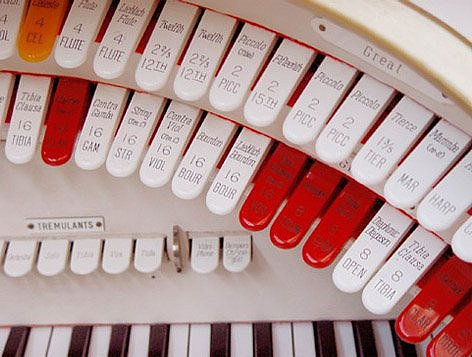
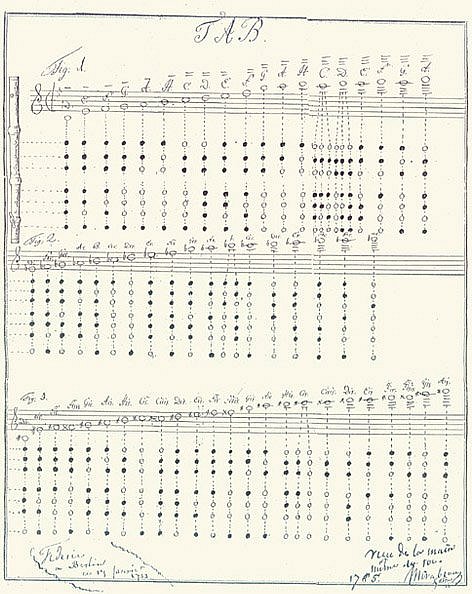
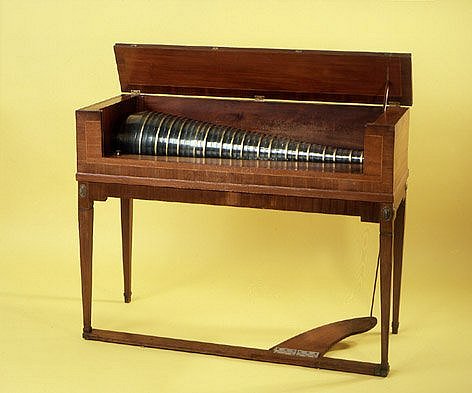
The museum’s collection of around 3,300 instruments traces its origins back to the collection of early musical instruments at the State Academic College in Berlin. In addition to Frederick the Great’s transverse flutes and the Naumburg wind instruments, the collection includes the impressive 19th-century Gray organ and the magnificent Mighty Wurlitzer theatre organ.