A historical review of a cultural hub
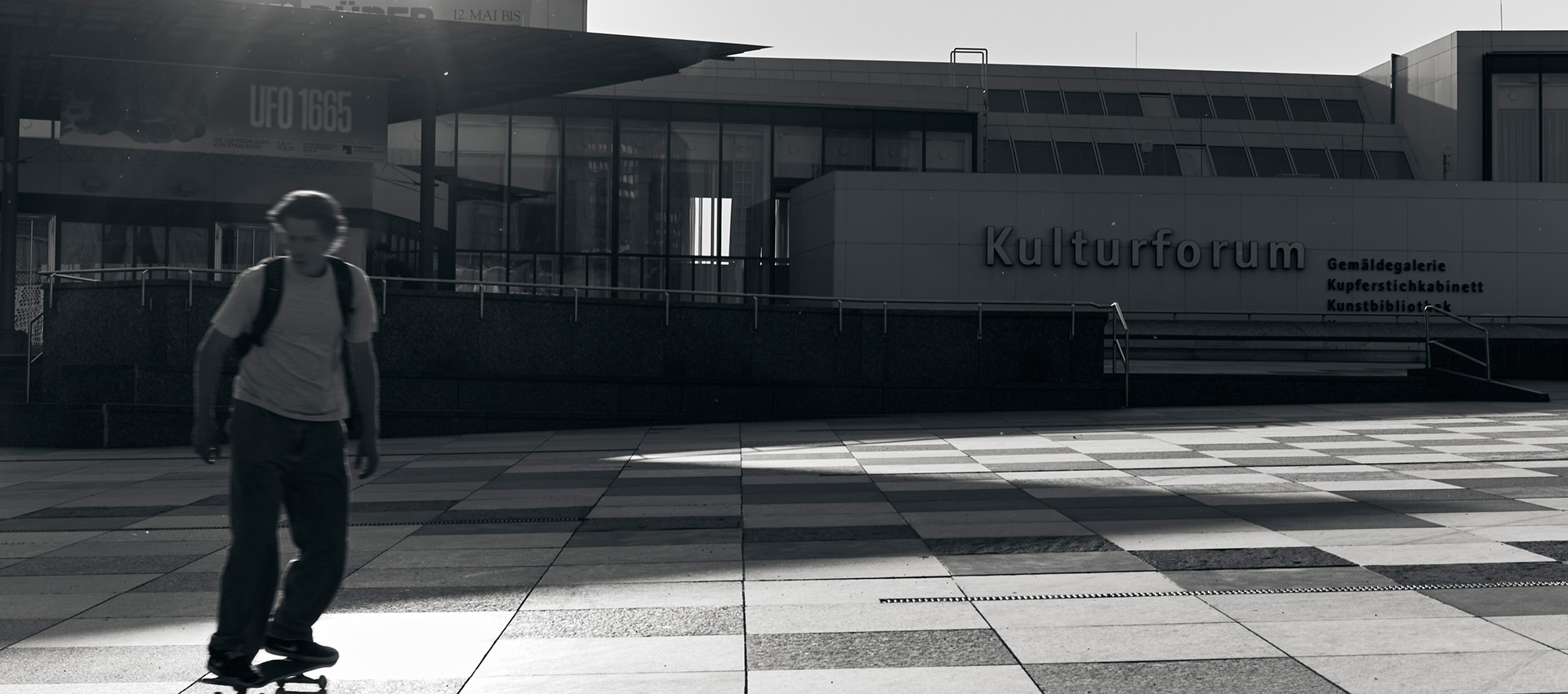
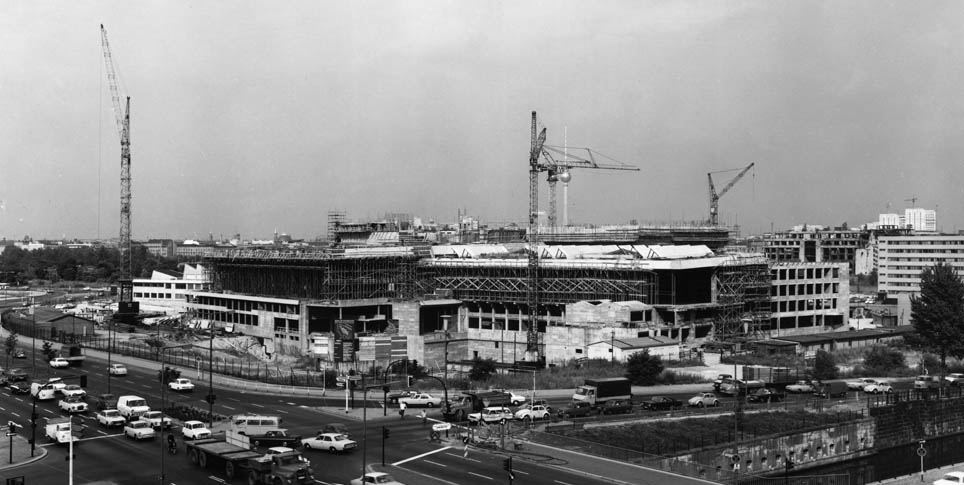
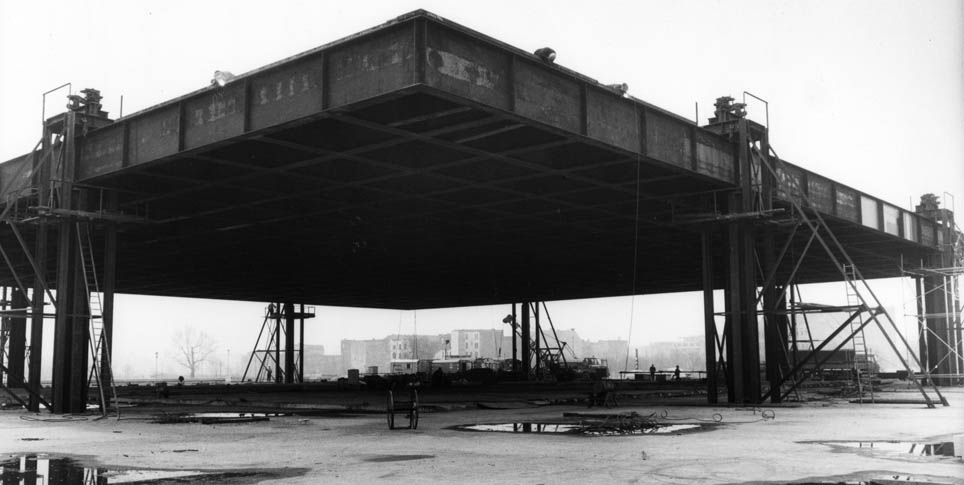
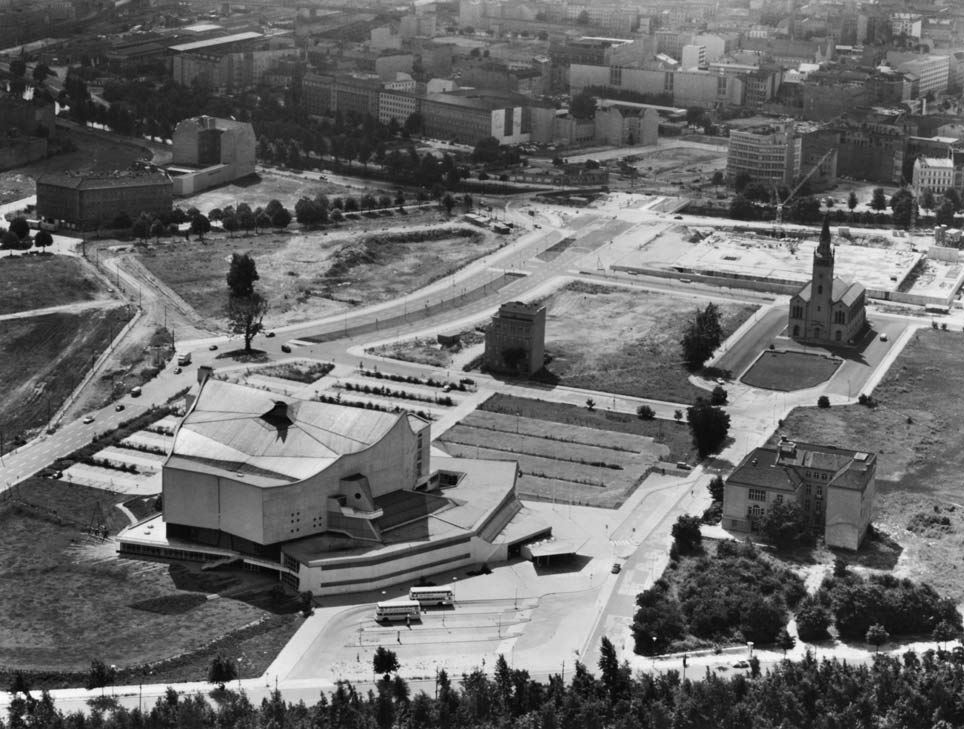
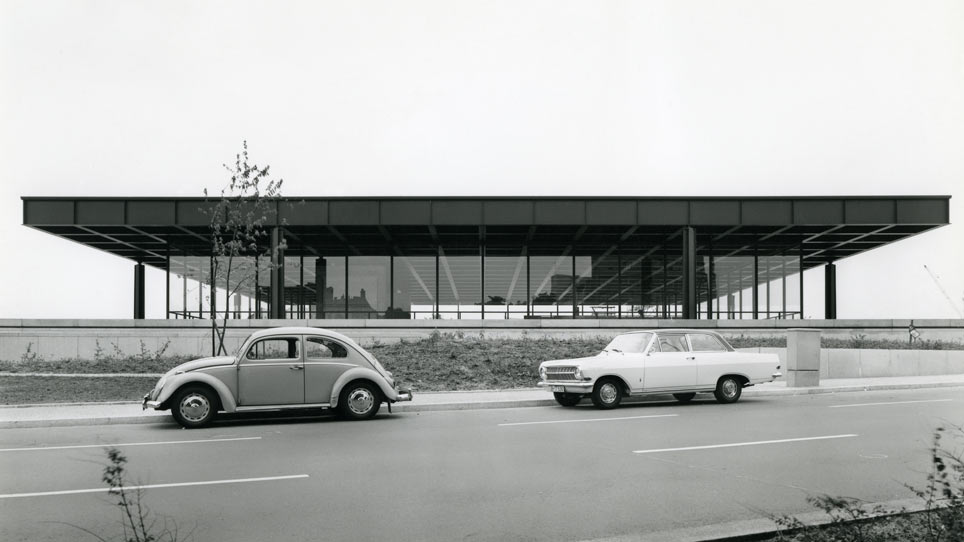
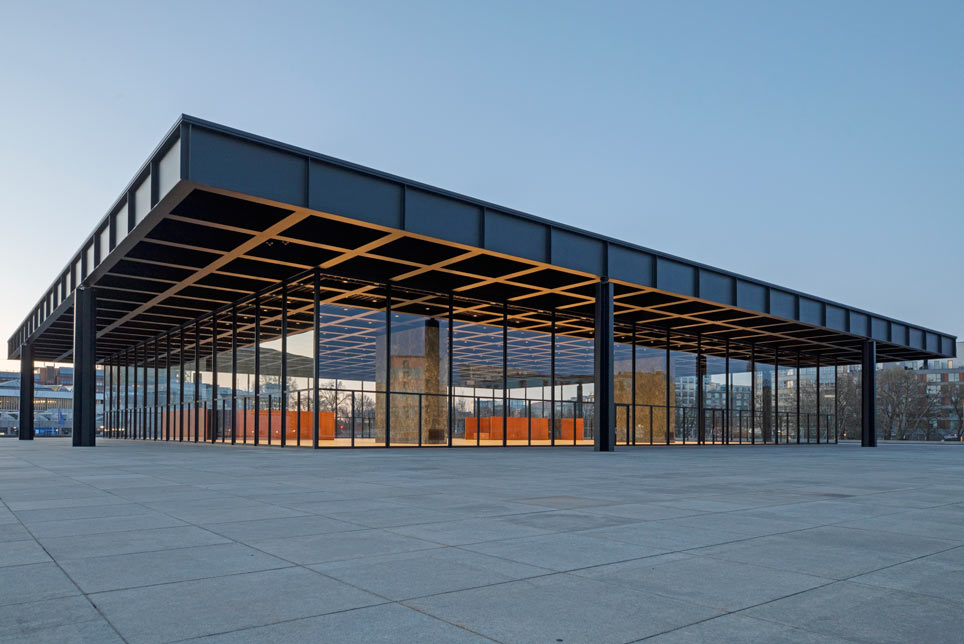
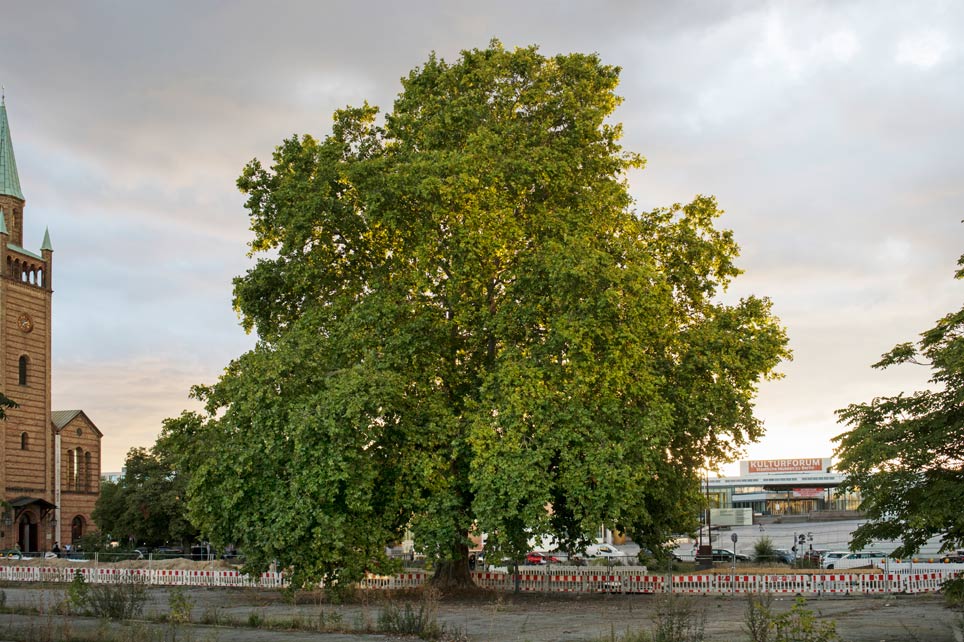
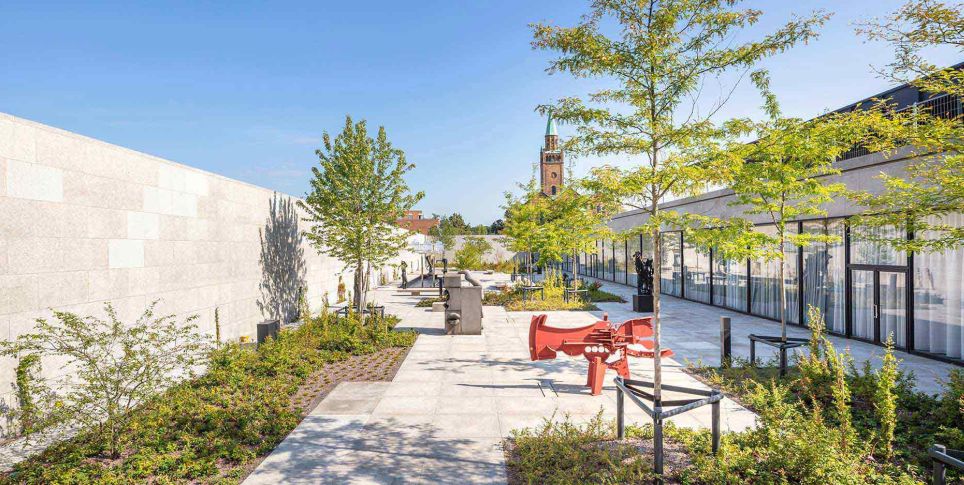
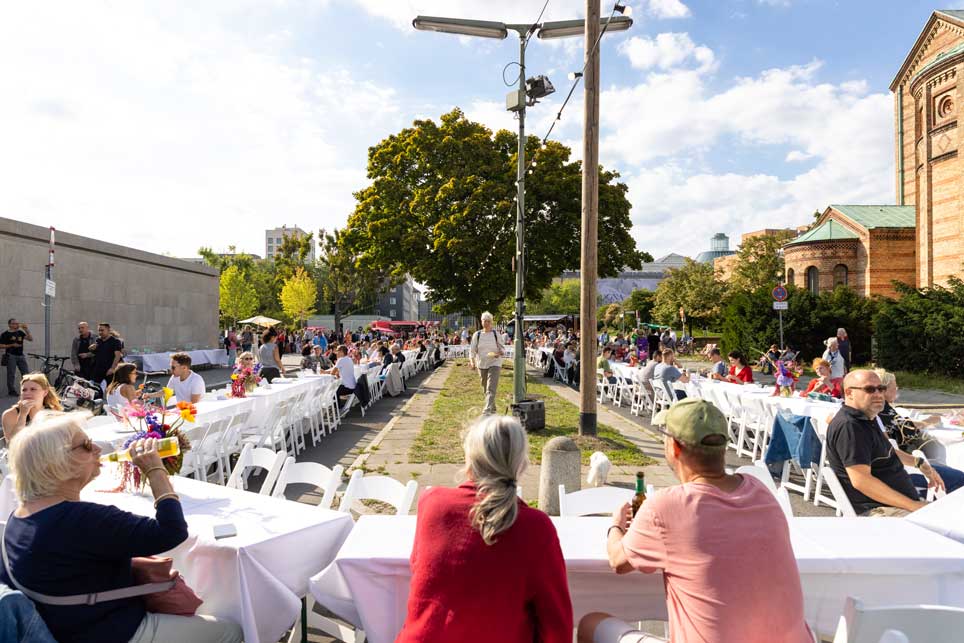
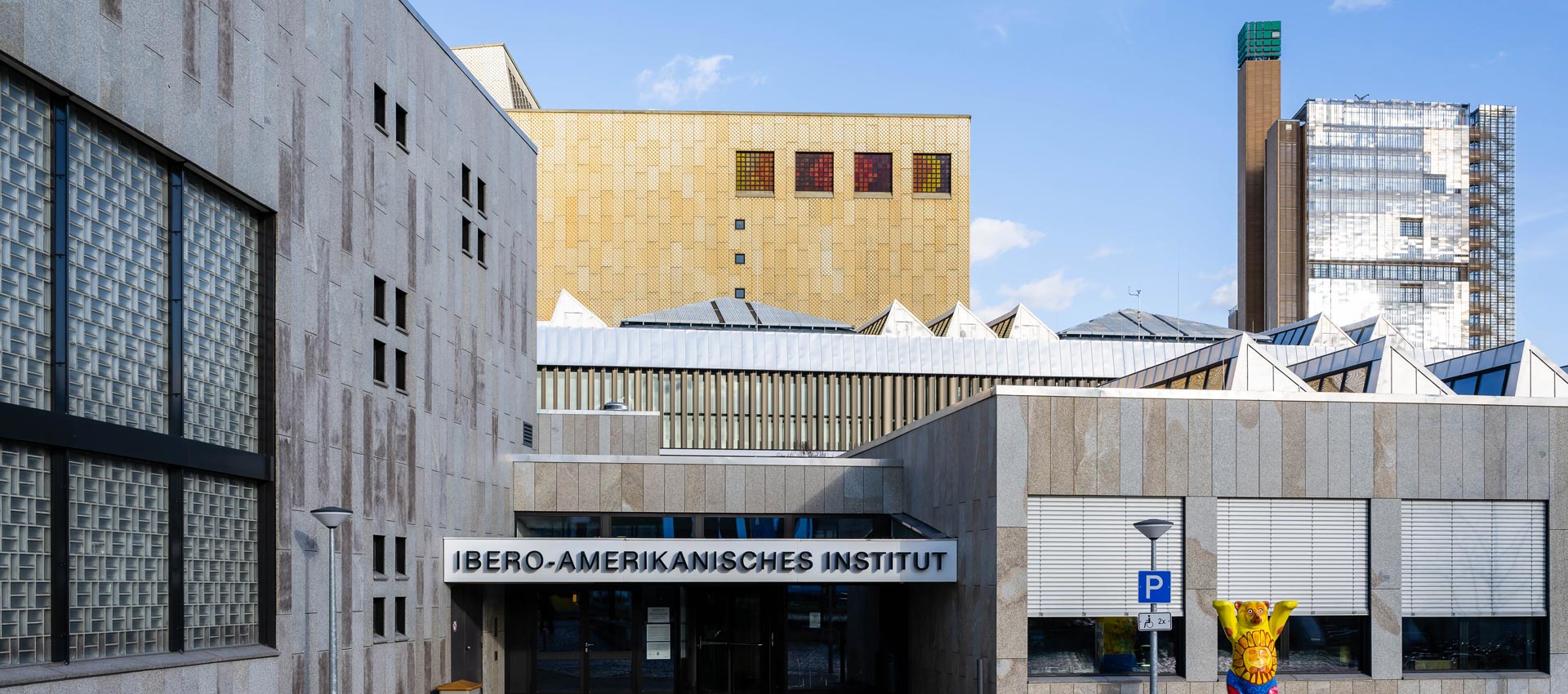
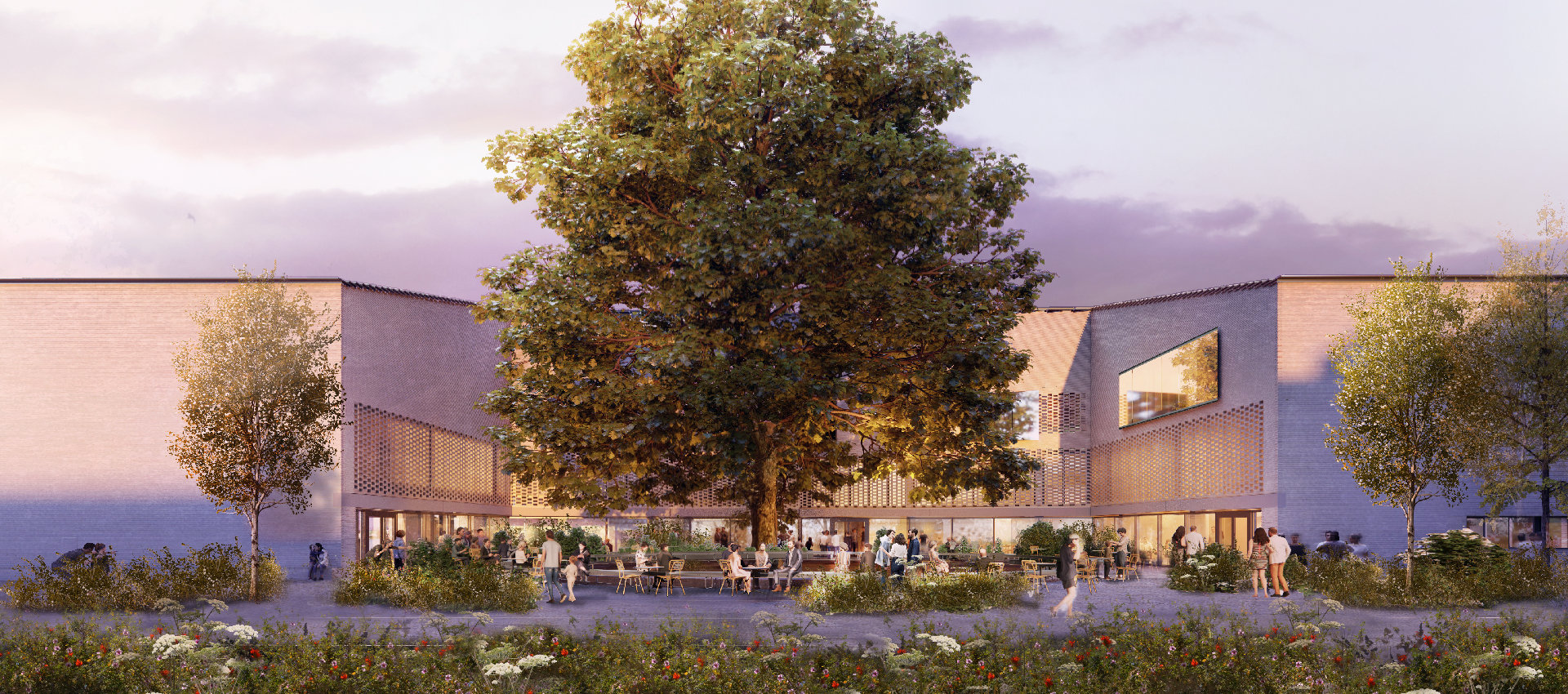
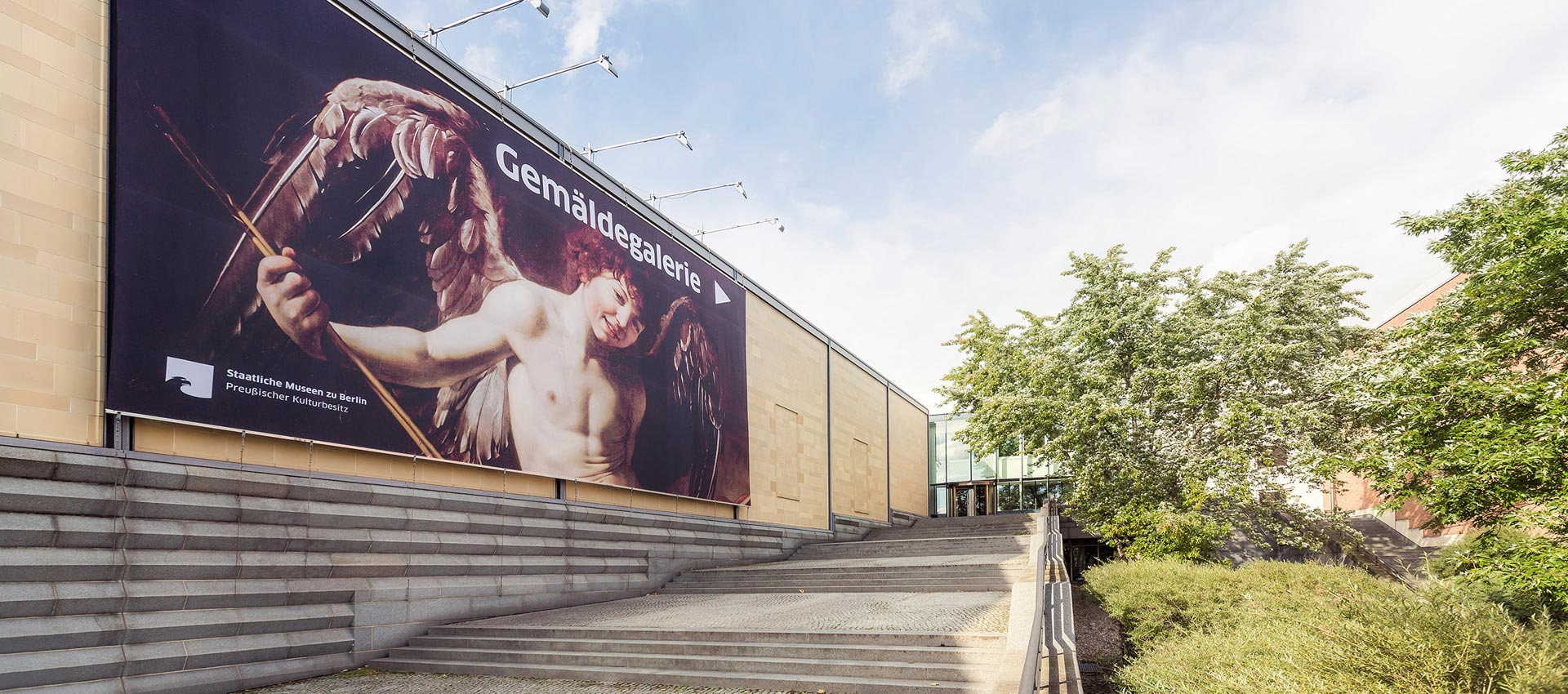
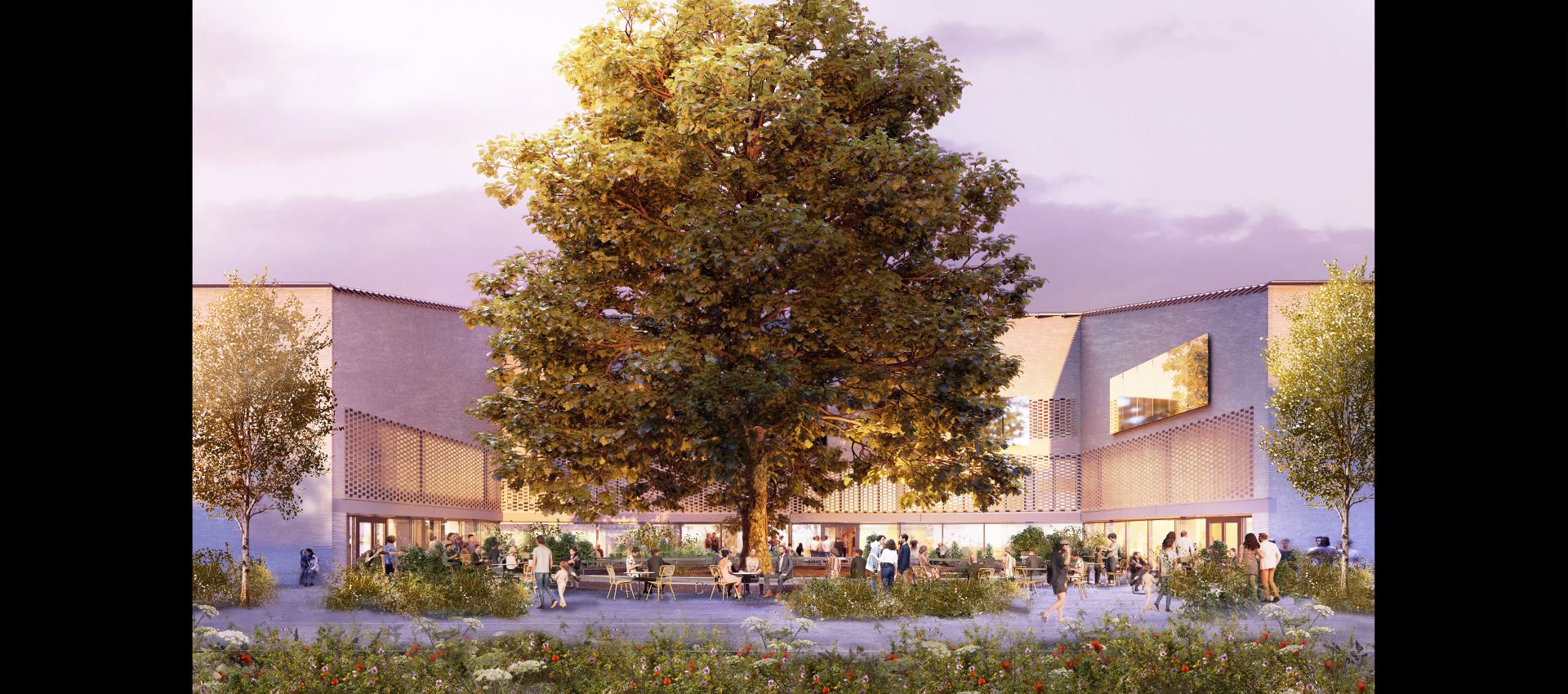
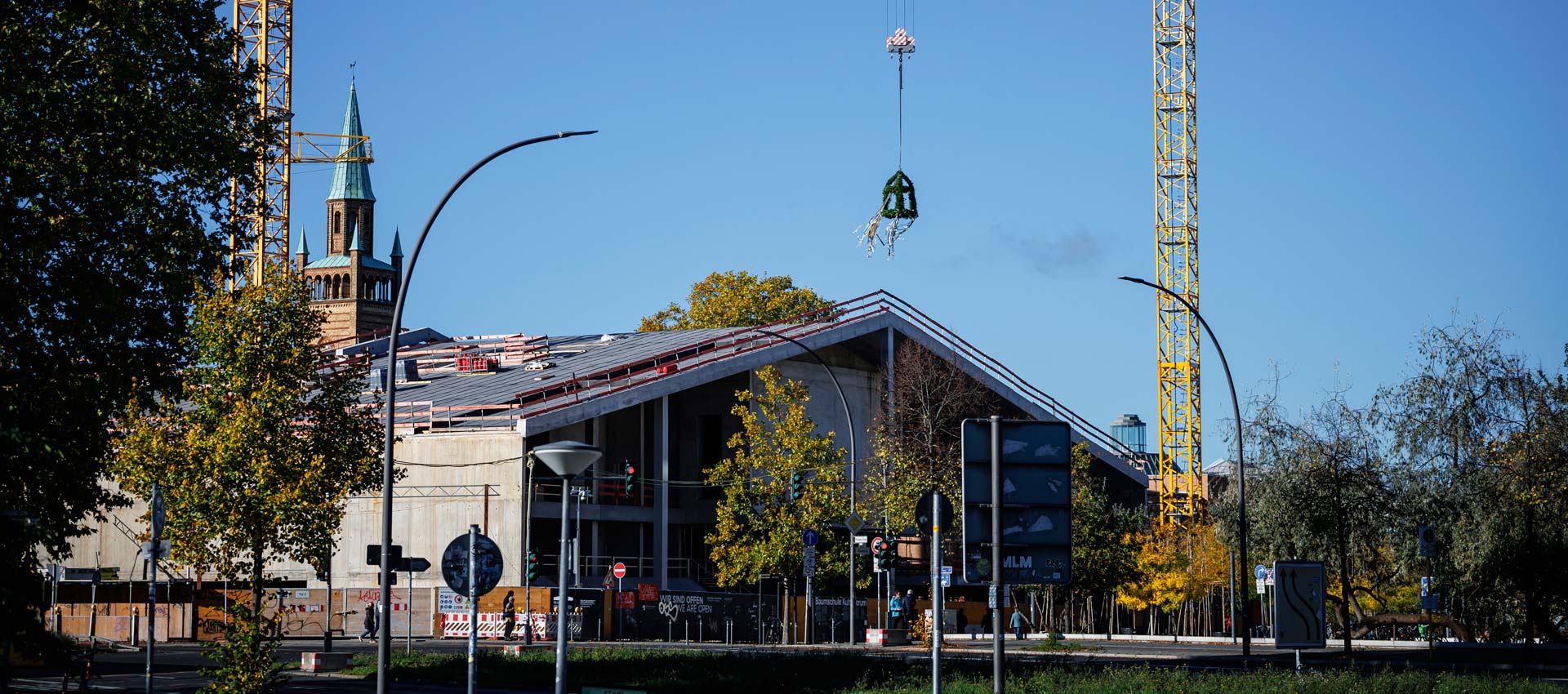
The Kulturforum – culture without a forum? Architectural icons, outstanding art, excellent research facilities and testimonies to Berlin’s history converge in an area that is today perceived primarily as an urban planning challenge, yet also as an opportunity for redevelopment with the prospect of a new building for the National Gallery of 20th-Century Art. If the long-awaited revitalisation of this cultural hub succeeds, the paths of museum visitors might cross with those of concert-goers; library users would encounter strolling tourists enjoying a coffee in the midday sun, whilst at the neighbouring table art students discuss, school classes unpack their packed lunches, and people in suits stroll past from the office blocks on Potsdamer Platz to breathe in the culture-saturated air in an inviting atmosphere.
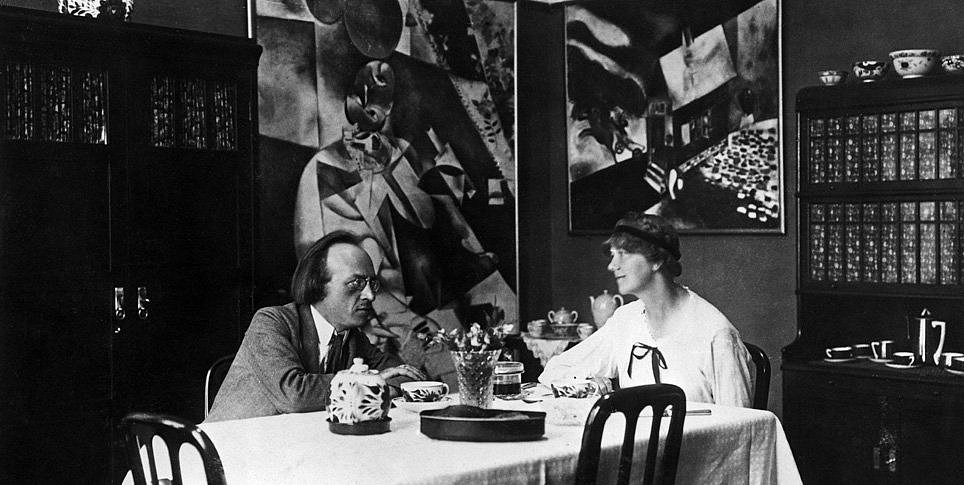
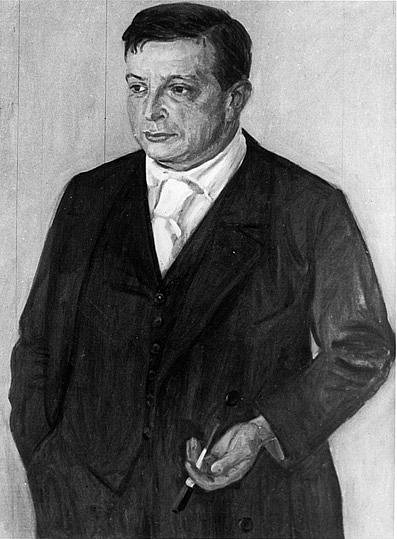
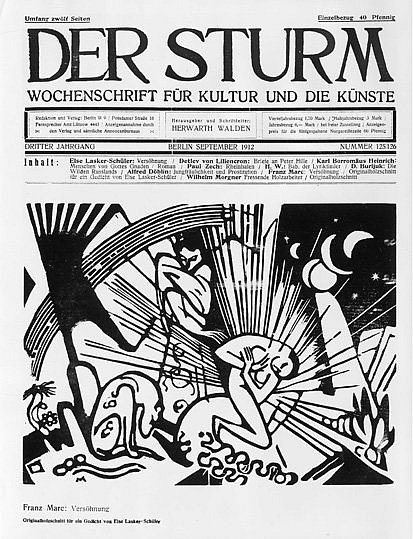
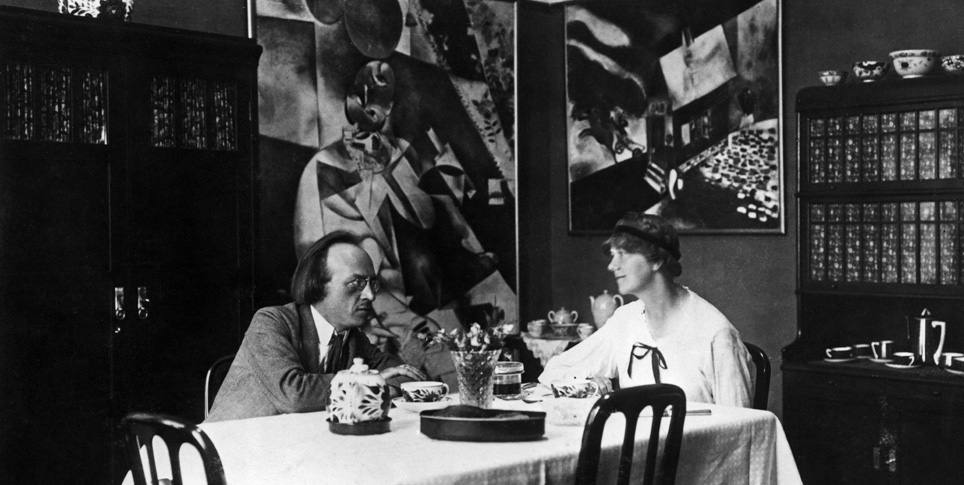
Herwath Walden, founder of *Der Sturm*, and his wife Nell in the dining room of their flat on Potsdamer Straße (1916) © bpk
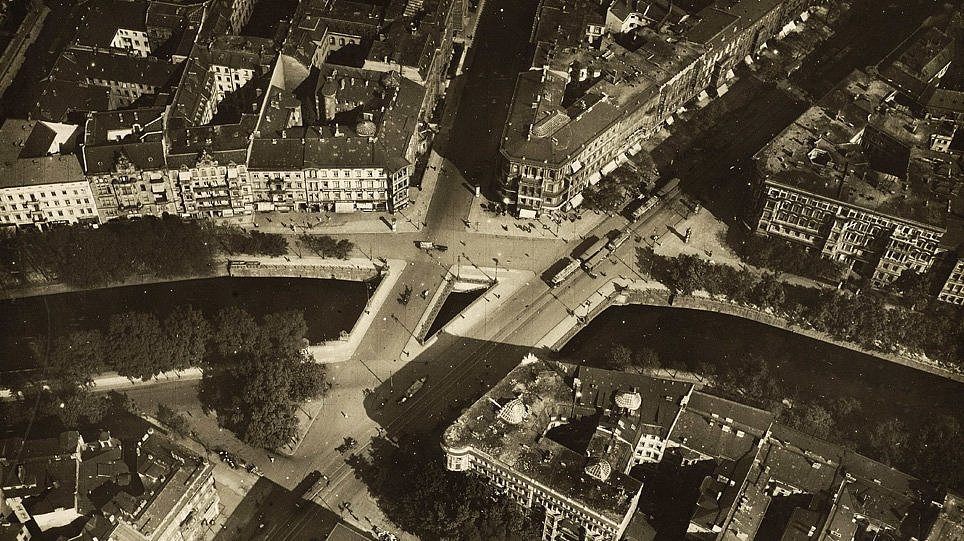
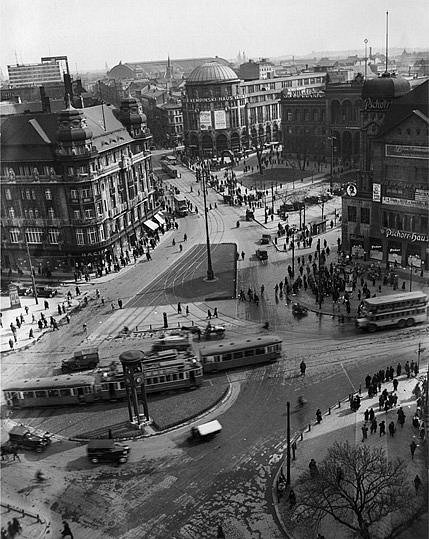
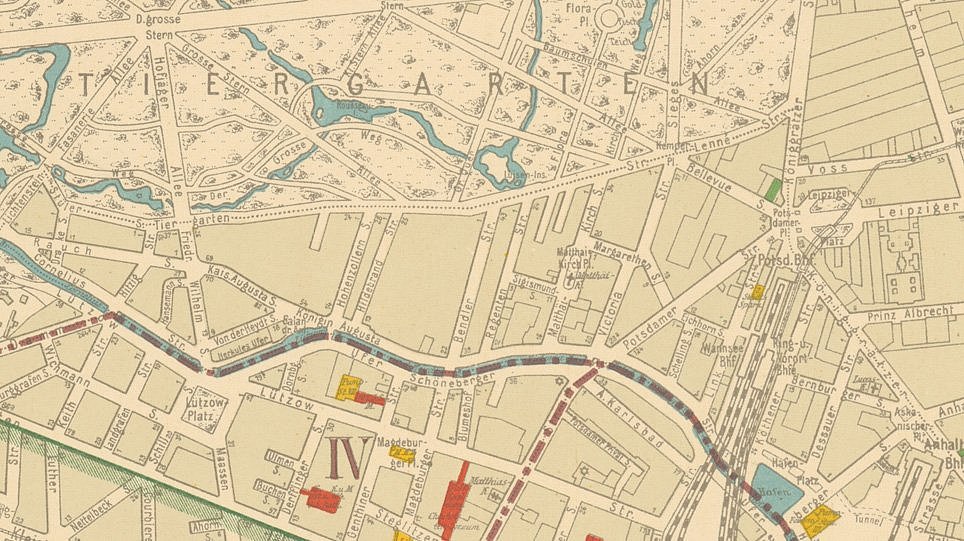
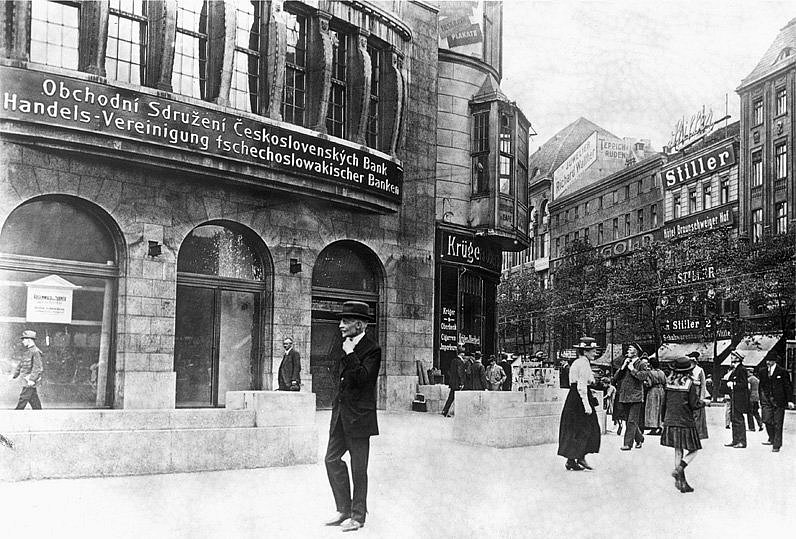
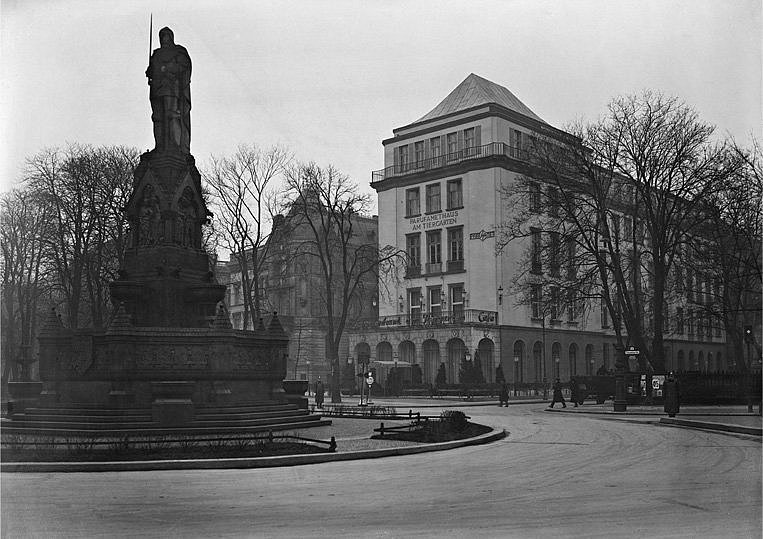
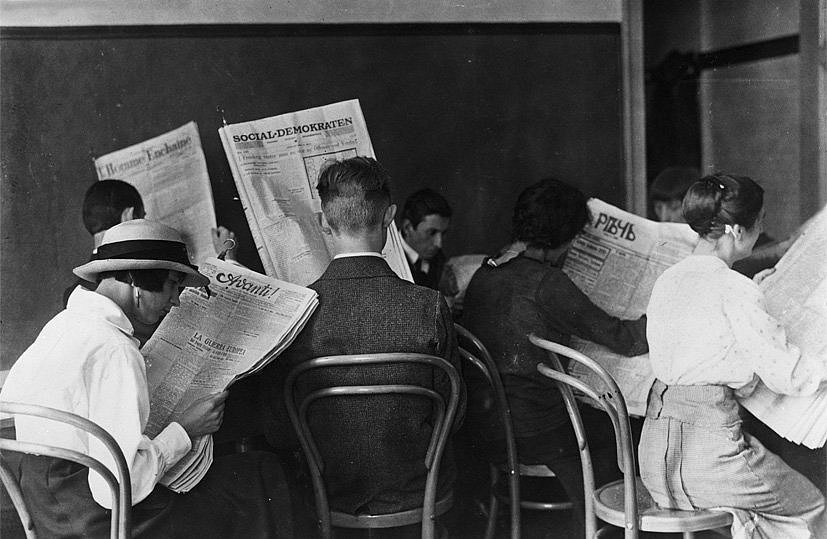
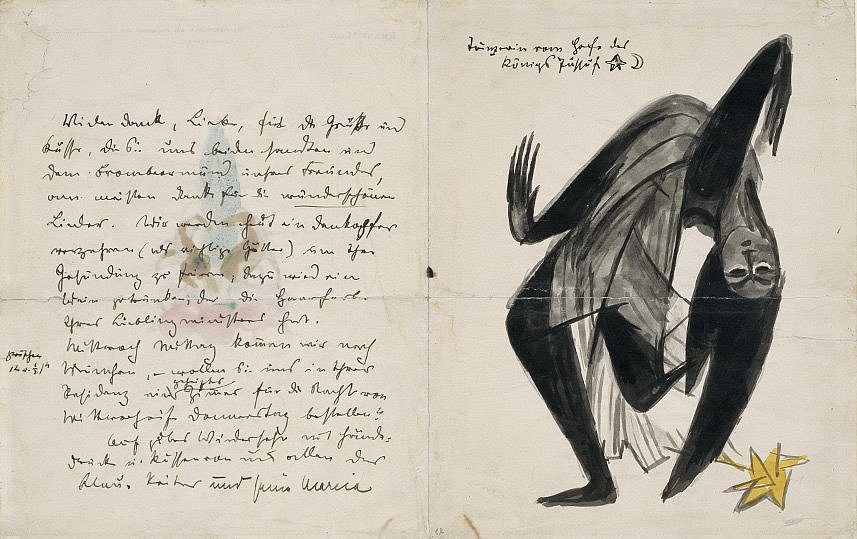
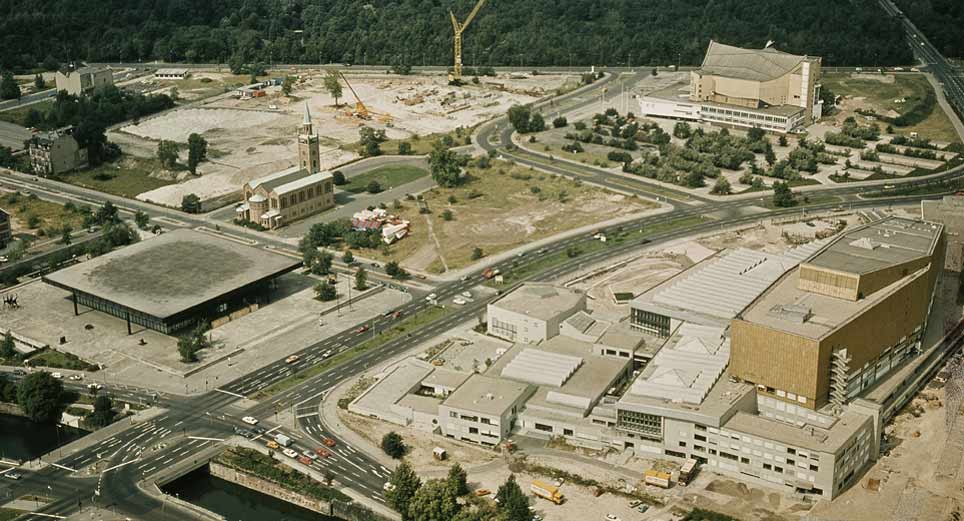
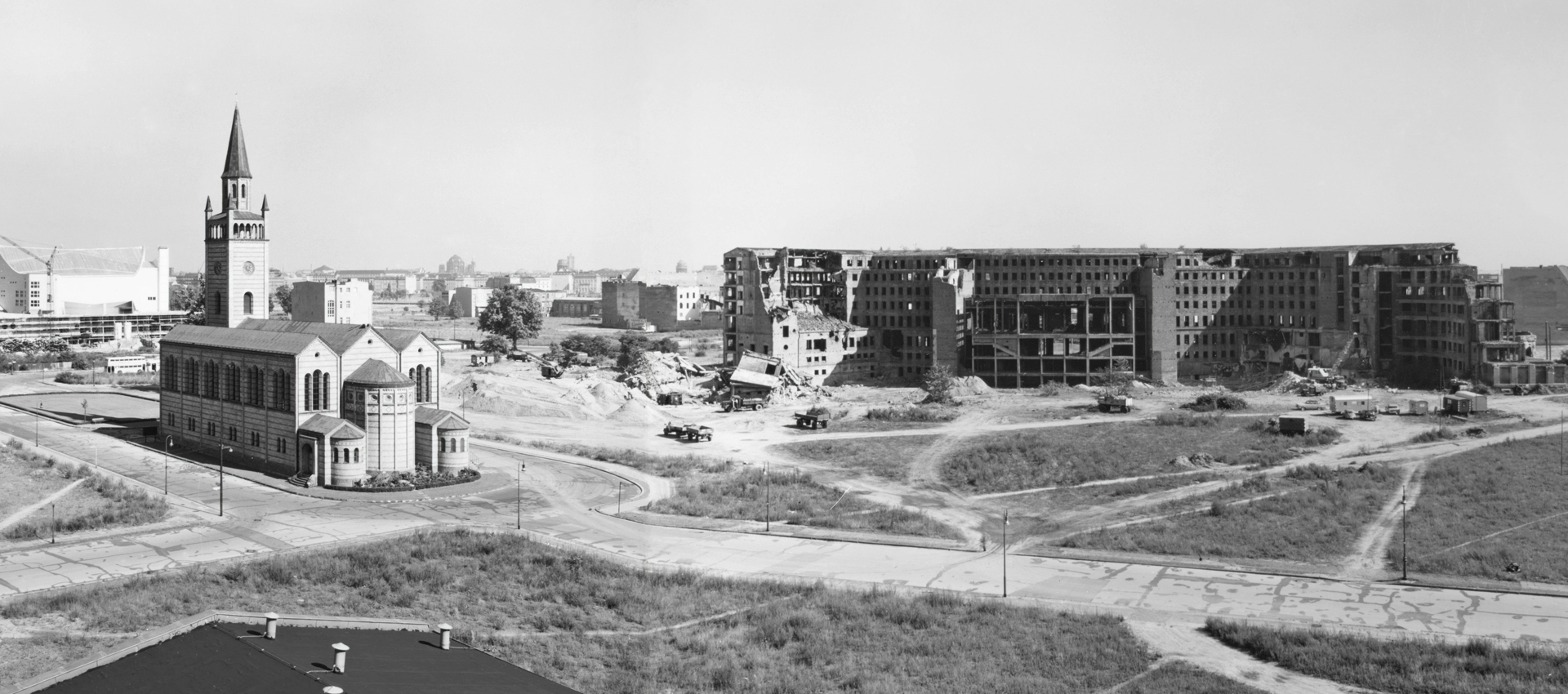
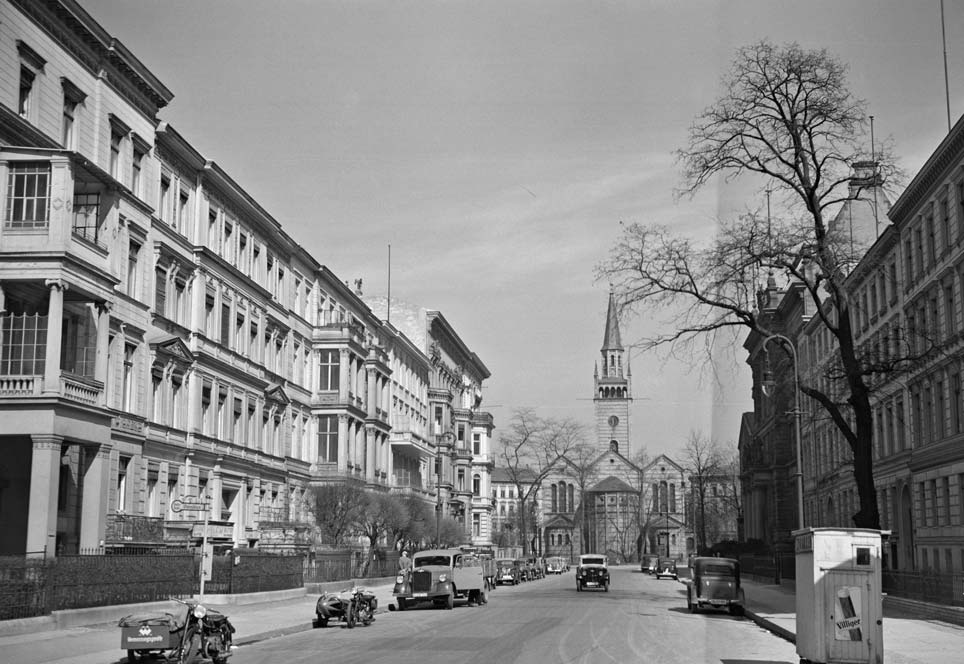
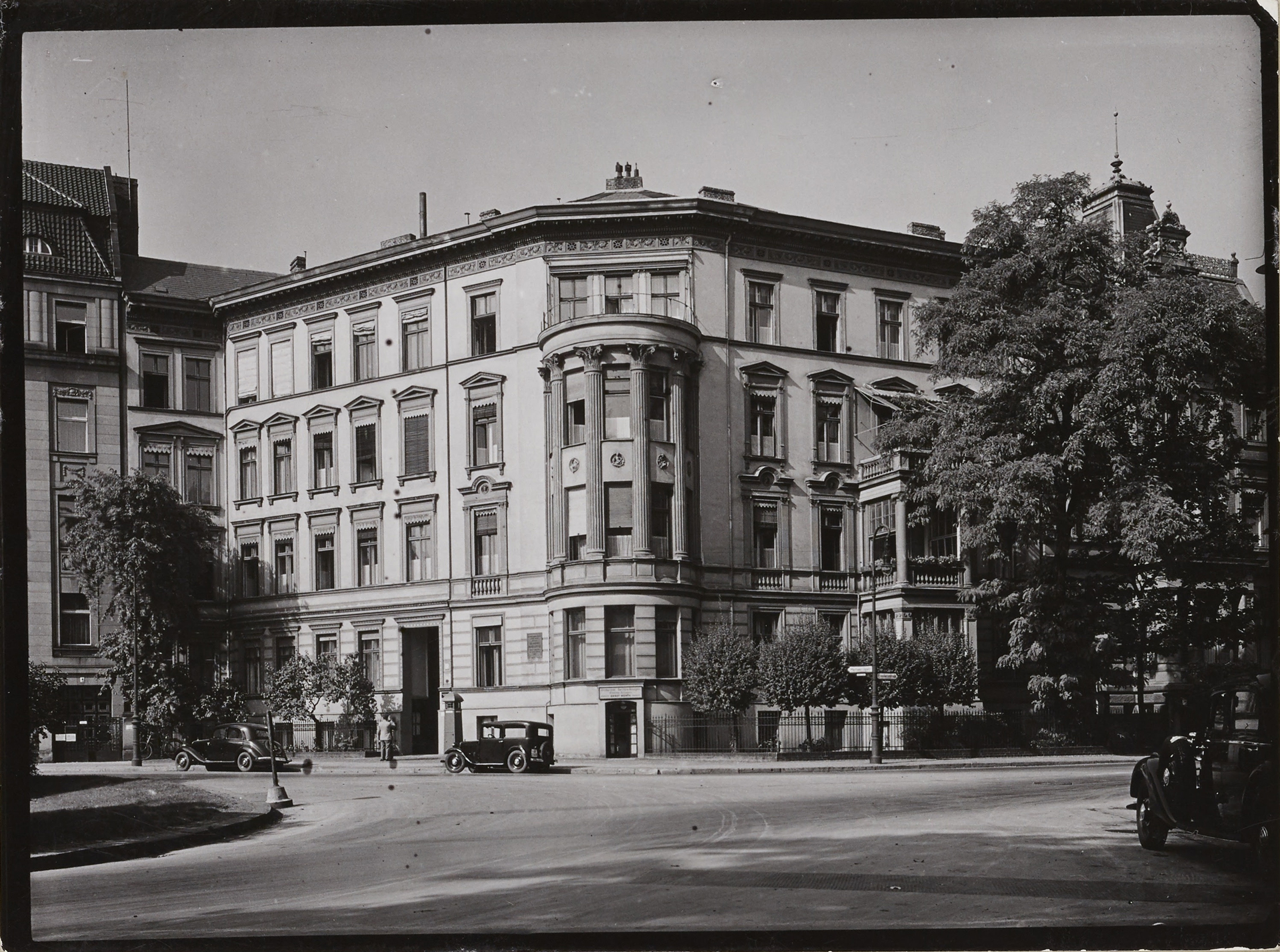
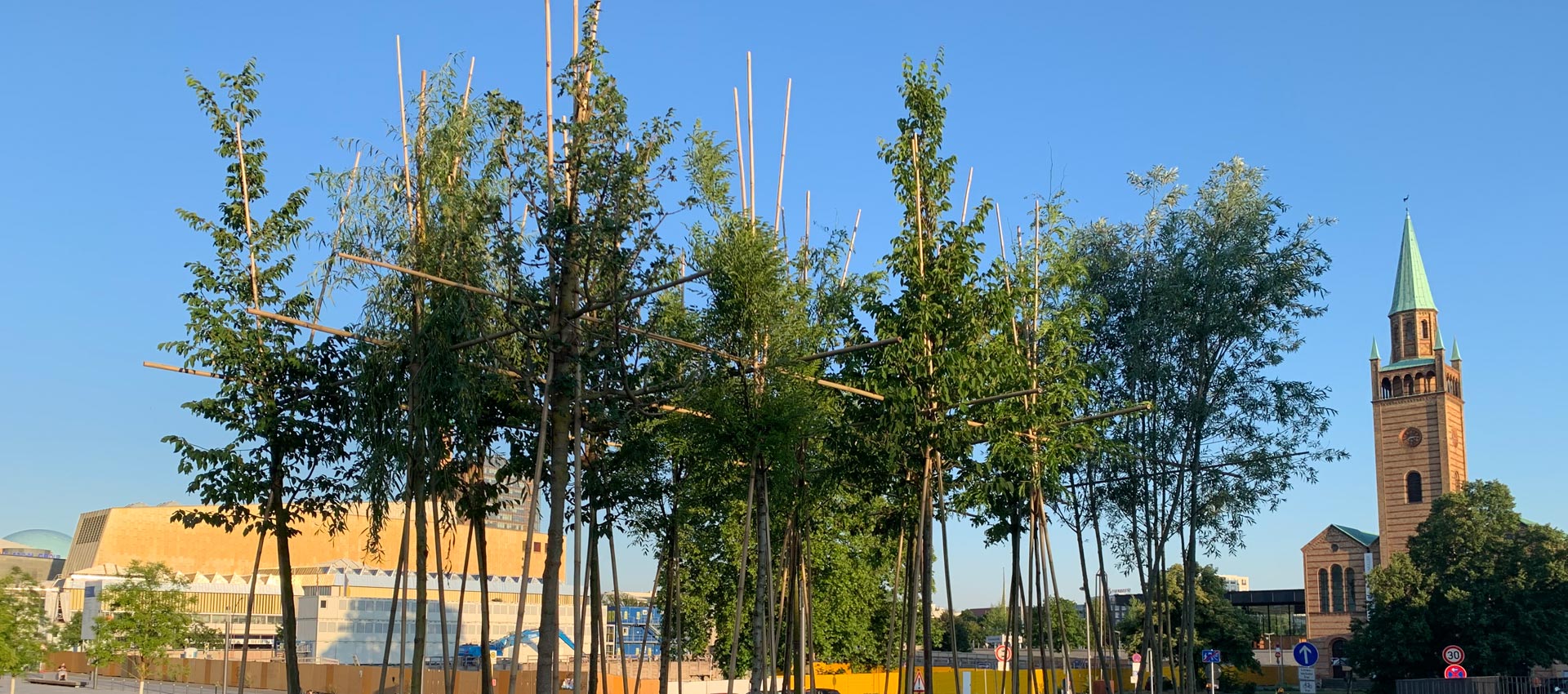
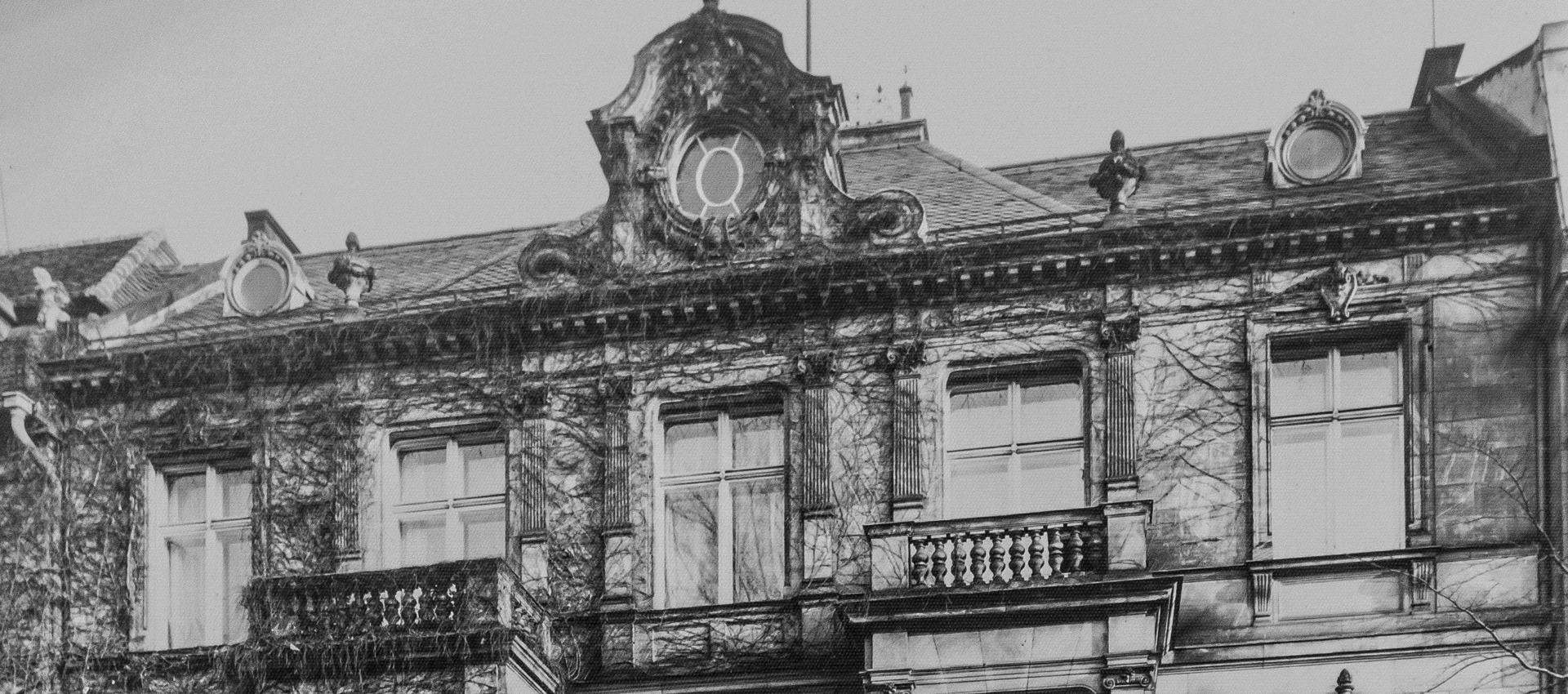
After years of debate and widespread criticism, the phantom pain of a place lacking in liveability is being addressed with a vision of a vibrant cultural hub. Perhaps this vision becomes clearer when we look back at the paths that crossed here in the early decades of the 20th century. Not only letters, memoirs and feature articles from the period, but also travel guide texts from the late 1920s provide insight into the area between Potsdamer Straße (which begins at Potsdamer Platz), the Tiergarten and the Potsdamer Bridge on the Landwehr Canal. The street layout of the time, with Potsdamer Straße situated further east than today, Matthäikirchstraße and Bellevuestraße—which ran from Potsdamer Platz to Kemperplatz and westwards towards the Tiergarten—formed a triangle intersected by Victoriastraße. Today’s Potsdamer Straße largely follows the course of the latter; only the section now known as Alte Potsdamer Straße between Potsdamer Platz and Marlene-Dietrich-Platz marks the remaining part of the former road. The area south of the Tiergarten and west of Potsdamer Platz was even back then less of a central hub than an ‘in-between’ space defined by its peripheries: the formerly prestigious centre to the east, the Linden boulevard, along Friedrichstraße and Wilhelmstraße, as well as the new centre of entertainment in western Berlin, which stretches from Wittenbergplatz via Tauentzien, Kurfürstendamm and soon far beyond, with countless bars, cafés, dance halls, cabarets and cinemas. In this urban interstice, during the first decades of the 20th century, increasingly imposing hotel complexes and office buildings replaced the former upper-class residential houses and stately Tiergarten villas.
The topographical triangle of the early 20th century is criss-crossed by bohemians and flâneurs, artists and survivalists, gallery owners, writers, journalists and publishers – their paths form a kind of ‘avant-garde triangle’. The meeting points of these contemporaries are intended to come together here, much like the snapshots of a camera, to form a narrative, painting a vivid picture of this historic site amidst the rapidly growing metropolis of Berlin. The camera journey through the 1910s and 1920s leads from Potsdamer Platz and the start of Potsdamer Straße initially towards Tiergarten along Bellevuestraße to the junction of Kemperplatz and Victoriastraße, continuing to Matthäikirchplatz and from there to the Potsdamer Bridge over the Landwehr Canal, with original voices marking the points of encounter.
Download the full article “The Avant-garde in the Tiergarten” as a PDF (PDF, 642 KB, not accessible)