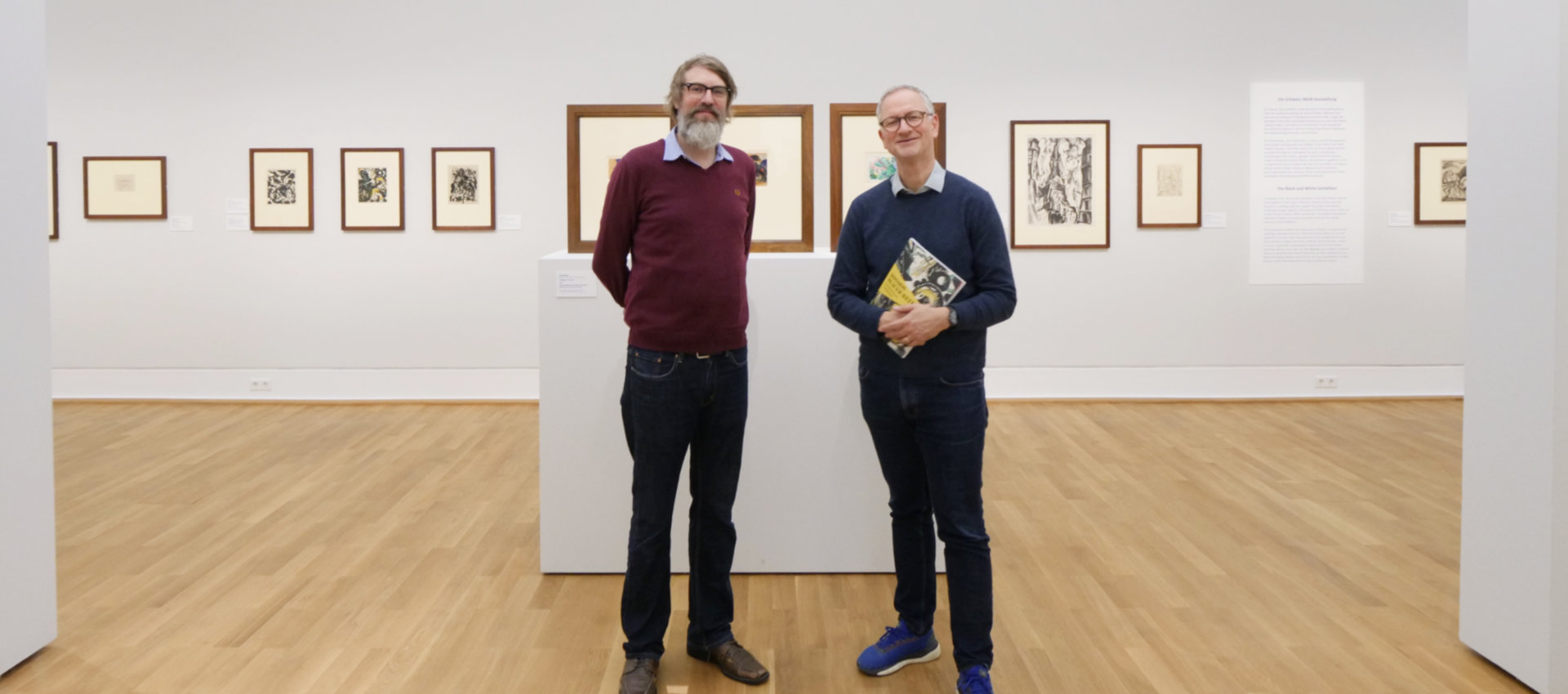
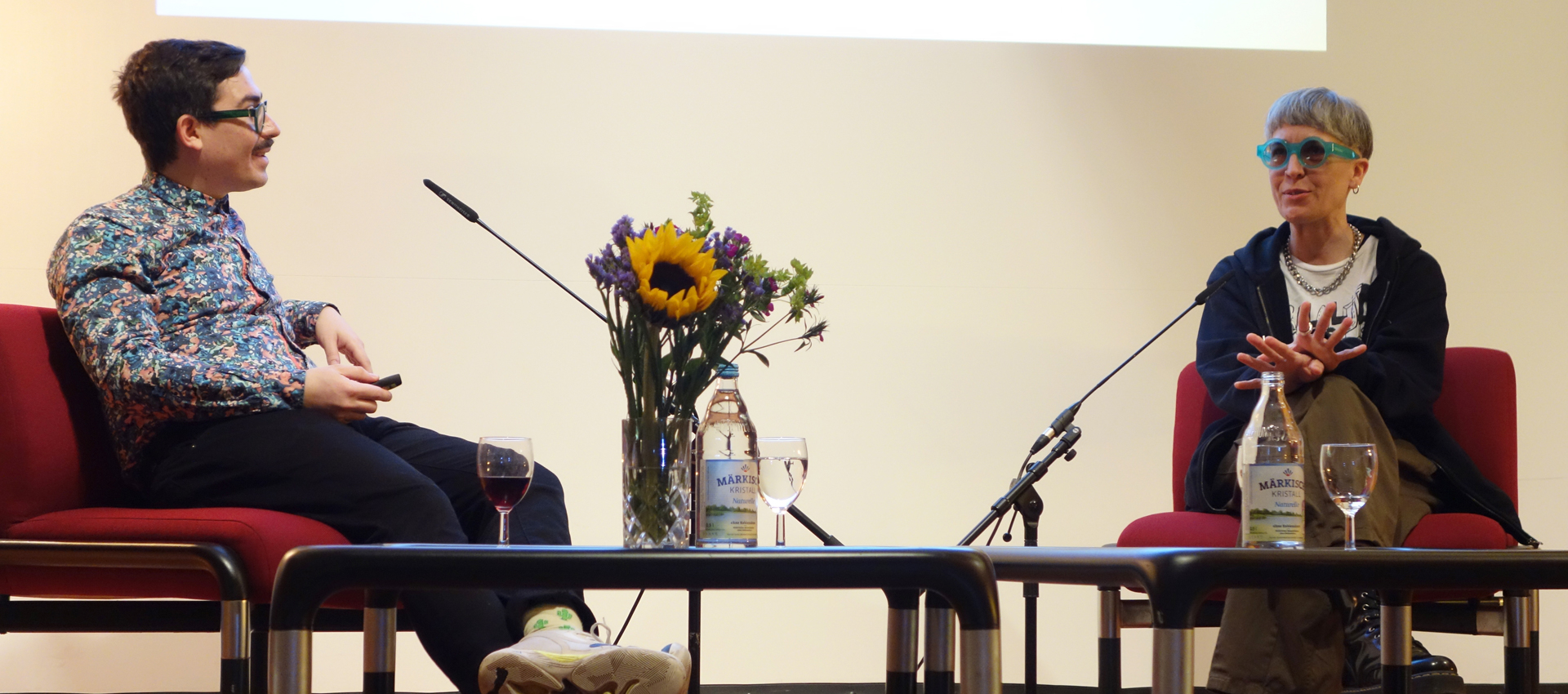
The exhibition “From Max Ernst to Dorothea Tanning: Networks of Surrealism. Provenances of the Ulla and Heiner Pietzsch Collection” at the Neue Nationalgalerie impressively demonstrates the fascinating connections that provenance research brings to light. A conversation with the exhibition’s curators: Maike Steinkamp from the Neue Nationalgalerie, and Lisa Hackmann and Sven Haase from the Central Archive of the Staatliche Museen zu Berlin.
The word “networks” in the exhibition title is quite apt, as this appears to be a major exhibition exploring connections: provenance research, art history, the histories of individual works, personal life stories, and then the history of the Pietzsch Collection. How did this come about? And have the Central Archive and the National Gallery ever organised anything similar before?
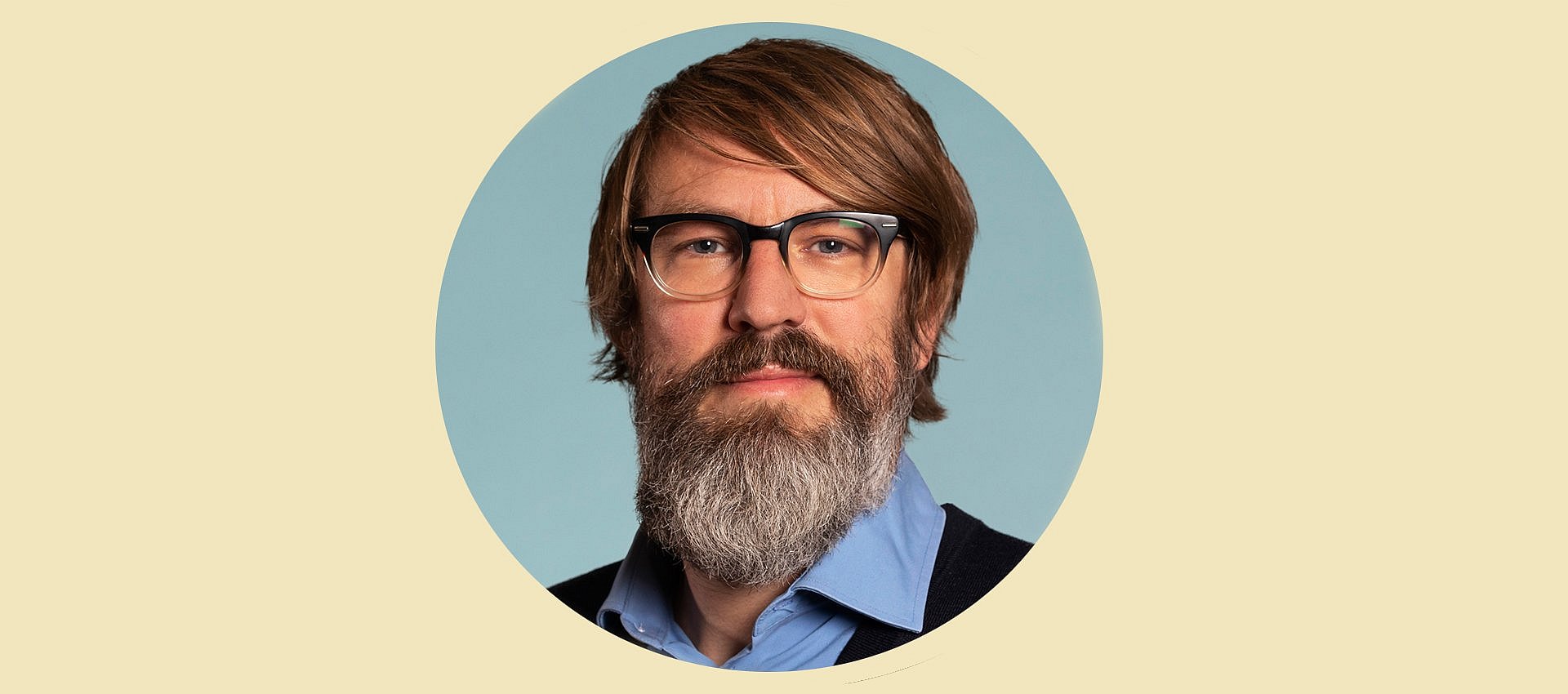
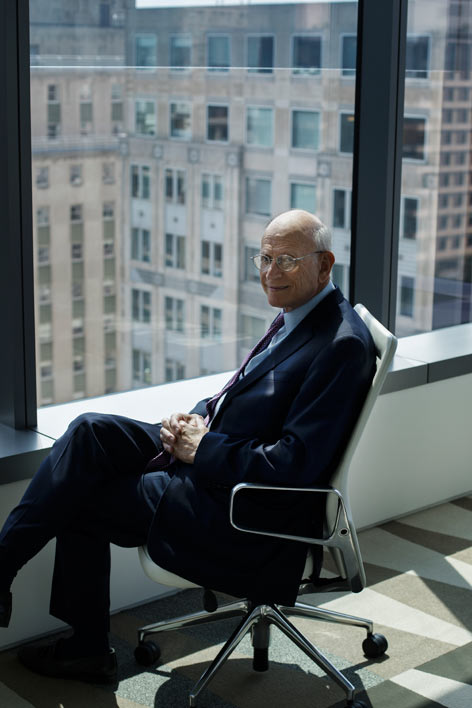
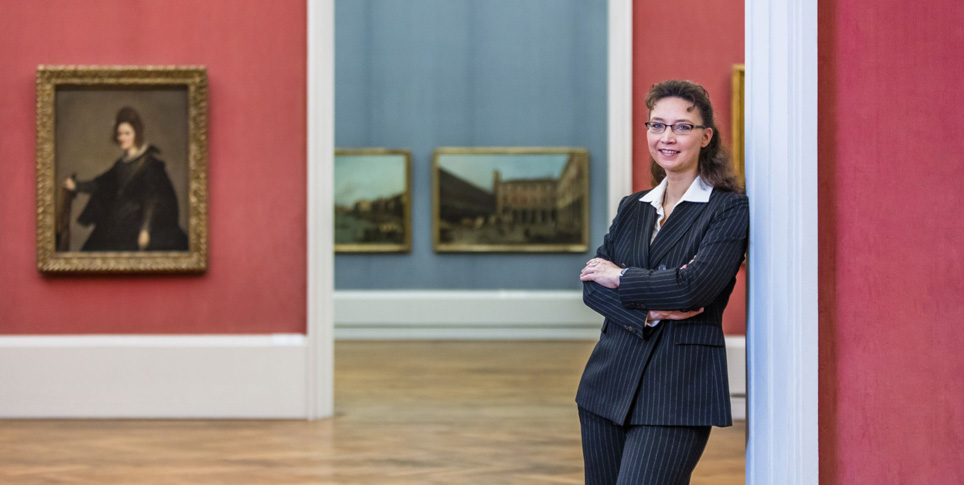
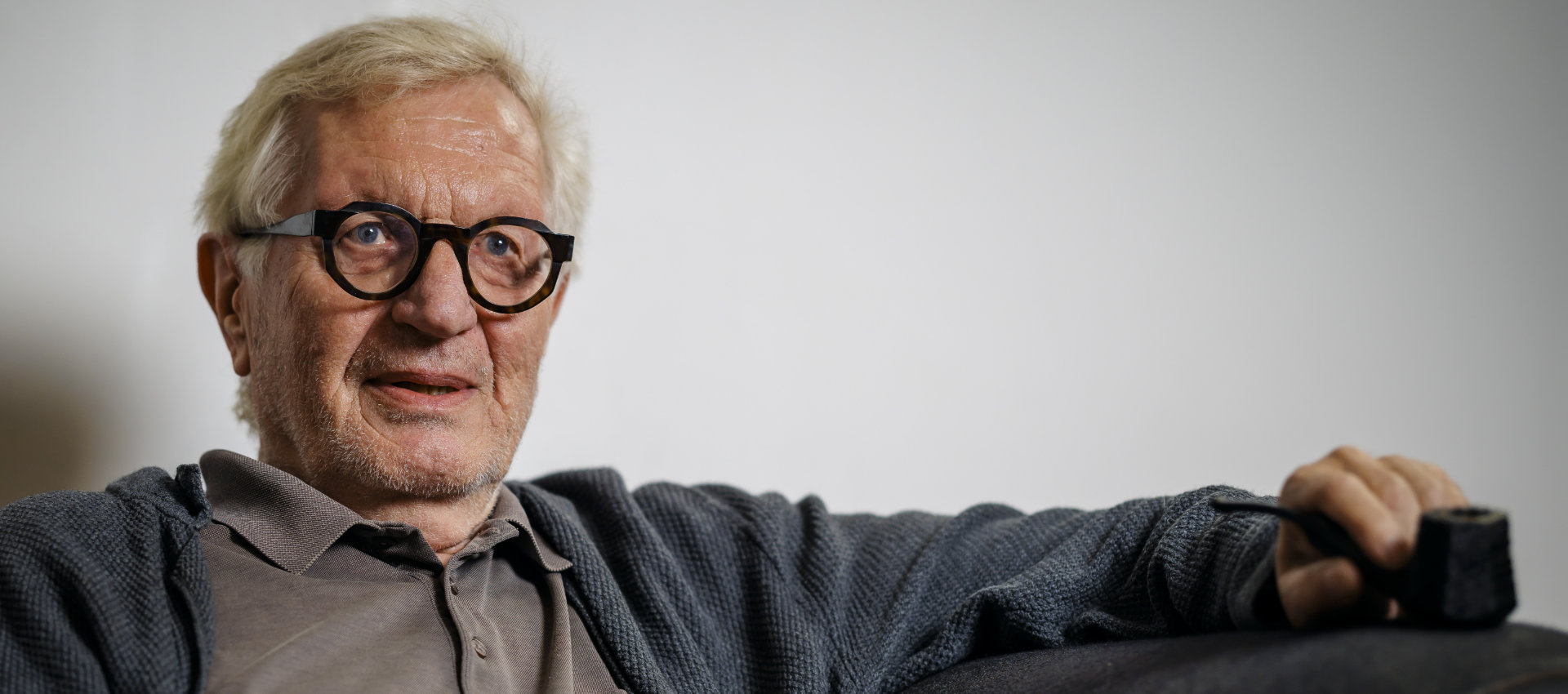
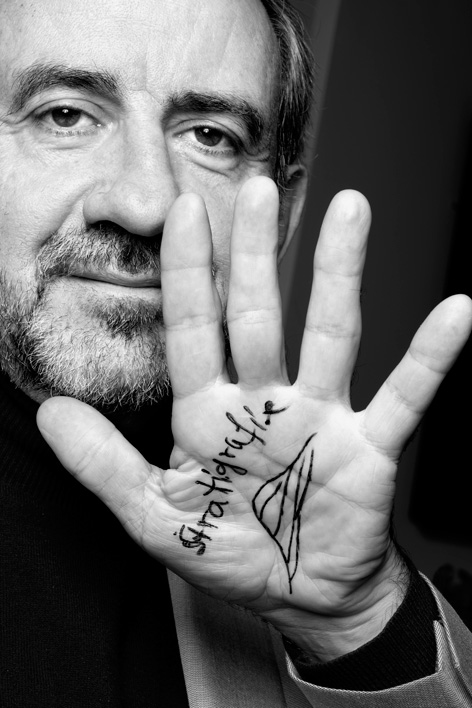
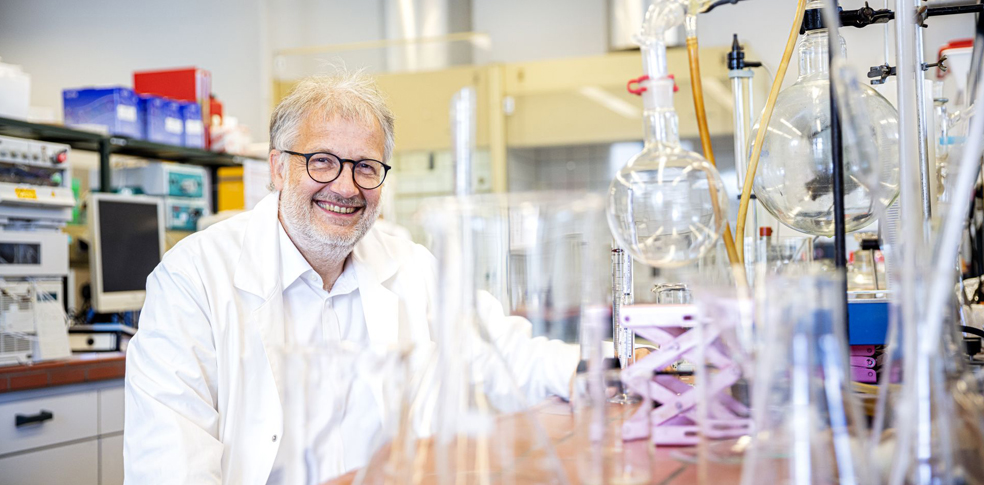
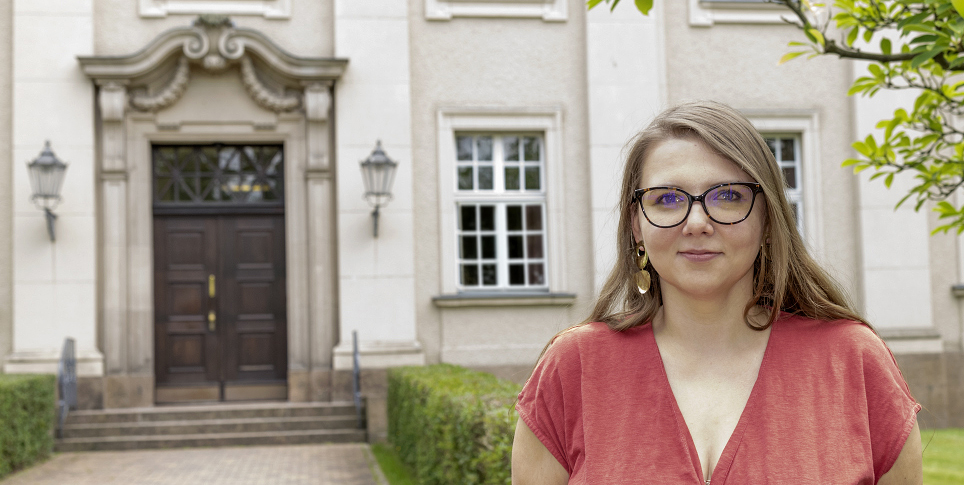
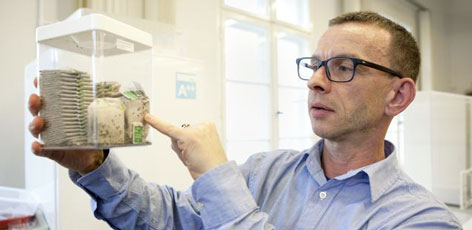
Dr Sven Haase is a provenance researcher specialising in European art at the Central Archives of the Berlin State Museums. Photo: Berlin State Museums / Juliane Eirich
Sven Haase: Back in 2018, we organised an exhibition called “The Biographies of the Pictures”, which was based on a major provenance research project, in this case at the Museum Berggruen. There, too, we tried to translate a project investigating the provenance of the paintings and sculptures into an exhibition and, above all, to tell the stories that emerged during our research. Such stories are, of course, a fascinating addition to what is already known about the artworks and also influence how one views them.
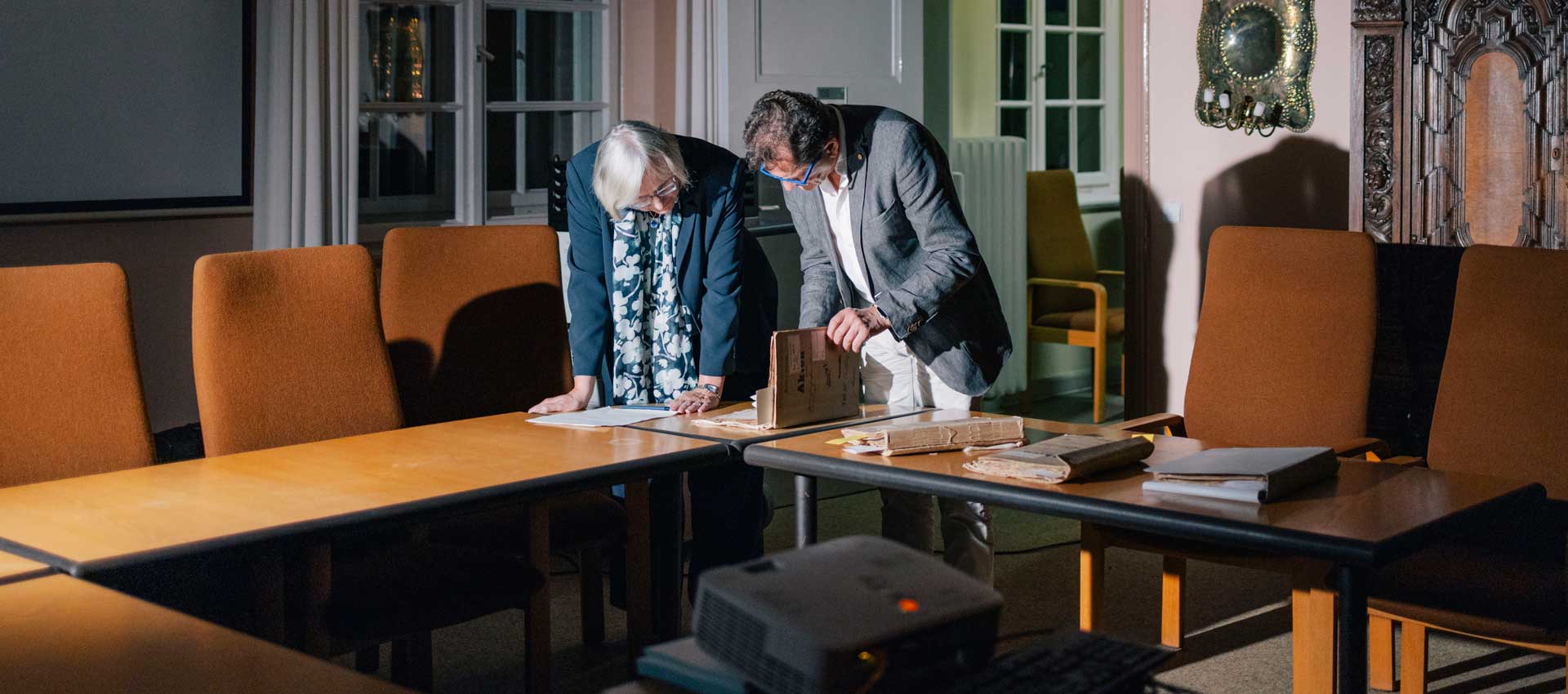
Maike Steinkamp: The starting point was that Ulla and Heiner Pietzsch donated their collection to the State of Berlin for the National Gallery in 2016. With such a generous donation, we as a public institution have a duty to examine the provenance of the works and check them for unlawful removal. This is where Lisa Hackmann came into the picture; she spent over two years researching the paintings and sculptures in the Pietzsch Collection.
In the course of this process, it very quickly became apparent that the provenance records reveal much more than simply the question of unlawfully appropriated cultural property. In the case of Surrealism in particular, they equally reflect the networks that defined the group, the friendships, commercial relationships, as well as the connections between collectors and artists. It was actually immediately clear that this was ideal material for an exhibition.

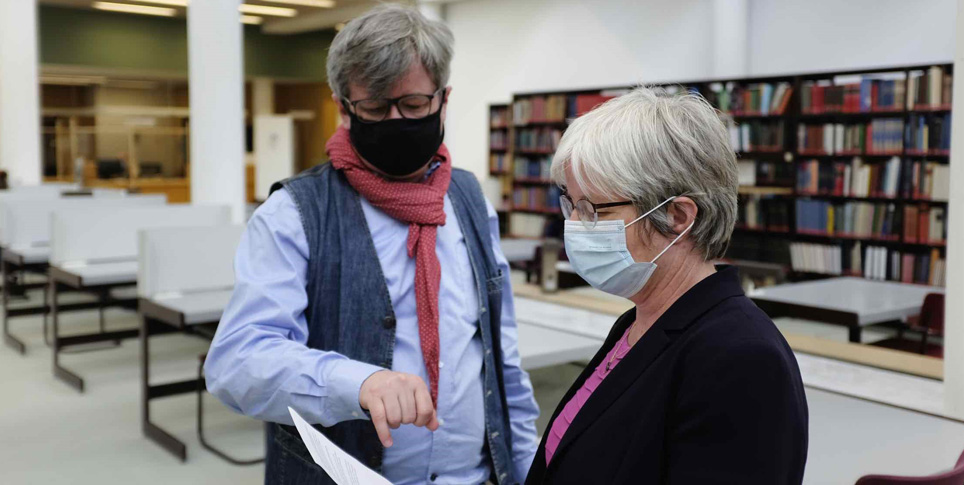
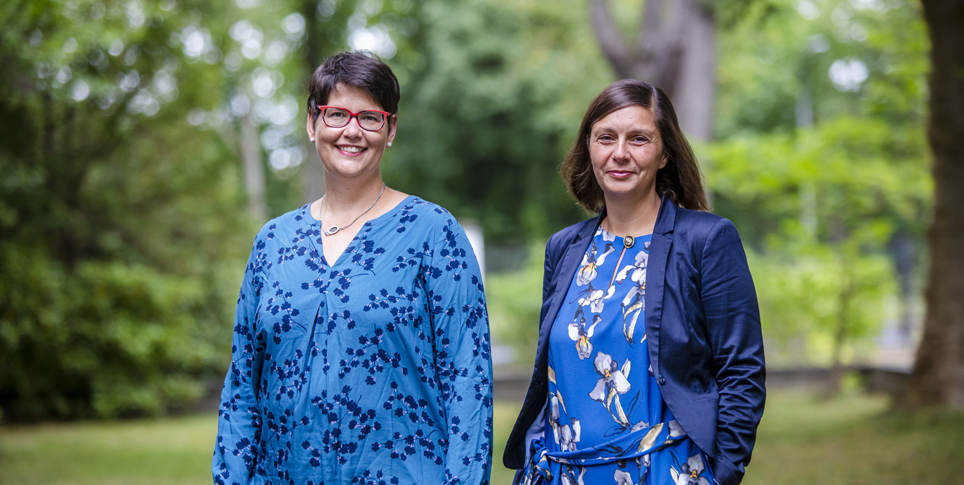
Dr Maike Steinkamp has been curator of 20th-century art and the Pietzsch Collection at the Neue Nationalgalerie since 2018
Why did these particular networks exist specifically amongst the Surrealists?
Steinkamp: Surrealism was an extremely interdisciplinary art movement that encompassed the visual arts as well as film and literature. And above all, from the very beginning – not least thanks to the figure of André Breton – there was a collegial, friendly relationship between the artists. It seems to me that this was more the case with Surrealism than with other art movements. Stylistically, Surrealism was certainly diverse, but certain fundamental ideas, such as the pursuit of chance or the mystical, were unifying elements that brought the artists together.
Lisa Hackmann: Furthermore, Surrealism was a very international movement from the outset, forming groups in several places simultaneously—first in Paris, but also in London and Brussels, and beyond that in Prague—and remaining in constant contact despite these different locations. From the very beginning, they thought in terms of this vast network. The exhibition also shows very clearly that the artists were not only creators of art, but also gallery owners or dealers. There was this overlap of professions, which strengthened the formation of networks. When it then came to fleeing—particularly from 1940 onwards, as the German Wehrmacht initially occupied the north and west of France—a large part of the group emigrated to the USA and met up again in New York, where the Surrealist movement then reformed.
Although, of course, not everyone went into exile, this fresh start in New York certainly led to a stronger sense of identification as a community. This identification is clearly evident in the photos: first they are sitting together in Paris, and then you see them sitting together again in New York. This certainly had something to do with marketing, as the ‘Surrealism brand’ worked quite well. And, of course, the exiles in the US were very keen to re-establish themselves on the art market as quickly as possible.
Whether the Surrealist network would really have been so close-knit in the 1940s without exile is open to question. In any case, the shared experience of flight welded the group even more closely together, simply because they were dependent on mutual support.
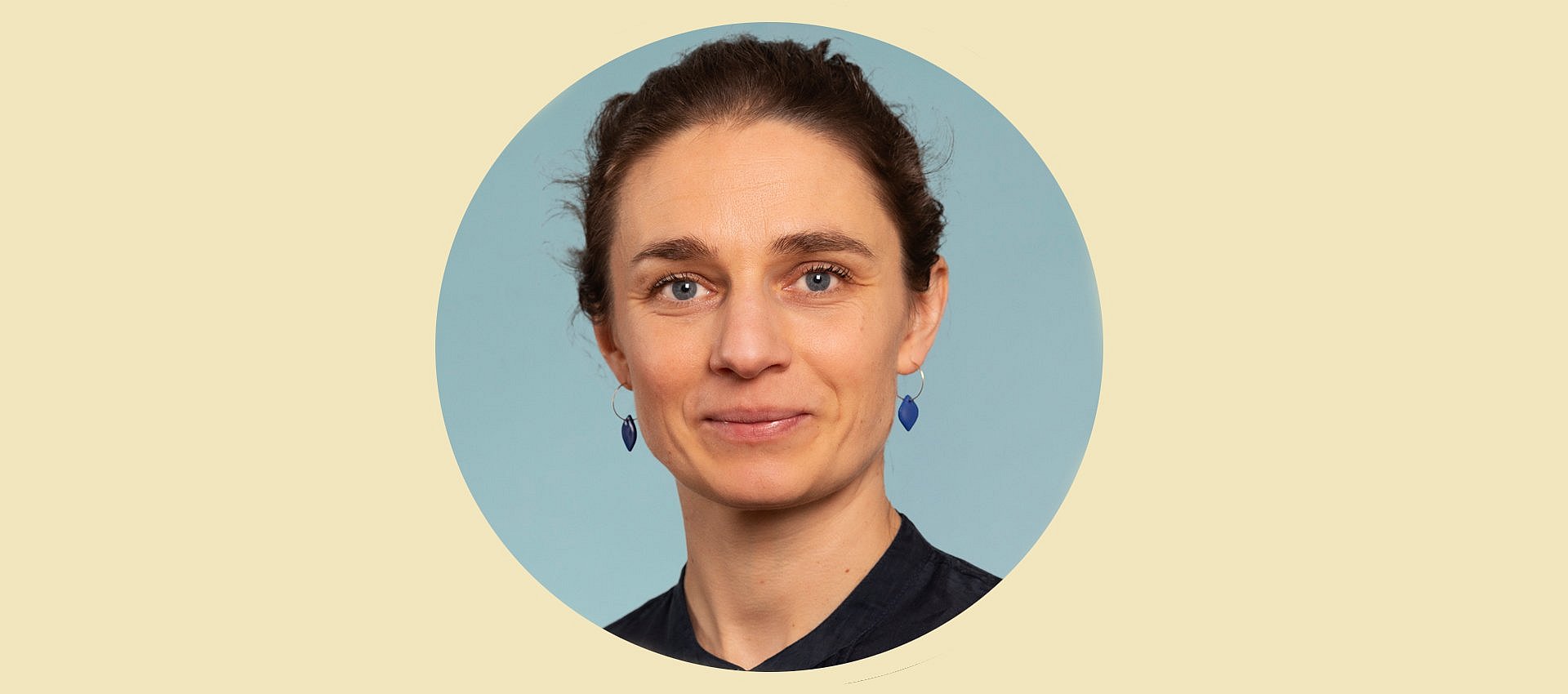
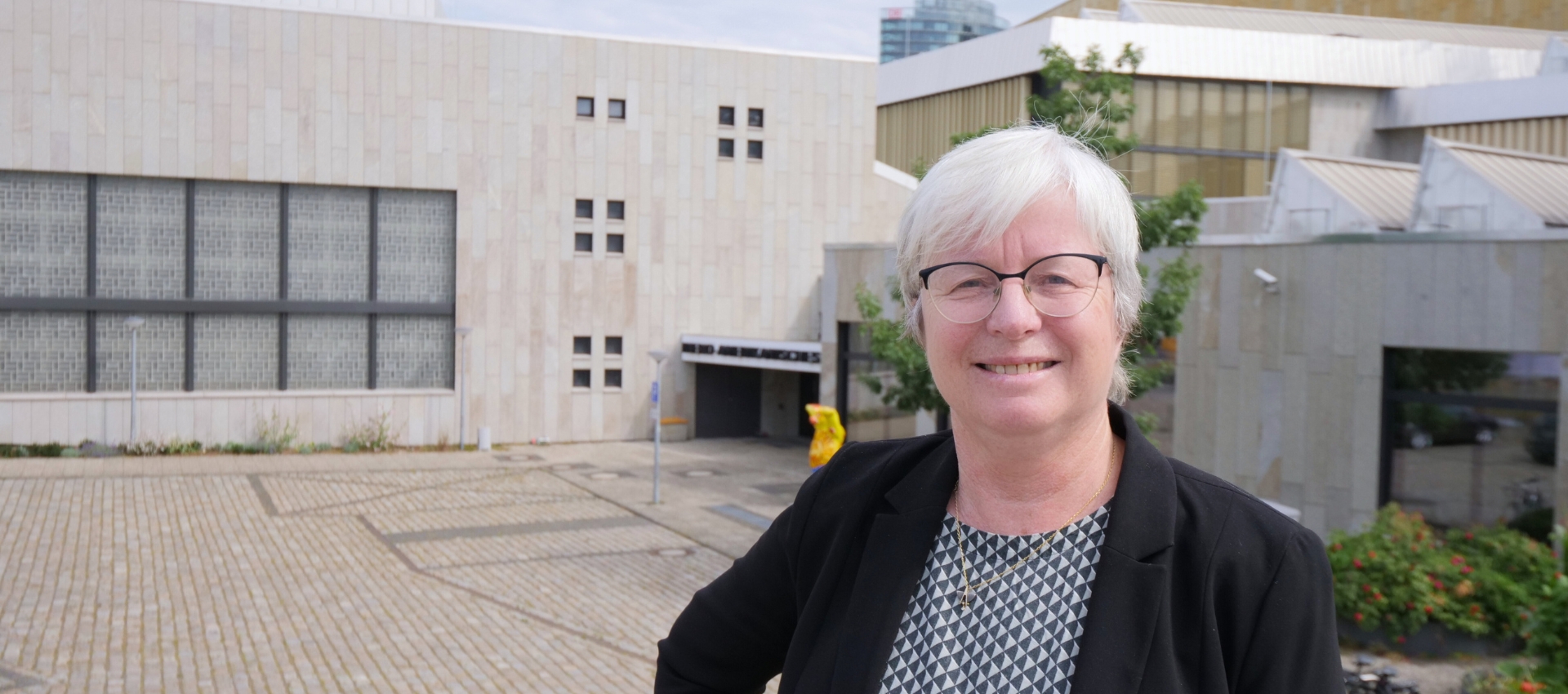
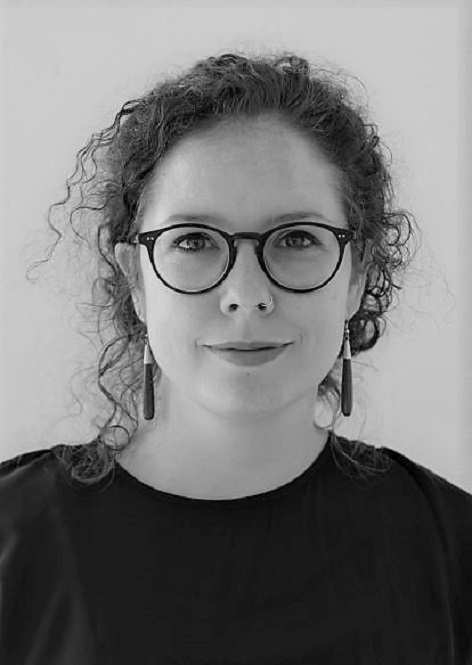
Dr Lisa Hackmann is a research assistant specialising in provenance research at the Central Archives of the Berlin State Museums and has been researching the provenance of the Pietzsch Collection since 2023.
Steinkamp: Exactly, when fleeing into exile, people were dependent on others. People like Peggy Guggenheim, who acted as a patron of the Surrealists – first in Marseille, to help the artists make the journey to the US, and then, of course, in New York. The role of the network went beyond the purely artistic – and that’s what makes it so fascinating. On the one hand, there was the core group of artists, and then there were the ‘enablers’ such as dealers and patrons.
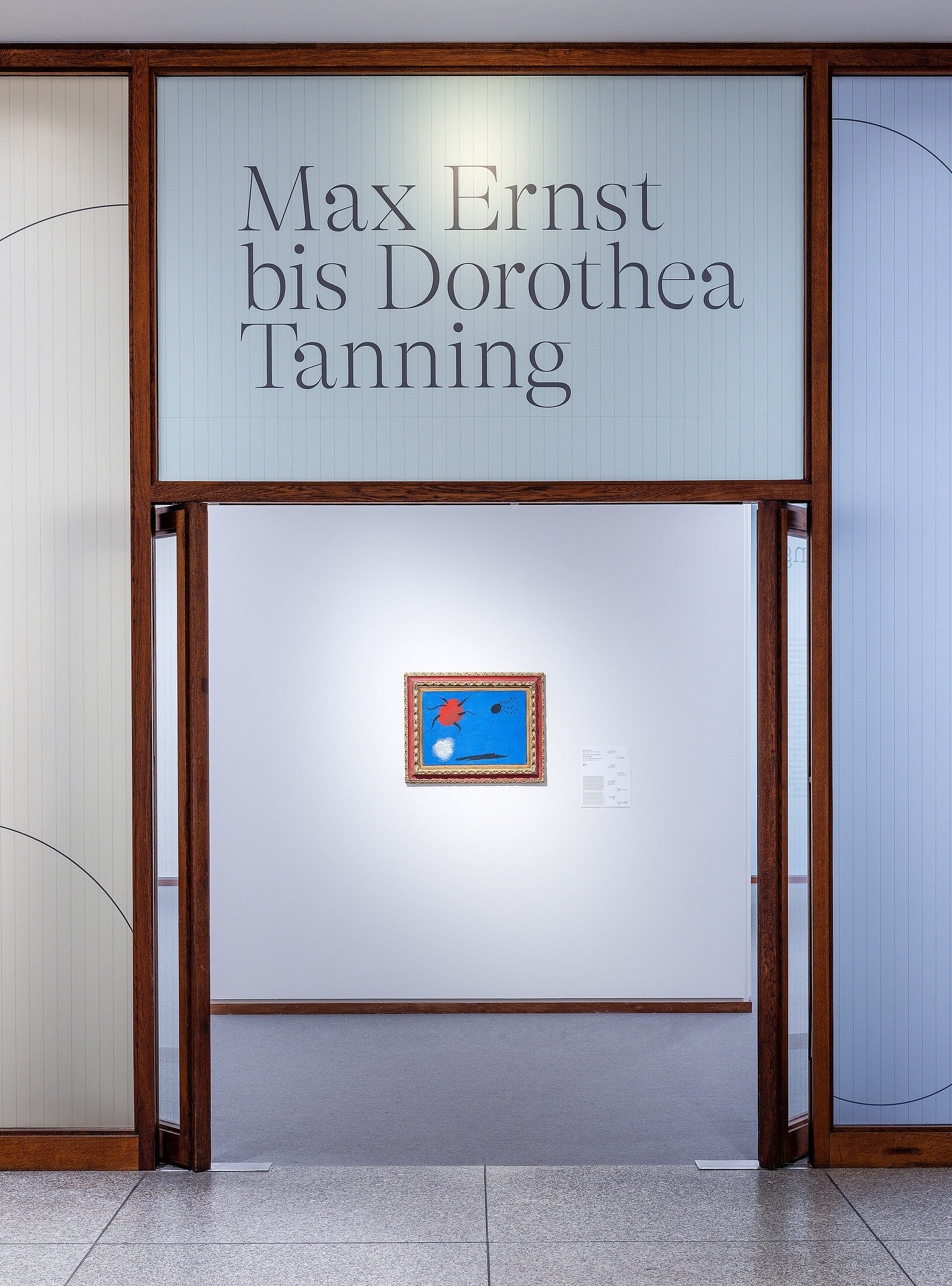
Haase: From the perspective of provenance research, I find it quite remarkable that both the artists and the collectors, dealers and gallery owners belong to a group that defines itself as such. In the Berggruen case, for example with the Cubists, there were of course overlaps, but not to such a striking extent.
Surrealism did, after all, have a manifesto. Was it actually more than just an art movement?
Steinkamp: Surrealism defined itself more through artistically explored themes such as chance or the unconscious. A distinctive feature of Surrealism was that certain figures played a major role, such as André Breton.
In the 1930s, Surrealism then took a political turn, which partly divided the group. This politicisation naturally also had consequences for who had to flee, how they fled, and the danger they faced. It was a very fluid construct that often went far beyond a purely artistic movement. Perhaps also because of all the internal group romances, which naturally existed and which introduced a very special dynamic into the group.
Hackmann: Breton himself said that Surrealism was not actually an art form, but a state of mind aimed at exploring the subconscious and dreams. The works in the exhibition are incredibly diverse, even if certain elements recur. The vast stylistic range is striking, for example when it comes to abstraction.
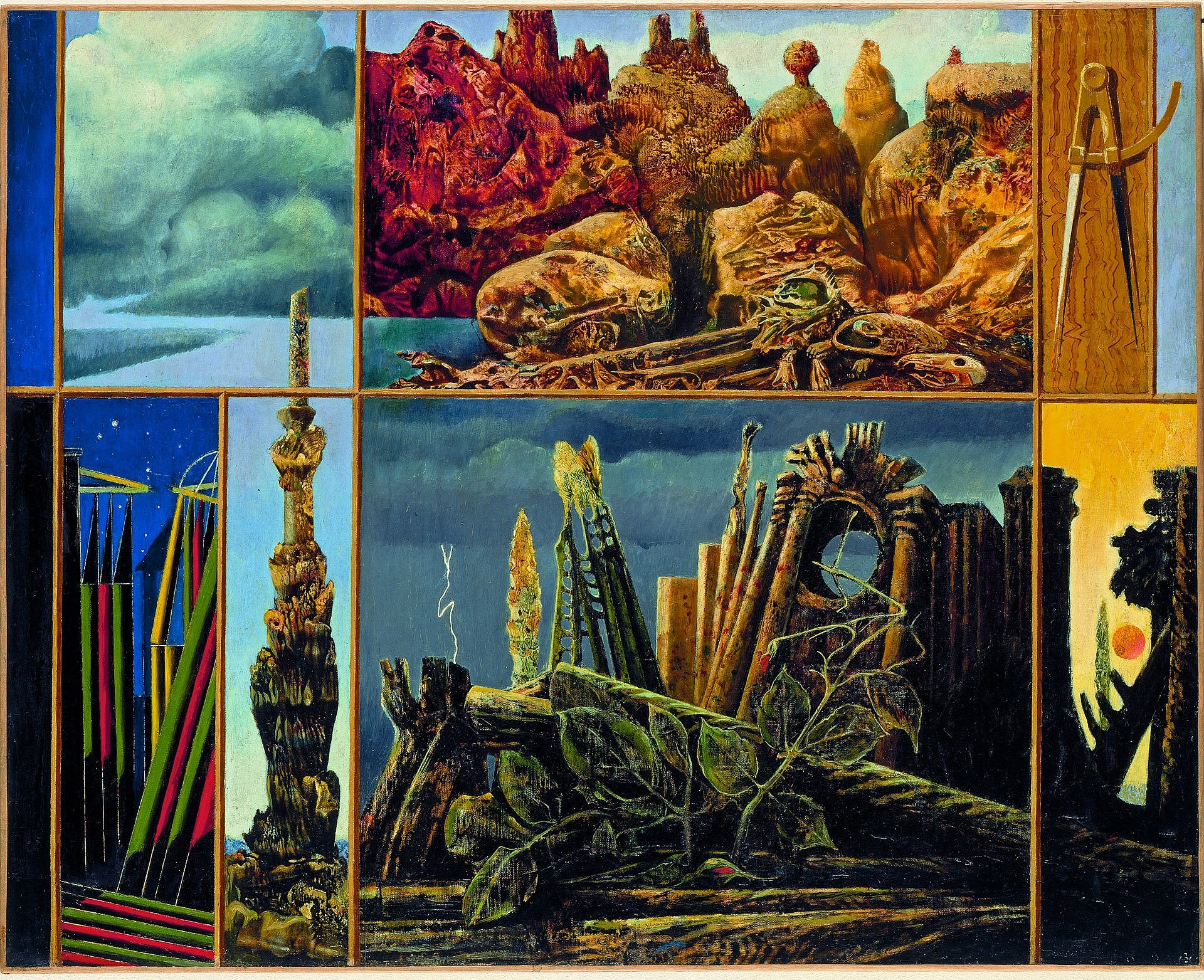
When you look at the “networks of the Surrealists”, it is striking that Max Ernst was a central hub, “linked” above all through romantic relationships with female Surrealists such as Peggy Guggenheim, Dorothea Tanning, Leonora Carrington and Meret Oppenheim. How did that come about?
Hackmann: Max Ernst was certainly a figure who was very good at staging himself and, in doing so, wonderfully shaping his legacy. Certainly also to establish his fame. When our trainee Sara Biever and I went through numerous publications in the run-up to the exhibition in search of photos, Max Ernst was simply everywhere. He was, of course, also a charismatic figure and lived a long life; one mustn’t forget that. Moreover, in purely numerical terms, Max Ernst left behind a vast body of work.
And generally speaking, how did the network contribute to mutual influence and inspiration?
Steinkamp: This is quite clearly evident in the ‘Cadavre Exquis’ works on display in the exhibition. They also demonstrate, on an artistic level, the collaboration between the Surrealists. ‘Cadavre exquis’ translates as ‘exquisite corpse’. The images are based on this children’s game, in which one person draws something, folds the page over, and the next person has to continue the drawing from the connection points. Four different artists worked on the images in the exhibition.
Haase: The network of Surrealism is clearly evident in the provenance records. However, the very common practice of friends giving paintings to one another has made provenance research more difficult, as this process was usually not documented.
The Pietzsch Collection itself is, of course, a private collection – are there any differences compared to a ‘state’ museum collection when it comes to researching provenance?
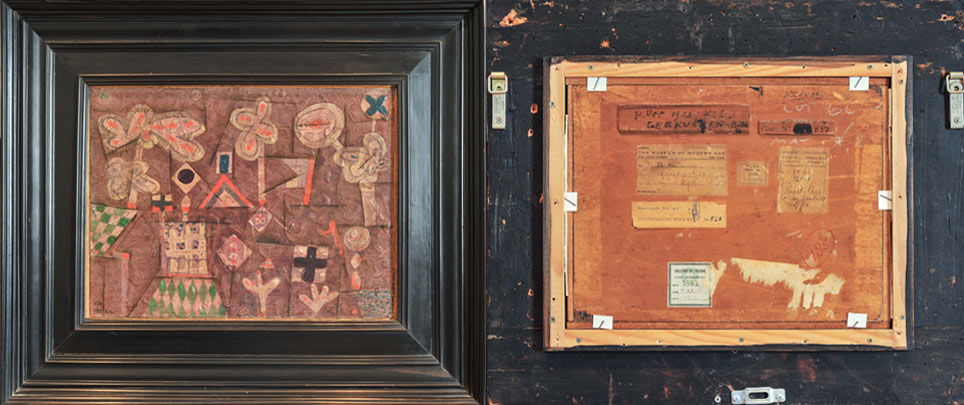
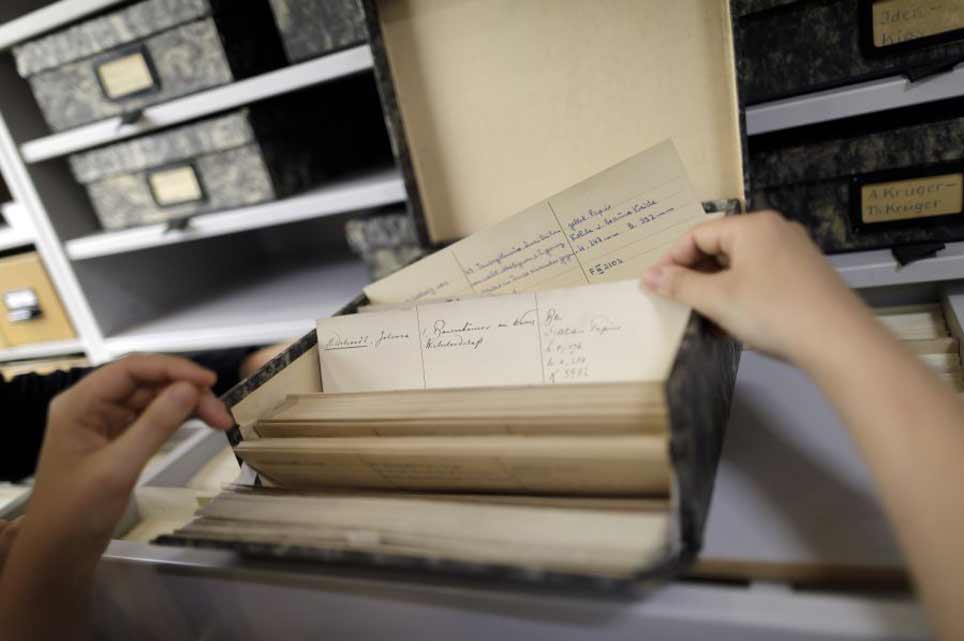
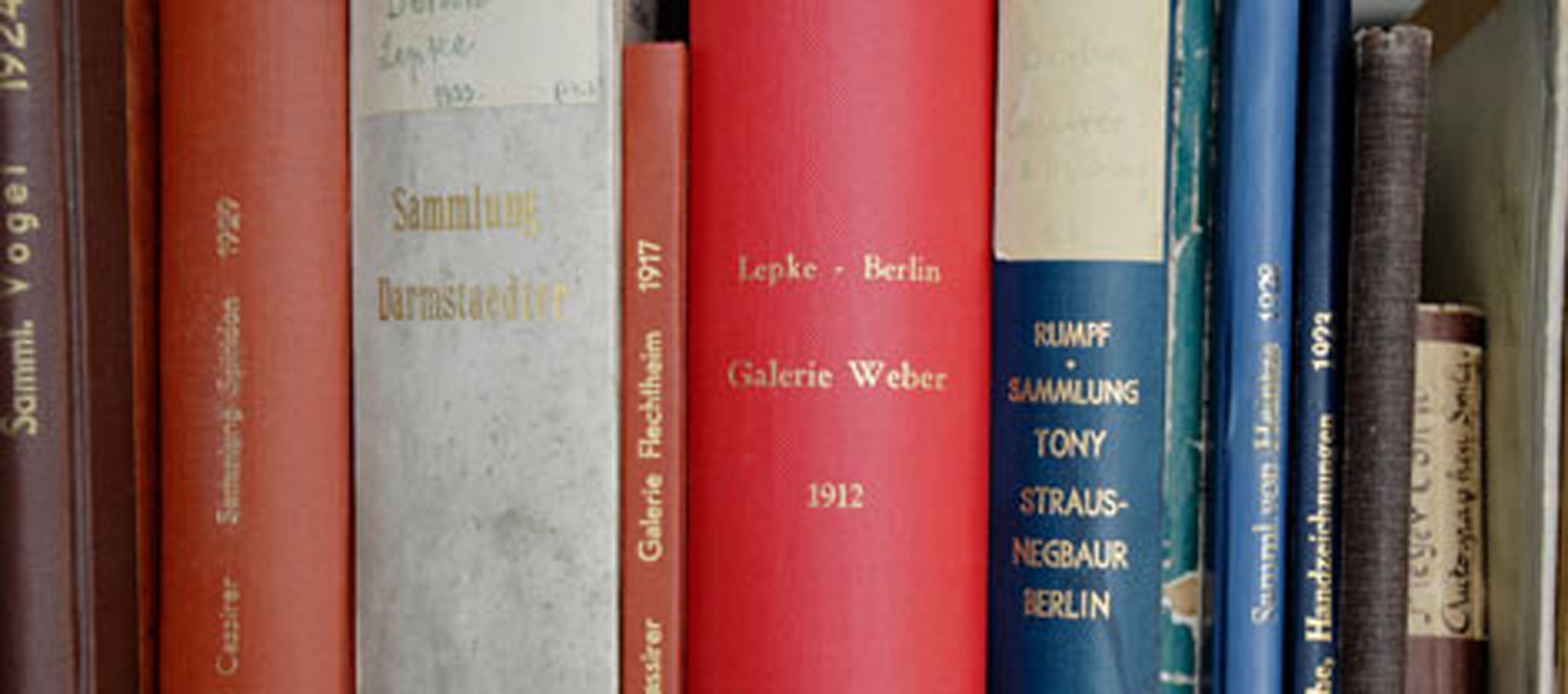
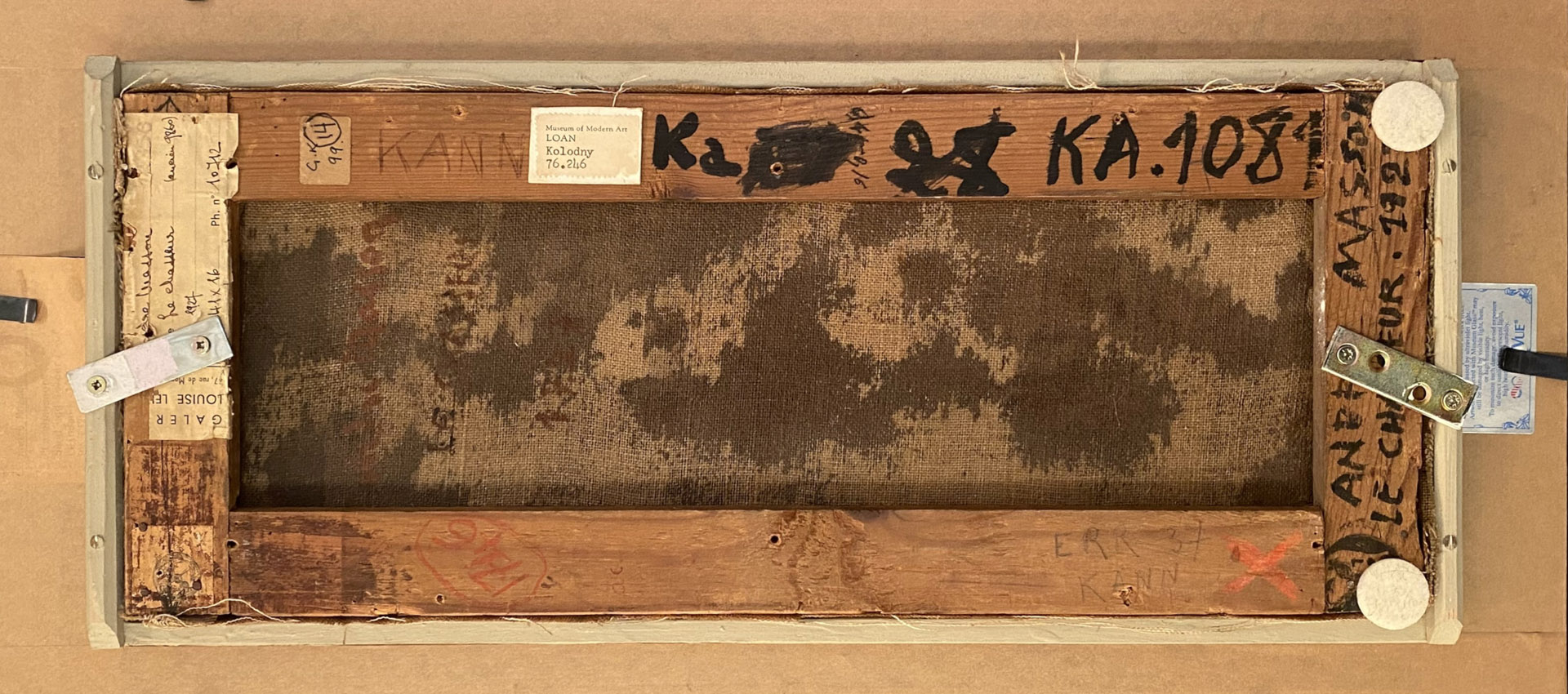
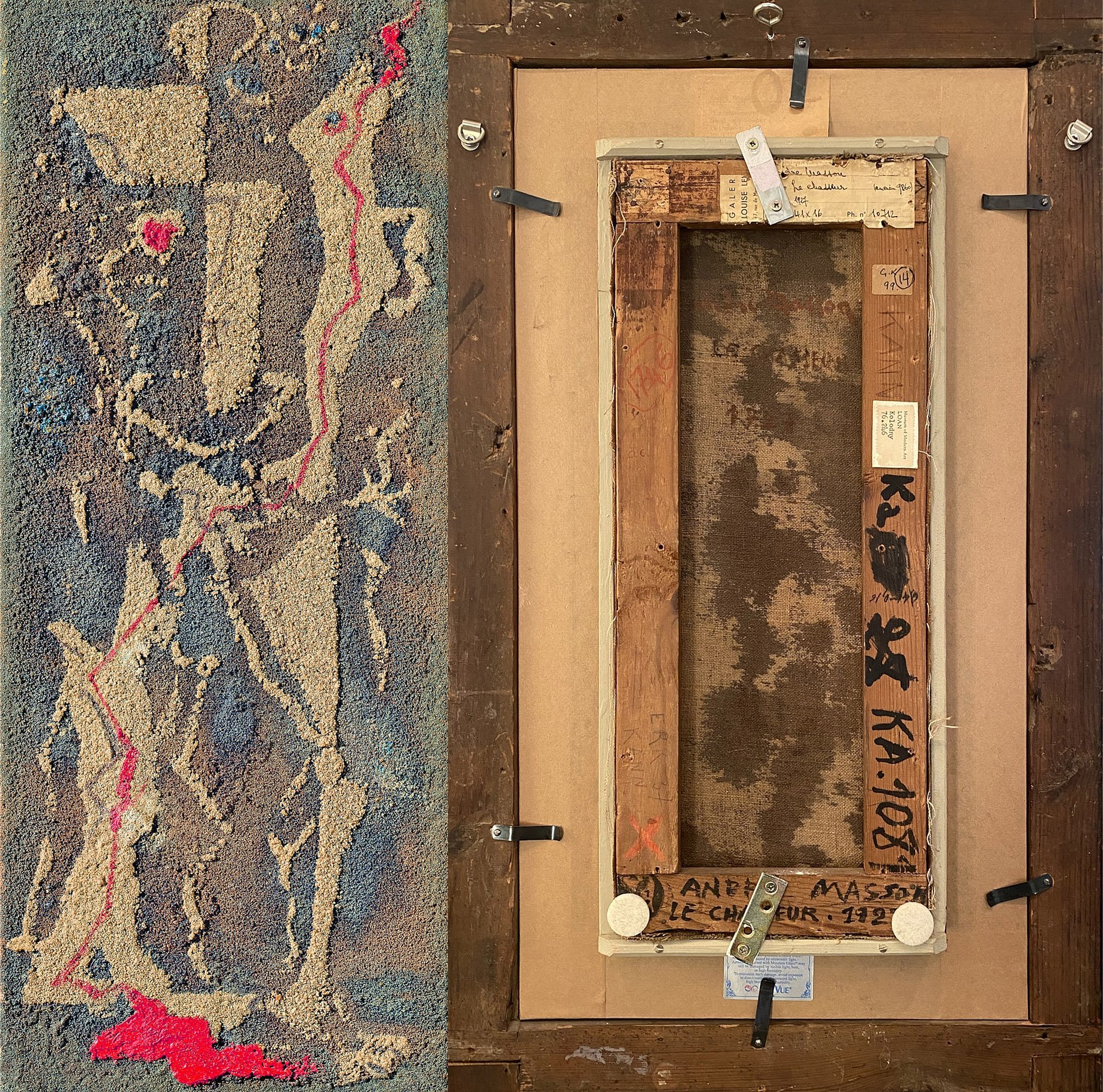
Hackmann: The first step in researching works that have been part of a museum collection for some time is to consult the museum’s archives. That wasn’t possible in our case, of course, but there is extensive documentation on the Pietzsch Collection that has accumulated over decades, covering items such as invoices, correspondence and loan agreements relating to the works. Furthermore, the works are still physically in Ms Pietzsch’s care. That is, of course, a different situation, but I was granted access without any difficulty and was able to examine the reverse sides for clues as to their provenance.
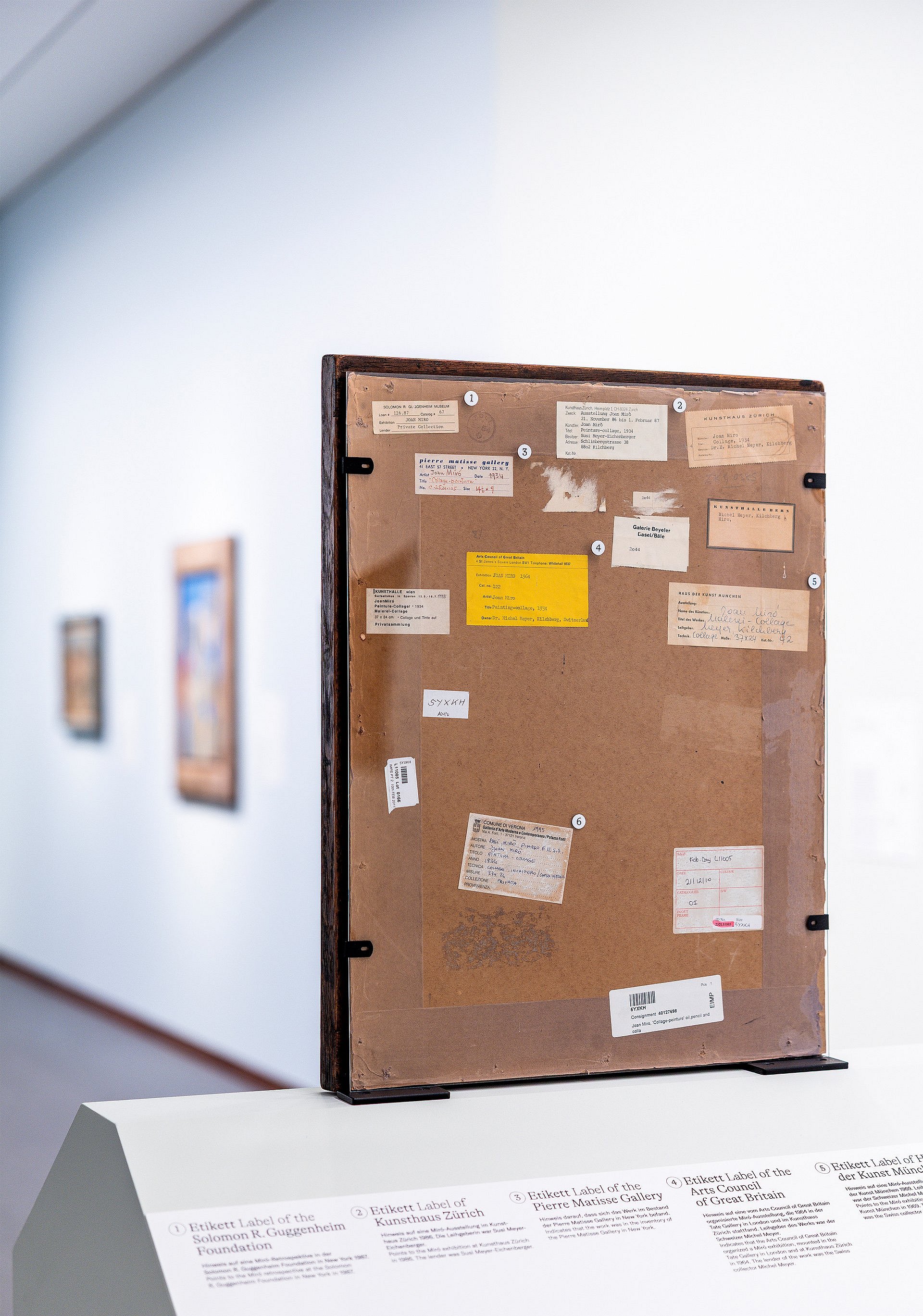
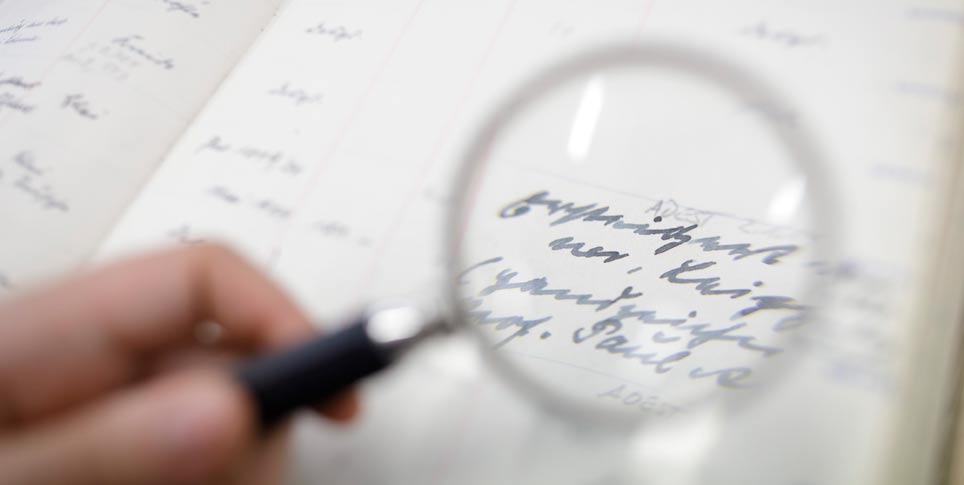
Haase: In the case of a museum collection, all the information usually comes together within the museum itself or in a museum archive. That is where, for example, the details of the acquisition are documented. With private collections, this documentation may be much more scattered; in some cases, one has to gather documents from various locations. In the case of the Pietzsch Collection, there is the added complication that some works have enormously long provenance chains – that is, a succession of owners – whose traces must in turn be traced individually.
Steinkamp: Of course, particularly during the period covered by our exhibition—the late 1920s to the 1940s—the documentation of provenance is relatively sparse, because the works were often given away or exchanged amongst the artists themselves. And when you are on the run and forced into exile, you naturally do not take all your records and documents with you.
What do you personally take away from this? Has this work changed your perspective on the upheavals of the 20th century?
Haase: Provenance research is, after all, tasked with addressing these upheavals of the 20th century—specifically, the Nazi era between 1933 and 1945—in public collections. The aim is to ensure that nothing with a tainted provenance hangs in the museum, for example because it was confiscated from someone as a result of persecution—so this automatically shapes our perspective.
In this particular case, there is the added factor that contemporary history hits this group of artists
so directly because it is also a highly political movement. Surrealism is an explicitly political, anti-fascist art movement. With other art styles of the early 20th century, one might have to look for such connections in a slightly more hidden way. Moreover, many of the artists and collectors had a Jewish background, and thus automatically came under the scrutiny of the Nazis. Works were sold, saved in exile, hidden, confiscated, restituted: it is, of course, always gripping for us as researchers that so much contemporary history is attached to works of art.
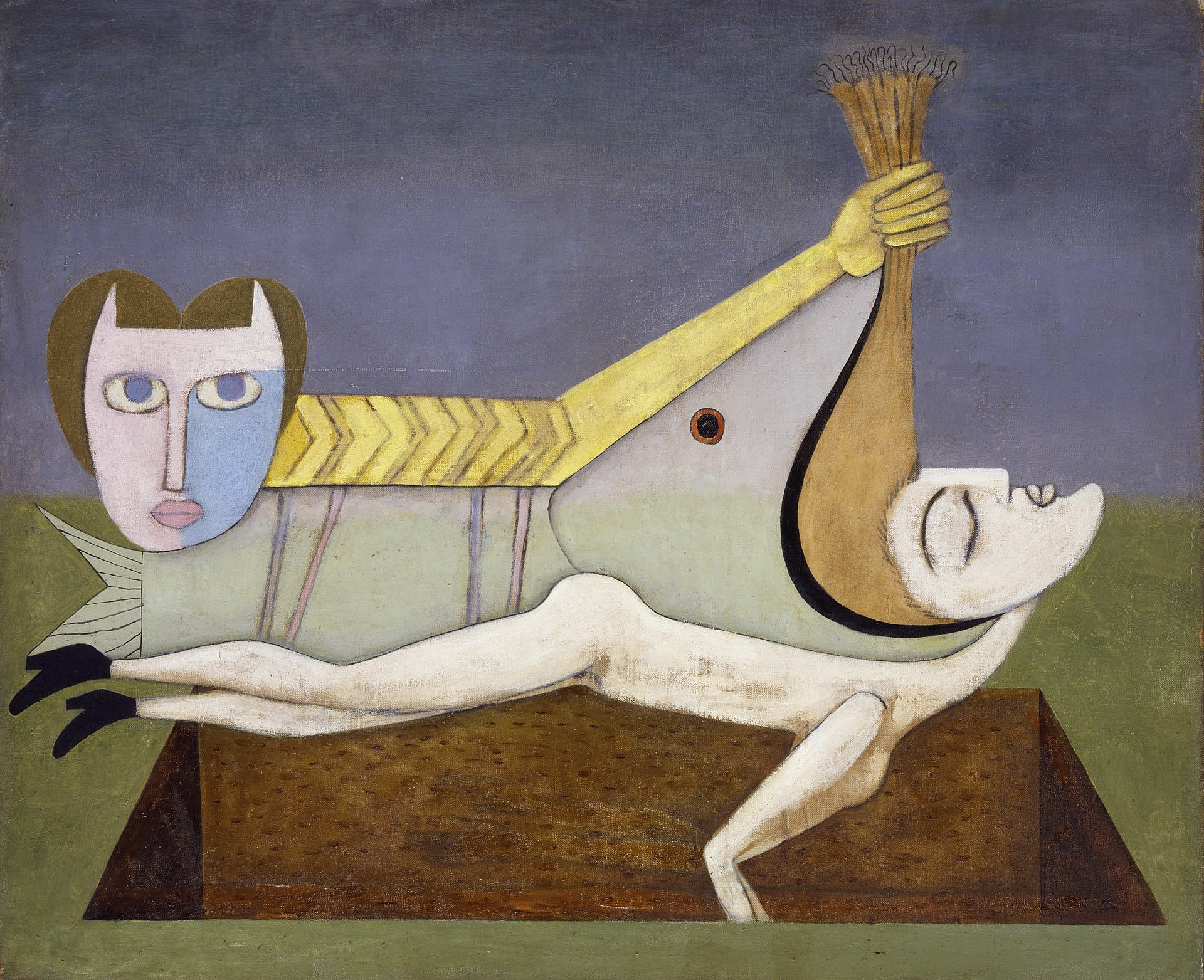
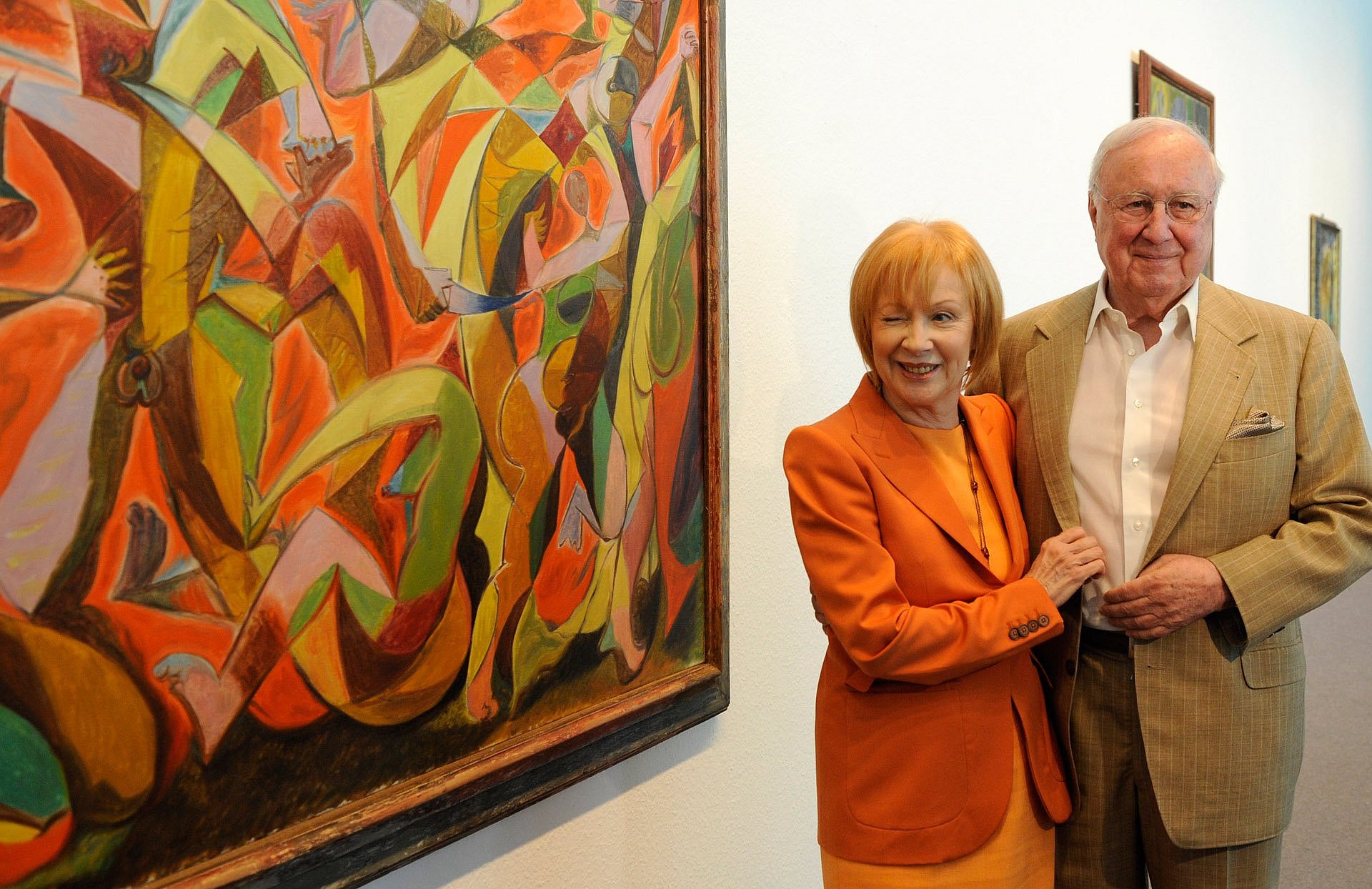
Hackmann: We are dealing here with a group of artists who continued to create art during the life-threatening period of the Second World War. Both I and the visitors certainly view a painting such as Victor Brauner’s ‘Handtier’ differently when we know that Brauner was unable to flee, had to go into hiding, and painted this work in 1943 whilst in hiding under immense psychological pressure.
With other works, it is a miracle that they still exist at all today, because they were removed from their frames and transported in rucksacks, or were actually intended for destruction, yet somehow survived. These are insights that have made a direct impression on me.
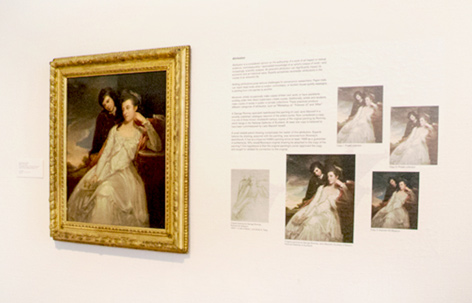
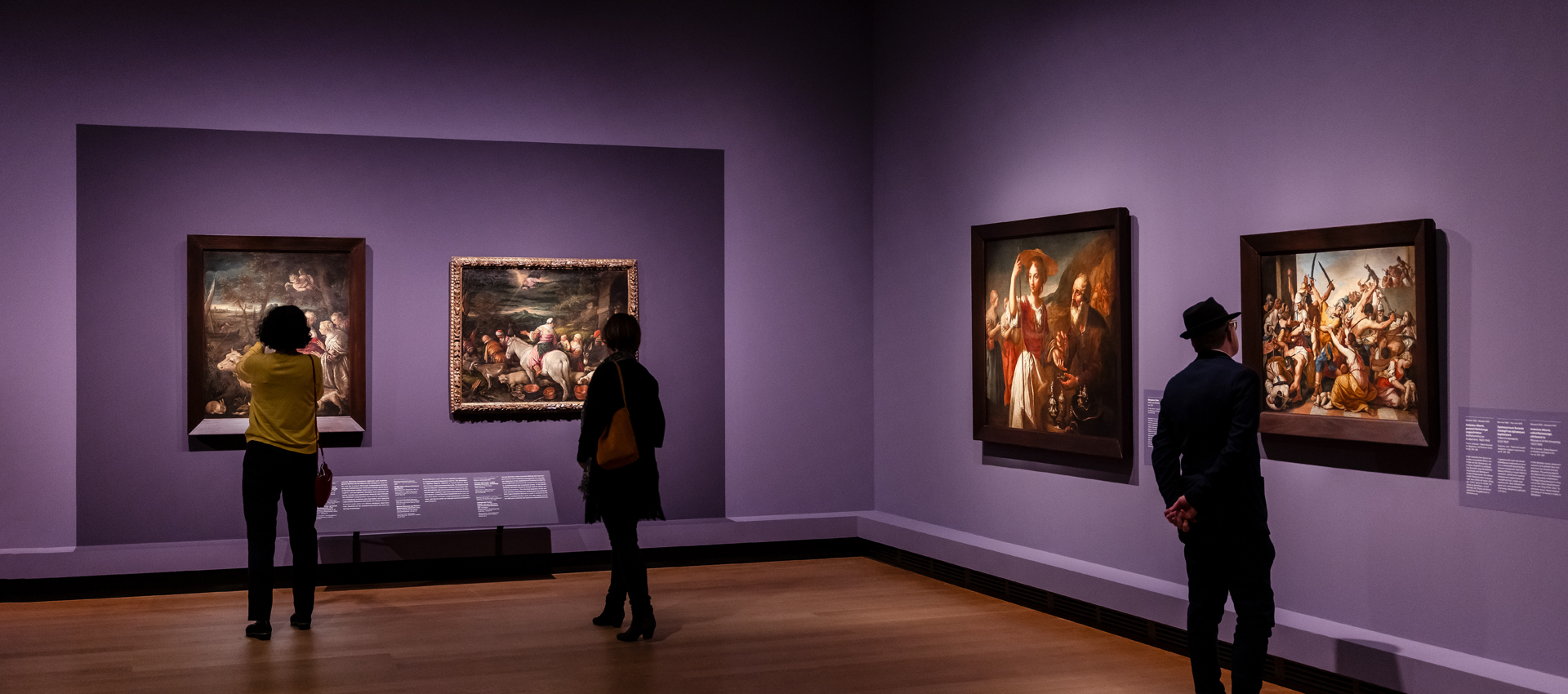
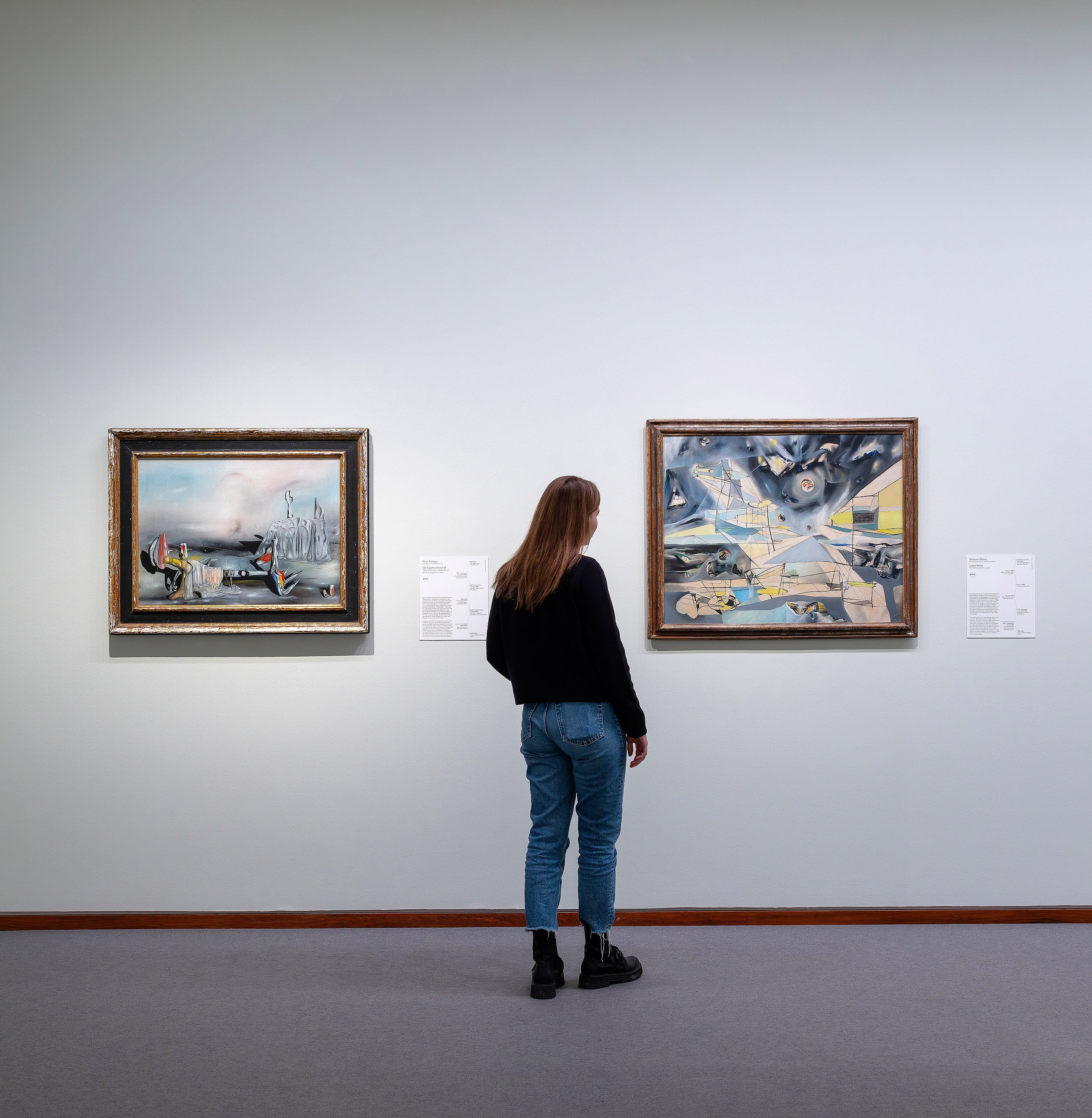
Steinkamp: You can see that in the exhibition visitors too. The exhibition is very well attended and we sense the interest in the stories behind the works. We have incorporated different levels into the exhibition design. It all began with the question of how we could convey the wealth of information to visitors without overwhelming them.
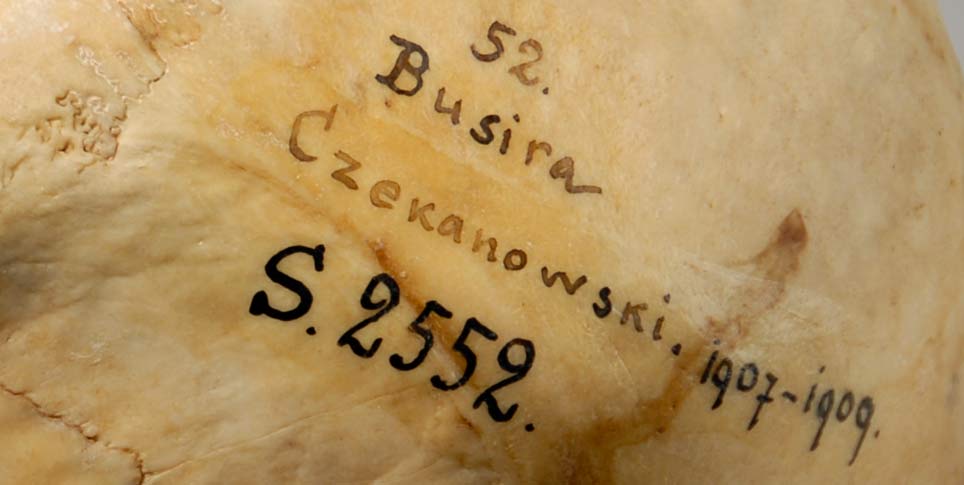
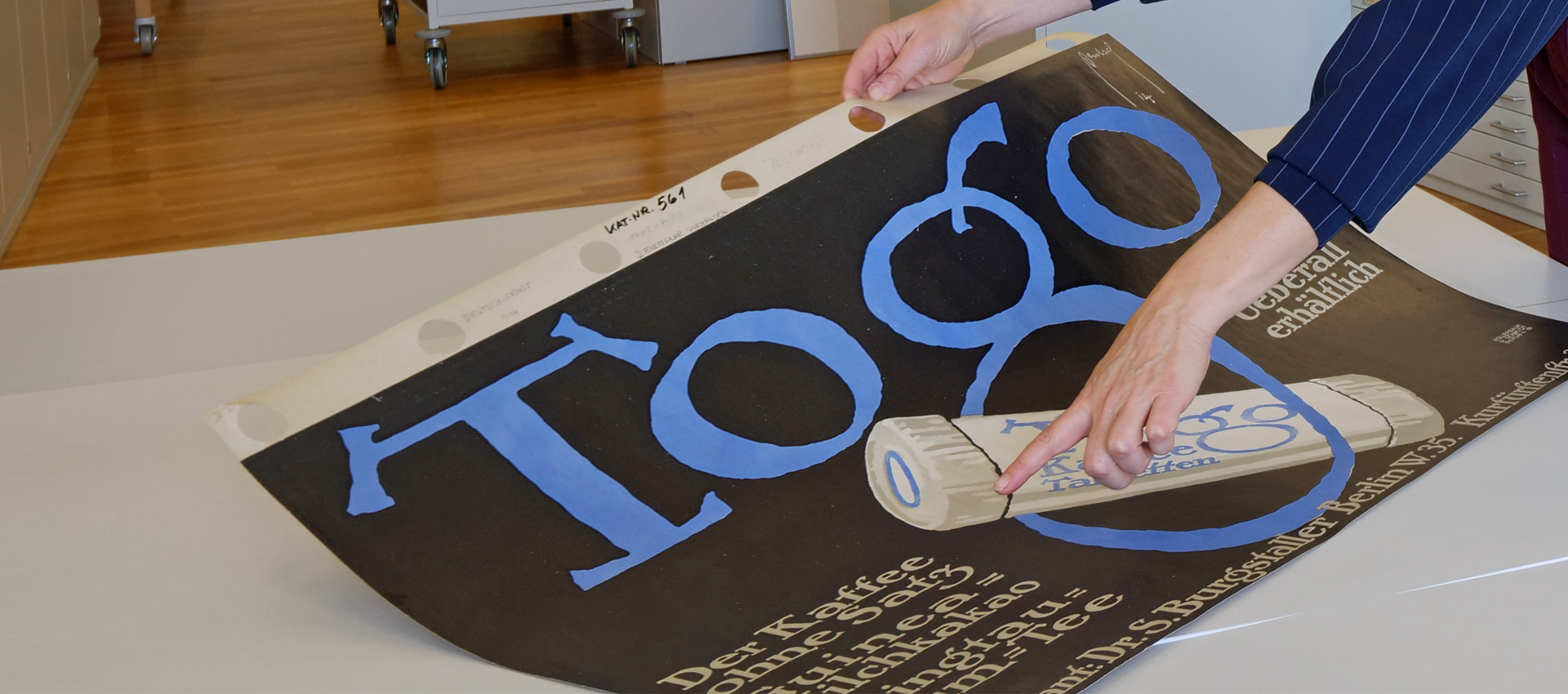
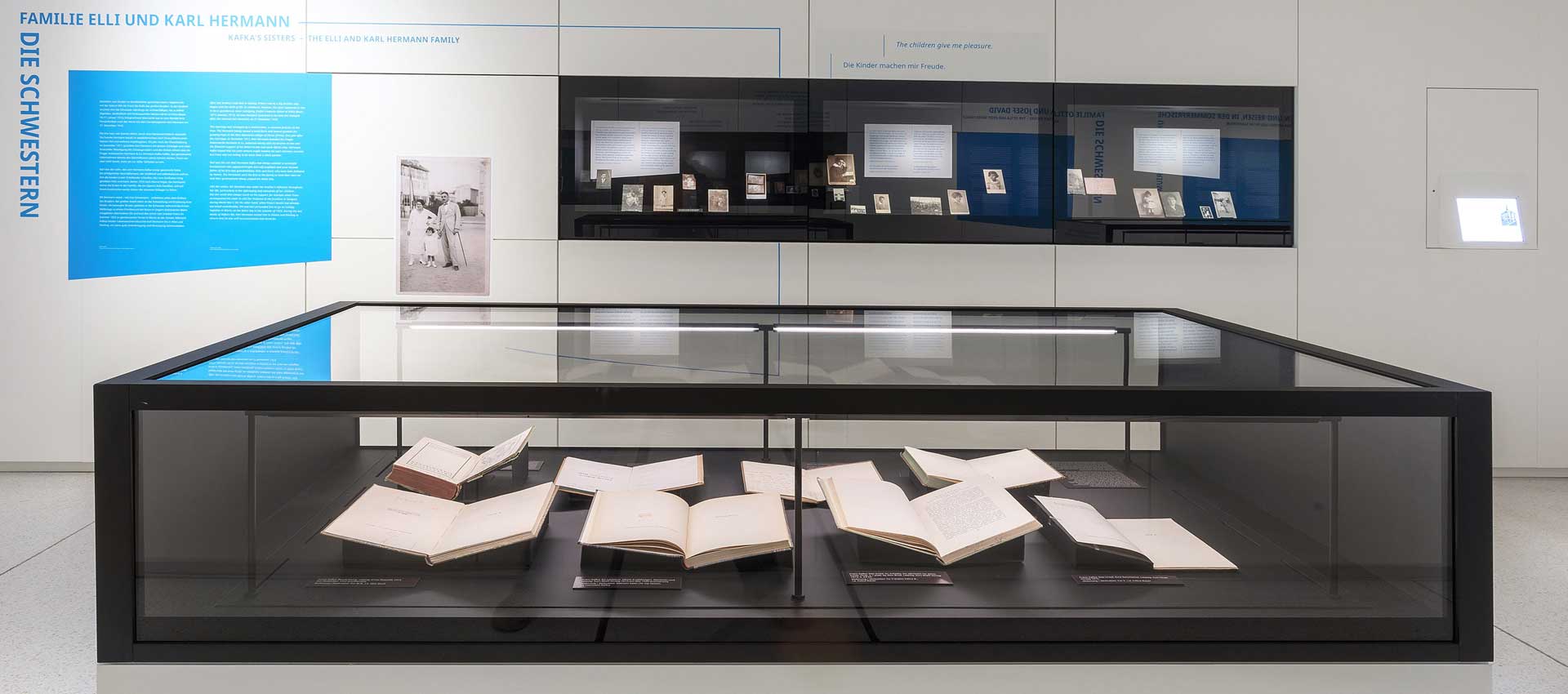
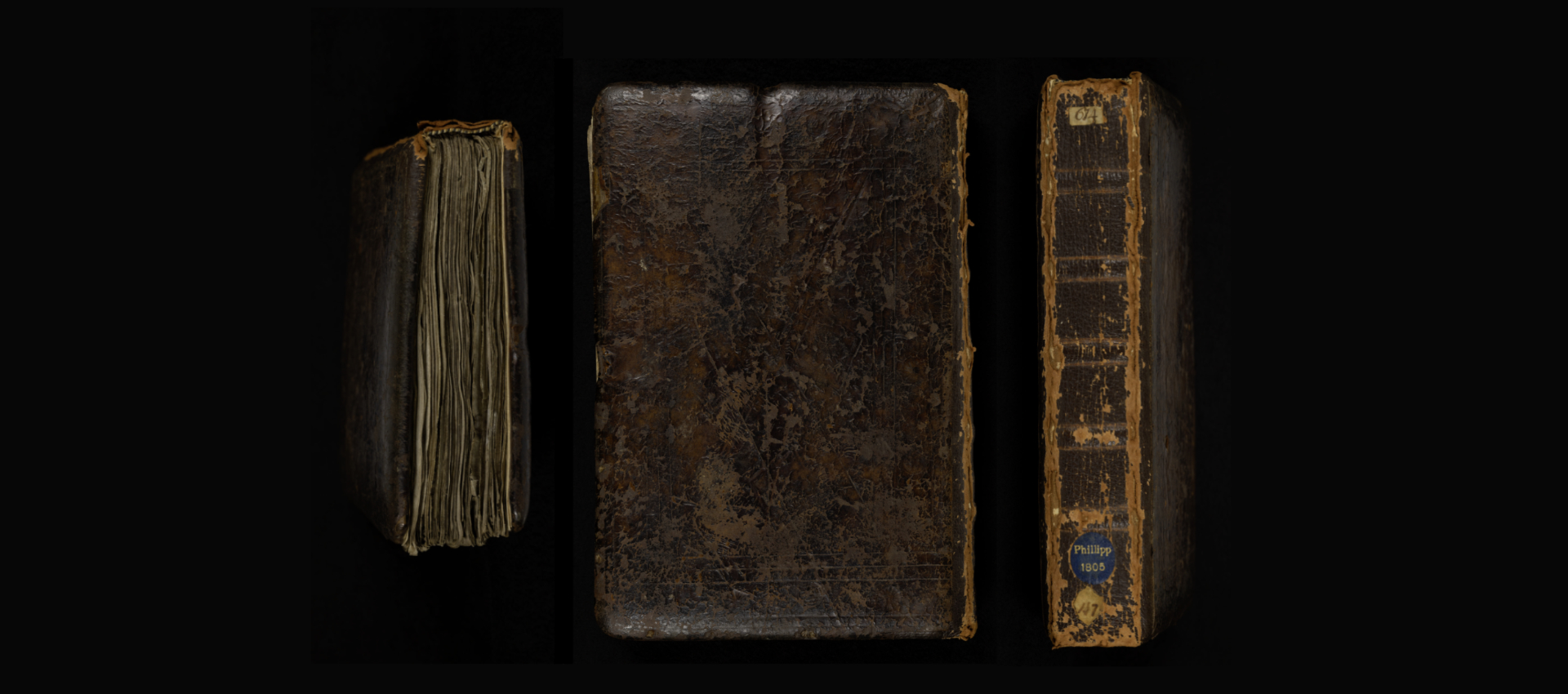
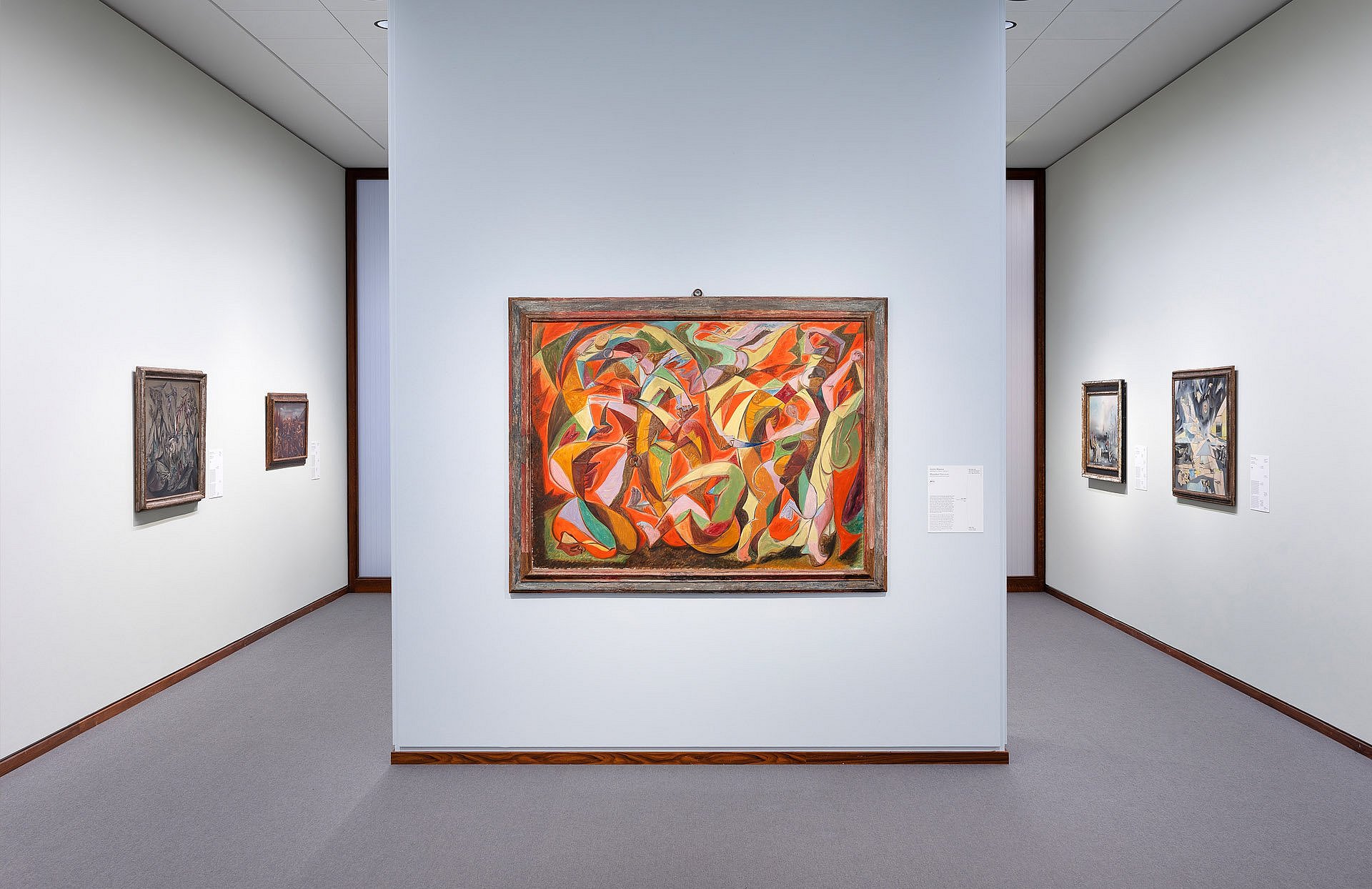
We then decided on these three chapters: ‘Friendships and Networks’, ‘Flight and Displacement’ and ‘Exile’. These are accompanied by a map showing the movements of those involved. There are also photographs of specific, defining events and moments, and in each section a work of which we also display and explain the reverse side with its inscriptions, stamps and stickers. Using the reverse sides, we explain how provenance research actually works. This allows visitors to become researchers themselves, to some extent.
Haase: The photographs on display show the faces of the people whose names appear in the provenance records. This brings a technical list of names to life. It gives the term ‘object biography’ a whole new dimension: because, of course, it is always also the biography of the people who owned that object.
Steinkamp: Alongside the fascinating stories we tell in the exhibition about the works of Surrealism and their journeys, another key aim is to highlight the important work of provenance research. We want to show that provenance research is not merely the search for unlawfully removed cultural property, but that through it one can also learn a great deal about the art movement, the era and the historical context. And that is what interests the visitors.