One year after the Berlin Wall was built, 17 years after the end of the Second World War and 25 years after the construction of the first building in Albert Speer’s ‘Germania’ complex, the decision was taken to build a state library in West Berlin: at the Kulturforum. A political history of construction.
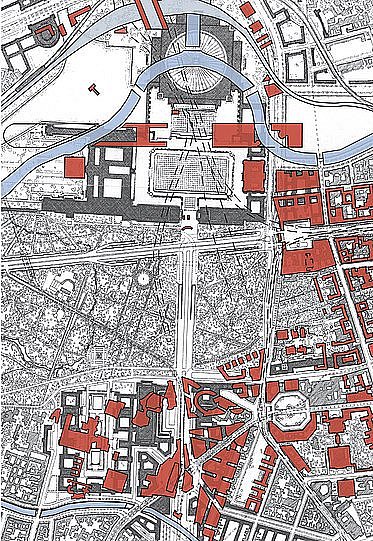
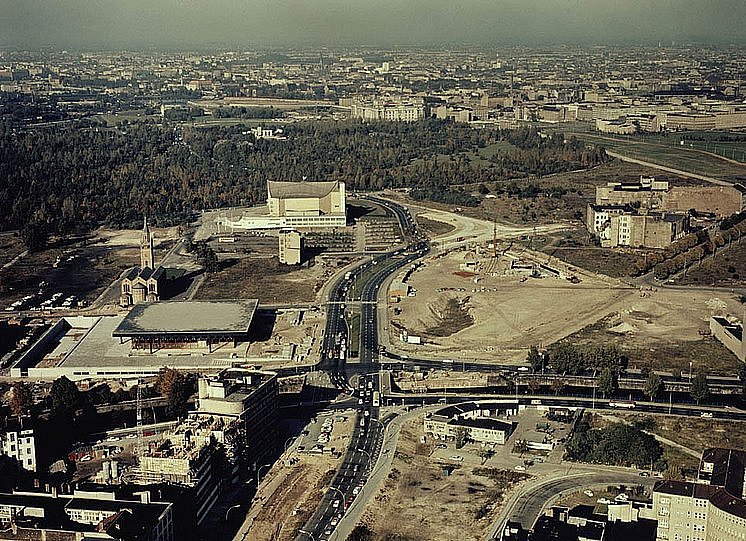
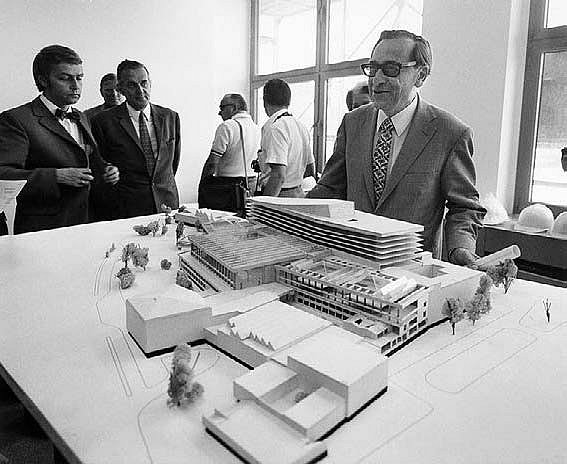
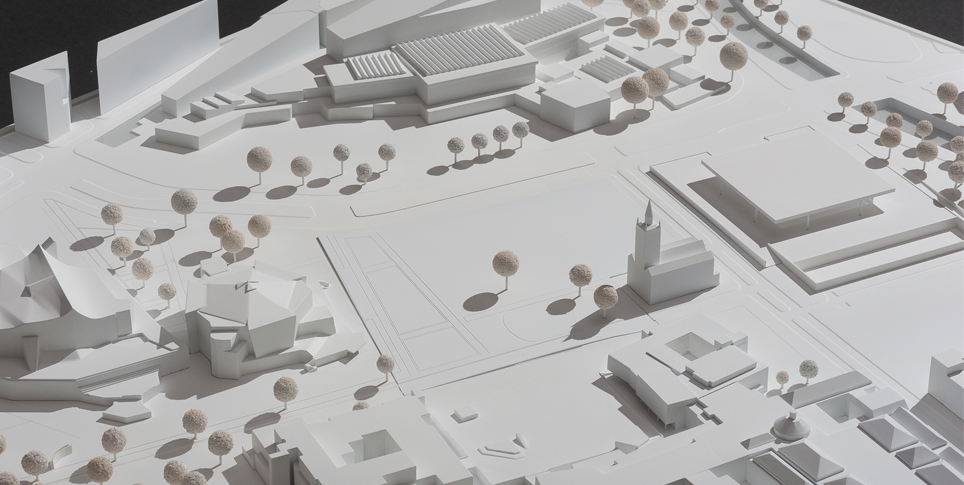
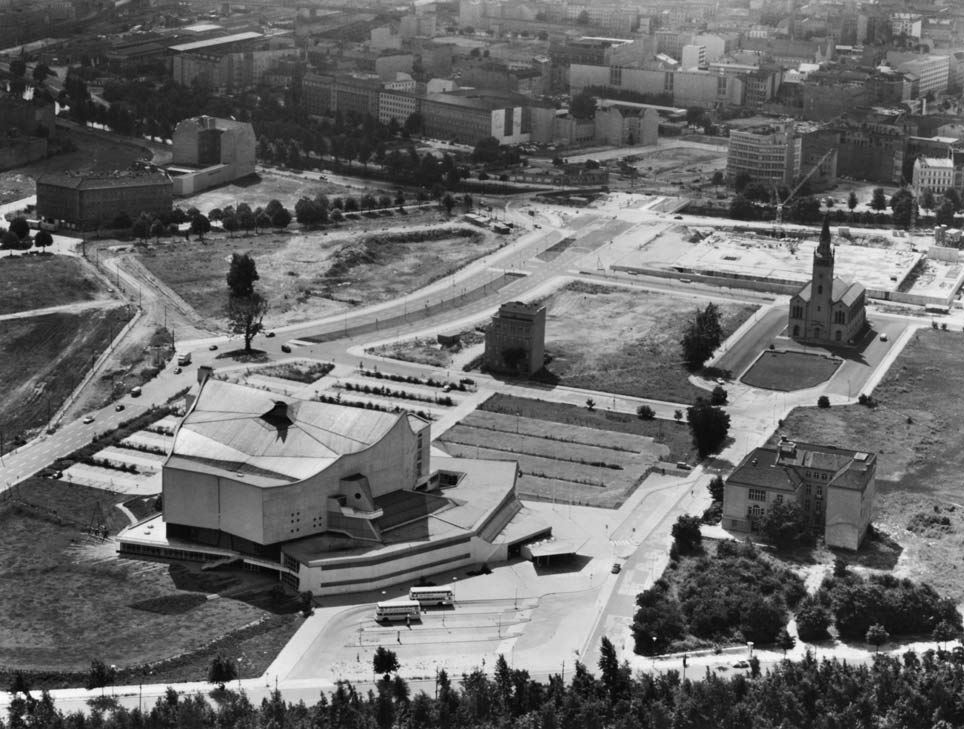
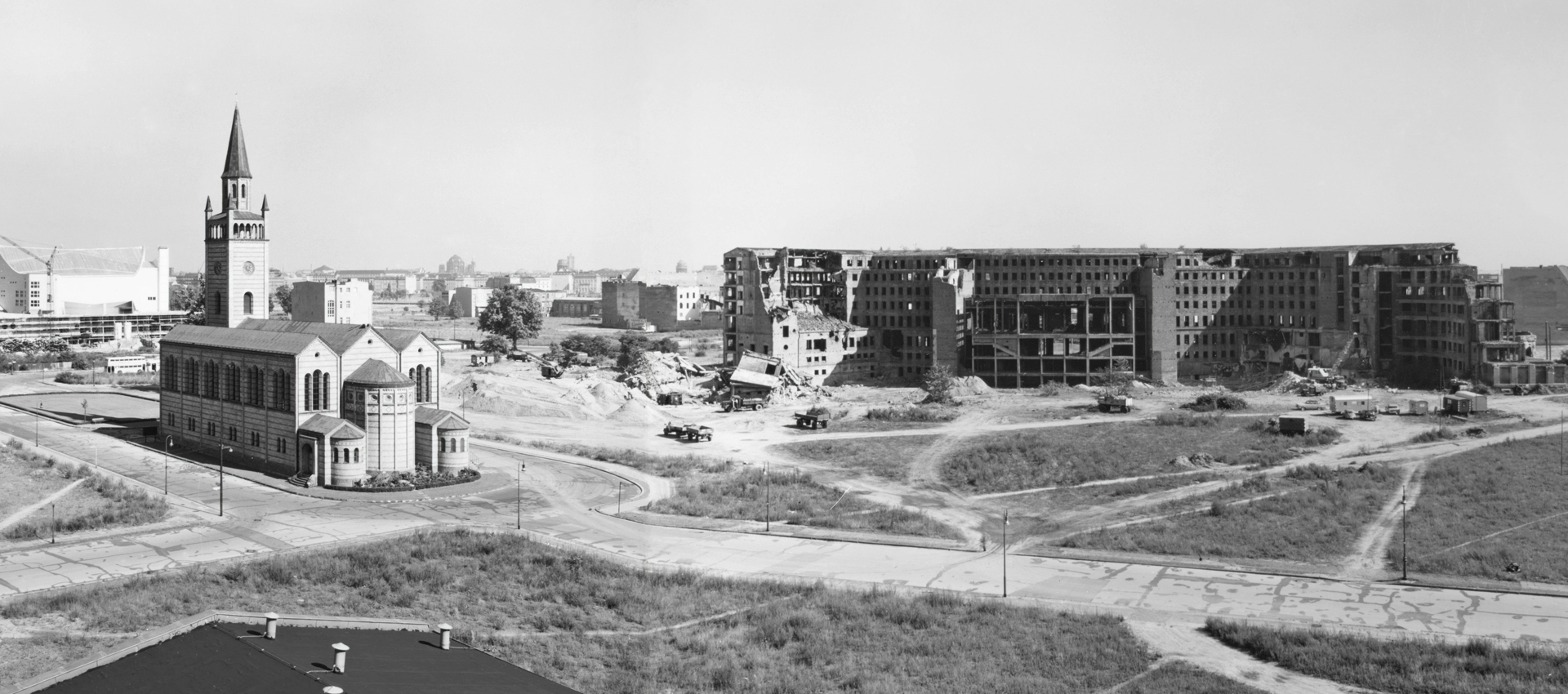
On 29 June 1962, the Bundestag passed the ‘Law on the Promotion of the Economy in Berlin (West)’, which aimed to preserve and strengthen Berlin’s economic power and to compensate for the economic losses resulting from the construction of the Wall. Even before that, on 12 January 1962, West Berlin itself had already set a milestone in cultural promotion – the formal Senate resolution on the construction of the new State Library on the site in Berlin’s Tiergarten district, later known as the ‘Kulturforum’, between Kemperplatz in the north and the Landwehr Canal in the south. The architectural design by Senate Building Director Düttmann had already been approved by the Senate; all that remained was for the Board of Trustees of the Prussian Cultural Heritage Foundation to give its final approval.
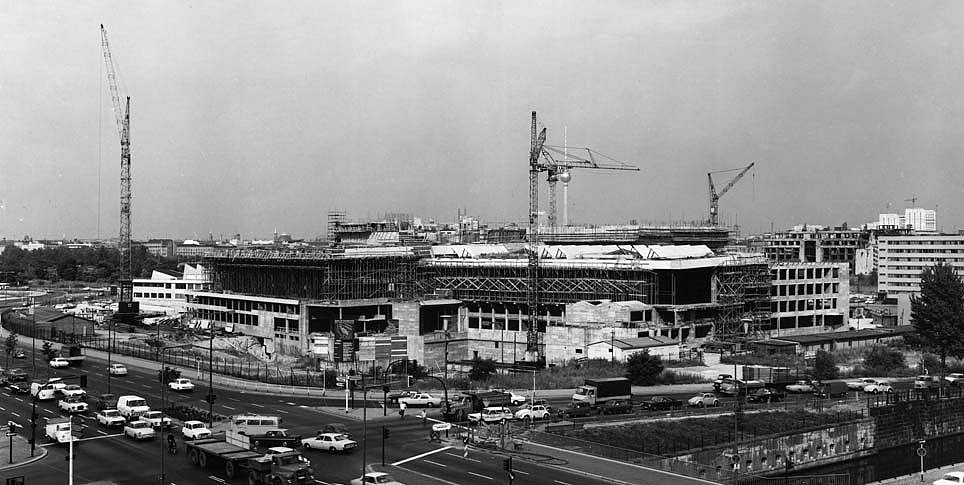
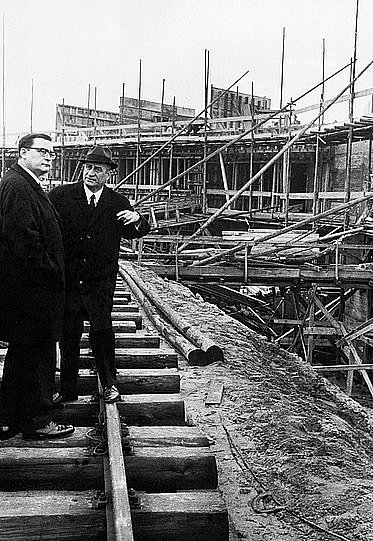
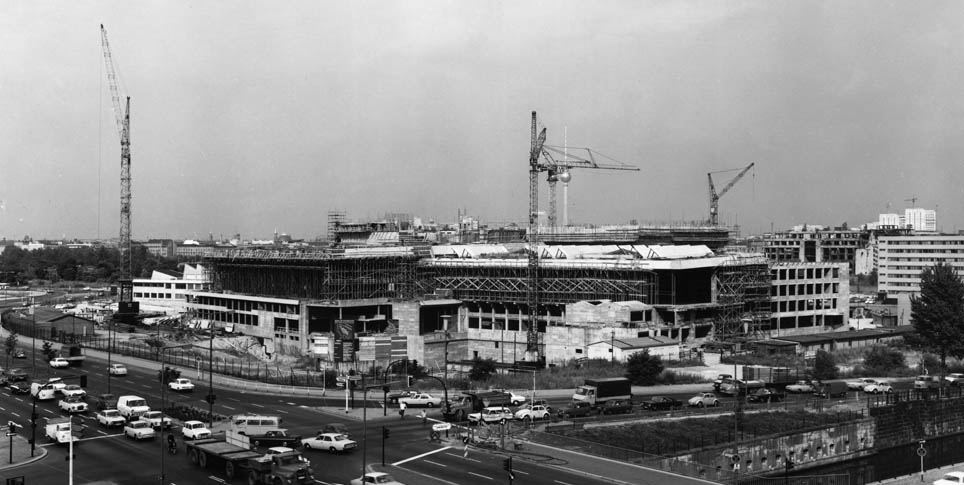
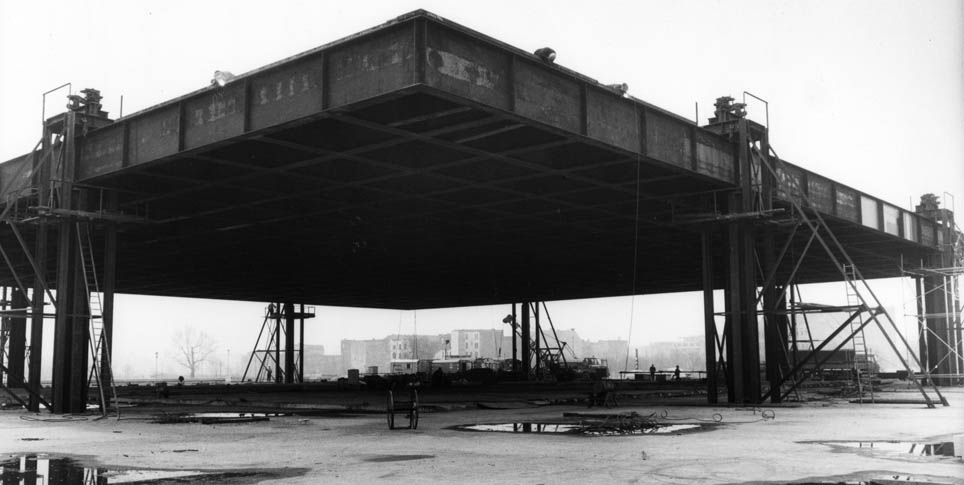
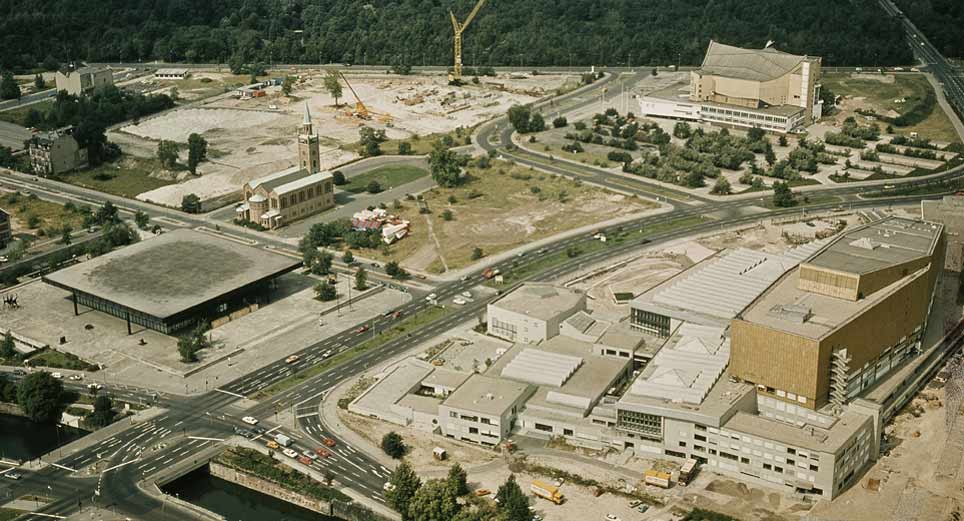
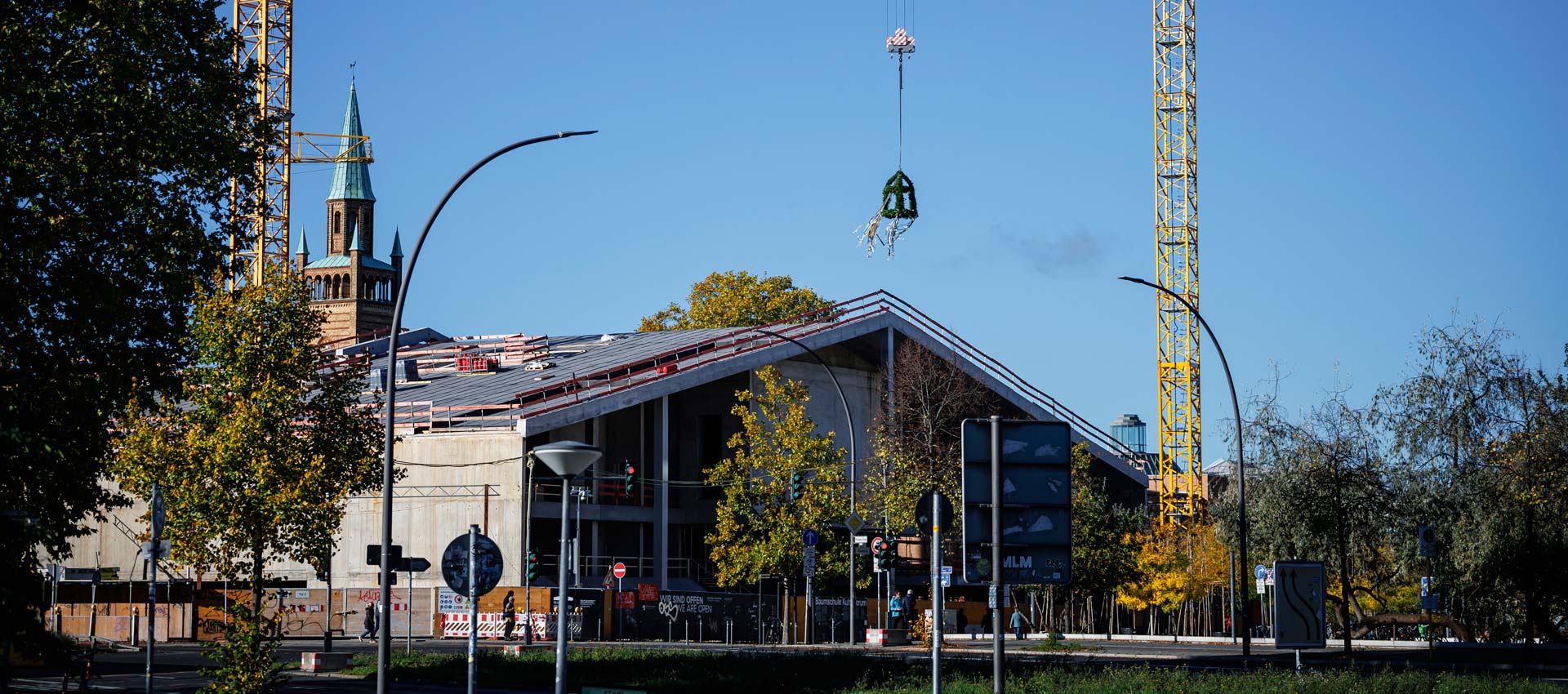
A major struggle for a major building: The State Library under construction, 1972/73 © bpk/Reinhard Friedrich
Regardless of the construction of the Wall, planning in West Berlin continued to be strictly guided by the prospect of reunification and a united city. Here, the construction of the library immediately took on an ideological, and above all pragmatically far-sighted, dimension: the inclusion of East Berlin in the considerations regarding a future unified Berlin State Library contributed to the choice of location, as a library on Potsdamer Platz would, following reunification, be exceptionally well situated at the transport hub connecting Berlin’s three universities: Humboldt University, the Technical University and the Free University.
At the same time, however, the struggle between the world powers, the USA and the USSR – which had already spread to their respective allies, the Federal Republic of Germany and the German Democratic Republic, by the late 1940s – began to escalate and spill over into the divided Prussian State Library; the ‘arms race’ among libraries had begun. ‘The largest library ever planned in Germany is to be built in West Berlin,’ reported the newspapers, heralding the free West’s efforts to defy socialism: it was not to be in the unfree East, of all places, that the largest German library – a symbol of the unrestricted spirit of inquiry – was to be housed, but in the battle of the library giants, West Berlin was to emerge victorious over East Berlin. The colossal construction cost of 50 million DM for the new building on the edge of the Tiergarten was widely reported without dispute – for Berlin, now that it had been encircled by the GDR, only the very best would do.