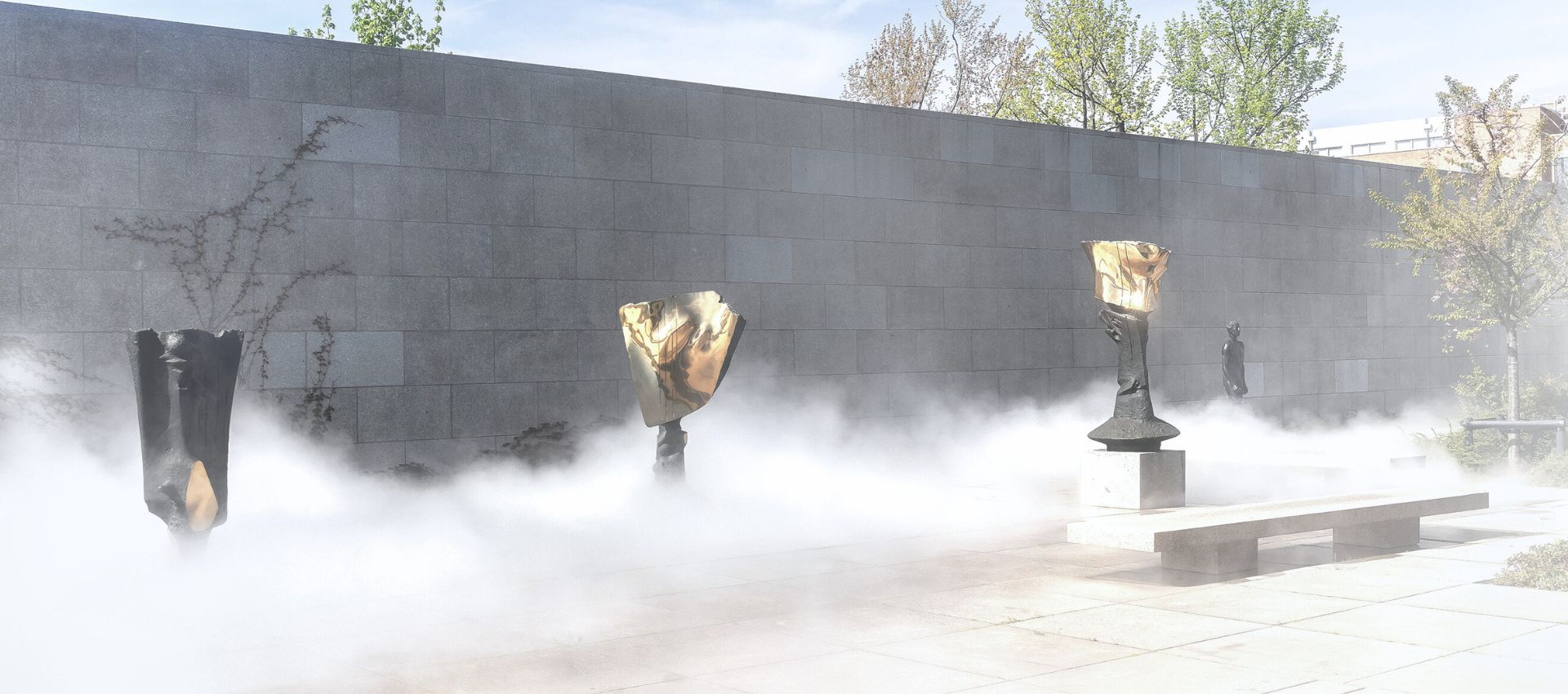
Bring on the good life: on 14 September 2025, the Kulturforum Berlin celebrated its annual summer festival – both indoors and outdoors. With guided tours, workshops, concerts and, of course, the legendary buffet in the open air
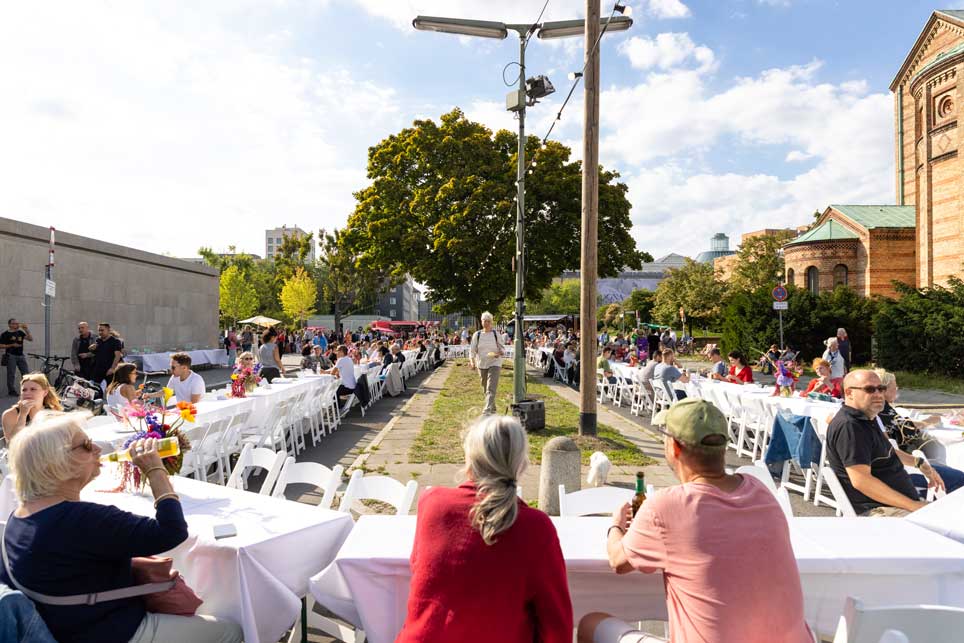
Yes, yes, paradise – in these decidedly apocalyptic times (looming climate catastrophe, crumbling democracies everywhere) a highly topical issue that somehow concerns us all, and the theme of what is now the fourth ‘Day in the Green’ on 14 September 2025. Whether it was precisely this that drew the 15,000 people to the Kulturforum, or the special offer on day tickets, the many guided tours and workshops on offer, the concerts, the diversity of the collections, Berlin’s longest banquet table on Scharounplatz, the large participatory closing performance of the Yoko Ono exhibition “Bells For Peace”, or simply the fact that it was a Sunday – one cannot say for sure. In any case, it was packed again.

In fact, almost more important than paradise itself as a utopia of the hereafter is the debate about our present reality: so, what exactly is paradise? For behind this lies the broader discussion of how we want to live. And how do we create a better world? The exhibitions, performances and guided tours in the various venues, from the Museum of Decorative Arts to the Cabinet of Engravings, demonstrated that this question has always been important and relevant – and remains so today.
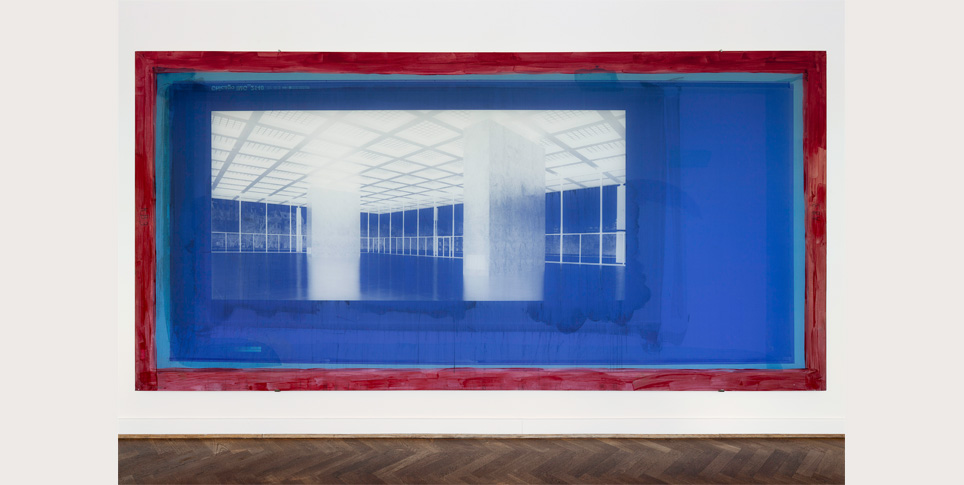
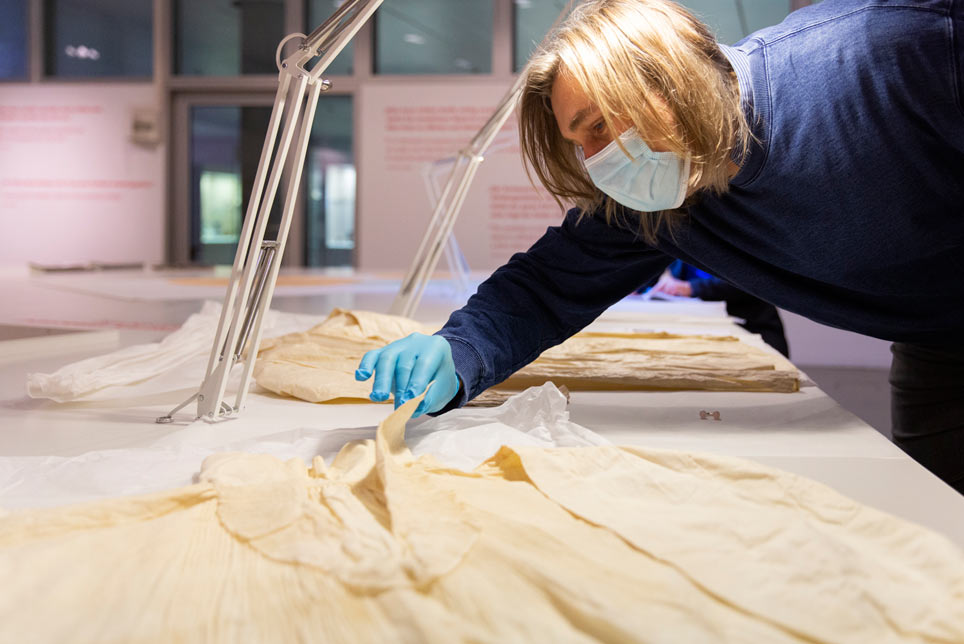
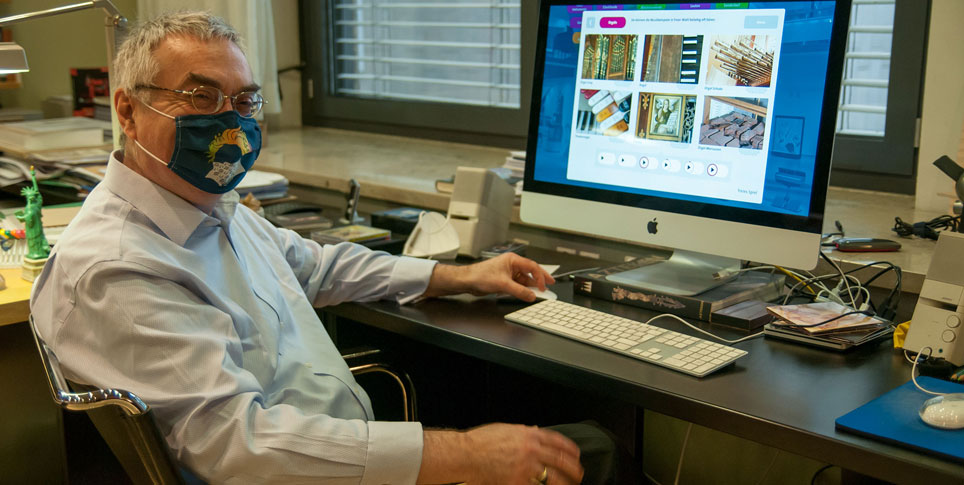
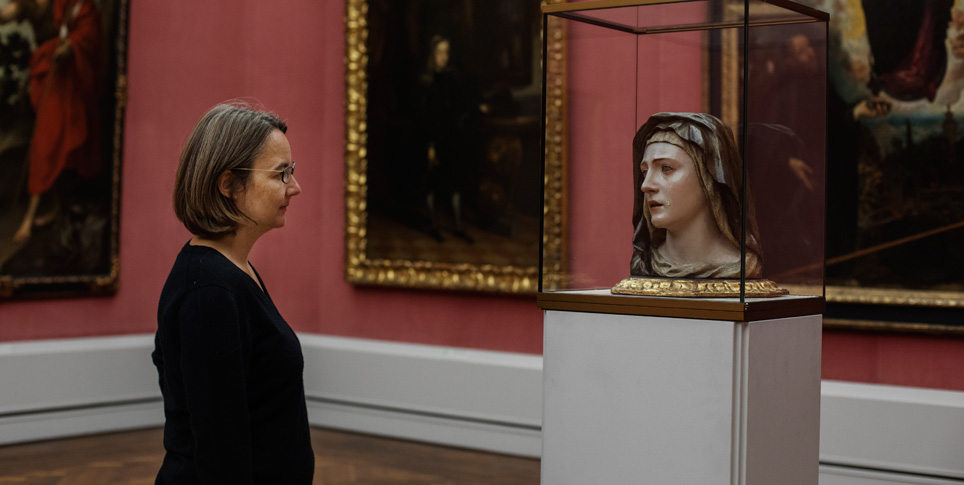
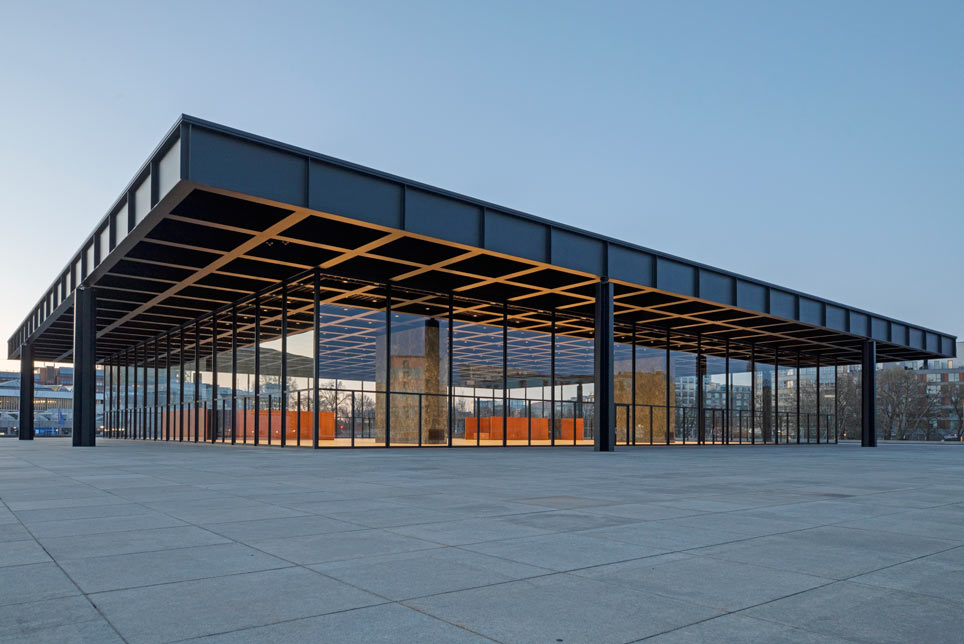
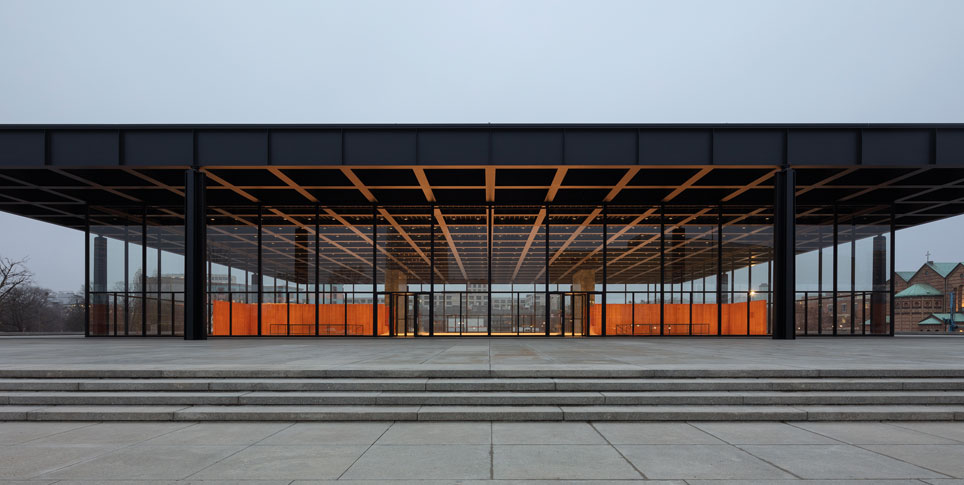
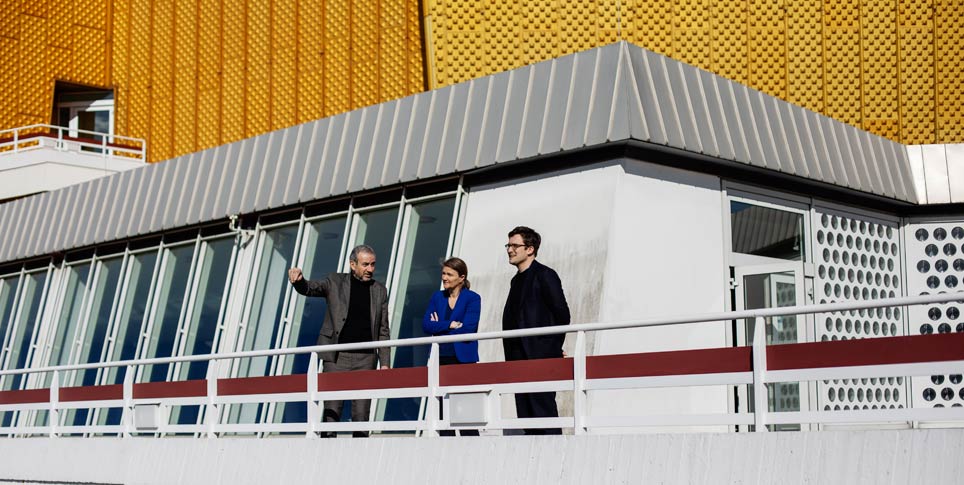
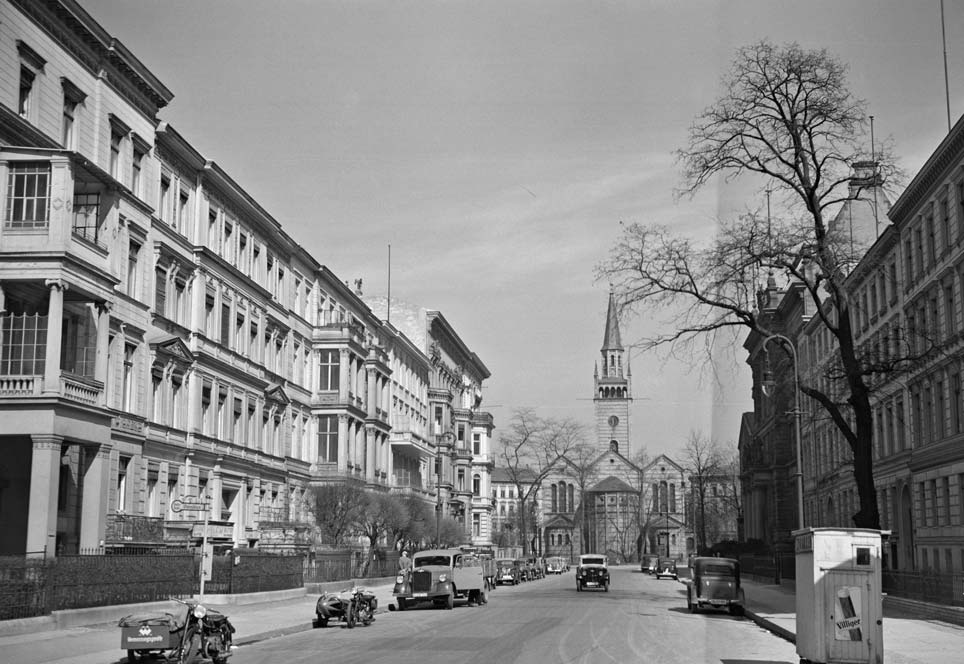
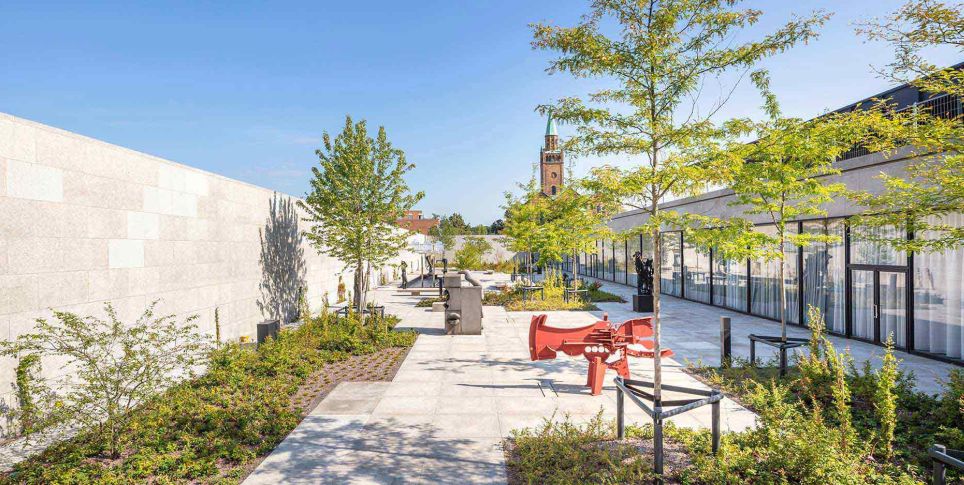
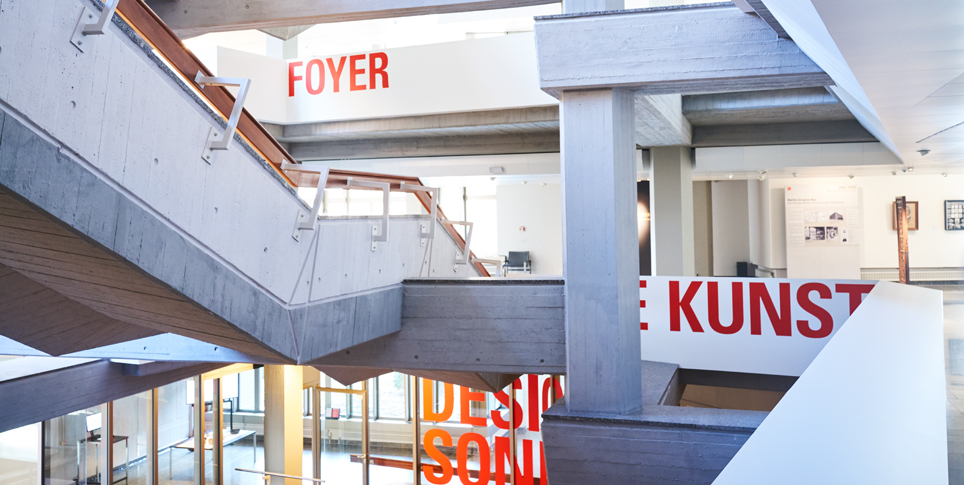
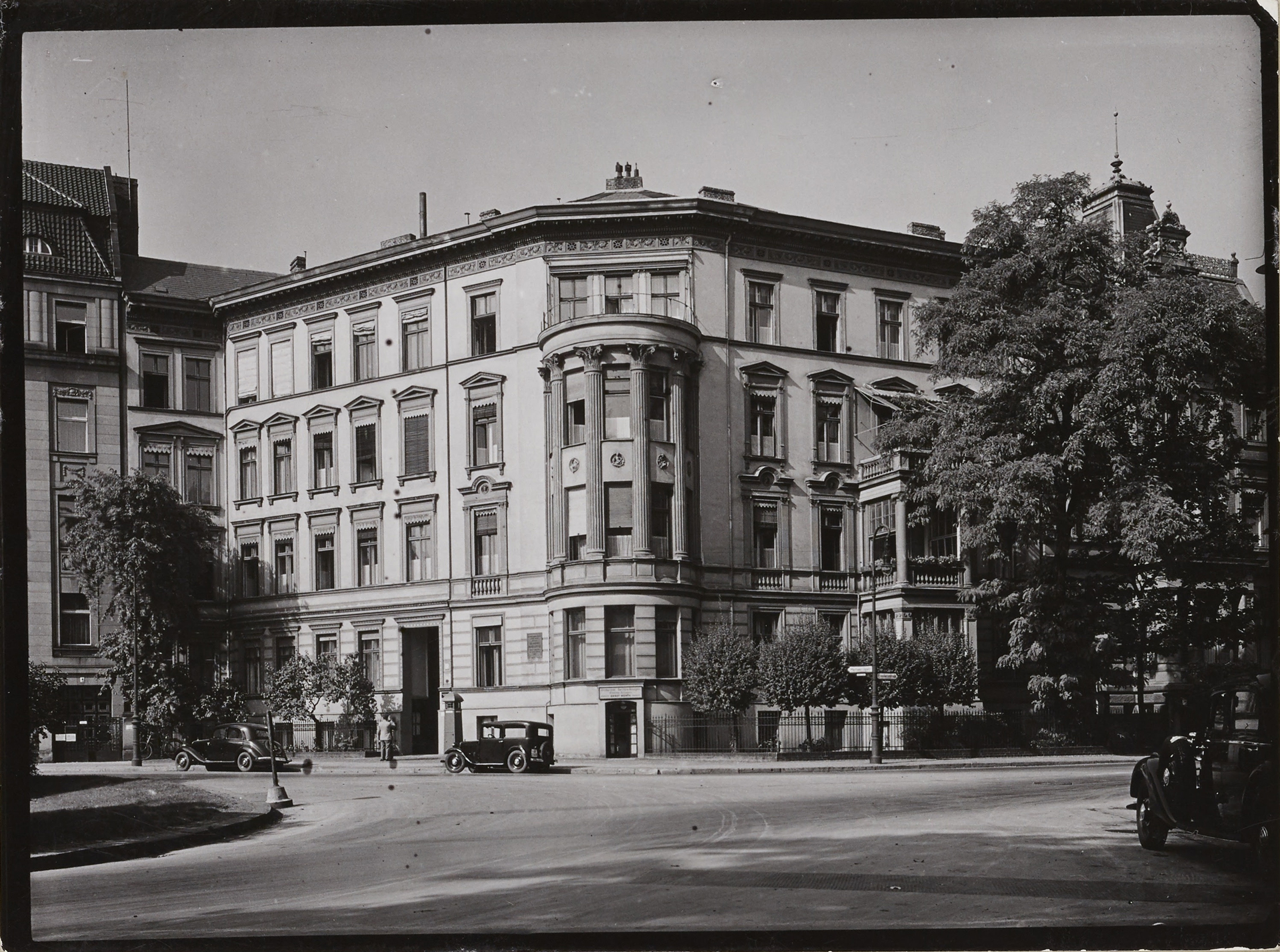
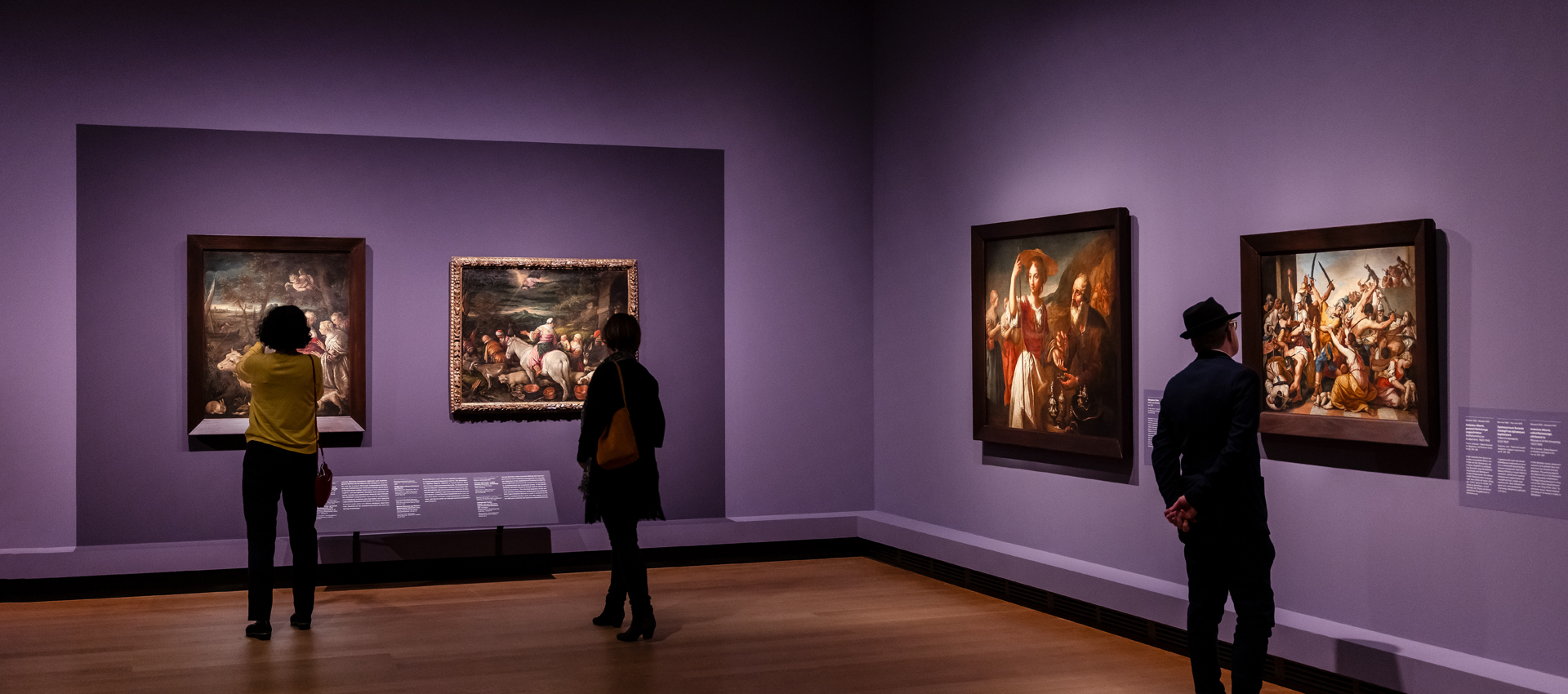
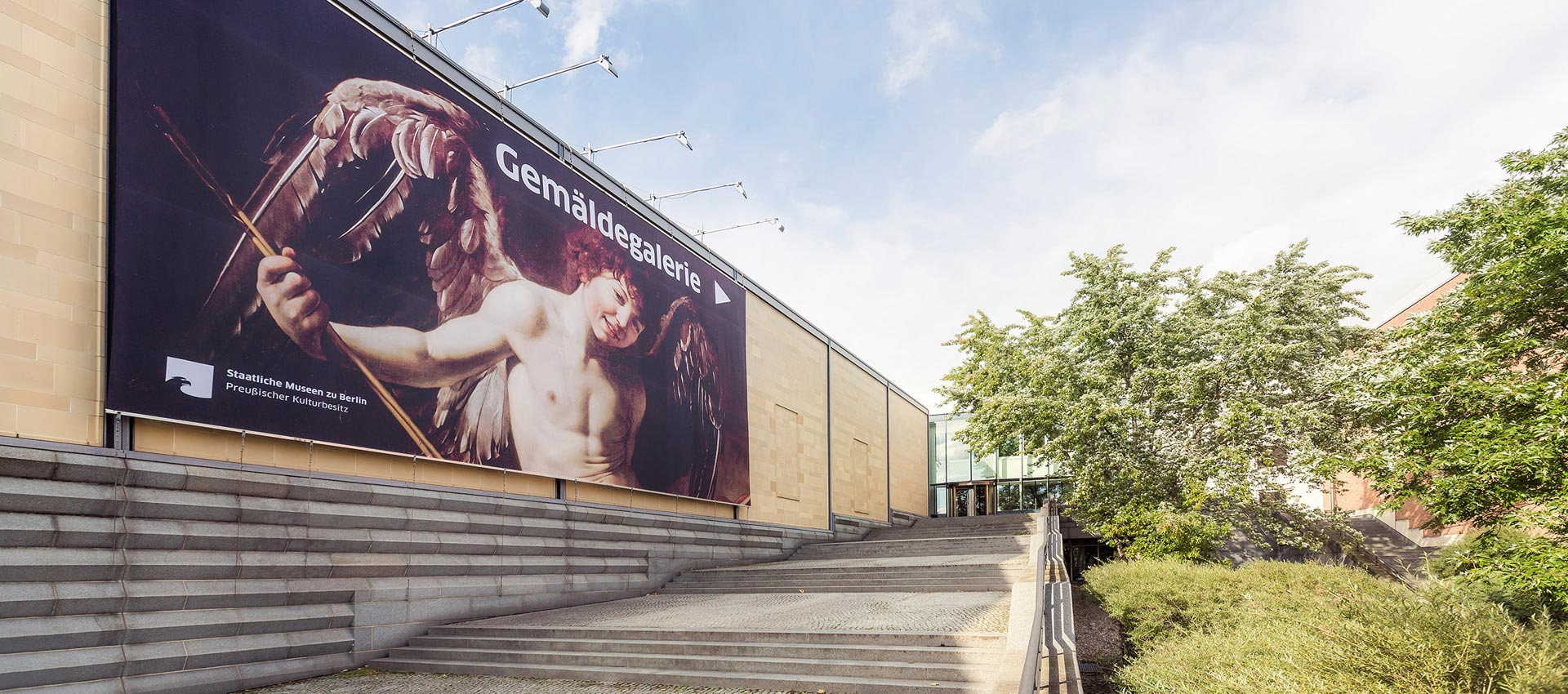
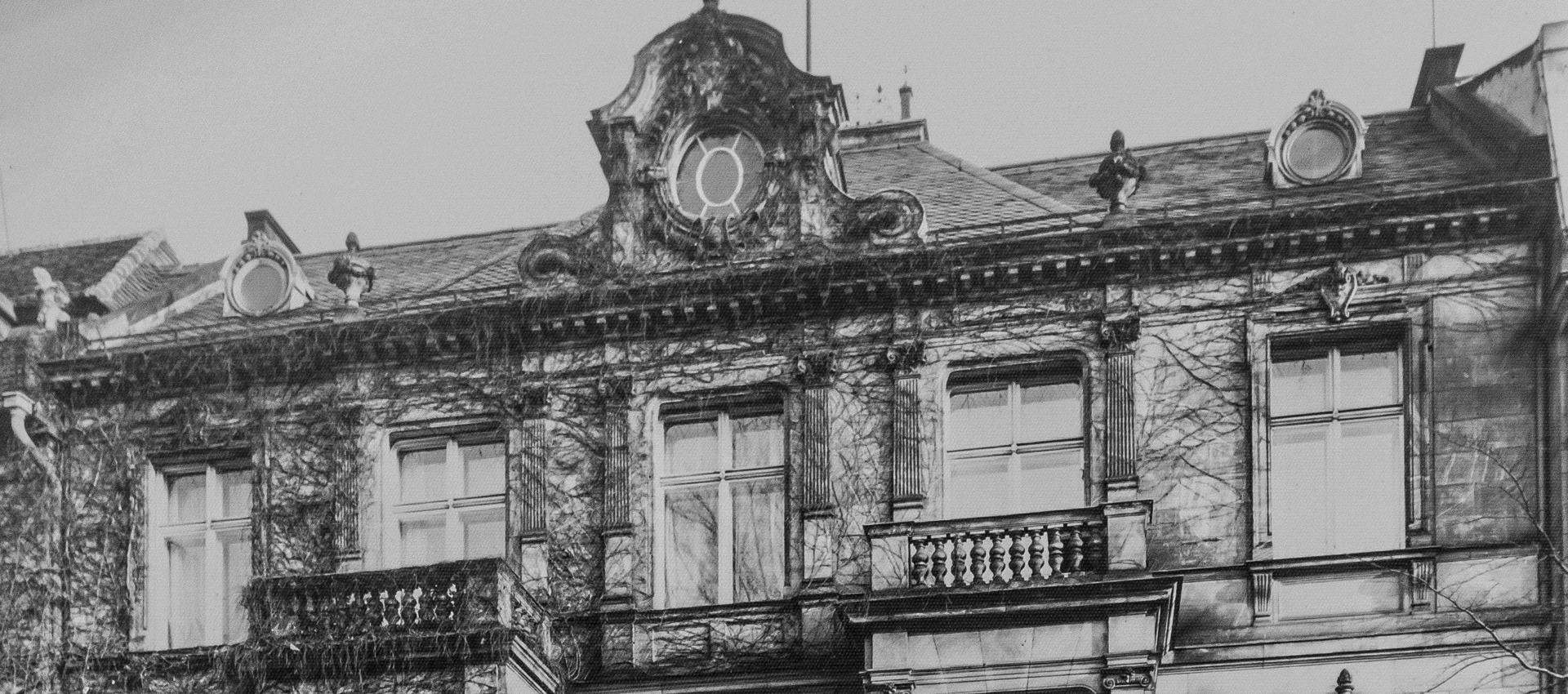
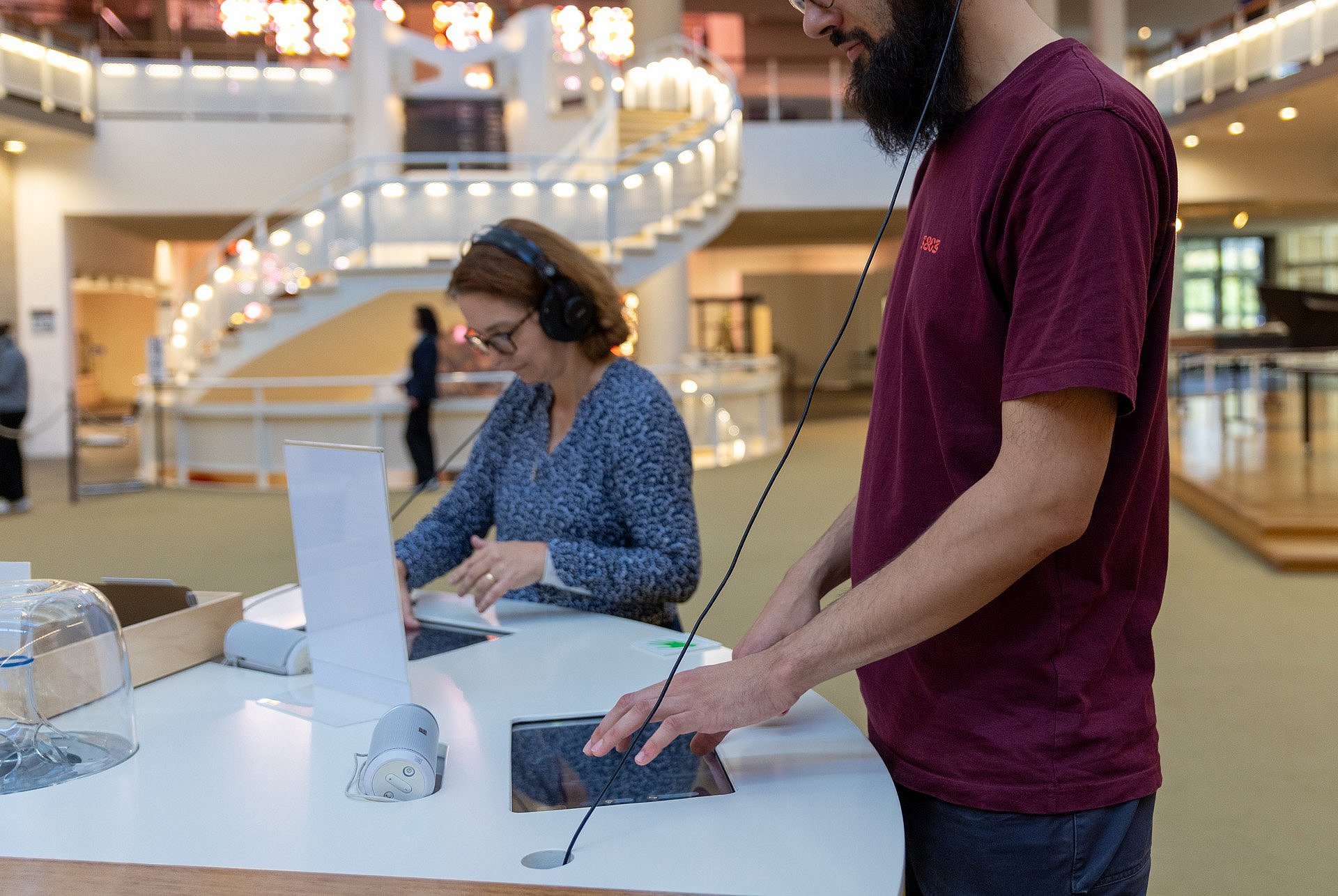
And above all, the guided tours revealed that art plays an indispensable role in this discourse. Whether it be Milton’s ‘Paradise Lost’ in the Gemäldegalerie, real-life ‘Gardens of Eden’ at the Kulturforum, the vanished artists’ paradise ‘Tiergartenviertel’ in the Kunstbibliothek, concepts of the afterlife or “Facets of Love” in the masterpieces of the Gemäldegalerie, the Land of Milk and Honey, the “Paradise in Progress” in 20th-century activist art at the Neue Nationalgalerie, or the State Institute for Music Research exploring the paradisiacal moment of experiencing music with all the senses. The format of the 30-minute drop-in tours was particularly good because it was so accessible: simply turn up at the meeting point at the right time and off you go into the collections.

During the Day in the Countryside, it became strikingly clear that the SPK’s claim to be an immense repository of knowledge offering an incredible wealth of answers and discussions is indeed true. And that, within the diverse collections, one can actually learn about every aspect of the themes that have preoccupied humanity since the dawn of time. In 2025 it was ‘Paradise’, the years before that ‘Hidden Gardens’, and whatever it may be in 2026 – each of the various institutions at the Kulturforum will have something fascinating to say on the matter.
This works above all through collaboration and connections, for suddenly, whilst standing before Maria Lassnig’s thoroughly unsettling ‘Patriotic Family’ in the magnificent collection exhibition ‘Zerreißprobe’, one recognises parallels with the Renaissance painting ‘Venus, Mars and Cupid’ (1505) by Piero di Cosimo, which had been explained to you in great detail during the previous tour of the Picture Gallery (key phrase: “People laughed at that in the Renaissance”).


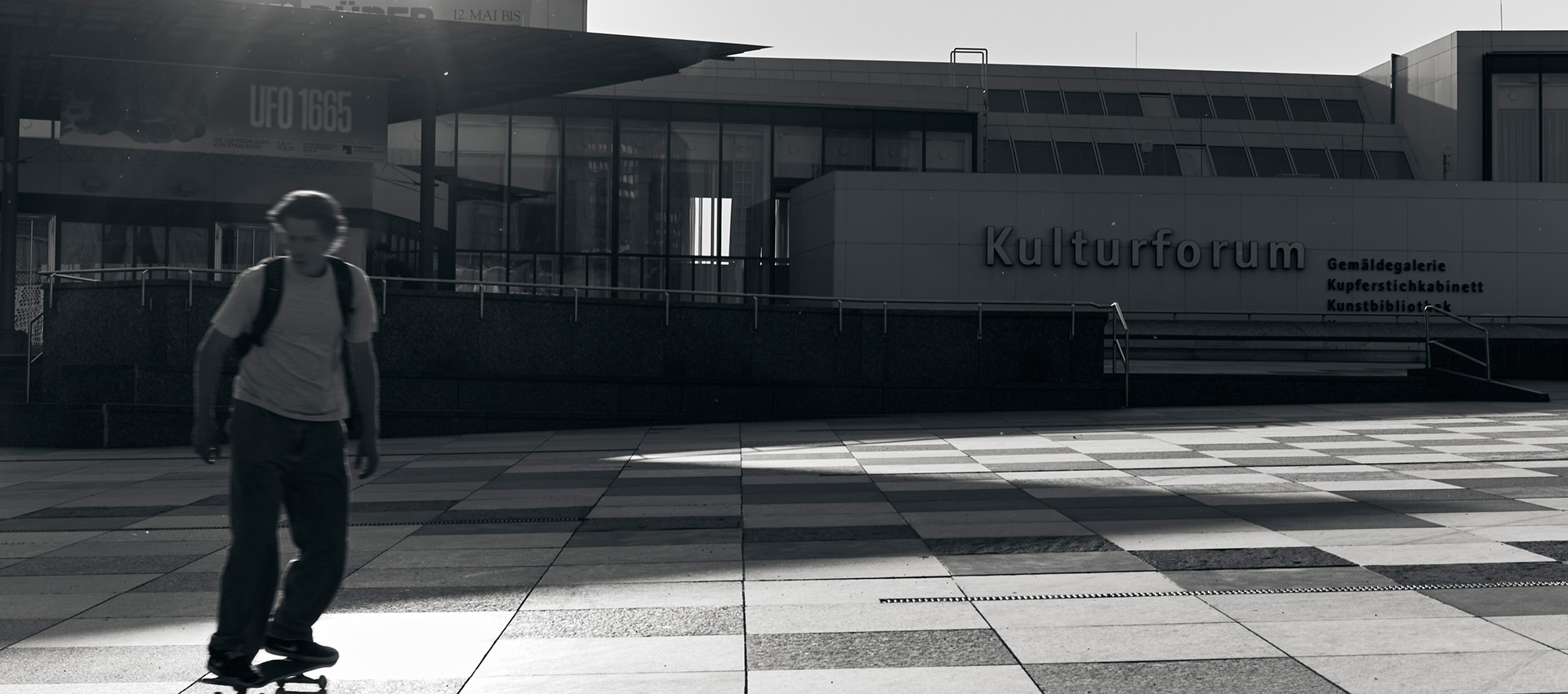
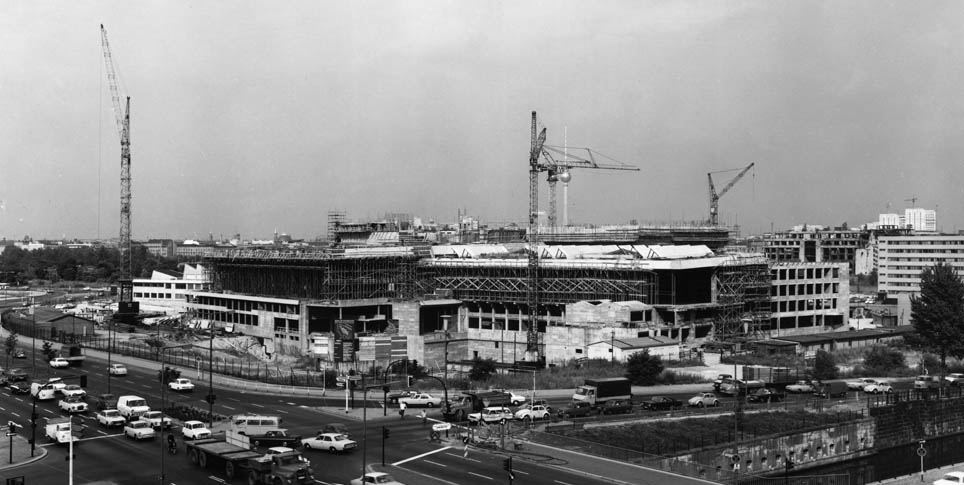
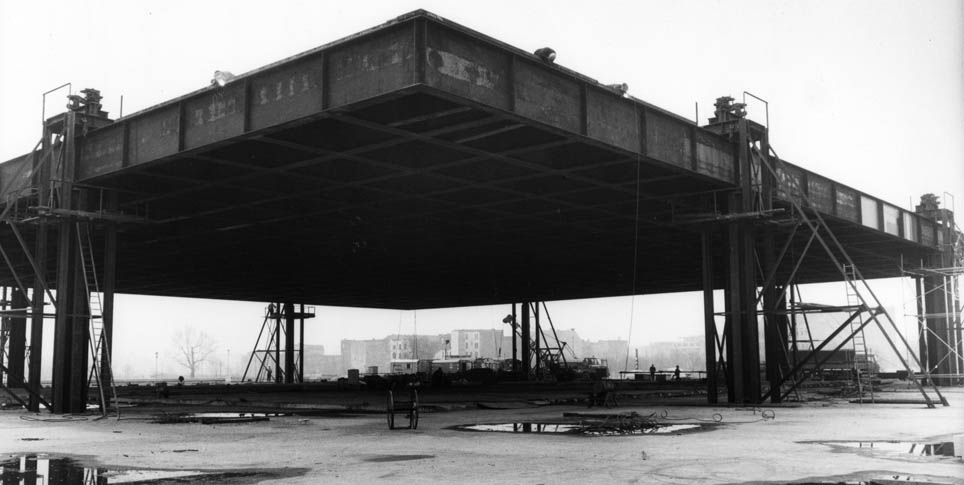
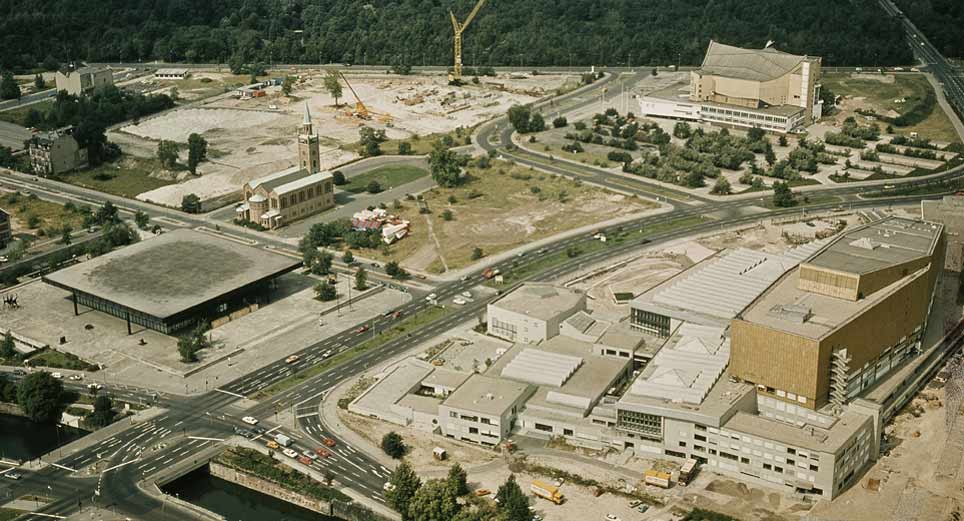
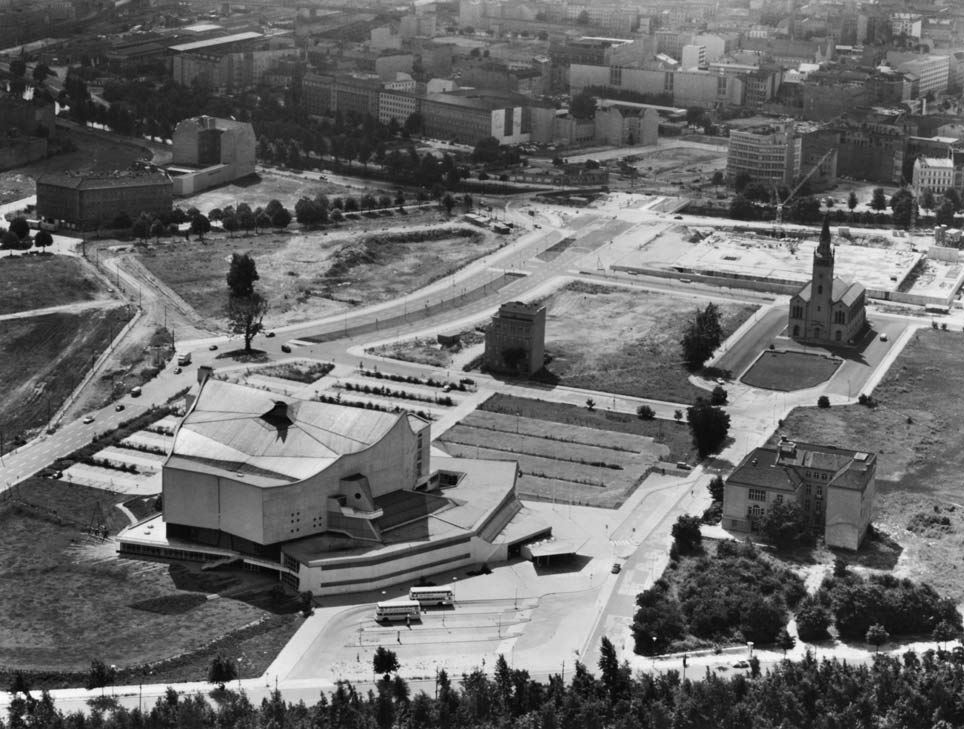
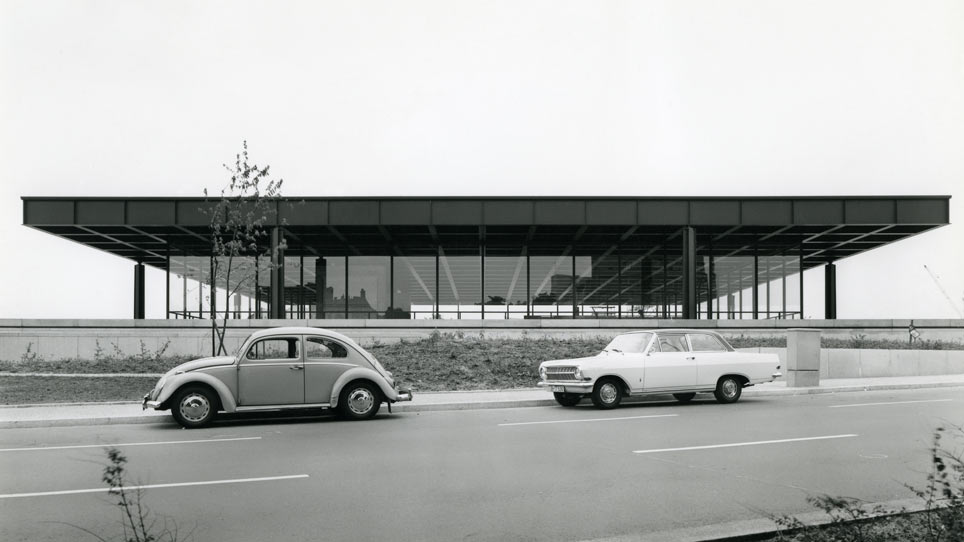
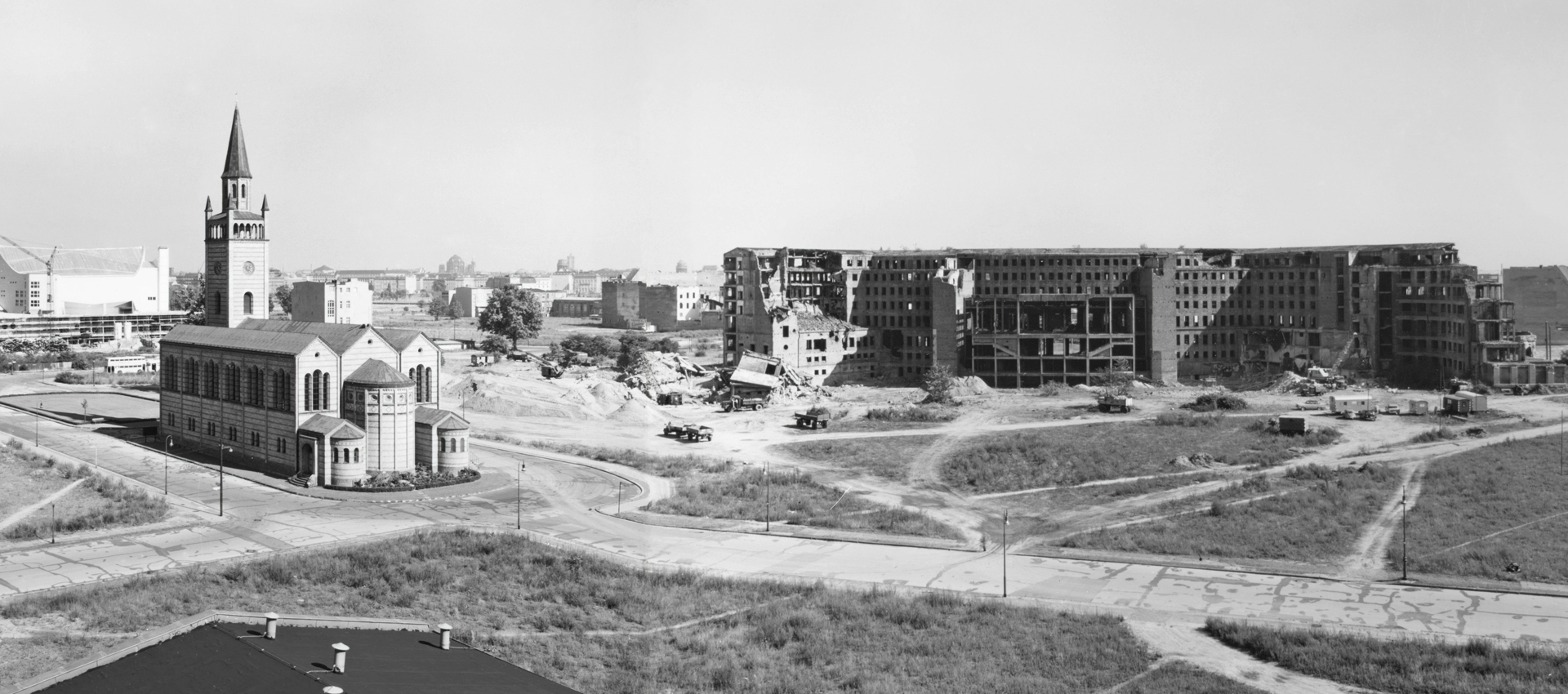
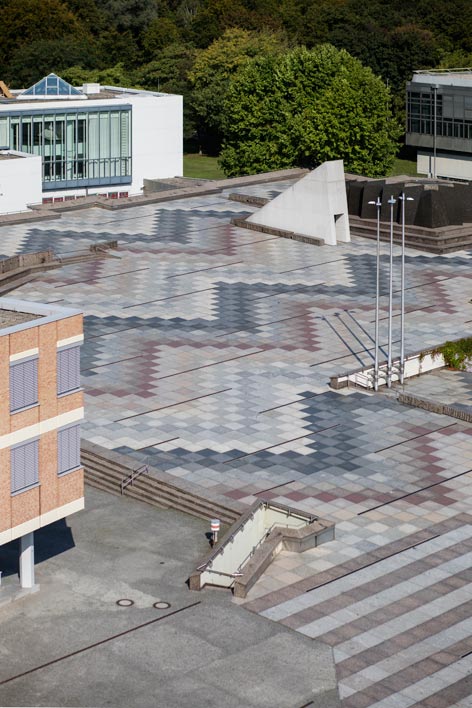
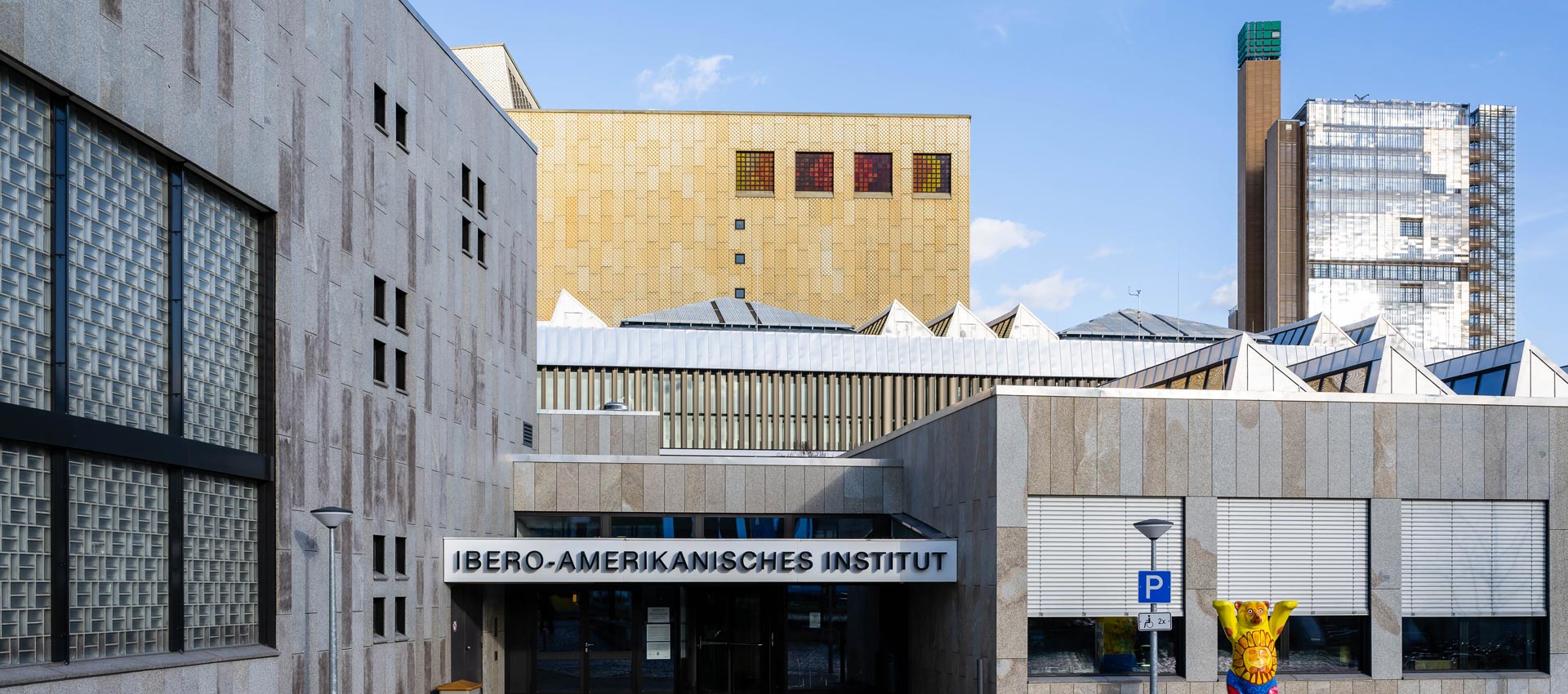
Speaking of connections: the Kulturforum itself is, incidentally, a place of connection, albeit one that came into being as a result of division – after the Berlin Wall was built, it was intended to become the Museum Island of the West. Hans Scharoun, effectively the architectural founding father of the Kulturforum, whose architectural artistry shapes the site with the Philharmonie and the State Library, spoke of a ‘spiritual bond of culture’ that was intended to link the West Berlin Kulturforum and the East Berlin Museum Island despite the division.
This spiritual bond evoked by Scharoun – and this was clearly felt during the Day in the Green – is firmly woven between the buildings in all their diversity. Nowhere else in Berlin do music, art, design and science converge and intertwine in such a compact space.

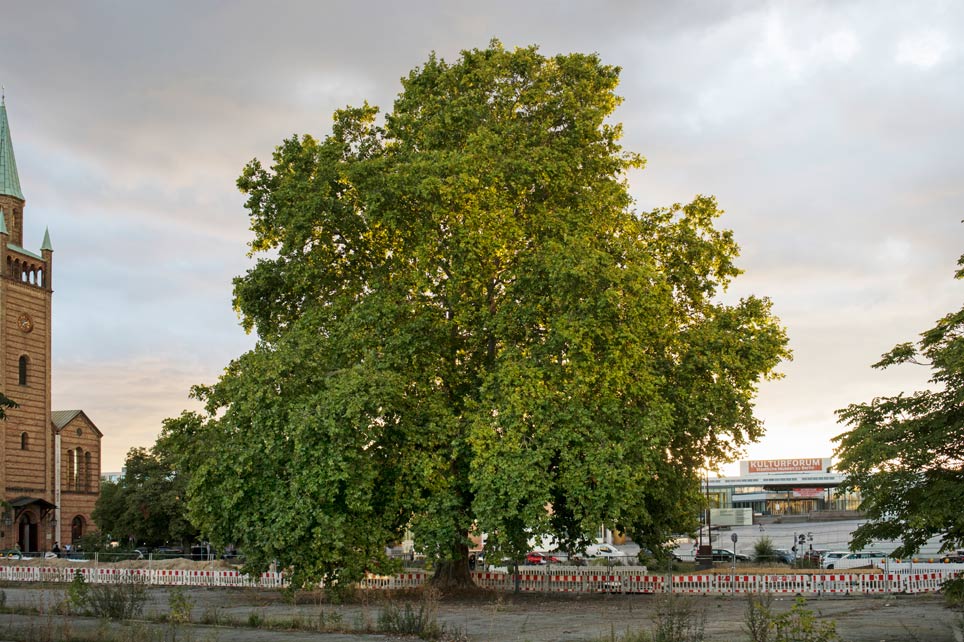
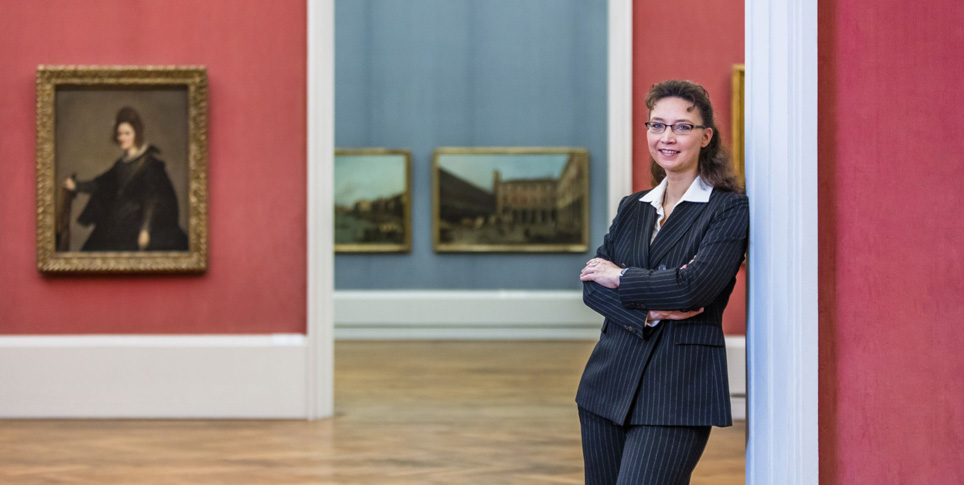
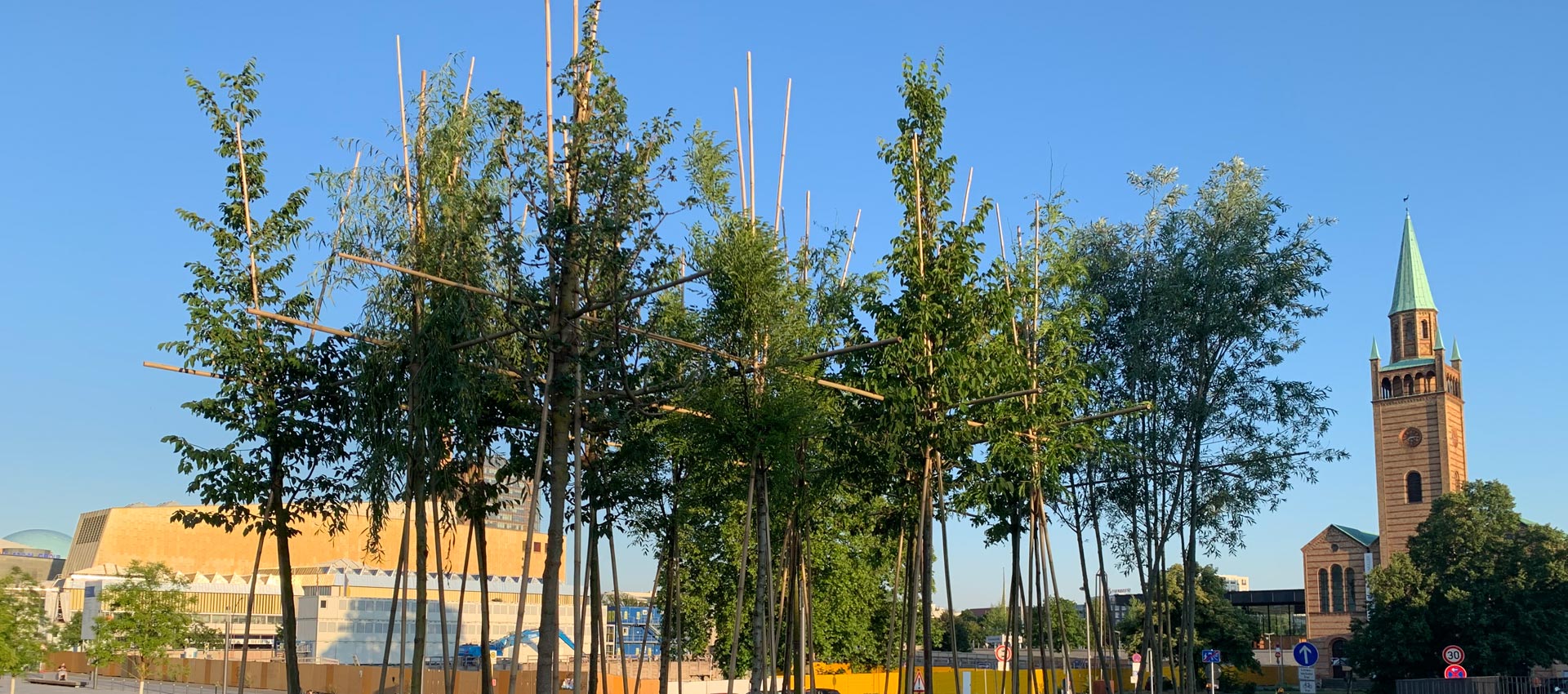
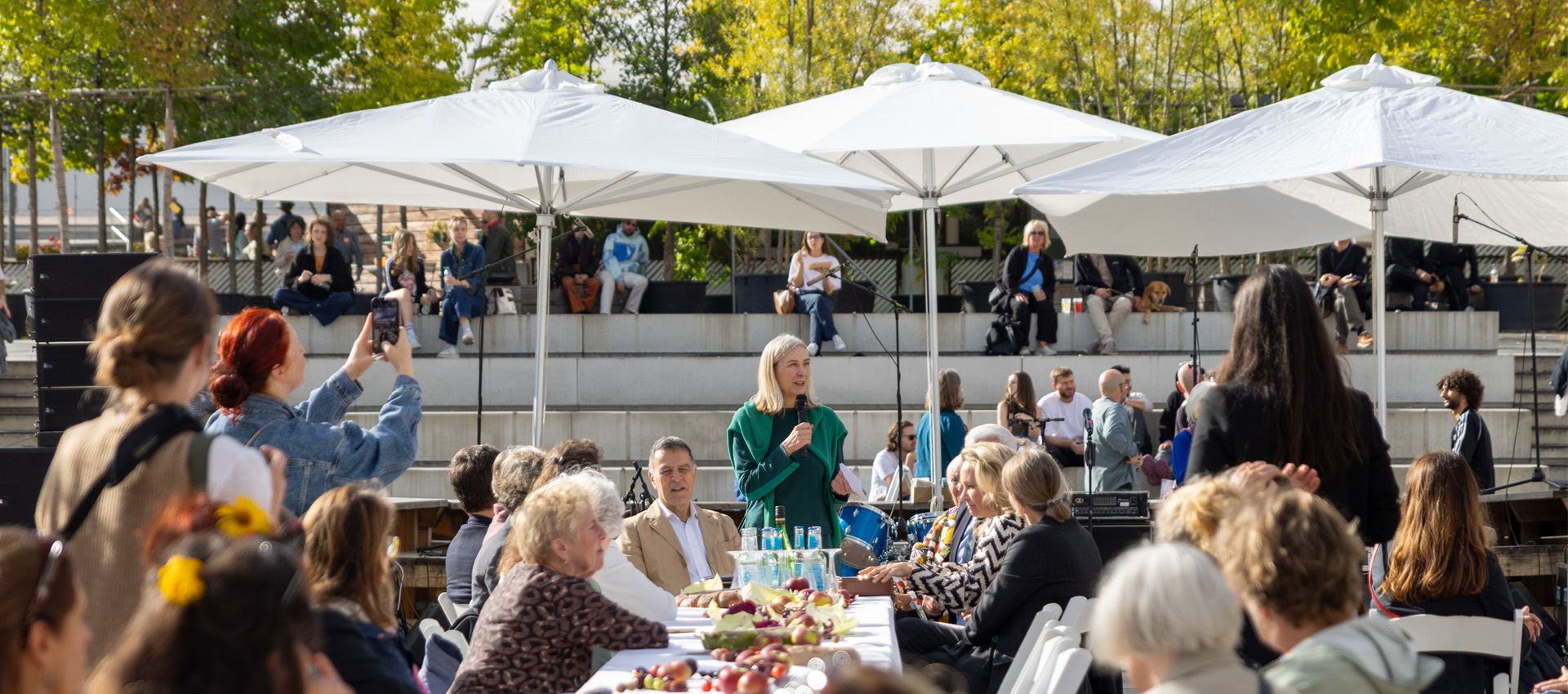
And then the local residents sit together at the long table, where – in a very organic way – sauerkraut made from cabbage leaves picked right in front of the Philharmonie and bread baked in a homemade oven are served. SPK President Marion Ackermann praises the democratic nature of the table, Senator for Culture Sarah Wedl-Wilson is enthusiastic about the tree nursery, Hannes Langbein from St. Matthäus and Andrea Zietzschmann, Artistic Director of the Berlin Philharmonic, express their heartfelt thanks to everyone, and National Gallery Director Klaus Biesenbach invites everyone to ring bells at the grand Yoko Ono open-air closing performance ‘Bells for Peace’.


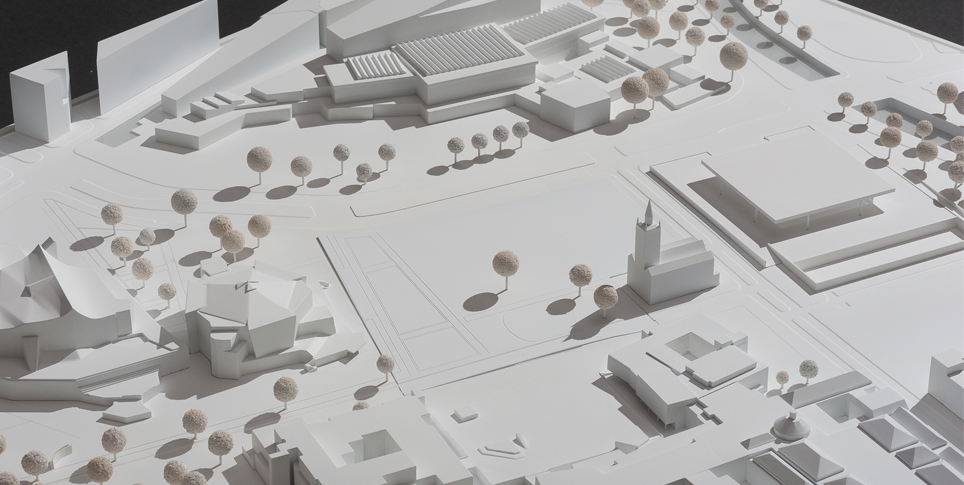
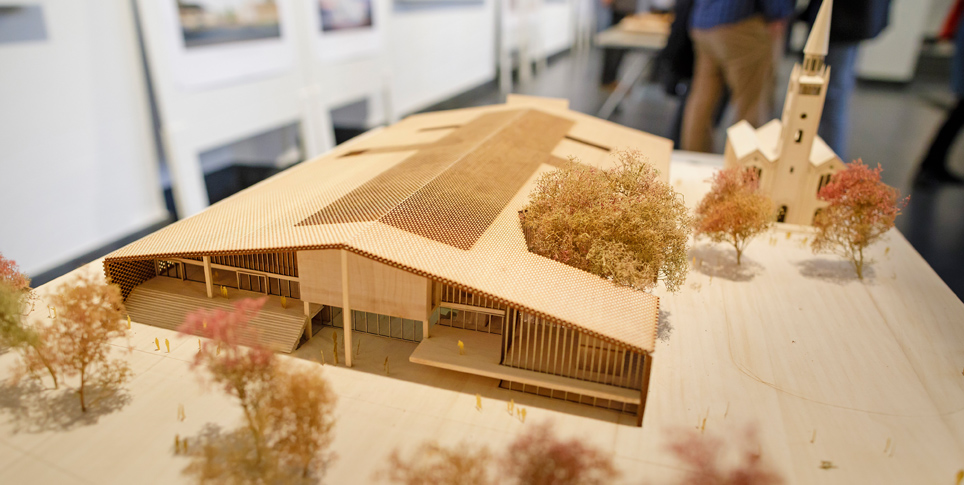
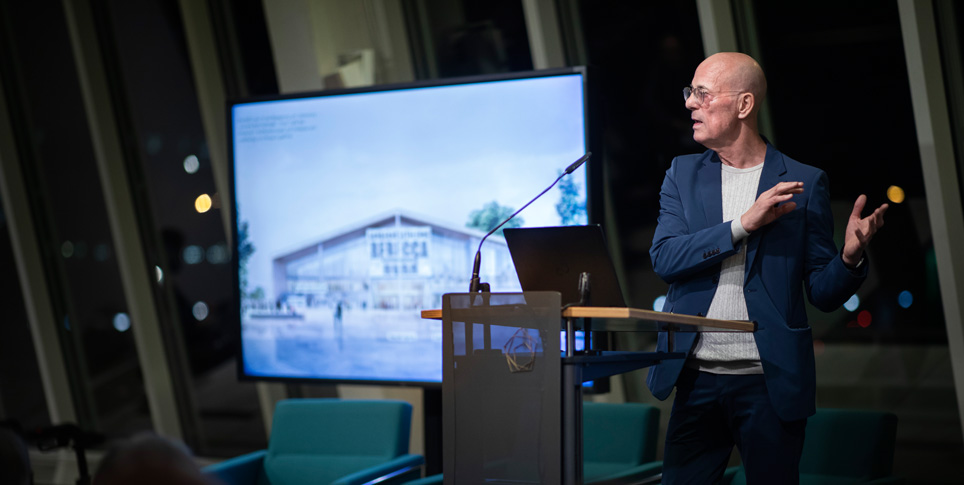
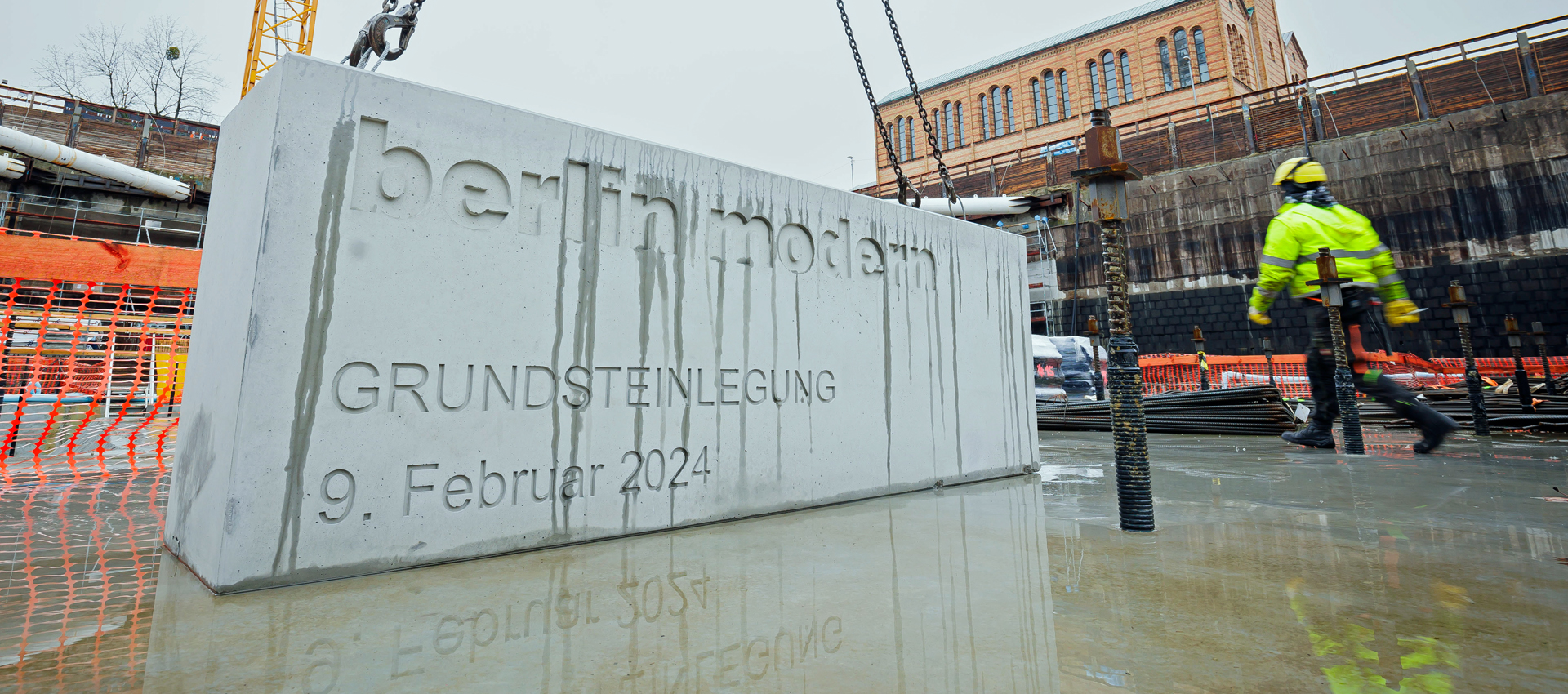
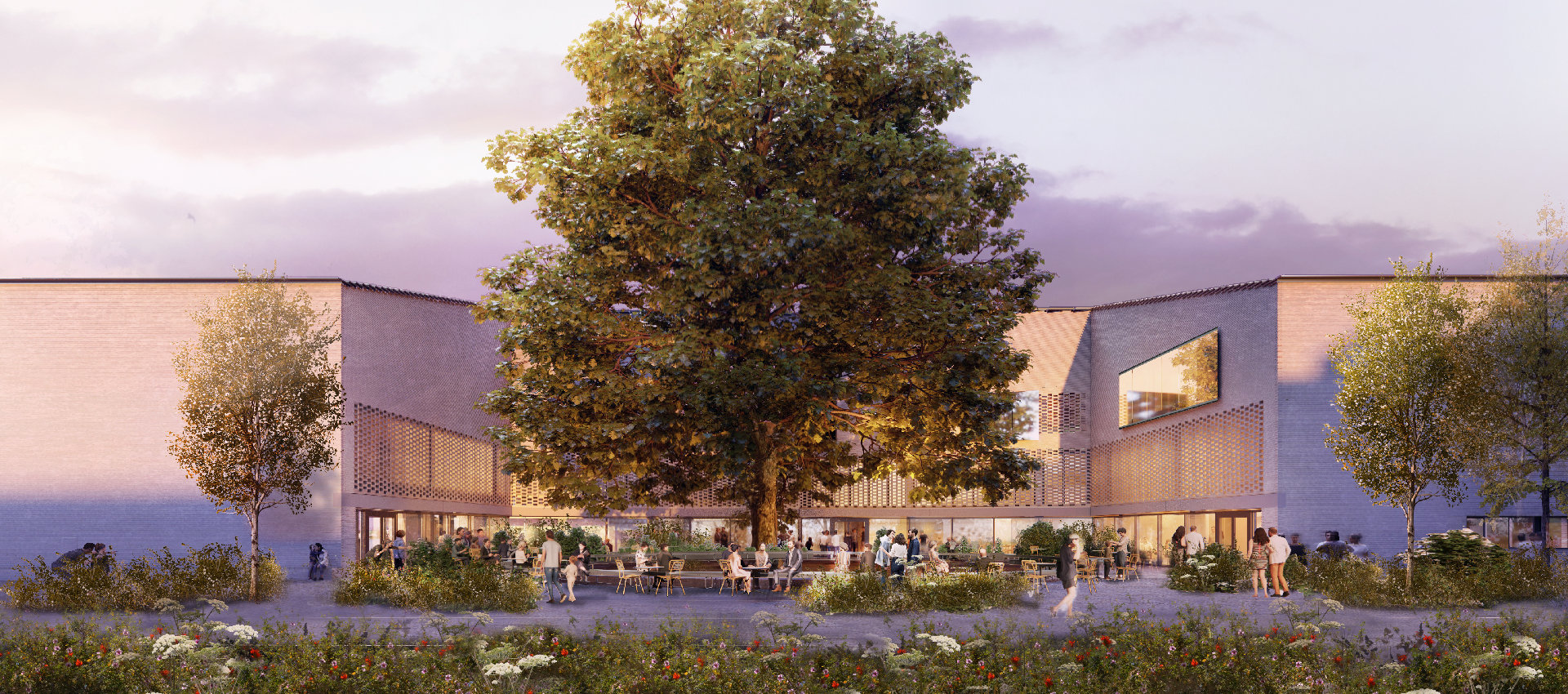
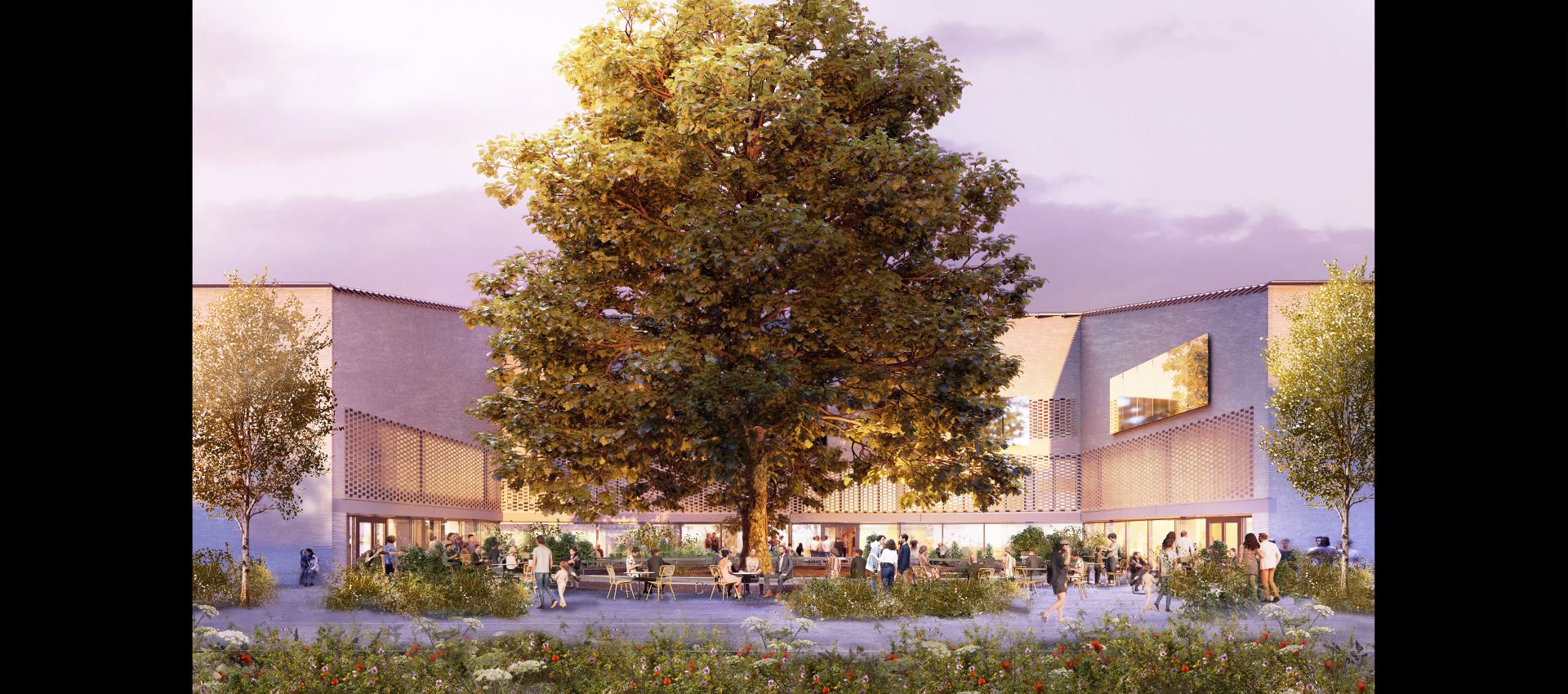
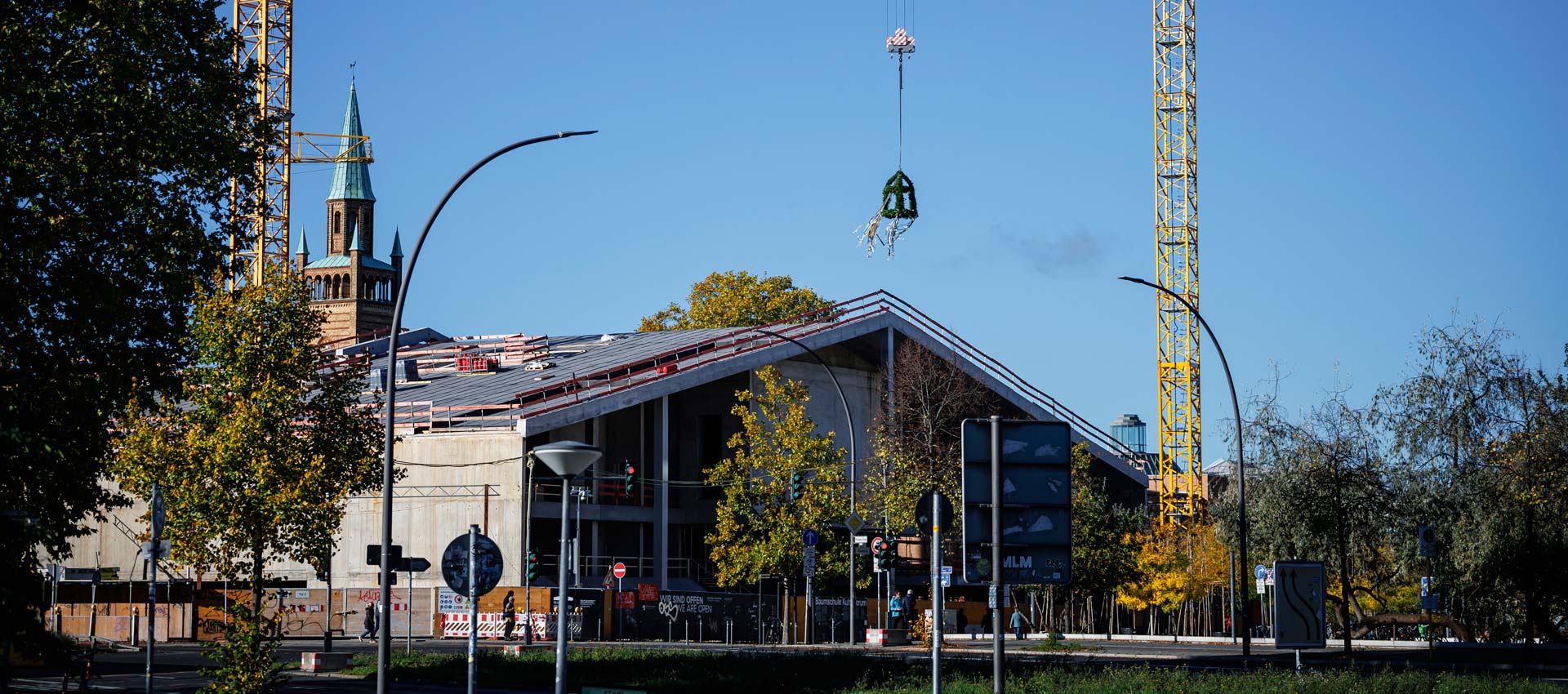
All this takes place against the backdrop of the impressively towering façade of berlin modern, which, although still covered in scaffolding, is nevertheless clearly recognisable in its outline. The new museum is still a building site, but its construction is associated with nothing less than the completion, indeed the apotheosis, of the Kulturforum. Apotheosis or not – berlinmodern is set to be a great asset to the National Gallery, the SPK, the Kulturforum and Berlin – because it will be a building for everyone, bringing the Kulturforum even closer together and providing art with sufficient space to fully unfold its unifying and discursive function.