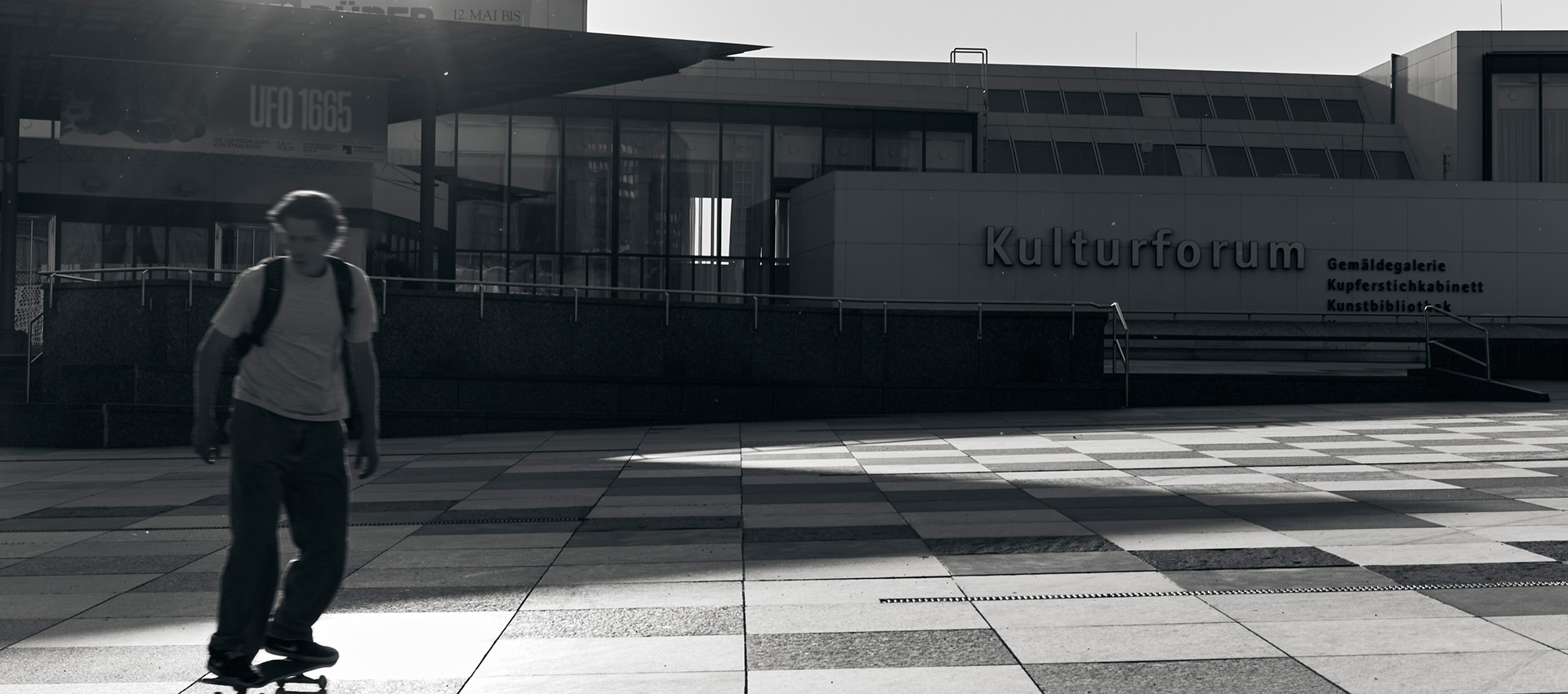
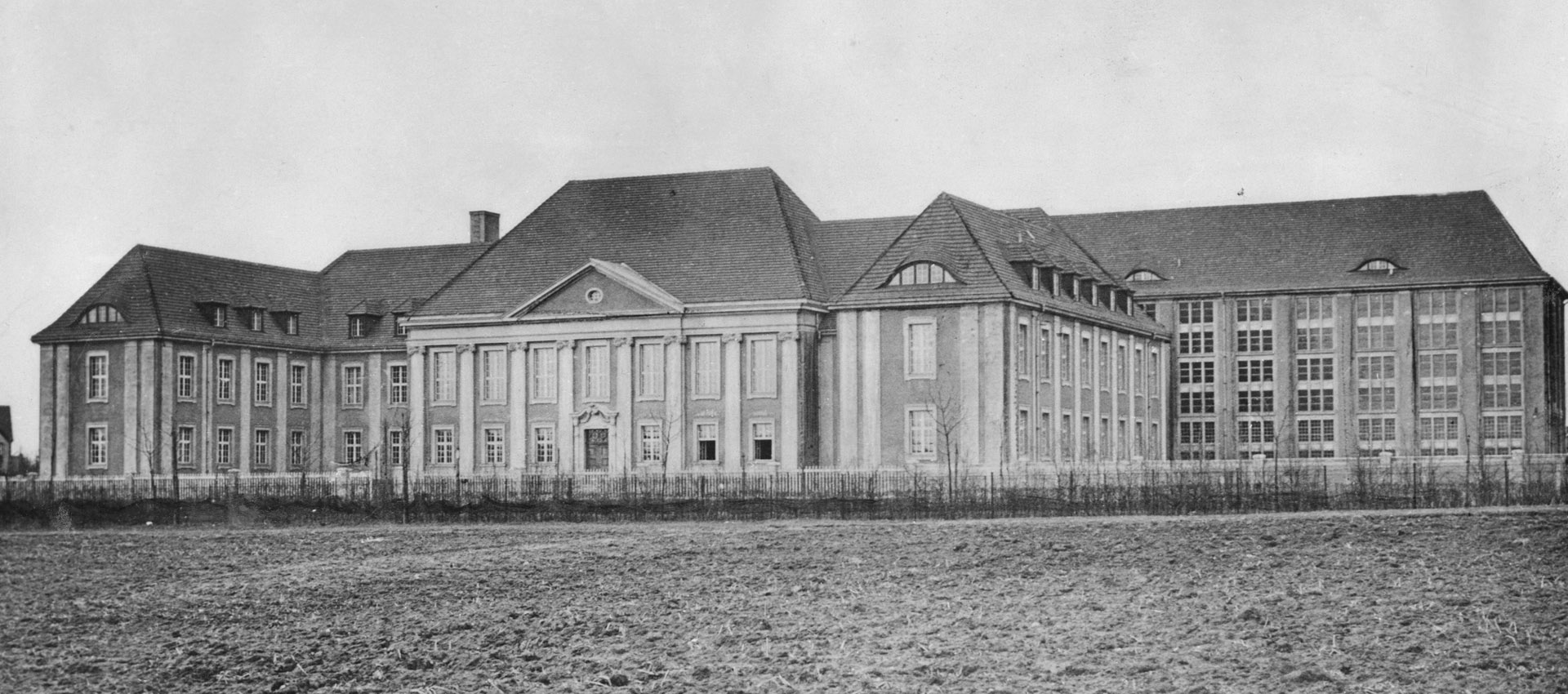
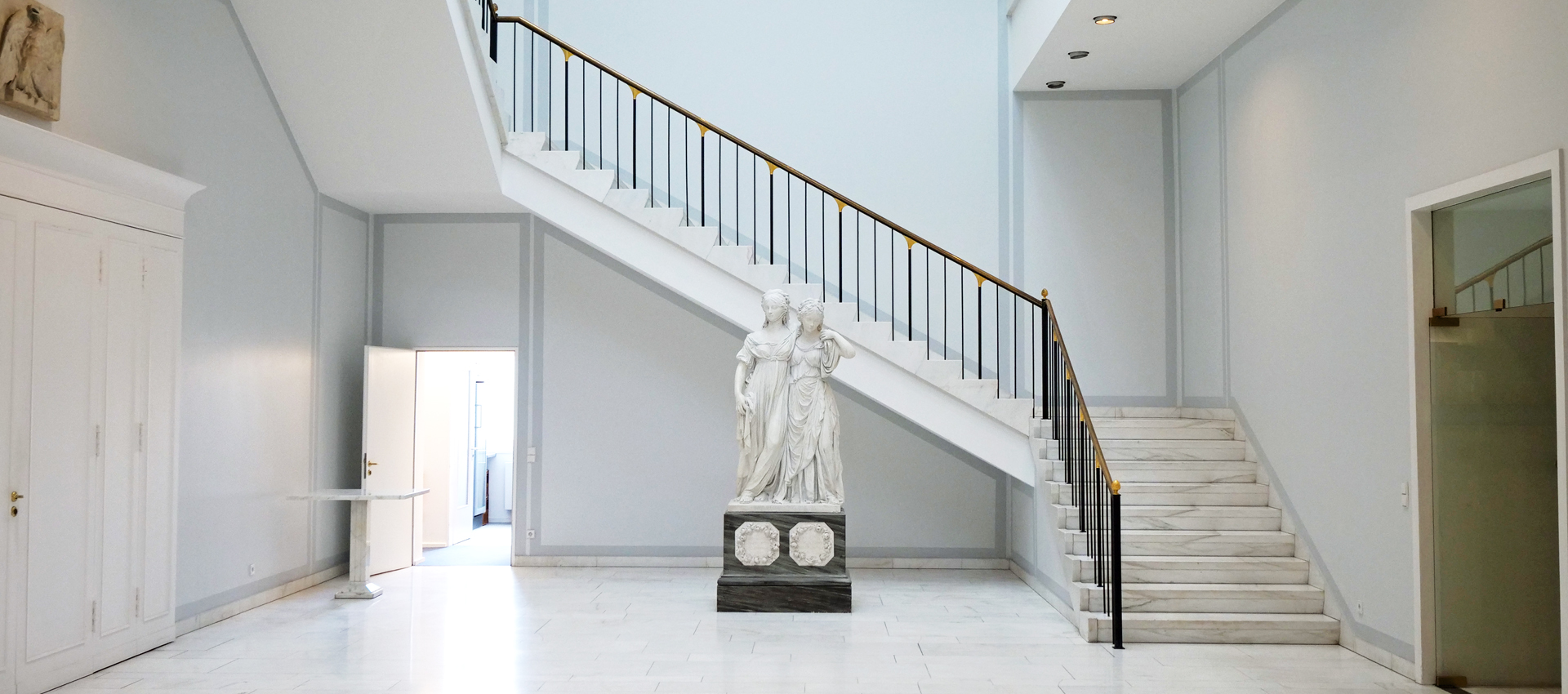
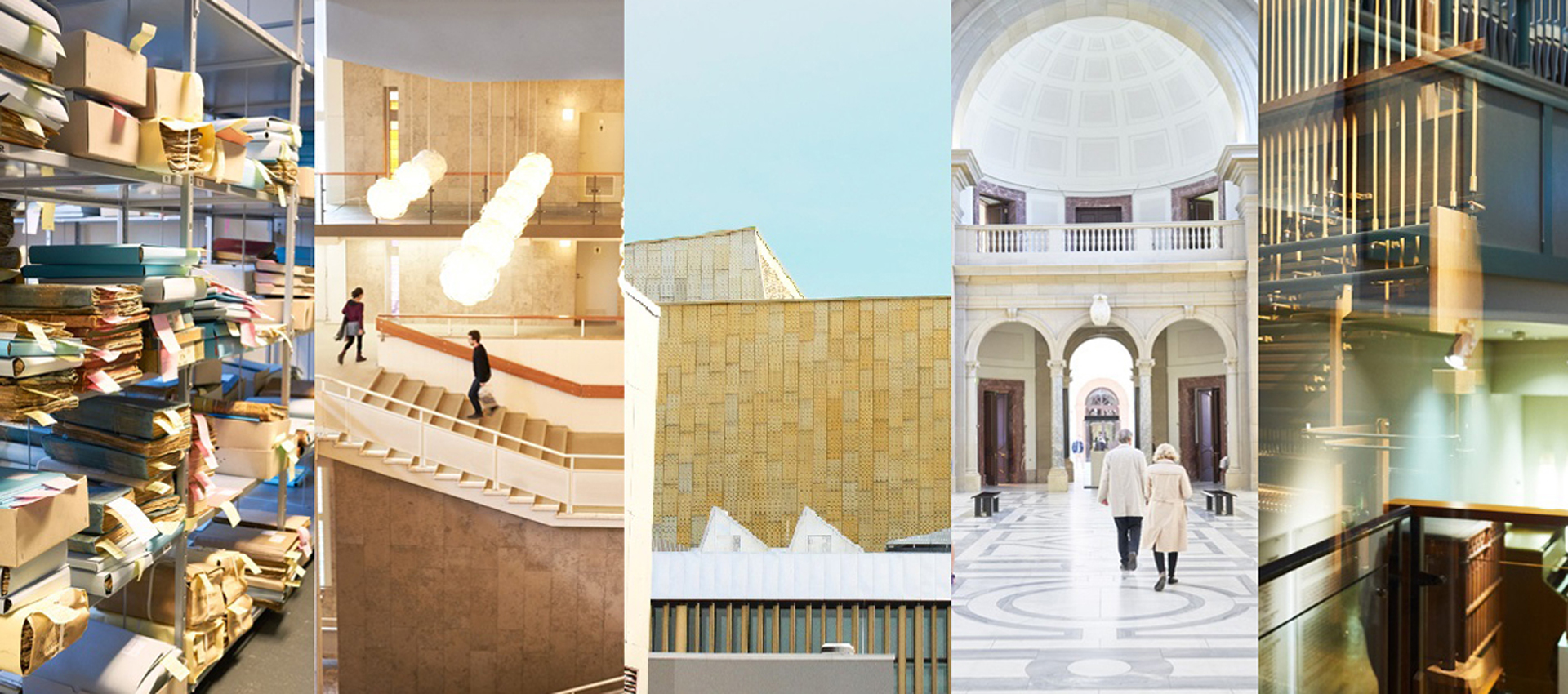
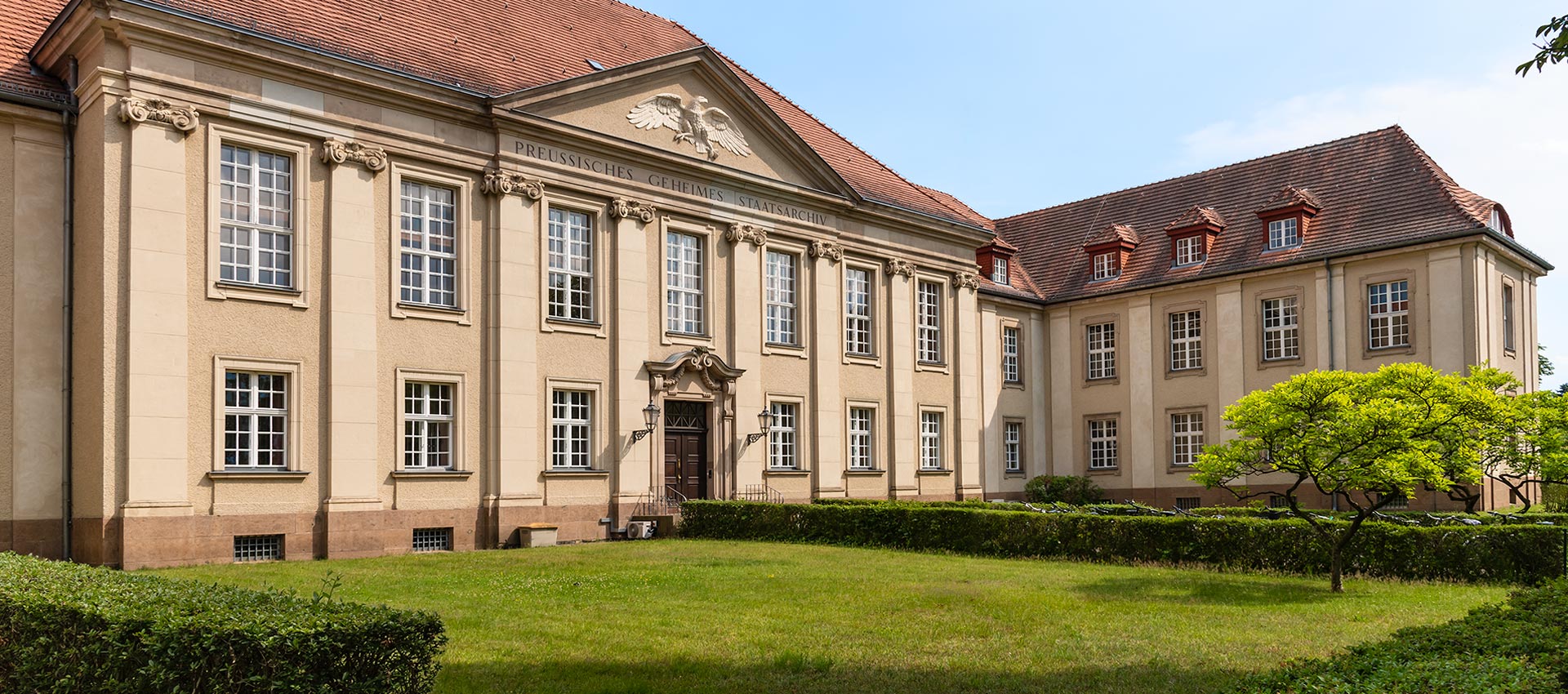
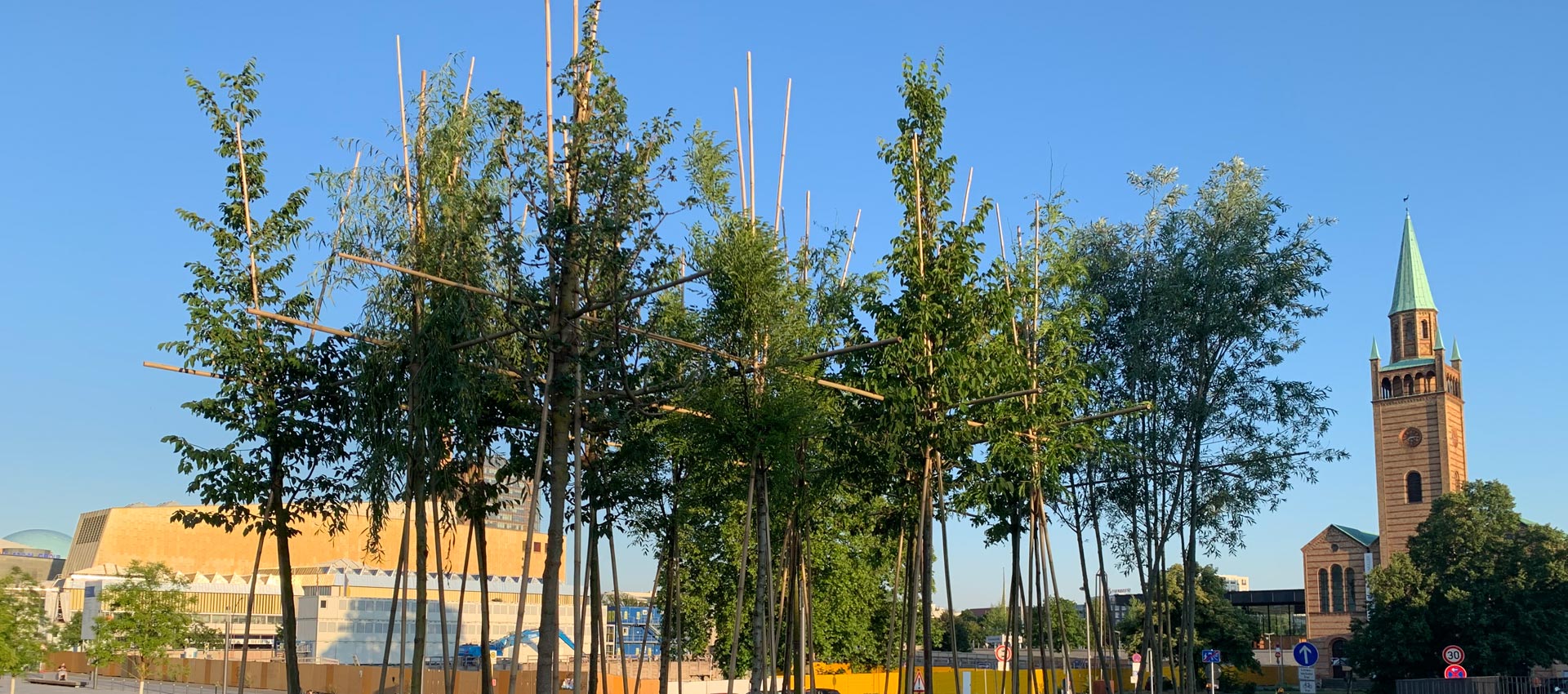
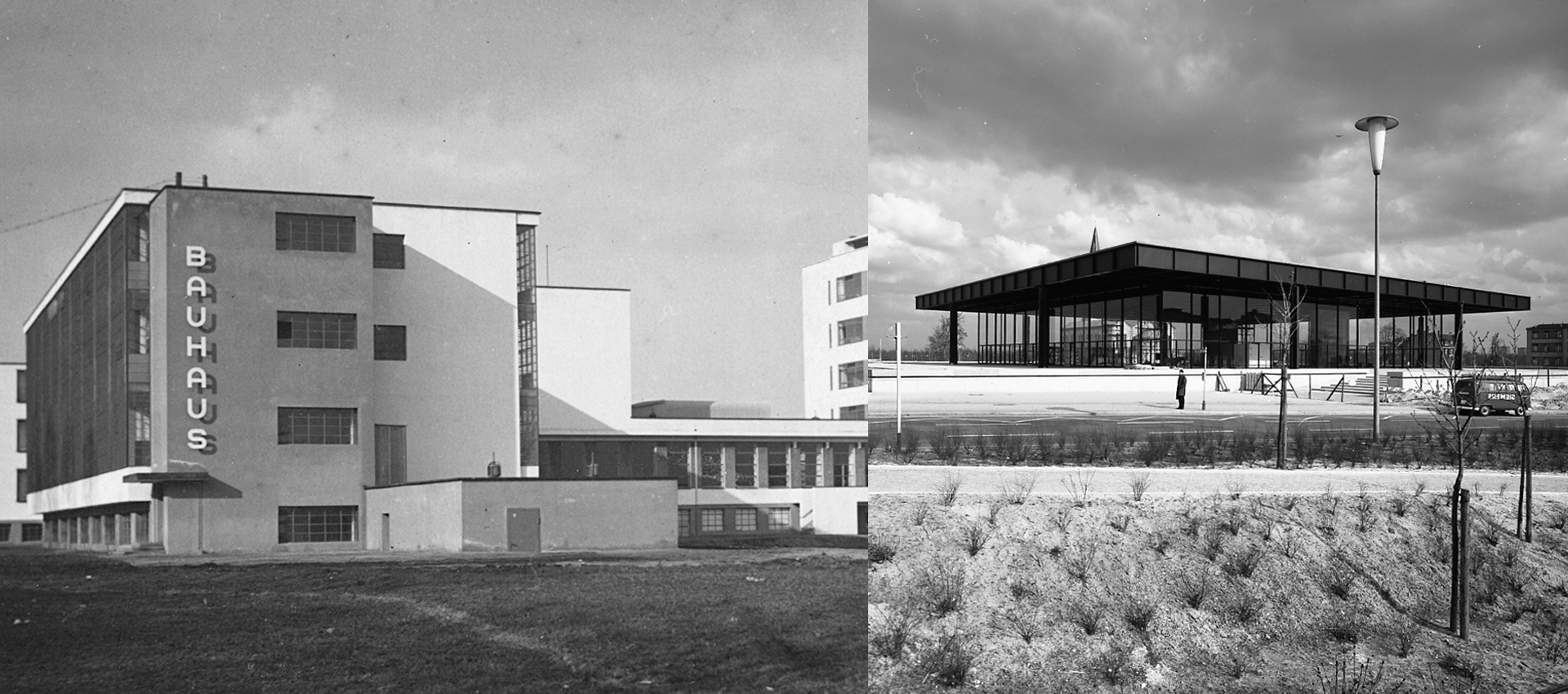
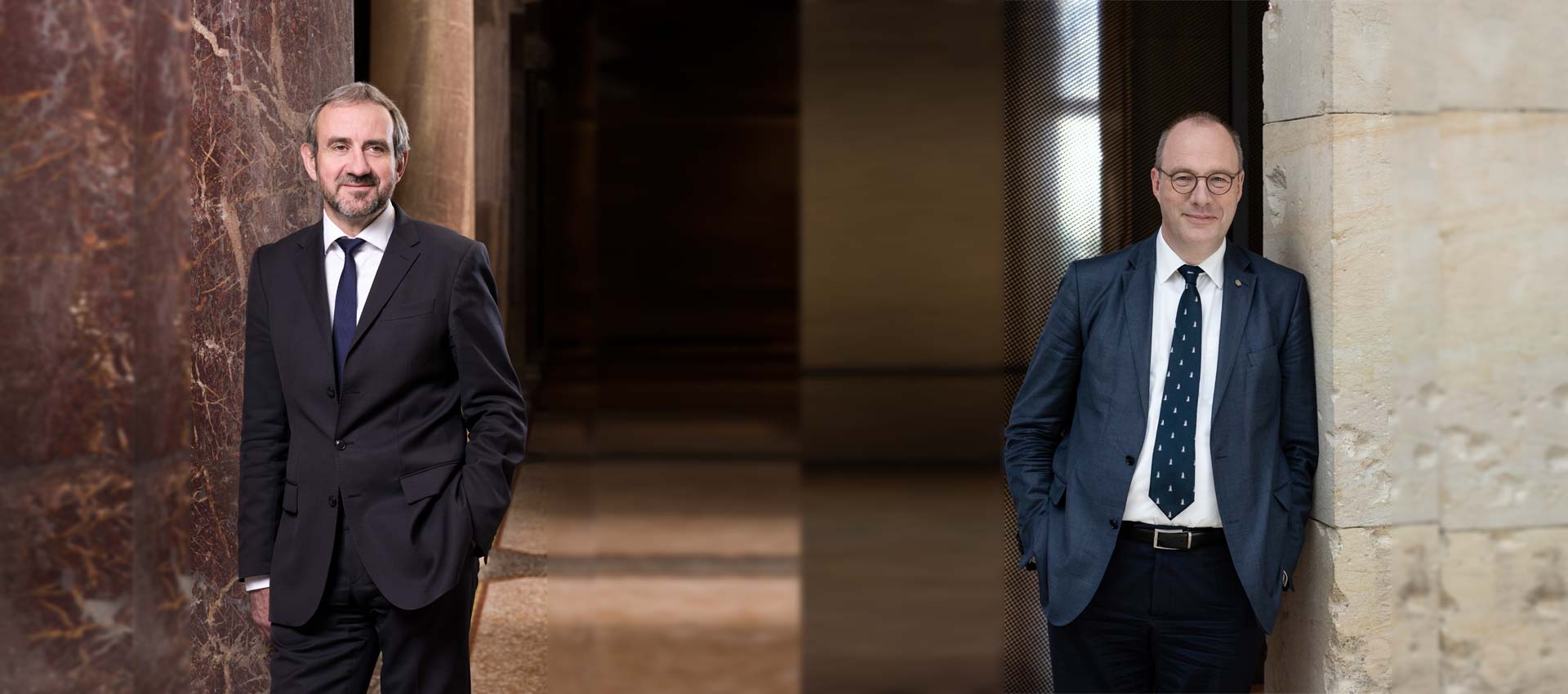
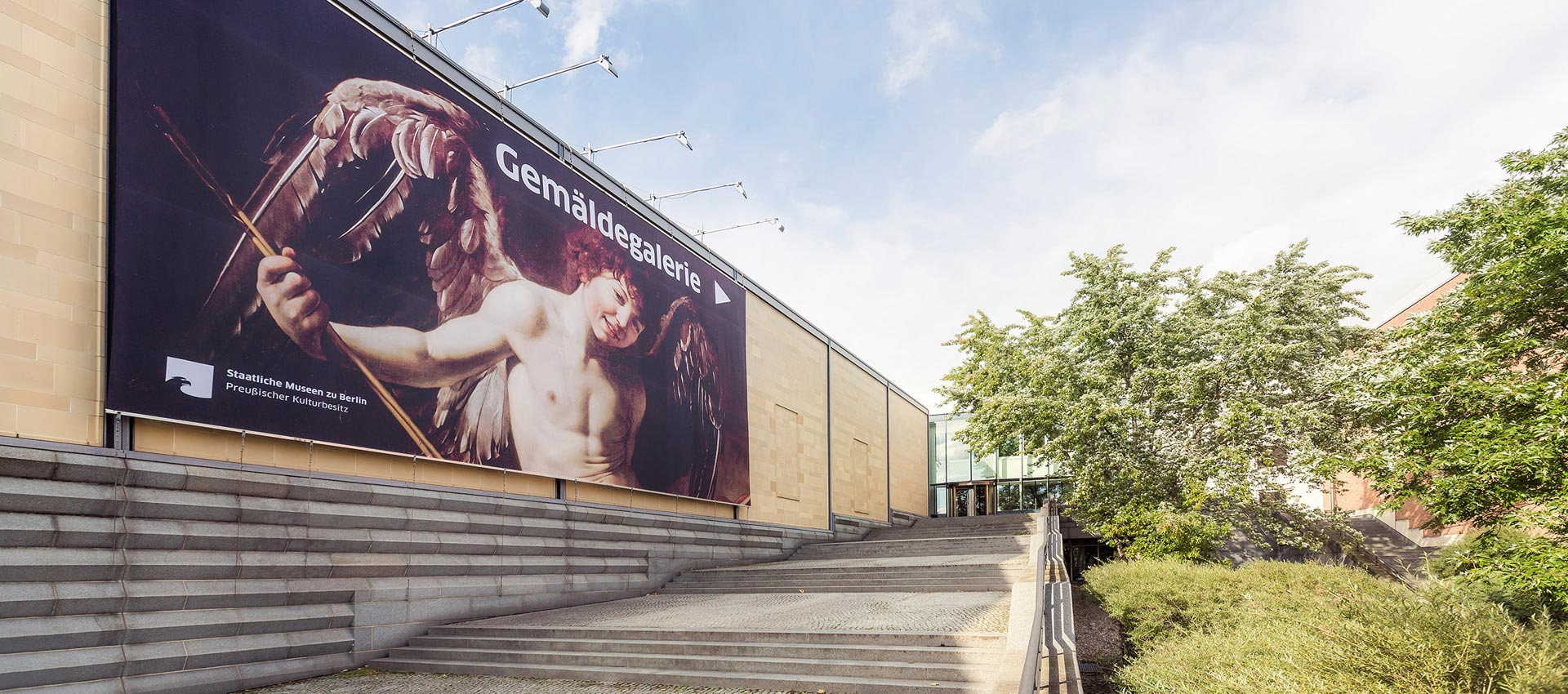
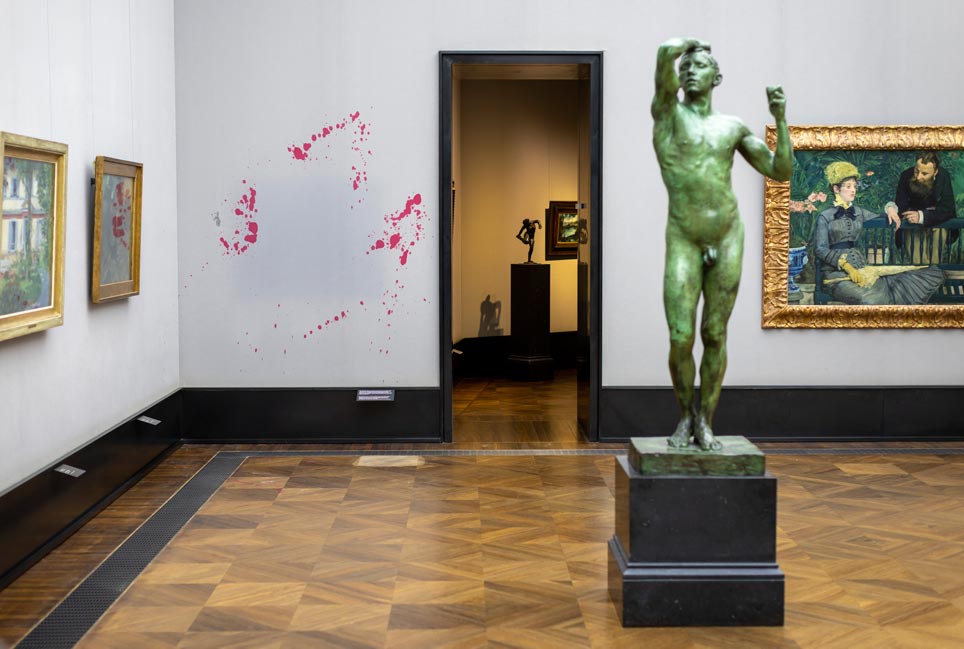
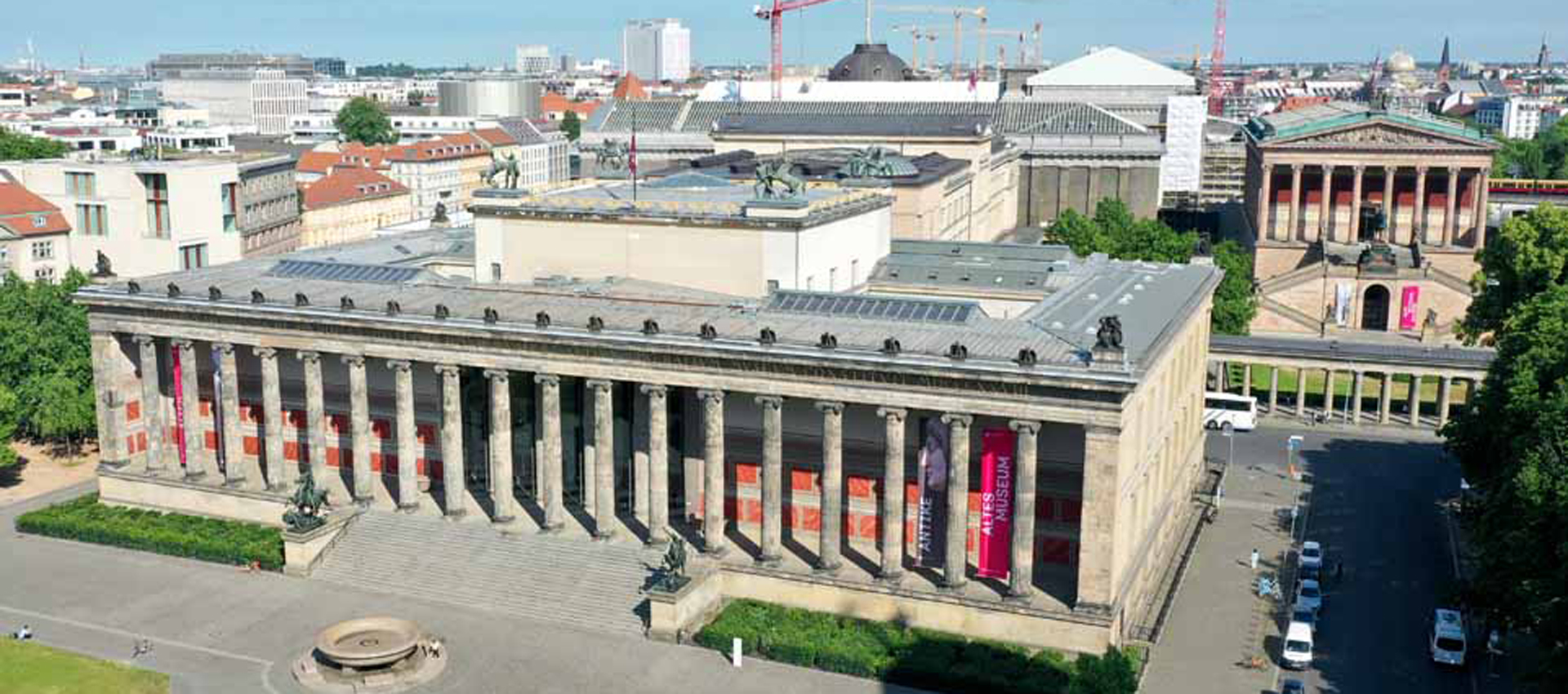
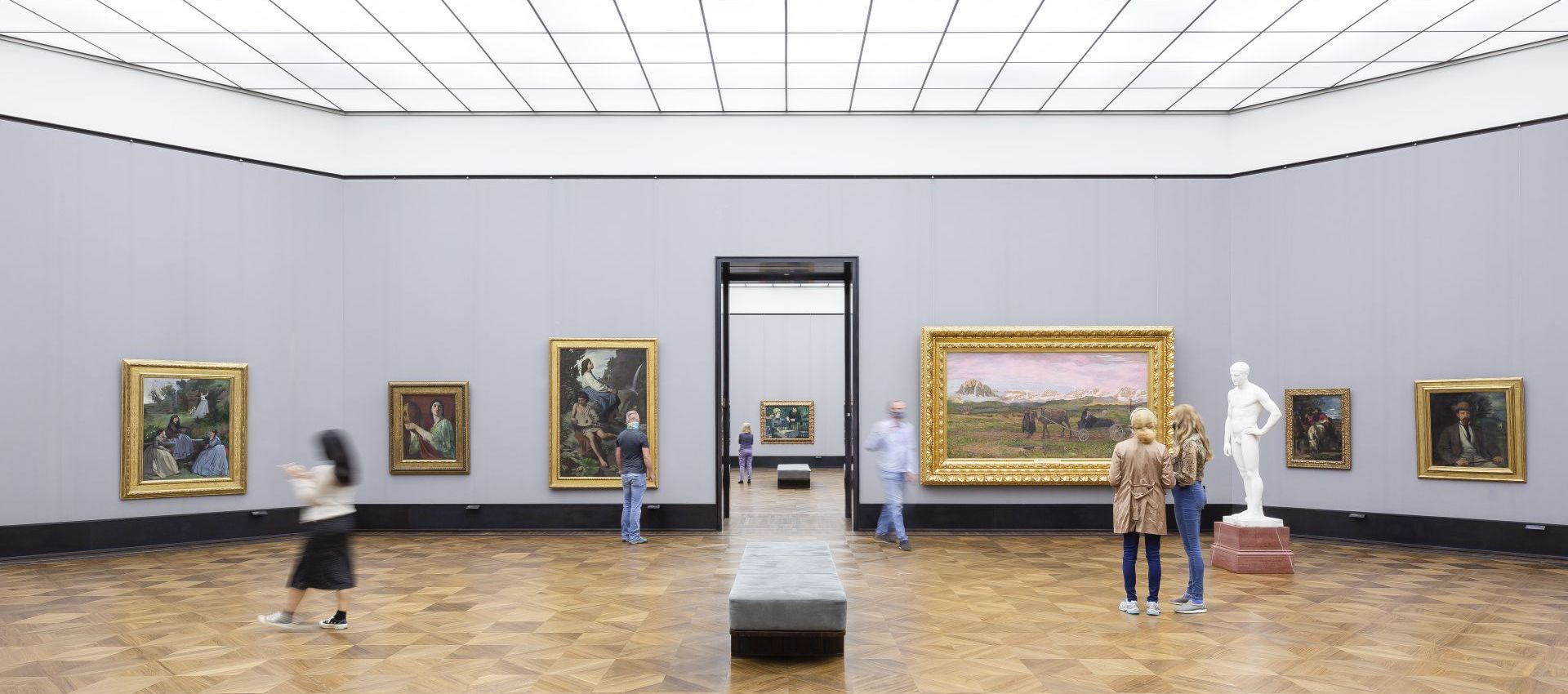
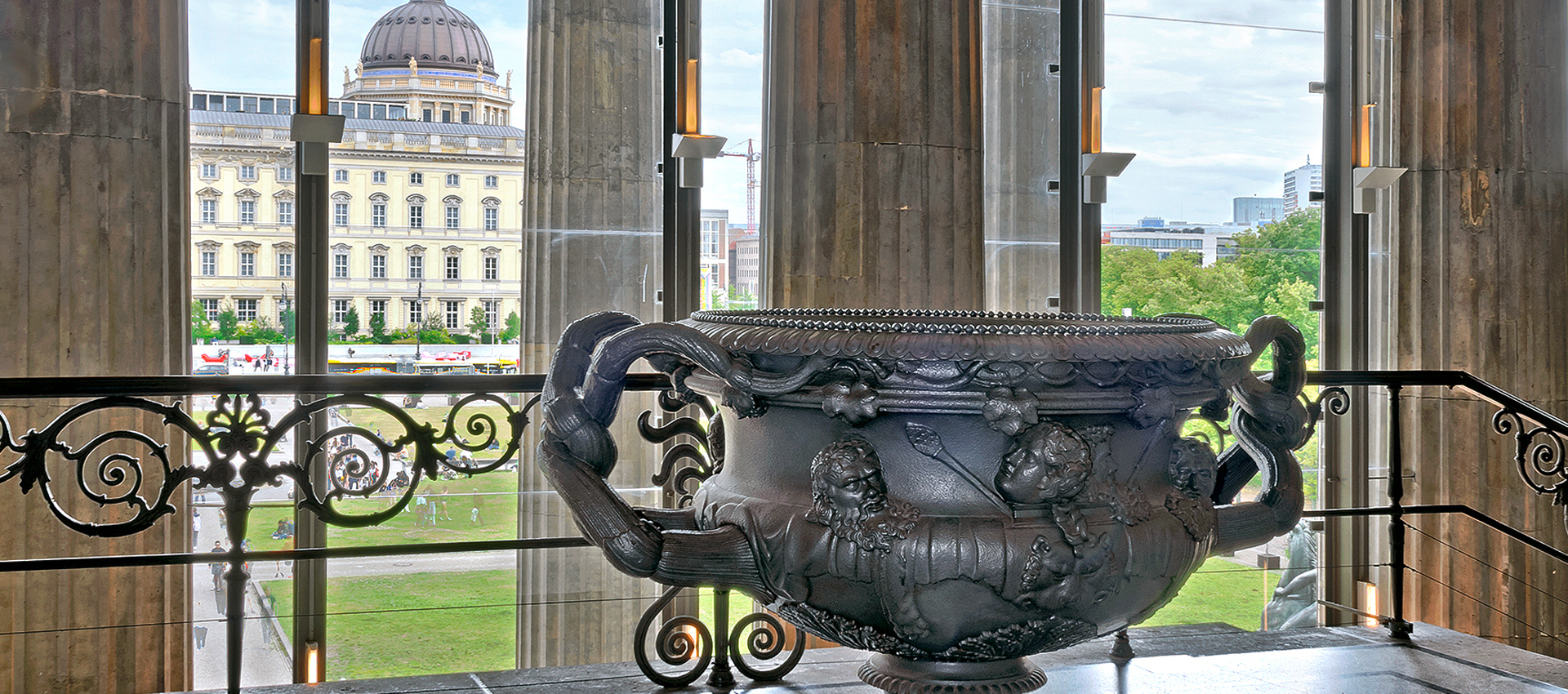
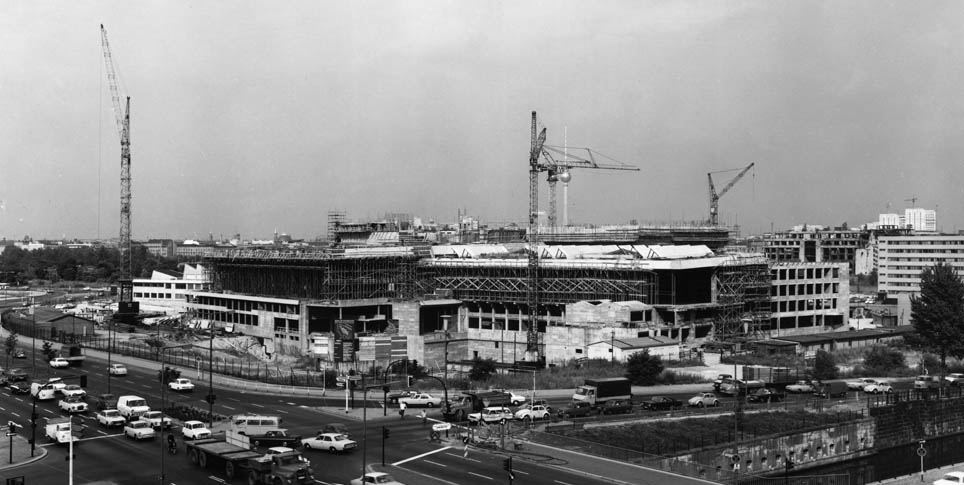
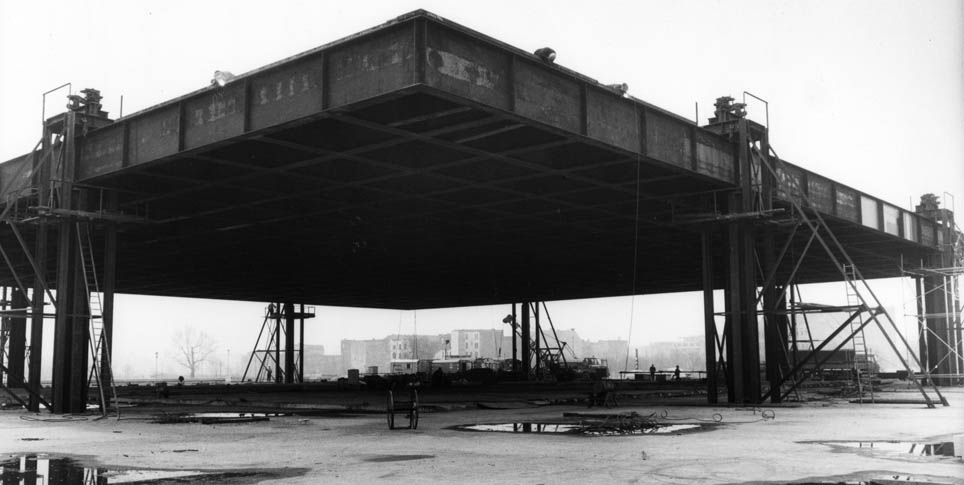
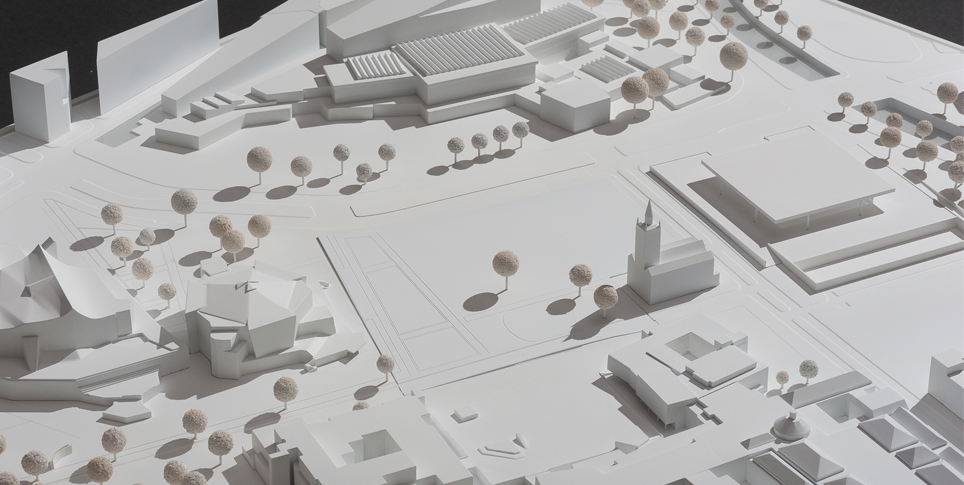
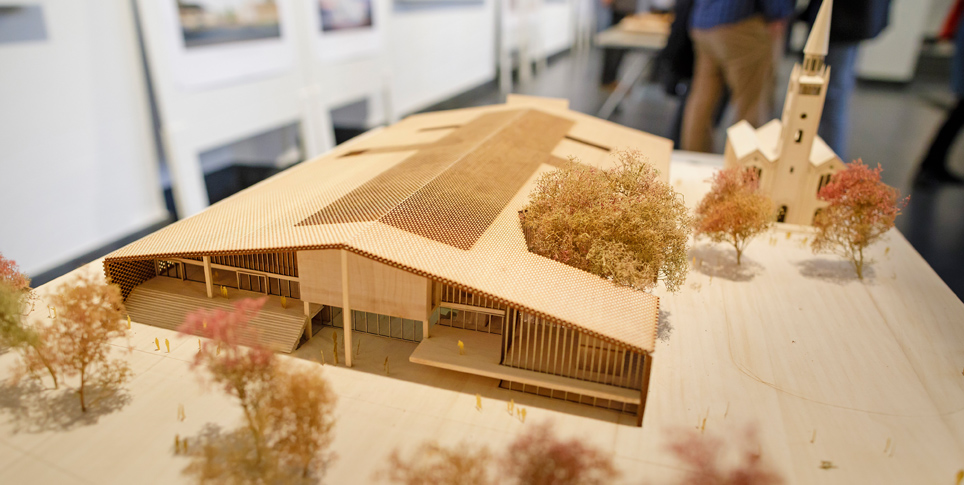
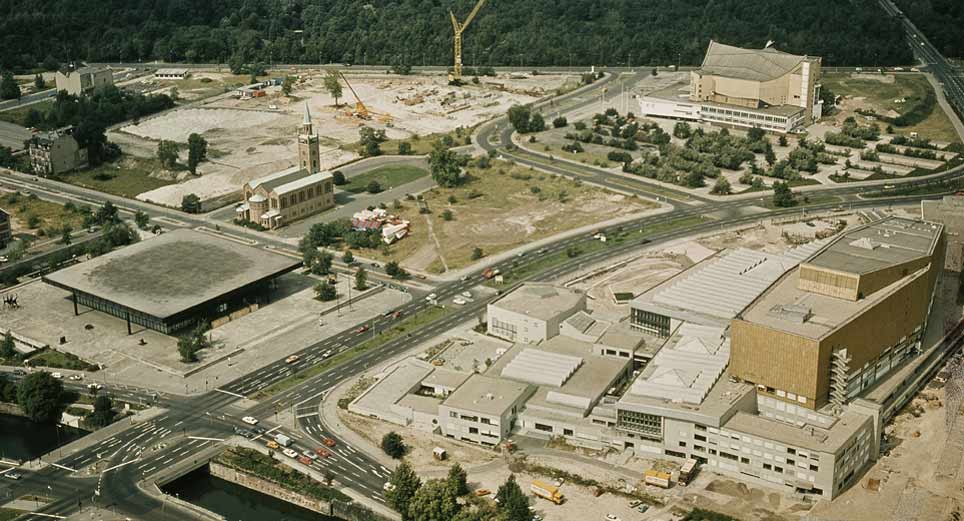
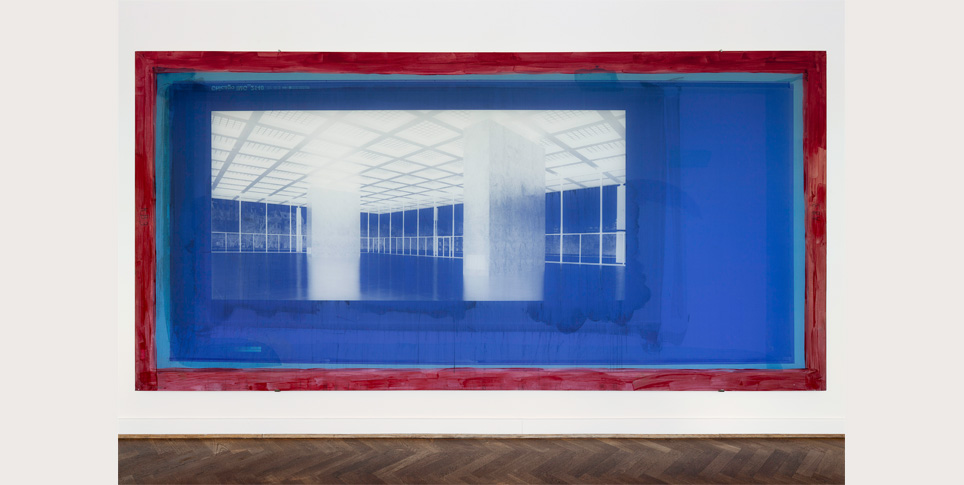
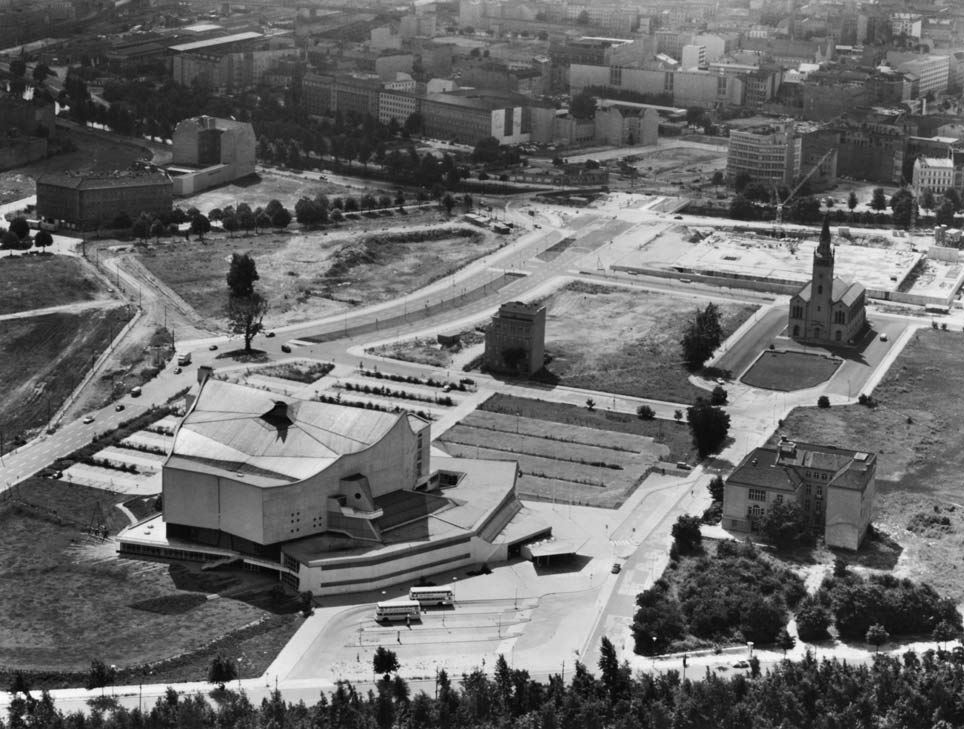
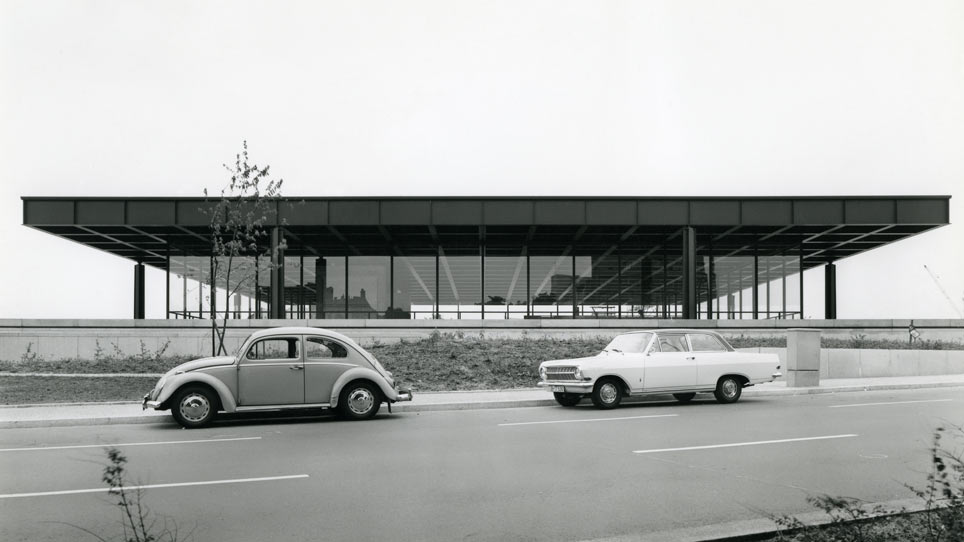
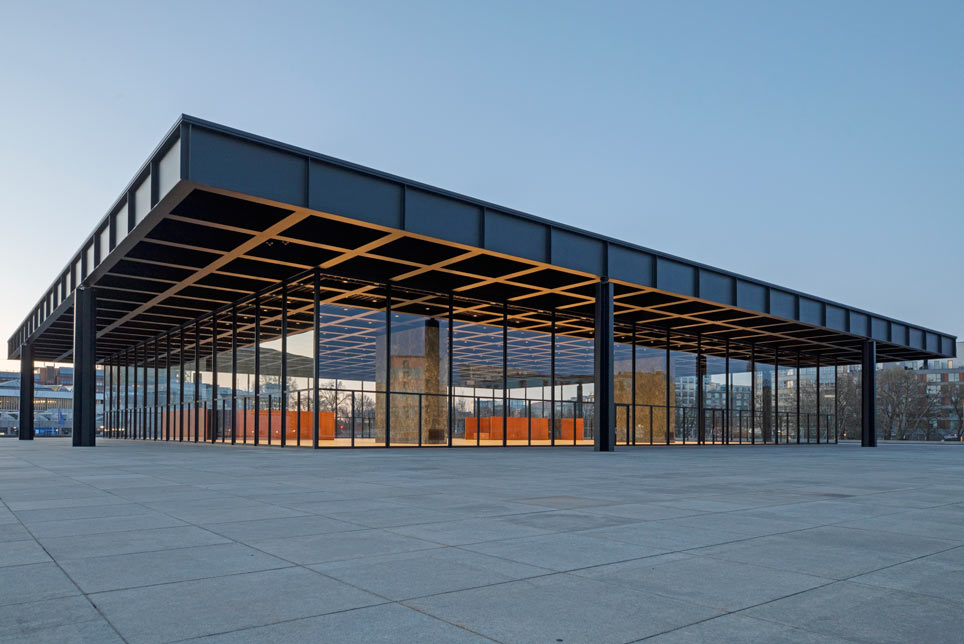
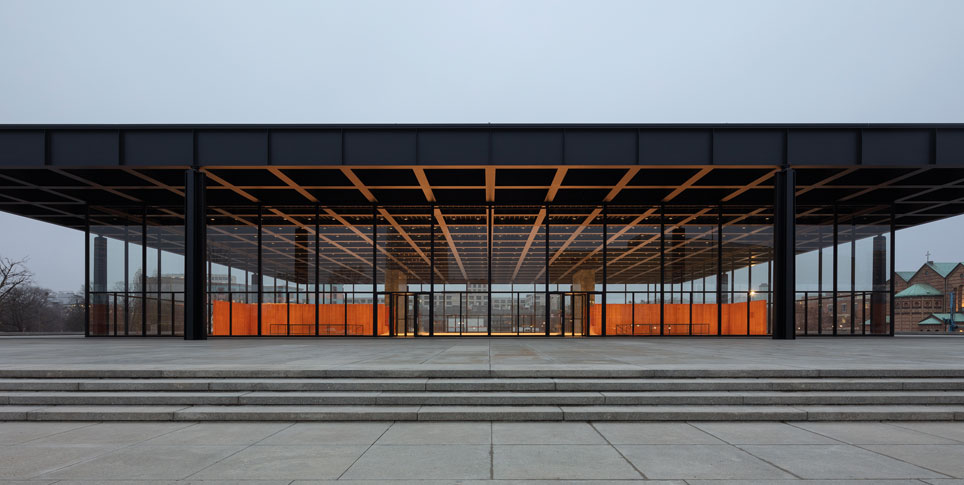
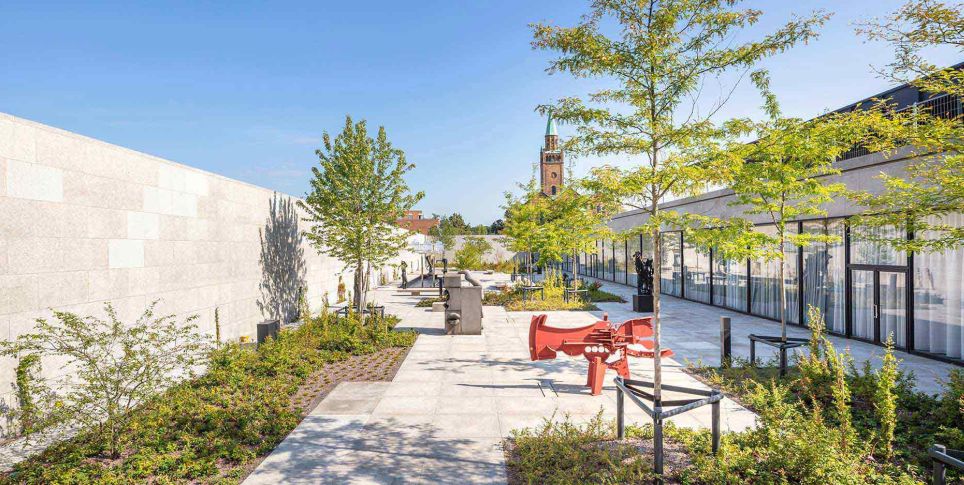
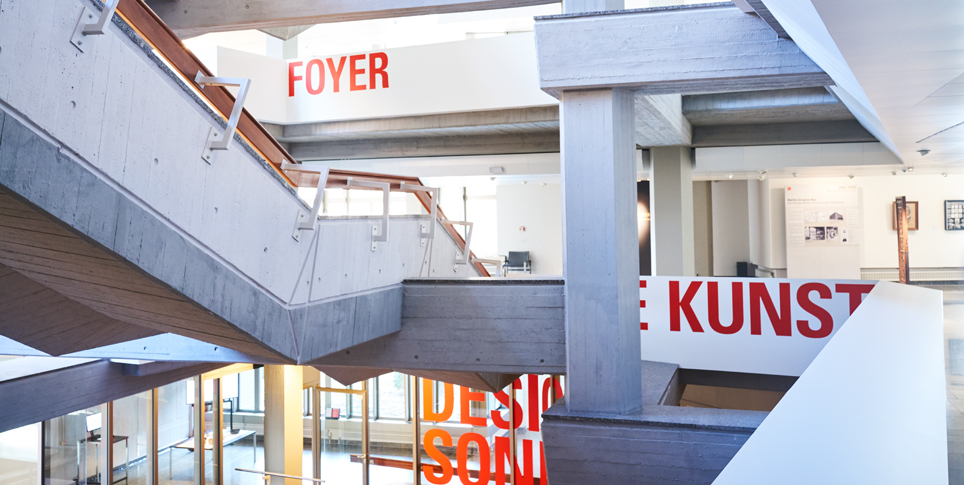
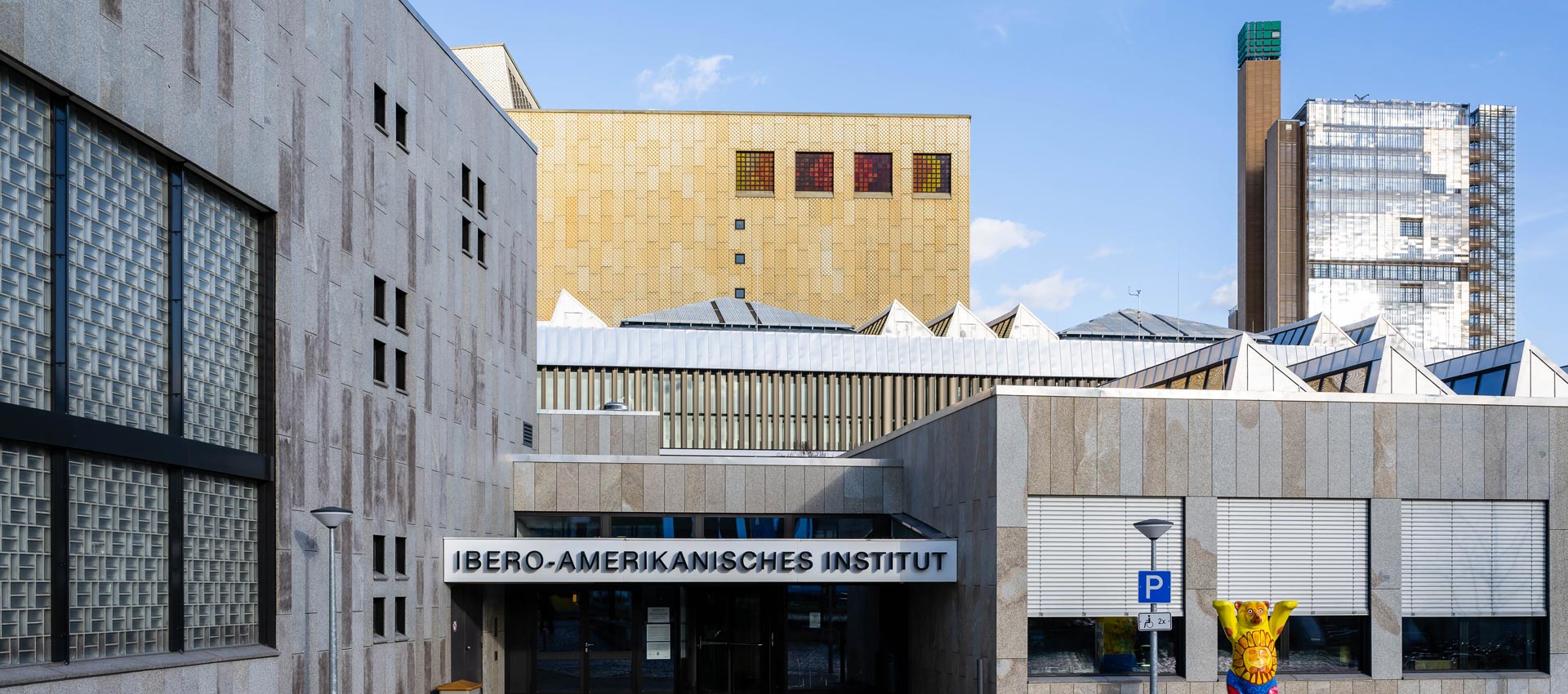
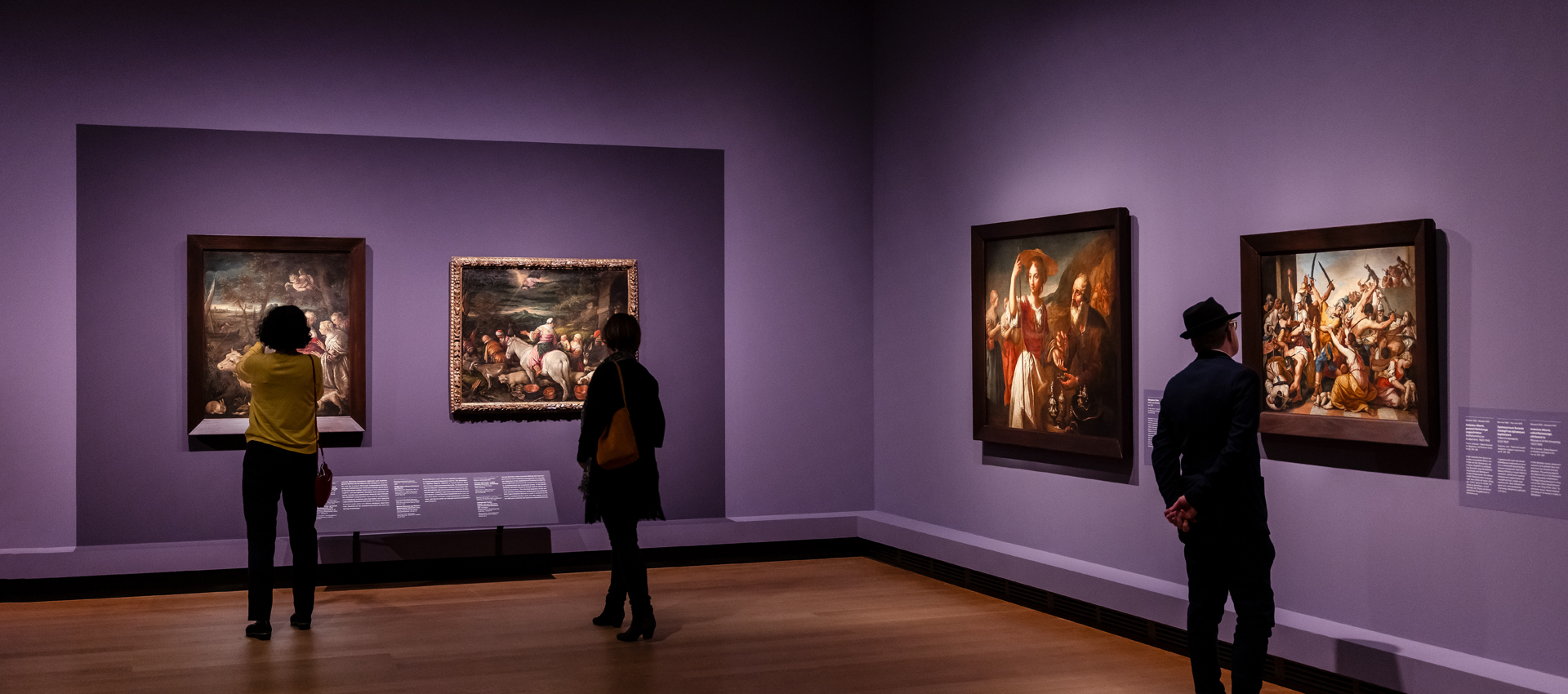
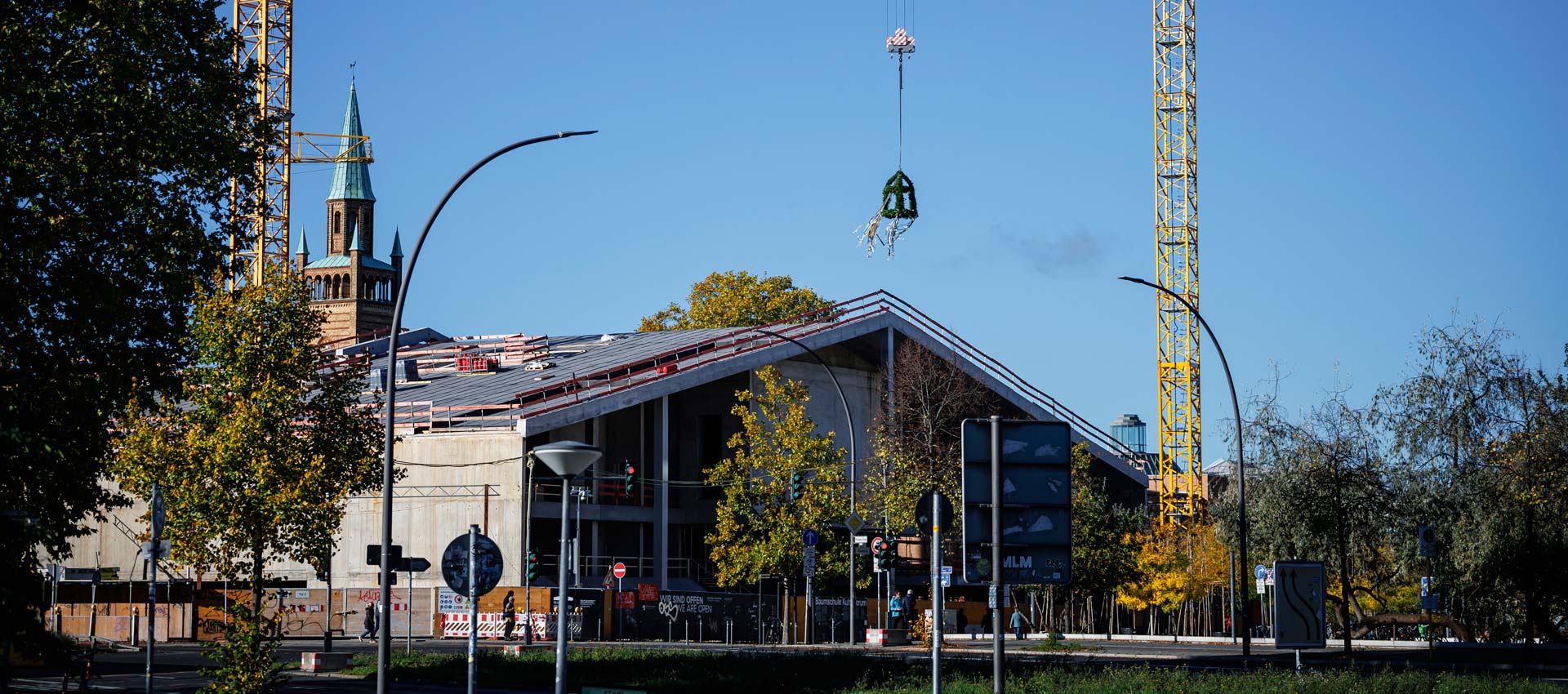
One architectural icon was designed by the first director of the Bauhaus, Walter Gropius, the other by the third and last, Mies van der Rohe. One stands in Dessau and, from 1925 to 1932, housed what was arguably the world’s most famous design school; the other stands at Berlin’s Kulturforum and, since 1968, has showcased an astonishing collection of 20th-century art.
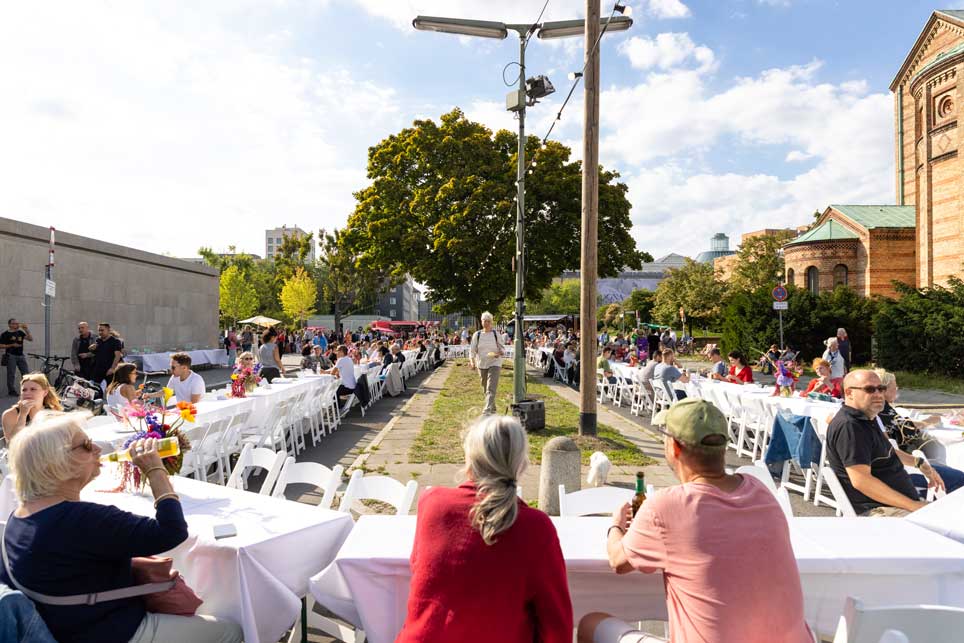
One is celebrating its 100th anniversary this year, and the other is arguably the most fitting first stop to kick off the celebrations: and that is why, from 13 to 15 June 2025, the Bauhaus Dessau pop-up exhibition, entitled ‘An die Substanz’, will be on display at the Neue Nationalgalerie.
The thematic focus is on materiality – that is, the use and handling of old and new materials such as glass, concrete and metal in architectural, technical and cultural history as the legacy of the Bauhaus. At the same time, questions regarding new potentials in the construction industry are raised against the backdrop of current ecological challenges.
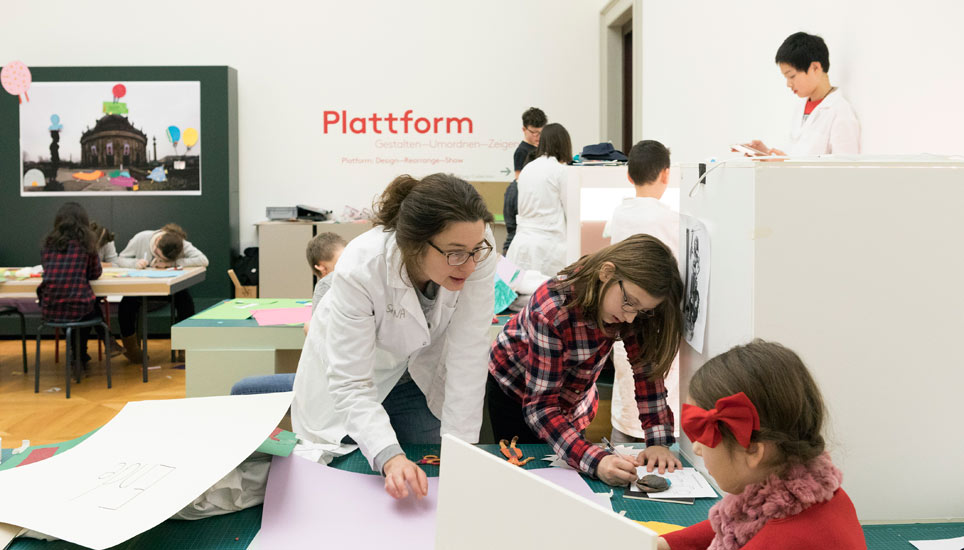
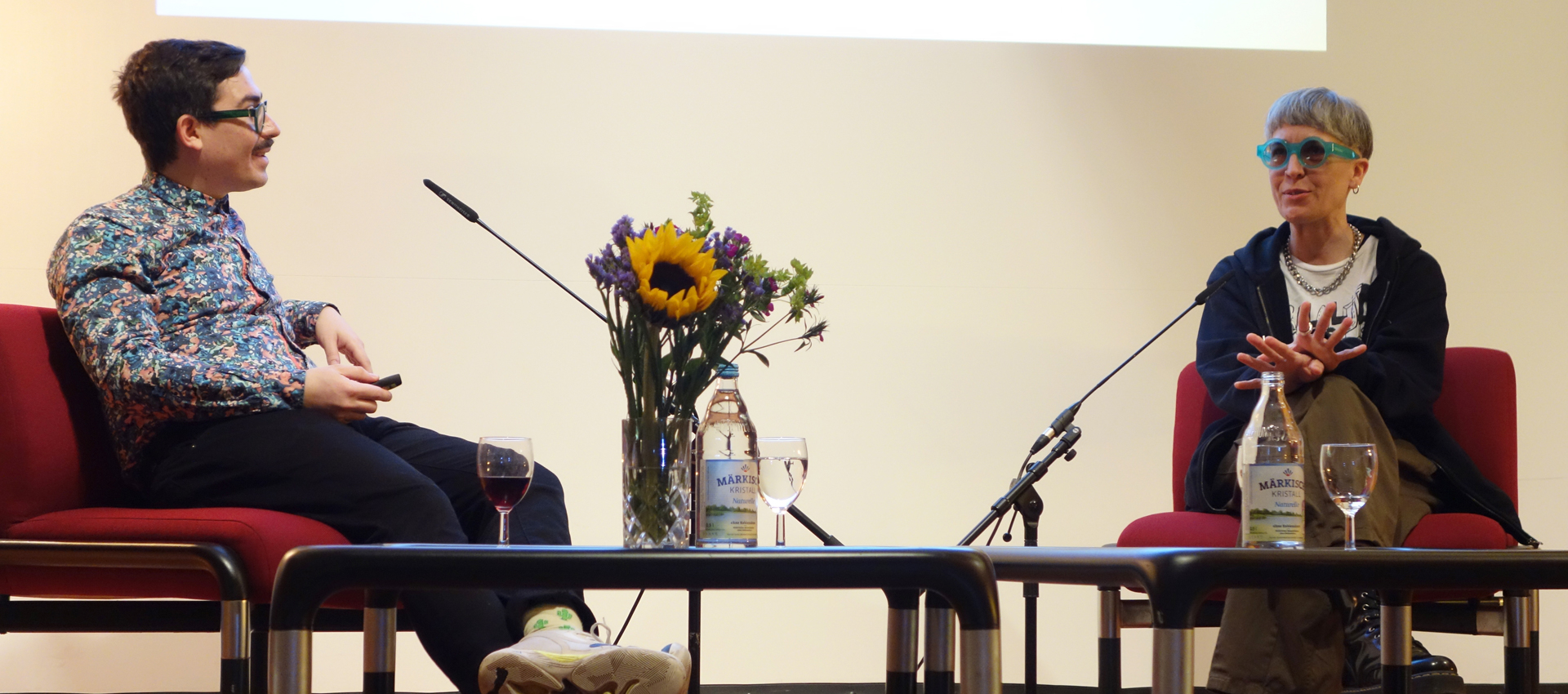
The materiality of modernism will be explored free of charge in short talks and presentations. In addition, there will be the interactive workshop “Bauhaus Aktiv”, which brings into the present day the element that, more than almost anything else, stands for the revolution in design education for which the Bauhaus is so famous: the Preliminary Course.
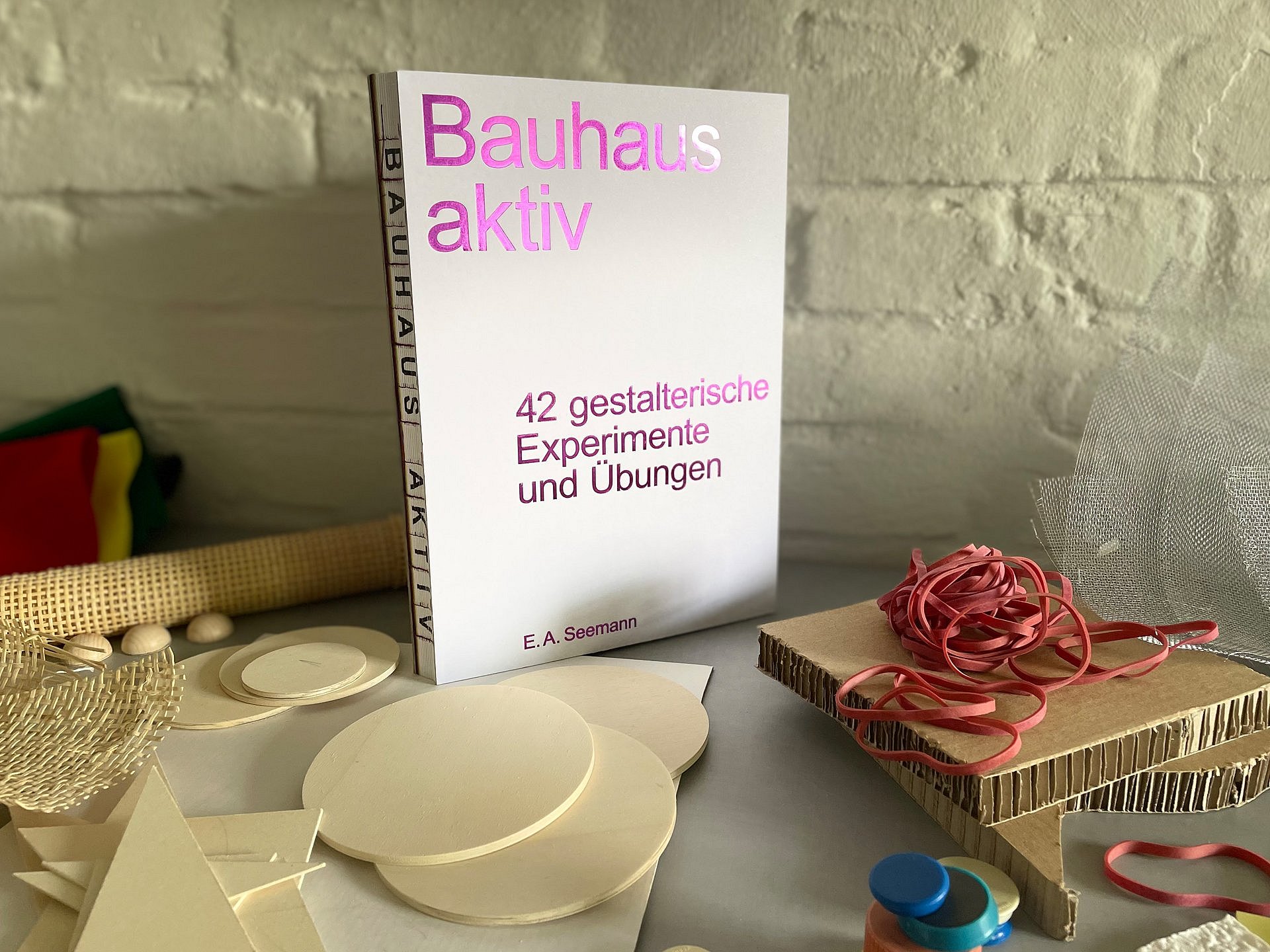
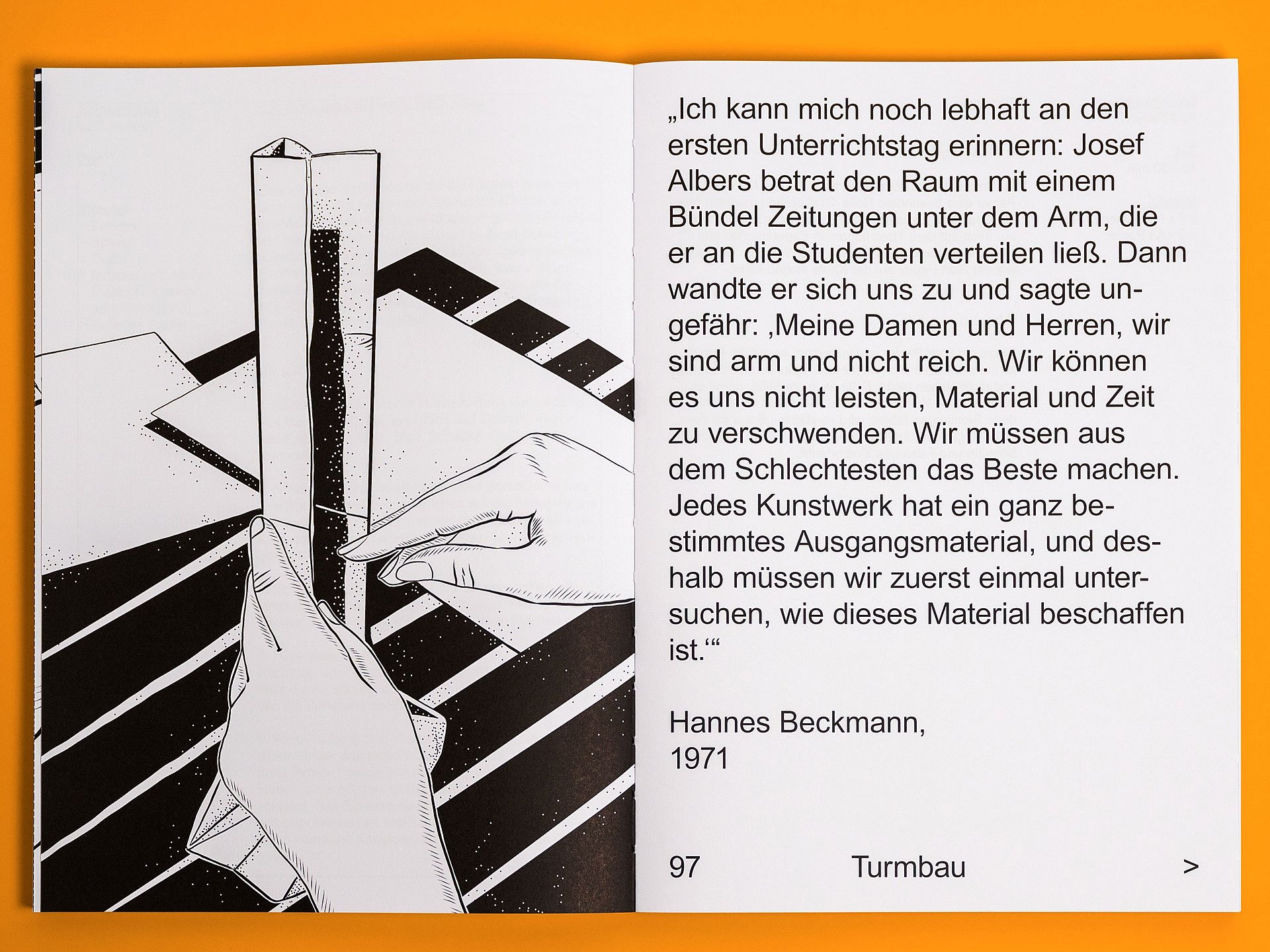
In the preparatory course, Bauhaus students were taught the fundamentals of artistic design in a pedagogically innovative and experimental way at the start of their training. And, naturally, materiality played a major role in this. Inspired by these exercises, the Bauhaus Dessau has devised playful and experimental exercise guides that allow anyone interested to actively engage with the Bauhaus. The new Bauhaus exercises are designed to enable everyone to develop their individual creative abilities. Would you like an example?
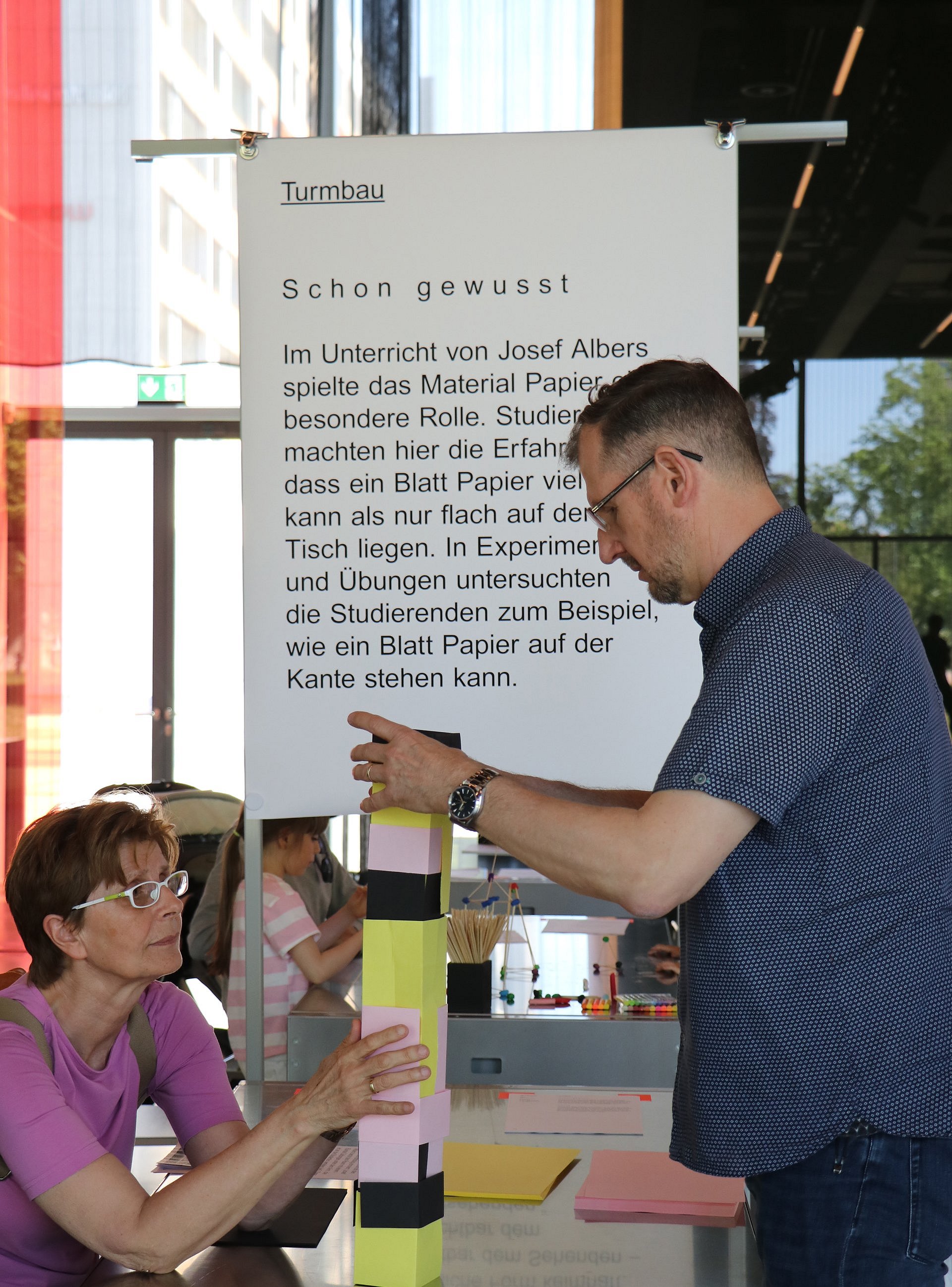
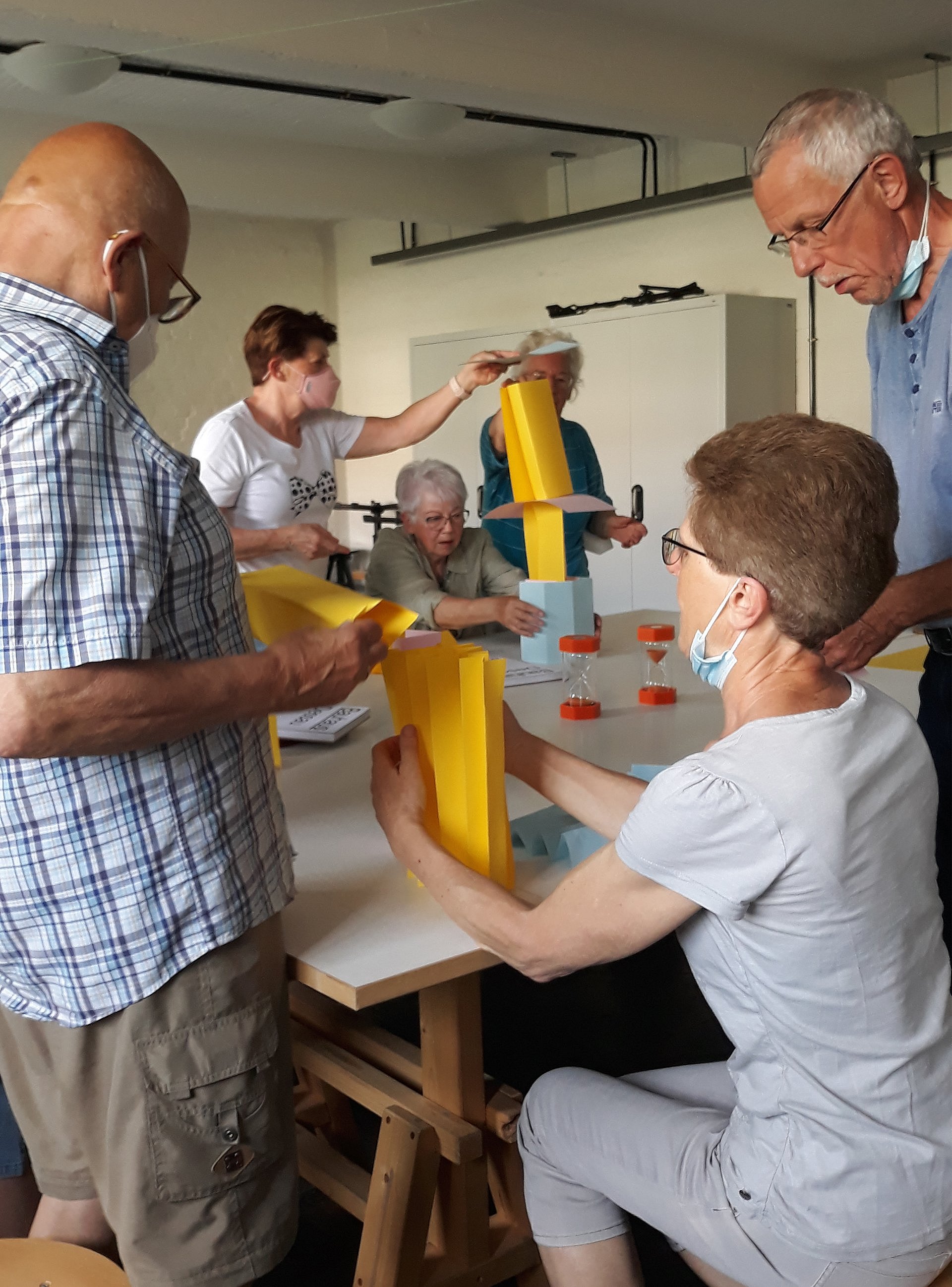
The ‘Tower Building’ exercise, for instance, draws on Josef Albers’s preliminary course, in which paper played a special role. Here, students discovered that a sheet of paper is capable of much more than simply lying flat on a table. Through experiments and exercises, the students investigated, for example, how a sheet of paper can stand on its edge. Now, in the Tower Building exercise, the Neo-Bauhaus enthusiast is to try to stand a sheet of paper on its edge – folding and cutting are expressly permitted.
In 1929, Bauhaus master László Moholy-Nagy stated that “contemporary spatial experiences are based on the inflow and outflow of spatial relationships, with the simultaneous interpenetration of inside and outside, above and below, and on the often invisible effect of the balance of forces inherent in the materials.”
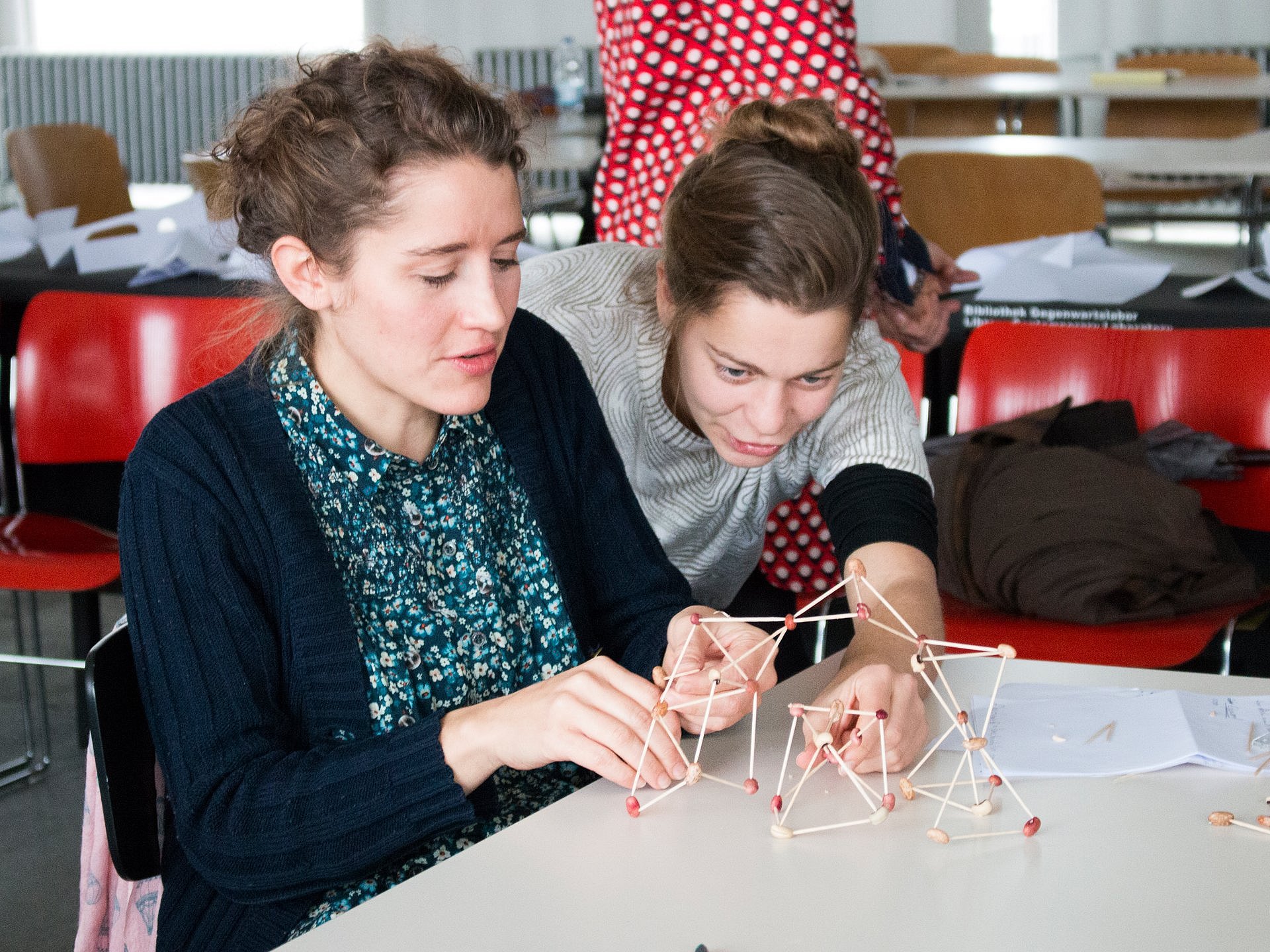
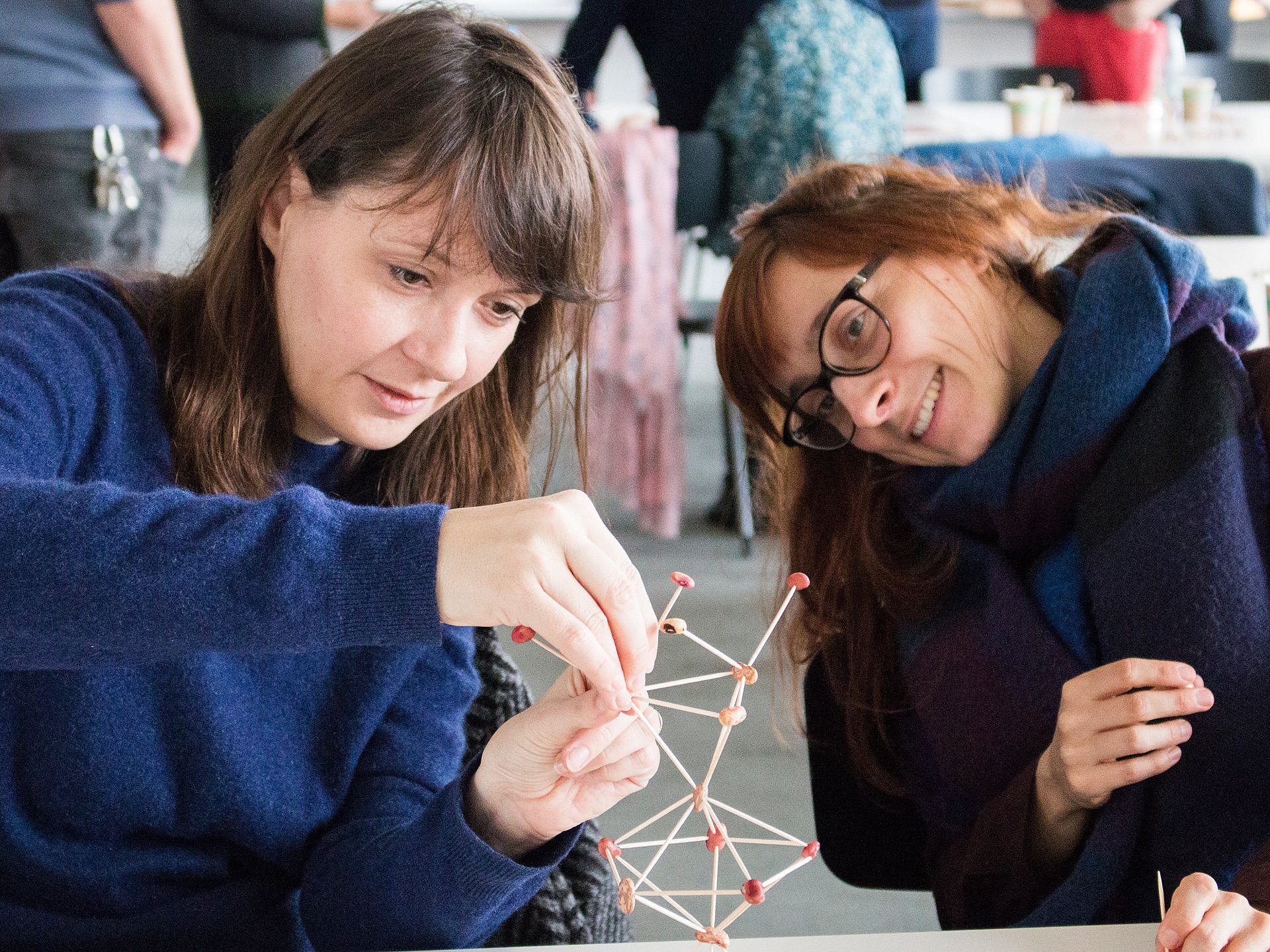
This likely inspired the American architect Richard Buckminster Fuller, who constructed his iconic geodesic dome from triangles. It is considered extremely stable and remains a model for roof structures to this day. This, in turn, inspired the Bauhaus-Aktiv exercise “Plasticine and Toothpicks”: here, the first step is to build a square and a triangle out of plasticine and toothpicks. Then you test which shape is more stable. In the second step, you build a cube and a tetrahedron and again see which geometric shape is more durable.