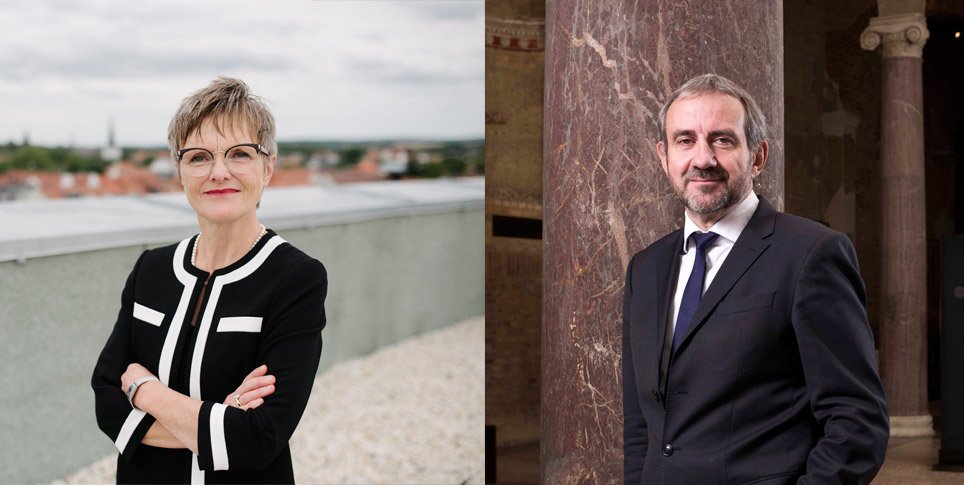
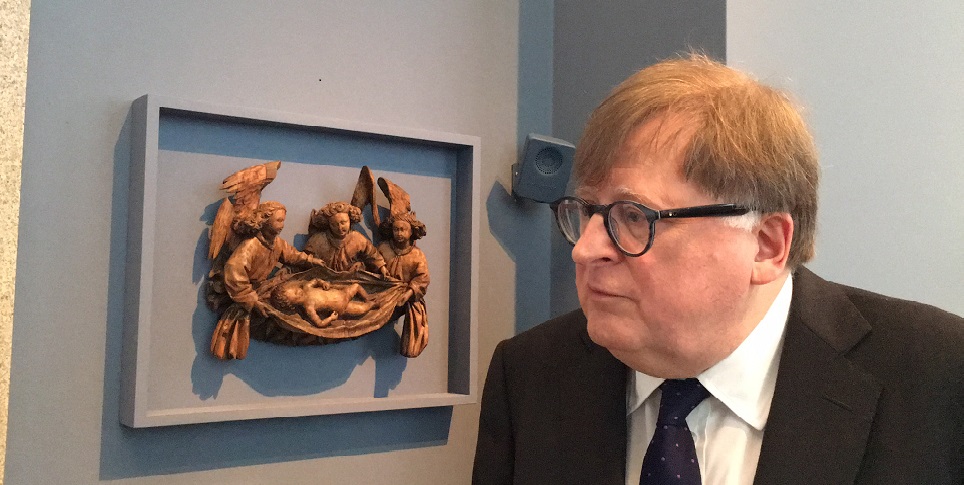
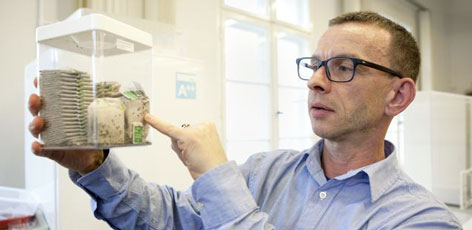
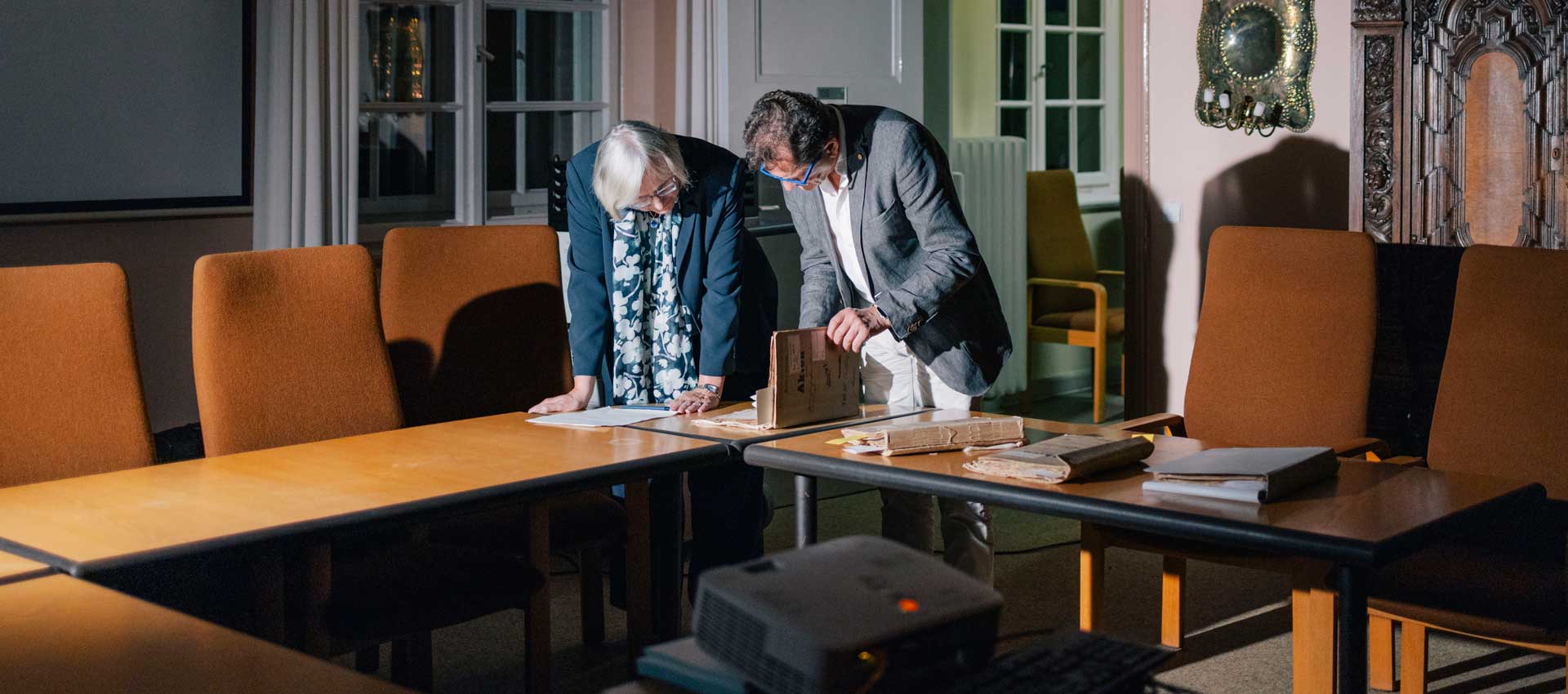
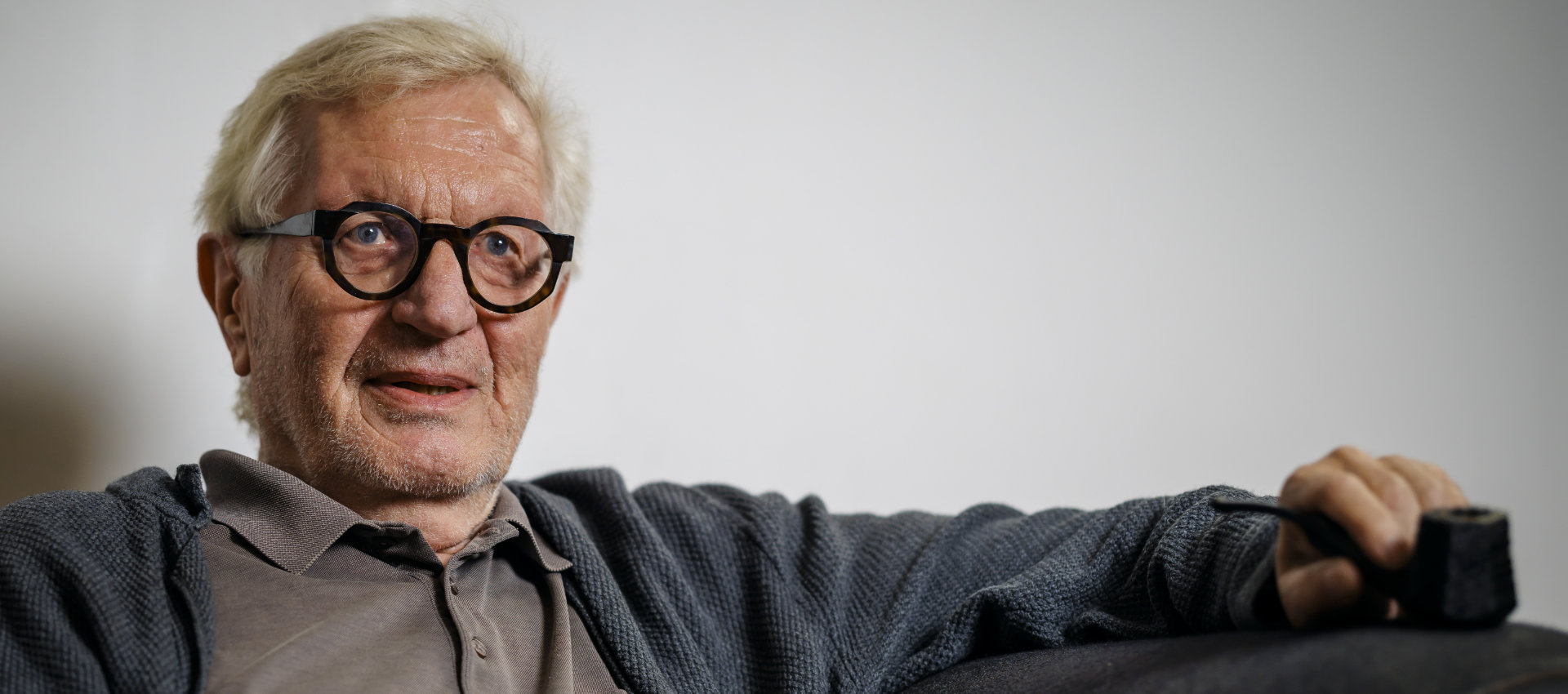
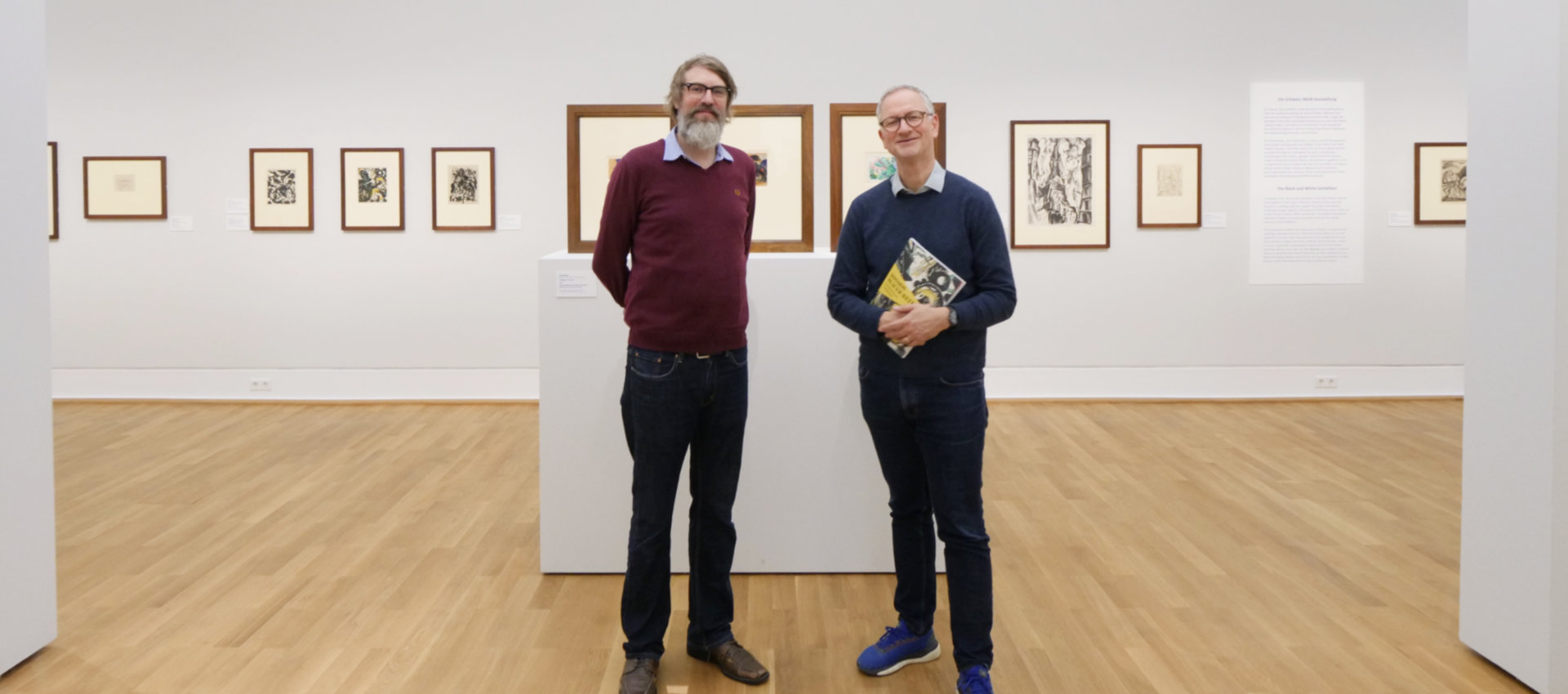
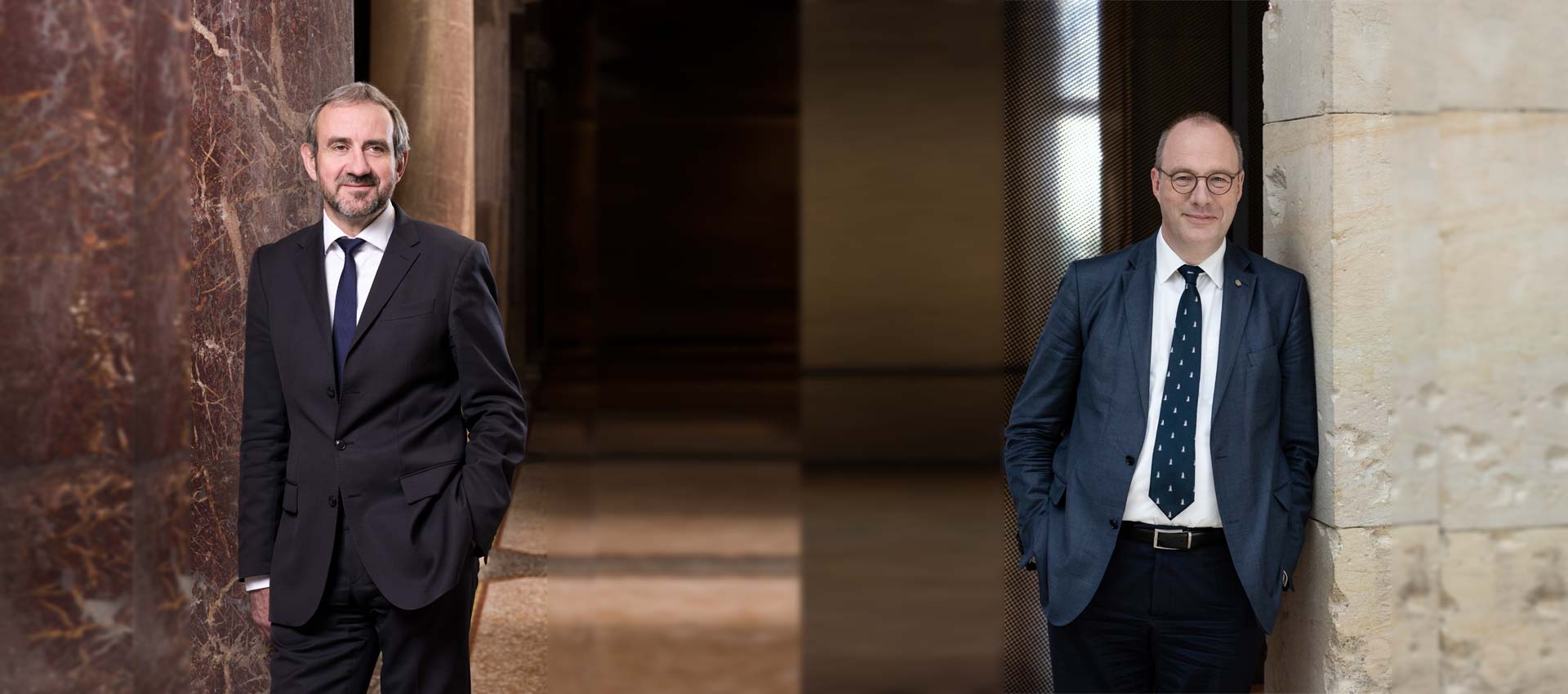
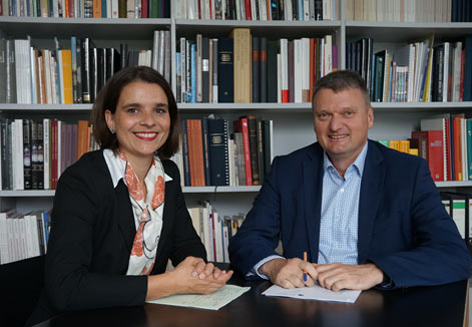
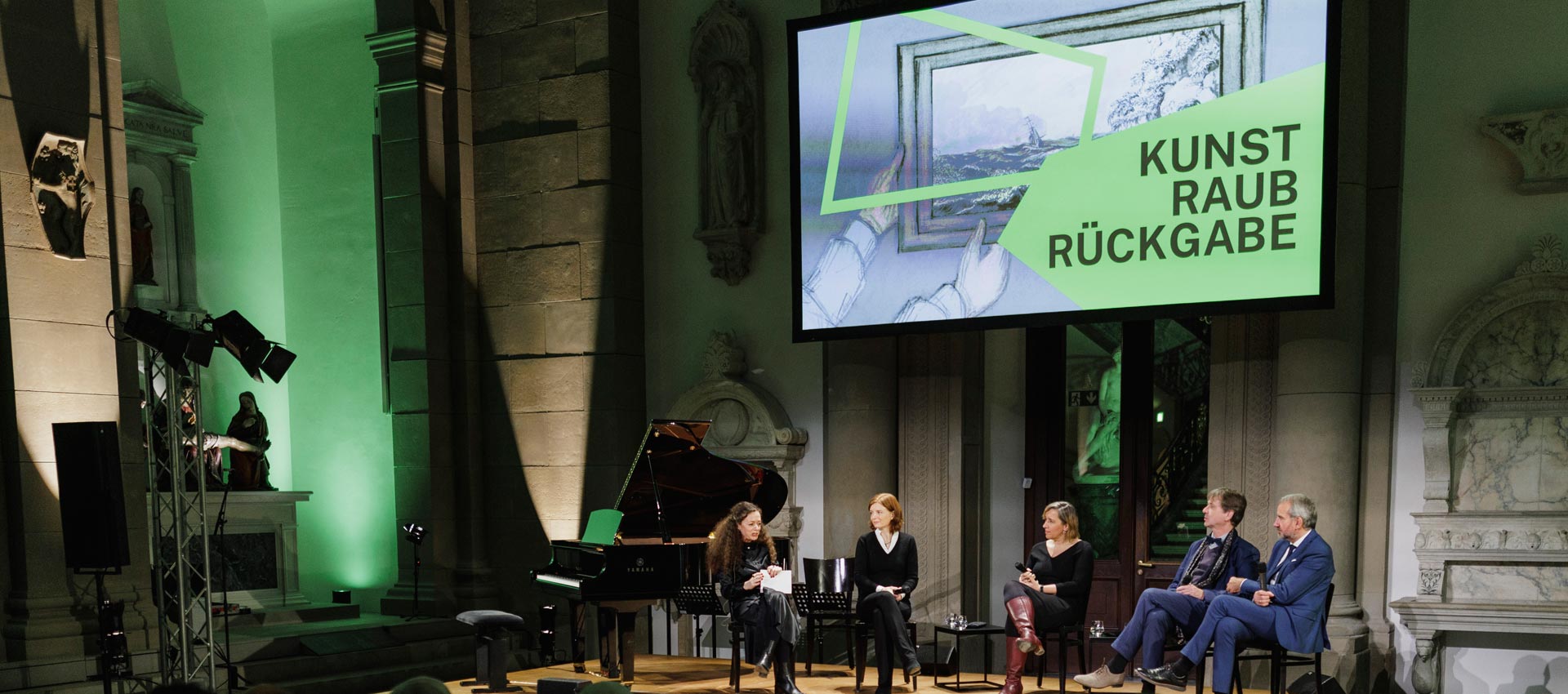
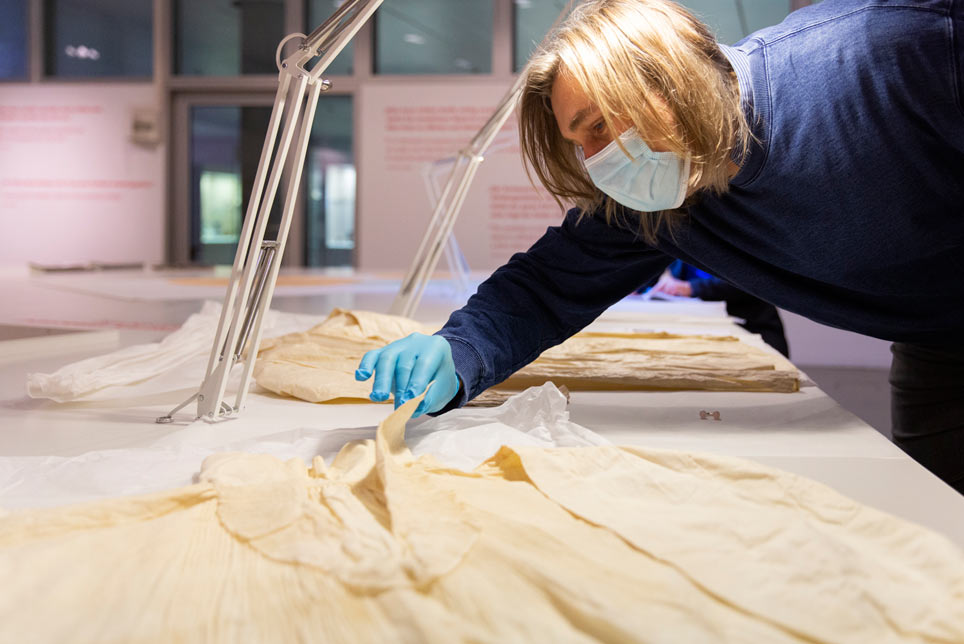
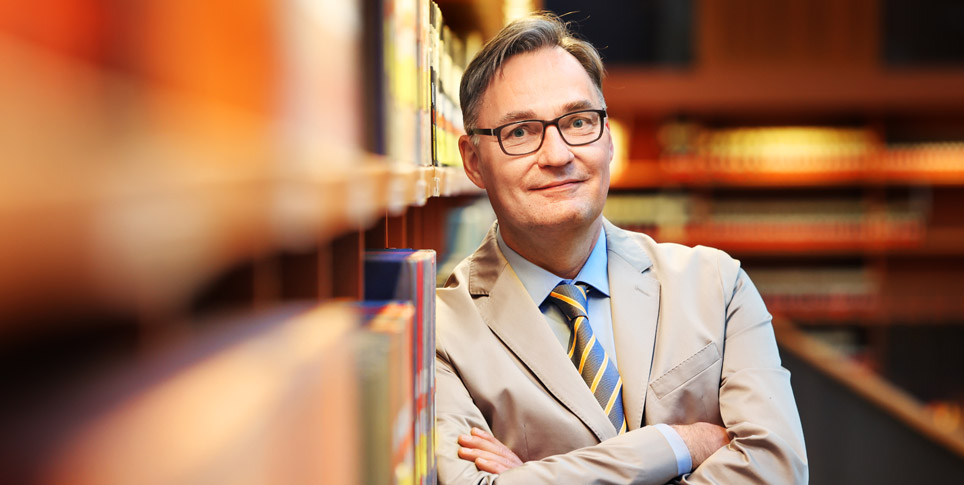
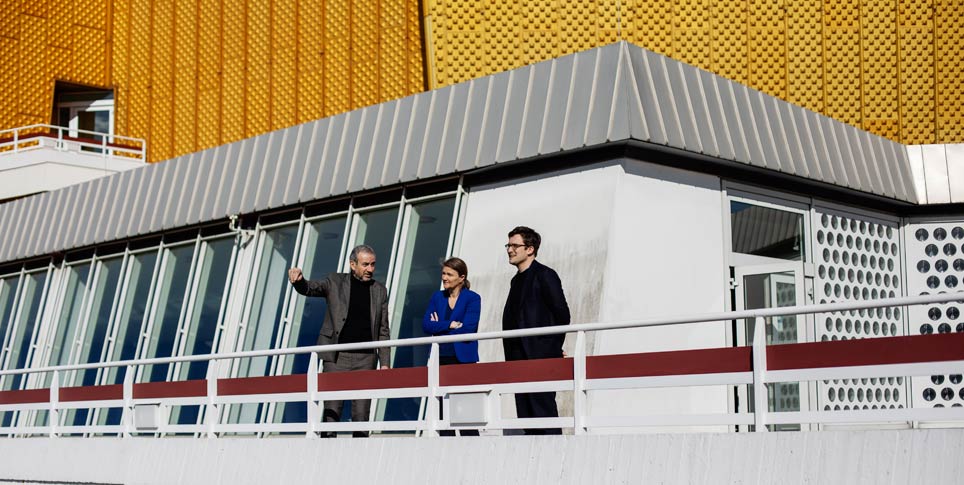
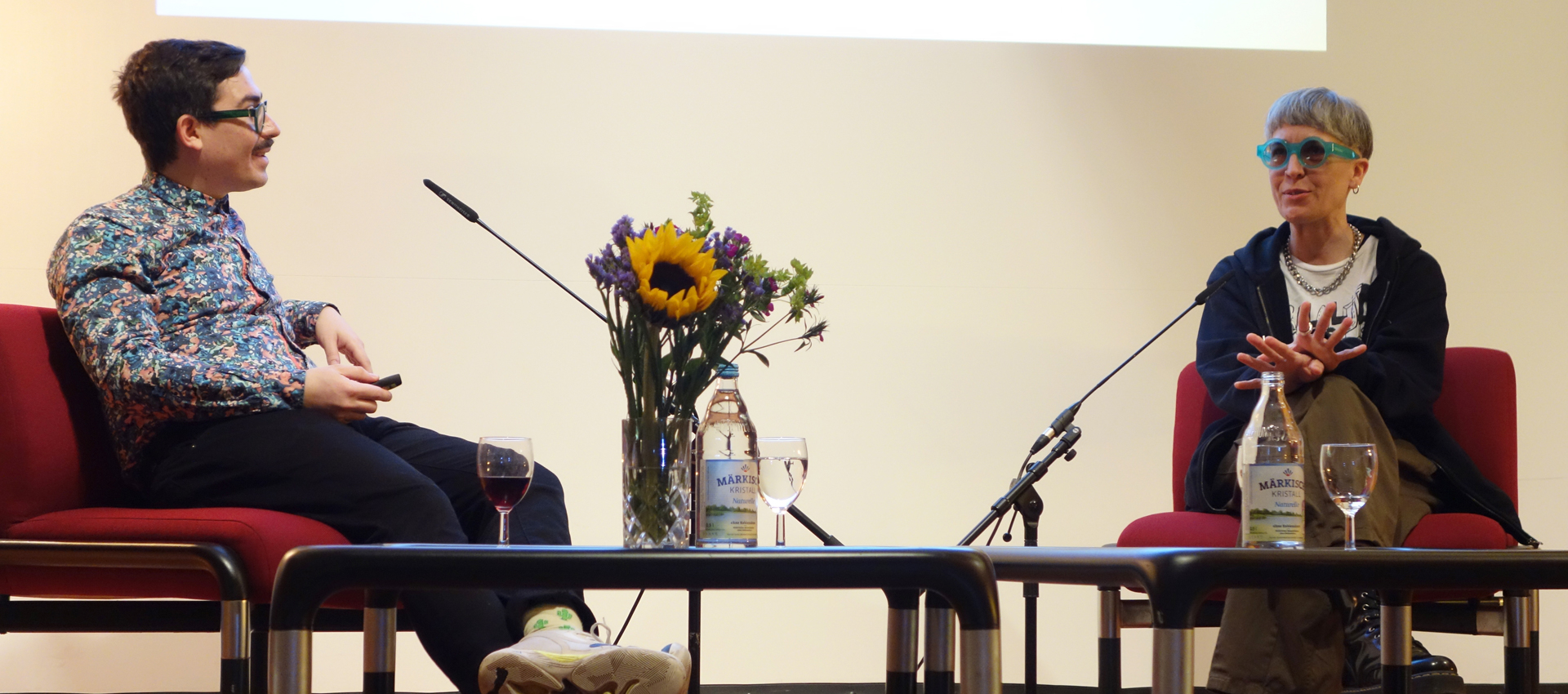
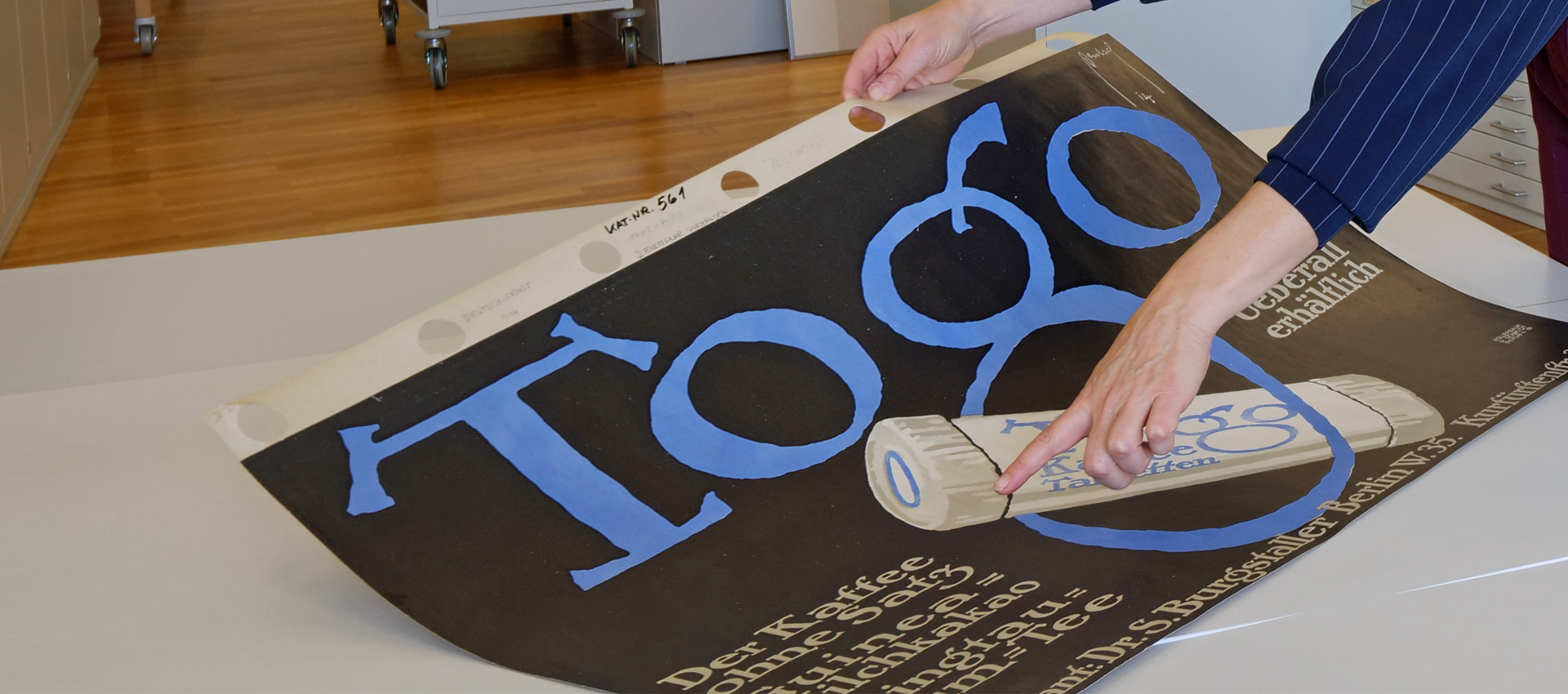
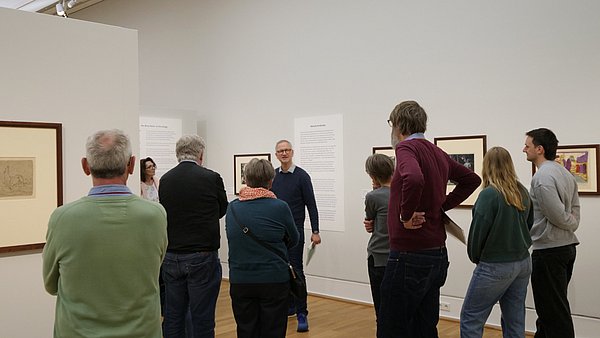
To mark International Provenance Research Day 2025, the Kupferstichkabinett offered an insight into the eventful history of its own collection. Curator Andreas Schalhorn and provenance researcher Sven Haase from the Central Archive led a tour of the exhibition “Kosmos Blauer Reiter: From Kandinsky to Campendonk” and shared their knowledge of the stories behind the artworks.
“When people think of the Blue Rider, many might picture colourful Kandinsky or Macke posters in their dentist’s surgery,” says curator Andreas Schalhorn with a smile as he begins his tour of the exhibition “Kosmos Blauer Reiter”. “What is perhaps less well known, however, is that the Kupferstichkabinett’s collection also contains many works from this art movement, which ranks among the most famous of the 20th century.”
Incidentally, the Blue Rider owes its somewhat odd-sounding name to the fondness of its two founding members, Wassily Kandinsky and Franz Marc, for the colour blue, horses and riders. In 1912, an almanac of the same name was published, intended to break down the narrow boundaries of the prevailing understanding of art at the time. The focus was on the progressive painting and music of the time – further issues covering other artistic disciplines were never to appear.
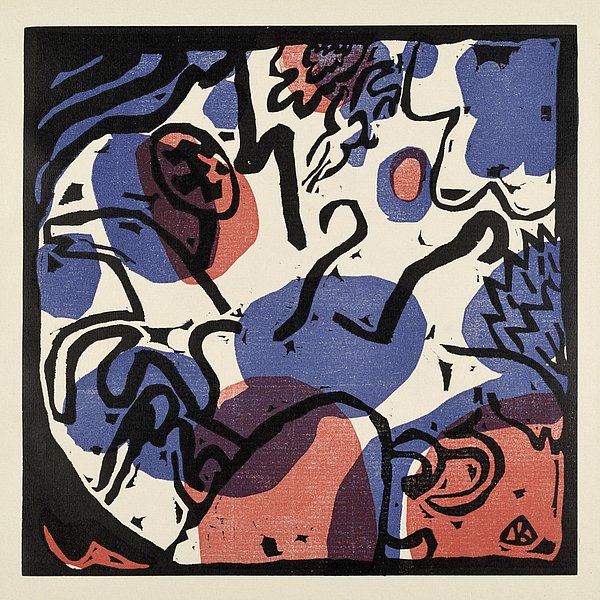
Although the Blue Rider movement had its epicentre in Upper Bavaria, the Kupferstichkabinett in Berlin and, in particular, the Nationalgalerie (which housed the collection of drawings) managed to build up a considerable collection from the 1910s onwards – featuring works by renowned artists such as August Macke, Franz Marc and Else Lasker-Schüler. Unfortunately – and this is where provenance research comes in – the collection’s good fortune was short-lived. For the artists of the Blue Rider, like many other representatives of Modernism, were targets of the Nazi confiscation campaign ‘Degenerate Art’ carried out in June and July 1937. A commission appointed by the Nazi regime combed through all of Germany’s museum collections at the time to ‘purge’ them of undesirable art classified as ‘degenerate’.

It was a perilous time for cultural heritage in German museums. And yet: at great personal risk, at least some curators and directors who refused to conform to the system managed to save works of art from the clutches of the persecutors – and thus from destruction. Occasionally, chance may have played a part in the preservation of artworks, as the commission rushed – clearly overwhelmed – through the sometimes vast and unmanageable modern art collections of institutions such as Berlin’s Kupferstichkabinett.
Provenance research always involves an examination of individual lives.
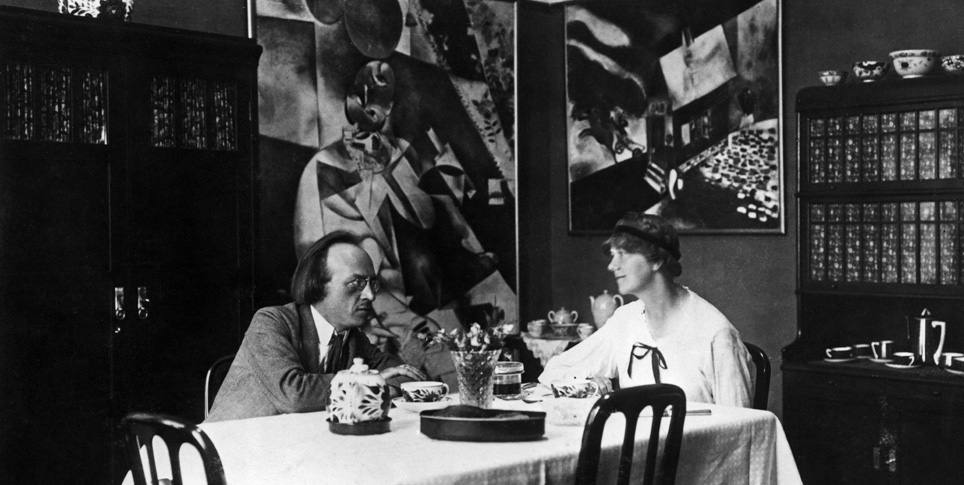
It is above all the courageous dedication of individuals such as Willy Kurth, curatorof modern art at the Berlin Kupferstichkabinett, that continues to inspire admiration to this day. And it is also tragic life stories, such as that of his Jewish predecessor Curt Glaser, which are deeply moving and closely linked to the Berlin Kupferstichkabinett. They are therefore of particular interest to researchers such as Sven Haase.
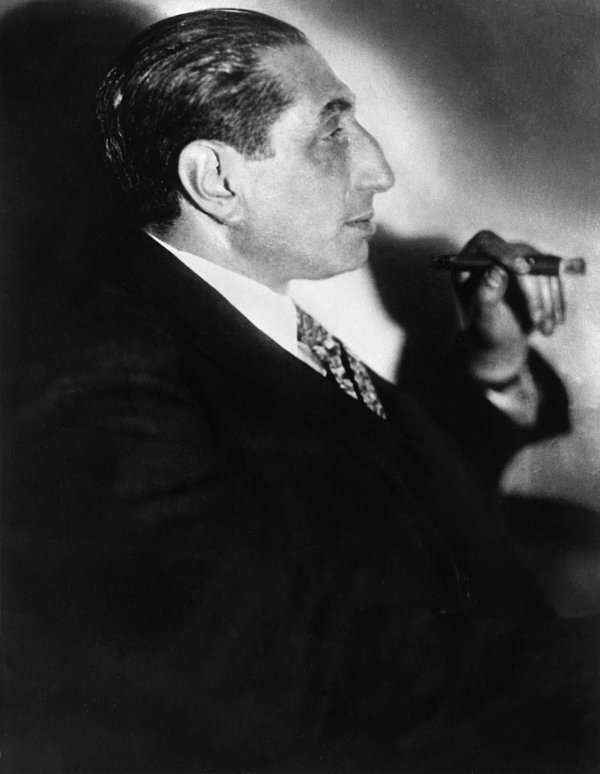
Provenance research is always, in part, an examination of personal destinies. Andreas Schalhorn and Sven Haase cite the gallery owner Alfred Flechtheim as an example; he is regarded as one of the most successful art dealers of the early 20th century – but also as a tragic figure. His story makes it painfully clear just how profoundly the Nazi seizure of power affected personal lives within the German art world. Whilst Flechtheim, who became an early target of the Nazis due to his Jewish heritage and association with so-called ‘degenerate art’ and was forced to leave the country, died impoverished in London, his rival Ferdinand Möller made a career for himself as a so-called ‘liquidator of degenerate art’. Möller was tasked with selling the art confiscated from museums and collections abroad at a profit. “What is needed here is a clear, analytical historical perspective,” says Haase, “not black-and-white thinking.” For even though Möller operated in the service of an unjust state, he nevertheless used his position to save modern artworks through private sales to acquaintances and by purchasing them himself.
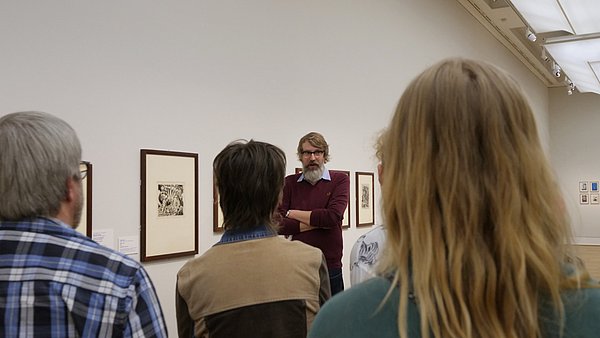
Despite all this, a considerable proportion of modern art disappeared from the collections of Berlin’s museums, and with it works by the Blue Rider group. Today, they can be found in private collections or in major museums outside Germany. What can be done? It is a moral dilemma: on the one hand, the reasons why these works of art were sold off during the Nazi era are, from today’s perspective, highly questionable. On the other hand, this was done in accordance with the law in force at the time and cannot therefore be challenged legally. Sven Haase also takes a pragmatic view: rather than reclaiming or buying back the artworks, they should remain where they are today – in the case of public collections – as a stark reminder of a time when art was highly politicised. “It is an important part of history – let’s just tell the story!”
It’s an important part of history – so let’s just tell the story!
Sven Haase
After the Second World War, new challenges arose: the Kupferstichkabinett’s remaining modern art collection was torn apart by the division of Berlin. The task now was to fill the gaps caused by losses and the war at the sites in East and West. Neither museum remained idle. At the Kupferstichkabinett East, for instance, a major donation of Russian prints by Lothar Bolz, GDR Minister for Foreign Affairs from 1953 to 1965, enriched the somewhat scattered collection of works related to Der Blaue Reiter with important new elements in the 1980s. Purchases made by the museum itself were also not uncommon – just as in the western part of the city.
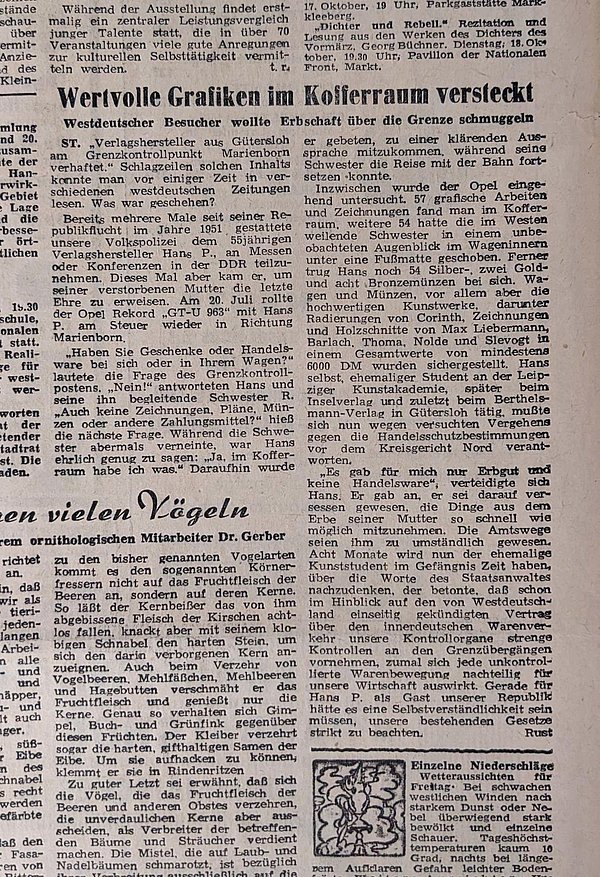
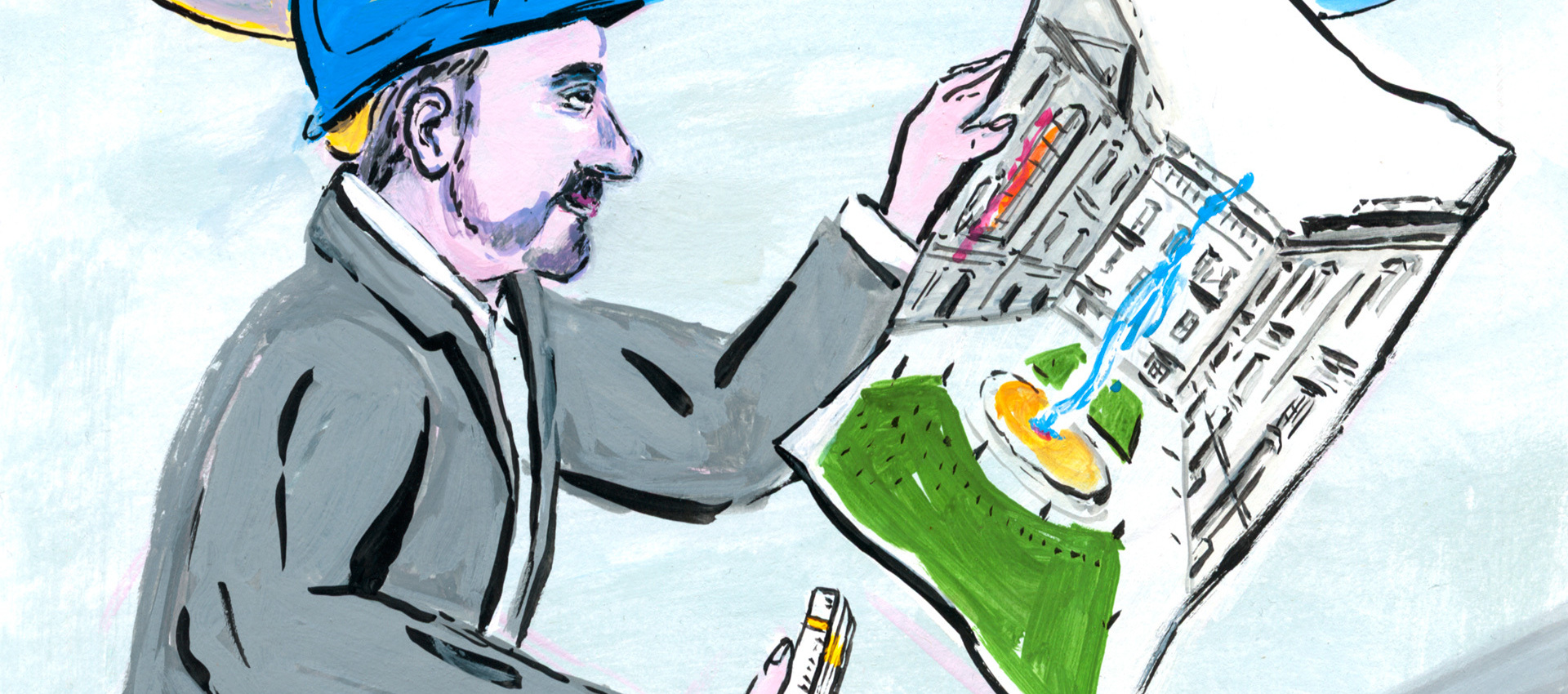
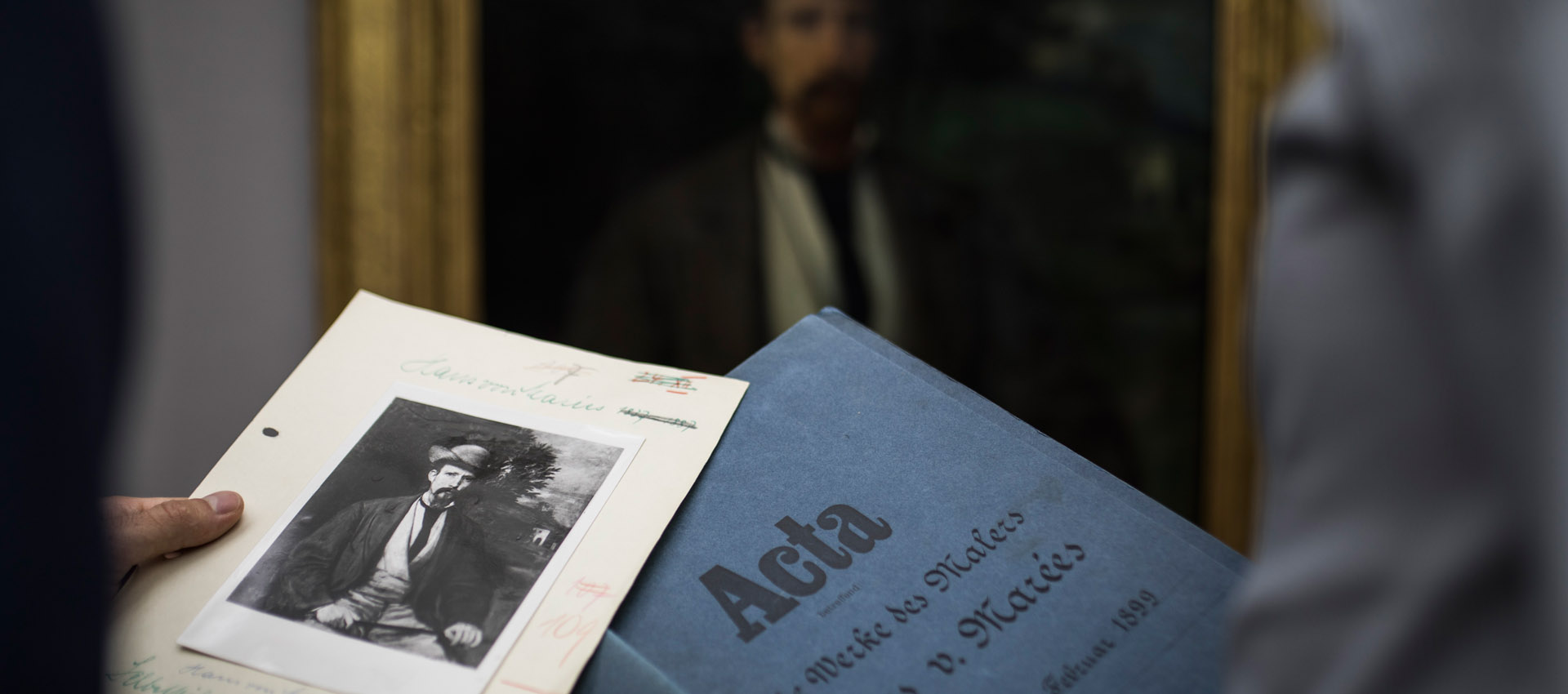
In the GDR, this led to cases of expropriation. And here, once again, the provenance researchers from the Central Archive are called upon. To illustrate this, Sven Haase produces a copy of an old newspaper article in front of Franz Marc’s woodcut ‘Tiger’ (1912). The article from the Sächsisches Tageblatt dated 14 October 1960 – published before the Berlin Wall was built – describes how a West German ‘visitor’ named Hans Peters attempted to remove his late mother’s estate from the GDR, including 57 graphic works by major artists such as Slevogt, Nolde and Liebermann. Citing the GDR’s strict export restrictions, the artworks were immediately confiscated and Peters was imprisoned for eight months. Thus, the prints, including the woodcut in question, became state property and were transferred in 1961 by the Ministry of Culture to the Kupferstichkabinett Ost, which was then housed in the Altes Museum.
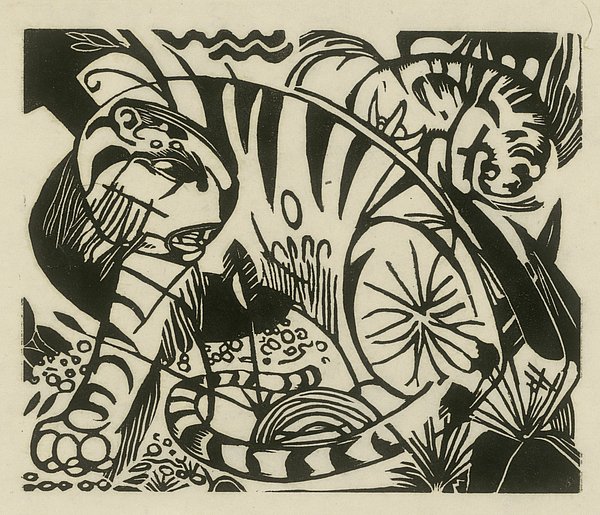
As far as provenance research is concerned, the political and moral focus of museums is clearly on investigating unlawful expropriation during the Nazi era. However, when it comes to addressing injustices committed in the GDR, provenance researchers are also keen to explore this area and identify any potential heirs.

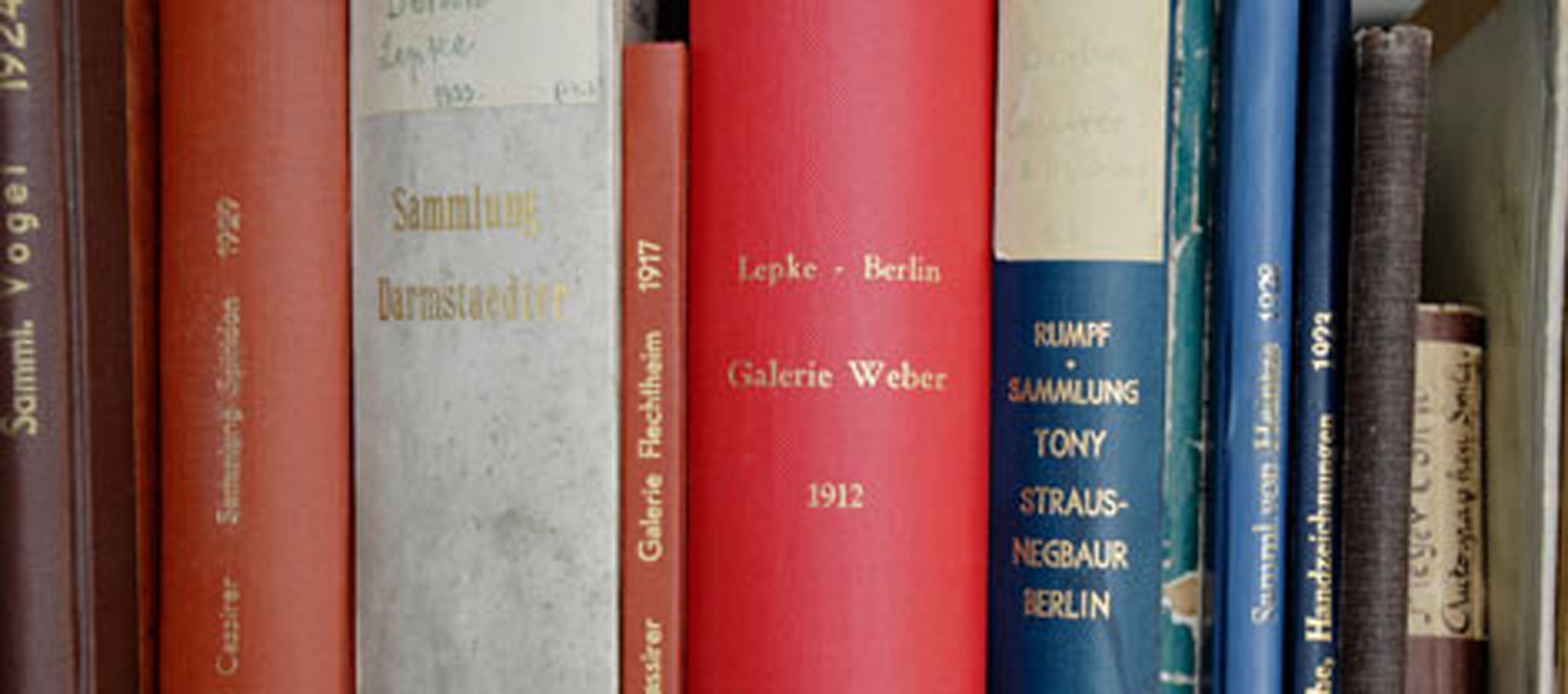
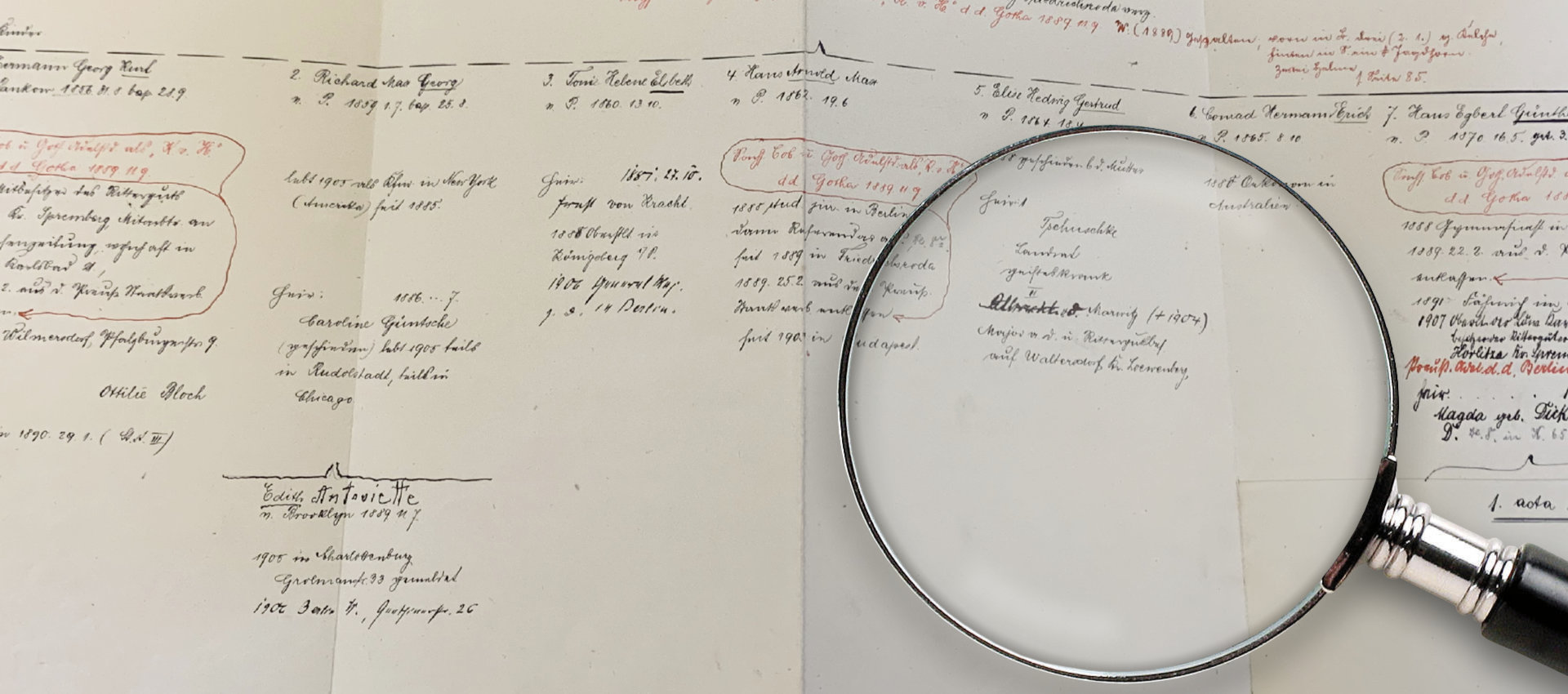
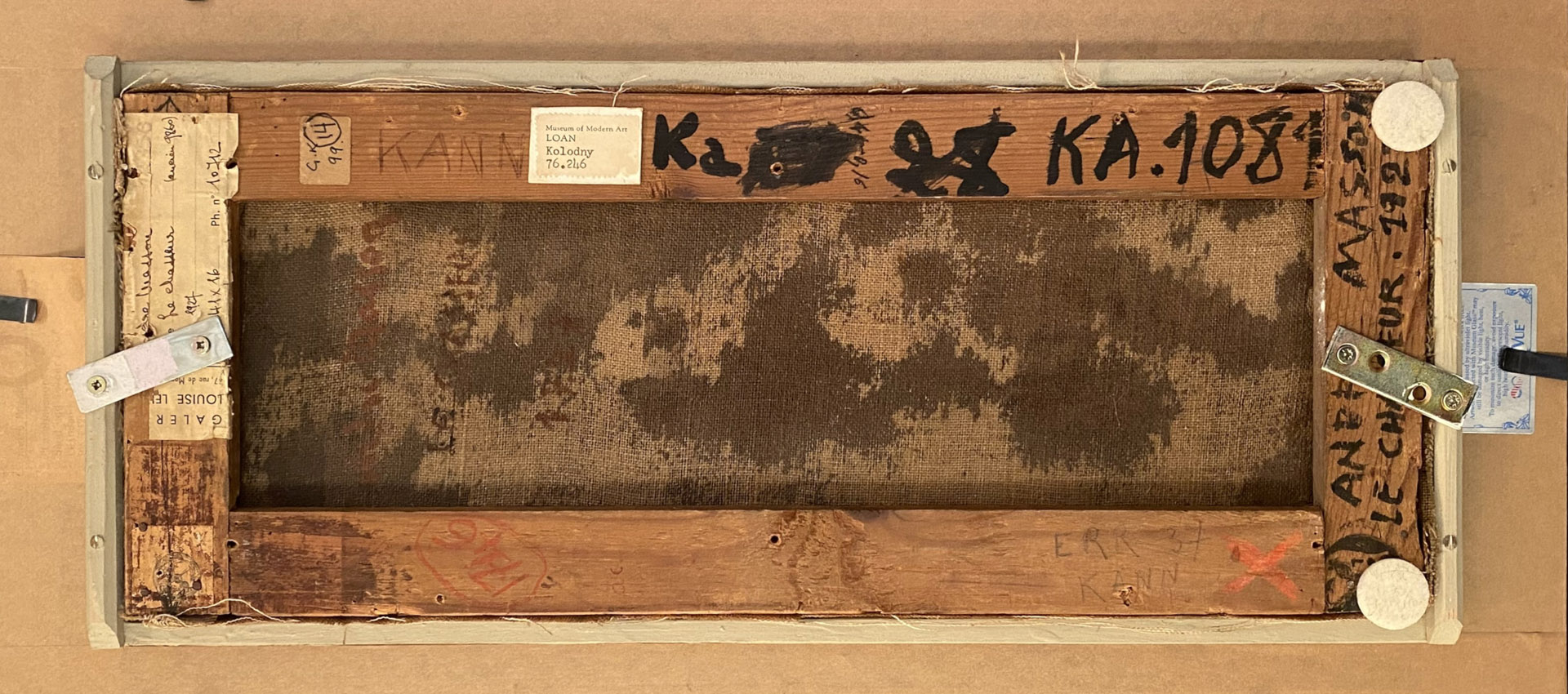
It is a painstaking yet vital task to shed light on the often obscure and elusive provenance of artworks – a task made all the more difficult by the loss of records due to the war. Particularly when preparing exhibitions, the provenance researchers at the Central Archives are the first port of call for the curators of the State Museums. Close collaboration, such as that between Andreas Schalhorn and Sven Haase, is not only helpful in this regard – it also brings the history behind the pictures to life.