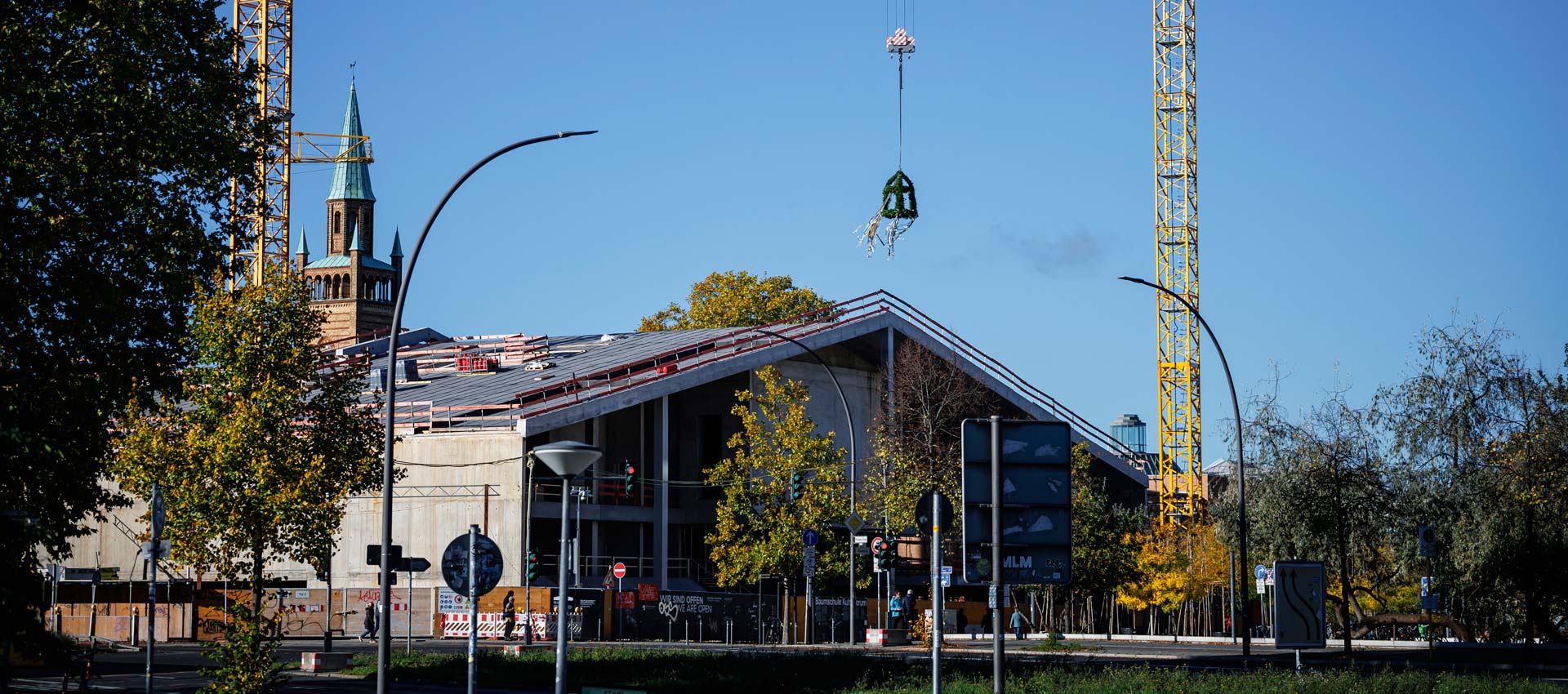
The topping-out ceremony for berlin modern shows that a new museum is taking shape here, one that will take visitors on a tour d’horizon through the wild art of the 20th century, spanning an unprecedented range of media
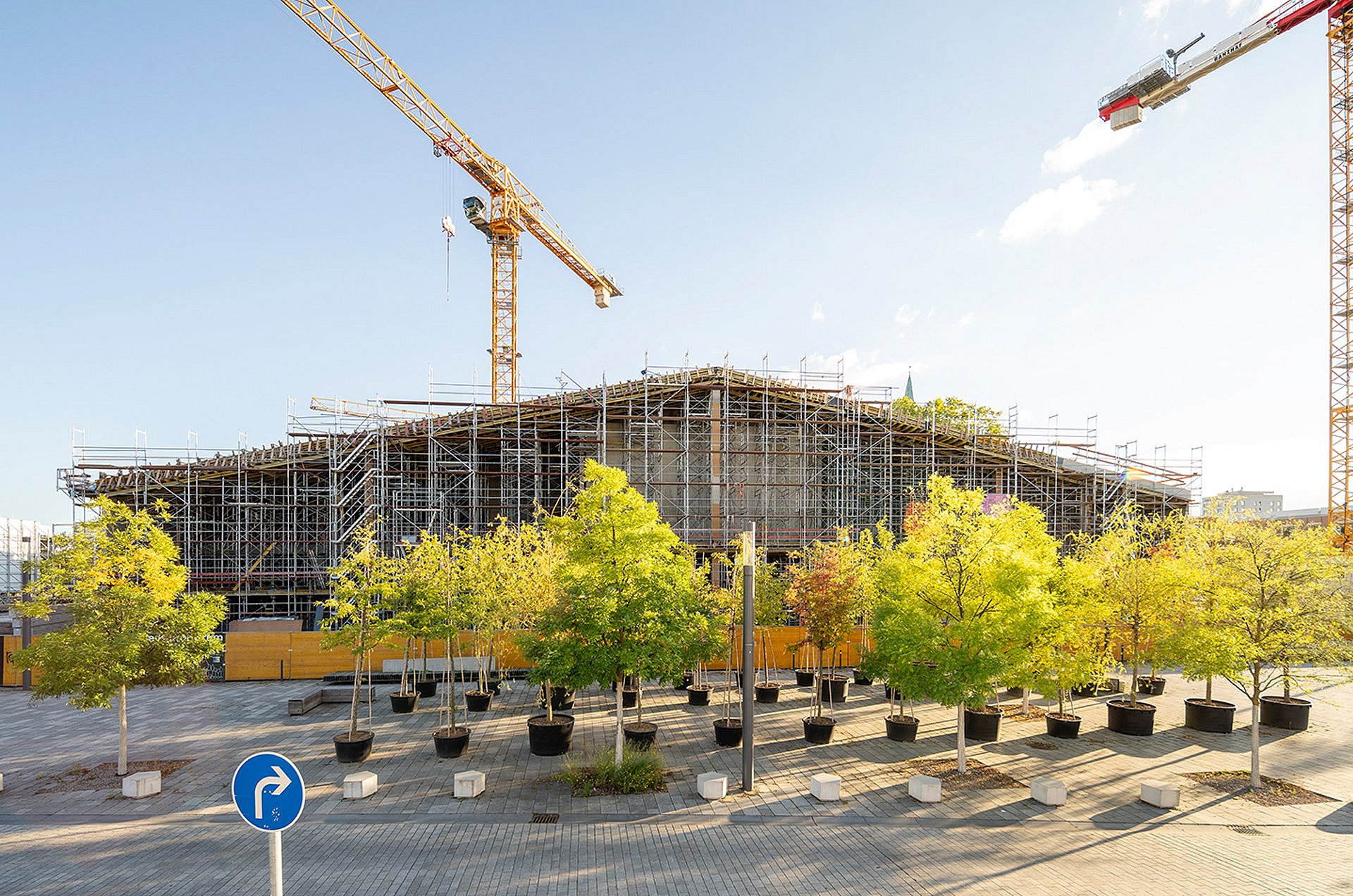
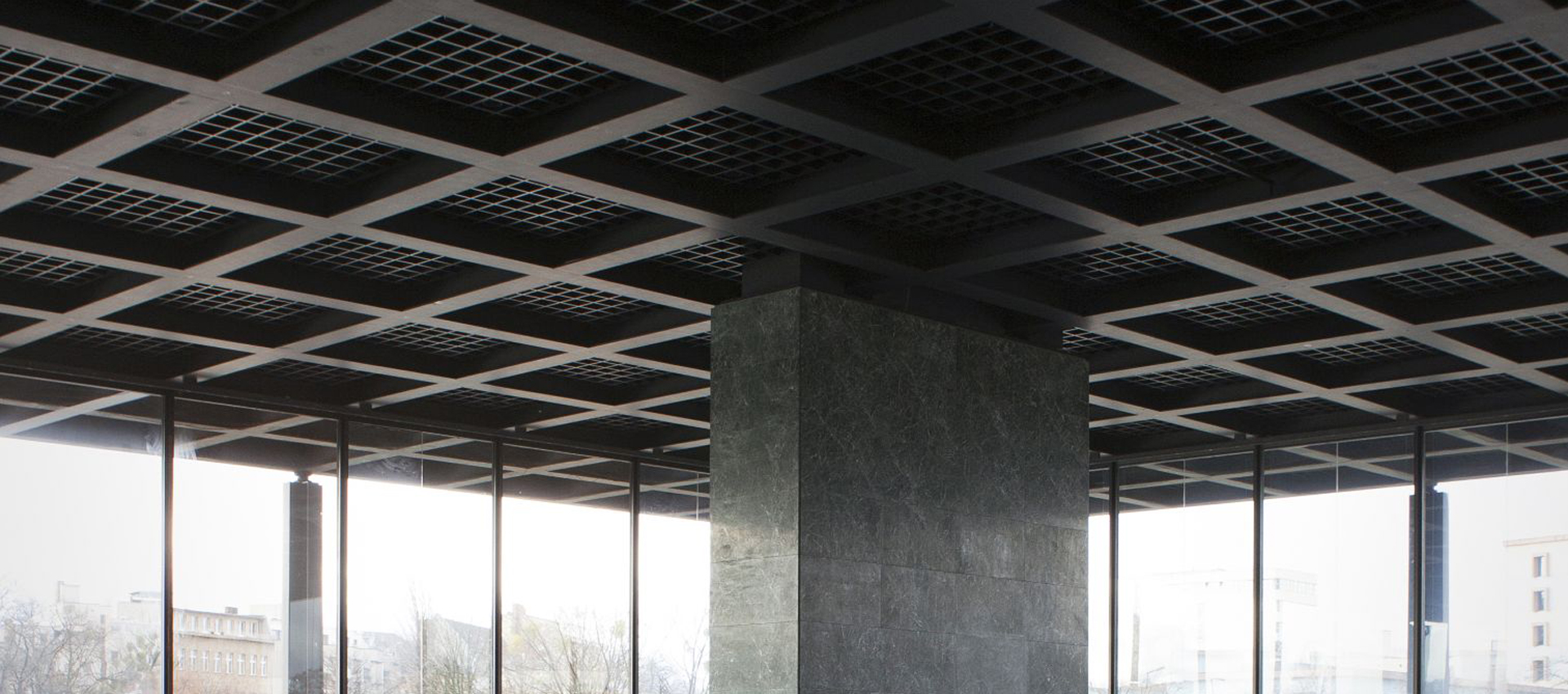
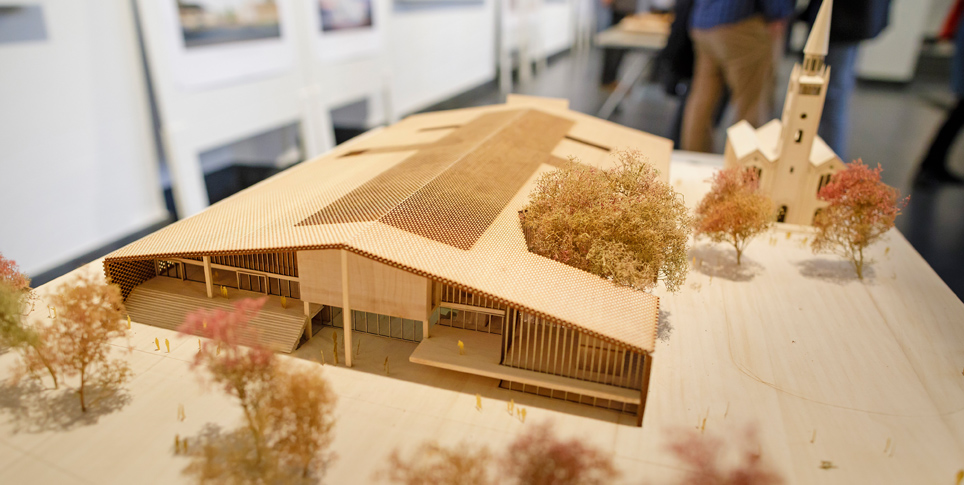
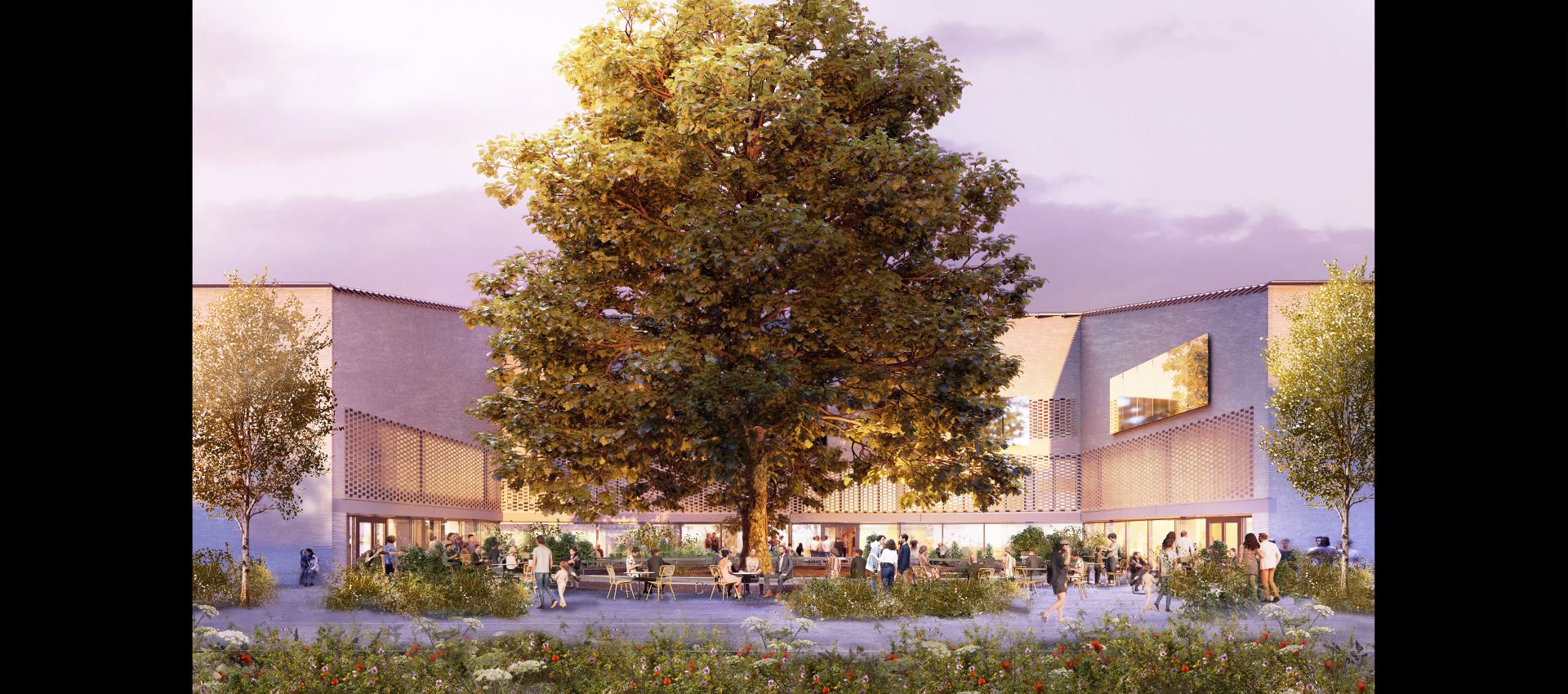
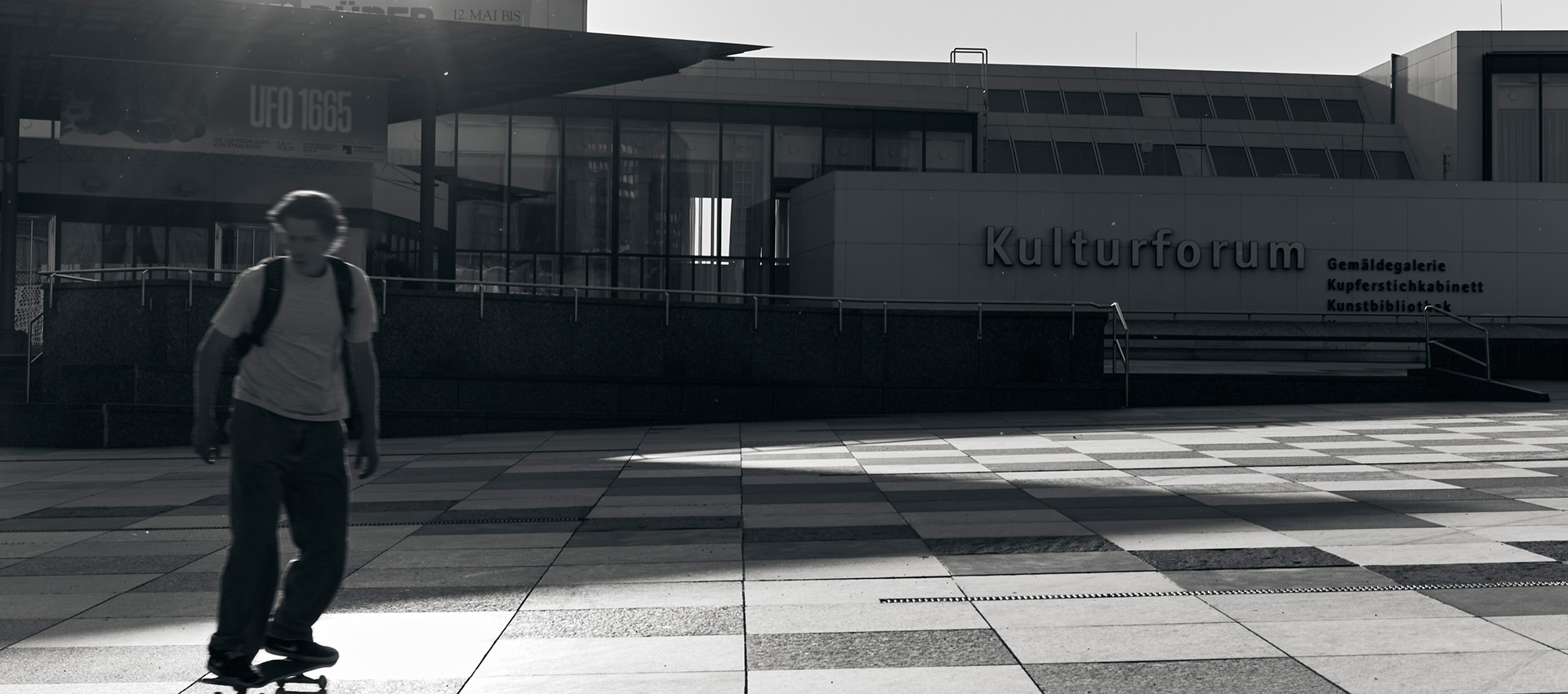
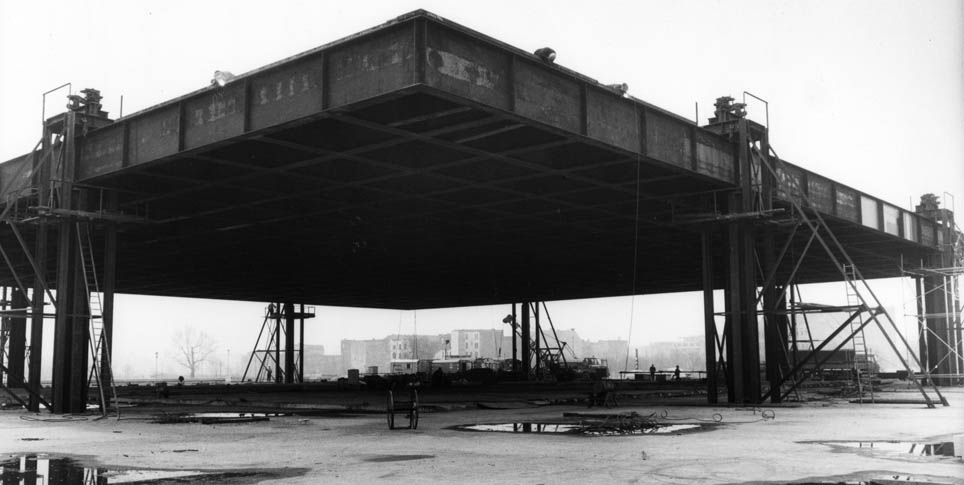
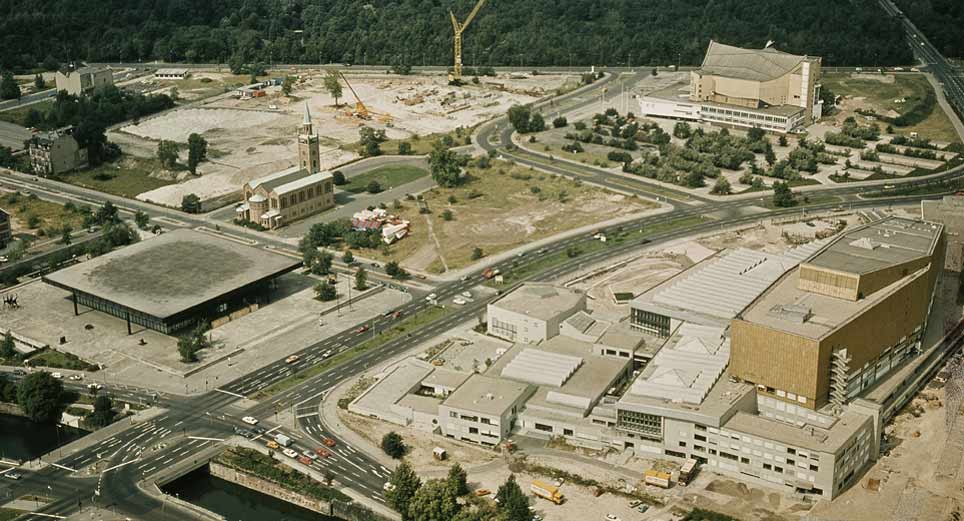
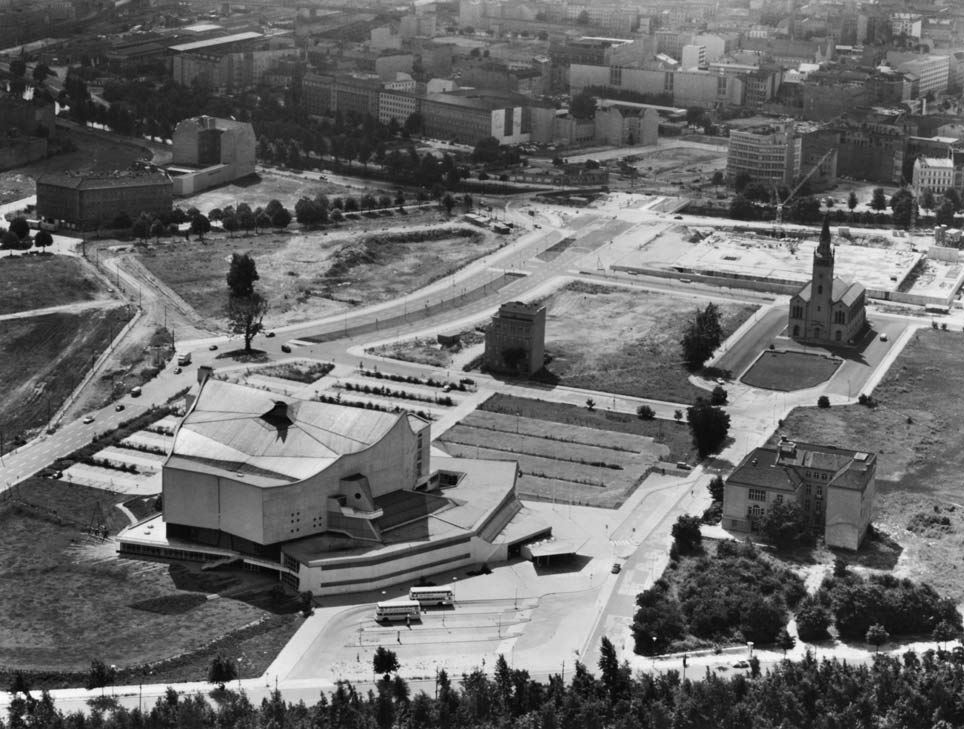
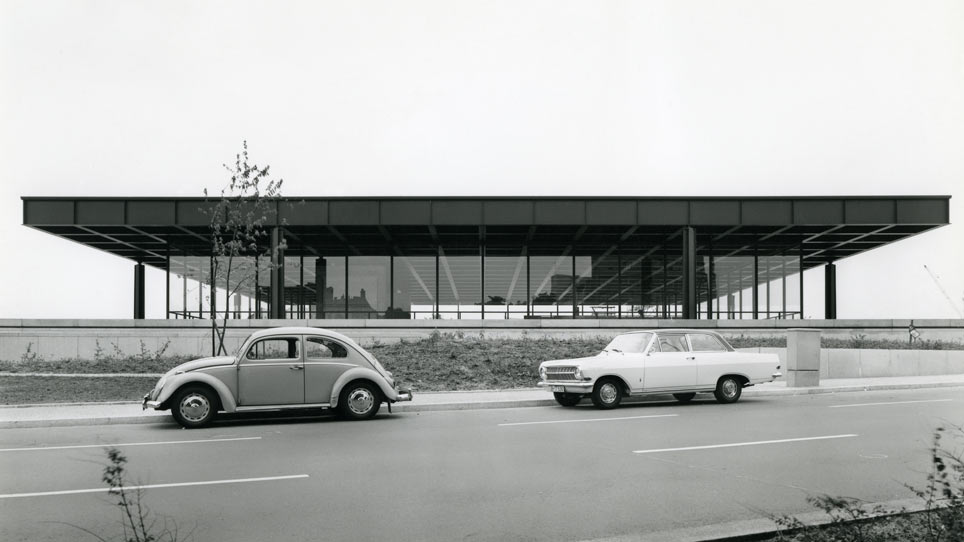
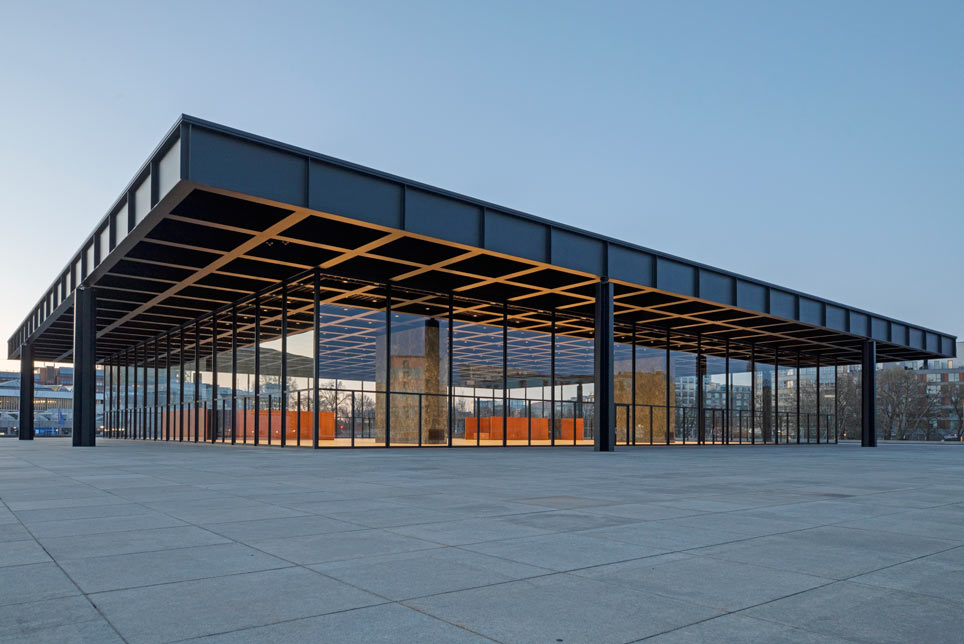
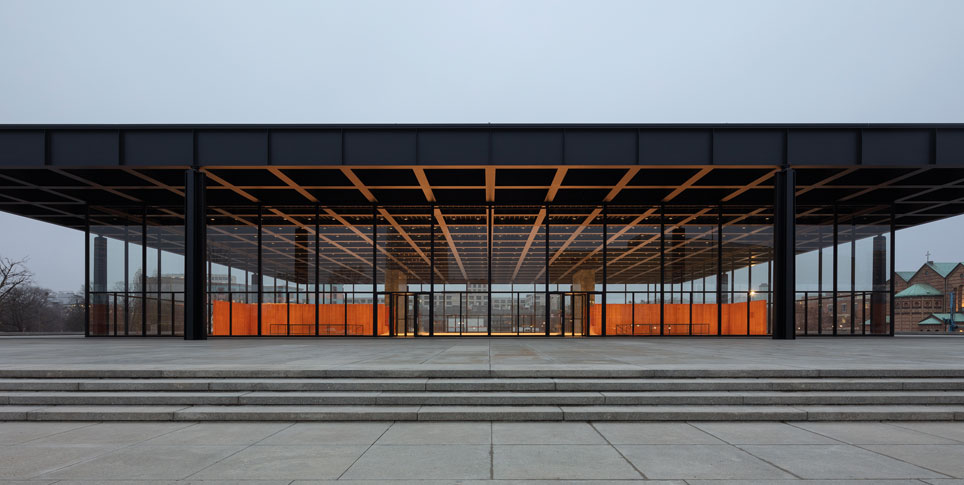
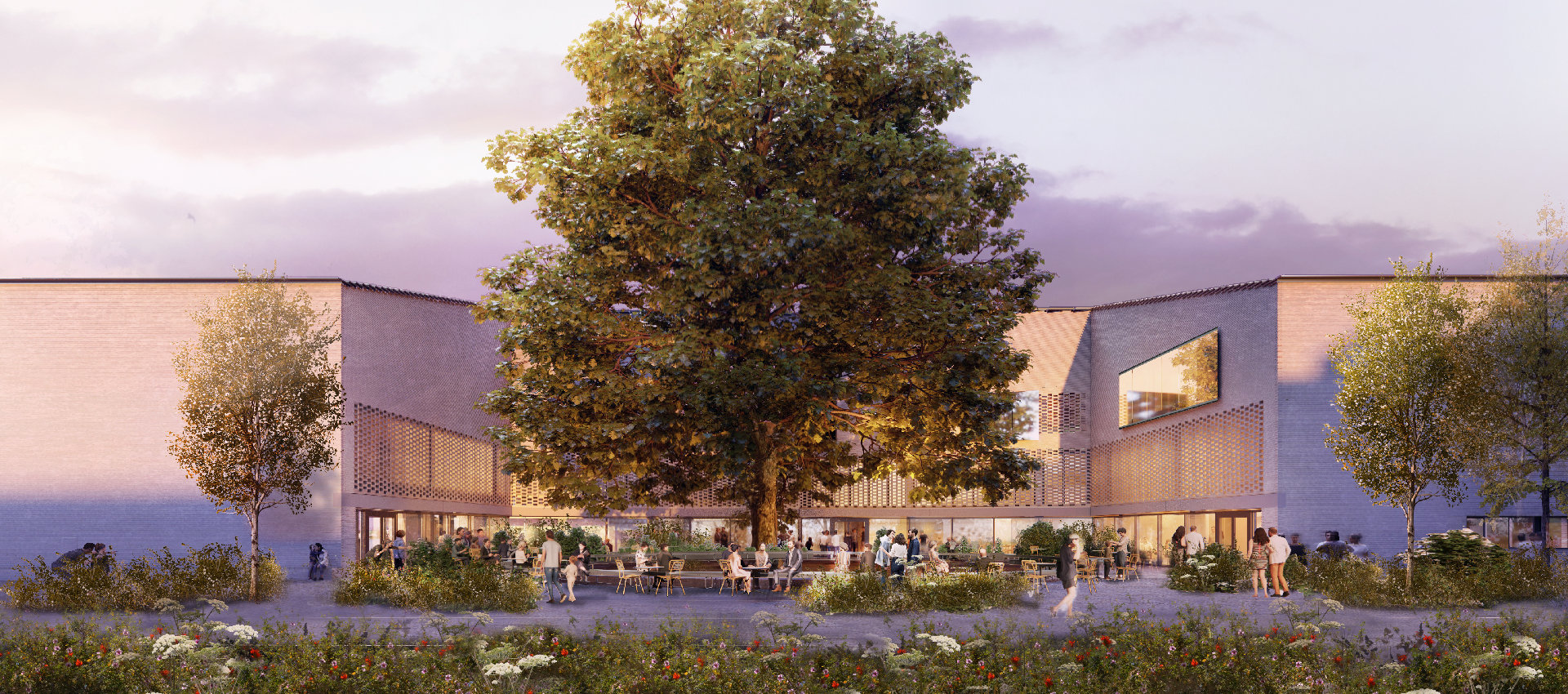
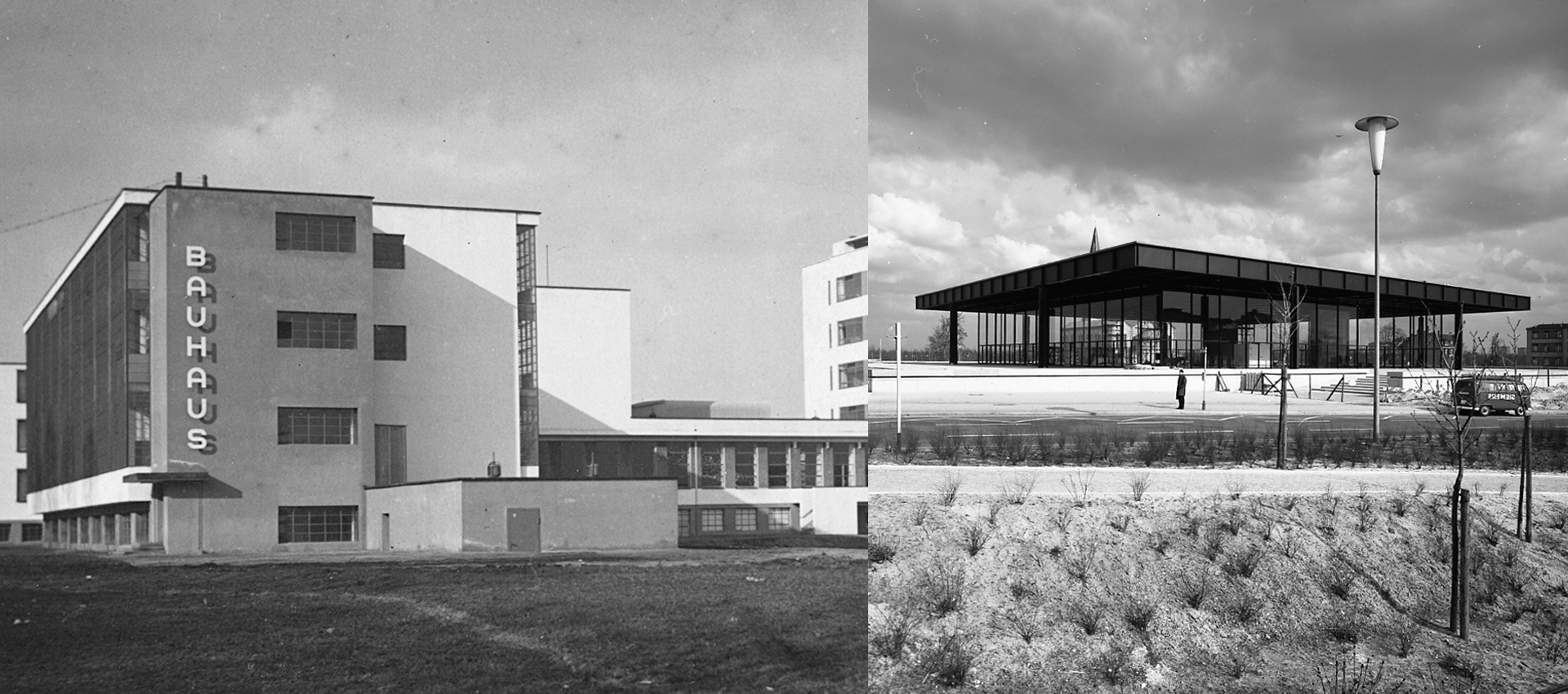
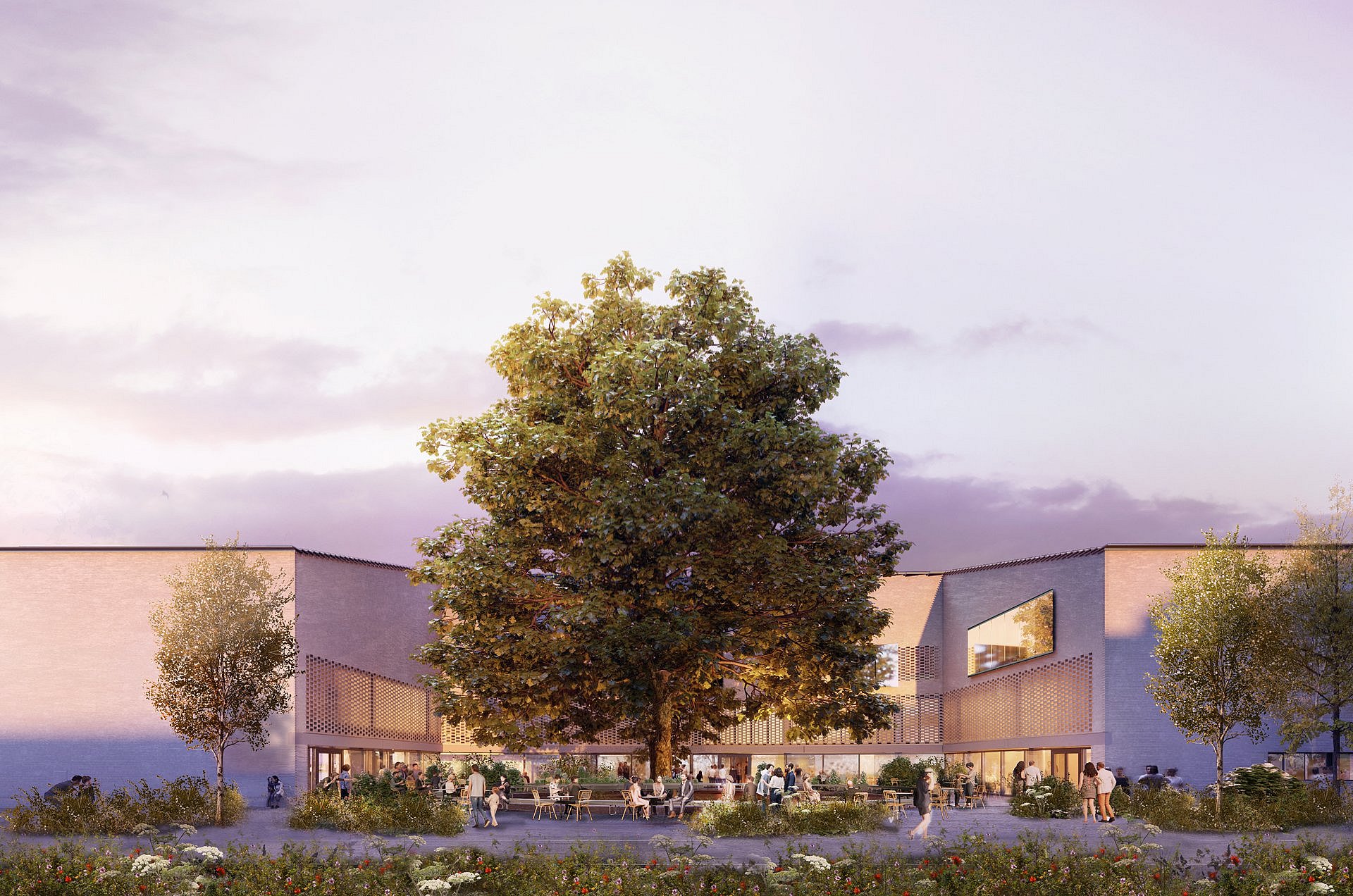
Everything has probably already been said about the design of the new museum at the Kulturforum, the ‘berlin modern’. A barn, an ‘Aldi of art’, an archetypal building for everyone – a structure intended to complete the Kulturforum and bring about urban regeneration. We await with bated breath to see to what extent these comparisons hold true, or whether the actual berlin modern will inspire Berliners – who are so fond of renaming things – to come up with something else entirely (as a reminder: the neighbouring Neue Nationalgalerie, designed by Mies van der Rohe, has been called not only a ‘temple of modernism’ but also a ‘petrol station’). And after all, it has always been the case in Berlin’s history that buildings with nicknames have been particularly close to people’s hearts. One need only think of the ‘Pregnant Oyster’ …
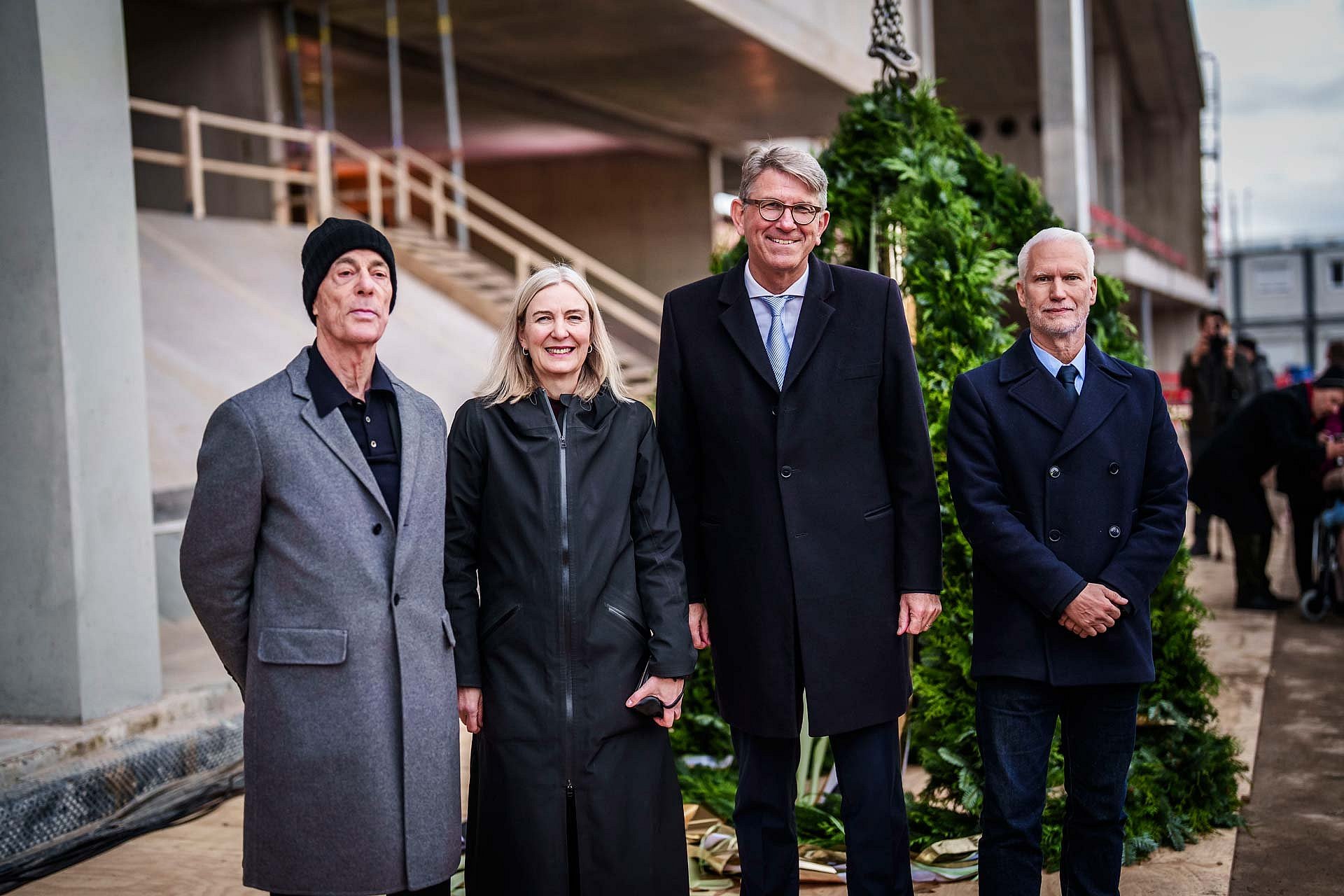
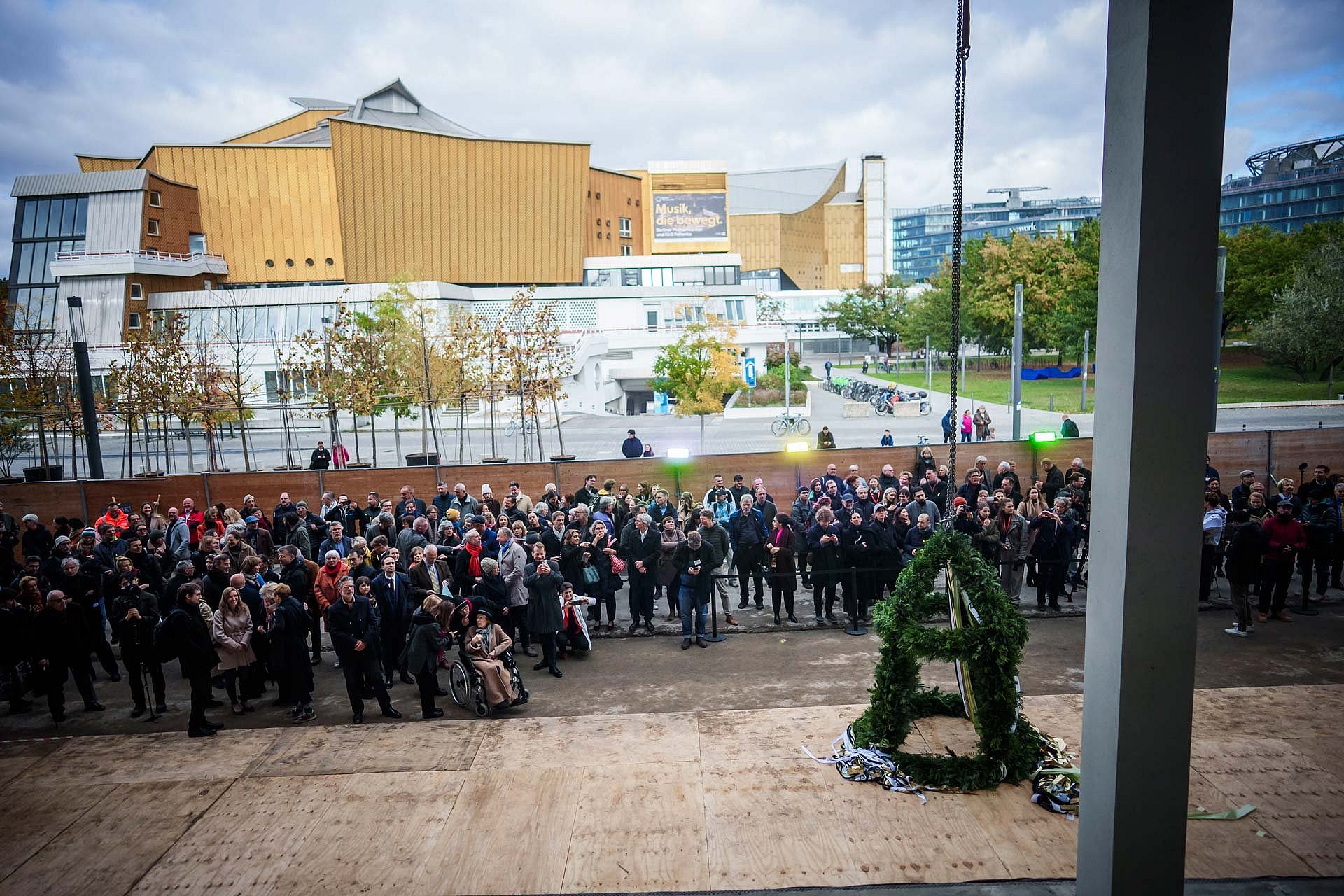
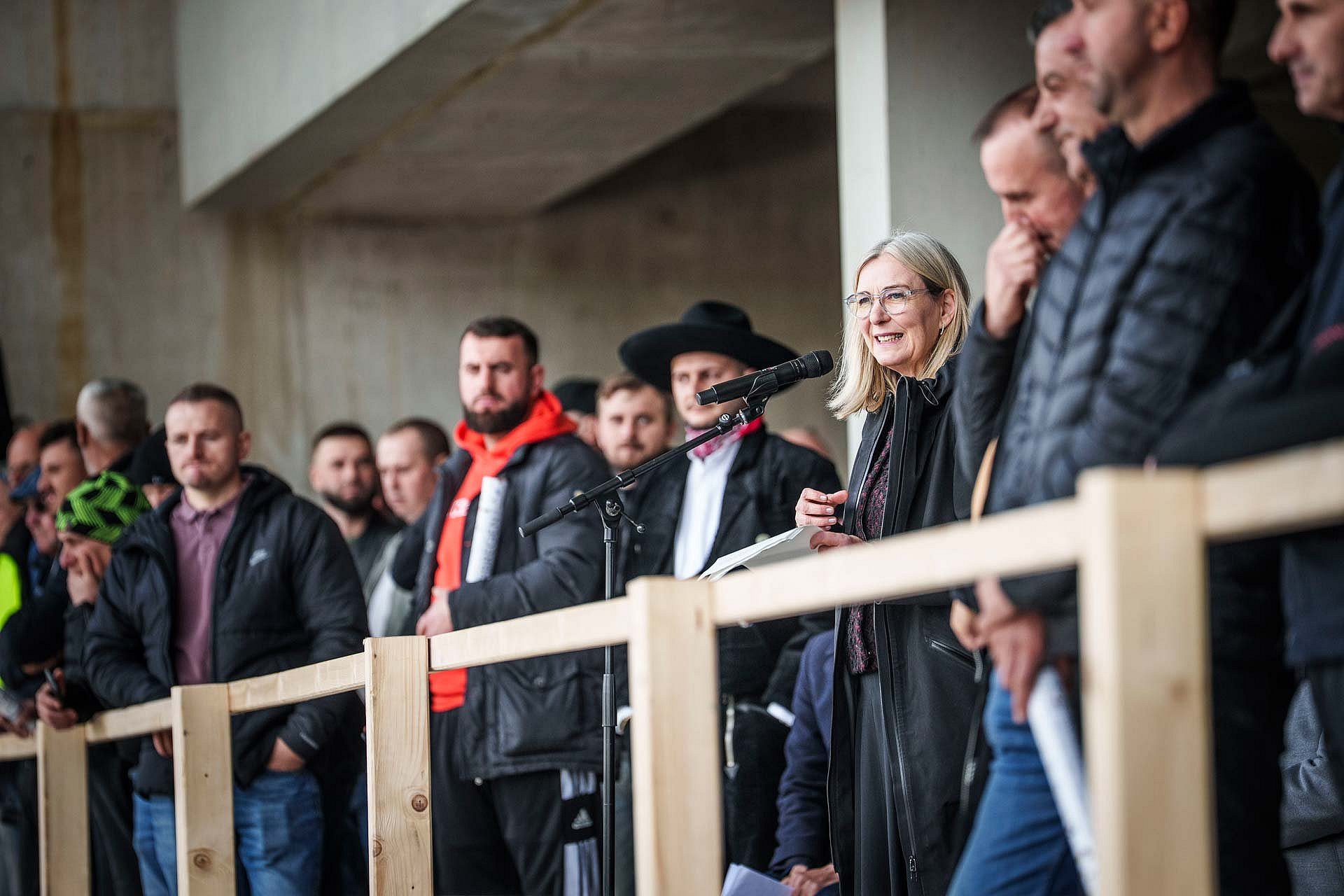
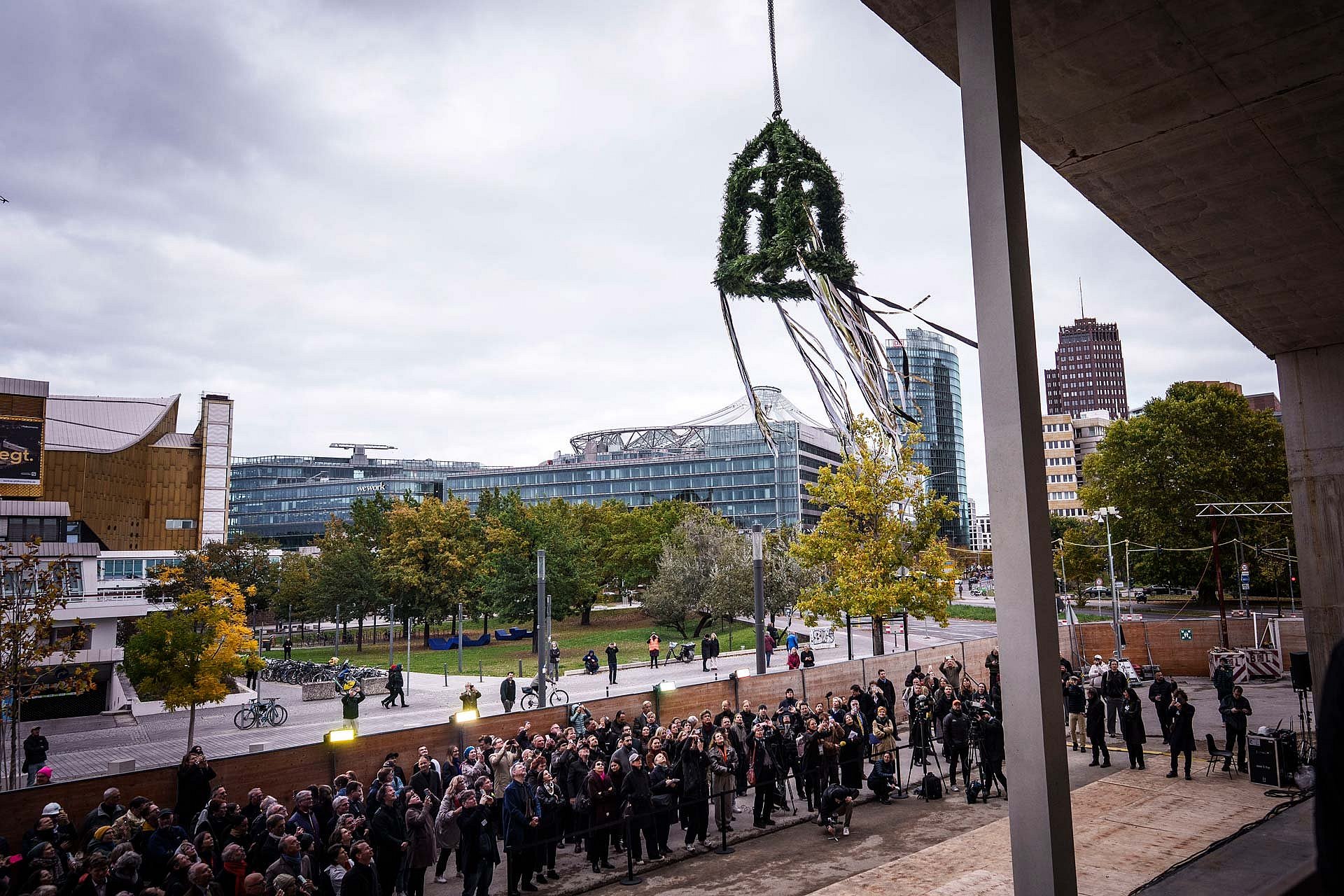
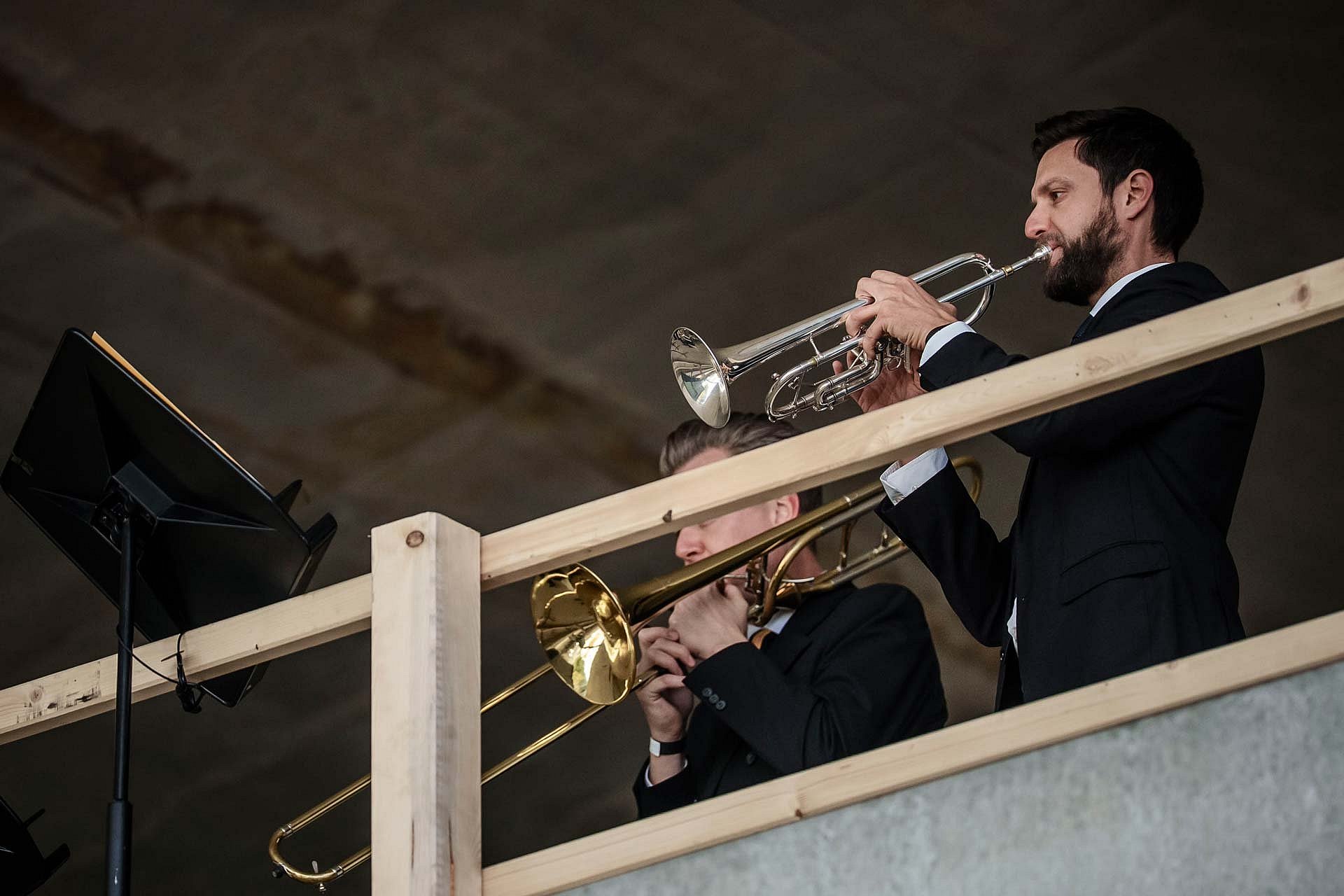
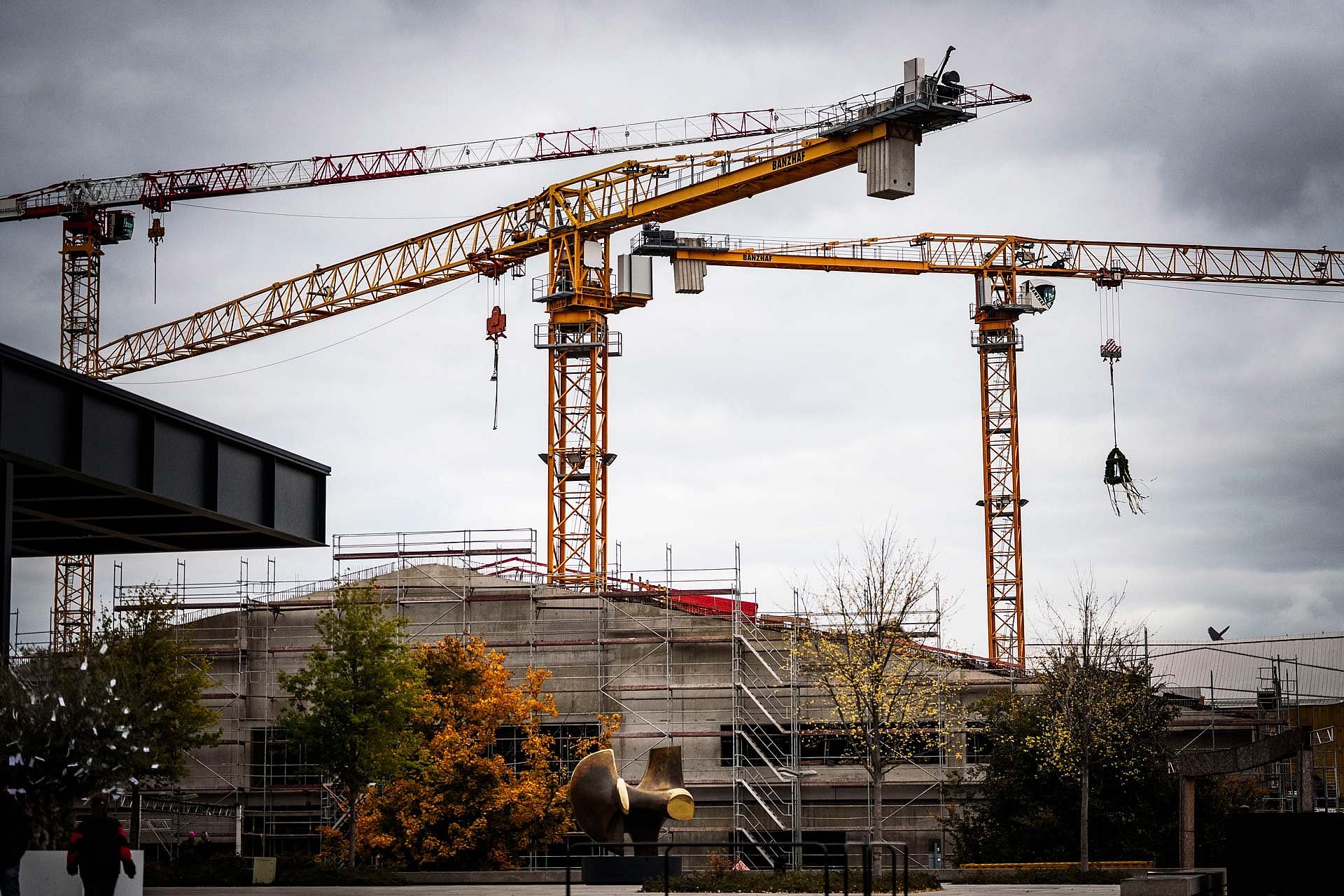
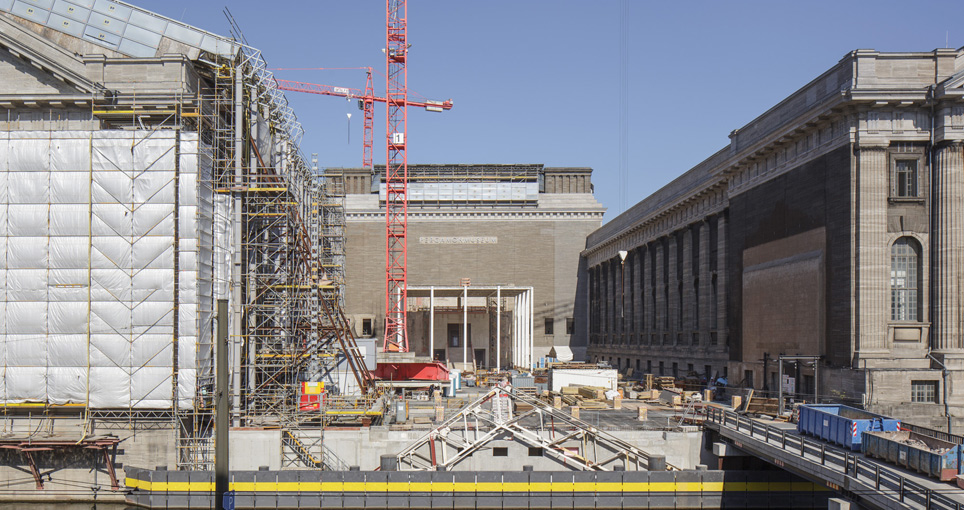
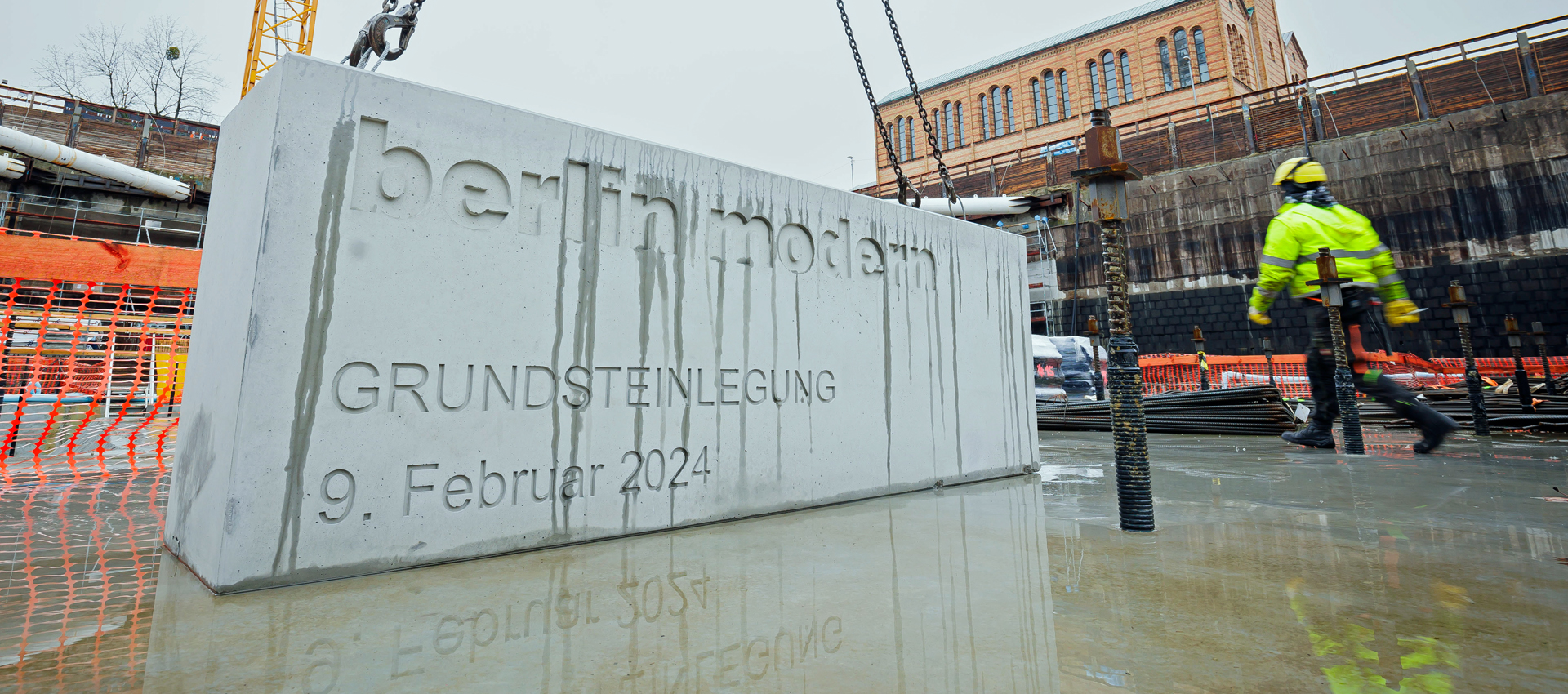
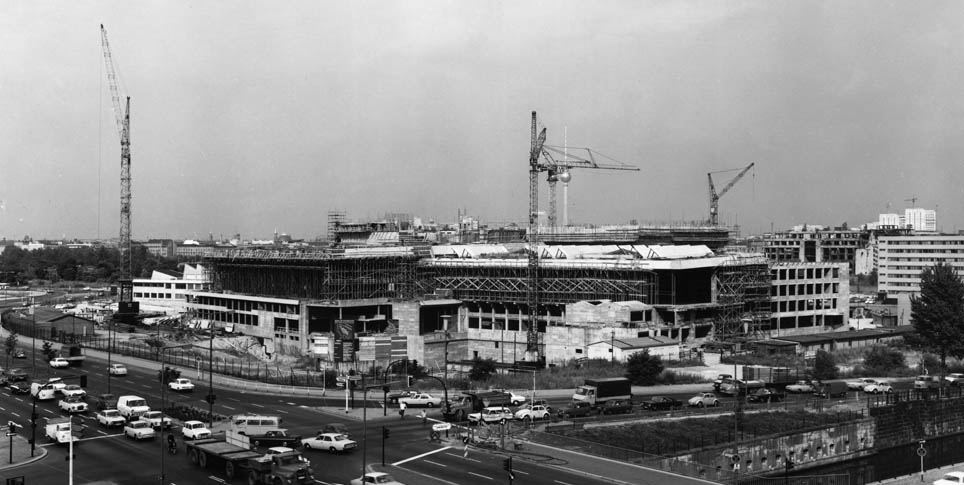
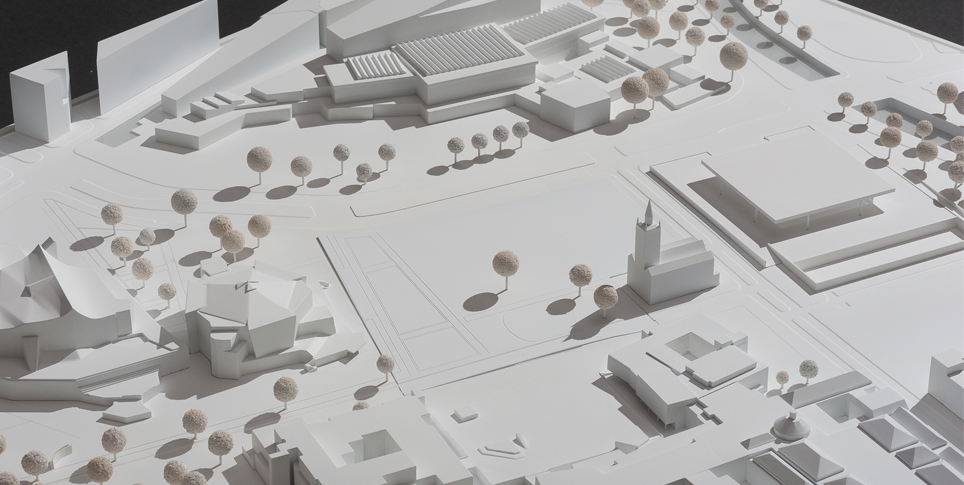
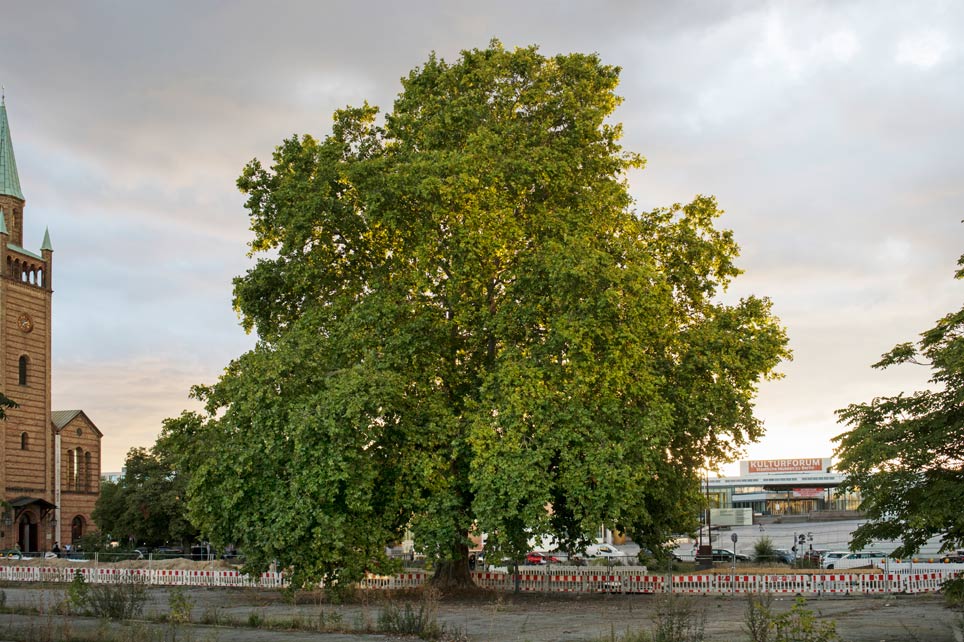
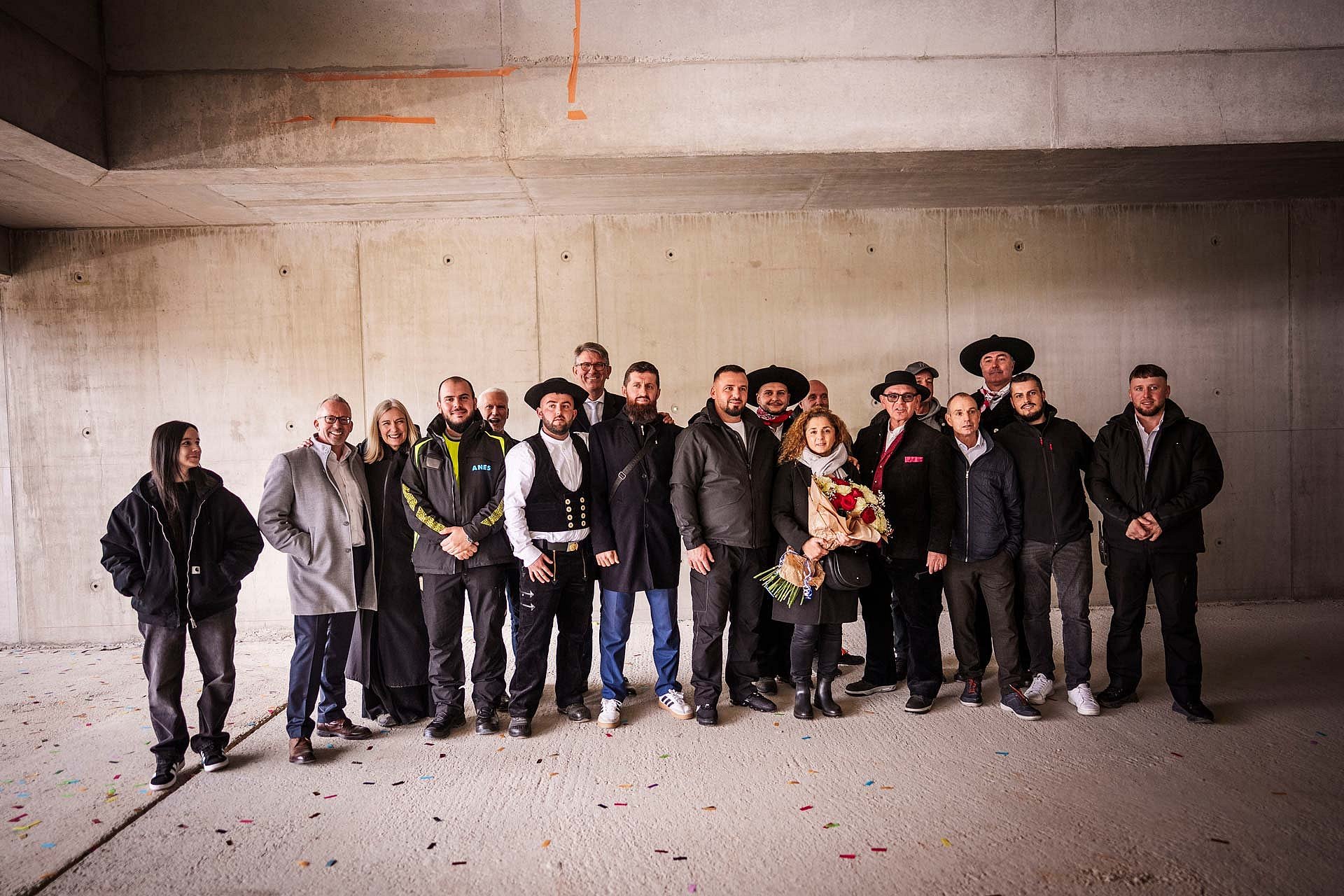
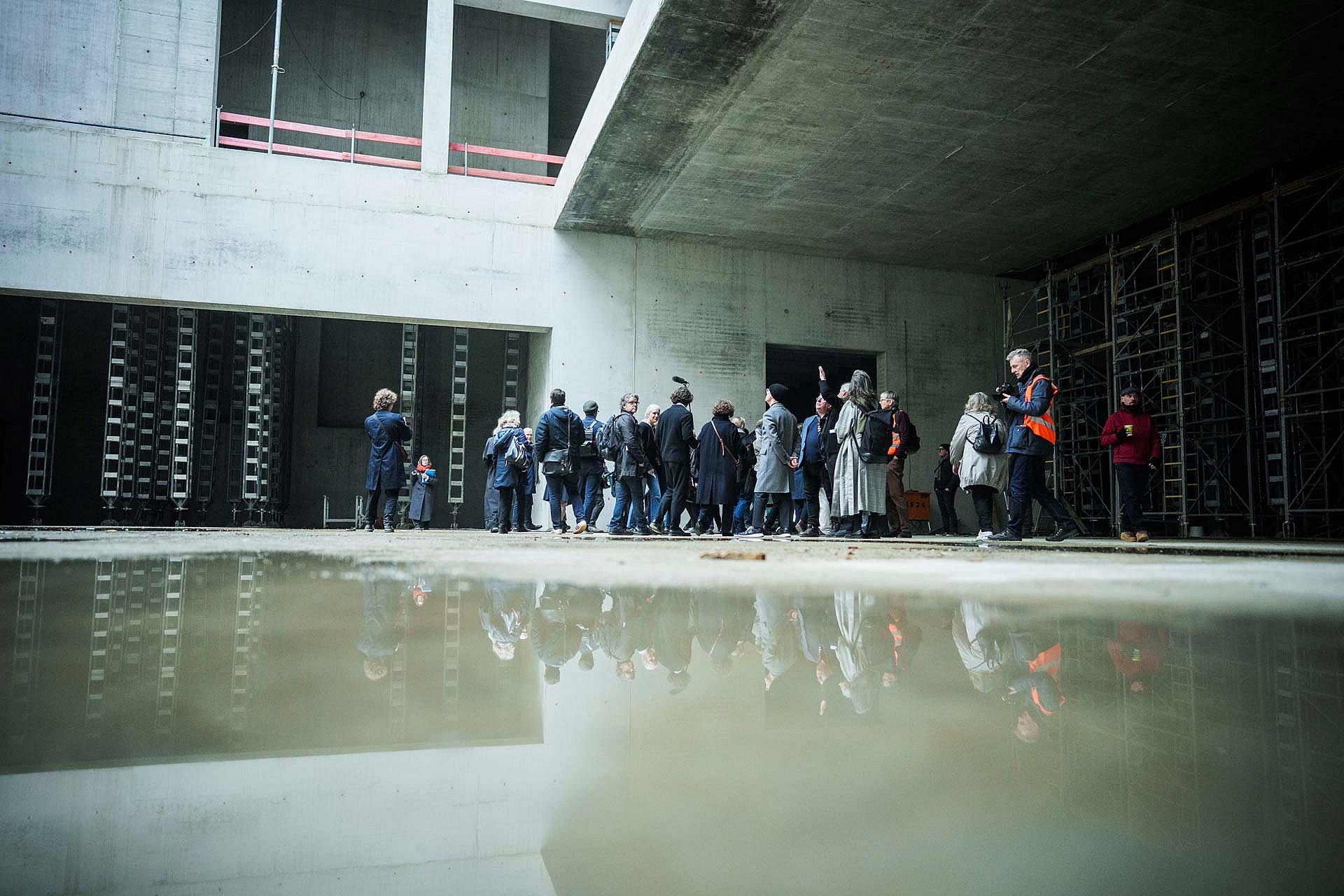
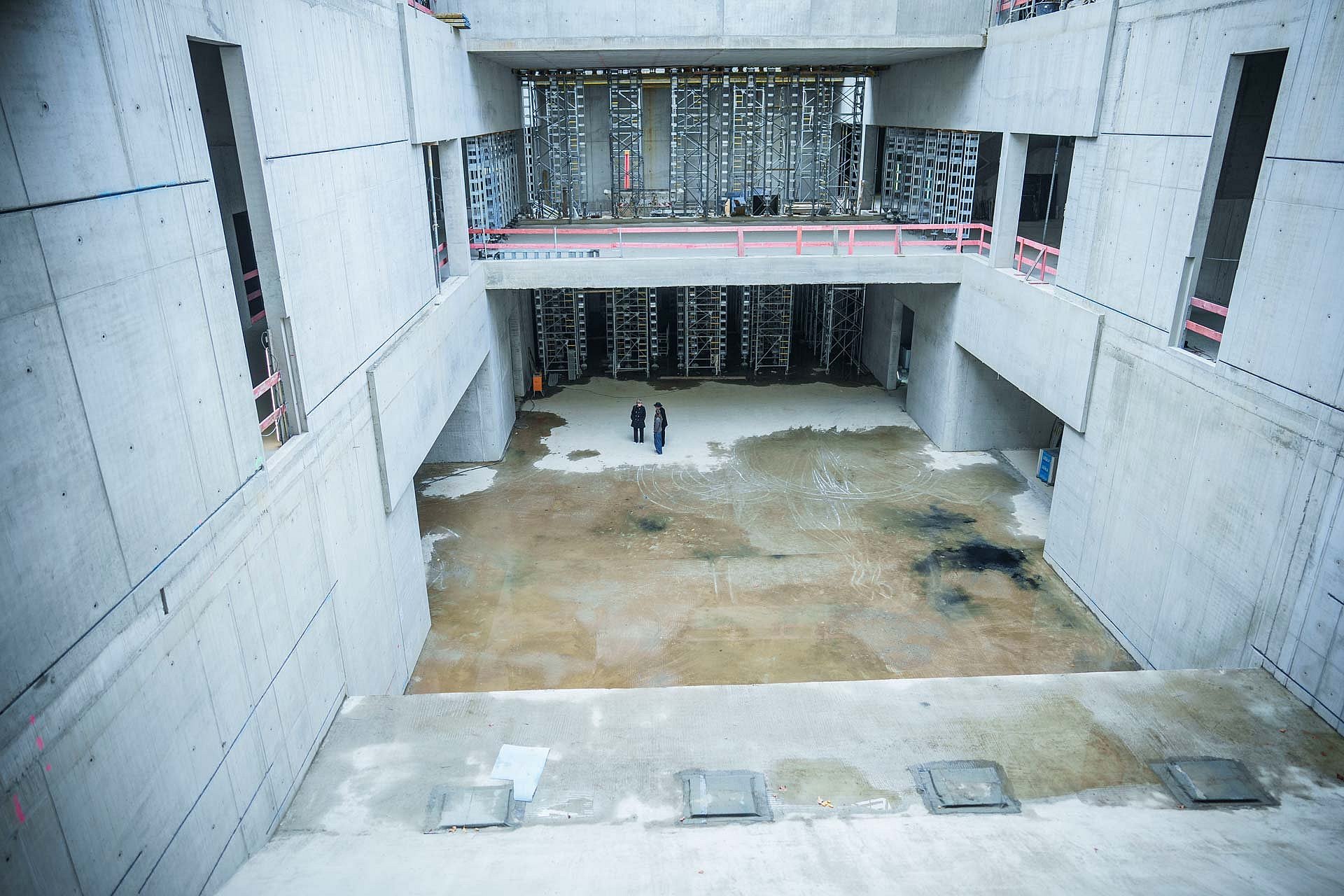
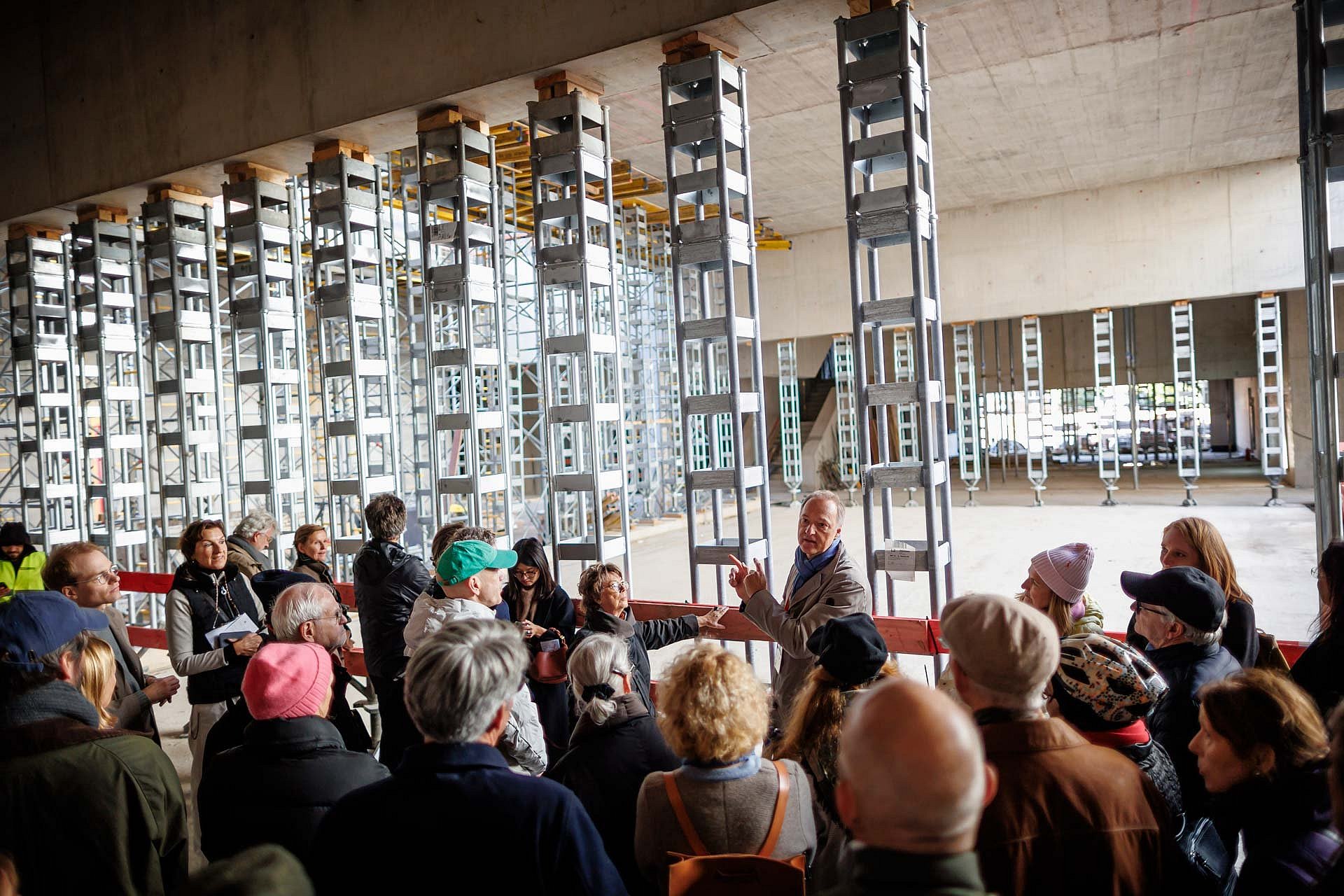
The topping-out ceremony on 17 October and the two subsequent open-site days, which attracted over 7,000 visitors, clearly demonstrated that these designs have finally taken shape: the walls now reach the ridge height, and visitors to the Kulturforum are now getting a very good idea of what the new, functional building nestled between the two iconic structures might look like.
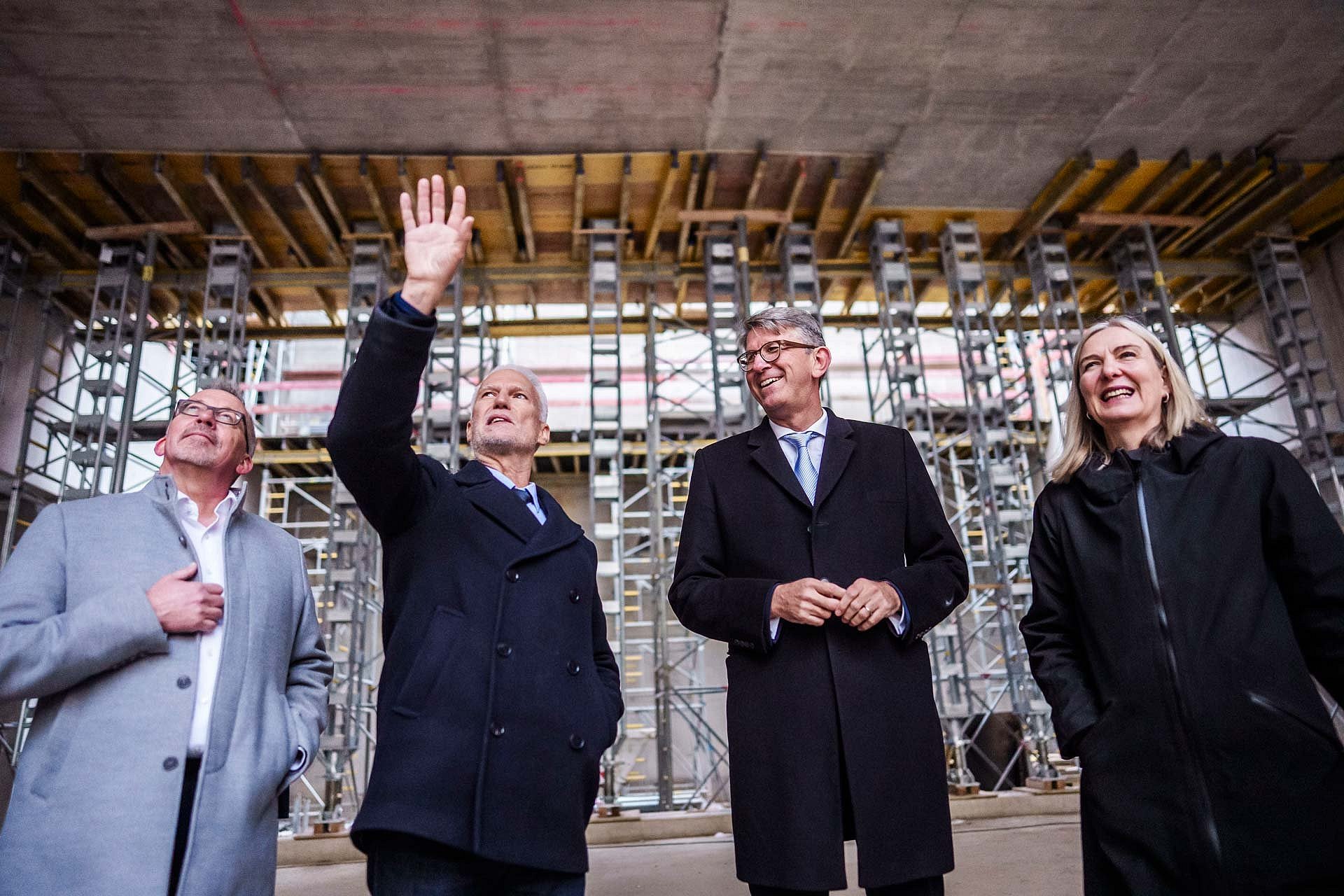
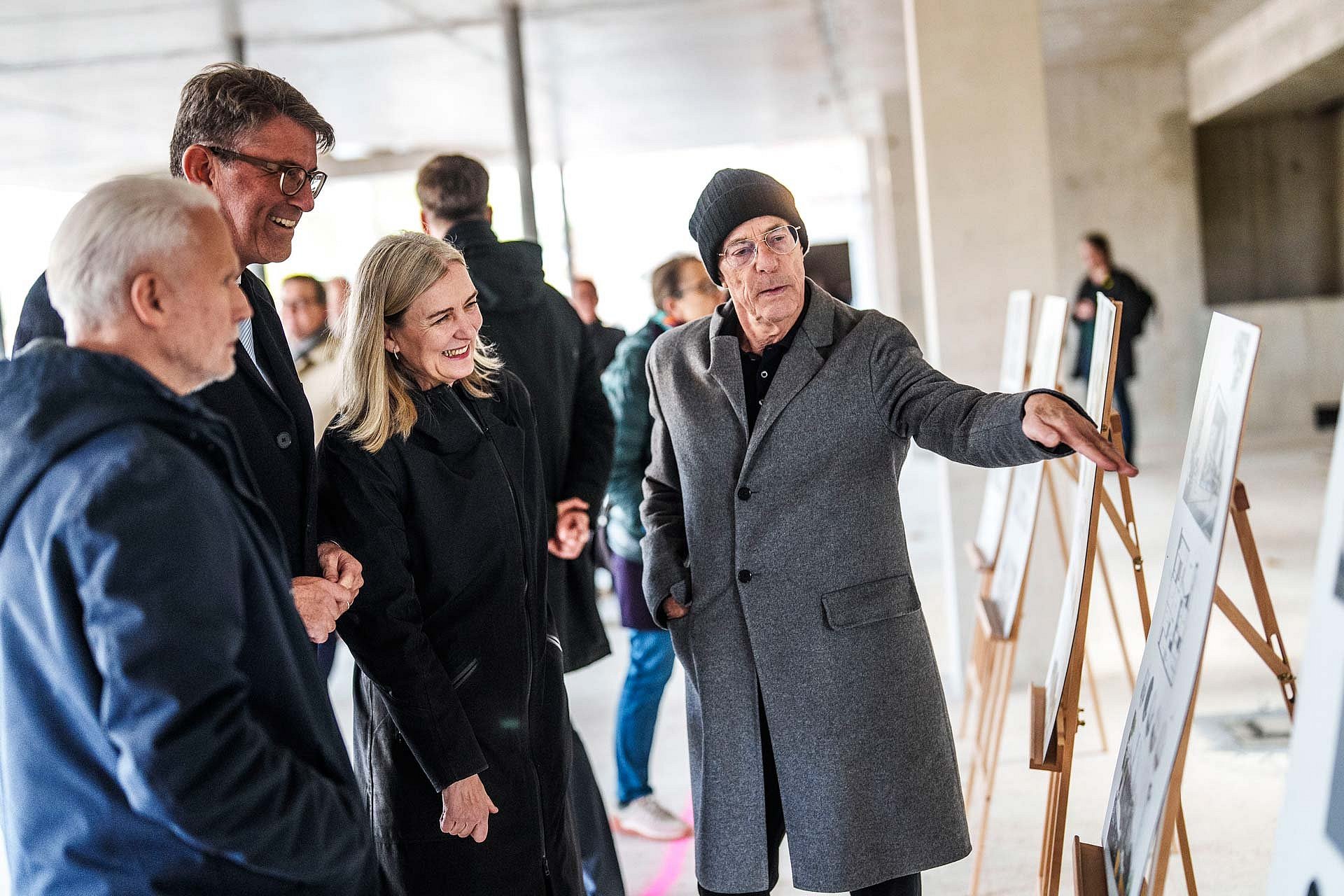
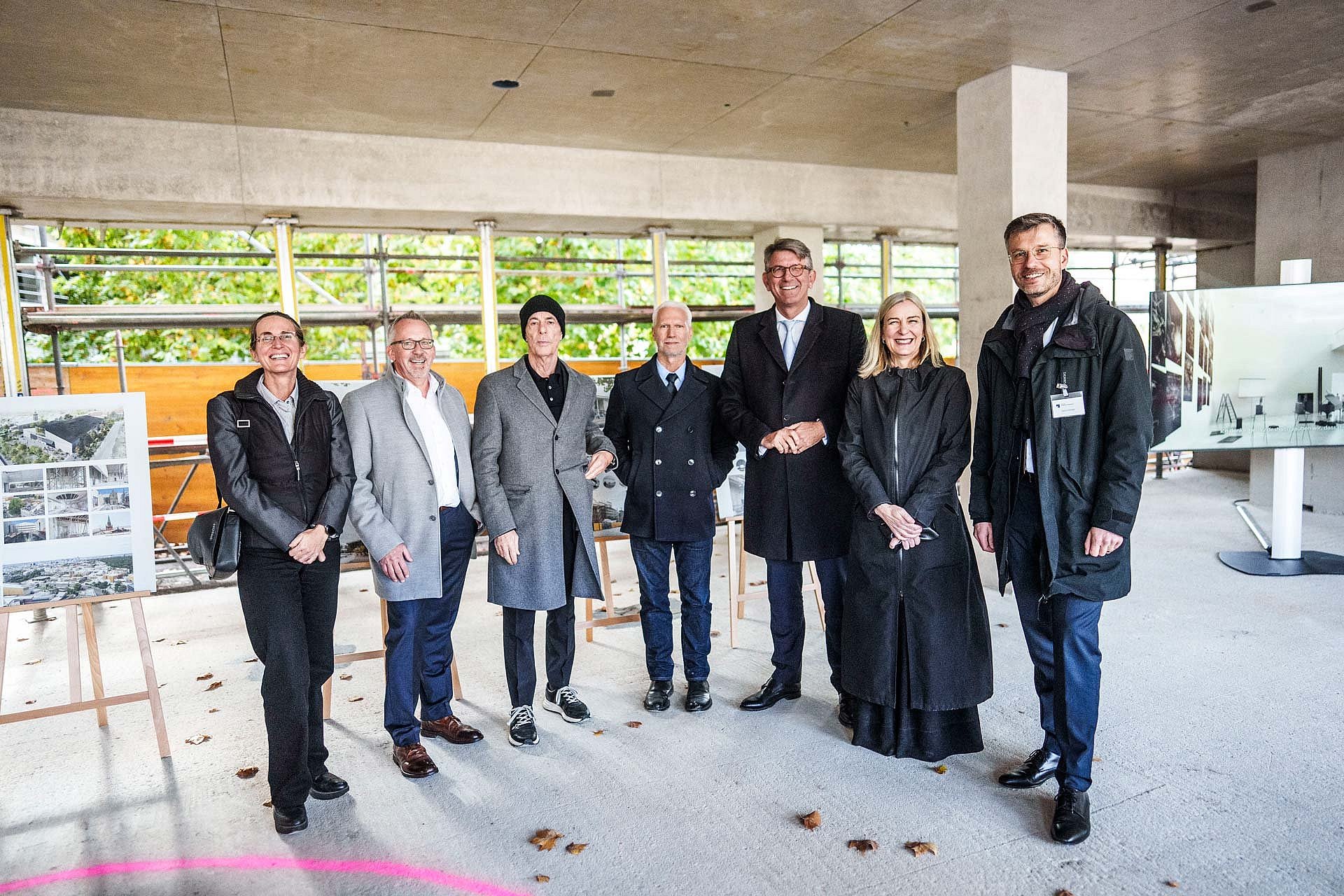
So the building is there; now it’s all about the content: what goes on inside? Why is this building here now, and why is that a good and important thing? How does it benefit people? First of all, one might ask whether there can ever be too many museums.
Regardless of the answer: anyone who has visited the Neue Nationalgalerie recently will certainly have been amazed by the crowds – whether on a Tuesday afternoon or a Sunday at midday, whether viewing Andy Warhol, Lygia Clark or ‘Zerreißprobe’. Queues at the ticket office, a constant stream of visitors in front of the art – and all this despite the fact that only three per cent of the National Gallery’s fantastic collection can be displayed due to lack of space. The extension therefore seems more necessary than ever.
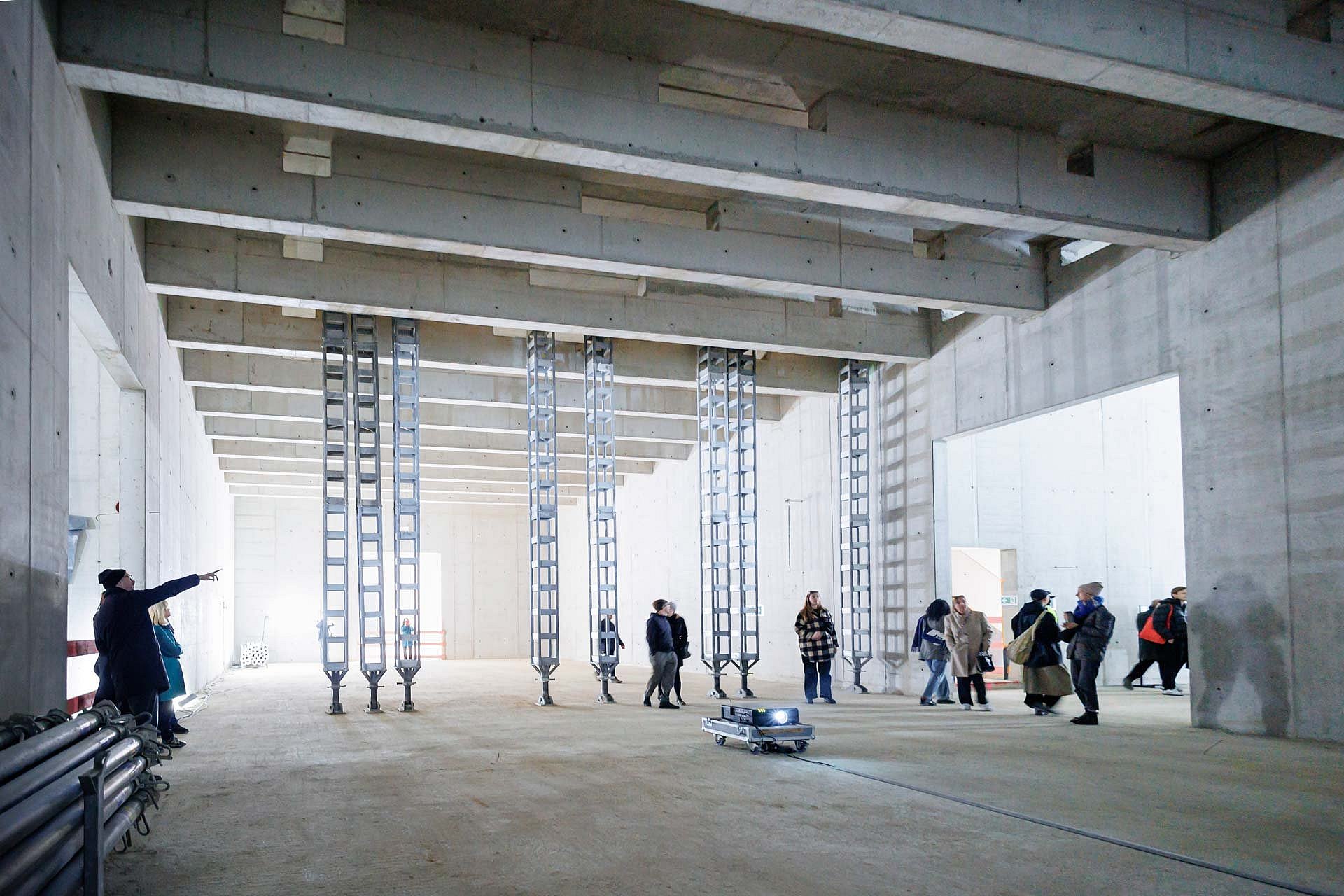
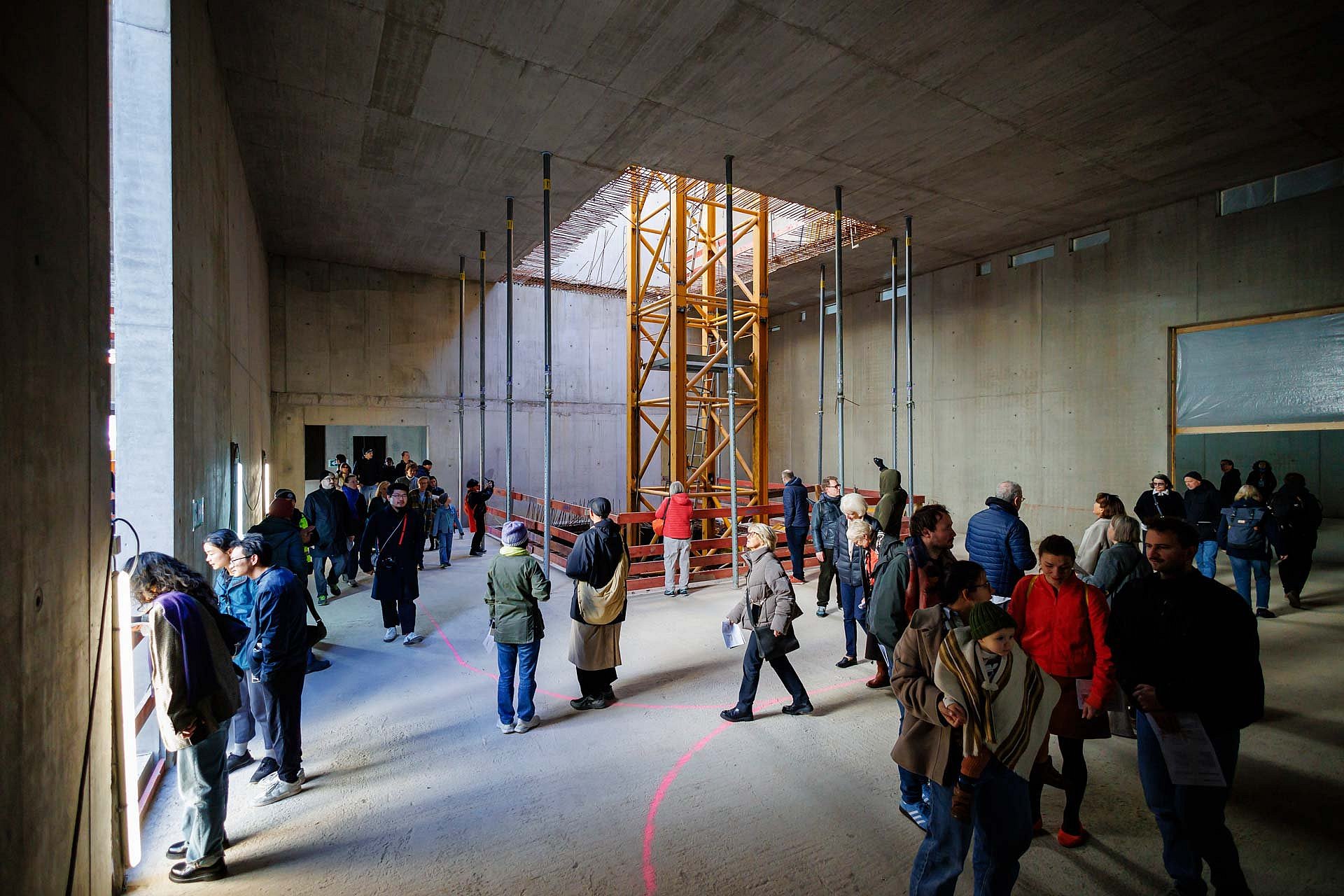
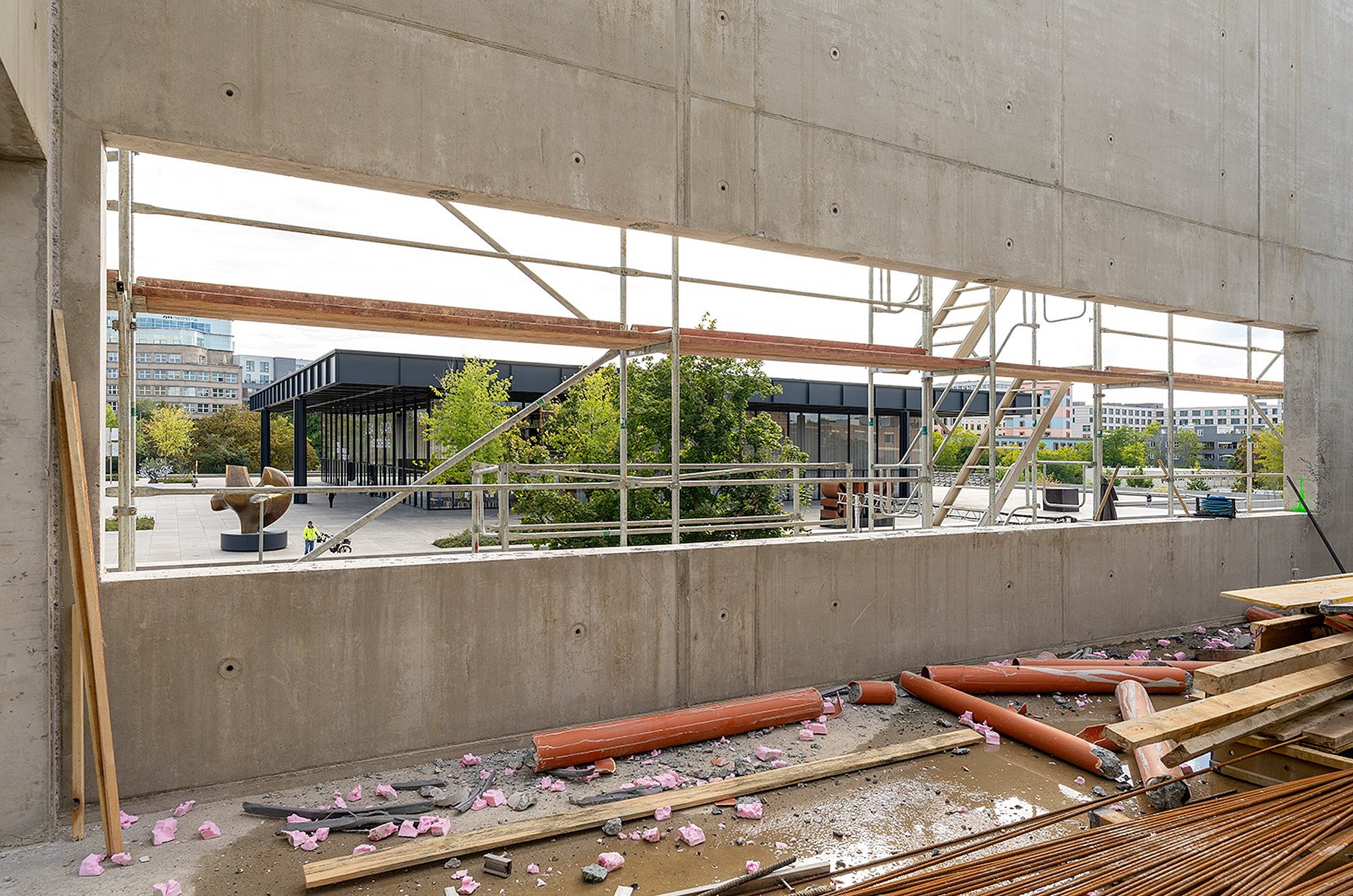
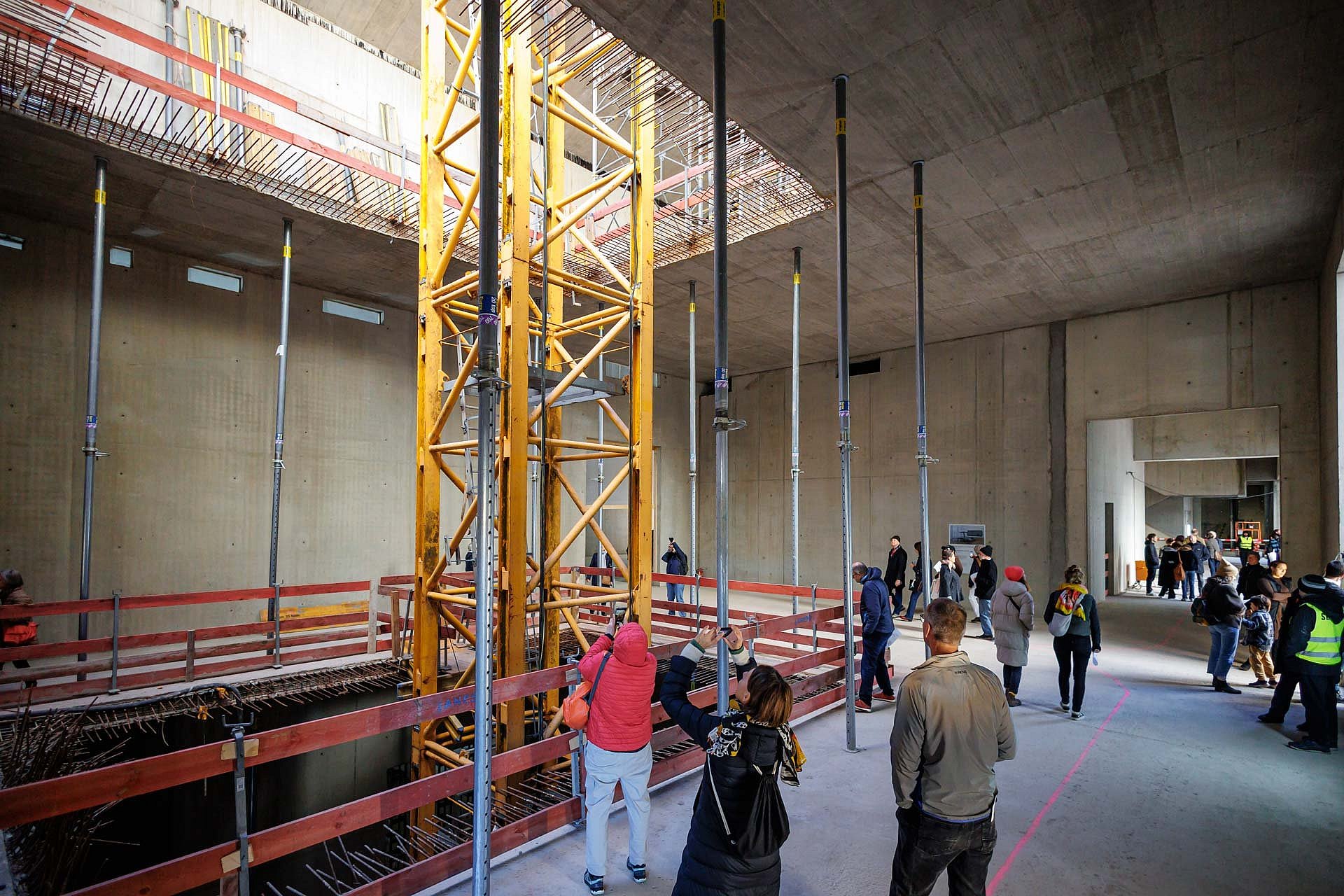
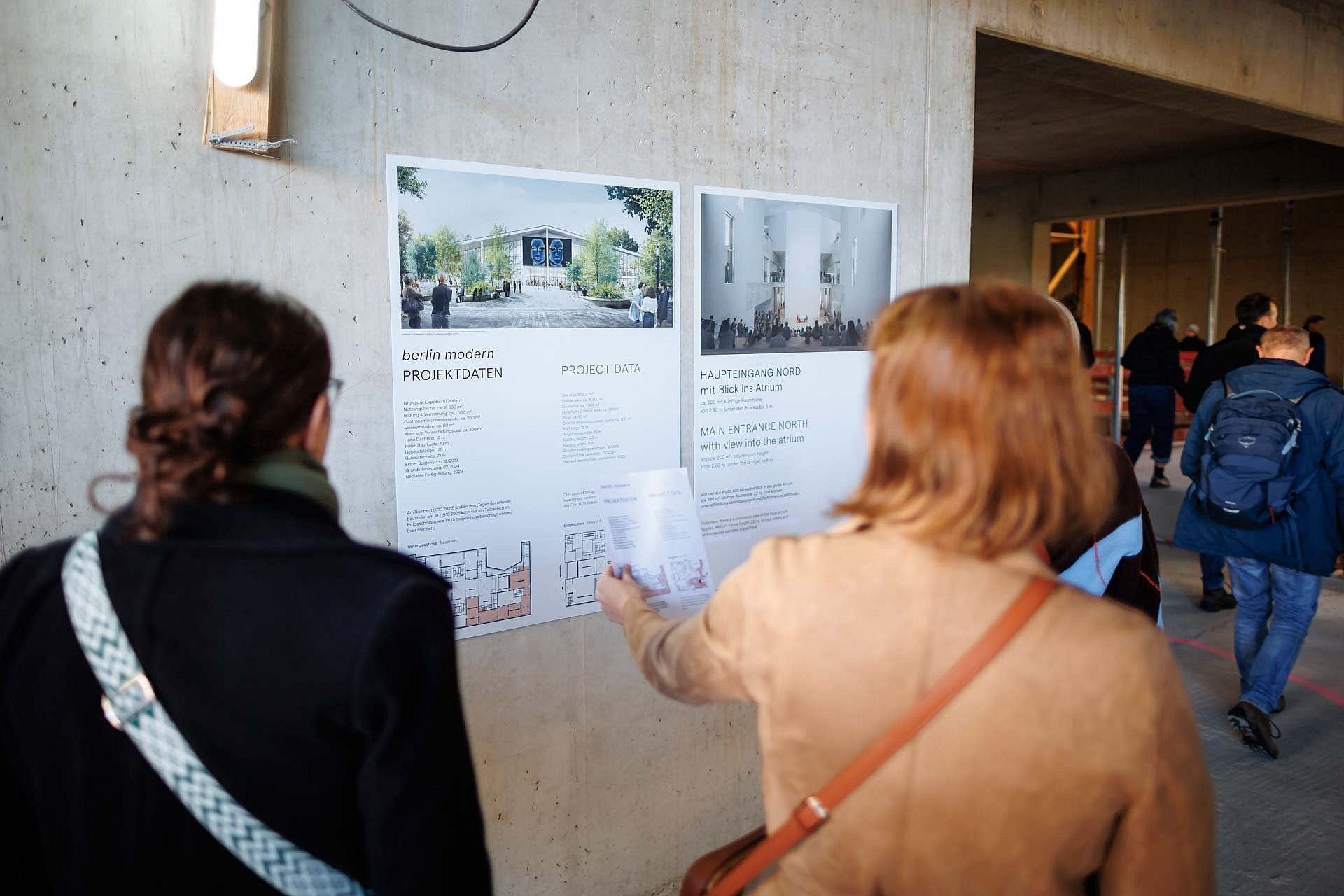
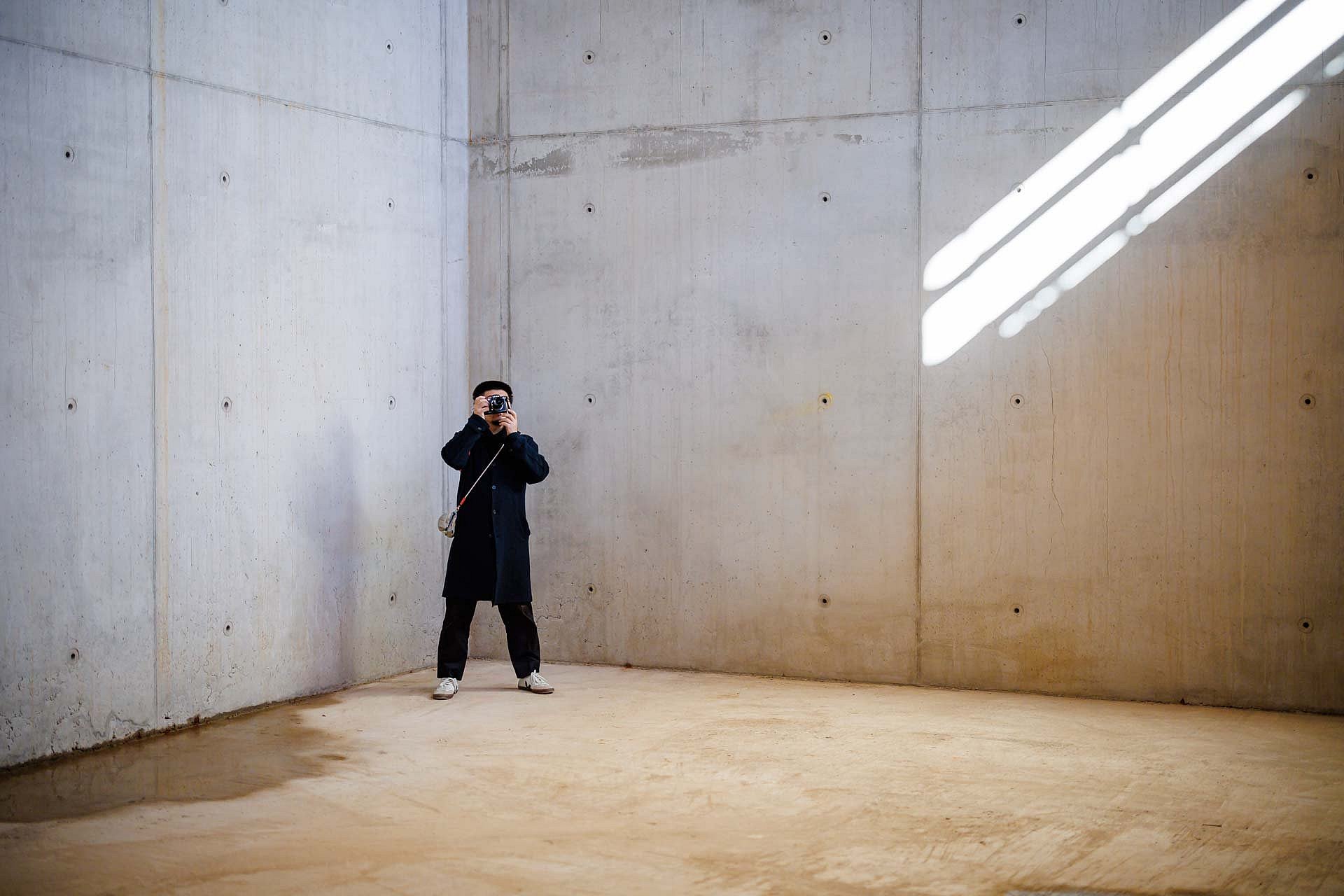
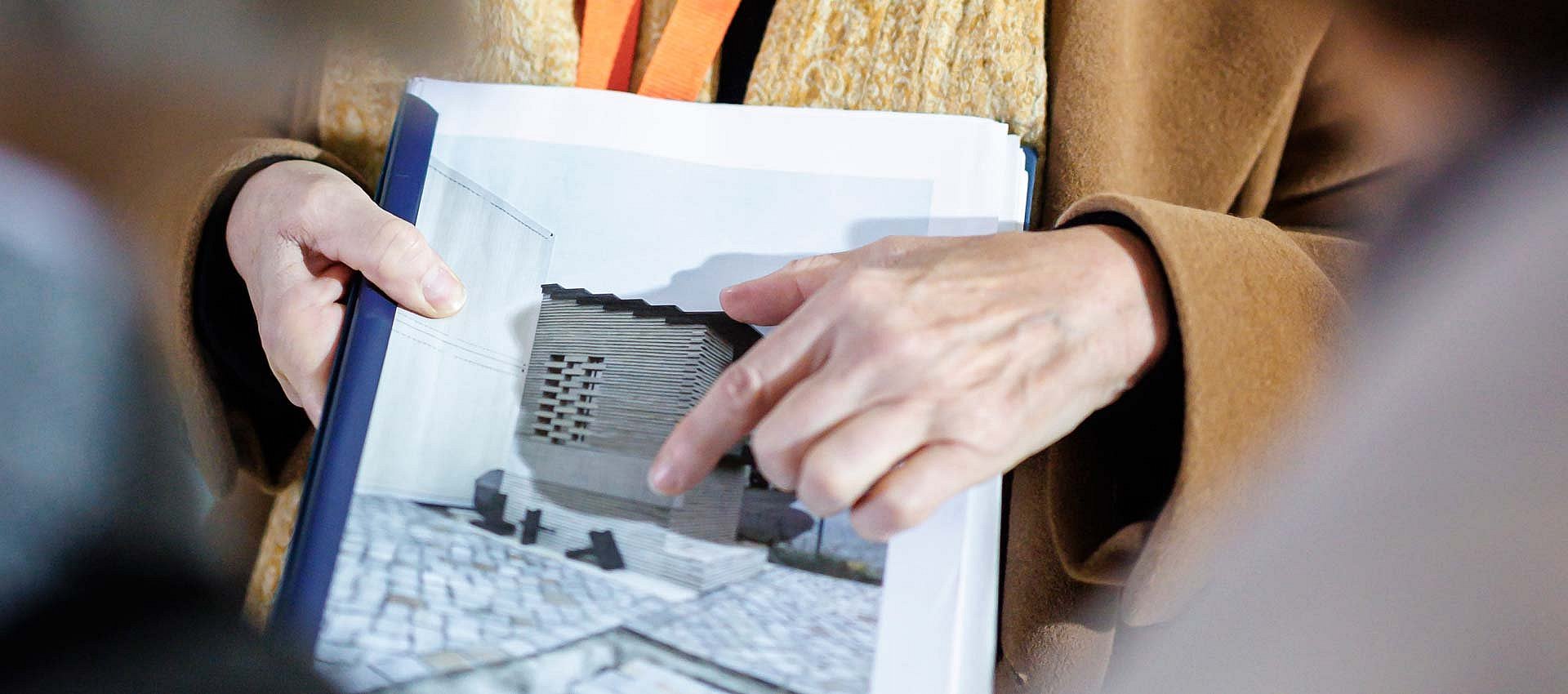
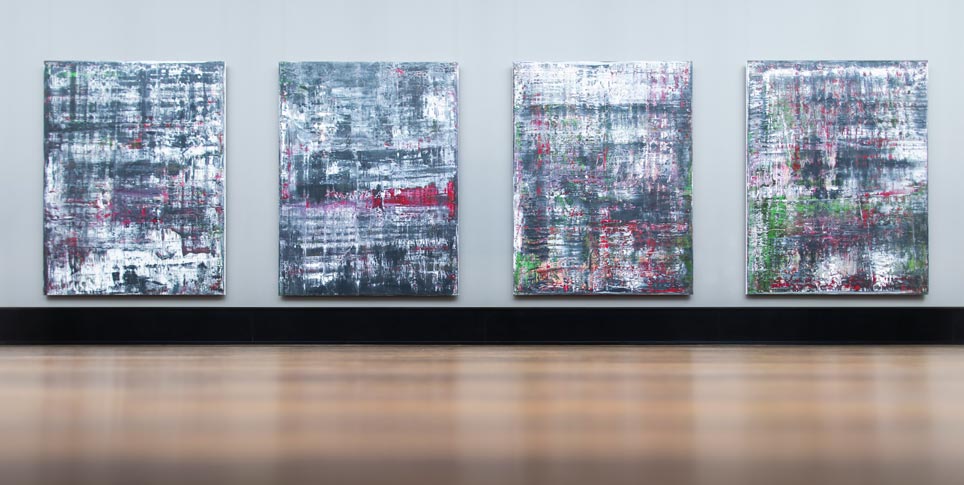
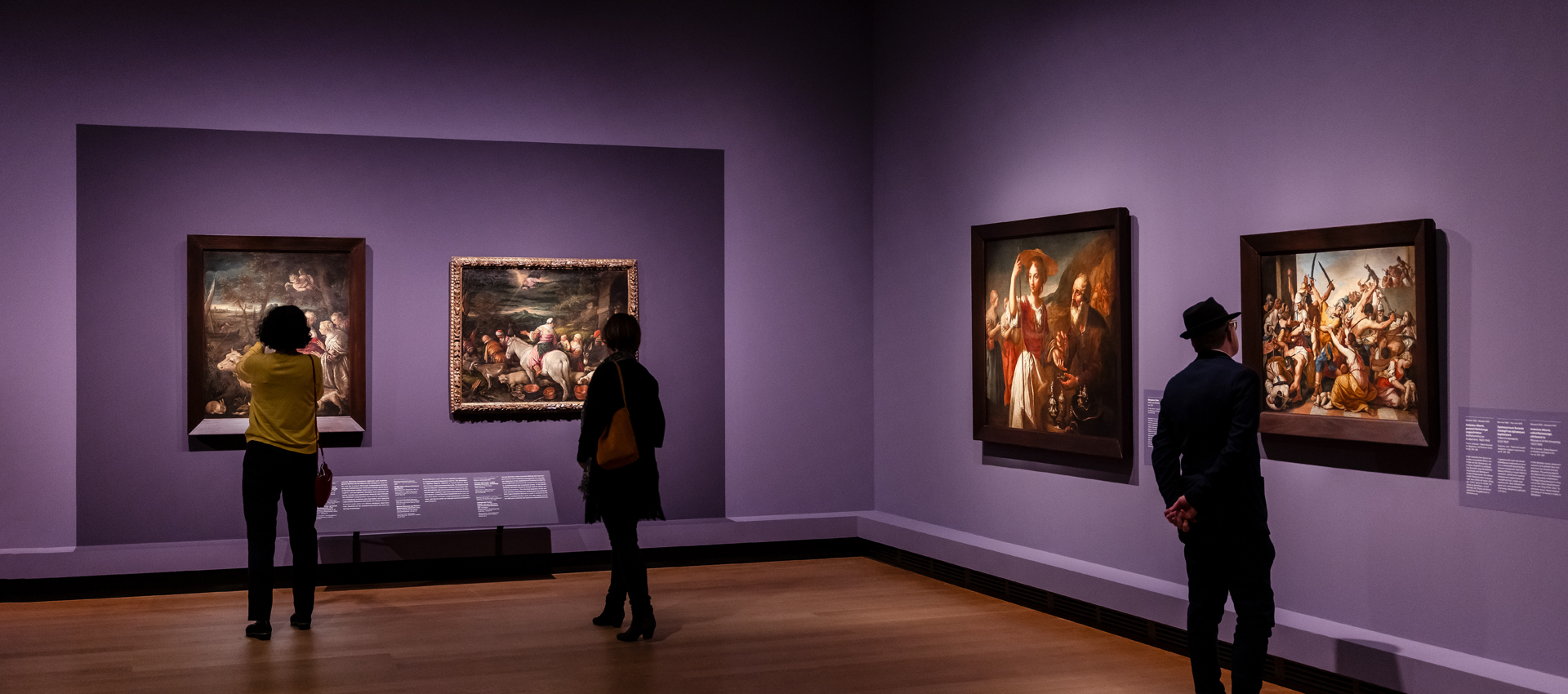
With its 8,800 square metres of exhibition space, the modern Berlin will certainly have enough room for the National Gallery’s collection. But without the collections of Ulla and Heiner Pietzsch, Erich Marx and Egidio Marzona, and without the loans from Gerhard Richter, this institution—which aims to present the full breadth of 20th-century art—would be more than just incomplete. That is why this new museum is also a tribute to the collectors and patrons whose commitment may well have made it possible in the first place. And when the Art Library and the Print Room, with their equally extensive collections, move in as well, the ‘barn’ is bound to be a success. Even the shell of the building makes it clear that this will be a place that celebrates media diversity and, of course, a concept of art that is constantly expanding to encompass diverse media. After centuries in which painting and sculpture were primarily regarded as art, photography, film, architecture, typography and performance were added at the beginning of the 20th century.
One does wonder what someone from a pre-modern century, who had not experienced the cultural upheavals of modernity, would have said of Beuys’s *Environment* ‘Das Kapital’ – which consists, amongst other things, of a grand piano with an axe leaning against it, a row of slate tablets inscribed with economic terms, and a zinc tub – and, above all, about the fact that this Environment was the centrepiece of ‘berlin modern’ and a donation by Erich Marx with symbolic significance.
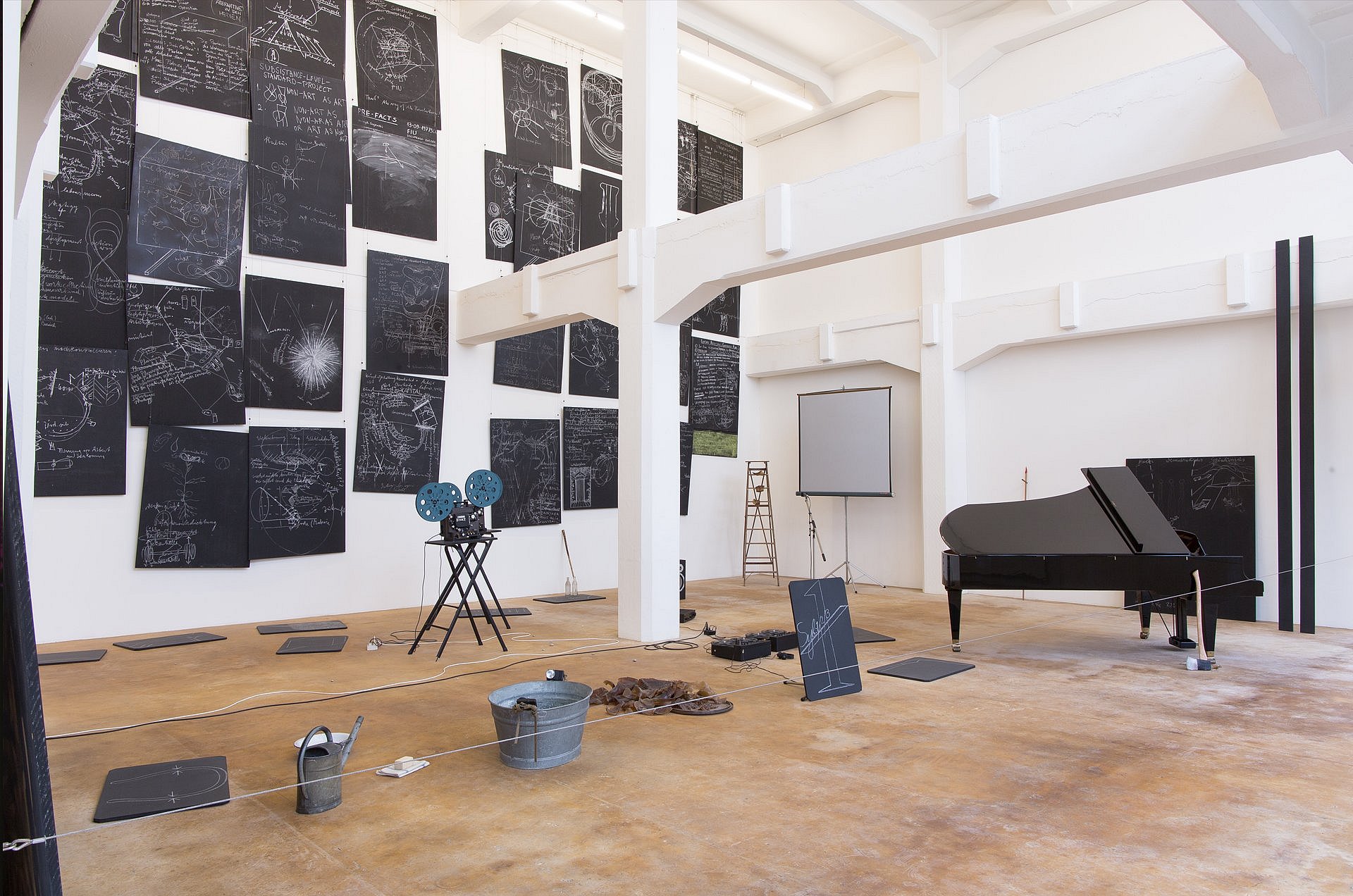
On the other hand, even someone from the 21st century might not immediately understand the ‘social sculpture’ created by Beuys and might wonder whether it is art or something that could be done away with. And this is where the great strength and raison d’être of berlin modern will lie, providing the institution with the much-needed international appeal: through an exhibition itinerary, it will trace the course of art across an entire century, the end of which – amid upheavals, catastrophes and achievements – will look so very different from its beginning.
This is made possible by the Nationalgalerie’s unique and politically significant collection on the 20th century, which is characterised by its close connection to German society, politics and history. Incidentally, the future tour d’horizon through 20th-century art will pass through both buildings, the Temple and the Barn. Whilst the Mies van der Rohe building will primarily showcase paintings and sculptures of Classical Modernism, the focus in the new building will be on art from after 1945. In particular, the open art forms of the post-1960 era – conceptual art, happenings, performance art, film, video, etc. – will be presented in all their diversity at berlin modern.
A favourite question of modernism was that of the ‘new man’ and how one should best live in this world. For if everything can be made new and different, the question naturally arises: how? That is why the path of modernism (and, of course, postmodernism) is lined with ambivalence, upheavals, utopias and, naturally, failure. And at berlin modern, aesthetics goes hand in hand with politics and society. What does this mean in concrete terms?
There will be the classics of ‘European modernism’, which began to flourish in the metropolises from Paris to Berlin and Moscow, featuring Cubist, Expressionist and Futurist works by artists ranging from Munch and Kirchner to Picasso and Paula Modersohn-Becker. The First World War, as a catastrophic turning point with all its consequences, including for art, will be reflected in the work of George Grosz and Otto Dix; the Weimar Republic’s struggles for democracy and, not least, the international women’s movement are evident in the work of Hannah Höch, Anni Albers, Meret Oppenheim and Lotte Laserstein.
The Nazi era is addressed, amongst other things, through a documentation of the defamatory exhibition ‘Degenerate Art’ (1937), whilst the Second World War, the Shoah, and the atomic bombings of Hiroshima and Nagasaki—catastrophes of the century—are artistically reflected in works by Lee Miller, Horst Strempel, Helen Frankenthaler and others. Drawing on the experiences of exile of those artists who left war-torn Europe for North and Latin America, non-European perspectives on modernism—such as those of Gego, Ibrahim El-Salahi and Fahrelnissa Zeid—are also given their place.
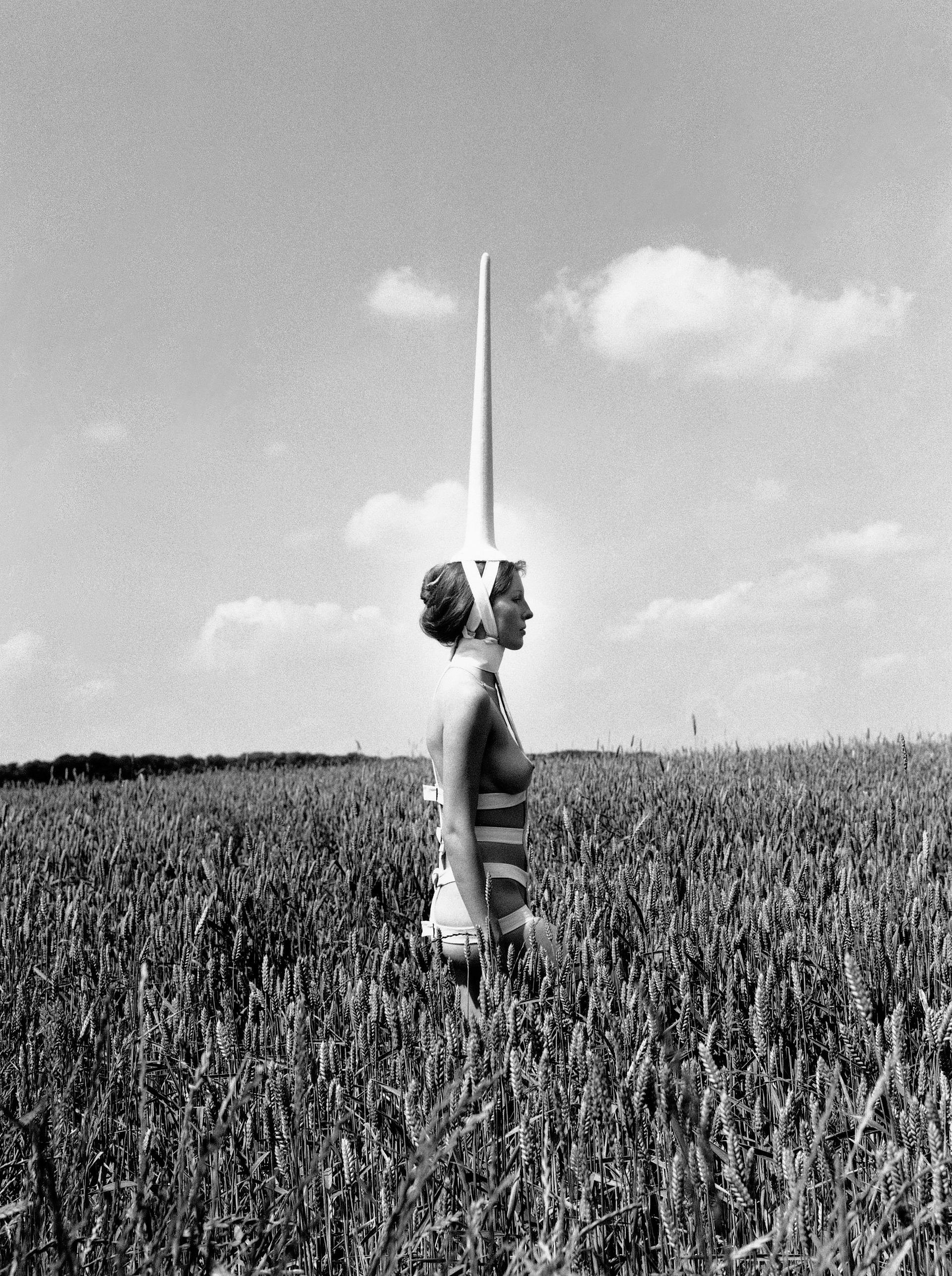
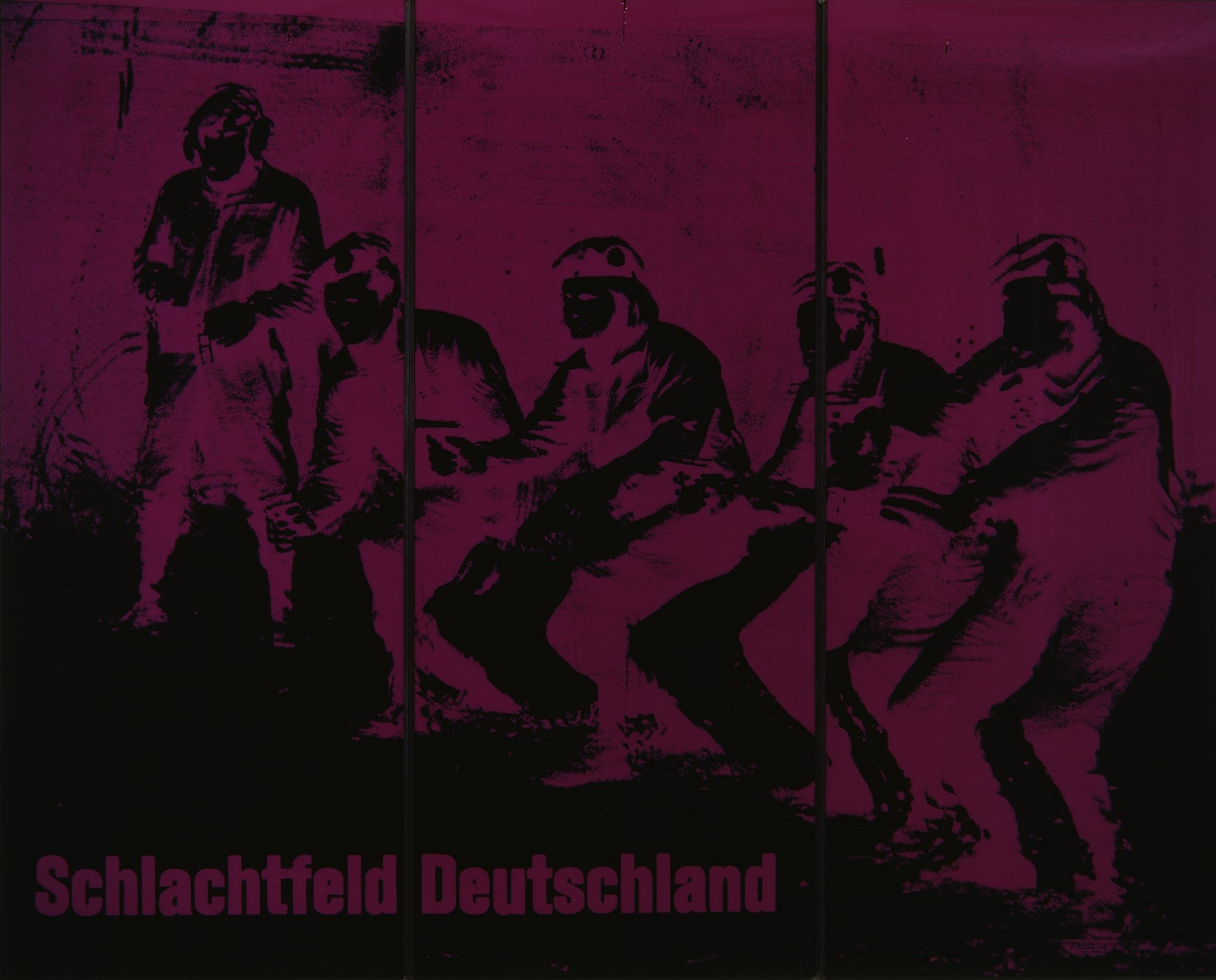
We then move into the second half of the 20th century, which was initially shaped by the Cold War and the polarisation between East and West – of the world, of Germany and of Berlin. Naturally, there will be works from the GDR by Willi Sitte, Wolfgang Mattheuer, Cornelia Schleime and Angela Hampel, but a major new contrast will be highlighted and explored on the purely Western side between the sleek aesthetics of Andy Warhol’s Pop Art and the more unwieldy, politically charged art of Joseph Beuys.
Drawing on the boundary-crossing art of the Informel, the Fluxus movement and the neo-expressive “Transavanguardia”, the exhibition demonstrates how the Free Europe established by the Treaties of Rome in 1957 influenced a freer conception of art. The concerns and achievements of the 1968 movement and the women’s liberation movements in terms of social and cultural upheaval are also documented in works by Marina Abramović, Hanne Darboven and Katharina Sieverding.
Art by Rebecca Horn, Louise Bourgeois and Christoph Schlingensief reflect the transformation and the spirit of optimism following Germany’s reunification at the end of the 20th century, before moving on to the turning point of 11 September 2001 and the subsequent radicalisation at the start of the 21st century, explored in works by Katharina Fritsch, Gerhard Richter and the Atlas Group / Walid Raad.
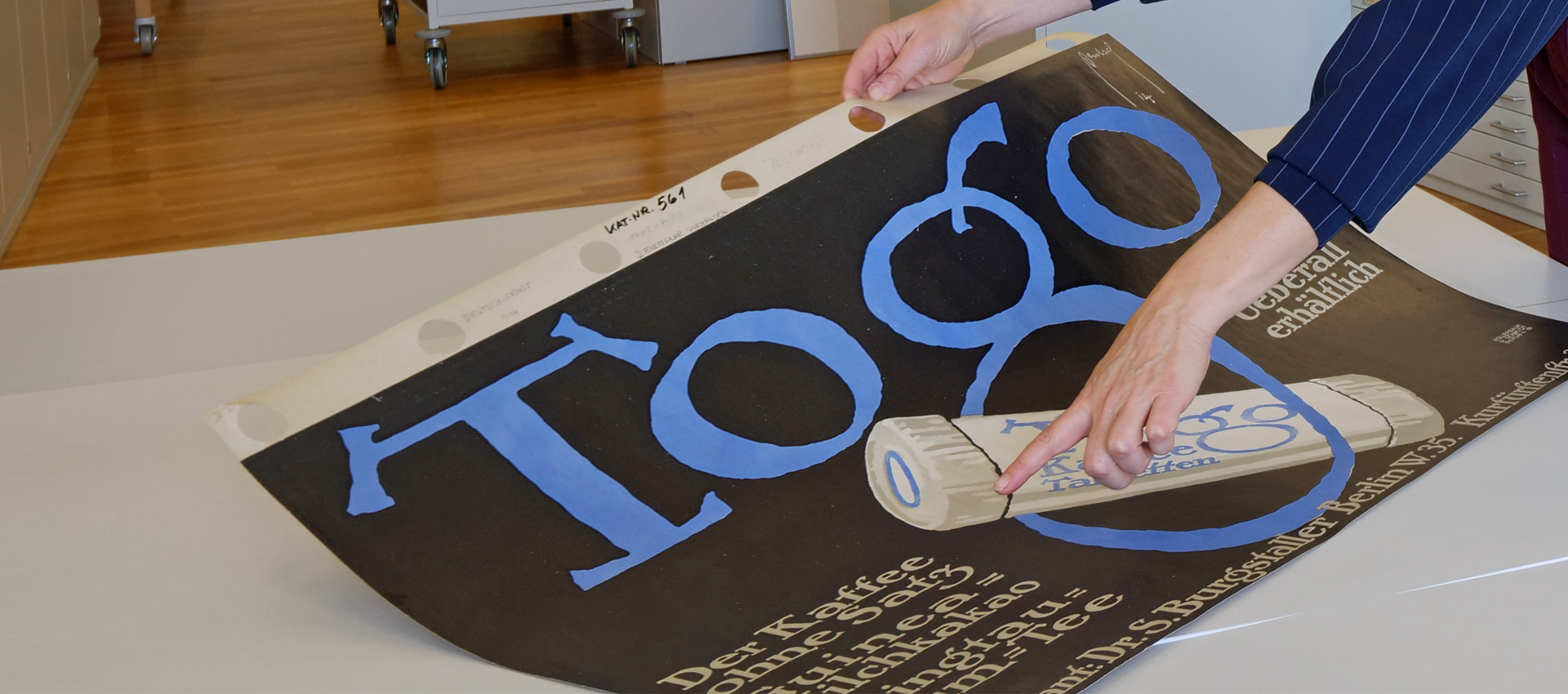
The exhibition is complemented, on the one hand, by some 30,000 works of art on paper from the Kupferstichkabinett, which impressively demonstrate that art on paper was of outstanding significance throughout the entire period: whether in the turmoil of war or in times of oppression, upheaval, economic recovery or the struggle for emancipation, drawing and printmaking have always been unique means of expressing freedom of thought.
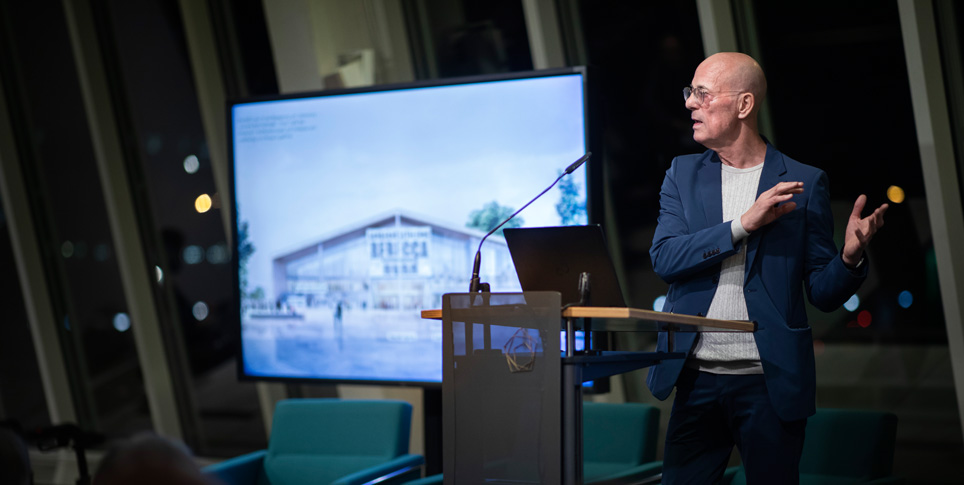
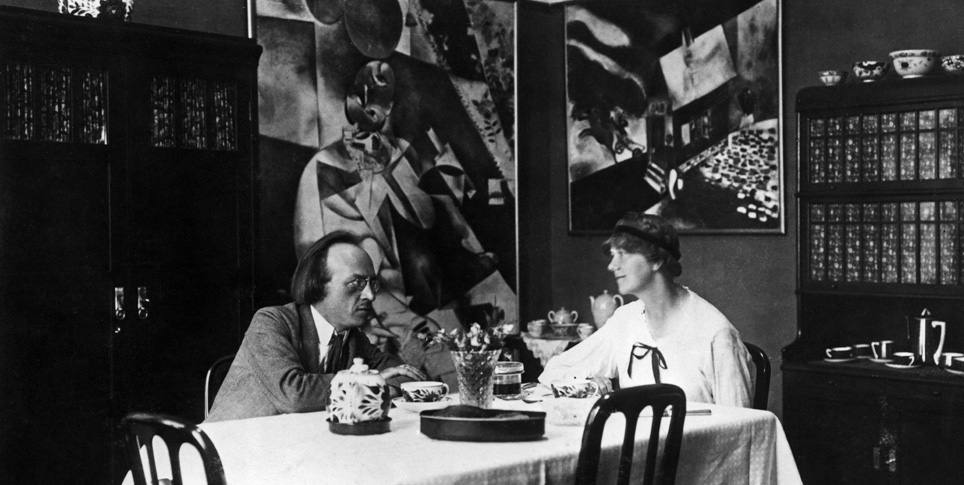
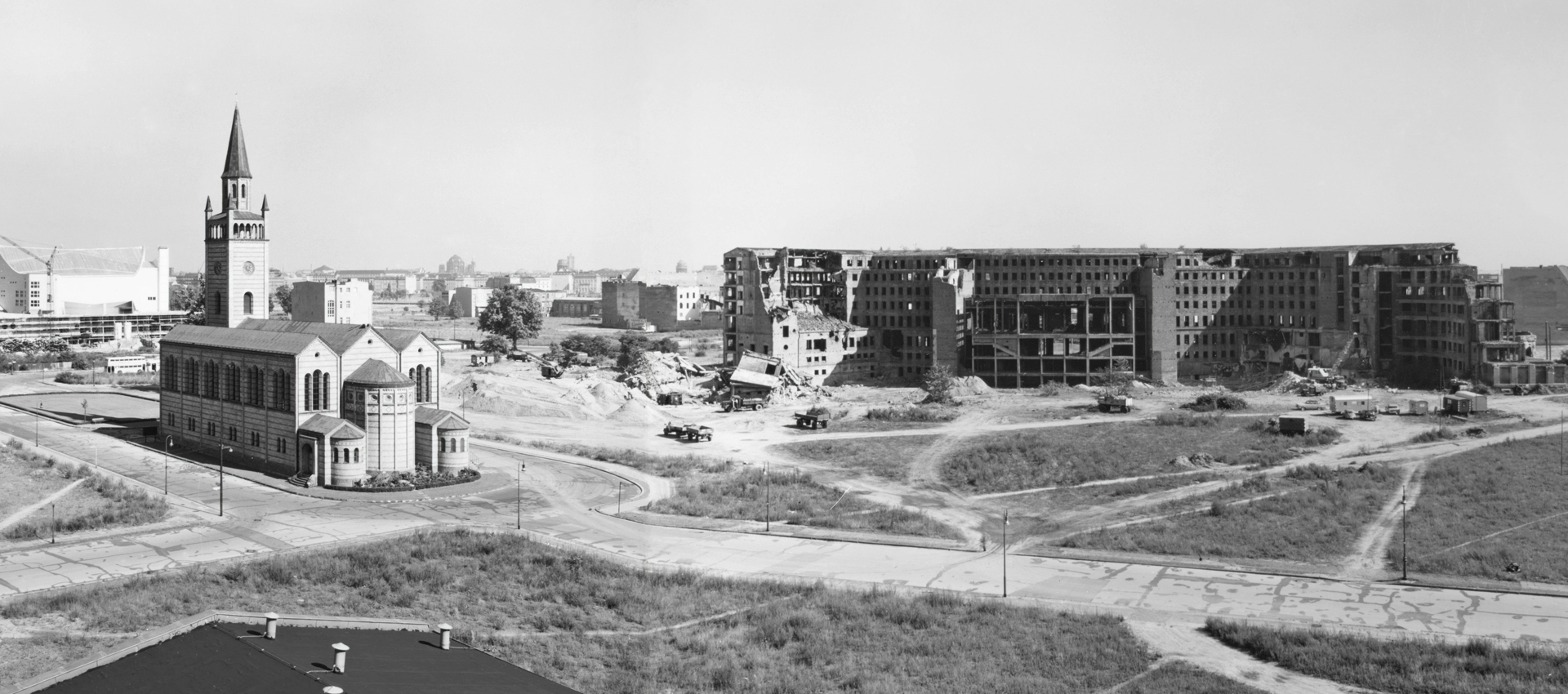
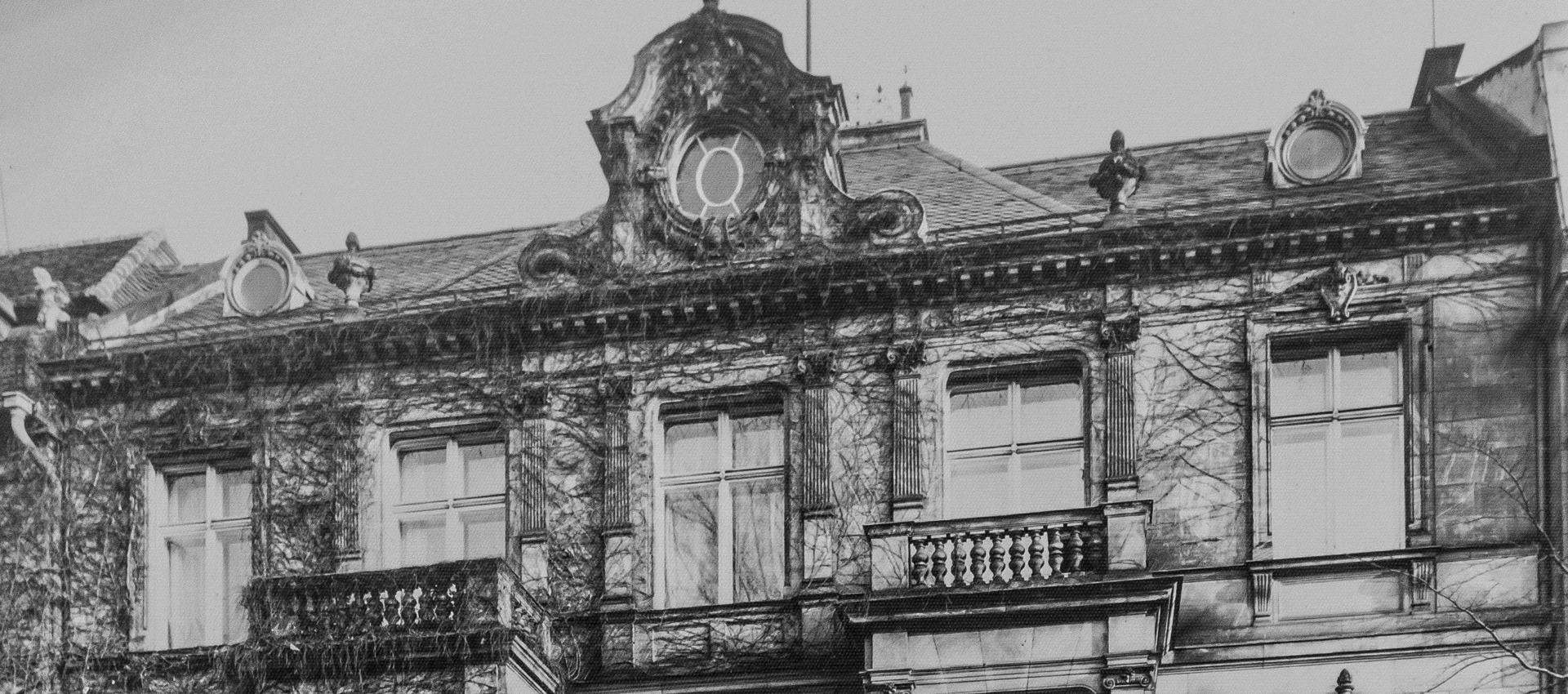
Added to this are the spaces curated by the Art Library, where connections are forged with all the arts that continue to shape and transform the reality of life today – from architecture, fashion and photography to communication design. It is also the Art Library that will tell the story of the Tiergarten district. Minister of State for Culture Wolfram Weimer highlighted this in his topping-out speech, saying: “The history of the Tiergarten district is also the history of an art-loving Jewish community that collected works as patrons and generously donated them to the public. This was once the site of the ‘Atlantis of Modernism’, the world of Berlin’s legendary salons, created by Jewish art lovers, fashion designers, writers and intellectuals. Names such as James Simon or the Cassirer family remind us of how profoundly the Jewish bourgeoisie shaped our cultural history. Until all of this was brutally erased by the Nazi dictatorship, which disenfranchised, expelled and murdered the inhabitants. After the war, the artistic legacy of modernism was long forgotten, and with it the protagonists of this heroic phase – be they the collectors, the artists or the works. It was only with the Neue Nationalgalerie that this tradition became accessible once more.” The Art Library demonstrates how the Kulturforum arose from the ruins of this vast intellectual landscape, commemorating the site of these upheavals. And that is why berlin modern will not be a museum like any other. It must prove itself not only to the public, but also to history. How do we view the 20th century from the 21st? In a few years’ time, we will know the answer.
Further articles on this topic
- News: berlin modern celebrates topping-out ceremony: a milestone for a new Kulturforum (17 October 2025)
- News: Over 7,000 visit the berlin modern construction site! (20 October 2025)
- Interview with Dagmar Korbacher and Moritz Wullen: Riding the wave to the new museum – the Kupferstichkabinett and Art Library at berlin modern (27 March 2024)