Collector, publisher, patron – Egidio Marzona has done a great deal for the arts throughout his life. To mark his 80th birthday, an exhibition was held in his honour at the Neue Nationalgalerie – high time for a celebratory visit to his home.
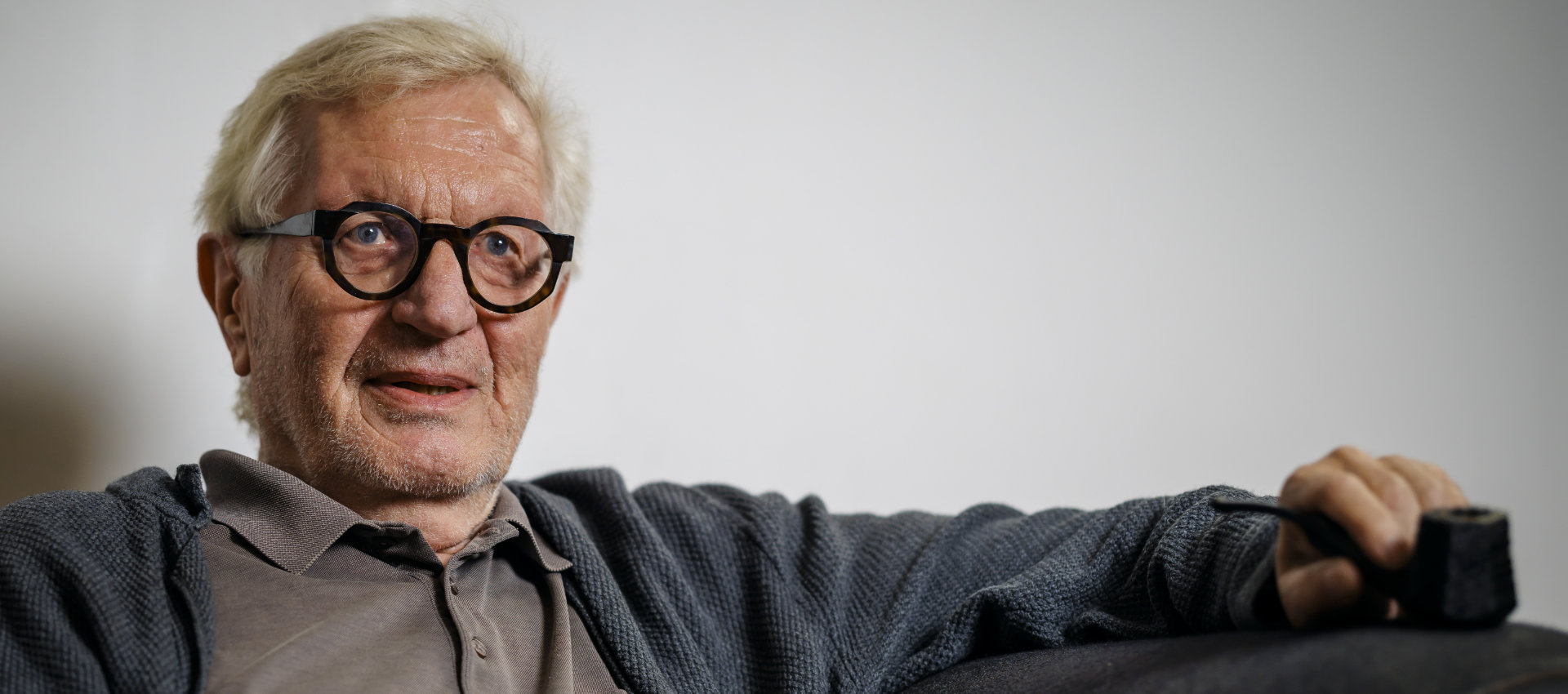
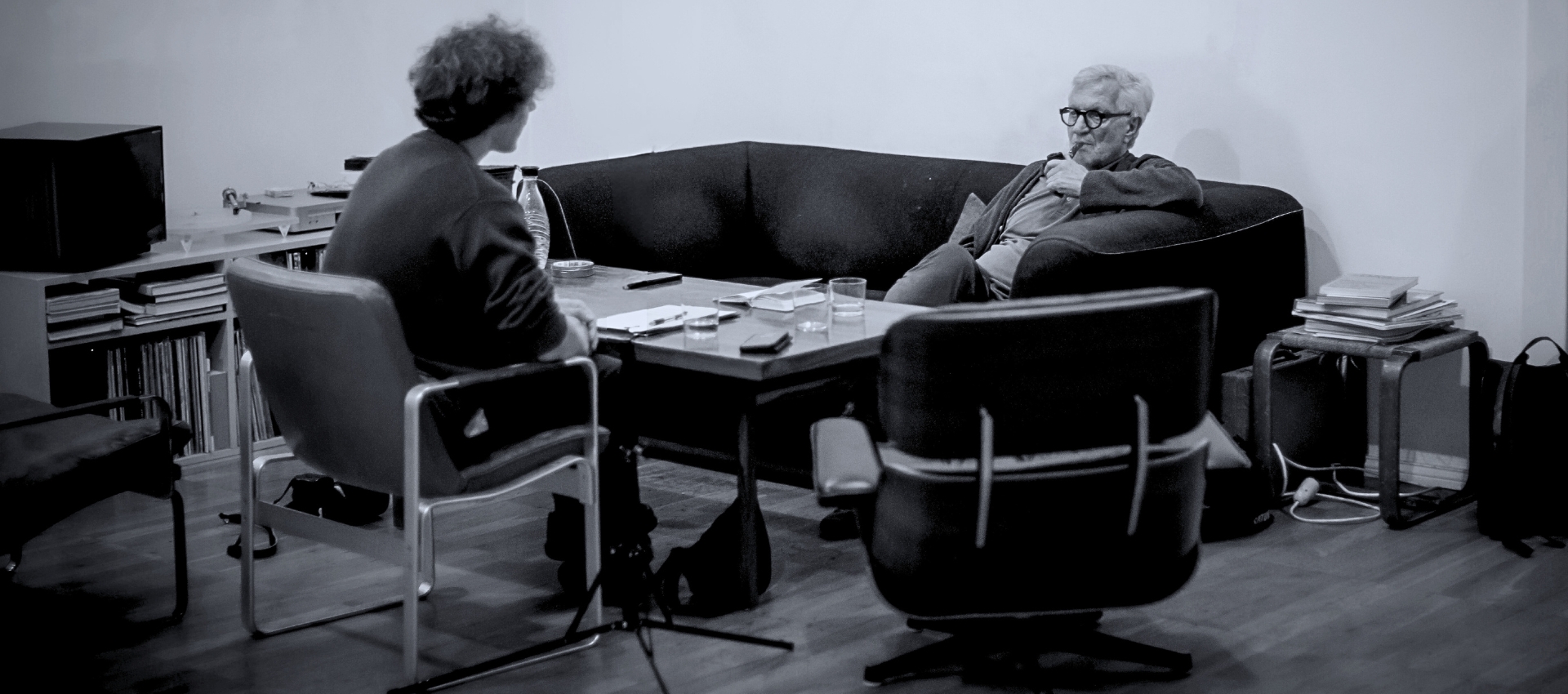
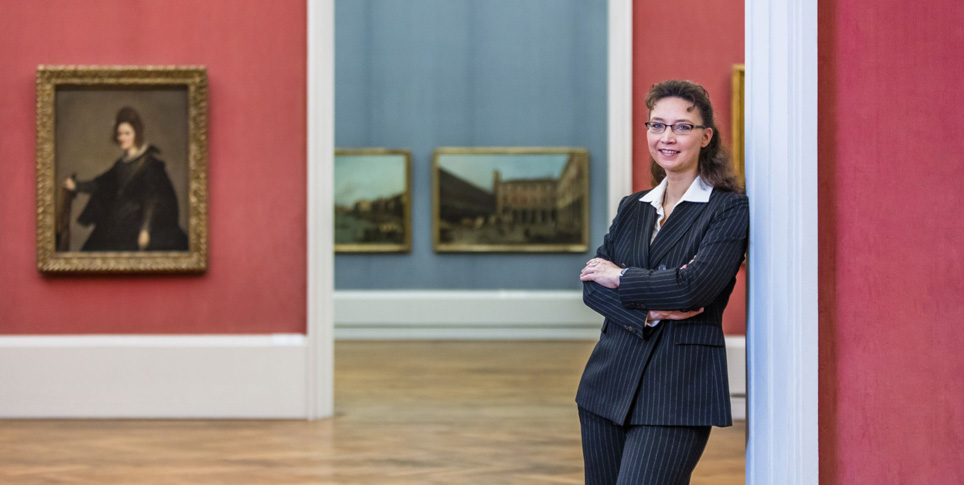
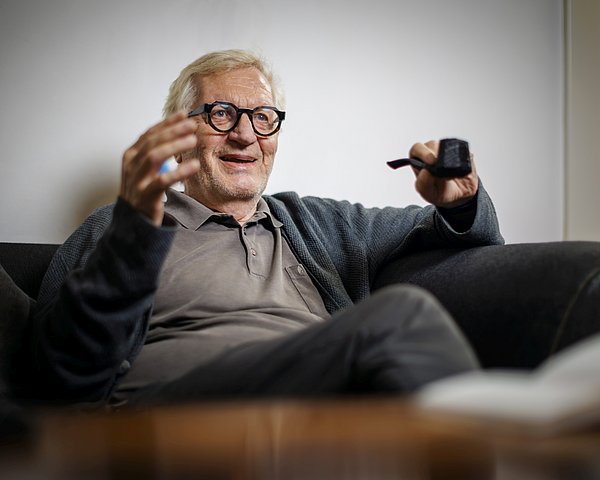
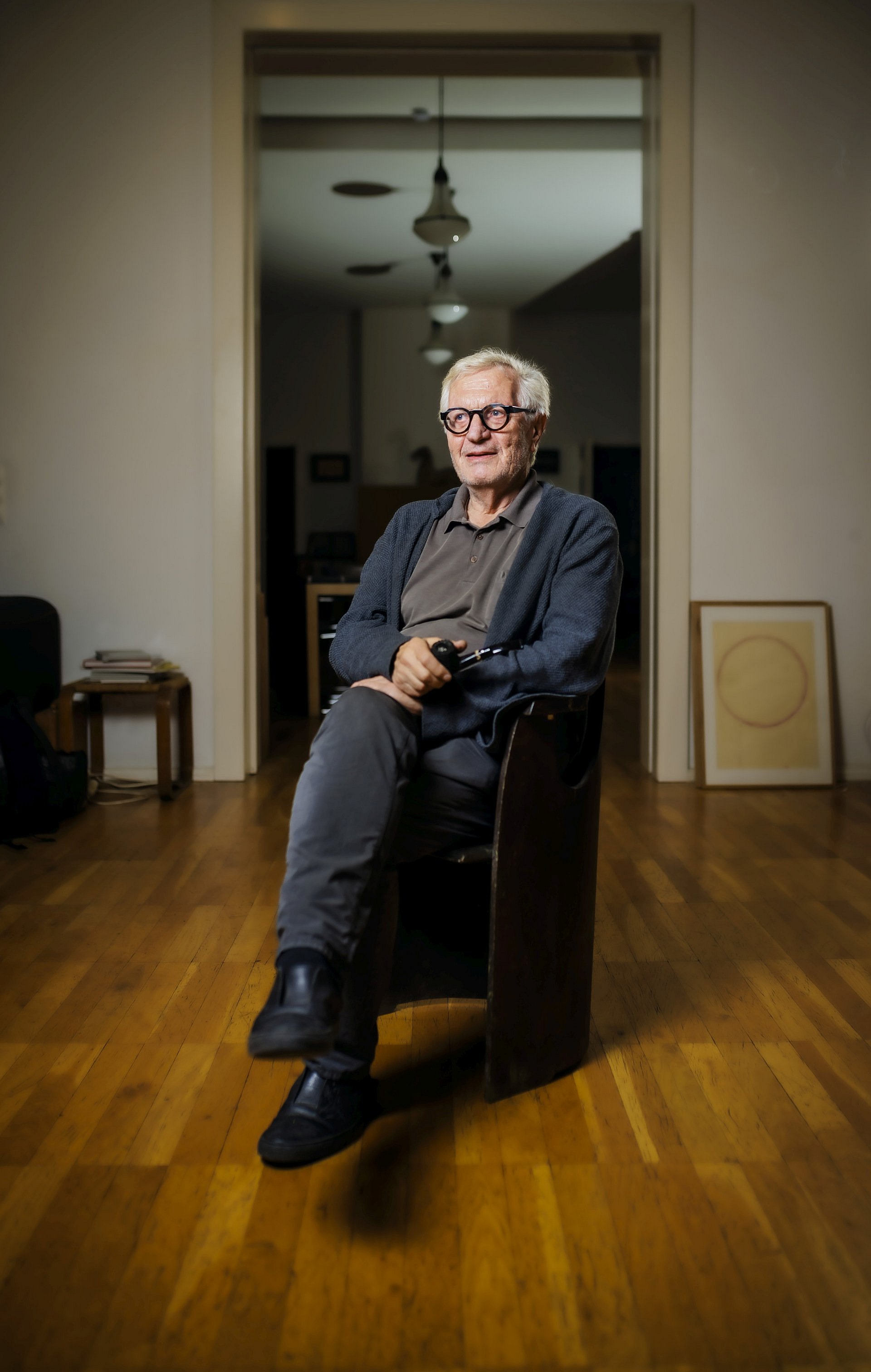
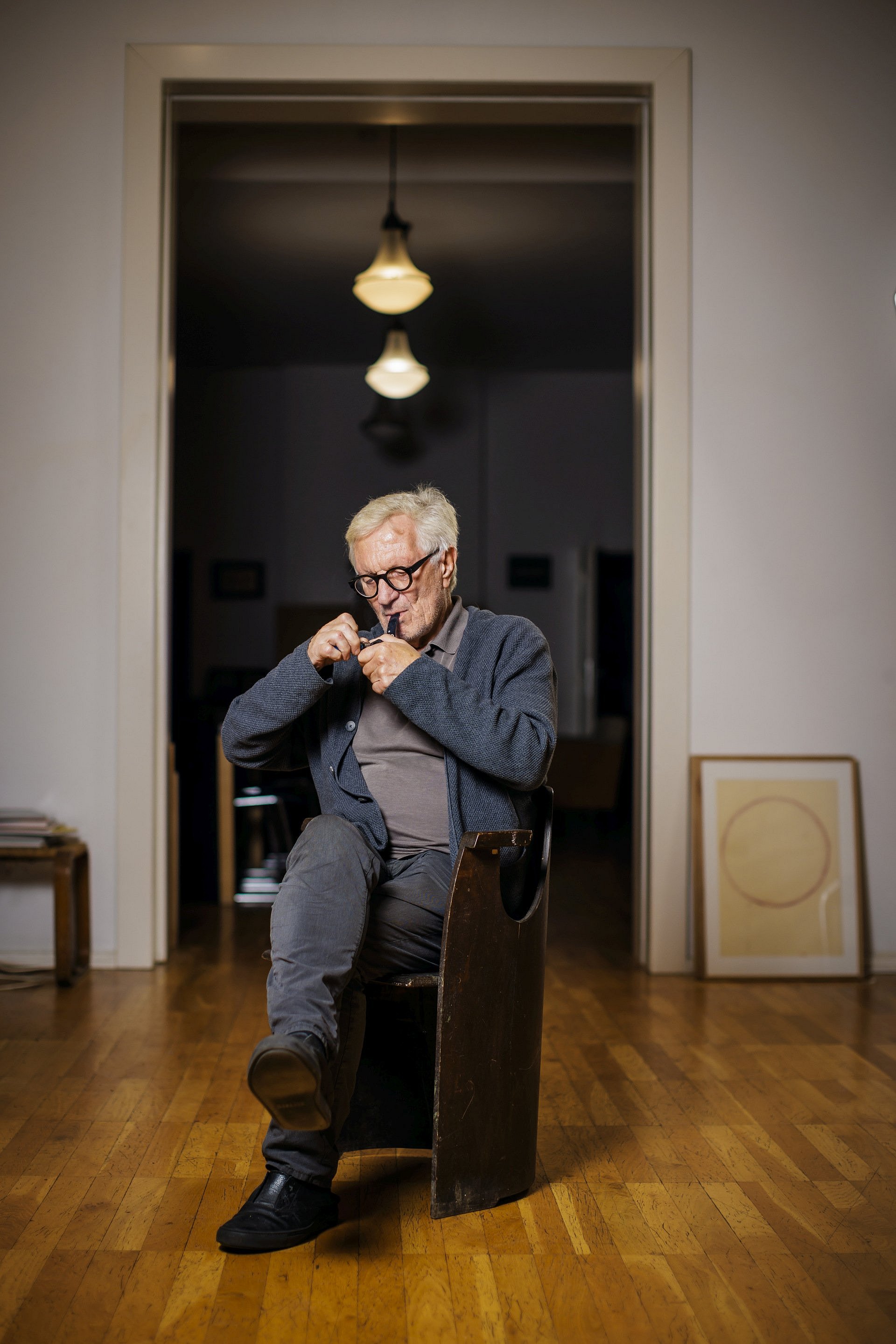
An autumnal evening in Berlin’s quiet Westend district: we ring the doorbell at Egidio Marzona’s home. He opens the garden gate with a spring in his step – his iconic pipe clasped firmly in his hand. He leads us through his library into the living room. It is exactly as one would imagine the home of an art collector: books piled up to the ceiling and, of course, plenty of art. He has just turned 80, though he makes no fuss about it. We’re about to discuss his four projects closest to his heart: berlin modern, the Archive of the Avant-gardes in Dresden, a sculpture park in Friuli, Italy, and the Saaleck Design Academy. But first we want to know: where does his passion for art come from?
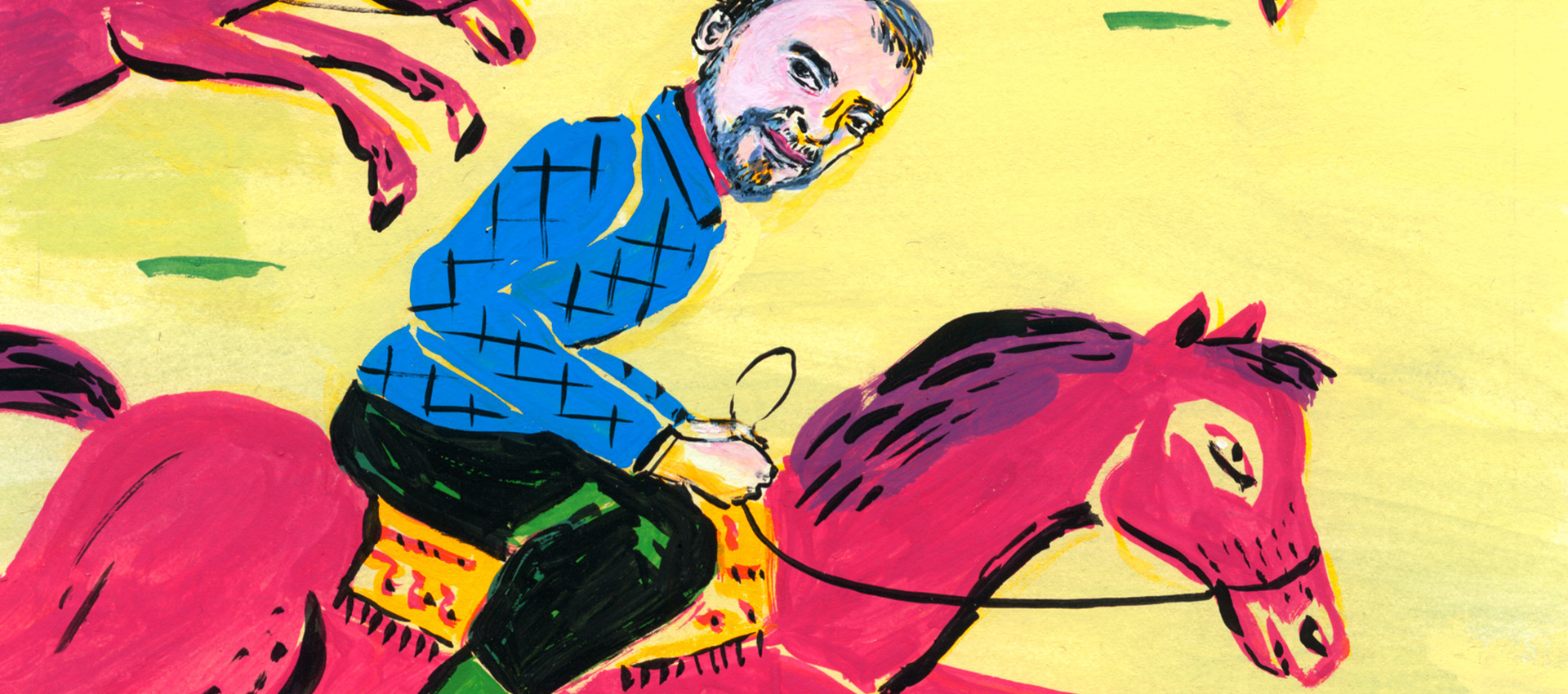
“My family wasn’t really into art. They had nothing to do with art. My father ran a concrete works,” recalls Marzona. “But my aunt studied at the Art Academy in Düsseldorf and one day brought her lover into the family – a Romanian who belonged to Constantin Brâncuși’s circle. An impressive man who was a wonderful storyteller. He had a lasting influence on me and sparked my interest in art.”
A passionate collector
Egidio Marzona is no ordinary art collector. He has been collecting since the 1960s and also works as a publisher. From an early stage, he took an interest in art movements outside the mainstream: Conceptual Art, Minimal Art, Land Art and Arte Povera. His aim was to build an encyclopaedic collection of all artistic media associated with these movements.
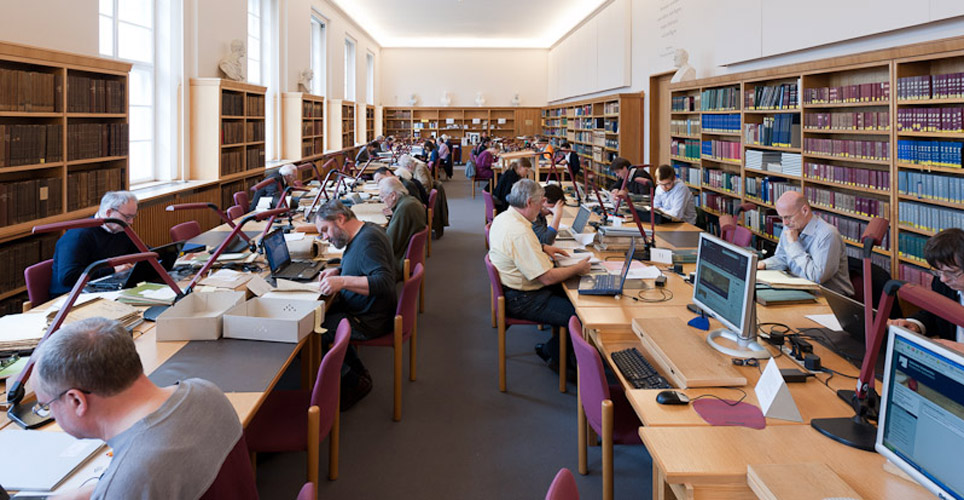
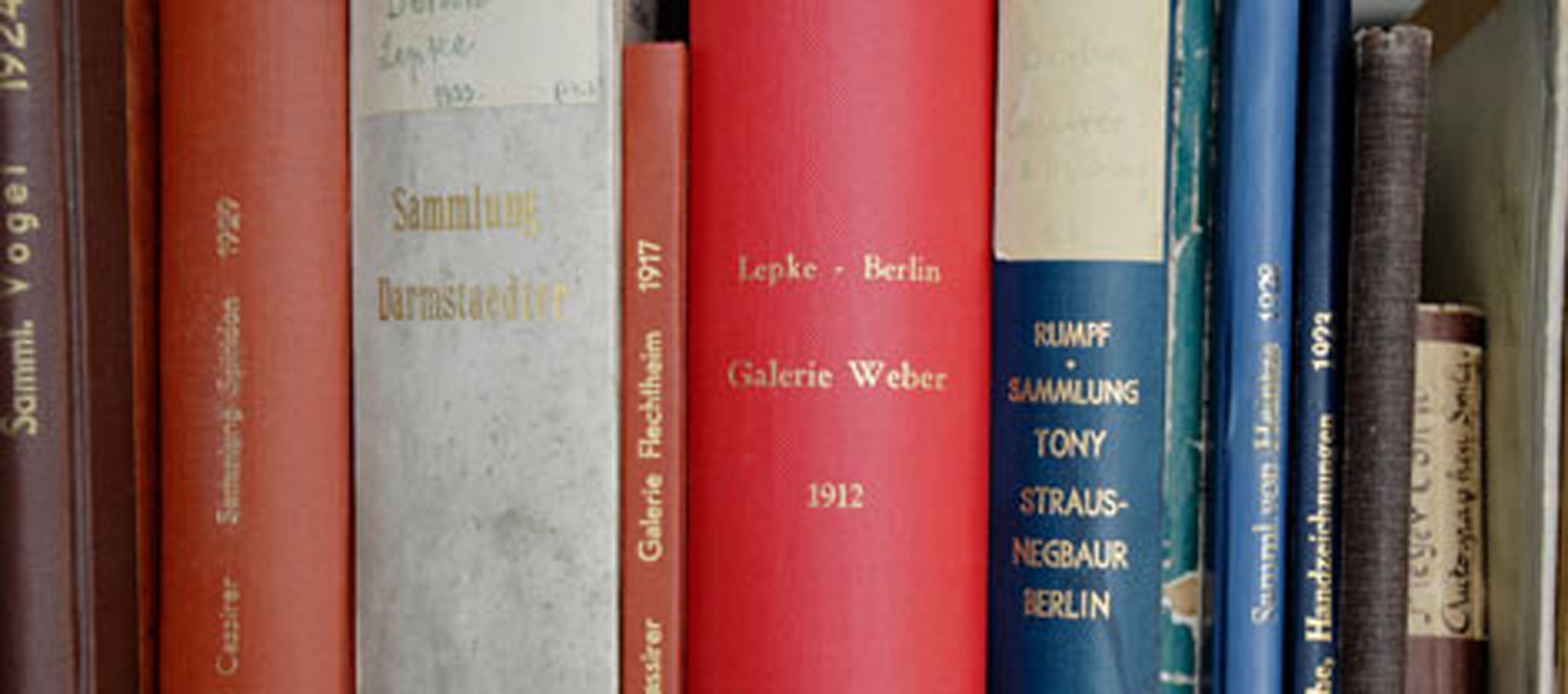
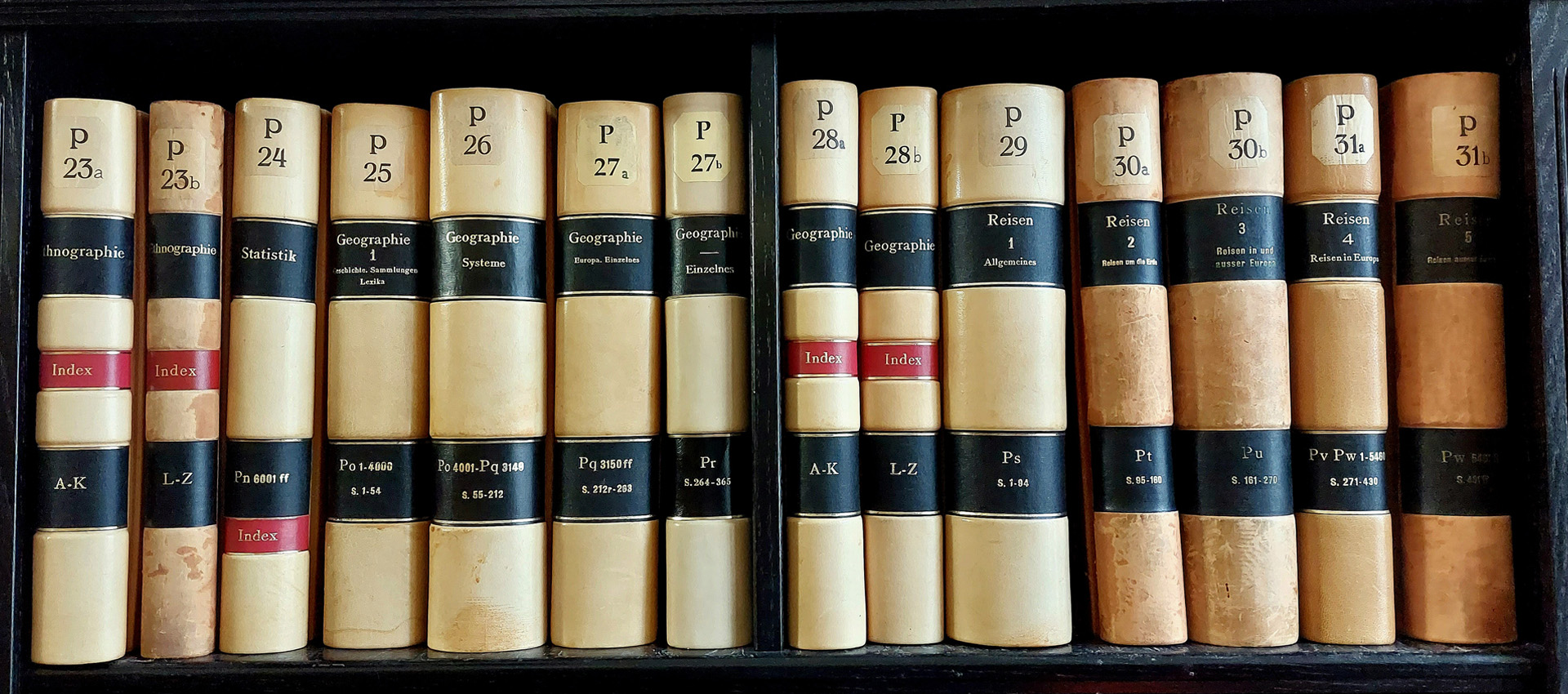
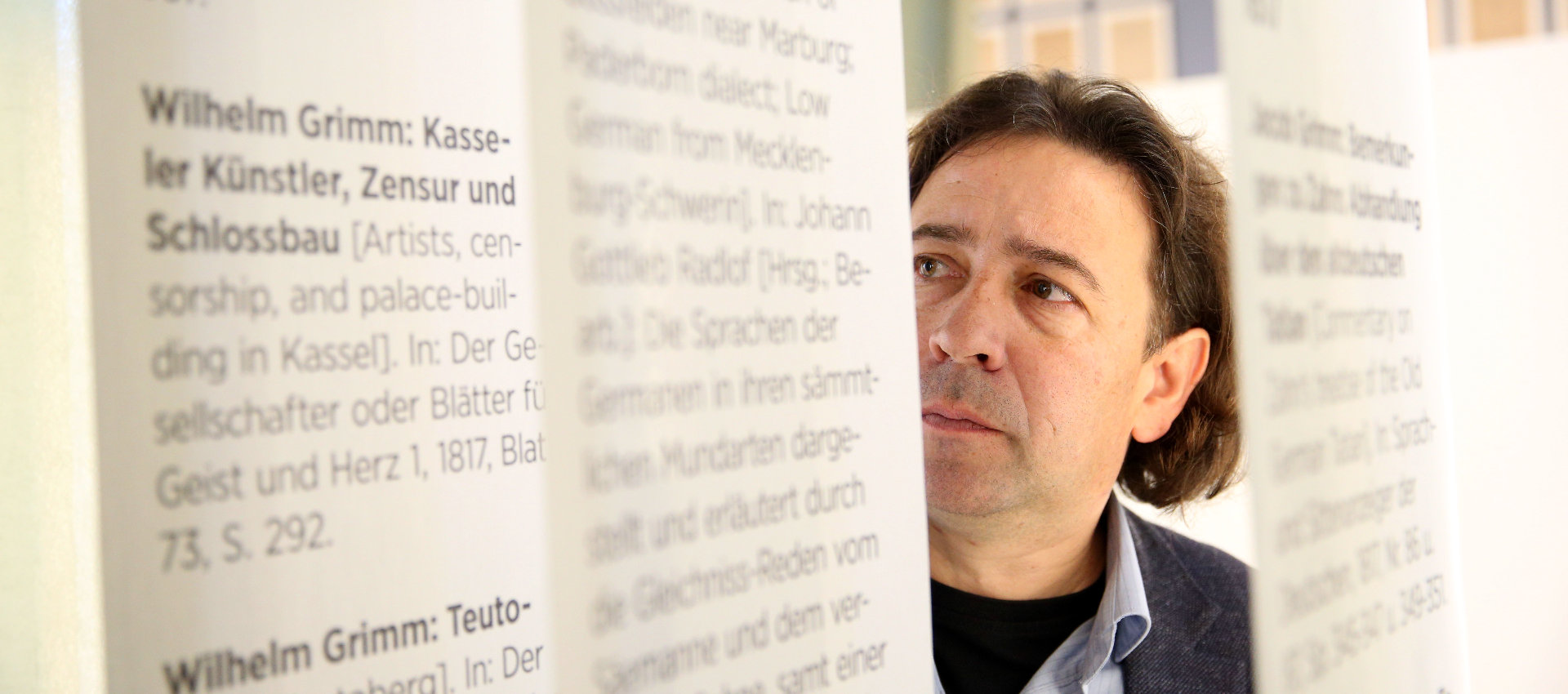
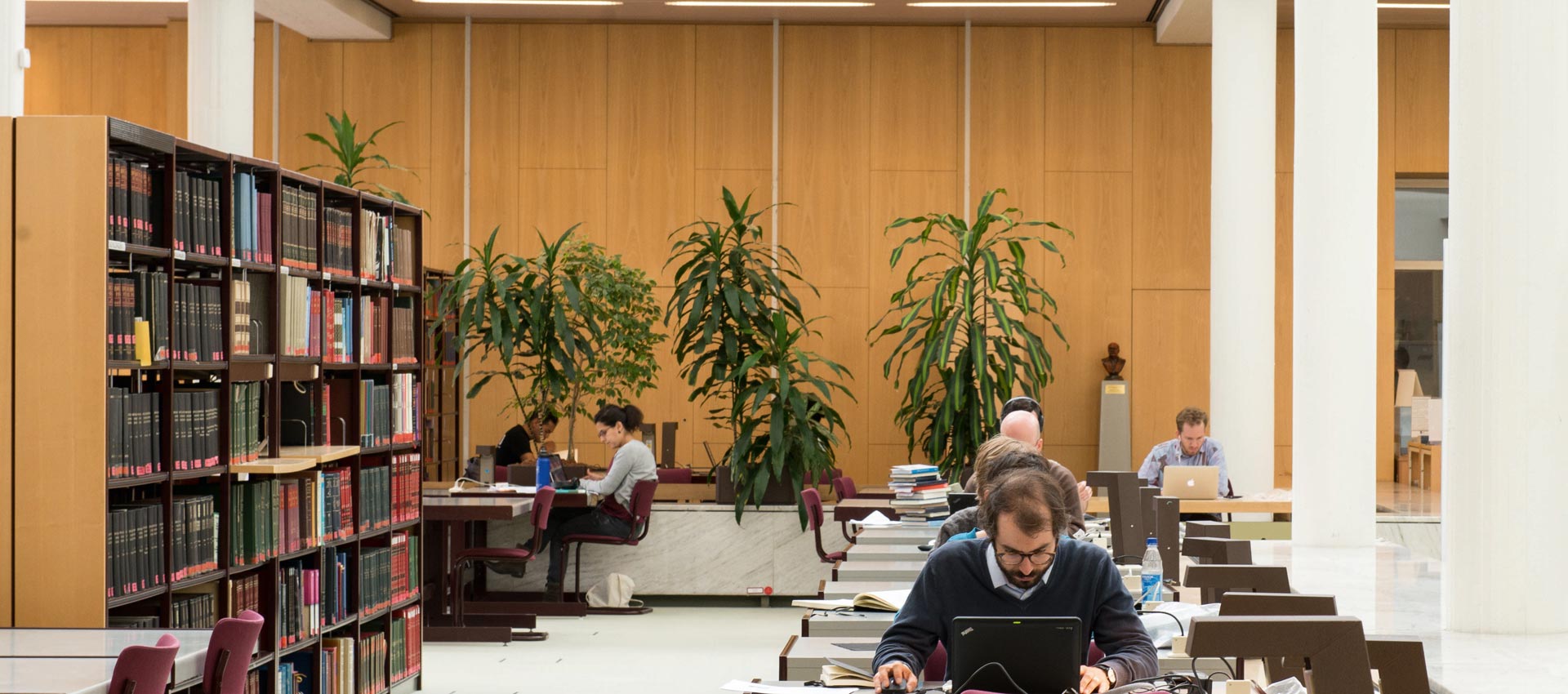
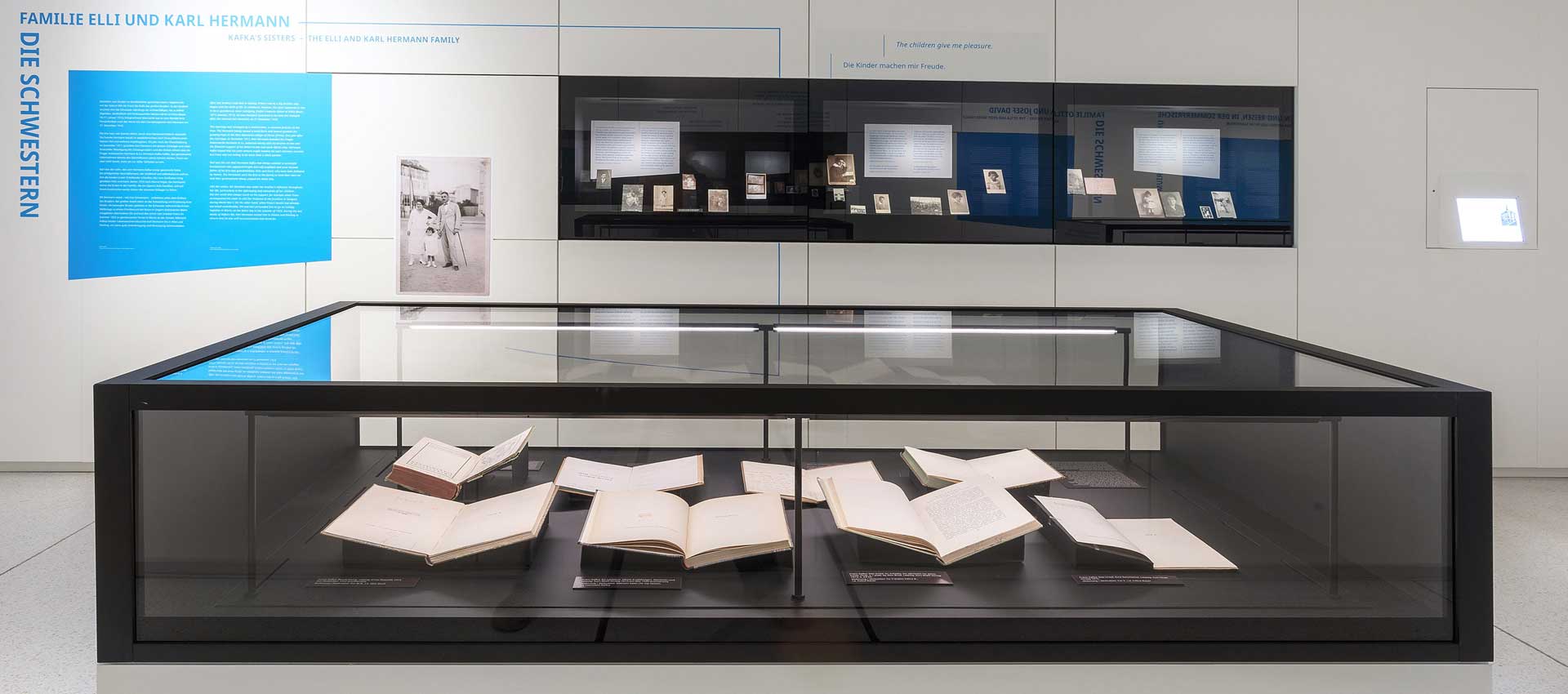
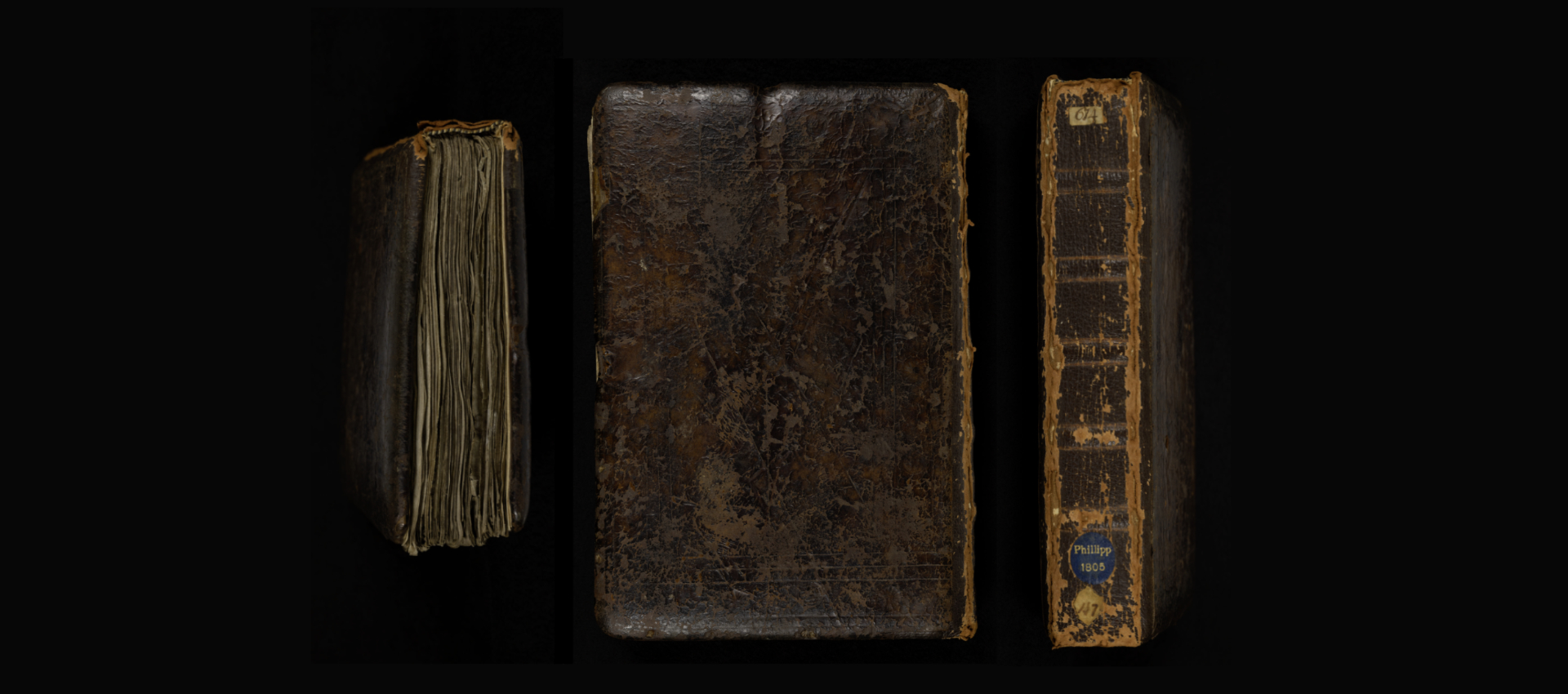
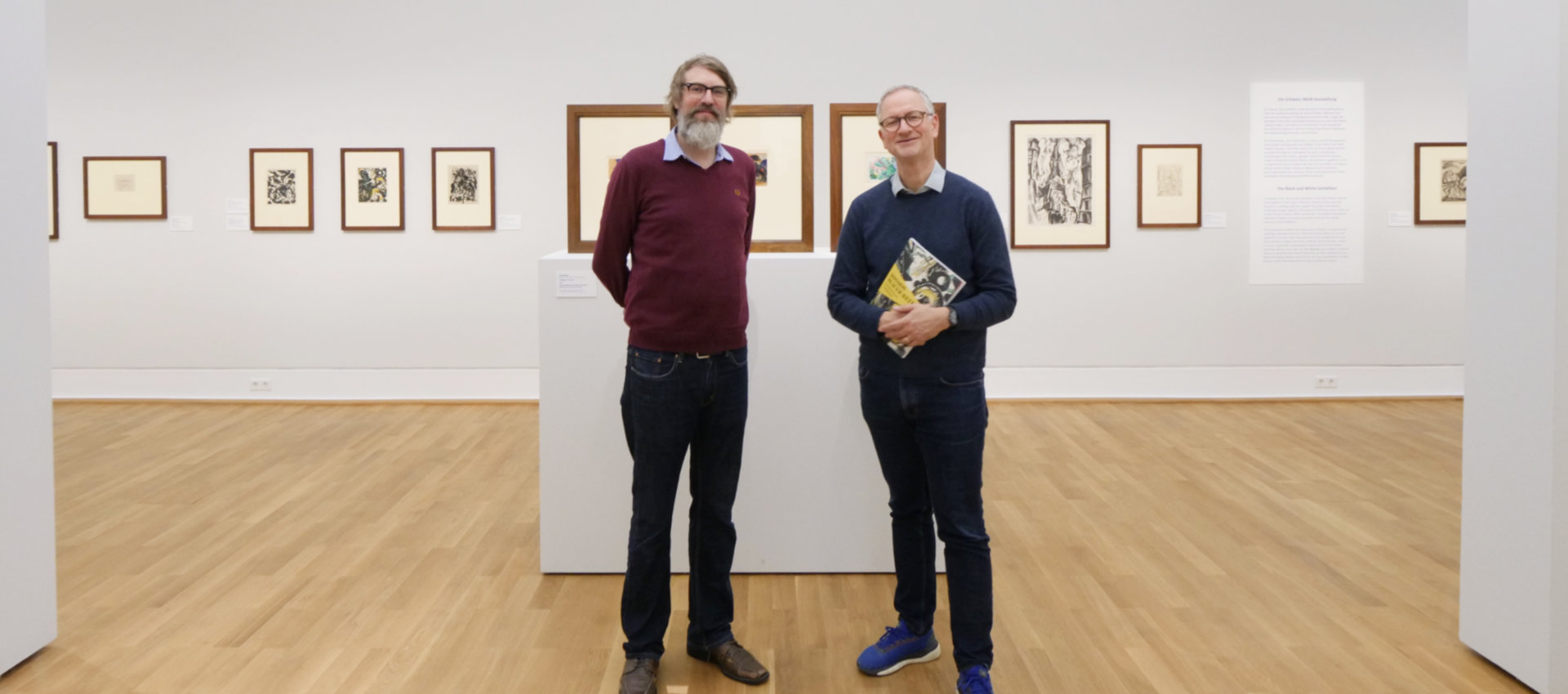
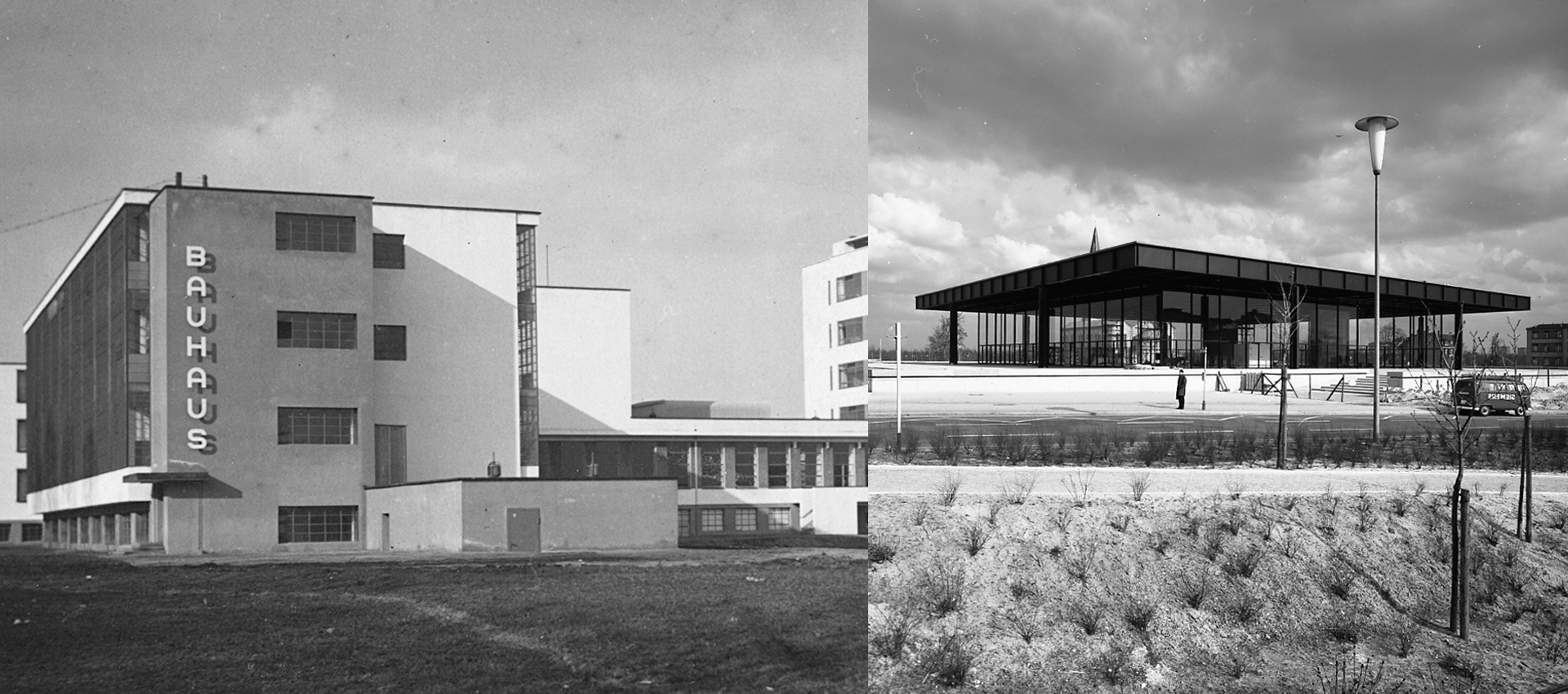
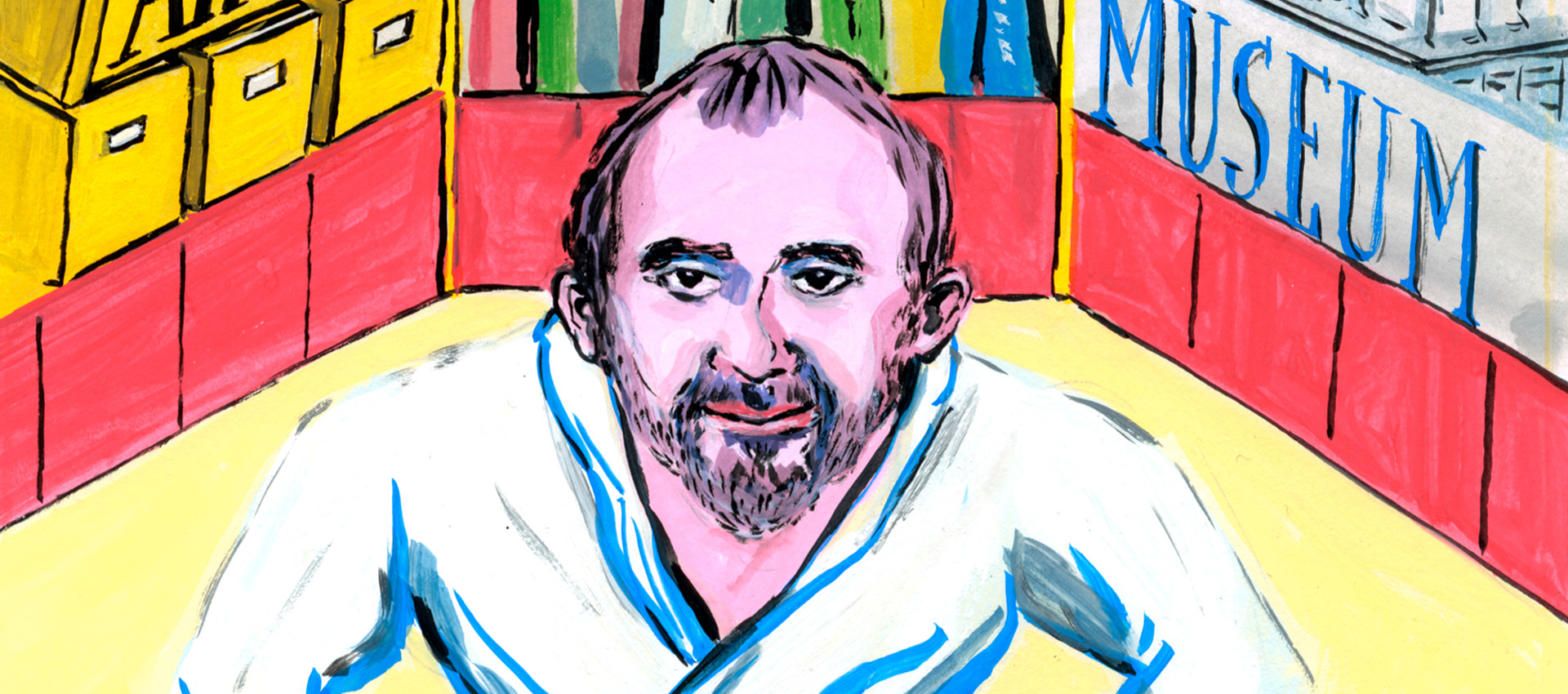
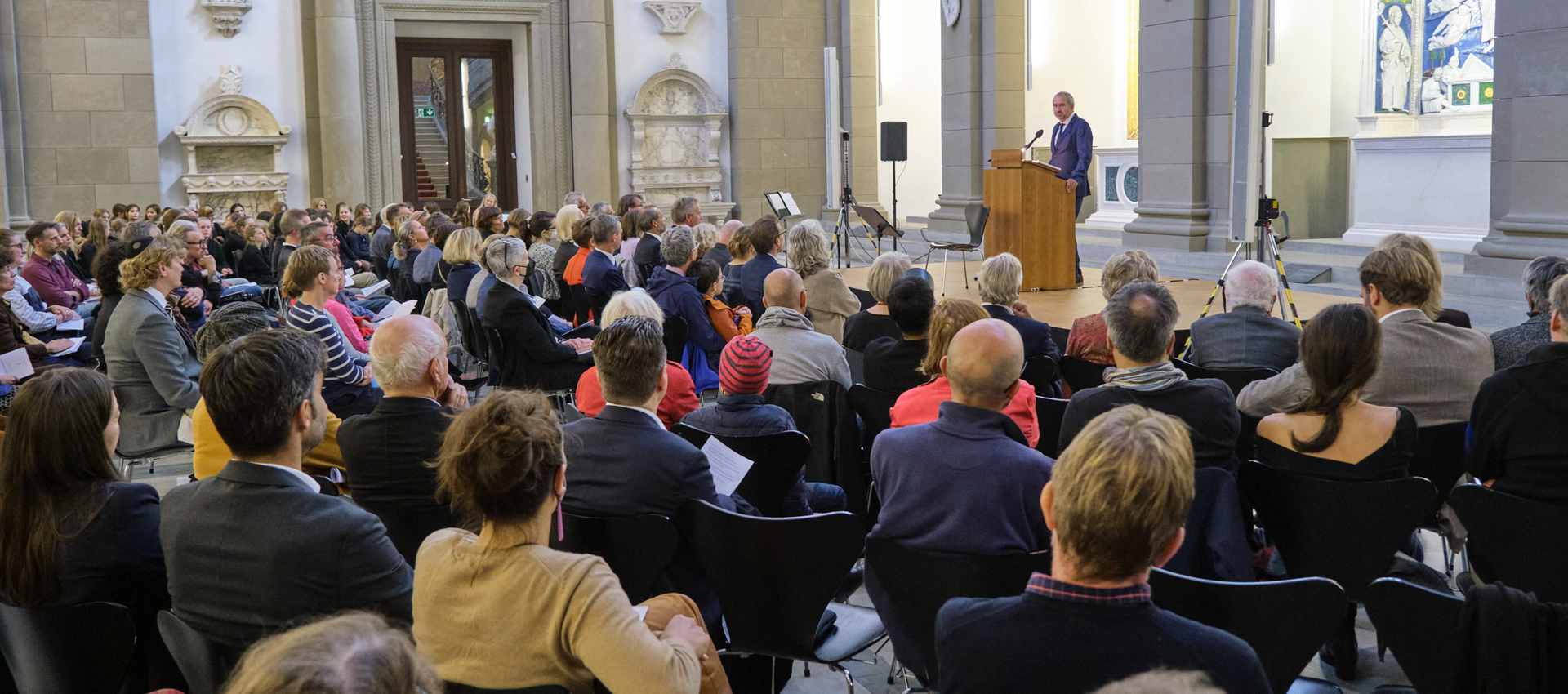
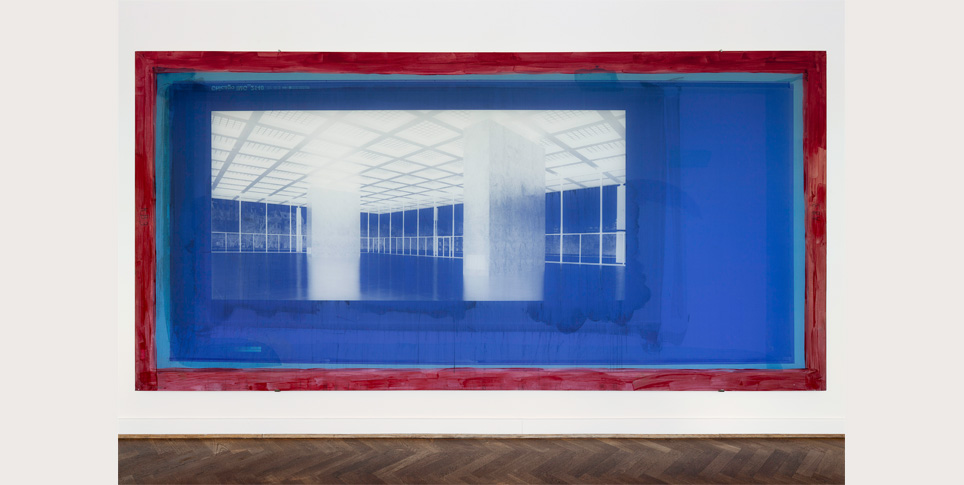
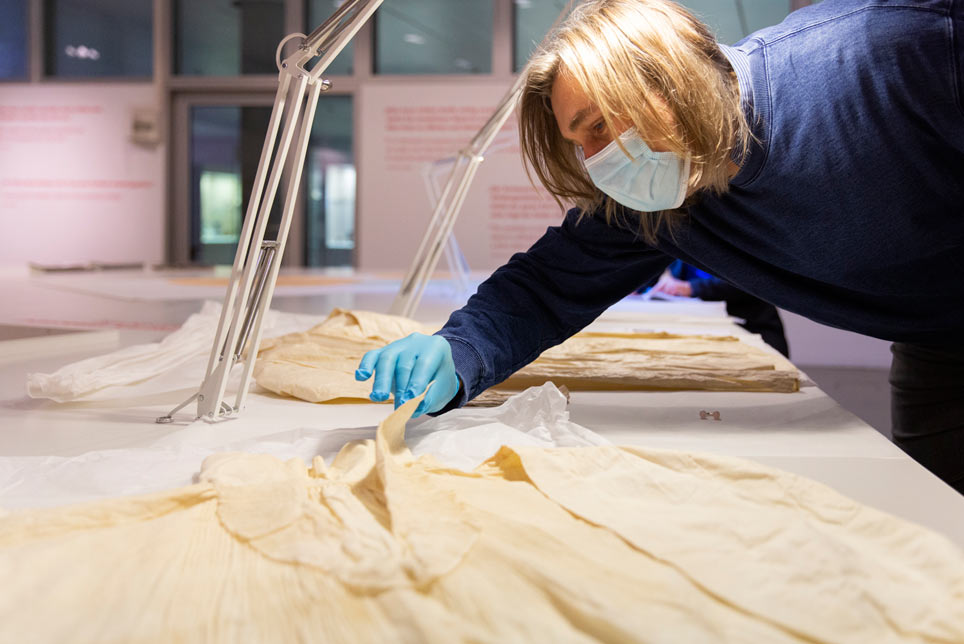
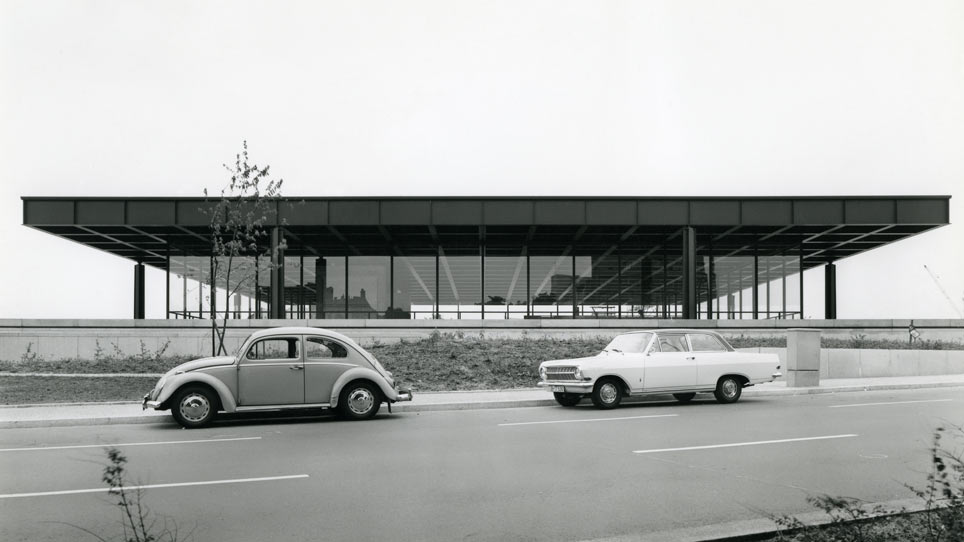
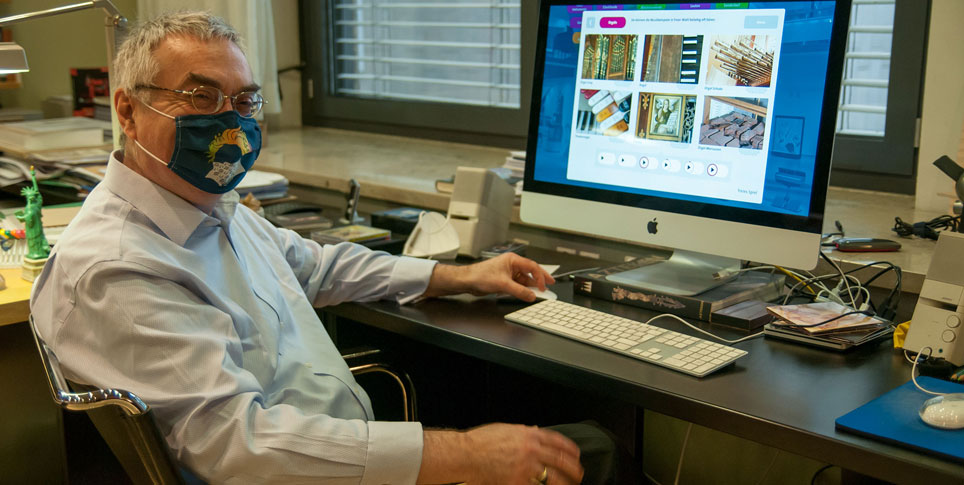
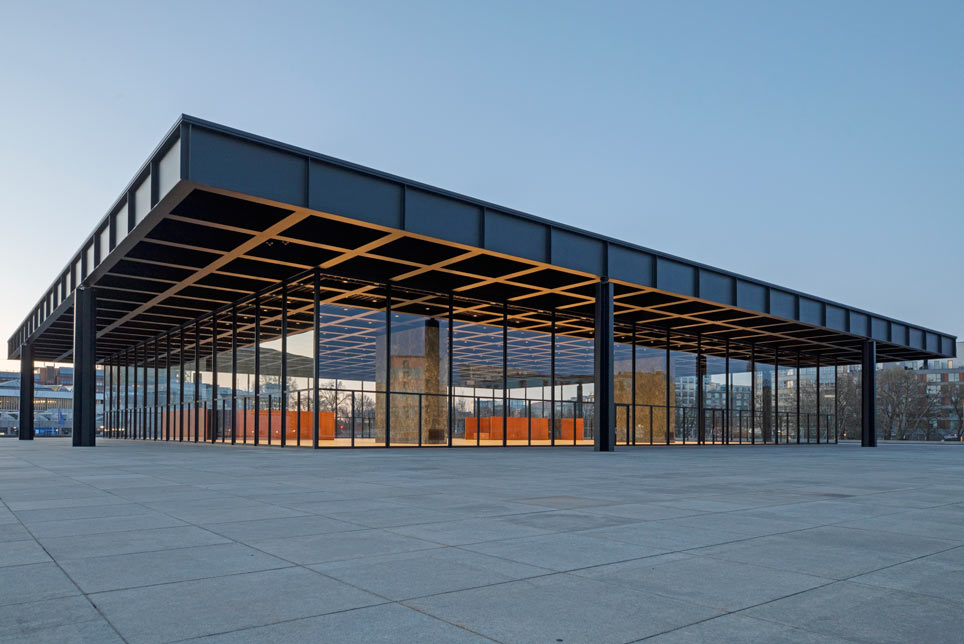
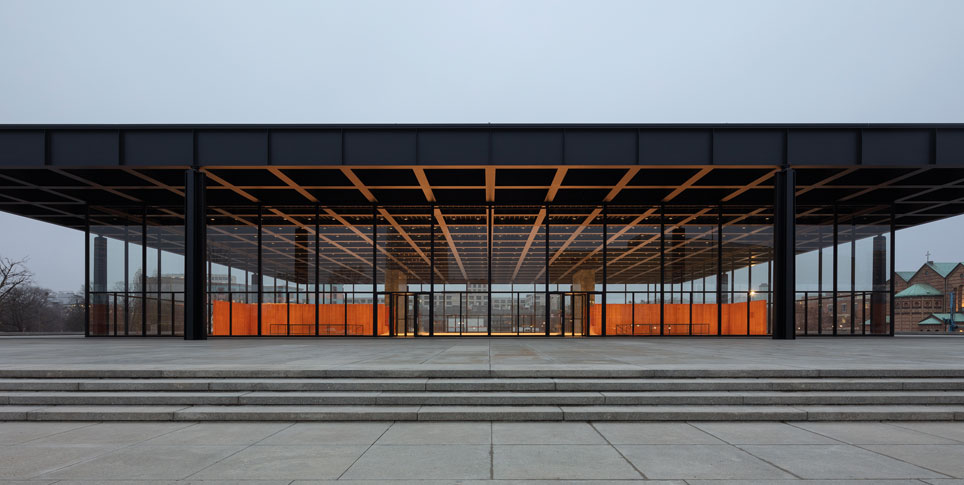
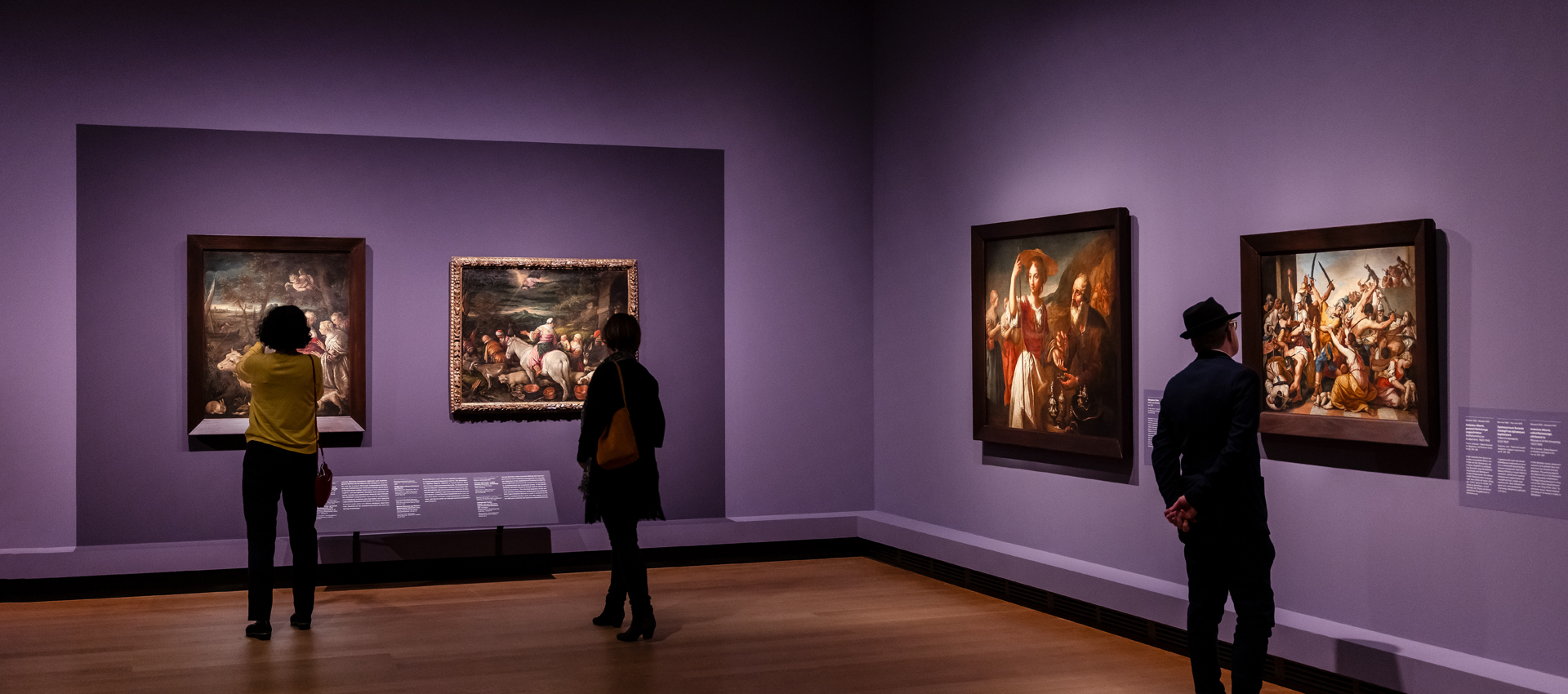
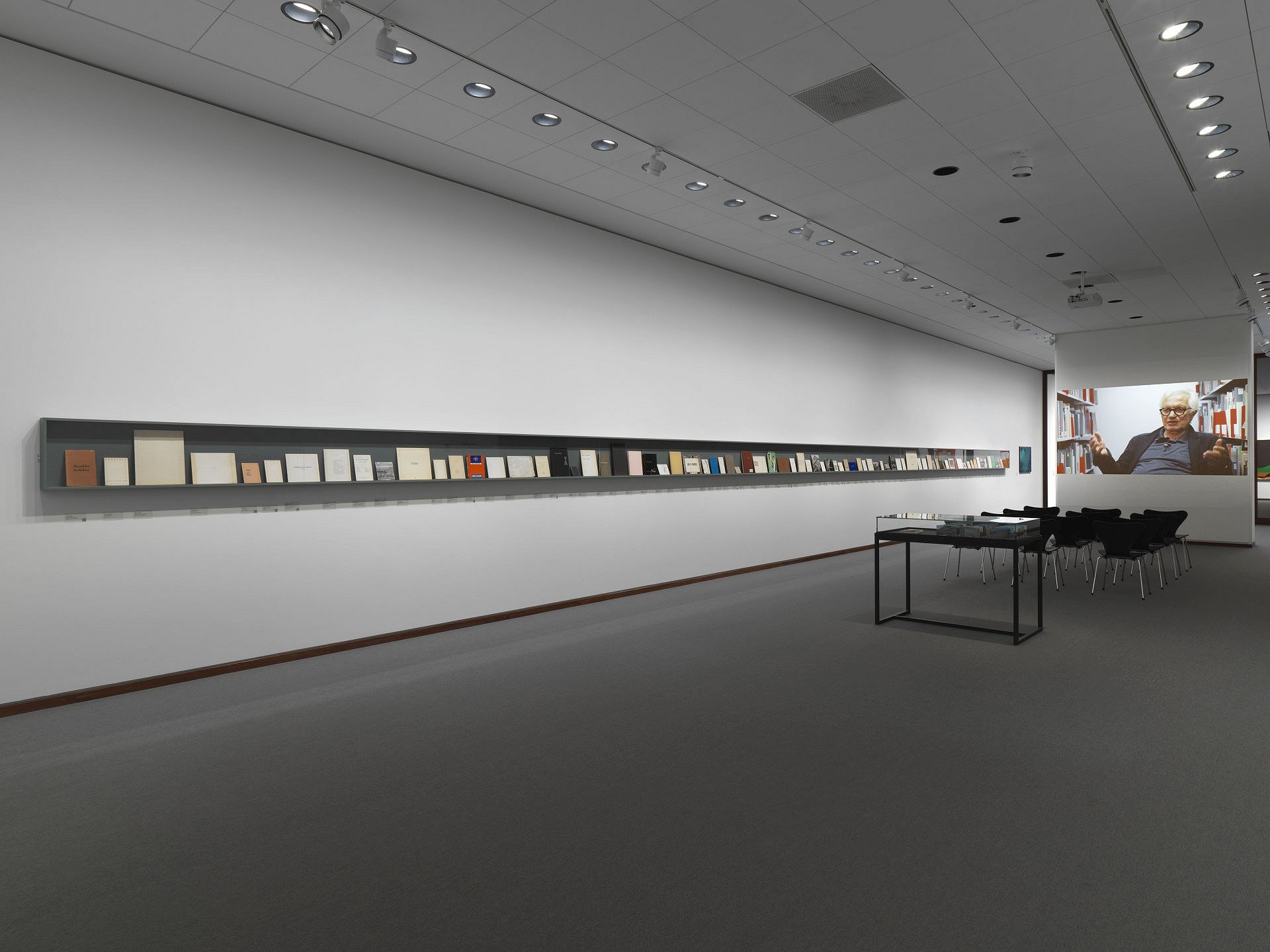
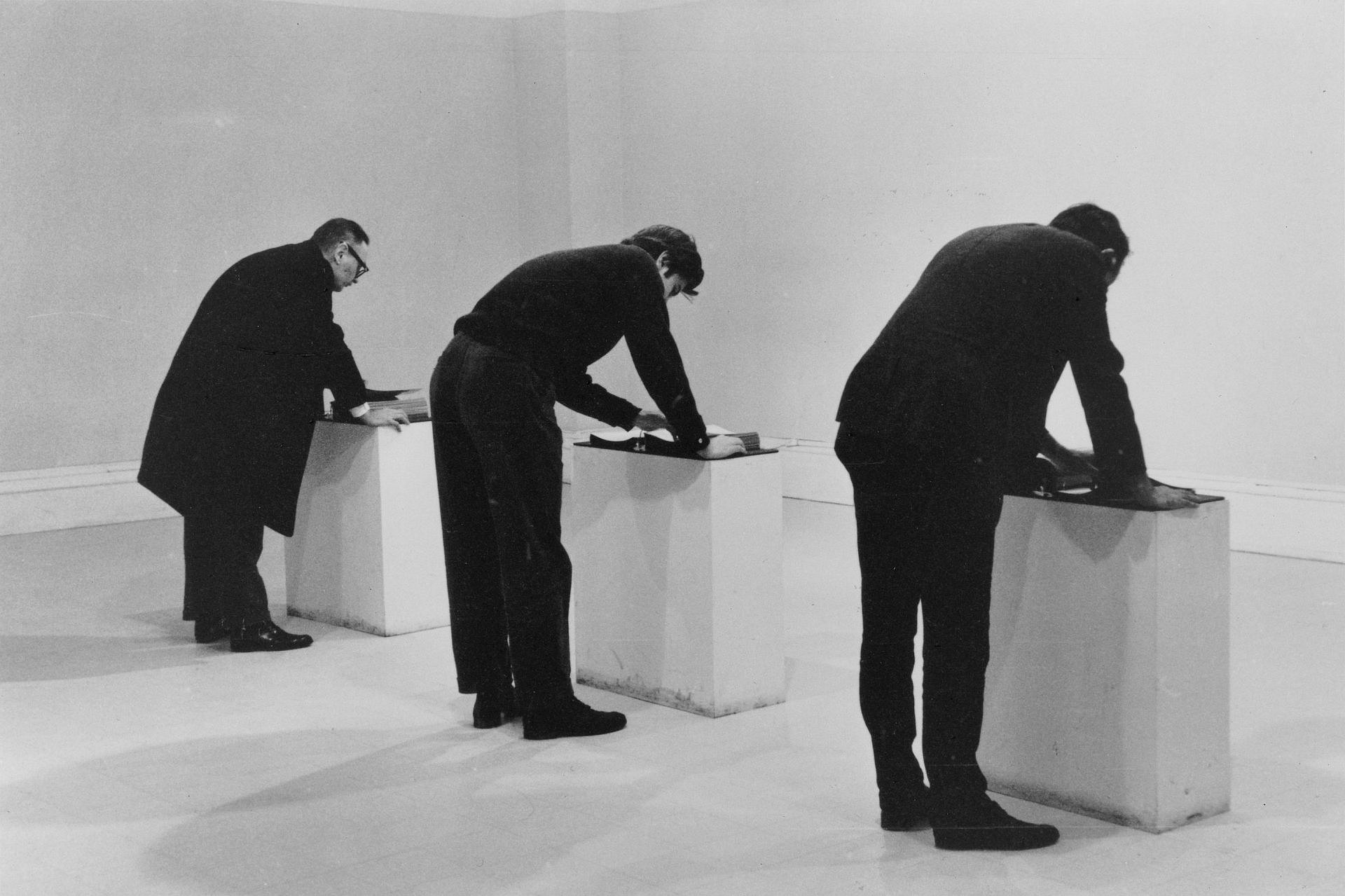
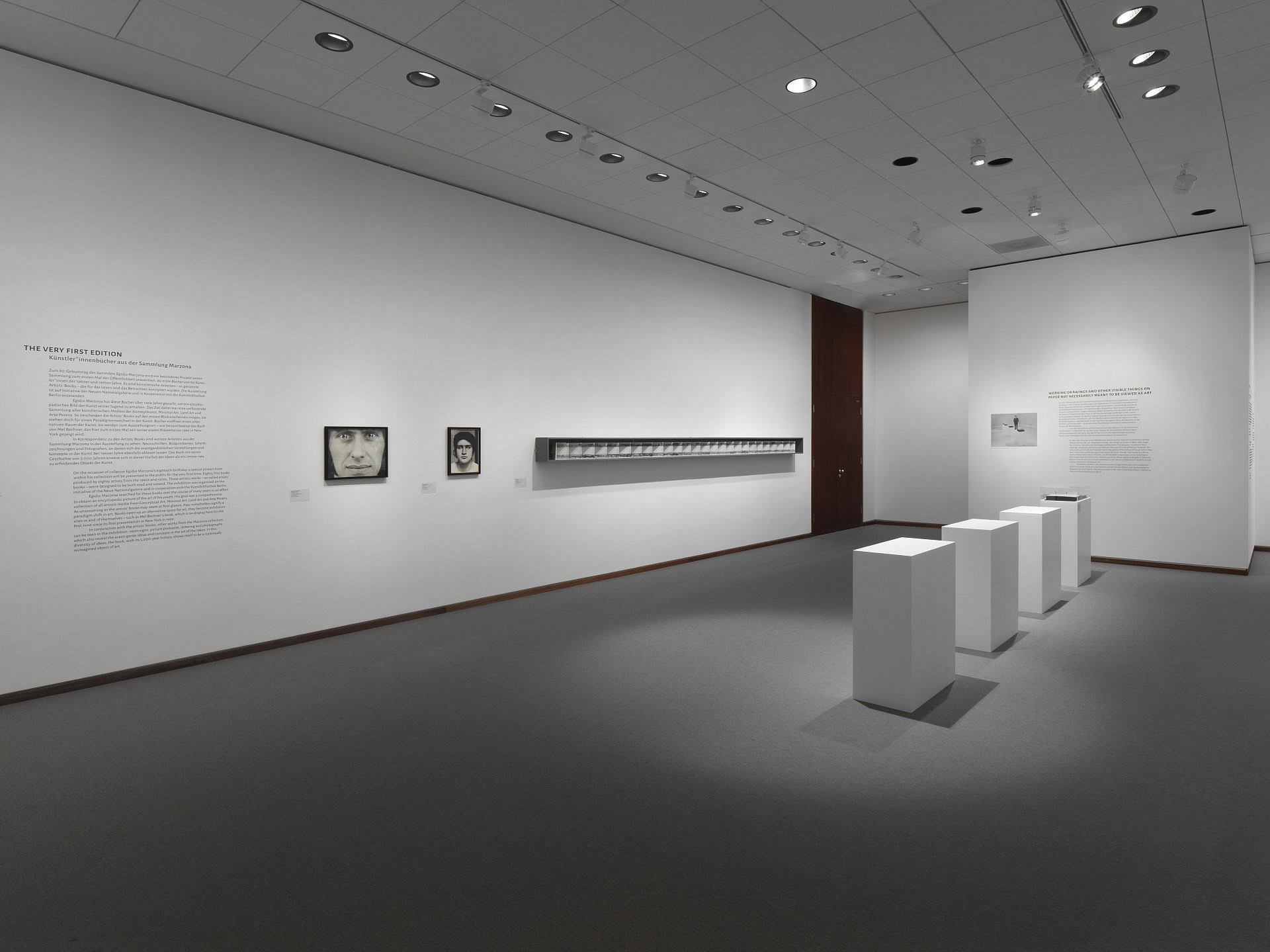
In the 1960s, Marzona also experienced what he describes as a “radical paradigm shift”: the book established itself as an independent artistic medium. Whereas previously thefocus had been primarily on illustration, the book itself was now regarded as a work of art. Artists’ books also form the centrepiece of Marzona’s exhibition “The Very First Editions”at the Neue Nationalgalerie. 80 first editions by 80 artists from the 1960s and 1970s are on display here for the first time. Treasures that are otherwise only to be seen in the reading rooms of the art library can be admired up close and also browsed through digitally. Marzona is delighted with the exhibition marking his birthday: “Of course, one could have put a Richard Serra there to show off. But this project was very close to my heart because I’ve never shown it to the public before. These books are fascinating works of art!”
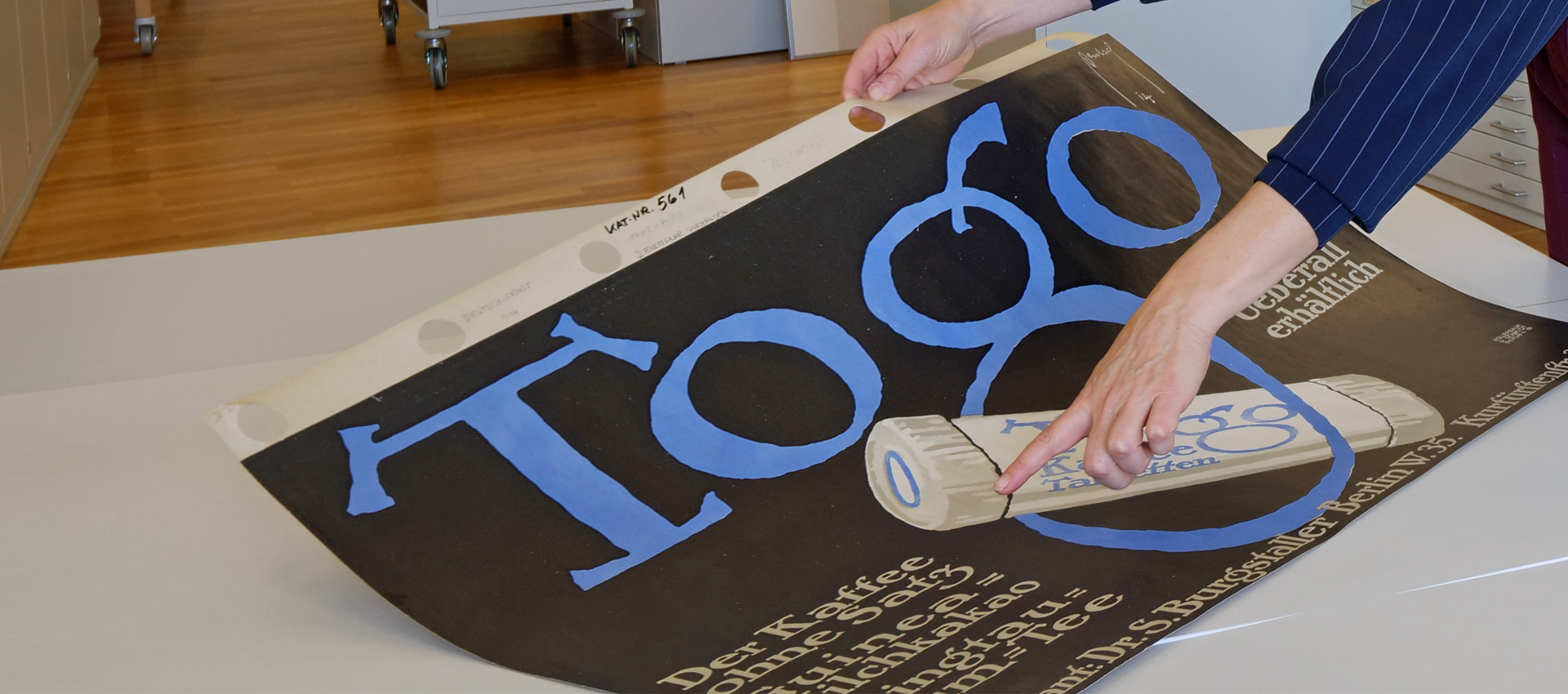
But for the collector, it is about more than just the finished “end product”: he has always been interested in the artists’ working and creative processes too. He maintained close ties with them and was in personal contact with many. “Everything that happened in any way within the sphere of these art movements interested me, and I collected it – from invitation cards to posters.”
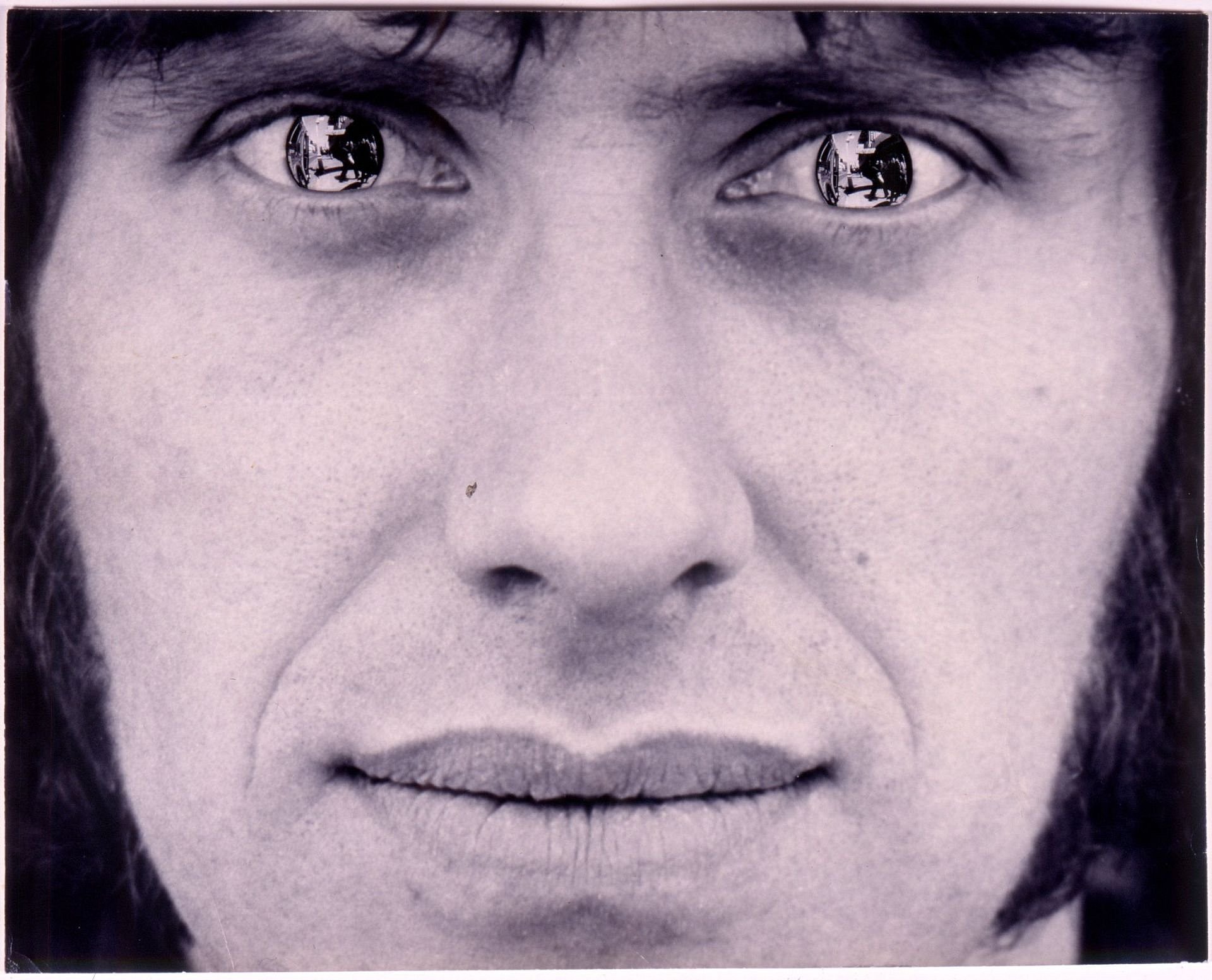
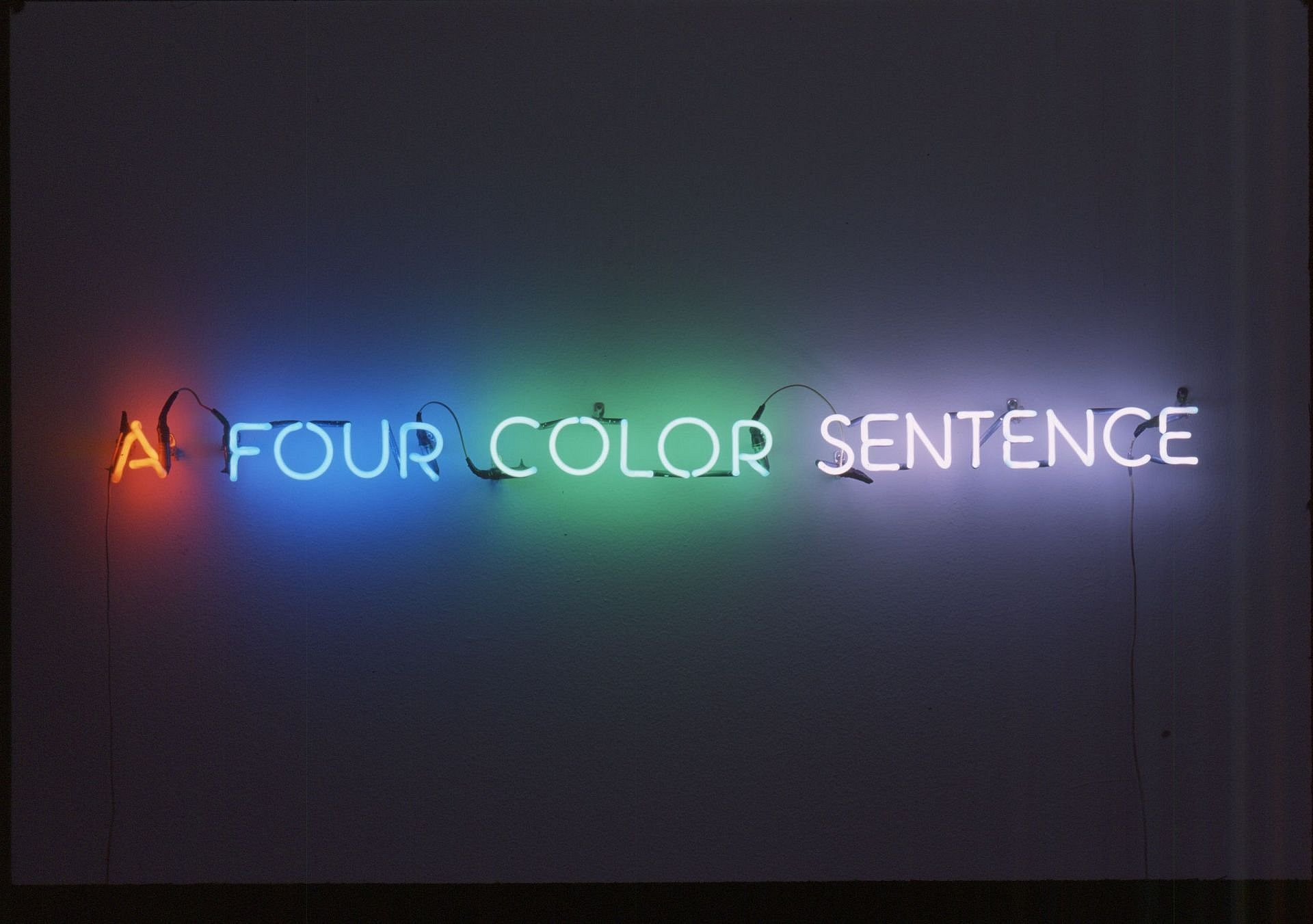
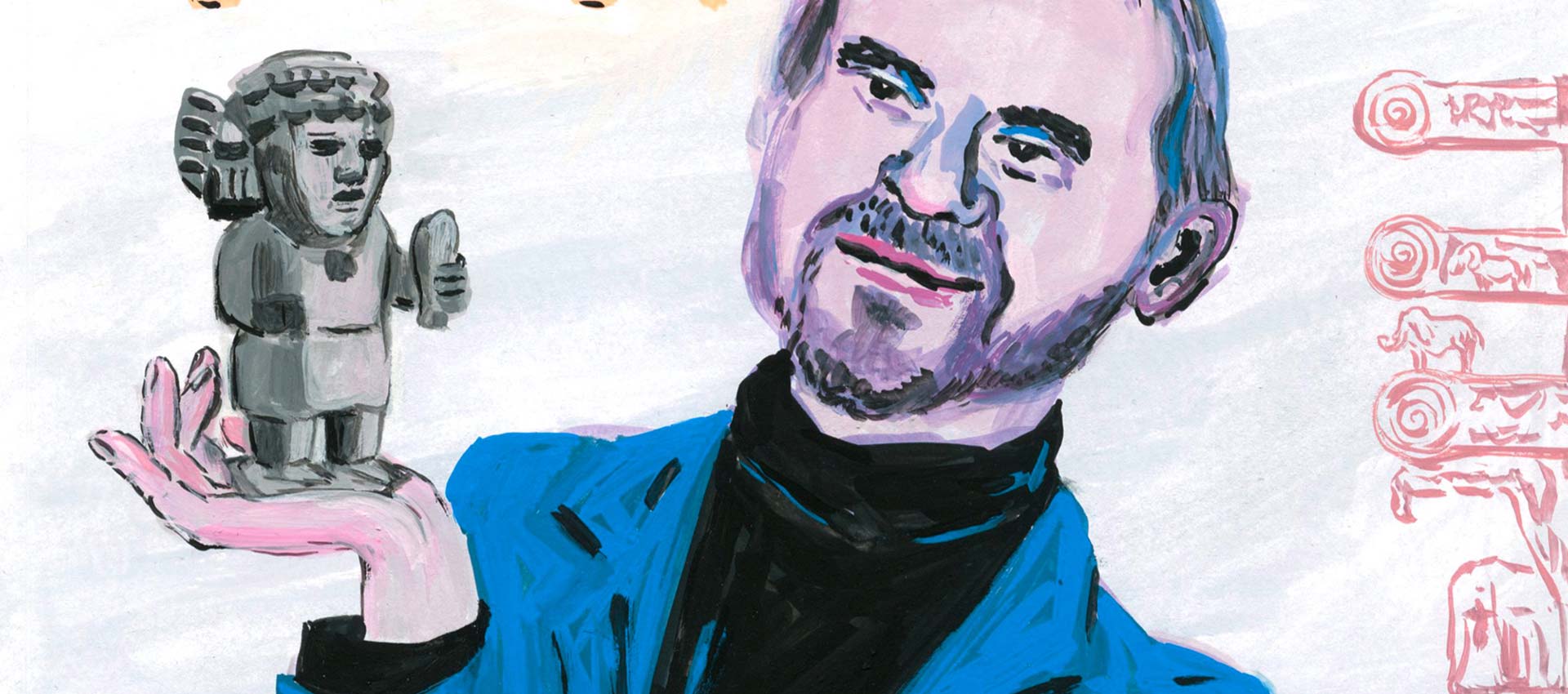
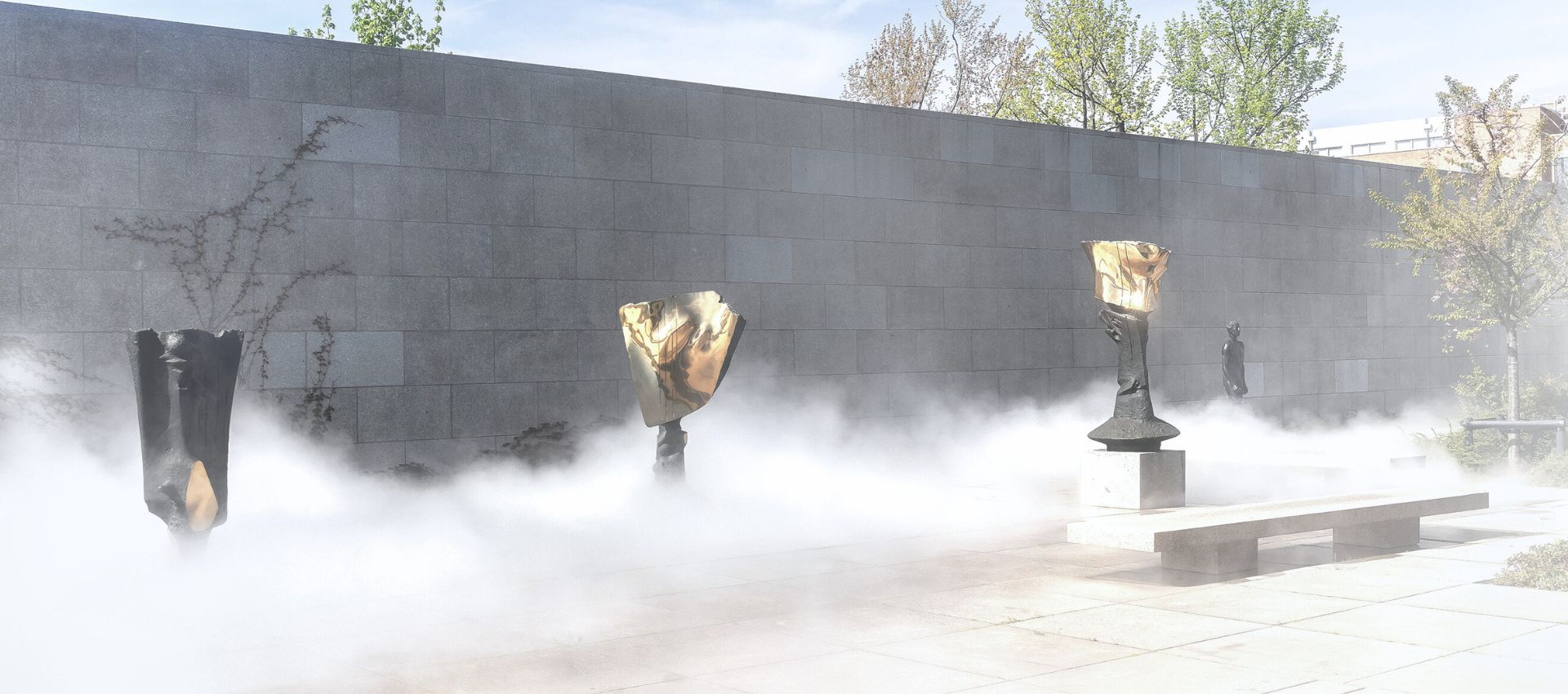
He was particularly influenced by the artist and gallery owner Konrad Fischer, with whom Marzona shared a deep friendship. It was also to him that he owed the idea for his sculpture garden in the Italian region of Friuli. A park open to the public on his family’s estate. Fischer often visited Marzona there “to go mushroom picking and play boules”. It was then that he had an idea, Marzona recalls: “Egidio, you’ve got a huge piece of land here. You’vegot to do something with art here!” Then things happened in quick succession: “Konrad rang Bruce Naumann and three months later I had a pyramid, as big as a three-storey house, standing in the garden.” Marzona smiles, takes a puff on his pipe and adds: “There’s no fence; you can visit the park 24/7 – and yet there’s never been any vandalism.”
A democratic archive
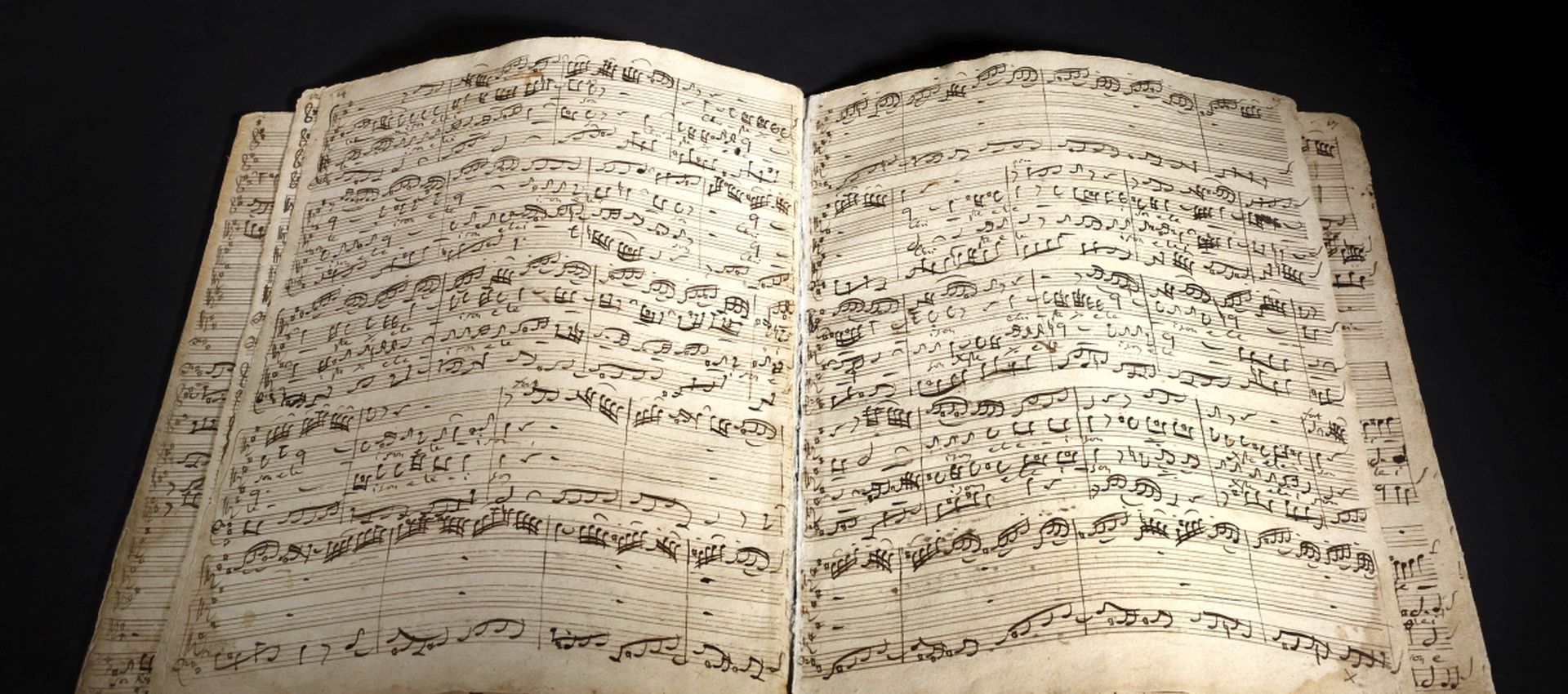
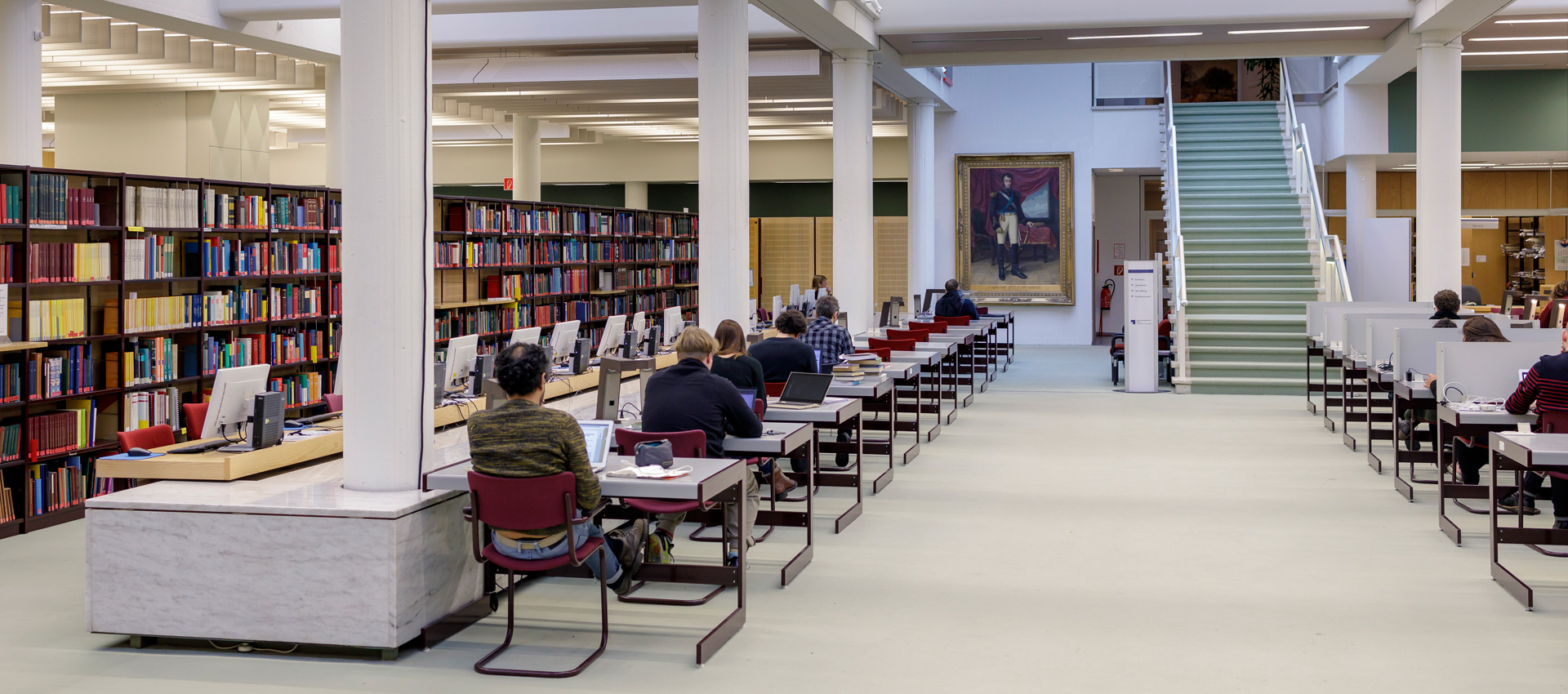
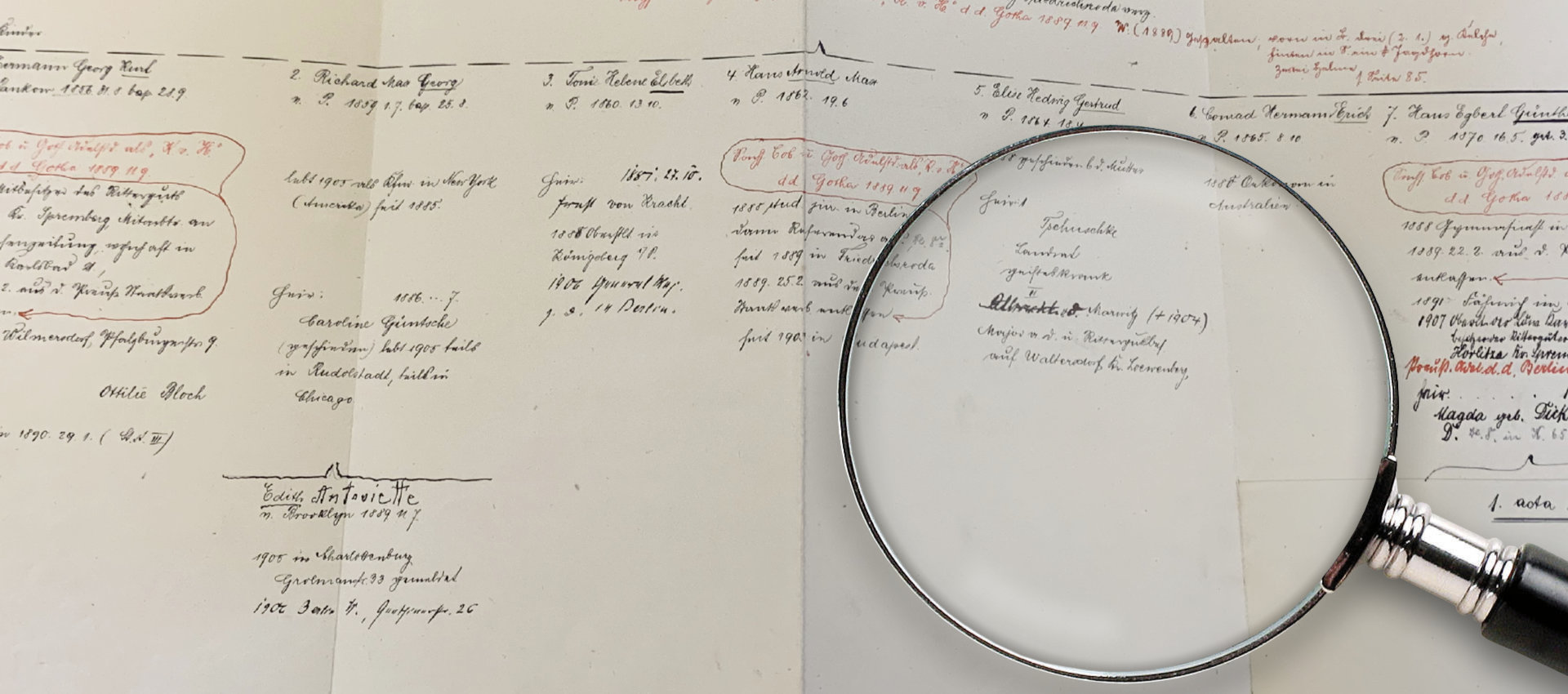
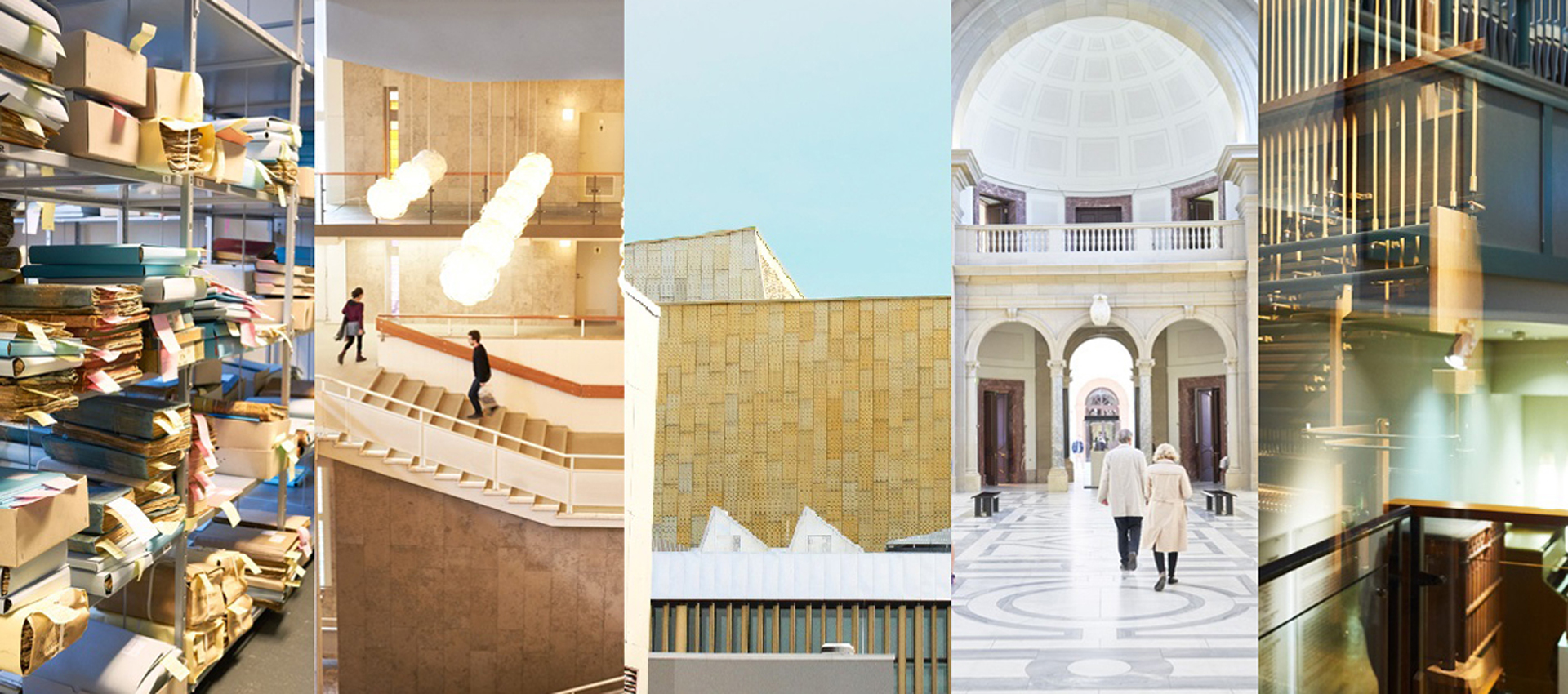
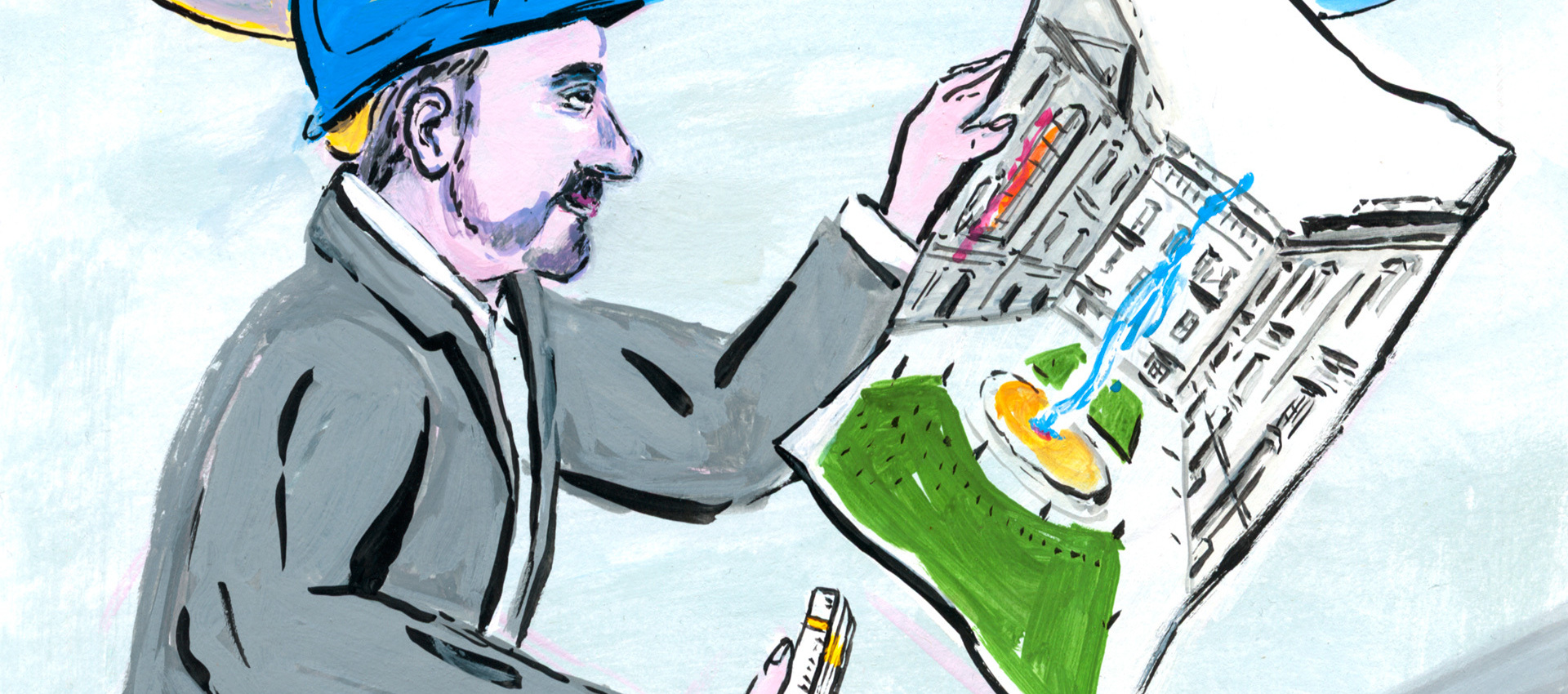
A must-see for any art-loving researcher is also the Archive of the Avant-gardes, which opened this year in the converted Dresden log cabin on the banks of the Elbe. Over 1.5 million objects from Marzona’s donations to the Dresden State Art Collections are housed here. Letters, artworks, designs, publications and posters, films, photographs – a cross-section of avant-garde and utopian movements of the 20th century.
Inspired by Hans Arp and El Lissitzky’s *Die Kunstismen* (1925), Marzona built up this diverse archive. “It is, after all, a snapshot of the 20th century. The archive relates solely to this period and the art movements such as geometric Art Nouveau, Futurism, Expressionism, Constructivism, Surrealism, Dada and right through to Pop Art, Fluxus and so on.” It is important to Marzona that there are no fixed hierarchies in his archive: “For me, an invitation card, a letter or a manuscript is just as important as an early Max Ernst painting,” he adds. “It is a democratic archive and works against the existing museum principle of hierarchy.”
I try to be a role model
Egidio Marzona on his role as an art patron
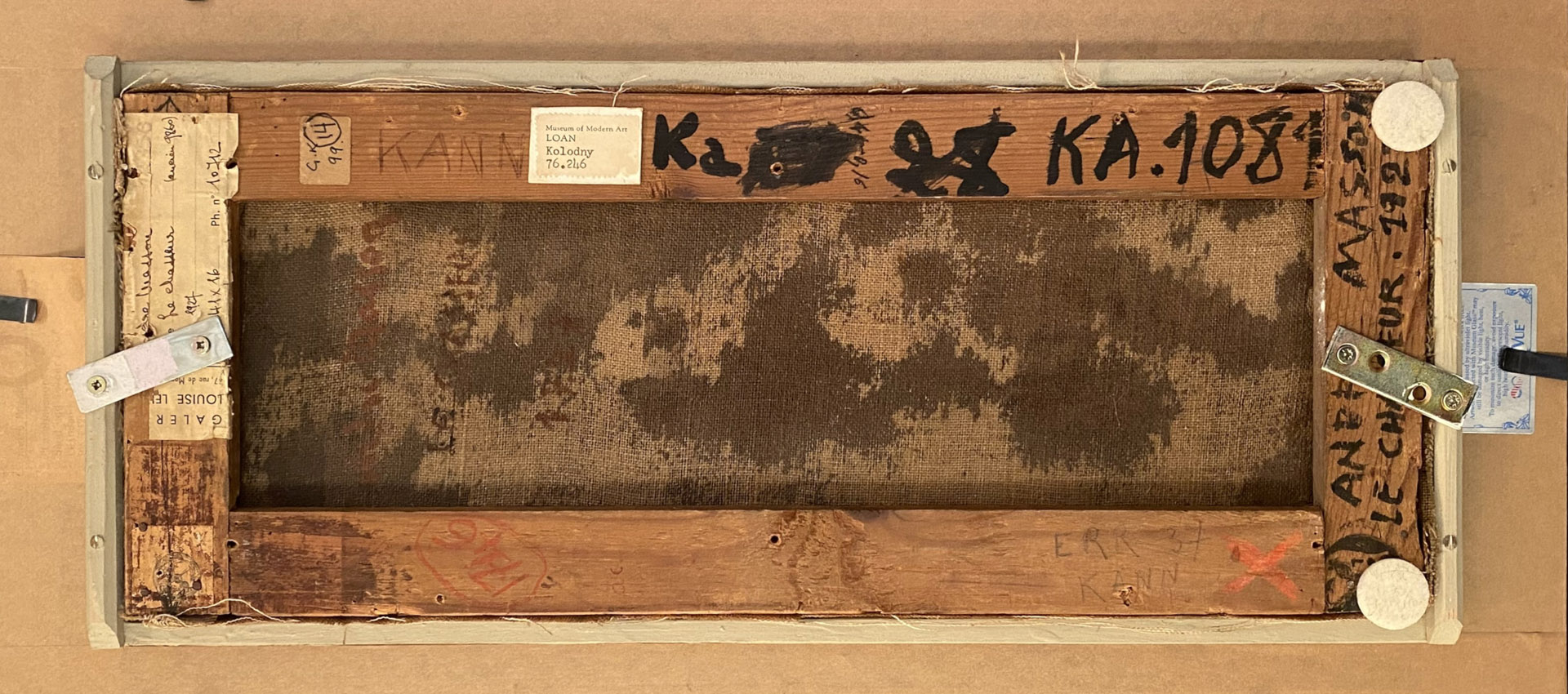
For the collector, the “Archive of the Avant-gardes” is first and foremost a research centre: “As a young man, I spent a lot of time in the United States and was impressed by the knowledge industry there. It’s amazing how much material is available to students and researchers at institutions like the Getty. I hadn’t experienced anything like that in Europe.” For Marzona, his archive is not meant to be an alternative, but a complement. But how does one manage to assemble such a large collection? “You have to be hard-working and well-connected,” replies the collector with a wink.
A desire for greater collaboration
The US art institutions, which have grown thanks to patronage, have presumably inspired the collector in other ways too: for many years, Egidio Marzona has been keen to make his art accessible to the public. A large part of his collection from the 1960s and 1970s was acquired by the Staatliche Museen zu Berlin in 2002 and 2016. At the same time, the “Archiv der Avantgarden” went to Dresden, linked to Marzona’s strong wish that both institutions work closely together on cataloguing in future.
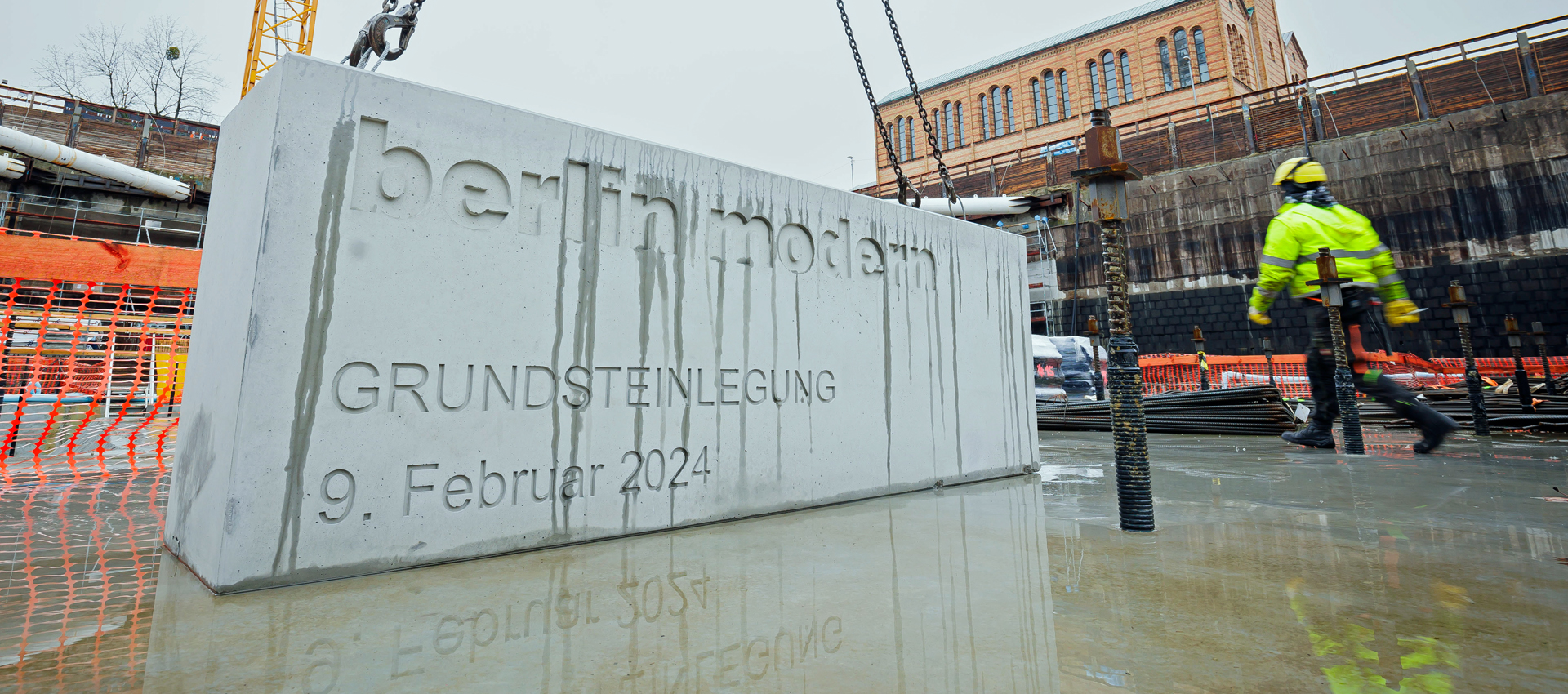
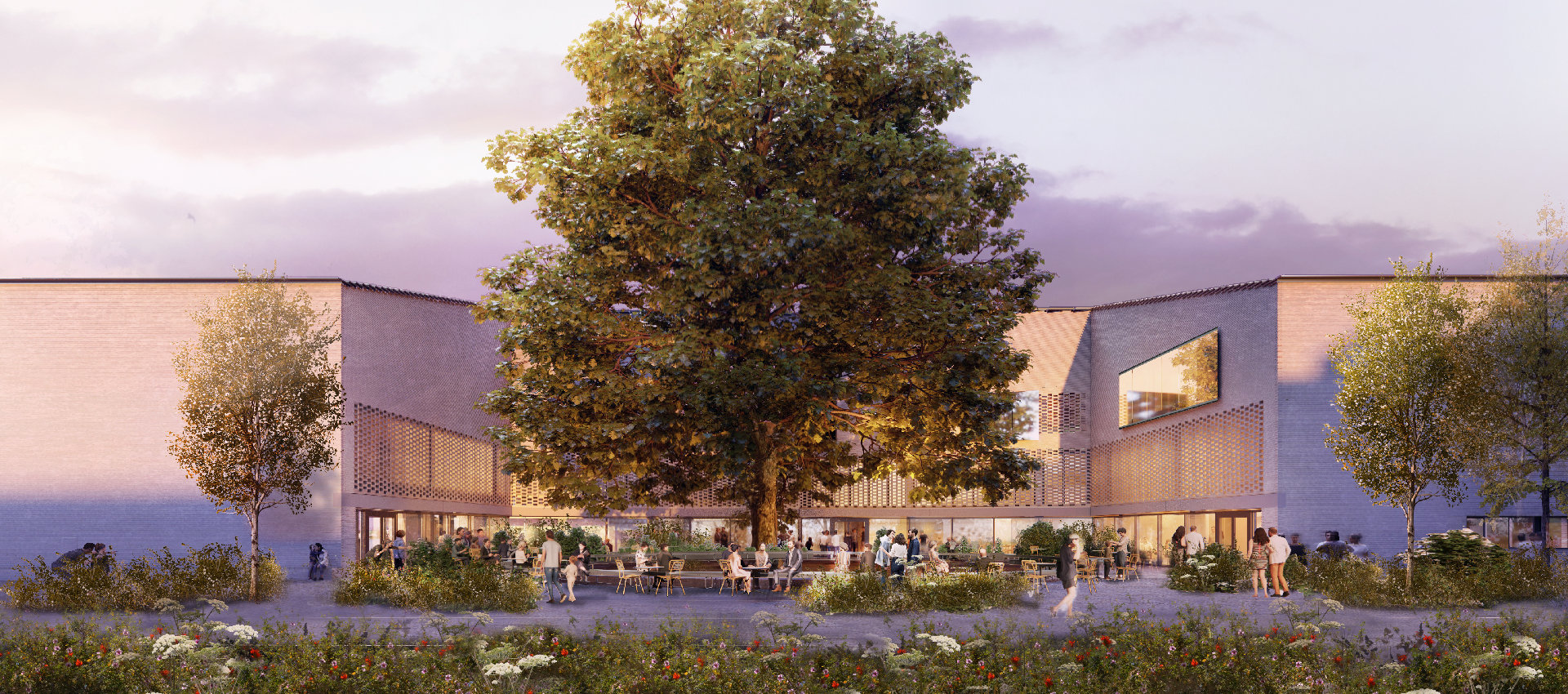
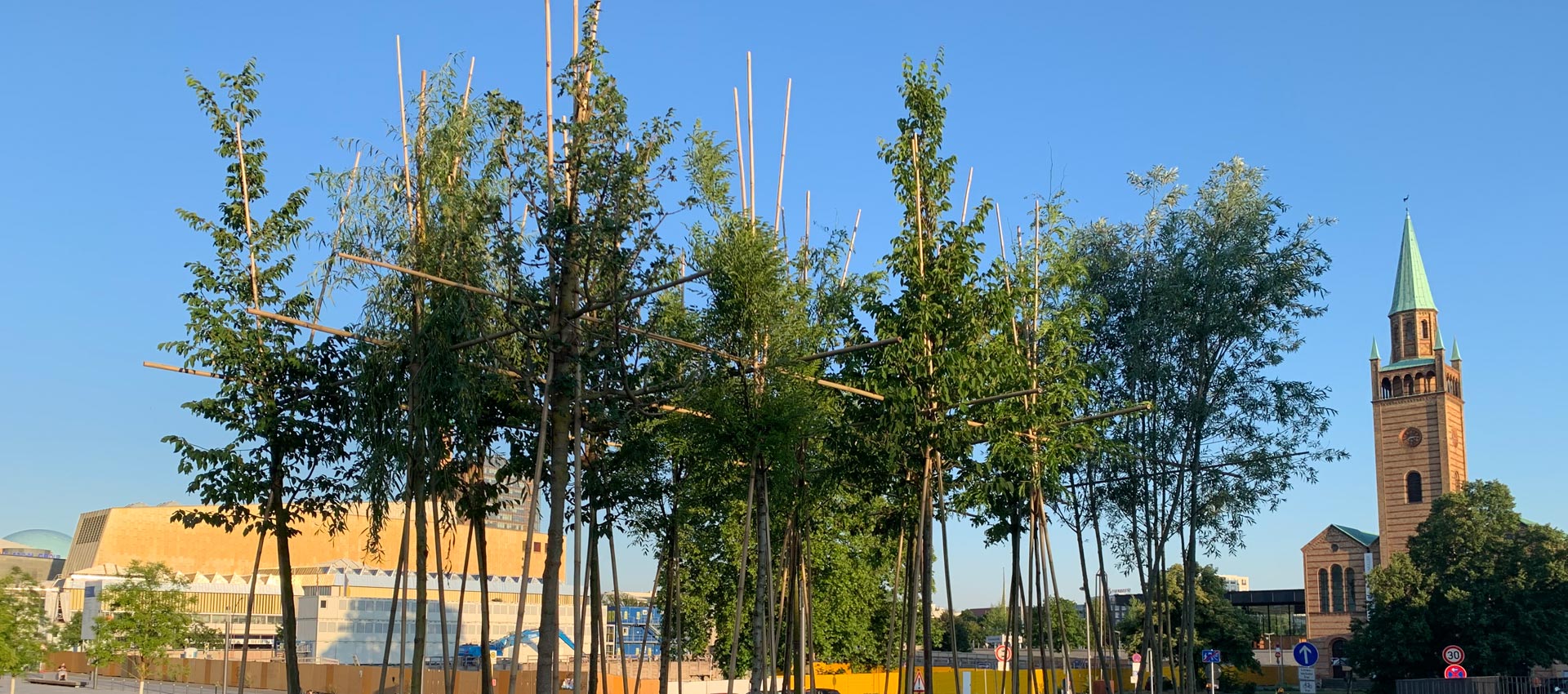
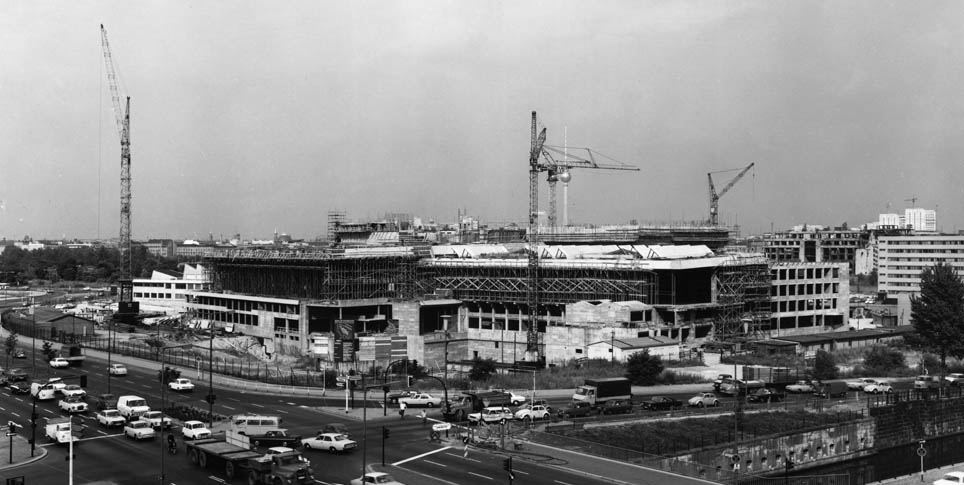
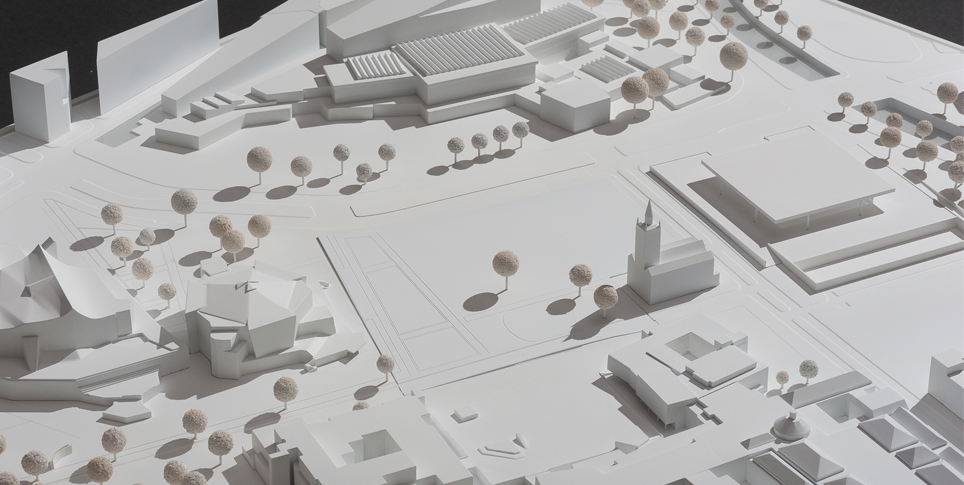
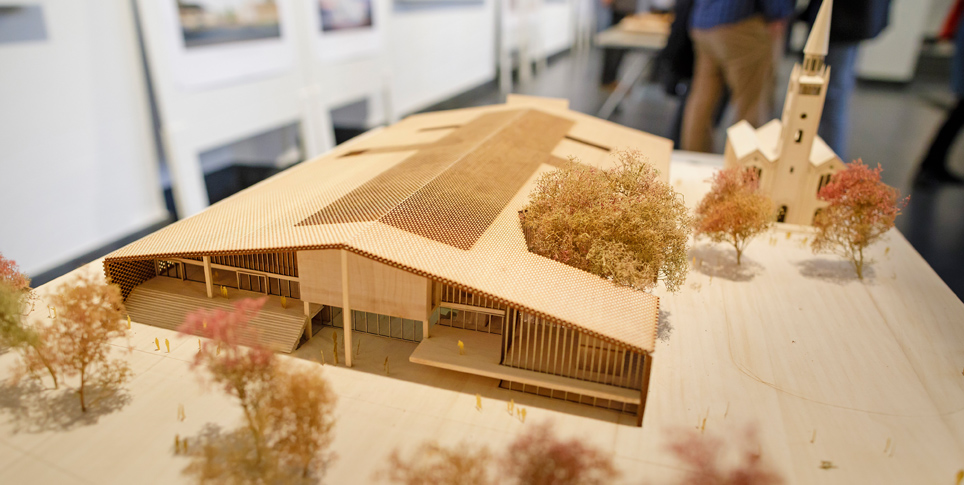
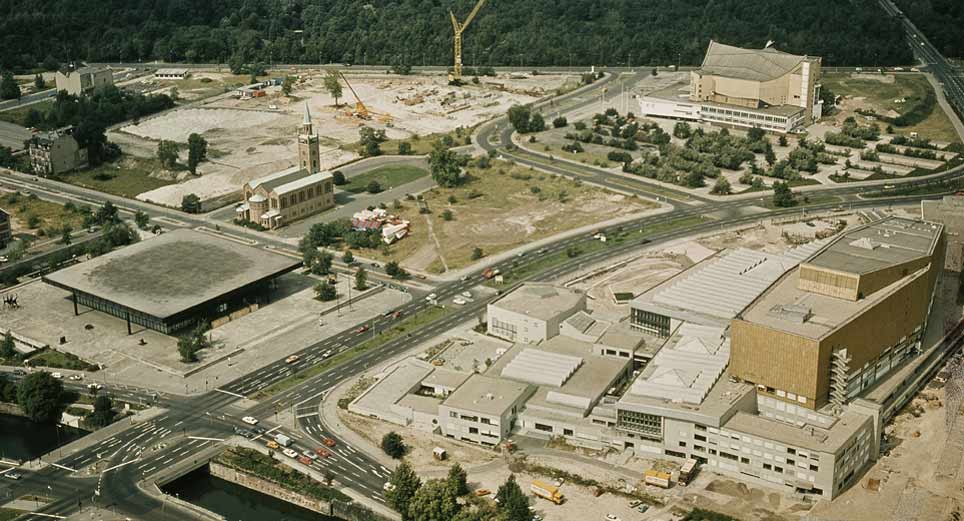
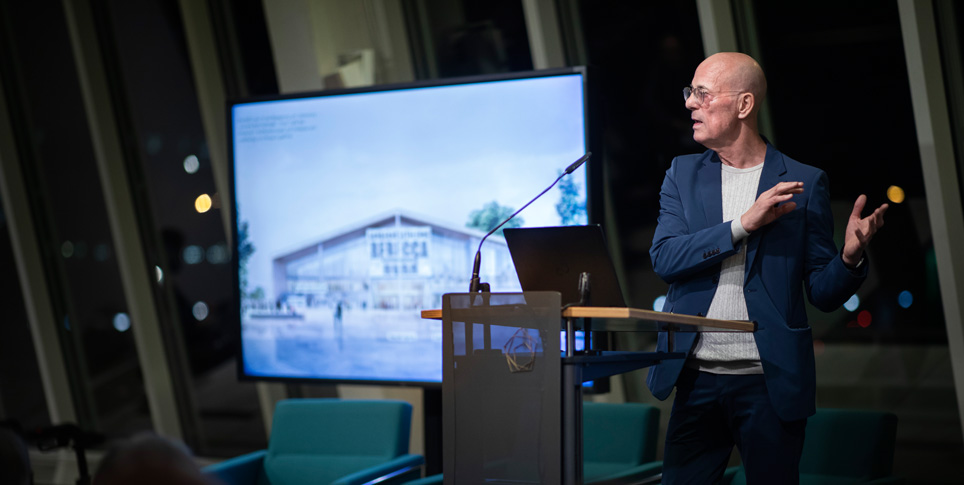
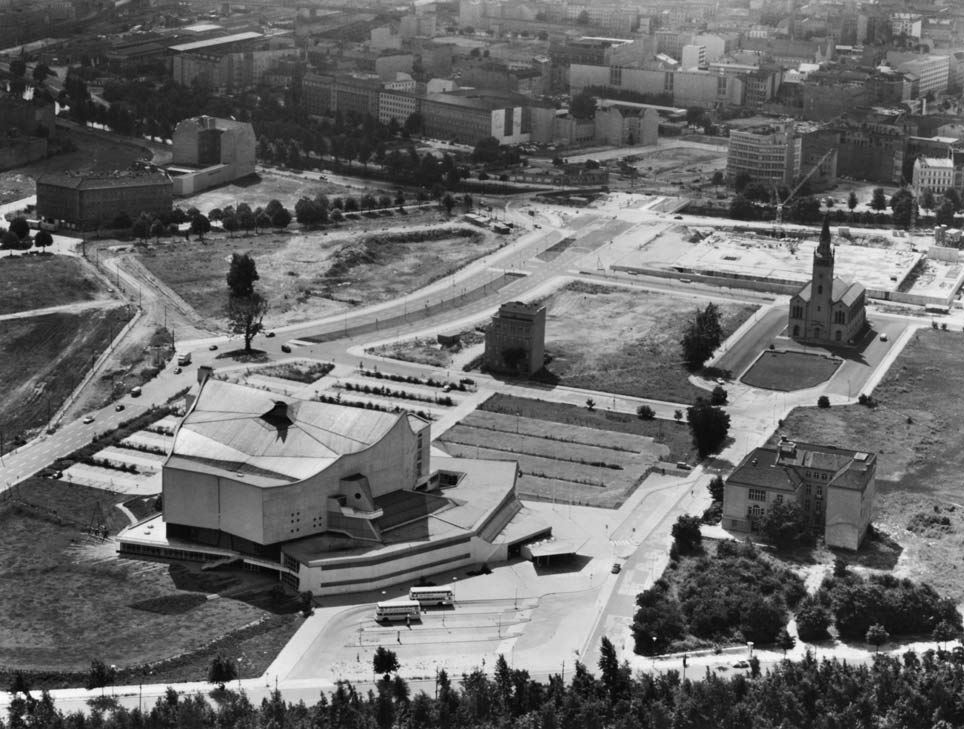
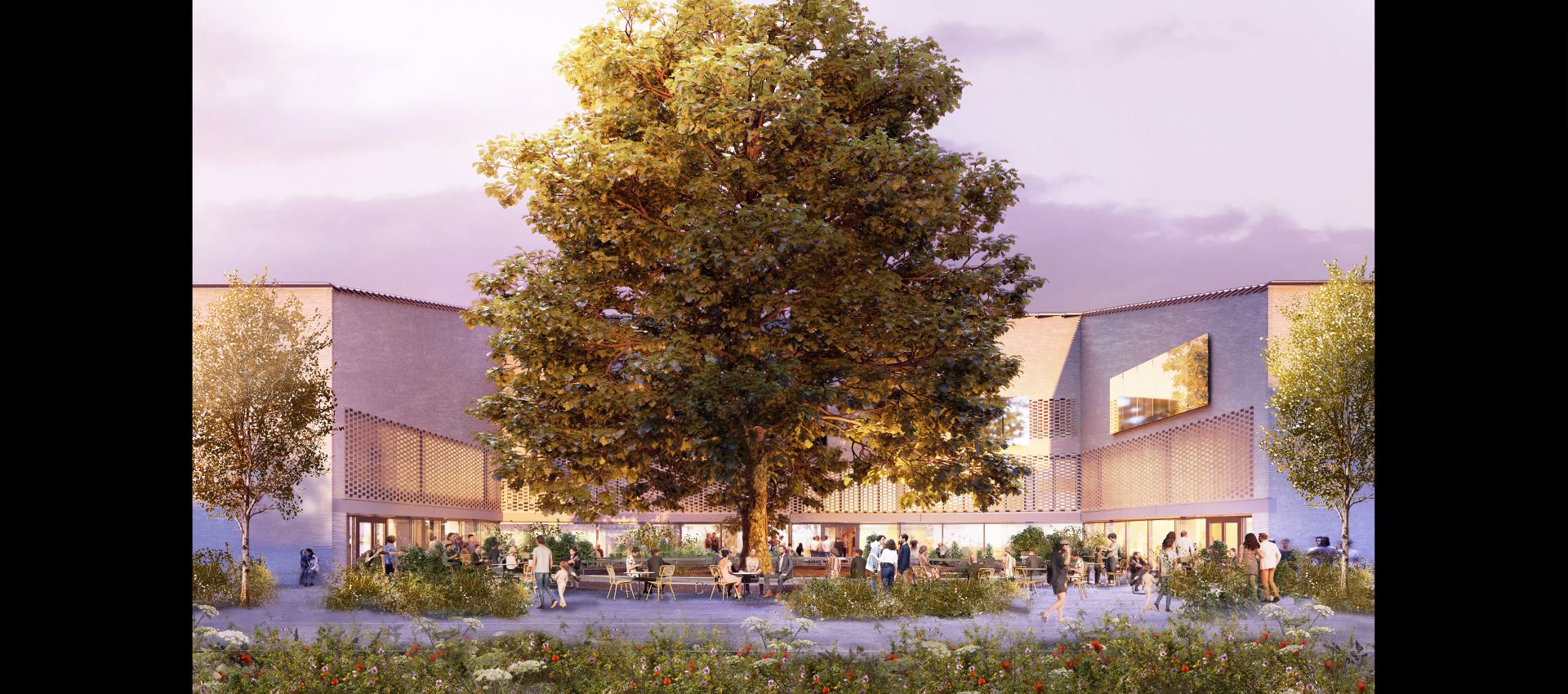
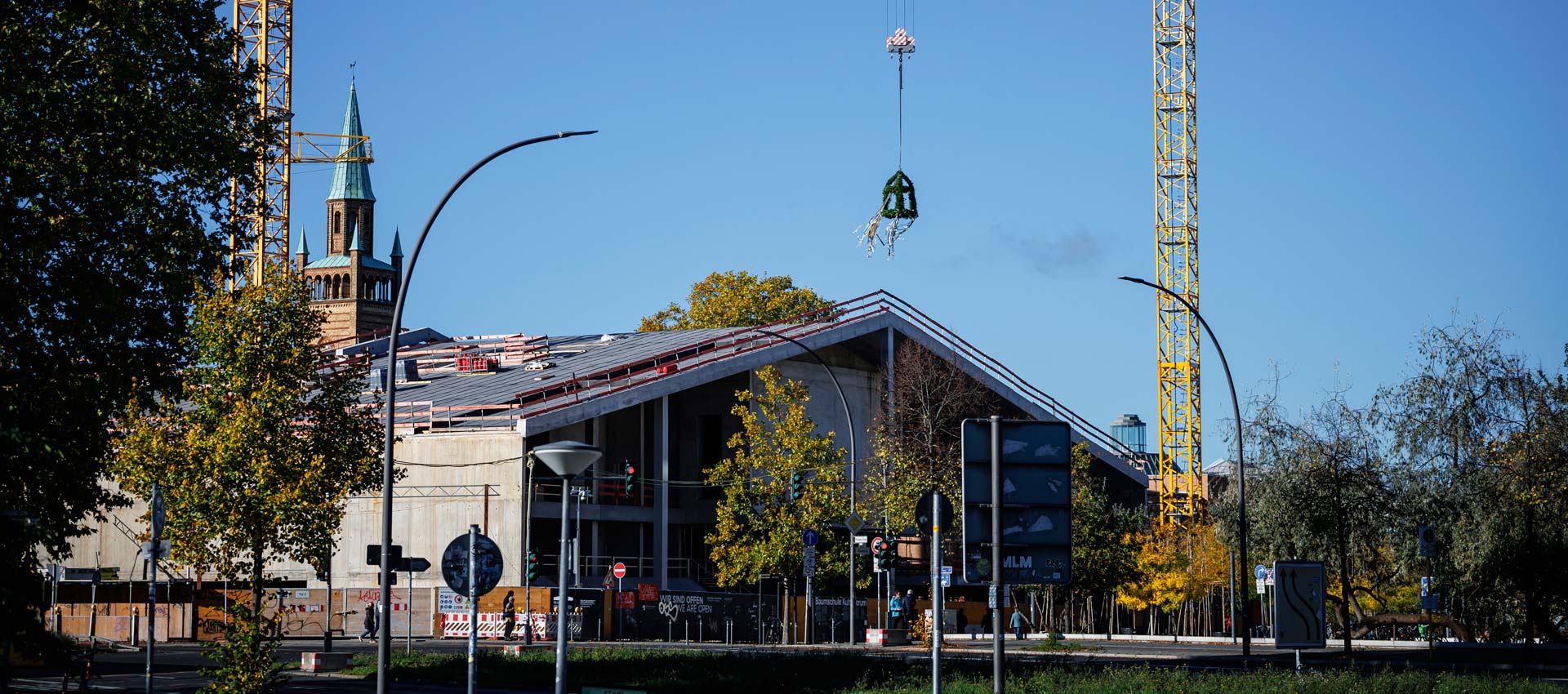
“I strive to be a role model, even if I don’t receive much public thanks – unlike when Günther Jauch donates a few hundred thousand euros for a turret in Potsdam – that’s when people cheer.” For Marzona, the exhibition at the Neue Nationalgalerie also sets the tone for collaboration between the Nationalgalerie, the Kunstbibliothek and the Dresden State Art Collections. And so he also has high hopes for the berlin modern, currently under construction, which will provide the space to present and showcase the works in his collection to the public in a new light.
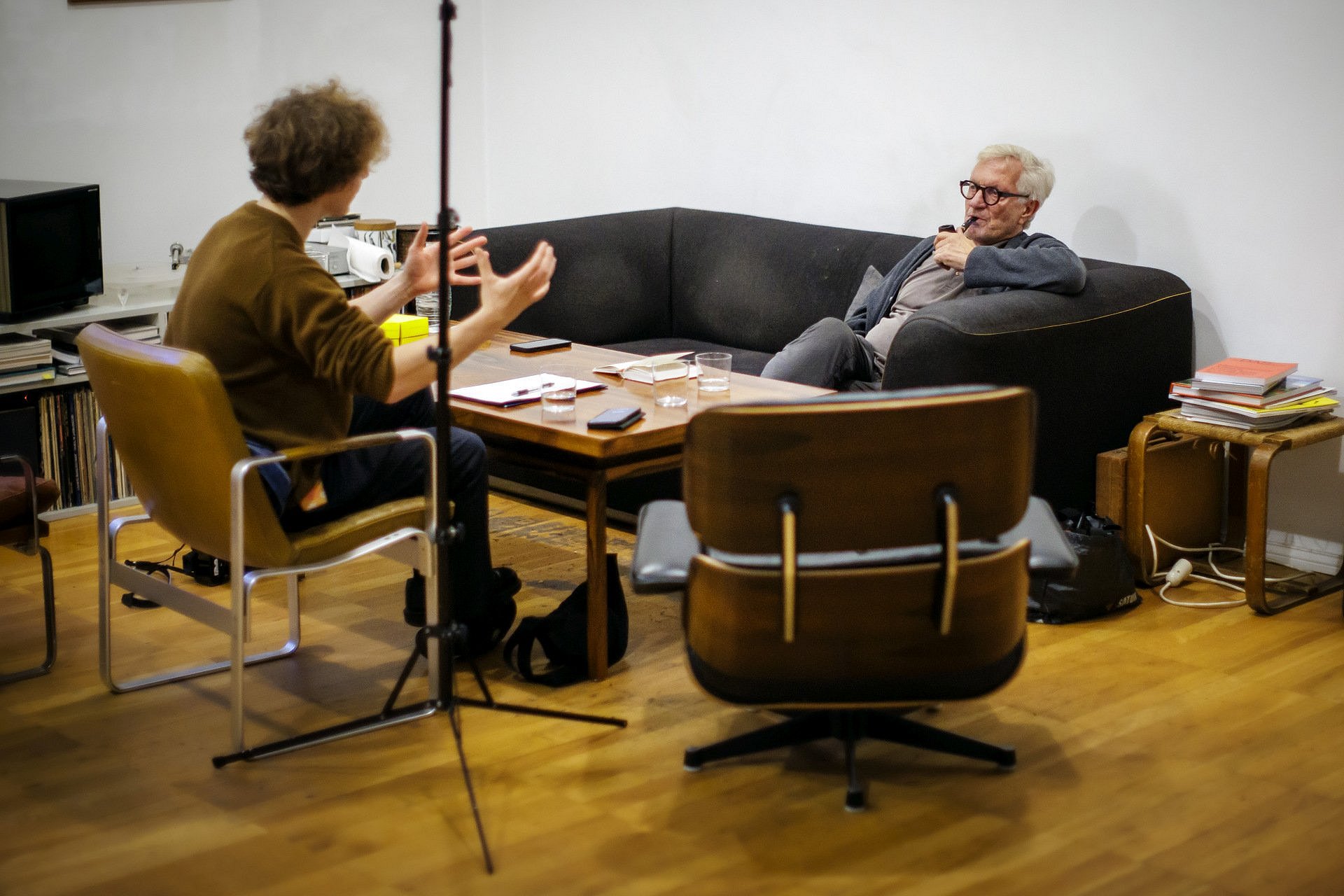
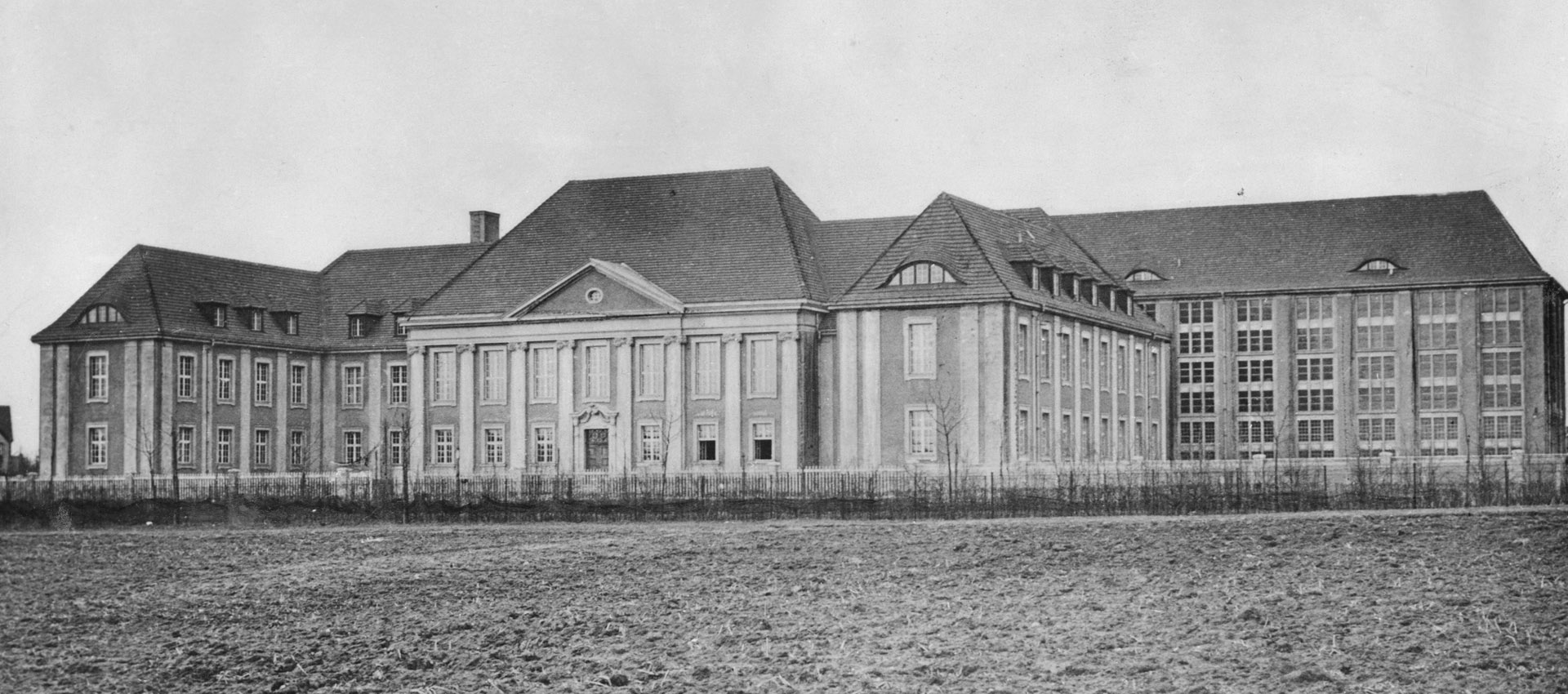
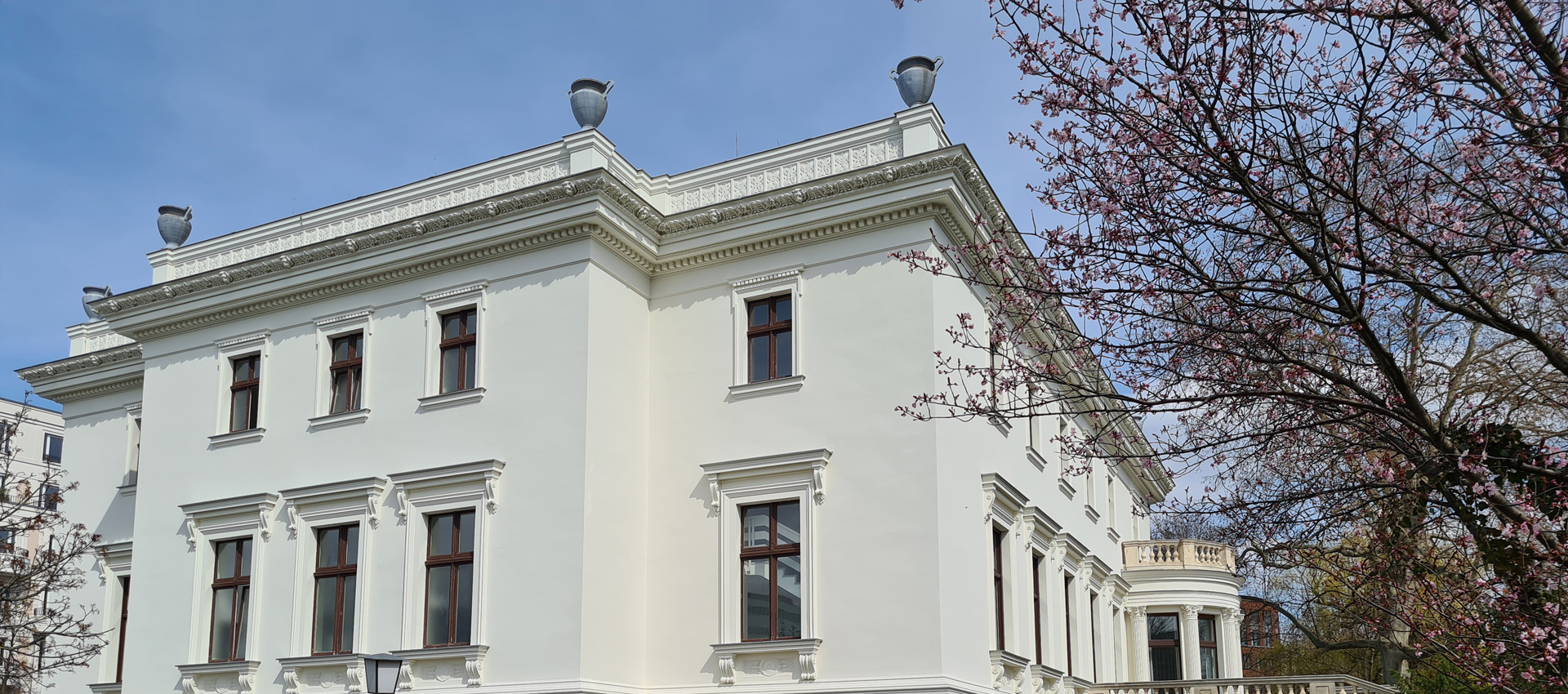
“I am a political person,” the collector adds. As well as Berlin, it was important to him to make a statement in Dresden at a time “when Pegida was running riot in the streets”. His latest project, the Design Akademie Saaleck (DAS), is further evidence of Marzona’s commitment. In 2018, he acquired the former Saaleck workshops of the Nazi racial ideologist, Bauhaus detractor and architect Paul Schultze-Naumburg – a site that was in danger of becoming a pilgrimage site for neo-Nazis – “politically highly charged, an uncomfortable monument that I wanted to transform,” as he puts it.
Designers and architects come together here. Under changing artistic directors, they bring the site to life, developing forward-thinking ideas whilst engaging with the problematic past. The DAS is already collaborating with major players such as Harvard University’s Design Department; it is currently undergoing a major refurbishment and is set to become even larger in the future – “like the Villa Massimo in Rome,” enthuses Egidio Marzona – and sounds like someone who, at the age of 80, still has big plans.
Further links
- "Making the future possible: Doing good with good money"
- "The major benefactors"
- "Laying the foundation stone for berlin modern: A house open to all cannot, by its very nature, be small"
- Exhibition "The Very First Edition: Artists’ Books from the Marzona Collection", on display until 26 January 2025 at the Neue Nationalgalerie