Morocco’s museums are undergoing a remarkable transformation.
During a visit to Rabat and Fès, SPK President Marion Ackermann encounters new venues, ambitious construction projects and a young museum foundation that positions Morocco as a cultural hub between Africa, Europe and the Arab world. A look at partnerships, networks and the future of international museum work.
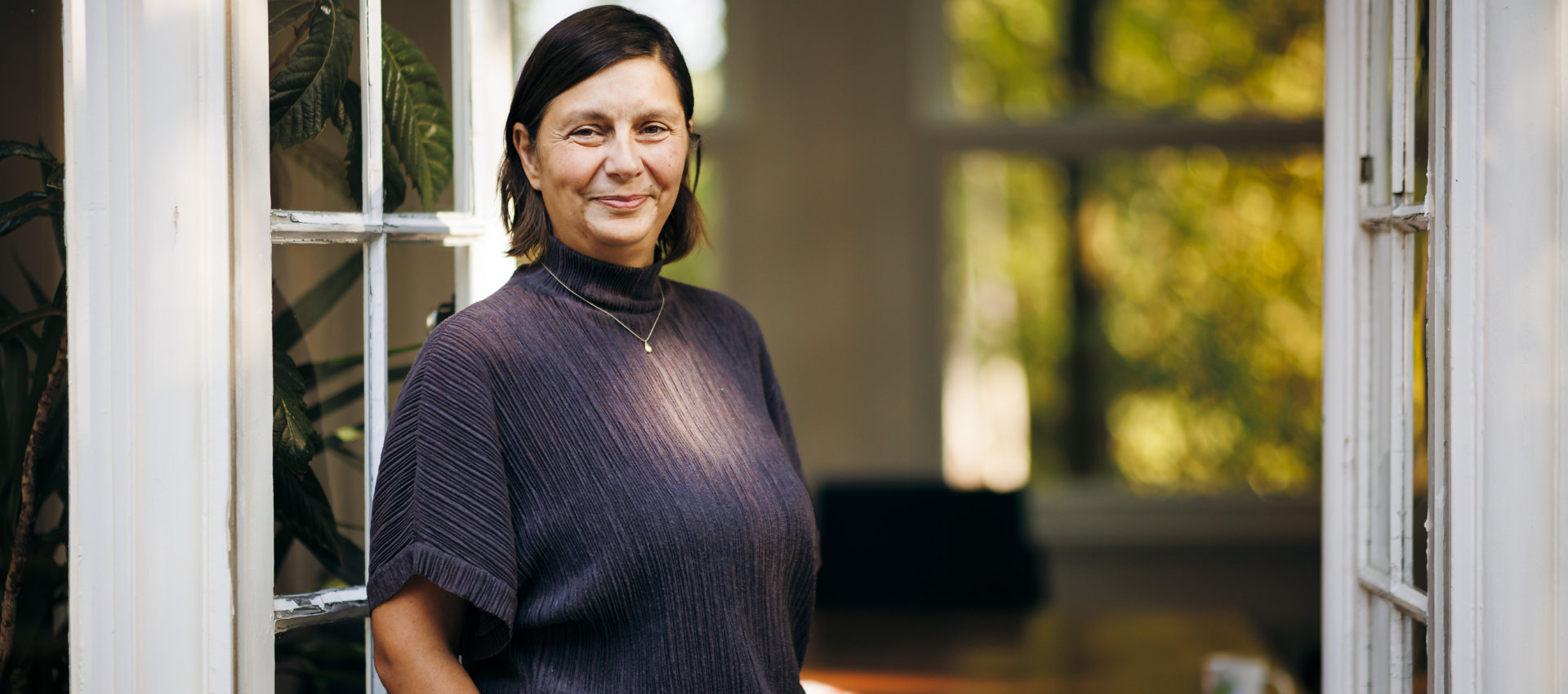
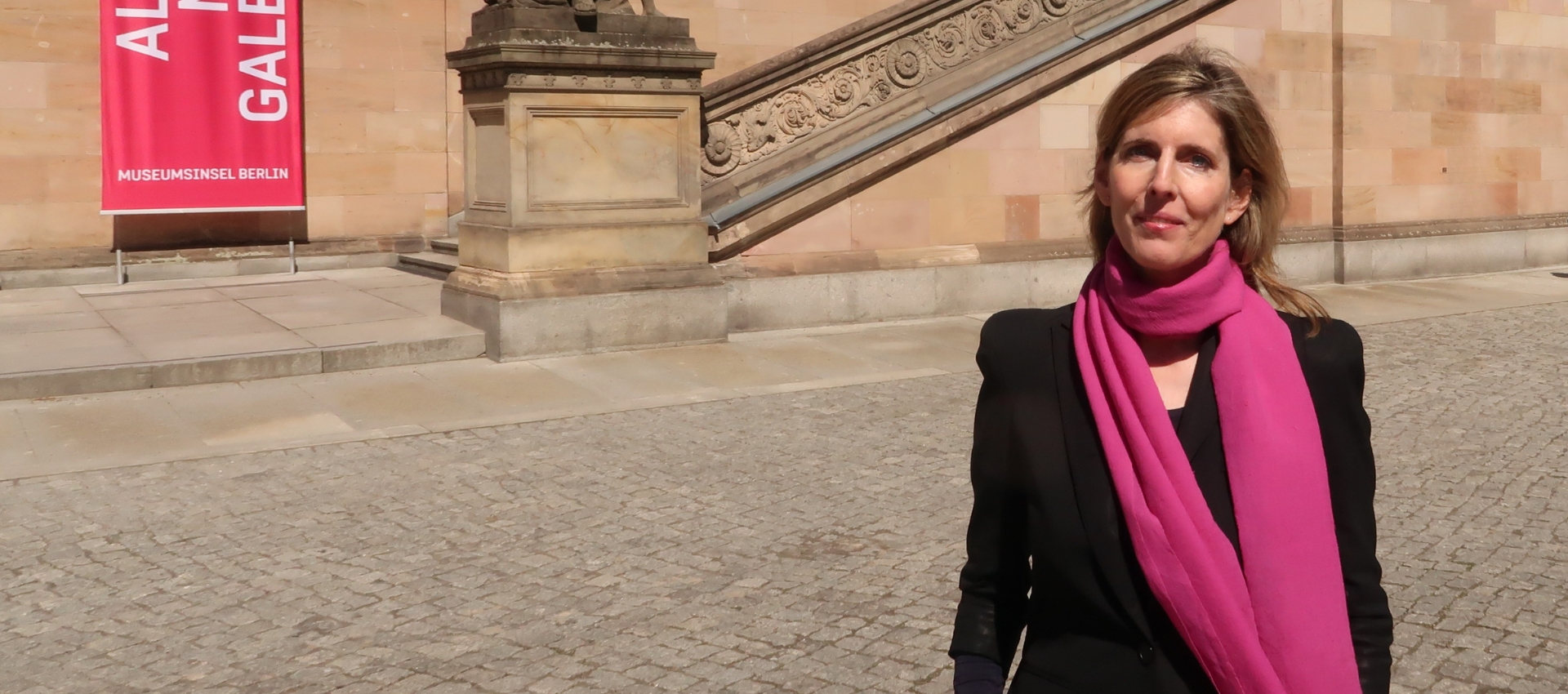
SPK President Marion Ackermann writes in her column about the SPK’s international outlook. It appears regularly in *Politik & Kultur*, the newspaper of the German Cultural Council.
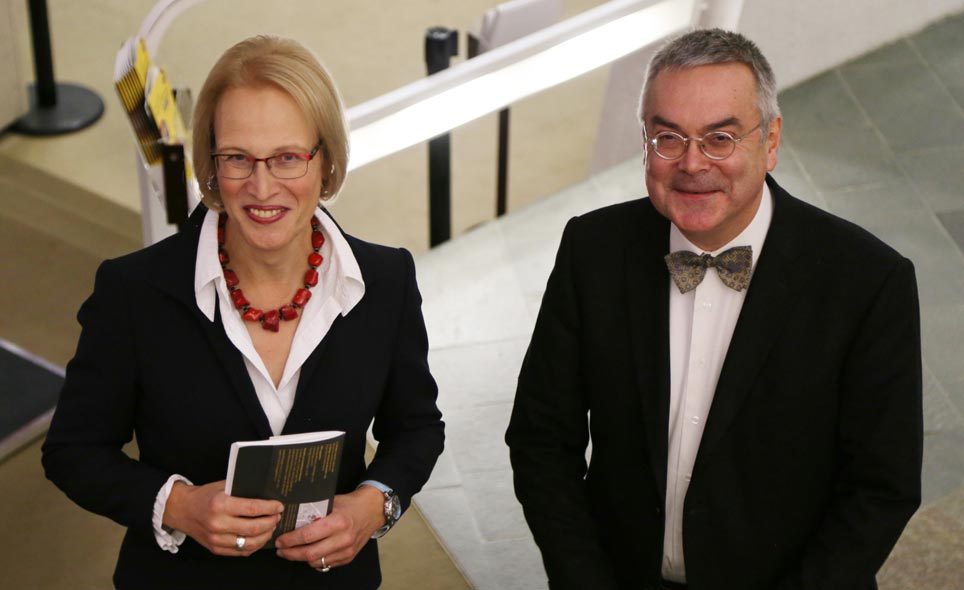
Photo: SPK / photothek / Thomas Köhler
It is always remarkable when objects from the SPK’s collections and archives vividly reveal their vitality and, in keeping with the SPK’s vision, bring “people, times and spaces” together. This was most recently evident in Morocco, where we have initiated a strategic partnership with the Fondation Nationale des Musées (FNM). The project kicked off with workshops organised in collaboration with the Goethe-Institut Rabat as part of CoMuse, our collaborative museum, which is breaking new ground in transcultural museum work. This internationally unique project focuses on collaboration with partners from the regions of origin of the objects held by the Ethnological Museum and the Museum of Asian Art. In this case, the focus was on wax cylinder recordings from the Berlin Phonogram Archive, one of the world’s most significant collections of historical sound recordings of traditional music and part of the UNESCO Memory of the World Register. These include recordings of Moroccan instrumental music, recorded by prisoners of war during the First World War. To make German-Moroccan relations and transcultural processes accessible to a variety of audiences, teams from Berlin and Rabat, as well as other Moroccan cities, are working together – and learning a great deal from one another in the process. There is no shortage of topics.
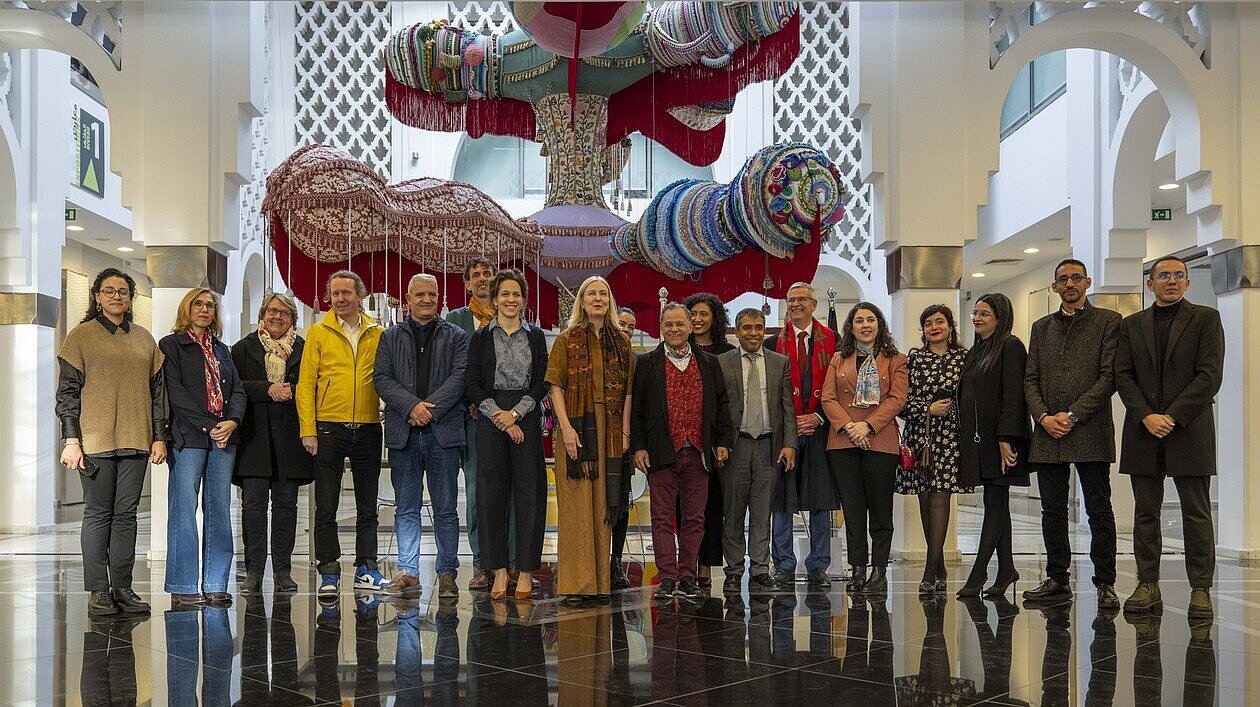
The Fondation Nationale des Musées is a relatively new foundation. It was established in 2011 and is developing rapidly. Several museums are currently under construction, and international collaborations are expanding. And there are parallels with the SPK and its museums: The Fondation Nationale des Musées also comprises numerous major institutions with diverse profiles, including the Musée Al Batha des Arts de l’Islam in Fez, the Dar Jamaï (Musée National de la Musique) in Meknes, the Musée Mohammed VI d’art moderne et contemporain in Rabat, the National Museum of Weaving and Carpets in Marrakech, and the Kasbah Museum of Mediterranean Cultures in Tangier. Currently, 21 museums are open to the public. Taken together, they reflect Morocco’s rich past with its numerous cultural and religious interconnections and point the way to the future. During my visit in January, I had the opportunity to visit some of them myself and was thoroughly impressed!

In the imperial city of Fès, for example, there is the Musée Al Batha des Arts de l’Islam, which reopened in 2025 following restoration work. Housed in a magnificent former palace, it showcases an impressive collection of Moroccan crafts and Islamic art. What will remain most vivid in my memory is how naturally the museum also recognises and honours Jewish history as an integral part of Moroccan identity and craftsmanship. It is these diverse historical interconnections that stand out everywhere, particularly at the Chellah World Heritage Site in the capital, Rabat. For millennia, a wide variety of cultures and religions have overlapped here: remains of temples and thermal baths bear witness to the Roman era, for instance; under the Merinid dynasty, Chellah became a royal necropolis and a place for the preservation of cultural and religious heritage.

Thanks in part to its geographical location, Morocco looks back on a long history as a hub between Africa, Europe and the Arab world. At the narrowest point of the Strait of Gibraltar, Morocco and Spain are less than 15 kilometres apart! Morocco’s ambition to further expand this role as a bridge-builder, both now and in the future, is clearly evident.

This is also evident in a new, ambitious large-scale project by the Fondation Nationale des Musées. In the immediate vicinity of the Musée Mohammed VI d’art moderne et contemporain – an outstanding museum of modern and contemporary Moroccan art – the brand-new Musée du Continent, or Museum of the Continent, is taking shape. It is an impressive project that could play a central role in repositioning Morocco as an art hub on the African continent. As a hub for research, restoration and conservation, it is set to have an impact far beyond Rabat in the future. In its aspirations, it thus resembles the Museum of West African Art in Benin City, some 3,400 kilometres to the south-east, on the other side of the Sahara, with which the SPK also maintains friendly relations. As part of these networks, we not only participate in global discourses but also deepen our connections with colleagues worldwide – relationships that can endure even politically tense situations.
As part of these networks, we not only engage in global discourse, but also strengthen our ties with colleagues around the world – relationships that can withstand even politically tense situations.

As already mentioned, there are numerous areas for collaboration with Moroccan museums: these include joint exhibition projects, for example in the field of modern art, as well as a systematic exchange of expertise between our specialists in various disciplines. One area in particular stands out: the many museum-specific challenges relating to building issues at the interface of architecture, materials science and the sustainable conservation of art and cultural heritage. Not least because of the extensive renovation of the Pergamon Museum on Museum Island and the construction of the new ‘berlin modern’ building at the Kulturforum, the SPK is also a visionary client.
This article first appeared in Politik & Kultur 2/26