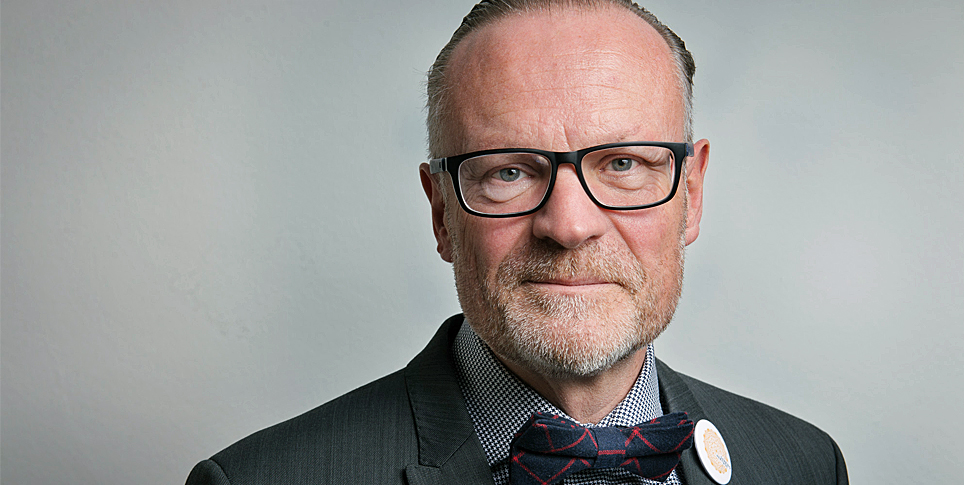
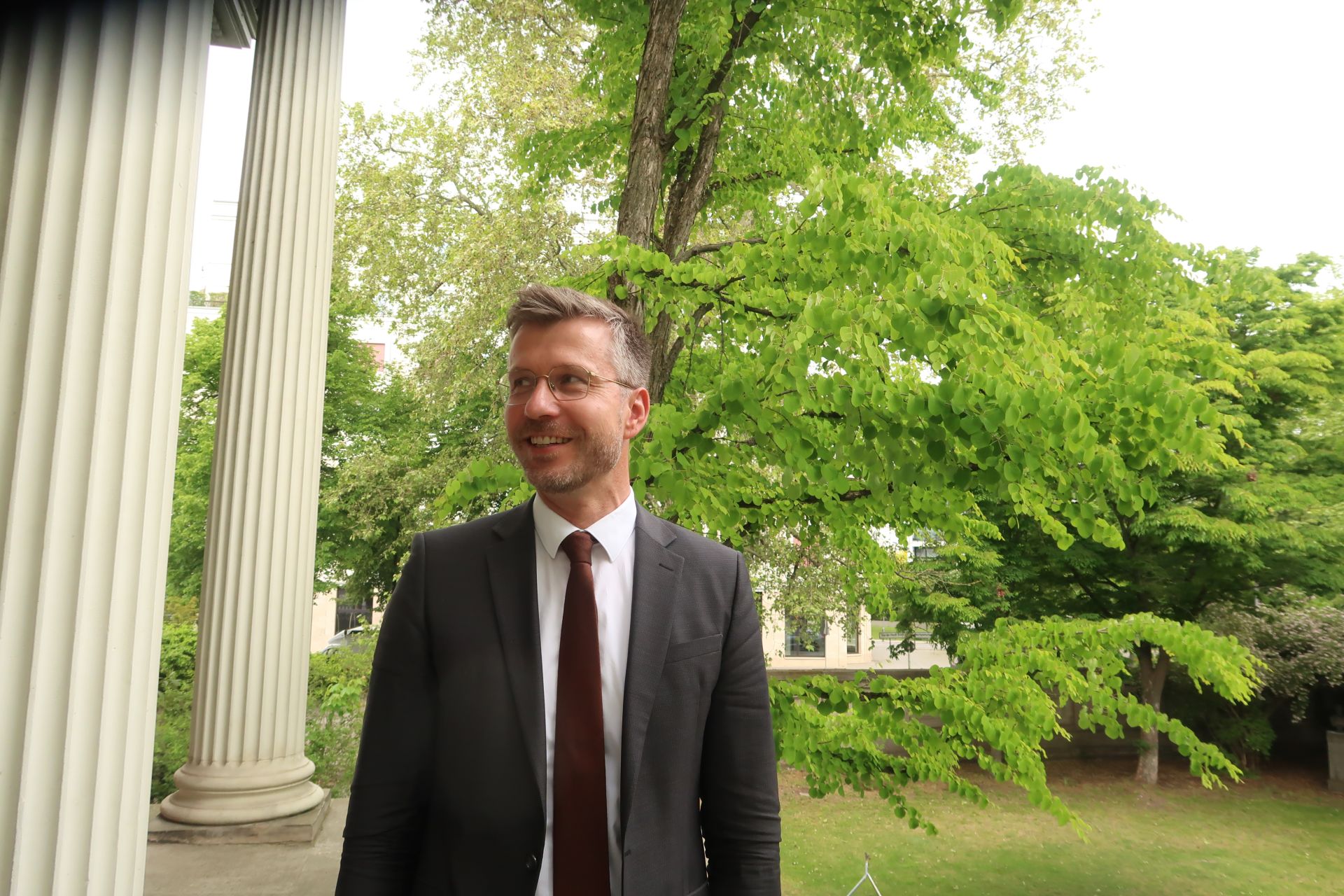
The German National Commission for UNESCO is celebrating its 75th anniversary – and its role is more relevant than ever. In this interview, Gero Dimter, Vice-President of the SPK and a member of the German National Commission for UNESCO, explains how closely global education and cultural policy is intertwined with national debates, and why Germany could benefit more from international insights.
We are celebrating the 75th anniversary of the German Commission for UNESCO. What role does UNESCO actually still play in German and international cultural policy today – does it even play a role at all?
Gero Dimter: I do believe that UNESCO still plays an important role today, even though, like other international organisations, it is currently coming under pressure. UNESCO is as significant as its member states perceive it to be. This varies greatly from country to country. Some countries are very proud of their UNESCO World Heritage sites, whilst others are currently withdrawing from the programme at government level. In the long term, however, I do expect that multilateralism based on genuine interests will prevail once again. The need for international mechanisms to tackle challenges together, to learn from one another, or even to be able to showcase a seal of quality for tourism is simply too strong.
In my view, UNESCO could also have a stronger presence in the German public consciousness. And we could benefit more from its insights. This is where the German Commission for UNESCO comes in: it was founded as an intermediary organisation between UNESCO and German politics and civil society. And in my view, this mediating role is more important today than ever.
What does this look like in practice?
One example is UNESCO’s education reports, which are published regularly on various topics – such as early childhood education or the use of digital technologies in education. The German UNESCO Commission, together with the Federal Foreign Office, organises the annual public presentation of the Global Education Monitoring Report.
These could receive much greater attention. Here we can explore new formats and channels to stimulate discussion in Germany more effectively. My impression is that in recent years and decades, Germany has tended to be too inward-looking, particularly in the education sector, rather than drawing more heavily on existing international insights. UNESCO has also played an important role in bringing stakeholders together and coordinating aid in crisis and war situations, such as following the Russian attack on Ukraine. The German Commission for UNESCO is also coordinating activities and bringing stakeholders together in relation to what is perhaps currently the world’s greatest humanitarian crisis in Sudan. The SPK is also actively involved in this work.
At the German Commission for UNESCO, issues such as education and cultural outreach naturally play a particularly important role. What exactly do UNESCO and the German Commission for UNESCO do in these areas?
UNESCO’s core areas of activity are education, culture, science and communication, with a view to fostering sustainable development and promoting the ideals of peace. To this end, reports and statements are produced, and conferences and exchange programmes are initiated. The aim is to bring together expertise and perspectives from different professions and regions of the world, to learn from one another and to inspire one another. These areas are also highly relevant to the SPK, both as a cultural institution and at the interface with education and science.
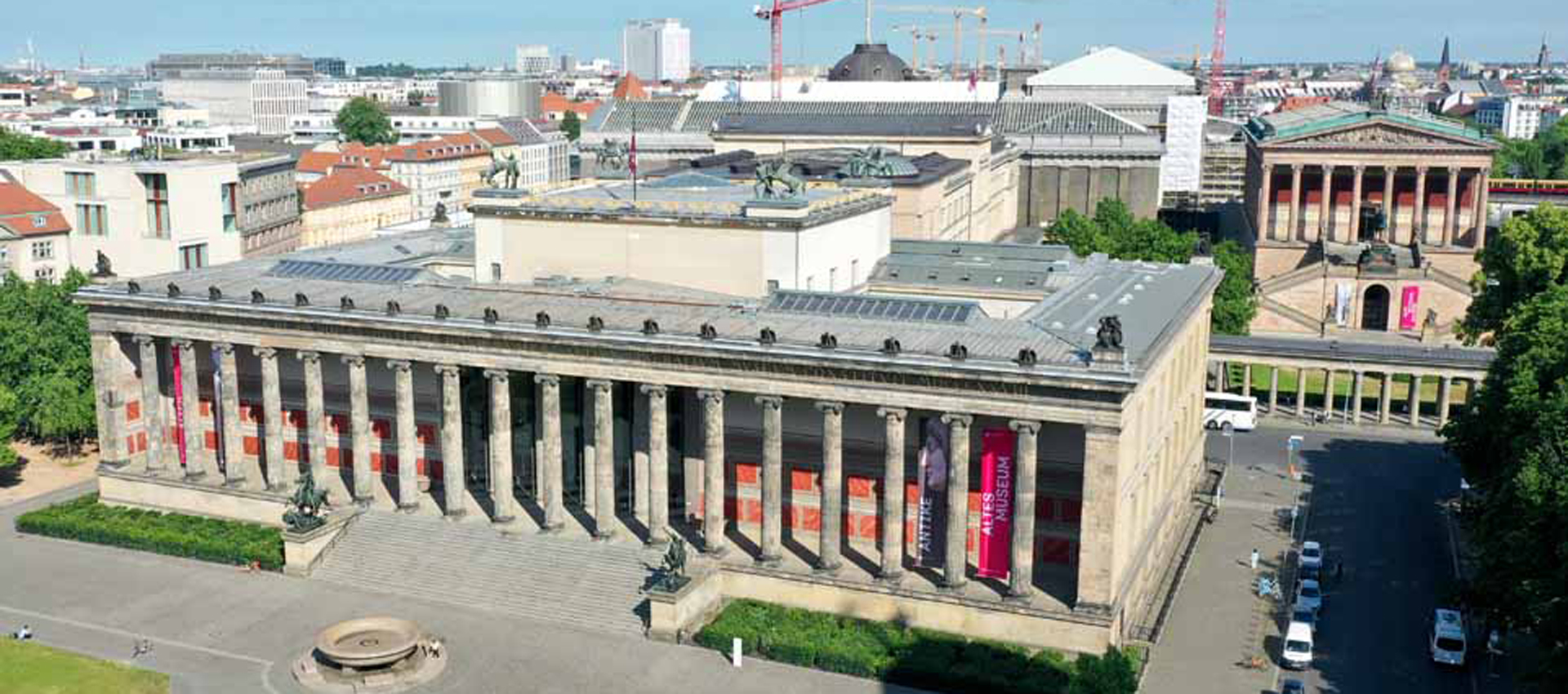
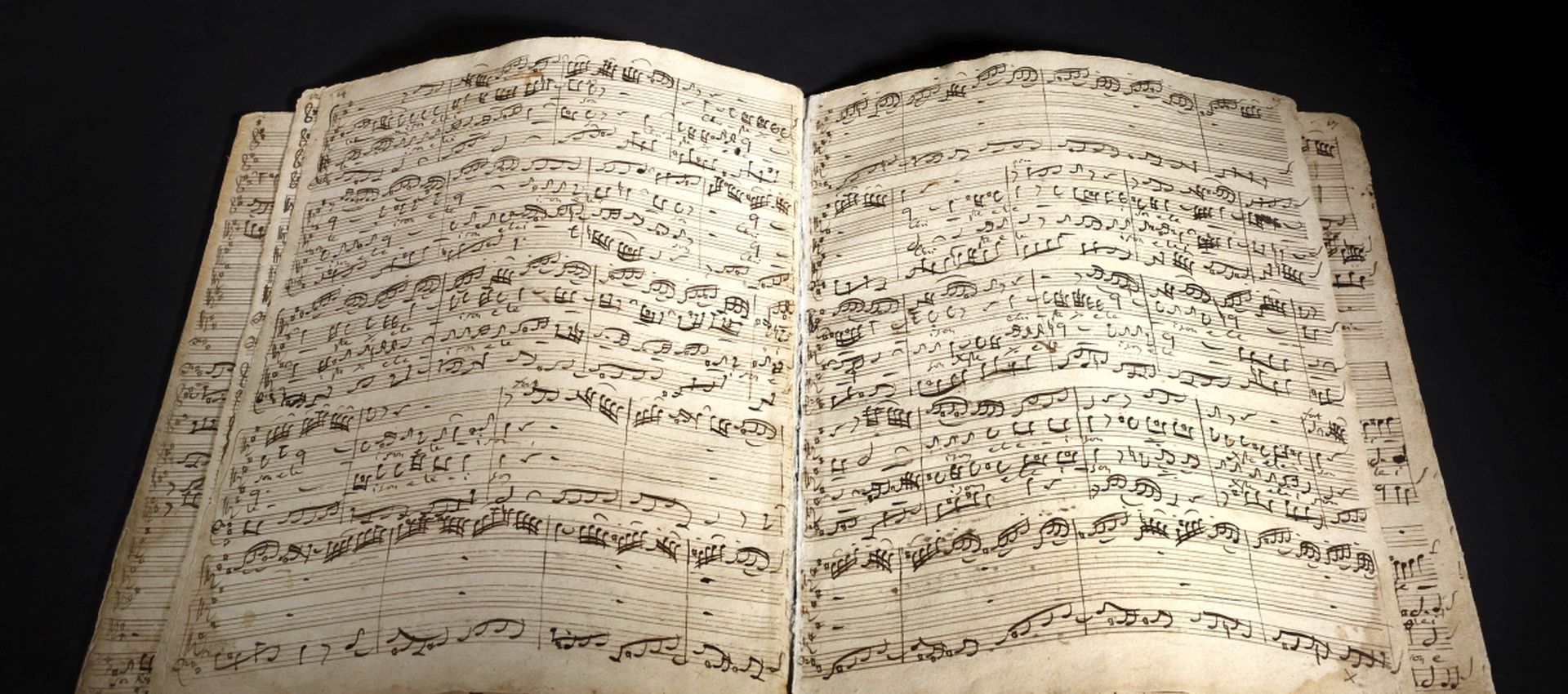
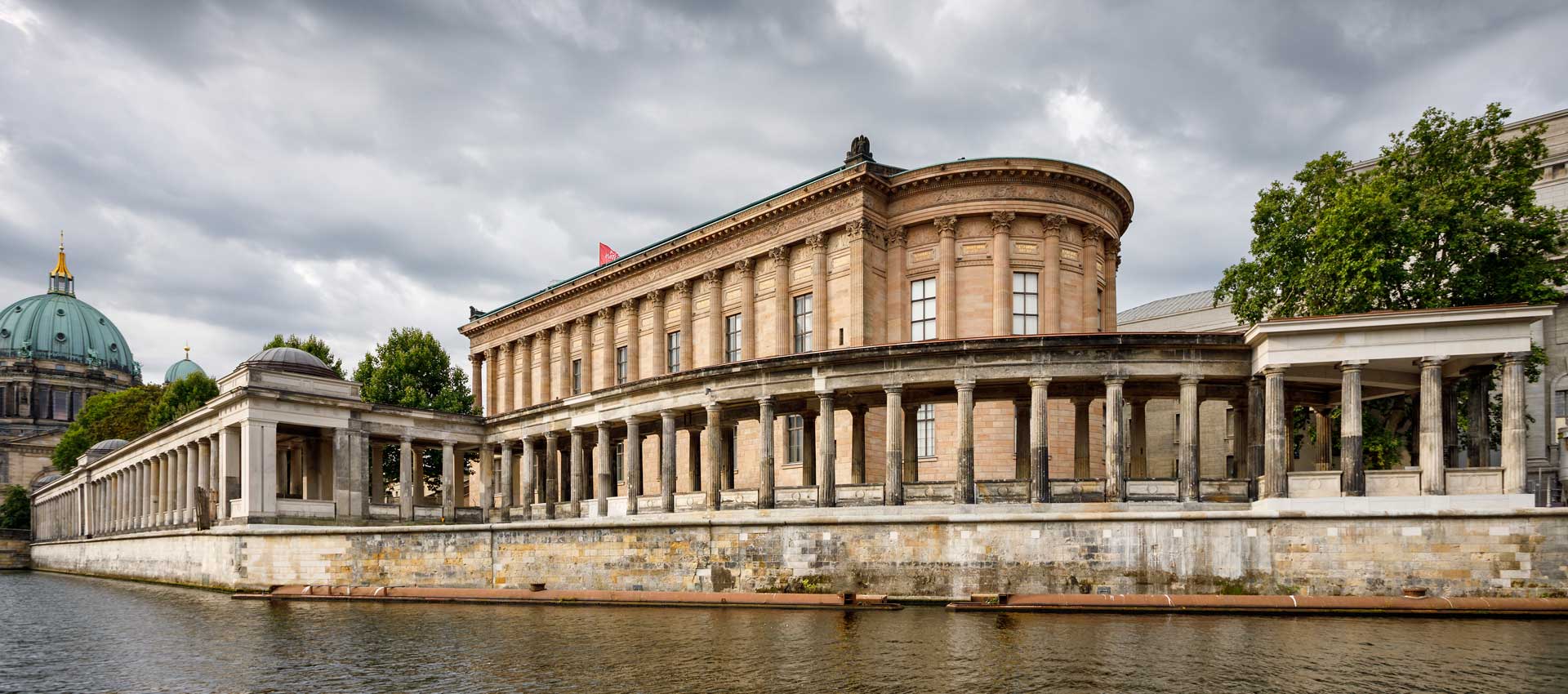
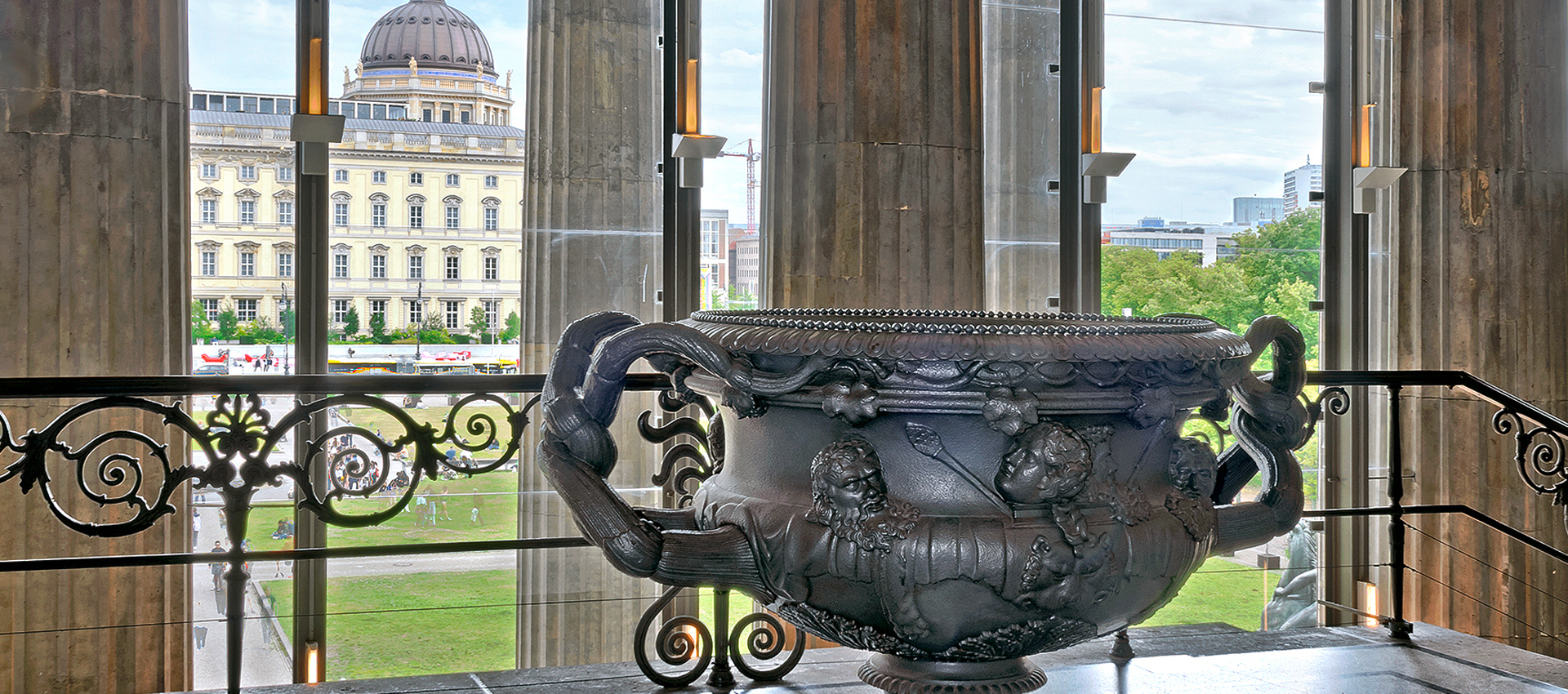
In the field of cultural education, we can make an important contribution through our institutions: the museums, libraries and archives. We also safeguard UNESCO World Heritage sites: the best known is undoubtedly the Museum Island UNESCO World Heritage site, as well as intangible cultural heritage such as the Phonogram Archive at the Ethnological Museum or Beethoven’s Ninth Symphony at the State Library. World Heritage status is, on the one hand, a seal of quality for the public, but on the other hand it is also crucial for international cooperation.
As the SPK, we can contribute our expertise to UNESCO and strengthen our international networks – for example, with other World Heritage sites and institutions. I was recently in New York and spoke there with Mariët Westermann, the director of the Guggenheim Museum, about precisely such collaborations.
As a representative of the SPK, you regularly attend meetings of the German UNESCO Commission. What are these meetings like, and what are your responsibilities there?
As an intermediary organisation, the German UNESCO Commission’s role is to contextualise international developments and reflect on their significance for Germany, to draft statements and to explore these issues further in collaboration with policymakers and civil society. This can be quite controversial at times, for instance regarding digital tools in education. We discuss what we can deduce from reports and how we can also win over the next generation to the UNESCO vision. To this end, I attend the general meetings and also exchange views with colleagues on the various topics in between.
Global trends and transparent assessments within UNESCO are also important in this regard. We coordinate closely with the Federal Foreign Office, which also participates in the meetings. There, developments are regularly evaluated and jointly assessed.
When you return from such meetings, do these networks and the exchanges you have there play a role in your work at the SPK in the long term?
Absolutely. It is vital for our work to keep track of how other countries assess certain issues and which international standards are developing.
Incorporating the international perspective more fully, learning from one another and sharing experiences remains a major task – and a real asset. We do this in many projects, such as in the field of early childhood education or the protection of cultural property.
UNESCO also entails responsibilities, for instance in the protection of cultural property. How do we deal with this responsibility?
The World Heritage label is a mark of quality and is very important for the protection of the sites. It has also become hugely significant for tourism. But the honour is also a major obligation, and comes with very practical tasks and duties: not only ensuring conservation and further development, but also regular reports, consultations and, where necessary, assessments – this involves a considerable amount of effort.
We have addressed this through more intensive reporting efforts, systematisation in recent years and the establishment of a so-called UNESCO Site Management system to bring all relevant aspects together.
Did you ever discuss the idea of the river bath with the German UNESCO Commission?
It wasn’t an issue within the German UNESCO Commission, but it was discussed with the experts from ICOMOS Germany (the International Council on Monuments and Sites, which advises UNESCO on World Heritage matters), who expressed critical views and will continue to monitor developments regarding the river bath, particularly with regard to its potential impact on the Museum Island’s World Heritage status.
Museum Island is part of the UNESCO World Heritage Site, and therefore any changes must be examined very carefully. It cannot be ruled out that the river bath could jeopardise this status, although I wouldn’t go so far as to say that it would automatically lead to the site being stripped of its status.
Fundamentally, we must proceed with great caution and ensure that projects affecting the World Heritage site are implemented to a high standard and function effectively in practice. As tempting and invigorating as the project may seem, there are also many unanswered questions, particularly regarding the structured planning process, financing, quality assurance and implementation. Who will ultimately oversee the operation of such projects is, of course, always a thorny issue …
The term ‘Museum Island’ has already been mentioned several times – Museum Island is now celebrating its 200th anniversary – whilst at the same time the German UNESCO Commission is celebrating its 75th anniversary and is visiting Berlin. Are there any overlaps between these two anniversaries?
Yes, they fit together very well. I also strongly advocated for the German UNESCO Commission to come to Berlin for the anniversary conference on 2 and 3 June. The Director-General, Khaled El-Enany, will also be here and will take the opportunity to get to know Museum Island better.
The two anniversaries – 75 years of the UNESCO Commission and 200 years of Museum Island – therefore reinforce one another. Museum Island’s international appeal is enormous; you can see that worldwide. And the upcoming reopening of the Pergamon Museum in June 2027 is generating even more interest.
Such anchor points are important for attracting further international partners and drawing visitors to Germany and Berlin. Experiencing culture has now become the most common reason for tourists to visit Berlin.
Does Museum Island, with its anniversary celebrations, set an example in line with UNESCO standards?
I believe we are already well on the way in terms of how we engage with people as part of the anniversary. At the outset, there was simply a firm resolve that we must celebrate the 200th anniversary – from the laying of the foundation stone of the Altes Museum in 1825 to the present day – in a fitting manner. Over time, many individual ideas and initiatives were added, which gradually developed until we arrived at today’s extensive programme of anniversary events: the island is celebrating over five years, and the baton is passed on each year among the island’s main museums; furthermore, this year we are holding a major island festival for the second time on 6 and 7 June. Many people are getting involved with a shared goal and a great deal of enthusiasm. This radiates outwards too.
Another special feature of this project is the collaboration with private partners who support this development. For some, it is their first major collaboration in the cultural sector, such as with Flix, whom we were able to secure last year. At the same time, we are trying to develop new formats that also appeal to younger target groups.
This can also include unconventional formats – such as music events, a techno party, the Kolonnaden Bar or other open formats on Museum Island. It is important that we attract new, and above all younger, audiences to the World Heritage site. The island has so much to offer: architecture, antiquity, the earliest history of humankind, Impressionism and so many other themes – I can’t imagine anyone not finding something there that inspires them. You always come away enriched.
Does UNESCO enjoy a higher status in other countries than in Germany?
It varies greatly. In the US, for example, UNESCO is currently facing major challenges. Private companies there are also pulling back as funders. In other parts of the world, its position is more stable
In Germany, UNESCO generally has a good reputation. Nevertheless, there is a certain gap between the positive perception and the actual political implementation of international findings.
Is the UNESCO World Heritage label used more widely internationally, for example in tourism?
Yes, absolutely. The label is an important guide for many people when it comes to tourism. Travellers often specifically look for World Heritage sites.
For many countries, these sites are a key factor in tourism. In countries with few World Heritage sites, it may have a different significance than in Germany, which has a very high number.
Finally: Was there anything that personally surprised you during your time at the German UNESCO Commission?
I was surprised by how much international knowledge already exists on important issues such as digital tools in education, which is also highly relevant to national challenges.
In my view, the biggest challenge is to raise awareness of this international perspective more widely in Germany and communicate it more effectively – and to translate this into concrete action.