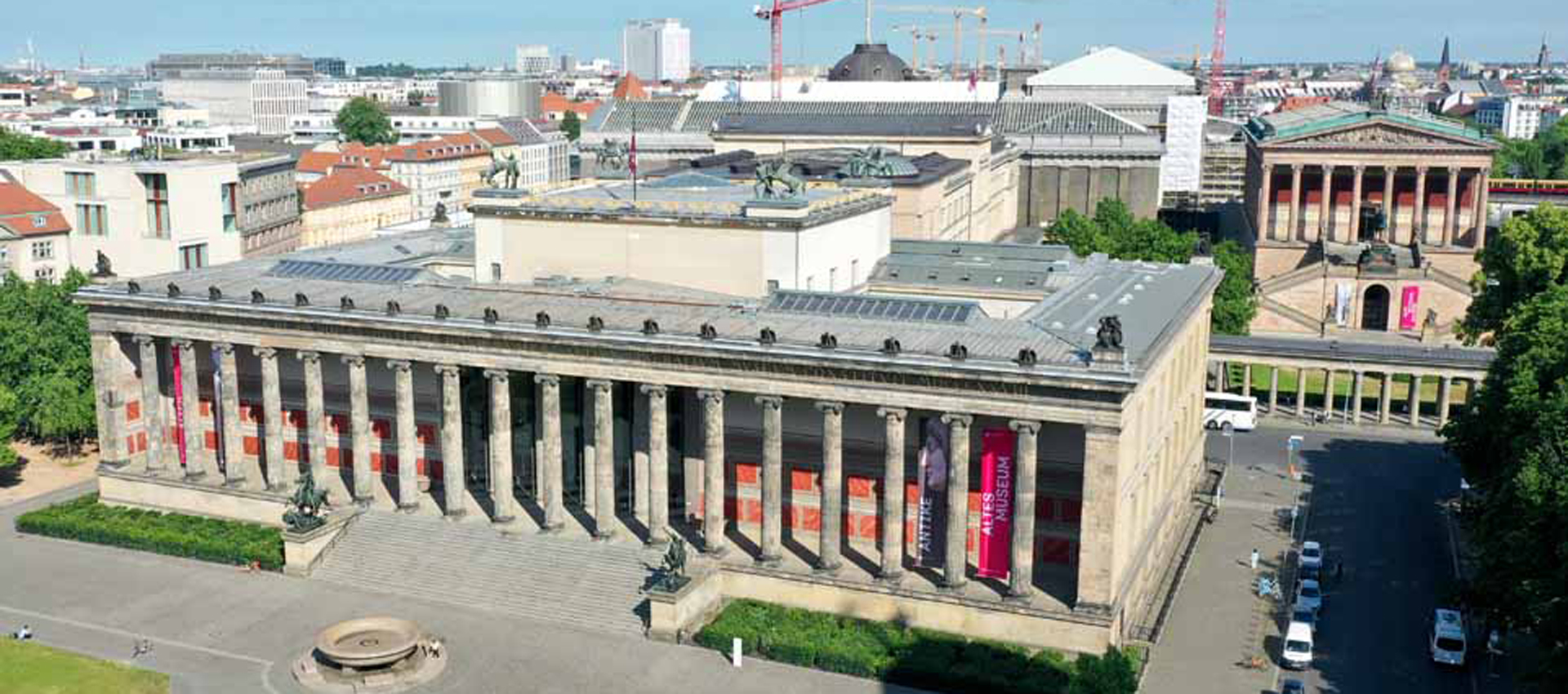
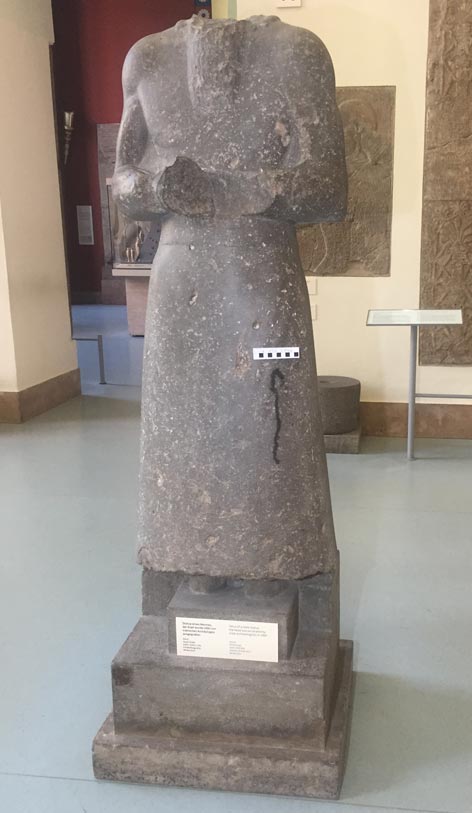
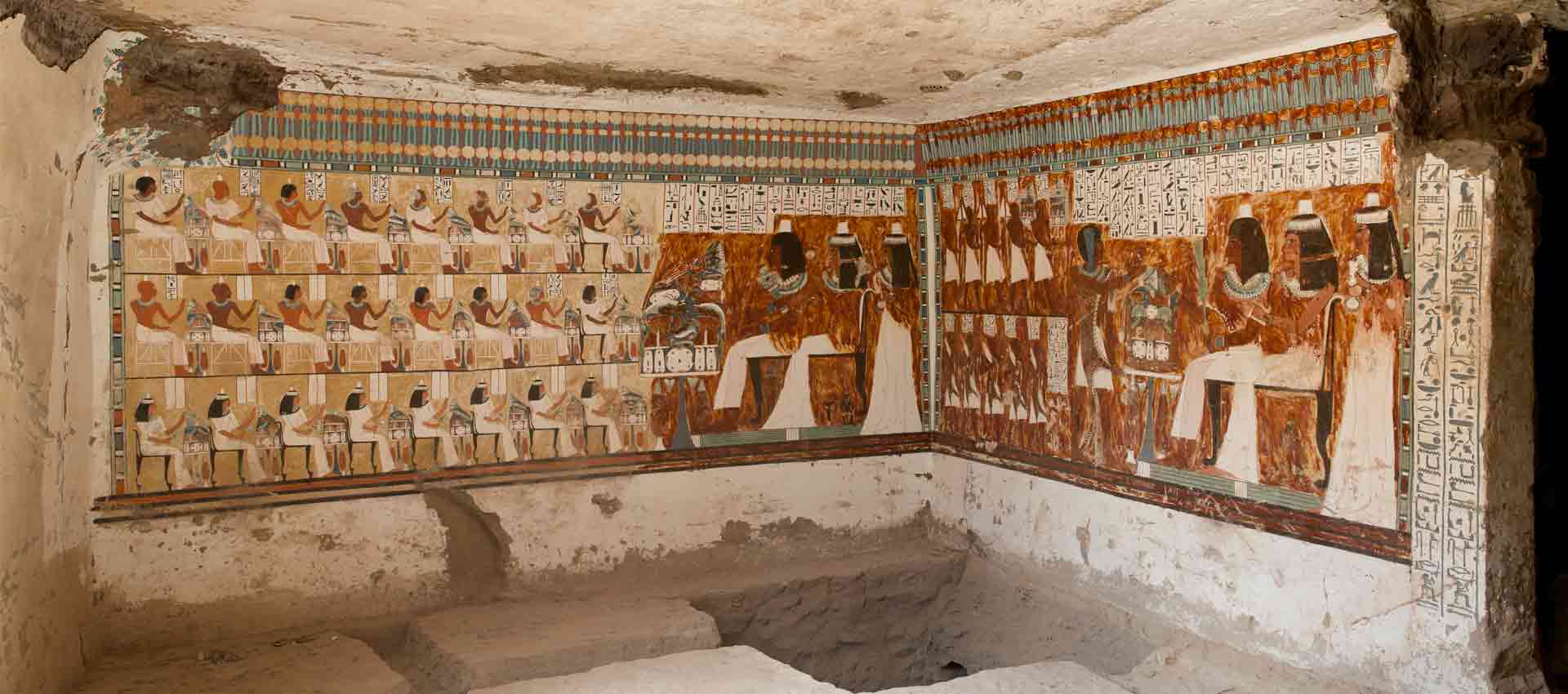
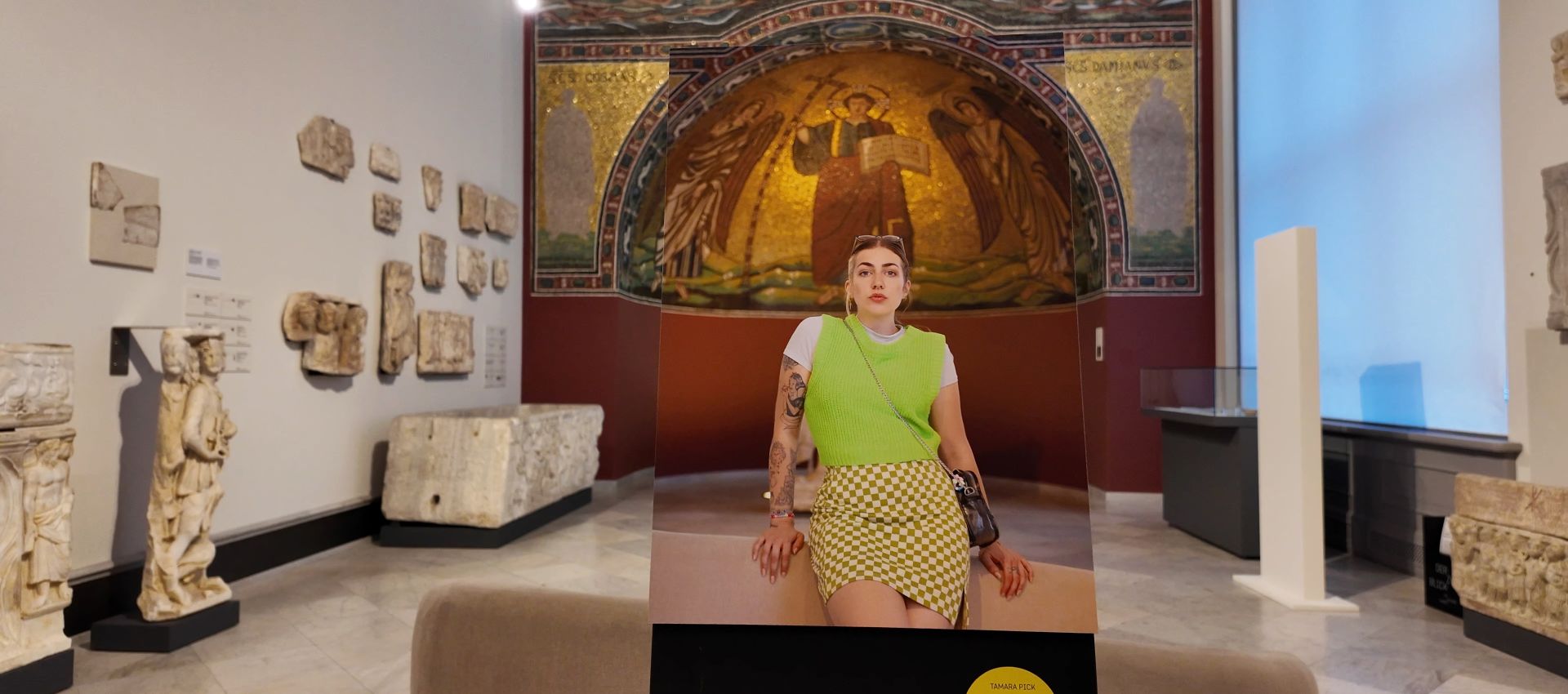
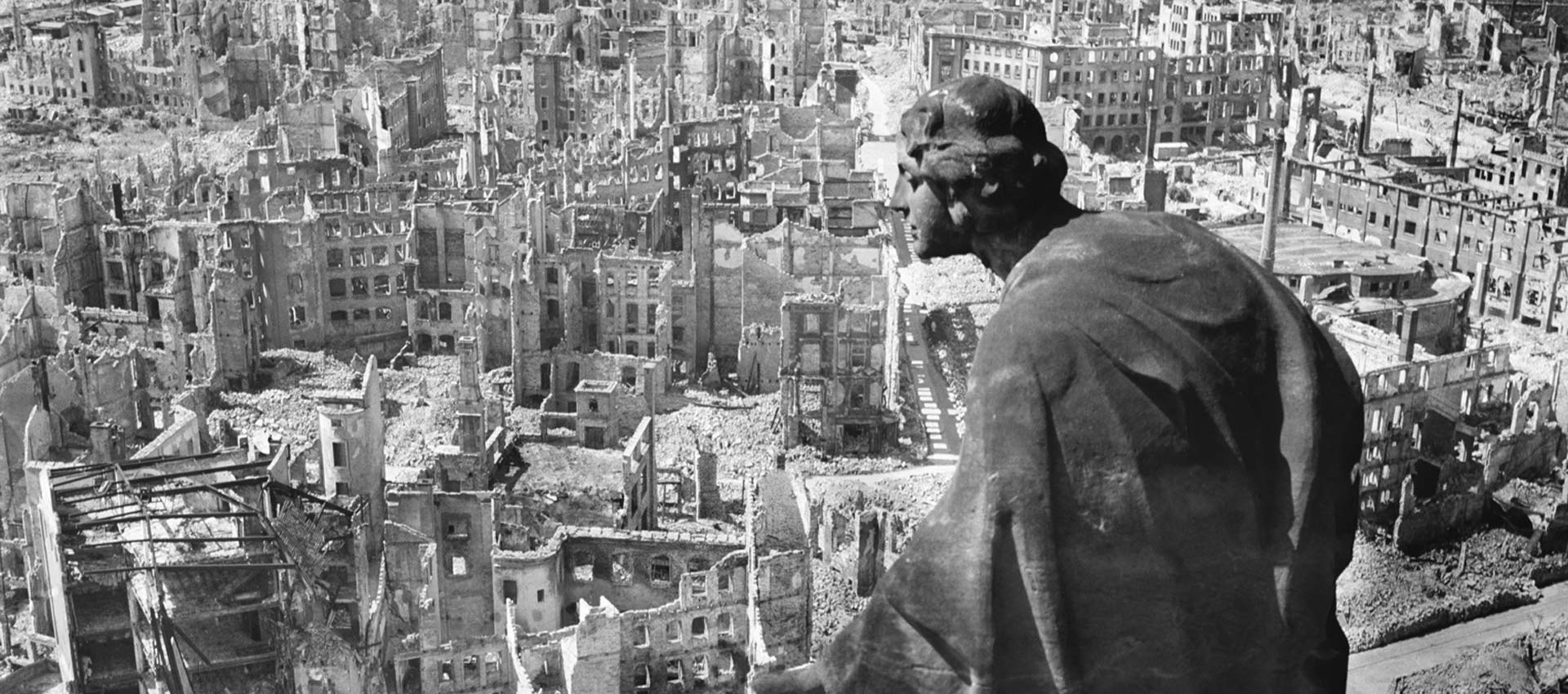
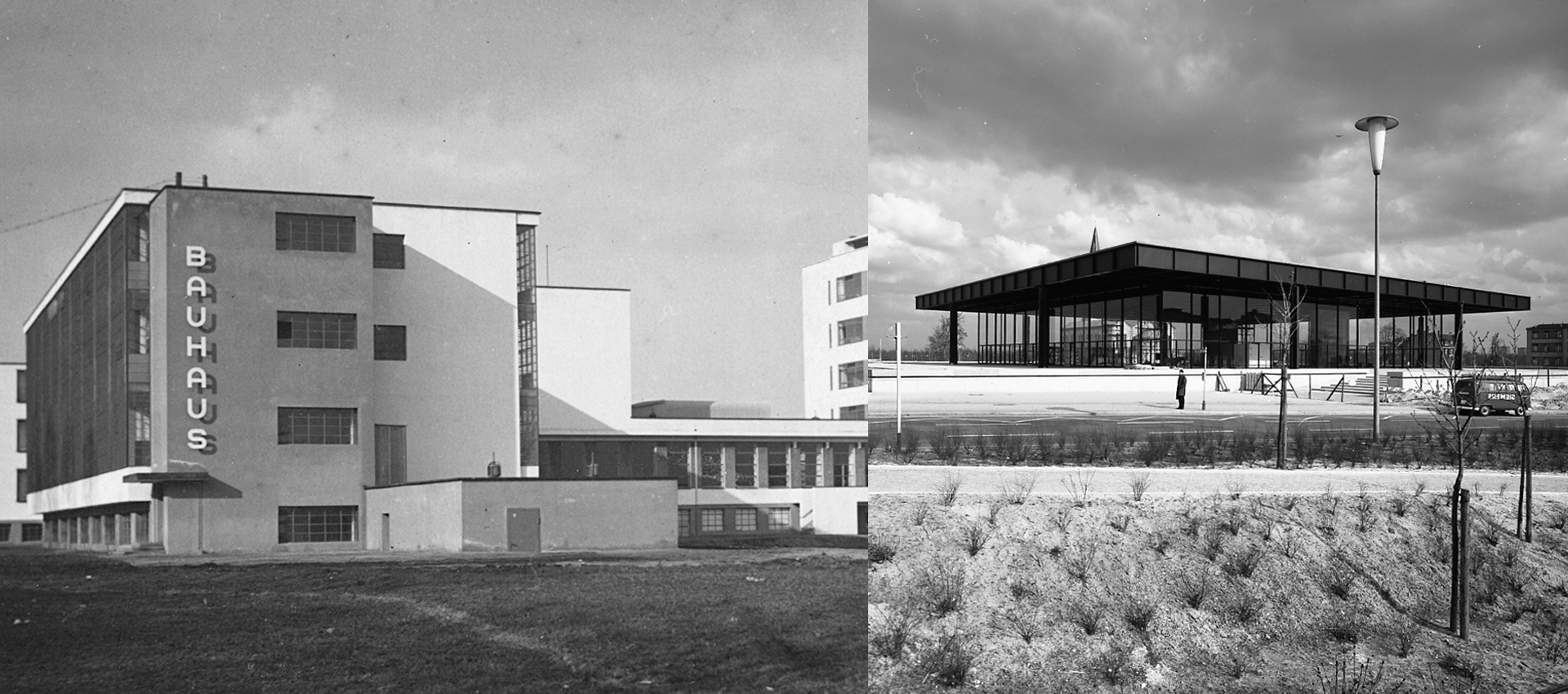
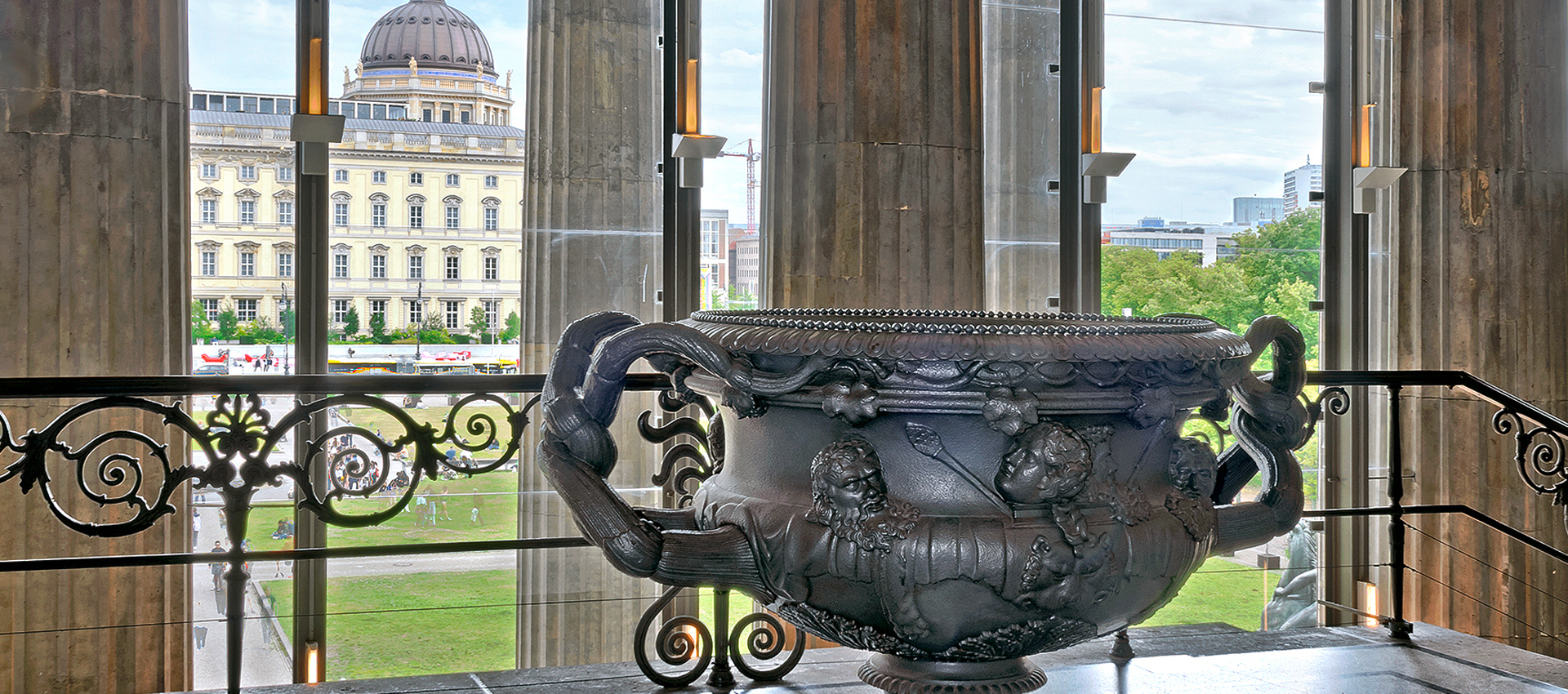
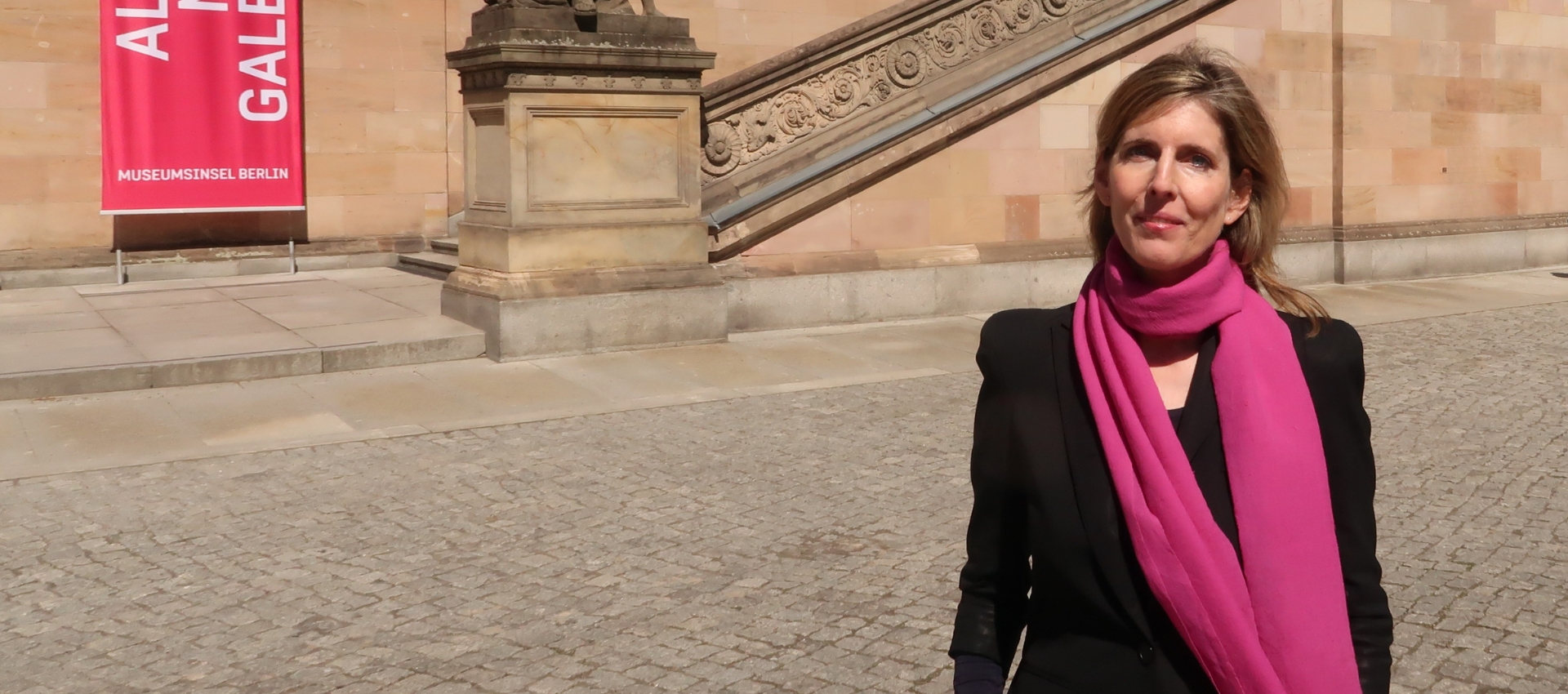
In 1999, UNESCO designated Berlin’s Museum Island as a World Heritage Site, describing it as “a unique ensemble of museum buildings that illustrates the development of modern museum design over more than a century”. However, it is not only the architecture but also the collections housed within each building that give Berlin’s Museum Island its significance. In the videos, a director or curator from each of the five museums explains the role their institution plays within the overall ensemble.
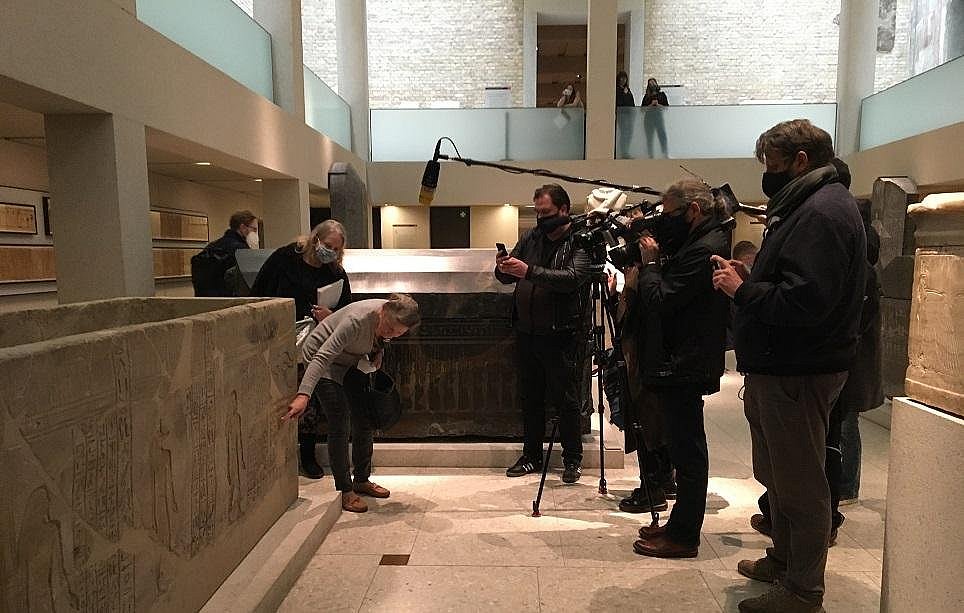
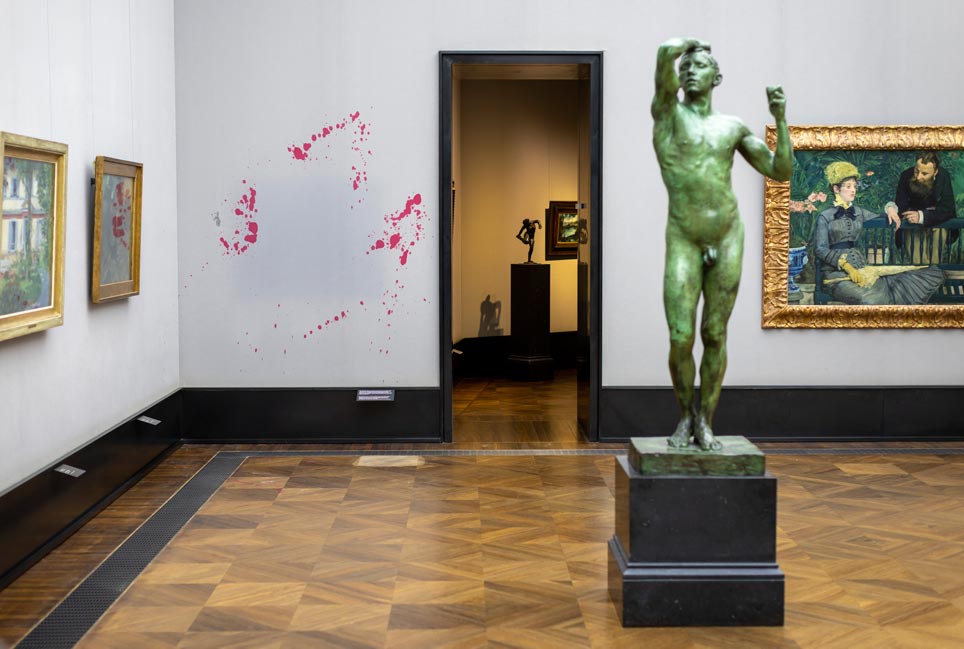
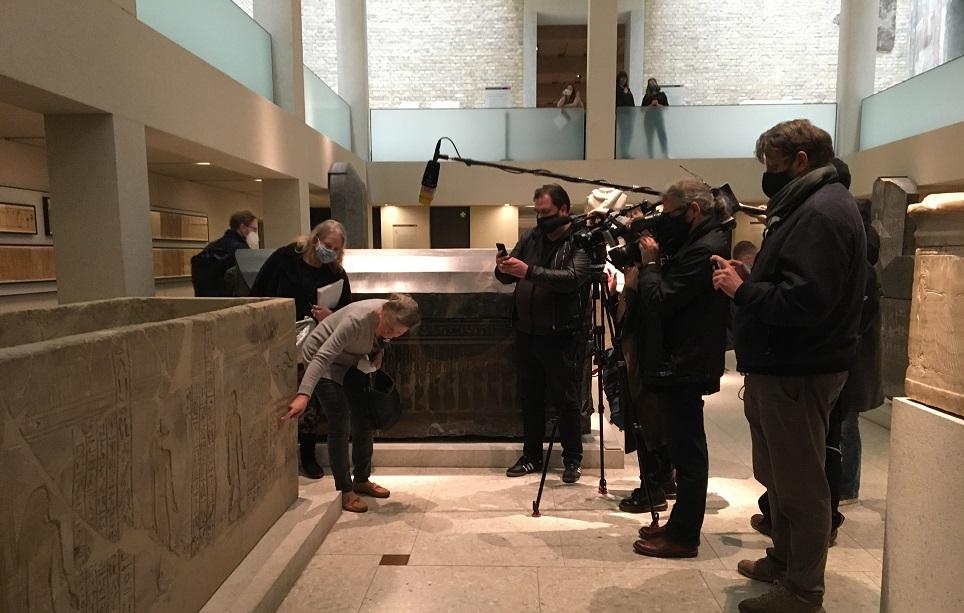
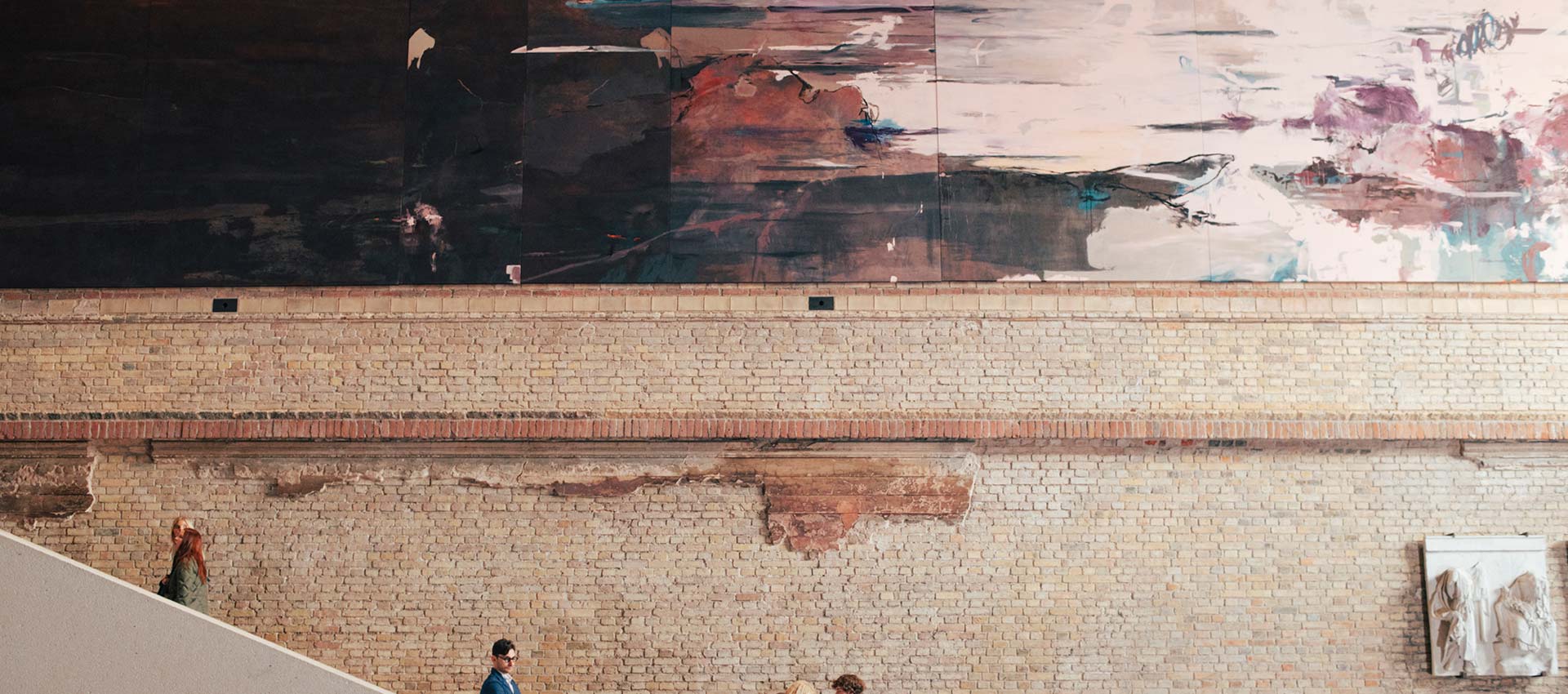
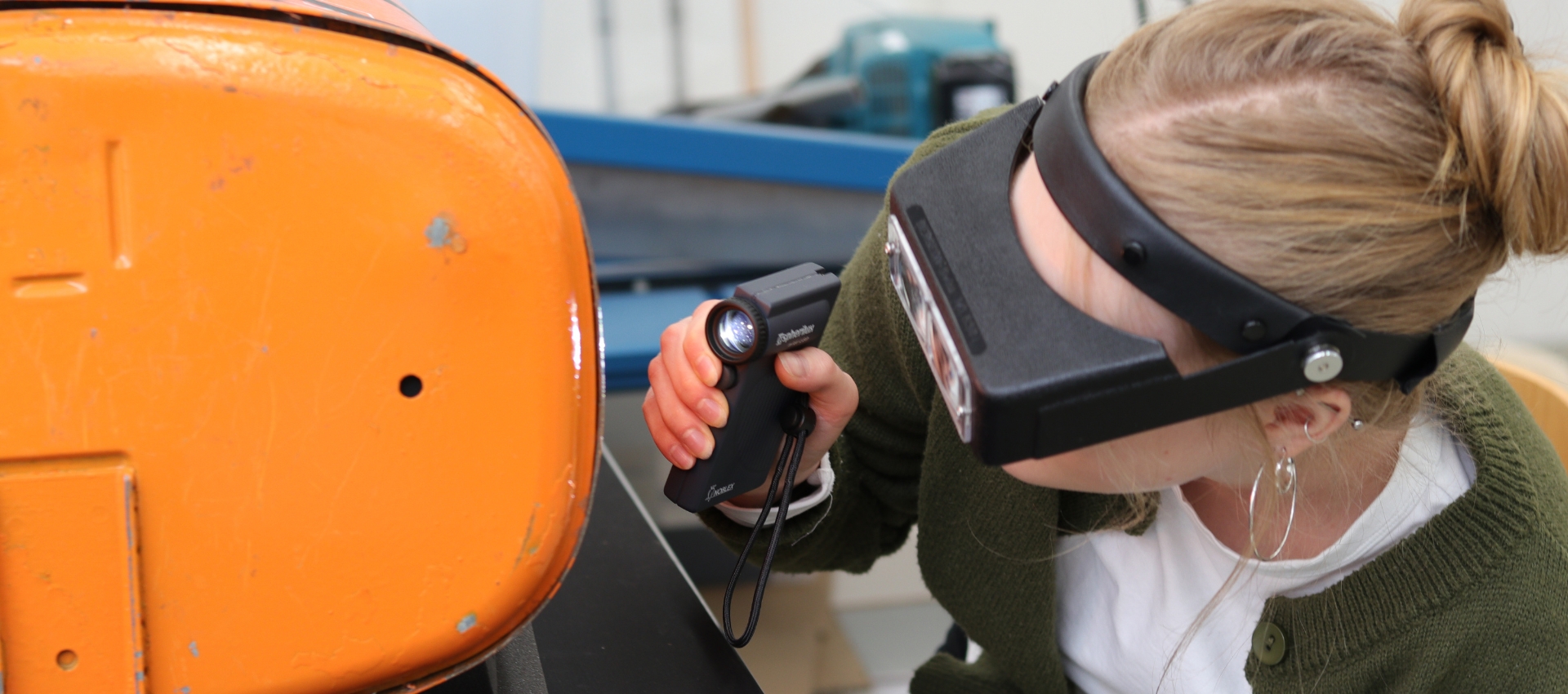
Museum director Friederike Seyfried shows the press the stains on various objects at the Neues Museum © SPK / Stefan Müchler
Museum of Prehistory and Early History
The Museum of Prehistory and Early History on Berlin’s Museum Island is home to one of the world’s largest collections of prehistoric archaeology from the Ancient World. The collection traces the development of prehistoric and early historical cultures from the Palaeolithic Age to the High Middle Ages.
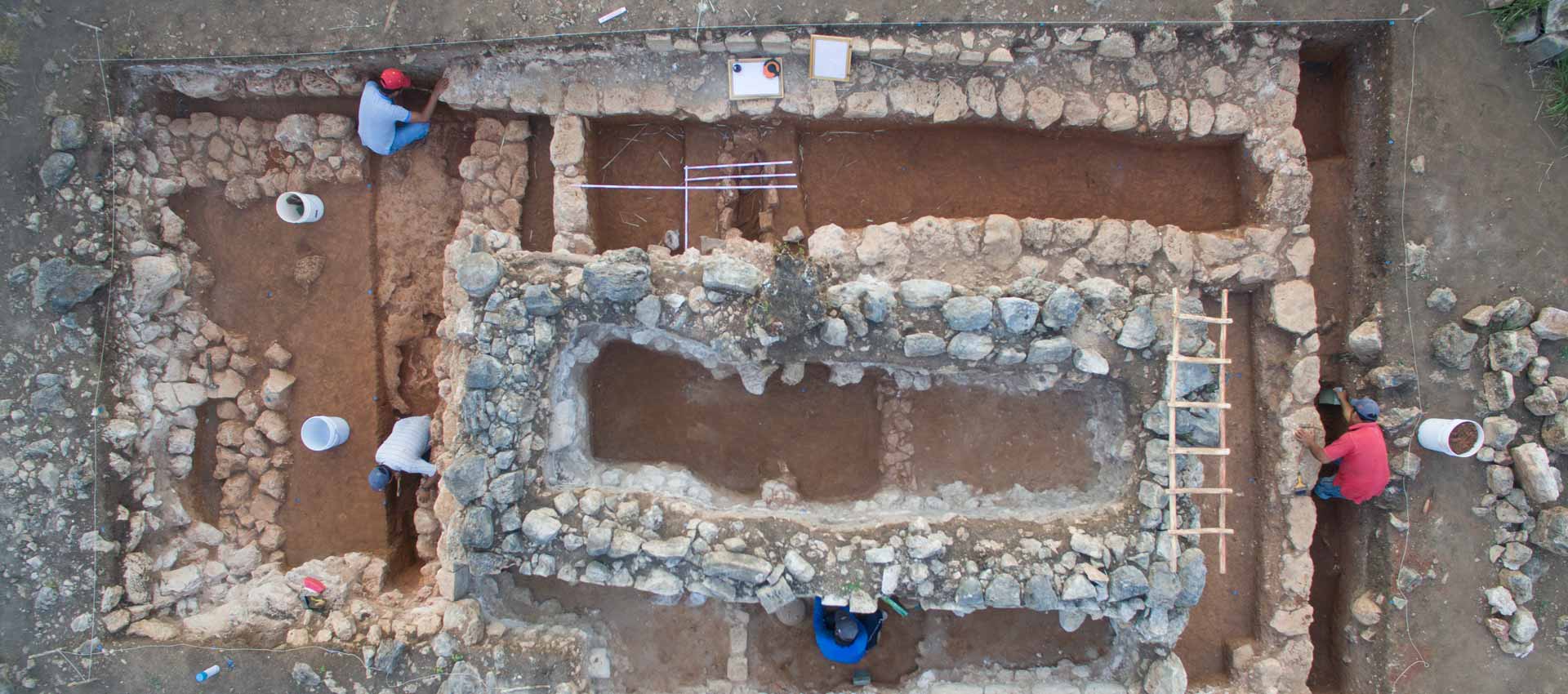
Highlights include the famous Neanderthal skull from Le Moustier, Heinrich Schliemann’s collection of Trojan antiquities and the ‘Berlin Gold Hat’. Recent excavation finds from Berlin extend right up to the present day.
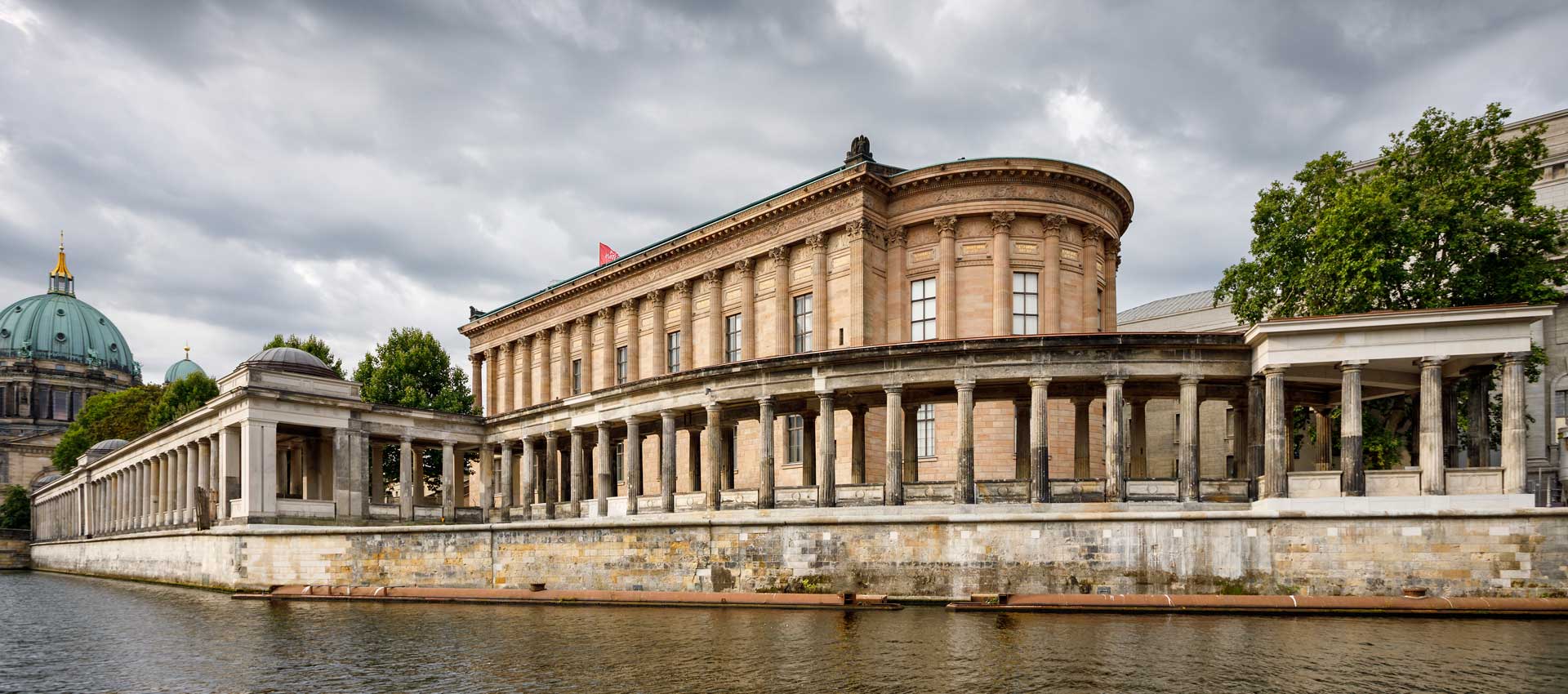
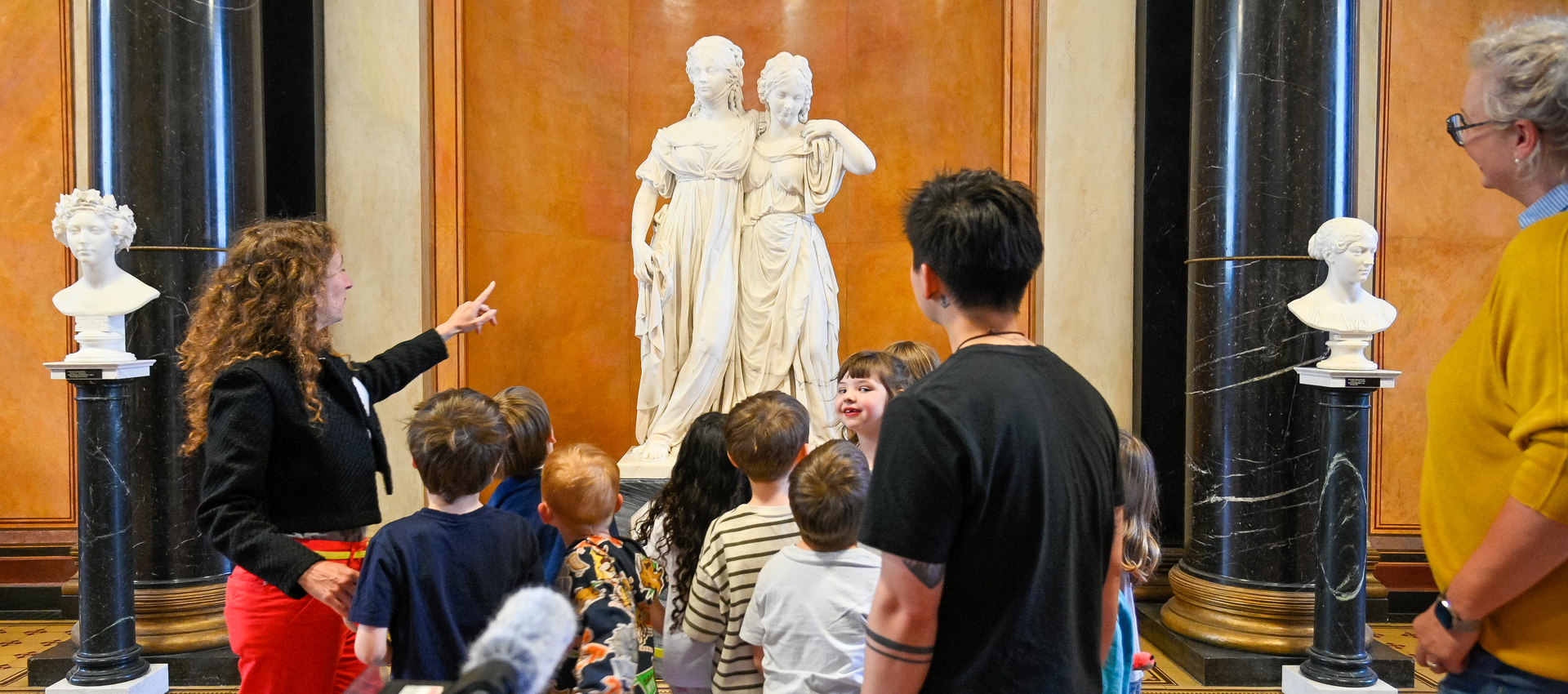
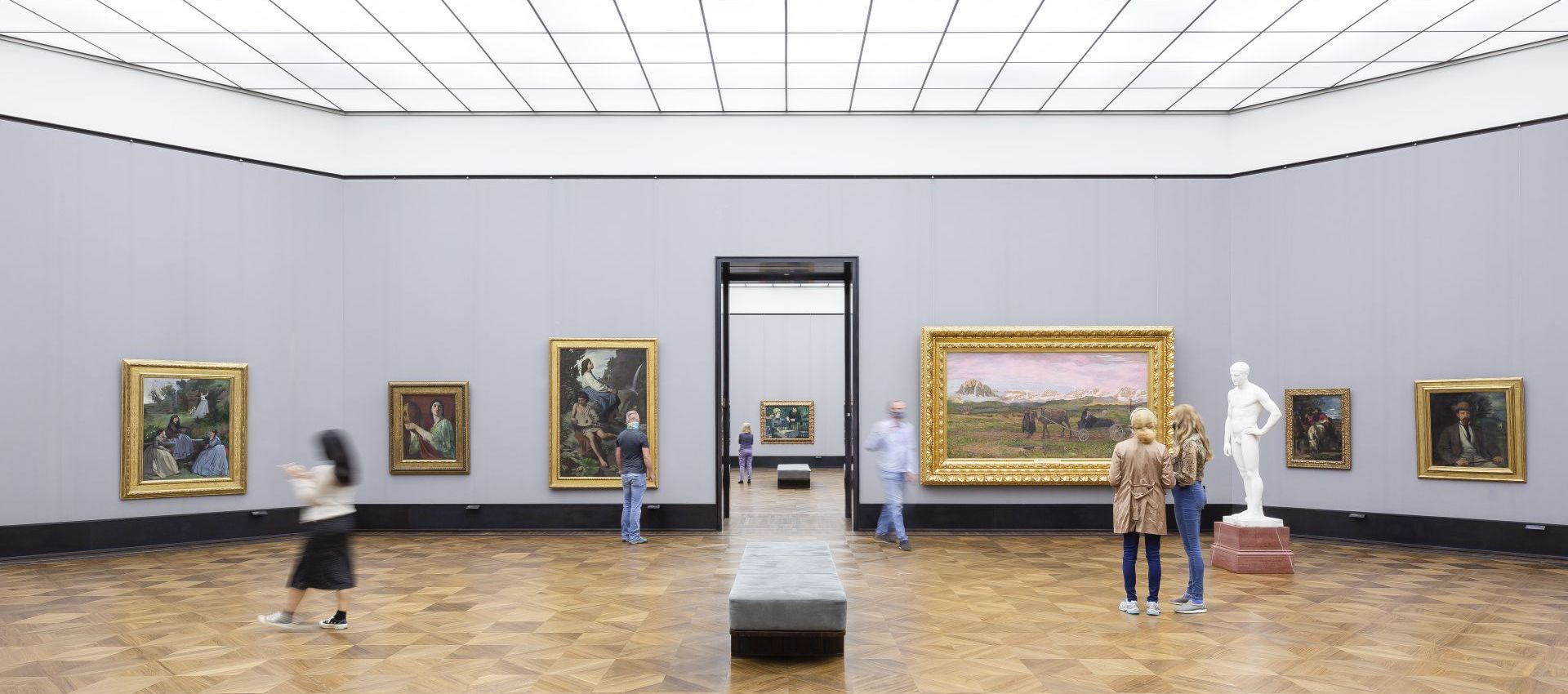
Old National Gallery
The Old National Gallery, part of the Berlin State Museums, was built between 1867 and 1876 to a design by Friedrich August Stüler. Today it houses 19th-century paintings and sculptures, including masterpieces by Caspar David Friedrich, Adolph Menzel, Edouard Manet, Claude Monet and Auguste Rodin. It is also the main building of the National Gallery, whose collection is further distributed across the Neue Nationalgalerie, the Hamburger Bahnhof – Museum für Gegenwart – Berlin, the Museum Berggruen and the Scharf-Gerstenberg Collection.
Museum of the Ancient Near East
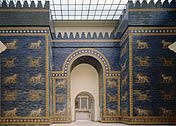
The Museum of the Ancient Near East houses one of the most significant collections of Oriental antiquities. It also presents a wonder to behold: the walls of Babylon. They were once counted among the Seven Wonders of the Ancient World, until they fell into ruin. However, part of them has been salvaged and reconstructed: the colourful Ishtar Gate and the Processional Way of Babylon. Together with numerous other objects, they paint a picture of 6,000 years of art and cultural history in Mesopotamia, Syria and Anatolia. The Museum of the Ancient Near East displays its collections in the Pergamon Museum on Museum Island.
Bode Museum
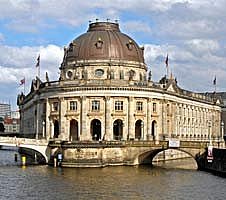
The Bode Museum, part of the Berlin State Museums, crowns the northern tip of Museum Island. Completed in 1904, the building now houses the Sculpture Collection, the Museum of Byzantine Art and the Numismatic Collection. It also displays around 150 paintings from the Picture Gallery.
The design of the building, originally constructed as the Kaiser Friedrich Museum, was based on ideas put forward by Crown Princess Victoria in the early 1880s, which Wilhelm von Bode brought to fruition. In 1956, it was renamed after its spiritual creator, a name it retains to this day: the Bode Museum.
Collection of Classical Antiquities
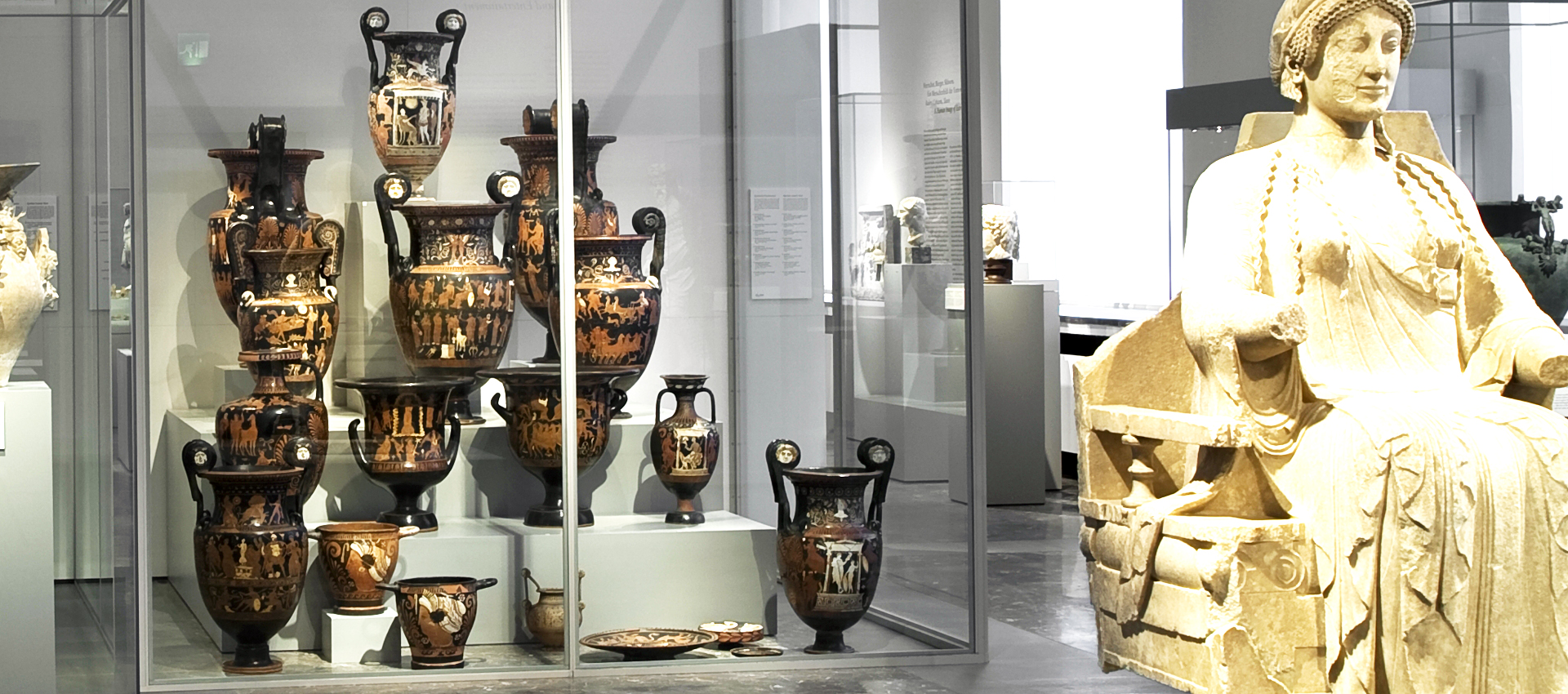
The Collection of Classical Antiquities at the Berlin State Museums is one of the world’s most significant collections of ancient Greek and Roman art.
The Collection of Classical Antiquities exhibits architecture, sculptures and vases, inscriptions, mosaics, bronzes and jewellery on Berlin’s Museum Island: in the Altes Museum and the Pergamon Museum. Its objects also complement the cross-collection presentation in the Neues Museum. There, it primarily displays art from the provinces of the Roman Empire and works from its extensive Cyprus collection.
Website of the Collection of Classical Antiquities of the Berlin State Museums