The lives and fates of persecuted Jews have all too often been forgotten. Drawing on cases of restitution, the SPK, the Bavarian State Painting Collections, rbb and BR are sharing selected life stories. Project coordinator Anke Lünsmann is available to answer your questions about the project.
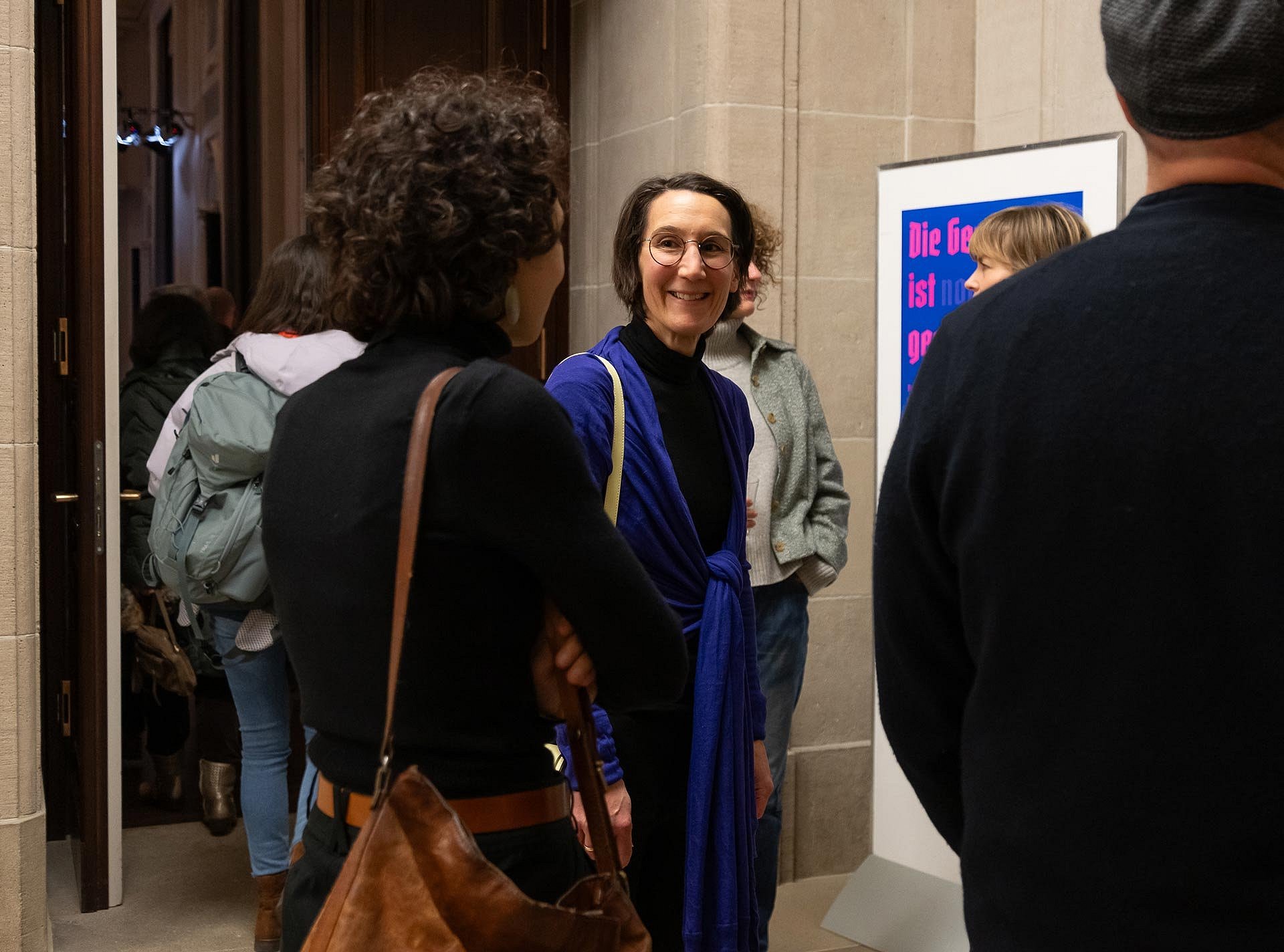
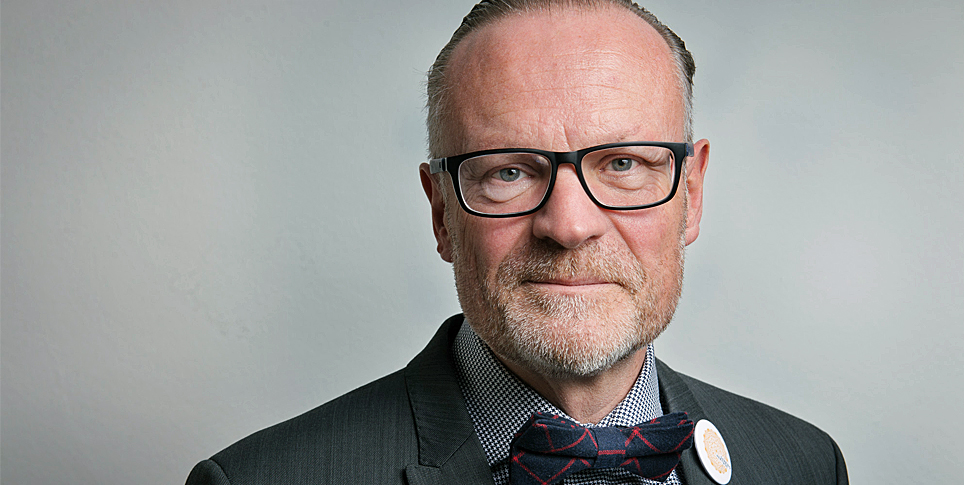
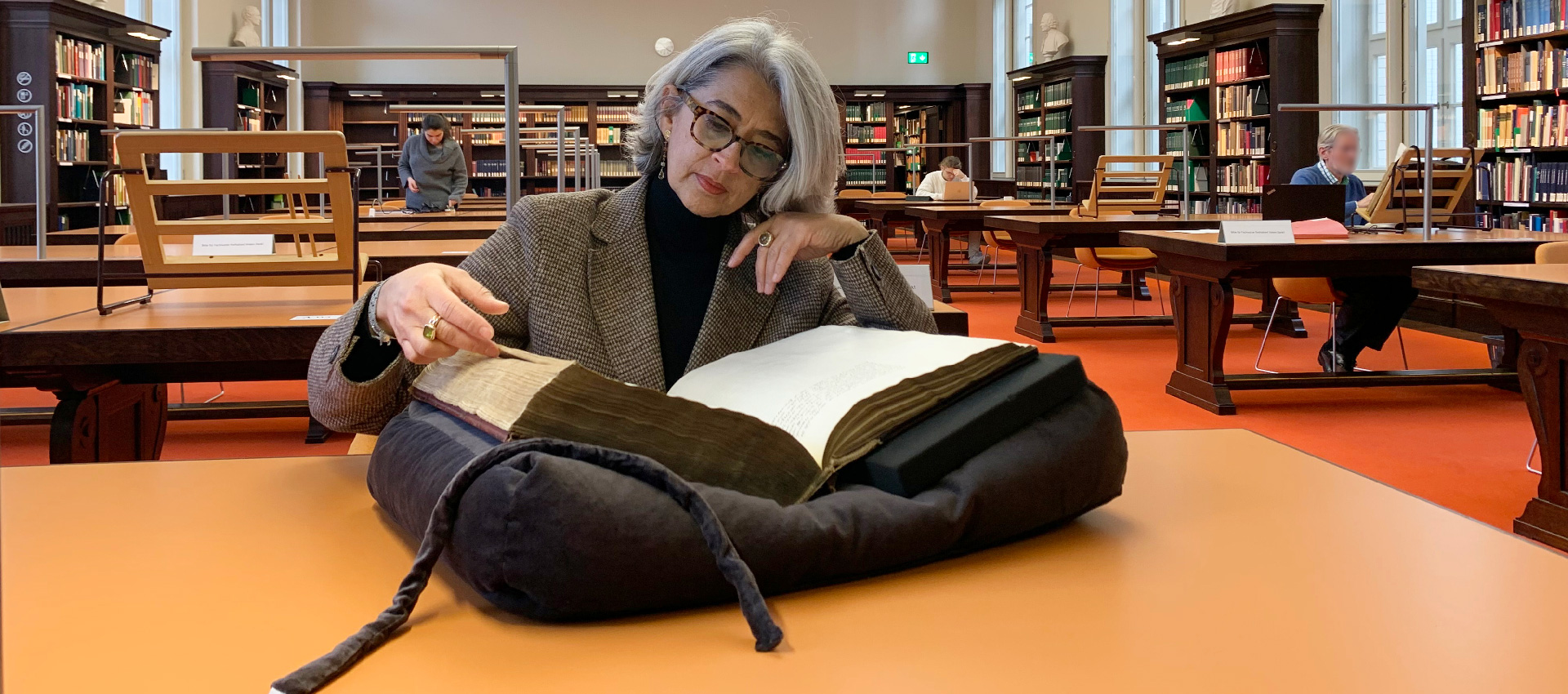
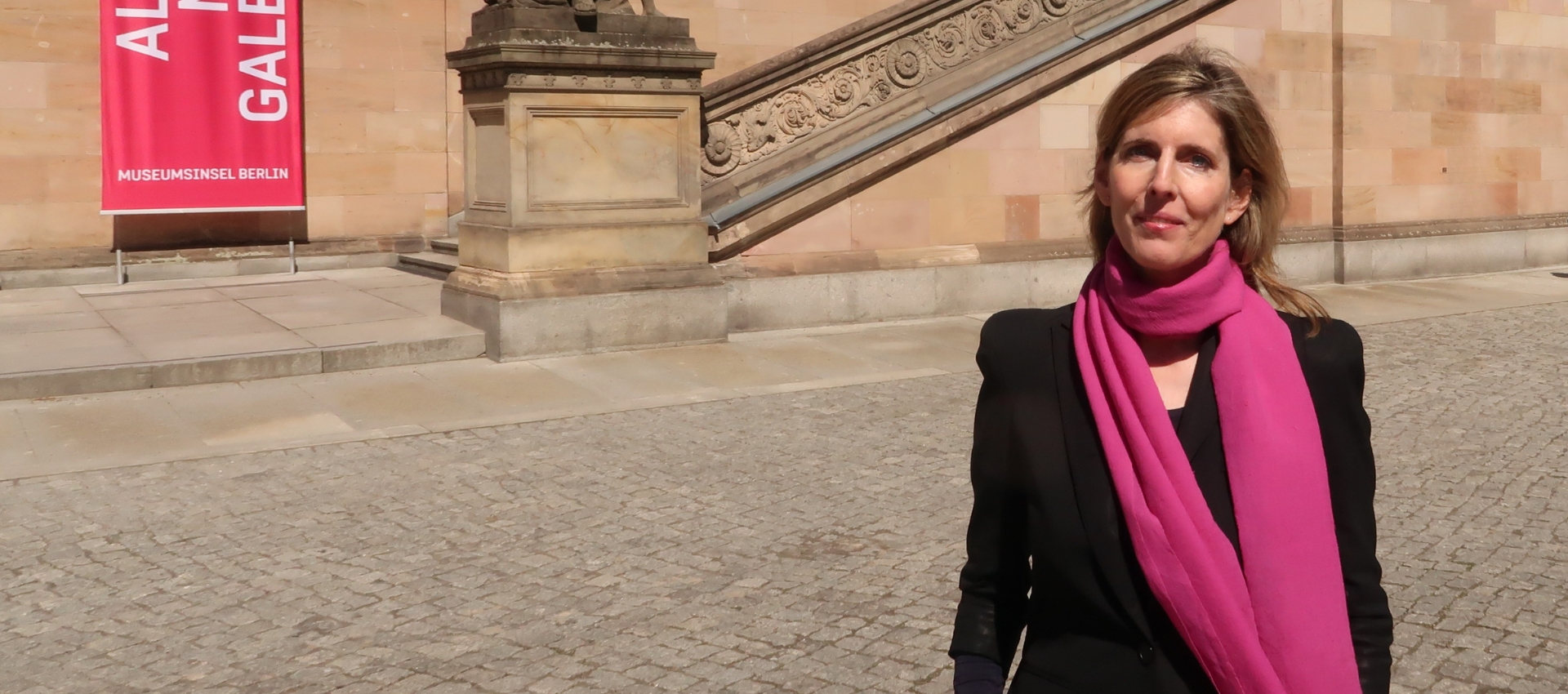
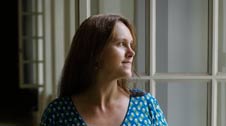
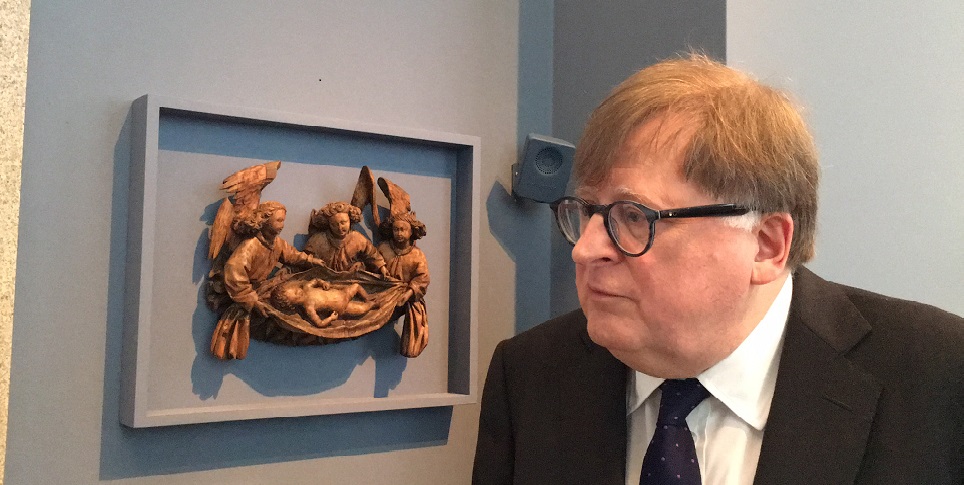
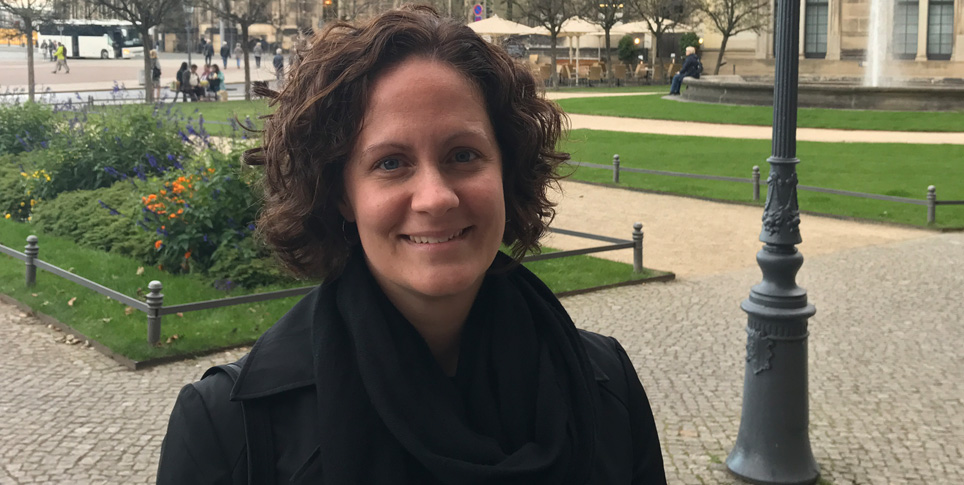
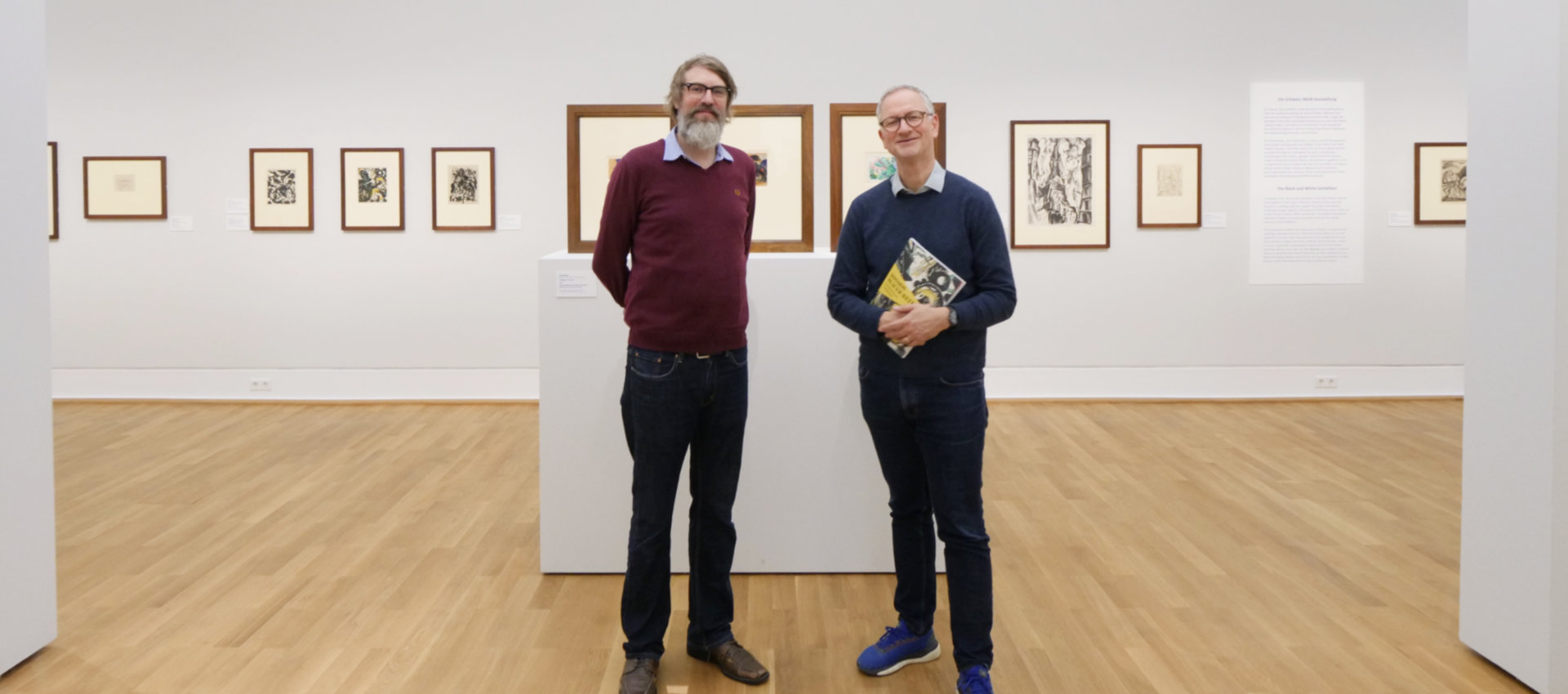
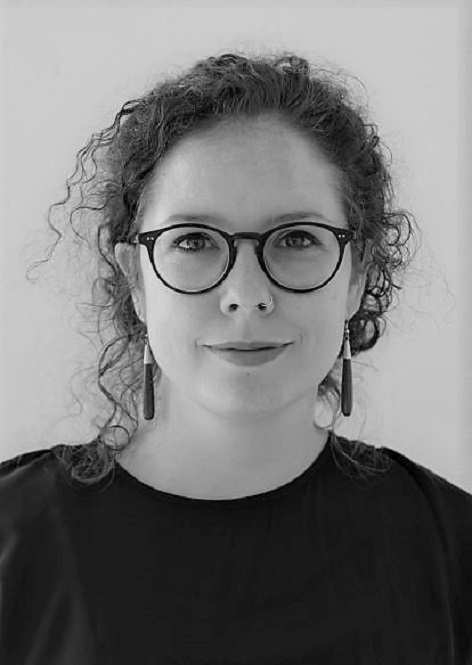
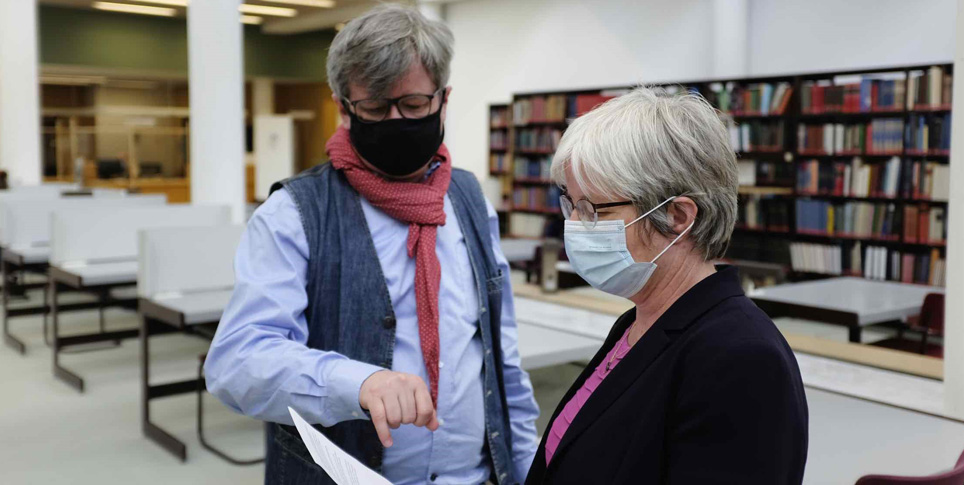
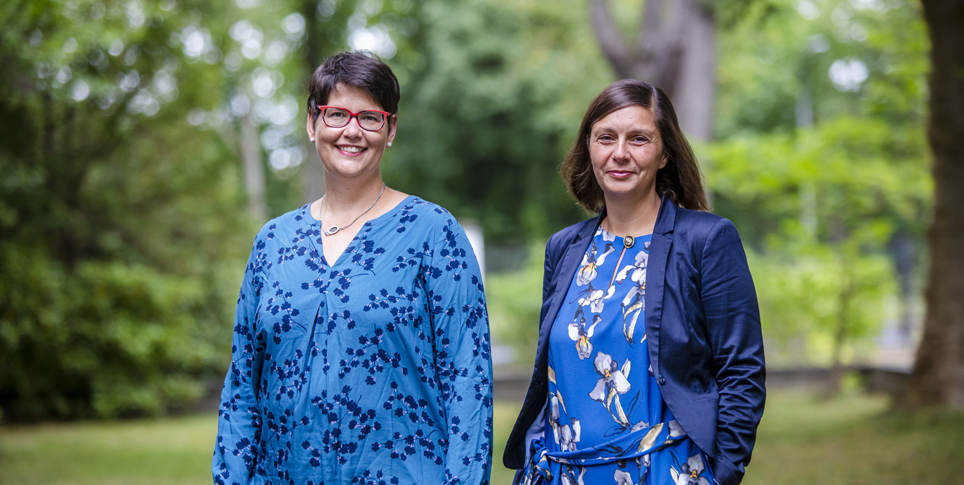
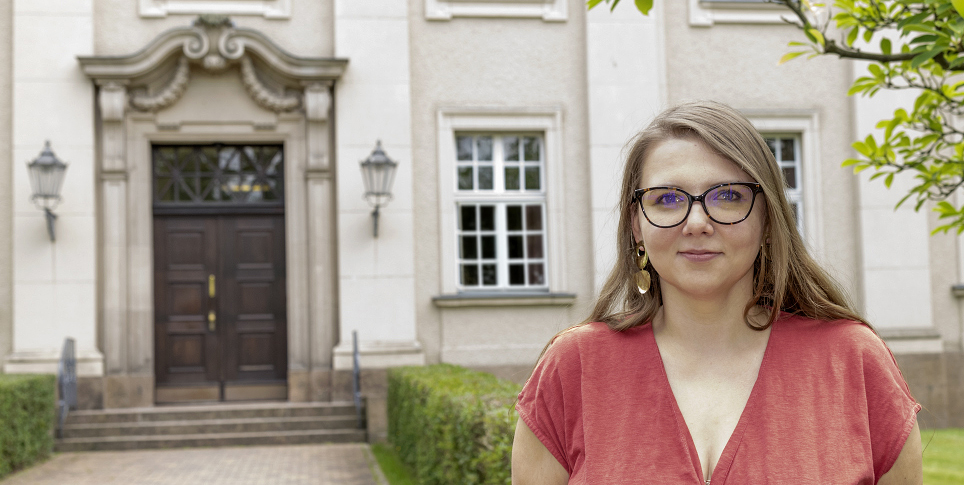
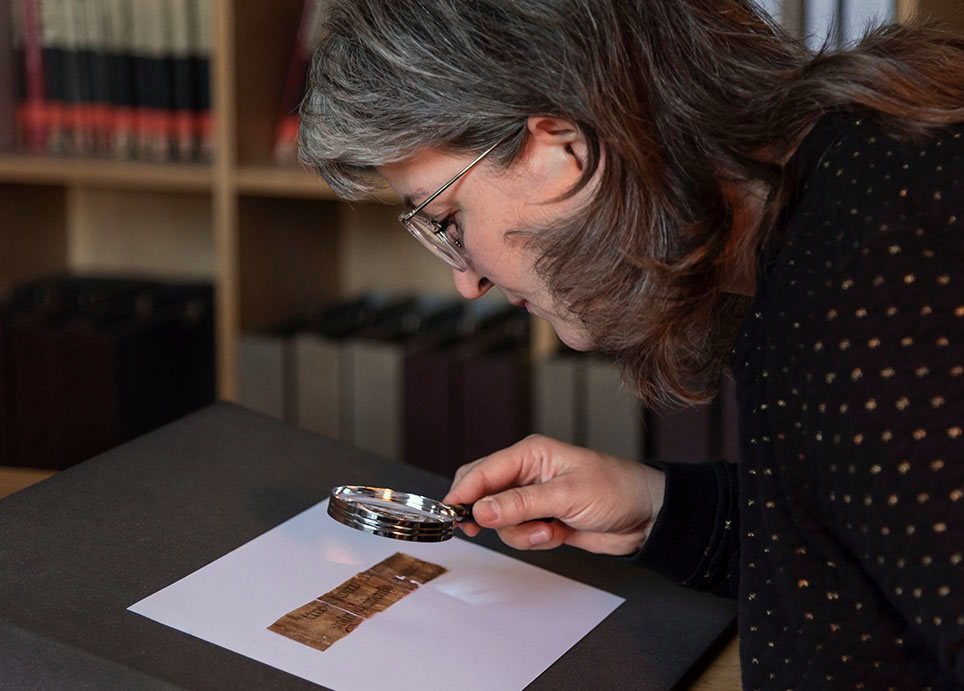
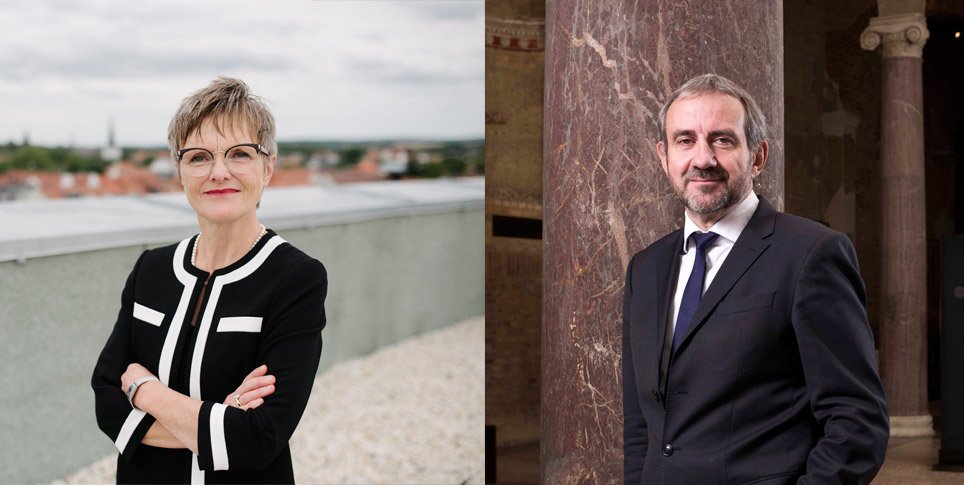
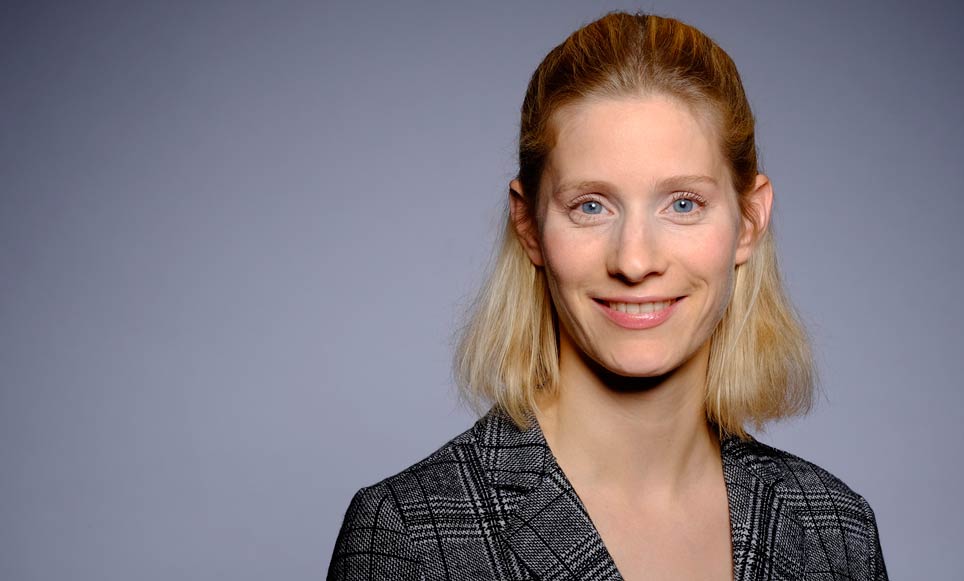
Art historian Anke Lünsmann is the project coordinator for the collaborative project “Art, Looting and Restitution – Forgotten Life Stories (KRR)” run by the Prussian Cultural Heritage Foundation and the Bavarian State Painting Collections.
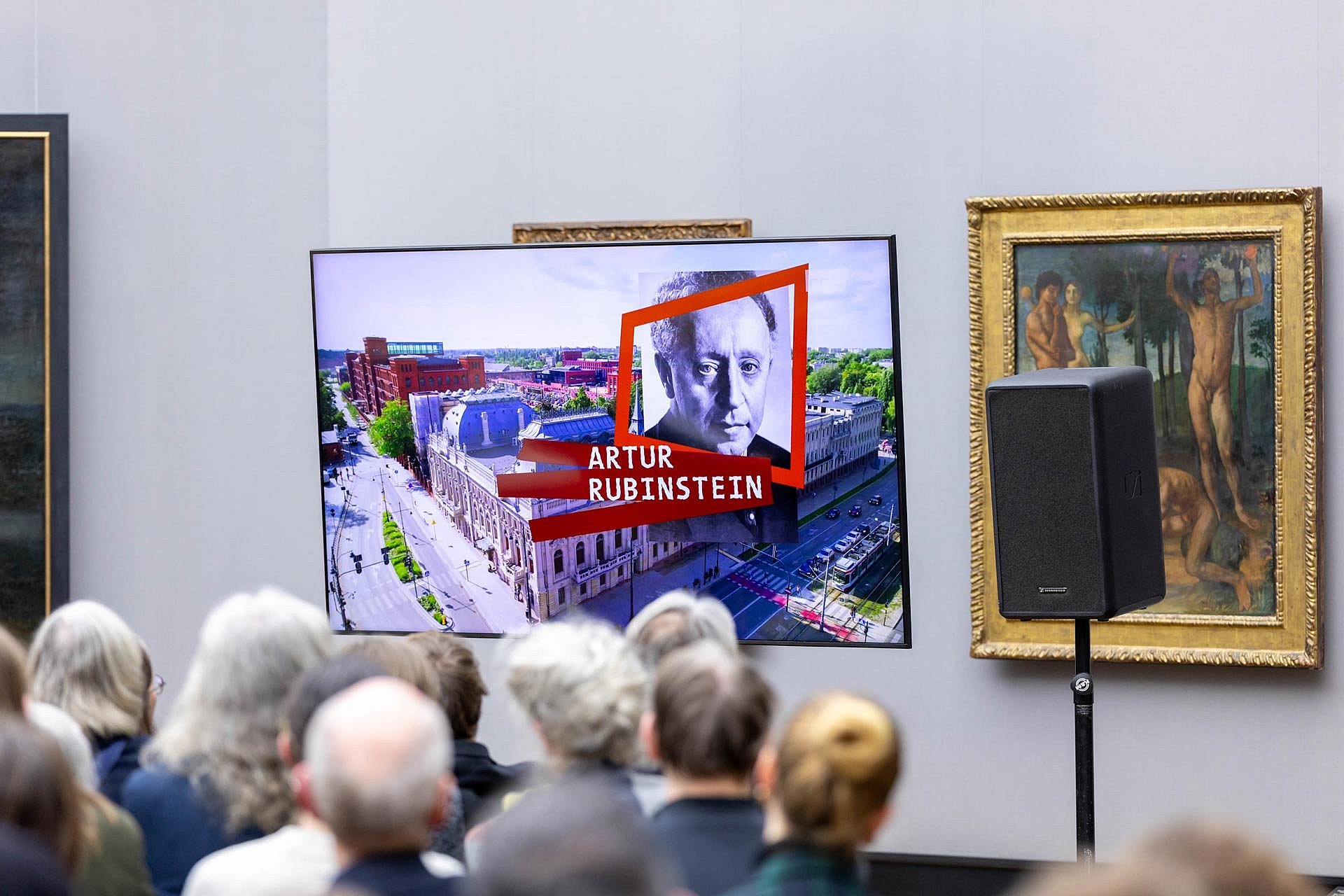
It tells the stories of Jewish people who once played a decisive role in shaping Germany’s cultural life, but were subsequently ostracised, disenfranchised, persecuted, robbed and murdered by the Nazis. In collaboration with BR and rbb, these life stories are being presented in a media library of remembrance.
Photo: SBB-PK / Anka Bardeleben-Zennström
How do you come across these stories? How do you track down the descendants, and which life story has particularly moved you?
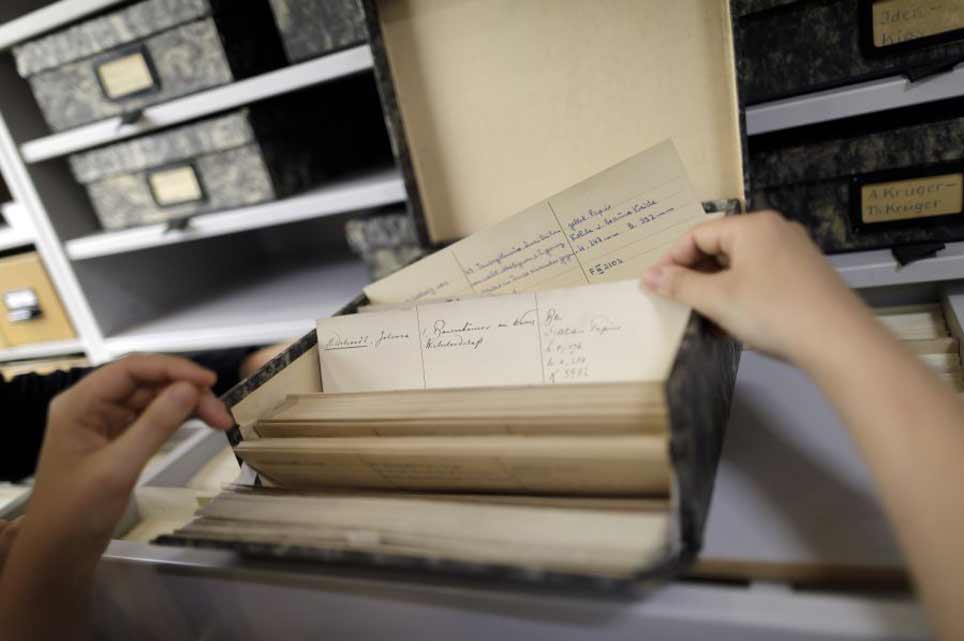
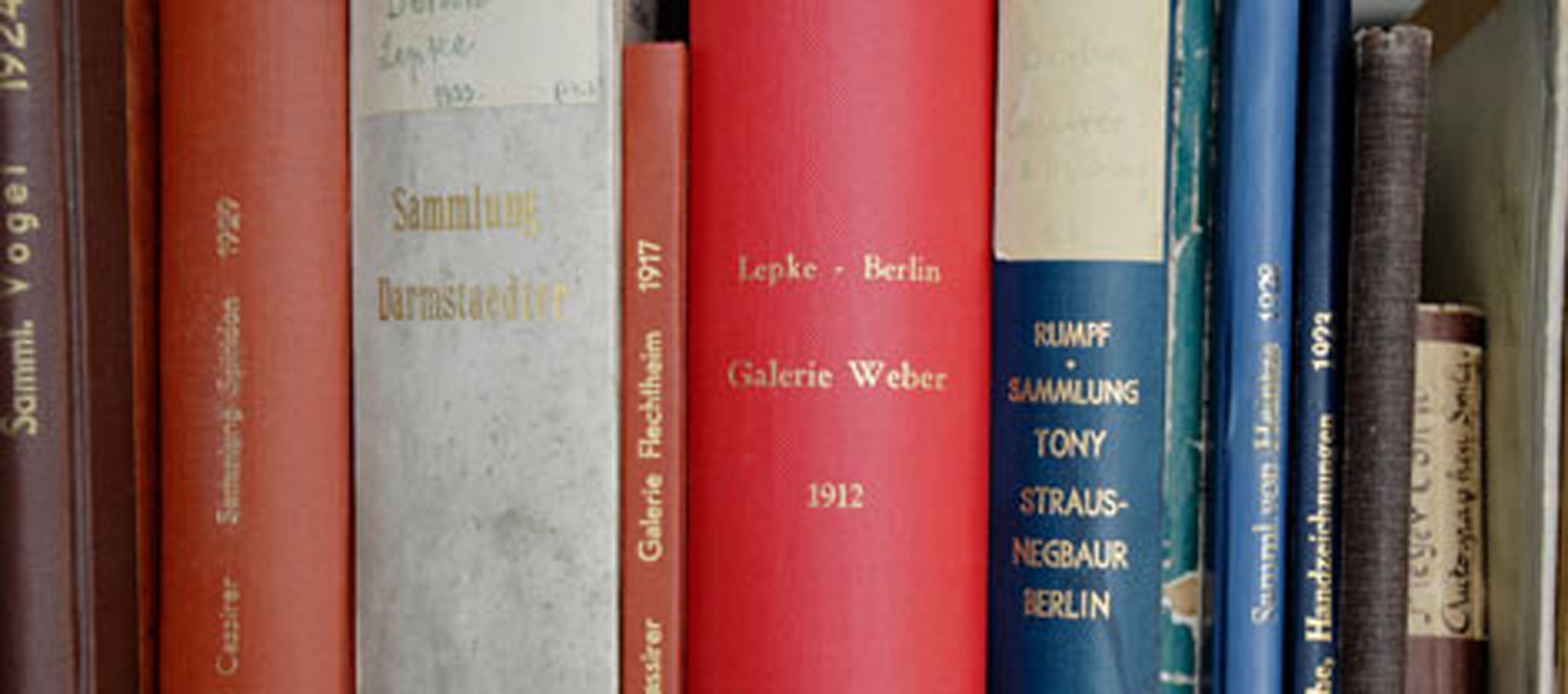
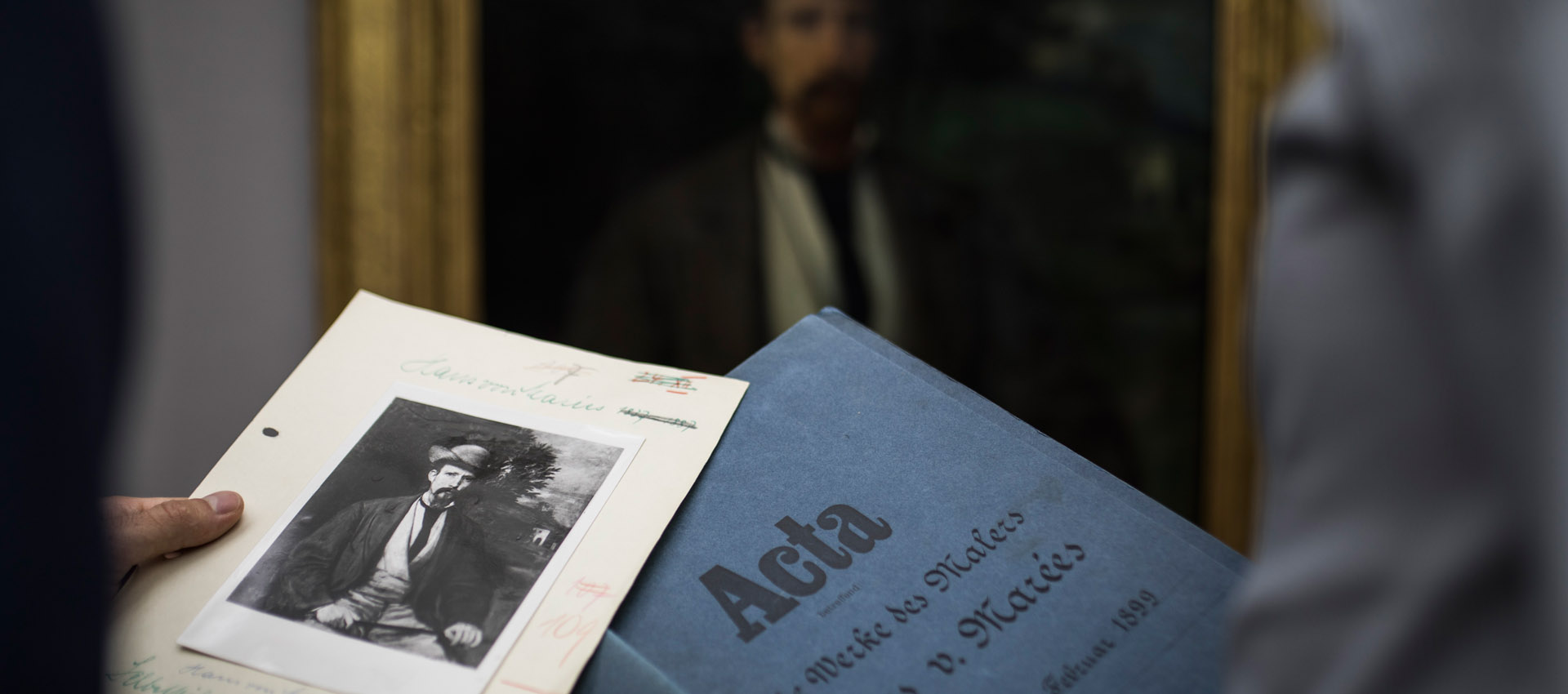
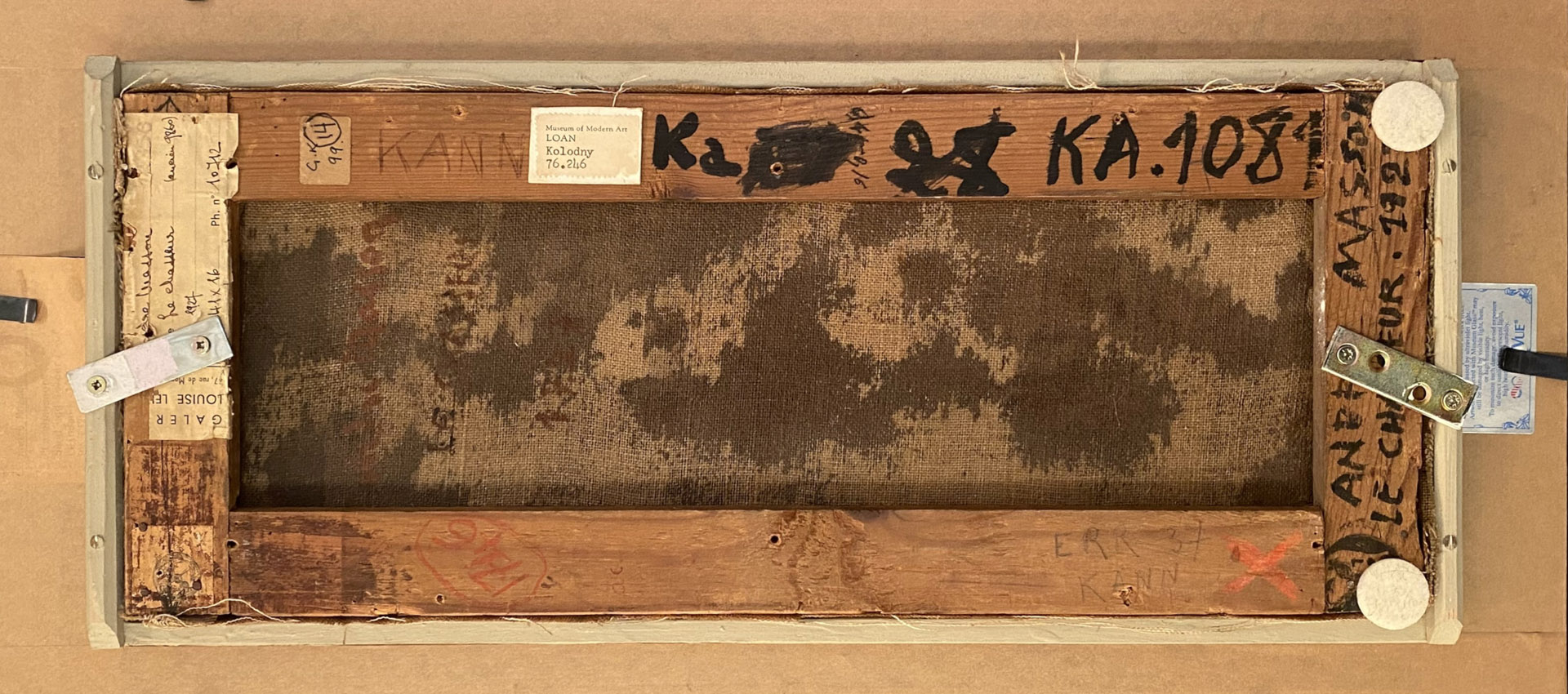
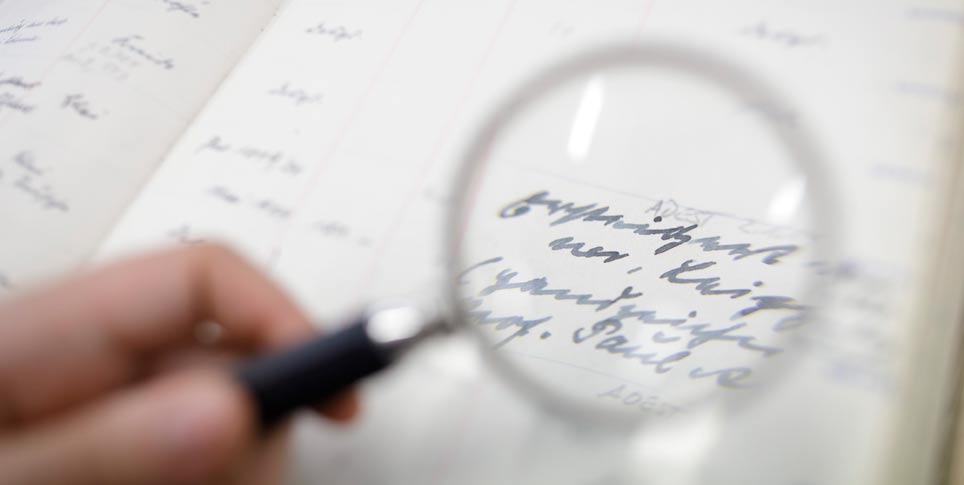
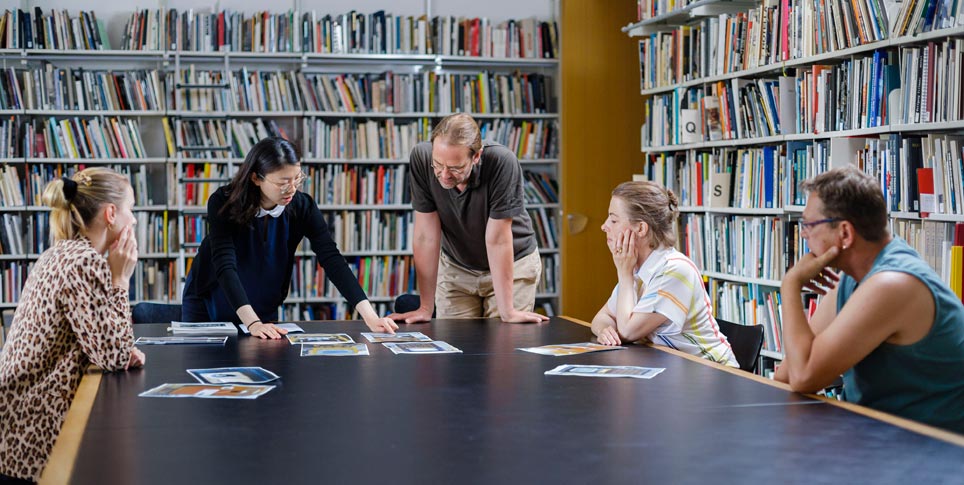
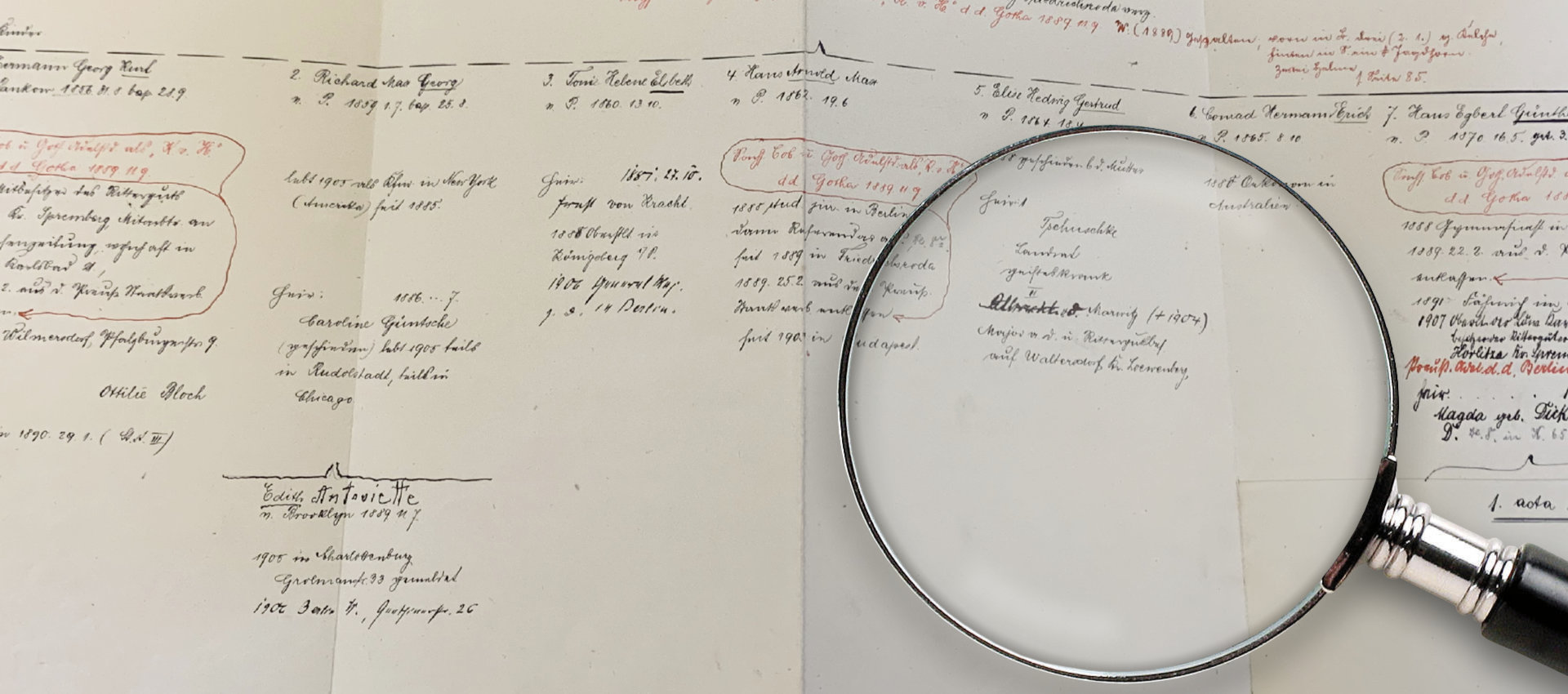
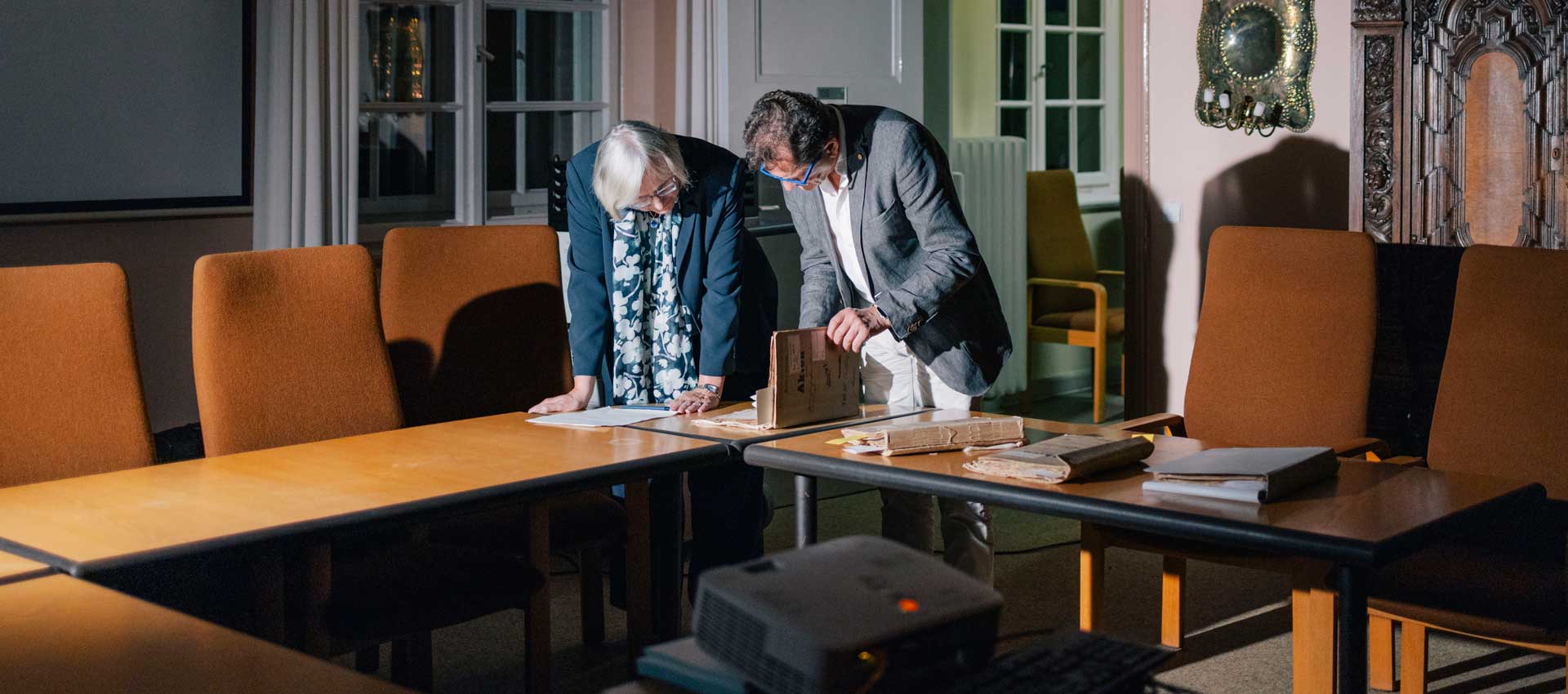
Lünsmann: Over the past 25 years, the SPK has restituted a considerable number of works of art and books. To do this, we first had to research the provenance and the circumstances of loss for the previous owners, and that naturally also involves researching the lives of these people. In other words, the stories are actually already there. In the project, we therefore work together with the provenance researchers at the SPK, particularly at the Central Archive of the State Museums in Berlin. Together, we use the available research material to select the people whose life stories we will tell. Contact with the heirs or their lawyers is established in advance of the restitutions via our legal department, and we can draw on this for the project.
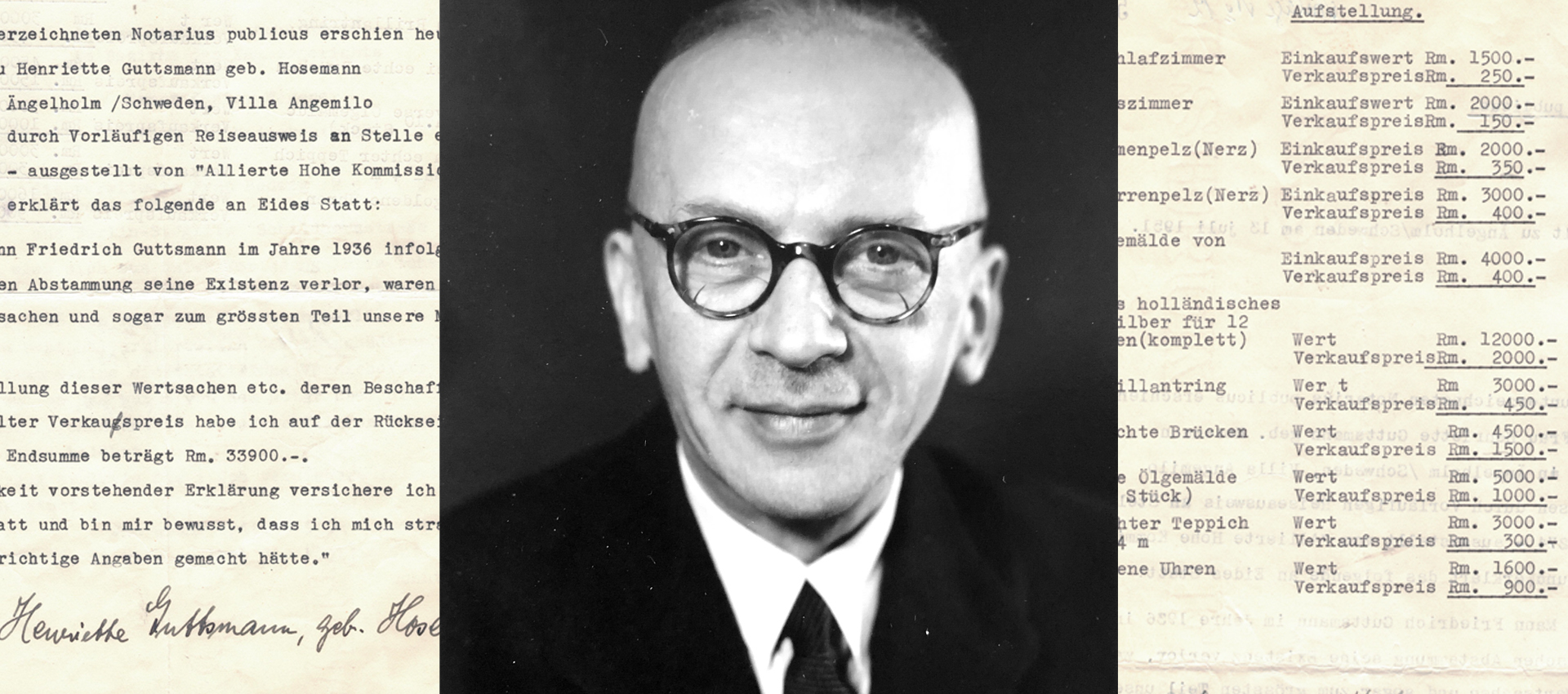
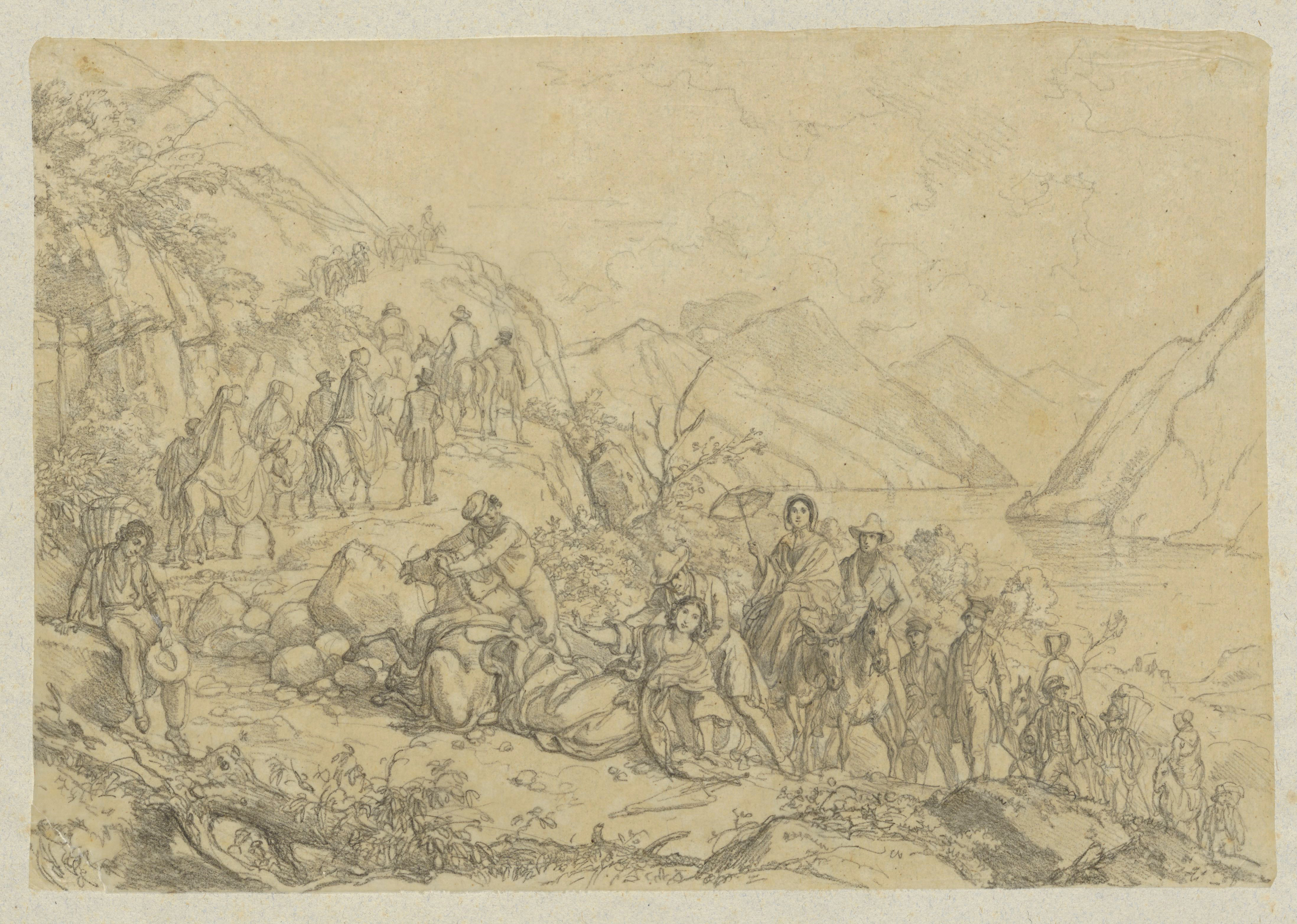
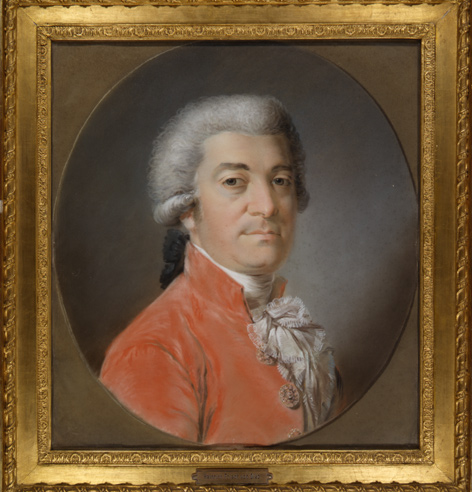
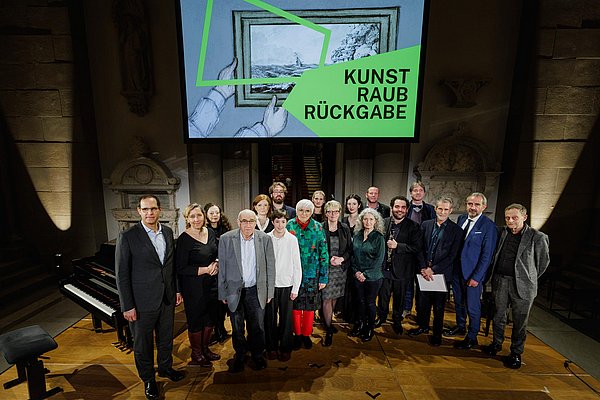
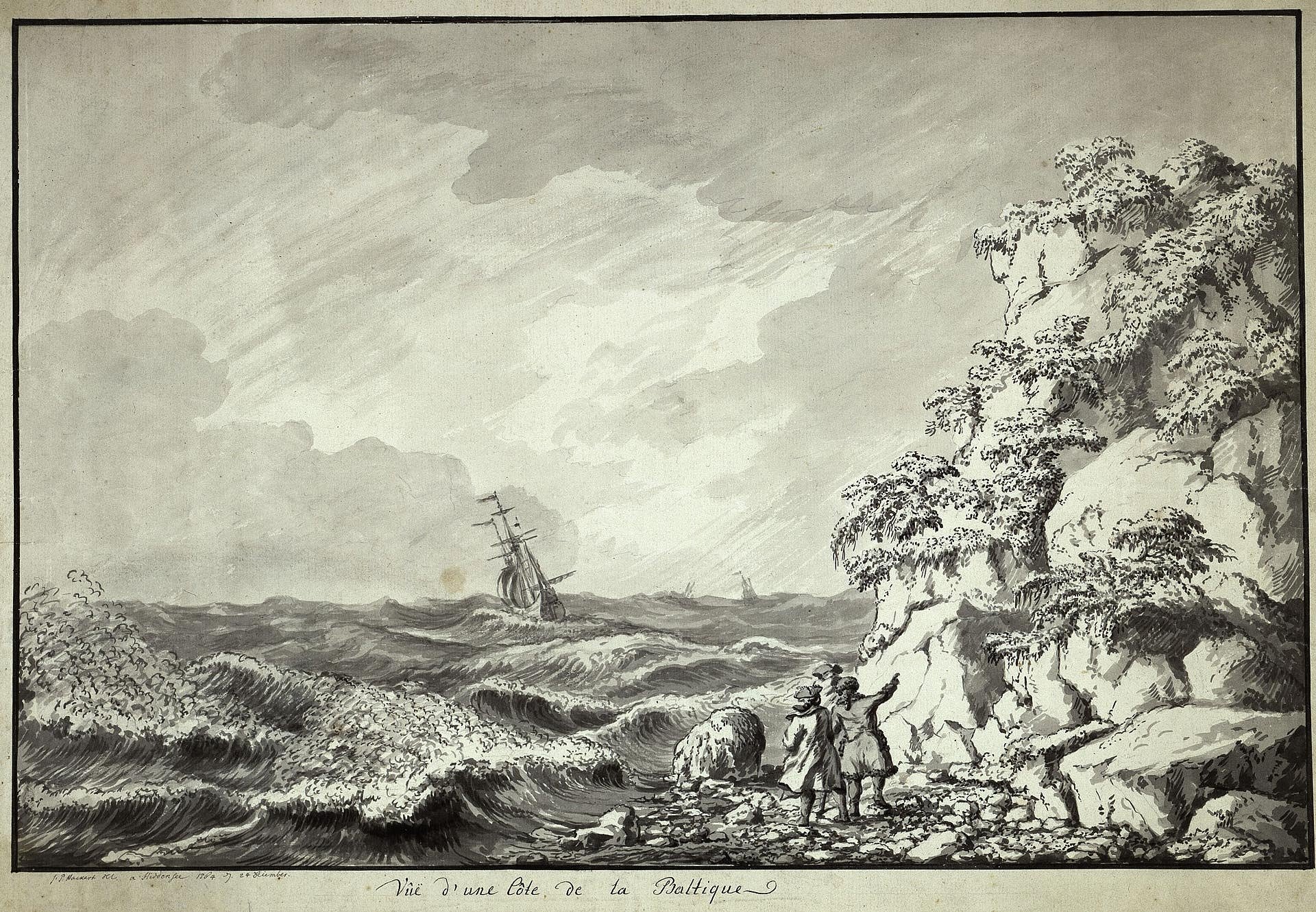
Despite the recurring patterns of harassment, persecution and deprivation, every story has its own harrowing details. Take, for example, Friedrich Guttsmann, who, in desperation and to protect them from persecution, sent his two minor children alone ‘abroad’ to Sweden and did not see them again until many years later; or Marianne Schmidl, in whose case the Nazis first meticulously searched for a third Jewish grandparent so that they could then define her as ‘fully Jewish’, deport her and murder her. The contact with the descendants is touching in a positive sense. Friedrich Guttsmann’s granddaughter, for example, only rediscovered parts of her family history through the restitution of a drawing. This triggered so much in her that she has repeatedly accompanied and supported us in the project.
Research Questions
How exactly does one restore paper? How can you tell if a painting is genuine? And what is the correct way to play Beethoven? With Research Questions, we give you the opportunity to ask us your questions. In each issue of the research newsletter, a researcher from the SPK answers selected questions from the community on a specific topic.
What is the collaboration with Munich like? How did this partnership between the various partners come about?
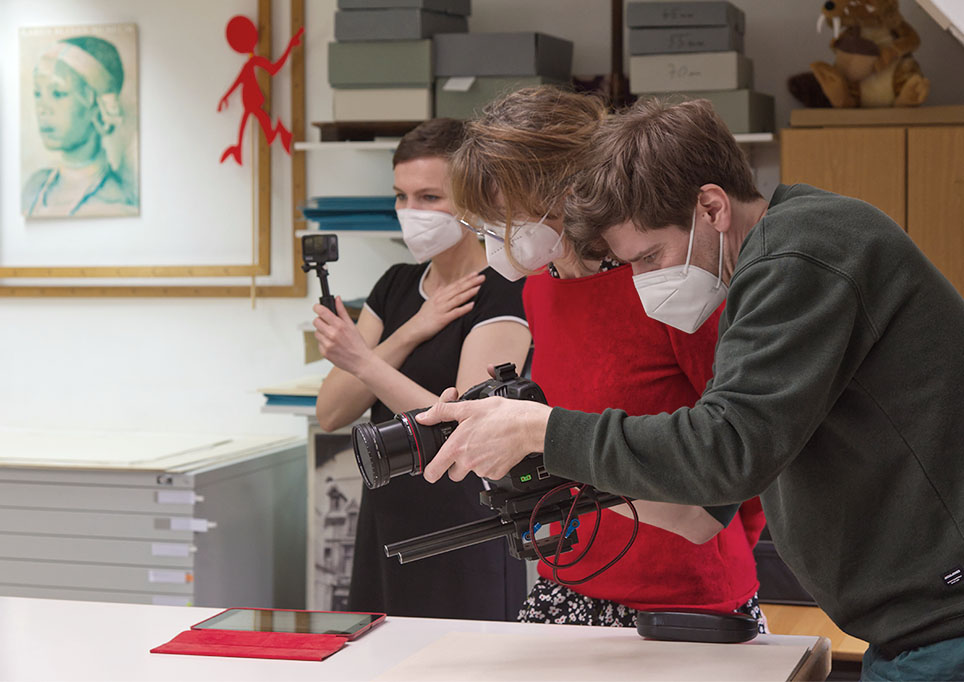
Lünsmann: We coordinate closely on the broad outlines and overarching content; the development of the individual ‘cases’ is carried out independently by the Bavarian State Painting Collections or the SPK following an editorial meeting. All threads then come together in Berlin, where the project management is based. In addition, Bayerischer Rundfunk and Rundfunk Berlin-Brandenburg are also involved; they produce the films independently on the basis of the material provided.
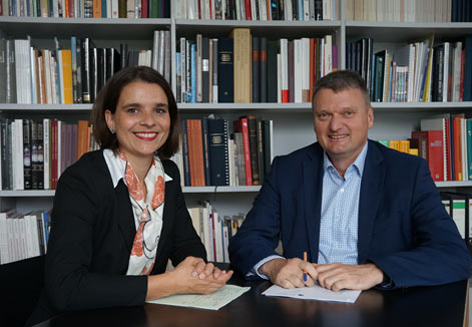
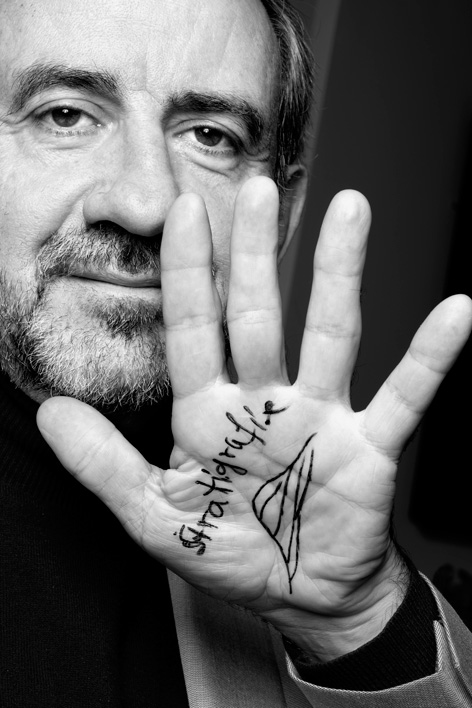
The collaboration arose from personal contact with Mr Maaz, the Director General of the Bavarian State Painting Collections, who previously headed the Alte Nationalgalerie in Berlin and has dealt with restitution cases at both institutions. The subject of the project is just as close to his heart as it is to ours. But really, two institutions are not enough; there are so many more lives that ought to be remembered – and could be.
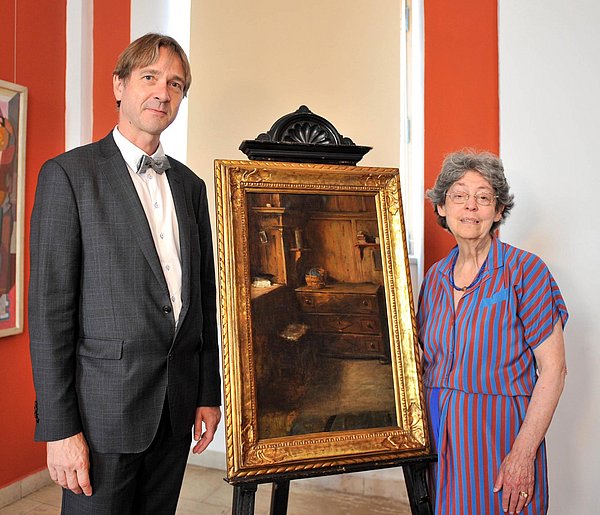
‘Art, Looting, Restitution’ is, after all, a kind of cross-disciplinary project combining outreach and research. Why is this relevant, and what does it mean in concrete terms for the project?
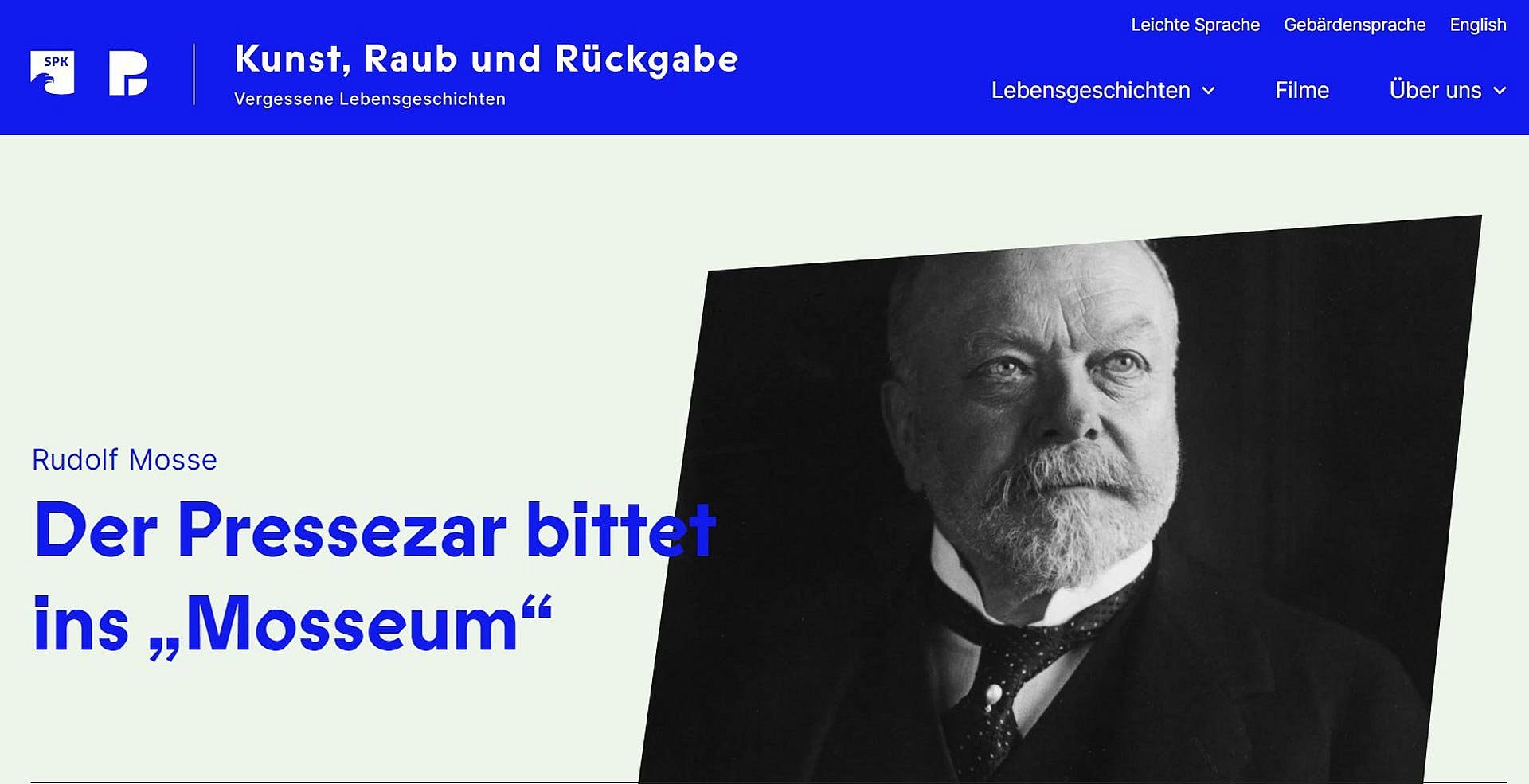
Lünsmann: The research, and in particular the findings of provenance research within our institutions, form the basis for the project. We review the existing documents with a view to the life stories, provide material to rbb and BR as further partners, and edit the content. On the project website, we tell the stories in an accessible way, using as much visual material as possible, and show the films. We also provide background information in the form of a glossary and educational materials, currently aimed primarily at school lessons. The result is therefore an outreach platform, a sort of media library of memory, which brings together various resources, particularly for young people and a non-academic audience.
Is there still Nazi-looted art in the collections that has not yet been returned to its rightful owners?
Lünsmann: One can assume so, as the provenance of by no means all works has been conclusively researched. This research is sometimes very time-consuming. It will keep many researchers busy until the provenance of all works in public ownership that entered the collections after 1933 and were created before 1945 has been verified. Only when that has been done will it be possible to say how many of these works are actually Nazi-looted art.
Further links
- Website: Art, Loot, Restitution
- Magazine articles on the topic of “Returned”
- Magazine article: Bringing destinies to life – an interview with Petra Winter and Andrea Bambi
- Information about the project
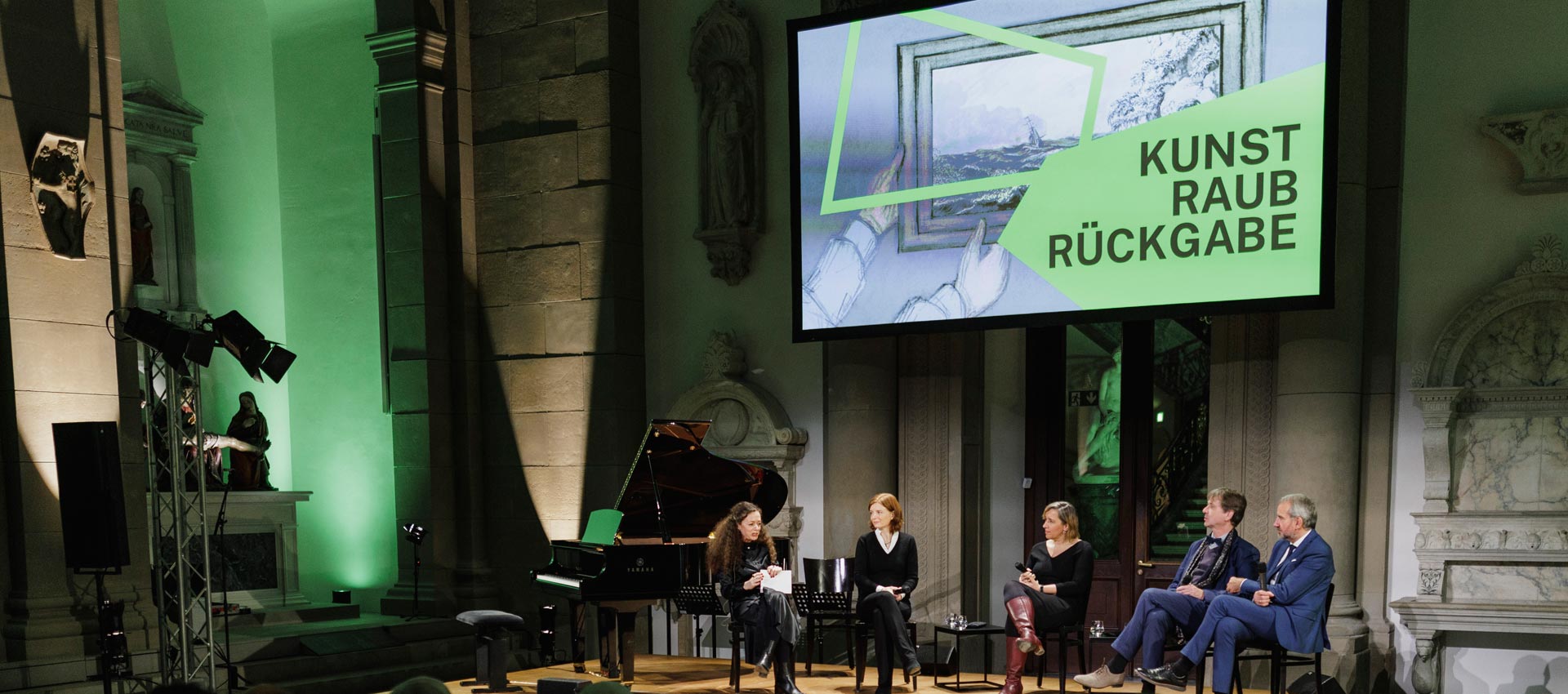
- Recording of the launch event, February 2023
- Photo gallery: 25 Years of the Washington Principles, December 2023