In the Year of the Tuba, the Musical Instrument Museum is hosting exhibitions on the ‘low brass’ and instrument-making in divided Germany. Markneukirchen in the Vogtland region is presenting itself as the heart and soul of German instrument-making
What, Paul McCartney played on a bass from the GDR? A Beatle with a penchant for Eastern European music? The latter might be true, but the former isn’t – although it could (almost) have been! And this is how it happened: when the Beatles’ bassist Stuart Sutcliffe decided in 1961 not to return to Liverpool with his bandmates, but instead wanted to live in Hamburg with his girlfriend, a replacement was needed. So McCartney stepped in at short notice, took over the bass parts and really let rip on the now legendary Höfner Model 500/1.
The company was founded in 1877 by the guitar and violin maker Karl Höfner and was based in Schönbach, now known as Luby in the Czech Republic. Following its expulsion from the Sudetenland, the company was relaunched in Franconia in 1948 – initially in Möhrendorf, and from 1950 onwards in Bubenreuth. This meant that the successful enterprise remained within the catchment area of the ‘Musikwinkel’, a region situated between Thuringia, Saxony, Bavaria and Bohemia.
This region remains famous to this day for its instrument-making, which has been documented there since the 17th century. Virtually all stringed, plucked, woodwind, brass, percussion and harmonica instruments of European music are manufactured there, including bows, components and accessories. Logically, the instruments from the Musikwinkel came from both East and West, as the knowledge, high craftsmanship, extensive expertise and outstanding quality did not stop at the new borders following the end of the Second World War.
And so the bass guitar that became known as the ‘Beatles bass’ could well have come from Markneukirchen. After all, this was the centre of German musical instrument making. A hundred companies of varying sizes – from small family businesses to a number of medium-sized enterprises – operate there, which is why the little village in the Vogtland region, with its 7,000 inhabitants, has, for once, not entirely seriously bestowed upon itself the title ‘Musical Valley’.
Instrument Making Before and Behind the Iron Curtain
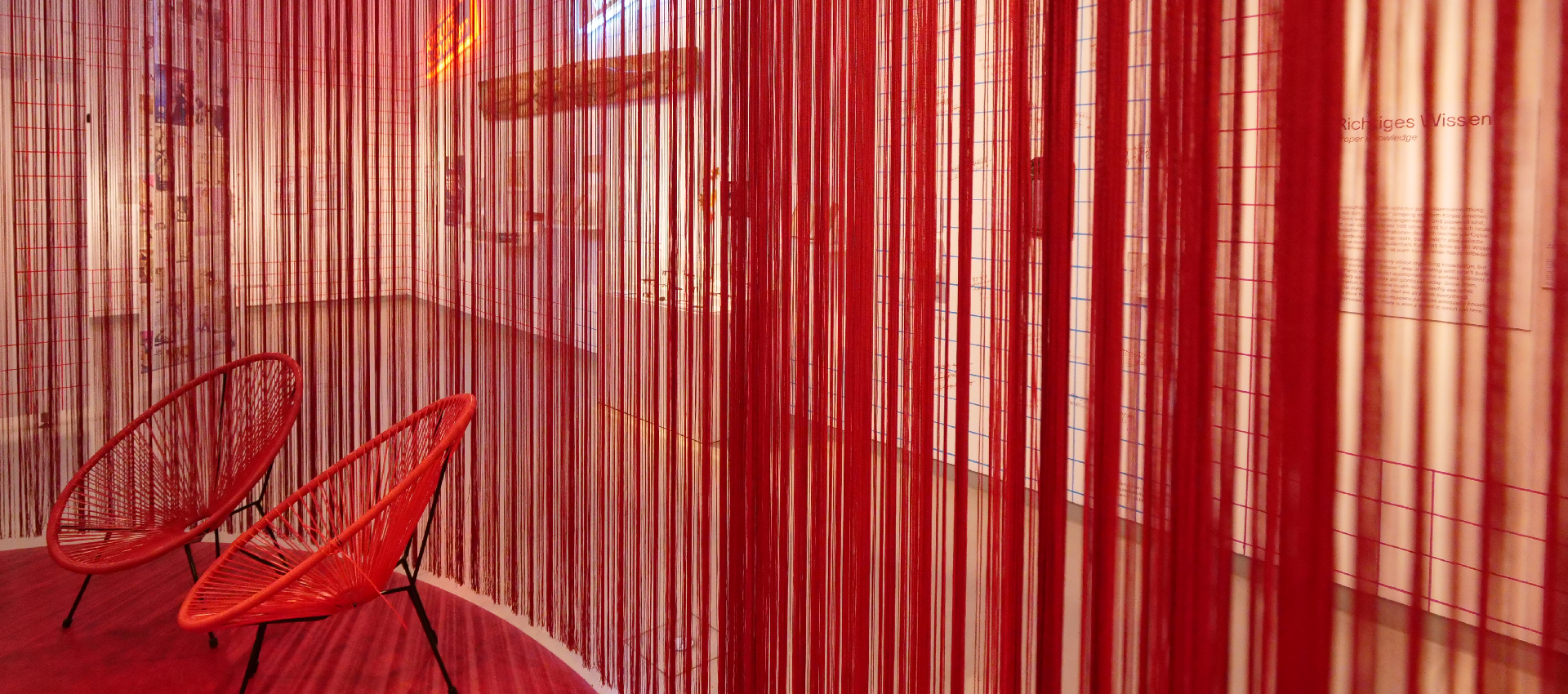
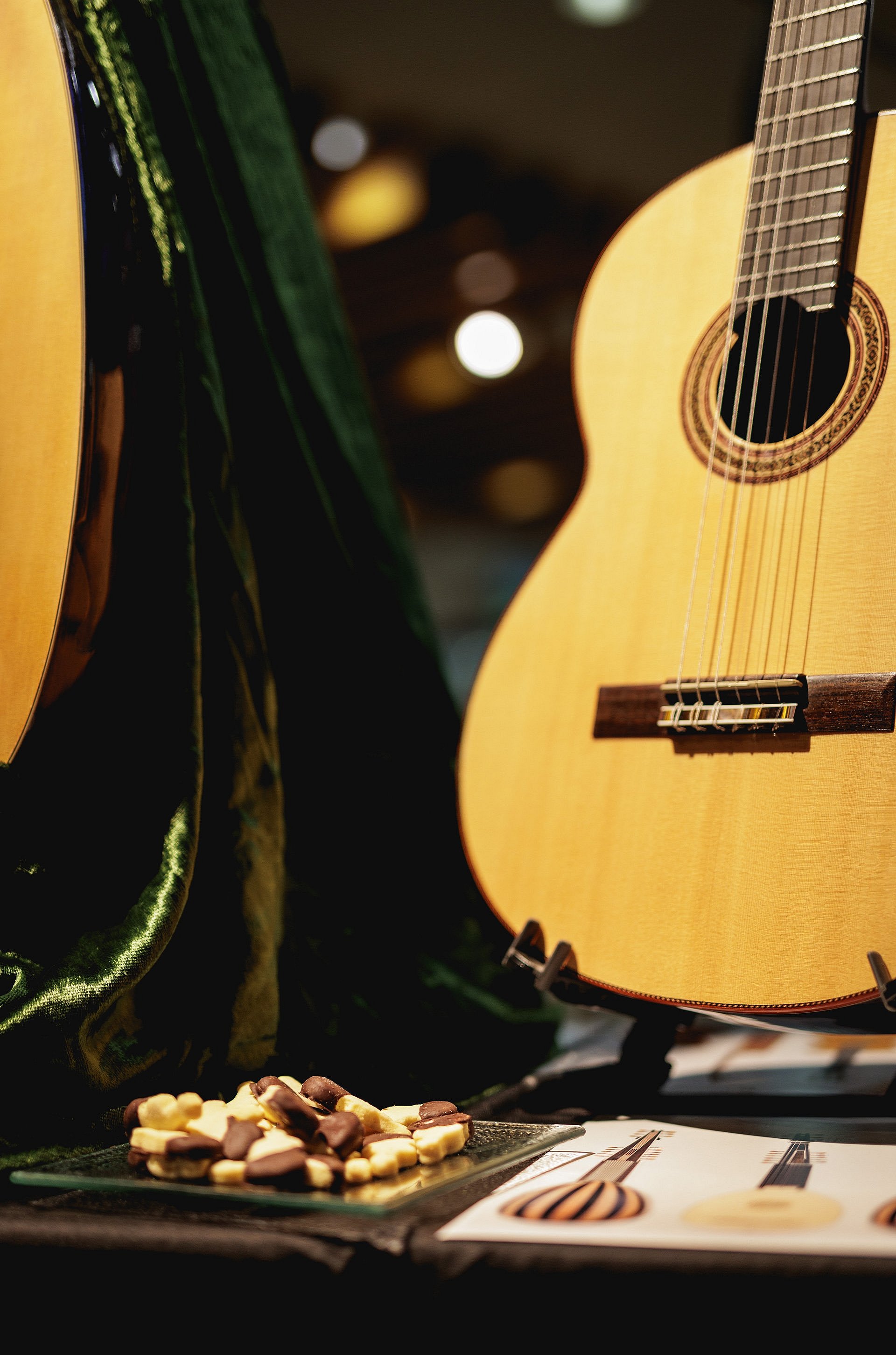
The Spotlight exhibition at the Musical Instrument Museum explores ‘Instrument Making in Two German Republics’ – and, naturally, features a ‘violin-shaped’ guitar whose design resembles the Höfner 500/1. This compact exhibition examines the history of the music shop and illustrates it with a wealth of impressive instruments from the collection.
A special role is played by the Berlin-born Olga Adelmann (1913–2000), Germany’s first female violin maker, who later worked as a restorer at the Musical Instrument Museum and, even from the pre-war period, maintained good contacts with colleagues on the other side of the Iron Curtain, although, as she wrote in 1977 on a postcard to her former teacher Curt Jung (1899–1984), who lived in East Berlin, “specialist books were confiscated at the border”, as she wrote in 1977 on a postcard to her former teacher Curt Jung (1899–1984), who lived in East Berlin.
The Musical Instrument Museum in West Berlin was, as the exhibition notes, “a key hub for the exchange of knowledge, even across closed borders”. This communication was maintained despite state intervention on both sides. In the West, this took the form of the targeted settlement of mainly Sudeten German instrument makers in Middle Franconia – such as the aforementioned Höfner company. On the other hand, in the East German Vogtland region in the early 1950s, members of the MIGMA (Markneukirchen Musical Instrument Cooperative), founded in 1943, were incorporated into the state-owned enterprise (VEB) Musima (Markneukirchen Musical Instrument Manufacturing). Some workshops and production facilities were confiscated and assigned to the state-controlled large-scale enterprise, so that stringed and plucked instruments could now be manufactured in large quantities using a collectivised production method.
Musical instrument making in the Vogtland region as intangible cultural heritage
With the expansion of electronic instruments, an additional market developed in which NATO countries competed with those of the Warsaw Pact in terms of technological progress. In Minden, North Rhine-Westphalia, Rainer Böhm embraced the concept of the emerging ‘do-it-yourself’ trend from the 1960s onwards.
Böhm offered instruments for self-assembly, which were consequently affordable and broadened his customer base. With their tiered manuals and the names of their many sliders, the Böhm organs hint at their origins in the church organ.
Also worth admiring is the red electronic mini-organ ‘Weltmeister TO 200/5’ from VEB Klingenthaler Harmoniewerke in Vogtland, dating from 1969, which, with its design simplicity and unusual colourfulness, expresses something of the spirit of optimism of the 1960s and brings to mind the pop music that emerged at that time – at least in some countries. For example, the Beatles’ “Come Together” was in the charts in 1969 – featuring a distinctive bass(!) riff by Paul McCartney, who also played the Moog synthesiser(!).
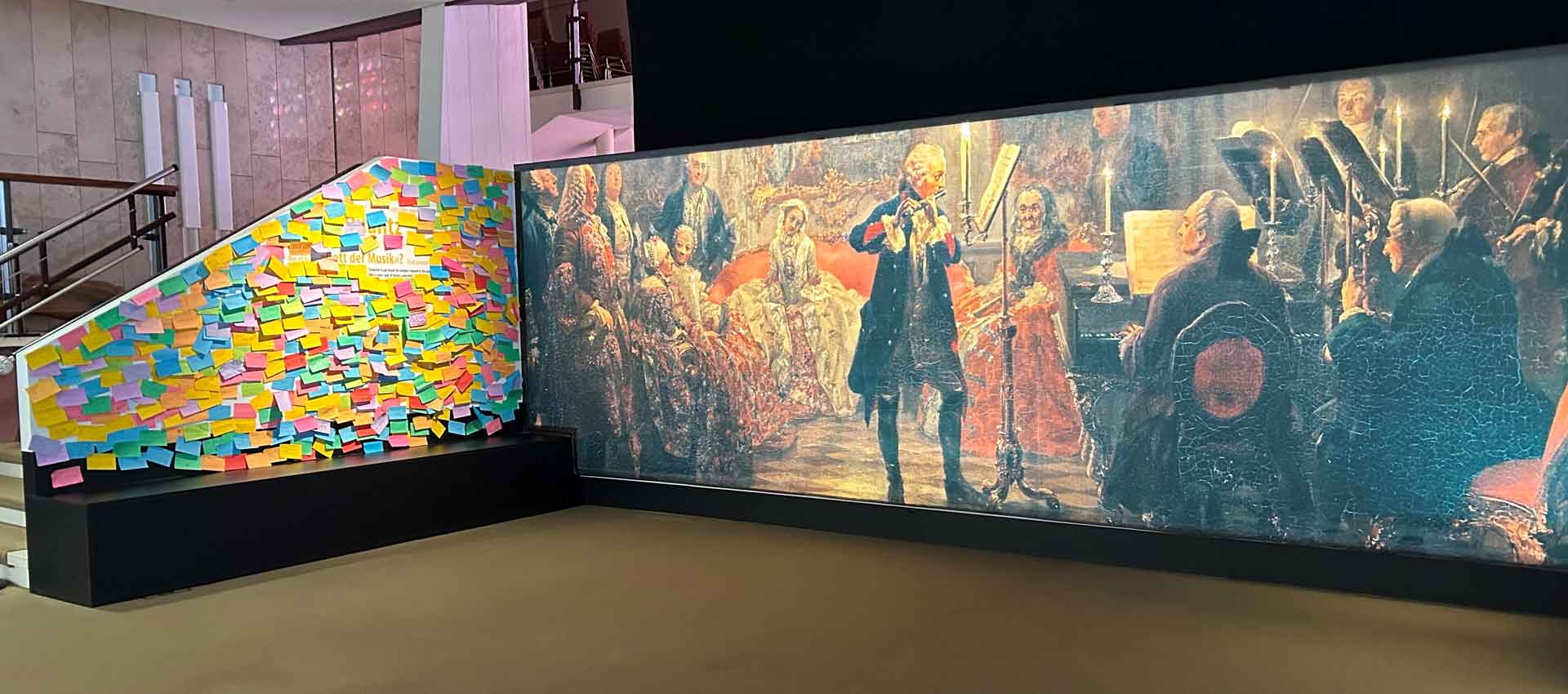
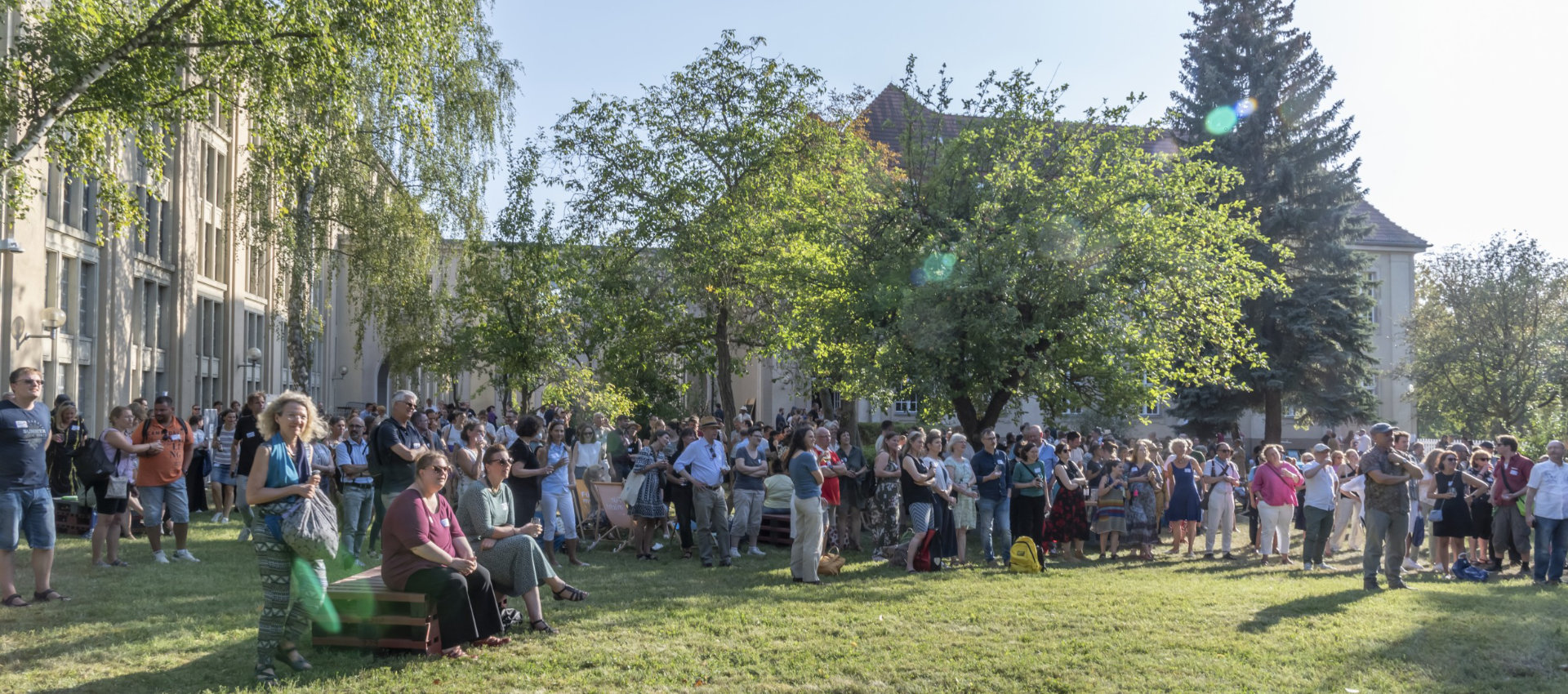
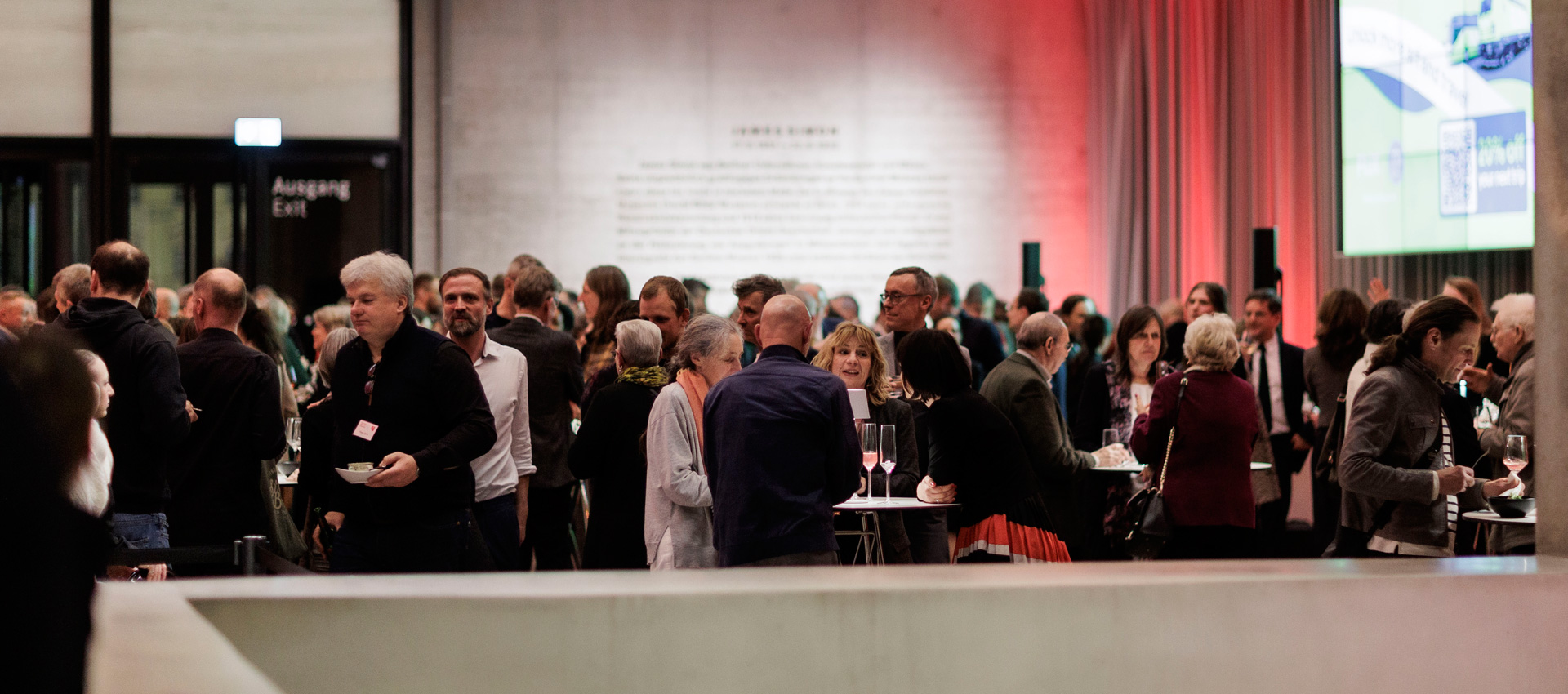
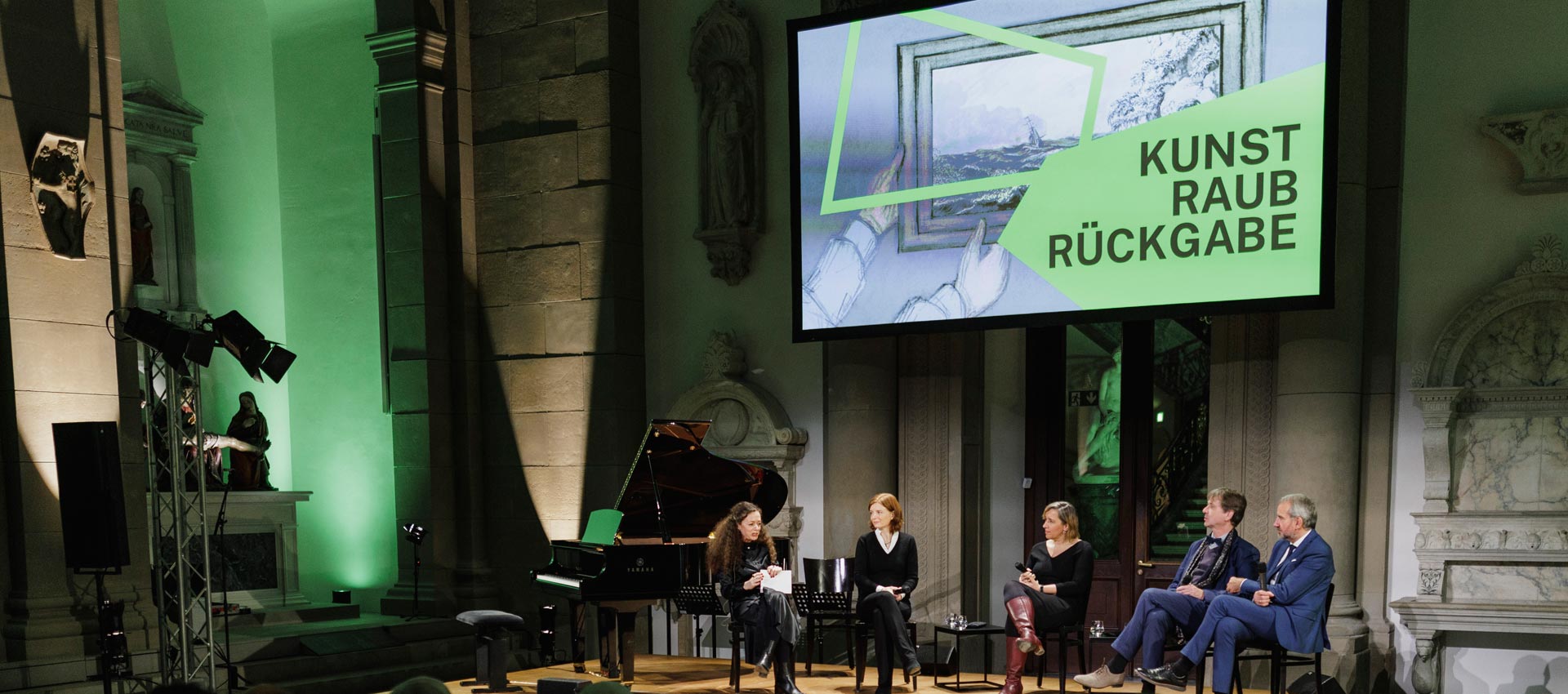
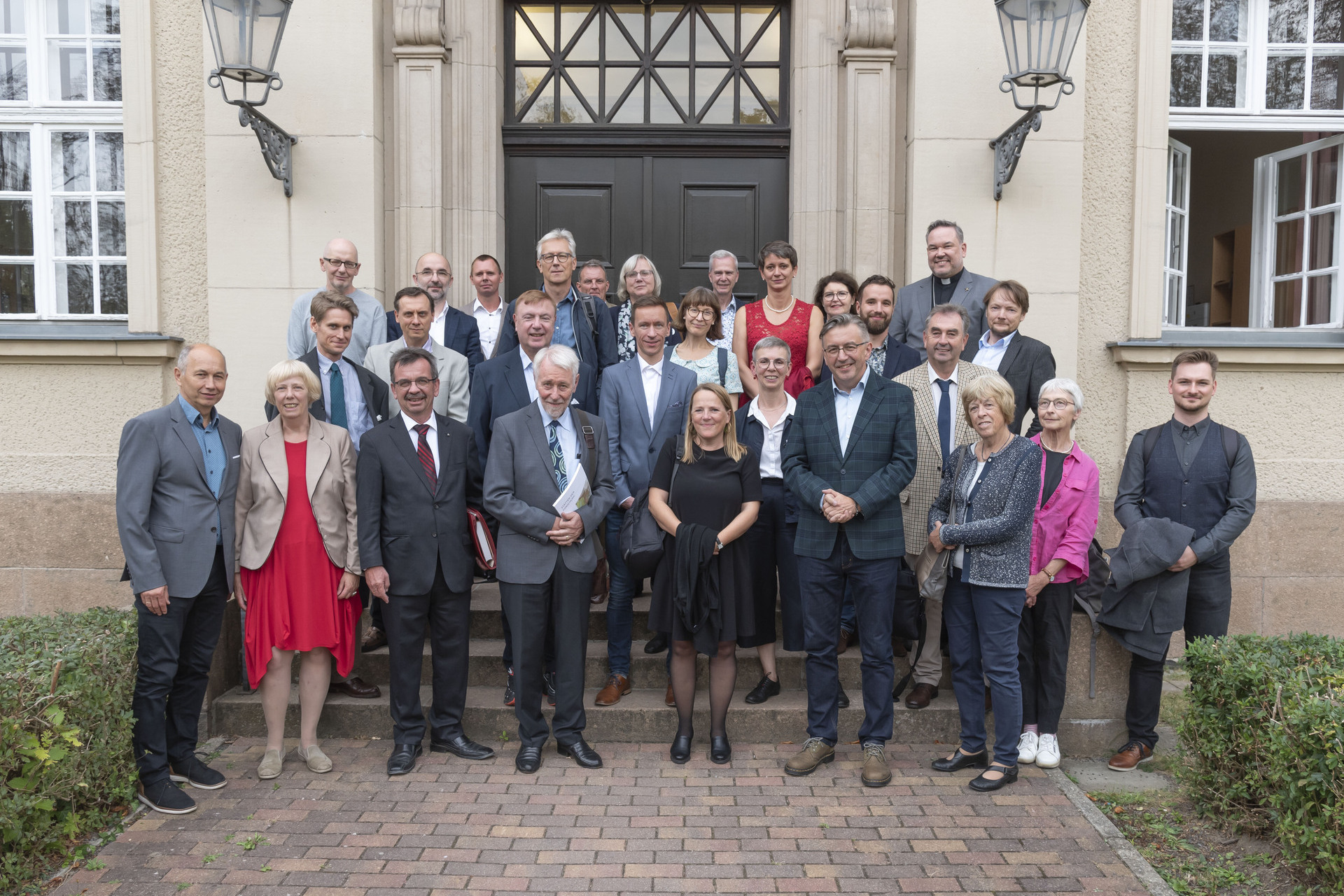
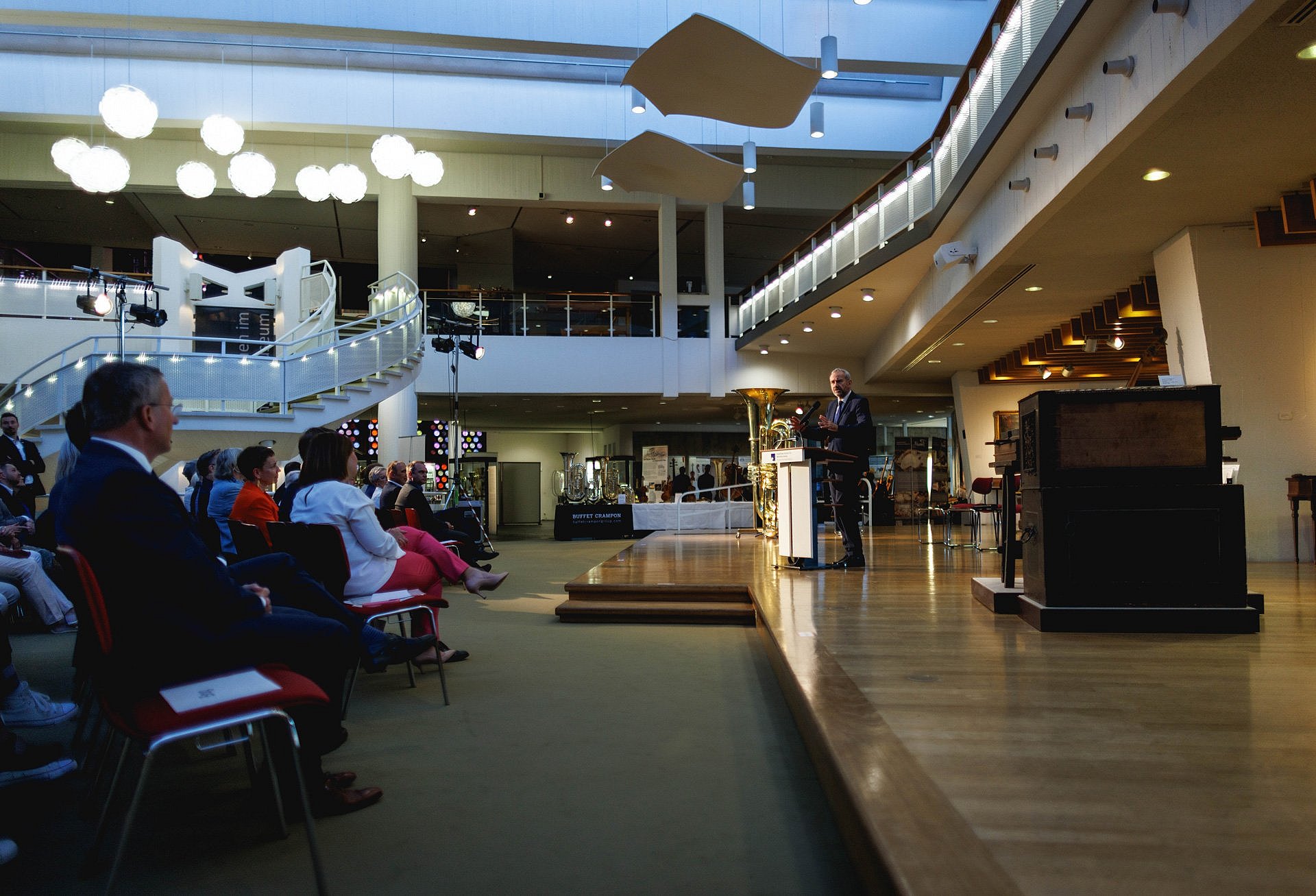
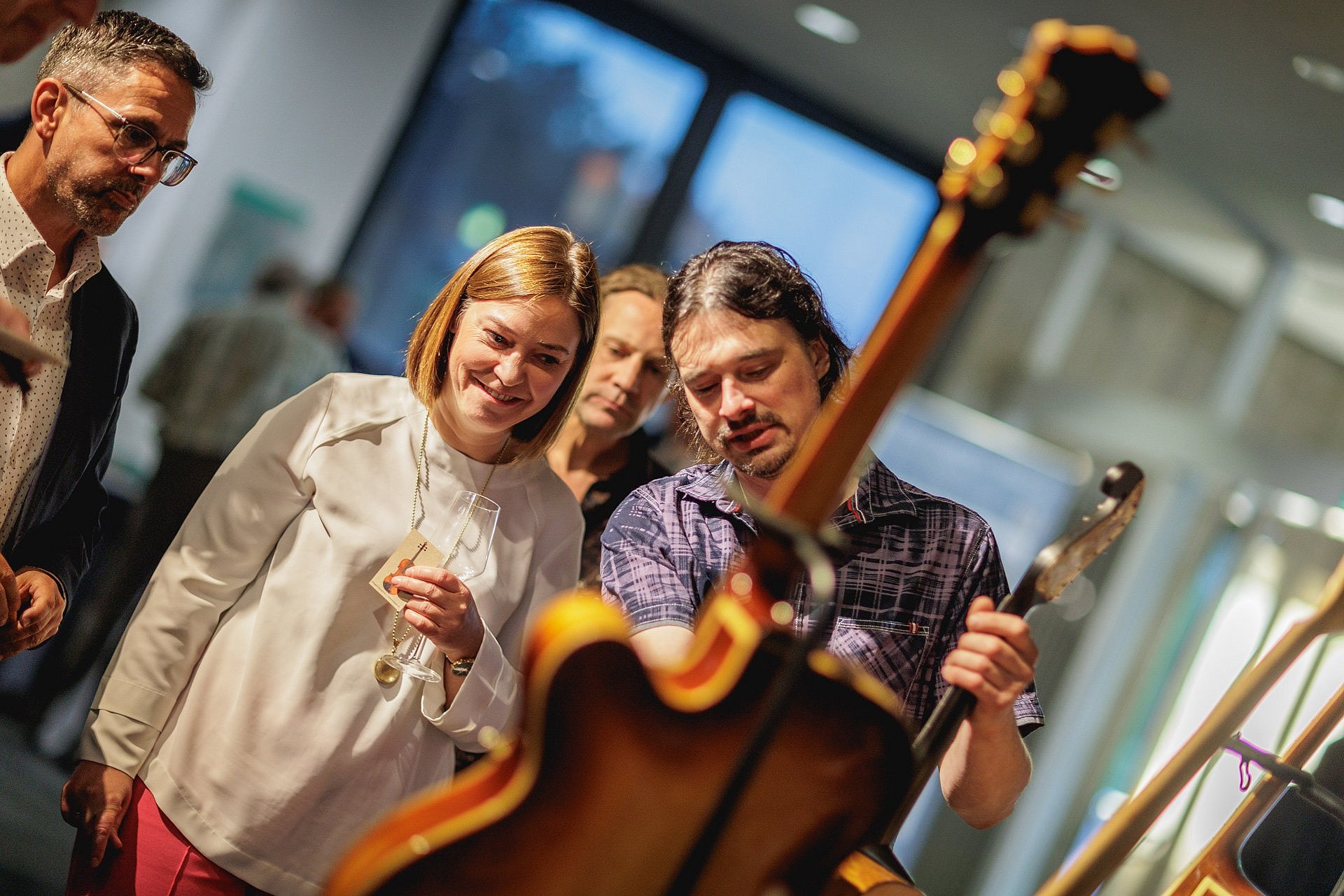
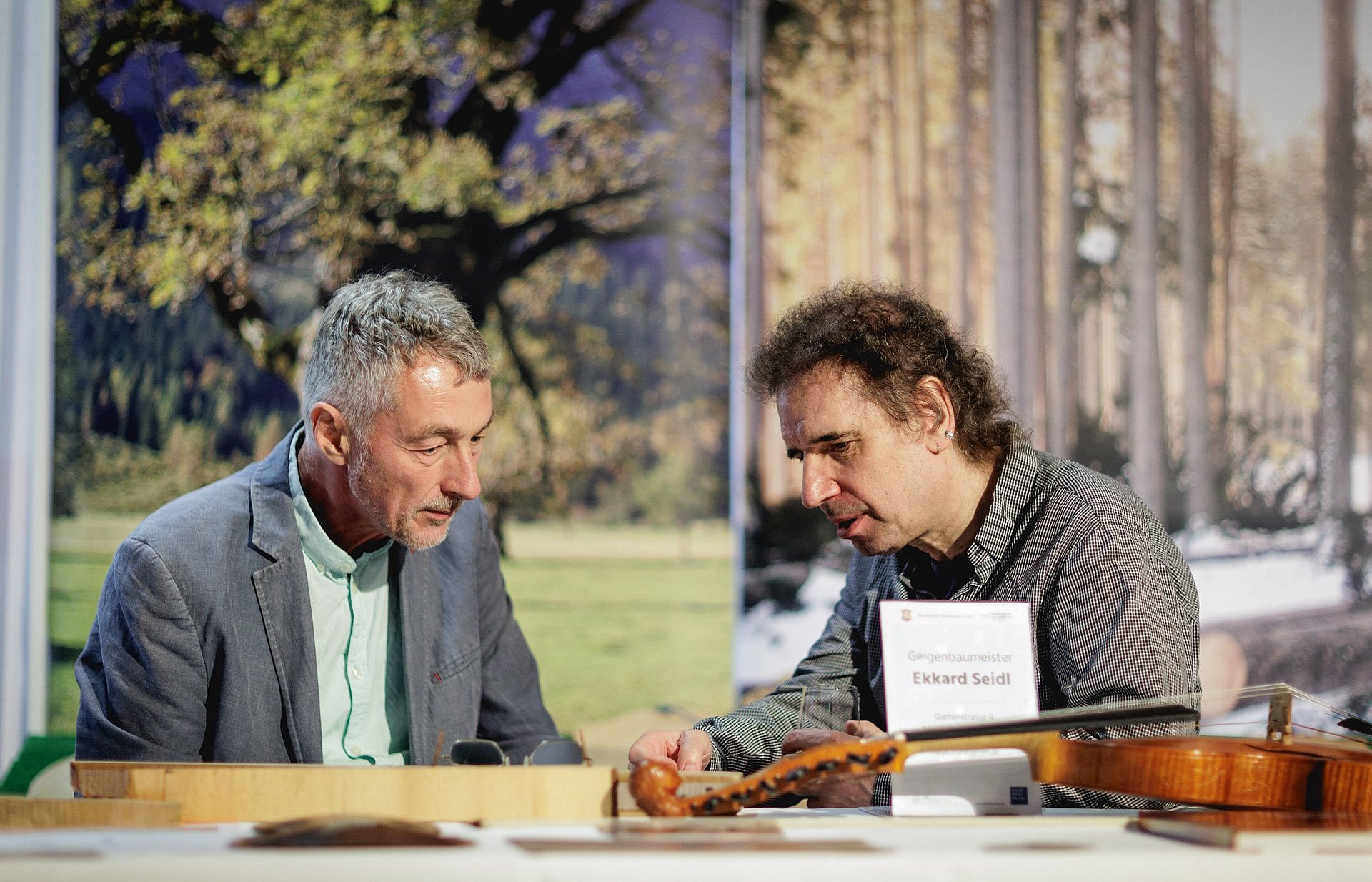
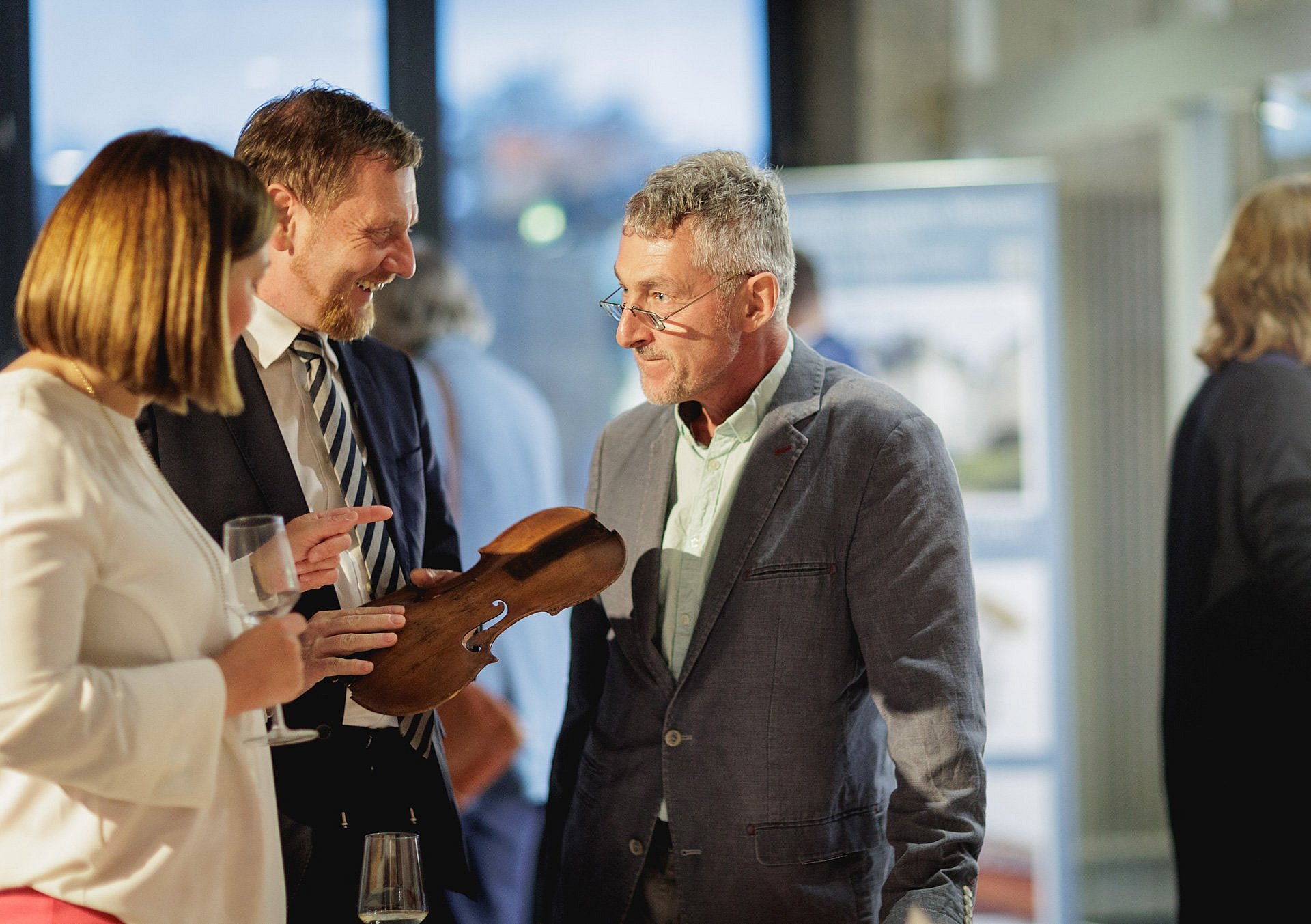
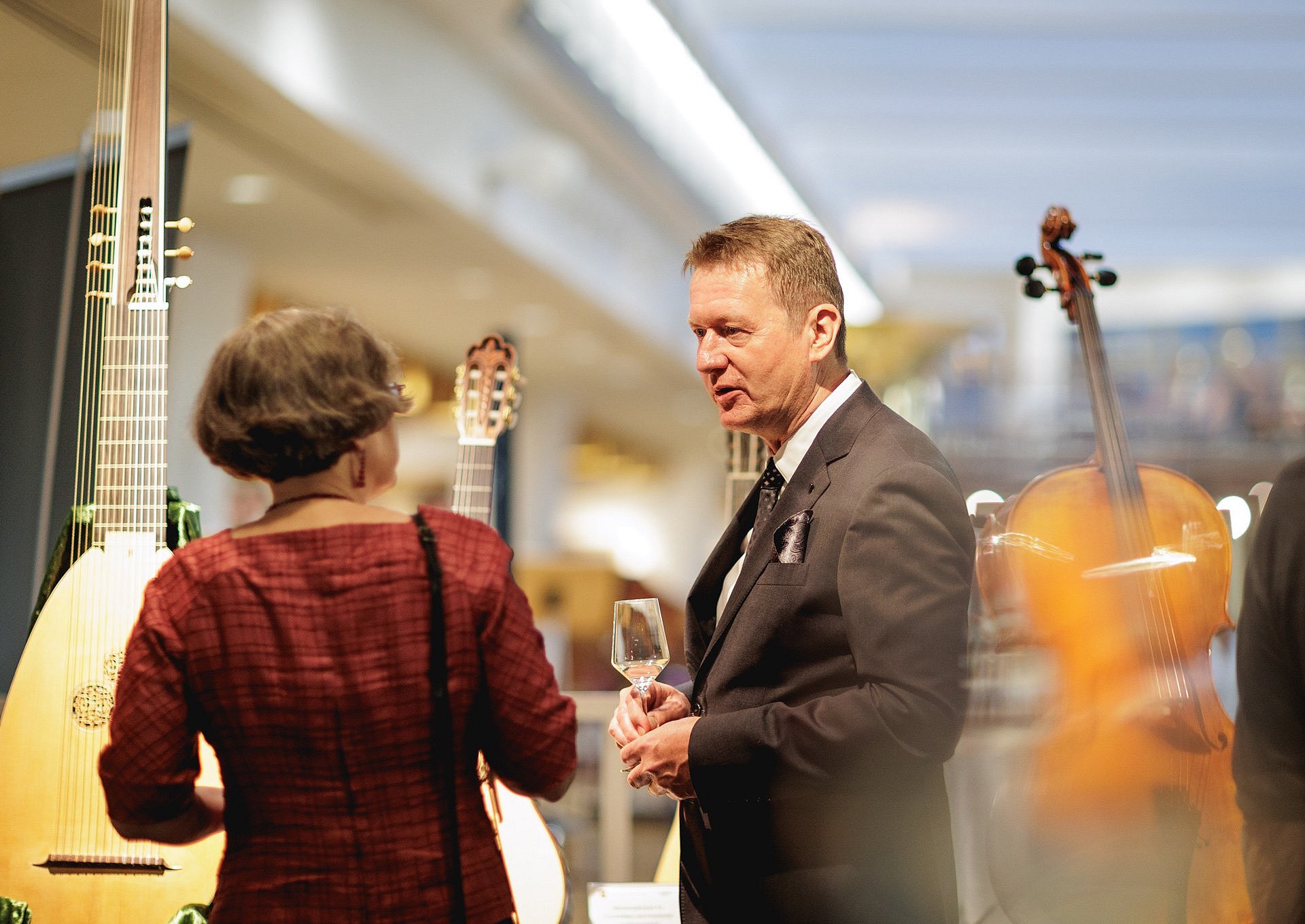
In 2014, UNESCO included the craft of musical instrument making in the Vogtland region, centred on Markneukirchen and the surrounding area, in its list of “Intangible Cultural Heritage”. Markneukirchen, as the heart and soul of the whole tradition, was therefore honoured with an event at the Musical Instrument Museum. The visiting craftsmen were on hand for discussions; they had brought instruments with them and explained how they are made.
From military bands to the orchestra pit: the tuba
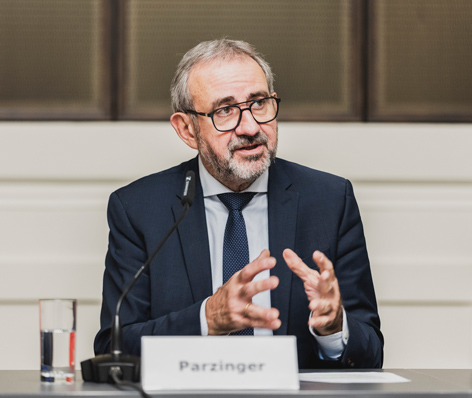
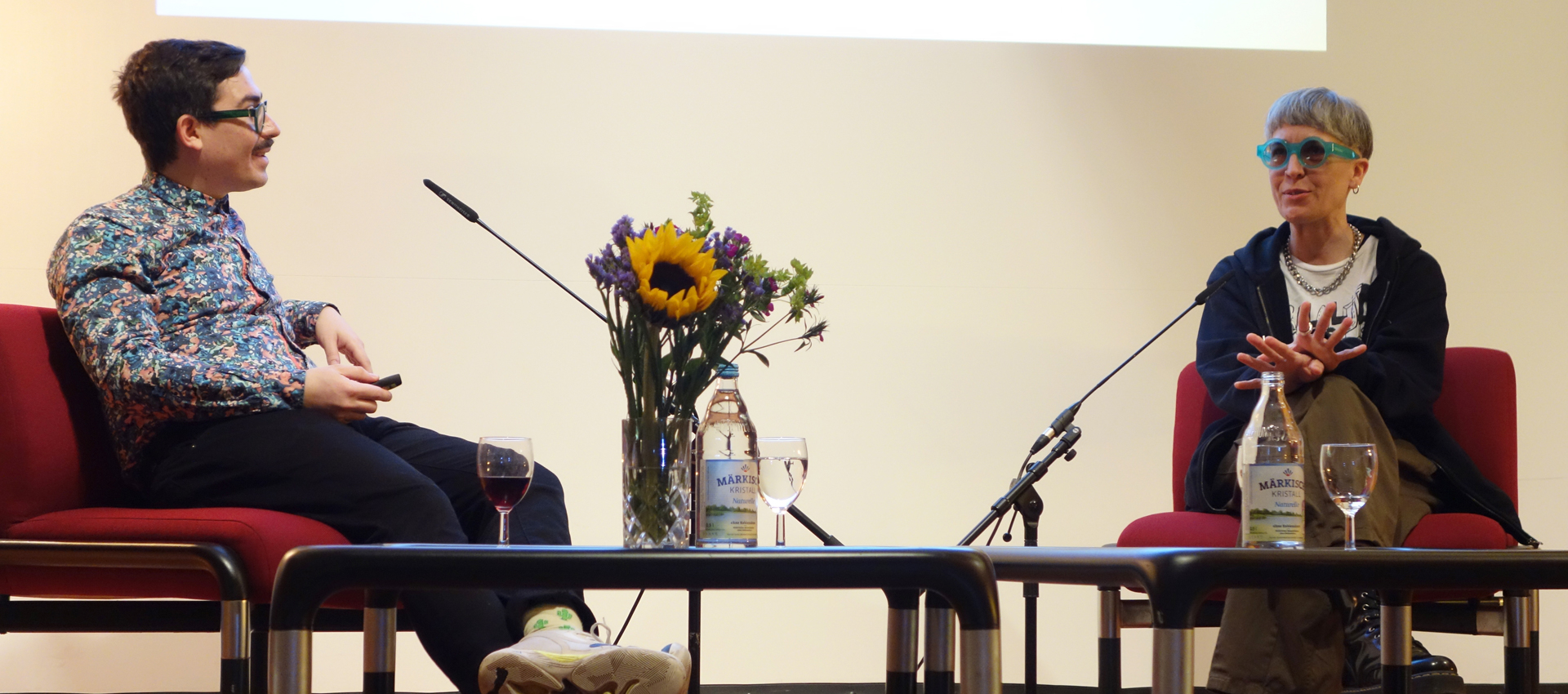
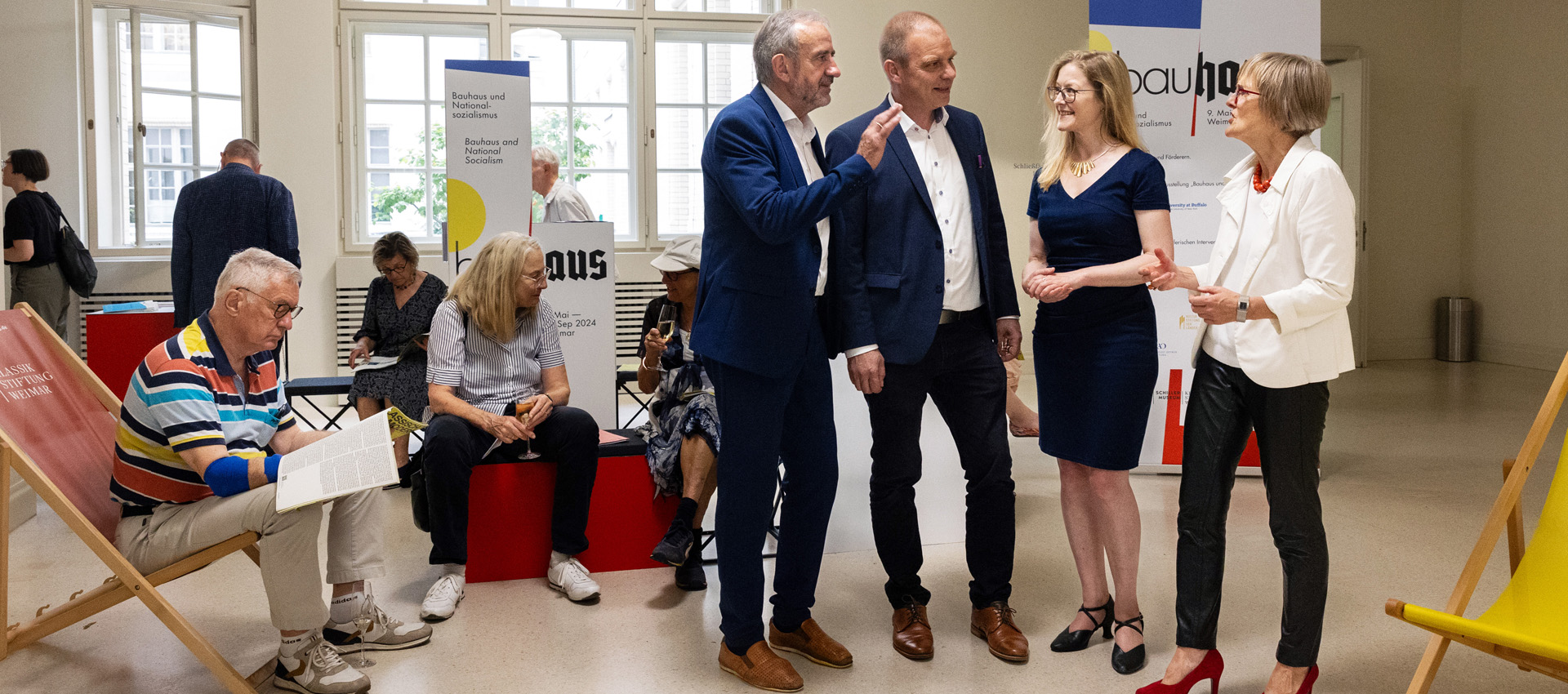
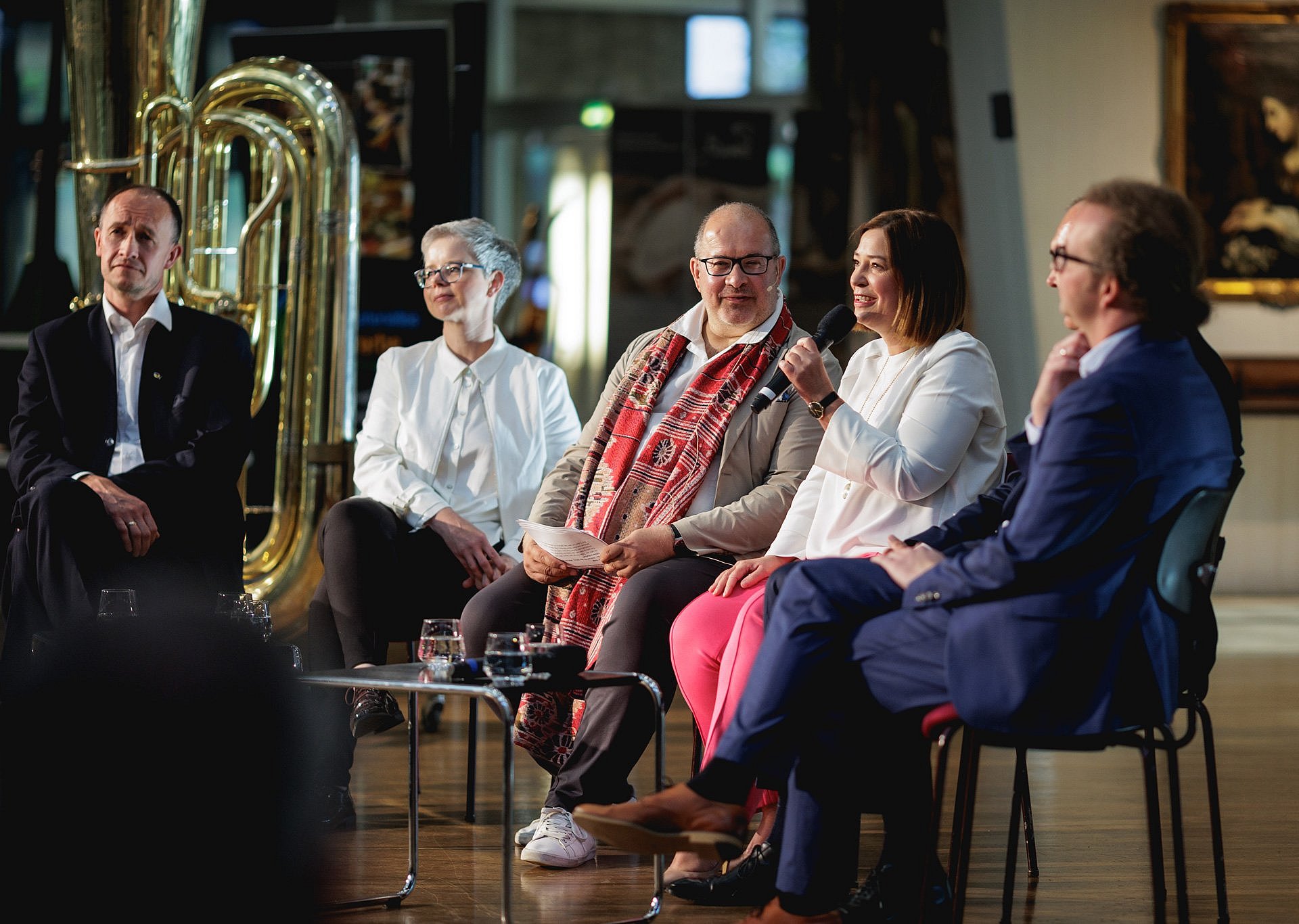
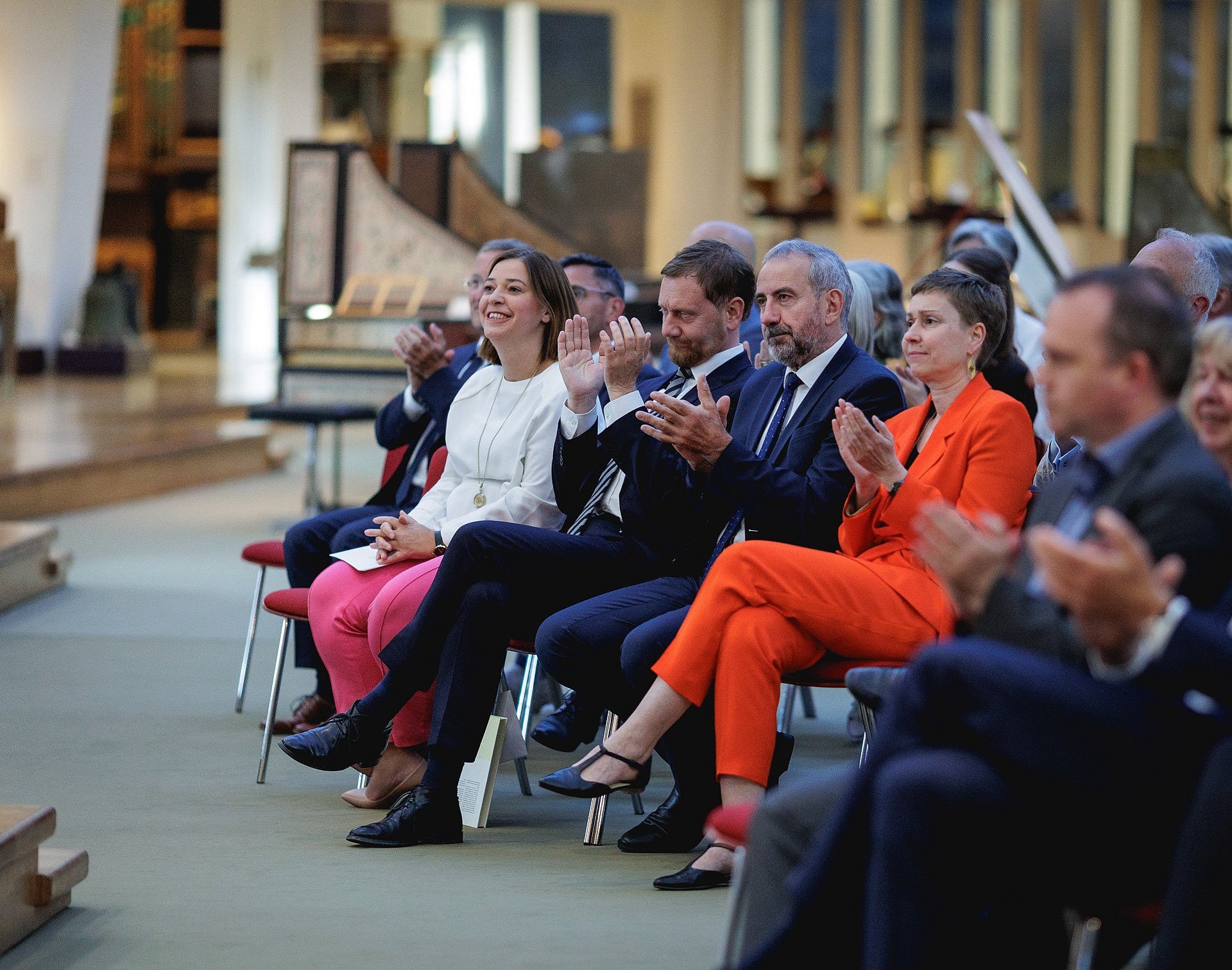
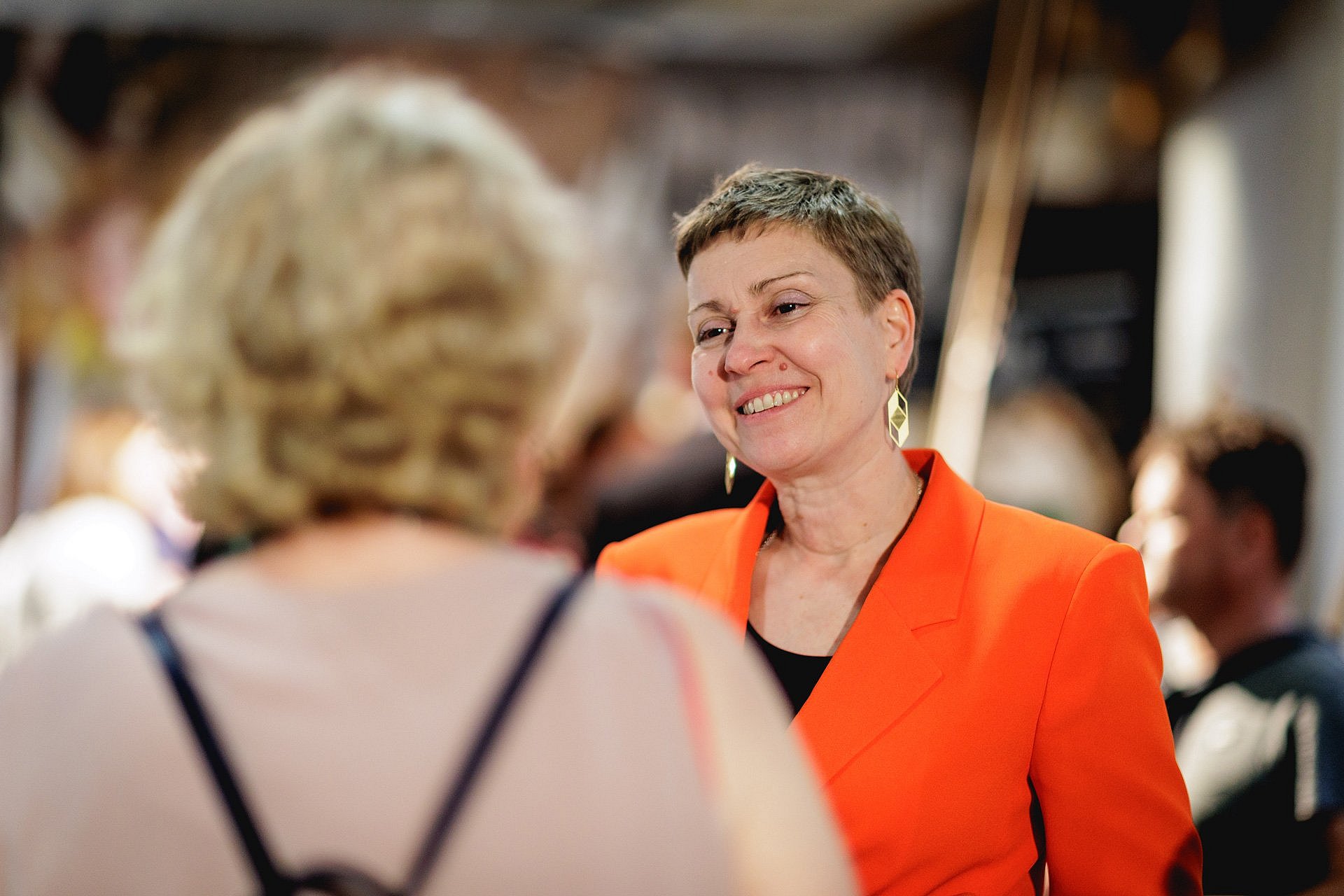
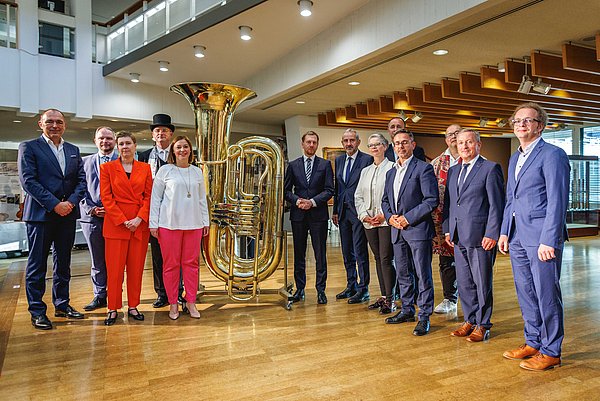
There was also live music, much to the delight of the audience and of Michael Kretschmer, Prime Minister of the Free State of Saxony, Hermann Parzinger, President of the Prussian Cultural Heritage Foundation, Rebecca Wolf, Director of the State Institute for Music Research, Kim Grote, Director of the Musical Instrument Museum in Markneukirchen, Yvonne Magwas, Vice-President of the German Bundestag and Member of the Bundestag for the Vogtland region, Kerstin Voigt, brass instrument maker, Volker Voigt, CEO of Buffet Crampon Deutschland GmbH, Enrico Weller, Professor on the Musical Instrument Making course at West Saxon University of Applied Sciences in Zwickau, Christian Breternitz, Research Fellow and Curator at the Institute for Music Research, and music critic Manuel Brug, who chaired the panel discussion ‘The Future of European Instrument Making?’.
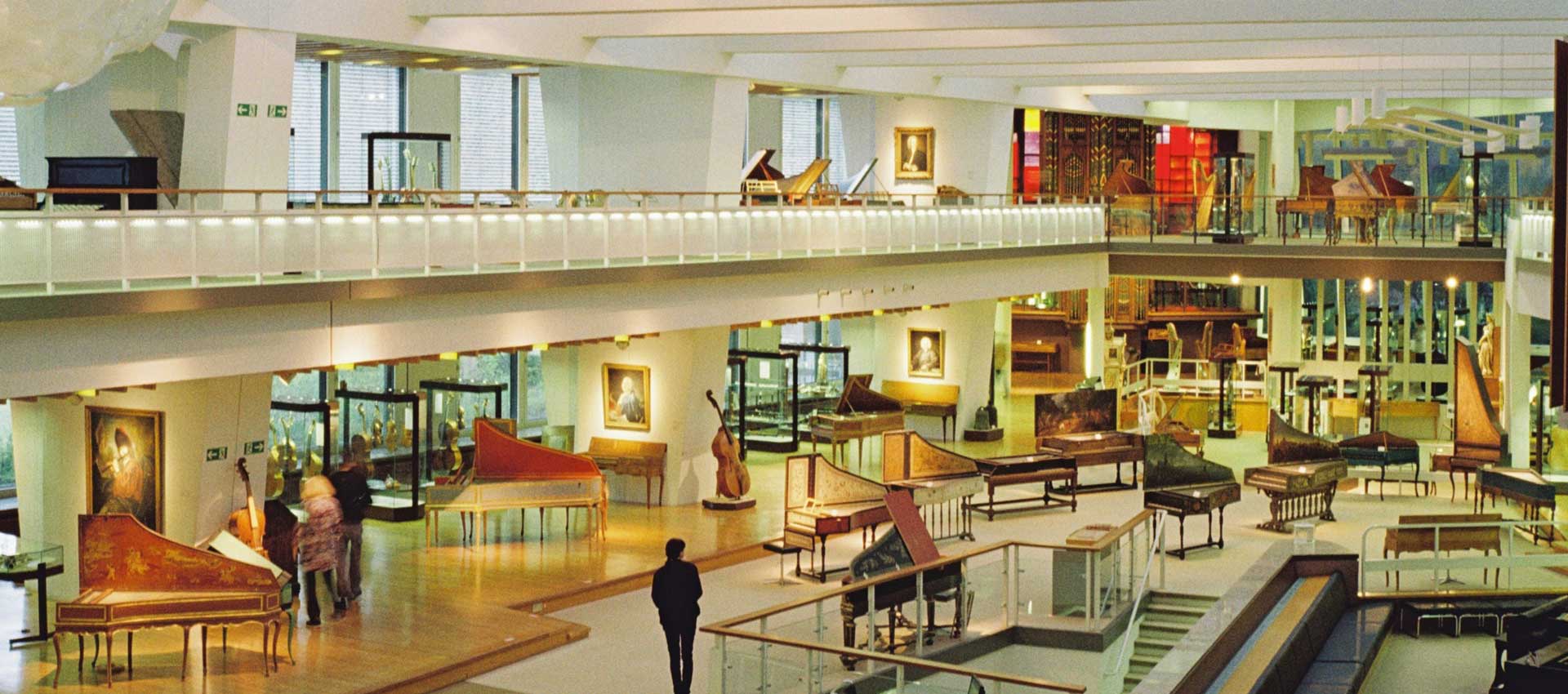
Inspired by this year’s ‘Year of the Tuba’, numerous precious brass instruments from the museum’s own collection are on display in the Steinfoyer under the title ‘Deep Brass’: From the ophicleide – a historical brass instrument from the valved horn family – to the serpent – a historical brass instrument from the cornett family – to the world’s oldest bass tuba, built in Berlin in 1839 by Johann Gottfried Moritz, and various other versions of the tuba. The bass tuba, invented by Wilhelm Wieprecht and Moritz and granted a Prussian patent in 1835, is considered its progenitor. Initially found mainly in military music, it soon found its way into orchestra pits around the globe thanks to composers such as Richard Wagner.
Staying at the forefront through tradition and innovation
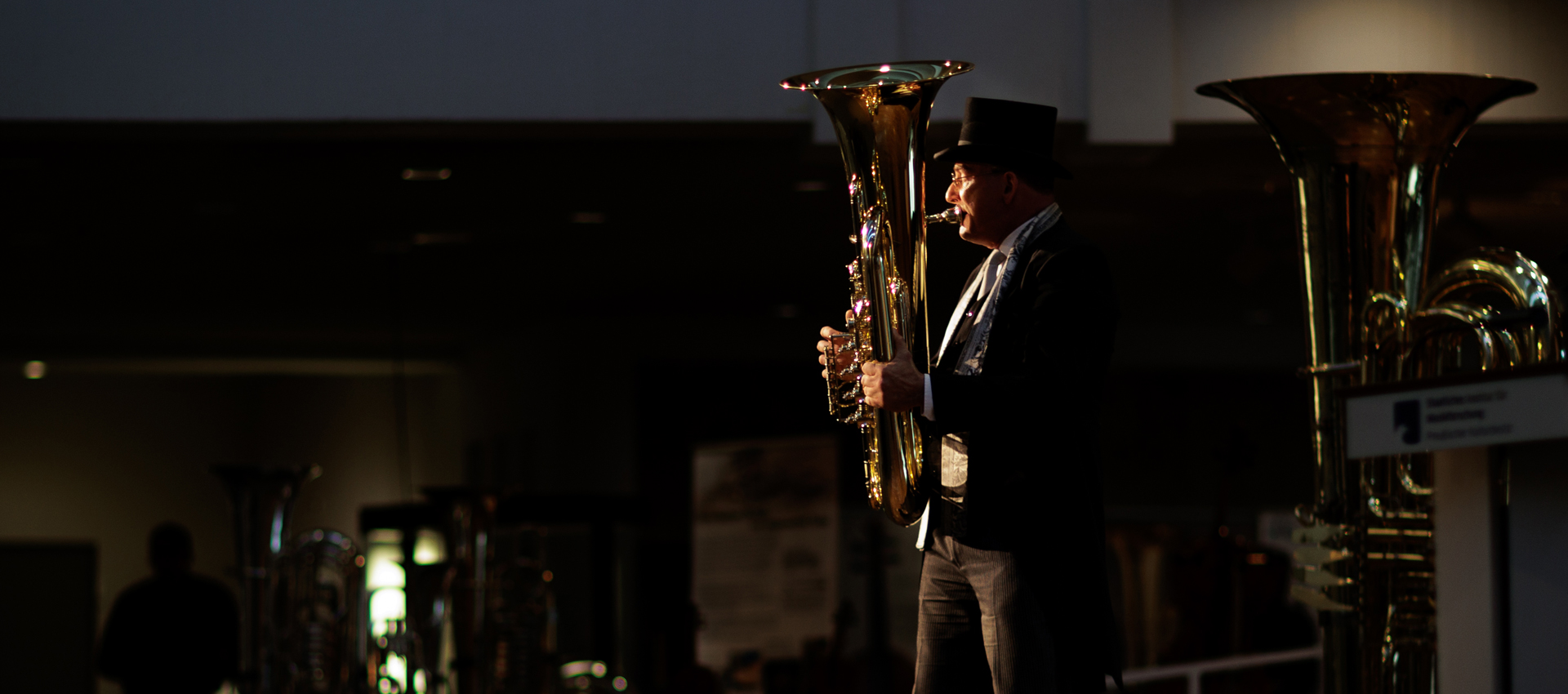
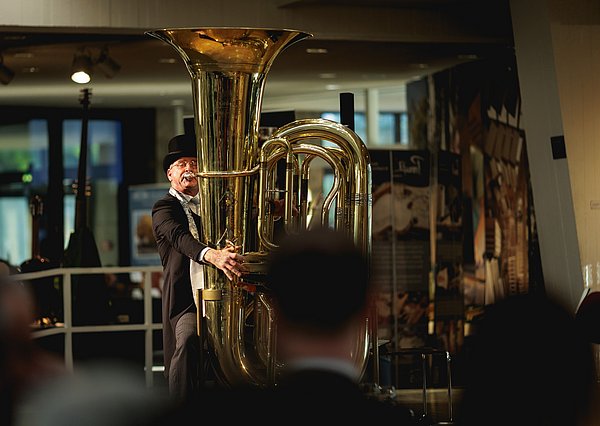
The finest addition to all the valuable exhibits at the Markneukirchen evening was, of course, one of the greatest examples of its kind: the Vogtland giant tuba, standing 2.05 metres tall, with a bore length of 11.20 metres and weighing over 50 kilograms. When all four valves are operated, a column of air nearly twenty metres high is set in motion. This sub-contrabass B-flat tuba is supported by a special stand, as it cannot be held on one’s knees. Majestic and golden, it shone on stage like a friendly creature from another planet, filling the entire room with its brilliant, voluminous splendour.
A select few can even play it as if it were the easiest thing in the world – such as Jörg Wachsmuth, principal tuba of the Dresden Philharmonic and virtuoso on the giant tuba, which bears the name ‘Ilse’. When he launches into Nikolai Rimsky-Korsakov’s “Flight of the Bumblebee” and takes just under 54 seconds for the 100-plus bars – a conventional concert orchestra would need about three minutes for this – the mighty “Ilse”, free of all earthly weight, seems to float through the ceiling.
So much cold metal and such a warm sound! And then that tempo, which gives every bumblebee the nimbest sixteenth-note legs of all time! Markneukirchen is simply at the forefront – and intends to remain so, taking music into its own hands with tradition and innovation, and with passion and love for the score.
Exhibitions at the Musical Instrument Museum
Exhibition: Low Brass. A Brief History of Low Brass Instruments
Exhibition: Instrument Making in Two German Republics
- Museum of Musical Instruments, Ben-Gurion-Straße, 10785 Berlin, Tel. +49 (30) 254 81-178, www.simpk.de/museum
- Opening hours: Monday: closed, Tuesday: 9 am–1 pm, Wednesday and Friday: 9 am–5 pm, Thursday: 9 am–8 pm, Saturday and Sunday: 10 am–5 pm
- Opening hours 23 July to 30 August 2024: Monday: closed, Tuesday, Wednesday and Friday: 1 pm–5 pm, Thursday: 1 pm–8 pm, Saturday and Sunday: 10 am–5 pm