Music can be many things: a fleeting art form, barely heard before it has faded away. Sensual and tangible when learning an instrument. Danceable and in direct contact with our emotions in Berlin’s club scene. A historical cultural heritage and an intellectual feat in the construction and analysis of musical deep structures.
Right at the heart of these diverse manifestations lies the research project sense:ability – music-related knowledge transfer between materiality and virtuality. Based at the State Institute for Music Research (SIM), it examines a wide variety of forms of music-related knowledge transfer.
The project begins with an analytical look at what already exists at the SIM and then broadens the perspective to explore what might be possible. The aim is to produce a book of ideas featuring new formats for music-related knowledge transfer, which will be available to everyone. This can only succeed if the SIM learns from the people who experience and appreciate music and related topics.
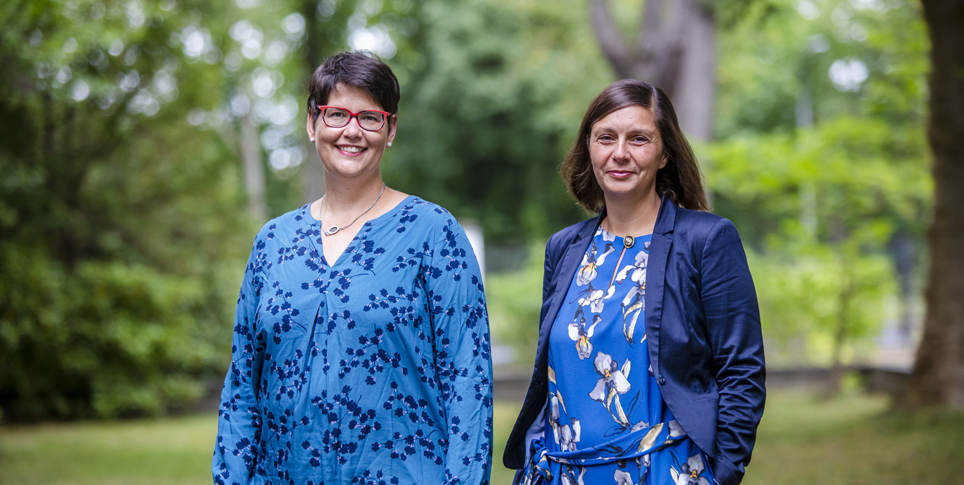
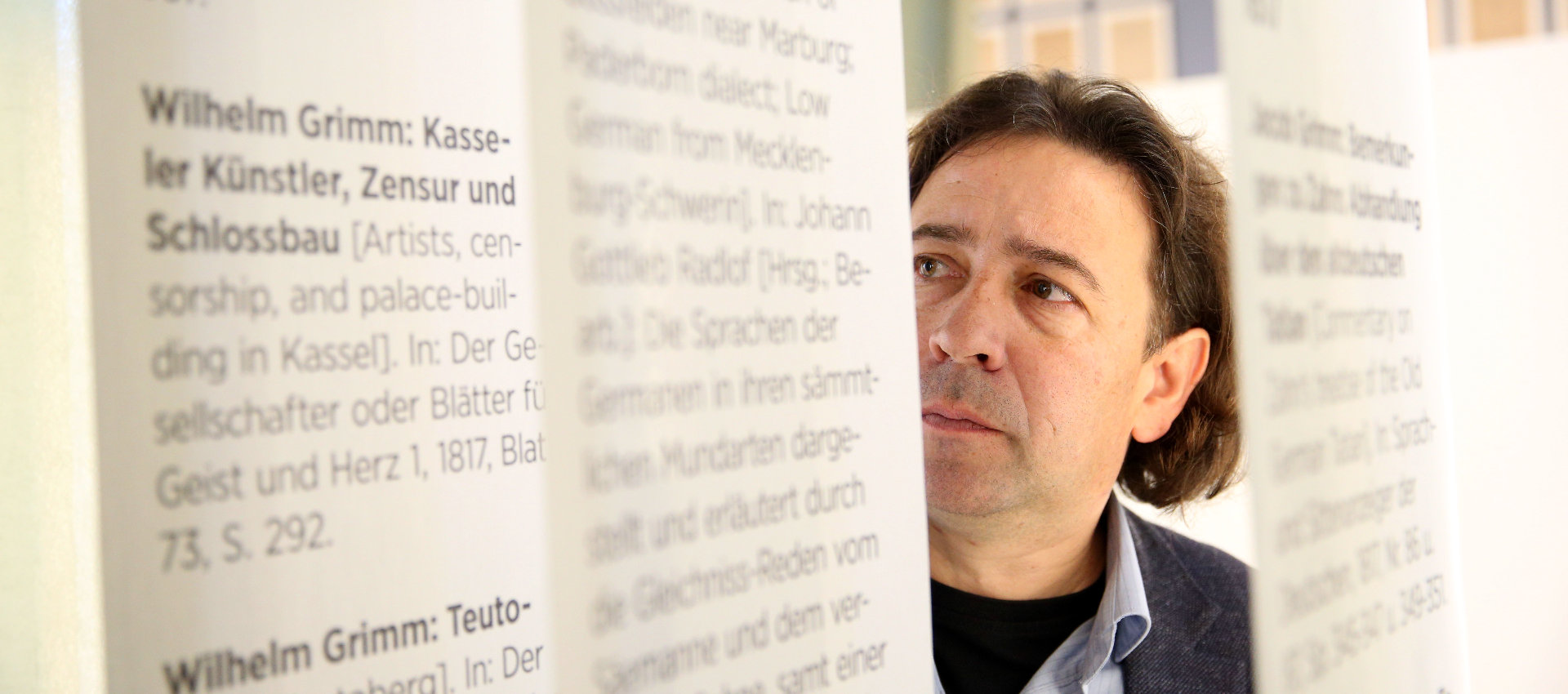
Consequently, various forms of visitor research will accompany the entire project. Together with our partners, the Institute for Museum Research (IfM) and researchers Wolfgang Kesselheim and Sergey Mukhametov, we will investigate how people use the museum and what our audience desires. We are particularly interested in the interplay between sensory experience, emotional engagement and social interaction.
Learning from one another and developing ideas together
Knowledge transfer has long since ceased to be viewed as a hierarchical one-way street – with experts holding the authority to interpret on one side, and recipients more or less gratefully absorbing the presented content on the other. sense:ability understands knowledge transfer as a dynamic exchange process between different stakeholders.
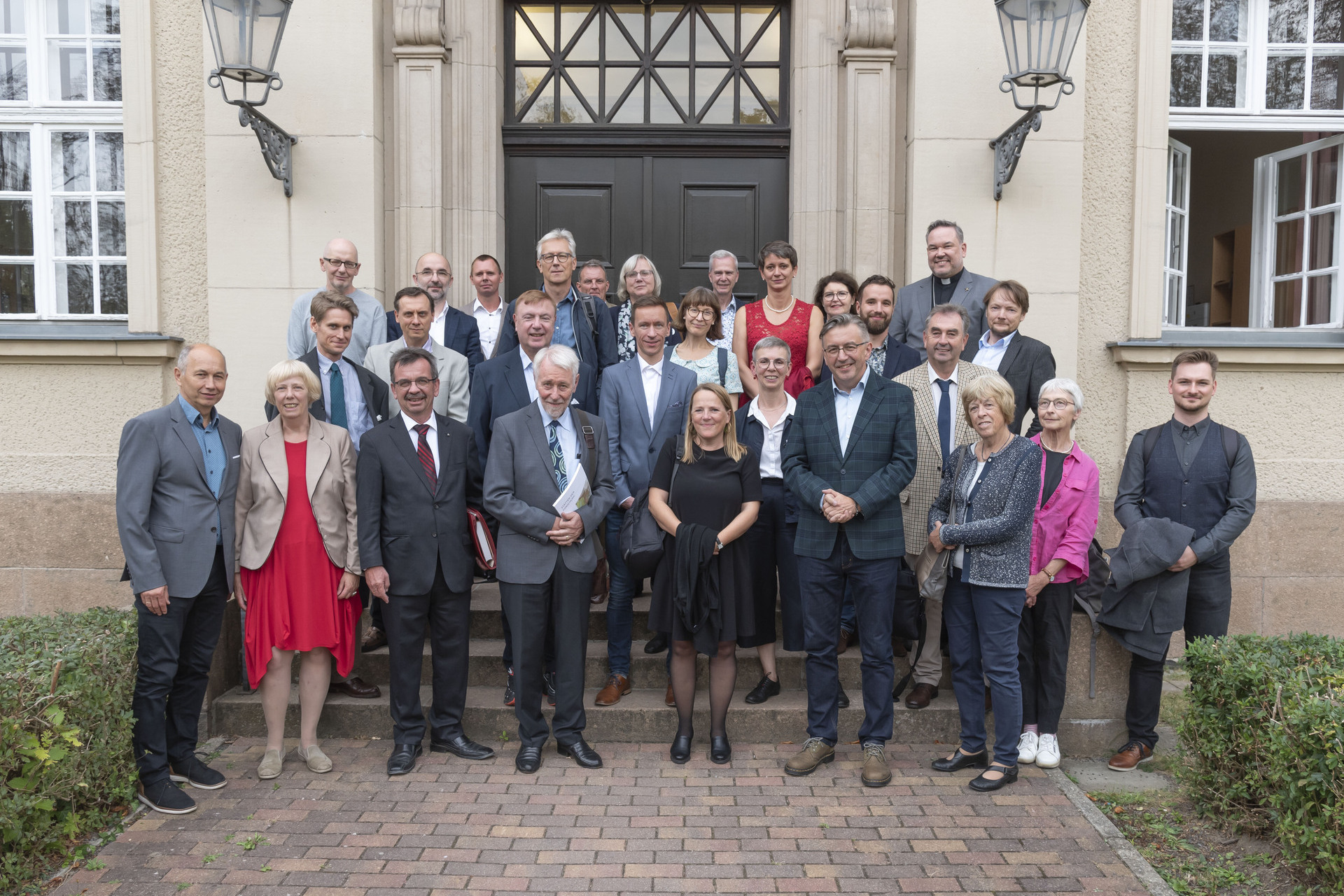
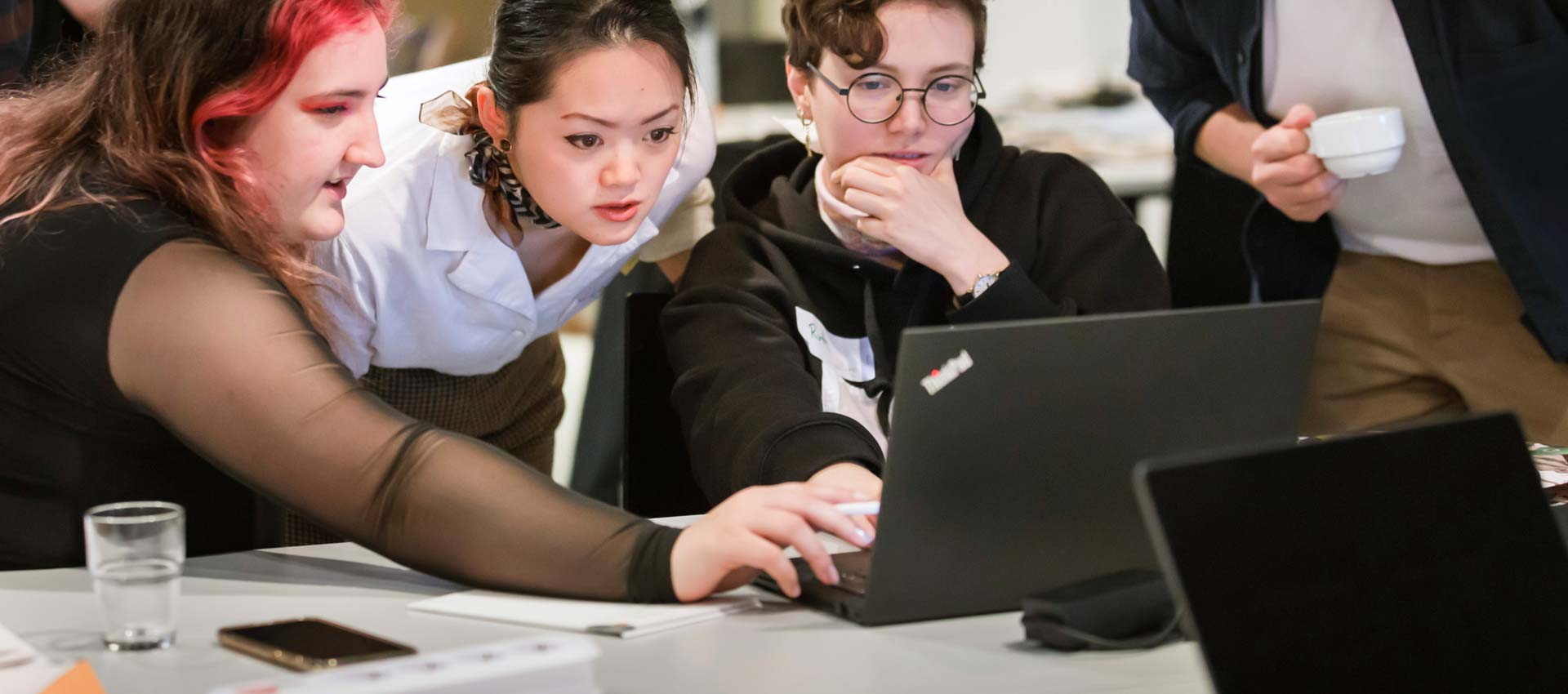
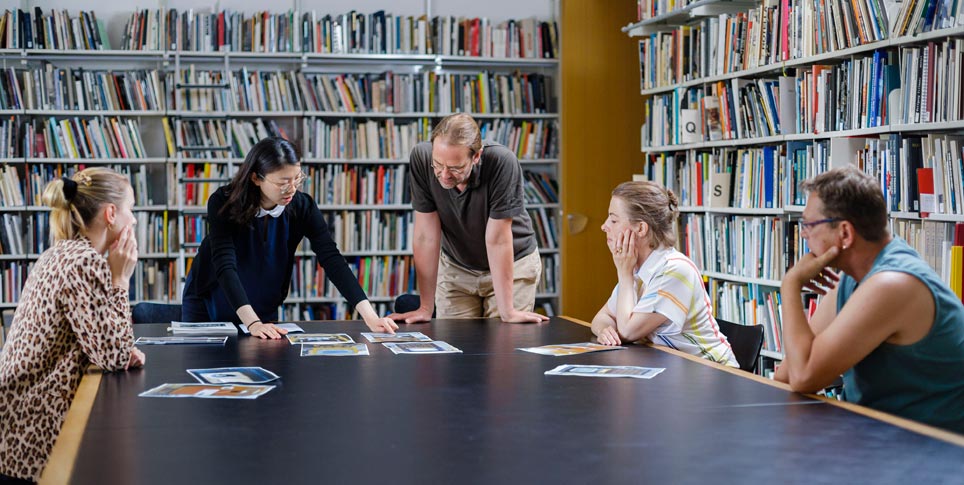
Ideally, we learn from one another and develop new ideas together. At two strategy workshops in March 2024, SIM staff jointly identified three target groups for the project, amongst other things: the diverse electronic music scene, young adults and the scientific communities. By inviting focus groups representing the selected target groups, the participants aim to create a space for exchange on an equal footing.
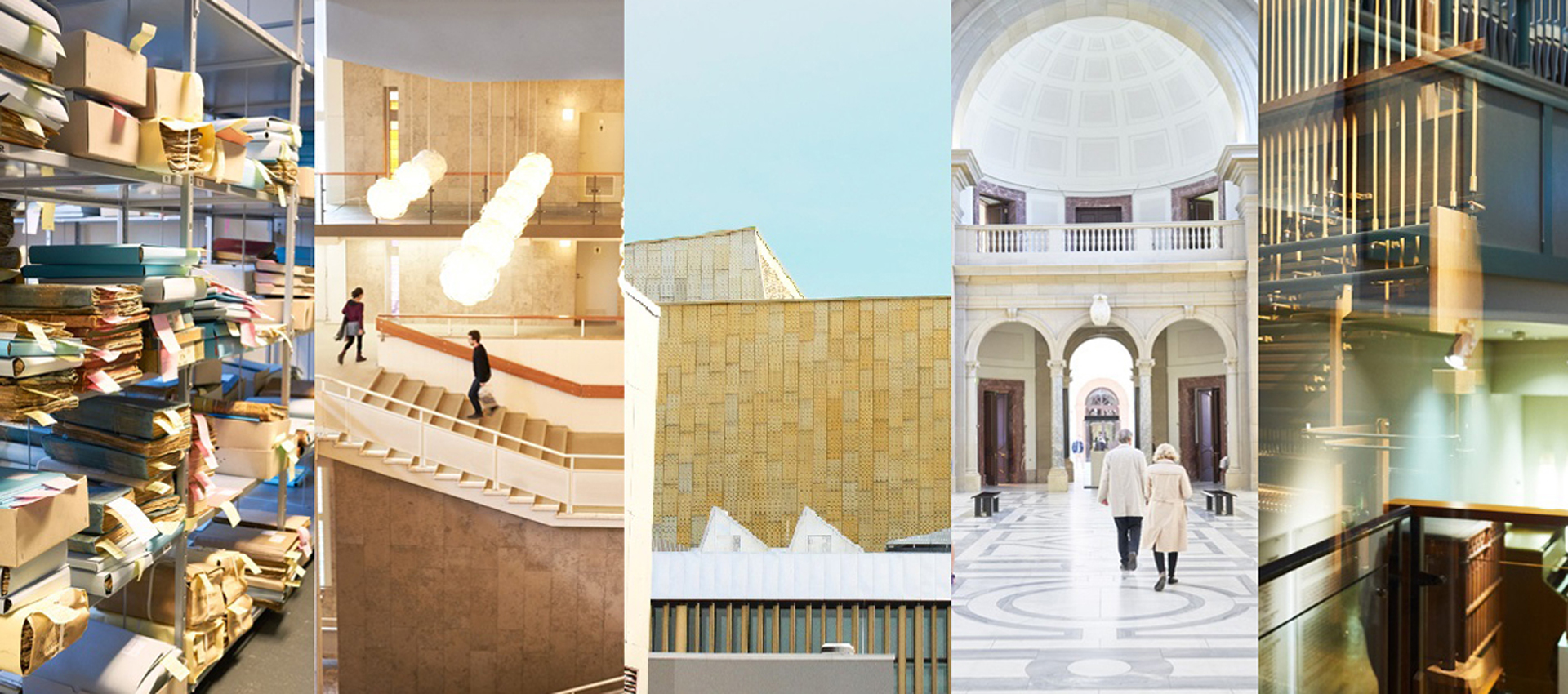
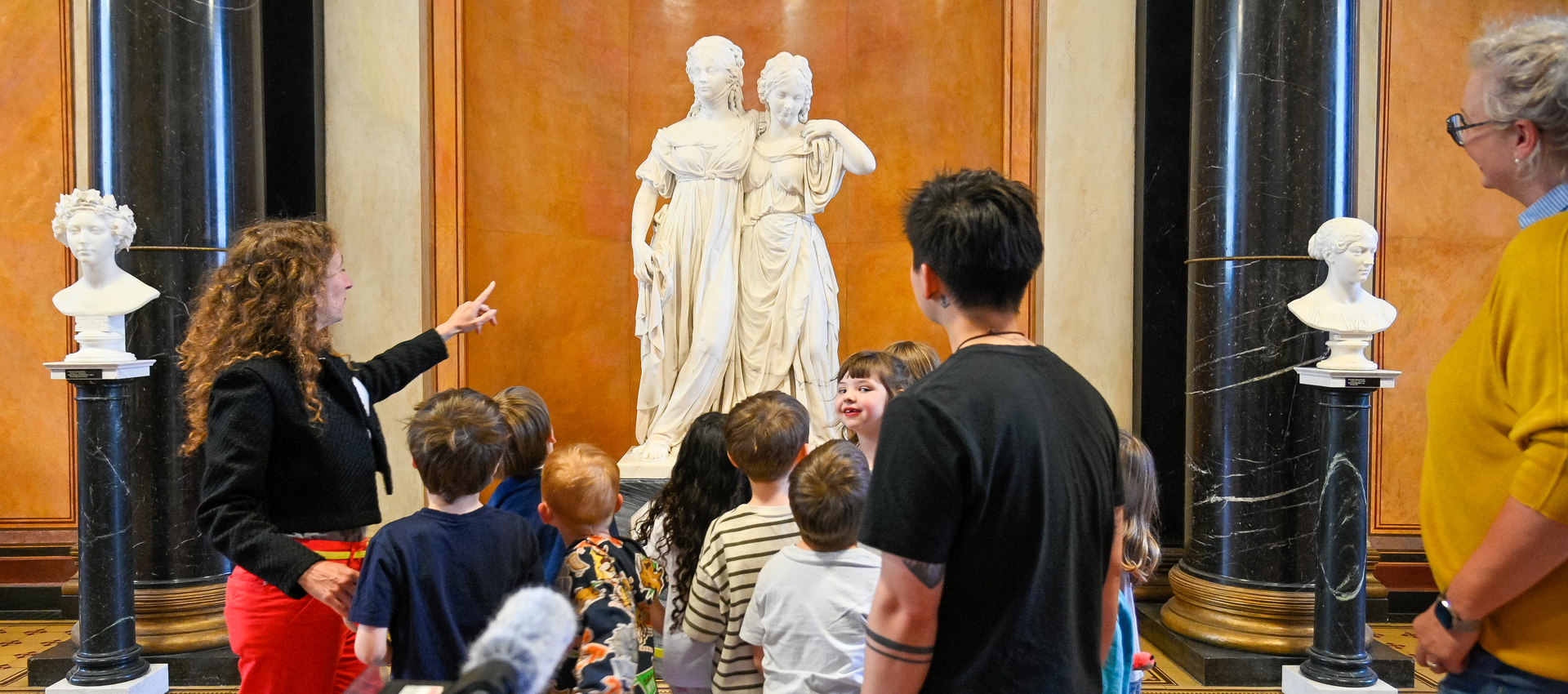
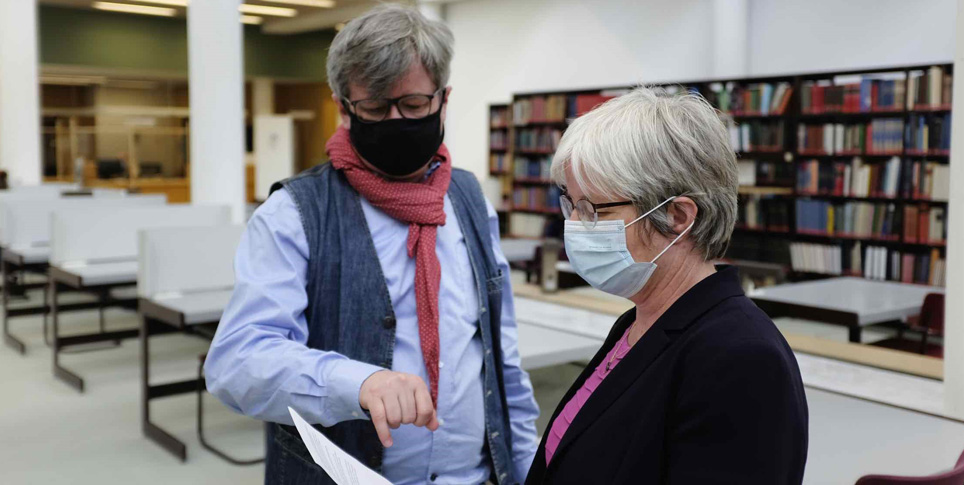
What might this look like? Firstly, guests will have the opportunity to get to know the building. Staff from all departments will be present at these events as personal hosts. In addition to scheduled programme items, there will also be open periods during which guests can explore the SIM at their own pace, following their individual interests.
The IfM will support this event using the method of participant observation. Of particular interest are the behaviours of the focus group participants, their interactions with one another or with SIM staff. These observations will be systematically collected and documented.
In addition, guided individual interviews will be conducted with all participants following the events to gather their feedback. If new formats for music-related knowledge transfer are developed based on this data as the project progresses, the focus groups are invited to contribute their ideas and suggestions.
Stick figures and depth sensors
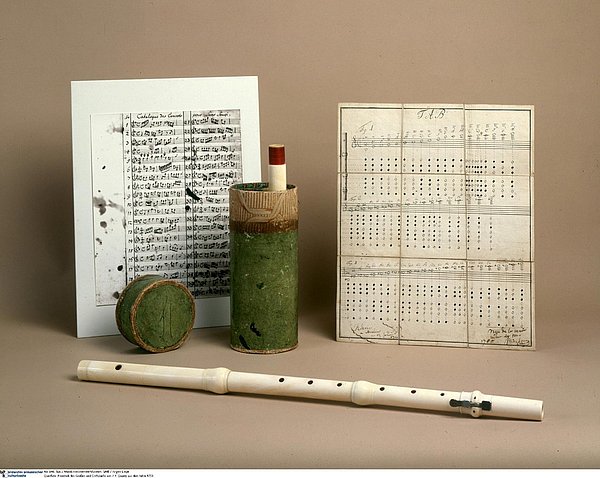
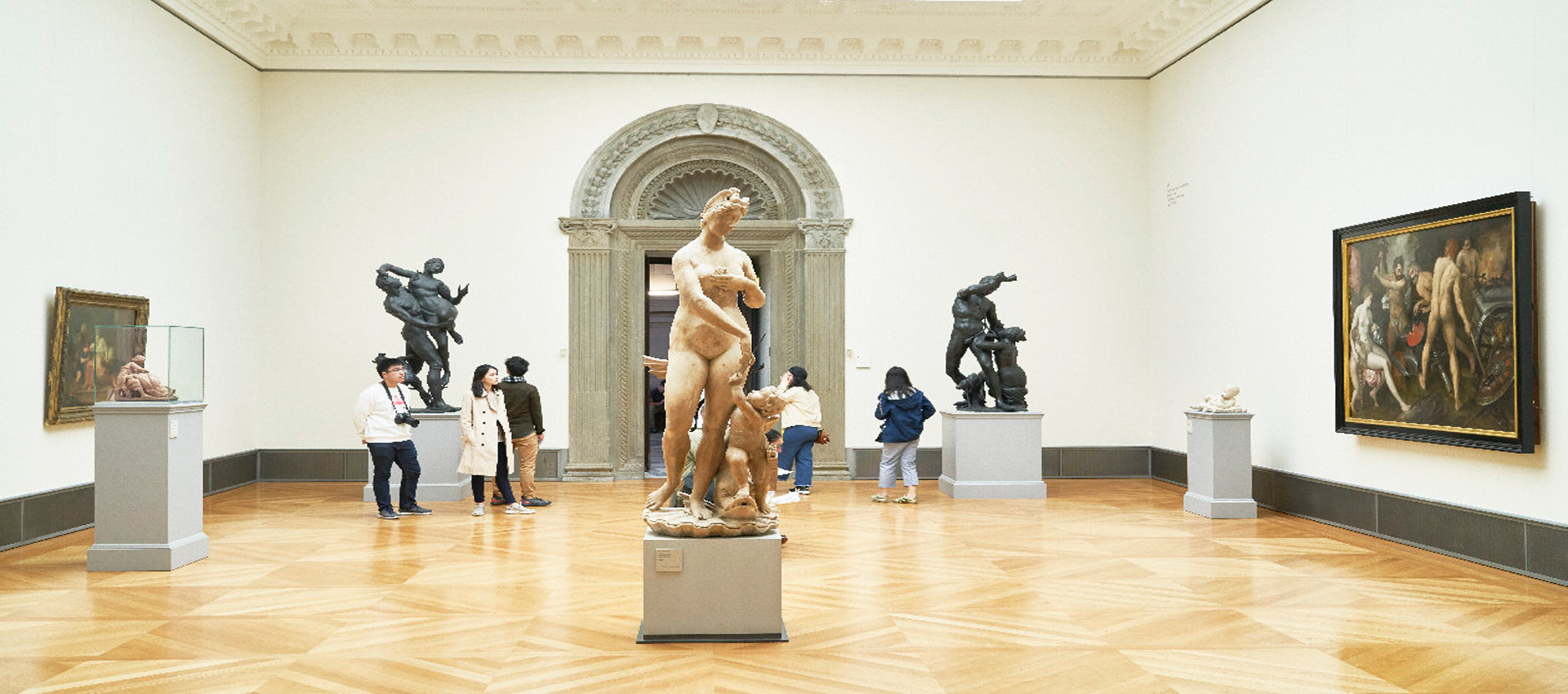
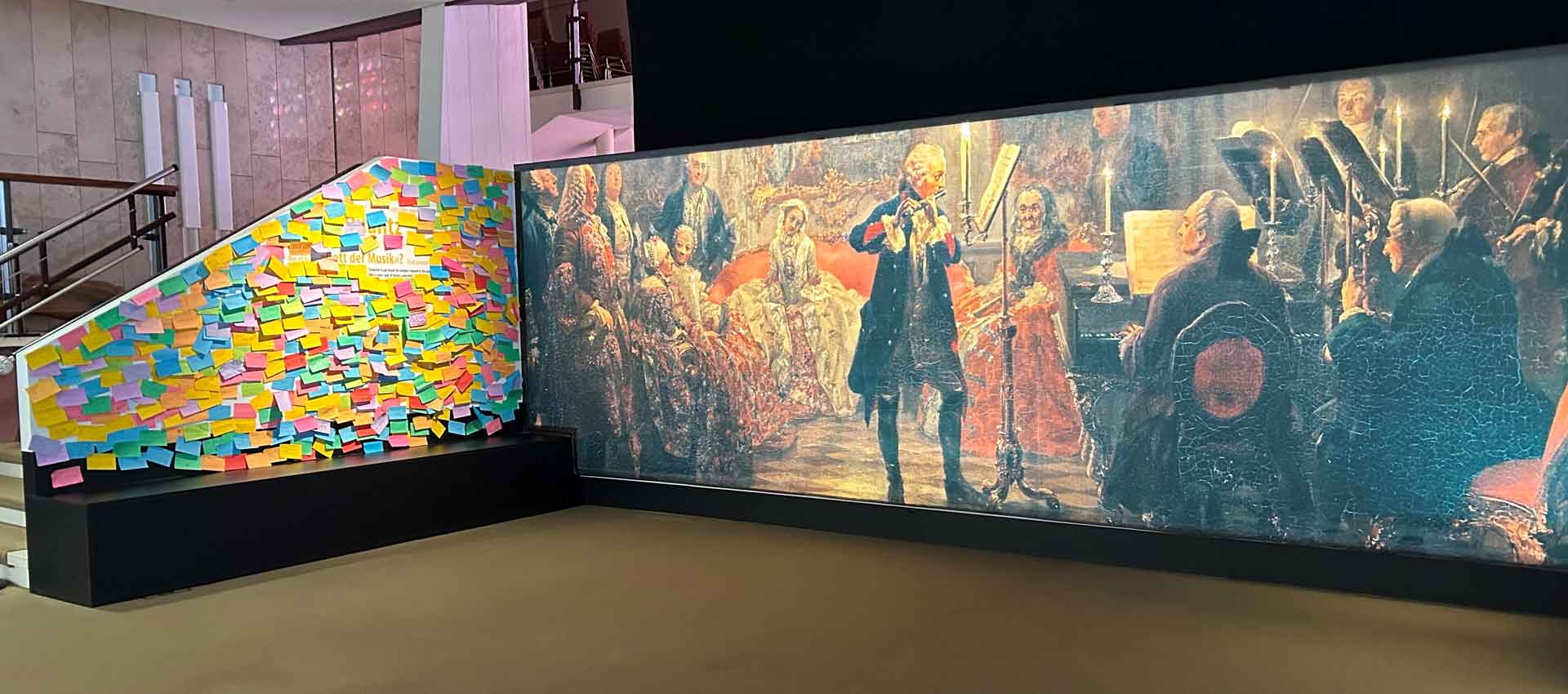
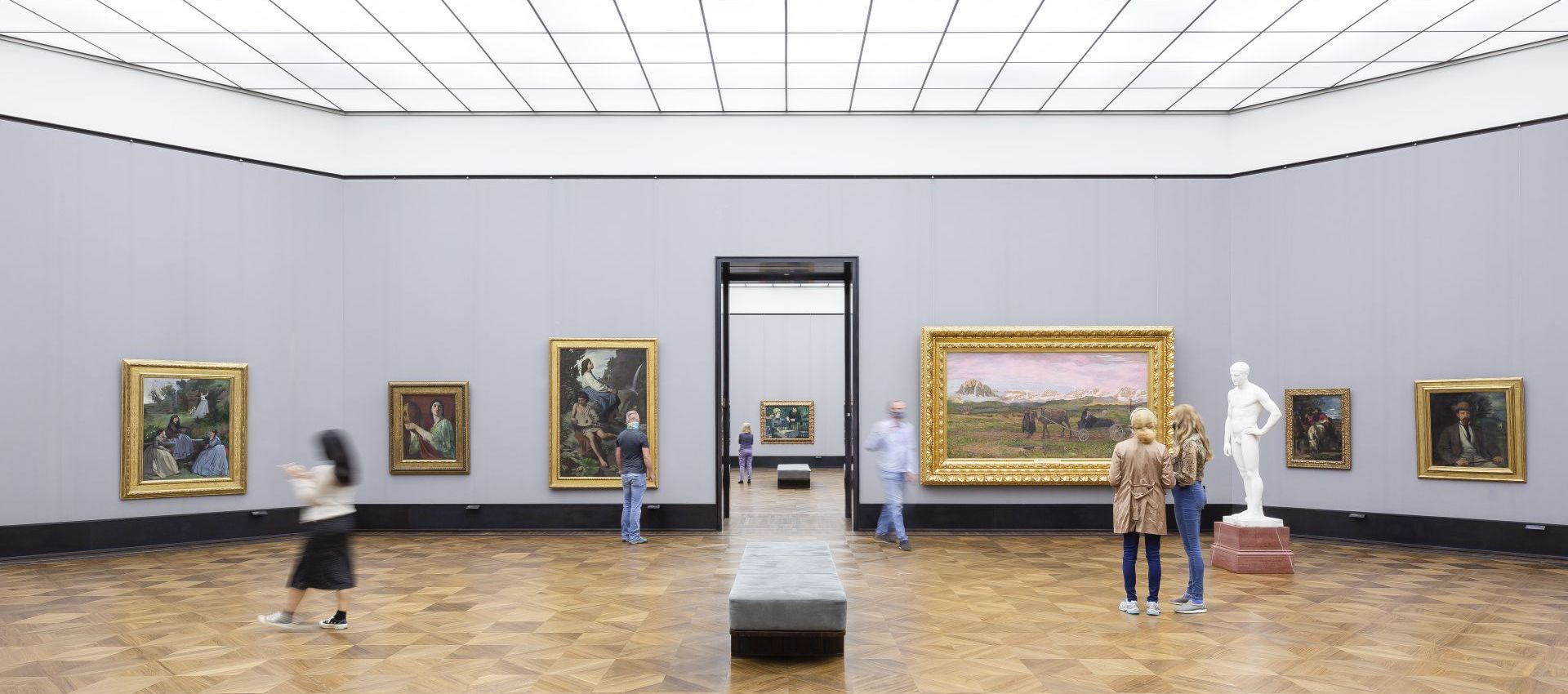
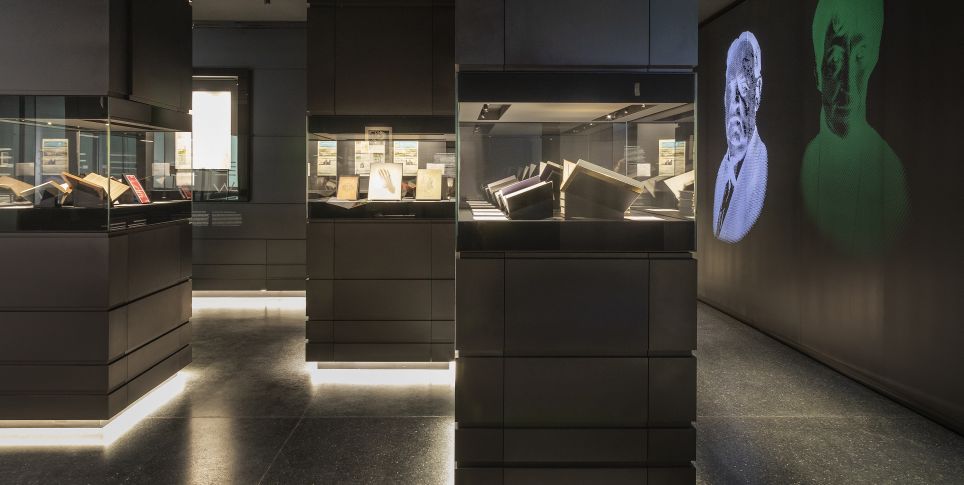
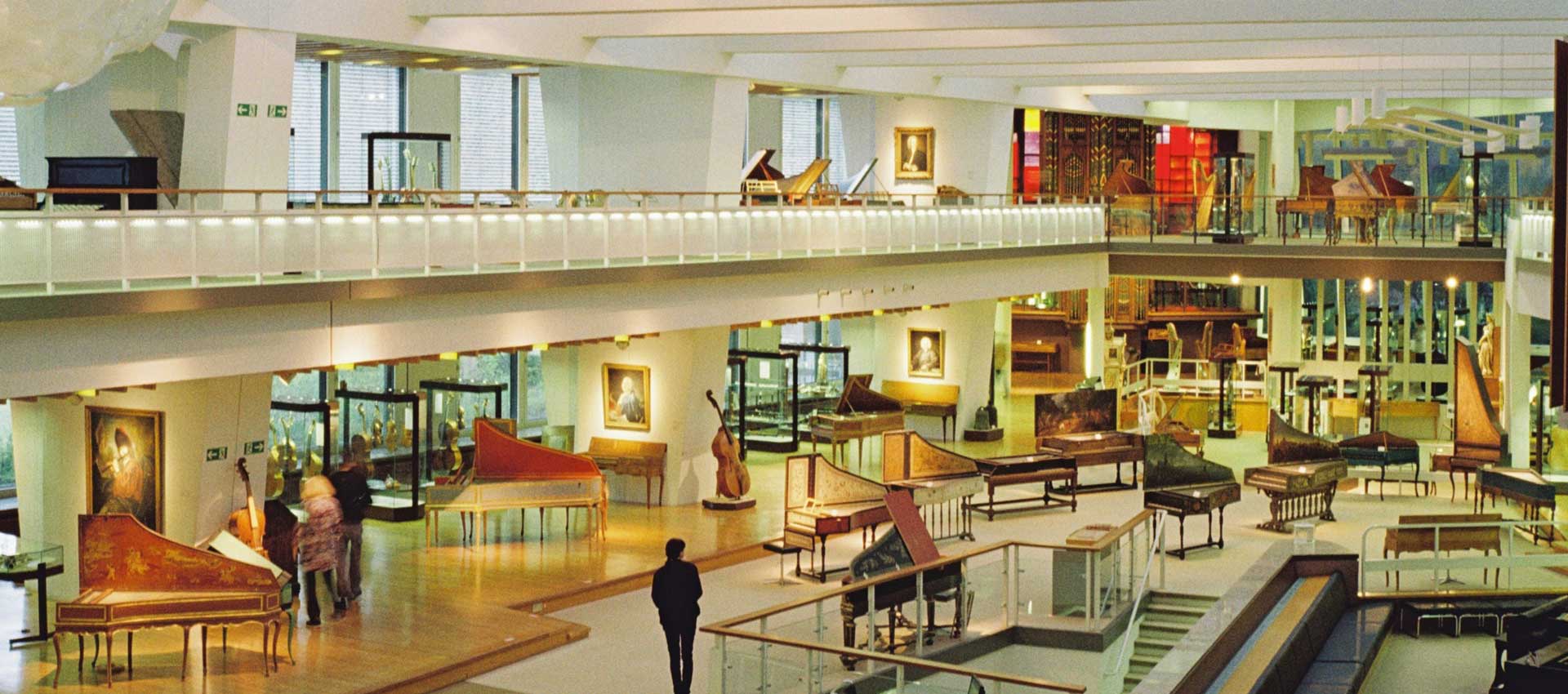
Naturally, the project team would like to know more about how visitors experience the Musical Instrument Museum during ‘normal operations’. The flutes that once belonged to Frederick II and Queen Sophie Charlotte’s travelling harpsichord are among the highlights of the permanent exhibition. But do visitors see it that way too? Which route do they take through the museum, where do they stop, and what do they discuss regarding the exhibits?
Wolfgang Kesselheim from the University of Greifswald and Sergey Mukhametov from the Technical University of Kaiserslautern are planning to install Kinect cameras for long-term measurement using depth sensors in the Hohenzollern section of the Musical Instrument Museum. As cooperation partners of sense:ability, both have experience with this type of visitor tracking.
Using infrared emitters, depth images are generated that can recognise the basic structure of human bodies based on joint points and also map body postures. The data is anonymous: only skeletal-like poses are visible, reminiscent of early childhood stick-figure drawings. They hope that the data analysis towards the end of the project will provide insights into the audience’s movement patterns. Are there highly frequented and less popular areas? In front of which exhibits do visitors stop particularly often, and which exhibits, by contrast, are overlooked by many?
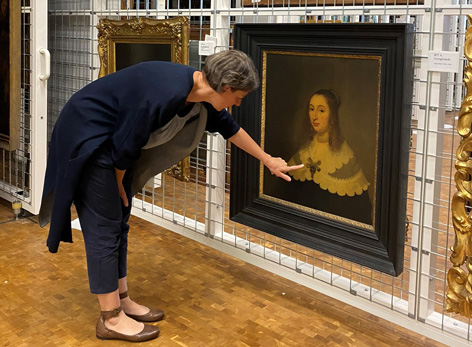
Particularly interesting: the skeletal data reveals when visitors were engaged in conversation with one another in front of an exhibit. When people talk to one another, they adopt typical positions that can be recognised by the tracking system. If, for example, pointing gestures towards the exhibit are also observed, or if visitors repeatedly turn their upper bodies from their conversation partners towards the exhibit, one can be fairly certain that the conversation centred on the exhibit.
In this way, tracking can reveal which exhibits most strongly encourage visitors to engage in conversation. These are fascinating questions, as research shows that experiences in museums very often arise from social interaction with fellow visitors!
Emotions and flashes of inspiration
Museums are therefore social spaces where people and objects meet and influence one another. When standing in front of an exhibit with a companion, one reflects on it, forms an opinion and may even discuss it. Emotions are just as much a part of a museum visit as mental processes. This is all the more true of a musical instrument museum: melodies and harmonies can move or excite us; we may even love or hate certain sounds.
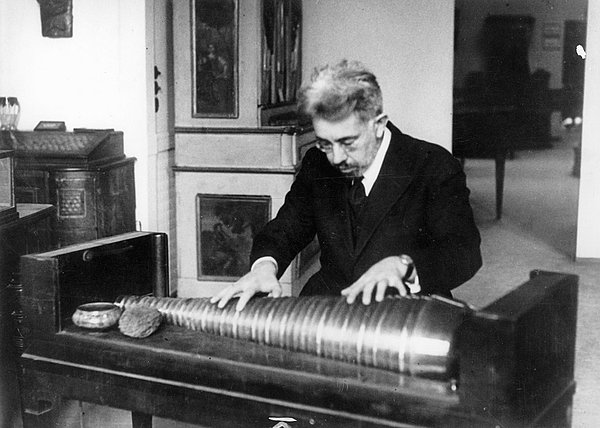
A good example of this is the glass harmonica. This instrument, developed by Benjamin Franklin around 1761, captivated the sentimental sensibilities of the early Biedermeier era with its distinctive ‘glass-like’ sound: 24 almost hemispherical glass bowls (calottes) are arranged on an axis from left to right in descending order of size. These glass bowls rotate whilst being delicately touched with fingers moistened with water. This produces an ethereal sound that can swell and subside, and to which truly fantastical effects were attributed.
The poet and free spirit Christian Friedrich Daniel Schubart (1739–1791) describes his assessment of this instrument with precise wording in his “Ideas on the Aesthetics of Music”: “The sensitive player is perfectly suited to this instrument. When the blood of his heart drips from the tips of his fingers; when every note of his performance is a heartbeat (…) then let him approach this instrument and play.” However, the “eternally wailing, lamenting, grave-like tone” evokes wistfulness and melancholy.
The controversial physician and inventor of “animal magnetism”, Franz Anton Mesmer (1734–1815), believed in the healing power of the glass harmonica and used it in Vienna, amongst other things, for the therapeutic “follow-up treatment and relaxation” of his patients.
The musician and composer Karl Leopold Röllig (1754–1804), on the other hand, praises in his short treatise “On the Harmonica” its ability to “always express the highest degree of stirring passions”. At the same time, however, he also warns against playing the instrument carelessly: “For as inimitably beautiful – as supremely perfect as the sound of the harmonica is (…) so supremely dangerous can it become” and cause illnesses that could end “terribly, even fatally”.
How do modern ears perceive the sound of the glass harmonica?
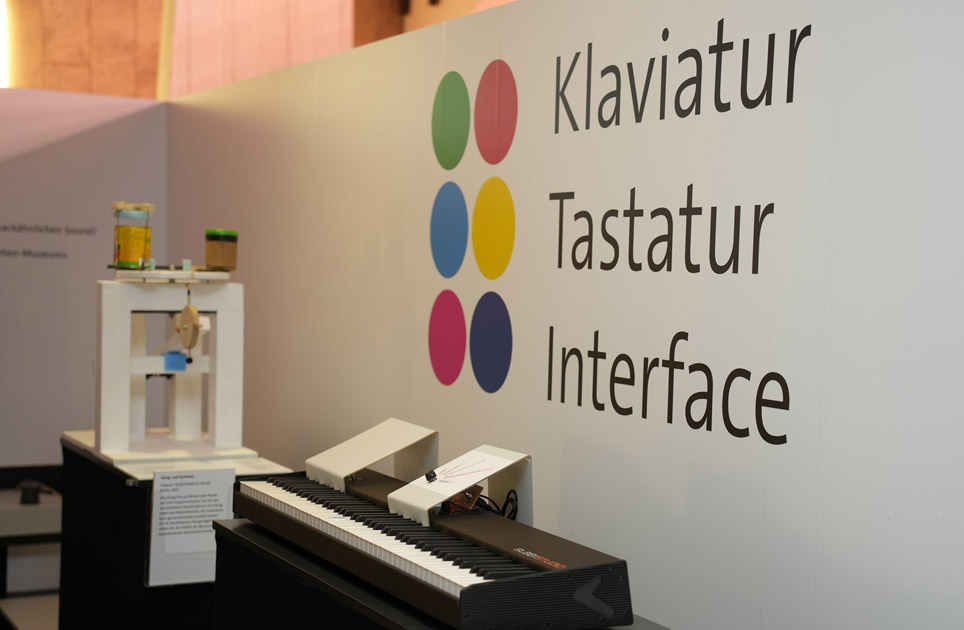
The original sounds of the precious glass harmonica (MIM Cat. No. 812) from the Museum of Musical Instruments have been sampled and can be tried out by visitors at the interactive station shown opposite. Do people today find the characteristic sound of the glass harmonica soothing, boring or eerie? Does it make a difference whether one merely observes the original or actively engages with it?
In collaboration with the Institute for Museum Research, relevant surveys will be conducted. These will utilise a version of the “Aesthetic Emotions Scale” (AESTHEMOS) tailored to the museum context, as well as in-depth interviews and other methods of qualitative visitor research.
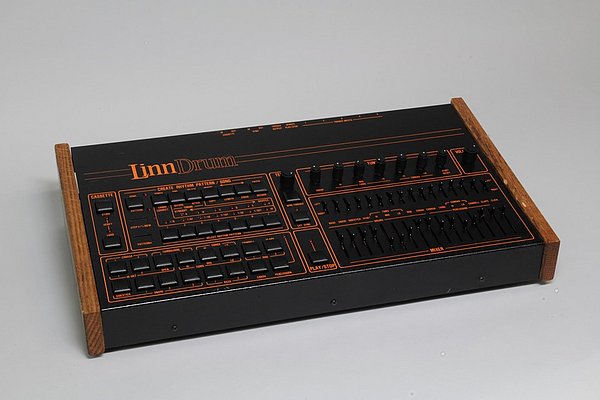
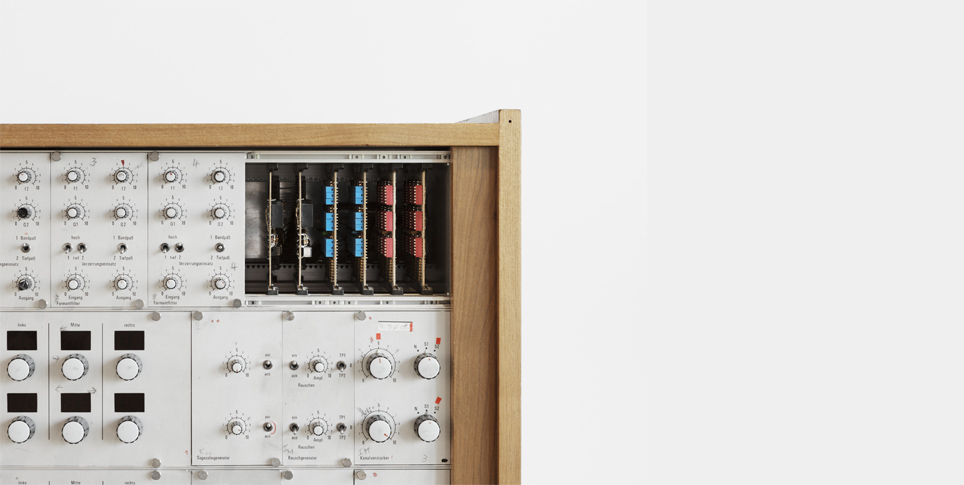
On the upper floor of the museum, fans of electronic musical instruments will also find plenty to enjoy at the MIM. The Trautonium, the EMS VCS 3 synthesiser, the Mellotron and the legendary LinnDrum: the appeal of these instruments was already evident from the crowds that flocked to the special exhibition “Good Vibrations: A History of Electronic Musical Instruments” in 2017.
Trendy people jostled their way through the building, including big names such as Tangerine Dream and Ellen Alien. Now that Berlin techno has been declared part of UNESCO’s cultural heritage, the significance of this collection for the museum’s social relevance is clearer than ever.
Accordingly, the SIM wishes to find out how visitors behave in this section, what interests them and what they would like to see. Here too, alongside observing visitor behaviour, guided interviews are planned in collaboration with the IfM. This data is intended, on the one hand, to make the visitor perspective more visible, and on the other, to inform considerations regarding the medium-term redesign of the electronic musical instruments section.
Outlook
Based on the work with the focus groups, the internal strategy workshops and the data collected in the visitor surveys, new formats for music-related knowledge transfer will be jointly devised. One of these formats will then be selected through a process that is as participatory as possible and – at least in its basic structure – implemented within the project period. One thing, however, is already certain: the ‘treasure trove’ of data collected will be preserved beyond the project’s duration and will provide insights in the long term.