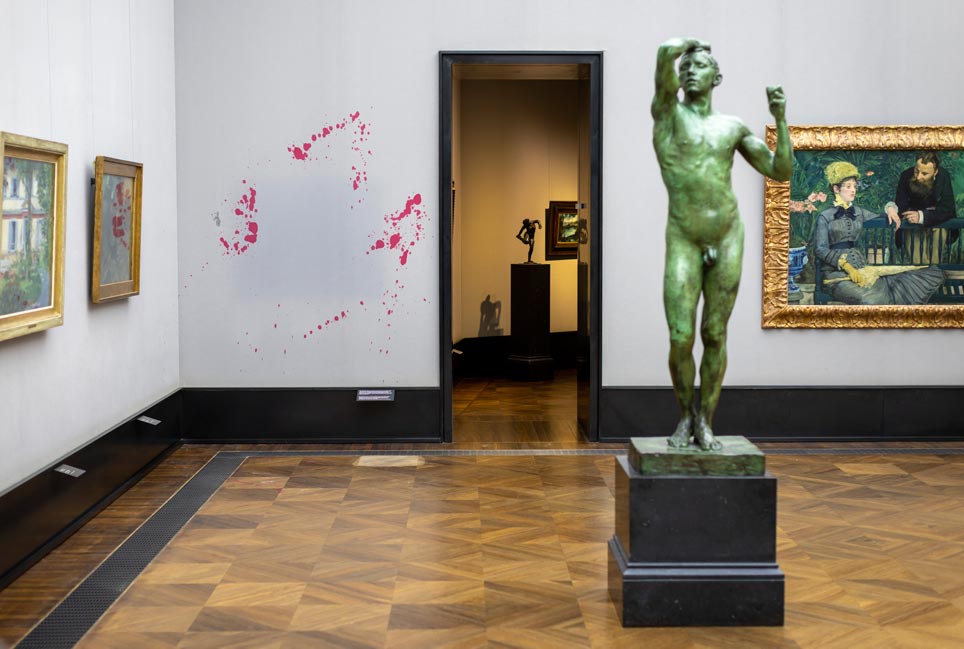
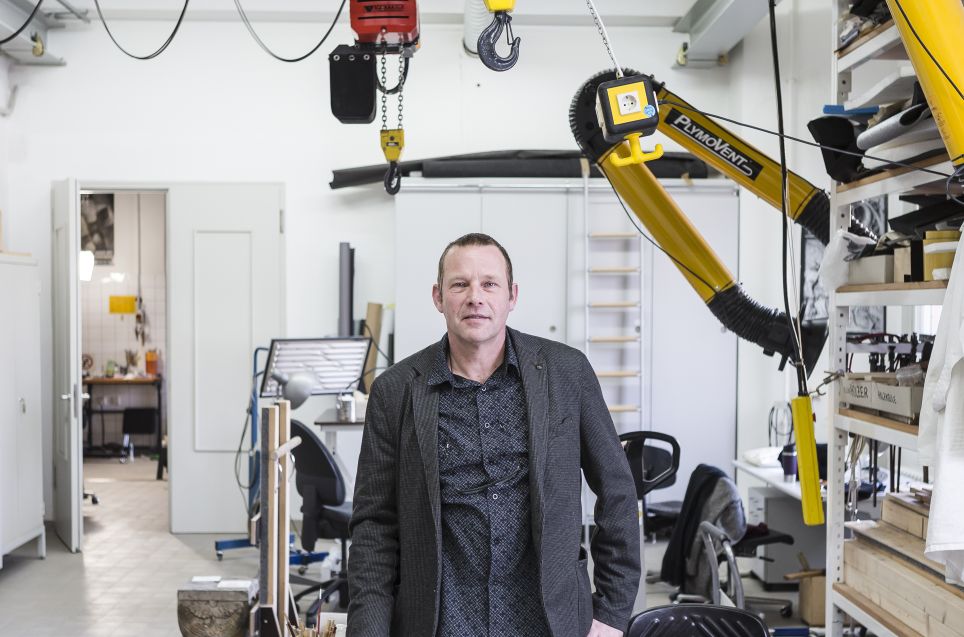
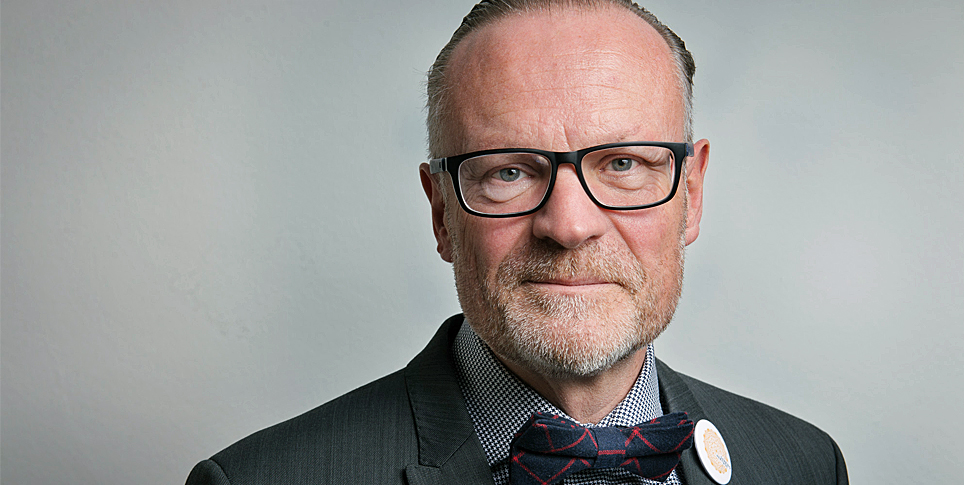
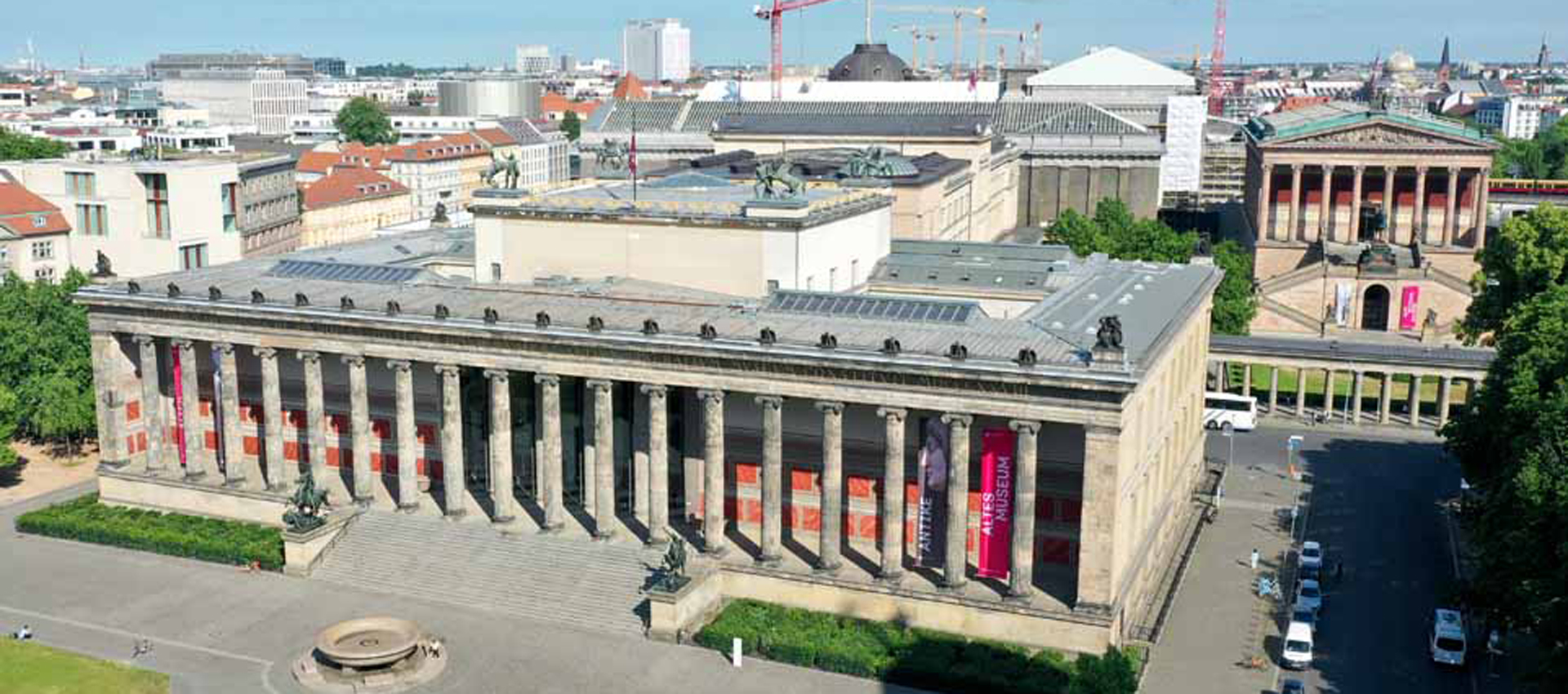
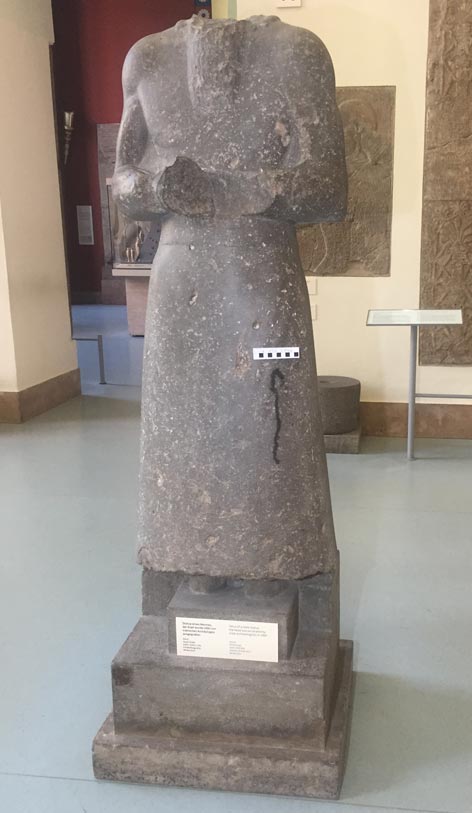
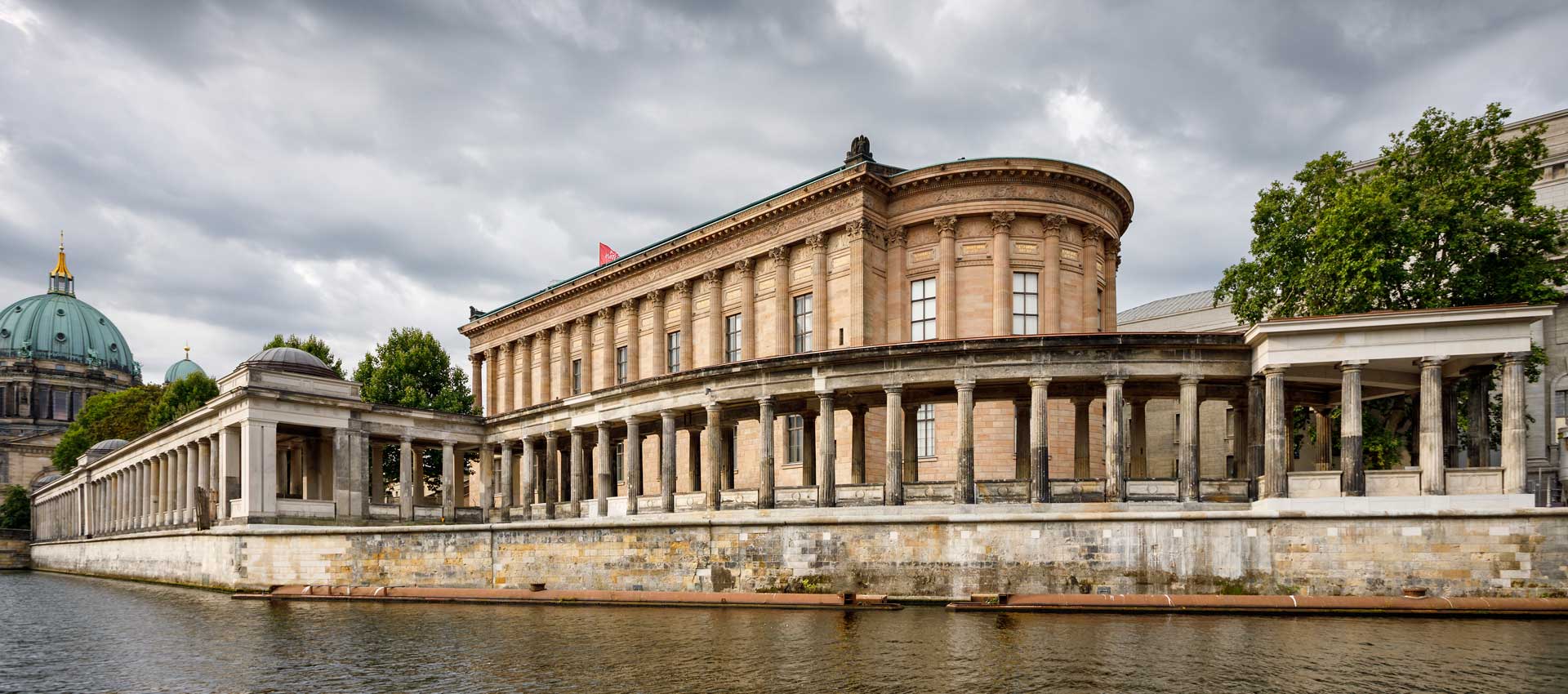
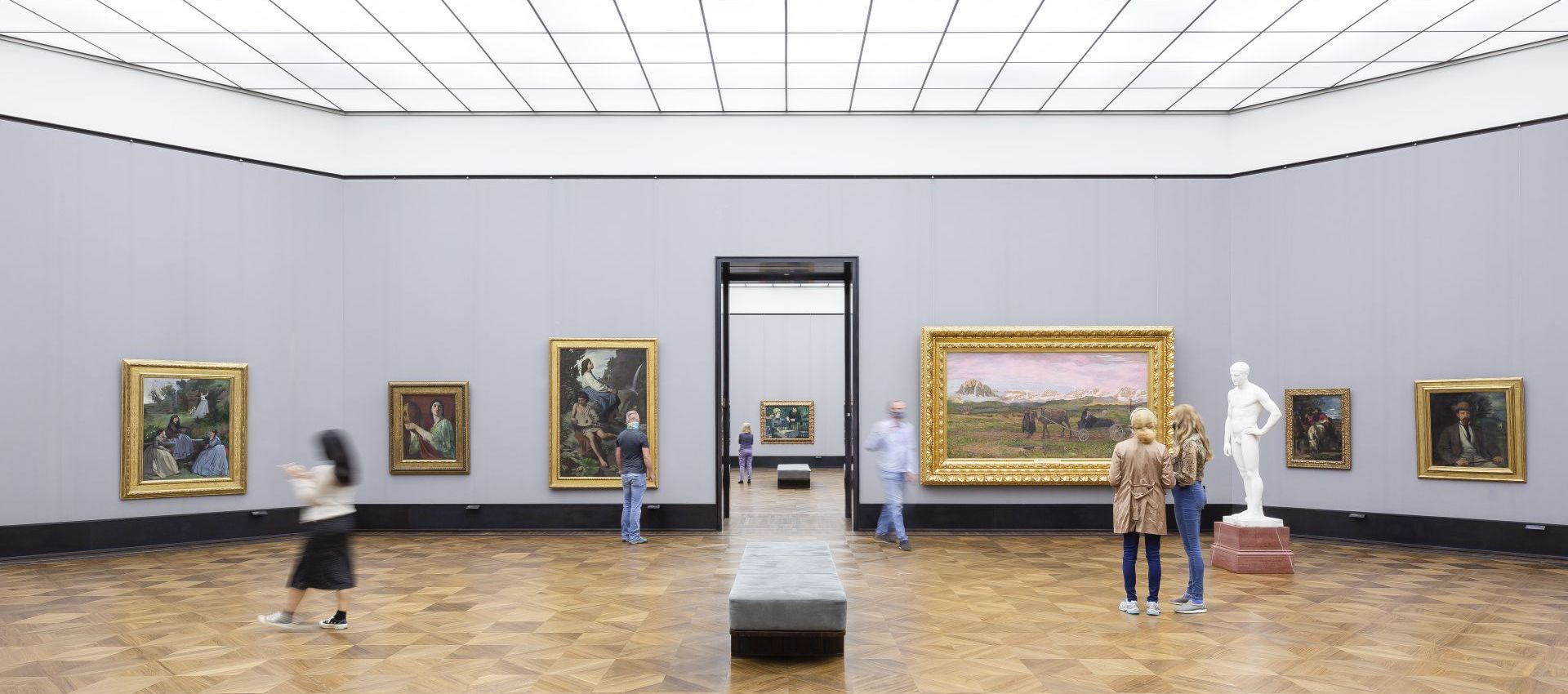
On 3 October 2020, four buildings on Museum Island were the target of an act of vandalism in which over 60 works of art were defaced. Stefan Simon, director of the Rathgen Research Laboratory, was one of the first to be informed. In this interview, he explains how his laboratory responded and how the balance between dialogue and security in museums can be achieved.
On 3 October 2020, there was an act of vandalism targeting artworks on Museum Island – what happens behind the scenes in such a case? Is there an emergency plan?
Stefan Simon: There are contingency plans for various eventualities and there are chains of command that worked well here. We were informed very early on and I also spoke directly with Michael Eissenhauer, Director General of the Berlin State Museums, and other colleagues on Museum Island. 3 October was a Saturday, and as this experience has shown, we can rely on everyone being ready to respond quickly in such a case, even at the weekend. Special praise is due here to our competent and dedicated security staff, who noticed and reported the damage at an early stage – that is by no means a given.
What exactly happened once everyone had been informed?
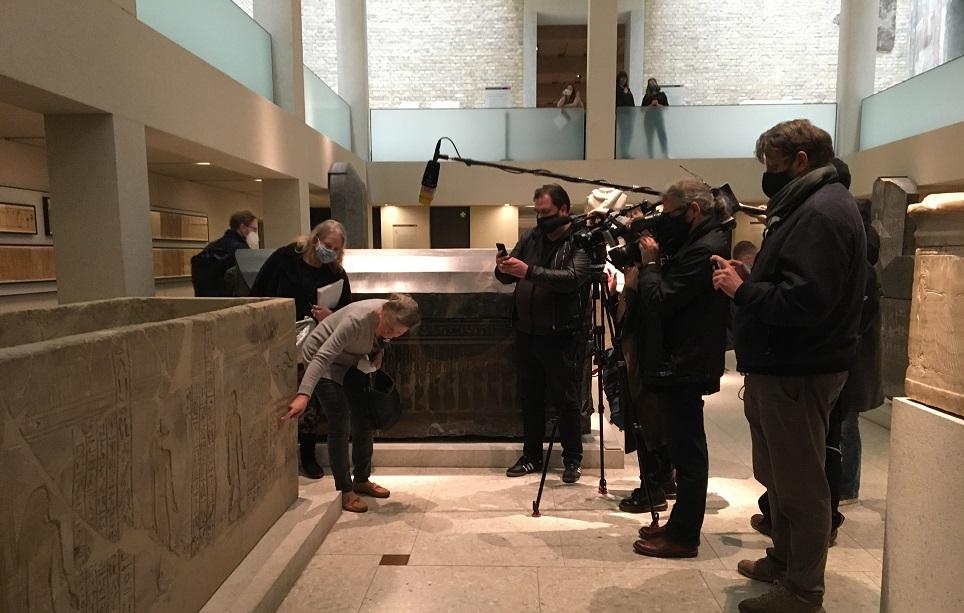
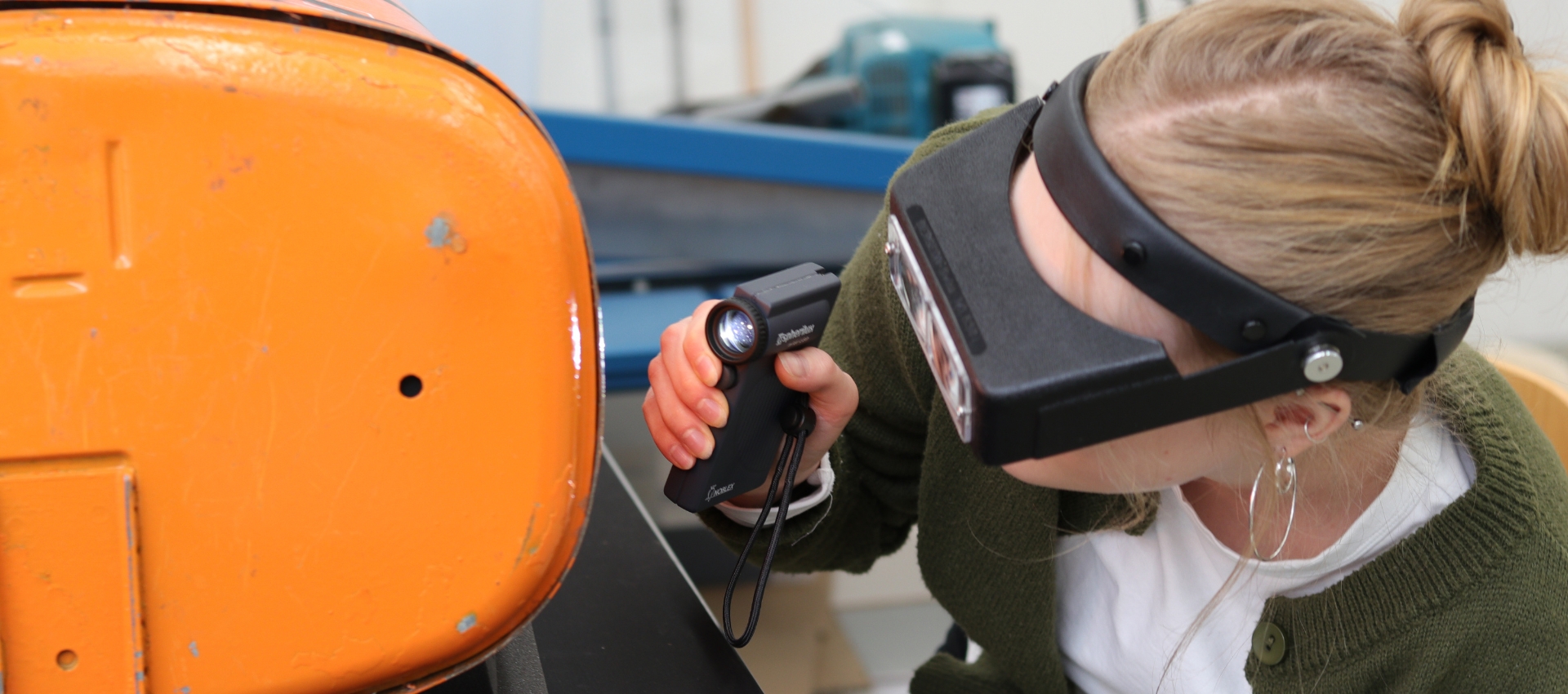
I wasn’t in Berlin that day, so I asked my deputy, Stefan Röhrs, to go there in my place and take samples straight away. The samples were with us at the Rathgen Research Laboratory by the evening, where they were analysed promptly. The following Monday, we had a meeting at midday with the police and the museum directors and were already able to say what kind of substance it was and that it was the same in all the affected buildings.
So you were able to assist the police directly through your work?
Of course, one can only speak of help if the information actually leads to a successful investigation. But we work closely and effectively with the police, and whenever we discover anything, we make this information available to the investigators immediately. Incidentally, we have also analysed samples from Cecilienhof Palace in Potsdam and from the Wewelsburg District Museum in Paderborn, where similar incidents have occurred this year. As well as our good cooperation with the police, we are naturally also concerned with issues that are particularly urgent for museums: could these substances be dangerous to visitors or colleagues, and how can the damage be repaired quickly and safely?
The incident in Potsdam only became public knowledge at the end of November; do your findings suggest a link between the cases?
We have analysed the samples from Potsdam and also from Paderborn and can say that oily liquids were used in all the attacks. So there is definitely a common thread – exactly what that means is the subject of the police investigation.
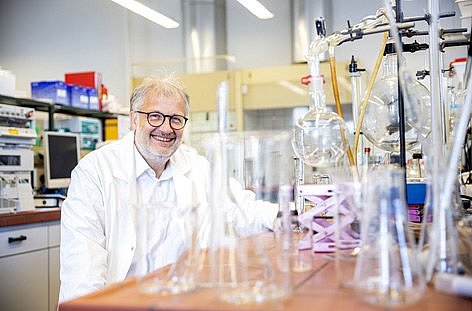
The Rathgen Research Laboratory
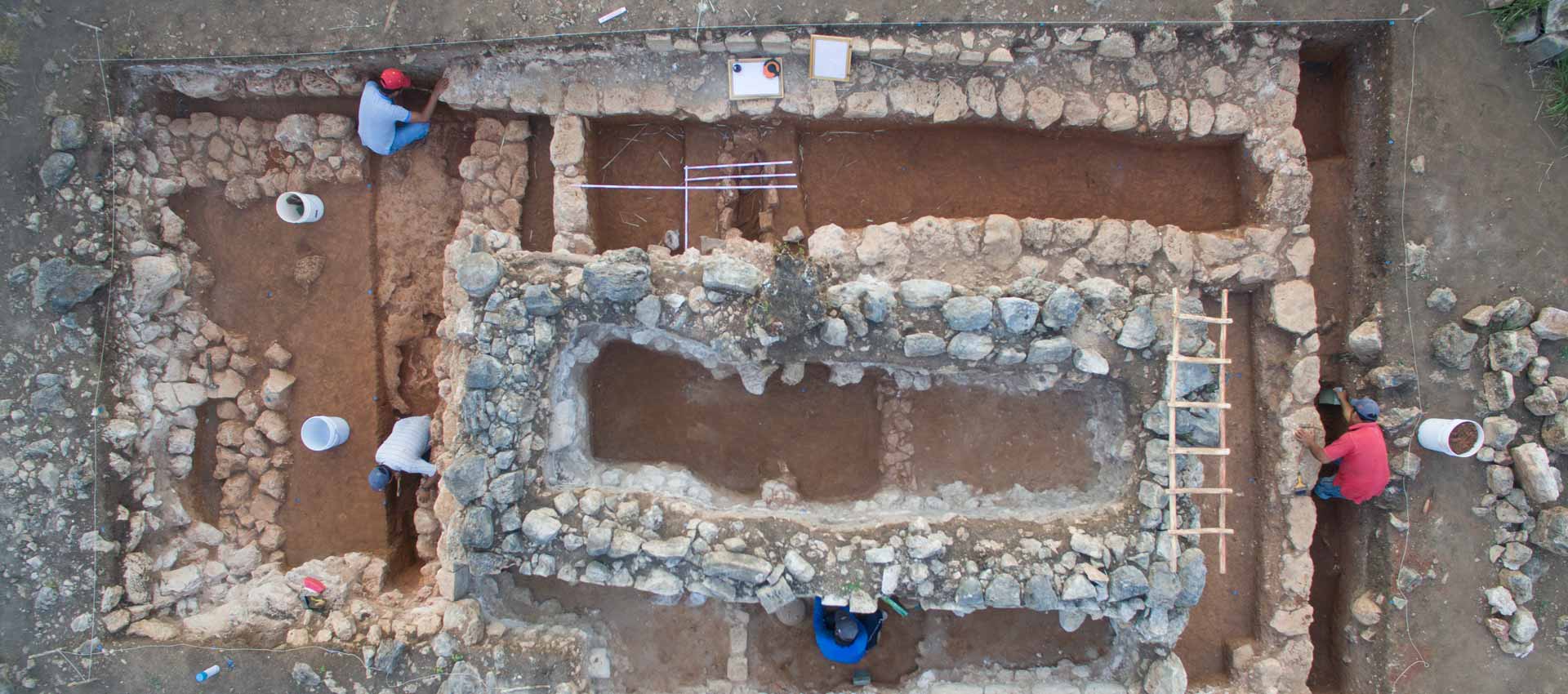
As a scientific institution of the State Museums of Berlin, the Rathgen Research Laboratory not only advises on the museums’ collections but also collaborates with national and international partners on projects in art technology, archaeometry and conservation science. The focus is on the material analysis of museum objects. However, its work and research may also focus on scientific questions relating to heritage conservation and the better understanding and preservation of archaeological sites.