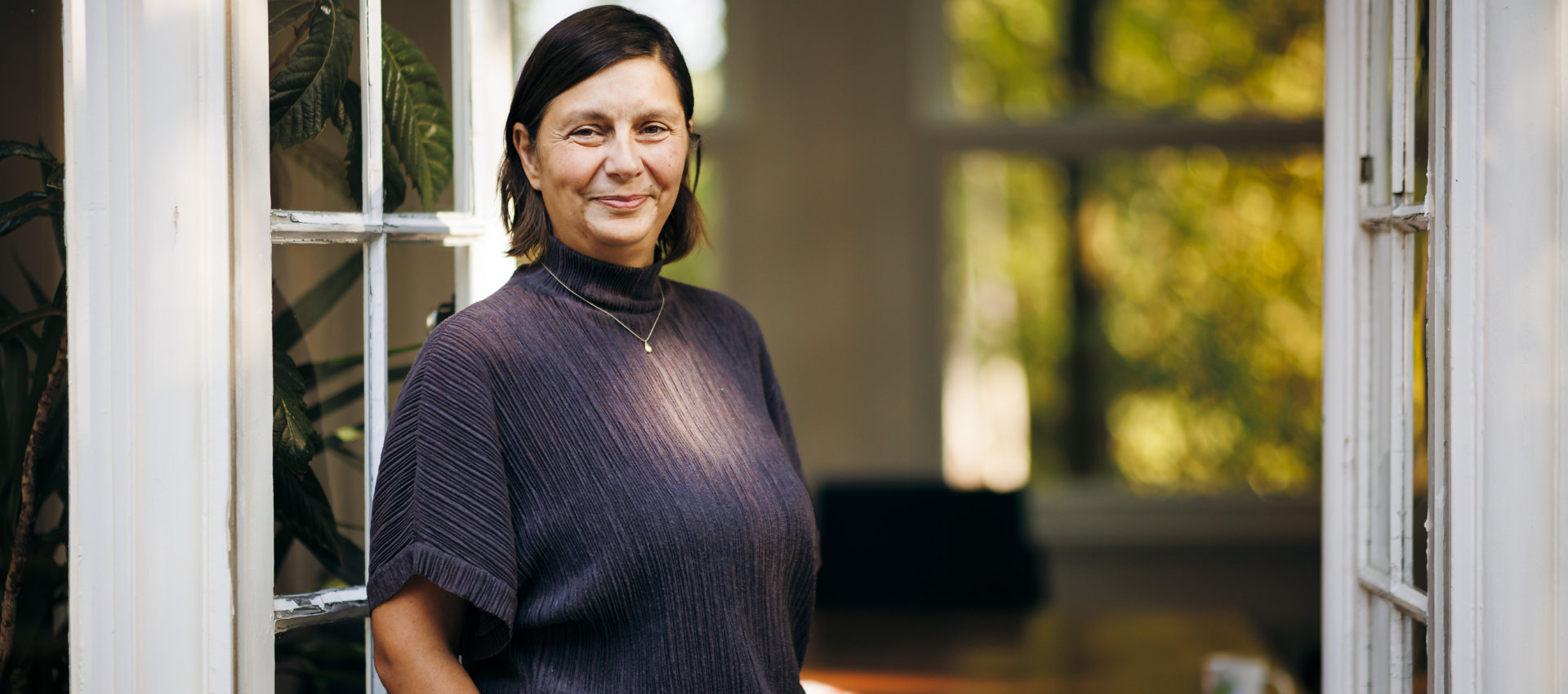
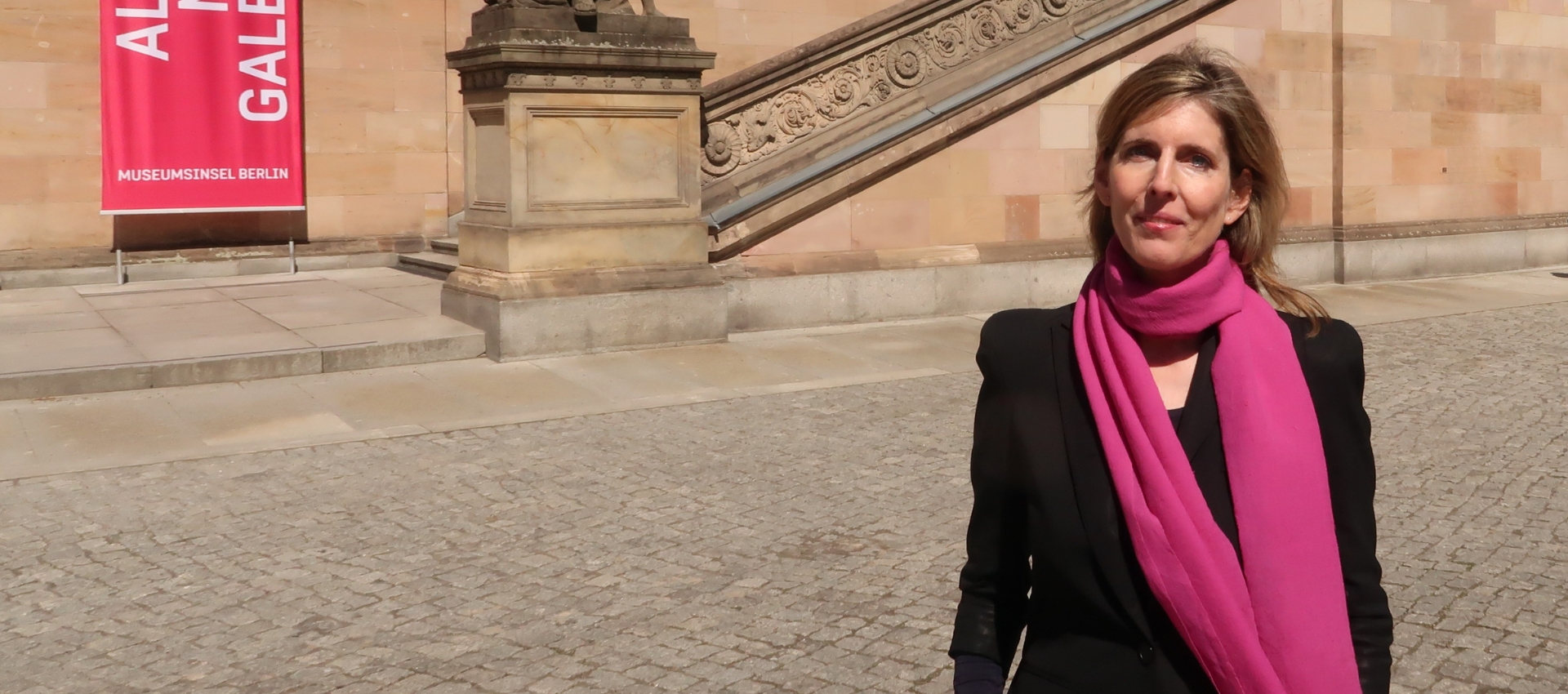
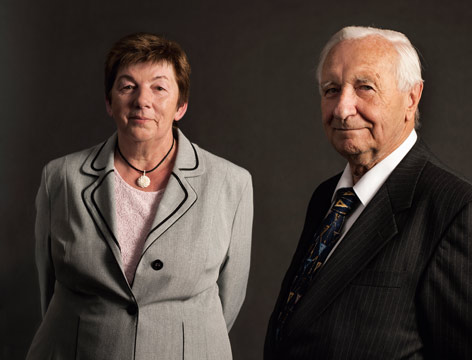
Ingrid Männl has played a significant part in opening up the Secret State Archives. So it is fitting that she is now working on a project about Alexander von Humboldt
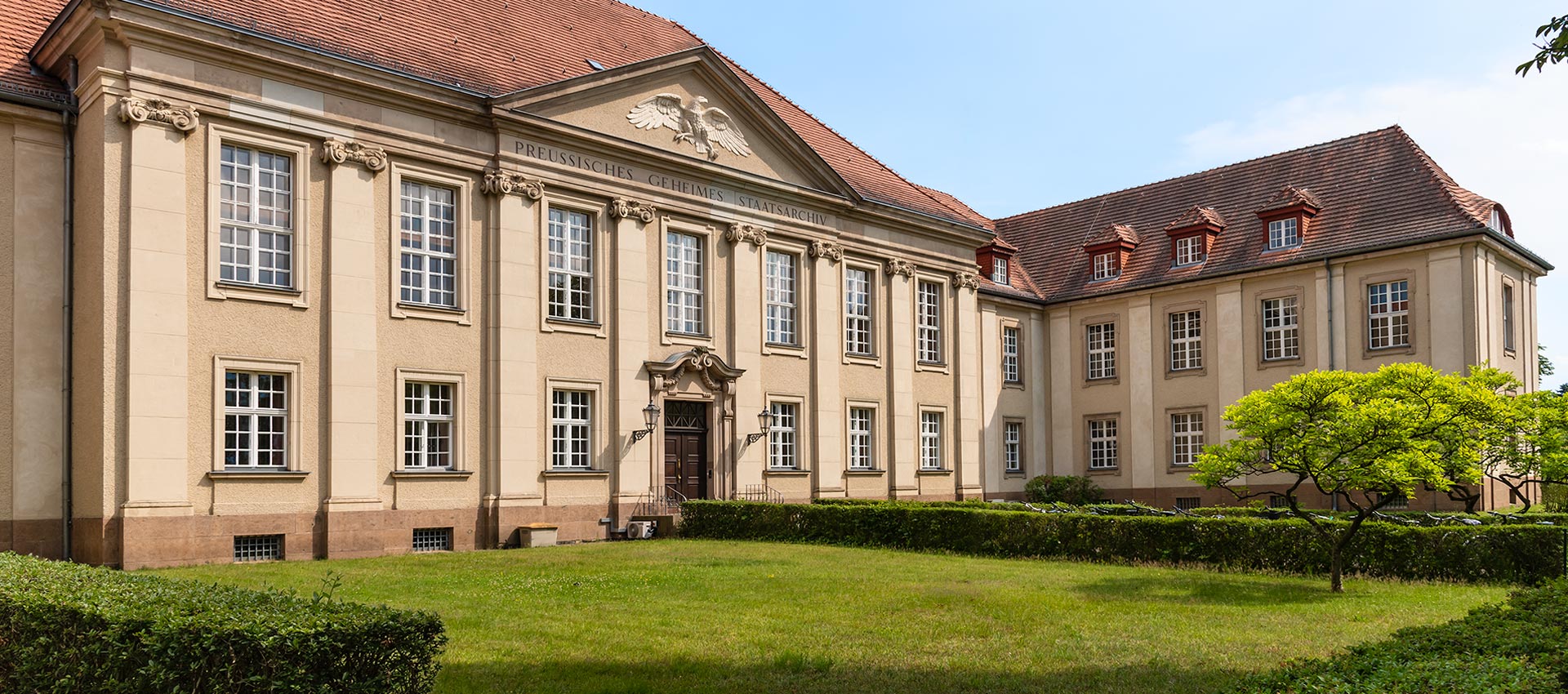
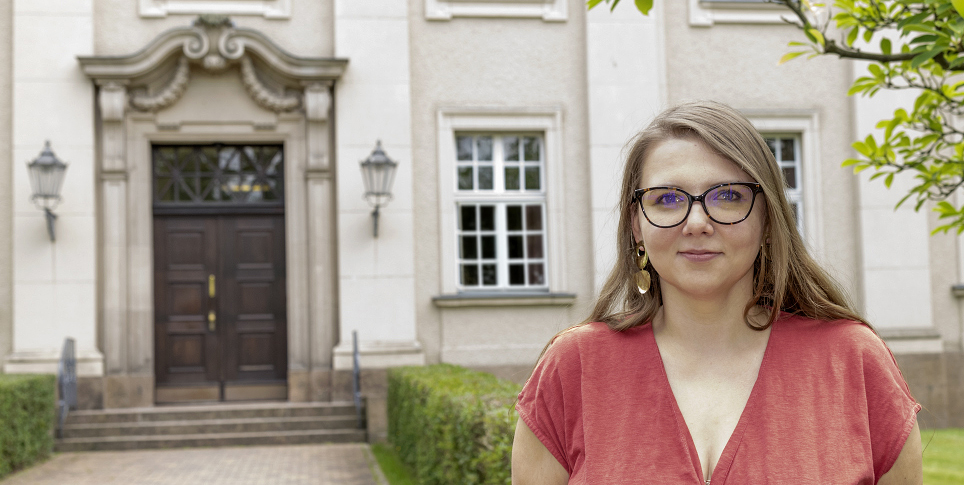
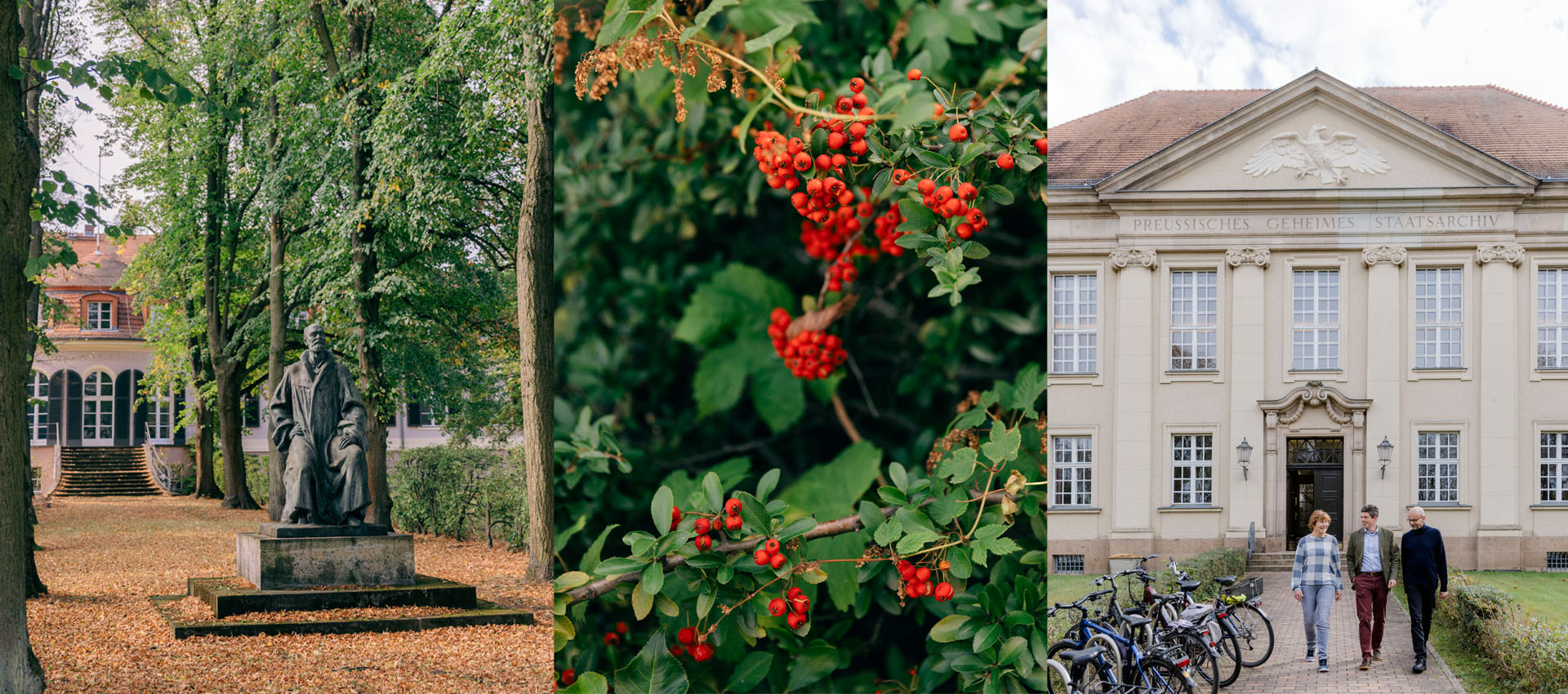
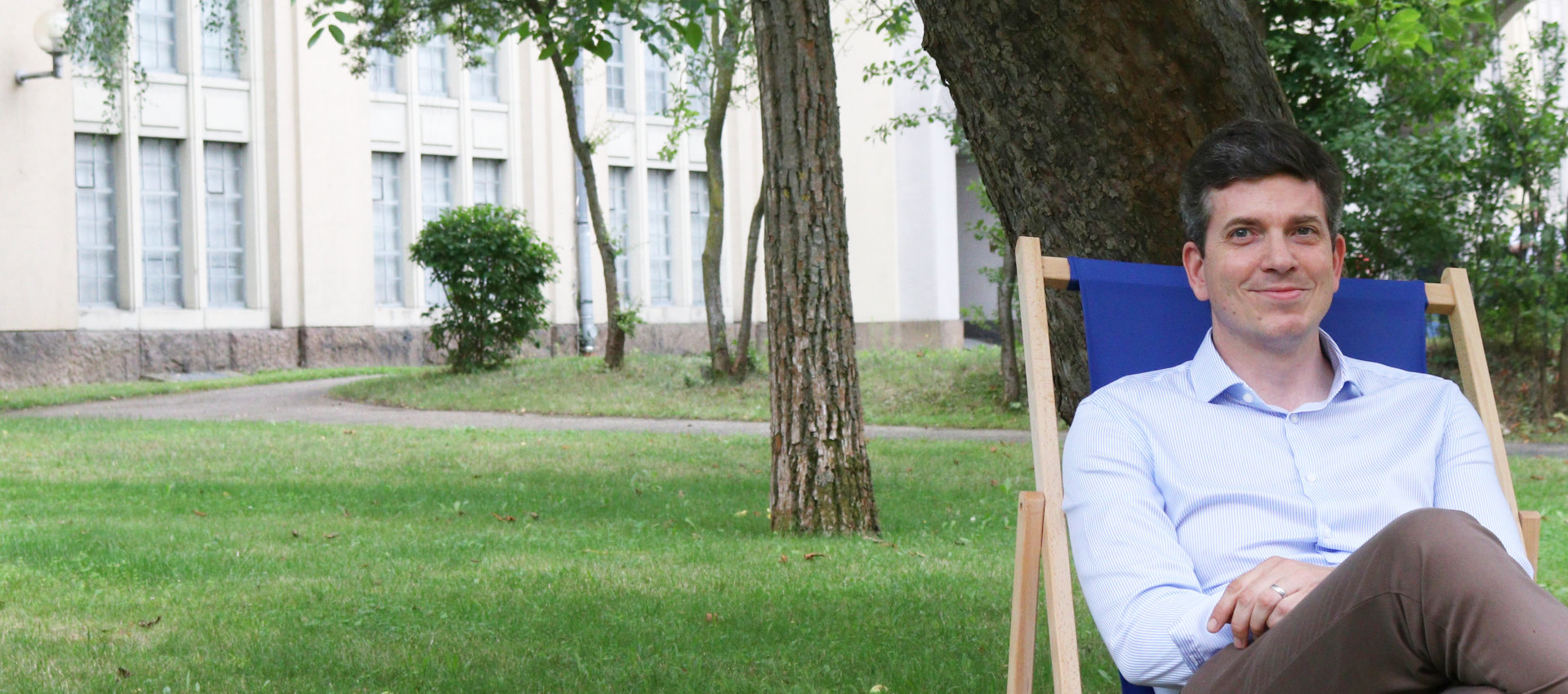
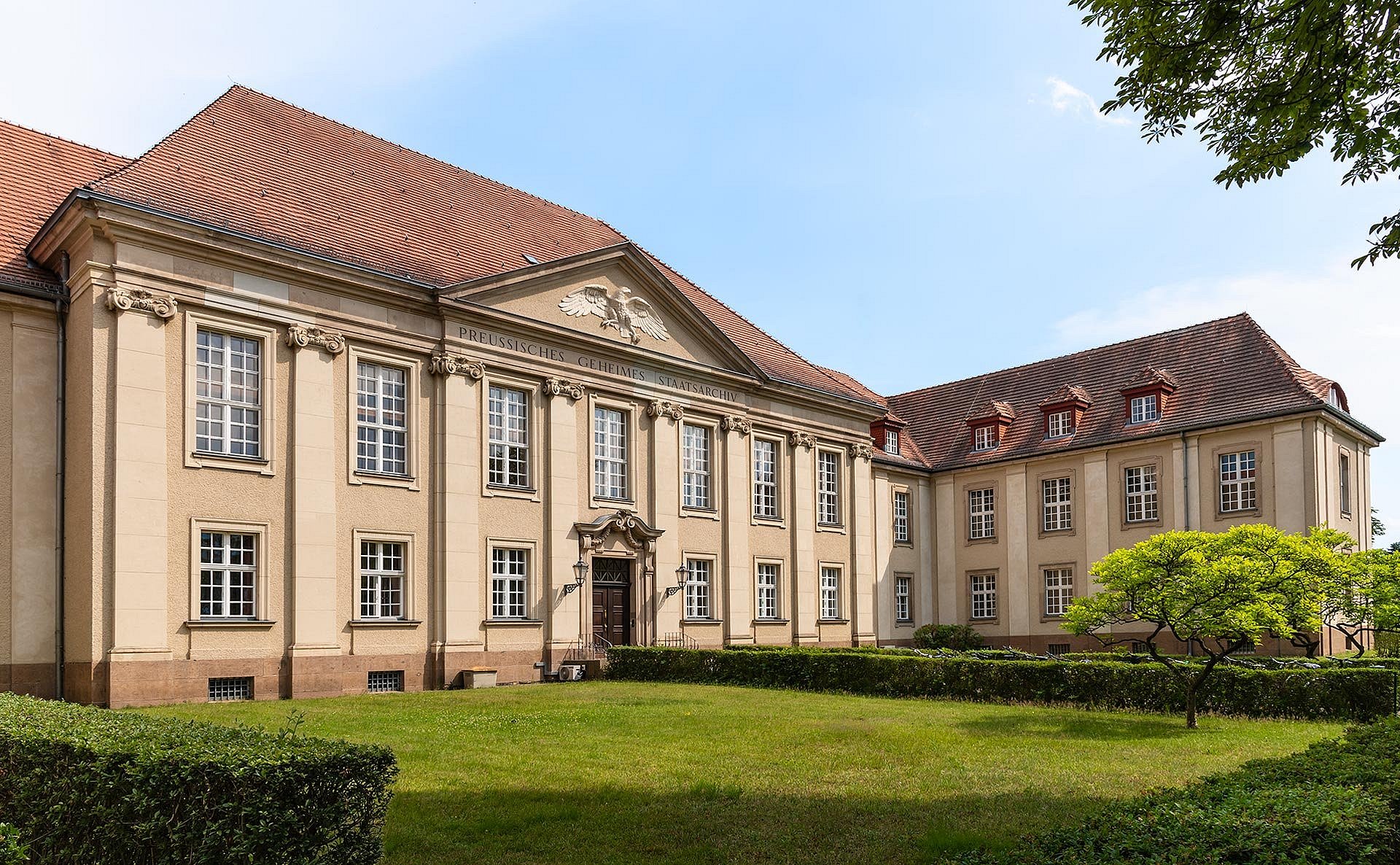
Strictly speaking, Ingrid Männl isn’t actually there anymore; strictly speaking, she left the GStA – the Secret State Archive of the Prussian Cultural Heritage Foundation – back in April, so she shouldn’t have to travel to Dahlem every morning, to Archivstraße 12, as she has done for the past three and a half decades, because strictly speaking, she’s already retired.
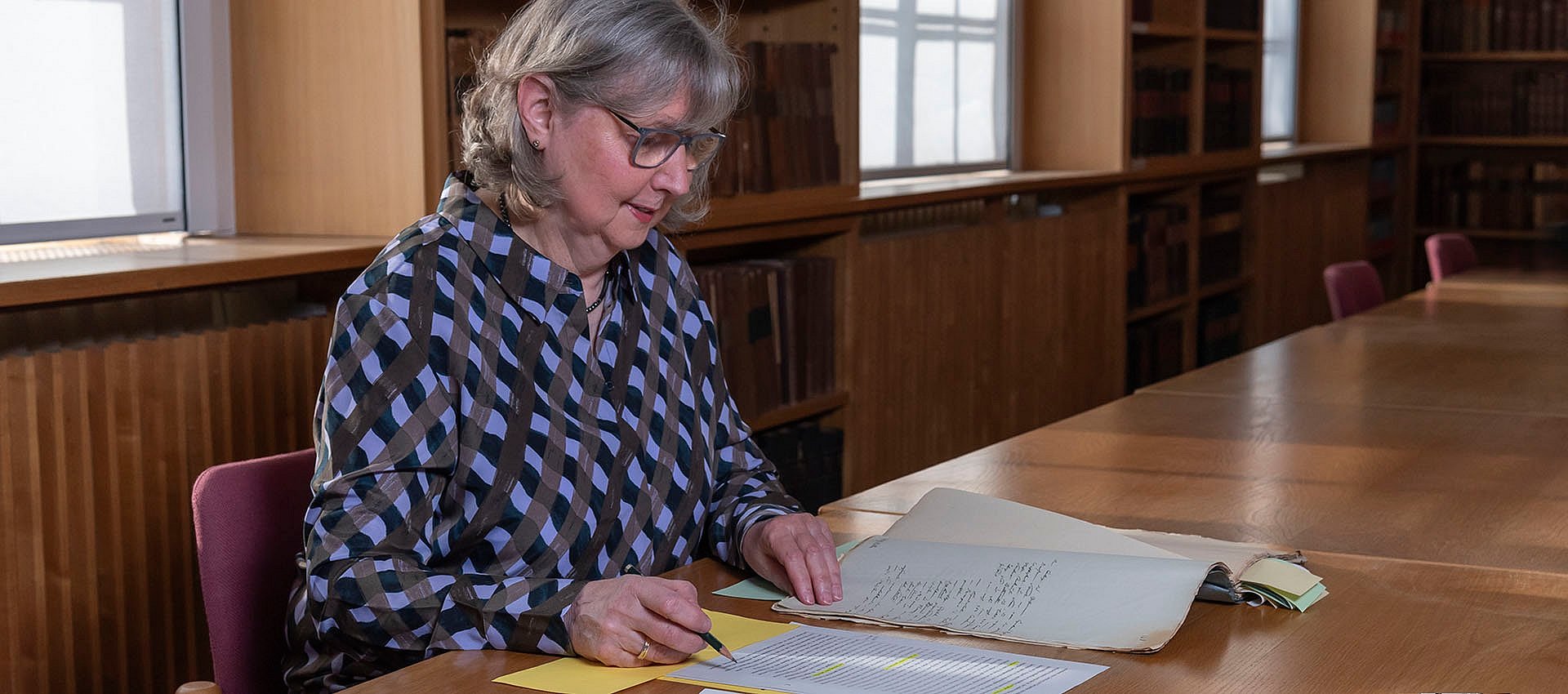
If it weren’t for Alexander von Humboldt! The man who played a decisive role in making Prussia a cultural state. Ingrid Männl, the experienced archivist, is working on a publication about him, which is nearing completion. “It’s a very distinctive style, but you get into it,” she says.
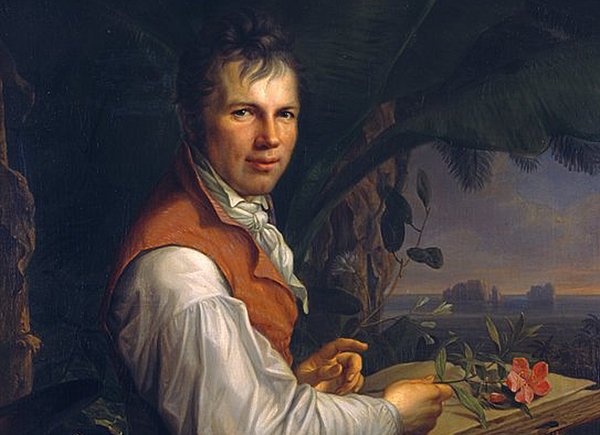
The figure who unites the SPK: Alexander von Humboldt
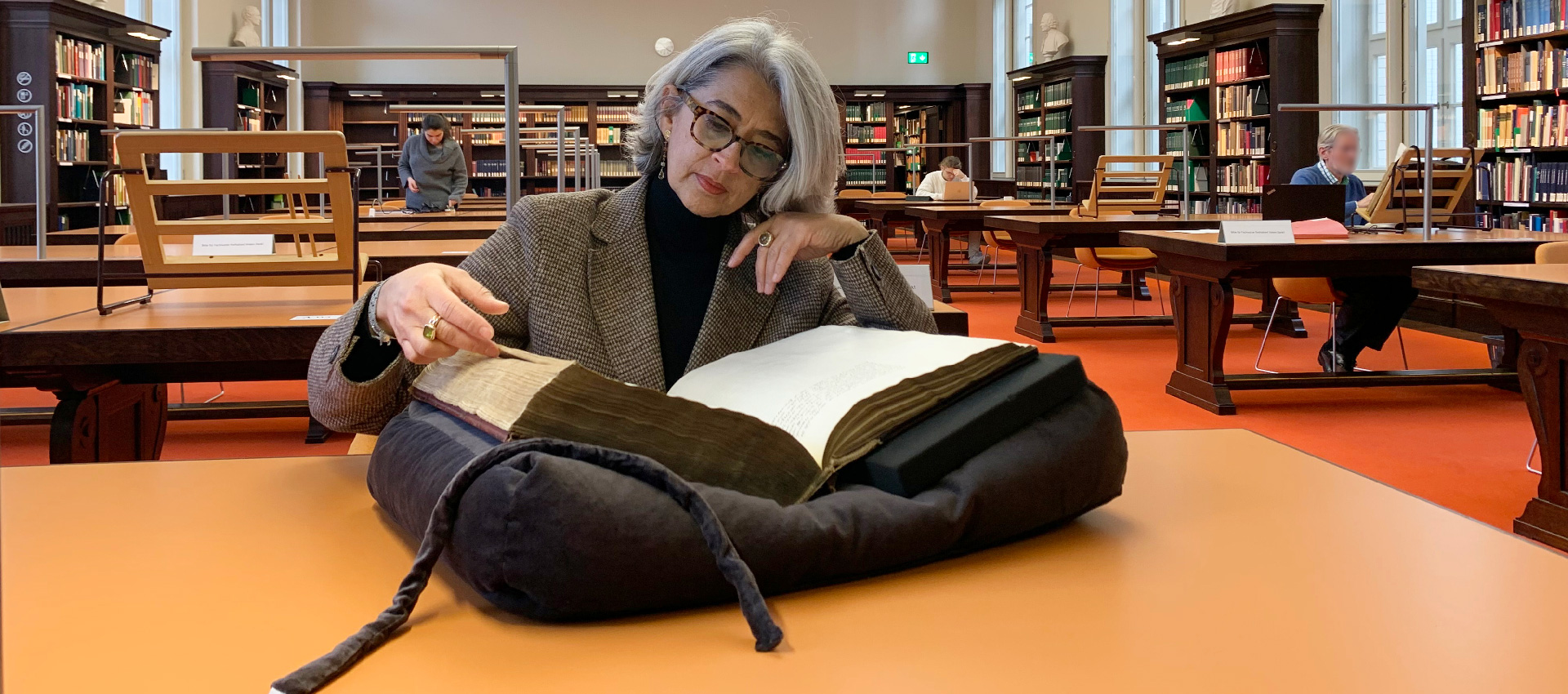
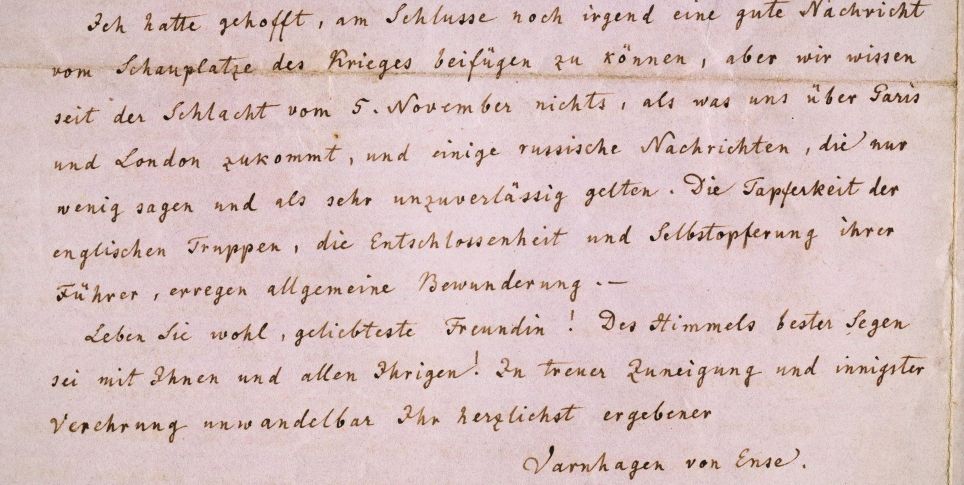
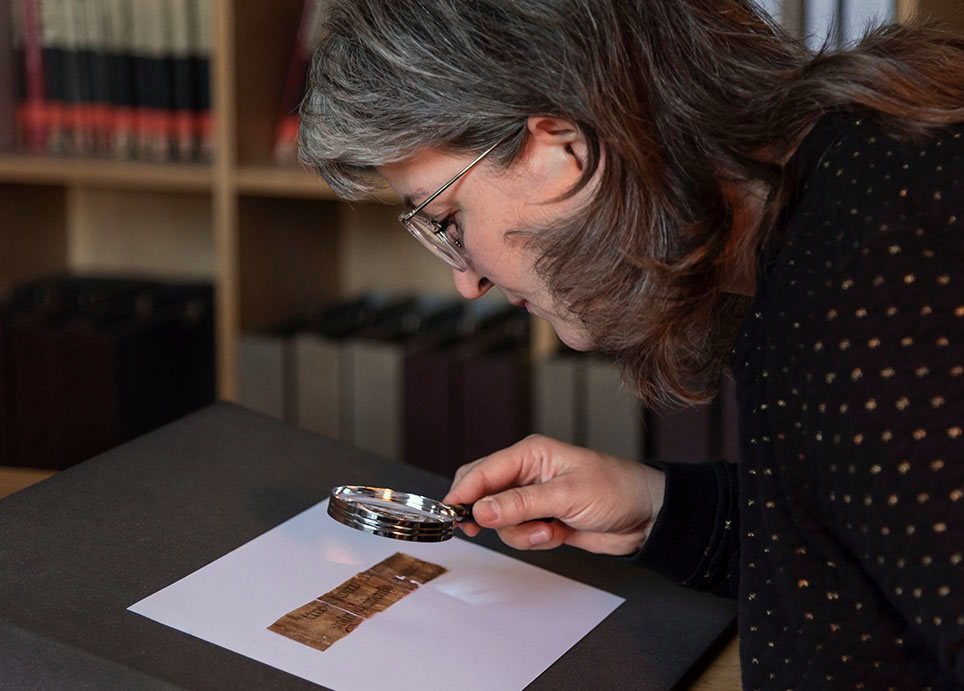
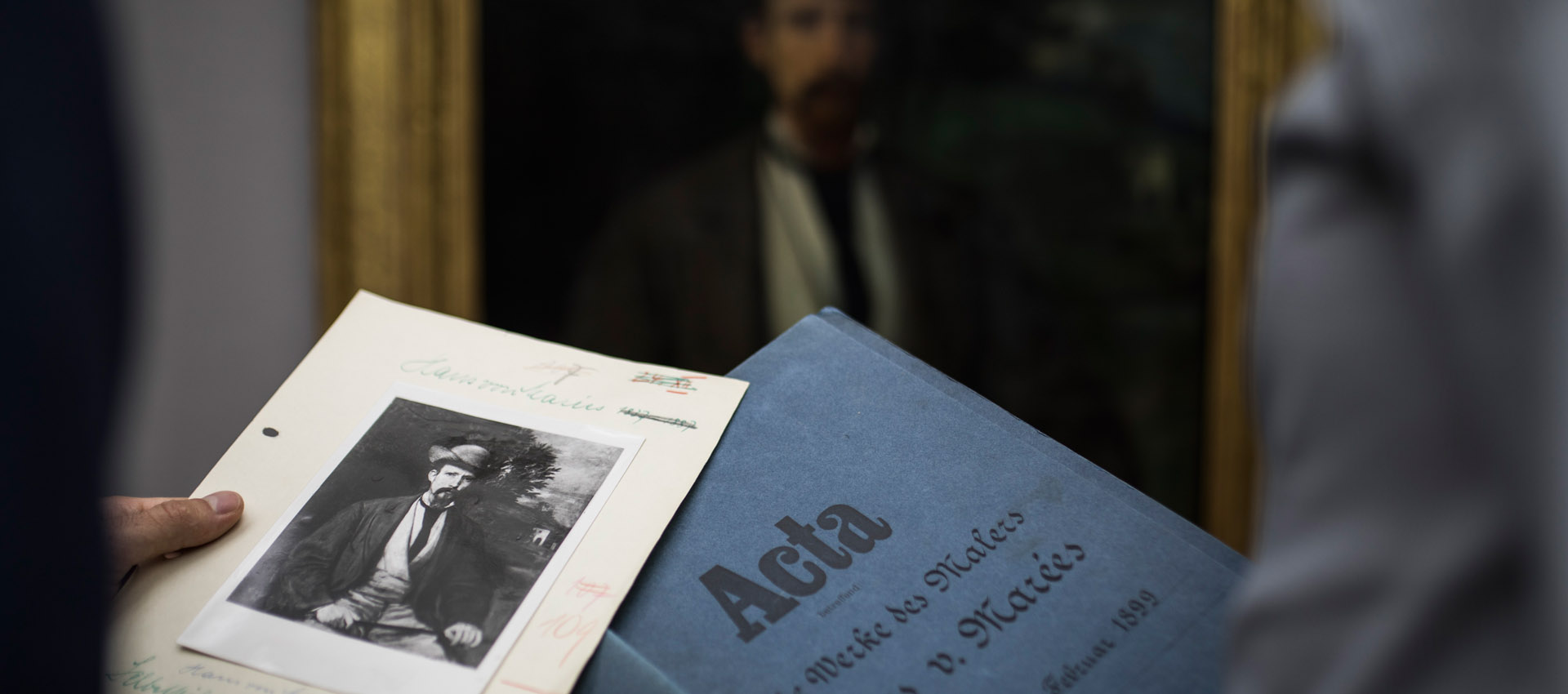
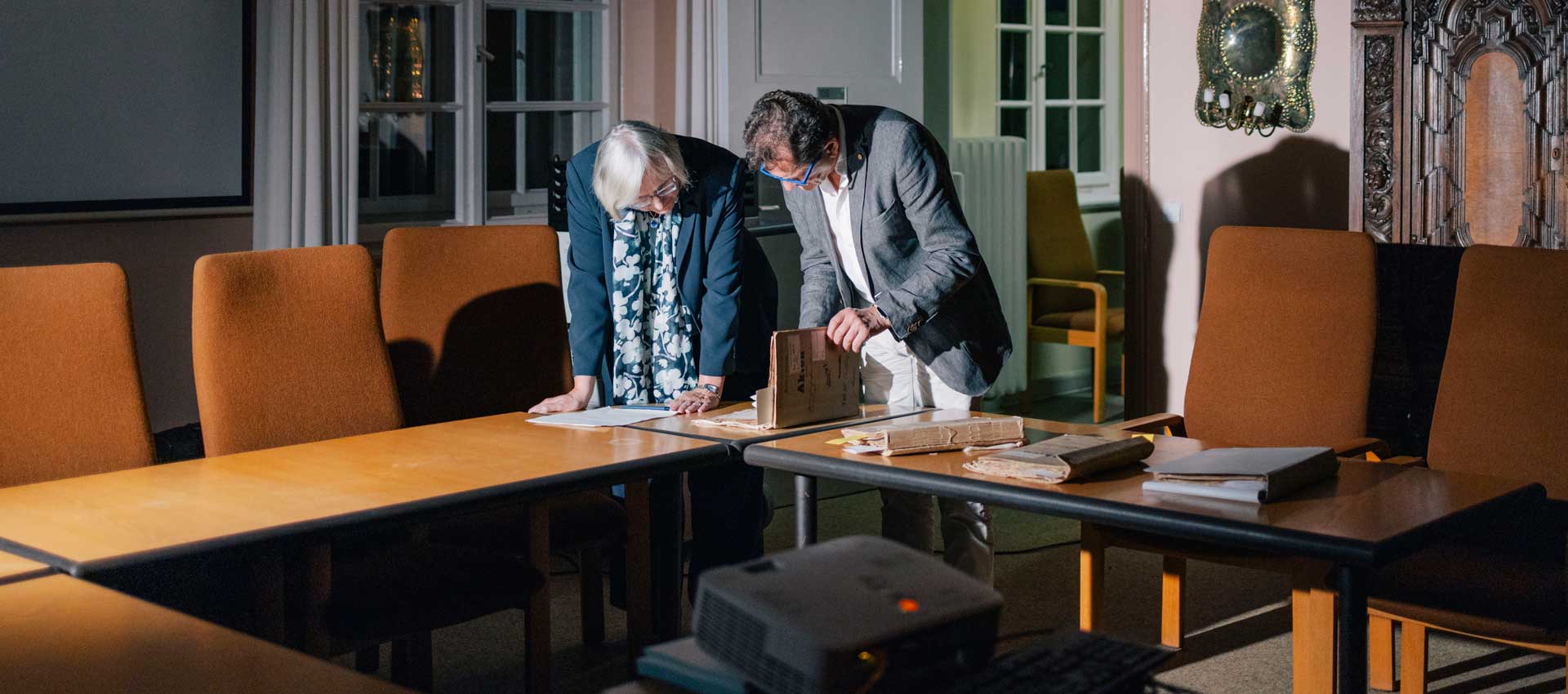
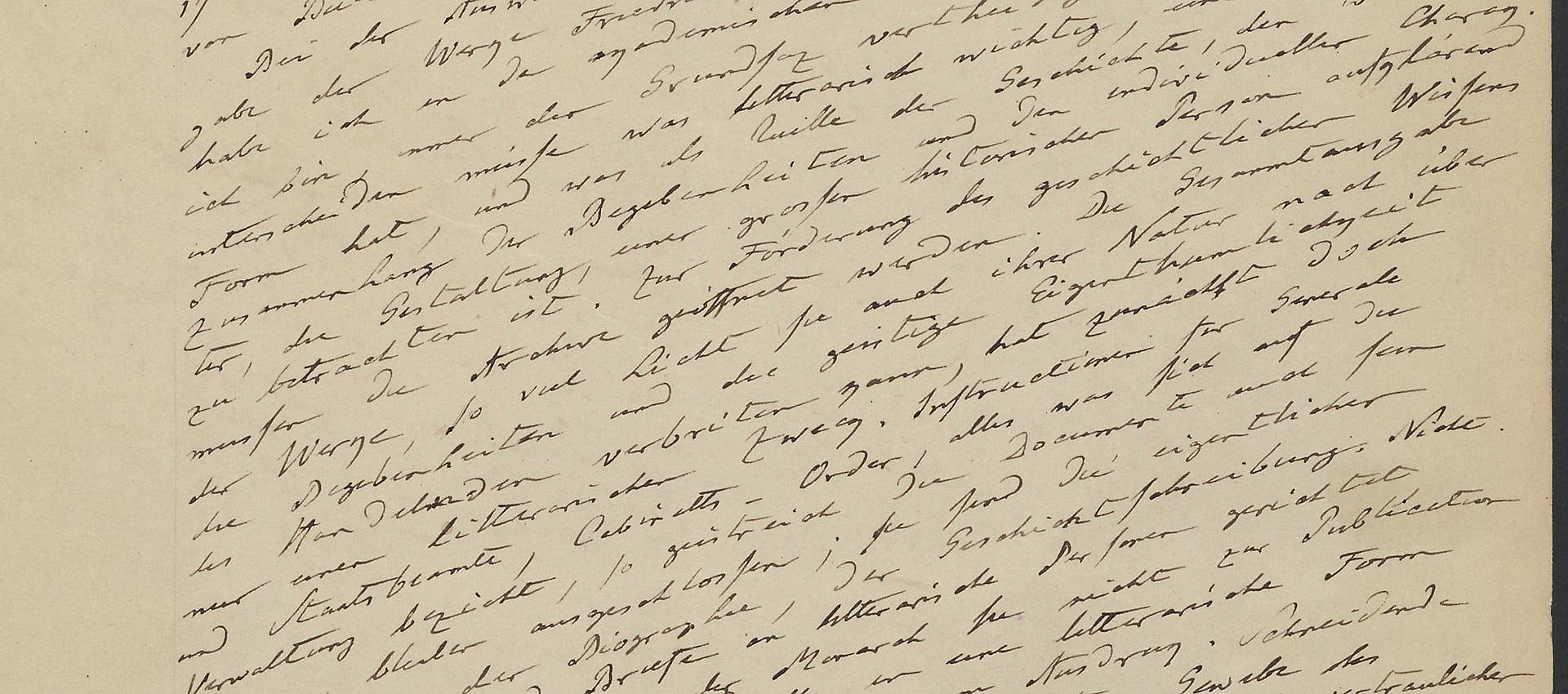
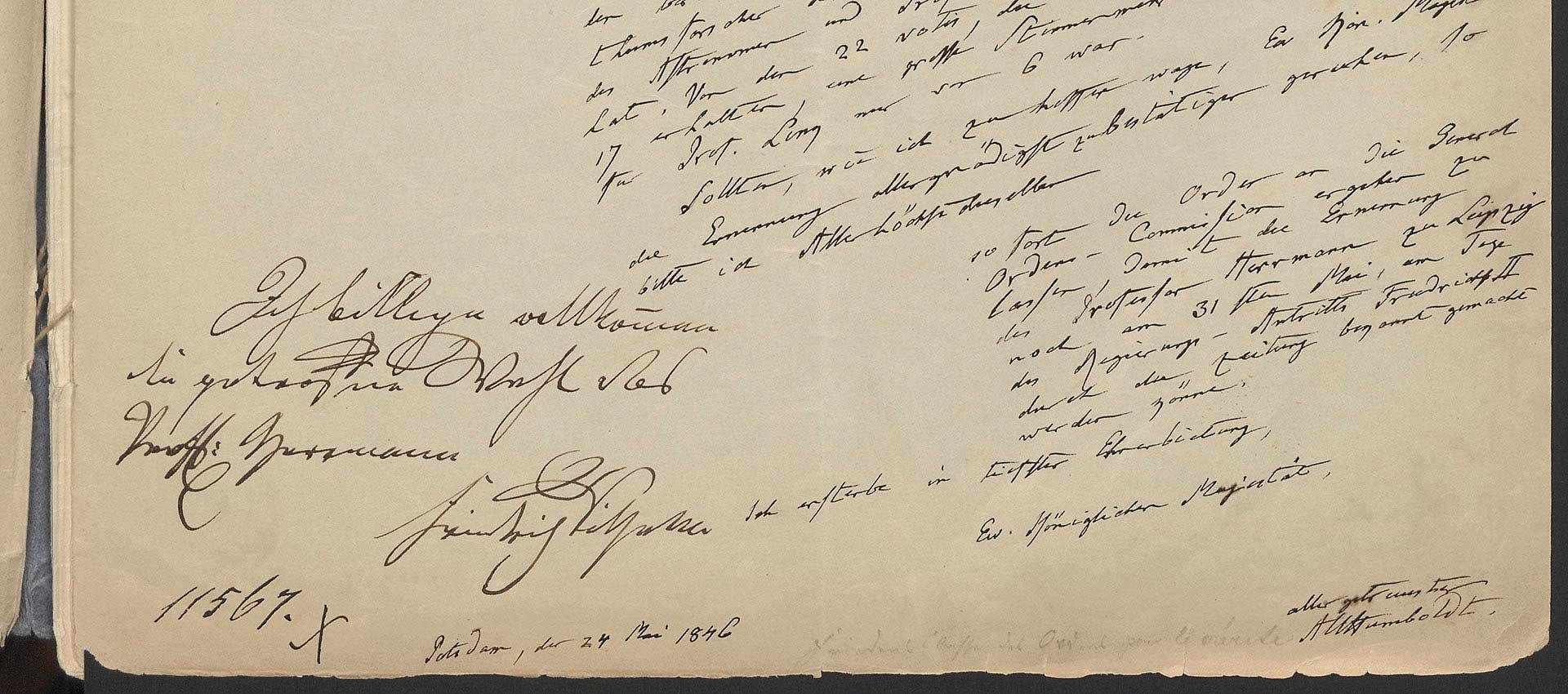
Humboldt wrote more than 30,000 letters during his long life. Many of them are held in the GStA. They are Ingrid Männl’s passion, or to put it more matter-of-factly: her subject of research. She is constantly bringing new ones to light from the depths of the archive. Some of those she is currently working on – reading, studying and transcribing – lie in light blue folders on her desk, in her room downstairs on the ground floor on the left, number 39.
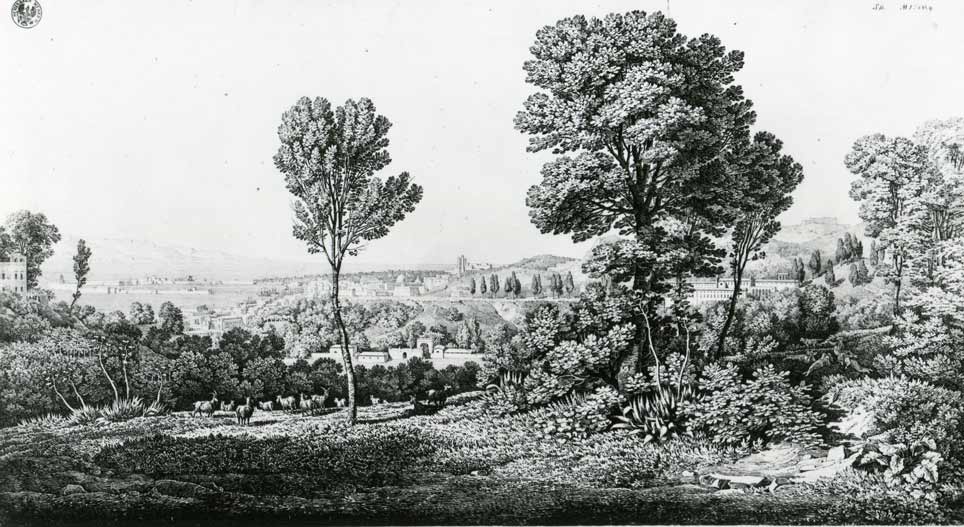
She is examining the traces the great scientist left behind in the institutions of the Prussian Cultural Heritage Foundation. And there are many: in the State Museums, for example, there would be many a vase and statue, many a work of art, that would not exist without him. The State Library, too, would be a different place without him. Many manuscripts and books can be traced back to him. And did he not even succeed in increasing the State Library’s budget? “Alexander von Humboldt is a bond that still connects the institutions of the SPK to this day,” says Männl.
It was only a few years ago, towards the end of her career, that she developed this passionate interest in Humboldt. Just as during her studies, her focus during her professional career in the archives was on earlier periods. “The 19th century is almost a bit too contemporary for me,” she says with that charming, self-deprecating twinkle in her eye that is so typical of her. She pours more tea. And is simply far too busy to feel wistful.
A dream job
She can still clearly remember the day she introduced herself here on Archivstraße, in her dark blue suit, in September 1988. She had just come from the University of Giessen, where she had been a research assistant to Peter Moraw, her head full of Latin and history – specifically, medieval history. The subject of her doctoral thesis, for which she received a dissertation prize from the university, was: “Scholarly Jurists” – 1250 to 1440. She was fascinated by the authenticity, the aura of historical sources. Even at school, in Alsfeld, Hesse, she had taken an interest in this, having been encouraged by a good teacher. Now she wanted to get stuck in, to turn her talent into a career.
Alexander von Humboldt is a bond that continues to unite the institutions of the SPK to this day
Ingrid Männl
Just four days after she had introduced herself in Dahlem, she received the offer. A dream job, even to this day. Ingrid Männl can explain with great enthusiasm what the word ‘geheim’ in the State Secret Archives actually means, what the difference is between ‘arcanum’ and ‘secretum’, and that ‘geheim’ simply means: to be trusted by the ruler.
Just as Alexander von Humboldt was, who met the Prussian ruler almost daily, who had a great influence on Frederick William III and Frederick William IV, who advised them, negotiated cultural matters on their behalf, and utilised his networks – who was, in a sense, a sort of Minister of Culture. This charismatic Alexander von Humboldt is very much to Ingrid Männl’s taste. She is captivated by his writing style. His language: expressive, vivid, distinctive.
Not so secret after all: the GStA opens its doors
But Männl points out something else: that Humboldt wanted to make his knowledge widely known, that he wrote books so that they would be read. Today, this is called science communication. Ingrid Männl knows her stuff: she was responsible for public relations at the GStA for many years.
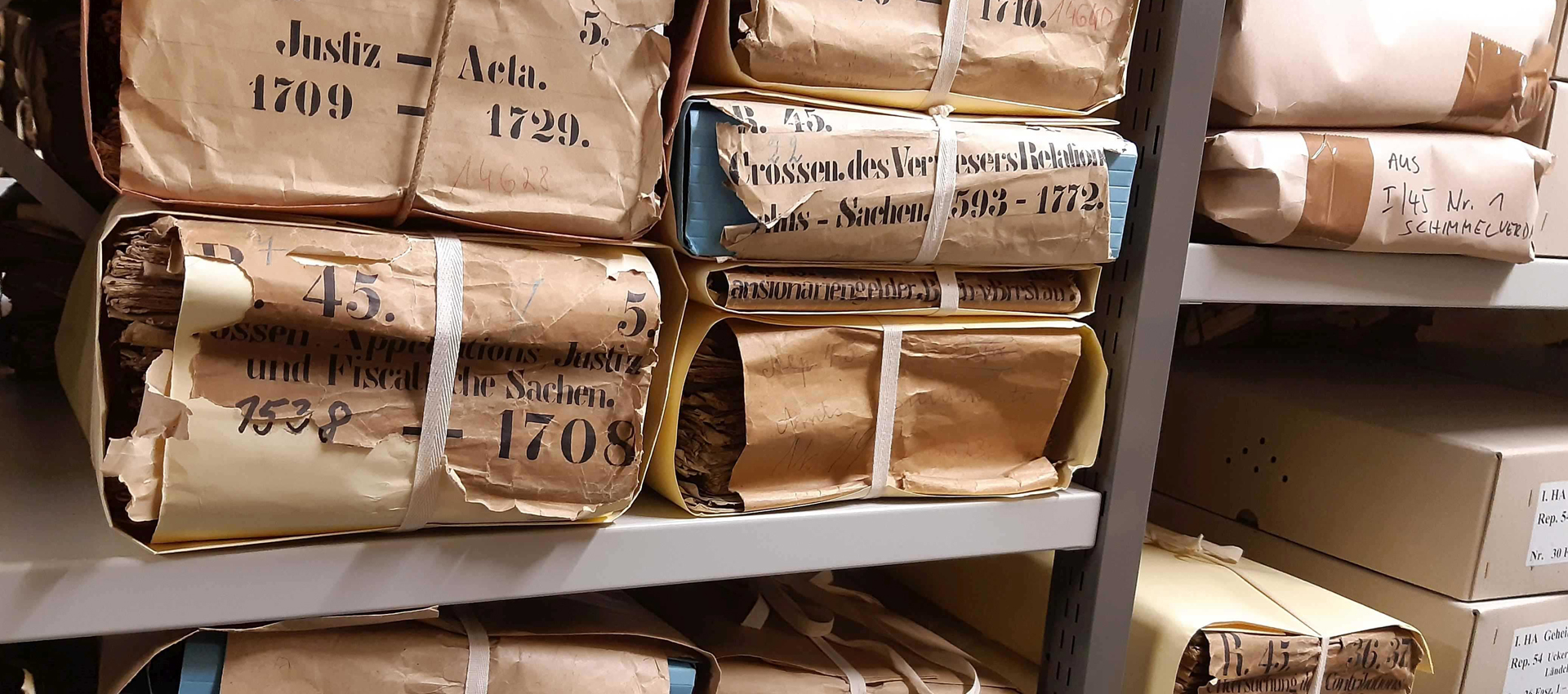
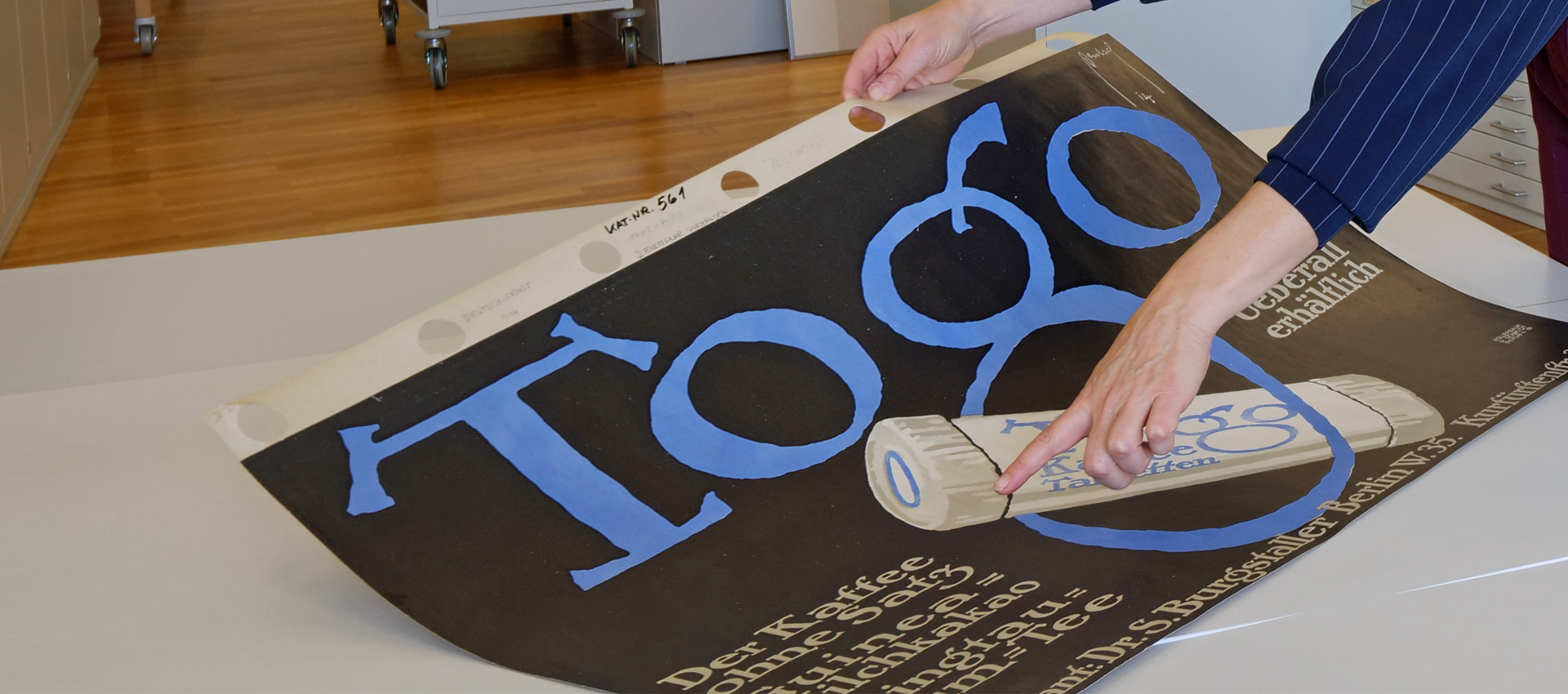
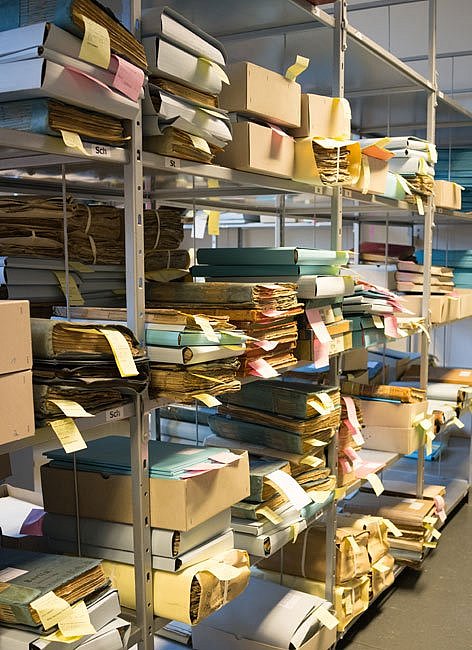
Among the 35,000 linear metres of archive material, she has unearthed and publicised many a treasure, regularly contributed to annual reports, research newsletters and the SPK magazine, and organised the Archives Day for several years before this task passed into other hands. She designed some of the posters for the event herself. “With record numbers of over 500 participants, we were very successful,” she recalls. “On one occasion, more than 60 people attended a reading. And at the bookstall, we once took in 1,400 euros.”
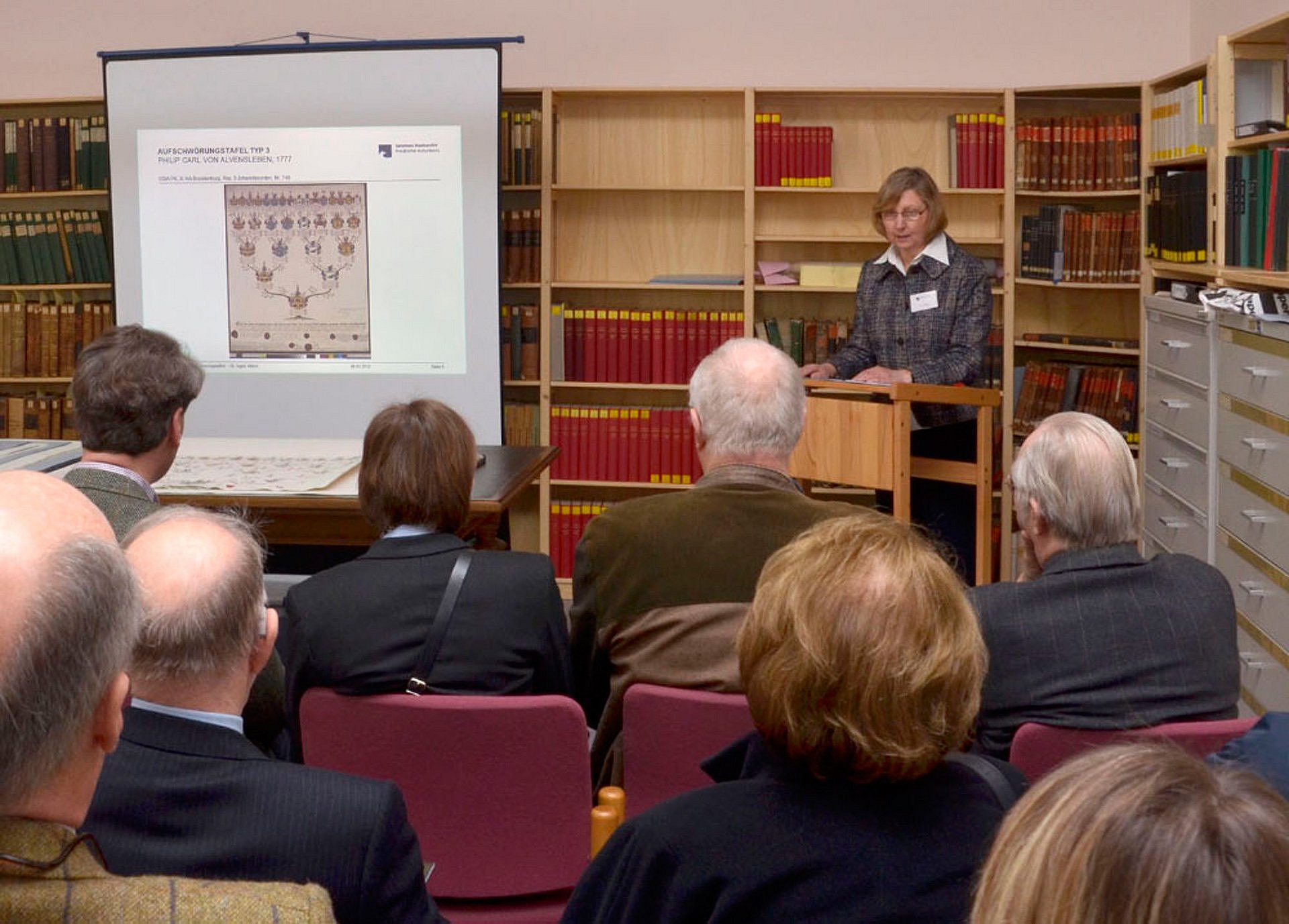
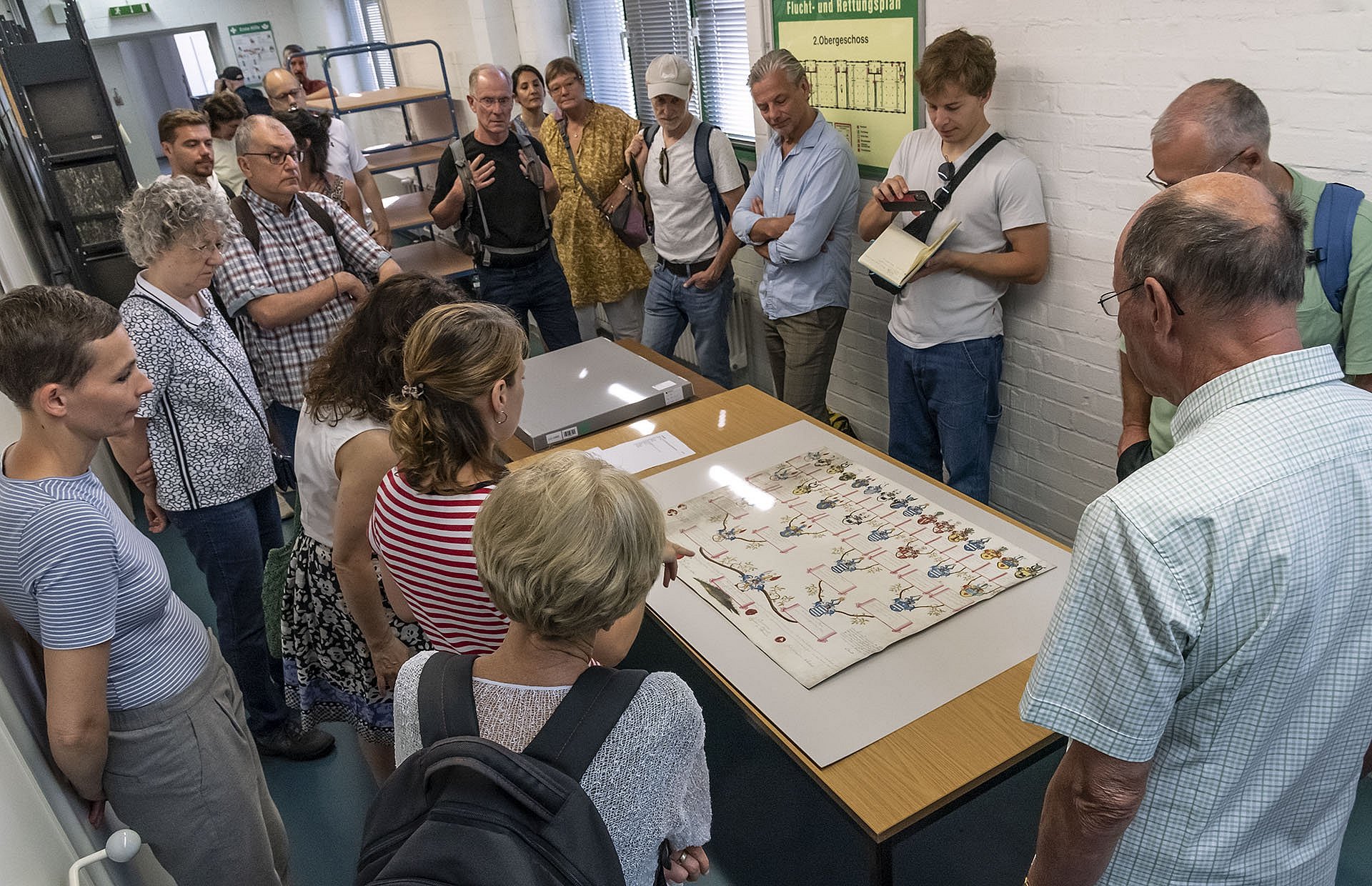
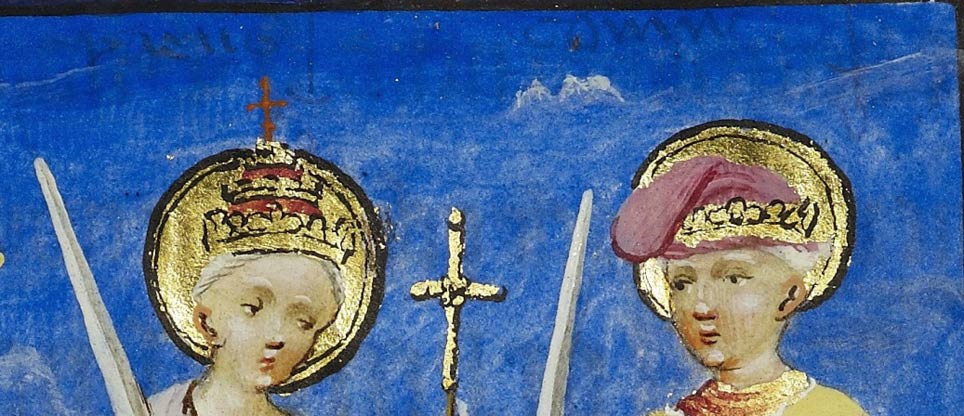
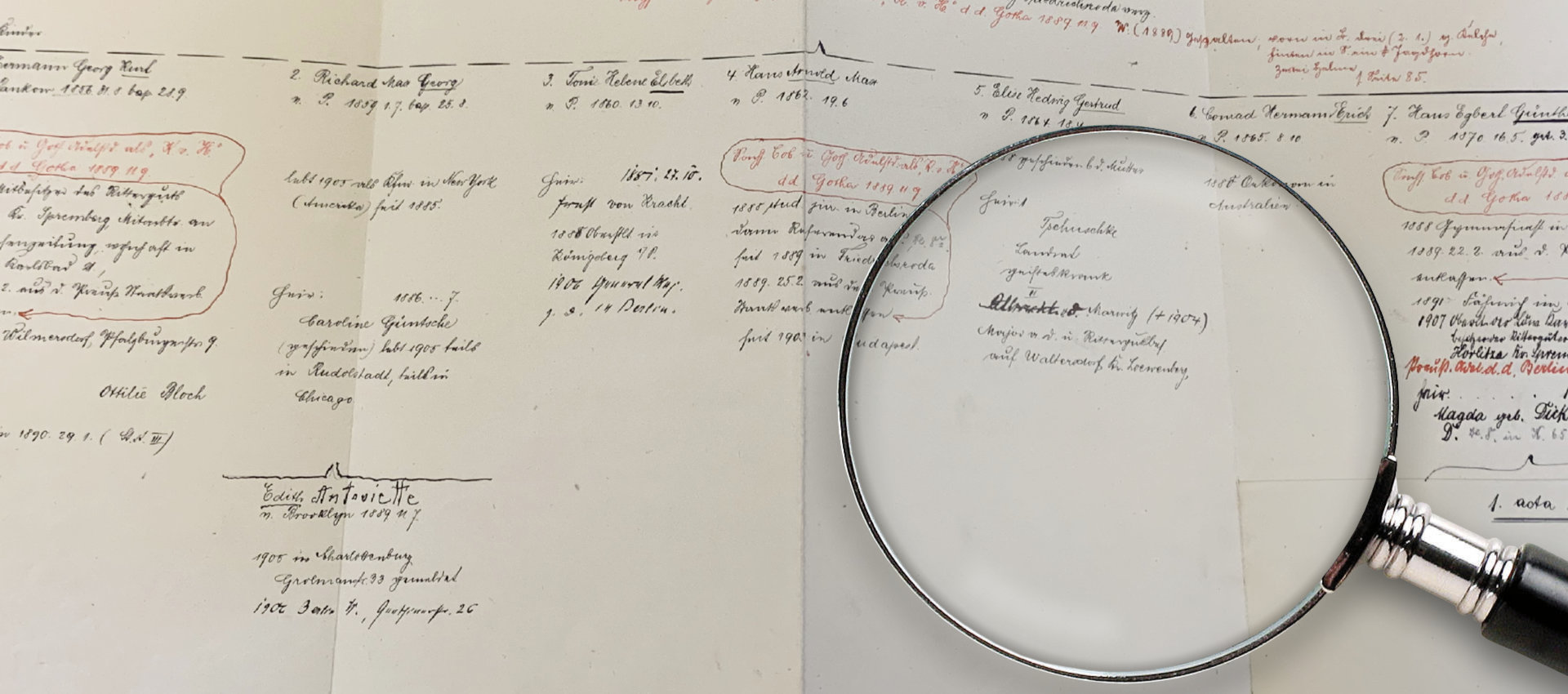
Ingrid Männl played a significant role in opening up the archive. One highlight was the international and interdisciplinary conference on the Imperial Chamber Court, which she had conceived and which marked the conclusion of a long-term project funded by the DFG. Another highlight was the fundraising project that enabled the colourful, beautifully illustrated Johanniter Conscription Tablets to be catalogued, restored and digitised. In the past, nobles used such tablets to prove their lineage in order to be admitted to the Order of St John.
More than a thousand of these are held at the GStA. “Our aim was to raise 10,000 euros through the project. But in the end, we raised six times that amount.” A sponsorship cost 300 euros. For Ingrid Männl, it was a wonderful experience: she was in close contact with the noble descendants and sponsors, and was able to provide academic support for the project. Ambitious and creative, she was able to open up a new source of income for the GStA, breathe new life into it, and demonstrate that the venerable office building on Archivstraße in Dahlem stands not only for continuity, but also for openness and innovation.
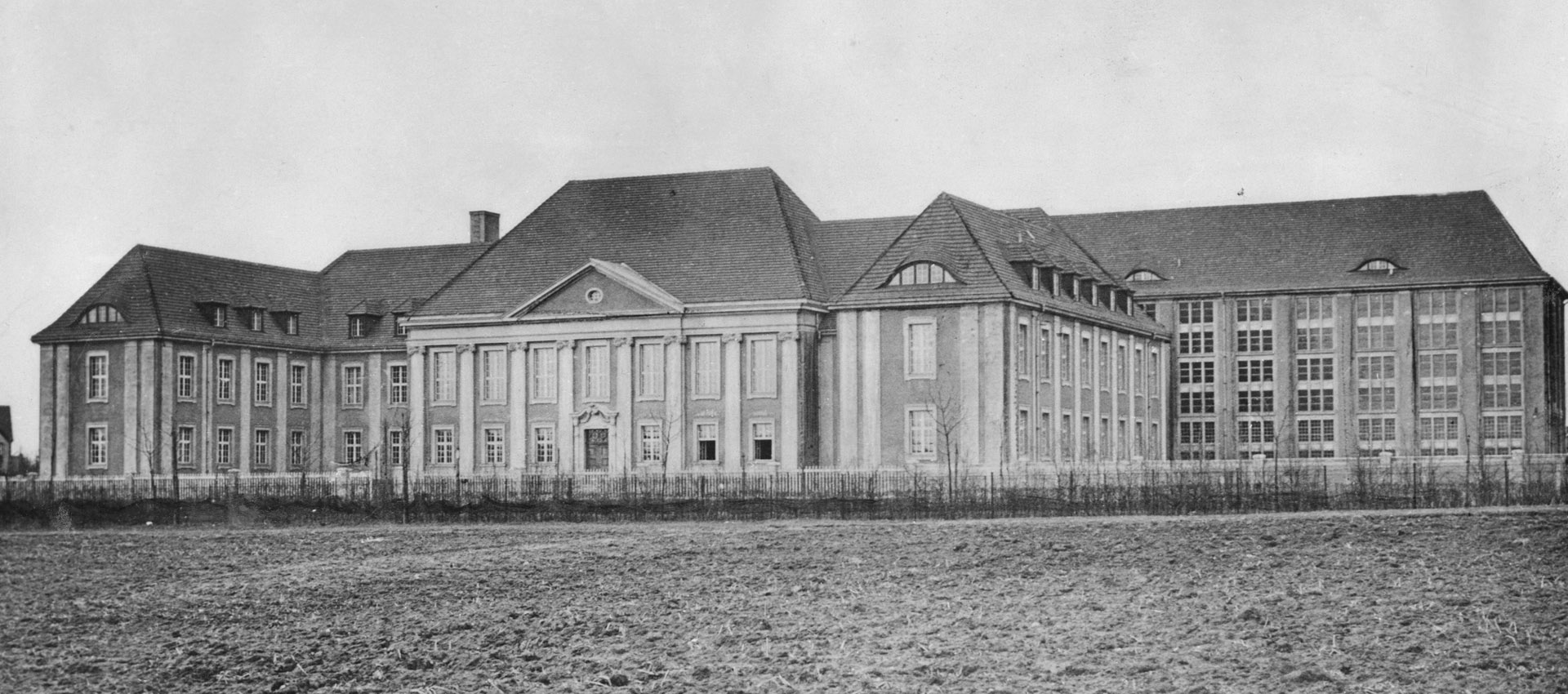
Anniversary Year: The Secret State Archives Celebrates 100 Years at the Dahlem Site
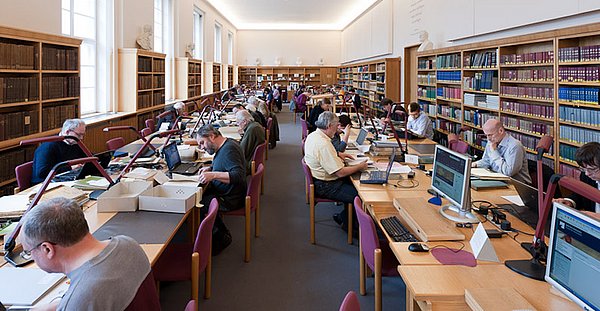
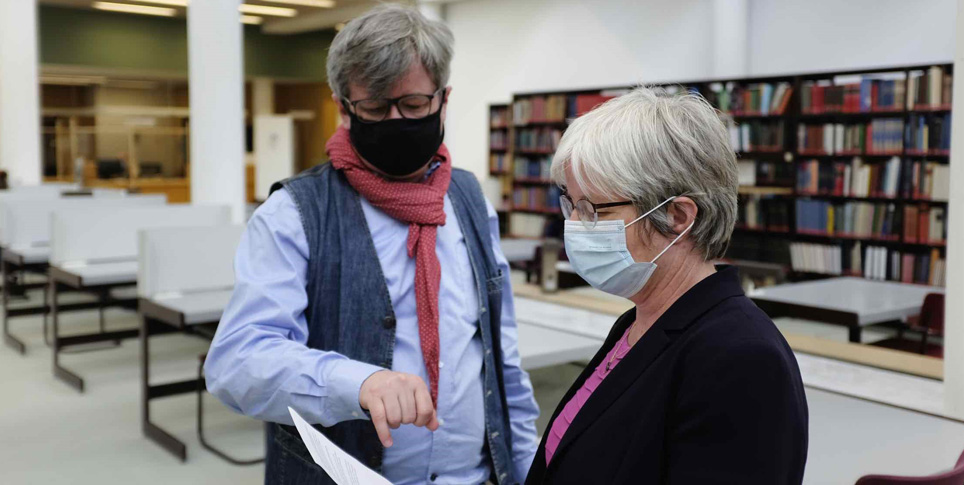
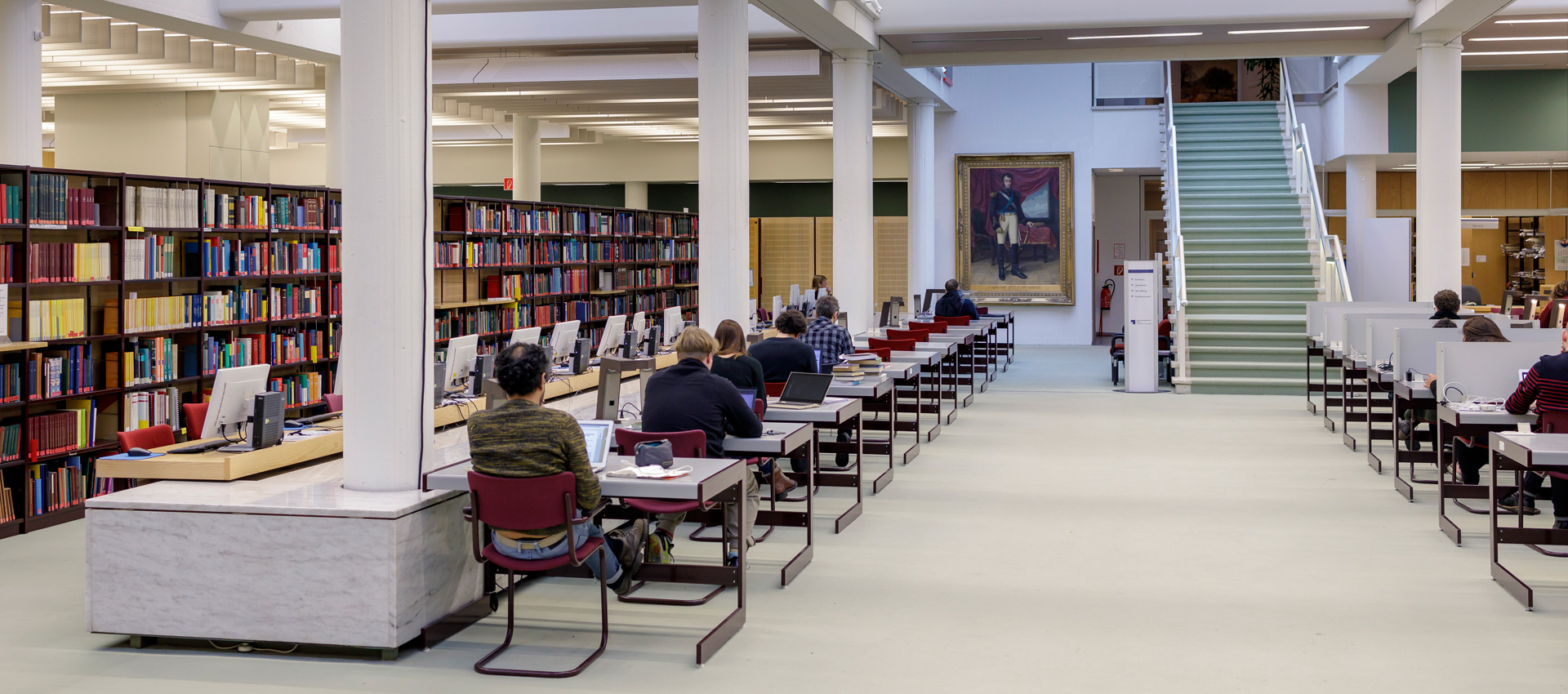
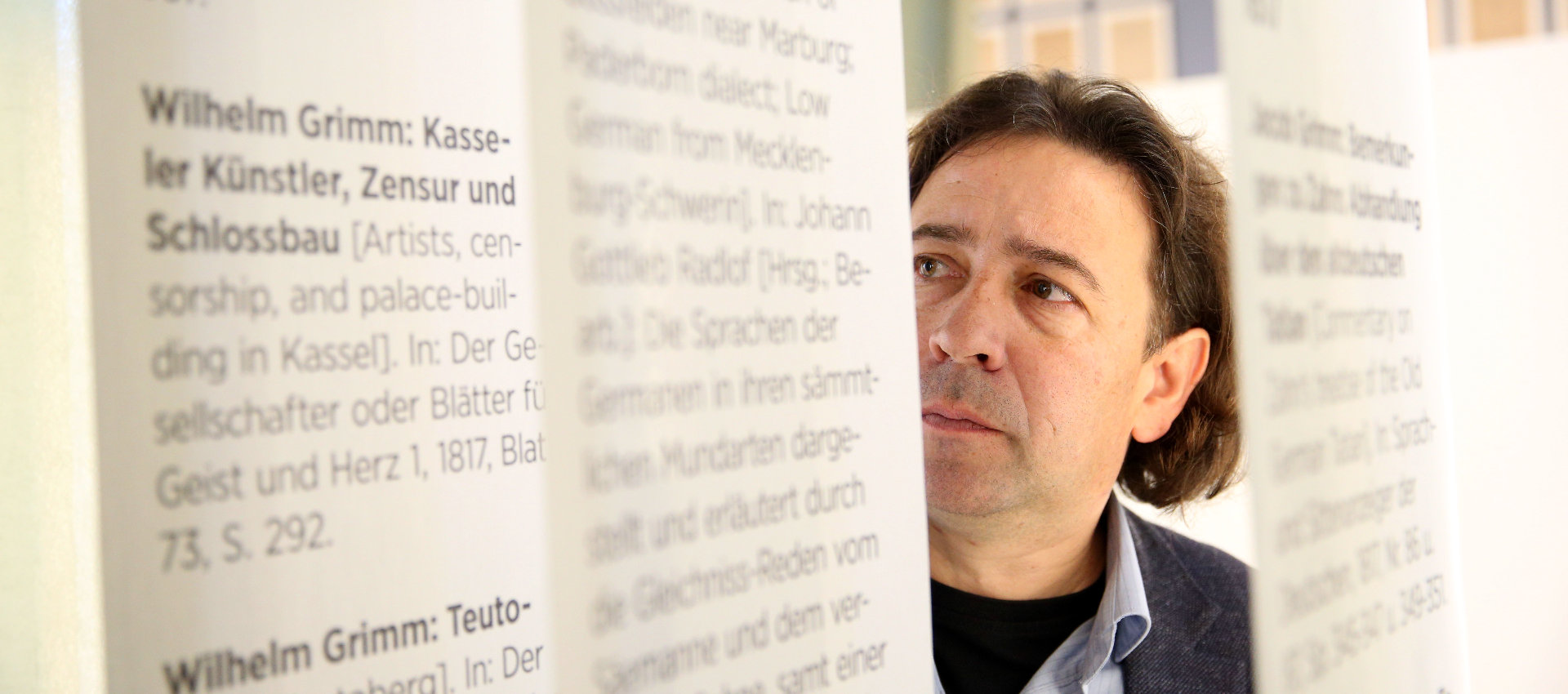
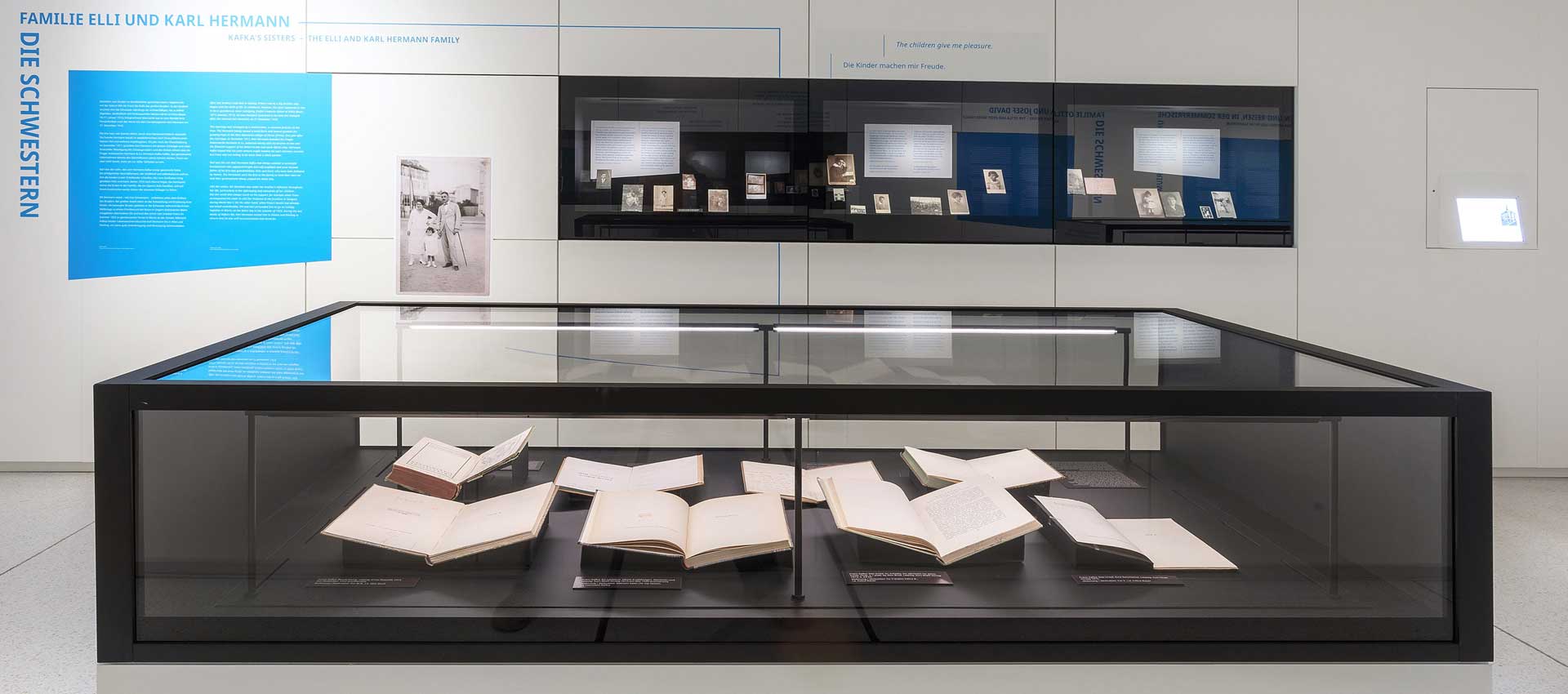
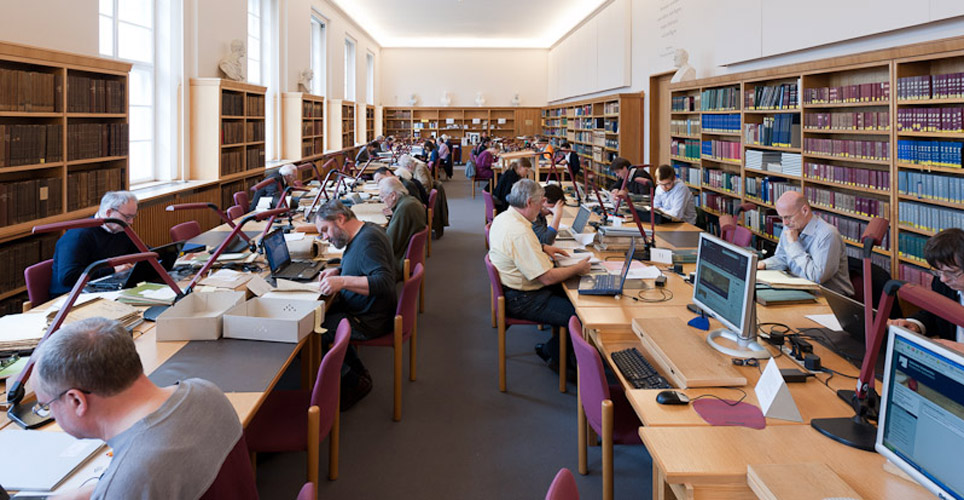
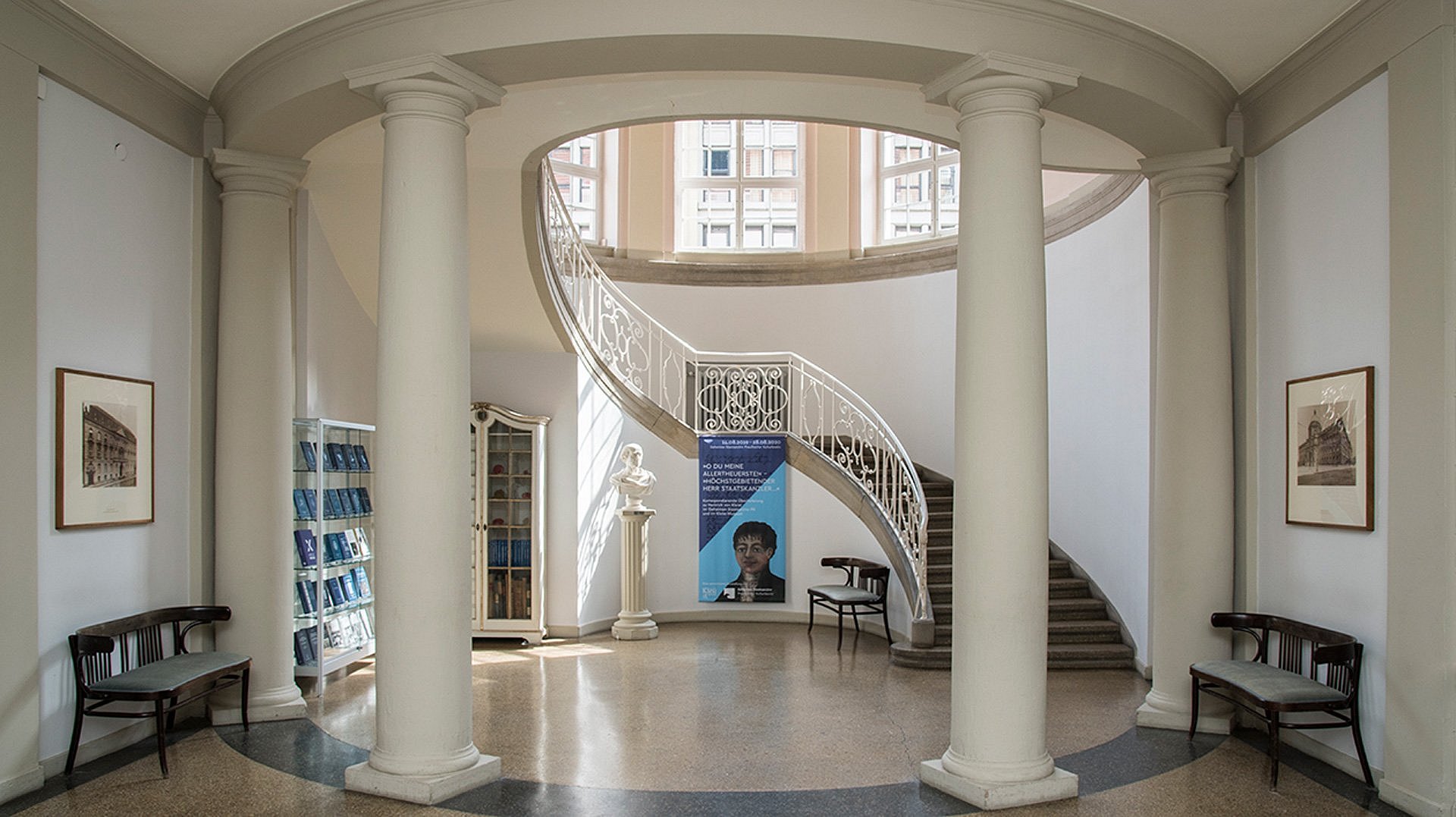
It turns 100 this year – a major celebration. Its fascinating history is recounted in the eight display cases of the exhibition “Even Secret Archives Long for Light”, arranged by various colleagues from the Secret State Archives under the curatorship of archivist Constanze Krause, in front of the large research room on the upper floor.
Standing in front of them, one can’t help but feel pensive: from the third display case onwards, she was there herself! She had barely begun her traineeship for the senior archival service when the Wall fell. She helped out when the archival records were returned from Merseburg and the railway carriages arrived at Westhafen. She climbed the mountains of files in the storage room with a ladder to check whether the bundles were all in the correct order. She is still in close contact with her colleagues from back then. “West and East complemented each other perfectly. That’s why reunification went so smoothly for us,” she says.
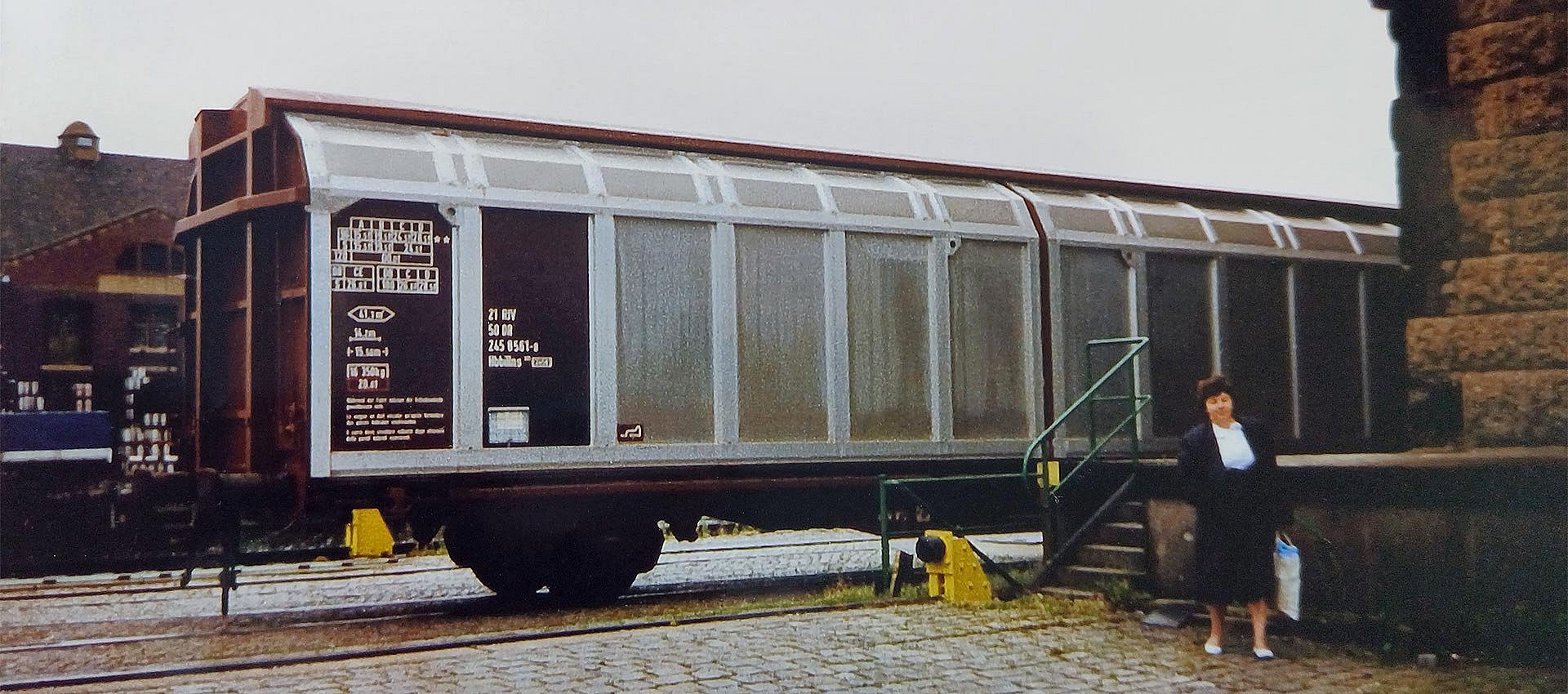
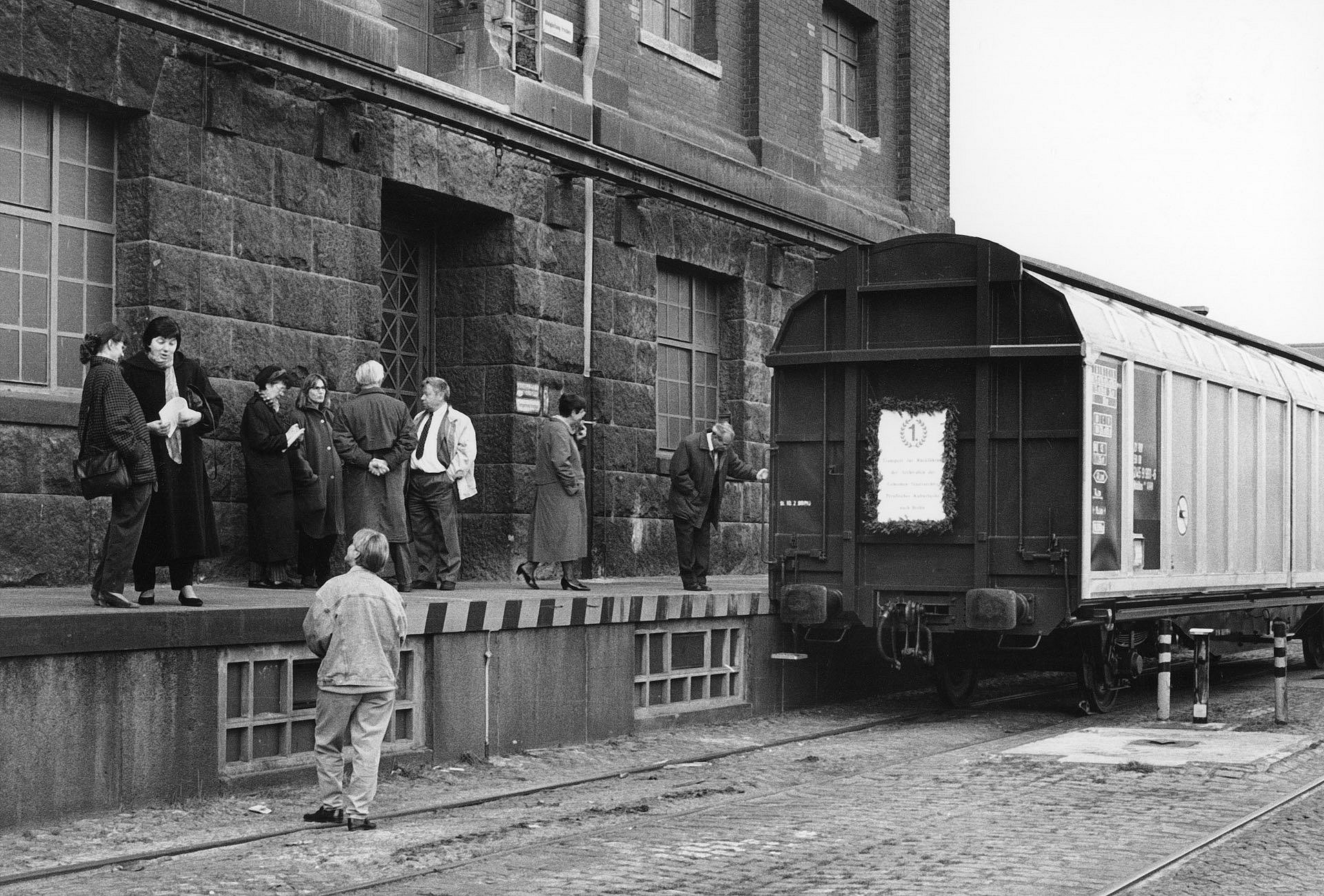
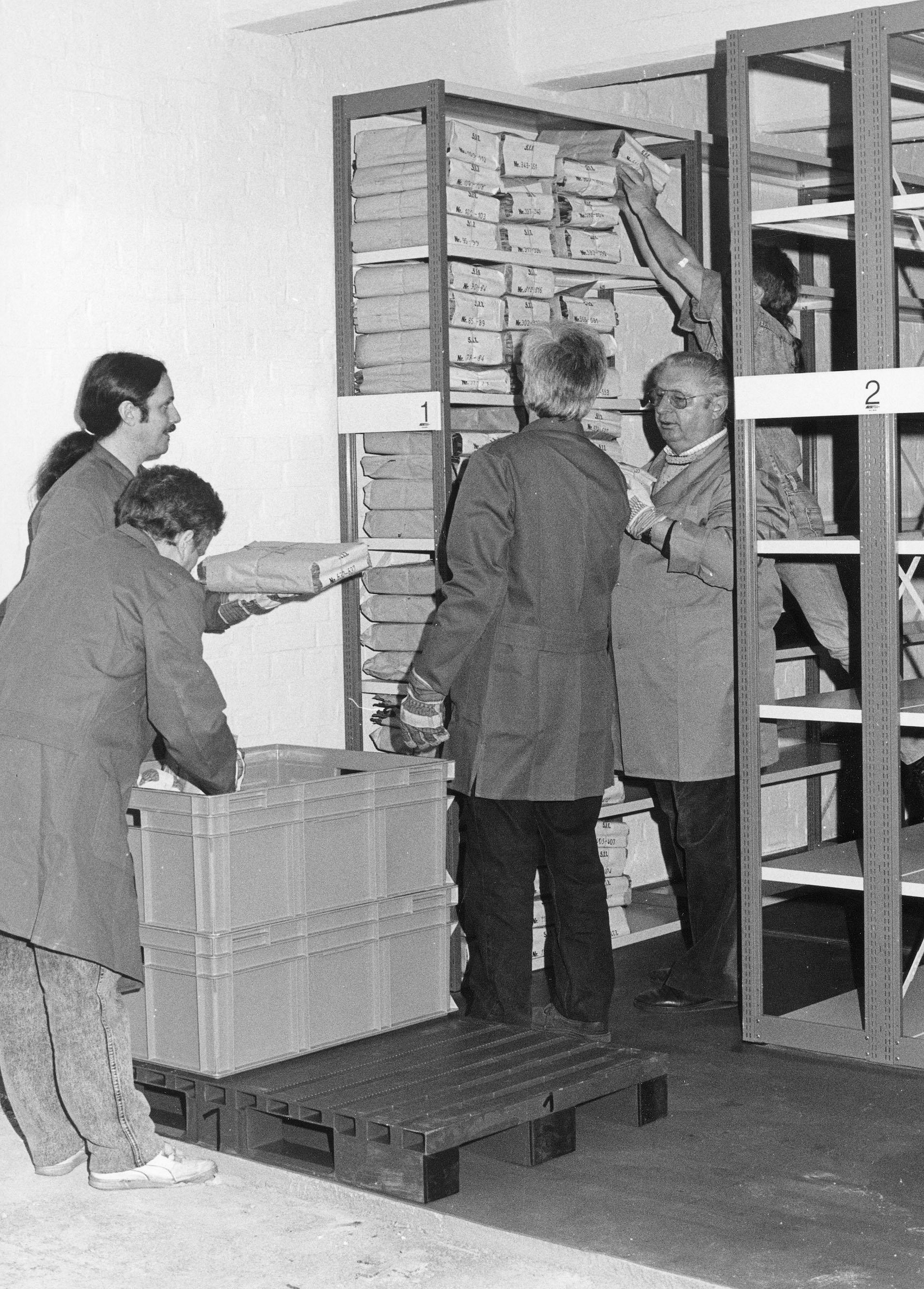
A brilliant idea: display case exhibitions shed light on the archive
And the eight display cases? They have a story of their own. She once took them out of the passageway leading to the archive herself and had them installed here in this prominent spot in front of the research room, initially to present a permanent exhibition she had designed: Brandenburg, Prussia and Europe.
Yet another of her ideas for showcasing the GStA’s collections, spanning the centuries, from the Teutonic Order to the dream of a German Oxford in south-west Berlin: the Dahlem scientific landscape.
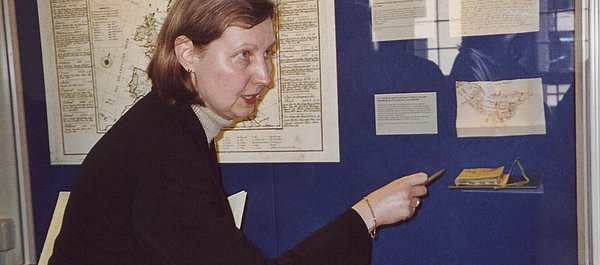
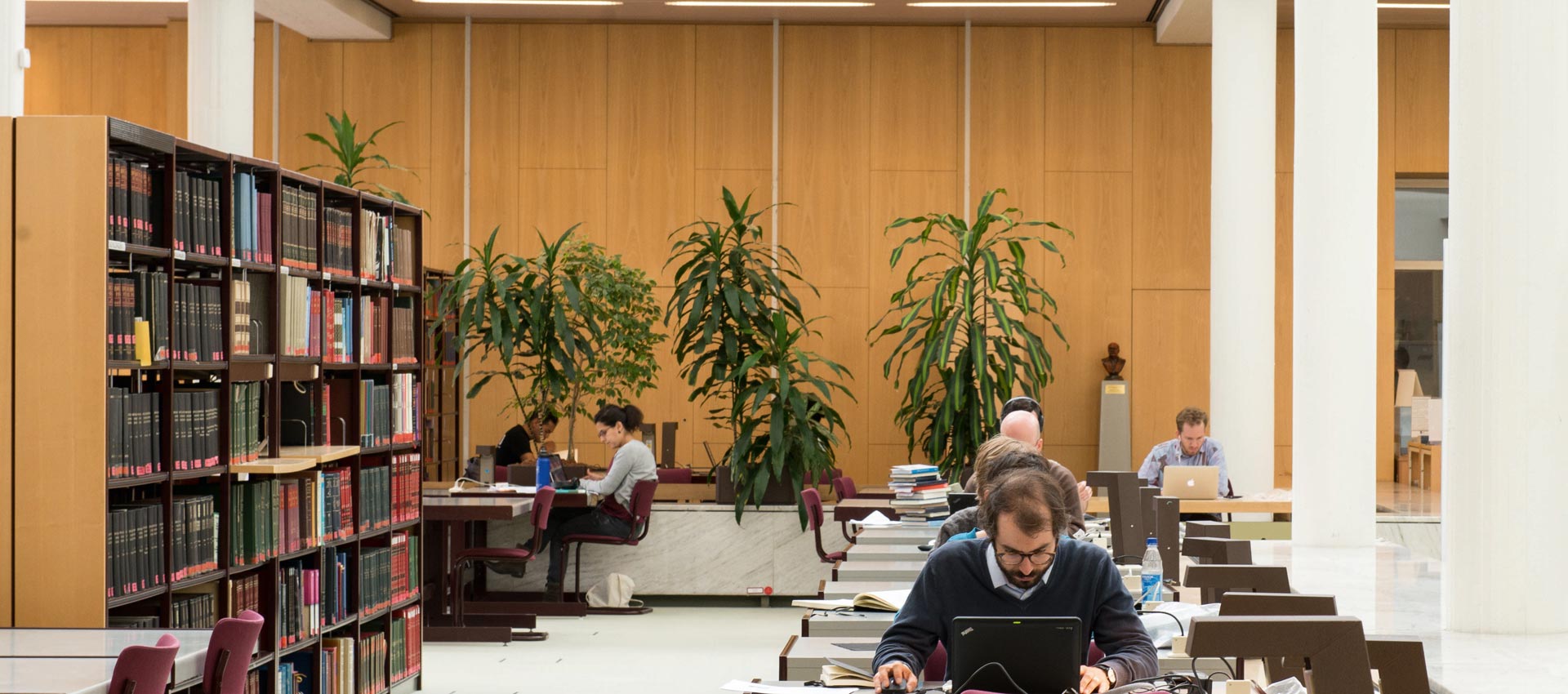
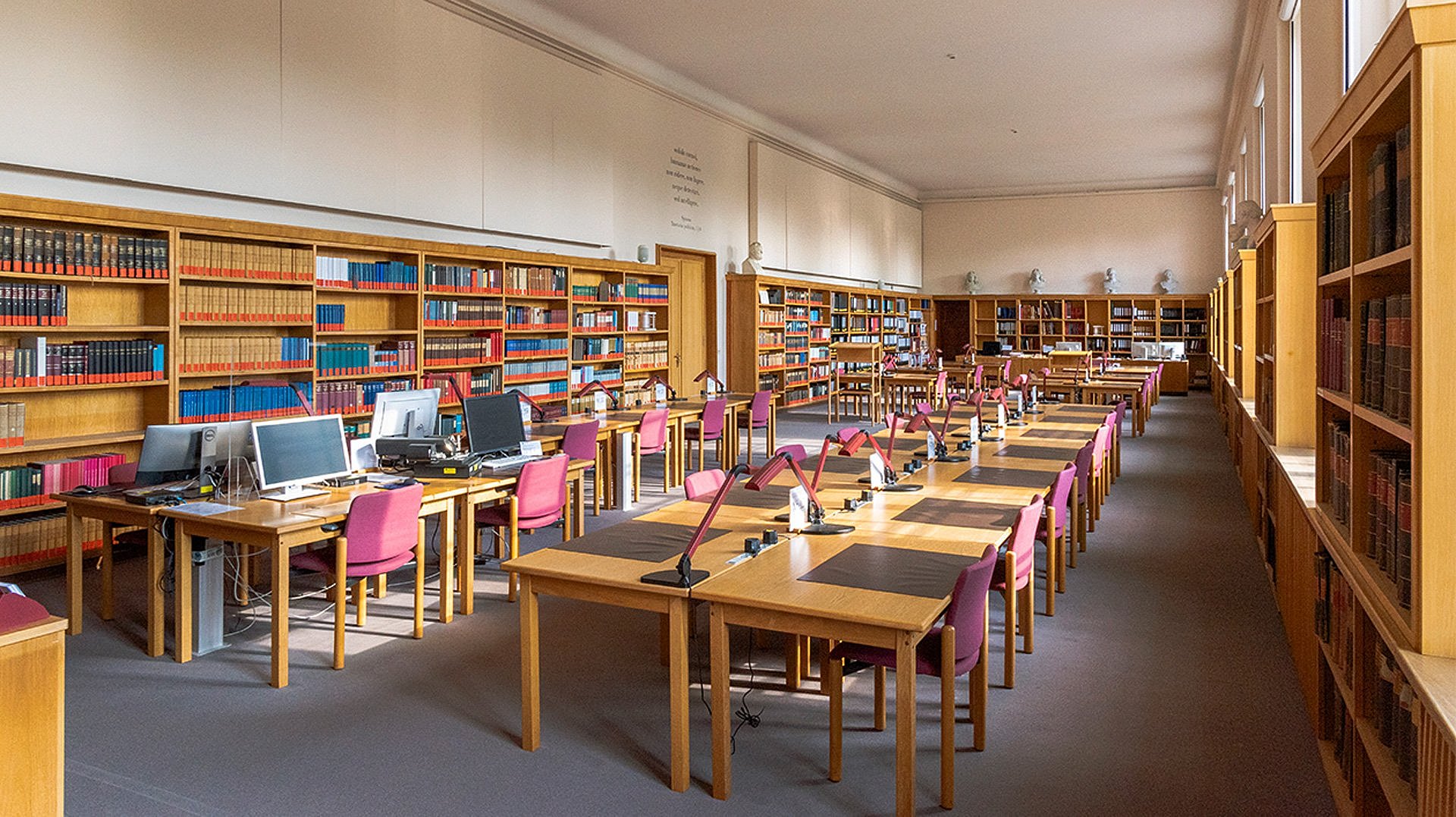
It is to be hoped that Ingrid Männl will remain a part of the place: although she now has to clear out her room for good, she will find a workspace in the research hall – as an ordinary user.