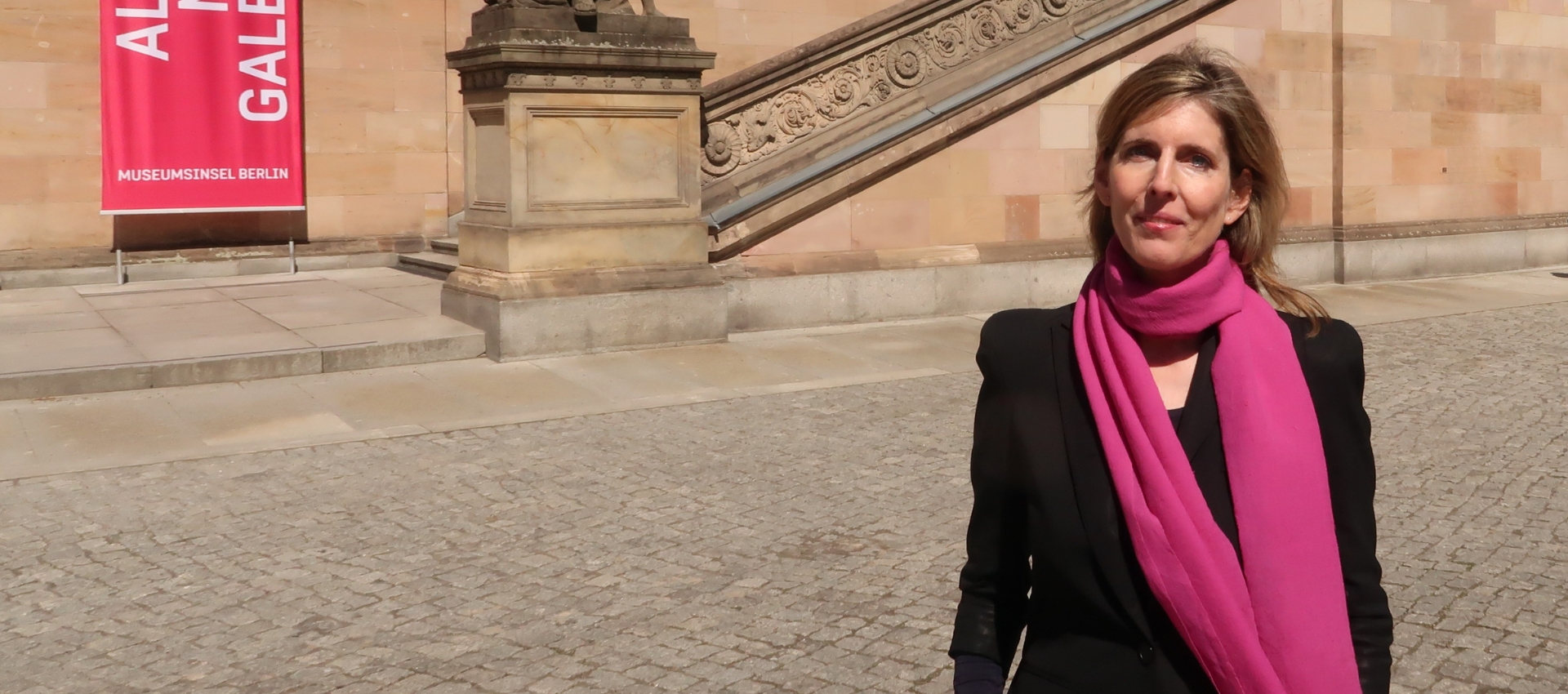
Paul Hofmann is the chief conservator at the Bode Museum. He and his team work every day to preserve and protect irreplaceable art treasures. For them, funding for the arts and culture is an essential prerequisite for the preservation of our cultural heritage.
At the Bode Museum, numerous restoration projects are currently being made possible by funding from the Ernst von Siemens Art Foundation. What projects are these?
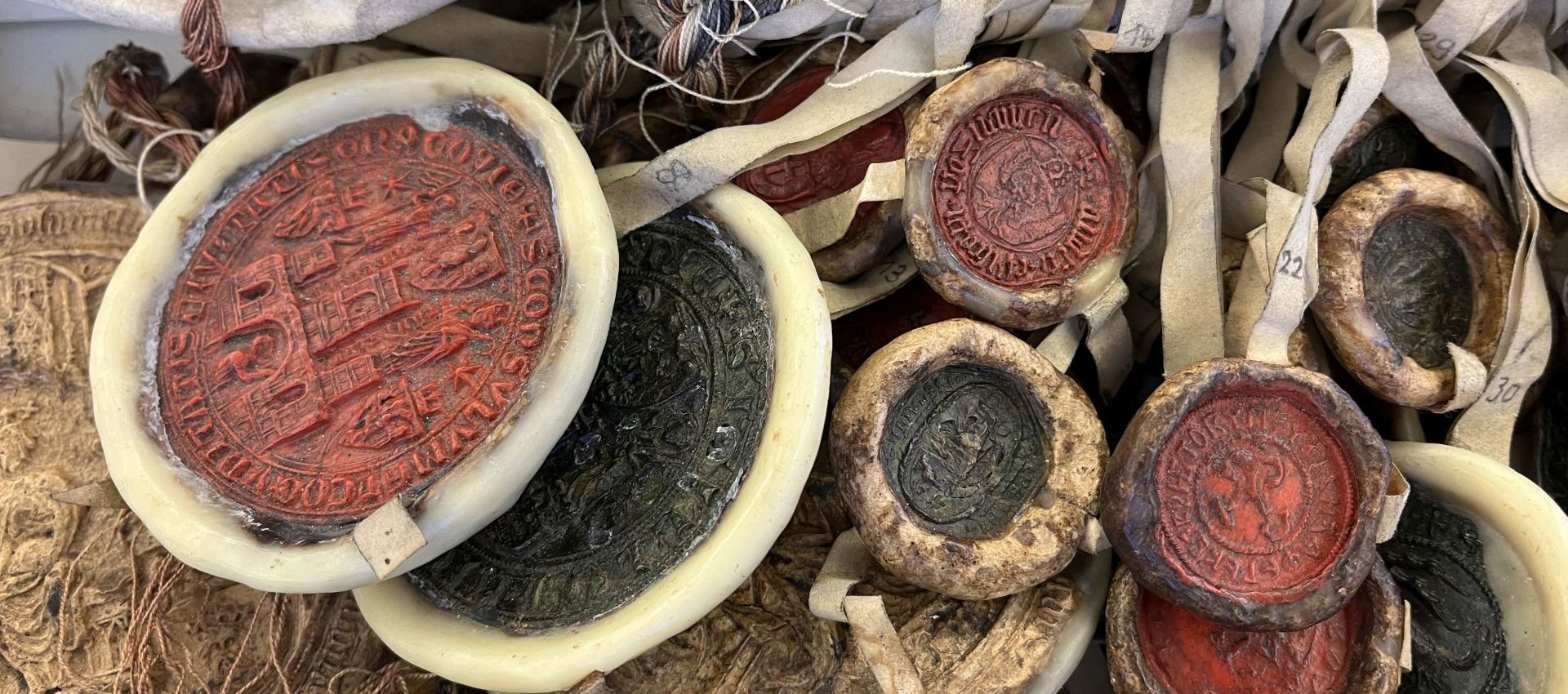
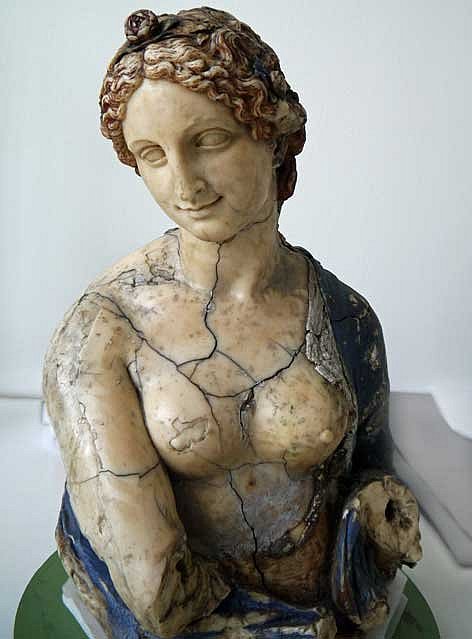
Thanks to funding from the Ernst von Siemens Art Foundation, we are currently able to carry out around 60 individual restoration projects and three larger research projects. Among the objects being treated are high-calibre works of art from the former Kaiser Friedrich Museum, the predecessor of today’s Bode Museum, such as ceramics attributed to Donatello, Venetian marbles attributed to Francesco Laurana, as well as textiles and wax objects.
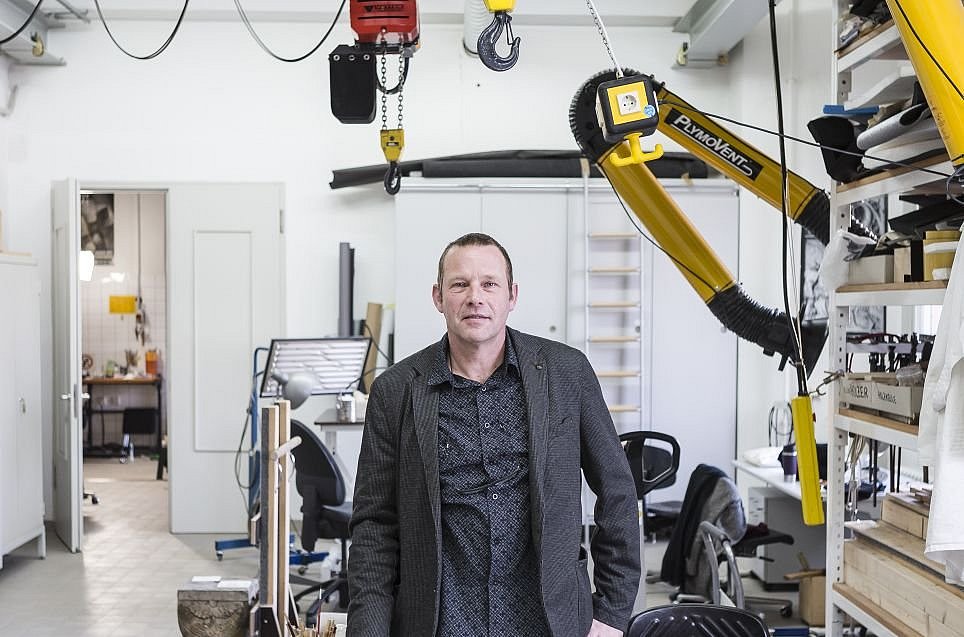
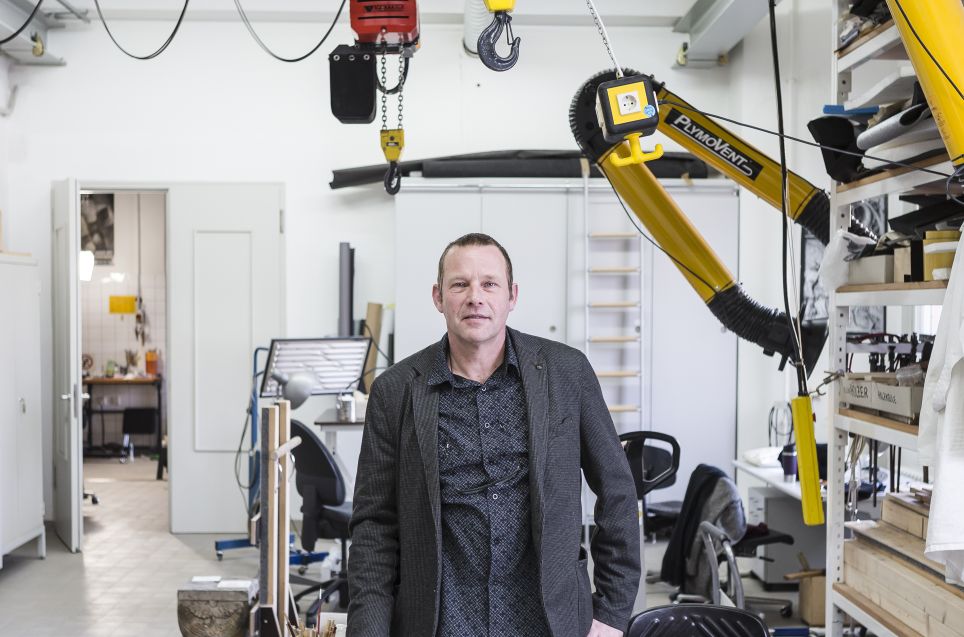
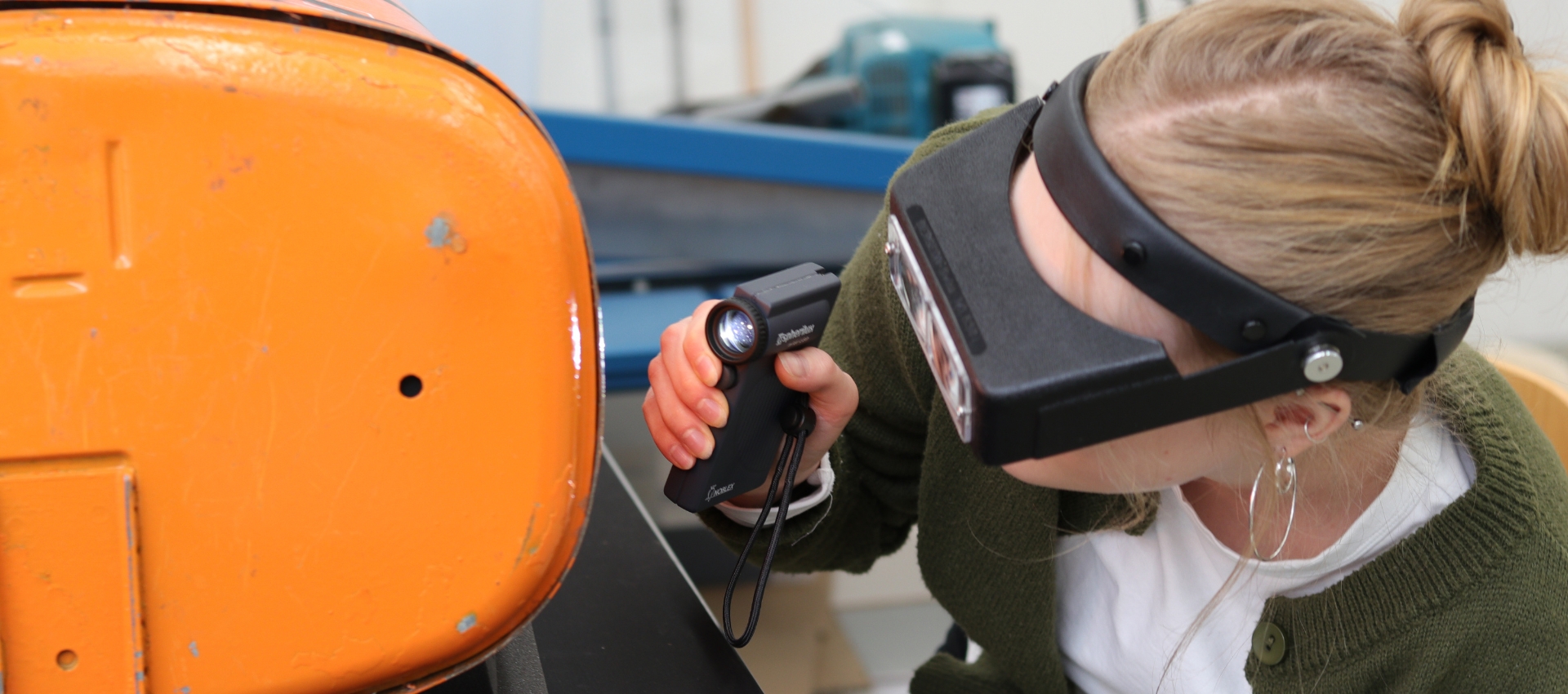
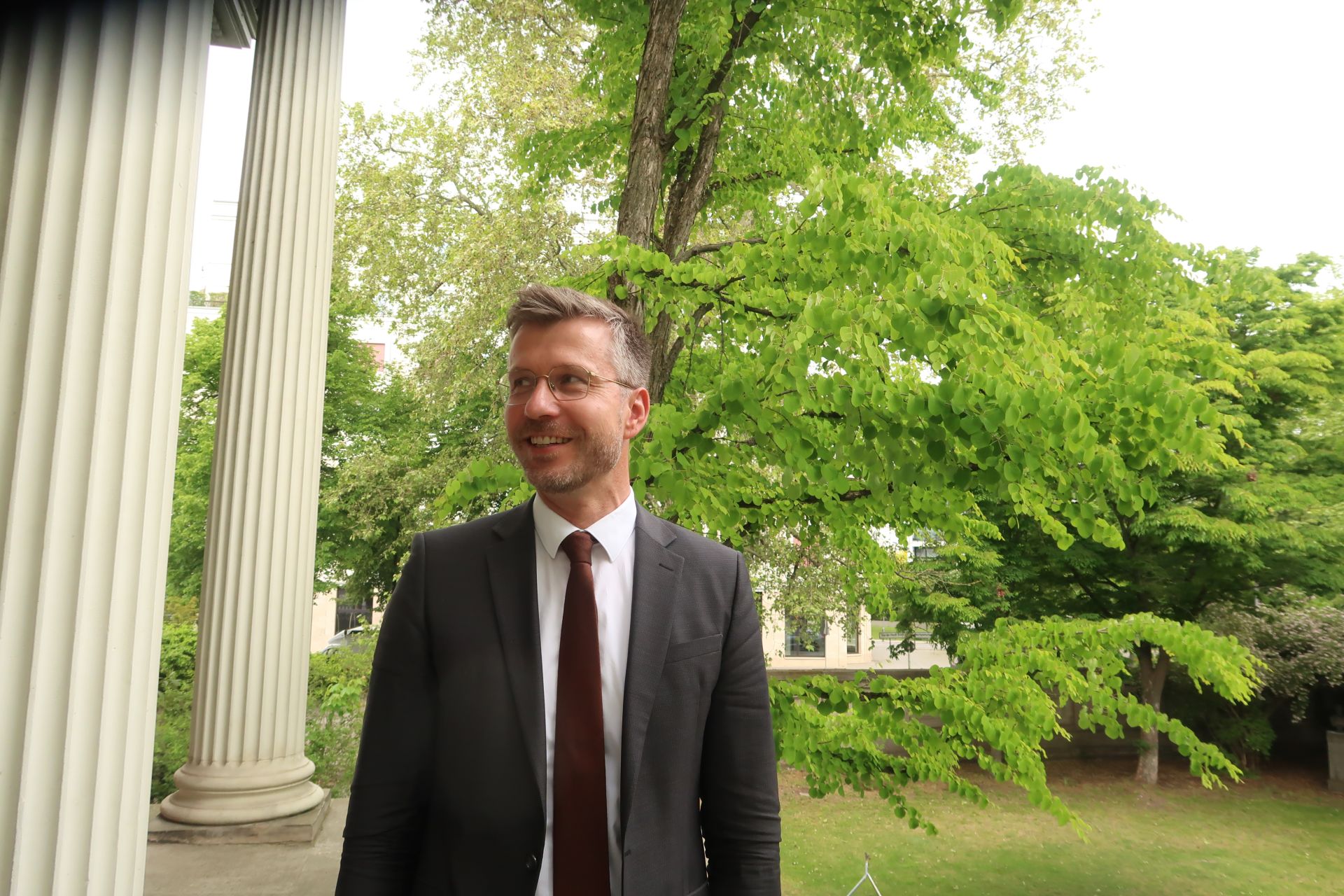
Chief conservator Paul Hofmann in the Bode Museum’s conservation workshop.
© Staatliche Museen zu Berlin / David von Becker
Is it particularly challenging when so many restoration projects, both large and small, are running simultaneously?
The workload is indeed enormous and very concentrated. In the case of the Ernst von Siemens grant, there is an eight-year contract. That sounds like a long time, but there is a great deal to do: we have to recruit experienced specialists from the open market and set up suitable workspaces. To preserve our precious cultural heritage, we must find the very best people, because when it comes to restoring a Donatello or a Luca della Robbia, we don’t get a second chance.
So are external grants a ‘double-edged sword’, because whilst they provide funding, they also require more coordination?
You can’t generalise about that. In the case of the Ernst von Siemens grant, for example, the application already included a detailed list of the specific objects, the restoration and research objectives, and a respective cost estimate. That is actually a wonderful basis for our work, though of course changes and reassessments can always arise.
In the case of the restoration of Arnolfo di Cambio’s ‘Marientod’, a work severely damaged during the war, for instance, the curator in charge halted the process shortly before we were due to award the contract to a sculptor. Often, conservationary necessity and restoration options do not align. Interventions must be carefully considered and agreed upon jointly. In that respect, I respect such a decision to cancel. We removed the project from the list and were able to renegotiate with the Ernst von Siemens Art Foundation and take on a different project.
To preserve our precious cultural heritage, we must find the very best people, because when restoring a Donatello or a Luca della Robbia, we don’t get a second chance.
Generally speaking, we always have to strike a balance between conservation requirements and the curators’ wishes. As a conservator, I assess the damage and decide whether we need to intervene. Whether the work in question is a Donatello or an unknown sculptor from the south of France is of secondary importance to me – because what matters is preserving our cultural heritage in all its diversity.
Is there a fundamental difference in the scope of projects funded from our own resources and those funded by grants?
Fundamentally, with every restoration project, it is important to clarify the scope beforehand: what lies ahead, what will be visible and what won’t, and what might come to light later? These uncertainties need to be identified and narrowed down in order to estimate the costs.
Funding also makes projects possible that would otherwise not exist at all. I am thinking, for example, of the comprehensive restoration of Caspar David Friedrich’s works at the Alte Nationalgalerie, completed in 2016…
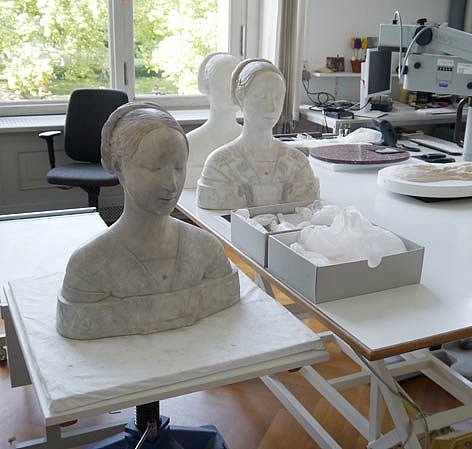
That’s right. Comparable to the Caspar David Friedrich project at the Alte Nationalgalerie is our work on the fire-damaged marble sculptures from the Friedrichshain anti-aircraft bunker, which was destroyed in 1945; we are also carrying out this work as part of the Siemens grant in a special project with the Rathgen Research Laboratory. Incidentally, here we are also coming to terms with a painful chapter in our own museum’s history. Ultimately, the project also addresses the ethical and practical problems involved in restoring war-damaged works of art – this is a fundamental issue in dealing with endangered cultural assets.
Of course, we could display our marble sculptures in the museum complete with the black burn damage. However, we can also use this third-party funding to develop a process for reducing this soot damage, which could also be applied to other objects in the future. Something like this would not be possible for us within the scope of our normal operations.
So are major restoration projects nowadays mainly made possible by grants?
That is certainly the trend. However, it should be noted that many of our objects have a history spanning multiple collections. The Friedrichshain anti-aircraft bunker is a good example here too, as the objects stored there that survived the fire in 1945 were subsequently distributed across various collections. We therefore need to compare our objects here at the Bode Museum with those in other collections to gain insights into their condition, and we must also research provenance across collections to track down fragments that are sometimes scattered all over the world. However, it is not always possible to implement all of this to the extent we would like within the funded projects.
Does a shift towards individual, clearly defined funded projects therefore also entail risks?
In my view, there is at least a need for discussion. This starts with the question of what is funded. For example, catalogues on the history of collections are hardly ever funded anymore, and much remains undone: the estates and personal archives of former colleagues, often the results of years of research, lie in the collections ready for publication. This material needs to be edited and published, yet we lack the capacity and there is no corresponding funding project in sight.
Do the new digital possibilities not offer a good opportunity to preserve knowledge of the collection’s history?
Ultimately, it makes no difference in what form it is published. What matters is the knowledge accumulated by someone who has been conducting research here for 40 years. This knowledge must not be lost; like the artwork itself, it has a right to be passed on to the next generation. The artworks remain present, but the many research papers that have not been published are lost or disappear into the central archive, where they may lie dormant for the next 100 years. Whether on paper or in digital form, the amount of work involved in a publication remains the same. In my view, we must not neglect the important task of researching our cultural heritage and making it publicly accessible. We would therefore need to redistribute tasks and prioritise them differently: to this end, there should be fewer loan schemes and fewer exhibitions, so that the core tasks can be fulfilled.
A difficult situation. Yet overall, one must acknowledge that funding is what makes many exciting and important projects possible in the first place. Which of the current projects fascinates you most of all?
We are dealing here with the very specific situation that we have divided objects, with, for example, one third each located in Berlin, St Petersburg and Moscow. We are now working to complete our fragment of a bust of a woman by Francesco Laurana with the help of a pre-war mould, in order to get closer to the artist’s original intention. The same could also be done at the Hermitage in St Petersburg or the Pushkin Museum in Moscow. We would then have three objects that claim to do justice to an artist, although all three are only one-third original. This is completely uncharted territory in terms of restoration ethics; this kind of approach to our work has never existed before. I find it a wonderful and important experience to engage with this discourse and to experiment with how far we can go in this regard.