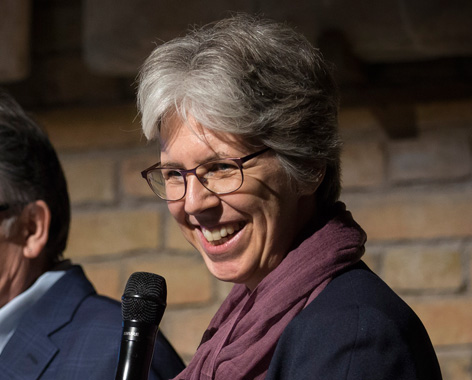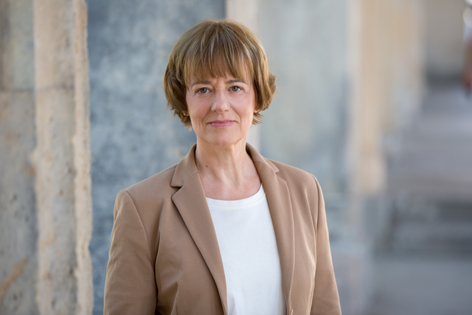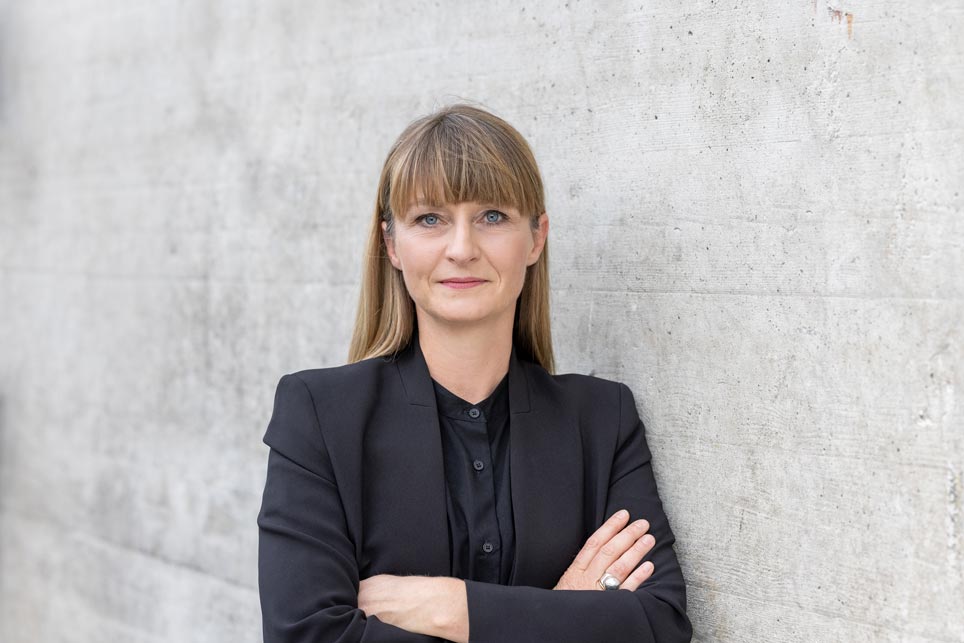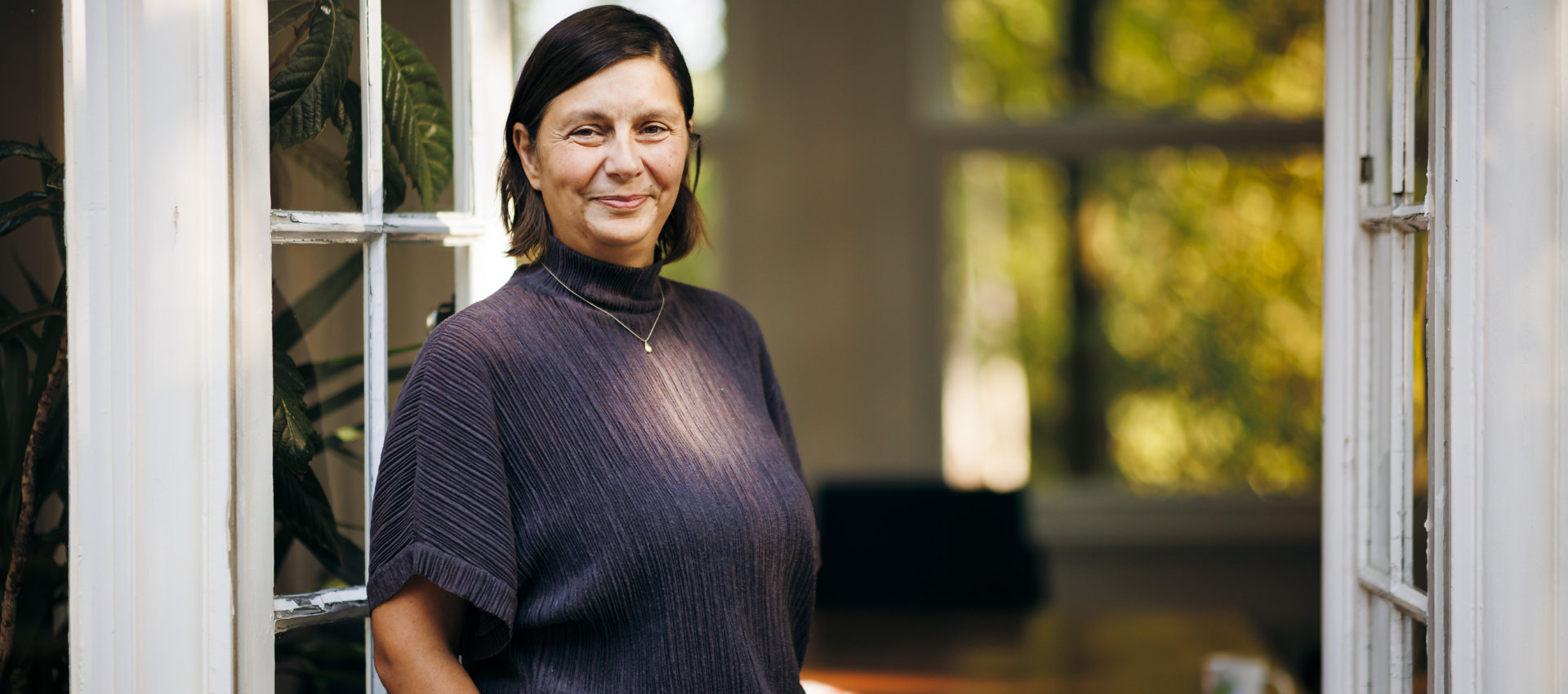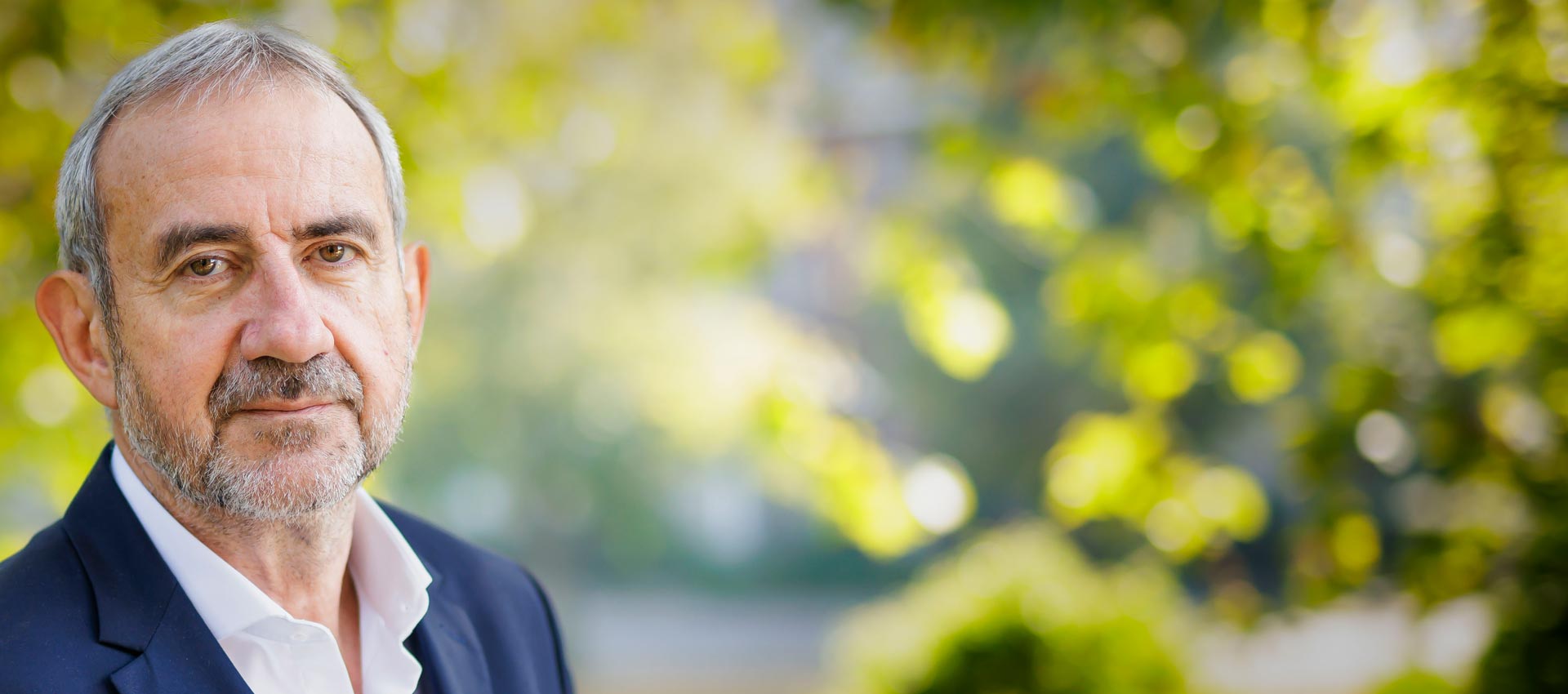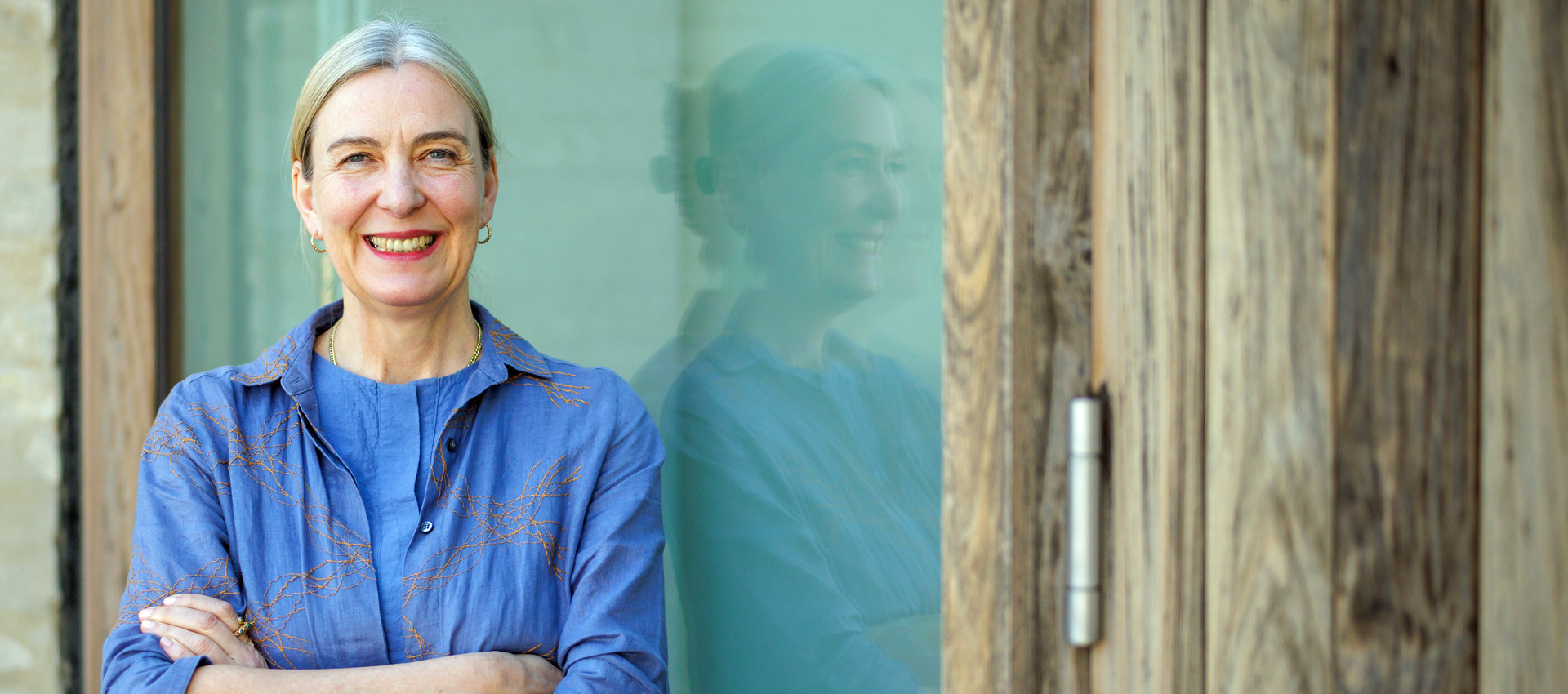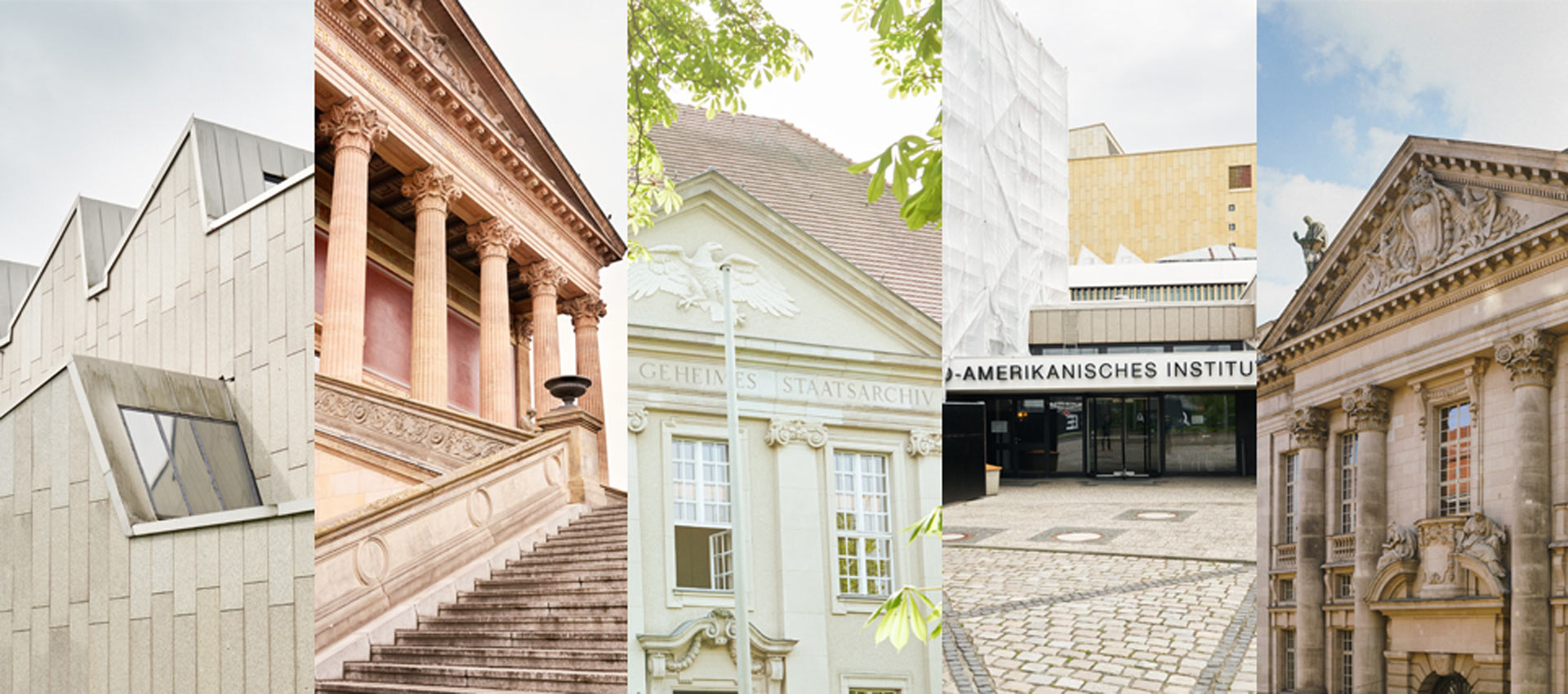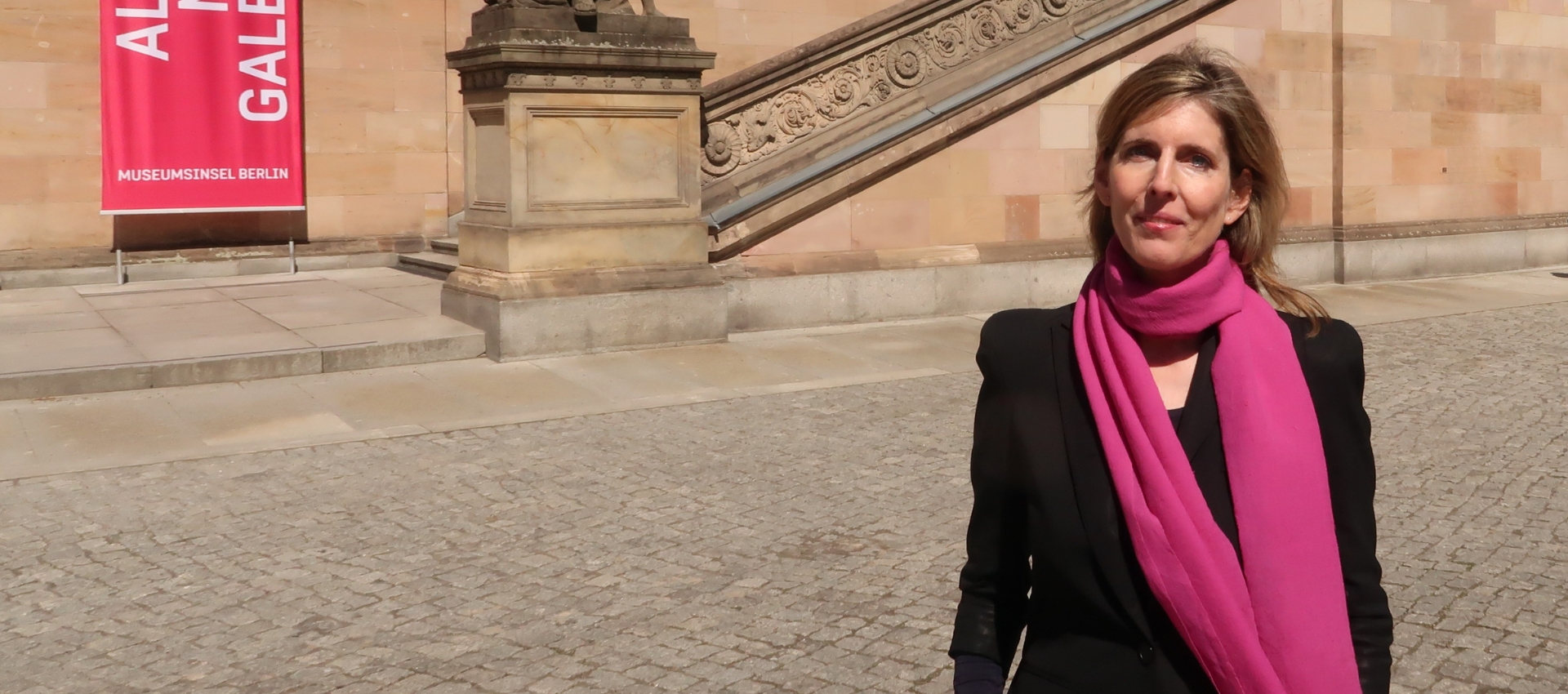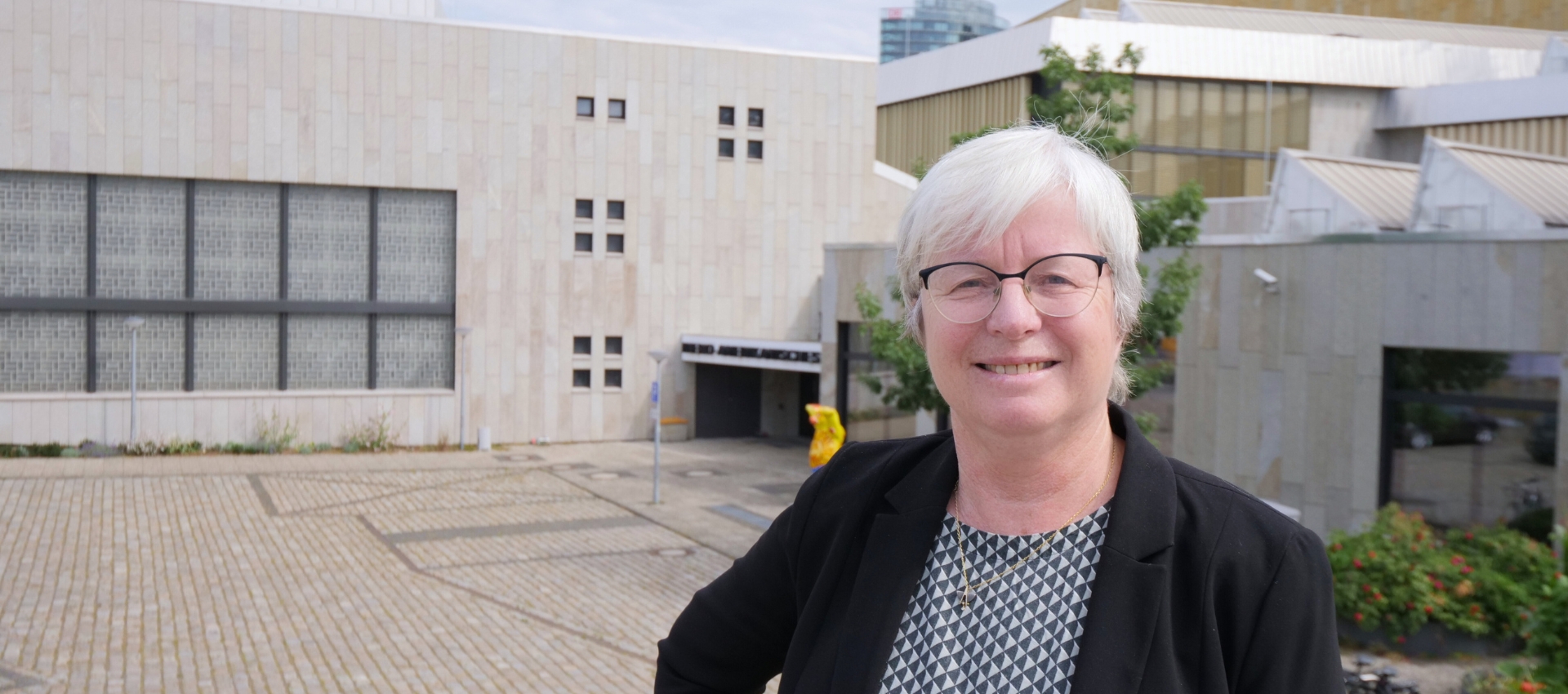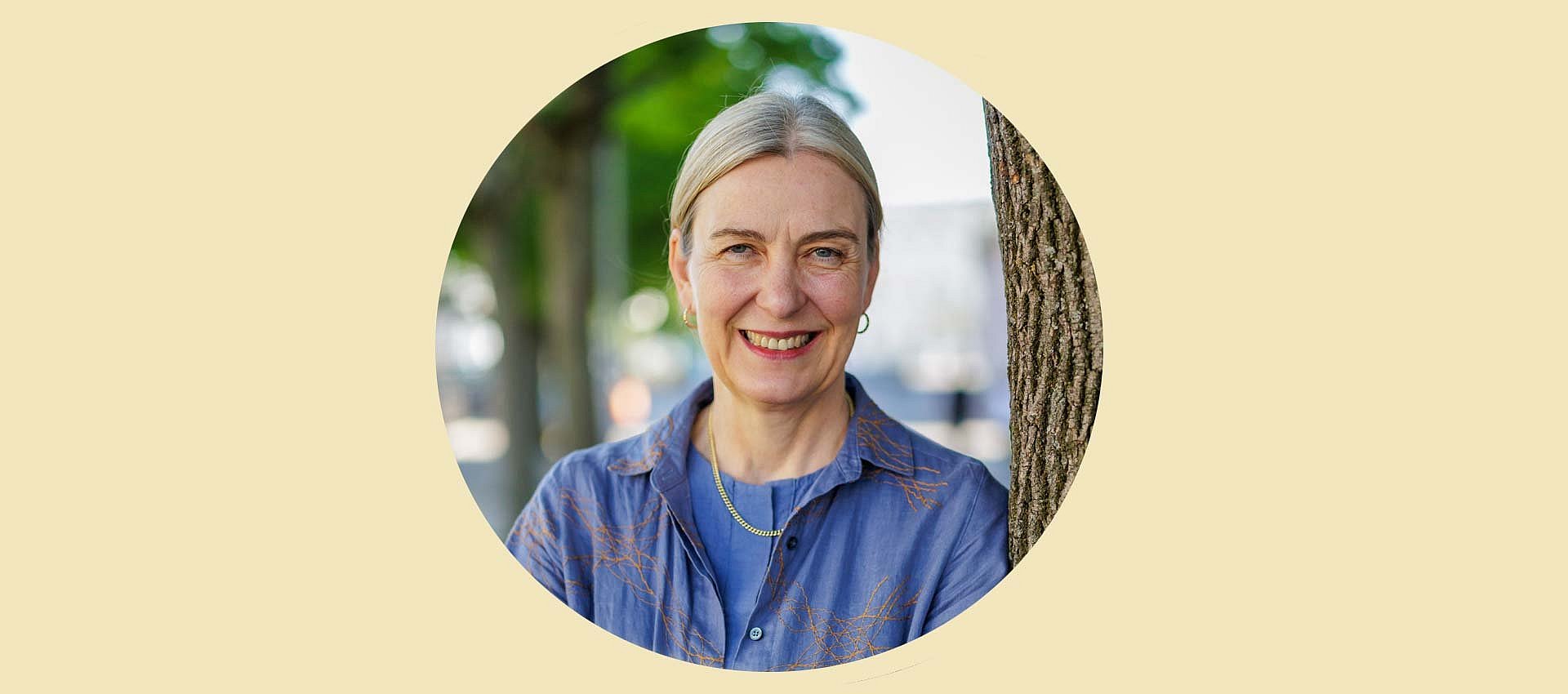
SPK President Marion Ackermann is launching a new column on the SPK’s international outlook. It will appear regularly in *Politik & Kultur*, the newspaper of the German Cultural Council.
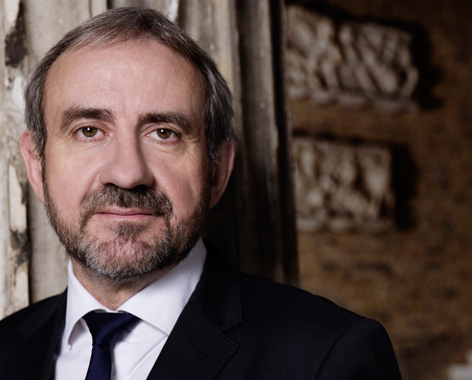
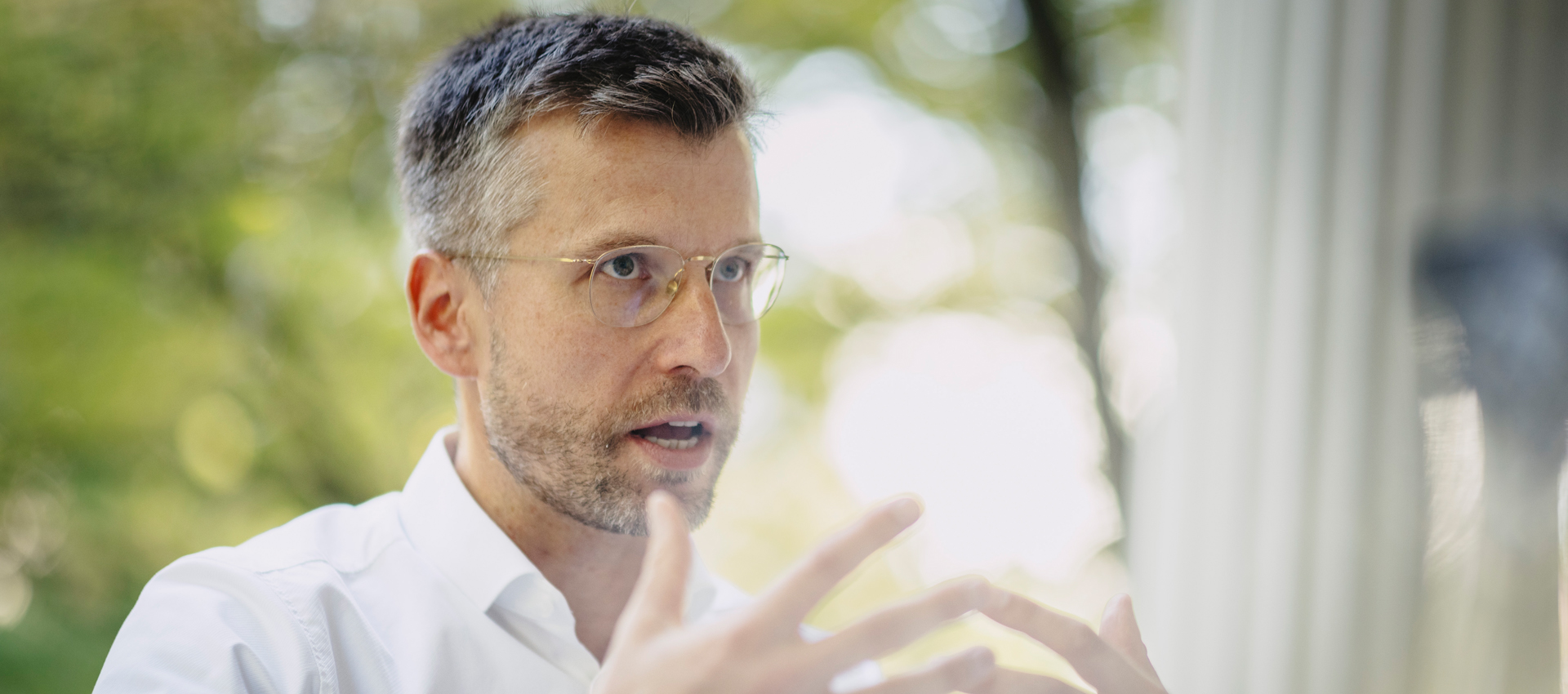
Photo: SPK / photothek / Thomas Köhler
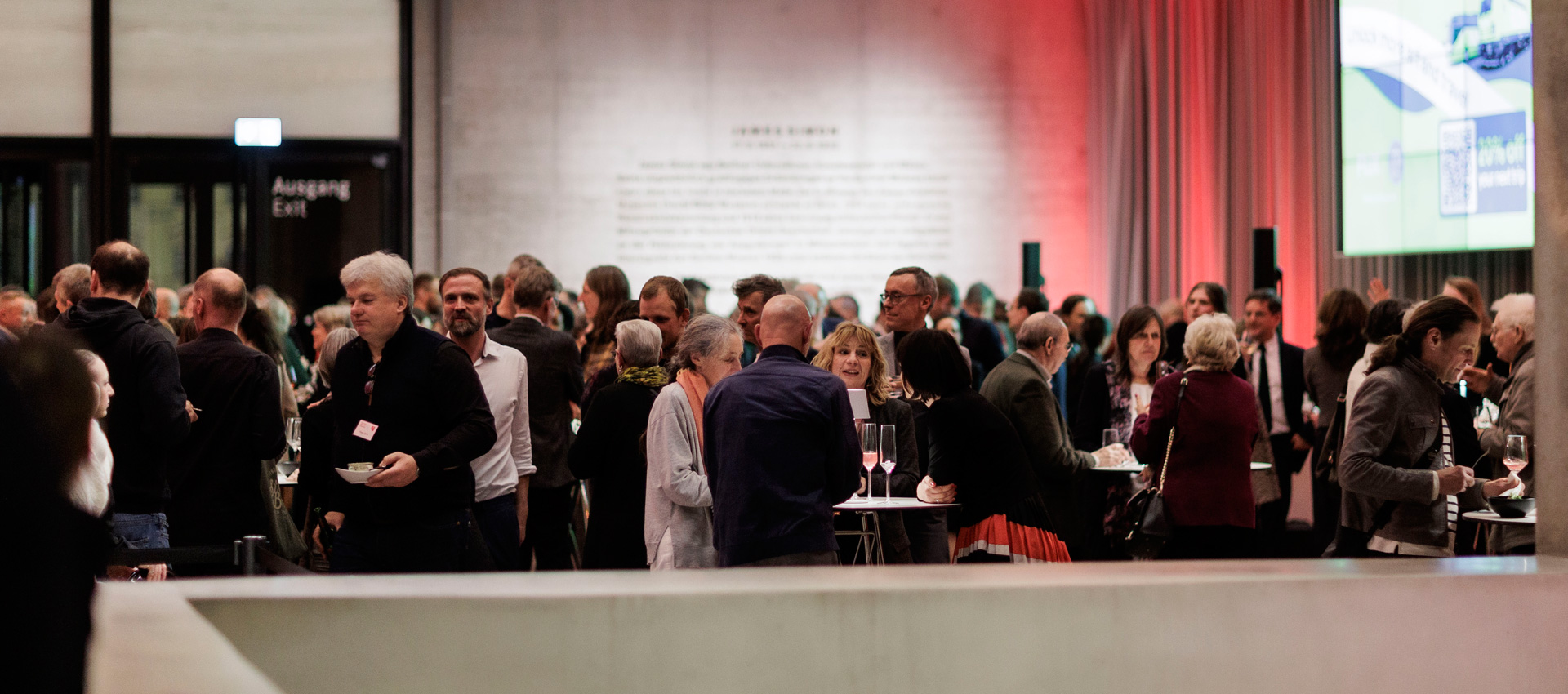
Anyone who visited the Hamburger Bahnhof during the recent Berlin Art Week found themselves immersed in a vibrant art scene. This may not come as a surprise at first, as our institution dedicated to contemporary art has always been a global hotspot. Over the past few days, there have been intense discussions here about what cultural institutions need today, what sets them apart, the state of freedom in art and science, how we envisage the future, and how we can meet the challenges of our time. Here and there, the question is how we reach people, how we inspire them with an enthusiasm for art and culture, which we preserve for the future in museums, archives and libraries. Topics such as education, sustainability and artificial intelligence were raised, as were international partnerships and networks.
We must do what we can, within our means, to help bring people together, even in distant parts of the world.
For me, these past few days have been both a joy and an inspiration, for the Prussian Cultural Heritage Foundation is a global player whose international network I wish to help shine even brighter. How can this be achieved? It is a very simple formula that sums it up for me: ‘People to people’ is the motto that opens doors. Whether to France or Poland, to Silicon Valley or China, Saudi Arabia or Nigeria. We must use our resources to help connect people, even in distant parts of the world. People to people. It is about shaping the future together on an equal footing. The SPK defines itself as a learning institution. We can also learn precisely where this may not have been recognised before. Learning from how crises are handled in South America. Learning from the resilience and independence of contemporary art in Poland. From outreach programmes in India. From the activation of digital spaces in Singapore. From the untold stories hidden in archives and their release, from the integrative power of libraries in Berlin and beyond. From the courage of all the artists, all our colleagues, to continue their work within oppressive systems.
It is a significant sign that the SPK has succeeded in repositioning itself, including within the Scientific Advisory Board, in a new and more international way. With Louvre President Laurence des Cars, the Director of the German Historical Institute in Warsaw Magdalena Saryusz-Wolska, the art historian Didier Houénoudé from Benin, MoMA Director Glenn Lowry, and the artist Michael Yahgulanaas, who was once the spokesperson for the Haida First Nations in Canada, to name but a few, we have gained brilliant voices.
It will be important to explore new formats of cooperation with cultural institutions in countries where we have not yet been active or where we face particular challenges. For example, when we consider illiberal systems. Here, the aim must be to use the unifying power of art and culture to foster a shared dialogue and support liberal forces.
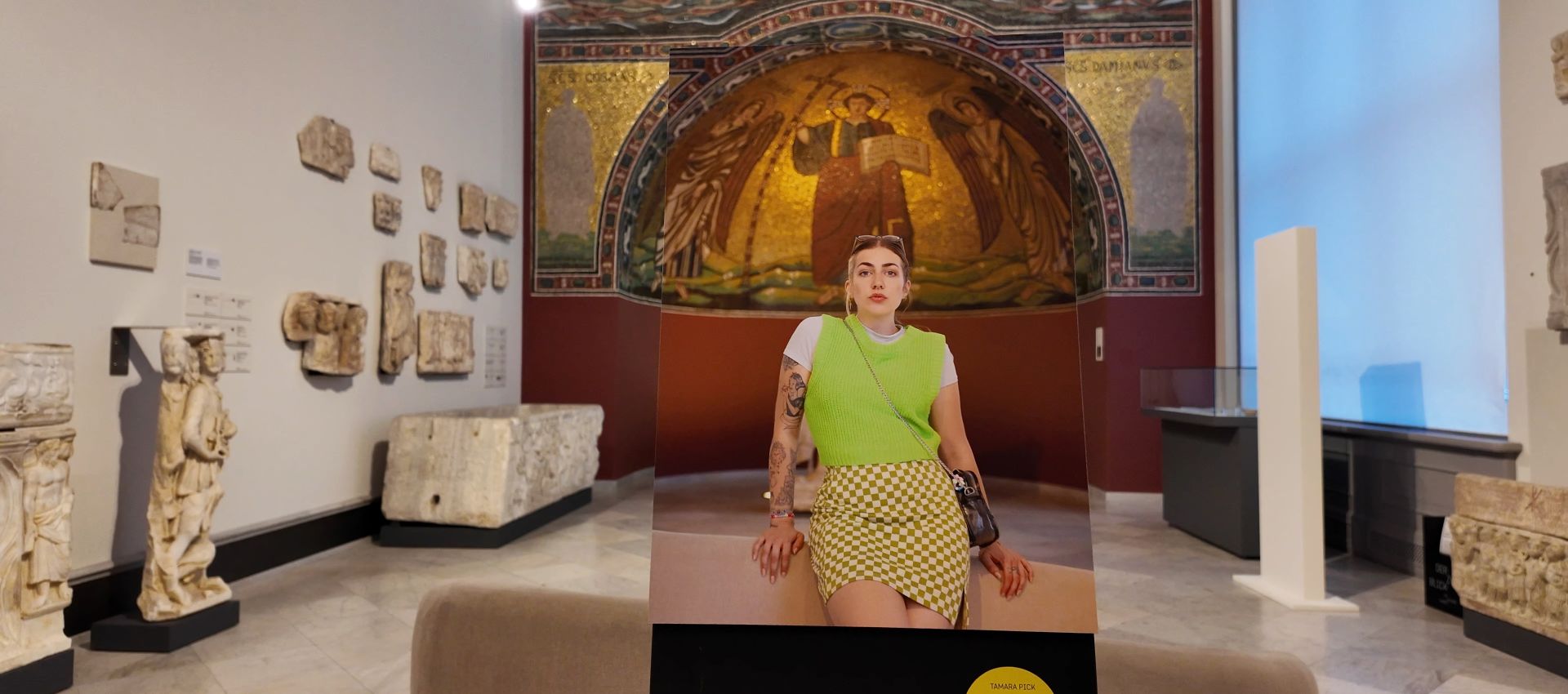
Our global network must therefore be expanded at full speed – for the SPK, particularly with a view to partnerships in Central and Eastern Europe. Over the past few years, I have seen how important it is to acquire and convey precise knowledge of the culture of our neighbouring countries in Eastern Europe, particularly here in Germany; to tell these still far too little-known (micro) stories and thereby ultimately challenge the established canon. And conversely: to travel to these countries and, through open dialogue, jointly continue the writing of European history. Two examples: The Gemäldegalerie has exhibited works from the Museum of Western and Eastern Art in Odessa with great success. The exhibition was an important act of solidarity to protect the works from the war, but above all, it sparked a magnificent dialogue on cultural-historical contexts and European identities. Or: Our Museum of European Cultures in Dahlem is currently exhibiting photographs of people who fled the war in Ukraine to Georgia, Moldova and Armenia. However, it is not only people from Ukraine seeking refuge, but also people from Russia leaving their homeland: among them journalists, artists, queer people and so-called conscientious objectors. People who could no longer live under Vladimir Putin’s authoritarian regime.
The Prussian Cultural Heritage Foundation is a global player, and I would like to help it shine even brighter through its international network.
When I was travelling across all the SPK’s institutions with the ‘travelling desk’ before taking up my post, I saw the many different ways in which staff members cultivate their own personal international relationships. The task now is to develop methods to turn this into an institutional network of stable and sustainable links that can raise the profile of the entire Foundation and strengthen its institutions. Central to this – a wish that has been expressed on several occasions – is that we intensify and expand staff exchange programmes with partner institutions in selected countries. All of this forms part of our “SPK 2030 Strategy”, on which we are currently working flat out.
In this new column, I would like to take a look from time to time, in a concise and focused manner, at our international compass and the current pressing challenges, highlight specific projects, and thereby demonstrate how much connects the SPK and us to the world.
This article first appeared in Politik & Kultur 10/25