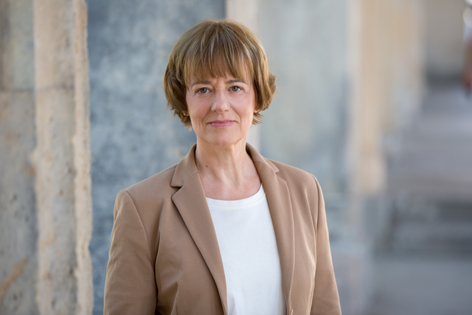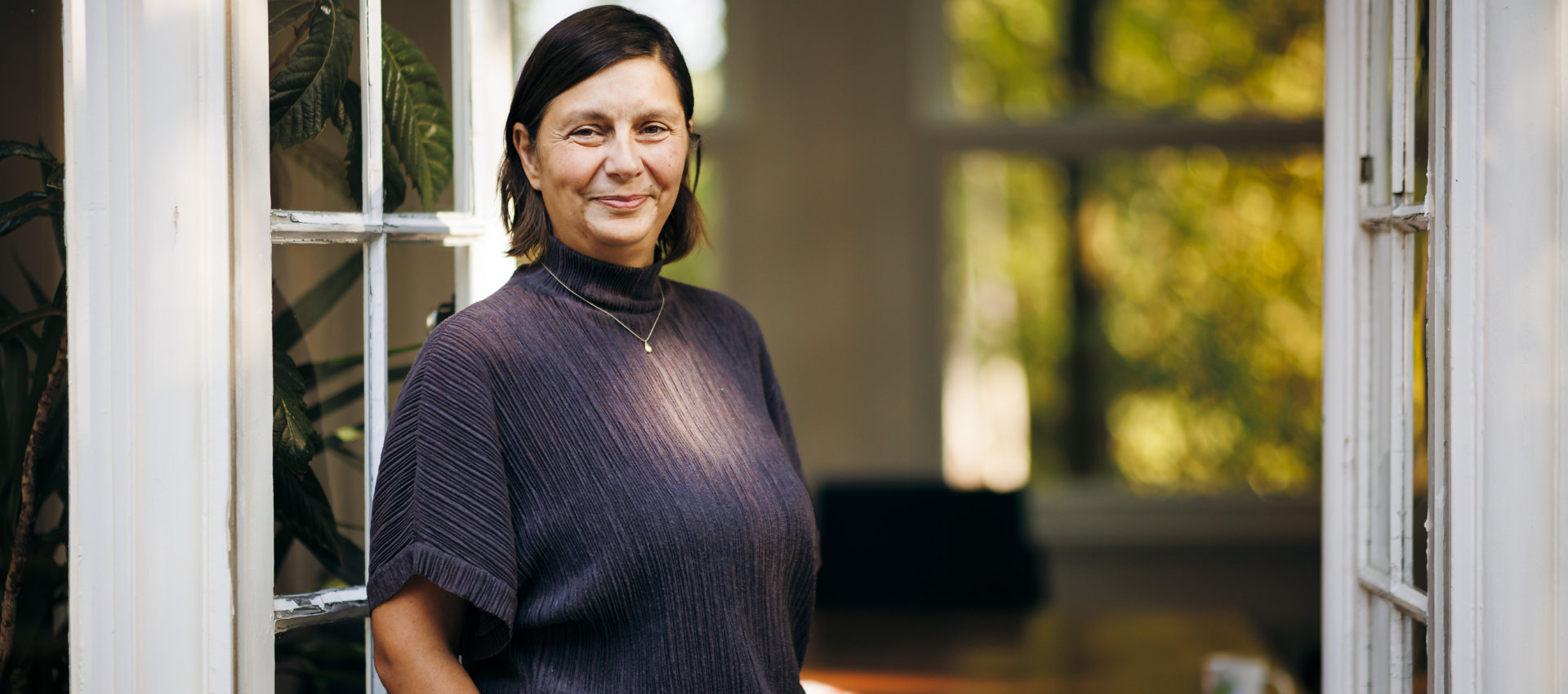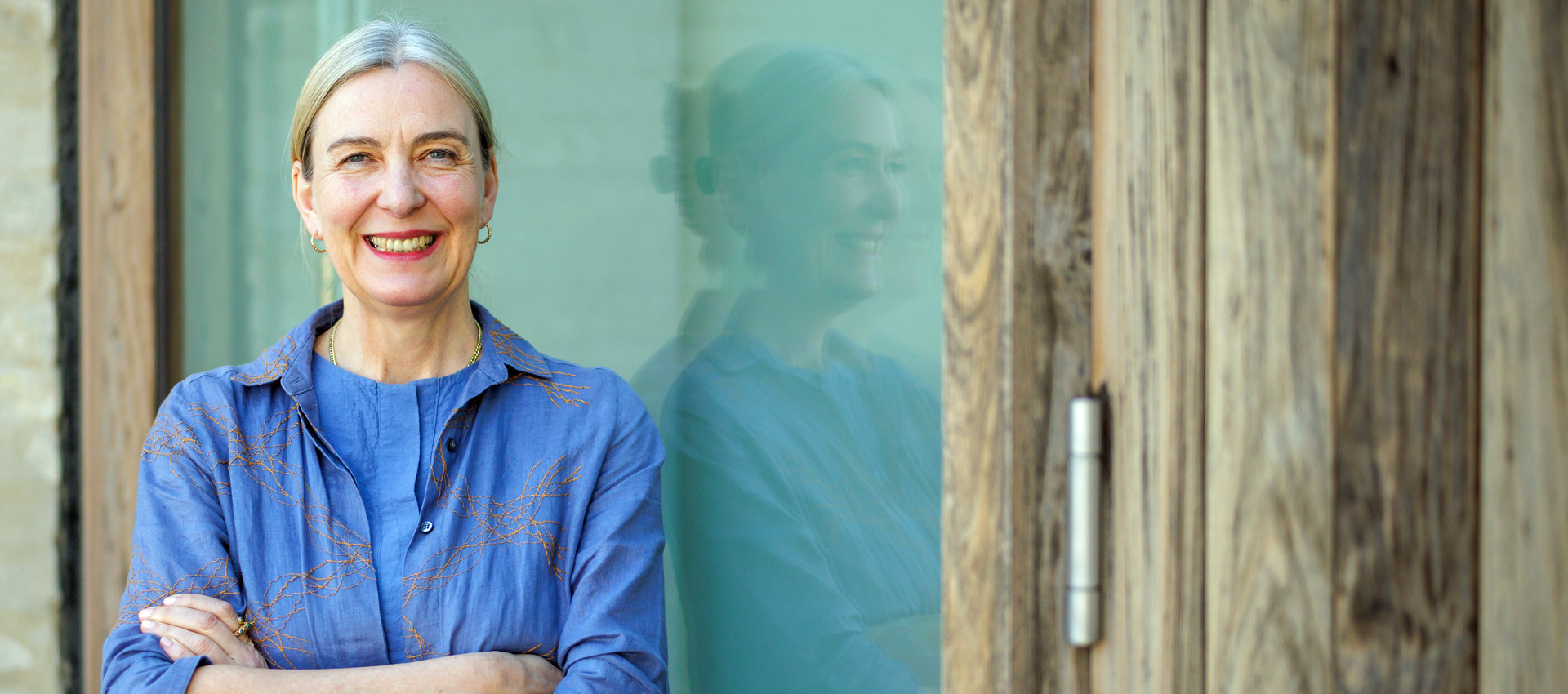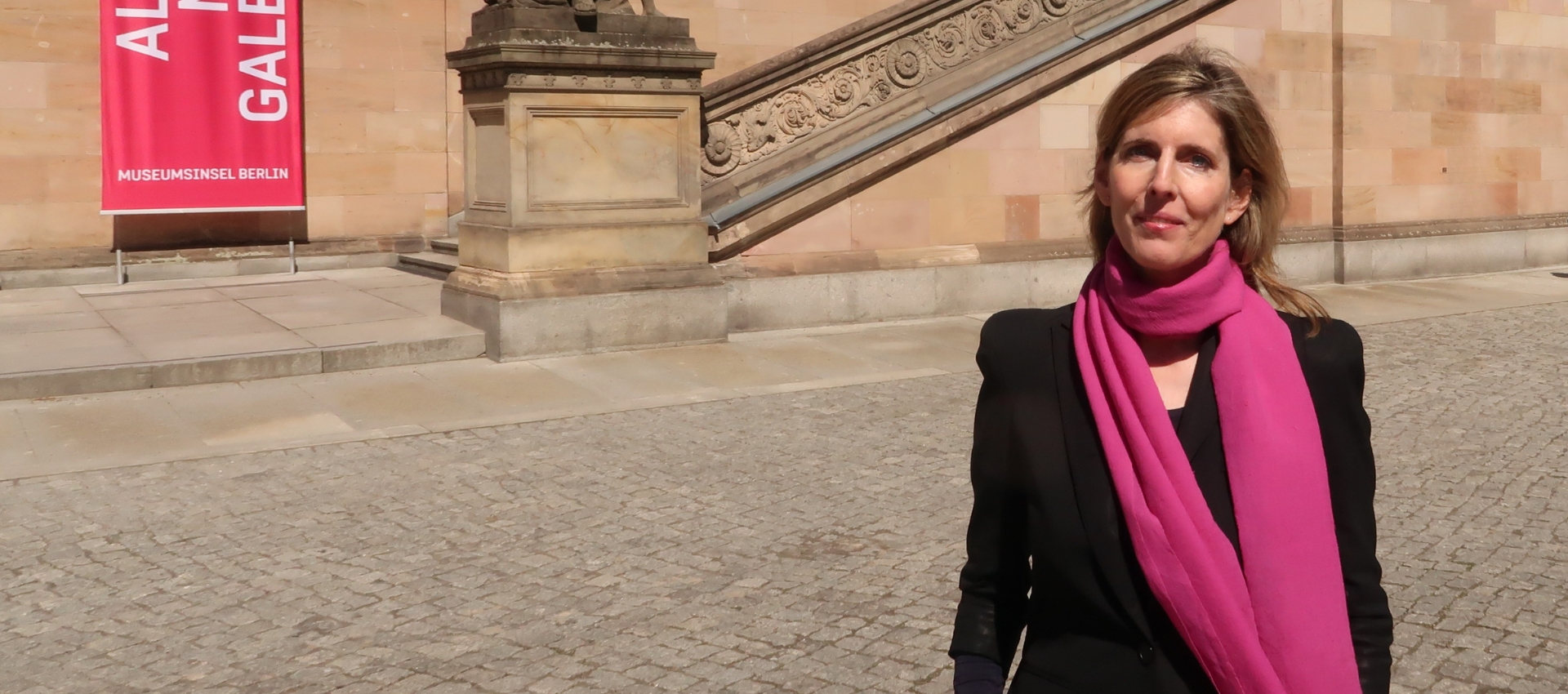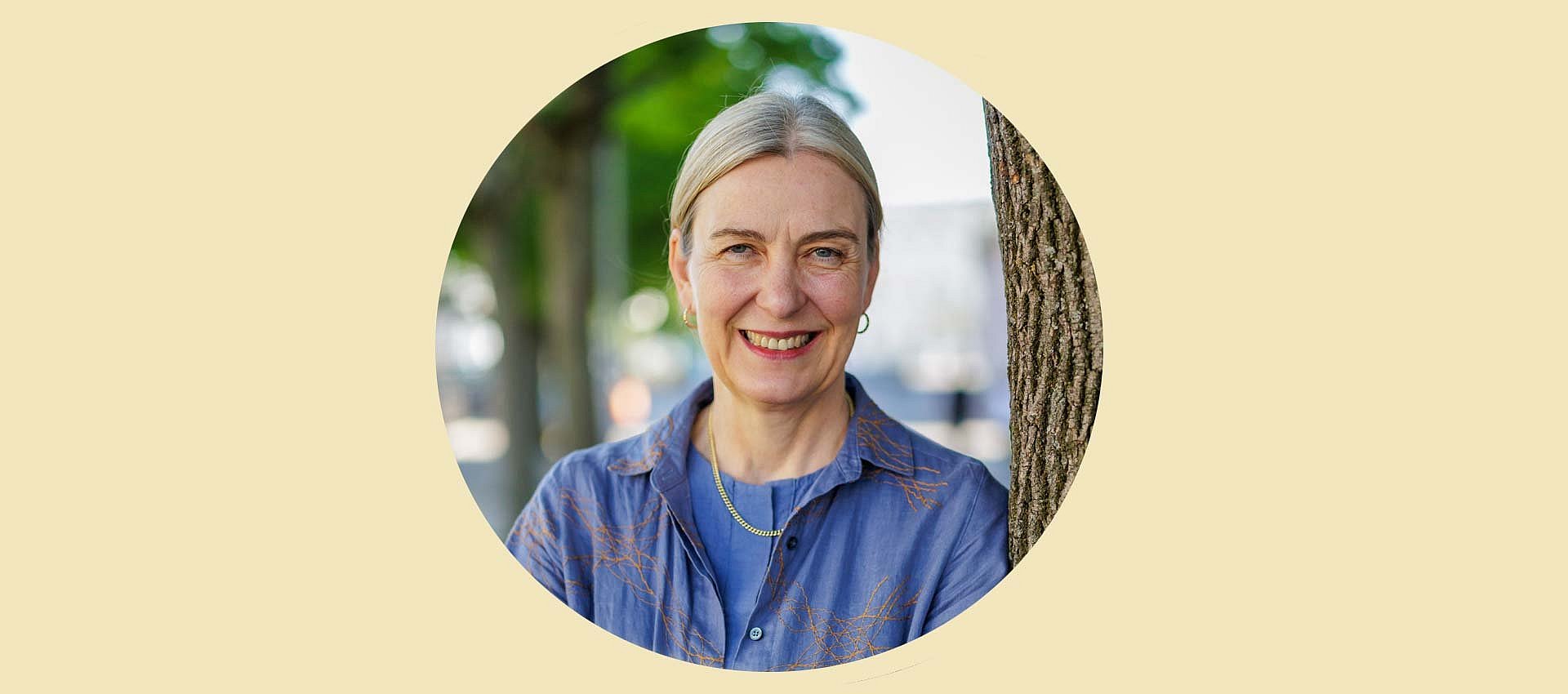
SPK President Marion Ackermann writes in her column about the SPK’s international outlook. It appears regularly in *Politik & Kultur*, the newspaper of the German Cultural Council.
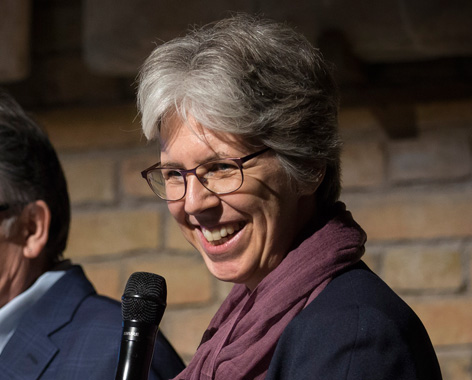
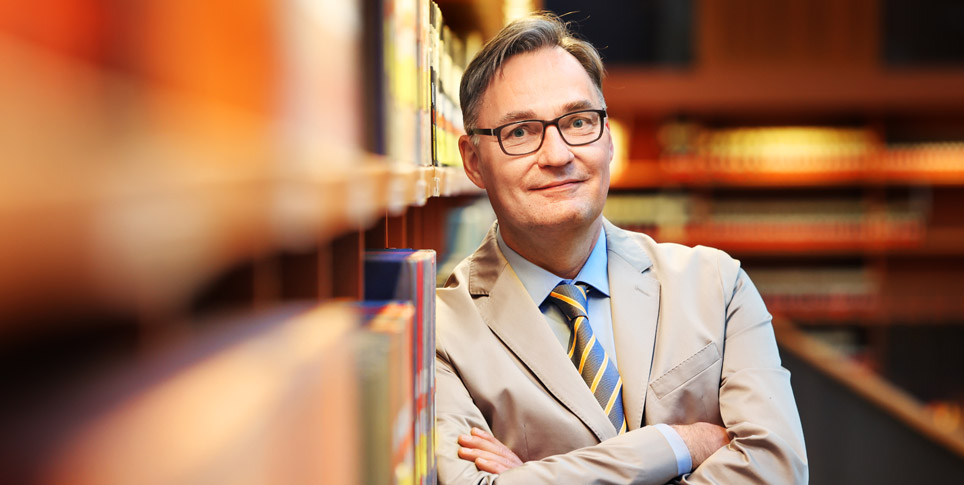
Photo: SPK / photothek / Thomas Köhler
I have been concerned for some time now about what is happening in the United States, and particularly within the cultural sector. Like many of us, I imagine, given how closely we are linked to America. At the end of October, I travelled to Washington for a meeting with museum directors from all over the world. It was as sobering as it was important, and it began with a scene that was alarming by Western standards: a shutdown. The National Gallery in Washington was closed; not even the staff or the director had access to their own collection. It struck me as eerie. The budget crisis has now apparently been resolved. What remains is a sense of uncertainty, fear, and even paralysis amongst all the cultural figures I met. They spoke of the so-called ‘banned words’ that state institutions are to avoid: the list begins with ‘abortion’, continues through ‘black’ and ‘gender’ to ‘migrant’, ‘racism’ and ends with ‘women and underrepresented’. A sort of guideline that shows where the authority to interpret lies, and how history is to be told.
Among our US colleagues, there was a tense, deafening silence in the face of an authoritarian administration’s attacks on the world’s oldest democracy. Naturally, I do wonder why this is the case. Why is no one standing in solidarity or speaking out? But the sense of threat and the consequences of public pressure on the ground seem enormous. I also missed colleagues who are simply no longer there. They’ve been made redundant. Women have been hit particularly hard. The list is getting longer and longer.
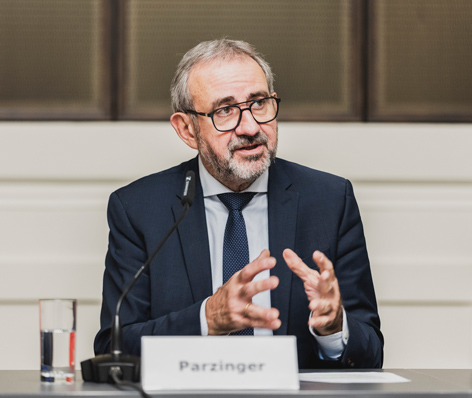
That is precisely why I believe it is all the more important for us in Europe to show solidarity. When, just a few weeks after taking office, the US President announced his intention to exert direct influence over museums such as the Smithsonian Institution’s National Museum of American History in order to shape the way American history is portrayed, my predecessor Hermann Parzinger and I spoke out in no uncertain terms. We wrote at the time that in free societies, matters are discussed and negotiated, and what is thought and displayed is not determined by decree. And that public institutions need freedom to be able to function. That is precisely what we learnt from the United States in post-war Germany. That is the common foundation of the free world.
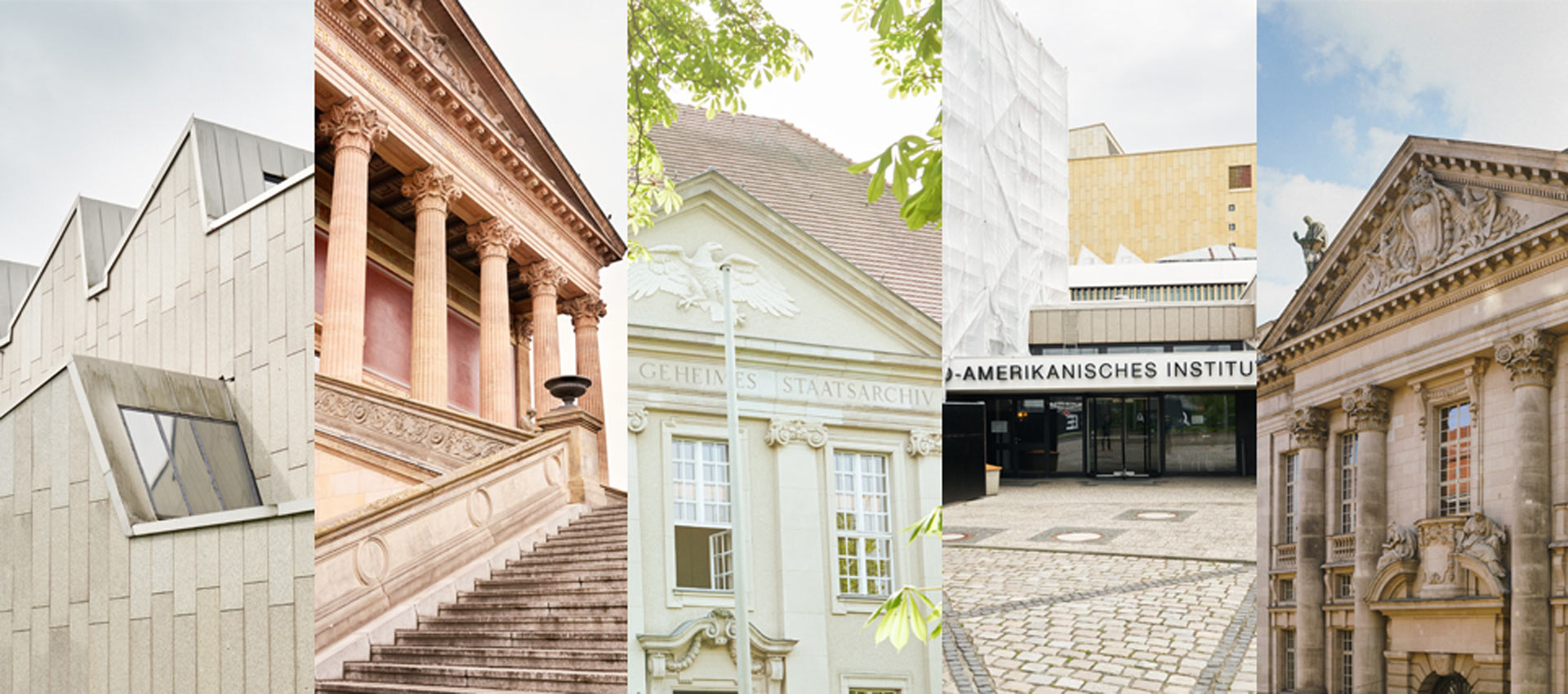
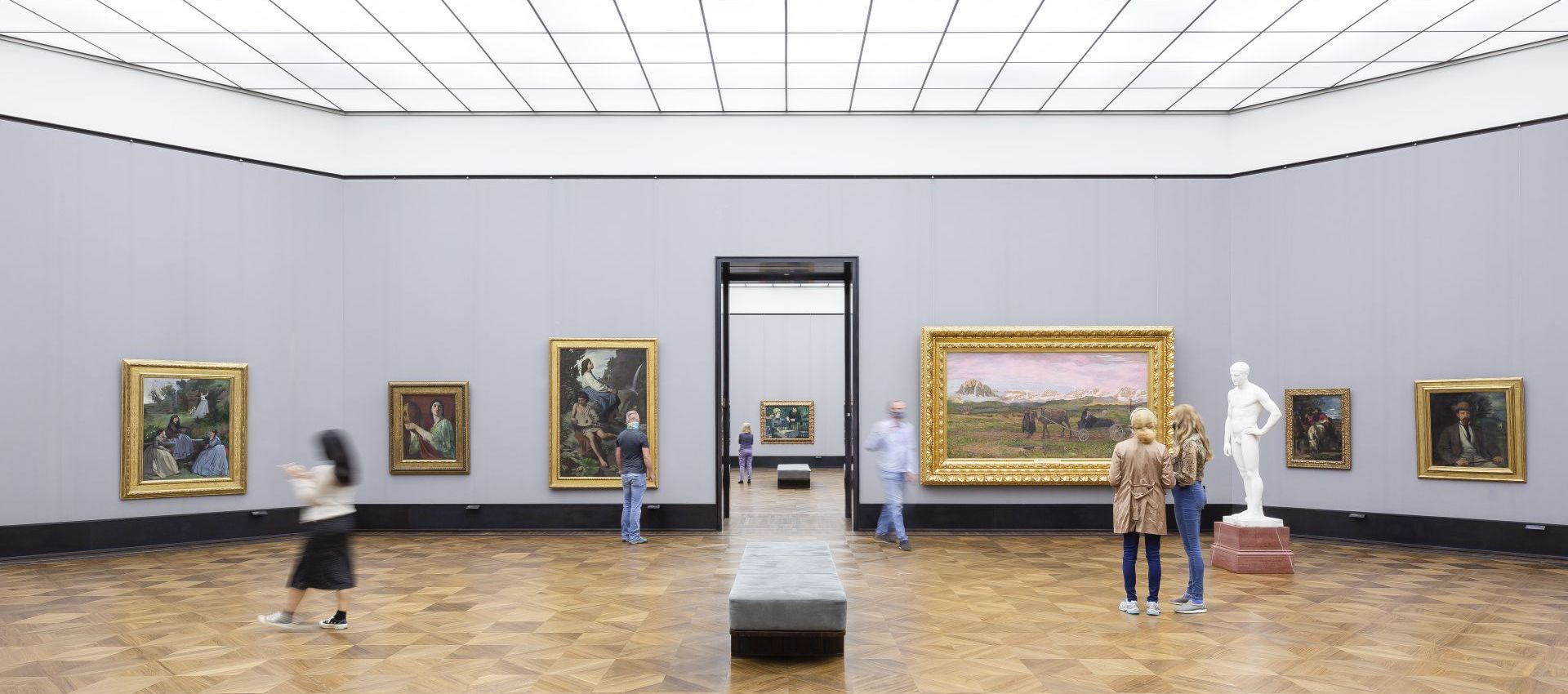
Solidarity with our American colleagues is essential, precisely because we must not forget what binds Germany and America together. This will also play a central role next year, when we here in Germany commemorate the American Declaration of Independence and the birth of modern democracy 250 years ago. And what does America actually mean to us, to the SPK? To give just one example, what would the Neue Nationalgalerie – a piece of Chicago in Berlin – be without the influence of American art? What would the collection look like without Rothko, Stella or Newman? Who would have built it?
I have recently read that the political scientist Ivan Krastev has spoken of how Europe (and certainly the West as a whole) has lost its future. This thought is weighing heavily on my mind. What future lies ahead for museums and academia? Here in this country, too, culture currently finds itself caught between conflicting forces. On the one hand, it is supposed to be a panacea for every conceivable social challenge; on the other, it is met with deep mistrust. I have also experienced the latter in America, where pride in cultural heritage is proclaimed, yet at the same time those who manage, scrutinise and update it are viewed critically. To put it mildly. Here too, in far-right circles, there is talk that museums are not neutral enough. Neutrality is used here as a battle cry to prevent discourses that arise from the history of the collections and which, in my view, must be held.
The situation in the United States is also worrying because developments there often serve as a warning of what lies ahead in Europe. The key message from my American colleagues to us European museums was clear: protect your liberal democracies! Stand together when freedom of art and science comes under attack. We are already seeing museums and other cultural institutions being portrayed as the enemy by the far right.
Solidarity with our American colleagues is essential, because we must not forget the ties that bind Germany and America
So what can we – European and German cultural institutions – do to protect and defend our freedom and our democratic principles? Certainly not merely react with moral outrage. We must place far greater emphasis on who we are, what unites us and what we stand for, and focus even more intensely on networking. Incidentally, the fact that US cultural institutions are able to continue operating at all is due not least to their boards and the support of private initiatives. Civil society, in the form of influential patrons and collectors, is thus ensuring that cultural life does not come to a complete standstill.
We need to form ‘unconventional alliances’ across different sectors – a strong network to really open up the space for discussion. I believe that forms of dialogue are extremely important today. We can tolerate differing opinions; I have certainly never shied away from that – on the contrary, I have learnt a great deal from it. How we engage is the key question, and by what means we do so – for me, that has always been and remains the art.
This article first appeared in Politik & Kultur 12/25