Much more than mindless gaming: as collectables, subjects of academic study and a medium for imparting knowledge, computer games have long been a focus of cultural heritage and research institutions. There’s plenty going on within the SPK too: the latest highlight was a meet-up with female game developers at Haus Bastian.
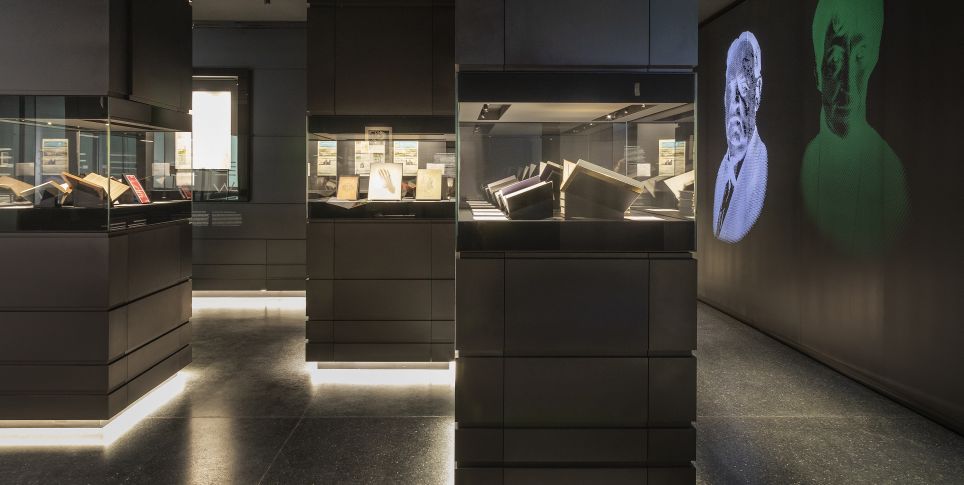
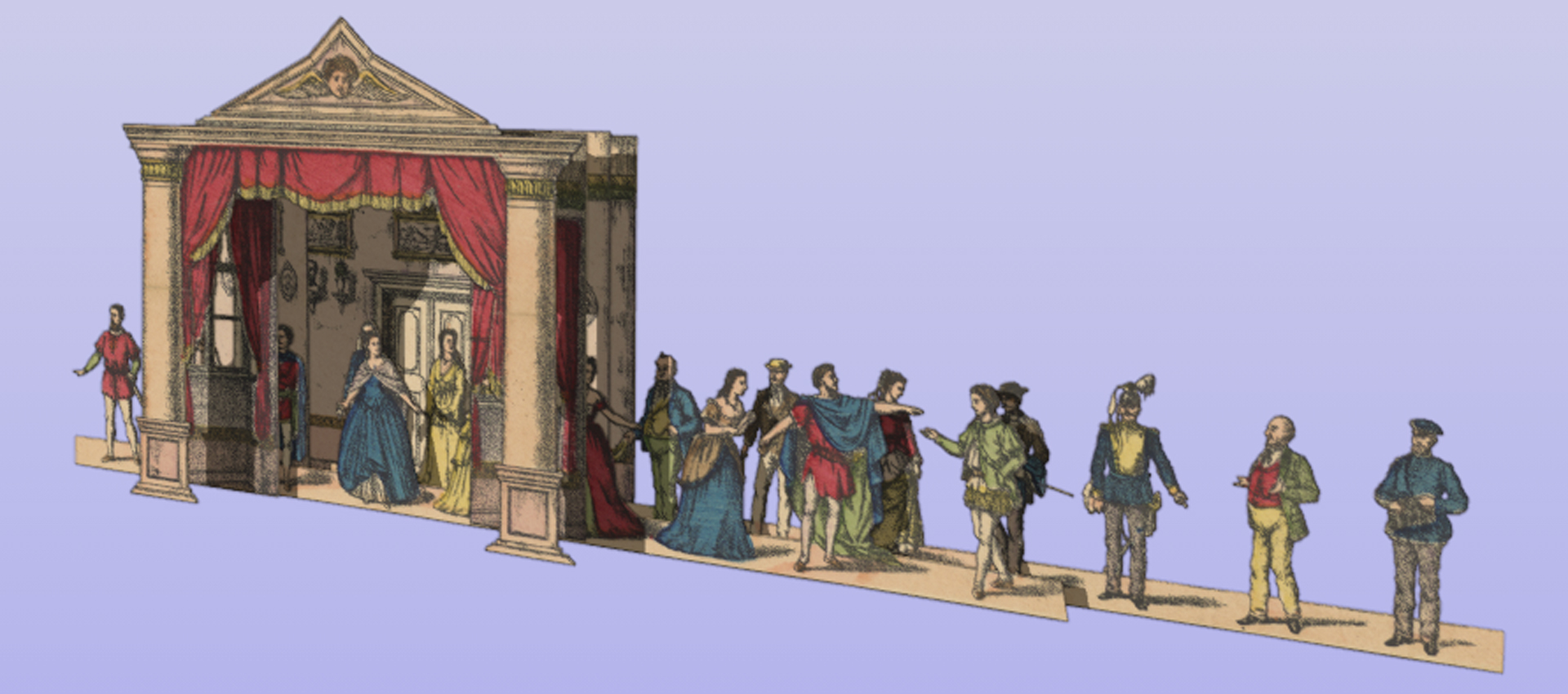
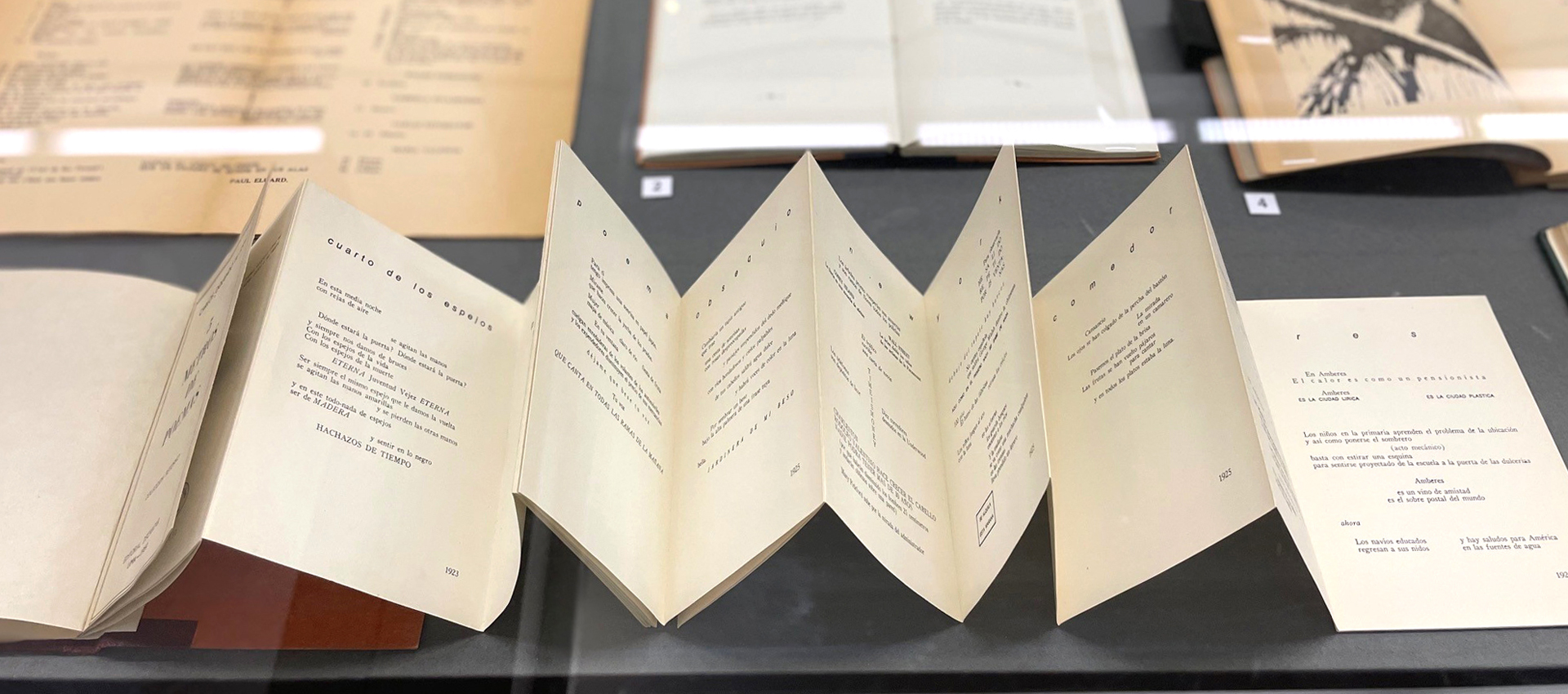
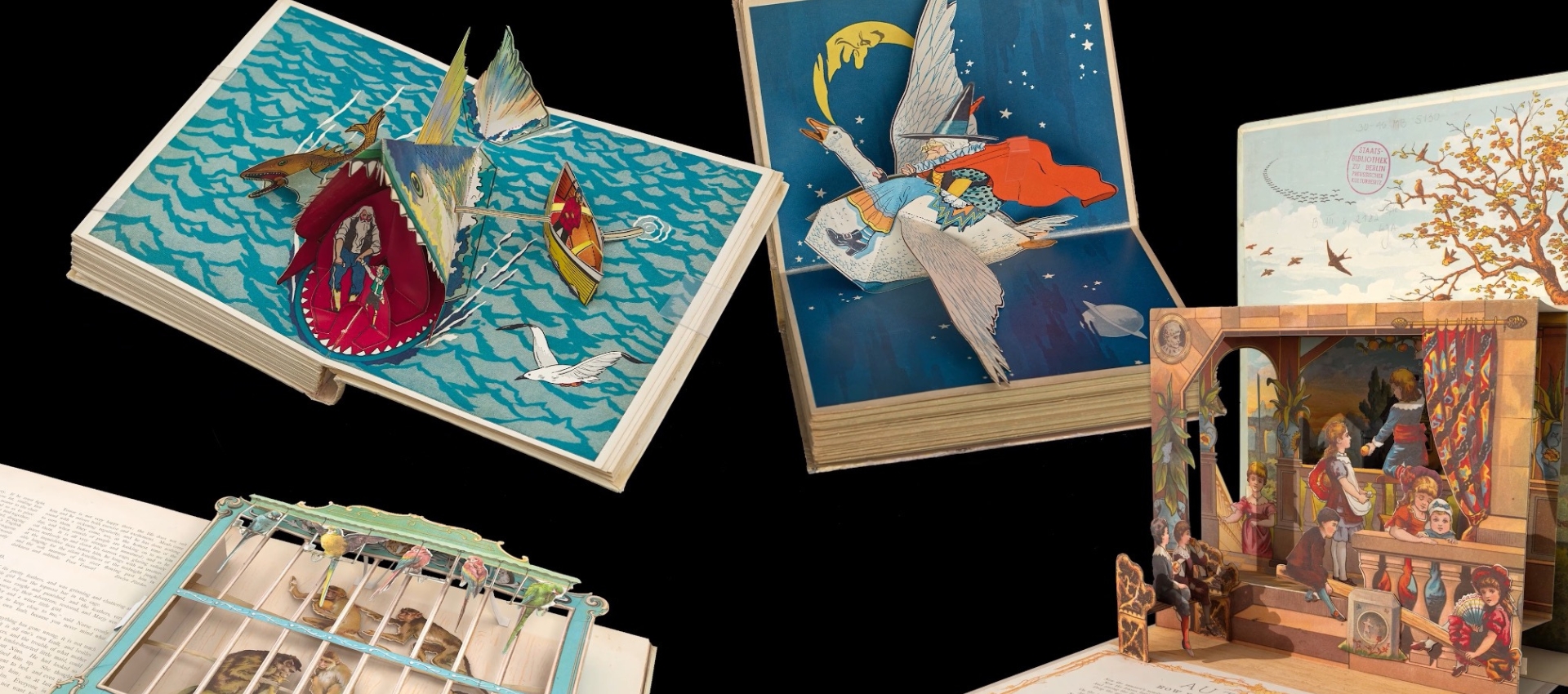
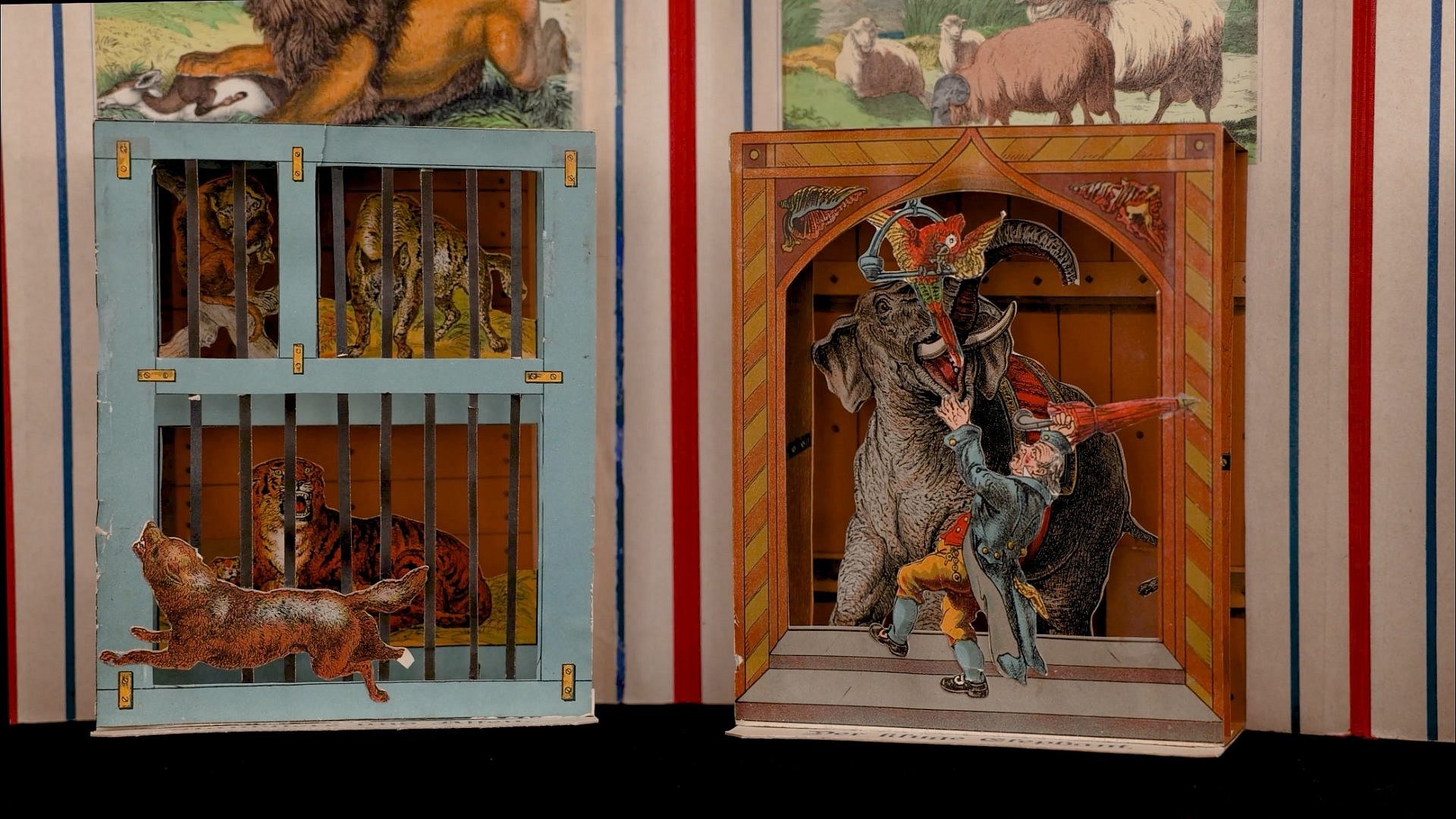
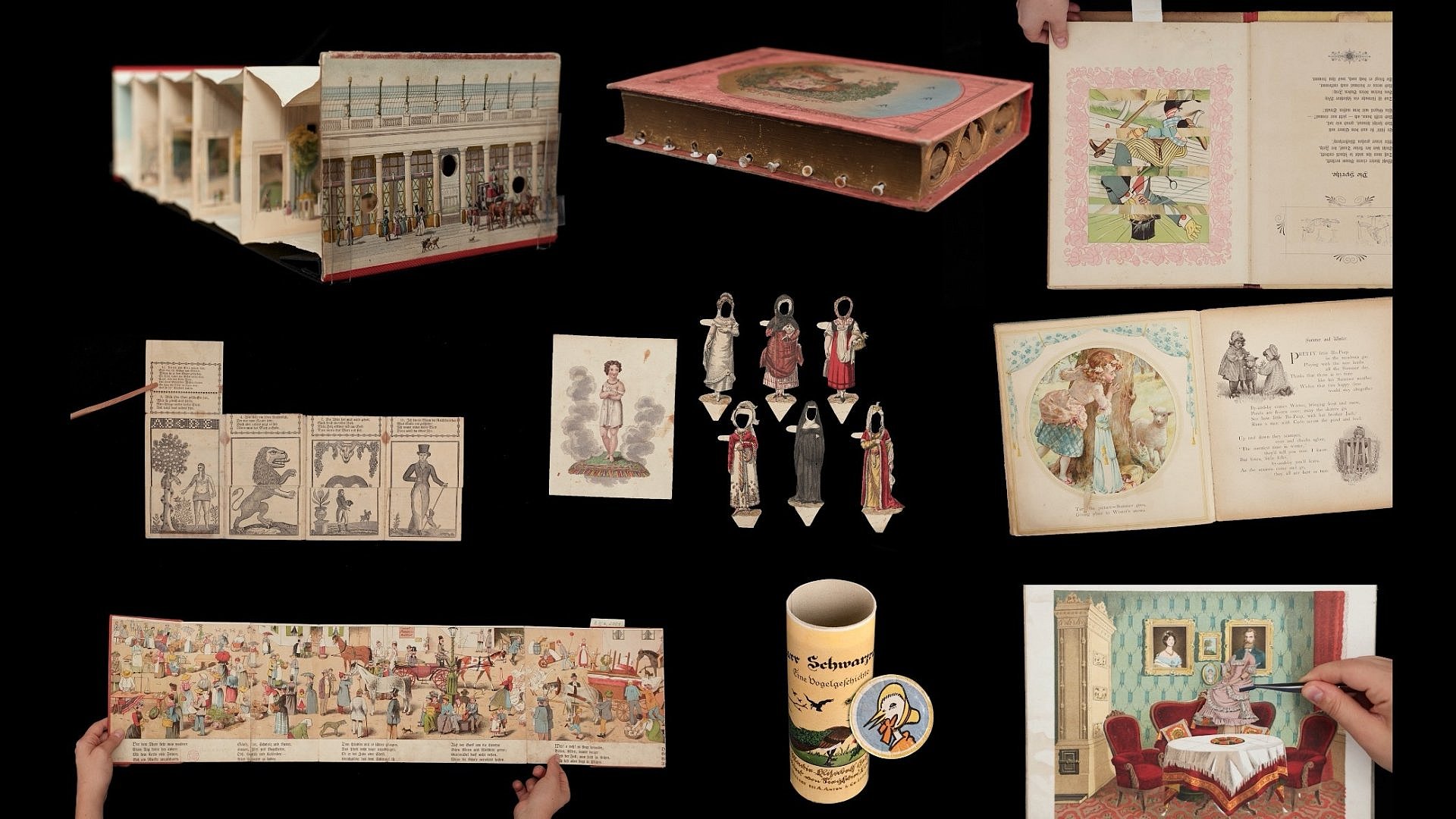
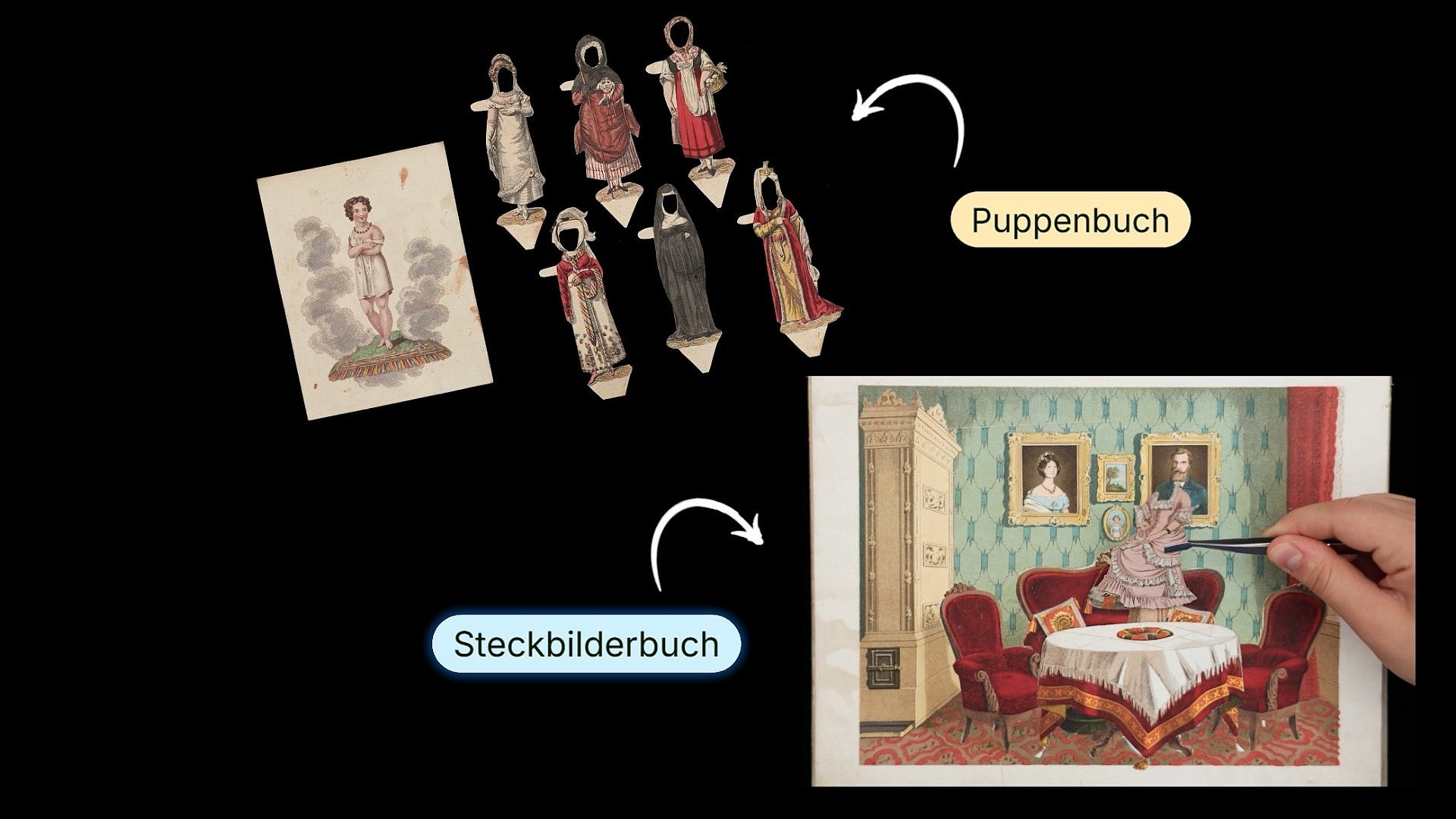
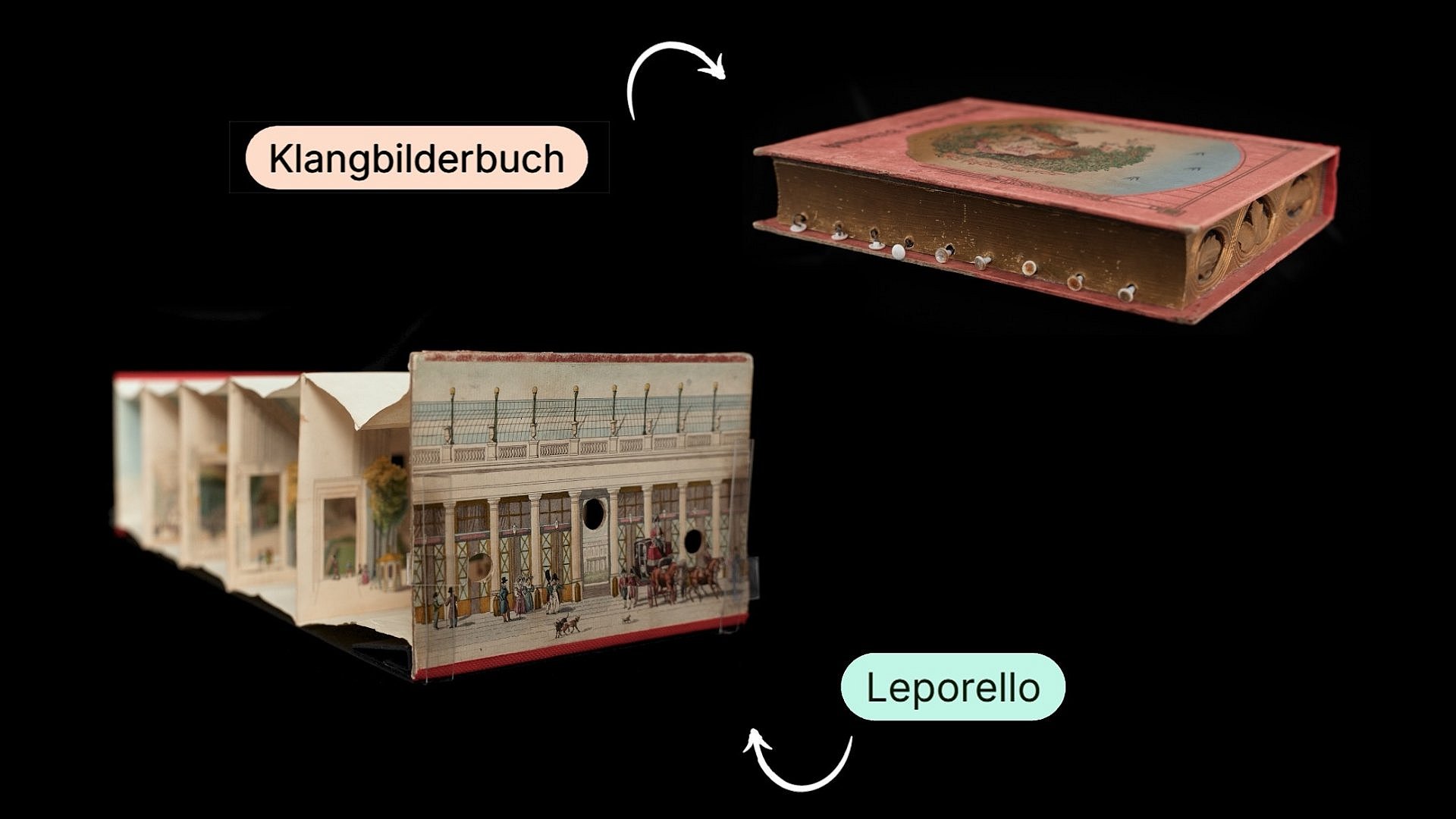
Who would have thought it? Of all things, books are the missing link between computer games and the Berlin State Library. More specifically, the so-called ‘game picture books’. In the late 19th and early 20th centuries, their characteristic pull tabs, turntables and folding elements were the outward signs of a usually highly complex paper mechanism hidden between the pages, which is astonishing even by today’s standards. Picture-book games are, so to speak, the computer games of the analogue age. And so it came to pass that in 2023, the Stabi, together with the Berlin Computer Game Museum, dedicated an exhibition to the paper cradle of the computer game: ‘Play it Again – From the Play Picture Book to the Video Game’. Its aim was to highlight the previously overlooked connections between these two interactive media genres.
The picture book as the protagonist of a computer game
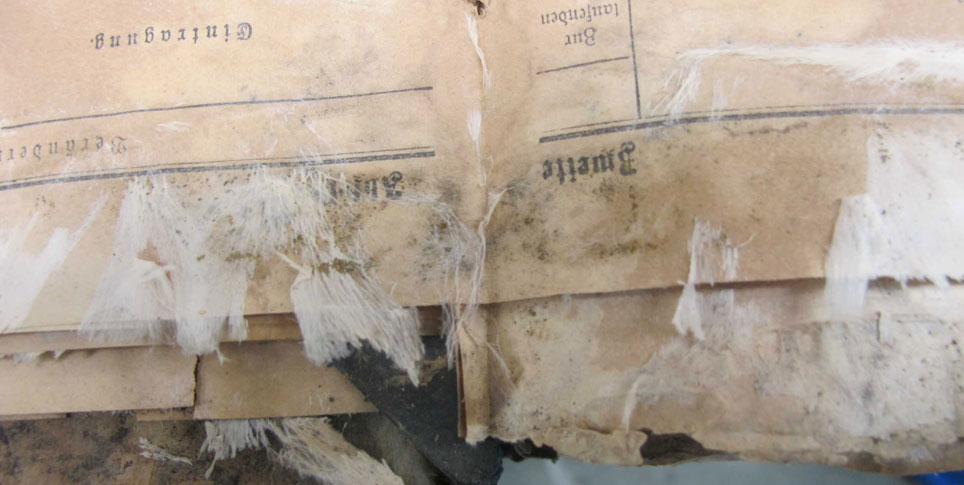
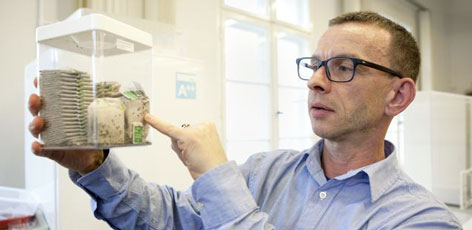
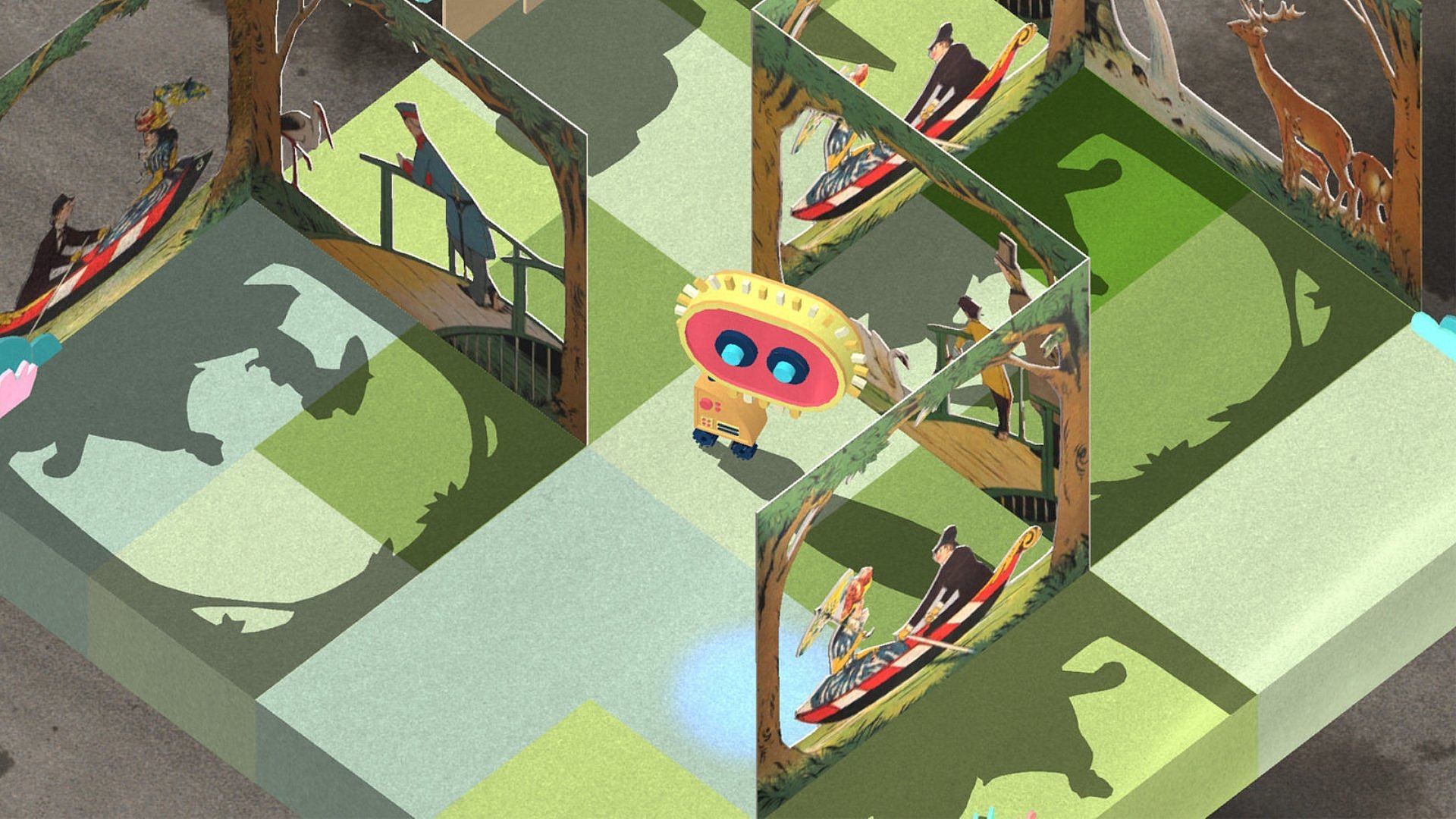
In this respect, it is perhaps only logical that the Germany-wide collaborative project museum4punkt0. Digital Strategies for the Museum of the Future, coordinated by the SPK, focused on a number of picture-book games from the workshop of the internationally successful Munich-based paper engineer Lothar Meggendorfer – and made them the protagonists of a computer game as an exemplary application of gamification in exhibition contexts. In ‘Save the Play Books – Robo vs. the Paper Eaters’, the aim is to introduce a young audience to the unusual, interactive materiality of historical play picture books – which goes far beyond conventional forms of book use – and to make it comprehensible to them.
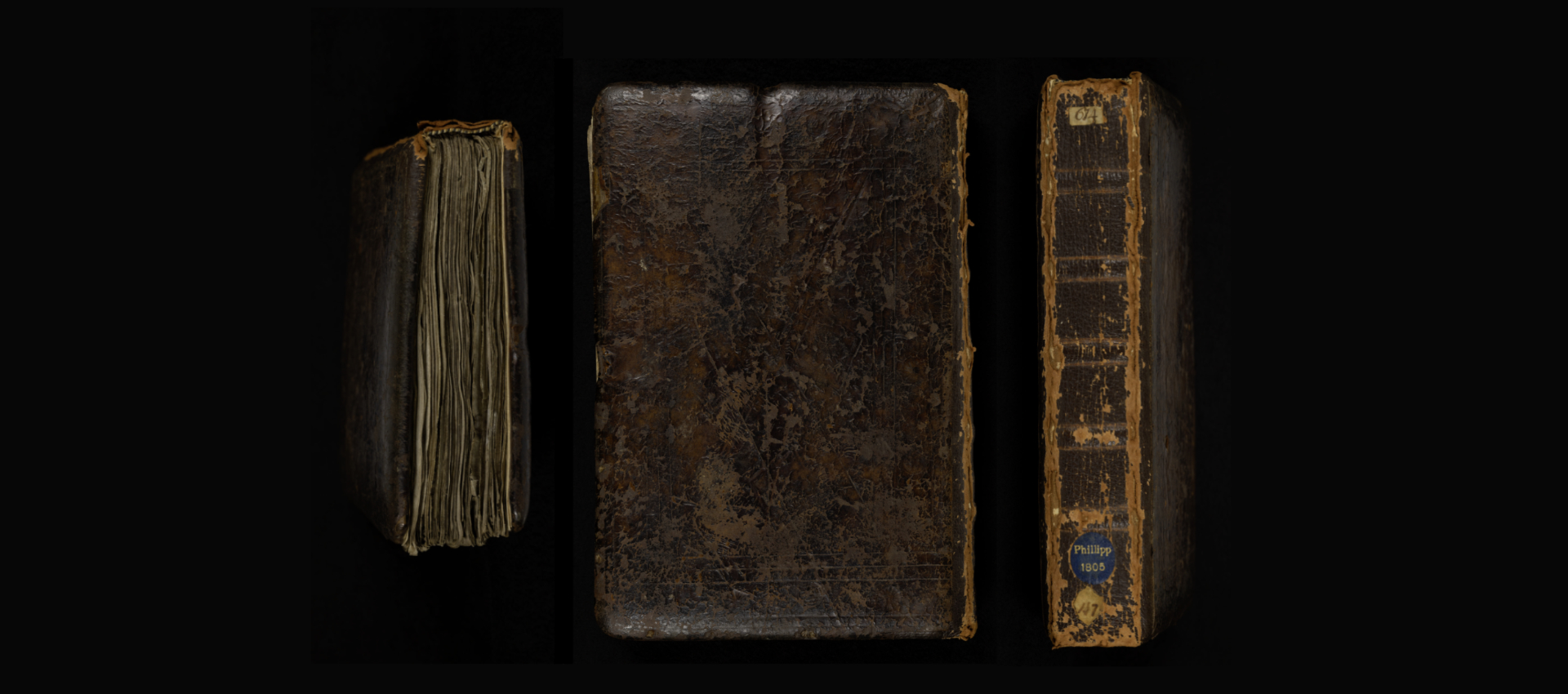
Incidentally, ‘Robo vs. the Paper Eaters’ builds on the findings of an earlier research project by the Stabi – and impressively demonstrates that game technology is not only suitable for the museum presentation of static and, in particular, kinetic collection objects, but also for their 3D visualisation from a scientific perspective. To achieve this, the work to be digitally reproduced is first broken down virtually into its individual components – such as its visual, mechanical and spatial properties – before being reassembled using animation software.
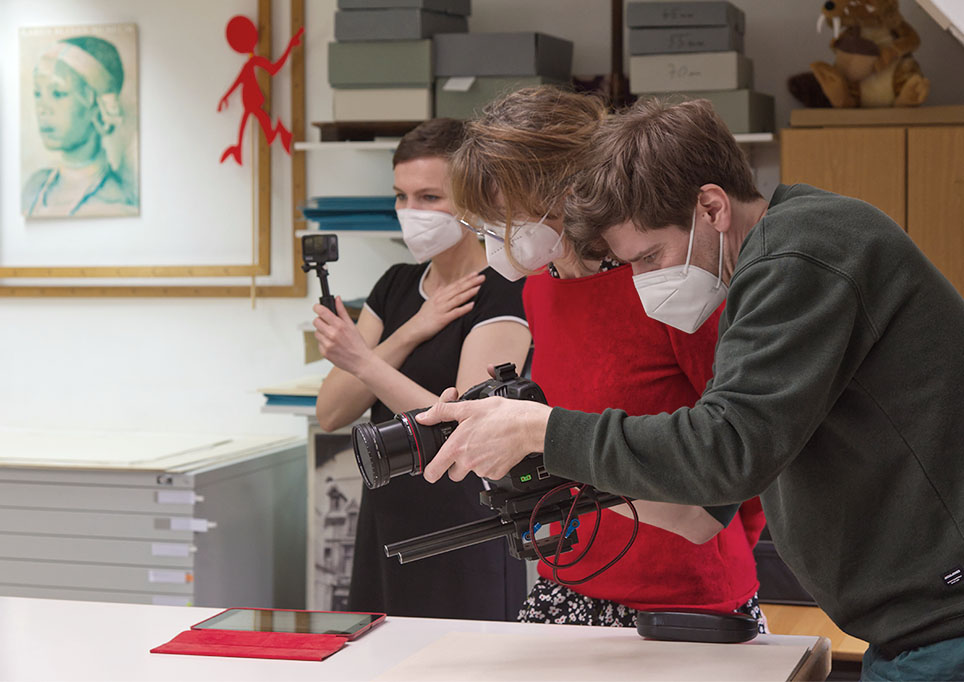
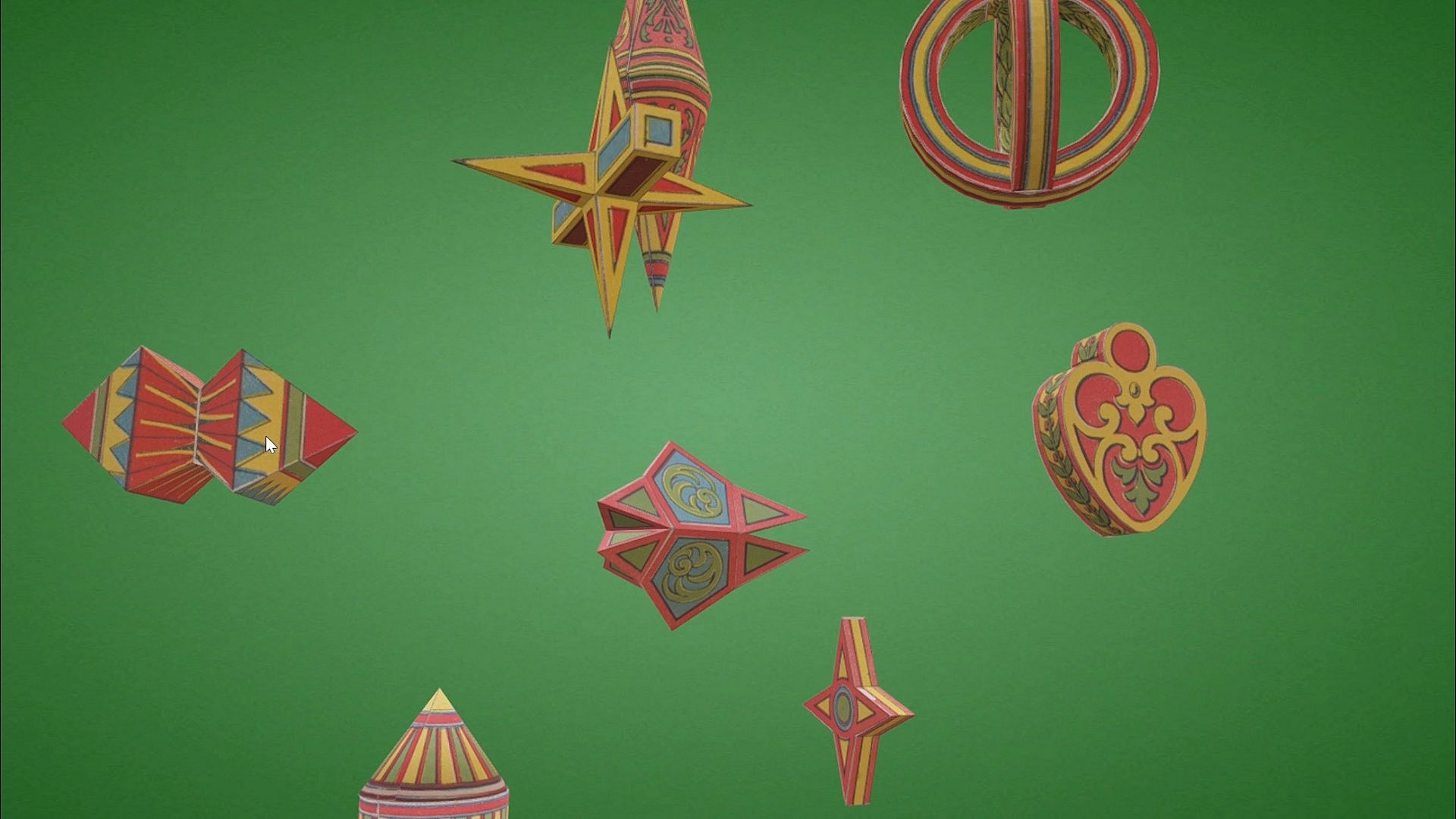
But how can a cross-disciplinary model workflow be developed to digitally replicate any kind of movable cultural object – from automatons and marionettes to winged altars? This is the question addressed by the Stabi project ‘Pop-up 3D – Digitisation and Interactive Visualisation of Historical Pop-up Picture Books in Research-led Practice’, funded by the German Research Foundation (DFG). A reference corpus of 100 examples of these works, which straddle the line between book and toy, is to be transformed into an open-access format in such a way that any sequence of movements can be cited and reproduced. To achieve this, recording techniques, animation methods and software tools commonly used in game design are also being employed.
Let’s play together!
Despite this considerable potential for mutual learning, inspiration and, not least, cooperation, dialogue between universities, archives, libraries and museums and the creative companies of the games industry is still in its infancy. This is surprising, given that viable institutional platforms for exchange already exist, such as the Digital Game Culture Foundation and the soon-to-open House of Games Berlin. And, not least, the 3D digitisation of interactive collection objects is now also regarded as a field of action by international research funding organisations.
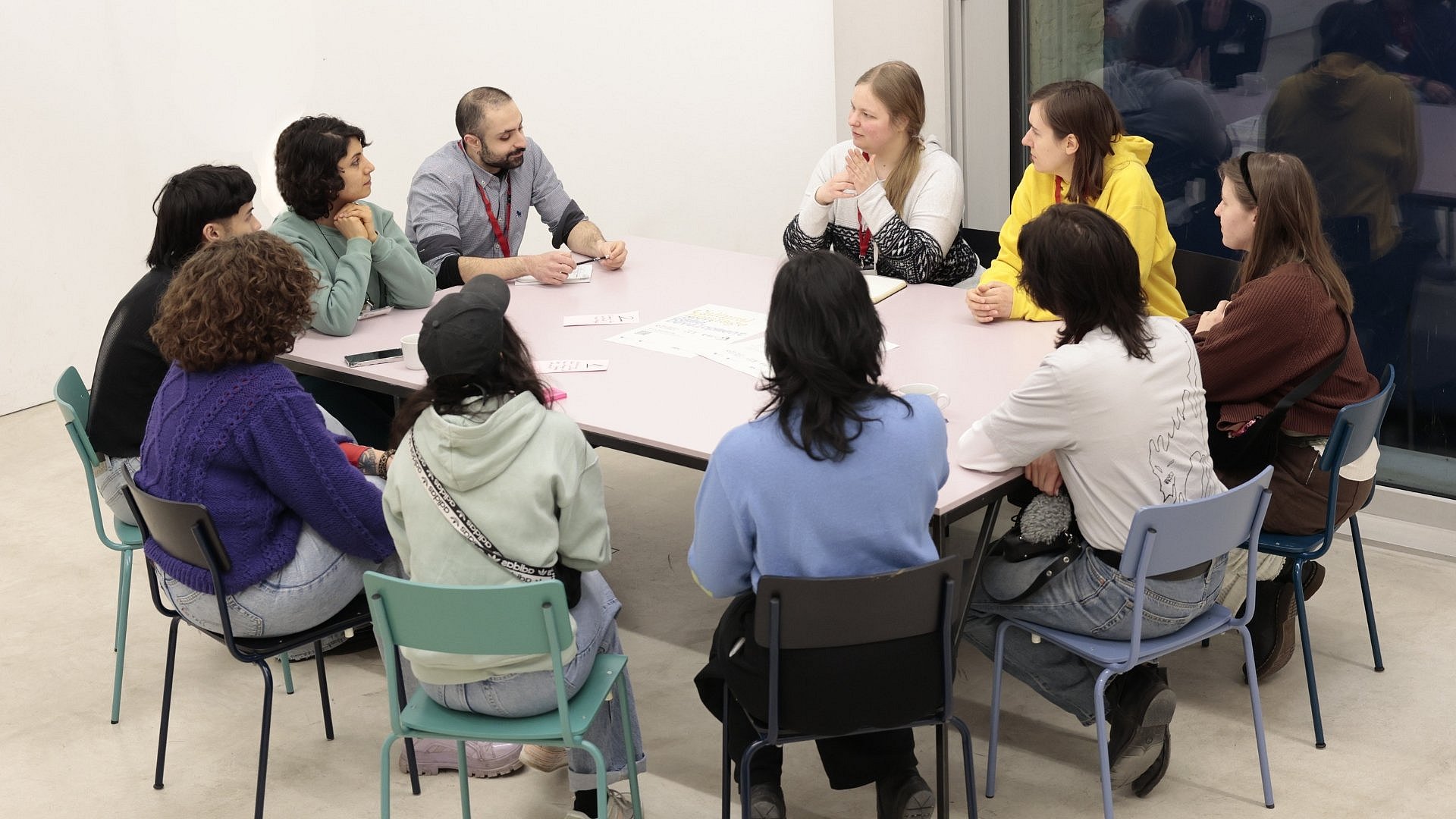
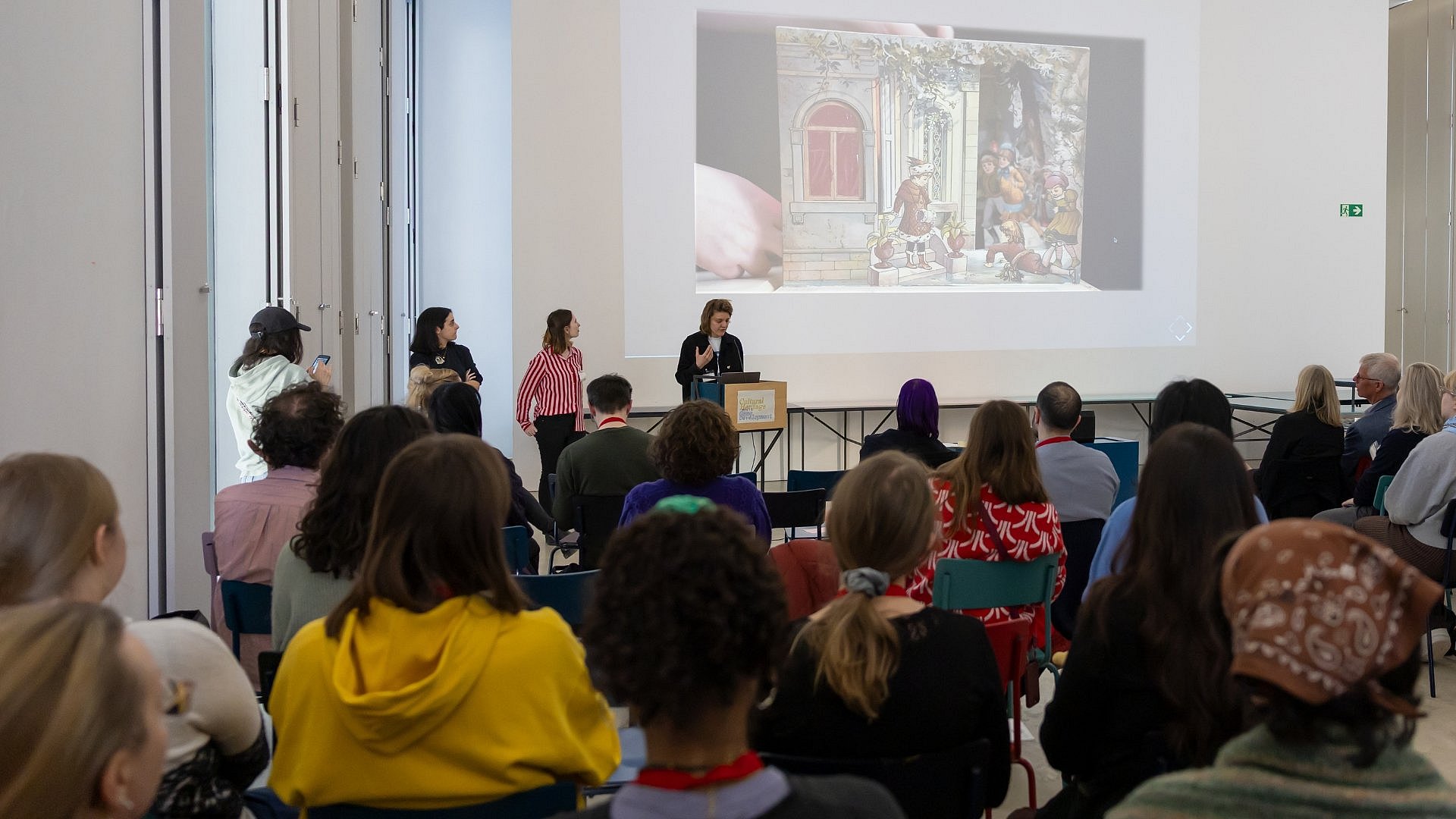
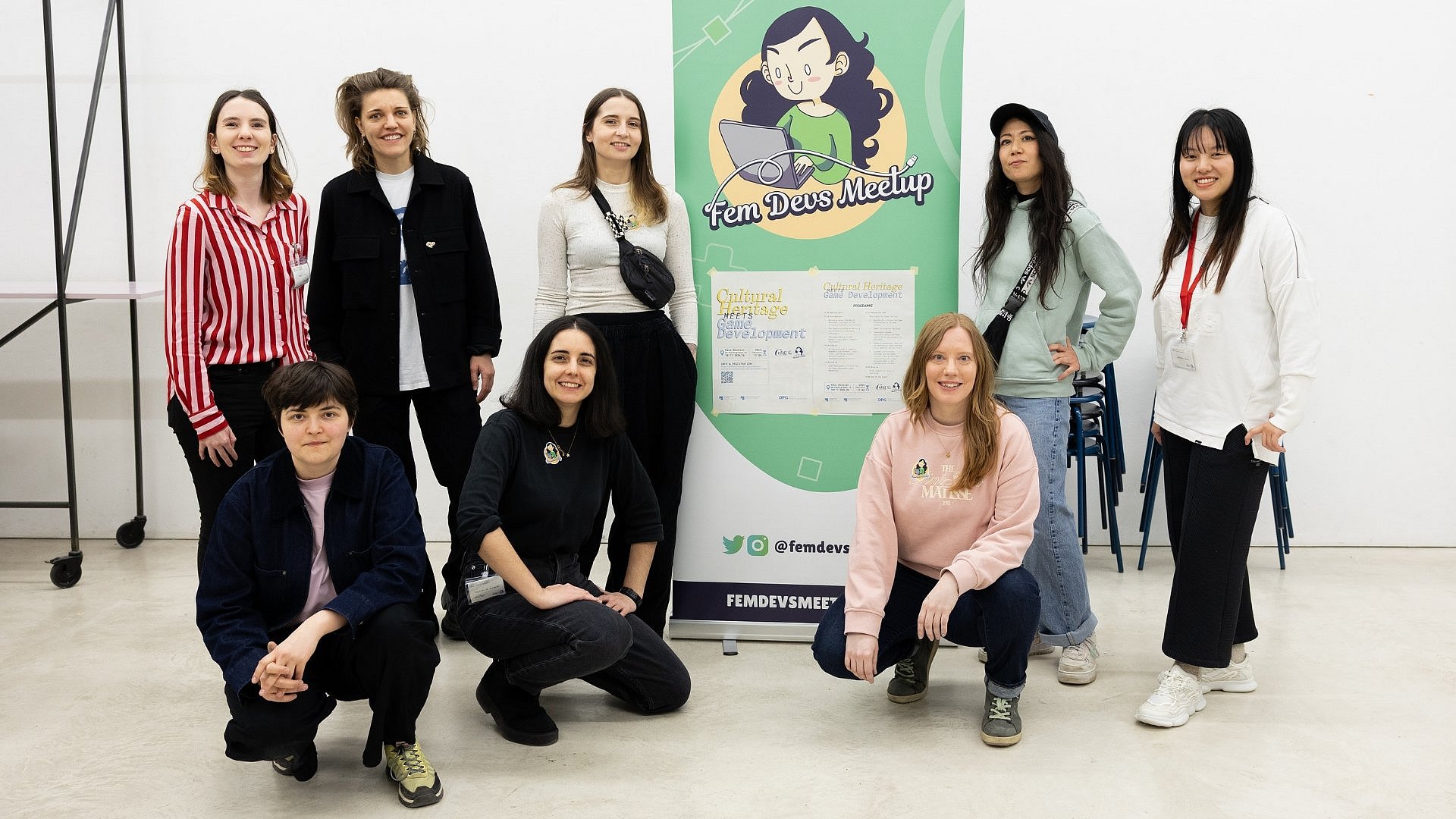
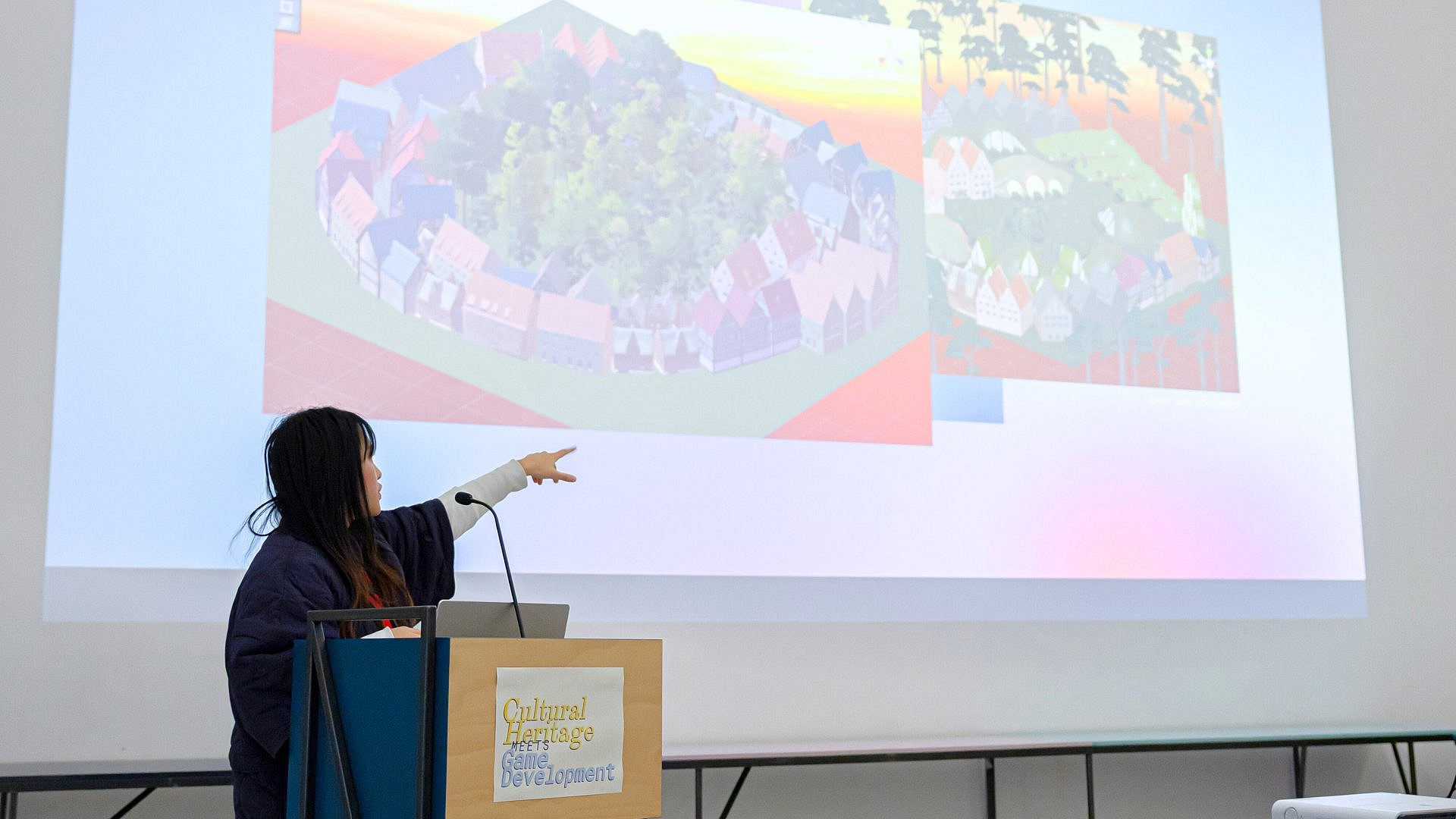
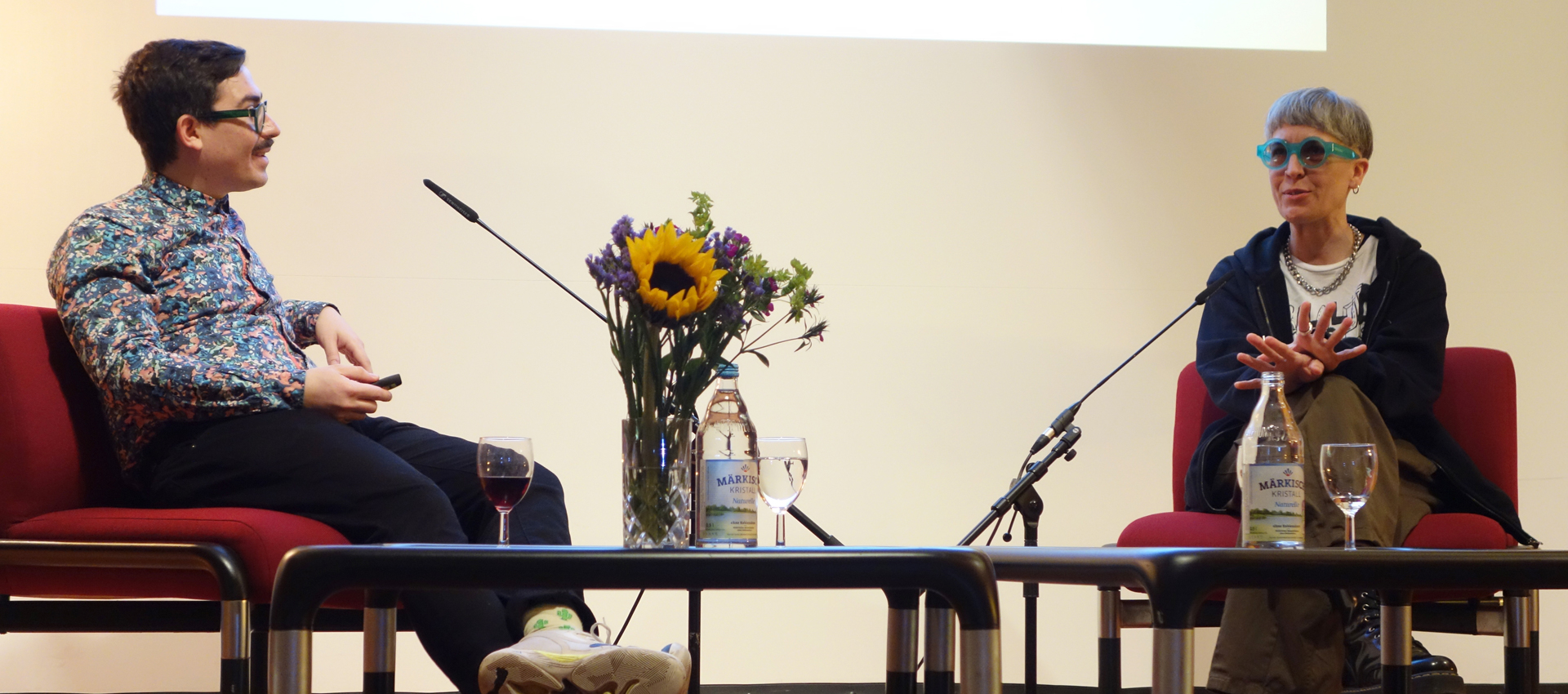
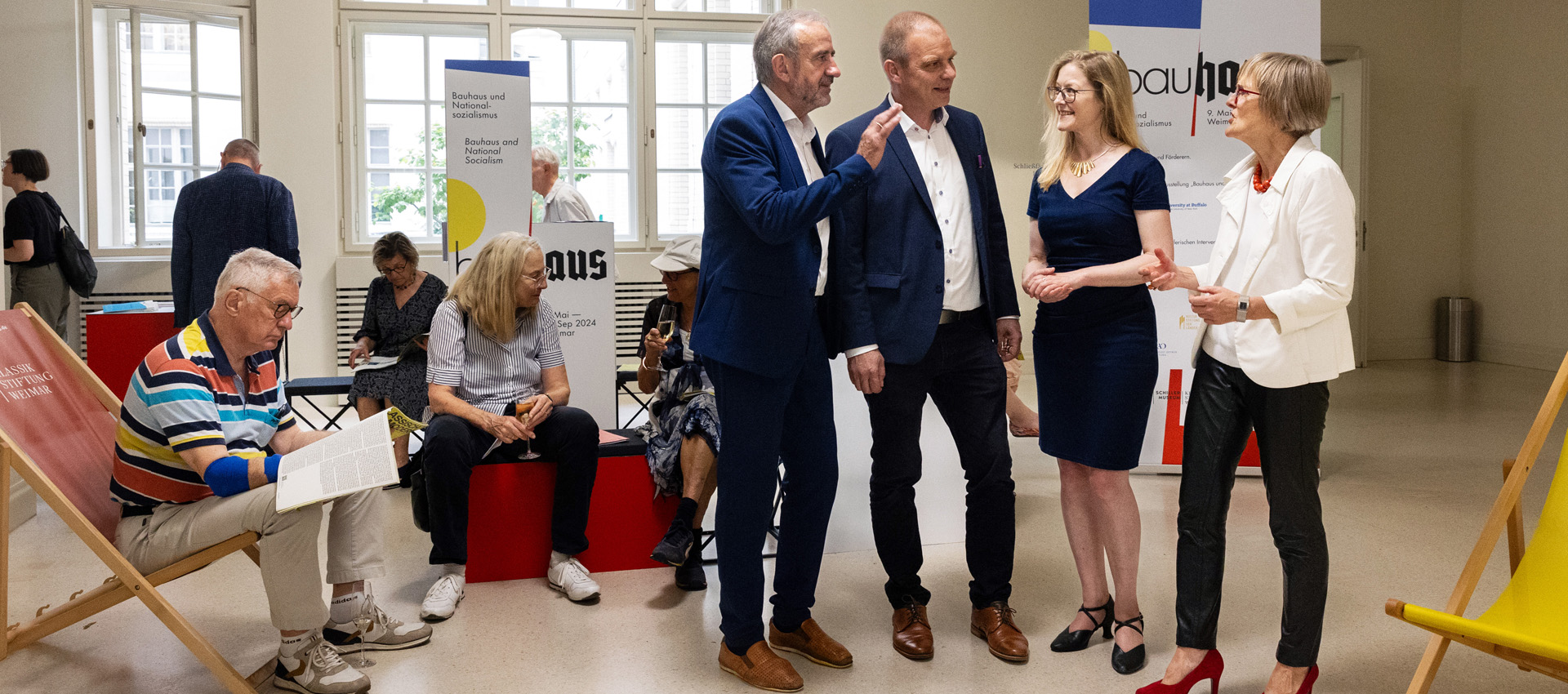
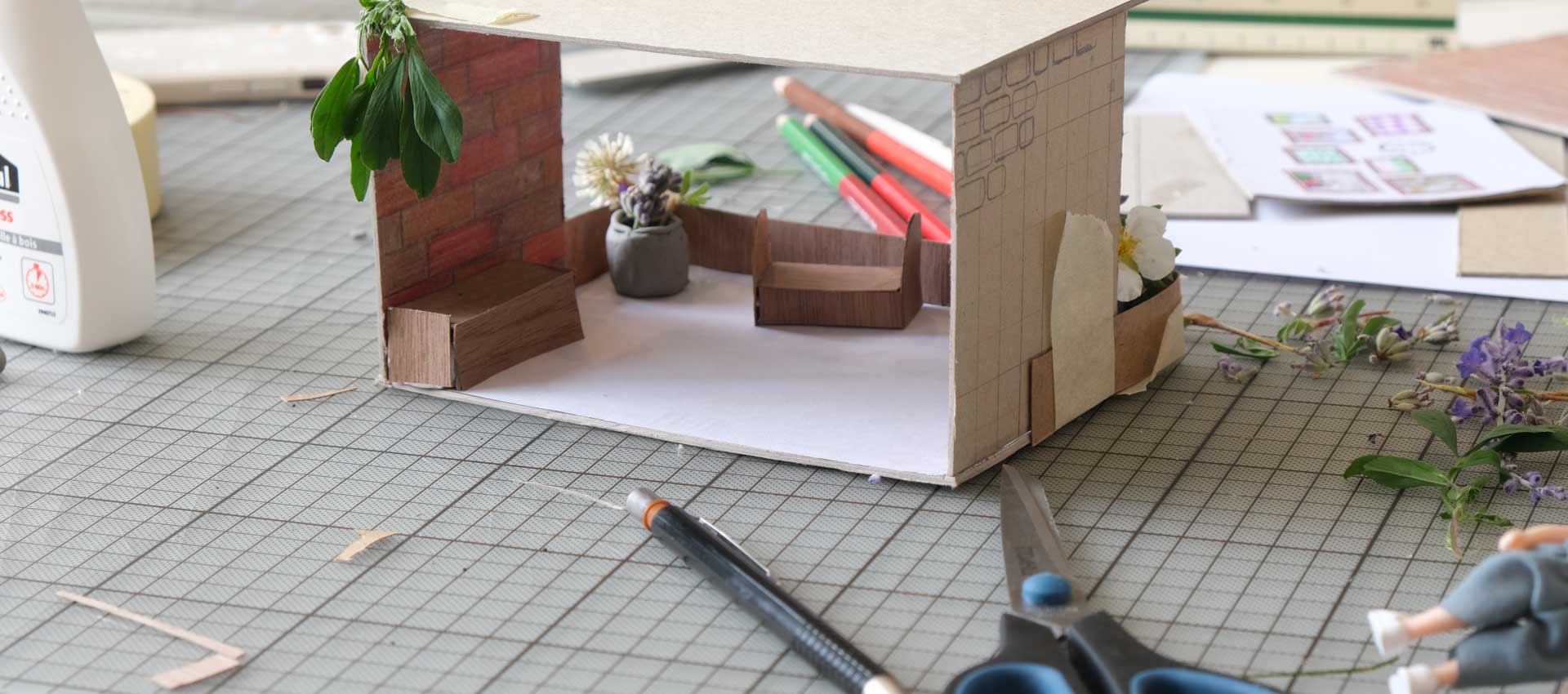
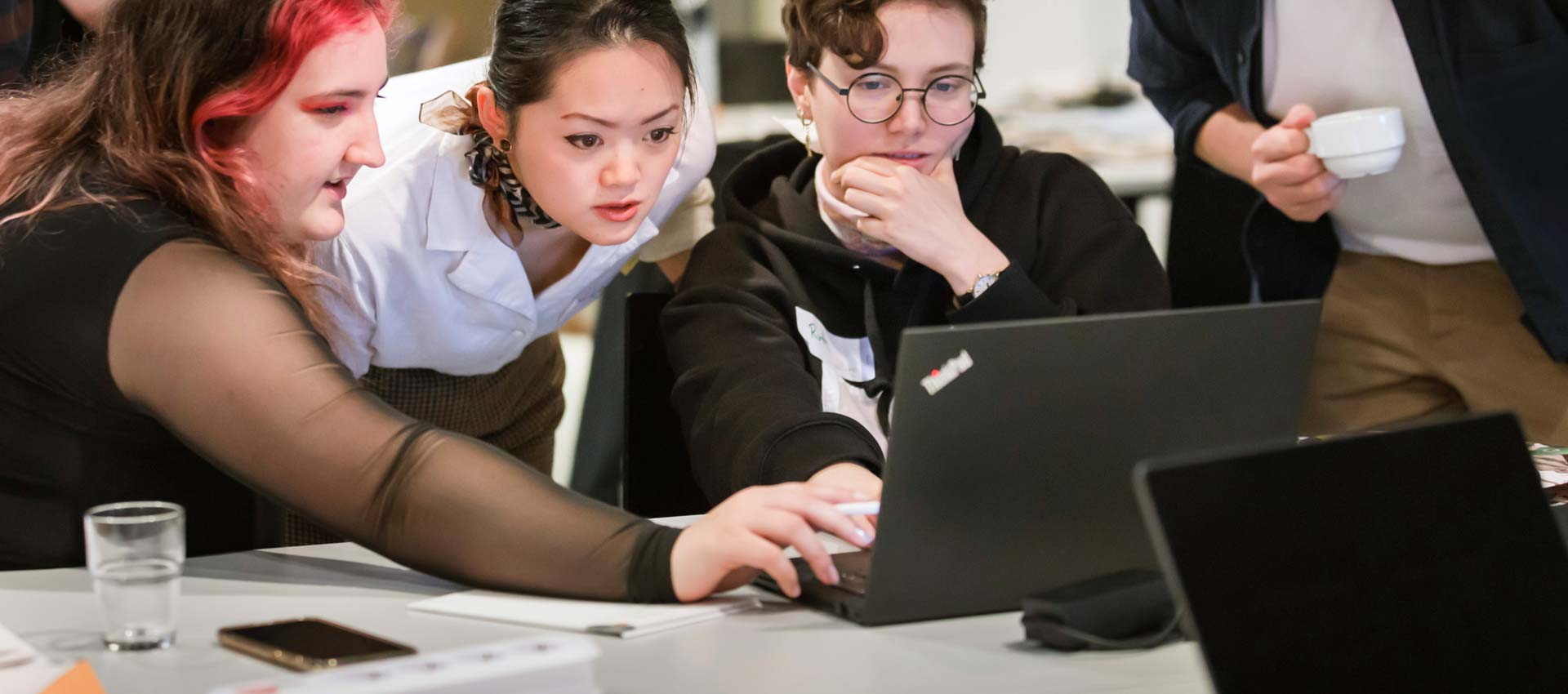
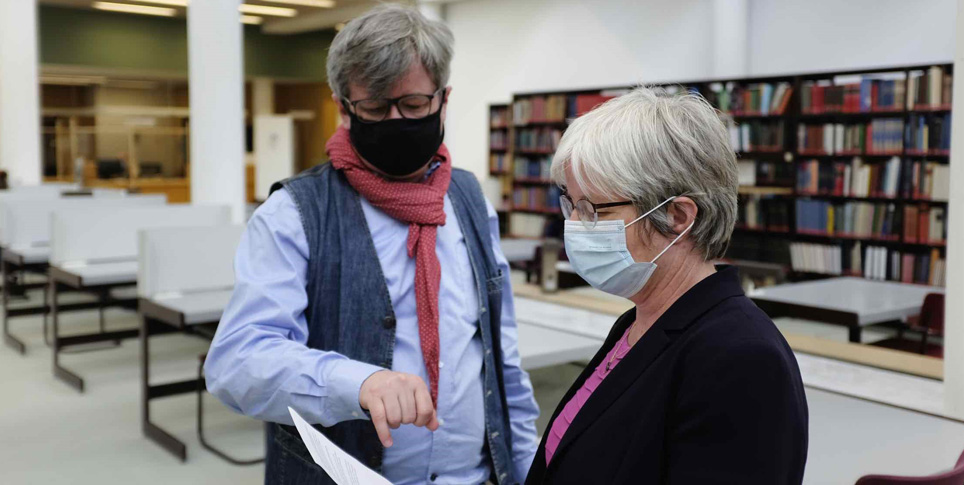
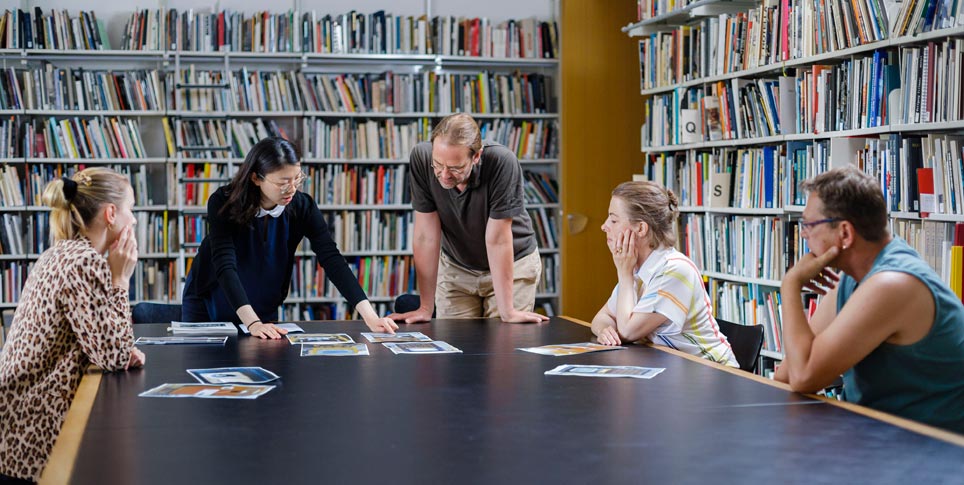
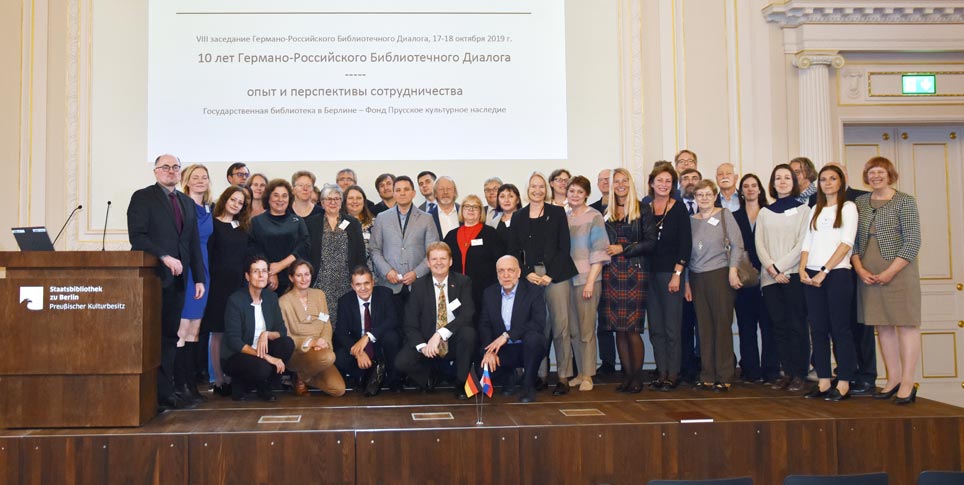
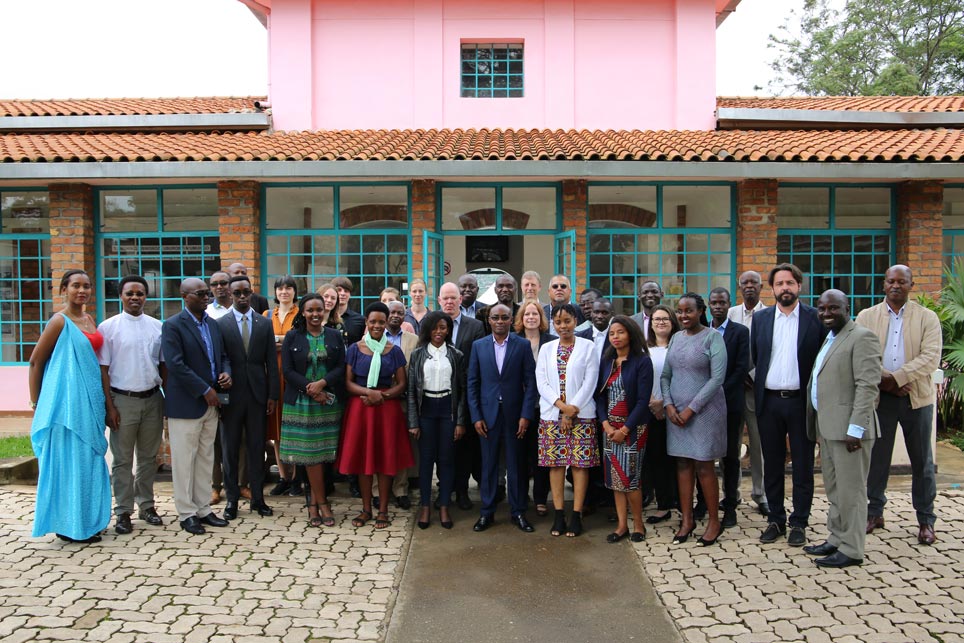
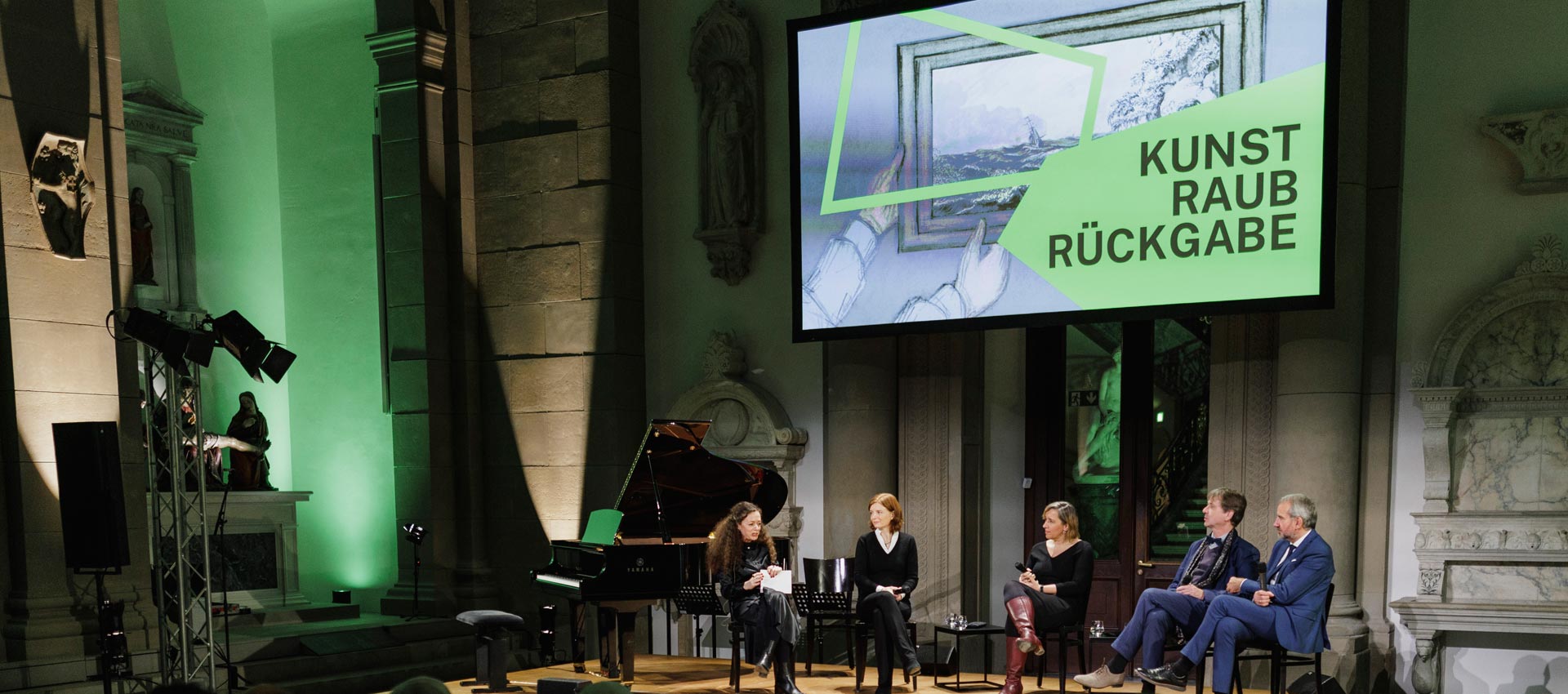
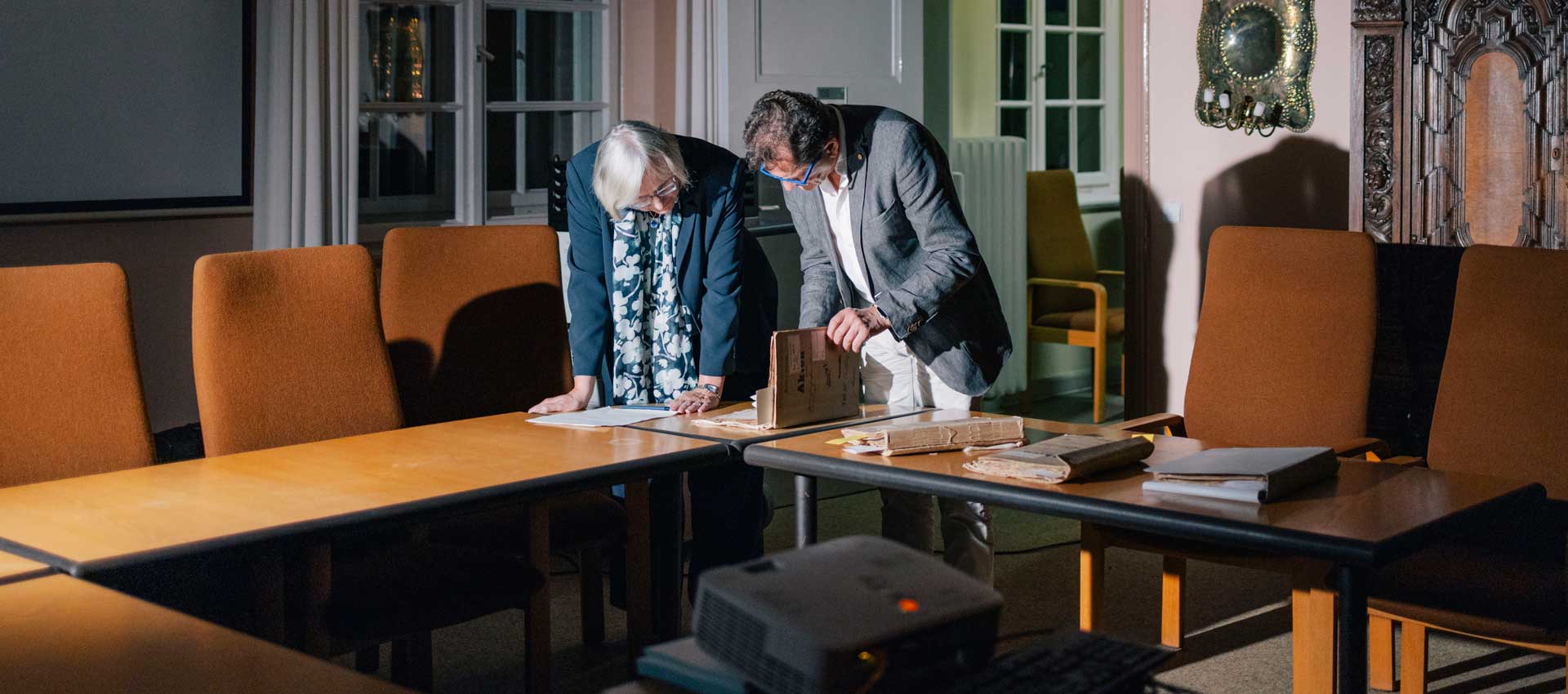
It was therefore high time to step up cooperation – a view shared by the Stabi, which, in spring 2026, joined forces with the women developers’ network FemDevsMeetup and NFDI4Culture to host the ‘Cultural Heritage Meets Game Development’ meetup at Haus Bastian, the SPK’s Centre for Cultural Education. The aim of the meeting was both to assess the scope for cross-sector dialogue between cultural heritage institutions and the games industry, and to explore specific (new) areas of application for gamification and 3D animation technology – building on the Pop-up 3D project.
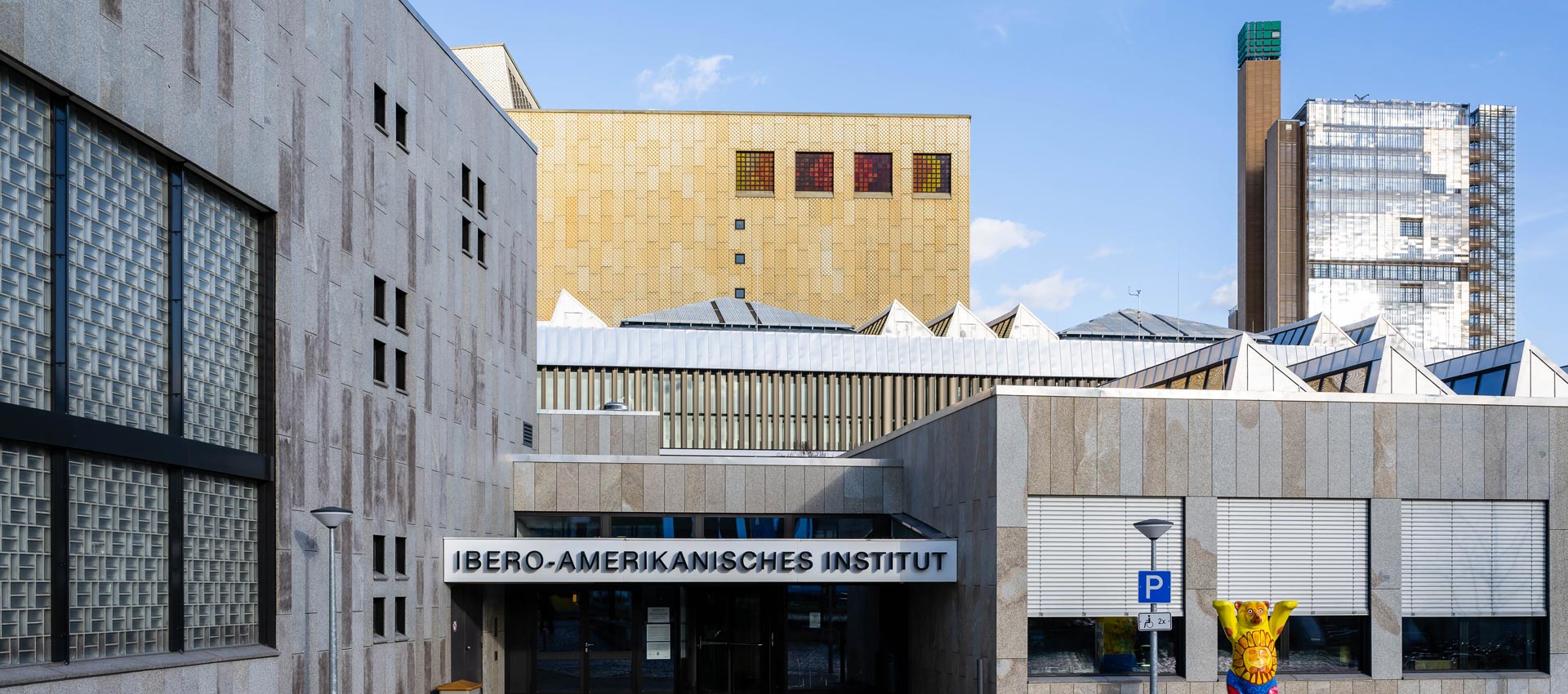
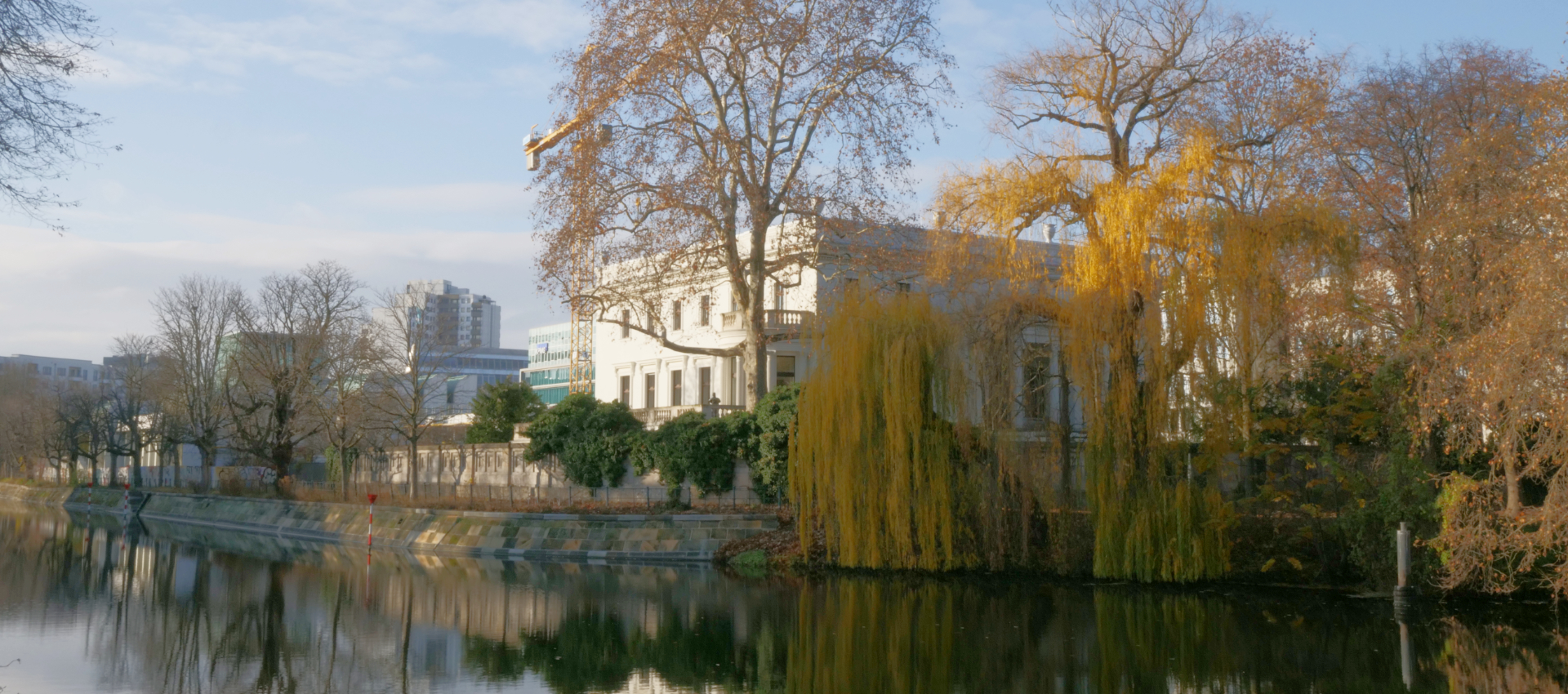
The discussion format was aimed simultaneously at game developers, researchers, collection managers, members of the creative industries and artists – and was equally well attended by all target groups. Incidentally, if there is an ideal venue for such a boundary-breaking event, it is Haus Bastian – not least because the openness of the intellectual dialogue space found its counterpart in the transparency and functional flexibility of the architecture of the building, originally designed by David Chipperfield as a gallery.
The best of both worlds
At the heart of this forum for exchange between the two worlds were dynamic, performative collection objects such as the aforementioned game books. This was no coincidence, as they were designed specifically to interact with the audience. What could be more natural, then, than to digitally replicate these analogue interactive experiences using 3D animation software and present them to different audiences in a gamified format? This thematic focus also explains the involvement of NFDI4Culture, as Stabi and the Technical Information Library in Hanover are jointly responsible, within the framework of the national consortium for research data on tangible and intangible cultural heritage, for the further development of kompakkt, a technical platform for the scientifically sound digital provision of 3D visualisations of both static and interactive artefacts.
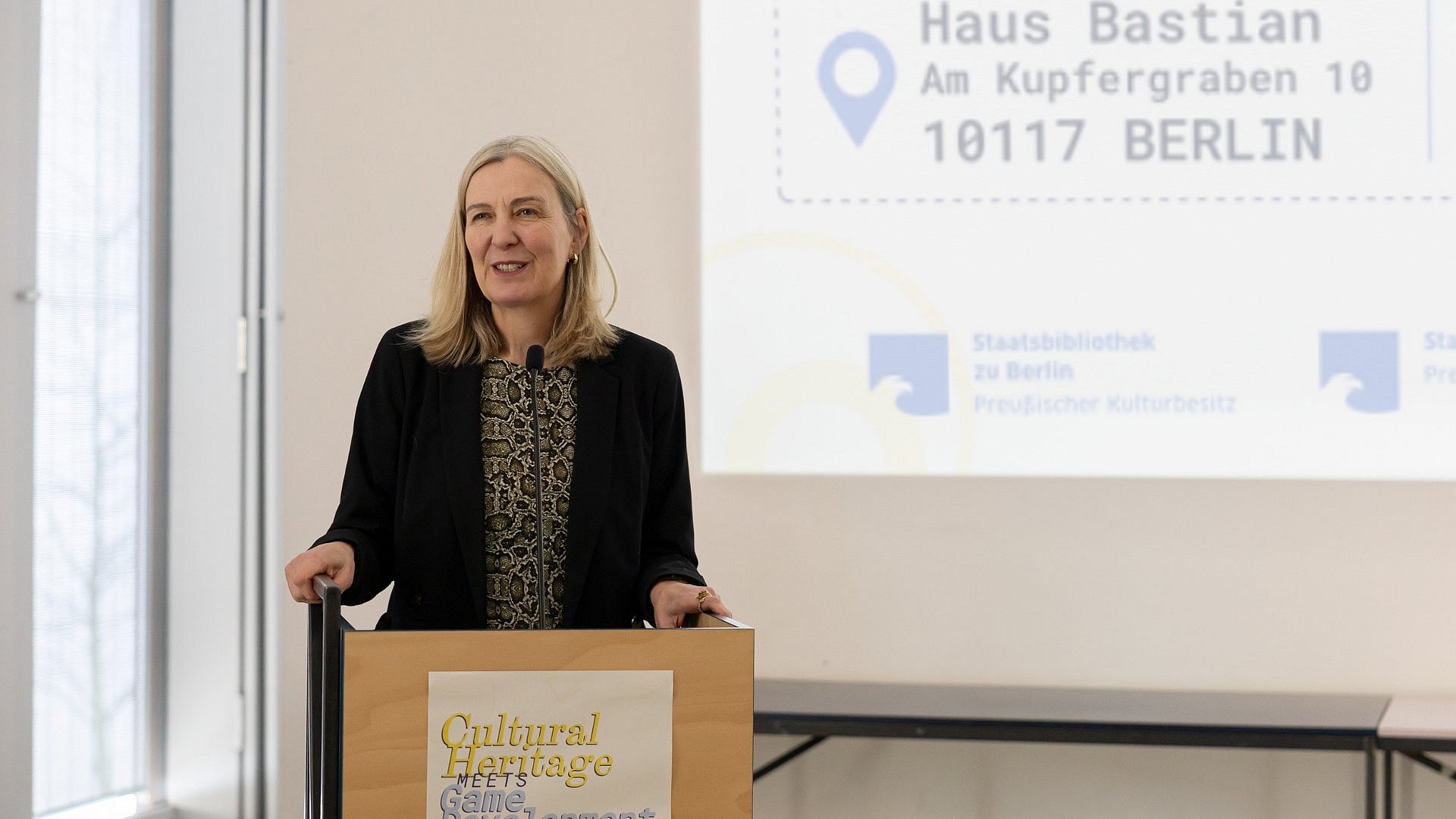
Input to stimulate the discussion came both from Stabi’s 3D team – which includes freelance computer game developers – and from the design studio Neonature, which specialises in serious games and artistic VR installations and whose work supports the outreach activities of numerous museums. Incidentally, the patron of the meet-up at Haus Bastian was SPK President Marion Ackermann, which once again underlines how important it is to keep the cross-disciplinary dialogue between archives, libraries, museums and research institutions with the games industry alive – for this task is by no means a walk in the park.