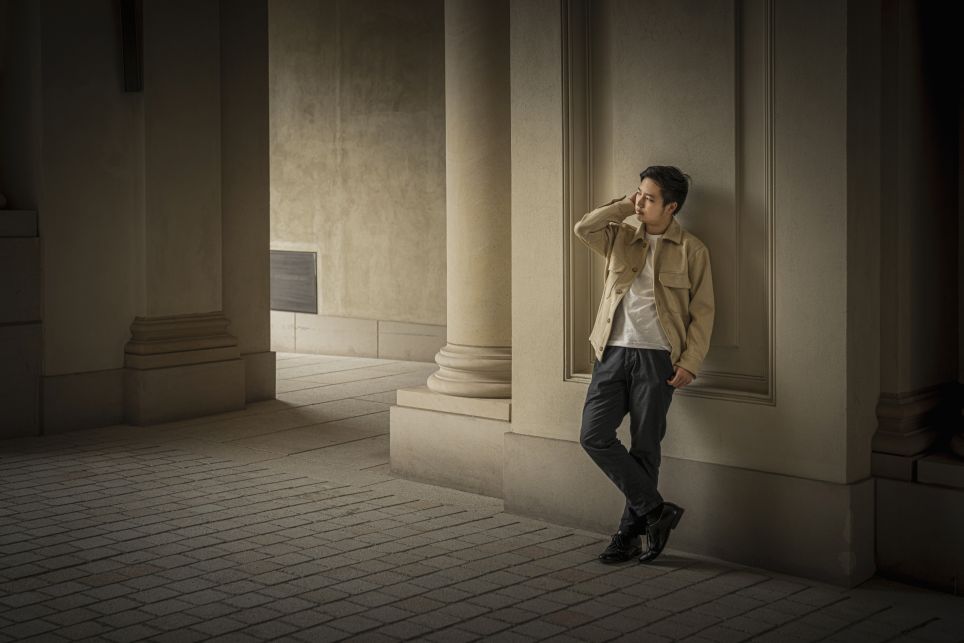
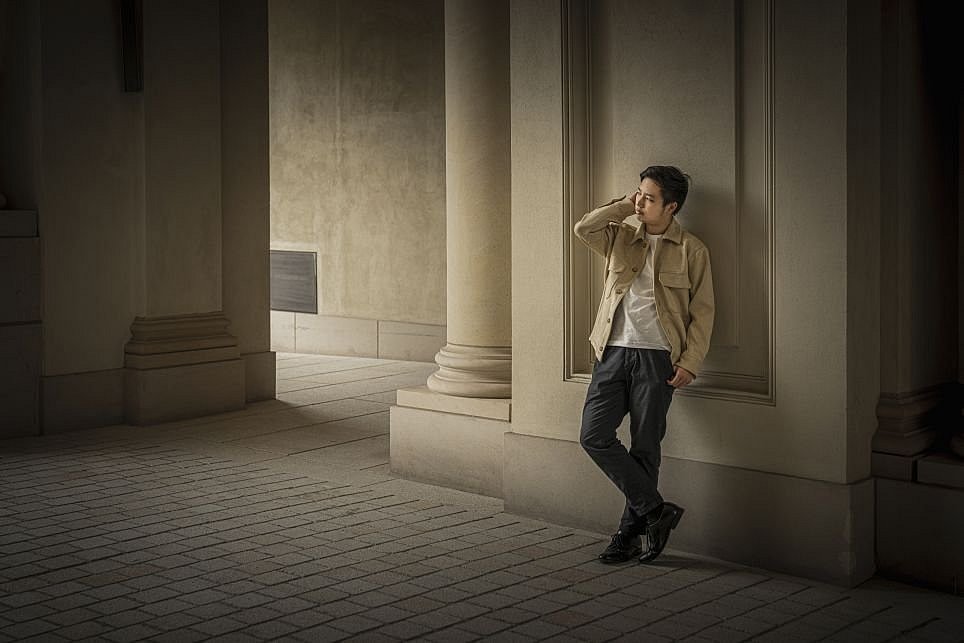
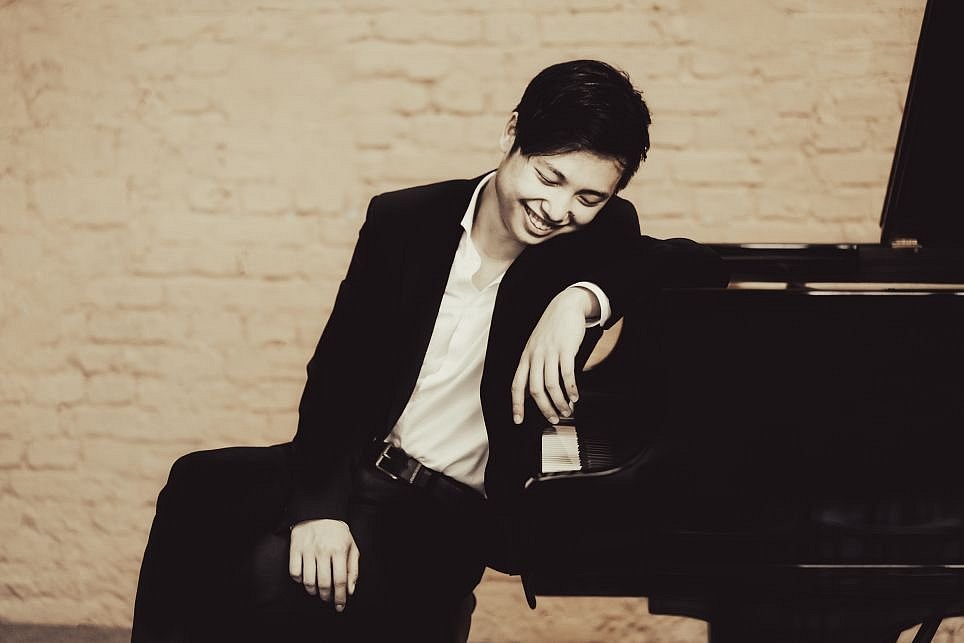
In 2022, pianist Jeonghwan Kim won first prize in the piano category at the Felix Mendelssohn Bartholdy University Competition (FMBHW). In this interview, he talks about his experience.
As a pianist, you won first prize in the piano category at the 2022 Felix Mendelssohn Bartholdy University Competition (FMBHW). Which university did you represent, and what is your musical background?
Jeonghwan Kim: I am studying at the Hanns Eisler Academy of Music in Berlin. I was born in Seoul, but have been living in Berlin for eleven years and attended the C.Ph.E. Bach Music School here. When I took part in the Felix Mendelssohn Bartholdy University Competition, I was in the third semester of my Bachelor’s degree.
How did the application process for the FMBHW work internally at the university?
It was very straightforward for me. My professor recommended that I take part in the competition and I agreed. After that, everything was sorted and I started preparing for the competition straight away.
Do you get nervous before a competition like that?
At first I wasn’t worried, but when I was in the hall for the first time, I did get very nervous. I was actually more nervous than at the international competitions I’ve taken part in.
How did you prepare for the competition?
First and foremost, I practised more intensively than usual, but apart from that I didn’t make any further preparations. I simply tried to prepare the pieces I’d chosen for the competition as well as possible. I rehearsed the Mendelssohn concerto, which had to be played in the final round, extremely thoroughly. I also tried to draw as much inspiration as possible from other works by Mendelssohn, such as A Midsummer Night’s Dream, his symphonies and Songs Without Words.
Did you put the programme together yourself or with your professor?
I put the programme together largely on my own. Of course, my professor, Konrad Engel, looked it over again and made a few suggestions and corrections, but otherwise I was completely free in my choice.
What was your experience of the competition itself?
The FMBHW differs from other competitions in that, once the results of the first round are announced, you have to compete in the second round the very next day. The results of the second round are announced on the same day, and the final round takes place the following day. That means there is very little time between the rounds, and for me it was one of the most exhausting weeks I’ve ever had.
That sounds stressful, but you clearly got through this hectic phase well …
… yes, above all I learnt very quickly how best to manage the limited time available, how to approach the tasks effectively and how to cope with the stress involved.
Did you have any inkling during the competition that you might win? Is it possible to interpret the jury’s reactions in such a situation?
No, it was quite a surprise. I wasn’t at all sure whether I’d even make it through the first round. Instead, I tried not to think about it at all and just concentrate on the music.
Did you find out in any way what the deciding factor was in your winning?
No, I didn’t really notice much from the juries. There were, of course, conversations with other participants, but I didn’t speak to anyone on the jury.
Has taking part in the FMBHW been a career boost for you; has it led to more commissions or concert opportunities?
I would certainly say so. After winning the FMBHW and the Friends of Young Musicians Prize, I’ve had plenty of opportunities to play at both small and large concerts. Generally speaking, competitions like these are also good goals to work towards. It helped me a great deal. The competition itself was also helpful – I was able to perform a wide variety of pieces there, which allowed me to expand my repertoire and gain stage experience. Furthermore, such events naturally always lead to valuable contacts; you exchange ideas and get to know new people.
The FMBHW is, of course, a special competition, not only because of its history but also because of the nature of the competition itself, with its various categories and the rounds following in quick succession. Does the competition differ fundamentally from other, similar events?
At international competitions, musicians from all over the world come together, but the FMBHW is an exclusive competition for German universities. Only students from Germany take part, and that’s quite special. Perhaps that’s why I was more nervous at this competition than at others, because I knew that the standard at German music universities is very high. The competition itself is run in exactly the same way as other competitions, with the sole difference being that the rounds follow one another in such quick succession. Normally, you always have a bit of time between rounds to make adjustments and prepare further. At the FMBHW, it’s theoretically possible that you find out the result in the evening and have to play again the very next morning – that’s certainly challenging.
Do you have any advice for the participants entering the competition in 2023?
I don’t really have any specific advice, except that you should prepare thoroughly and give it your all.
Jeonghwan Kim will be performing an Espresso Concert at the Konzerthaus Berlin on 13 January 2023. Information and tickets are available here