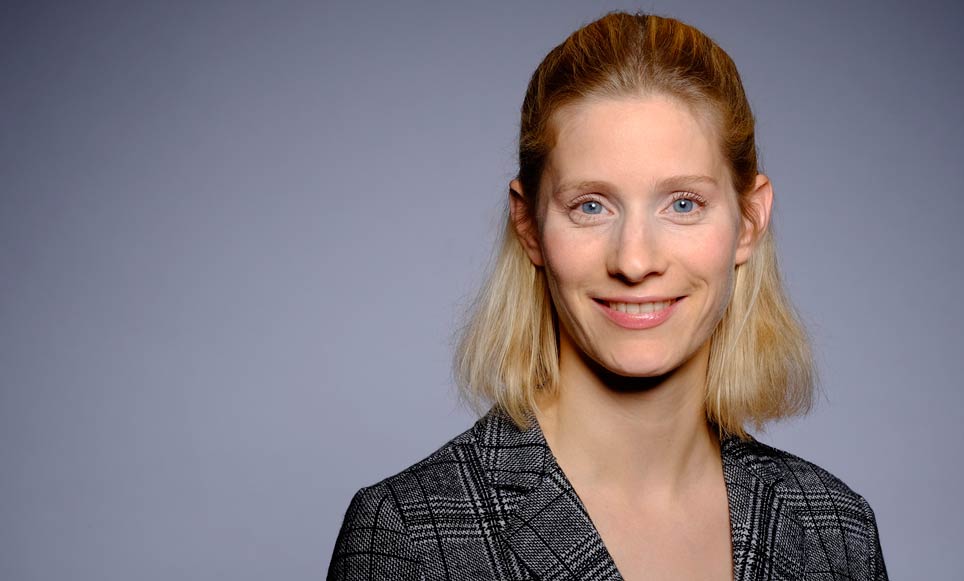
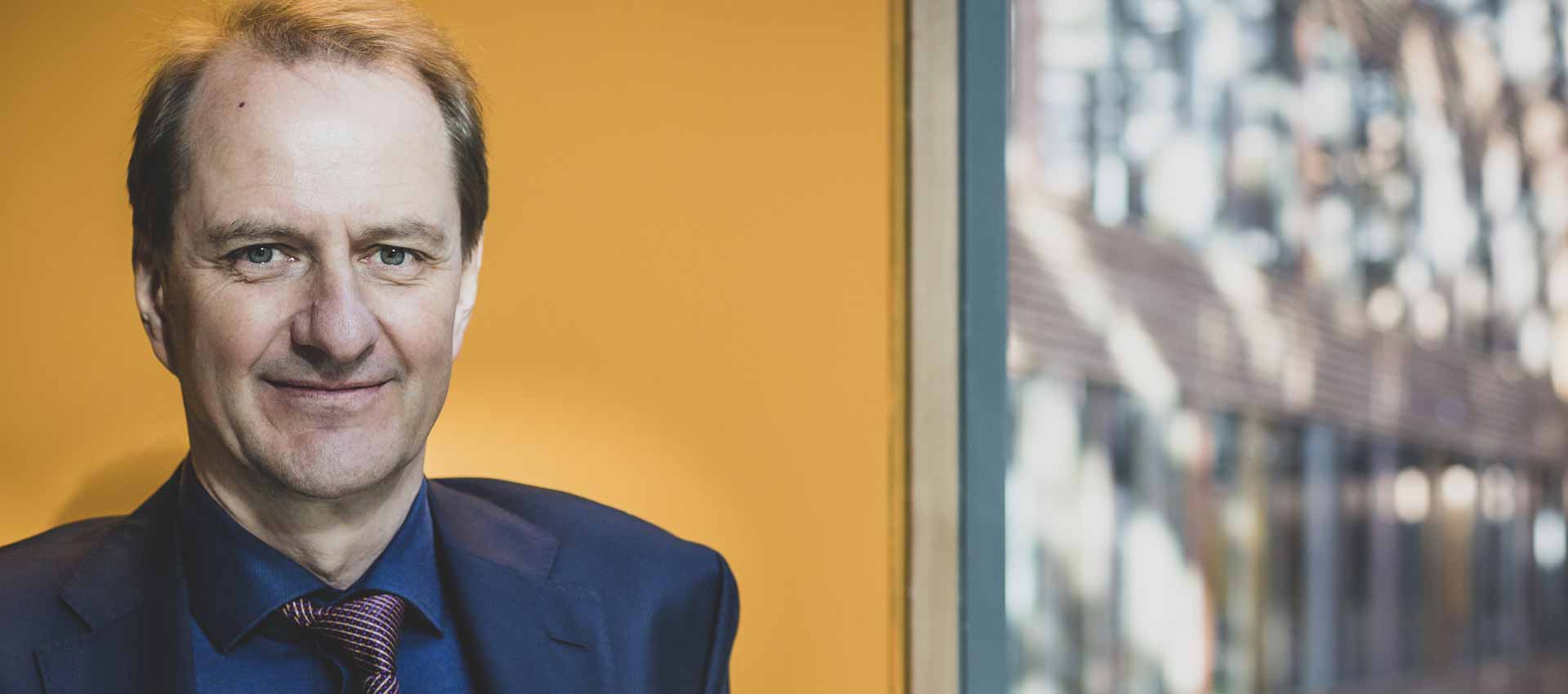
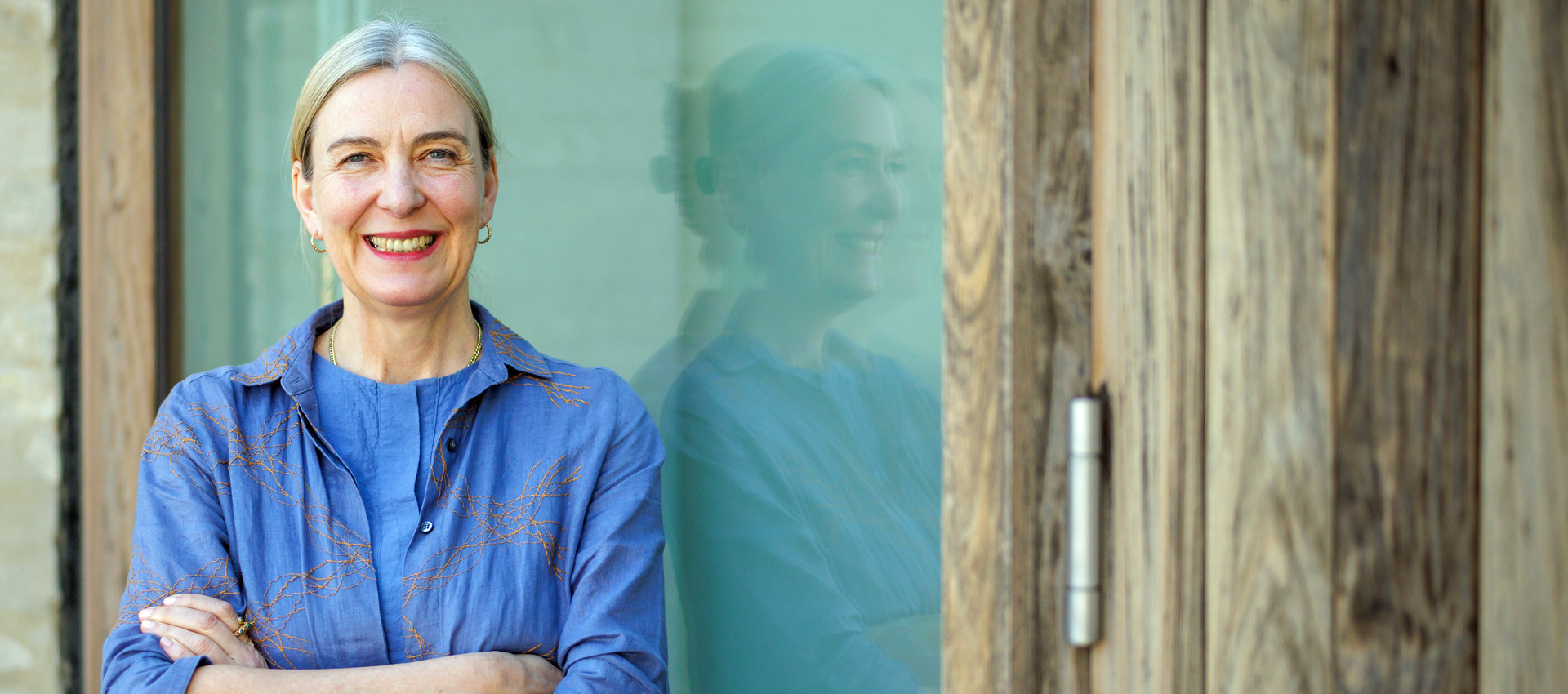
In an interview, Zoe Schubert from Stabi explains how the (Semantic) Kompakkt software significantly expands the scope of 3D model usage. With its open approach and innovative features, the tool enables cultural institutions to make their collections accessible in an interactive way. This also opens up new avenues for research.
Ms Schubert, you are currently working on several projects at the SPK using the (Semantic) Kompakkt software. How did that come about?
Schubert: My background is in the digital humanities. I studied media informatics and media cultural studies at the University of Cologne and began my academic career early on, primarily working on various interdisciplinary projects such as digital long-term archiving and various 3D topics.
Four years ago, I joined the State Library, which plays a central role in establishing the National Research Data Infrastructure in the field of tangible and intangible cultural heritage. Specifically, I work here in the community management team for the NFDI4Culture project, focusing on the digitisation and enrichment of cultural objects.
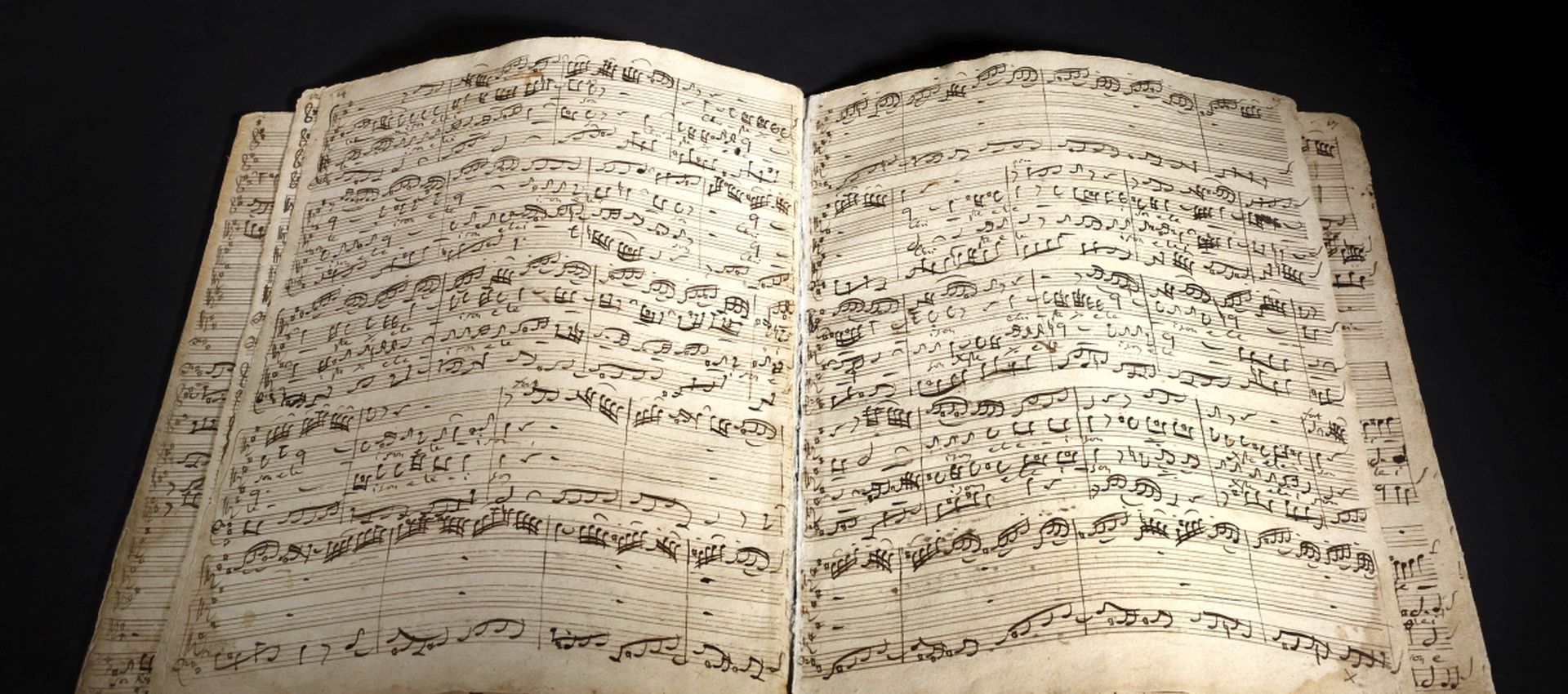
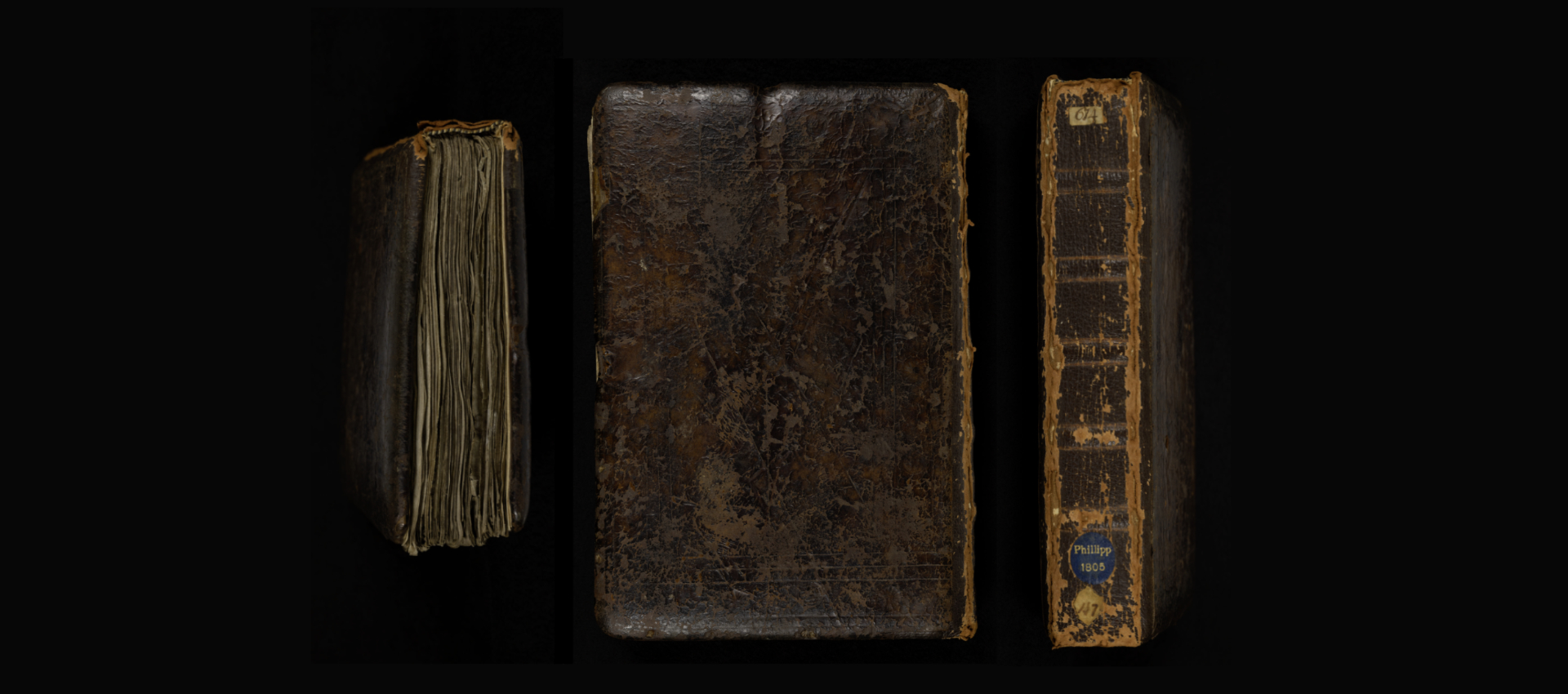
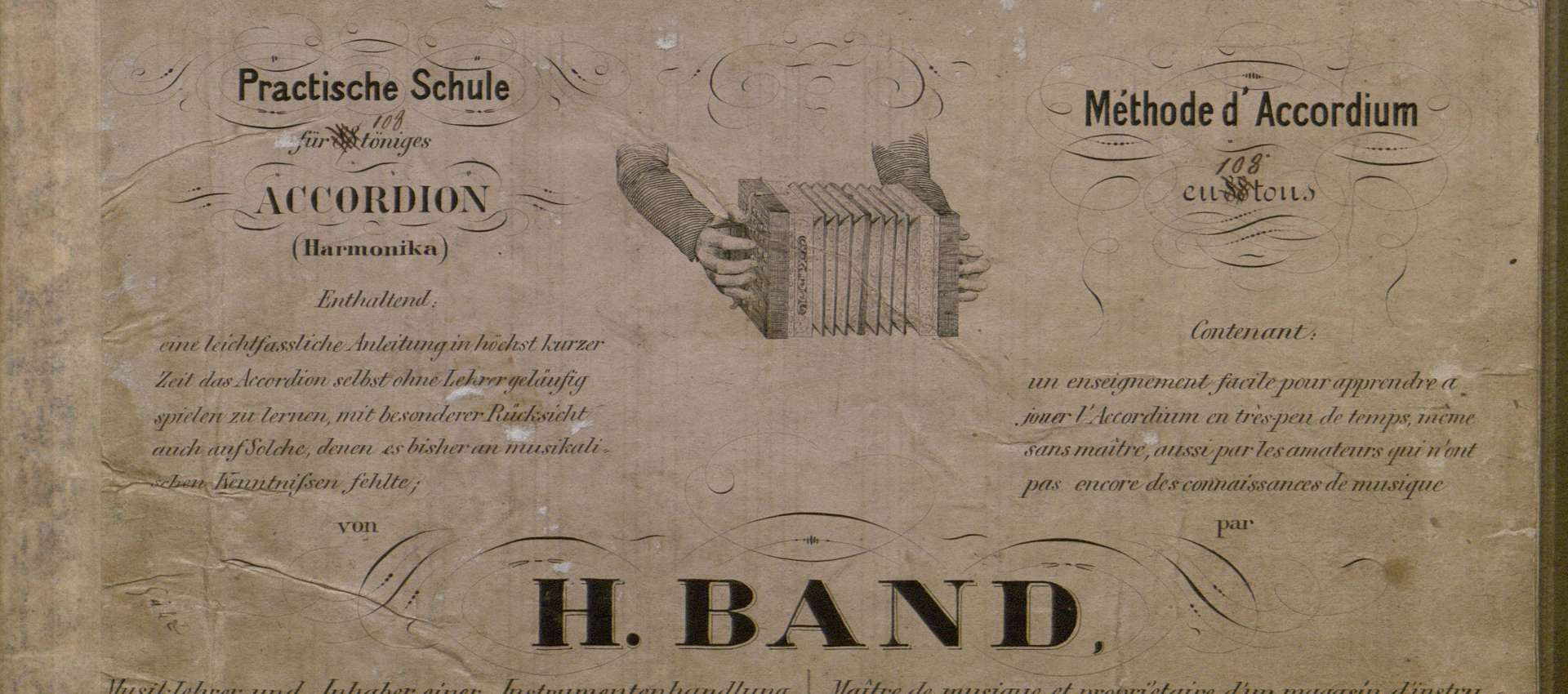
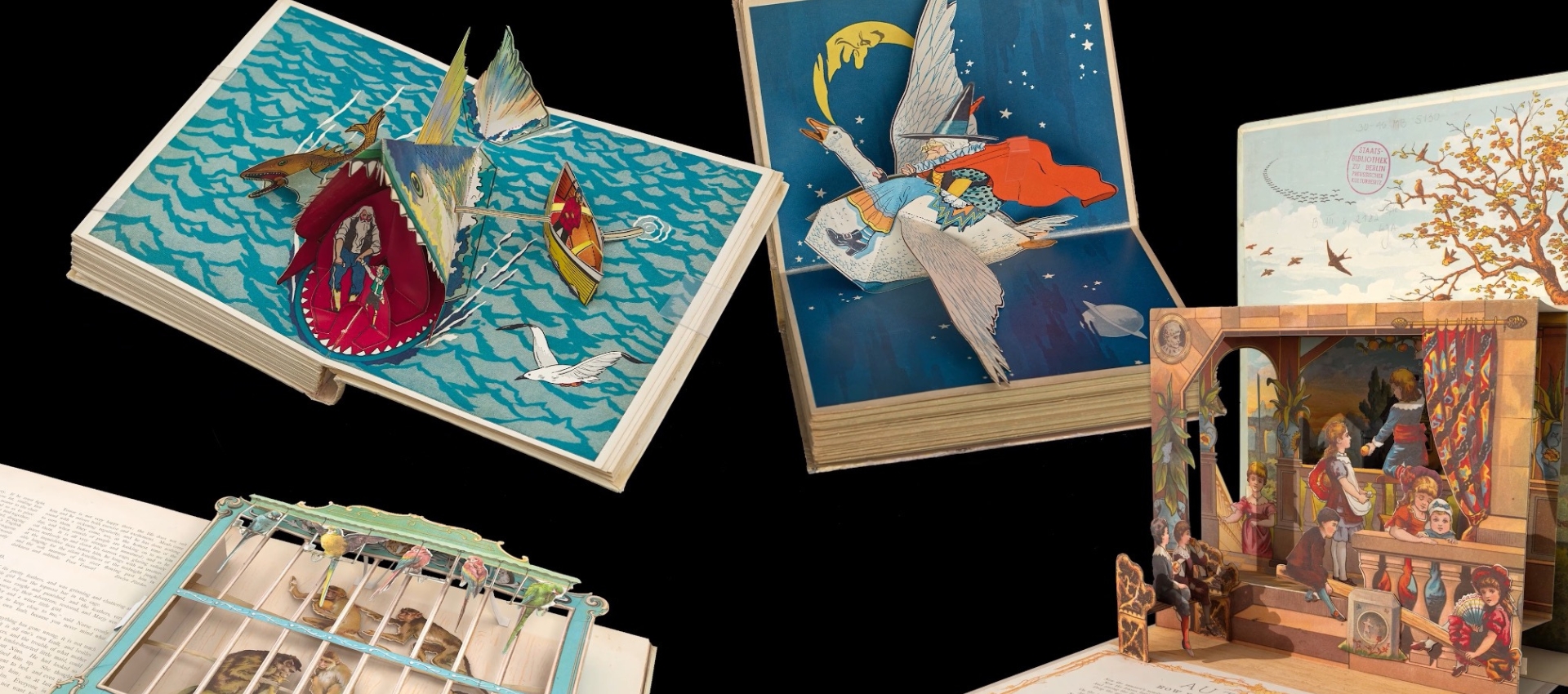
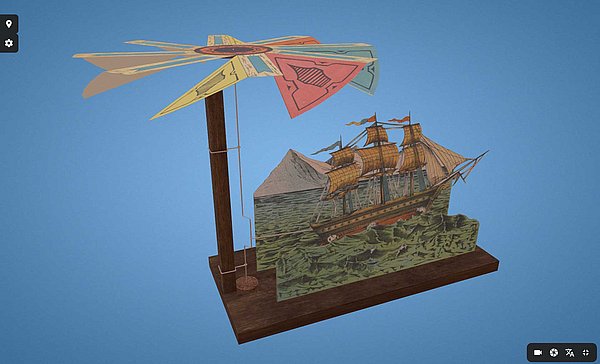
In addition, I lead the Pop-up 3D project, funded by the German Research Foundation (DFG), which aims to digitise a reference corpus of 100 picture books from the ‘long’ 19th century featuring pull-tabs, turntables and other interactive elements – whilst enabling any sequence of movements to be permanently reproducible for third parties in a citable format.
And that’s where (Semantic) Kompakkt comes in. Could you give us an overview of the software?
Gladly, but I need to go back a bit to explain. One of my last projects before I moved to Stabi was Kompakkt, which I originally developed with a small team at the University of Cologne for the use of 3D in teaching. This resulted in a free online repository and a 3D viewer specifically designed for collaborative work and storytelling. The first version was released in 2017.
Unlike commercial solutions such as Sketchfab for 3D objects (comparable to YouTube for videos), Kompakkt is completely open-source and optimised for free access to cultural heritage objects. It enables users to share, explore and collaboratively annotate objects in modern web browsers.
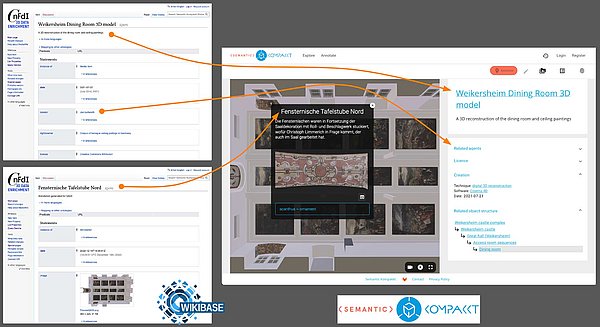
Furthermore, a semantic extension, Semantic Kompakkt, with a Wikibase connection, has been implemented in recent years at the Open Science Lab of the TIB Hannover as part of the NFDI4Culture project. It enables the addition of semantic data and annotations to multimedia content. I am also actively involved in this.

So you work closely with other institutions.
Exactly. For example, as part of the NFDI4Culture project, we have successfully identified pilot projects where our technology can be used. Recently, in particular, we have also been contacted by many institutions that previously worked with Sketchfab, as the programme is becoming increasingly commercialised. Cultural institutions, in particular, are looking for alternatives for this reason.
Since our launch in Cologne, we have continued to develop (Semantic) Kompakkt as part of an interdisciplinary team across several universities, research institutions and libraries in Germany.
In addition to collaborating with German institutions, we have also established various international connections. For example, I am an active member of the technical working group of the International Image Interoperability Framework (IIIF) for 3D objects. This initiative is developing a global standard for 3D models from archives, libraries and museums, which is why I am in regular contact with numerous cultural institutions across sectors and national borders.
What exactly can you do with (Semantic) Kompakkt?
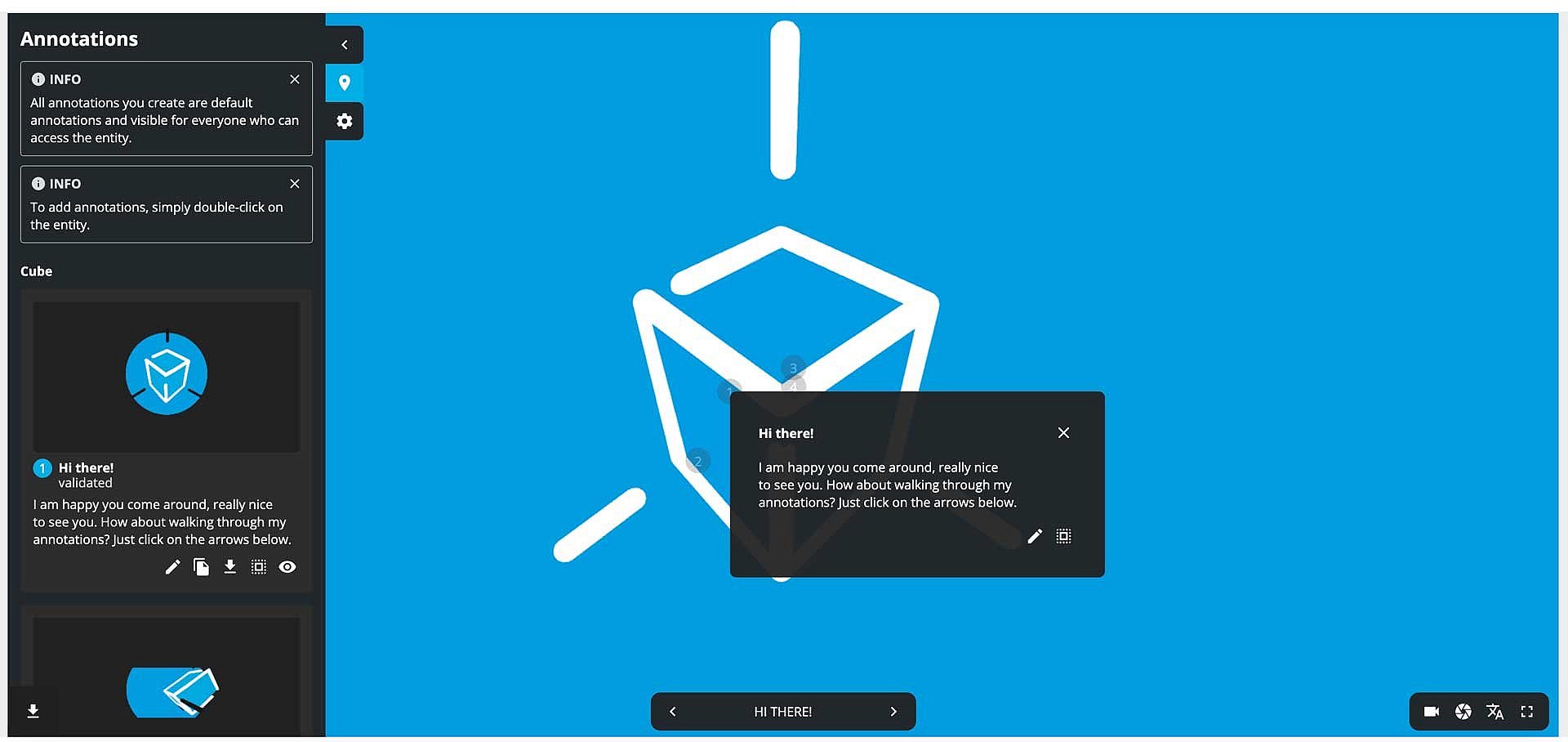
Kompakkt allows users to view 3D models from all angles in a web browser and add annotations. This enables users to place their own information in windows at various points on the 3D model.
Semantic Kompakkt also offers the option of modelling all information relating to the 3D models semantically, i.e. according to Linked Open Data principles. This content is maintained in a Wikibase.
The basic version of Kompakkt therefore works without a Wikibase and without semantic links, whilst Semantic Kompakkt adds these functions. The semantic version is particularly useful for academic purposes.
Users who do not work in academia are often satisfied simply being able to view the 3D model interactively in their browser. Many integrate the models directly into their own content management systems. One advantage of Kompakkt is that the 3D models do not necessarily have to be uploaded to this system. They can remain on any server, whilst only the viewer is embedded on the user’s own website.
Do you have a specific example of how this is used?
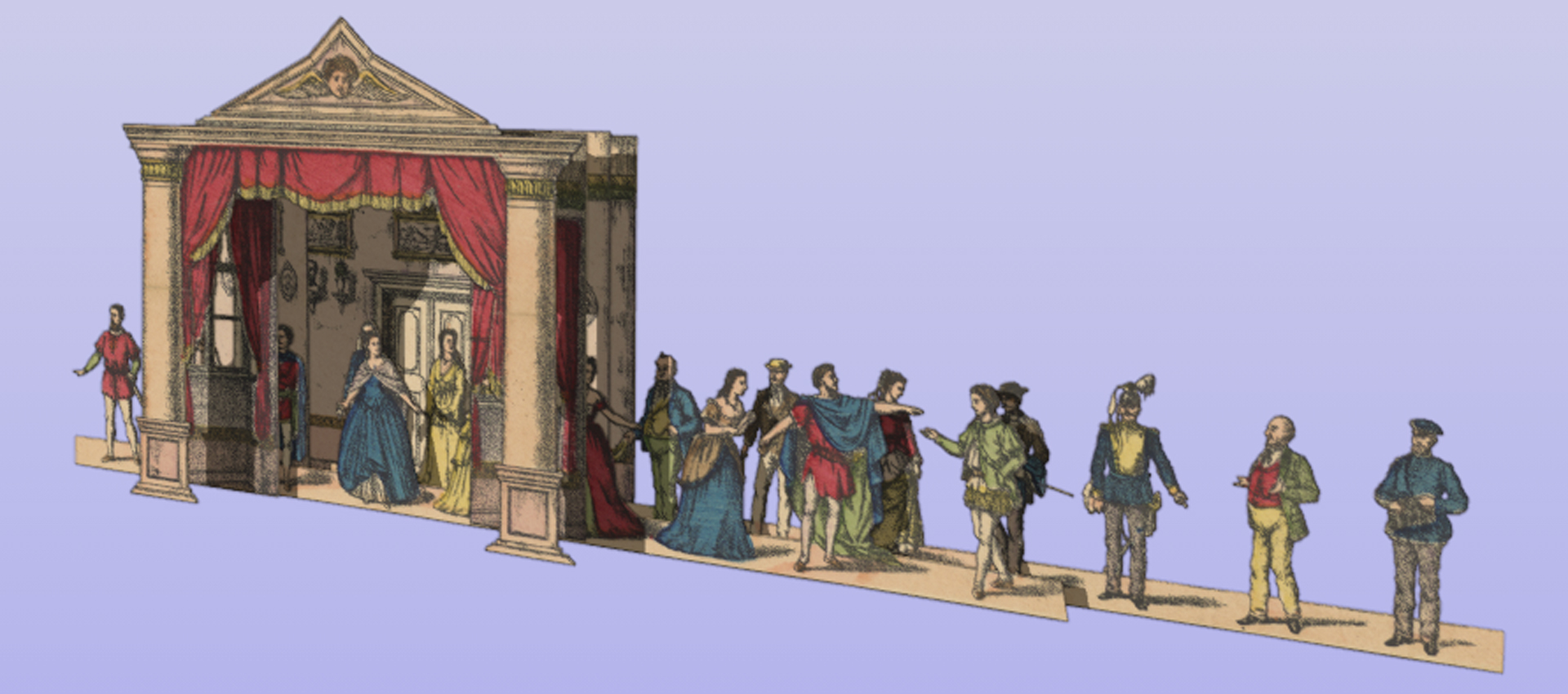
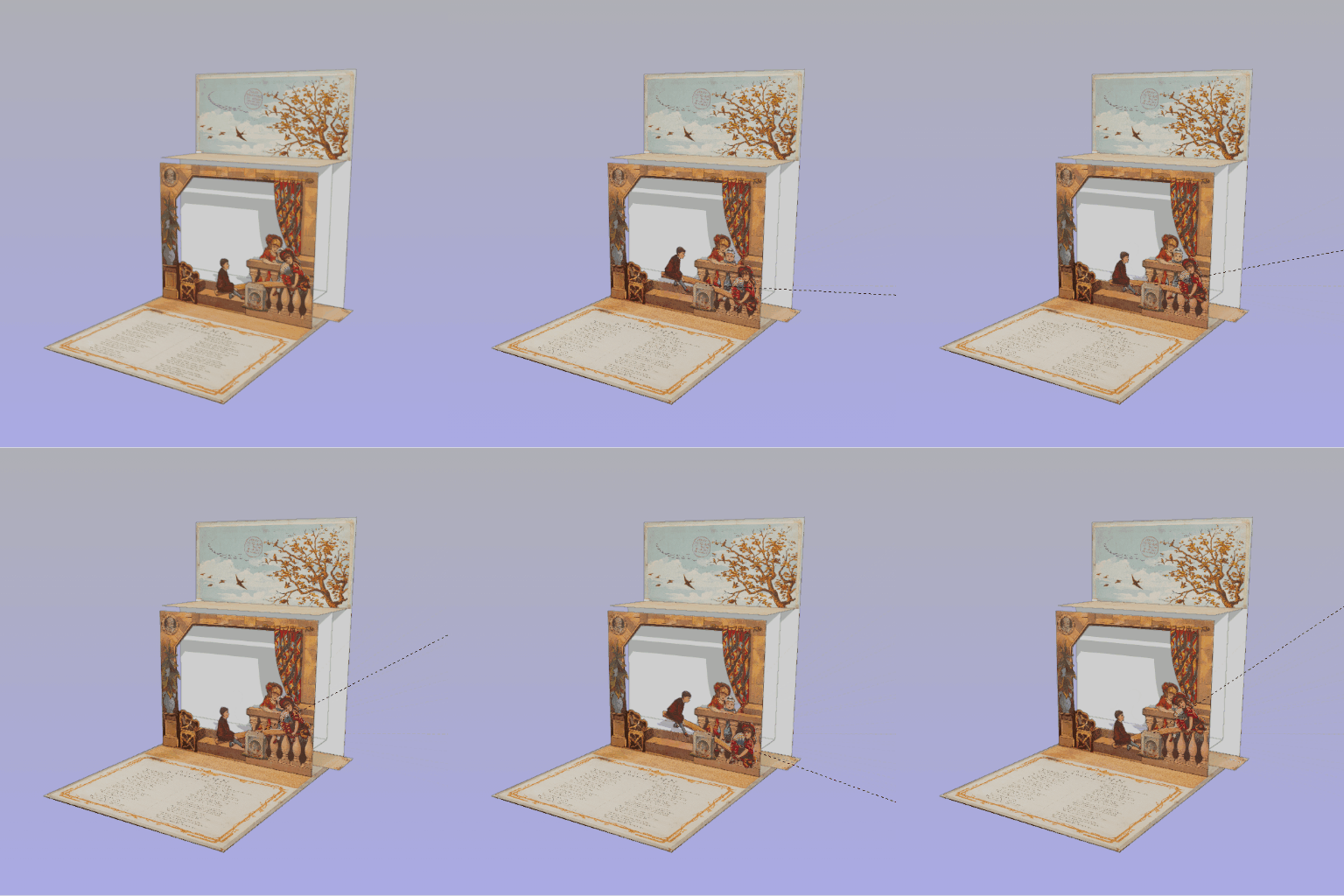
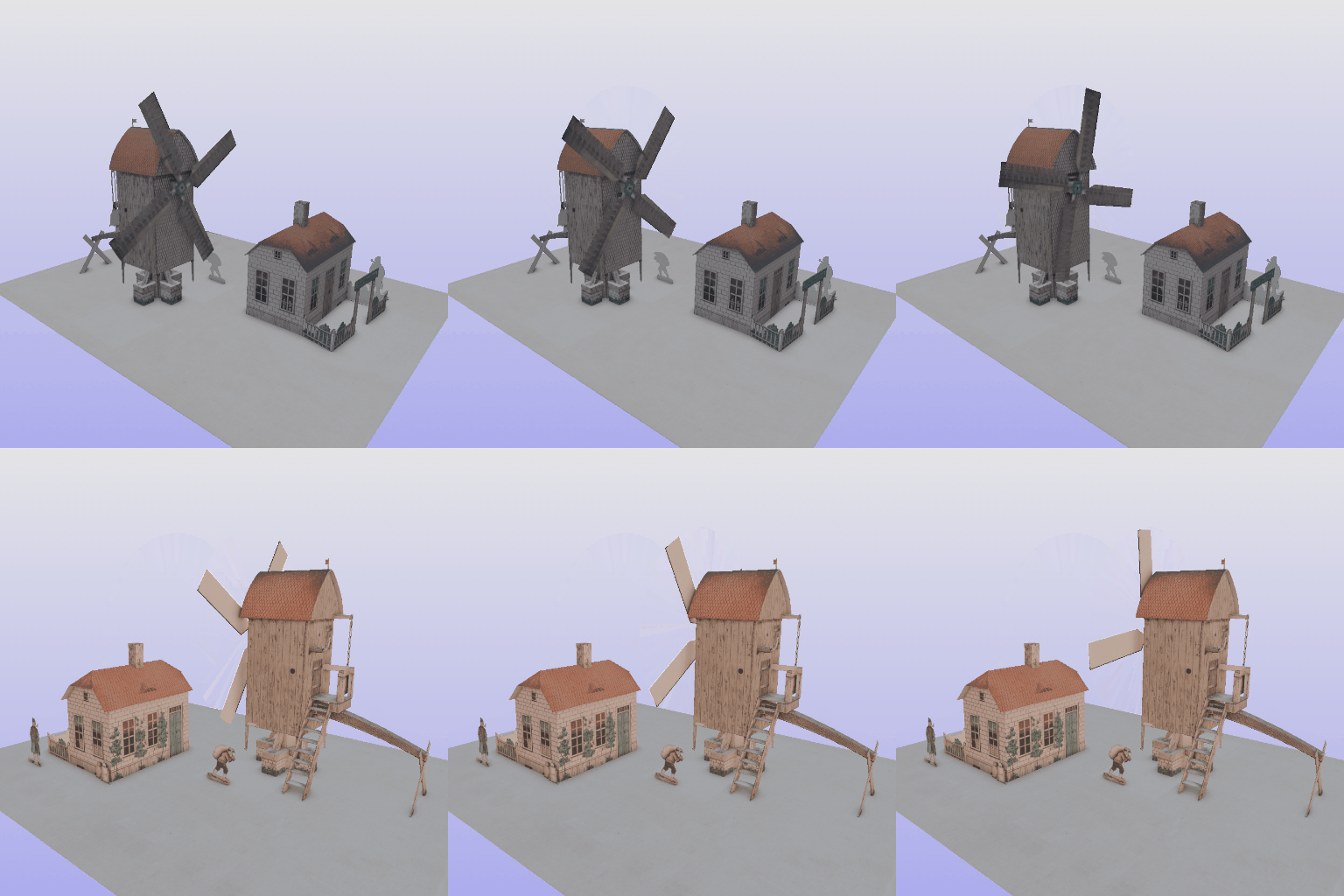
The Pop-up 3D project, which began a few months ago and was mentioned earlier, provides a good example. Here, we aim not only to treat the historical pop-up picture books as ‘flat objects’ and document their moving parts in video, but also to reproduce their characteristic interactivity in a digital 3D model.
The books from the State Library’s collection have very different interactive features: some, for example, contain transparent pages that can only be seen when held up to the light. We simulate this effect in 3D to demonstrate the translucency.
In other books, for example, flaps can be pulled out, backdrops set up and small figures placed – and much more besides.
To make these interactive elements comprehensible in the digital realm, we need not only the pure 3D model but also corresponding animations. These should be individually programmable within Kompakkt and made referenceable.
This will therefore give researchers around the world who publish on these works the opportunity to make any movement sequences permanently citable and reproducible by third parties.
And what can you do with the linked data?
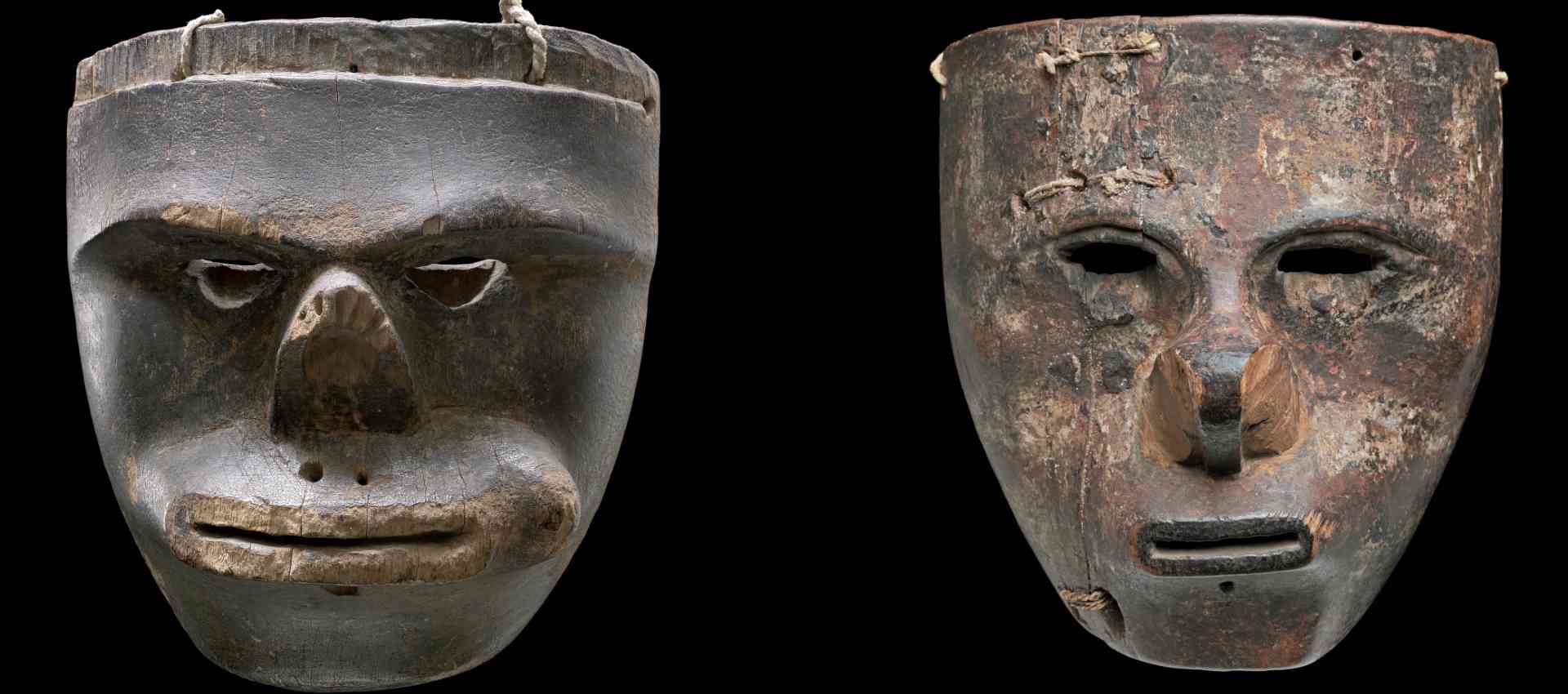
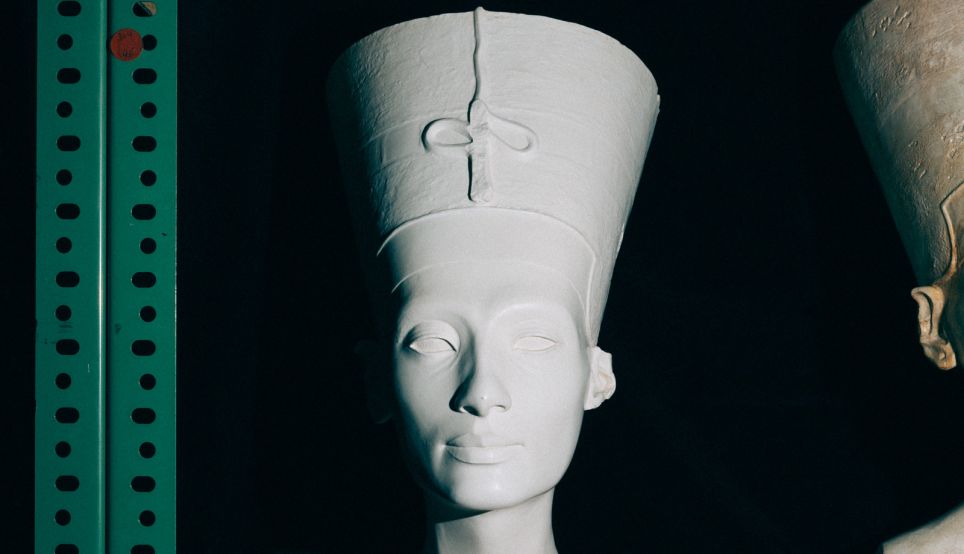
In the University of Cologne’s theatre studies collection, for example, we had Japanese theatre masks whose provenance was unknown to us. We scanned them, put them online and contacted researchers in Japan to obtain information about them. This allowed us to present the objects virtually without having to be there in person – a major advantage. The researchers in Japan were then able to add their comments directly to the objects virtually.
Researchers often wish to refer precisely to specific objects or details in their publications. With Kompakkt, they can simply set links that lead to the desired points in the model, so that others can view them directly.
There are also numerous examples of applications in cultural studies and archaeology. A colleague of mine, for instance, has been researching Turkish shadow puppets which, for conservation reasons, can no longer be handled. With the help of our 3D models, these puppets can now be ‘performed’ virtually.
Overall, digitisation offers many advantages. It also allows even more complex objects to be made accessible in new ways.
A state-of-the-art storage facility is being built in Berlin-Friedrichshagen for the Berlin State Museums, where the collections will be catalogued photographically and digitally. Are you working with colleagues from the SPK network there?
Yes, together with my NFDI4Culture colleague, I am an active member of the group developing the operational concept for the digitisation facility in Friedrichshagen. As part of the game book project, we are also addressing various aspects relevant to this context. Among other things, we are creating photogrammetric images of our books. In future, it may therefore be possible to scan these works in Friedrichshagen as soon as the necessary equipment becomes available.
Our project is a good example of how the State Library can benefit from the SPK’s digitisation infrastructure in Friedrichshagen. At the moment, we are optimising our workflows – from digitising the objects to their presentation. In doing so, we are assessing the required storage space, the design of our workflows, the archiving of the finished models, and the necessary steps for processing and publication.
Although our DFG project is likely to be completed before the digitisation facility in Friedrichshagen is fully operational, there are already capacities there that we can utilise, such as storage space or server resources. We are therefore in close contact with our colleagues in the IT departments of the State Library and the SPK.
How can cultural institutions manage their 3D models responsibly when it comes to publication, data control and long-term access?
A key question for institutions that own 3D models is how they can make them accessible in a responsible manner. They often publish their models on the Sketchfab platform – which is comparable to uploading content to YouTube – which can be problematic for various reasons, such as when features required for commercial purposes become subject to a fee.
Storing 3D models on third-party servers can also be problematic under certain circumstances. Particularly when digital objects have been created using public funds, institutions must carefully consider where and how they make their data available. In doing so, important issues such as rights, data protection regulations and future control must not be overlooked.
However, institutions repeatedly fall back on the most common solution without looking into open-source alternatives, which might even be better suited to academic requirements.
This is not about promoting a specific platform, but about consciously reflecting on where one’s own data is stored, who has control over it, and what long-term costs might arise. That is why we advocate for responsible solutions.
And much like the Smithsonian Institution, which developed its own open-source 3D viewer (Voyager) to ensure the appropriate presentation of its digitised collection objects, the SPK could, for example, use Kompakkt for this purpose, whose viewer can be flexibly adapted to individual new requirements – whether these are subject-specific or due to event-related needs, such as in the context of our game book project at the Stabi.