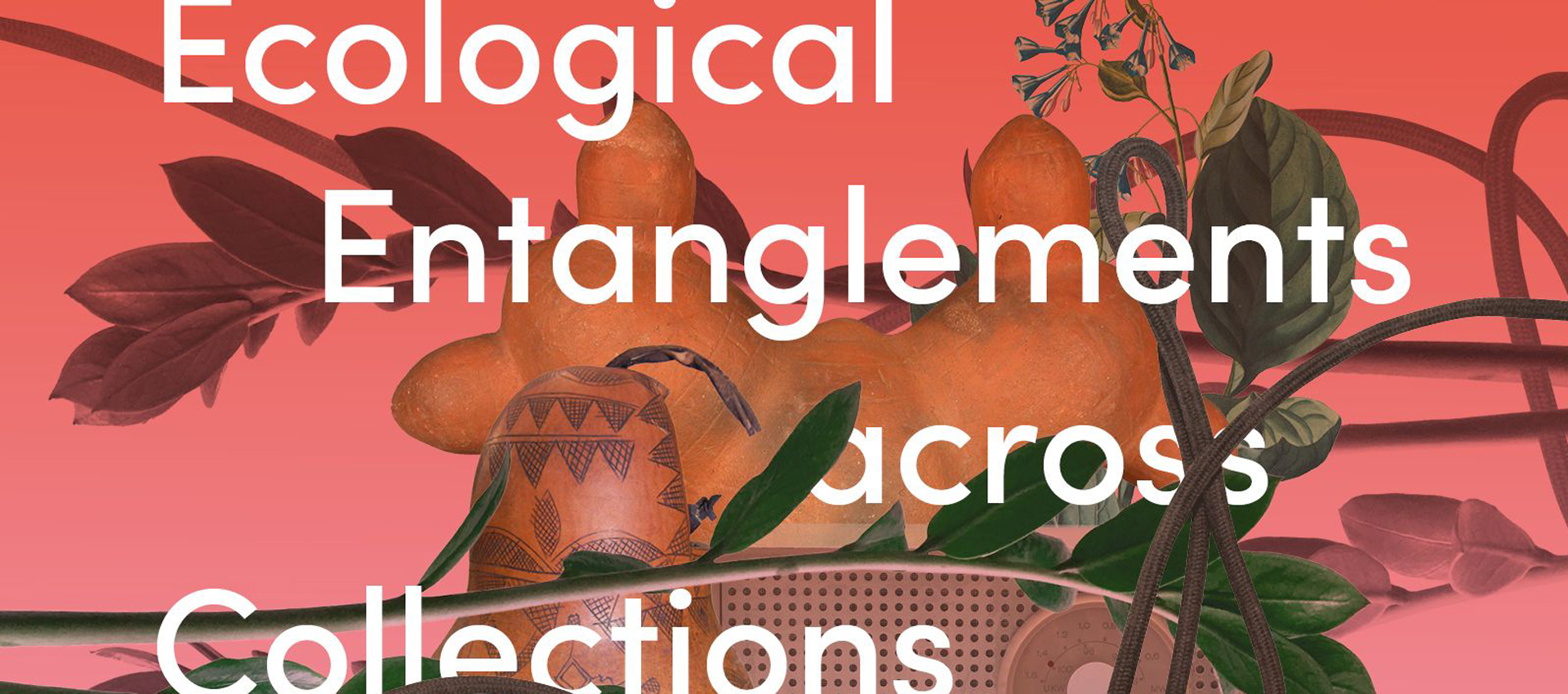
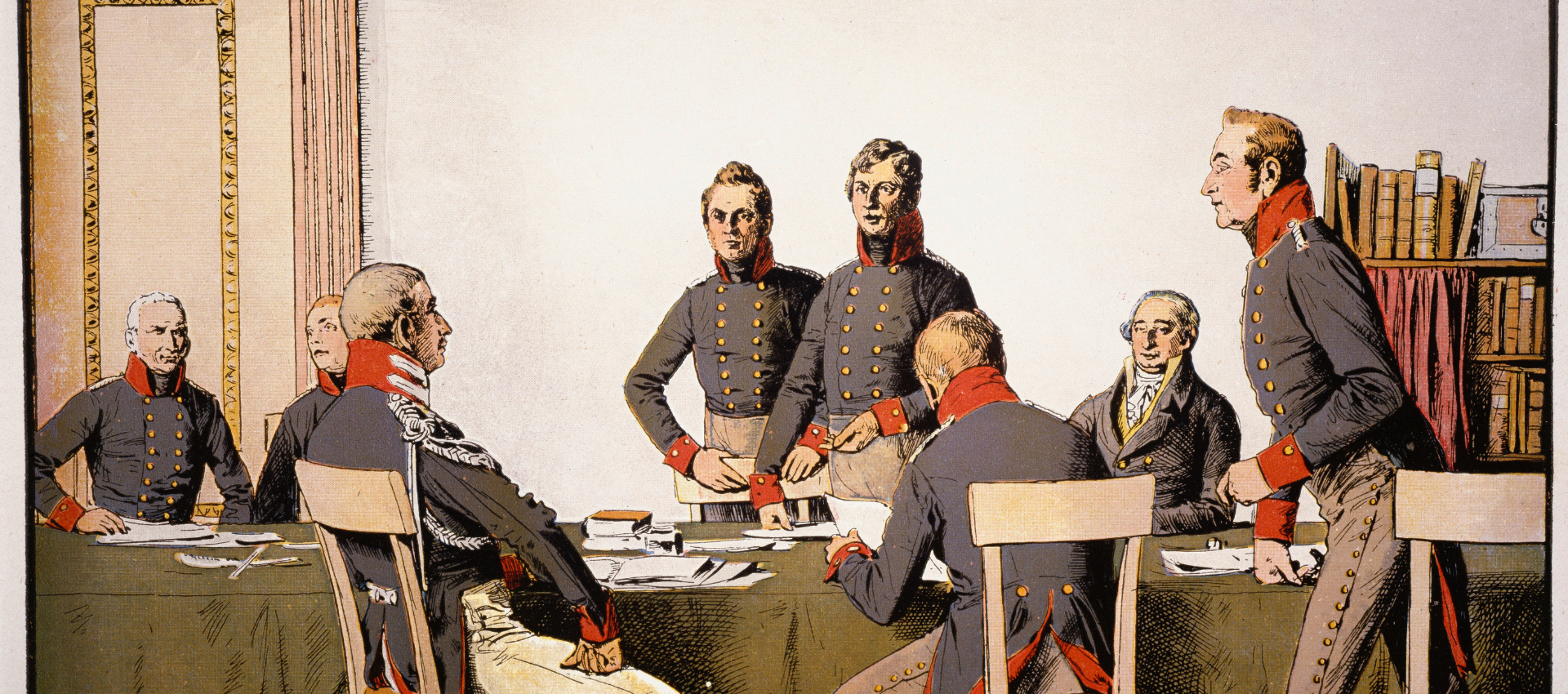
How is plant life represented in collections and archives? The upcoming online special exhibition *Plant Matters – Vegetal Art across Collections* by 4A_Lab sheds light on the stories behind the artworks, explores their connections with plants, and builds bridges between art, botany and society through dialogue. A preview.
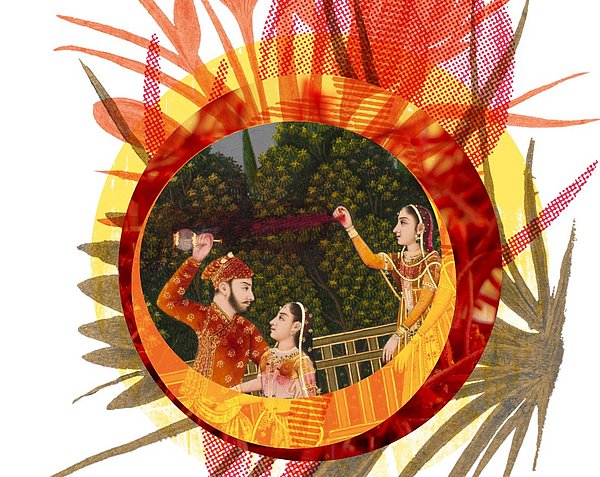
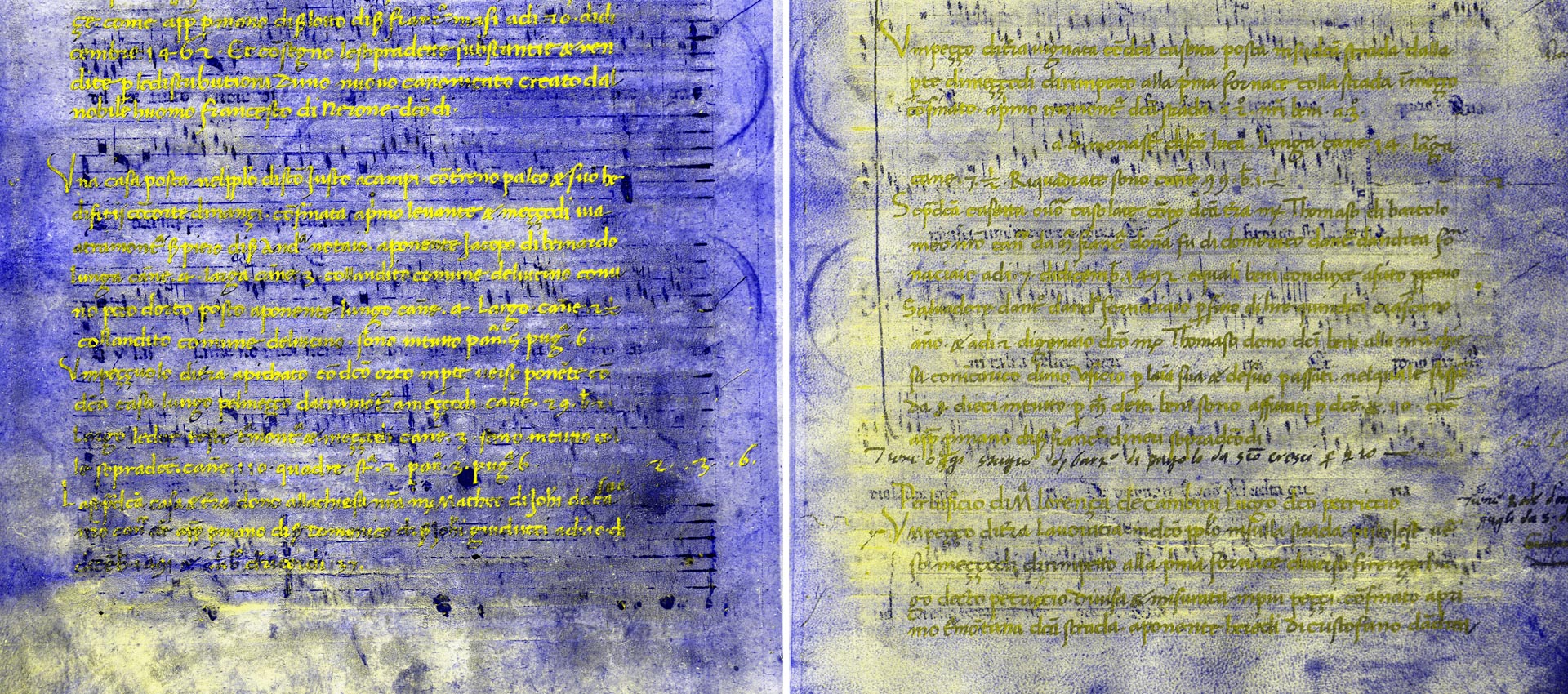
“…an immense abundance of flowers everywhere,” reported the Flemish envoy Ghiselin de Busbecq from Turkey at the end of the 16th century. His admiration for the variety of colours, beauty and sensuality was directed at the extraordinary cultivation of flowers, particularly the noble flower “which the Turks call tulips” (Augerii Gislenii Busbequii, 1595, p. 34) – a lily species that spread rapidly westwards to Europe and shook the markets in what became known as Tulip Mania. Price lists, breeding regulations and lavishly illustrated flower books from the Ottoman Empire in the Berlin collections bear witness to the monetary value of these plants and the horticultural dedication of their cultivators.
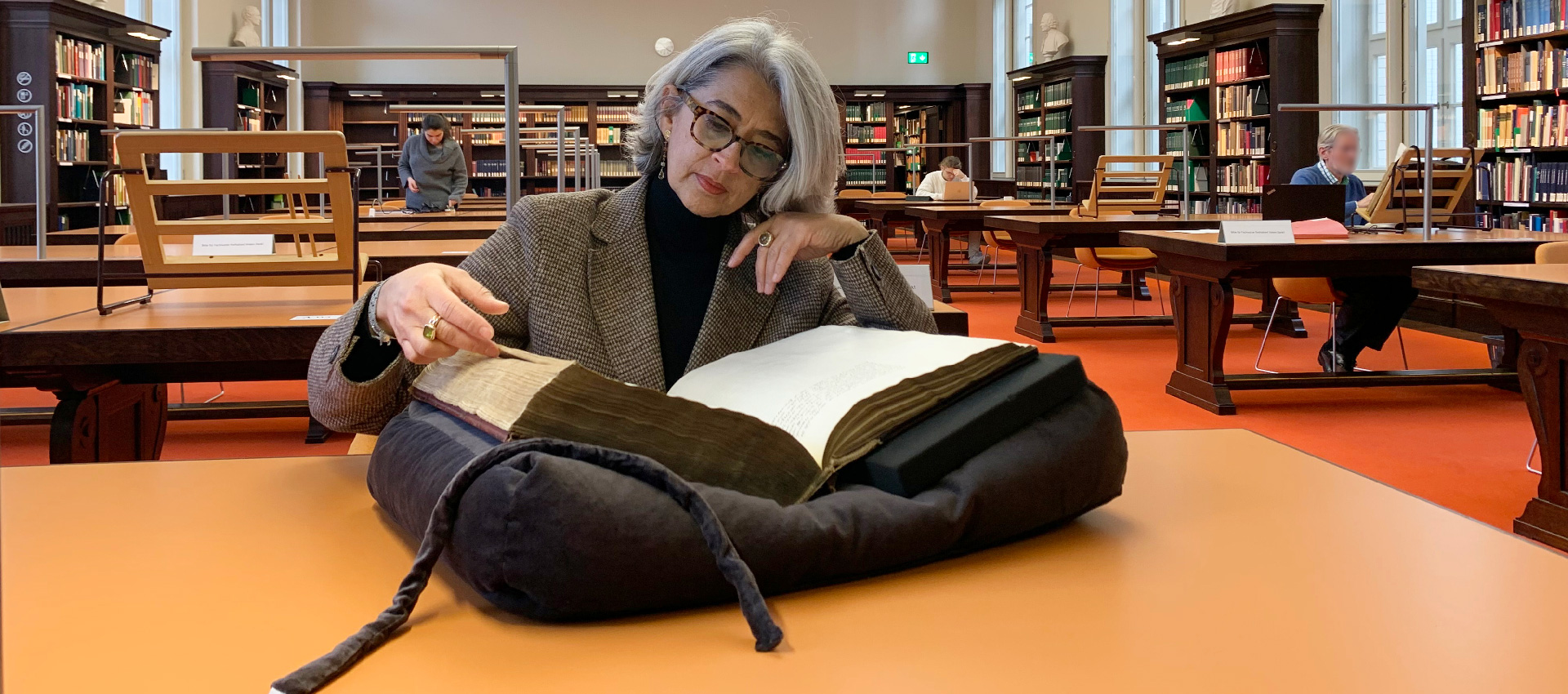
To this day, their splendour holds symbolic value for Turkish culture, explains 4A_Lab alumna Melis Taner, Professor of Islamic Art History in Istanbul. For the upcoming online special exhibition Plant Matters – Vegetal Art across Collections, she worked with the holdings of the Department of the Orient, supported by the team at the Berlin State Library.
Something is growing
Plants – drawn, painted, printed, photographed, sculpted, published and collected – tell of these multifaceted interconnections between botany and medicine, social structures and trade routes, power and appropriation, veneration and community. No longer silent witnesses, plants become ‘living’ protagonists of a transforming art history that poses new questions regarding the material. The digital exhibition Plant Matters takes up this theme and asks: How and where does plant life manifest itself in museum collections and archives? What significance do plants hold in art, culture and society in the face of global environmental change?
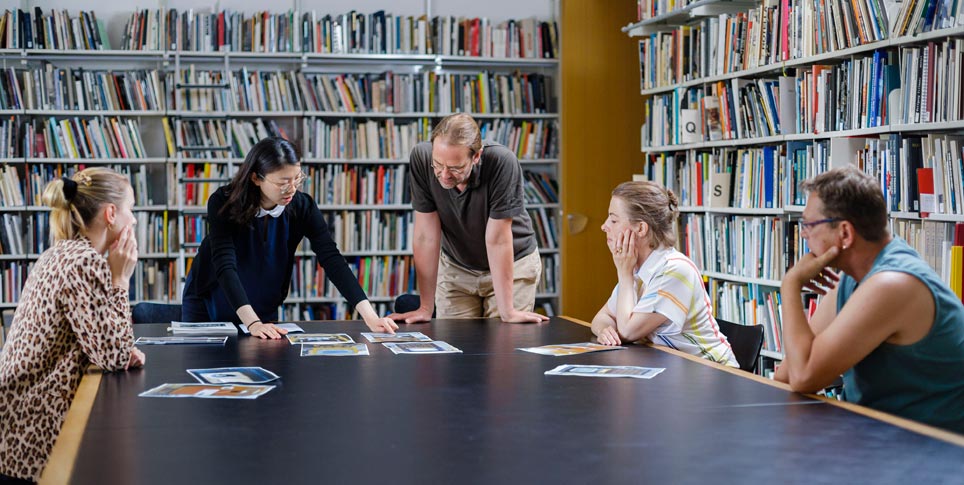
Part digital display, part digital publication, Plant Matters will, from this summer, present selected research aspects by young scholars from the 4A_Lab in dialogue with scholars and museologists from the SPK, as well as in exchange with other experts. The exhibition is curated by Hannah Baader, Programme Director of the 4A_Lab – a collaborative project between the Kunsthistorisches Institut in Florenz – Max Planck Institute and the Stiftung Preußischer Kulturbesitz – and Tina Plokarz, Research Associate. The aim is to build a bridge between the disciplines and, in tandem with collection experts from the SPK, bring hidden treasures to life digitally. The collaborative research approach of the 4A_Lab is creatively implemented in Plant Matters through interdisciplinary museum dialogues and the ‘crossover’ format, and is complemented by a comprehensive collection of links to botanical manuscripts and books. From palaeobotany to agricultural science, from garden culture to the rights of nature, from pharmacy to design templates – these diverse subject areas offer insights into the intertwined history of human and plant worlds before and during the Anthropocene.
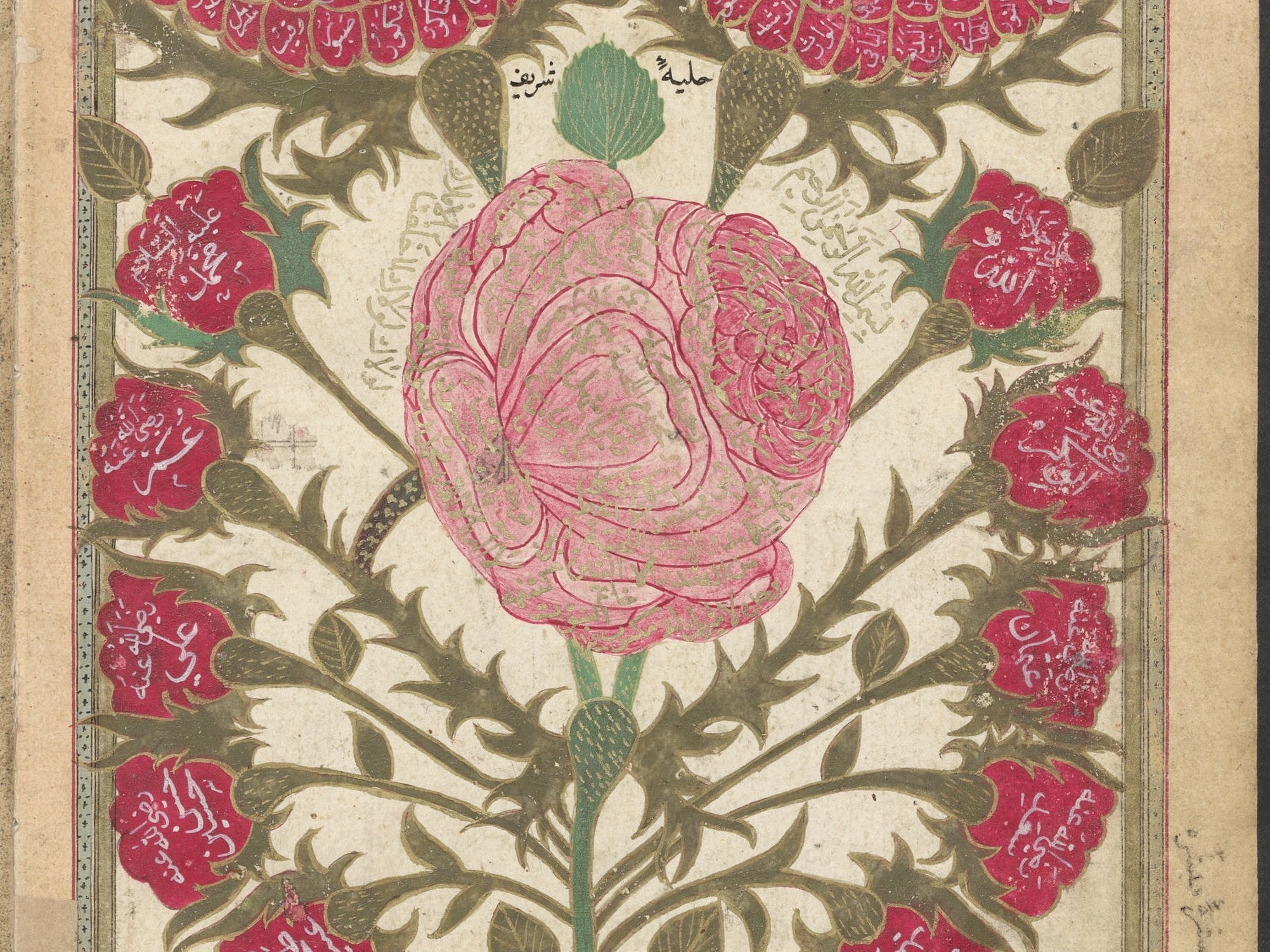
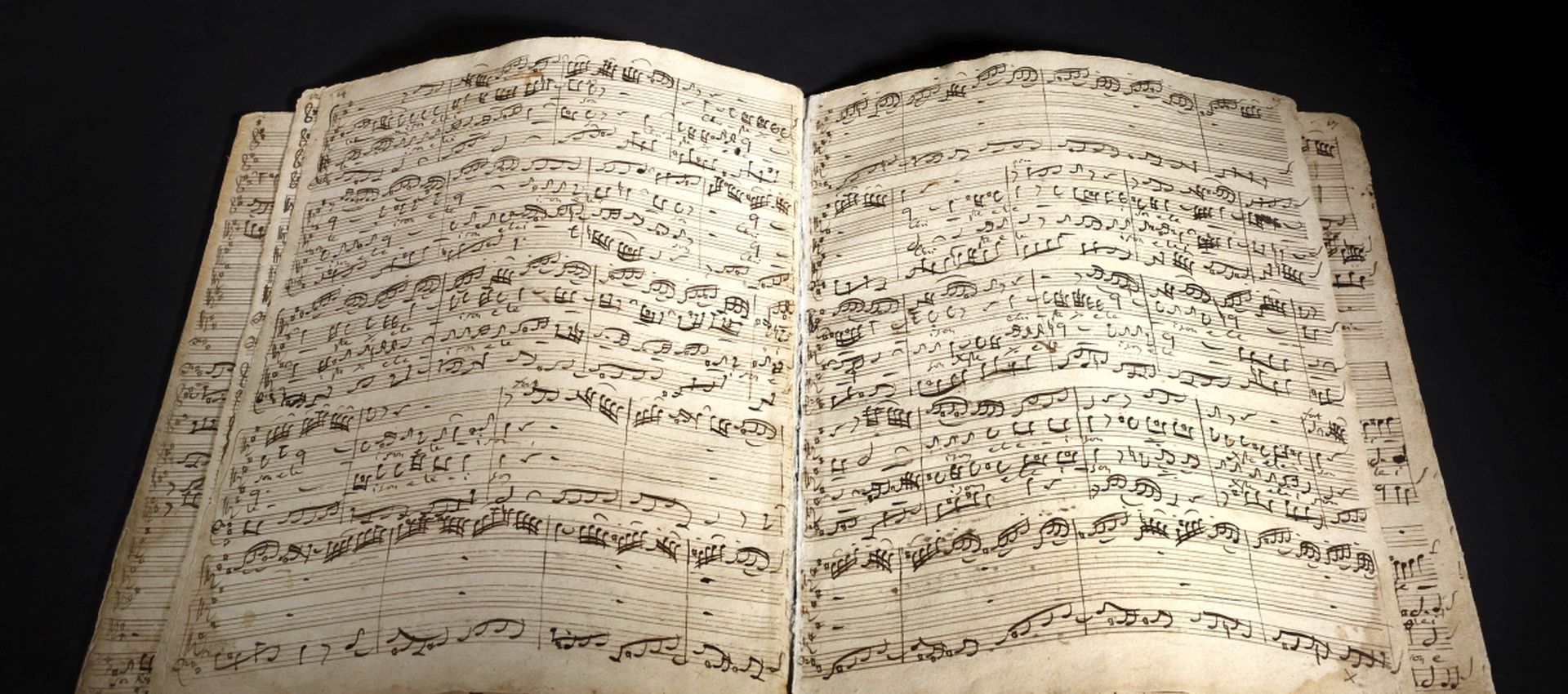
The composition of a hybrid tea rose, framed by rosebuds and two magnificent carnations, alludes to the legacy of Turkish floral culture, which remains alive to this day, whilst also serving as a metaphor for spiritual union with the Prophet.
“The Name of God, the Prophet, Ten Commandments of Paradise, and Hilya of the Prophet”, manuscript MS Or. Oct. 1602, fol. 48b, Berlin State Library.
Printed knowledge of plants
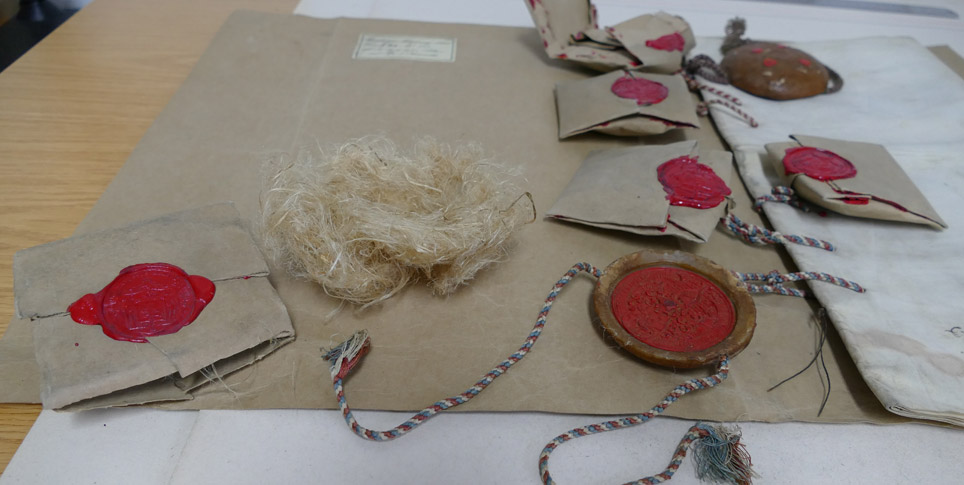
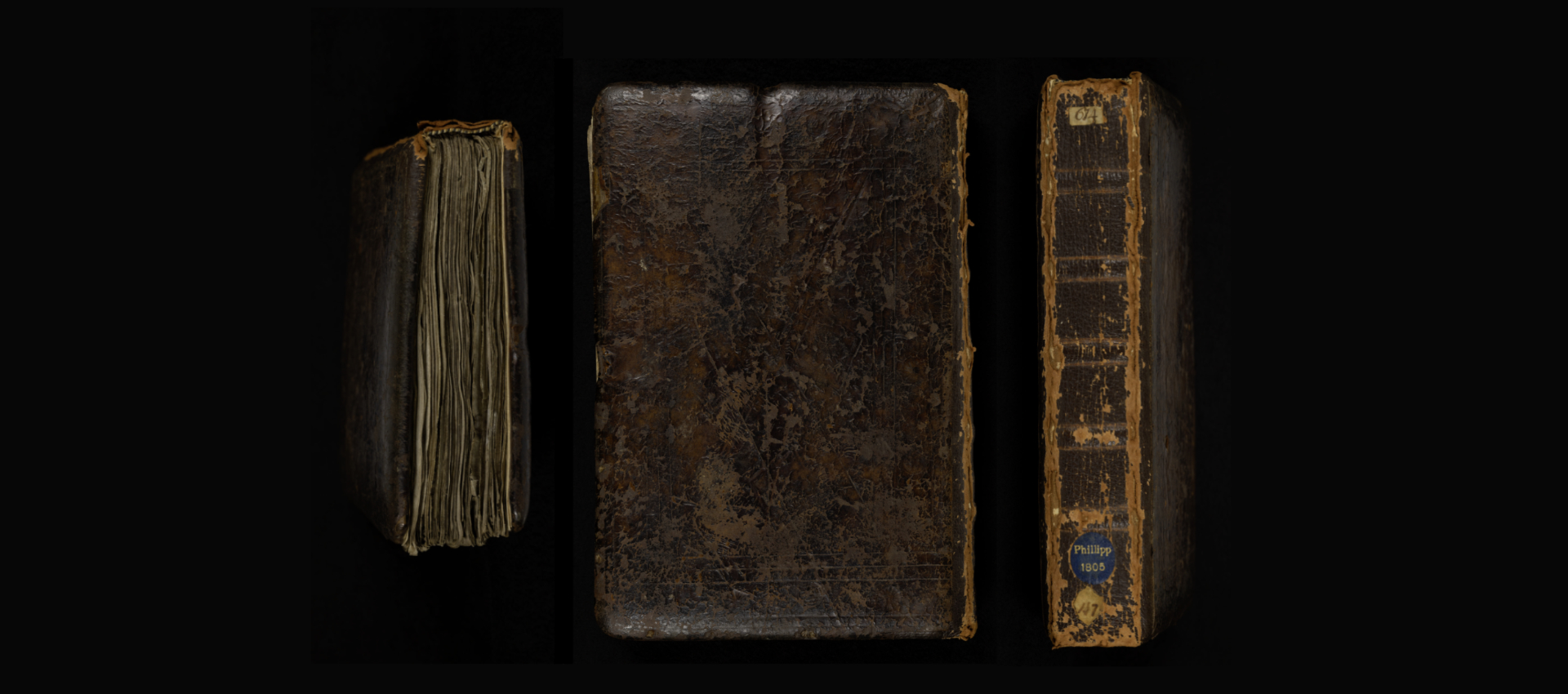
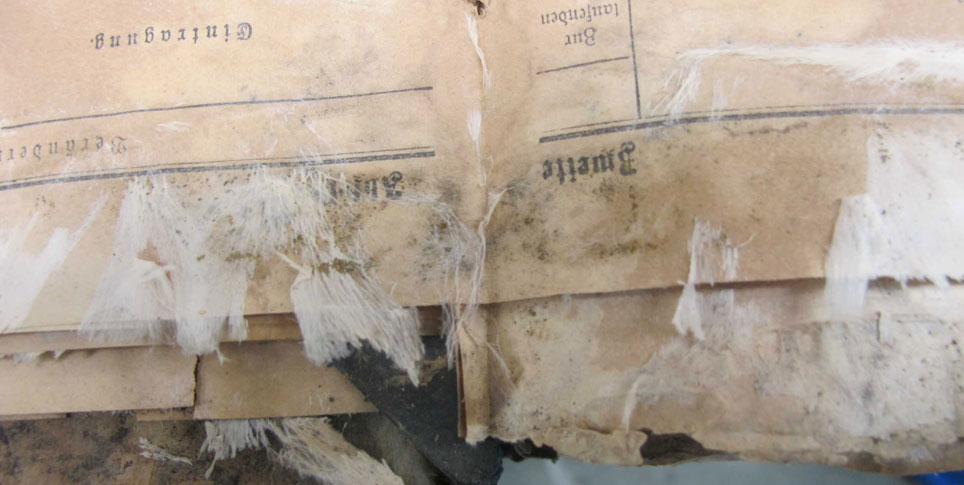
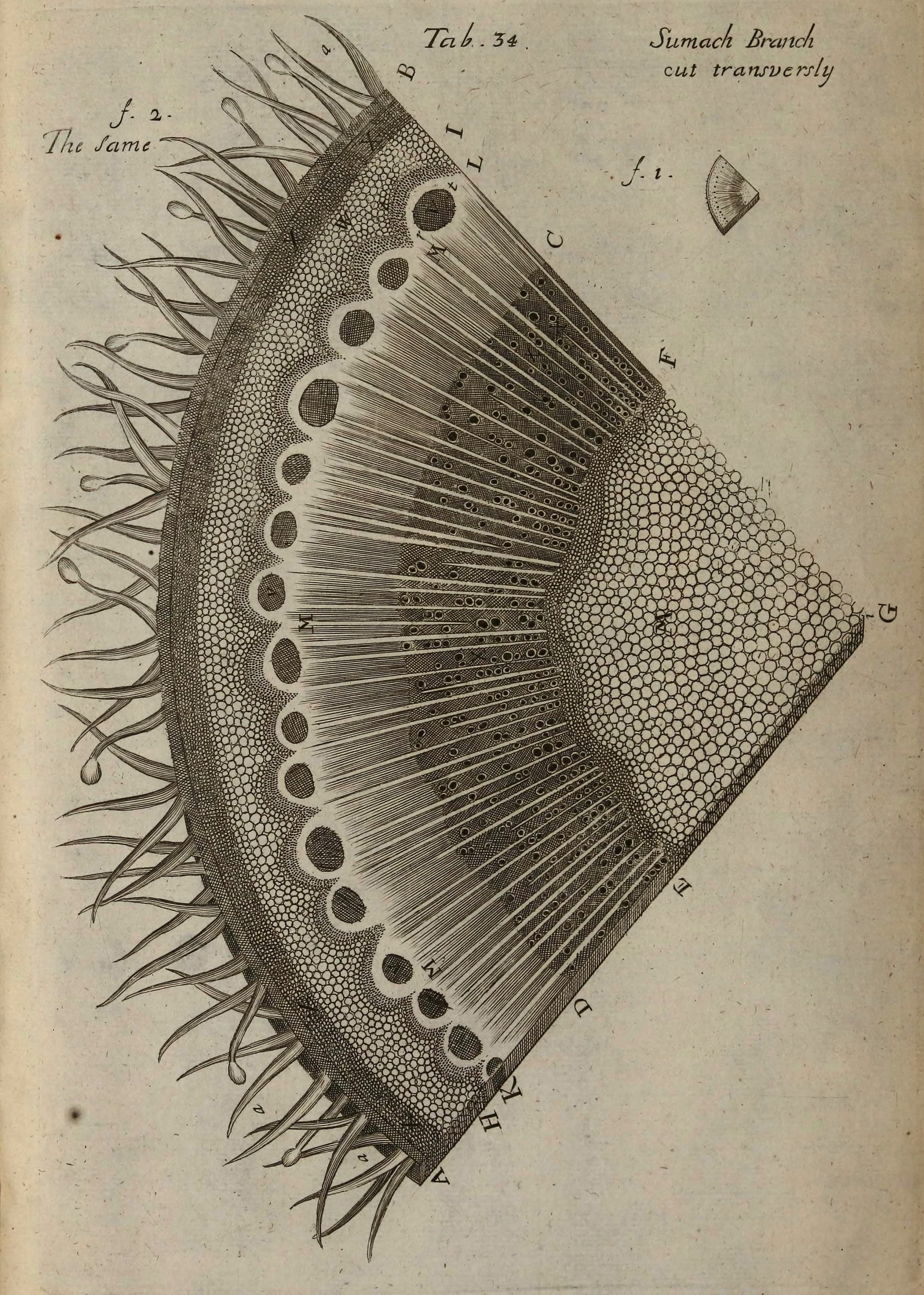
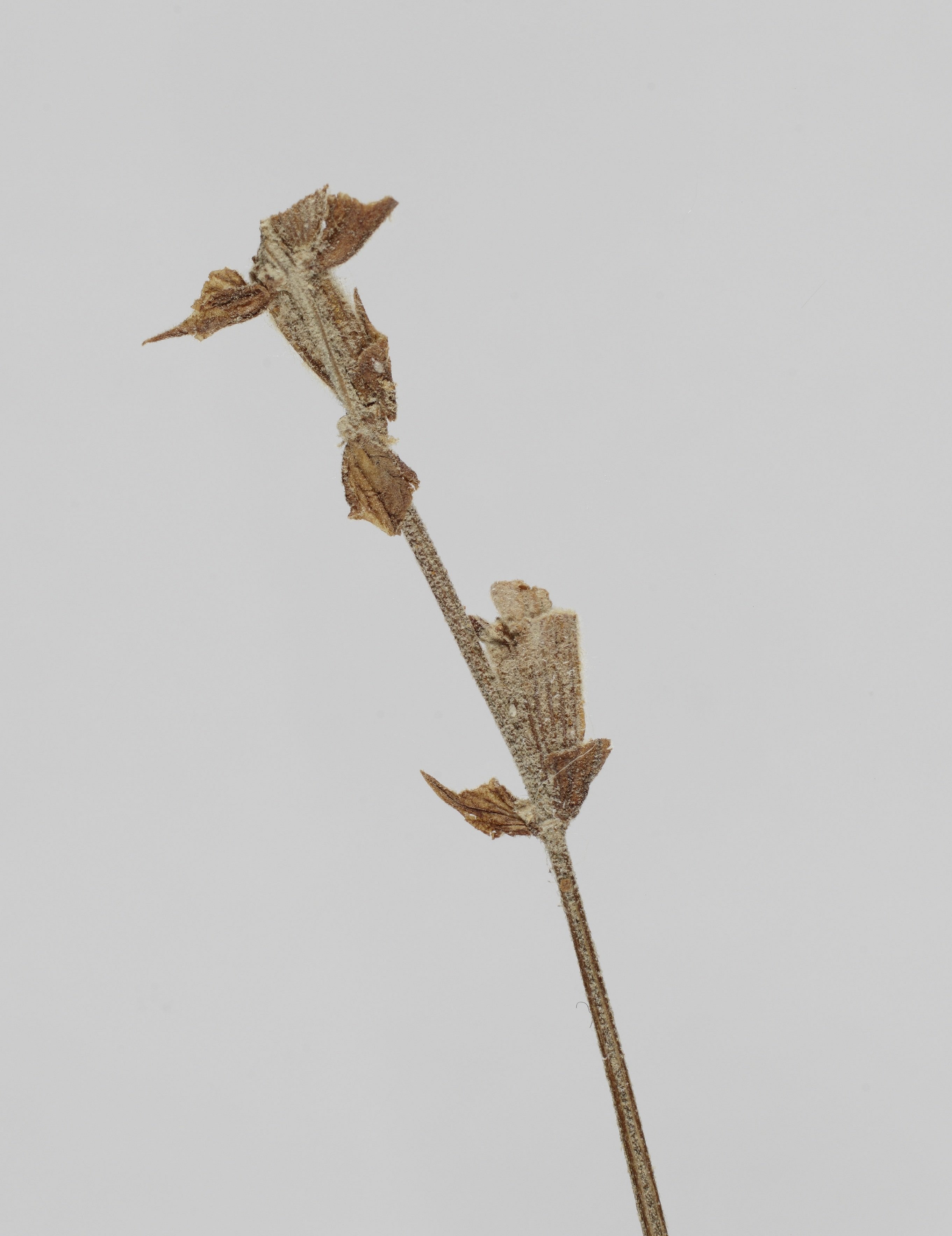
It is not only tulips that tell of a shift in perspective through discovery and refinement, but also the first microscopic examination of plants. Nehemiah Grew’s *Anatomy of Plants* (1682) sparked a minor revolution among the plant physiologists of his time. Grew’s groundbreaking anthology reveals the hitherto unknown world of plant structure, their anatomy, and the dynamics and mechanisms within plants. Viewed through the first microscopes, which still offered a rather blurry resolution, Grew magnified, dissected and divided plant parts, translating his impressions into stylised drawings with skill and pedagogical insight. This is highlighted by 4A_Lab alumna Pamela Mackenzie, who now works at the Max Planck Institute for the History of Science, in her chapter on the significance of Grew’s innovative technique. Katrin Böhme, research assistant in the Department of Manuscripts and Historical Prints at the Berlin State Library, elaborates in her contribution: This and other historical printed works reveal a shifting focus on plants, moving from their medicinal use towards scientific research. Botany established itself through the scholarly interplay of printed texts and direct work with plants, as suggested by the remains of a white carnation found in a 16th-century book.
Research, Reproduction, Expansion
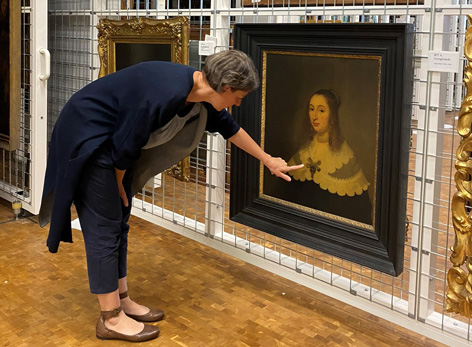
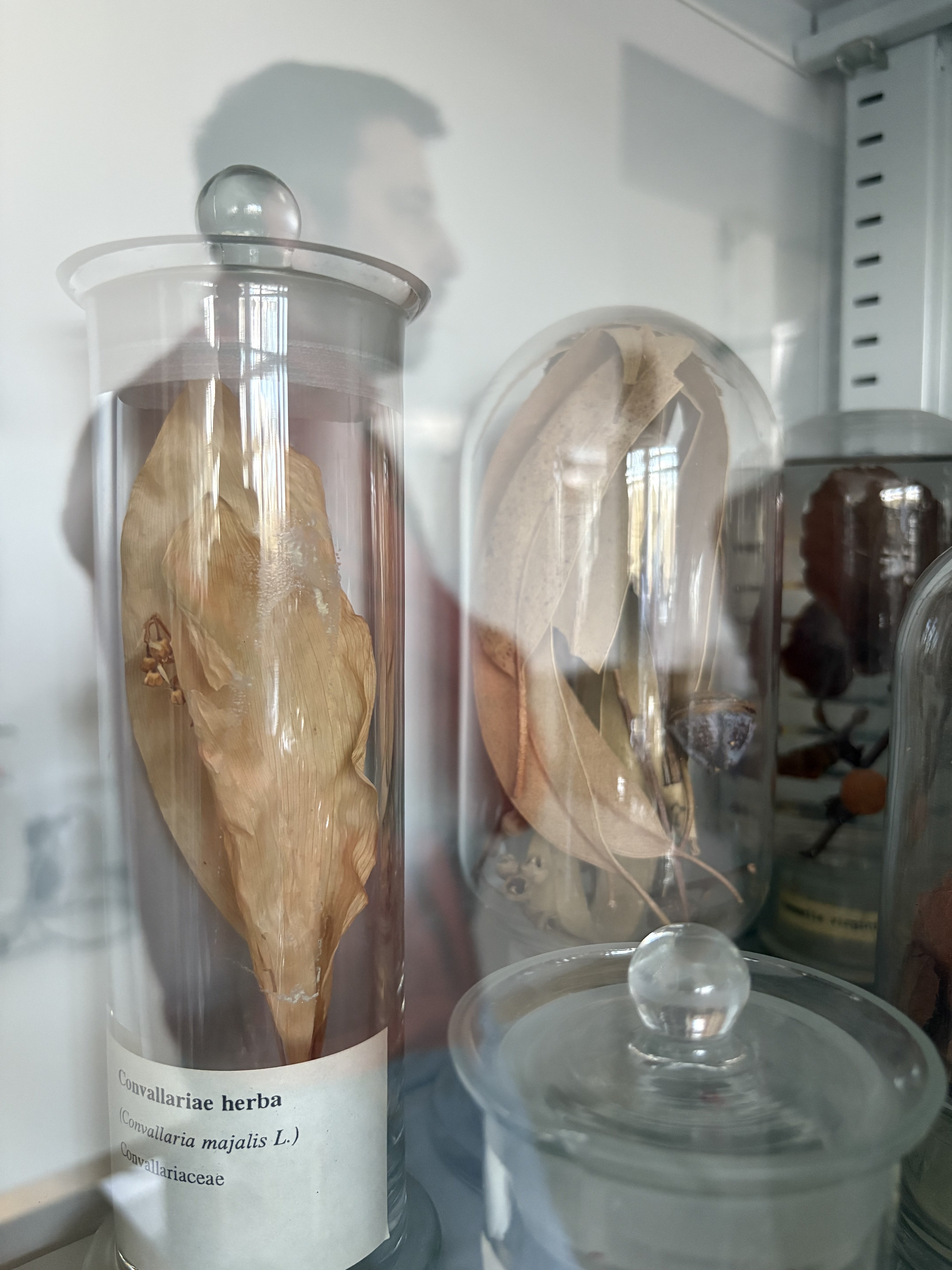
The study of plants—their collection, analysis and evaluation—links botany and the arts on many levels. In their search for alternatives in phytotherapy, pharmacists are still researching historical treatises, as reported by pharmacists from Freie Universität Berlin in an expert interview with 4A_Lab Fellow Lea Viehweger. However, Viehweger demonstrates in her examination of German portrait painting around 1500, using works from the Gemäldegalerie, that comprehensive knowledge of plants was not reserved solely for specialists, but was in fact an important aspect of domestic knowledge in the past.
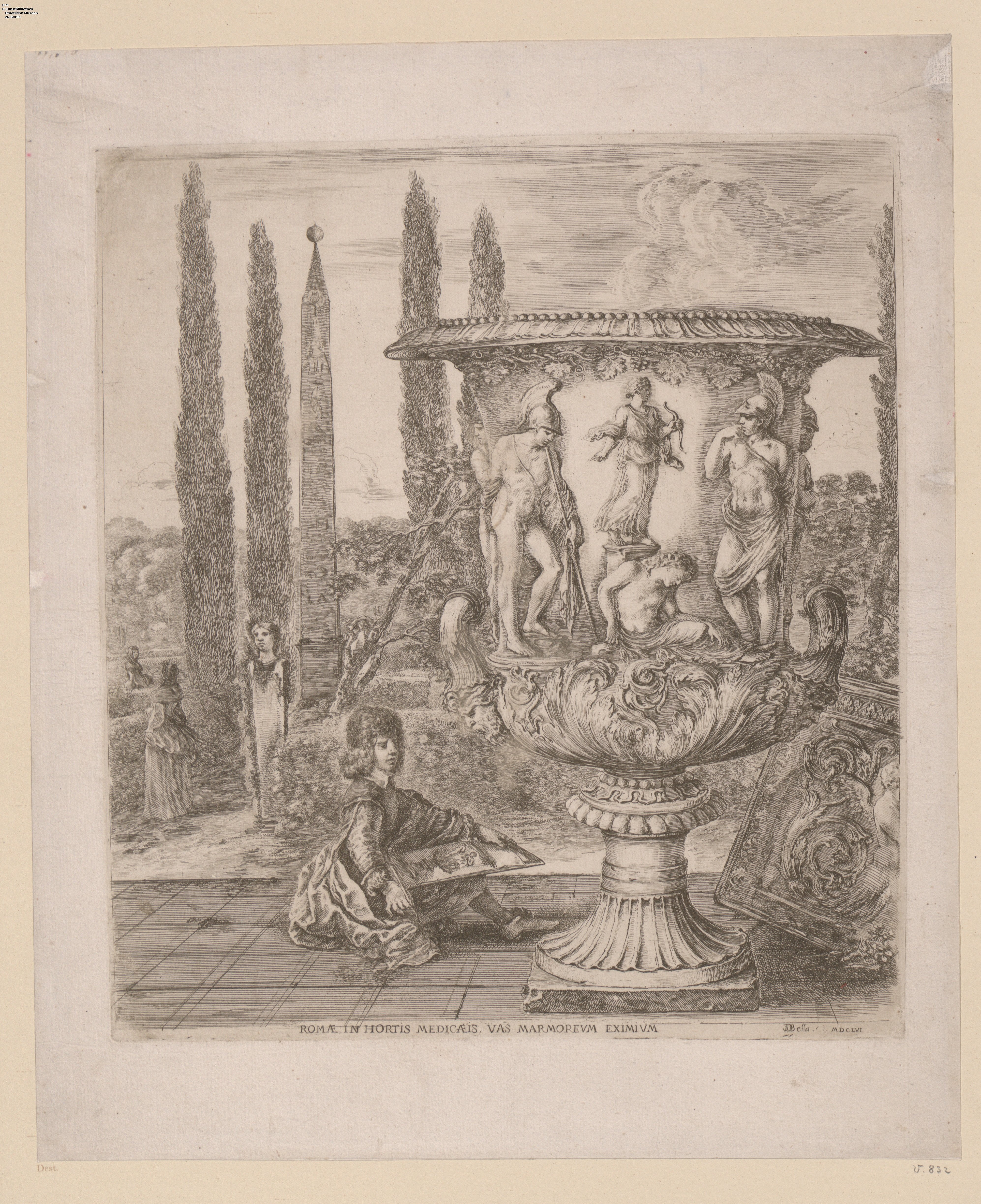
Later, in the early 17th century, painted bouquets of flowers in magnificent vases developed into a genre in their own right. Shifting the focus to the vases themselves – without bouquets or arrangements – Maren Wienigk, curator of the Architecture and Ornament Collection at the SMB Art Library, uses printed works to illustrate the multifunctionality of these cultural objects. As filled containers, vases not only adorned interiors, filling them with ‘life’ in a sense, but also, as empty structural elements, shaped gardens, architecture and imaginary spaces. The detailed plant motifs on a vase thus paraphrased the complex history of the arts’ intertwining with real plants.
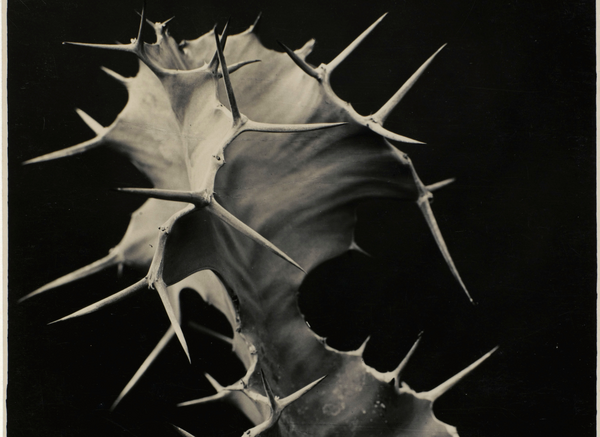
Courtesy of bpk / Staatliche Museen zu Berlin / Aenne Biermann.
Initially collected as models for arts and crafts and design, plant photographs were no longer mere snapshots by the early 20th century, explains Christine Kühn, curator of the Photography Collection at the Art Library. With artistic and technical skill, plants were staged as protagonists. German photographers of the 1920s were fascinated by the abstract forms of exotic plants, whilst Argentine publications celebrated indigenous plant species as national icons, as 4A_Lab alumna Julieta Pestarino and former SPK trainee Friederike Eden illustrate, thereby highlighting the differing meanings of botanical photography in Europe and South America. However, Daniel Bonilla Maldonado, an expert on the rights of nature at the Universidad de los Andes in Bogotá, explores the rights to which nature is entitled as a subject in ‘Crossover’.
More information on the digital exhibition *Plant Matters – Vegetal Art across Collections* and the accompanying programme for the launch will follow.
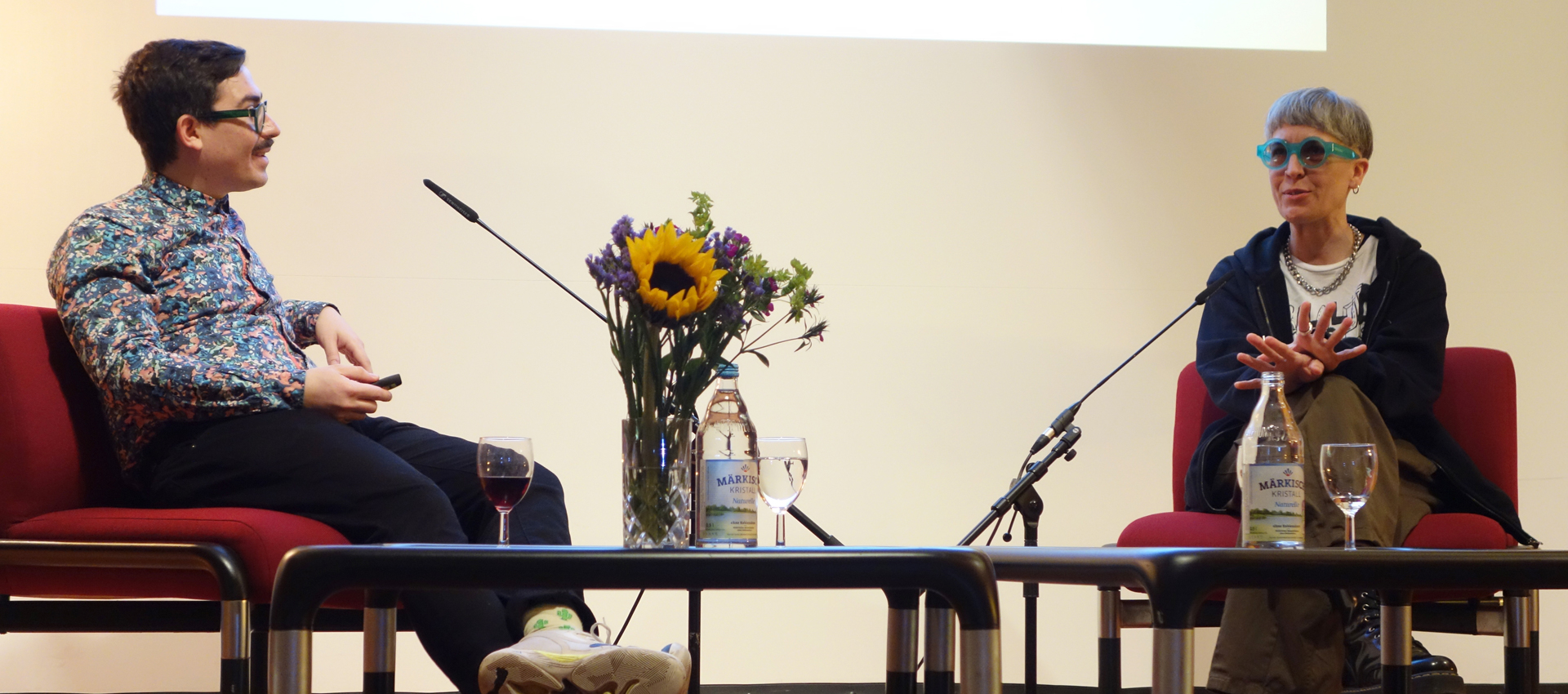
The exhibition builds on discussions held during the 4A_Lab Academy 2024.