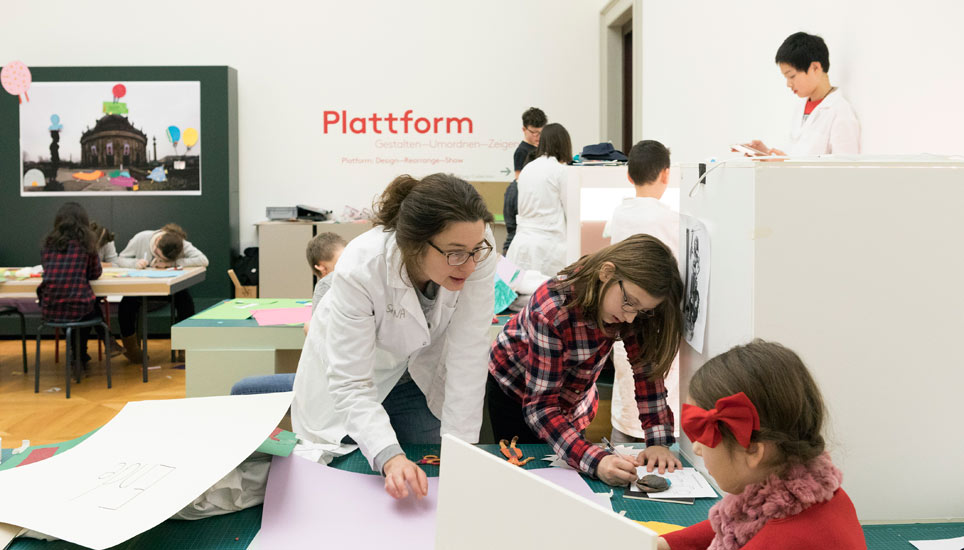
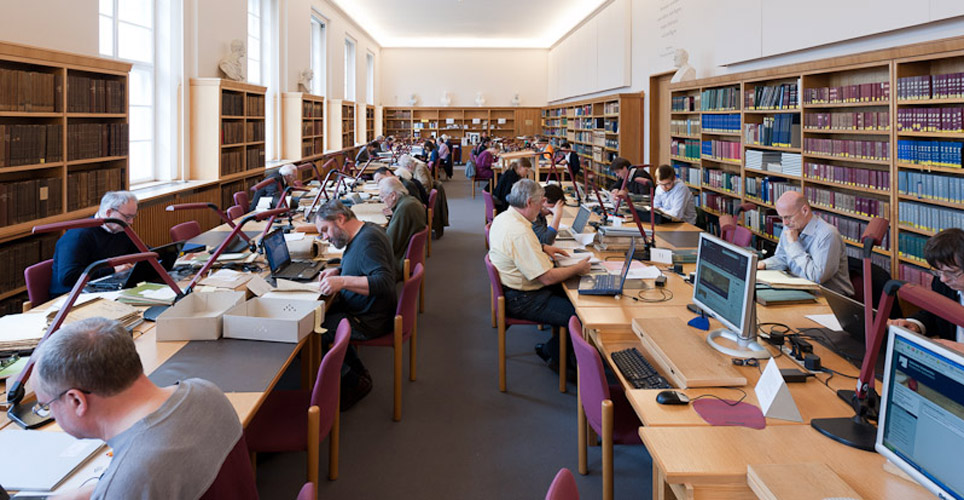
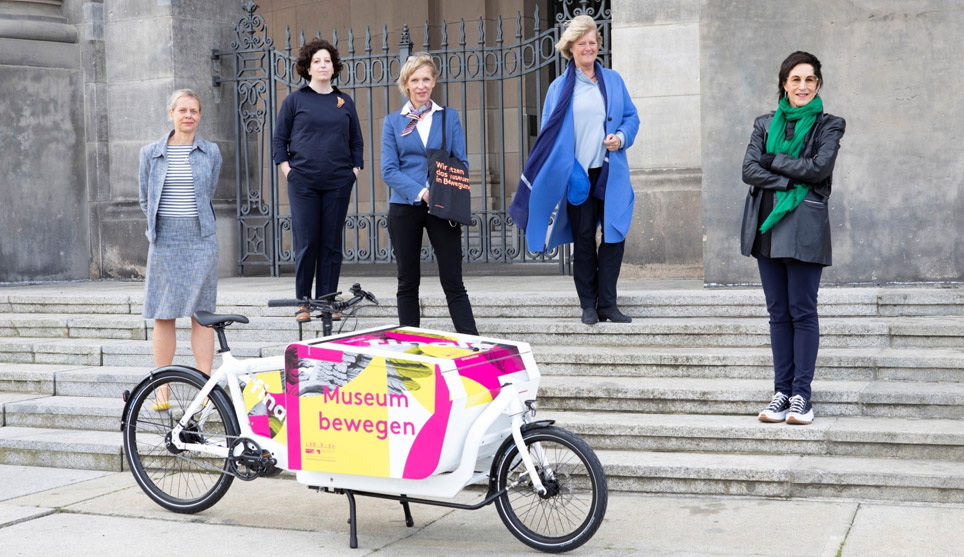
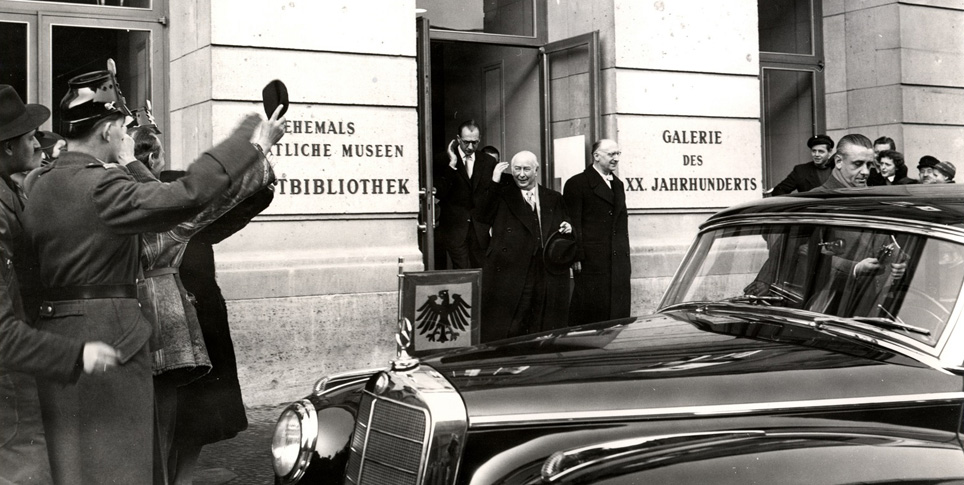
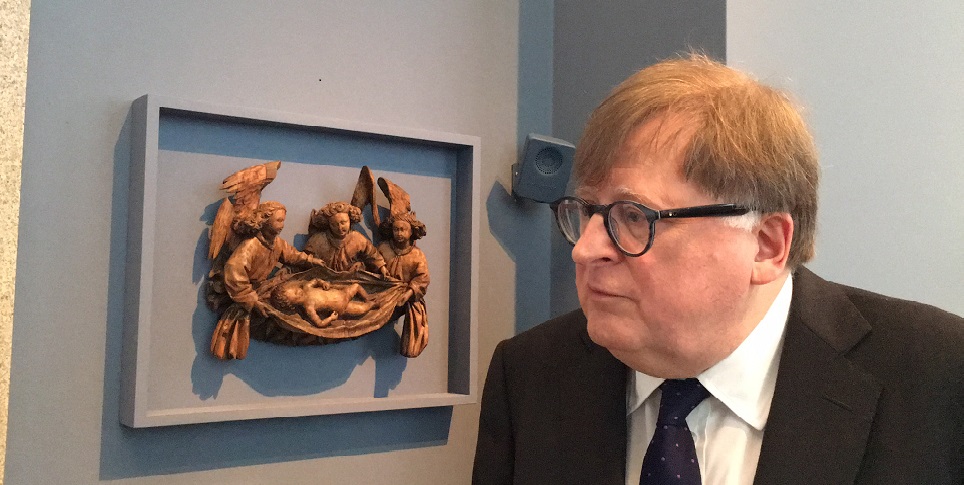
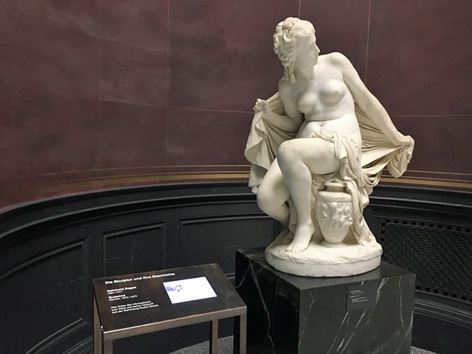
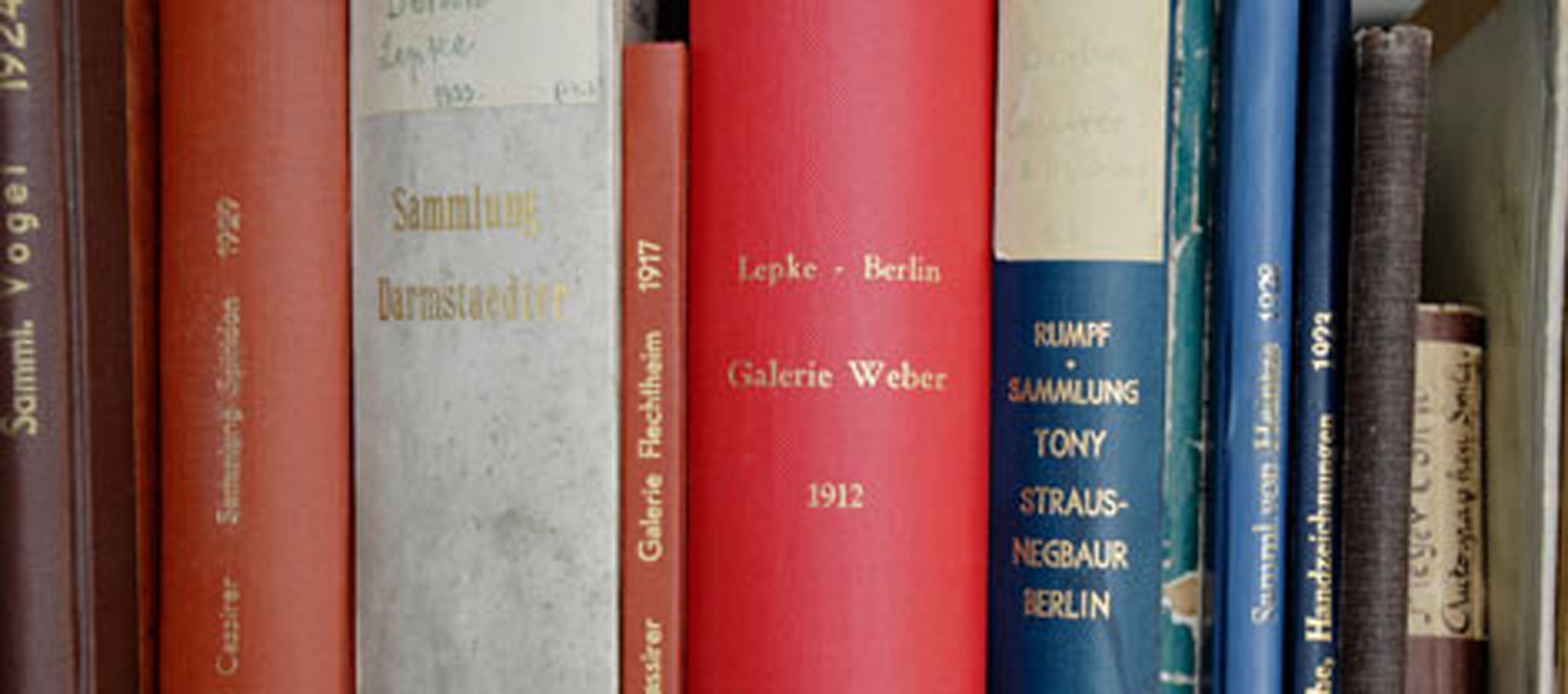
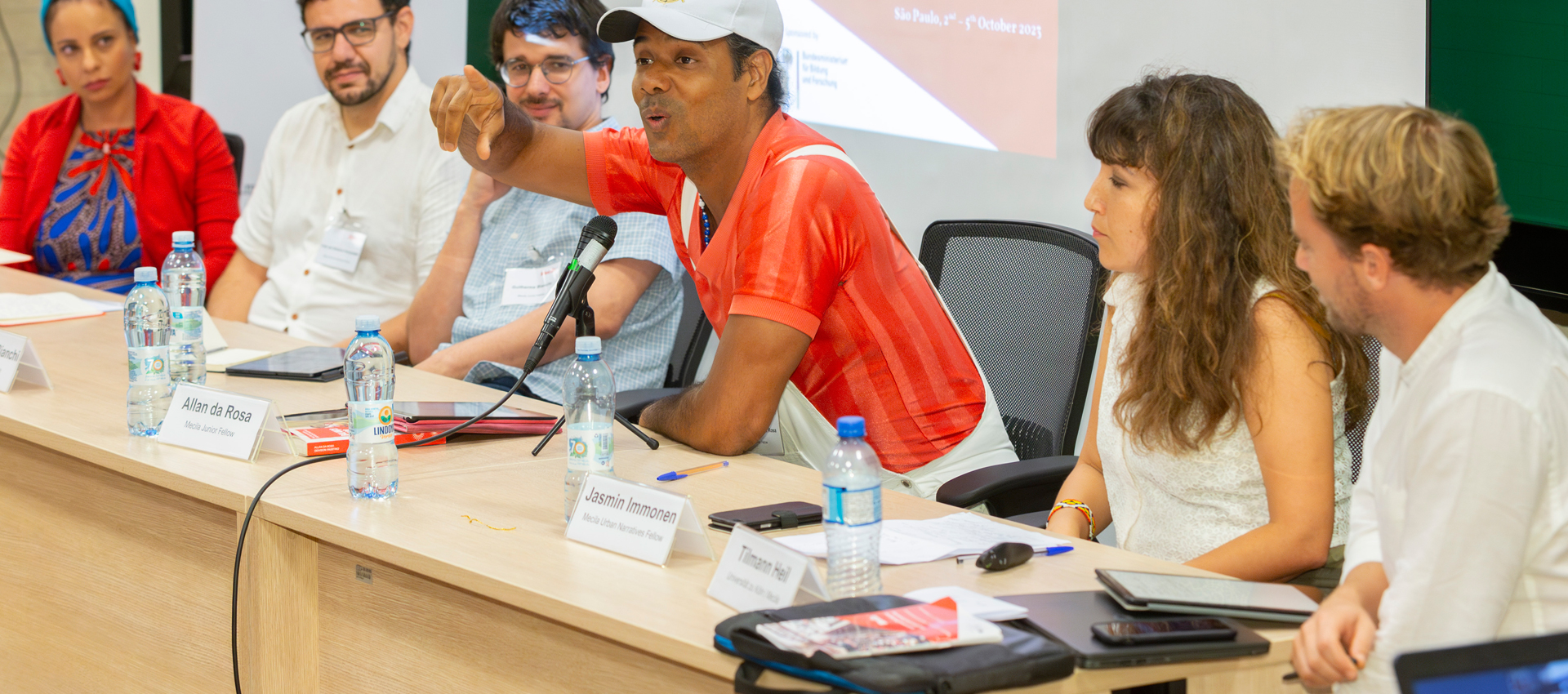
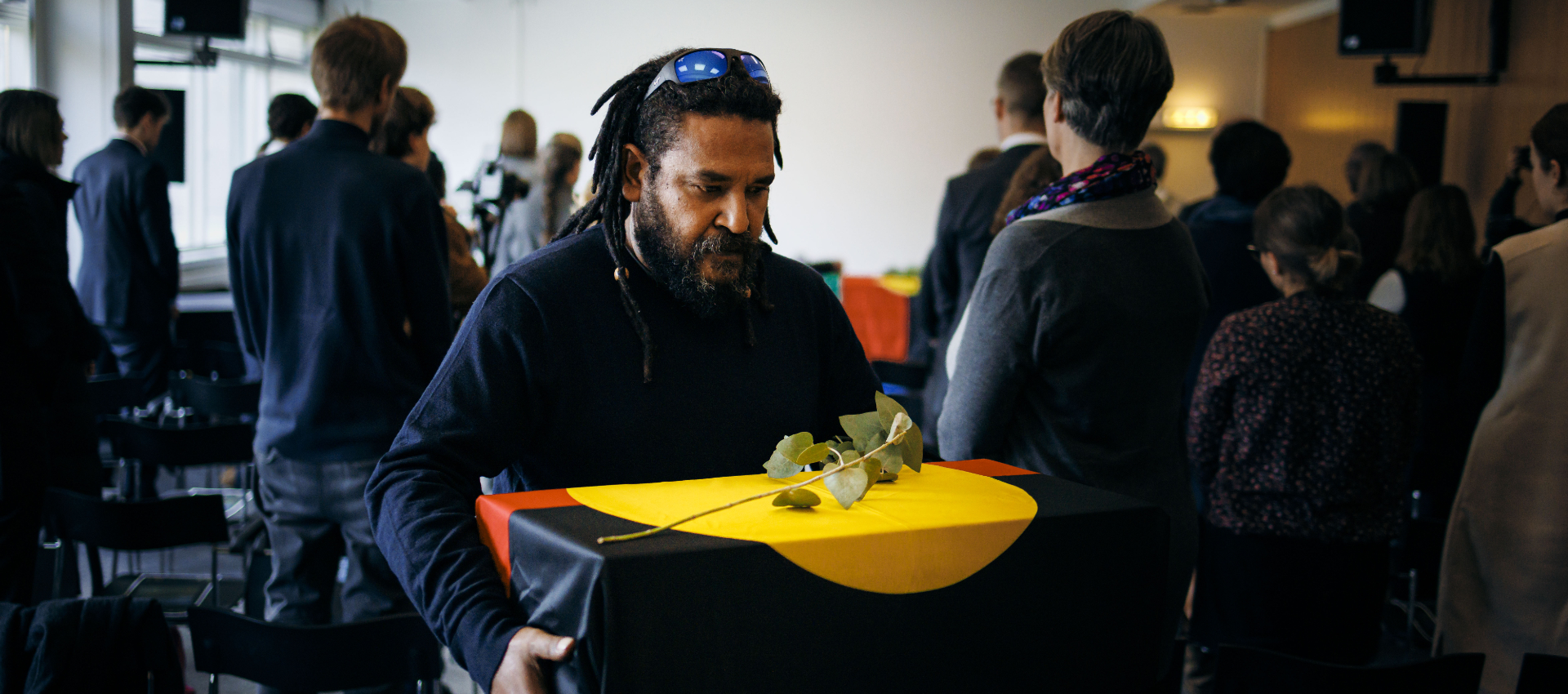
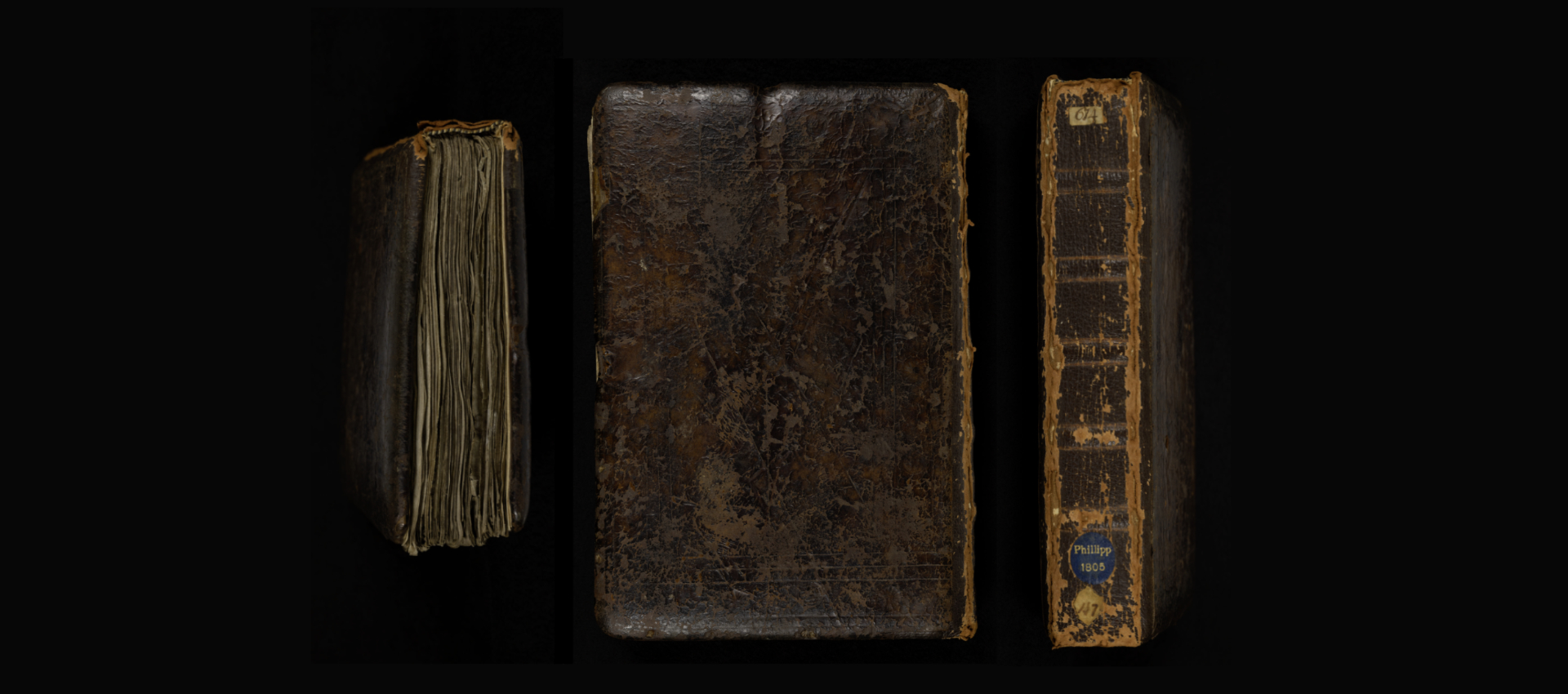
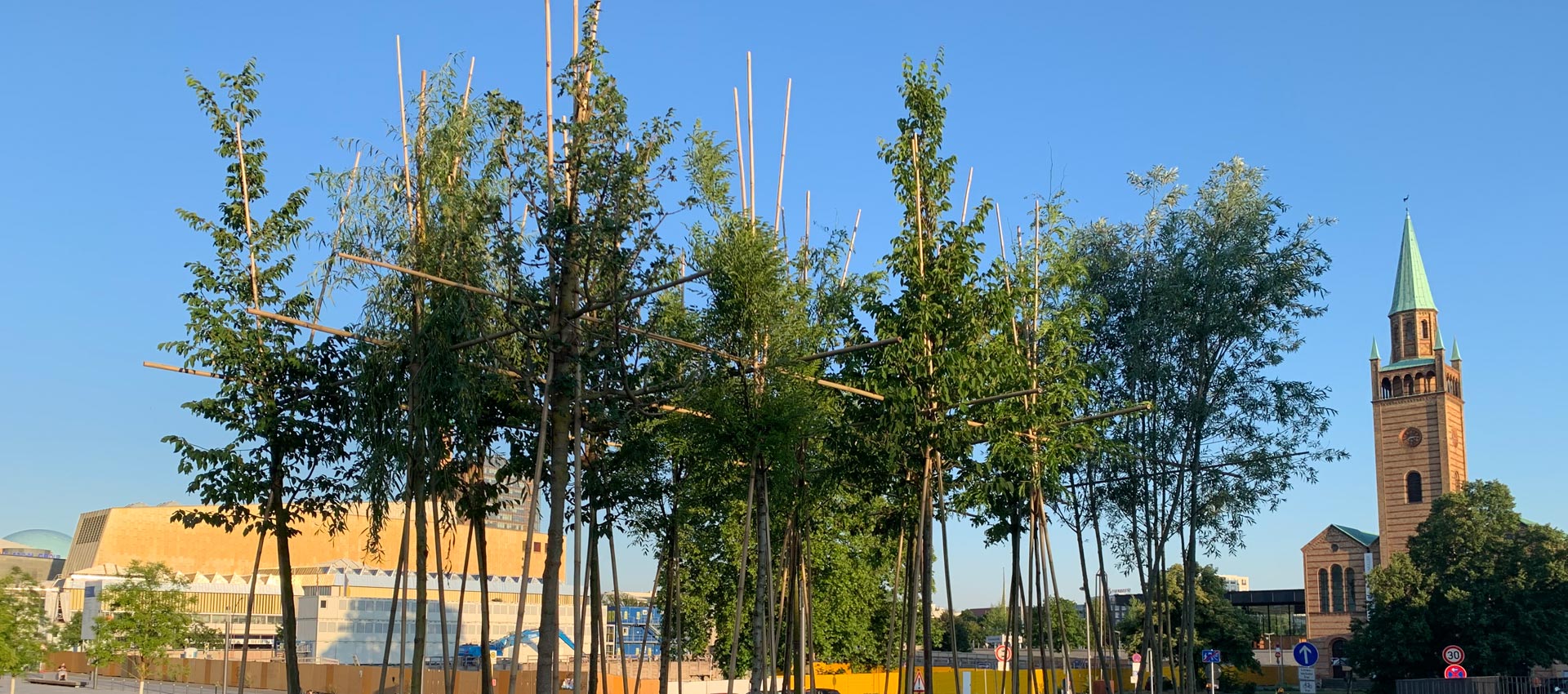
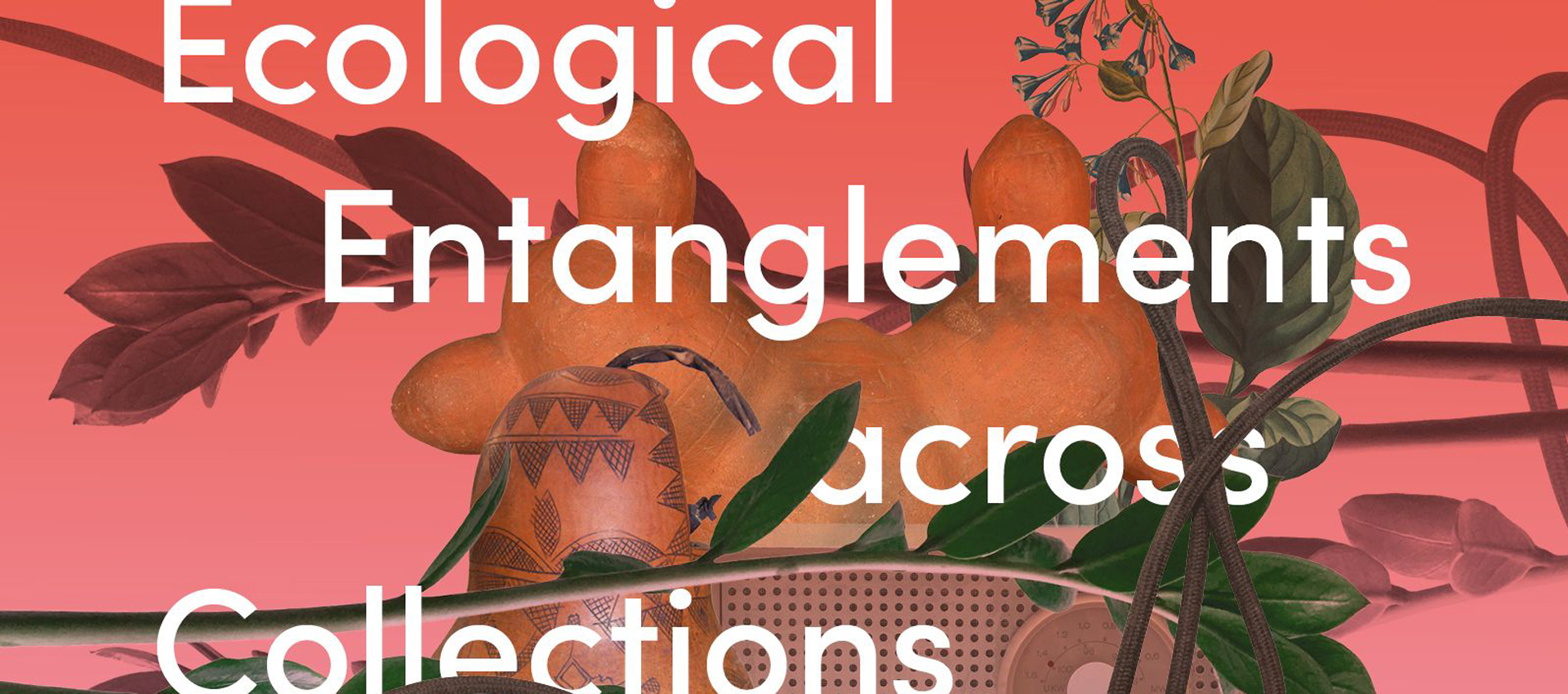
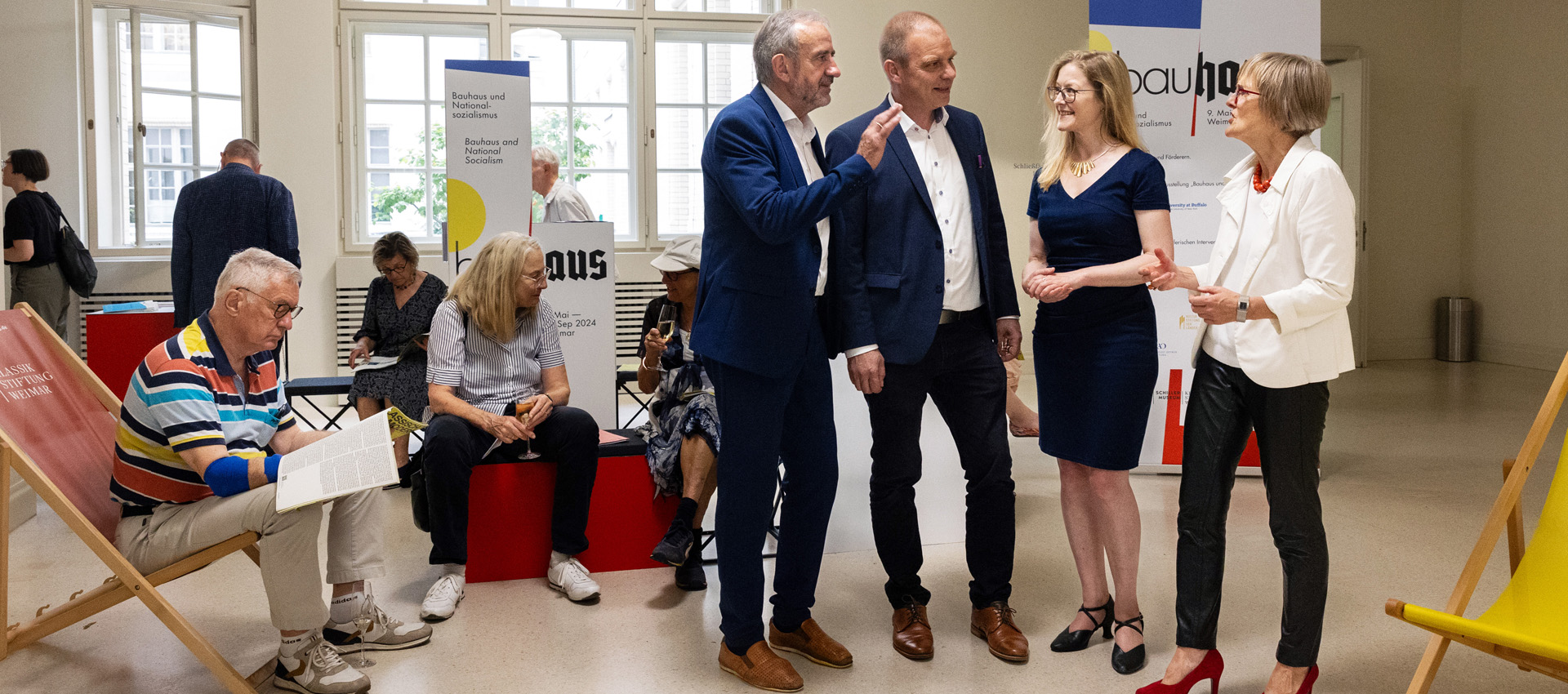
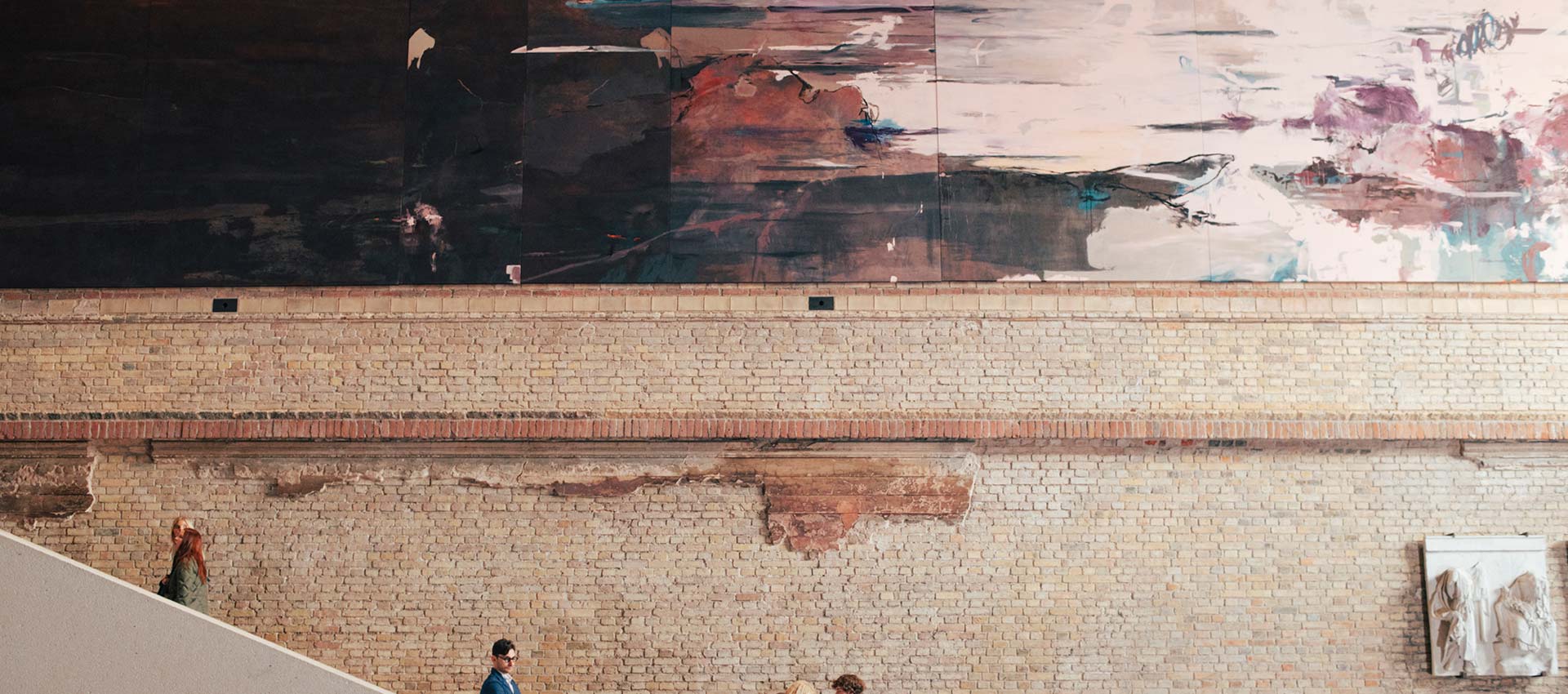
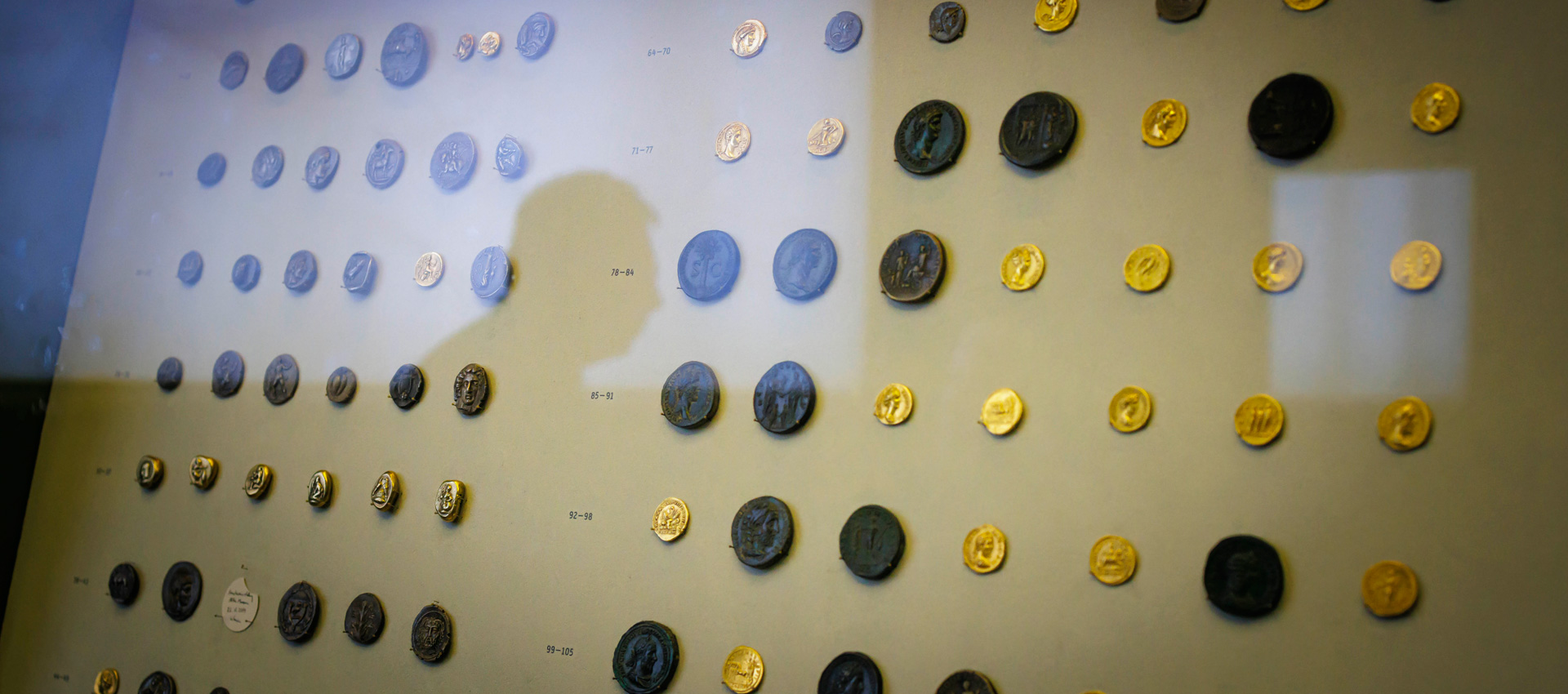
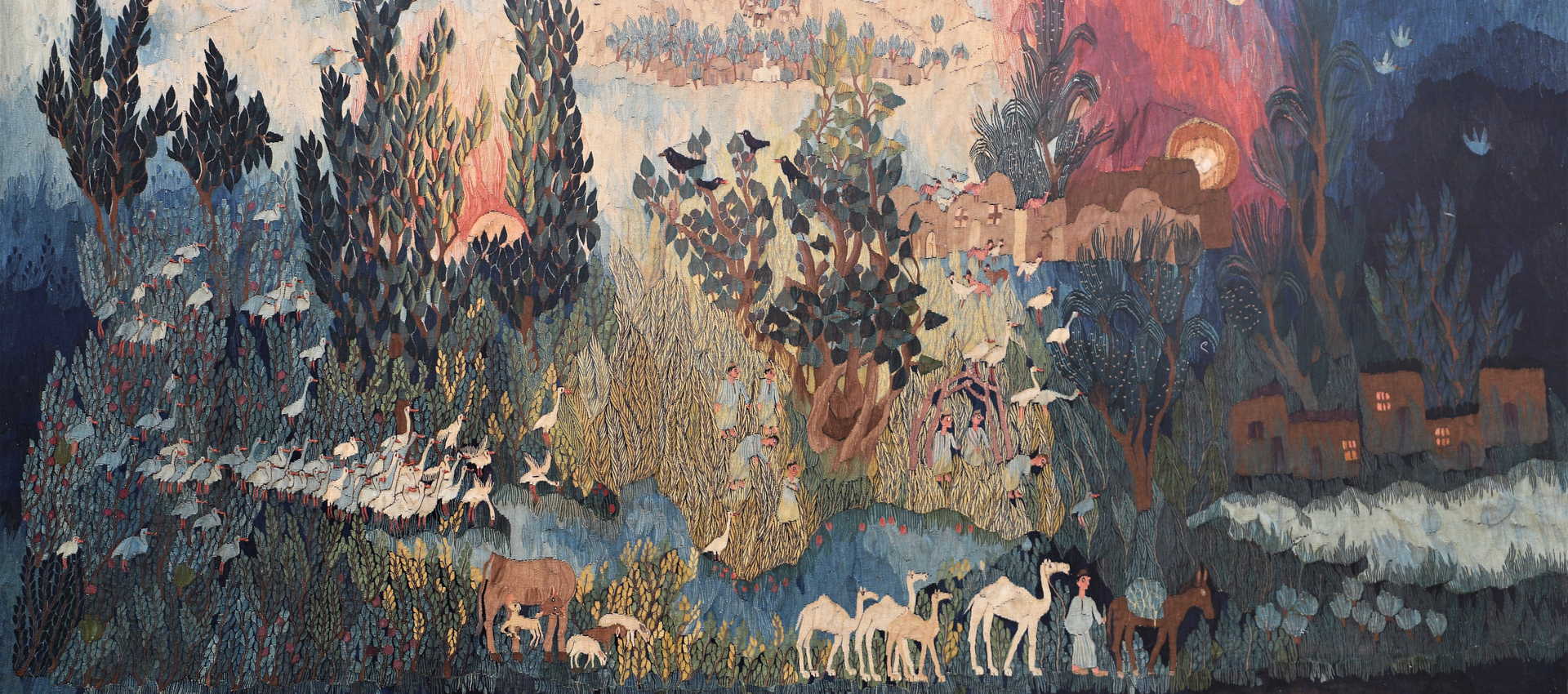
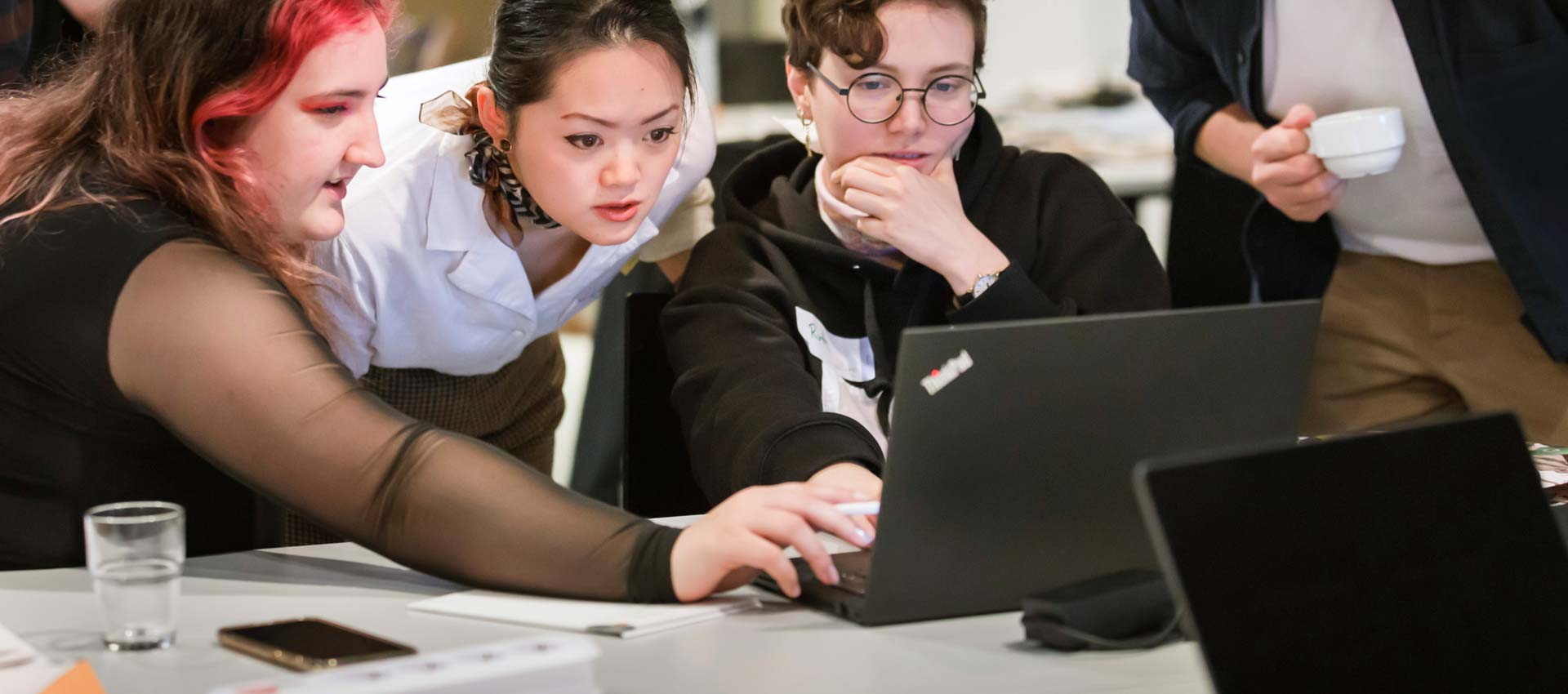
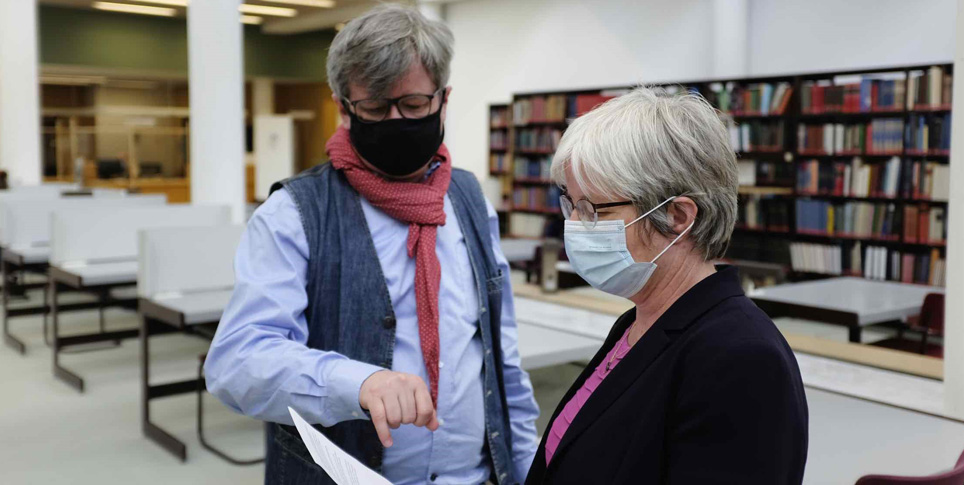
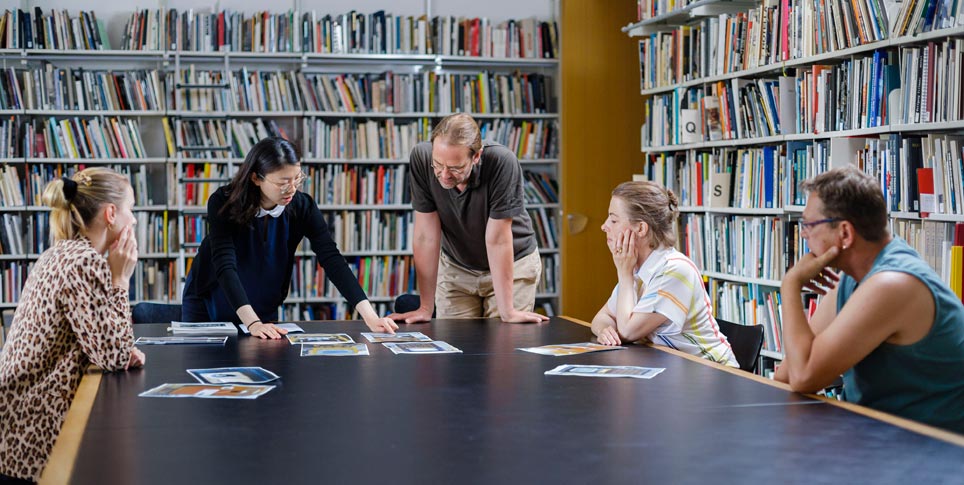
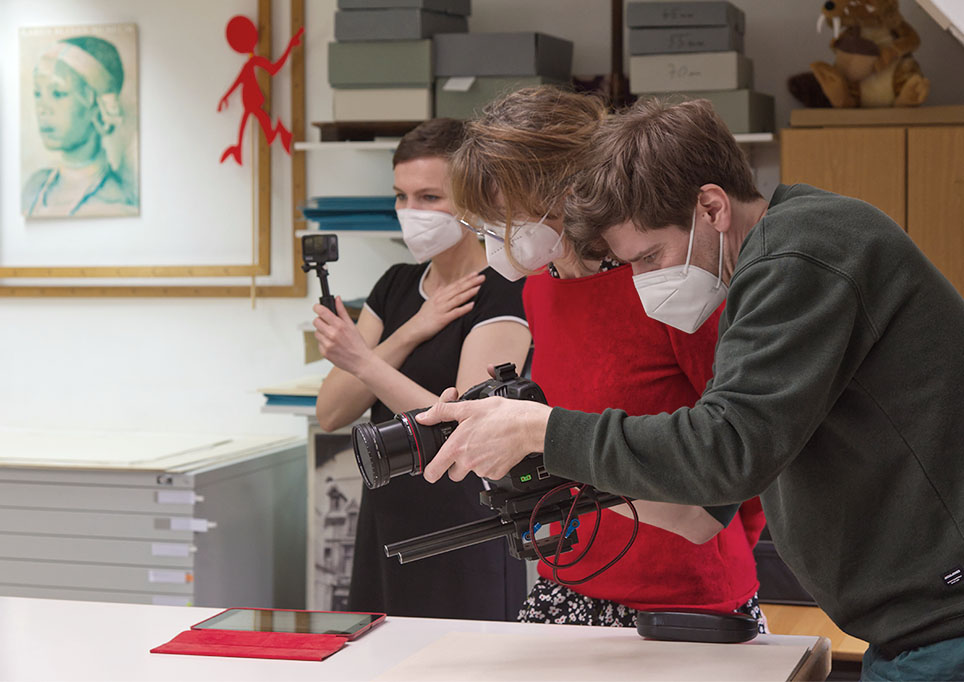
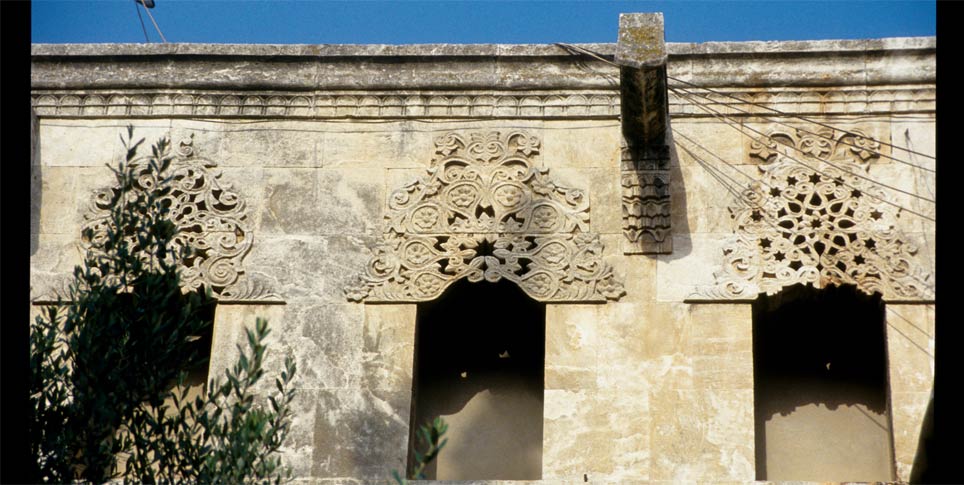
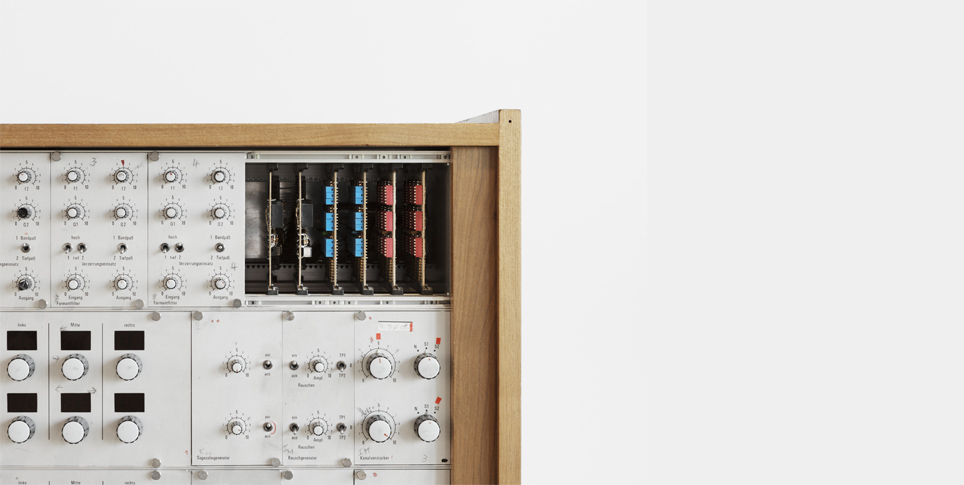
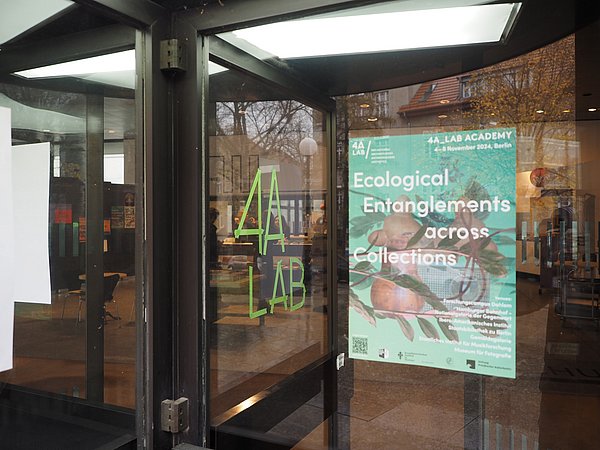
In November 2024, 4A_Lab hosted an interdisciplinary academy in Berlin. Through discussions with researchers, experts and an interested audience, the collections of the SPK were used as a case study to explore ways of thinking about plant and non-human life forms and to examine their role in artistic and aesthetic practices.
Plants in the Light of Art and Archives:
4A_Lab Academy – Ecological Entanglements across Collections – Plant Lives and Beyond
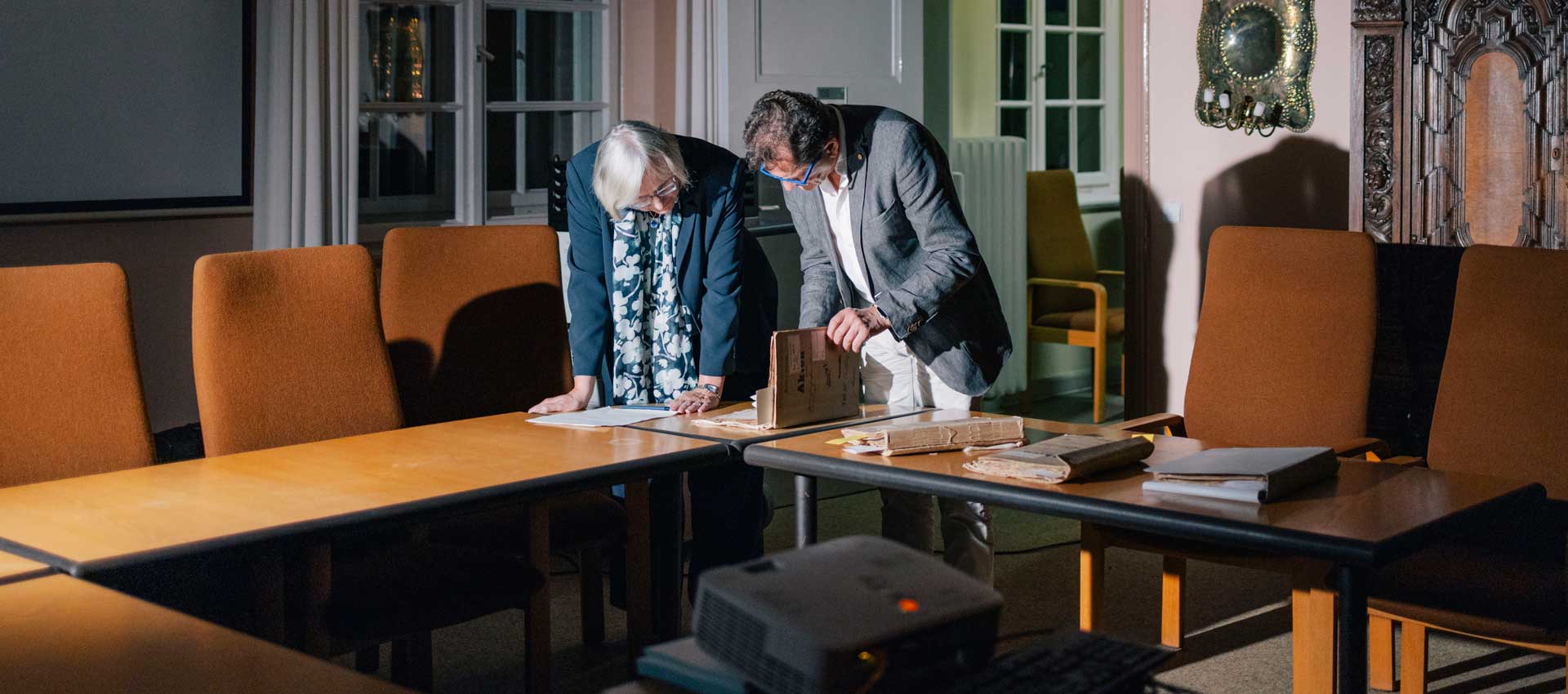
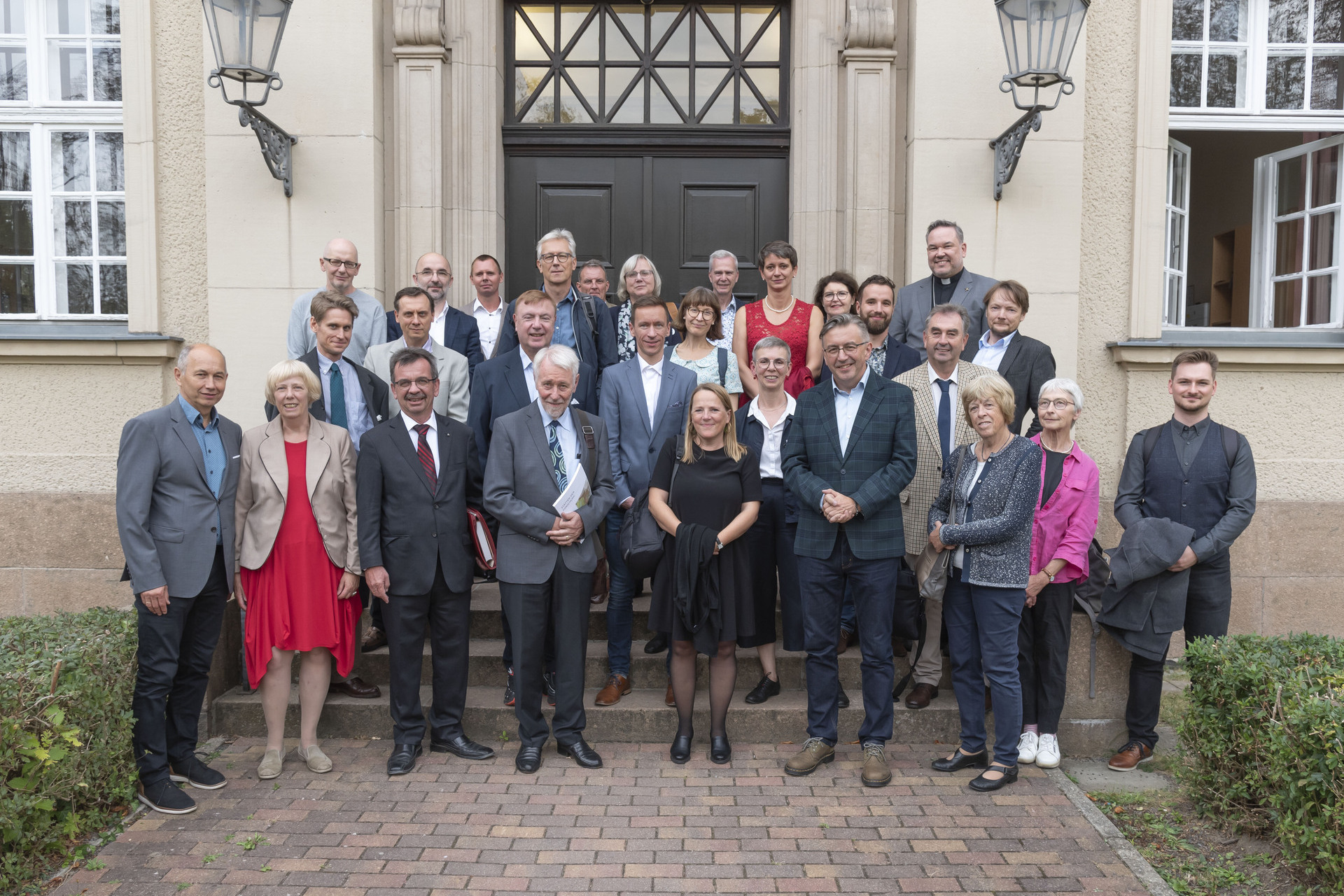
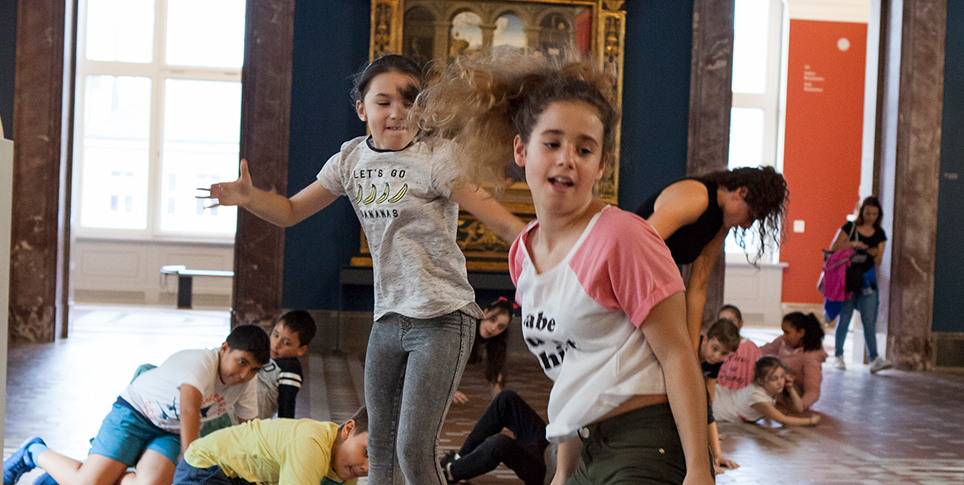
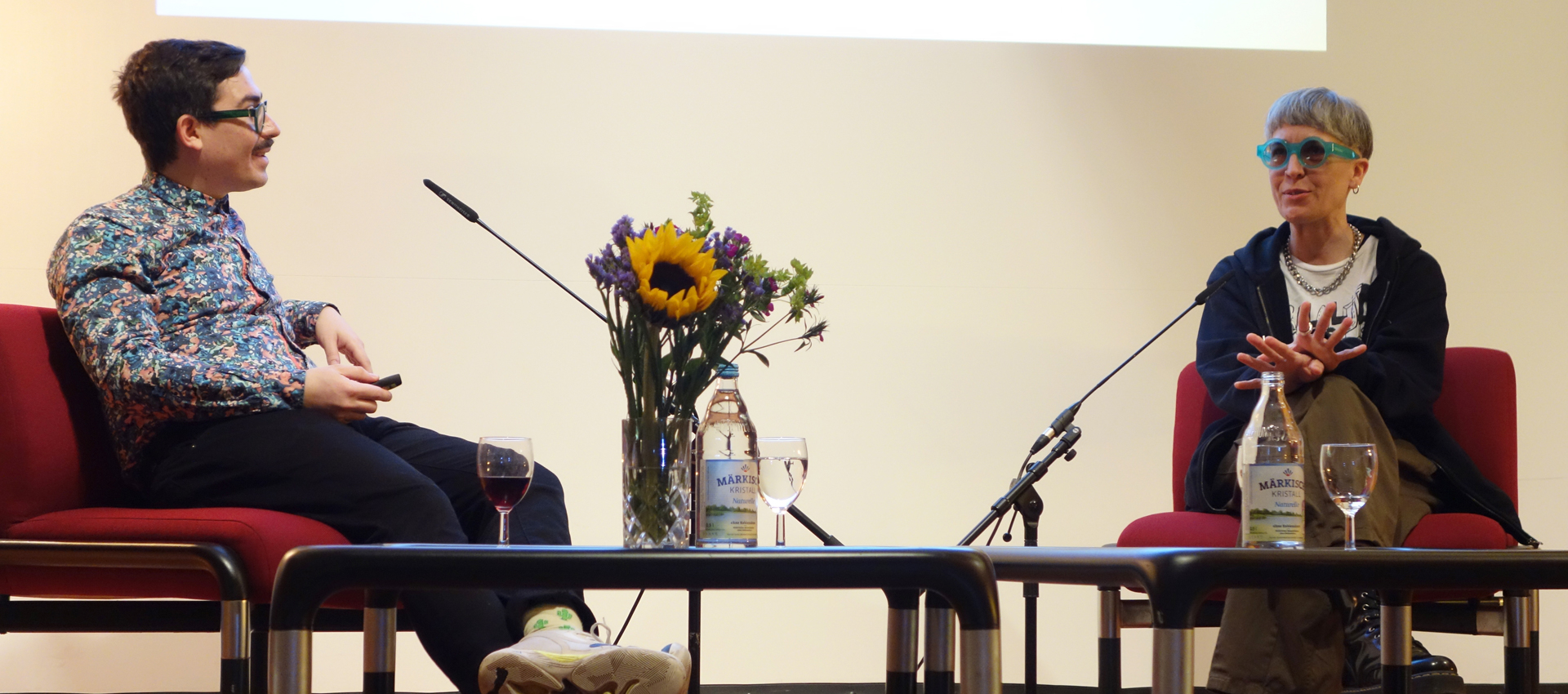
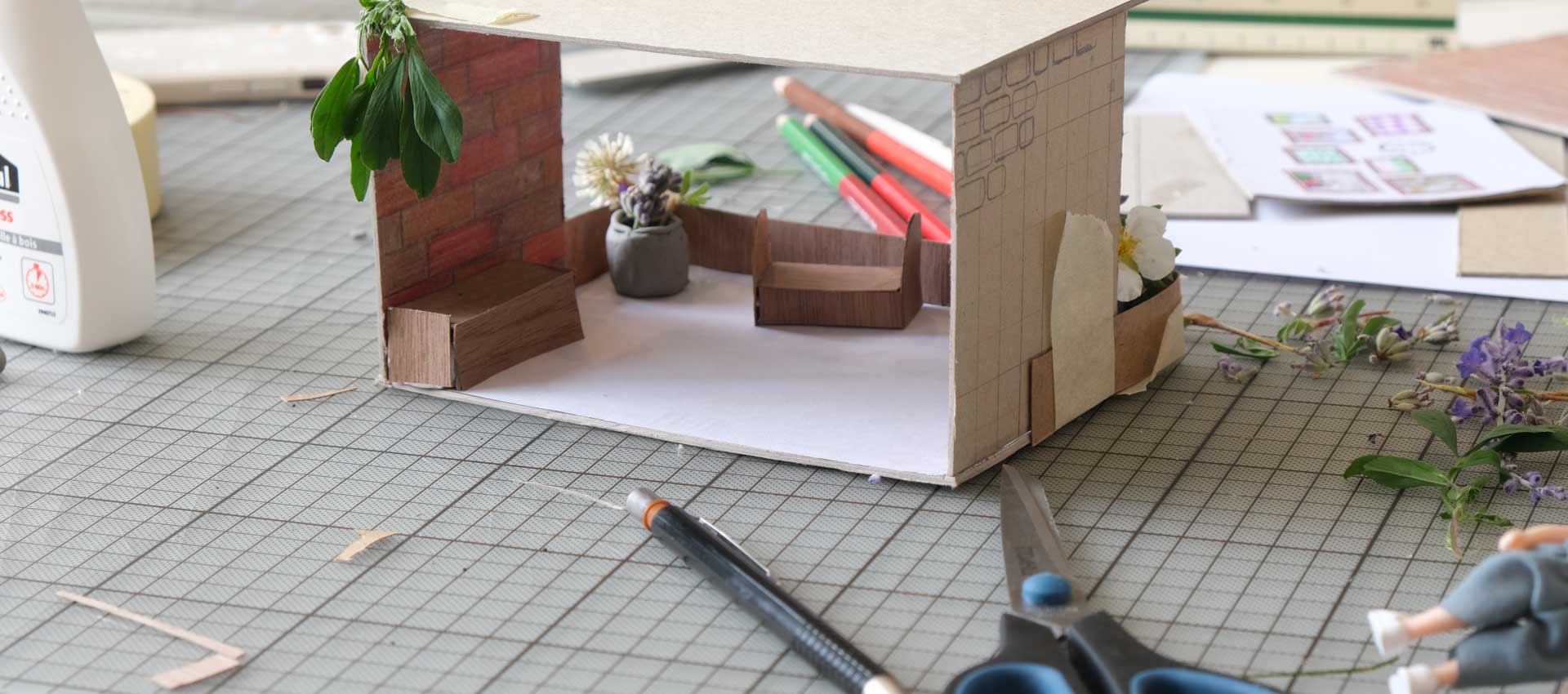
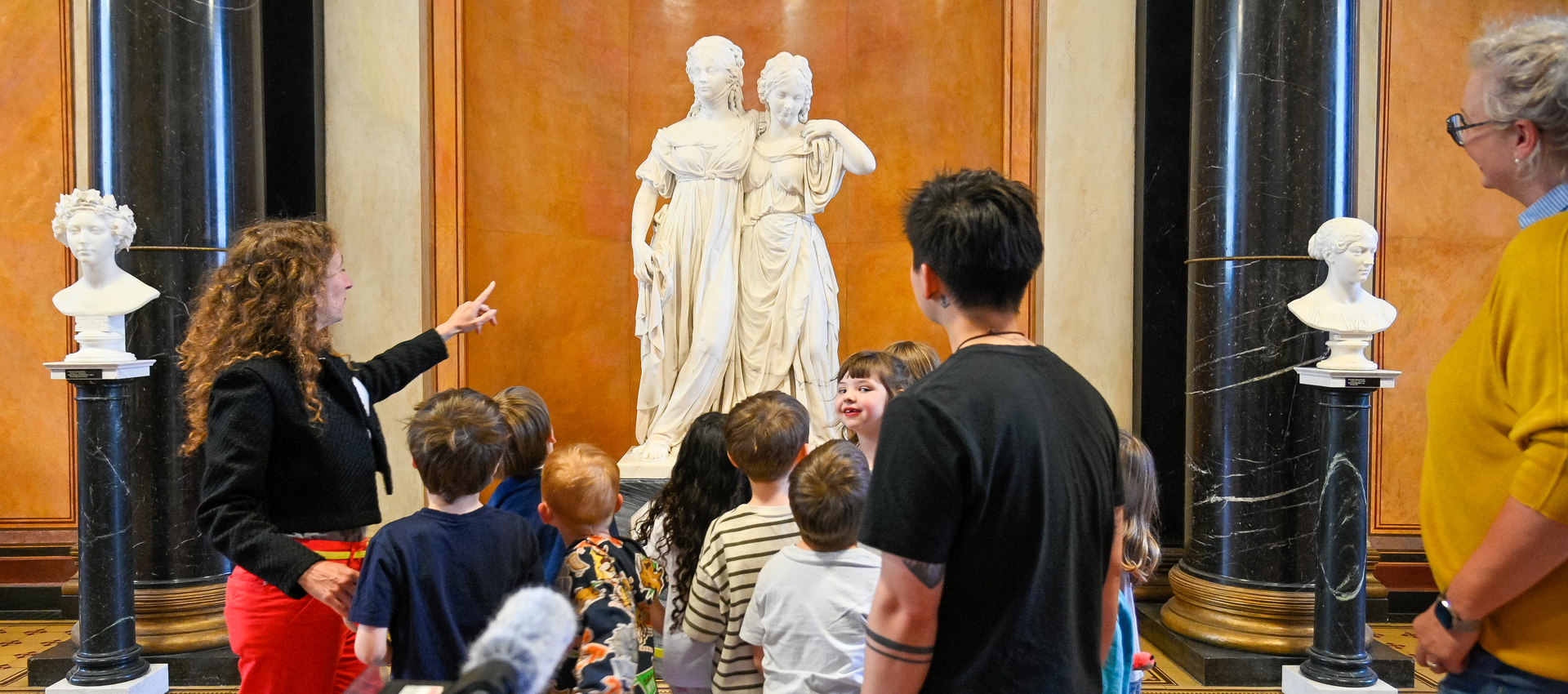
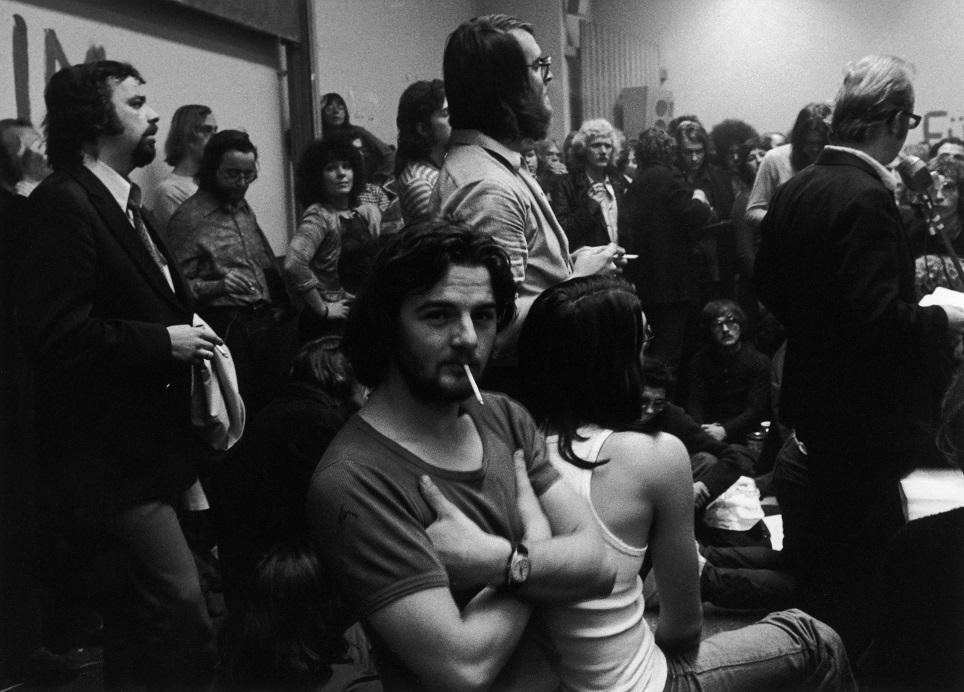
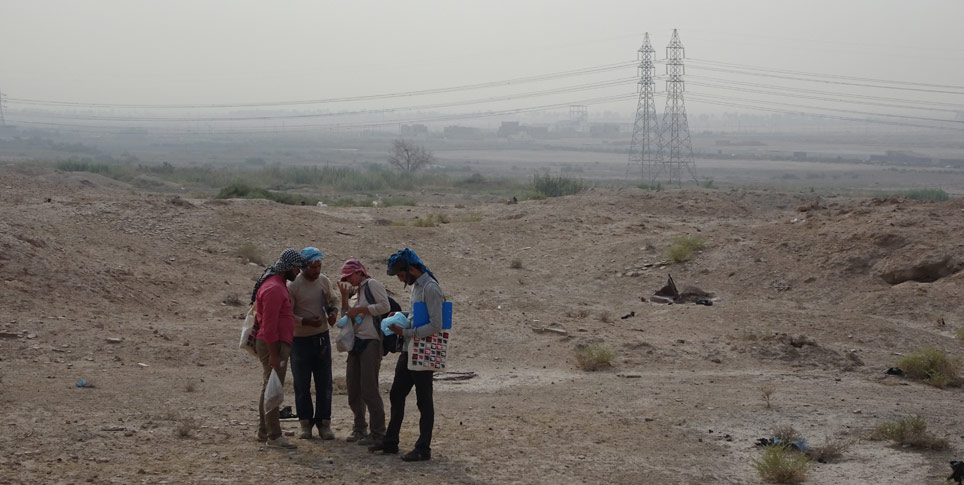
From 4 to 8 November 2024, the interdisciplinary 4A_Lab Academy “Ecological Entanglements across Collections – Plant Lives and Beyond” took place in Berlin in collaboration with the Kunsthistorisches Institut in Florenz, the Max Planck Institute and the Stiftung Preußischer Kulturbesitz. The academy built on the ecological turn in the humanities and explored the role of plant life in artistic and aesthetic practices, in the production of human knowledge, and in theoretical and critical thinking across histories, communities and geographies. Through a series of lectures, panel discussions, workshops, collection visits, public tours in German and English, and performances at seven SPK venues, the Academy invited participants to engage in dialogue with the SPK’s collections, jointly (re)thinking and exploring the interconnections between humans and plant and non-human life.
The first video recordings of selected lectures and discussions, as well as a photo gallery, are now available online – time for a review. The Academy cannot be considered concluded, as it served rather to encourage active further reflection on the diverse themes of the transregional and interdisciplinary encounters and discussions. In this spirit, the 4A_Lab: Art Histories, Archaeologies, Anthropologies, Aesthetics, which has been bringing outstanding early-career researchers to Berlin since 2019 as a research and fellowship programme of the Kunsthistorisches Institut in Florenz – Max Planck Institute in cooperation with the Stiftung Preußischer Kulturbesitz. With the Academy, the time had come to discuss research on the theme of plant life and its manifold interconnections with art and aesthetics, history, biology, economics, as well as the role of the Anthropocene with guests and the public – covering individual works of art as well as the many forms of human connection and existential dependence on plant life. This broadening of perspective yielded new insights – including into the SPK’s collections and archives.
Five days, seven venues, eight formats
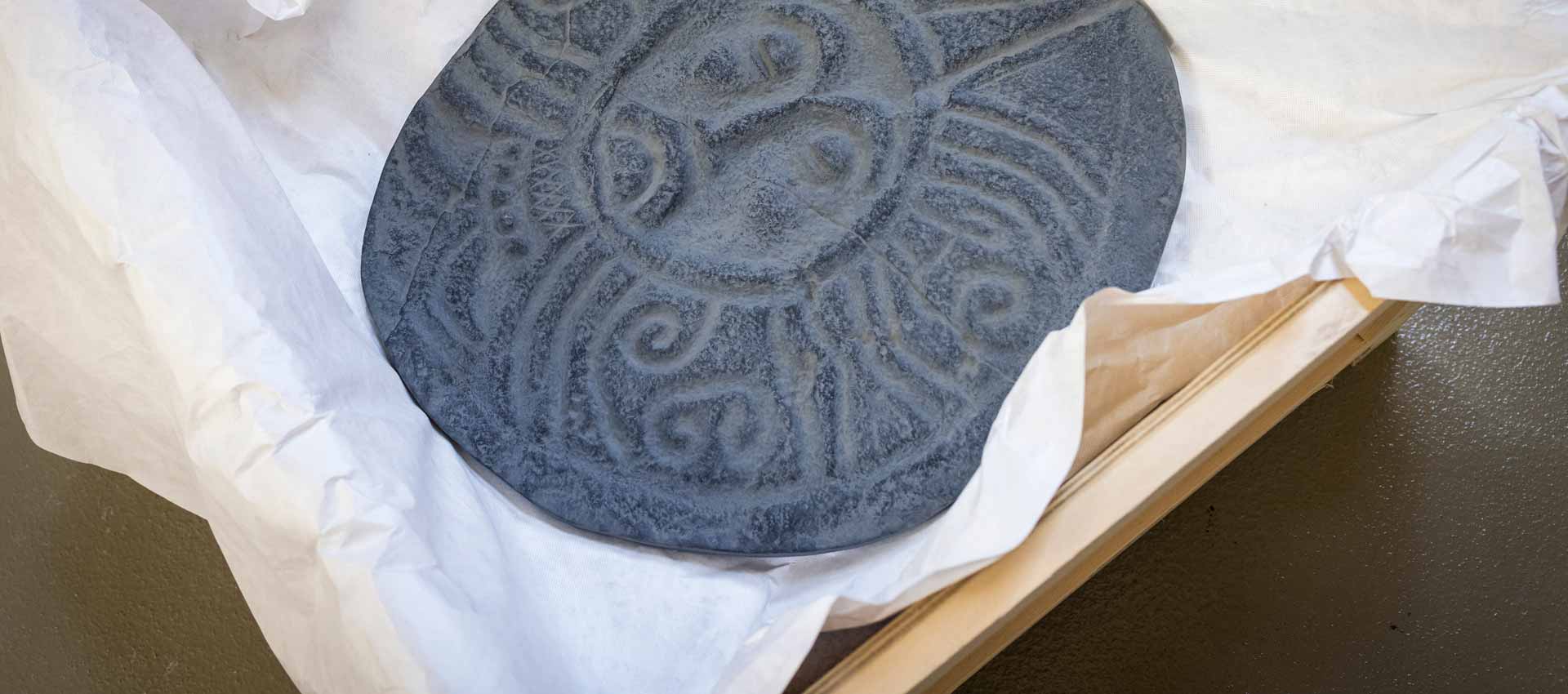
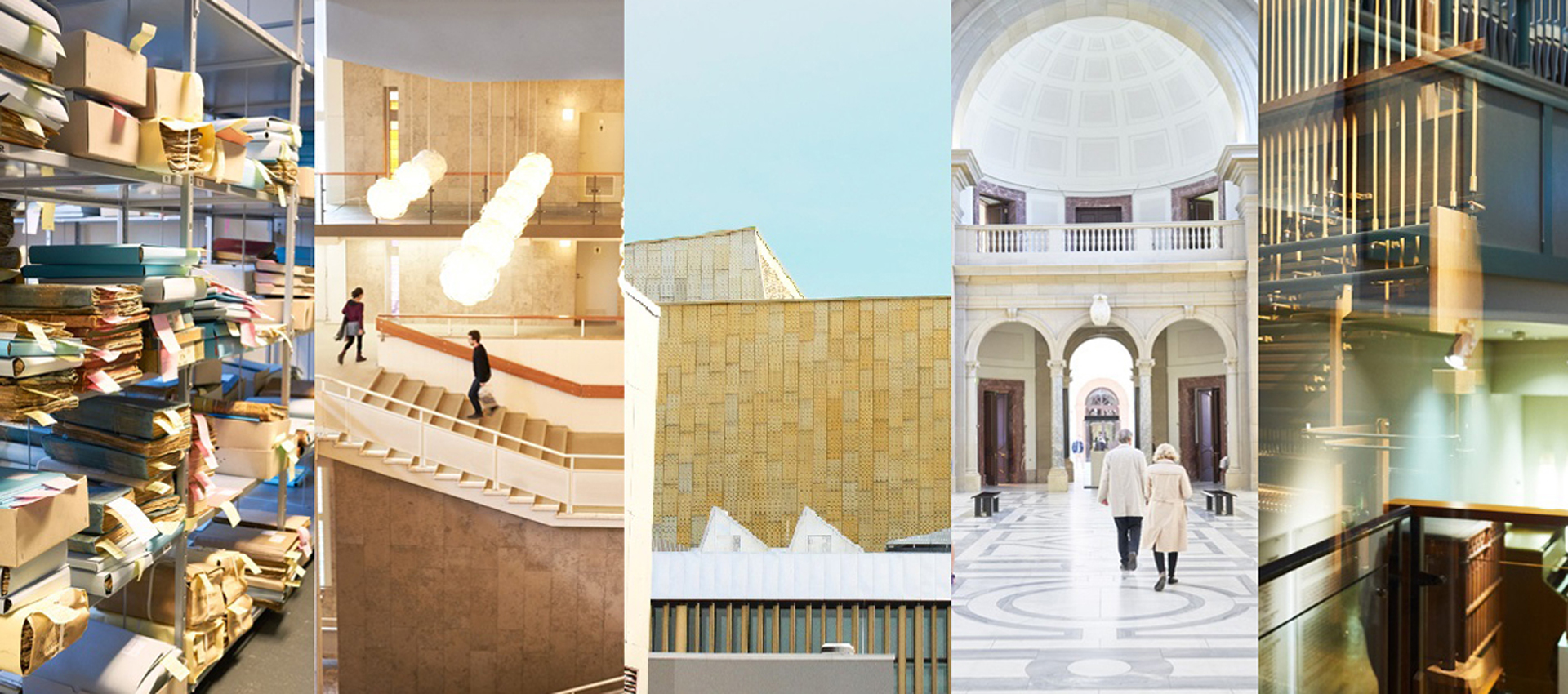
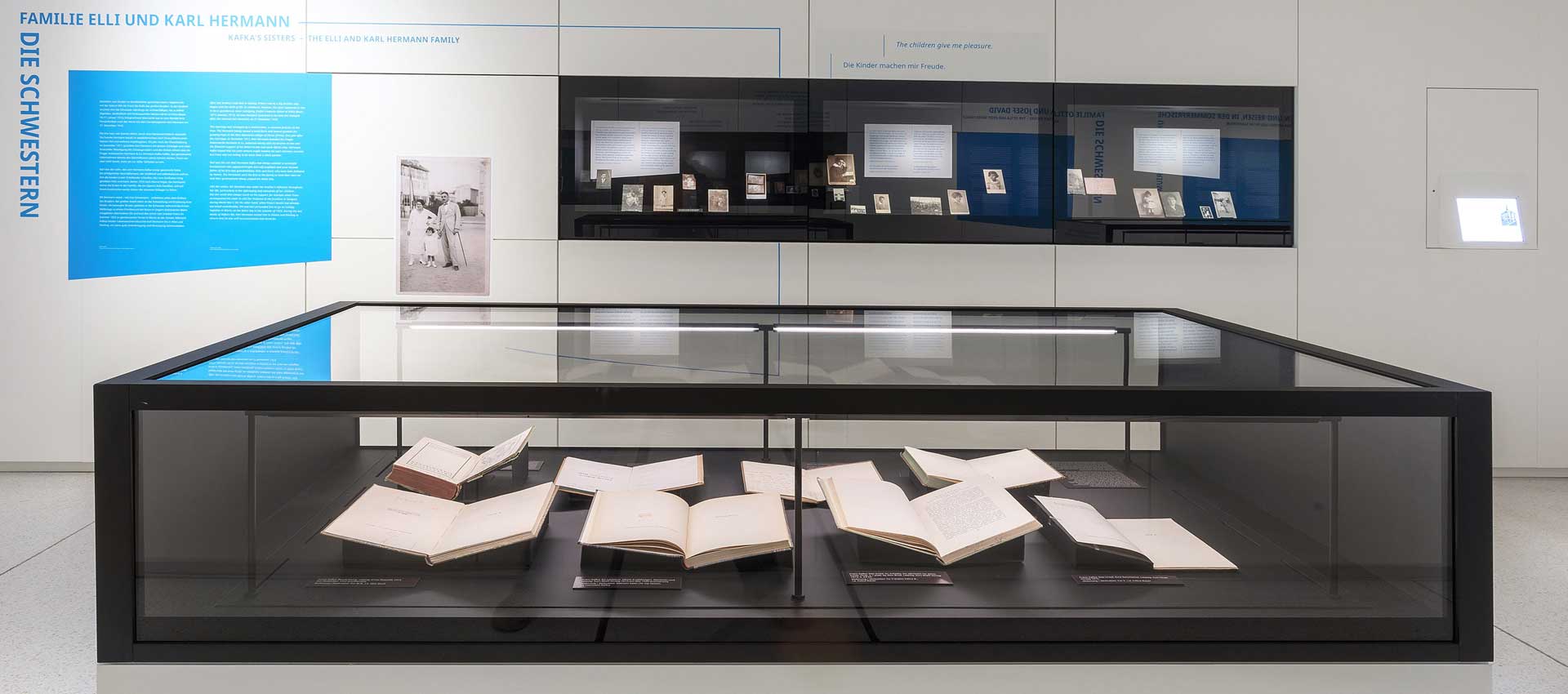
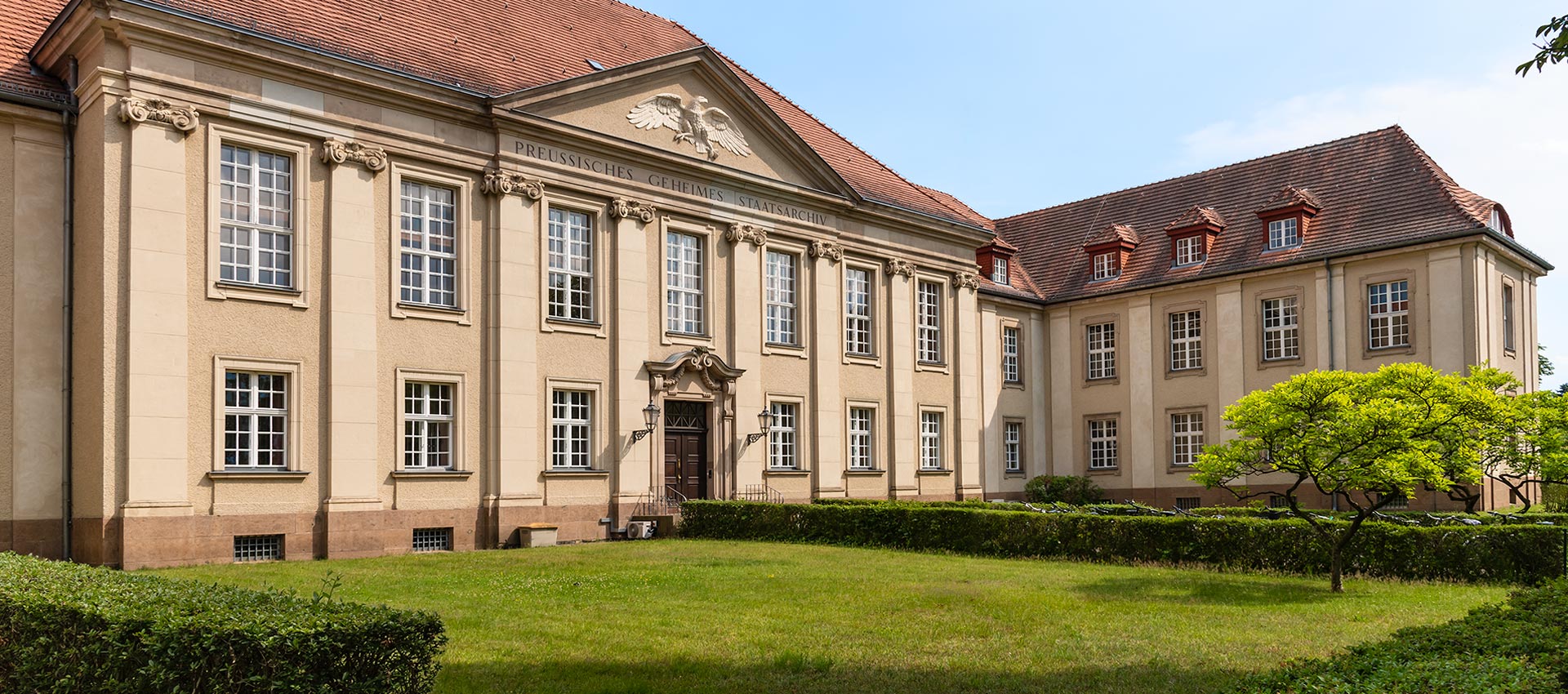
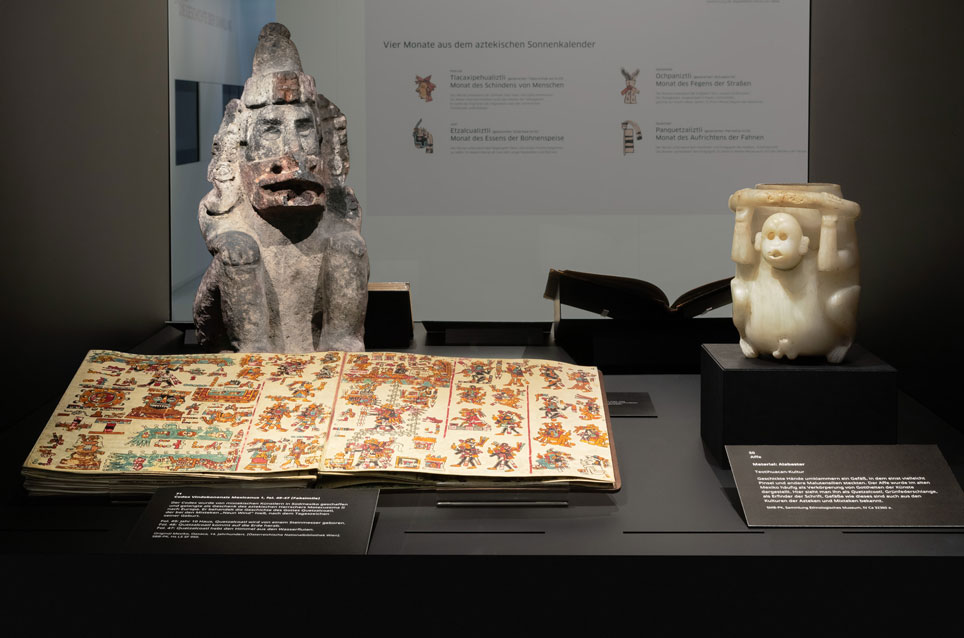
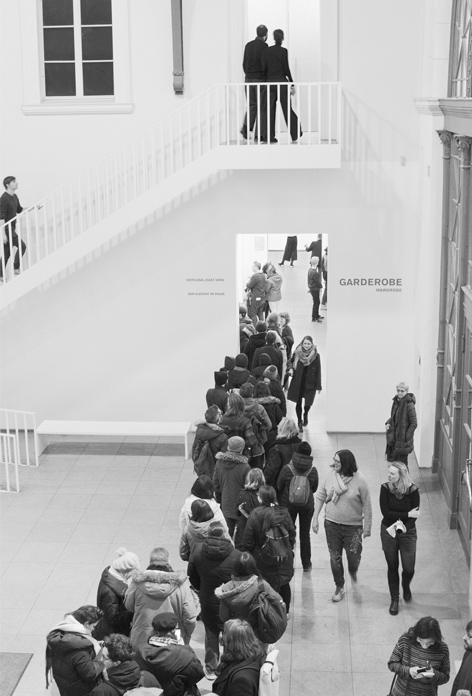
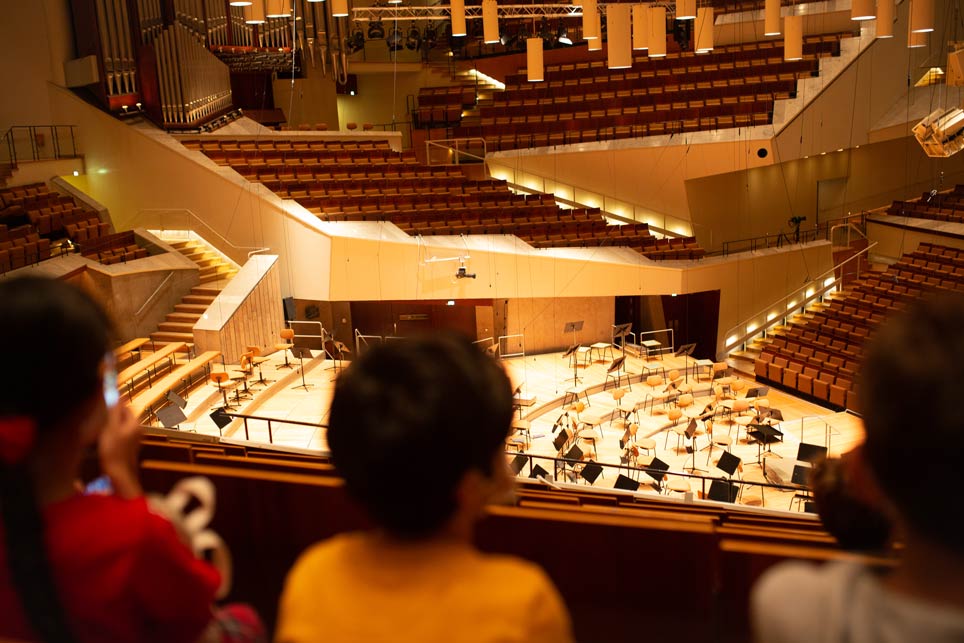
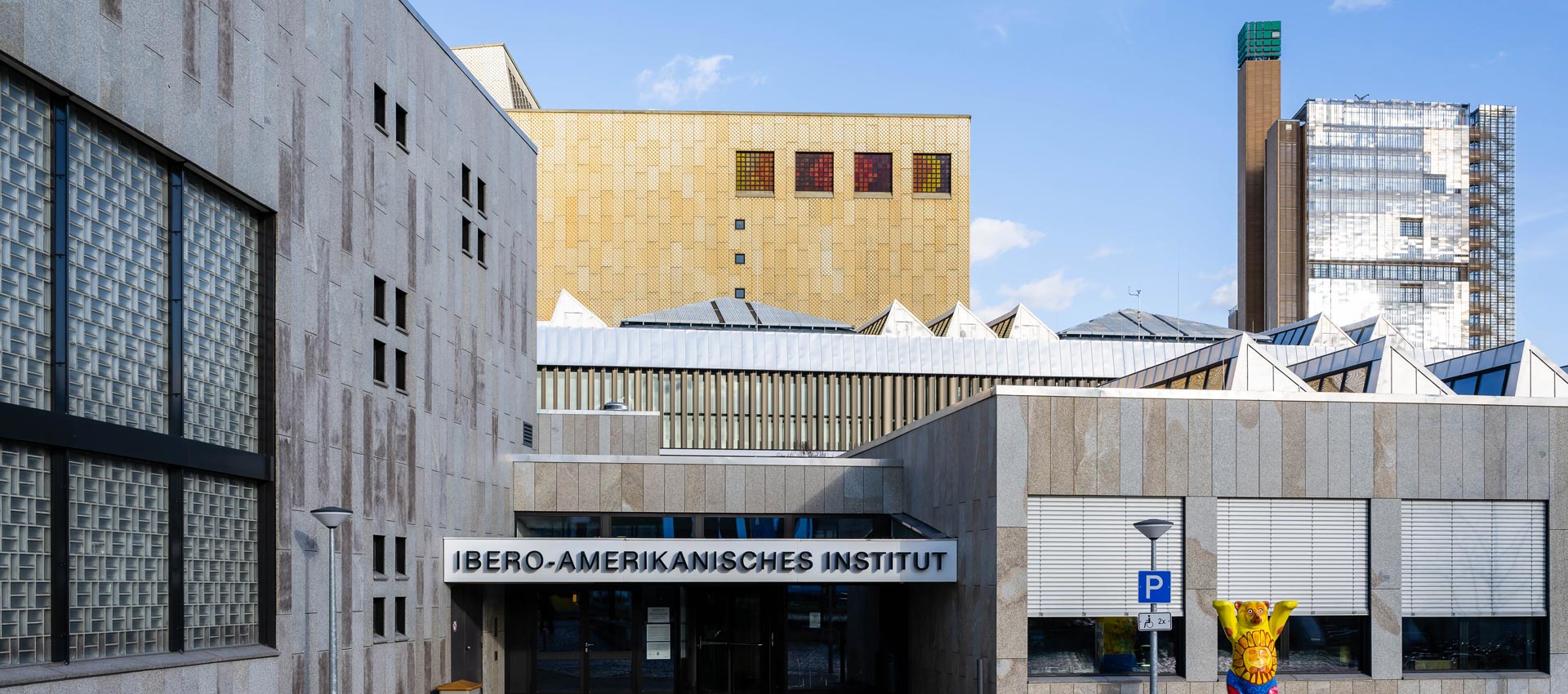
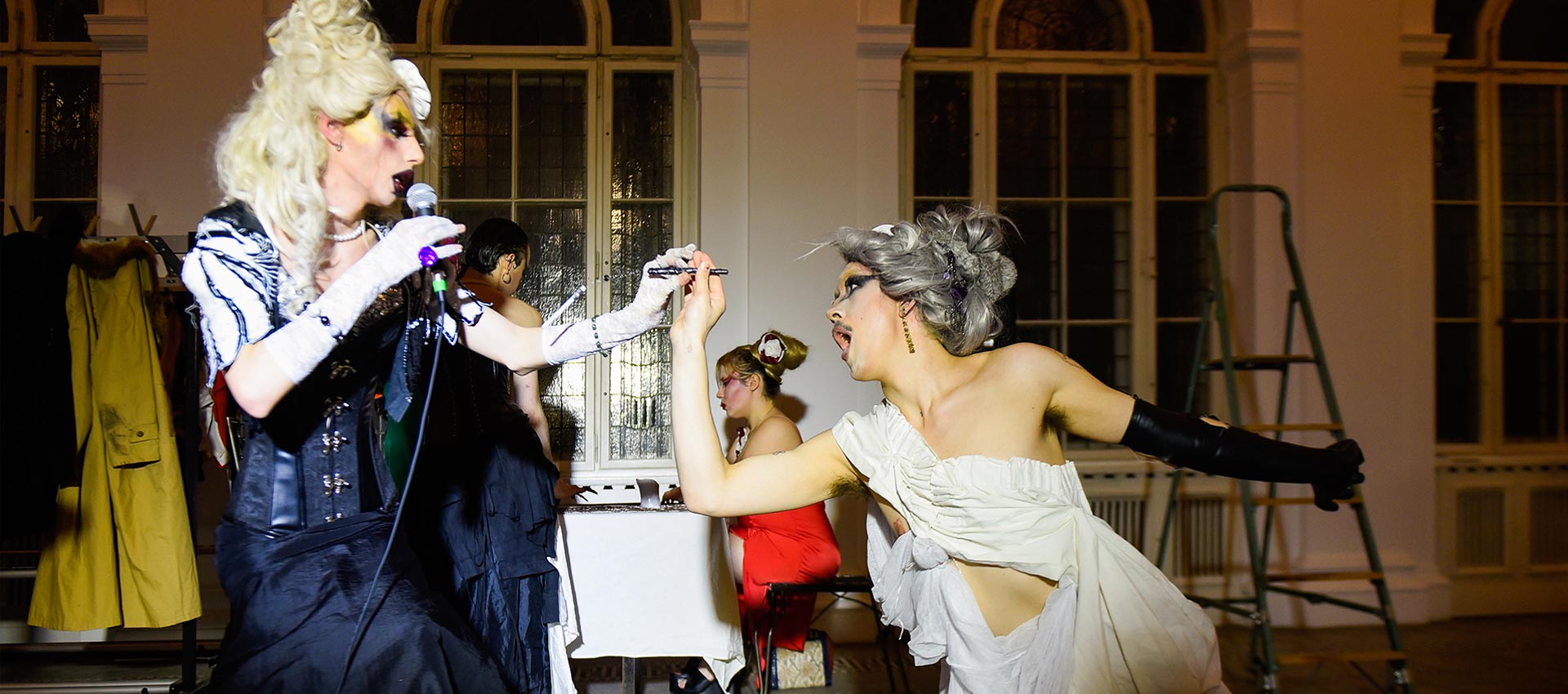
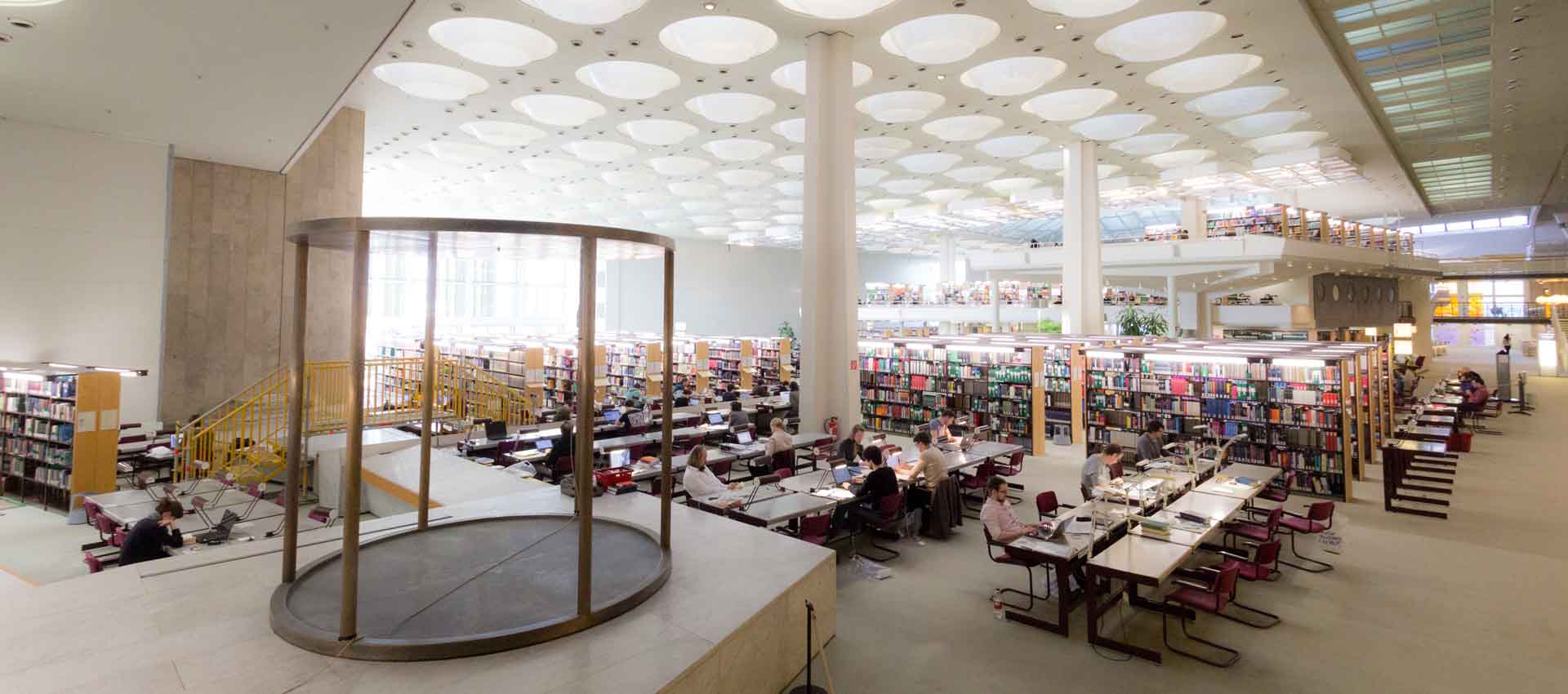
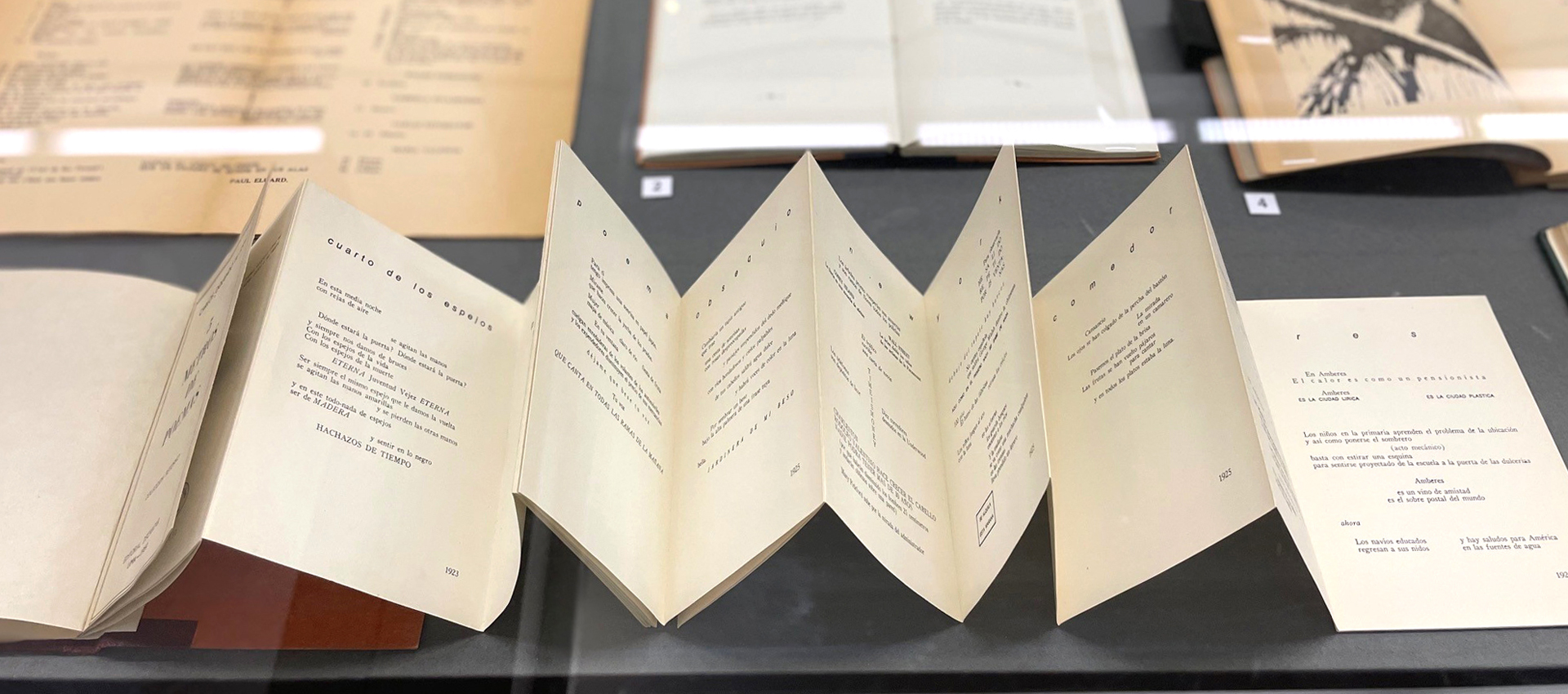
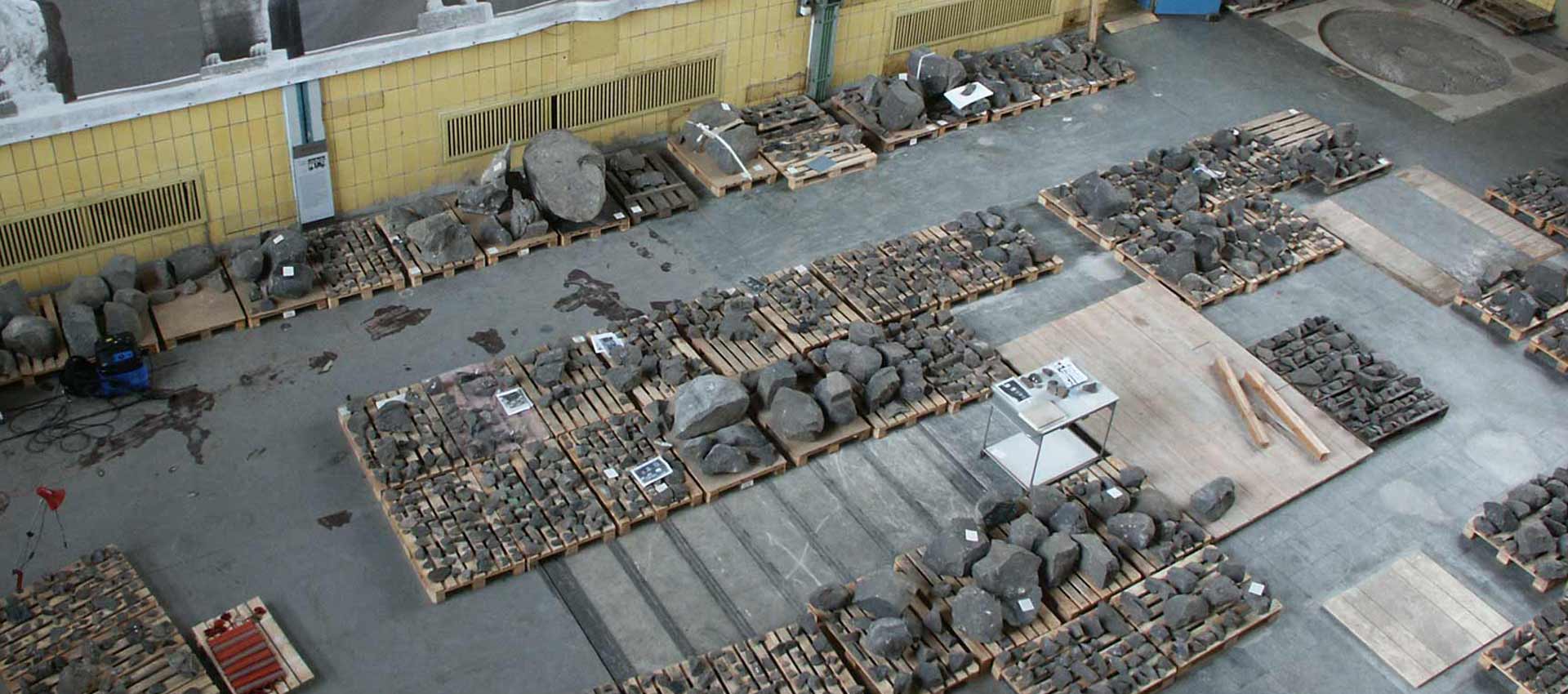
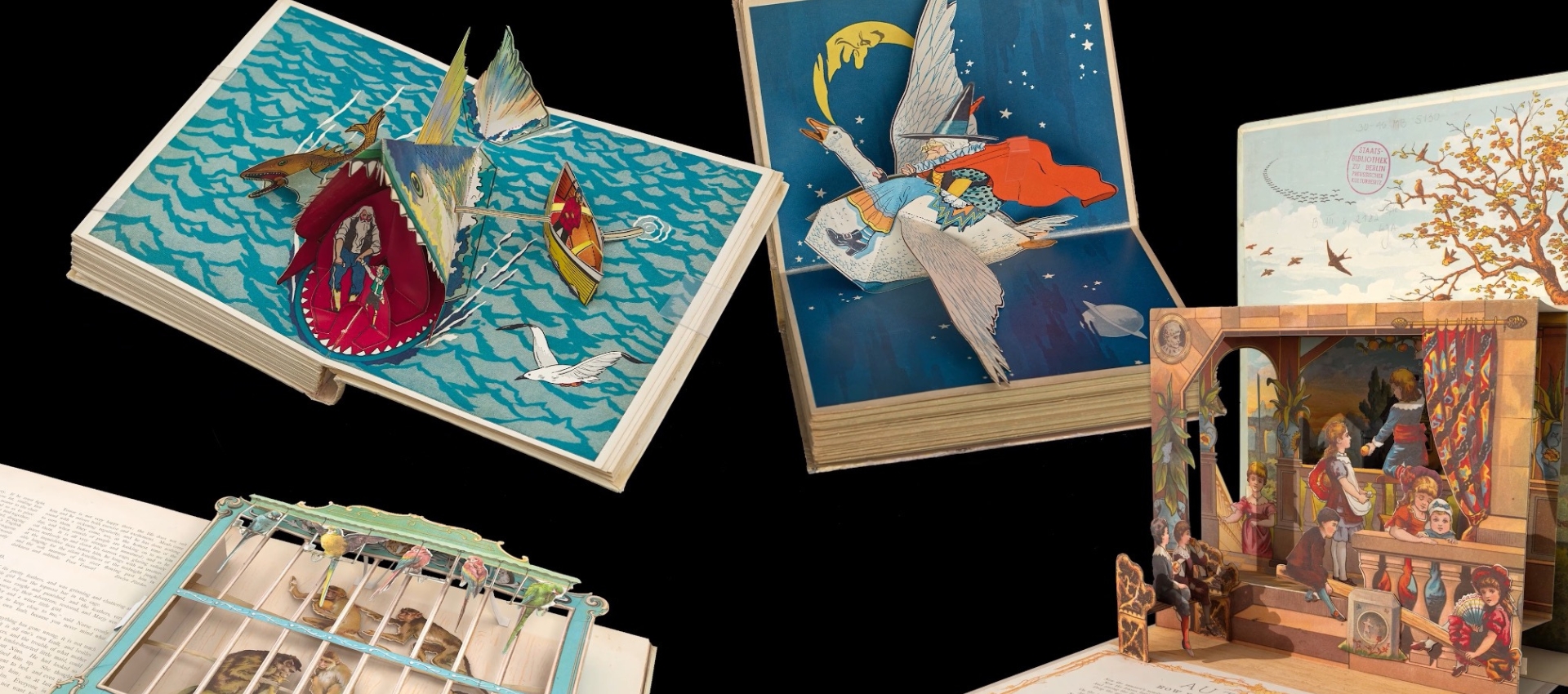
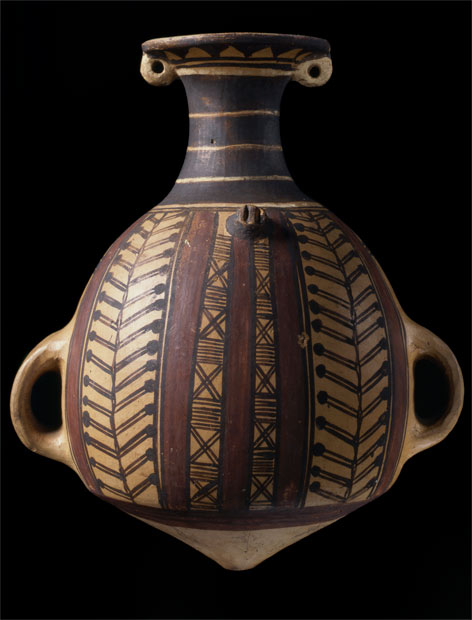
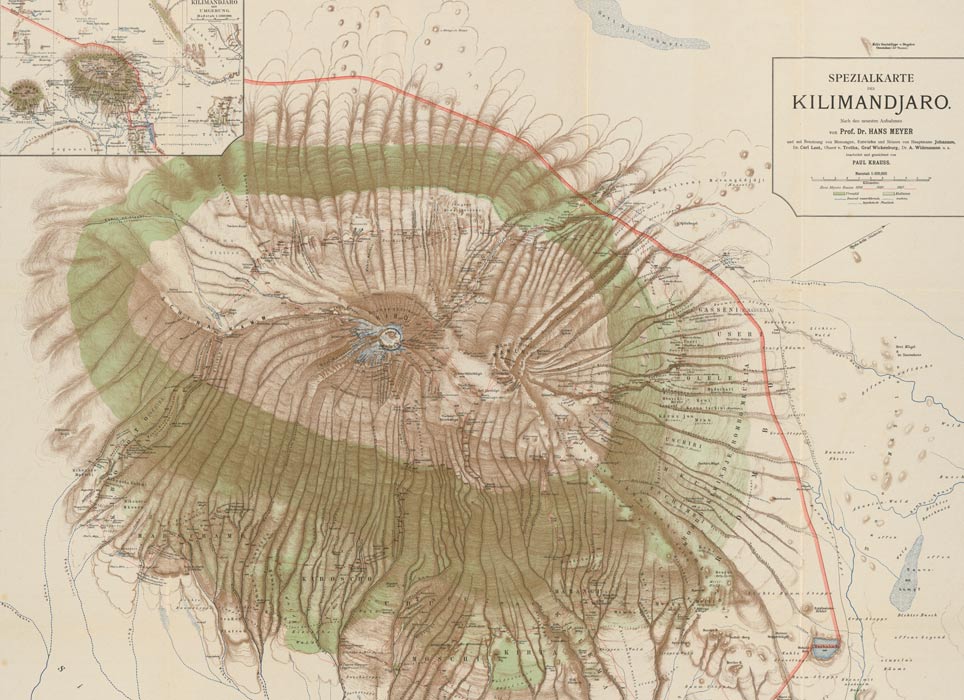
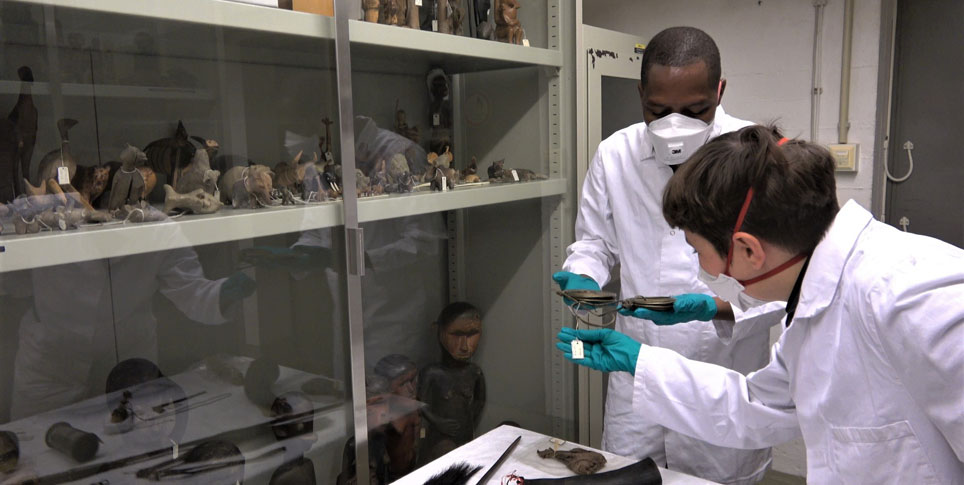
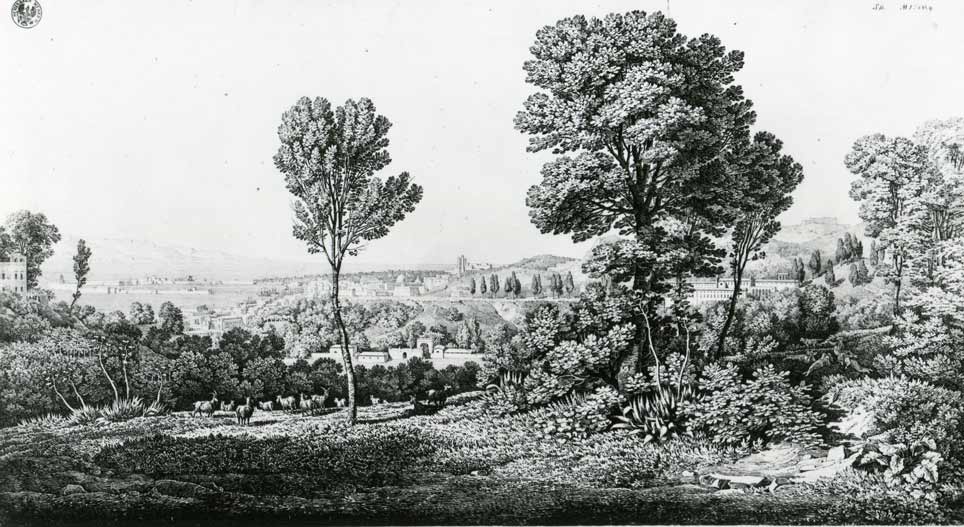
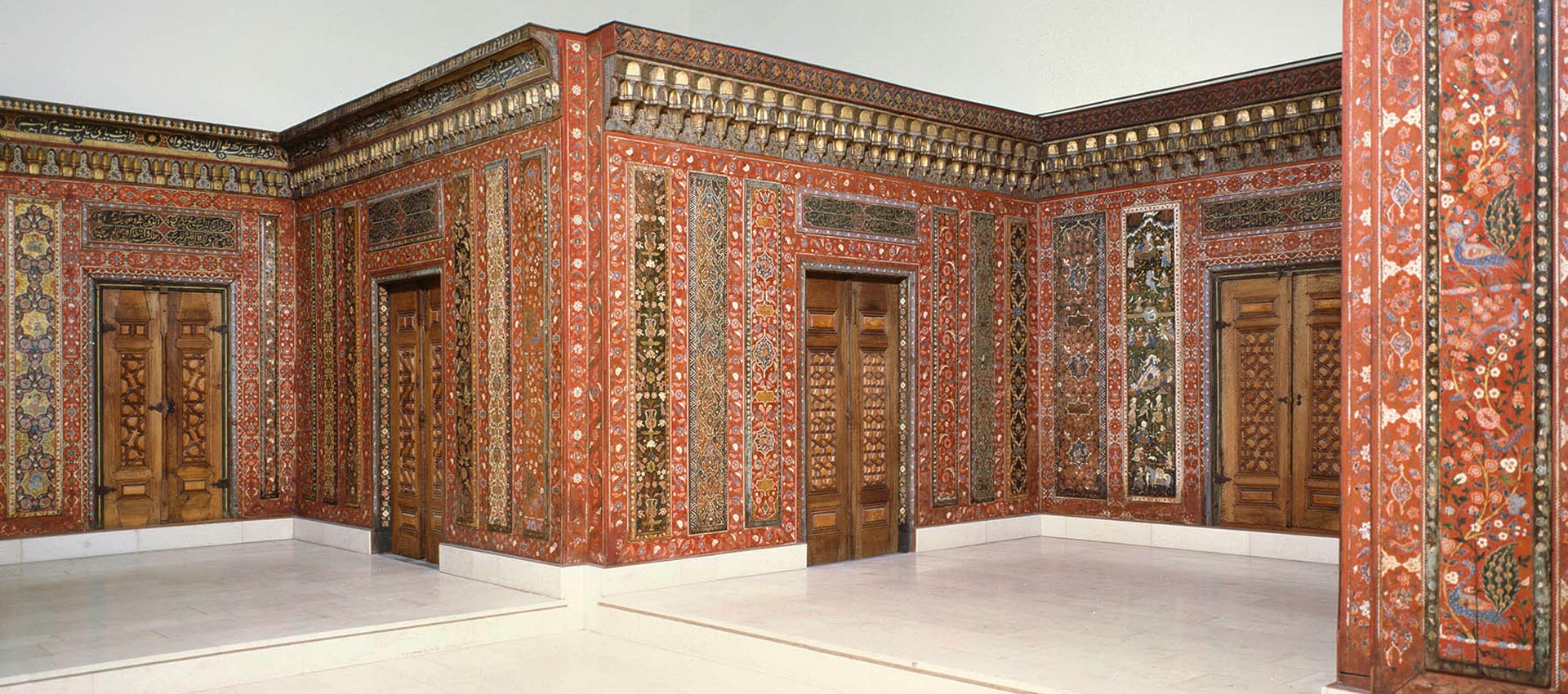
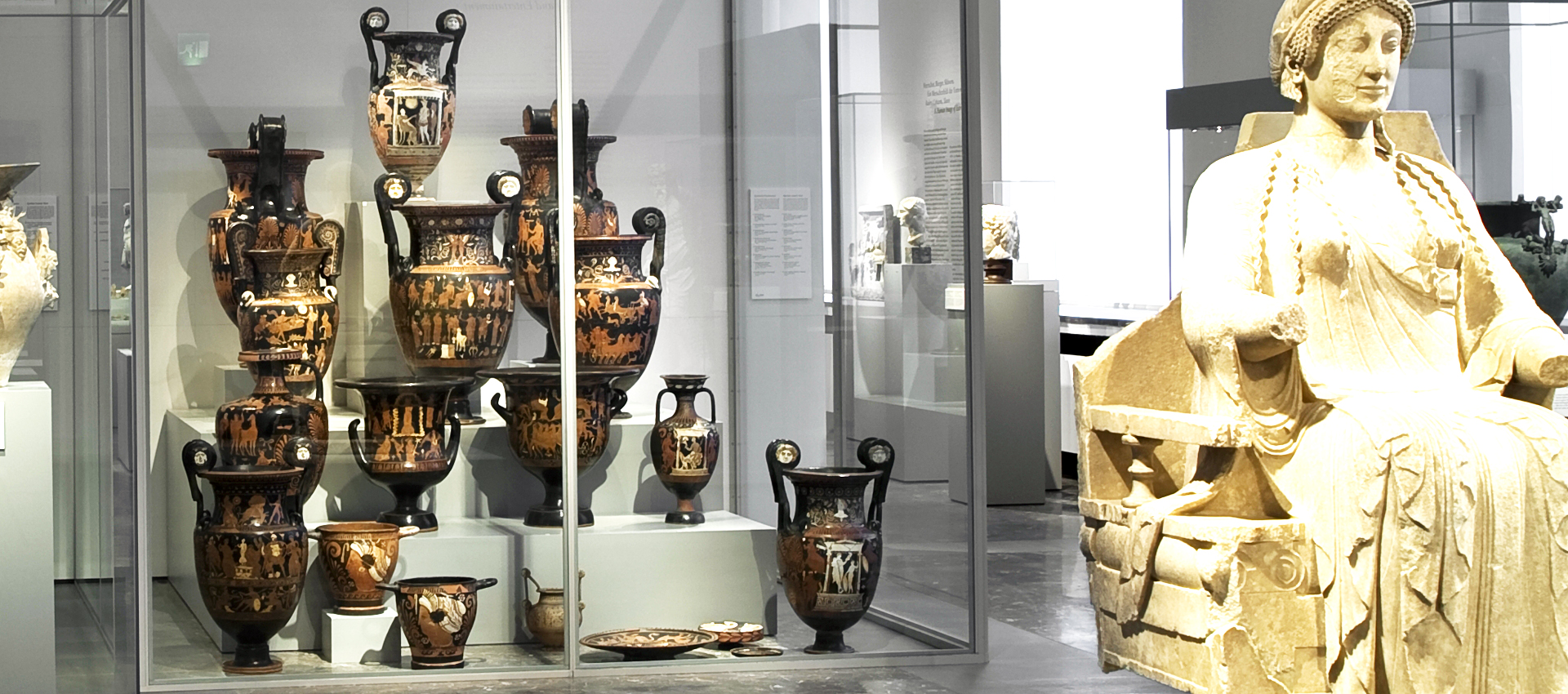
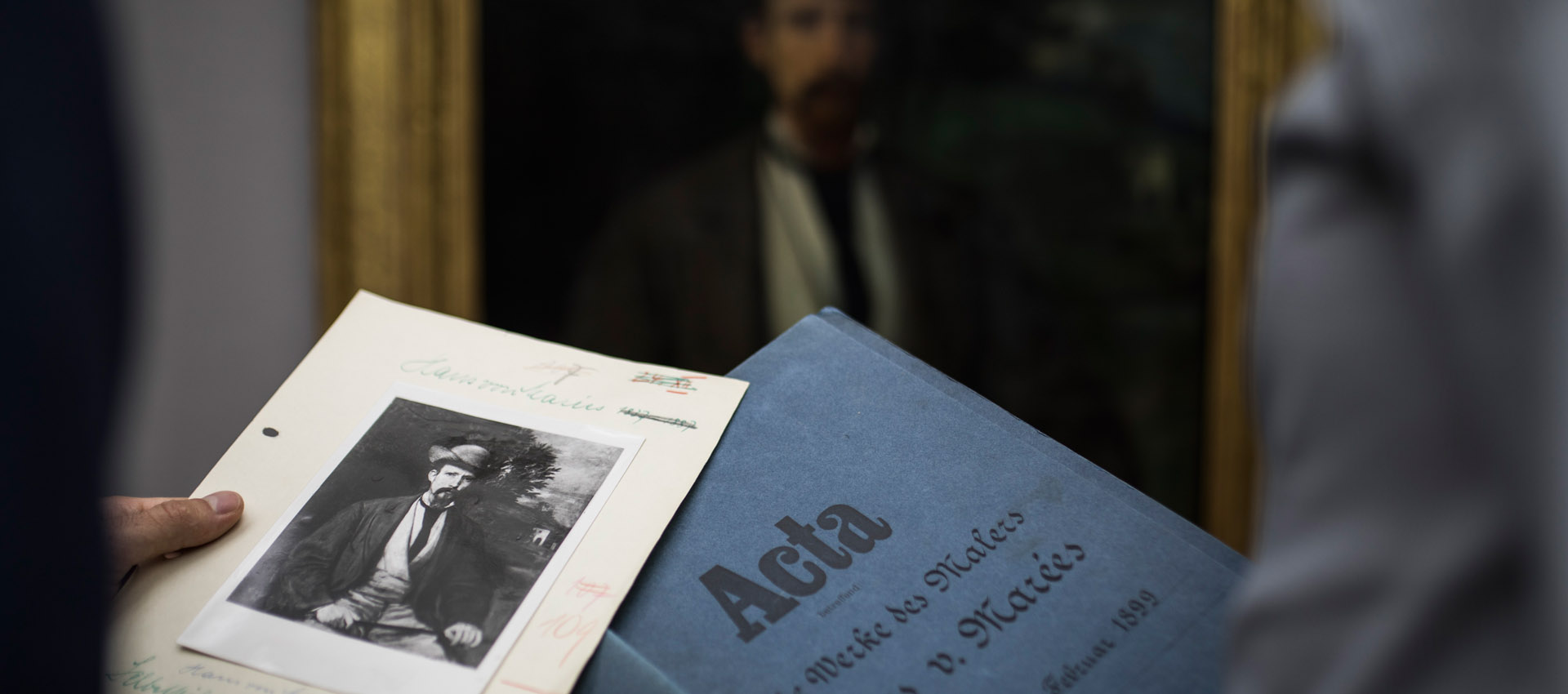
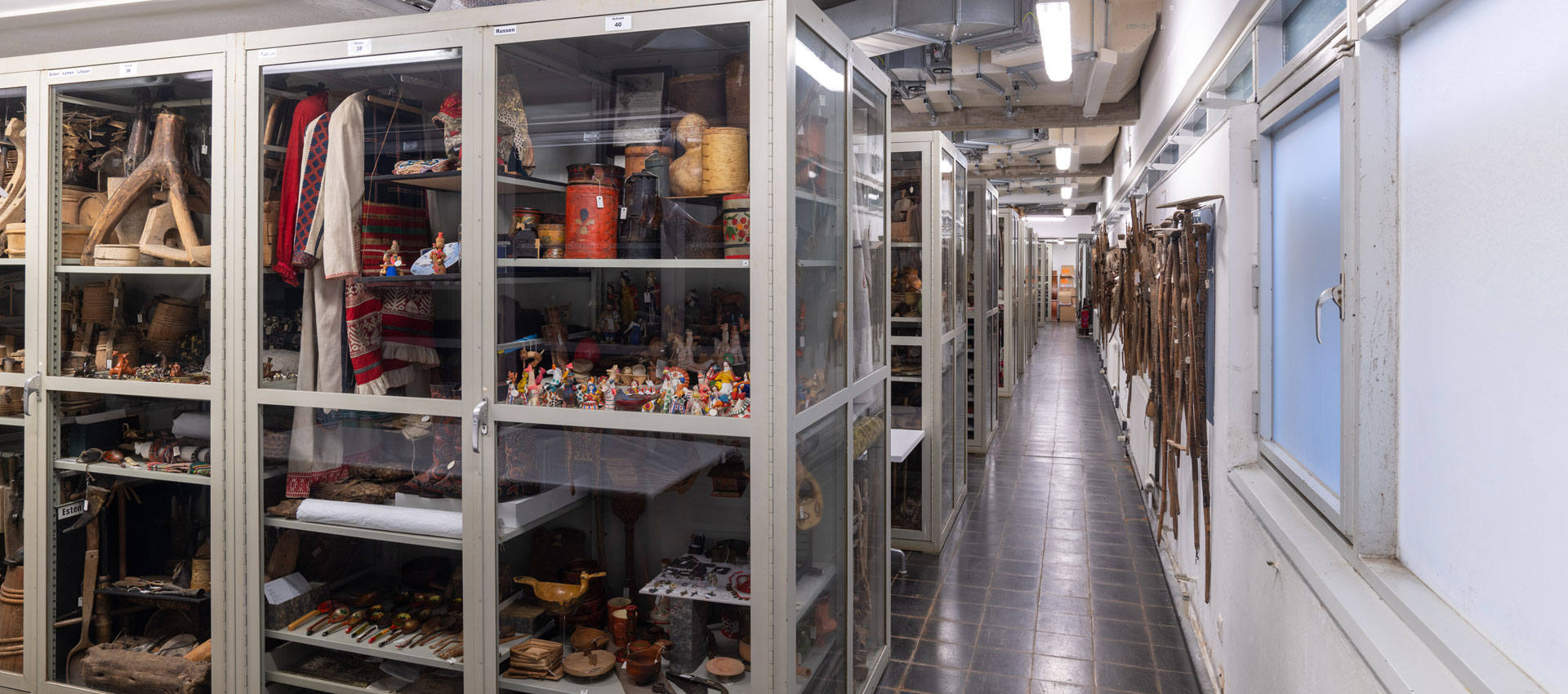
Over five days, the 4A_Lab Academy devoted each day to a new theme and different collections: From the Dahlem Research Campus to the Ibero-American Institute, the Hamburger Bahnhof – National Gallery of Contemporary Art, the Berlin State Library, the Picture Gallery and the State Institute for Music Research, Museum of Musical Instruments, right through to the Museum of Photography and the Palaeobotany Collection of the Museum of Natural History. The audience gained fascinating insights into Berlin’s rich research and museum landscape. Panels, lectures, workshops, collection visits, and artistic, auditory and musical performances created synergies between different perspectives and forms of knowledge.
In the opening workshop, discussions took place on a critical re-evaluation of environmental thought, its role in the history of art and science was examined, its shaping by religious beliefs and political constellations was questioned, its role in forms of colonial rule was analysed and related to botany and plant biology – reflected in lectures on ‘Discourses, Imaginations, and Common Sense’
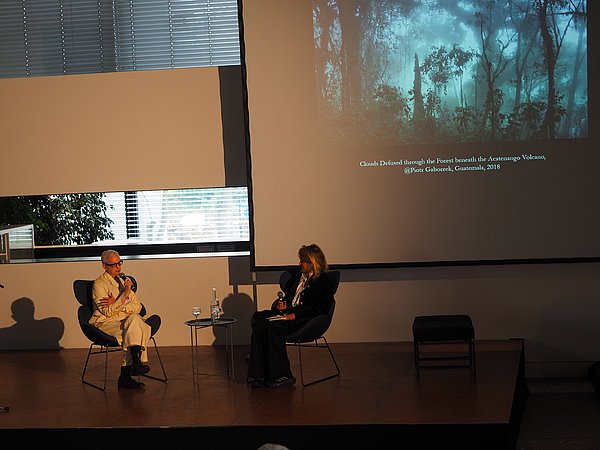
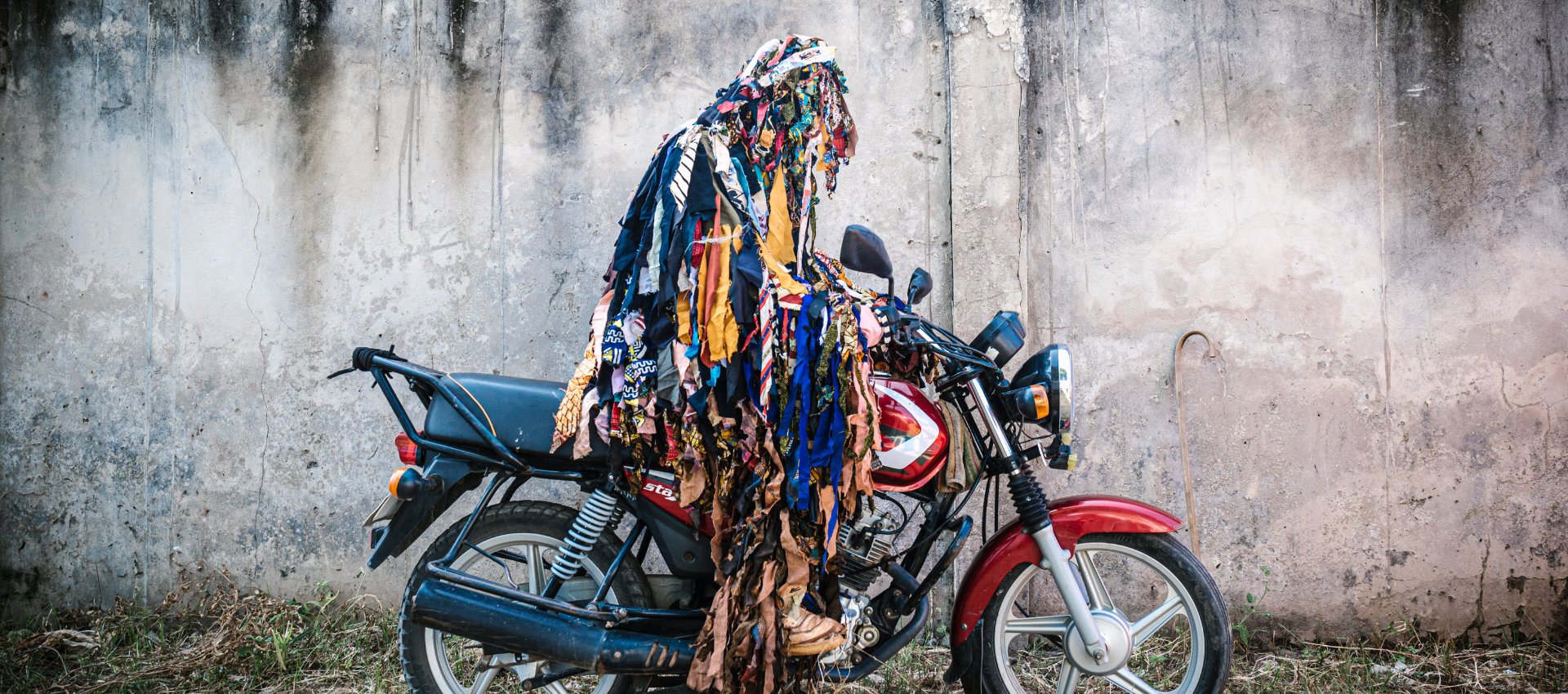
The second day focused on ecological perspectives and a critical examination of the colonial legacy in contemporary art: ‘Environmentalism in Contemporary Art after 1970’.
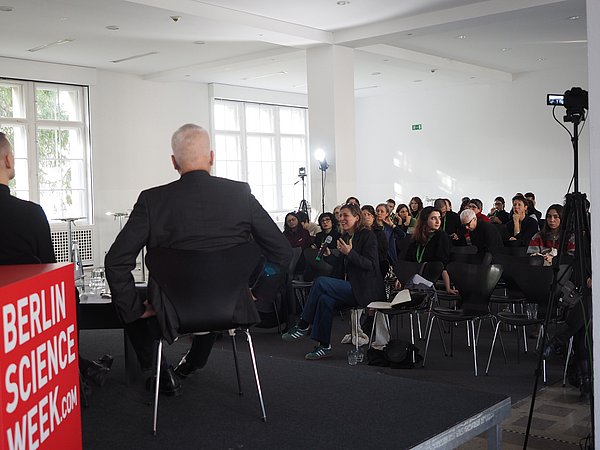
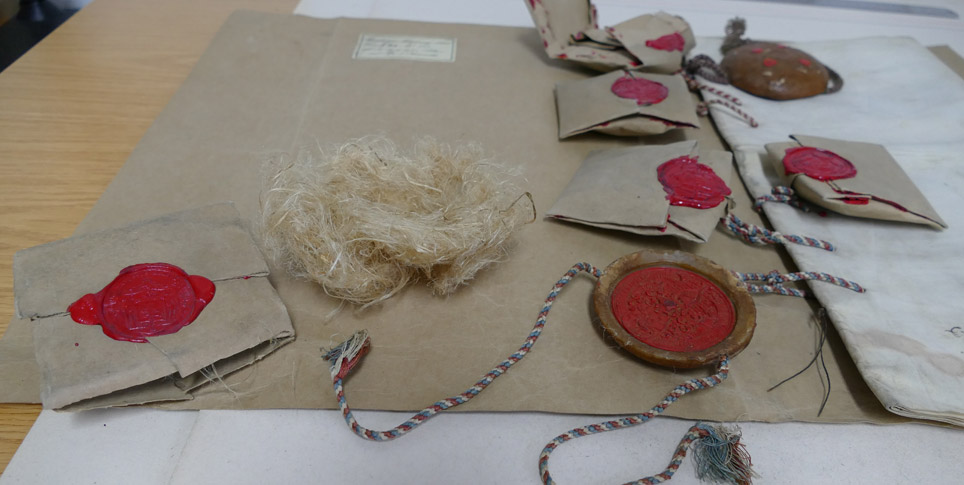
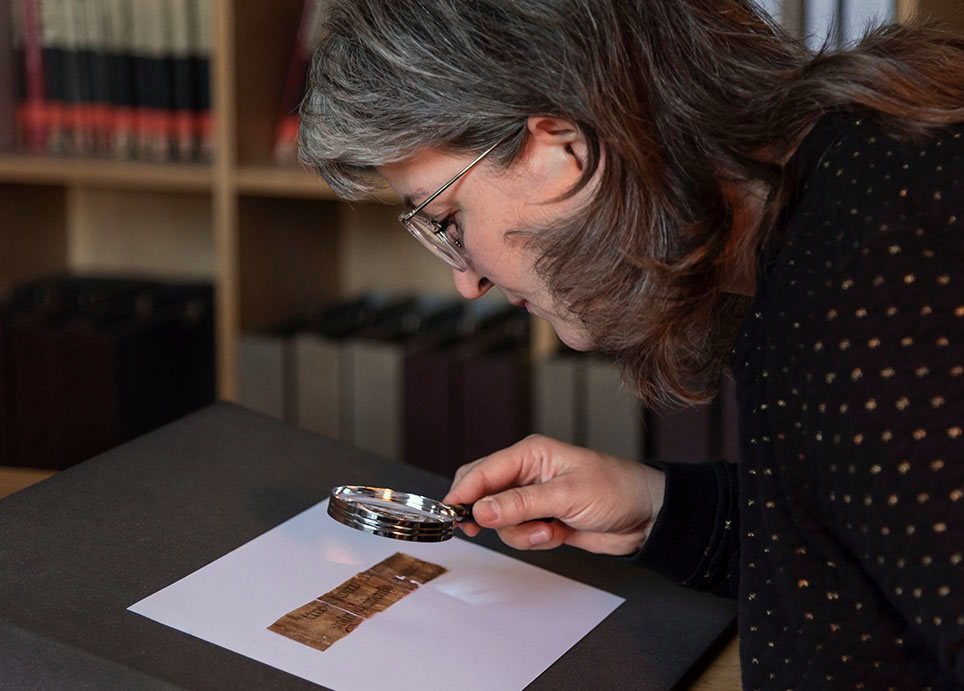
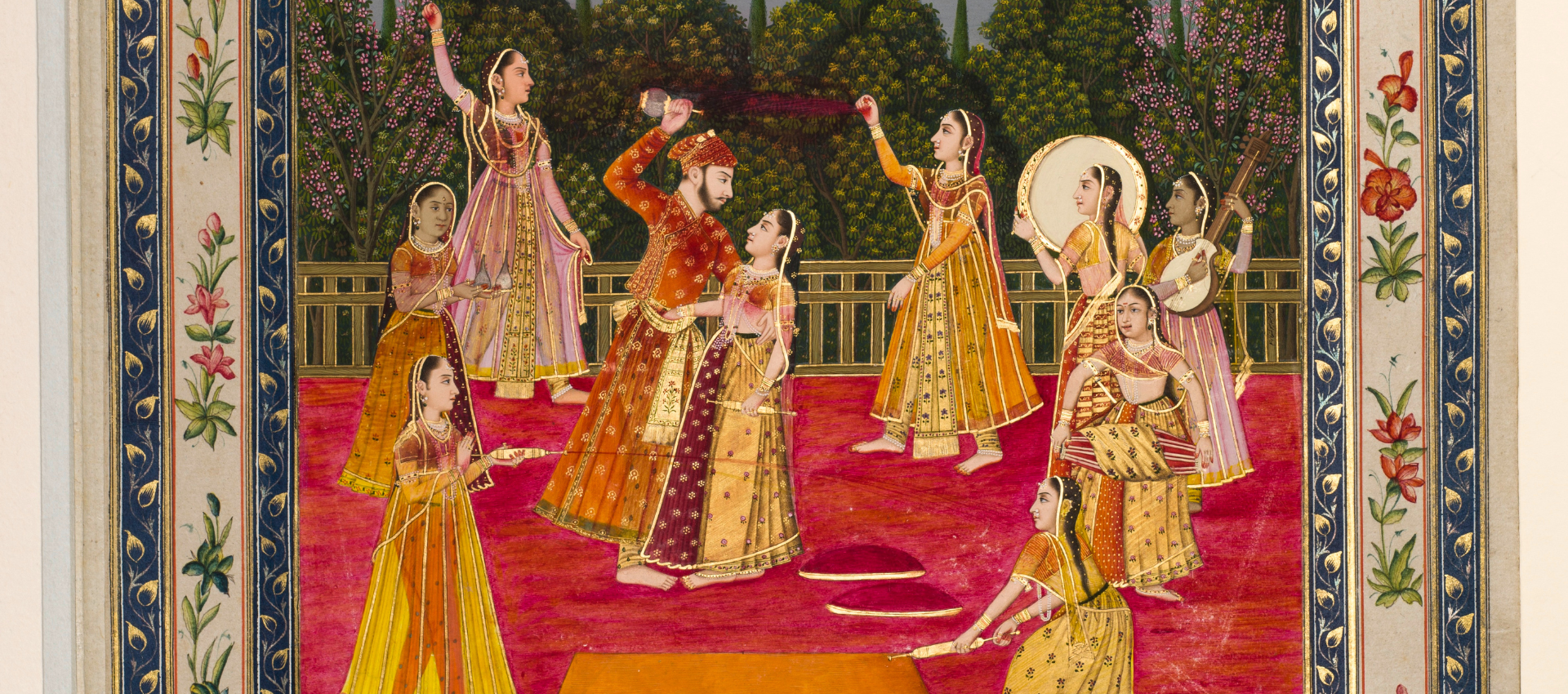
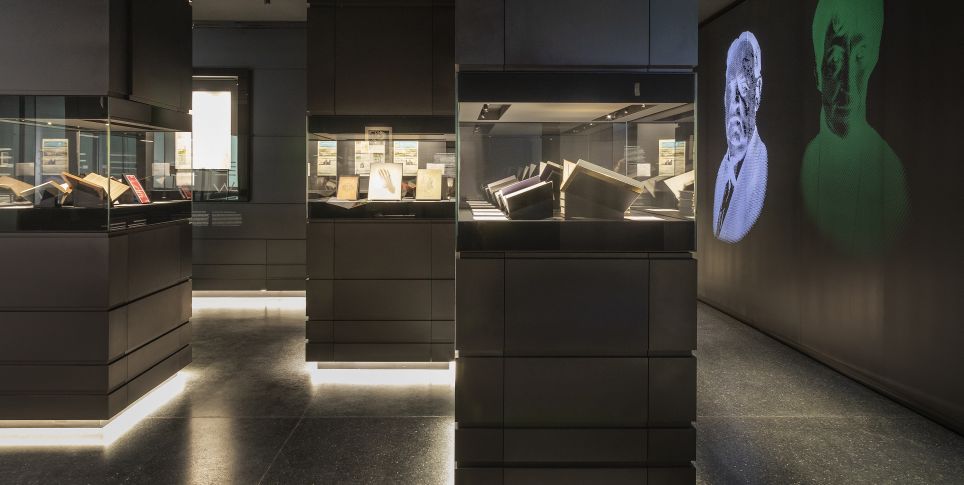
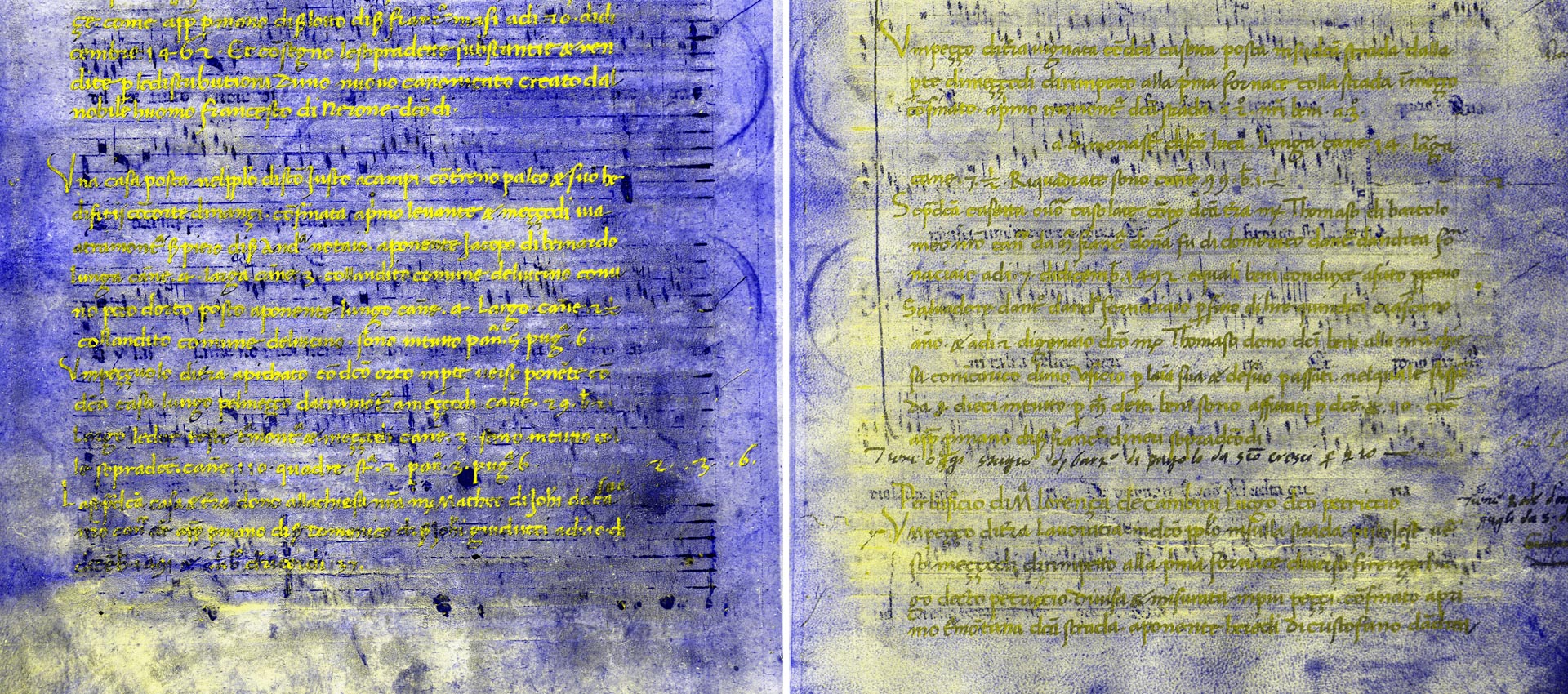
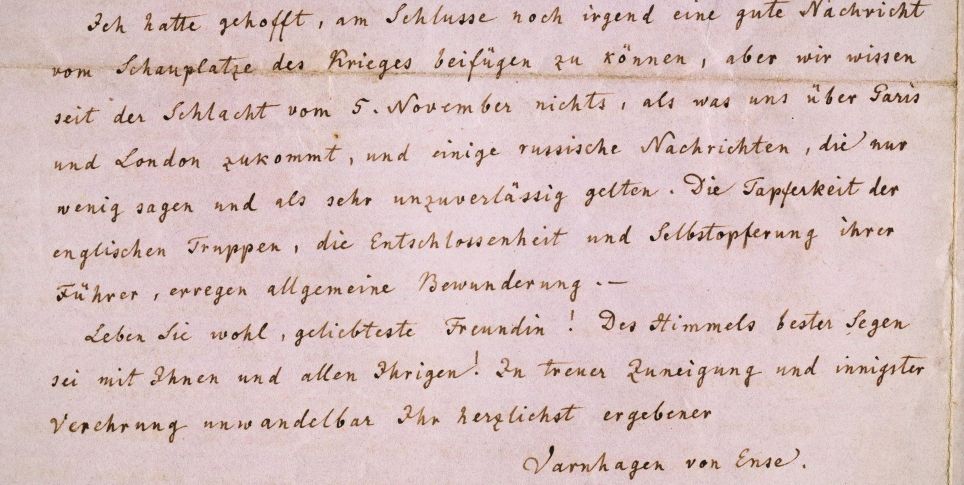
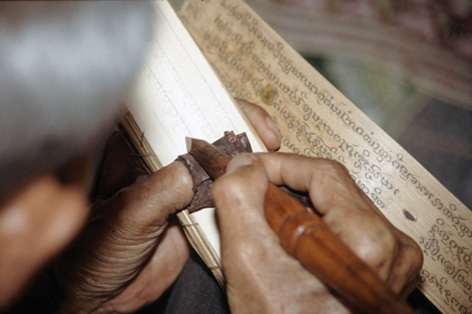
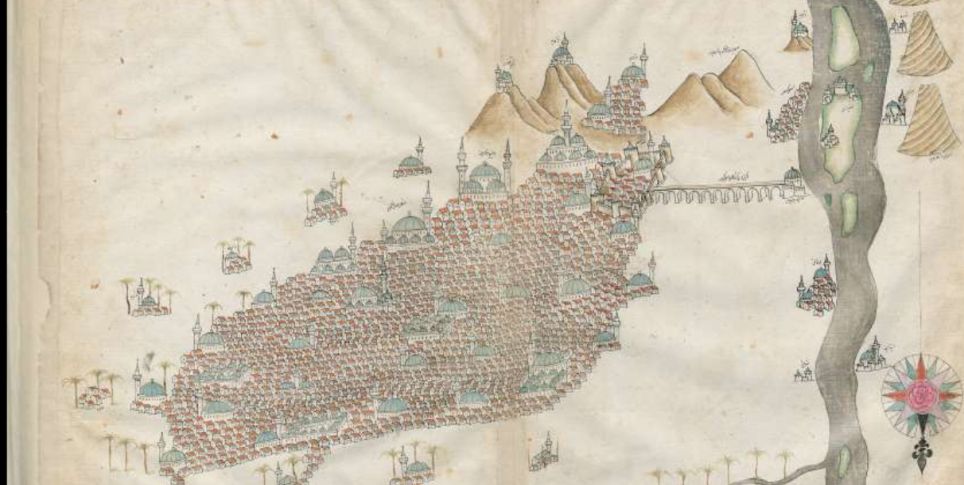
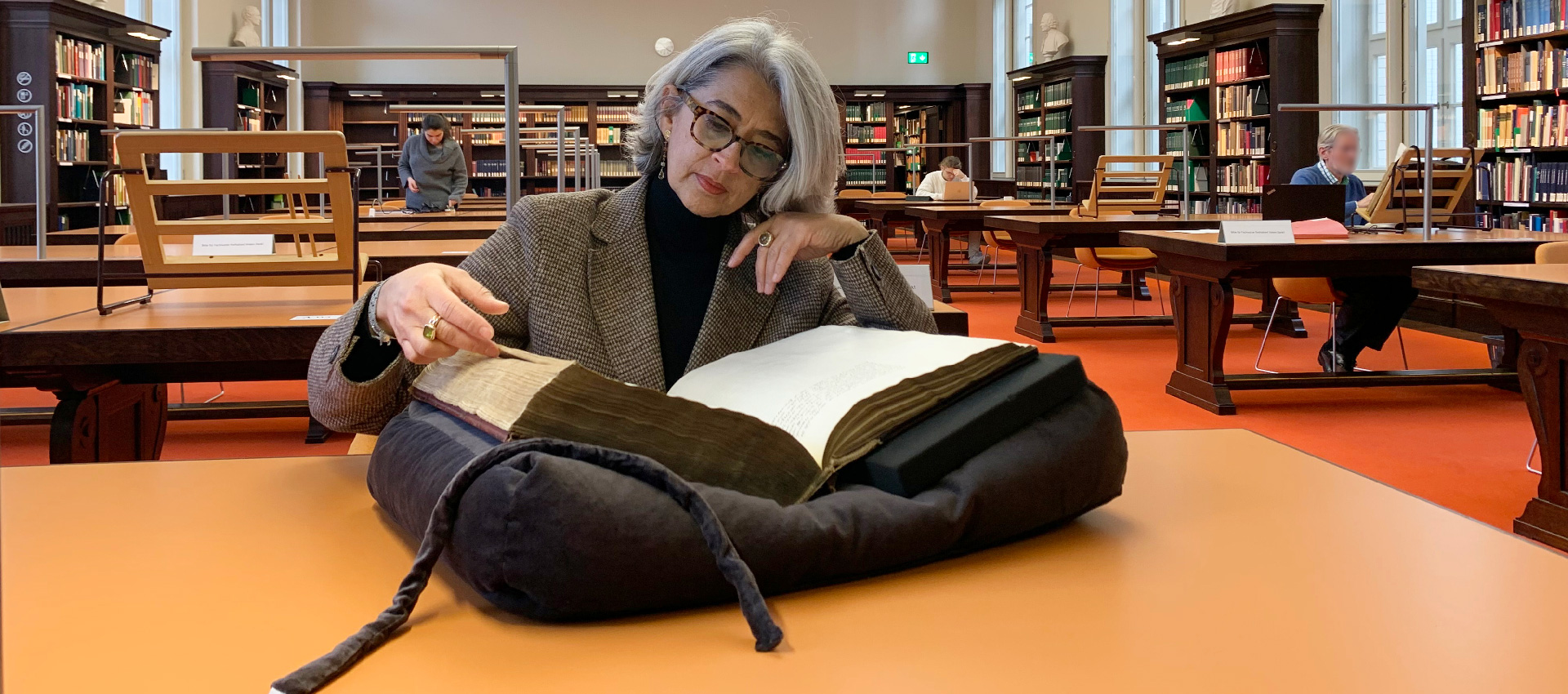
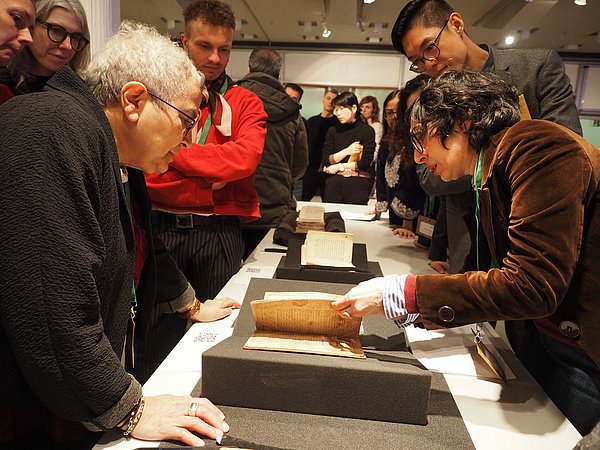
The third day was devoted to the theme of ‘Vegetability, Power and Resistance in and across Asia 1600–1850, as Paradise Drama’. Here, scholars discussed the significance of gardens as religious, spiritual and political sites in Asian history, accompanied by a collection workshop focusing on unique manuscripts in the Oriental Department of the Berlin State Library.
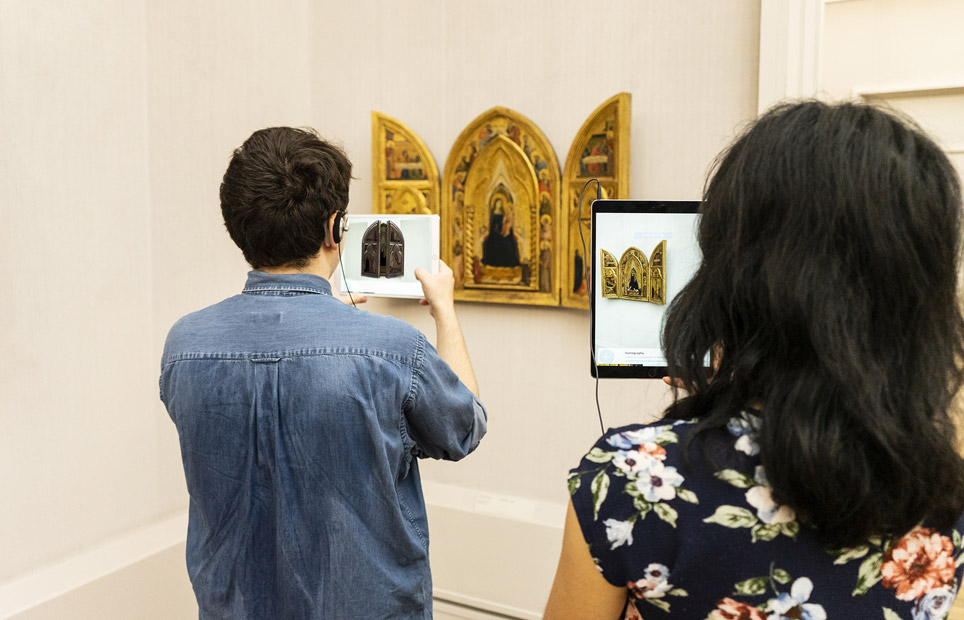
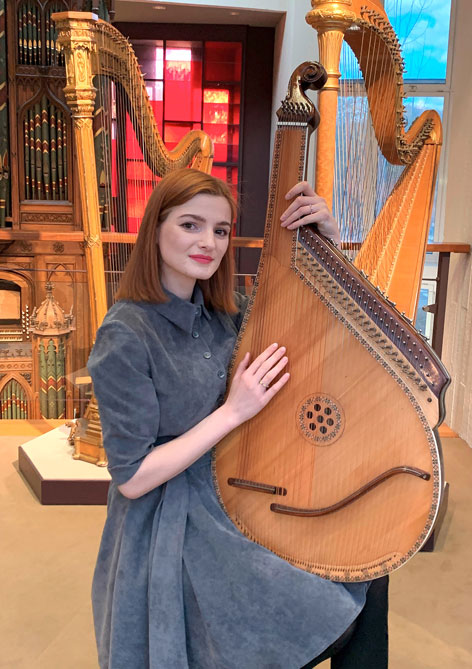
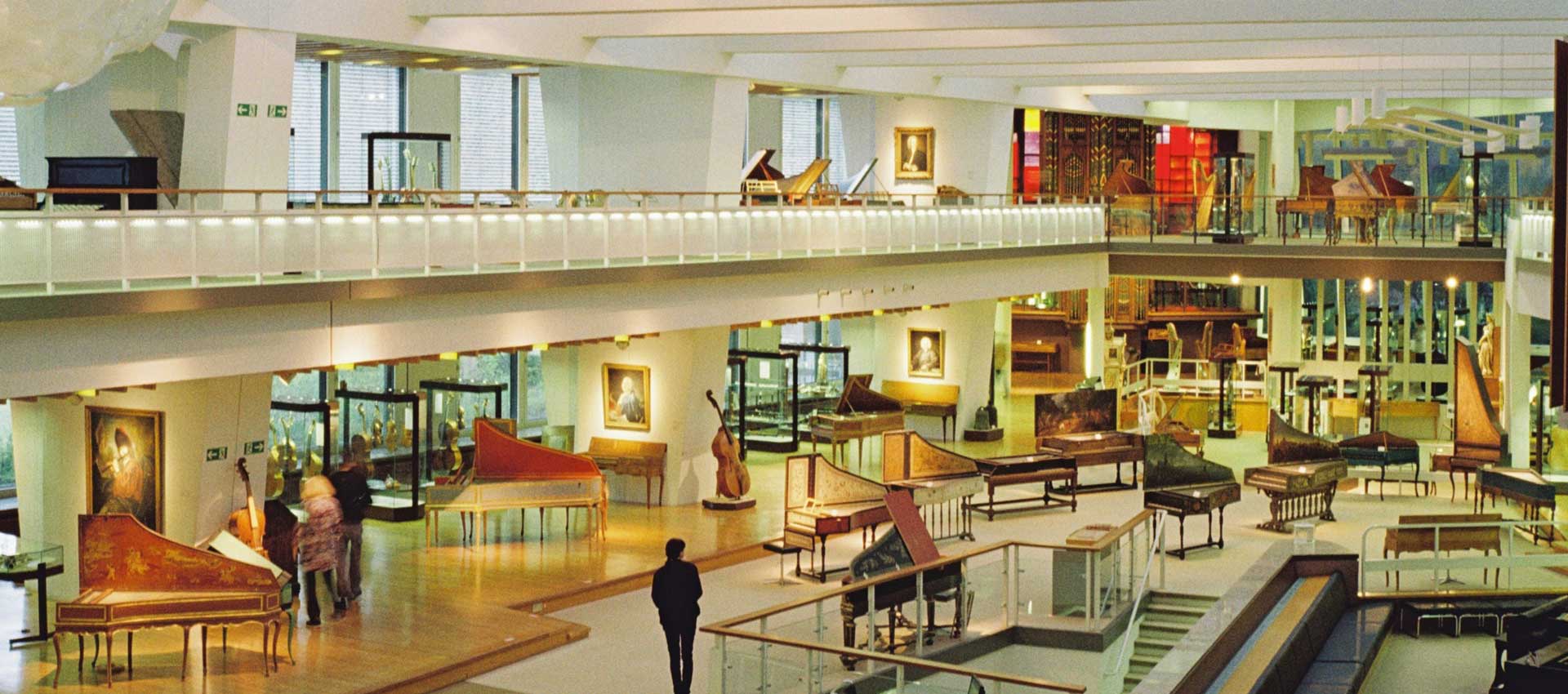
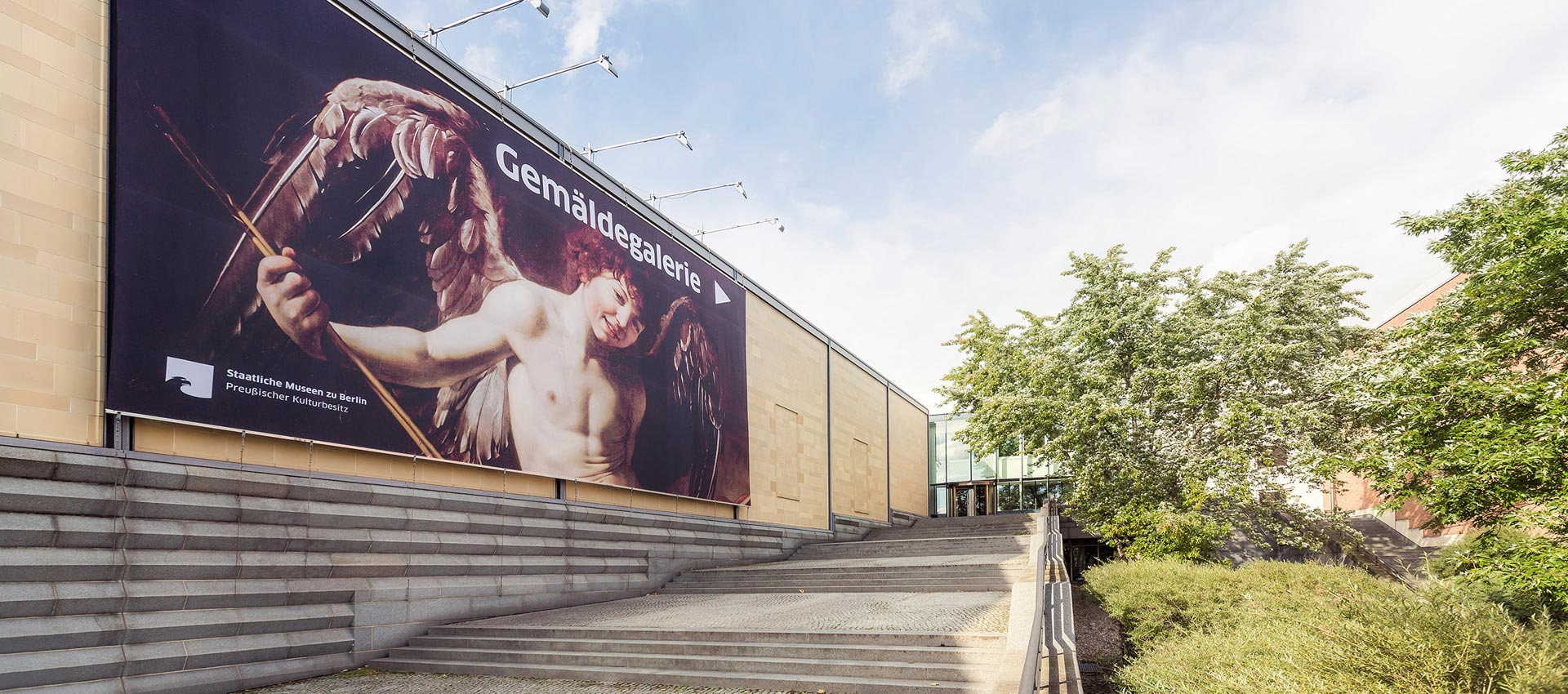
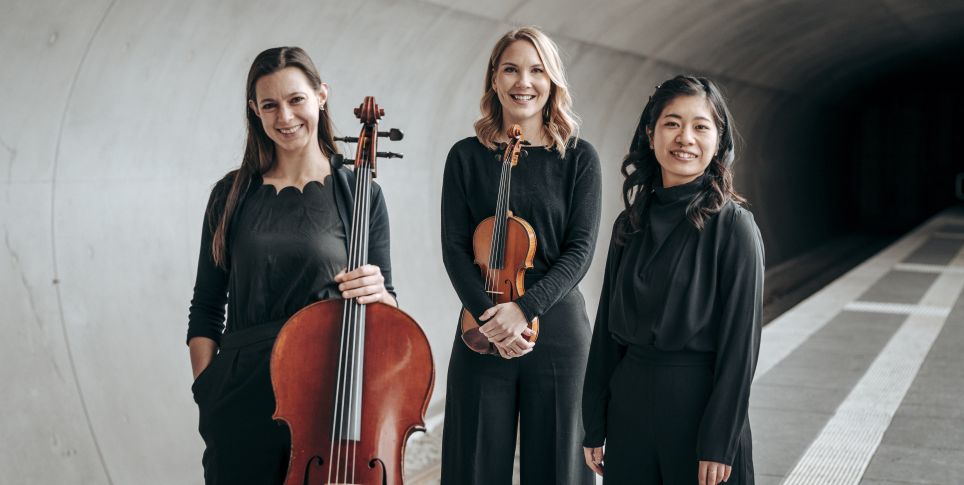
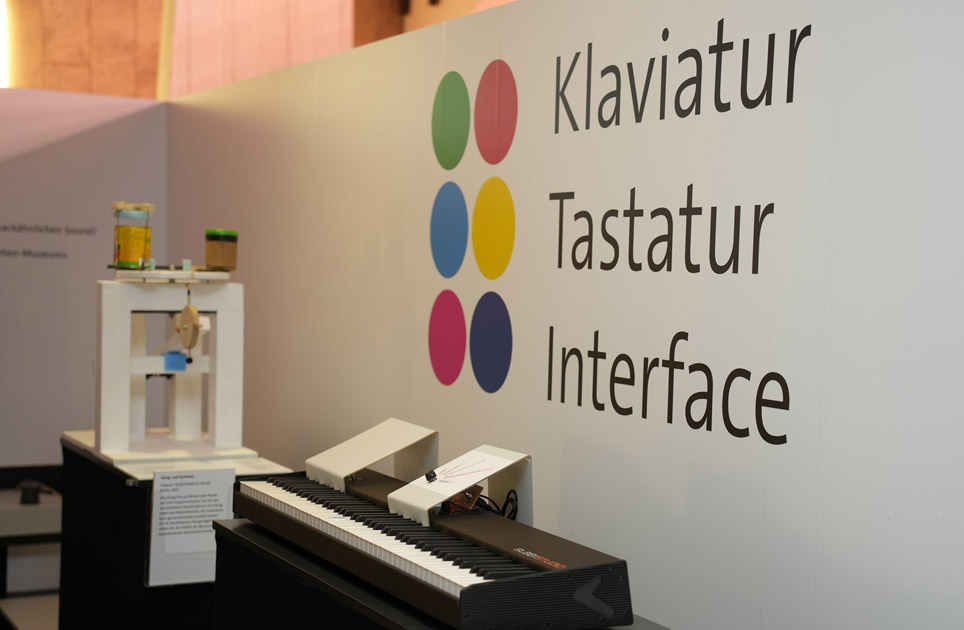
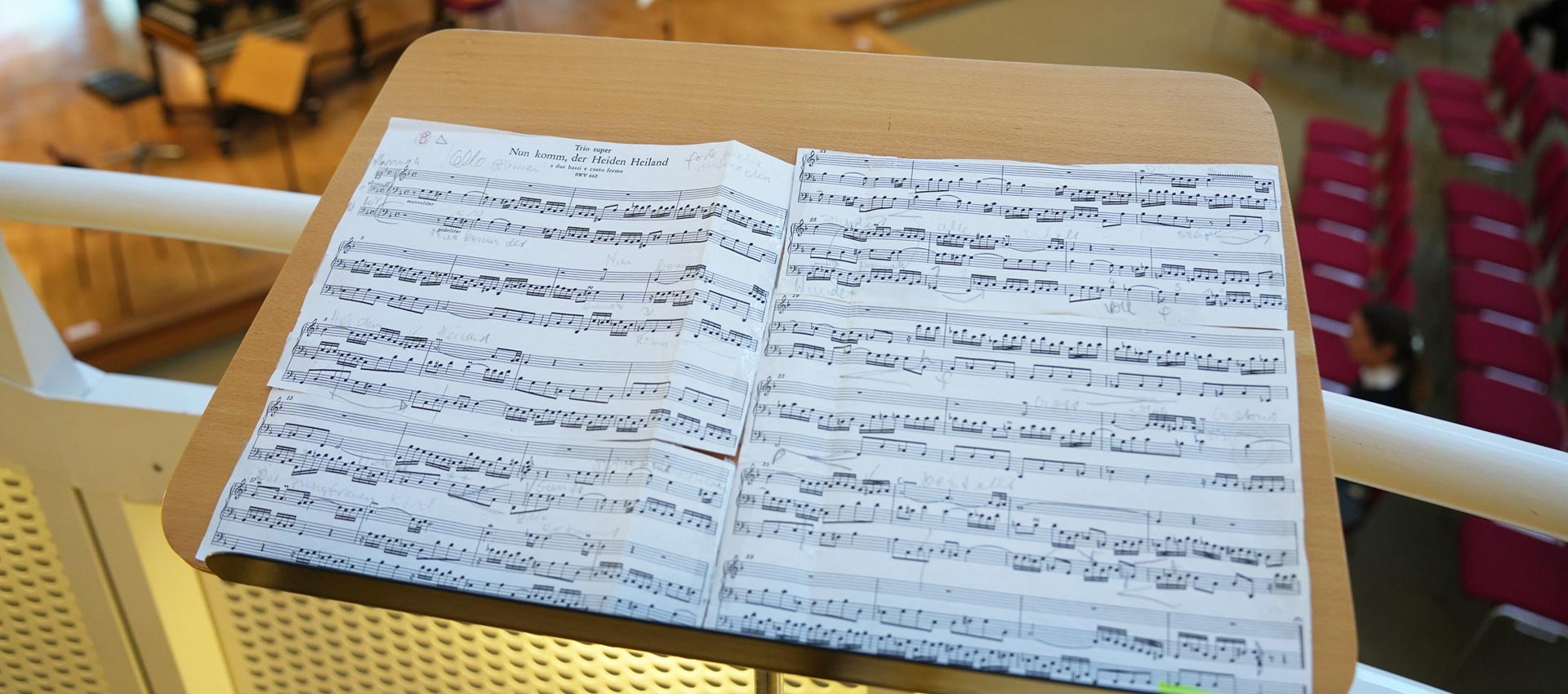
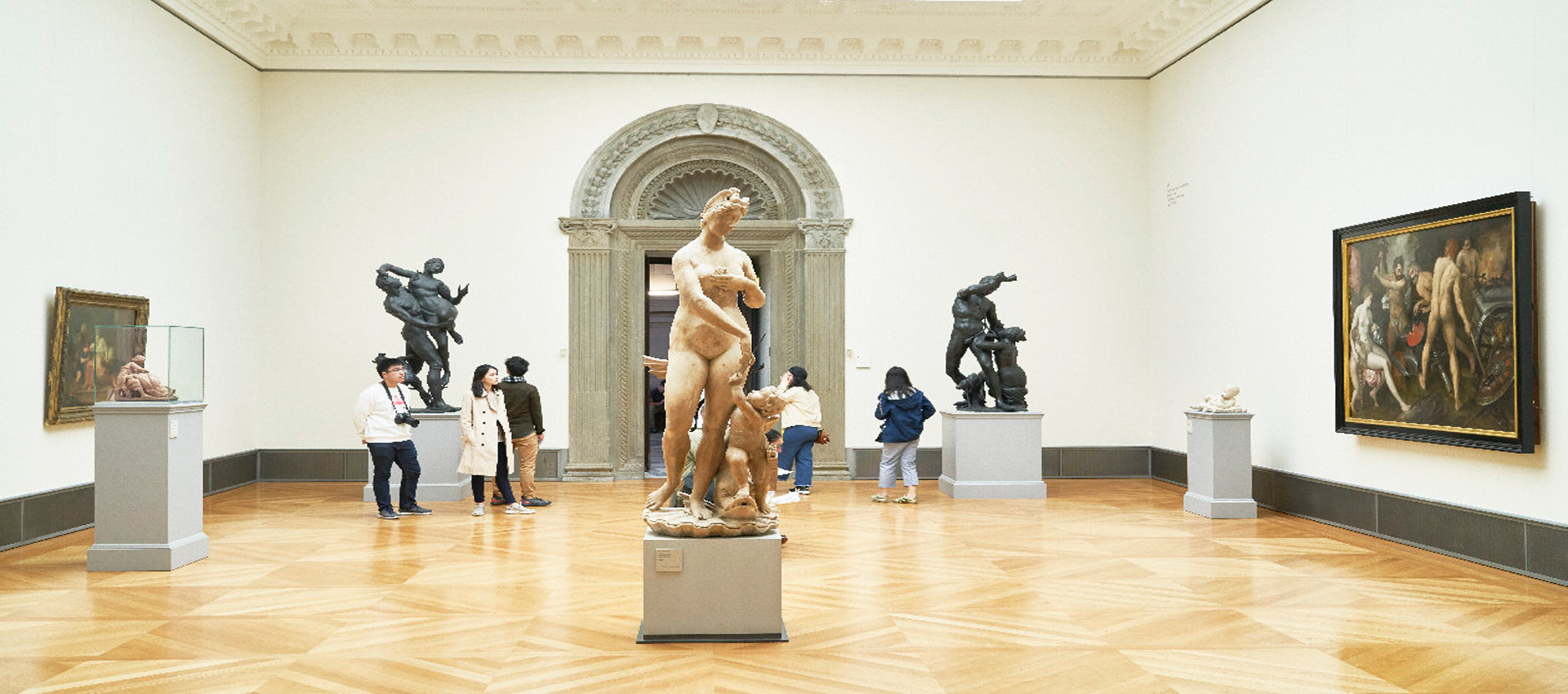
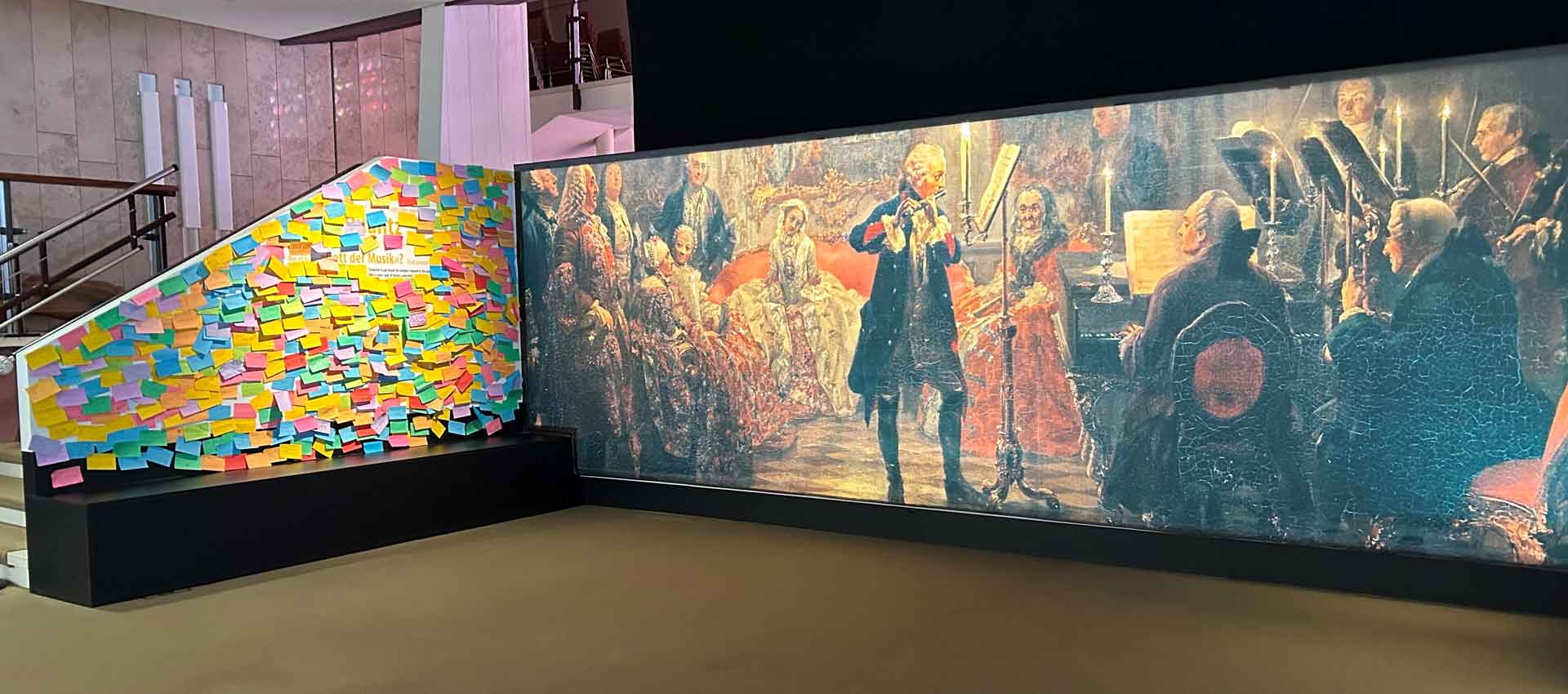
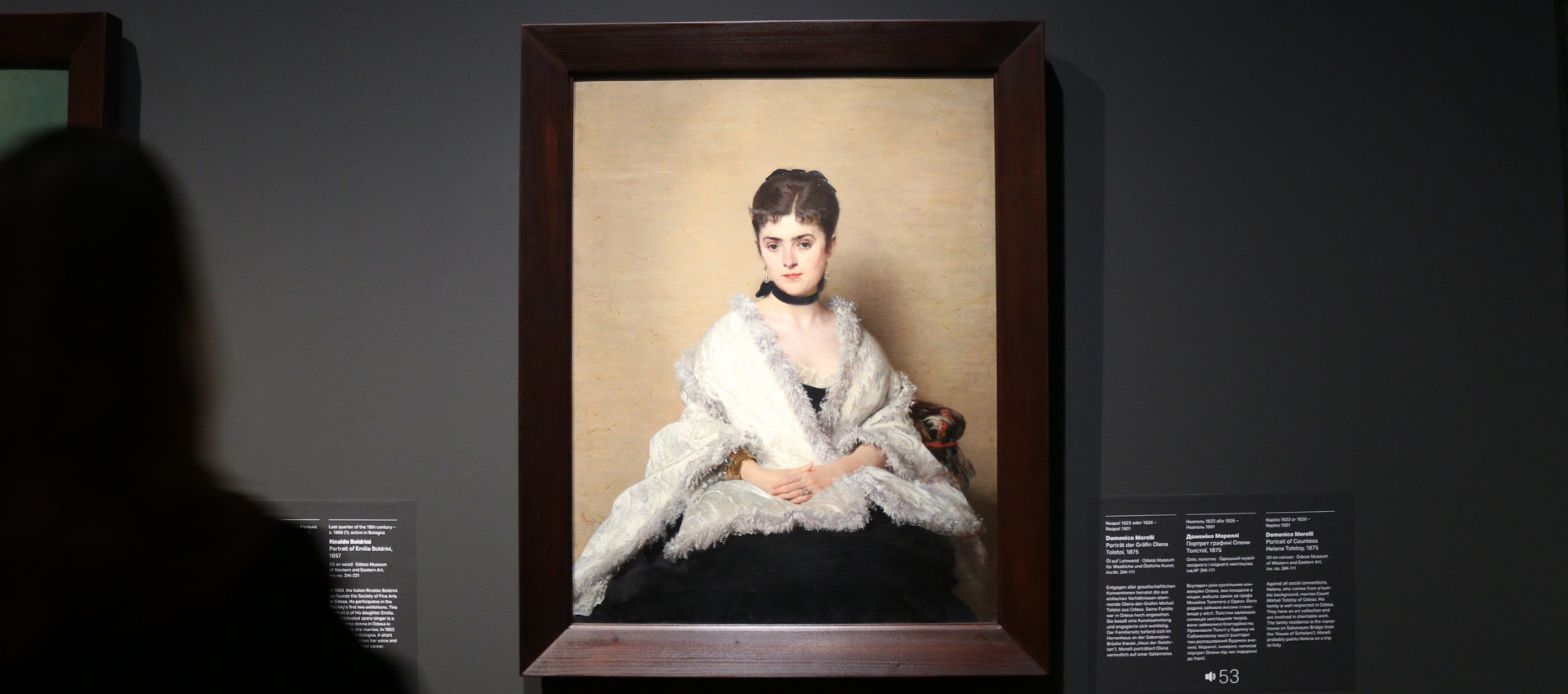
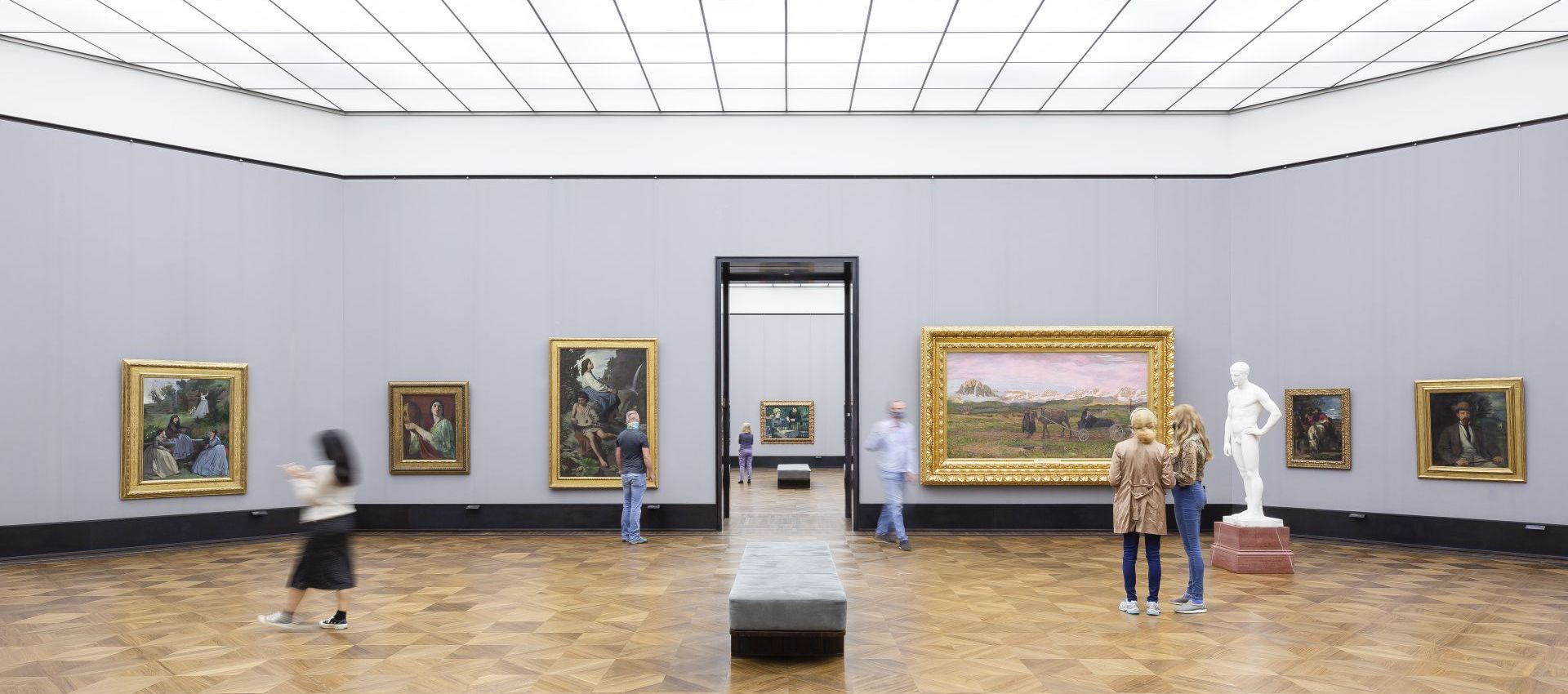
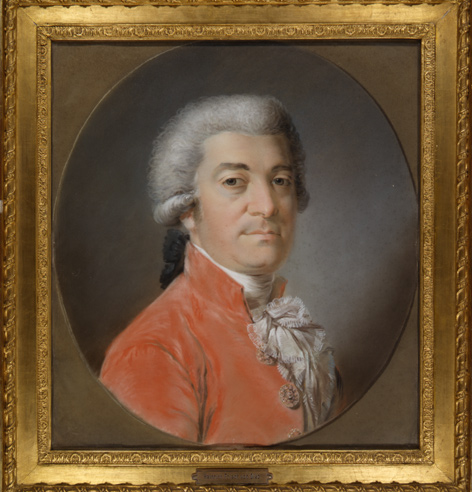
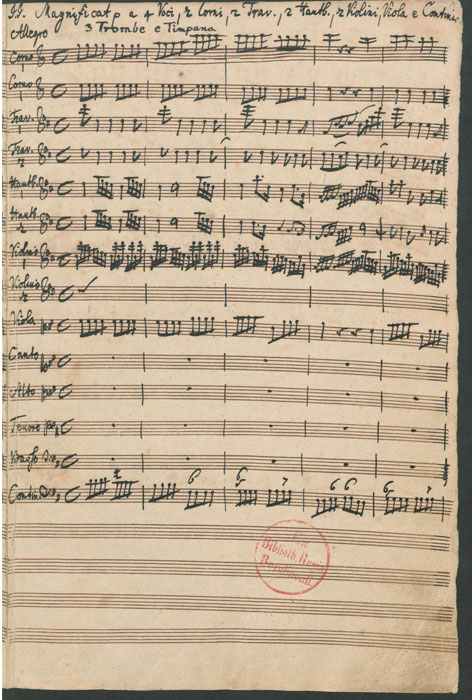
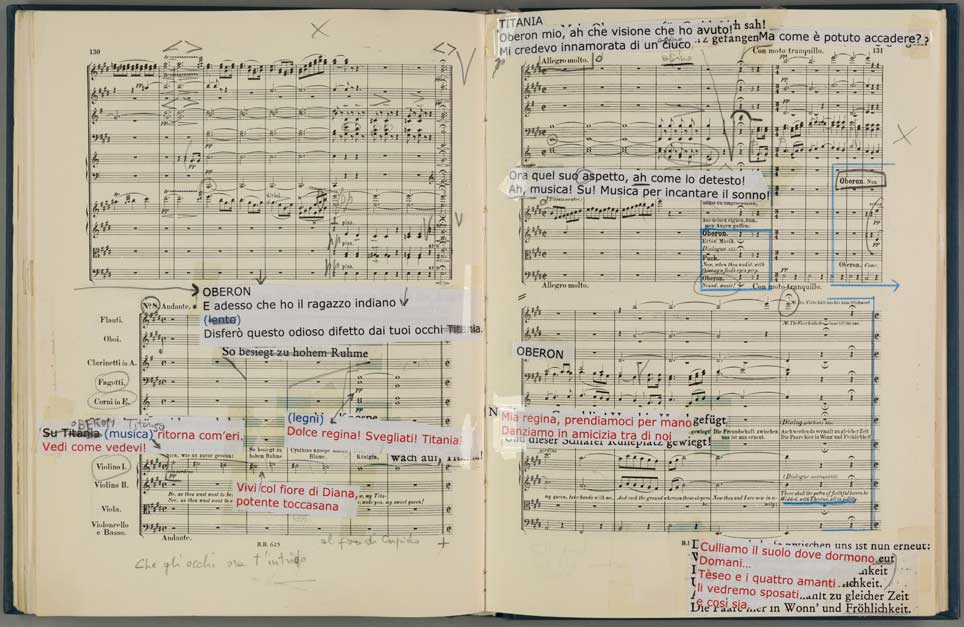
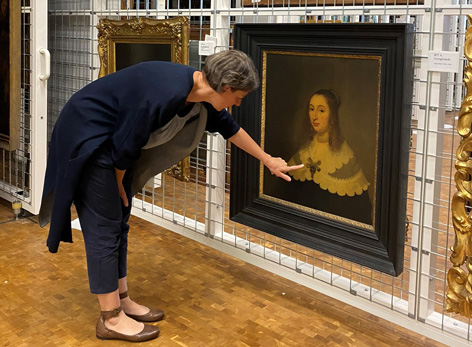
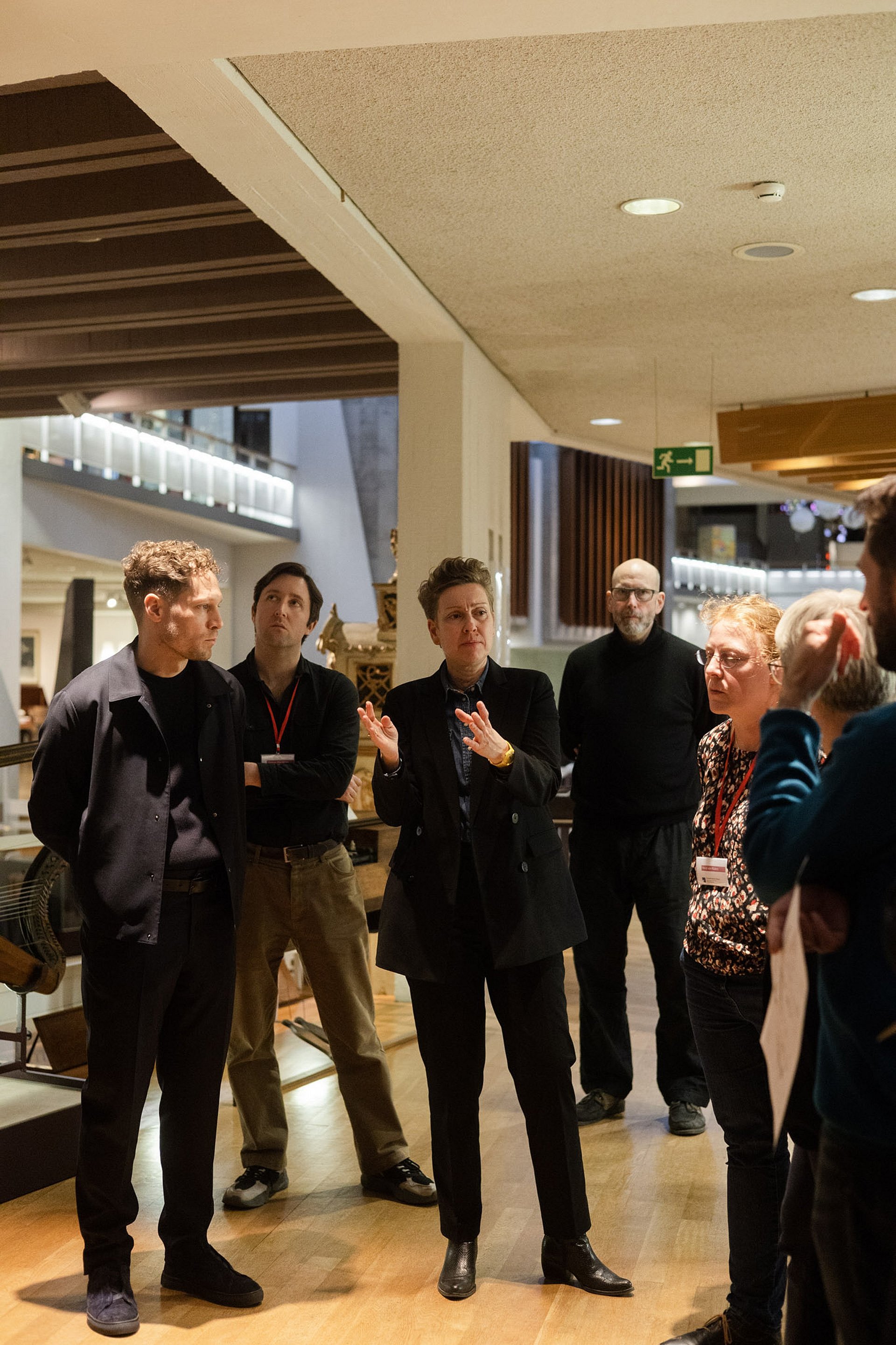
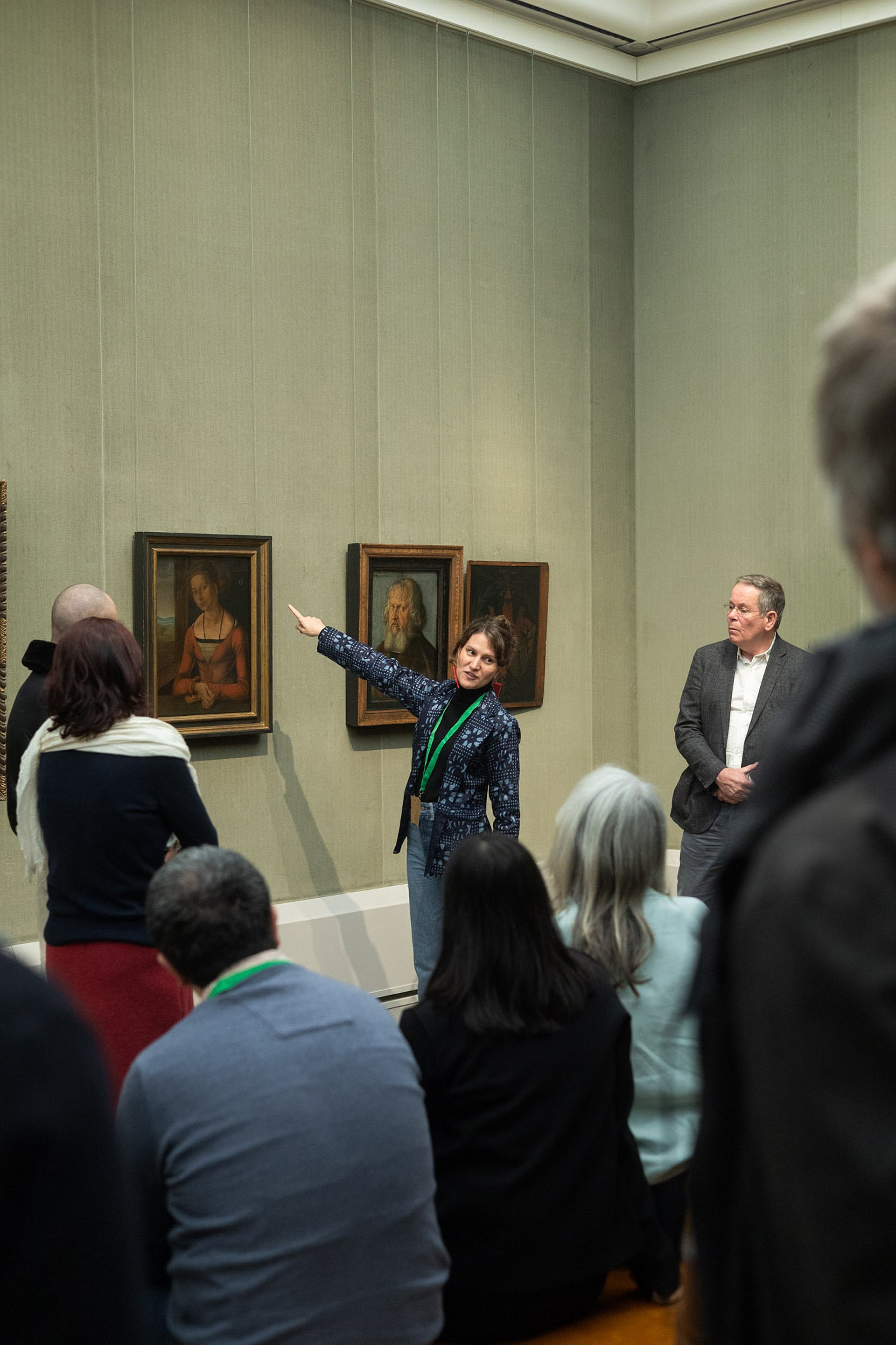
Day four focused on ‘communication’ between plant and non-human life forms and ‘Plants, Sensory Interactions and Language in Early Modern Europe’, exploring the historical significance of perceptions, sounds, smells and music in and through the natural world of plants in the pre-modern era. This led the participants to the collections of the Gemäldegalerie in Berlin and the holdings of the State Institute for Music Research and the Museum of Musical Instruments.
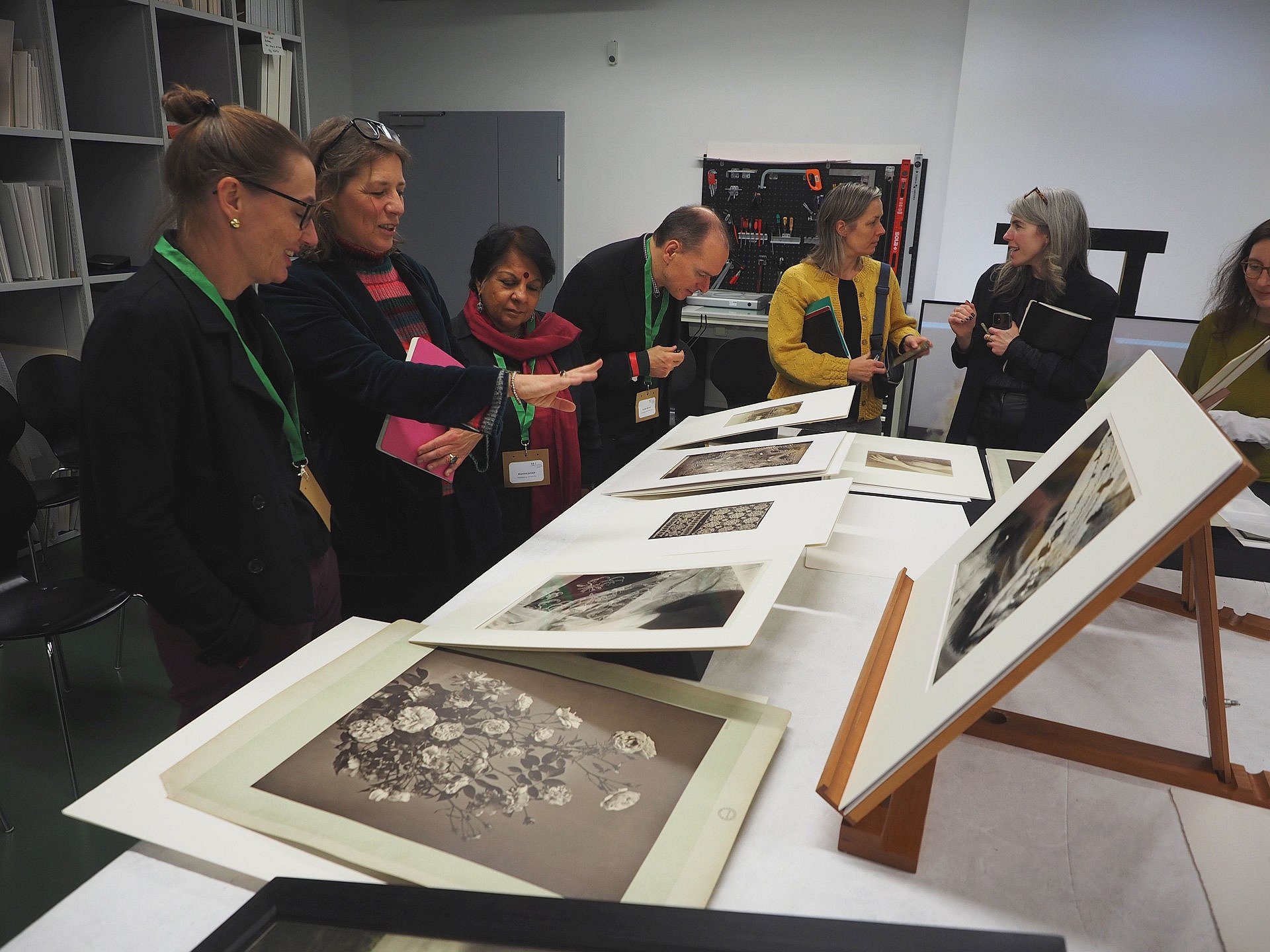
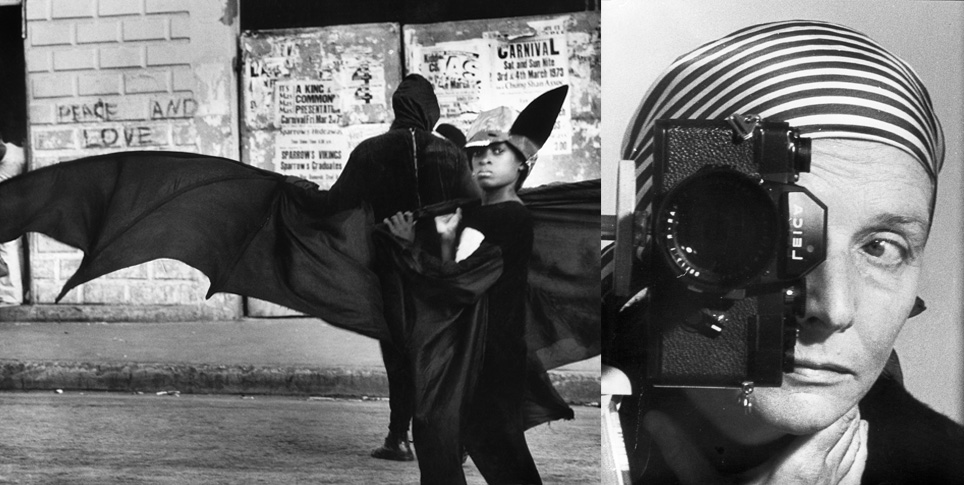
Day five was finally devoted to ‘Plant Photography, Coloniality, and Art in and after the 1920s’ and featured a presentation of selected items from the Art Library’s Photographic Collection.
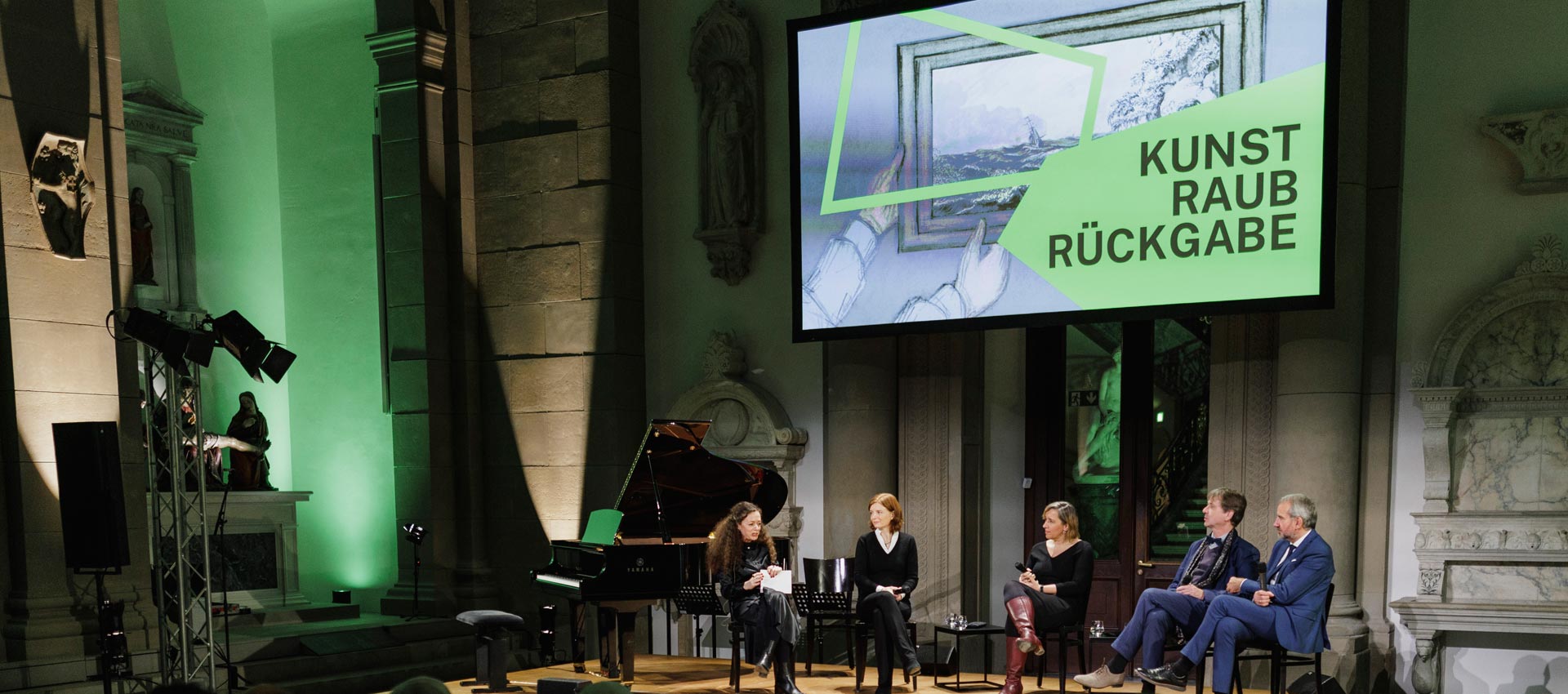
A panel discussion that critically examined disciplines, systems of knowledge and curatorial practice brought the 4A_Lab Academy to a close.
The diverse thematic and methodological approaches of this special week, which also explored what can be learnt for the future from art objects and aesthetic practices as well as their history – across regions from the early modern period to the present day – stimulated a lasting exchange between researchers, experts and curators from the Prussian Cultural Heritage Foundation and beyond.
Further links
- 4A_Lab website – Home page
- Website for the 4A_Lab Academy, including concept text and programme
- Programme brochure
- Photo gallery
- Website documenting the 4A_Lab Academy events, featuring video recordings of selected talks from the panels
- Article on 4A_Lab in the SMB blog “Museum and the City”
- Events and workshops organised by 4A_Lab