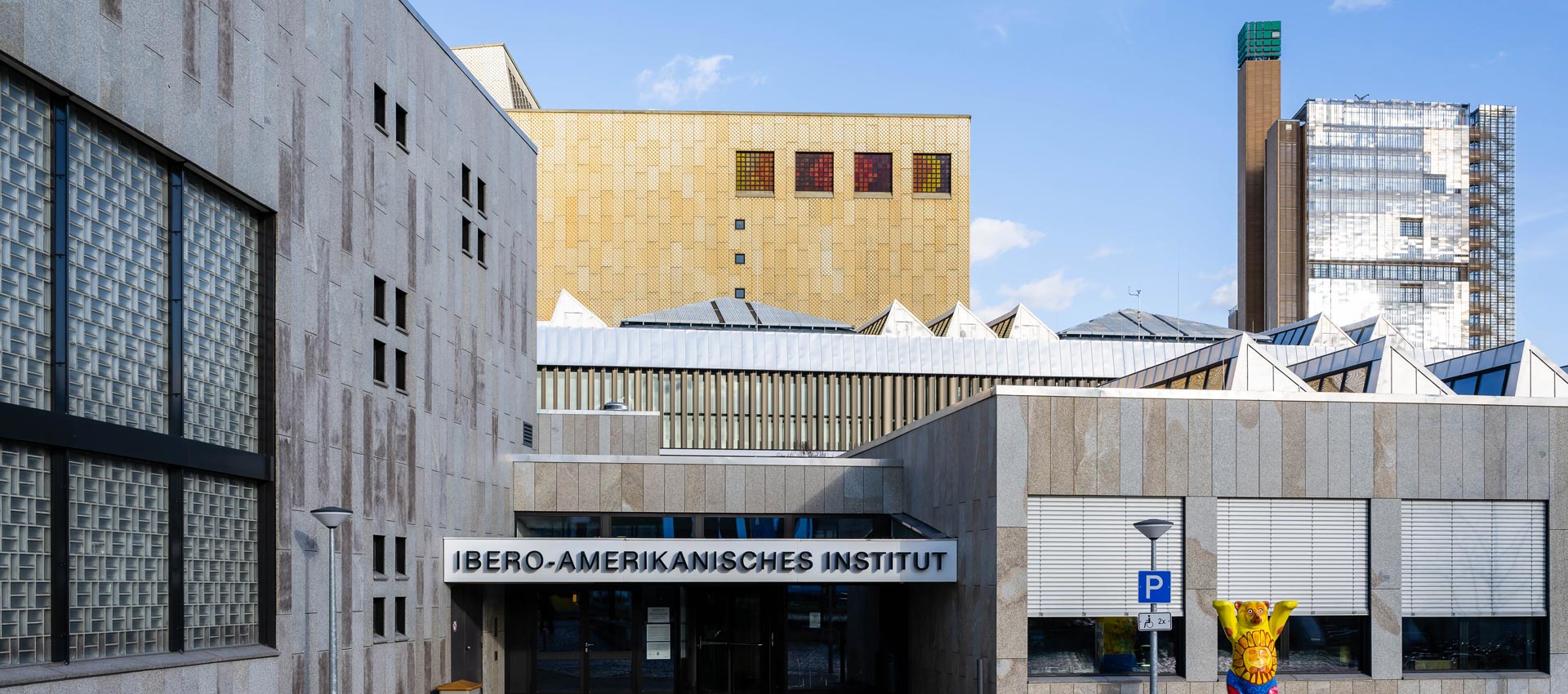
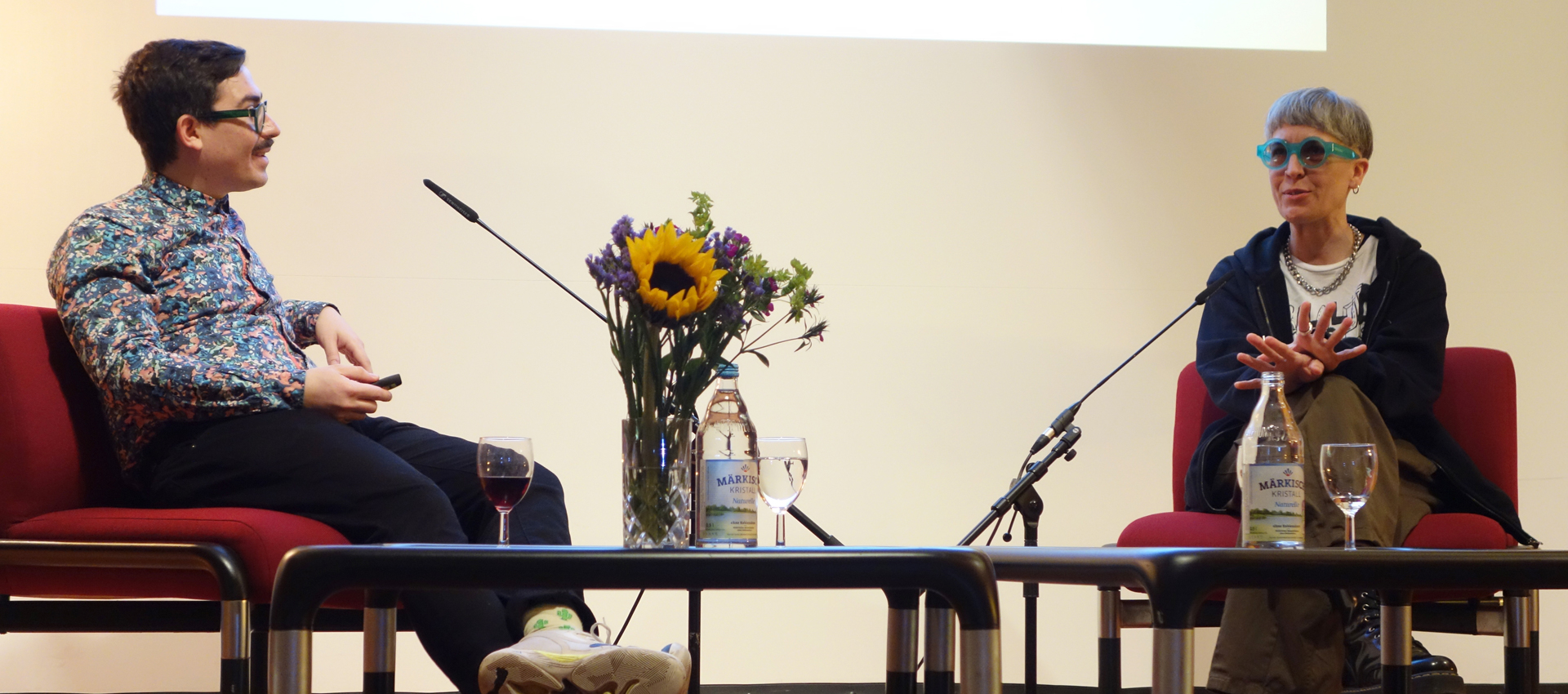
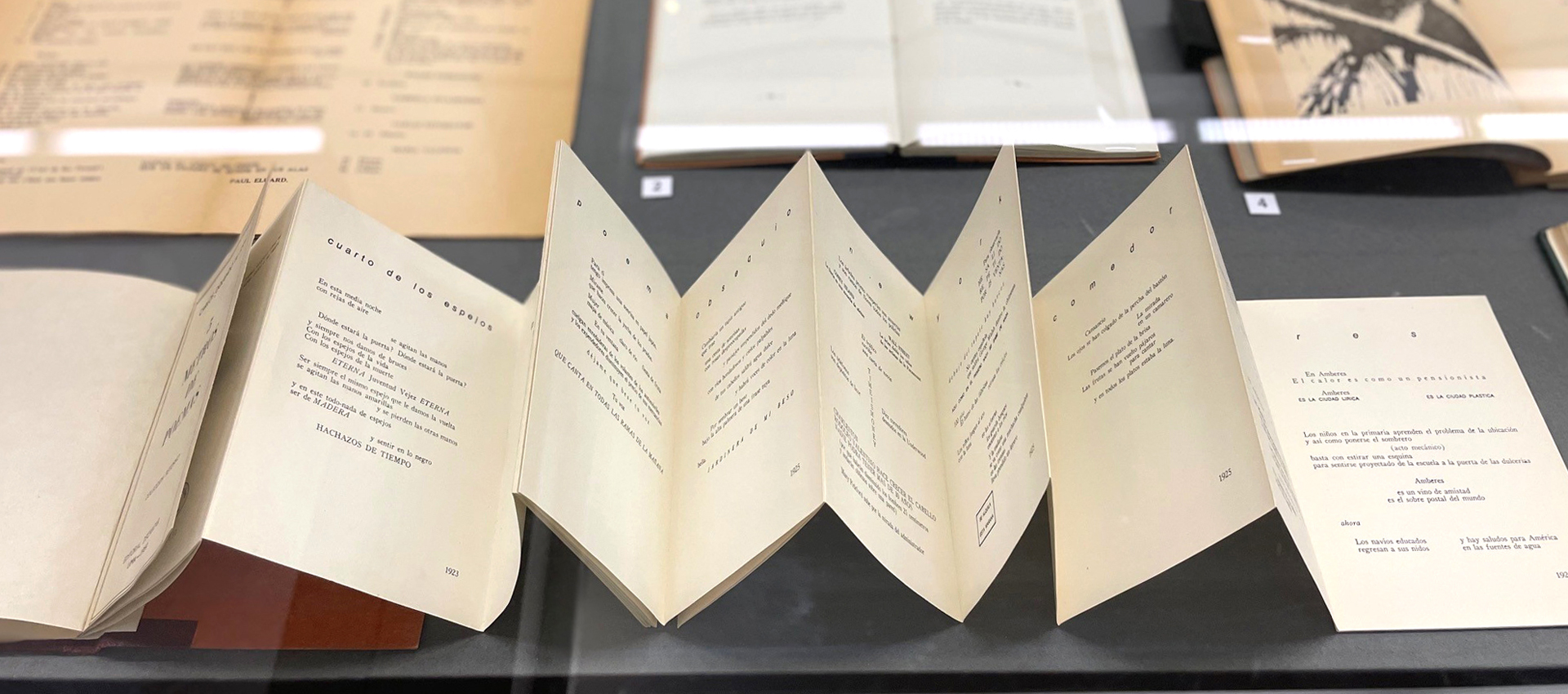
To mark the centenary of the Surrealist Manifesto, the Ibero-American Institute (IAI) is using rare items from its collection to illustrate how this subversive poetic and artistic movement spread throughout Latin America. The exhibition’s curators, Susanne Klengel, Professor of Latin American Literature and Culture at the Latin American Institute of Freie Universität Berlin, and Marcos Alves Medeiros de Araujo, a Master’s student at the Latin American Institute of Freie Universität Berlin, discuss their discoveries in conversation.
How did the idea for an exhibition of surrealist magazines and artists’ books come about?
Susanne Klengel: When you think of Surrealism, you tend to think first of art or photography museums rather than a library. To mark the 100th anniversary of this highly impressive avant-garde movement, there have already been several major art exhibitions in recent years. At the moment, people are making a pilgrimage, if at all possible, to Paris for the major exhibition at the Centre Pompidou, or travelling to Munich to the Lenbachhaus, which explores the connection between Surrealism and anti-fascism. In Berlin, too, there is currently a wonderful exhibition by the Art Library on Max Ernst at the Museum of Photography at Bahnhof Zoo.
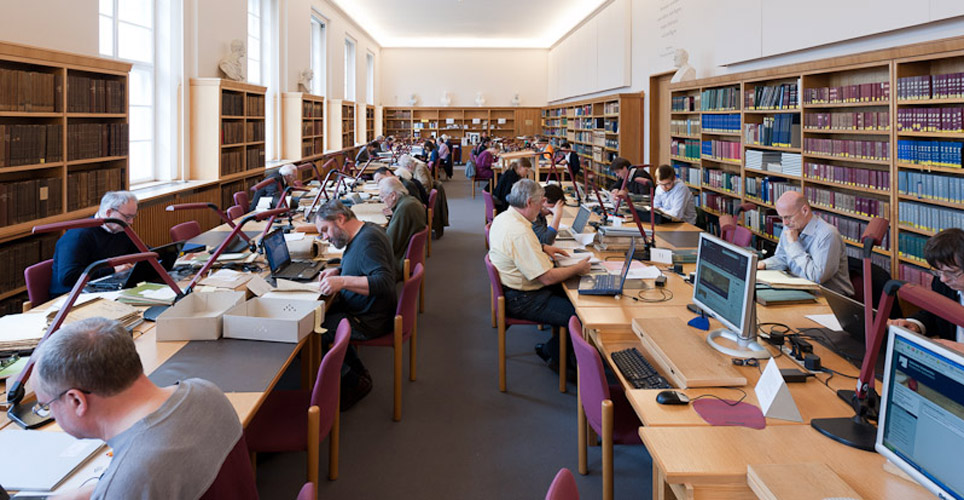
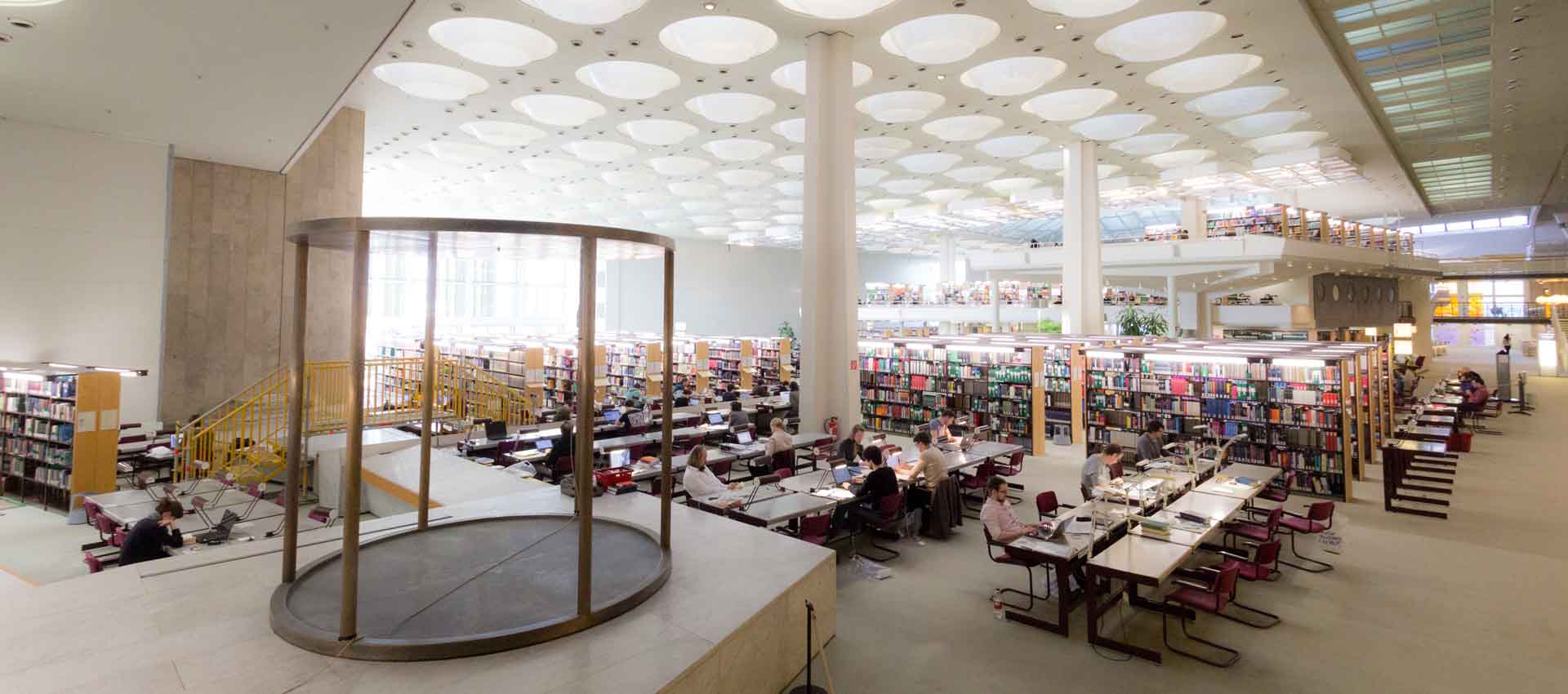
The idea for an exhibition of books and journals at the Ibero-American Institute came about relatively spontaneously, but not without preparation, as I have engaged with Surrealism time and again throughout my academic career and am very familiar with the IAI’s relevant collections. I have long been closely associated with the IAI, not only as a researcher but also as a founding member of the Friends’ Association. During the preparation of the exhibition, Marcos Medeiros and I spent many hours in the reading room. By the end, we had filled an entire book trolley with surrealist treasures. Our colleagues at the IAI supported our project from the very beginning and were just as delighted as we were when our search for Surrealism in the library’s collections gradually took shape and became increasingly promising.
What discoveries have you made in the IAI’s collections?
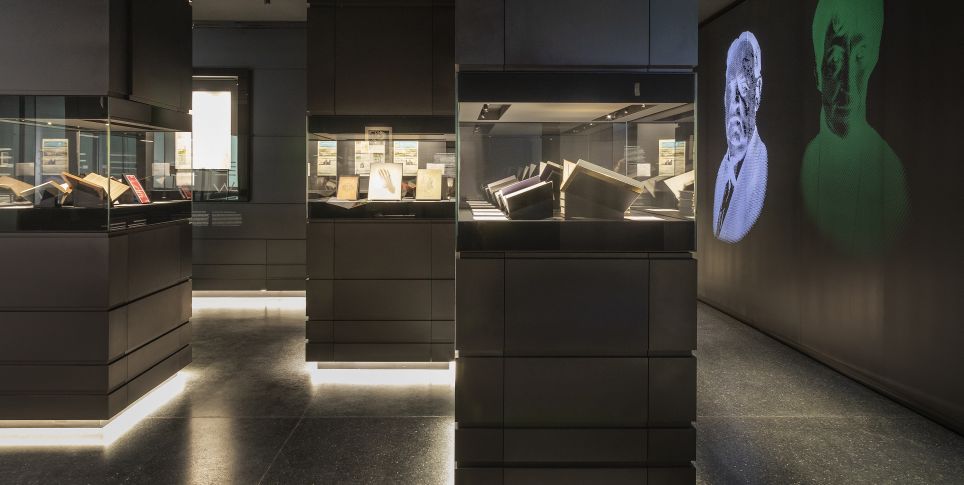
Susanne Klengel: The starting point for our exhibition is the fact that the IAI possesses a surprisingly large number of items – books, journals and other print media – in which the history of Surrealism in Latin America comes to life. And when I say ‘comes to life’, I certainly mean something akin to an ‘aura’. For there are not only many original documents, including quite a few rare first editions, but also references to personal relationships and friendships that emerge from individual documents. Thus, one finds a whole series of personally inscribed copies in the display cases.
This is all the more astonishing given that Surrealism was not a systematic area of collection for the IAI. Rather, the items entered the library through the usual bibliographic acquisition channels and presumably via donations; some, for example, came from the Argentine estate of Ernesto Quesada, who laid the foundations for the IAI library in the early 1930s. But when, how, from where and under what circumstances these publications arrived in Berlin in each individual case – that would be a topic for a fascinating research project! Here, too, the IAI’s diverse connections and the significance attributed to the Institute and its holdings in Latin America are evident.
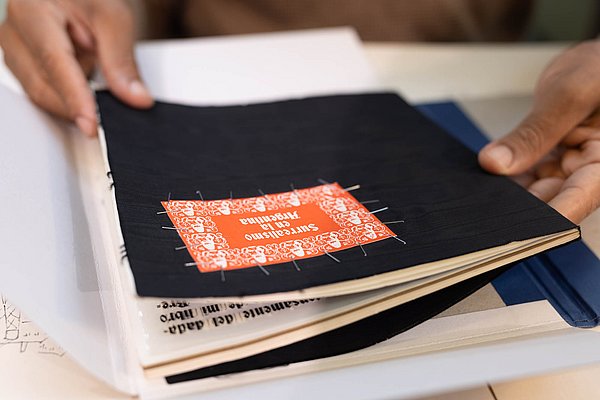
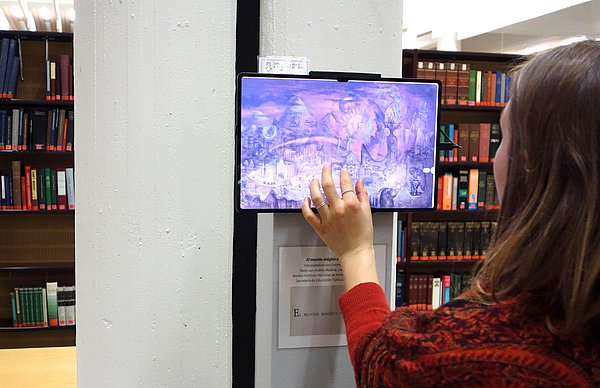
Marcos Medeiros: Two very special discoveries were the exhibition catalogue “Surrealismo en la Argentina” by Aldo Pellegrini and “El mundo mágico de los mayas”, a large-format volume documenting the creation process of an impressive mural by Leonora Carrington, including her preliminary studies for this surrealist-anthropological mural on Maya cosmology – a commissioned work for the National Museum of Anthropology in Mexico. We naturally selected both works for the exhibition. The mural and the drawings by Leonora Carrington can also be viewed in detail on one of the screens.
What are the distinctive features of Latin American Surrealism, and how did these ideas make their way across the Atlantic from Europe?
Susanne Klengel: André Breton’s first Surrealist Manifesto was published in Paris on 15 October 1924. Very soon afterwards, reports, translations and the first Surrealist texts began to appear in Latin American journals. For example, one of the most important Latin American intellectuals of the 20th century, the Peruvian Marxist José Carlos Mariátegui, took a keen interest in Surrealism: He saw the Surrealists’ subversive poetic activities as a relevant component of a society-changing, revolutionary process and opened up the magazine Amauta, which he had founded, widely to such contributions and reports. There was also early interest in Argentina, Brazil and Mexico, though these were not large movements but rather small circles within which Surrealist ideas spread.
Conversely, the European Surrealists only gradually came to know the wider world beyond France. At first, Latin America was still a continent of the imagination for them, particularly Mexico and Peru. But then some of them travelled there, and later flight and exile followed. Furthermore, worldwide Surrealist networks soon developed. Contemporary research confirms the rapid global reach of this artistic, poetic and political movement, which not only called for ‘changing the world’ in the Marxist sense, but also demanded that each individual change their own life by giving space once more to the repressed forces of the imagination.
So there were also repercussions and influences from Latin American Surrealists on the international movement?
Susanne Klengel: Absolutely. And fortunately, in recent decades, research into Surrealism has moved away from a strong fixation on the French ‘origin story’—which was based on numerous exclusions—and has developed into a broad international, indeed global, perspective that pays attention to the countless Surrealist activities and groups formed worldwide. I would argue that there is indeed such a thing as a Surrealist International. And when I say ‘worldwide’, I mean in particular the world of what is now known as the Global South, which was part of this artistic, cultural and cultural-political movement from very early on, indeed from the very beginning.
In recent research, more and more incredible works and energies have come to light and continue to do so; one need only think of the ever-increasing discovery and recognition of female Surrealist artists. Today it seems almost unbelievable: but it was not until the 1990s that Remedios Varo and Leonora Carrington, who had long been major figures in Mexico, were also recognised internationally. It was dramatically late – indeed, only after the turn of the millennium – that the important role of Suzanne Césaire from Martinique, wife of the famous poet Aimé Césaire, became known to a wider audience. She is now regarded as one of the very first theorists of Surrealism in Latin America. In her essays, she emphasises the emphatic concept of freedom in Surrealism with regard to the history of Caribbean plantation society and slavery. Today, Suzanne Césaire is regarded as one of the pioneers of the current movement of Afro-Surrealism.
How were and are surrealist works received in Latin America?
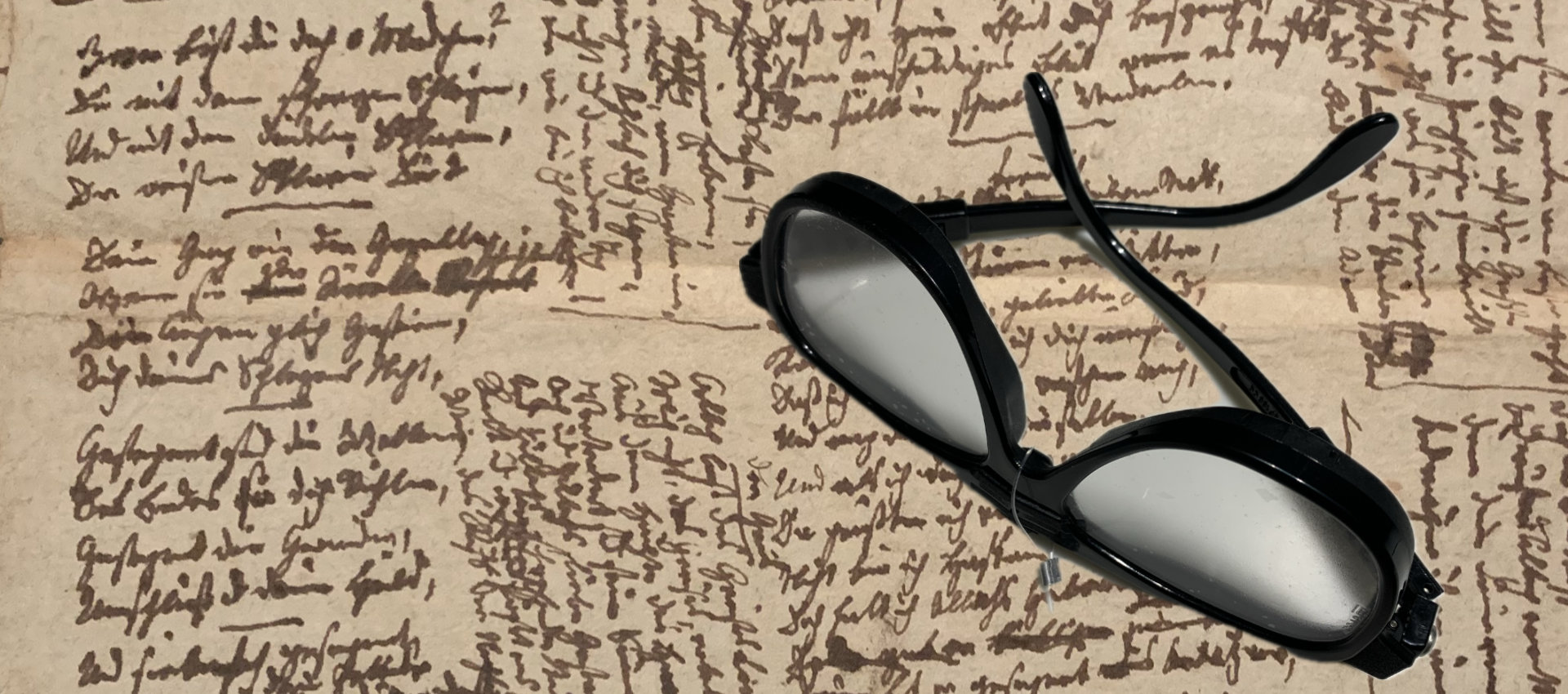
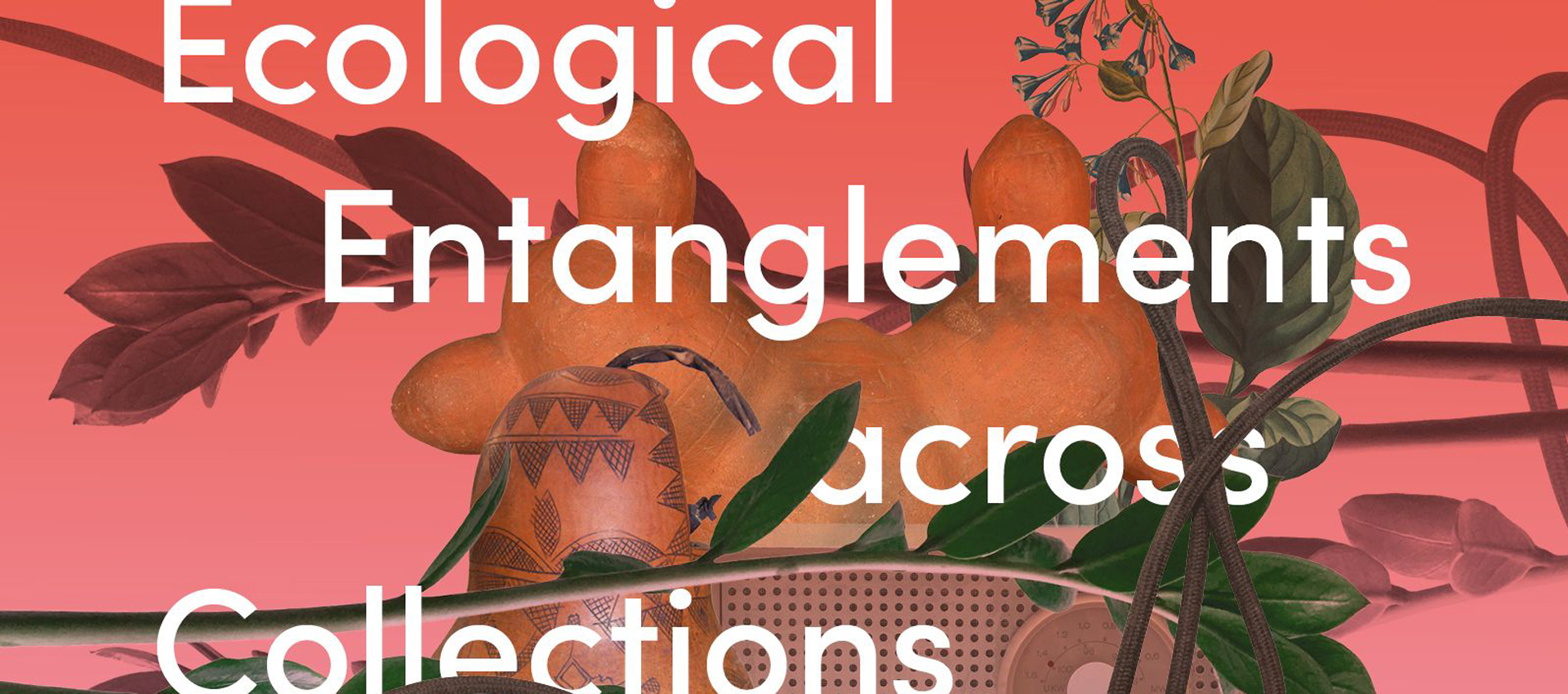
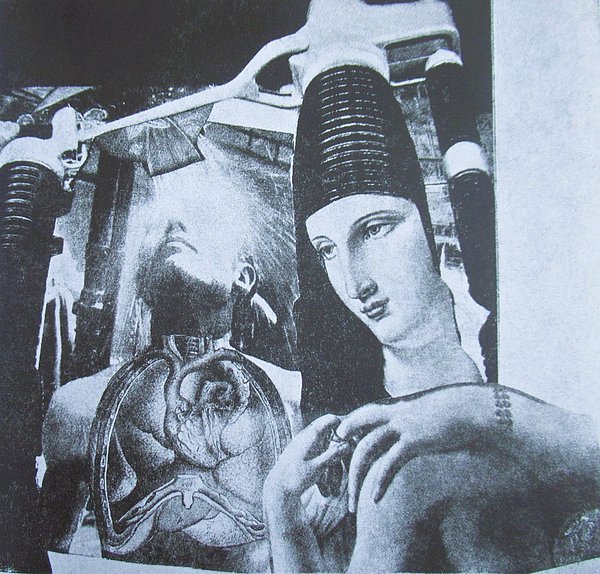
Susanne Klengel: Surrealism in Brazil, for instance, is a case that deserves special attention: the Brazilian Surrealists of the early 1930s were long regarded as strange, because they were too Catholic, and therefore too conservative, simply not ‘modernist’ or ‘anthropophagic’, and thus rather suspect. These judgements stem from the fact that Brazilian Modernismo and Antropofagia—that is, the movement of Cultural Anthropophagy, which sought to ‘assimilate’ European culture and transform it into something of its own—continue to dominate Brazilian avant-garde discourse to this day. With the poster and flyer design for the exhibition, we have deliberately drawn on a surrealist photomontage by the Brazilian poet and artist Jorge de Lima, who died in 1953. To this day, there is a small but very active surrealist movement in Brazil. One of the best-known Brazilian Surrealists, Sérgio Lima, sadly passed away in July 2024: fortunately, we are able to display a volume of his magnum opus on the history of Surrealism from the IAI’s collection.
Also of interest are the links to the Mexican Estridentismo movement of the early 1920s, which essentially drew on revolutionary Futurism. This movement was rediscovered in the 1970s by a number of experts, including the Chilean writer Roberto Bolaño. He was fascinated by the numerous similarities between Estridentismo and Surrealism. In 1976, he published several articles on the history of Estridentismo in the journal Plural and, in the same year, wrote his Infrarealist Manifesto, in which he also drew on Surrealism. His famous novel Los detectives salvajes (The Savage Detectives, 1998) is a magnificent homage to Estridentismo and Surrealism. In the display case, we are also exhibiting a book by the infrarealist and surrealist poet Mario Santiago Papasquiaro, whom his friend Bolaño immortalised in the character of Ulysses Lima in the novel.
There are further great success stories of Surrealism in Latin America to note. The artists Leonora Carrington and Remedios Varo, mentioned earlier, as well as the Frenchwoman Alice Rahon, were recognised early on in Mexico – their country of exile and adopted home – as great masters of Surrealism.
We have attempted to briefly explain the multitude of names, groups, events and relationships on the exhibition panels in order to place the exhibits in their respective contexts. I believe that in this way we convey a fairly coherent narrative that gives an impression of the presence of Surrealism and its interconnectedness both within and beyond the continent. Naturally, the exhibition is not exhaustive, as it depends, on the one hand, on the contingent holdings of objects in the library’s collections, and on the other, simply on temporal and spatial constraints. Certainly, we could have found a great deal more on the lesser-known history of Surrealism in Venezuela, Colombia or Puerto Rico in the vast storage areas of the IAI… Yet we hope that, overall, this exhibition has contributed to and brought to light a fair amount of knowledge about Surrealism and its contexts in Latin America.
You have also incorporated the exhibition into your seminars on Surrealism. What have the students’ reactions been?
Susanne Klengel: I am currently running two seminars on Surrealism across different degree programmes, which have met with great interest among the students. There are many reasons for this, but I believe that ultimately it is the different perspective on supposedly familiar reality and the willingness to engage with things and situations in a creative, poetic way that first surprises the students and then deeply interests them. Furthermore, I am convinced that even today, Surrealism is not necessarily found in the digital realm (even though much there resembles Surrealism), but that this poetic energy unfolds above all in the interaction between people and the environment and in the engagement with analogue experiences and materials. Even though we work, read and study on laptops at university, I try time and again to establish a connection to the physical world of objects and the printed world of Surrealism, for example by trying out a Surrealist activity together.
Marcos Medeiros: I took part in a seminar myself. I gave a talk there about the research we’ve been conducting at the IAI, and the students were absolutely thrilled. You’re diving into a whole new field. This even sparked the idea of setting up a dedicated research group to explore this topic further. You can tell the students are really taken with this area of research. I think it’s very promising for the future.
Susanne Klengel: To conclude, I would like to say that I do not actually regard Surrealism as a historical, closed chapter. Rather, I agree with Octavio Paz, who once wrote that Surrealism is an ‘actitud del espíritu’, a state of mind. I believe that even today we can still learn something from the creative, poetic openness to otherness, to the unfamiliar, to the different, which characterises Surrealism.
Exhibition: Surrealism in Latin America: Magazines and Artist’s Books
Ibero-American Institute, Prussian Cultural Heritage Foundation
, Potsdamer Str. 37, 10785 Berlin
Extended until 1 March 2025
Opening hours: Mon–Fri 8 am–7 pm / Sat 8 am–1 pm
Information about the exhibition
A collaboration between the Ibero-American Institute, the ZI Latin American Institute at Freie Universität Berlin and the Friends of the Ibero-American Institute
Publications shown
- Oquendo de Amat, Carlos: 5 metros de poemas [1927]. 2nd ed. (facsimile), Lima: Ed. Decantar, 1969, 25 unnumbered leaves.
- Surrealism in Argentina. Exhibition catalogue, ed. Aldo Pellegrini. Buenos Aires: Instituto Torcuato di Tella, Centro de Artes Visuales, 1967, 61 pp.
- The Magical World of the Maya. Interpretation by Leonora Carrington. Texts by Andrés Medina, Laurette Sejourné. Mexico: National Institute of Anthropology and History/Ministry of Public Education, 1964, 53 pp., ill.
- Lima, Jorge de: A Pintura em Pânico. Photomontages [1943]. Exhibition catalogue, ed. by Simone Rodrigues. Rio de Janeiro: CAIXA Cultural, 2010. 136 pp.