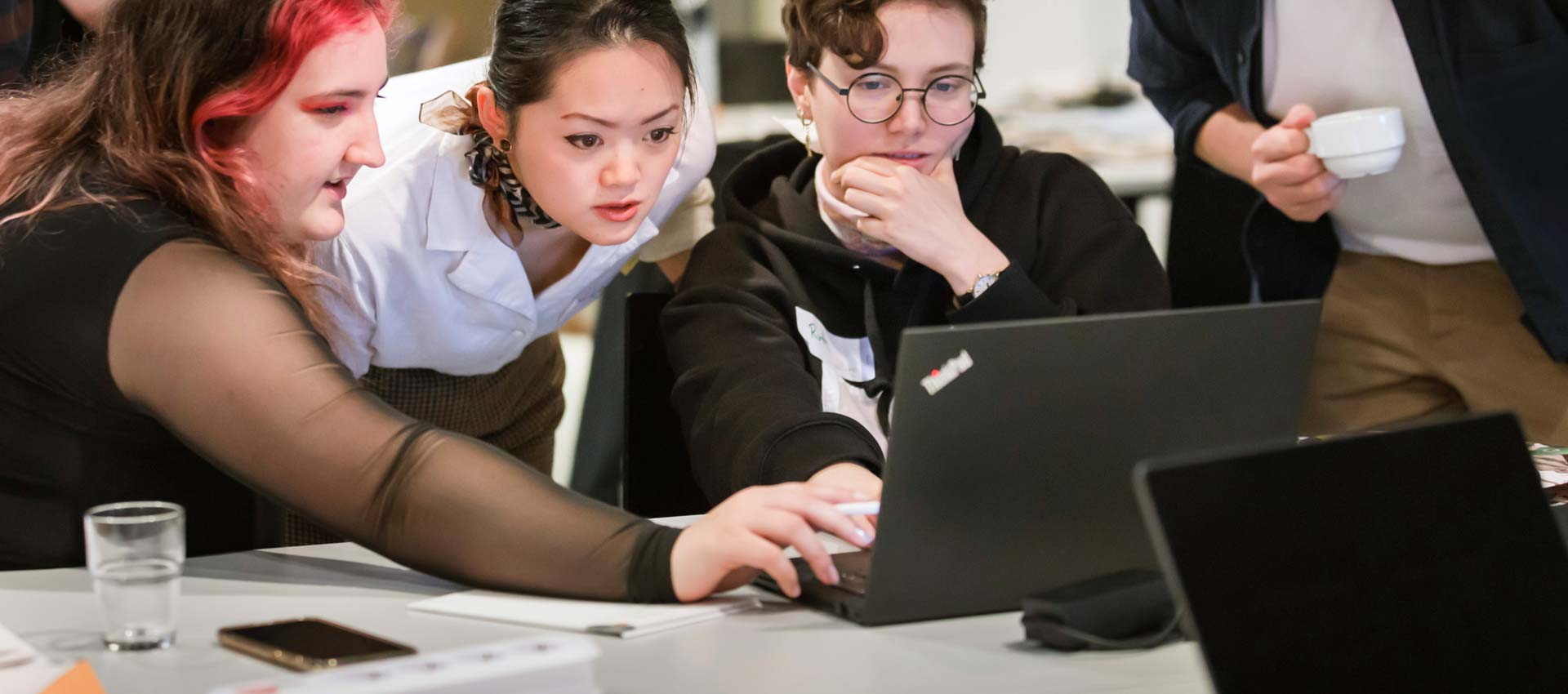
Is education and outreach just the “fuss” of museum work? Not at all, as “lab.Bode” – launched five years ago and funded with €5.6 million by the German Federal Cultural Foundation – proves. In its grand finale in May 2021, despite the pandemic, it is demonstrating how forward-looking outreach work is done through an exhibition, an online symposium and cargo bikes.
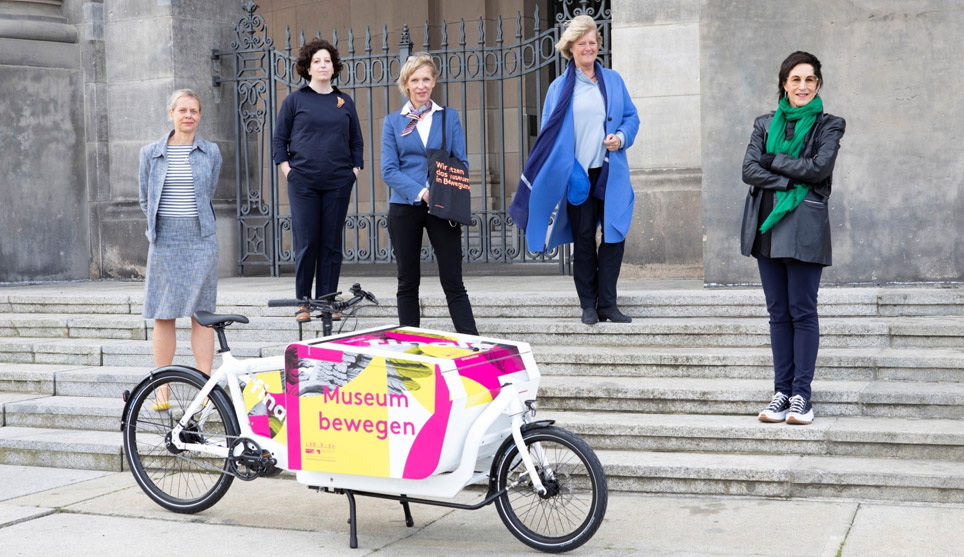
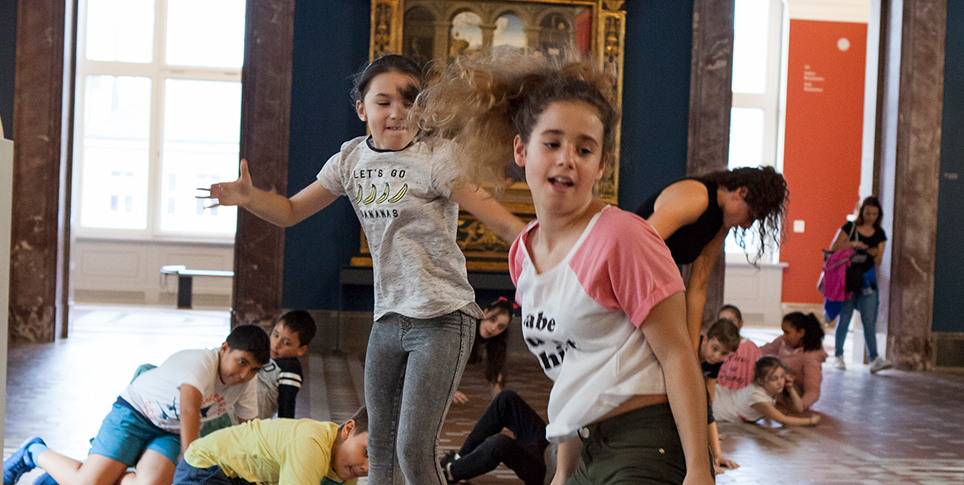
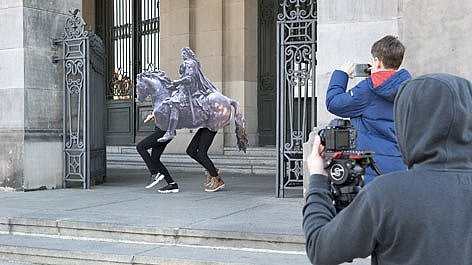
It is a grey morning in May as one of the most colourful projects of the Staatliche Museen zu Berlin draws to a close: lab.Bode. The five-year programme “lab.Bode – Initiative to Strengthen Outreach Work in Museums” ends today with the grand “lab.Bode finale”. It was actually supposed to be a four-day festival, but the coronavirus pandemic threw a spanner in the works for the organisers. Instead, the motto is now: “We’re setting the museum in motion!”. Under this motto, not only will the reopened Bode Museum become a space for activities for children and young people, but lab.Bode will also be heading out into the city to meet schoolchildren: using six cargo bikes, bike couriers will be bringing reproductions of artworks, materials and artistic inspiration to Berlin’s schools.
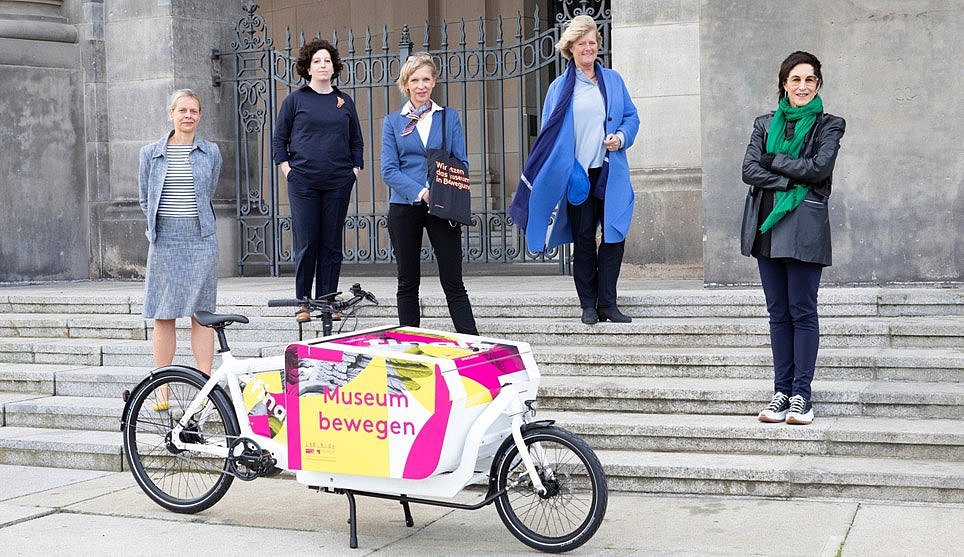
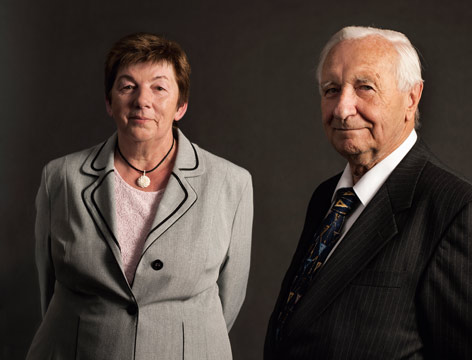
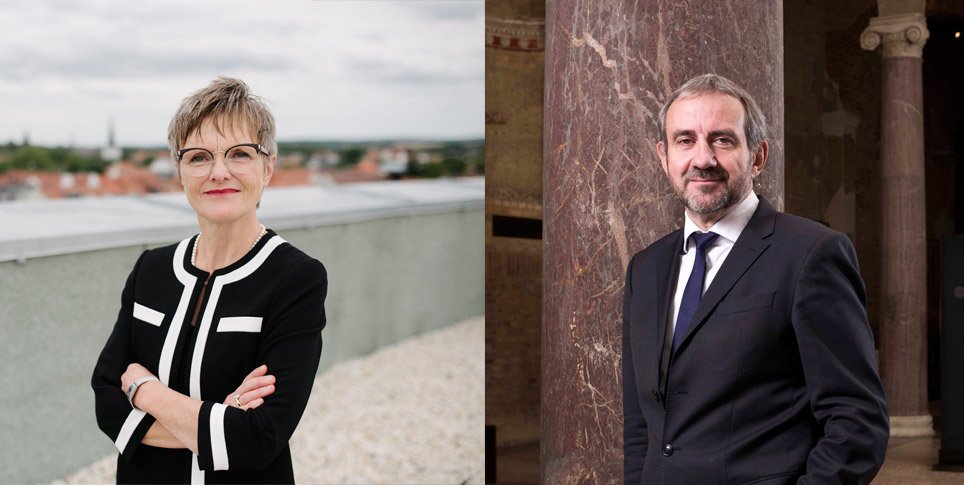
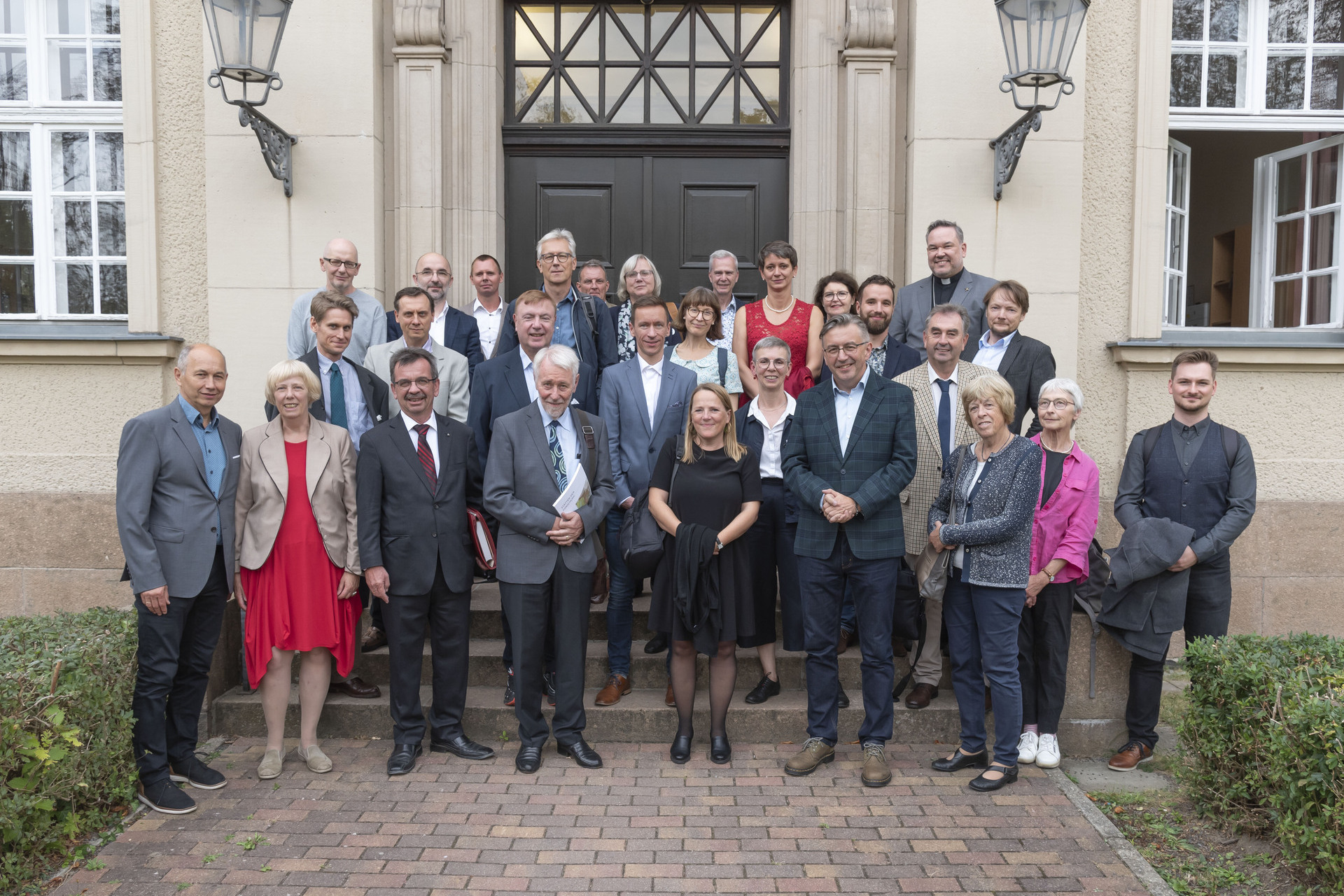
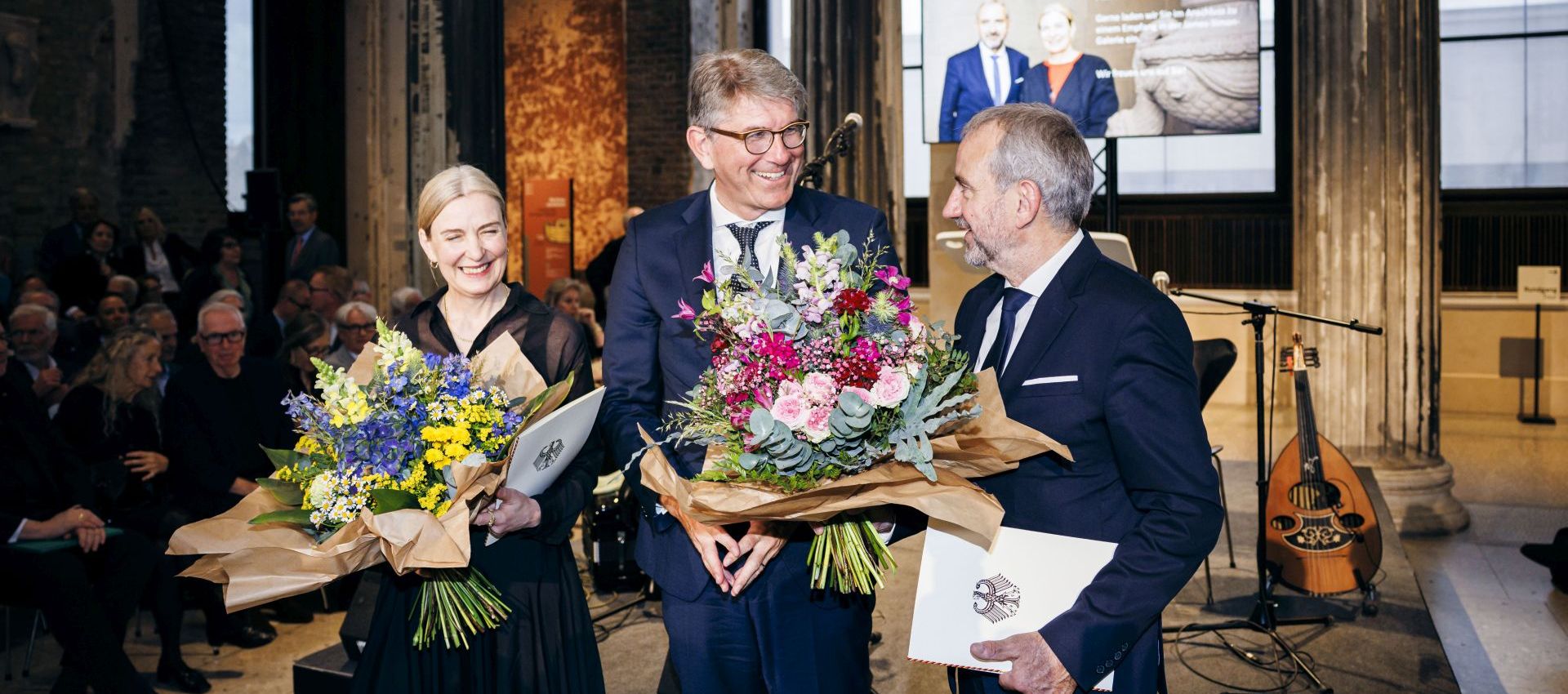
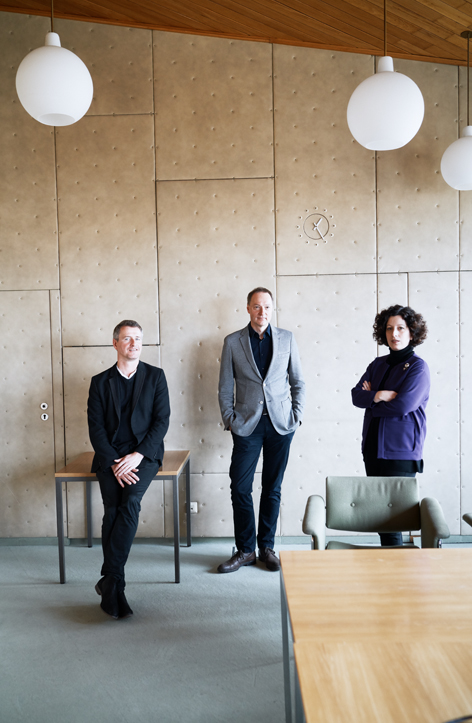
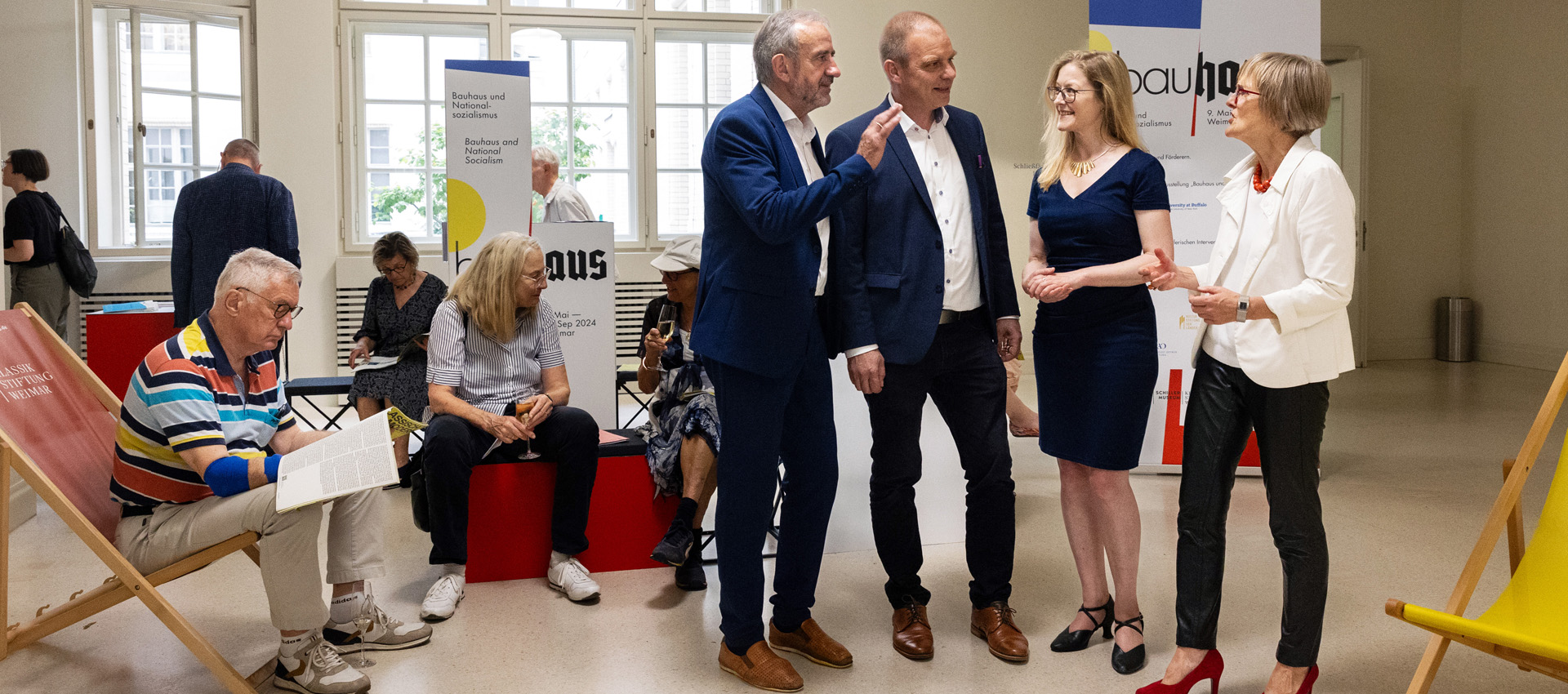
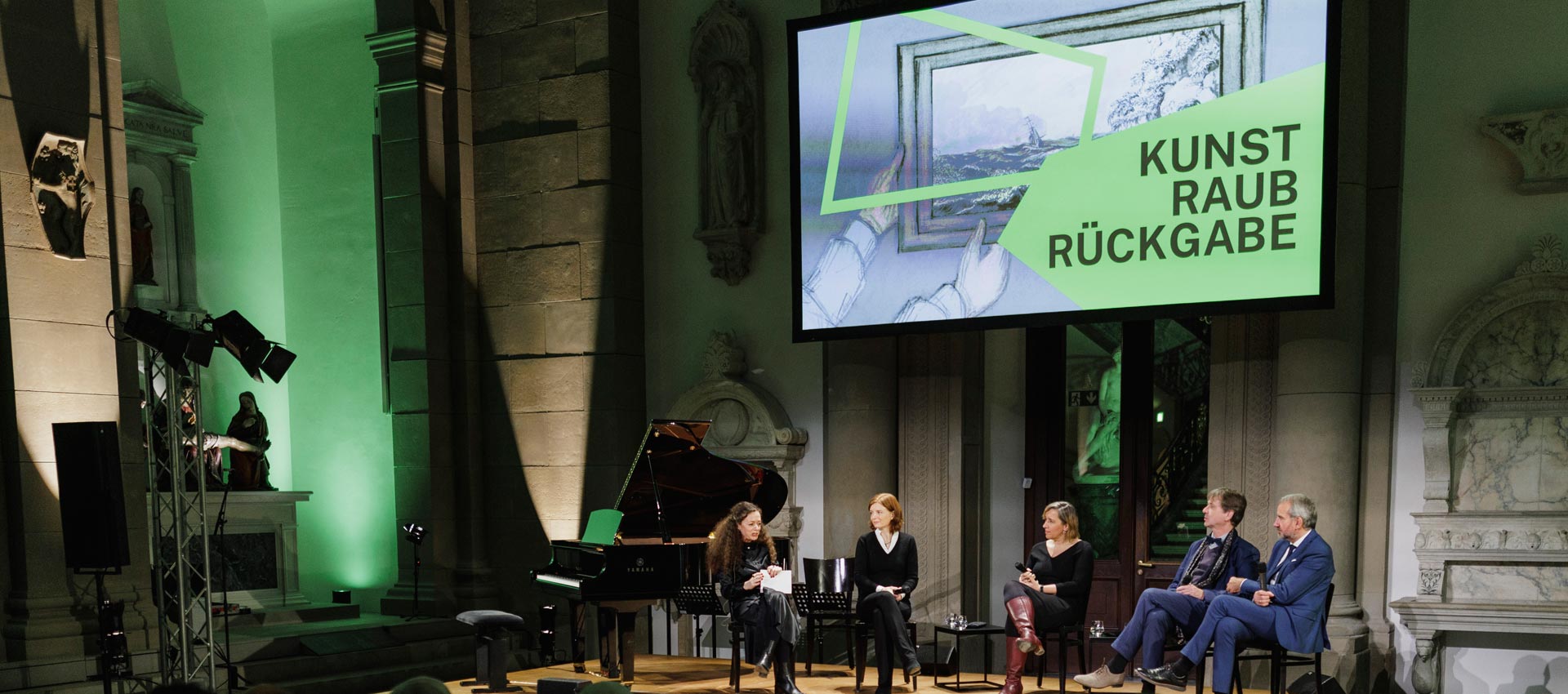
From left to right: Heike Kropff, Maria López-Fanjul, Christina Haak, Monika Grütters, Minister of State for Culture, Hortensia Völckers © Staatliche Museen zu Berlin / Juliane Eirich
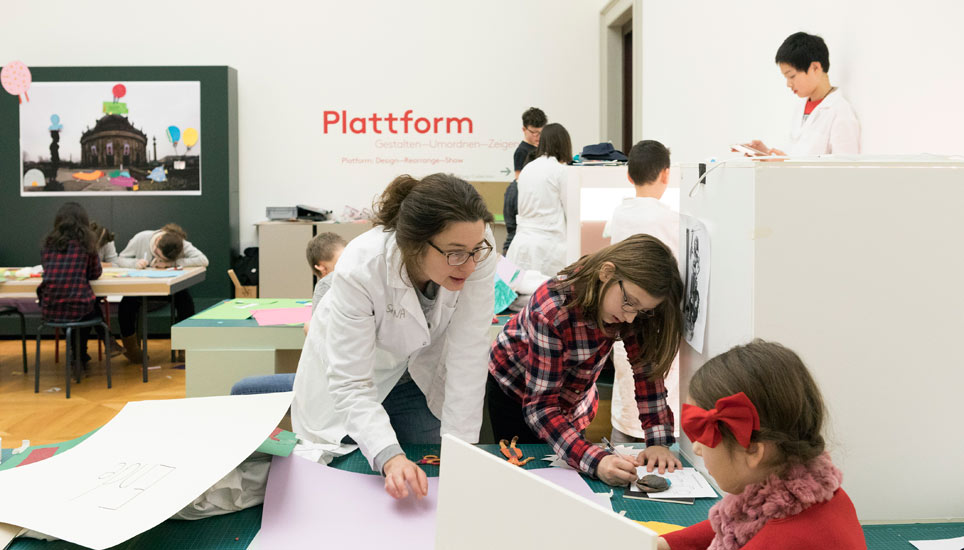
At the same time, the pupils have developed numerous exhibition stations at the Bode Museum that explore specific themes from the collection in a fresh way. In addition, the pupil-curated exhibition “Creatures That Are Not Human” is taking place.
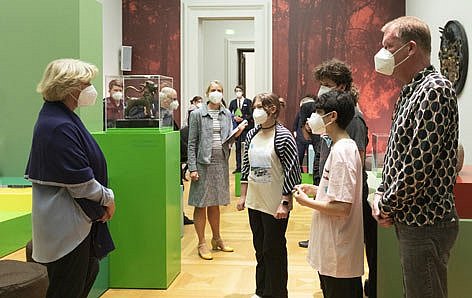
To mark the start of the grand finale, a delegation comprising Minister of State for Culture Monika Grütters, the Deputy Director General of the Museums, Christina Haak, and Heike Kropff, Head of the Education and Outreach Department, gathered on this May day for a tour of the Bode Museum. After a brief welcome, the discovery tour begins.
The very first stop, “Talking feet”, gives an impression of the unusual perspectives on the museum that have been developed at lab.Bode. The focus here is on the feet of the sculptures: what stories would they bring with them if they could leave their plinths and wander through the city? The artist Mathilde ter Heijne had some of the feet reproduced and fitted with loudspeakers. Together with art educators and conservators, stories were developed to accompany them, and the feet, along with their stories, were sent to schools in Berlin. There, the pupils spoke with them and developed the stories further – now the feet are back in the museum as alternative audio guides.
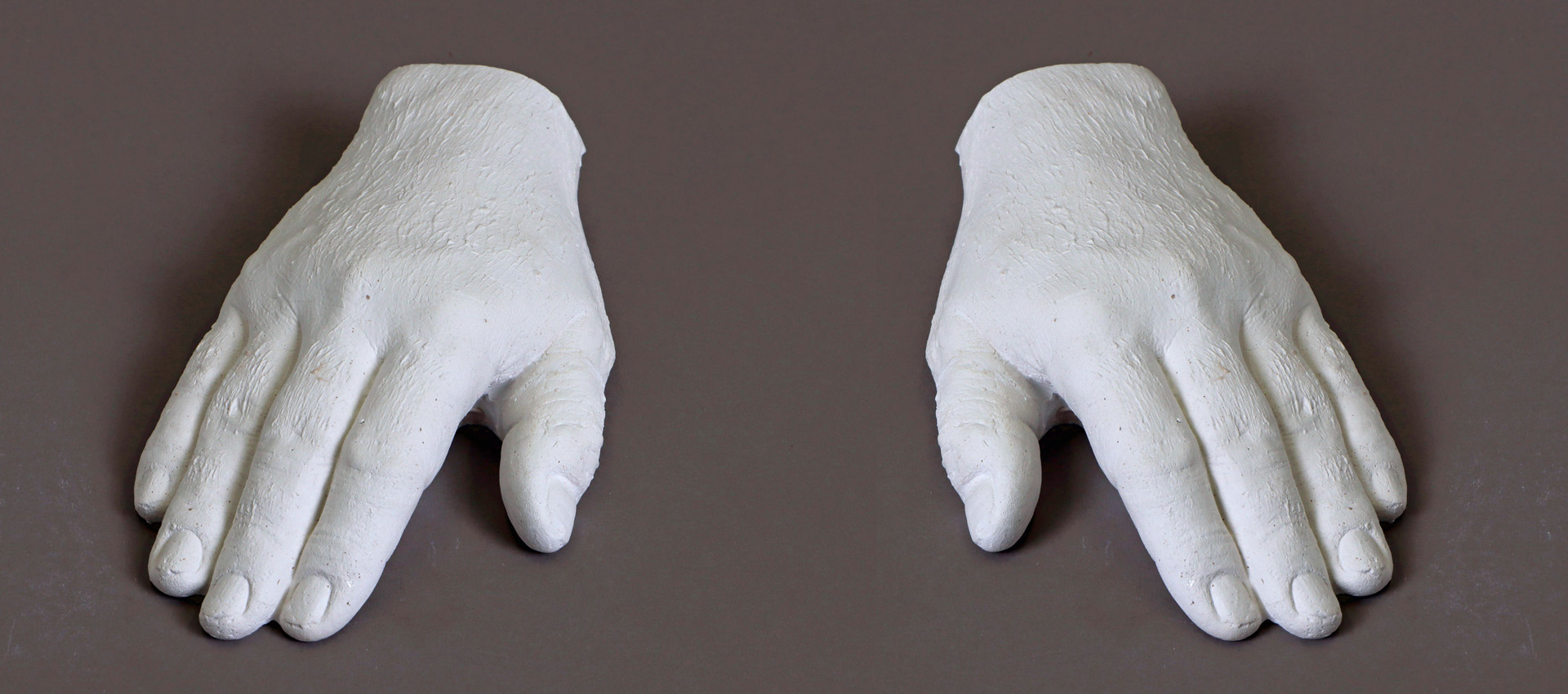
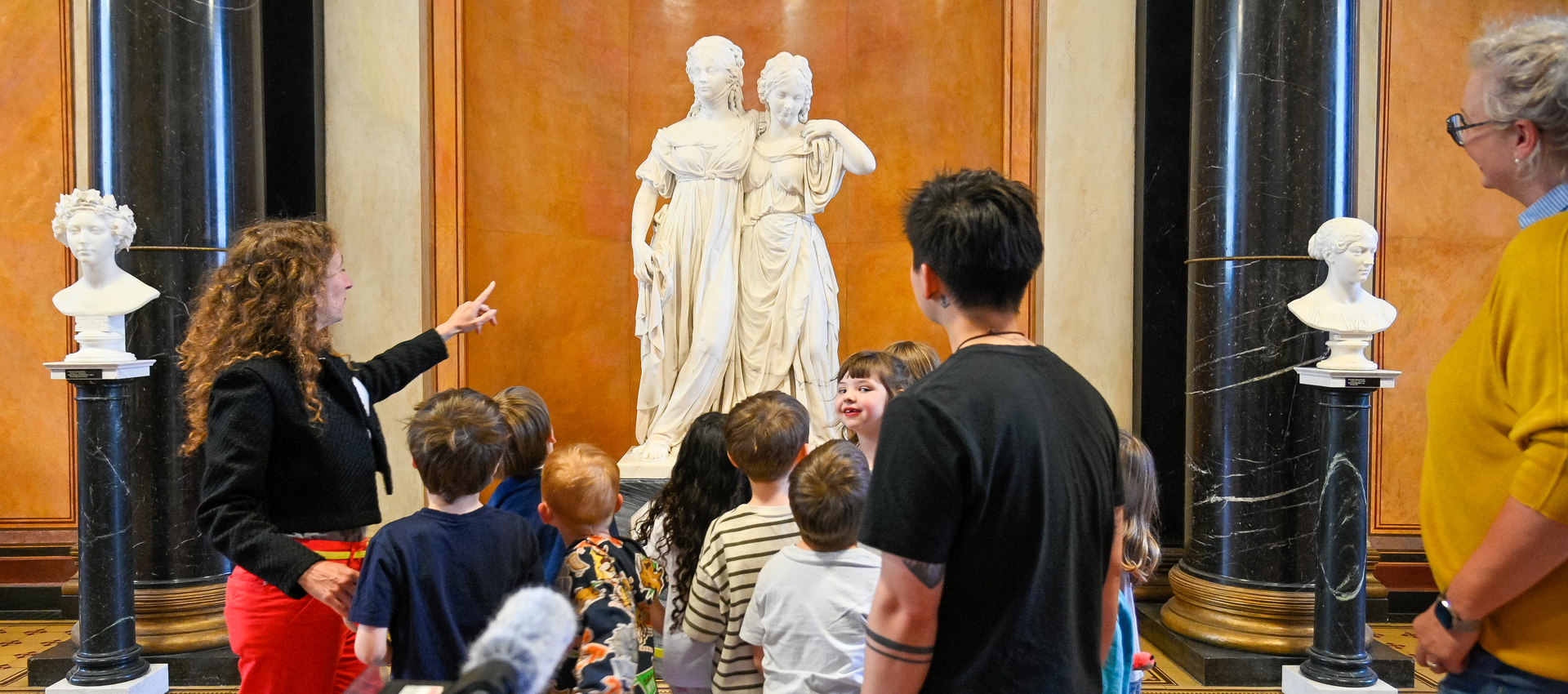
In the basilica, several plaster heads welcome the group – in the ‘Being Different’ project in 2018, pupils explored themes such as origin, tradition, religion and family, as well as sexism and ideals of beauty, to mark the exhibition ‘Incomparable. Art from Africa at the Bode Museum’. This resulted in casts of the heads of participating pupils, which now enter into a dialogue with the historical sculptures of the Bode Museum. Two of the pupils and their teacher, Ms Braun from the Thomas Mann Gymnasium, are on site this morning to present the project. “For us as a school, it is important that such collaborations with museums take place,” explains Ms Braun, “as this allows the pupils to engage much more deeply with the works in the museum.” At the Thomas Mann Gymnasium, the collaboration has even led to the creation of a new subject: in the optional ‘Museum’ course, pupils will in future learn through close engagement with museum collections.
In the “Dichter dran!” project, pupils at Herder Gymnasium asked themselves how the museum tells the stories of its objects. Together with writers, they then developed their own stories and texts – and experimented with different forms of storytelling. The resulting texts are now on display at the Bode Museum as leaflets to take away, offering new perspectives on familiar objects.
The “Haltung zeigen” project also focuses on the stories behind the objects: pupils asked themselves which stories are being told and whether they still resonate with younger generations. In the next step, they then developed their own ideas about what is worth showing courage and commitment for today. The pupils designed their own protest posters and printed T-shirts with their political messages, some of which are now also on display in the museum.
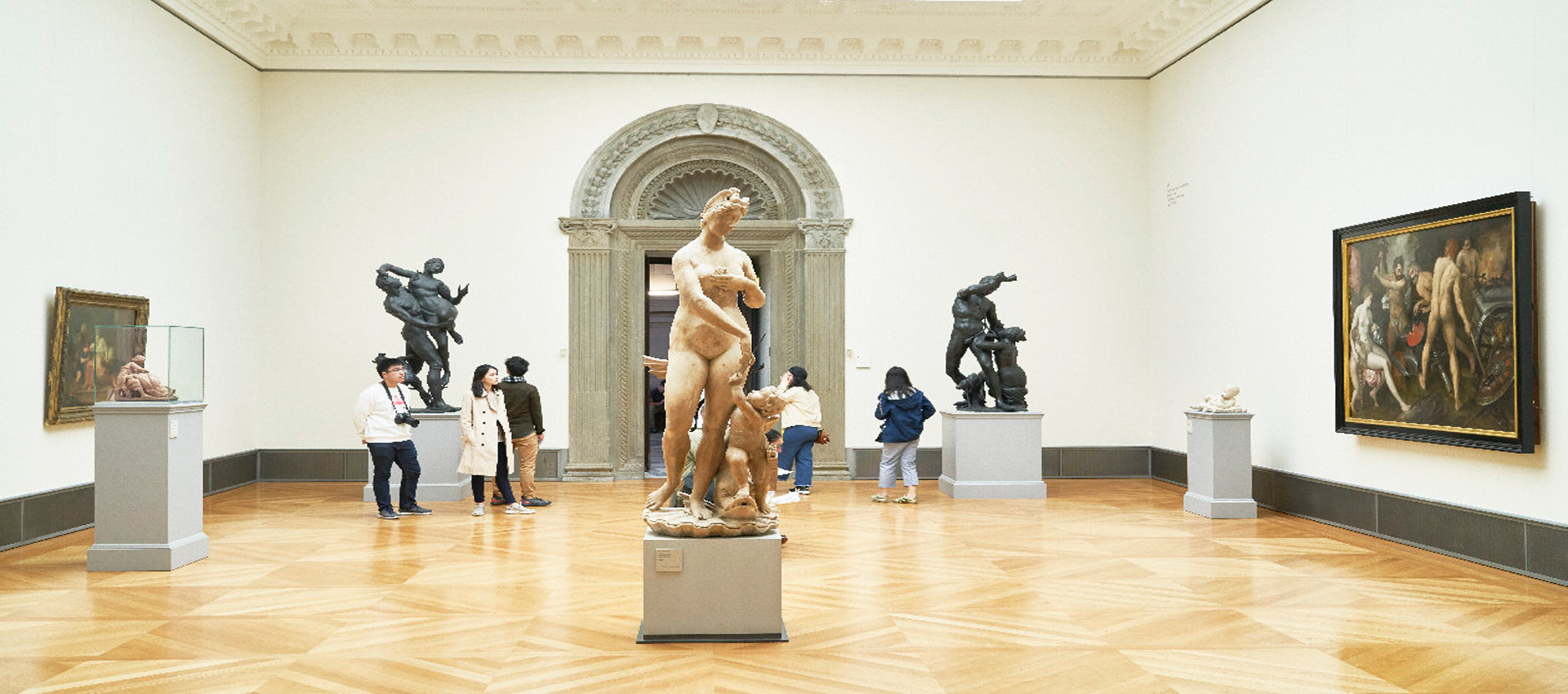
Alongside these and other exciting projects now on display at the Bode Museum, pupils have also developed an exhibition of their own as part of lab.Bode. Under the title “Creatures That Are Not Human”, depictions of animals from the 13th to the 17th centuries are presented here. At its core, the exhibition addresses issues that concern young people: climate change, animal welfare, species extinction, environmental pollution and the destruction of animals’ habitats.
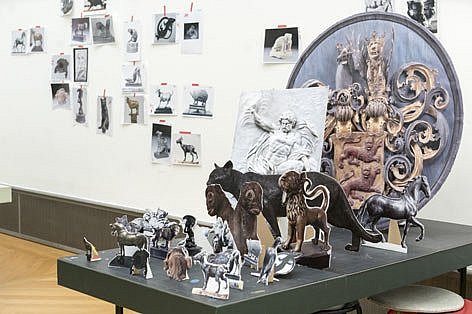
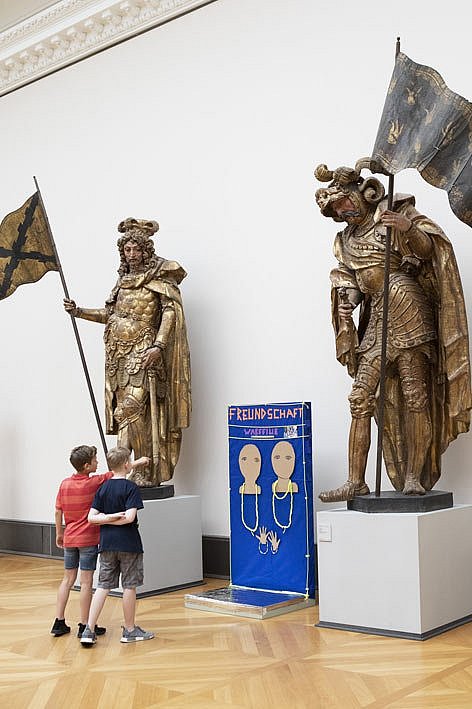
In this project, every aspect of a museum exhibition was in the hands of the pupils: from choosing the theme and selecting the works to designing the exhibition layout, positioning the objects in the space and creating the posters.
The tour, which lasted almost two hours, demonstrated that over the course of its five-year run, lab.Bode has not only explored new ways of imparting knowledge in the museum and at school, but has also realised some truly exciting projects that will offer visitors to the Bode Museum unexpected perspectives on familiar works of art this summer.
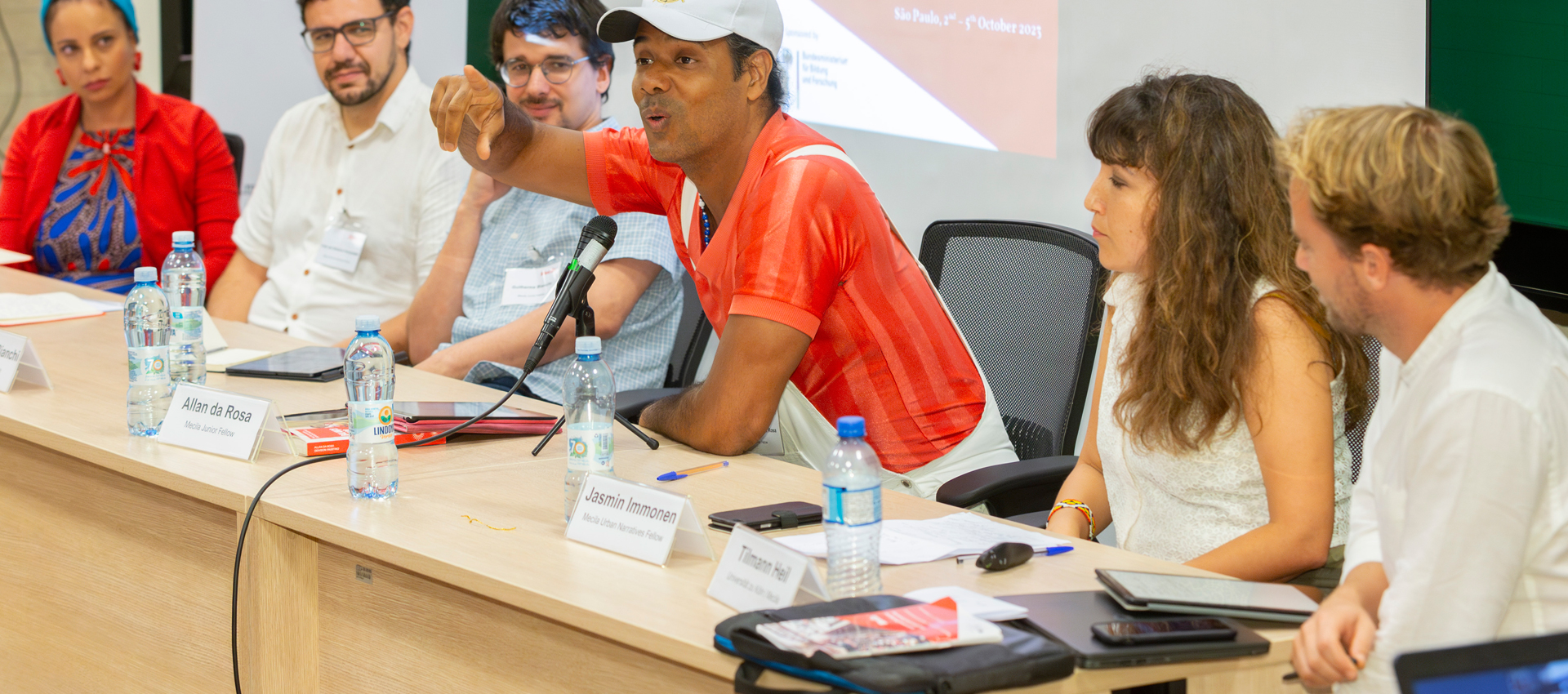
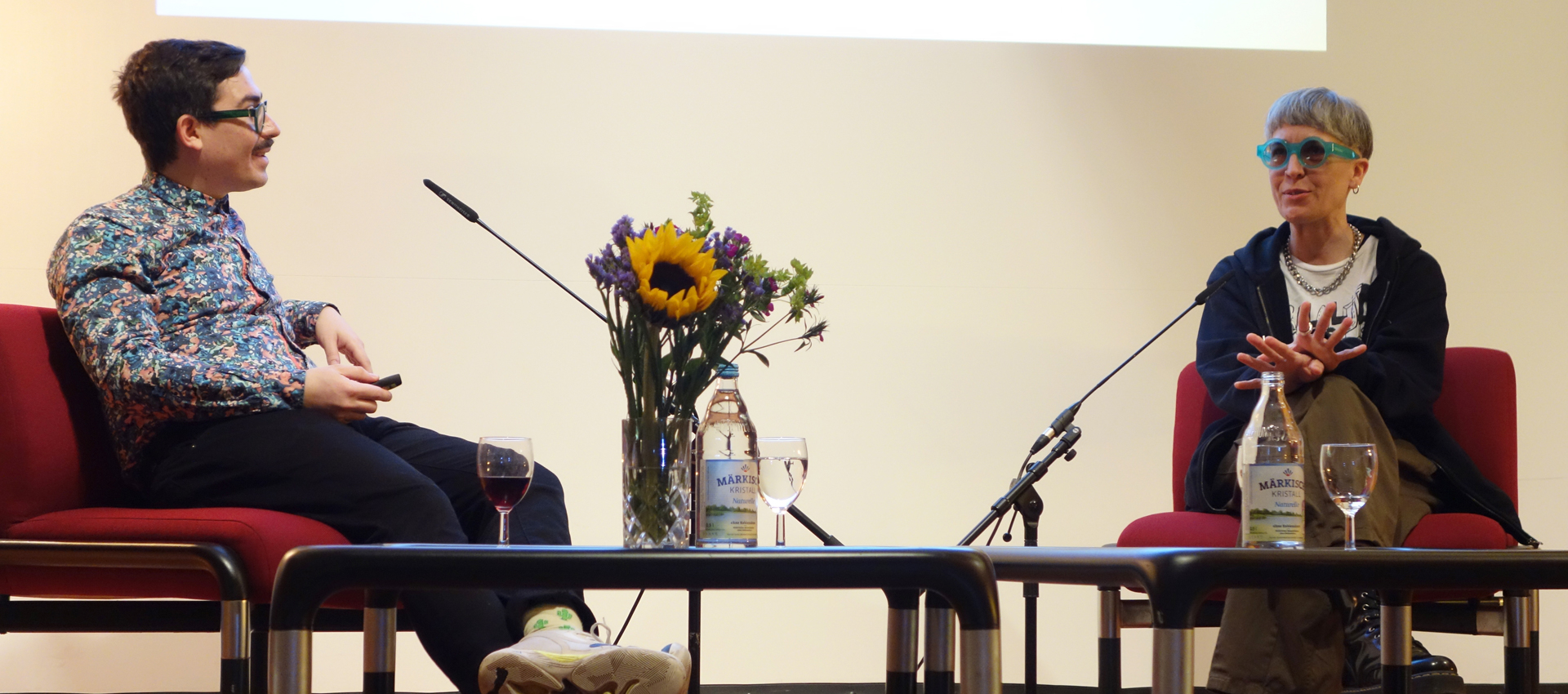
The finale of the finale will then take place three days later under the title “Set Expanded: Moving the Museum” – an online symposium due to the pandemic, though this does not seem to dampen the enthusiasm of those involved. After all, the event is not a conclusion but a starting point, as lab.Bode has once again demonstrated that a strong and independent position for education practitioners can transform museums, says Teresa Darian of the KSB in her opening address. This position must be established even more firmly within existing structures, and lab.Bode serves as an important platform for voicing demands. Heike Kropff, Head of Education and Outreach at the Staatliche Museen zu Berlin, also calls for “more oomph” to strengthen outreach work in the long term.
A look at the UK should show how this could be achieved, where outreach work in museums already holds a different status – partly because the social responsibility of museums seems to be more widely accepted there than in Germany. Similarly, in British cultural institutions, questions such as: What is being collected? Whose history is being told – or has not been told properly so far? Or who is invited to participate in cultural activities? are considered highly relevant, as Richard Sandell and Suzanne MacLeod from the University of Leicester explain in their keynote address.
There, the two academics present a framework of six fundamental ideas for the social opening up of museums, which could also spark a museum revolution in Germany: from “Audiences first!” and “Museums are part of everyday life” through the importance of museum spatial design or “Sharing is power!” to “culture is political” and the social responsibility of museums to actively encourage progressive thinking.
Following the keynote and a light-hearted movement session with choreographer Patricia Woltmann, three sessions will feature various best-practice examples of how museums can be transformed. Each session will focus on a specific starting point: one session will explore what a diverse and anti-racist museum practice might look like, whilst another will use various examples to demonstrate what happens when there is space for workshops, collaborative projects and artistic work right at the heart of the museum. A third session focuses on the social opening up of museums: here, Marion Ackermann presents the ‘start-up’ of her Dresden State Art Collections, the Japanese Palace, where a multi-perspective, transcultural and free-of-charge approach is being taken to put visitors at the centre. For example, with the ‘museum of untold stories’, for which museum attendants were interviewed, among others; with the participatory Children’s Biennale; or with the exhibition ‘The Invention of the Future’, in the run-up to which teenagers and young adults were asked about their concerns, and whose answers then formed the basis of the exhibition. Ackermann reports that the Japanese Palace, with its experiments in accessibility, is a crowd-puller, and that it also has a stimulating and liberating effect on the other, more conventional institutions of the SKD.
Next up is Matthias Mühling from Munich’s Lenbachhaus, who, in the exhibition project “Group Dynamics”, has interrogated his own collection on the Blue Rider in a completely new, global and decolonising way. Finally, Stefanie Dathe from the Museum Ulm uses the platform nextmuseum.io to demonstrate how museums can explore the possibilities of digital space and thus become a new venue with new target audiences.
The afternoon session of the symposium then focuses in detail once again on lab.Bode: participants in the trainee programme look back over the last five years. And it is remarkable that the learning process worked both ways: not only did pupils gain new experiences in the museums, but the museum also learnt a great deal from the schools, according to the summary. The programme then moves on to the online workshops, where lab.Bode’s school projects are illustrated once more. What unites them all is that they have sought and found alternative, anti-discriminatory starting points for new narratives and, consequently, forward-looking educational work.