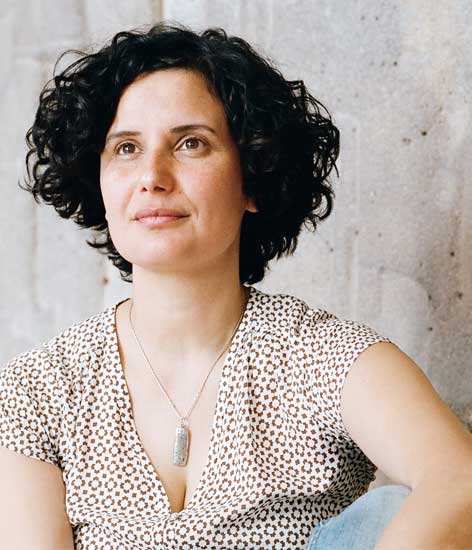
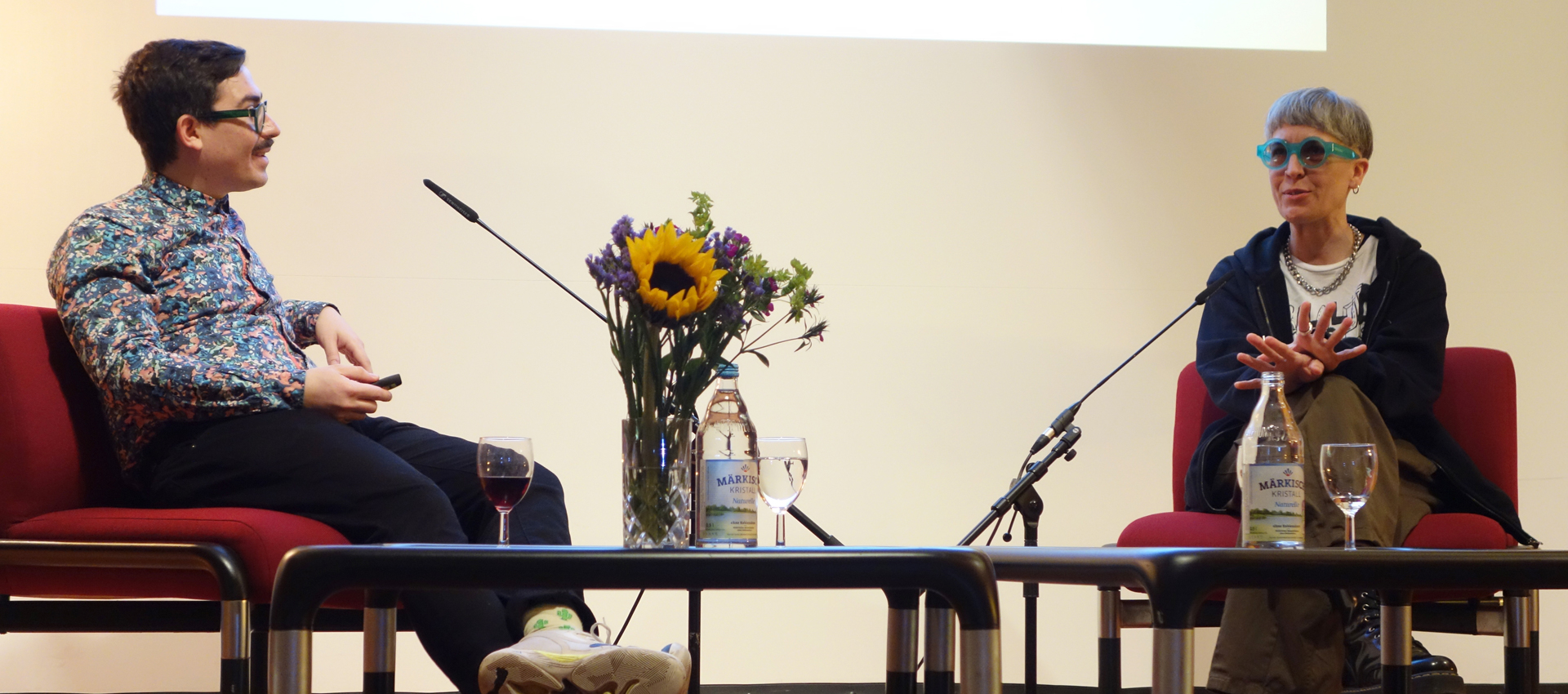
The composer Zara Ali won first prize in the composition category at the 2022 Felix Mendelssohn Bartholdy University Competition. In this interview, she talks about her experience of the competition – and what really mattered.
What is your musical background, and which university did you represent at the Felix Mendelssohn Bartholdy University Competition (FMBHW)?
Zara Ali: I completed a Master’s degree in composition at the Detmold University of Music and performed for the HfM Detmold at the FMBHW. Before that, I was at Columbia University in New York, where I completed my Bachelor’s degree in composition under the composers Georg Friedrich Haas and Zosha Di Castri.
How did the selection process for the FMBHW work at the university?
In Detmold, there is a contemporary music ensemble called Ensemble Earquake. The director, Merve Kazokoğlu, asked me if I would be interested in writing a piece for the ensemble so that we could enter the competition.
So you wrote the piece and it was decided that you would represent the university in the competition?
At the time, there weren’t many students studying composition at the HfM Detmold; I was one of three. So the programme is very small, and that’s how it came about that I volunteered to write the piece.
How did you prepare for the competition?
I didn’t really prepare; it all happened very suddenly. I was brand new in Germany, I didn’t know anyone, and it was my first piece of work here. So it was a wonderful opportunity for me to get a foothold here and get started.
What was your experience of the competition, and what is it like to take part as a composer?
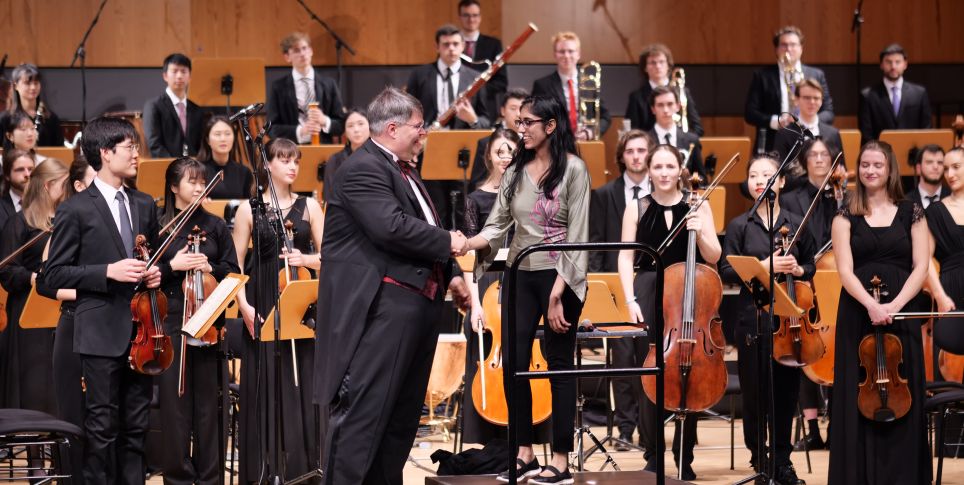
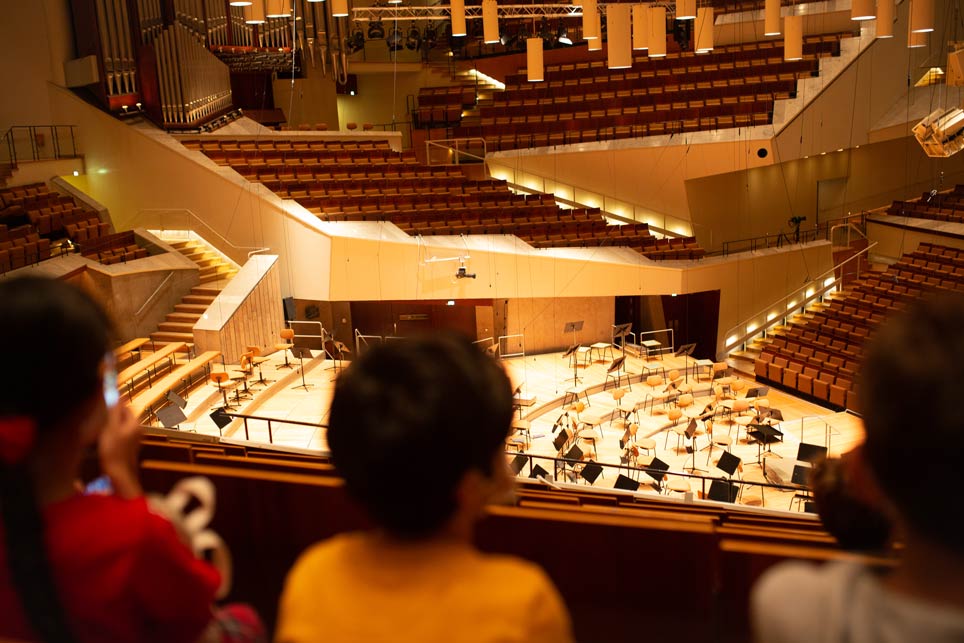
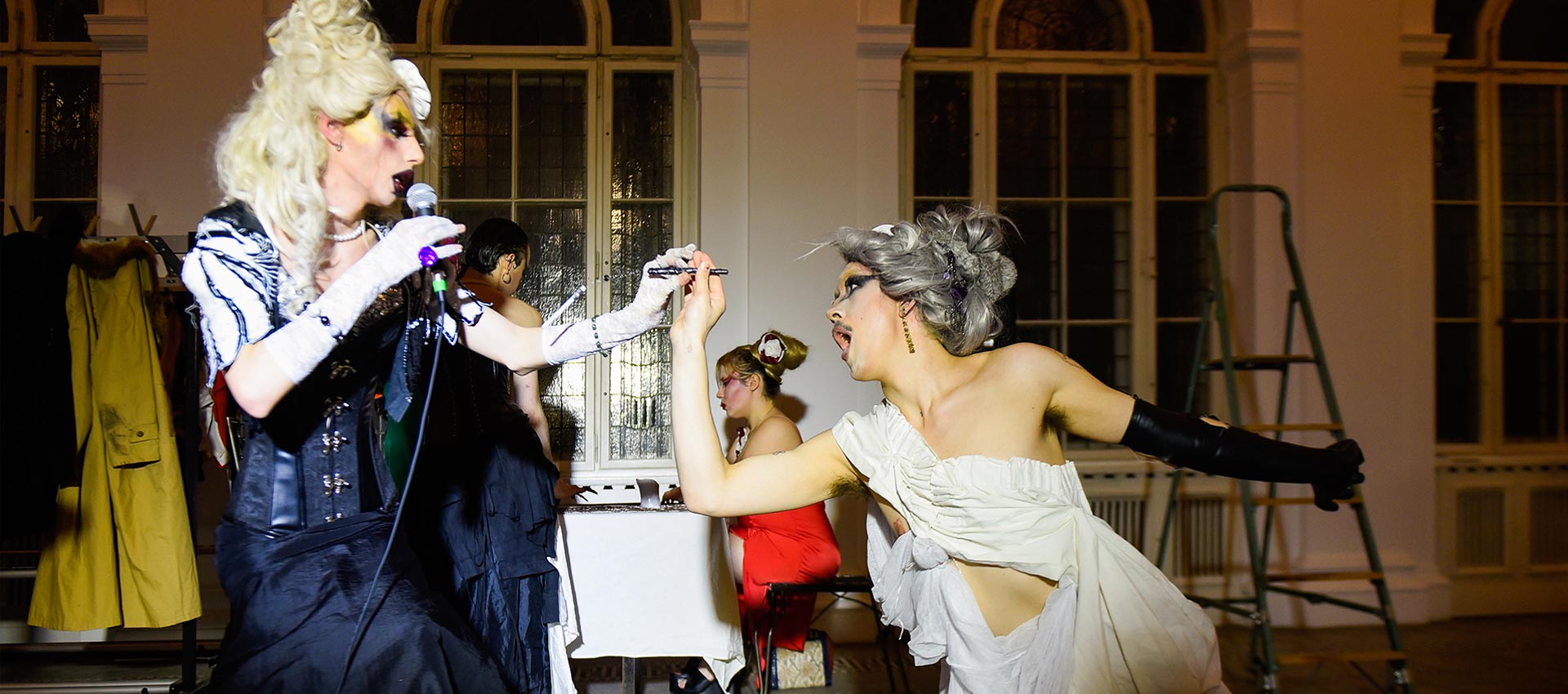
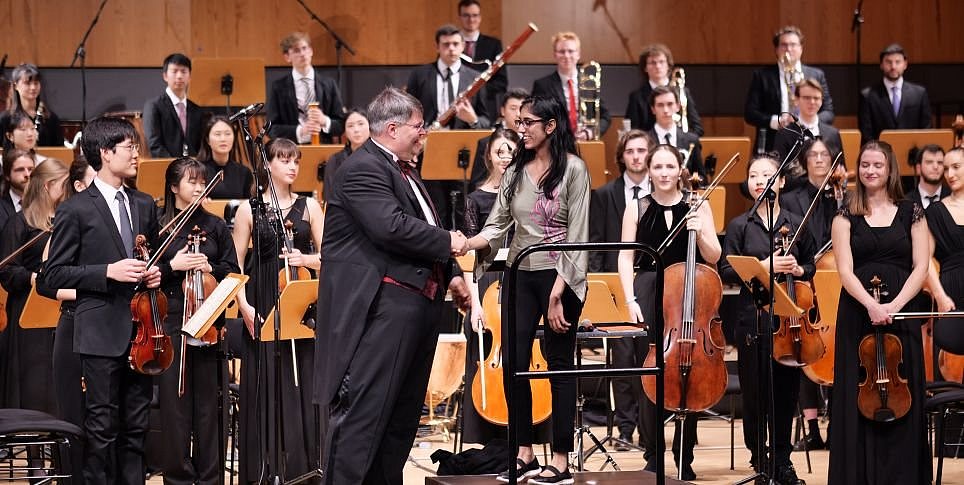
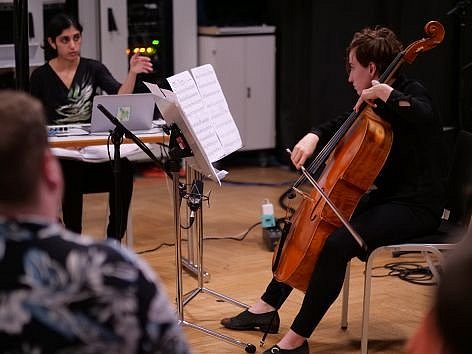
In the first stage, I first had to write the piece; that was also the most intensive phase. It took a very long time, probably hundreds of hours. The result was the piece “behave” for ensemble and electronics. In the second stage, we then rehearsed together with the musicians of the ensemble. That was also very intense; I had to be present at every rehearsal, as my piece contains many electronic elements and I had to manage these and be there, so to speak, as a performer. There were also a great many questions from the musicians, as the piece contains many theatrical elements that the musicians had to perform. So I had to show them how to harmonise aesthetics, playing and movement; that was also an intensive collaborative effort. The third phase was then the creation of the video we had to submit for the competition. We actually wanted to perform live at the UdK, but it was the height of the pandemic and all events had been cancelled, so we had to film our performance and submit it. That was another challenge, as capturing the theatrical elements of the piece on video was not easy, especially as we couldn’t use cuts or close-ups. After submitting the video, we then had to wait for the jury’s decision. When we found out that we had won and had also received the Friends of Young Musicians Special Prize, the fifth stage began: the final concert. Despite the pandemic, we were fortunately allowed to travel to Berlin to perform the piece at the Konzerthaus Berlin.
Were you nervous before and during the competition?
Oh yes, I was nervous, especially at the final concert. We only had two days between the announcement of the results and the concert. We were in Detmold and had to plan everything, so there was a lot to do. My main concern was whether the electronics would all work, as these systems are prone to faults and you have to clarify in advance that everything will function properly in the concert hall. But we were able to sort everything out with the Konzerthaus and in the end everything went well.
Did taking part in the competition help your career? Did it open up new opportunities?
I think so – I’m now at the Frankfurt University of Music and Performing Arts and am part of the IEMA programme there. It’s a prestigious scholarship programme, and winning the FMBHW certainly helped me get into it. As for commissions, I’m still a fairly young composer and I don’t think taking part in the competition played a major role in establishing my name as a brand. Most people in the classical music world probably haven’t heard of me yet, but the competition offered a wonderful opportunity to make contacts in the small world of contemporary music. But there’s certainly still a lot of work ahead of me, even though taking part in the competition was a good start to my time in Germany.
Do you have any tips for young musicians planning to enter the FMBHW in the future?
I would say, don’t write a piece for the competition – write a piece you truly believe in! Whilst writing my piece, I never thought about whether I would win or lose the competition. I only thought about the musicians for whom I was writing the piece. The competition provides a good framework for working hard and fostering collaboration. But at the end of the day, it was about writing a piece that could stand on its own as a work of art beyond the competition. You have to be original in every aspect. My piece isn’t just about music; it’s about free will and technology. The electronic elements in the piece control the musicians, so it explores a very profound theme that is personally important to me. In summary, I would therefore recommend to all artists that they remain independent and focus entirely on their own ideas, which flow into their art.