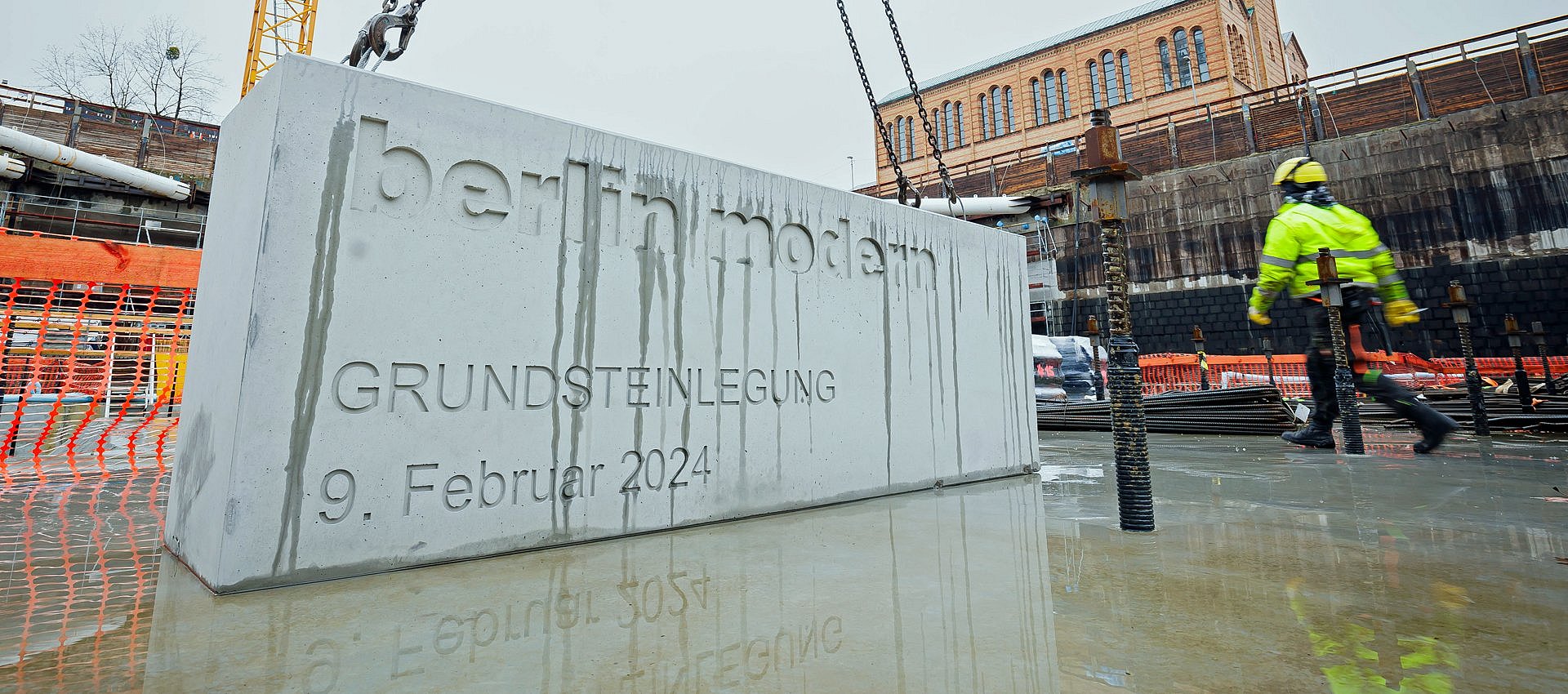
The year 2024 was actually packed with milestones – from the laying of the foundation stone for ‘berlin modern’, the new home of the Neue Nationalgalerie, through the Foundation Act and the funding agreement, right up to the SPK reform, which will hopefully soon reach a successful conclusion. Are you satisfied?
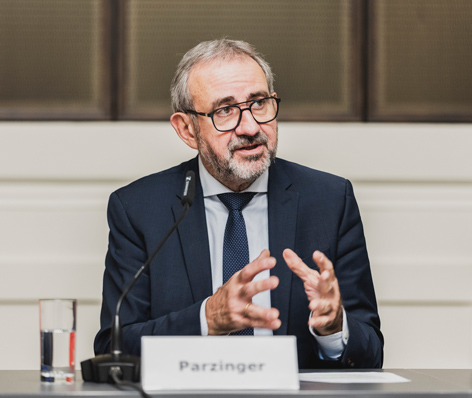
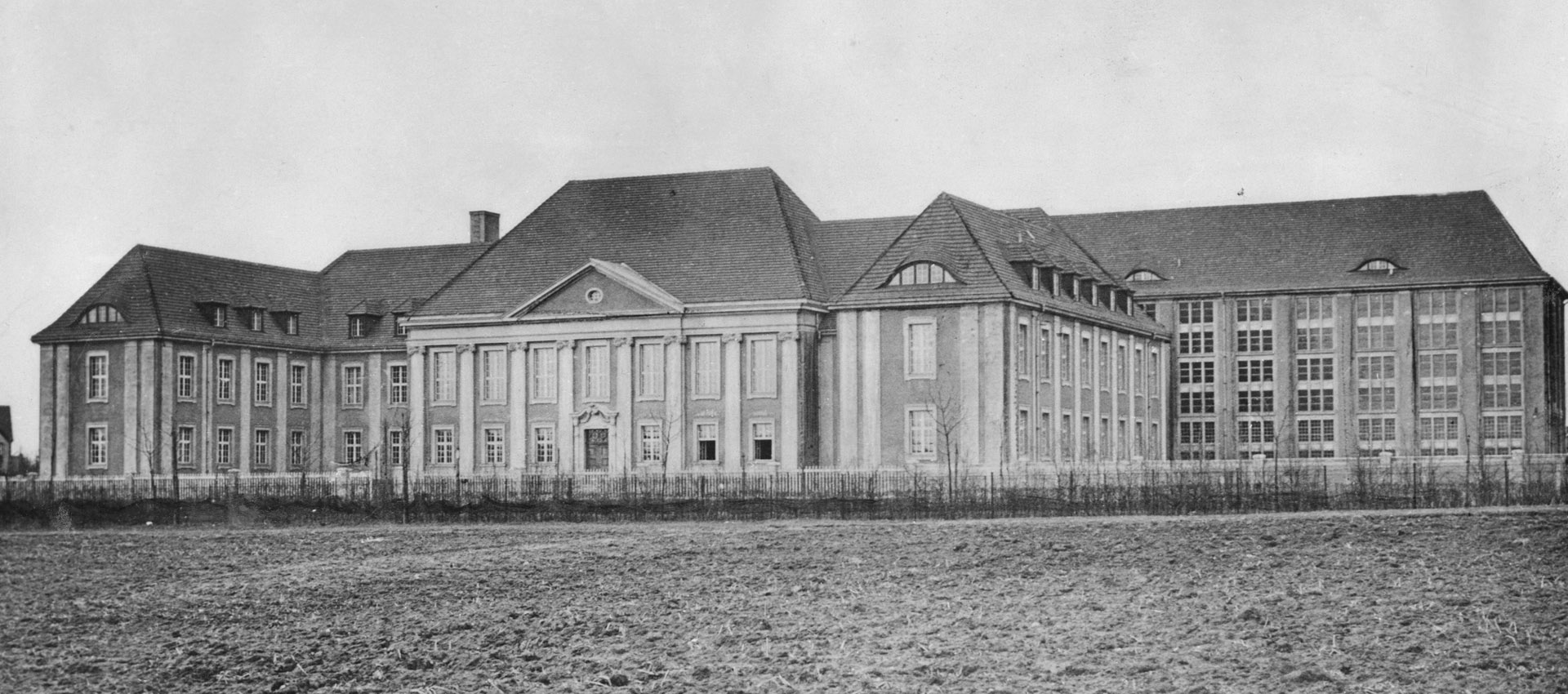
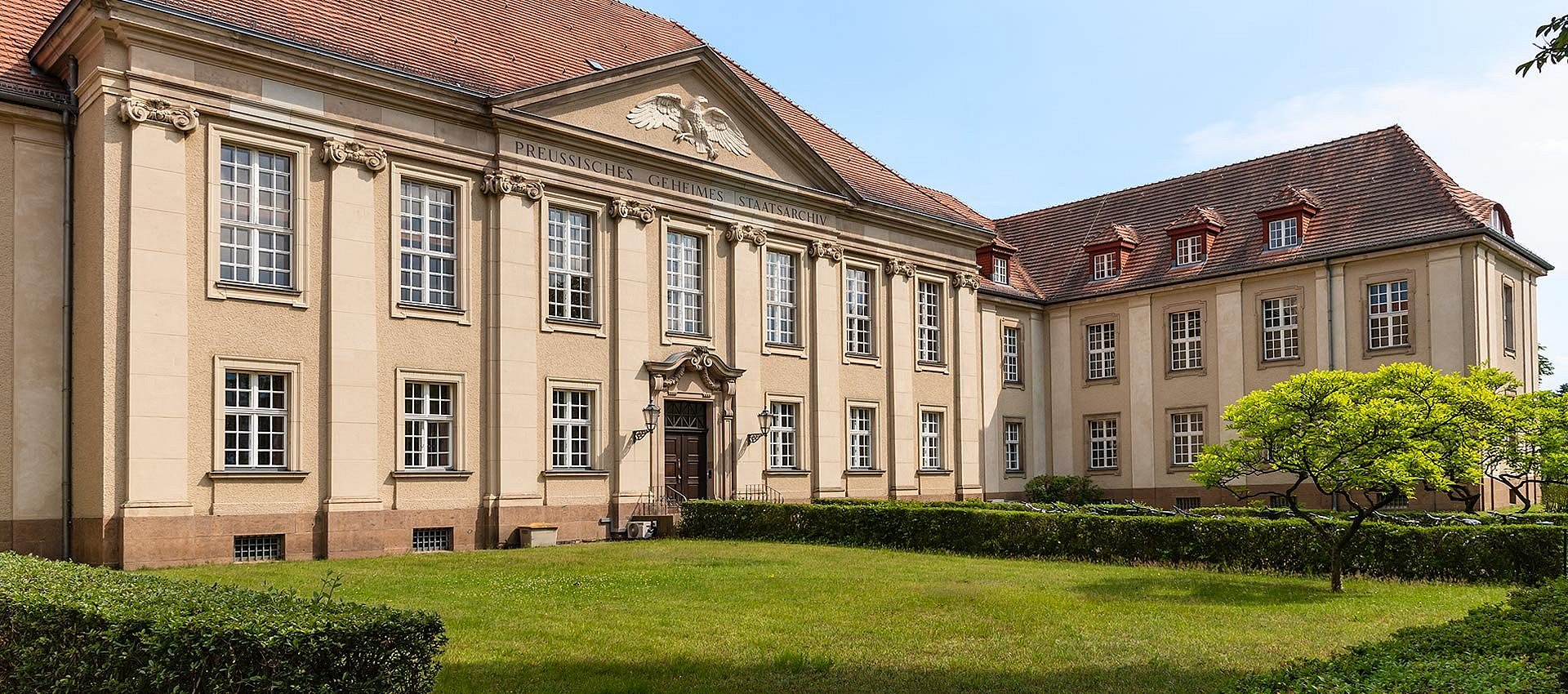
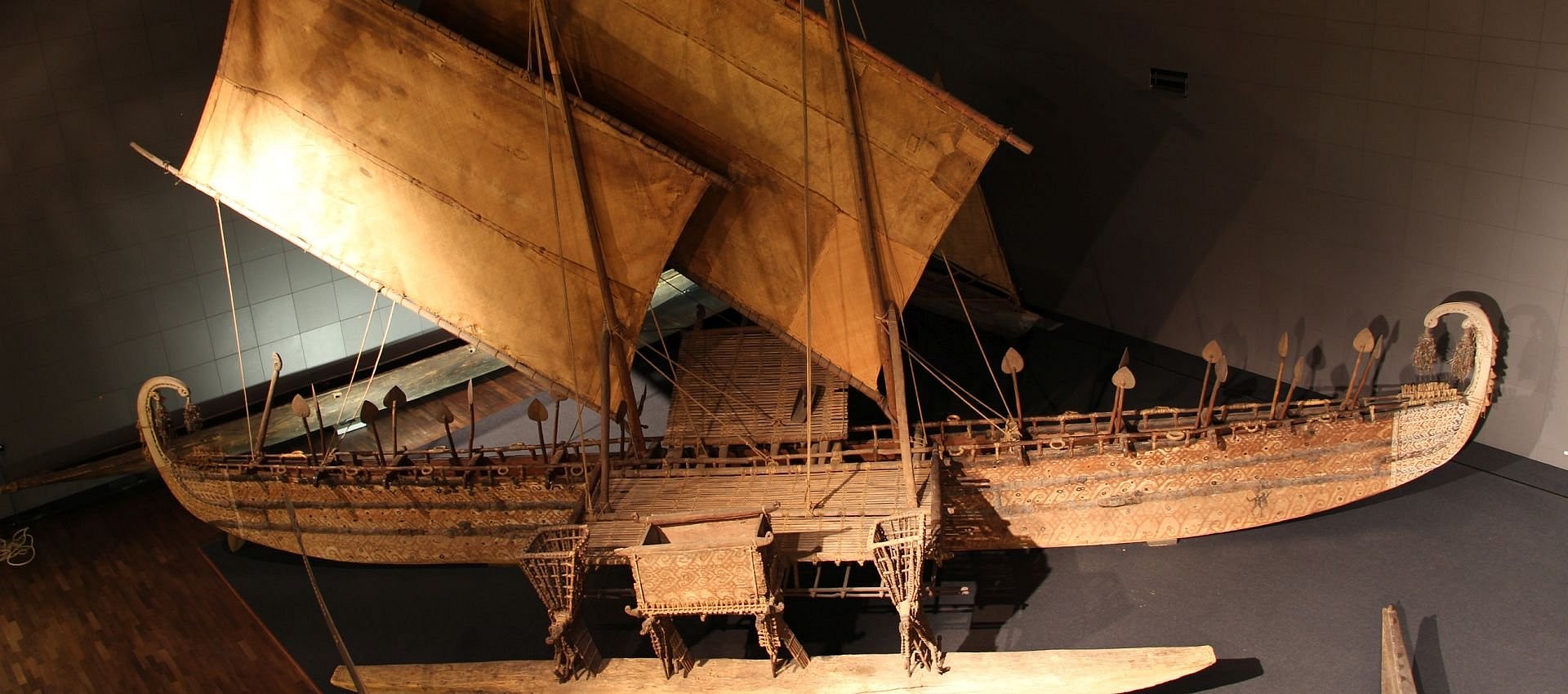
Hermann Parzinger: Yes! It really was the sum of events – 100 years of the Secret State Archives in Dahlem, 150 years of the Ethnological Museum, exhibition openings such as Caspar David Friedrich, Frans Hals, Andy Warhol or Elephantine, new appointments for the Bode Museum or the Alte Nationalgalerie, conferences. And on top of that, 3.6 million visitors! Despite the Pergamon Museum being closed, despite higher ticket prices, despite an additional closing day which we had to implement to compensate for our budgetary constraints. Of course, I was particularly pleased that, just before Christmas, we received the news that, under the funding agreement between the federal and state governments, the SPK will have an additional 12 million euros in its operating budget from 2026 onwards. We know what difficult times we are living in. In that respect, we are grateful for this form of support for our reform.
So is the reform really complete now?
I wouldn’t say it’s complete, but we have actually taken the most important steps this year. Of course, there will still be a lot to finish off next year. But 2024 was a decisive year for the reform – from the dissolution of the General Directorate of the State Museums and the formation of the museum teams right through to the SPK 2030 strategy. There are actually three processes running in parallel: the cultural policy process, the transformation process and the strategic process. I also look back with satisfaction because we have succeeded in really getting many staff members on board. This is not a reform led by the foundation’s top management. Our colleagues are getting heavily involved and contributing constructive ideas. That is what the SPK needs.
You have been at the helm of the SPK since 2008. I’ll spare you the hackneyed images and metaphors that the foundation has often been compared to. How does it strike you now, at the end of 2024?
When I started in 2008, the Foundation was a hodgepodge of individual parts. I was struck by how little the institutions identified with the SPK network. By the time the Science Council’s report was published, it had become clear that we not only wanted to stay together, but that this idea of networked knowledge was sustainable for the future. Everyone realises that the SPK network does good, does not restrict, and does not impose administrative straitjackets. It is about the values and attitudes that unite us.
Wasn’t it, to a large extent, a museum reform after all?
Yes and no. The Science Council believed the museums were capable of top-class performance, but structurally they were not in a position to deliver. Incidentally, all other SPK institutions received consistently good ratings. So the foundation structure cannot have been a major hindrance. What will be important now is that the museum teams at the various sites function effectively. I know that not everything will be perfect next year, given the lack of staff and funding. But we’re getting started! For things to run smoothly, the central administration must become a genuine enabling structure. For that, a cultural shift, a change in mindset, is essential. We must now unleash our potential!
There’s been a lot of building going on this year too …
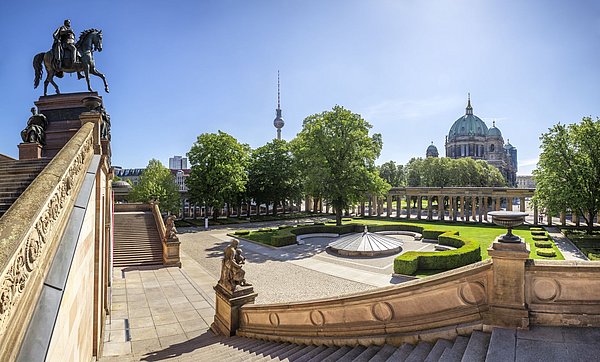
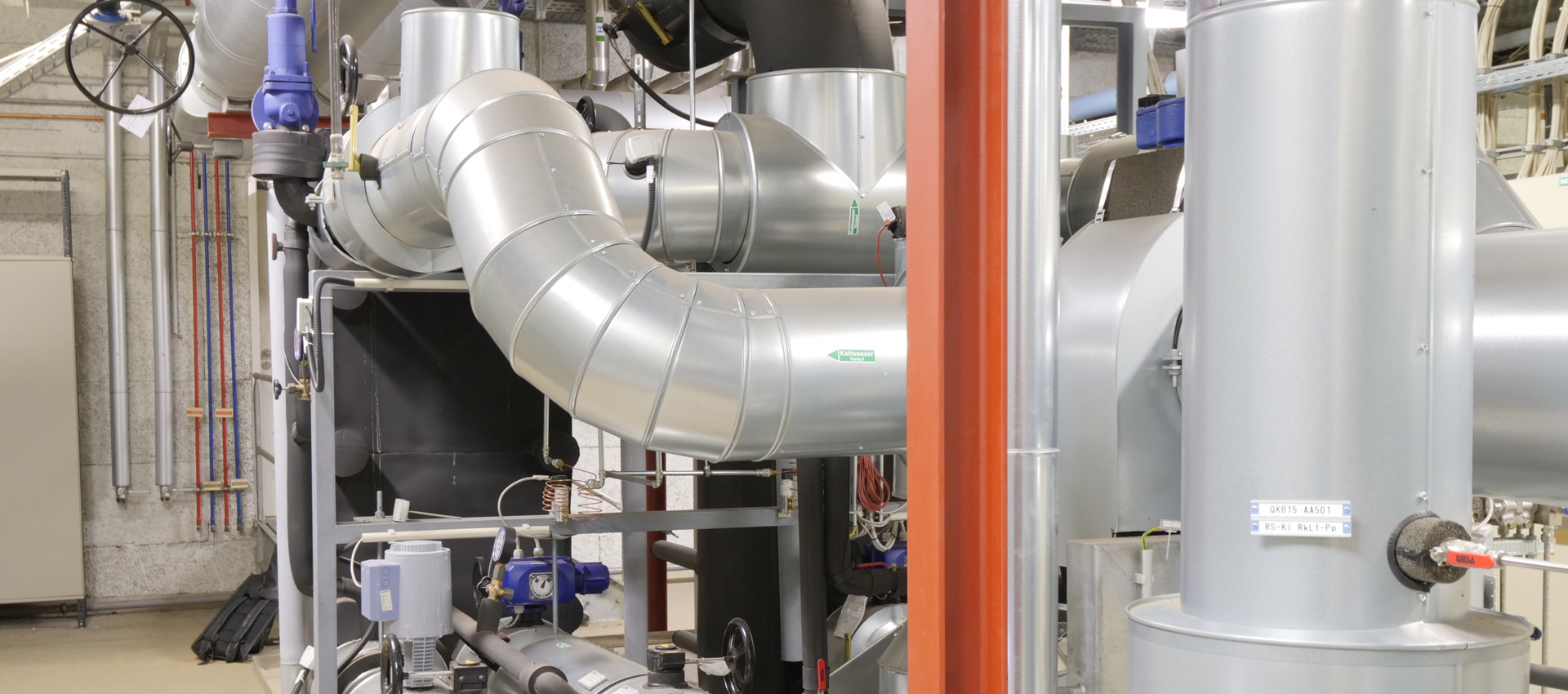
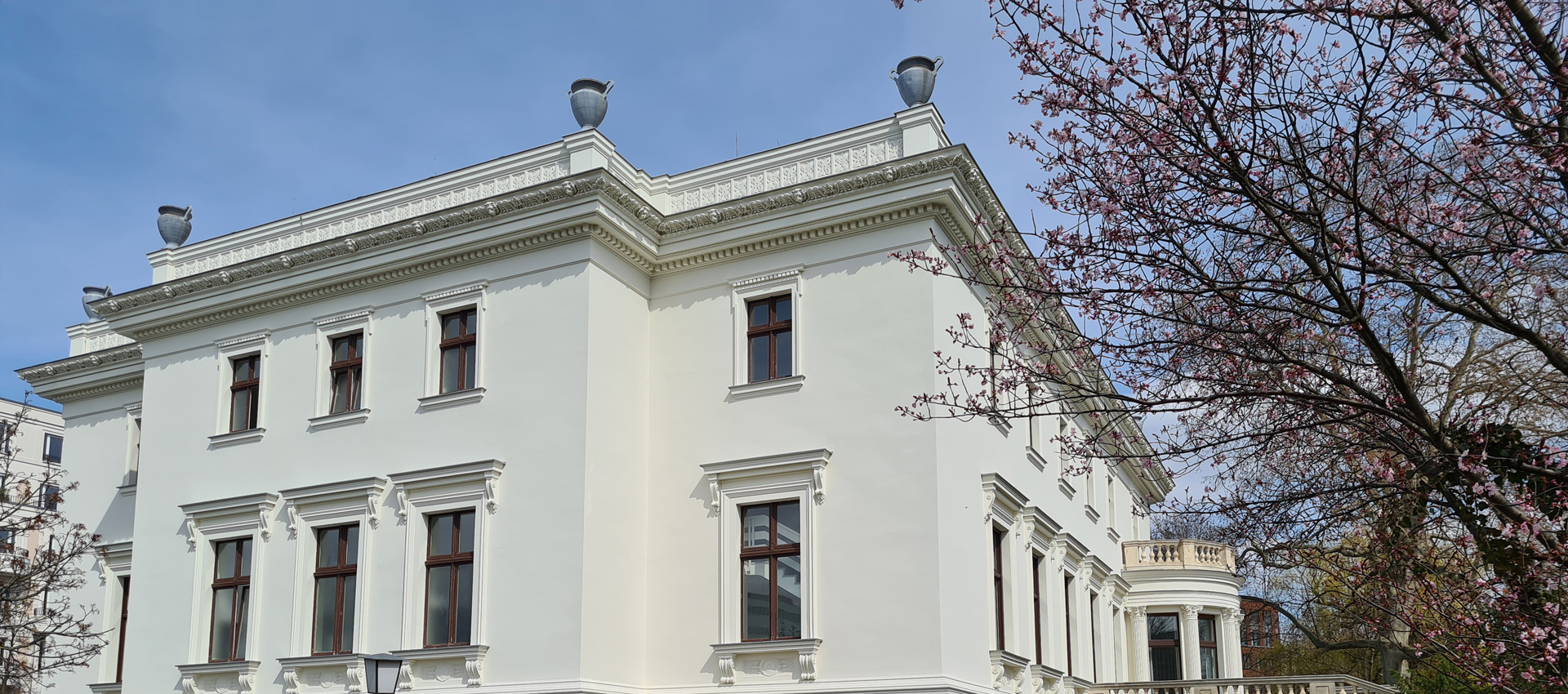
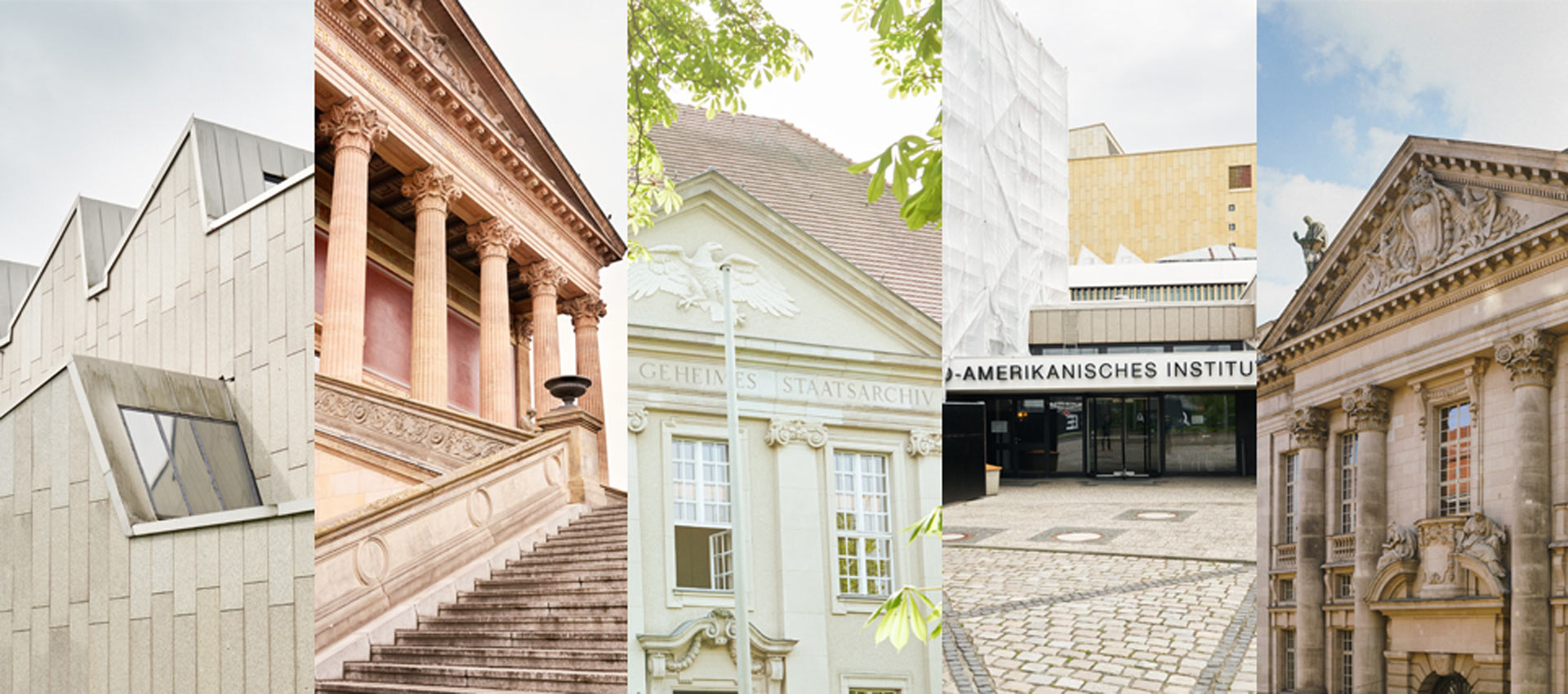
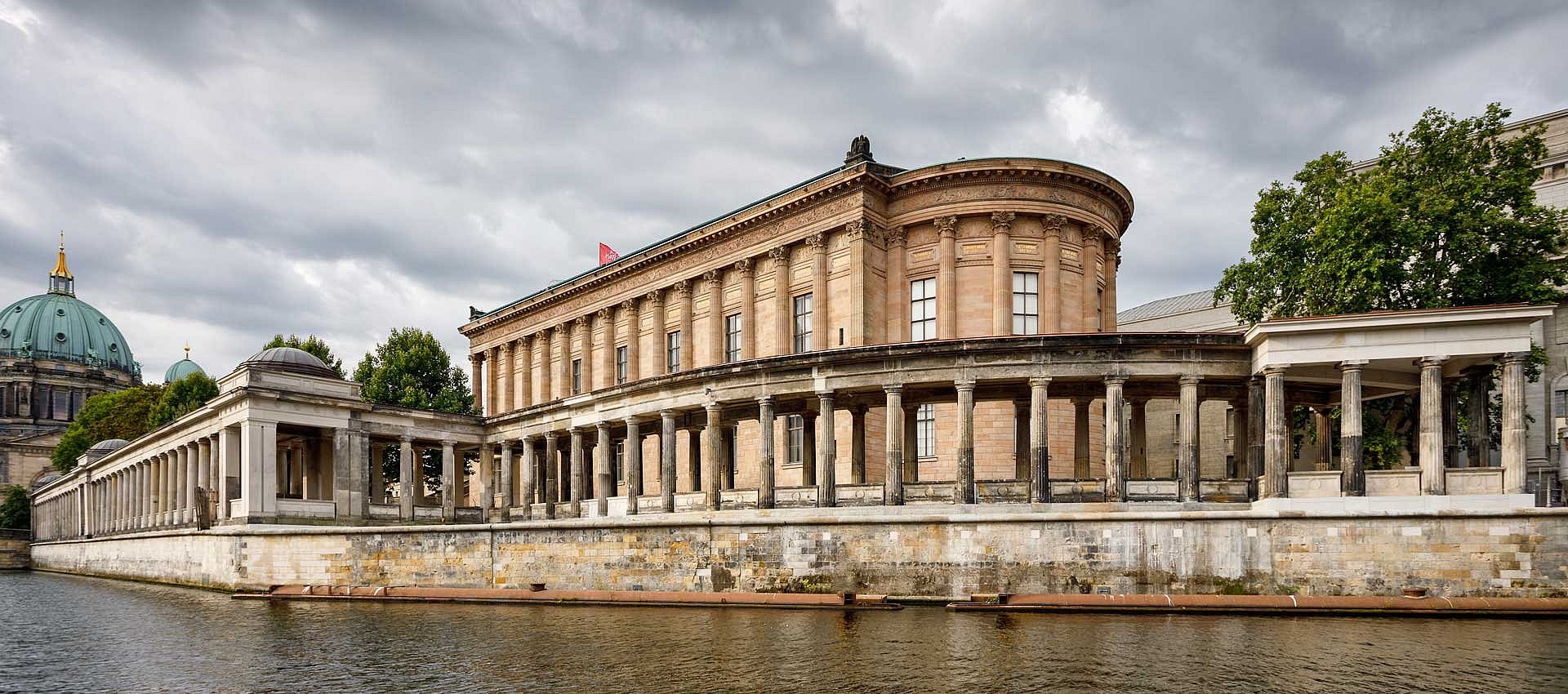
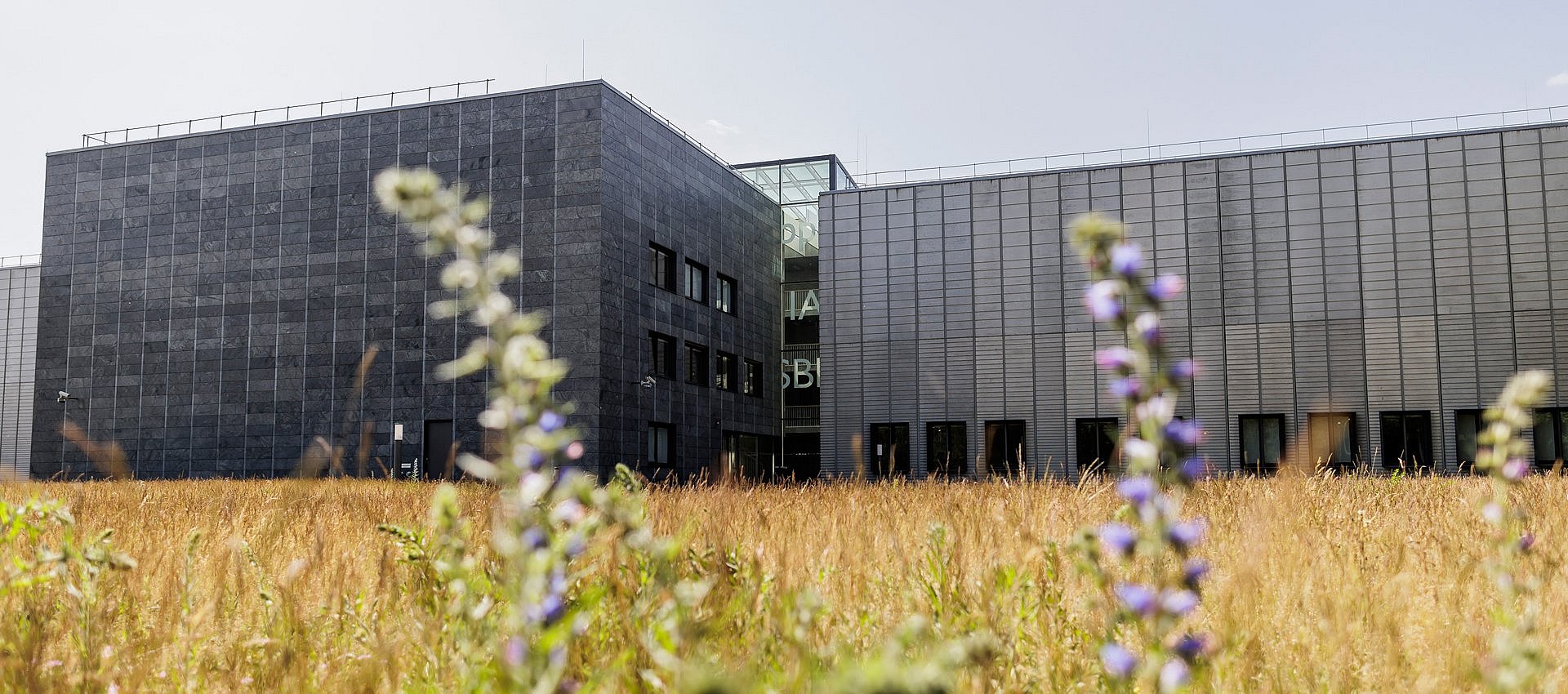
Indeed! We’ve already discussed ‘berlin modern’; the colonnades on Museum Island have been fully renovated, and the storage facility for the museums is taking shape in the Friedrichshagen warehouse district. We’ve finally reached an agreement with the federal government and Berlin on a temporary building for the State Library, as the Scharoun building on Potsdamer Straße is due for renovation. What Gerkan, Marg & Partner have in mind is truly appealing. Incidentally, I’ve done the maths and realised that during my nearly seventeen years in office, I’ve seen 14 construction or renovation projects through to completion – from the Neues Museum to the Archaeological Centre and the extension for the Berggruen Museum, right through to the James Simon Gallery and the State Library on Unter den Linden. Not a bad record, I’d say.
It has always been important to you that the SPK sees itself as an international player. What has happened in this regard over the past year?
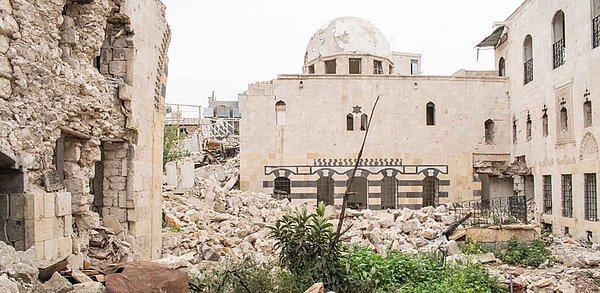
Ultimately, there are three areas in which we are involved: capacity building, provenance research and restitution. Naturally, our attention is currently focused on Syria. The Museum of Islamic Art was previously very involved in the restoration of Aleppo’s oldtown. What will become of that now? Of course, Russia’s war of aggression against Ukraine continued to occupy us greatly last year as well. We helped as much as we could – with packing materials and storage capacity. I am looking forward to 23 January, when we will open the major Odessa exhibition at the Gemäldegalerie together with the Federal President and showcase what the local Museum of Western and Eastern Art has entrusted to our care. We want to protect the works and carry out conservation work, but we also see the exhibition as an opportunity to convey more about Ukraine’s cultural identity.
And what has been happening in the areas of provenance research and restitution?
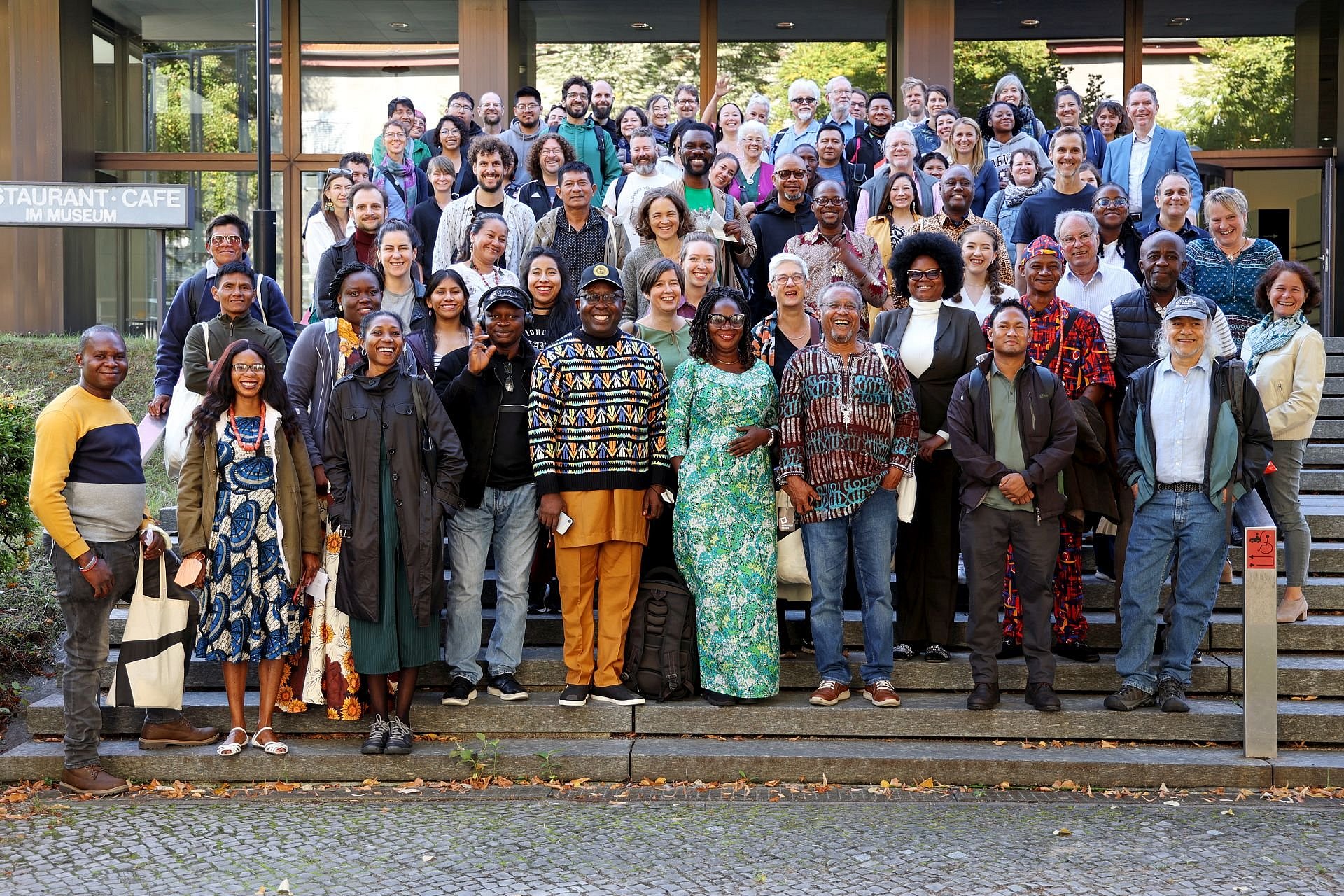
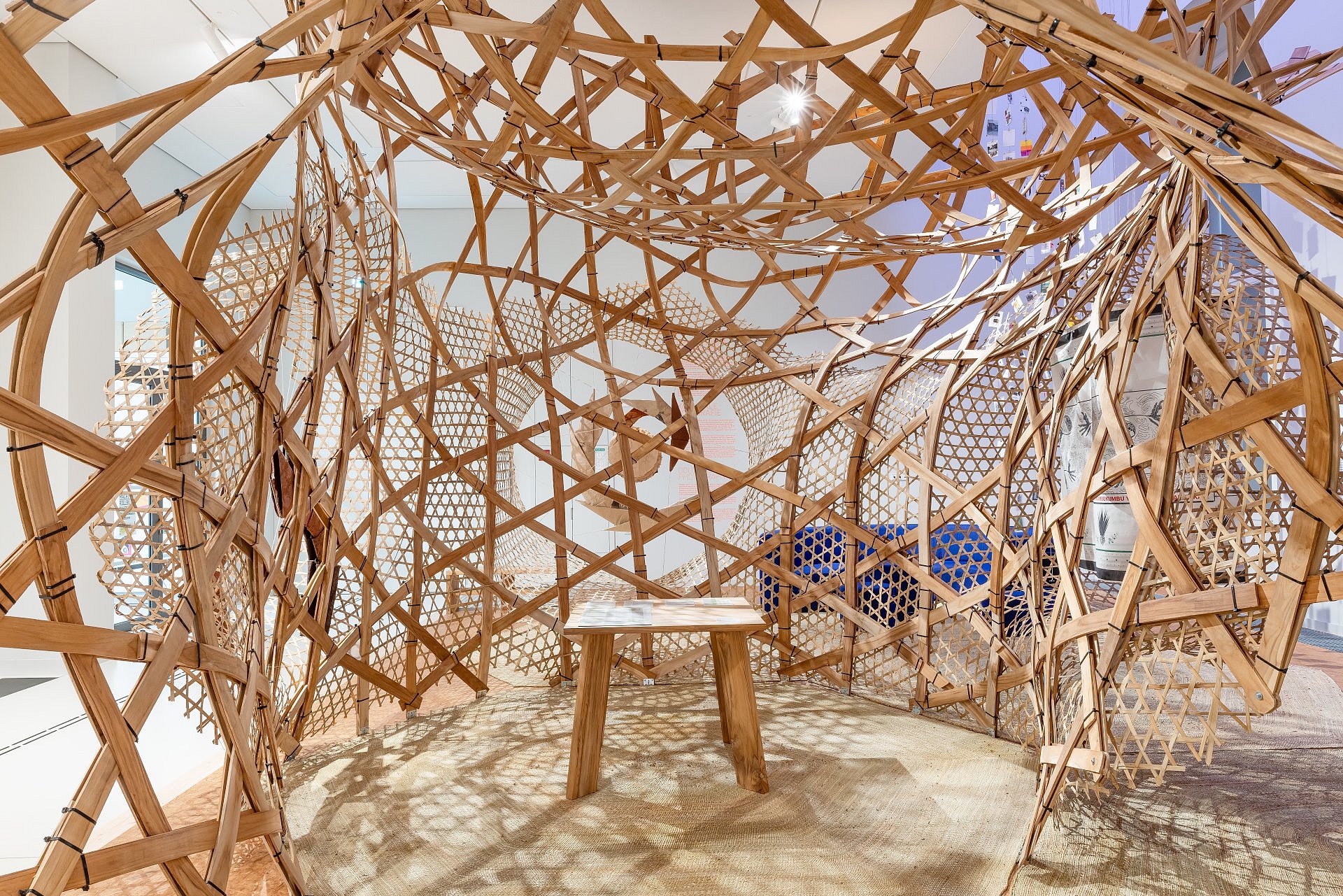
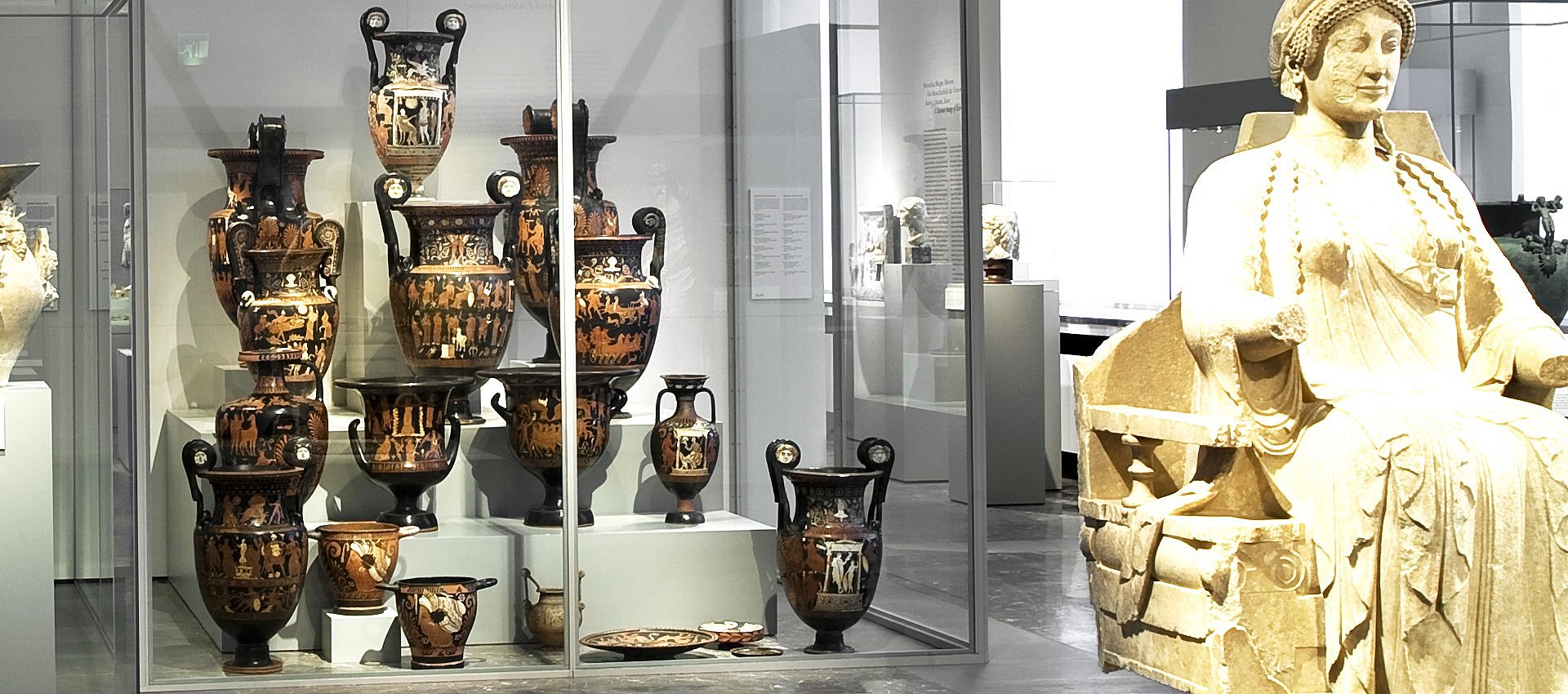
The SPK has restituted more objects from a colonial context and human remains than any other institution worldwide. No international cultural institution has achieved as much in this field. Particularly regarding human remains, there have been major research projects focusing on East and West Africa, as well as repatriations to Hawaii, Australia and New Zealand, to name but a few. Alongside restitutions, collaborative projects are important. The ‘Collaborative Museum’ demonstrates how this can be achieved. Every year, one to two dozen colleagues from all over the world come to Dahlem to work on the collections. This generates new content, which is then displayed at the Humboldt Forum. The new Tanzania exhibition is truly groundbreaking. I would also like to emphasise once again that we are leading the way in provenance research on the archaeological collections, which is linked to a newly developed approach within the museums. The return of Apulian vases from the Collection of Classical Antiquities to Italy is perhaps the best example.
Your time at the SPK is coming to an end. Five months to go, then Marion Ackermann will take over. What else do you have planned?
My diary is fuller than ever! I want to bring the reform to a successful conclusion and, from March, I will be leading the Foundation together with Marion Ackermann. I’m glad we’re making this transition.
What are you looking forward to?
The big 200th anniversary of Museum Island. On 9 July 1825, the foundation stone for the Altes Museum was laid, marking the start of the magnificent rise of Berlin’s museums. And for me, as an archaeologist, there’s one clear highlight: the major exhibition on Göbekli Tepe. It’s going to be outstanding! This site marks the turning point in humanity’s transition to a settled way of life in south-eastern Turkey. The exhibition on Museum Island will demonstrate why archaeology is such a fascinating science. Because discoveries are still suddenly coming to light that completely turn our understanding of a particular era in human history on its head. The Museum of the Ancient Near East will endeavour to showcase many of these sacred sites, these breathtaking sculptures and newly discovered monuments in Berlin.