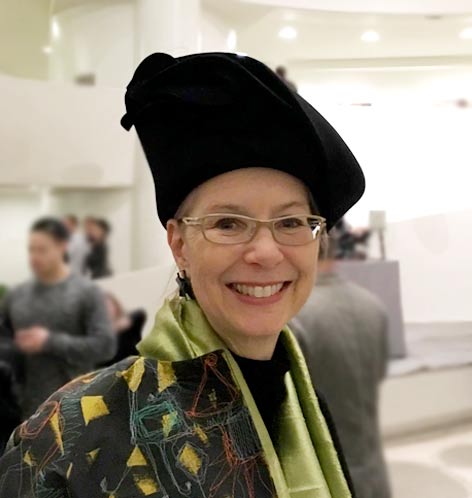
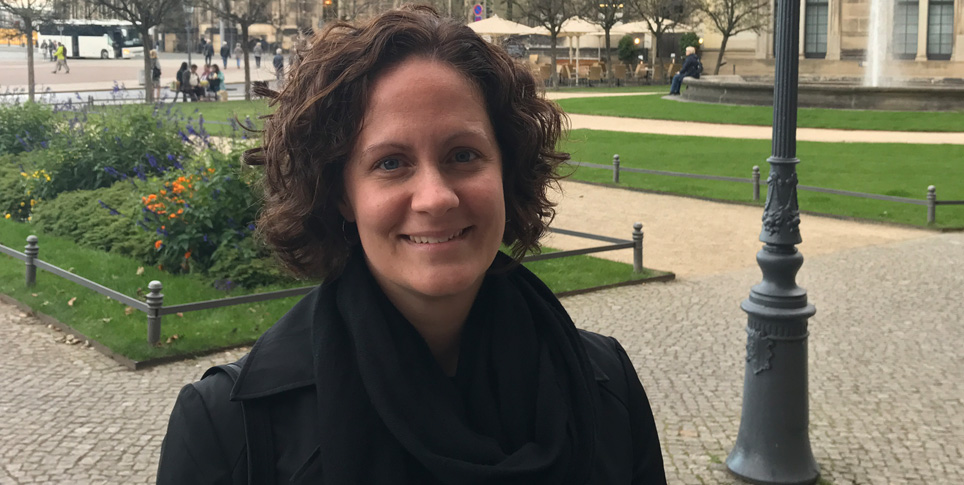
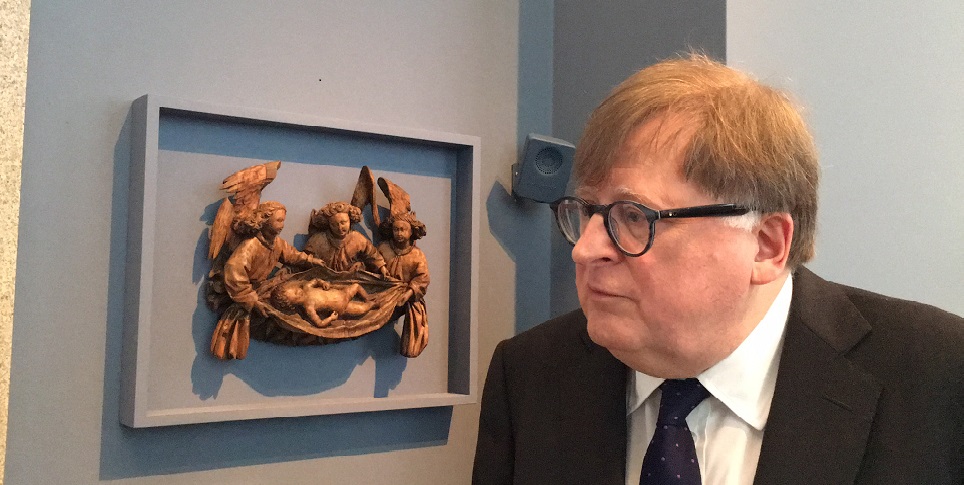
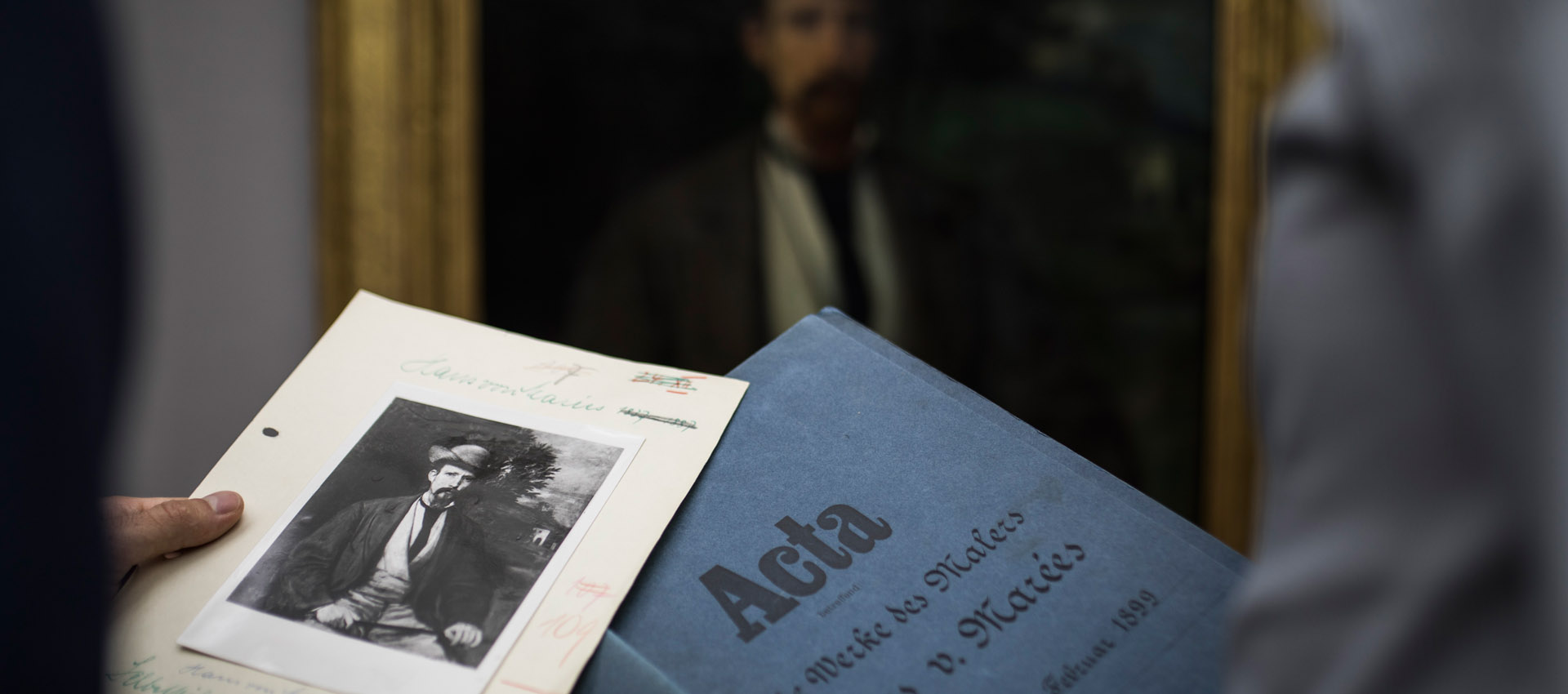
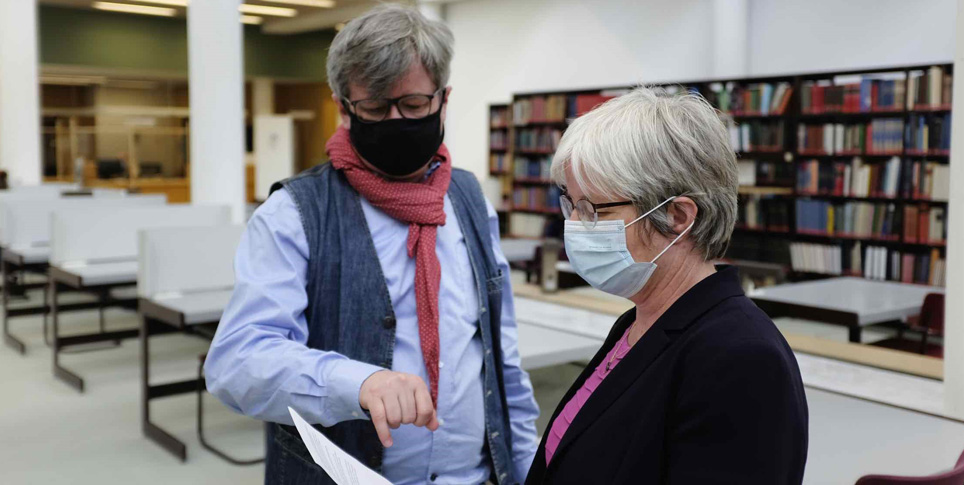
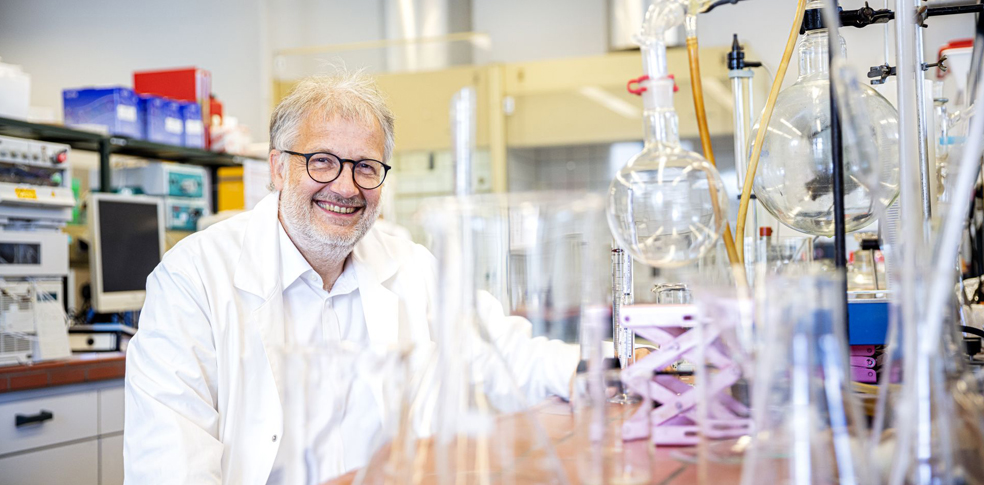
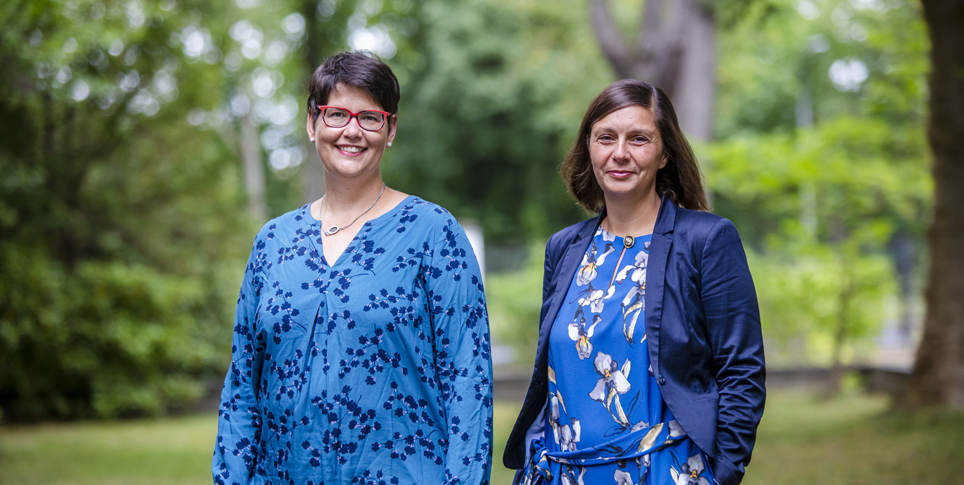
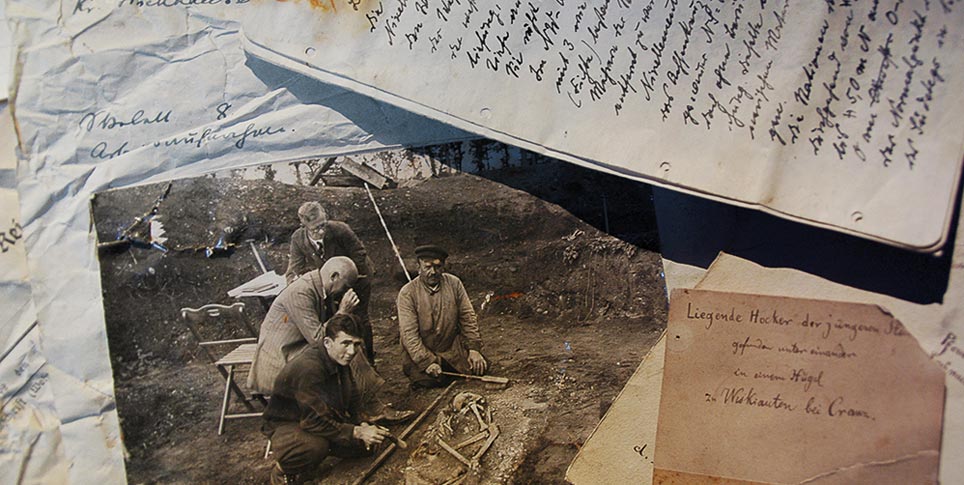
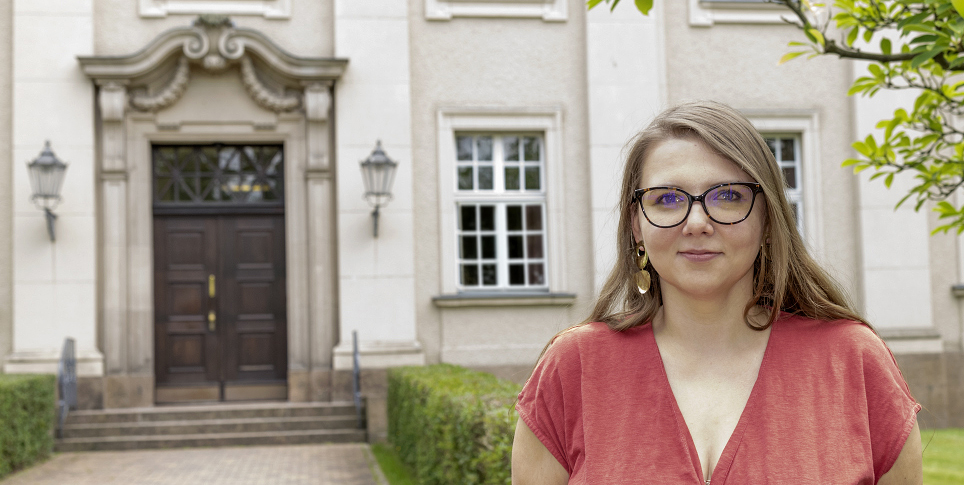
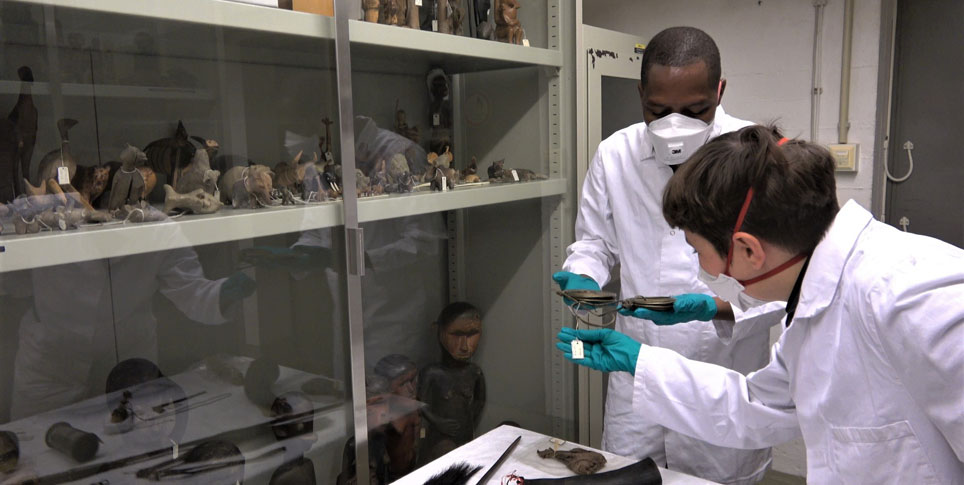
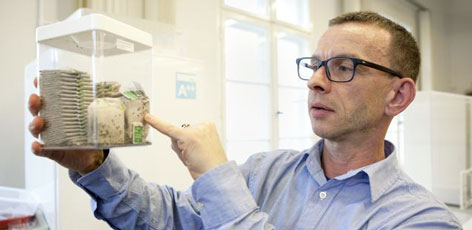
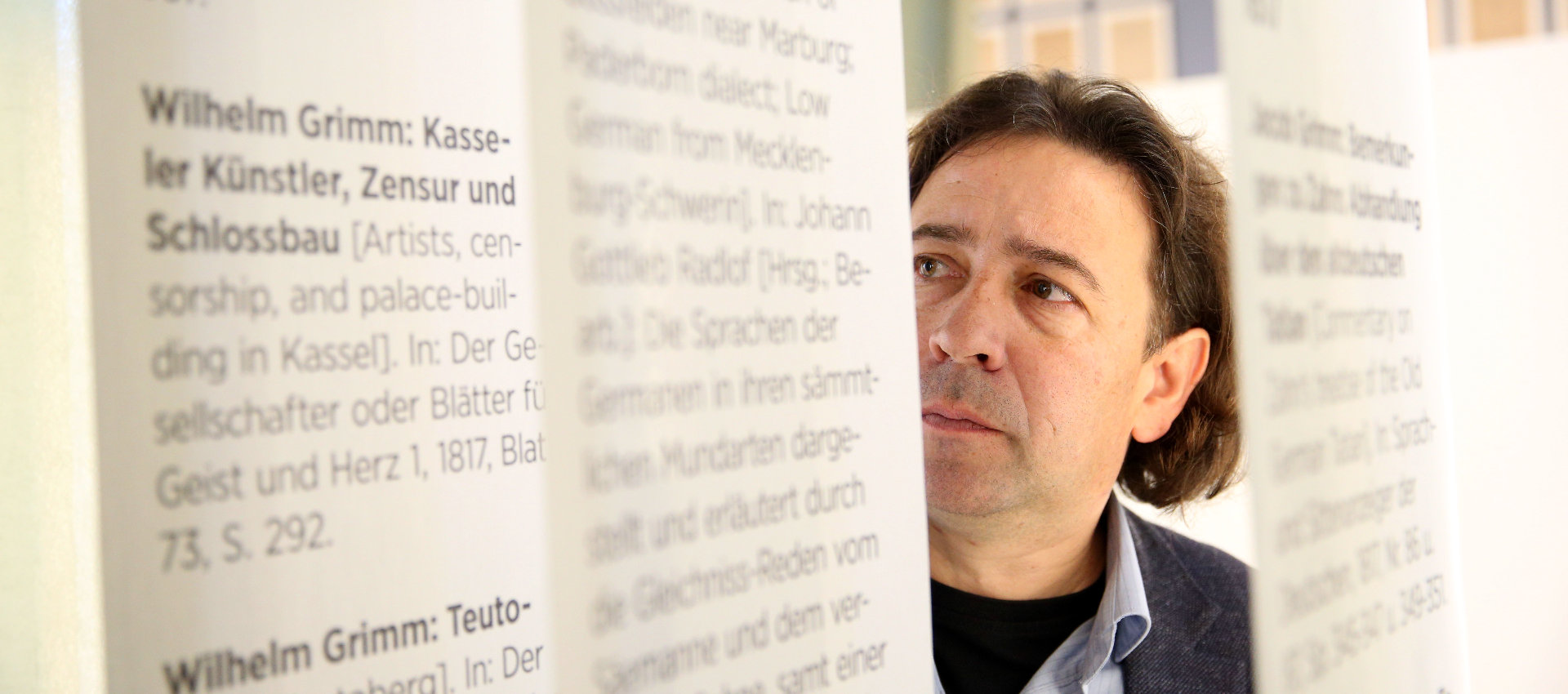
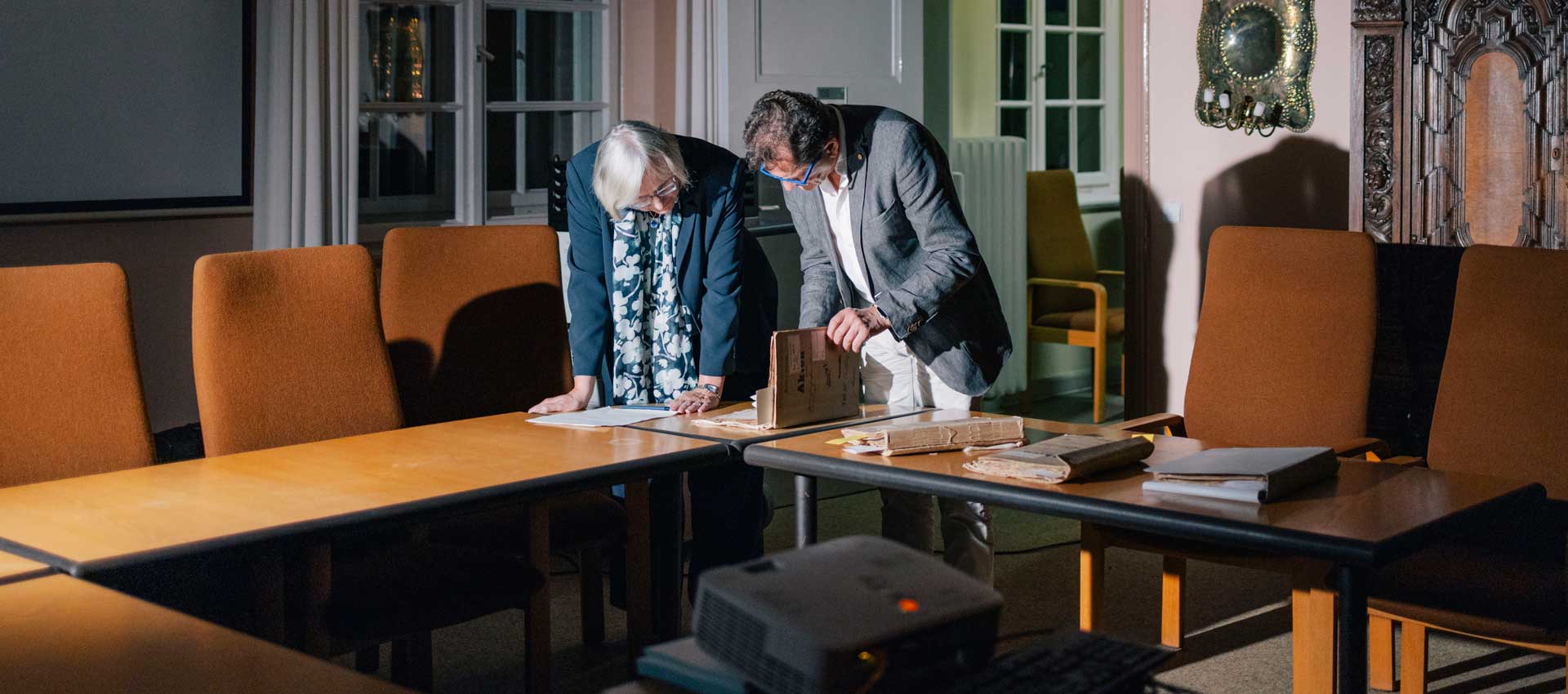
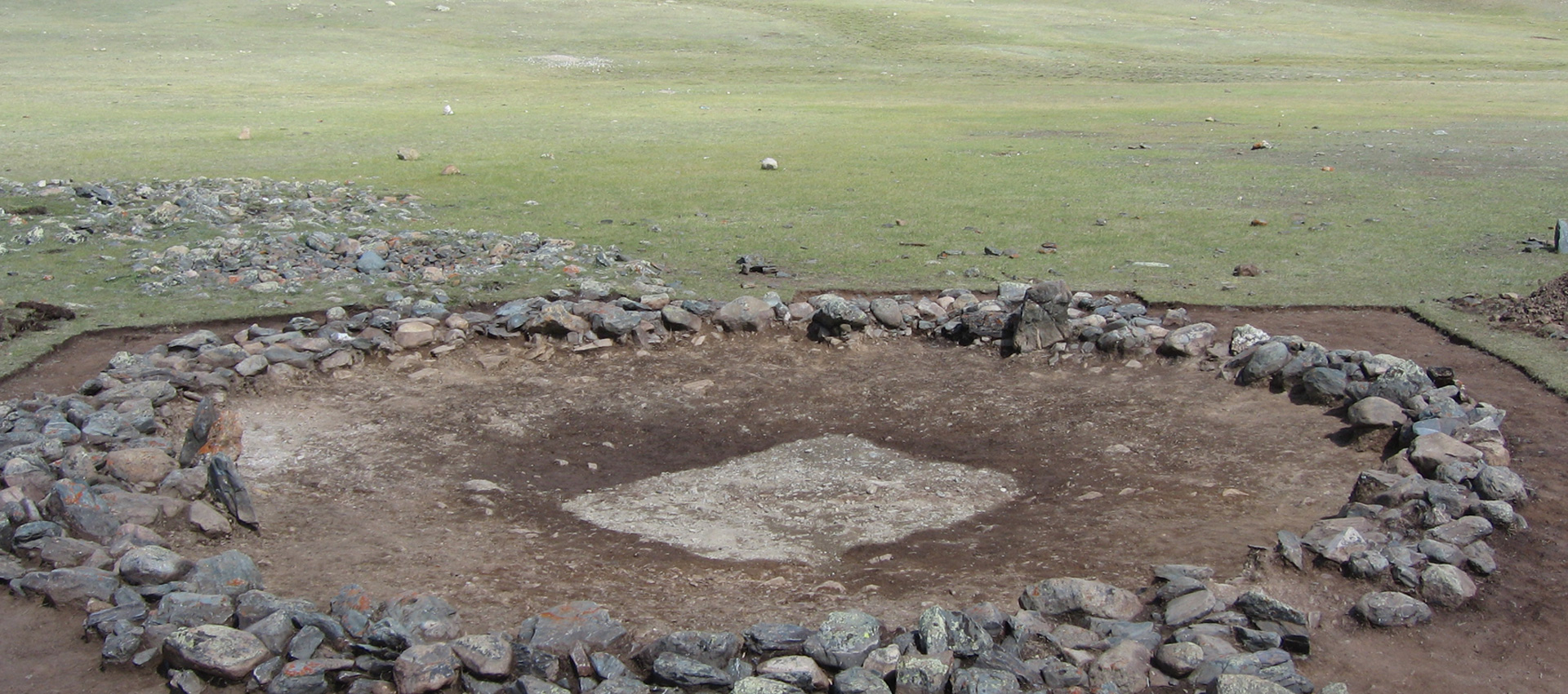
Matthias Thaden has been working at the Museum of European Cultures (MEK) since 2021. As a research assistant, his work focuses, among other things, on the everyday and cultural history of Eastern and South-Eastern Europe, and he conducts research into the provenance of the relevant photographic and artefact collections. This includes the Küppers Collection – one of the MEK’s largest coherent collections and, at the same time, one of the largest collections on the everyday and cultural history of this region. It was compiled between 1935 and 1939 by the journalist Gustav Adolf Küppers. Thaden is investigating the conditions of origin and acquisition, as well as the ideological context of this collection.
Who exactly was Gustav Adolf Küppers, and what does his collection contain? And why is it of interest to researchers?
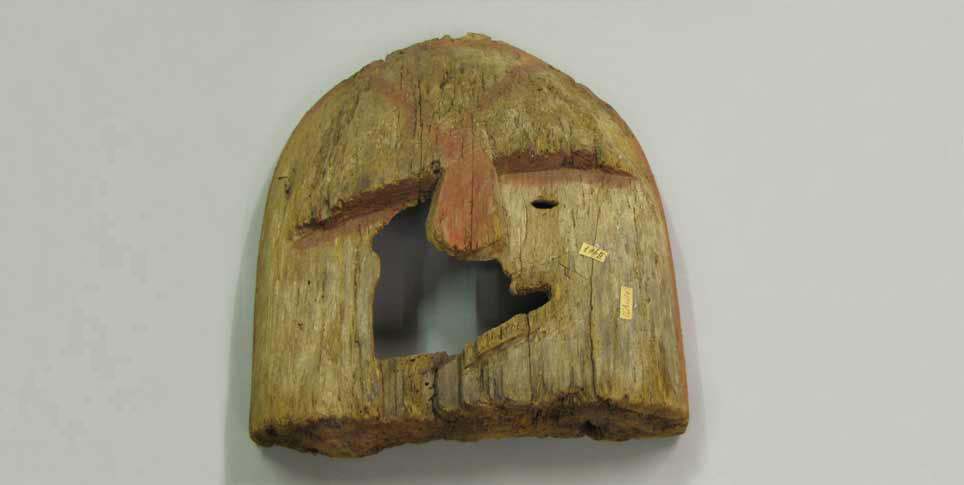
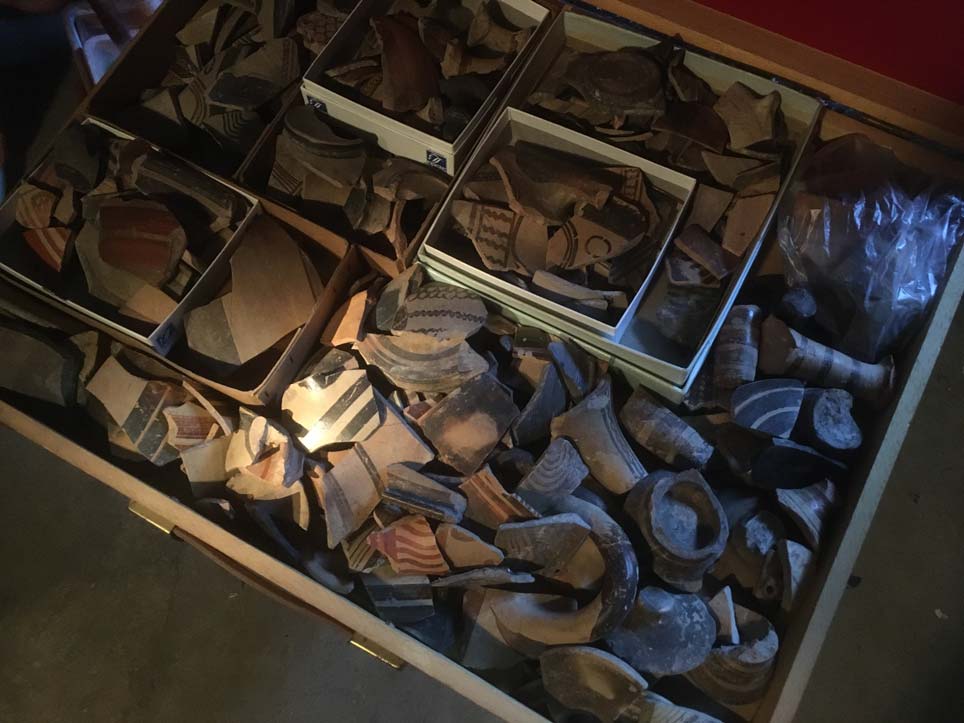
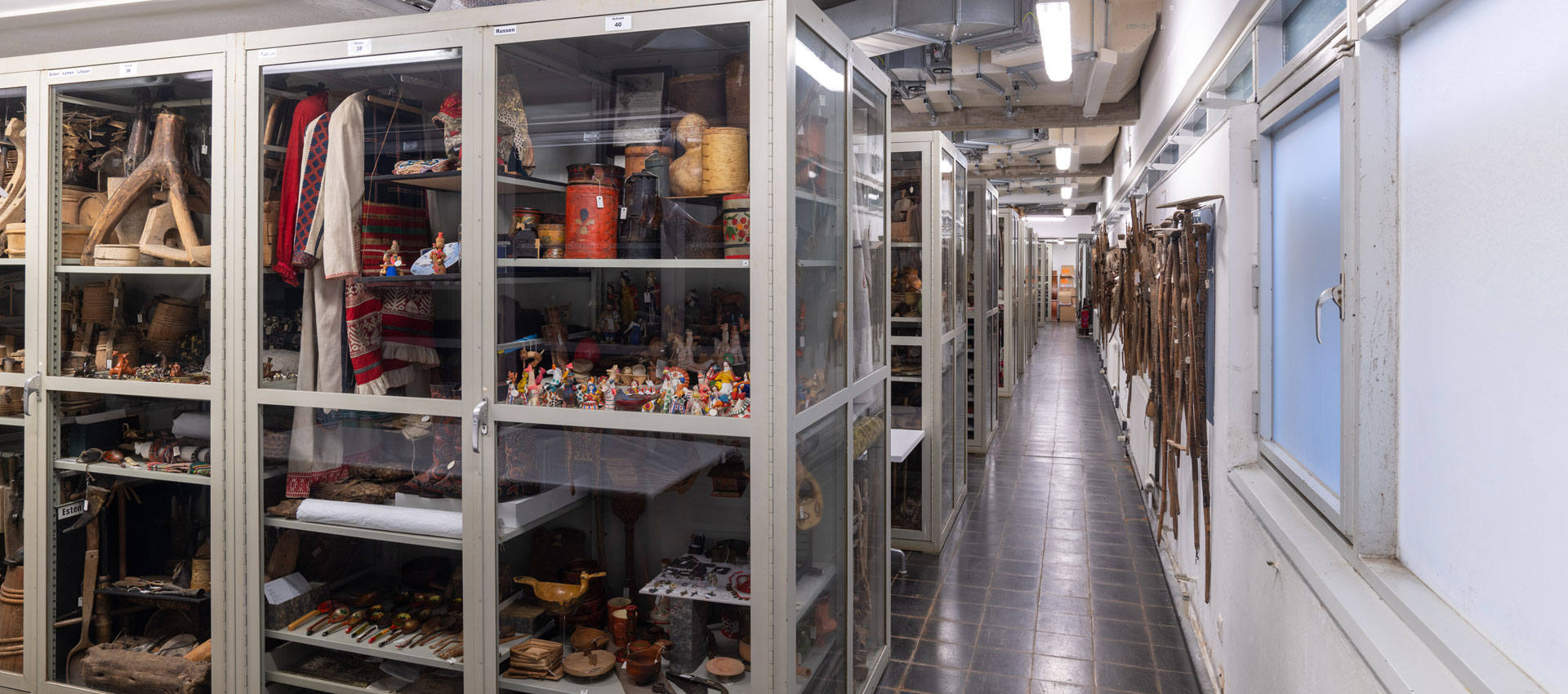
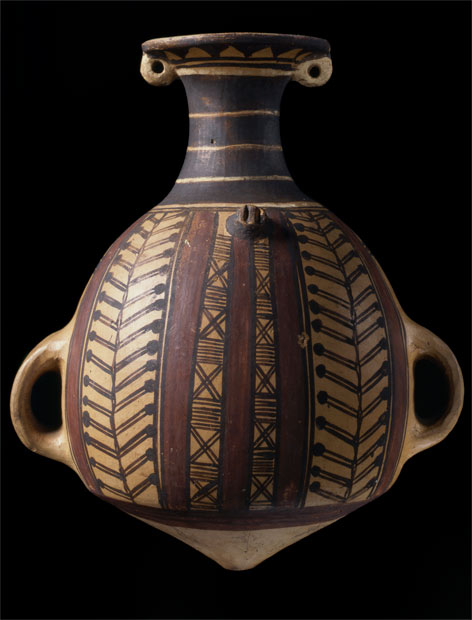
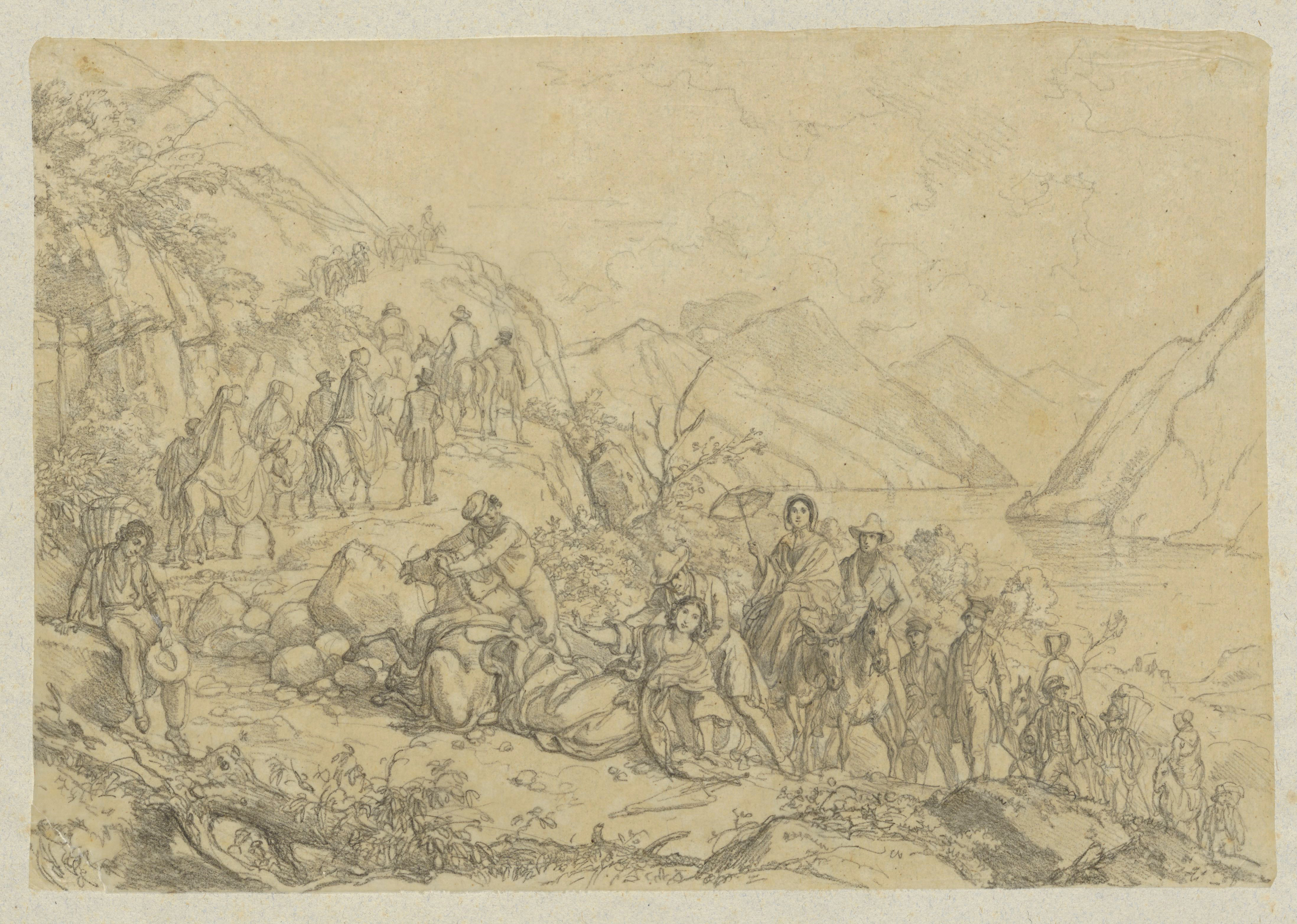
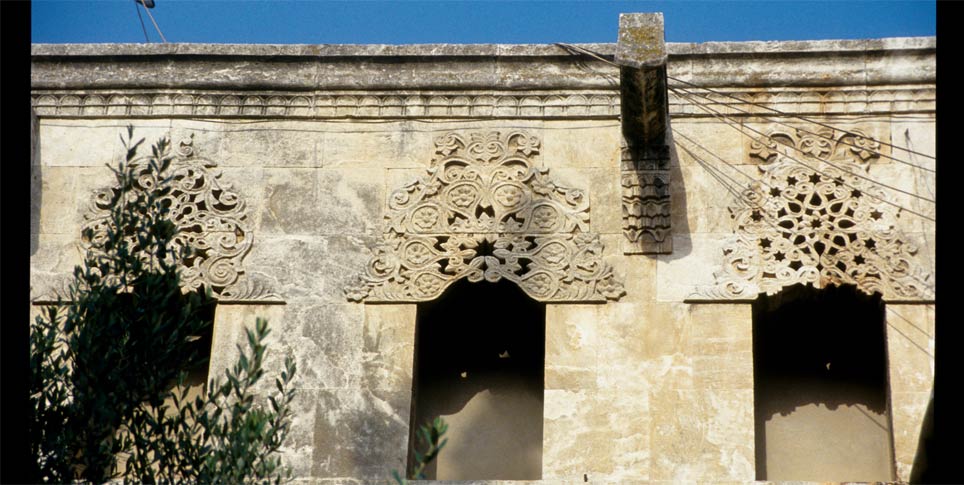
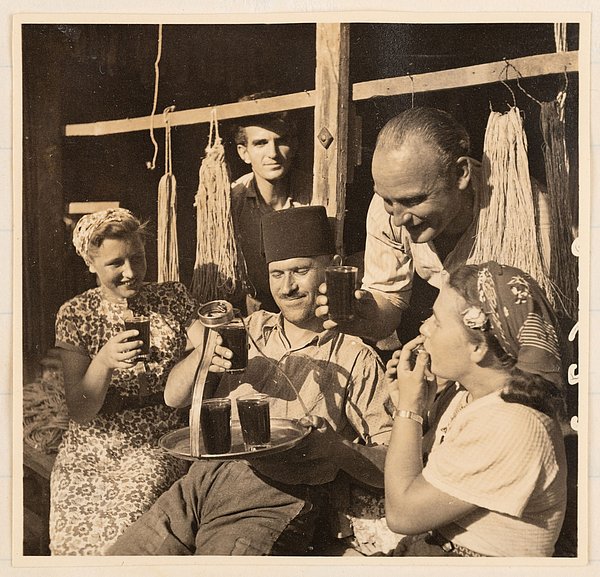
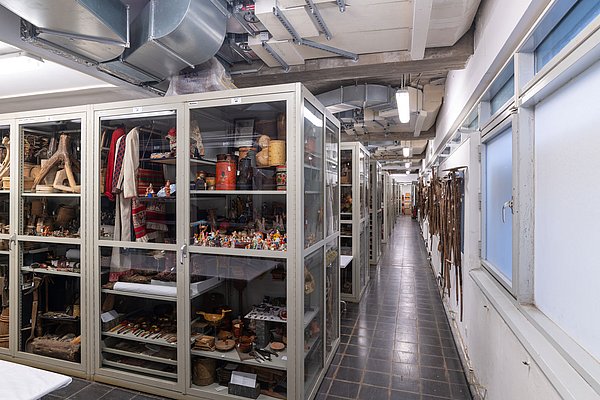
The collection assembled by Gustav-Adolf Küppers comprises over 3,600 objects and around 2,000 photographs. It was compiled between 1935 and 1939 during five journeys through South-Eastern Europe, primarily between Hungary and what is now North Macedonia. It mainly features items from rural daily life such as textiles, ploughs, pottery, beehives and cooking utensils. Today, the collection is one of the largest holdings of the Museum of European Cultures and forms the core of its Balkan collection.
Küppers was a journalist and photographer who attempted an academic career and, after 1945, made a name for himself as a Jerusalem artichoke grower. In between lay his years as a travelling collector. As a war invalid, he travelled by car, always with the aim of securing everyday cultural artefacts for the Berlin Museum of Ethnology and its ‘Eurasia’ department. Some 60 years later, this department – now known as ‘Europe’ – became part of what is now the Museum of European Cultures.
In his collecting interests, Küppers followed the paradigm of ‘rescue ethnography’. At the same time, his worldview was deeply shaped by his roots in the youth and settlement movements of the interwar period, but also by a certain affinity with the völkisch milieu. In this respect, the collection also illustrates the notions of the ‘Balkans’ that guided Küppers and the museum: Items were preserved that were regarded as expressions of a supposedly untouched rural and thus ‘authentic’ culture, whilst mechanisation, urbanisation or migration are scarcely documented. This reveals the selective perspective of ethnographic museums. Engaging with the collection also means exposing these conditions – a central task of collection research.
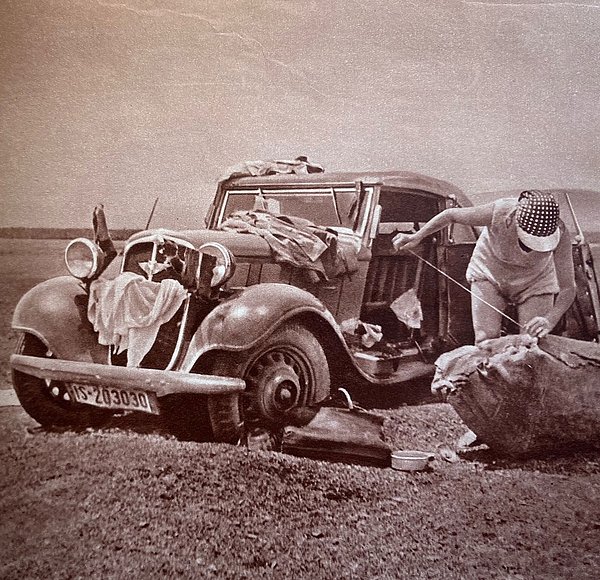
Küppers acquired his collection between 1935 and 1939, at a time when a fascist view of humanity prevailed in Germany. To what extent are Nazi ideology or colonial perspectives reflected in the Küppers collection?
The collection shows very clearly how strongly the 1930s influenced Küppers’ work – albeit in different ways. In the objects themselves, we see above all the so-called ‘rescue paradigm’: the idea of preserving ‘indigenous’ cultures from disappearing due to modernity and industrialisation. This was exoticising, because the Balkans were constructed as a ‘primitive remnant’ in contrast to the ‘developed West’, but it was not a genuinely Nazi pattern; rather, it was part of the development of ethnological and anthropological knowledge since the late 19th century.
Things become particularly interesting when we examine Küppers’ own behaviour. Here it becomes clear that he certainly attempted to curry favour with the Nazis through his work – whether through publications in Nazi journals, the adoption of völkisch-racist rhetoric in applications for funding, or through opportunistic strategies to secure money for his travels. Although he was not a party member and expressed himself quite ambivalently elsewhere, his behaviour was clearly aimed at profiting from the system. This is most evident in his collaboration with the Kaiser Wilhelm Institute for Anthropology, Human Heredity and Eugenics, where he produced standardised photographs and fingerprints. In doing so, he deliberately positioned himself within a milieu that combined ethnographic research with Nazi racial ideology and Greater German expansionist fantasies.
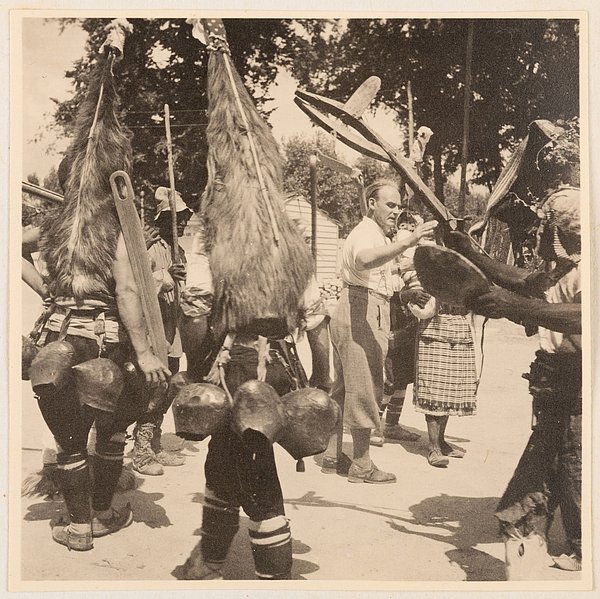
Are there differences in how the provenance of objects from Eastern and South-Eastern Europe is addressed – compared to objects from clearly colonial contexts such as Africa?
In my view, a direct comparison between collections from Eastern and South-Eastern Europe and those from clearly colonial contexts does not go very far: colonial rule on the one hand and German war and occupation policies on the other pursued different interests and also differed in the form and extent of the exercise of violence and power.
For the interwar period, however, the question arises in a different light. Particularly in the context of museum collecting, one must consider structural frameworks and concrete practices together. The most obvious difference from colonial collections: South-Eastern Europe consisted of sovereign nation states. And Küppers experienced this first-hand on his travels: He was subjected to checks, was at times barred from carrying out his work, had to hand over films, and encountered seizures at customs. On occasion, he was not permitted to export objects and had to make do with plaster casts. At the same time, he operated within a broader political network: the region was heavily dependent on Germany economically, and the Nazi regime was striving for a hegemonic role in Europe. Correspondence with museums in Bulgaria, Slovakia and Poland shows that there was an interest in being represented in Berlin. Added to this were local German minorities and the strong influence of the Habsburg Empire; many museum directors were German-speaking and had been educated in Central Europe – so in this respect, Küppers was certainly operating within a postcolonial context.
In everyday life, however, Küppers was dependent on local circumstances: at local markets, the traders decided what was sold and at what price. Their asking prices often exceeded Küppers’ budget. In the villages, many were also unwilling to sell him objects of symbolic and emotional significance. The travel diaries, some of which have survived, also show that some deliberately staged ‘authenticity’ in an attempt to increase the material value of the items. Thus, the collection emerged from a network of asymmetrical, yet not entirely one-sided, relationships.
To this day, this ambivalence is evident in how the collection is received: there have been no demands for restitution, not least because of the strong museum infrastructure in South-Eastern Europe and an awareness of the complex historical circumstances.
Research QUESTIONS
How do you actually restore paper? How do you recognise whether a painting is genuine? And how do you play Beethoven properly? With the Research QUESTIONS, we give you the opportunity to ask us your questions. In each issue of the research newsletter, a researcher from the SPK answers selected questions from the community on a specific topic.
How can problematic collections be presented in a meaningful and ethical way, taking into account the full range of their significance?
For me, presenting problematic collections in a meaningful way means, first and foremost, conducting serious research into the collection and provenance. Without this foundation, any exhibition remains superficial. It is important that the findings do not simply disappear into some obscure corner, but are actively incorporated into exhibitions. The context of acquisition is part of the objects’ history – and should be displayed as such.
Museums that traditionally focus on everyday culture have a particular opportunity here. A pot is rarely just a pot. It can serve as a starting point for reflecting on the realities of rural life, economic structures, but also on the museum itself – on its interests, its gaps and the selectivity of its perspective. In my view, when museums adopt this reflective approach, it strengthens their credibility. Transparency and self-criticism make it clear that collections are always more than mere objects: they are also testimonies to the conditions under which they were acquired. And this is precisely where an opportunity lies to open up new perspectives for visitors.
Matthias Thaden
Transparency and self-criticism make it clear that collections are always more than mere objects: they are also a testament to the circumstances under which they were acquired.
The Museum of European Cultures
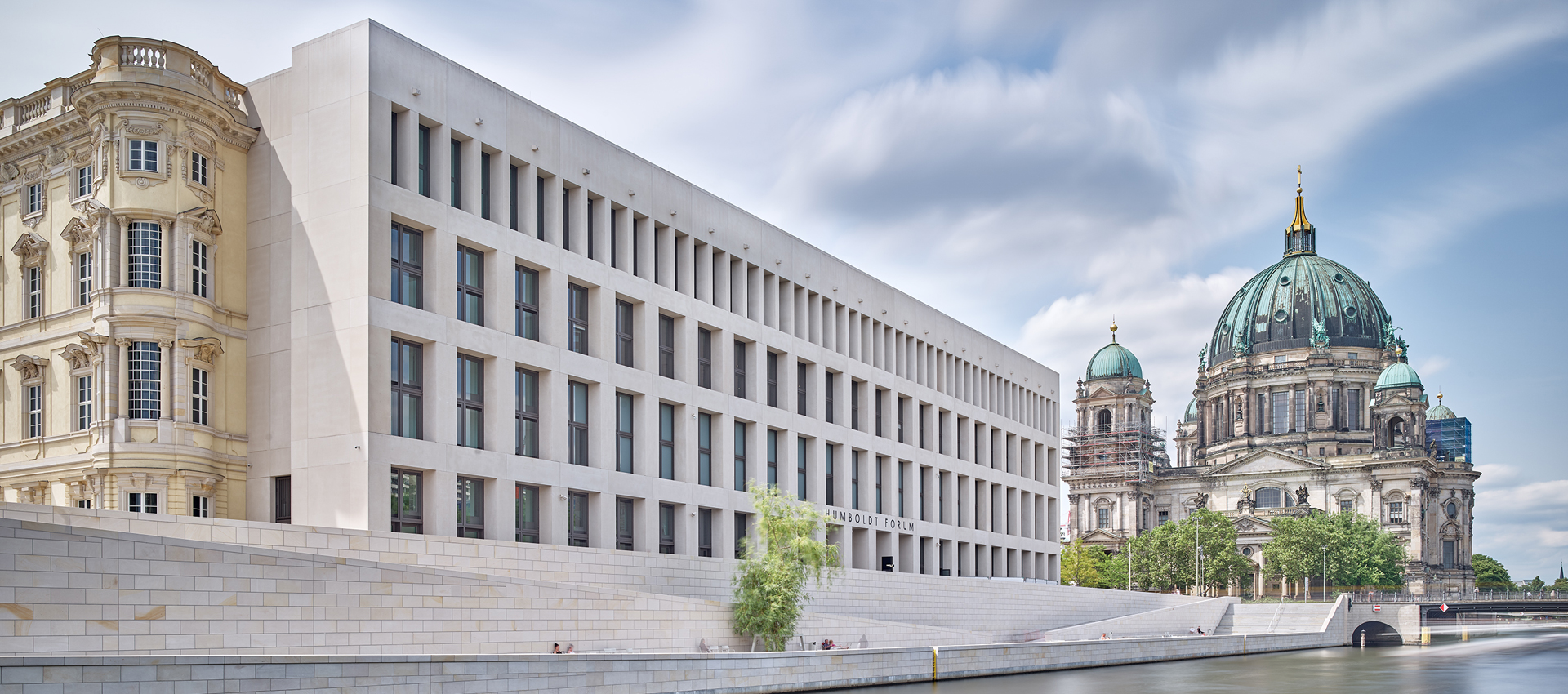
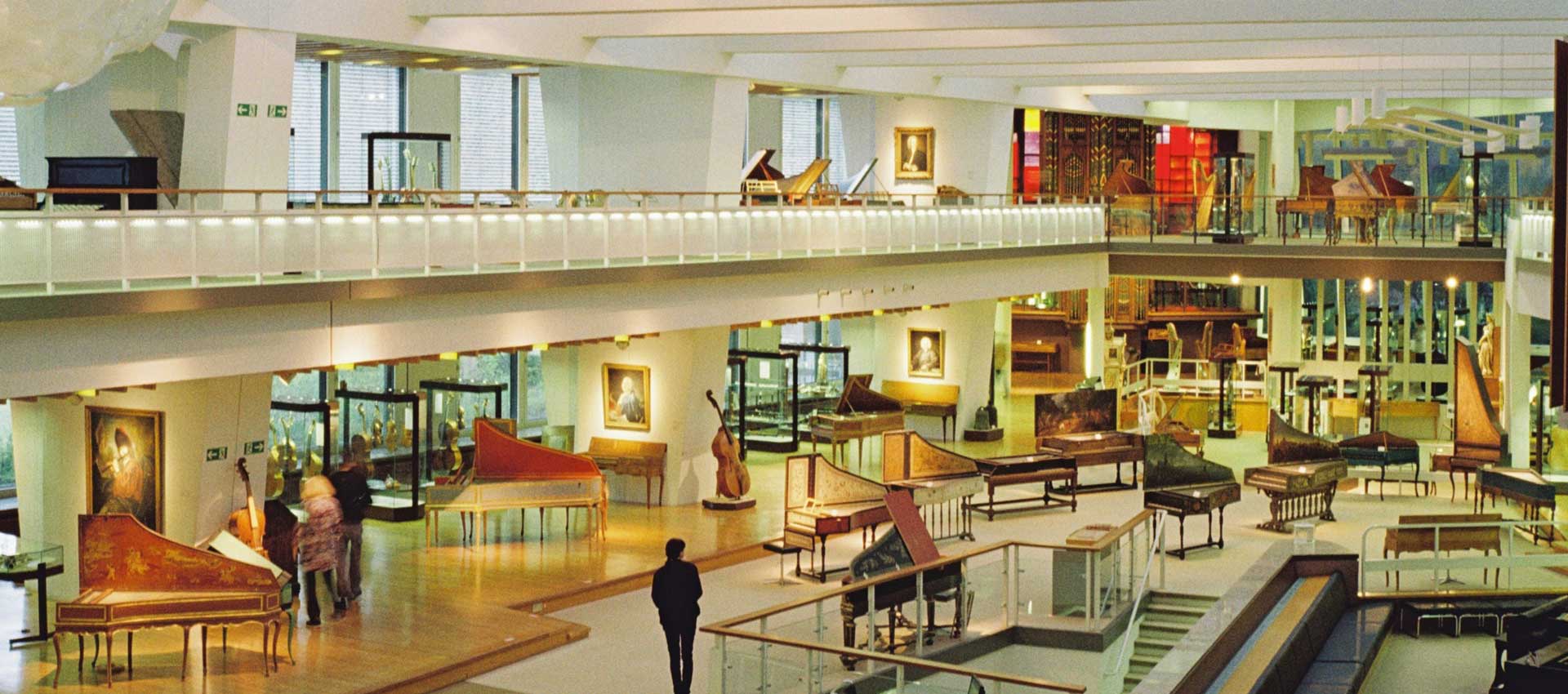
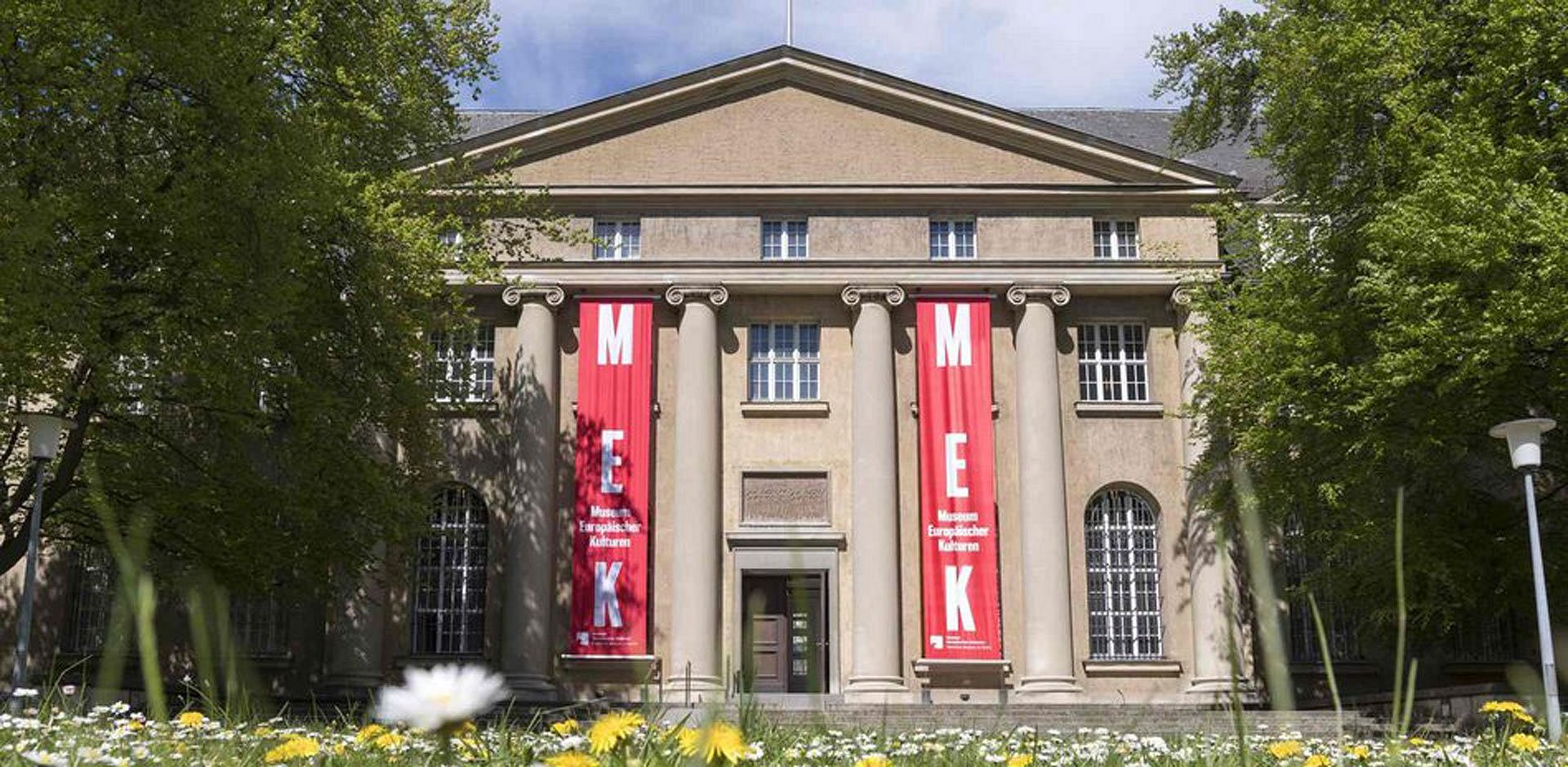
Everyday life and living environments in Europe from the 18th century to the present day – this is the focus of the Museum of European Cultures (MEK). Through its exhibitions, it challenges established boundaries and promotes encounters and exchange. With over 285,000 objects, the MEK also boasts one of the largest cultural-historical collections in Europe and links it to current themes and issues. In doing so, it works closely with interest groups and cultural heritage communities.
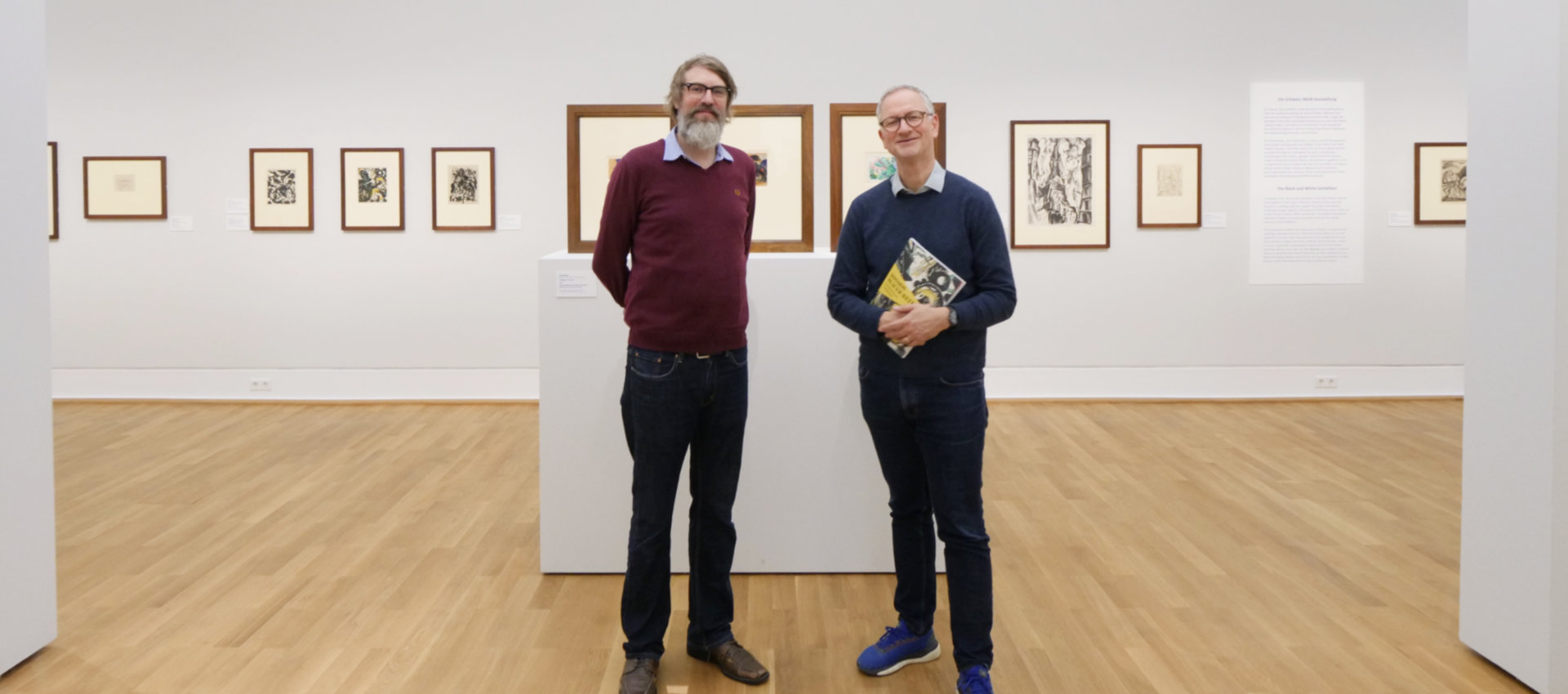
Photo: SMB, Museum of European Cultures / Christian Krug