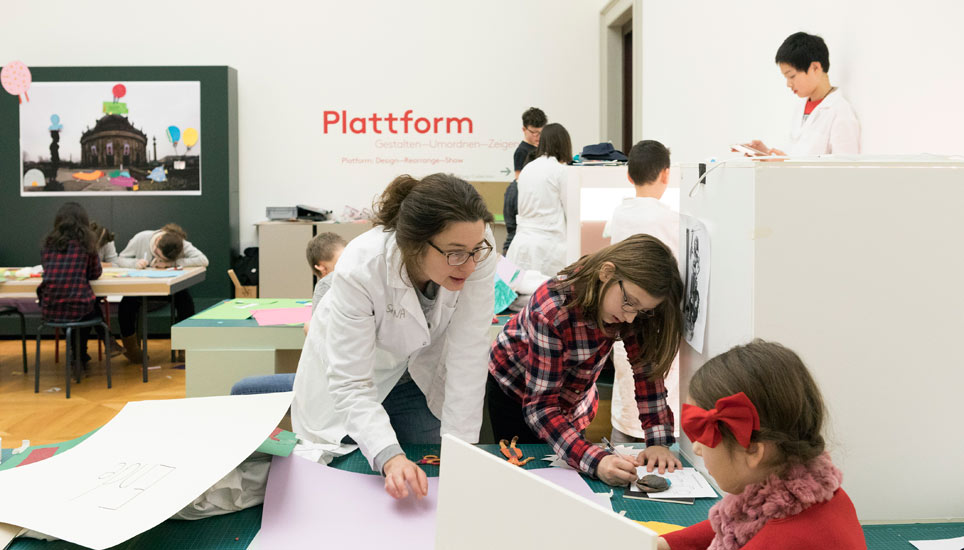
The relevance of cultural institutions today is measured by the opportunities for participation they offer: access to cultural heritage, co-creation, engagement – how can the digital realm, which is participatory by its very nature, be harnessed to create participatory educational programmes?
Enabling digital participation is one of the most pressing tasks facing cultural institutions – particularly against the backdrop of the pandemic. In 2021, as part of its project work within the museum4punkt0 network, the SPK is focusing on the possibilities, challenges and opportunities of digital participation.
The SPK steering team of museum4punkt0 aims to provide tailored offerings so that as many institutions as possible can benefit from the expertise pooled within the network. The central tool is the event series “museum4punkt0 | impulse”. The extremely well-attended digital kick-off event “Digital Participation! But how?” in January 2021 met with a strong response and provided an initial overview of the current needs. The team was able to take away many questions and requests to explore the possibilities of digital participation in greater detail in subsequent events, together with experts and cultural practitioners from a wide variety of fields.
Urgent: digital participation in cultural heritage
Discussions on practical experiences – both within the network and far beyond – have confirmed the urgency of the issue of digital participation. Participation in the cultural heritage offered by cultural institutions is seen as crucial to their relevance today. Digital platforms are ideally suited to participation in cultural heritage, as they are participatory by nature: Communication on social media thrives on generating and sharing content. At a time when venues are closed due to the pandemic, digital access is, moreover, the only route leading to museums, archives, libraries and other cultural institutions. Participation in the sense of a genuine offer of self-determined co-creation demands a great deal from institutions, which in turn can benefit immensely from co-creation.
But how do digital participation initiatives work in practice? How can a participation initiative tailored to the target group and institution be designed and implemented? The SPK team at museum4punkt0 sees its event series museum4punkt0 | impulse as a forum for productive exchange: sharing knowledge to jointly expand the possibilities of digital participation in our cultural heritage and, in particular, to support smaller institutions on their journey towards digitalisation.
Digital participation! But how? museum4punkt0 | impulse
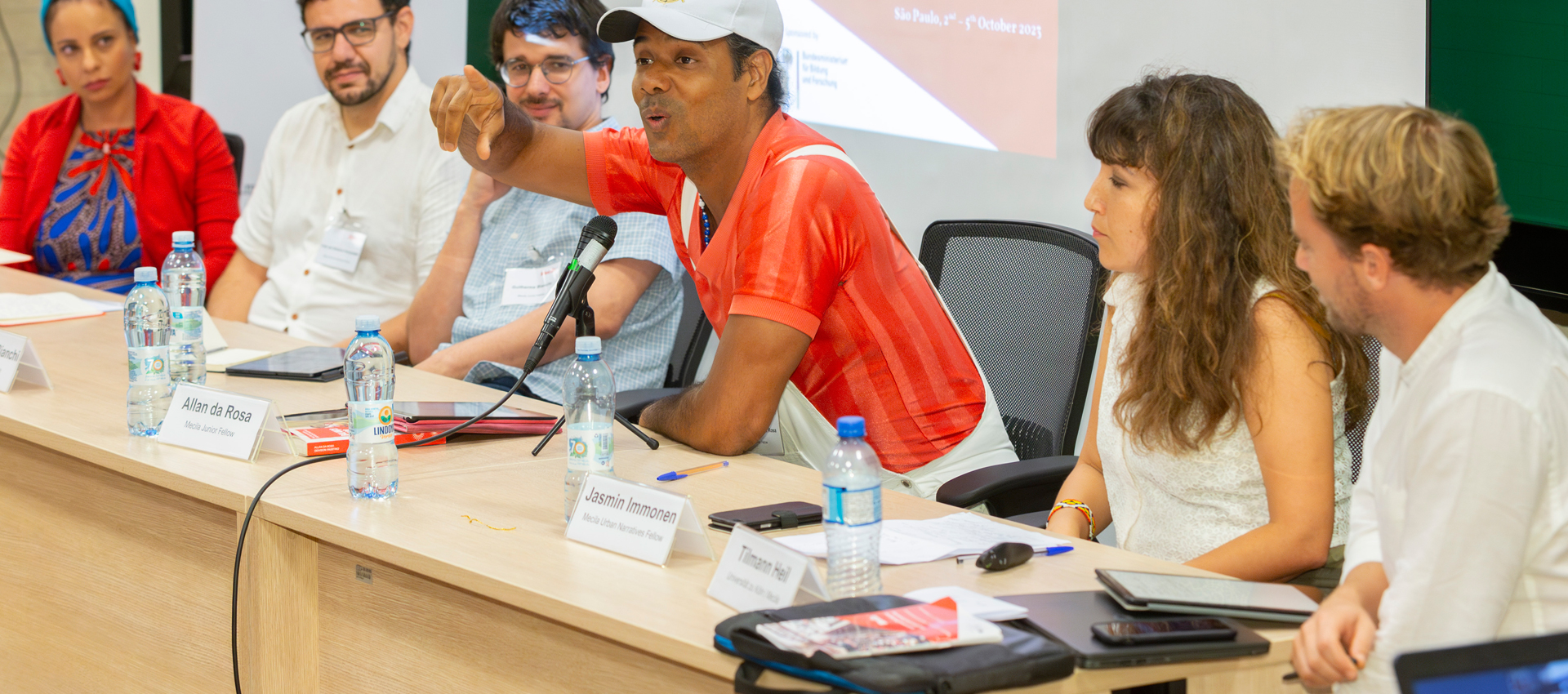
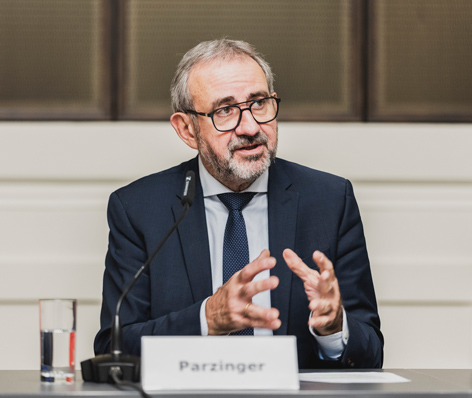
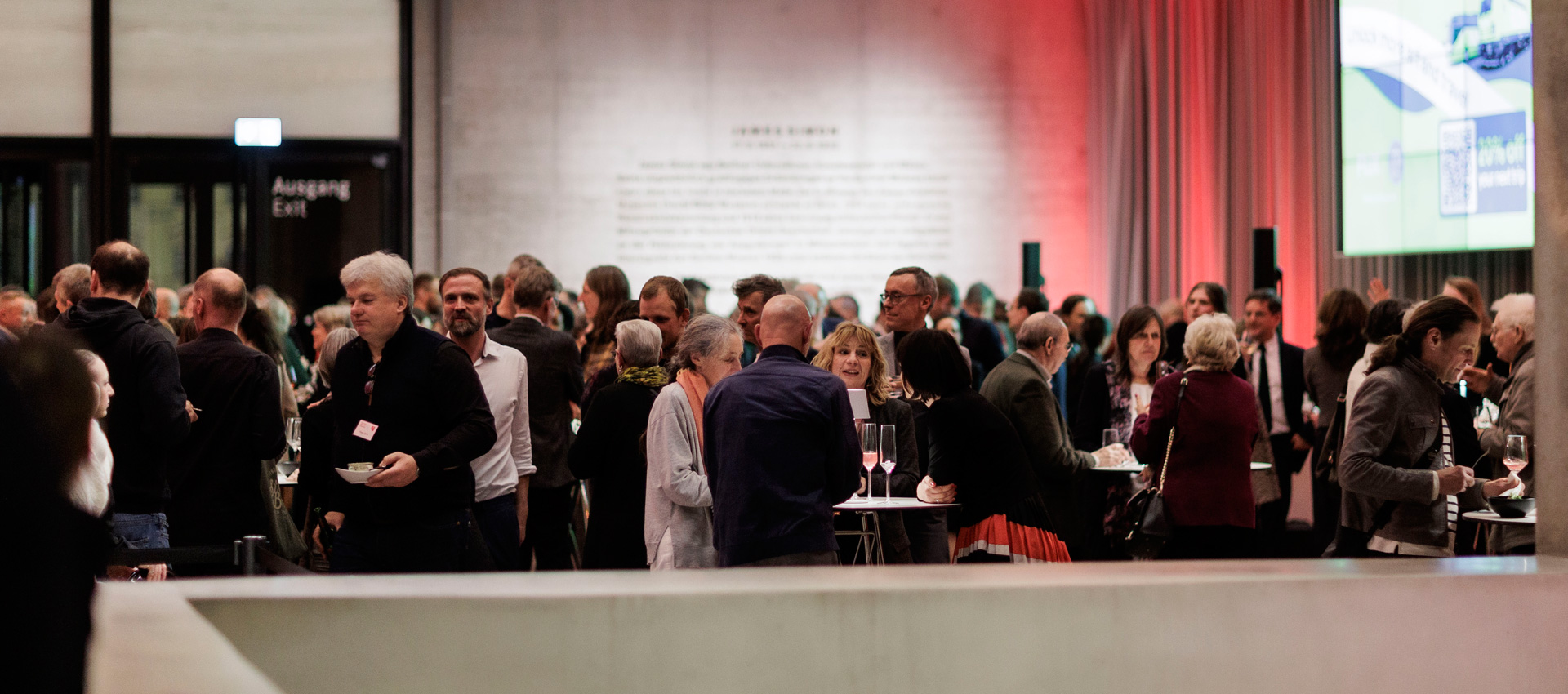
“Extremely enriching”! 170 cultural practitioners share practical experiences, ideas and aspirations. The high number of consistent participants and the positive response to the launch event in January 2021 have confirmed, with surprising clarity, the cross-sectoral interest in the topic of digital participation. Aspects of the topic were explored through expert presentations and moderated discussions with participants, needs were identified, and questions regarding practical implementation were formulated. To examine the topic as comprehensively as possible, the fishbowl discussion format was adapted for the digital space. By switching on their cameras, participants were able to contribute to the discussion. Comments from the chat were picked up by the moderator and also taken into account by the experts. In addition, a detailed recap on the museum4punkt0 blog captures this enriching event.
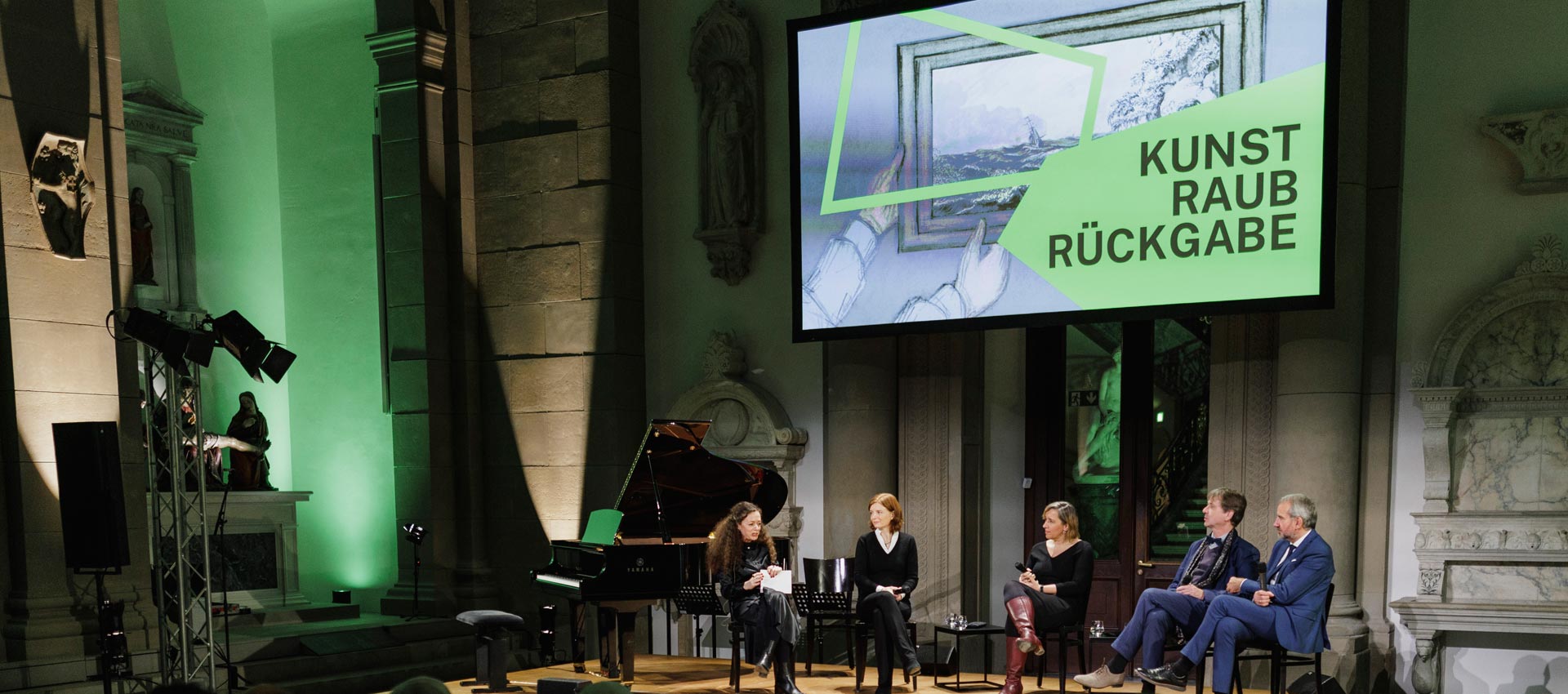
Digital participation? Like this, for example! Experts on the topic
If we view the museum as a space for the public and for social discourse, then participation is a promising and highly rewarding way to engage in dialogue with the public, to develop and learn as an institution, to become more diverse and inclusive, and to become and remain relevant.


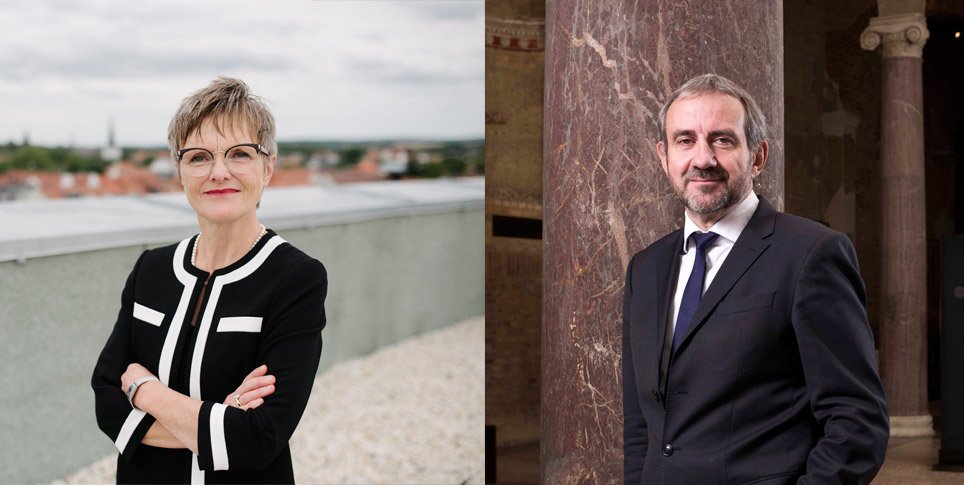
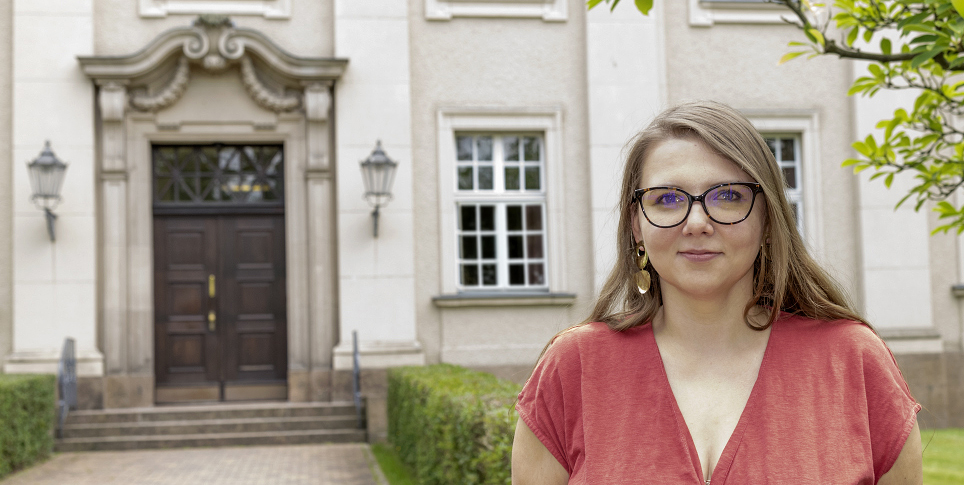
In her keynote speech, Dr Silke Feldhoff defines participation as self-directed co-creation and co-authorship: users actively contribute their own content and share it. A genuine offer of participation is labour-intensive and therefore costly, and it requires time for conception and implementation. Above all, however, it requires a willingness to embrace radically changed working conditions: the readiness to share and relinquish interpretative authority has a structural impact within institutions. However, the effort involved in persuasion, openness and consensus-building is worthwhile, as numerous practical examples demonstrate. Cultural institutions benefit when they value external expertise and open up spaces so that visitors can become creators.
Who do we want to reach? Everyone, of course!
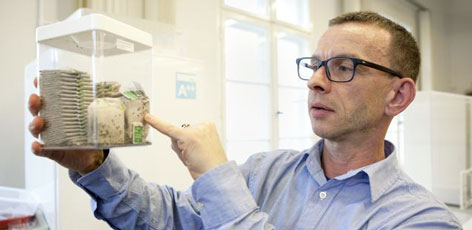
On the topic of citizen science in museums, Kristin Baber from the Senckenberg Museum of Natural History in Görlitz presents the ‘Bodentier hoch 4’ app: a digital participatory tool designed to promote citizen science, i.e. the involvement of non-experts in research. Soil animals find it somewhat harder to attract attention than cute pandas. Therefore, the first step is to spark interest in this habitat. The aim of the project is to promote citizen science through digital means and to offer an attractive, innovative approach to soil animals and research – for both laypeople and experts. The online portal, complete with an app, offers an accessible, interactive identification guide and in-depth information. Interest in the application has already been expressed from a wide range of quarters: in the interests of preserving soil diversity, the Association of Independent Bakers is promoting the soil animal portal on bread bags.
Collective knowledge is greater than that of individuals.
Christiane Lindner from the Badisches Landesmuseum in Karlsruhe and her team have launched a new project within the museum4punkt0 network that fits seamlessly into the museum’s concept: new ways of engaging with the collections, where visitors become active users – membership cards instead of admission tickets! In recent years, new digital formats have been jointly developed through several participatory processes, with the establishment of a 60-member citizens’ advisory board proving particularly successful. The new museum x.o project aims to bring the museum closer to the public in the digital space. The goal is a digital participatory platform that allows for rapid responses and facilitates dialogue with the museum as well as exchange amongst users. The platform is being developed as a user-centred framework. Experience shows that suitable frameworks can virtually maintain themselves and are a particularly successful form of participation: users do not need the museum to create content.
Opportunities and challenges of digital participation
“Just do it”! The experts have found it effective to launch small-scale projects as experiments and develop them through an open, participatory process with colleagues from different departments within a cultural institution. Often, it is through practical experience – and taking the plunge – that scepticism is overcome and unexpectedly enriching experiences are gained, for instance among curators. In a second step, projects can then be scaled up. The scarcity of resources is a major barrier, particularly for smaller institutions. Familiarity with digital outreach programmes, social media communication and participation cannot be taken for granted.
The development of digital skills and the promotion of digital solidarity are aspects of the field of digital participation that must be taken into account. Here, too, museums bear a responsibility. The user-centred development of applications can help to identify needs. A major opportunity offered by participatory initiatives is the long-term engagement of participants with the institution providing them. Furthermore, those who have actively helped shape the initiative often bring people from their personal circles to the museum: family, friends, neighbours. Participation can have a particular impact here in terms of reaching new target groups.
Many cultural institutions are fulfilling their responsibilities. They are aware that participation, in the sense of involvement and co-creation, ultimately determines their relevance in today’s world. Social relevance, in turn, is the best argument for political visibility, which influences issues of resource scarcity and targeted funding. The museum4punkt0 event once again confirmed how helpful it is – for institutions large and small – to exchange ideas on the possibilities of digital technologies for cultural institutions and to create synergies.
Share expertise, learn from practice, participate!
With its museum4punkt0 | impulse event series, relaunched in 2021, the SPK is fulfilling the funding objective of the joint project: to share knowledge. Practical experience, evaluation results, reusable applications, operational concepts – the full range of project outcomes is being shared with museums and other cultural institutions. However, the project work since 2017 has also demonstrated how valuable regular, interdisciplinary and cross-institutional exchange is within the ongoing working process. Since 2021, the partner institutions previously involved have been incorporated into the funding for museum4punkt0.
The SPK team regards the project extension, with new sub-projects within an expanded network and, not least, the impact of the pandemic, as a national priority: the aim of its project work is to enable as many cultural institutions as possible to participate. This also involves responding more precisely to needs and offering engaging formats for exchange.
Aspects relating to digital participation are being drawn from the feedback received at the launch of the event series, to be used as a basis for designing the subsequent public events. The museum4punkt0 blog provides ongoing coverage of developments in the field of digital participation. To reach a wider audience that can benefit from the network’s ideas, concepts, pilot projects and practical experience, the SPK team at museum4punkt0 shares updates on social media and offers a platform for discussion there.