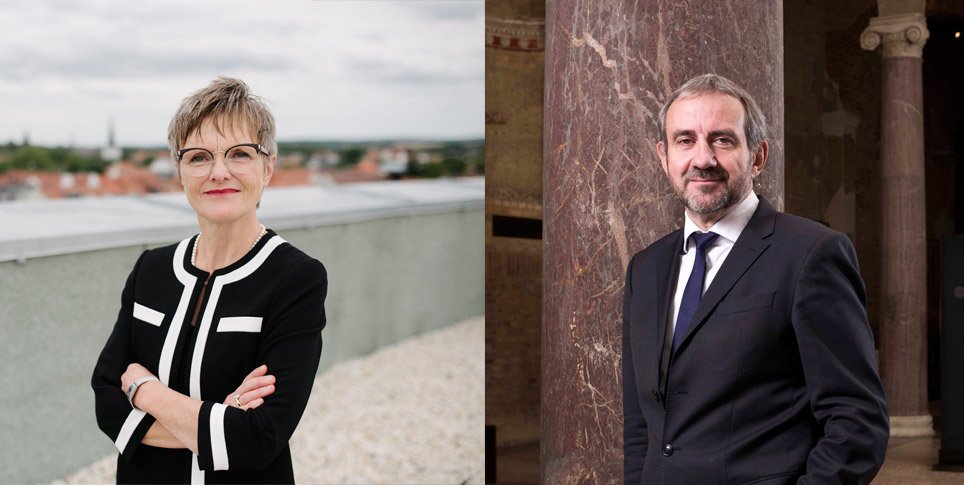
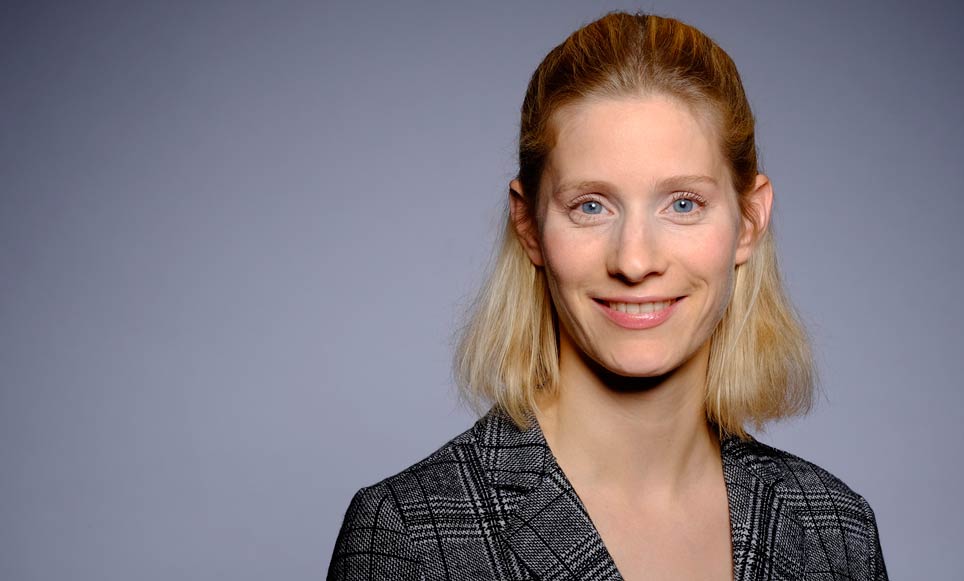
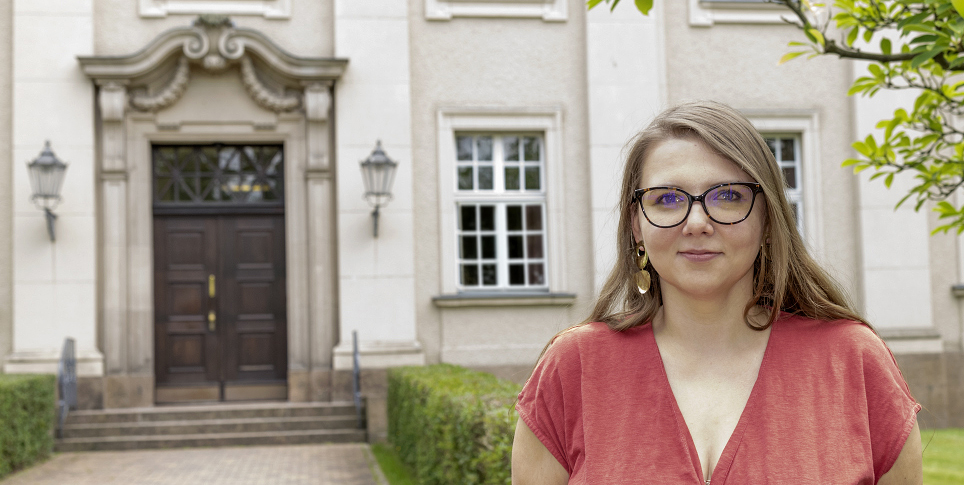
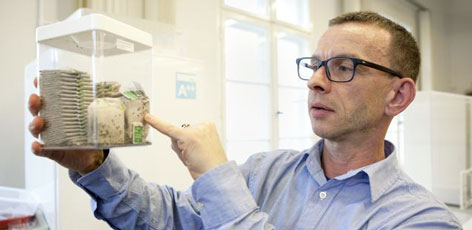
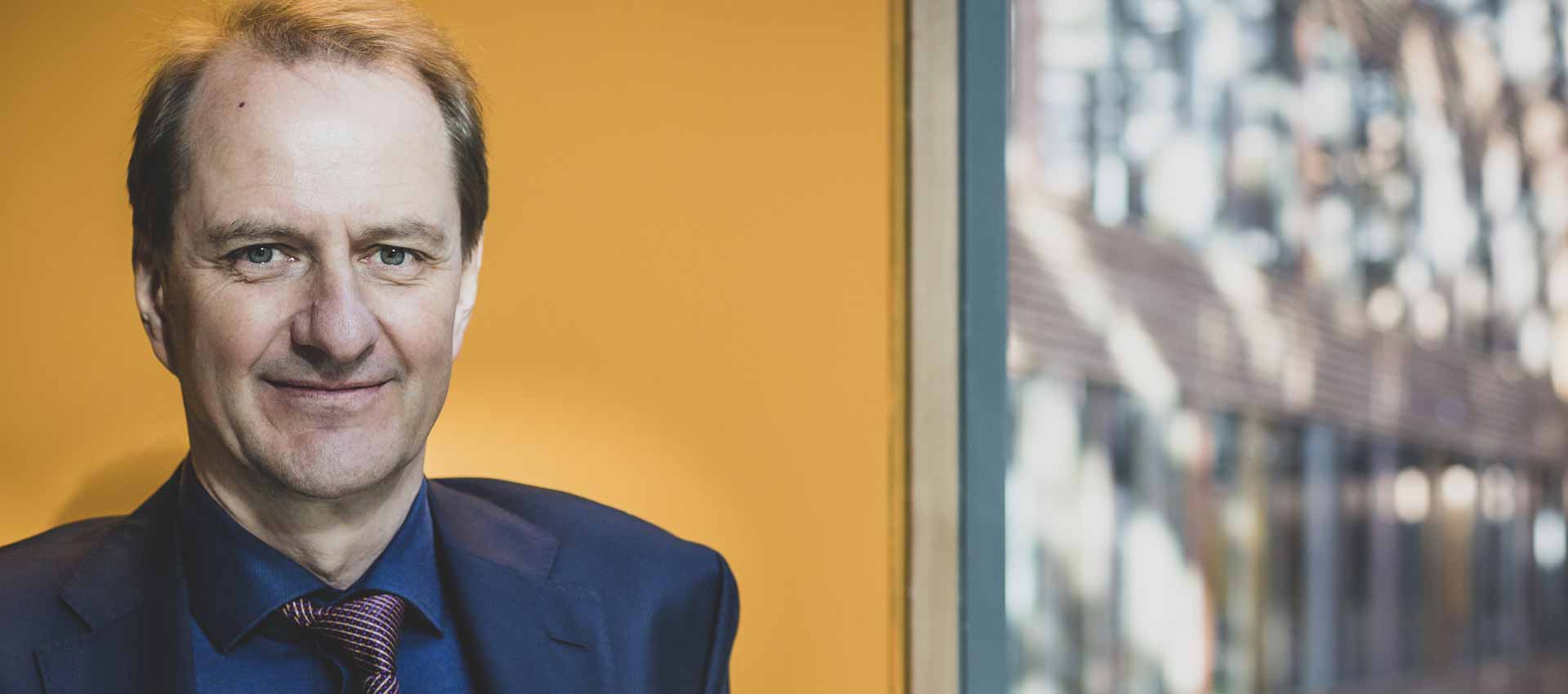
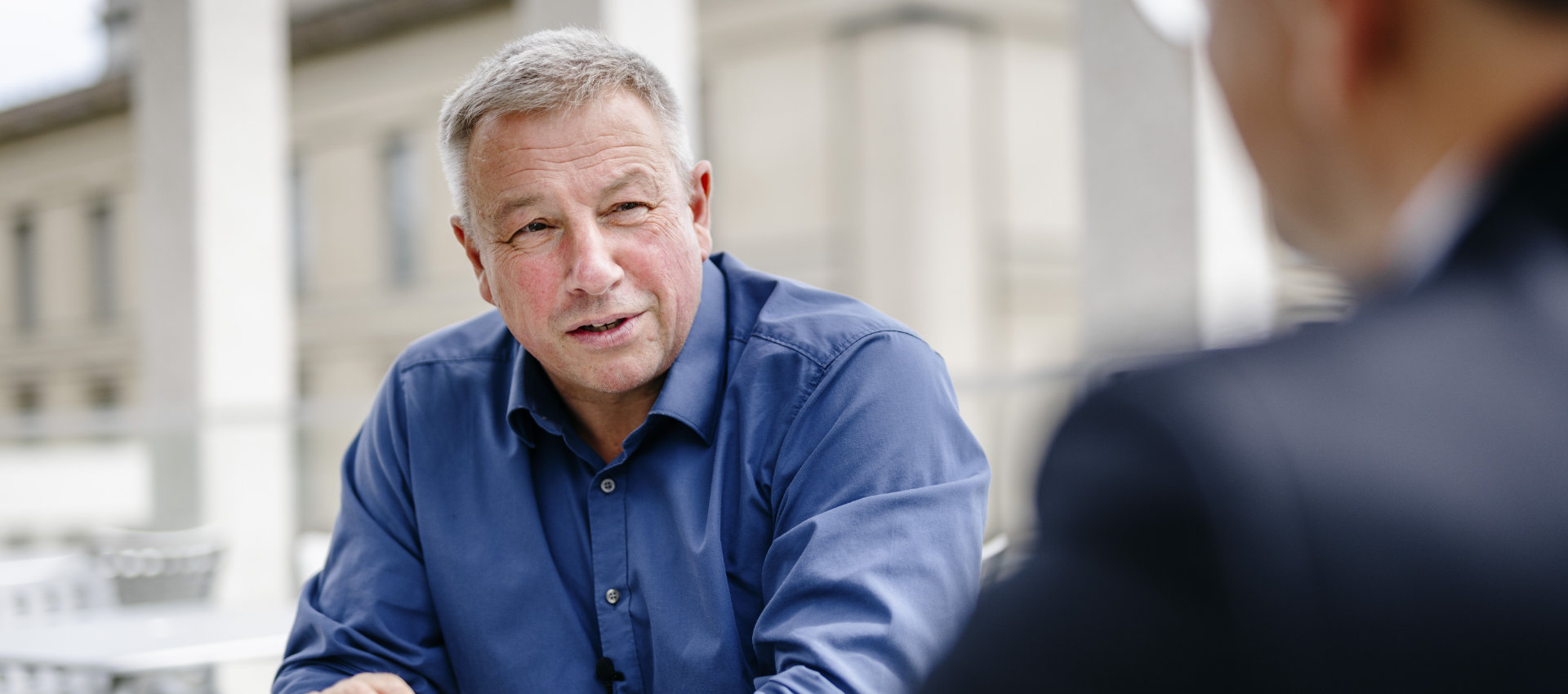
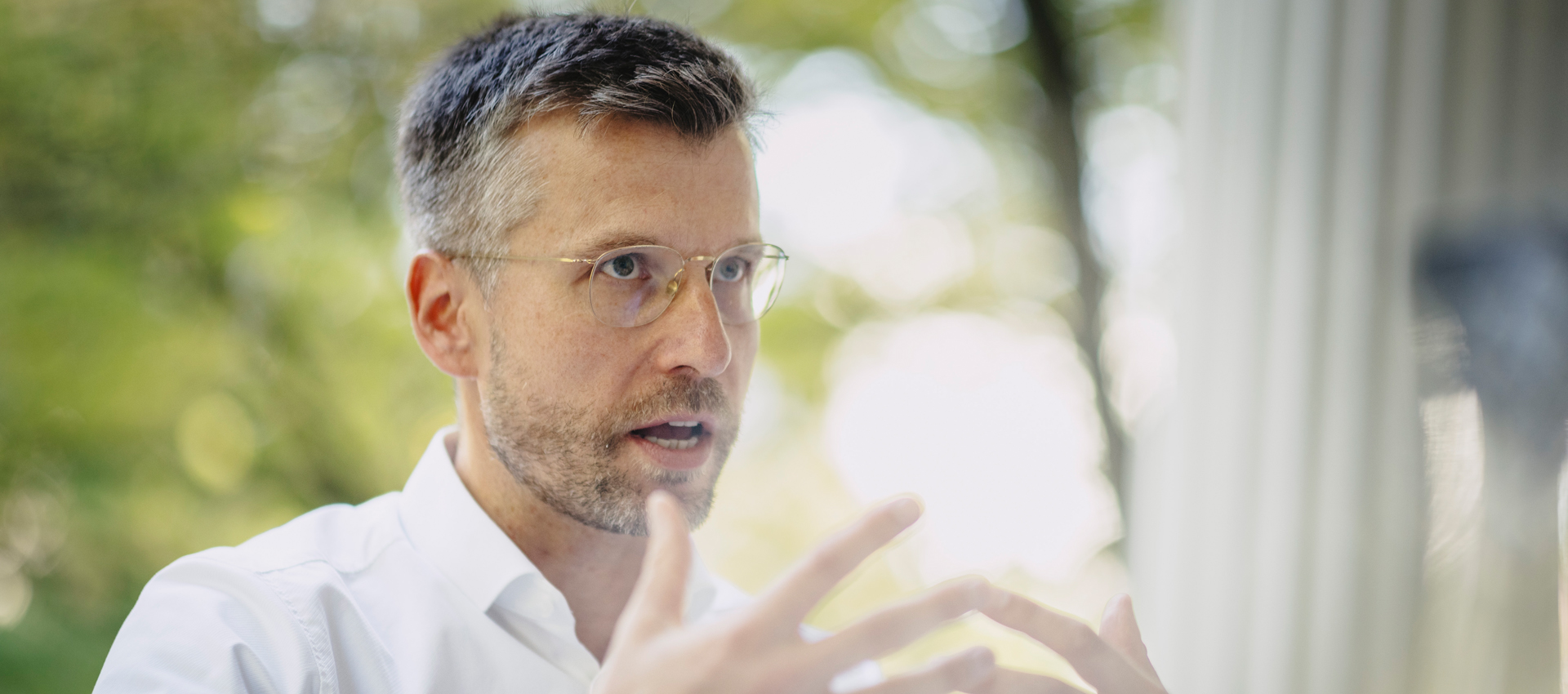
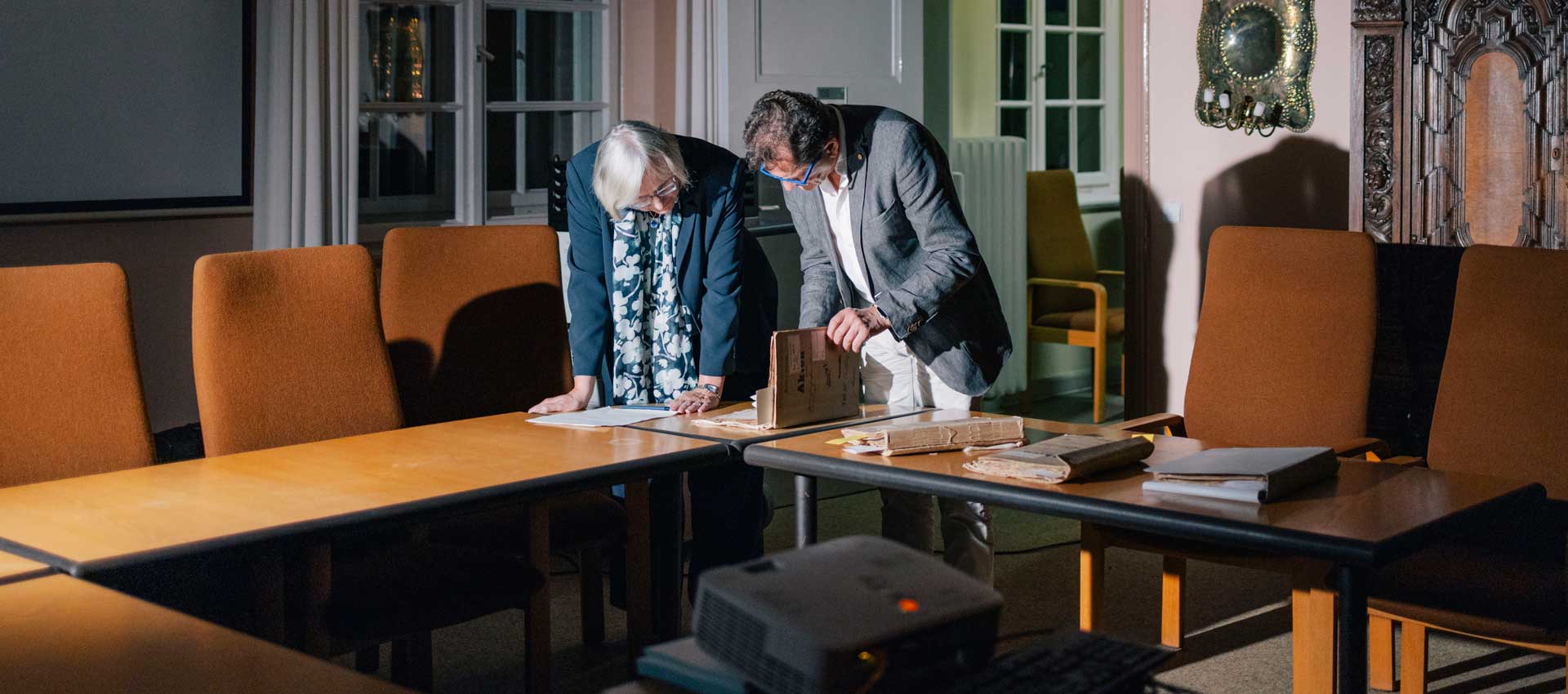
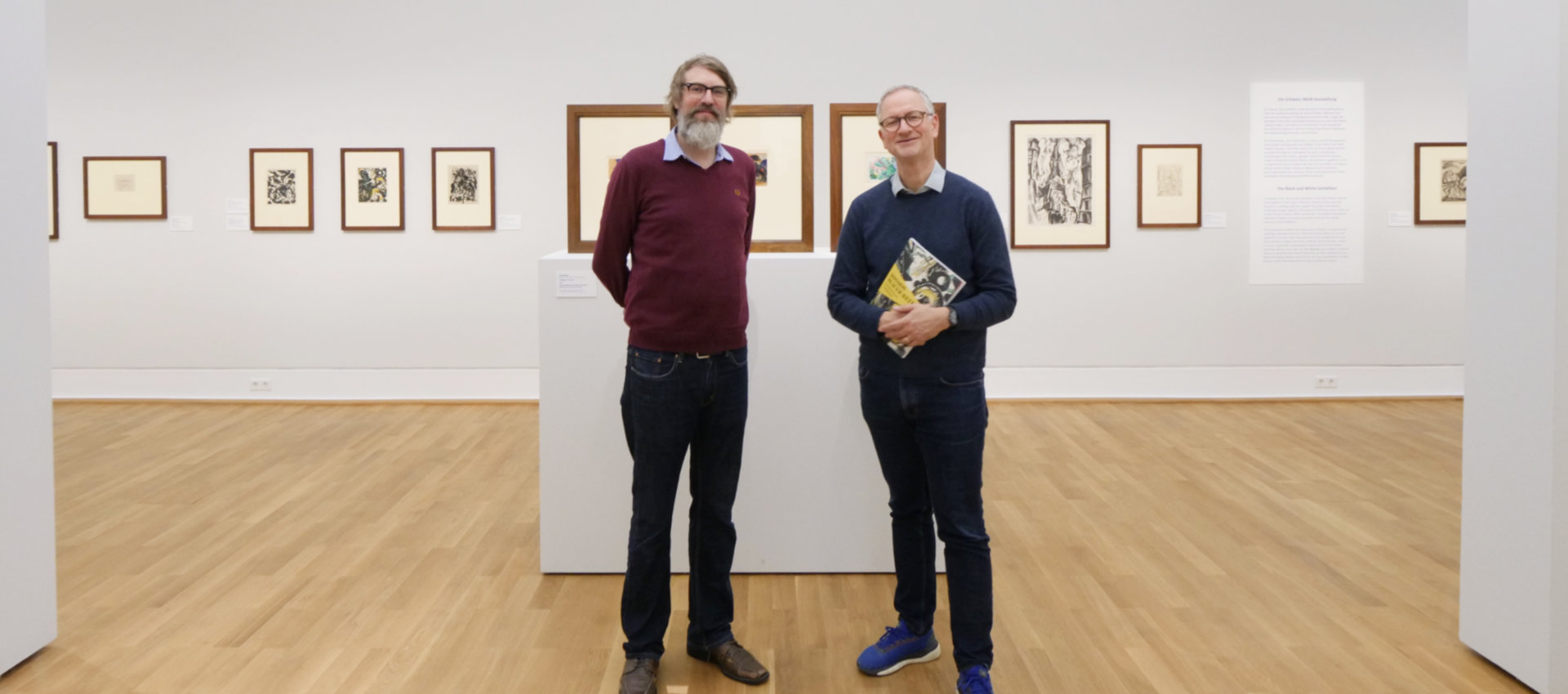
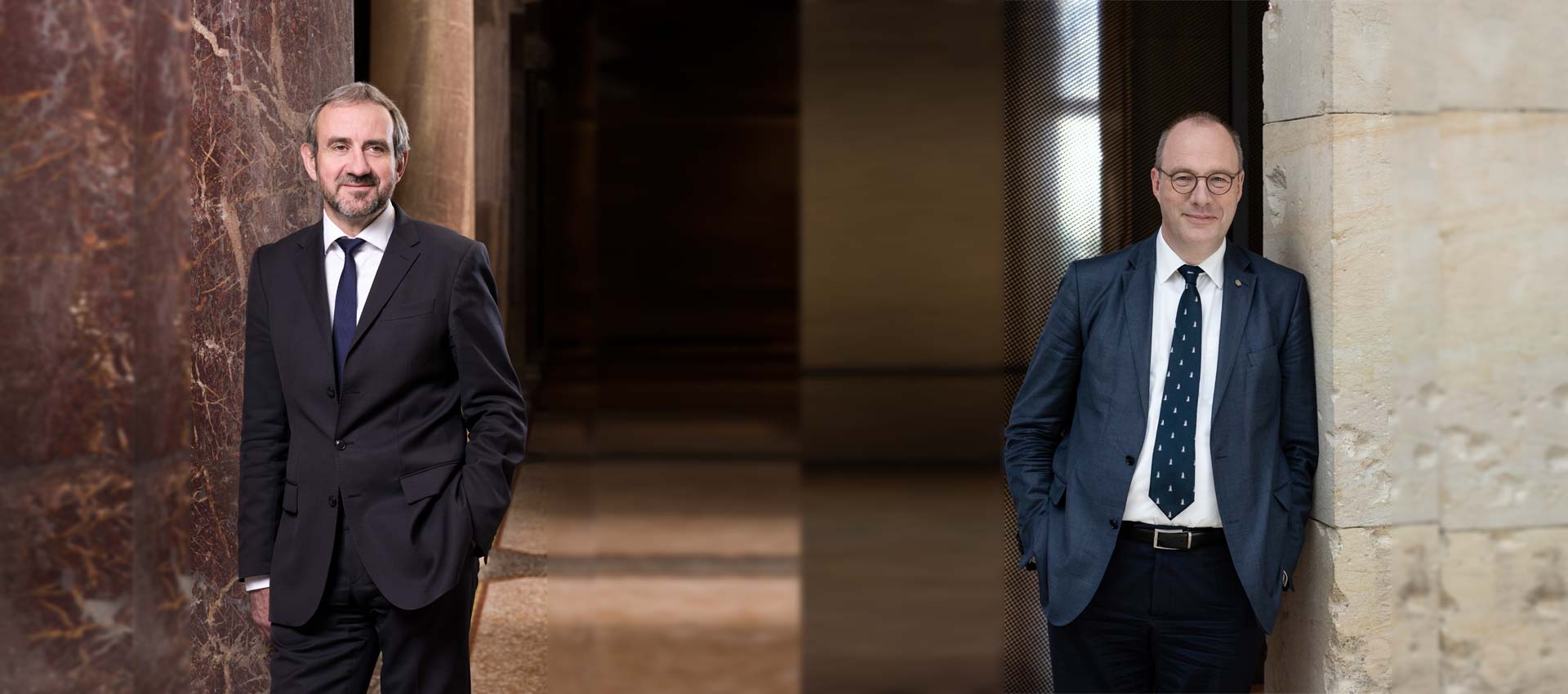
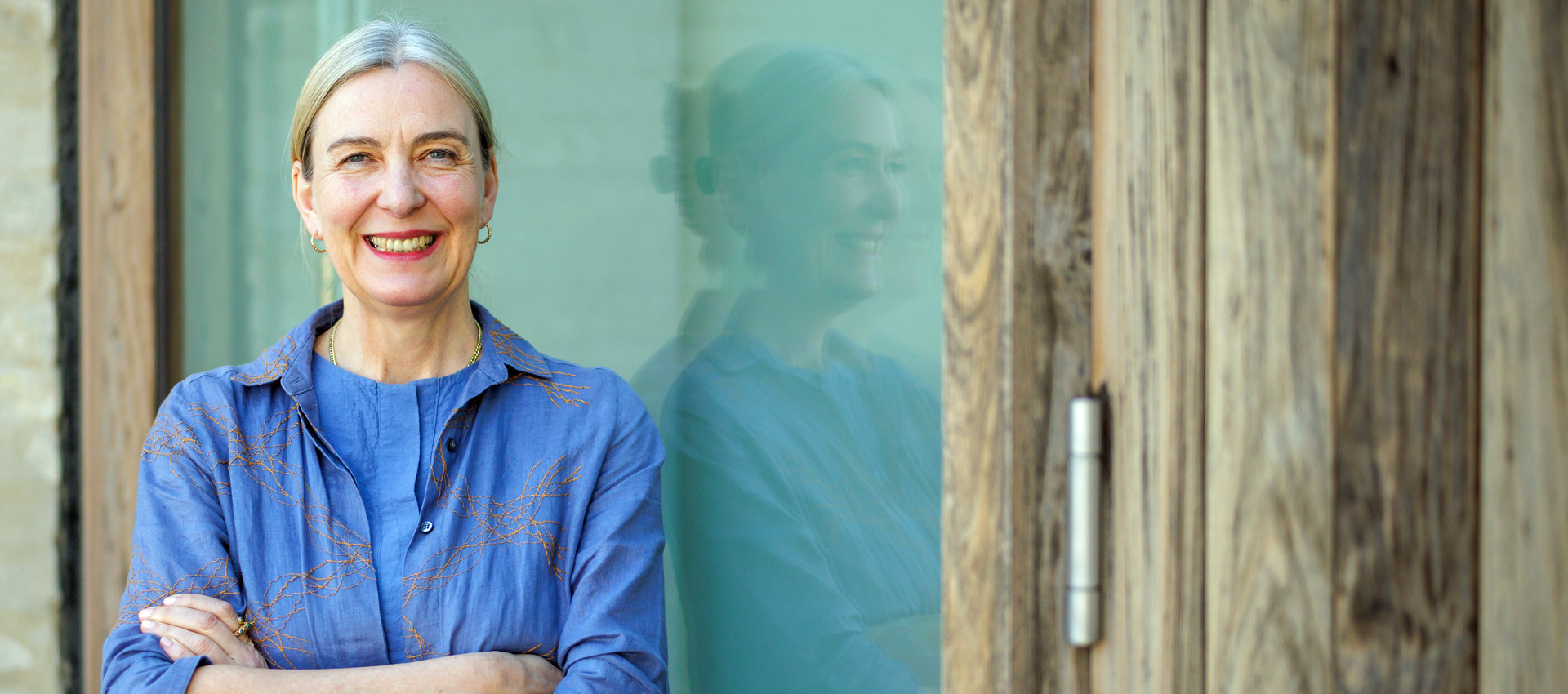
Since the beginning of 2020, the German Digital Library (DDB) has had a new management team: Since 2 January, Dr Julia Spohr has been heading the administrative office and the Finance, Legal, Communications and Marketing departments in Berlin, based at the Prussian Cultural Heritage Foundation (SPK), whilst since 1 February, Gerke Dunkhase has been head of the Technology, Development and Service departments in Frankfurt, based at the German National Library (DNB). Their induction was quickly followed by the coronavirus crisis: DDB staff in Berlin and Frankfurt are working from home; daily working routines have had to be reorganised, and alongside managing day-to-day operations, Julia Spohr and Gerke Dunkhase must now also act as crisis managers. Despite the circumstances, they were interviewed about their new roles, the DDB’s developments and projects, and, of course, what the future holds.
Dear Ms Spohr, you have been Head of the Office and of the Finance, Legal, Communications and Marketing departments in Berlin since 2 January 2020. What do you find particularly exciting during this initial phase at the DDB?
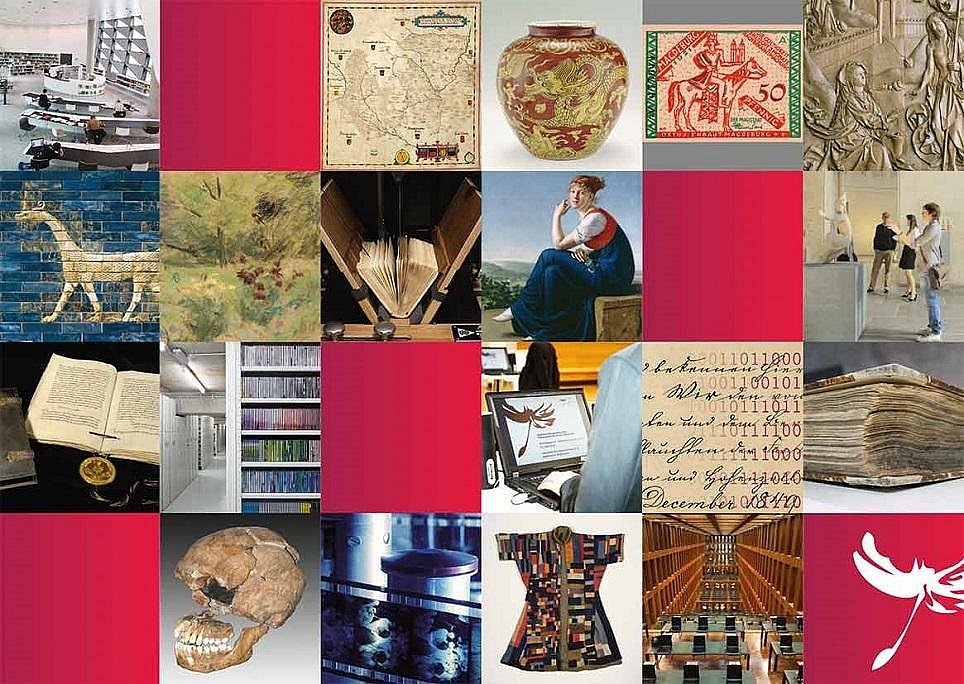
Before taking over as head of the German Digital Library’s administrative office, I spent four years on the management board of the Saxon Memorials Foundation for the Remembrance of the Victims of Political Tyranny, where my responsibilities included public relations for the entire foundation. Having been welcomed at the German Digital Library by an incredibly dedicated team, I find it particularly enriching to get to know the incredible wealth of cultural and knowledge institutions, large and small, across the whole of Germany – over 32 million cultural objects from around five hundred institutions are currently held in the DDB. The thematic breadth and diversity of Germany’s cultural heritage inspires me anew every day.
Dear Mr Dunkhase, you have been Head of Technology, Development and Service since 1 February – but you have known the DDB in a different role for quite some time – is there anything particularly exciting for you in this early phase?
GD: In my previous role, I was primarily responsible for the DDB portal and the DDB search function. Naturally, in this context, I also dealt with how the data and objects are entered into the DDB. However, I wasn’t fully aware of the complexity of the necessary processes or how many colleagues are involved in them. Getting to know and understand these procedures, processes and work steps better is something I find very exciting. All of this commands my utmost respect for the work of my colleagues. Their work is the very foundation on which the DDB exists.
What are you personally working on at the moment?
JS: Initially, it was important for me to get to know the team in Berlin and my colleagues in Frankfurt (better); after all, most of them have been working together since the German Digital Library was founded. Alongside taking over day-to-day operations, discussions and intensive reading are at the forefront; after all, a lot has happened at the German Digital Library over the past ten years. However, taking stock also involves considering where and how the German Digital Library can – and perhaps should – develop over the coming years. I am in close consultation with my colleague Gerke Dunkhase on this.
GD: A key priority for me, of course, is to get to know my colleagues better here in Frankfurt – at the specialist departments, in the administrative office and at our technical service provider, FIZ Karlsruhe. Although I already know most of my colleagues from my previous work, my new role as Head of Technology, Development and Service brings with it entirely new tasks and challenges. The same applies to the German National Library (DNB), where my department is based. Here, too, the aim is to get to know my colleagues better and to improve the DDB’s internal networking.
On the substantive side, Ms Spohr and I are currently preparing a new strategic process. How does the DDB respond to new developments in the digitisation of cultural heritage or in the field of artificial intelligence, to name just two areas? These are questions that we and all staff in Frankfurt and Berlin will be addressing this year. The aim is to draft a strategy for the DDB up to 2025 by the end of the year.
A second key point is the conduct of user and usability studies. We have just carried out a large-scale online survey via the DDB portal; the market research institute we commissioned is currently conducting individual interviews and usability tests with selected users. We intend to use the results to ensure that the DDB’s products and development projects are consistently aligned with users’ requirements and expectations.
For those who may not be familiar with the DDB or have stumbled upon this article by chance: what does the German Digital Library actually do?
JS: The DDB essentially pursues three objectives: it makes digitised cultural objects accessible, connects cultural and knowledge institutions, and acts as a key player in the field of standardisation, particularly regarding metadata – this must be consistent so that users can find what they are looking for in our databases.
Making content accessible means that the DDB makes digitised cultural objects available via the internet, searchable, and, where legally possible, reusable for both professional and private purposes. For example, for academic research or for use on one’s own website, in publications, or for virtual exhibitions.
GD: And this is not only via the DDB portal, but also via a programming interface, our API, through which anyone can retrieve data on the cultural objects in the DDB. Cultural objects include books, files, documents, photographs, images of museum objects, audio files, videos and much more. Furthermore, the DDB is the national aggregator for the European cultural portal Europeana.
Many exciting projects and themes have emerged or are emerging at the DDB: the exhibition tool DDBstudio, a national newspaper portal, and the cultural hackathon Coding da Vinci, funded by the Federal Cultural Foundation. What do you hope these projects will bring to the DDB?
JS: With DDBstudio, cultural institutions such as museums, archives, libraries or cultural foundations can create their own virtual exhibitions. DDBstudio is an easy-to-use and, above all, free service aimed particularly at smaller institutions that do not normally have the technical equipment to curate virtual exhibitions independently. What makes DDBstudio unique is that it allows objects in the DDB portal – which would otherwise stand alone – to be linked together to form stories. They become part of narrative exhibitions, which in turn are available online free of charge to everyone. The virtual exhibitions already published show that this results in some truly fascinating stories.
GD: The newspaper portal is one of the DDB’s most important development projects this year. Through this DFG-funded project, digitised historical newspapers from the 17th to the 20th century are to be made accessible via a dedicated section on the DDB. Full texts will be available for most historical newspapers. This means that, unlike the DDB, not only the metadata but also the content of the newspapers can be searched. In the medium term, regional newspaper portals are also to be integrated into the DDB Newspaper Portal, so that in future there will be a single, Germany-wide access point for historical newspapers. In short: a national newspaper portal. With its corpus of historical newspapers, the Newspaper Portal is also an important resource for academia. The public launch of the Newspaper Portal is scheduled for December 2020.
JS: Equally important is Coding da Vinci (CdV), the first German cultural hackathon. At a cultural hackathon, cultural institutions come together with programmers to develop creative applications such as computer games or augmented reality apps. Since last year, the project has been based at the German Digital Library in Frankfurt. At the end of 2019, CdV awarded grants for the first time, enabling selected developers to take their ideas forward and bring them to market maturity. A nice side effect of Coding da Vinci is that the events can be used to generate enthusiasm for the DDB among cultural institutions.
What other projects and topics will become important for the German Digital Library in the future, or should be addressed, or are already being addressed?
JS: A key objective of the DDB must be to offer our users more high-resolution digitised materials for viewing and, where legally possible, also for downloading and re-use. Low-resolution preview images alone are really no longer appropriate in this day and age. The newspaper portal already mentioned by Gerke Dunkhase is a good start in this regard. The newspaper issues are offered as high-resolution image files. Together with the full texts obtained via OCR, these resources offer excellent opportunities for research as well as for members of the public interested in genealogy or local history, or who simply wish to browse through historical newspapers. Another goal is the relaunch of the DDB website to make it easier and more intuitive to use, thereby appealing to an even wider public in the long term.
GD: Another important future focus for the DDB is authority data. The person and organisation pages in the DDB are already based on the authority data from the joint authority file, or GND for short. Authority data is currently used primarily in libraries and, to some extent, in archives. Through the GND4C project – GND for cultural data, in which the DDB is a project partner – the aim is also to encourage cultural institutions from other sectors to use authority data. Enriching metadata with authority data can significantly enhance the appeal of the DDB, whether through the interlinking of object pages or by improving search quality.
The DDB now contains (as of March 2020) over 32 million records, of which over 10 million are accessible via digitised versions. Is there a plan for how the DDB’s further growth should proceed?
GD: Of course, a key objective is to continue increasing the number of data partners and records in the DDB. Previously, the so-called ‘ingest’ process was a bottleneck in this regard – at times, simply due to a surge in demand, no further data could be ‘imported’. By switching to a new architecture, optimising data processing workflows and developing the DDBdash administration component, we have been able to significantly increase data throughput. To further boost the efficiency of our supply processes, the Aggregators Unit was also launched in October 2019. Through this unit, we aim to actively engage with aggregators as data providers and recruit them for the DDB.
Just as important as increasing the quantity of data is improving its quality. This is achieved, among other things, through the pre-processing of data in the specialist units and the service centre, for example to enrich it with standardised data.
In your view, what opportunities does open cultural data offer, and what role does the DDB play in providing open data?
JS: Open cultural data plays a very significant role for the DDB. A project like Coding da Vinci, which we’ve already discussed, wouldn’t be possible at all without open cultural data. Via the DDB’s programming interface, our API, anyone can access the DDB’s data and use it for their own applications. Generally speaking, the reusability of data is a key strategic objective of the DDB; we take our mission to make Germany’s cultural heritage digitally accessible very seriously.
GD: In the newspaper portal, to give another example, all data is licensed under CC Zero and can be used, edited and republished without restriction. This is particularly important for the academic community, which relies on large text corpora of open cultural data for its research.
In general: What are your hopes for the future development of the German Digital Library?
JS: First and foremost, I would like to see the DDB become better known, both among specialists in academia and education and among the general public with an interest in culture.
GD: The DDB should become the central point of contact for searching for digitised cultural heritage and, at the same time, establish links and connections between objects from different cultural institutions. Above all, the DDB should be a tool that people can use and work with. These are the goals we are working towards.
Thank you for speaking to us!