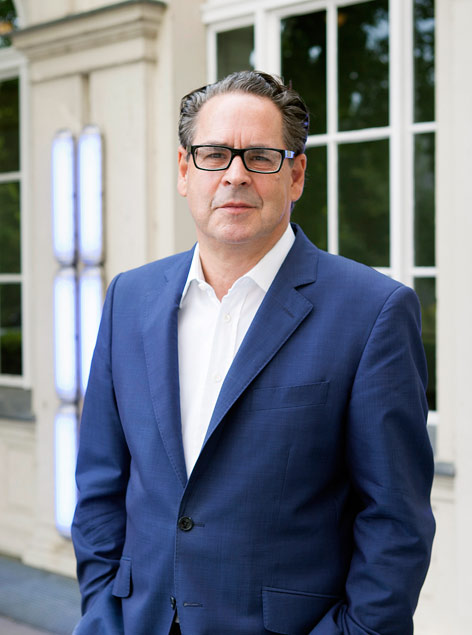
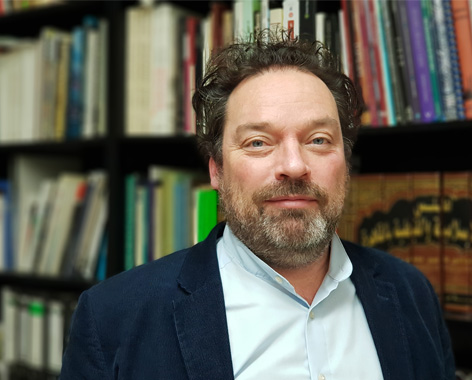
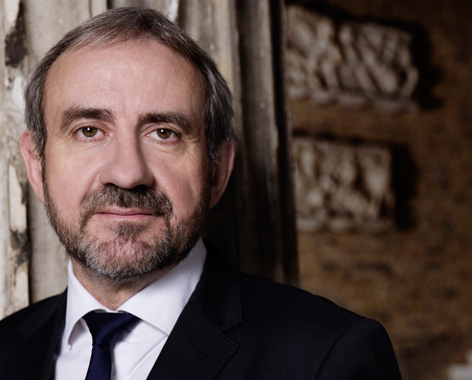
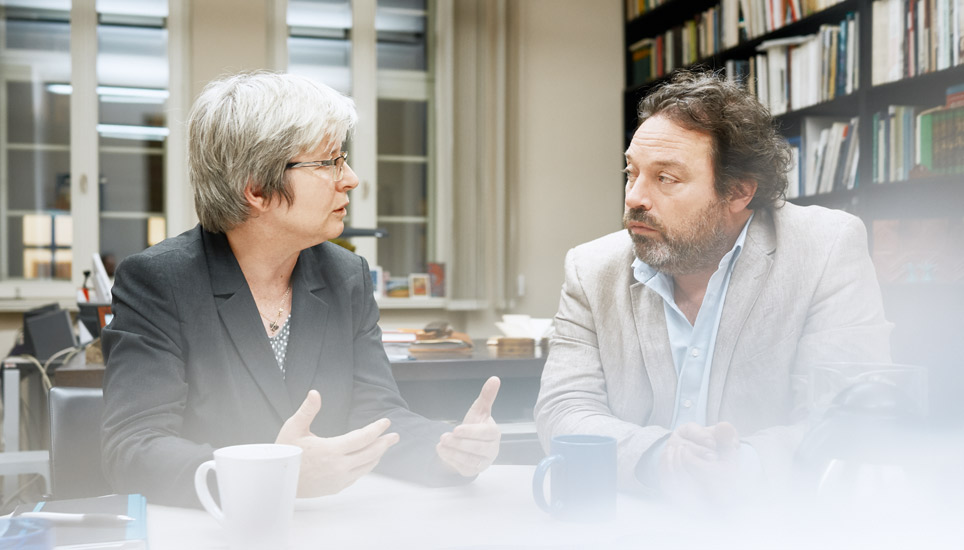
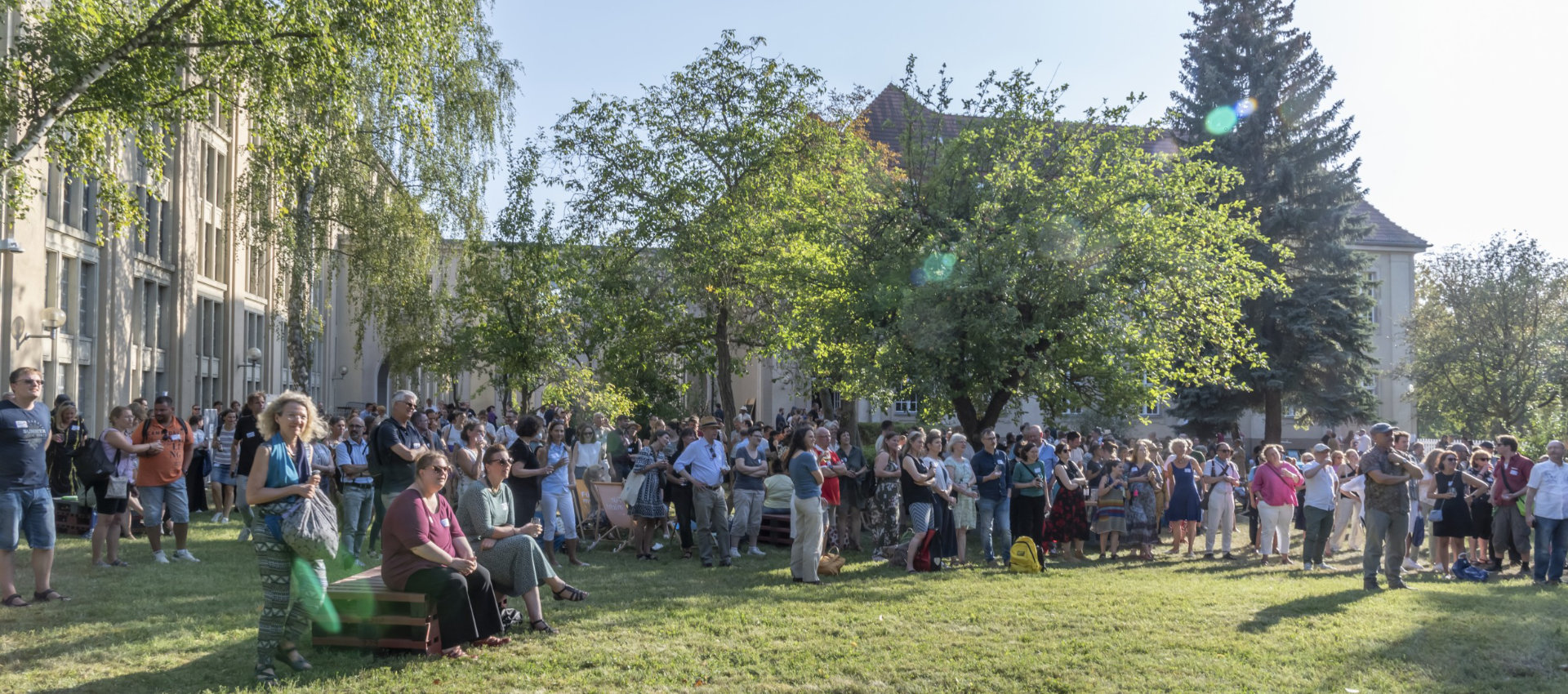
3sat and the SPK had organised an evening event on trust in museums: it sparked a wide-ranging discussion on neutrality, freedom and democratic civic culture
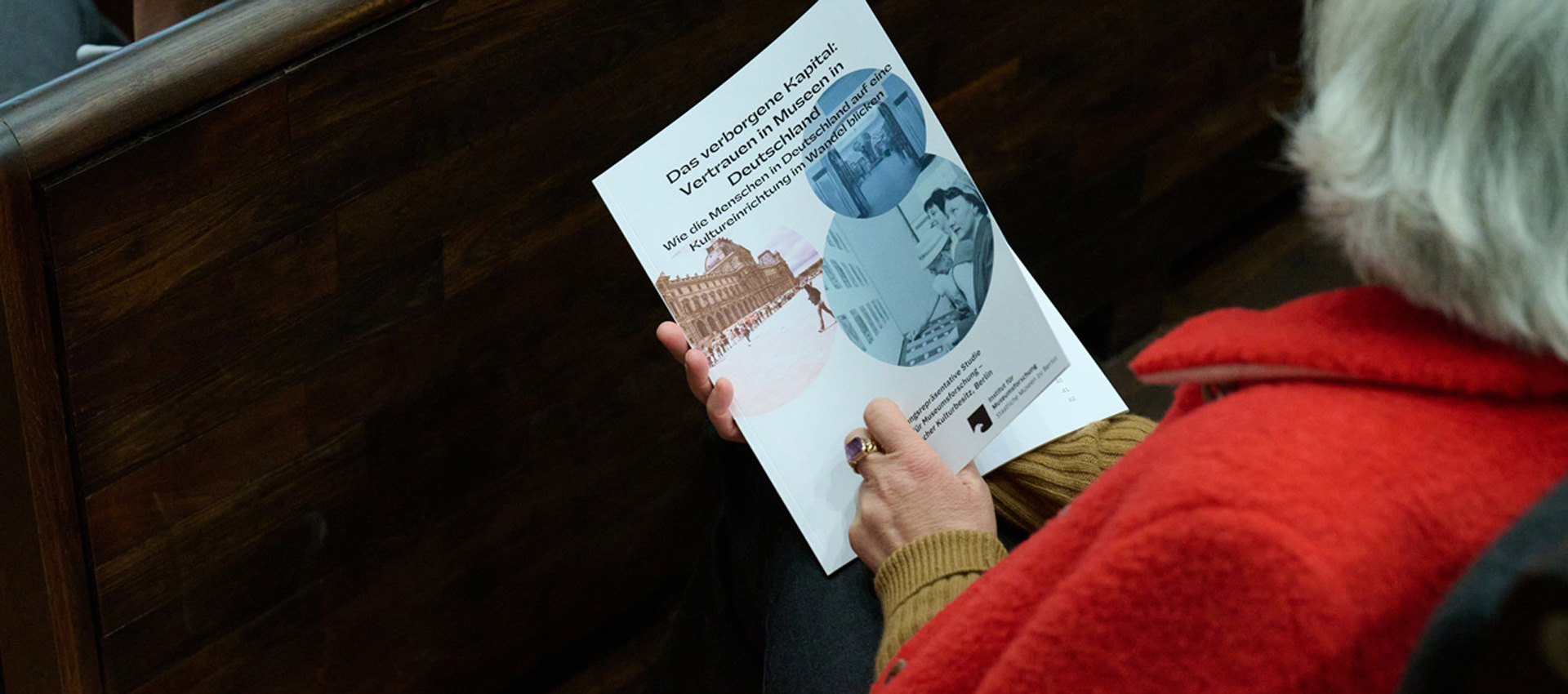
“Trust, but verify!” is not only a well-known saying, but also a waltz by Johann Strauss Jr. It could serve as the motto for a study presented by the Institute for Museum Research at the SPK: “The Hidden Capital: Trust in Museums in Germany”. Because, let’s put it this way: there’s music in that too! As it turns out, museums enjoy the highest level of trust in both personal and institutional contexts, ranking behind only family and friends and ahead of scientists and the media. They also achieve the highest trust ratings among all public institutions, thereby standing out clearly from political organisations.
Further links
- News: Museums enjoy the highest level of trust (19 April 2024)
- You can listen to the discussion here:
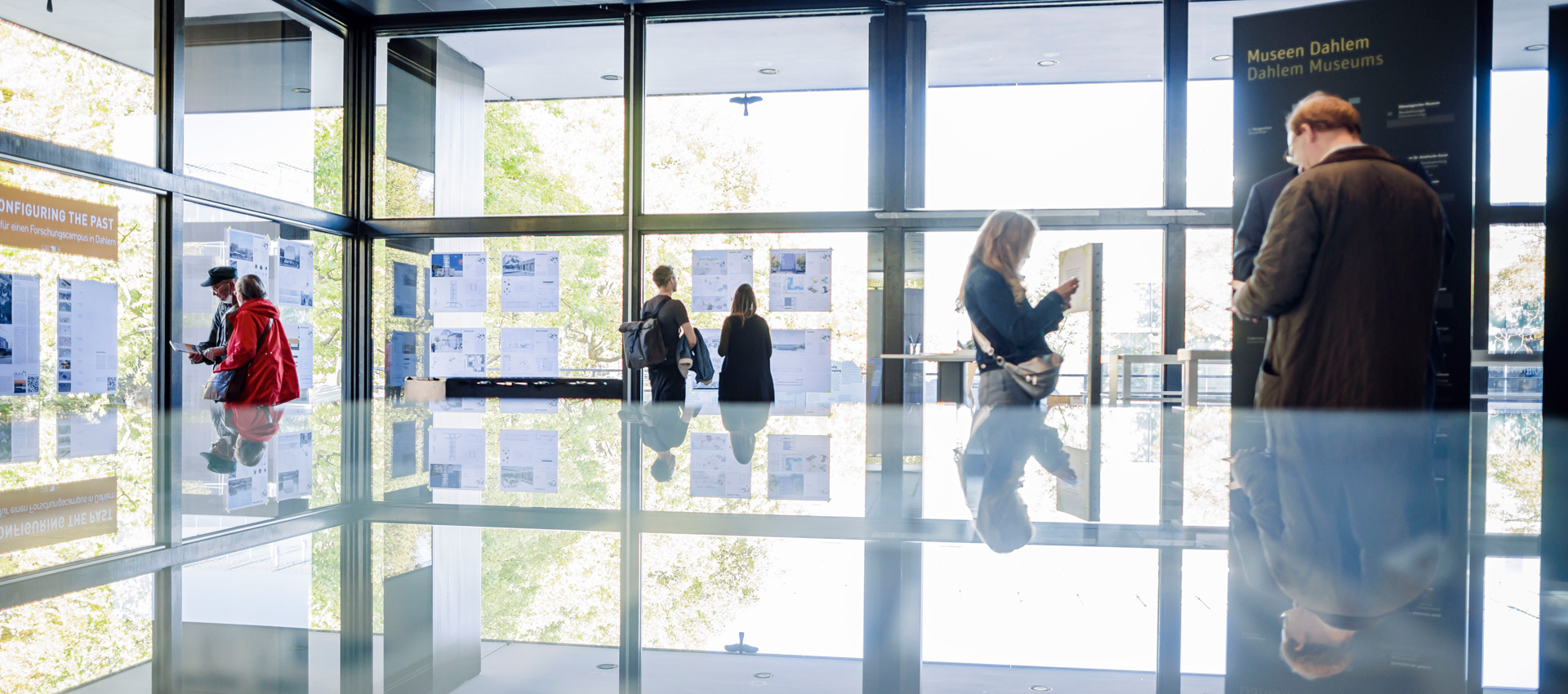
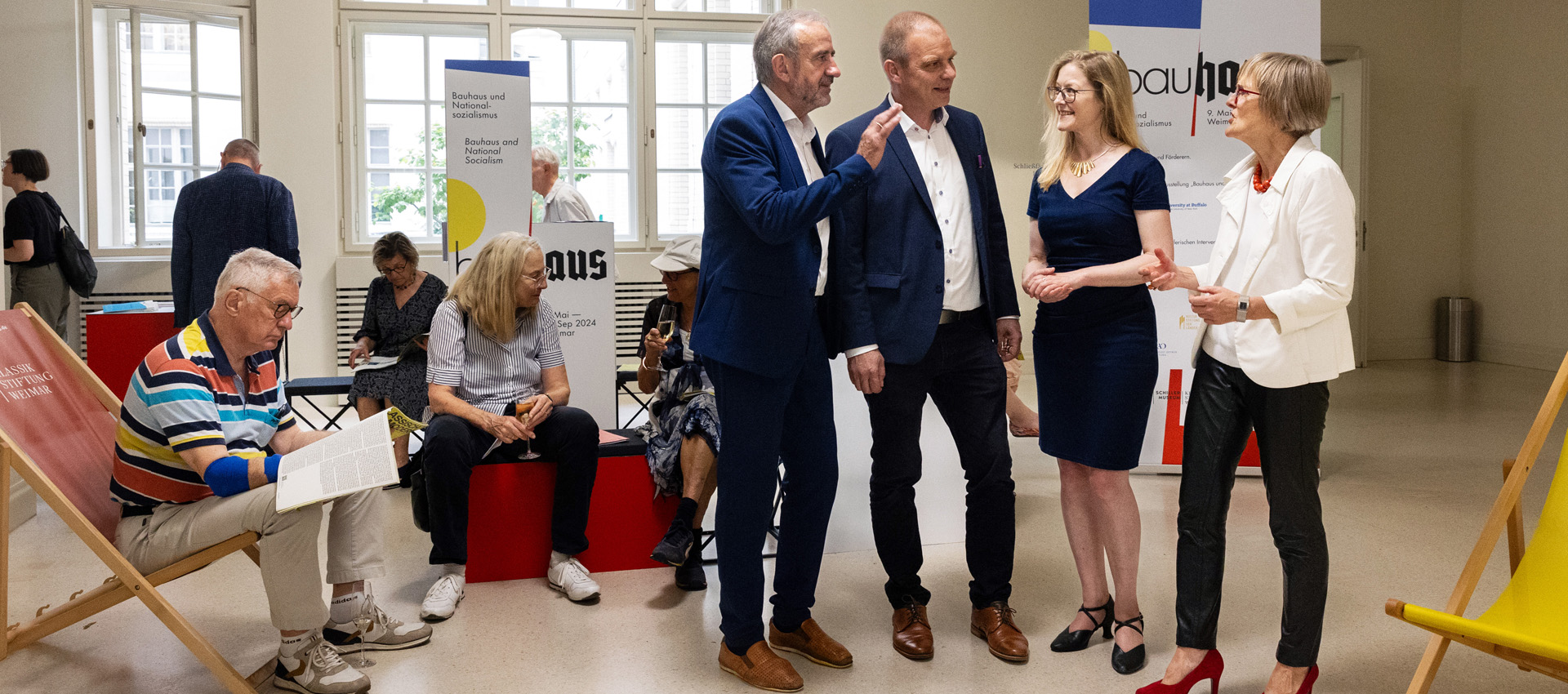
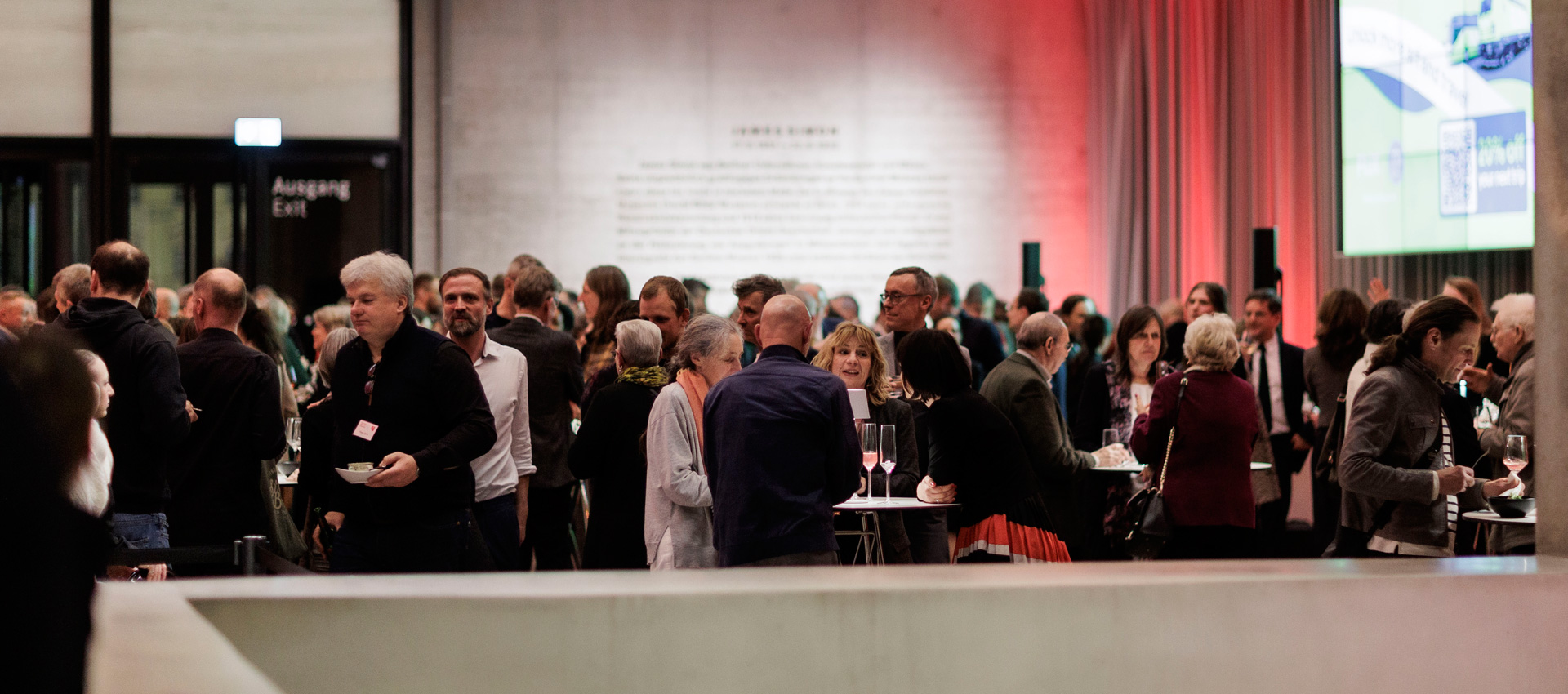
This naturally delighted everyone involved in the museum sector, and many of them had joined the other interested members of the public who had turned out in large numbers at the James-Simon-Galerie’s auditorium to attend an evening event designed to explore the theme of ‘Trust in Museums’. Moderator Gert Scobel opened the debate with the question: “Who do people trust when they say ‘museum’ – the people behind it? The venues? The objects?”
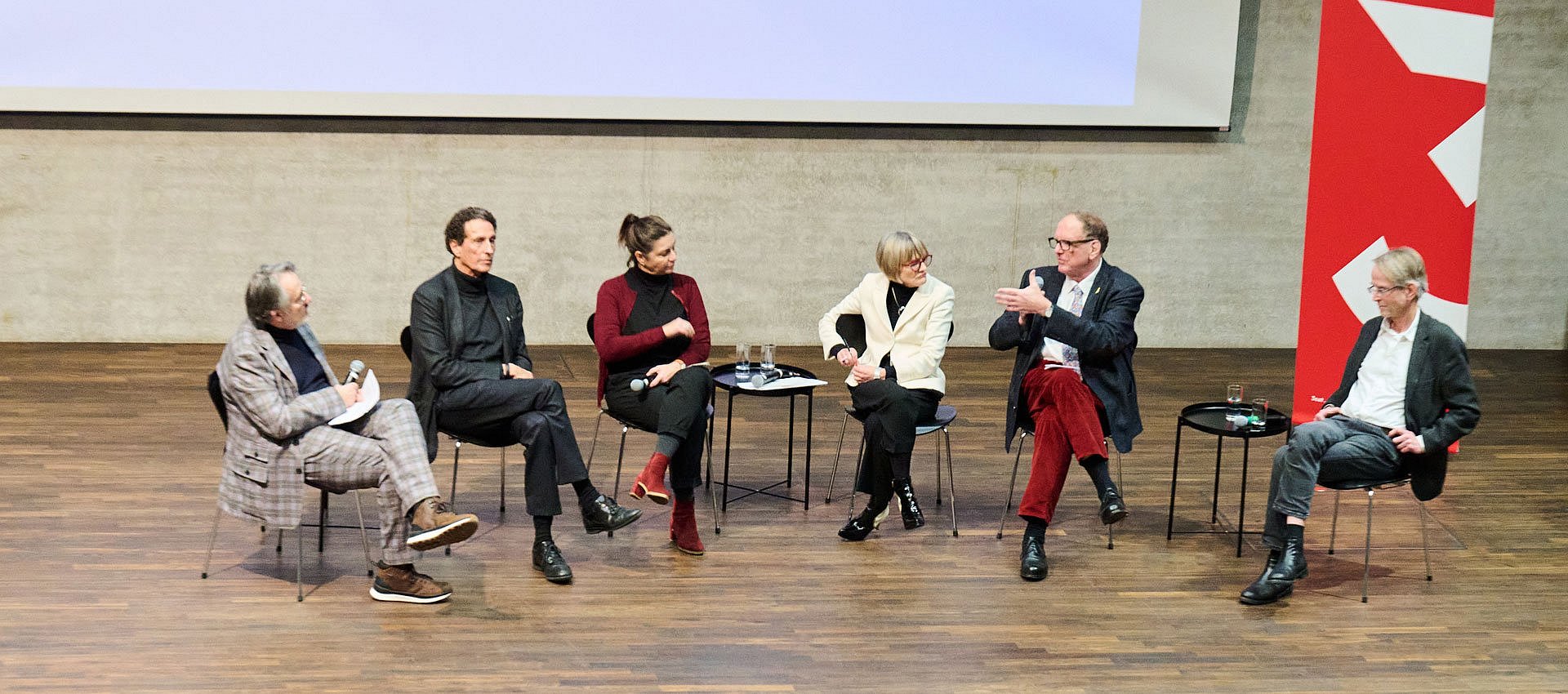
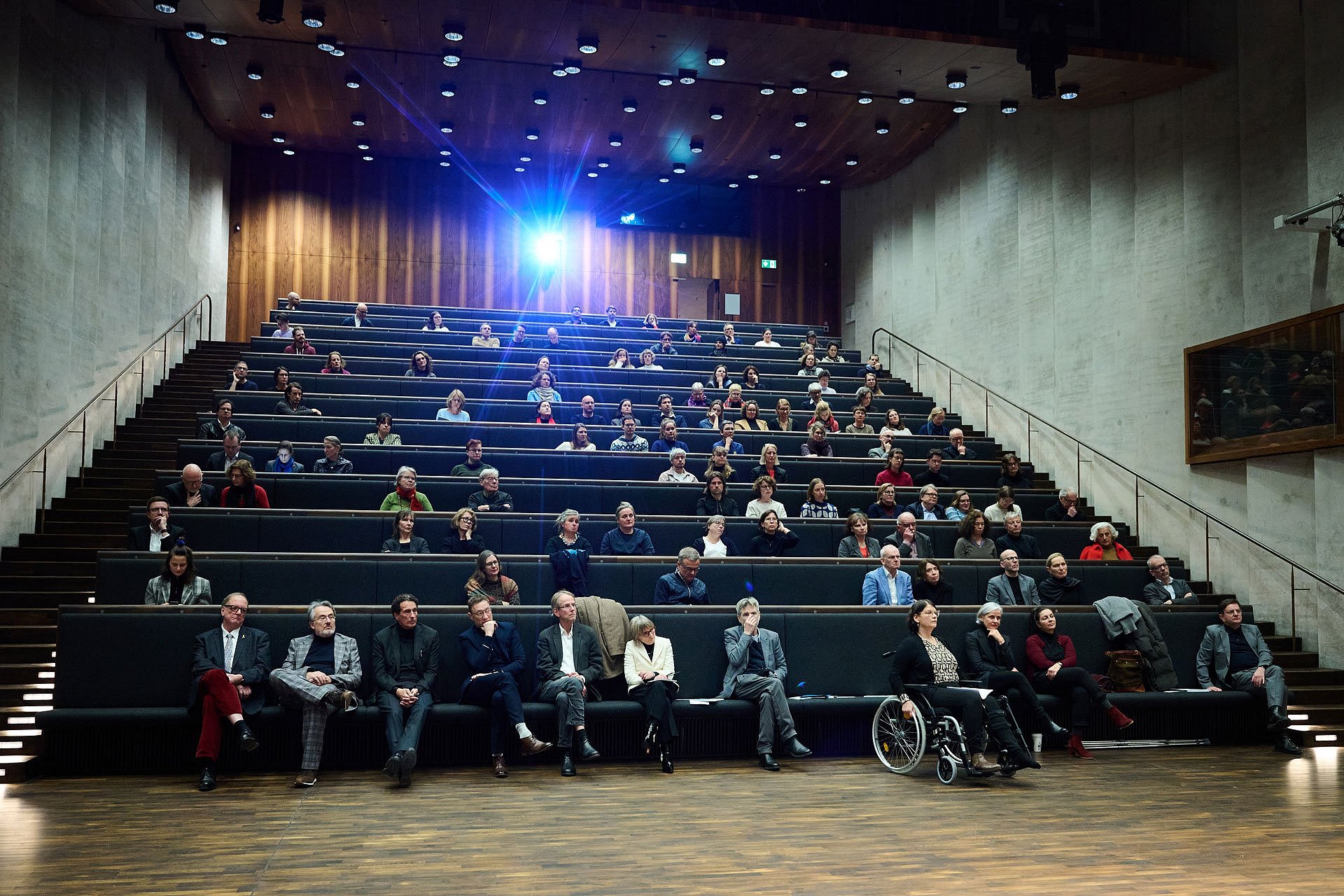
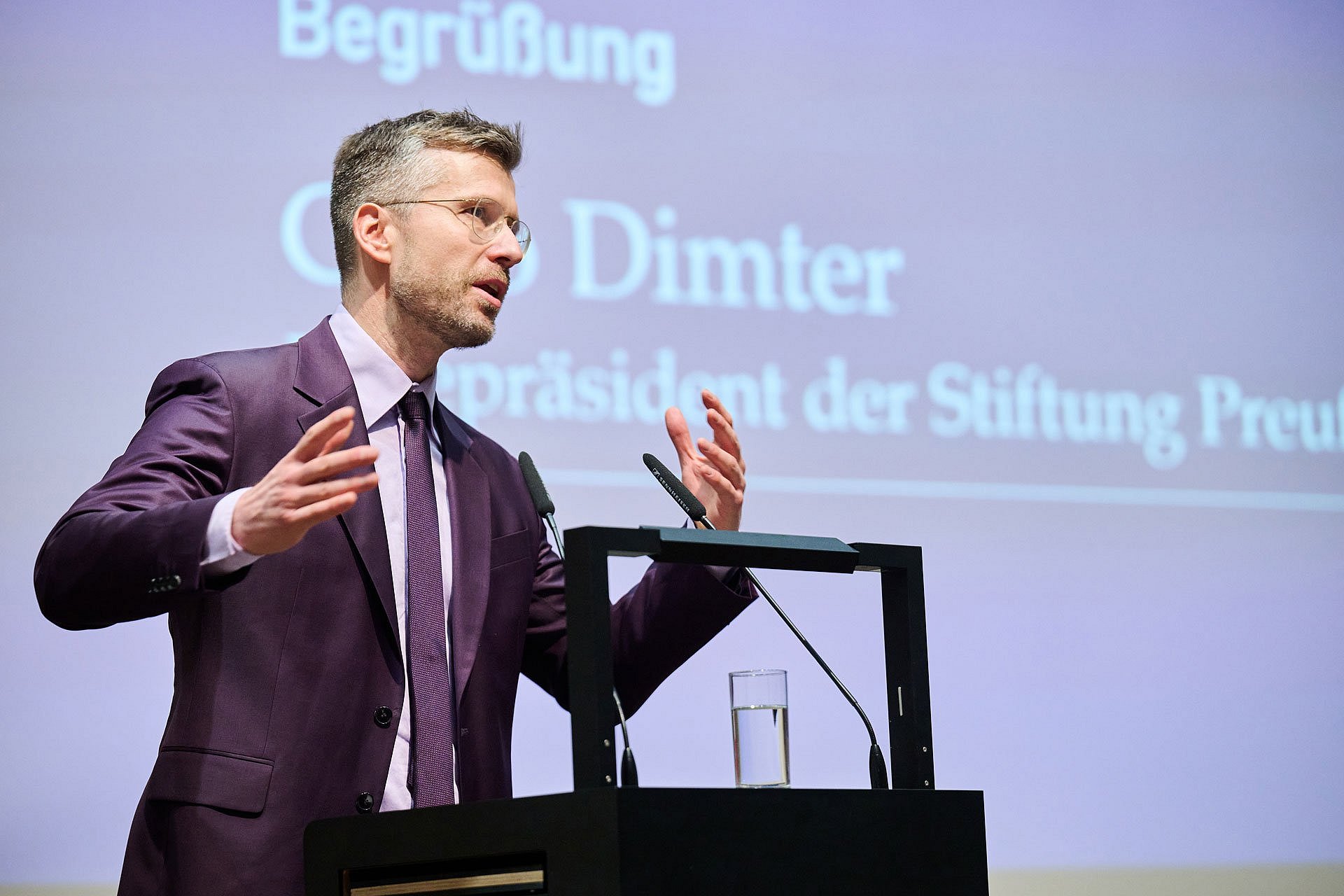
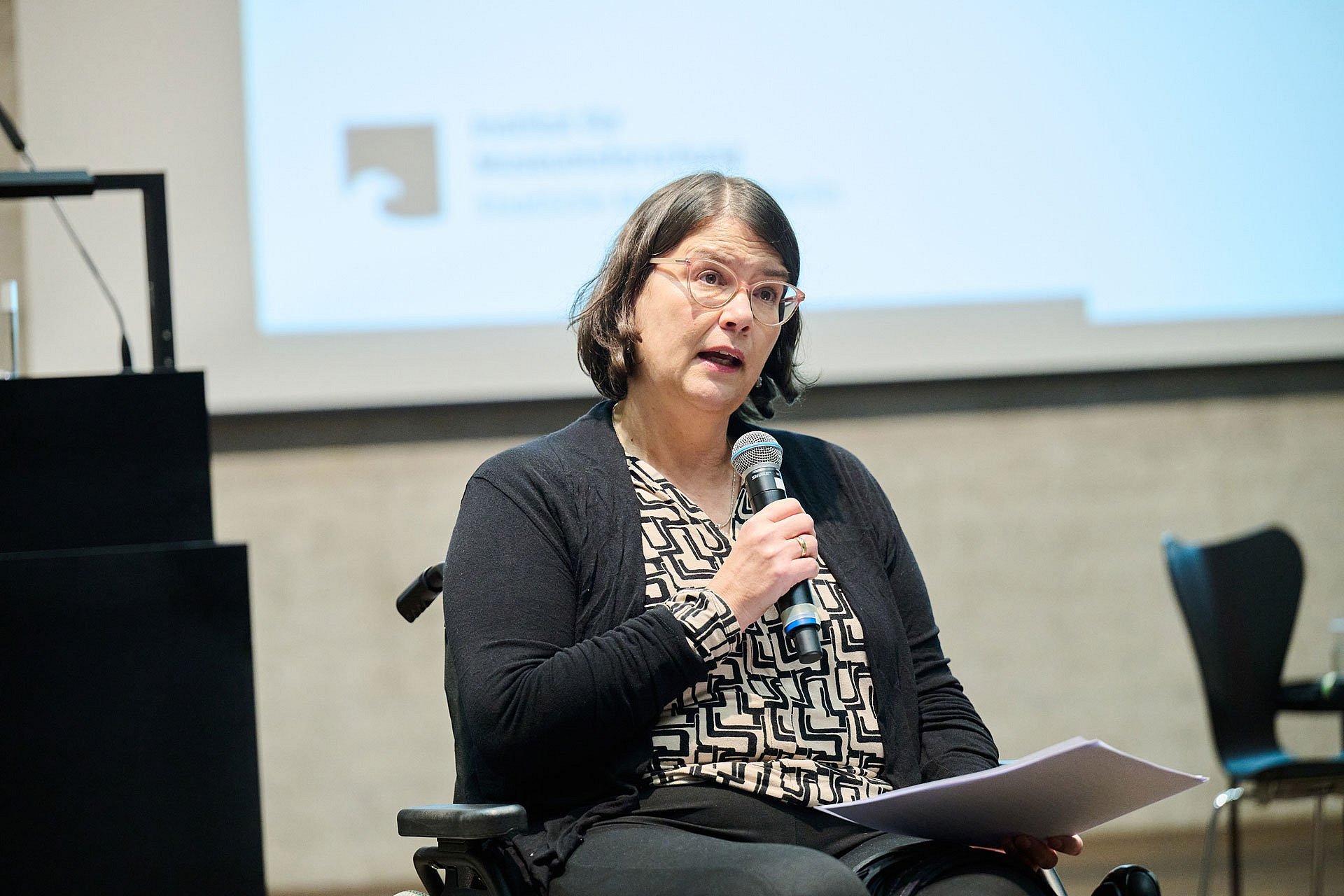
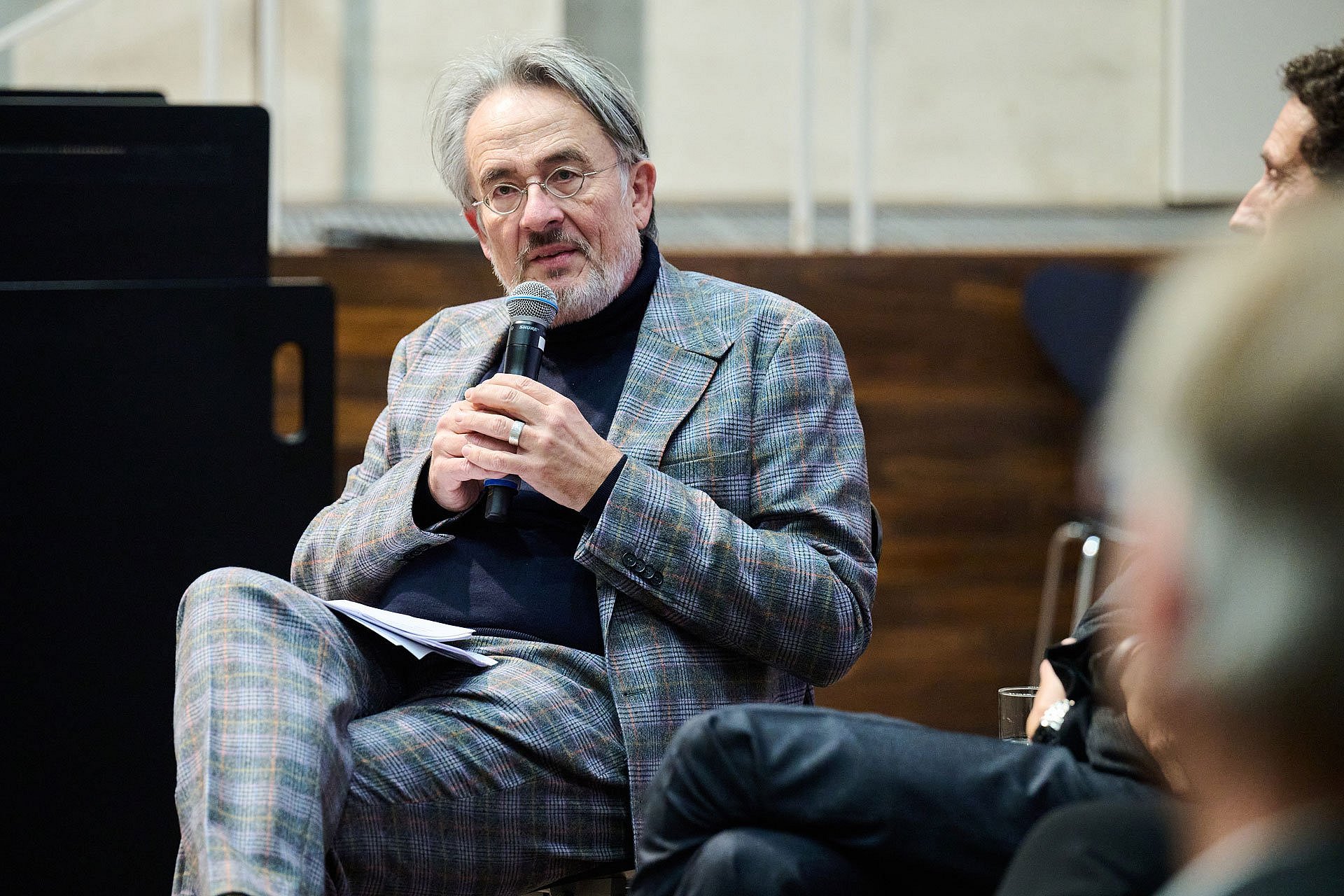
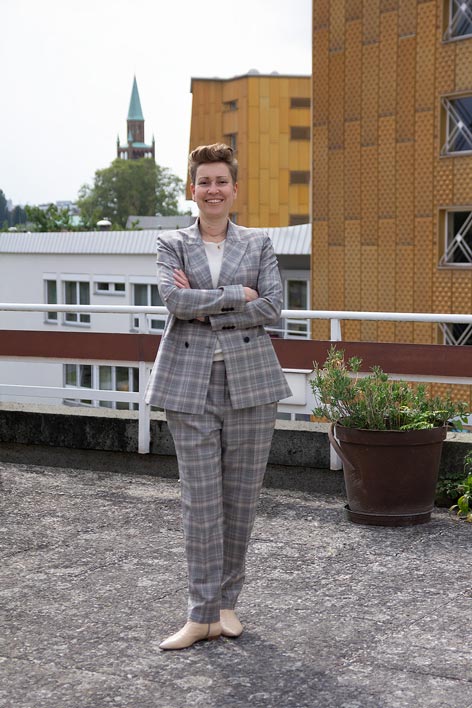
The event, organised in collaboration with 3sat, thus broadened the scope of the study by analysing its parameters from cultural-political, arts-journalistic, museum-practical and philosophical perspectives. Ulrike Lorenz, President of the Klassik Stiftung Weimar, spoke, for example, of the “enchanting power of the museum as an institution” and the joy of wonder, and of the “unique success story of this 19th-century invention”. This is based, among other things, on the “great freedom” it affords its visitors: they can go here or there as they please, read the explanations or not, view all the exhibits on display or just those that particularly appeal to them – without anyone dictating their movements as they wander around.
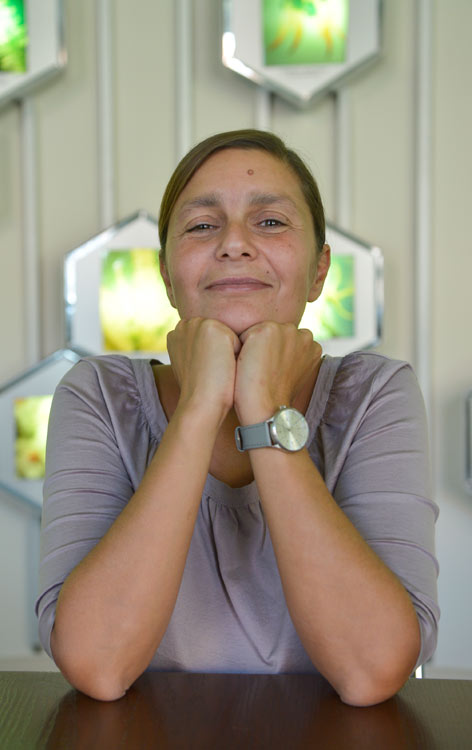
Patricia Rahemipour, Director of the Institute for Museum Research and co-author of the study, took a similar view. She attributed the high level of trust in museums to the fact that virtually everyone has visited a museum at some point – whether with their parents, during their school years, or out of their own curiosity.
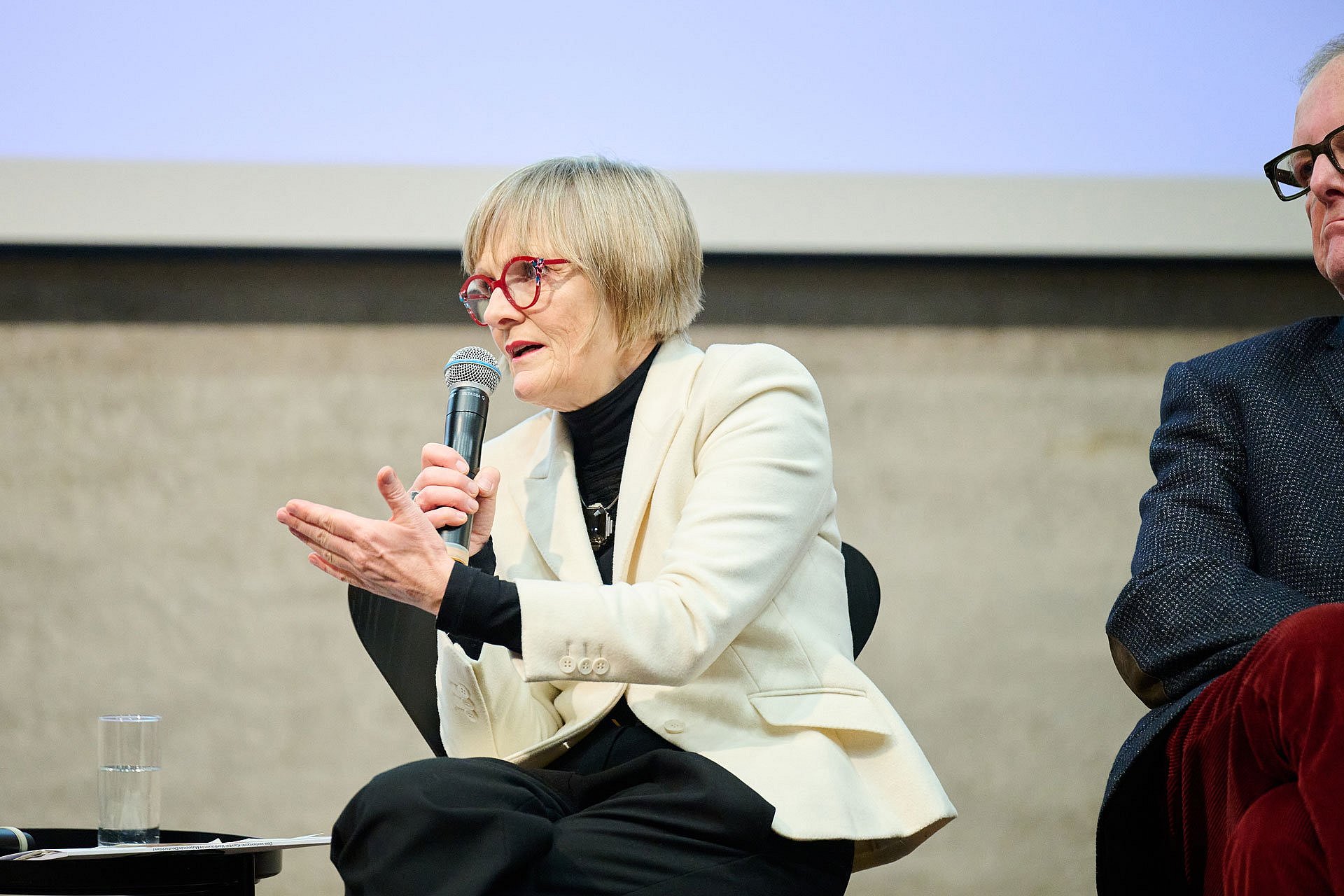
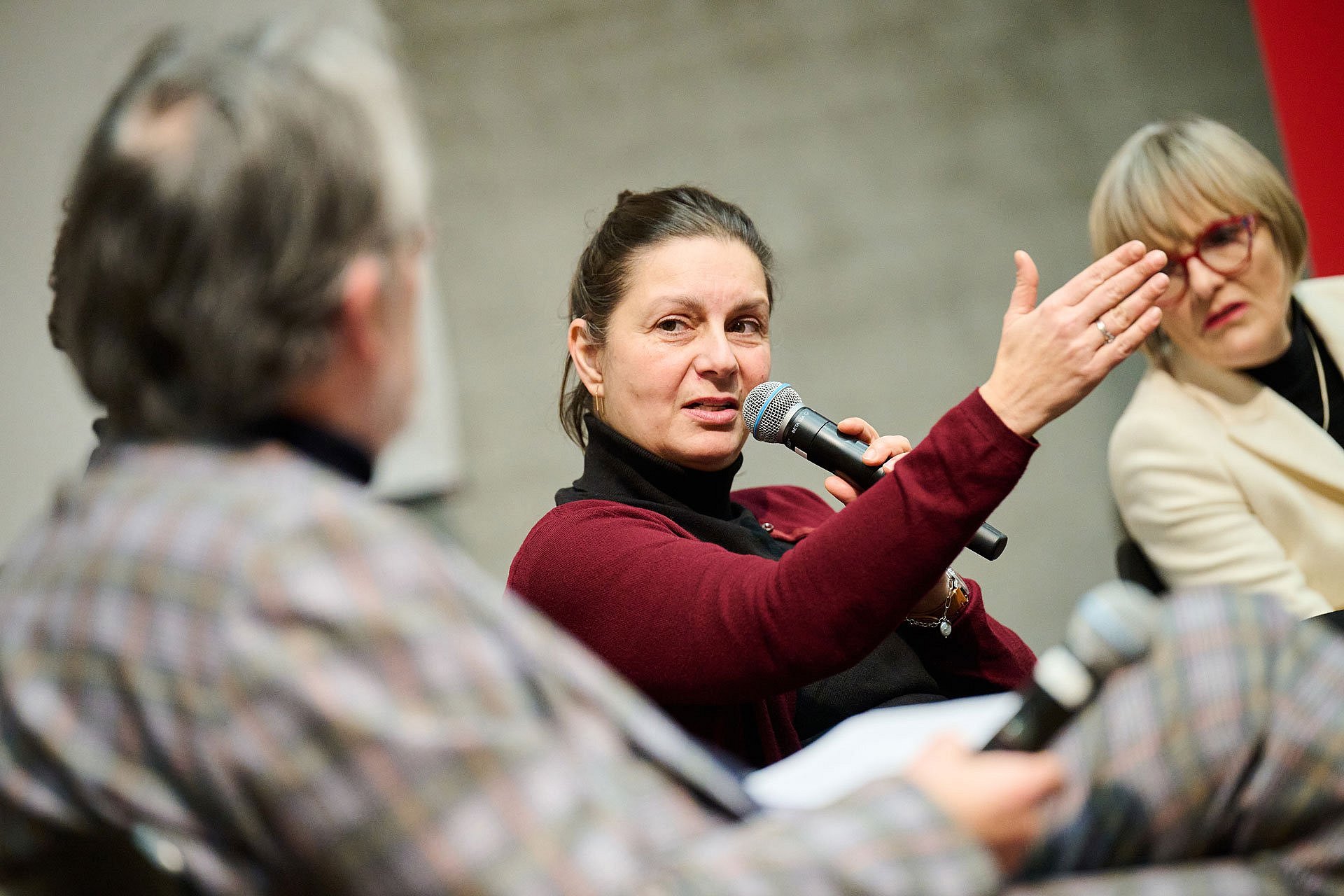
According to the Basic Law, art and science are free
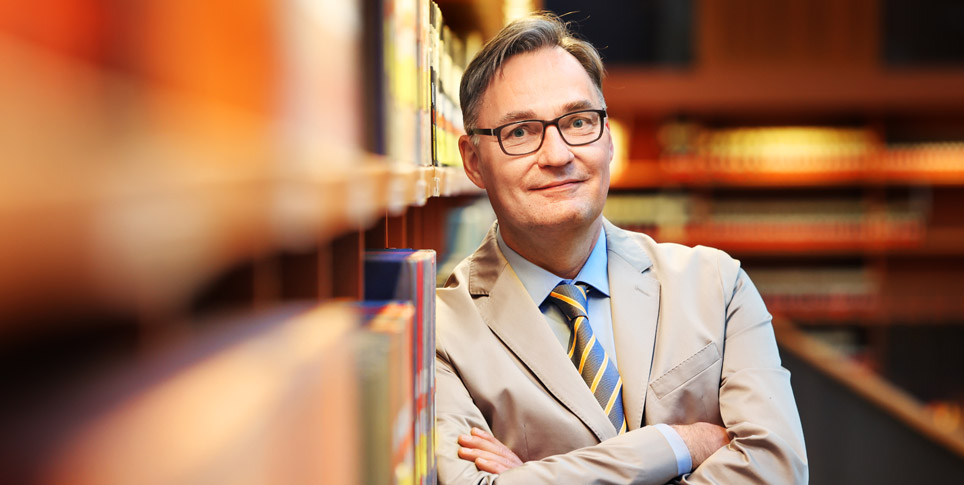
Olaf Zimmermann, Managing Director of the German Cultural Council, described his school education as “catastrophic”, which is why everything he had learnt for his private and professional life came from museums. For him, they remain “key places of learning” to this day and guarantee a certain “educational equity” – but they must not become “over-pedagogised”, as this would disrupt the direct dialogue between the observing subject and the exhibited object.
The philosopher Julian Nida-Rümelin distinguished between different meanings of the term “trust”, arguing that trusting an exhibit in a museum is quite different from, say, trusting a pair of ski bindings. He then brought the political background into the discussion and advised caution against hasty judgements, such as the assessment of the *Washington Post*, which, under owner Jeff Bezos, had for the first time since 1988 failed to issue a recommendation for the US presidential election: “How can one trust a newspaper that issues an election recommendation?”
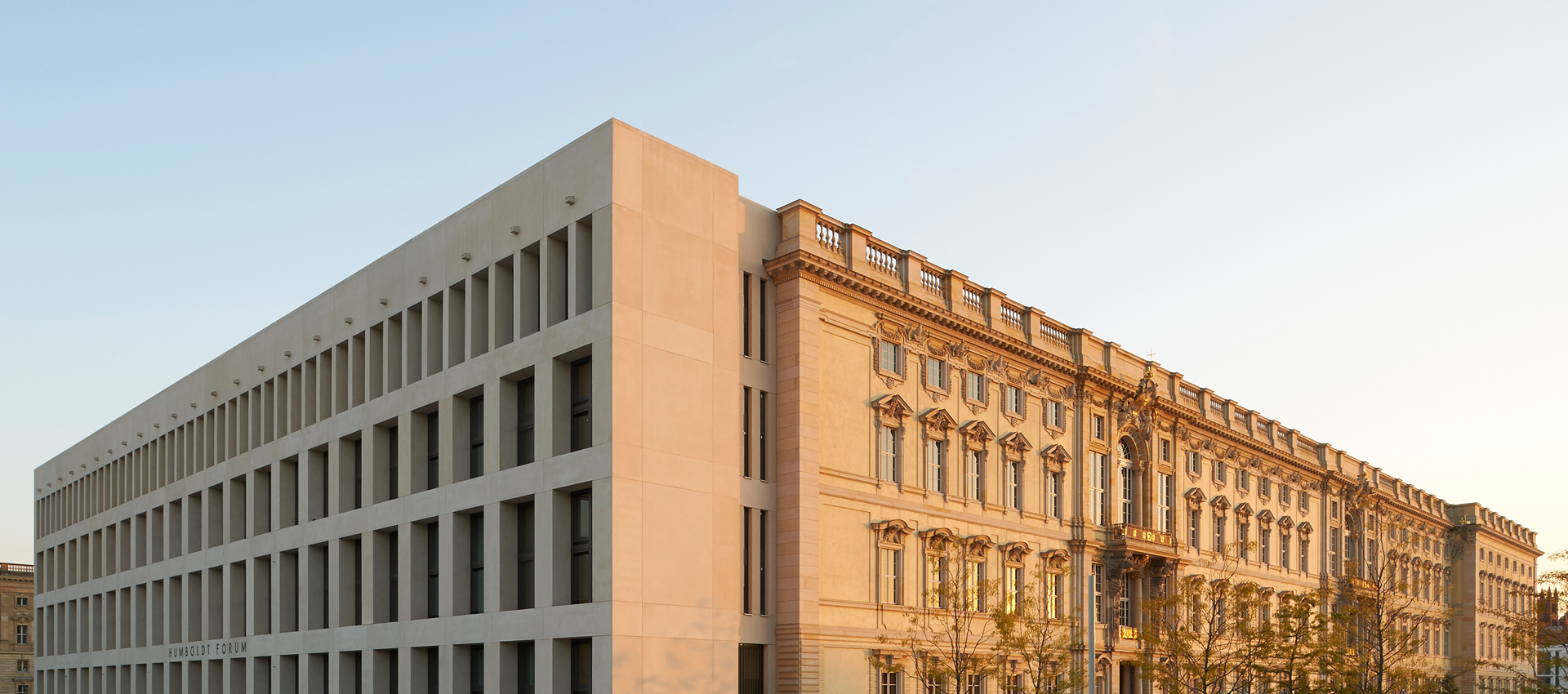
Andreas Kilb, arts correspondent for the FAZ in Berlin, also placed his trust in the structure, tradition and curators of museums, but pointed out no small number of difficulties regarding their objects: Where do they come from and how do they end up in our museums? Why do so many museums find it so difficult to ensure transparency regarding the provenance and acquisition of their cultural artefacts? In this context, Kilb mentioned the controversies surrounding the Luf boat in the Oceania collection of the Ethnological Museum and the current special exhibition “History(ies) of Tanzania” at the Humboldt Forum: “The purpose of a museum is to educate about what was and, thereby, what is.” He felt this claim had not been fulfilled here and warned of the danger of squandering trust.
Trust is good, control is better? What should be done when political parties attempt to exploit institutions such as museums for their own ends? How can these institutions defend their neutrality? The entire panel emphasised the necessity of independence, as enshrined in Article 5 of the Basic Law: “Art and science, research and teaching are free.”
Patricia Rahemipour referred to the numerous politically driven crises in the history of museums, whilst attributing to these institutions the strength and imagination to have developed a robust framework to withstand any external influence.
“Museums should not subordinate themselves to any interest groups,” said Andreas Kilb, referring to attempts at influence from both the ideological right and left.
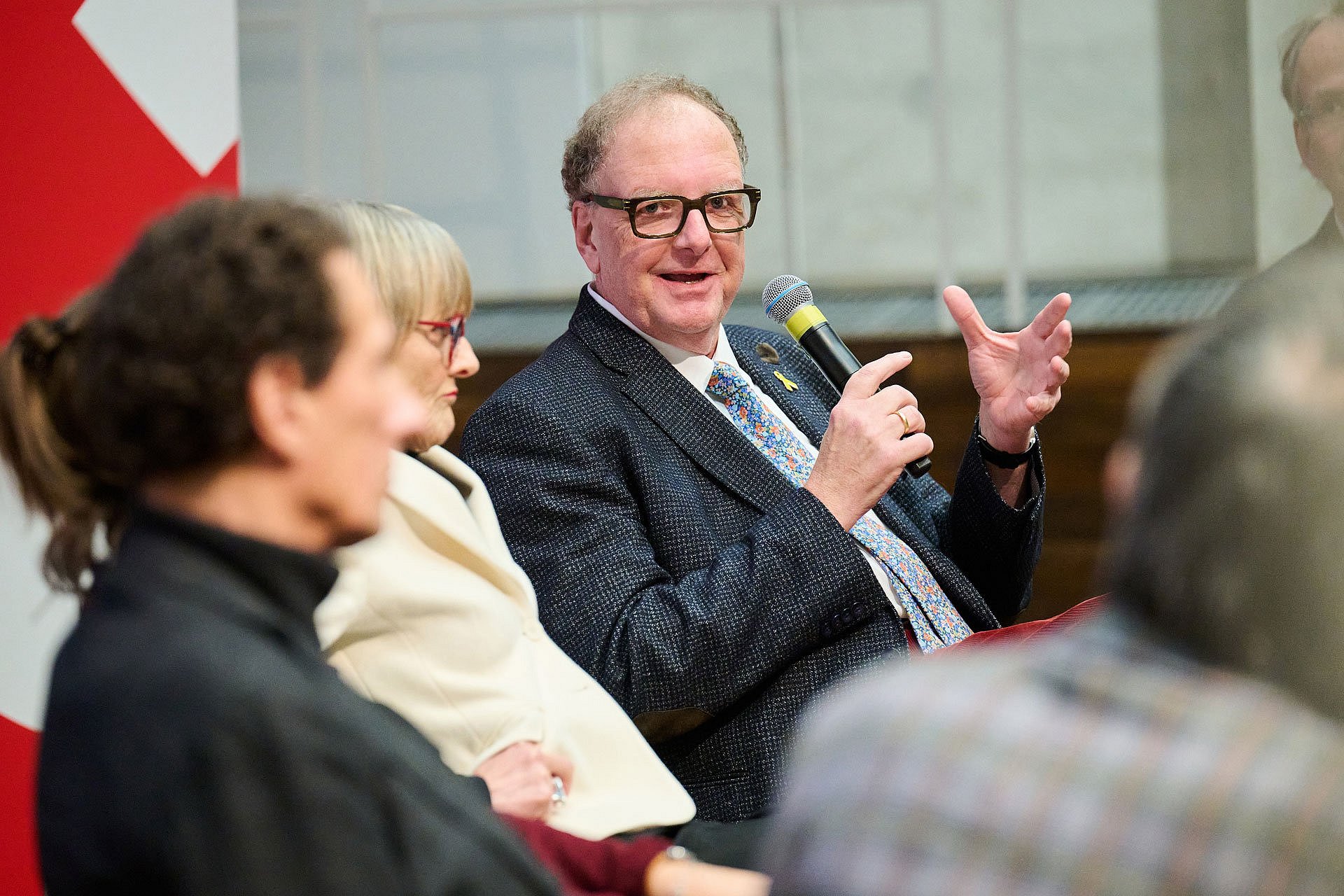
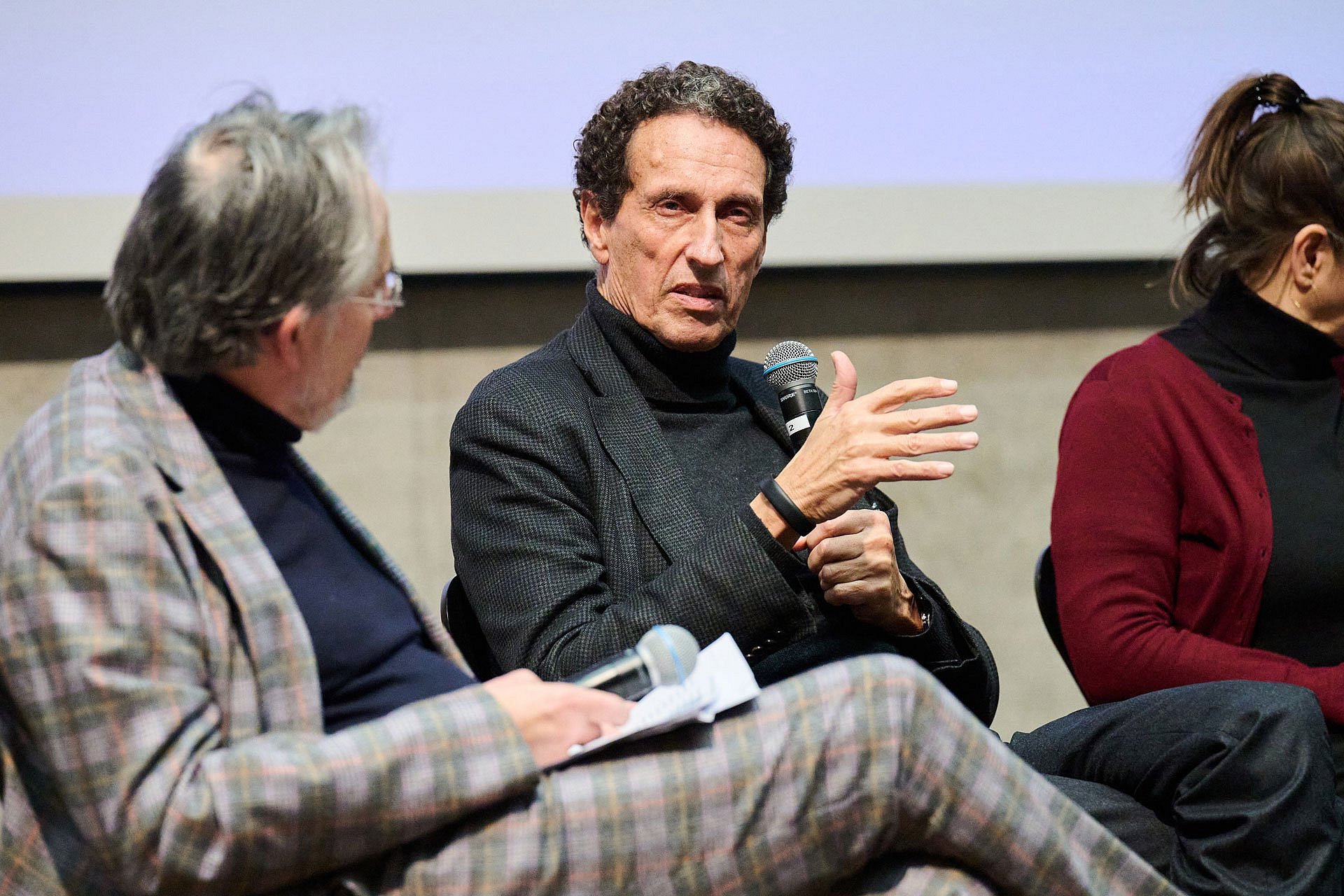
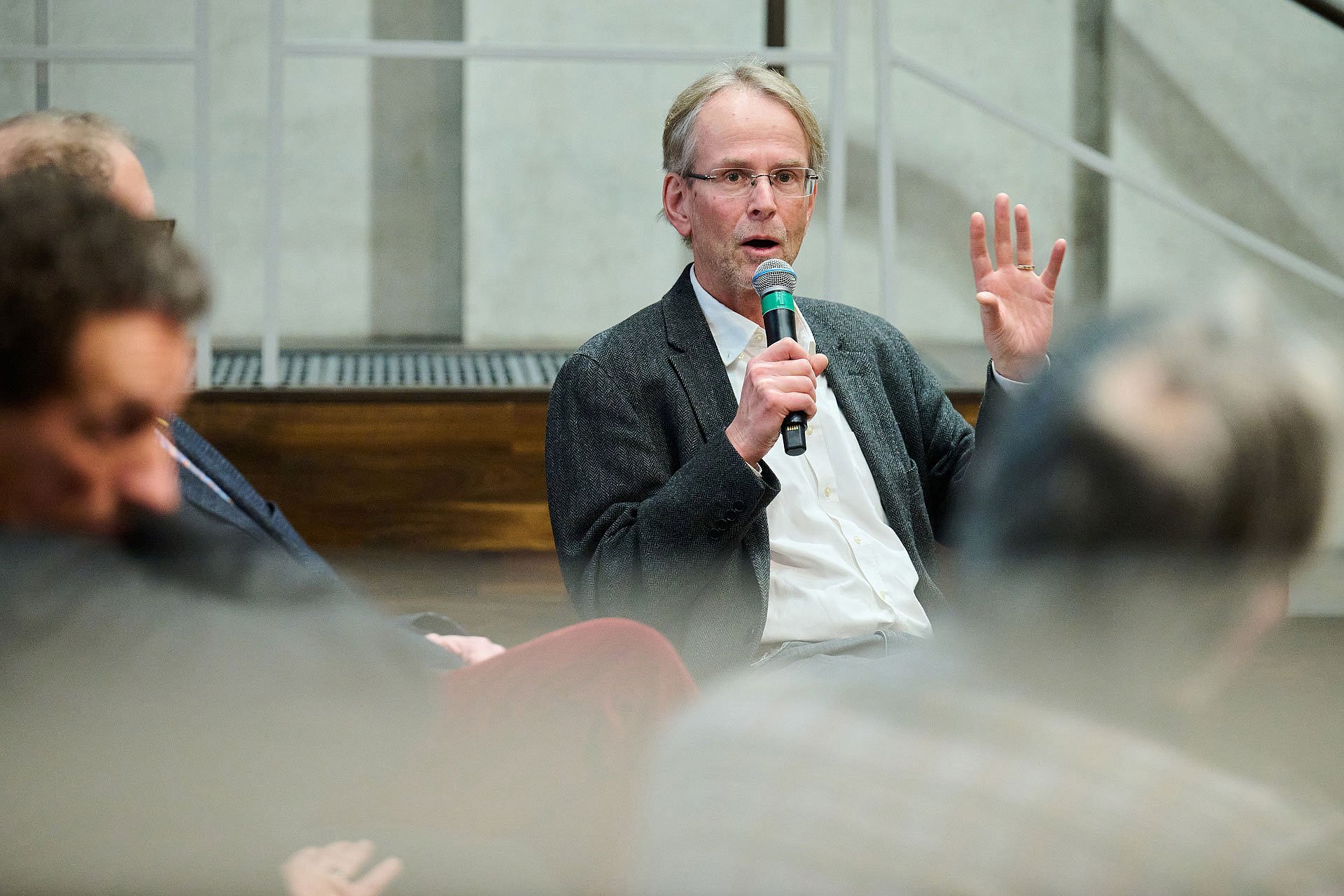
Open-minded thinking, a democratic civic culture
Were museums, under pressure to generate revenue and maintain as strong a public presence as possible, perhaps in danger of jumping through every hoop that politics and the zeitgeist held out to them? Gert Scobel cited topics such as rampant wokeness, Russia’s war of aggression against Ukraine, and debates on colonial restitution.
Ulrike Lorenz firmly distanced herself from such considerations, arguing that museums are, in a positive sense, “very sedate”, which fortunately protects them from hasty changes of heart. It was important, she said, to strengthen the core competence of museums, whose staff, as experts “in well-presented knowledge”, had earned a high level of trust among the public. This, she added, was also where the institutions’ future potential lay.
“The independence of museums is demonstrated in the way they handle what they have and what they display”: Andreas Kilb also made a case for the core competence of museums and emphasised that today there is more knowledge available than ever before and that it is generally accessible: “Museums should open themselves up to new ways of thinking.”
In this context, Olaf Zimmermann emphasised that moderate admission prices or special opening hours would be helpful in making access easier.
The study cited at the outset also concluded that museums have the potential to strengthen the sense of social cohesion. Education is a key driver of this. “Trust in museums is also a catalyst for democratic civic culture,” added Nida-Rümelin.
After two hours of intensive discussion, there would still have been plenty to talk about – the constitutive ethos of the institutions and the best approach in difficult times, the various forms of the Enlightenment and the complexity of the world, the tasks facing museums today, tomorrow and the day after. There is certainly room for one or two more studies to follow.
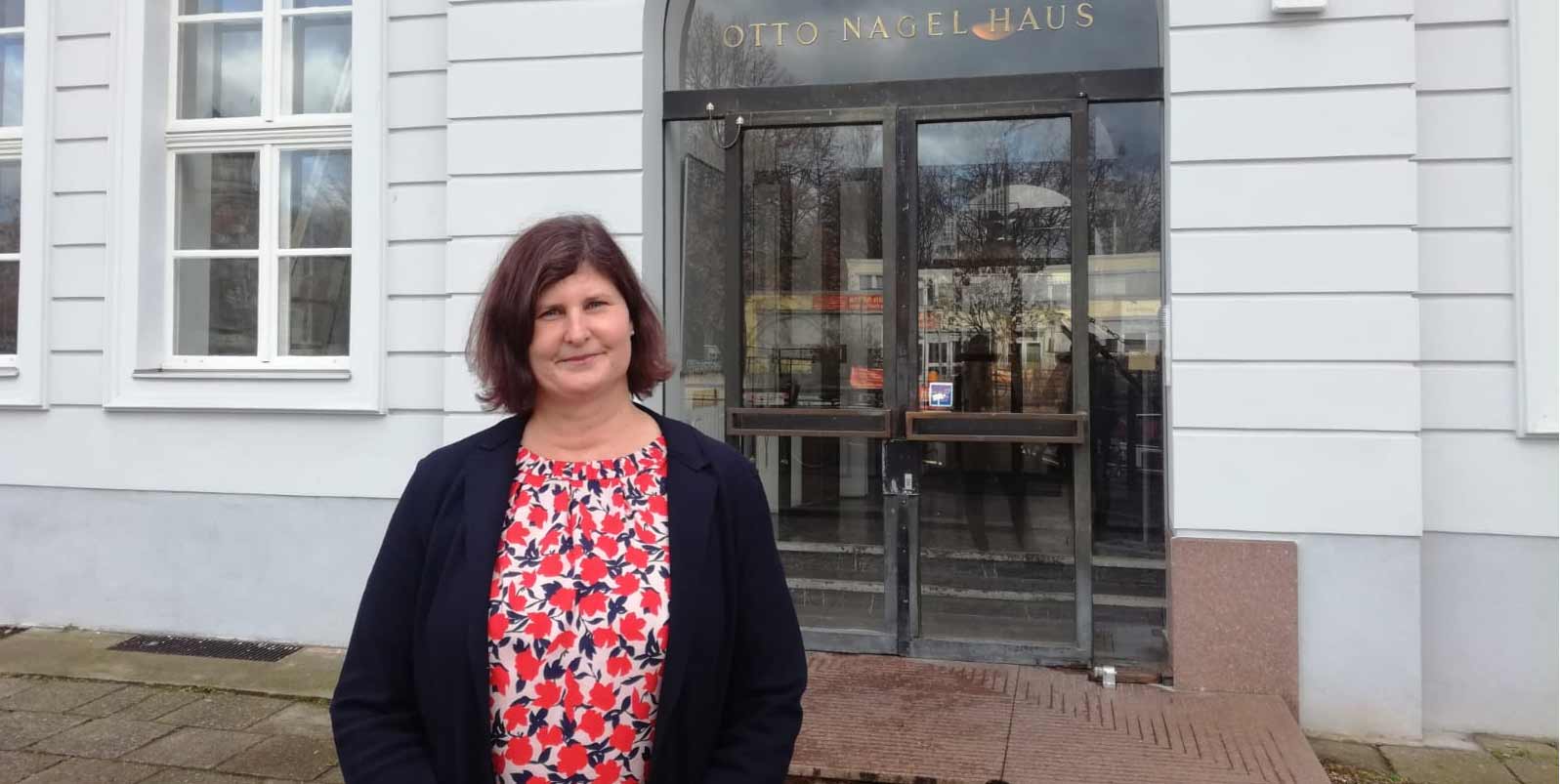
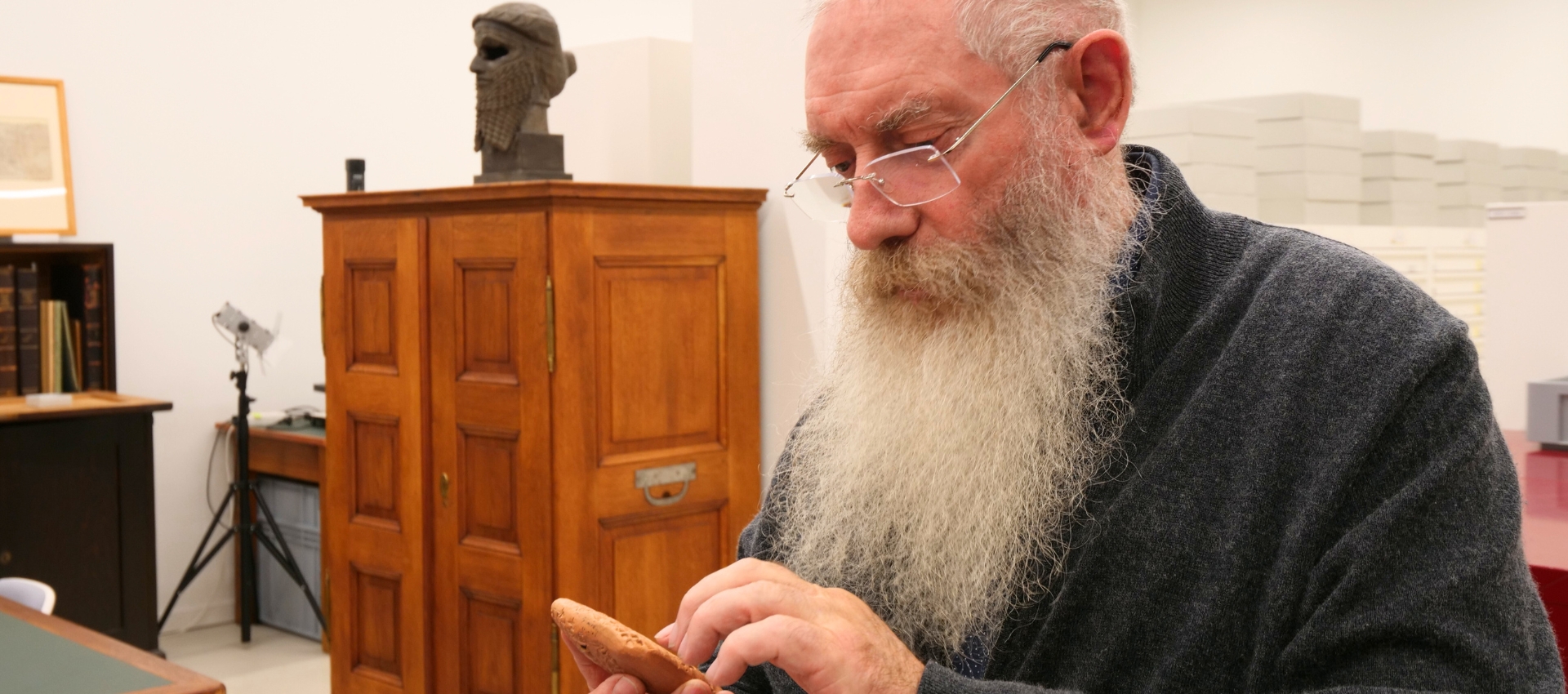
Towards the end, several voices were heard from the audience, most recently Barbara Helwing, Director of the Museum of the Ancient Near East, who beautifully described the close bond between museums and visitors. She referred to the weeks leading up to the complete closure of the Pergamon Museum in October 2023, which was necessary to carry out the building’s renovation. An incredible number of people had flocked to the museum, and quite a few of them said: “We’re visiting our Ishtar Gate one last time.” Ours!