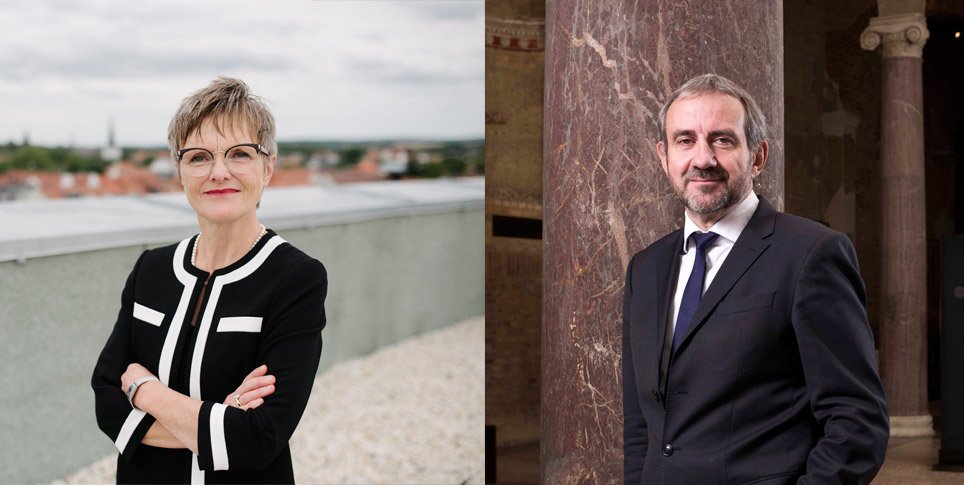
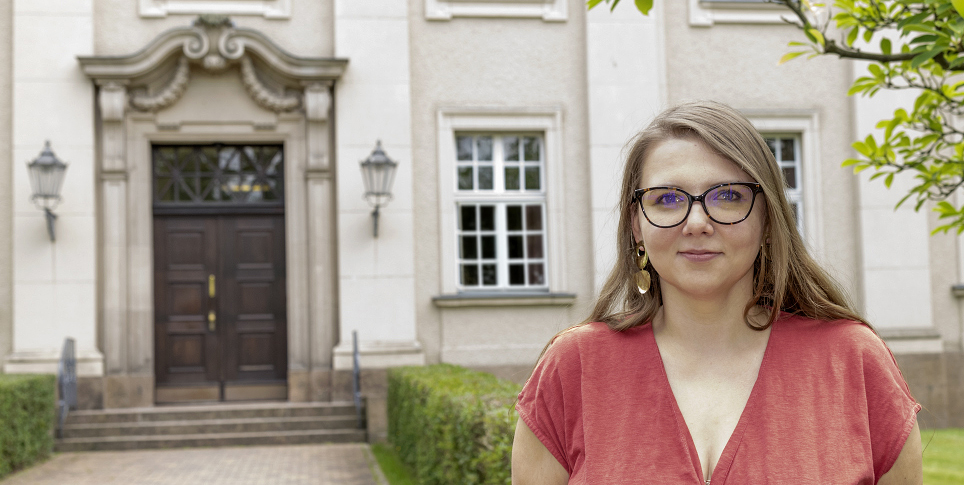
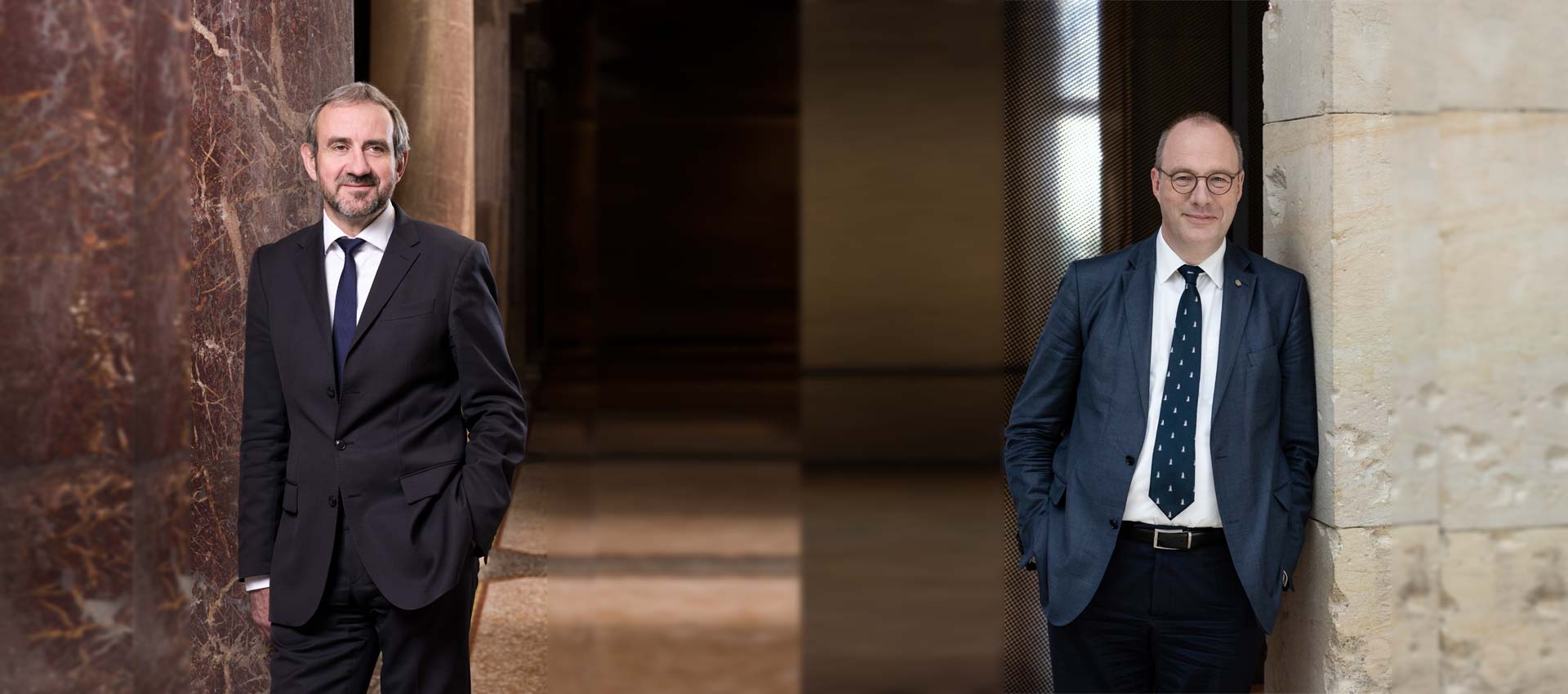
Hans-Gerd Koch, a scholar of textual criticism and literary studies, has been studying the life and work of Franz Kafka for many years. Here he answers your questions:
Mr Koch, what fascinates you most about Franz Kafka, and why does his literature continue to have such a powerful impact on readers worldwide?
Koch: What fascinates me about Kafka’s texts is how perfectly crafted they are. When I reread a text some time later, it often reveals itself to me anew; I discover aspects that had previously escaped me, phrases whose linguistic perfection I hadn’t noticed on first reading, or I discover a new layer of meaning.
This is made possible by the open structure of the texts, the ‘gaps’, as they are called in literary theory. We bring our own background of experience to bear whilst reading in order to fill them and make sense of the text.
For Kafka’s texts, this means that we read them differently not only at different stages of life and in different situations, but also in different cultures, and it renders them virtually timeless. It also means, however, that there can be no universally valid interpretation.
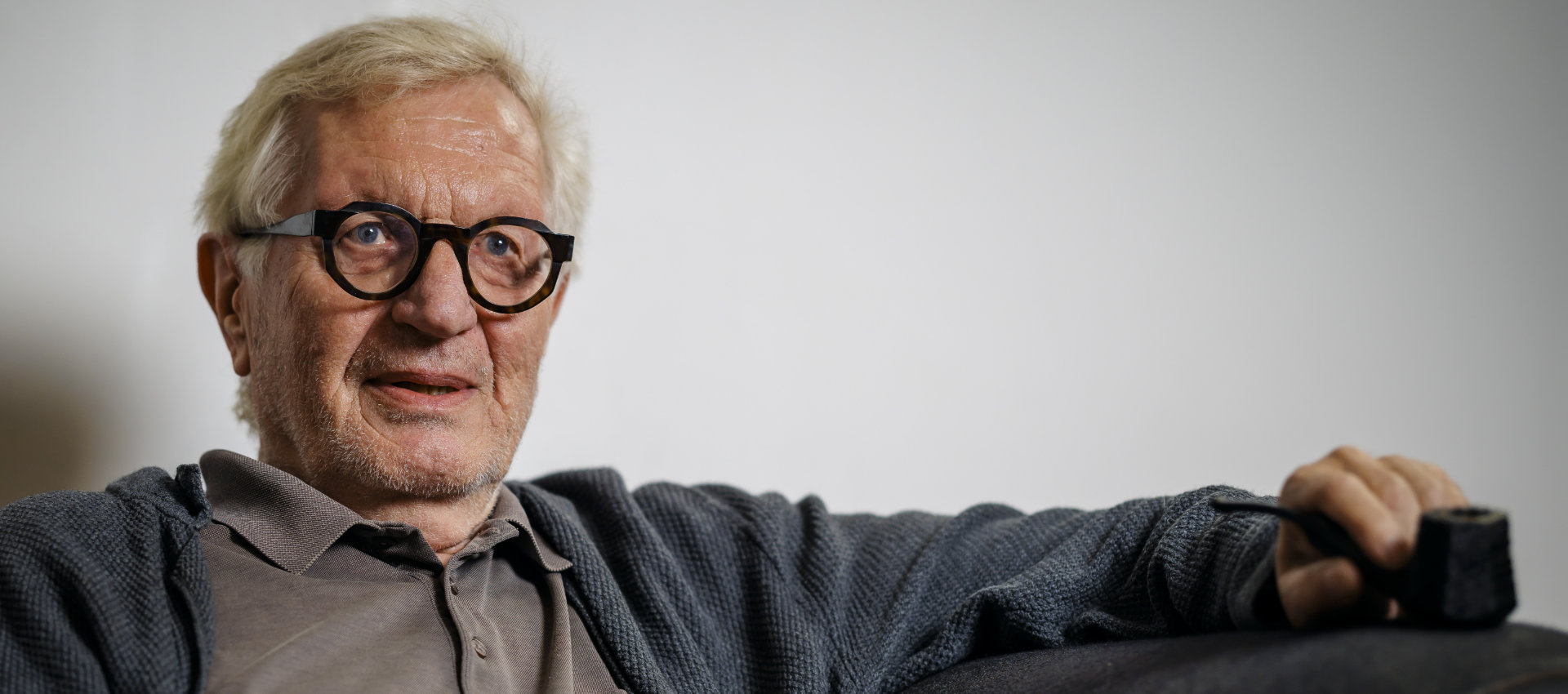
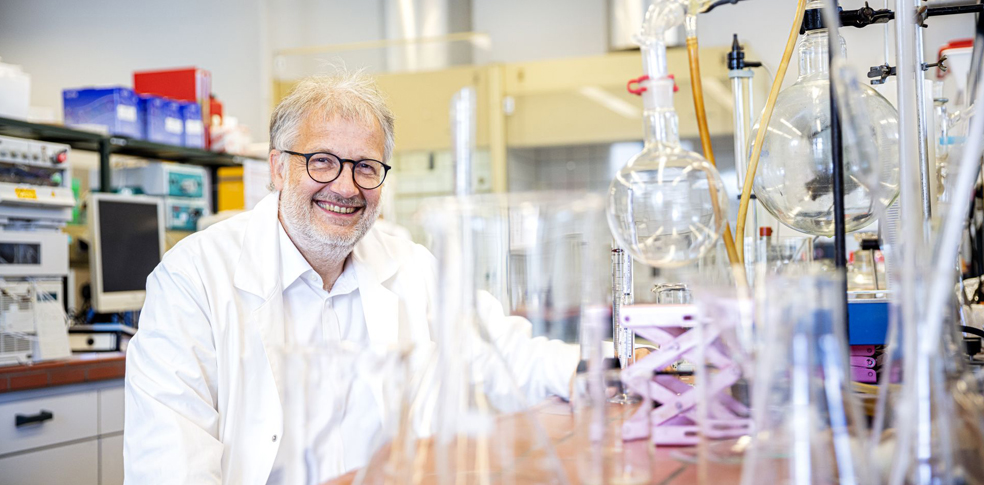
Hans-Gerd Koch is a scholar of publishing and literary studies. For many years, he has been researching the life and work of Franz Kafka. He is co-editor of the Critical Edition of Kafka published by S. Fischer Verlag, the author of numerous publications, and a curator of exhibitions.
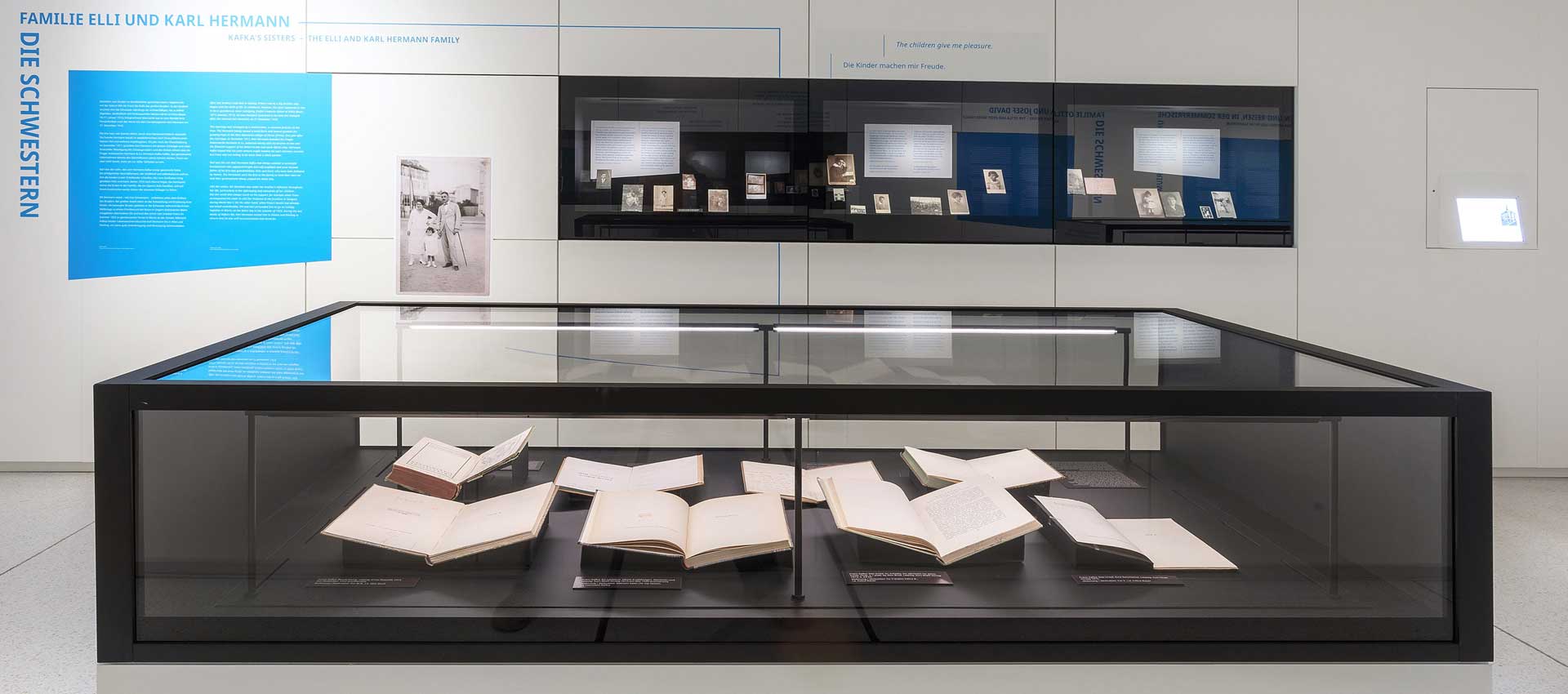
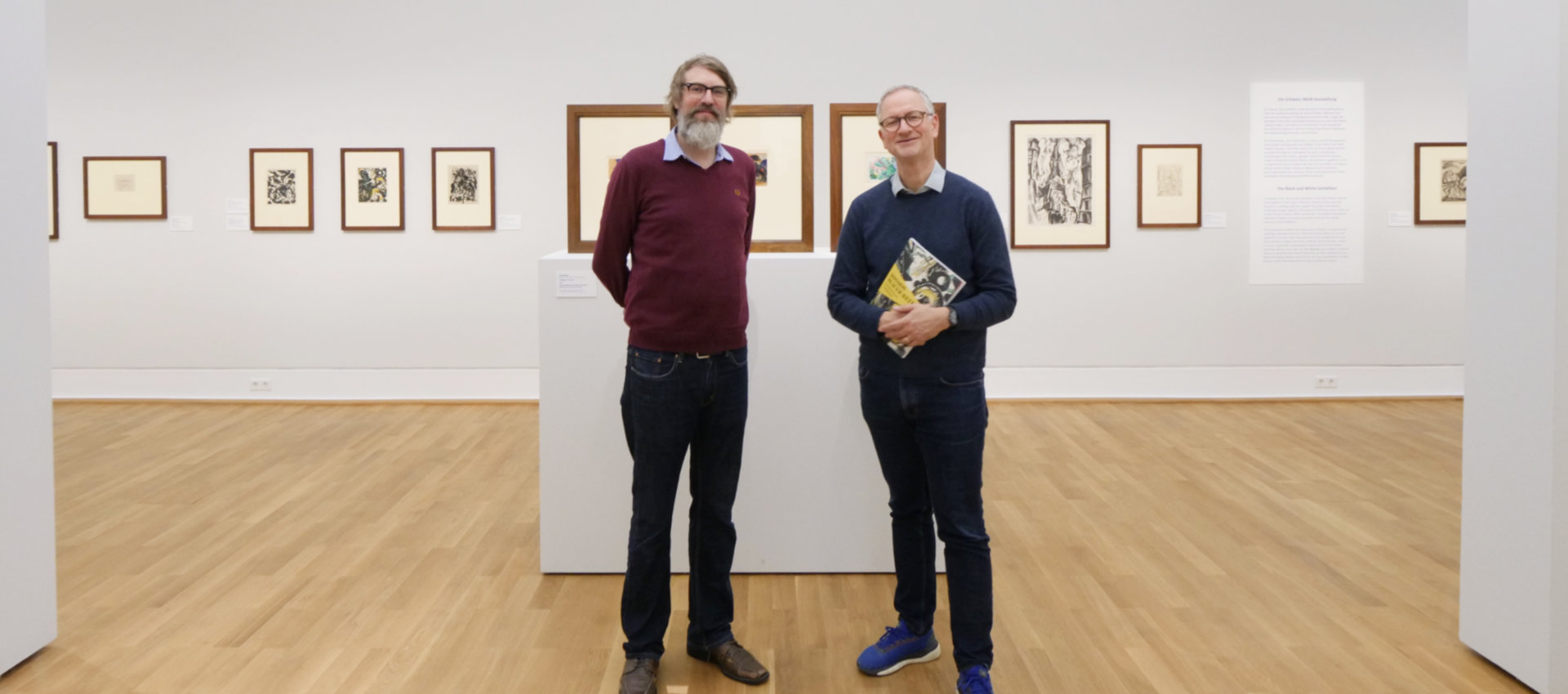
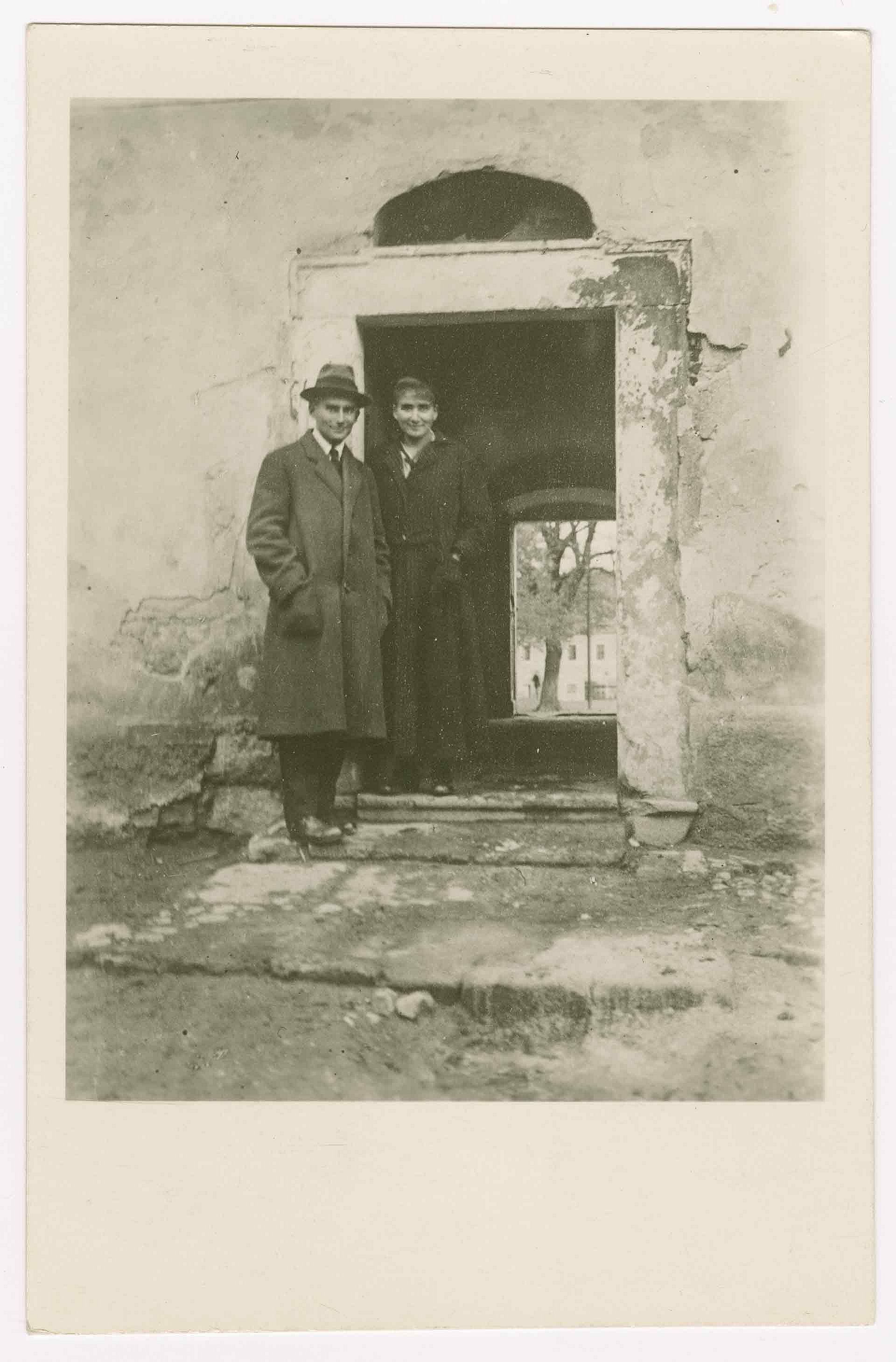
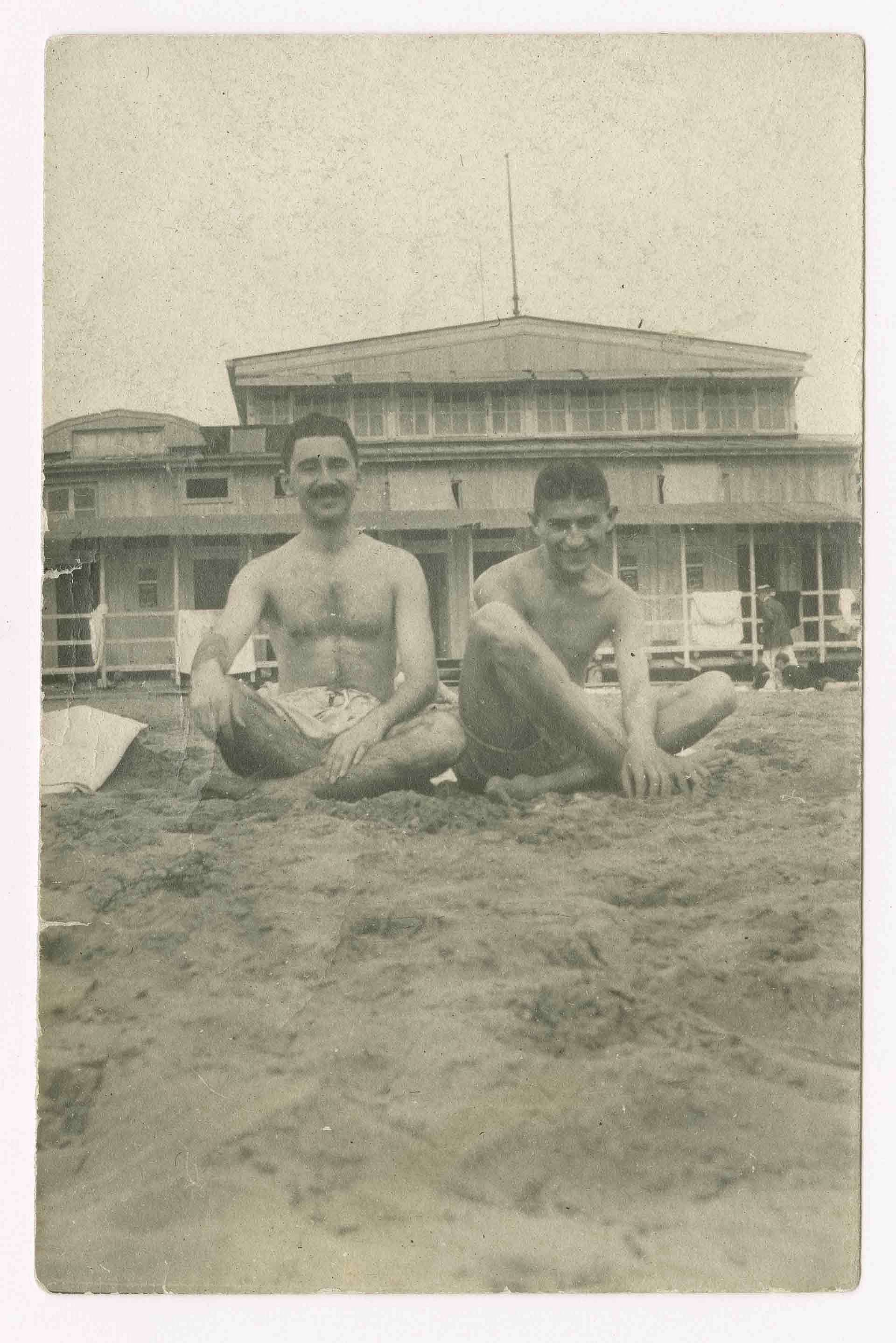
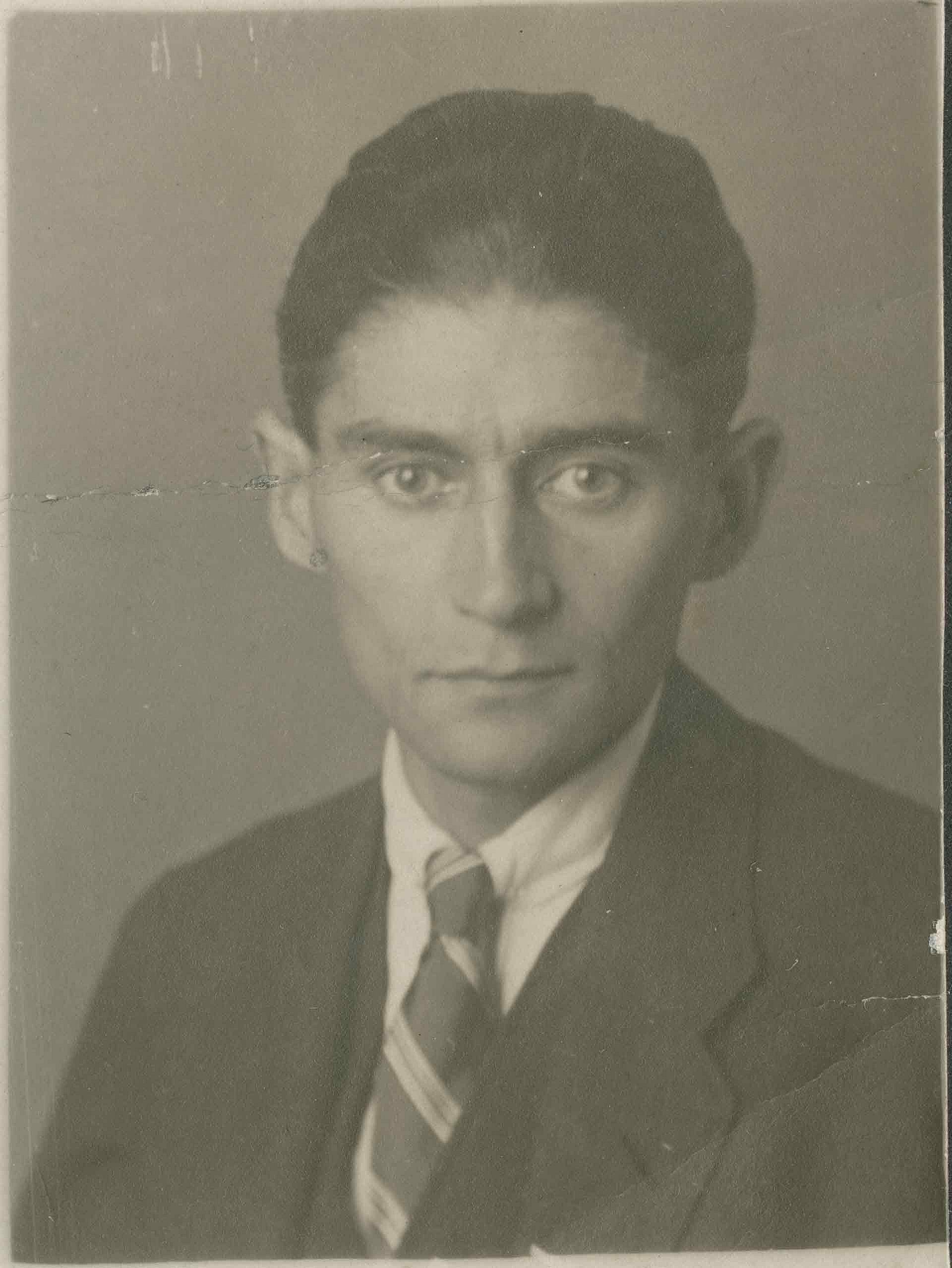
Most recently, his exhibition “The Kafka Family Photo Album” was on display at the Kulturwerk of the Berlin State Library, in which Franz Kafka and his extended family were shown for the first time in original photographs from the collection of his sisters’ descendants, accompanied by commentary and quotations from Kafka’s diaries and letters.
As part of the exhibition, Koch’s interview film “A Visit to Kafka’s Niece”, shot in collaboration with Hanns Zischler, was screened, as well as the German premiere of the film “Kafka’s Last Journey”, produced this year in collaboration with Clemens Schmiedbauer.
After years in higher education, Hans-Gerd Koch has been head of Karl Rauch Verlag in Düsseldorf since 2015.
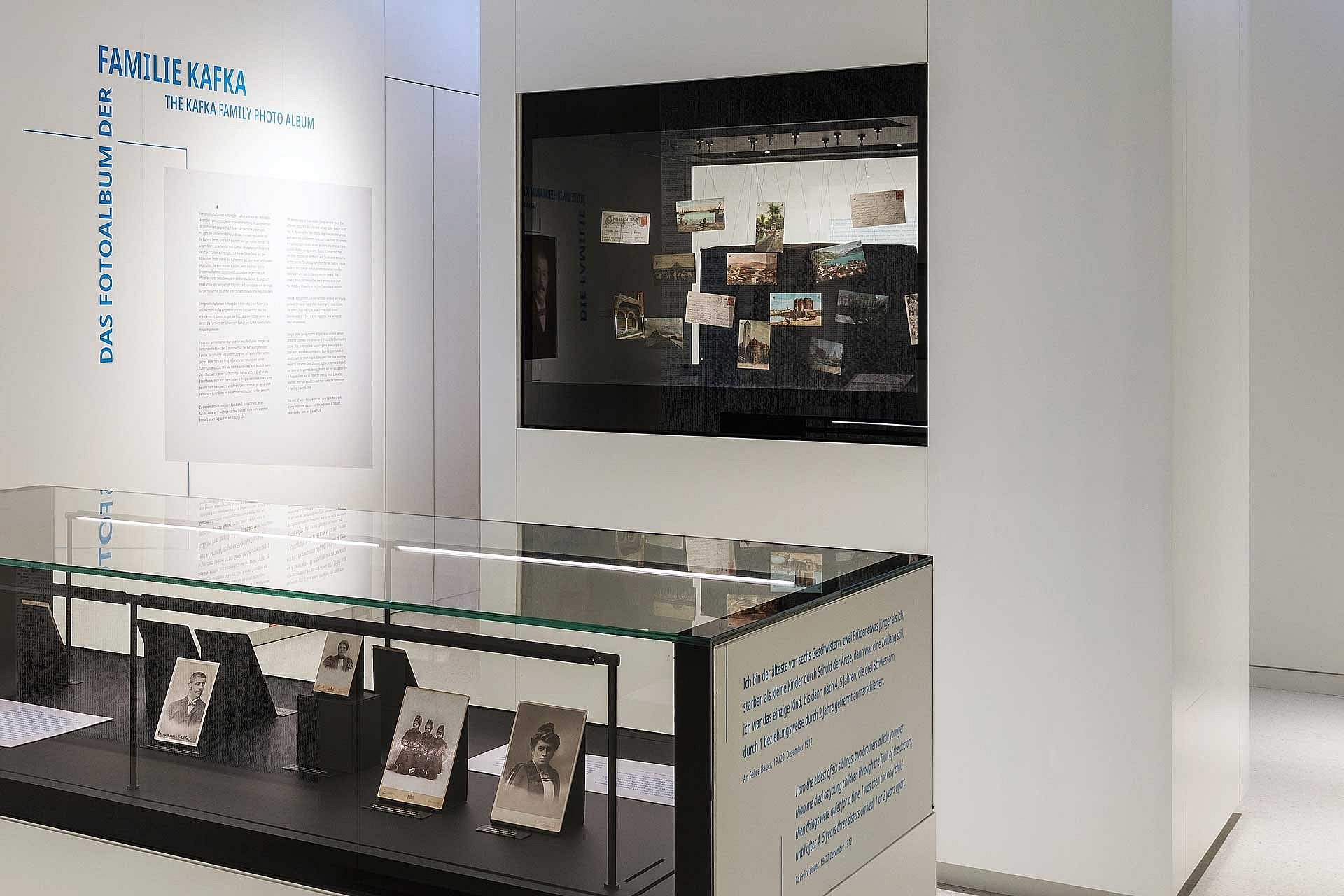
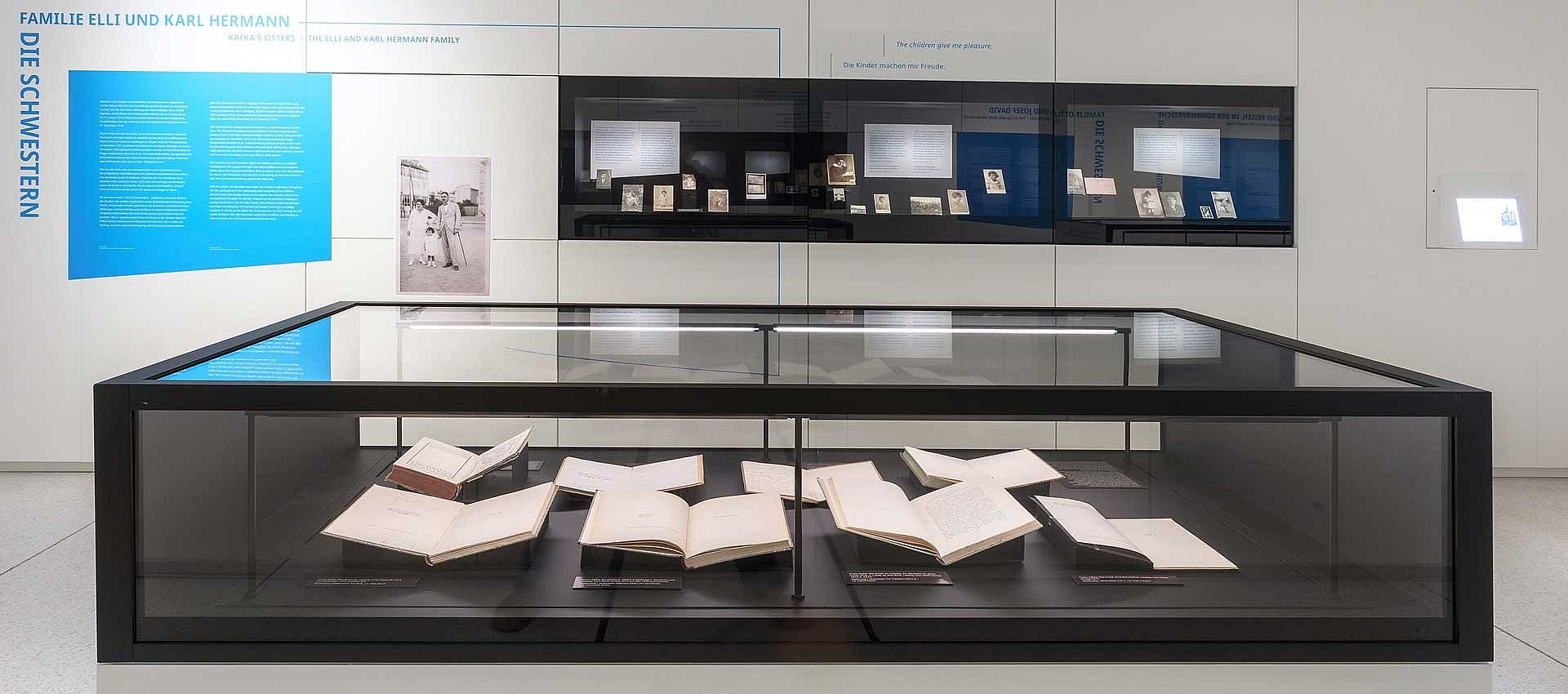
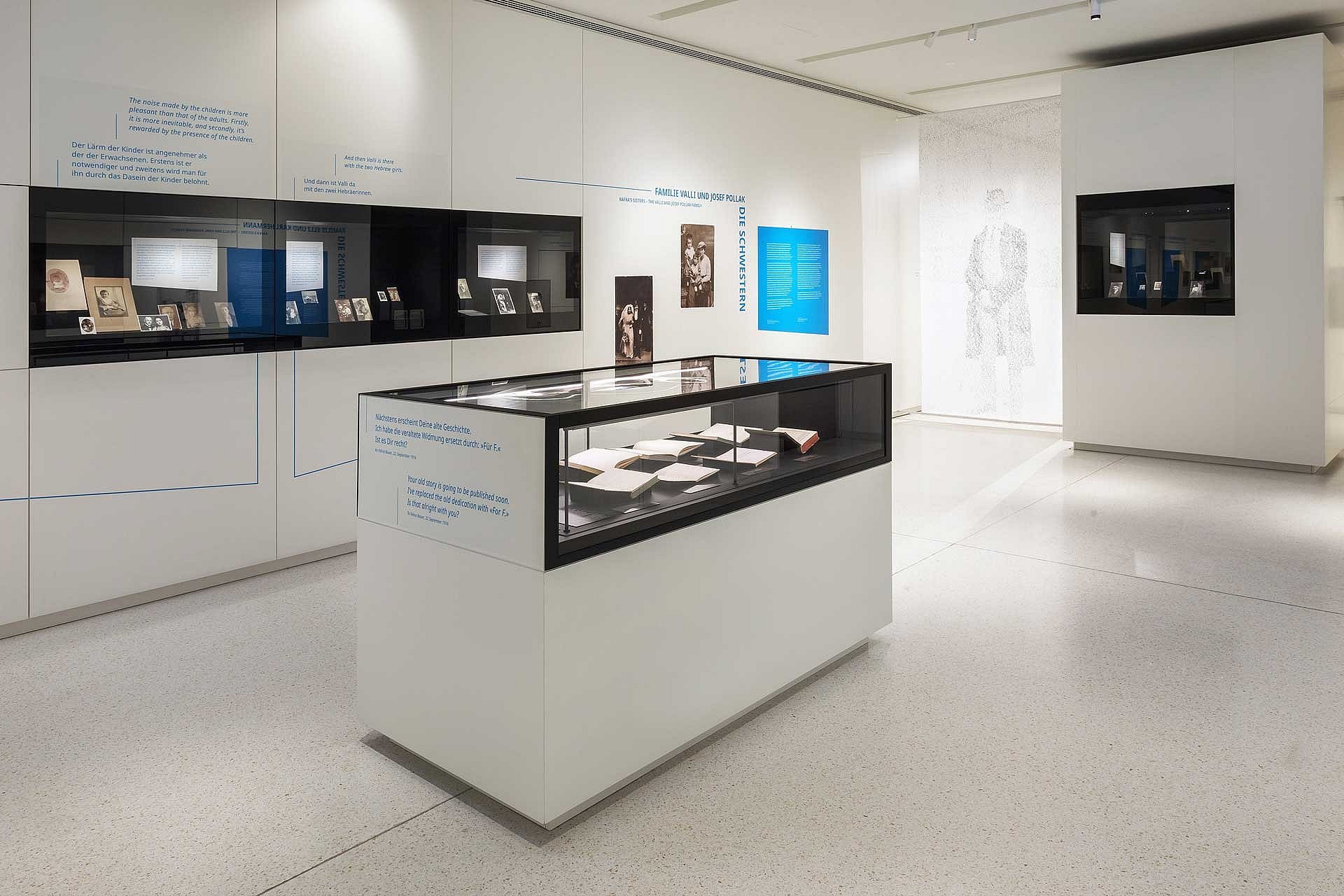
In your exhibition “The Kafka Family Photo Album”, you presented many private insights into Kafka’s life and his family. How does this visual material change our understanding of Kafka as a person and an author?
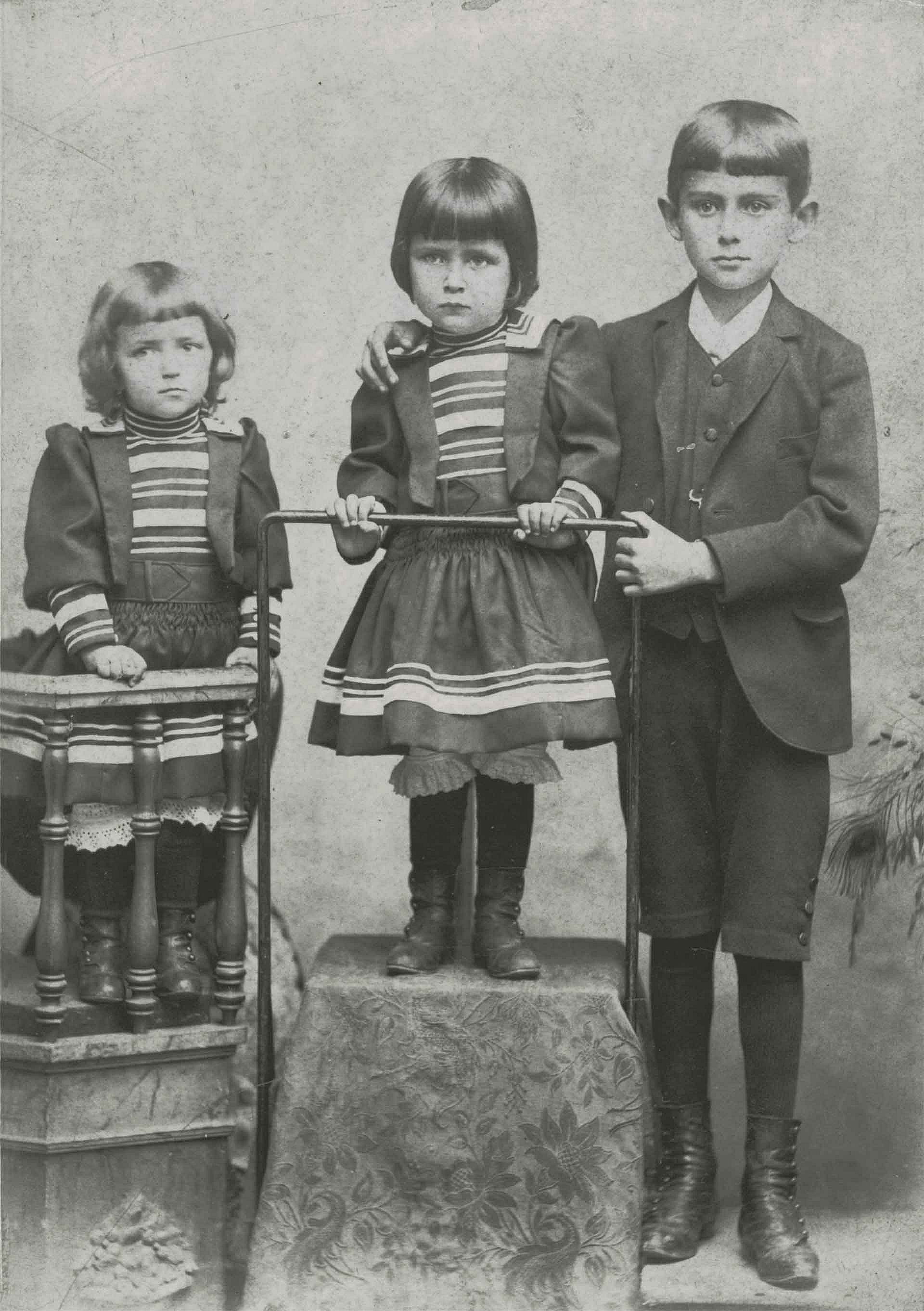
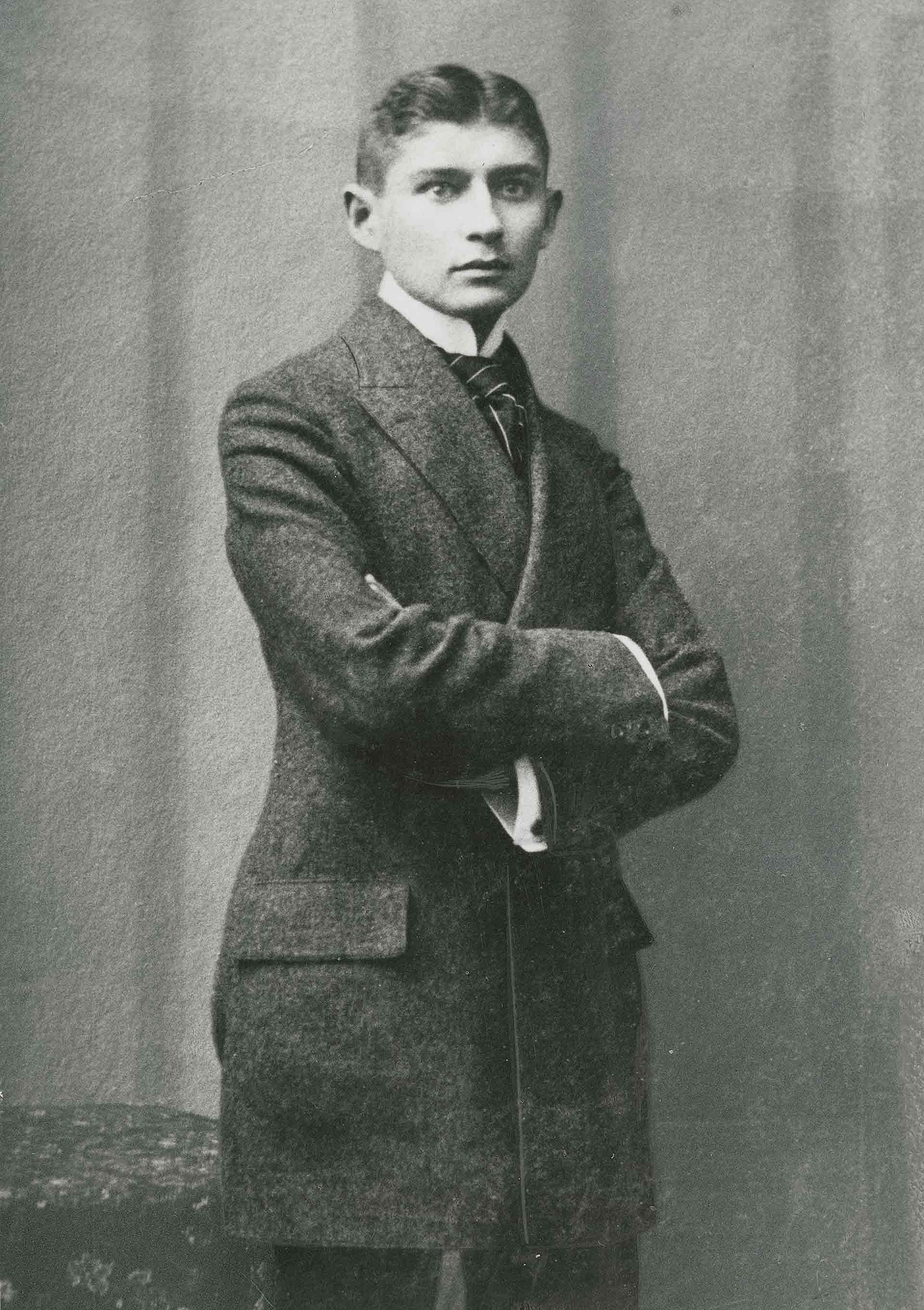
Koch: Images have a language of their own, and they enable us, as viewers, to connect with those depicted. Does Hermann Kafka look as intimidating as his son often portrays him? Is Franz Kafka as camera-shy as he repeatedly claims? One can form one’s own impression and occasionally discover clues that offer a new perspective:
In a photograph taken in Franzensbad, Kafka’s mother and his sister Valli pose amongst birch trees, one of which, in the background on the right, bears the carved initials ‘FK’ and ‘K’. Is it a coincidence that these are the initials with which Franz Kafka and Hermann Kafka often signed cards and letters? Or did father and son leave their initials here the previous year, when Franz visited his parents during their summer holiday? If the latter is the case, it is certainly no coincidence that Julie Kafka and Valli Pollak had their photograph taken right here.
You have produced films such as *Kafka’s Last Journey*. What can a film about Kafka convey that one does not find in his writings or in literary studies?
Koch: A successful film, whether it is a more free, fictionalised adaptation of a biography or a fact-based documentary, is able to transport viewers into a historical atmosphere, giving them a sense of what life was like at that time. Historical photographs and film footage, as well as accounts from contemporary witnesses and documents, can all contribute to this.
In the film *Kafka’s Last Journey*, this approach—interwoven with letters and maps shown in their original form and read aloud—creates a tableau that turns viewers into companions on the final stages of his life. They are more emotionally engaged than they would be when reading a book; they become witnesses to the struggle to improve his health, to the vacillation between hope and despair.
Above all, however, the polyphonic nature of the narrative allows them to form their own picture of just how important Kafka’s family was to him – contrary to many claims to the contrary – and how much support they offered him.
Research Questions
How exactly does one restore paper? How can you tell if a painting is genuine? And what is the correct way to play Beethoven? With Research Questions, we give you the opportunity to ask us your questions. In each issue of the research newsletter, a researcher from the SPK answers selected questions from the community on a specific topic.