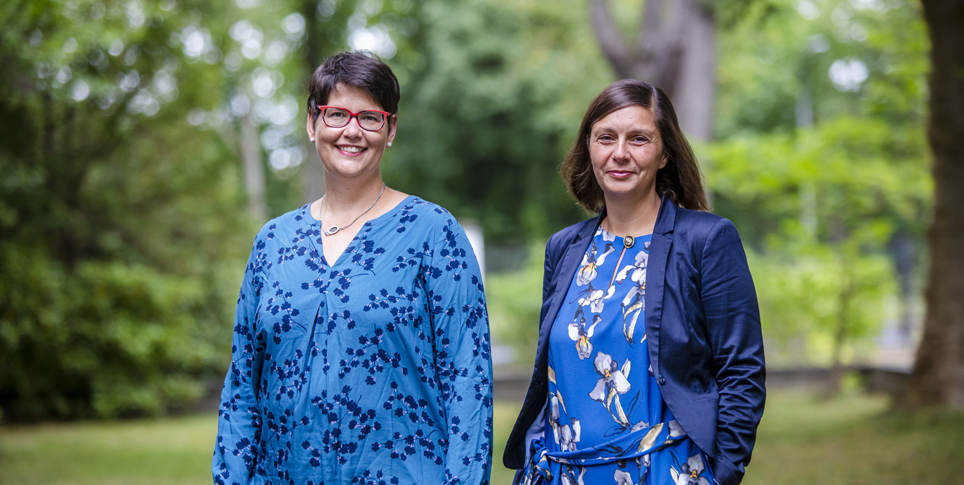
The new SPK Lab, imaginative hackathons and the wide range of opportunities offered by the vast trove of data held by SPK institutions: an interview with Felix Schäfer and Maria Federbusch.
Mr Schäfer, the digital transformation is also making headway in the cultural sector. More and more works of art and documents are being digitised. What does this mean for the SPK?
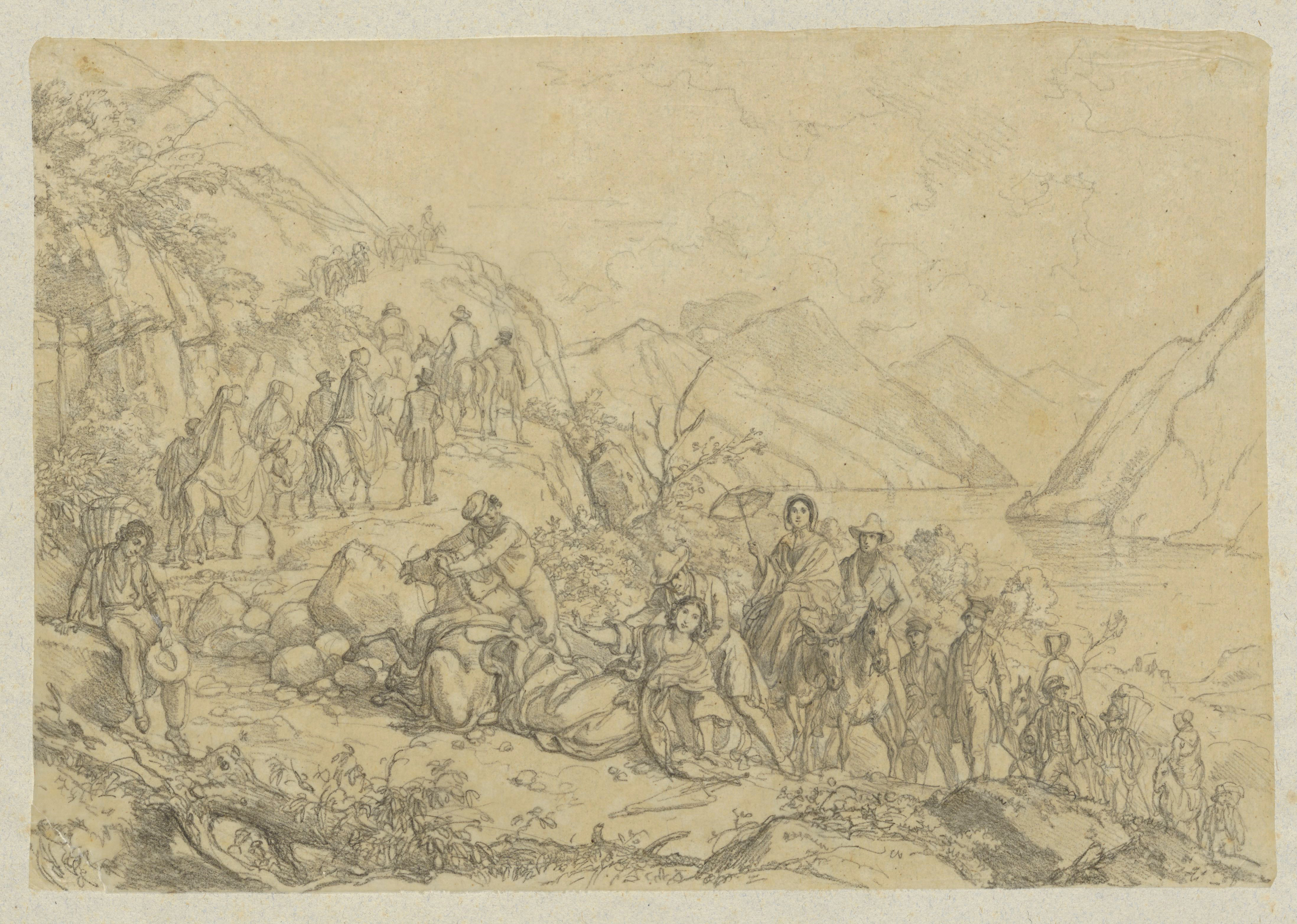
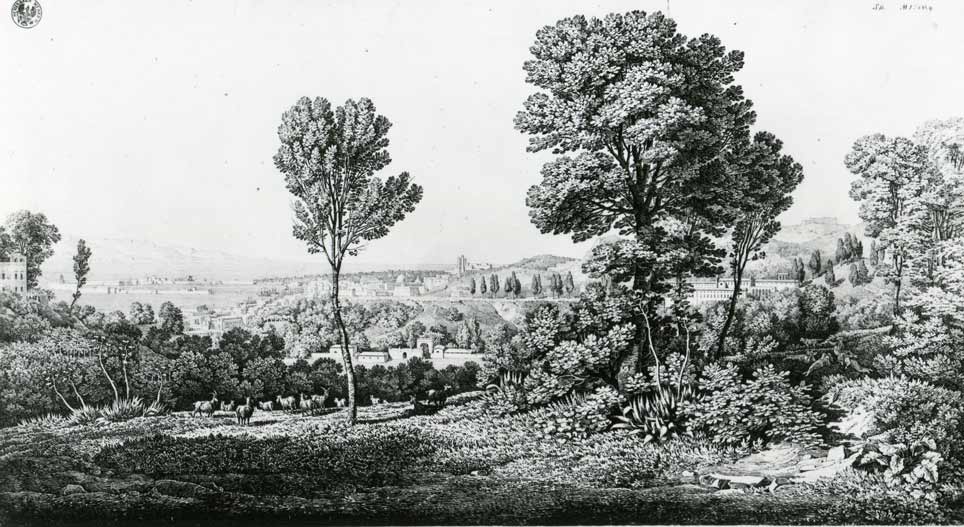
Felix Schäfer: For the SPK, the digital data we extract from our physical objects and archival materials represents a major opportunity. It offers many possibilities and is therefore extremely valuable. It makes cultural artefacts and objects that have previously remained hidden from the general public – for example, in storage – visible for the first time. And it enables new interpretations of the familiar. Let me just give a random example: the Kupferstichkabinett holds almost 7,000 sketches, drawings and engravings by Karl Friedrich Schinkel, the great Berlin master builder and architect of the early 19th century. Many of these works have already been catalogued and digitised. Normally, when it comes to Schinkel, the focus of interest is primarily on the buildings, palaces, castles and towns. With the help of the data, however, one could also take a cross-sectional look at Schinkel: for example, one could search for all the drawings depicting trees and then perhaps compare this collection with depictions of trees by Schinkel’s contemporaries. Where are the similarities, where are the differences? This opens up a new scenario for use, a new aspect of research, a new perspective. And this is only possible because we have the digital data.
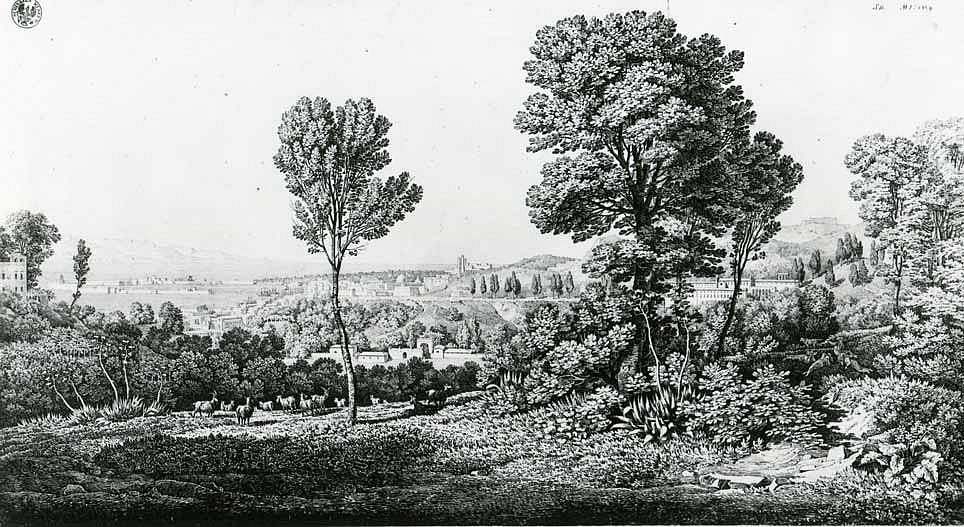
"View of Messina and the opposite coast of Calabria", drawing by Karl Friedrich Schinkel, probably c. 1808/1809, Staatliche Museen zu Berlin, Kupferstichkabinett, Inv. No. SM 1a.4, 2011. Image: Staatliche Museen zu Berlin, Kupferstichkabinett / CC BY-SA-NC 4.0
The SPK Lab
The SPK Lab is a project funded by the Foundation’s Board of Trustees for a period of two years, running from November 2021 to January 2023. It is led in technical matters by its initiator, Reinhard Altenhöner, Deputy Director General of the SBB, whilst, as a cross-functional task, it is organisationally assigned to the Chief Information Officer, Johann Herzberg, at the head office. As a new member of staff at the SPK, Felix Schäfer has been working full-time for the SPK Lab since summer 2021, contributing both his academic training as an archaeologist and his many years of professional experience in IT and data-related fields.
Call for Participation: The SPK Lab is looking for partners to help shape its future!
You have been leading a project entitled “SPK Lab” since last year. What is it about?
Schäfer: The “SPK Lab” is intended to be a laboratory for digital data – in other words, an experimental workshop where you engage with something without knowing exactly what the end result will be. The “raw material” here consists of the digital collections and holdings of our institutions, which we want to share, use and interconnect more effectively and openly with others. Digital data from our analogue cultural assets is often generated in specific contexts and with specific objectives, for example for exhibitions, research projects or anniversaries. The digitised material is then displayed either in physical spaces or virtually on the internet with a specific presentation. The digital data thus supports a specific, predefined purpose, usually within the field of cultural studies.
In a data lab, the approach is the reverse: here we acknowledge that whilst we have a great deal of data stored separately within the SPK, we do not specify the purposes for which it might still be used. And these could well be creative, emotional and extraordinary applications that we ourselves would not have thought of, or perhaps simply do not have the time to try out. And that is why we are going a step further here than usual: we are making the data available exactly as it is! It
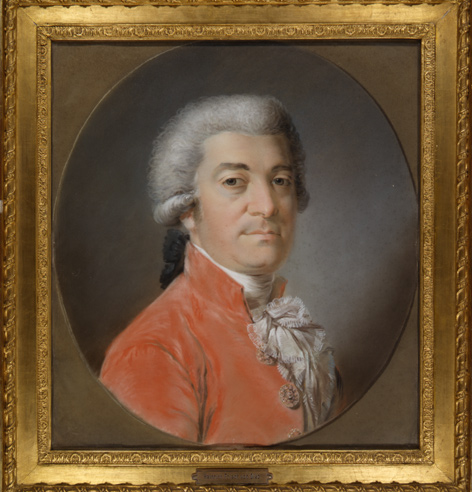
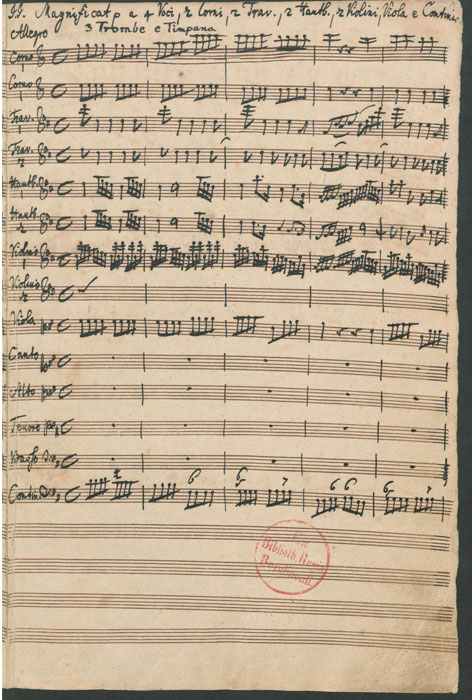
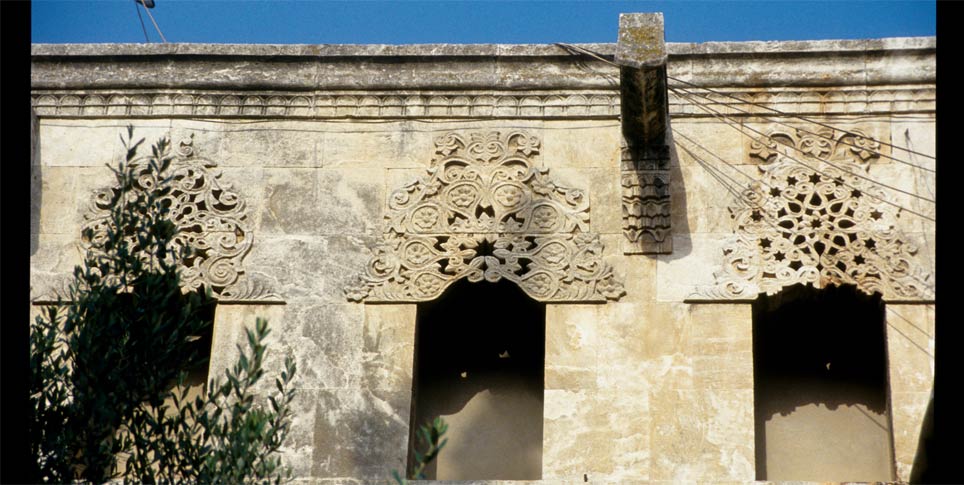
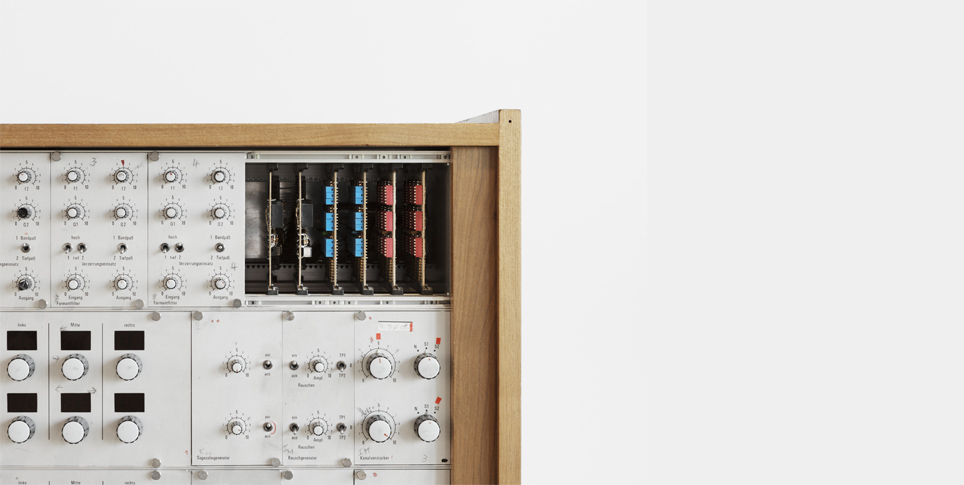
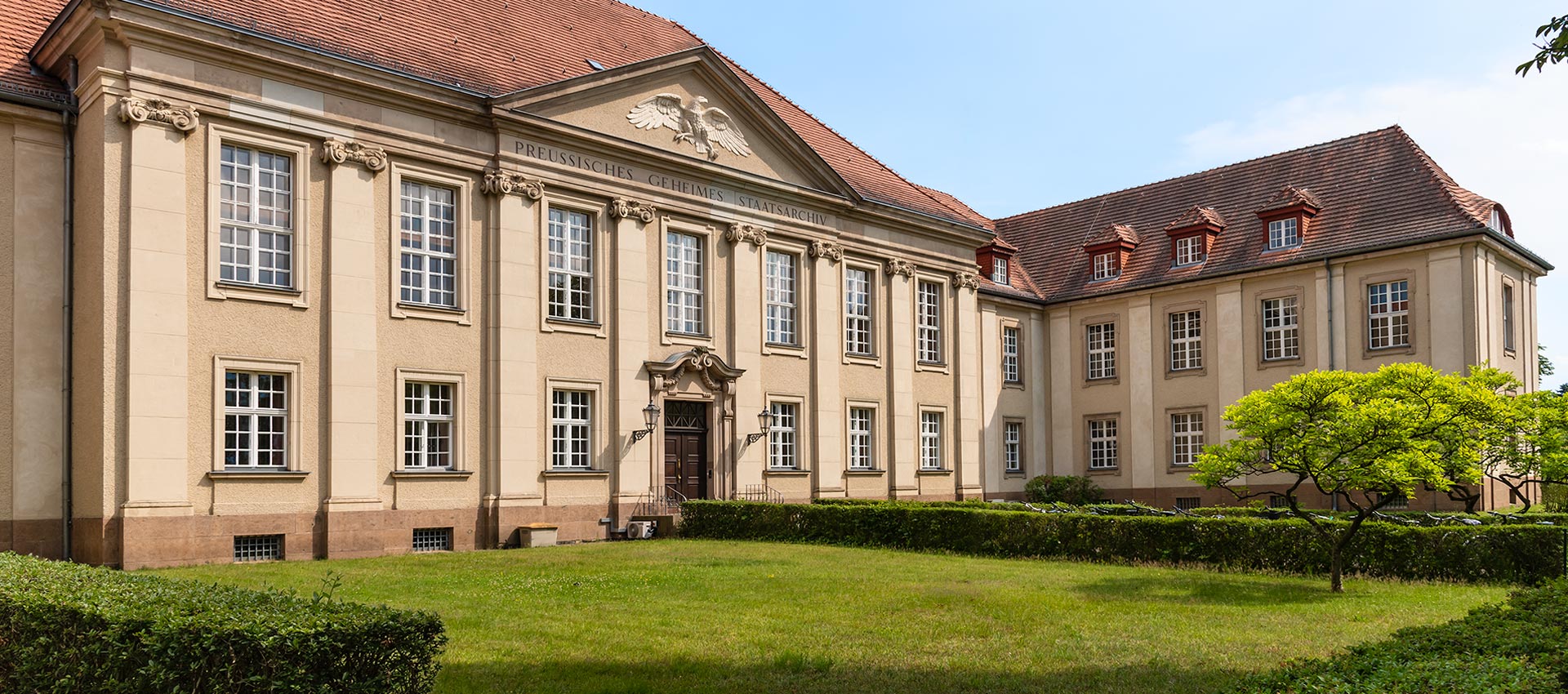
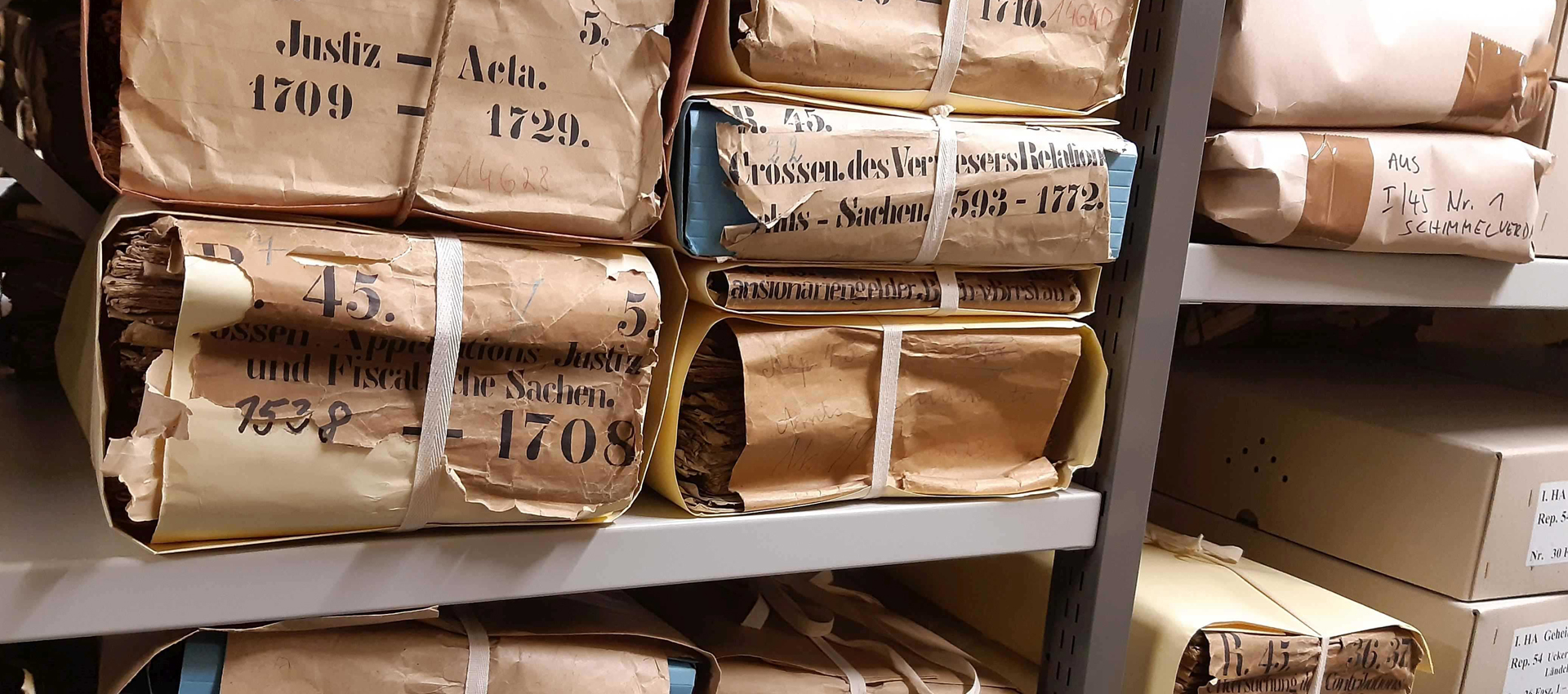
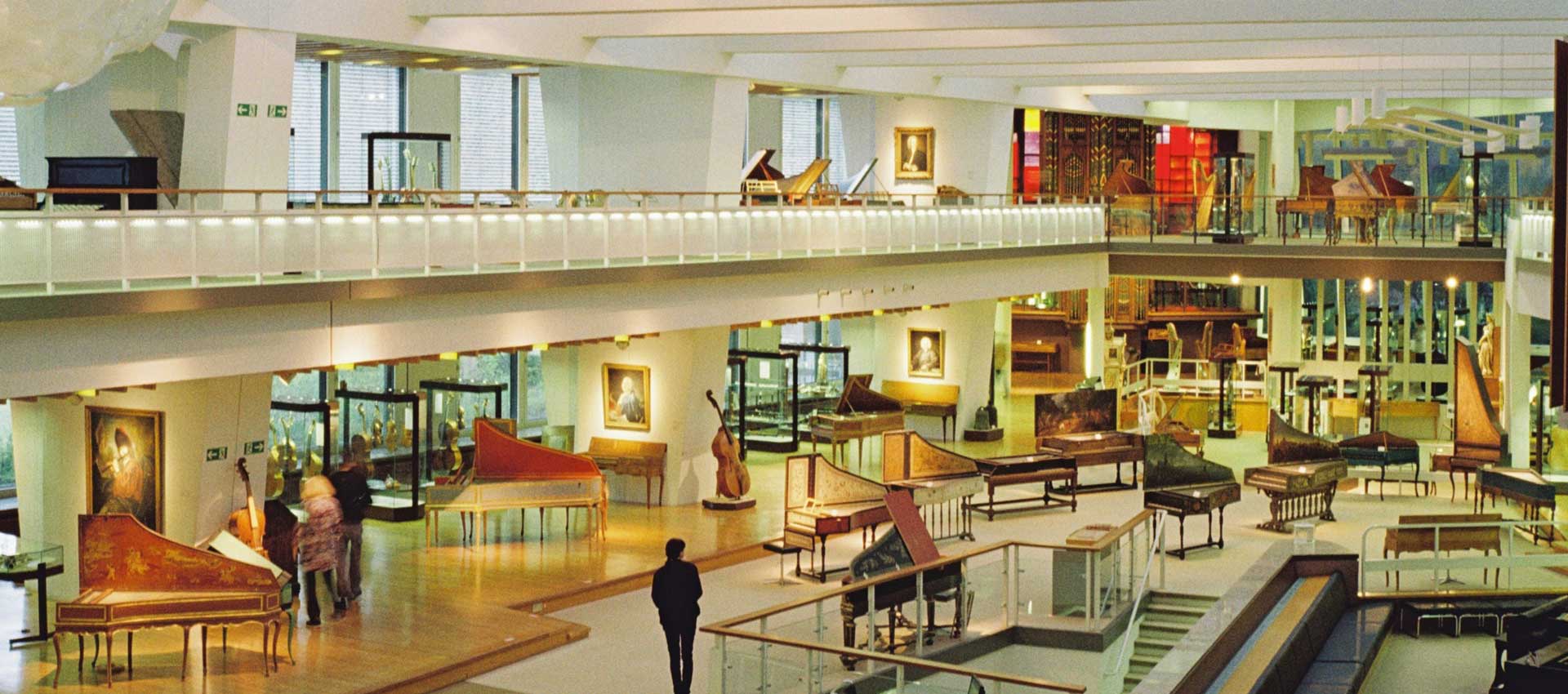
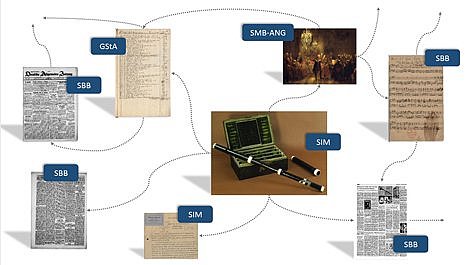
is conceivable, for example, to identify new connections between all the digital knowledge building blocks within the SPK and make them usable. Taking just one simple example, such as King Frederick II’s flutes, it is possible to create an entire network of resources and information spread across the various institutions of the SPK – be it a flute from his collection in the Museum of Musical Instruments, a painting by Adolph Menzel in the Alte Nationalgalerie, royal casket accounts in the Secret State Archives, or musical manuscripts in the SBB’s holdings, supplemented by historical newspaper reports from subsequent centuries.
And this is where we need – and invite – the many users from outside the SPK to help us take a fresh look at our digital collections. We can learn from them. But they, too, will learn something about our data and, by extension, about the many treasures held in our institutions. The ‘SPK Lab’ creates an organisational, mental, virtual and – once the pandemic is over – perhaps also physical space for such experiments. It encourages new ways of thinking and aims to spur innovation.
What exactly are you planning?
Schäfer: As a first step, we are starting by cataloguing the existing digital holdings – which is not at all easy, because all the image, text, audio, video and 3D information relating to all the art objects, printed works and archive documents is not available in a standardised format. The data-related processes and infrastructures within the institutions are also heterogeneous and complex, simply because the SPK, as an overarching entity, brings together and unifies many areas under one roof that are otherwise distributed across separate institutions with their own working traditions. Furthermore, the datasets are presented in very different ways: on the institutions’ websites, in thematically focused portals or in traditional online catalogues.
We then intend to build a website that provides a unified overview of the SPK’s datasets and opens a wide gateway into the SPK’s data world. This site will then bundle the information on the various online presentations and present it from different angles. But almost more importantly: Access options for the data and documents themselves will be described in detail, so that, within the bounds of legal possibilities and in the spirit of Open Access, they can not only be viewed but also reused locally by third parties and edited directly, for example via direct downloads or standardised technical interfaces. There will also be information on rights and licences. Contact persons will be listed so that I can get help if, as a data user, I do not understand something.
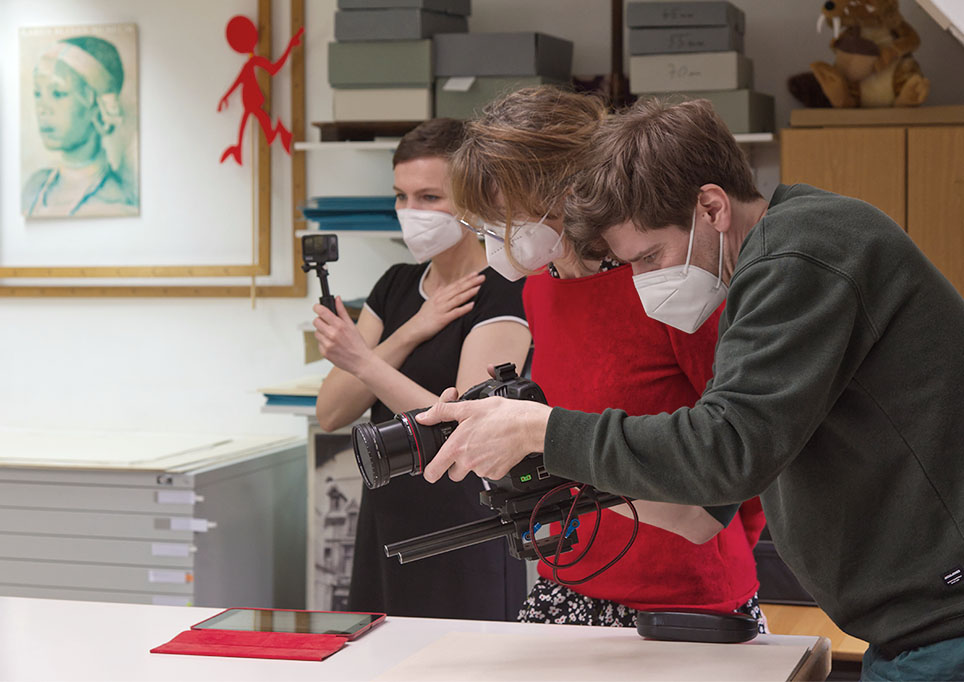
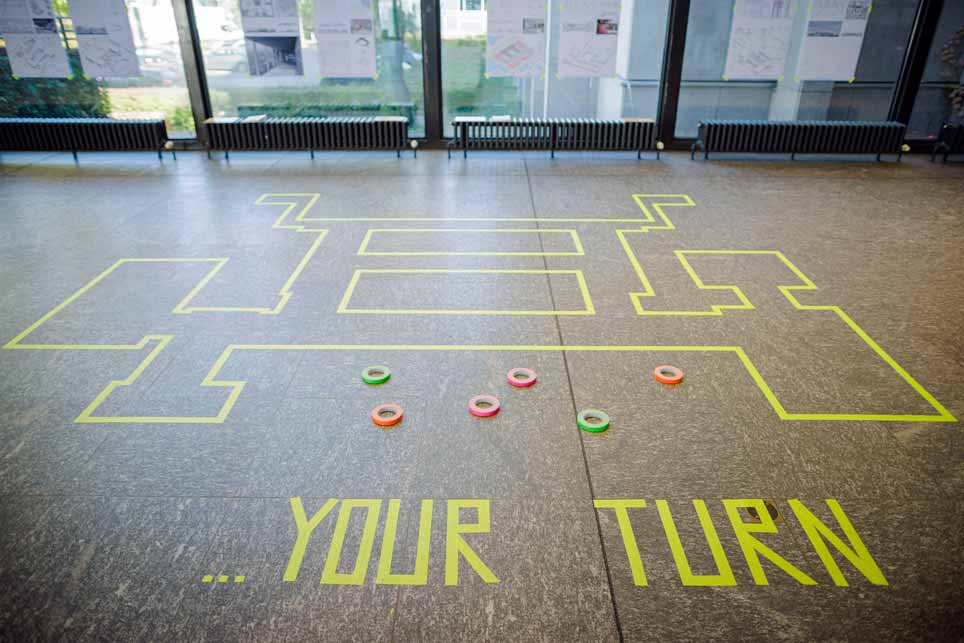
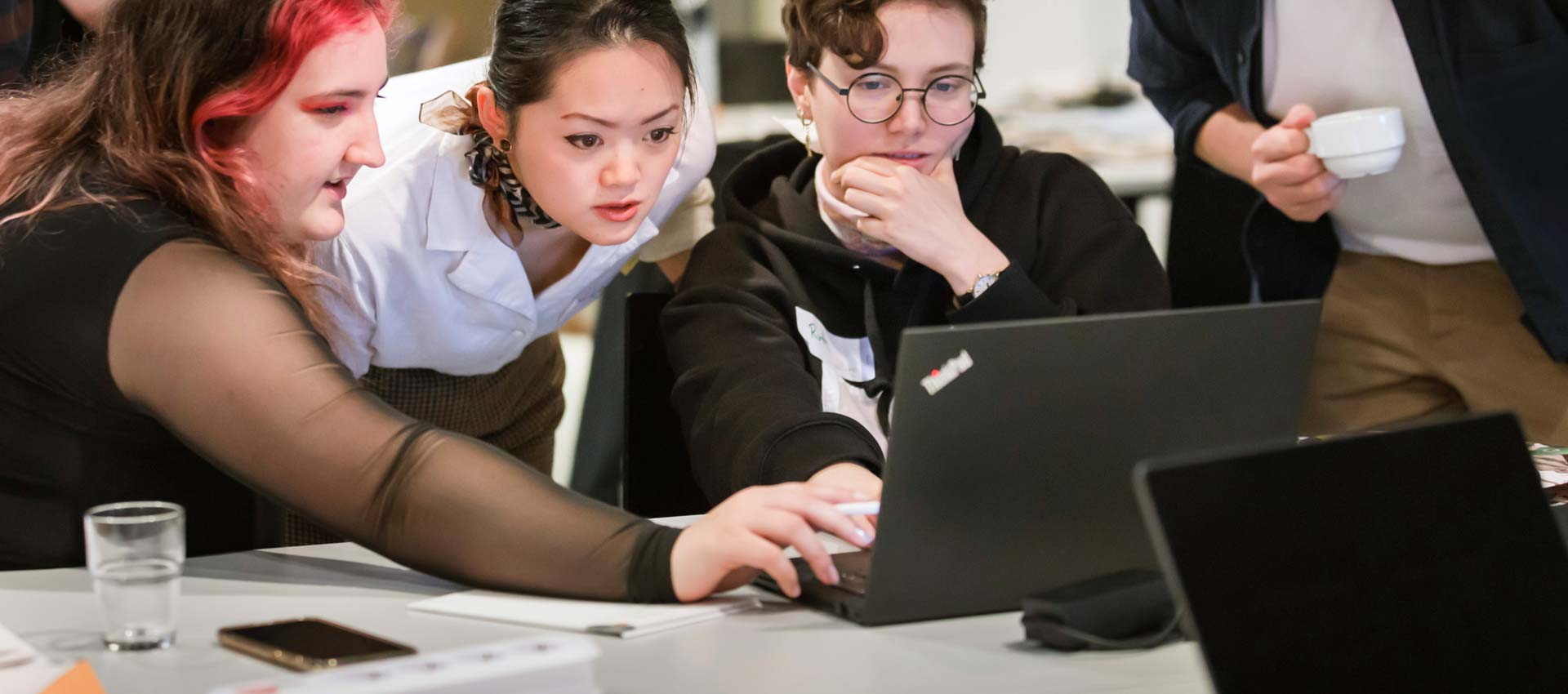
And then, of course, we also want to organise events, such as a hackathon in the summer to develop new app ideas. Perhaps there will also be a competition in which participants engage artistically with the data. We are also considering courses and tutorials with university students, who can learn and experiment using the SPK’s data.
What are you basing this on?
Schäfer: Data labs have long been part of everyday life in the cultural sector too. The Coding da Vinci project is already well-established and serves as a model; for years it has been organising hackathons where people interested in culture and those with a flair for data meet, form spontaneous teams and together develop apps, create websites, devise games or design product ideas. It is very inspiring to see what the participants do with the data from such a wide variety of collections. Institutions from the SPK, such as the SBB, have also regularly taken part in this format, providing data or organising their own events. Permanent data labs have become established over the past few years, particularly in large libraries. Increasingly, however, there are also labs in other larger and smaller institutions within the GLAM community – that is, in galleries, libraries, archives and museums – which have come together internationally in the GLAM Labs Community. Added to these are the labs in universities, such as the Open Science Labs designed to support innovative research processes. As the “SPK Lab”, however, we also have the advantage of having a role model right on our doorstep, or rather within our own building, from which we can learn and with which we can exchange ideas: the SBB Lab at the State Library.
Ms Federbusch, you are one of the key figures behind the ‘SBB Lab’. Do you see yourself as a pioneer?
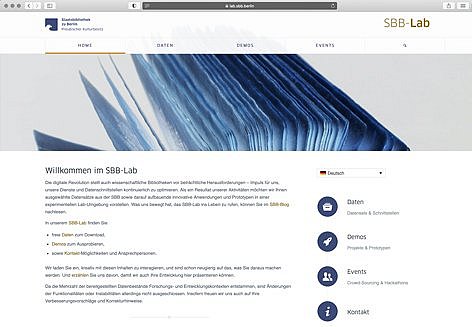
Maria Federbusch: No. The New York Public Library set up a lab back in 2008, and the British Library, the National Library of the Netherlands and others have been driving this development forward for years. One of the initiators and managers of our lab brings experience from a previous role at one of these institutions, which we naturally benefit from. The SBB Lab has now been in existence for three years, and we are delighted with the applications and prototypes that have emerged from a wide variety of research projects, experiments and courses. As our metadata and digitised materials have been openly available via a standardised OAI interface for years, we assume that we are unaware of many instances of secondary use beyond known collaborations, as we repeatedly discover by chance. The ‘SBB Lab’ website has been online since 2019.
The SBB Lab
The SBB Lab, which has been in existence since 2019, is a service provided by the Berlin State Library. Like its mission, the Lab itself is experimental and open to further ideas. The website is a work in progress and is continuously updated. An interdepartmental editorial team is responsible for it. One member of this team is Maria Federbusch, who is responsible for IT and research management of historical book collections in the Department of Historical Prints and has been employed at the Berlin State Library since 1987. She sees her main task as identifying and describing the published SBB data.
All content and activities are managed by a cross-departmental editorial team. Datasets are available for download; for others, there are descriptions of the technical interfaces. This demonstrates that the ‘SBB Lab’ is, above all, a space – both virtual and, to some extent, physical, when considering individual events. It is a hub for ideas. We want to demonstrate the full range of possibilities offered by the data at our disposal and to inspire projects. Events such as hackathons, which are aimed at a creative audience with an affinity for science and IT, serve this purpose particularly well.
If you browse your website, you’ll find many very different examples of this.
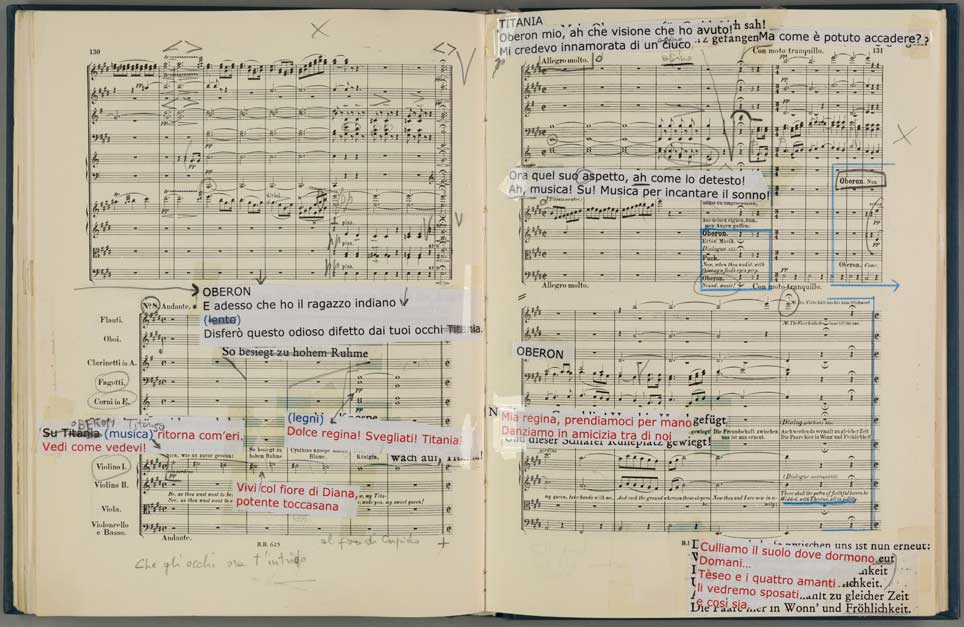
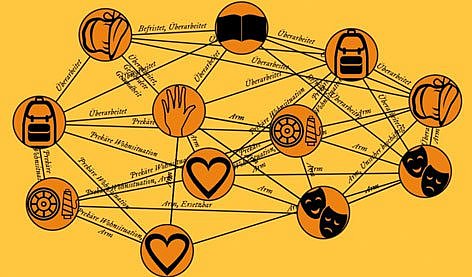
Federbusch: That’s right; our aim is precisely to make digitised cultural heritage accessible in a playful way. In the Lab, you’re completely free. At the ‘Coding precarity’ hackathon, a collaboration with the ZBW Kiel Leibniz Information Centre for Economics, for example, a memory game was created. There’s a Jaroslaw from 2019, a seasonal worker in a strawberry field, who has to share a room with eight people, as well as a Julia from 1895, an actress who had to hand over almost her entire fee of 165 marks to the theatre director. And ‘Coding Gender’, a hackathon from 2019 organised by the SBB, demonstrates how deeply rooted certain stereotypical female roles are in history. However, our transcribathon on medieval theological manuscripts was particularly successful.
Why?
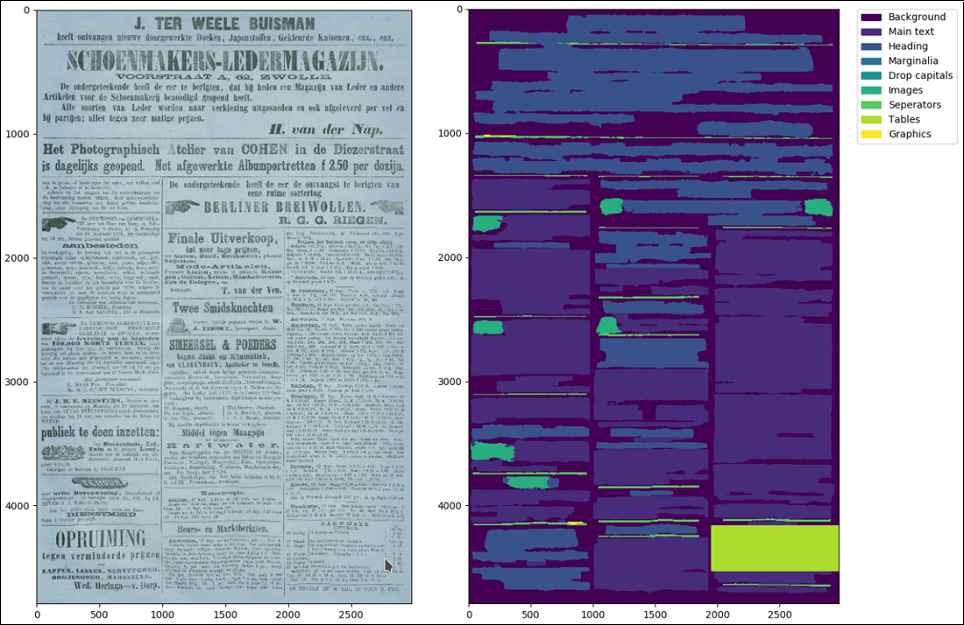
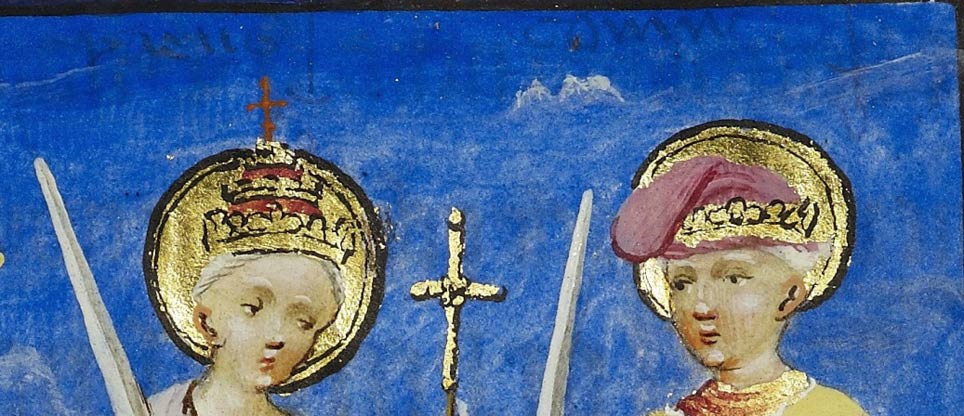
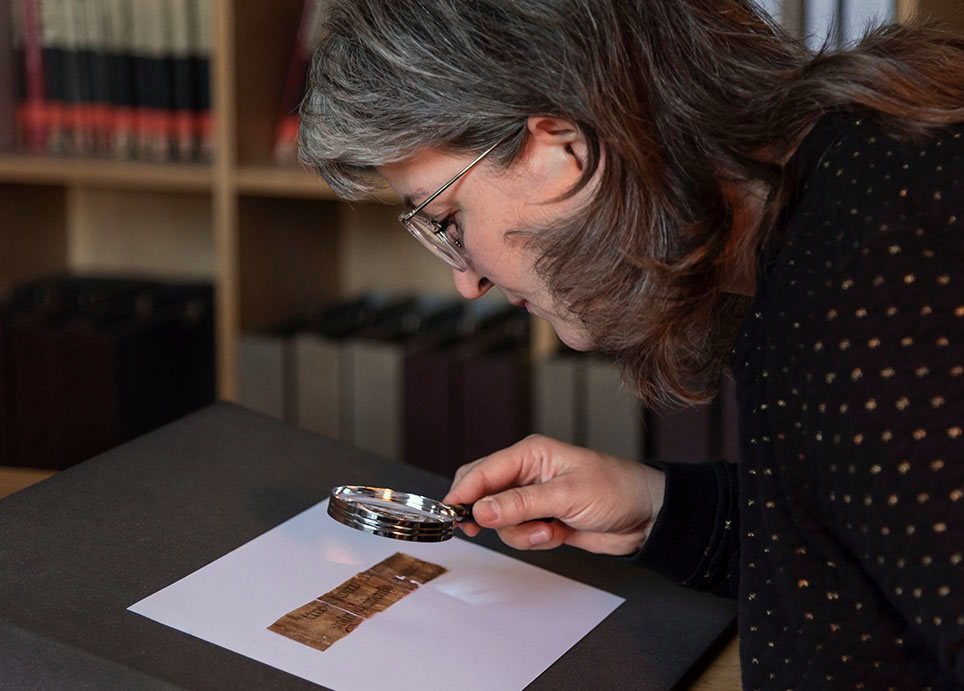
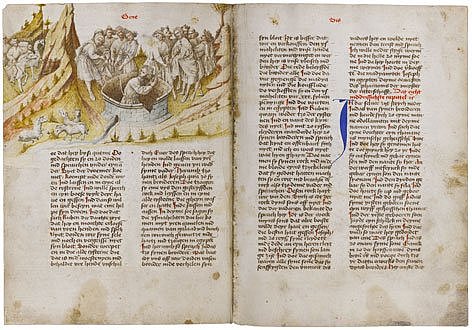
Federbusch: The ‘Faithful Transcriptions’ transcribathon, which took place in 2021, was a collaboration with Leipzig University Library and the Manuscript Portal, as well as a digital crowdsourcing project focusing on medieval manuscripts. Last summer, more than 107 participants from various countries took part and manually transcribed 181 manuscript pages. Prior to this, transcription courses were on the programme, supplemented by specialist lectures. Finally, the participants were asked to independently transcribe a few pages into machine-readable text – with feedback from experts included.
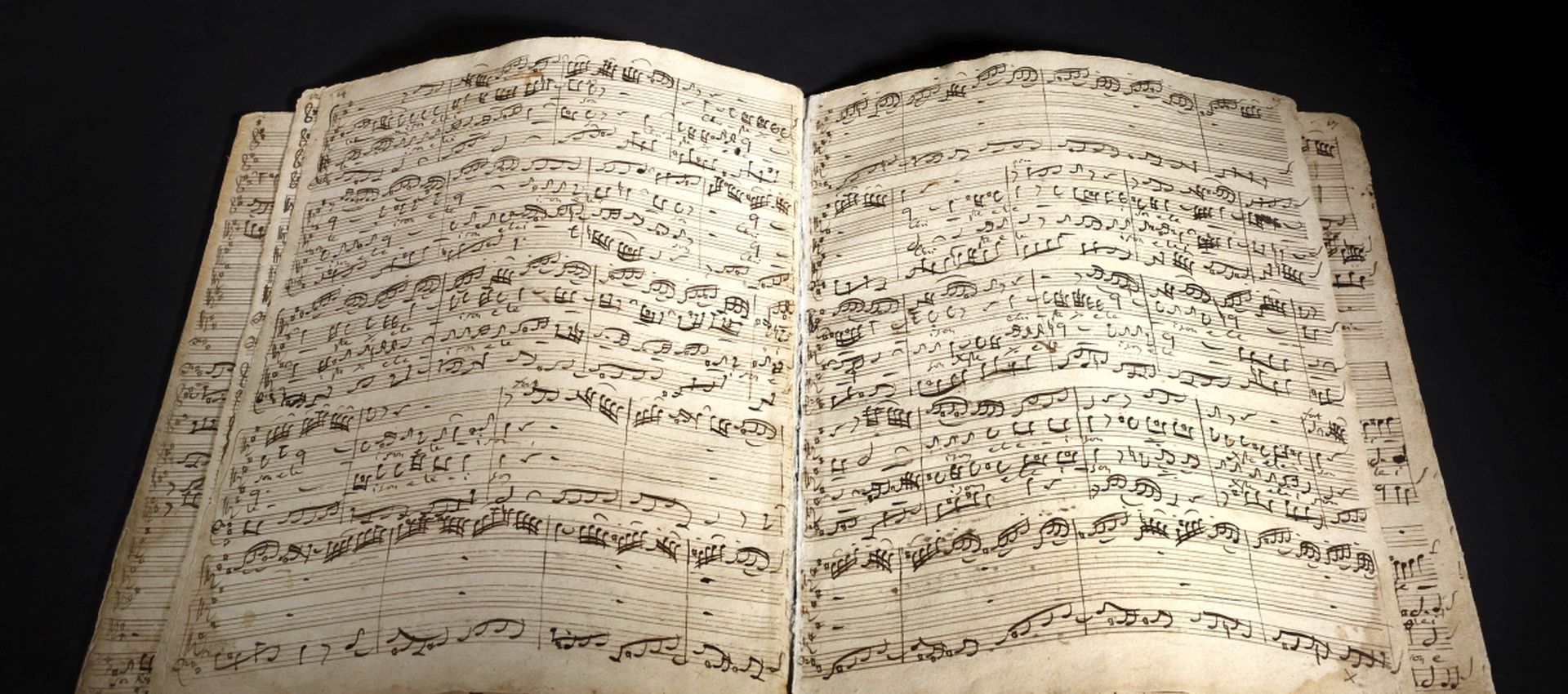
All of this serves as a blueprint for future events. We still have so much planned: the SBB has a vast array of data. Of the SBB’s approximately 11 million items, only 170,000 have been digitised so far; these are primarily digital images of printed works, manuscripts, sheet music and estate materials in various languages and scripts, as well as newspapers, which we either publish online ourselves or make accessible to everyone via interfaces. However, digitised material is to be made available as full text beyond the current offering, which will significantly expand the searchability and discoverability of information. We want to continue reviewing our collections; in a sense, we are laying the groundwork for the ‘SPK Lab’. Above all, we want to make this knowledge accessible to people who have not previously taken an interest in us, not just our traditional project partners who are already familiar with our treasures. We are opening up to a new audience. And we look forward to feedback.
So the data labs have an impact both internally and externally?
Schäfer: Exactly. By making our data as open as possible, we are creating the conditions for new academic research, but also for citizen science projects. The SPK’s treasures are, so to speak, being ‘democratised’ through digital transformation.
Anyone can then use this raw material as they need it, in accordance with the licences. This is truly a new approach, which is also reflected in the SPK’s recently adopted Open Science Declaration. But a data lab also has an internal impact for the SPK and can help develop new visions: the digital holdings make it possible to overcome the physical and organisational boundaries of the collections and institutions and to build a shared platform integrating all SPK data. Such an approach could then achieve more than just a simple online search, which would become rather tedious with several thousand results. Working with a large volume of full-text documents also offers entirely new possibilities with tools from the digital humanities and methods from the field of artificial intelligence. Together, we can make the most of the data-driven world. This is a real benefit that none of the institutions could achieve on their own. Looking ahead, we can build a vast knowledge cosmos together in the digital space, in which everyone inside and outside the Foundation can participate and which can become a great, shared treasure.