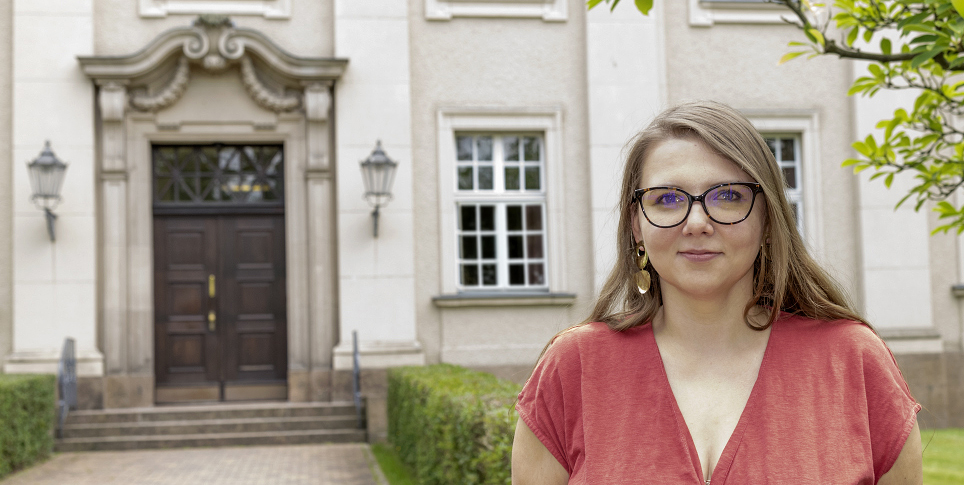
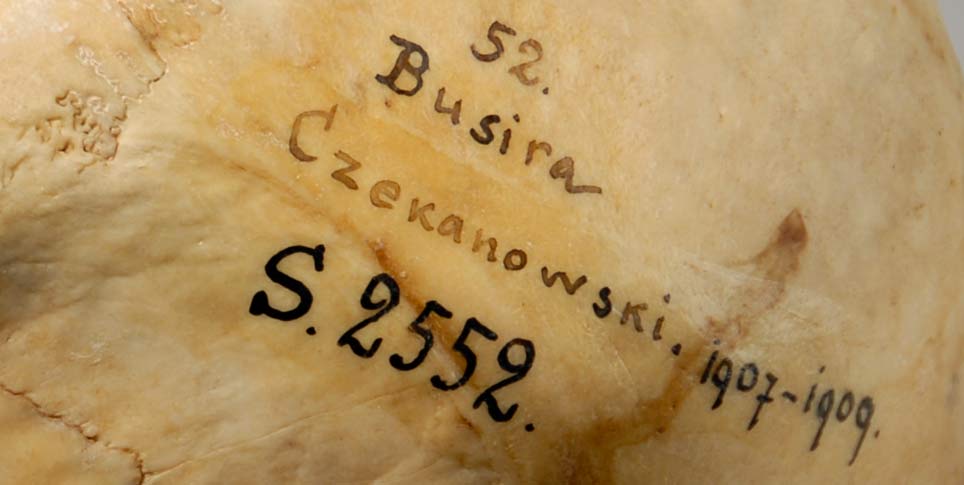
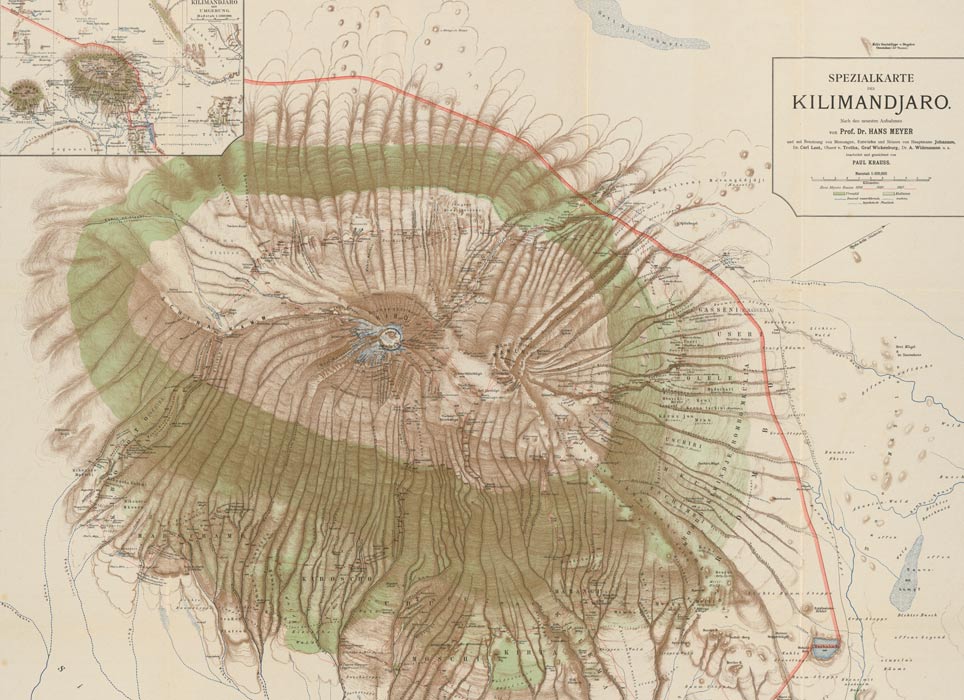
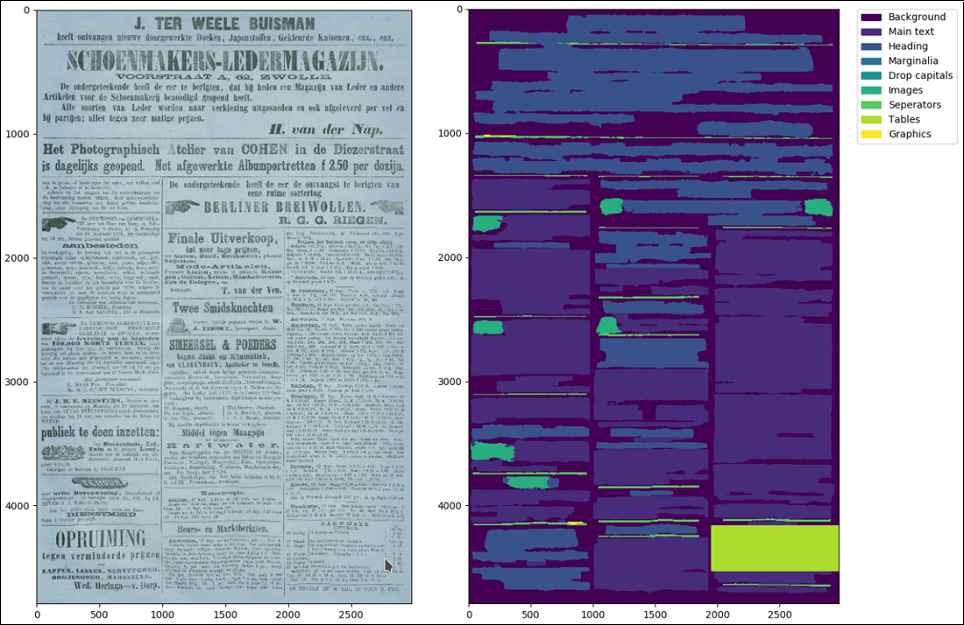
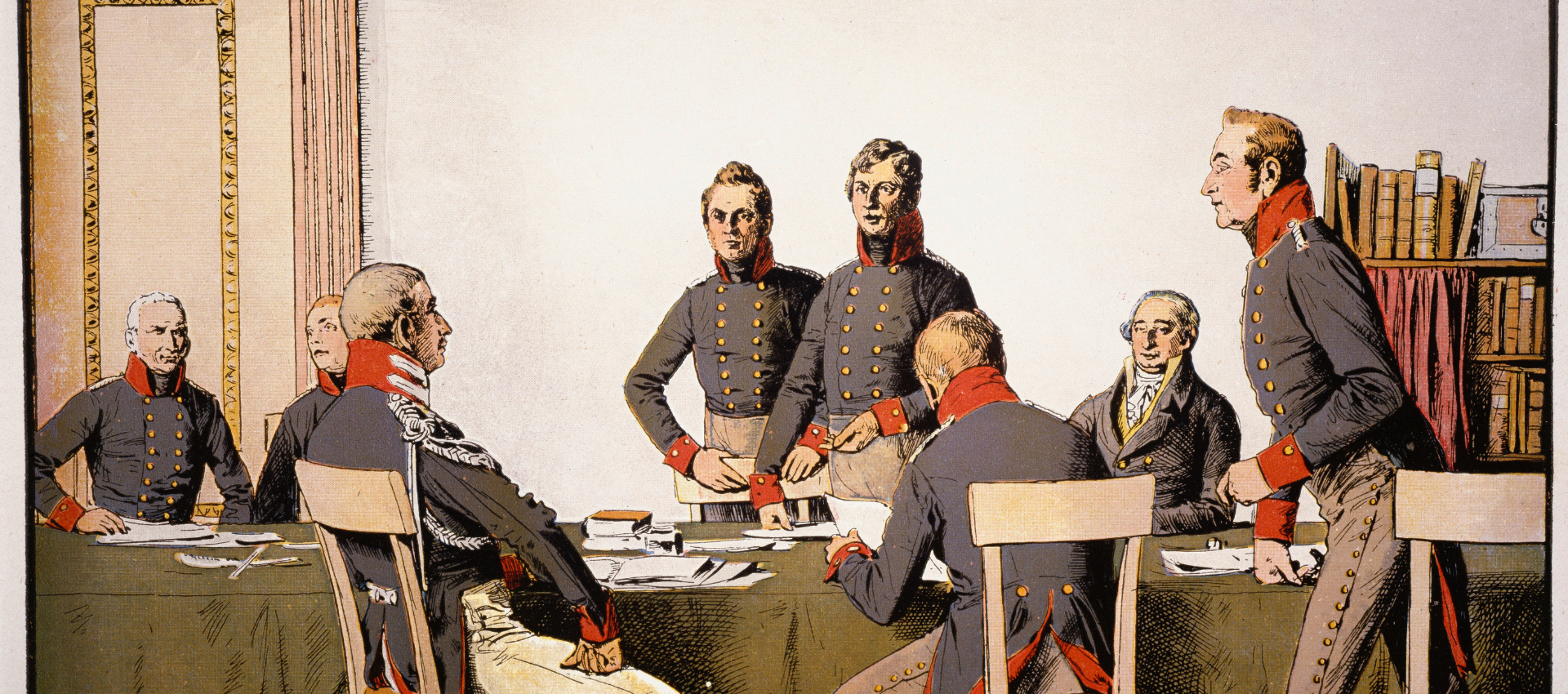
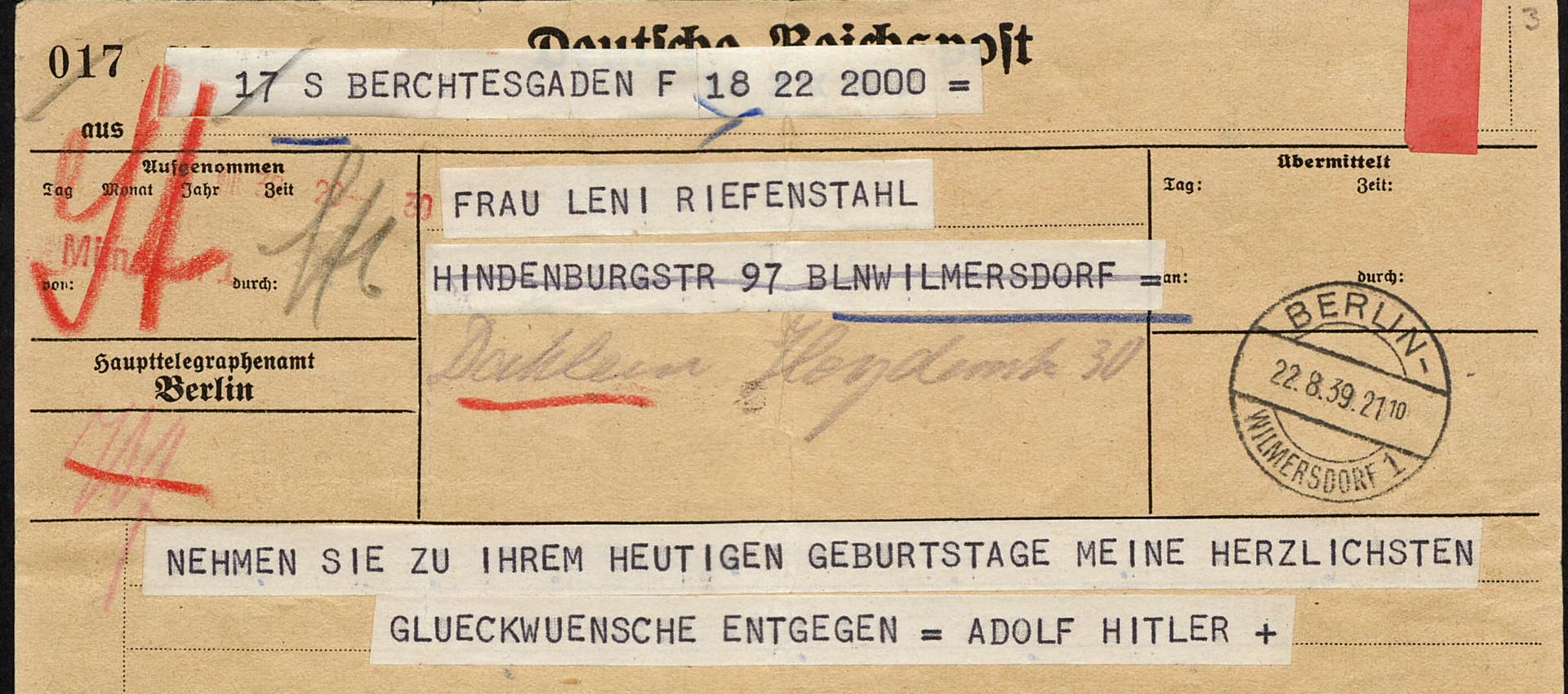
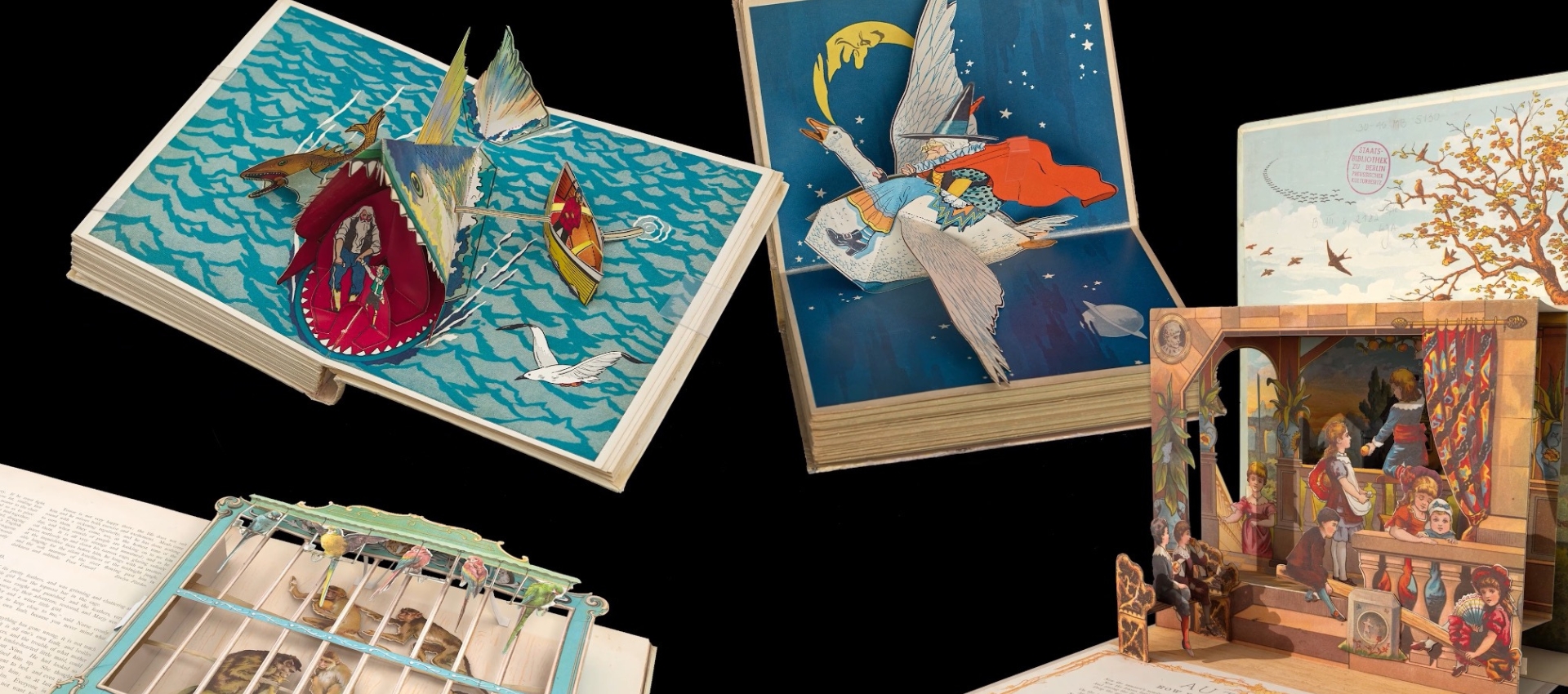
Whether it’s Karl May, maps of ‘German South-West Africa’ or racist metadata – colonial contexts can be found everywhere, including, of course, in library collections. To ensure this issue is addressed properly and effectively, the Berlin State Library launched the ‘IN_CONTEXT. Colonial Histories and Digital Collections’ project in 2023. Larissa Schmid explains what the project is about and what matters most.
Ms Schmid, your IN_CONTEXT project focuses on library collections from colonial contexts. What exactly does that mean: is it about the origin of the books or manuscripts, or their content? So what exactly are library collections from colonial contexts?
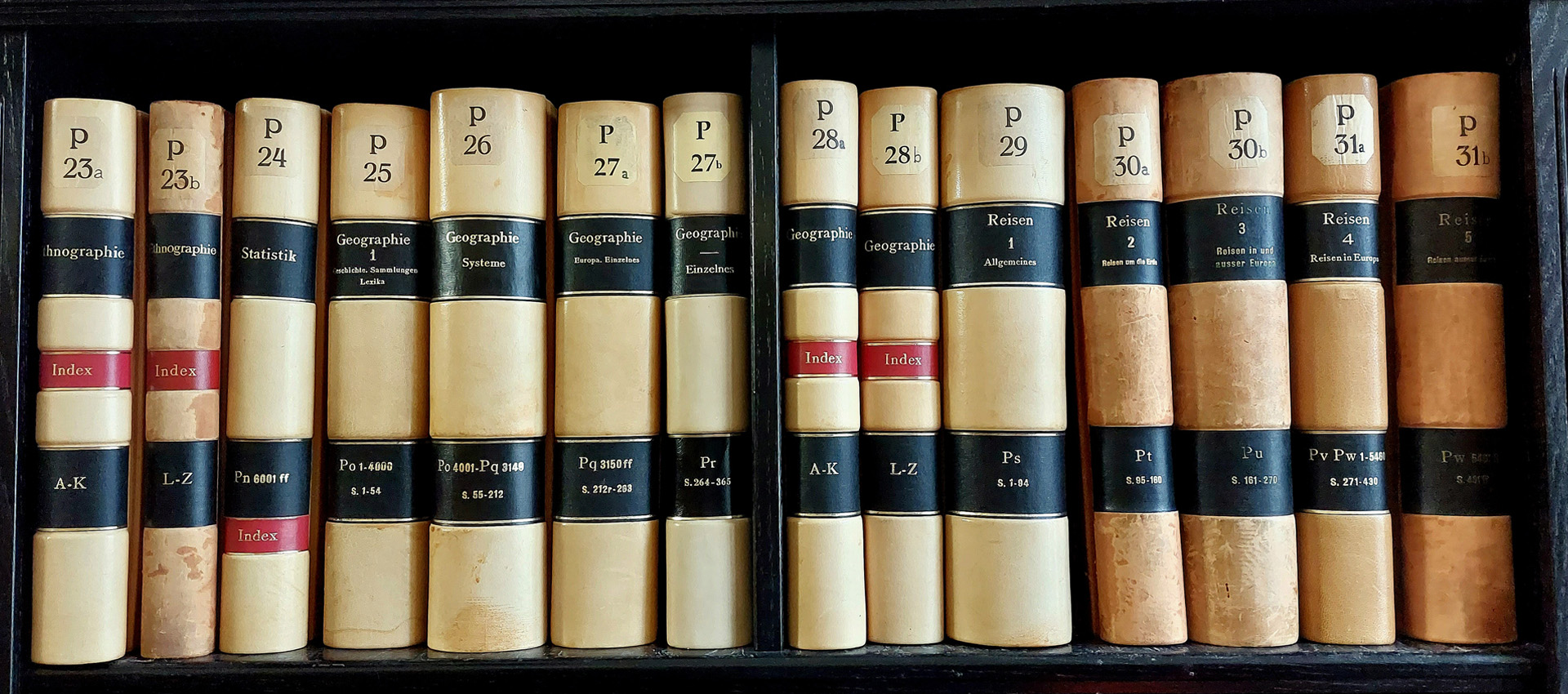
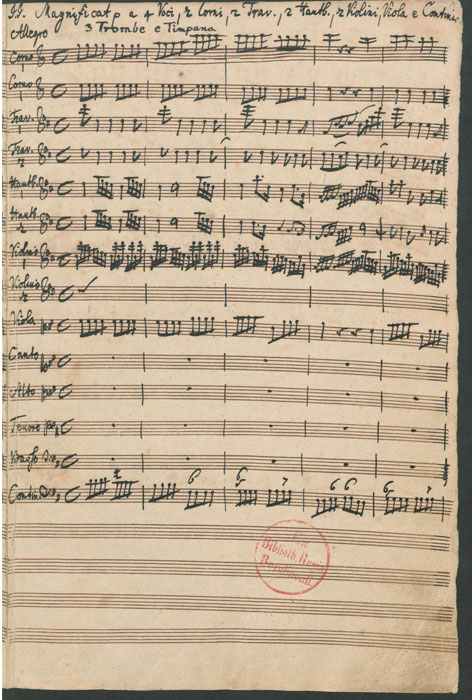
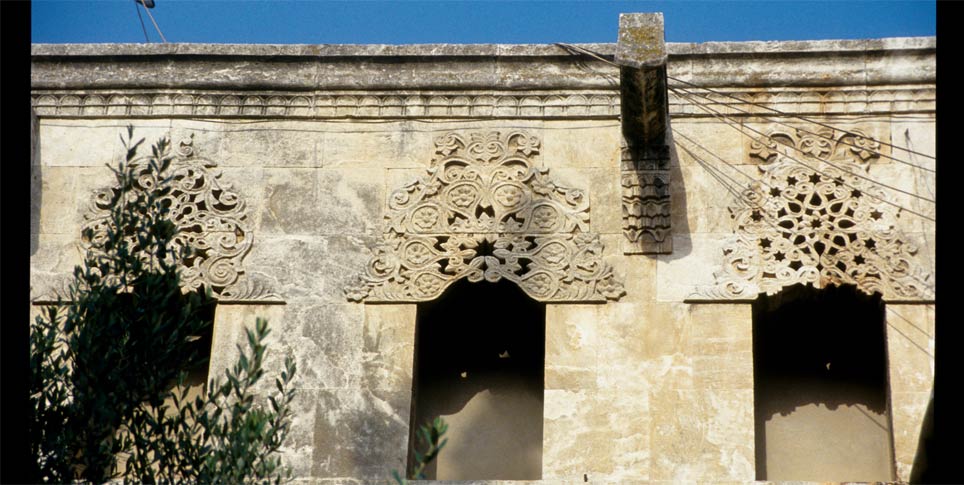
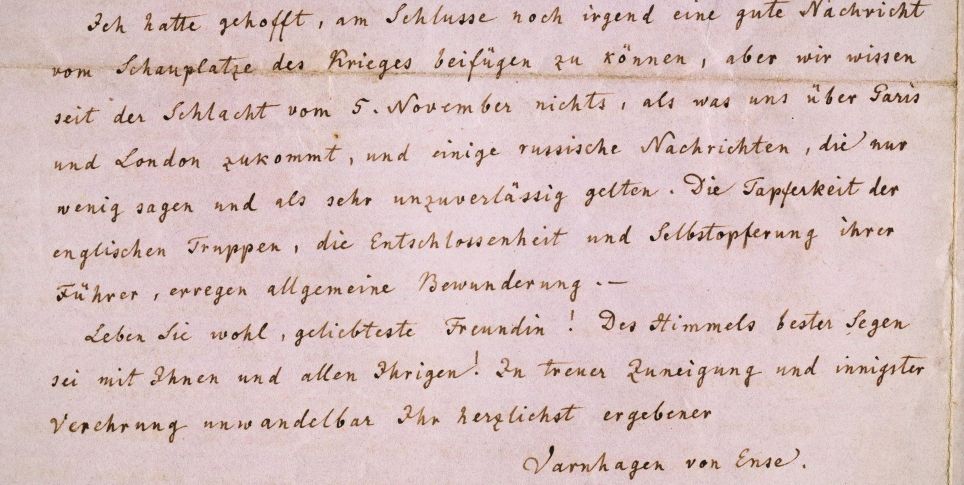
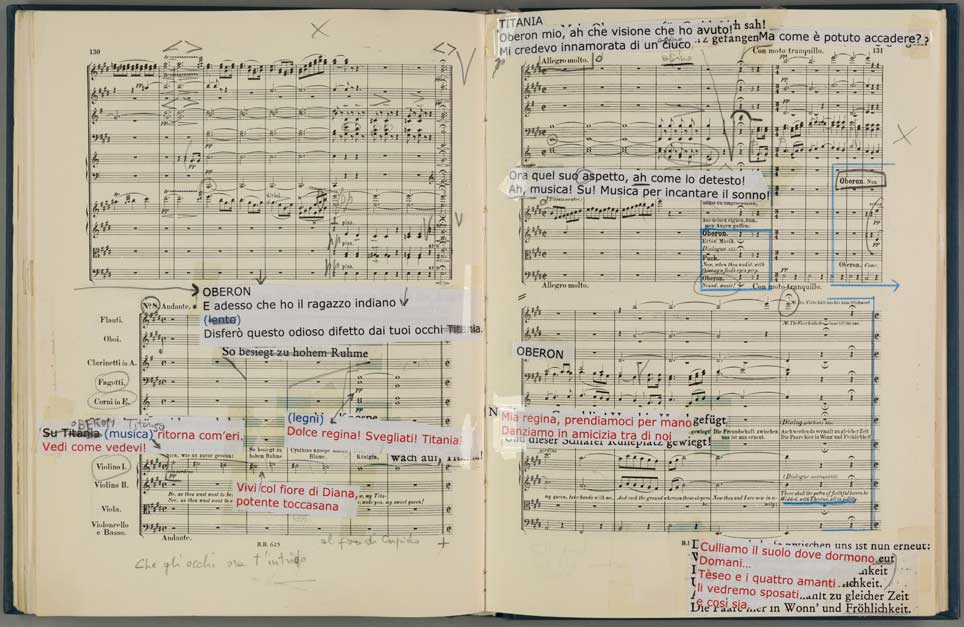
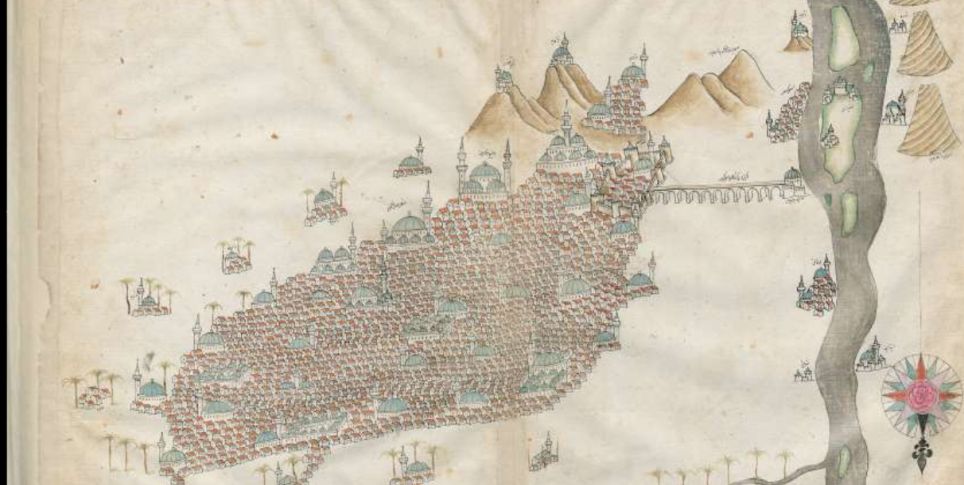
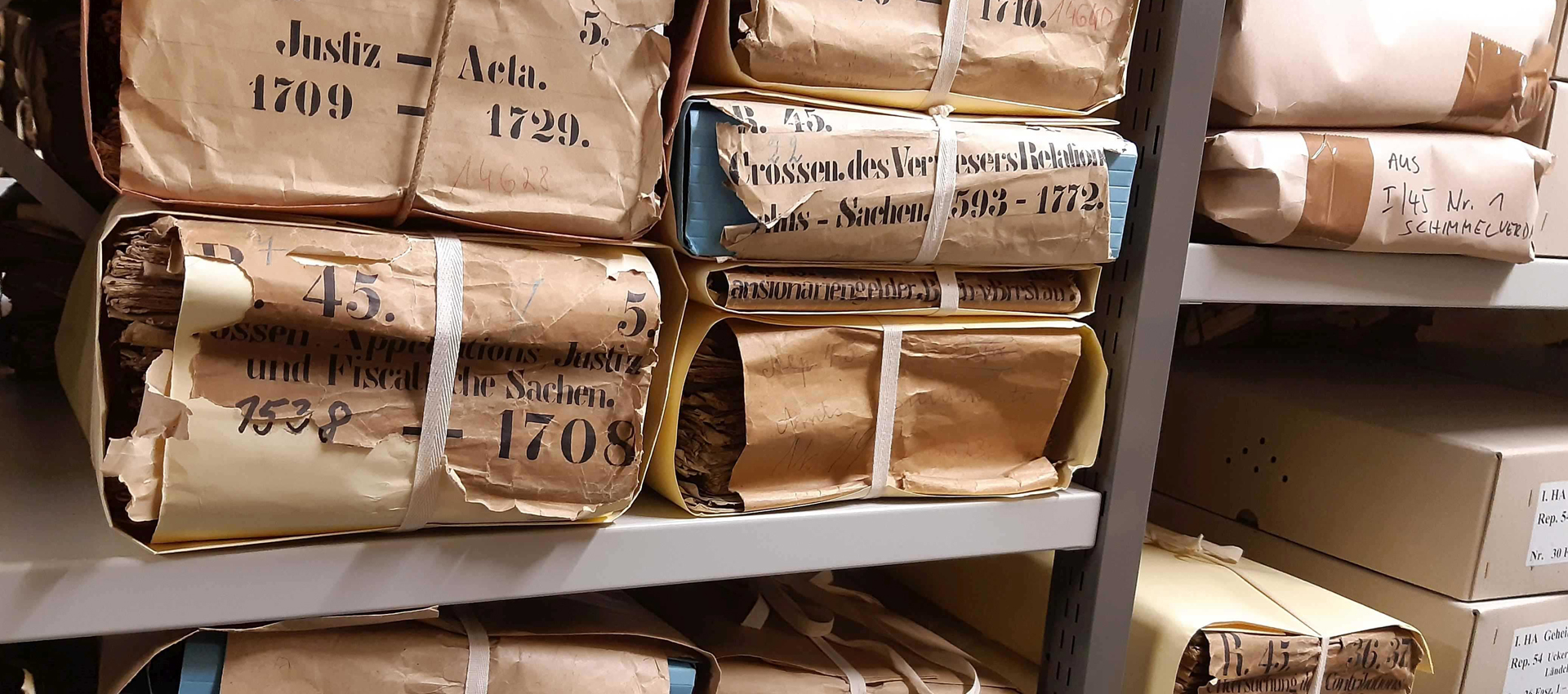
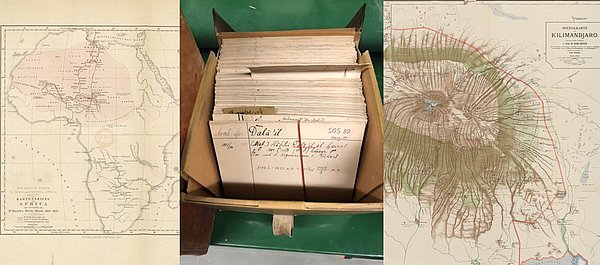
Larissa Schmid: With the term ‘colonial contexts’, we are taking up a debate that has long been established in cultural heritage institutions such as museums. The term encompasses both formal colonial rule and informal relationships – and is thus very broad in scope and not precisely defined in terms of either time or region. So when we look at library collections through this lens of colonial contexts – particularly the collections of the State Library – we focus, on the one hand, on historical prints, a key area of the Stabi’s collection between 1871 and 1912. Then there are special materials such as maps, estates, children’s and young adult literature, or materials from the music department, which are fascinating. We also find materials in the regional departments, such as manuscripts from East Asia, the Islamic world and South Asia, etc. – it is precisely these collections that could be researched in the context of colonial history. Our project is therefore currently focused on a collection survey, with the aim of subsequently initiating the digitisation of collections in cooperation with researchers.
You have already mentioned that the question of the colonial context is actually more commonly associated with museums. So are you pioneers, or are there similar initiatives or projects in other libraries?
Schmid: We are currently in the fortunate position of being able to actually provide the capacity and resources to tackle this topic, thanks to a preliminary project that is funding two research assistants for 24 months. There is certainly groundwork and established communication between cultural heritage institutions, including libraries. One example is the Colonial Contexts Network, which was founded with the participation of specialist information services. And, of course, there have already been larger digitisation projects on colonial collections in other libraries, for example at the university libraries in Frankfurt and Bremen (DSDK), as well as a smaller project at the Institute for Foreign Cultural Relations. So we are not entirely pioneers, but what is more important anyway is that we strive for close collaboration with all other partners from other libraries in order to tackle this topic together.
What does collaboration with other SPK institutions look like? There’s quite a lot to work on there, isn’t there?
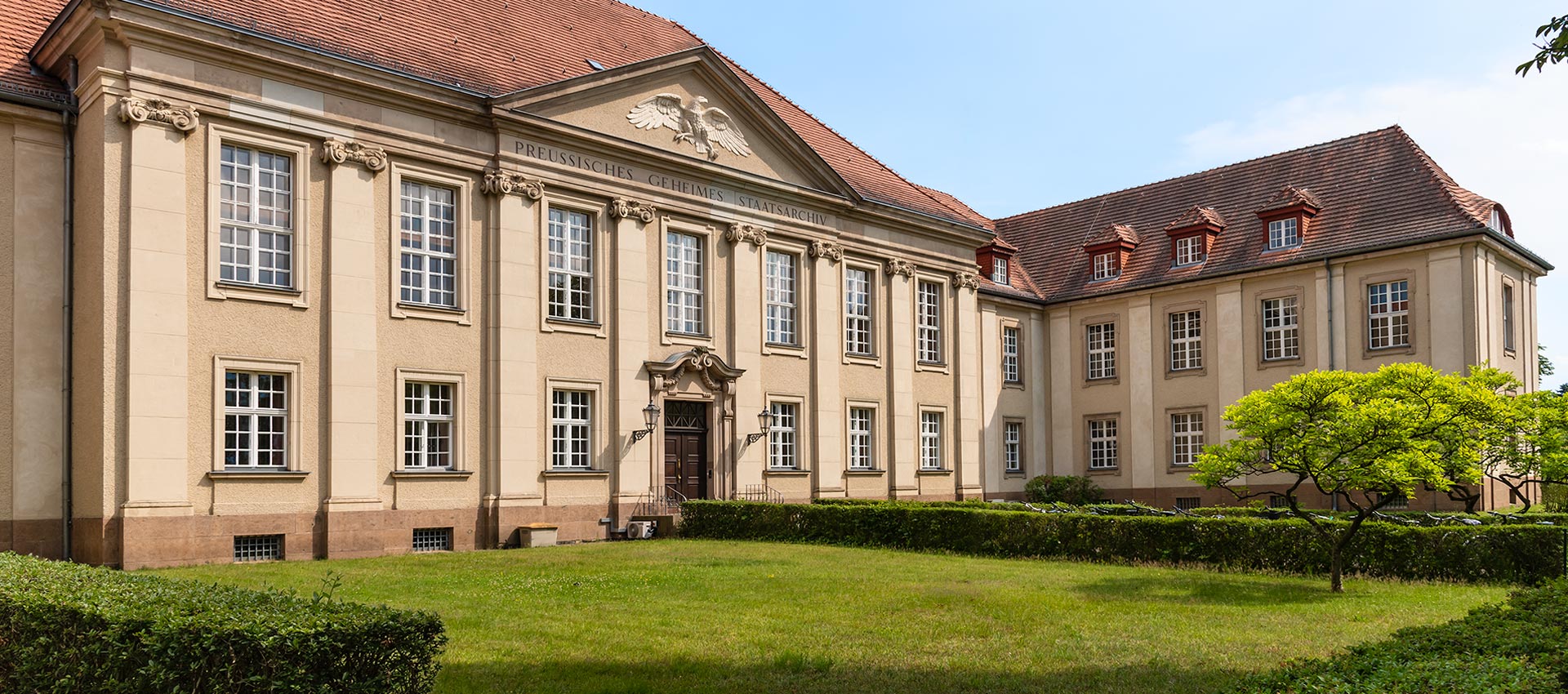
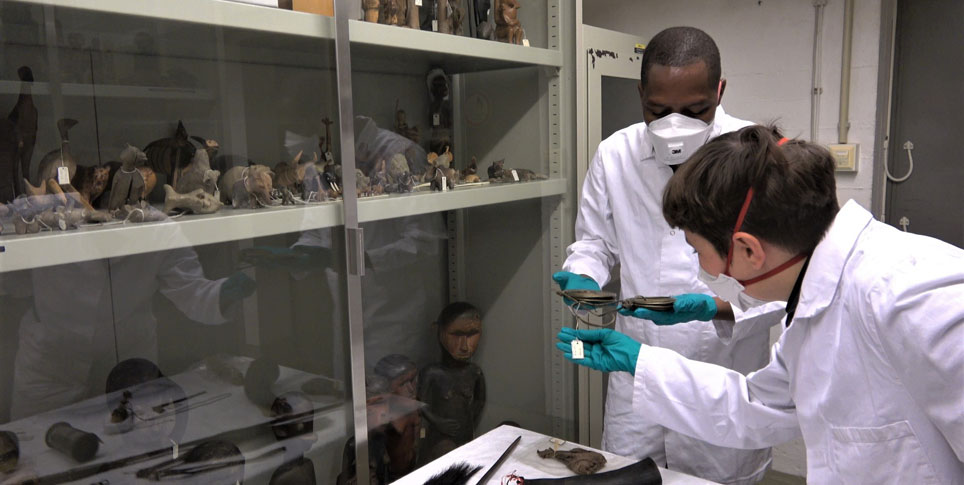
Schmid: Exactly. We are in dialogue with colleagues from postcolonial provenance research, but also with colleagues from the Museum of Ethnology, the Museum of Prehistory and Early History, and the Secret State Archives. There are very many historical connections within the collections in terms of figures and practices, so collaboration between the institutions really makes sense.
Are representatives from the Global South also involved?
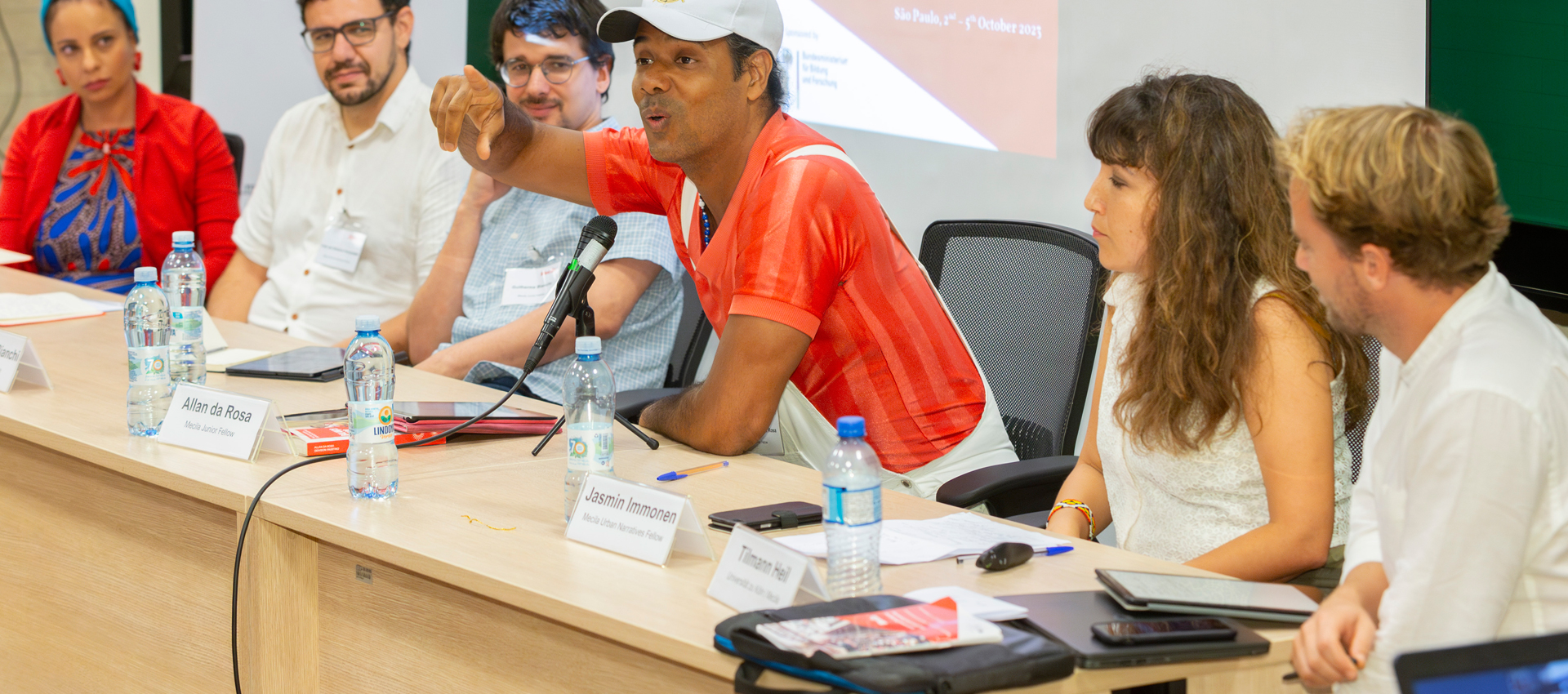
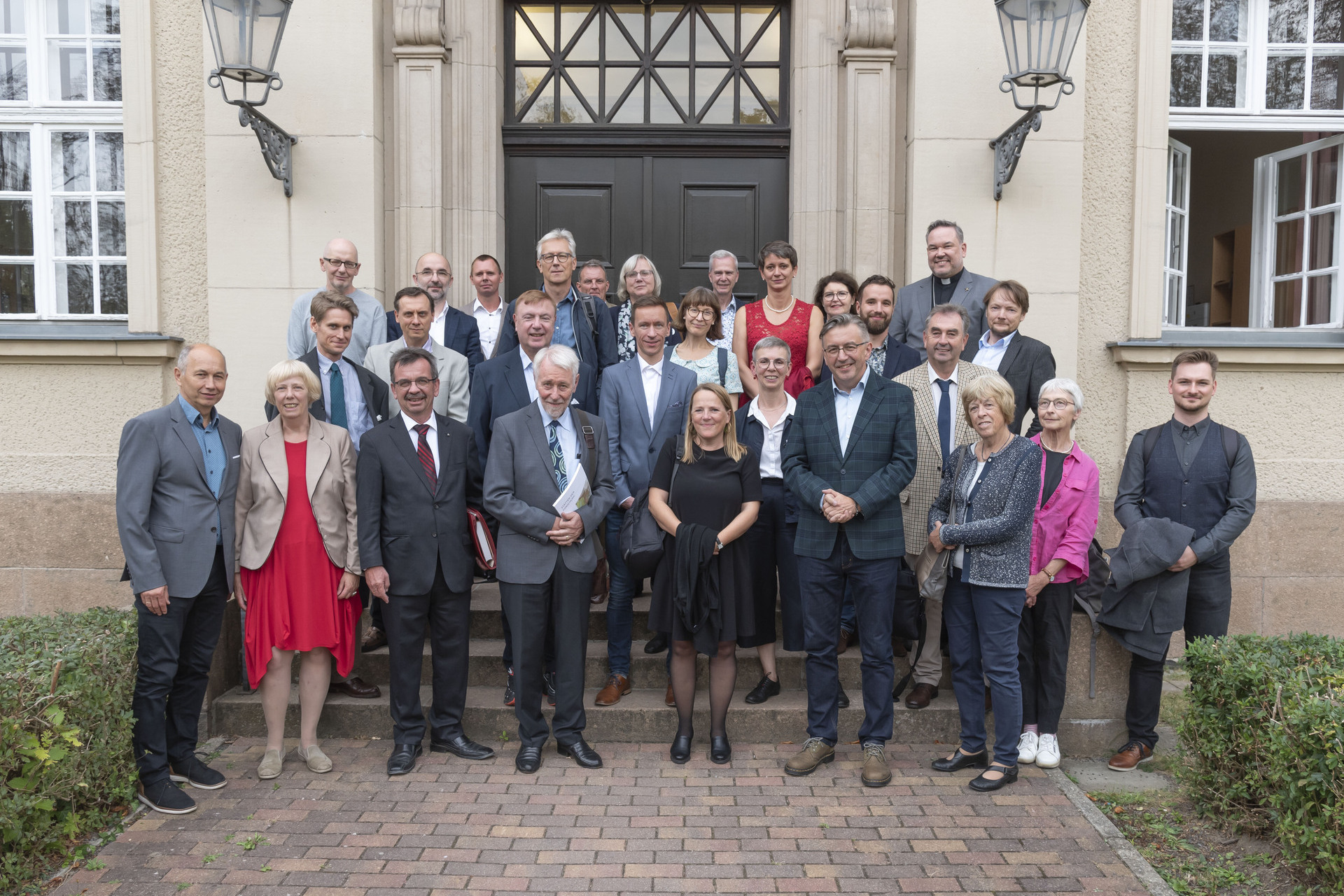
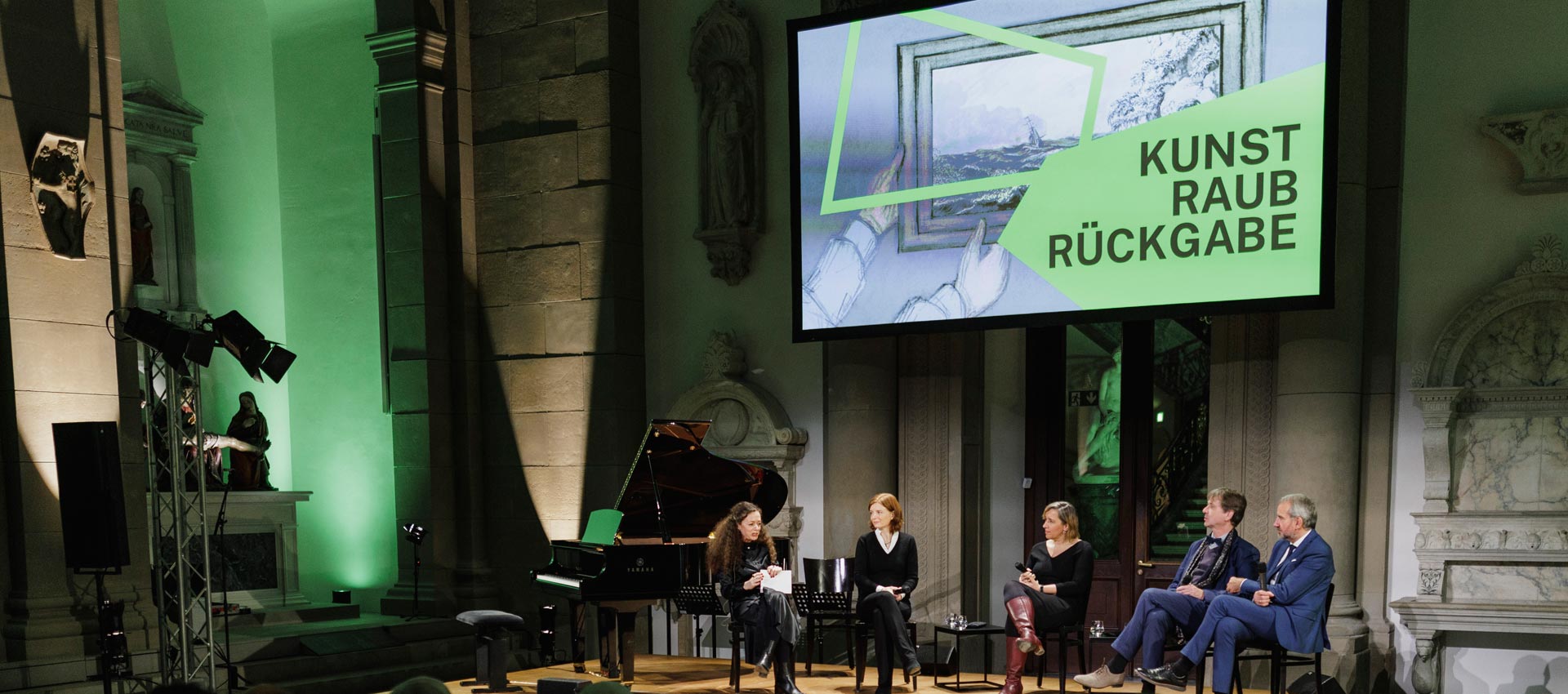
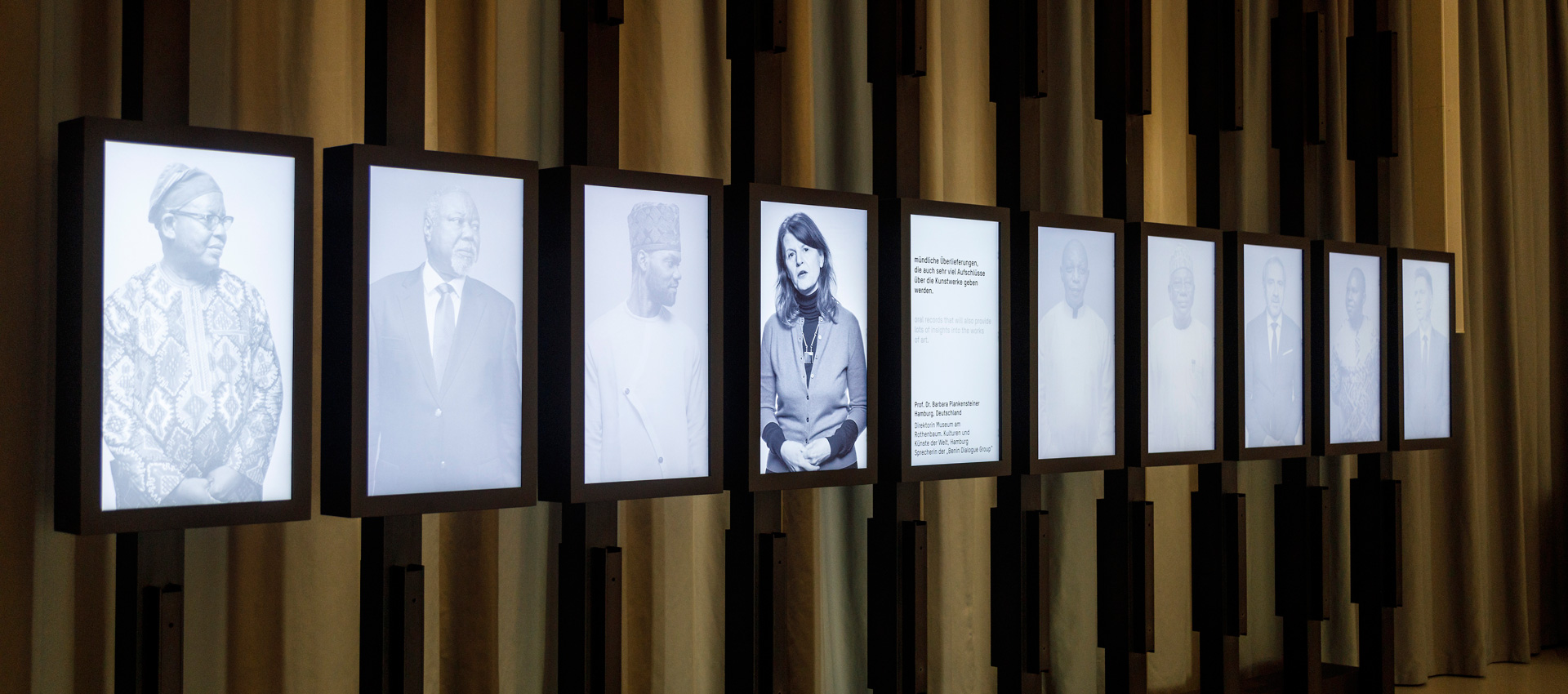
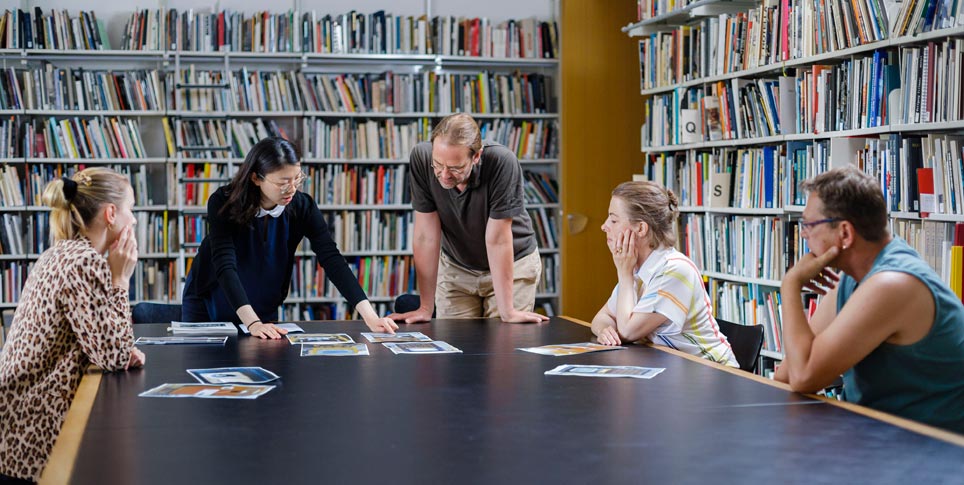
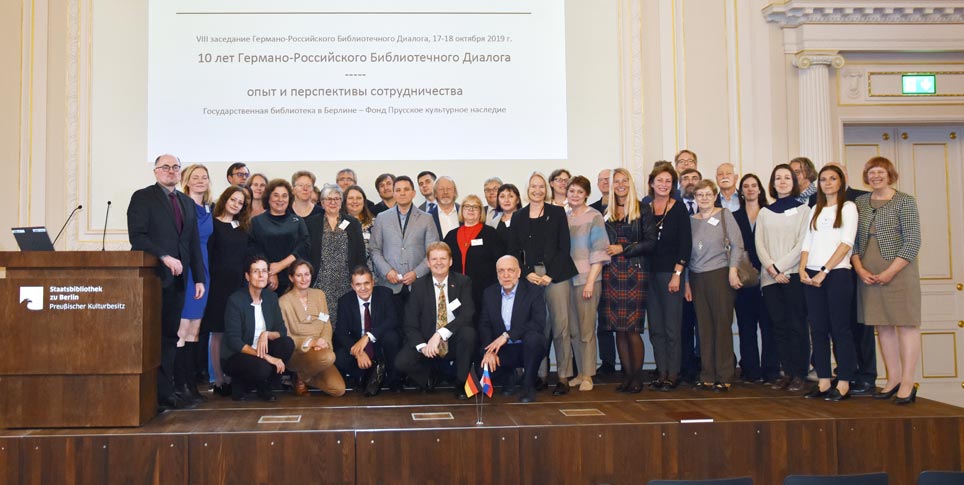
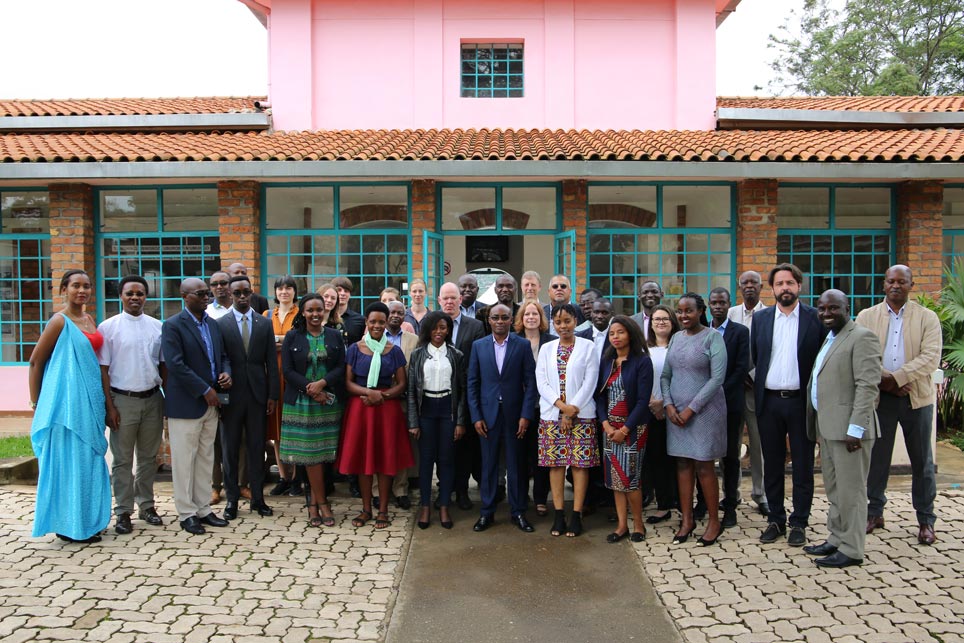
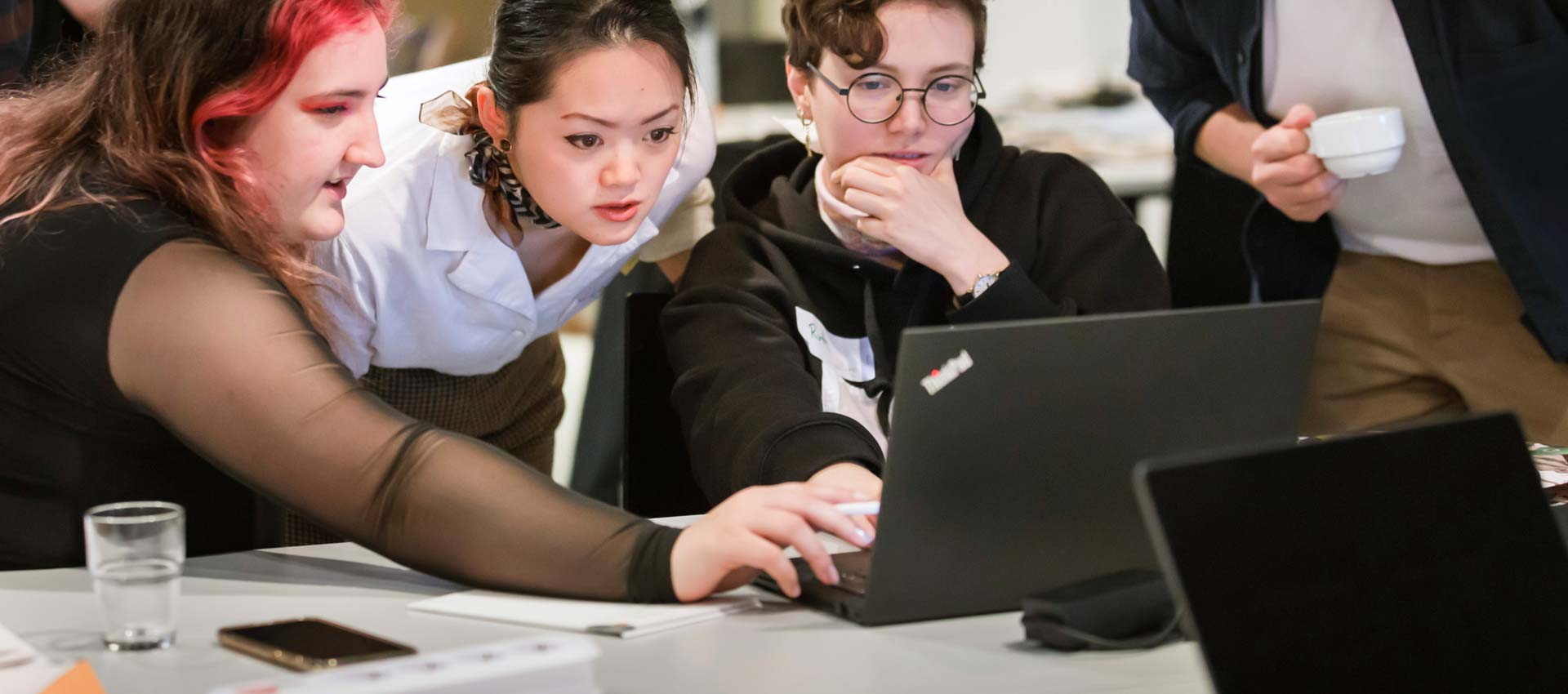
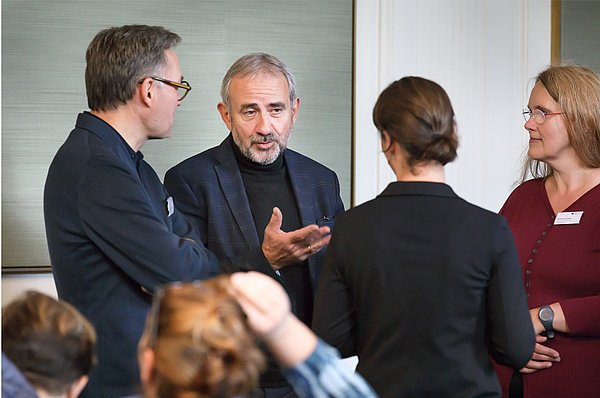
Schmid: At the beginning of November 2023 – and in this respect we are probably pioneers – we held our first major workshop entitled ‘Library Collections from Colonial Contexts’. A total of around 60 representatives from research and library sectors were present to discuss the topic comprehensively together. For this event, we had contacted colleagues from countries of origin such as Cameroon, Sri Lanka, Liberia, Kenya and Namibia, who then joined via video statements. Among other things, this highlighted the relevance of our work. Of course, it is not enough for us to simply collect video statements. We are planning further activities, such as a larger international conference, to address this topic together with representatives from the Global South. The workshop centred on the question of whether there should be a guideline for libraries, similar to that for museums. The call for an equivalent for libraries is growing ever louder.
Were there any other outcomes of the workshop?
Schmid: We organised the workshop together with the dbv Commission on Provenance Research and Provenance Cataloguing and in cooperation with the German Centre for Lost Cultural Property. That is why we spent half a day focusing primarily on provenance history; asking ourselves: How do we deal with objects in libraries that were acquired in colonial contexts? Otherwise, there was a lot of discussion about issues of digitisation and the presentation of collections: How do we deal with ethical issues in digitisation? In other words: What do we do with sensitive materials? Do we simply make these available via open access, or are other forms of access required?
One realisation was that we need resources to be able to address the issue properly. It became clear time and again that research into individual collections, and even individual manuscripts, is necessary in order to be able to say anything meaningful about an object’s provenance. Furthermore, funding is required to facilitate the much-called-for dialogue with communities of origin. And to achieve this, effective formats such as workshops and exchanges are essential. Consequently, numerous priorities were identified during this workshop. The joint development of a set of guidelines was considered beneficial by many.
Another major issue in the library is the question of metadata. How do we deal with racist classifications today? Do we retain them within their historical classification systems, or are there innovative technical solutions that enable a more comprehensive presentation of the collection, as they allow us to incorporate a critical reflection?
With IN_CONTEXT, the first step is to organise the funding for the actual project, isn’t it?
Schmid: Exactly, IN_CONTEXT is a preliminary project aimed at securing external funding. Our first key objective is to identify holdings relevant to the topic within the State Library’s collections. We’re focusing primarily on the period from 1800 to 1933. Added to this are the ethical issues surrounding digitisation, as well as the digital presentation of the holdings. These aren’t easy to resolve. It’s highly conceptual work, and we’re striving to collaborate actively with the research community and with ‘communities of interest’ on this.
But exchanging ideas with colleagues from other international libraries on this topic is also extremely important. After all, this topic is of interest to others too. That is why IN_CONTEXT seems to have come at just the right time. Finding the perfect solution – for example, for this virtual research environment – is no easy task. And that is why this networking and exchange is another key project objective.
It should be more than just “We present digitised materials”
Are there already any ideas on how best to handle collections from colonial contexts? That will be included in the guidelines, won’t it?
Schmid: Hopefully. The question of access is absolutely central. On the one hand, it’s about, for example, clearly showing on the website which collections and estates are available for research on the topic, so that (international) researchers can quickly and easily identify which estates of key colonial figures, for instance, are held at the Stabi? When we talk about digitisation, things become more complex. The digitisation of materials allows global access and thus creates access. We want to make our digitised materials available on an open-access platform; at the same time, we are aware that, for example, ethnological reports may contain photographs that are perceived as discriminatory by certain groups. We are in dialogue on this and are also looking at what has already been developed in museums to take ethical issues into account in the presentation of collections.
Ultimately, the aim is to make resources available so that, ideally, we can also work with communities of interest on a critical reappraisal of the collections. For in this sense, we are not conducting postcolonial provenance research within the project. Although there is a team at the State Library in the Department of Historical Prints and Manuscripts that is responsible for provenance research and will, in future, also engage more closely with the topic of colonial contexts. As a project team, we see ourselves more as a platform and also as facilitators. If, for example, someone plans to investigate the acquisition context of a particular collection in more detail, we are certainly a good point of contact. With our project, we do not simply want to display digitised material; rather, the portal should offer the opportunity to work collaboratively or, for example, provide tools for annotation. It should be more than just ‘We present digitised material’.