Did Leni Riefenstahl exploit an ethnic group in Sudan? A collaborative project between the Ethnological Museum and the Art Library has now asked the people in the photographs themselves for their perspective
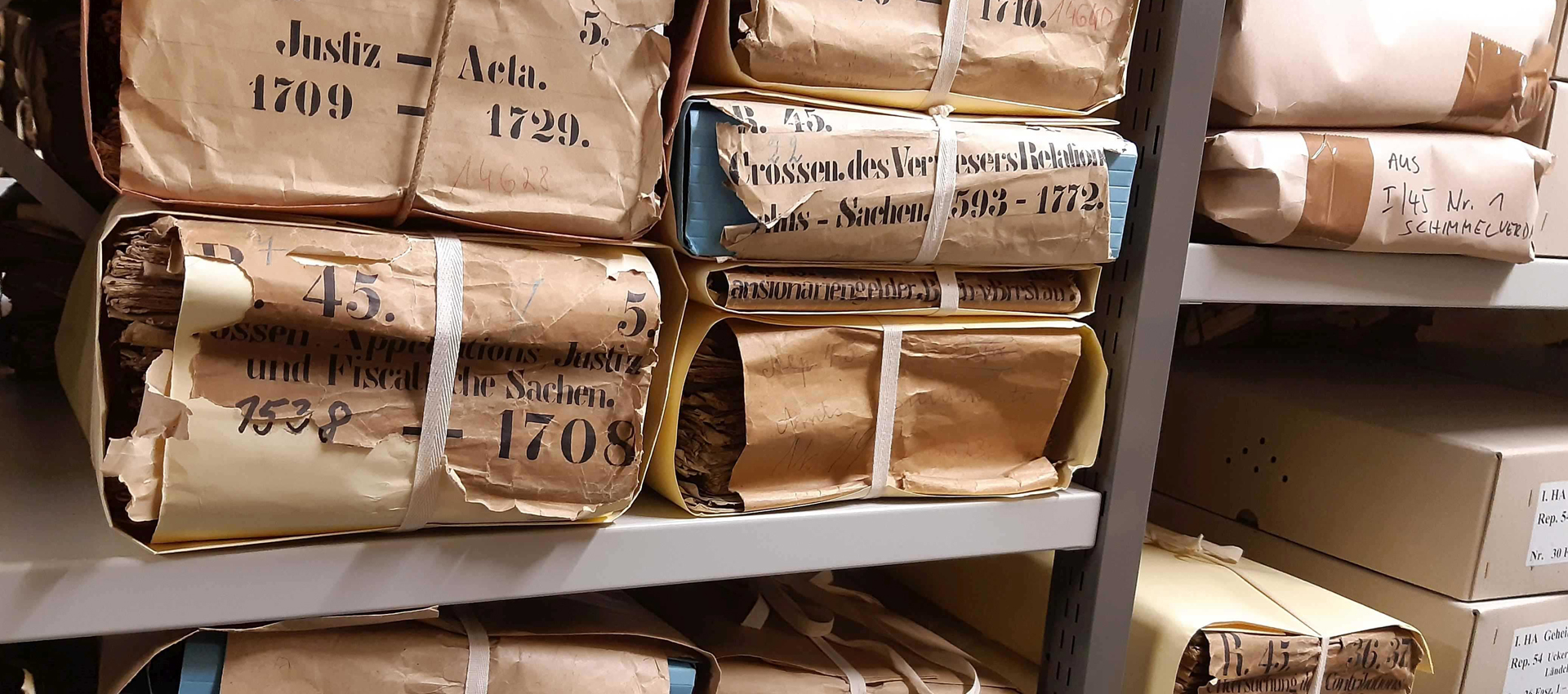
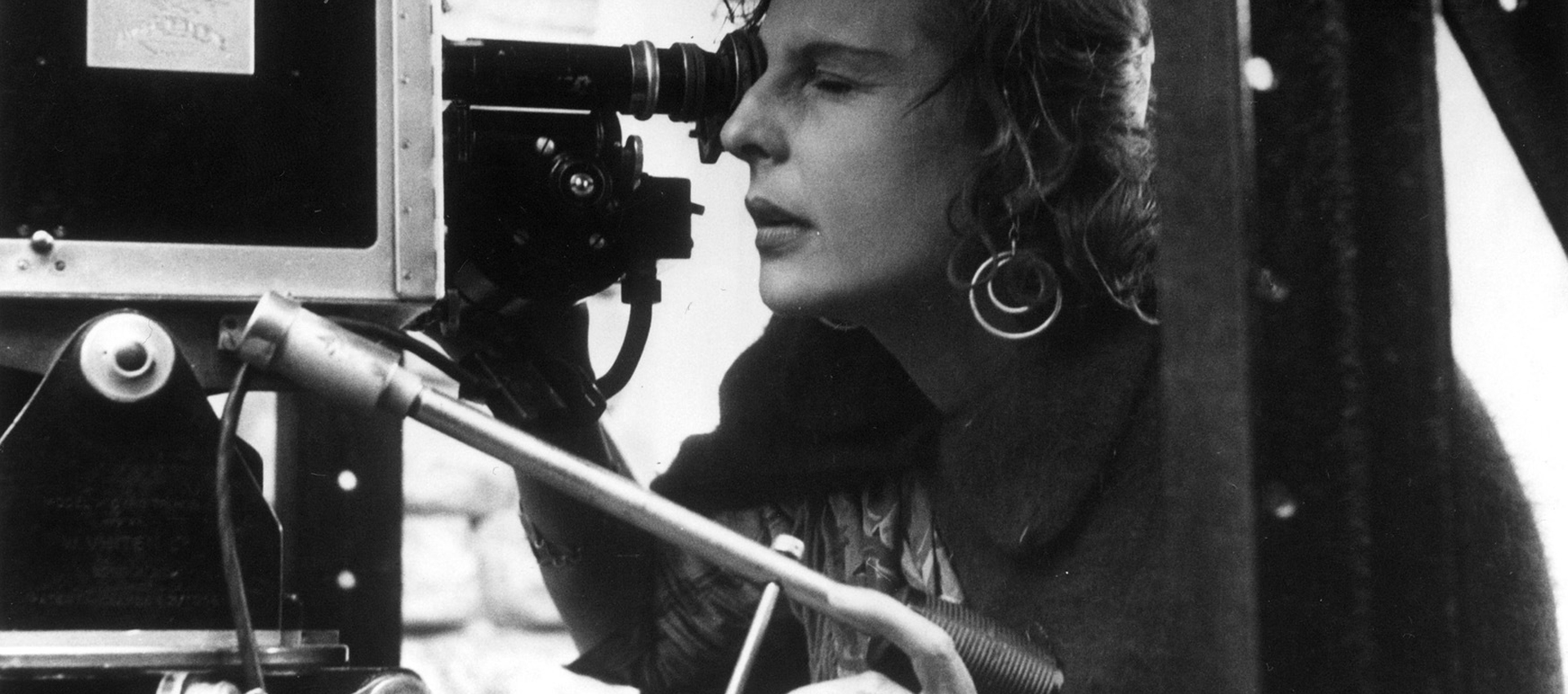
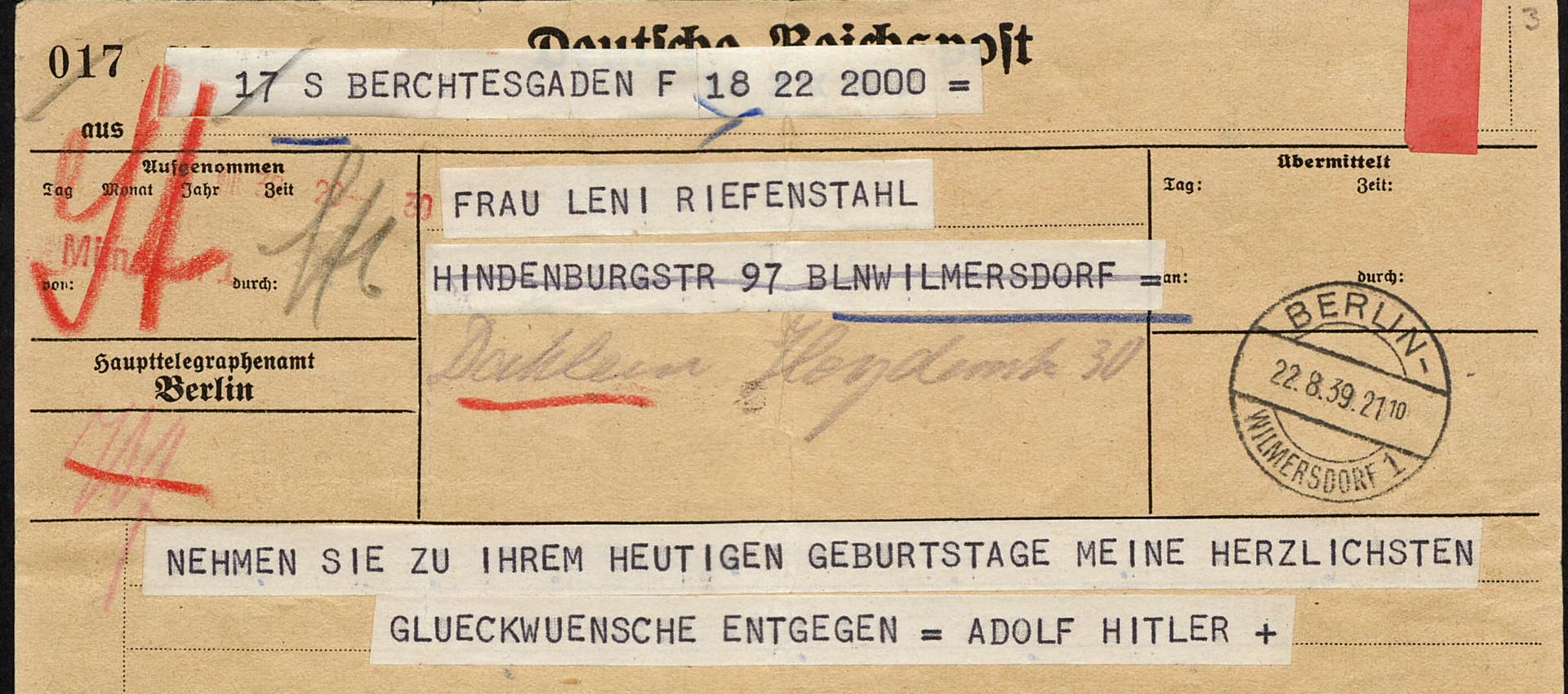
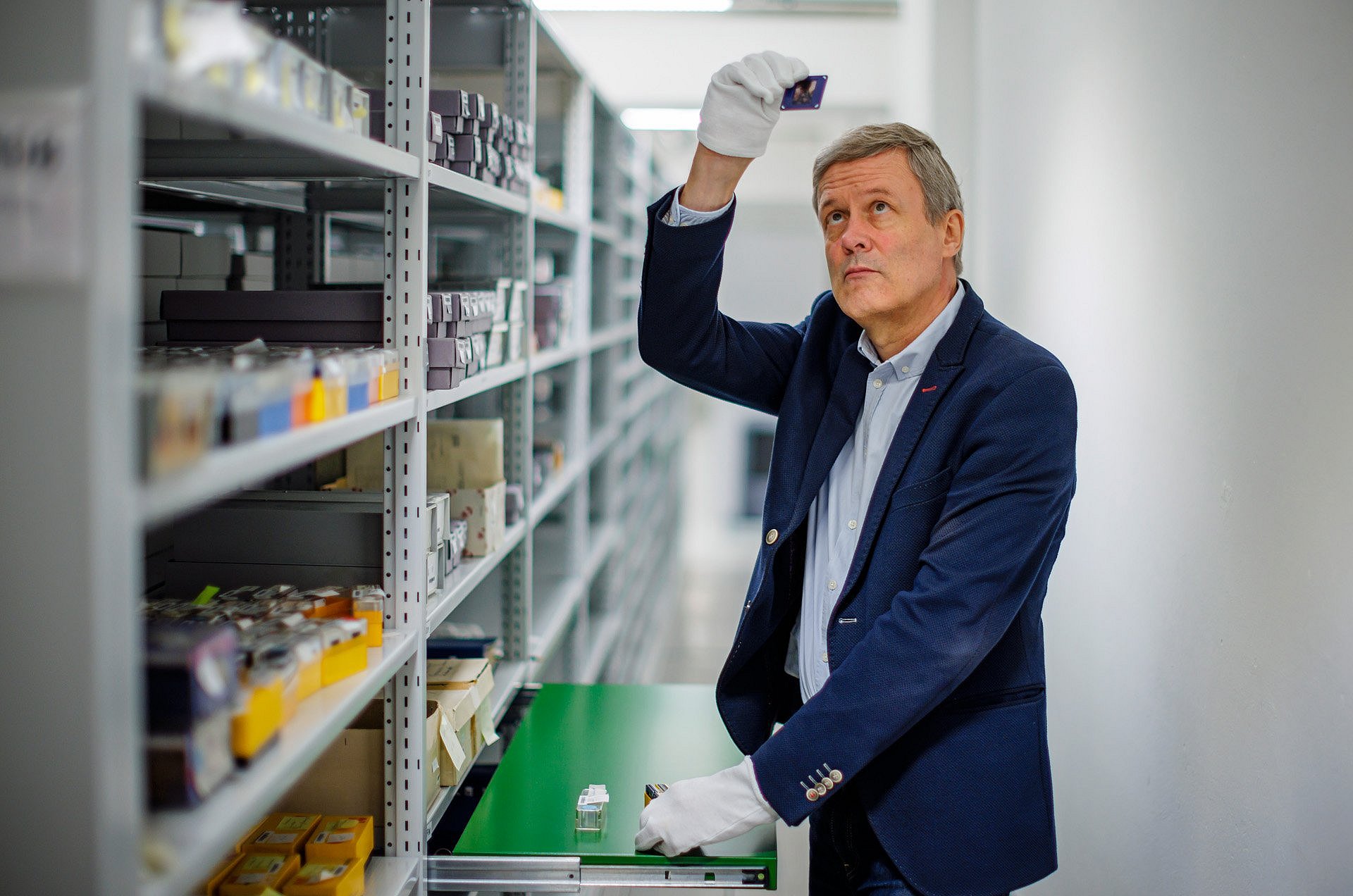
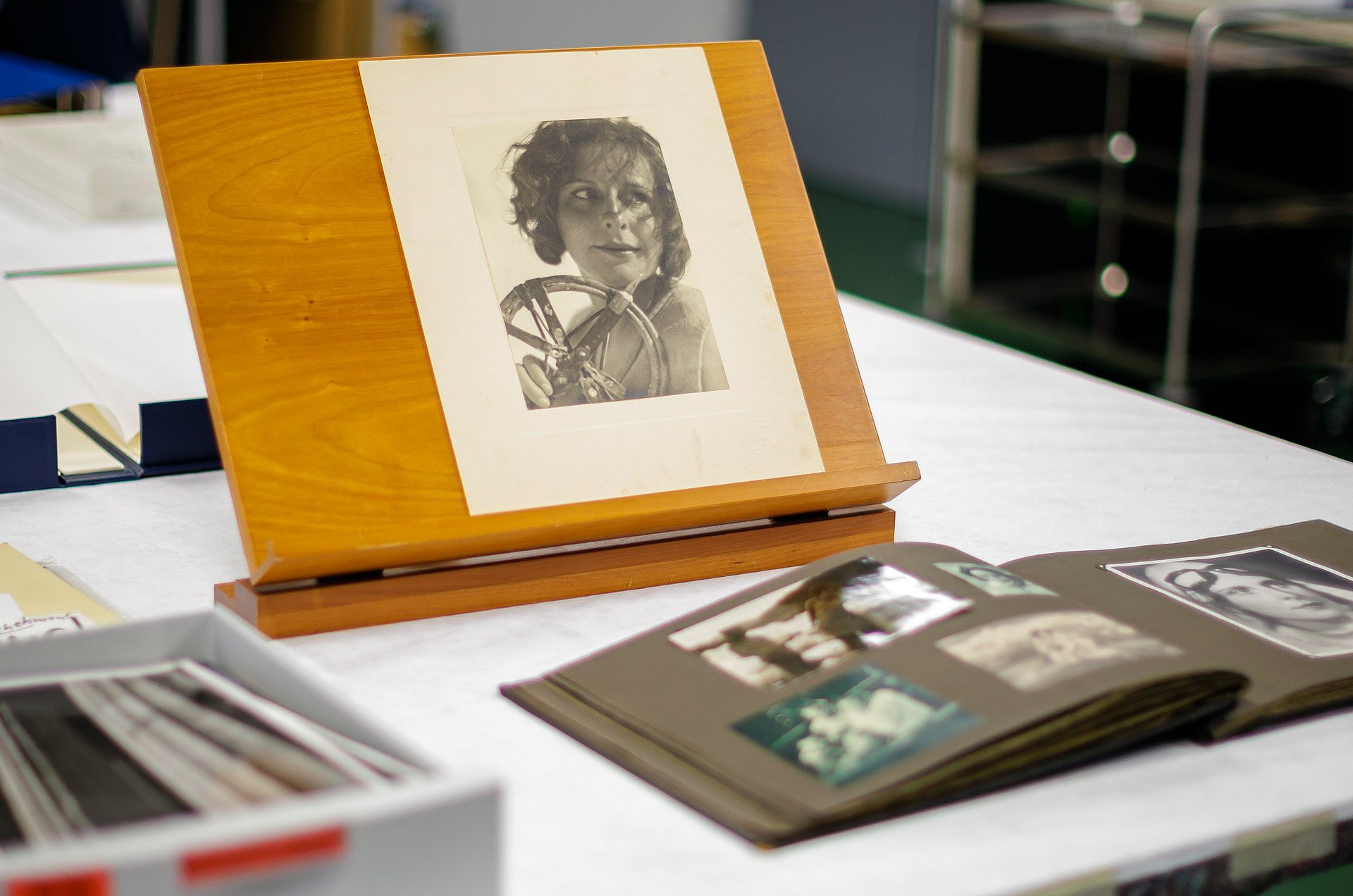
“700 boxes of dynamite” is how SPK Vice-President Gero Dimter described Leni Riefenstahl’s estate, which the foundation received as a gift in 2018. Viewed in the light of day, the cardboard boxes containing the collected and defused documents, photographs and films by Hitler’s favourite director are no longer as highly combustible as they were years ago. Much, very much is known about Leni Riefenstahl. Even the current feature film once again portrays an incorrigible woman who believes her own lies. So what of her work? Research initially focused quite deliberately on photographs from Sudan. Riefenstahl had travelled there in the 1960s and 70s to ‘chase after beauty’ (as she put it) with her camera. ‘Beauty’ in this case meant ‘my Nuba’ (as she called them), a North-East African ethnic group living in the Nuba Mountains.

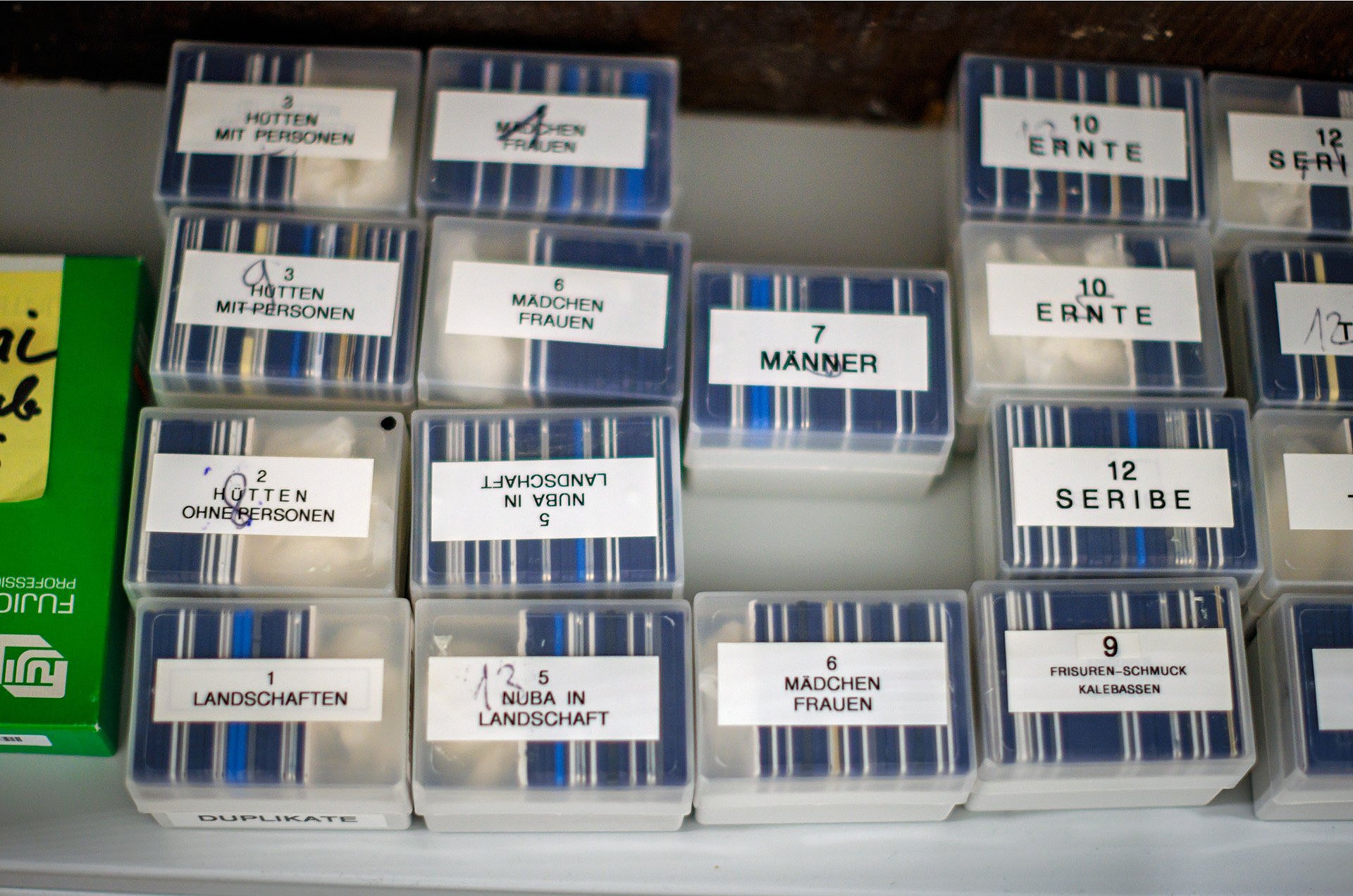
Riefenstahl published two illustrated volumes featuring a selection of her Nuba photographs, which Susan Sontag described in her essay “Fascinating Fascism” (1975) as portraits of people living in pure harmony with their environment, untouched by “civilisation”, before placing them within the context of Riefenstahl’s overall body of work: Susan Sontag saw Riefenstahl’s Nuba images as the third panel of a triptych of fascist art: from the struggle with the elements in the mountain films, which elevates the solitary self, through the aestheticised Nazi parades in “Triumph of the Will”, to the exotically staged, physically perfect warrior bodies of the primitive Nuba warriors. And in 1976, *Der Spiegel* also teased its review of the photo books, titled “Blood and Testicles”, with the sentence: “From the Black Corps of the SS to the black bodies of the Nuba”.
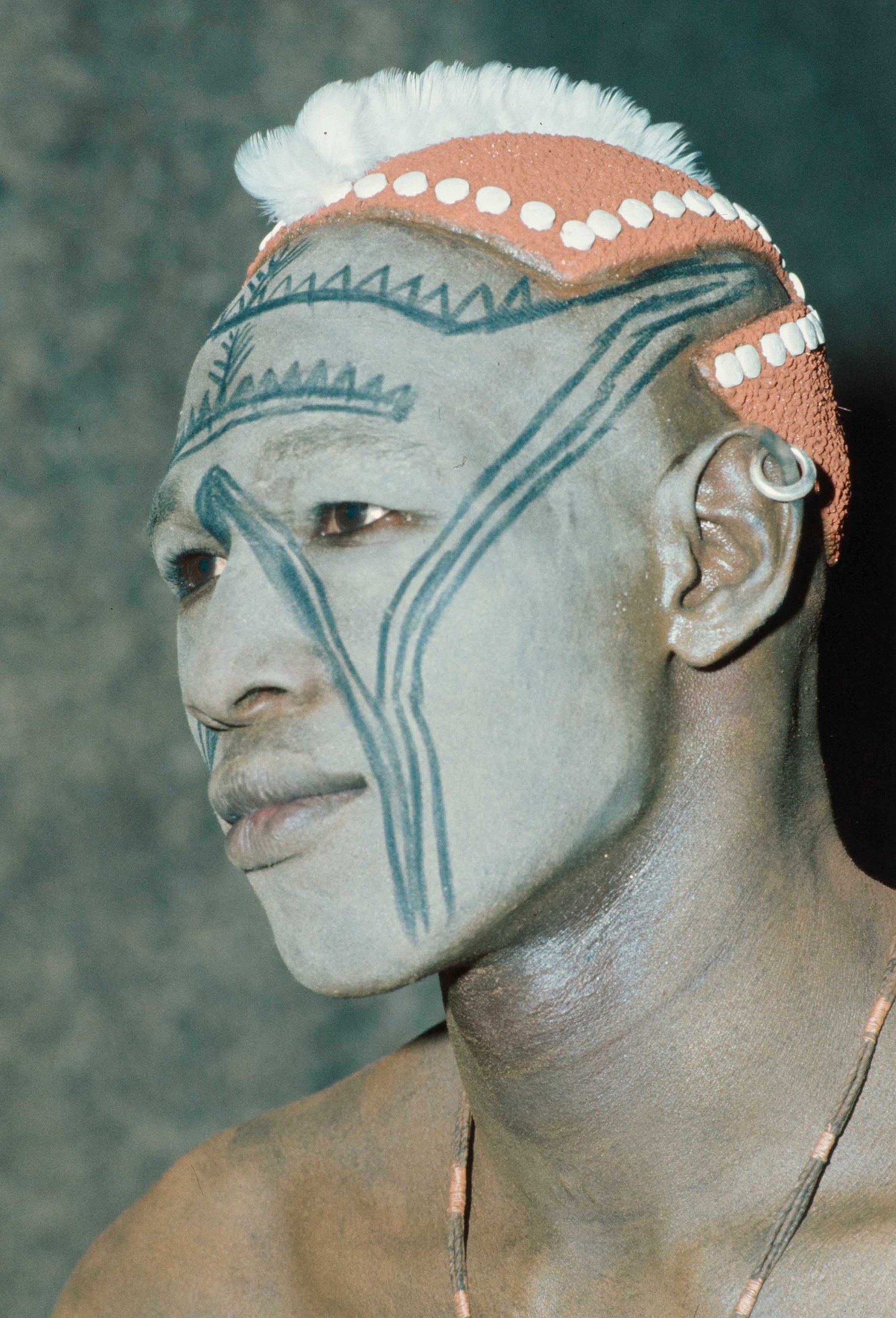
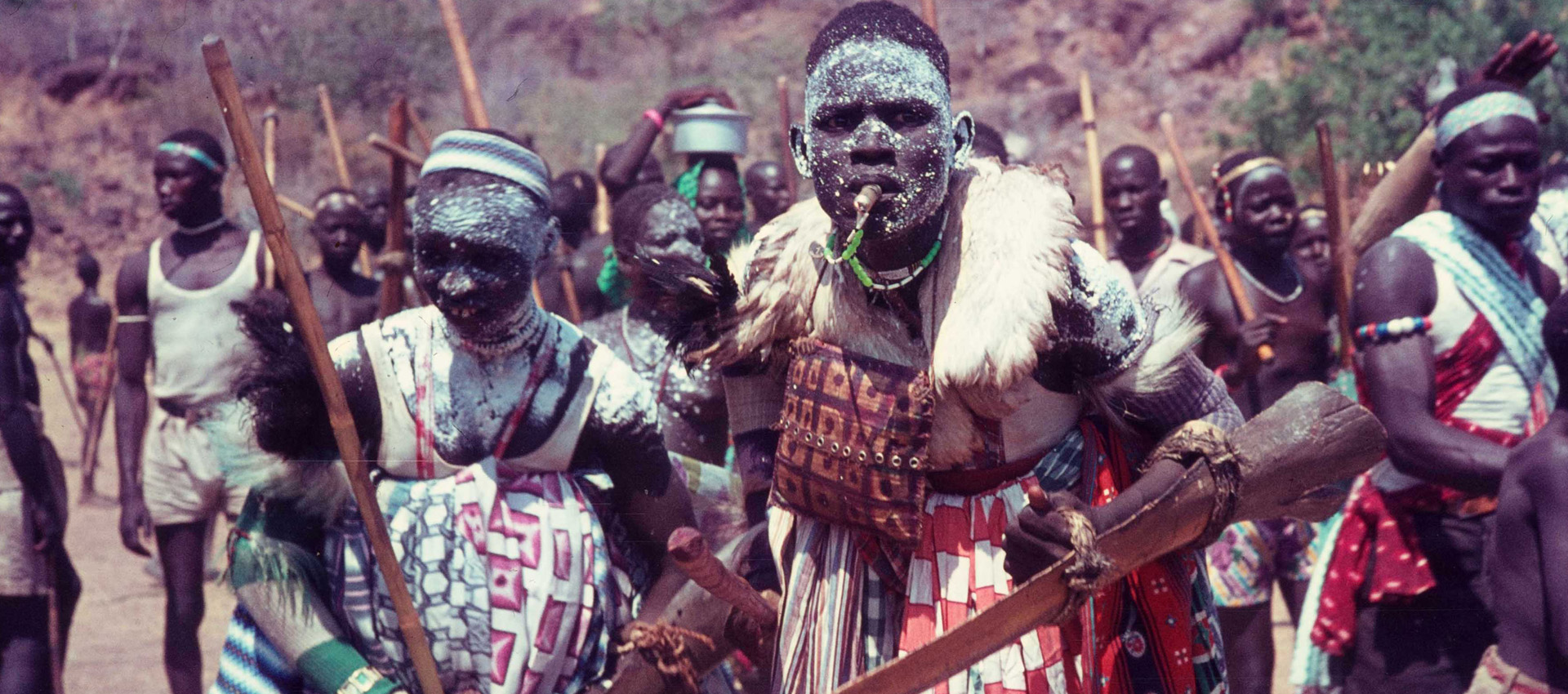
Portrait of Dawud Kuku Londi from Kau, showing the distinctive hairstyle and face paint reserved for arm-wrestling fighters. The man was identified by the village headman of Kau during the collaborative research. Kau, 1975 © Staatliche Museen zu Berlin, Kunstbibliothek / Leni Riefenstahl Estate
Different contexts lead to different meanings
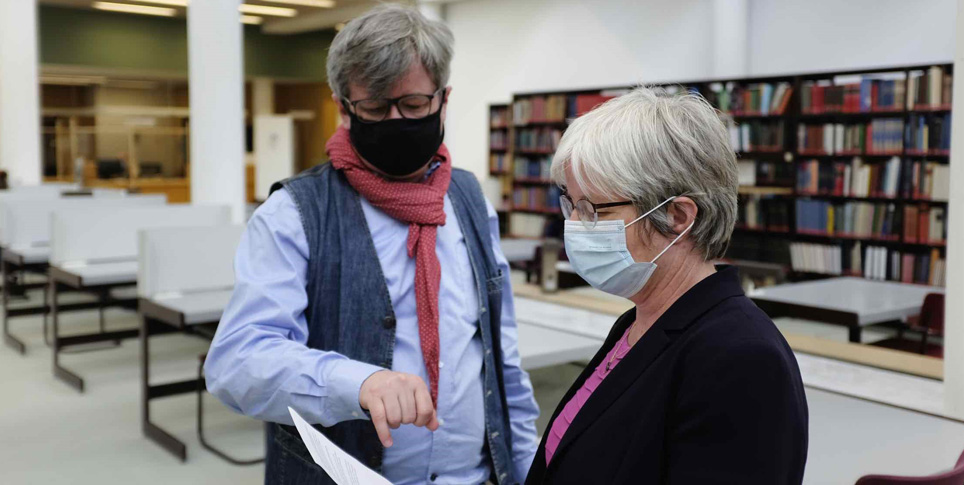
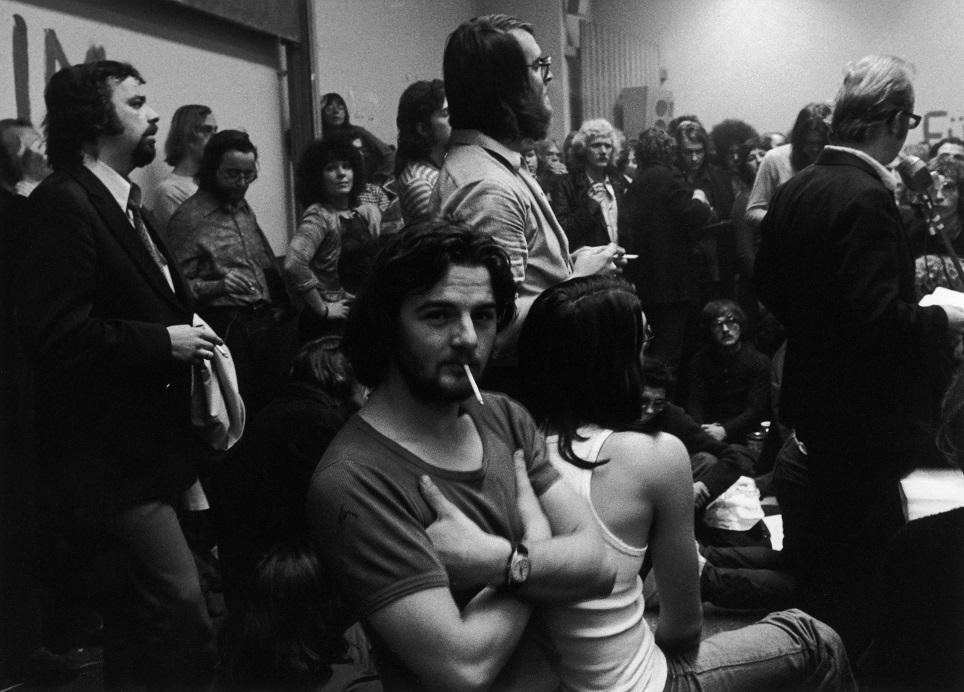
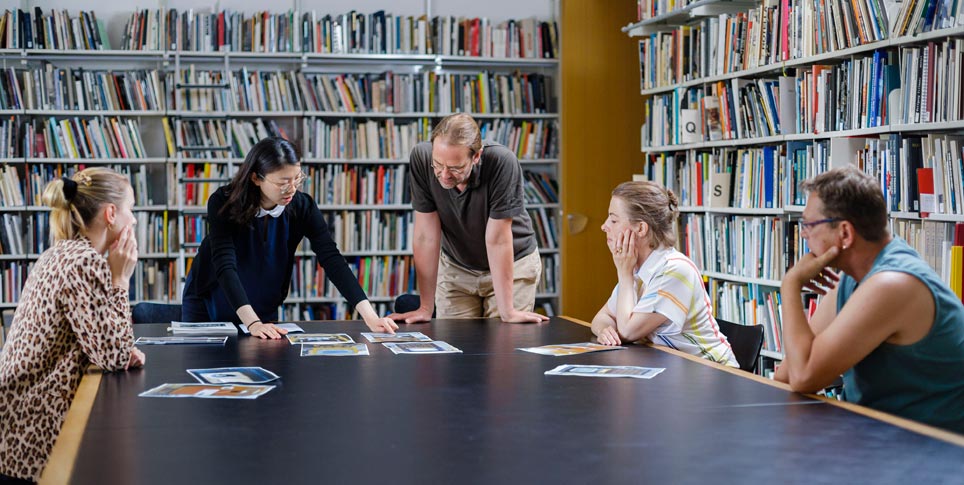
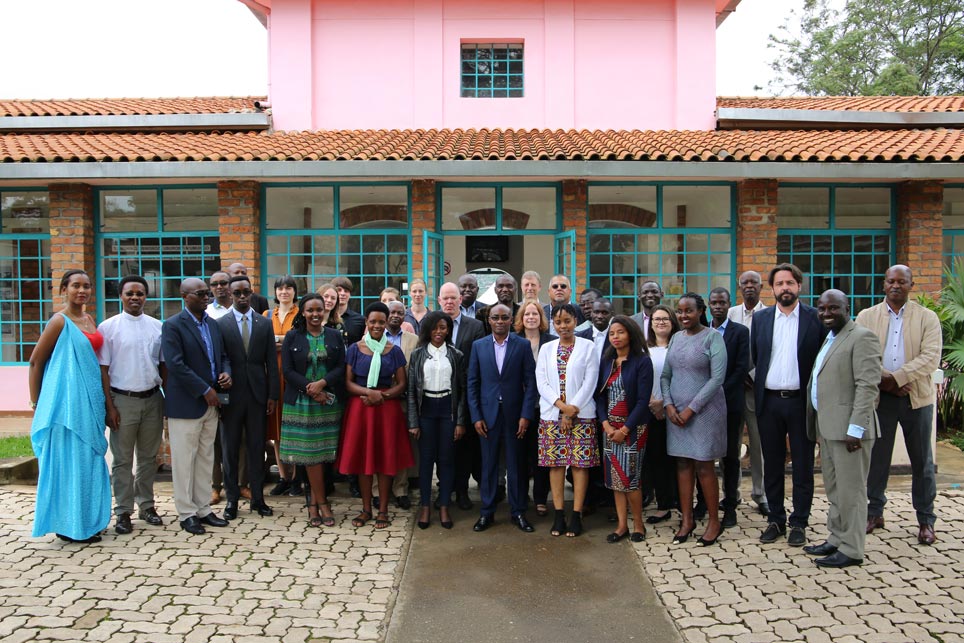
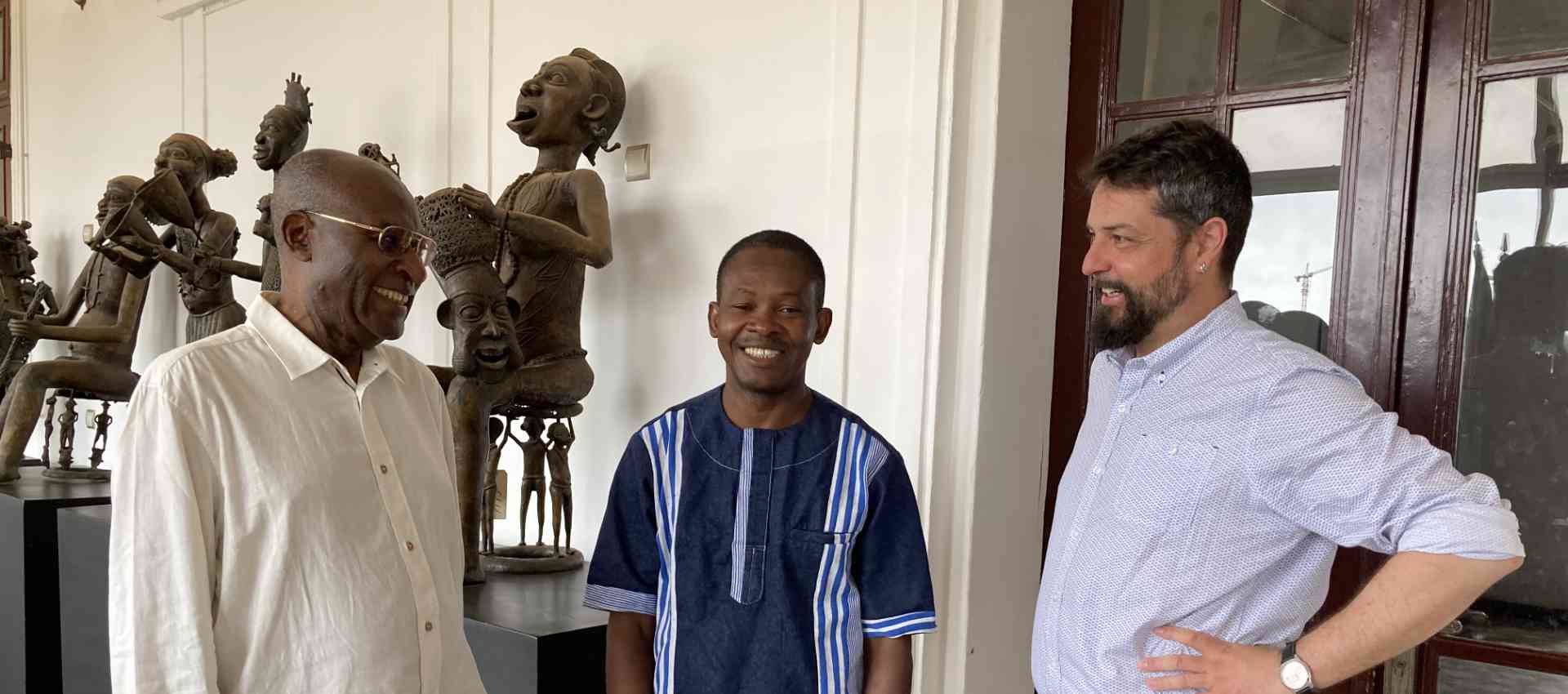
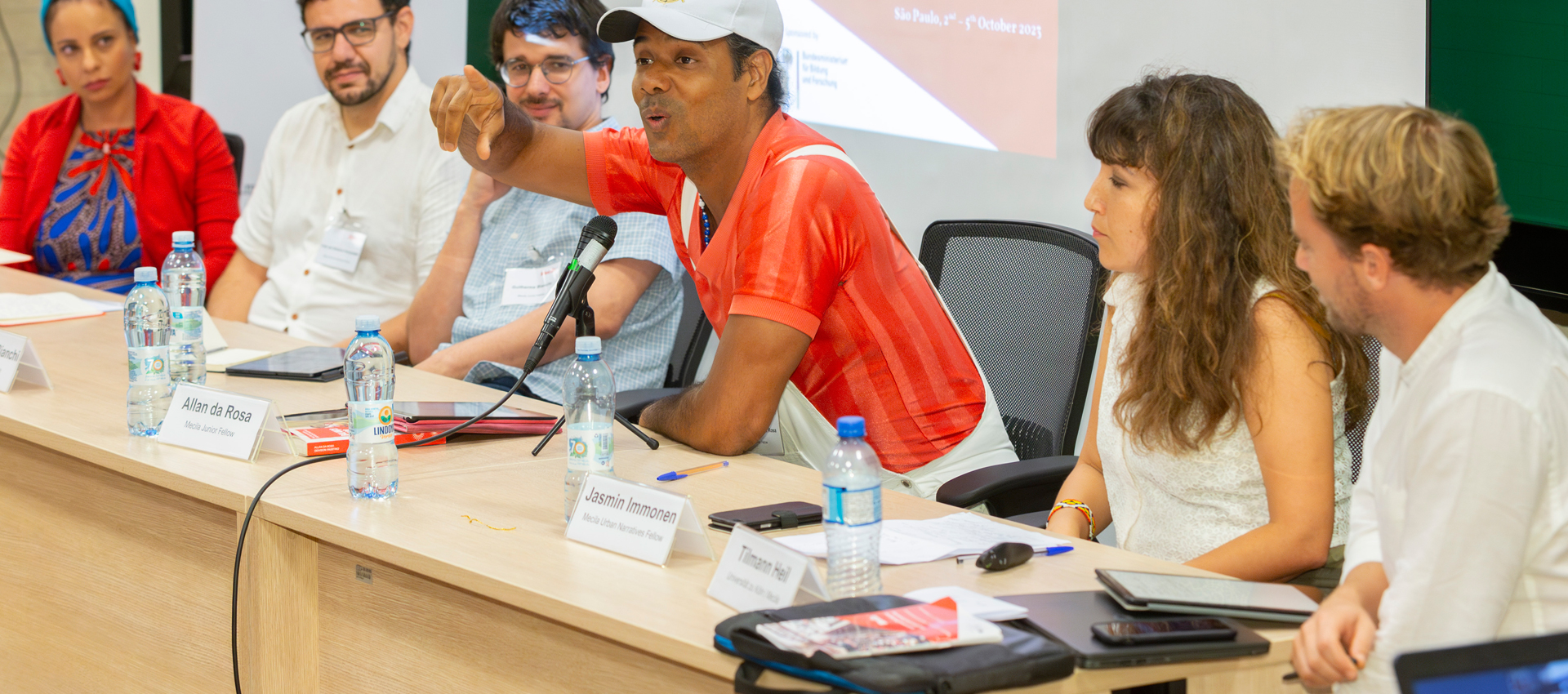
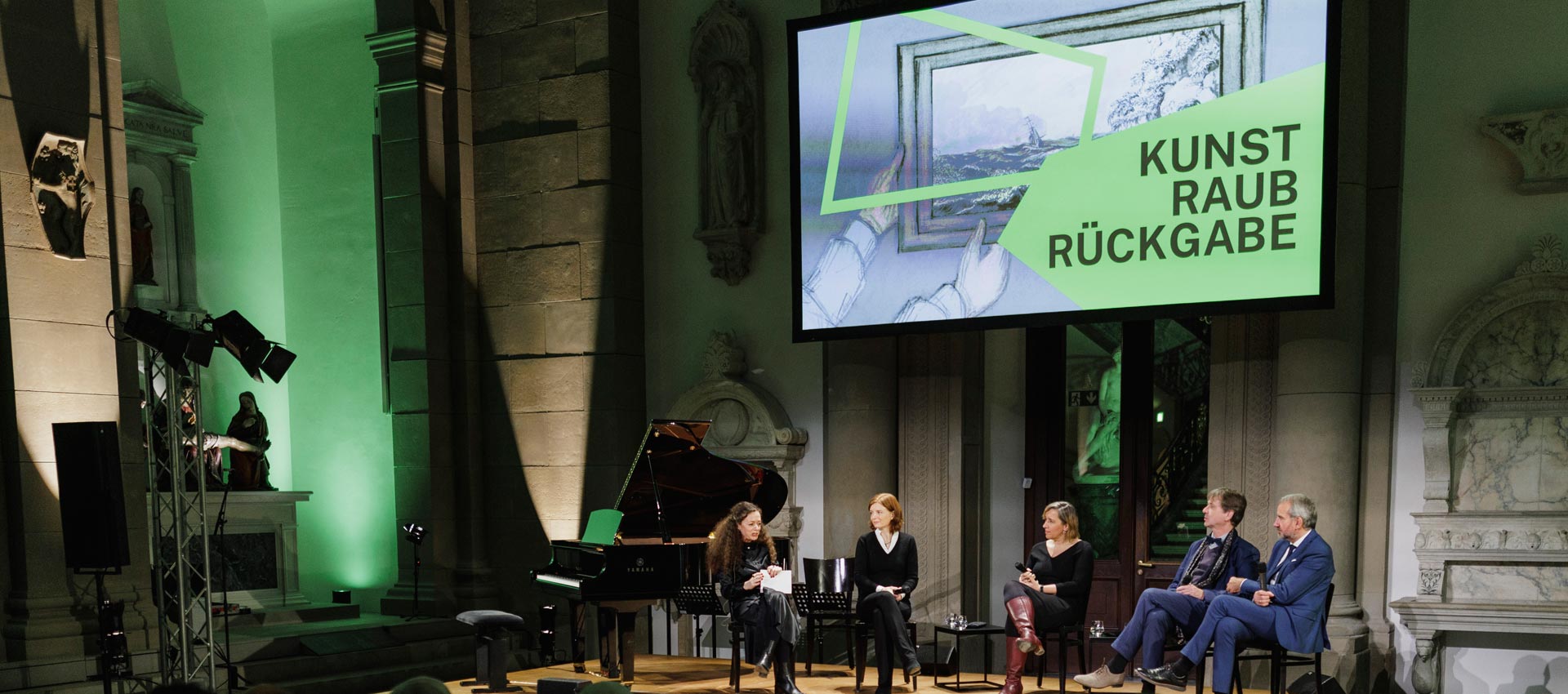
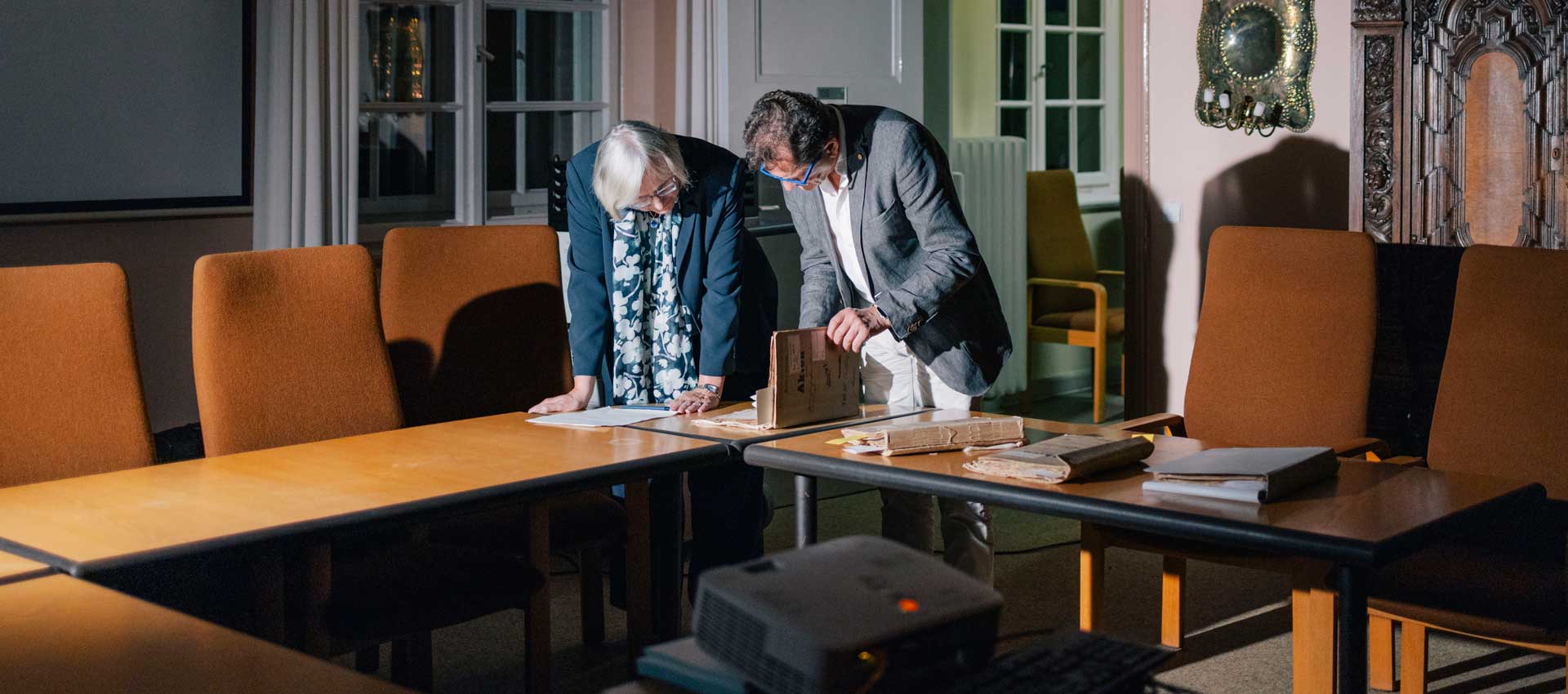
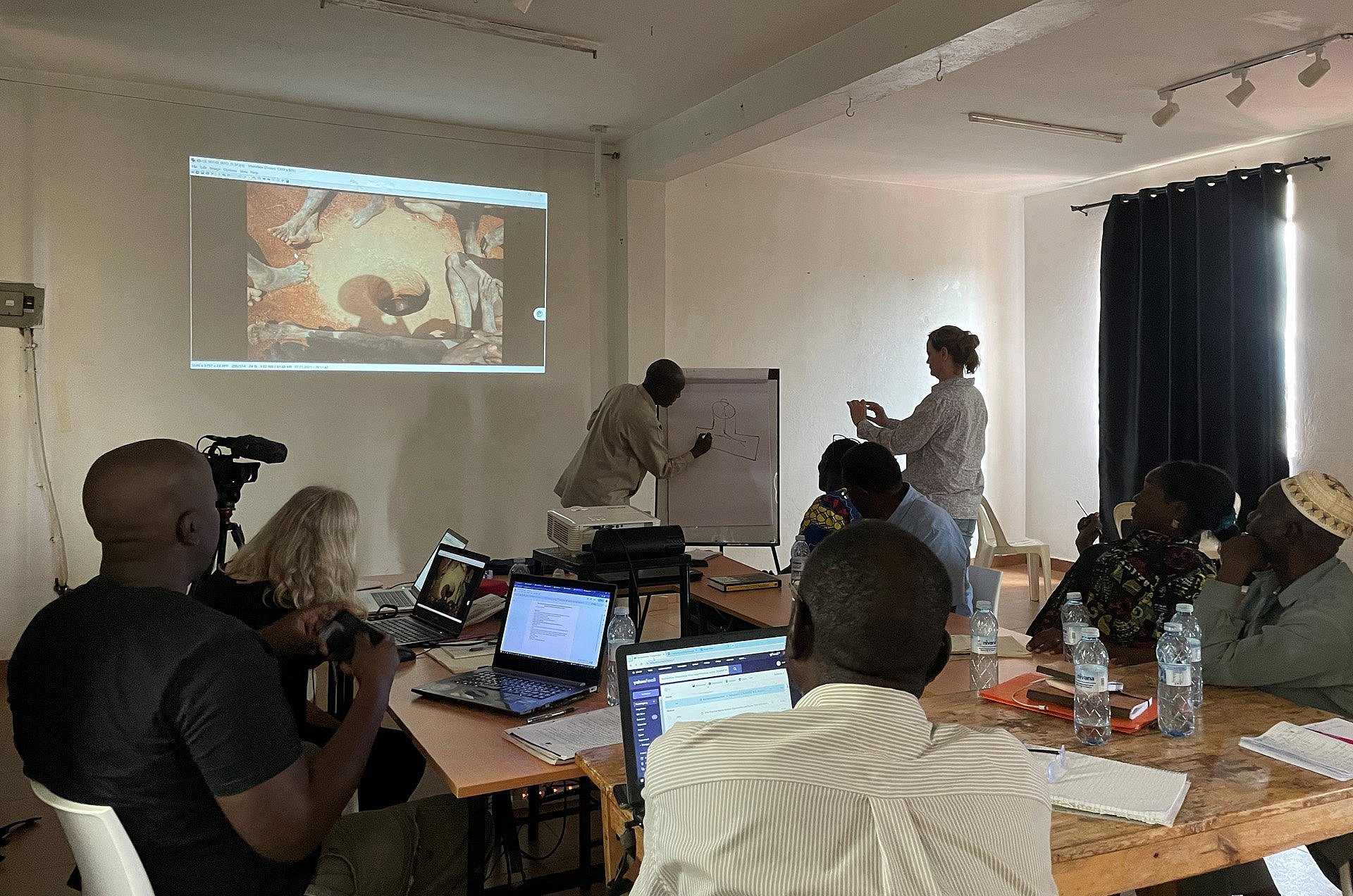
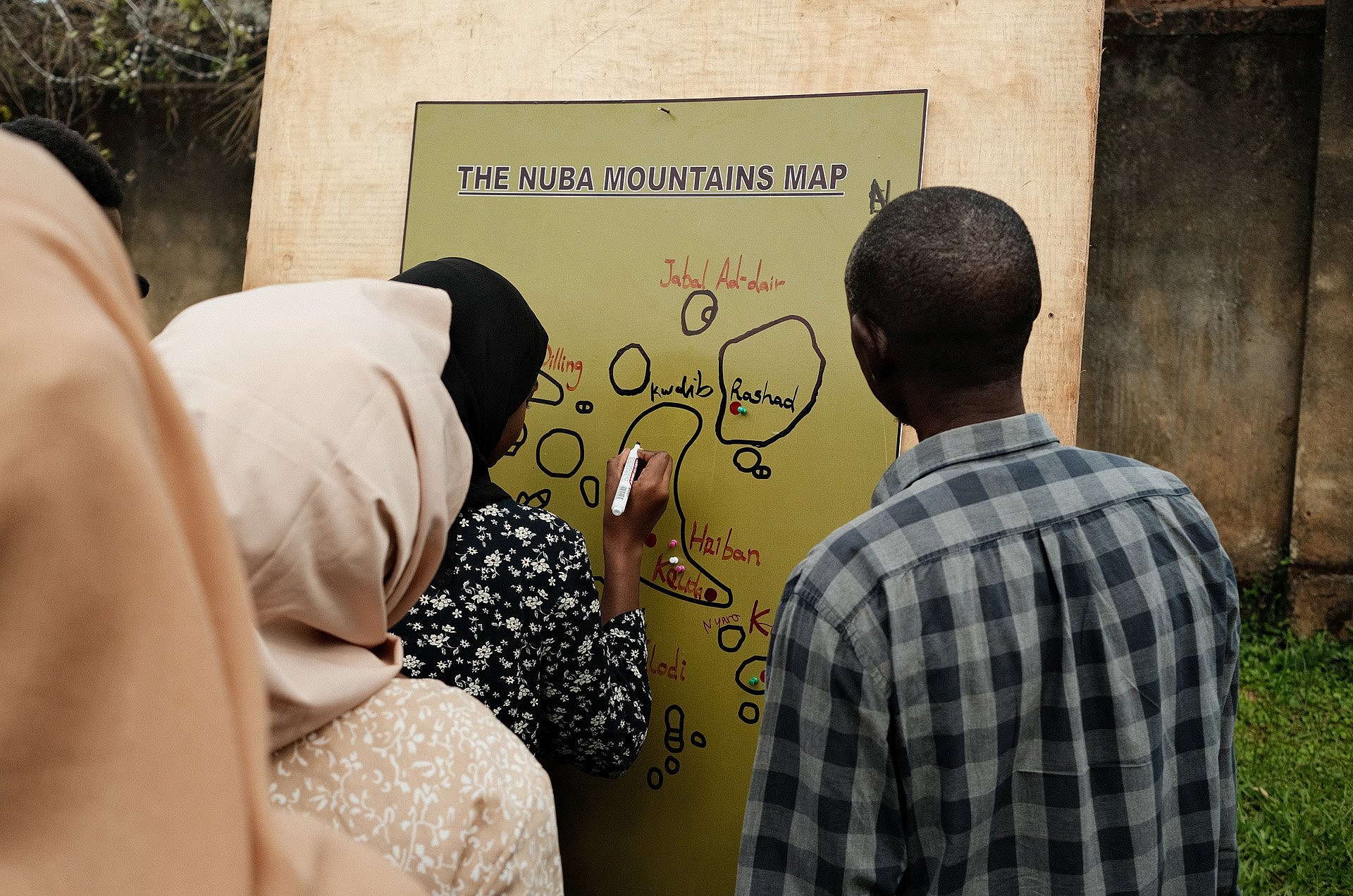
So much for the Western perspective – or, to be more precise, the Western perspective of the last century, in pre- and post-colonial times. In 2024, the question is: how do the Nuba people in the photographs actually see things – as dynamite, too? Do they feel objectified? To find this out and to engage with the Riefenstahl estate in a new way, the Art Library and the Ethnological Museum launched the BKM-funded project ‘Racism – Colonialism – Fascism? German-Sudanese collaborative cataloguing and presentation of Leni Riefenstahl’s Nuba work’, the results of which were discussed at a symposium at the end of October.
The keynote address by Dr Guma Kunda Komey Kalo of the Pan-Nuba Council alone made it clear: context is important, and in this case it is the devastating political situation in Sudan. Aside from hunger, civil war and displacement, the Nuba ethnic group must fight against exclusion and marginalisation. The collaborative project on the Riefenstahl photographs represents added value in this struggle of the Nuba, as it recognises them as active participants and owners of their own history and present. The project is a milestone in the Nuba’s struggle for a collective sense of unity, belonging and a dignified socio-political future, Guma continued.
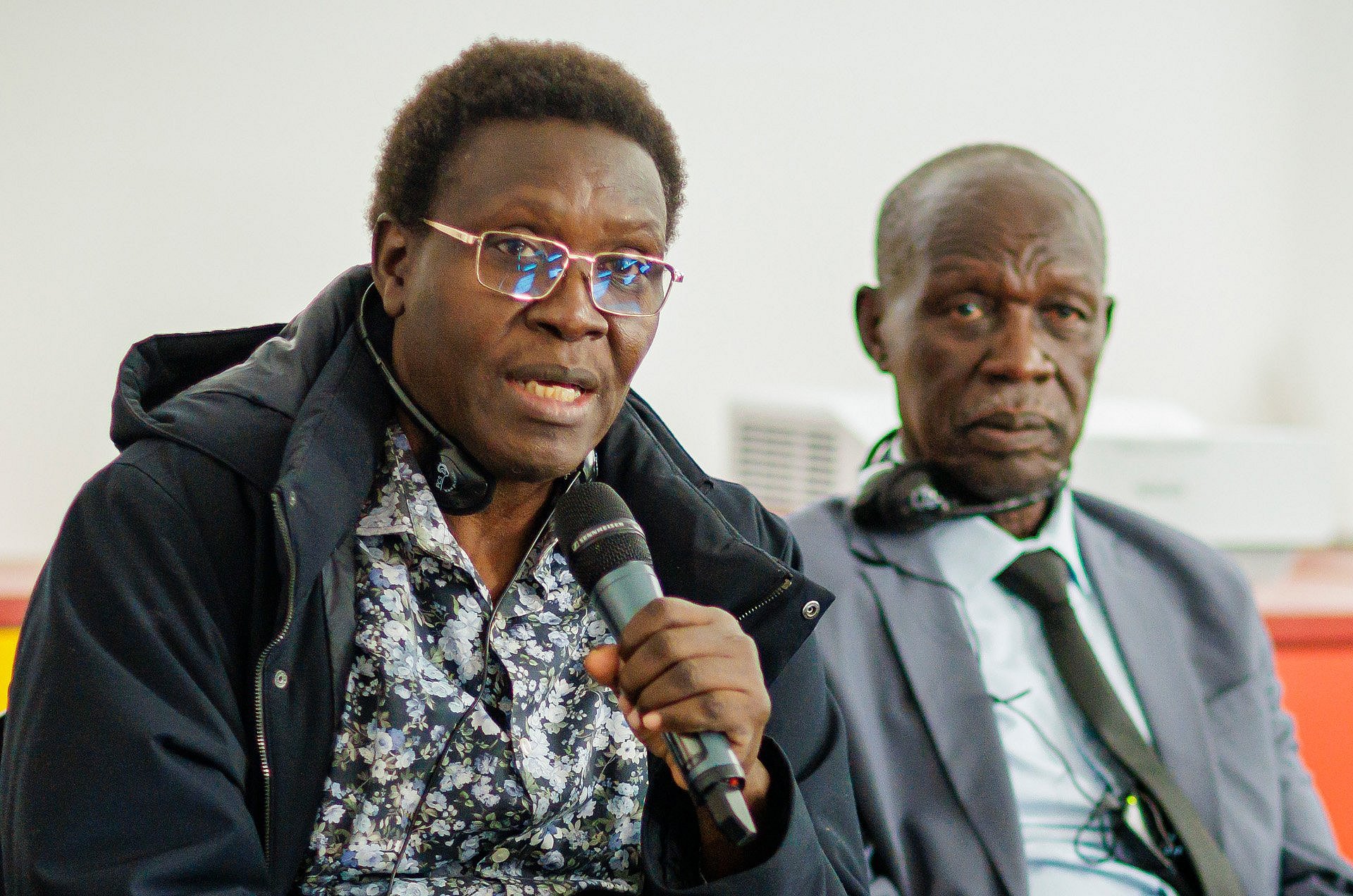
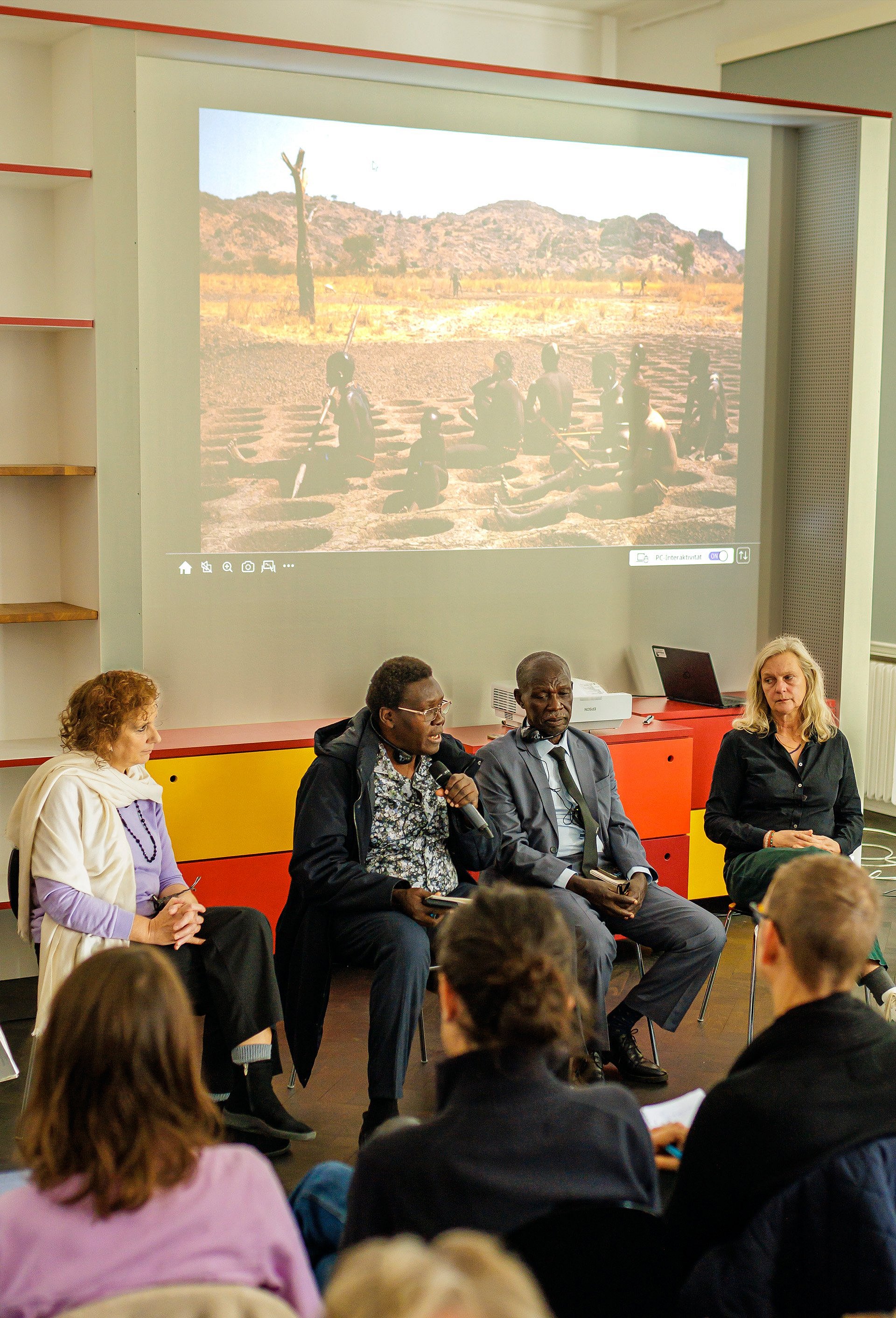
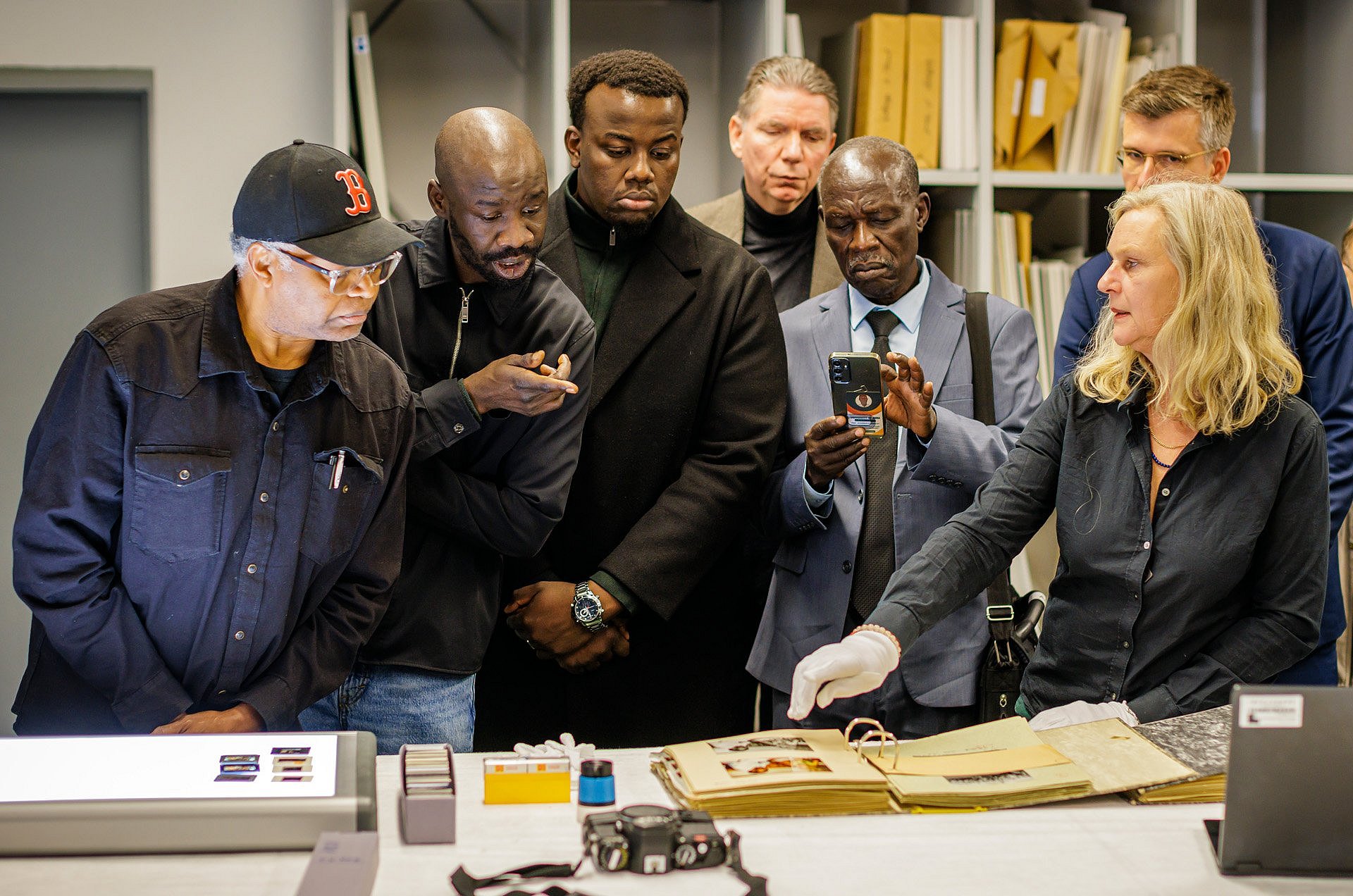
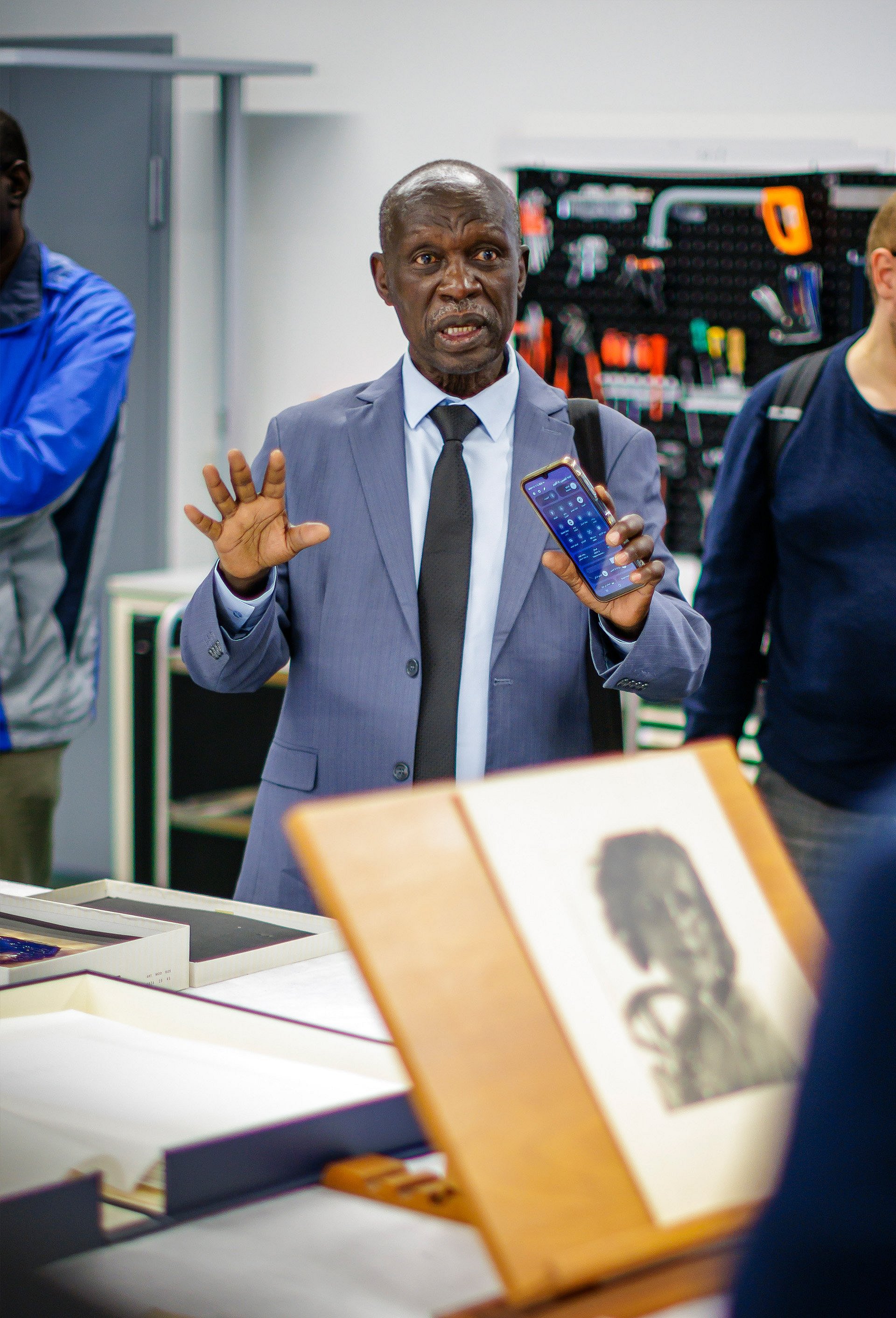
The Nuba regard Riefenstahl’s ‘art photographs’ as ethnological records that depict their history and material culture, as well as cultural practices that have in some cases already been forgotten, thereby contributing to their assertion of identity as a distinct ethnic group. Incidentally, the Nuba themselves viewed Riefenstahl as a ‘strange old woman’. However, when it became clear to them that the “strange grandmother” was photographing them, they felt exploited. The question of compensation for this exploitation is now on the table.
From passive objects to active participants
Of course, Riefenstahl photographed the Nuba back then without a declaration of consent or any hint of the concept of the right to one’s own image. Had the Nuba had a data protection officer at the time, he would have intervened. And naturally, the handling of Riefenstahl’s images must therefore be approached from an ethical perspective today. First and foremost, it is a matter of returning the images to those photographed – and creating new meanings. Part of the project was a pop-up exhibition featuring the Nuba images in Uganda in May this year – a first, as the images had never before been exhibited in Africa. And the highlight of the Berlin symposium was the return of all the Nuba photographs in digitised form.
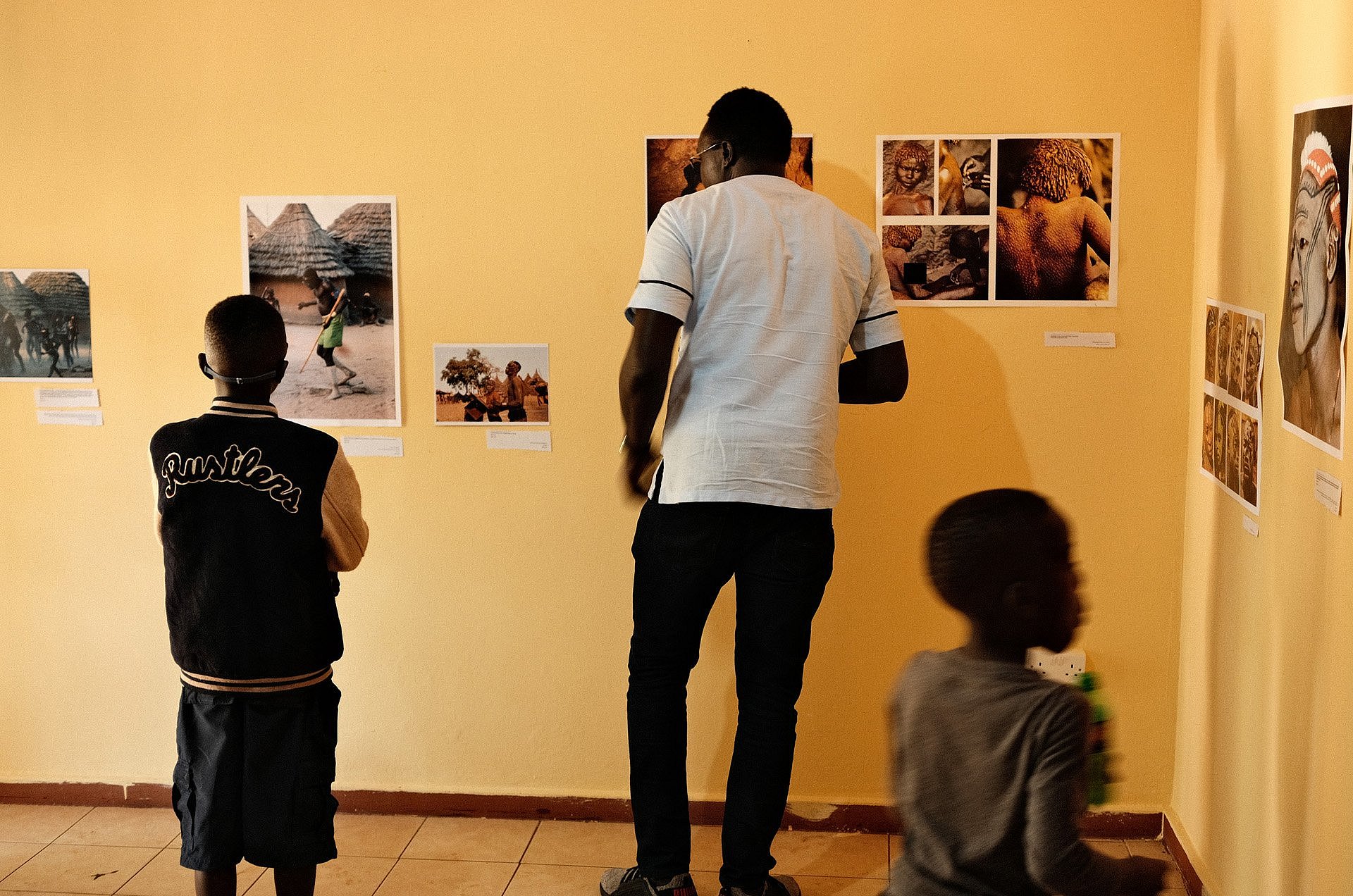
Incidentally, as the ethnologist and Sudan expert Kurt Beck emphasised, Leni Riefenstahl’s Nuba photographs shape identity in both contexts: not only did the Nuba use them in their struggle against marginalisation, but post-war German society, with its repressive sexual morality, was also able to reaffirm itself through these exotic photographs of the ‘noble savages’ – not least because they were mostly naked.
Incidentally, a further comparison of perspectives would be very interesting not only in this respect: the bpk’s collection includes the estate of another West German woman who travelled through an African country with her camera in the 1970s (albeit in Senegal): Leonore Mau. Incidentally, she said of Riefenstahl’s Nuba photographs that she actually found them too beautiful.
Further links
- Project on the Riefenstahl estate
- Symposium: ‘Discussing the Project “Nuba Images by Leni Riefenstahl”’
- Pan-Nuba Council website
- On the current political situation in Sudan
- Blog post: In the witch’s cottage: Visiting Leni Riefenstahl
- The current feature film “Riefenstahl”
- Interview: The rediscovery of Leonore Mau