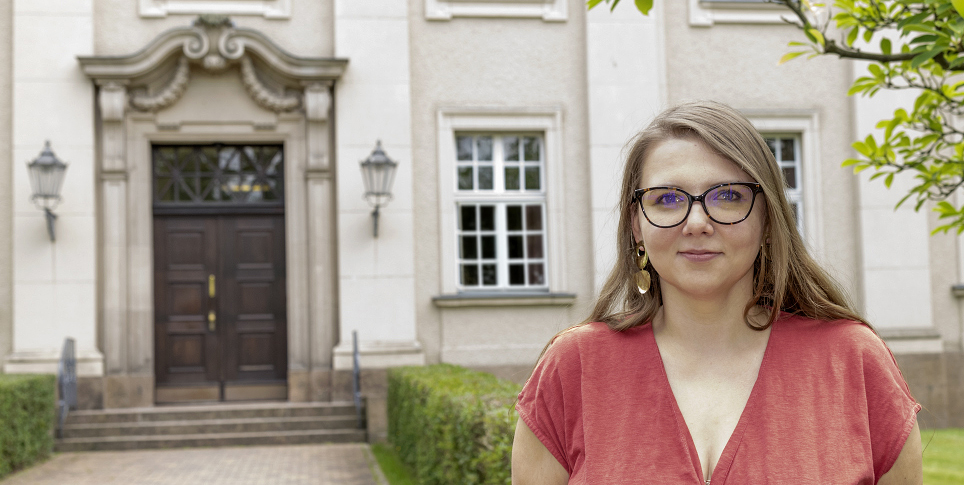
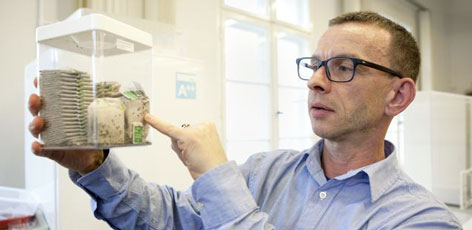
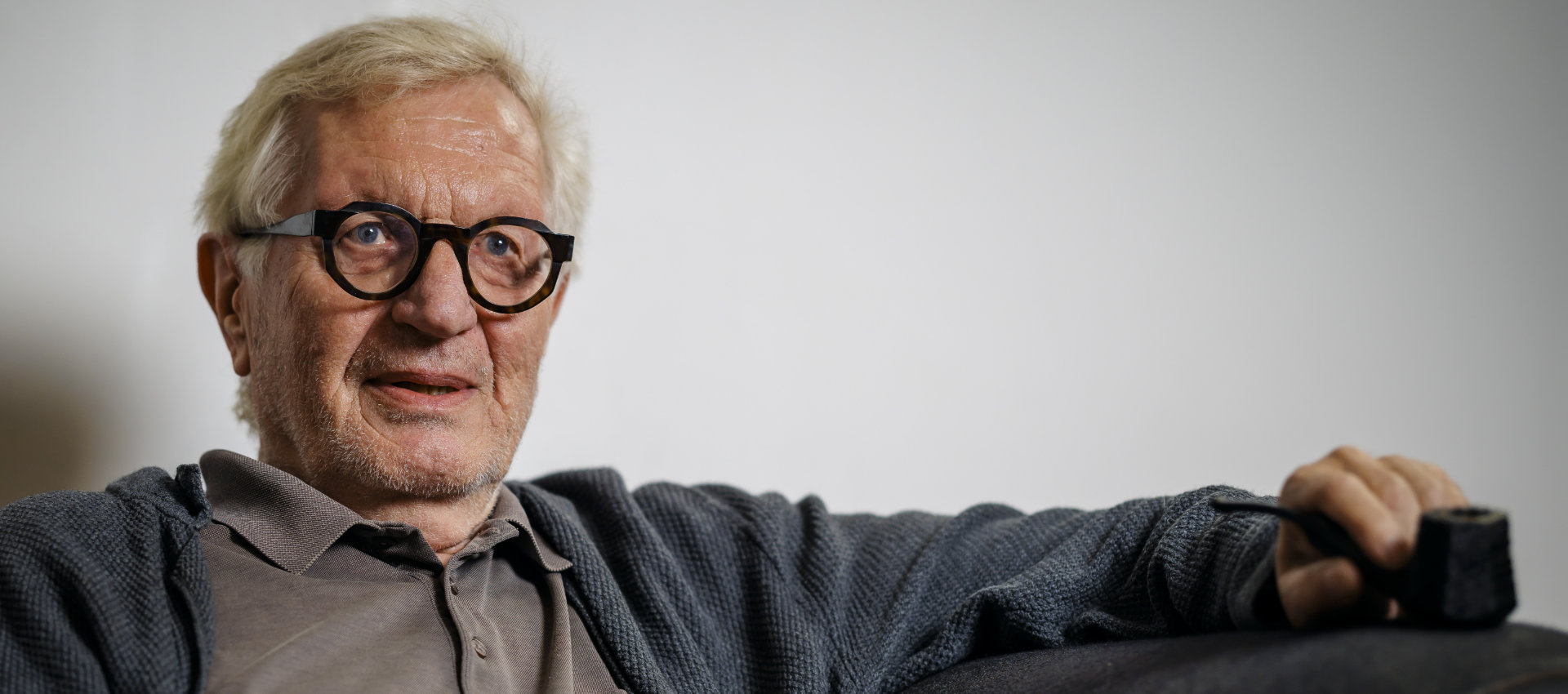
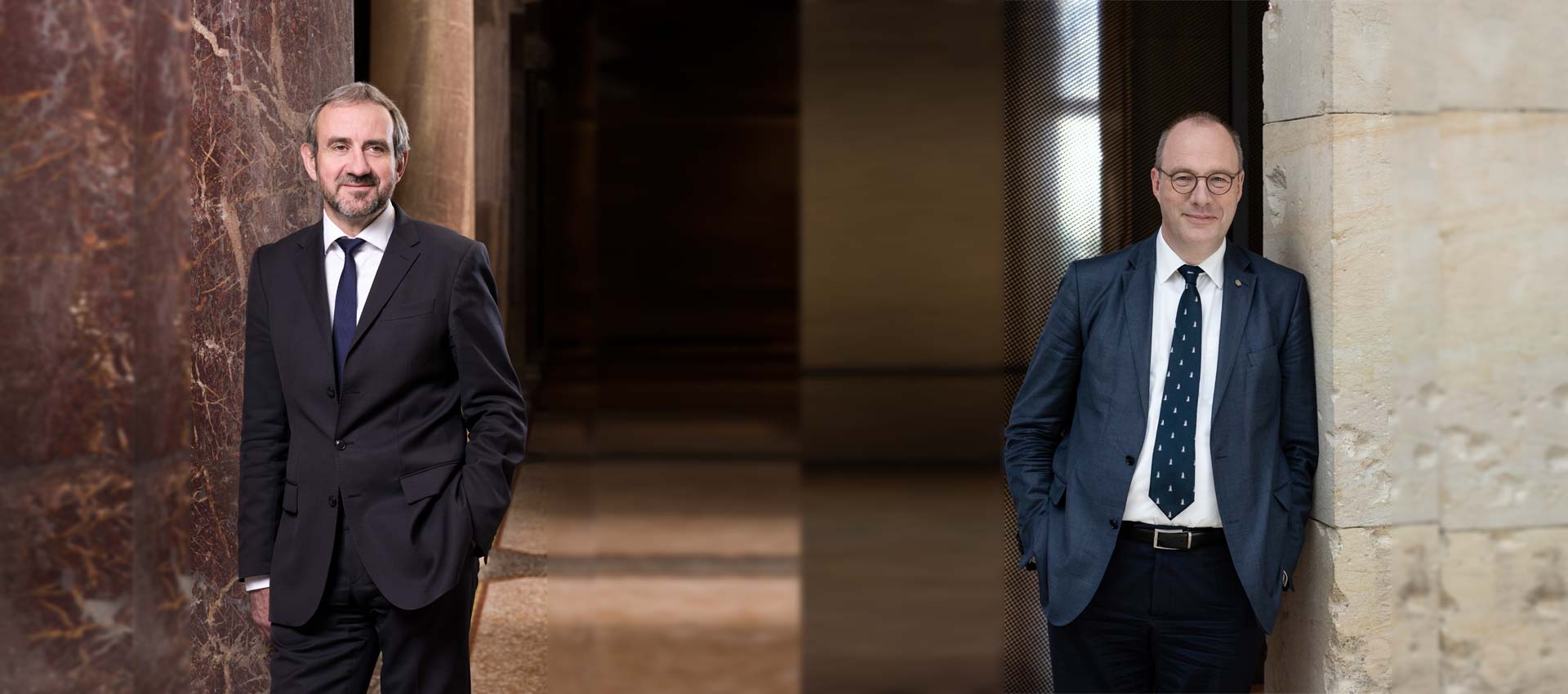
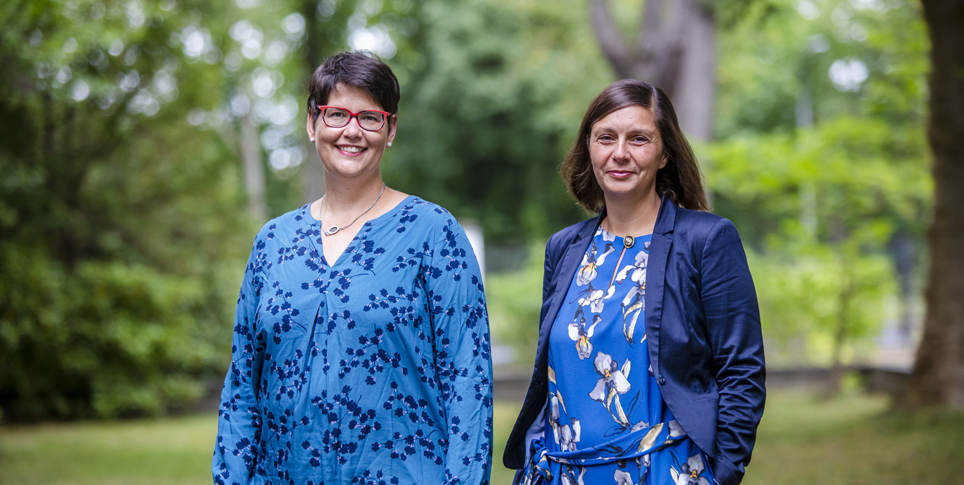
Ludger Derenthal and Katrin Peters-Klaphake are responsible for managing Leni Riefenstahl’s photographic archive. Here, the researchers answer your questions:
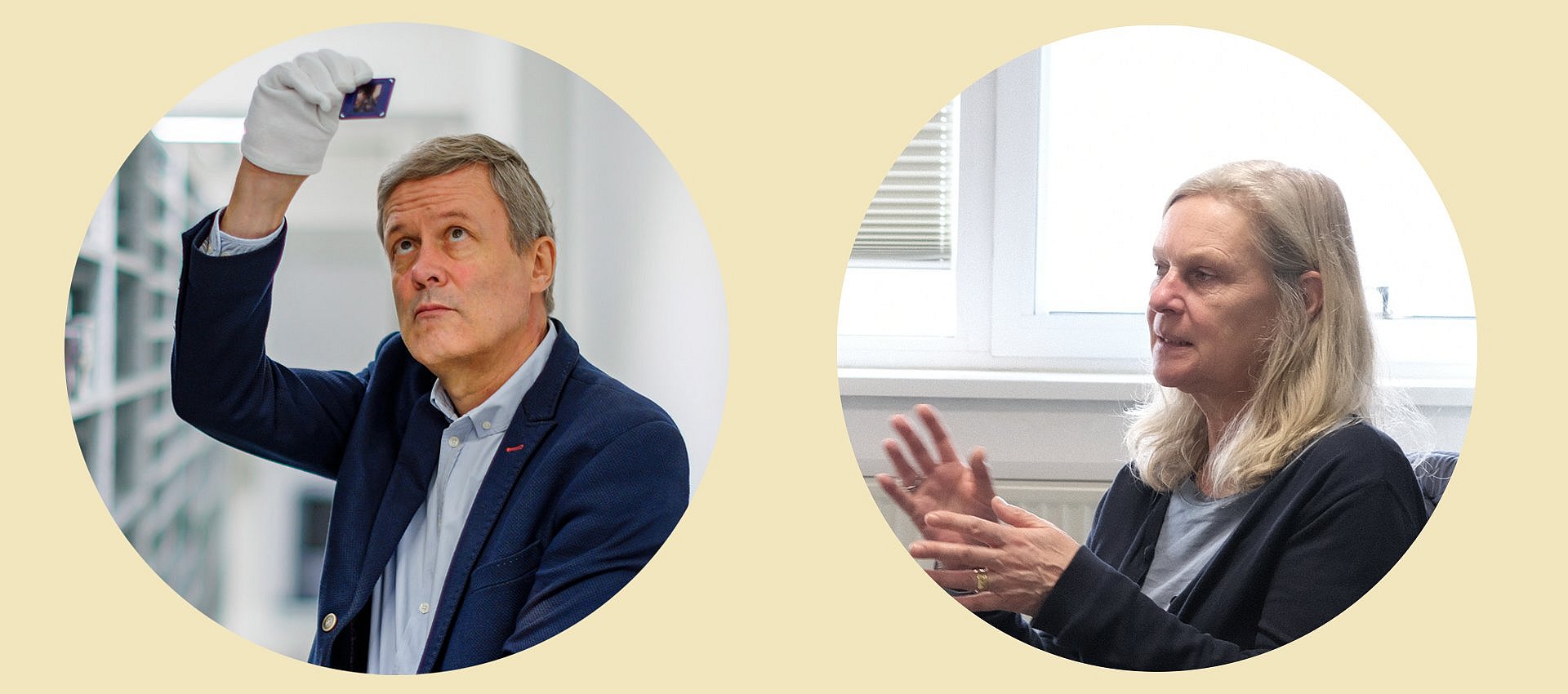
Ludger Derenthal and Katrin Peters-Klaphake are responsible for managing the photographic estate of one of the most famous and controversial artists in German film and photographic history: Leni Riefenstahl. In 2018, the SPK received Riefenstahl’s complete estate as a donation, comprising film and photographic collections, manuscripts, letters, files, documents, ethnographic items, textiles and film-related materials. The collections, which are currently held in various locations at the Staatliche Museen zu Berlin (Art Library and Ethnological Museum), the State Library and the Deutsche Kinemathek,
are to be catalogued in databases and digitised.
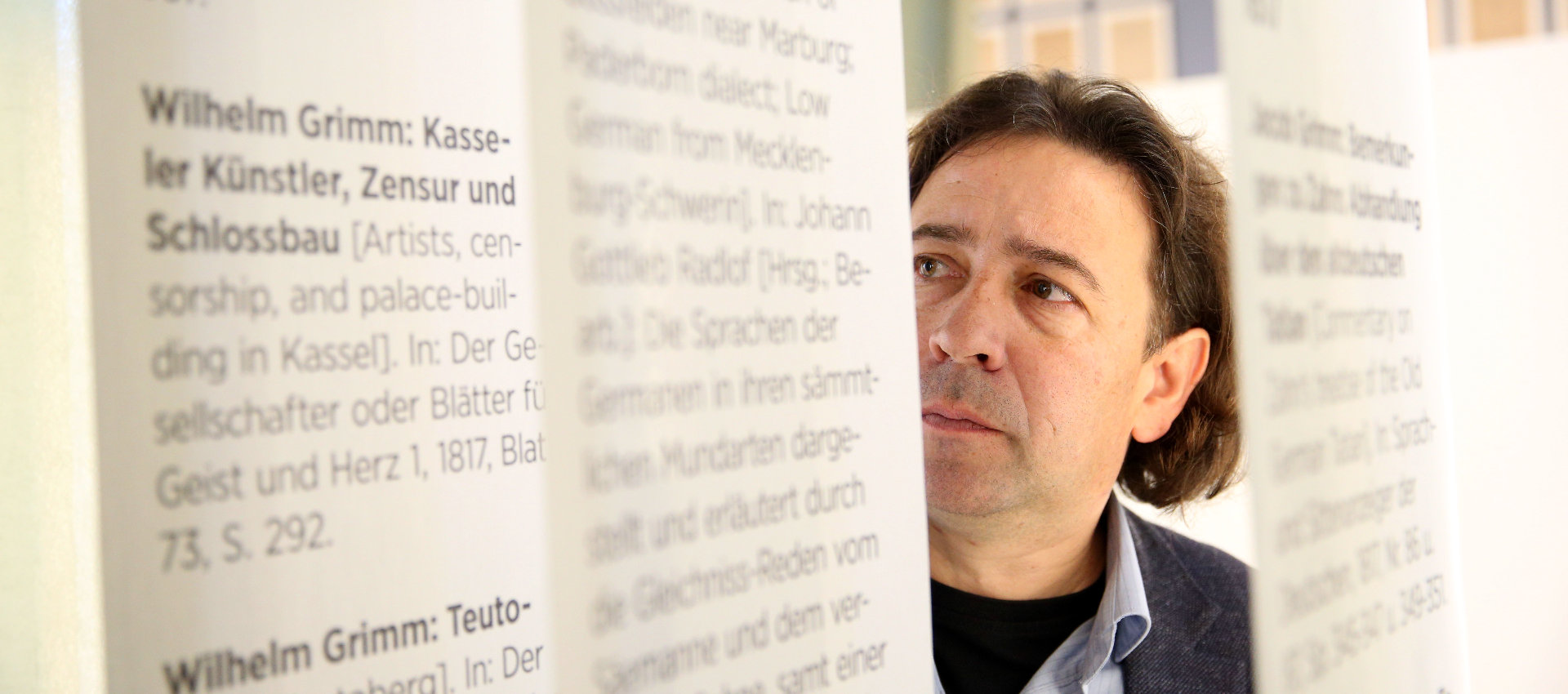
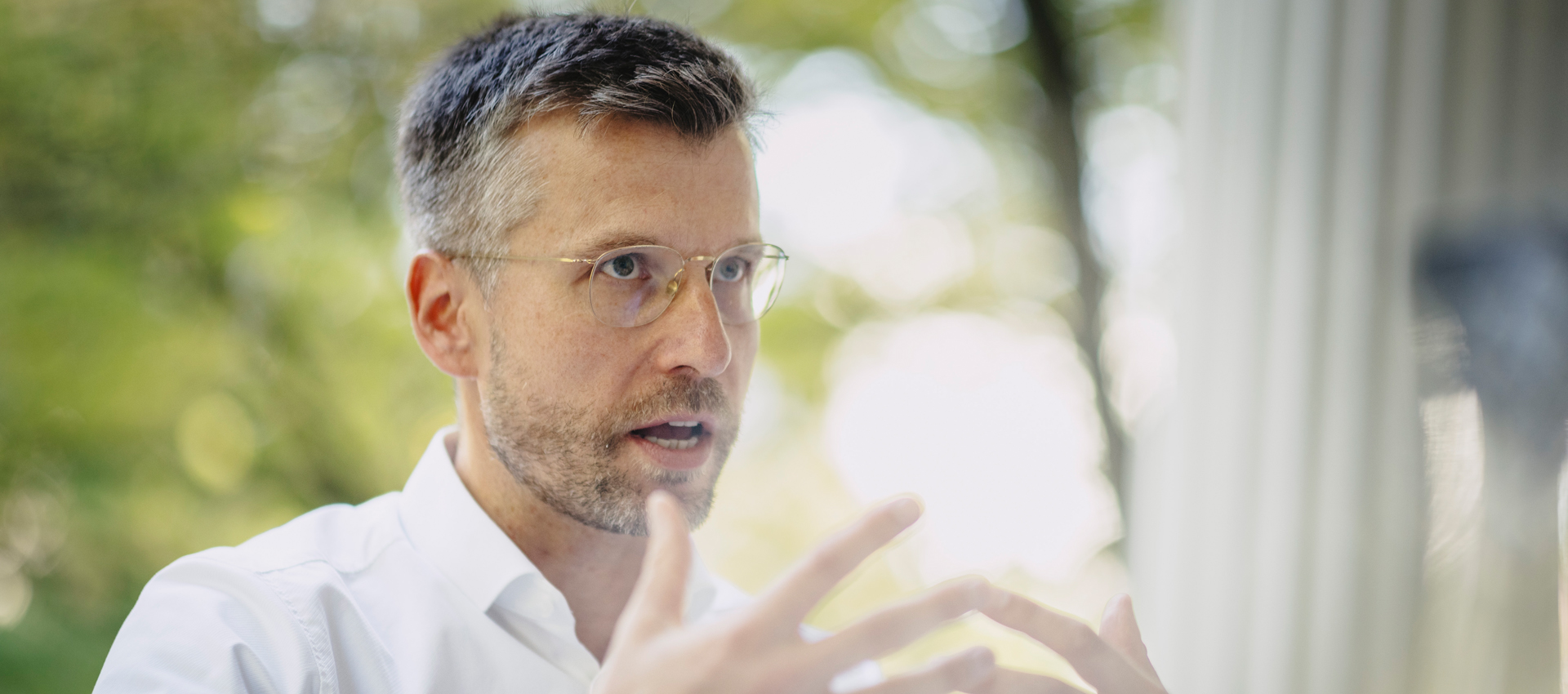
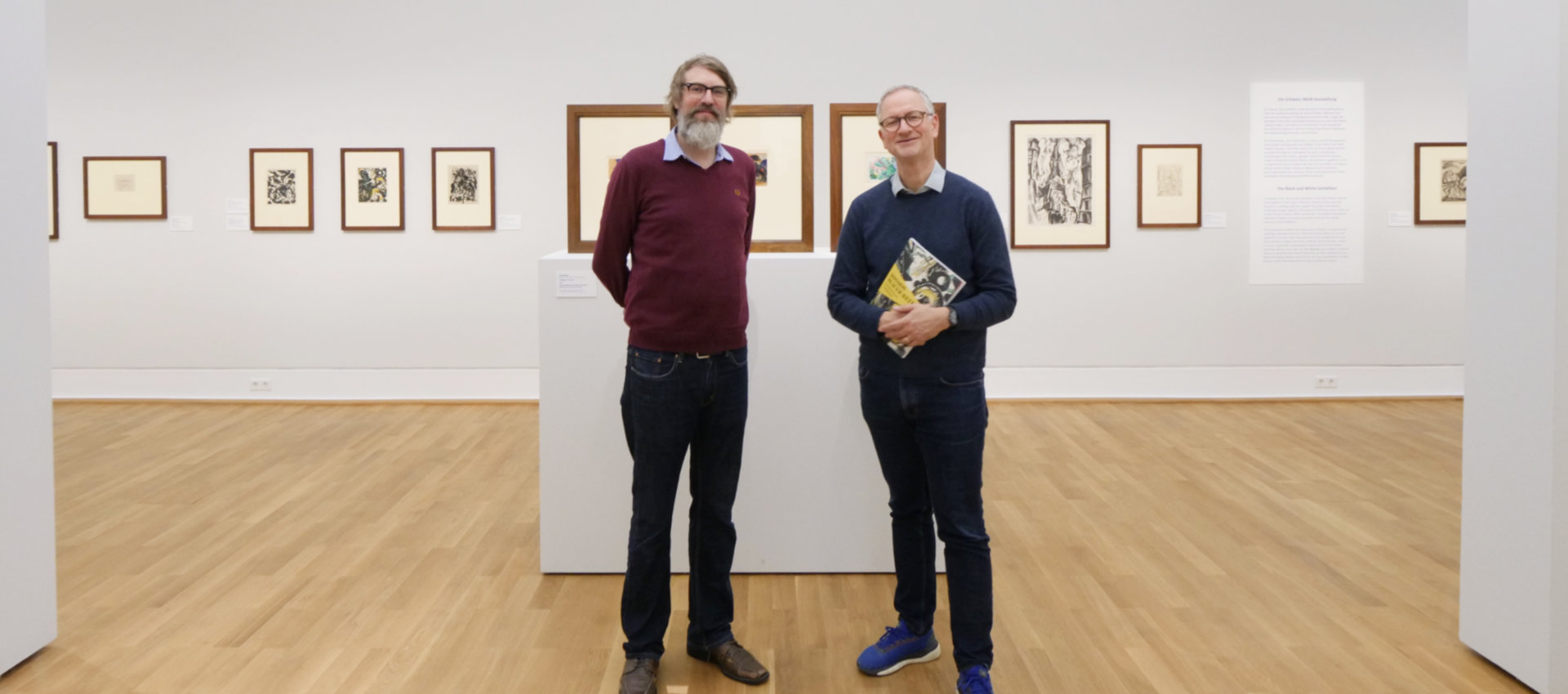
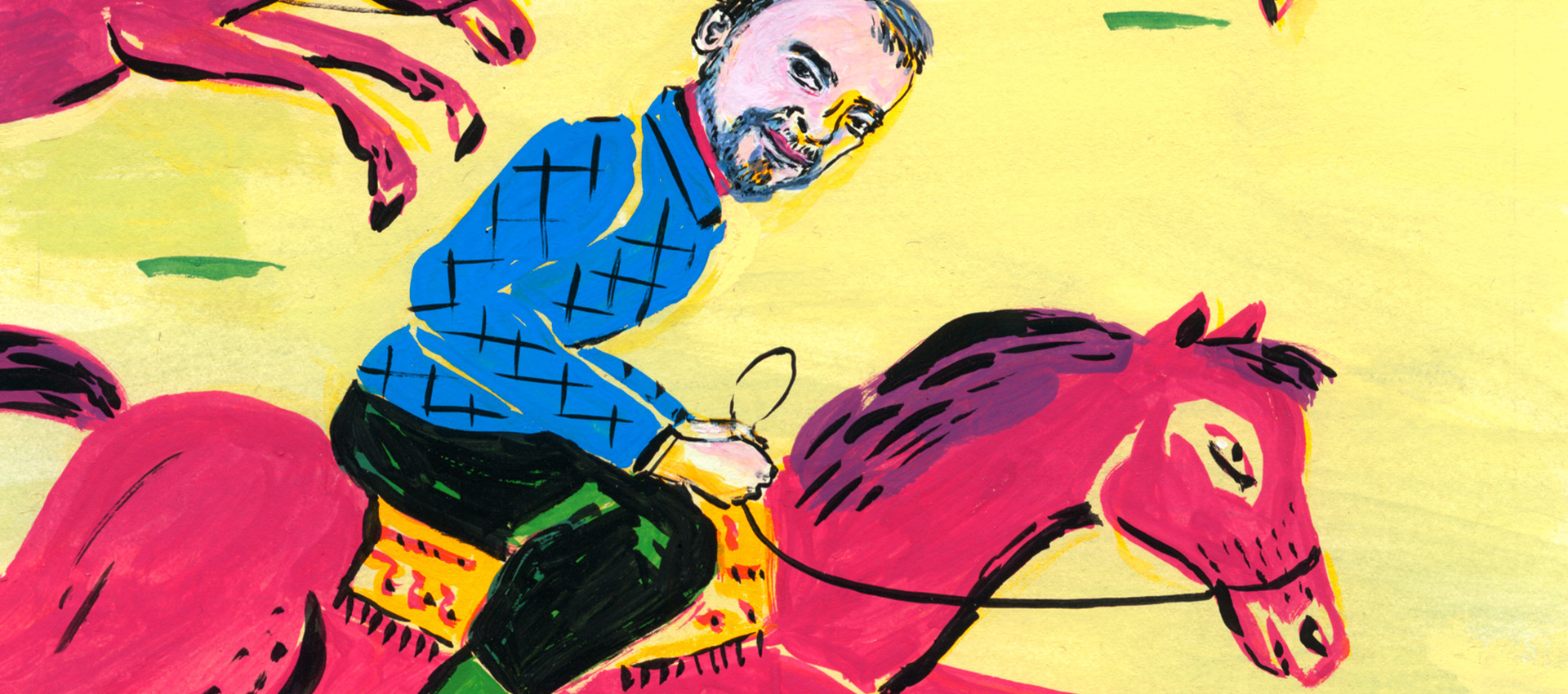
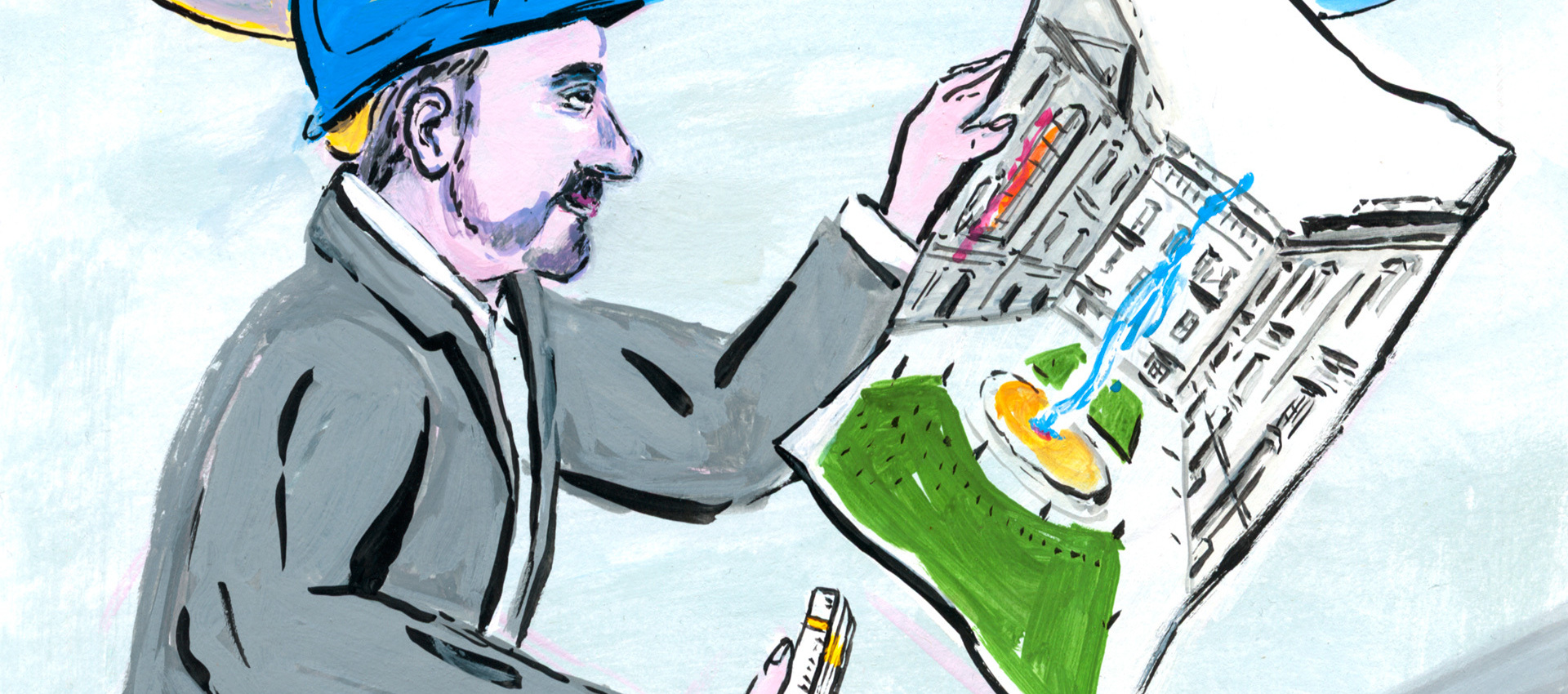
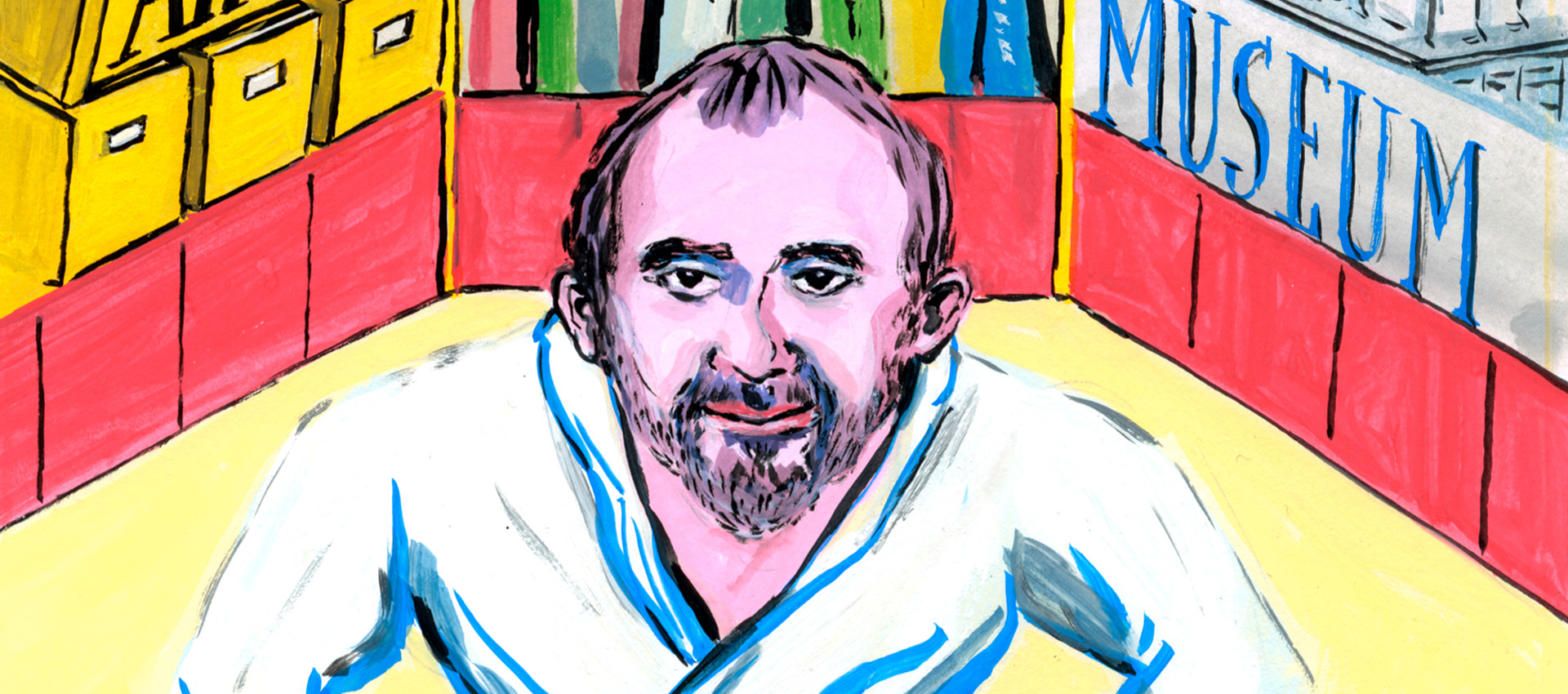
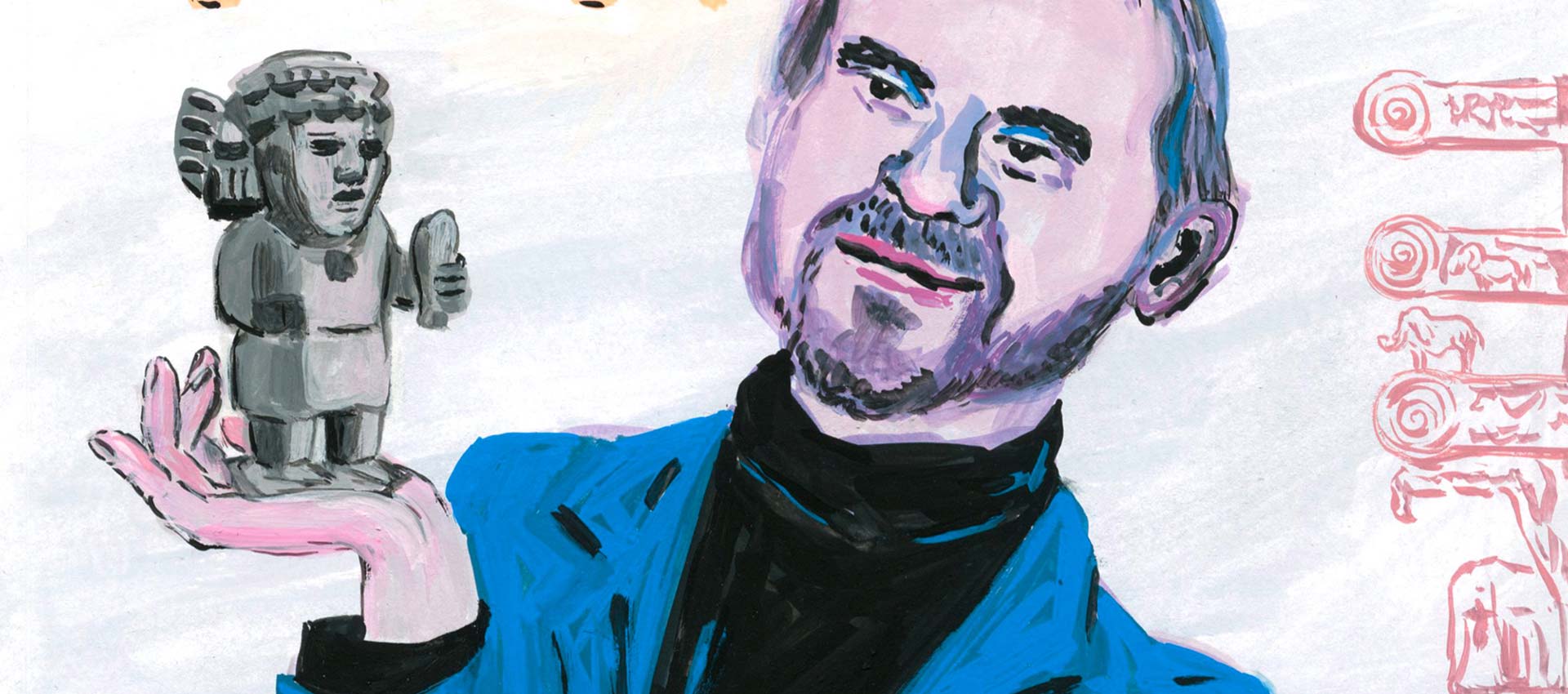
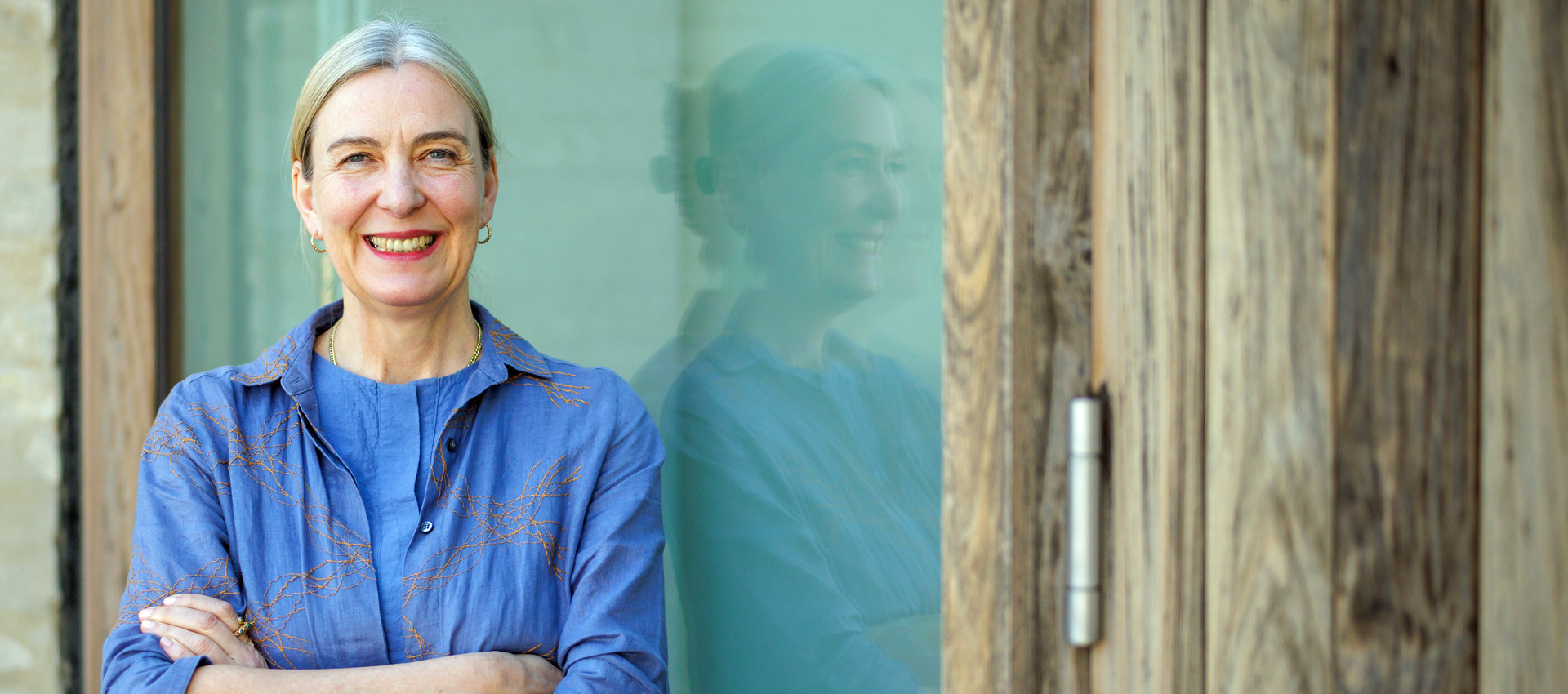
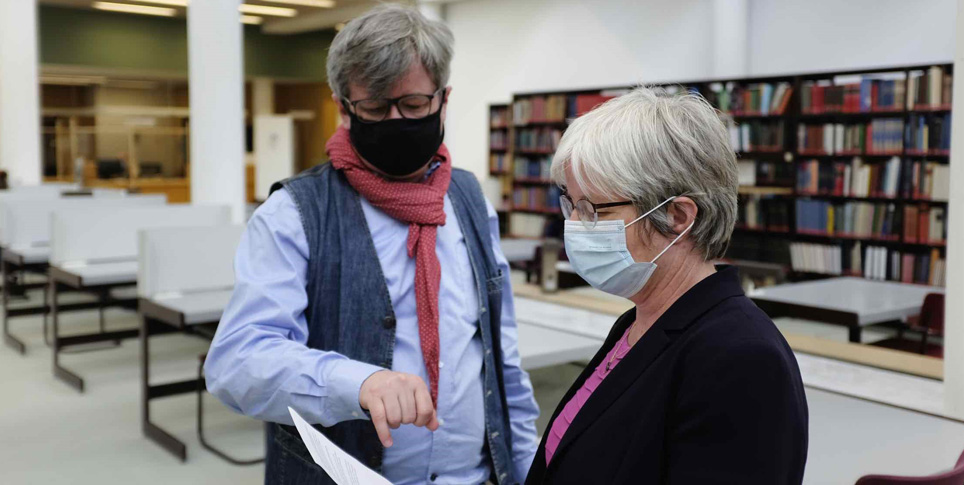
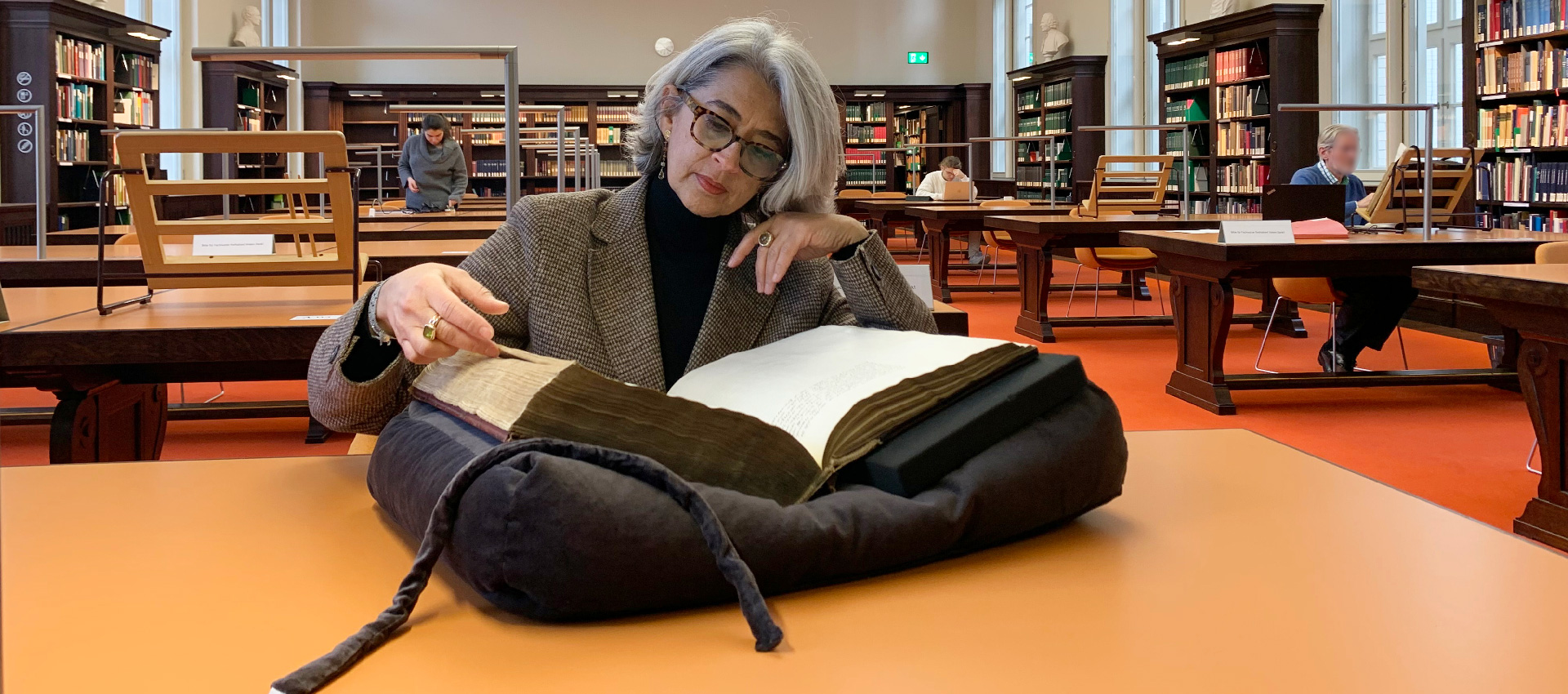
Photos:
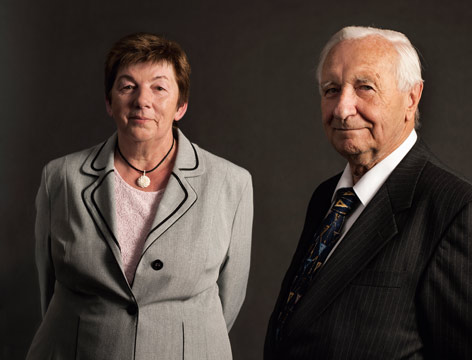
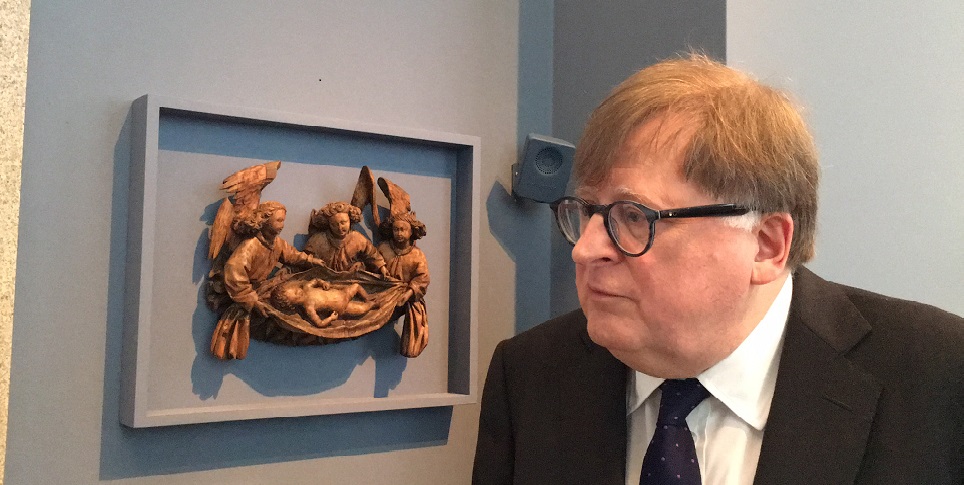
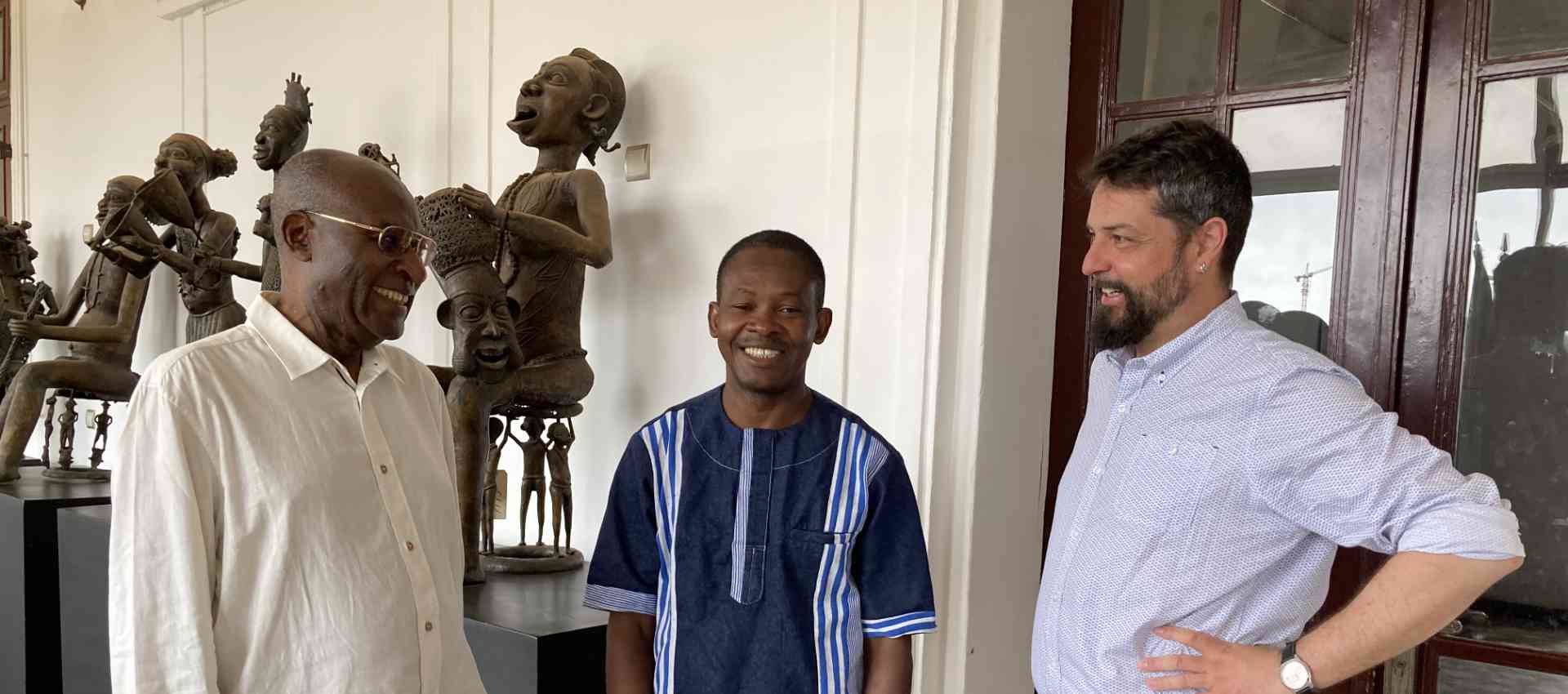
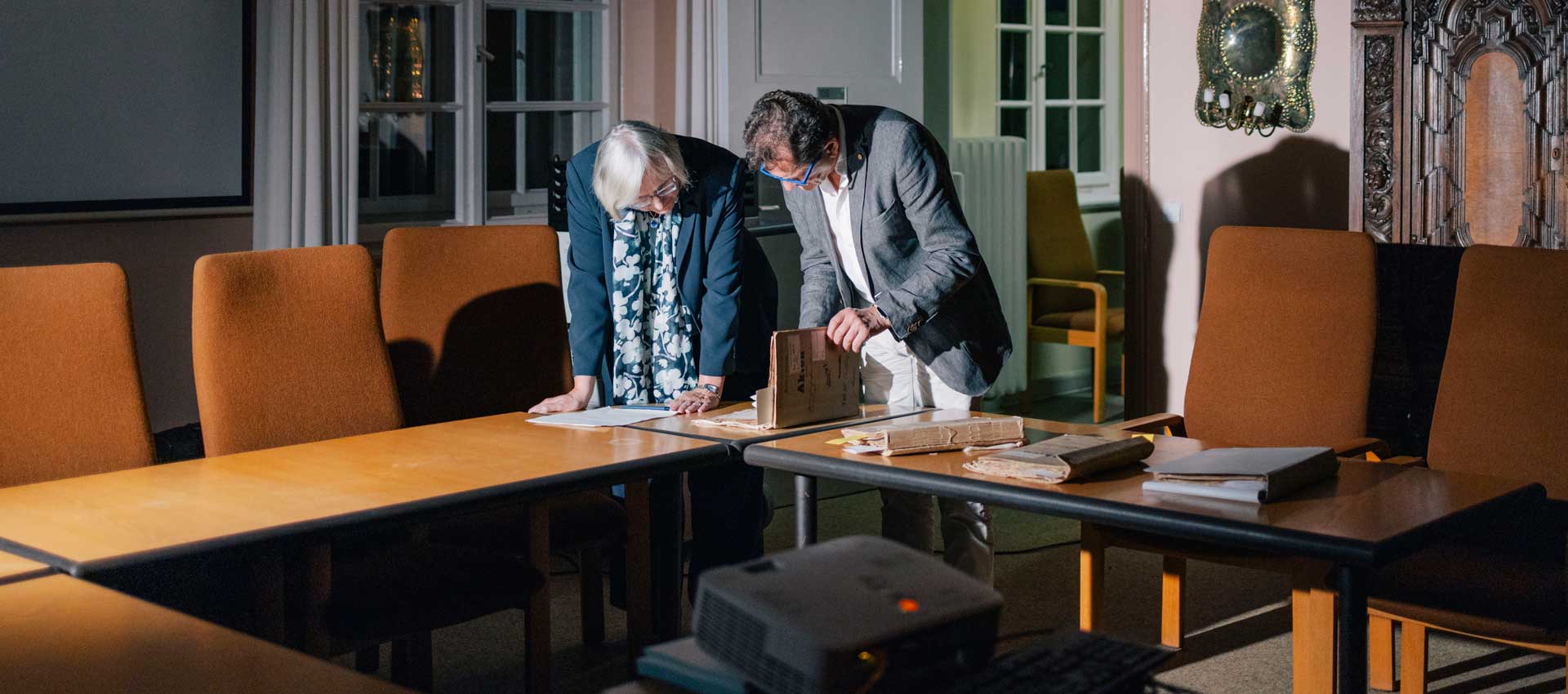
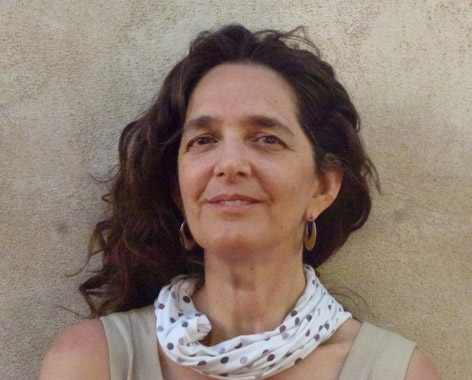
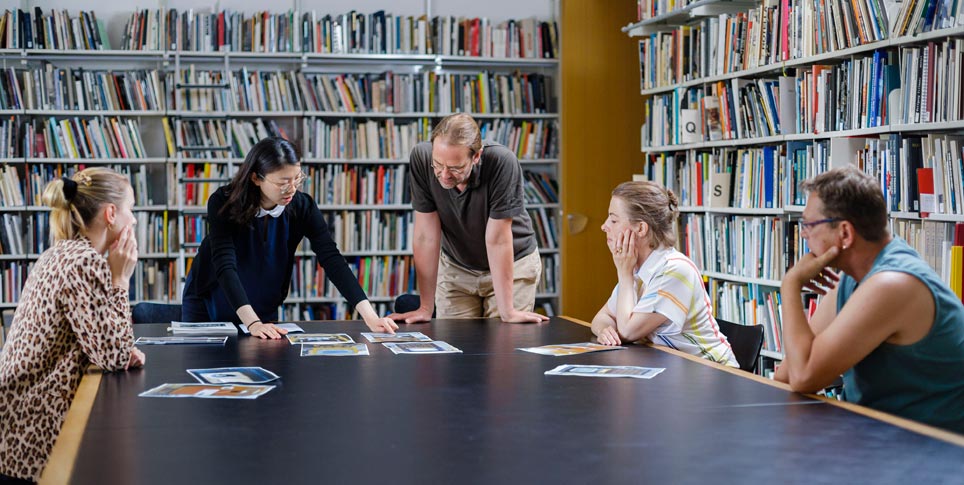
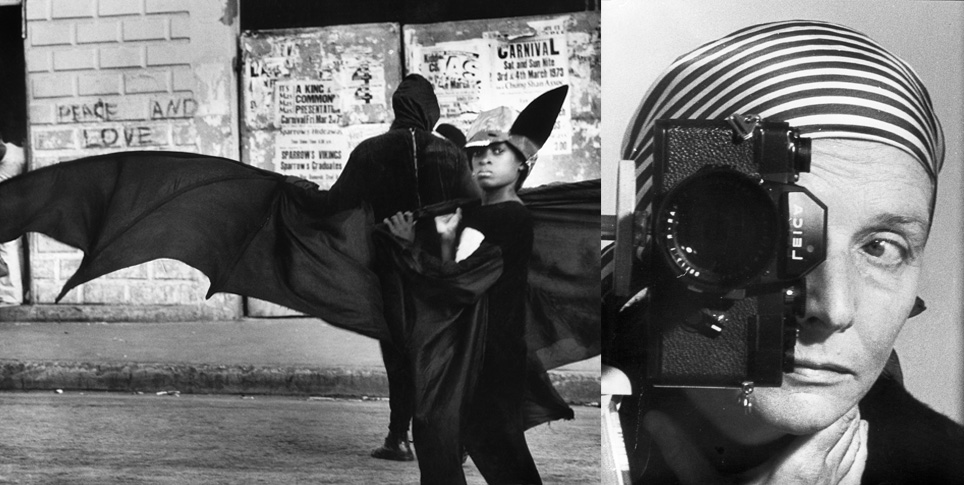
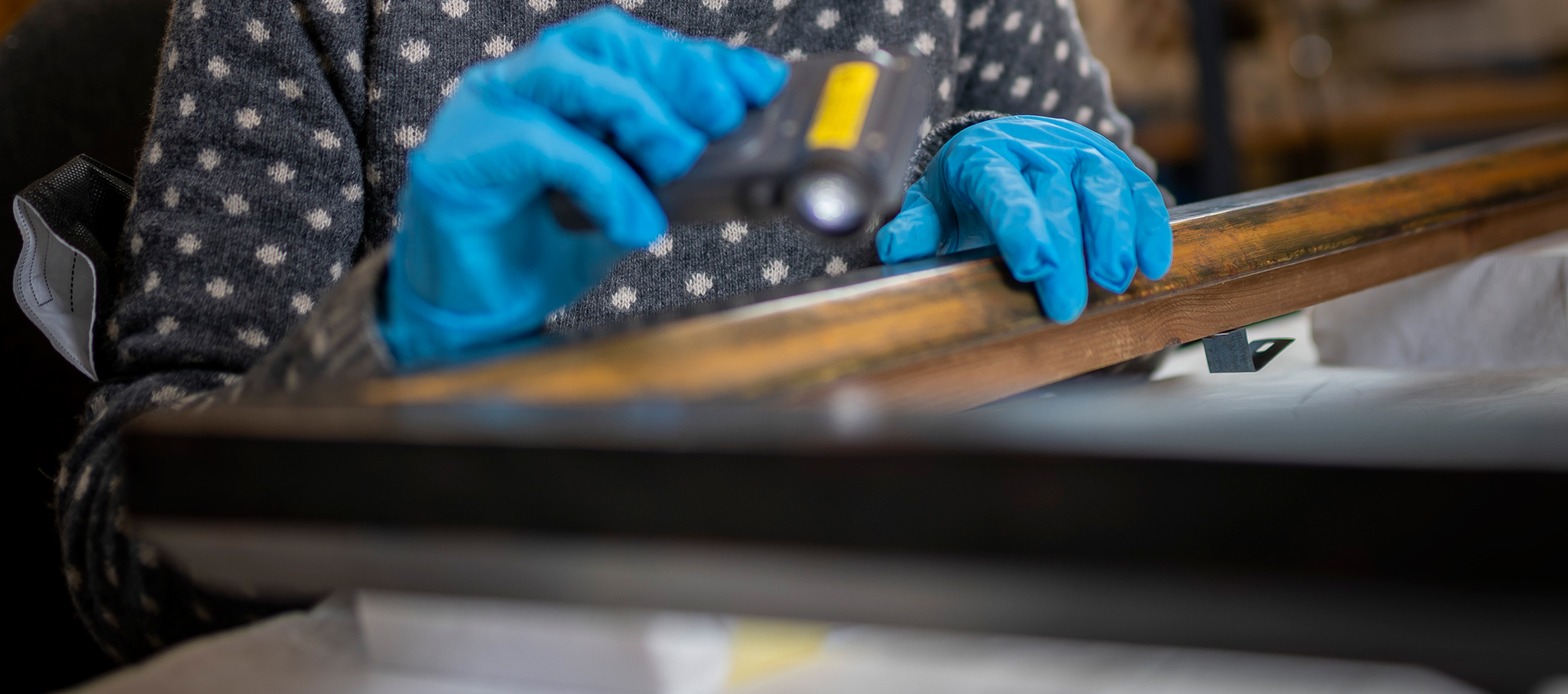
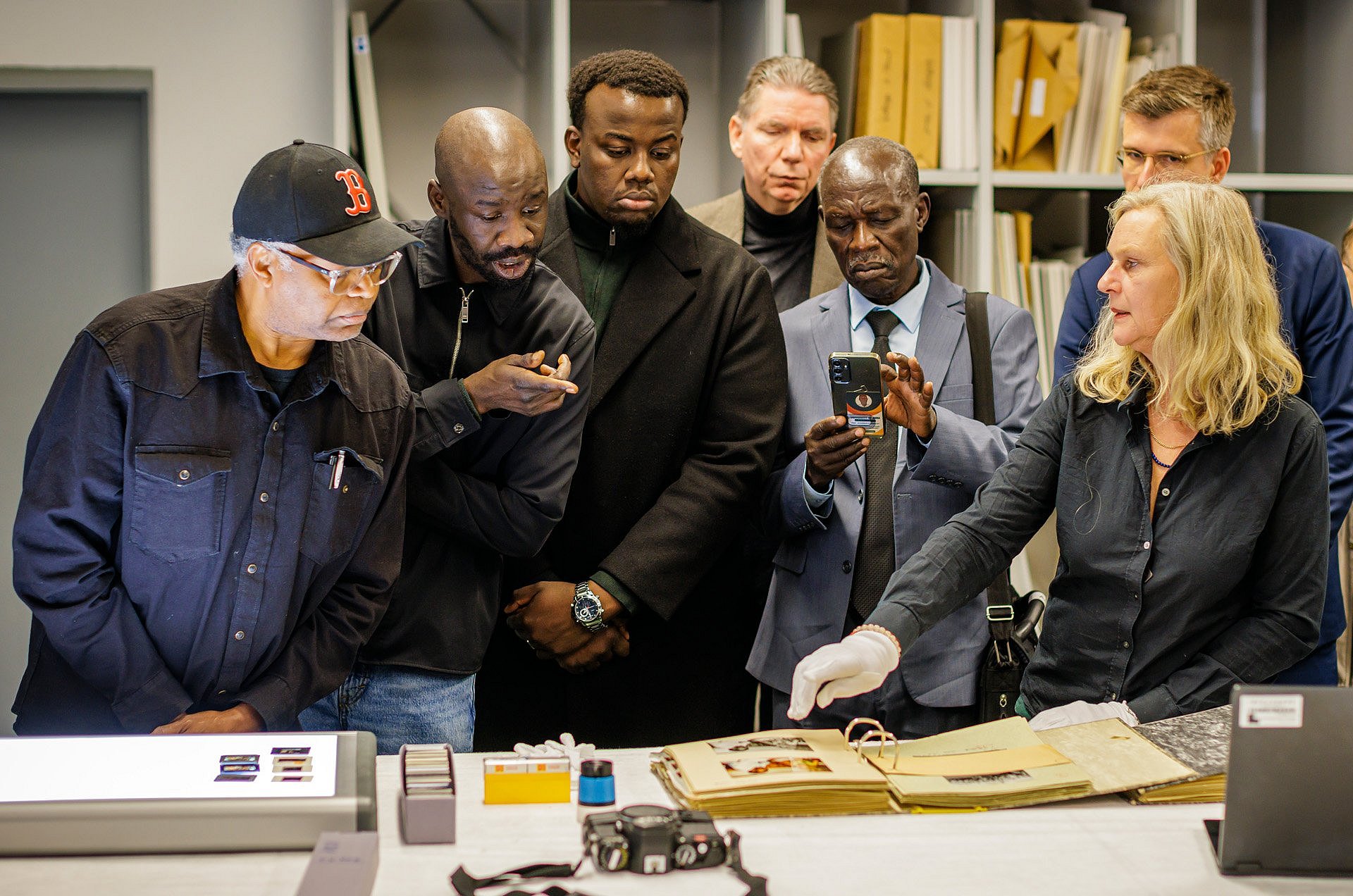
(left) Ludger Derenthal examining slides, 2024. © SPK / photothek / Thomas Imo
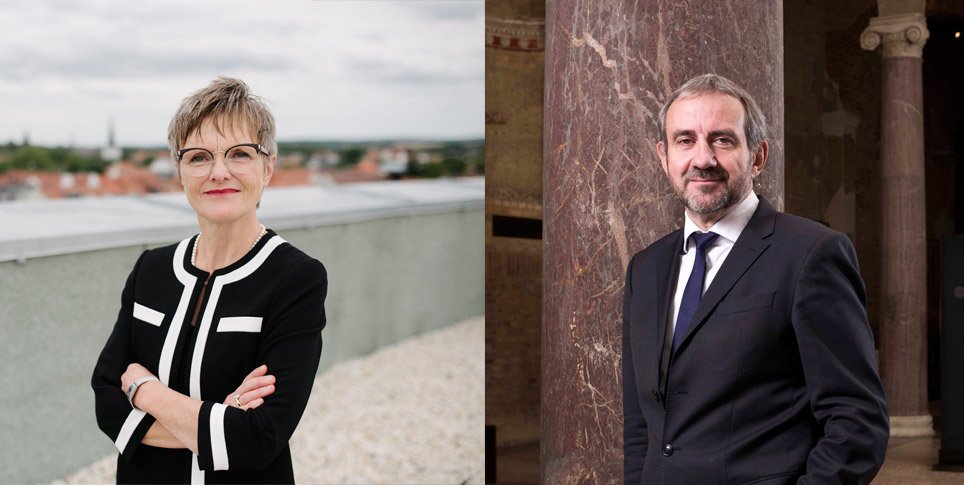
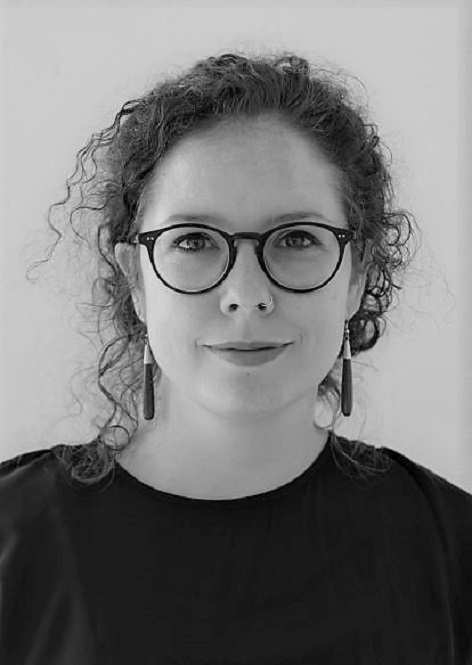
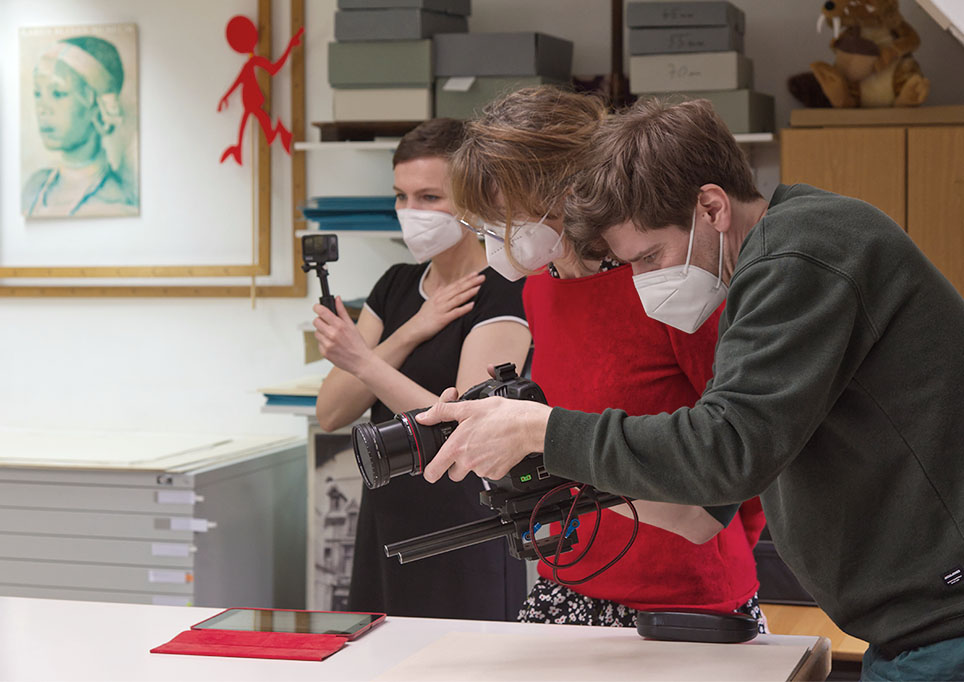
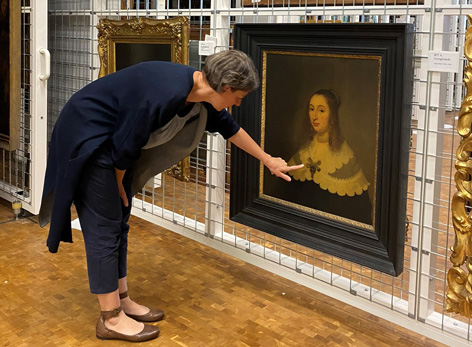
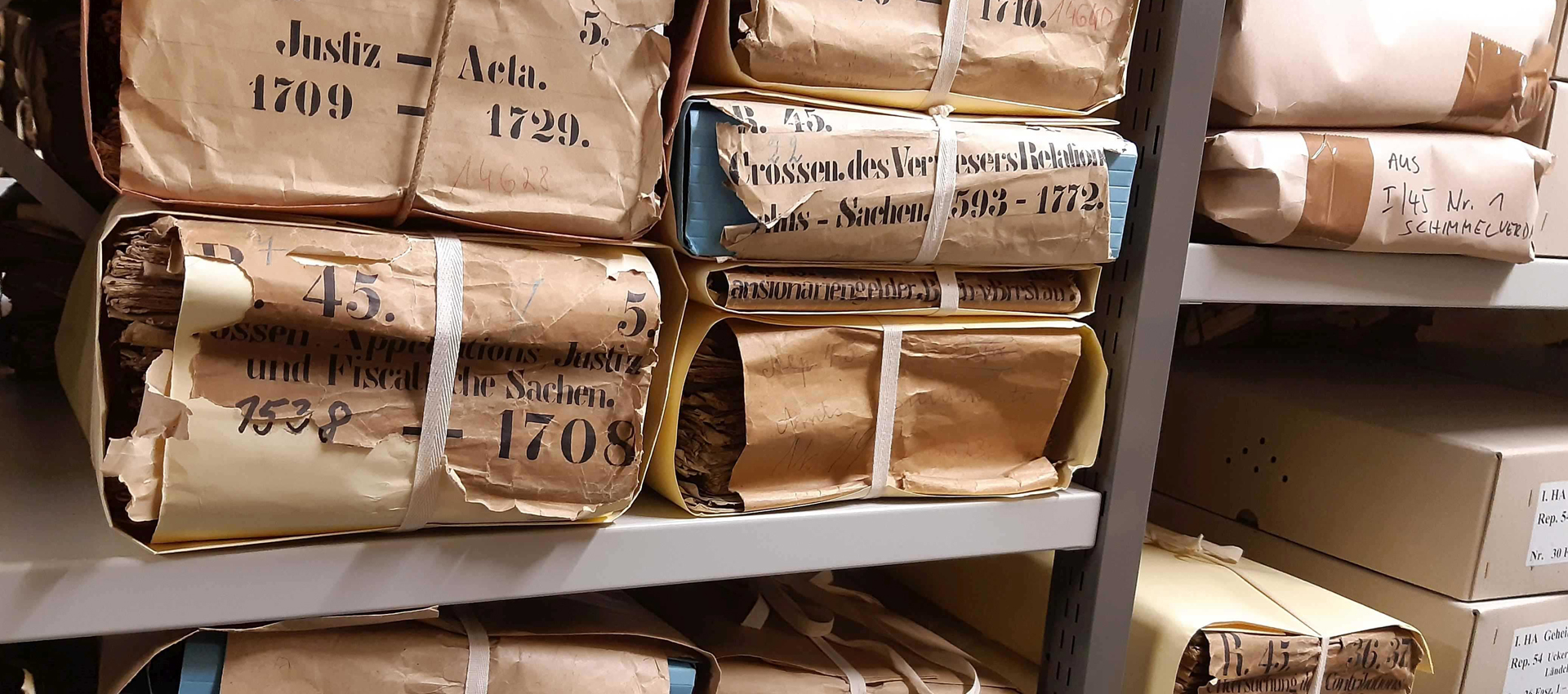
(right) Katrin Peters-Klaphake: Visit to the archives of the Stiftung Deutsche Kinemathek, 2024. © Ala Kheir
How did Leni Riefenstahl’s estate come to be held by the SPK, and why is it so important? What can we learn from it?
Gisela Jahn, Riefenstahl’s long-standing secretary, inherited the estate following the death of Riefenstahl’s husband, Horst Kettner, and offered it to the SPK as a donation. It was transported to Berlin in over 700 moving boxes and, in 2018, divided into subject groups and distributed among the State Library (written estate), the Art Library (photographic estate), the Ethnological Museum (ethnographic items) and the German Film Museum (film estate).
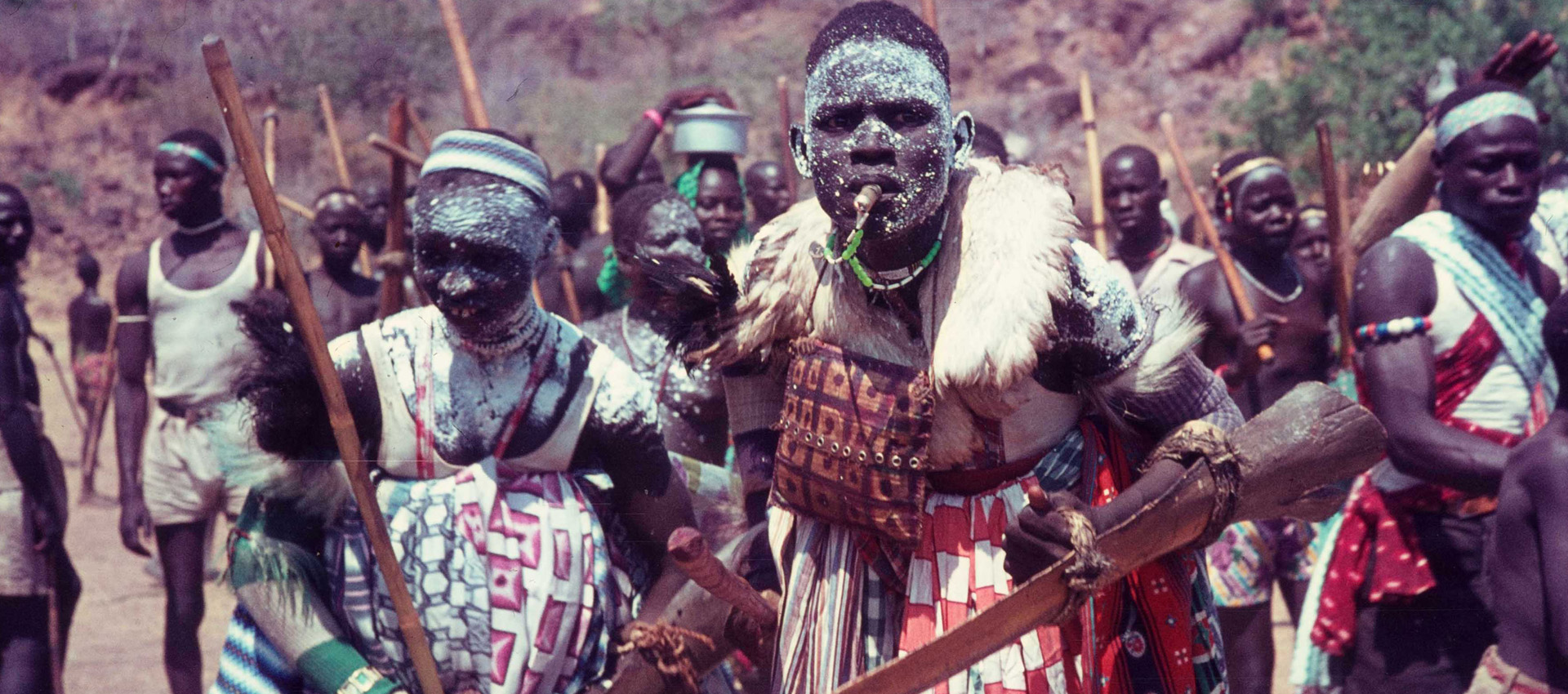
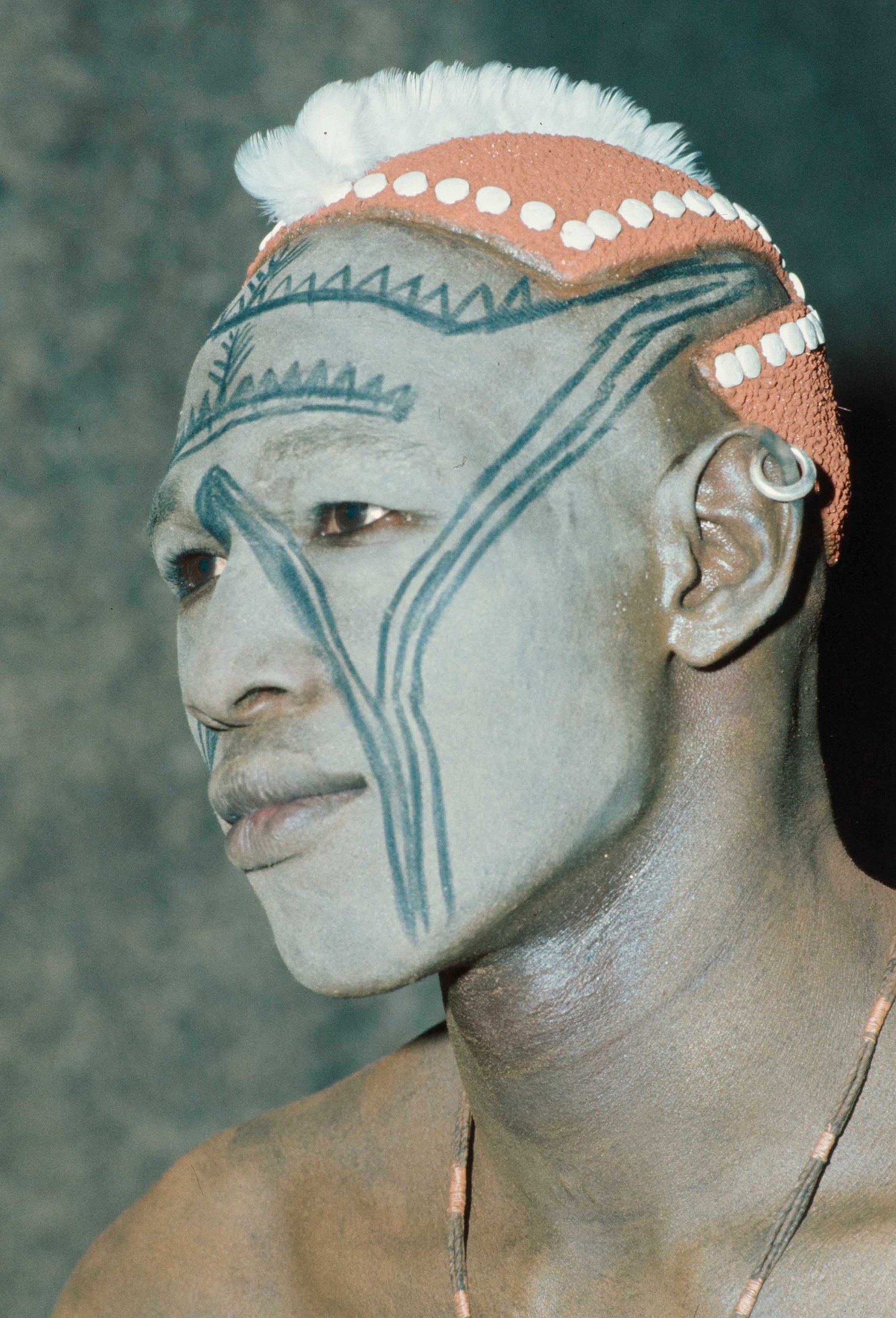
Riefenstahl had compiled her archive comprehensively, but had also repeatedly intervened to rearrange the collection. One could therefore expect a view, filtered by her own hand, of a leading figure in Nazi propaganda and culture. The estate is also significant for her post-war career, which was marked by her futile attempts to succeed again as a director and her ongoing struggle to restore her own reputation. It was only with her photographs from the Nuba Mountains in the 1960s and 70s that commercial success returned – at the expense of the subjects, who were exploited in a racially discriminatory manner, and partly drawing on the fascist aesthetic she had so significantly shaped.
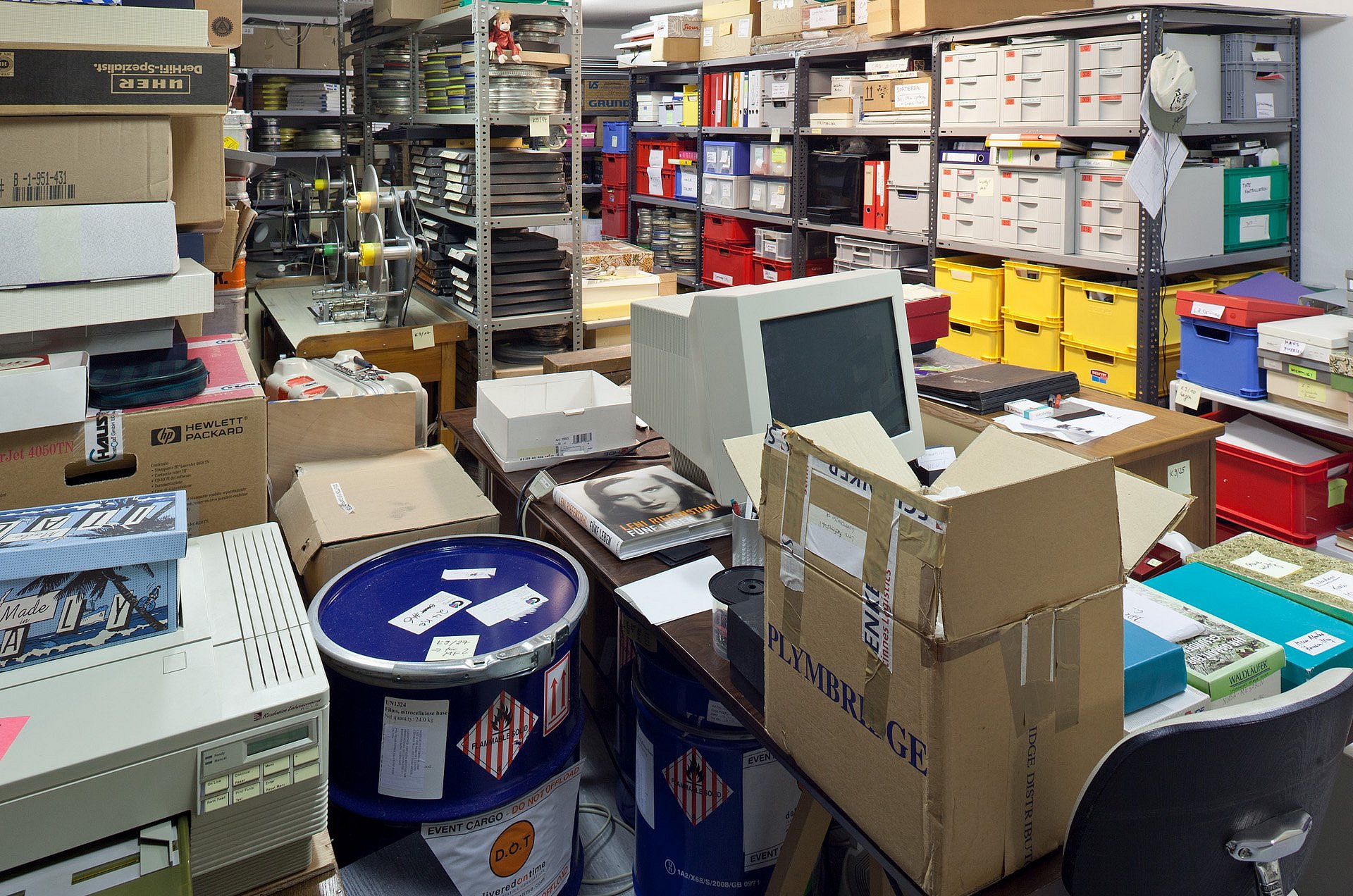
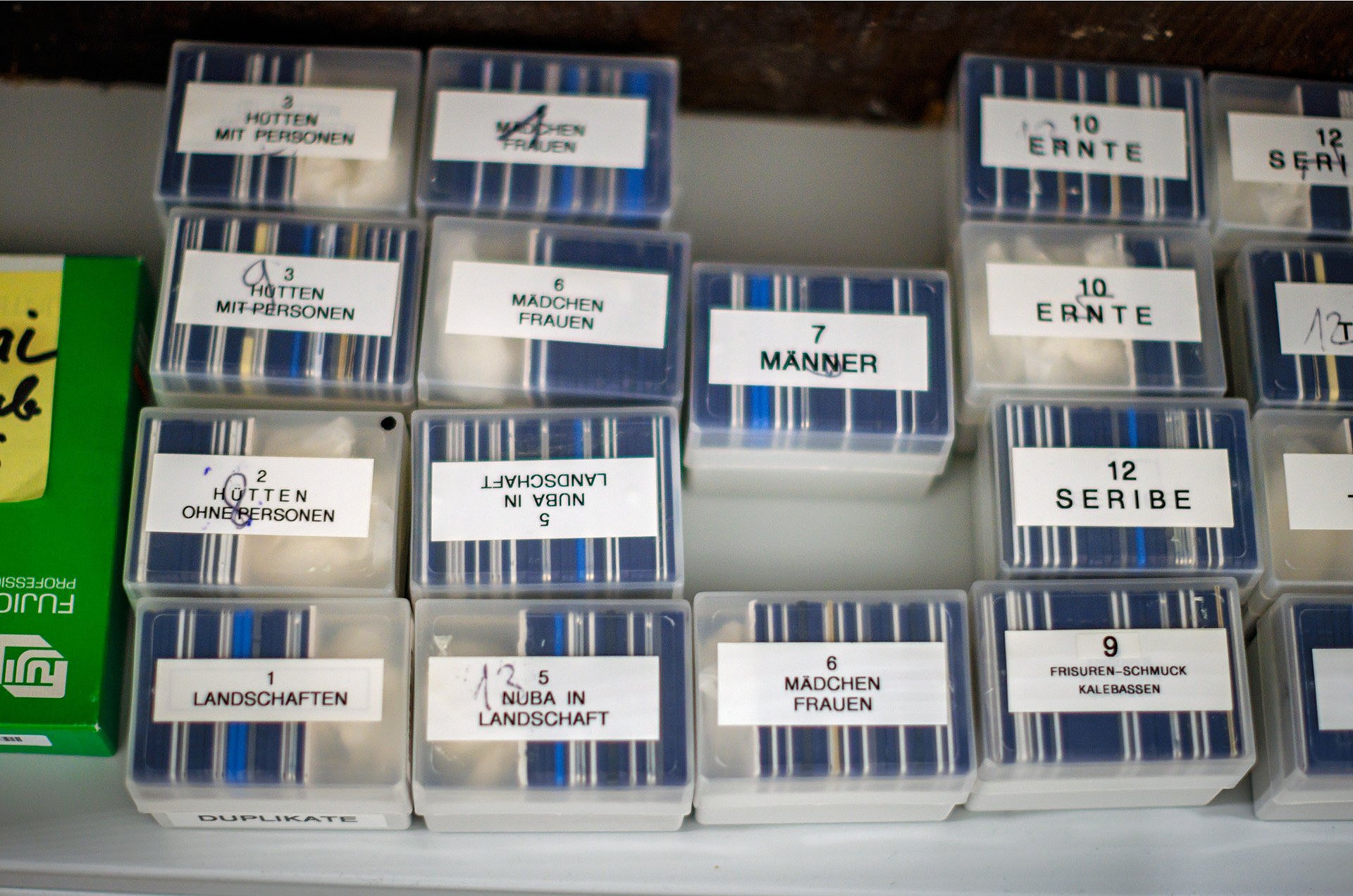
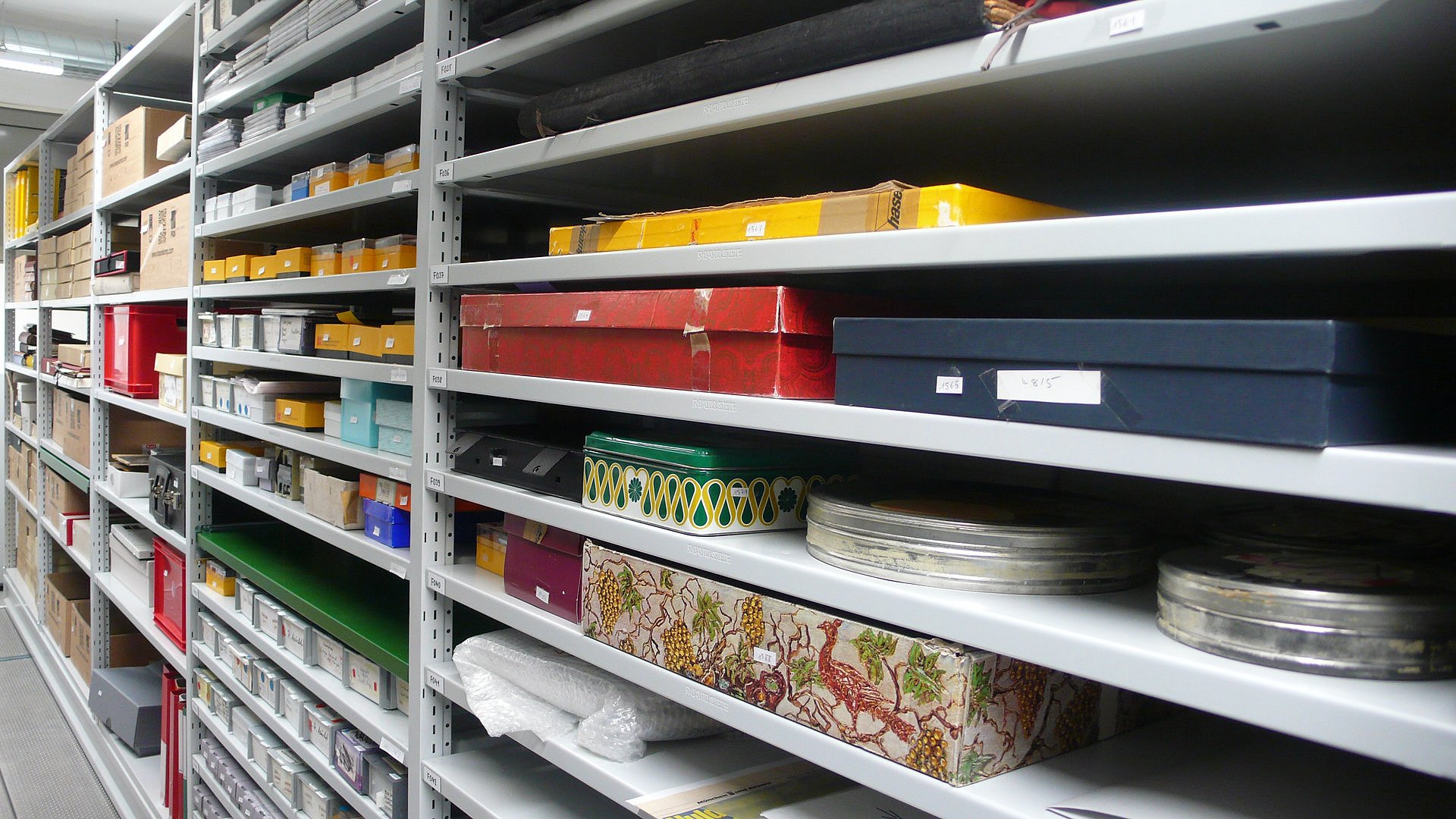
Who decides how to handle the sensitive material in the estate (e.g. links to National Socialism and images from Africa), and how do you collaborate with experts from different countries and organisations in this process?
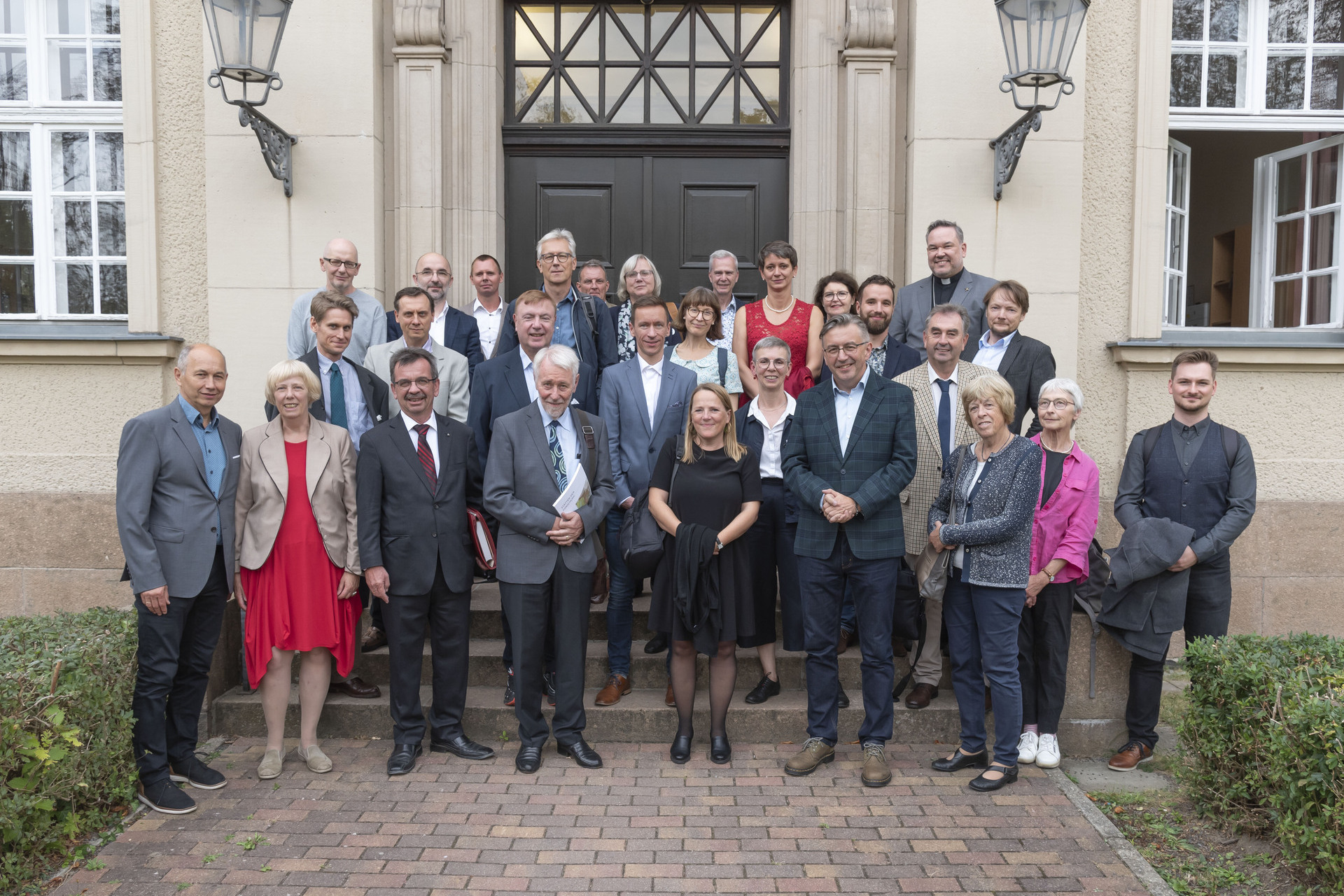
An academic advisory board brings together not only renowned scholars from the fields of history, media studies, ethnology and film studies, but also delegates from the Central Council of German Sinti and Roma and colleagues from the Jewish Museum. This research network provides the basis for the cataloguing projects.
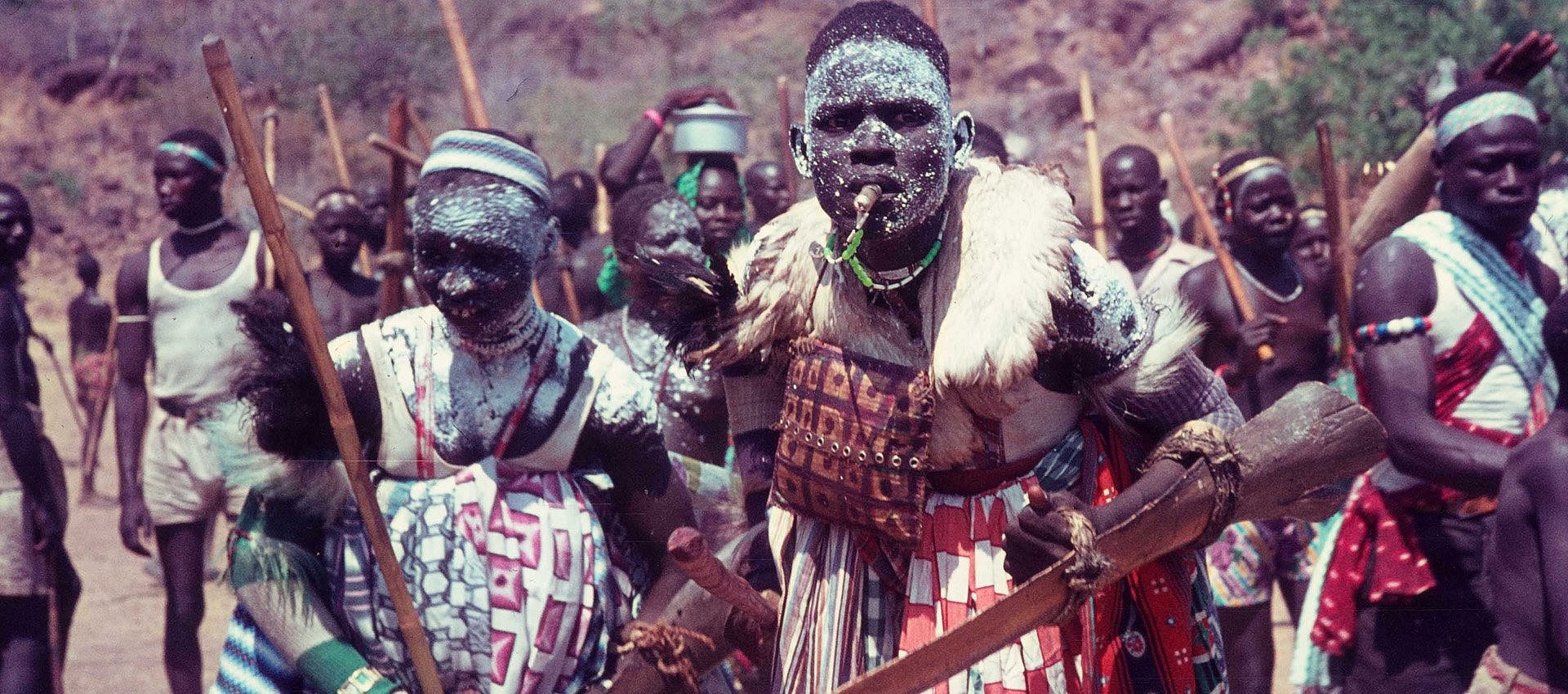
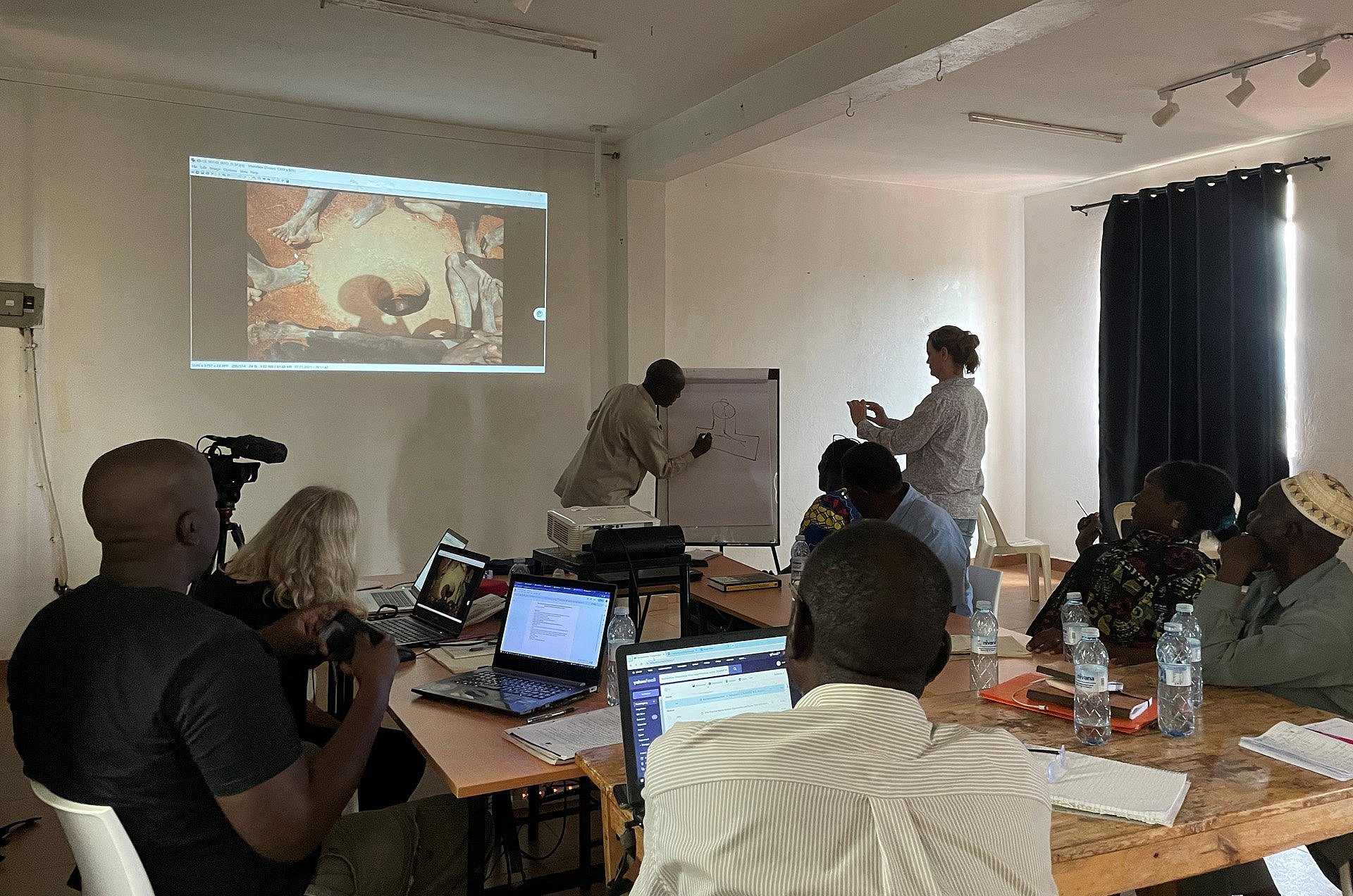
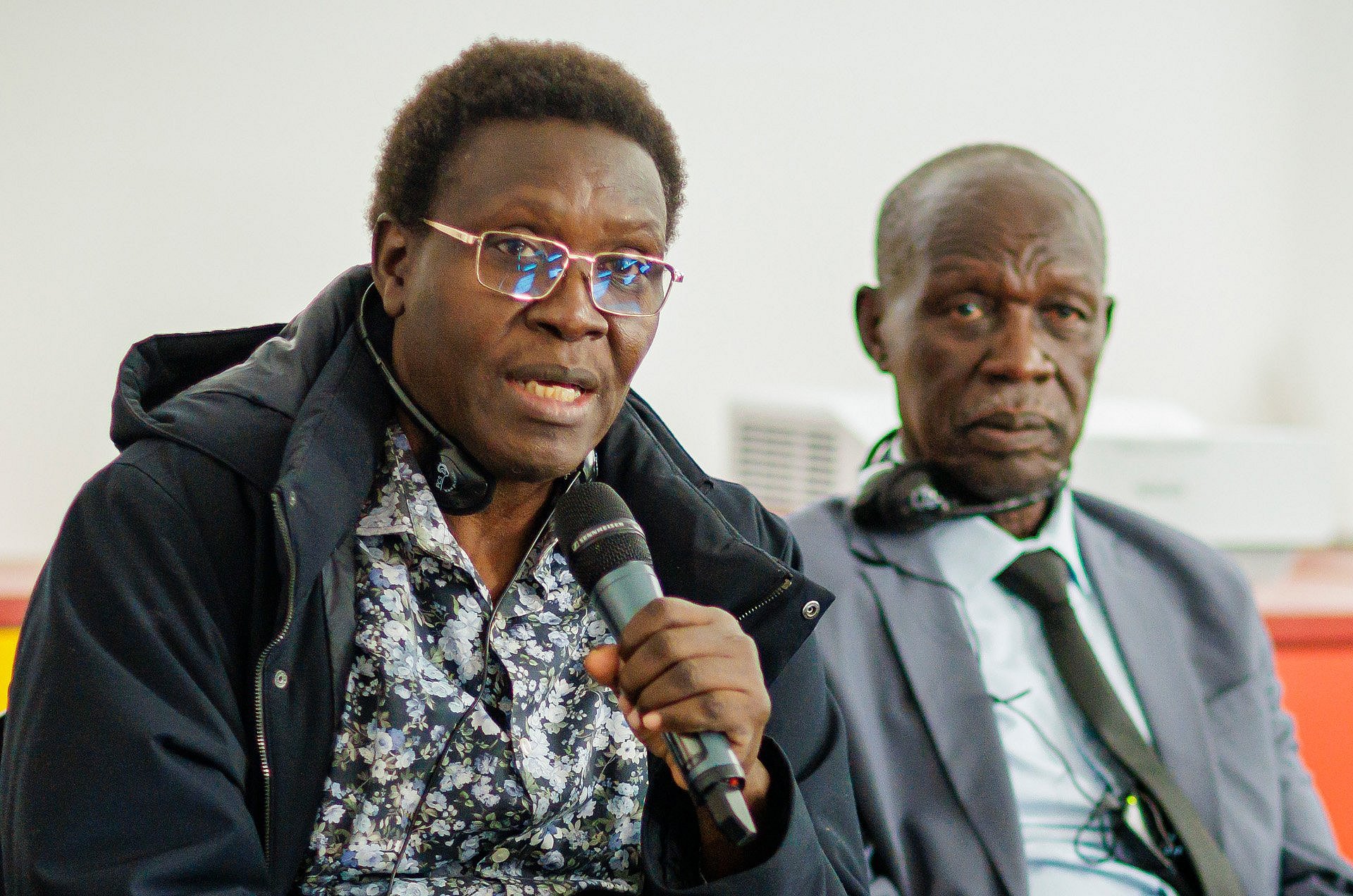
The first project was dedicated to Riefenstahl’s work from the Nuba Mountains. By involving representatives of the Nuba communities, it offered a counter-narrative to the prevailing, media-driven narrow-minded views of the ‘Riefenstahl myth’, thereby shifting perspectives. They view the photographs and films as testimonies that depict their history, material culture and, in some cases, cultural practices that are no longer observed, and are therefore of great significance in current debates on identity. The aim, therefore, is to share ownership of the images – so that independent research and interpretation can take place.
What steps are being taken to ensure that the estate is made accessible to researchers and the public?
The cataloguing process for the estate is currently underway and, due to its complexity and sheer volume, will take several more years to complete. The written estate, held in the Manuscripts Department of the Berlin State Library, is being processed as part of a cataloguing and digitisation project funded by the German Research Foundation (DFG). The parts of the estate that are already accessible are listed via the Kalliope portal. The documents can be viewed in the Manuscripts Reading Room of the Berlin State Library.
The photographic collection is accessible at the Museum of Photography, provided that its contents have already been catalogued. However, for ethical, conservation or legal reasons, objects may be available for use only to a limited extent or not at all. Please submit your enquiry by email.
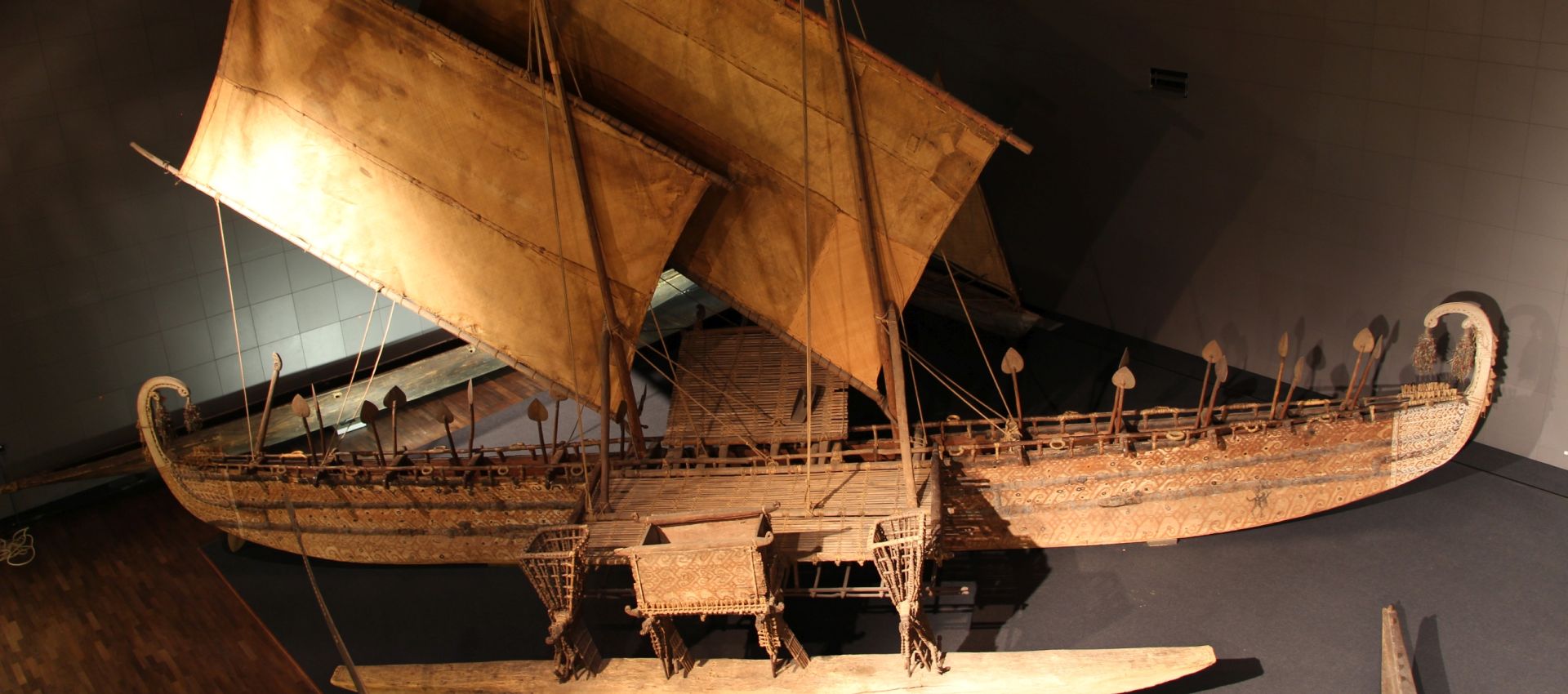
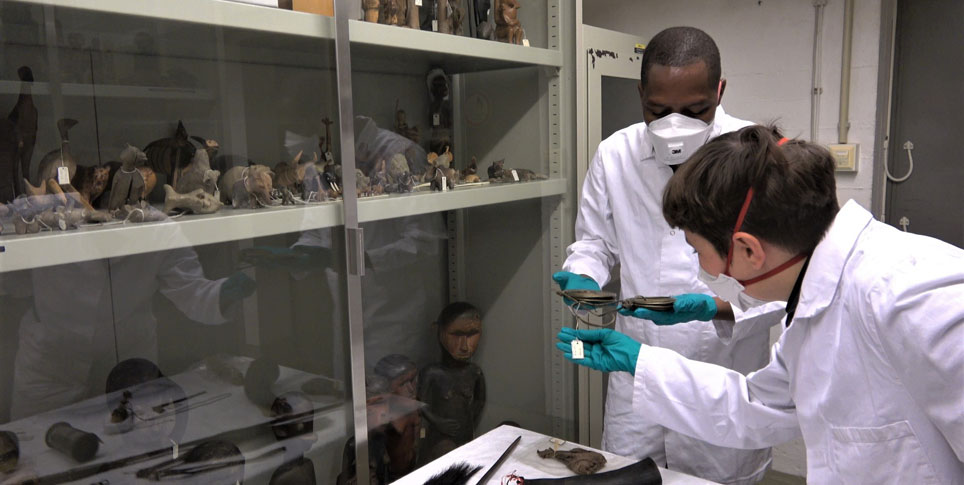
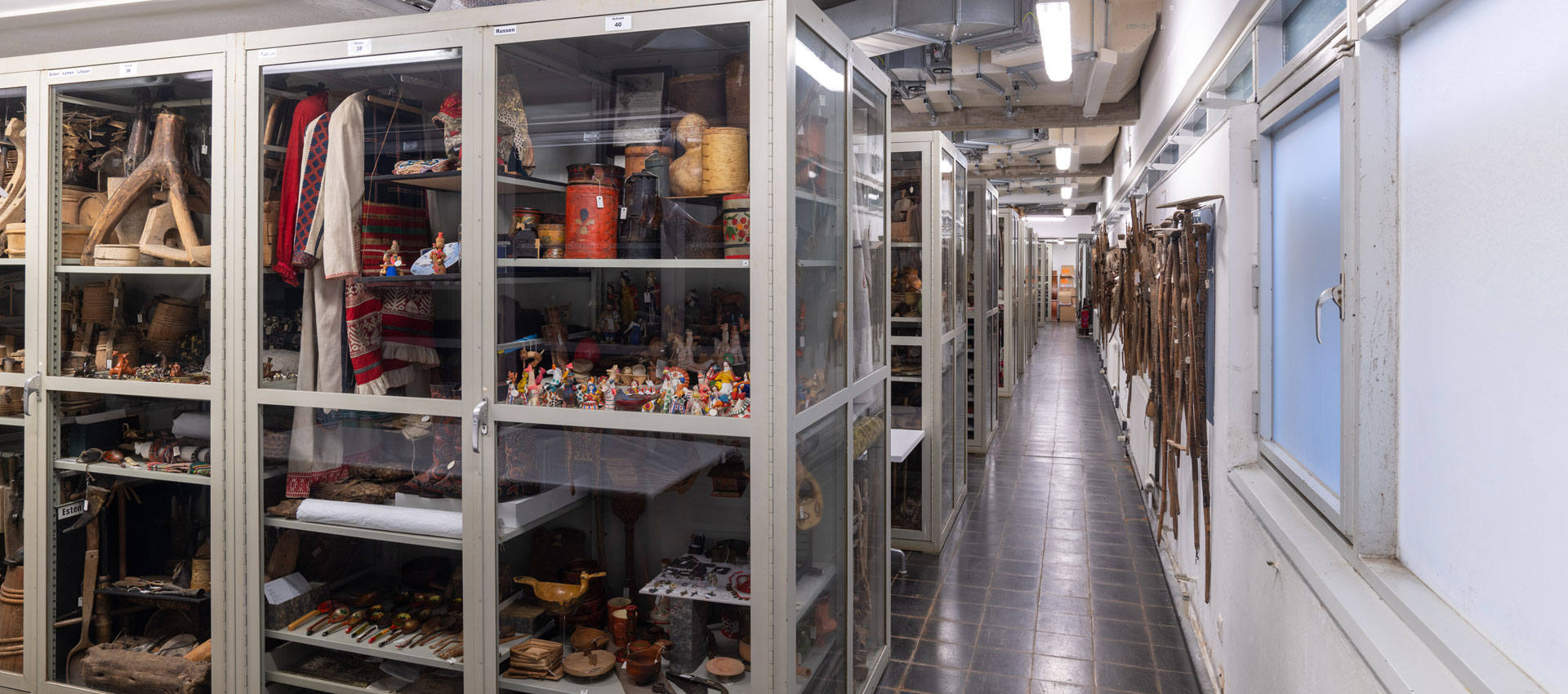
To access the ethnological objects collected by Riefenstahl and held at the Ethnological Museum, please also send an email.
The evaluation of Leni Riefenstahl’s film footage has not yet been completed. Until then, these recordings cannot be made available for viewing or use in the Audiovisual Collection of the Deutsche Kinemathek. If you have any questions, please send an email.
Research Questions
How exactly does one restore paper? How can you tell if a painting is genuine? And what is the correct way to play Beethoven? With Research Questions, we give you the opportunity to ask us your questions. In each issue of the research newsletter, a researcher from the SPK answers selected questions from the community on a specific topic.
What was the most surprising discovery in Riefenstahl’s estate?
Initial explorations of the archive, which we reported on in the Journal of the History of Ideas, have brought to light discoveries that are less surprising than they are revealing. For instance, the portrait photograph of an actor which Riefenstahl claimed as her first photograph turned out to be the work of the set photographer Hans Casparius, which she appropriated for herself without scruples. This is exemplary of that peculiar form of readjustment of biographical and work-related facts which characterises her autobiographical writings as well as the interviews with her.
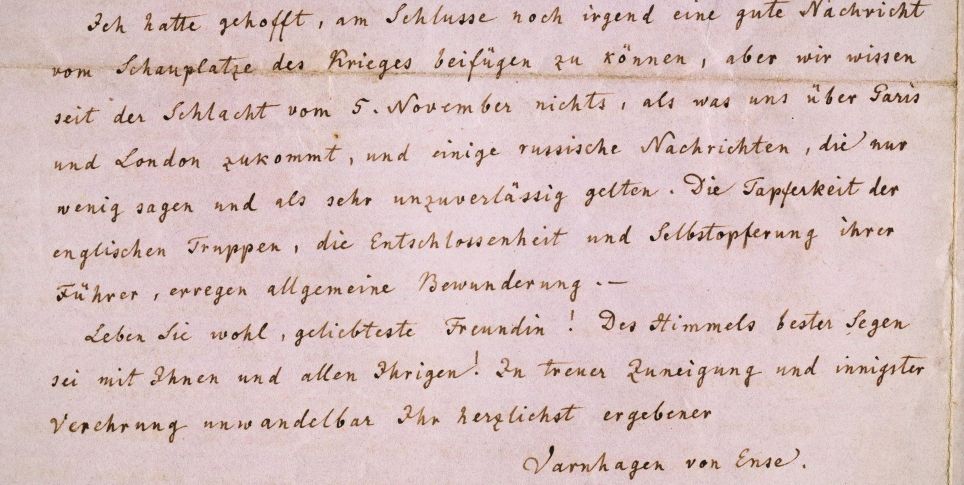
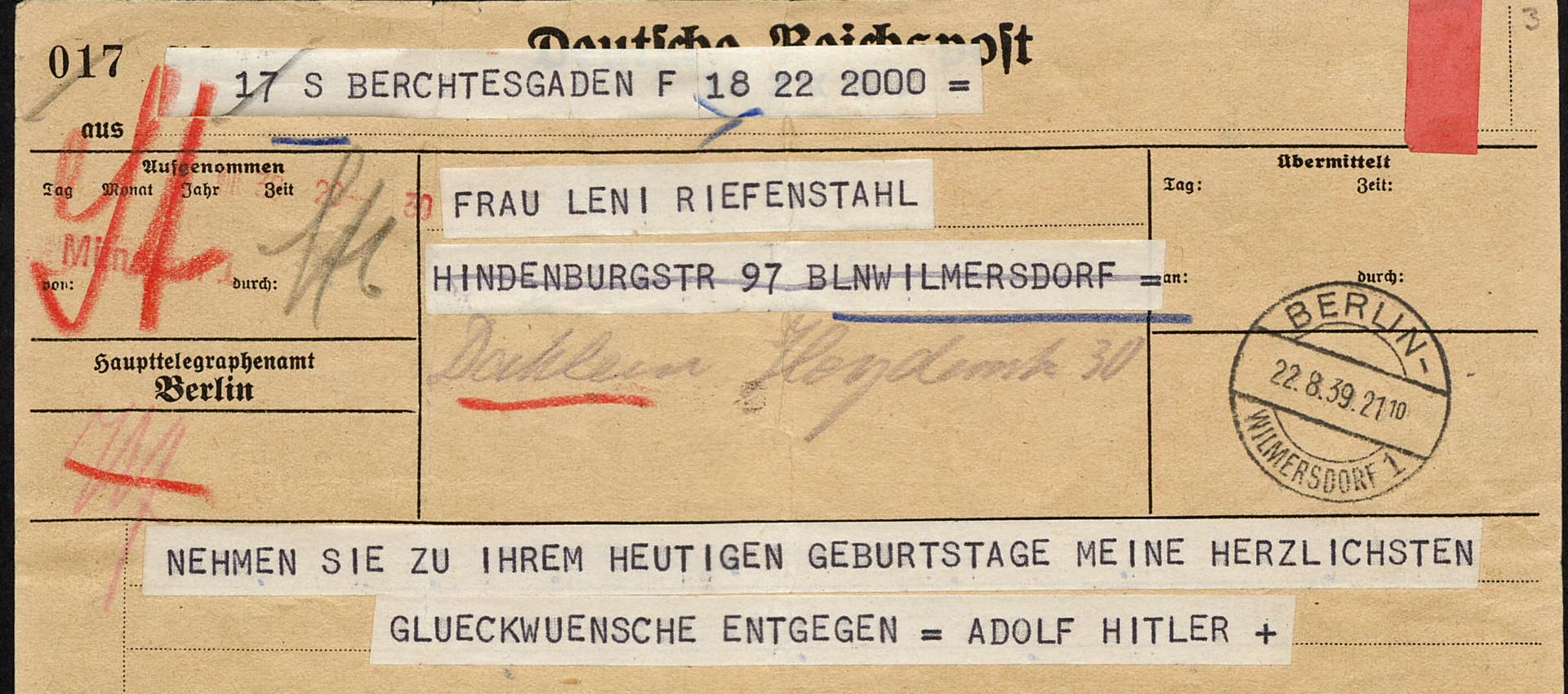
A fan letter from a block warden dated 1934, preserved in the estate, testifies to the profound yet highly stylised adoration Riefenstahl enjoyed in the Nazi state. And a handbag of Riefenstahl’s, covered in sheepskin, which features prominently in the photographs and films from the Nuba Mountains, reveals more about Riefenstahl’s aggressive, revealing tendency to stage supposed realities.
Further links
- Project on the Riefenstahl estate
- Symposium: ‘Discussing the Project “Nuba Images by Leni Riefenstahl”’
- Pan-Nuba Council website
- On the current political situation in Sudan
- Blog post: In the witch’s cottage: Visiting Leni Riefenstahl
- The current feature film “Riefenstahl”
- Interview: The rediscovery of Leonore Mau