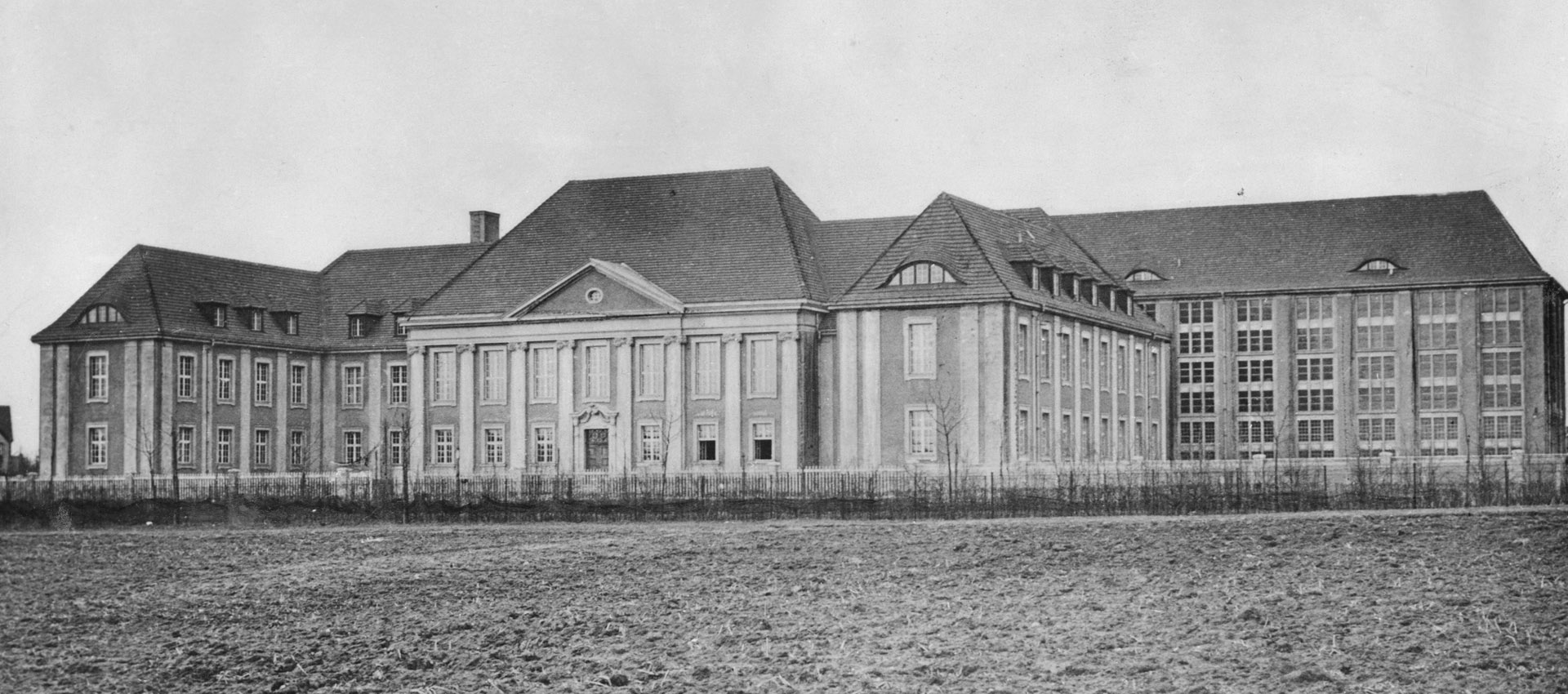
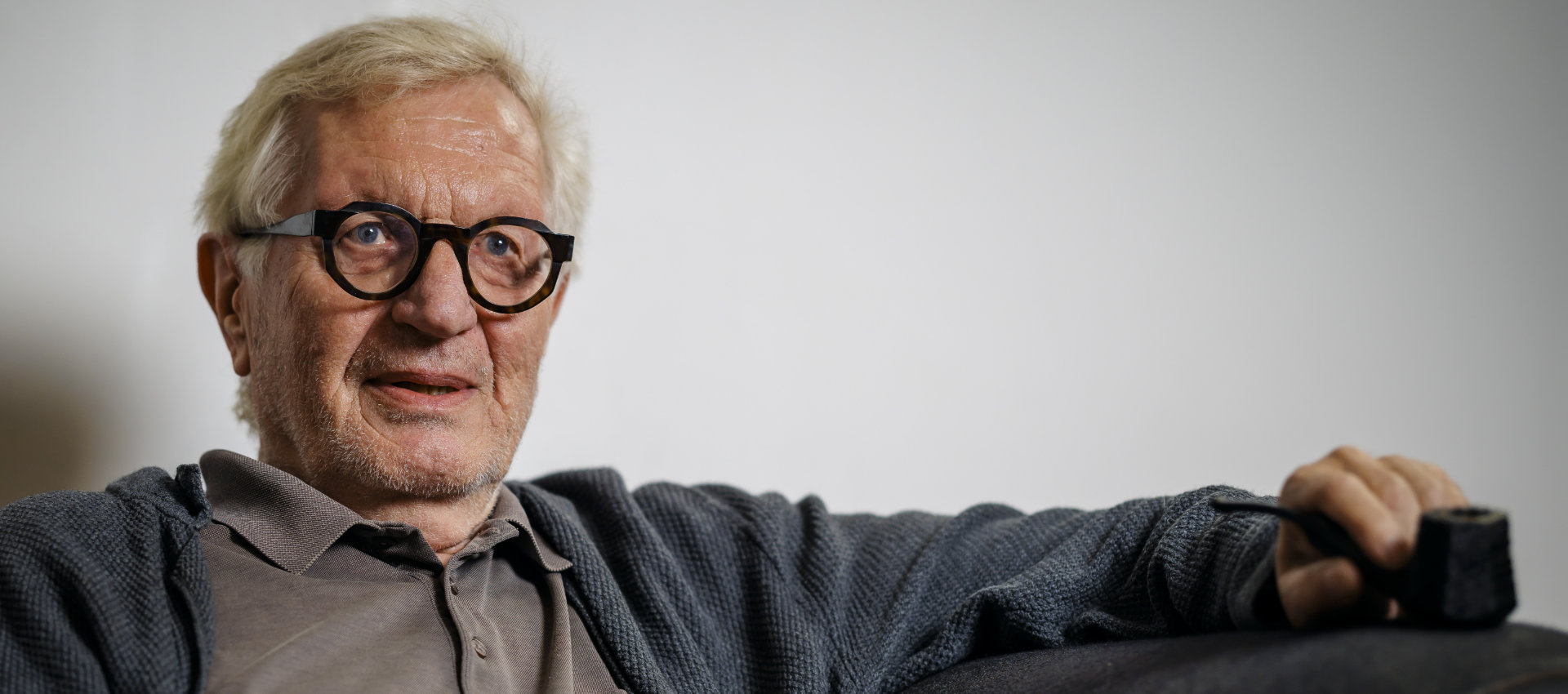
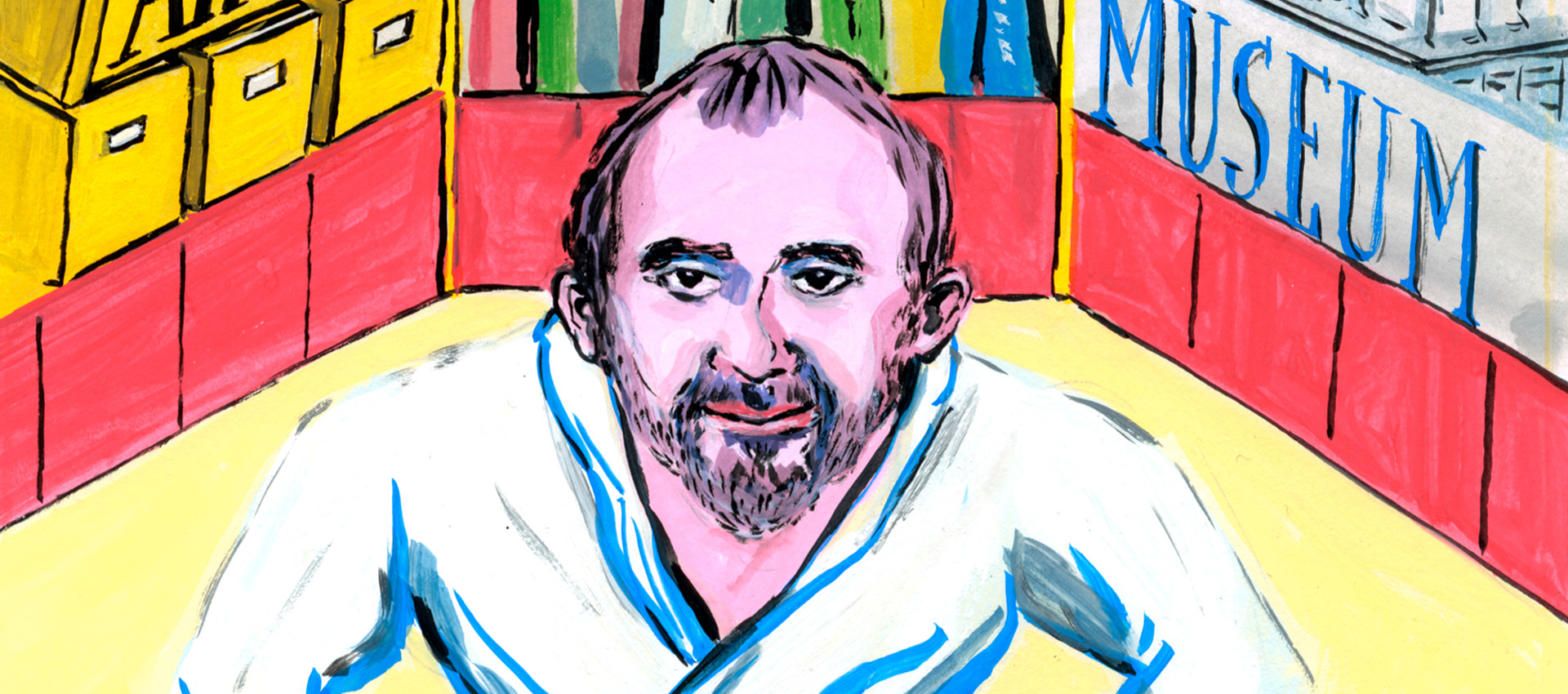
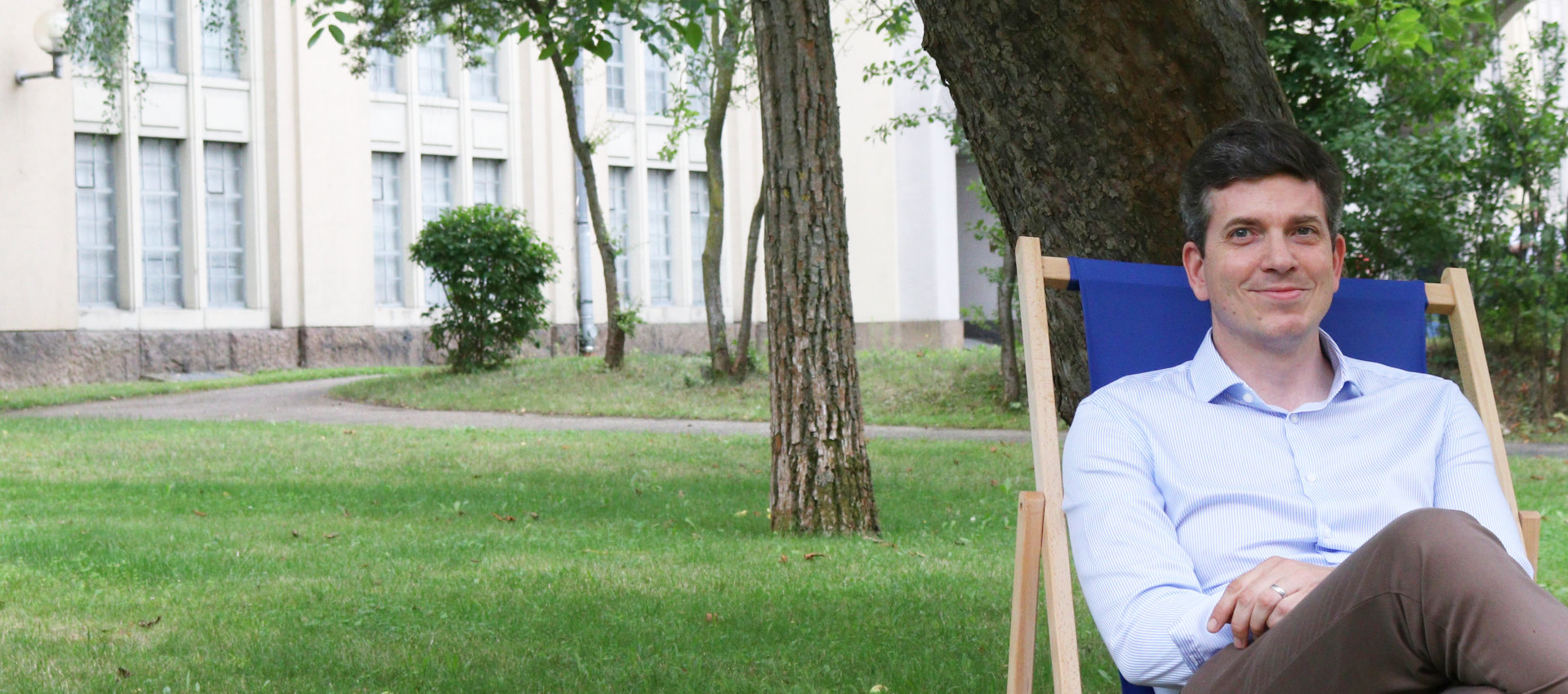
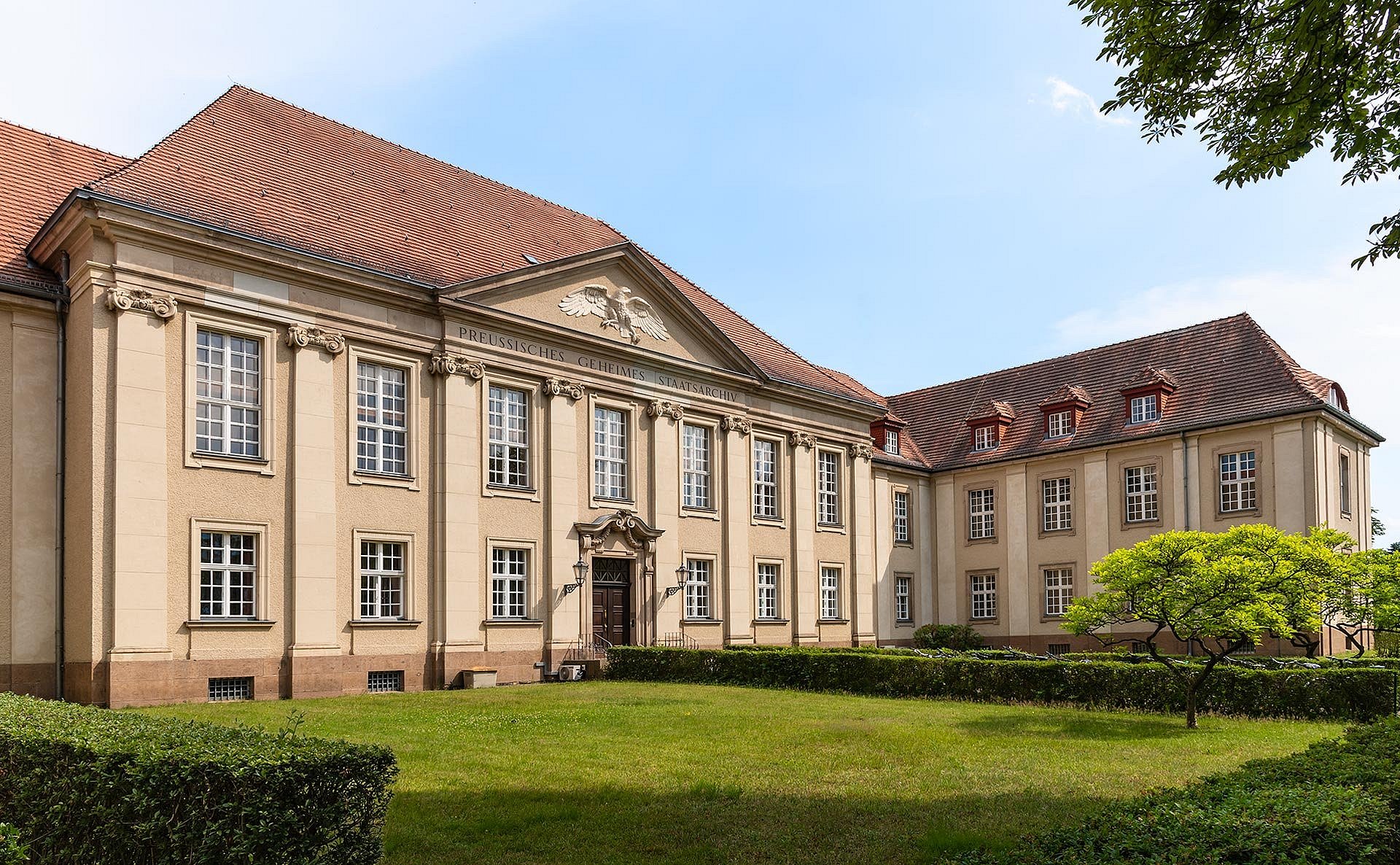
“Where do I actually come from? And what did my ancestors get up to?” Questions like these are likely to cross everyone’s mind at some point in their lives. For some, the thirst for knowledge is so great that they scour online databases, send saliva samples to DNA testing laboratories and get in touch with third cousins in America. However, if you want to delve deeper into the subject, a visit to the archives is essential – for example, to the Secret State Archive of the Prussian Cultural Heritage Foundation, which is celebrating the centenary of its purpose-built archive building in Dahlem this year. Our editor Louis Killisch decided to give it a go himself.
Genealogy is booming – as evidenced by the proliferation of numerous online platforms such as MyHeritage, Ancestry and FamilySearch, which make DIY family history research quick and accessible. Billions of records are available digitally and can be systematically searched. Furthermore, many providers enable users to pinpoint their own origins using a DNA test, find potential relatives worldwide and get in touch with them. Even though DNA tests should be treated with caution for data protection reasons, it seems as though we can uncover the secrets of our origins, create family trees and get in touch with previously unknown family members from the comfort of our own homes.
Unfortunately, however, it is not always that simple. In Europe, two world wars and stories of flight brought about additional turning points that make the search for ancestors significantly more difficult. Many historical documents have been lost or are scattered across archives throughout Europe. I realised this very quickly during my own family research. I knew that my father’s side of the family came from a tiny village in East Prussia – I was even able to pinpoint the date of my great-great-grandparents’ deaths. However, when I searched for more detailed information about my ancestors, I found little or no digitally available data on the websites mentioned.
Off to the archives!
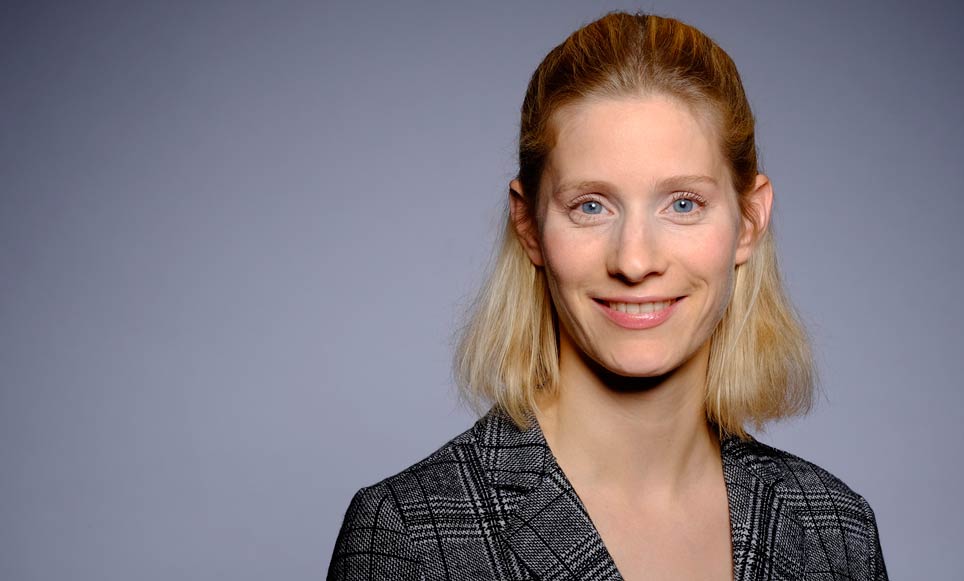
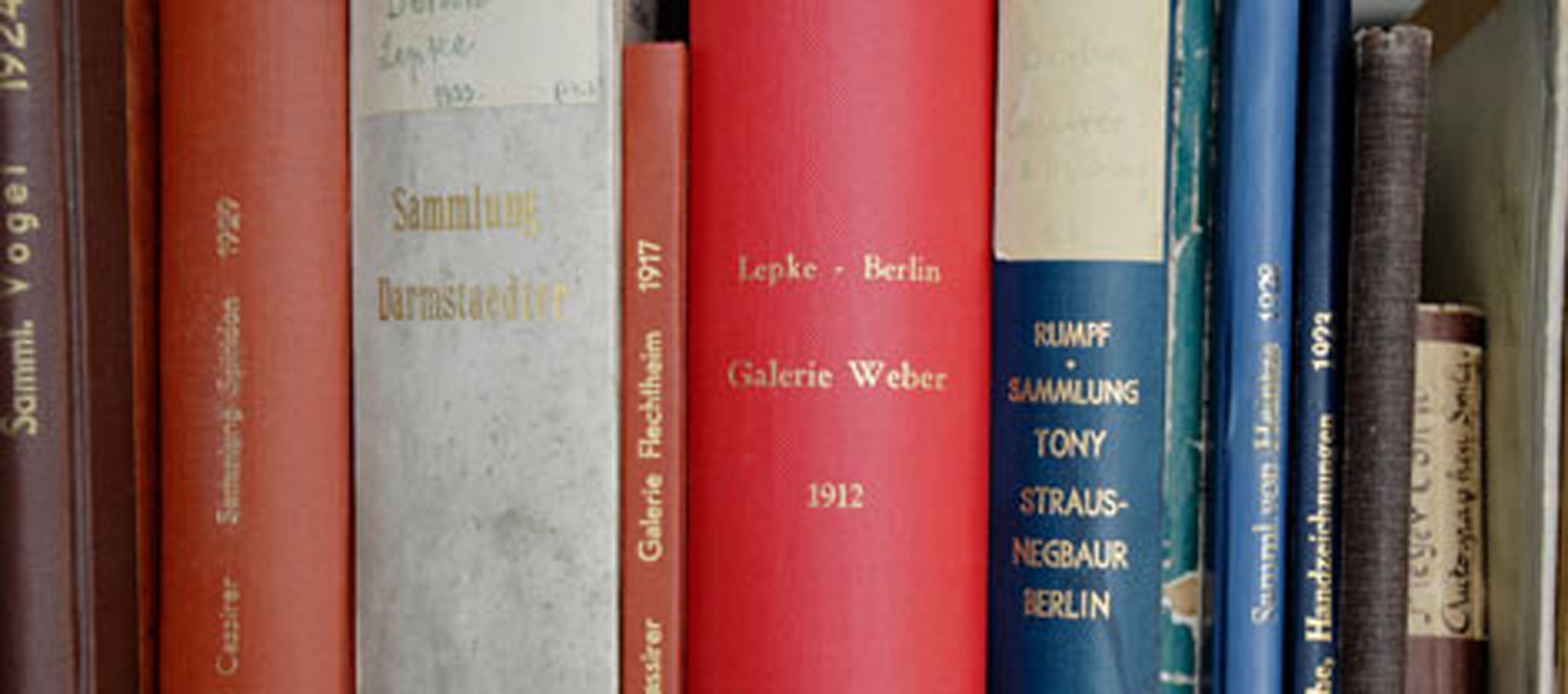
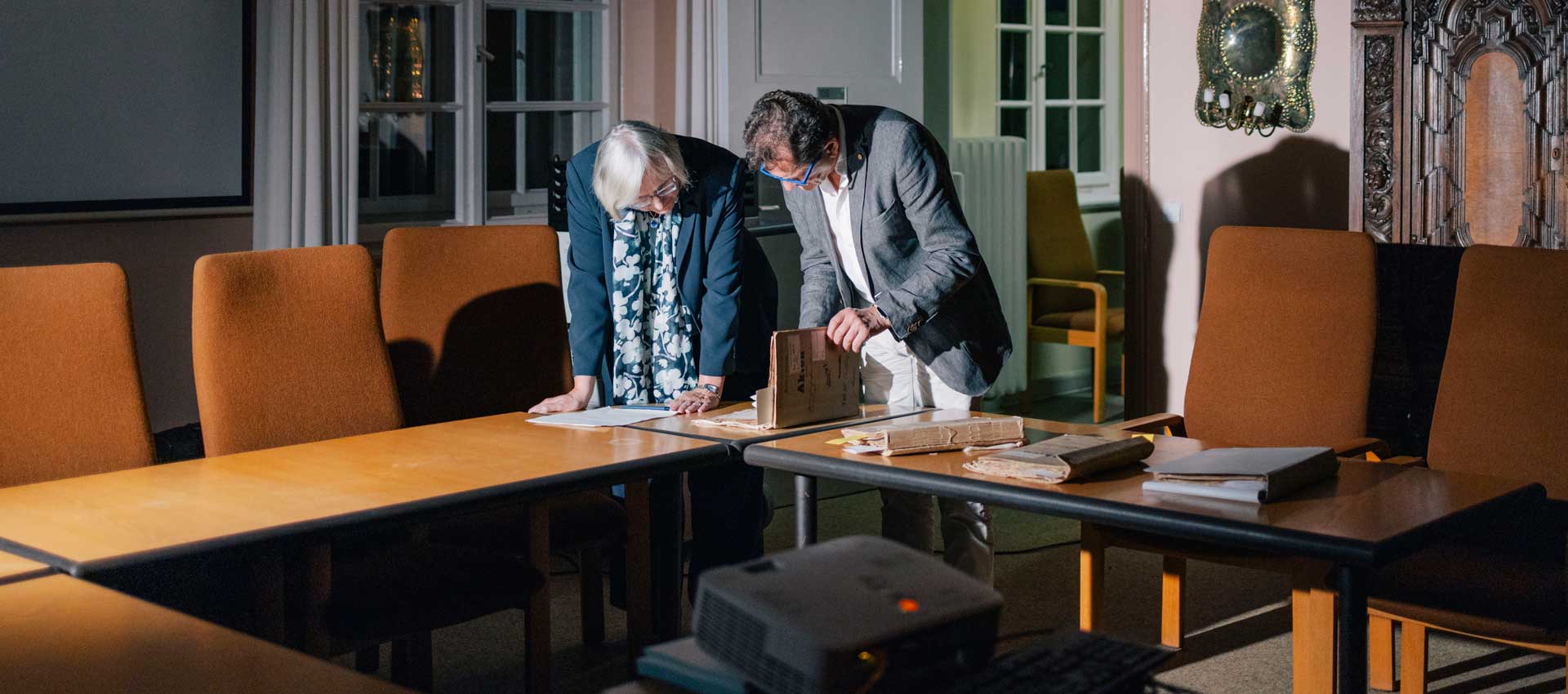
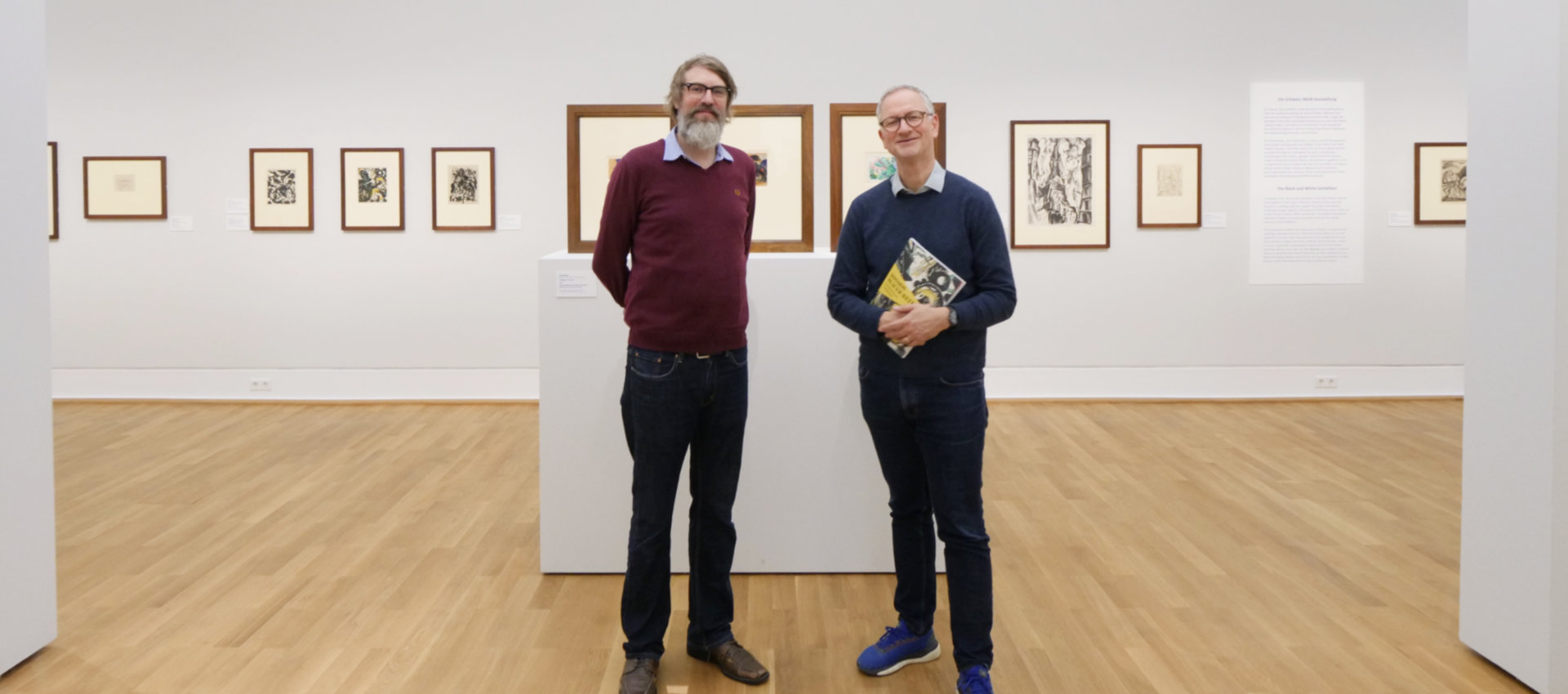
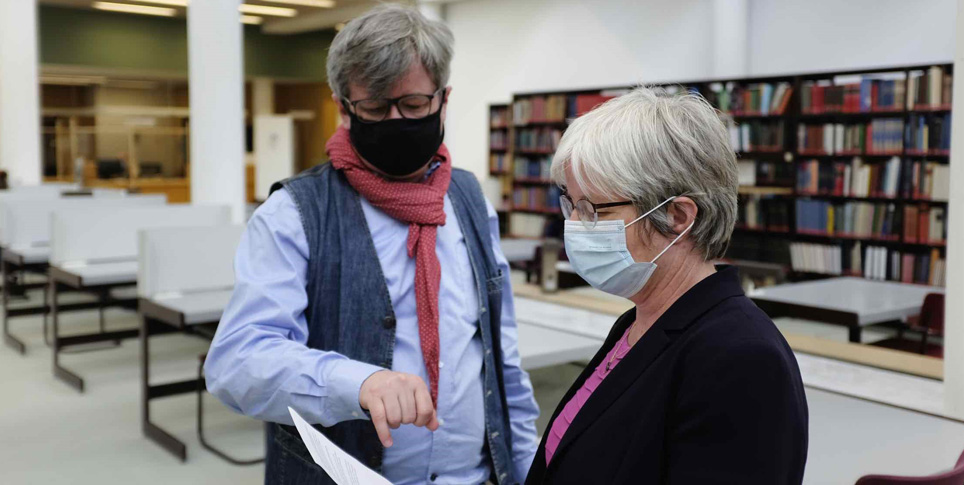
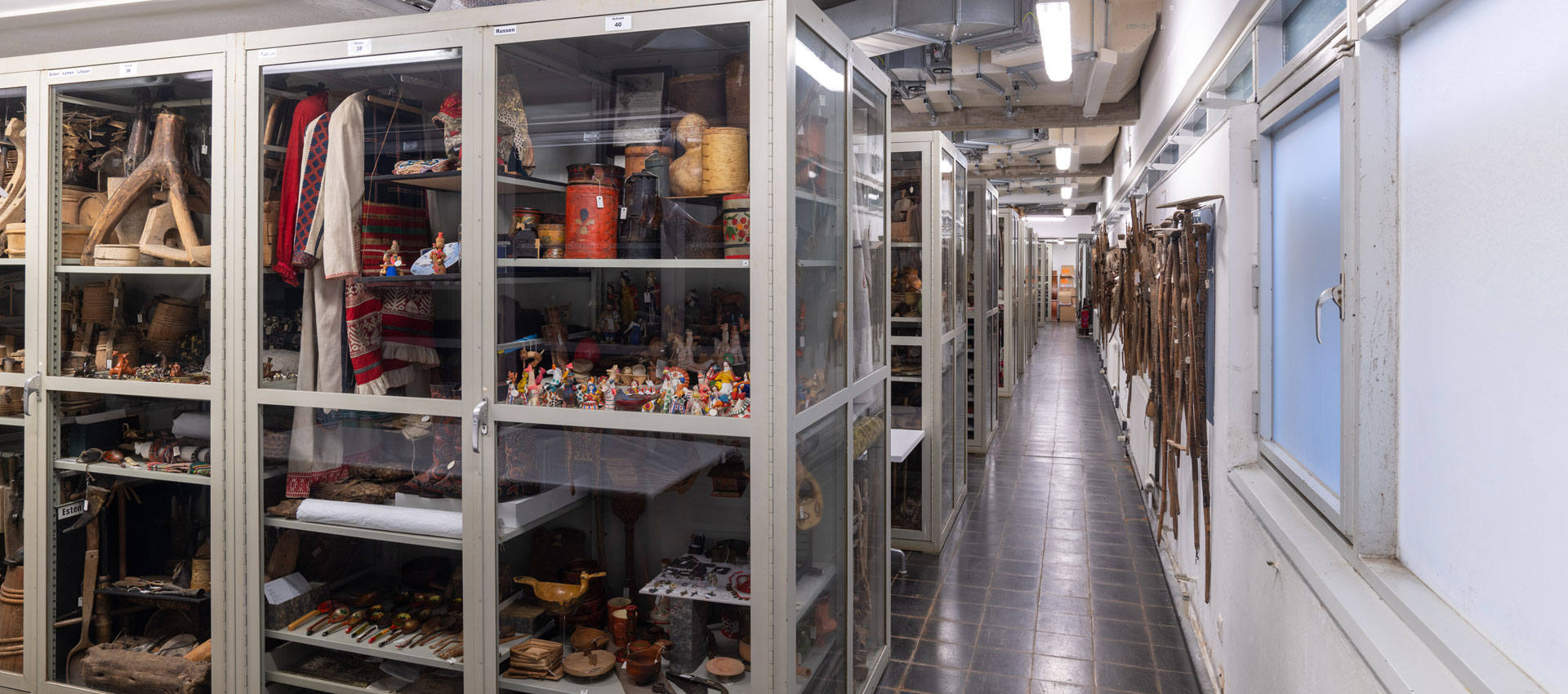
For keen family researchers, a visit to the archives therefore seems to be the only option left to finally shed some light on the matter. If you are researching ancestors in the former German eastern territories, there are a number of places to turn to. One of these is the Secret State Archive of the Prussian Cultural Heritage Foundation (GStA PK). Alongside vast quantities of administrative records from government bodies, the archive also holds correspondence and documents relating to individuals. Even a brief online search in the archive database gave me cause for hope: my rather rare surname appeared here several times. At first, I was unable to assess whether these hits were actually promising, or to what extent. So I sought assistance from archivist Michaela Utpatel, one of the longest-serving staff members at the archive and responsible, among other things, for the holdings of the Historical State Archive of Königsberg (formerly East Prussia).
Since 1979, the remaining Königsberg archive materials have been housed at the GStA PK in Berlin. As a result, a large number of amateur genealogists have been coming to Dahlem since the 1980s. Among the first were people born in East Prussia, older people with enough time to research their former homeland. “We used to have far more users in the research room,” confirms archivist Michaela Utpatel, “including more genealogists. In fact, these were often displaced persons themselves or their descendants.” She adds: “But that has declined significantly.” This can be explained, on the one hand, by the passage of time and the accompanying generational change, and on the other hand, by the new digital possibilities.
Family tree reconstruction: a detective game
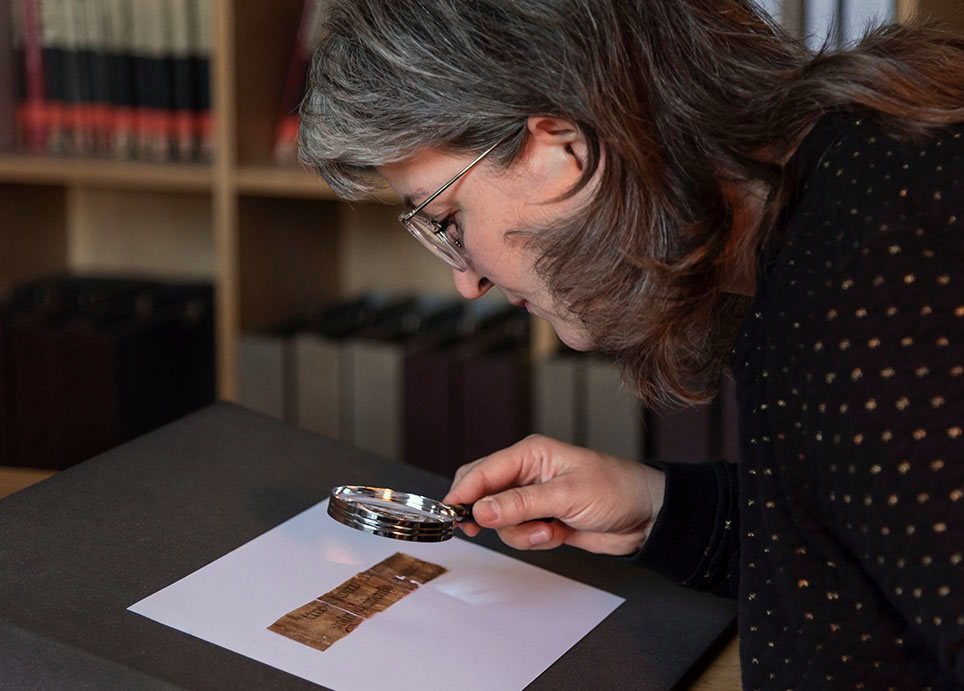
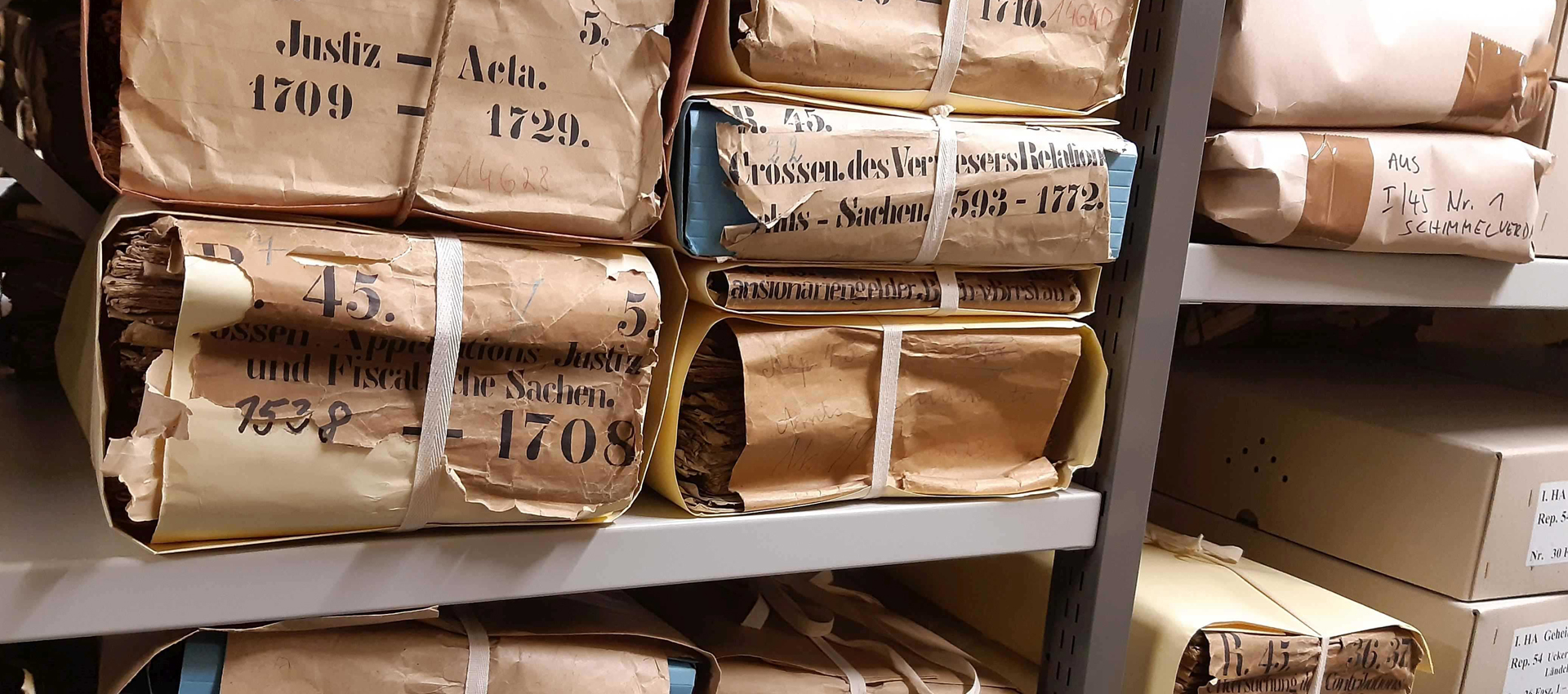
First things first: manual research on site is definitely more time-consuming and requires a fair bit of preparation. But this much I can reveal: it is an incomparable experience to hold centuries-old documents in your hands or even to be able to examine the handwriting of your ancestors. From the relevant literature on family history, I have learnt that the best approach is to work through the family tree bit by bit, going back through one’s parents and grandparents – ideally using church records or the civil registers that emerged towards the end of the 19th century. In this way, one can create a basic framework (names, time periods and places) based on key biographical details. In my case, I was able to trace my paternal family tree back to the deaths of my great-great-grandparents. It was also an advantage that my family came from a small East Prussian village in the district of Sensburg in Masuria (now: Mazury, Poland) called Aweyden (now: Nawiady). This made my search immensely easier. Nevertheless, I could hardly imagine finding any useful records in Berlin, 700 kilometres away.
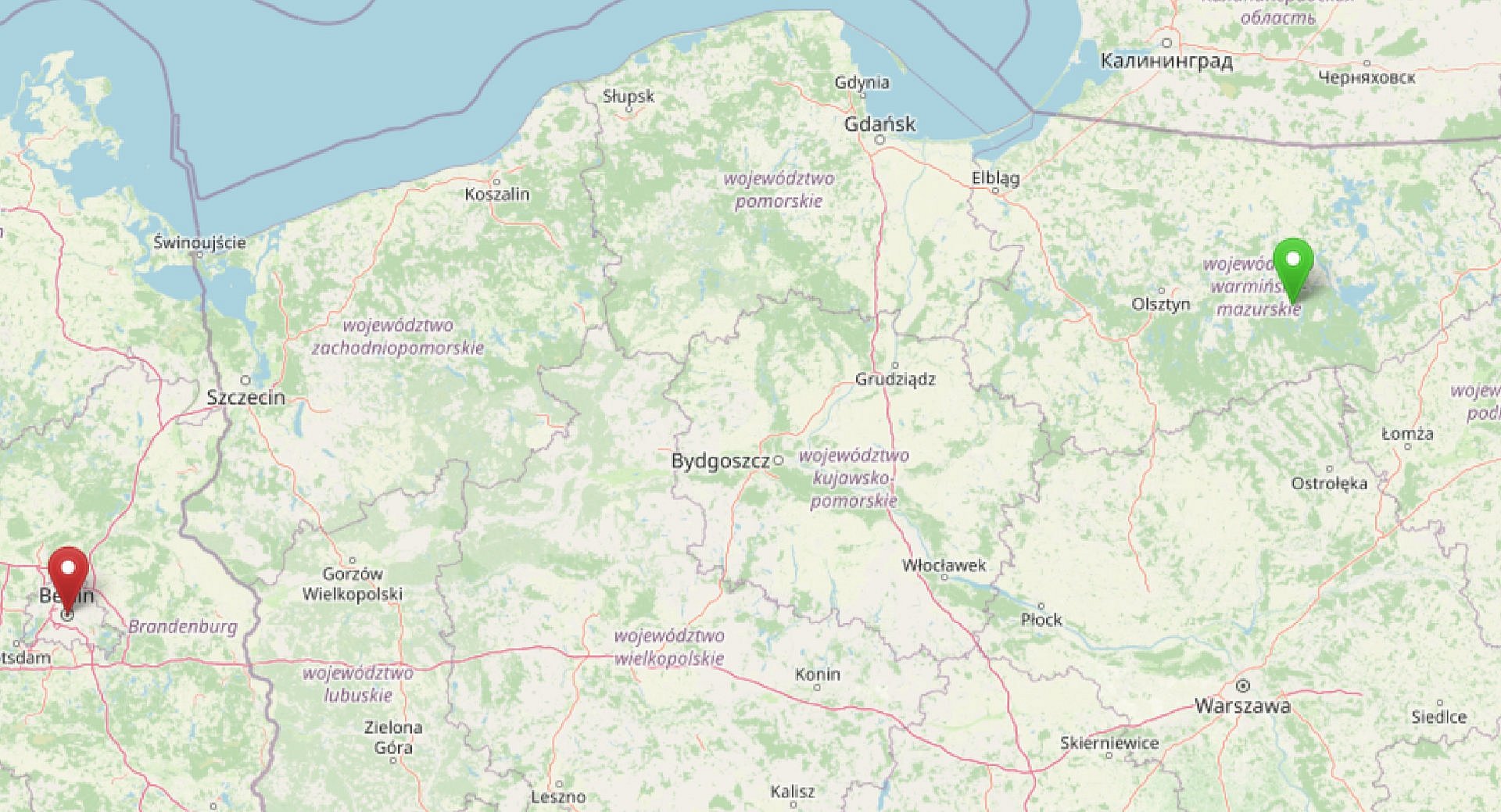
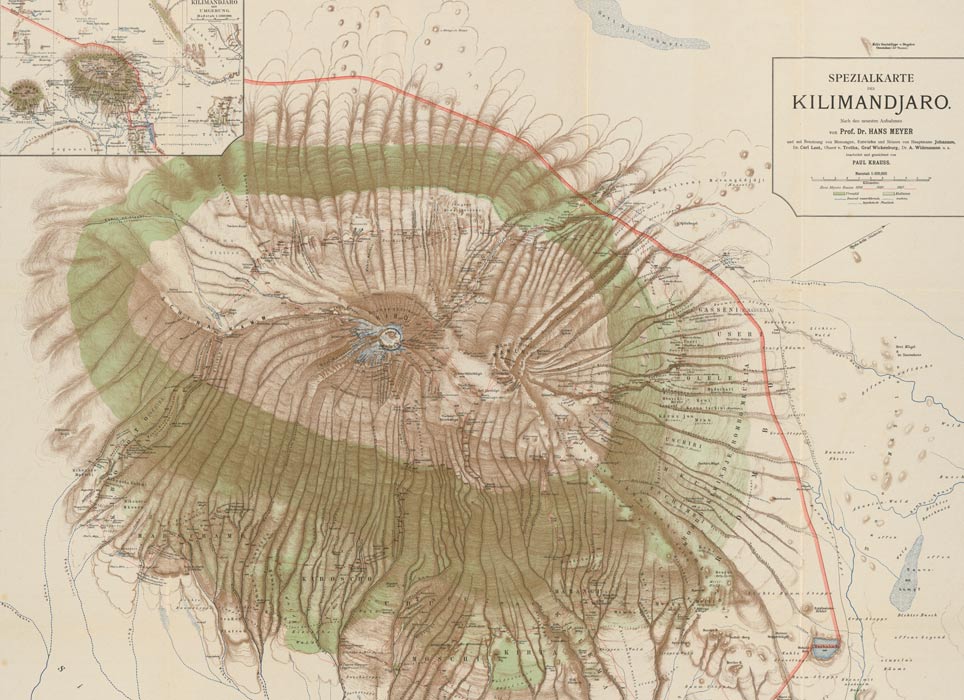
Distance between Berlin and Aweyden in Masuria (now Nawiady, Poland). The collections of the XXth Main Department of the Königsberg State Historical Archives, which have been relocated to the west, also contain land registers and cadastral records for the small village. Screenshot: OpenStreetMap
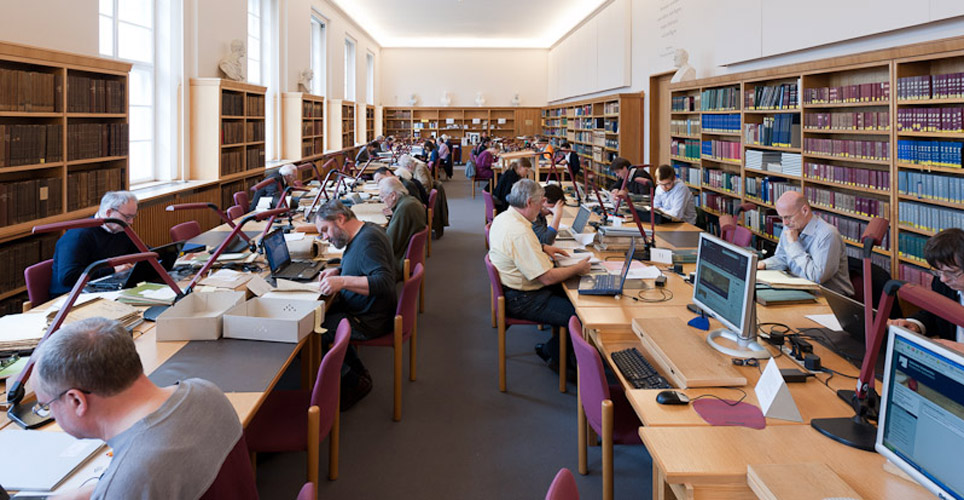
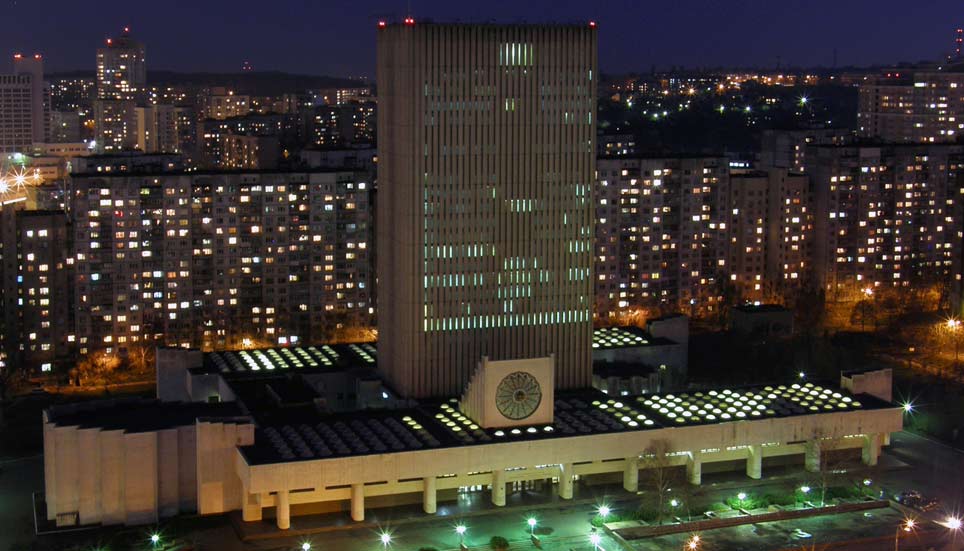
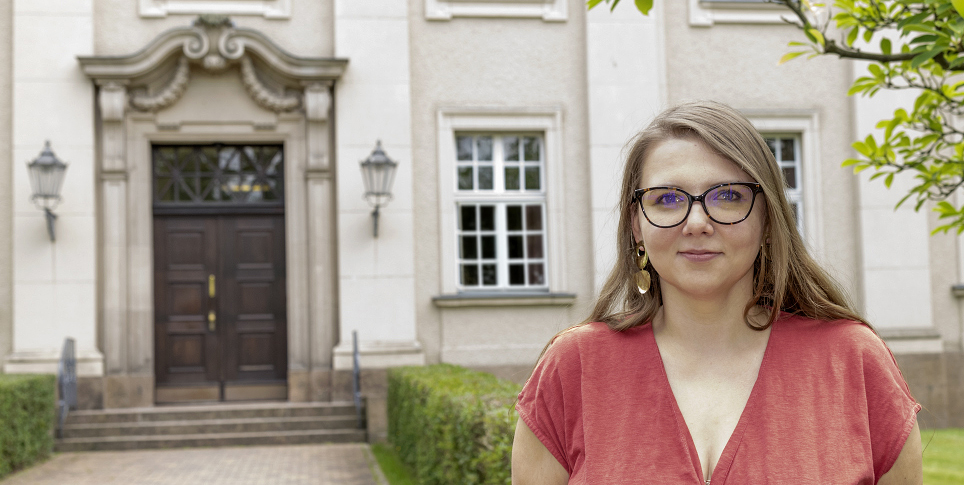
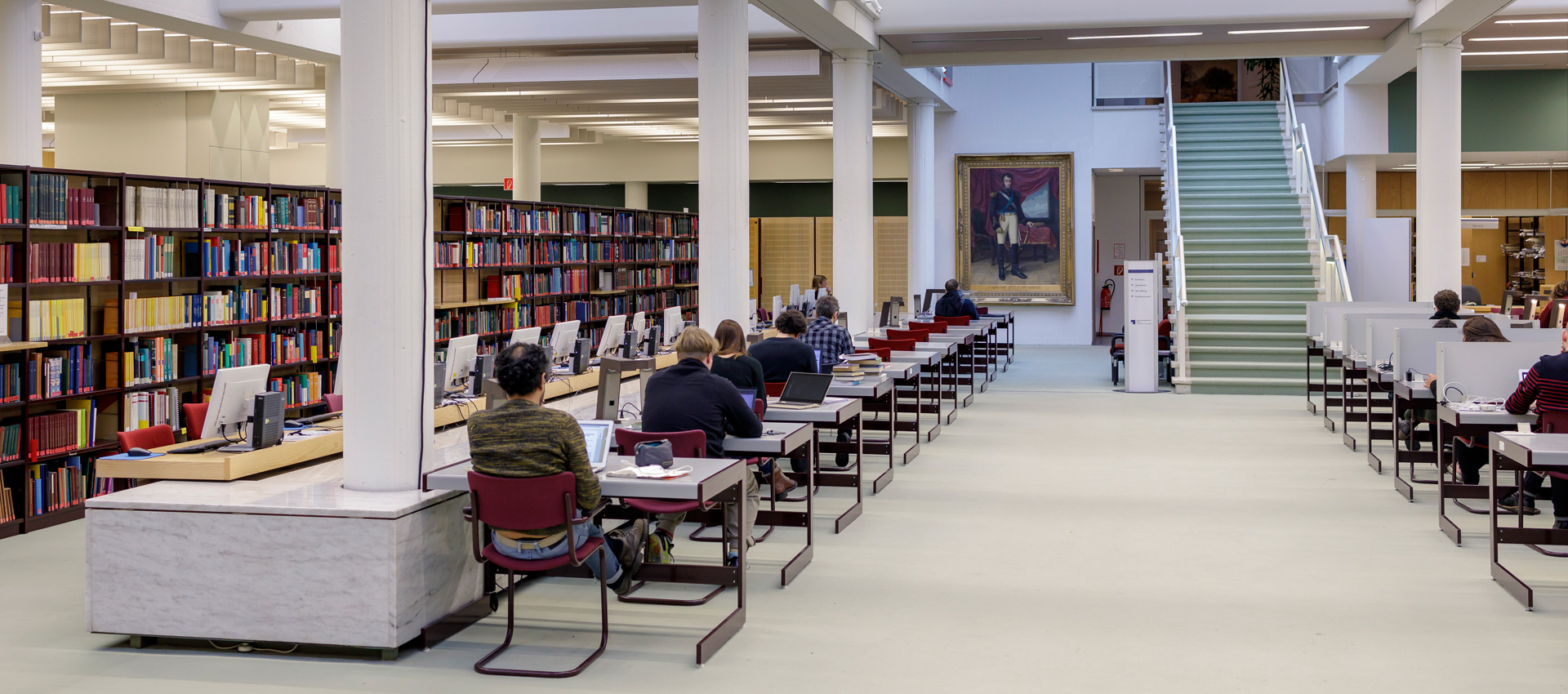
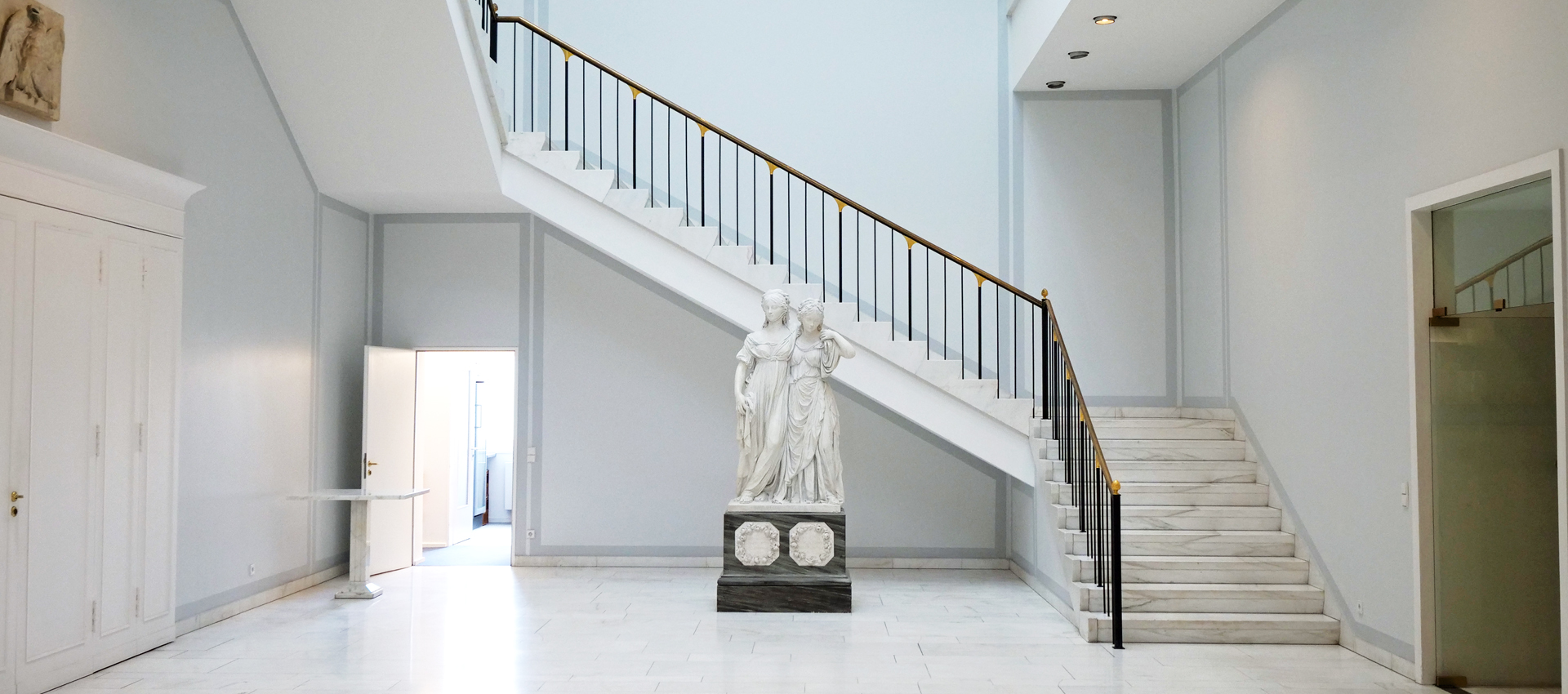
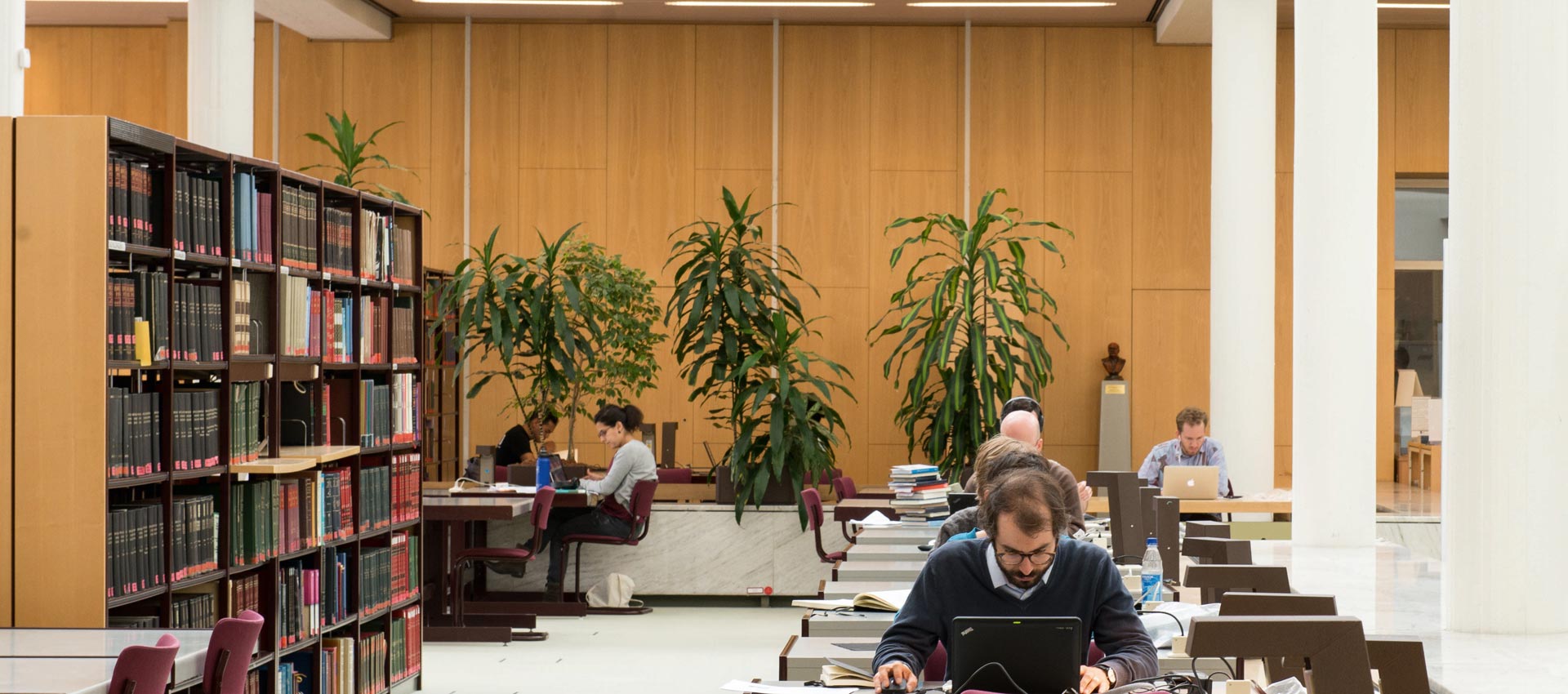
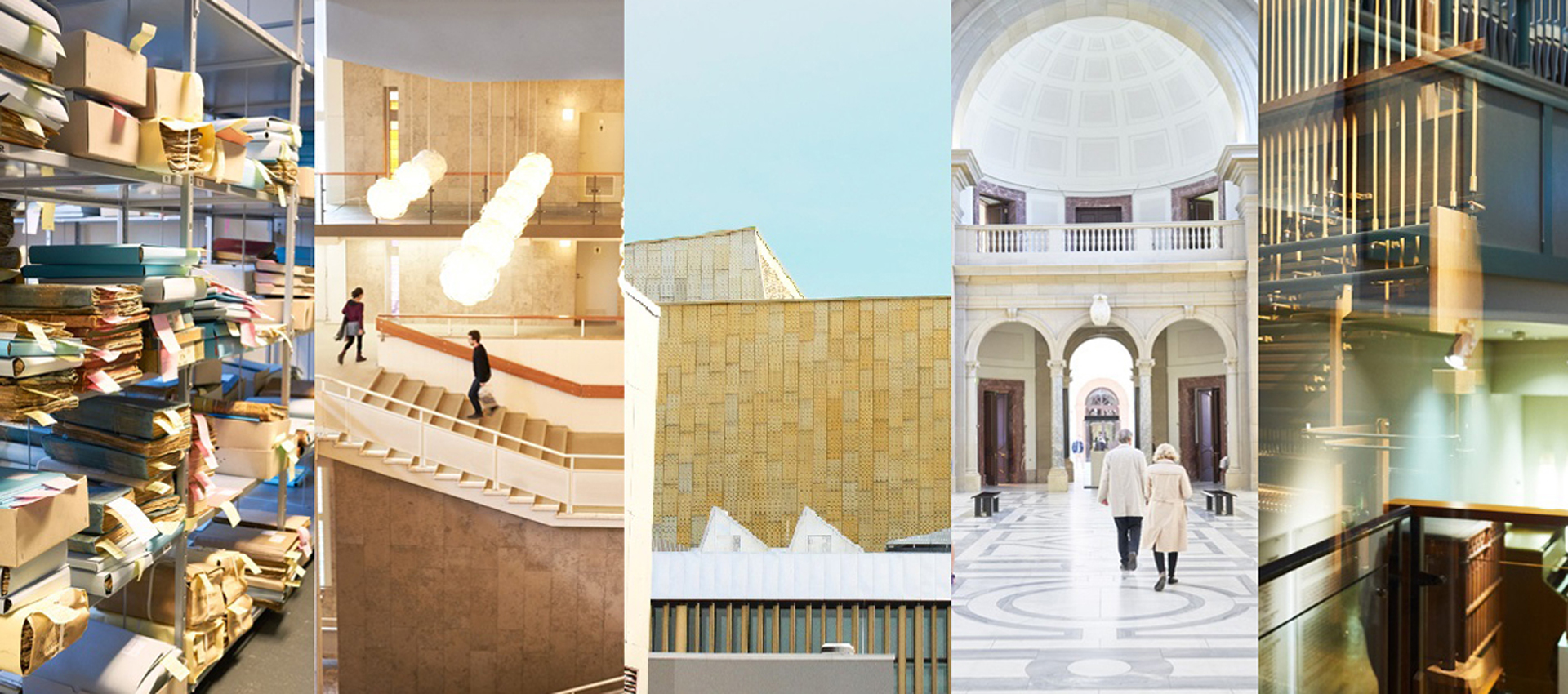
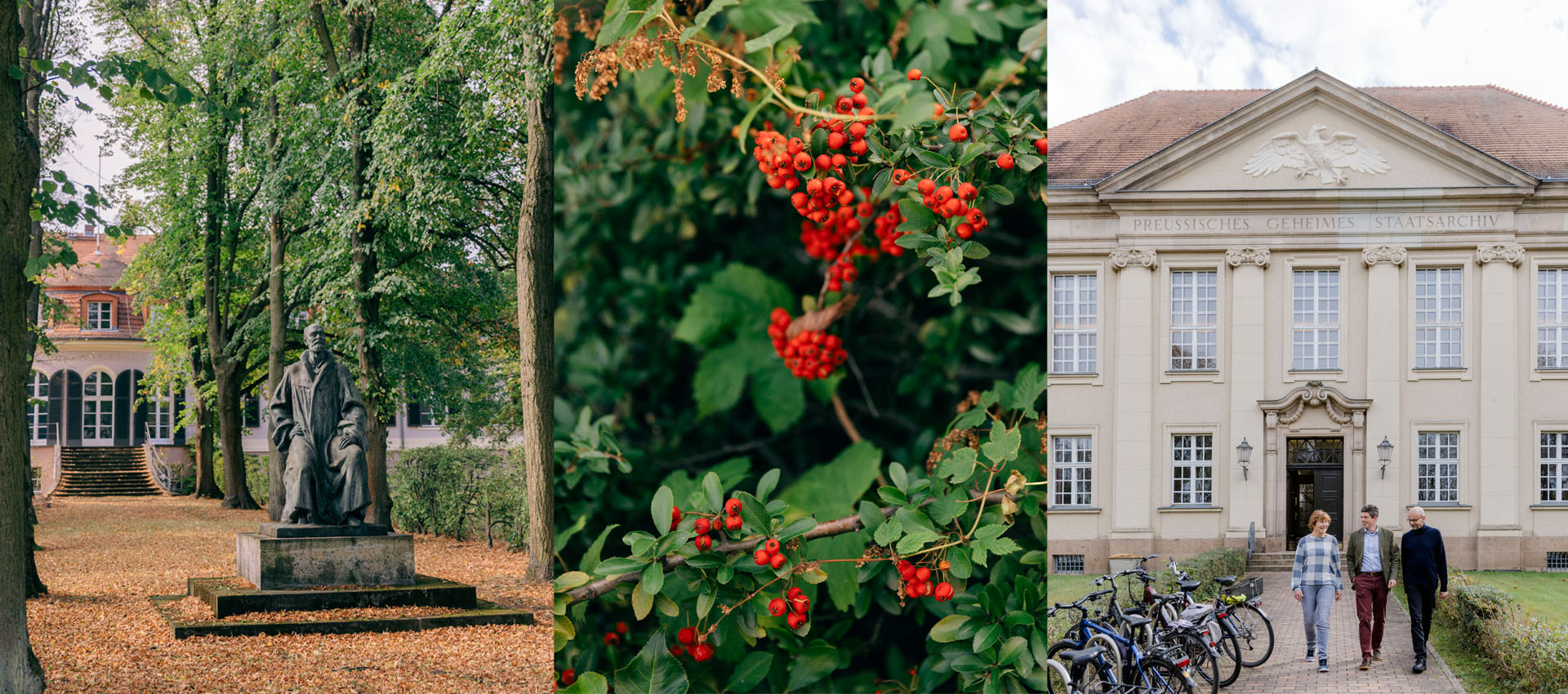
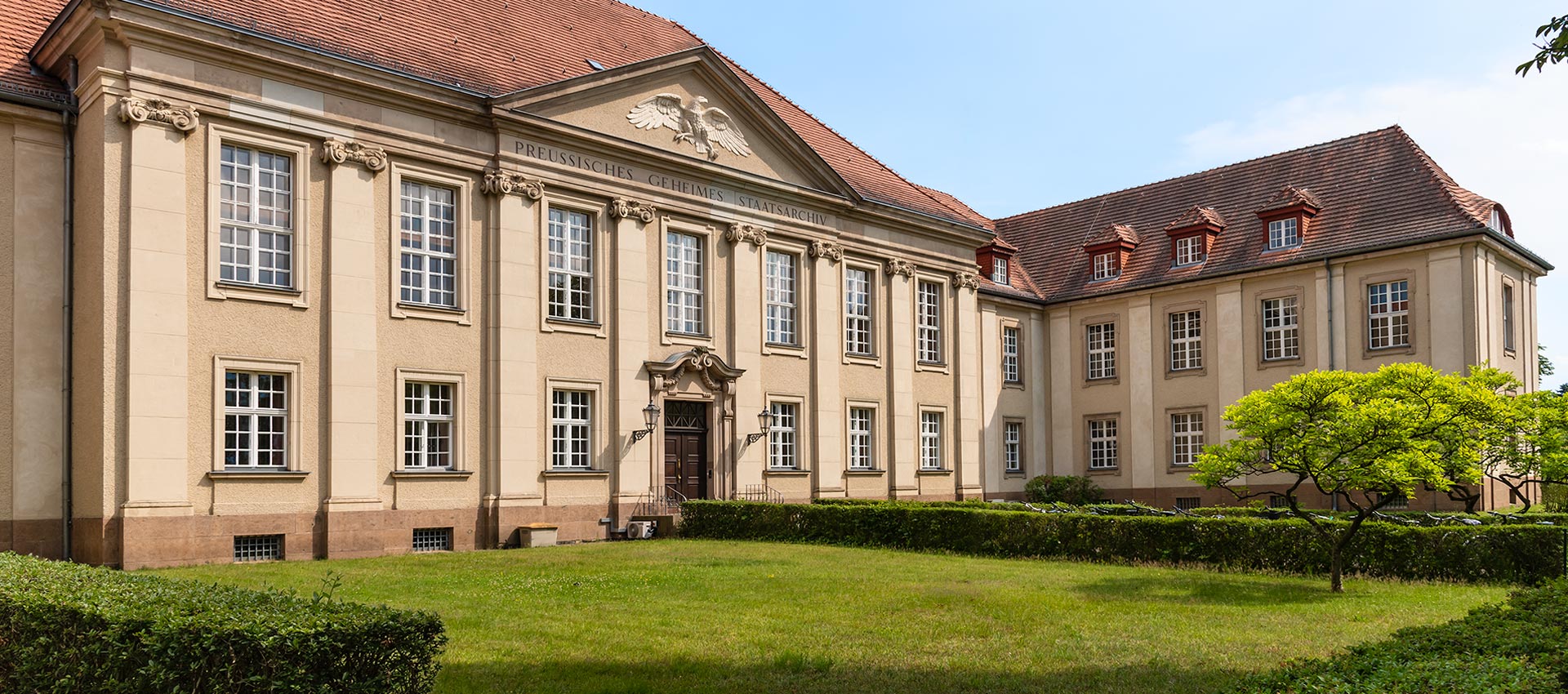
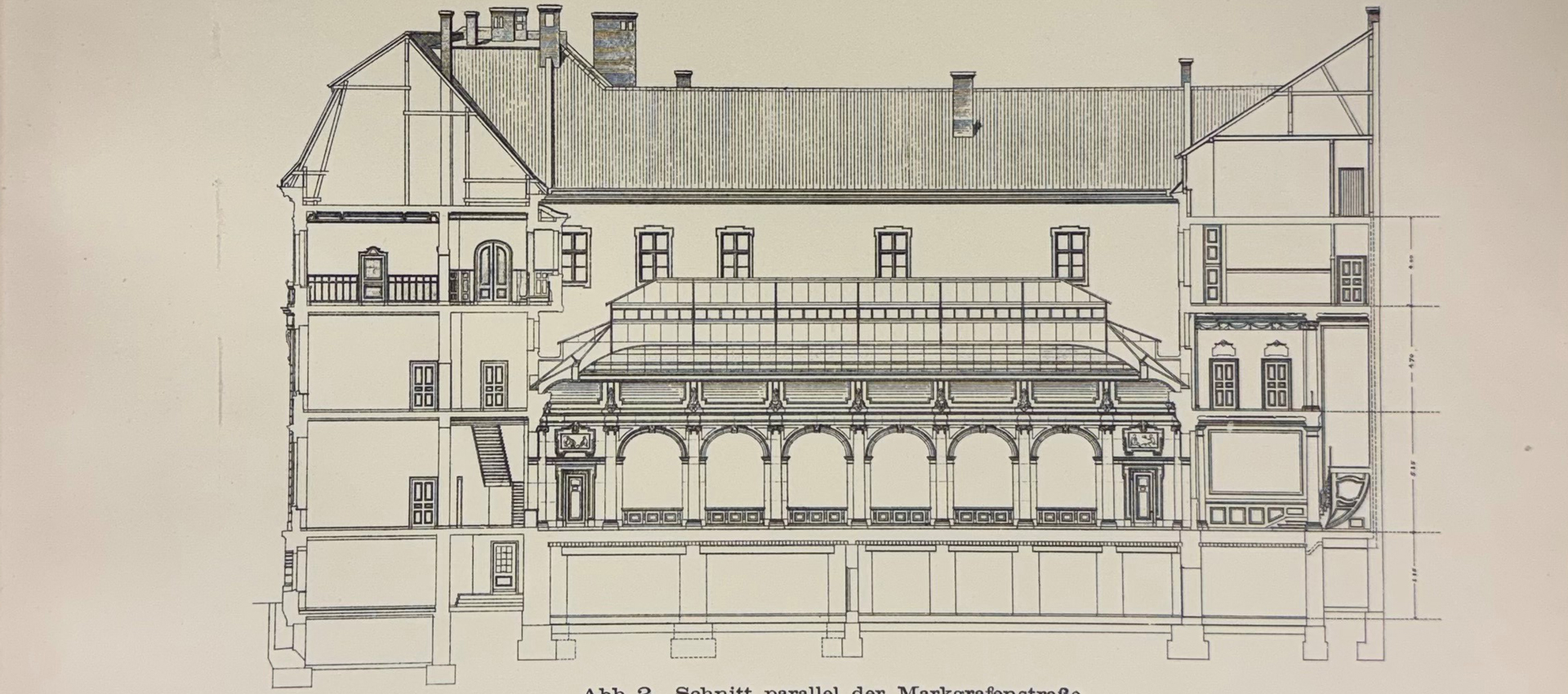
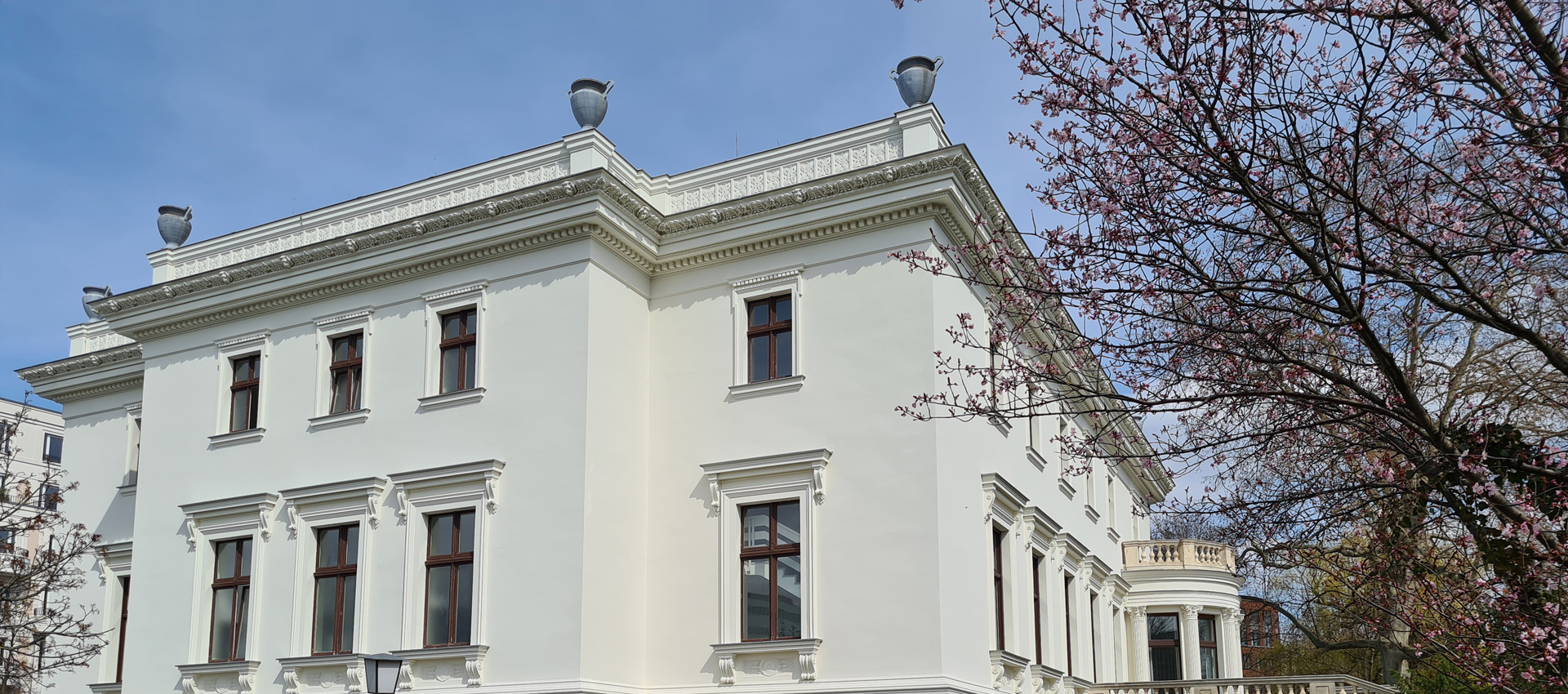
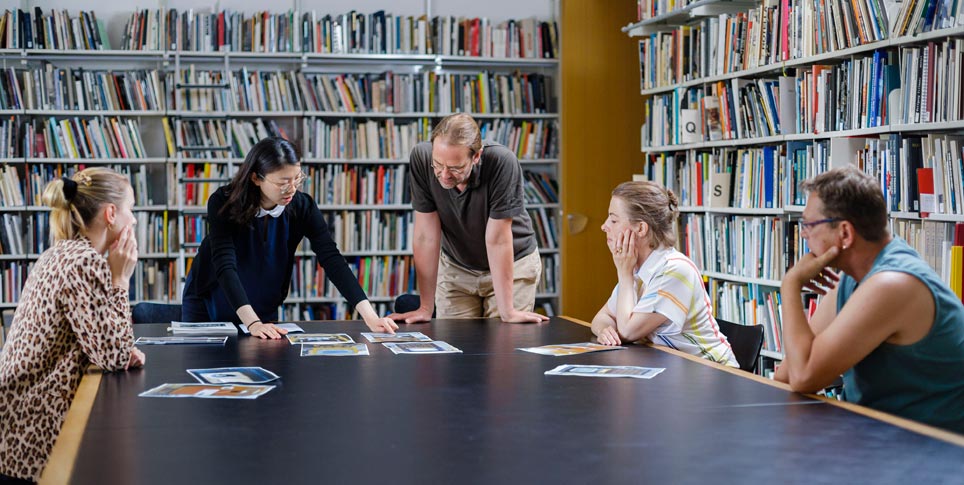
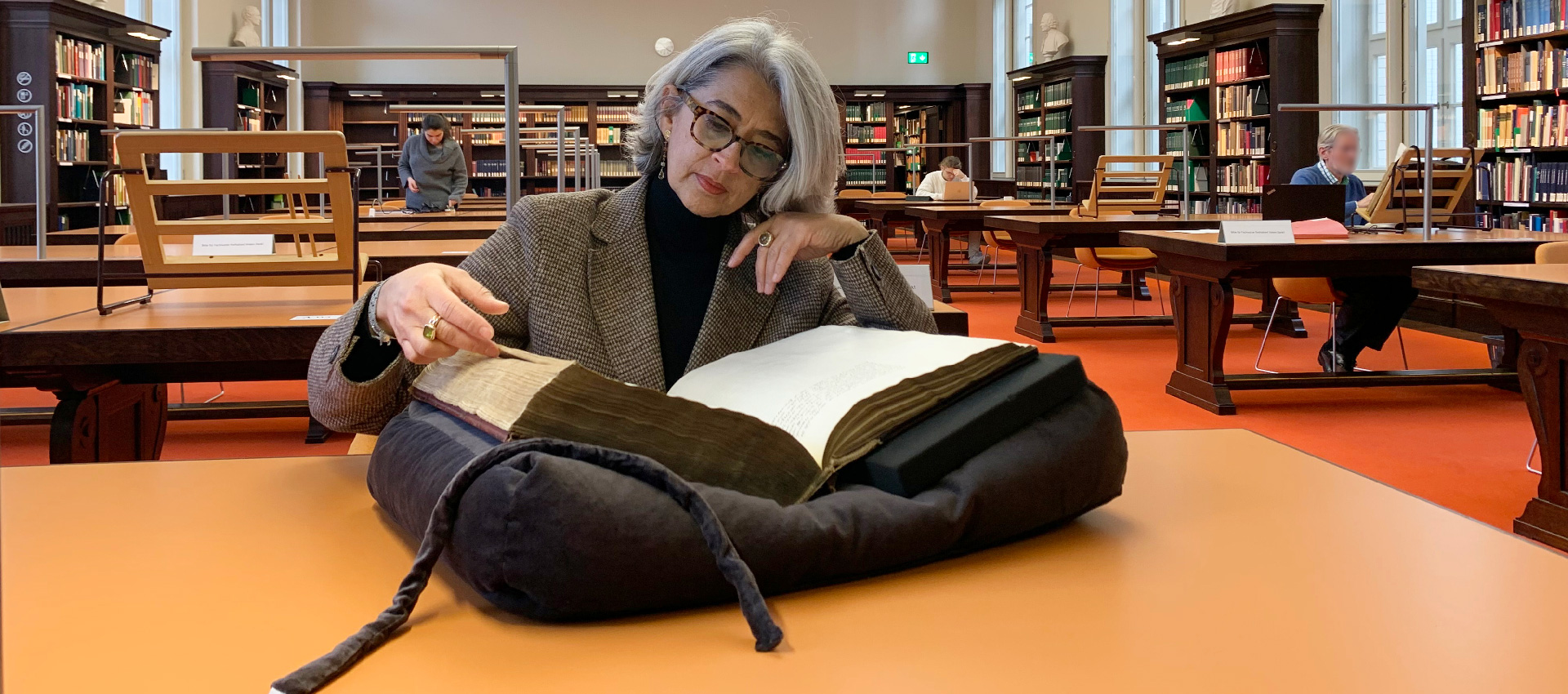
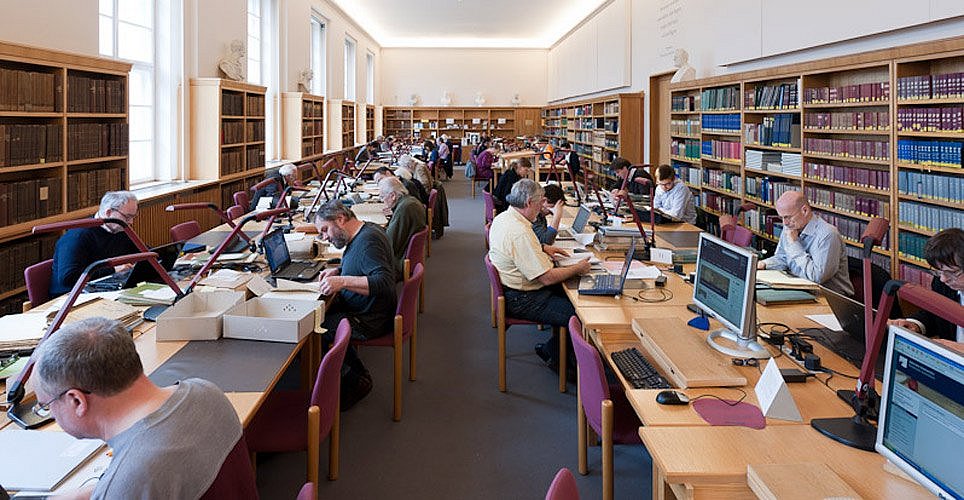
In the run-up to my research, Michaela Utpatel helps me request the most promising files from the GStA PK’s holdings. Via the archive’s website, I can book a workstation in the Dahlem reading room and pre-order the required archival materials directly. And so, on a cold February morning, I set off for Dahlem, excited and full of anticipation. I immediately feel transported back to my university days: after entering the impressive archive building dating from 1924, I lock my belongings in a locker and, armed with a laptop, pen and notepad, make my way up the sweeping spiral staircase to the research room. Behind a large double door, there is a bustle of activity: people are rummaging through archive materials, leafing through finding aids and reading microfilms. At either end of the room is a counter staffed by members of staff who are on hand to assist with any questions or queries. First, I fill in an application form and then I am issued with a user card – valid for life. At the records desk, I scan the brand-new pass and a friendly member of staff hands me three bulging boxes of files.
Illustrious relatives
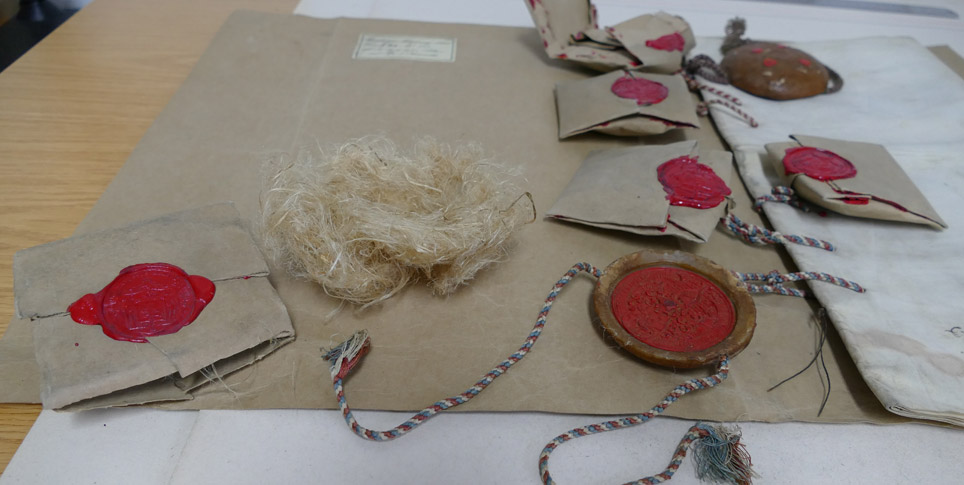
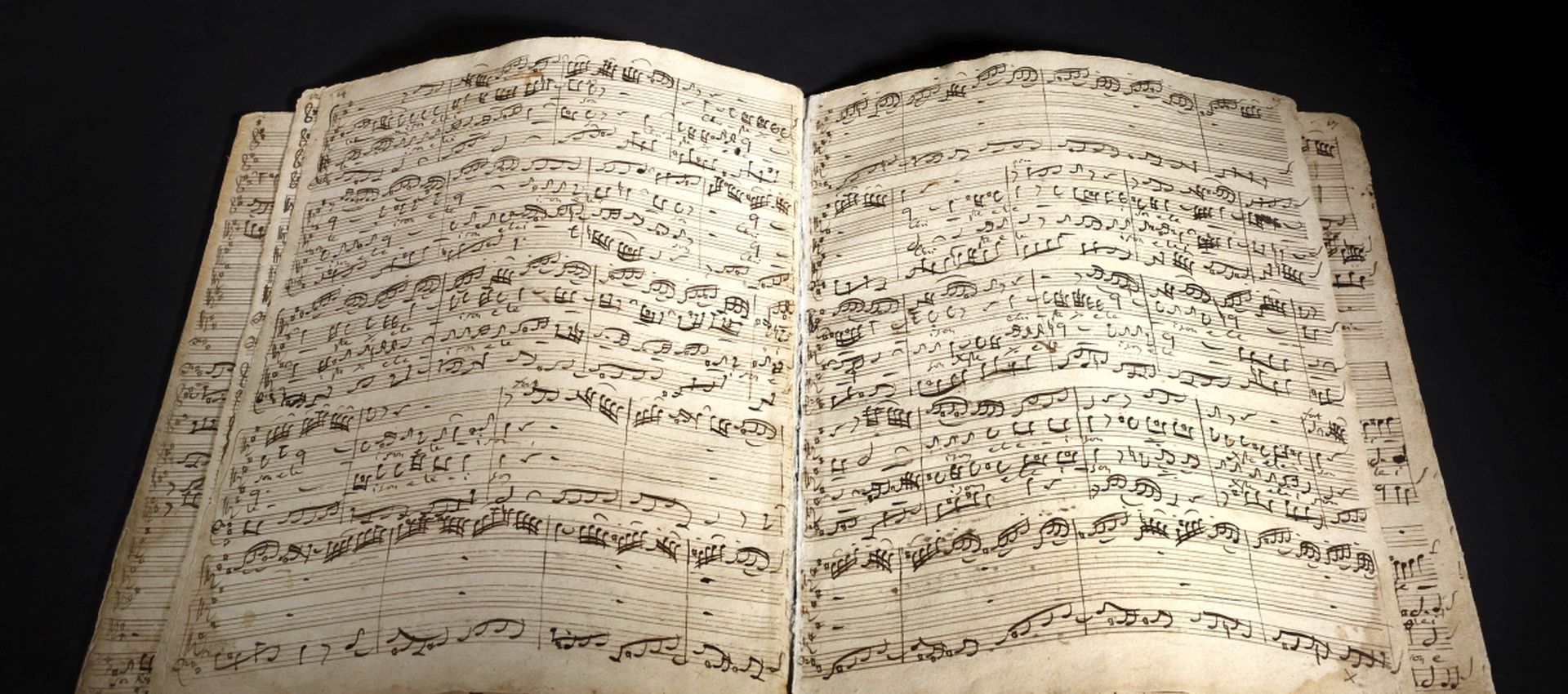
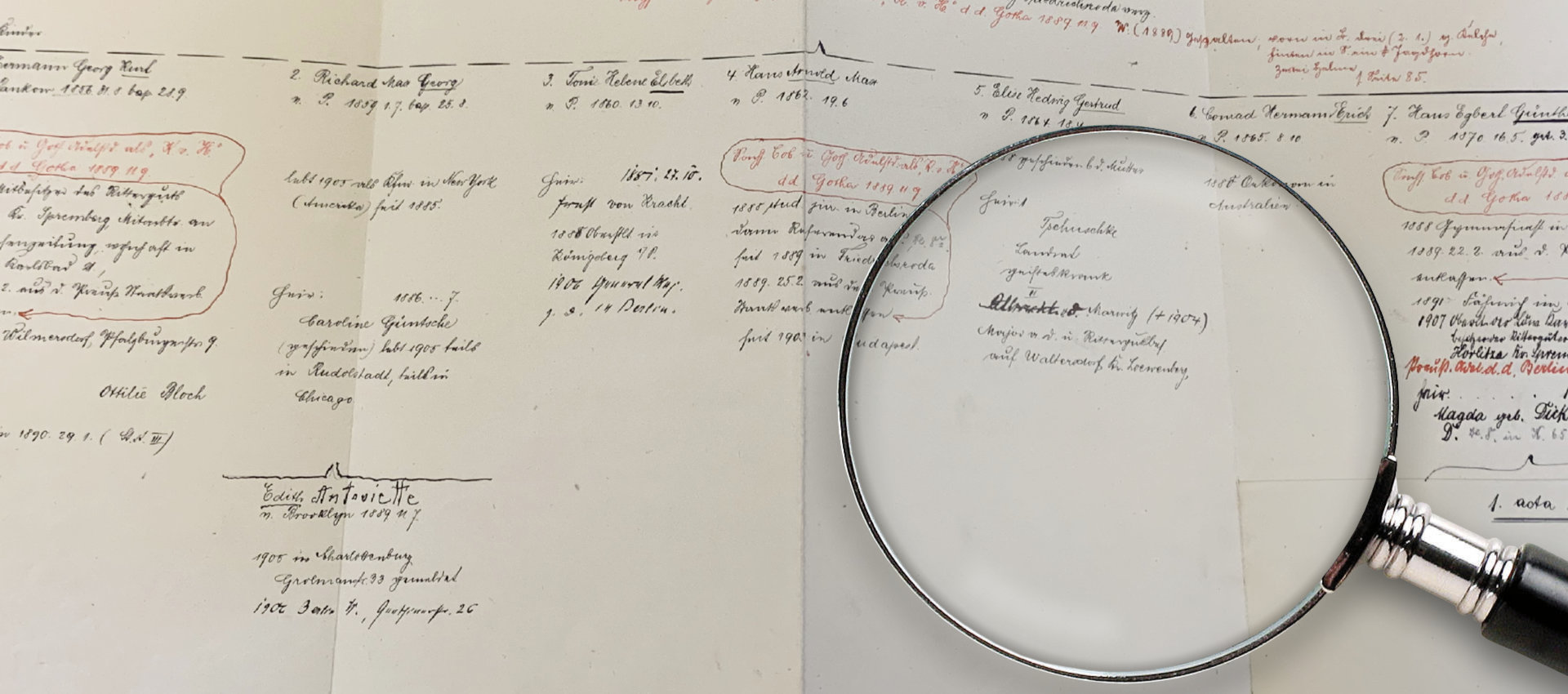
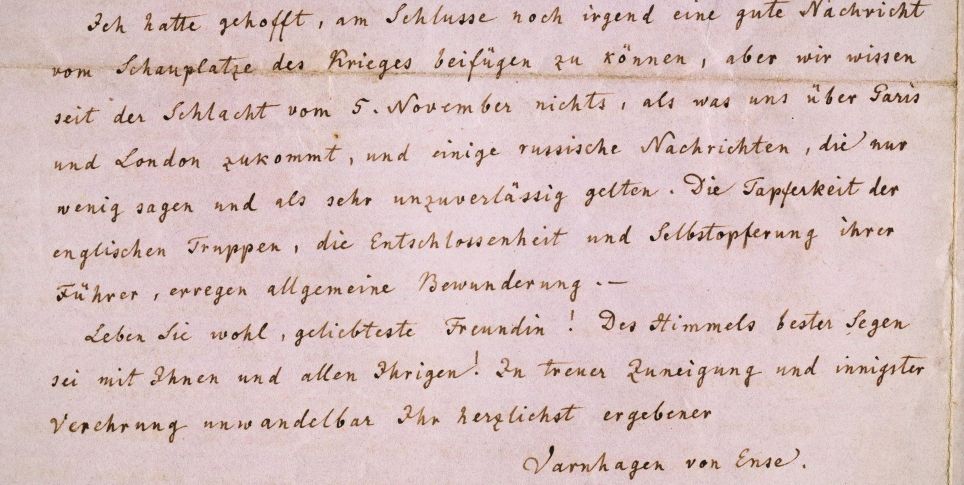
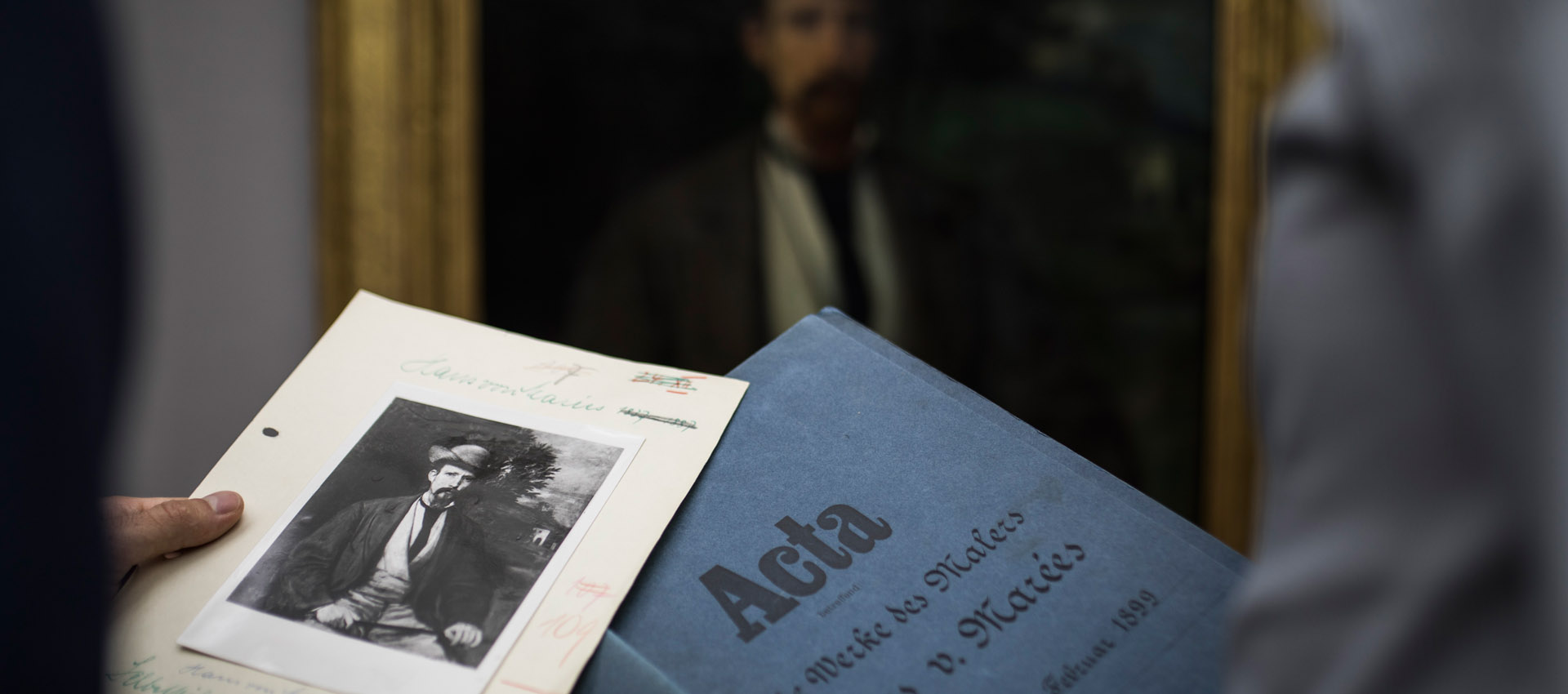
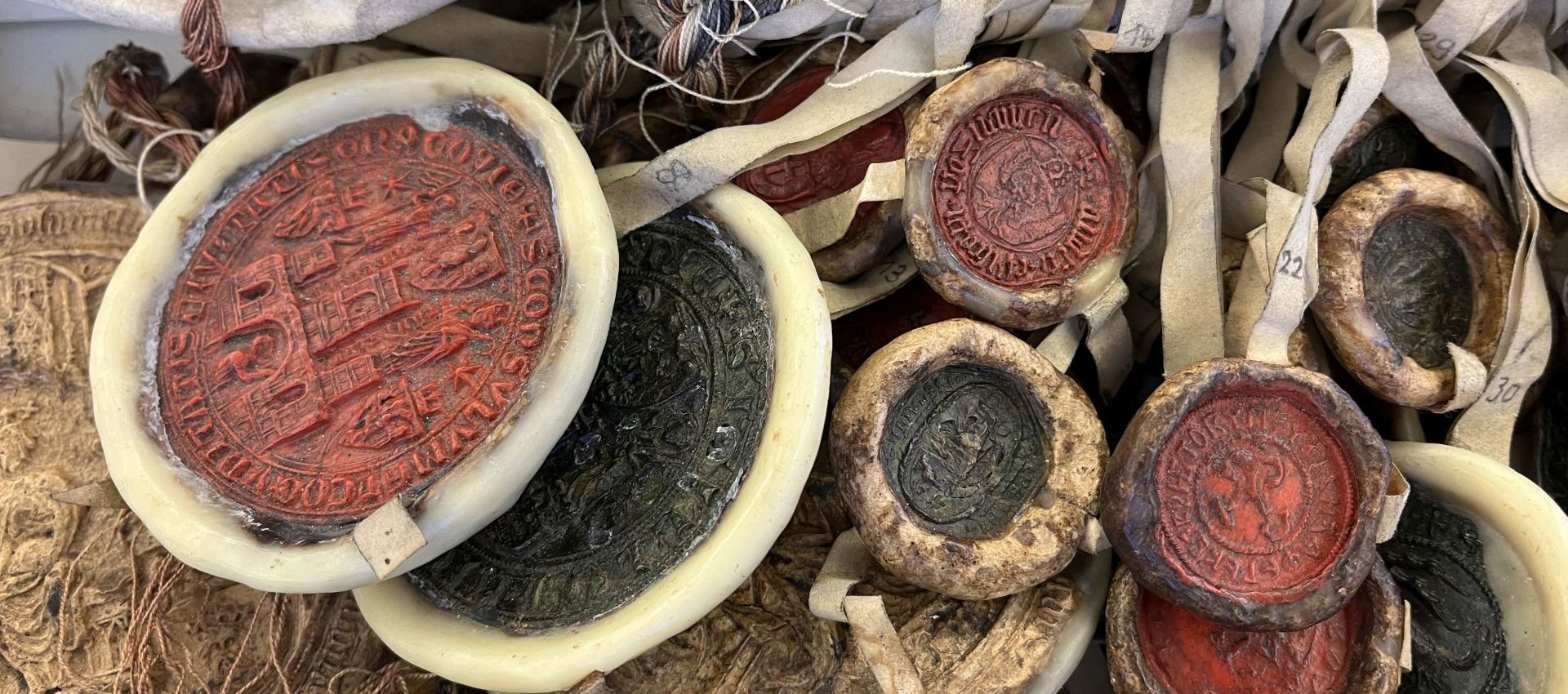
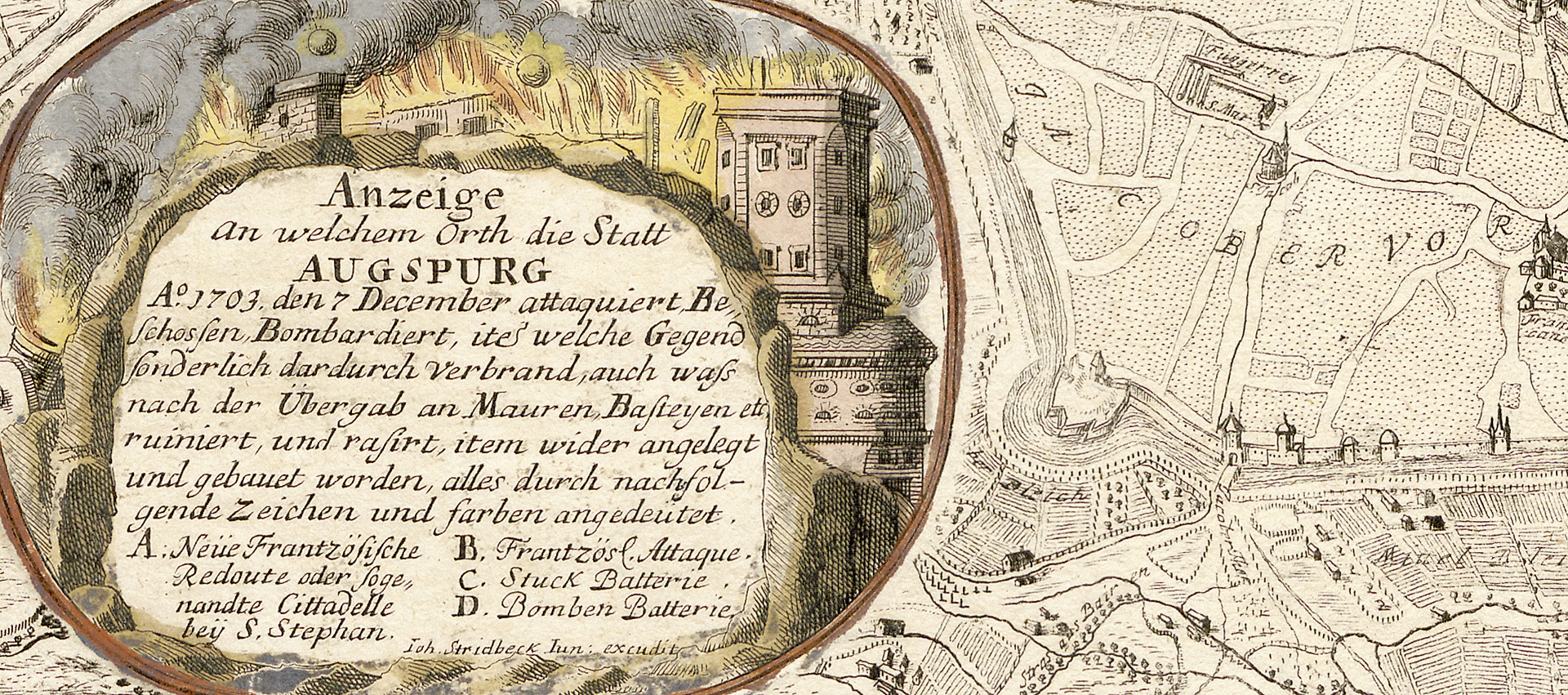
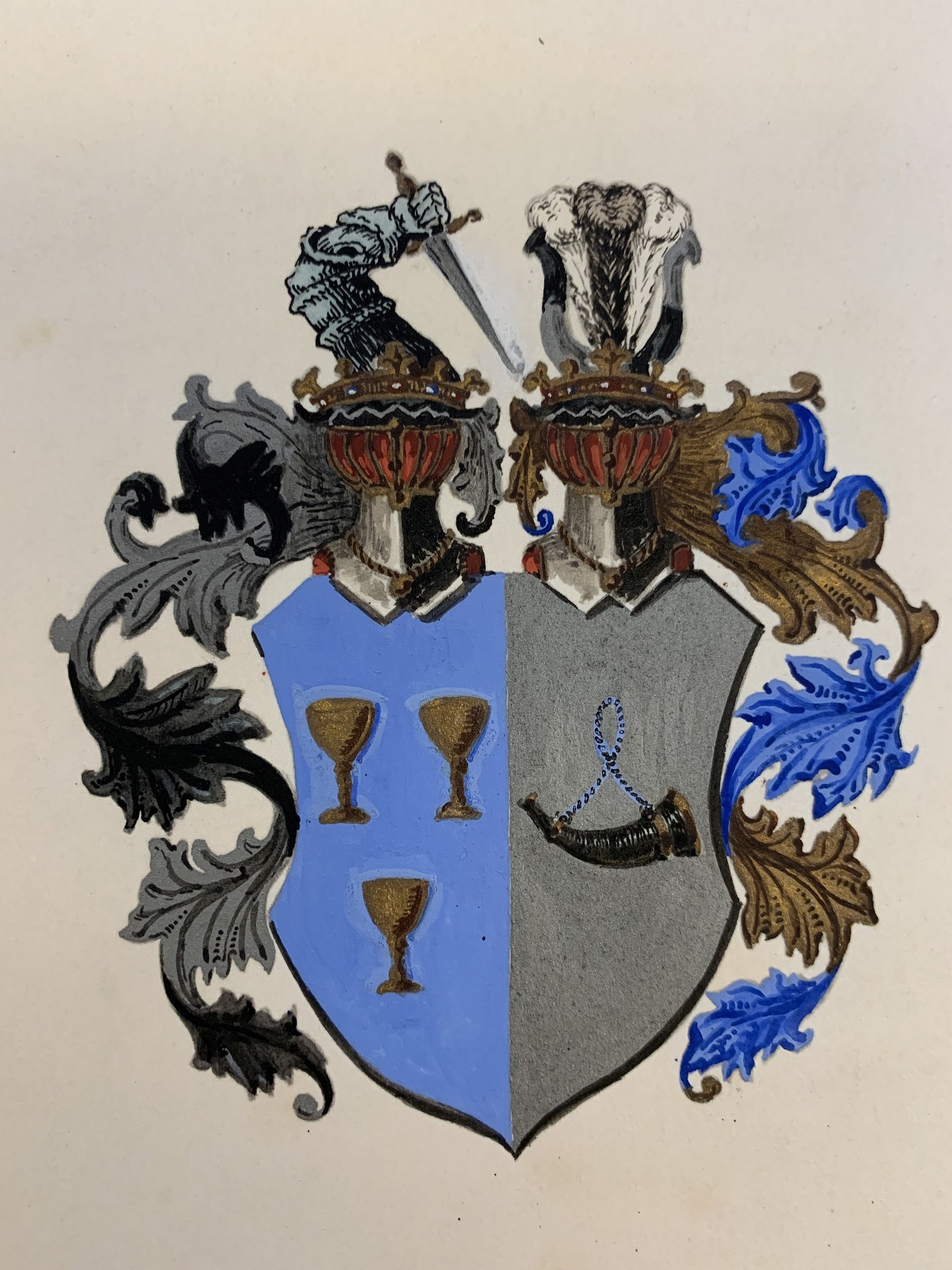
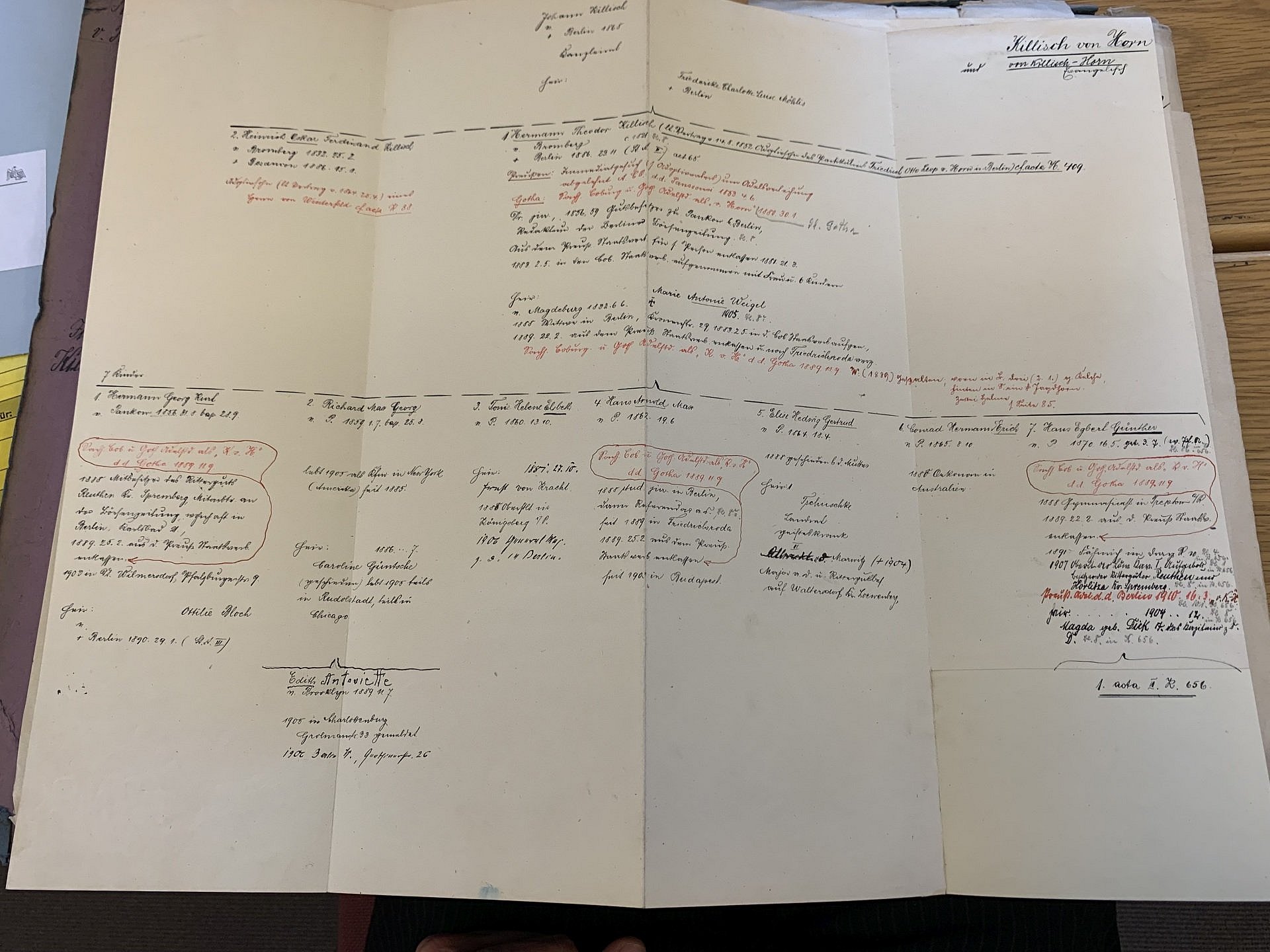
Among the files are land registers and tax tables (records of tax and levy payments by the farming population) for the village of Aweyden from the 19th century. Furthermore, there are extensive collections of files from the Herald’s Office concerning a branch of my family that moved from East Prussia to Berlin at the beginning of the 19th century and generated vast amounts of correspondence between government offices, a duke and various European authorities – all meticulously filed and documented. The linchpin of the correspondence was almost exclusively the unlawful use of purchased titles of nobility – a criminal offence in Prussia at the time. The letters between the various authorities read like a crime novel – only the crime itself seems absurd from today’s perspective. In my cursory search, I was unable to find any direct connection to this illustrious branch of the family, after whom a street in Berlin’s Pankow district is named. Nevertheless, it was fascinating to read the letters, written in elegant handwriting and bearing the Duke’s heavy seals, alongside official correspondence in typewritten staccato.
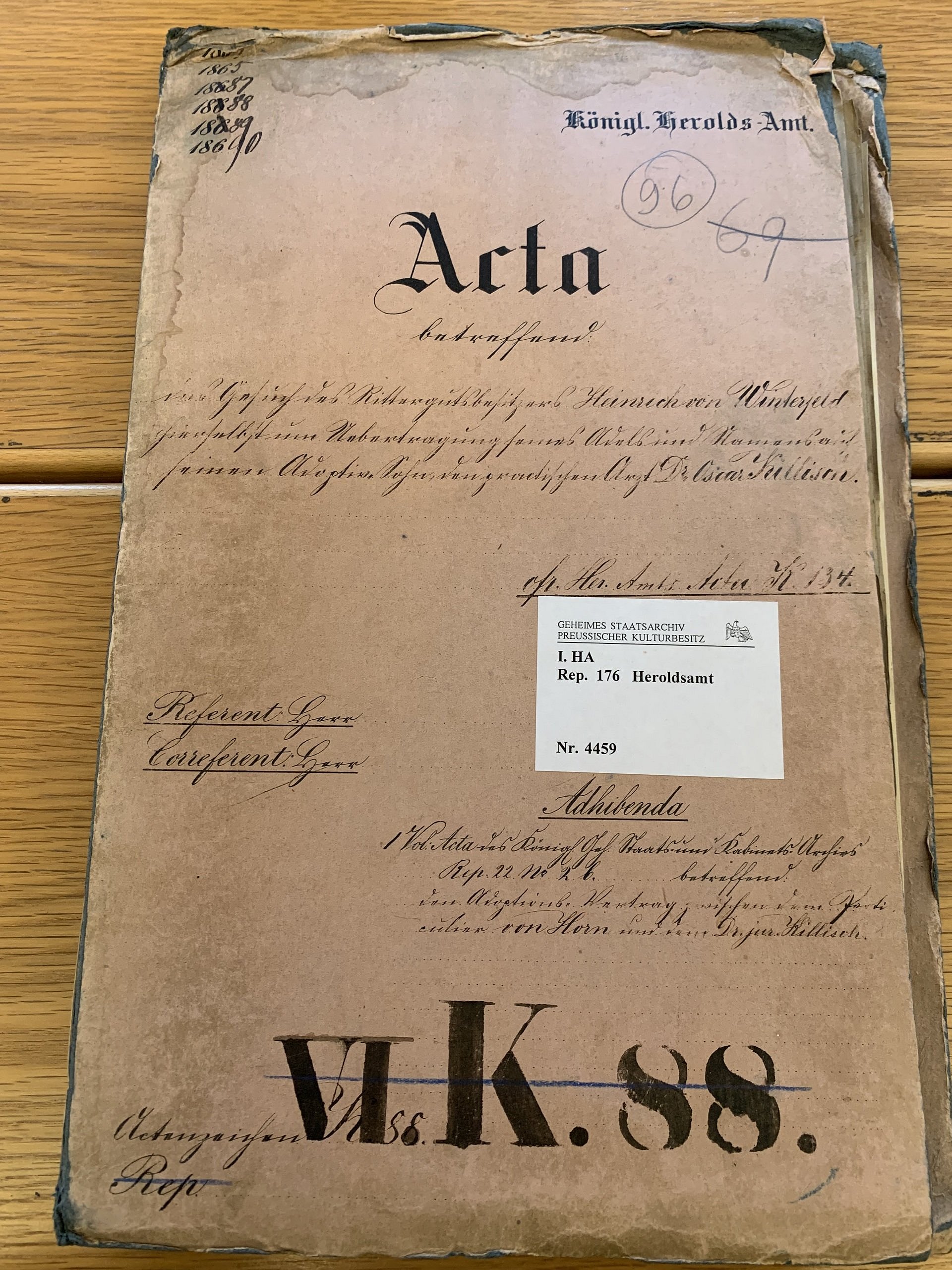
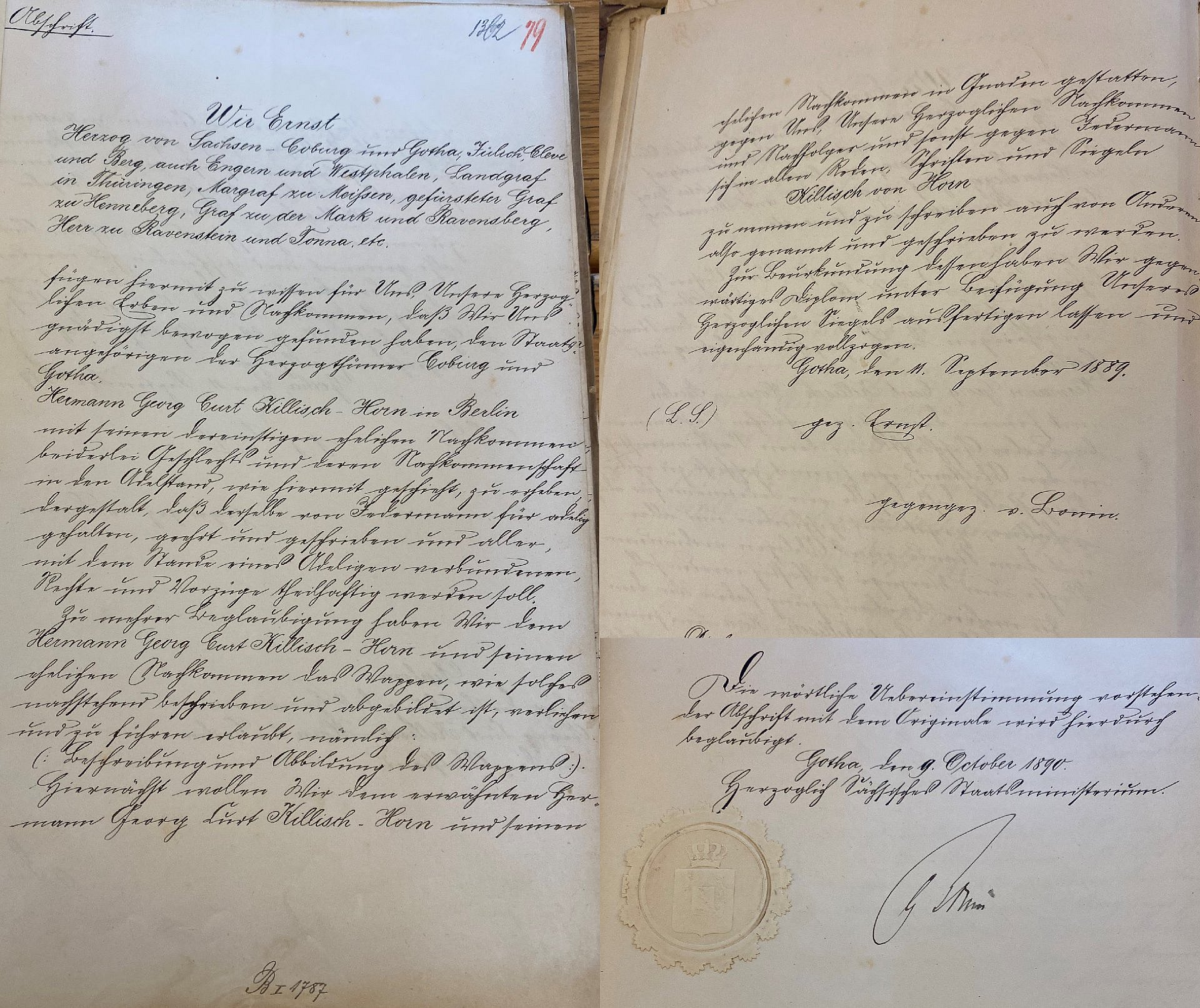
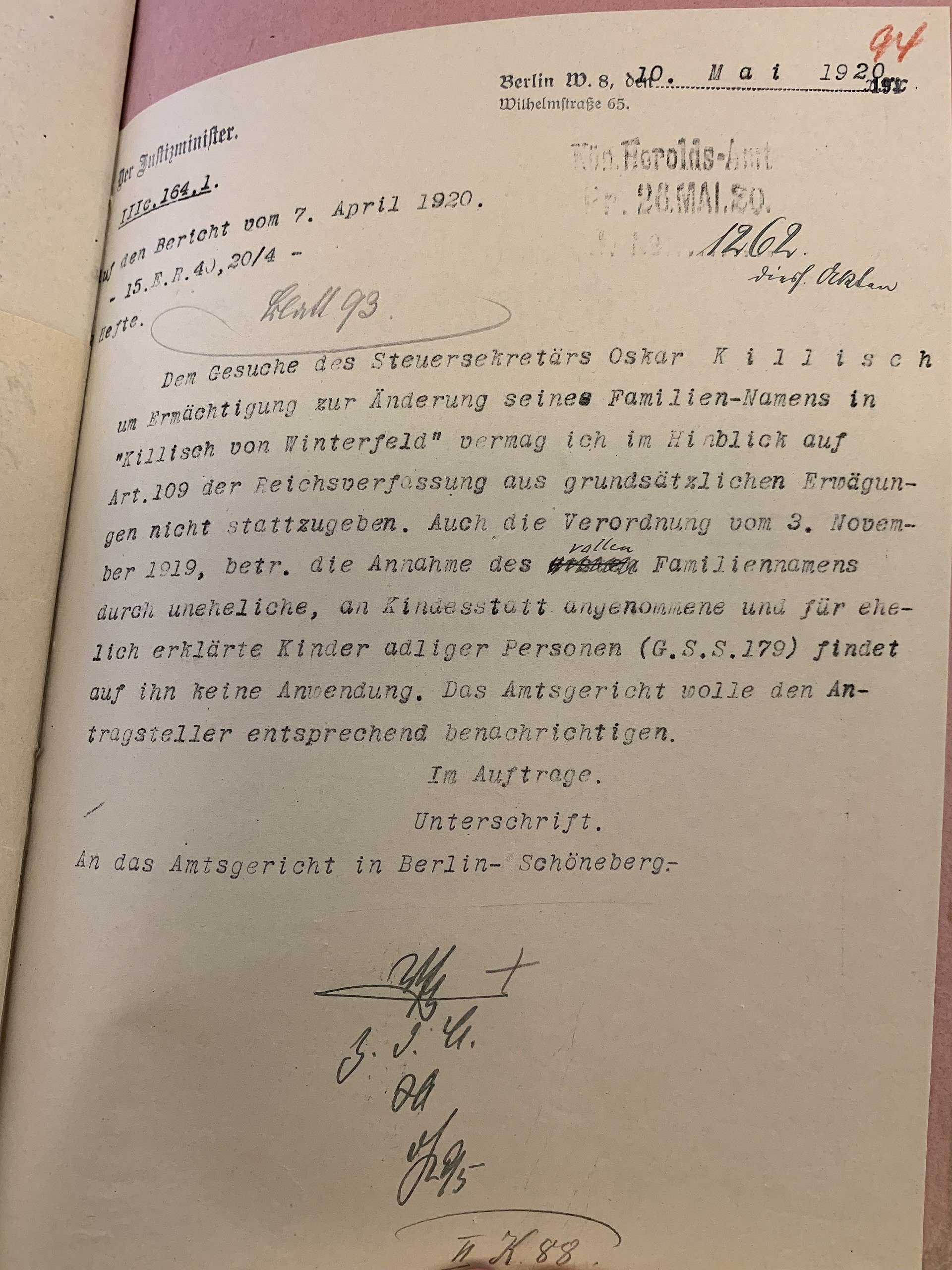
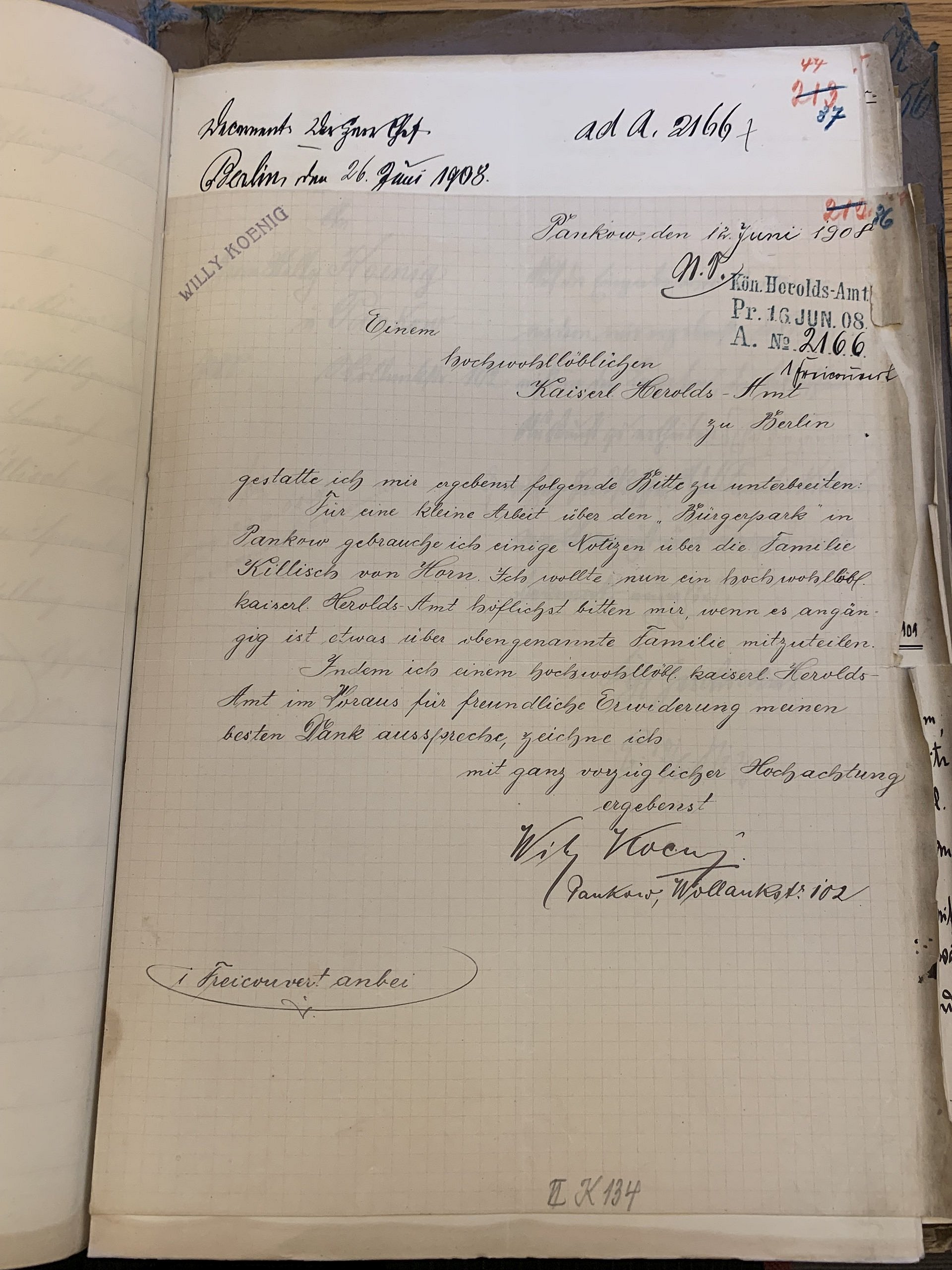
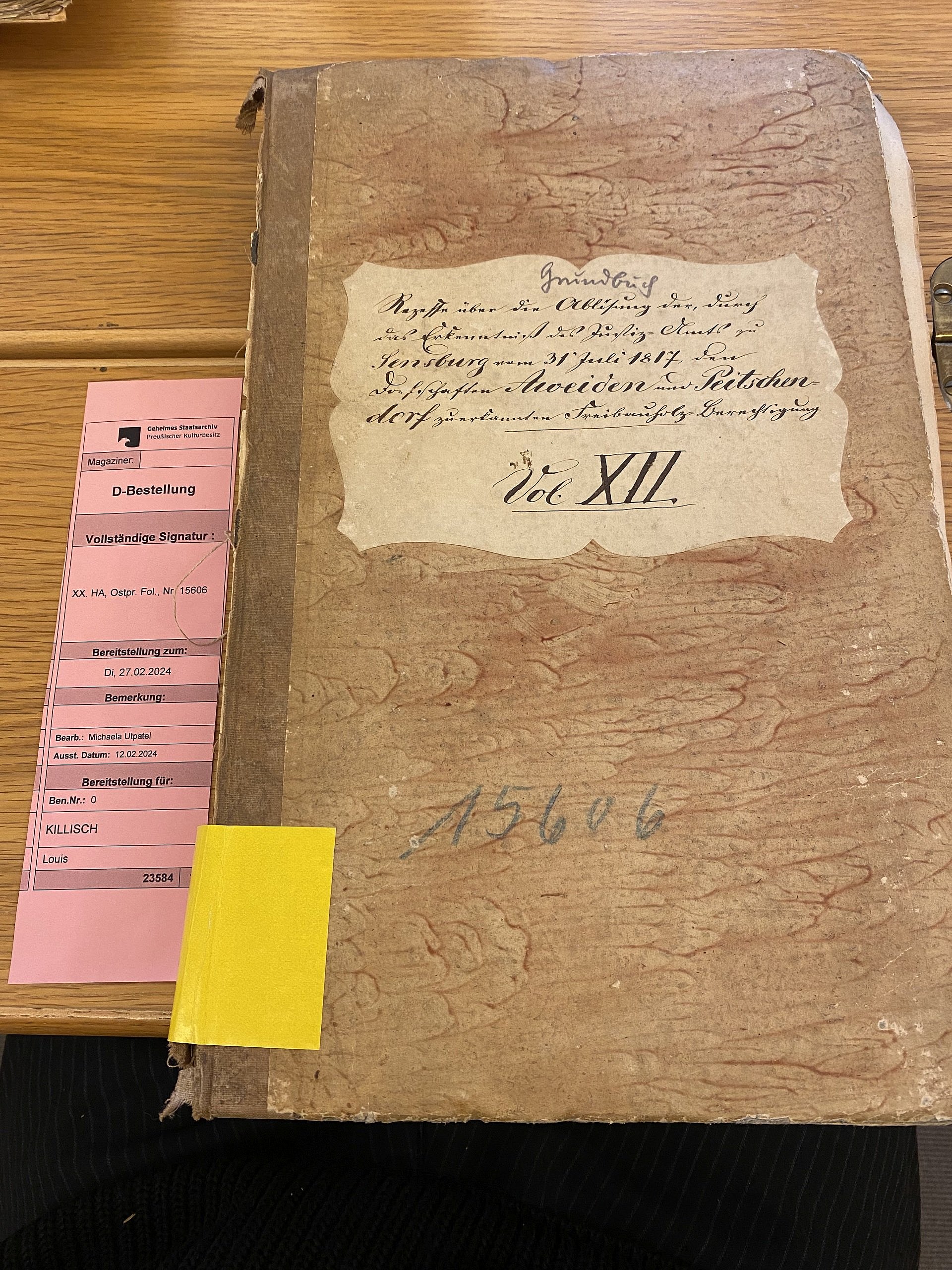
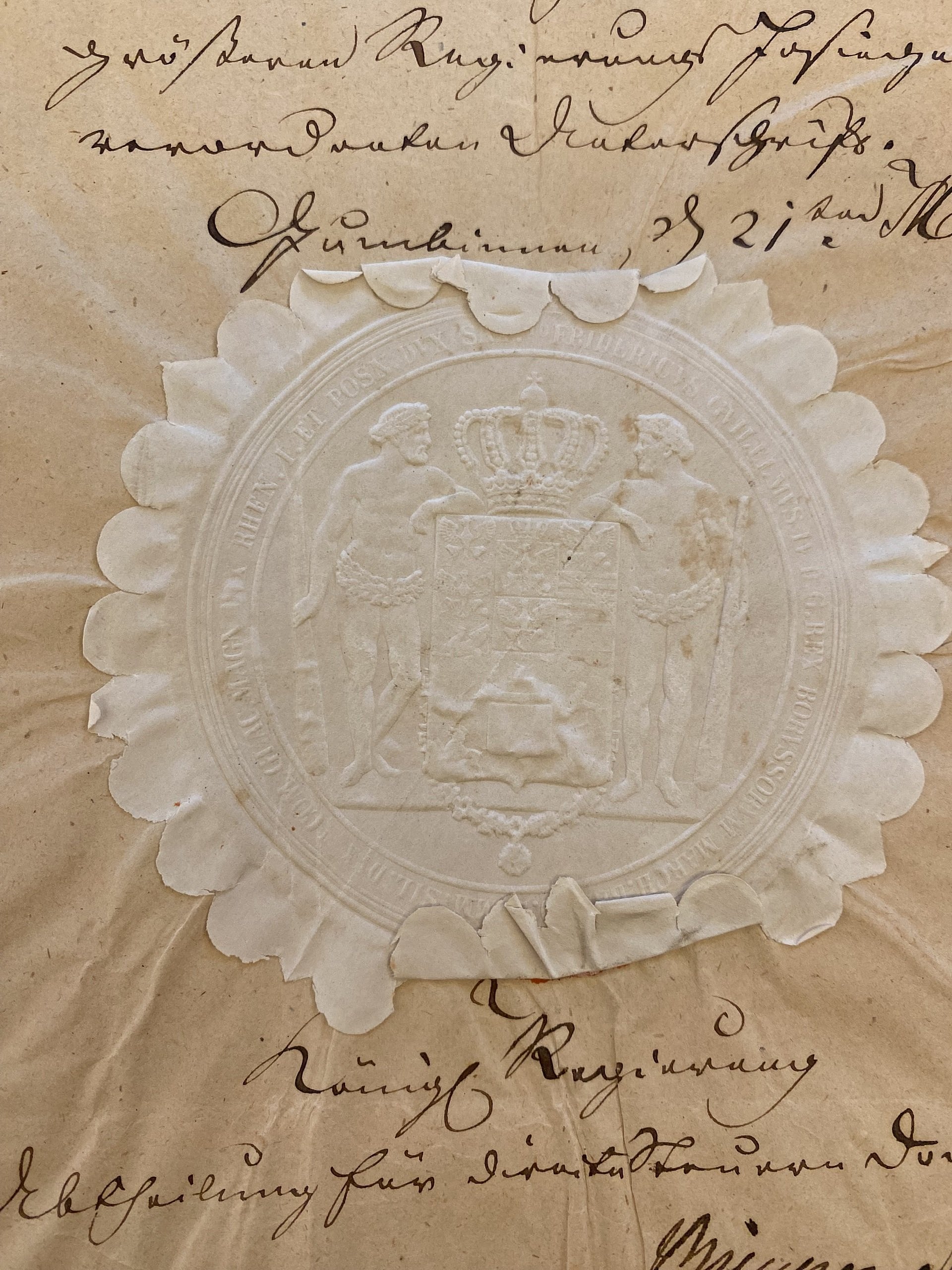
Just the beginning
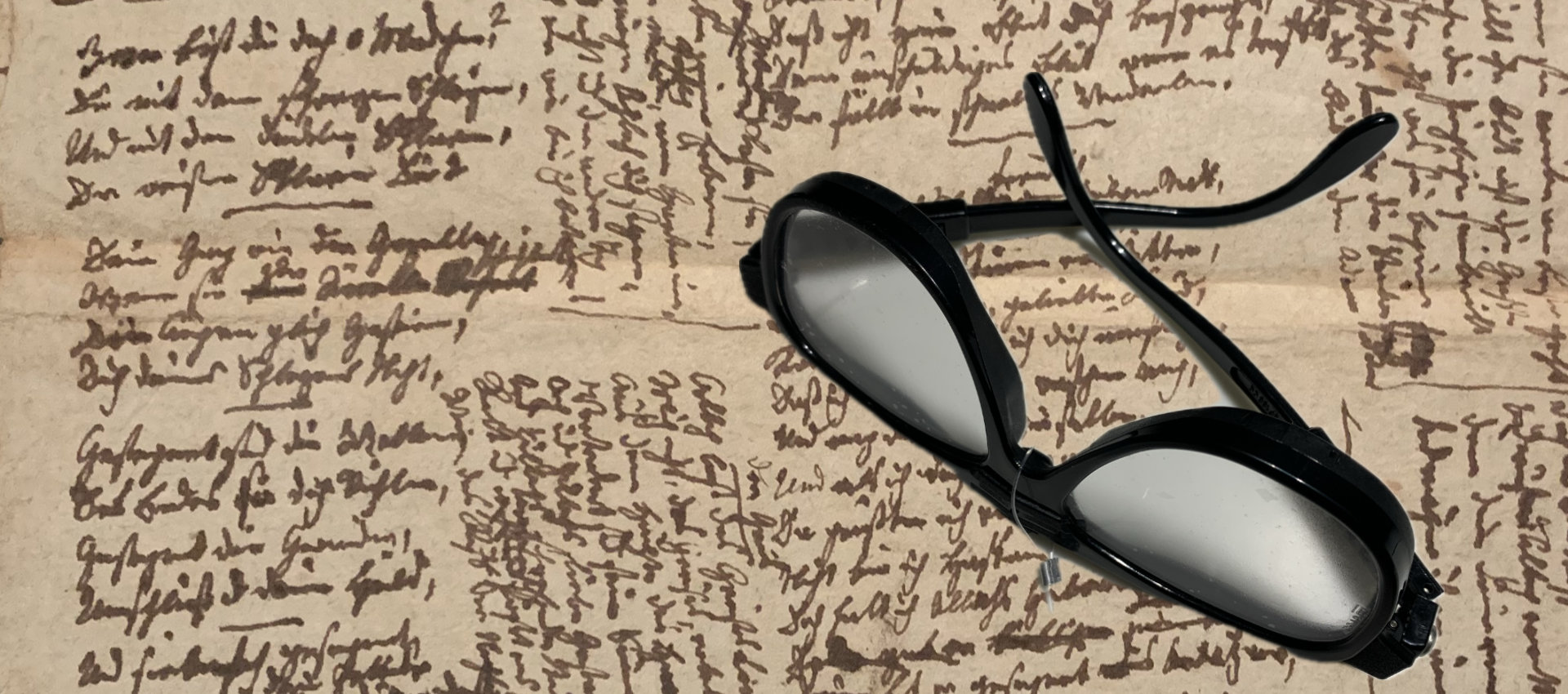
In the land registers and tax tables from Aweyden, I also come across my great-great-great-grandfather. Apart from entries regarding the size of his landholdings, I unfortunately find very little biographical information at first glance. At the same time, another obstacle presents itself: deciphering the cursive script commonly used at the time. And so time flies by quickly in the reading room. I take plenty of photographs for later research and deciphering attempts and end up with over 400 photos of documents, copious notes and the motivating feeling that I have only scratched the surface. Genealogy is a time-consuming hobby, but there is hardly a more exciting, detective-like one. The research room at the GStA PK is a productive place where one can pursue this passion undisturbed, whilst at the same time feeling as though one is on the trail of history. For me personally, this research is only the beginning.