The Berlin State Library brings together expertise, strategy and networking: as the coordinator of key national digitisation and infrastructure projects for the DFG, it plays an active role in shaping the future of the research data landscape. Whether it is legally compliant digitisation, the further development of specialist information services or involvement in the National Research Data Infrastructure – this is where everything comes together.
In recent years, the Berlin State Library (Stabi) has repeatedly taken the lead in national projects and managed international collaborative initiatives – including the development of the new Manuscripts Portal and Europeana Newspapers. It is currently demonstrating its coordination expertise in several initiatives funded by the German Research Foundation (DFG), which are coordinated within the Stabi’s General Directorate under Reinhard Altenhöner: In the pilot phase for the digitisation and provision of objects (still) subject to copyright, the further development of the system of specialist information services for academia, the NFDI4Culture consortium (NFDI) and Base4NFDI, the structural project to support Basic Services within the NFDI. The first task mentioned is particularly challenging yet full of promise:
Providing access, making items available
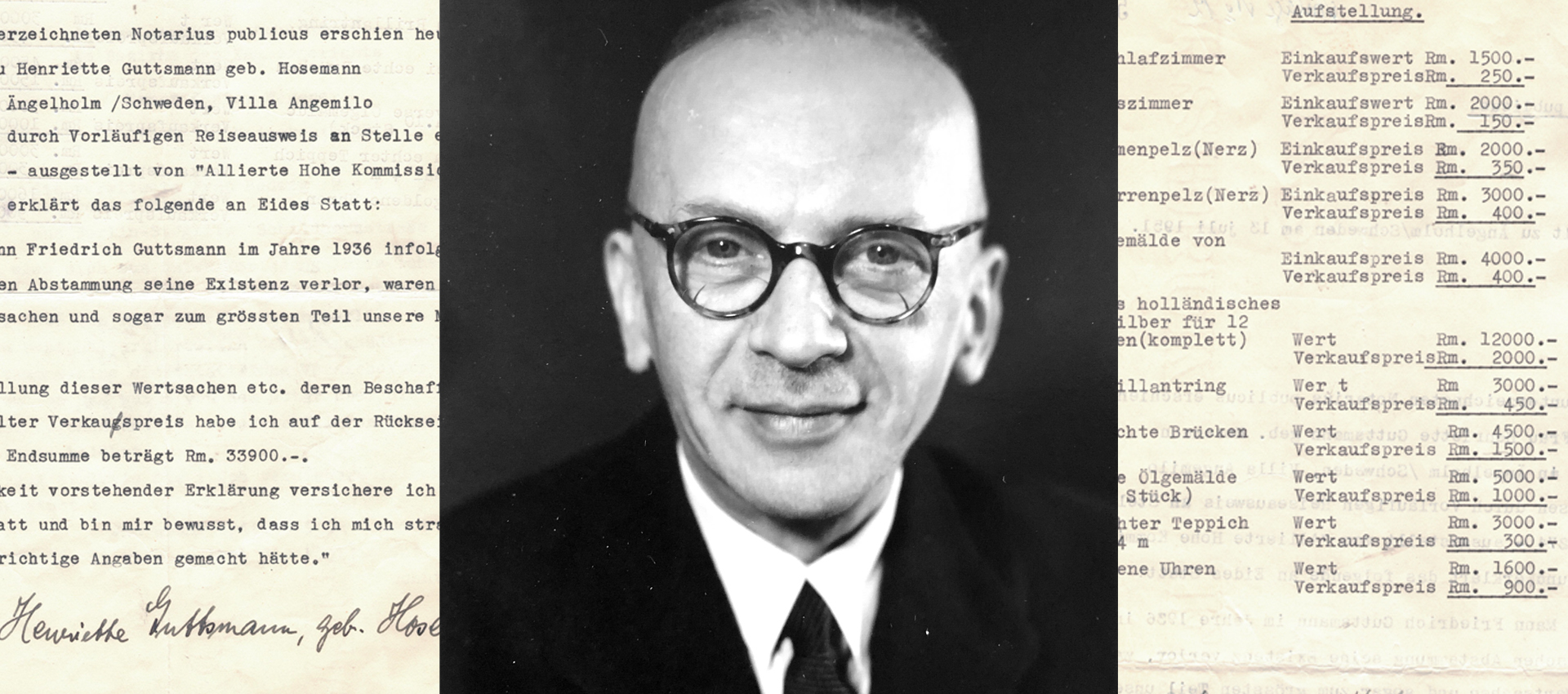
Until now, the DFG has only funded digitisation projects if the resulting materials were subsequently made available directly via Open Access. However, particularly in the case of archive materials, photographs, audio and video sources, or manuscripts, copyright, data protection or archiving regulations often prevent immediate release. With this pilot phase, the DFG is addressing these challenges. Currently, 13 sub-projects at various institutions across Germany are developing technical and organisational solutions to make such materials available digitally in a legally compliant manner, even if unrestricted open access is not (yet) possible. The aim is to create workflows, tools and application profiles that can also be used by other institutions.

Coordination in Berlin – Networking, advising, facilitating
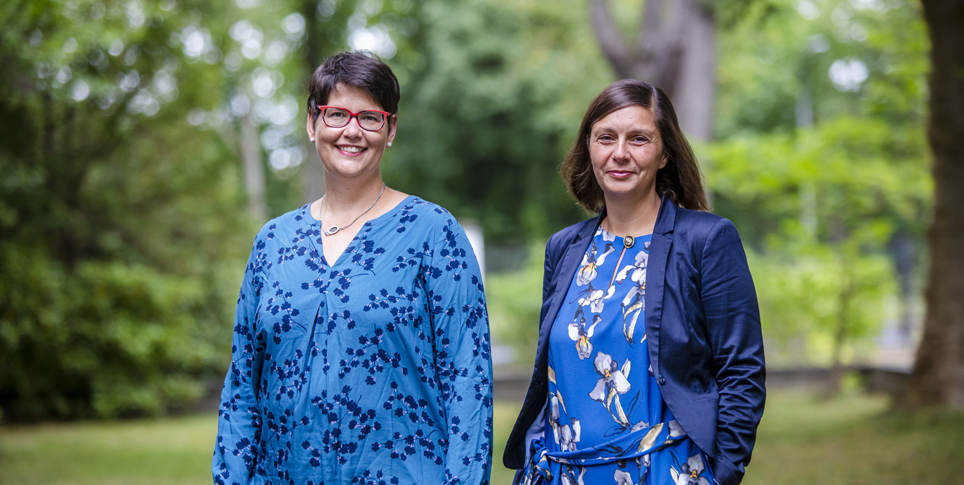
These decentralised projects need to be held together: since August 2025, Katharina Scheerer, as head of the coordination office based at the Stabi, has been networking the projects with one another, identifying common challenges and advising the DFG on the direction of further funding.
To this end, she maintains close contact with partner institutions such as the Baden-Württemberg State Archives, the Darmstadt University and State Library, the Saxon State Library – Dresden State and University Library, the Lower Saxony State and University Library in Göttingen, and the Württemberg State Museum. She also represents the overall project externally at conferences such as ‘Zugang gestalten’.
It is already becoming apparent that many projects are encountering similar problems, for instance when it comes to anonymising data in such a way that faces and voices cannot be reconstructed by generative AI programmes. As coordinator of the pilot phase, Scheerer brings the stakeholders together and ensures that solutions are developed in collaboration with the DFG. In addition to coordination, the Stabi is involved in the pilot phase with two further sub-projects.
Strategically developing subject information services
In addition to the pilot phase for digitisation, Stabi is also playing a central role in the DFG-funded project “FID Network: Coordination and Further Development into the FIDplus System (2025–2027)”. Together with its partner institutions, the SUB Hamburg (Governance division) and the Johann Christian Senckenberg University Library in Frankfurt (Technology division), Stabi is playing a key role in shaping the future of the specialist information services system. In particular, through Jana Eileen Fabrizius, it is responsible for the Communication and Marketing division. Through this coordination project, Stabi is making a decisive contribution to the long-term safeguarding, visibility and further development of the successful FID model.
Eleven years ago, the FID system replaced the Special Collections (SSG) system, which had been in place since 1949, thereby ushering in a new direction for the provision of academic information. The DFG funding line “Specialised Information Services for Science” marked a fundamental paradigm shift: the focus shifted from traditional collections to a needs-based system centred on digital resources and research-related services.
As the first individual FID projects will reach the end of their funding period in 2026, the DFG has launched the extended funding line FIDplus. The aim is to stabilise the FID network in the long term and to strengthen its structures sustainably. Stabi contributes to a smooth transition to the new system through its Communication and Marketing division.

Creating and helping to shape infrastructure
Another system currently under development is the National Research Data Infrastructure (NFDI). The Stabi is involved in this initiative in various ways: in addition to its participation in the NFDI4Culture, 4Memory and NFDI4Objects consortia, it is also actively involved in shaping this major research support project through Base4NFDI.
The NFDI currently consists of 26 specialist consortia that address issues relating to research data within their respective disciplines. The contexts often vary greatly – from requirements for handling personal data in medicine, through AI-supported image matching, to massive data sets in space research.
Base4NFDI supports the consortia, organised into interdisciplinary sections, in developing basic services that are relevant to all consortia, such as a cross-cutting authentication system or the handling of persistent identifiers, as well as in data management plans and terminology services. As Section Liaison Officer, Eva-Lotte Rother has been contributing the Stabi’s strengths and expertise to these processes since the beginning of July 2025.