For her new project, photographer Herlinde Koelbl has photographed 60 of the world’s leading scientists – and one humanities scholar: Hermann Parzinger
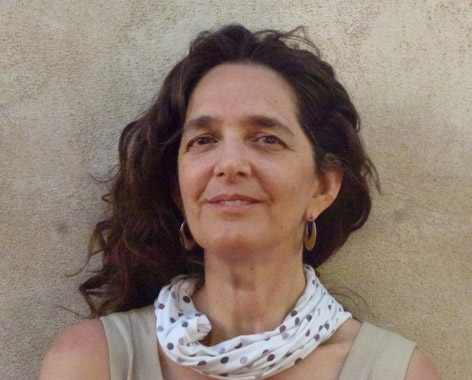
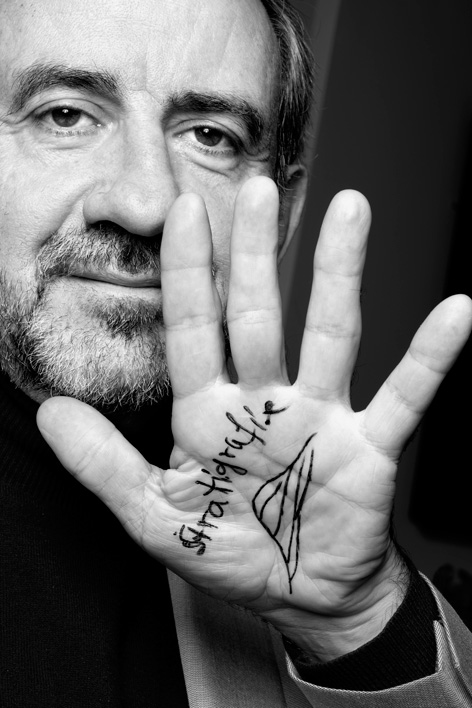
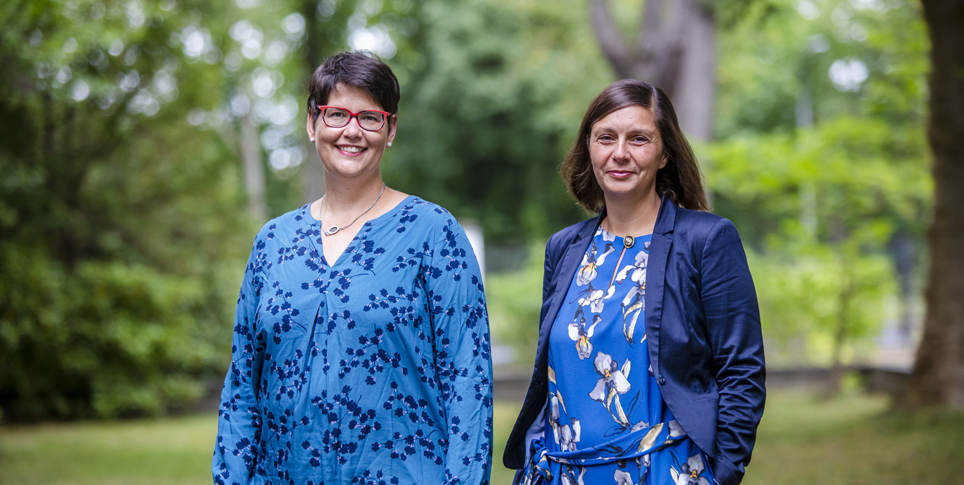
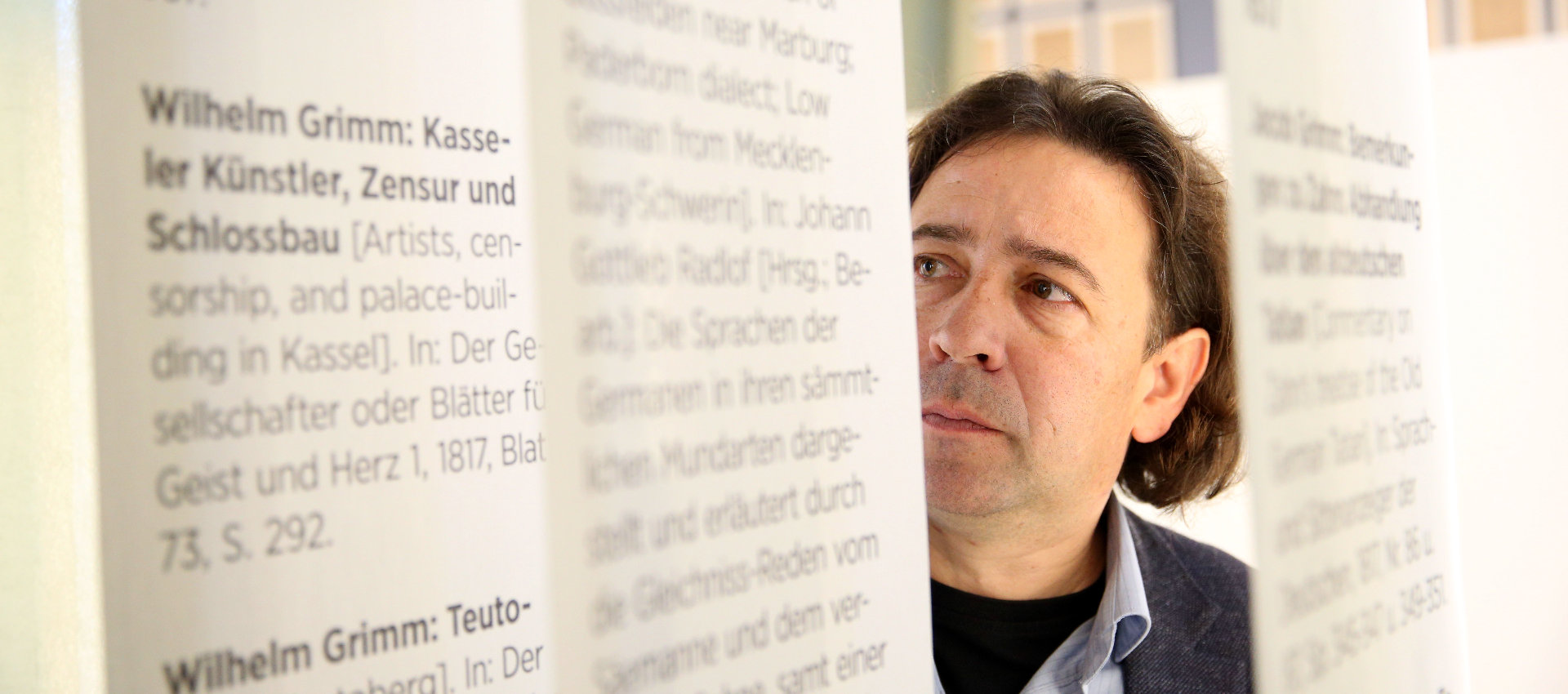
What is it that makes science so fascinating? What drives researchers around the world? For her new project, photographer Herlinde Koelbl has travelled across the globe and portrayed 60 of the world’s most eminent scientists, including numerous Nobel laureates, in a highly unusual way. The artist asked those portrayed to jot down the essence of their research on their hand: a formula, a philosophy, a concept. This included the archaeologist Hermann Parzinger, who is the only humanities scholar in this group. Ahead of the opening of the exhibition “The Fascination of Science. Herlinde Koelbl”, which will be on display from 5 October 2020 to 29 January 2021 at the Berlin-Brandenburg Academy of Sciences and Humanities at Jägerstraße 22/23, Herlinde Koelbl provided us with a photograph and an interview with Hermann Parzinger. An important exhibition in these times, when scientific findings are often dismissed or ridiculed.
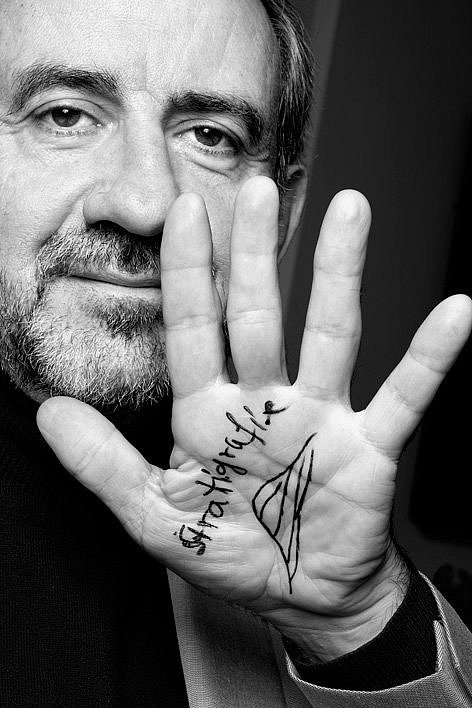
Professor Parzinger, natural scientists seek to influence the future through their research; as a prehistorian, you have studied the history of humankind. Does this begin with the emergence of thinking humans?
Indeed. Thinking humans first appeared 2.7 million years ago as Homo habilis in East Africa, who produced so-called stone tools. This coincided with the transition from vegetarians to hominids who were already consuming meat, presumably carrion that they found in the wild. However, as they were unable to tear the meat apart with their jaws, unlike predators, they needed tools to do so – the first tools. What was new about this was that they did not use objects as they occurred in nature, but rather worked on chunks of rock in such a targeted manner that they produced edges suitable for cutting. This is the first evidence of problem-solving thinking; it marked the beginning of humanity’s drive to make life more effective and easier.
Where did the ability to realise that change was possible come from?
Early humans were very keen observers. The mastery of fire 1.5 to 2 million years ago was another significant step in their development. Fire allowed meat to be cooked and preserved. Very early on, driven hunts targeting entire herds took place. This required knowledge and the ability to plan. It required a knowledgeable and charismatic individual to take command, as well as a form of communication – namely, language. Communication skills played a central role in passing on knowledge, for instance in the manufacture of hunting weapons from specific types of stone. Even tiny tools, such as sewing needles made from bone, could have a transformative impact. This enabled humans to sew denser clothing from fur that was better fitted to the body, thereby providing significantly better protection against the cold. This considerably improved their chances of survival during cold periods. However, humans also constantly observed their environment, particularly animals and plants, and undoubtedly undertook many attempts to experiment with them: which animals could be tamed, which plants were edible and which were not. This was the prerequisite for another pivotal turning point in human history: the transition from a subsistence economy to a productive one. Instead of being hunters, gatherers and fishermen, humans domesticated plants and animals, thereby making their diet predictable. This then led to the adoption of a settled lifestyle.
How is the invention of the wheel linked to the shift to a settled lifestyle?
The wheel and the cart were a major human innovation that emerged once people had already settled down. By the late fourth millennium BC, four-wheeled carts for transporting goods were already in use in the Middle East and parts of Central and Eastern Europe, presumably drawn by cattle or oxen. The first evidence of the riding horse dates from the third millennium, and from that moment on, vast distances could be covered at a speed previously unknown. Humans very quickly realised how the various domesticated animal species could improve their living conditions.
How did writing change the course of development?
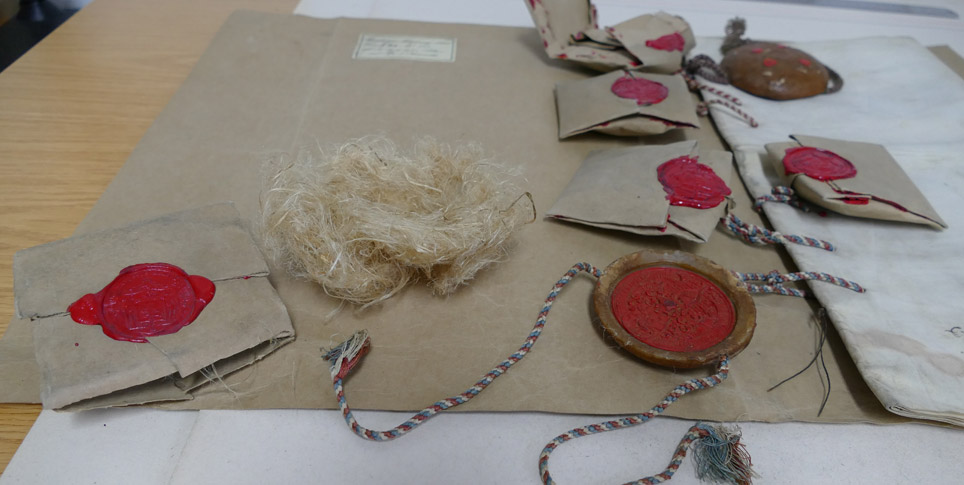
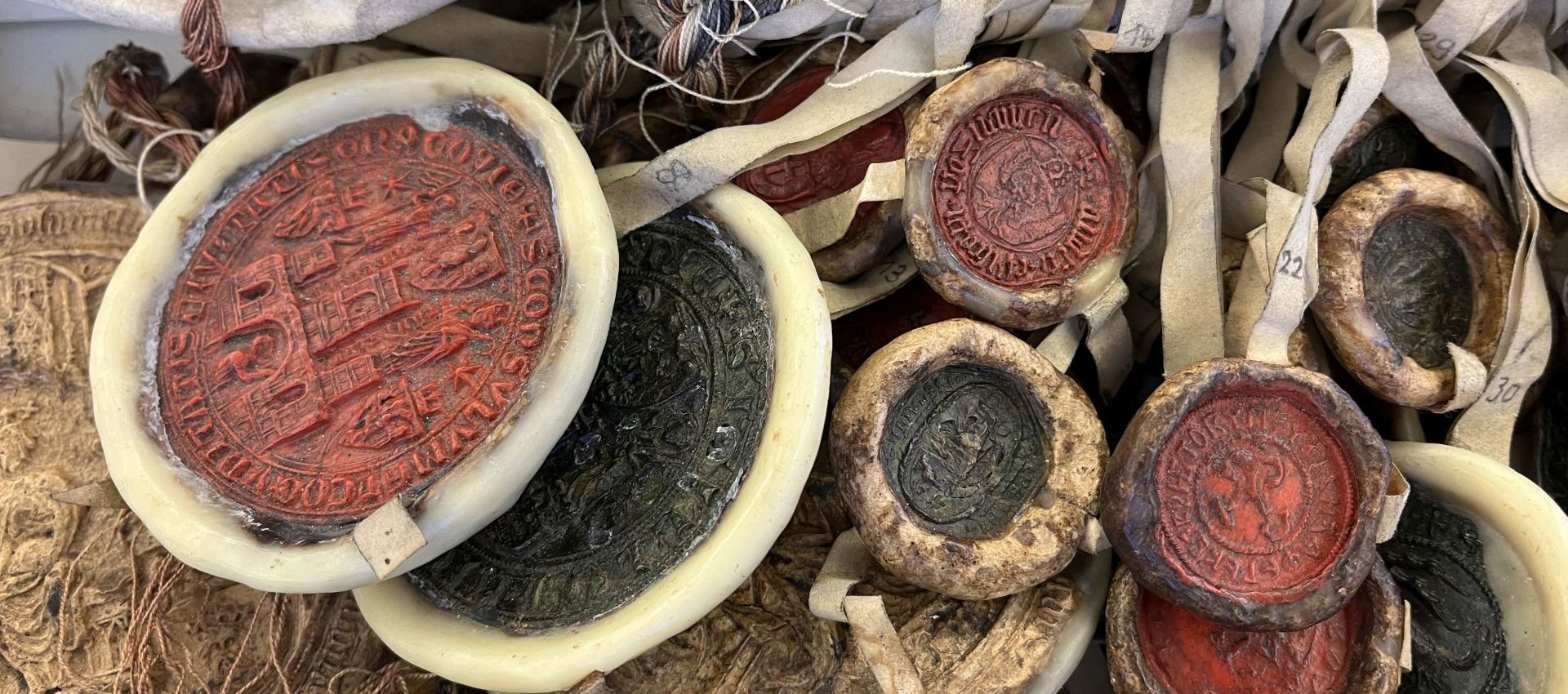
Writing emerged in different regions of the world at different times, but the process leading to it was always very similar: cities and complex societies arose and large populations had to be administered; whether in the Middle East, in China or among the Aztecs in Mesoamerica, this always led to the invention of writing. Oral tradition was dominant for a very long time, and historiography also emerged only late. The earliest written records were inventories of goods. These were joined by seals used to mark property, something that was important to people from a very early stage. Anyone who marks things as their property also has a clear concept of law. It also became apparent early on that the possession of, for example, metal or control over resources led to prosperity.
How did the emergence of elites and power influence ways of thinking?
As villages continued to grow, a division of labour emerged: when hundreds of people lived together, not everyone had to make pottery or operate looms. Metallurgy, in particular, required extensive knowledge and appropriate equipment, and thus inevitably led to specialisation. Control over metal and its distribution then generally led to social stratification. The formation of elites was evident in settlements through prominent houses, but above all through rich grave goods. In civilisations with writing systems, political rule was often anchored in the hands of individual families, and dynasties could emerge.
Did abstract thinking also begin with prosperity, finding expression in cave paintings or music?
Art, including sculpture, painting and music, began with the earliest Homo sapiens in Europe. Wonderful cave paintings existed as early as 30,000 years ago; the first ivory carvings date back as far as 20,000 years, as do the first flutes made from animal bones. And it was not only animals and the famous female Venus figurines that were created, but also hybrid creatures combining human and animal features, such as the Lion Man from the Swabian Alb, which already points to an enormously high capacity for abstraction.
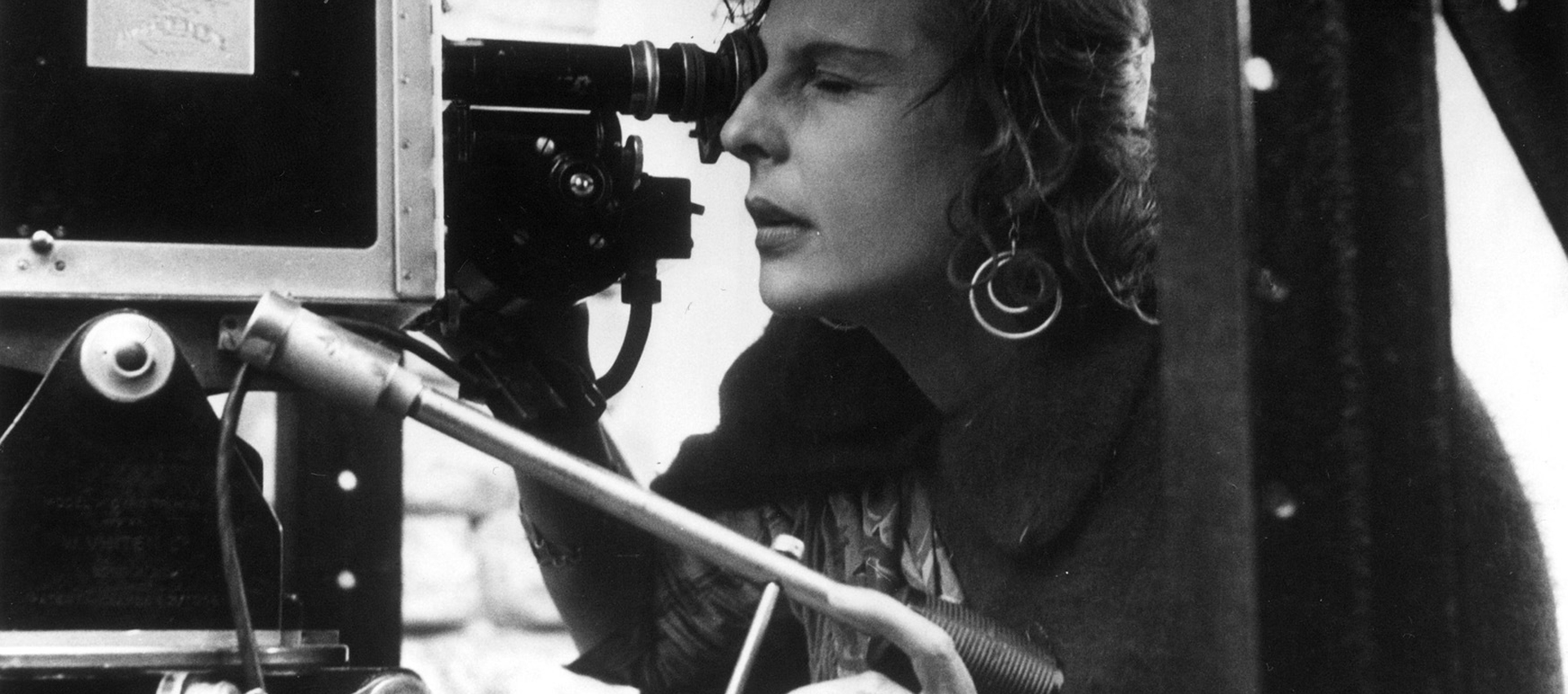
Herlinde Koelbl is a German photographer and documentary filmmaker. Among other things, she photographed and interviewed well-known German figures from the worlds of politics and business as part of a long-term study.
Photographer and artist’s website
Is there something that fundamentally drives humanity?
Humans were never satisfied with what they had achieved, but were driven by the urge to constantly improve their lives. Thus, stone tools eventually ceased to suffice, and metallurgy opened up new possibilities. When copper, the oldest metal, was no longer hard enough, people learnt to alloy it with tin or arsenic and invented an even harder metal, namely bronze; later, iron was discovered. This drive for improvement affected not only technology but all areas of life, including social institutions. Other profound developments in human civilisation, however, stemmed from radical upheavals and catastrophes, such as climate change, which simply presented people with challenges they had to overcome if they were to survive.
To what extent have changes in the natural environment driven the development of humanity?
Parts of the Eurasian steppe, for instance, were scarcely inhabited in the second millennium BC because the areas were almost desert-like and thus extremely hostile to life. In the ninth century BC, however, the climate became cooler and wetter, and a very nutrient-rich vegetation cover emerged, ideal for livestock farmers. That was the moment when equestrian nomadism developed – a new economic and way of life involving diverse changes in art, religion, weaponry and funeral rites, which spread from Southern Siberia to the Hungarian Plain.
There has been steady progress in the past; how would you define that?
The development of humanity from the Stone Age to the Iron Age was a history of progress insofar as it involved breaking free ever more from the constraints of nature and determining life for oneself. This required constant observation, experimentation and trial and error, and there were certainly many failures, setbacks and uncontrollable collateral damage along the way. The mindset was shaped by the drive to optimise life, yet the search for the right ways to achieve this cannot be compared to today’s method-driven research. Many discoveries were made more by chance, without being able to truly explain the causes behind them. This distinguishes early problem-solving thinking from modern-day research, although there are always parallels.
Are there parallels between the revolutionary developments of early human history and those of the modern era?
Of course. The invention of writing was crucial for recording things at all, and the printing press then made it possible to reproduce and disseminate texts at will. The invention of electricity had similar effects to the mastery of fire, because both produce light and heat. The riding horse revolutionised human mobility, just as the car did later. Industrialisation would be inconceivable without the division of labour in early times, when the first branches of craftsmanship had emerged.
However, something like nuclear energy, with which humanity can destroy itself, did not exist in the past.
No, but there was certainly extensive environmental damage very early on. We know of the first greenhouse effects as early as the Neolithic period, immediately after the transition to settled life, and of health-threatening heavy metal pollution in the vicinity of metalworking centres. Of course, none of this reached the scale we see today.
What is your message to the world?
We should always be mindful of the temporal depth of our existence and actions, and practise humility. Progress and knowledge have built upon one another for millennia, as in the parable of dwarves standing on the shoulders of giants. Without the past, there is no future.