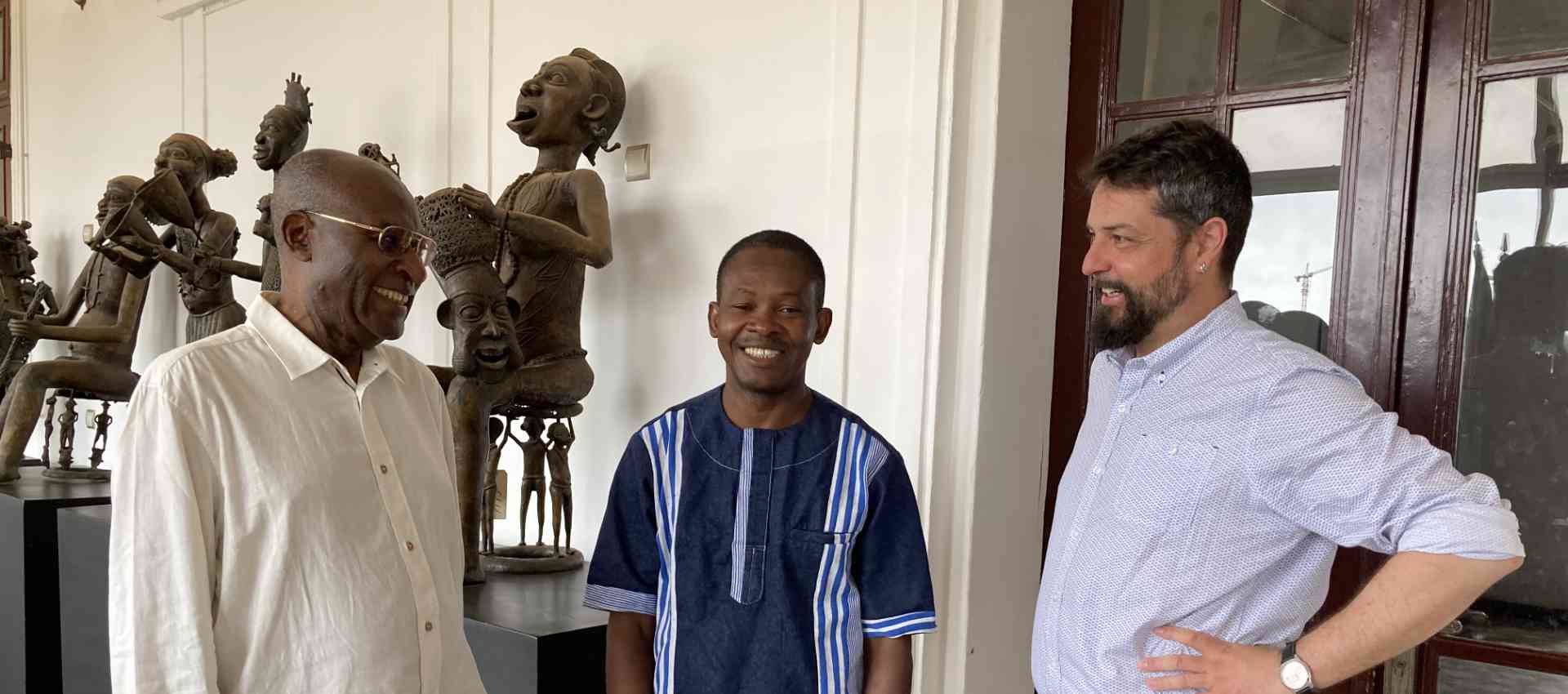
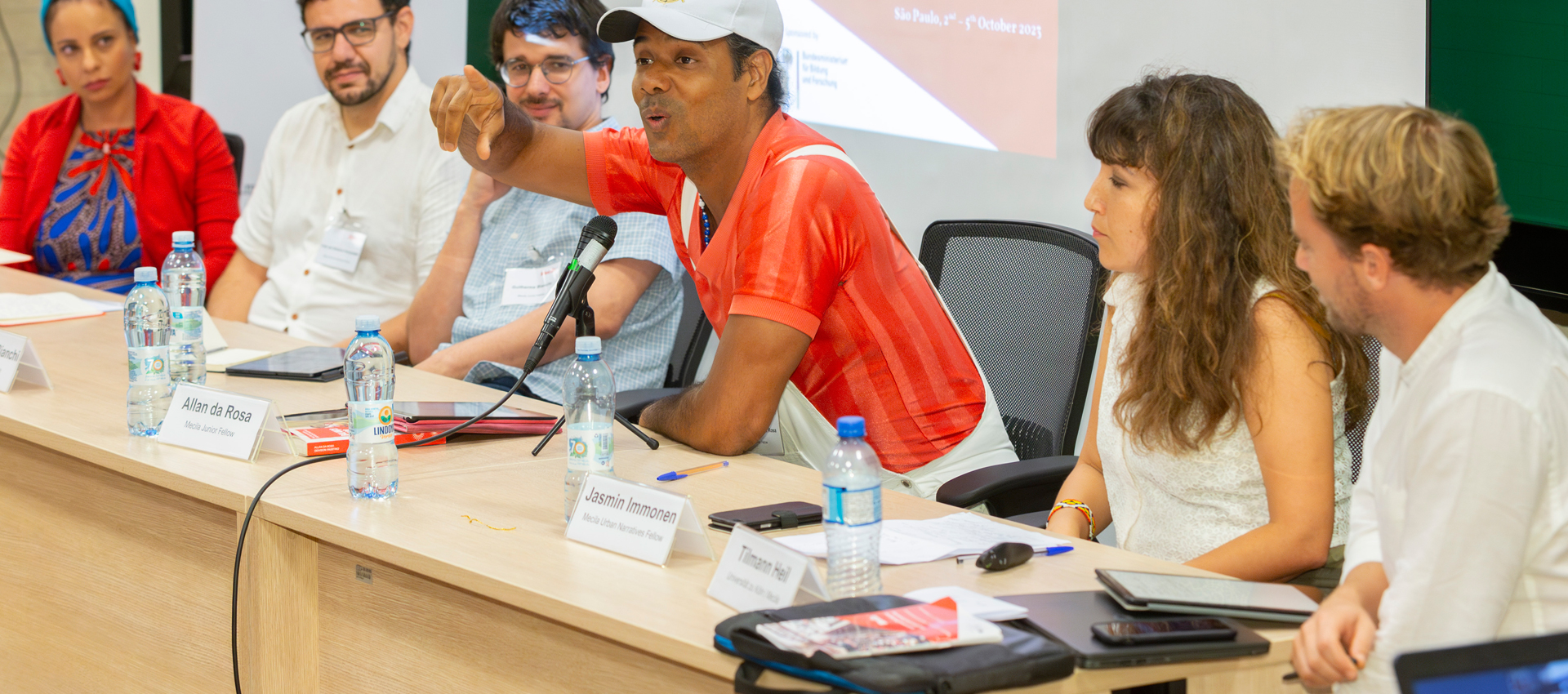
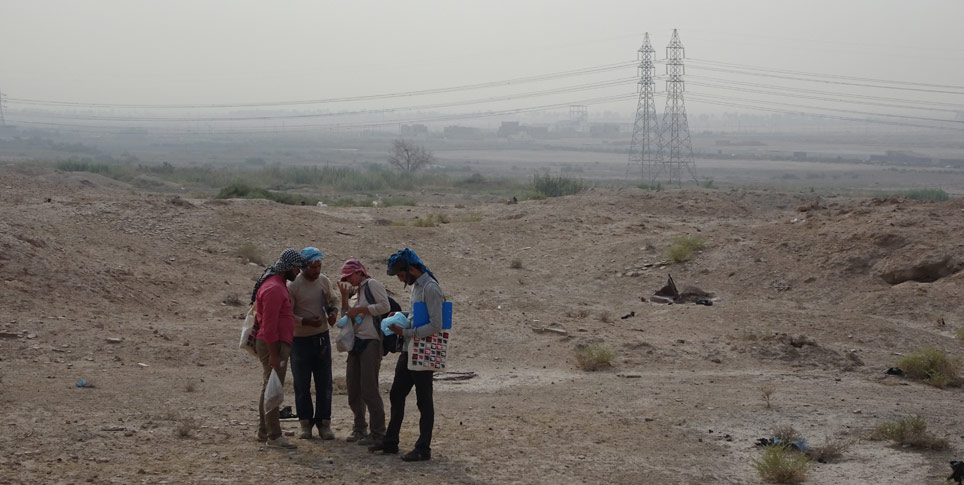
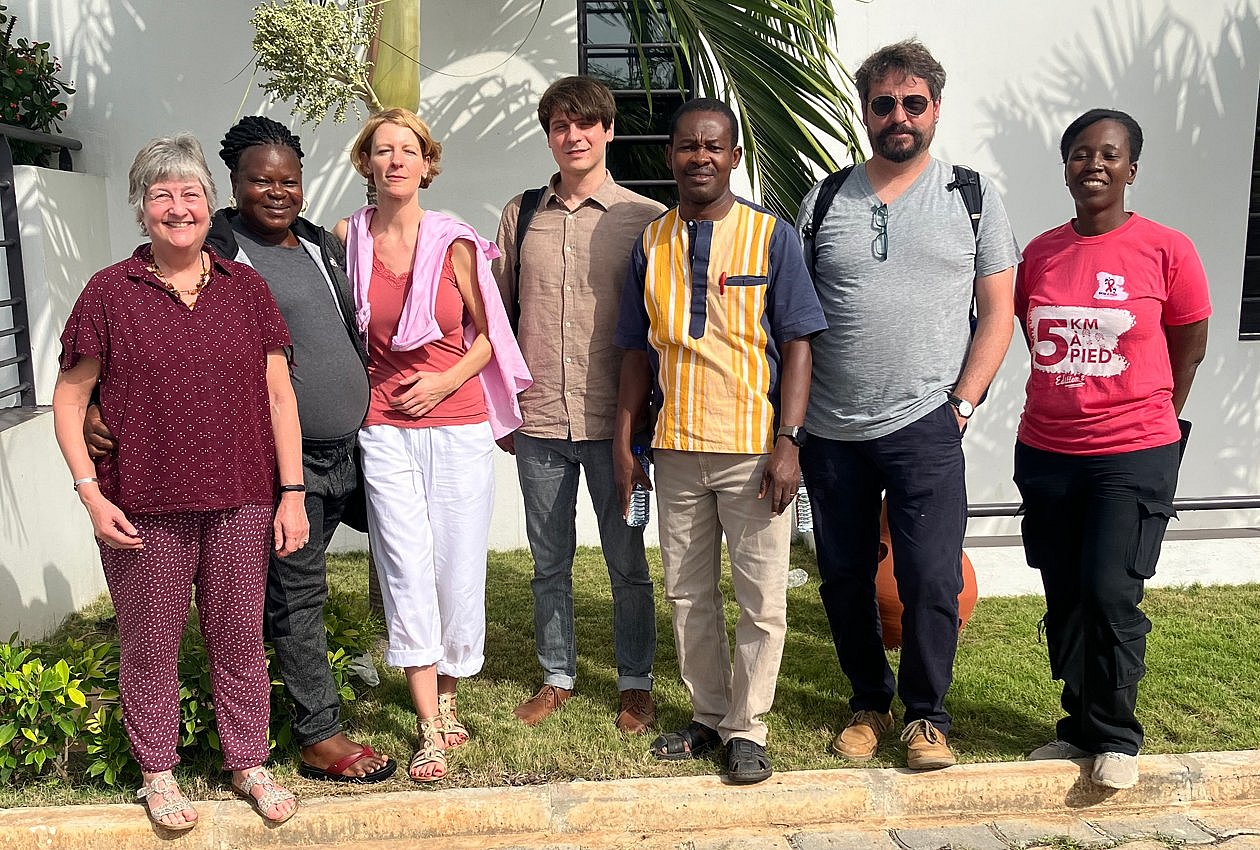
At the end of November 2024, a delegation from the Berlin State Museums travelled to Togo and visited communities across the country to discuss the findings of the research project on human remains from West Africa at the Museum of Prehistory and Early History. A travel diary by Bernhard Heeb (curator at the Museum of Prehistory and Early History and project leader):
Day 1: 30 November 2024
- Departure from Lomé via the N1 northwards to the Tchaoudjo region
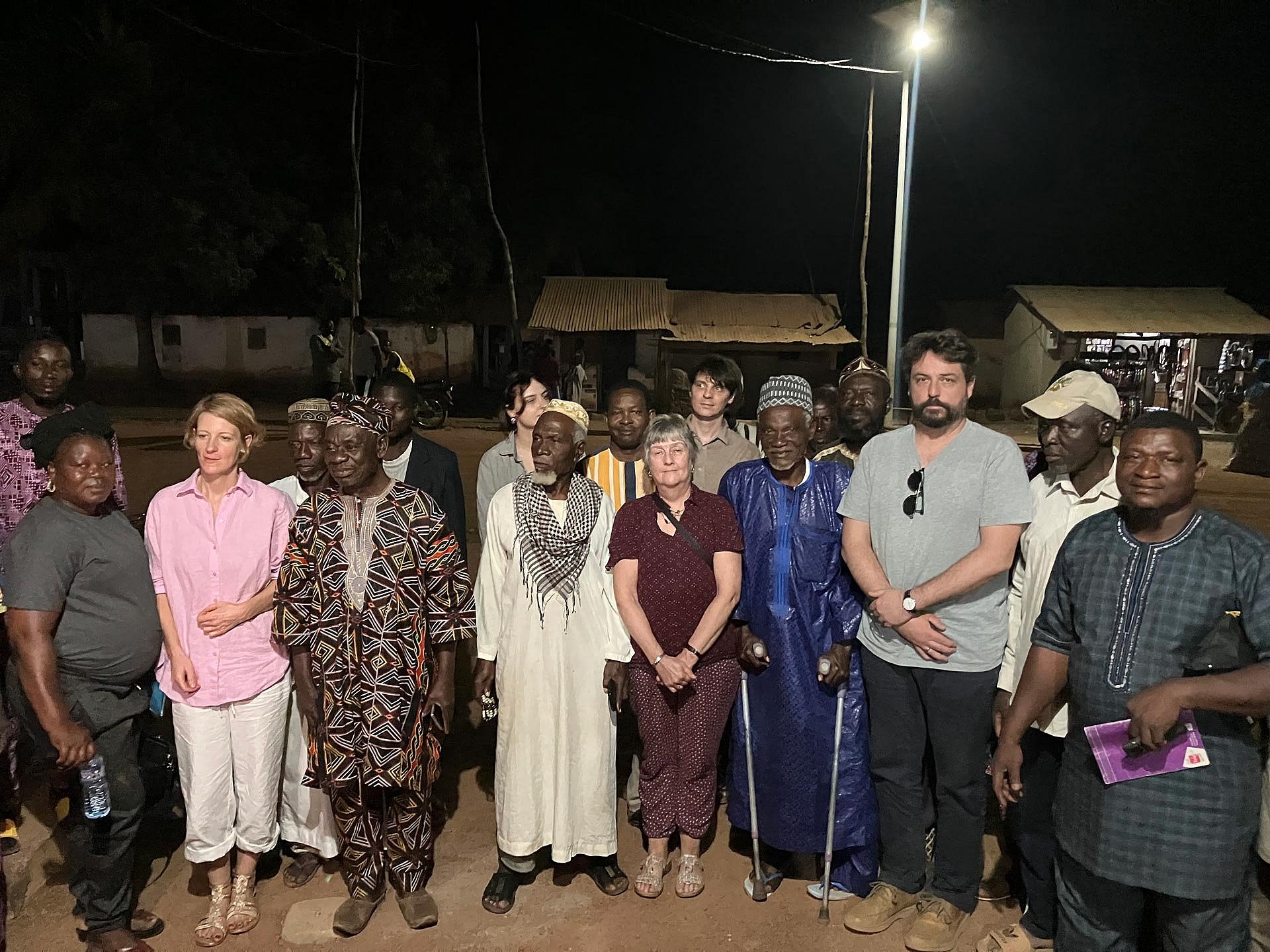
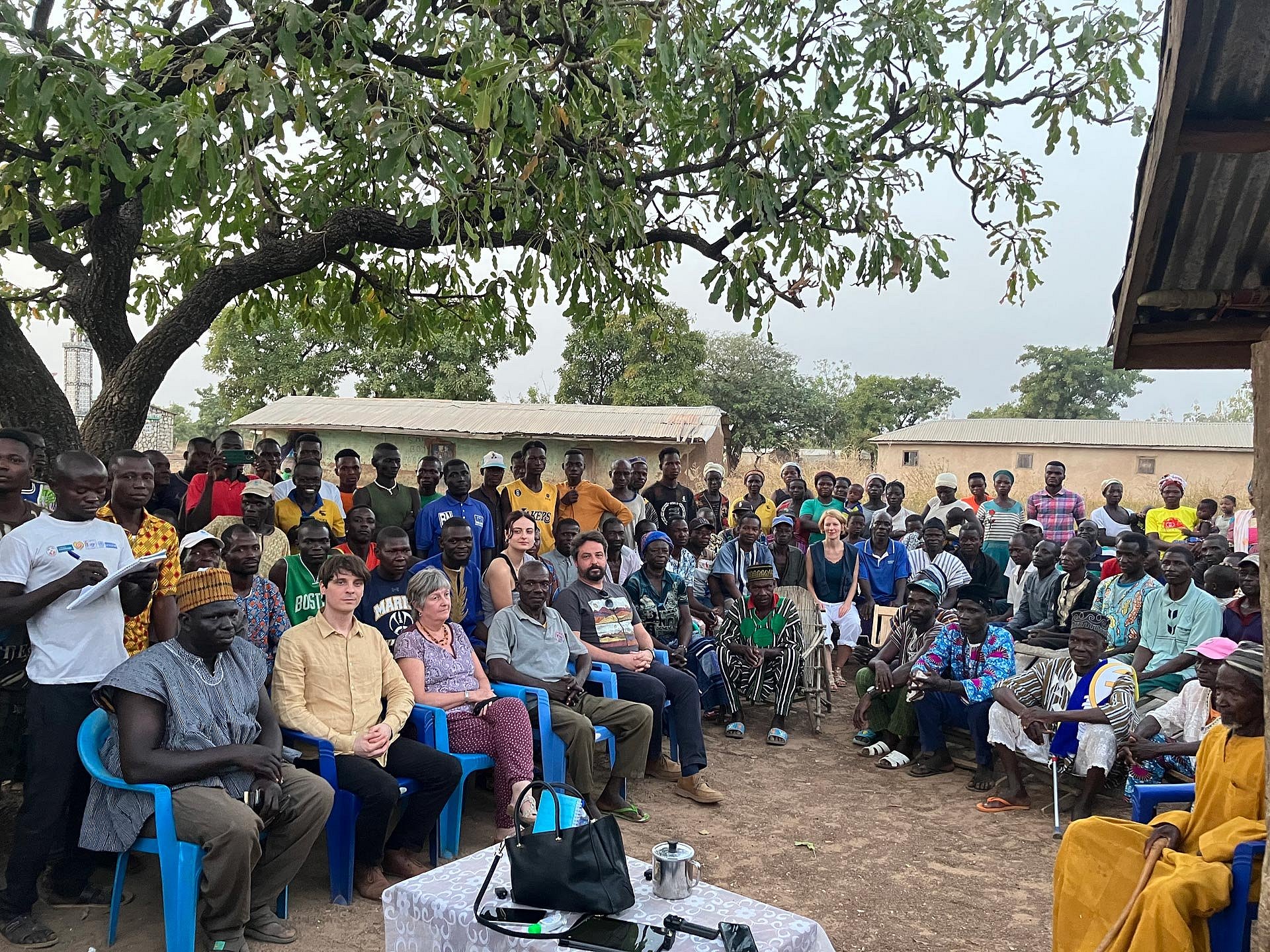
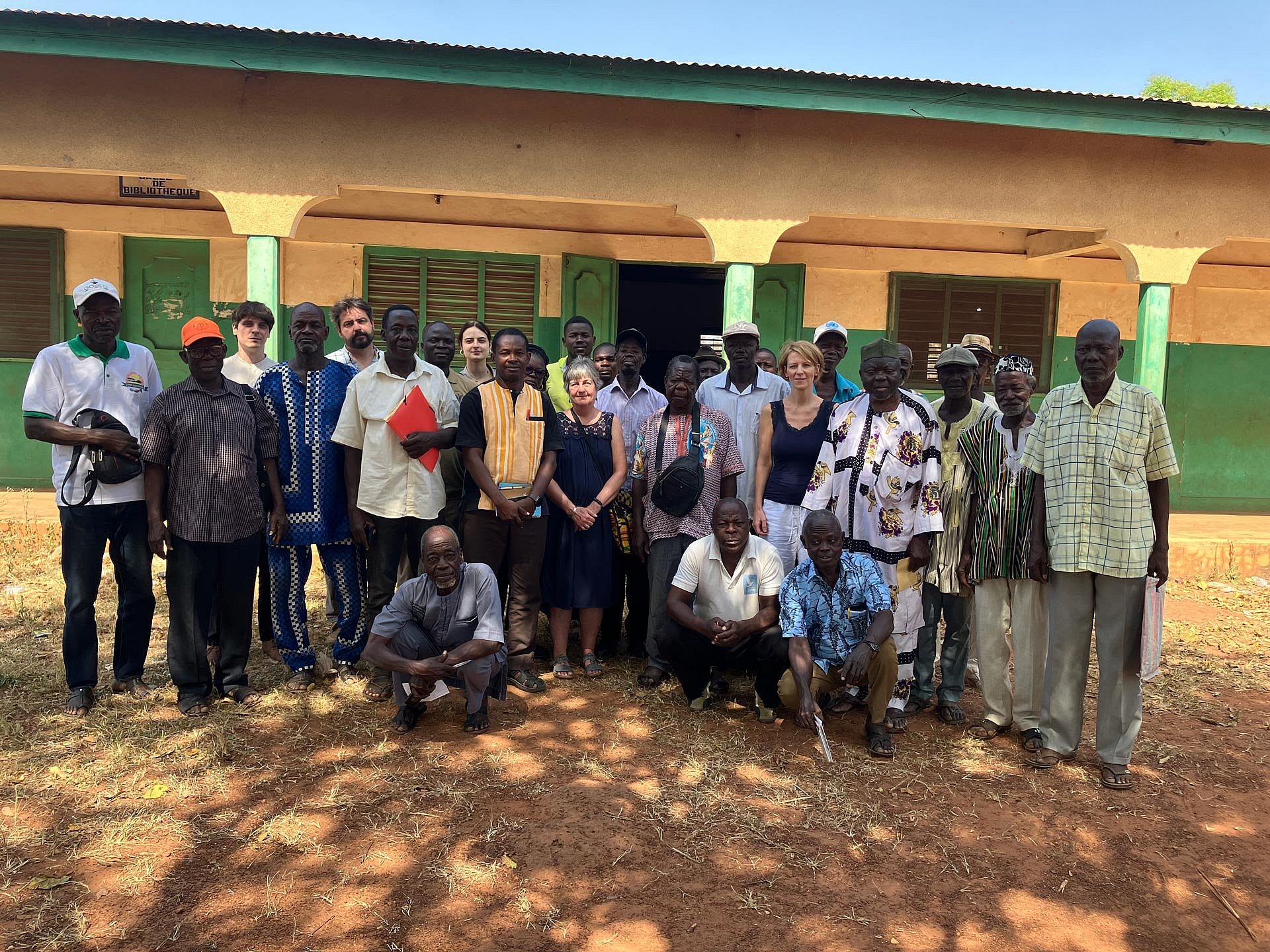
- Arrival in the village of Alibi I at approx. 5 pm, followed by a meeting with the village community and elders, including a prayer (69 people present)
- Request: Museum
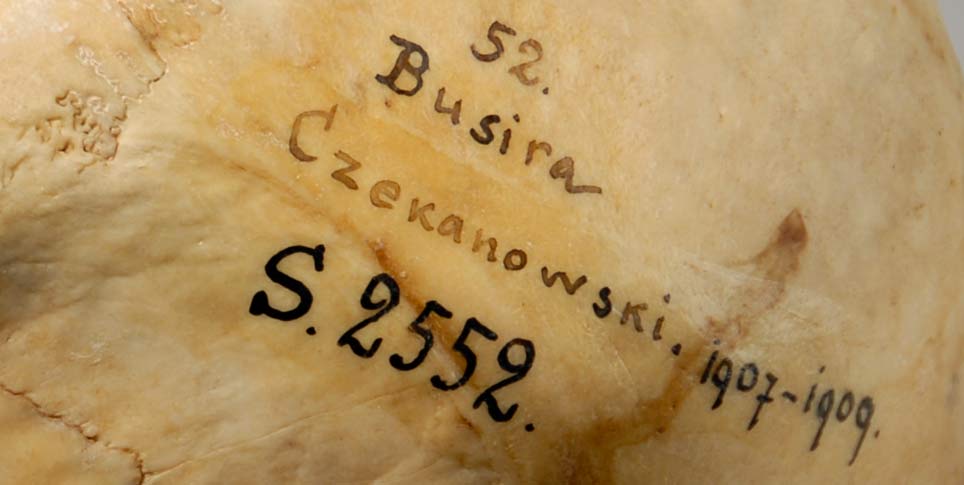
- Skulls from this area: 24
- The meeting is very emotional, but friendly and warm
- Overnight stay in Sokodé
Day 2: 1 December 2024
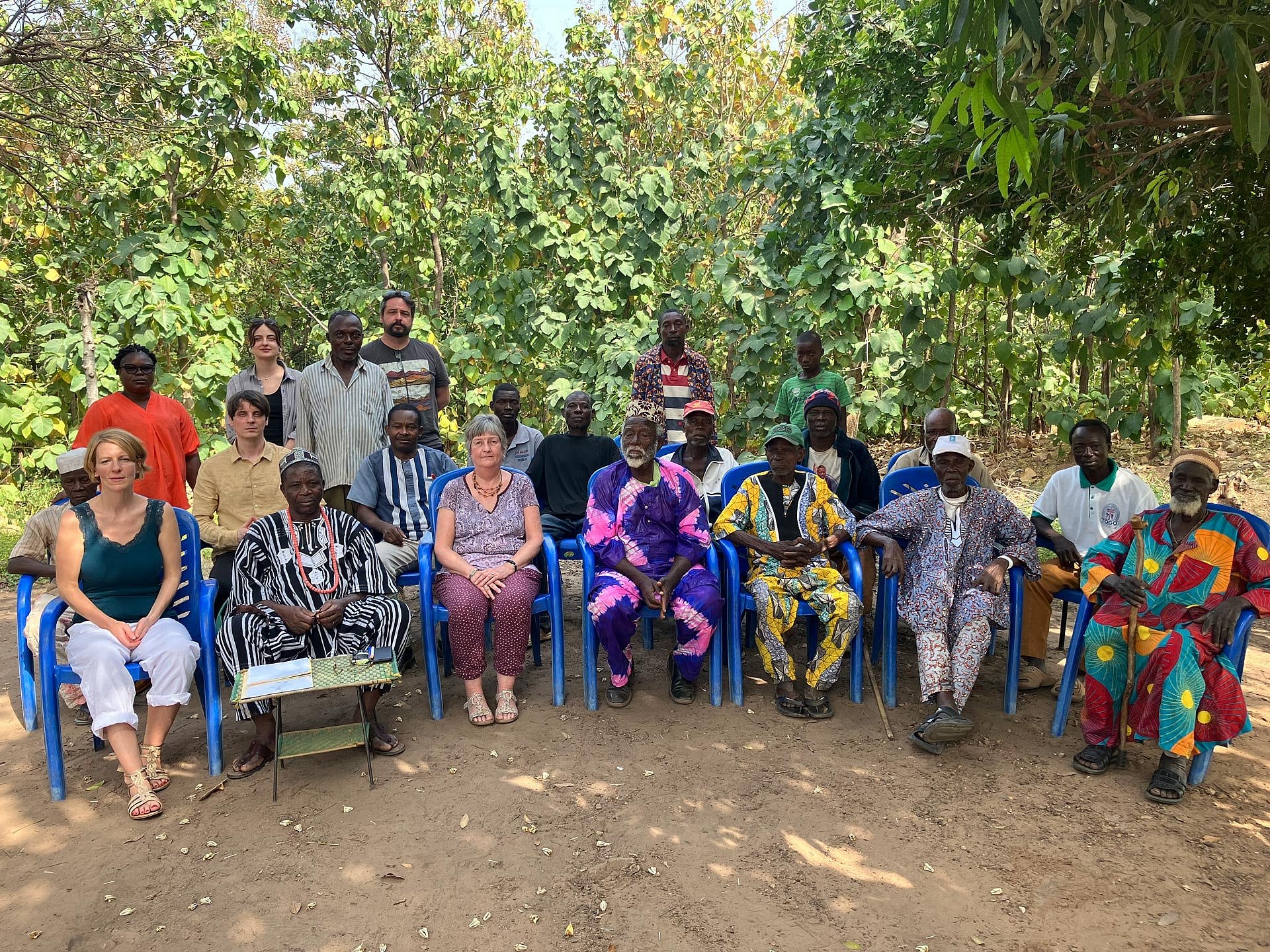
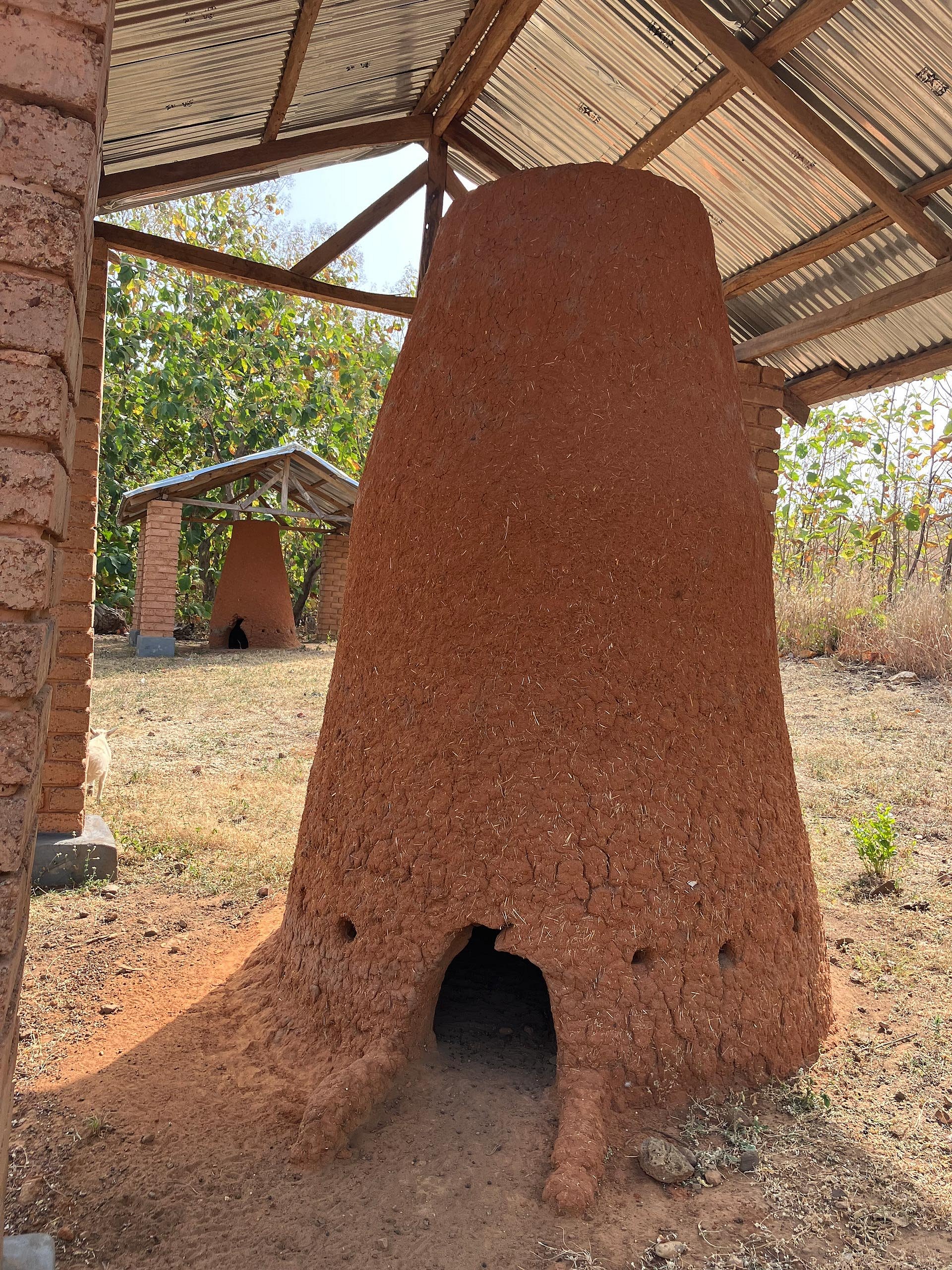
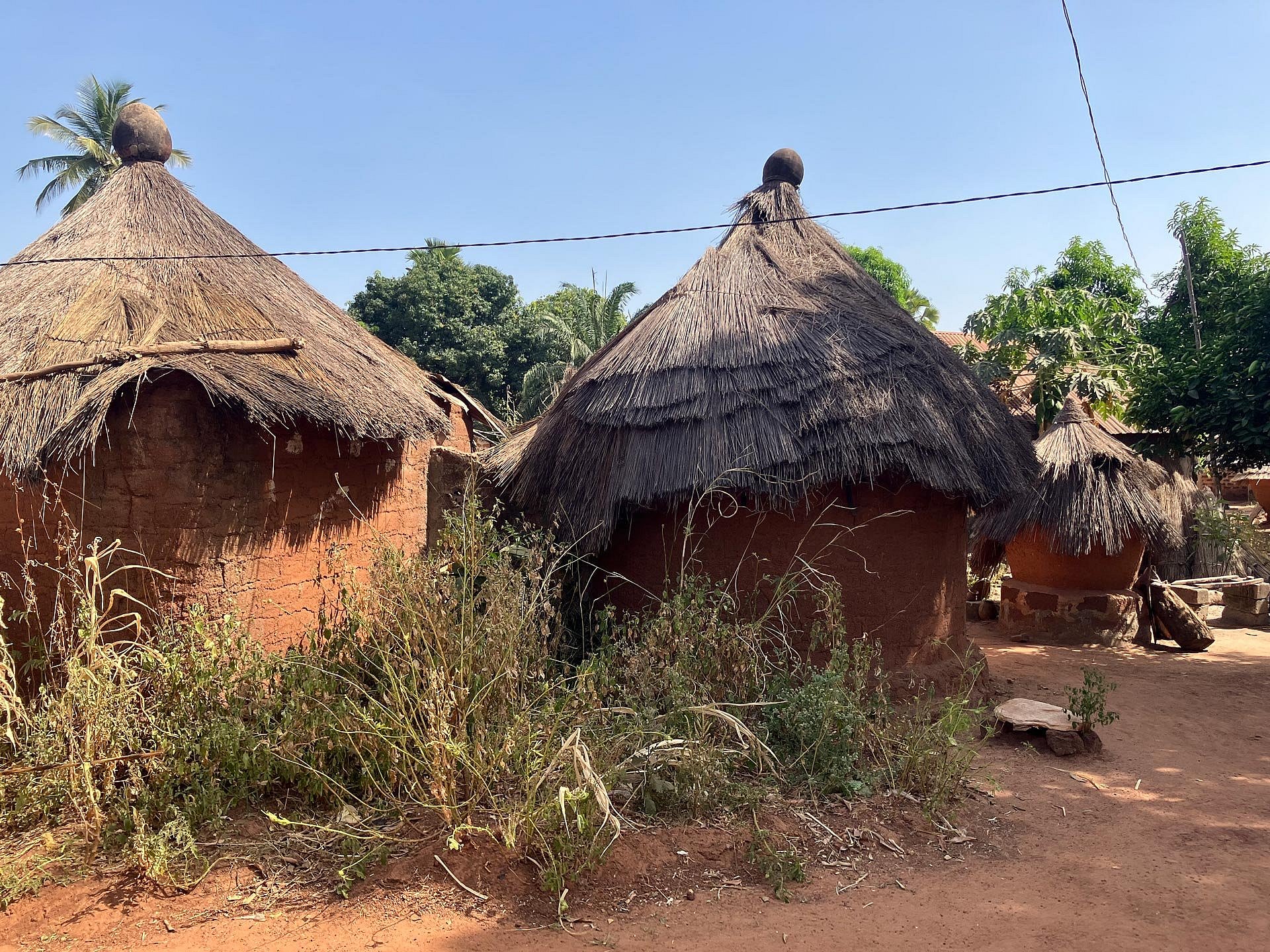
- Journey to Bassar, to the village of Bandjeli in the Kara region
- A traditional area of iron smelting. However, the local tradition has all but died out, allegedly because the Germans banned smelting
- The conversation reveals a generally positive attitude towards Germany, even when negative memories (fighting) are mentioned
- Wishes: the return of ancestral remains, a museum and good connections for the future, so that the village can develop
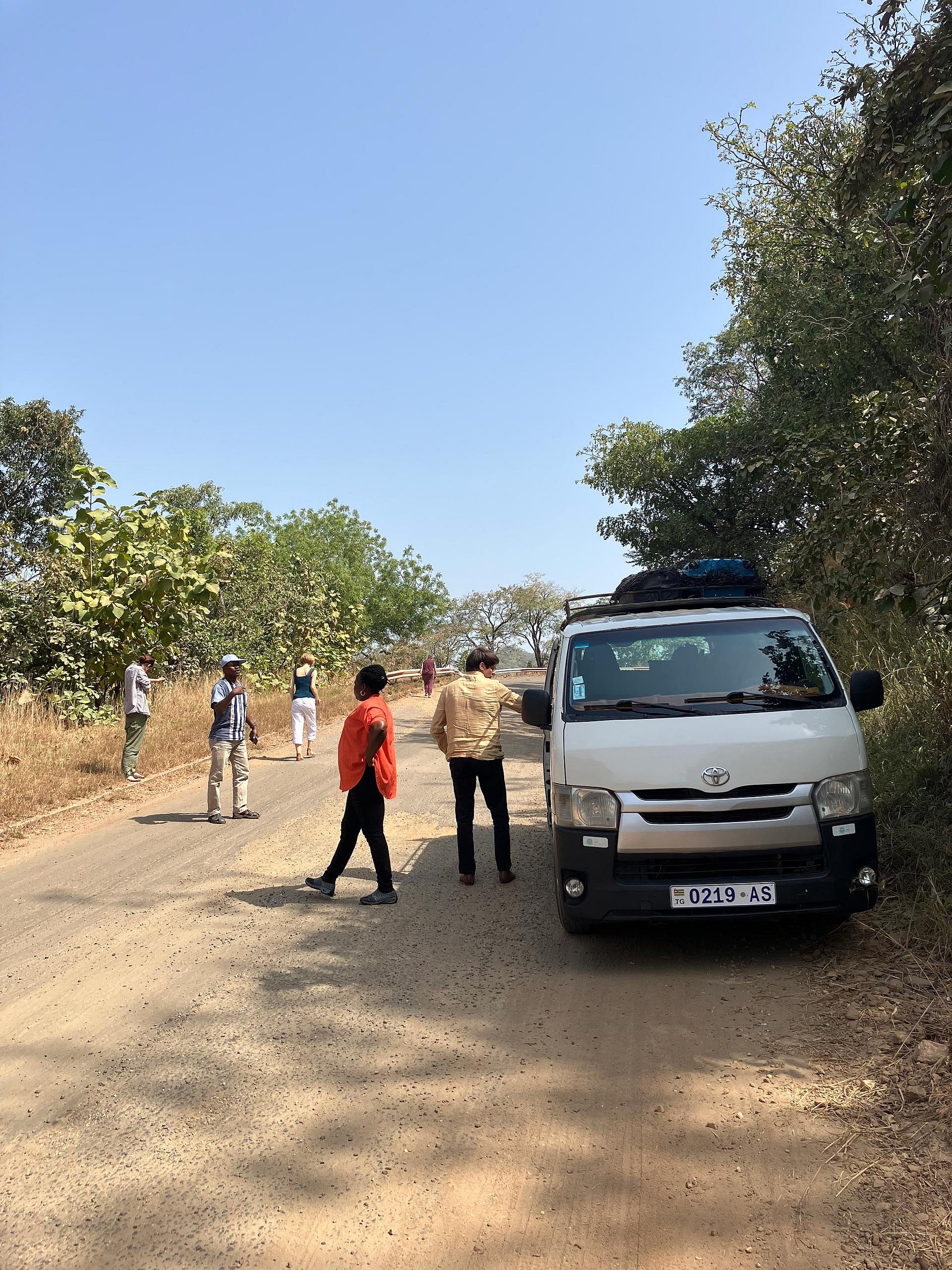
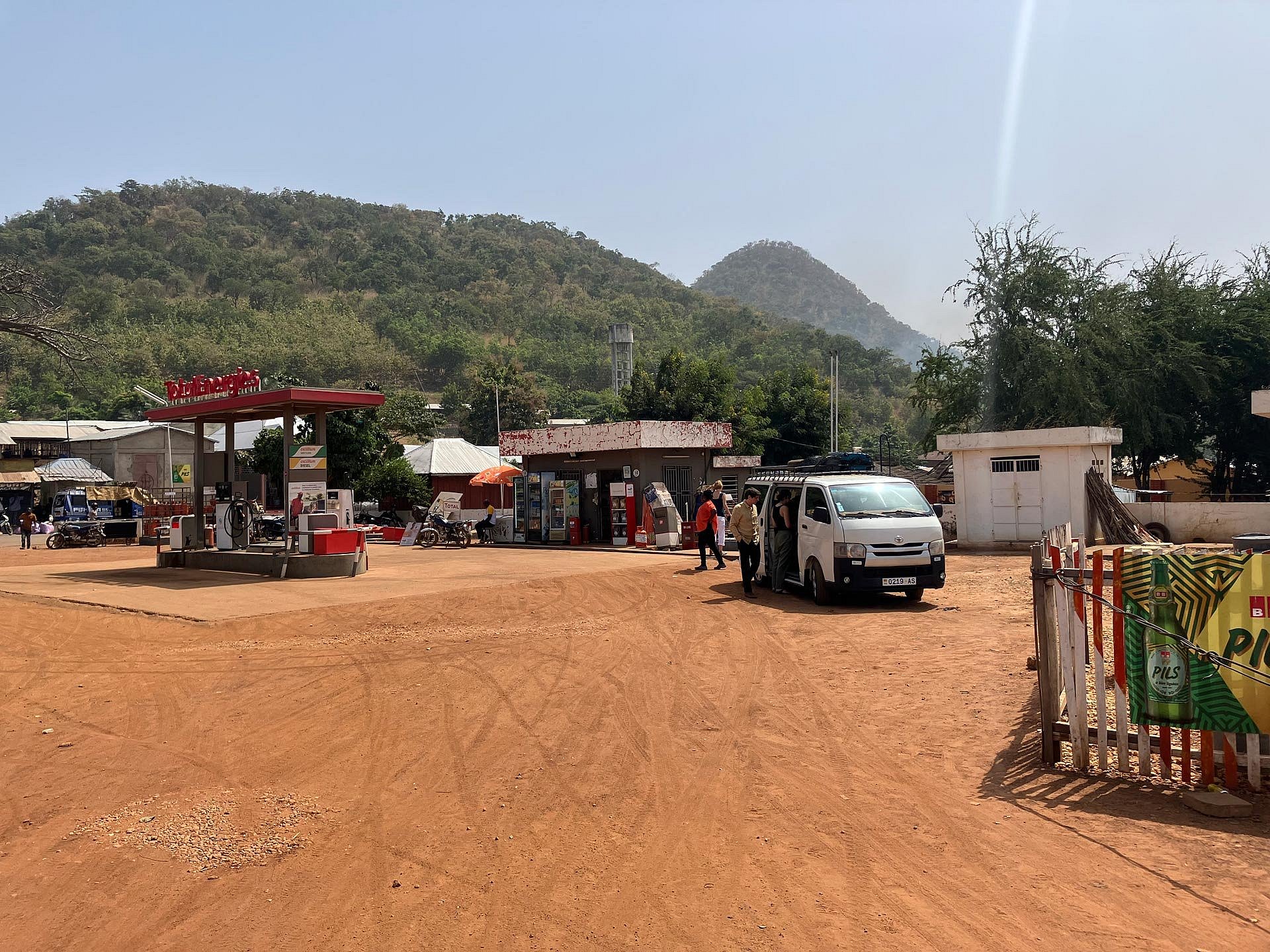
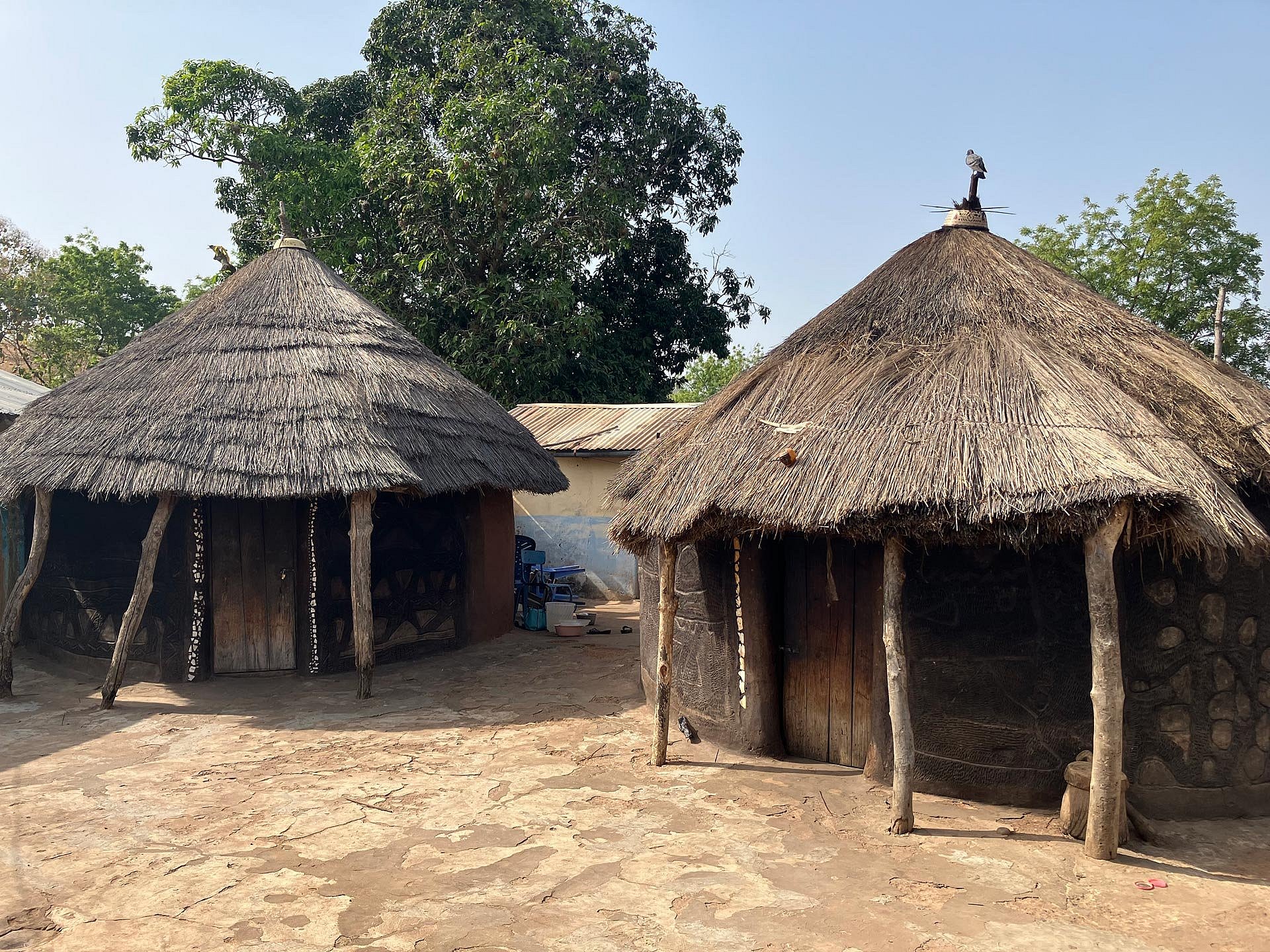
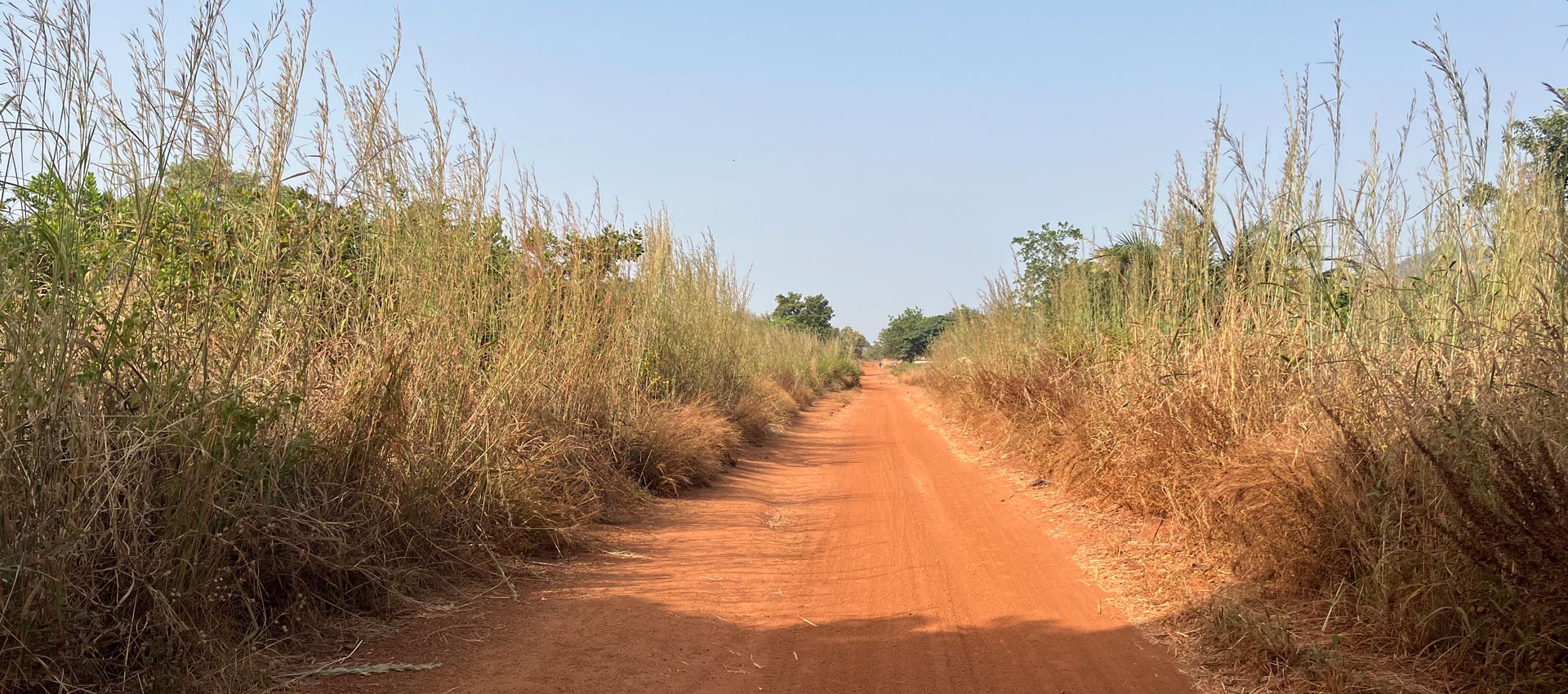
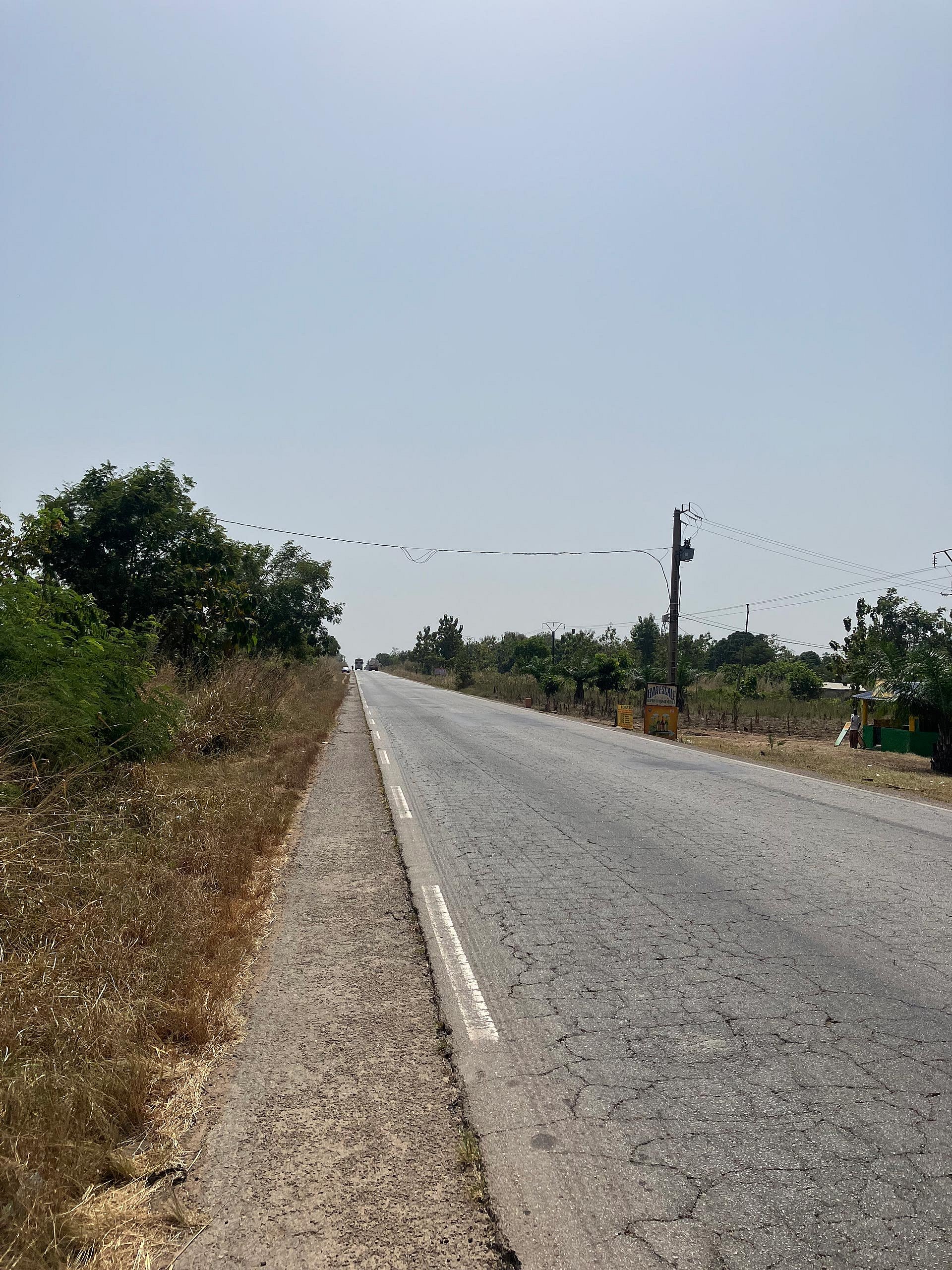
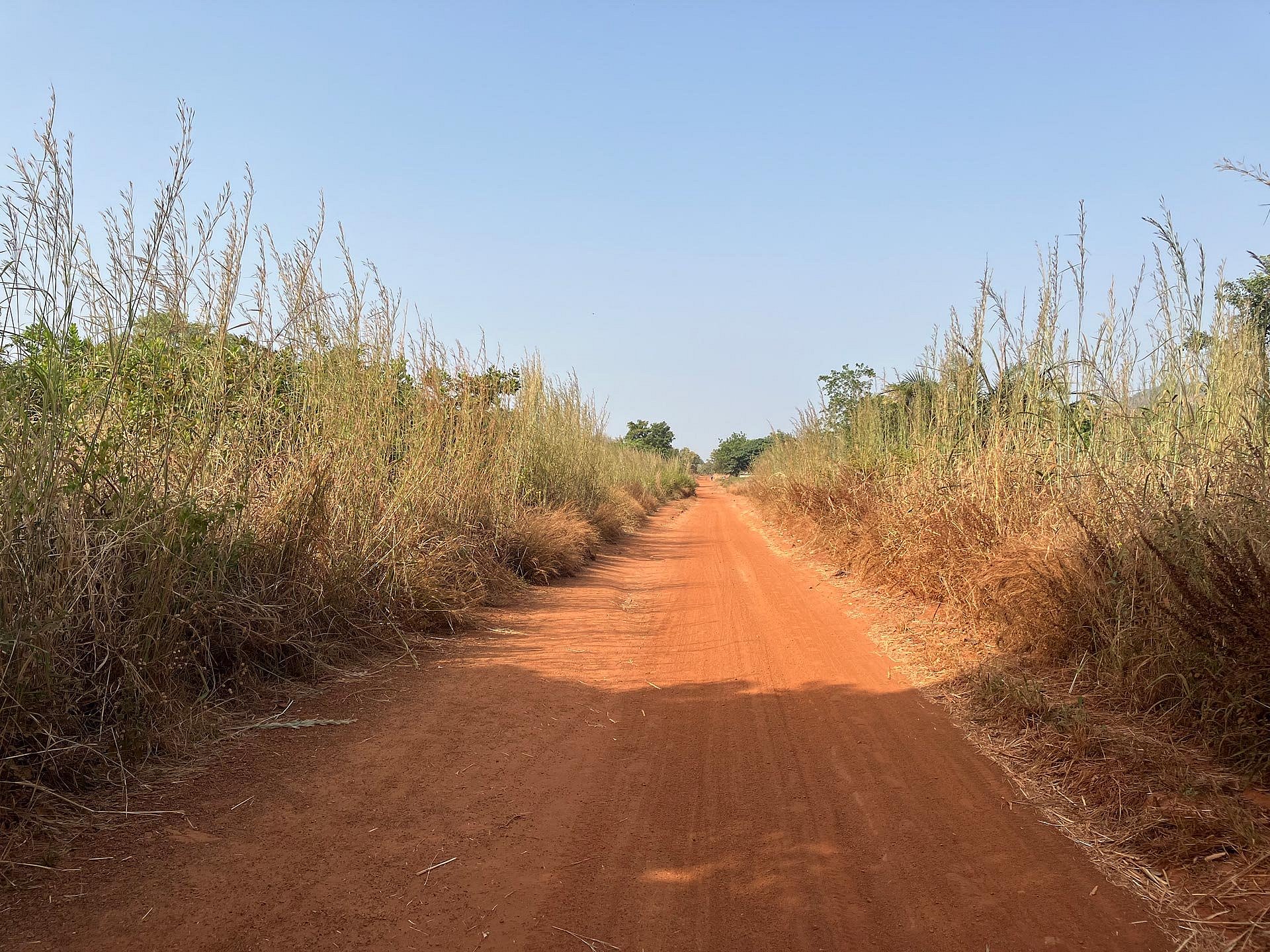
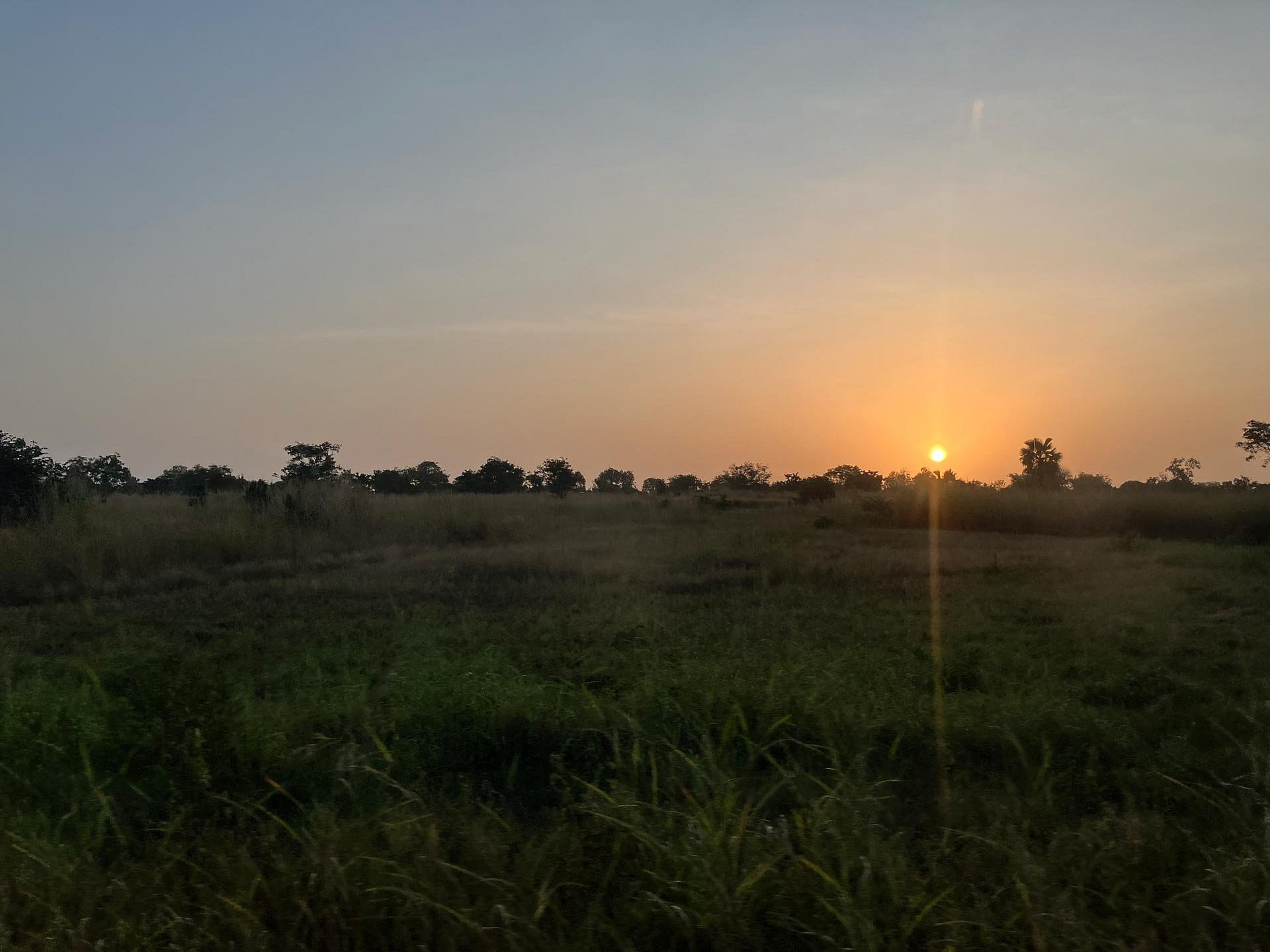
- We continued on via Bapure and on to the Ibobo community right on the Ghanaian border. Almost entirely dirt track. Savannah. Lots of military presence
- The largest gathering so far. Women and children are also present. Initially, there is a subtle hostility. After explaining our reasons, the atmosphere eased considerably and there was much laughter. A speech by the elder, who expressed his great joy (he would love to dance) at our arrival, led to near euphoria in the village. The atmosphere is excellent. However, Germans are still seen as enemies, as today’s poverty is also attributed to their violence and forced labour
- Demand for the return of skulls. However, they also wish for infrastructure support (road, well with a long hose, school). After the return, a joint reconciliation ritual is necessary (sacrifice of white animals: chicken, goat, cow)
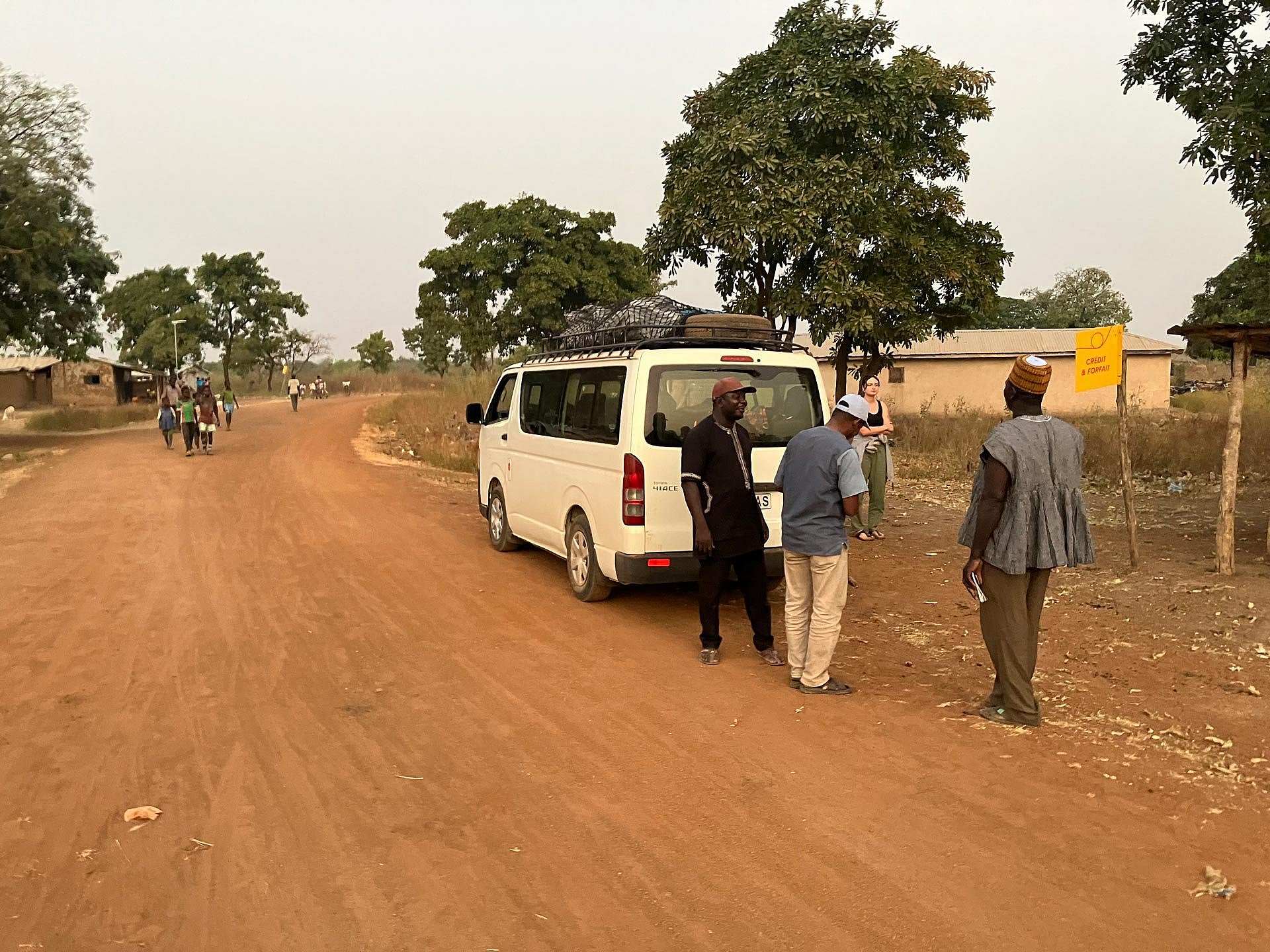
- Departure in the dark. Travelling through the savannah at night along the sandy track
- Overnight stay in Kara
Day 3: 2 December 2024
- Meeting with Prefect Karas, who expressed interest and support
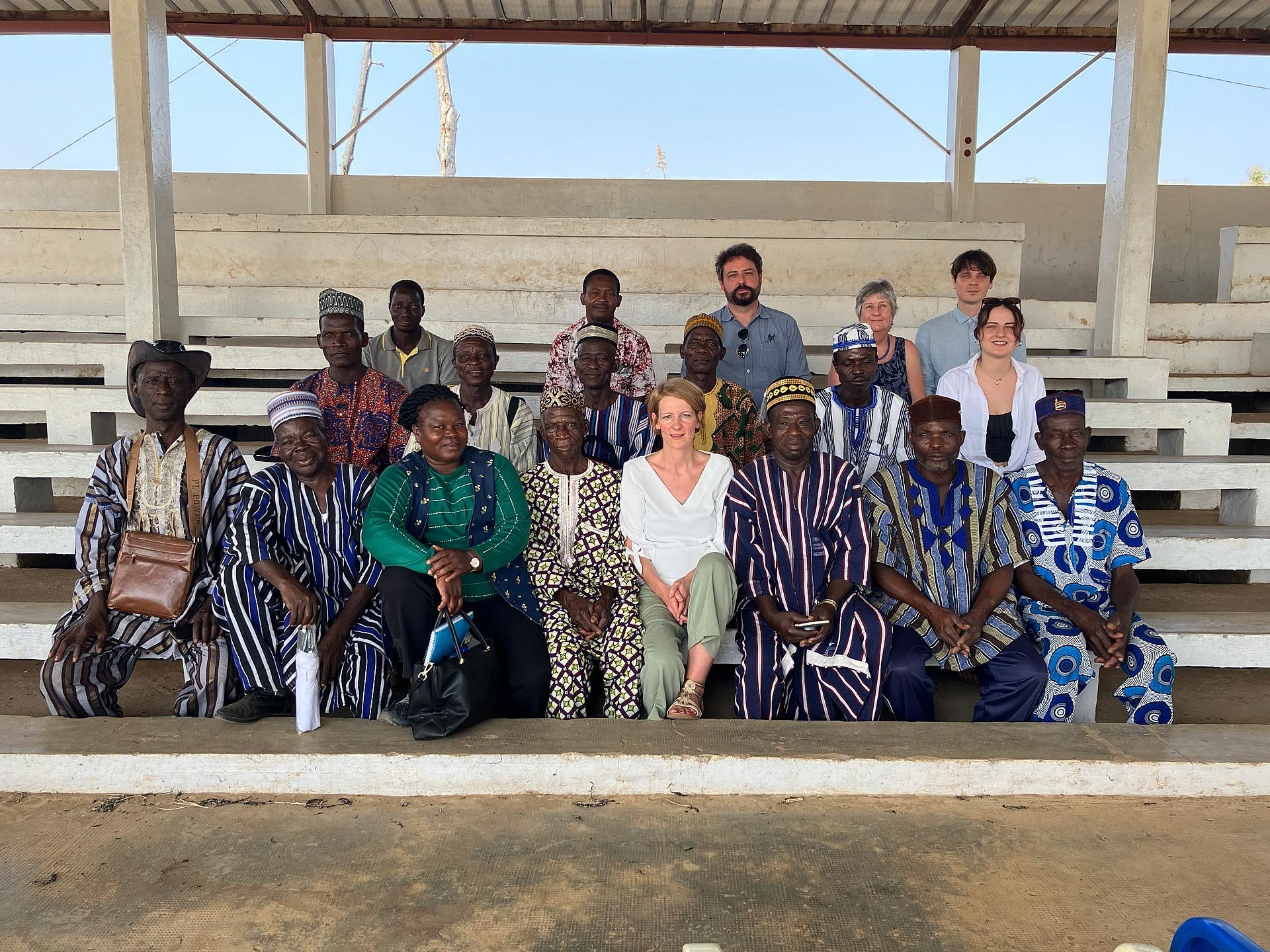
- Then a trip to the Lassa (at the football stadium), near Kara
- Twelve village chiefs are gathered as representatives of their respective villages. The discussion centres mainly on rituals to be performed as part of a funeral. Overall, great gratitude is expressed. Before the Lassa, there was actually supposed to be a meeting with the Tchoutchou. However, as the meeting with the Prefect went on for a very long time, they were no longer there. Kokou seemed very disappointed
- In the evening, a discussion session at Kara University with colleagues and students. Quite intense
- Overnight stay in Defale
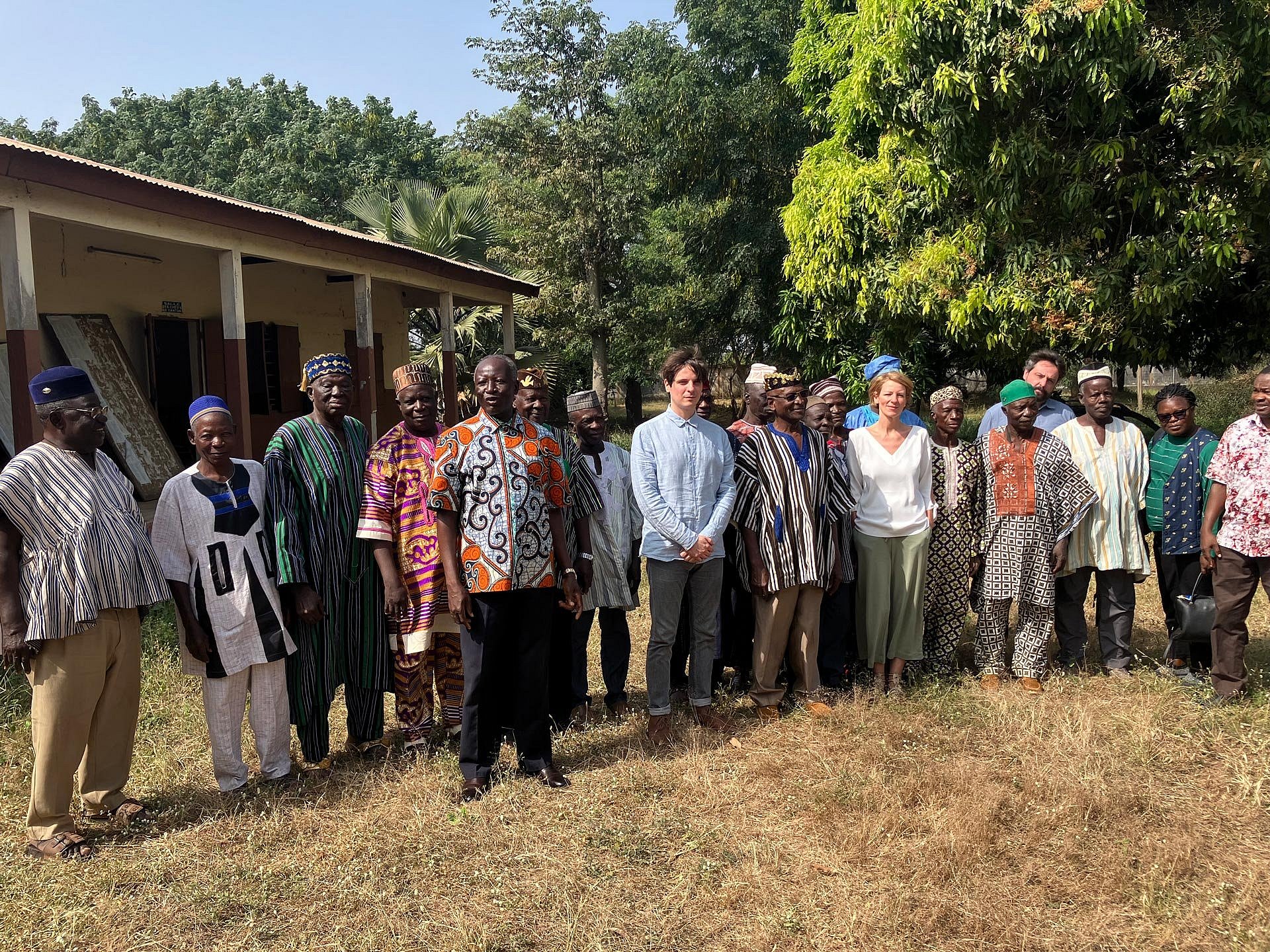
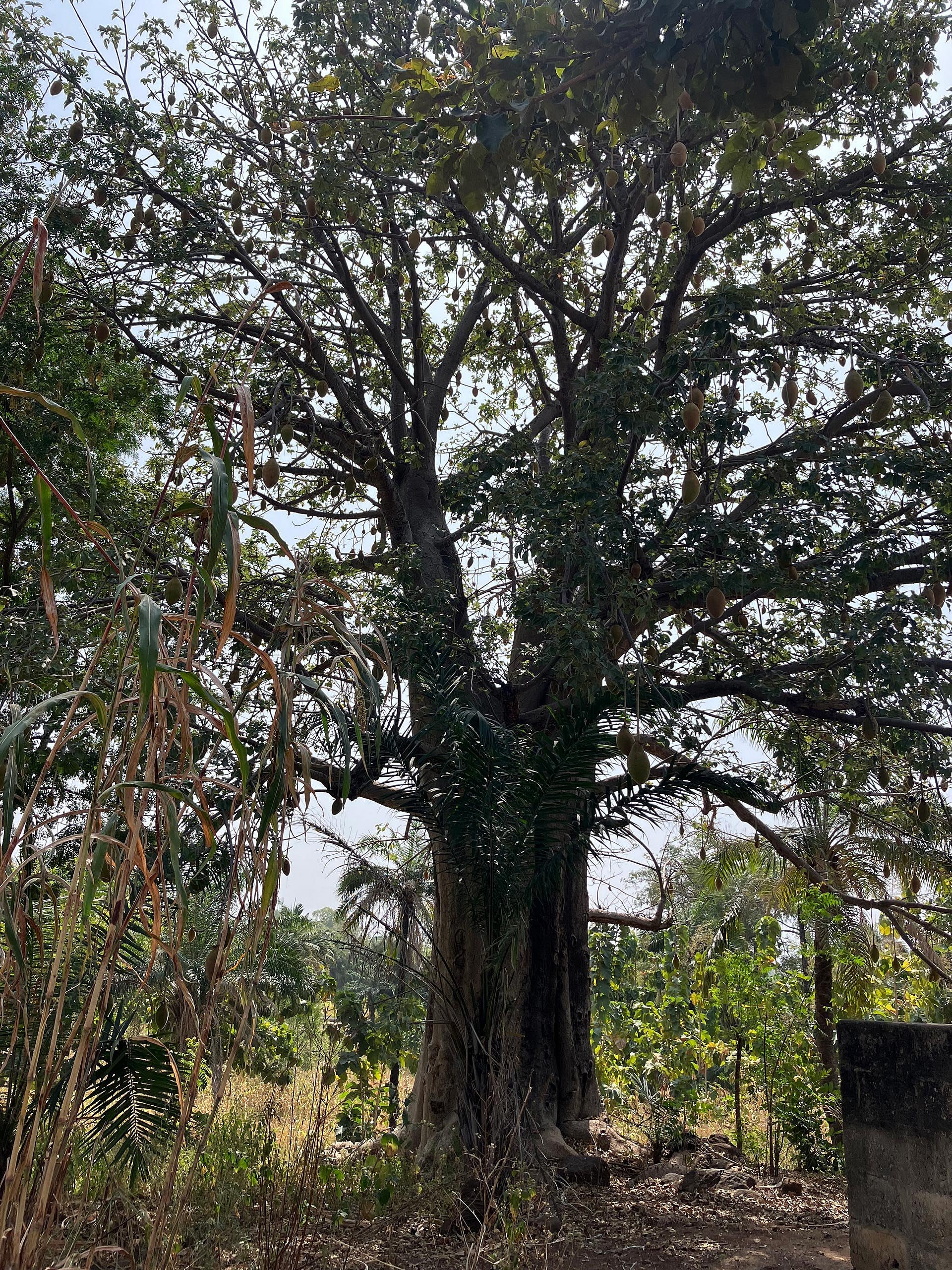
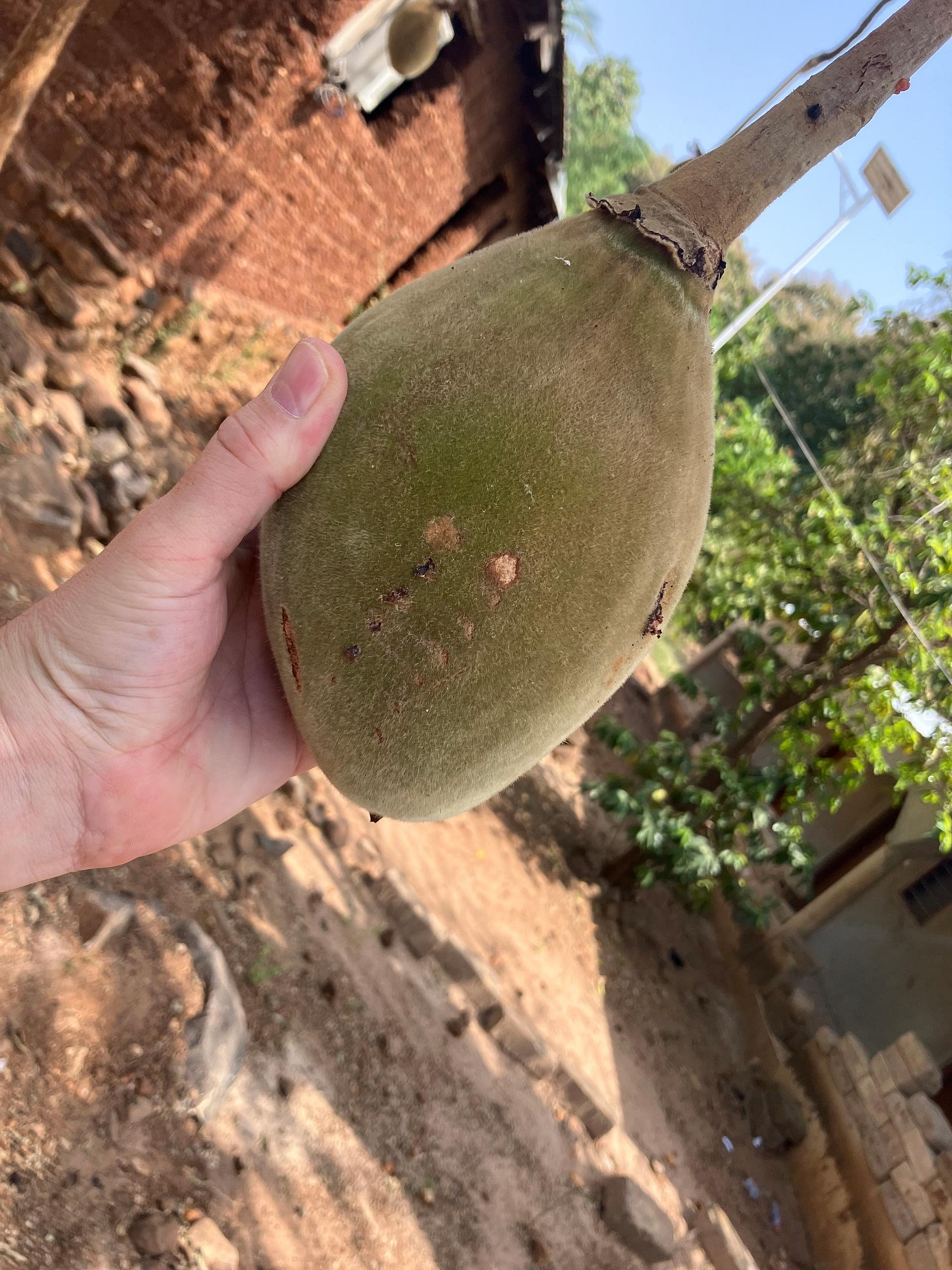
Day 4: 3 December 2024
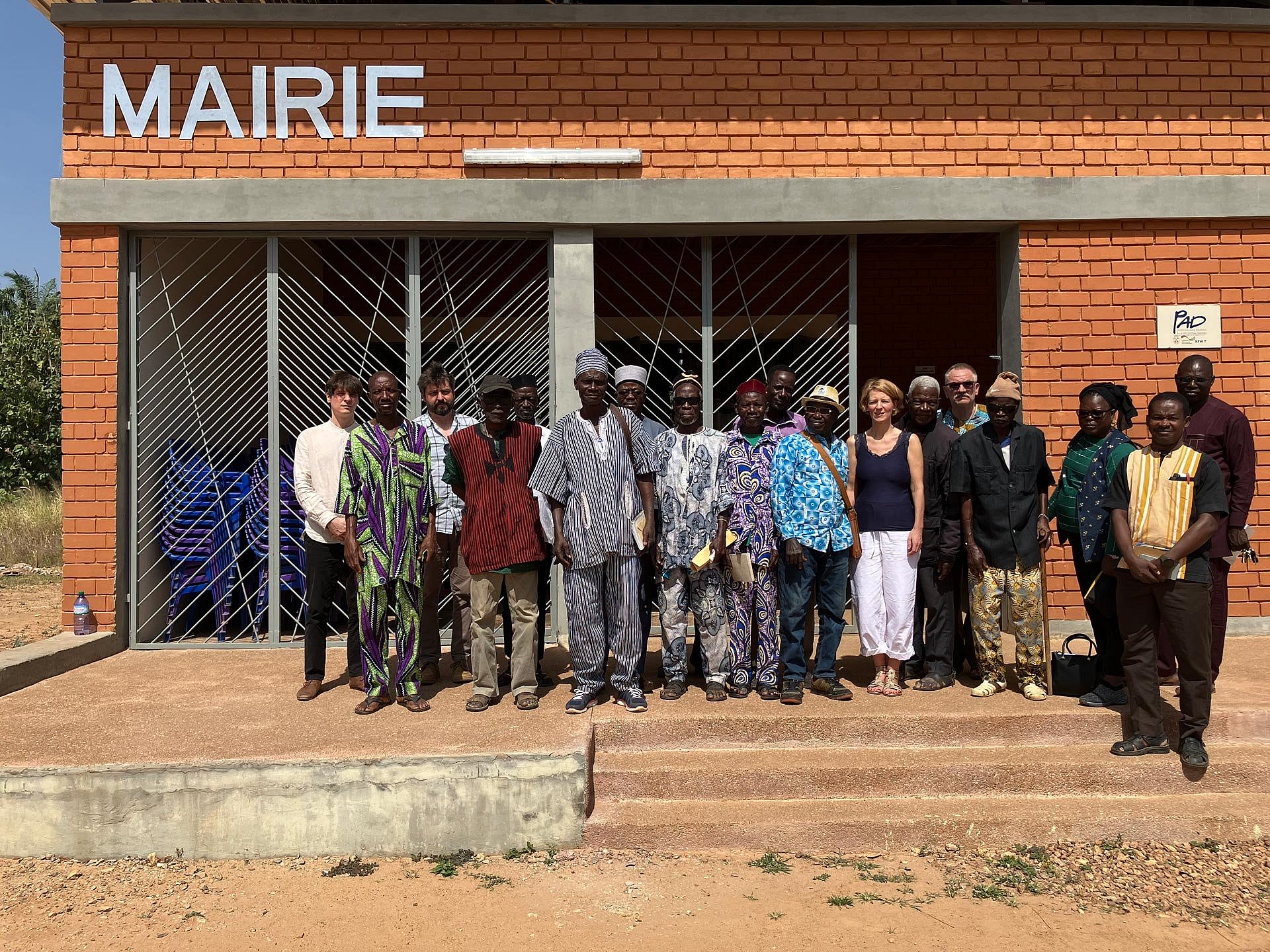
- Meeting with the community of Defale (Niamtougou)
- They want the skulls back. They are to be buried together in a large pit. A black bull, a black chicken and a black duck are to be sacrificed for this purpose. The German side may/should take part in this. A monument is to be built and they would also like to have objects returned for a museum
- A German pastor joins us. He is originally from Magdeburg, but is fully integrated here and wants to stay. This conversation is also very positive and friendly. There are still close ties to Germany; not least, the new town hall has been financed by the GIZ (German Society for International Cooperation)
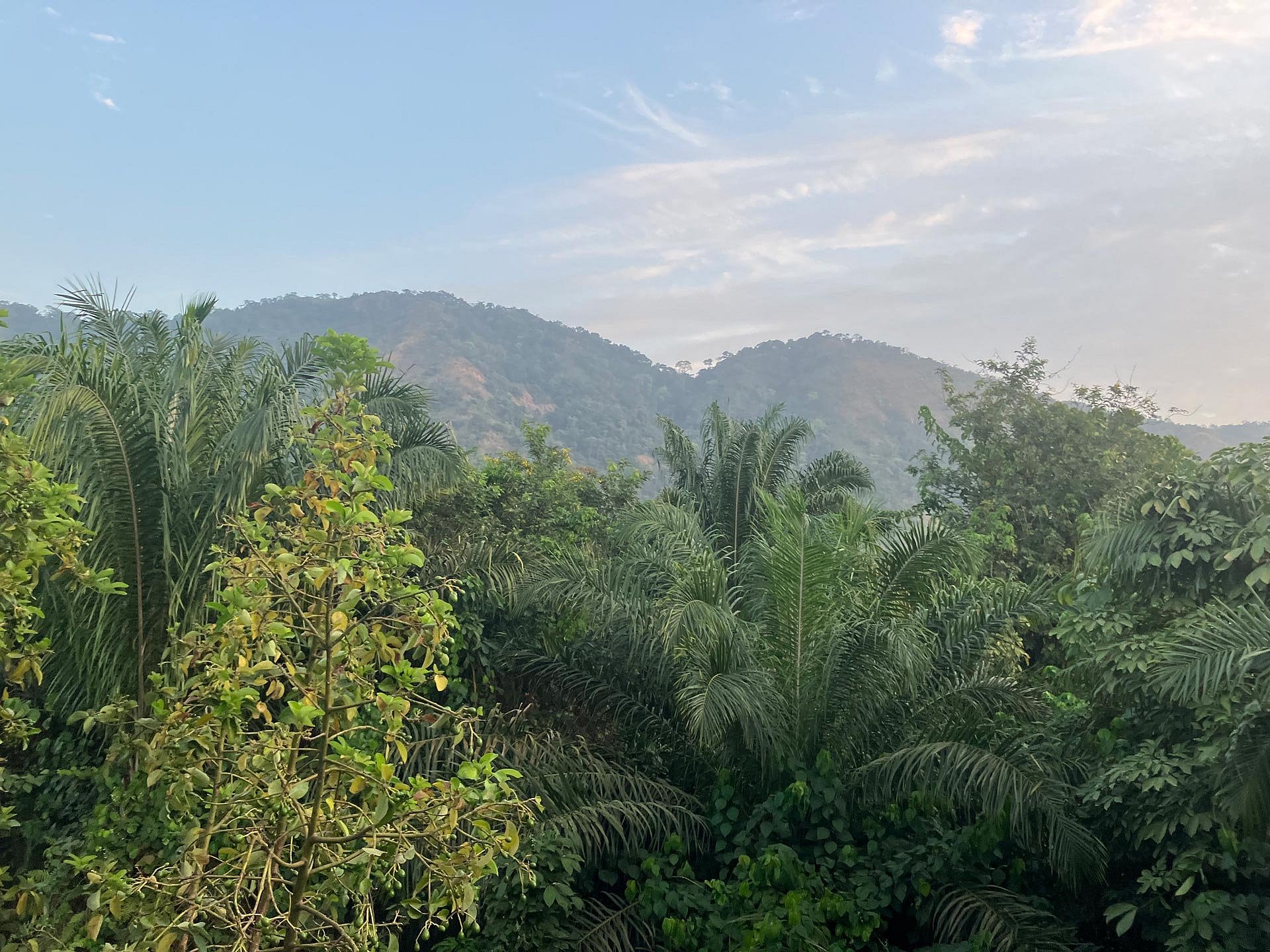
- From there we drive on to the Baga community (Niamtougou), where we encounter similar demands: restitution, burial and a memorial site. From there we drive back to Kpalimé, where we arrive late in the evening. This concludes our meetings with selected communities
Day 5: 4 December 2024
- Trip to Lomé for a lecture at the university on the topic of ‘Museums and their structures’. The university wishes to establish its own museum and is seeking advice.
Day 6: 5 December 2024
- Meeting with the Vice-Chancellor of the university to explain the research project and present the findings. She is very interested and indicates her support should this be required in the event of any feedback
- Trip to the German Embassy, where we have a 60-minute discussion with the German Ambassador, Claudius Fischbach. He is very open-minded and very interested, but hopes overall for a more nuanced picture of the colonial era in Togo
- Afterwards, we travel to meet the Minister for Culture and Media. The meeting with her and her advisers also lasts around 60 minutes. There seems to be a great deal of interest, but we have heard this before from official representatives
- End of the trip
Research project on human remains from West Africa at the Museum of Prehistory and Early History
A related publication is expected to be published in 2025