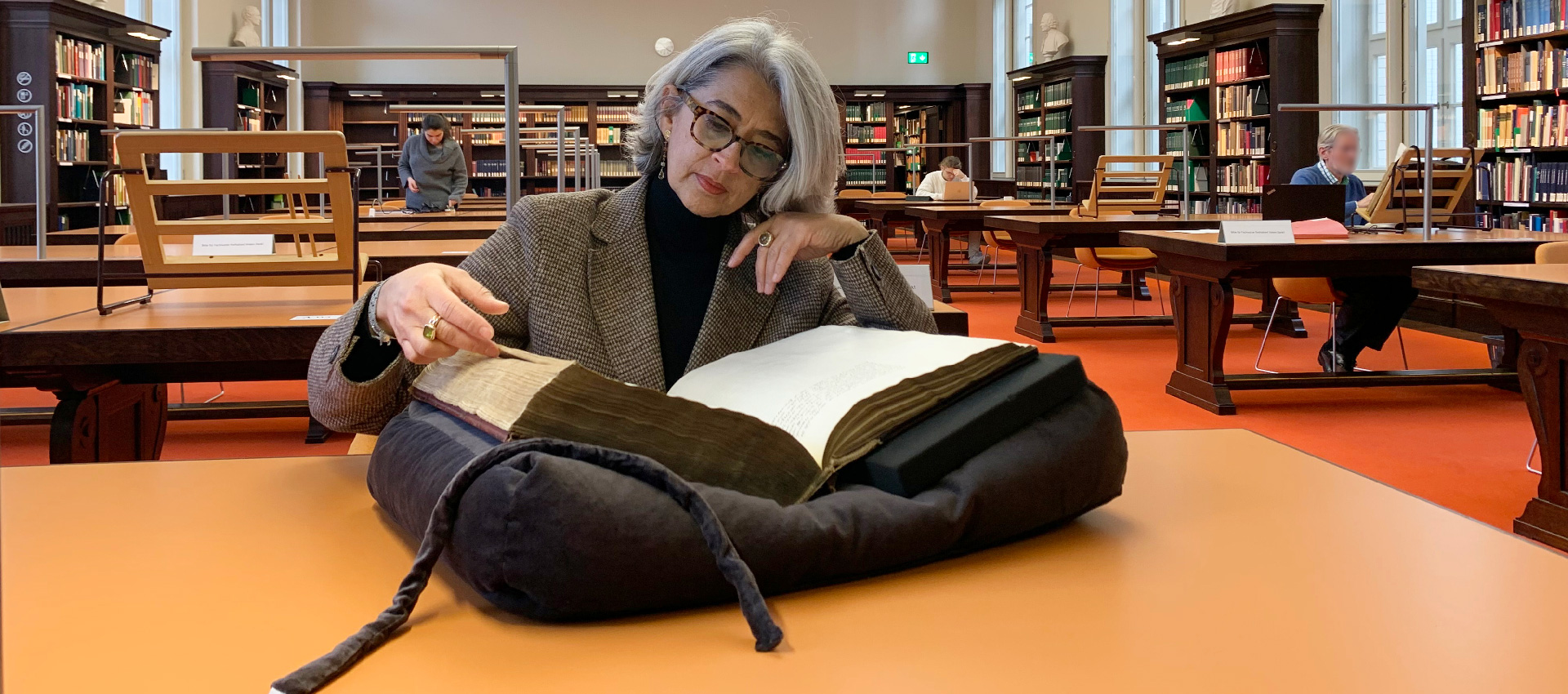
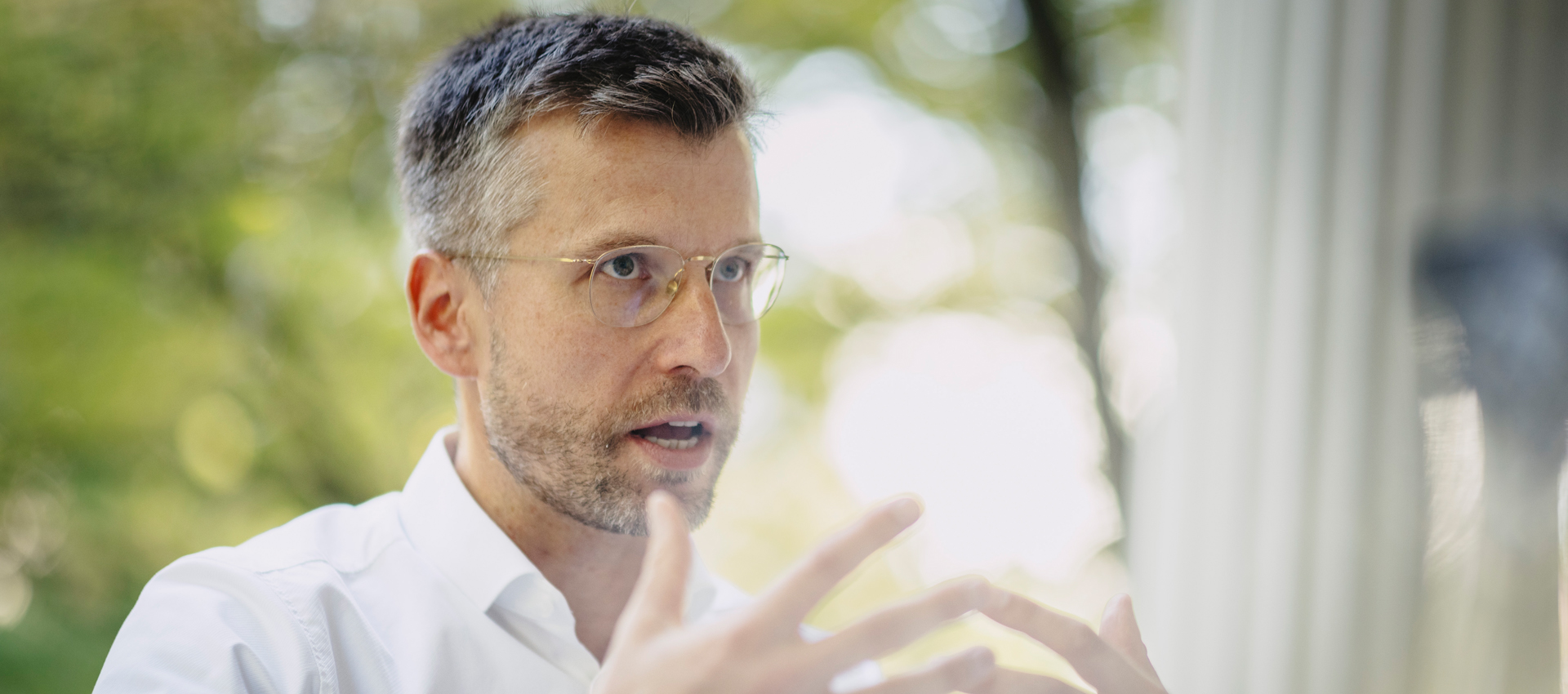
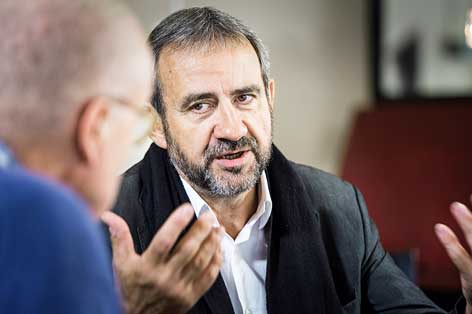
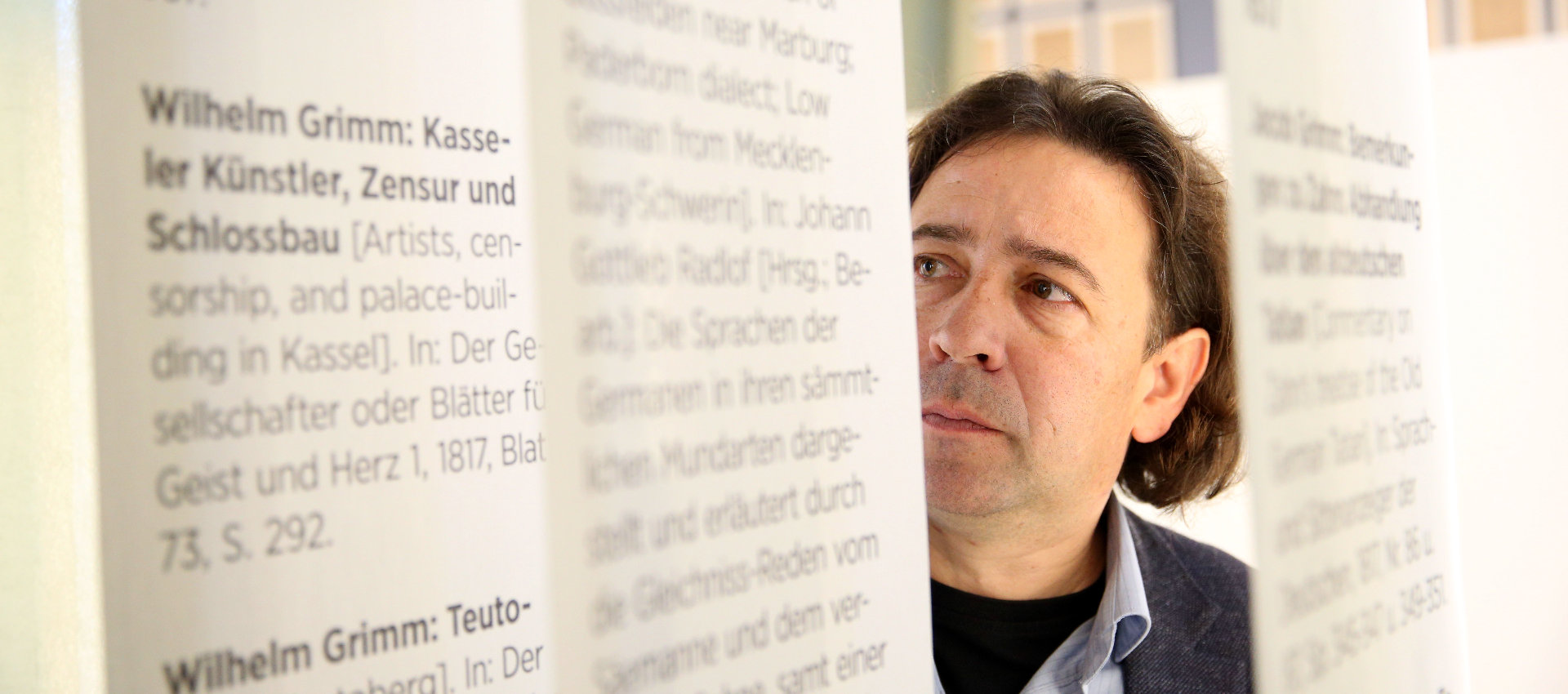
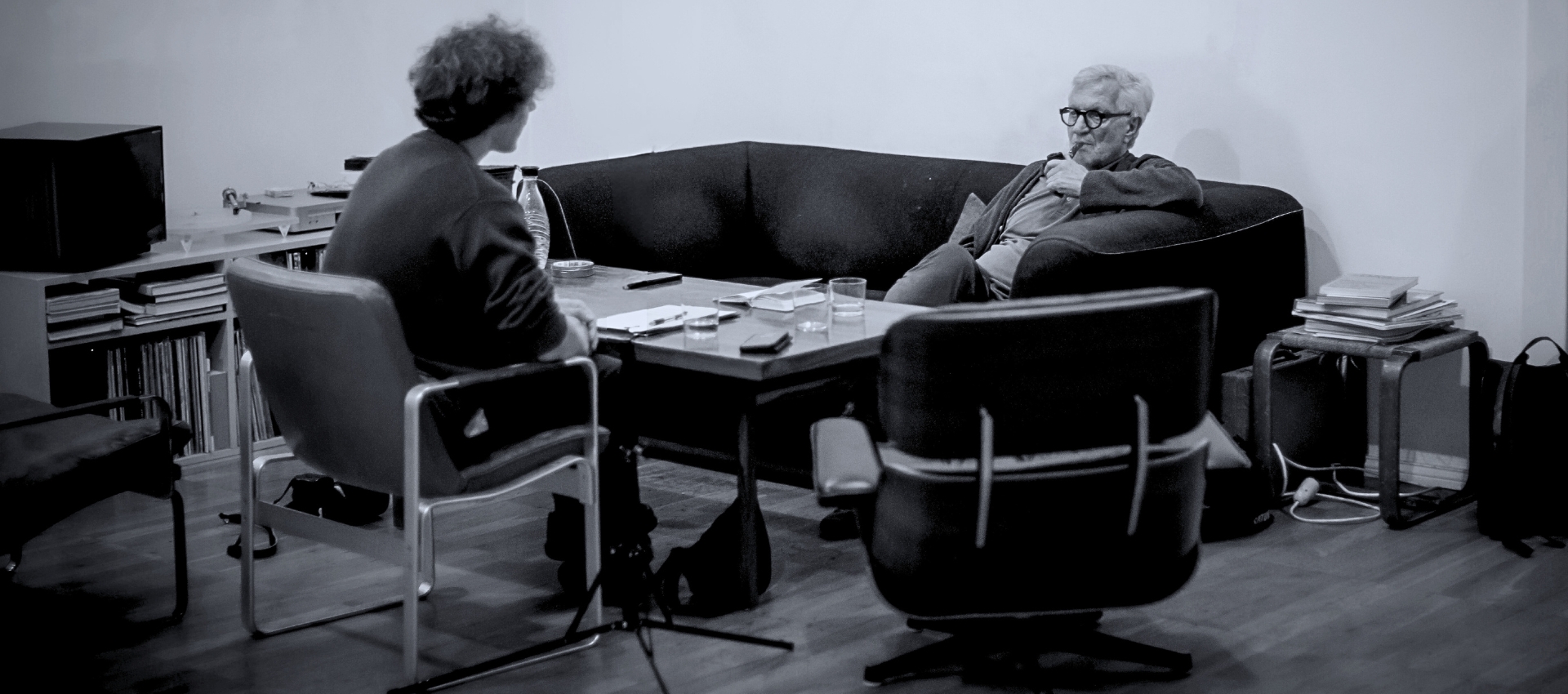
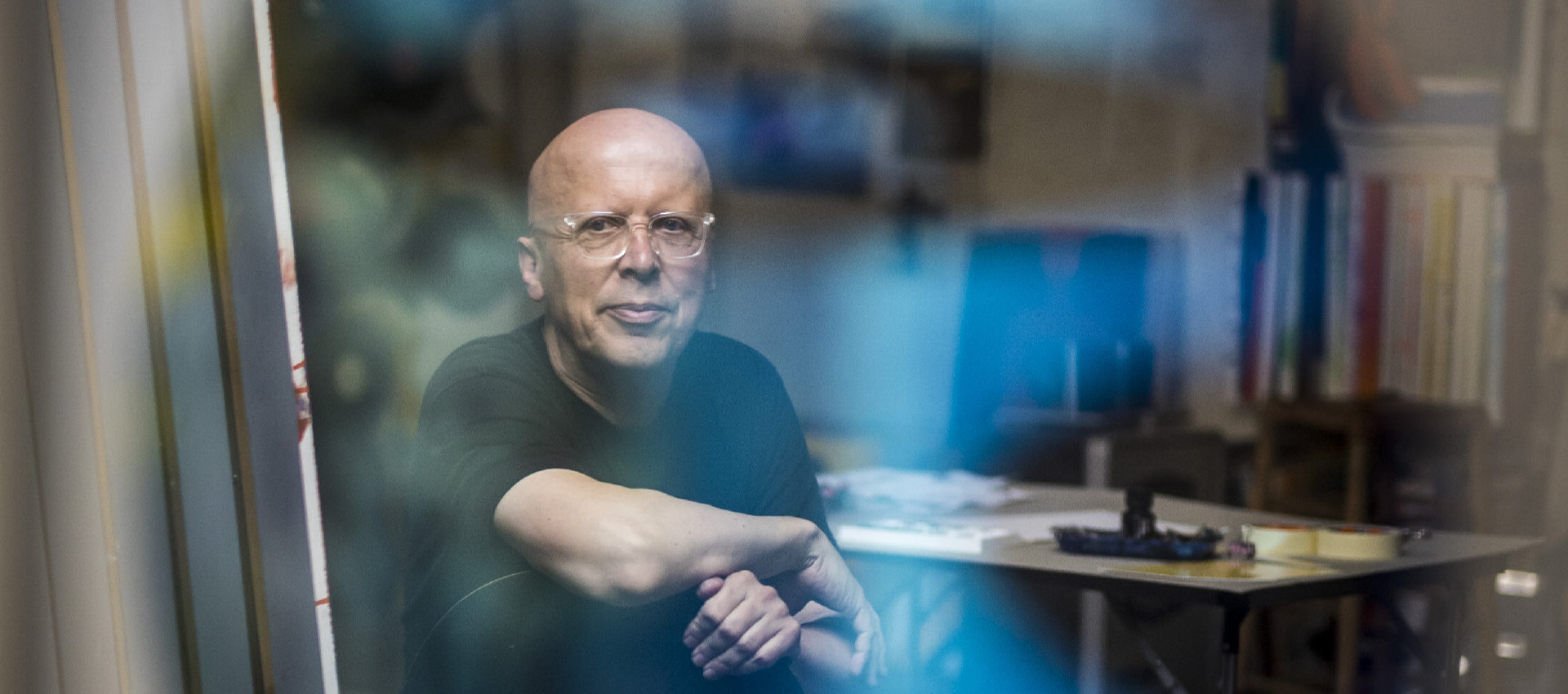
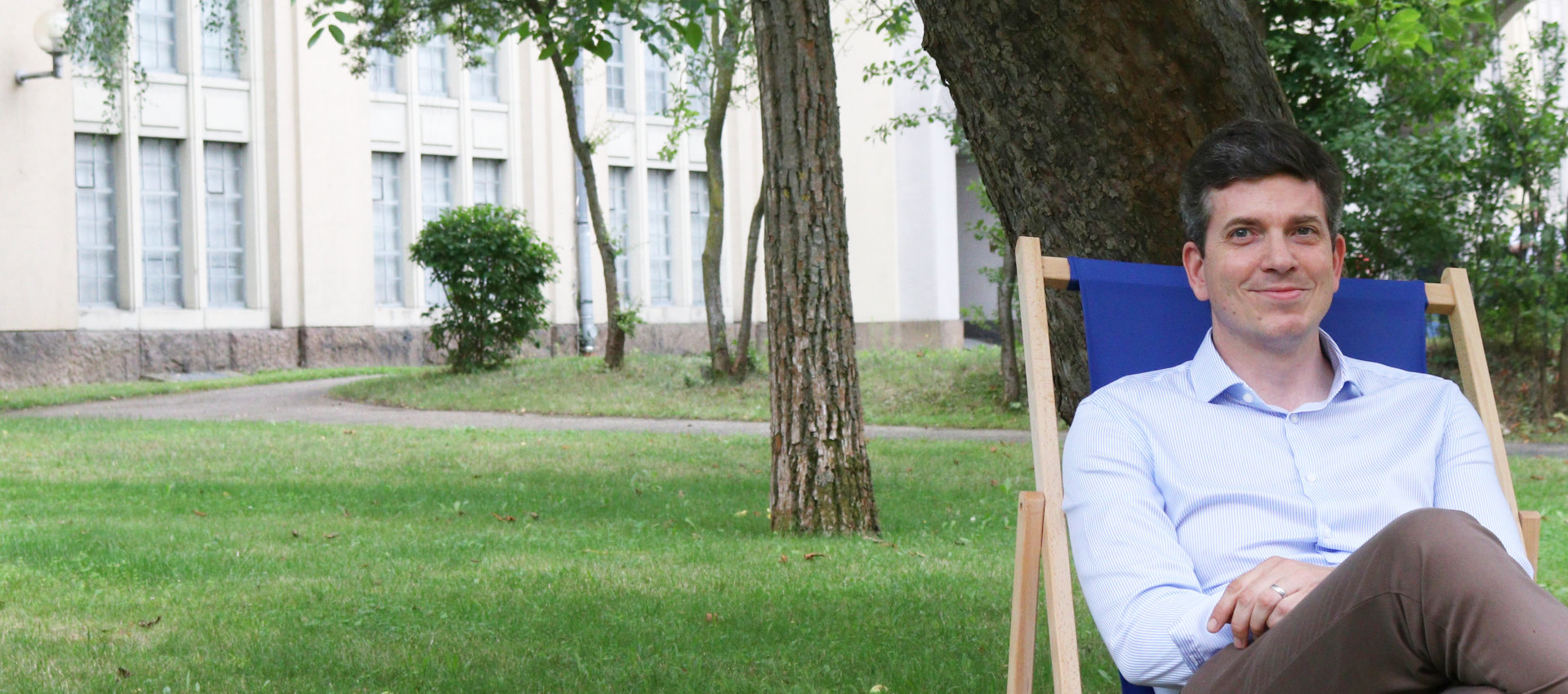
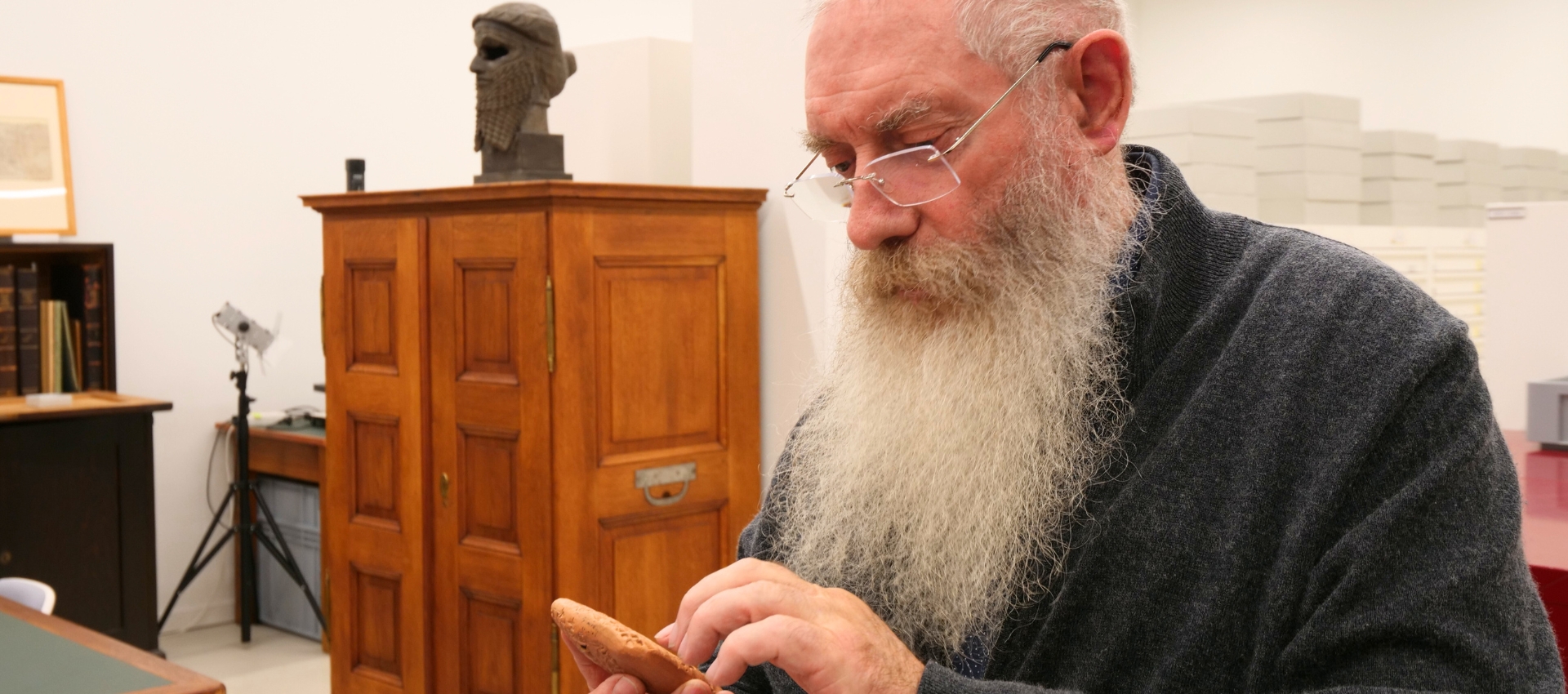
Hidden Gems today with Christian Mathieu, Research Officer at the General Directorate of the Berlin State Library (SBB)
How long have you been working at the SPK, and what are your responsibilities?
Mathieu: After completing my studies in history and art history, I worked for eight years as a research assistant at the Chair of Economic and Social History at Saarland University, where I obtained my PhD in 2006 with a thesis on the cultural and environmental history of Venice in the early modern period.
Following my traineeship at the Herzog August Library in Wolfenbüttel and the Bavarian State Library in Munich, as well as a brief stint as a research infrastructure officer in the executive board of a medium-sized comprehensive university, I moved to Berlin in 2012. You can find out more about me on ORCID.
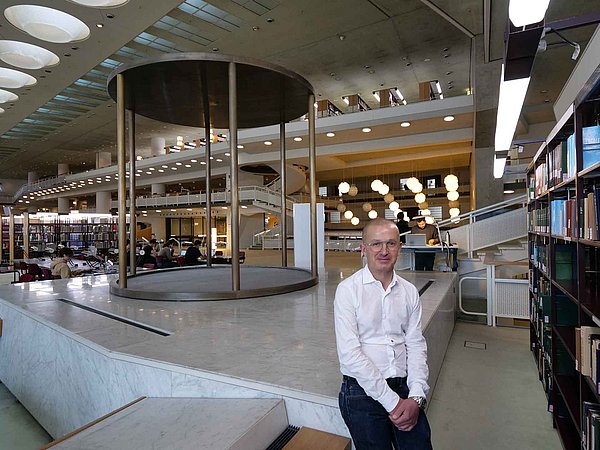
In my role as a research officer at the General Directorate of the Berlin State Library, a position I have now held for over twelve years, my main responsibility is to bring together the ‘right’ people to discuss a particular academic topic. In practical terms, this involves, for example, expanding the Berlin State Library’s network, particularly with the Berlin research community, developing joint areas of research, or generating interest within our institution in external collaboration proposals.
In addition, I seek to raise the profile of the Berlin State Library as a research library through my own externally funded projects – often in cooperation with other institutions of the Prussian Cultural Heritage Foundation – or by advising on projects from within the library.
In doing so, the transfer of knowledge to society is a particular concern of mine, as demonstrated by the long-running lecture series ‘The Materiality of Writing – Library and Research in Dialogue’, organised in cooperation with members of several universities, or our new format ‘Writing.Images.Writing. Comparative Notation Systems’.
What is your favourite spot in the SPK, why, and what do you most enjoy doing there?
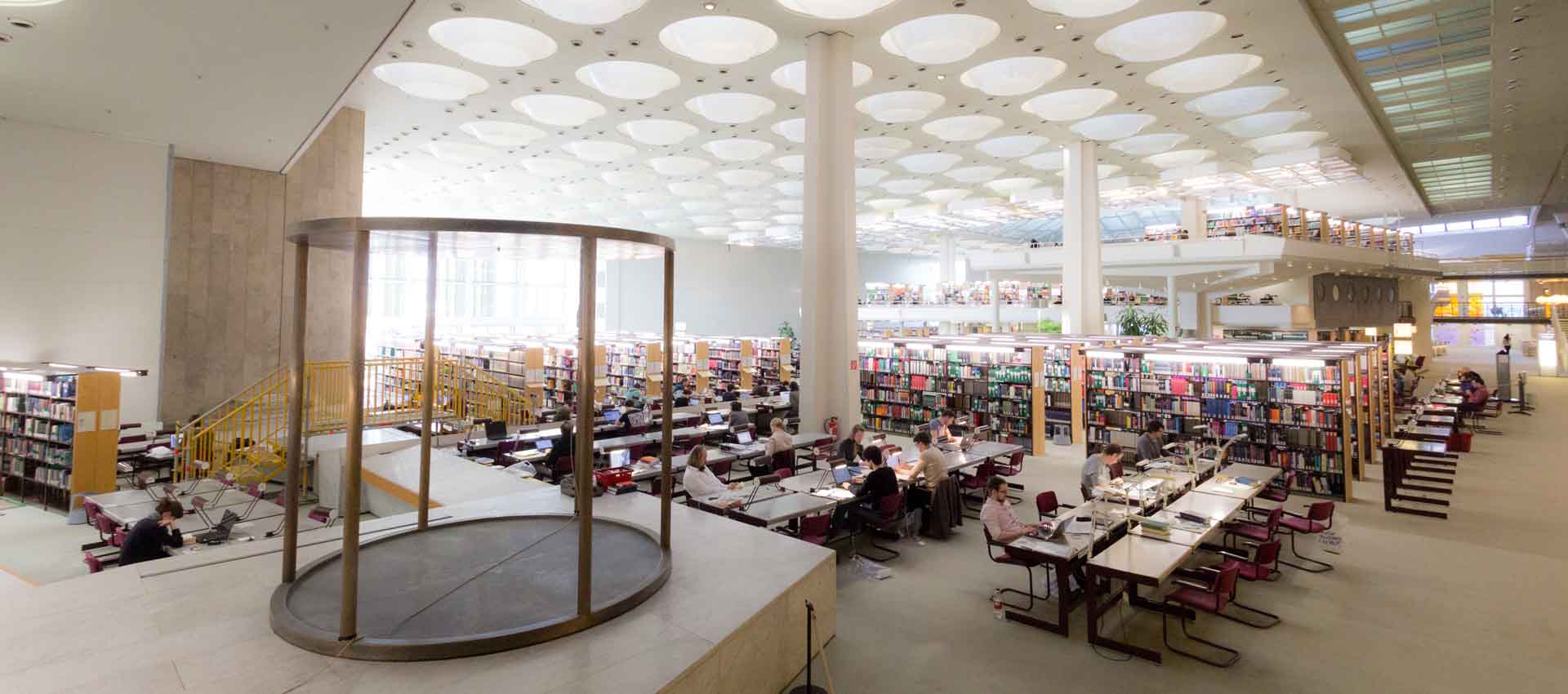
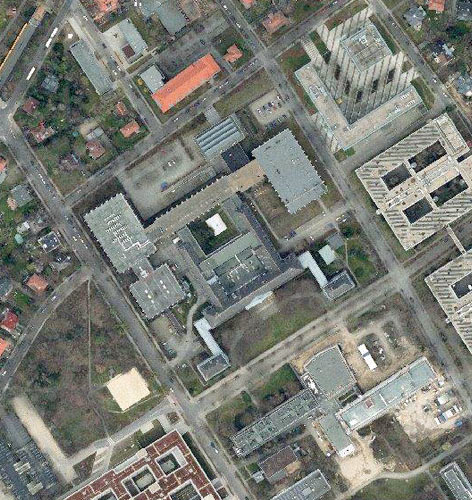
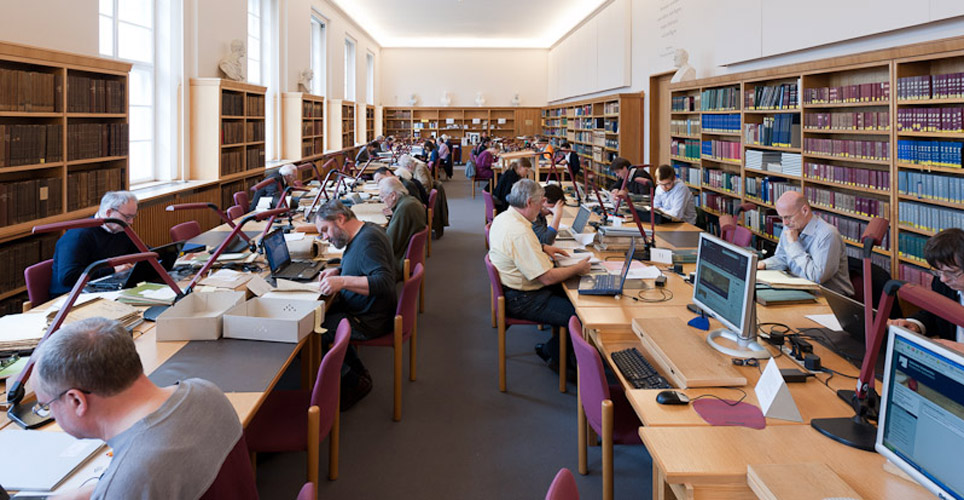
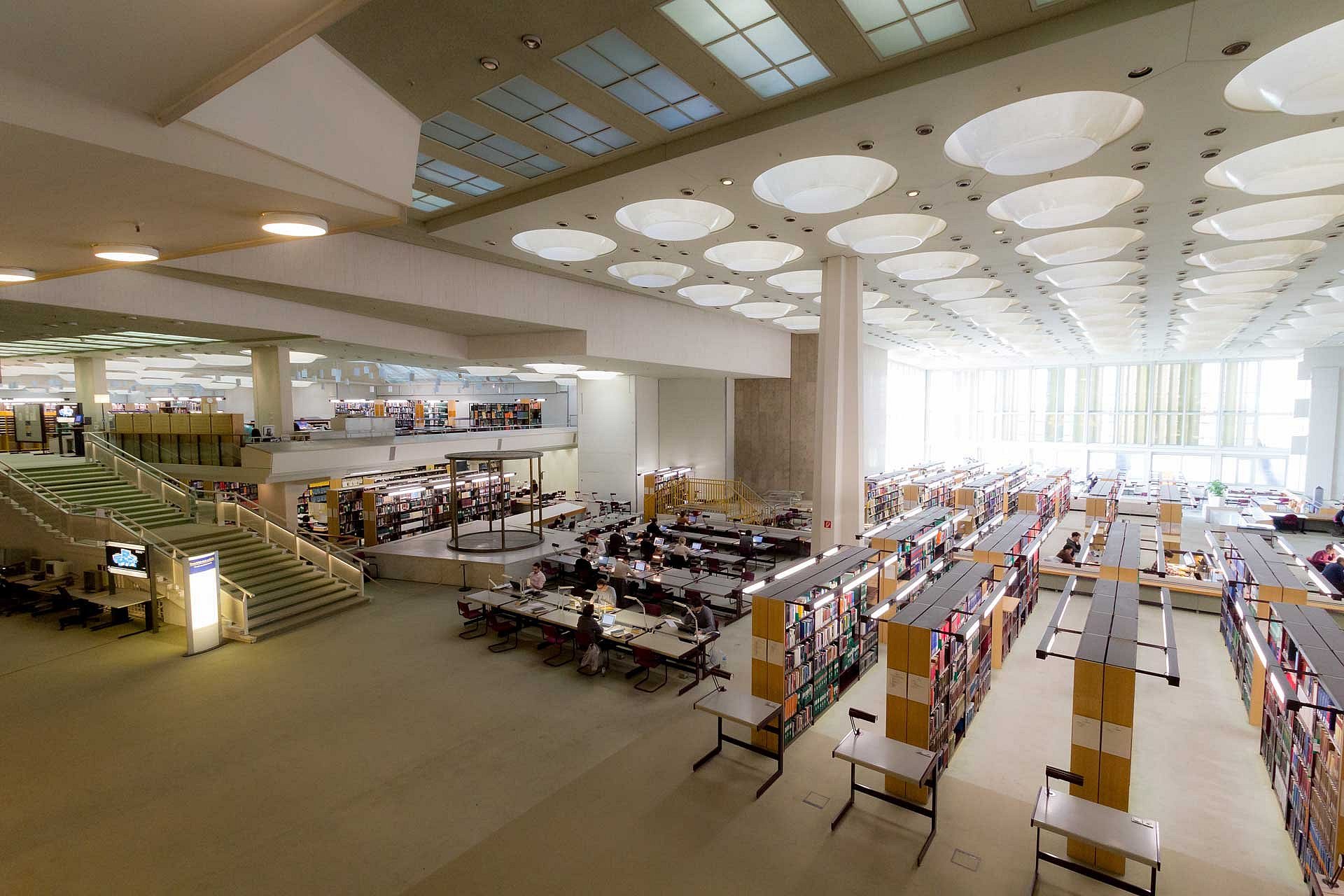
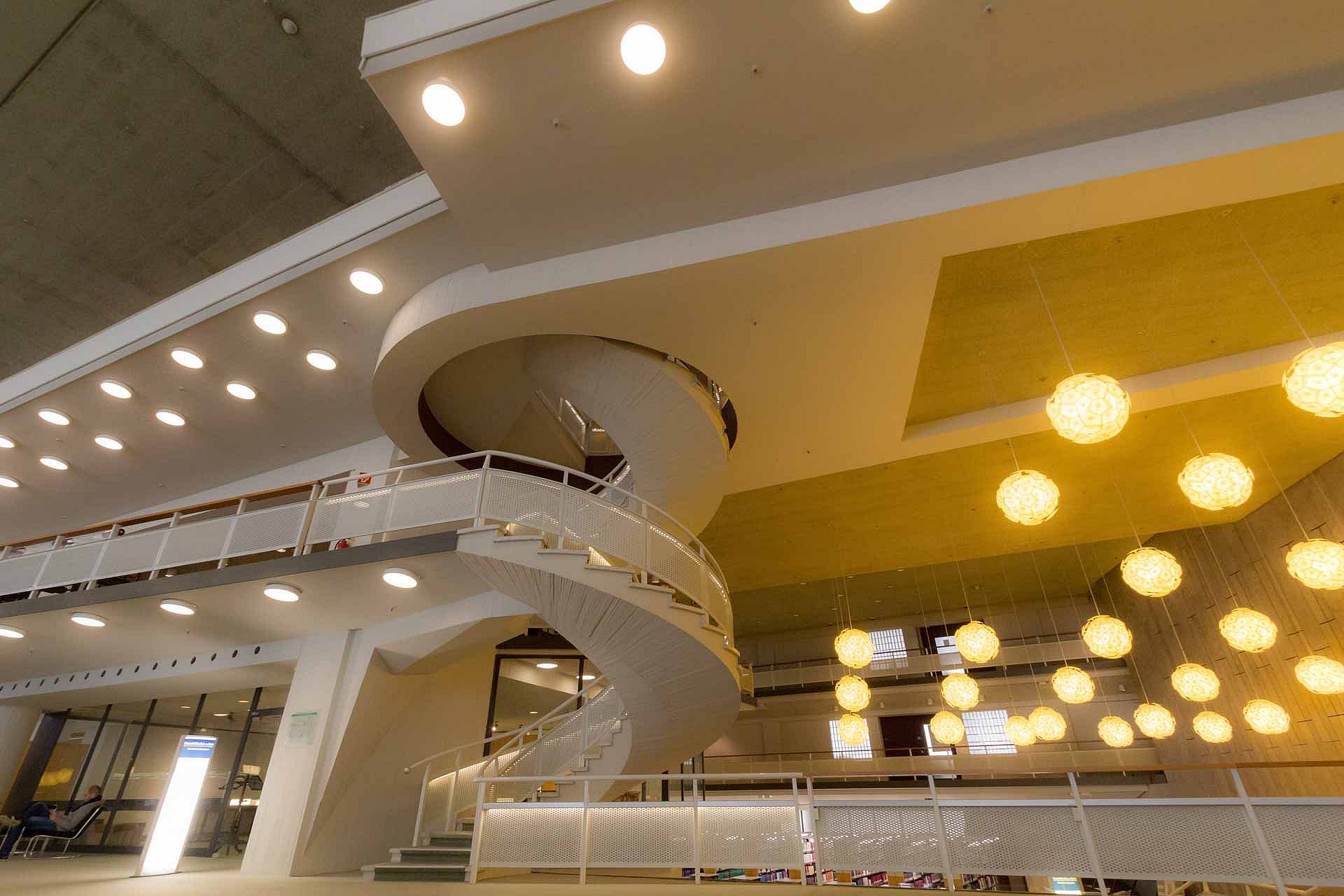
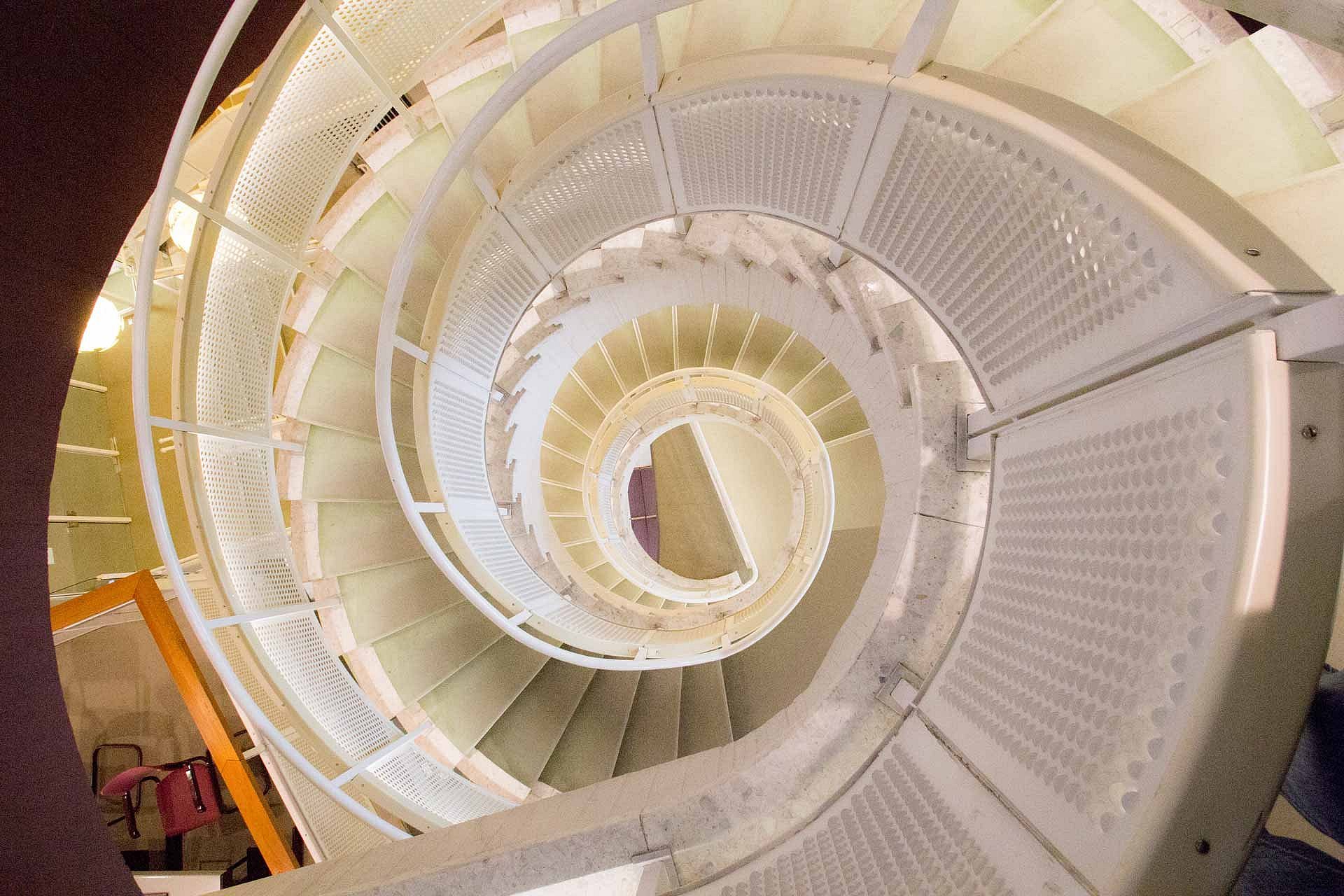
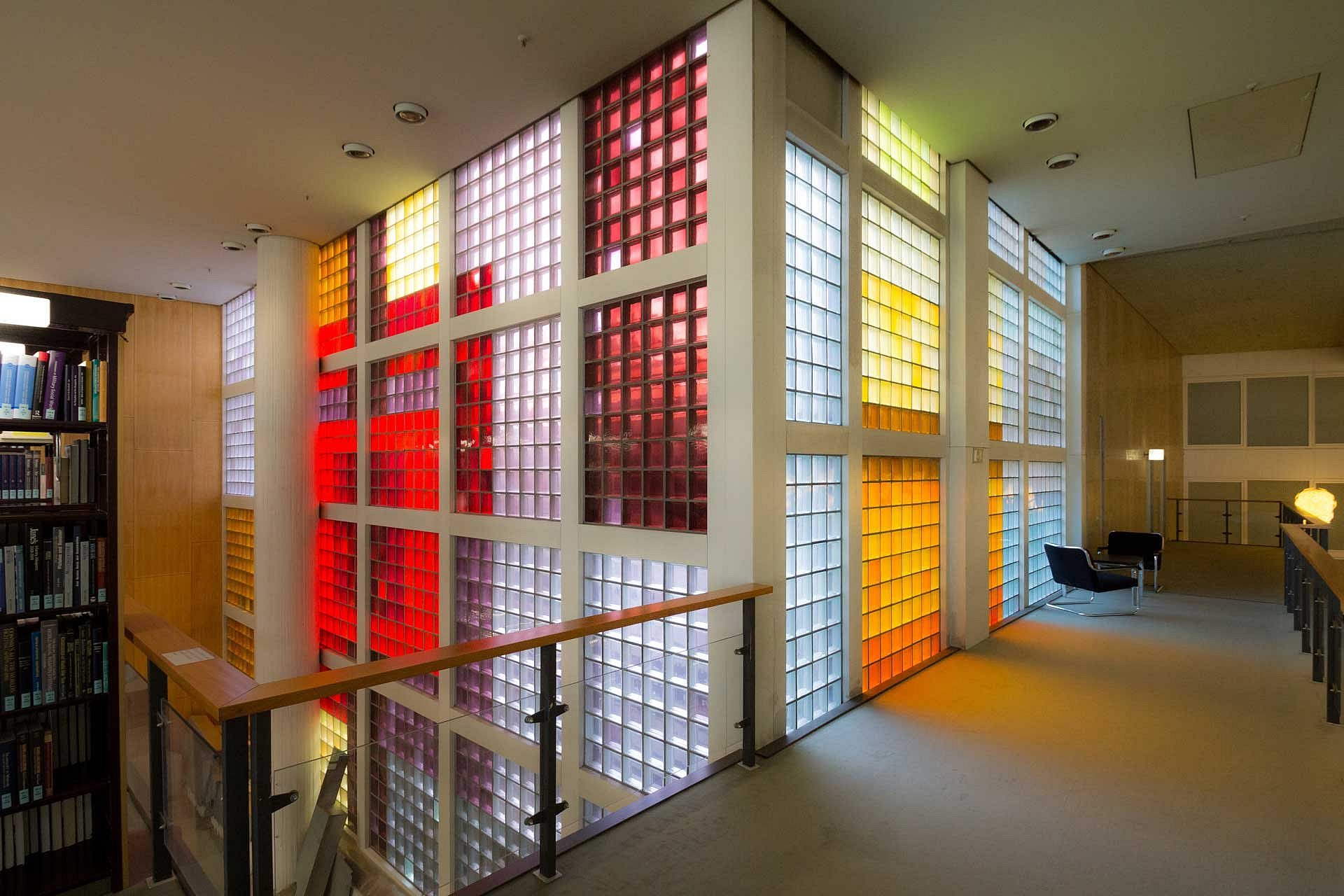
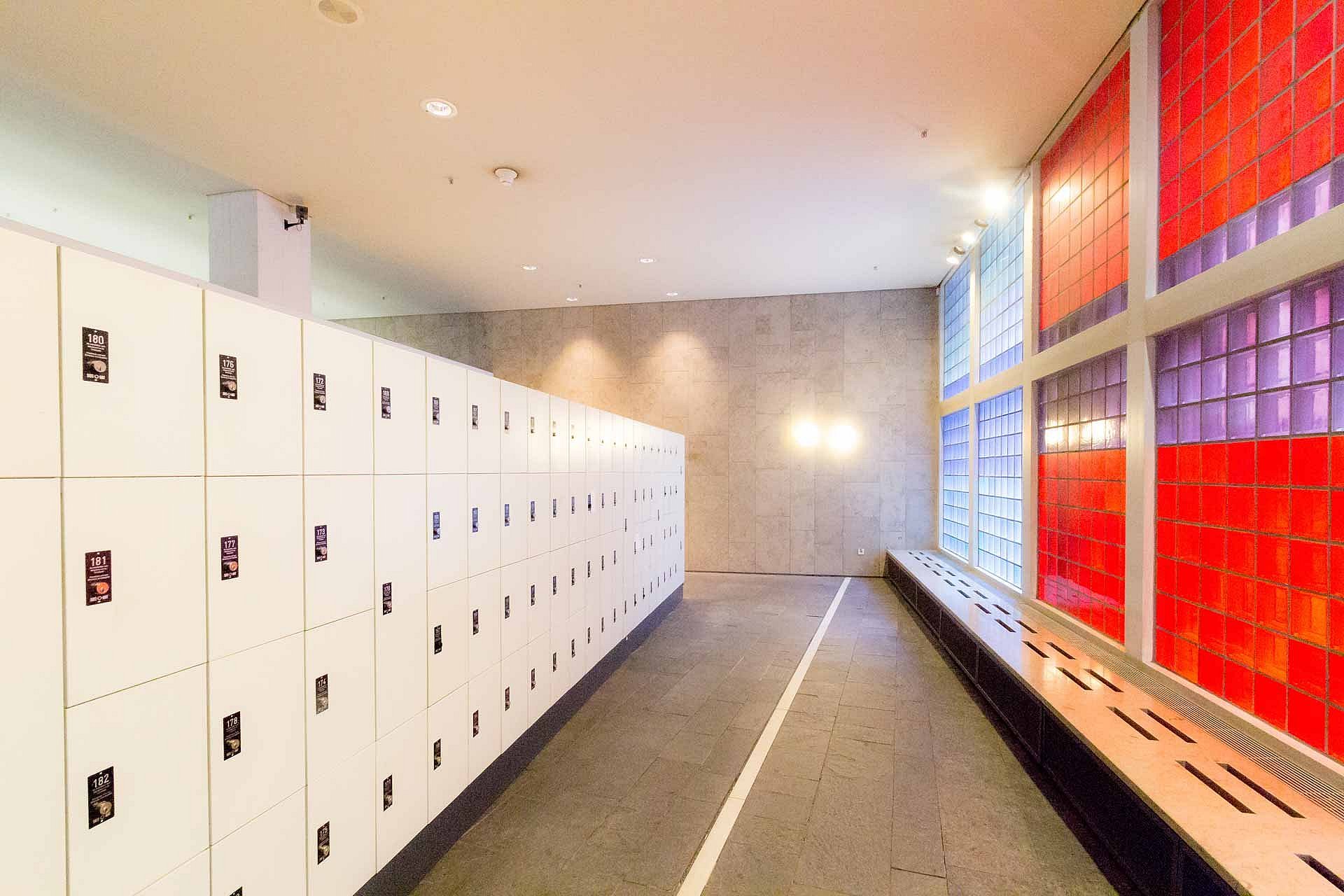
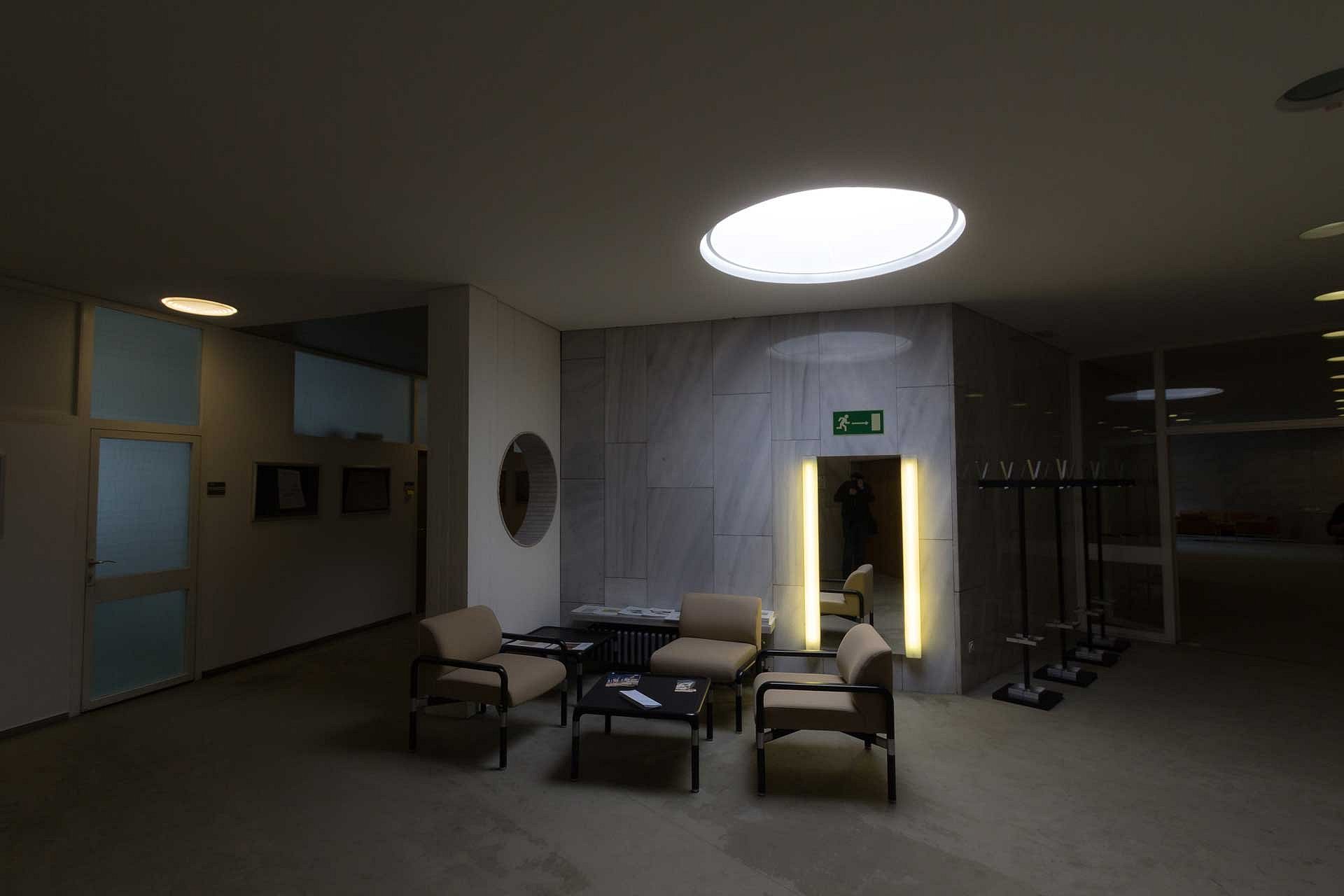
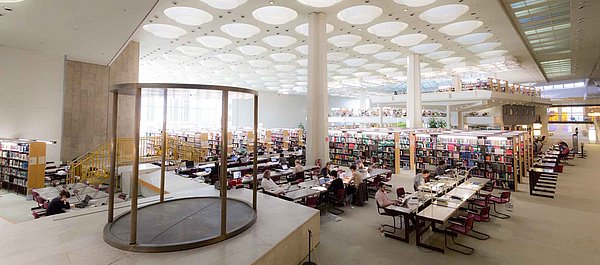
The gem I’m presenting is by no means hidden, but very easy to find. For one of my favourite spots in our building on Potsdamer Straße – which is certainly not short of special places – lies in the heart of the so-called ‘reading landscape’, our spectacular reading room designed by Hans Scharoun and brilliantly featured in Wim Wenders’ film *Wings of Desire*.
I am referring to Günther Uecker’s ‘Silent Sculpture’ (Water Drops) at the southern end of the room. I can relate to this work by the world-renowned Düsseldorf-based ZERO artist in several ways: on the one hand, Günther Uecker’s aesthetic appeals to me greatly anyway; on the other, the monopteros form of his sculpture is of great significance for the work of the Baroque architect Francesco Borromini, whom I also hold in high esteem (as Martin Raspe was able to demonstrate in his dissertation).
Moreover, it is not far from the Monopteros in the reading landscape to the Monopteros in the English Garden – and thus to fond private memories of my days in Munich. Finally, there is also a curious story surrounding this artwork, which its creator describes in the following words:
“The sculpture consists of two circular water basins, each three metres in diameter. The basins are situated one above the other. The upper basin is supported by six columns. The structure is made of bronze. From the still water in the upper basin, a drop of water drips from the centre of the basin into the lower basin. The impact of the drop creates ripples that travel out to the outer edge of the basin and back to the centre.”[1]
However, this effect apparently comes across to quite a few people as a form of acoustic water torture, which is why the sculpture had to be drained shortly after it was installed. Others, however, attribute this decision not to the dripping noises, but rather to the frequent blockages in the system caused by the high hardness of Berlin’s tap water.
Which brings me straight to my favourite pastime in this place: every time I walk through the reading area, I think back to a project that, even a year after its completion, still gives me the greatest pleasure. Together with media scholar Hannah Wiemer and the Berlin-based audio publisher speak low, the State Library has, in fact, mapped the auditory signature of its Scharoun building and documented it on the multi-award-winning double CD *Sounds of Stabi*, with a total running time of 557 minutes.
The aim of our acoustic project – most of which is also available as a free download – is to trace the specific potential for inspiration and creativity, the characteristic aura of this iconic library building, where countless academic and literary texts are produced day after day and which is of essential importance for the writing of no fewer people.
[1] Barbara Wilk-Mincu: ‘Art in Architecture’ at the State Library (Building 2): Episode 5, Günther Uecker: Water Drop Sculpture, in: Mitteilungen der Staatsbibliothek (PK), N.F. 3 (1994), pp. 33–47; here pp. 33 ff.
Fancy becoming part of the SPK family? You can find all current job vacancies across the Foundation on LinkedIn.